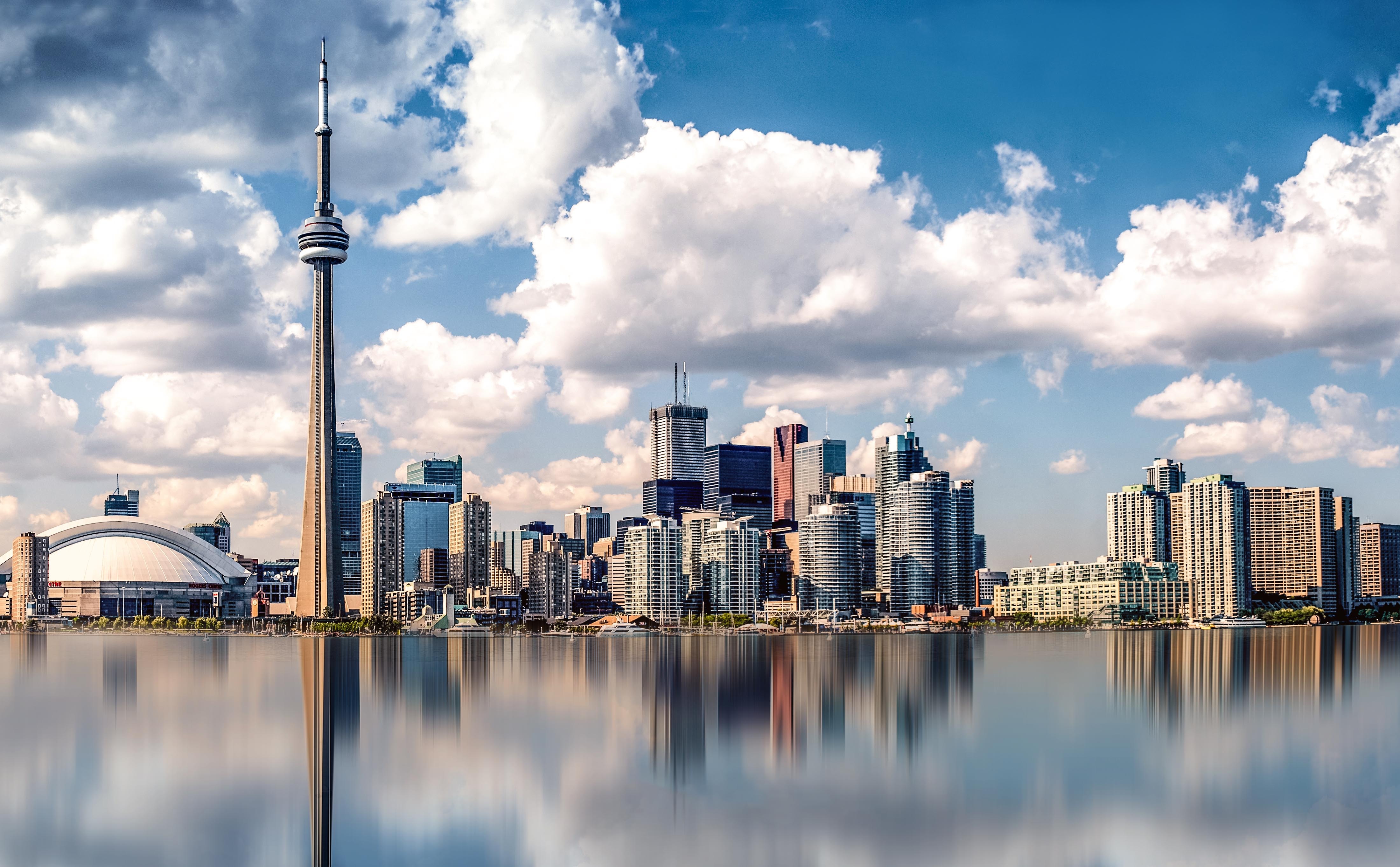
Day 1 - Toronto, Ontario
Further details for this day are not available.
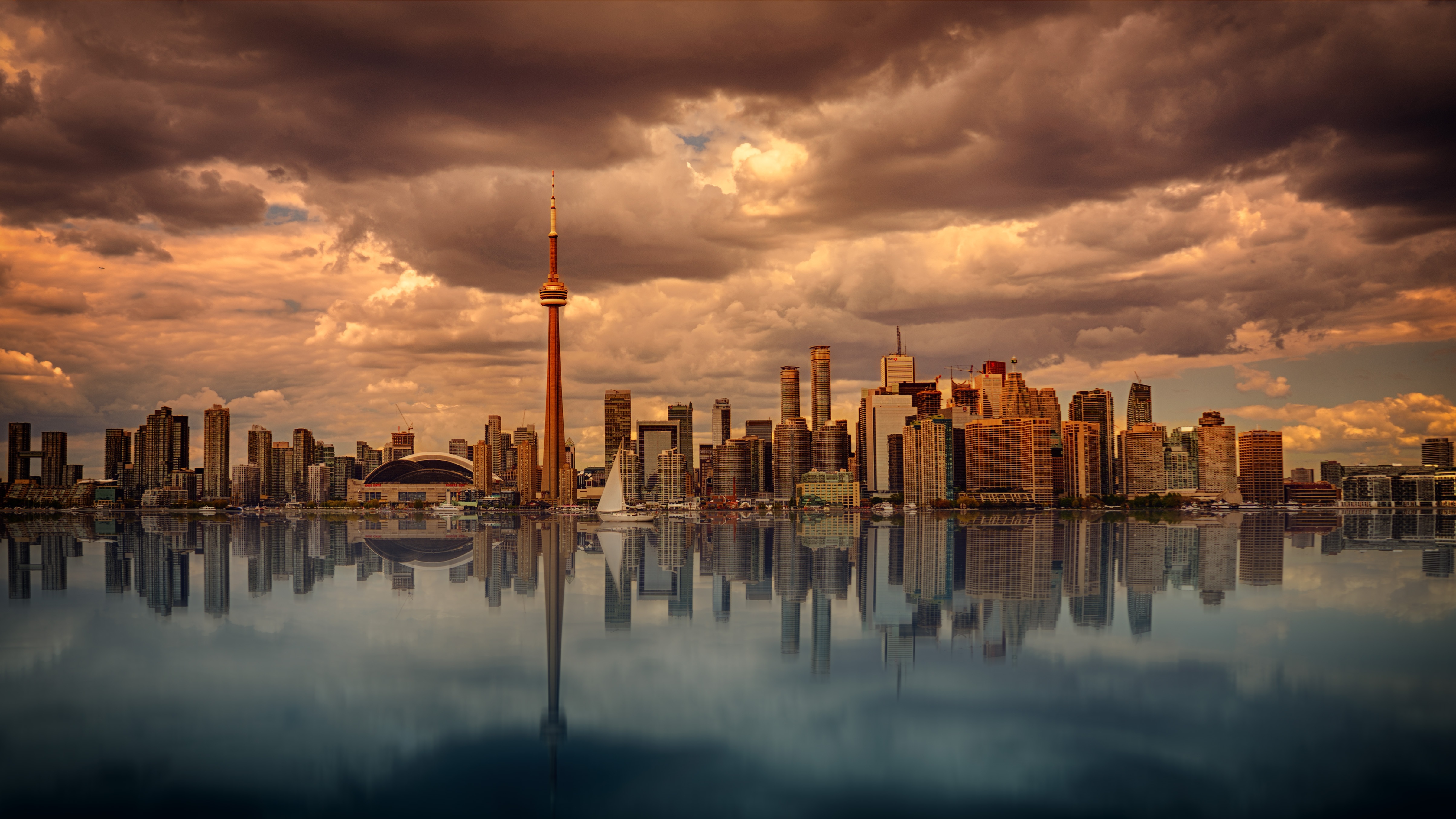
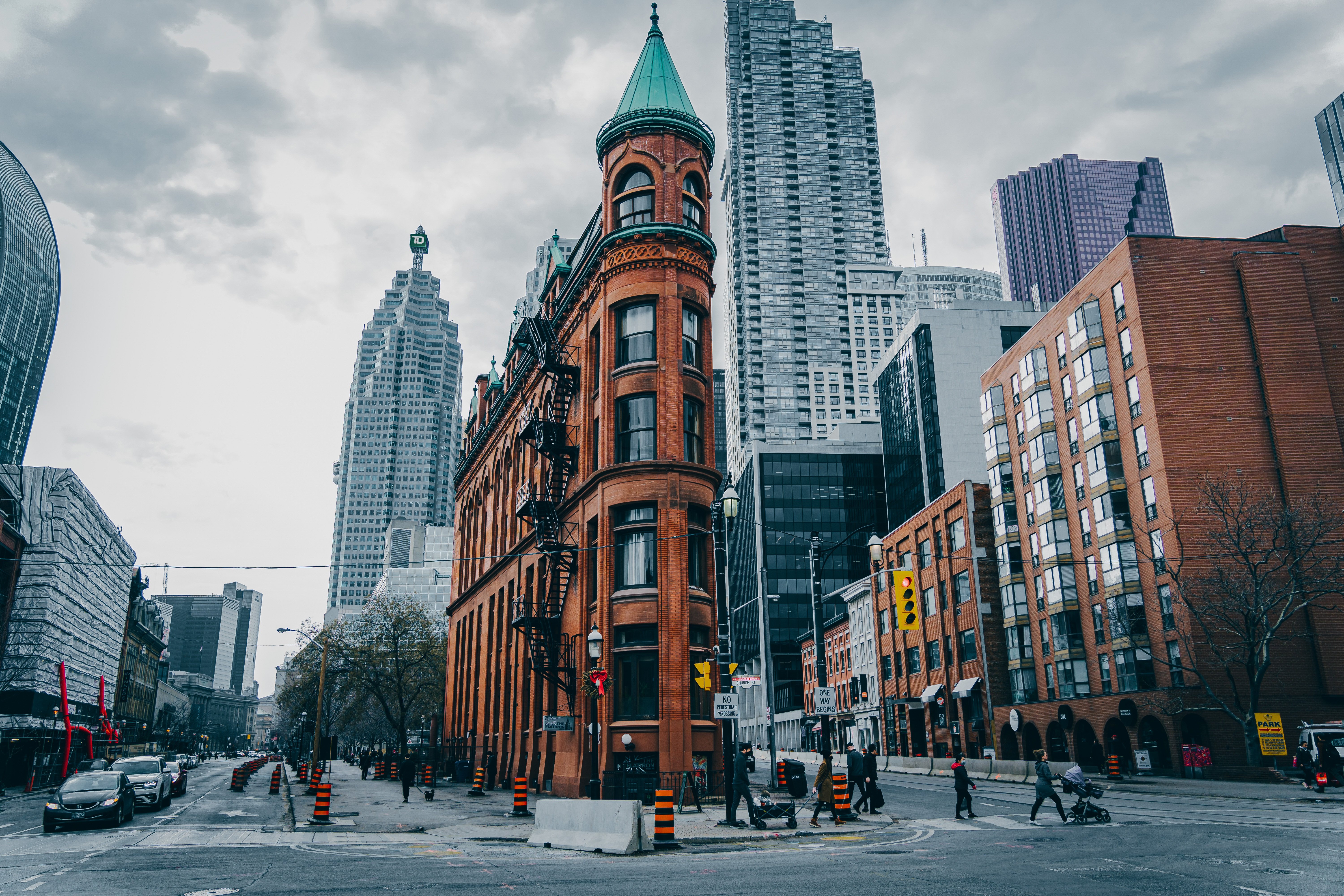
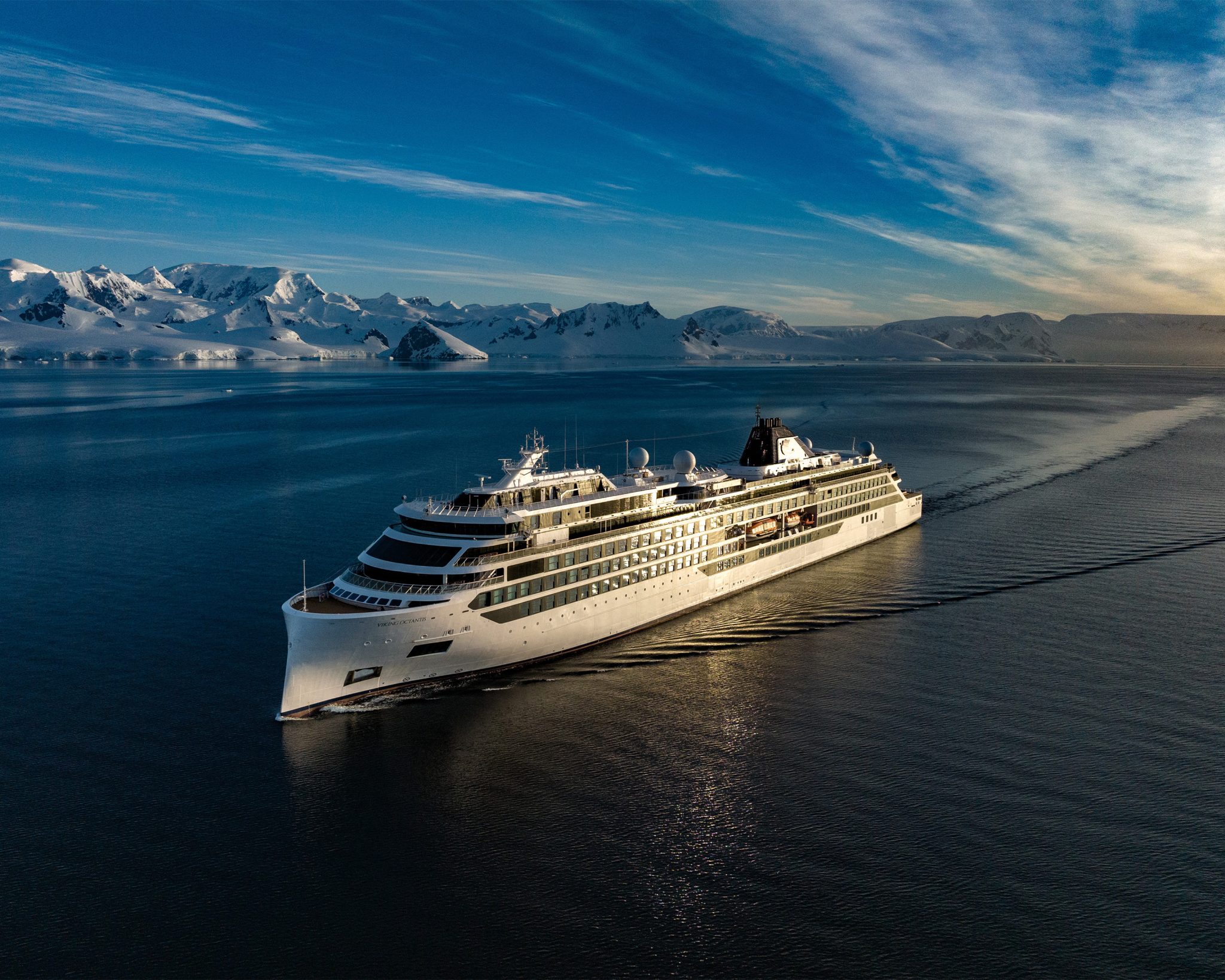
Itinerary: Toronto, Ontario, Sailing the St. Lawrence Seaway Locks, Trois-Rivieres (Three Rivers), Québec, Quebec City, Québec, Tadoussac, Québec, Havre-Saint-Pierre, Québec, Bonne Bay Canada, Newfoundland and L... See full itinerary
Your Itinerary, Day-By-Day
Further details for this day are not available.
Further details for this day are not available.
Further details for this day are not available.
Further details for this day are not available.
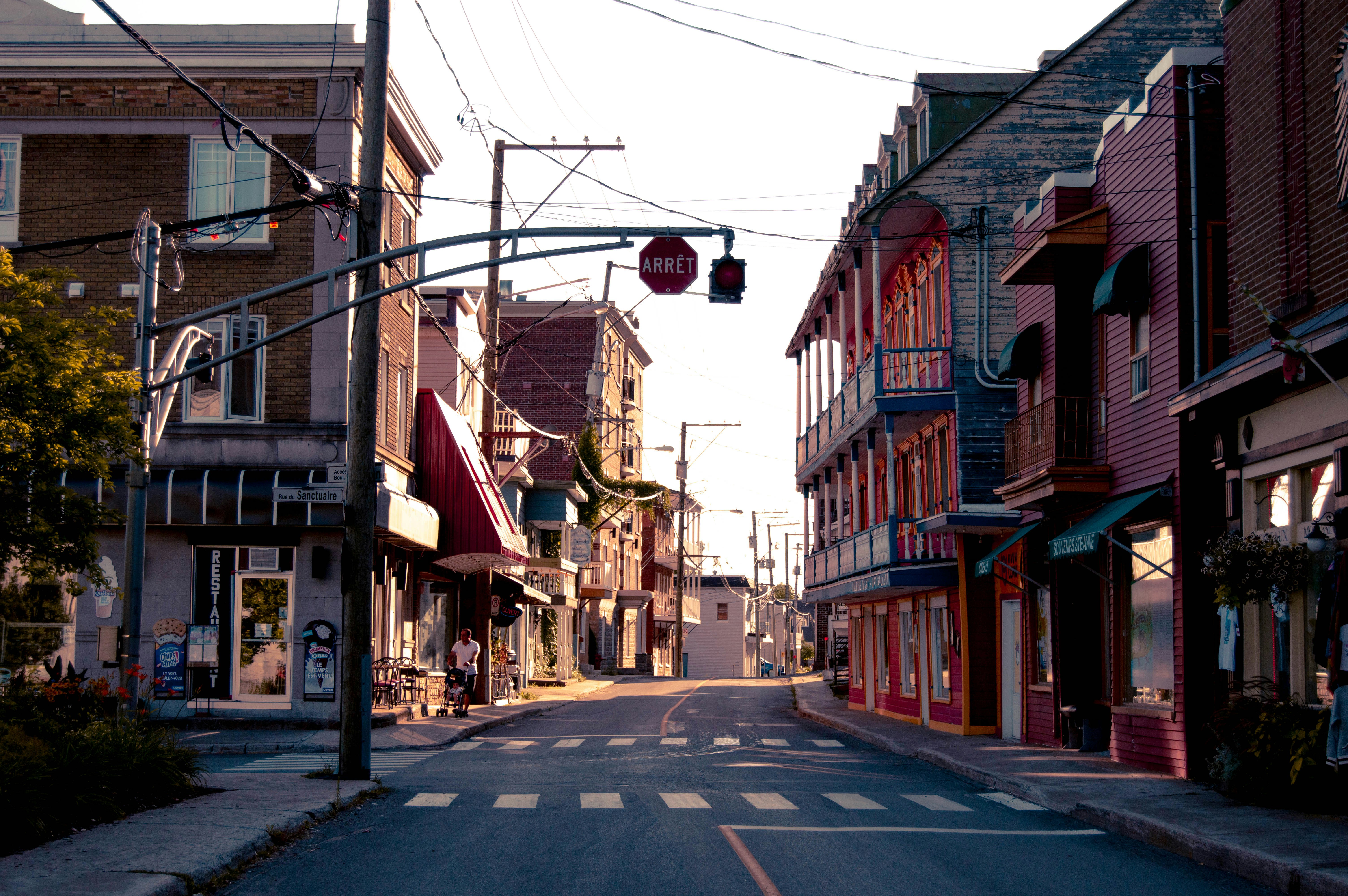
Québec City's alluring setting atop Cape Diamond (Cap Diamant) evokes a past of high adventure, military history, and exploration. This French-speaking capital city is the only walled city north of Mexico. Visitors come for the delicious and inventive cuisine, the remarkable historical continuity, and to share in the seasonal exuberance of the largest Francophone population outside France.The historic heart of this community is the Old City (Vieux-Québec), comprising the part of Upper Town (Haute-Ville) surrounded by walls and Lower Town (Basse-Ville), which spreads out at the base of the hill from Place Royale. Many sets of staircases and the popular funicular link the top of the hill with the bottom. Cobblestone streets, horse-drawn carriages, and elaborate cathedrals here are charming in all seasons. The Old City earned recognition as an official UNESCO World Heritage site in 1985, thanks largely to city planners who managed to update and preserve the 400-year-old buildings and attractions without destroying what made them worth preserving. The most familiar icon of the city, Fairmont Château Frontenac, is set on the highest point in Upper Town, where it holds court over the entire city.Sitting proudly above the confluence of the St. Lawrence and St. Charles rivers, the city's famous military fortification, La Citadelle, built in the early 19th century, remains the largest of its kind in North America. In summer, visitors should try to catch the Changing of the Guard, held every morning at 10 am; you can get much closer to the guards here than at Buckingham Palace in London.Enchanting as it is, the Old City is just a small part of the true Québec City experience. Think outside the walls and explore St-Roch, a downtown hot spot, which has artsy galleries, foodie haunts, and a bustling square. Cruise the Grande-Allée and avenue Cartier to find a livelier part of town dotted with nightclubs and fun eateries. Or while away the hours in St-Jean-Baptiste, a neighborhood with trendy shops and hipster hangouts.

Sitting on the natural junction where the River Saguenay unloads into the massive Saint Lawrence, a visit to strategically located Tadoussac leaves you fantastically placed to explore some of Quebec's finest history, wildlife and scenery. Sail a little further up the Saguenay, and you’ll be confronted by the glorious Saguenay Fjord, as you cruise through verdant hills of dense forestry, and steep cliffs. Or, alternatively, voyage out onto the deep waters of the Saint Lawrence river, where you can spot the surface parting, as the world's largest animals - blue whales - slowly emerge from the depths to gulp in air. With a fantastic supply of krill to tempt the whales, you can even spot the various species that visit from Tadoussac’s shoreline – just make sure you brush up on your whale knowledge beforehand, at the Marine Mammal Interpretation Centre.The town was the first trading post established by the French when they landed here, and it remains the oldest of the settlements still in existence. As the name suggests, Tadoussac's Old Chapel, has an impressive history, and is North America's oldest wooden chapel. You wouldn't necessarily know it from the outside, however, as the charming little church gleams tidily with a fresh lick of cherry red and white paint.
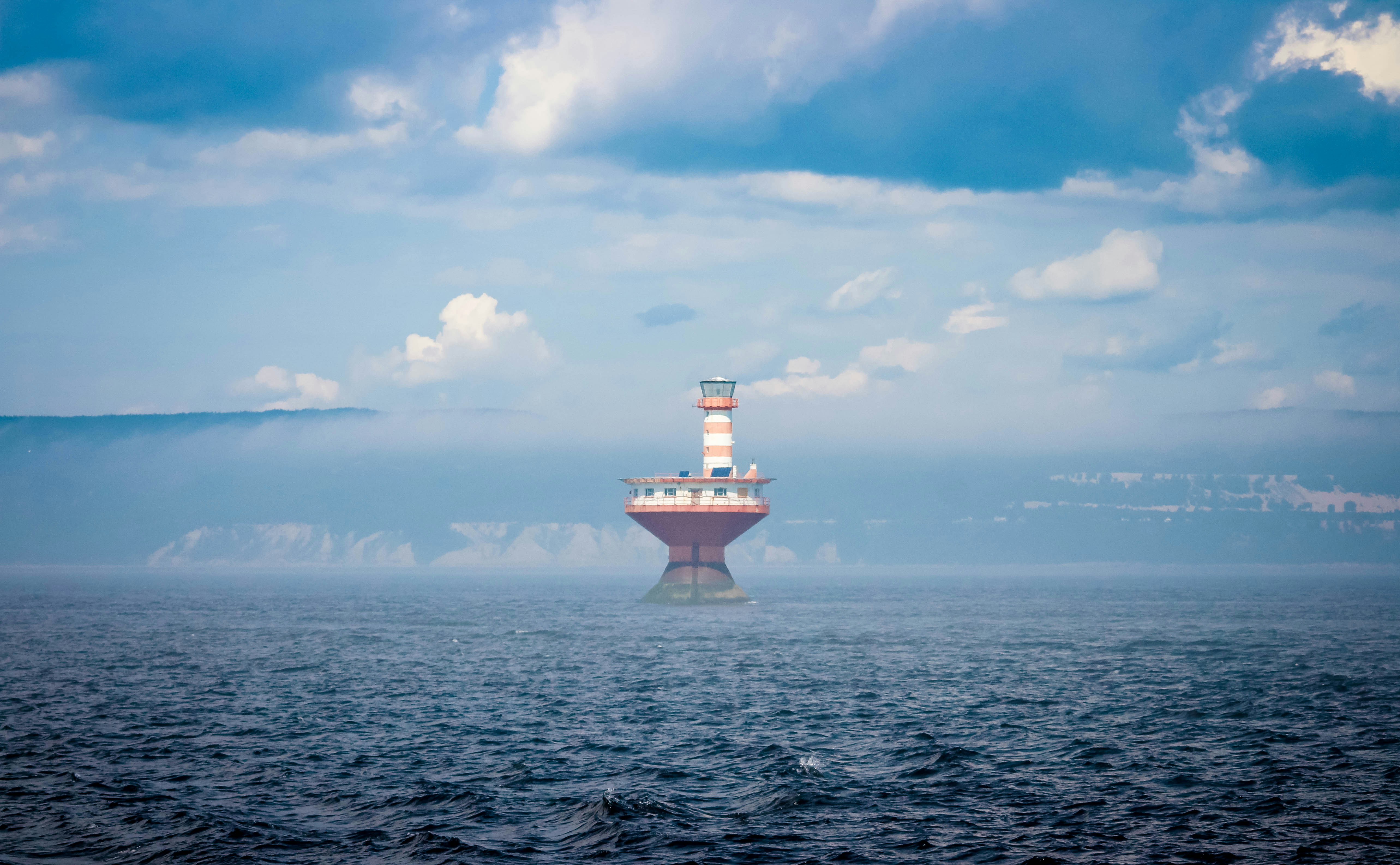
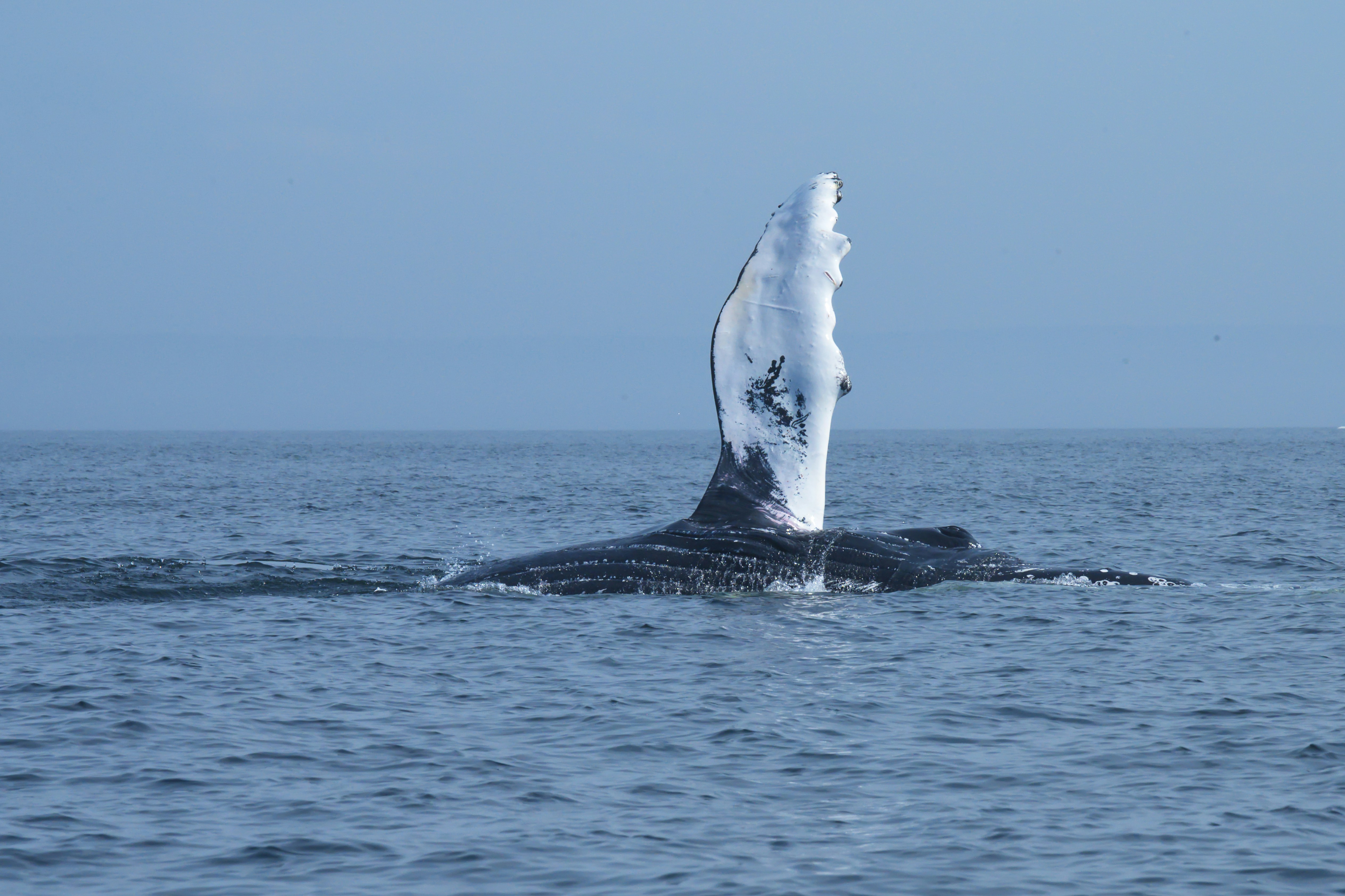
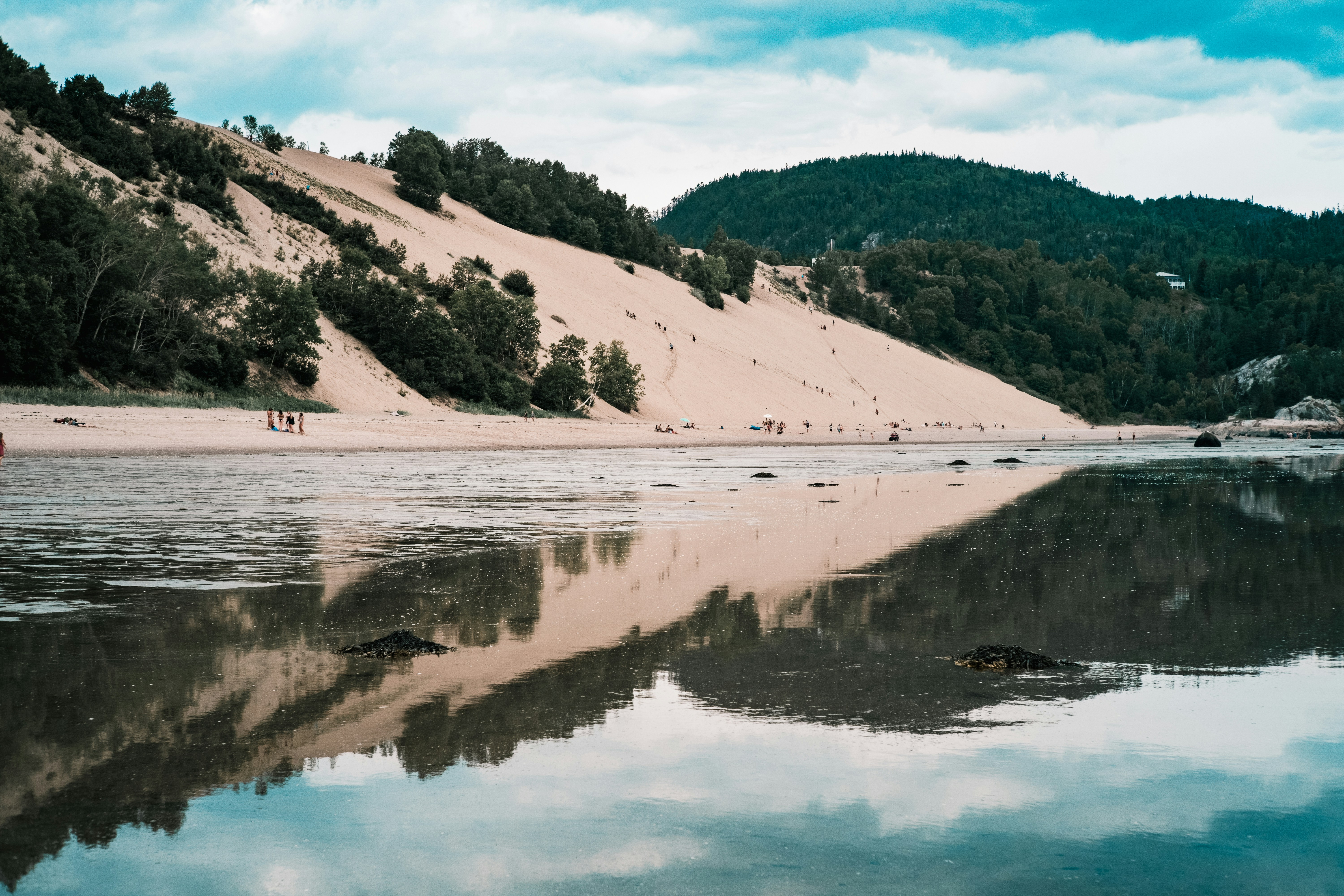
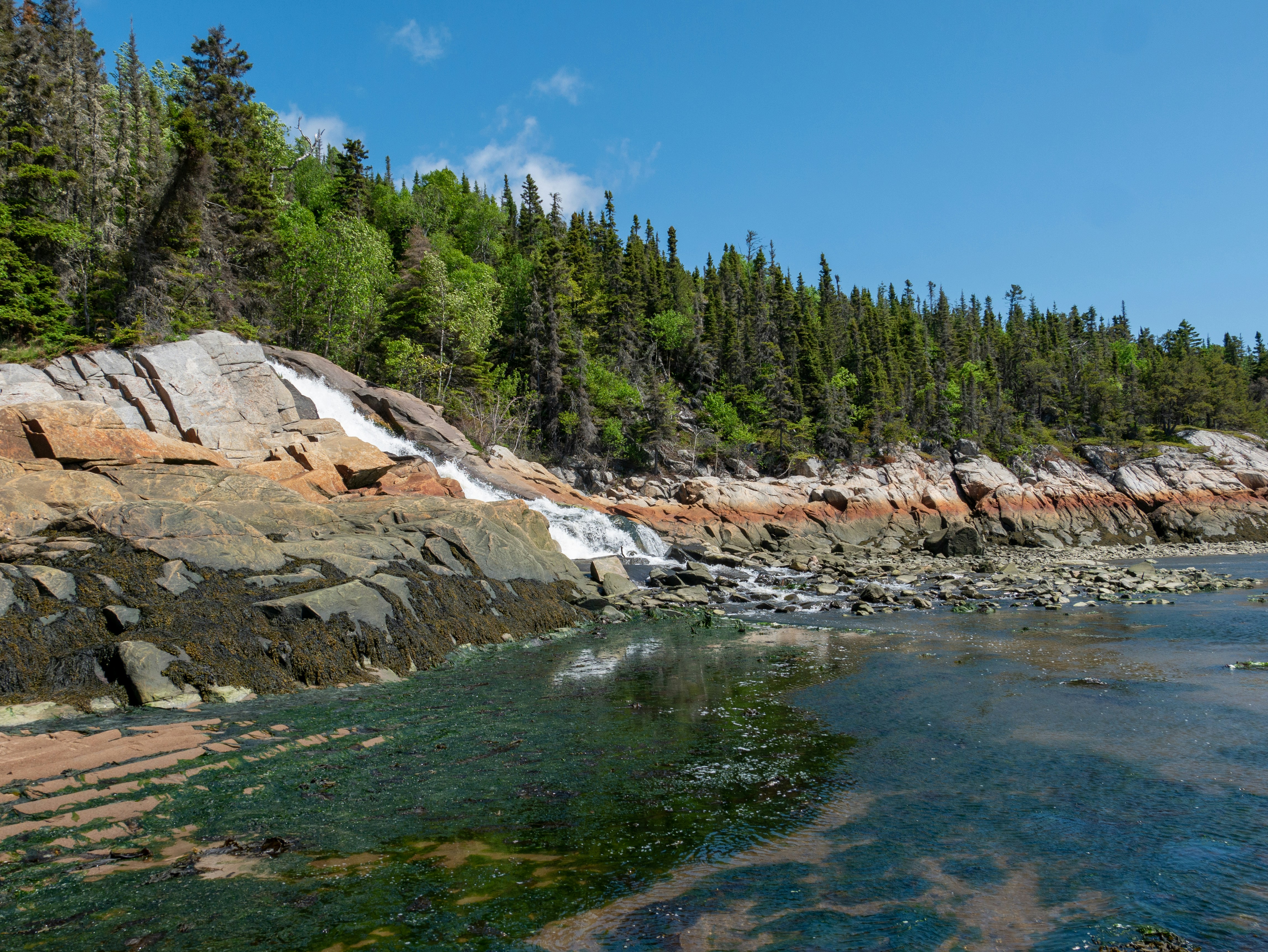
Havre St. Pierre is a tiny seaside port on the north shore of the Saint Lawrence River in Quebec. It was settled in 1857 by Acadians from the Magdalen Island, and still today locals speak a dialect more similar to Acadian French than to Quebec French. It was originally called Saint-Pierre-de-la-Pointe-aux-Esquimaux until 1927, when it was officially shortened to Havre St Pierre. Until recently the local economy relied mainly on fishing and lumbering, today it is mainly a titanium ore-transhipment port. Nearby is one of the world’s most amazing natural phenomena – the Mingan Archipelago. They are the largest group of erosional monoliths in Canada, and were declared a Nation Park in 1984. These limestone monoliths have formed over thousands of years by wave action, strong winds and seasonal freezing and thawing. The result is a unique set of large limestone sculptures.
Further details for this day are not available.
Further details for this day are not available.
Further details for this day are not available.
Further details for this day are not available.
Further details for this day are not available.
Further details for this day are not available.
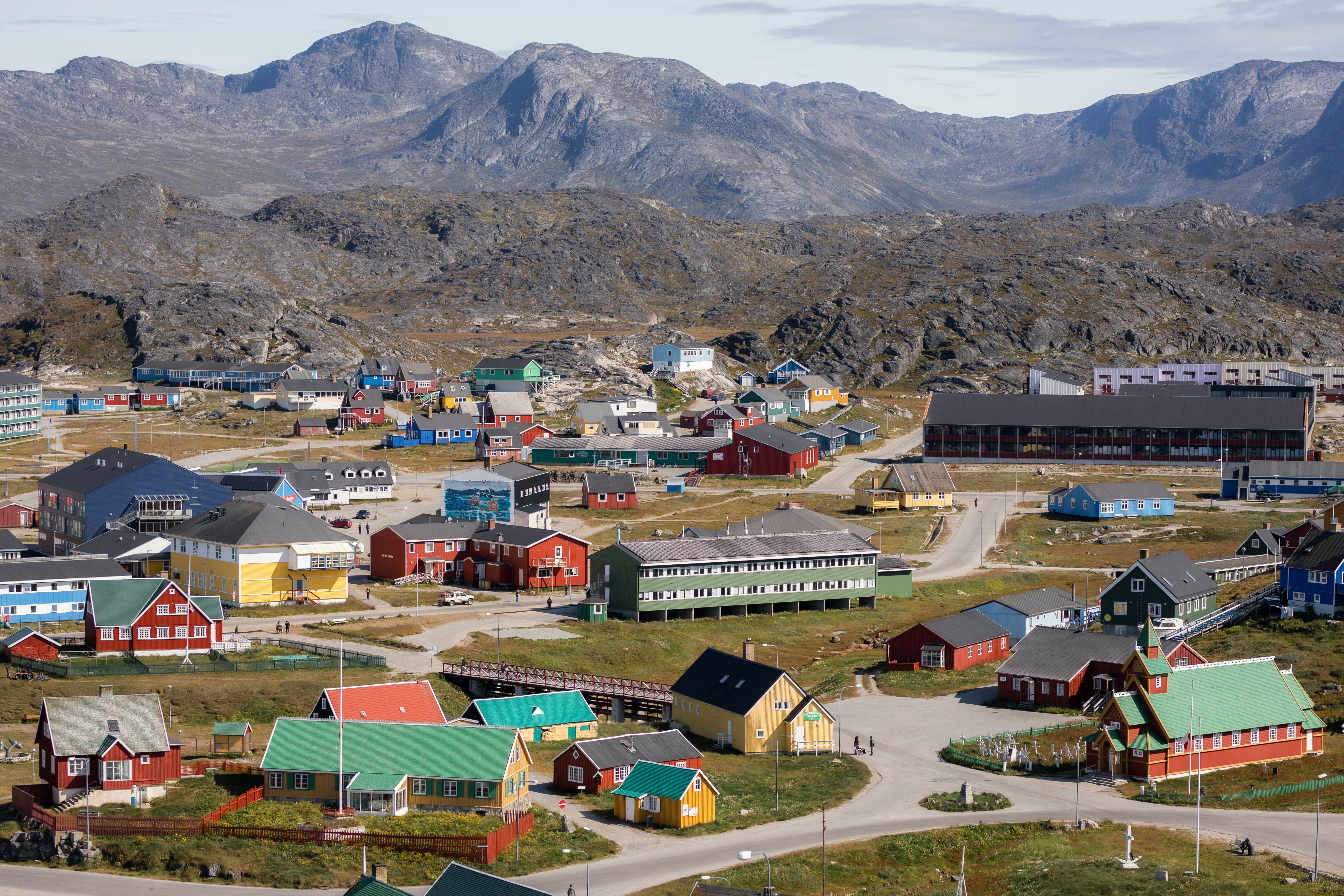
Kapisillit is a settlement in the Sermersooq municipality in southwestern Greenland. In 2020, the settlement had 52 inhabitants. Kapisillit means the salmon in the Greenlandic language. The name refers to the belief that the only spawning-ground for salmon in Greenland is a river near the settlement.
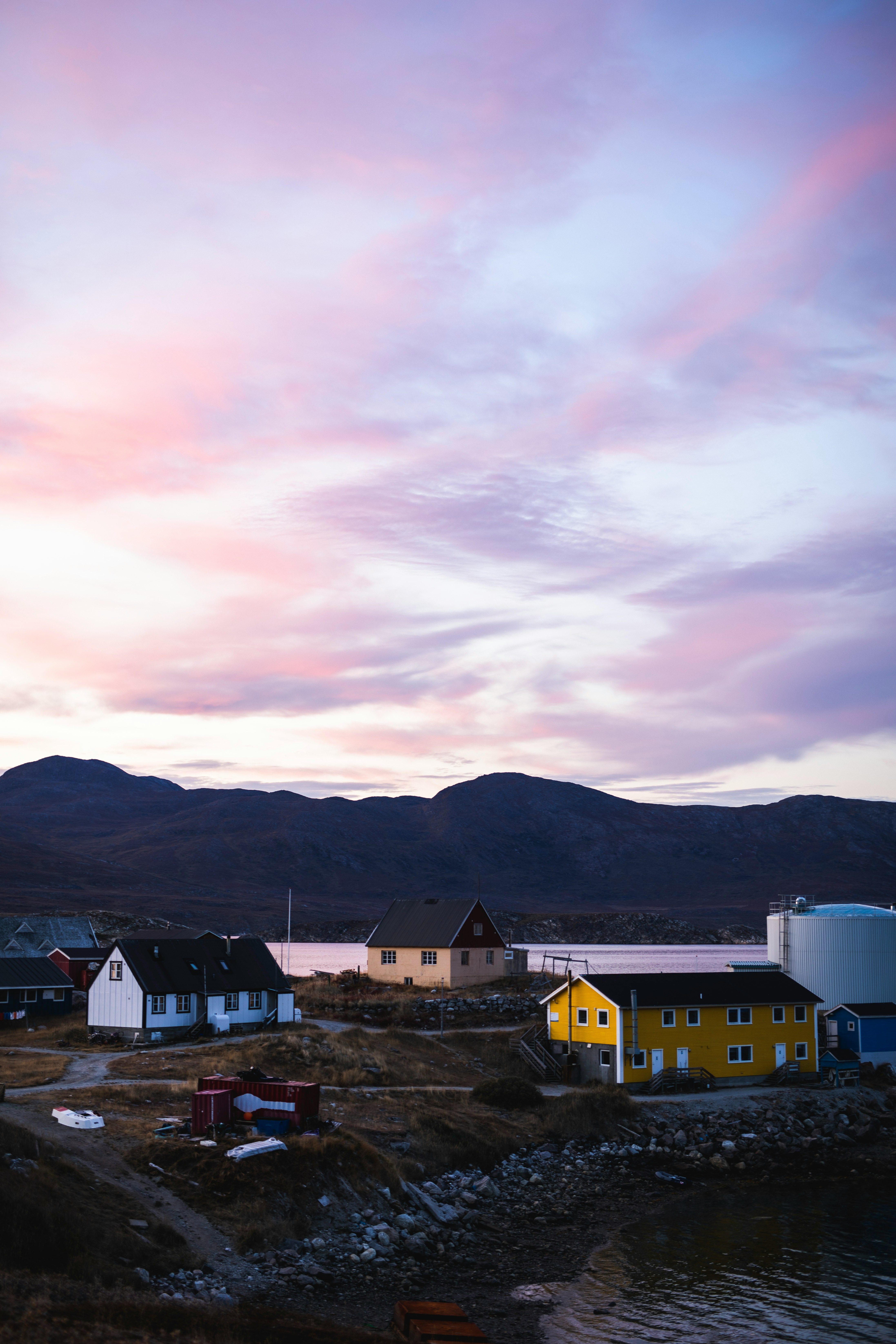


Nuuk, meaning “the cape”, was Greenland’s first town (1728). Started as a fort and later mission and trading post some 240 kilometers south of the Arctic Circle, it is the current capital. Almost 30% of Greenland’s population lives in the town. Not only does Nuuk have great natural beauty in its vicinity, but there are Inuit ruins, Hans Egede’s home, the parliament, and the Church of our Saviour as well. The Greenlandic National Museum has an outstanding collection of Greenlandic traditional dresses, as well as the famous Qilakitsoq mummies. The Katuaq Cultural Center’s building was inspired by the undulating Northern Lights and can house 10% of Nuuk’s inhabitants.
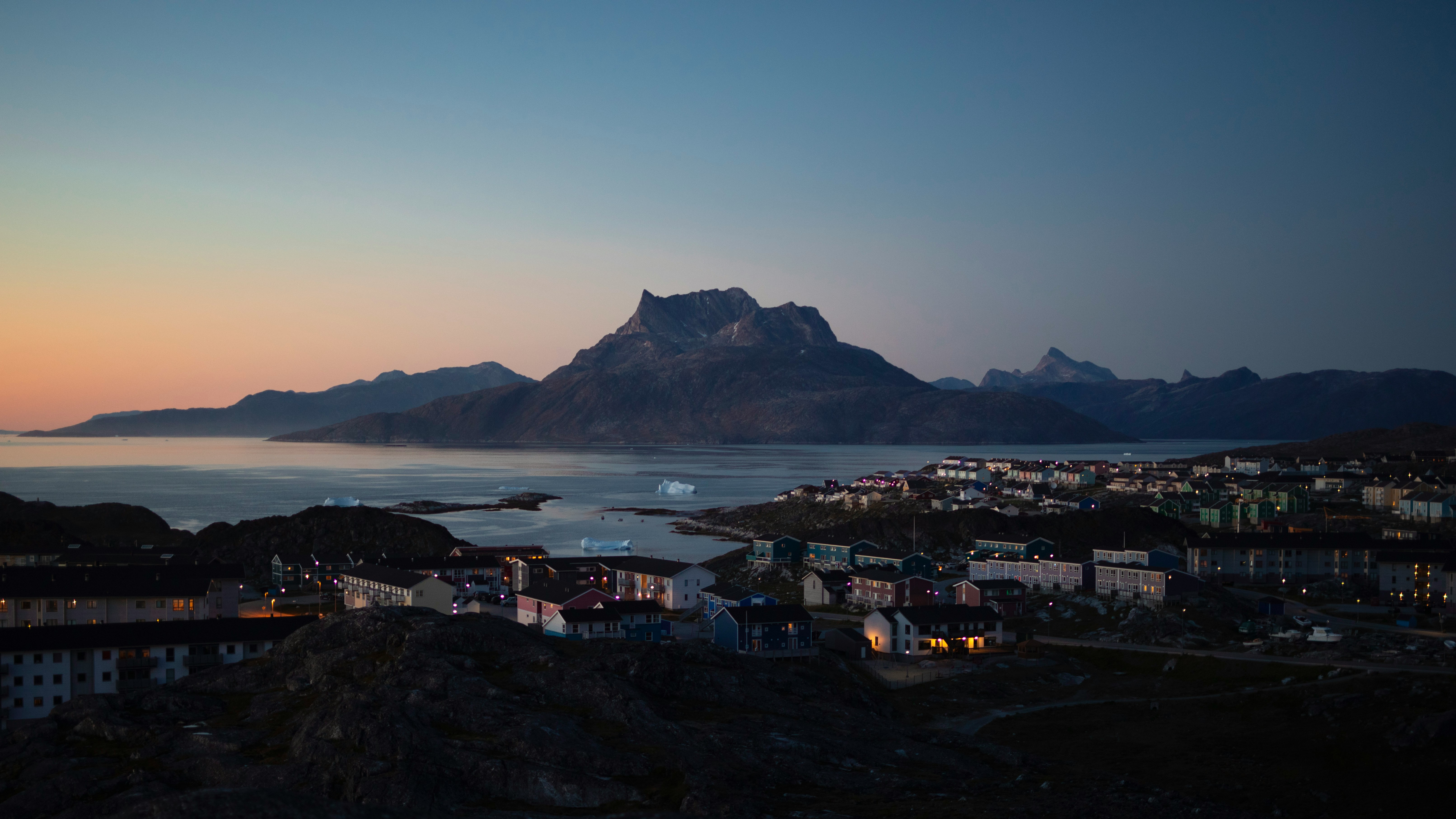
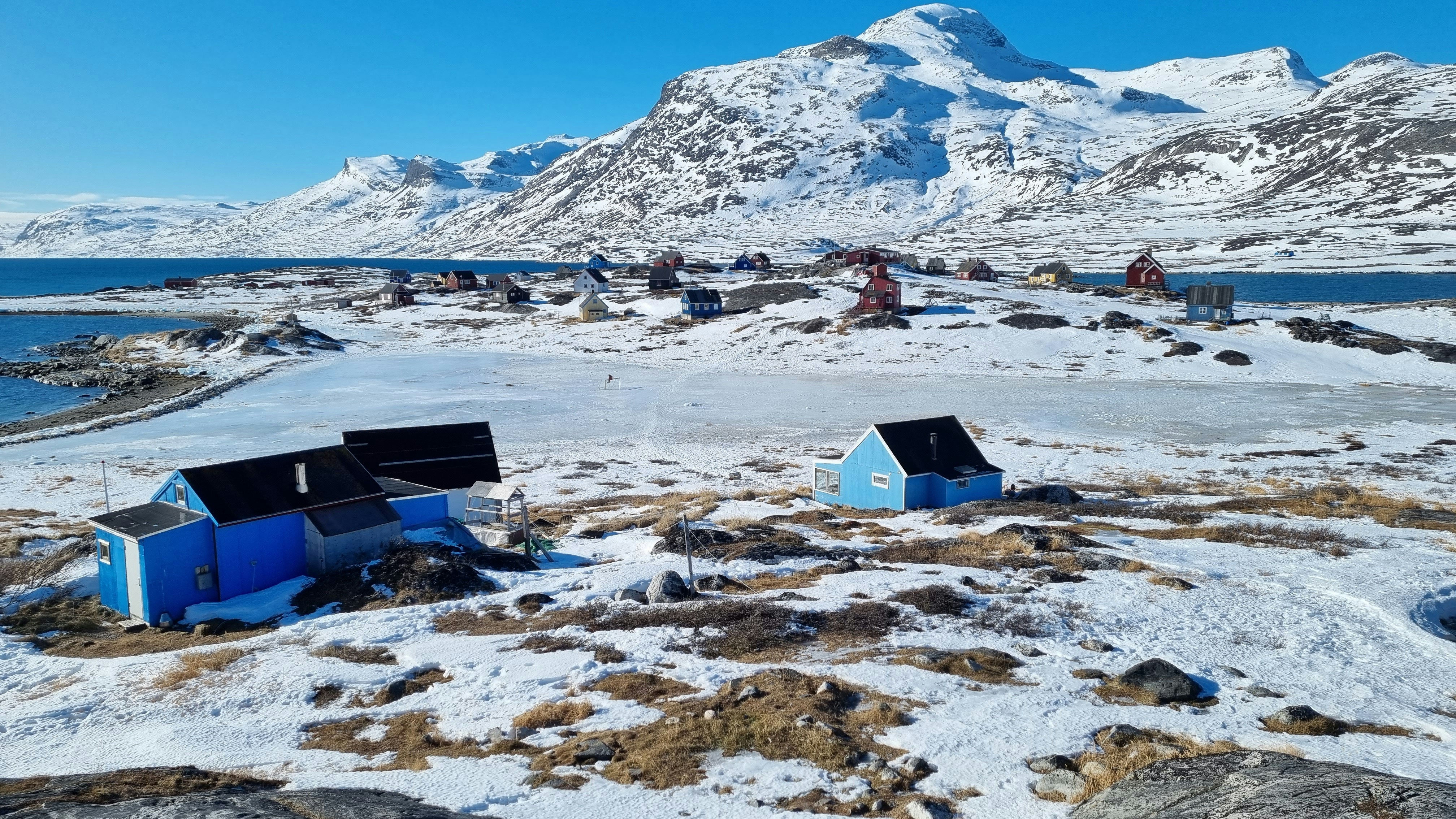
Nuuk, meaning “the cape”, was Greenland’s first town (1728). Started as a fort and later mission and trading post some 240 kilometers south of the Arctic Circle, it is the current capital. Almost 30% of Greenland’s population lives in the town. Not only does Nuuk have great natural beauty in its vicinity, but there are Inuit ruins, Hans Egede’s home, the parliament, and the Church of our Saviour as well. The Greenlandic National Museum has an outstanding collection of Greenlandic traditional dresses, as well as the famous Qilakitsoq mummies. The Katuaq Cultural Center’s building was inspired by the undulating Northern Lights and can house 10% of Nuuk’s inhabitants.
Itilleq is an idyllic little village located on a small island about ahalf a mile off the west coast of Greenland, and only about a mile north of theArctic Circle. It is one of the most picturesque villages in Greenland with itsquaint colorful houses surrounded by stunning rugged mountains and glaciers.Originally, the village of Itilleq was founded on another island in 1847, butwas later moved to its present location. The 100 people living here todaysurvive mainly on hunting and fishing, with a fish factory being the mainemployer.
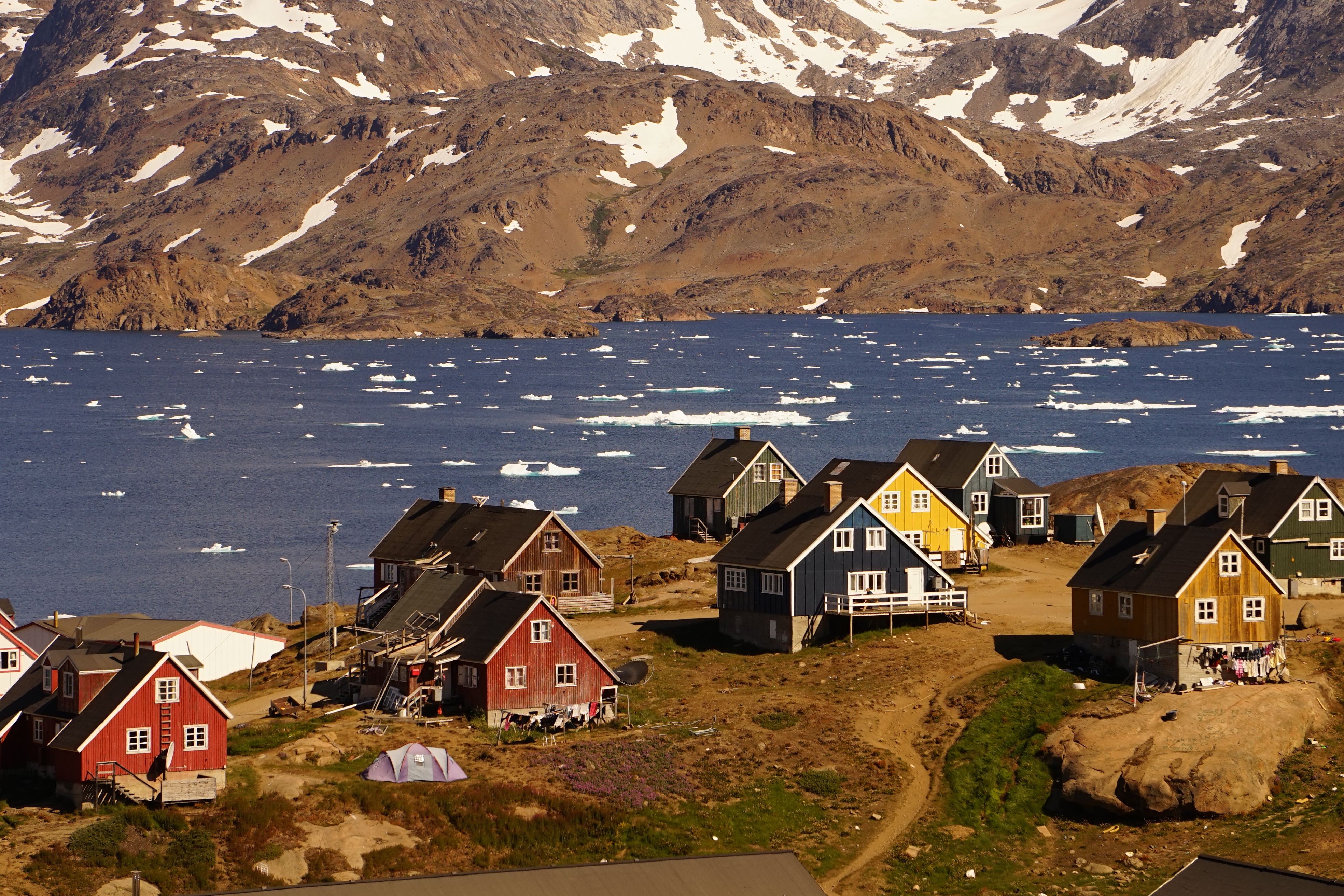
Known as the birthplace of icebergs, the Ilulissat Icefjord produces nearly 20 million tons of ice each day. In fact, the word Ilulissat means “icebergs” in the Kalaallisut language. The town of Ilulissat is known for its long periods of calm and settled weather, but the climate tends to be cold due to its proximity to the fjord. Approximately 4,500 people live in Ilulissat, the third-largest town in Greenland after Nuuk and Sisimiut. Some people here estimate that there are nearly as many sled dogs as human beings living in the town that also boasts a local history museum located in the former home of Greenlandic folk hero and famed polar explorer Knud Rasmussen.
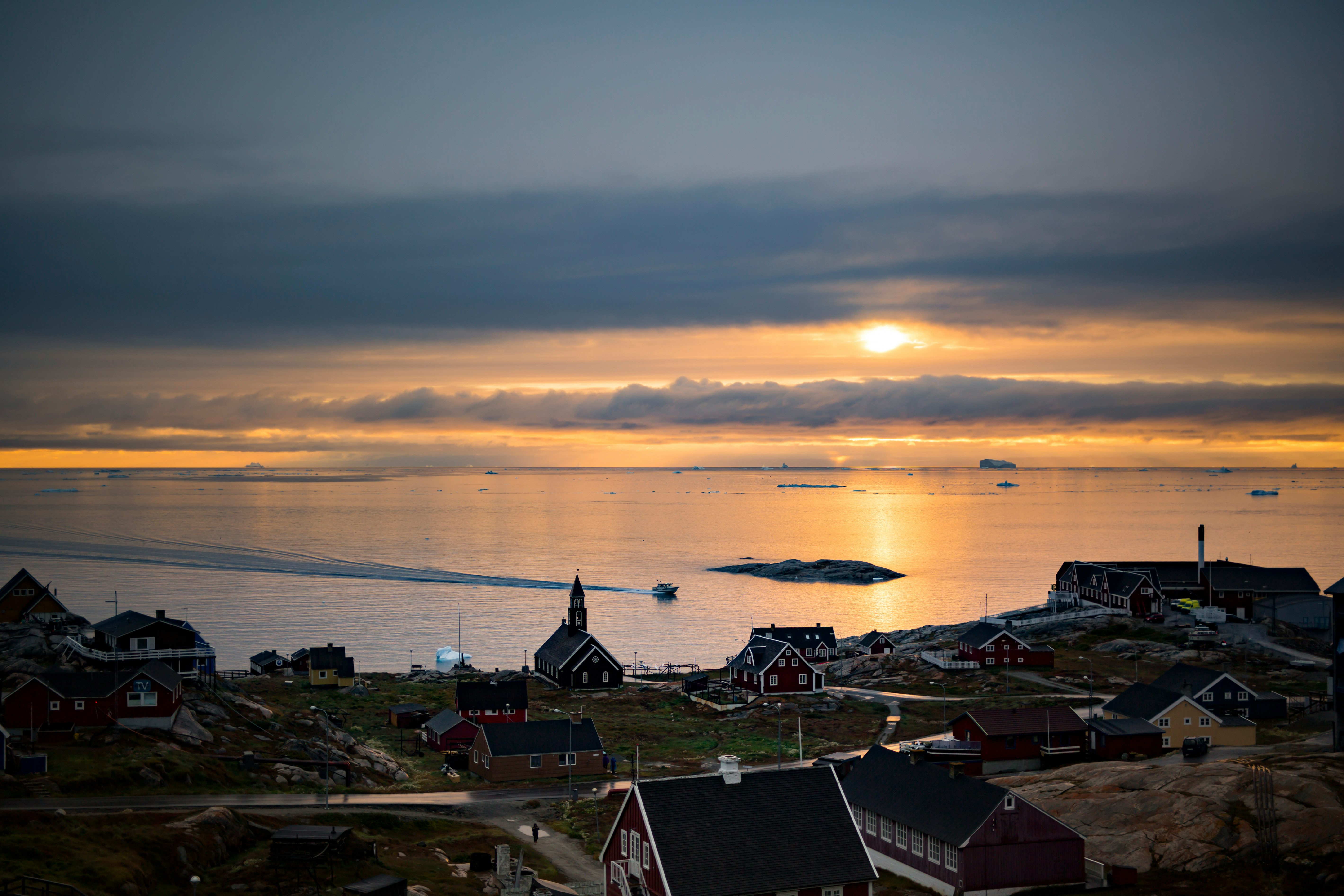
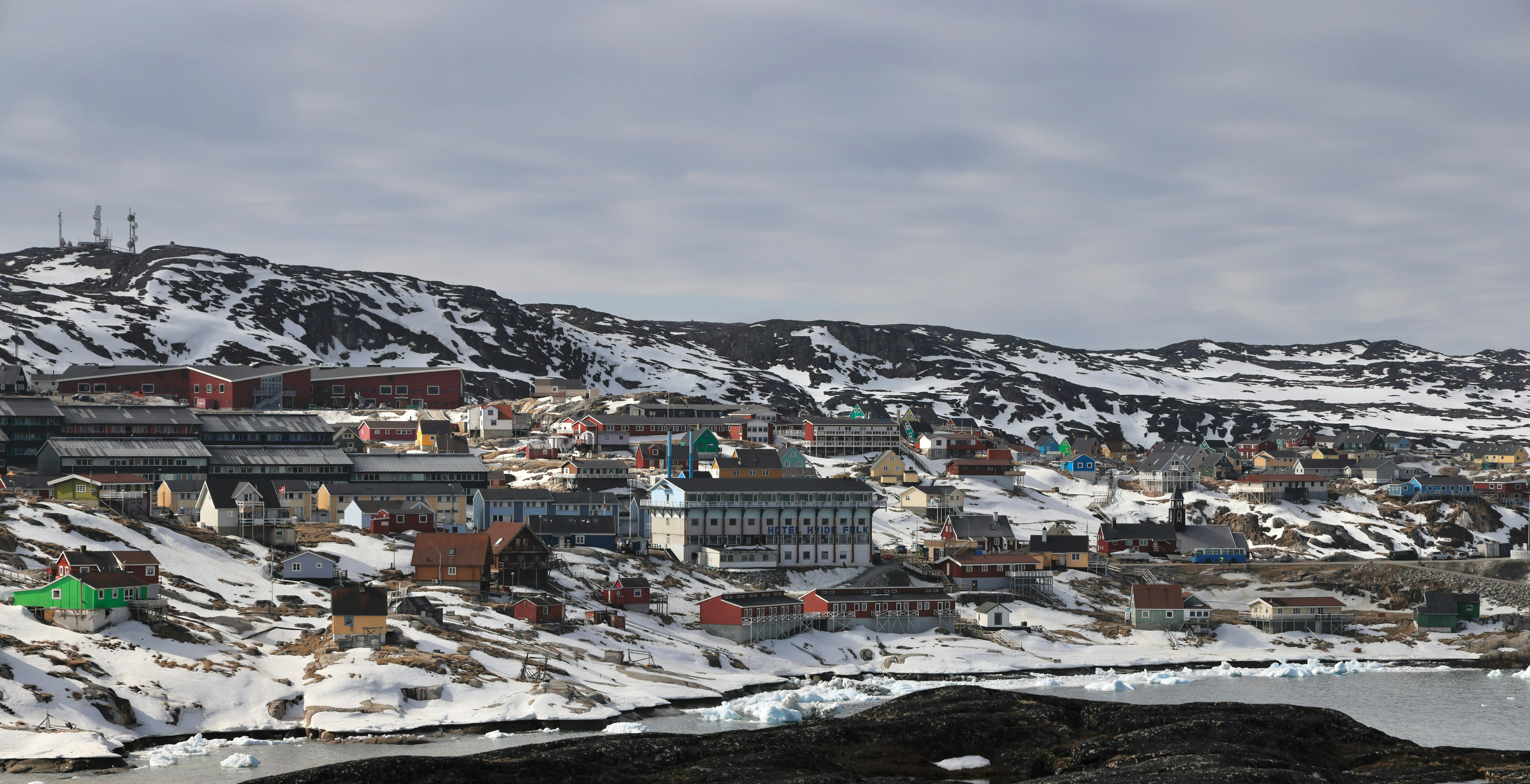
In the iceberg-laden waters surrounding the remote community of Uummannaq it is common to see whales. This area of Greenland is also known for its huge basalt mountains, and the small hunting and fishing village of Uummannaq rests at the foot of the heart-shaped Uummannaq Mountain, a name that translates to mean “in the shape of a seal’s heart”. The town of over 1200 people has a granite church and the country’s most northerly ferry terminal. The economy of Uummannaq revolves largely around the halibut/fish-processing factory.


Further details for this day are not available.
Located in northern Baffin Island, Pond Inlet is a small, predo¬minantly Inuit community, with a population of roughly 1,500 inhabitants. In 1818, the British explorer John Ross named a bay in the vicinity after the English astronomer John Pond. Today Pond Inlet is considered one of Canada's "jewels of the North" thanks to several picturesque glaciers and mountain ranges nearby. Many archaeological sites of ancient Dorset and Thule peoples can be found near Pond Inlet. The Inuit hunted caribou, ringed and harp seals, fish, polar bears, walrus, narwhals, geese, ptarmigans and Arctic hares, long before European and American whalers came here to harvest bowhead whales. Pond Inlet is also known as a major center of Inuit art, especially the printmaking and stone carving that are featured in the town’s art galleries.

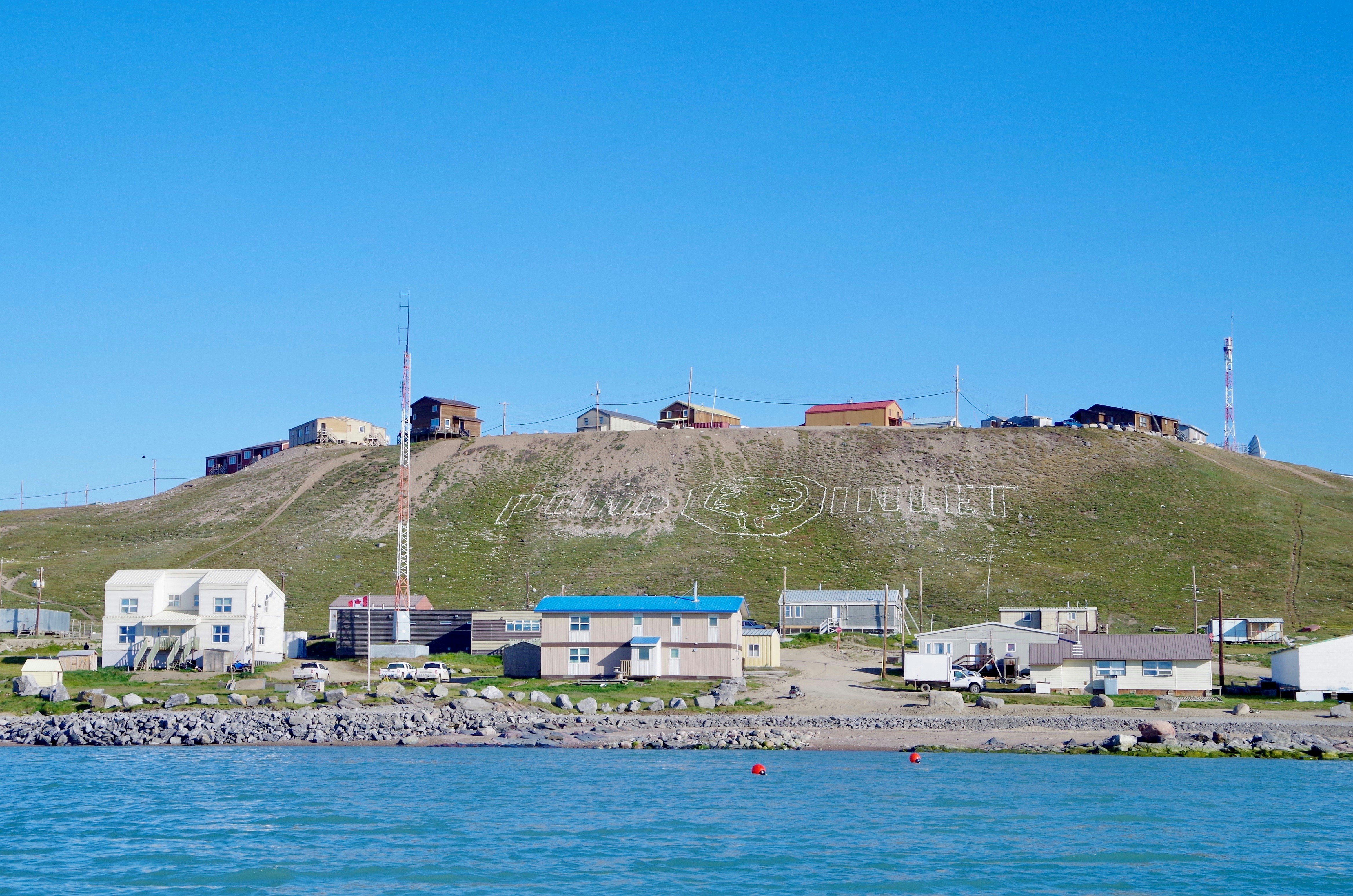
Further details for this day are not available.
Beechey Island is a small island off the southwest coast of Devon Island, separated by a narrow waterway called the Barrow Strait. Captain William Edward Parry was the first European to visit the island in 1819. His lieutenant, Frederick William Beechey, named the island after his father, the artist William Beechey (1753–1839). Beechey Island played a significant role in the history of Arctic Exploration. During the winter of 1845-46, Sir John Franklin and his men camped on the island as part of their ill-fated quest to find the Northwest Passage. Mummified remains of three of Franklin’s crew were discovered, giving a better understanding of what happened before the disappearance of the expedition. In 1850 Edward Belcher used the island as a base while surveying the area. Later, in 1903, Norwegian explorer Roald Amundsen stopped at the island at the beginning of his successful voyage in search for the Northwest Passage. Subsequently, Beechey Island has been declared a "Territorial Historic Site" since 1975 by the Northwest Territories government

Dundas Harbour is located in the southeast of Devon Island, Canada’s 6th largest island. It is a forlorn but starkly beautiful spot. The island was first sighted by Europeans in 1616 by the English explorers Robert Bylot and William Baffin. But it did not appear on maps until after explorer William Edward Parry’s exploration in the 1820’s. Parry named it after Devon, England. In the local Inuktitut language, the place is called Talluruti, which translates as “a woman’s chin with tattoos on it.” This refers to the deep crevasses and streaks on Devon Island, which from a distance resemble traditional facial tattoos. On land there are remains of a Thule settlement dating back to 1000 A.D., including tent rings, middens and a gravesite. There are also much more recent remains a Royal Canadian Mounted Police outpost. The first post was established in 1924 to monitor and control illegal activities, such as foreign whaling, in the eastern entrance to the Northwest Passage. But conditions were so isolated and severe that the post was abandoned in 1933. It was reopened in 1945, but again closed, this time permanently, in 1951. Today, Devon Island is the largest uninhabited island in the world.

Further details for this day are not available.
Located just north of the Arctic Circle, Sisimiut is the northernmost town in Greenland where the port remains free of ice in the winter. Yet it is also the southernmost town where there is enough snow and ice to drive a dogsled in winter and spring. In Sisimiut, travelling by sled has been the primary means of winter transportation for centuries. In fact, the area has been inhabited for approximately 4,500 years. Modern Sisimiut is the largest business center in the north of Greenland, and is one of the fastest growing Greenlandic cities. Commercial fishing is the lead economy in the town‘s thriving industrial base.
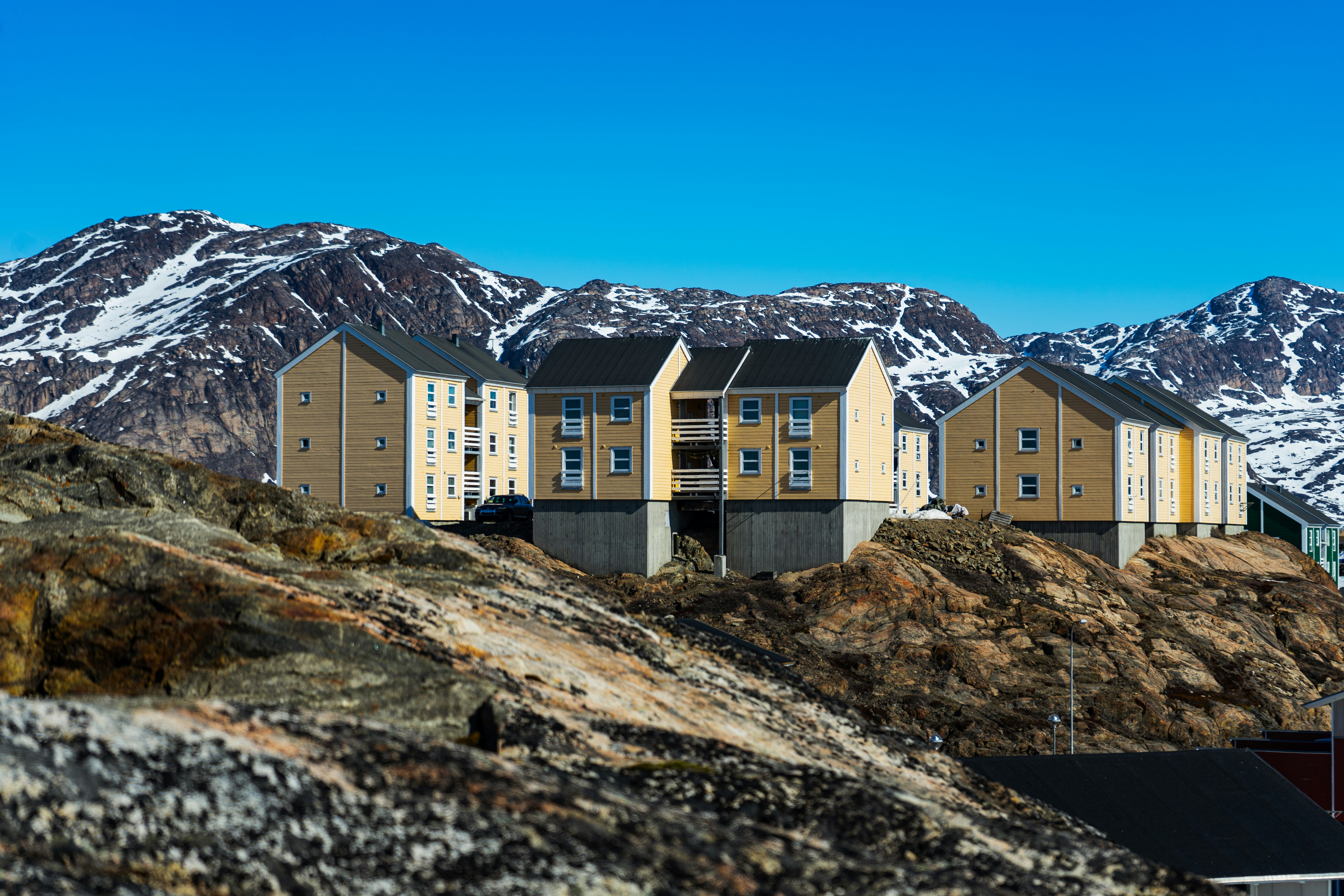
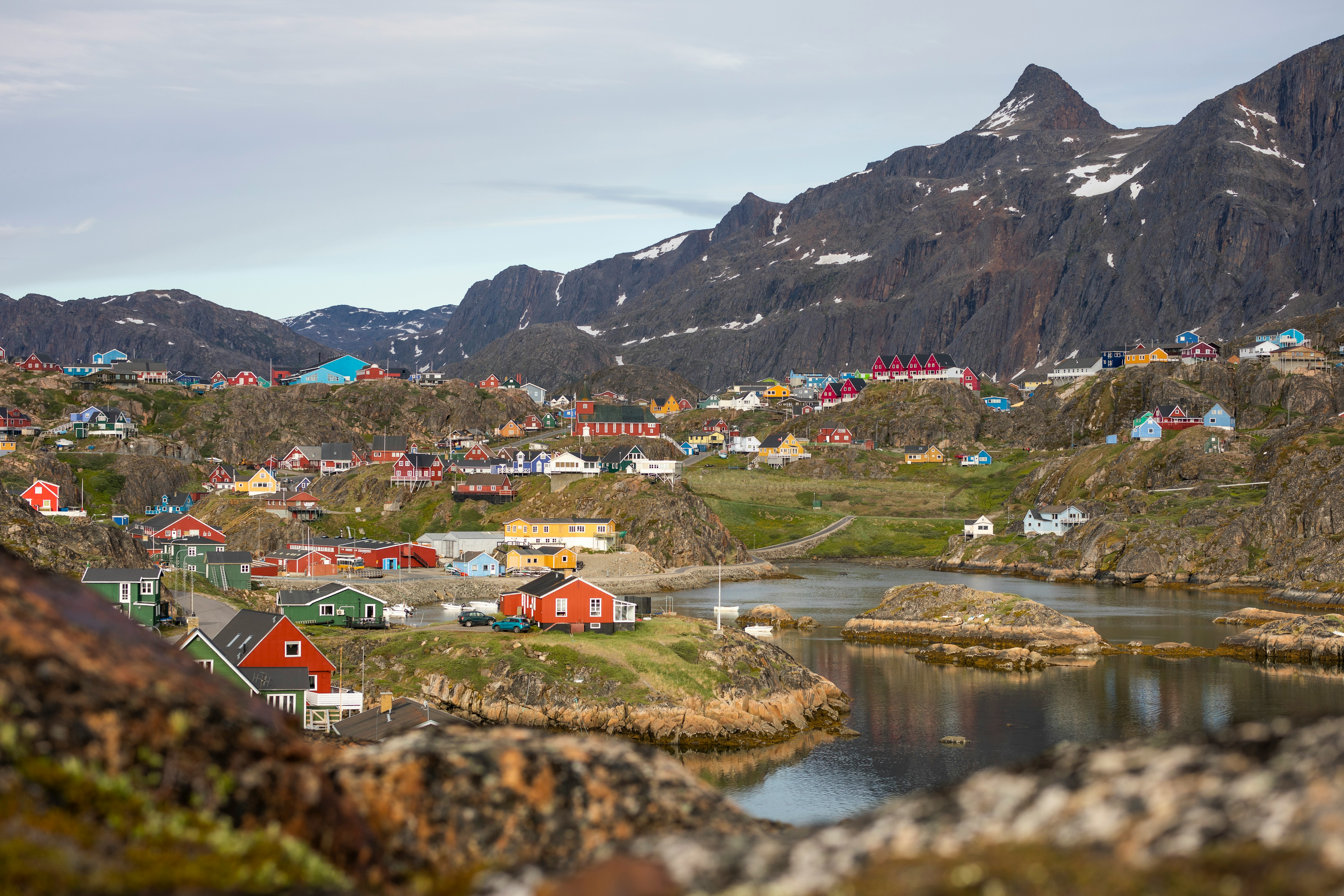
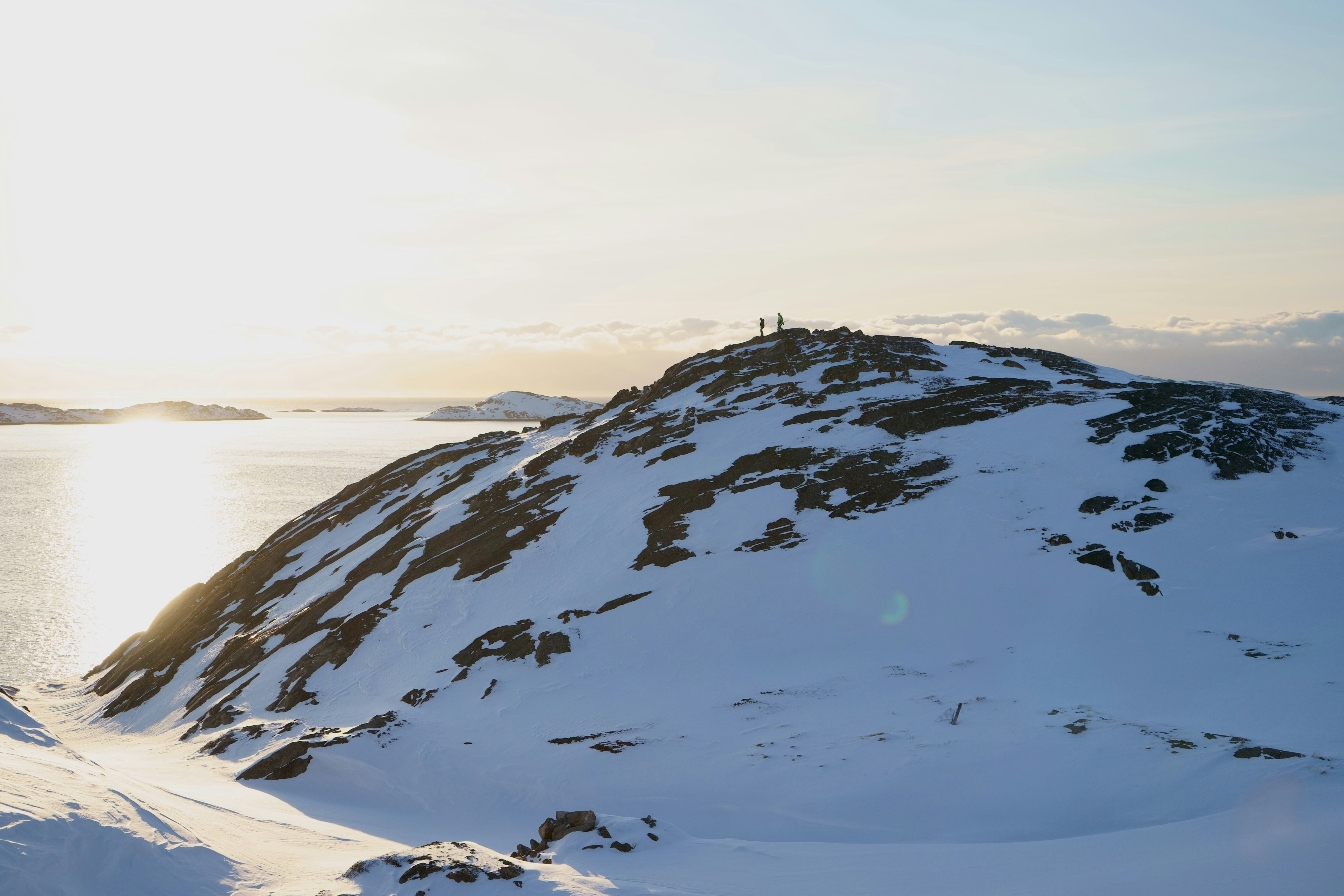
Nuuk, meaning “the cape”, was Greenland’s first town (1728). Started as a fort and later mission and trading post some 240 kilometers south of the Arctic Circle, it is the current capital. Almost 30% of Greenland’s population lives in the town. Not only does Nuuk have great natural beauty in its vicinity, but there are Inuit ruins, Hans Egede’s home, the parliament, and the Church of our Saviour as well. The Greenlandic National Museum has an outstanding collection of Greenlandic traditional dresses, as well as the famous Qilakitsoq mummies. The Katuaq Cultural Center’s building was inspired by the undulating Northern Lights and can house 10% of Nuuk’s inhabitants.
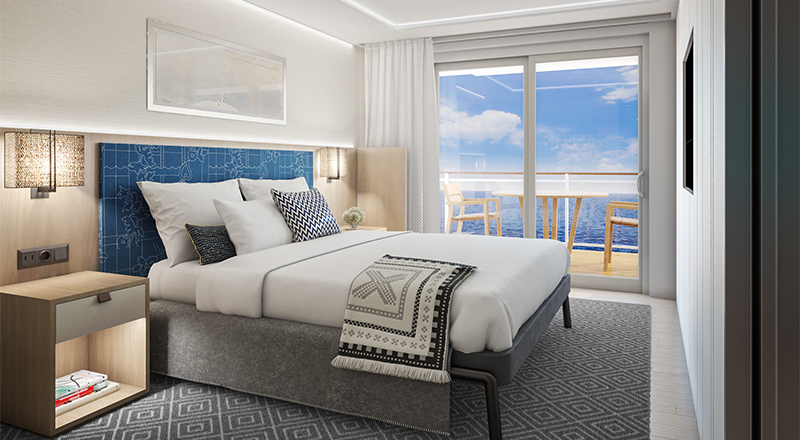
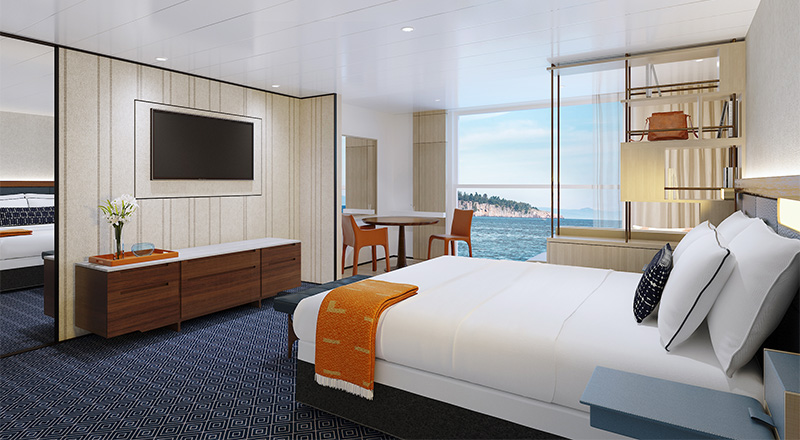
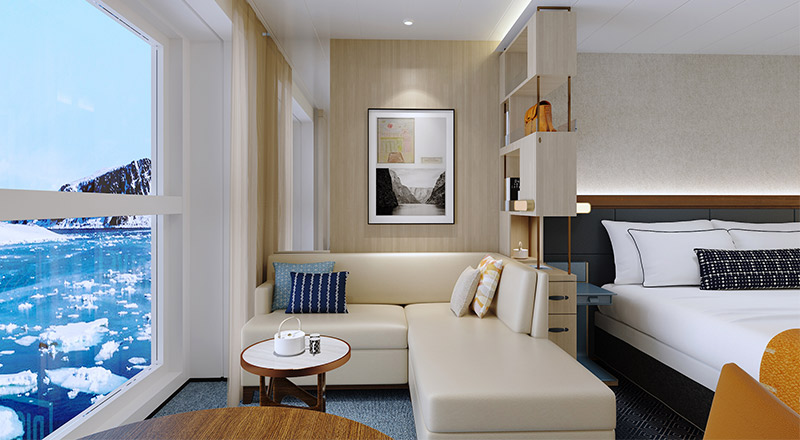
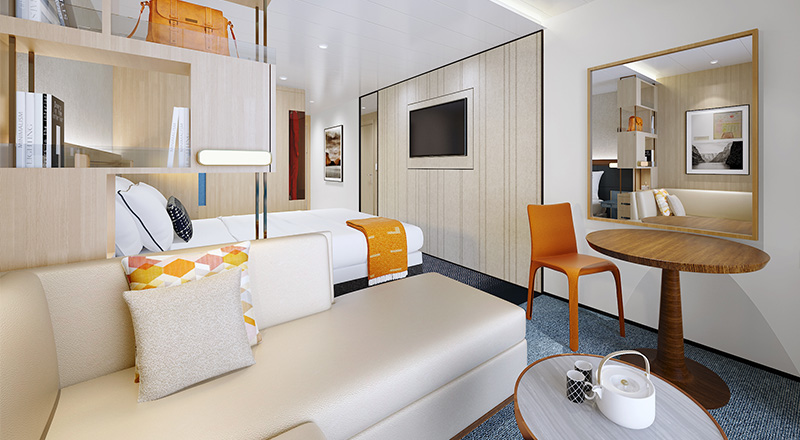
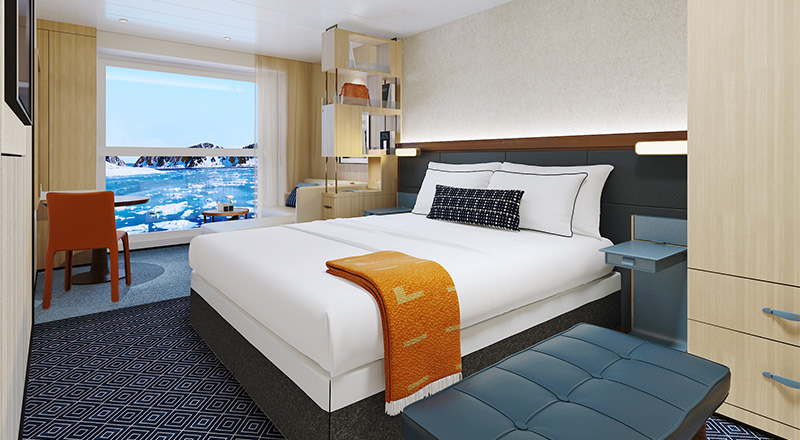
Suite

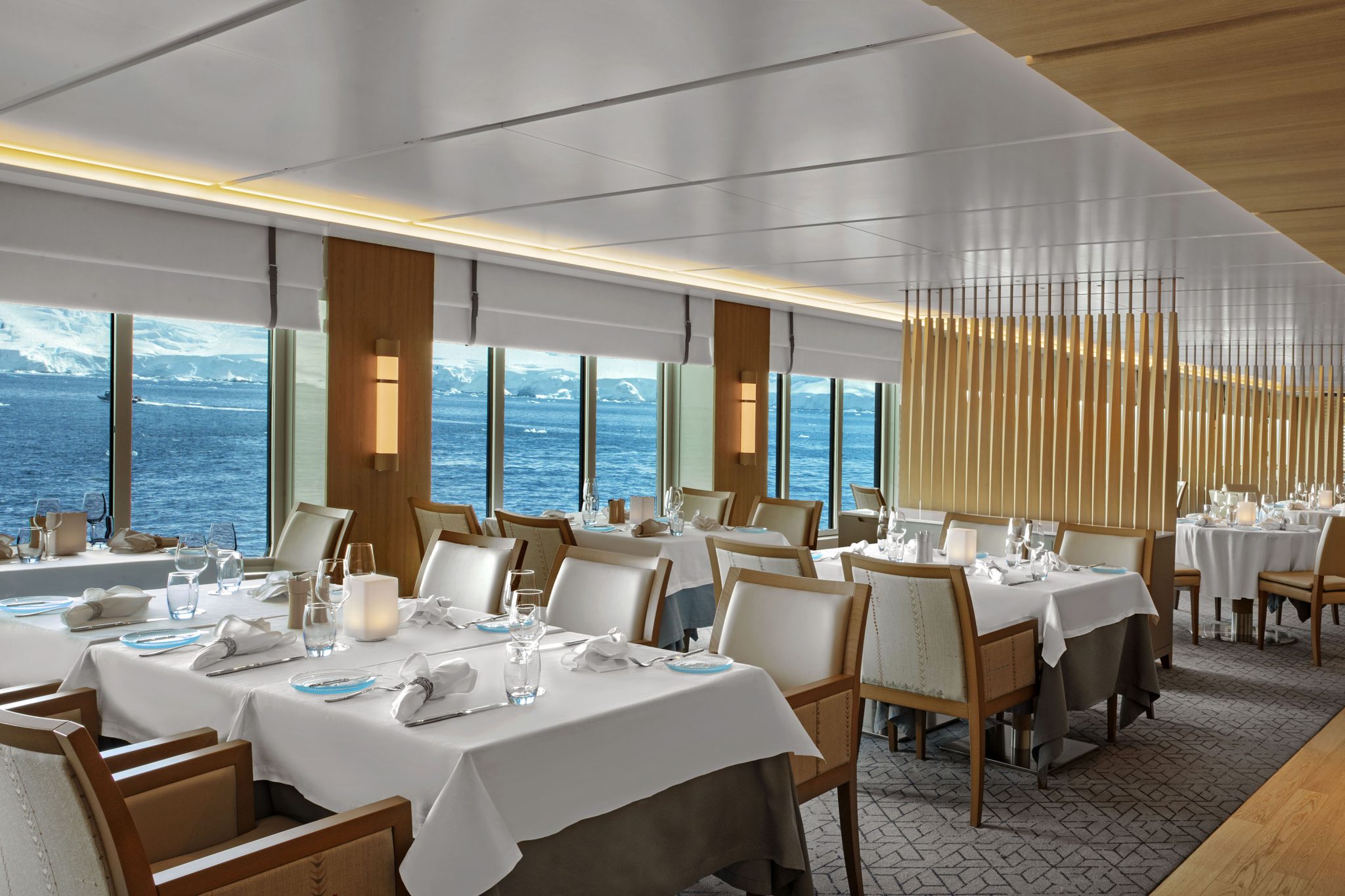
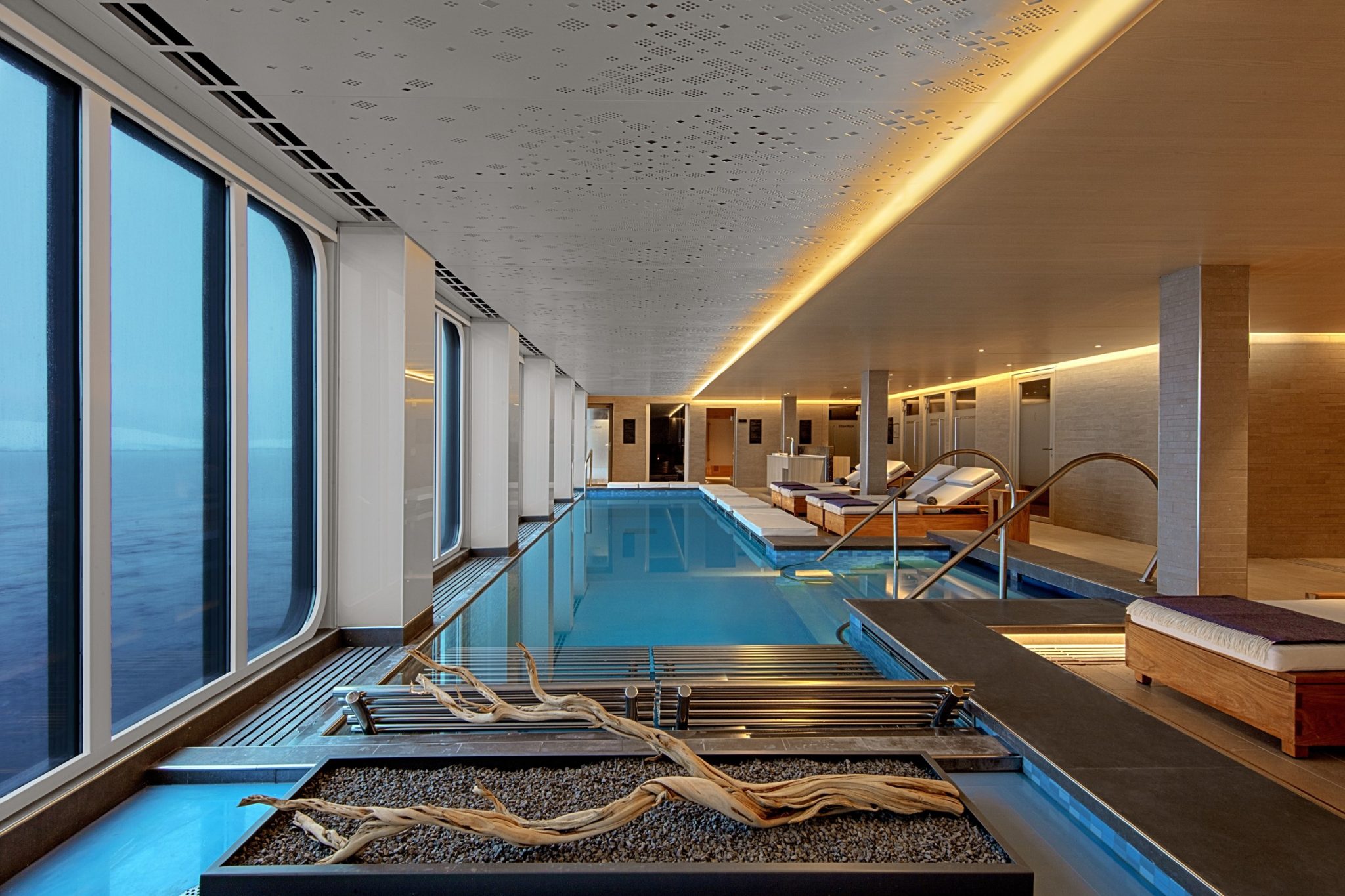
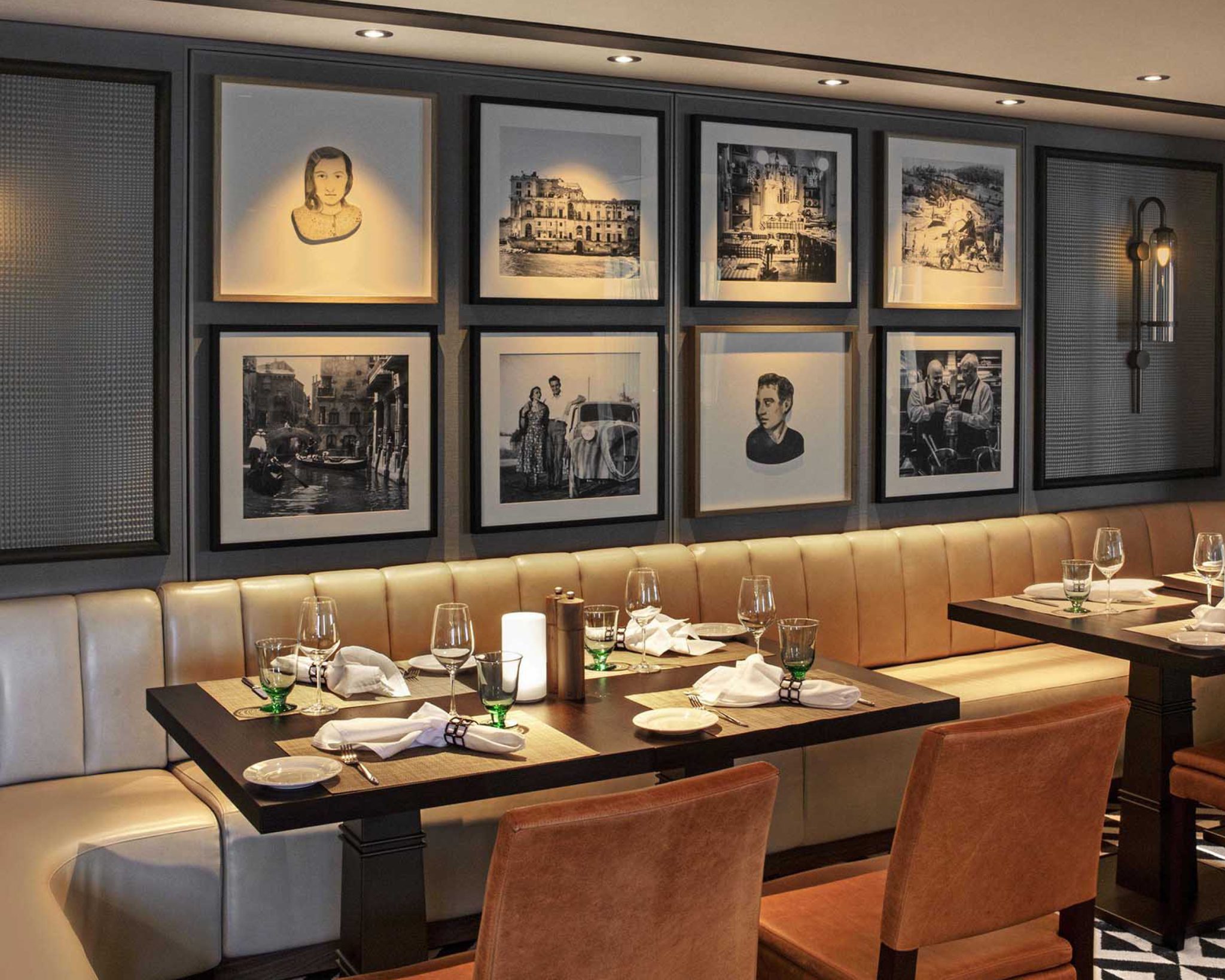
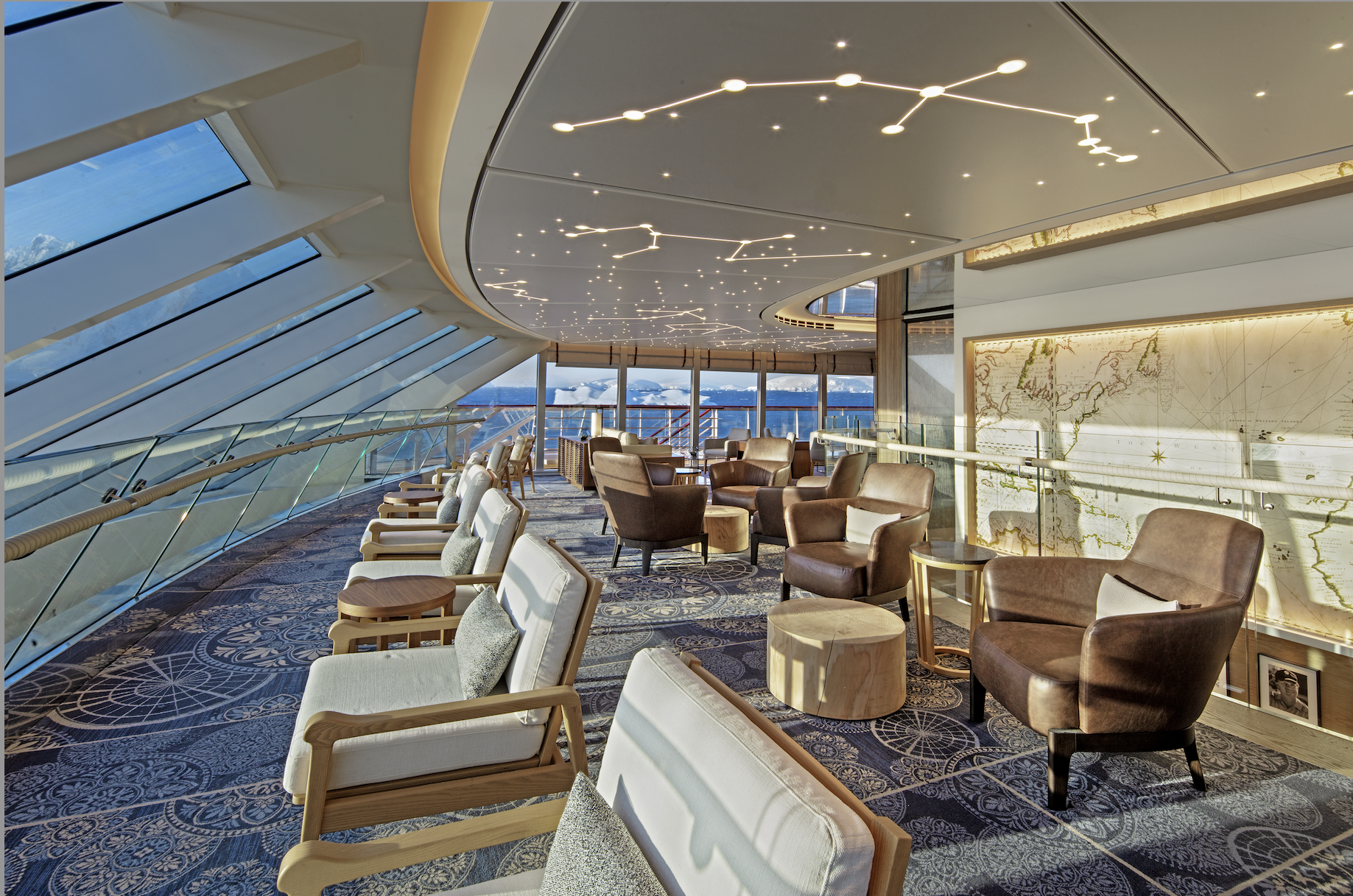
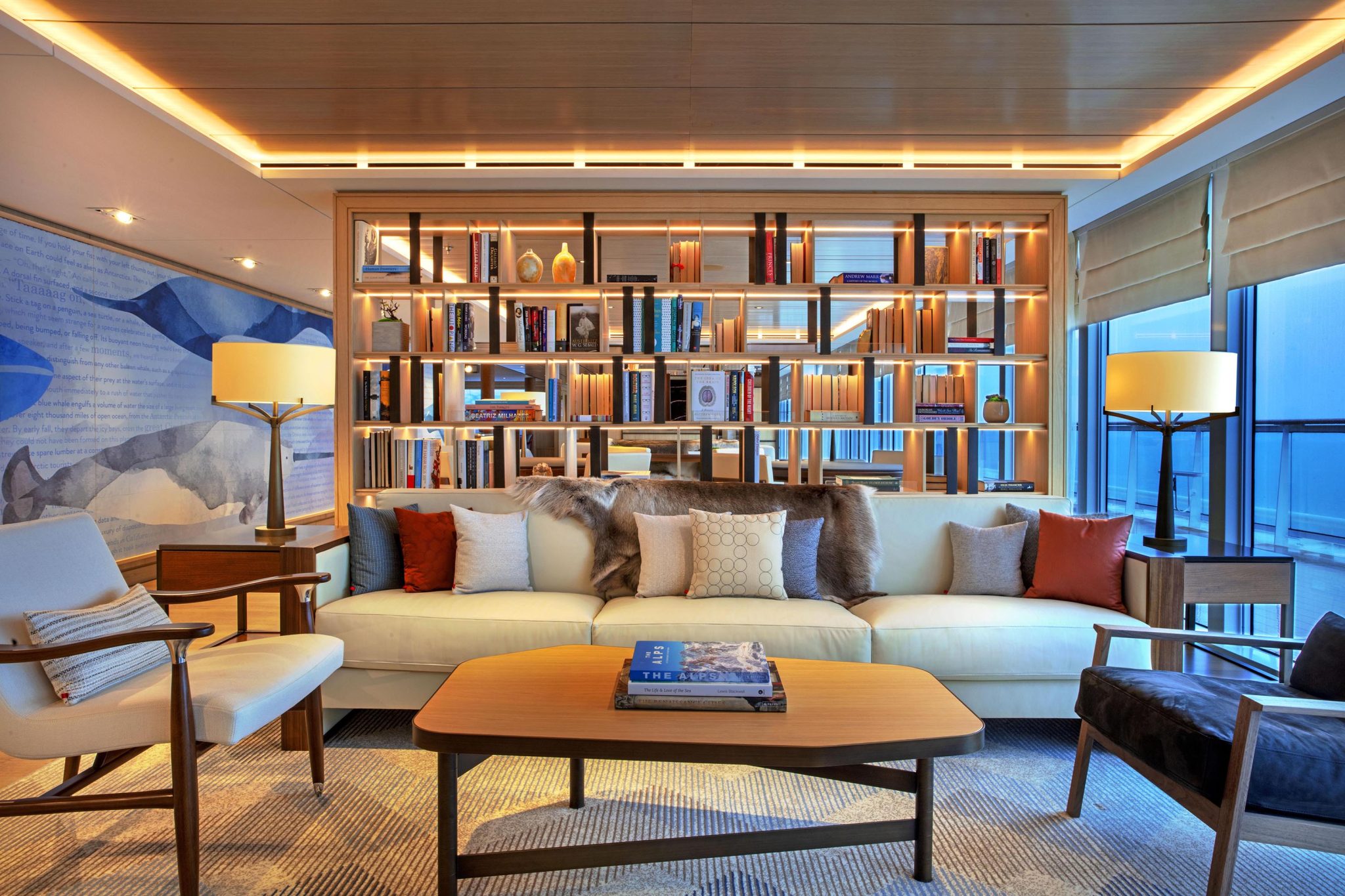
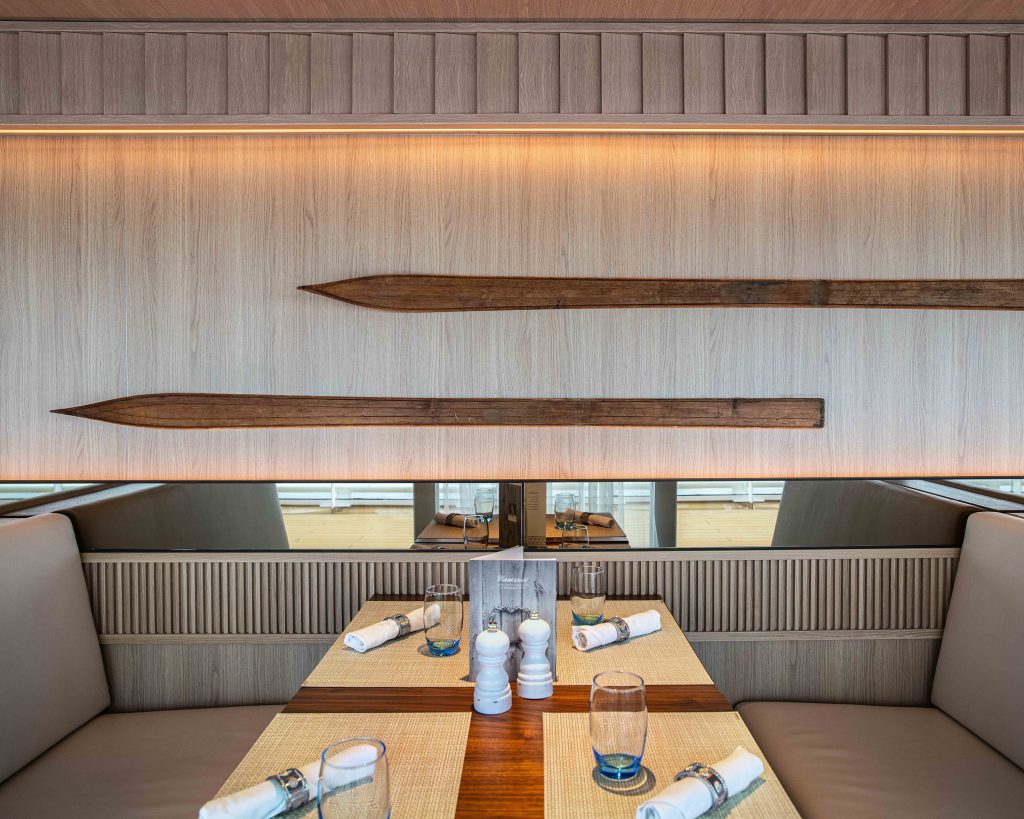
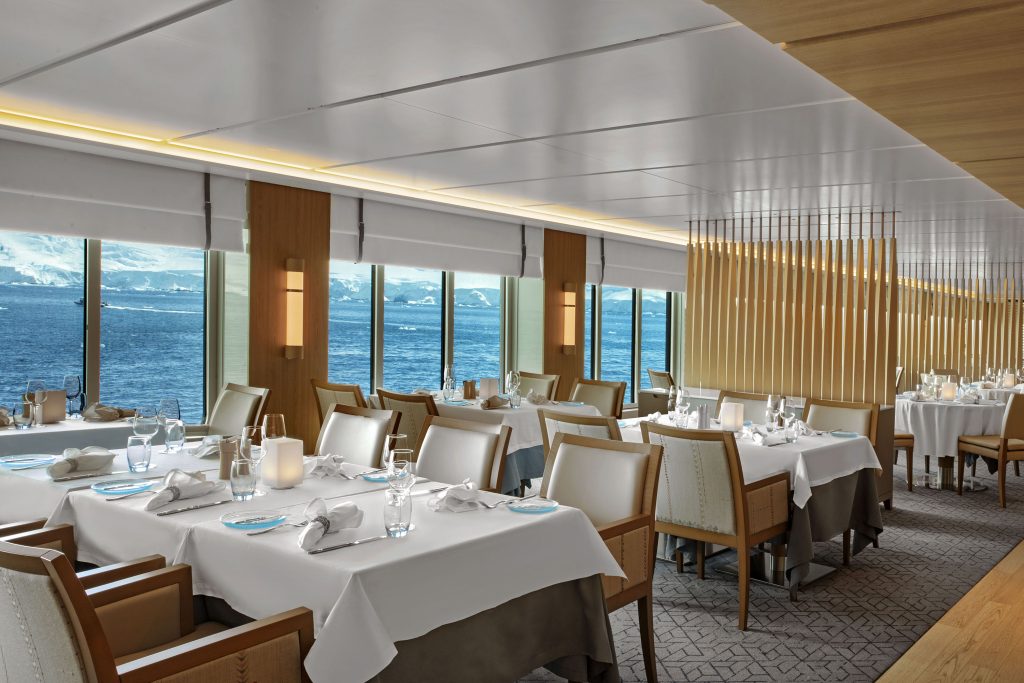
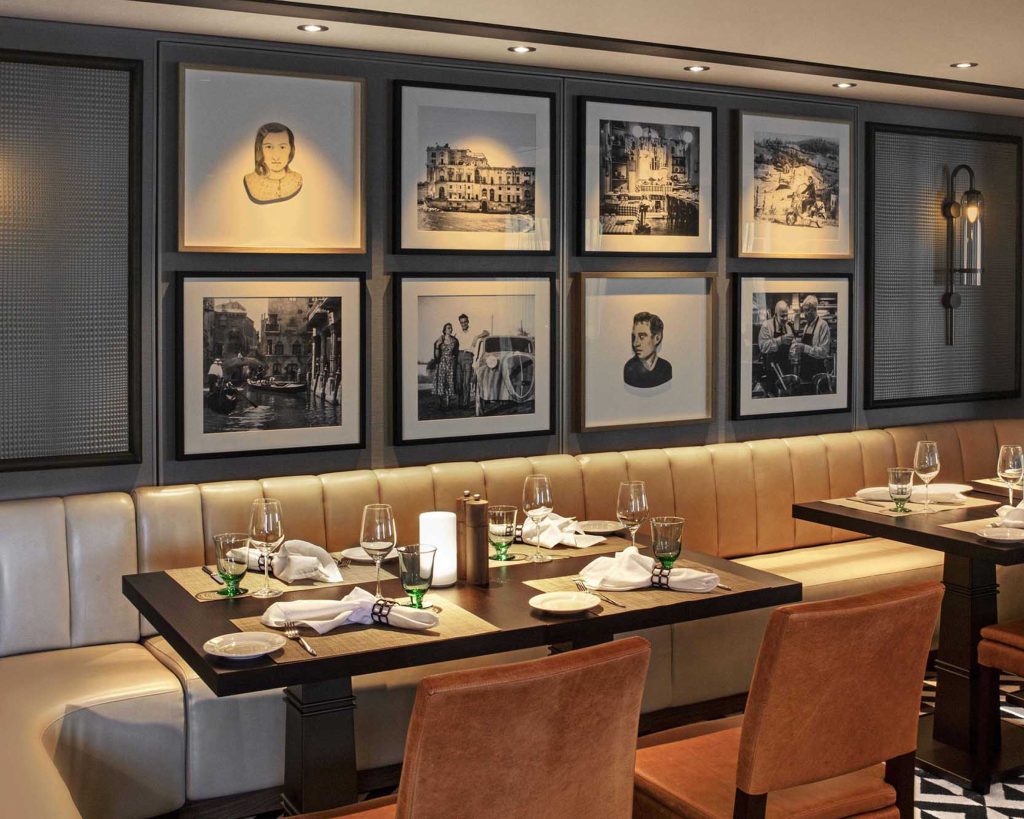
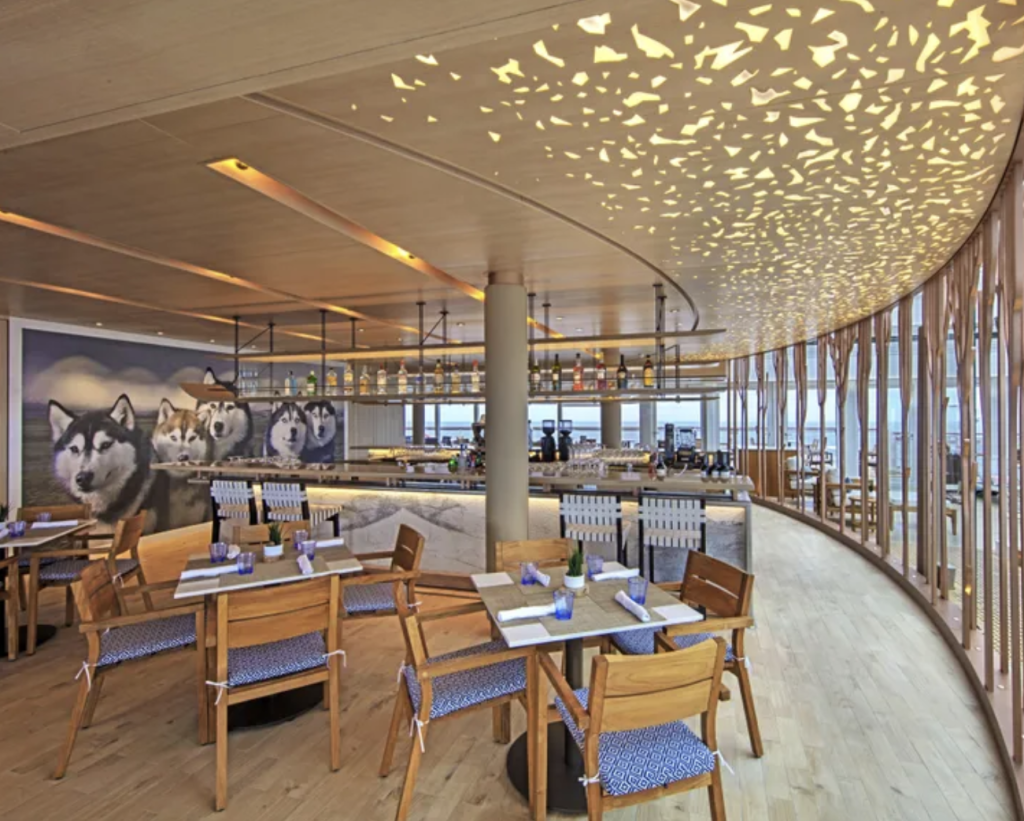
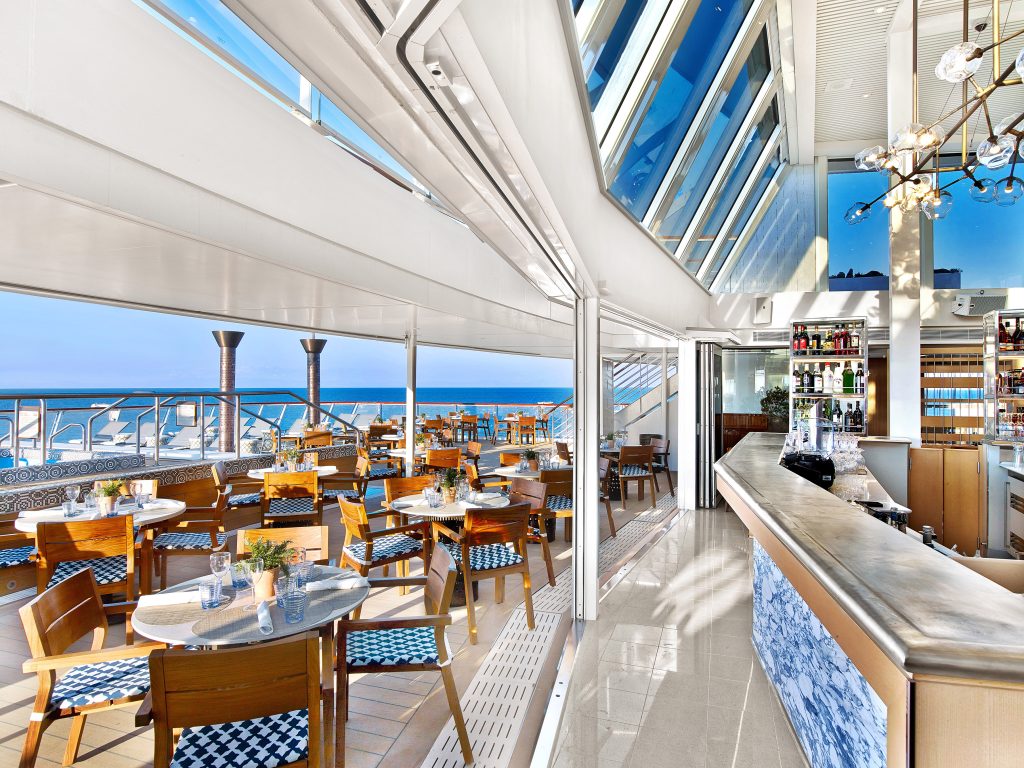
Life on board
I have worked with Lore Doick for more than 20 years, and she has booked over 30 cruises for me. Her expertise, care, and attention to every travel detail have made her an invaluable advisor and friend over the years.”
We are now in our second generation working with Cheri Ozimac at Tully Luxury Travel. From Antarctica to Greece, she has handled every detail with expertise, responsiveness, and care…
My wife and I have worked with Tully since 2007, and Kit Neil and her team went far beyond expectations while helping us navigate multiple cruise and flight cancellations. Their advocacy, care, and support during a difficult time were extraordinary.
Cheri Ozimac organized our Seabourn cruise flawlessly, from the hotel recommendation to every travel arrangement. She was responsive, attentive, and an excellent advocate throughout the process…
We discovered Tully Luxury Travel after years of booking cruises through US agents and were impressed by their competitive pricing, exceptional service, and Canadian based support. Their team is always available, offers excellent value, and makes booking the right cruise seamless.
 Average Customer Rating:
The Tully Difference