Aegean Voyage: Athens to Istanbul - Northbound

Itinerary: Athens, Delphi, Santorini, Bodrum, Ephesus, Mykonos, Lemnos, Istanbul See full itinerary

7 Apr 27
8 nights

Voyage Details

Duration:
8 nights
Departure:
7 Apr 2027
Embarkation:
Istanbul, Turkey
Cruise code:
AIN2027

Your Itinerary, Day-By-Day

Special Chapters of Your Journey

Day 1 - Athens

Tour begins: 6:00 PM, Hotel Grande Bretagne, A Luxury Collection Hotel, Athens. A transfer is included from Athens International Airport to Hotel Grande Bretagne, an icon of hospitality since 1874 that welcomes with views of the Acropolis from its rooftop dining room. Join us tonight for a welcome reception and dinner that showcases a variety of Greek treasures.

Grath   Athens   Acropolis
Grath Athens Acropolis
Grath   Athens   Athens Sea
Grath Athens Athens Sea
Grath   Athens   Greek Ruins
Grath Athens Greek Ruins
Grath   Athens   Parthenon
Grath Athens Parthenon
Grath   Athens   Ruins And Architecture
Grath Athens Ruins And Architecture
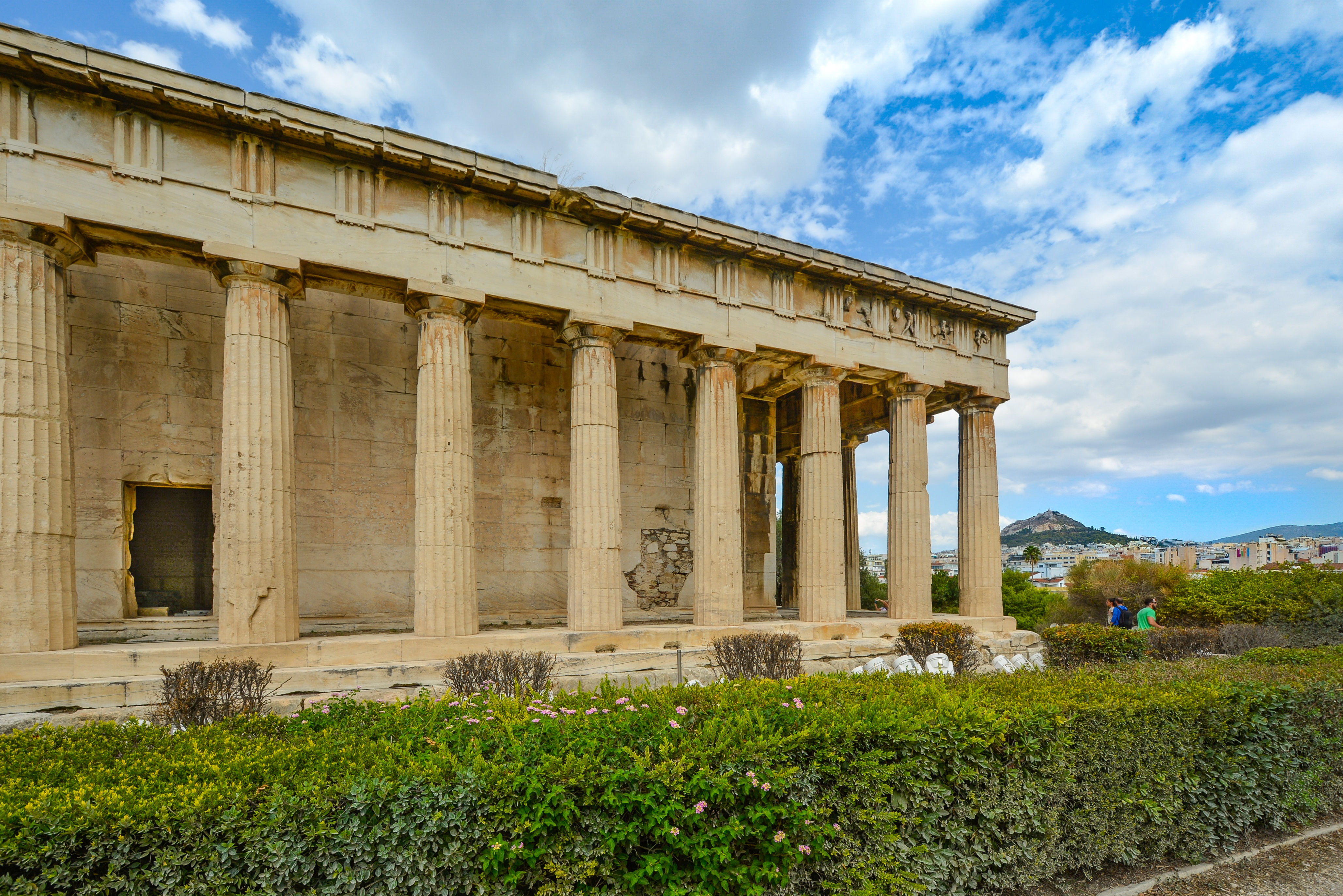
Grath   Athens   Temple Of Hephaestus
Grath Athens Temple Of Hephaestus

Day 2 - Athens

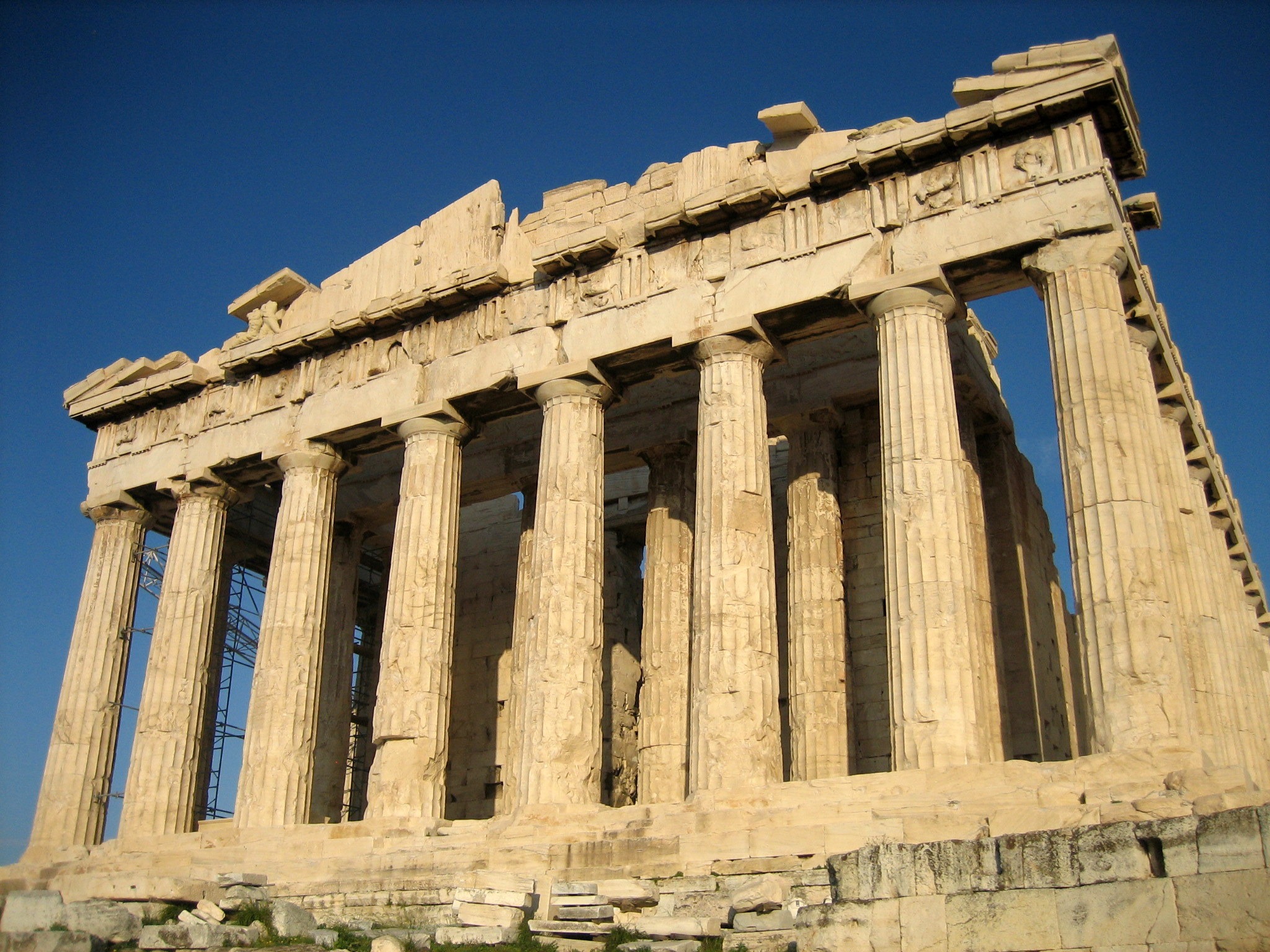
Begin your exploration of ancient Greece at the citadel of the Acropolis today, perched atop a hill overlooking Athens since the fifth century BC and designated a UNESCO World Heritage Site as "the greatest architectural and artistic complex bequeathed by Greek Antiquity to the world." Imagine being here thousands of years ago as your local guide shares insights about the white marble ruins you will see, including one of the most important buildings in ancient Athens, the Parthenon; the Erechtheion; the Temple of Athena Nike; and the Propylea. Enjoy time at leisure to walk about as you like, taking in spectacular views deserving of the goddess Athena, for whom the magnificent complex was built, before a guided tour of the Acropolis Museum, housing priceless finds from the Acropolis. The remainder of the day is free to explore Athens at leisure. Your hotel is ideally located in the heart of the city, just steps from the enchanting cobblestoned Plaka neighborhood where archeological sites are tucked amidst cozy tavernas, flower stands and artisan shops.

Grath   Athens   Acropolis
Grath Athens Acropolis
Grath   Athens   Athens Sea
Grath Athens Athens Sea
Grath   Athens   Greek Ruins
Grath Athens Greek Ruins
Grath   Athens   Parthenon
Grath Athens Parthenon
Grath   Athens   Ruins And Architecture
Grath Athens Ruins And Architecture
Grath   Athens   Temple Of Hephaestus
Grath Athens Temple Of Hephaestus

Day 3 - Athens

The National Archaeological Museum in Athens is considered one of the greatest museums in the world and contains a rich collection of Greek artifacts from prehistoric times to late antiquity discovered on finds throughout the country. A locally guided visit to the museum showcases ancient Greek sculpture from 700 BC to the 5th century AD; stunning gold masks, cups, dishes, and jewelry unearthed from the site of Mycenae; metalwork dating back to the first century BC; Egyptian art; some 2,500 Greek vases and much more. Embark your Windstar ship after a local lunch and enjoy dinner onboard as your ship sets sail for Greek & Turkish ports.

Grath   Athens   Acropolis
Grath Athens Acropolis
Grath   Athens   Athens Sea
Grath Athens Athens Sea
Grath   Athens   Greek Ruins
Grath Athens Greek Ruins
Grath   Athens   Parthenon
Grath Athens Parthenon
Grath   Athens   Ruins And Architecture
Grath Athens Ruins And Architecture
Grath   Athens   Temple Of Hephaestus
Grath Athens Temple Of Hephaestus

Day 4 - Delphi

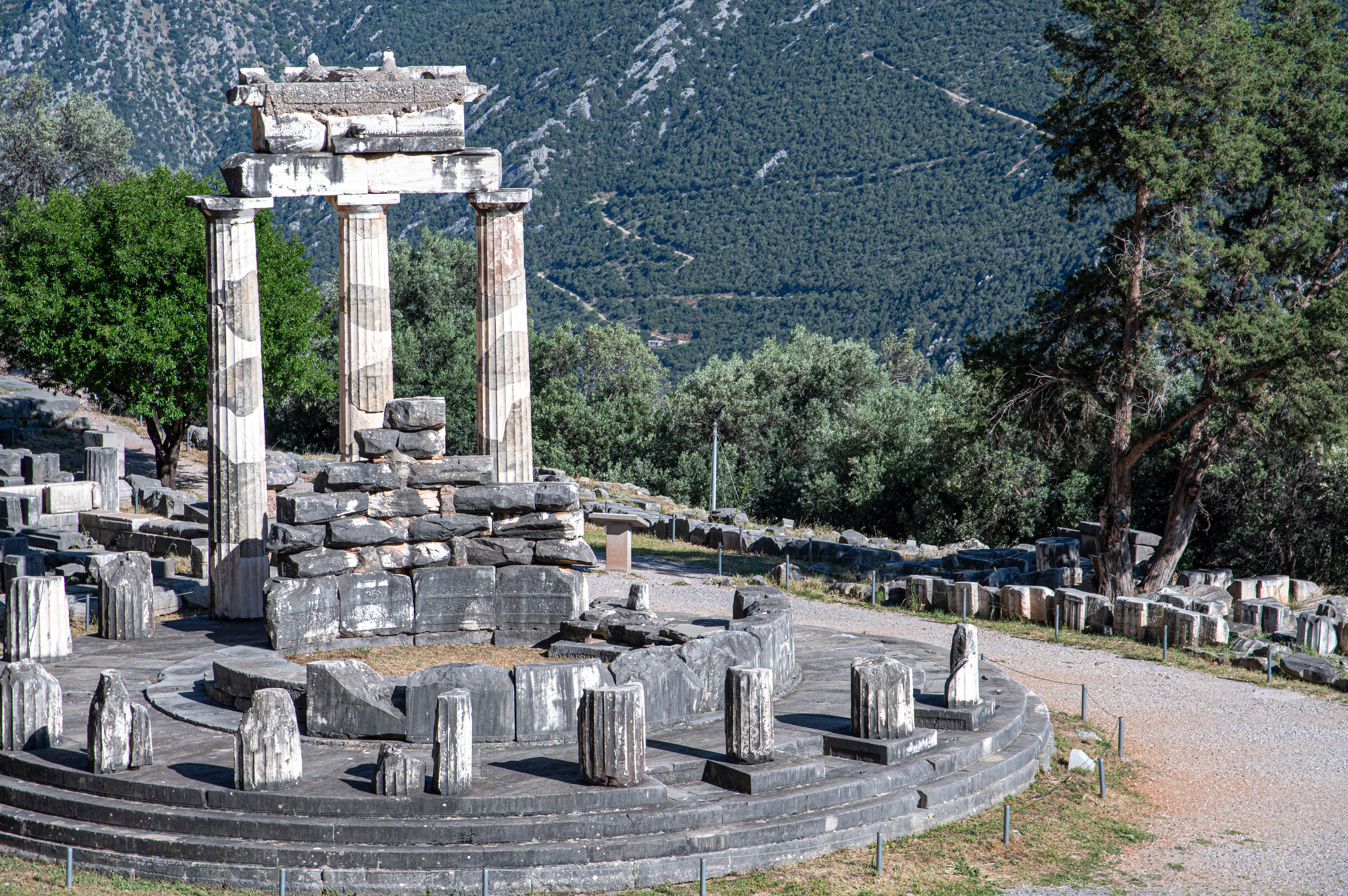
2,500 years in the making, the Corinth Canal links the Ionian Sea with the Aegean. When it was completed in 1893, it effectively turned the Peloponnese peninsula into an island and created an international maritime hub that transformed navigation in southern Europe. Accessible only by small ship, your morning transit through this narrow canal cuts off hundreds of miles of your journey around the Peloponnese, bringing you to the port town of Itea in central Greece this afternoon. Disembark for a guided visit to the nearby archaeological site of Delphi. A UNESCO World Heritage Site dating to the 8th century BC, Delphi was an ancient religious sanctuary dedicated to the Greek god Apollo and was home to the Oracle of Delphi. It was here that the priestess Pythia, who was famed throughout the ancient world for divining the future and consulted before all major undertakings. Join a local guide for a walking tour of the site, with a visit to the museum, before returning to your ship.

Delphi, Greece
Delphi, GreeceImage by jacqueline macou from Pixabay

Day 5 - Santorini

Relax aboard your Windstar ship today on a full day cruise, spending time by the pool and attending an informative presentation on the region by your Tauck Director. Recently refurbished with added onboard comforts including two new dining venues, a new spa, elevated pool, and fitness area, as well as all new bathrooms in every suite, the all-suite Star Legend is big on pampering and small enough to go where the bigger ships can't. Dine as you wish and join us for a cocktail hour this evening.

Undoubtedly the most extraordinary island in the Aegean, crescent-shape Santorini remains a mandatory stop on the Cycladic tourist route—even if it's necessary to enjoy the sensational sunsets from Ia, the fascinating excavations, and the dazzling white towns with a million other travelers. Called Kállisti (the "Loveliest") when first settled, the island has now reverted to its subsequent name of Thira, after the 9th-century-BC Dorian colonizer Thiras. The place is better known, however, these days as Santorini, a name derived from its patroness, St. Irene of Thessaloniki, the Byzantine empress who restored icons to Orthodoxy and died in 802. You can fly conveniently to Santorini, but to enjoy a true Santorini rite of passage, opt instead for the boat trip here, which provides a spectacular introduction. After the boat sails between Sikinos and Ios, your deck-side perch approaches two close islands with a passage between them. The bigger one on the left is Santorini, and the smaller on the right is Thirassia. Passing between them, you see the village of Ia adorning Santorini's northernmost cliff like a white geometric beehive. You are in the caldera (volcanic crater), one of the world's truly breathtaking sights: a demilune of cliffs rising 1,100 feet, with the white clusters of the towns of Fira and Ia perched along the top. The bay, once the high center of the island, is 1,300 feet in some places, so deep that when boats dock in Santorini's shabby little port of Athinios, they do not drop anchor. The encircling cliffs are the ancient rim of a still-active volcano, and you are sailing east across its flooded caldera. On your right are the Burnt isles, the White isle, and other volcanic remnants, all lined up as if some outsize display in a geology museum. Hephaestus's subterranean fires smolder still—the volcano erupted in 198 BC, about 735, and there was an earthquake in 1956. Indeed, Santorini and its four neighboring islets are the fragmentary remains of a larger landmass that exploded about 1600 BC: the volcano's core blew sky high, and the sea rushed into the abyss to create the great bay, which measures 10 km by 7 km (6 mi by 4½ mi) and is 1,292 feet deep. The other pieces of the rim, which broke off in later eruptions, are Thirassia, where a few hundred people live, and deserted little Aspronissi ("White isle"). In the center of the bay, black and uninhabited, two cones, the Burnt Isles of Palea Kameni and Nea Kameni, appeared between 1573 and 1925. There has been too much speculation about the identification of Santorini with the mythical Atlantis, mentioned in Egyptian papyri and by Plato (who says it's in the Atlantic), but myths are hard to pin down. This is not true of old arguments about whether tidal waves from Santorini's cataclysmic explosion destroyed Minoan civilization on Crete, 113 km (70 mi) away. The latest carbon-dating evidence, which points to a few years before 1600 BC for the eruption, clearly indicates that the Minoans outlasted the eruption by a couple of hundred years, but most probably in a weakened state. In fact, the island still endures hardships: since antiquity, Santorini has depended on rain collected in cisterns for drinking and irrigating—the well water is often brackish—and the serious shortage is alleviated by the importation of water. However, the volcanic soil also yields riches: small, intense tomatoes with tough skins used for tomato paste (good restaurants here serve them); the famous Santorini fava beans, which have a light, fresh taste; barley; wheat; and white-skin eggplants.
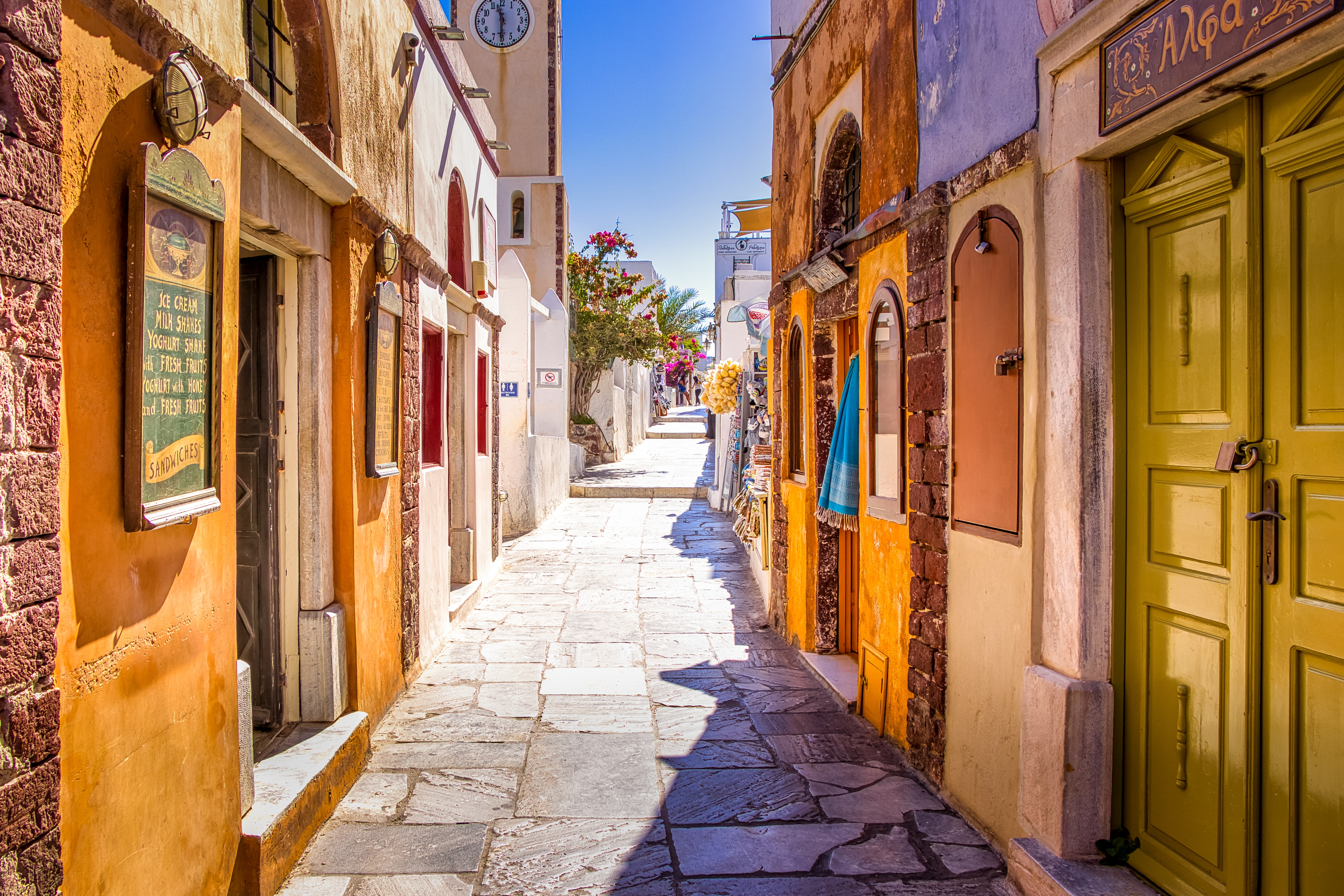
Gratn   Santorini   Street Buildings
Gratn Santorini Street Buildings
Gratn   Santorini   Cluster Of Homes
Gratn Santorini Cluster Of Homes
Gratn   Santorini   Building By The Sea
Gratn Santorini Building By The Sea
Gratn   Santorini   View Of The Sea
Gratn Santorini View Of The Sea
Gratn   Santorini   Sunset
Gratn Santorini Sunset

Day 6 - Santorini

Your morning arrival into Santorini inspires with visions of towering multicolored cliffs and white-washed houses and blue-domed buildings, along with volcanic beaches pebbled in red, white, and black and kissed by a deep blue sea. Created by a volcanic explosion three millennia ago, Santorini reigns over a flooded caldera, which today is renowned as one of the most scenic destinations in Greece, popular with honeymooners, movie makers, and celebrities. Disembark ship via a tender for a driving tour around the crescent-shaped island, stopping at the Archeological site of Ancient Akrotiri. This Minoan Age settlement was destroyed in the 16th century BCE by a volcanic eruption, and covered by ash until modern excavations started in 1967, the Greek version of Pompeii. Your time on Santorini also includes a visit to Oia, famous for its Blue-Domed Churches, and the town of Fira. You may choose to savor the island's amazing sunset and have dinner onshore before returning to the ship this evening. The ship sets sail for Bodrum, Türkiye, tonight.

Undoubtedly the most extraordinary island in the Aegean, crescent-shape Santorini remains a mandatory stop on the Cycladic tourist route—even if it's necessary to enjoy the sensational sunsets from Ia, the fascinating excavations, and the dazzling white towns with a million other travelers. Called Kállisti (the "Loveliest") when first settled, the island has now reverted to its subsequent name of Thira, after the 9th-century-BC Dorian colonizer Thiras. The place is better known, however, these days as Santorini, a name derived from its patroness, St. Irene of Thessaloniki, the Byzantine empress who restored icons to Orthodoxy and died in 802. You can fly conveniently to Santorini, but to enjoy a true Santorini rite of passage, opt instead for the boat trip here, which provides a spectacular introduction. After the boat sails between Sikinos and Ios, your deck-side perch approaches two close islands with a passage between them. The bigger one on the left is Santorini, and the smaller on the right is Thirassia. Passing between them, you see the village of Ia adorning Santorini's northernmost cliff like a white geometric beehive. You are in the caldera (volcanic crater), one of the world's truly breathtaking sights: a demilune of cliffs rising 1,100 feet, with the white clusters of the towns of Fira and Ia perched along the top. The bay, once the high center of the island, is 1,300 feet in some places, so deep that when boats dock in Santorini's shabby little port of Athinios, they do not drop anchor. The encircling cliffs are the ancient rim of a still-active volcano, and you are sailing east across its flooded caldera. On your right are the Burnt isles, the White isle, and other volcanic remnants, all lined up as if some outsize display in a geology museum. Hephaestus's subterranean fires smolder still—the volcano erupted in 198 BC, about 735, and there was an earthquake in 1956. Indeed, Santorini and its four neighboring islets are the fragmentary remains of a larger landmass that exploded about 1600 BC: the volcano's core blew sky high, and the sea rushed into the abyss to create the great bay, which measures 10 km by 7 km (6 mi by 4½ mi) and is 1,292 feet deep. The other pieces of the rim, which broke off in later eruptions, are Thirassia, where a few hundred people live, and deserted little Aspronissi ("White isle"). In the center of the bay, black and uninhabited, two cones, the Burnt Isles of Palea Kameni and Nea Kameni, appeared between 1573 and 1925. There has been too much speculation about the identification of Santorini with the mythical Atlantis, mentioned in Egyptian papyri and by Plato (who says it's in the Atlantic), but myths are hard to pin down. This is not true of old arguments about whether tidal waves from Santorini's cataclysmic explosion destroyed Minoan civilization on Crete, 113 km (70 mi) away. The latest carbon-dating evidence, which points to a few years before 1600 BC for the eruption, clearly indicates that the Minoans outlasted the eruption by a couple of hundred years, but most probably in a weakened state. In fact, the island still endures hardships: since antiquity, Santorini has depended on rain collected in cisterns for drinking and irrigating—the well water is often brackish—and the serious shortage is alleviated by the importation of water. However, the volcanic soil also yields riches: small, intense tomatoes with tough skins used for tomato paste (good restaurants here serve them); the famous Santorini fava beans, which have a light, fresh taste; barley; wheat; and white-skin eggplants.

Gratn   Santorini   Street Buildings
Gratn Santorini Street Buildings
Gratn   Santorini   Cluster Of Homes
Gratn Santorini Cluster Of Homes
Gratn   Santorini   Building By The Sea
Gratn Santorini Building By The Sea
Gratn   Santorini   View Of The Sea
Gratn Santorini View Of The Sea
Gratn   Santorini   Sunset
Gratn Santorini Sunset

Day 7 - Bodrum

The gateway to the Bodrum Peninsula in the Republic of Türkiye, the picturesque port of Bodrum, dubbed the "St. Tropez of Türkiye," sits on the country's South Aegean coast amidst crystal-clear waters, gorgeous landscapes, and historical sites dating back millennia. Your choice of shore excursions today includes a guided tour of the medieval Castle of St. Peter, a stunning example of 15th-century Crusader architecture, and the Museum of Underwater Archaeology, where you will see artifacts from ancient shipwrecks. Alternatively, embark on a more active walking excursion to the Mausoleum of Halicarnassus, one of the Seven Wonders of the World, which also visits the Castle of St. Peter and the Museum of Underwater Archaeology. This afternoon, if you wish, join us for a ride on a traditional wooden boat in the waters around Bodrum which will include, conditions permitting, an opportunity to swim. Your ship departs for Kusadasi after dinner tonight.

Bodrum, Turkey
Bodrum, TurkeyPhoto by Deniz Vatan on Unsplash

Day 8 - Ephesus

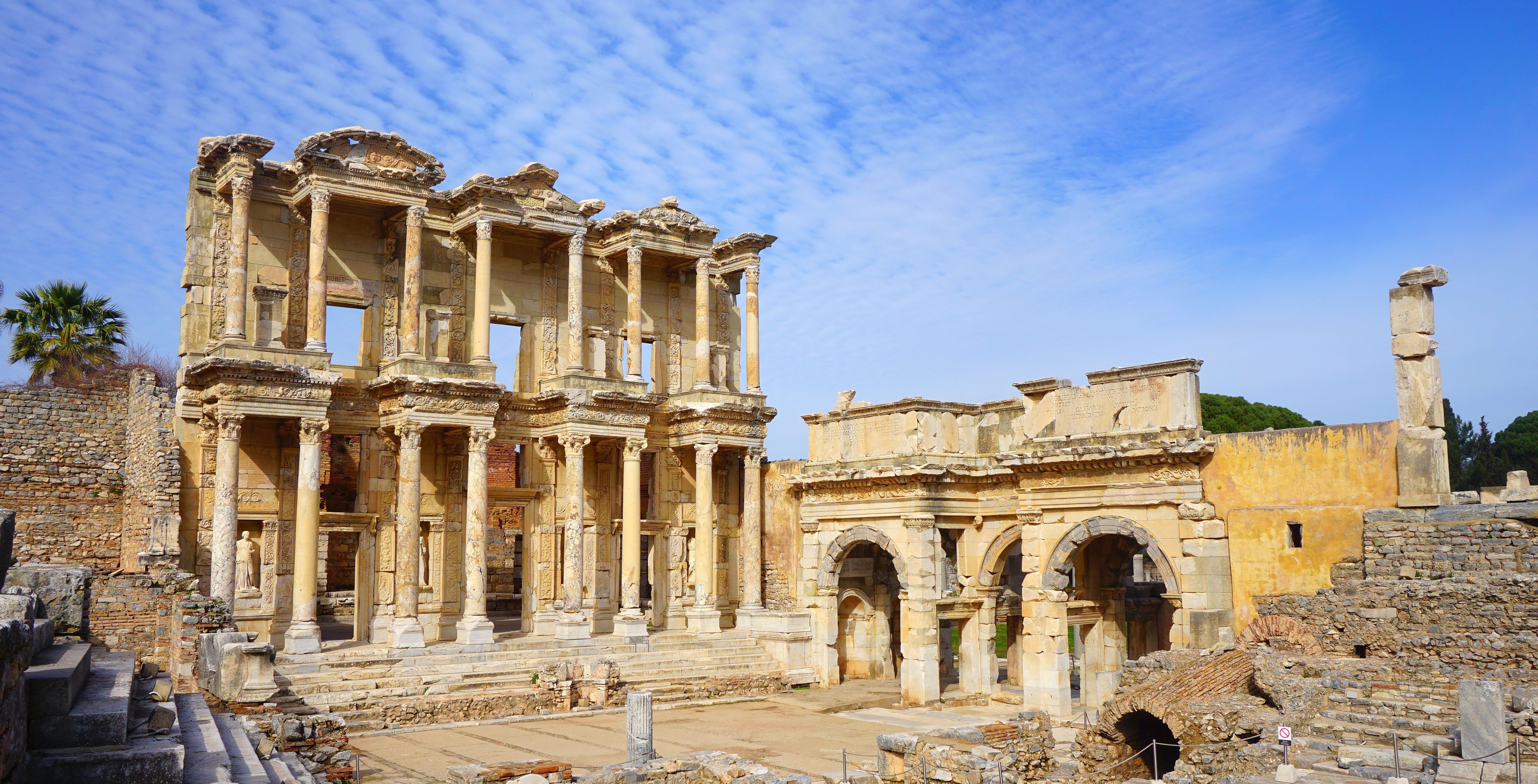
Dock in the port city of Kusadasi this morning and head out to explore the UNESCO World Heritage Site of Ephesus. Evoking the grandeur of ancient Roman Empire, Ephesus, founded in the Bronze Age and important from ancient Greek times, served as a crossroads between the East and West for centuries.  Its excavated remains reflect centuries of history, from classical Greece to the Roman Empire to the spread of Christianity. Marble paved streets wind past squares, baths and monumental ruins. See the Temple of Hadrian, built before 138 A.D. for Emperor Hadrian's visit; the Library of Çelsus that once housed between 12,000-15,000 scrolls; and an acoustically amazing theatre built to hold and entertain some 24,000 spectators. See the mosaic-filled Terrace Houses where wealthy citizens lived from the first to the seventh centuries. Have lunch in a local establishment with the opportunity to see a presentation about handmade Turkish carpets. This evening, dine under the stars back in ancient Ephesus with live music by the Aegean Chamber Orchestra for an evening you are sure to remember. 

Ephesus, Turkey
Ephesus, TurkeyImage by Salih Altuntaş from Pixabay

Day 9 - Mykonos

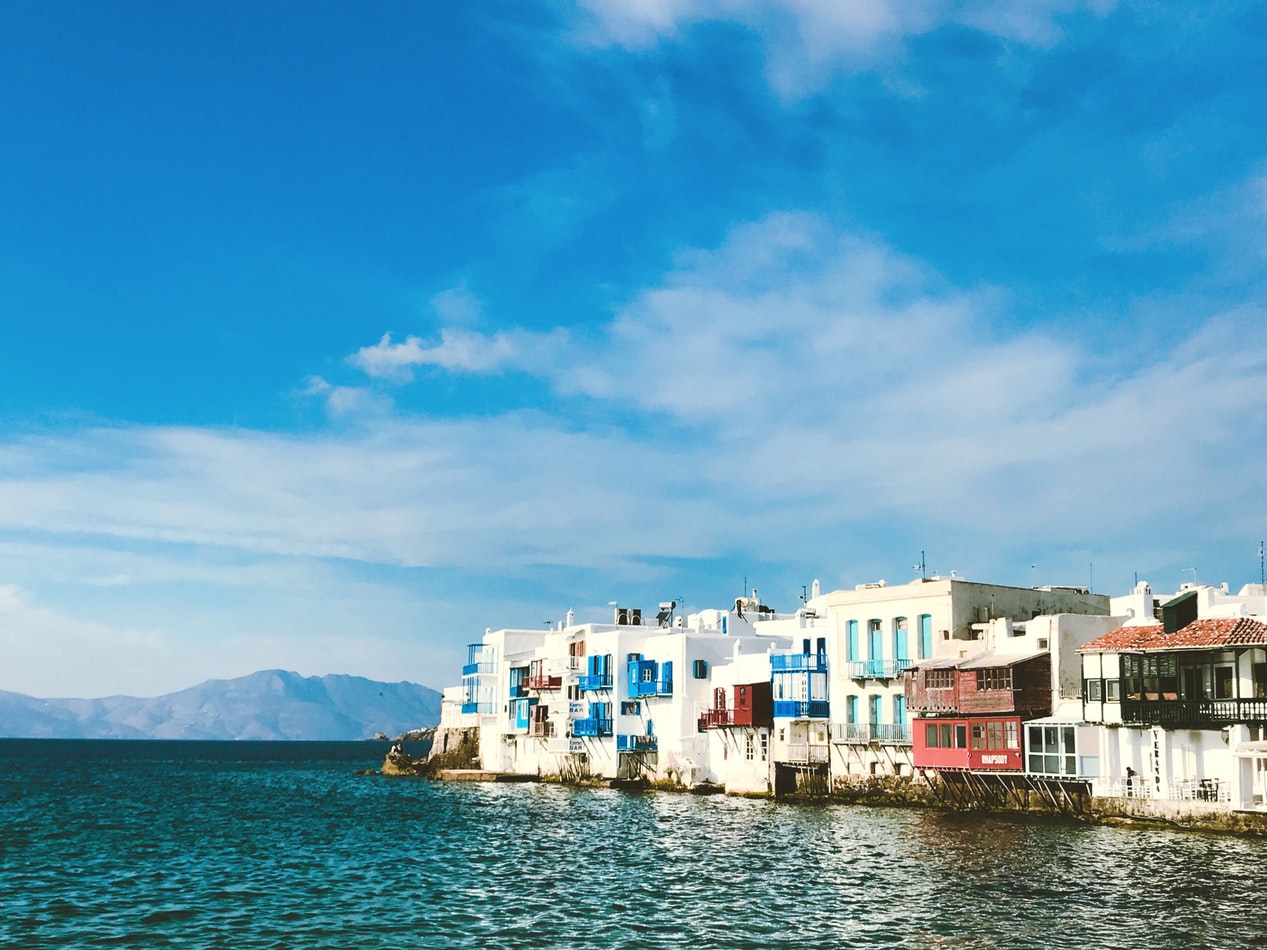
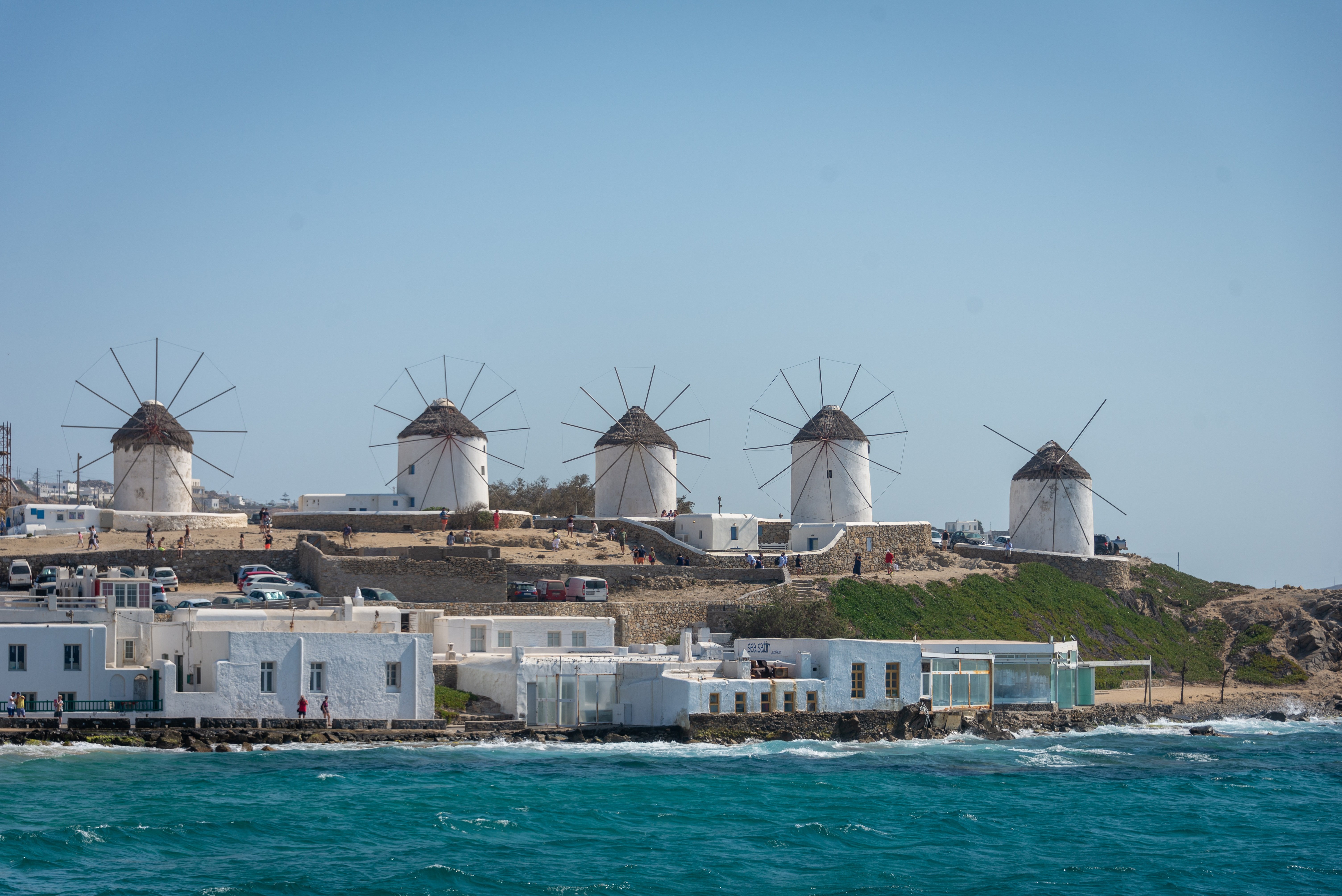
From its sparkling white architecture against an Aegean blue backdrop to the iconic windmills of its Little Venice neighborhood, its maze of whitewashed alleyways, captains' homes, churches and wells in its artistic capital of Chora – and a bevy of beautiful beaches necklacing its shores - Mykonos is legendary. Once a humble stop for travelers en route to nearby Delos, it became a popular summer resort for the rich and famous in the 1960s after celebrities like Jackie O, Marlon Brando and other jet-setting stars discovered its many charms. A choice of excursions today includes exploring the island by private transportation with a local guide. Or, board a small boat bound for Delos, a UNESCO World Heritage Site that once was the holiest of all Greek sanctuaries and today is a fascinating archaeological wonderland and one of the largest active dig sites in Greece. Both excursions enjoy free time in Mykonos.

Although the fishing boats still go out in good weather, Mykonos largely makes its living from tourism these days. The summer crowds have turned one of the poorest islands in Greece into one of the richest. Old Mykonians complain that their young, who have inherited stores where their grandfathers once sold eggs or wine, get so much rent that they have lost ambition, and in summer sit around pool bars at night with their friends, and hang out in Athens in winter when island life is less scintillating. Put firmly on the map by Jackie O in the 1960s, Mykonos town—called Hora by the locals—remains the Saint-Tropez of the Greek islands. The scenery is memorable, with its whitewashed streets, Little Venice, the Kato Myli ridge of windmills, and Kastro, the town's medieval quarter. Its cubical two- or three-story houses and churches, with their red or blue doors and domes and wooden balconies, have been long celebrated as some of the best examples of classic Cycladic architecture. Luckily, the Greek Archaeological Service decided to preserve the town, even when the Mykonians would have preferred to rebuild, and so the Old Town has been impressively preserved. Pink oleander, scarlet hibiscus, and trailing green pepper trees form a contrast amid the dazzling whiteness, whose frequent renewal with whitewash is required by law. Any visitor who has the pleasure of getting lost in its narrow streets (made all the narrower by the many outdoor stone staircases, which maximize housing space in the crowded village) will appreciate how its confusing layout was designed to foil pirates—if it was designed at all. After Mykonos fell under Turkish rule in 1537, the Ottomans allowed the islanders to arm their vessels against pirates, which had a contradictory effect: many of them found that raiding other islands was more profitable than tilling arid land. At the height of Aegean piracy, Mykonos was the principal headquarters of the corsair fleets—the place where pirates met their fellows, found willing women, and filled out their crews. Eventually the illicit activity evolved into a legitimate and thriving trade network. Morning on Mykonos town's main quay is busy with deliveries, visitors for the Delos boats, lazy breakfasters, and street cleaners dealing with the previous night's mess. In late morning the cruise-boat people arrive, and the shops are all open. In early afternoon, shaded outdoor tavernas are full of diners eating salads (Mykonos's produce is mostly imported); music is absent or kept low. In mid- and late afternoon, the town feels sleepy, since so many people are at the beach, on excursions, or sleeping in their air-conditioned rooms; even some tourist shops close for siesta. By sunset, people have come back from the beach, having taken their showers and rested. At night, the atmosphere in Mykonos ramps up. The cruise-boat people are mostly gone, coughing three-wheelers make no deliveries in the narrow streets, and everyone is dressed sexy for summer and starting to shimmy with the scene. Many shops stay open past midnight, the restaurants fill up, and the bars and discos make ice cubes as fast as they can. Ready to dive in? Begin your tour of Mykonos town (Hora) by starting out at its heart: Mando Mavrogenous Square.

Grjmk   Mykonos, Greece Photo Credit Belongs To Alex Korolkoff
Grjmk Mykonos, Greece Photo Credit Belongs To Alex Korolkoff
Grjmk   Mykonos, Greece Photo Credit Belongs To Hector J.Rivas
Grjmk Mykonos, Greece Photo Credit Belongs To Hector J.Rivas
Grjmk   Mykonos, Greece Photo Credit Belongs To Jason Blackeye
Grjmk Mykonos, Greece Photo Credit Belongs To Jason Blackeye
Grjmk   Mykonos, Greece Photo Credit Belongs To Jessie Brown
Grjmk Mykonos, Greece Photo Credit Belongs To Jessie Brown
Grjmk   Mykonos, Greece Photo Credit Belongs To Sidharth Bhatia
Grjmk Mykonos, Greece Photo Credit Belongs To Sidharth Bhatia
Windmills, Mykonos
Windmills, MykonosImage by Andrea Spallanzani from Pixabay

Day 10 - Lemnos

This morning, dock at Lemnos for a choice of shore excursions. Blessed with abundant agricultural riches and a millennia-long historically strategic position in the northern Aegean, Lemnos is one of Greece's best kept secrets. Discover it your way on a sightseeing drive that visits a national archaeological site and a British Commonwealth cemetery honoring the soldiers who fought in the nearby Gallipoli campaign in World War I and learn about the crops which provide Lemnos with its economic base. Alternately, join an island guide for a visit to a local winery, tempting with tastings and locally produced cheese, followed by free time in the capital city of Myrina. Your third choice is a walking tour of Myrina that samples its culinary specialties for an authentic taste of daily life here. Return to the ship for an afternoon sail bound for Constantinople (Istanbul). Have dinner onboard as you please.

Day 11 - Istanbul

After disembarking your ship in Istanbul, begin your day at the Hippodrome, also known as Sultanahmet Square, once the chariot-racing and social heart of Constantinople and home to monuments such as the Obelisk of Theodosius. Gain insight into the city's history with expert local guides before continuing to the Blue Mosque, built in the early 1600s and renowned for its six minarets and classic Ottoman design. Inside, more than 20,000 blue Iznik tiles and light from 260 windows create a striking interior. Still an active place of worship, the mosque is closed to visitors during prayer times. Next, descend into the Basilica Cistern, a vast 6th-century underground reservoir built during the reign of Emperor Justinian I. Supported by 336 marble columns – many reused from Roman temples – the softly lit space features shallow reflecting waters and the famed Medusa head carvings. After lunch at a local restaurant, visit the Grand Bazaar, one of the world's oldest covered markets with 61 covered streets. Explore its labyrinth of vaulted passages lined with stalls selling textiles, ceramics, jewelry, and more. Arrive at your hotel this afternoon and enjoy dinner at your leisure. Note: The timing of activities on Days 11, 12 and 13 may change due to local scheduling.

The only city in the world that can lay claim to straddling two continents, Istanbul—once known as Constantinople, capital of the Byzantine and then the Ottoman Empire—has for centuries been a bustling metropolis with one foot in Europe and the other in Asia. Istanbul embraces this enviable position with both a certain chaos and inventiveness, ever evolving as one of the world’s most cosmopolitan crossroads. It’s often said that Istanbul is the meeting point of East and West, but visitors to this city built over the former capital of two great empires are likely to be just as impressed by the juxtaposition of old and new. Office towers creep up behind historic palaces, women in chic designer outfits pass others wearing long skirts and head coverings, peddlers’ pushcarts vie with battered old Fiats and shiny BMWs for dominance of the noisy, narrow streets, and the Grand Bazaar competes with modern shopping malls. At dawn, when the muezzin's call to prayer resounds from ancient minarets, there are inevitably a few hearty revelers still making their way home from nightclubs and bars. Most visitors to this sprawling city of more than 14 million will first set foot in the relatively compact Old City, where the legacy of the Byzantine and Ottoman empires can be seen in monumental works of architecture like the brilliant Aya Sofya and the beautifully proportioned mosques built by the great architect Sinan. Though it would be easy to spend days, if not weeks, exploring the wealth of attractions in the historical peninsula, visitors should make sure also to venture elsewhere in order to experience the vibrancy of contemporary Istanbul. With a lively nightlife propelled by its young population and an exciting arts scene that’s increasingly on the international radar—thanks in part to its stint as the European Capital of Culture in 2010—Istanbul is truly a city that never sleeps. It’s also a place where visitors will feel welcome: Istanbul may be on the Bosphorus, but at heart it’s a Mediterranean city, whose friendly inhabitants are effusively social and eager to share what they love most about it.

Istanbul, Woman
Istanbul, Woman
Istanbul, Market
Istanbul, Market
Istanbul, Mosque
Istanbul, Mosque
Istanbul, Spices
Istanbul, Spices
Istanbul, Dervishes
Istanbul, Dervishes
Istanbul, Galata
Istanbul, Galata
Istanbul, Galata
Istanbul, Galata
Istanbul
Istanbul

Day 12 - Istanbul

Guided sightseeing today includes a visit to the 15th-century Topkapi Palace, including the 400-room Harem. home of the Ottoman Sultans for almost four centuries. One of the world's largest surviving palaces, it was built under the orders of Sultan Mehmed II, a few years after he conquered Constantinople. Enjoy a glimpse of the imperial life of the sultans as you walk through the grand courtyards, pavilions, and ceremonial rooms that display an impressive collection of artifacts and treasures. And venture into the Harem, where over 400 exquisitely decorated rooms were shared by the sultan, his wives, concubines, and children. Have lunch at a local restaurant before visiting Hagia Sophia Grand Mosque, one of the world's greatest architectural achievements. The remainder of your day is at your leisure.
�

�   � �


�


The only city in the world that can lay claim to straddling two continents, Istanbul—once known as Constantinople, capital of the Byzantine and then the Ottoman Empire—has for centuries been a bustling metropolis with one foot in Europe and the other in Asia. Istanbul embraces this enviable position with both a certain chaos and inventiveness, ever evolving as one of the world’s most cosmopolitan crossroads. It’s often said that Istanbul is the meeting point of East and West, but visitors to this city built over the former capital of two great empires are likely to be just as impressed by the juxtaposition of old and new. Office towers creep up behind historic palaces, women in chic designer outfits pass others wearing long skirts and head coverings, peddlers’ pushcarts vie with battered old Fiats and shiny BMWs for dominance of the noisy, narrow streets, and the Grand Bazaar competes with modern shopping malls. At dawn, when the muezzin's call to prayer resounds from ancient minarets, there are inevitably a few hearty revelers still making their way home from nightclubs and bars. Most visitors to this sprawling city of more than 14 million will first set foot in the relatively compact Old City, where the legacy of the Byzantine and Ottoman empires can be seen in monumental works of architecture like the brilliant Aya Sofya and the beautifully proportioned mosques built by the great architect Sinan. Though it would be easy to spend days, if not weeks, exploring the wealth of attractions in the historical peninsula, visitors should make sure also to venture elsewhere in order to experience the vibrancy of contemporary Istanbul. With a lively nightlife propelled by its young population and an exciting arts scene that’s increasingly on the international radar—thanks in part to its stint as the European Capital of Culture in 2010—Istanbul is truly a city that never sleeps. It’s also a place where visitors will feel welcome: Istanbul may be on the Bosphorus, but at heart it’s a Mediterranean city, whose friendly inhabitants are effusively social and eager to share what they love most about it.

Istanbul, Woman
Istanbul, Woman
Istanbul, Market
Istanbul, Market
Istanbul, Mosque
Istanbul, Mosque
Istanbul, Spices
Istanbul, Spices
Istanbul, Dervishes
Istanbul, Dervishes
Istanbul, Galata
Istanbul, Galata
Istanbul, Galata
Istanbul, Galata
Istanbul
Istanbul

Day 13 - Istanbul

This morning, embark on a private sightseeing boat for a cruise along the legendary Bosphorus Strait, the waterway that has shaped the history of Istanbul for centuries. Separating Europe and Asia, the strait is lined with striking landmarks—ornate Ottoman palaces, elegant mosques, and grand waterfront mansions known as yali, once the summer retreats of Istanbul's elite. As you glide past intercontinental bridges linking two continents, take in views of the 15th-century Rumeli Fortress, the domes and minarets of the city's skyline, and the ever-changing rhythm of life along the water's edge. With local guides and your Tour Director on hand, gain insight into the strategic importance of this vital corridor, from its role in ancient trade routes to modern-day maritime navigation. Learn about the Five Pillars of Islam from a local guide during a visit to one of Istanbul's most revered mosques, Rusem Pasha or Yeni Cami Mosque. Continue on to Misir Çarsisi, the center for the spice trade in Istanbul, for a guided walk through the many stalls of this large bazaar, followed by free time to explore – and shop – as you wish. Join us for a special farewell evening, exclusive to Tauck guests.

�


The only city in the world that can lay claim to straddling two continents, Istanbul—once known as Constantinople, capital of the Byzantine and then the Ottoman Empire—has for centuries been a bustling metropolis with one foot in Europe and the other in Asia. Istanbul embraces this enviable position with both a certain chaos and inventiveness, ever evolving as one of the world’s most cosmopolitan crossroads. It’s often said that Istanbul is the meeting point of East and West, but visitors to this city built over the former capital of two great empires are likely to be just as impressed by the juxtaposition of old and new. Office towers creep up behind historic palaces, women in chic designer outfits pass others wearing long skirts and head coverings, peddlers’ pushcarts vie with battered old Fiats and shiny BMWs for dominance of the noisy, narrow streets, and the Grand Bazaar competes with modern shopping malls. At dawn, when the muezzin's call to prayer resounds from ancient minarets, there are inevitably a few hearty revelers still making their way home from nightclubs and bars. Most visitors to this sprawling city of more than 14 million will first set foot in the relatively compact Old City, where the legacy of the Byzantine and Ottoman empires can be seen in monumental works of architecture like the brilliant Aya Sofya and the beautifully proportioned mosques built by the great architect Sinan. Though it would be easy to spend days, if not weeks, exploring the wealth of attractions in the historical peninsula, visitors should make sure also to venture elsewhere in order to experience the vibrancy of contemporary Istanbul. With a lively nightlife propelled by its young population and an exciting arts scene that’s increasingly on the international radar—thanks in part to its stint as the European Capital of Culture in 2010—Istanbul is truly a city that never sleeps. It’s also a place where visitors will feel welcome: Istanbul may be on the Bosphorus, but at heart it’s a Mediterranean city, whose friendly inhabitants are effusively social and eager to share what they love most about it.

Istanbul, Woman
Istanbul, Woman
Istanbul, Market
Istanbul, Market
Istanbul, Mosque
Istanbul, Mosque
Istanbul, Spices
Istanbul, Spices
Istanbul, Dervishes
Istanbul, Dervishes
Istanbul, Galata
Istanbul, Galata
Istanbul, Galata
Istanbul, Galata
Istanbul
Istanbul

Day 14 - Istanbul

Tour ends: InterContinental Hotel Istanbul. Fly home anytime. A transfer is included from the InterContinental Hotel Istanbul to Istanbul International Airport. Allow a minimum of three hours for flight check-in.

The only city in the world that can lay claim to straddling two continents, Istanbul—once known as Constantinople, capital of the Byzantine and then the Ottoman Empire—has for centuries been a bustling metropolis with one foot in Europe and the other in Asia. Istanbul embraces this enviable position with both a certain chaos and inventiveness, ever evolving as one of the world’s most cosmopolitan crossroads. It’s often said that Istanbul is the meeting point of East and West, but visitors to this city built over the former capital of two great empires are likely to be just as impressed by the juxtaposition of old and new. Office towers creep up behind historic palaces, women in chic designer outfits pass others wearing long skirts and head coverings, peddlers’ pushcarts vie with battered old Fiats and shiny BMWs for dominance of the noisy, narrow streets, and the Grand Bazaar competes with modern shopping malls. At dawn, when the muezzin's call to prayer resounds from ancient minarets, there are inevitably a few hearty revelers still making their way home from nightclubs and bars. Most visitors to this sprawling city of more than 14 million will first set foot in the relatively compact Old City, where the legacy of the Byzantine and Ottoman empires can be seen in monumental works of architecture like the brilliant Aya Sofya and the beautifully proportioned mosques built by the great architect Sinan. Though it would be easy to spend days, if not weeks, exploring the wealth of attractions in the historical peninsula, visitors should make sure also to venture elsewhere in order to experience the vibrancy of contemporary Istanbul. With a lively nightlife propelled by its young population and an exciting arts scene that’s increasingly on the international radar—thanks in part to its stint as the European Capital of Culture in 2010—Istanbul is truly a city that never sleeps. It’s also a place where visitors will feel welcome: Istanbul may be on the Bosphorus, but at heart it’s a Mediterranean city, whose friendly inhabitants are effusively social and eager to share what they love most about it.

Istanbul, Woman
Istanbul, Woman
Istanbul, Market
Istanbul, Market
Istanbul, Mosque
Istanbul, Mosque
Istanbul, Spices
Istanbul, Spices
Istanbul, Dervishes
Istanbul, Dervishes
Istanbul, Galata
Istanbul, Galata
Istanbul, Galata
Istanbul, Galata
Istanbul
Istanbul

Star Legend

Client testimonials

I have worked with Lore Doick for more than 20 years, and she has booked over 30 cruises for me. Her expertise, care, and attention to every travel detail have made her an invaluable advisor and friend over the years.”

Tina B.

We are now in our second generation working with Cheri Ozimac at Tully Luxury Travel. From Antarctica to Greece, she has handled every detail with expertise, responsiveness, and care…

Earl M.

My wife and I have worked with Tully since 2007, and Kit Neil and her team went far beyond expectations while helping us navigate multiple cruise and flight cancellations. Their advocacy, care, and support during a difficult time were extraordinary.

Carri F.

Cheri Ozimac organized our Seabourn cruise flawlessly, from the hotel recommendation to every travel arrangement. She was responsive, attentive, and an excellent advocate throughout the process…

Cyn S.

We discovered Tully Luxury Travel after years of booking cruises through US agents and were impressed by their competitive pricing, exceptional service, and Canadian based support. Their team is always available, offers excellent value, and makes booking the right cruise seamless.

Peter C.

GoogleAverage Customer Rating:

The Tully Difference

Why travel with us


Tully Luxury Travel was built on access, discretion, and trust. For our clients, that means ease at every step, with distinctions that turn exceptional voyages into defining moments.

Recognized expertise

A renowned agency worldwide in luxury land and small-ship cruising, consistently trusted by the industry’s most prestigious brands.