Silversea logo

Civitavecchia to Lisbon

Itinerary: Civitavecchia, Porto Santo Stefano, Livorno, Nice, Sète, Palamós, Valencia, Alicante, At Sea, Málaga, Cádiz, Lisbon See full itinerary

12 Nov 28
12 nights

Voyage Details

Duration:
12 nights
Departure:
12 Nov 2028
Embarkation:
Civitavecchia, Italy
Voyage code:
SS281112012

Your Itinerary, Day-By-Day

Special Chapters of Your Journey

Day 1 - Civitavecchia

Italy's vibrant capital lives in the present, but no other city on earth evokes its past so powerfully. For over 2,500 years, emperors, popes, artists, and common citizens have left their mark here. Archaeological remains from ancient Rome, art-stuffed churches, and the treasures of Vatican City vie for your attention, but Rome is also a wonderful place to practice the Italian-perfected il dolce far niente, the sweet art of idleness. Your most memorable experiences may include sitting at a caffè in the Campo de' Fiori or strolling in a beguiling piazza.

Itrom   Rome   Colosseum   Mathew Schwartz
Itrom Rome Colosseum Mathew SchwartzPhotograph by Matthew Schwartz
Itrom   Rome   Navona Square   Fototeca Enit
Itrom Rome Navona Square Fototeca EnitFototeca ENIT
Itrom   Rome   S.Pietro & S.Angelo Bridge   Fototeca Enit
Itrom Rome S.Pietro & S.Angelo Bridge Fototeca Enit Fototeca ENIT
Itrom   Rome   Sant'angelo Bridge   Fototeca Enit
Itrom Rome Sant'angelo Bridge Fototeca EnitFototeca ENIT
Itrom   Rome   Tempio Del Divo Claudio   Nicole Reyes
Itrom Rome Tempio Del Divo Claudio Nicole ReyesPhotograph by Nicole Reyes
Itrom   Rome   Trevi Fountain   Christopher Czermak
Itrom Rome Trevi Fountain Christopher CzermakPhotograph by Christopher Czermak
Itrom   Rome   Vatican City   Caleb Miller
Itrom Rome Vatican City Caleb MillerPhotograph by Caleb Miller
Itrom   Rome   Vatican City   Christopher Czermak
Itrom Rome Vatican City Christopher CzermakPhotograph by Christopher Czermak

Day 2 - Porto Santo Stefano

Further details for this day are not available.

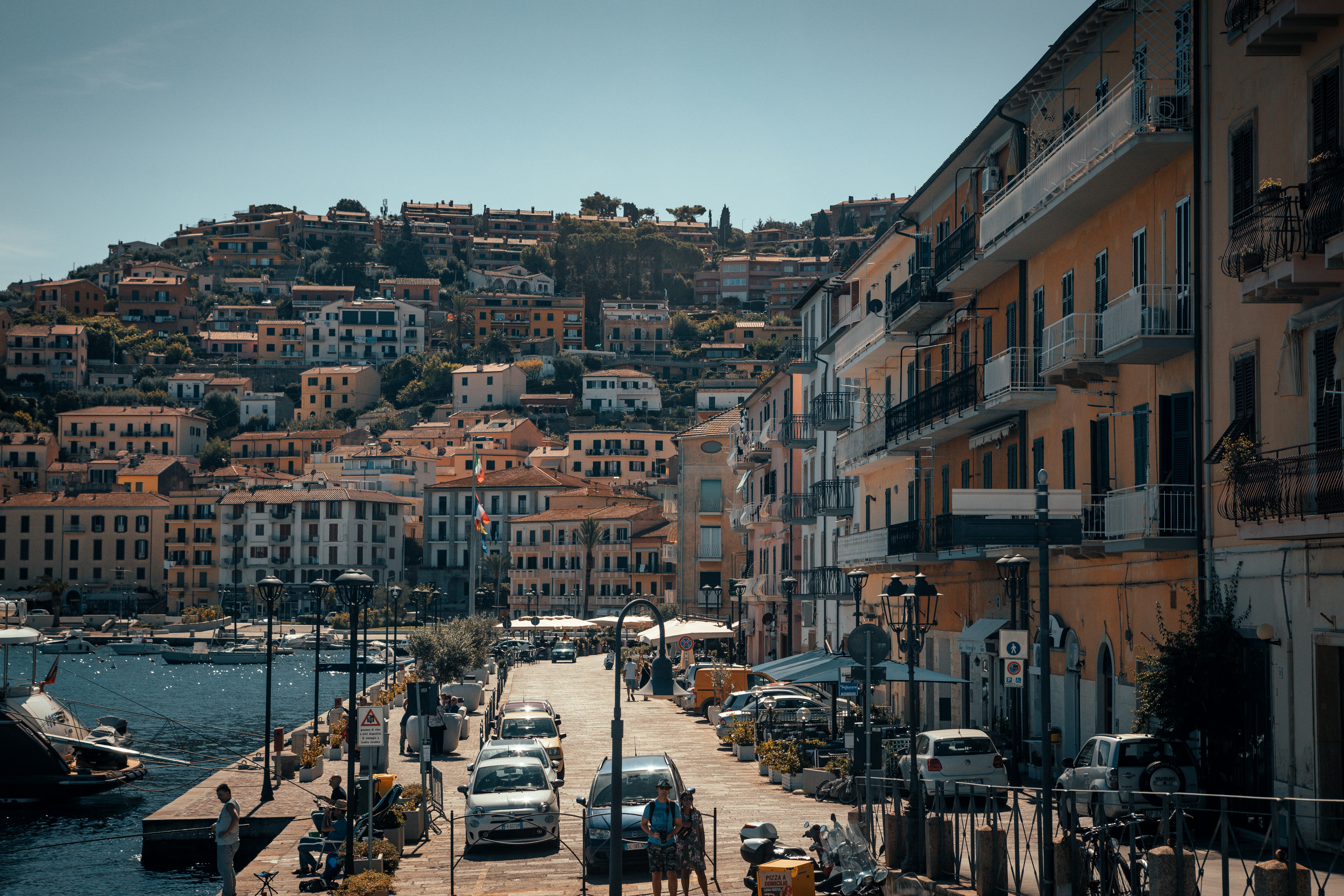
Porto Santo Stefano, Grosseto, Italy
Porto Santo Stefano, Grosseto, ItalyPhoto by Gabriel Kiener on Unsplash

Day 3 - Livorno

Livorno is a gritty city with a long and interesting history. In the early Middle Ages it alternately belonged to Pisa and Genoa. In 1421 Florence, seeking access to the sea, bought it. Cosimo I (1519–74) started construction of the harbor in 1571, putting Livorno on the map. After Ferdinando I de' Medici (1549–1609) proclaimed Livorno a free city, it became a haven for people suffering from religious persecution; Roman Catholics from England and Jews and Moors from Spain and Portugal, among others, settled here. The Quattro Mori (Four Moors), also known as the Monument to Ferdinando I, commemorates this. (The statue of Ferdinando I dates from 1595, the bronze Moors by Pietro Tacca from the 1620s.)In the following centuries, and particularly in the 18th, Livorno boomed as a port. In the 19th century the town drew a host of famous Britons passing through on their grand tours. Its prominence continued up to World War II, when it was heavily bombed. Much of the town's architecture, therefore, postdates the war, and it's somewhat difficult to imagine what it might have looked like before. Livorno has recovered from the war, however, as it's become a huge point of departure for container ships, as well as the only spot in Tuscany for cruise ships to dock for the day.Most of Livorno's artistic treasures date from the 17th century and aren't all that interesting unless you dote on obscure baroque artists. Livorno's most famous native artist, Amedeo Modigliani (1884–1920), was of much more recent vintage. Sadly, there's no notable work by him in his hometown.There may not be much in the way of art, but it's still worth strolling around the city. The Mercato Nuovo, which has been around since 1894, sells all sorts of fruits, vegetables, grains, meat, and fish. Outdoor markets nearby are also chock-full of local color. The presence of Camp Darby, an American military base just outside town, accounts for the availability of many American products.If you have time, Livorno is worth a stop for lunch or dinner at the very least.

Itliv   Livorno   Paddleboat At Sunset   Tim Vanderhoydonck
Itliv Livorno Paddleboat At Sunset Tim VanderhoydonckTim Vanderhoydonck
Itliv   Livorno   Winter Sun Over The Sea   Filippo Ascione
Itliv Livorno Winter Sun Over The Sea Filippo AscioneFilippo Ascione

Day 4 - Nice

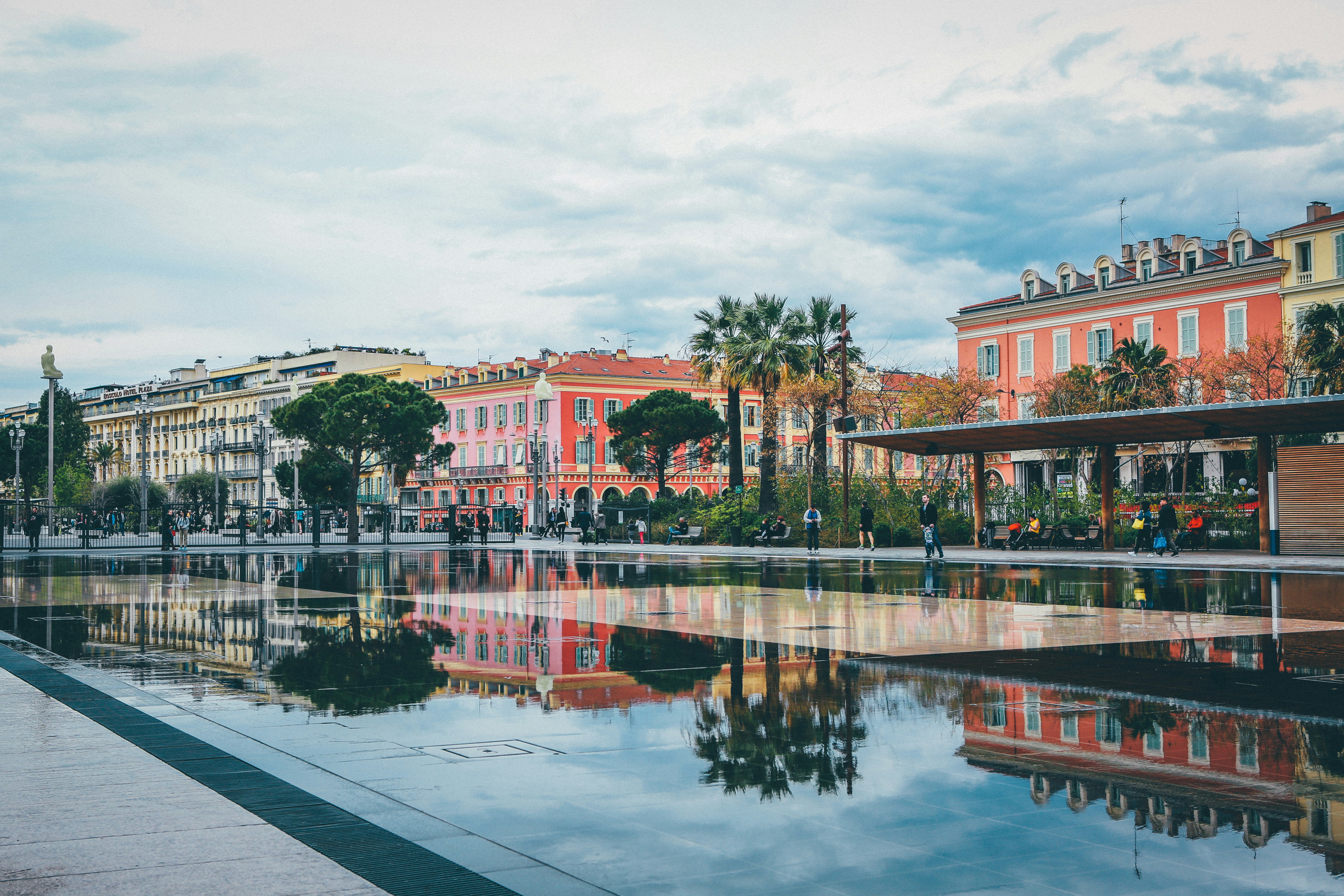
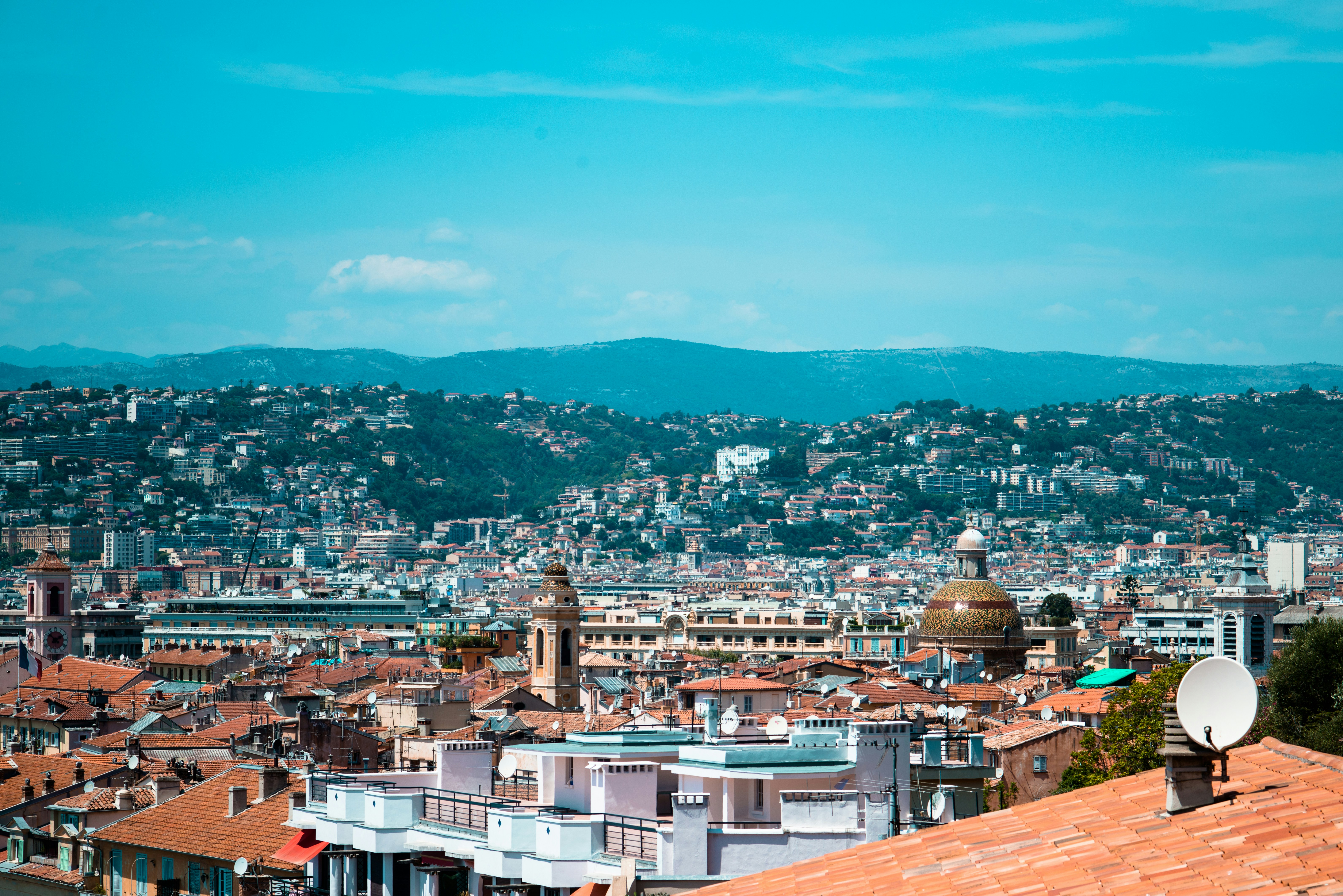
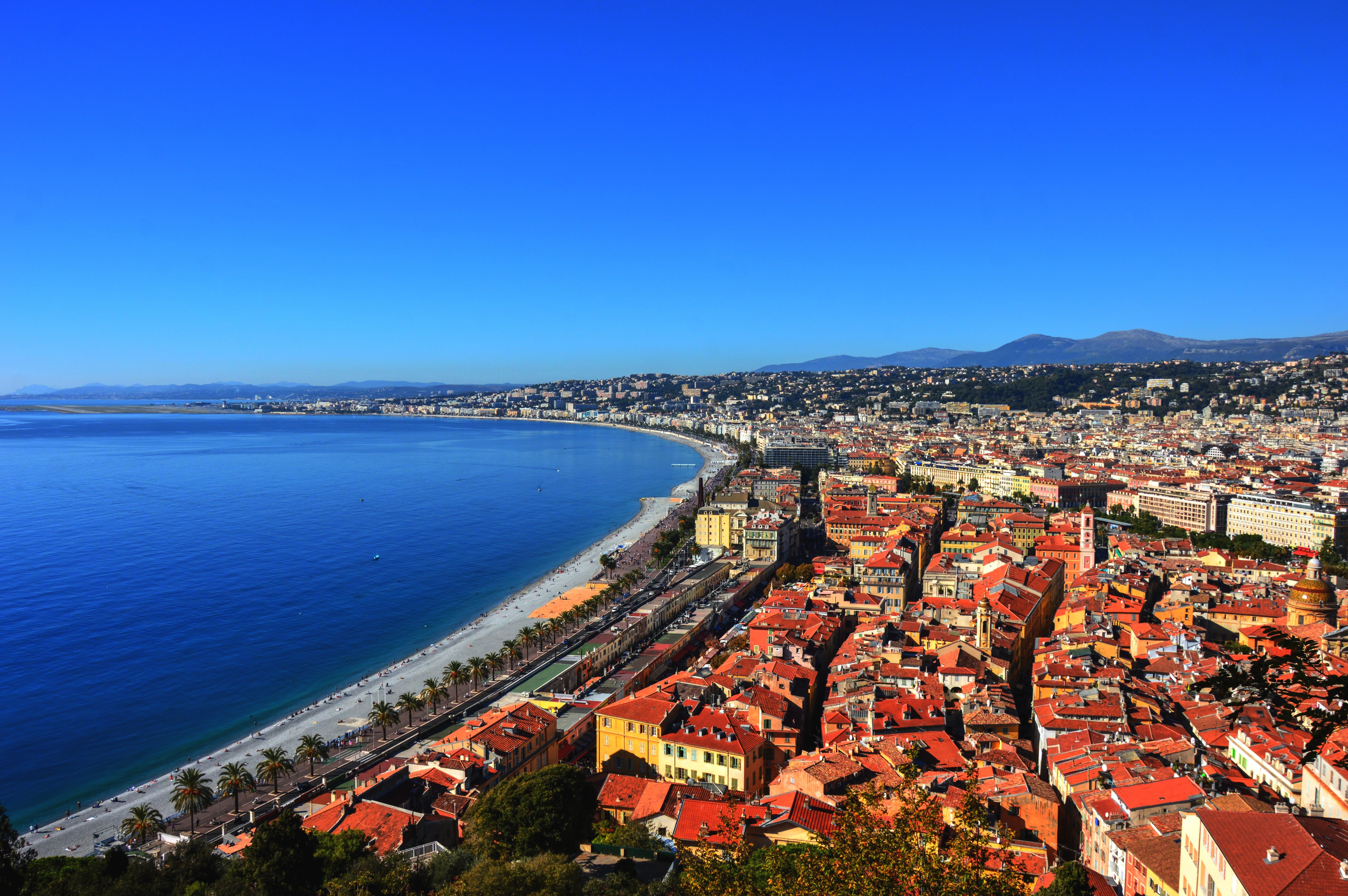
United with France only since 1860, Nice has its own history and atmosphere, which dates back 230,000 years. It was on Colline du Château (now château-less) and at the Plage des Ponchettes, in front of the Old Town, that the Greeks established a market-port in 350 BC and named it Nikaia, which would become Marseilles' chief coastal rival. The Romans established themselves a little later on the hills of Cimiez (Cemenelum), already previously occupied by Ligurians and Celts, and quickly overshadowed the waterfront port. After falling to the Saracen invasions, Nice regained power as an independent state, becoming an important port in the early Middle Ages.So cocksure did it become that in 1388, Nice, along with the hill towns behind, effectively seceded from the county of Provence, under Louis d'Anjou, and allied itself with Savoie. Thus began its liaison with the House of Savoy, and through it with Piedmont and Sardinia, it was the Comté de Nice (Nice County). This relationship lasted some 500 years, tinting the culture, architecture, and dialect in rich Italian hues.By the 19th century Nice was flourishing commercially, locked in rivalry with the neighboring shipping port of Genoa. Another source of income: the dawning of tourism, as first the English, then the Russian nobility, discovered its extraordinary climate and superb waterfront position. A parade of fine stone mansions and hotels closed into a nearly solid wall of masonry, separated from the smooth-round rocks of the beach by what was originally named Camin deis Anglés (the English Way), which of course is now the famous Promenade des Anglais. This magnificent crescent, which is seeking UNESCO recognition, is one of the noblest in France. Many of Nice's most delightful attractions—the Cours Saleya market, the Old Town streets, the Hotel Negresco, and the Palais Masséna—are on or close to this 10-km (6-mile) waterfront, making it the first stop for most visitors, while the redevelopment of Nice's port, around the other side of the Colline du Château, makes it easier for amblers who want to take in the Genoese architecture or peruse the antiques at the Puces de Nice, now part of the Promenade des 100 Antiquaires, along Quai Papacino. Nice also has the distinction of the "Family Plus" label, with free strollers, play areas, and restaurants with child-friendly activities.
Town Centre, Nice, France
Town Centre, Nice, FrancePhoto by Nick Karvounis on Unsplash
Skyline Of Nice, France
Skyline Of Nice, FrancePhoto by Jonas Smith on Unsplash
Nice, France
Nice, FranceImage by Fabien from Pixabay

Day 5 - Sète

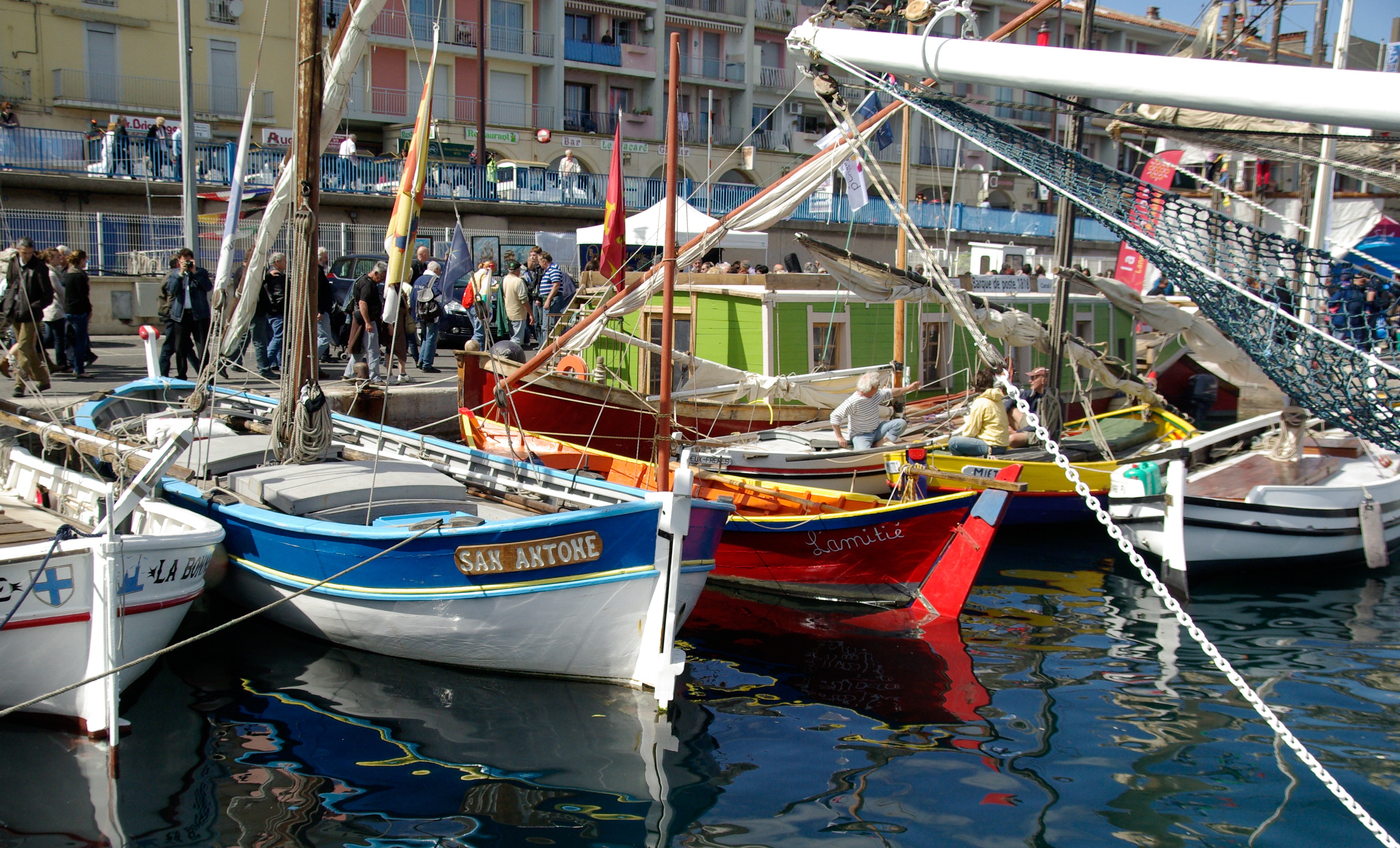
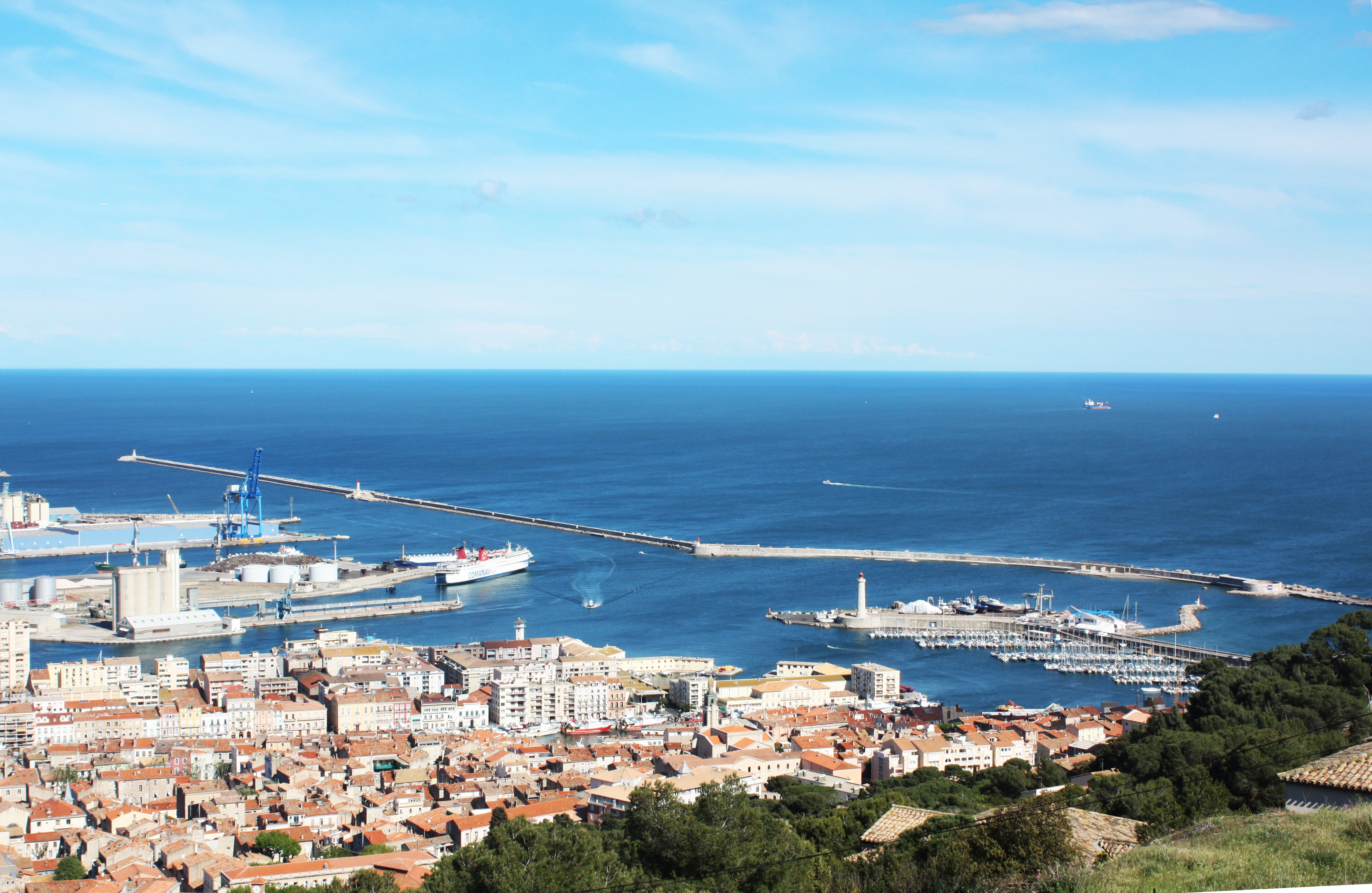
The fishing village of Sète serves as gateway to Montpellier, in the North. Other noteworthy destinations in this area include Carcassone, Aigues Mortes, the Abbaye de Fontfroide, and Pezenas. For a look at the real fisherman's life, however, stay right where you are. Sète is the Mediterranean's biggest fishing port. Canals winding through town make it fun to stroll around, and there are a number of good walking paths leading to the beach (about 30 minutes to the west). Although it's small and unspectacular, Plage de la Corniche has calm, pristine waters that are perfect for swimming. For a panoramic view of the area, climb Mont St-Clair or Les Pierres Blanches and pick a beach to settle down on.

Frset   Sète   Colourful Boats   Credits Jacqueline Macou
Frset Sète Colourful Boats Credits Jacqueline MacouJacqueline Macou
Frset   Sète   Marina   Credit Jacqueline Macou
Frset Sète Marina Credit Jacqueline MacouJacqueline Macou
Frset   Sète   Seaport   Credit Patrick Blaise
Frset Sète Seaport Credit Patrick BlaisePatrick Blaise
Sete, France
Sete, FranceImage by RENE RAUSCHENBERGER from Pixabay

Day 6 - Palamós

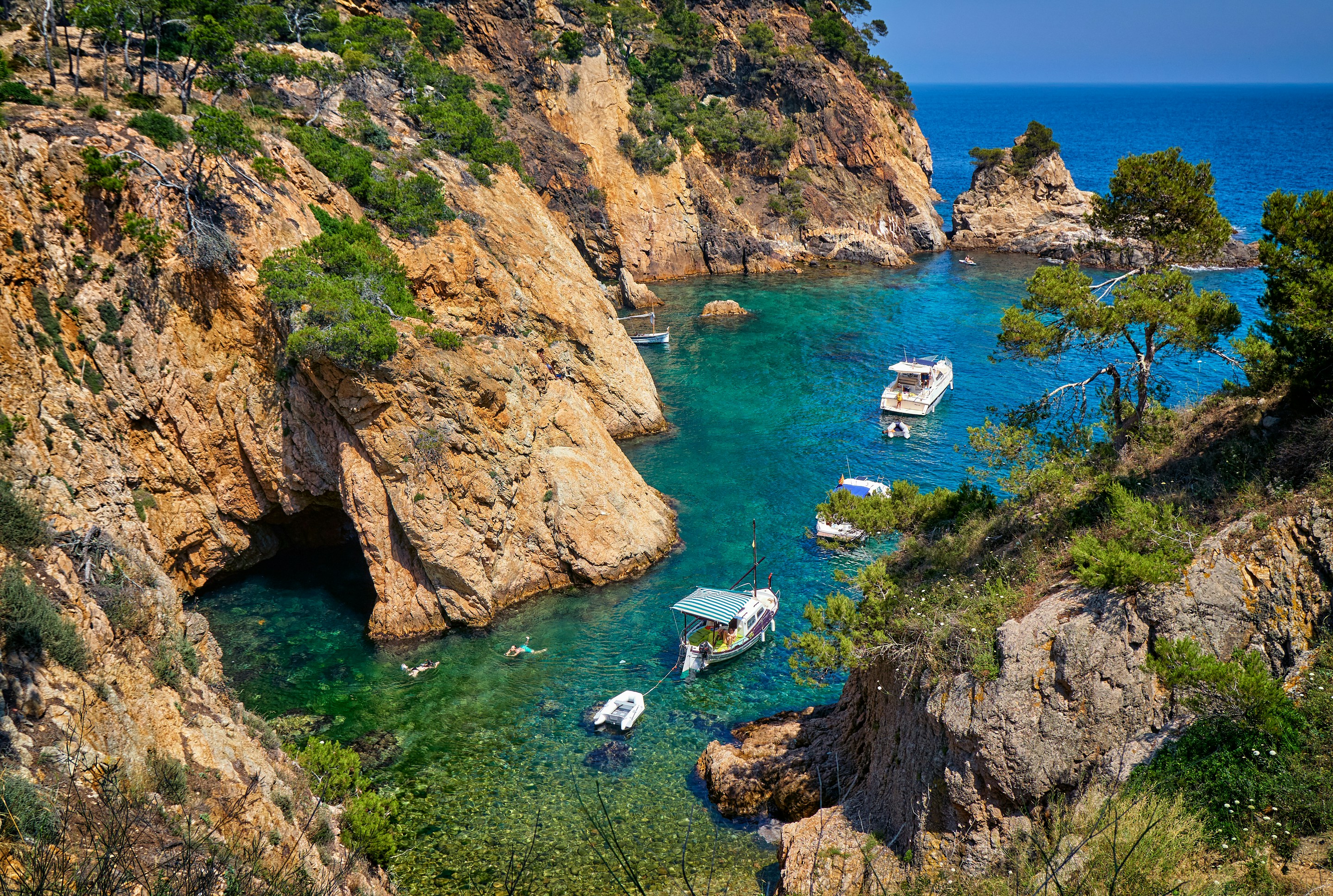
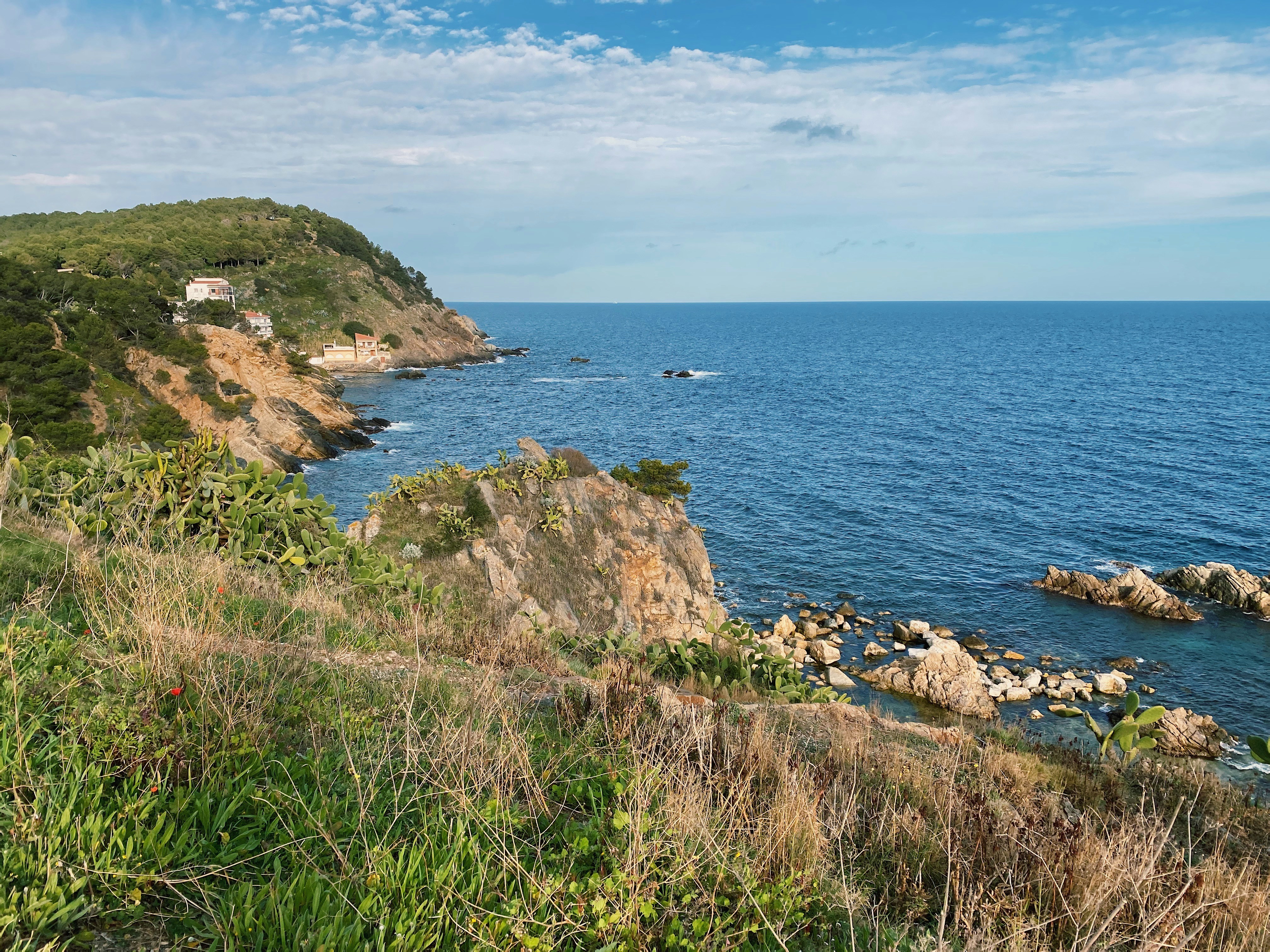
One of the best ways to arrive in Catalonia is by sea, especially via the Costa Brava. This coastline, also known as the Rugged or Wild Coast, stretches from Blanes to the French border. Its name aptly refers to the steep cliff of ancient twisted rocks, which runs its entire length and is bounded inland by the Catalan mountain ranges. The intensity of the coast’s colour, the ruggedness of the rocks and the scent of the plants all combine to add to its attraction. The history of this region is long and varied. Traces can be found of the advanced culture of the Iberians, Greeks, Romans, Visigoths and Arabs. With Wilfred I and the independence of Catalan countries, the Catalan dynasty was born. Later, in 1479, Catalonia became a part of unified Spain following the marriage of Isabel, Queen of Castile, and Fernando, King of Aragon. The port of Palamos, some 36 miles northeast of Barcelona, has been in existence for nearly 700 years thanks to its location on one of the deepest natural bays in the western Mediterranean. The town itself is the southernmost of a series of resorts popular with sun worshippers. For the most part, Palamos has managed to retain some of the charm of a fishing village. The port also serves as a gateway to such inland locations as Girona, the capital of the province. Art lovers may want to visit Figueras, famous for its bizarre Teatre-Museu Dali, the foremost of a series of sites associated with the eccentric surrealist artist, Salvador Dali. If you choose to stay in Palamos, you can enjoy the pleasant atmosphere of the town or spend some time at a nearby beach. The town has a long seagoing tradition and busy harbour. The fish auction, prompted by the arrival of the fishing boats, is a spectacle worth seeing. The Fishing Museum illustrates the history and the life of the families who live off the sea.

Palamós, Spain
Palamós, SpainPhoto by Maël BALLAND on Unsplash
Palamós, Spain
Palamós, SpainPhoto by Vidar Nordli-Mathisen on Unsplash
Carretera De Sant Esteve, 2, Palamós, España
Carretera De Sant Esteve, 2, Palamós, EspañaPhoto by Paula De la Pava Nieto on Unsplash

Day 7 - Valencia

Valencia, Spain's third-largest municipality, is a proud city with a thriving nightlife and restaurant scene, quality museums, and spectacular contemporary architecture, juxtaposed with a thoroughly charming historic quarter, making it a popular destination year in year out. During the Civil War, it was the last seat of the Republican Loyalist government (1935–36), holding out against Franco’s National forces until the country fell to 40 years of dictatorship. Today it represents the essence of contemporary Spain—daring design and architecture along with experimental cuisine—but remains deeply conservative and proud of its traditions. Though it faces the Mediterranean, Valencia's history and geography have been defined most significantly by the River Turia and the fertile huerta that surrounds it.The city has been fiercely contested ever since it was founded by the Greeks. El Cid captured Valencia from the Moors in 1094 and won his strangest victory here in 1099: he died in the battle, but his corpse was strapped into his saddle and so frightened the besieging Moors that it caused their complete defeat. In 1102 his widow, Jimena, was forced to return the city to Moorish rule; Jaume I finally drove them out in 1238. Modern Valencia was best known for its frequent disastrous floods until the River Turia was diverted to the south in the late 1950s. Since then the city has been on a steady course of urban beautification. The lovely bridges that once spanned the Turia look equally graceful spanning a wandering municipal park, and the spectacularly futuristic Ciutat de les Arts i les Ciències (City of Arts and Sciences), most of it designed by Valencia-born architect Santiago Calatrava, has at last created an exciting architectural link between this river town and the Mediterranean. If you're in Valencia, an excursion to Albufera Nature Park is a worthwhile day trip.

Esvlc Valencia City Of The Arts And The Sciences Zebbache Djoubair
Esvlc Valencia City Of The Arts And The Sciences Zebbache DjoubairZebbache Djoubair
Esvlc   Valencia, Spain   Photo Credit Belongs To Travelnow.Or.Crylater
Esvlc Valencia, Spain Photo Credit Belongs To Travelnow.Or.Crylater

Day 8 - Alicante

The provincial capital of the Valencian Community serves as a gateway to the huge influx of tourists that flock to the Costa Blanca resorts every year. Alicante is popular with holidaymakers who arrive for the warm, Mediterranean climate and seemingly endless golden beaches. However, there is much more to this city than sand and sun. With a picturesque waterfront, a hugely impressive castle, buzzing nightlife and a rich, complex history, Alicante is a fascinating destination all year round.

Esalc Alicante Beach Vicente Viana
Esalc Alicante Beach Vicente VianaVicente Viana

Day 9 - At Sea

Further details for this day are not available.

Day 10 - Málaga

As you sail into Malaga you will notice what an idyllic setting the city enjoys on the famous Costa del Sol. To the east of this provincial capital, the coast along the region of La Axarqua is scattered with villages, farmland and sleepy fishing hamlets - the epitome of traditional rural Spain. To the west stretches a continuous city where the razzmatazz and bustle creates a colourful contrast that is easily recognisable as the Costa del Sol. Surrounding the region, the Penibéetica Mountains provide an attractive backdrop overlooking the lower terraced slopes which yield olives and almonds. This spectacular mountain chain shelters the province from cold northerly winds, giving it a reputation as a therapeutic and exotic place in which to escape from cold northern climes. Malaga is also the gateway to many of Andalusia's enchanting historic villages, towns and cities.
Esagp Malaga Empty Seats And Tables In Between Buildings During Daytime Jonas Hoss
Esagp Malaga Empty Seats And Tables In Between Buildings During Daytime Jonas HossJonas Hoss
Esagp Malaga Round Stadium Surrounded By Buildings Near The Sea Christian Moller
Esagp Malaga Round Stadium Surrounded By Buildings Near The Sea Christian MollerChristian Moller
Esagp Malaga Sunset Quino Al
Esagp Malaga Sunset Quino AlQuino Al

Day 11 - Cádiz

Believed to be the oldest town on the Iberian Peninsula, the Andalusian port of Cádiz enjoys a stunning location at the edge of a six-mile promontory. The town itself, with 3,000 years of history, is characterised by pretty white houses with balconies often adorned with colourful flowers. As you wander around be sure to take a stroll through the sizeable Plaza de Espãna, with its large monument dedicated to the first Spanish constitution, which was signed here in 1812. Cádiz has two pleasant seafront promenades which boast fine views of the Atlantic Ocean, and has a lovely park, the Parque Genoves, located close to the sea with an open-air theatre and attractive palm garden. Also notable is the neo-Classical cathedral, capped by a golden dome.

Escad   Cádiz, Spain   Photo Credit Belongs To Jorge Fernandez Salas 1
Escad Cádiz, Spain Photo Credit Belongs To Jorge Fernandez Salas 1Jorge Fernandez Salas
Escad   Cádiz, Spain   Photo Credit Belongs To Jorge Fernandez Salas
Escad Cádiz, Spain Photo Credit Belongs To Jorge Fernandez SalasJorge Fernandez Salas
Escad   Cádiz, Spain   Photo Credit Belongs To Vidar Nordi Mathisen
Escad Cádiz, Spain Photo Credit Belongs To Vidar Nordi MathisenVidar Nordi-Mathisen

Day 12 - At Sea

Further details for this day are not available.

Day 13 - Lisbon

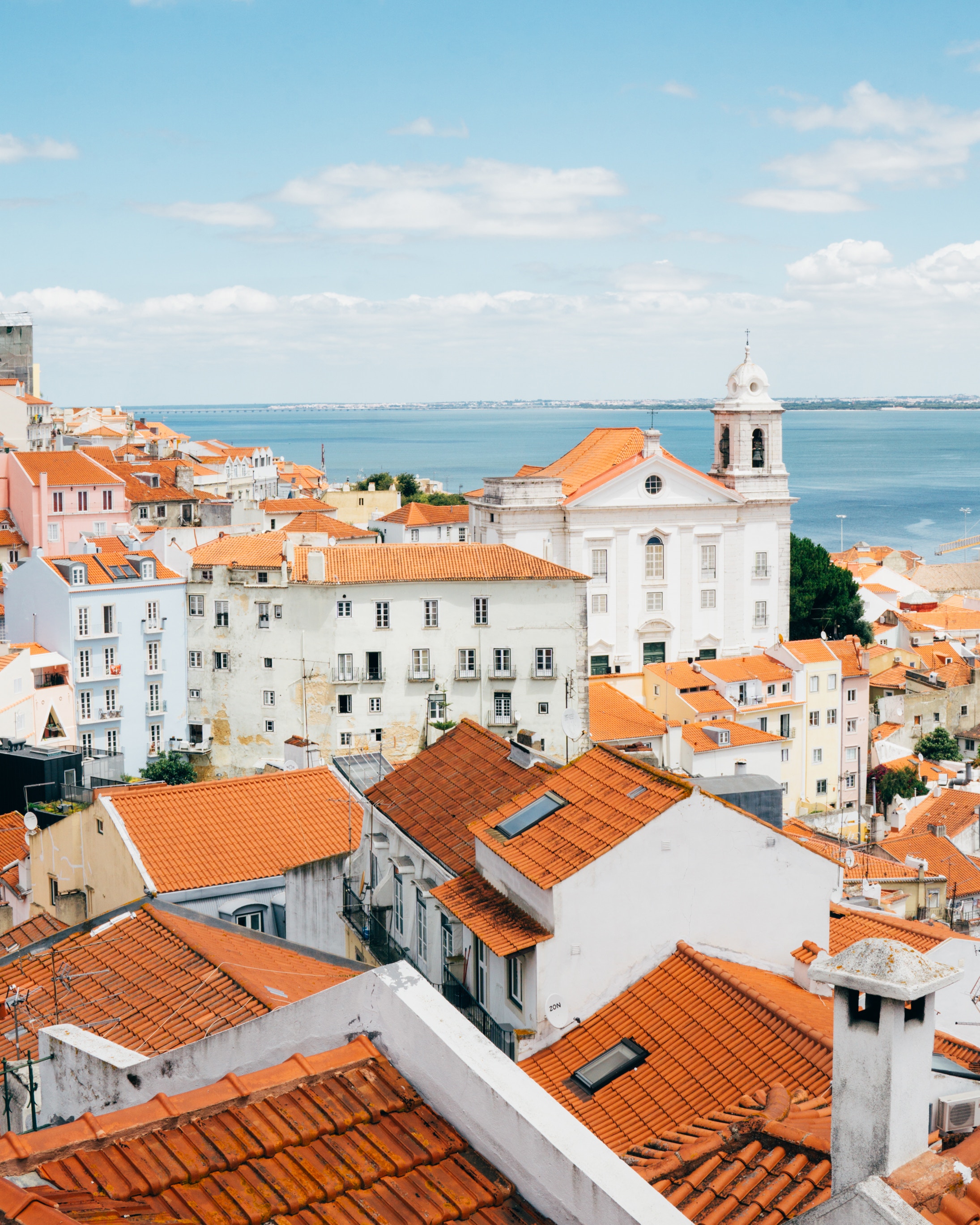
Set on seven hills on the banks of the River Tagus, Lisbon has been the capital of Portugal since the 13th century. It is a city famous for its majestic architecture, old wooden trams, Moorish features and more than twenty centuries of history. Following disastrous earthquakes in the 18th century, Lisbon was rebuilt by the Marques de Pombal who created an elegant city with wide boulevards and a great riverfront and square, Praça do Comércio. Today there are distinct modern and ancient sections, combining great shopping with culture and sightseeing in the Old Town, built on the city's terraced hillsides. The distance between the ship and your tour vehicle may vary. This distance is not included in the excursion grades.
Ptlis Lisbon Brown And White City Panorama Shot Suad Kamardeen
Ptlis Lisbon Brown And White City Panorama Shot Suad KamardeenSuad Kamardeen
Ptlis Lisbon Landscape Photography Of Orange Roof Houses Near Body Of Water Tom Byrom
Ptlis Lisbon Landscape Photography Of Orange Roof Houses Near Body Of Water Tom ByromTom Byrom
Ptlis Lisbon Thee Person Walking Near White And Orange Bus Nik Guiney
Ptlis Lisbon Thee Person Walking Near White And Orange Bus Nik GuineyNik Guiney

Suites & Deck Plans

Suite

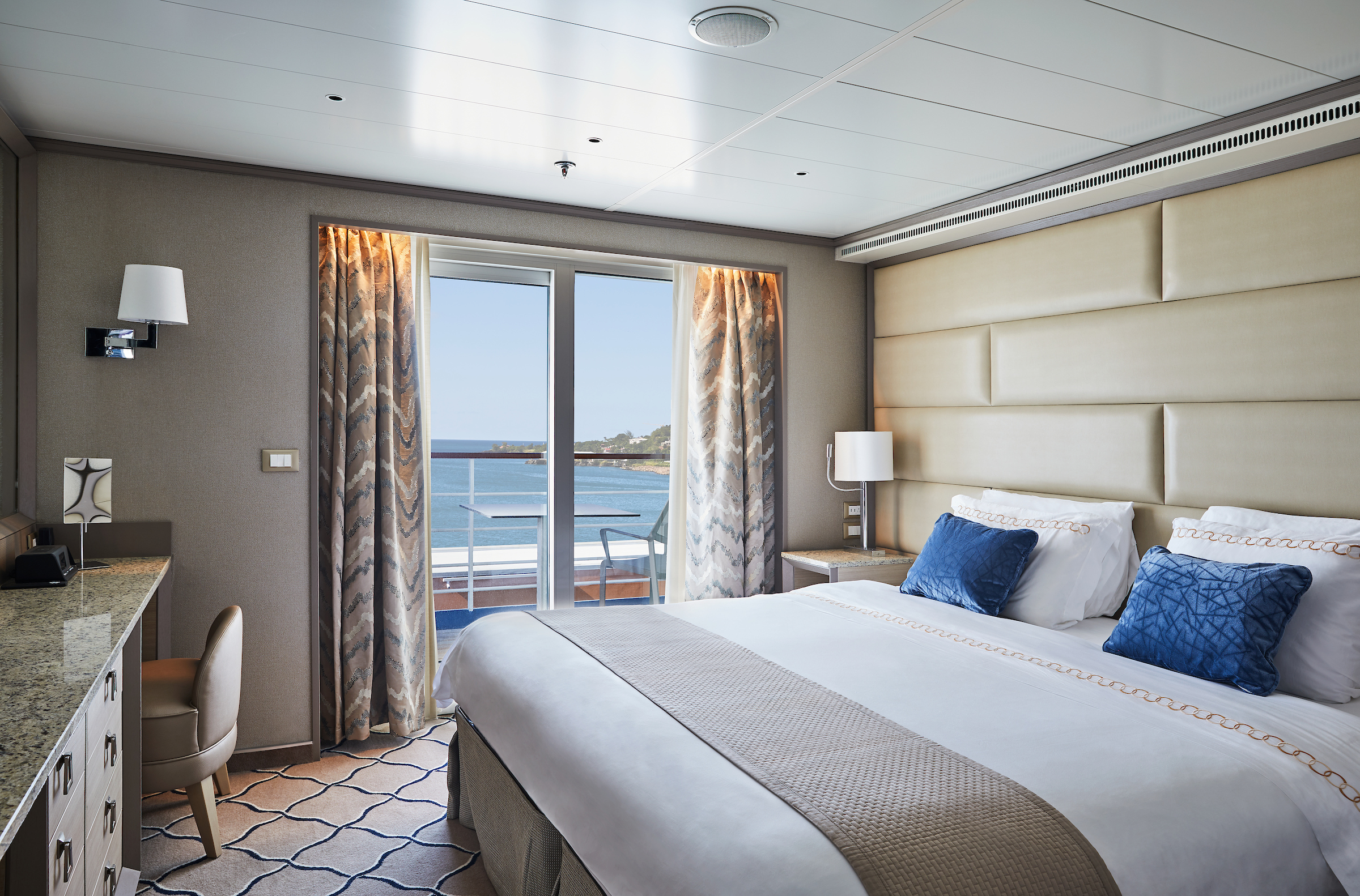
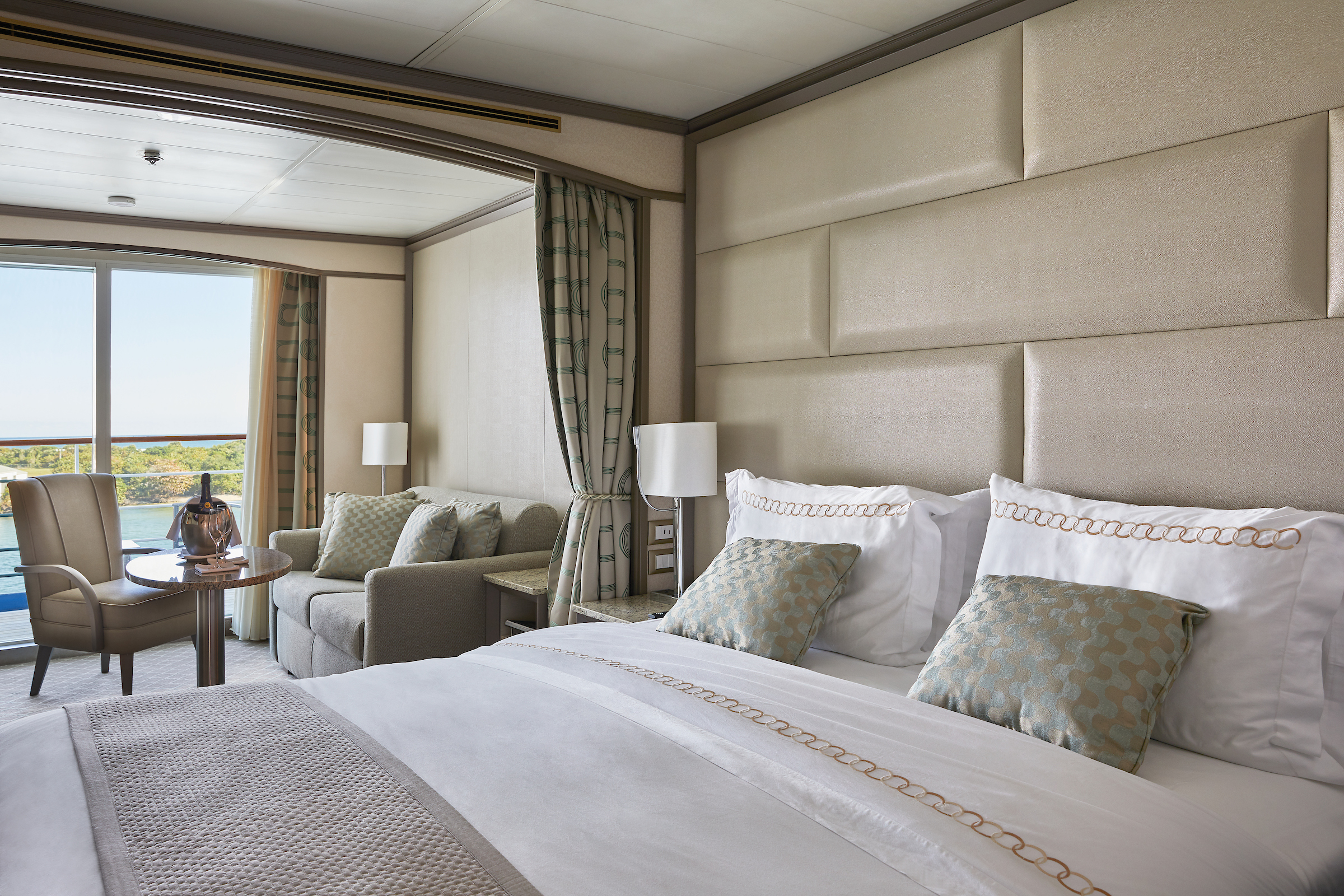
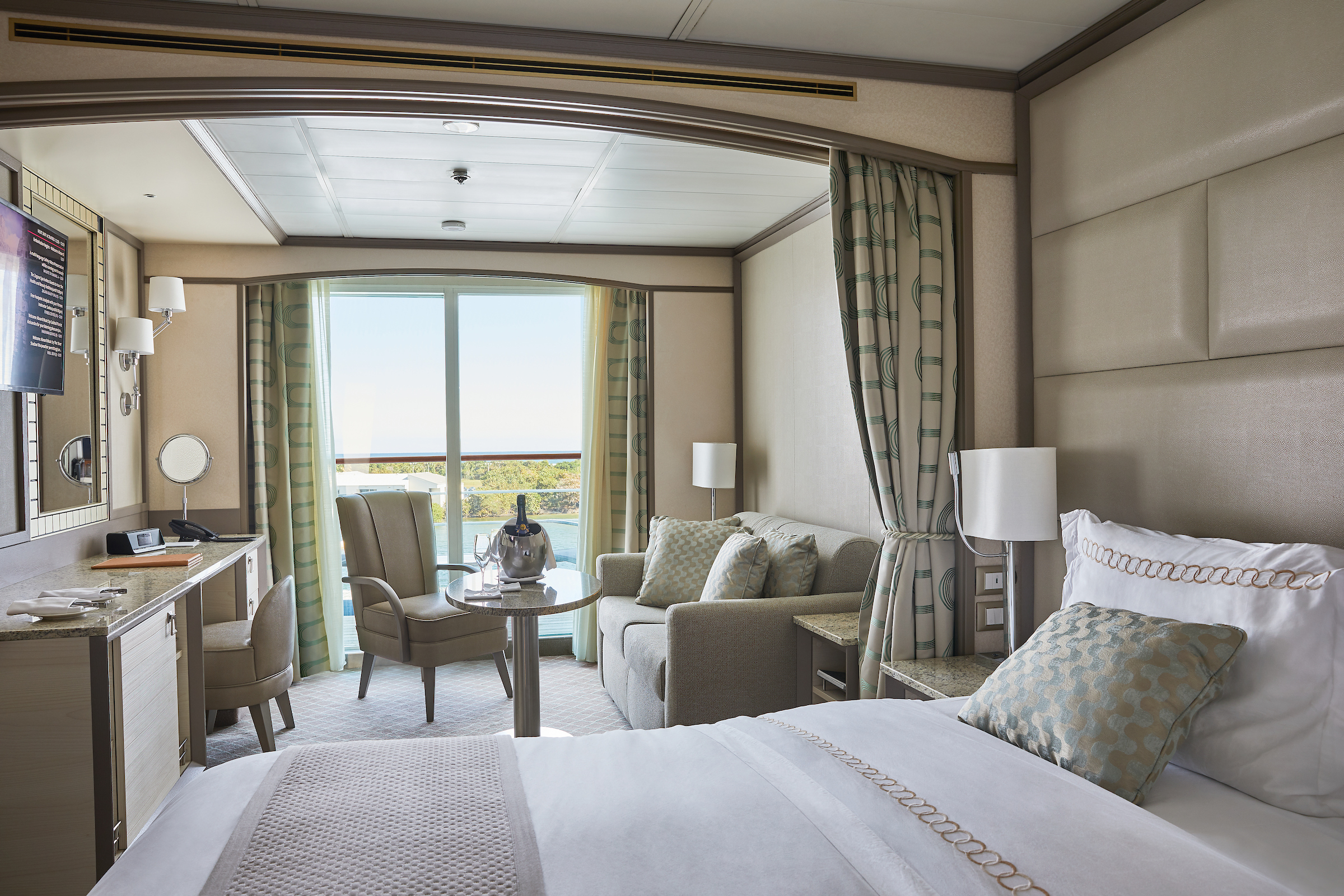
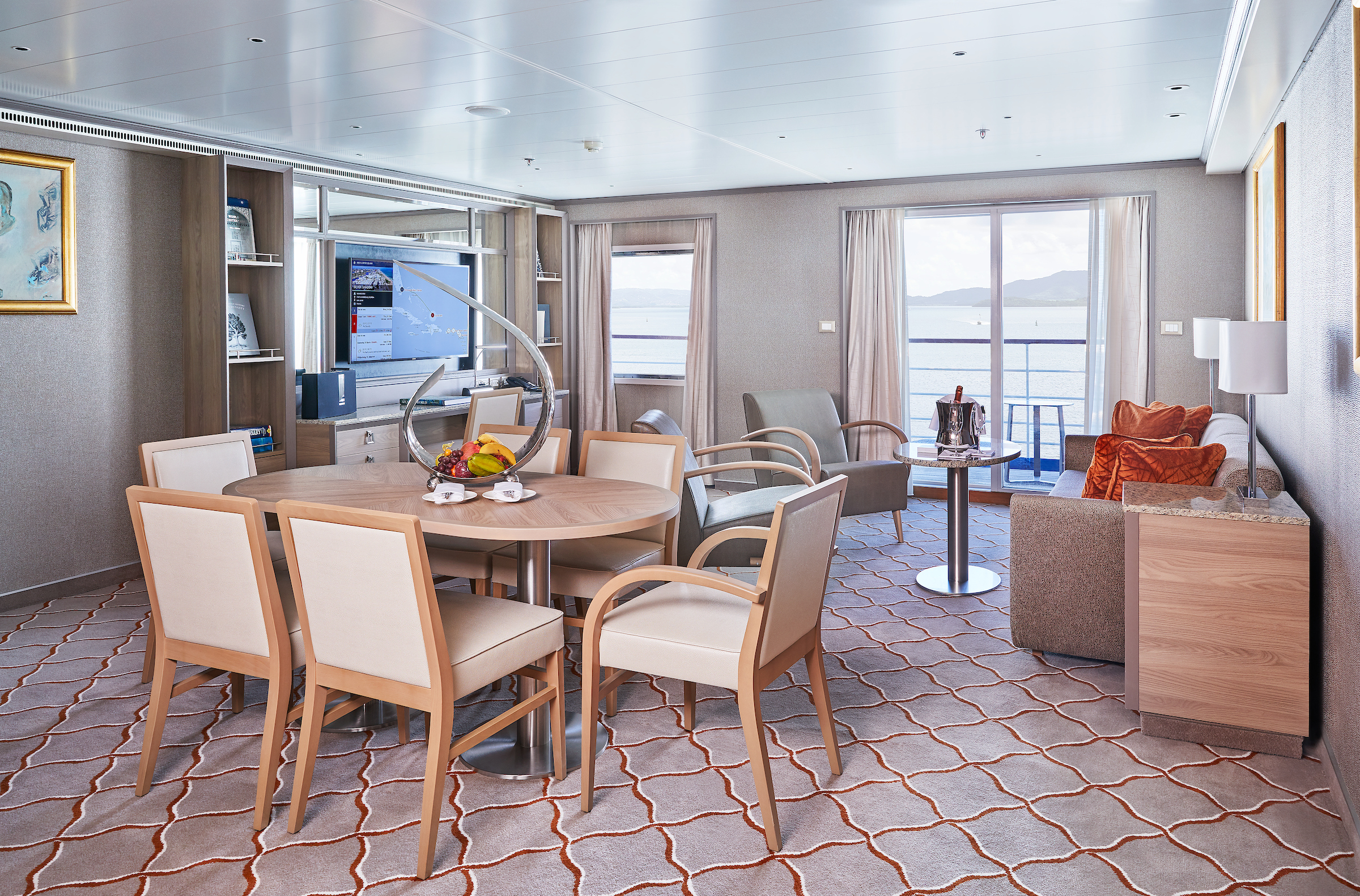
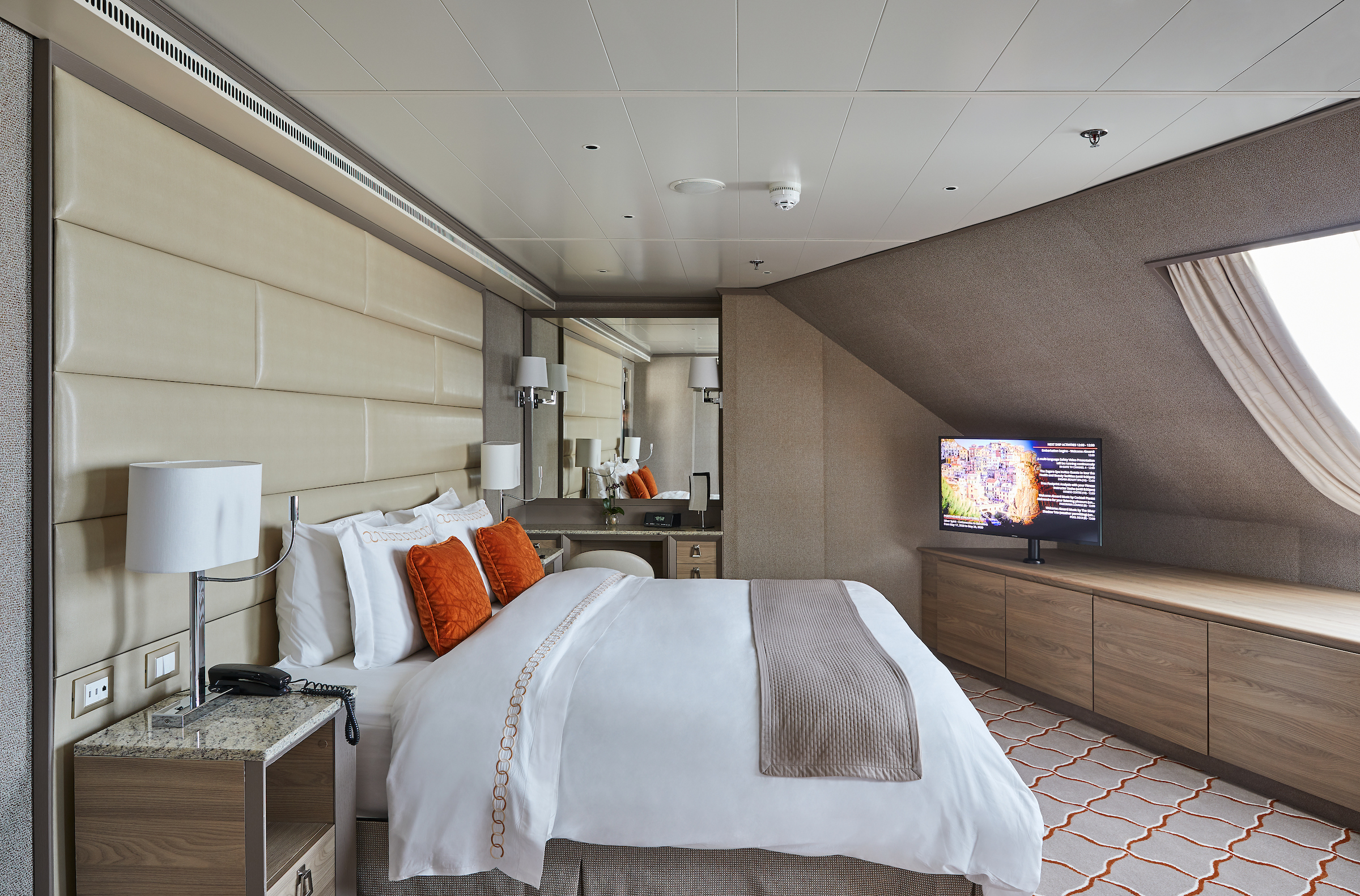
The name Owner’s Suite says it all. A stylish apartment. Prestigious and classic. For those who seek the superlative level of space, comfort, and service on board. Available in a one- or two-bedroom configuration (as illustrated) by adjoining with a Vista Suite.
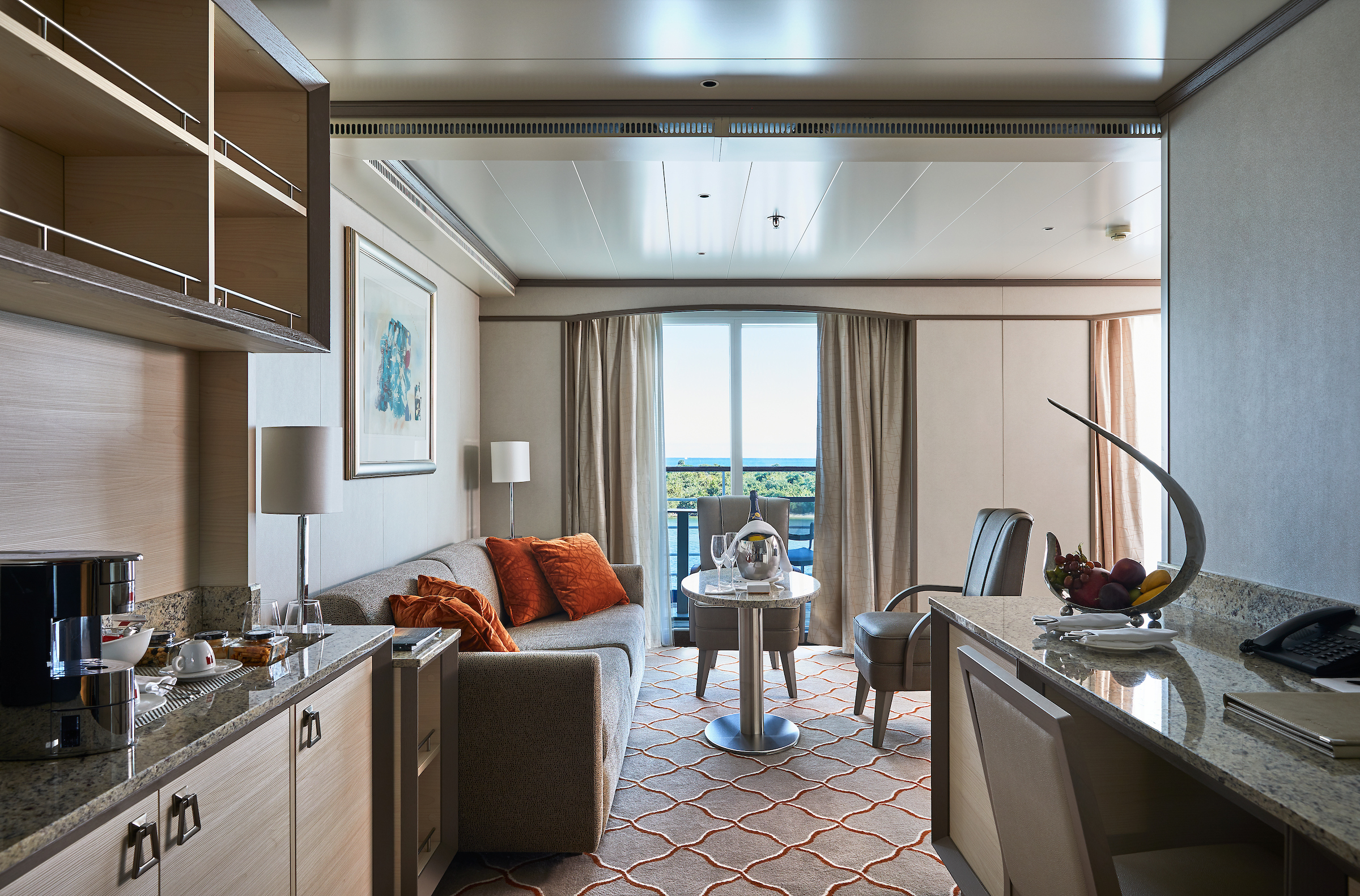
One bedroom: 85 sq m including veranda (20 sq m)

Two bedrooms: 117 sq m including veranda (20 sq m)

Please note that the 3rd guest will sleep on a comfortable sofa bed in the reception area of the suite.

Essentials

  • Deck(s): 7
  • Section: Mid-Ship

Characteristics

  • Veranda
  • Separate dining area
  • Living room with sitting area
  • Double vanity
  • Separate shower
  • Full-size bath
  • Walk-in wardrobe with personal safe

Furniture

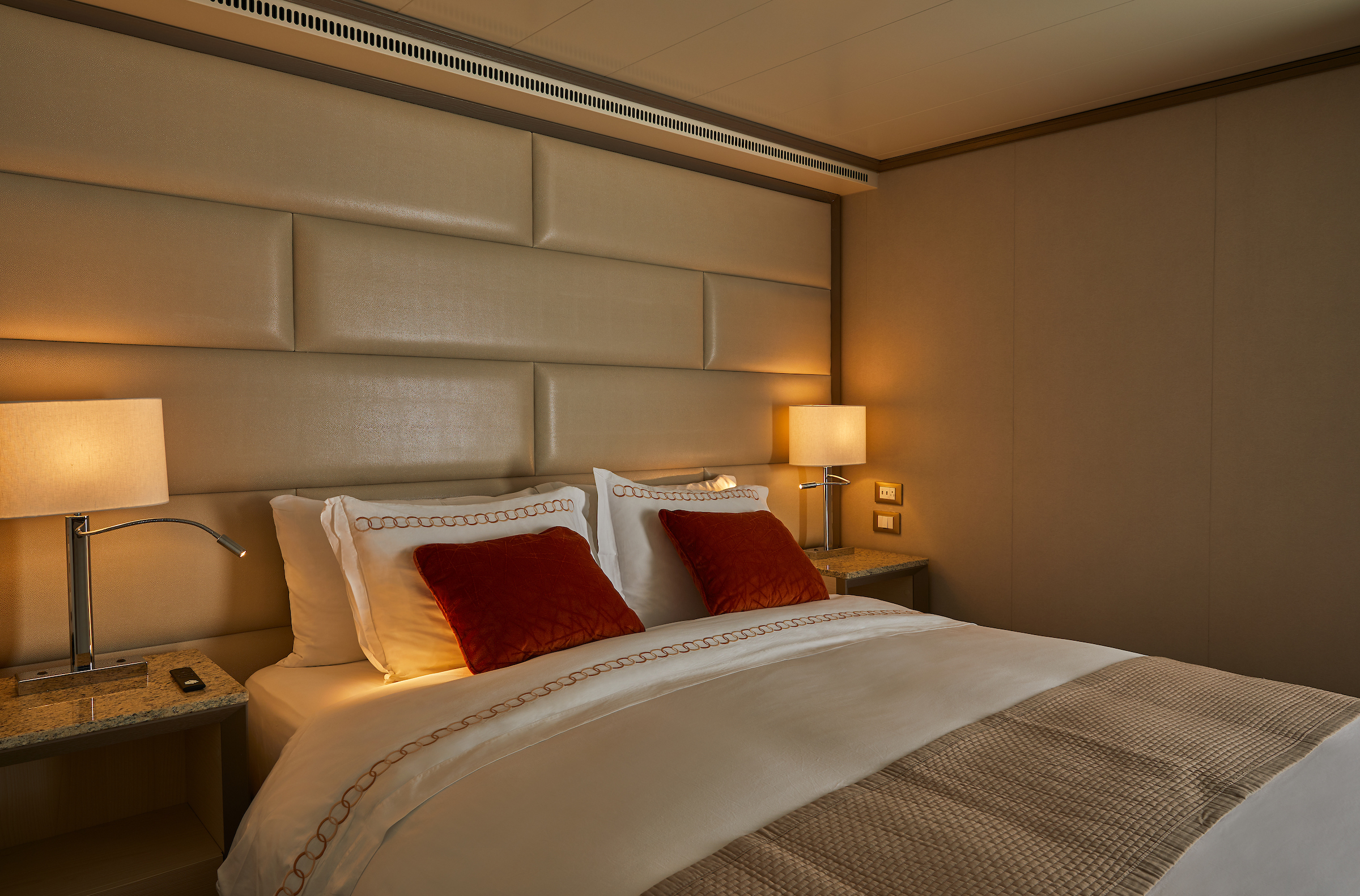
  • King size bed
  • Writing desk
  • Vanity table
  • Luxury bed mattresses

Media & Communication

  • Unlimited Premium Wi-Fi
  • 2 large flat screen TVs with Interactive Media Library
  • Sound system with bluetooth connectivity
  • Direct dial telephone
  • Wall mounted USB-C mobile device chargers
  • Dual voltage 110/220 outlets

Onboard Services

  • Butler service
  • Complimentary laundry, pressing & wet cleaning
  • Dinner for two in La Dame, one evening per voyage,
  • Two hours of worldwide phone use, per voyage segment
  • Champagne on arrival

Amenities

  • Espresso machine
  • Tea kettle
  • Pillow menu
  • Refrigerator and bar setup stocked with your preferences
  • Plush bathrobe
  • Luxury bath amenities
  • Umbrella
  • Hair Dryer
  • Slippers

1130-1475 sq ft
Accommodates 5 guests
Owner's Suite

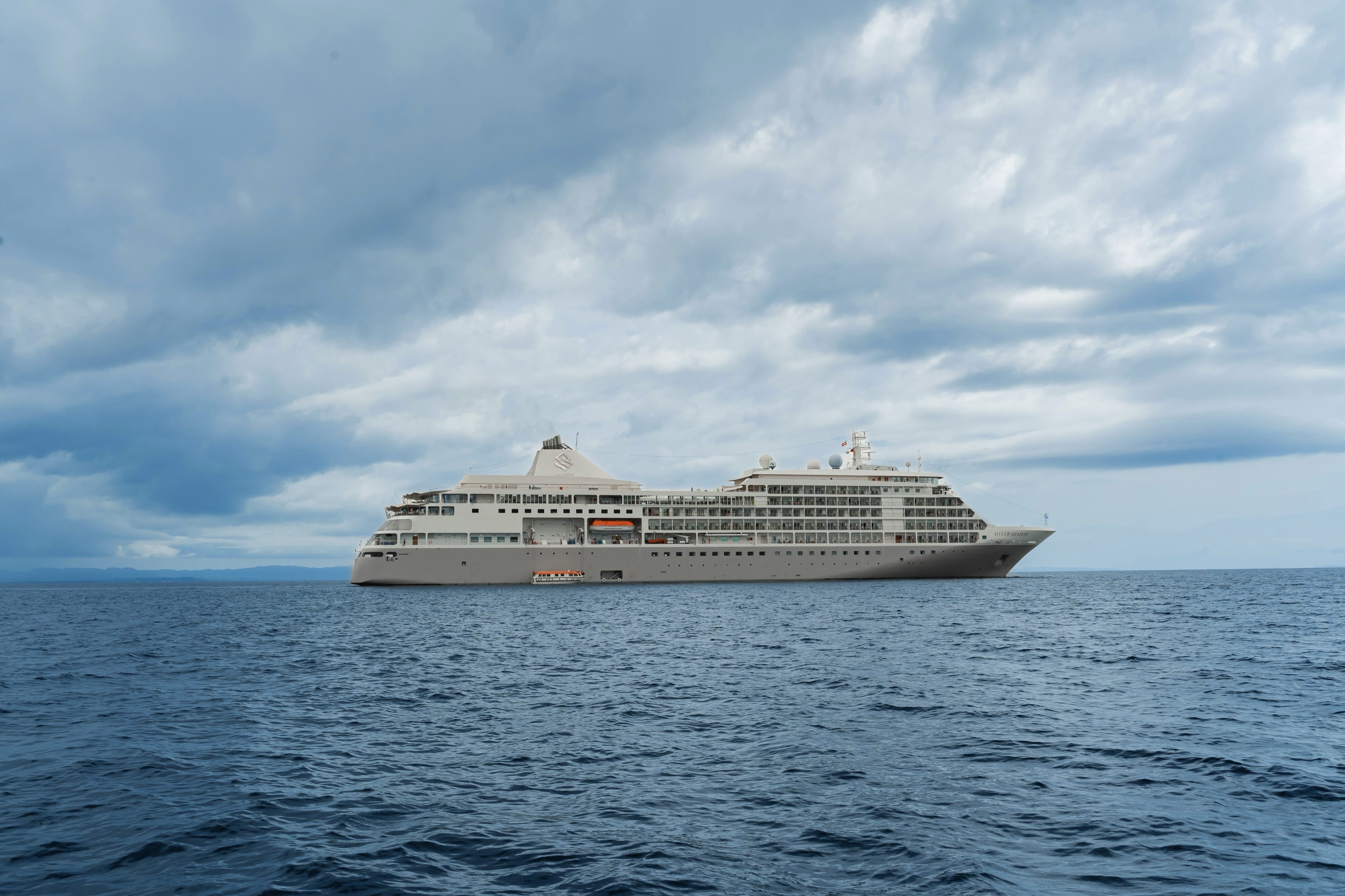
Silver Shadow

Silver Shadow

Life on board

The Onboard Experience

Client testimonials

I have worked with Lore Doick for more than 20 years, and she has booked over 30 cruises for me. Her expertise, care, and attention to every travel detail have made her an invaluable advisor and friend over the years.”

Tina B.

We are now in our second generation working with Cheri Ozimac at Tully Luxury Travel. From Antarctica to Greece, she has handled every detail with expertise, responsiveness, and care…

Earl M.

My wife and I have worked with Tully since 2007, and Kit Neil and her team went far beyond expectations while helping us navigate multiple cruise and flight cancellations. Their advocacy, care, and support during a difficult time were extraordinary.

Carri F.

Cheri Ozimac organized our Seabourn cruise flawlessly, from the hotel recommendation to every travel arrangement. She was responsive, attentive, and an excellent advocate throughout the process…

Cyn S.

We discovered Tully Luxury Travel after years of booking cruises through US agents and were impressed by their competitive pricing, exceptional service, and Canadian based support. Their team is always available, offers excellent value, and makes booking the right cruise seamless.

Peter C.

GoogleAverage Customer Rating:

The Tully Difference

Why travel with us


Tully Luxury Travel was built on access, discretion, and trust. For our clients, that means ease at every step, with distinctions that turn exceptional voyages into defining moments.

Recognized expertise

A renowned agency worldwide in luxury land and small-ship cruising, consistently trusted by the industry’s most prestigious brands.