Silversea logo

San Juan to San Juan

Itinerary: San Juan (Puerto Rico), Saint John Island, Basseterre, Saint Kitts, Îles des Saintes, Port Elizabeth, Bequia, At Sea, Saint Thomas See full itinerary

27 Dec 26
7 nights

Voyage Details

Duration:
7 nights
Departure:
27 Dec 2026
Embarkation:
San Juan (Puerto Rico), Puerto Rico
Voyage code:
SS261227007

Your Itinerary, Day-By-Day

Special Chapters of Your Journey

Day 1 - San Juan (Puerto Rico)

If you associate Puerto Rico's capital with the colonial streets of Old San Juan, then you know only part of the picture. San Juan is a major metropolis, radiating out from the bay on the Atlantic Ocean that was discovered by Juan Ponce de León. More than a third of the island's nearly 4 million citizens proudly call themselves sanjuaneros. The city may be rooted in the past, but it has its eye on the future. Locals go about their business surrounded by colonial architecture and towering modern structures.By 1508 the explorer Juan Ponce de León had established a colony in an area now known as Caparra, southeast of present-day San Juan. He later moved the settlement north to a more hospitable peninsular location. In 1521, after he became the first colonial governor, Ponce de León switched the name of the island—which was then called San Juan Bautista in honor of St. John the Baptist—with that of the settlement of Puerto Rico ("rich port").Defended by the imposing Castillo San Felipe del Morro (El Morro) and Castillo San Cristóbal, Puerto Rico's administrative and population center remained firmly in Spain's hands until 1898, when it came under U.S. control after the Spanish-American War. Centuries of Spanish rule left an indelible imprint on the city, particularly in the walled area now known as Old San Juan. The area is filled with cobblestone streets and brightly painted, colonial-era structures, and its fortifications have been designated a UNESCO World Heritage Site.Old San Juan is a monument to the past, but most of the rest of the city is planted firmly in the 21st century and draws migrants island-wide and from farther afield to jobs in its businesses and industries. The city captivates residents and visitors alike with its vibrant lifestyle as well as its balmy beaches, pulsing nightclubs, globe-spanning restaurants, and world-class museums. Once you set foot in this city, you may never want to leave.

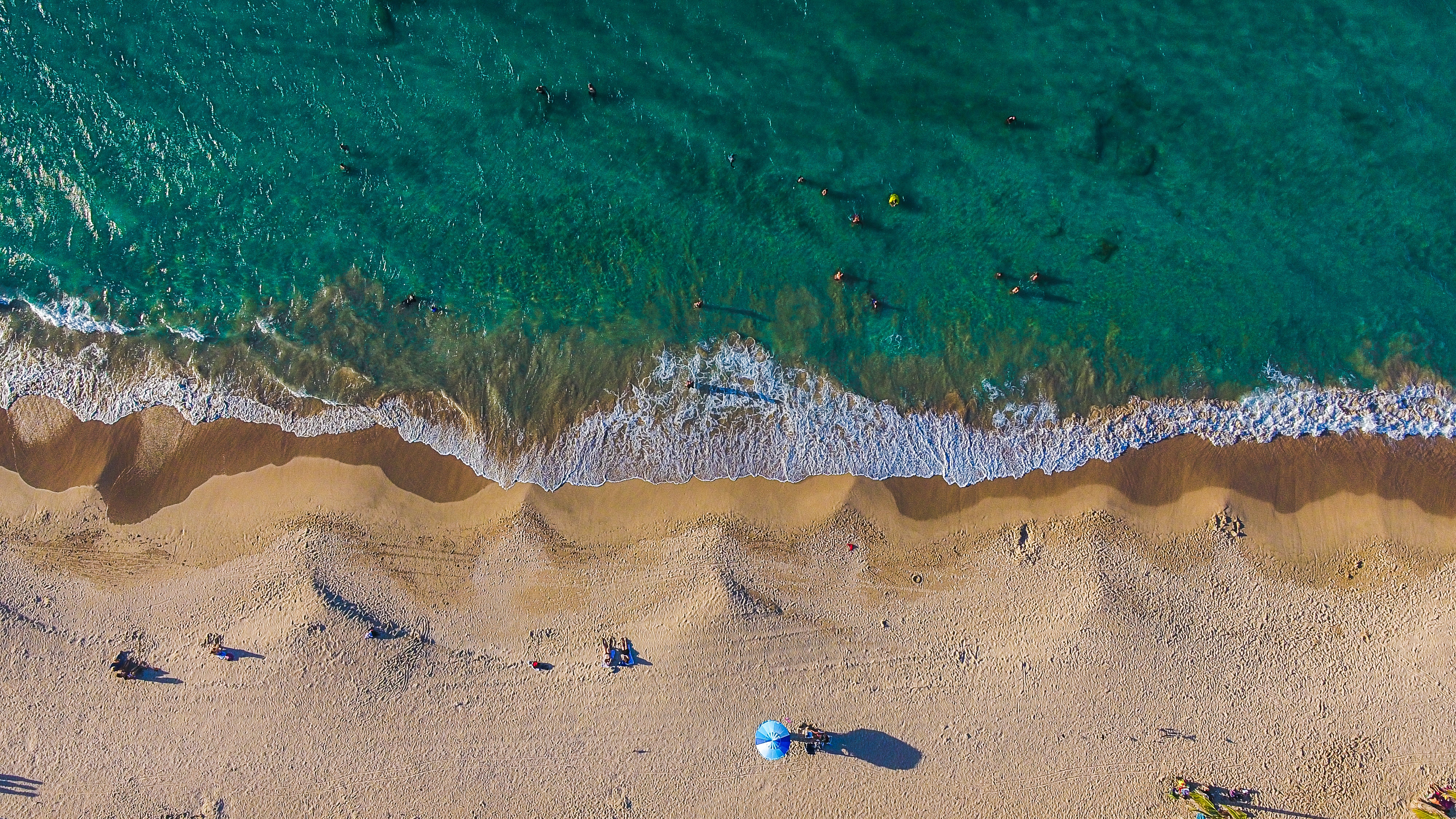
Prsju   San Juan   Condado Beach   Cristian Escobar
Prsju San Juan Condado Beach Cristian EscobarCristian Escobar
Prsju   San Juan   Old San Juan   Robert V Ruggiero
Prsju San Juan Old San Juan Robert V RuggieroRobert V Ruggiero
Prsju   San Juan   Old San Juan 2   Robert V Ruggiero
Prsju San Juan Old San Juan 2 Robert V RuggieroRobert V Ruggiero

Day 2 - Saint John Island

St. John, the smallest most idyllic of the three United States Virgin Islands, is best known for its dozens of post card perfect white sand beaches, turquoise bays abounding in colourful corals & rainbows of tropical fish endless vistas of green velvet hills. Only nine miles long (14.5 kilometres) and three miles (4.8 kilometres) wide, two thirds of the island is the Virgin Islands National Park, so its spectacular beaches & untouched forests will remain that way for generations to come and remain accessible to all. There are tours of the National Park by Jeep or safari bus and hikes on spectacular trails led by Park Rangers who enrich the experience with talks on the island's history and geology as well as its flora & fauna. While it is only twenty minutes from St. Thomas by convenient hourly ferry, St. John is the peaceful, uncommercialised paradise of island fantasies. It has no high-rise buildings, cruise ship docks or airport. Visitors can obtain discounted air fares to St. Thomas. Despite its unspoiled atmosphere, it offers every facility and amenity found at major resorts.

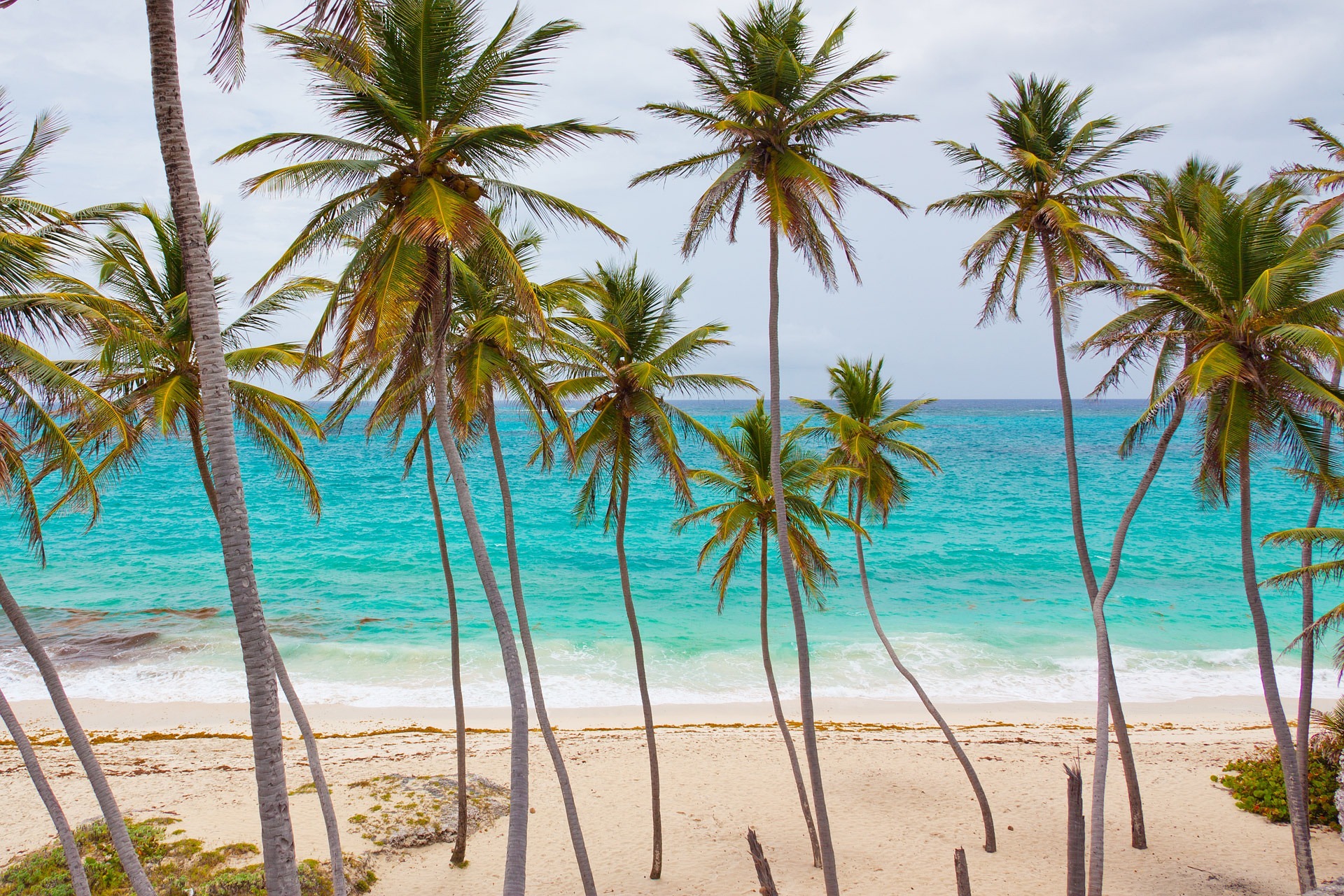
Saint John Island, Usvi
Saint John Island, UsviImage by PublicDomainPictures from Pixabay

Day 3 - Basseterre, Saint Kitts

Mountainous St. Kitts, the first English settlement in the Leeward Islands, crams some stunning scenery into its 65 square miles (168 square km). Vast, brilliant green fields of sugarcane (the former cash crop, now slowly being replanted) run to the shore. The fertile, lush island has some fascinating natural and historical attractions: a rain forest replete with waterfalls, thick vines, and secret trails; a central mountain range dominated by the 3,792-foot Mt. Liamuiga, whose crater has long been dormant; and Brimstone Hill, known in the 18th century as the Gibraltar of the West Indies. St. Kitts and Nevis, along with Anguilla, achieved self-government as an associated state of Great Britain in 1967. In 1983 St. Kitts and Nevis became an independent nation. English with a strong West Indian lilt is spoken here. People are friendly but shy; always ask before you take photographs. Also, be sure to wear wraps or shorts over beach attire when you're in public places.

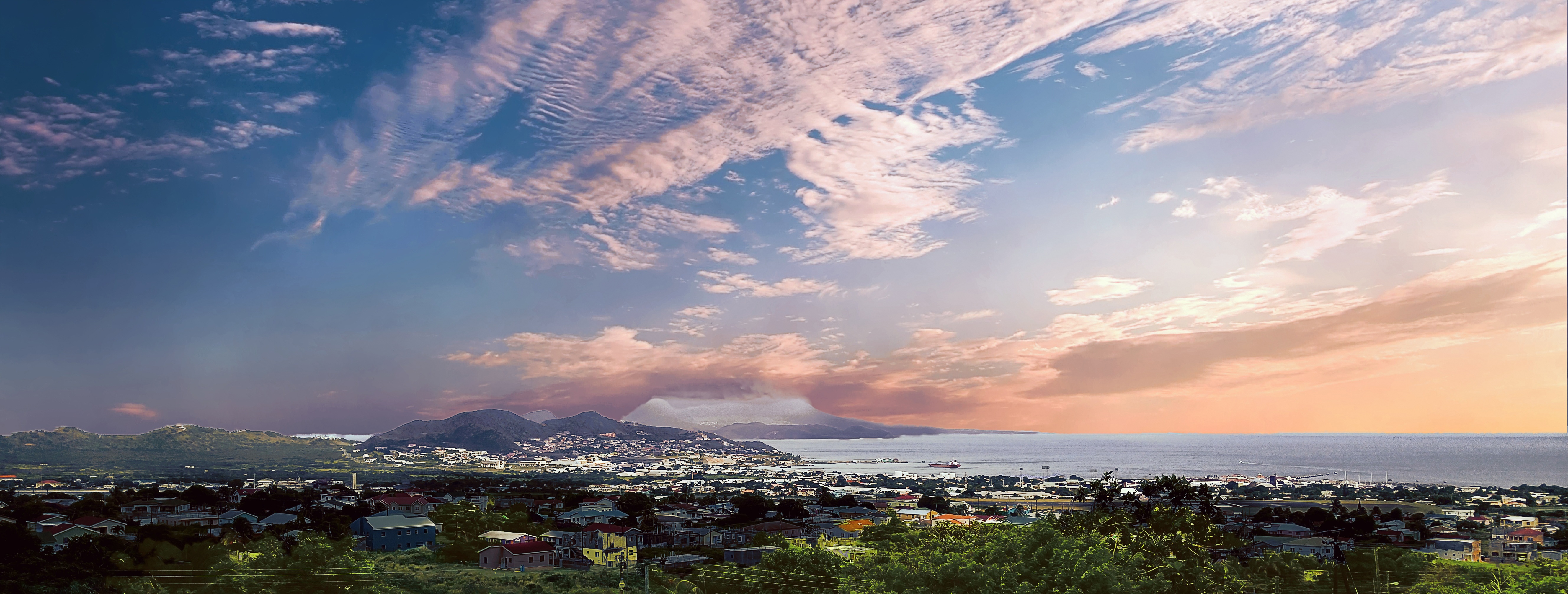
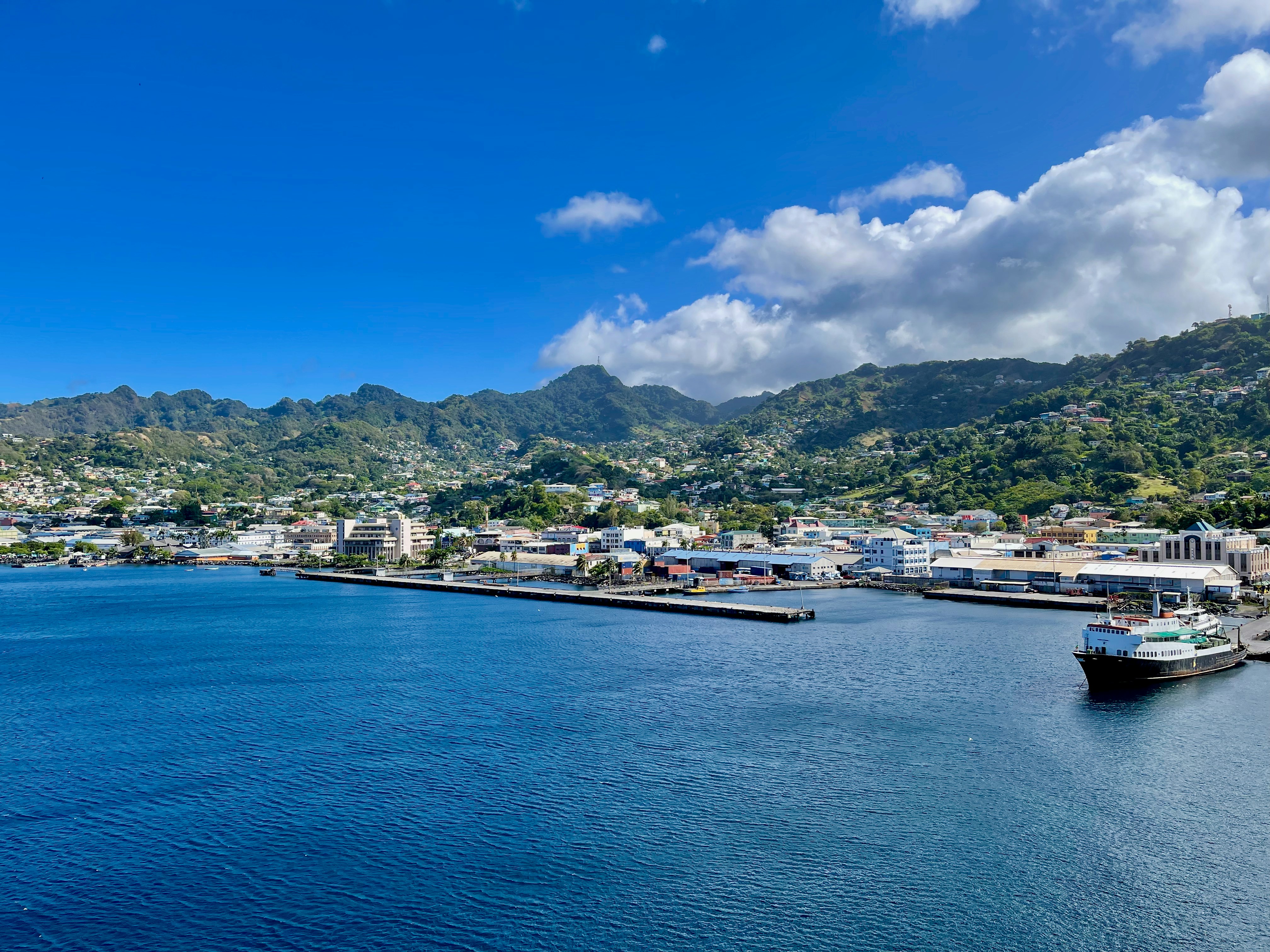
Knbas   Basseterre, Saint Kitts, Saint Kitts And Nevis   Mick Rodgers
Knbas Basseterre, Saint Kitts, Saint Kitts And Nevis Mick Rodgers

Day 4 - Îles des Saintes

This small group of islands lies opposite the western part of Guadeloupe. They were discovered in November 1493 by Columbus, who named them Los Santos. French settlers established themselves in 1648 and changed the name to Iles des Saintes, commonly known as Les Saintes. Since then the islands have been closely connected with Guadeloupe. Until a recent influx of tourism, Les Saintes were among the Caribbean’s most unspoiled destinations. Only two of the eight islands are inhabited: Terre-de-Bas and Terre-de-Haut. The latter is known for its impressive Fort Napoleon built in the early 19th century to replace an earlier 17th-century fort. From its vantage point there are fine views of the many tiny islets scattered in the bay and across to Guadeloupe. Terre-de-Haut is the main island of Les Saintes, with steeply scarped hills, scenic valleys, hidden coves and beautiful beaches. Its main settlement consists of a charming village of red-roofed houses situated along a curving bay. A number of small boutiques and gift shops invite browsing. Quaint cafés and restaurants offer food and drink. To the east of the village lies Grande Anse, a fine sand beach. Most of the attractions on this small island can be seen on foot. With just a few vehicles on the island, there are no organized tours possible. Time ashore here is at your leisure.

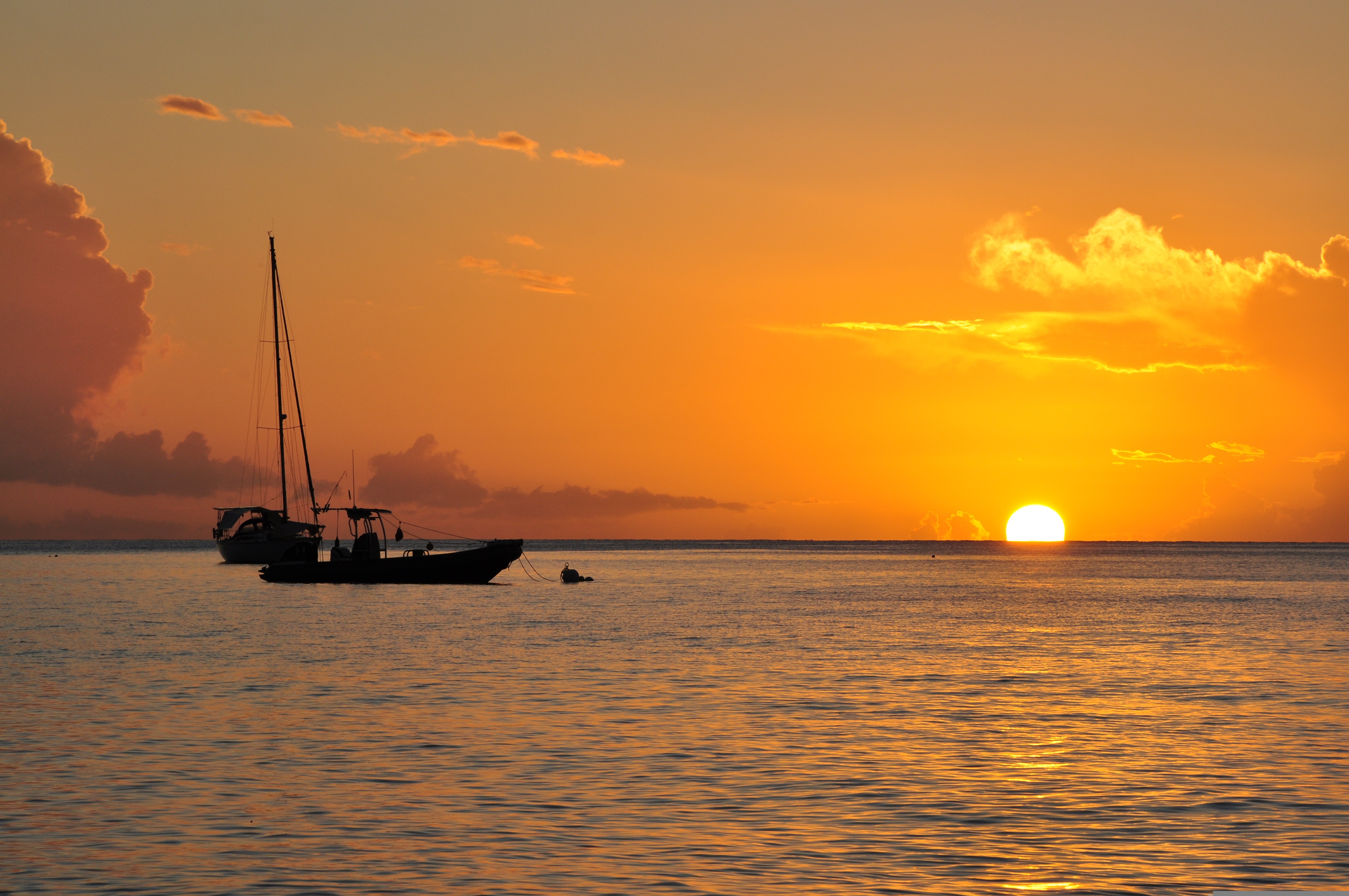
Sunset In Guadeloupe
Sunset In GuadeloupeImage by Stéphane PLISSON from Pixabay

Day 5 - Port Elizabeth, Bequia

Bequia is a Carib word meaning "island of the cloud." Hilly and green with several golden-sand beaches, Bequia is 9 miles (14½ km) south of St. Vincent's southwestern shore; with a population of 5,000, it's the largest of the Grenadines. Although boatbuilding, whaling, and fishing have been the predominant industries here for generations, sailing has now become almost synonymous with Bequia. Admiralty Bay is a favored anchorage for both privately owned and chartered yachts. Lodgings range from comfortable resorts and villas to cozy West Indian—style inns. Bequia's airport and the frequent ferry service from St. Vincent make this a favorite destination for day-trippers, as well. The ferry docks in Port Elizabeth, a tiny town with waterfront bars, restaurants, and shops where you can buy handmade souvenirs—including the exquisitely detailed model sailboats that are a famous Bequia export. The Easter Regatta is held during the four-day Easter weekend, when revelers gather to watch boat races and celebrate the island's seafaring traditions with food, music, dancing, and competitive games.To see the views, villages, beaches, and boatbuilding sites around Bequia, hire a taxi at the jetty in Port Elizabeth. Several usually line up under the almond trees to meet each ferry from St. Vincent.

Port Elizabeth, St Vincent And The Grenadines
Port Elizabeth, St Vincent And The GrenadinesPhoto by iSAW Company on Unsplash

Day 6 - At Sea

Further details for this day are not available.

Day 7 - Saint Thomas

If you fly to the 32-square-mile (83-square-km) island of St. Thomas, you land at its western end; if you arrive by cruise ship, you come into one of the world's most beautiful harbors. Either way, one of your first sights is the town of Charlotte Amalie. From the harbor you see an idyllic-looking village that spreads into the lower hills. If you were expecting a quiet hamlet with its inhabitants hanging out under palm trees, you've missed that era by about 300 years. Although other islands in the USVI developed plantation economies, St. Thomas cultivated its harbor, and it became a thriving seaport soon after it was settled by the Danish in the 1600s. The success of the naturally perfect harbor was enhanced by the fact that the Danes—who ruled St. Thomas with only a couple of short interruptions from 1666 to 1917—avoided involvement in some 100 years' worth of European wars. Denmark was the only European country with colonies in the Caribbean to stay neutral during the War of the Spanish Succession in the early 1700s. Thus, products of the Dutch, English, and French islands—sugar, cotton, and indigo—were traded through Charlotte Amalie, along with the regular shipments of slaves. When the Spanish wars ended, trade fell off, but by the end of the 1700s Europe was at war again, Denmark again remained neutral, and St. Thomas continued to prosper. Even into the 1800s, while the economies of St. Croix and St. John foundered with the market for sugarcane, St. Thomas's economy remained vigorous. This prosperity led to the development of shipyards, a well-organized banking system, and a large merchant class. In 1845 Charlotte Amalie had 101 large importing houses owned by the English, French, Germans, Haitians, Spaniards, Americans, Sephardim, and Danes. Charlotte Amalie is still one of the world's most active cruise-ship ports. On almost any day at least one and sometimes as many as eight cruise ships are tied to the docks or anchored outside the harbor. Gently rocking in the shadows of these giant floating hotels are just about every other kind of vessel imaginable: sleek sailing catamarans that will take you on a sunset cruise complete with rum punch and a Jimmy Buffett soundtrack, private megayachts for billionaires, and barnacle-bottom sloops—with laundry draped over the lifelines—that are home to world-cruising gypsies. Huge container ships pull up in Sub Base, west of the harbor, bringing in everything from breakfast cereals to tires. Anchored right along the waterfront are down-island barges that ply the waters between the Greater Antilles and the Leeward Islands, transporting goods such as refrigerators, VCRs, and disposable diapers. The waterfront road through Charlotte Amalie was once part of the harbor. Before it was filled in to build the highway, the beach came right up to the back door of the warehouses that now line the thoroughfare. Two hundred years ago those warehouses were filled with indigo, tobacco, and cotton. Today the stone buildings house silk, crystal, and diamonds. Exotic fragrances are still traded, but by island beauty queens in air-conditioned perfume palaces instead of through open market stalls. The pirates of old used St. Thomas as a base from which to raid merchant ships of every nation, though they were particularly fond of the gold- and silver-laden treasure ships heading to Spain. Pirates are still around, but today's versions use St. Thomas as a drop-off for their contraband: illegal immigrants and drugs. To explore outside Charlotte Amalie, rent a car or hire a taxi. Your rental car should come with a good map; if not, pick up the pocket-size "St. Thomas–St. John Road Map" at a tourist information center. Roads are marked with route numbers, but they're confusing and seem to switch numbers suddenly. Roads are also identified by signs bearing the St. Thomas–St. John Hotel and Tourism Association's mascot, Tommy the Starfish. More than 100 of these color-coded signs line the island's main routes. Orange signs trace the route from the airport to Red Hook, green signs identify the road from town to Magens Bay, Tommy's face on a yellow background points from Mafolie to Crown Bay through the north side, red signs lead from Smith Bay to Four Corners via Skyline Drive, and blue signs mark the route from the cruise-ship dock at Havensight to Red Hook. These color-coded routes are not marked on most visitor maps, however. Allow yourself a day to explore, especially if you want to stop to take pictures or to enjoy a light bite or refreshing swim. Most gas stations are on the island's more populated eastern end, so fill up before heading to the north side. And remember to drive on the left!
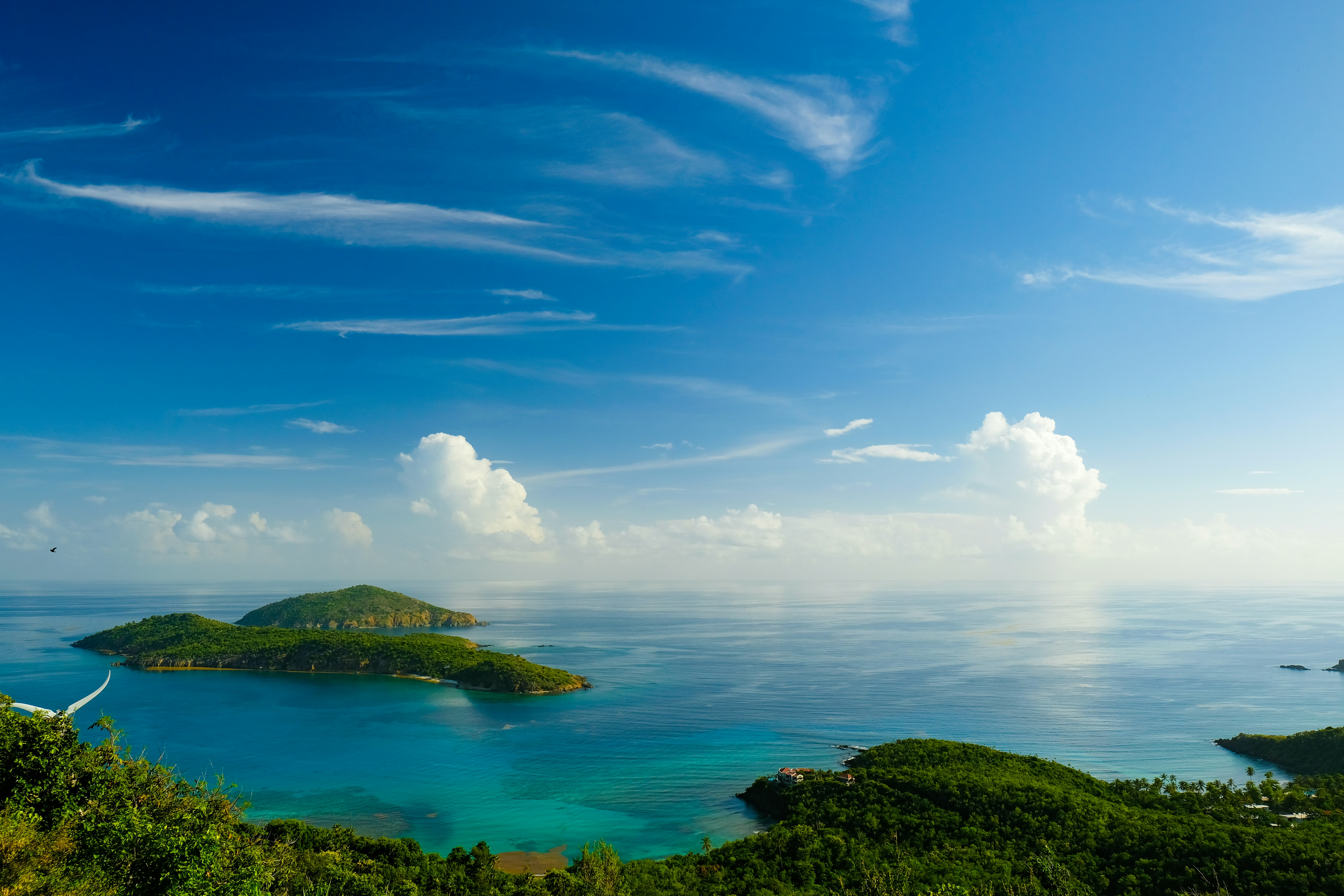
Saint Thomas, St
Saint Thomas, StPhoto by Alex Kolundzija
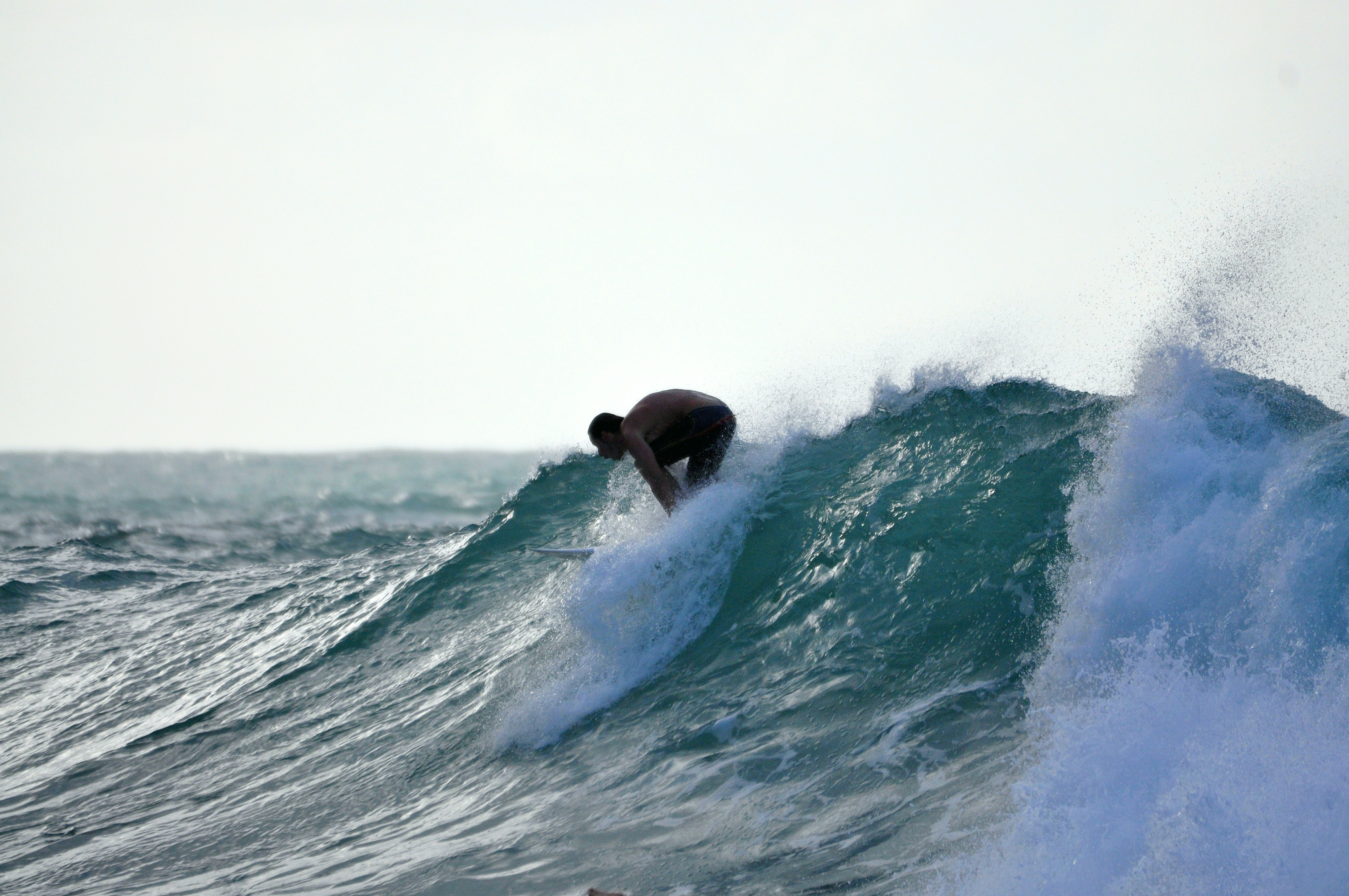
Surfing, St
Surfing, StPhoto by Karl Callwood
Bananaquit  Sugar Bird , St
Bananaquit Sugar Bird , StPhoto by Karl Callwood
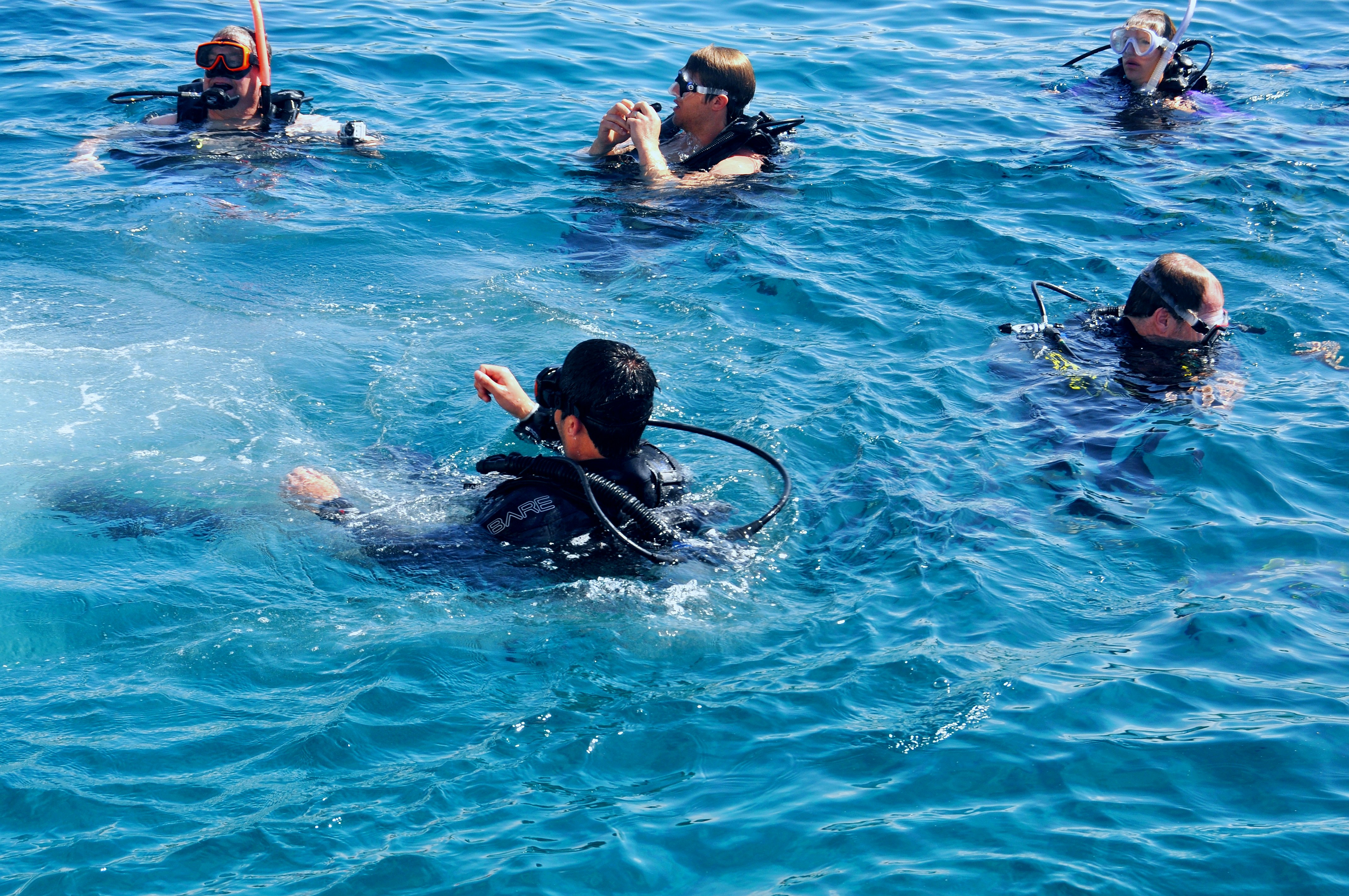
Scuba Divers, St
Scuba Divers, StPhoto by Karl Callwood
Bordeaux Bay, St
Bordeaux Bay, StPhoto by Karl Callwood
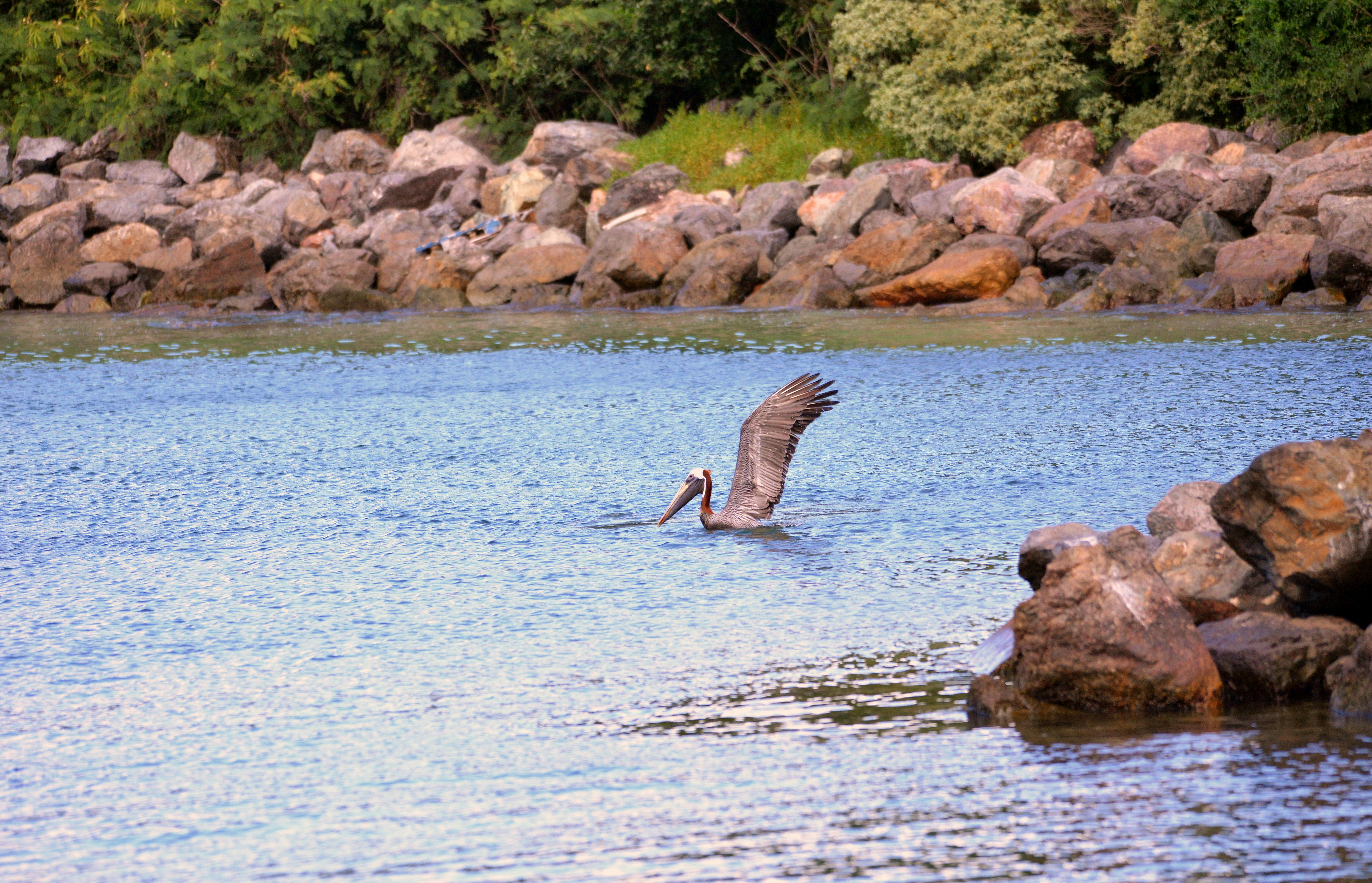
Pelican, Mandahl Bay, St
Pelican, Mandahl Bay, StPhoto by Karl Callwood

Day 8 - San Juan (Puerto Rico)

If you associate Puerto Rico's capital with the colonial streets of Old San Juan, then you know only part of the picture. San Juan is a major metropolis, radiating out from the bay on the Atlantic Ocean that was discovered by Juan Ponce de León. More than a third of the island's nearly 4 million citizens proudly call themselves sanjuaneros. The city may be rooted in the past, but it has its eye on the future. Locals go about their business surrounded by colonial architecture and towering modern structures.By 1508 the explorer Juan Ponce de León had established a colony in an area now known as Caparra, southeast of present-day San Juan. He later moved the settlement north to a more hospitable peninsular location. In 1521, after he became the first colonial governor, Ponce de León switched the name of the island—which was then called San Juan Bautista in honor of St. John the Baptist—with that of the settlement of Puerto Rico ("rich port").Defended by the imposing Castillo San Felipe del Morro (El Morro) and Castillo San Cristóbal, Puerto Rico's administrative and population center remained firmly in Spain's hands until 1898, when it came under U.S. control after the Spanish-American War. Centuries of Spanish rule left an indelible imprint on the city, particularly in the walled area now known as Old San Juan. The area is filled with cobblestone streets and brightly painted, colonial-era structures, and its fortifications have been designated a UNESCO World Heritage Site.Old San Juan is a monument to the past, but most of the rest of the city is planted firmly in the 21st century and draws migrants island-wide and from farther afield to jobs in its businesses and industries. The city captivates residents and visitors alike with its vibrant lifestyle as well as its balmy beaches, pulsing nightclubs, globe-spanning restaurants, and world-class museums. Once you set foot in this city, you may never want to leave.

Prsju   San Juan   Condado Beach   Cristian Escobar
Prsju San Juan Condado Beach Cristian EscobarCristian Escobar
Prsju   San Juan   Old San Juan   Robert V Ruggiero
Prsju San Juan Old San Juan Robert V RuggieroRobert V Ruggiero
Prsju   San Juan   Old San Juan 2   Robert V Ruggiero
Prsju San Juan Old San Juan 2 Robert V RuggieroRobert V Ruggiero

Suites & Deck Plans

Suite

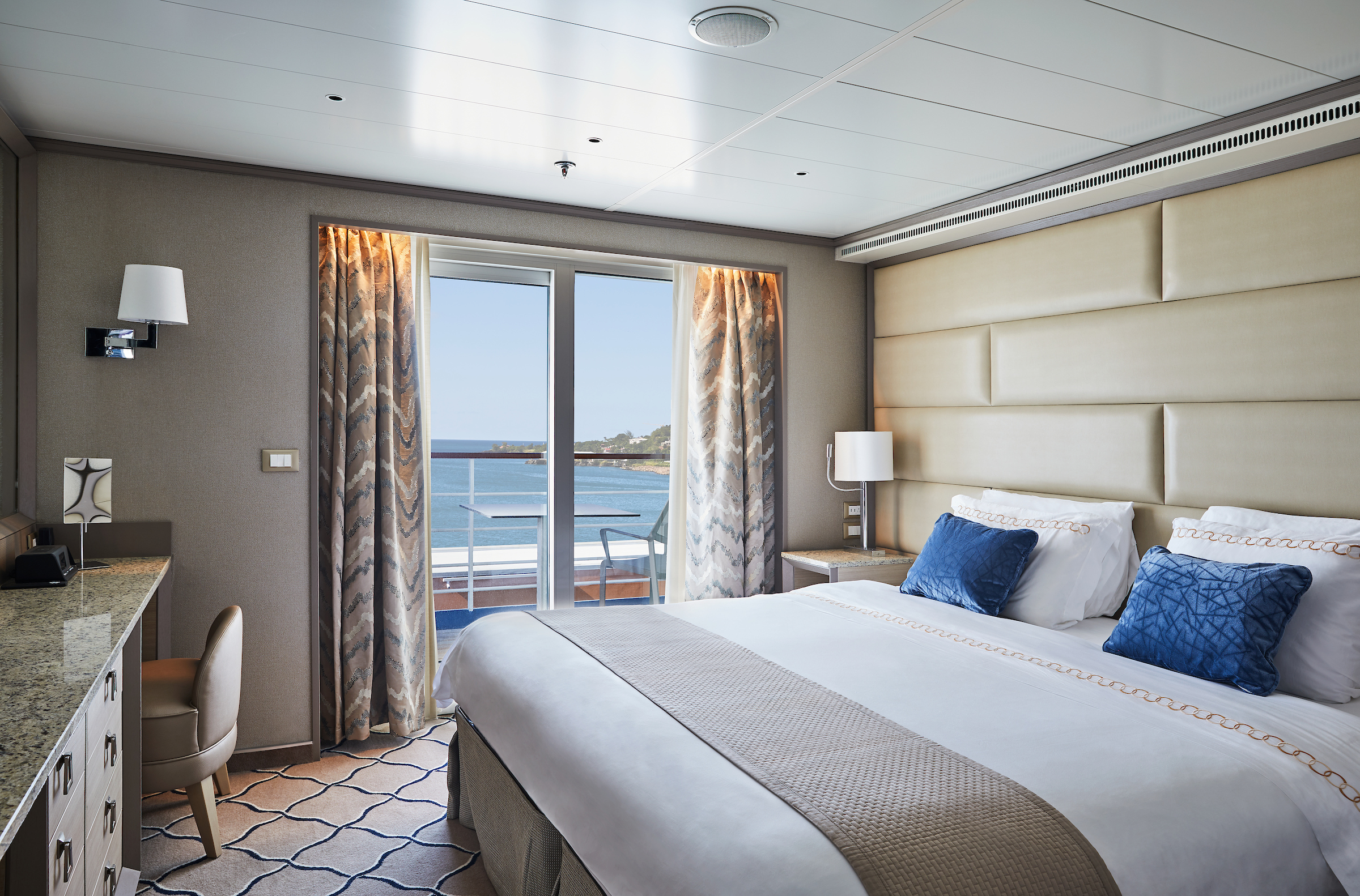
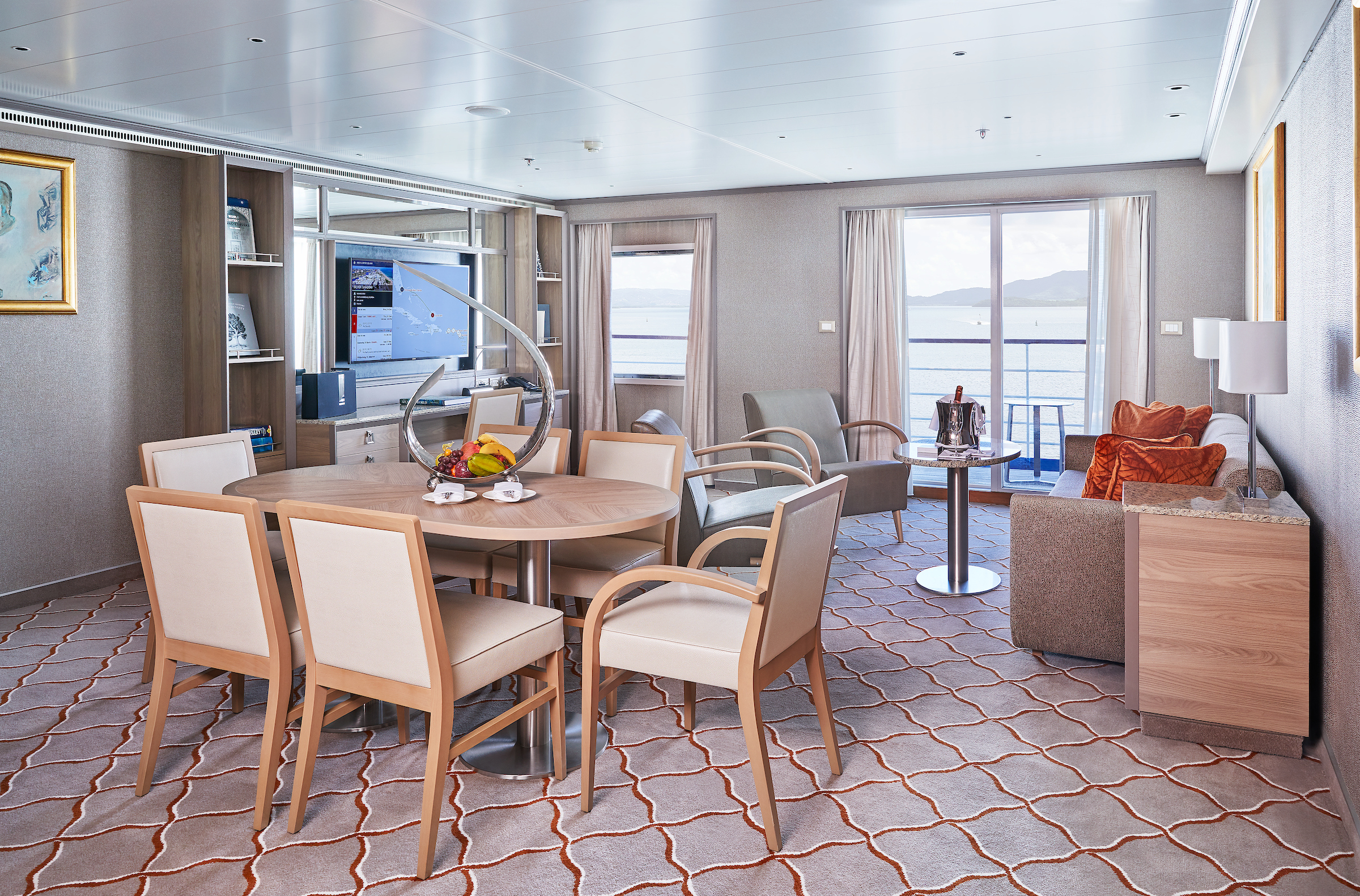
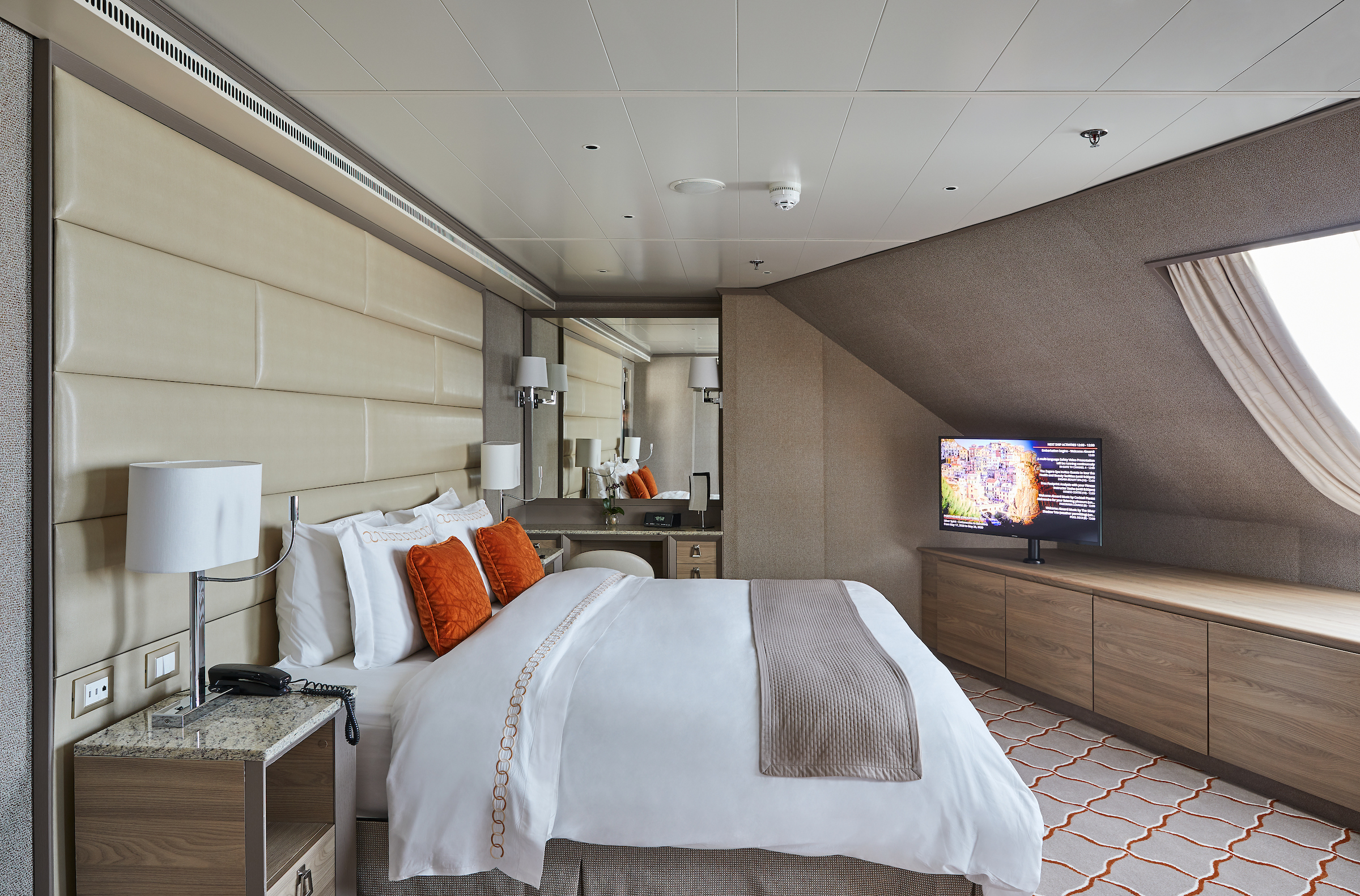
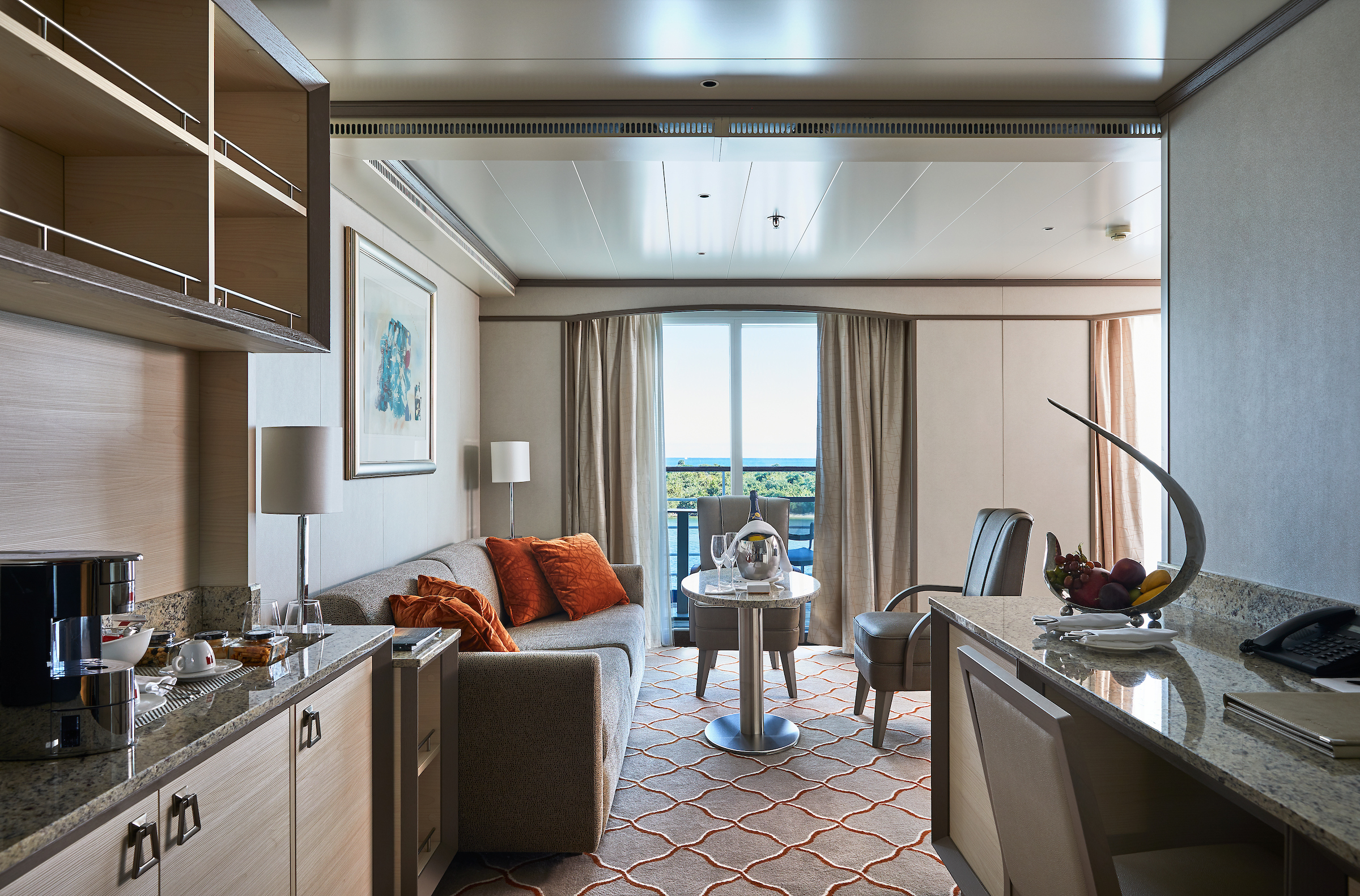
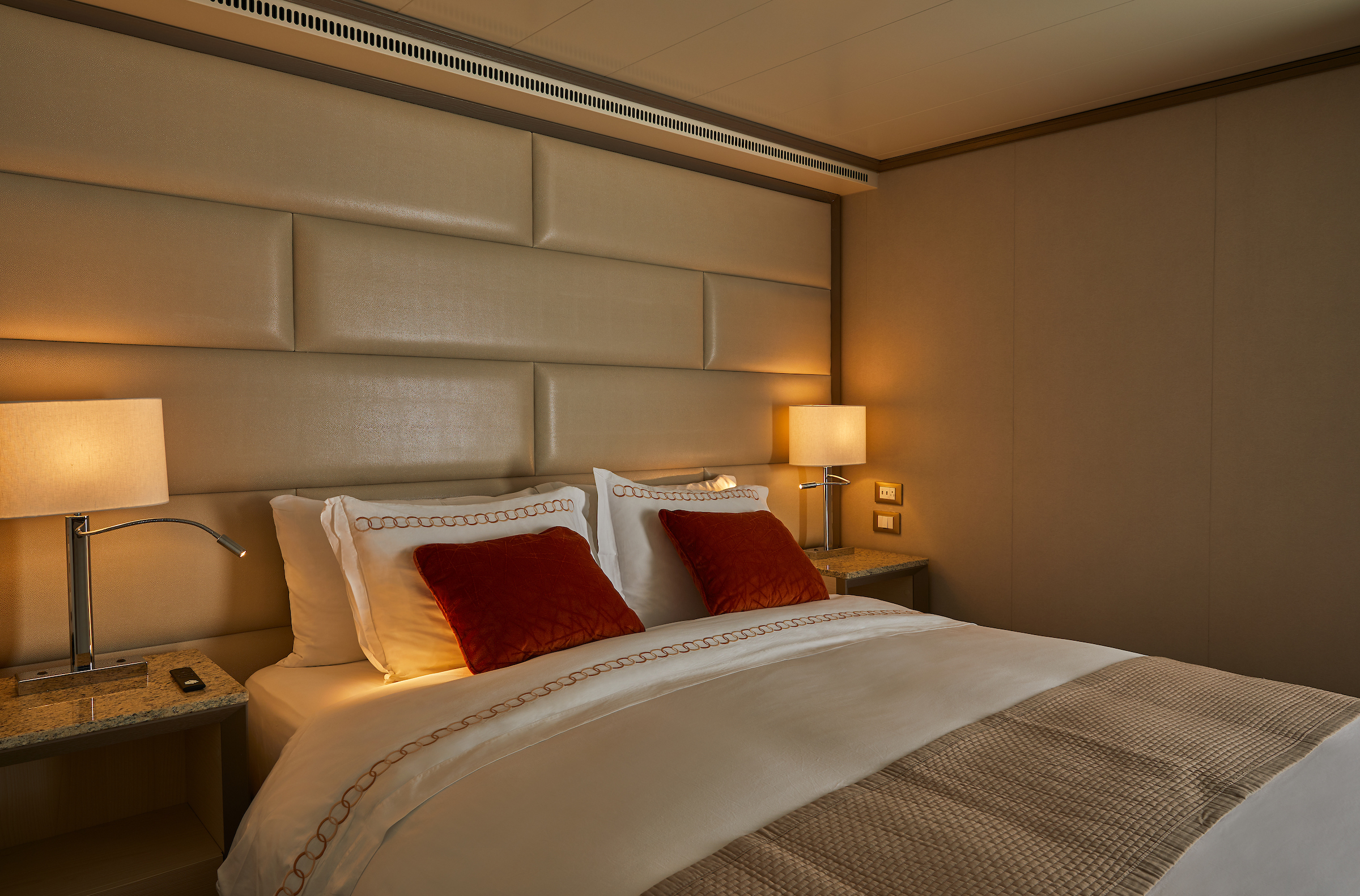
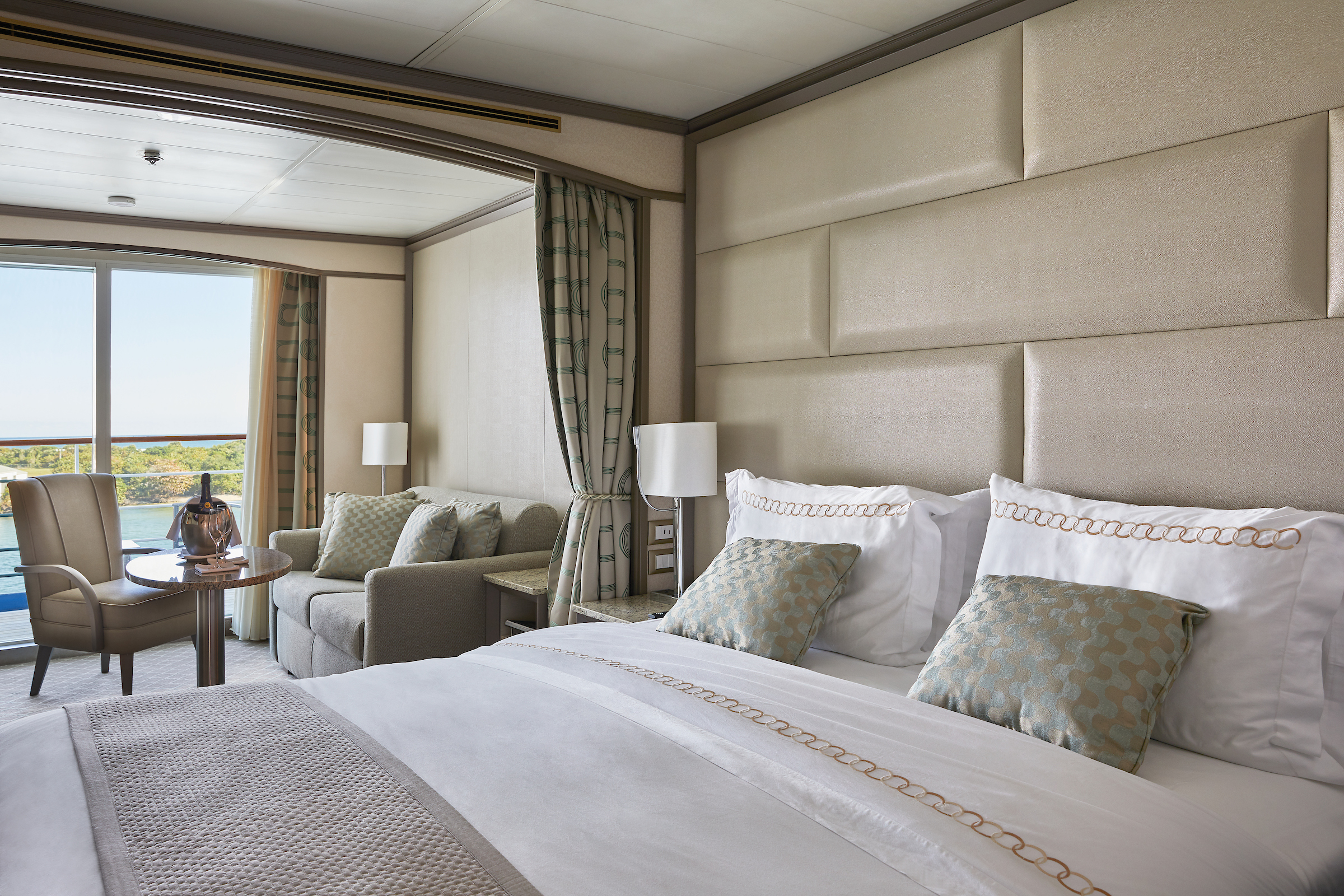
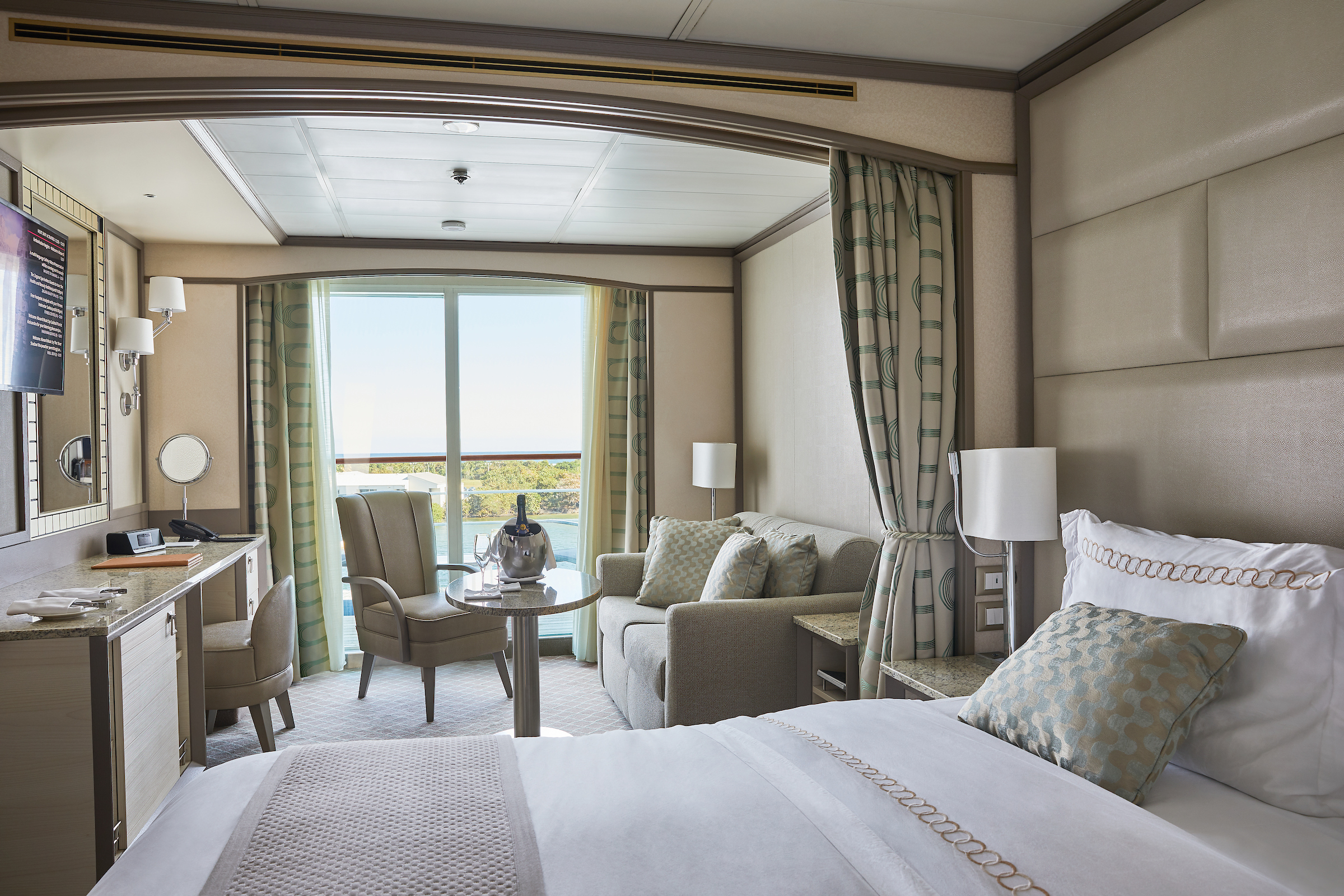
The name Owner’s Suite says it all. A stylish apartment. Prestigious and classic. For those who seek the superlative level of space, comfort, and service on board. Available in a one- or two-bedroom configuration (as illustrated) by adjoining with a Vista Suite.

One bedroom: 85 sq m including veranda (20 sq m)

Two bedrooms: 117 sq m including veranda (20 sq m)

Please note that the 3rd guest will sleep on a comfortable sofa bed in the reception area of the suite.

Essentials

  • Deck(s): 7
  • Section: Mid-Ship

Characteristics

  • Veranda
  • Separate dining area
  • Living room with sitting area
  • Double vanity
  • Separate shower
  • Full-size bath
  • Walk-in wardrobe with personal safe

Furniture

  • King size bed
  • Writing desk
  • Vanity table
  • Luxury bed mattresses

Media & Communication

  • Unlimited Premium Wi-Fi
  • 2 large flat screen TVs with Interactive Media Library
  • Sound system with bluetooth connectivity
  • Direct dial telephone
  • Wall mounted USB-C mobile device chargers
  • Dual voltage 110/220 outlets

Onboard Services

  • Butler service
  • Complimentary laundry, pressing & wet cleaning
  • Dinner for two in La Dame, one evening per voyage,
  • Two hours of worldwide phone use, per voyage segment
  • Champagne on arrival

Amenities

  • Espresso machine
  • Tea kettle
  • Pillow menu
  • Refrigerator and bar setup stocked with your preferences
  • Plush bathrobe
  • Luxury bath amenities
  • Umbrella
  • Hair Dryer
  • Slippers

1130-1475 sq ft
Accommodates 5 guests
Owner's Suite

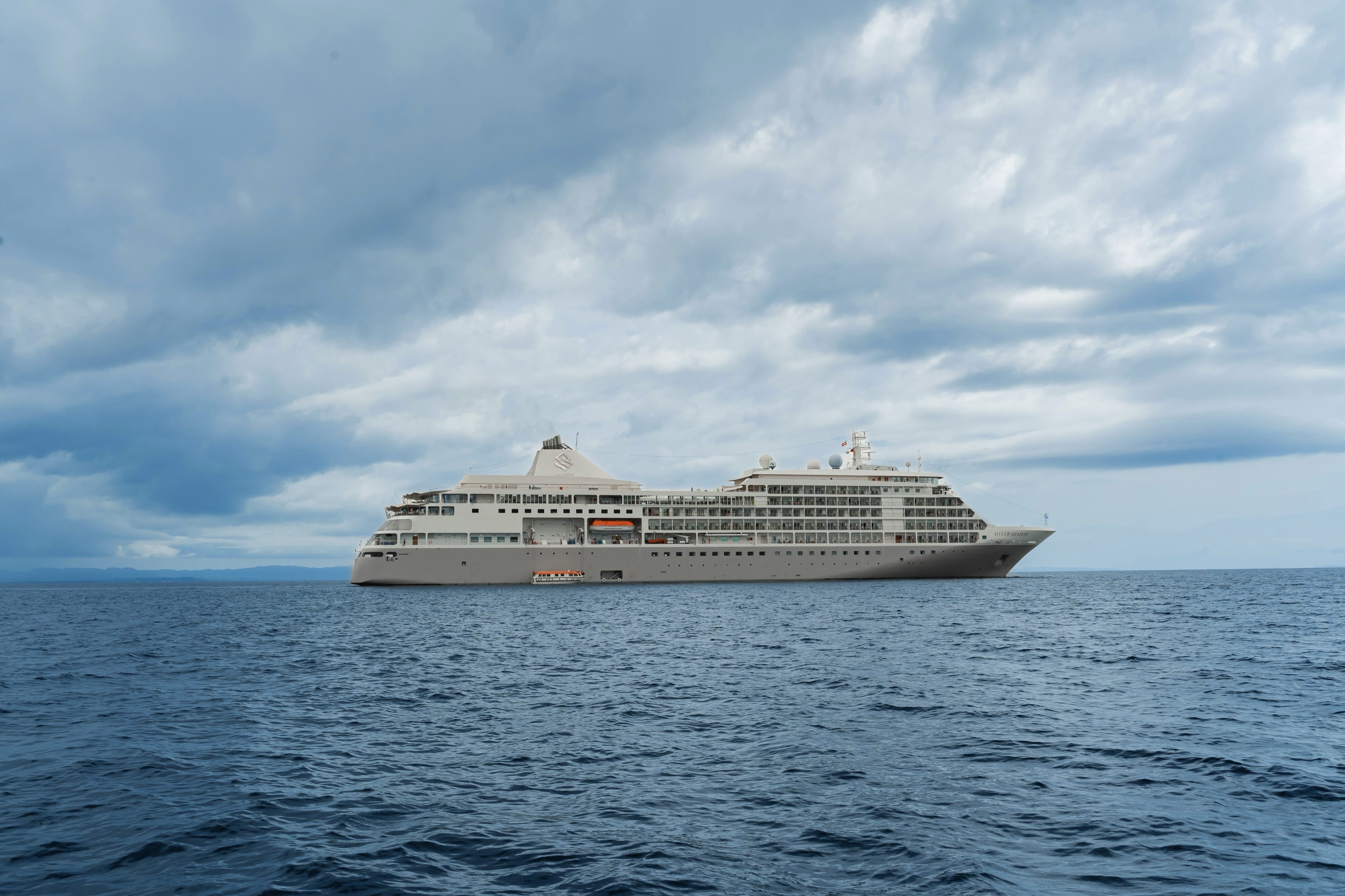
Silver Shadow

Silver Shadow

Life on board

The Onboard Experience

Client testimonials

I have worked with Lore Doick for more than 20 years, and she has booked over 30 cruises for me. Her expertise, care, and attention to every travel detail have made her an invaluable advisor and friend over the years.”

Tina B.

We are now in our second generation working with Cheri Ozimac at Tully Luxury Travel. From Antarctica to Greece, she has handled every detail with expertise, responsiveness, and care…

Earl M.

My wife and I have worked with Tully since 2007, and Kit Neil and her team went far beyond expectations while helping us navigate multiple cruise and flight cancellations. Their advocacy, care, and support during a difficult time were extraordinary.

Carri F.

Cheri Ozimac organized our Seabourn cruise flawlessly, from the hotel recommendation to every travel arrangement. She was responsive, attentive, and an excellent advocate throughout the process…

Cyn S.

We discovered Tully Luxury Travel after years of booking cruises through US agents and were impressed by their competitive pricing, exceptional service, and Canadian based support. Their team is always available, offers excellent value, and makes booking the right cruise seamless.

Peter C.

GoogleAverage Customer Rating:

The Tully Difference

Why travel with us


Tully Luxury Travel was built on access, discretion, and trust. For our clients, that means ease at every step, with distinctions that turn exceptional voyages into defining moments.

Recognized expertise

A renowned agency worldwide in luxury land and small-ship cruising, consistently trusted by the industry’s most prestigious brands.