Silversea logo

Barcelona to Barcelona

Itinerary: Barcelona, Toulon, Monte-Carlo, At Sea, Cartagena, Alicante, Valencia, Alcudia, Palamós, Sète See full itinerary

15 Oct 27
10 nights

Voyage Details

Duration:
10 nights
Departure:
15 Oct 2027
Embarkation:
Barcelona, Spain
Voyage code:
RA271015010

Your Itinerary, Day-By-Day

Special Chapters of Your Journey

Day 1 - Barcelona

The infinite variety of street life, the nooks and crannies of the medieval Barri Gòtic, the ceramic tile and stained glass of Art Nouveau facades, the art and music, the throb of street life, the food (ah, the food!)—one way or another, Barcelona will find a way to get your full attention. The capital of Catalonia is a banquet for the senses, with its beguiling mix of ancient and modern architecture, tempting cafés and markets, and sun-drenched Mediterranean beaches. A stroll along La Rambla and through waterfront Barceloneta, as well as a tour of Gaudí's majestic Sagrada Famíliaand his other unique creations, are part of a visit to Spain's second-largest city. Modern art museums and chic shops call for attention, too. Barcelona's vibe stays lively well into the night, when you can linger over regional wine and cuisine at buzzing tapas bars.

Barcelona Beach
Barcelona BeachEnes F, Unsplash
Barcelona Beach
Barcelona BeachLucrezia Carnelos, Unsplash
Barcelona Aerial Logan Armstrong
Barcelona Skyline Apasaric

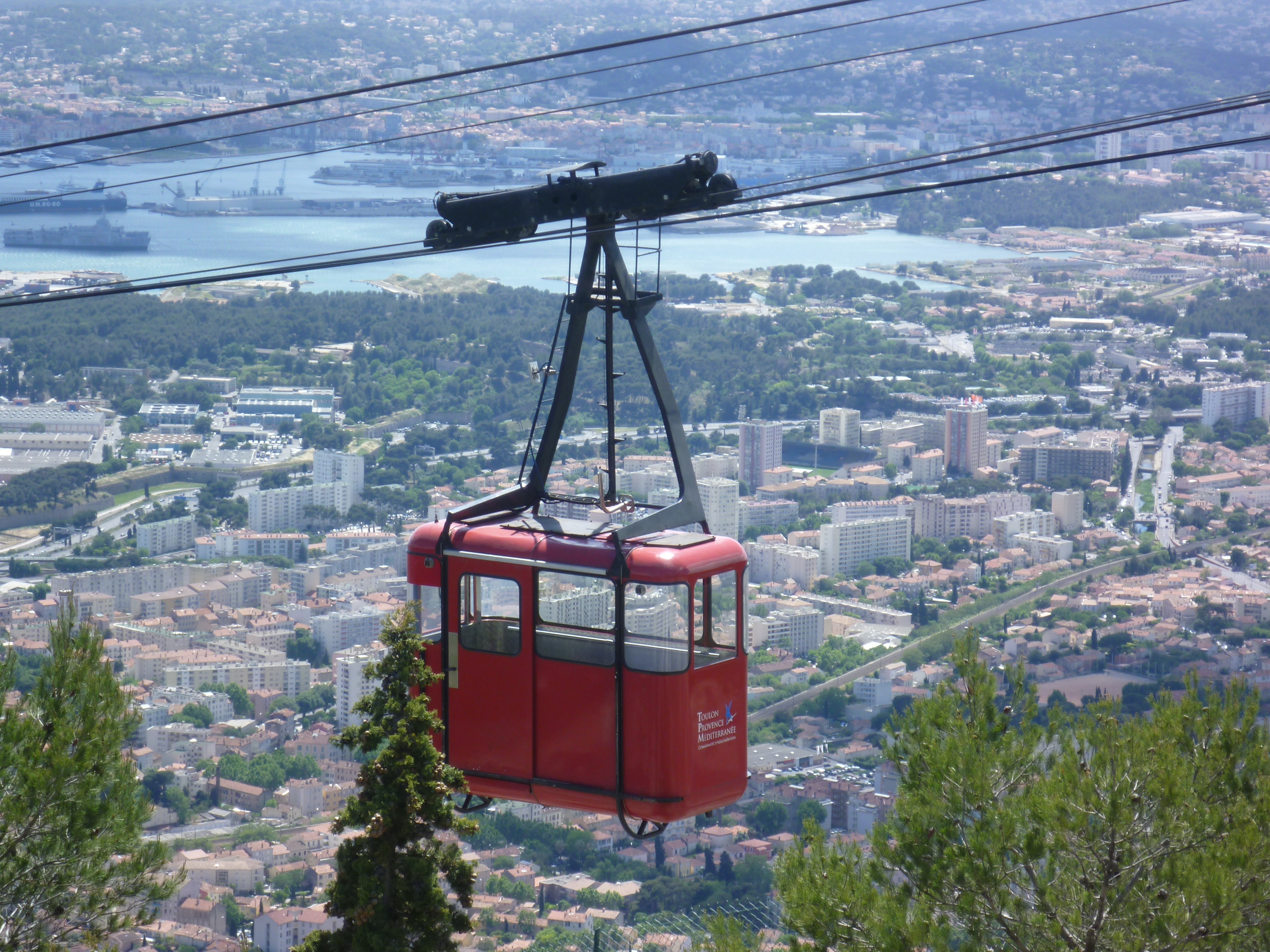
Day 2 - Toulon

Further details for this day are not available.

Toulon Cable Car, France
Toulon Cable Car, FranceImage by Schubidu from Pixabay

Day 3 - Monte-Carlo

On one of the best stretches of the Mediterranean, this classic luxury destination is one of the most sought-after addresses in the world. With all the high-rise towers you have to look hard to find the Belle Époque grace of yesteryear. But if you head to the town's great 1864 landmark Hôtel de Paris—still a veritable crossroads of the buffed and befurred Euro-gentry—or enjoy a grand bouffe at its famous Louis XV restaurant, or attend the opera, or visit the ballrooms of the casino, you may still be able to conjure up Monaco's elegant past. Prince Albert II, a political science graduate from Amherst College, traces his ancestry to Otto Canella, who was born in 1070. The Grimaldi dynasty began with Otto's great-great-great-grandson, Francesco Grimaldi, also known as Frank the Rogue. Expelled from Genoa, Frank and his cronies disguised themselves as monks and in 1297 seized the fortified medieval town known today as Le Rocher (the Rock). Except for a short break under Napoléon, the Grimaldis have been here ever since, which makes them the oldest reigning family in Europe. In the 1850s a Grimaldi named Charles III made a decision that turned the Rock into a giant blue chip. Needing revenue but not wanting to impose additional taxes on his subjects, he contracted with a company to open a gambling facility. The first spin of the roulette wheel was on December 14, 1856. There was no easy way to reach Monaco then—no carriage roads or railroads—so no one came. Between March 15 and March 20, 1857, one person entered the casino—and won two francs. In 1868, however, the railroad reached Monaco, and it was filled with Englishmen who came to escape the London fog. The effects were immediate. Profits were so great that Charles eventually abolished all direct taxes. Almost overnight, a threadbare principality became an elegant watering hole for European society. Dukes (and their mistresses) and duchesses (and their gigolos) danced and dined their way through a world of spinning roulette wheels and bubbling champagne—preening themselves for nights at the opera, where such artists as Vaslav Nijinsky, Sarah Bernhardt, and Enrico Caruso came to perform. Along with the tax system, its sensational position on a broad, steep peninsula that bulges into the Mediterranean—its harbor sparkling with luxury cruisers, its posh mansions angling awnings toward the nearly perpetual sun—continues to draw the rich and famous. One of the latest French celebrities to declare himself "Monégasque," thus giving up his French passport, is superchef Alain Ducasse, who said that he made the choice out of affection for Monaco rather than tax reasons. Pleasure boats vie with luxury cruisers in their brash beauty and Titanic scale, and teams of handsome young men—themselves dyed blond and tanned to match—scour and polish every gleaming surface. As you might expect, all this glitz doesn't come cheap. Eating is expensive, and even the most modest hotels cost more here than in nearby Nice or Menton. As for taxis, they don't even have meters so you are completely at the driver's mercy (with prices skyrocketing during events such as the Grand Prix). For the frugal, Monaco is the ultimate day-trip, although parking is as coveted as a room with a view. At the very least you can afford a coffee at Starbucks. The harbor district, known as La Condamine, connects the new quarter, officially known as Monte Carlo with Monaco-Ville (or Le Rocher), a medieval town on the Rock, topped by the palace, the cathedral, and the Oceanography Museum. Have no fear that you'll need to climb countless steps to get to Monaco-Ville, as there are plenty of elevators and escalators climbing the steep cliffs. But shuttling between the lovely casino grounds of Monte Carlo and Old Monaco, separated by a vast port, is a daunting proposition for ordinary mortals without wings, so hop on the No. 1 bus from Saint Roman, or No. 2 from the Jardin Exotique - Both stop at Place du Casino and come up to Monaco Ville.
Mcmcm Monte Carlo Aerial Photography Of Cityscape During Daytime Julien Lanoy
Mcmcm Monte Carlo Aerial Photography Of Cityscape During Daytime Julien LanoyJulien Lanoy
Mcmcm Monte Carlo City At Night Pasquale Iovino
Mcmcm Monte Carlo City At Night Pasquale IovinoPasquale Iovino
Mcmcm Monte Carlo Red Coupe On Road Jannis Lucas
Mcmcm Monte Carlo Red Coupe On Road Jannis LucasJannis Lucas

Day 4 - At Sea

Further details for this day are not available.
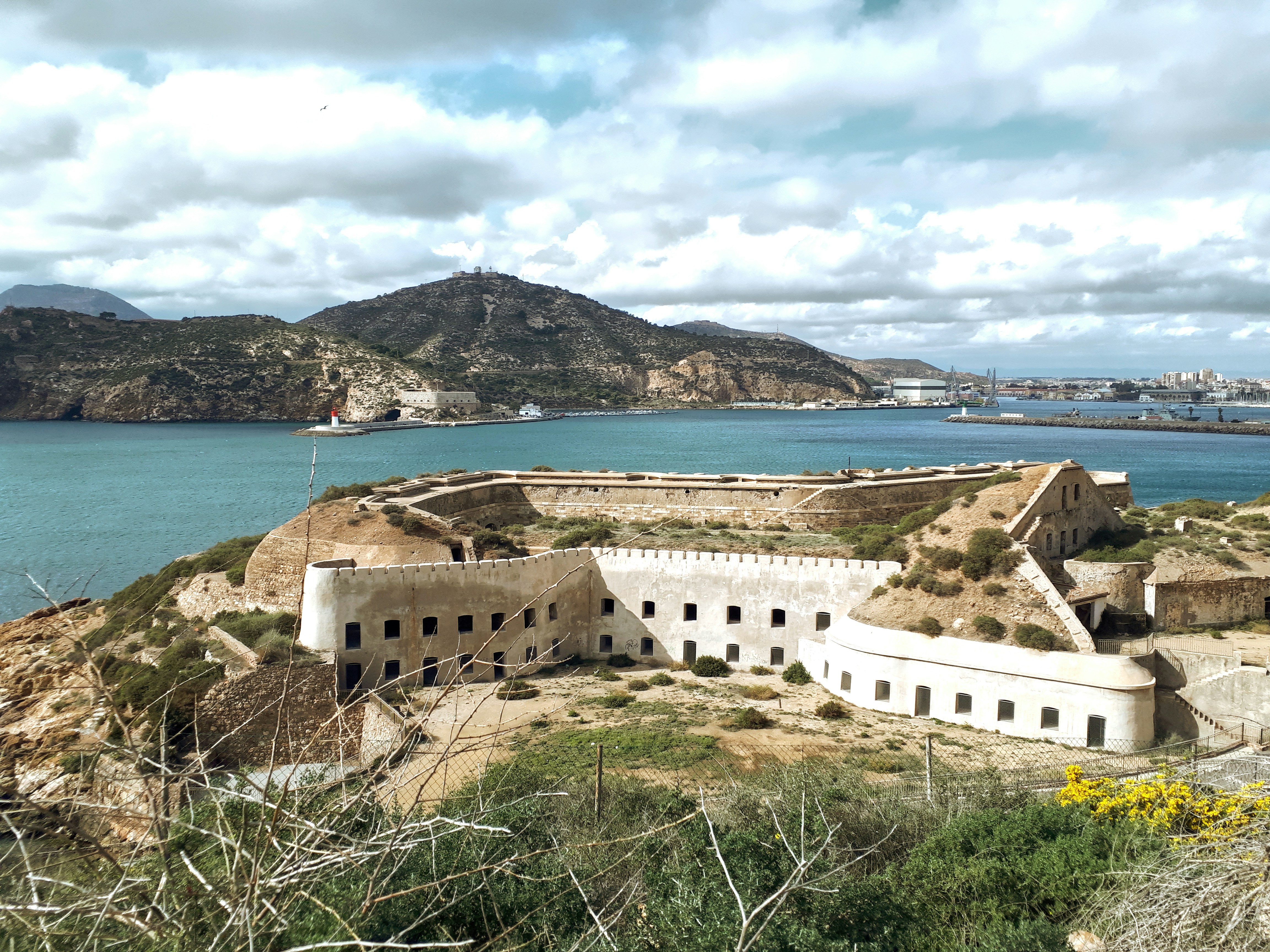
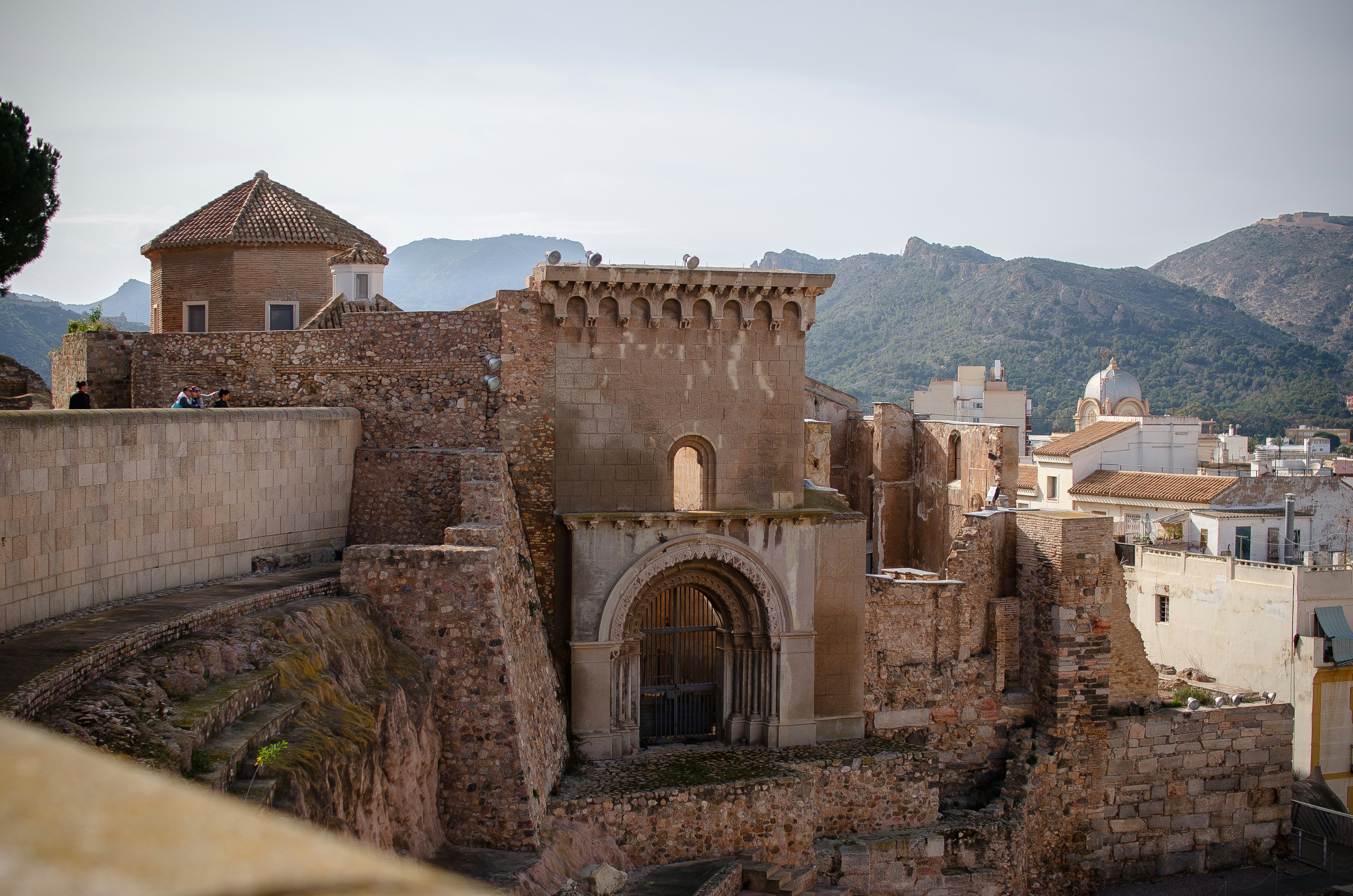
Day 5 - Cartagena

A Mediterranean city and naval station located in the Region of Murcia, southeastern Spain, Cartagena’s sheltered bay has attracted sailors for centuries. The Carthaginians founded the city in 223BC and named it Cartago Nova; it later became a prosperous Roman colony, and a Byzantine trading centre. The city has been the main Spanish Mediterranean naval base since the reign of King Philip II, and is still surrounded by walls built during this period. Cartagena’s importance grew with the arrival of the Spanish Bourbons in the 18th century, when the Navidad Fortress was constructed to protect the harbour. In recent years, traces of the city’s fascinating past have been brought to light: a well-preserved Roman Theatre was discovered in 1988, and this has now been restored and opened to the public. During your free time, you may like to take a mini-cruise around Cartagena's historic harbour: these operate several times a day, take approximately 40 minutes and do not need to be booked in advance. Full details will be available at the port.
Cartagena, Spain
Cartagena, SpainPhoto by joanna hall on Unsplash
Cartagena Roman Theatre Museum, Spain
Cartagena Roman Theatre Museum, SpainPhoto by Anastasia Shyrokykh on Unsplash

Day 6 - Alicante

The provincial capital of the Valencian Community serves as a gateway to the huge influx of tourists that flock to the Costa Blanca resorts every year. Alicante is popular with holidaymakers who arrive for the warm, Mediterranean climate and seemingly endless golden beaches. However, there is much more to this city than sand and sun. With a picturesque waterfront, a hugely impressive castle, buzzing nightlife and a rich, complex history, Alicante is a fascinating destination all year round.

Esalc Alicante Beach Vicente Viana
Esalc Alicante Beach Vicente VianaVicente Viana

Day 7 - Valencia

Valencia, Spain's third-largest municipality, is a proud city with a thriving nightlife and restaurant scene, quality museums, and spectacular contemporary architecture, juxtaposed with a thoroughly charming historic quarter, making it a popular destination year in year out. During the Civil War, it was the last seat of the Republican Loyalist government (1935–36), holding out against Franco’s National forces until the country fell to 40 years of dictatorship. Today it represents the essence of contemporary Spain—daring design and architecture along with experimental cuisine—but remains deeply conservative and proud of its traditions. Though it faces the Mediterranean, Valencia's history and geography have been defined most significantly by the River Turia and the fertile huerta that surrounds it.The city has been fiercely contested ever since it was founded by the Greeks. El Cid captured Valencia from the Moors in 1094 and won his strangest victory here in 1099: he died in the battle, but his corpse was strapped into his saddle and so frightened the besieging Moors that it caused their complete defeat. In 1102 his widow, Jimena, was forced to return the city to Moorish rule; Jaume I finally drove them out in 1238. Modern Valencia was best known for its frequent disastrous floods until the River Turia was diverted to the south in the late 1950s. Since then the city has been on a steady course of urban beautification. The lovely bridges that once spanned the Turia look equally graceful spanning a wandering municipal park, and the spectacularly futuristic Ciutat de les Arts i les Ciències (City of Arts and Sciences), most of it designed by Valencia-born architect Santiago Calatrava, has at last created an exciting architectural link between this river town and the Mediterranean. If you're in Valencia, an excursion to Albufera Nature Park is a worthwhile day trip.

Esvlc Valencia City Of The Arts And The Sciences Zebbache Djoubair
Esvlc Valencia City Of The Arts And The Sciences Zebbache DjoubairZebbache Djoubair
Esvlc   Valencia, Spain   Photo Credit Belongs To Travelnow.Or.Crylater
Esvlc Valencia, Spain Photo Credit Belongs To Travelnow.Or.Crylater

Day 8 - Alcudia

Further details for this day are not available.

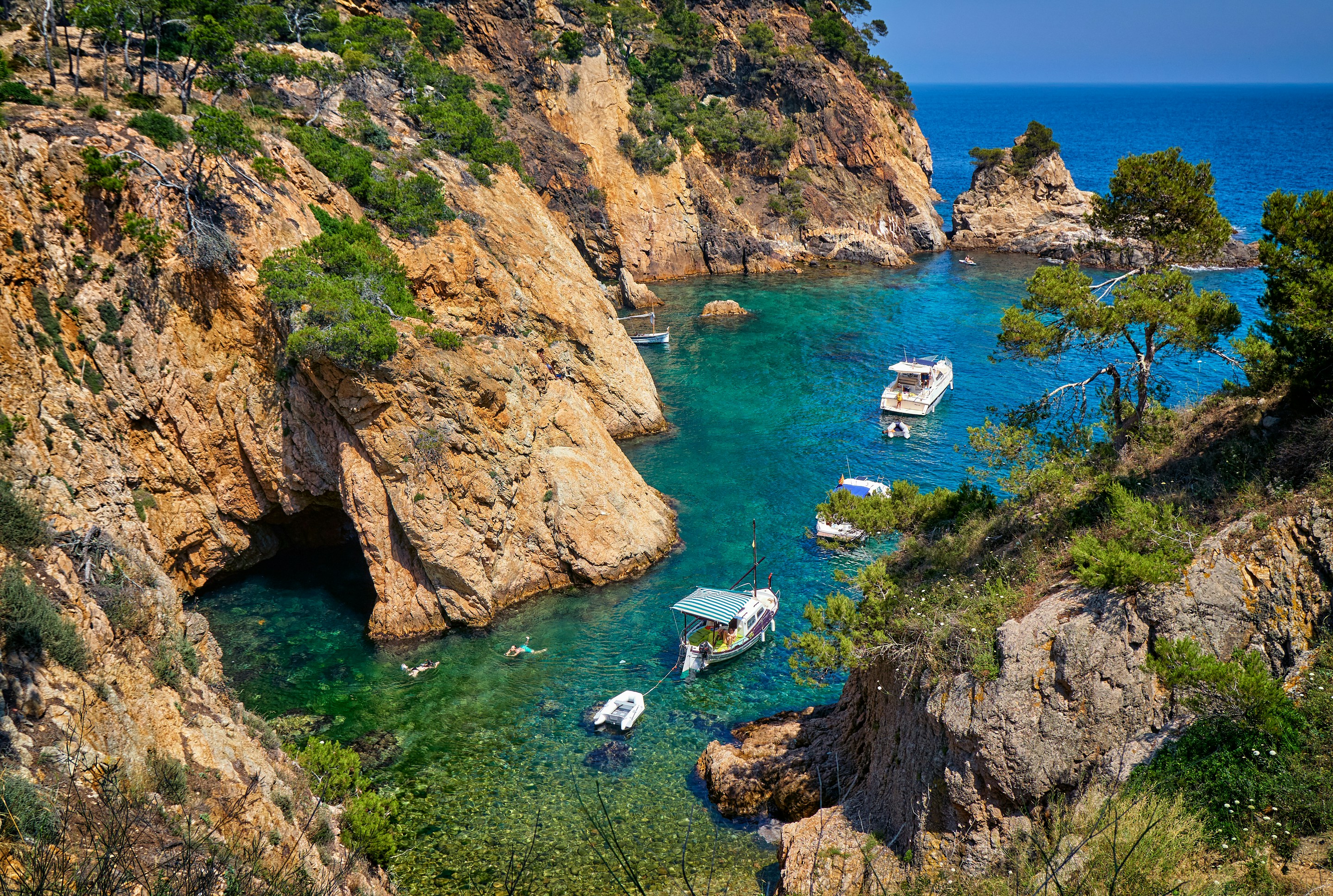
Day 9 - Palamós

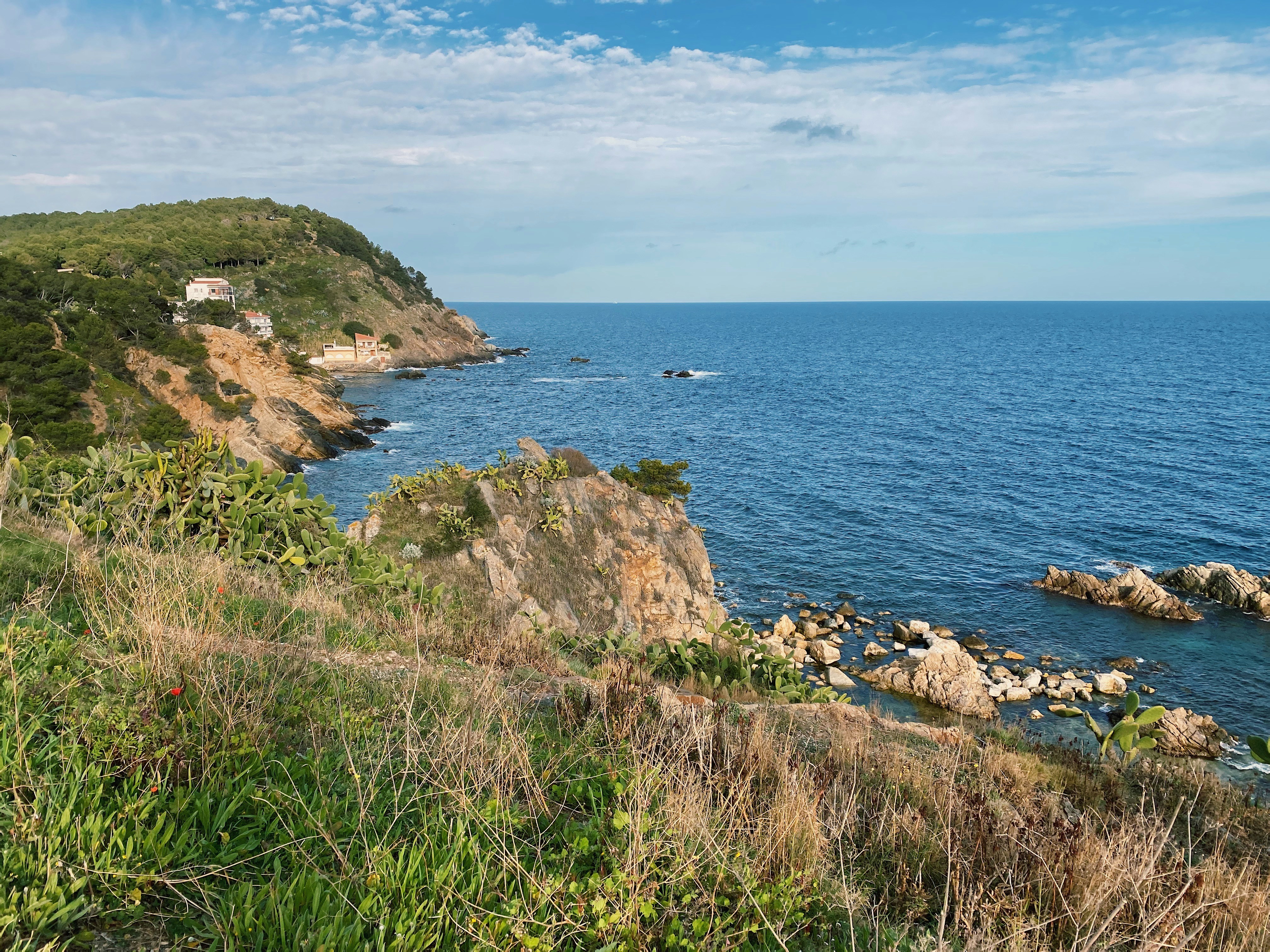
One of the best ways to arrive in Catalonia is by sea, especially via the Costa Brava. This coastline, also known as the Rugged or Wild Coast, stretches from Blanes to the French border. Its name aptly refers to the steep cliff of ancient twisted rocks, which runs its entire length and is bounded inland by the Catalan mountain ranges. The intensity of the coast’s colour, the ruggedness of the rocks and the scent of the plants all combine to add to its attraction. The history of this region is long and varied. Traces can be found of the advanced culture of the Iberians, Greeks, Romans, Visigoths and Arabs. With Wilfred I and the independence of Catalan countries, the Catalan dynasty was born. Later, in 1479, Catalonia became a part of unified Spain following the marriage of Isabel, Queen of Castile, and Fernando, King of Aragon. The port of Palamos, some 36 miles northeast of Barcelona, has been in existence for nearly 700 years thanks to its location on one of the deepest natural bays in the western Mediterranean. The town itself is the southernmost of a series of resorts popular with sun worshippers. For the most part, Palamos has managed to retain some of the charm of a fishing village. The port also serves as a gateway to such inland locations as Girona, the capital of the province. Art lovers may want to visit Figueras, famous for its bizarre Teatre-Museu Dali, the foremost of a series of sites associated with the eccentric surrealist artist, Salvador Dali. If you choose to stay in Palamos, you can enjoy the pleasant atmosphere of the town or spend some time at a nearby beach. The town has a long seagoing tradition and busy harbour. The fish auction, prompted by the arrival of the fishing boats, is a spectacle worth seeing. The Fishing Museum illustrates the history and the life of the families who live off the sea.

Palamós, Spain
Palamós, SpainPhoto by Maël BALLAND on Unsplash
Palamós, Spain
Palamós, SpainPhoto by Vidar Nordli-Mathisen on Unsplash
Carretera De Sant Esteve, 2, Palamós, España
Carretera De Sant Esteve, 2, Palamós, EspañaPhoto by Paula De la Pava Nieto on Unsplash

Day 10 - Sète

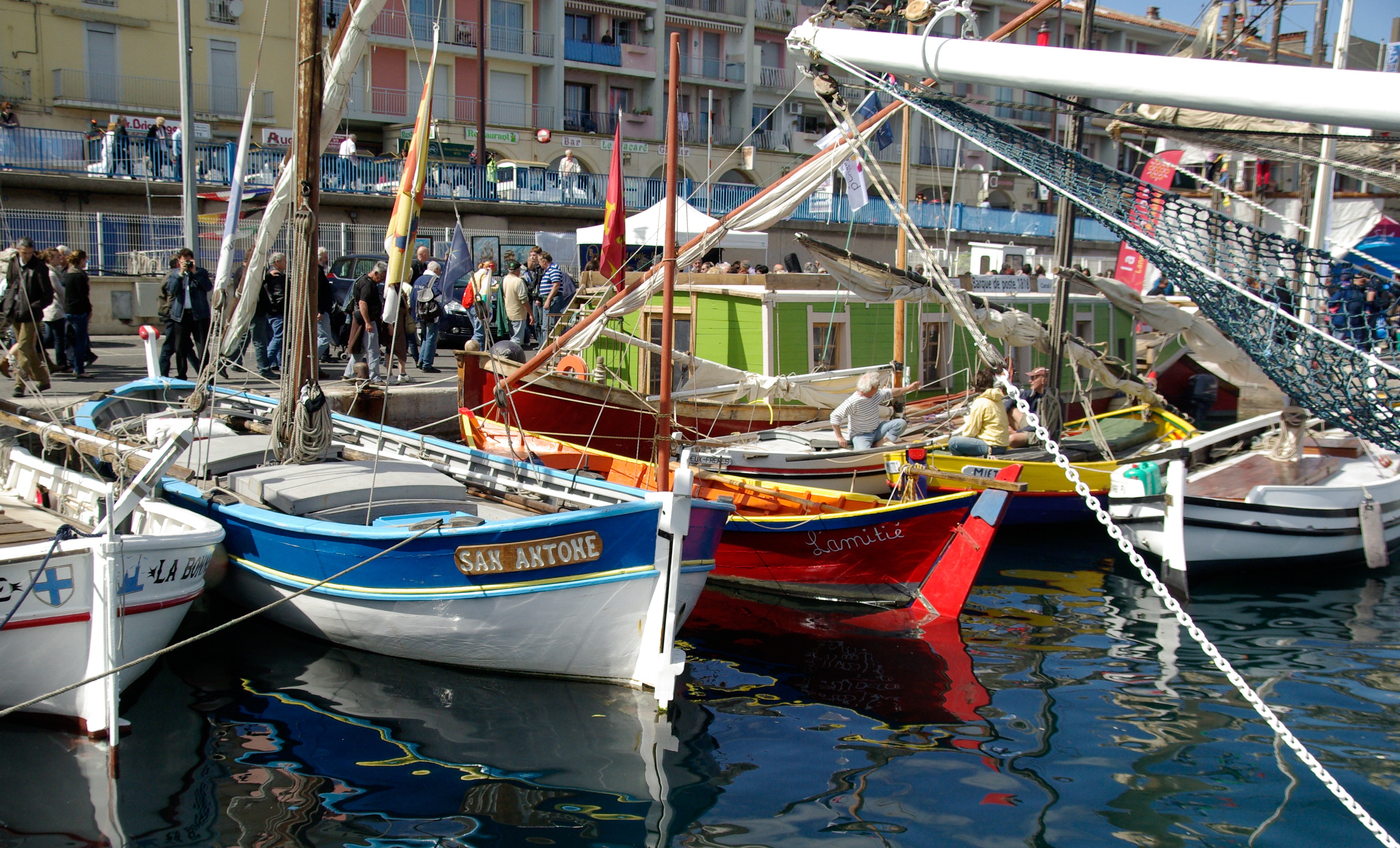
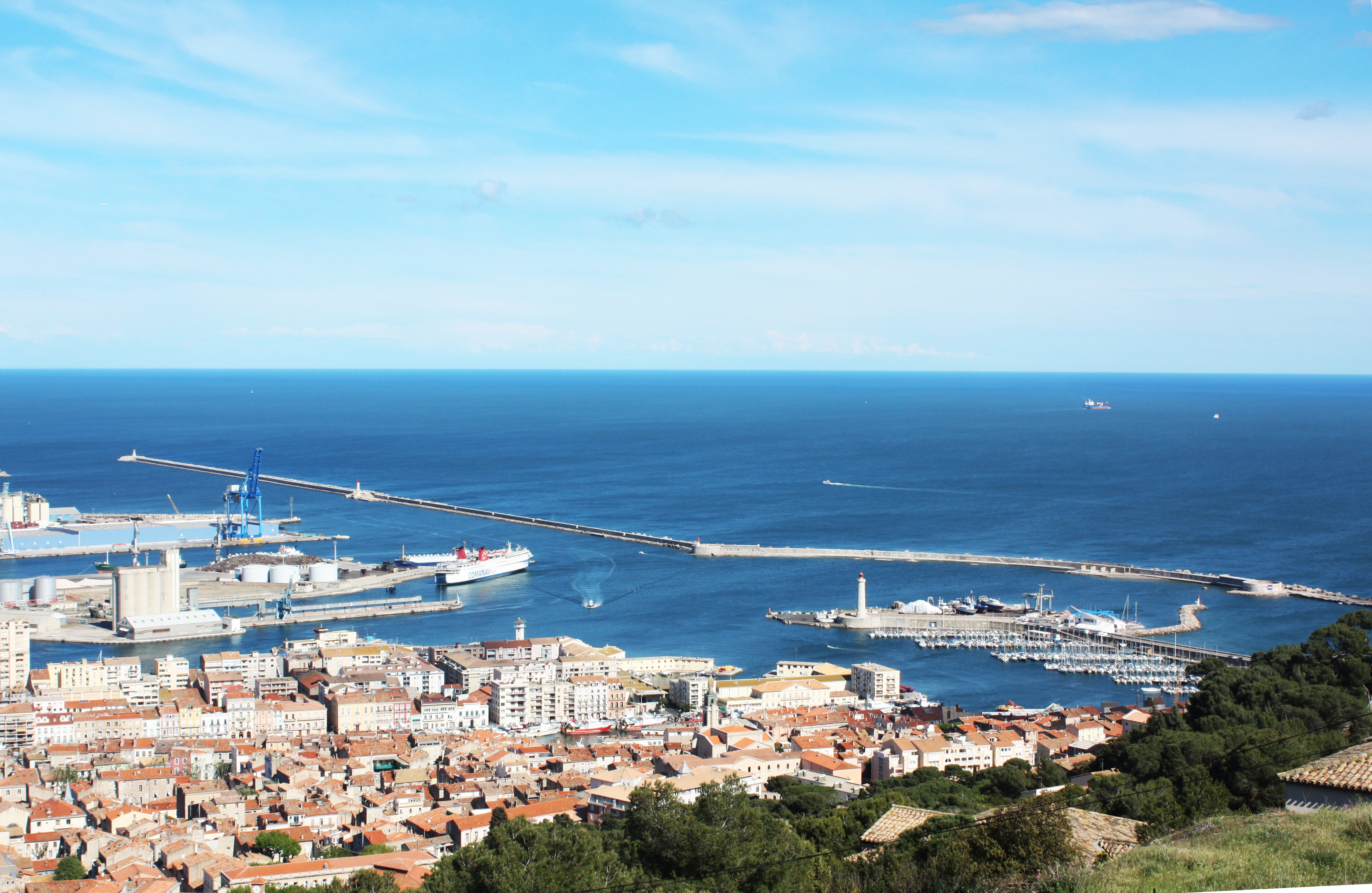
The fishing village of Sète serves as gateway to Montpellier, in the North. Other noteworthy destinations in this area include Carcassone, Aigues Mortes, the Abbaye de Fontfroide, and Pezenas. For a look at the real fisherman's life, however, stay right where you are. Sète is the Mediterranean's biggest fishing port. Canals winding through town make it fun to stroll around, and there are a number of good walking paths leading to the beach (about 30 minutes to the west). Although it's small and unspectacular, Plage de la Corniche has calm, pristine waters that are perfect for swimming. For a panoramic view of the area, climb Mont St-Clair or Les Pierres Blanches and pick a beach to settle down on.

Frset   Sète   Colourful Boats   Credits Jacqueline Macou
Frset Sète Colourful Boats Credits Jacqueline MacouJacqueline Macou
Frset   Sète   Marina   Credit Jacqueline Macou
Frset Sète Marina Credit Jacqueline MacouJacqueline Macou
Frset   Sète   Seaport   Credit Patrick Blaise
Frset Sète Seaport Credit Patrick BlaisePatrick Blaise
Sete, France
Sete, FranceImage by RENE RAUSCHENBERGER from Pixabay

Day 11 - Barcelona

The infinite variety of street life, the nooks and crannies of the medieval Barri Gòtic, the ceramic tile and stained glass of Art Nouveau facades, the art and music, the throb of street life, the food (ah, the food!)—one way or another, Barcelona will find a way to get your full attention. The capital of Catalonia is a banquet for the senses, with its beguiling mix of ancient and modern architecture, tempting cafés and markets, and sun-drenched Mediterranean beaches. A stroll along La Rambla and through waterfront Barceloneta, as well as a tour of Gaudí's majestic Sagrada Famíliaand his other unique creations, are part of a visit to Spain's second-largest city. Modern art museums and chic shops call for attention, too. Barcelona's vibe stays lively well into the night, when you can linger over regional wine and cuisine at buzzing tapas bars.

Barcelona Beach
Barcelona BeachEnes F, Unsplash
Barcelona Beach
Barcelona BeachLucrezia Carnelos, Unsplash
Barcelona Aerial Logan Armstrong
Barcelona Skyline Apasaric

Suites & Deck Plans

Suite

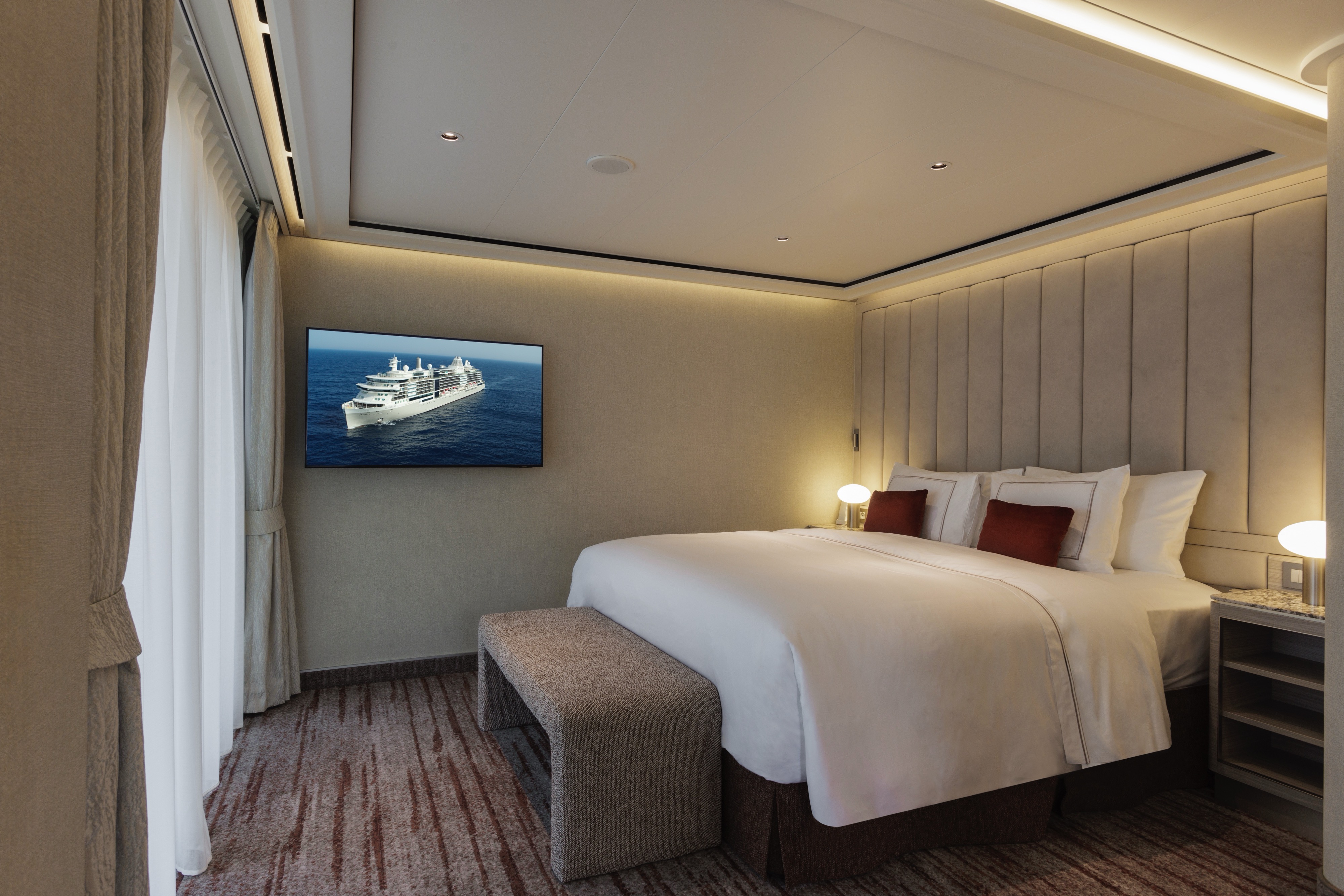
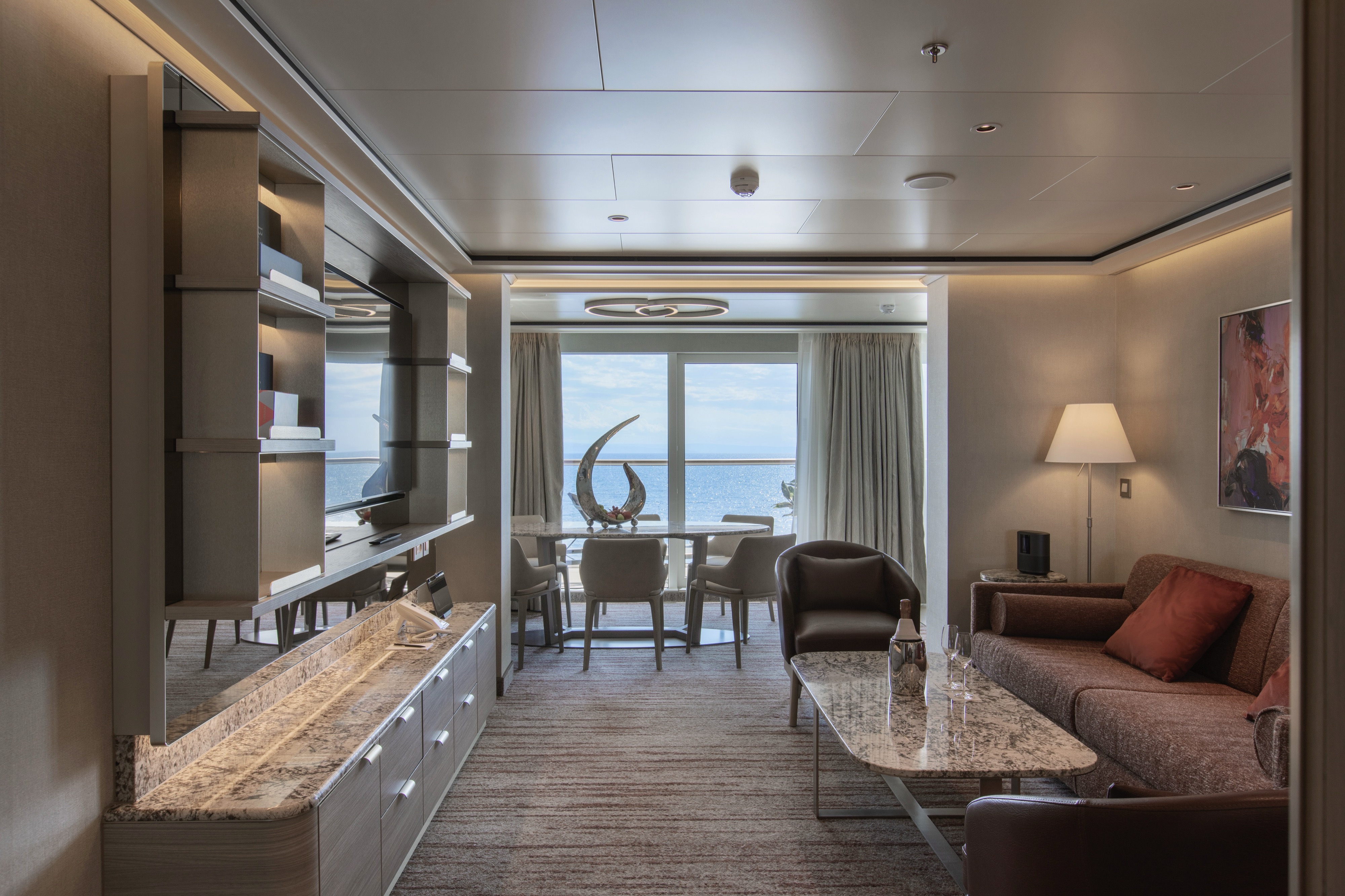
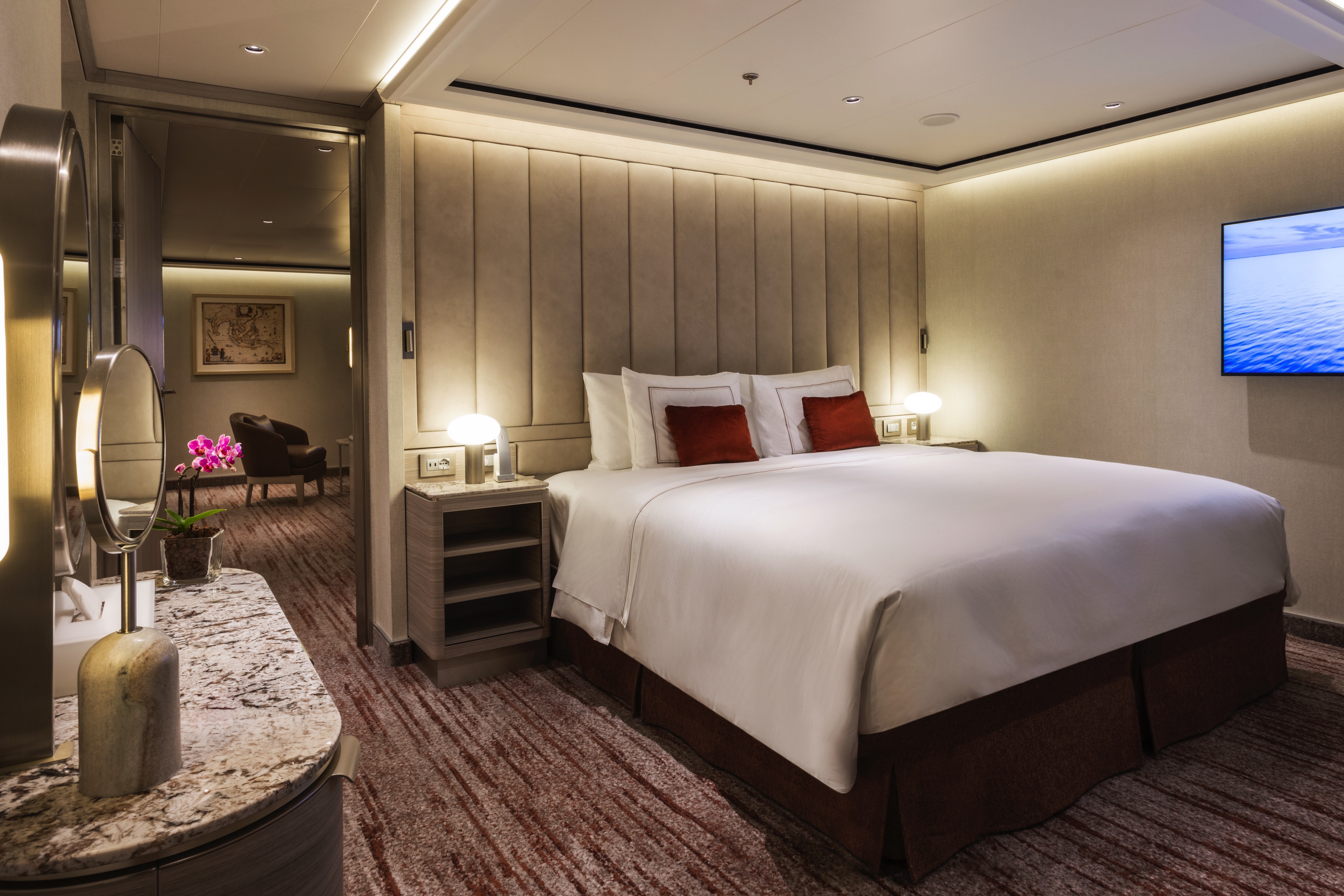
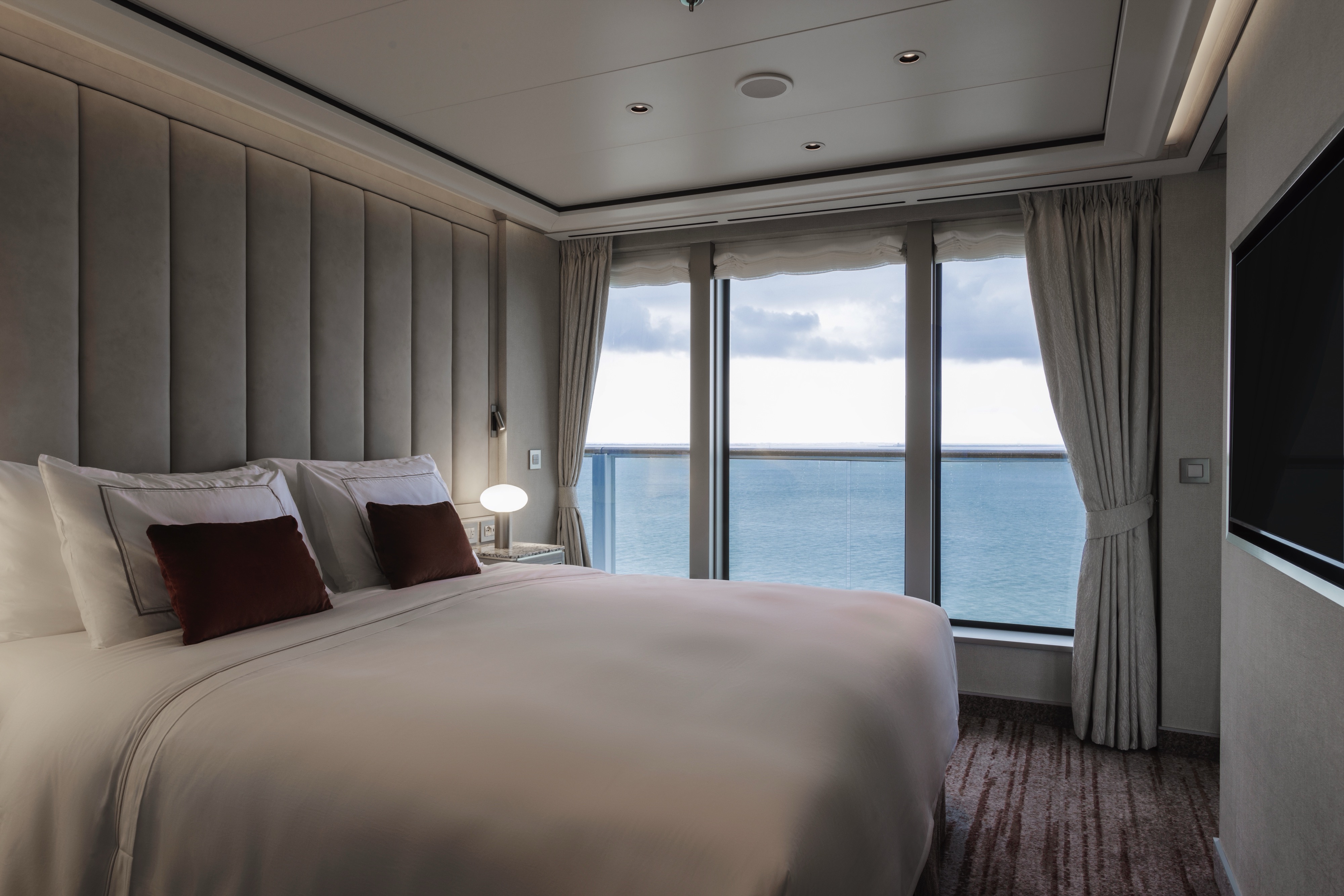
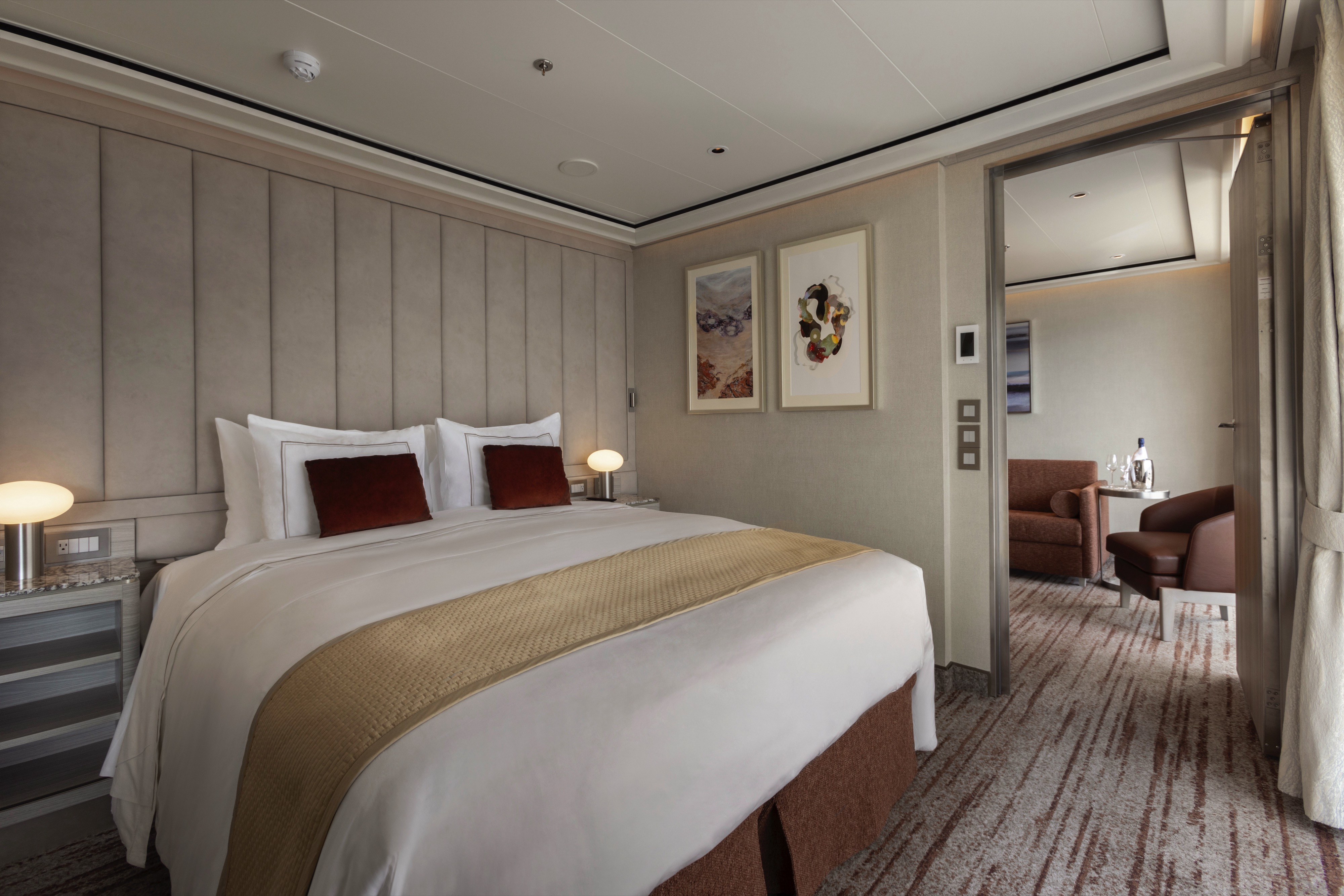
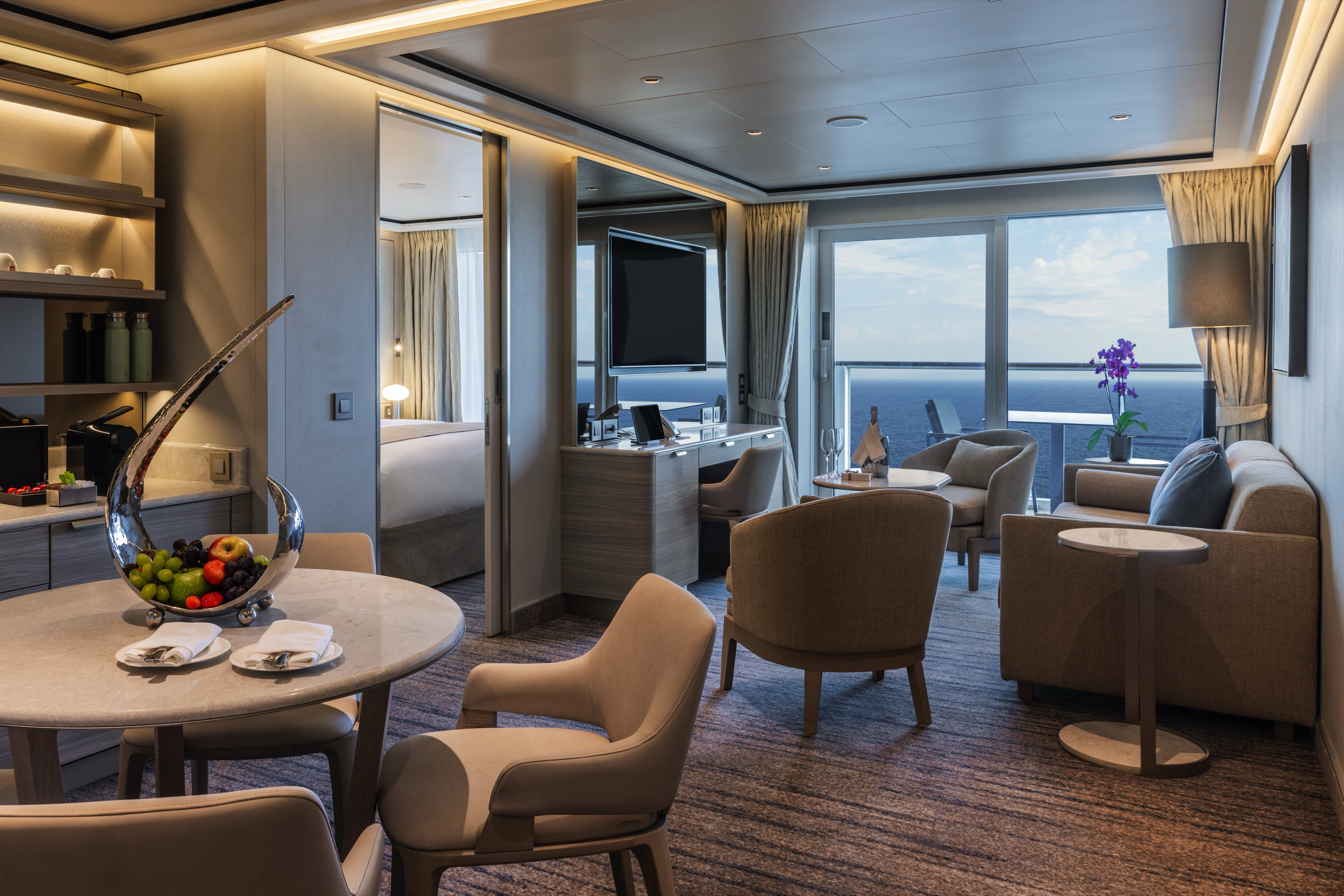
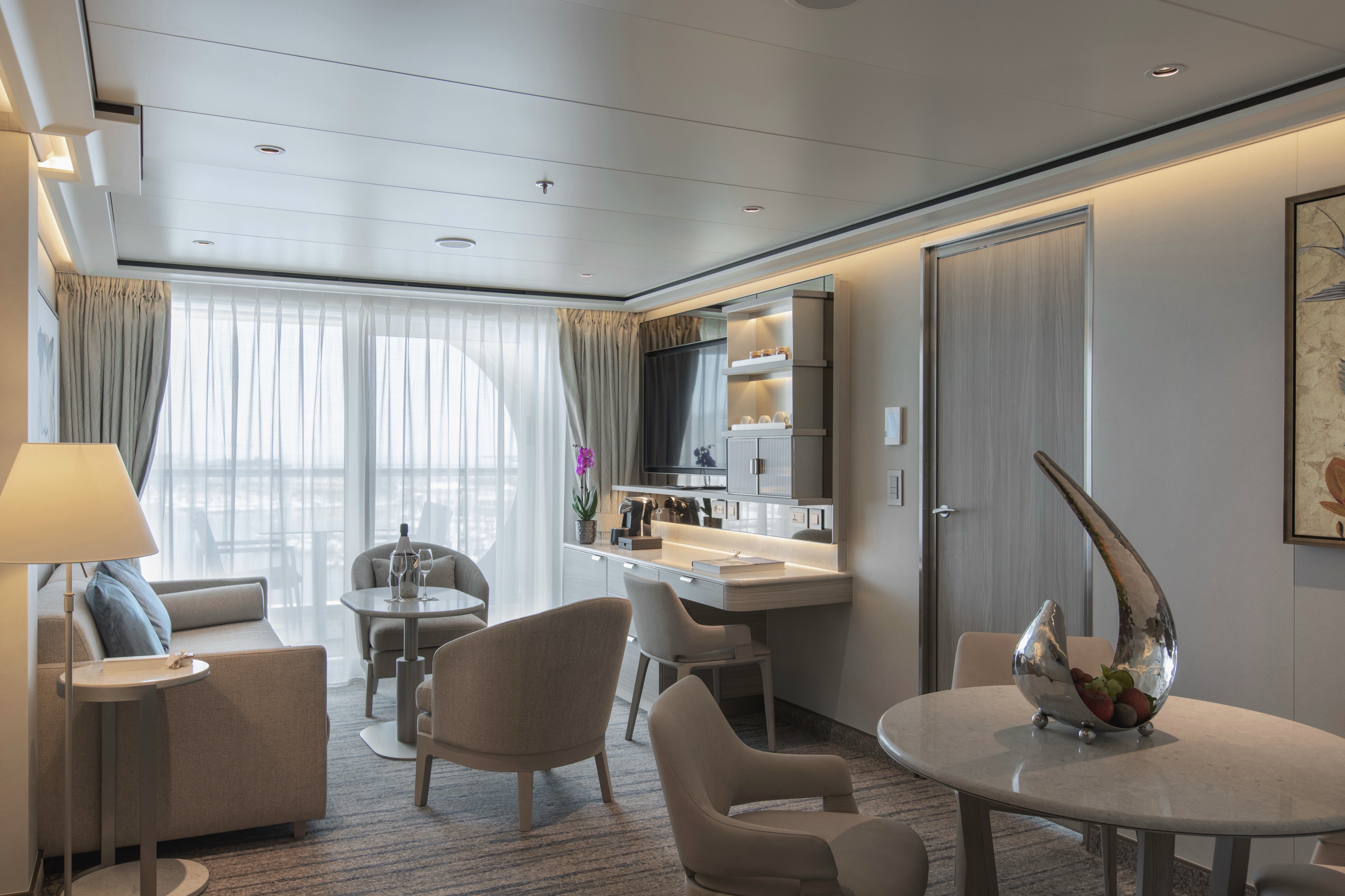
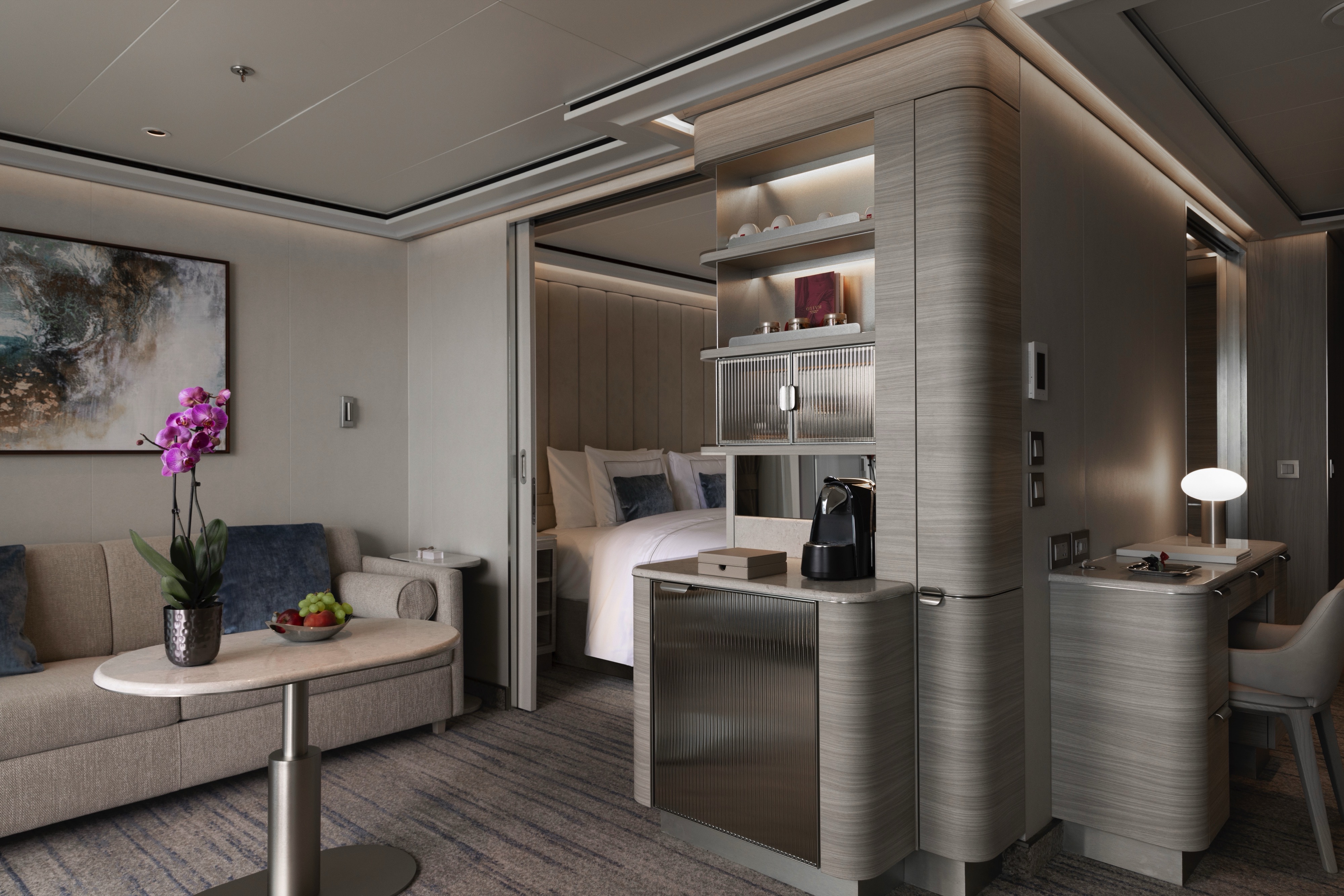
The Otium Suite is one of our newest and finest suites. Located in the premium aft corner position, the Otium Suite has a total size of 123 m2 (1,324 sq ft), including a 40 m2 (431 sq ft) balcony, which comes complete with a whirlpool. Features include a spacious living room area, a luxurious walk-in closet, a separate large bedroom, plus a bathroom with a whirlpool bath and walk-in shower. The crowning glory of the Otium Suite, however, is surely its unprecedented 270-degree view, giving you some of the best possible views of your destination.

The Otium Suite includes an Otium Spa Treatment Per Guest up to $399 (up to two guests per suite)

One bedroom: 123 sq m (40 sq m)

Essentials

  • Deck(s): 6, 7
  • Section: Aft

Characteristics

  • Veranda
  • Separate dining area
  • Living room with sitting area
  • Large vanity
  • Separate shower
  • Whirlpool bath
  • Walk-in wardrobe with personal safe

Furniture

  • King size bed
  • Writing desk
  • Vanity table
  • Luxury bed mattresses (Custom made)

Media & Communication

  • Unlimited Premium Wi-Fi

  • 2 large flat screen TVs with Interactive Media Library
  • Sound system with bluetooth connectivity
  • Direct dial telephone
  • Wall mounted USB-C mobile device chargers
  • Dual voltage 110/220 outlets

Onboard Services

  • Butler service
  • Complimentary laundry, pressing & wet cleaning
  • Dinner for two in La Dame, one evening per voyage,
  • Two hours of worldwide phone use, per voyage segment
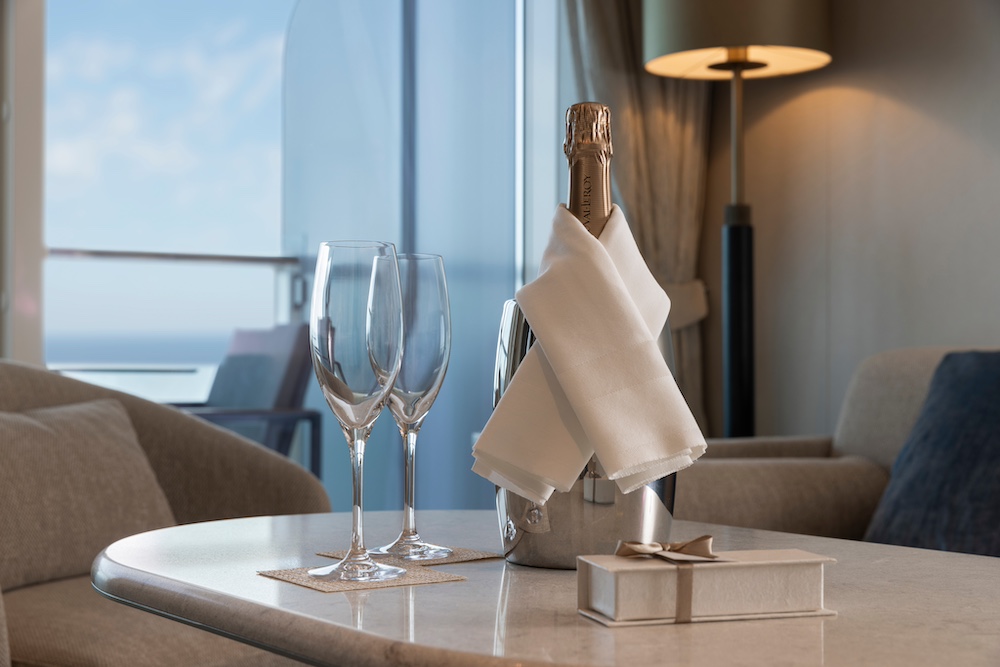
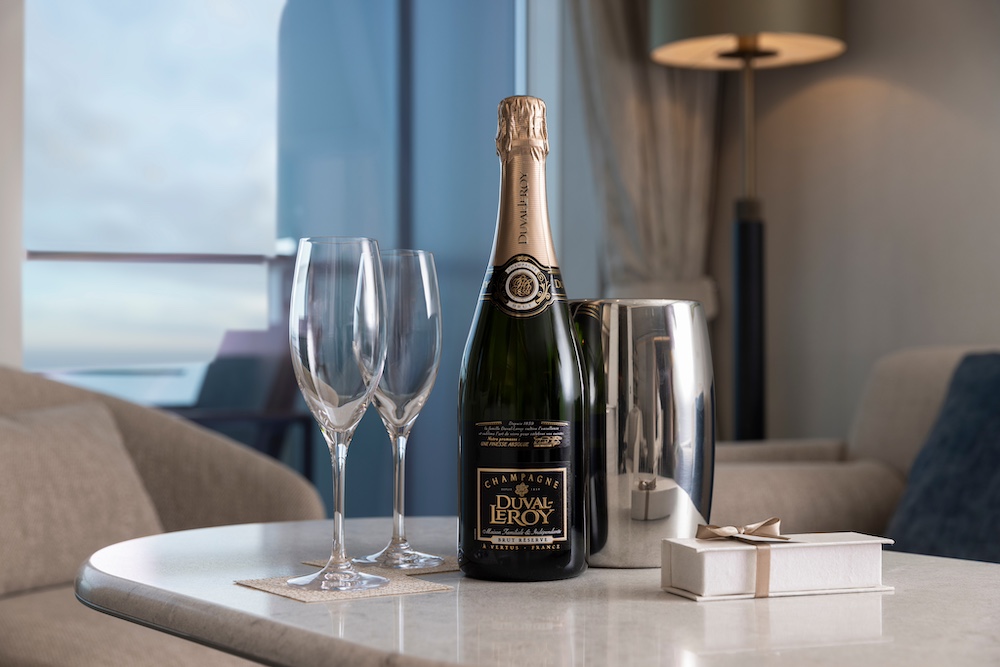
  • Champagne on arrival

Amenities

  • Espresso machine
  • Pillow menu
  • Refrigerator and bar setup stocked with your preferences
  • Plush bathrobe
  • Luxury bath amenities
  • Umbrella
  • Hair Dryer
  • Slippers

Images are intended as a general reference. Features, materials, finishes and layout may be different than shown.

Please note the 3rd guest will sleep on a comfortable sofa bed in the reception area of suites that have 3rd berth capacity.

1324 sq ft
Accommodates 3 guests
Otium Suite

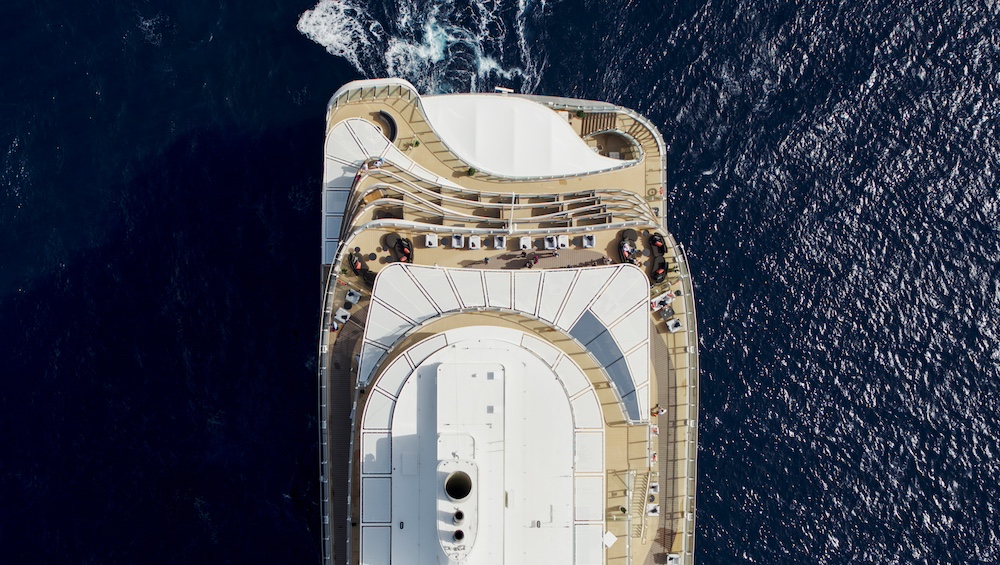
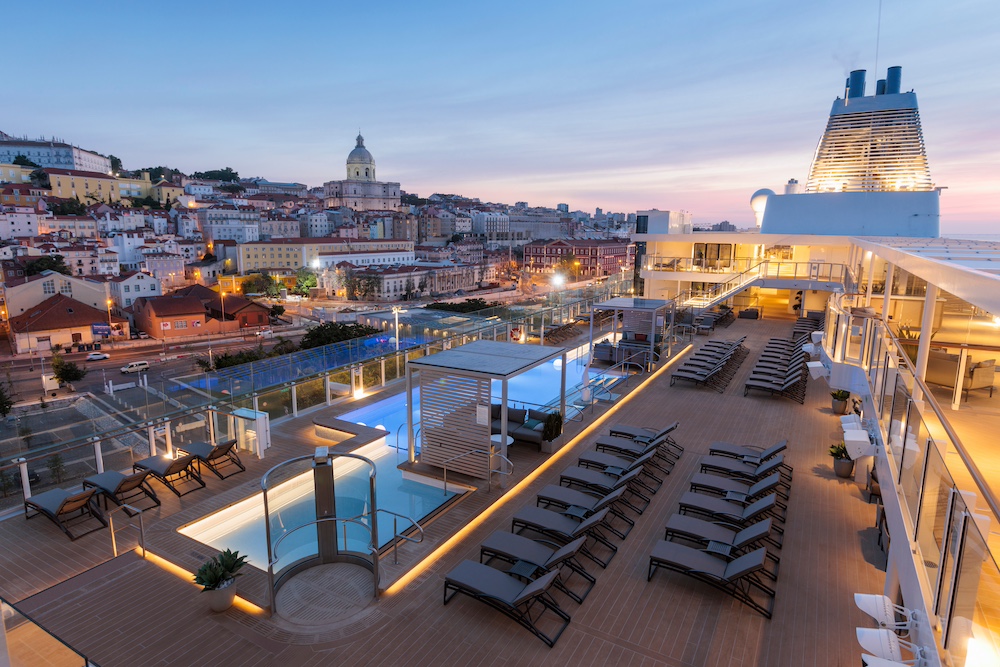
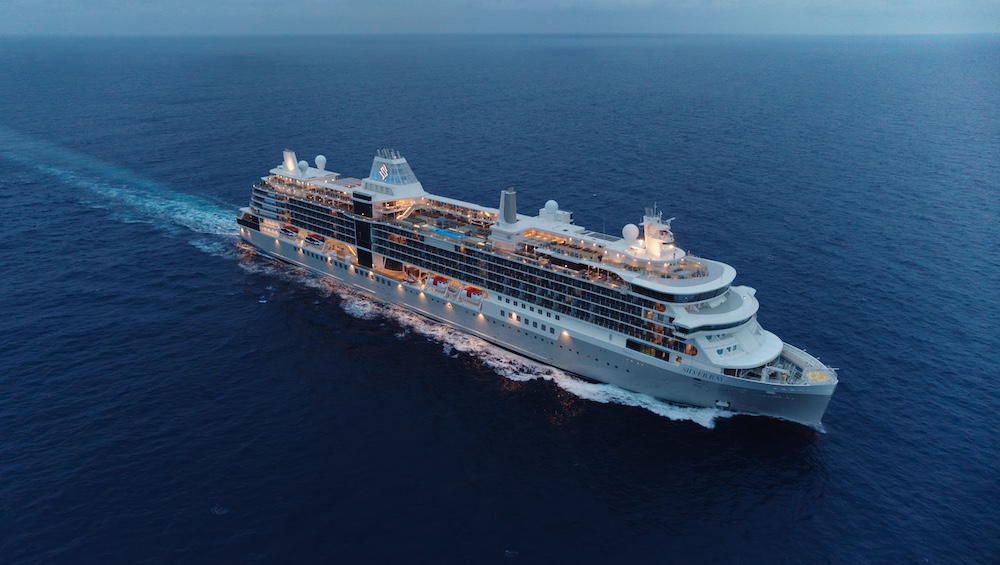
Silver Ray

Silver Ray

Life on board

The Onboard Experience

Client testimonials

I have worked with Lore Doick for more than 20 years, and she has booked over 30 cruises for me. Her expertise, care, and attention to every travel detail have made her an invaluable advisor and friend over the years.”

Tina B.

We are now in our second generation working with Cheri Ozimac at Tully Luxury Travel. From Antarctica to Greece, she has handled every detail with expertise, responsiveness, and care…

Earl M.

My wife and I have worked with Tully since 2007, and Kit Neil and her team went far beyond expectations while helping us navigate multiple cruise and flight cancellations. Their advocacy, care, and support during a difficult time were extraordinary.

Carri F.

Cheri Ozimac organized our Seabourn cruise flawlessly, from the hotel recommendation to every travel arrangement. She was responsive, attentive, and an excellent advocate throughout the process…

Cyn S.

We discovered Tully Luxury Travel after years of booking cruises through US agents and were impressed by their competitive pricing, exceptional service, and Canadian based support. Their team is always available, offers excellent value, and makes booking the right cruise seamless.

Peter C.

GoogleAverage Customer Rating:

The Tully Difference

Why travel with us


Tully Luxury Travel was built on access, discretion, and trust. For our clients, that means ease at every step, with distinctions that turn exceptional voyages into defining moments.

Recognized expertise

A renowned agency worldwide in luxury land and small-ship cruising, consistently trusted by the industry’s most prestigious brands.