Silversea logo

Singapore to Yokohama

Itinerary: Singapore, At Sea, Ho Chi Minh City, Hong Kong, Keelung (Chilung), Sasebo, Kagoshima, Yokohama See full itinerary

15 Mar 28
14 nights

Voyage Details

Duration:
14 nights
Departure:
15 Mar 2028
Embarkation:
Singapore
Voyage code:
MO280315014

Your Itinerary, Day-By-Day

Special Chapters of Your Journey

Day 1 - Singapore

The main island of Singapore is shaped like a flattened diamond, 42 km (26 miles) east to west and 23 km (14 miles) north to south. Near the northern peak is the causeway leading to West Malaysia—Kuala Lumpur is less than four hours away by car. It is at the southern foot where you will find most of the city-state’s action, with its gleaming office towers, working docks, and futuristic "supertrees," which are solar-powered and serve as vertical gardens. Offshore are Sentosa and over 60 smaller islands, most uninhabited, that serve as bases for oil refining or as playgrounds and beach escapes from the city. To the east is Changi International Airport, connected to the city by metro, bus, and a tree-lined parkway. Of the island's total land area, more than half is built up, with the balance made up of parkland, farmland, plantations, swamp areas, and rain forest. Well-paved roads connect all parts of the island, and Singapore city has an excellent, and constantly expanding, public transportation system. The heart of Singapore's history and its modern wealth are in and around the Central Business District. The area includes the skyscrapers in the Central Business District, the 19th-century Raffles Hotel, the convention centers of Marina Square, on up to the top of Ft. Canning. Although most of old Singapore has been knocked down to make way for the modern city, most colonial landmarks have been preserved in the CBD, including early-19th-century buildings designed by the Irish architect George Coleman.

Sgsin   Singapore   Altitude Bar   Credits Altitude Bar
Sgsin Singapore Altitude Bar Credits Altitude BarAltitude Bar
Sgsin   Singapore   Chinatown   Credits Singapore Tourism Board
Sgsin Singapore Chinatown Credits Singapore Tourism Board© Singapore Tourism Board
Sgsin   Singapore   Gardens By The Bay   Credits Singapore Tourism Board
Sgsin Singapore Gardens By The Bay Credits Singapore Tourism Board© Singapore Tourism Board
Sgsin   Singapore   Katong  Darren Soh    Credits Singapore Tourism Board
Sgsin Singapore Katong Darren Soh Credits Singapore Tourism Board© Singapore Tourism Board
Sgsin   Singapore   Marina Bay   Credits Singapore Tourism Board
Sgsin Singapore Marina Bay Credits Singapore Tourism Board© Singapore Tourism Board
Sgsin   Singapore   Marina Bay Sands Firework   Credits Singapore Tourism Board Photographer Andrew Tan
Sgsin Singapore Marina Bay Sands Firework Credits Singapore Tourism Board Photographer Andrew TanAndrew Tan © Singapore Tourism Board
Sgsin   Singapore   Marina Bay Sands, Infinity Pool   Credits Singapore Tourism Board
Sgsin Singapore Marina Bay Sands, Infinity Pool Credits Singapore Tourism Board© Singapore Tourism Board
Sgsin   Singapore   Merlion Park 1   Credits Singapore Tourism Board
Sgsin Singapore Merlion Park 1 Credits Singapore Tourism Board© Singapore Tourism Board
Sgsin   Singapore   River Cruise   Credits Singapore Tourism Board
Sgsin Singapore River Cruise Credits Singapore Tourism Board© Singapore Tourism Board
Sgsin   Singapore   Sentosa Boardwalk   Credits Singapore Tourism Board
Sgsin Singapore Sentosa Boardwalk Credits Singapore Tourism Board© Singapore Tourism Board
Sgsin   Singapore   Singapore Botanic Gardens  Darren Soh    Credits Singapore Tourism Board
Sgsin Singapore Singapore Botanic Gardens Darren Soh Credits Singapore Tourism Board© Singapore Tourism Board
Sgsin   Singapore   Singapore Botanic Gardens  Marklin Ang    Credits Singapore Tourism Board
Sgsin Singapore Singapore Botanic Gardens Marklin Ang Credits Singapore Tourism Board© Singapore Tourism Board

Day 2 - At Sea

Further details for this day are not available.

Day 3 - At Sea

Further details for this day are not available.

Day 4 - Ho Chi Minh City

Romantically referred to by the French as the Pearl of the Orient, Ho Chi Minh City today is a super-charged city of sensory overload. Motorbikes zoom day and night along the wide boulevards, through the narrow back alleys and past vendors pushing handcarts hawking goods of all descriptions. Still called Saigon by most residents, this is Vietnam's largest city and the engine driving the country's current economic resurgence, but despite its frenetic pace, it's a friendlier place than Hanoi and locals will tell you the food—simple, tasty, and incorporating many fresh herbs—is infinitely better than in the capital.This is a city full of surprises. The madness of the city's traffic—witness the oddball things that are transported on the back of motorcycles—is countered by tranquil pagodas, peaceful parks, quirky coffee shops, and whole neighborhoods hidden down tiny alleyways, although some of these quiet spots can be difficult to track down. Life in Ho Chi Minh City is lived in public: on the back of motorcycles, on the sidewalks, and in the parks. Even when its residents are at home, they're still on display. With many living rooms opening onto the street, grandmothers napping, babies being rocked, and food being prepared, are all in full view of passersby.Icons of the past endure in the midst of the city’s headlong rush into capitalism. The Hotel Continental, immortalized in Graham Greene's The Quiet American, continues to stand on the corner of old Indochina's most famous thoroughfare, the rue Catinat, known to American G.I.s during the Vietnam War as Tu Do (Freedom) Street and renamed Dong Khoi (Uprising) Street by the Communists. The city still has its ornate opera house and its old French city hall, the Hôtel de Ville. The broad colonial boulevards leading to the Saigon River and the gracious stucco villas are other remnants of the French colonial presence. Grisly reminders of the more recent past can be seen at the city's war-related museums. Residents, however, prefer to look forward rather than back and are often perplexed by tourists' fascination with a war that ended 40 years ago.The Chinese influence on the country is still very much in evidence in the Cholon district, the city's Chinatown, but the modern office towers and international hotels that mark the skyline symbolize Vietnam's fixation on the future.

Vnsgn   Ho Chi Minh City, Vietnam Photo Credit Belongs To Georgios Domouchtsidis
Vnsgn Ho Chi Minh City, Vietnam Photo Credit Belongs To Georgios Domouchtsidis
Vnsgn   Ho Chi Minh City, Vietnam Photo Credit Belongs To H W
Vnsgn Ho Chi Minh City, Vietnam Photo Credit Belongs To H W
Vnsgn   Ho Chi Minh City, Vietnam Photo Credit Belongs To Jaromir Kavan
Vnsgn Ho Chi Minh City, Vietnam Photo Credit Belongs To Jaromir Kavan

Day 5 - Ho Chi Minh City

Romantically referred to by the French as the Pearl of the Orient, Ho Chi Minh City today is a super-charged city of sensory overload. Motorbikes zoom day and night along the wide boulevards, through the narrow back alleys and past vendors pushing handcarts hawking goods of all descriptions. Still called Saigon by most residents, this is Vietnam's largest city and the engine driving the country's current economic resurgence, but despite its frenetic pace, it's a friendlier place than Hanoi and locals will tell you the food—simple, tasty, and incorporating many fresh herbs—is infinitely better than in the capital.This is a city full of surprises. The madness of the city's traffic—witness the oddball things that are transported on the back of motorcycles—is countered by tranquil pagodas, peaceful parks, quirky coffee shops, and whole neighborhoods hidden down tiny alleyways, although some of these quiet spots can be difficult to track down. Life in Ho Chi Minh City is lived in public: on the back of motorcycles, on the sidewalks, and in the parks. Even when its residents are at home, they're still on display. With many living rooms opening onto the street, grandmothers napping, babies being rocked, and food being prepared, are all in full view of passersby.Icons of the past endure in the midst of the city’s headlong rush into capitalism. The Hotel Continental, immortalized in Graham Greene's The Quiet American, continues to stand on the corner of old Indochina's most famous thoroughfare, the rue Catinat, known to American G.I.s during the Vietnam War as Tu Do (Freedom) Street and renamed Dong Khoi (Uprising) Street by the Communists. The city still has its ornate opera house and its old French city hall, the Hôtel de Ville. The broad colonial boulevards leading to the Saigon River and the gracious stucco villas are other remnants of the French colonial presence. Grisly reminders of the more recent past can be seen at the city's war-related museums. Residents, however, prefer to look forward rather than back and are often perplexed by tourists' fascination with a war that ended 40 years ago.The Chinese influence on the country is still very much in evidence in the Cholon district, the city's Chinatown, but the modern office towers and international hotels that mark the skyline symbolize Vietnam's fixation on the future.

Vnsgn   Ho Chi Minh City, Vietnam Photo Credit Belongs To Georgios Domouchtsidis
Vnsgn Ho Chi Minh City, Vietnam Photo Credit Belongs To Georgios Domouchtsidis
Vnsgn   Ho Chi Minh City, Vietnam Photo Credit Belongs To H W
Vnsgn Ho Chi Minh City, Vietnam Photo Credit Belongs To H W
Vnsgn   Ho Chi Minh City, Vietnam Photo Credit Belongs To Jaromir Kavan
Vnsgn Ho Chi Minh City, Vietnam Photo Credit Belongs To Jaromir Kavan

Day 6 - At Sea

Further details for this day are not available.

Day 7 - At Sea

Further details for this day are not available.

Day 8 - Hong Kong

The Hong Kong Island skyline, with its ever-growing number of skyscrapers, speaks to ambition and money. Paris, London, even New York were centuries in the making, while Hong Kong's towers, bright lights, and glitzy shopping emporia weren't yet part of the urban scene when many of the young investment bankers who fuel one of the world's leading financial centers were born. Commerce is concentrated in the glittering high-rises of Central, tucked between Victoria Harbor and forested peaks on Hong Kong Island's north shore. While it's easy to think all the bright lights are the sum of today's Hong Kong, you need only walk or board a tram for the short jaunt west into Western to discover a side of Hong Kong that is more traditionally Chinese but no less high-energy. You'll discover the real Hong Kong to the east of Central, too, in Wan Chai, Causeway Bay, and beyond. Amid the residential towers are restaurants, shopping malls, bars, convention centers, a nice smattering of museums, and—depending on fate and the horse you wager on—one of Hong Kong's luckiest or unluckiest spots, the Happy Valley Racecourse. Kowloon sprawls across a generous swath of the Chinese mainland across Victoria Harbour from Central. Tsim Sha Tsui, at the tip of Kowloon peninsula, is packed with glitzy shops, first-rate museums, and eye-popping views of the skyline across the water. Just to the north are the teeming market streets of Mong Kok and in the dense residential neighborhoods beyond, two of Hong Kong's most enchanting spiritual sights, Wong Tai Sin Temple and Chi Lin Nunnery. As you navigate this huge metropolis (easy to do on the excellent transportation network), keep in mind that streets are usually numbered odd on one side, even on the other. There's no baseline for street numbers and no block-based numbering system, but street signs indicate building numbers for any given block.

Hkhkg Hong Kong Person Standing On Boat During Night Time Sankalp Sharma
Hkhkg Hong Kong Person Standing On Boat During Night Time Sankalp SharmaSankalp Sharma
Hkhkg Hong Kong Road In The Middle Of Buildings During Daytime Annie Spratt
Hkhkg Hong Kong Road In The Middle Of Buildings During Daytime Annie SprattAnnie Spratt
Hkhkg Hong Long Cars Crossing Florian Wehde
Hkhkg Hong Long Cars Crossing Florian Wehde Florian Wehde

Day 9 - At Sea

Further details for this day are not available.

Day 10 - Keelung (Chilung)

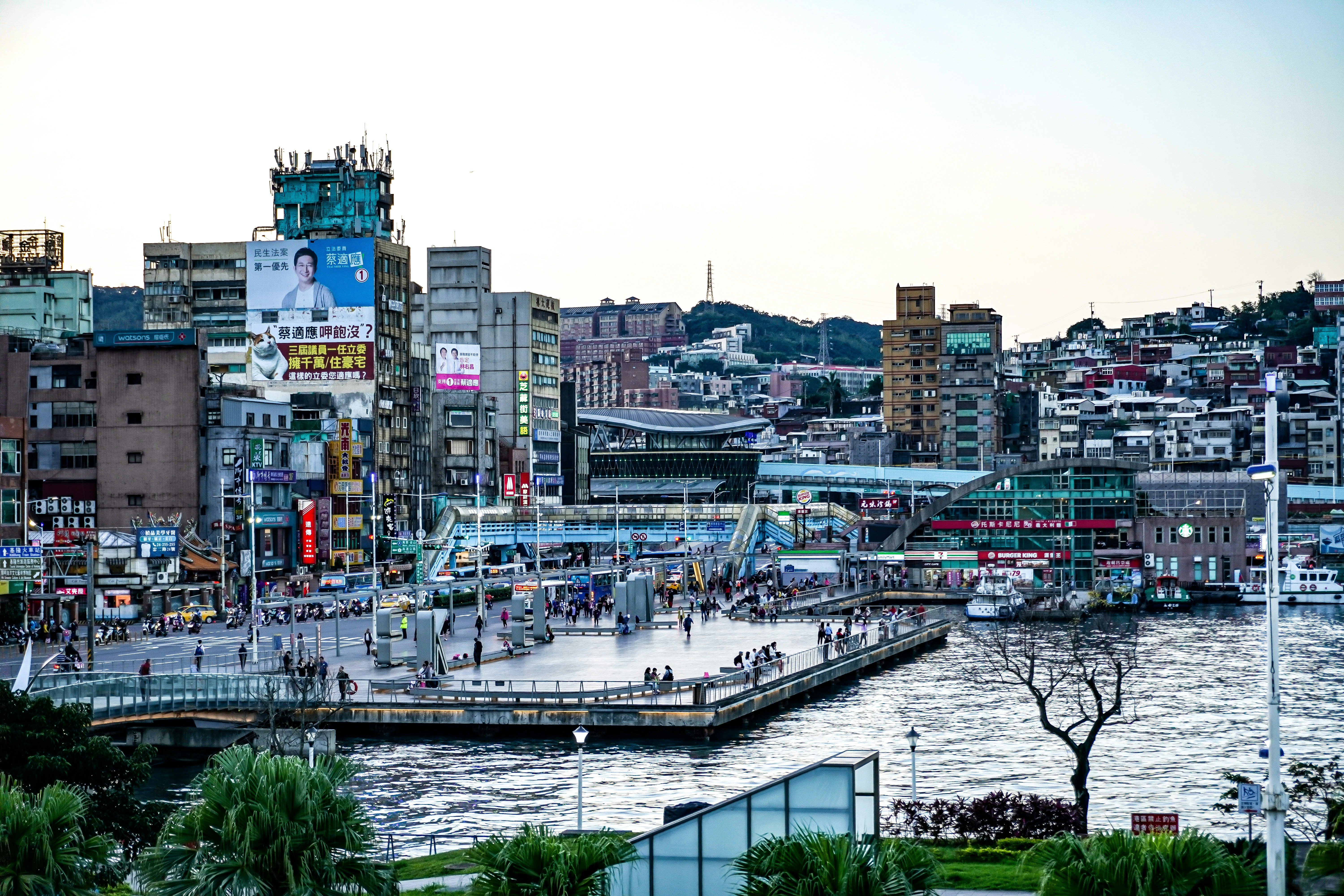
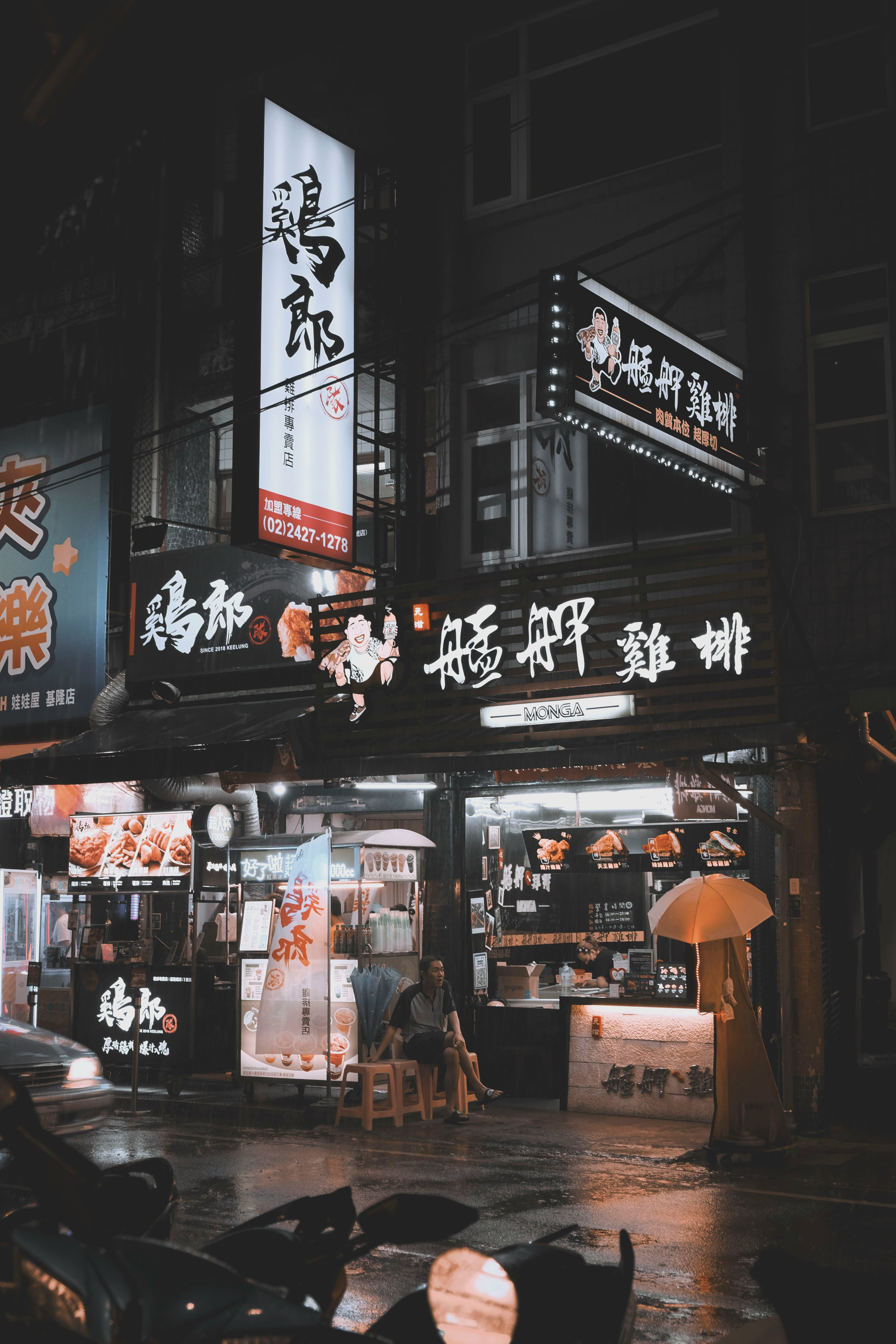
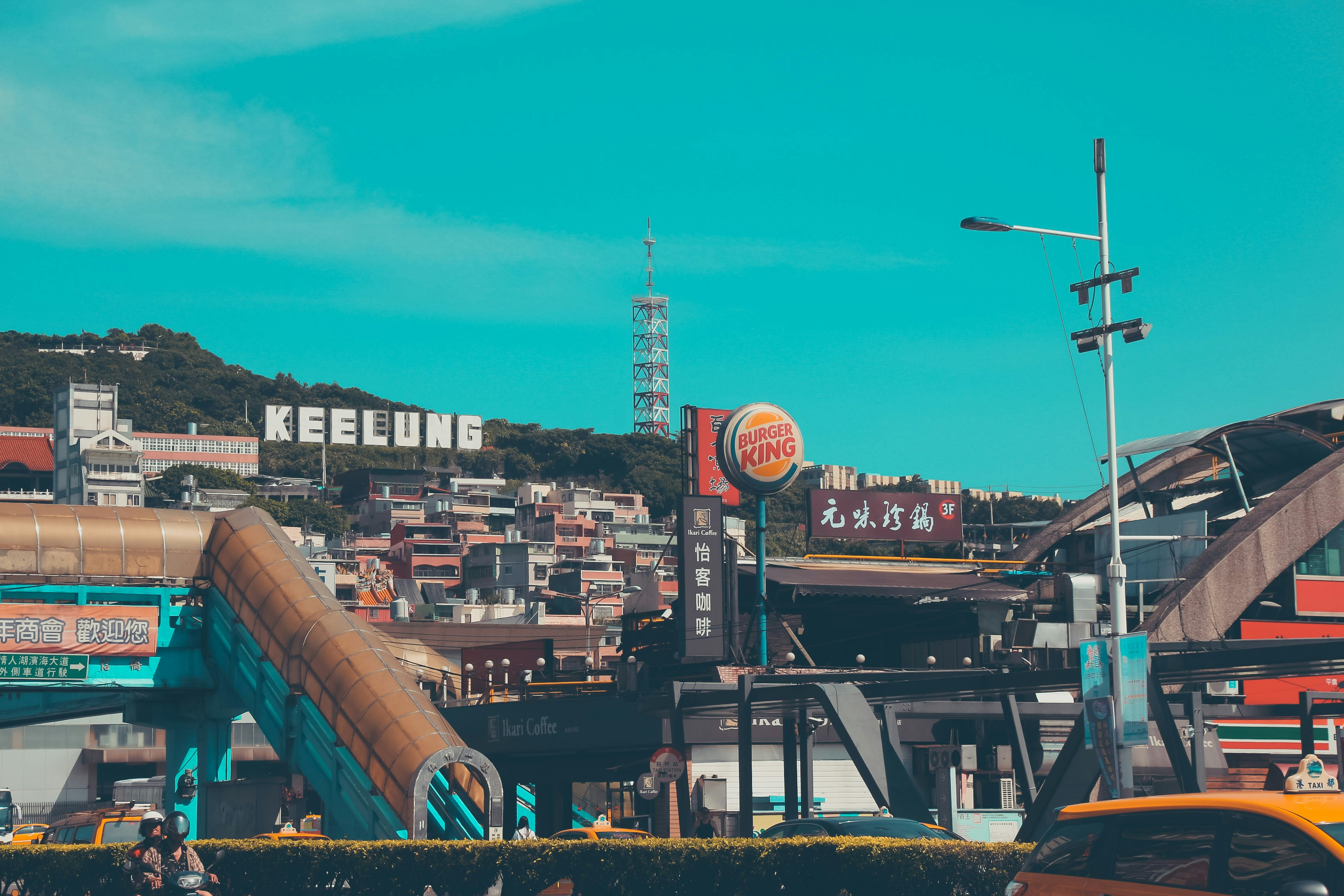
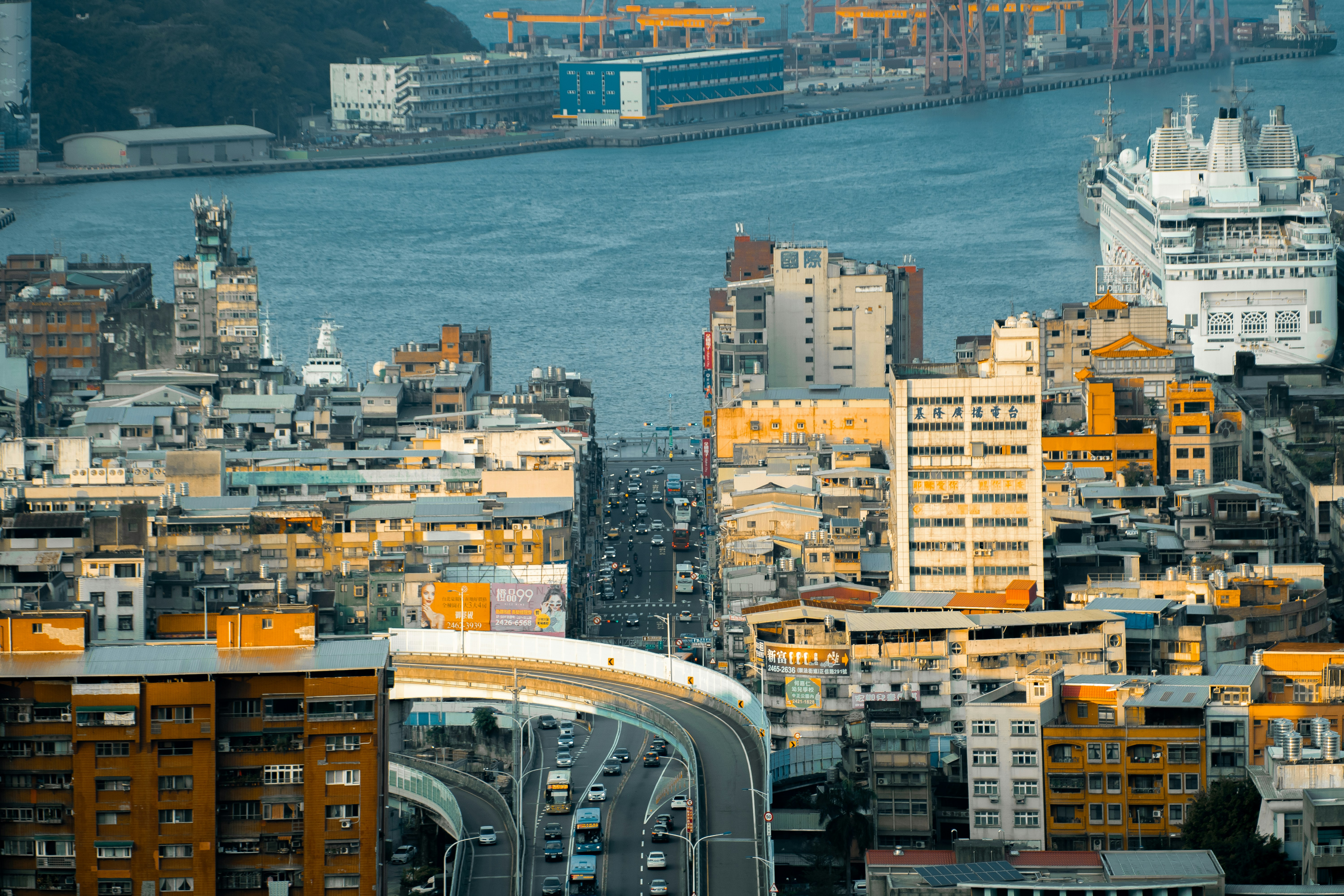
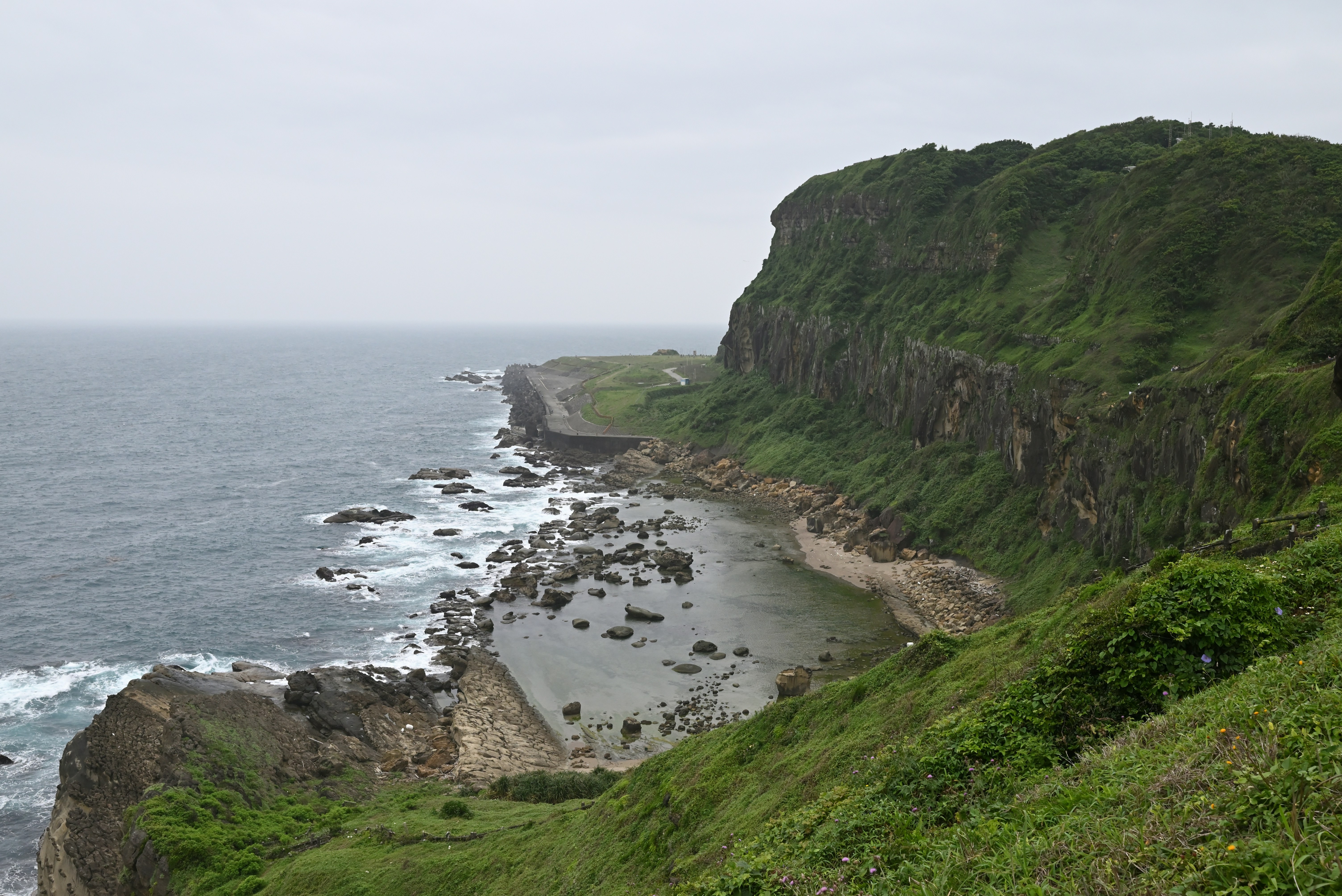
With the glittering lights of Taipei - a futuristic metropolis of culture and ideas - sparkling nearby, Keelung is the first calling point for many visitors arriving in Taiwan. While this port city essentially serves as Taipei's ocean gateway, you shouldn’t be too hasty in dashing off to Taipei's neon-lit magic – first it’s well worth spending some time exploring the famous glowing night market, which hums with life each evening and is famous for its local seafood.

Port, Keelung, Taiwan
Port, Keelung, TaiwanPhoto by Vas on Unsplash
Night Market, Keelung, Taiwan
Night Market, Keelung, TaiwanPhoto by Henry & Co. on Unsplash
Keelung, Taiwan
Keelung, TaiwanPhoto by Photostore HK on Unsplash
City, Keelung, Taiwan
City, Keelung, TaiwanPhoto by YEH CHE WEI on Unsplash
Keelung, Taiwan
Keelung, TaiwanPhoto by Luo Jin Hong on Unsplash
Keelung
KeelungImage by Ke Hugo from Pixabay

Day 11 - At Sea

Further details for this day are not available.

Day 12 - Sasebo

Further details for this day are not available.

Huis Ten Bosch, Sasebo, Japan
Huis Ten Bosch, Sasebo, JapanCamille San Vicente
Huis Ten Bosch, Sasebo, Japan
Huis Ten Bosch, Sasebo, JapanFinan Akbar
Sasebo, Japan
Sasebo, JapanPriscilla Du Preez
Sasebo, Japan
Sasebo, JapanPriscilla Du Preez
Sasebo, Japan
Sasebo, JapanPriscilla Du Preez
Sasebo Station, Sasebo Shi, Japan
Sasebo Station, Sasebo Shi, JapanPriscilla Du Preez
Kujukushima Kaiyu, Sasebo, Japan
Kujukushima Kaiyu, Sasebo, JapanShawn Lee
Huis Ten Bosch Cho, Sasebo, Japan
Huis Ten Bosch Cho, Sasebo, JapanShuto Araki
Huis Ten Bosch Cho, Sasebo, Japan
Huis Ten Bosch Cho, Sasebo, JapanShuto Araki
Sasebo, Nagasaki, Japan
Sasebo, Nagasaki, JapanWL ST

Day 13 - Kagoshima

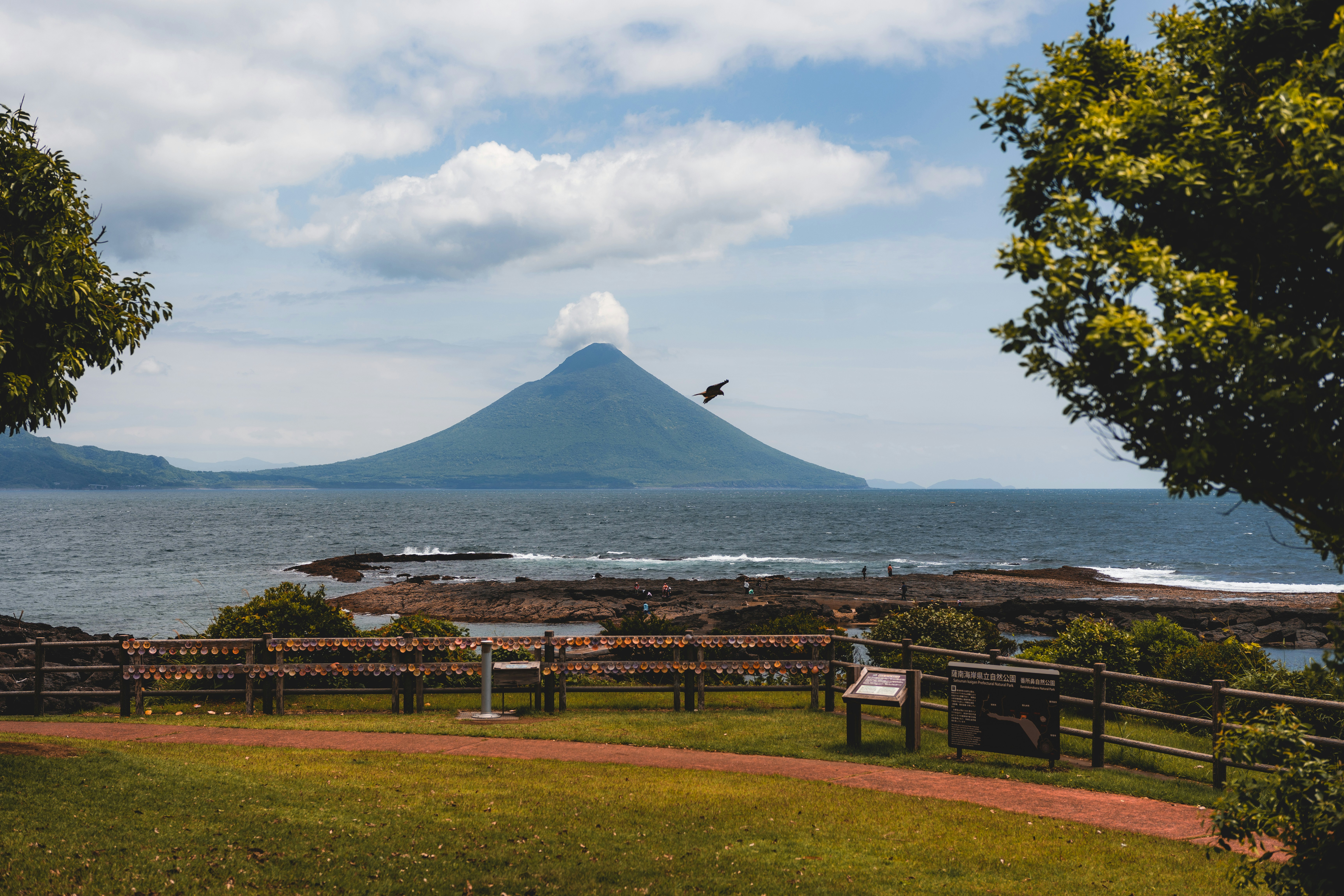
Kagoshima city is the capital of Kagoshima prefecture and also Kyushu’s southernmost major city. This city is often compared to its Italian sister city Naples, due to its’s similarities such as mild climate and active volcano, Sakurajima. Sakurajima is one of the most renowned active volcanos not only in Japan but also in the whole entire world. This smoking Sakurajima is centred in Kinko Bay and is one of the main symbols of this prefecture. We cannot talk about Sakurajima without the history of continuous eruption. Sakurajima used to be an isolated island; however, the land has banded together with Osumi peninsula from the eruption in 1914. You may have a chance to see the smoke coming from the top of Sakurajima depending on the weather condition. Not only does the scenery of Sakurajima represent the beauty of Kagoshima City but Senganen garden is also symbolic to elegance in the Kagoshima region. This Japanese garden was constructed by a feudal lord, Mitsuhisa Shimazu, as a guest house of the Kagoshima castle which attracts many visitors for its splendid view.

Minamikyūshū, Kagoshima, Japan
Minamikyūshū, Kagoshima, JapanPhoto by Iori Ikeda on Unsplash
Japan, Kagoshima, Minamiosumi, Satamagome
Japan, Kagoshima, Minamiosumi, SatamagomePhoto by Yuya Murakami on Unsplash

Day 14 - At Sea

Further details for this day are not available.

Day 15 - Yokohama

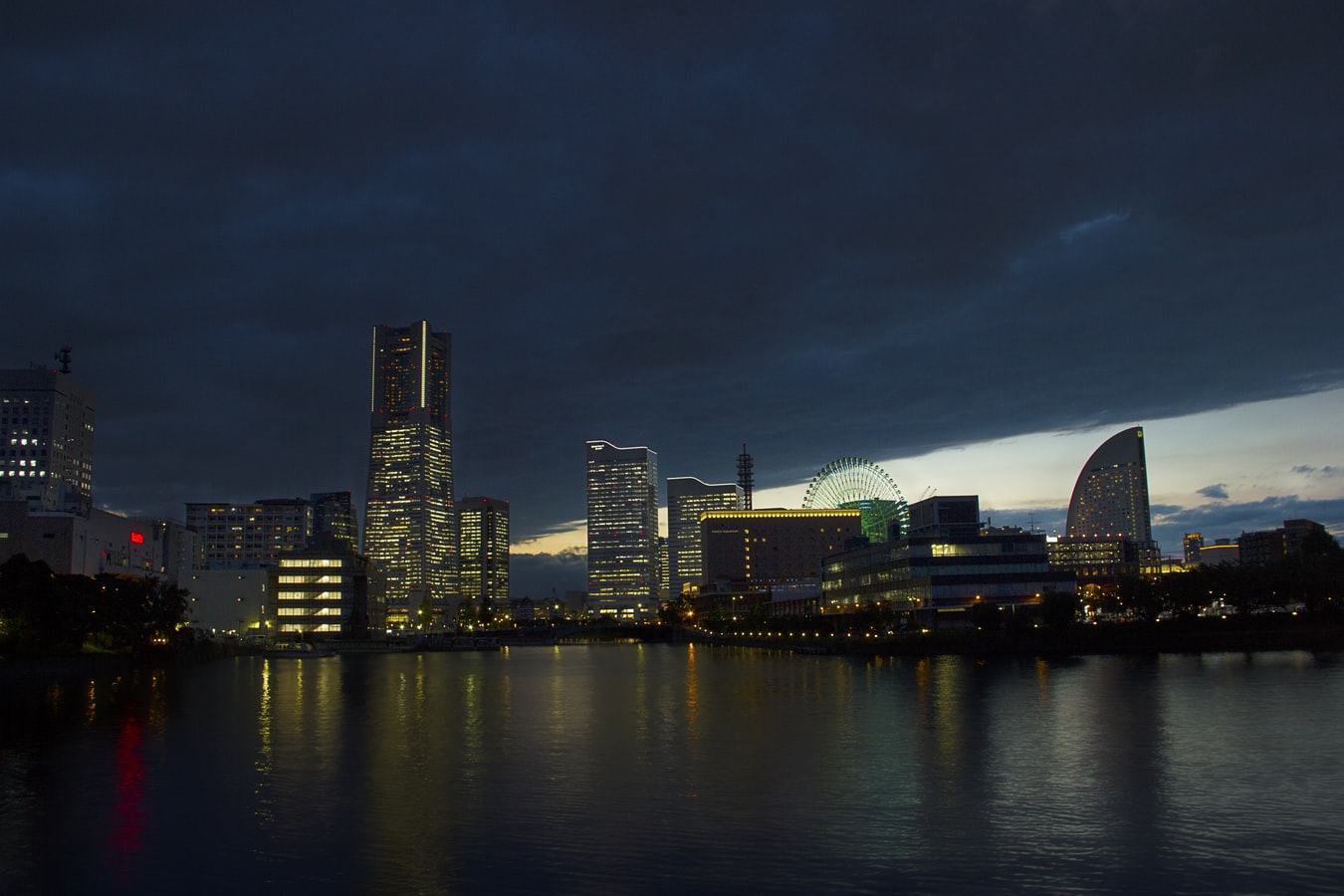
In 1853, a fleet of four American warships under Commodore Matthew Perry sailed into the bay of Tokyo (then Edo) and presented the reluctant Japanese with the demands of the U.S. government for the opening of diplomatic and commercial relations. The following year Perry returned and first set foot on Japanese soil at Yokohama—then a small fishing village on the mudflats of Tokyo bay. Two years later New York businessman Townsend Harris became America's first diplomatic representative to Japan. In 1858 he was finally able to negotiate a commercial treaty between the two countries; part of the deal designated four locations—one of them Yokohama—as treaty ports. In 1859 the shogunate created a special settlement in Yokohama for the growing community of merchants, traders, missionaries, and other assorted adventurers drawn to this exotic new land of opportunity. The foreigners (predominantly Chinese and British, plus a few French, Americans, and Dutch) were confined here to a guarded compound about 5 square km (2 square miles)—placed, in effect, in isolation—but not for long. Within a few short years the shogunal government collapsed, and Japan began to modernize. Western ideas were welcomed, as were Western goods, and the little treaty port became Japan's principal gateway to the outside world. In 1872 Japan's first railway was built, linking Yokohama and Tokyo. In 1889 Yokohama became a city; by then the population had grown to some 120,000. As the city prospered, so did the international community and by the early 1900s Yokohama was the busiest and most modern center of international trade in all of East Asia. Then Yokohama came tumbling down. On September 1, 1923, the Great Kanto Earthquake devastated the city. The ensuing fires destroyed some 60,000 homes and took more than 40,000 lives. During the six years it took to rebuild the city, many foreign businesses took up quarters elsewhere, primarily in Kobe and Osaka, and did not return. Over the next 20 years Yokohama continued to grow as an industrial center—until May 29, 1945, when in a span of four hours, some 500 American B-29 bombers leveled nearly half the city and left more than half a million people homeless. When the war ended, what remained became—in effect—the center of the Allied occupation. General Douglas MacArthur set up headquarters here, briefly, before moving to Tokyo; the entire port facility and about a quarter of the city remained in the hands of the U.S. military throughout the 1950s. By the 1970s Yokohama was once more rising from the debris; in 1978 it surpassed Osaka as the nation's second-largest city, and the population is now inching up to the 3.5 million mark. Boosted by Japan's postwar economic miracle, Yokohama has extended its urban sprawl north to Tokyo and south to Kamakura—in the process creating a whole new subcenter around the Shinkansen Station at Shin-Yokohama. The development of air travel and the competition from other ports have changed the city's role in Japan's economy. The great liners that once docked at Yokohama's piers are now but a memory, kept alive by a museum ship and the occasional visit of a luxury vessel on a Pacific cruise. Modern Large as Yokohama is, the central area is very negotiable. As with any other port city, much of what it has to offer centers on the waterfront—in this case, on the west side of Tokyo Bay. The downtown area is called Kannai (literally, "within the checkpoint"); this is where the international community was originally confined by the shogunate. Though the center of interest has expanded to include the waterfront and Ishikawa-cho, to the south, Kannai remains the heart of town. Think of that heart as two adjacent areas. One is the old district of Kannai, bounded by Basha-michi on the northwest and Nippon-odori on the southeast, the Keihin Tohoku Line tracks on the southwest, and the waterfront on the northeast. This area contains the business offices of modern Yokohama. The other area extends southeast from Nippon-odori to the Moto-machi shopping street and the International Cemetery, bordered by Yamashita Koen and the waterfront to the northeast; in the center is Chinatown, with Ishikawa-cho Station to the southwest. This is the most interesting part of town for tourists. Whether you're coming from Tokyo, Nagoya, or Kamakura, make Ishikawa-cho Station your starting point. Take the South Exit from the station and head in the direction of the waterfront.
Jpyok   Yokohama, Japan   Pc To Arthur Mazi
Jpyok Yokohama, Japan Pc To Arthur Mazi
Jpyok   Yokohama, Japan   Pc To Yu Kato
Jpyok Yokohama, Japan Pc To Yu Kato
Jpyok   Yokohama, Japan  777 Port Visits  Photo Credit To Nagatoshi Shimamura
Jpyok Yokohama, Japan 777 Port Visits Photo Credit To Nagatoshi Shimamura

Suites & Deck Plans

Suite

Picture yourself enjoying a delicious breakfast on your private veranda. Imagine watching the sun set, a flute of chilled champagne in hand, setting sail for your next destination. Prestigious, classic, and sophisticated, this stylish apartment suite offers the ultimate in fine accommodation on board. Set aside for those who seek a superlative level of space, comfort, and service, the Owner’s Suite has it all. The adjoining bedroom, with its en suite bathroom, offers its own spectacular ocean views.

  • One bedroom: up to 98 sq m (12 sq m)
  • Two bedrooms: 119–129 sq m including veranda* (12 sq m)

Essentials

  • Deck(s): 9
  • Section: Mid-Ship

Characteristics

  • Veranda
  • Separate dining area
  • Living room with sitting area
  • Double vanity
  • Separate shower
  • Whirlpool bath
  • Walk-in wardrobe with personal safe

Furniture

  • King size bed
  • Writing desk
  • Vanity table
  • Luxury bed mattresses

Media & Communication

  • Unlimited Premium Wi-Fi
  • 2 large flat screen TVs with Interactive Media Library
  • Sound system with bluetooth connectivity
  • Direct dial telephone
  • Wall mounted USB-C mobile device chargers
  • Dual voltage 110/220 outlets

Onboard Services

  • Butler service
  • Complimentary laundry, pressing & wet cleaning
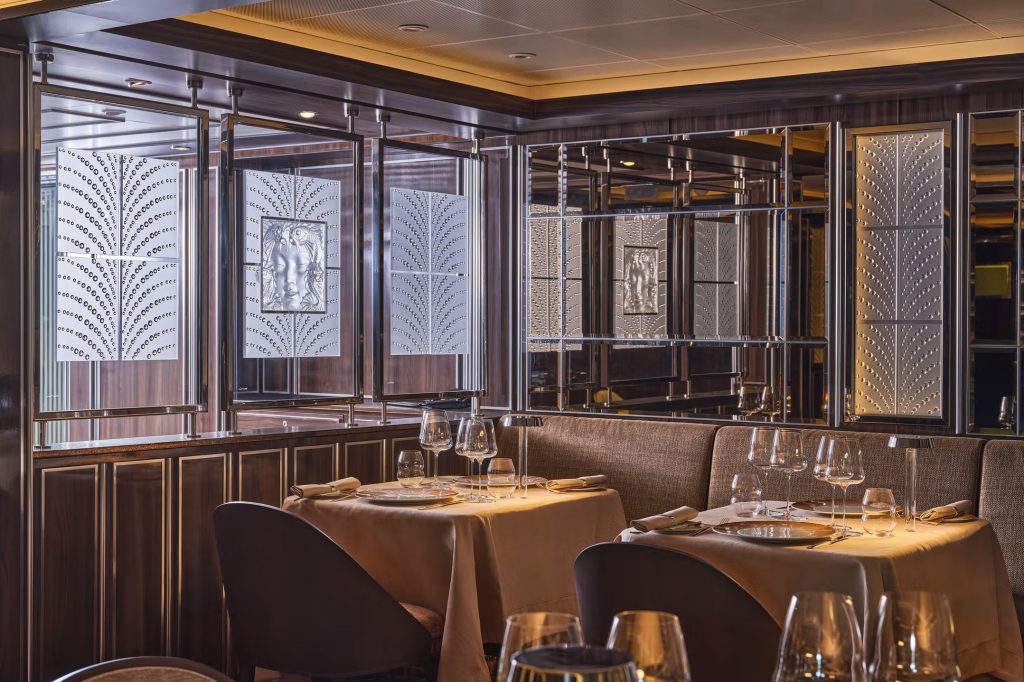
  • Dinner for two in La Dame, one evening per voyage,
  • Two hours of worldwide phone use, per voyage segment
  • Champagne on arrival

Amenities

  • Espresso machine
  • Tea kettles
  • Pillow menu
  • Refrigerator and bar setup stocked with your preferences
  • Plush bathrobe
  • Luxury bath amenities
  • Umbrella
  • Hair Dryer
  • Slippers

*The difference in size is largely due to a larger entry corridor space and does not concern the living or sleeping area.

Images are intended as a general reference. Features, materials, finishes and layout may be different than shown.

Please note that the 3rd guest will sleep on a comfortable sofa bed in the reception area of the suite.

1054-1388 sq ft
Accommodates 5 guests
Owner's Suite

Silver Moon

Silver Moon

Life on board

The Onboard Experience

Client testimonials

I have worked with Lore Doick for more than 20 years, and she has booked over 30 cruises for me. Her expertise, care, and attention to every travel detail have made her an invaluable advisor and friend over the years.”

Tina B.

We are now in our second generation working with Cheri Ozimac at Tully Luxury Travel. From Antarctica to Greece, she has handled every detail with expertise, responsiveness, and care…

Earl M.

My wife and I have worked with Tully since 2007, and Kit Neil and her team went far beyond expectations while helping us navigate multiple cruise and flight cancellations. Their advocacy, care, and support during a difficult time were extraordinary.

Carri F.

Cheri Ozimac organized our Seabourn cruise flawlessly, from the hotel recommendation to every travel arrangement. She was responsive, attentive, and an excellent advocate throughout the process…
Cyn S.

We discovered Tully Luxury Travel after years of booking cruises through US agents and were impressed by their competitive pricing, exceptional service, and Canadian based support. Their team is always available, offers excellent value, and makes booking the right cruise seamless.
Peter C.

GoogleAverage Customer Rating:

The Tully Difference

Why travel with us


Tully Luxury Travel was built on access, discretion, and trust. For our clients, that means ease at every step, with distinctions that turn exceptional voyages into defining moments.

Recognized expertise

A renowned agency worldwide in luxury land and small-ship cruising, consistently trusted by the industry’s most prestigious brands.