Silversea logo

Lisbon to Dublin

Itinerary: Lisbon, At Sea, Tresco, Saint Mary's, Isles of Scilly, Pembrokeshire Coast National Park, Belfast, Isle of Iona, Isle of Lunga, St. Kilda Archipelago, Boreray Island Cruising, Shiant Isles, Loch Ewe, ... See full itinerary

1 May 27
12 nights

Voyage Details

Duration:
12 nights
Departure:
1 May 2027
Embarkation:
Lisbon, Portugal
Voyage code:
EV270501012

Your Itinerary, Day-By-Day

Special Chapters of Your Journey

Day 1 - Lisbon

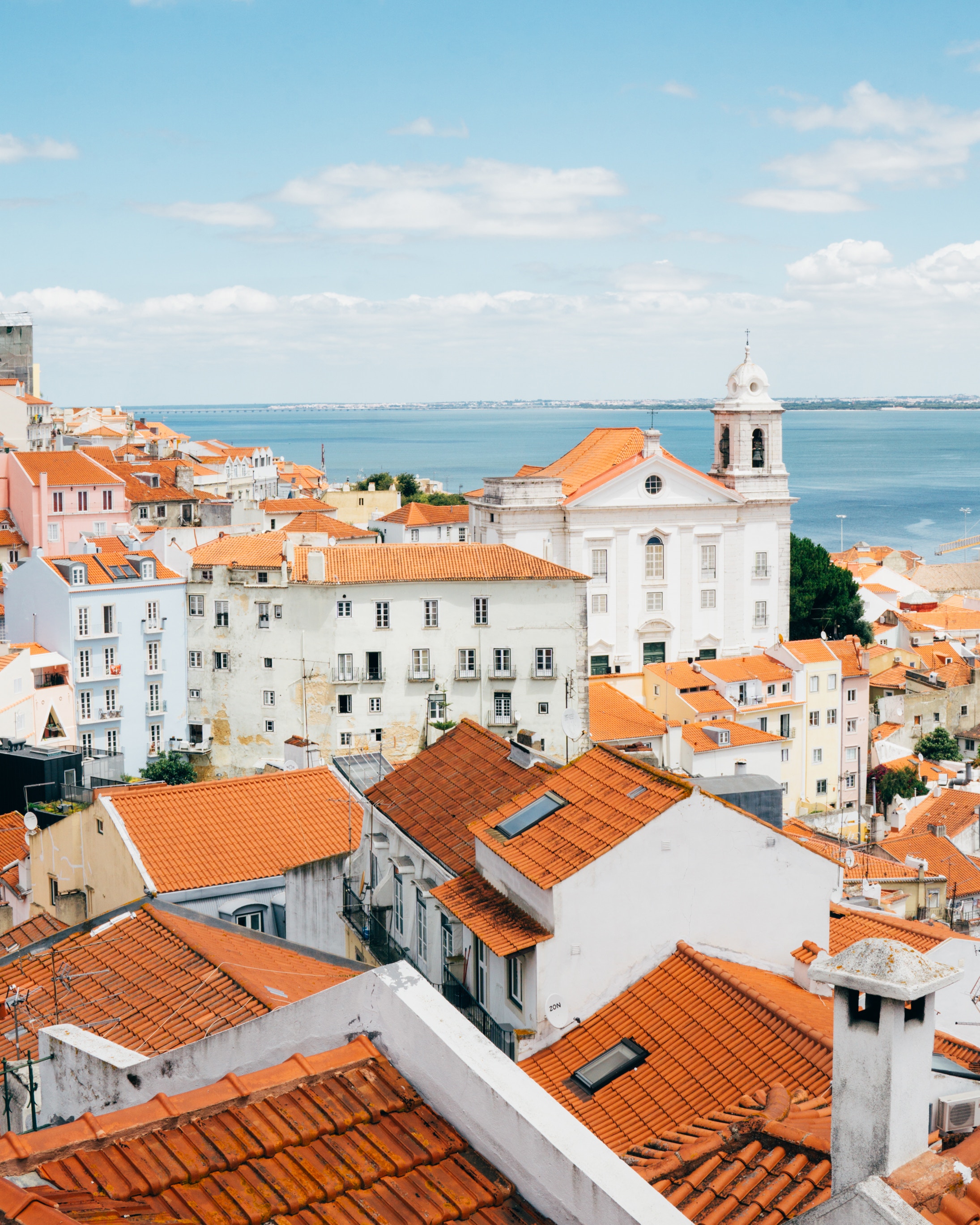
Set on seven hills on the banks of the River Tagus, Lisbon has been the capital of Portugal since the 13th century. It is a city famous for its majestic architecture, old wooden trams, Moorish features and more than twenty centuries of history. Following disastrous earthquakes in the 18th century, Lisbon was rebuilt by the Marques de Pombal who created an elegant city with wide boulevards and a great riverfront and square, Praça do Comércio. Today there are distinct modern and ancient sections, combining great shopping with culture and sightseeing in the Old Town, built on the city's terraced hillsides. The distance between the ship and your tour vehicle may vary. This distance is not included in the excursion grades.

Ptlis Lisbon Brown And White City Panorama Shot Suad Kamardeen
Ptlis Lisbon Brown And White City Panorama Shot Suad KamardeenSuad Kamardeen
Ptlis Lisbon Landscape Photography Of Orange Roof Houses Near Body Of Water Tom Byrom
Ptlis Lisbon Landscape Photography Of Orange Roof Houses Near Body Of Water Tom ByromTom Byrom
Ptlis Lisbon Thee Person Walking Near White And Orange Bus Nik Guiney
Ptlis Lisbon Thee Person Walking Near White And Orange Bus Nik GuineyNik Guiney

Day 2 - At Sea

Further details for this day are not available.

Day 3 - At Sea

Further details for this day are not available.

Day 4 - Tresco

For many visitors Tresco is the most attractive of the Isles of Scilly. This is especially due to its Abbey Garden, which is home to thousands of exotic plant species from around 80 different countries. Plant collector Augustus Smith began the gardens in the 1830s on the site of an old Benedictine Abbey by channelling the weather up and over a network of walled enclosures built around the Priory ruins. He had three terraces carved from the rocky south slope and maximised Tresco’s mild Gulf Stream climate. Even in mid-winter there still are hundreds of plants flowering here. Another surprising attraction at the Abbey Garden is the collection of figureheads from ships that wrecked among the Isles of Scilly.

Day 4 - Saint Mary's, Isles of Scilly

St Mary’s is the Isle of Scilly’s largest island with a population of 1800 residents and an area of 6.58 square Kilometres; this is the gateway to the rest of the magnificent islands. Hugh town -a beautiful Old town with its own beach, nature reserve and church is the main attractions of St Mary’s, with tiny streets brimming with shops to pick up the perfect souvenir. St Mary’s is a hidden gem, with long stretches of white sandy beaches and a breath-taking untouched landscape. The coastline holds many archaeological sites along with miles of splendid walks along the coastal and country paths.

Isles Of Scilly, United Kingdom
Isles Of Scilly, United KingdomPhoto by Annie Spratt on Unsplash

Day 5 - Pembrokeshire Coast National Park

Further details for this day are not available.

Day 6 - Belfast

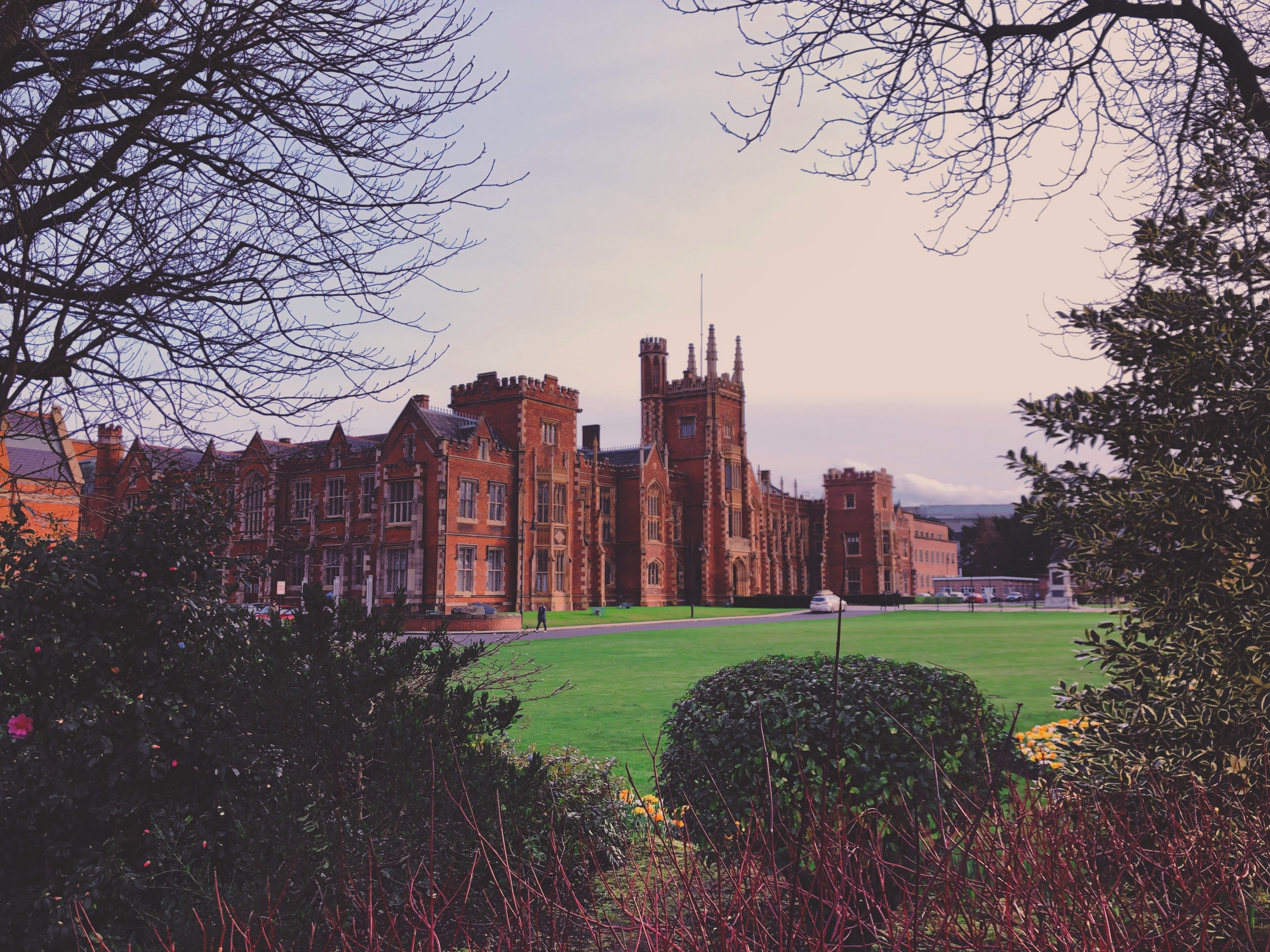
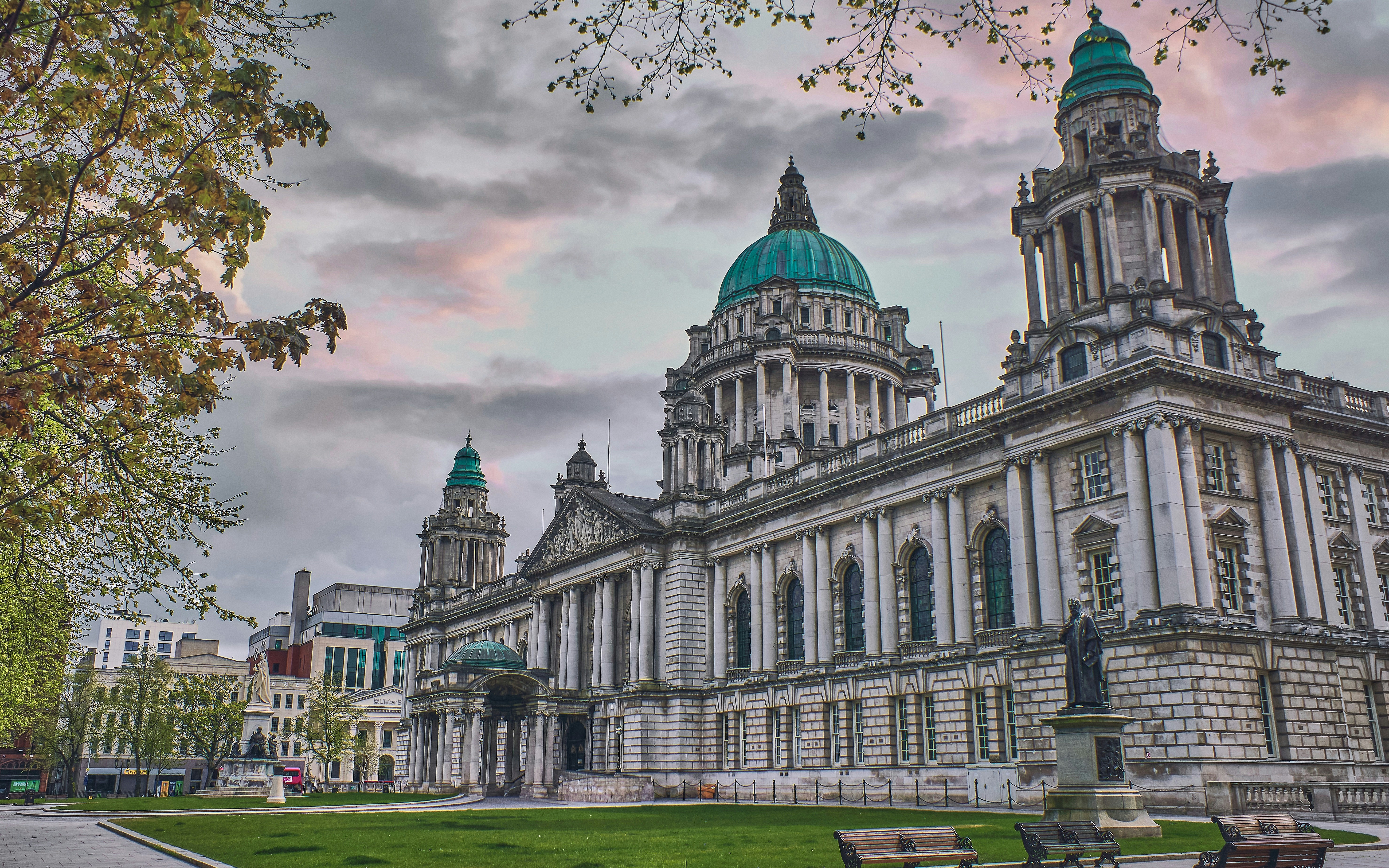
Before English and Scottish settlers arrived in the 1600s, Belfast was a tiny village called Béal Feirste ("sandbank ford") belonging to Ulster's ancient O'Neill clan. With the advent of the Plantation period (when settlers arrived in the 1600s), Sir Arthur Chichester, from Devon in southwestern England, received the city from the English Crown, and his son was made Earl of Donegall. Huguenots fleeing persecution from France settled near here, bringing their valuable linen-work skills. In the 18th century, Belfast underwent a phenomenal expansion—its population doubled every 10 years, despite an ever-present sectarian divide. Although the Anglican gentry despised the Presbyterian artisans—who, in turn, distrusted the native Catholics—Belfast's growth continued at a dizzying speed. The city was a great Victorian success story, an industrial boomtown whose prosperity was built on trade, especially linen and shipbuilding. Famously (or infamously), the Titanic was built here, giving Belfast, for a time, the nickname "Titanic Town." Having laid the foundation stone of the city's university in 1845, Queen Victoria returned to Belfast in 1849 (she is recalled in the names of buildings, streets, bars, monuments, and other places around the city), and in the same year, the university opened under the name Queen's College. Nearly 40 years later, in 1888, Victoria granted Belfast its city charter. Today its population is nearly 300,000, tourist numbers have increased, and this dramatically transformed city is enjoying an unparalleled renaissance.This is all a welcome change from the period when news about Belfast meant reports about "the Troubles." Since the 1994 ceasefire, Northern Ireland's capital city has benefited from major hotel investment, gentrified quaysides (or strands), a sophisticated new performing arts center, and major initiatives to boost tourism. Although the 1996 bombing of offices at Canary Wharf in London disrupted the 1994 peace agreement, the ceasefire was officially reestablished on July 20, 1997, and this embattled city began its quest for a newfound identity.Since 2008, the city has restored all its major public buildings such as museums, churches, theaters, City Hall, Ulster Hall—and even the glorious Crown Bar—spending millions of pounds on its built heritage. A gaol that at the height of the Troubles held some of the most notorious murderers involved in paramilitary violence is now a major visitor attraction.Belfast's city center is made up of three roughly contiguous areas that are easy to navigate on foot. From the south end to the north, it's about an hour's leisurely walk.
Belfast, Northern Island, Uk
Belfast, Northern Island, UkPhoto by Mert Kuzu on Unsplash
Belfast City Hall, Donegall Square North, Belfast, Northern Ireland, Uk
Belfast City Hall, Donegall Square North, Belfast, Northern Ireland, UkPhoto by K. Mitch Hodge on Unsplash

Day 7 - Isle of Iona

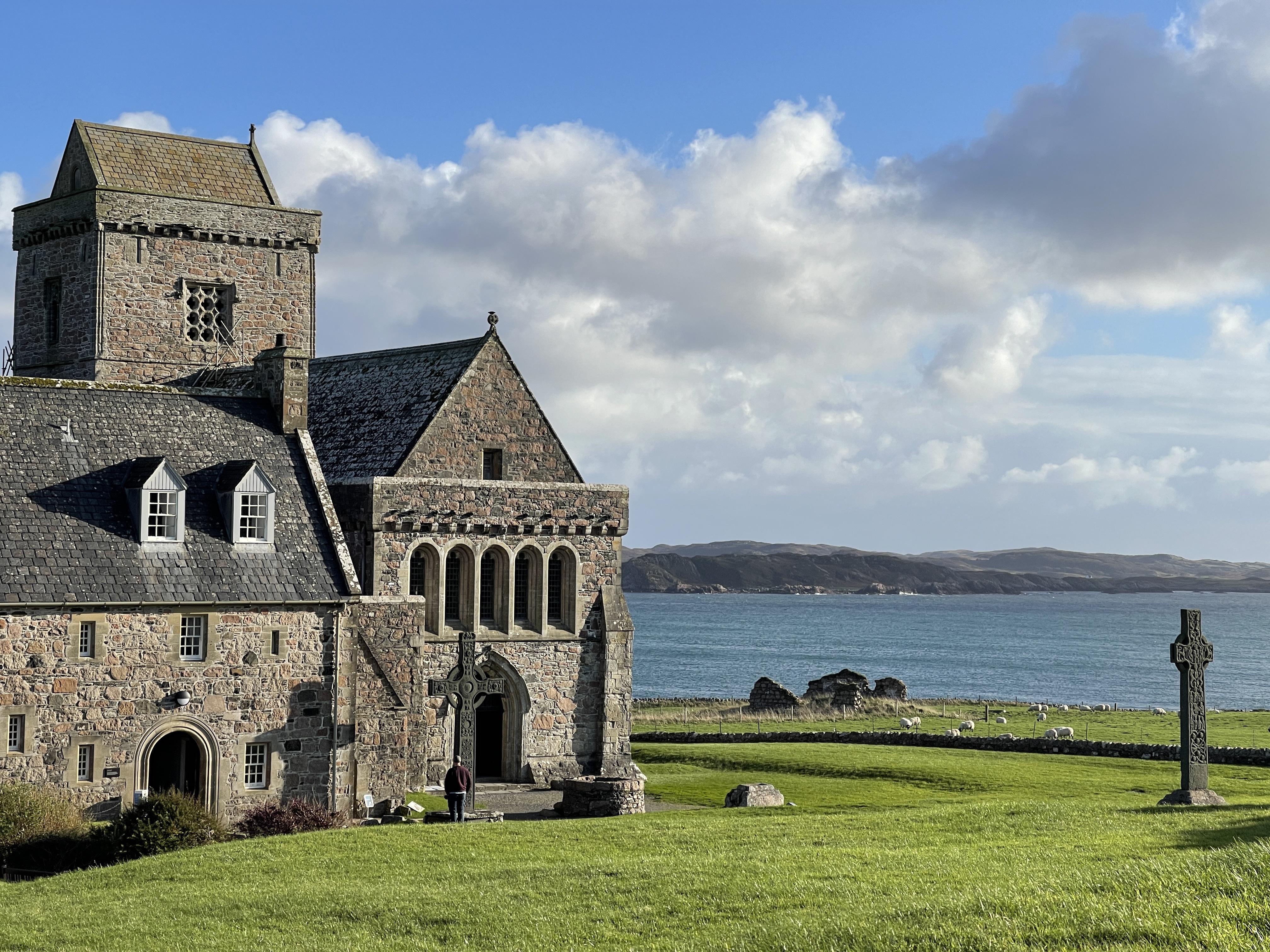
With a population of 120 residents, Iona is Located off the Southwest of Mull. The island is 3 miles long and 1.5 miles wide but draws in thousands of visitors each year due to its natural beauty and historical interest. Saint Columba and his fellow monks landed here in 563. This beautiful stretch of coastline brings out the true beauty of Iona facing onto the Gulf Stream that gives the island its mild climate. Located to the south of the road lies Sìthean Mòr (Large fairy hill) and alternatively known as the Hill of Angels, this is said to have been the setting for many rituals and traditions dating far back in history. This wonderful highlight, Iona Abbey was founded by Saint Columba in 563 and is said to have survived many Viking attacks. Although little remains of the monastic buildings of this period, the magnificent Abbey is the main attraction.

Iona, Scotland
Iona, ScotlandImage by Fiemetta from Pixabay

Day 7 - Isle of Lunga

The stunning Isle of Lunga is the largest island in the Treshnish archipelago. With volcanic origin the isle was populated until the 19th Century, and remains of black houses can be seen around this magnificent coastal jewel. Abundant plant life and exotic birdlife are now the main inhabitants of the area. Fortunate visitors view the magnificent array of birds, especially the great puffins that breed on the islands plateau. One can sit within just a few feet away without disturbing the avian ambassador’s peace. The 81 hectare island is home to many rare and endangered plants such as, primroses and orchids. Views over the landscape and across the ocean can be seen from the 300 foot high cliffs.

Isle Of Lunga
Isle Of LungaImage by Bill Kasman from Pixabay

Day 8 - St. Kilda Archipelago

St Kilda is a remarkable uninhabited archipelago some 40 nautical miles beyond the Outer Hebrides. The stunning cliffs and sea stacks are home to the most important seabird breeding colony in northwest Europe. St Kilda is one of the few places in the world to have received dual World Heritage status from UNESCO in recognition of its Natural Heritage and cultural significance. Village Bay on the island of Hirta once supported a population of over 200, but the last islanders left in the 1930s. Recent restoration work on the village by the National Trust for Scotland offers a marvellous link with the past. One of the caretakers acts as shopkeeper and postmaster for any visitors who might like to send a postcard home from St. Kilda.

St Kilda Archipelago
St Kilda ArchipelagoImage by Karen Chalmers from Pixabay

Day 8 - Boreray Island Cruising

Further details for this day are not available.

Day 9 - Shiant Isles

Further details for this day are not available.

Shiant Isles, Scotland
Shiant Isles, ScotlandImage by Frank Winkler from Pixabay

Day 9 - Loch Ewe

Further details for this day are not available.

Day 10 - Fort William

Further details for this day are not available.

Fort William, Scotland
Fort William, ScotlandImage by Duncan Kean from Pixabay

Day 11 - Tobermory, Isle of Mull

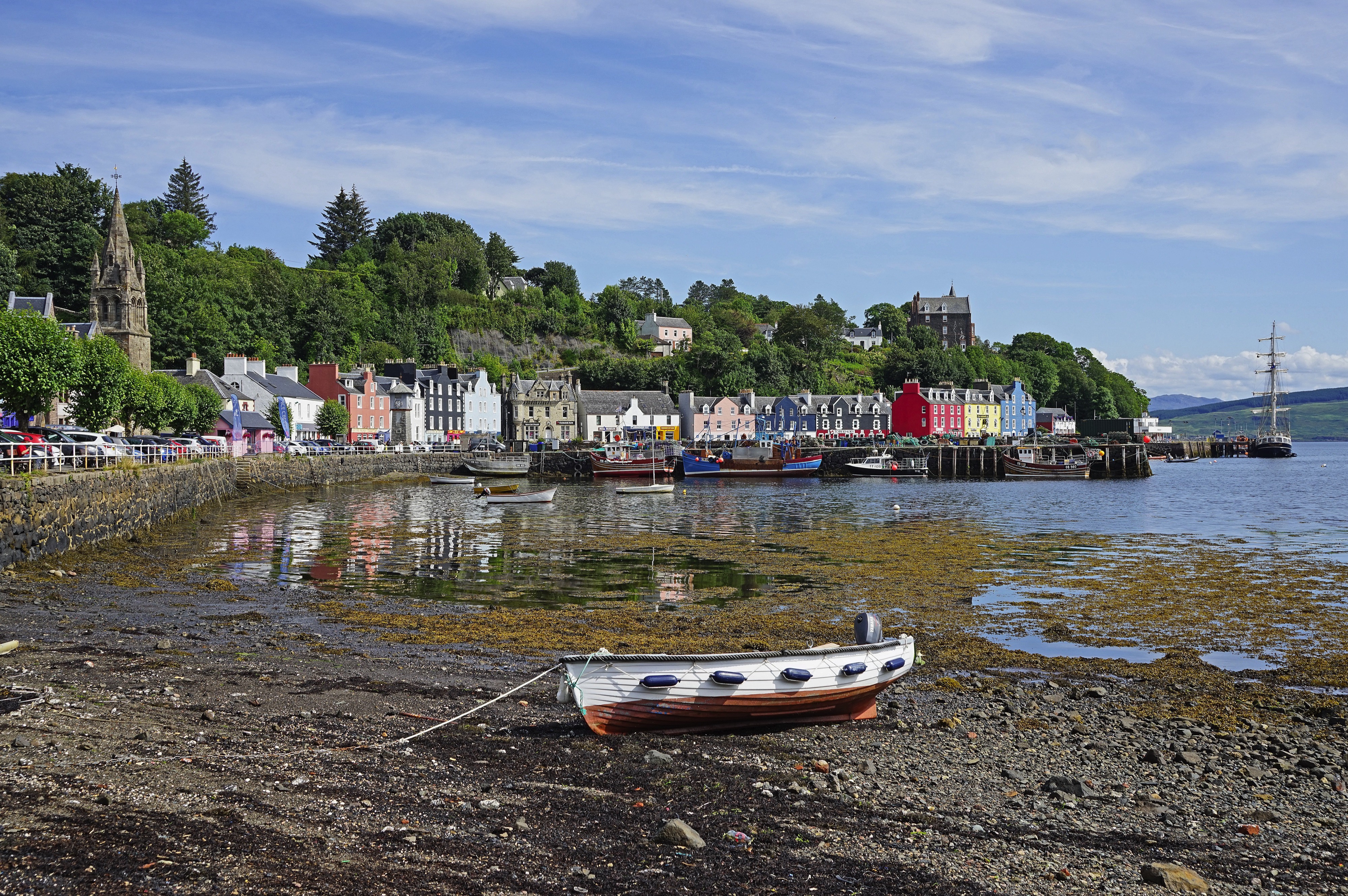
You'll always receive a welcome to remember, as the colourful cafes, houses and shops that line Tobermory's picturesque harbour salute your arrival. Located on the craggy Scottish Inner Hebrides, Tobermory serves as the capital of the Isle of Mull. There's a high chance you'll recognise the town’s colourfully-daubed buildings, as their charming exteriors have featured in countless TV shows - most notably in the children’s favourite, Balamory. There's always a new story to discover here – not least the legend that suggests there's a sunken Spanish galleon, brimming with lost gold, sitting just below the waves that roll around the harbour. Learn a little more of the area’s history at the Mull Museum, or head out to enjoy some of the fabulous wildlife watching opportunities on offer on a boat tour. You can spot majestic birds like white tail and golden eagles circling in the skies, or turn your attention to the waves, where friendly dolphins and Minke whales are regular visitors. Treat yourself to a sample of one of the island's finest exports before leaving, as you drop in at the Tobermory Distillery for some whiskey tasting. Established in 1798, it’s one of Scotland's oldest distilleries.

Tobermory, Scotland
Tobermory, ScotlandImage by Stefan Baumgartner from Pixabay

Day 11 - Duart Bay

Further details for this day are not available.

Day 12 - Douglas

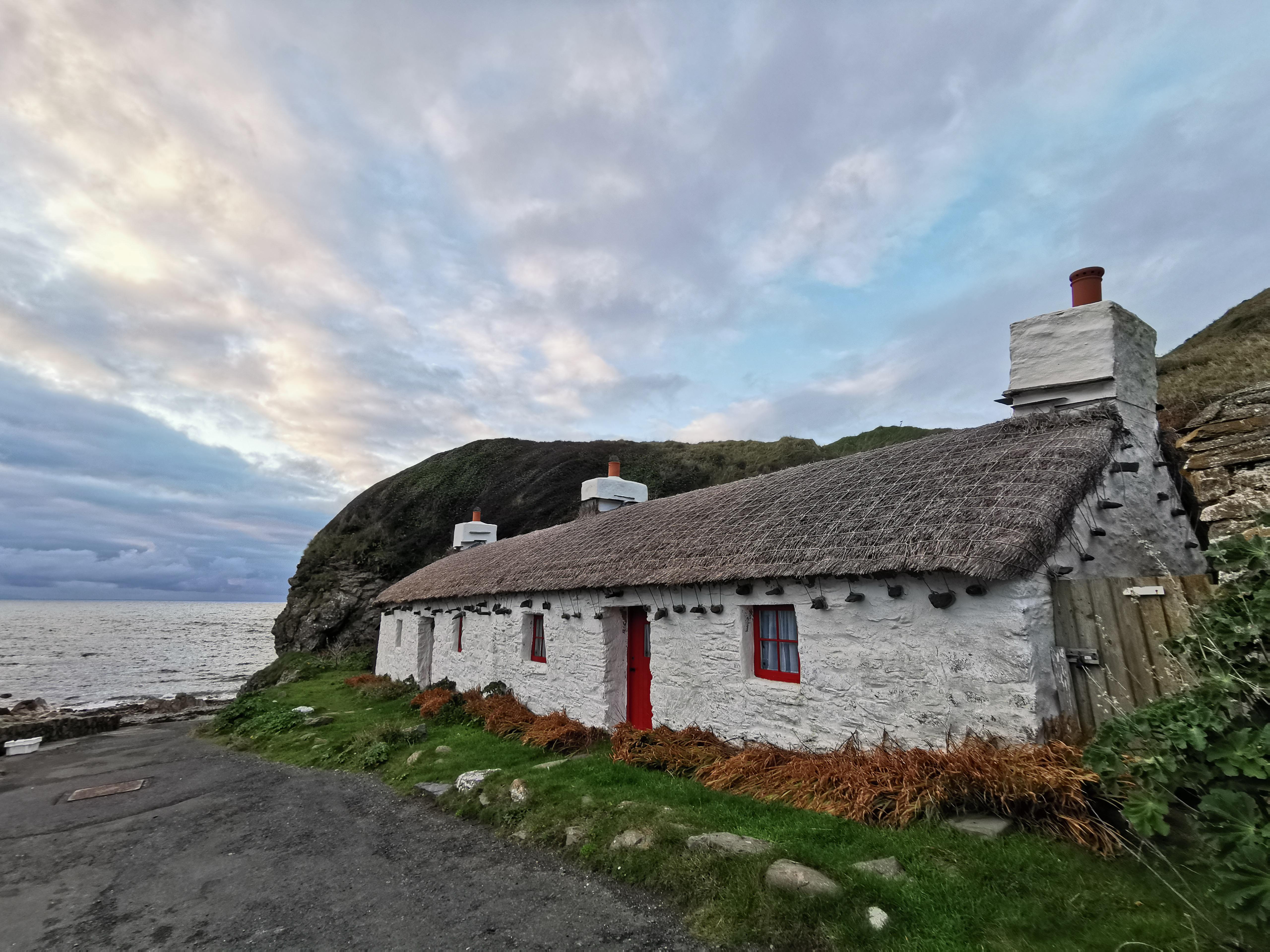
The Isle of Man, situated in the Irish Sea off the west coast of England, is a mountainous, cliff-fringed island and one of Britain’s most beautiful spots. Measuring just 30 miles by 13 miles, the Isle of Man remains semi-autonomous. With its own postage stamps, laws, currency, and the Court of Tynwald (the world’s oldest democratic parliament), the Isle of Man is rich with history and lore.Inhabited from Neolithic times, the island became a refuge for Irish missionaries after the 5th Century. Norsemen took the island during the 9th Century and sold it to Scotland in 1266. However, since the 14th Century, it has been held by England. Manx, the indigenous Celtic language, is still spoken by a small minority. The Isle of Man has no income tax, which has encouraged many Britains to regard the island as a refuge. Otherwise, it is populated by Gaelic farmers, fishermen, and the famous tailless manx cats. The varied landscape features austere moorlands and wooded glens, interspersed by fine castles, narrow-gauge railways, and scores of standing stones with Celtic crosses. The hilly terrain rises to a height of 2,036 feet at Mount Snaefell, which dominates the center of the island.

Manx Cottages, Isle Of Man
Manx Cottages, Isle Of ManImage by Nope Nope from Pixabay

Day 13 - Dublin

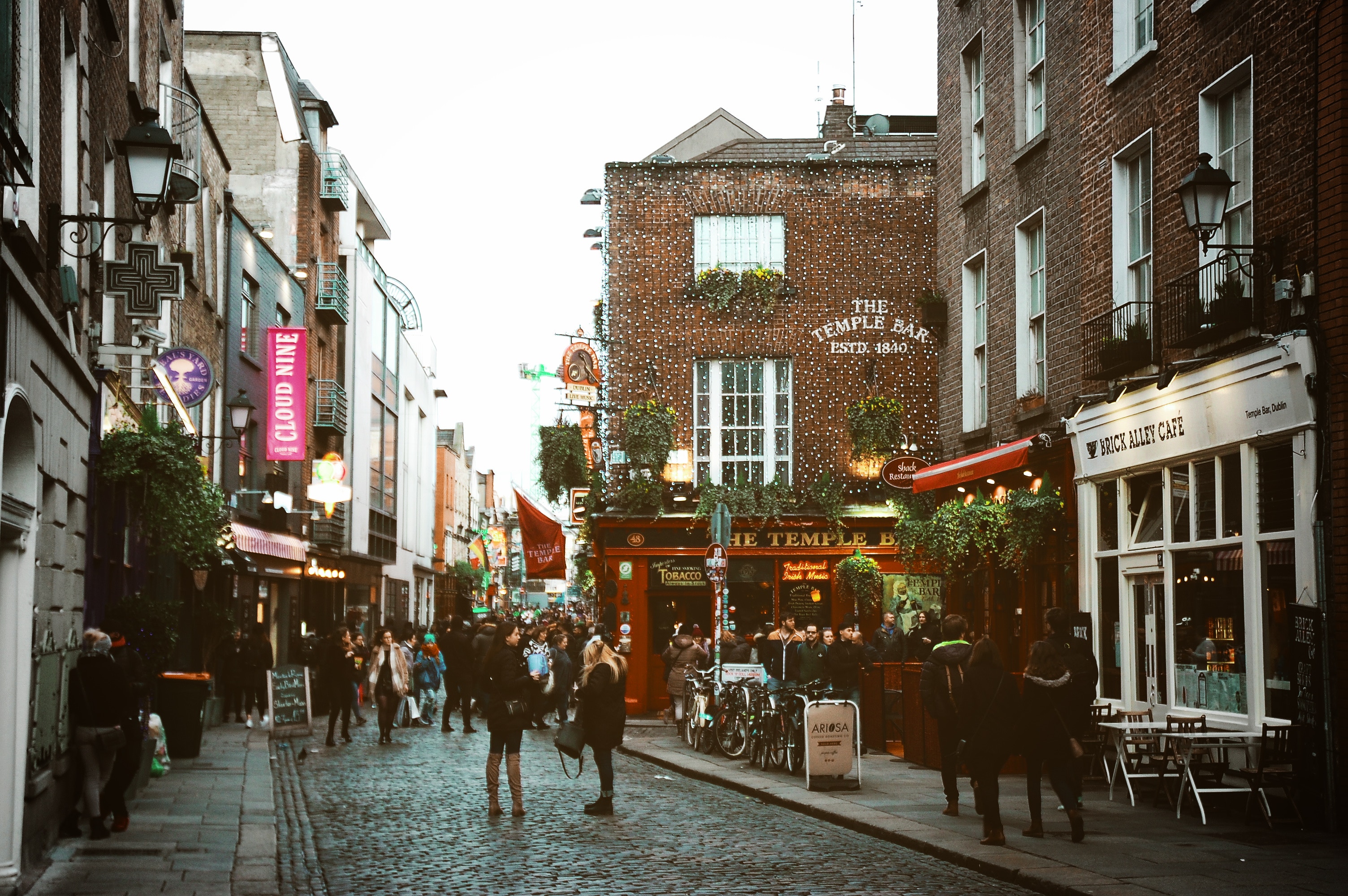
Dublin is making a comeback. The decade-long "Celtic Tiger" boom era was quickly followed by the Great Recession, but The Recovery has finally taken a precarious hold. For visitors, this newer and wiser Dublin has become one of western Europe's most popular and delightful urban destinations. Whether or not you're out to enjoy the old or new Dublin, you'll find it a colossally entertaining city, all the more astonishing considering its intimate size.It is ironic and telling that James Joyce chose Dublin as the setting for his famous Ulysses, Dubliners, and A Portrait of the Artist as a Young Man because it was a "center of paralysis" where nothing much ever changed. Which only proves that even the greats get it wrong sometimes. Indeed, if Joyce were to return to his once-genteel hometown today—disappointed with the city's provincial outlook, he left it in 1902 at the age of 20—and take a quasi-Homeric odyssey through the city (as he so famously does in Ulysses), would he even recognize Dublin as his "Dear Dirty Dumpling, foostherfather of fingalls and dotthergills"?For instance, what would he make of Temple Bar—the city's erstwhile down-at-the-heels neighborhood, now crammed with cafés and trendy hotels and suffused with a nonstop, international-party atmosphere? Or the simple sophistication of the open-air restaurants of the tiny Italian Quarter (named Quartier Bloom after his own creation), complete with sultry tango lessons? Or of the hot–cool Irishness, where every aspect of Celtic culture results in sold-out theaters, from Once, the cult indie movie and Broadway hit, to Riverdance, the old Irish mass-jig recast as a Las Vegas extravaganza? Plus, the resurrected Joyce might be stirred by the songs of Hozier, fired up by the sultry acting of Michael Fassbender, and moved by the award-winning novels of Colum McCann. As for Ireland's capital, it's packed with elegant shops and hotels, theaters, galleries, coffeehouses, and a stunning variety of new, creative little restaurants can be found on almost every street in Dublin, transforming the provincial city that suffocated Joyce into a place almost as cosmopolitan as the Paris to which he fled. And the locals are a hell of a lot more fun! Now that the economy has finally turned a corner, Dublin citizens can cast a cool eye over the last 20 crazy years. Some argue that the boomtown transformation of their heretofore-tranquil city has permanently affected its spirit and character. These skeptics (skepticism long being a favorite pastime in the capital city) await the outcome of "Dublin: The Sequel," and their greatest fear is the possibility that the tattered old lady on the Liffey has become a little less unique, a little more like everywhere else.Oh ye of little faith: the rare ole gem that is Dublin is far from buried. The fundamentals—the Georgian elegance of Merrion Square, the Norman drama of Christ Church Cathedral, the foamy pint at an atmospheric pub—are still on hand to gratify. Most of all, there are the locals themselves: the nod and grin when you catch their eye on the street, the eagerness to hear half your life story before they tell you all of theirs, and their paradoxically dark but warm sense of humor. It's expected that 2016 will be an extra-special year in the capital, as centenary celebrations of the fateful 1916 Easter Rising will dominate much of the cultural calendar.

Iedub Dublin Black Guinness Gate Louis Hansel
Iedub Dublin Black Guinness Gate Louis HanselLouis Hansel
Iedub Dublin Brown And White Concrete Houses Diogo Palhais
Iedub Dublin Brown And White Concrete Houses Diogo PalhaisDiogo Palhais
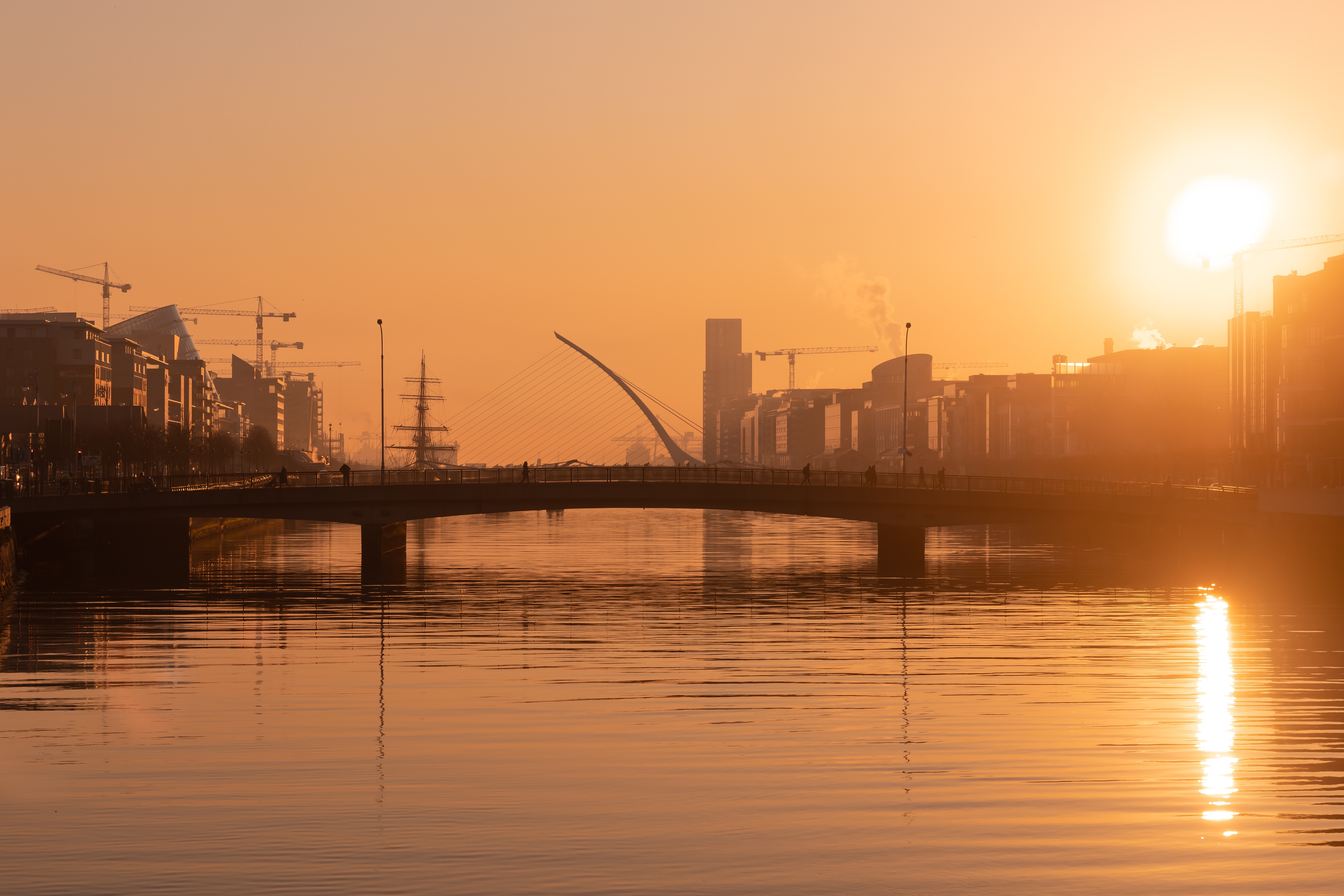
Iedub Dublin Dublin City At Sunrise Jordan Harrison
Iedub Dublin Dublin City At Sunrise Jordan HarrisonJordan Harrison
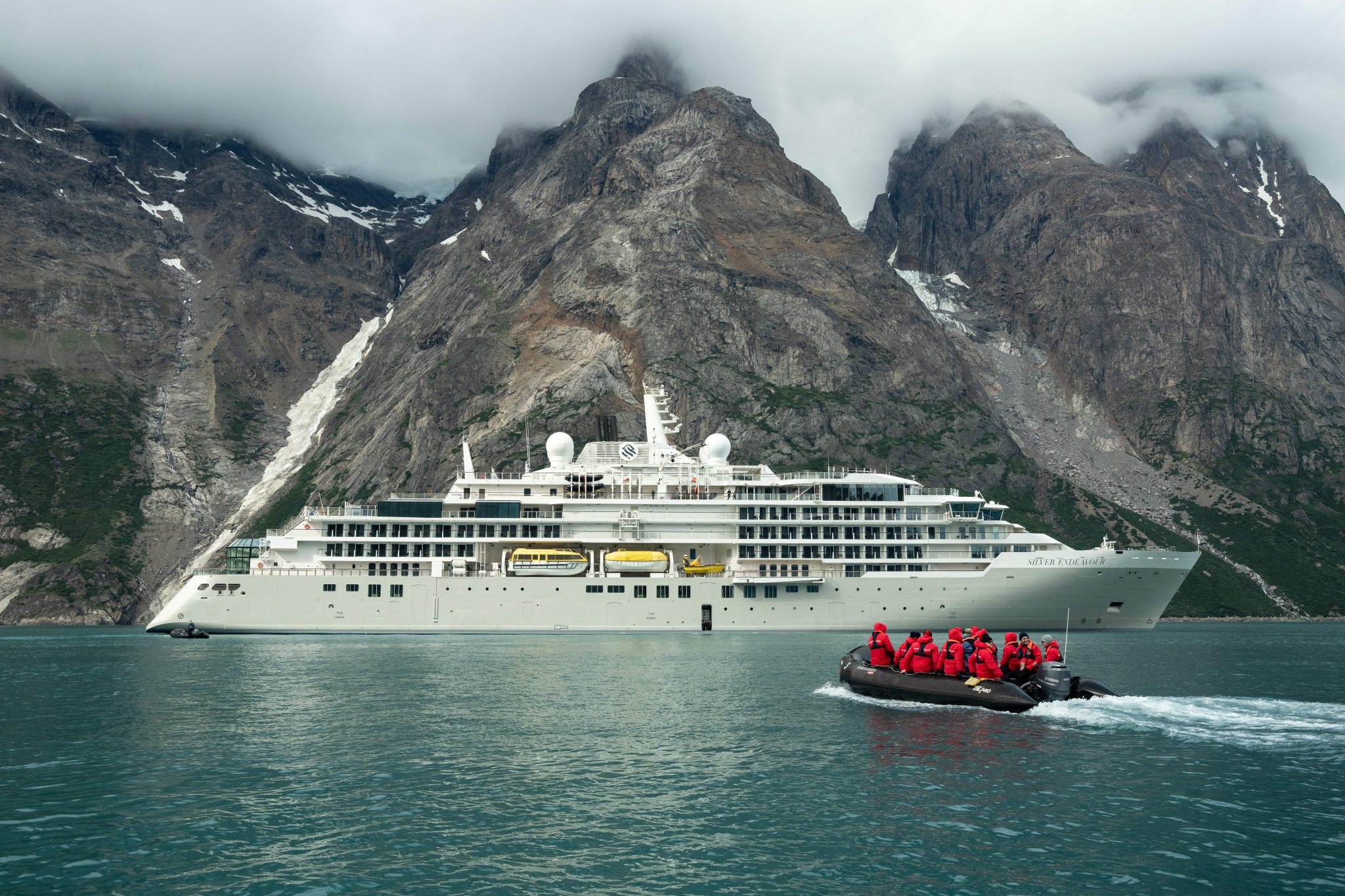
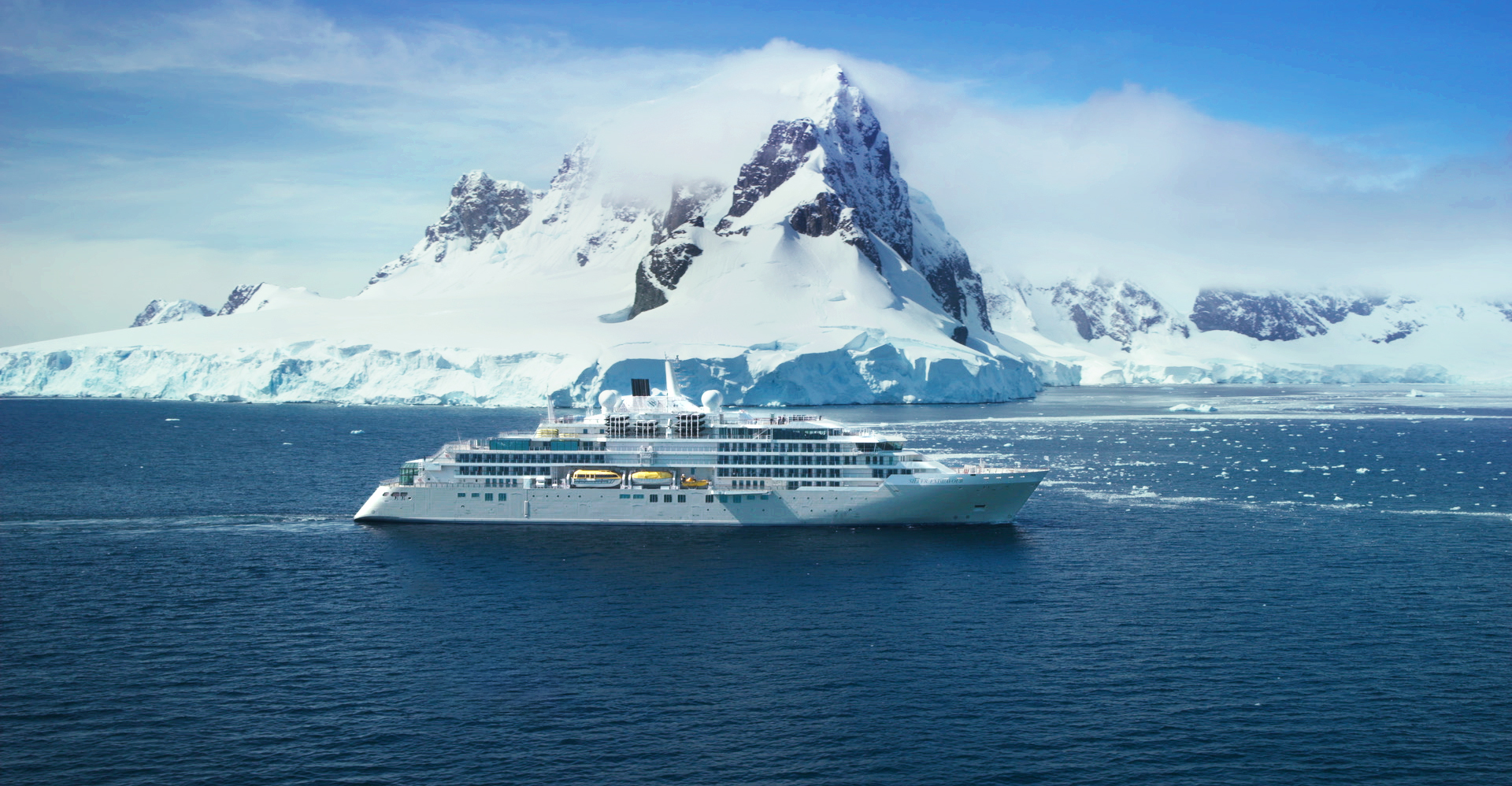
Silver Endeavour

Silver Endeavour

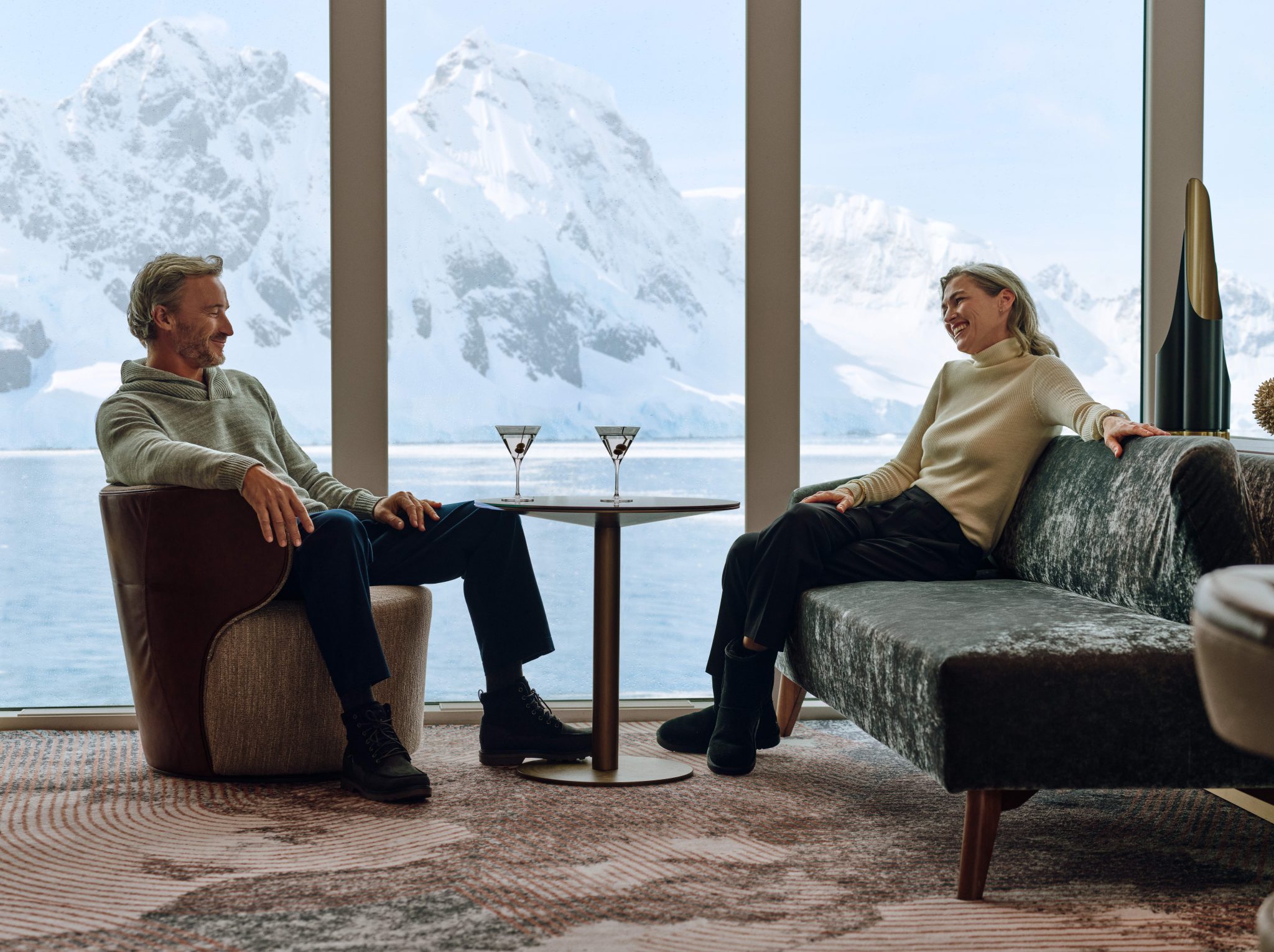
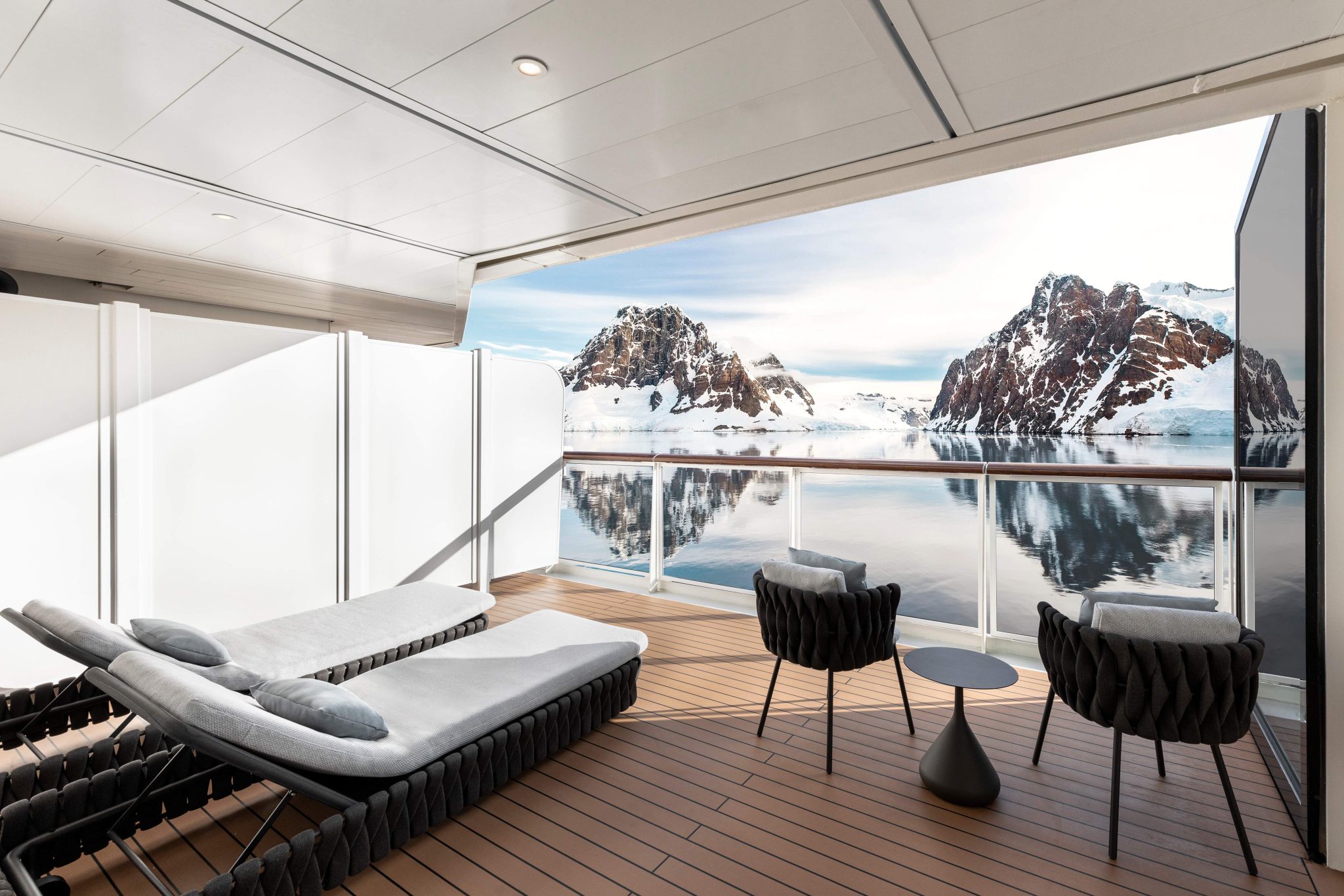
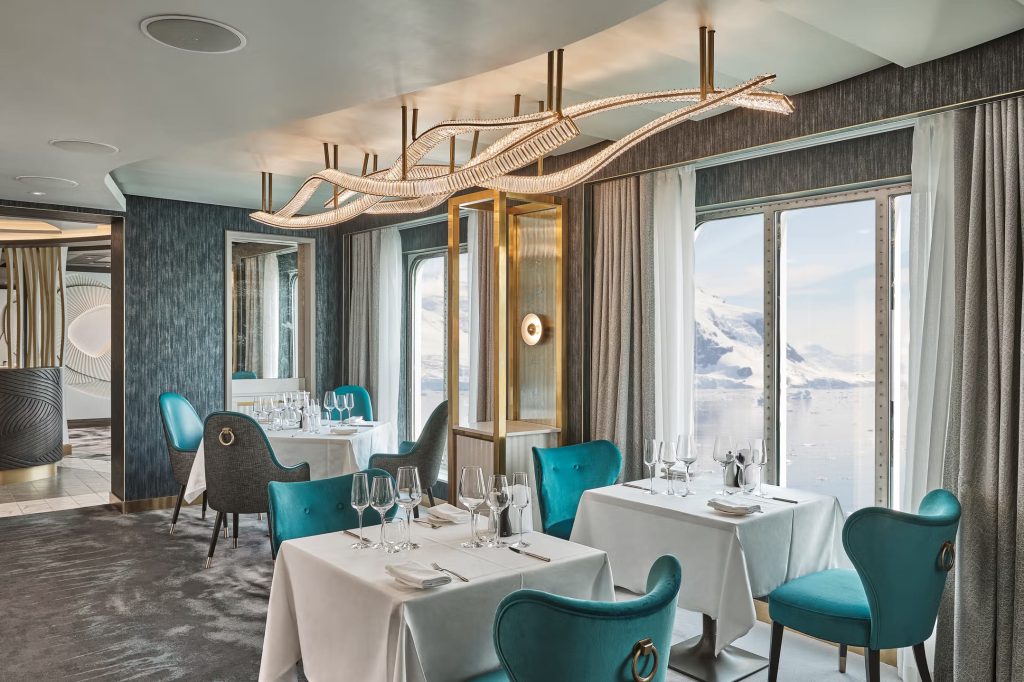
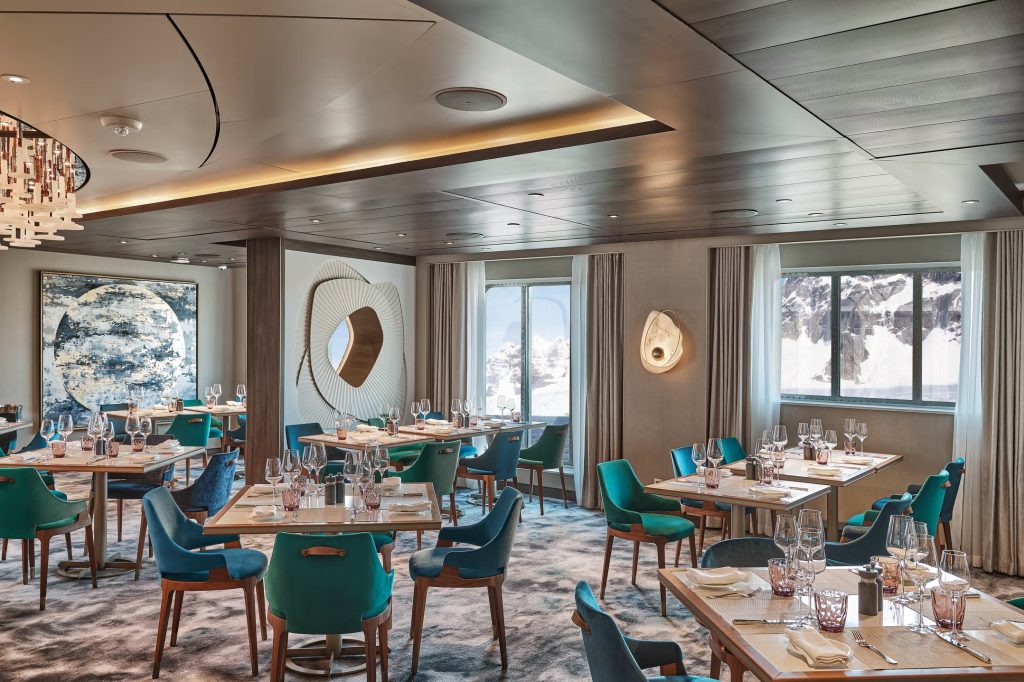
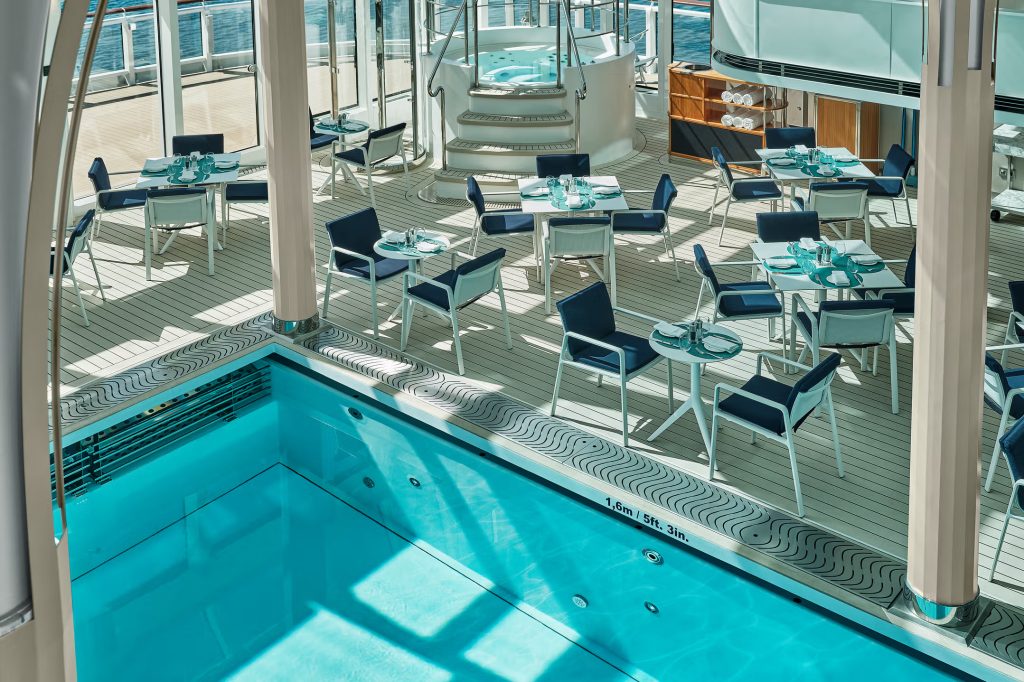
Life on board

The Onboard Experience

Client testimonials

I have worked with Lore Doick for more than 20 years, and she has booked over 30 cruises for me. Her expertise, care, and attention to every travel detail have made her an invaluable advisor and friend over the years.”

Tina B.

We are now in our second generation working with Cheri Ozimac at Tully Luxury Travel. From Antarctica to Greece, she has handled every detail with expertise, responsiveness, and care…

Earl M.

My wife and I have worked with Tully since 2007, and Kit Neil and her team went far beyond expectations while helping us navigate multiple cruise and flight cancellations. Their advocacy, care, and support during a difficult time were extraordinary.

Carri F.

Cheri Ozimac organized our Seabourn cruise flawlessly, from the hotel recommendation to every travel arrangement. She was responsive, attentive, and an excellent advocate throughout the process…

Cyn S.

We discovered Tully Luxury Travel after years of booking cruises through US agents and were impressed by their competitive pricing, exceptional service, and Canadian based support. Their team is always available, offers excellent value, and makes booking the right cruise seamless.

Peter C.

GoogleAverage Customer Rating:

The Tully Difference

Why travel with us


Tully Luxury Travel was built on access, discretion, and trust. For our clients, that means ease at every step, with distinctions that turn exceptional voyages into defining moments.

Recognized expertise

A renowned agency worldwide in luxury land and small-ship cruising, consistently trusted by the industry’s most prestigious brands.