Silversea logo

Barcelona to Athens

Itinerary: Barcelona, Palma de Mallorca, At Sea, Cagliari, Palermo, Katakolon, Rhodes, Alexandria, Piraeus See full itinerary

5 Jan 29
13 nights

Voyage Details

Duration:
13 nights
Departure:
5 Jan 2029
Embarkation:
Barcelona, Spain
Voyage code:
DA290105013

Your Itinerary, Day-By-Day

Special Chapters of Your Journey

Day 1 - Barcelona

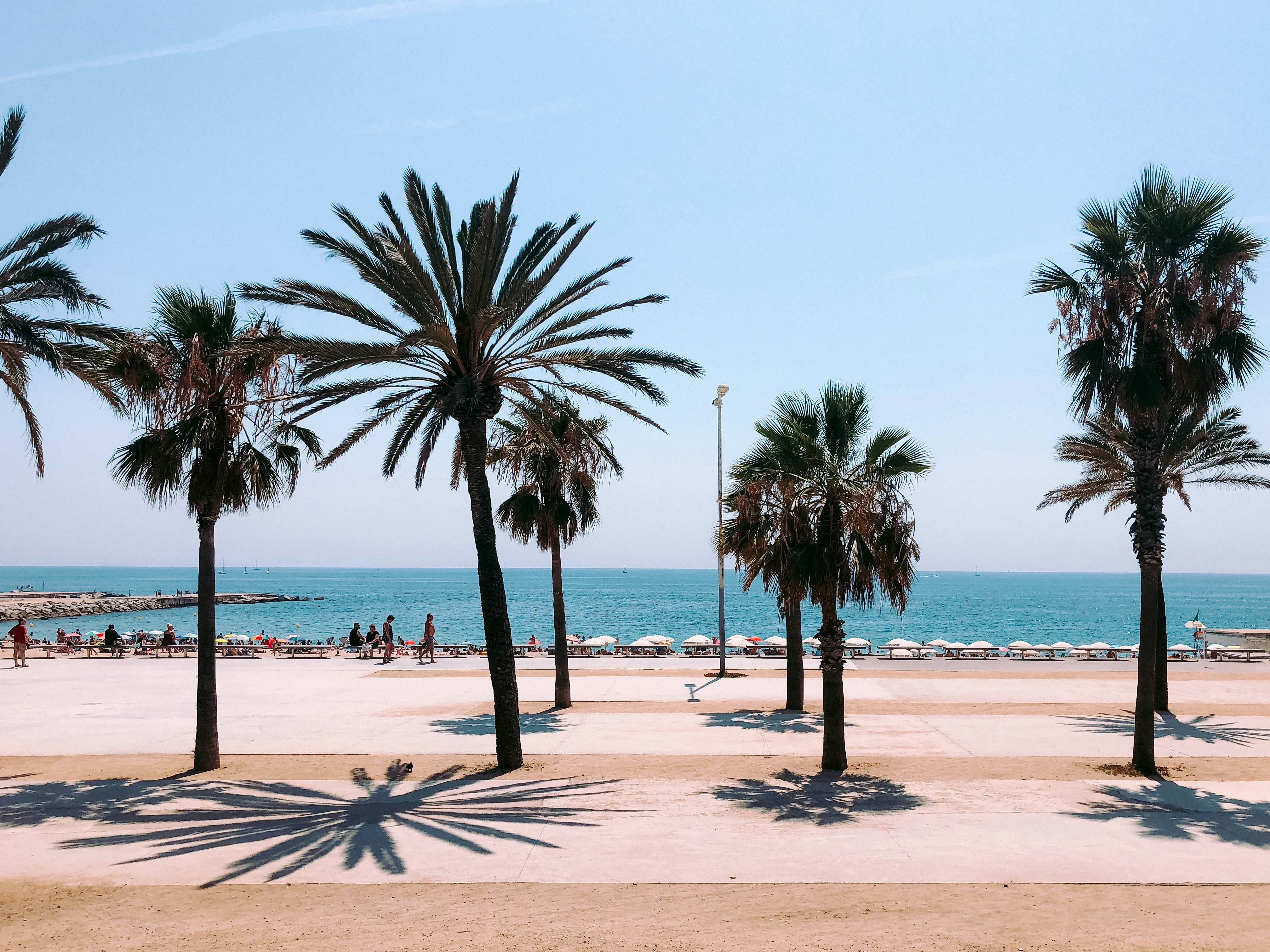
The infinite variety of street life, the nooks and crannies of the medieval Barri Gòtic, the ceramic tile and stained glass of Art Nouveau facades, the art and music, the throb of street life, the food (ah, the food!)—one way or another, Barcelona will find a way to get your full attention. The capital of Catalonia is a banquet for the senses, with its beguiling mix of ancient and modern architecture, tempting cafés and markets, and sun-drenched Mediterranean beaches. A stroll along La Rambla and through waterfront Barceloneta, as well as a tour of Gaudí's majestic Sagrada Famíliaand his other unique creations, are part of a visit to Spain's second-largest city. Modern art museums and chic shops call for attention, too. Barcelona's vibe stays lively well into the night, when you can linger over regional wine and cuisine at buzzing tapas bars.

Barcelona Beach
Barcelona BeachEnes F, Unsplash
Barcelona Beach
Barcelona BeachLucrezia Carnelos, Unsplash
Barcelona Aerial Logan Armstrong
Barcelona Skyline Apasaric

Day 2 - Palma de Mallorca

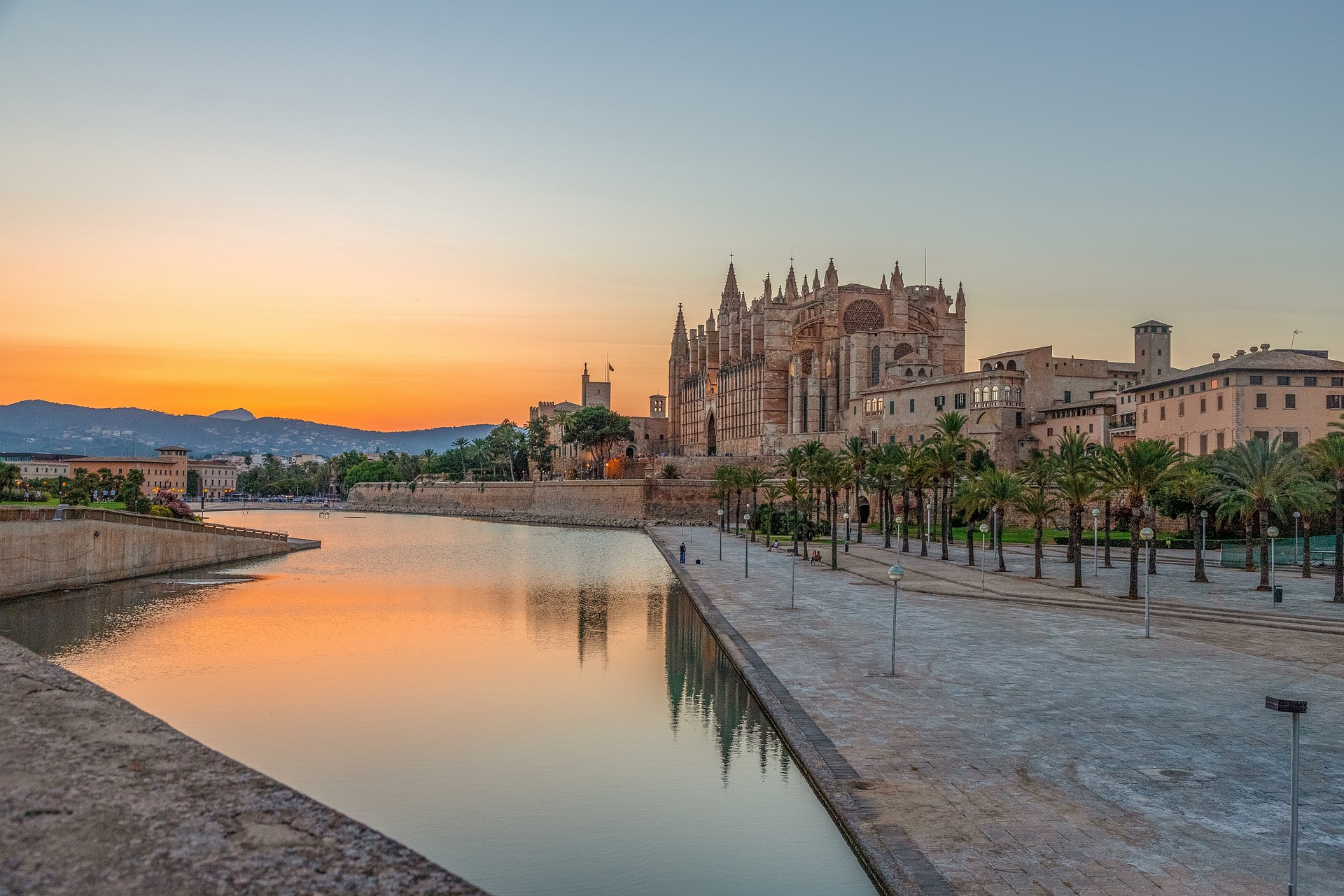
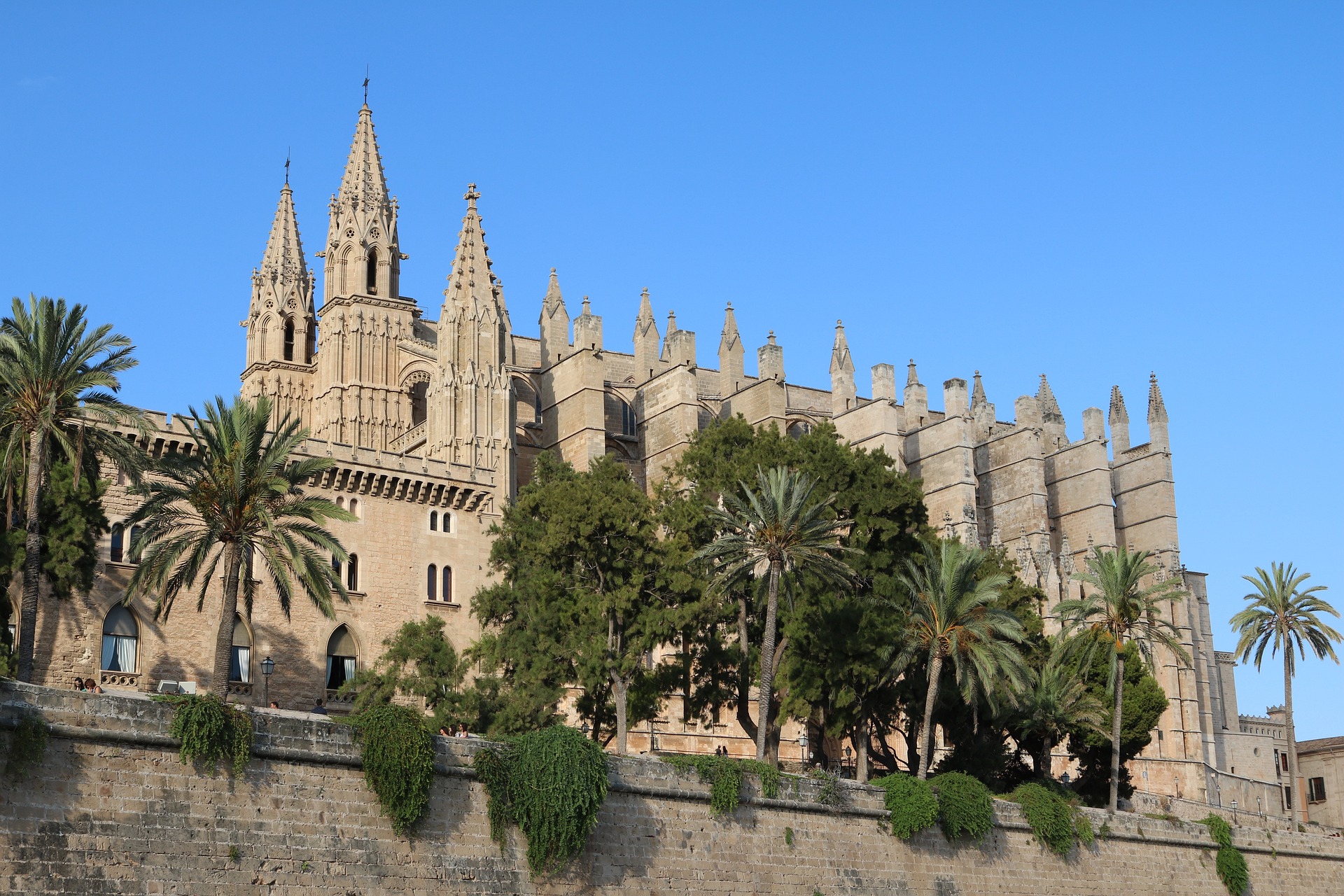
If you look north of the cathedral (La Seu, or the seat of the bishopric, to Mallorcans) on a map of the city of Palma, you can see around the Plaça Santa Eulàlia a jumble of tiny streets that made up the earliest settlement. Farther out, a ring of wide boulevards traces the fortifications built by the Moors to defend the larger city that emerged by the 12th century. The zigzags mark the bastions that jutted out at regular intervals. By the end of the 19th century, most of the walls had been demolished; the only place where you can still see the massive defenses is at Ses Voltes, along the seafront west of the cathedral.A torrent (streambed) used to run through the middle of the old city, dry for most of the year but often a raging flood in the rainy season. In the 17th century it was diverted to the east, along the moat that ran outside the city walls. Two of Palma's main arteries, La Rambla and the Passeig d'es Born, now follow the stream's natural course. The traditional evening paseo (promenade) takes place on the Born.If you come to Palma by car, park in the garage beneath the Parc de la Mar (the ramp is just off the highway from the airport, as you reach the cathedral) and stroll along the park. Beside it run the huge bastions guarding the Almudaina Palace; the cathedral, golden and massive, rises beyond. Where you exit the garage, there's a ceramic mural by the late Catalan artist and Mallorca resident Joan Miró, facing the cathedral across the pool that runs the length of the park.If you begin early enough, a walk along the ramparts at Ses Voltes from the mirador beside the cathedral is spectacular. The first rays of the sun turn the upper pinnacles of La Seu bright gold and then begin to work their way down the sandstone walls. From the Parc de la Mar, follow Avinguda Antoni Maura past the steps to the palace. Just below the Plaça de la Reina, where the Passeig d'es Born begins, turn left on Carrer de la Boteria into the Plaça de la Llotja (if the Llotja itself is open, don't miss a chance to visit—it's the Mediterranean's finest Gothic-style civic building). From there stroll through the Plaça Drassana to the Museu d'Es Baluard, at the end of Carrer Sant Pere. Retrace your steps to Avinguda Antoni Maura. Walk up the Passeig d'es Born to Plaça Joan Carles I, then right on Avenida de La Unió.

Palma De Mallorca
Palma De Mallorca
Palma De Mallorca, Calo Des Moro 2
Palma De Mallorca, Calo Des Moro
Palma De Mallorca, Cathedral
Mallorca
Mallorca
Mallorca
Mallorca
Mallorca
Mallorca
Mallorca
Mallorca
Mallorca
Mallorca

Day 3 - At Sea

Further details for this day are not available.

Day 4 - Cagliari

Known in Sardinia as Casteddu, the island's capital has steep streets and impressive Italianate architecture, from modern to medieval. This city of nearly 160,000 people is characterized by a busy commercial center and waterfront with broad avenues and arched arcades, as well as by the typically narrow streets of the old hilltop citadel (called, simply, “Castello”). The Museo Archeologico makes a good starting point to a visit. The imposing Bastione di Saint Remy and Mercato di San Benedetto (one of the best fish markets in Italy) are both musts.

Itcag   Cagliari, Italy   Roman Kraft
Itcag Cagliari, Italy Roman KraftRoman Kraft
Itcag   Cagliari, Italy   Sensei Minimal 1
Itcag Cagliari, Italy Sensei Minimal 1Sensei Minimal
Itcag   Cagliari, Italy   Sensei Minimal 2
Itcag Cagliari, Italy Sensei Minimal 2Sensei Minimal
Itcag   Cagliari, Italy   Sensei Minimal
Itcag Cagliari, Italy Sensei MinimalSensei Minimal
Itcag   Cagliari, Italy   Urban Sanden
Itcag Cagliari, Italy Urban SandenUrban Sanden

Day 5 - Palermo

Once the intellectual capital of southern Europe, Palermo has always been at the crossroads of civilization. Favorably situated on a crescent-shaped bay at the foot of Monte Pellegrino, it has attracted almost every culture touching the Mediterranean world. To Palermo's credit, it has absorbed these diverse cultures into a unique personality that is at once Arab and Christian, Byzantine and Roman, Norman and Italian. The city's heritage encompasses all of Sicily's varied ages, but its distinctive aspect is its Arab-Norman identity, an improbable marriage that, mixed in with Byzantine and Jewish elements, created some resplendent works of art. No less noteworthy than the architecture is Palermo's chaotic vitality, on display at some of Italy's most vibrant outdoor markets, public squares, street bazaars, and food vendors, and above all in its grand climax of Italy's most spectacular passeggiata (the leisurely social stroll along the principal thoroughfare).

Itpmo   Palermo, Italy   Photo Credit Belongs To Carlo Columba
Itpmo Palermo, Italy Photo Credit Belongs To Carlo ColumbaCarlo Columba
Itpmo   Palermo, Italy   Photo Credit Belongs To Denilo Vieira
Itpmo Palermo, Italy Photo Credit Belongs To Denilo VieiraDenilo Vieira
Itpmo   Palermo, Italy   Photo Credit Belongs To Rado Slav
Itpmo Palermo, Italy Photo Credit Belongs To Rado Slav Rado Slav
Itpmo   Palermo, Italy   Photo Credit Belongs To Tomas Anton Escobar
Itpmo Palermo, Italy Photo Credit Belongs To Tomas Anton EscobarTomas Anton Escobar
Itpmo   Palermo, Italy   Photo Credit Belongs To Vasily Kotlyarov
Itpmo Palermo, Italy Photo Credit Belongs To Vasily KotlyarovVasily Kotlyarov
Itpmo   Palermo, Italy   Photo Credit Belongs To Yuliya Kosolapova
Itpmo Palermo, Italy Photo Credit Belongs To Yuliya Kosolapova Yuliya Kosolapova

Day 6 - At Sea

Further details for this day are not available.

Day 7 - Katakolon

Katakolon could not seem less of a cruise port if it tried. A tiny enclave clinging to the western Peloponnese coast, it's a sleepy place except when ships dock. But it's a popular cruise destination because of its proximity to Olympia. Ancient Olympia was one of the most important cities in classical Greece. The Sanctuary of Zeus was the city's raison d'être, and attracted pilgrims from around the eastern Mediterranean, and later the city played host to Olympic Games, the original athletic games that were the inspiration for today's modern sporting pan-planetary meet. At the foot of the tree-covered Kronion hill, in a valley near two rivers, Katakolon is today one of the most popular ancient sites in Greece. If you don't want to make the trip to Olympia, then Katakolon is an ideal place for a leisurely Greek lunch while you watch the fishermen mend their nets, but there's just not much else to do there.

Grkak   Katakolon, Greece   Viola '
Grkak Katakolon, Greece Viola '
Grkak   Katakolon   By Ingrid Und Stefan Melichar   Pixabay
Grkak Katakolon By Ingrid Und Stefan Melichar Pixabay

Day 8 - At Sea

Further details for this day are not available.

Day 9 - Rhodes

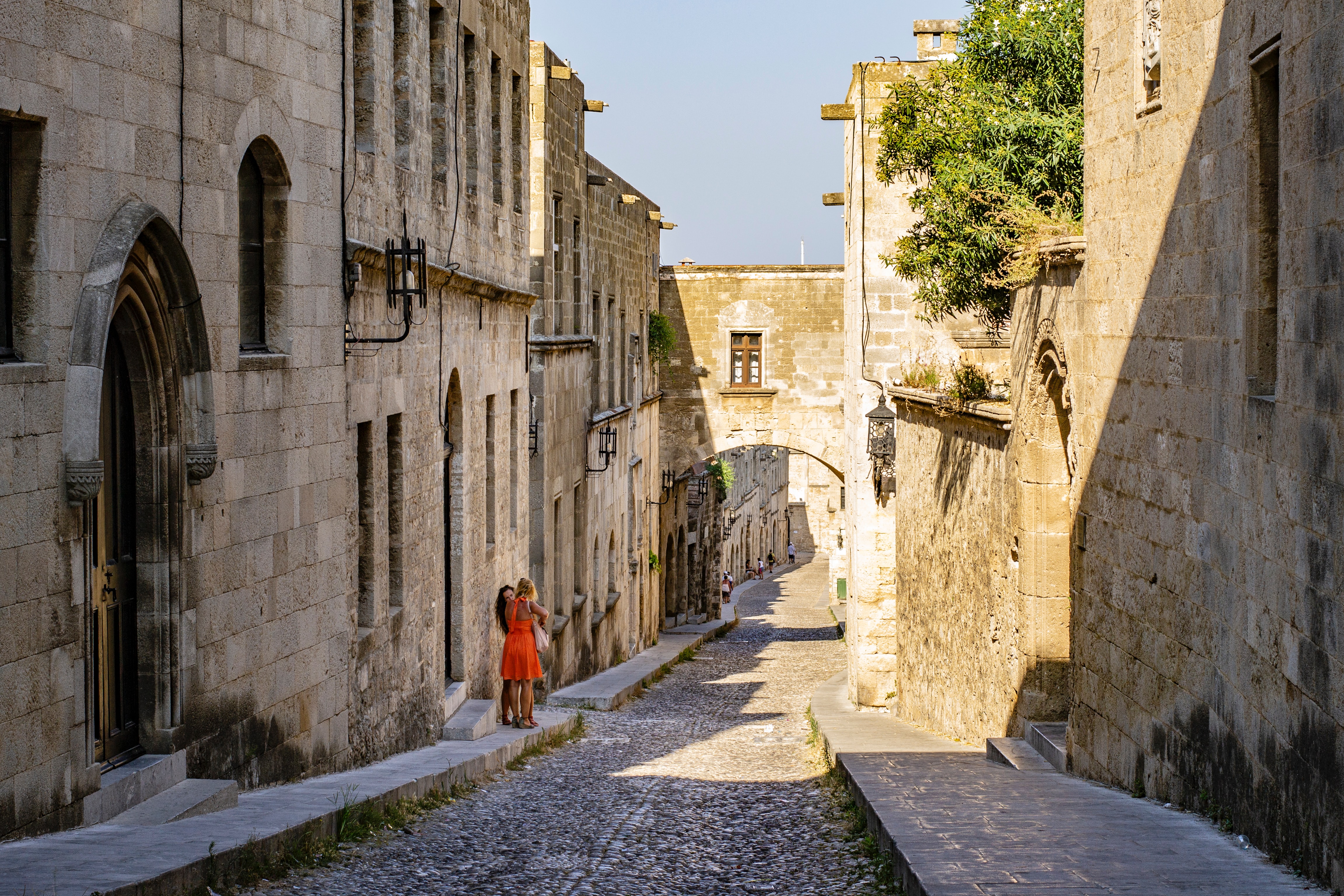
Early travelers described Rhodes as a town of two parts: a castle or high town (Collachium) and a lower city. Today Rhodes town—sometimes referred to as Ródos town—is still a city of two parts: the Old Town, a UNESCO World Heritage site that incorporates the high town and lower city, and the modern metropolis, or New Town, spreading away from the walls that encircle the Old Town. The narrow streets of the Old Town are for the most part closed to cars and are lined with Orthodox and Catholic churches, Turkish houses (some of which follow the ancient orthogonal plan), and medieval public buildings with exterior staircases and facades elegantly constructed of well-cut limestone from Lindos. Careful reconstruction in recent years has enhanced the harmonious effect.

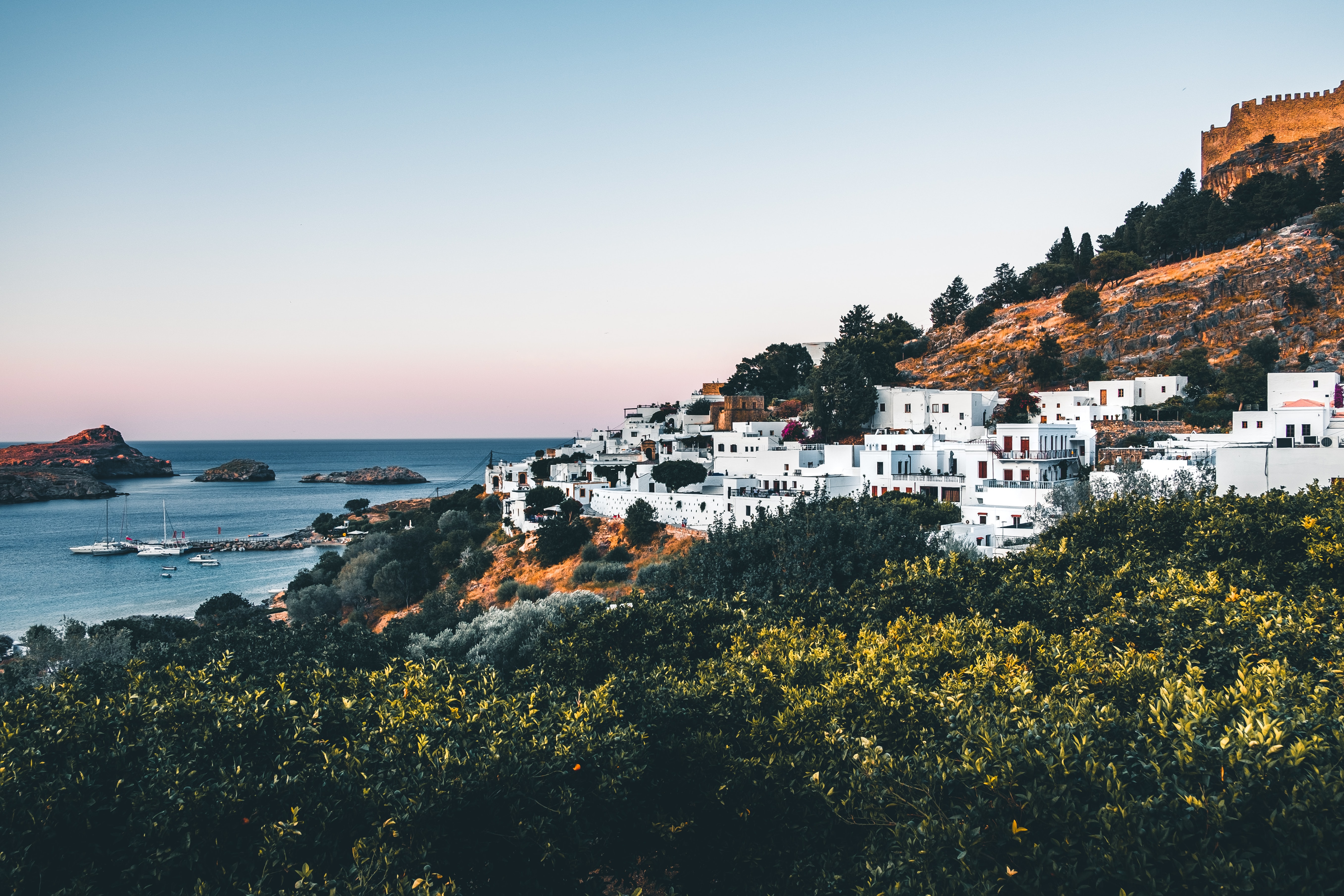
White Buildings By The Sea, Rhodes
White Buildings By The Sea, RhodesPhoto by Serhat Beyazkaya
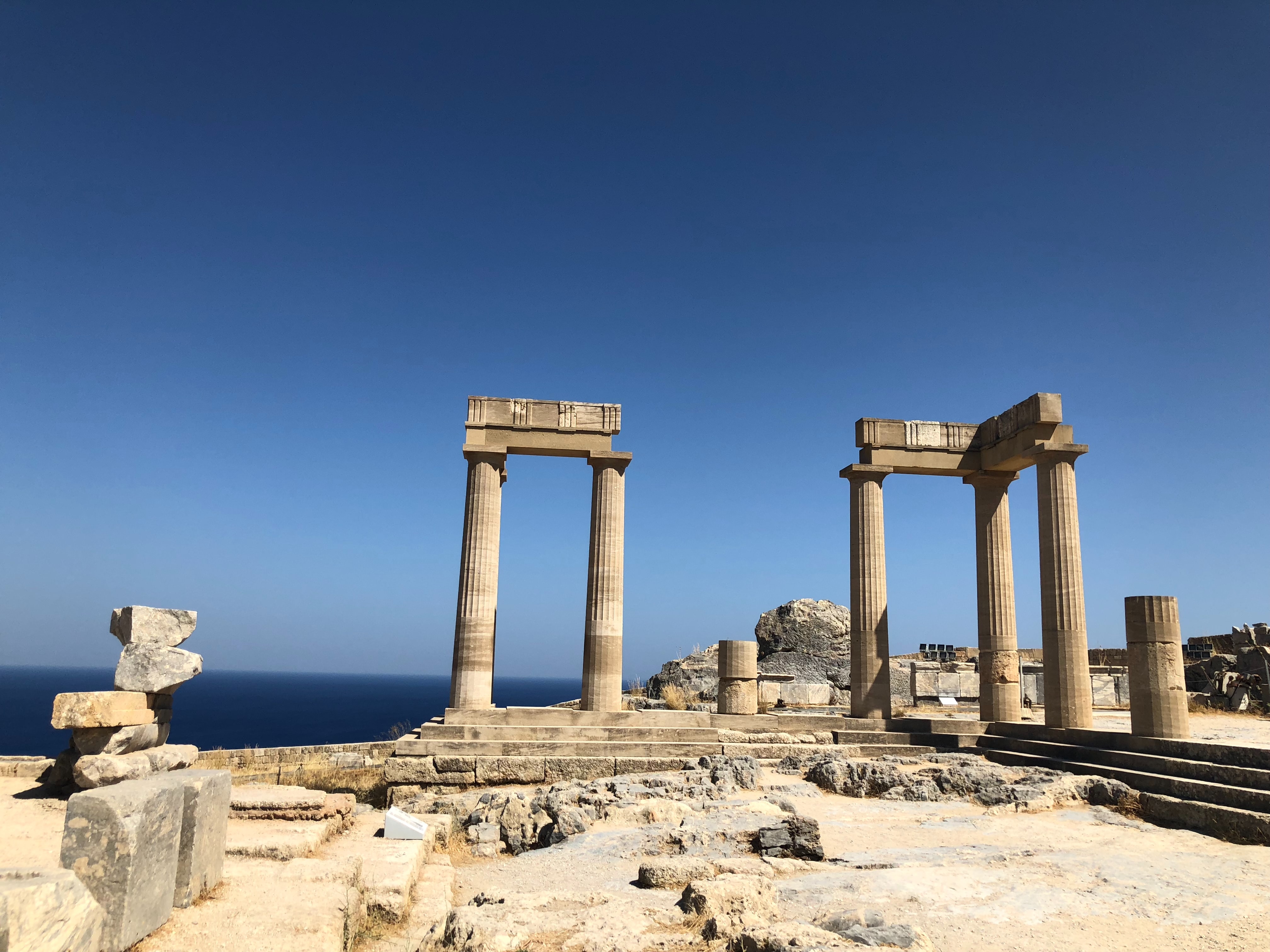
Lindos Acropolis, Rhodes
Lindos Acropolis, RhodesPhoto by LA khai-way
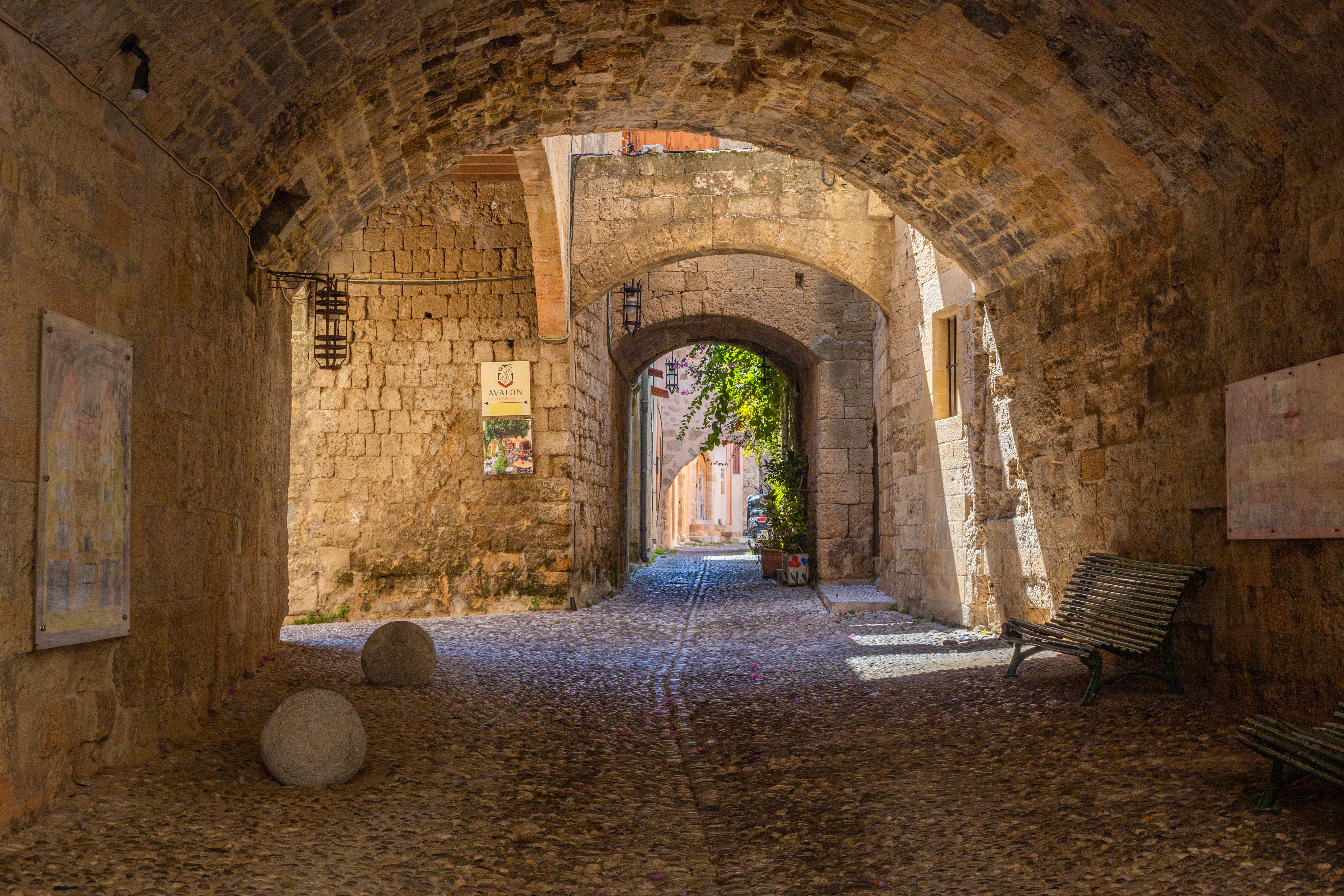
Cobblestone Street, Rhodes
Cobblestone Street, RhodesPhoto by Andrew Vvedenskij
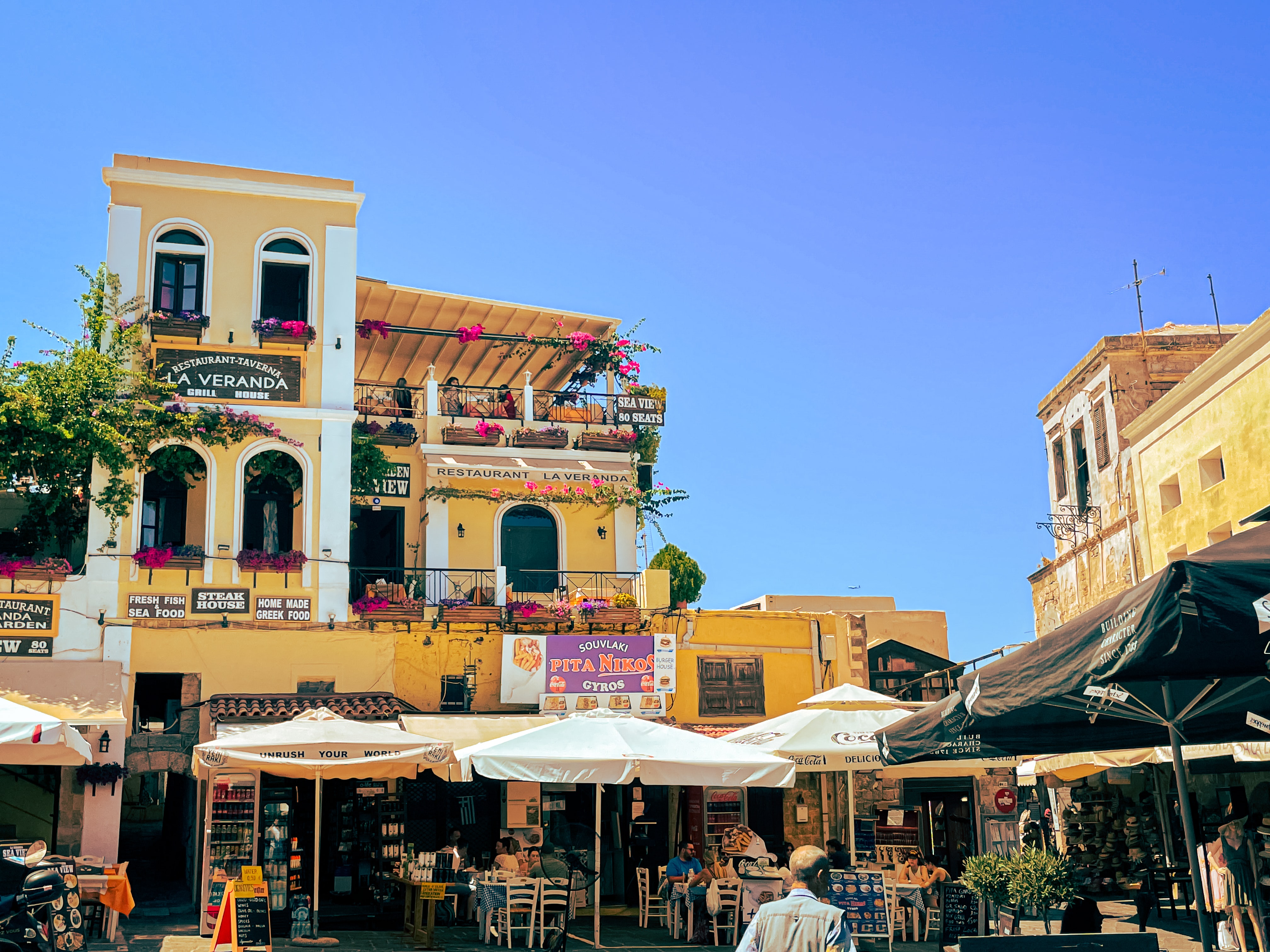
Central Medieval City, Rhodes
Central Medieval City, RhodesPhoto by Sipan Hamed
Old Town, Rhodes
Old Town, RhodesPhoto by Carl Raw
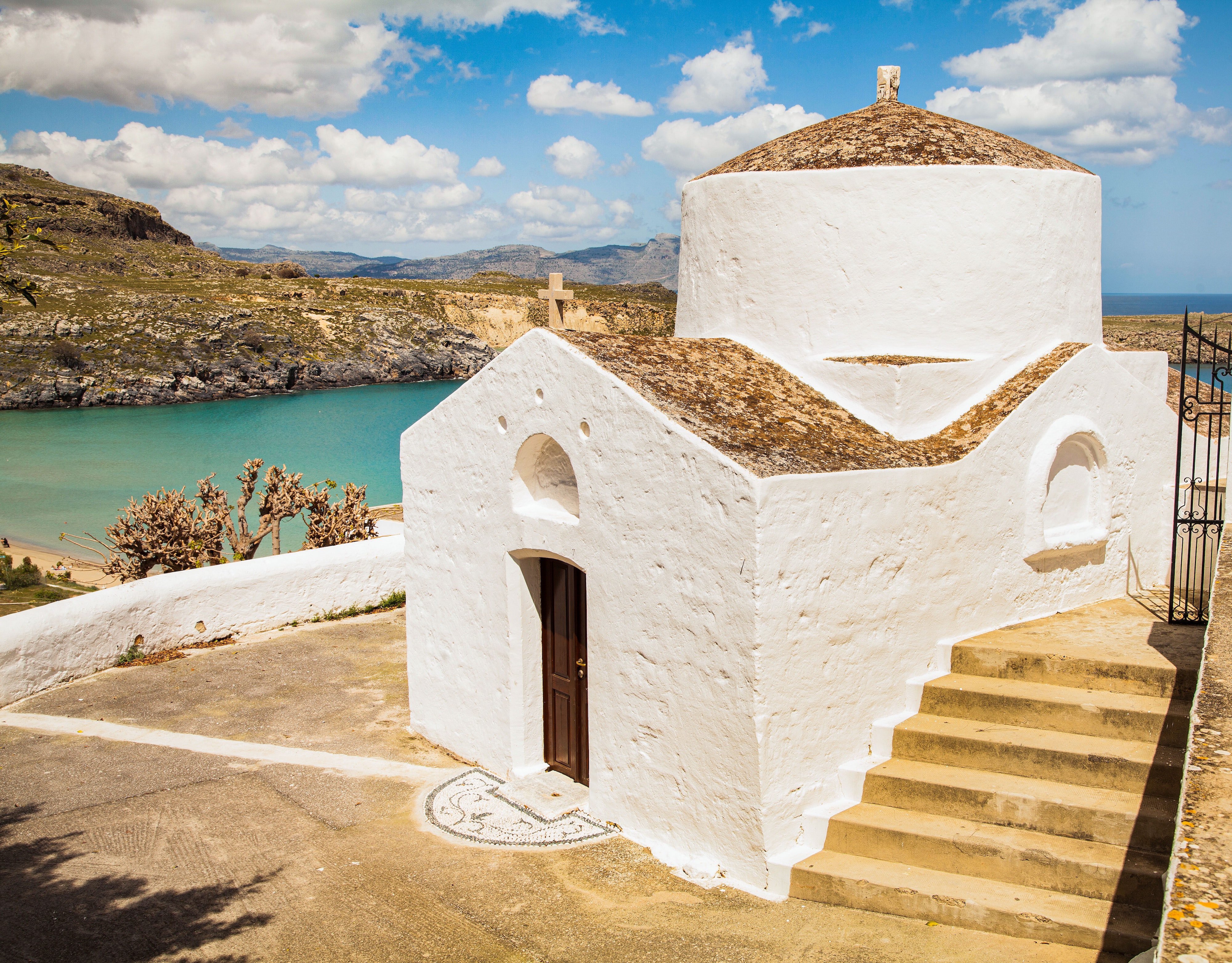
Chapel Of Saint George Pahimahiotis, Rhodes
Chapel Of Saint George Pahimahiotis, RhodesPhoto by 3DVisu
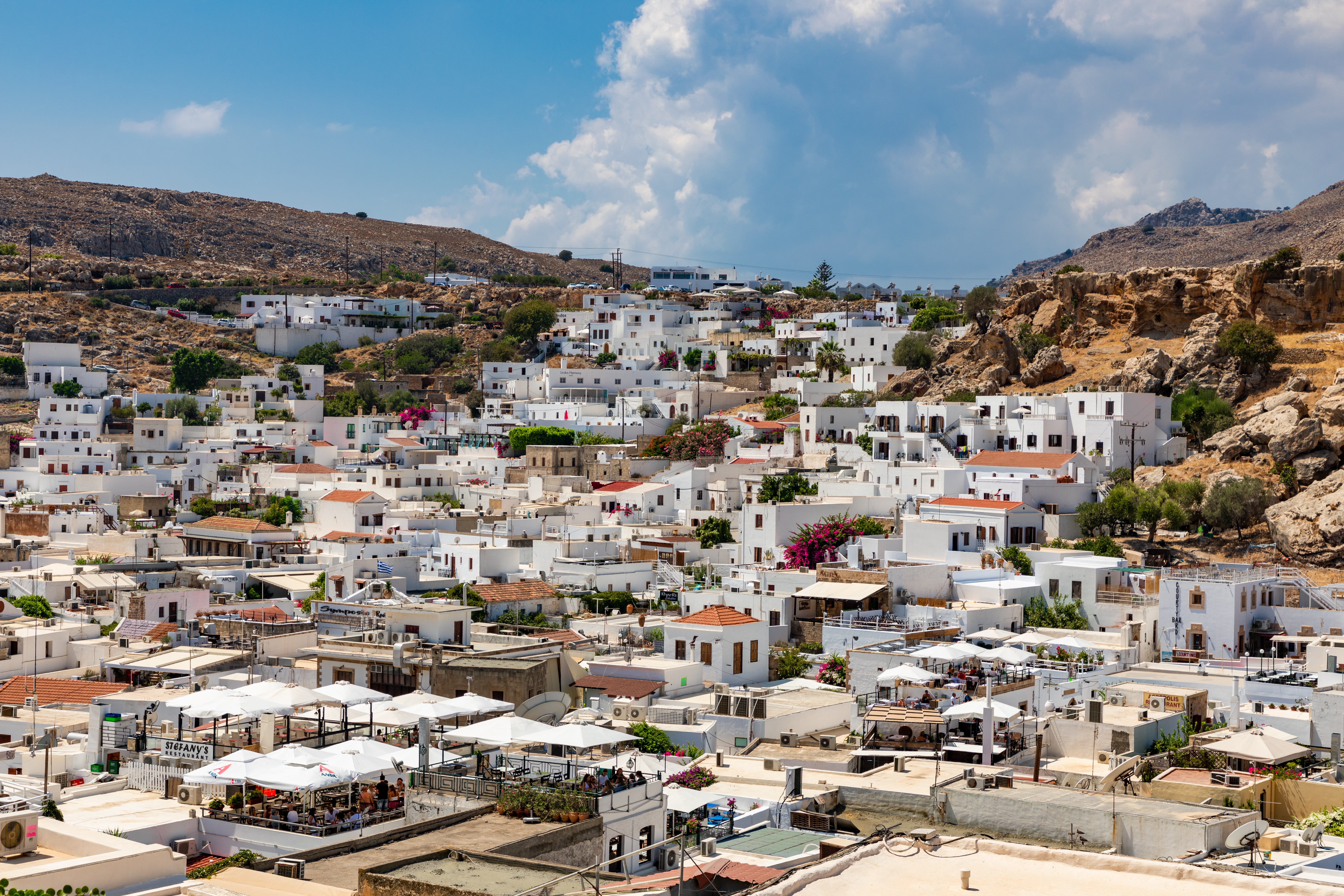
Overview Of Lindos Near Rhodes
Overview Of Lindos Near RhodesPhoto by Dim Hou

Day 10 - At Sea

Further details for this day are not available.

Day 11 - Alexandria

Founded by Alexander the Great, Alexandria was Egypt's capital for over 1,000 years. Now, it is visited by tourists looking to enjoy some diving and those interested in the Great Library, one of the Seven Wonders of the Ancient World.

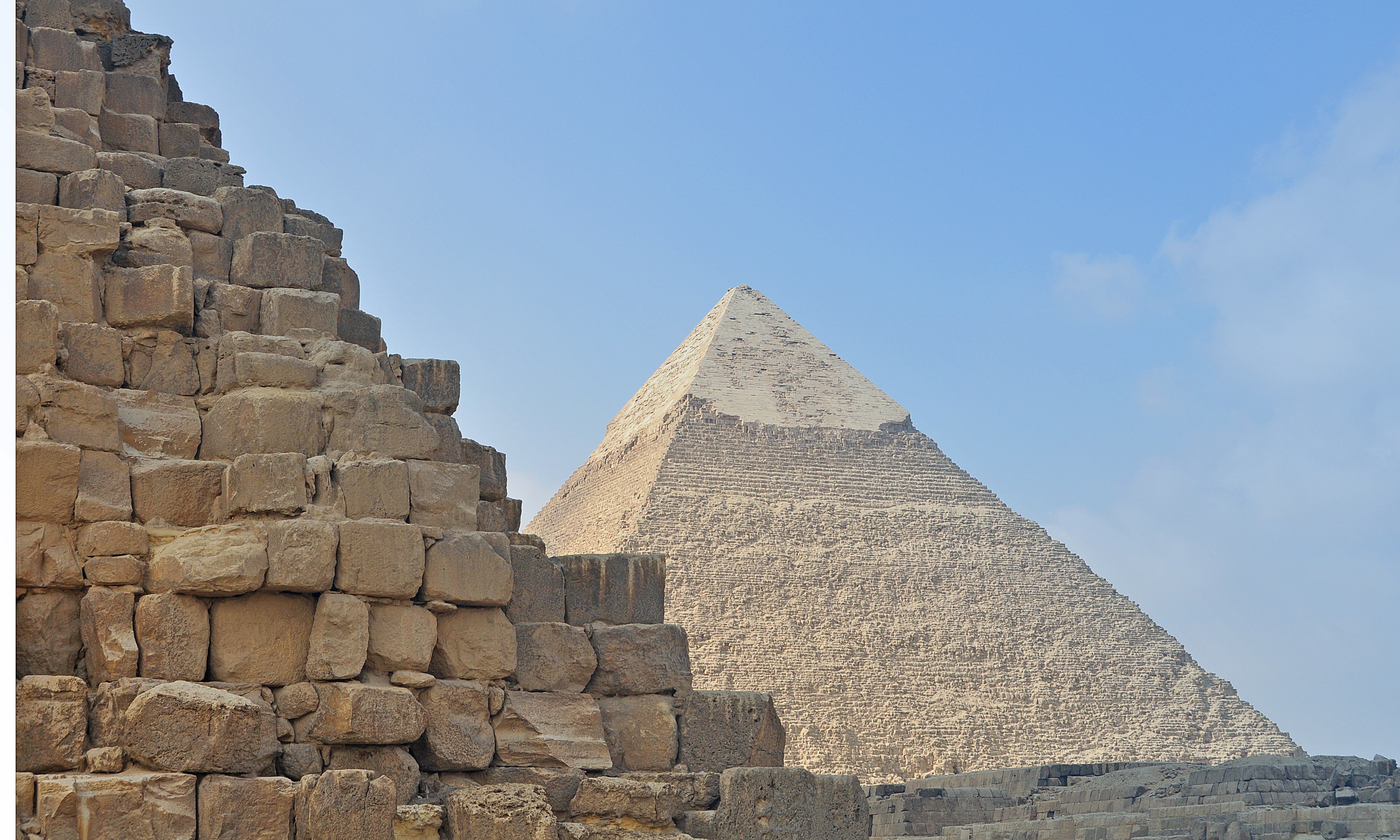
Alexandria, Gateway To Giza And The Pyramids
Alexandria, Gateway To Giza And The PyramidsImage by Nick115 from Pixabay

Day 12 - Alexandria

Founded by Alexander the Great, Alexandria was Egypt's capital for over 1,000 years. Now, it is visited by tourists looking to enjoy some diving and those interested in the Great Library, one of the Seven Wonders of the Ancient World.

Alexandria, Gateway To Giza And The Pyramids
Alexandria, Gateway To Giza And The PyramidsImage by Nick115 from Pixabay

Day 13 - At Sea

Further details for this day are not available.

Day 14 - Piraeus

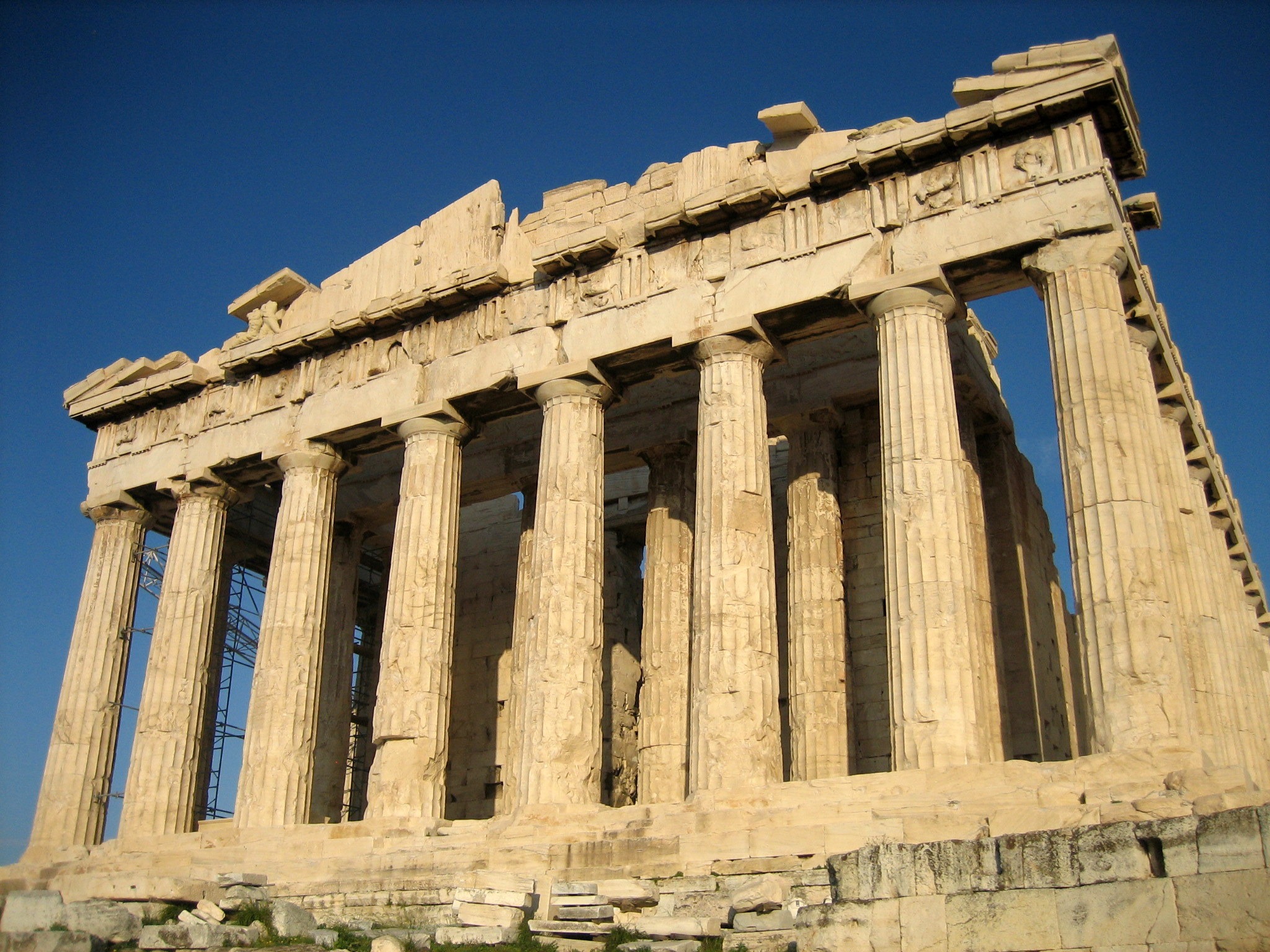
It's no wonder that all roads lead to the fascinating and maddening metropolis of Athens. Lift your eyes 200 feet above the city to the Parthenon, its honey-color marble columns rising from a massive limestone base, and you behold architectural perfection that has not been surpassed in 2,500 years. But, today, this shrine of classical form dominates a 21st-century boomtown. To experience Athens—Athína in Greek—fully is to understand the essence of Greece: ancient monuments surviving in a sea of cement, startling beauty amid the squalor, tradition juxtaposed with modernity. Locals depend on humor and flexibility to deal with the chaos; you should do the same. The rewards are immense. Although Athens covers a huge area, the major landmarks of the ancient Greek, Roman, and Byzantine periods are close to the modern city center. You can easily walk from the Acropolis to many other key sites, taking time to browse in shops and relax in cafés and tavernas along the way. From many quarters of the city you can glimpse "the glory that was Greece" in the form of the Acropolis looming above the horizon, but only by actually climbing that rocky precipice can you feel the impact of the ancient settlement. The Acropolis and Filopappou, two craggy hills sitting side by side; the ancient Agora (marketplace); and Kerameikos, the first cemetery, form the core of ancient and Roman Athens. Along the Unification of Archaeological Sites promenade, you can follow stone-paved, tree-lined walkways from site to site, undisturbed by traffic. Cars have also been banned or reduced in other streets in the historical center. In the National Archaeological Museum, vast numbers of artifacts illustrate the many millennia of Greek civilization; smaller museums such as the Goulandris Museum of Cycladic Art Museum and the Byzantine and Christian Museum illuminate the history of particular regions or periods. Athens may seem like one huge city, but it is really a conglomeration of neighborhoods with distinctive characters. The Eastern influences that prevailed during the 400-year rule of the Ottoman Empire are still evident in Monastiraki, the bazaar area near the foot of the Acropolis. On the northern slope of the Acropolis, stroll through Plaka (if possible by moonlight), an area of tranquil streets lined with renovated mansions, to get the flavor of the 19th-century's gracious lifestyle. The narrow lanes of Anafiotika, a section of Plaka, thread past tiny churches and small, color-washed houses with wooden upper stories, recalling a Cycladic island village. In this maze of winding streets, vestiges of the older city are everywhere: crumbling stairways lined with festive tavernas; dank cellars filled with wine vats; occasionally a court or diminutive garden, enclosed within high walls and filled with magnolia trees and the flaming trumpet-shaped flowers of hibiscus bushes. Formerly run-down old quarters, such as Thission, Gazi and Psirri, popular nightlife areas filled with bars and mezedopoleia (similar to tapas bars), are now in the process of gentrification, although they still retain much of their original charm, as does the colorful produce and meat market on Athinas. The area around Syntagma Square, the tourist hub, and Omonia Square, the commercial heart of the city about 1 km (½ mi) northwest, is distinctly European, having been designed by the court architects of King Otho, a Bavarian, in the 19th century. The chic shops and bistros of ritzy Kolonaki nestle at the foot of Mt. Lycabettus, Athens's highest hill (909 feet). Each of Athens's outlying suburbs has a distinctive character: in the north is wealthy, tree-lined Kifissia, once a summer resort for aristocratic Athenians, and in the south and southeast lie Glyfada, Voula, and Vouliagmeni, with their sandy beaches, seaside bars, and lively summer nightlife. Just beyond the city's southern fringes is Piraeus, a bustling port city of waterside fish tavernas and Saronic Gulf views.
Grath   Athens   Acropolis
Grath Athens Acropolis
Grath   Athens   Athens Sea
Grath Athens Athens Sea
Grath   Athens   City Overview
Grath Athens City Overview
Grath   Athens   Greek Ruins
Grath Athens Greek Ruins
Grath   Athens   Parthenon
Grath Athens Parthenon
Grath   Athens   Ruins And Architecture
Grath Athens Ruins And Architecture
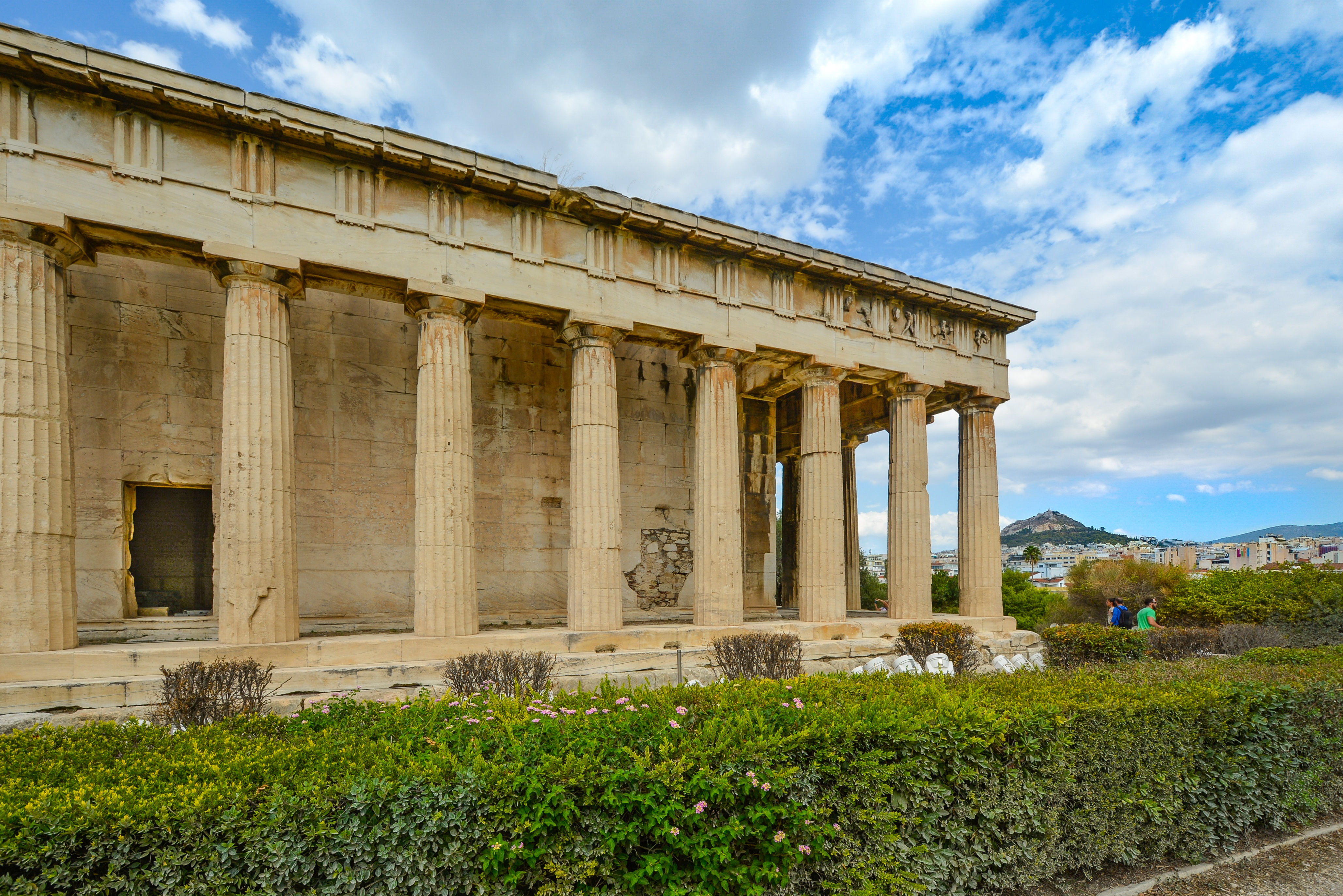
Grath   Athens   Temple Of Hephaestus
Grath Athens Temple Of Hephaestus

Suites & Deck Plans

Suite

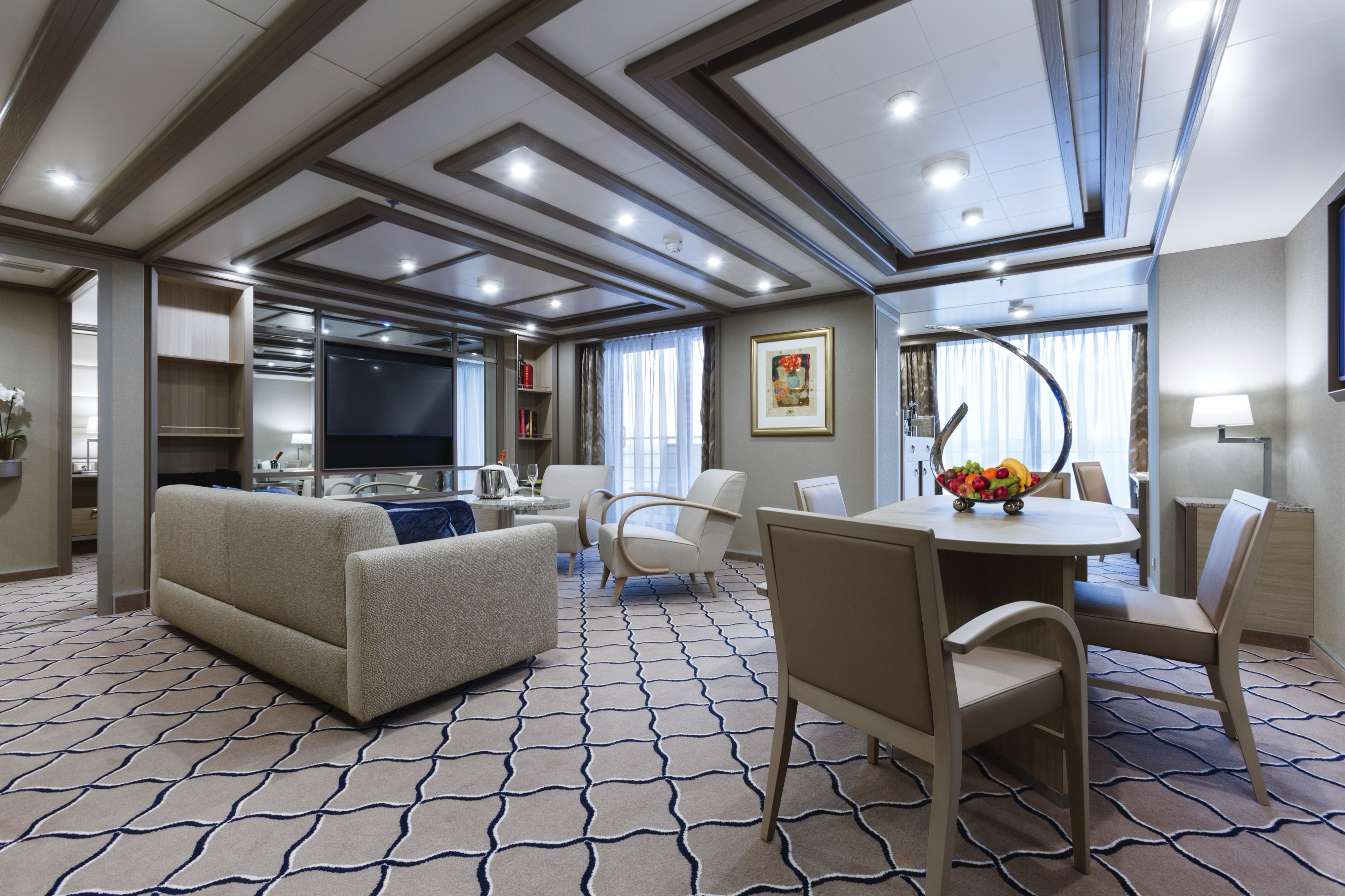
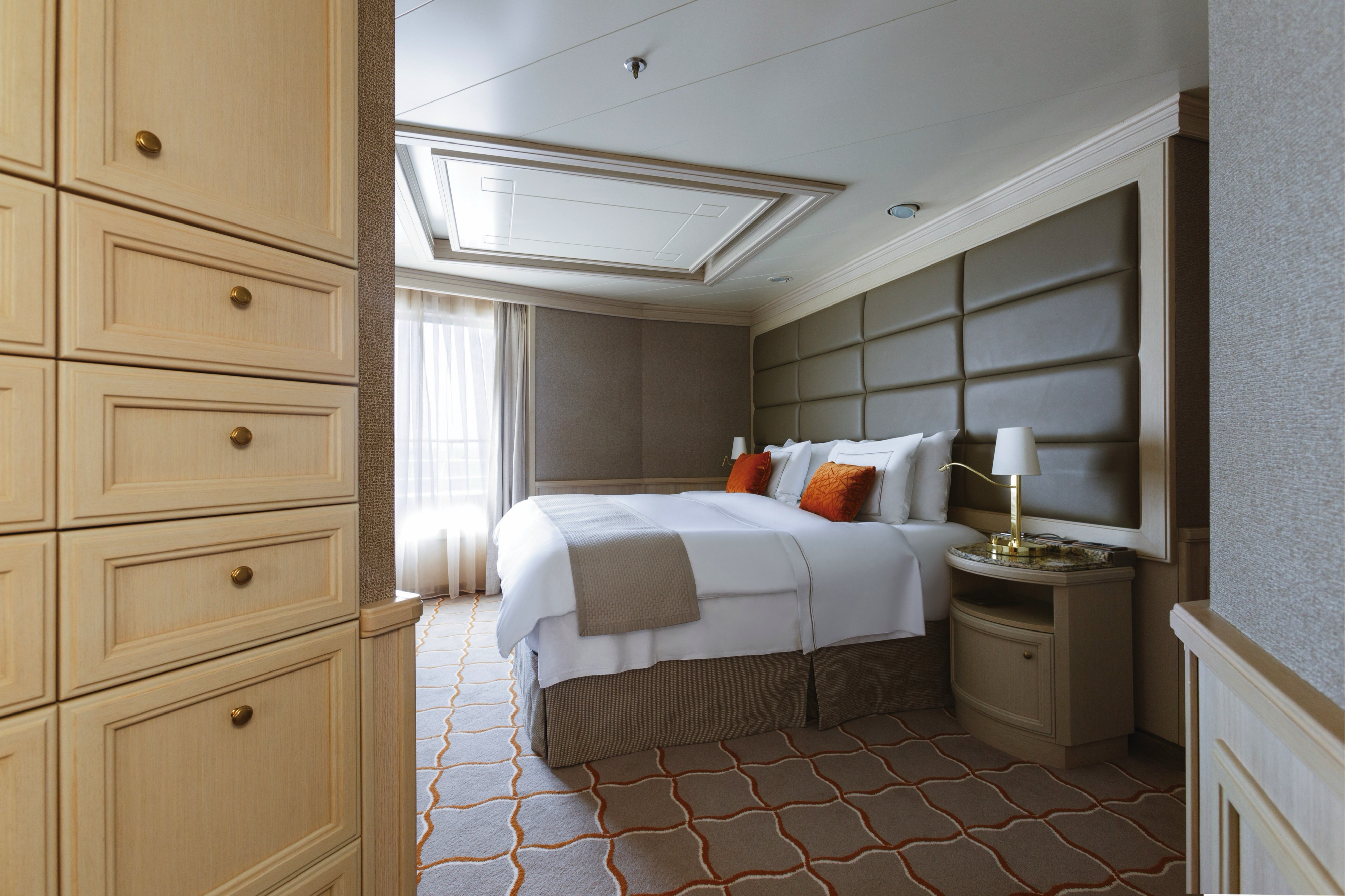
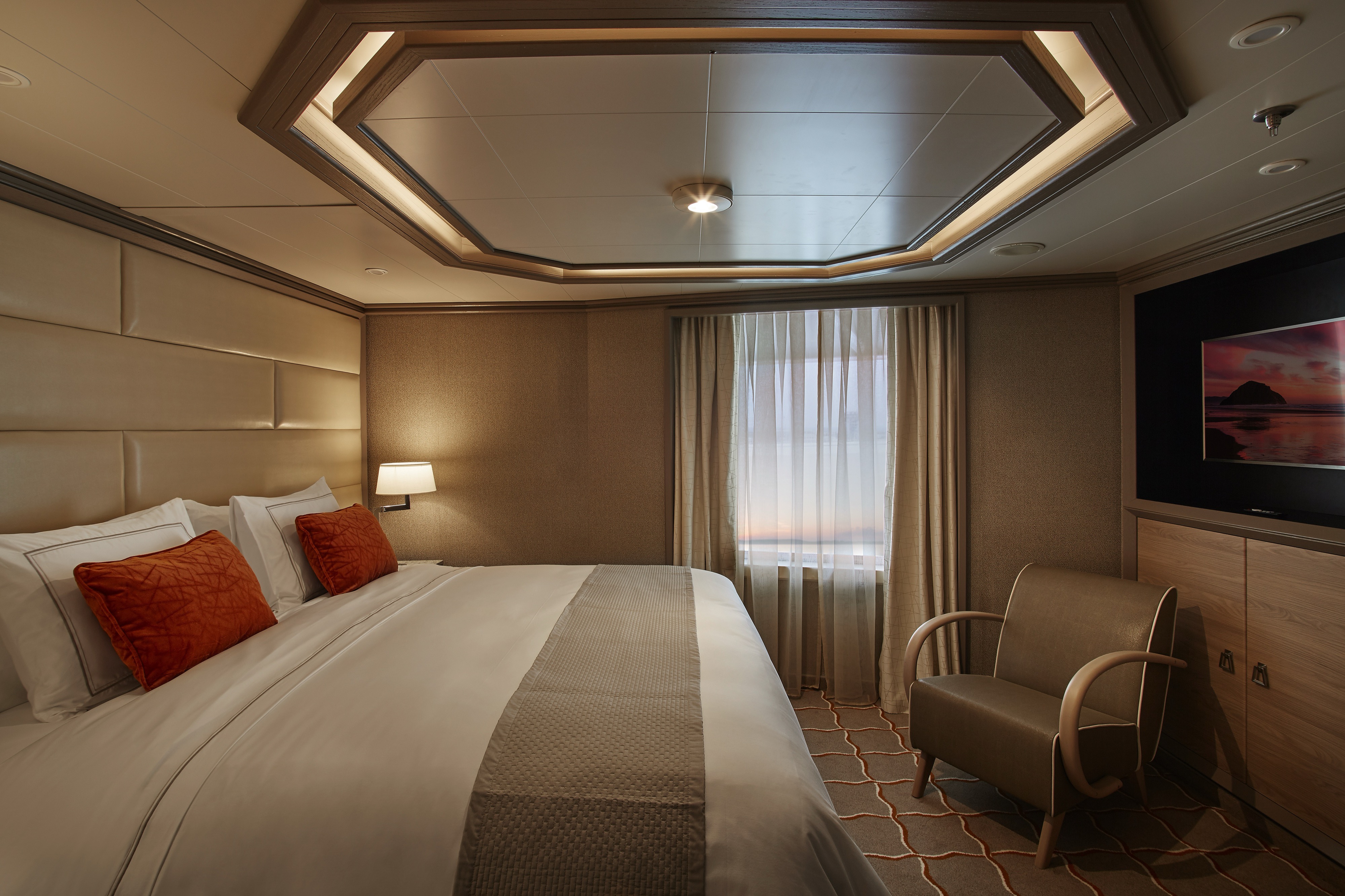
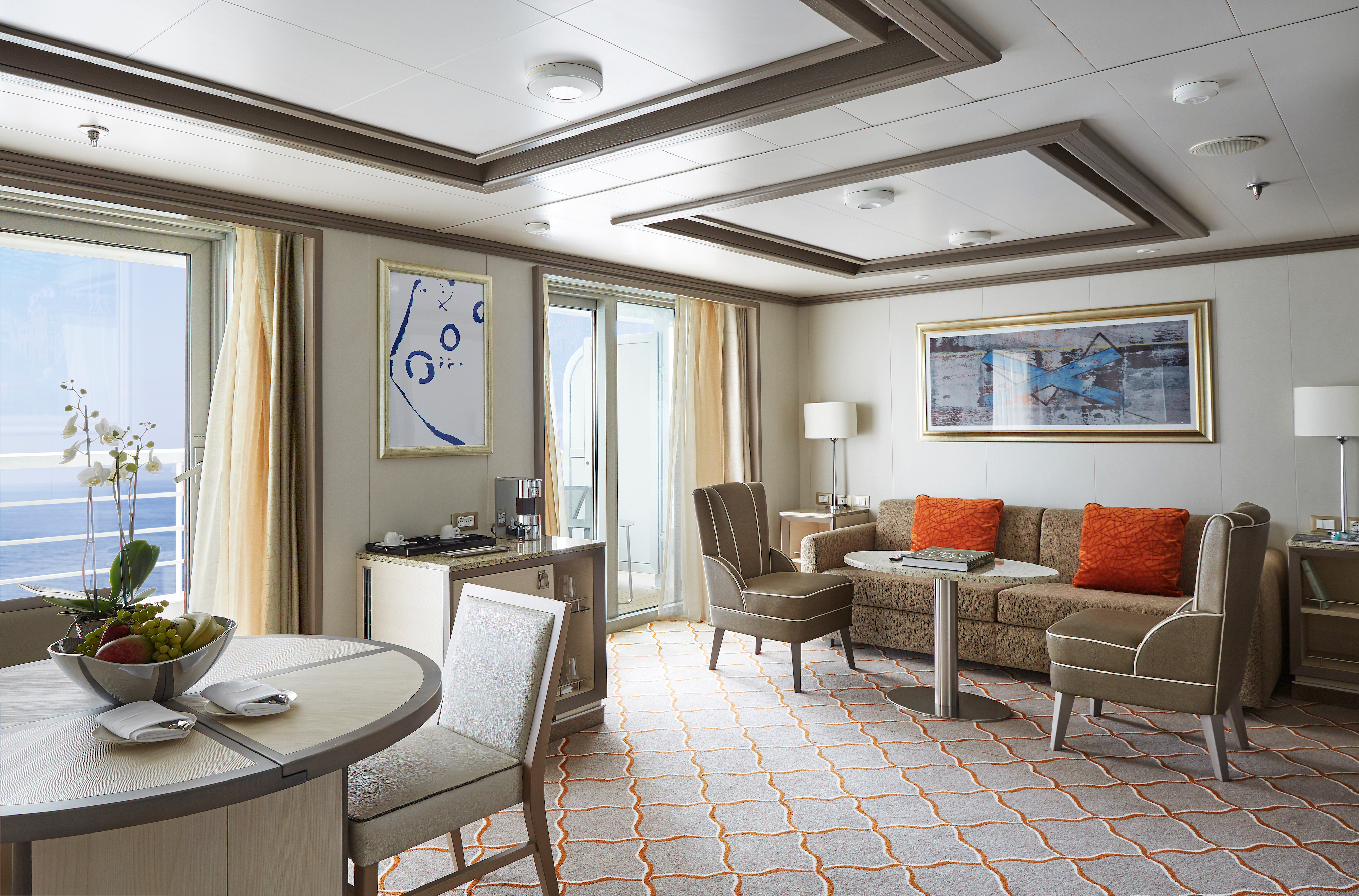
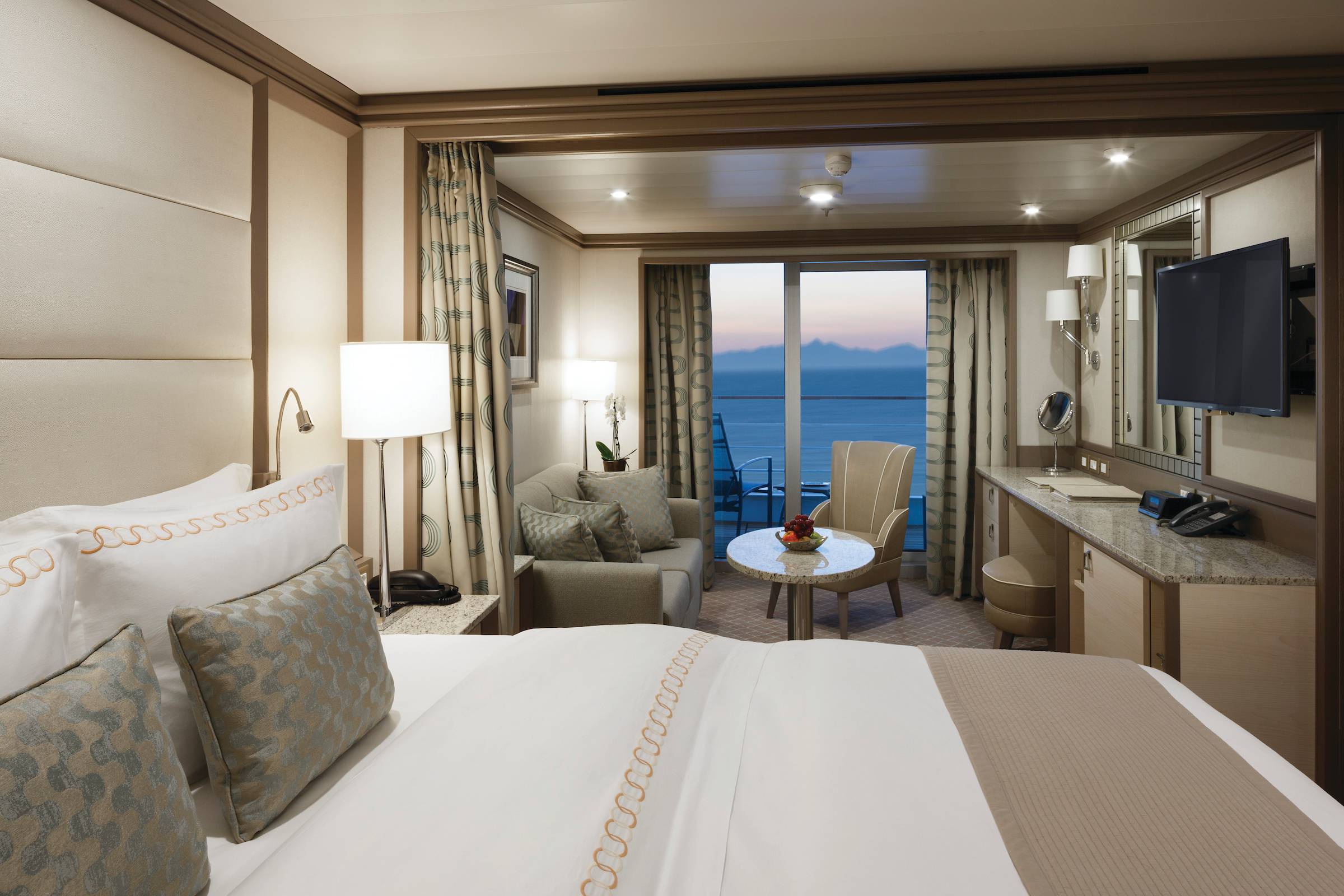
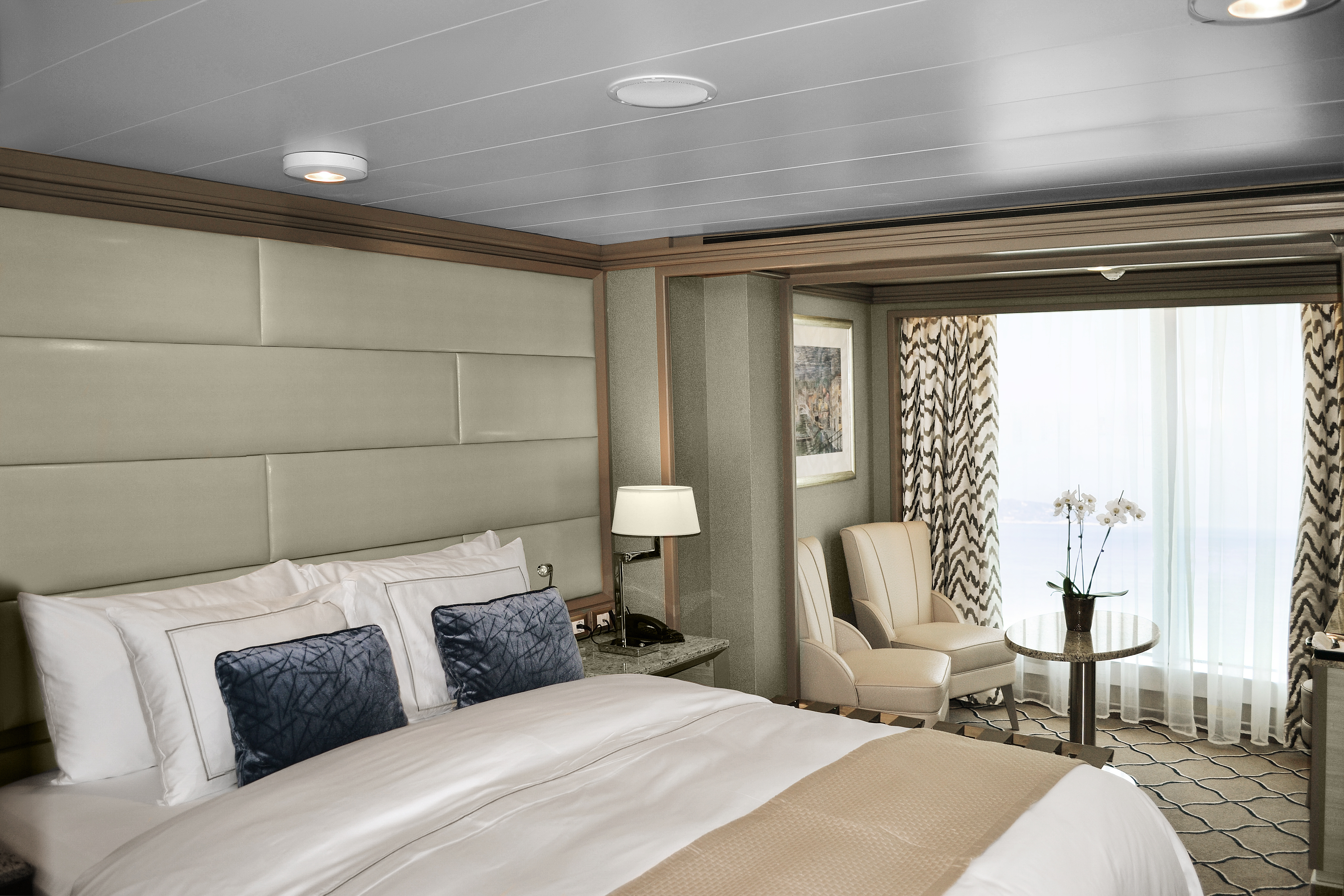
Available in a one- or two-bedroom configuration (so perfect for families), the Owner’s suite is the epitome of elegance at sea. A large seating area is the hub of the suite, equipped with all modern conveniences—think a Bose sound system, an interactive 55″ TV, and even an Illy coffee machine! Whether you are inside or relaxing on the large teak veranda, the Owner’s suite offers supreme comfort every hour of the day!

  • One bedroom: up to 98 sq m (12 sq m)
  • Two bedrooms: 119–129 sq m (12 sq m )

Essentials

  • Deck(s): 9
  • Section: Mid-Ship

Characteristics

  • Veranda
  • Separate dining area
  • Living room with sitting area
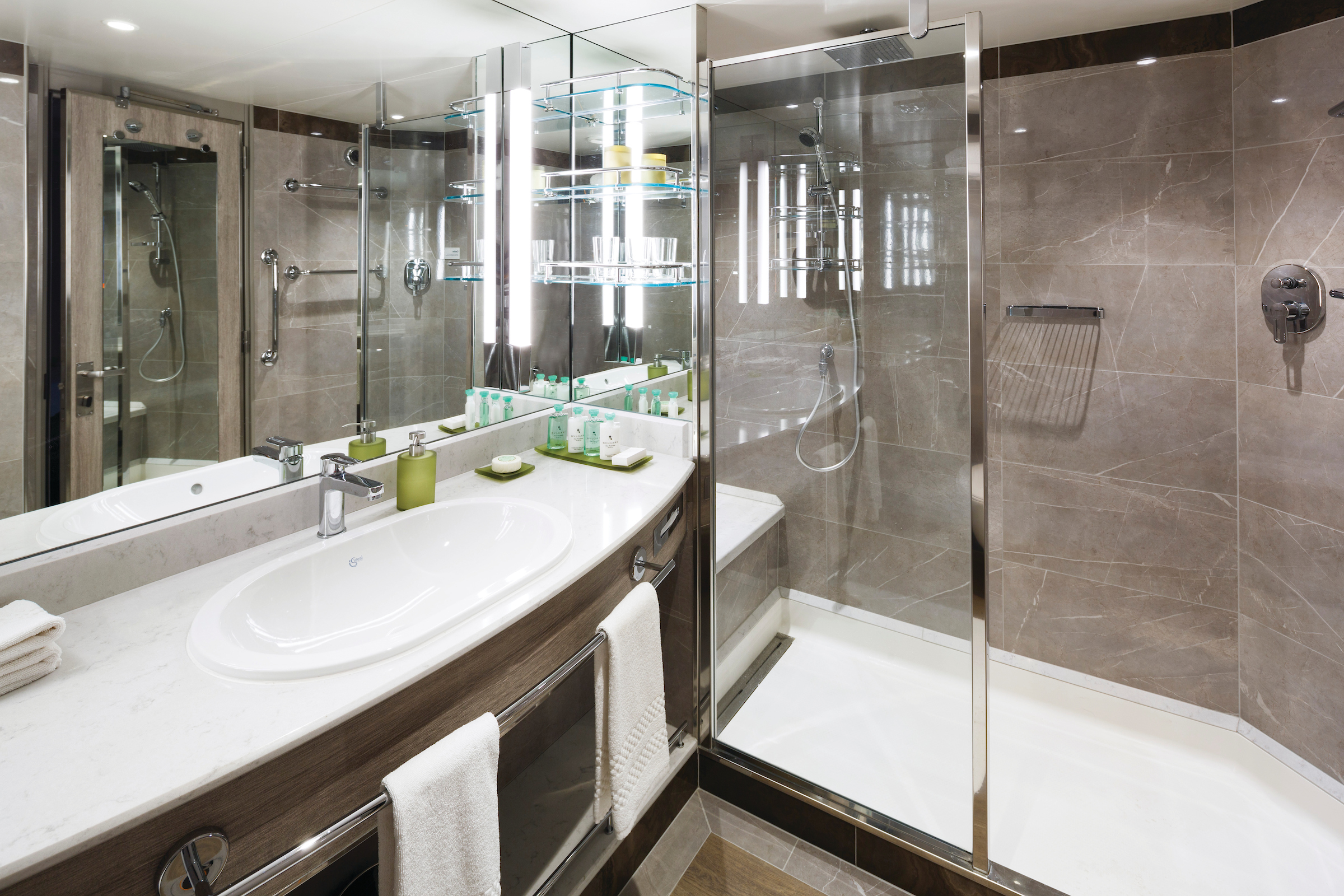
  • Double vanity
  • Separate shower
  • Whirlpool bath
  • Walk-in wardrobe with personal safe

Furniture

  • King size bed
  • Writing desk
  • Vanity table
  • Luxury bed mattresses

Media & Communication

  • Unlimited Premium Wi-Fi
  • 2 large flat screen TVs with Interactive Media Library
  • Sound system with bluetooth connectivity
  • Direct dial telephone
  • Wall mounted USB-C mobile device chargers
  • Dual voltage 110/220 outlets

Onboard Services

  • Butler service
  • Complimentary laundry, pressing & wet cleaning
  • Dinner for two in La Dame, one evening per voyage,
  • Two hours of worldwide phone use, per voyage segment
  • Champagne on arrival

Amenities

  • Espresso machine
  • Pillow menu
  • Refrigerator and bar setup stocked with your preferences
  • Plush bathrobe
  • Luxury bath amenities
  • Umbrella
  • Hair Dryer
  • Slippers

*The difference in size is largely due to a larger entry corridor and does not affect the living or sleeping area.

Images are intended as a general reference. Features, materials, finishes and layout may be different than shown.

Please note that the third guest will sleep on a comfortable sofa bed in the reception area of the suite.

1055-1389 sq ft
Accommodates 5 guests
Owner's Suite

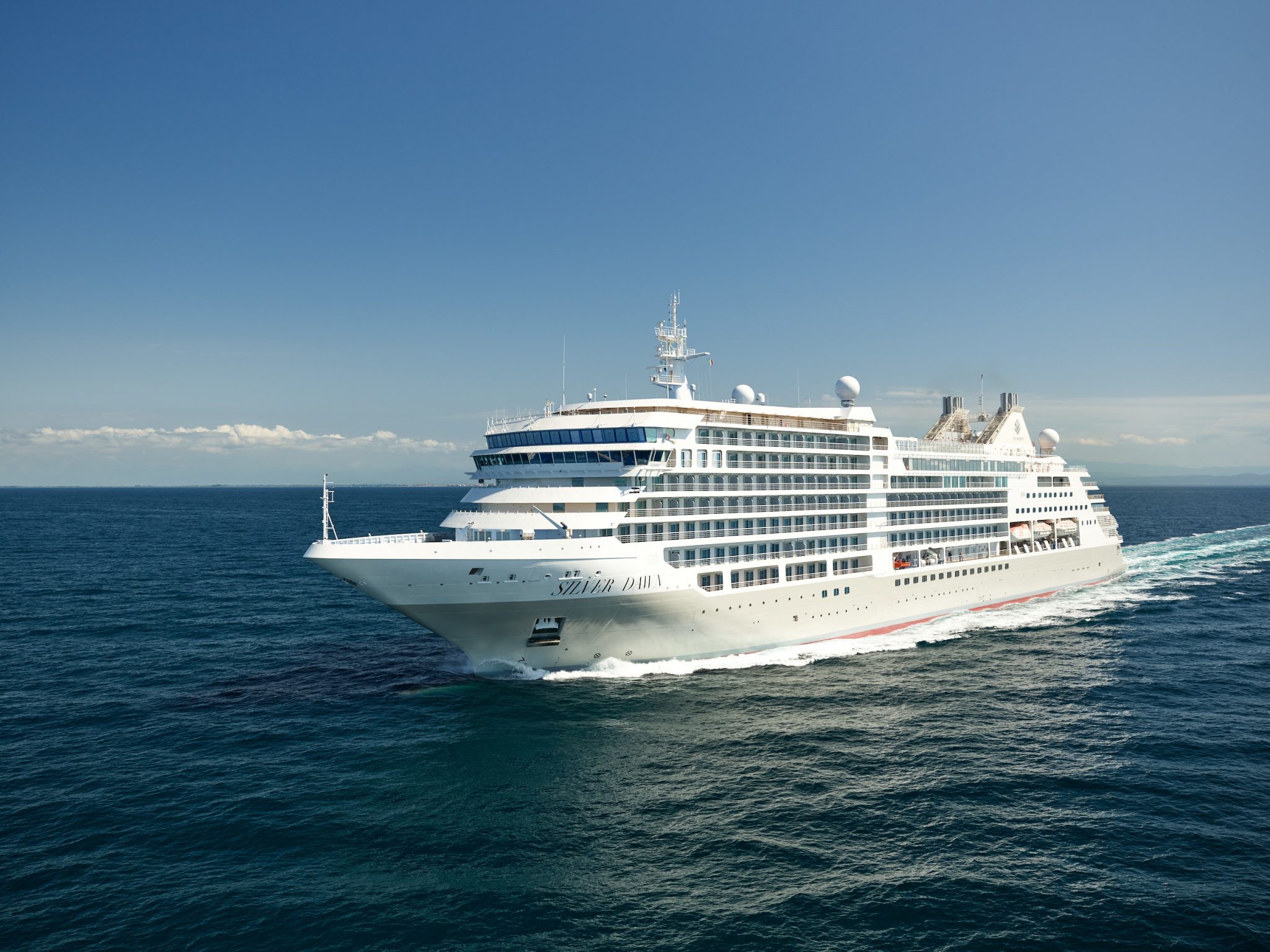
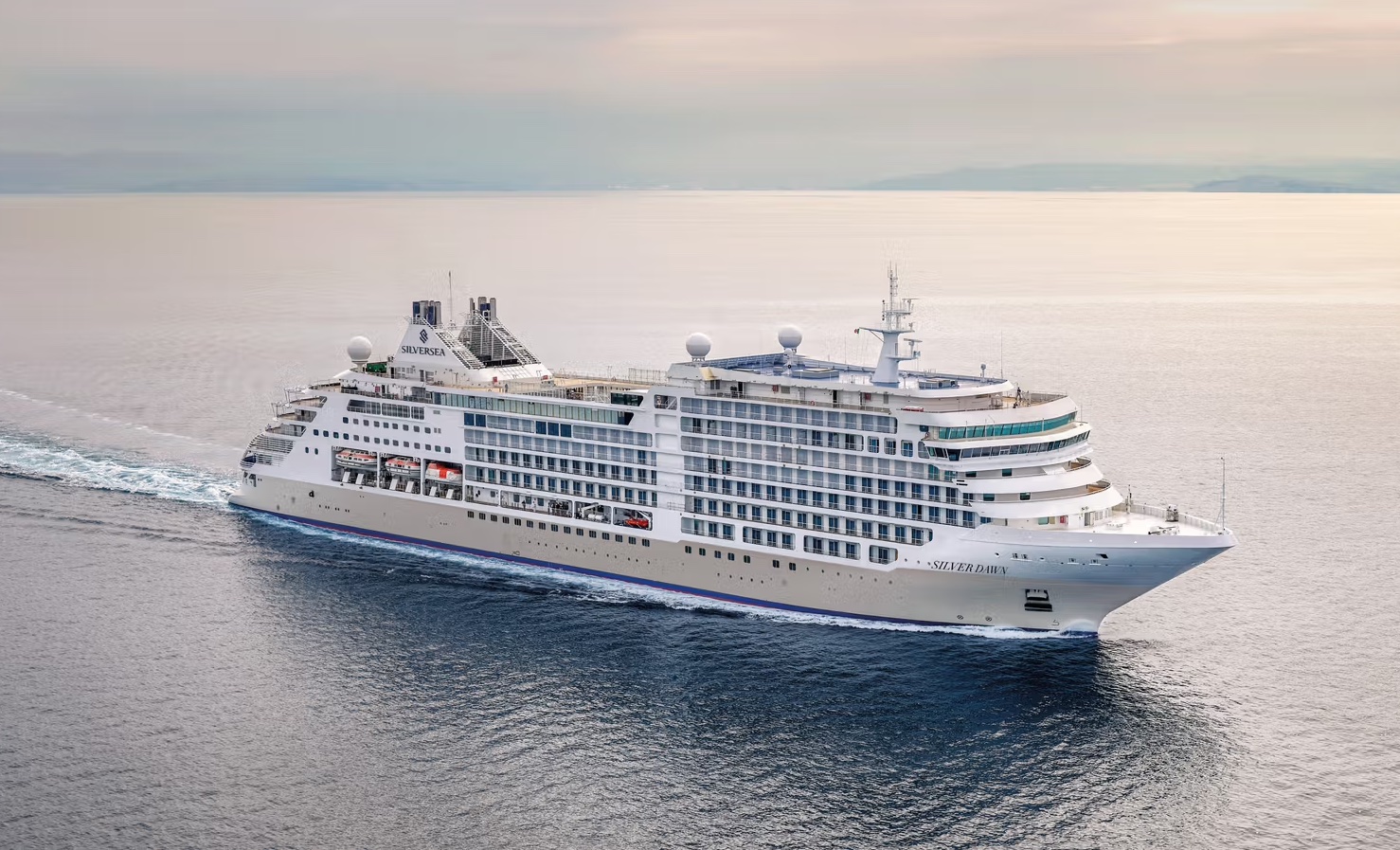
Silver Dawn

Silver Dawn

Life on board

The Onboard Experience

Ut enim ad minima veniam, quis nostrum. Exercitationem ullam corporis suscipit laboriosam, nisi ut aliquid ex ea commodi consequatur? Quis autem vel eum iure reprehenderit qui in ea voluptate velit esse quam nihil molestiae consequatur, vel illum qui dolorem eum fugiat quo voluptas nulla pariatur?

Client testimonials

I have worked with Lore Doick for more than 20 years, and she has booked over 30 cruises for me. Her expertise, care, and attention to every travel detail have made her an invaluable advisor and friend over the years.”

Tina B.

We are now in our second generation working with Cheri Ozimac at Tully Luxury Travel. From Antarctica to Greece, she has handled every detail with expertise, responsiveness, and care…

Earl M.

My wife and I have worked with Tully since 2007, and Kit Neil and her team went far beyond expectations while helping us navigate multiple cruise and flight cancellations. Their advocacy, care, and support during a difficult time were extraordinary.

Carri F.

Cheri Ozimac organized our Seabourn cruise flawlessly, from the hotel recommendation to every travel arrangement. She was responsive, attentive, and an excellent advocate throughout the process…

Cyn S.

We discovered Tully Luxury Travel after years of booking cruises through US agents and were impressed by their competitive pricing, exceptional service, and Canadian based support. Their team is always available, offers excellent value, and makes booking the right cruise seamless.

Peter C.

GoogleAverage Customer Rating:

The Tully Difference

Why travel with us


Tully Luxury Travel was built on access, discretion, and trust. For our clients, that means ease at every step, with distinctions that turn exceptional voyages into defining moments.

Recognized expertise

A renowned agency worldwide in luxury land and small-ship cruising, consistently trusted by the industry’s most prestigious brands.