Silversea logo

Papeete to Valparaiso

Itinerary: Papeete, Tahiti, Moorea, Fakarava, At Sea, Atuona, Hiva Oa, Tahuata Island, Hatiheu, Hana Vave, Fatu Hiva Island, Mangareva Island, Pitcairn Island, Hangaroa, Easter Island, San Juan Bautista (Robinso... See full itinerary

23 Oct 27
23 nights

Voyage Details

Duration:
23 nights
Departure:
23 Oct 2027
Embarkation:
Papeete, Tahiti, French Polynesia
Voyage code:
E4271023023

Your Itinerary, Day-By-Day

Special Chapters of Your Journey

Day 1 - Papeete, Tahiti

Papeete will be your gateway to the tropical paradise of French Polynesia, where islands fringed with gorgeous beaches and turquoise ocean await to soothe the soul. This spirited city is the capital of French Polynesia, and serves as a superb base for onward exploration of Tahiti – an island of breathtaking landscapes and oceanic vistas. Wonderful lagoons of crisp, clear water beg to be snorkelled, stunning black beaches and blowholes pay tribute to the island's volcanic heritage, and lush green mountains beckon you inland on adventures, as you explore extraordinary Tahiti. Visit to relax inside picturesque stilted huts, which stand out over shimmering water, as you settle into the intoxicating rhythm of life, in this Polynesian paradise.

Pfppt   Papeete, Tahiti, French Polynesia   Photo Credit Belongs To Fabe Collage
Pfppt Papeete, Tahiti, French Polynesia Photo Credit Belongs To Fabe Collage Fabe Collage

Day 2 - Moorea

Mo’orea is one of the Society Islands of the French Polynesia. Located in the South Pacific, it is considered a magical island thanks to its majestic volcanic mountains, set against warm lagoon waters and green meadows. It is an island that attracts visitors of all abilities wanting to explore both above and below the ocean waters.

Pfmoz Moorea Island Michelle Raponi
Pfmoz Moorea Island Michelle RaponiMichelle Raponi

Day 3 - Fakarava

Further details for this day are not available.

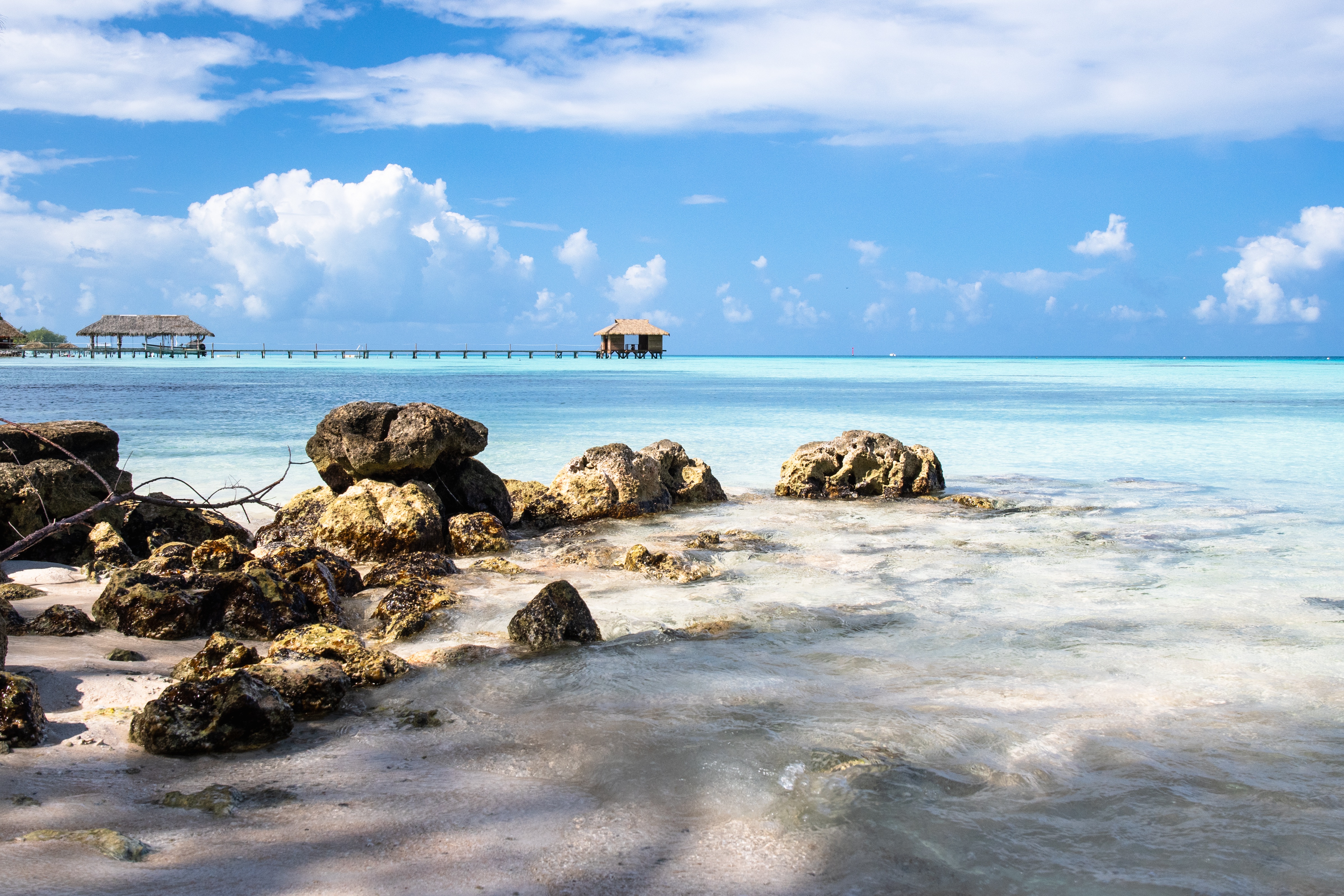
Beach At Fakarava
Beach At FakaravaImage by xiSerge from Pixabay

Day 4 - At Sea

Further details for this day are not available.

Day 5 - Atuona, Hiva Oa

Further details for this day are not available.

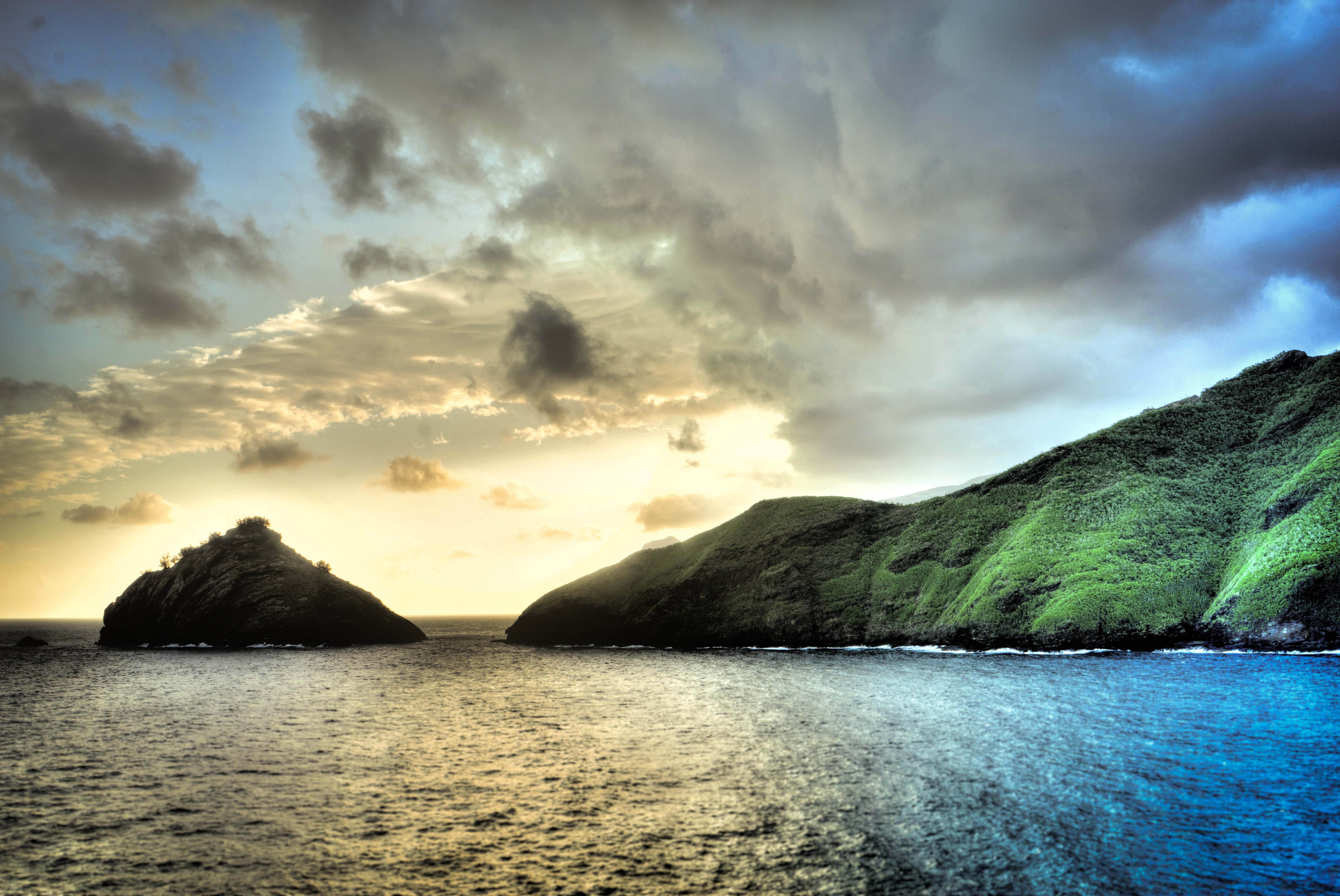
Hiva Oa, French Polynesia
Hiva Oa, French PolynesiaImage by Michelle Raponi from Pixabay

Day 5 - Tahuata Island

Further details for this day are not available.

Day 6 - Hatiheu

Further details for this day are not available.

Day 7 - Hana Vave, Fatu Hiva Island

Further details for this day are not available.

Day 8 - At Sea

Further details for this day are not available.

Day 9 - At Sea

Further details for this day are not available.

Day 10 - Mangareva Island

In the Gambier Islands of French Polynesia, Mangareva is the largest island with a population of over 1,200 people. Most live in the largest village on the island, Rikitea. A high central ridge runs the length of Mangareva peaking with Mt. Duff, which rises over 440 meters from the sea on the island's south coast. The island has a large lagoon sprinkled with coral reefs whose tropical fish helped ancient islanders survive much more successfully than on nearby islands with no reefs. Small ships are able to enter the lagoon of Mangareva. From inside the atoll it is possible to reach Mangareva’s main town. Ashore visitors can walk through the town or up the sides of Mt. Duff. The highlights in town include the cathedral with its mother-of-pearl shell objects designed by the students of Rikitea’s school.

Day 11 - At Sea

Further details for this day are not available.

Day 12 - Pitcairn Island

With a total of 56 residents on the island, Adamstown is the capital of the Pitcairn Islands and the only populated settlement, as all of the other Pitcairn Islands are uninhabited (although were populated by Polynesians in the 11th through 15th centuries). Halfway between Peru and New Zealand, Pitcairn was the perfect hiding spot for the famed HMS Bounty mutineers and their Tahitian wives. Not only had the island been misplaced on early maps of the region, but it can also be very difficult to come ashore as large breakers tend to build up just in front of the small harbour of Bounty Bay. On shore visit the local museum that houses the HMS Bounty Bible, the historic Adamstown Church, view Fletcher Christian’s cave, or keep an eye out for the Pitcairn Reed Warbler.

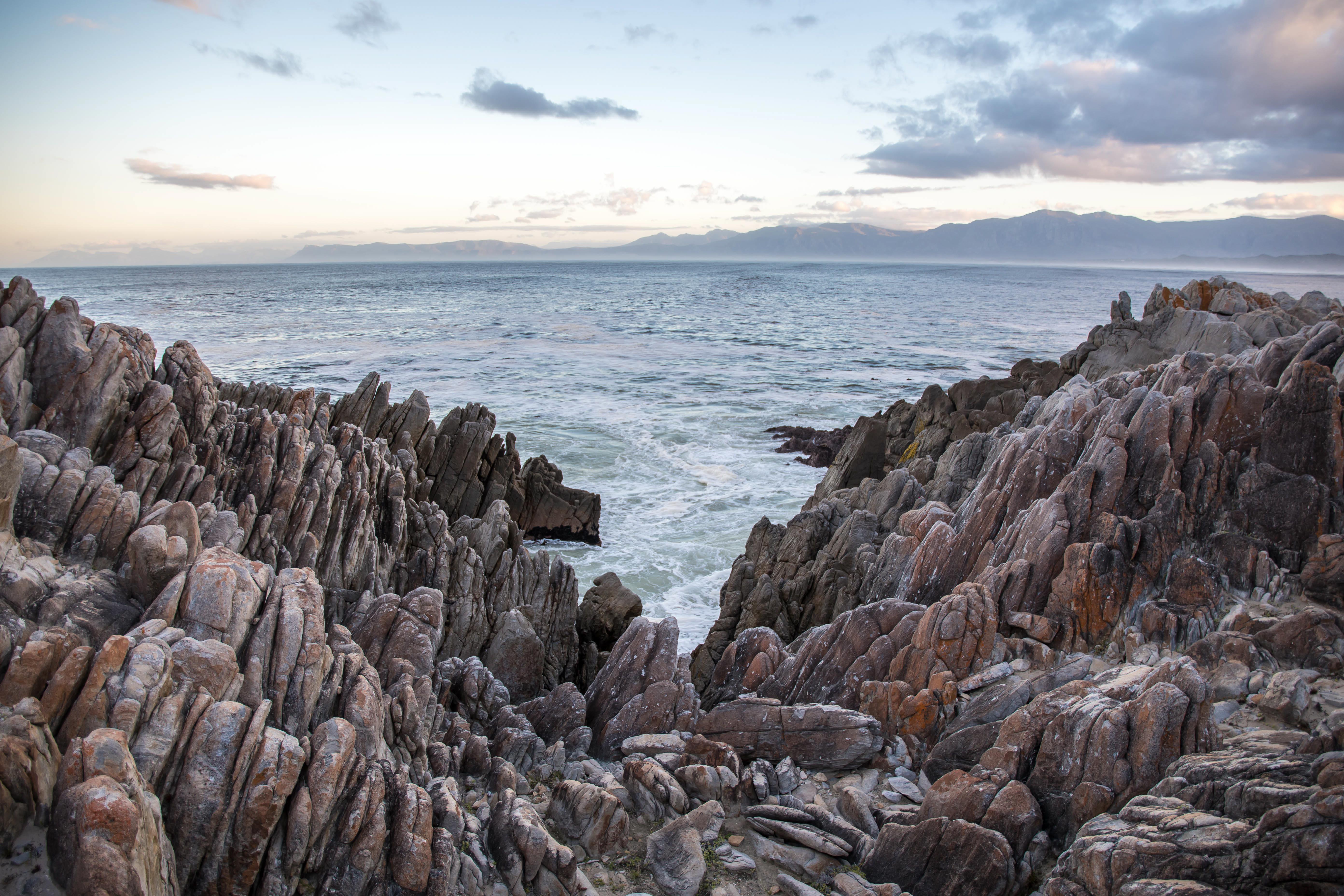
Pitcairn Island
Pitcairn IslandImage by Lucy Thomas from Pixabay

Day 13 - At Sea

Further details for this day are not available.

Day 14 - At Sea

Further details for this day are not available.

Day 15 - At Sea

Further details for this day are not available.

Day 16 - Hangaroa, Easter Island

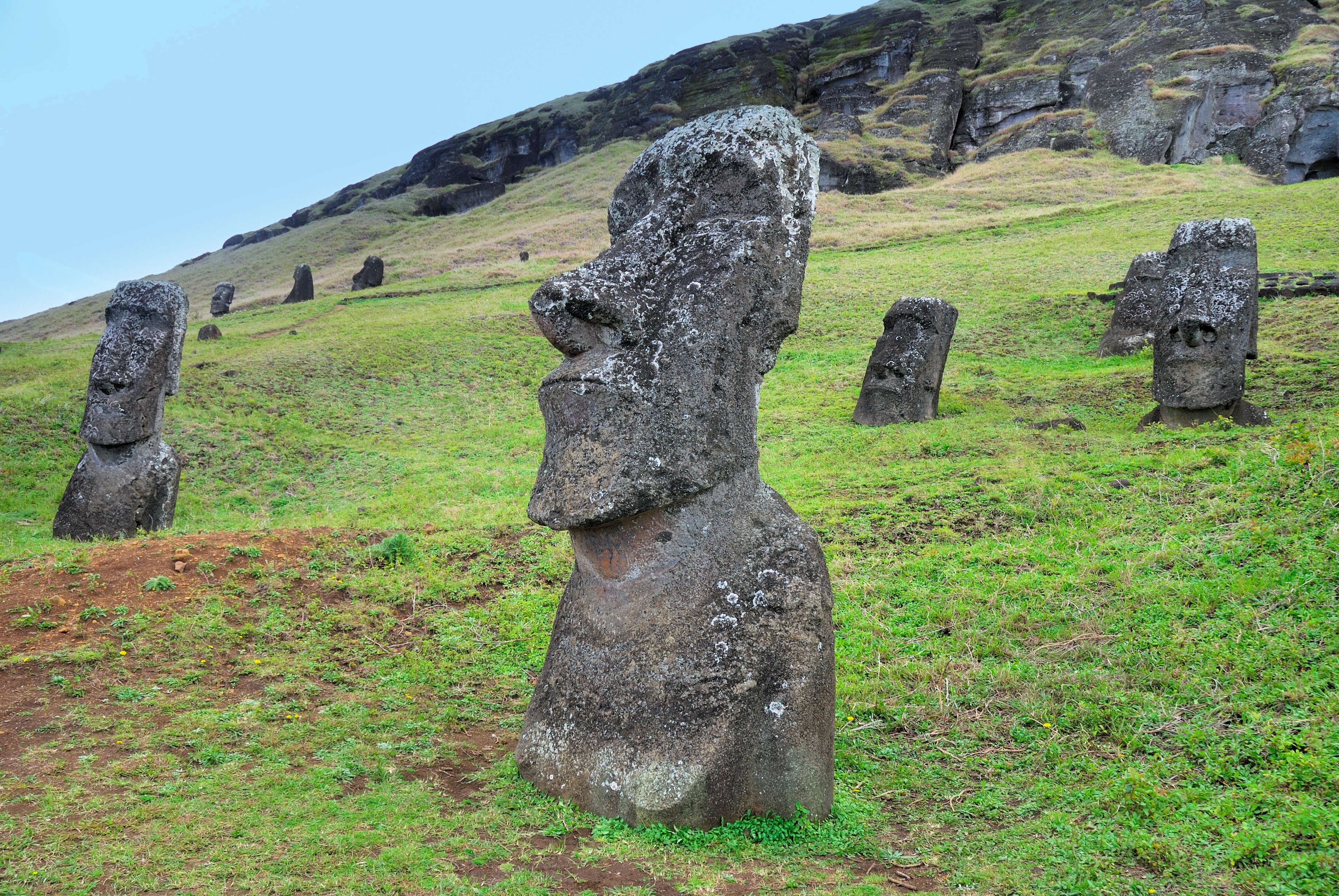
Discovered (by the Western world) on Easter Sunday, 1722, Easter Island is a UNESCO World Heritage Site and one of the most isolated places on the face of the Earth, some 2,300 miles from the Chilean mainland. Although more Polynesian than South American in character, the 64-square mile island was annexed by Chile in 1888, and is now famous as the world’s largest ‘open air museum’ on account of the Moai, or human-like stone statues, that can be found on the island. The Moai remain very much a mystery, which archaeologists are still trying to unlock by interpreting an ancient language of the Rapa Nui, which is the key to understanding this culture, and is written on the so called ‘rongo rongo tablets’. The island owes its origin to three volcanoes which erupted some three million years ago: Poike, Rano Kau and Maunga Terevaka. It is not known when or how the island was first populated, but the most credible theory suggests that the Rapa Nui people came from other Pacific islands in the 4th century AD. In addition to the cultural and archaeological interest, there are the beautiful beaches, transparent waters, and coral reefs that might be expected of a Pacific Island.

Easter Island
Easter IslandImage by Walkerssk from Pixabay
Easter Island
Easter IslandImage by LuisValiente from Pixabay

Day 17 - Hangaroa, Easter Island

Discovered (by the Western world) on Easter Sunday, 1722, Easter Island is a UNESCO World Heritage Site and one of the most isolated places on the face of the Earth, some 2,300 miles from the Chilean mainland. Although more Polynesian than South American in character, the 64-square mile island was annexed by Chile in 1888, and is now famous as the world’s largest ‘open air museum’ on account of the Moai, or human-like stone statues, that can be found on the island. The Moai remain very much a mystery, which archaeologists are still trying to unlock by interpreting an ancient language of the Rapa Nui, which is the key to understanding this culture, and is written on the so called ‘rongo rongo tablets’. The island owes its origin to three volcanoes which erupted some three million years ago: Poike, Rano Kau and Maunga Terevaka. It is not known when or how the island was first populated, but the most credible theory suggests that the Rapa Nui people came from other Pacific islands in the 4th century AD. In addition to the cultural and archaeological interest, there are the beautiful beaches, transparent waters, and coral reefs that might be expected of a Pacific Island.

Easter Island
Easter IslandImage by Walkerssk from Pixabay
Easter Island
Easter IslandImage by LuisValiente from Pixabay

Day 18 - At Sea

Further details for this day are not available.

Day 19 - At Sea

Further details for this day are not available.

Day 20 - At Sea

Further details for this day are not available.

Day 21 - At Sea

Further details for this day are not available.

Day 22 - San Juan Bautista (Robinson Crusoe Island)

Robinson Crusoe Island is located 600 kilometres off the coast of Chile. The island is a rugged volcanic speck where 70 percent of its plant species are endemic, and is the largest of the Juan Fernandez Islands, a small archipelago that since 1935 is a Chilean National Park which was declared a UNESCO World Biosphere Reserve. This island has witnessed and played an important role in Chilean and world history. In 1750 the village of San Juan Bautista was founded at Cumberland Bay and by 1779 there were already 7 fortresses bristling with guns. The island’s isolation offered Spain a splendid place for setting up a penal colony, to which high-ranking Chilean patriots were deported in the early 19th century. In 1915, during the First World War, three British ships and a German one, the Dresden, engaged in a sea battle which ended with the scuttling of the German cruiser. Today there are currently around one thousand people living in the archipelago, most of them in the village of San Juan Bautista engaged in fishing for the “pincer-less lobster”, a delicacy in the mainland.

Day 23 - At Sea

Further details for this day are not available.

Day 24 - Valparaiso

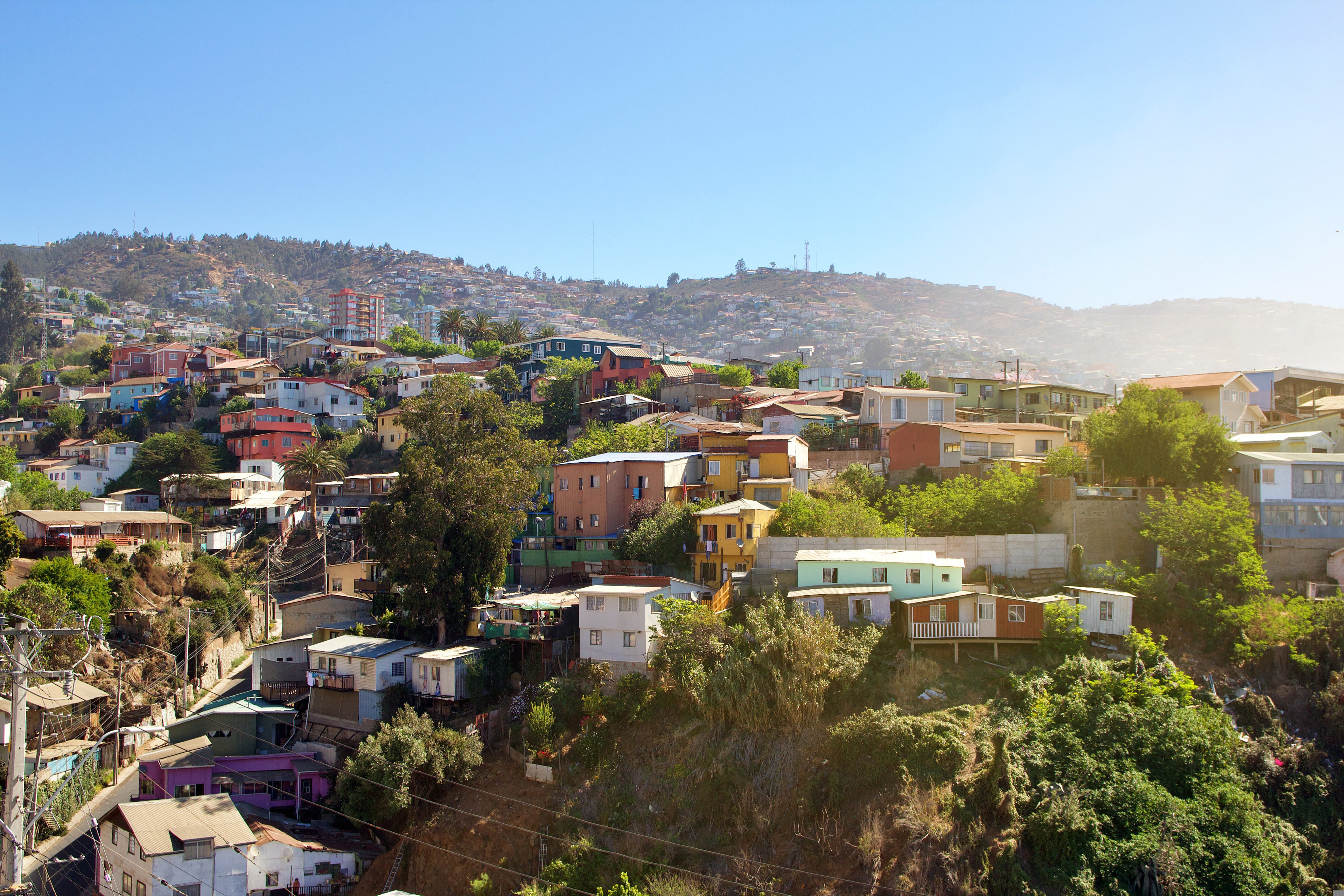
Valparaíso's dramatic topography—45 cerros, or hills, overlooking the ocean—requires the use of winding pathways and wooden ascensores (funiculars) to get up many of the grades. The slopes are covered by candy-color houses—there are almost no apartments in the city—most of which have exteriors of corrugated metal peeled from shipping containers decades ago. Valparaíso has served as Santiago's port for centuries. Before the Panama Canal opened, Valparaíso was the busiest port in South America. Harsh realities—changing trade routes, industrial decline—have diminished its importance, but it remains Chile's principal port. Most shops, banks, restaurants, bars, and other businesses cluster along the handful of streets called El Plan (the flat area) that are closest to the shoreline. Porteños (which means "the residents of the port") live in the surrounding hills in an undulating array of colorful abodes. At the top of any of the dozens of stairways, the paseos (promenades) have spectacular views; many are named after prominent Yugoslavian, Basque, and German immigrants. Neighborhoods are named for the hills they cover. With the jumble of power lines overhead and the hundreds of buses that slow down—but never completely stop—to pick up agile riders, it's hard to forget you're in a city. Still, walking is the best way to experience Valparaíso. Be careful where you step, though—locals aren't very conscientious about curbing their dogs.

Valparaiso, Chile
Valparaiso, ChileImage by Julian Hacker from Pixabay

Suites & Deck Plans

Suite

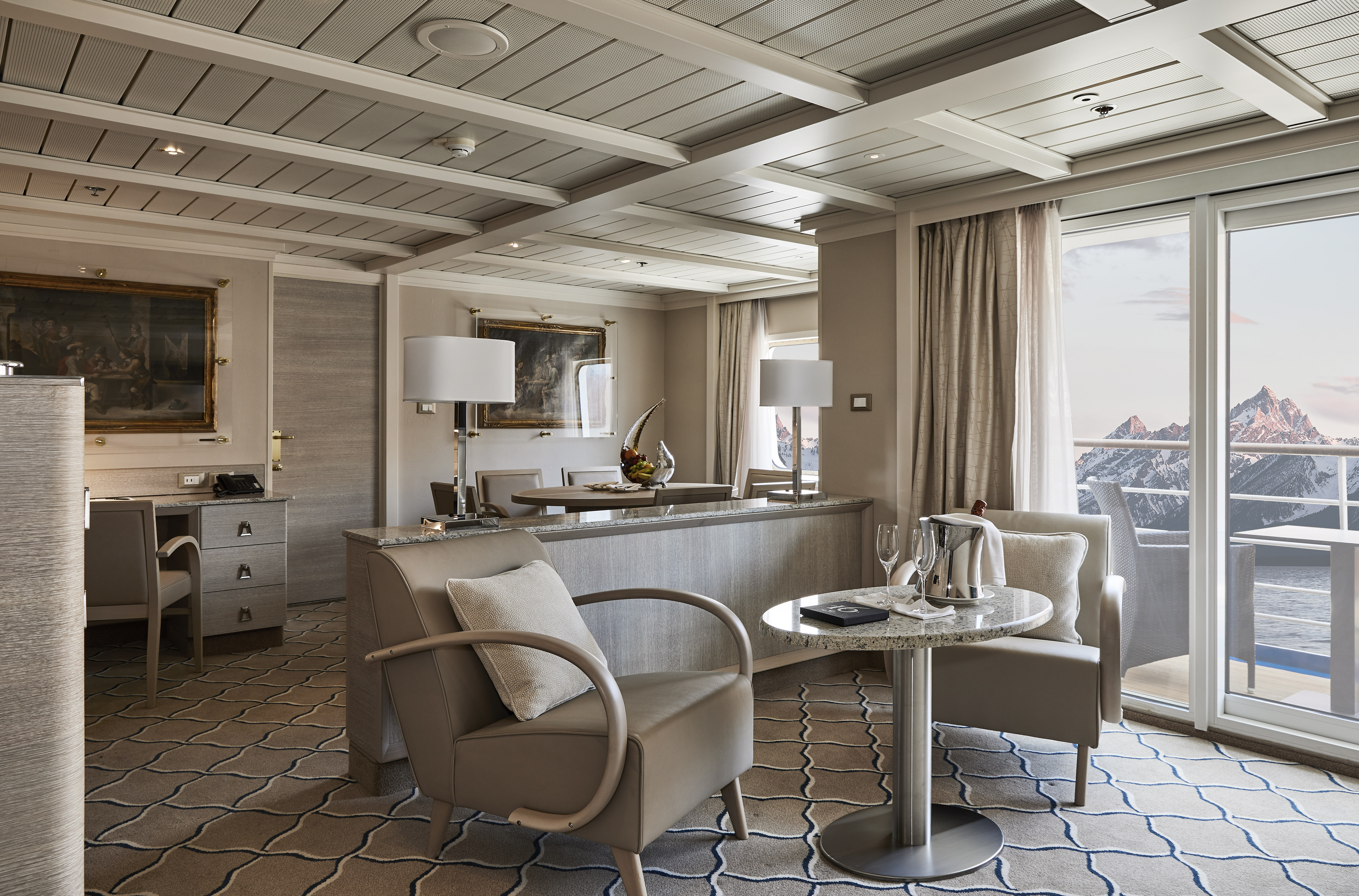
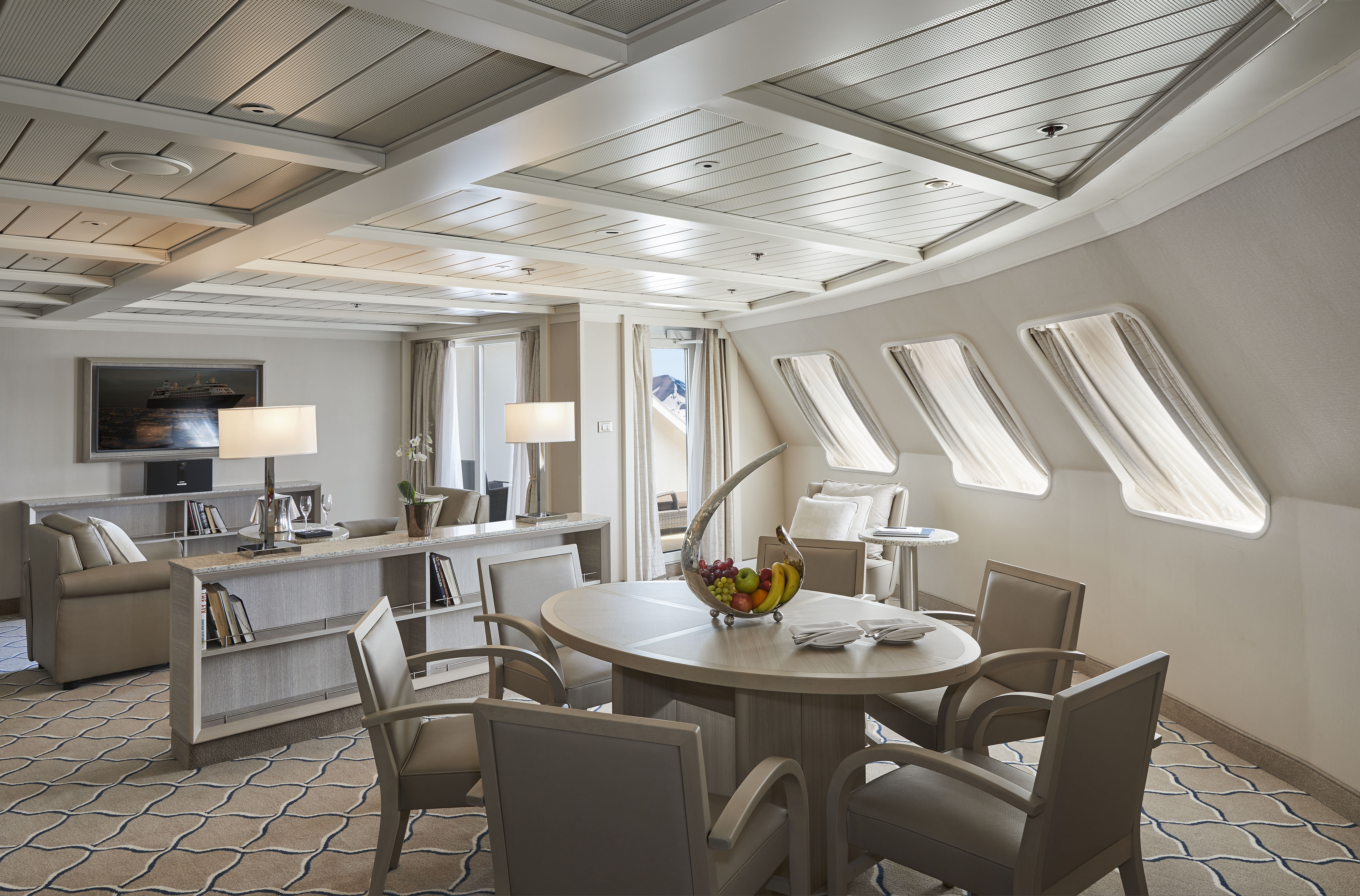
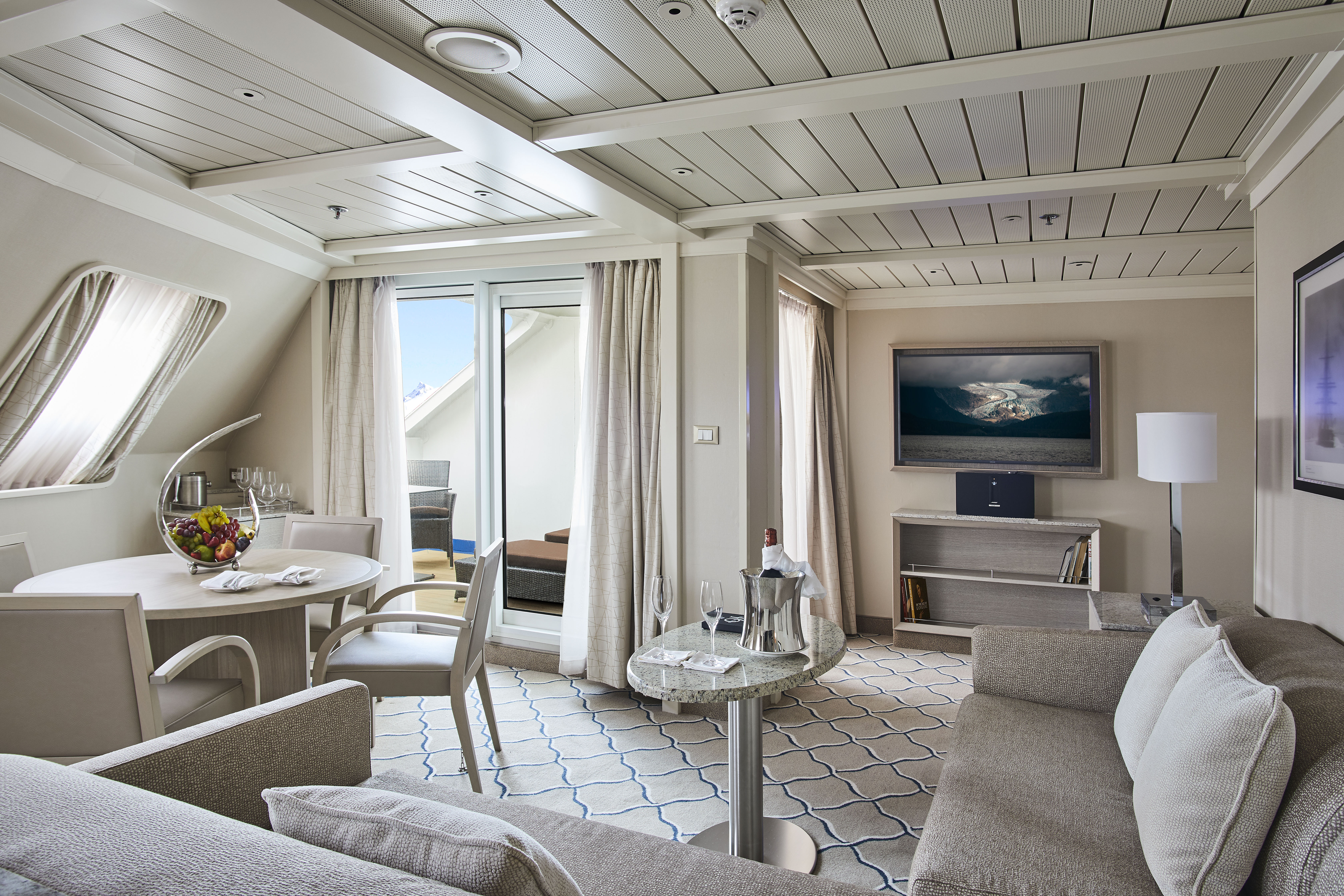
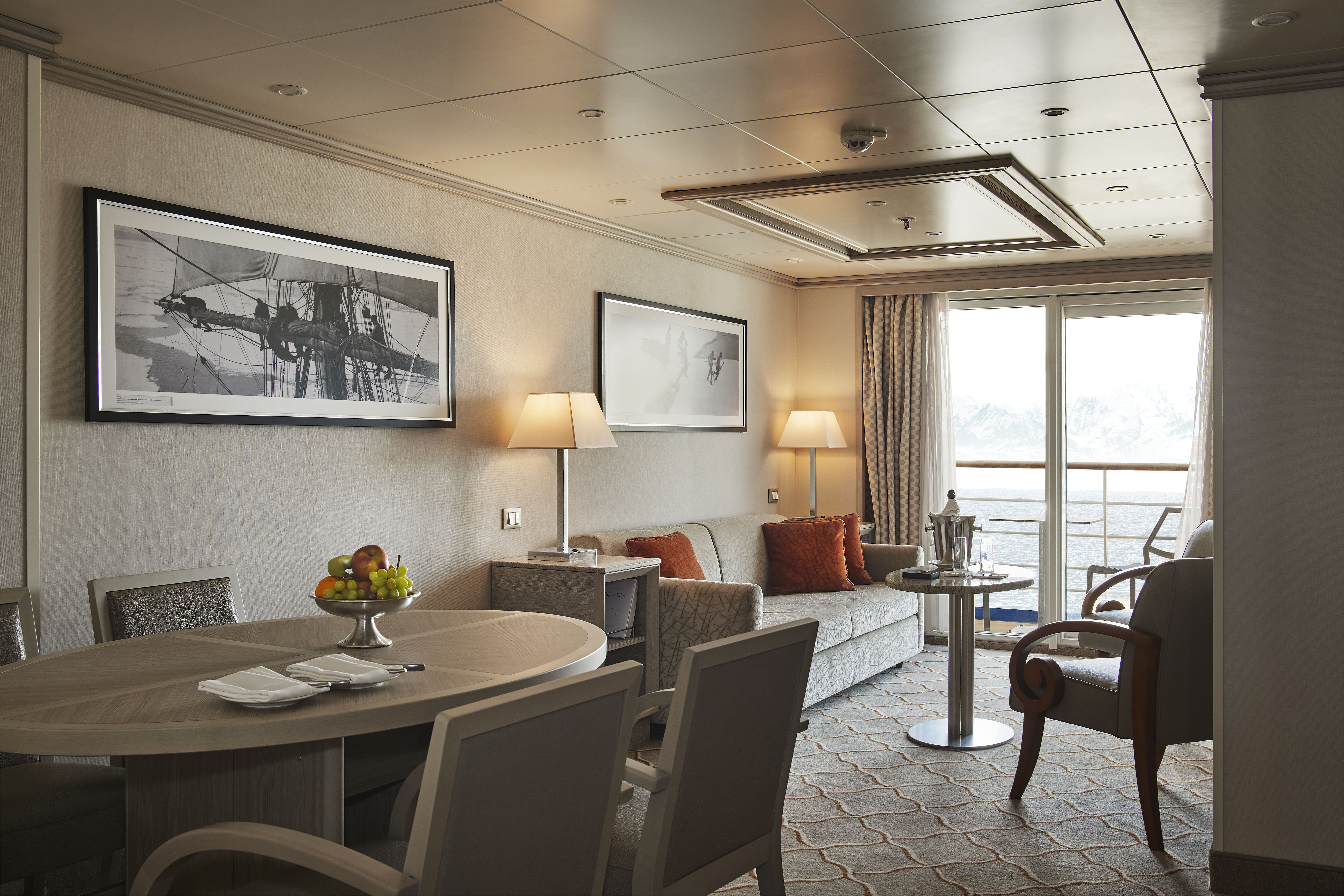
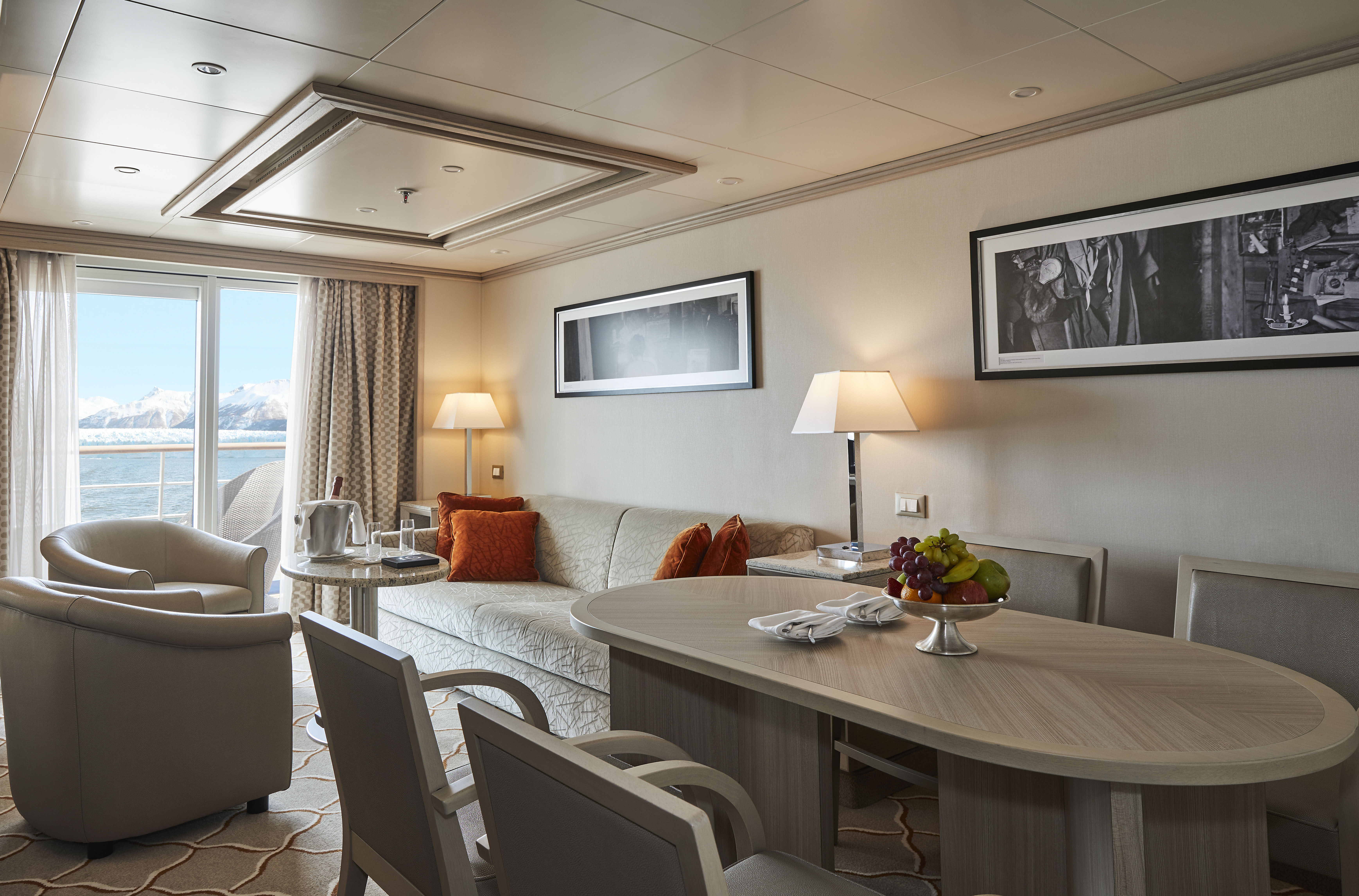
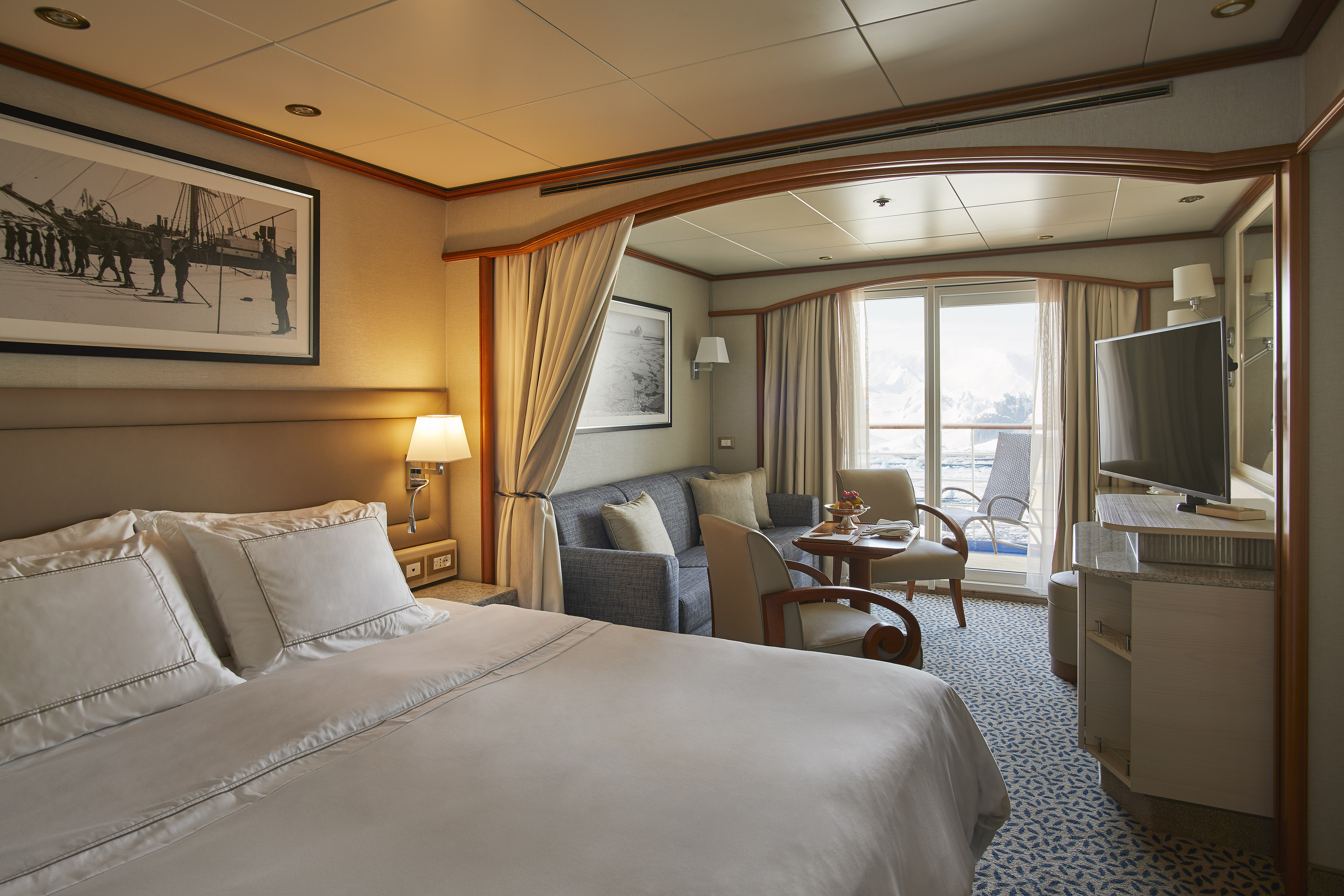
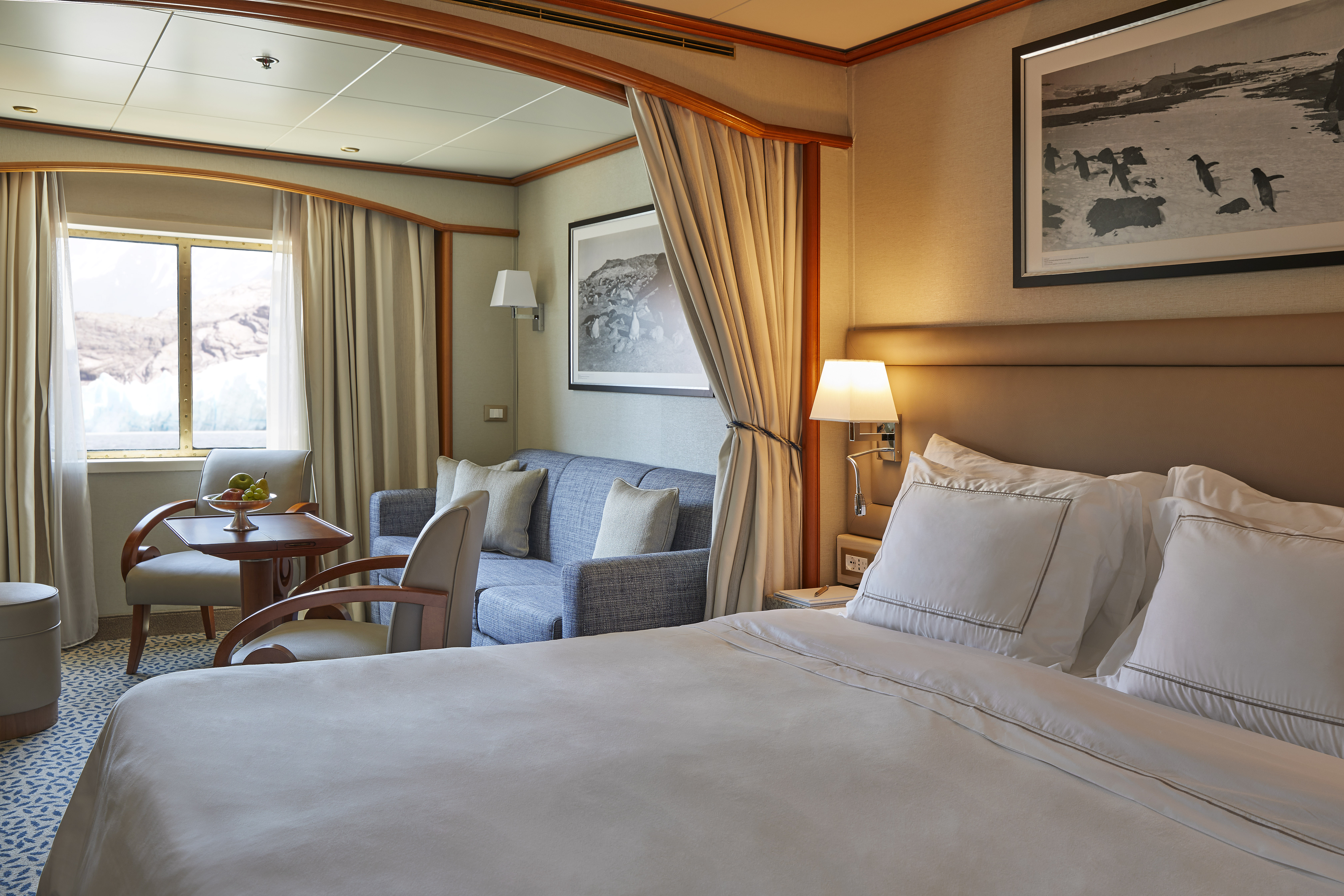
This stylish apartment offers the superlative in levels of space, comfort, and service on board. A perfect mix of expedition experience with luxury lifestyle. Available in a one-bedroom configuration or as two bedrooms by adjoining with a Vista Suite.

One bedroom: up to 55 sq m (8 sq m)

Two bedrooms: 77 sq m (8 sq m)

Images are intended as a general reference. Features, materials, finishes and layout may be different than shown.

Please note that the 3rd guest will sleep on a comfortable sofa bed in the reception area of the suite.

Essentials

  • Deck(s): 7
  • Section: Mid-Ship

Characteristics

  • Veranda
  • Separate dining area
  • Living room with sitting area
  • Standard vanity
  • Separate shower
  • Whirlpool bath
  • Walk-in wardrobe with personal safe

Furniture

  • King size bed
  • Writing desk
  • Vanity table
  • Luxury bed mattresses

Media & Communication

  • Unlimited Premium Wi-Fi
  • 2 large flat screen TVs with Interactive Media Library
  • Sound system with bluetooth connectivity
  • Direct dial telephone
  • Wall mounted USB-C mobile device chargers
  • Dual voltage 110/220 outlets

Onboard Services

  • Butler service
  • Complimentary laundry, pressing & wet cleaning
  • Dinner for two in La Dame, one evening per voyage,
  • Two hours of worldwide phone use, per voyage segment
  • Champagne on arrival

Amenities

  • Espresso machine
  • Tea kettles
  • Pillow menu
  • Refrigerator and bar setup stocked with your preferences
  • Plush bathrobe
  • Luxury bath amenities
  • Umbrella
  • Hair Dryer
  • Slippers

592-829 sq ft
Accommodates 5 guests
Owner's Suite

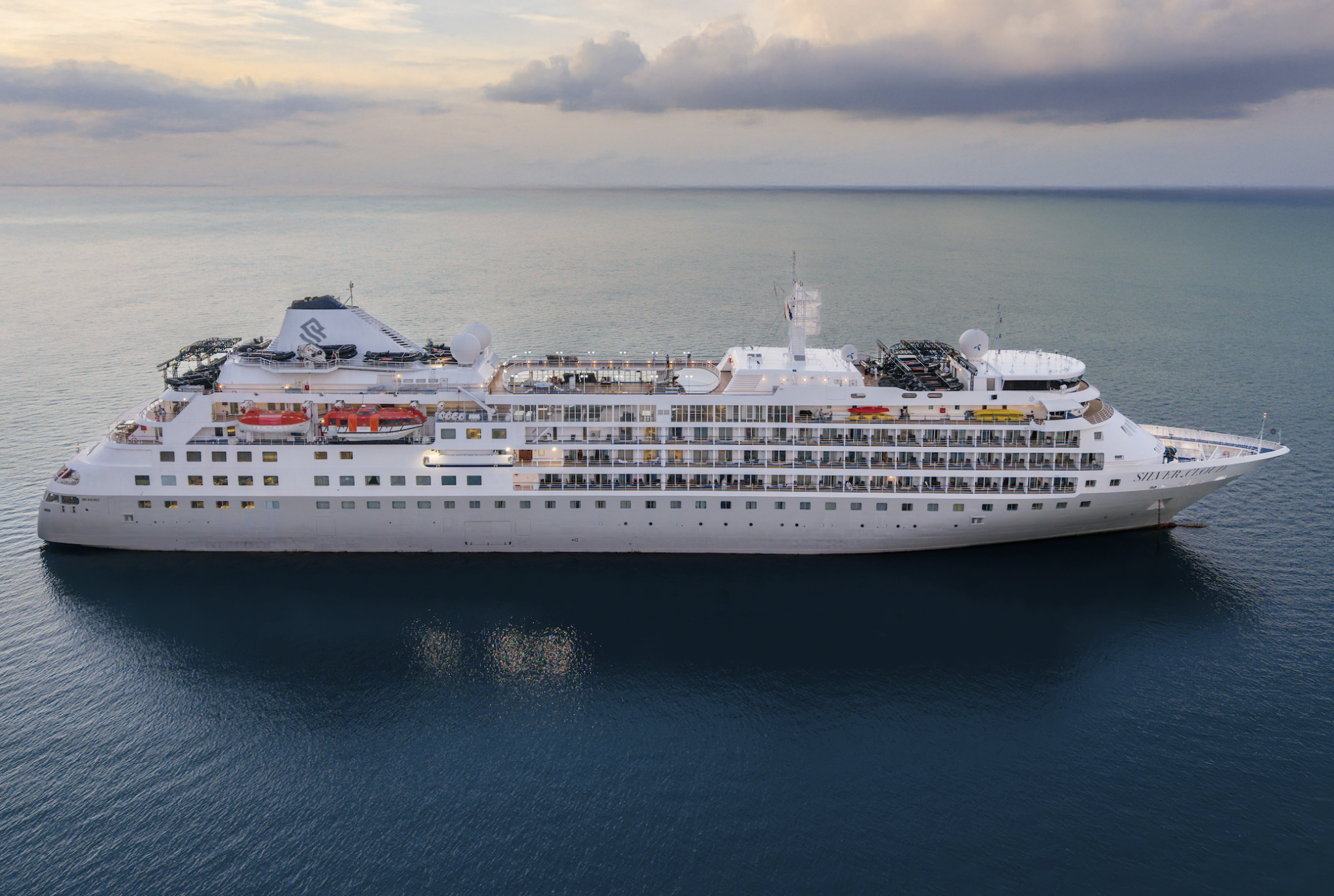
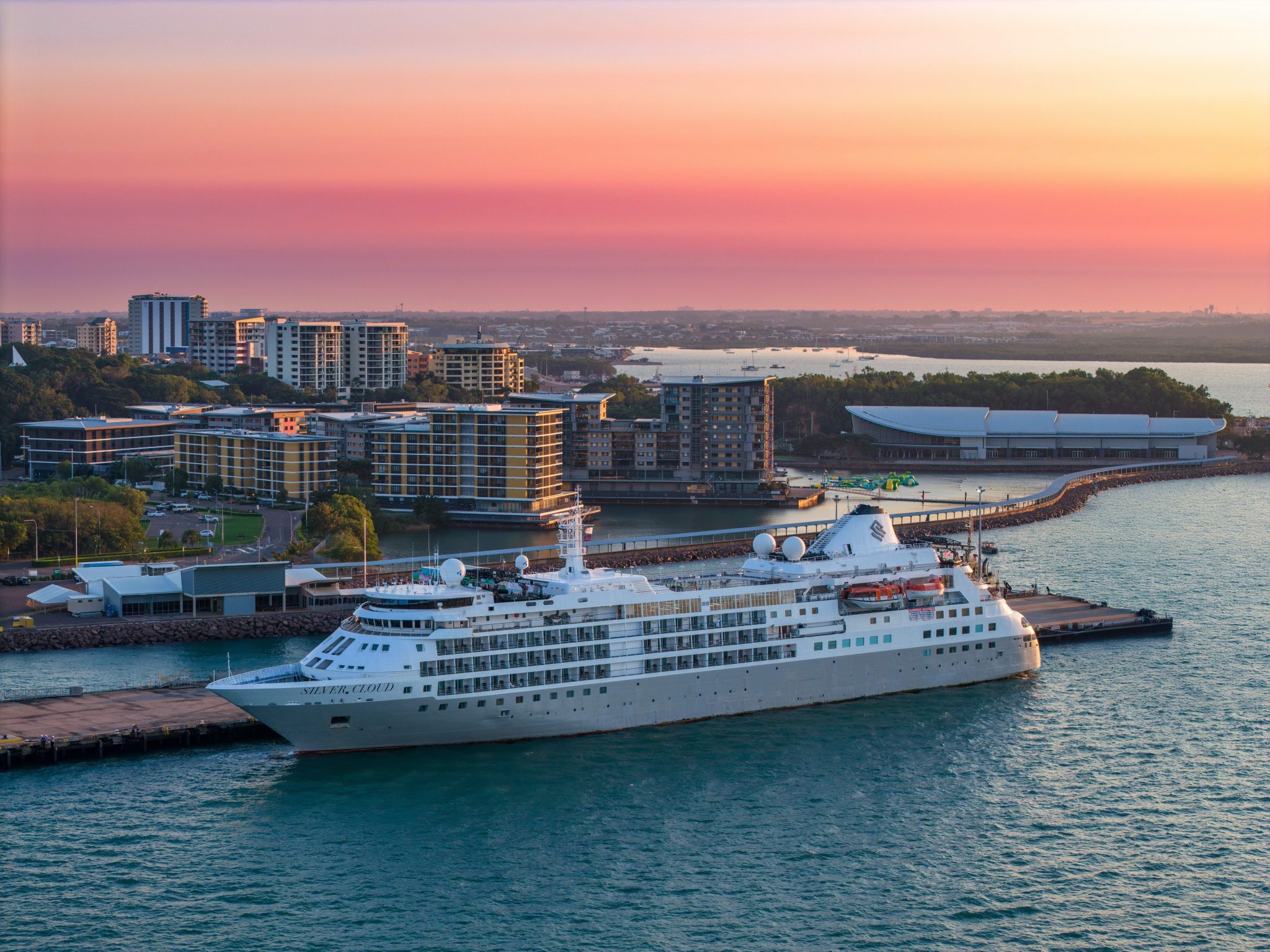
Silver Cloud

Silver Cloud

Life on board

The Onboard Experience

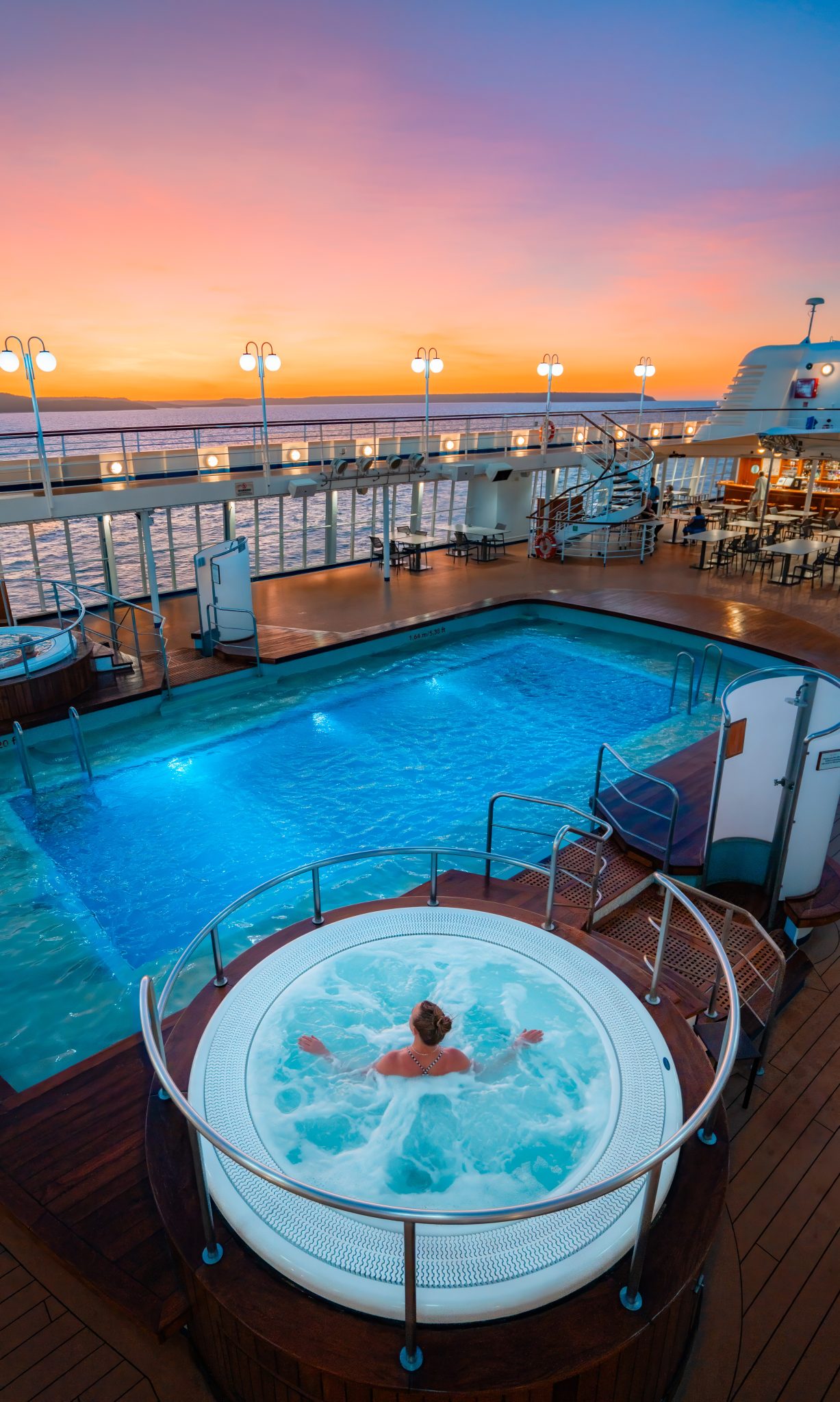
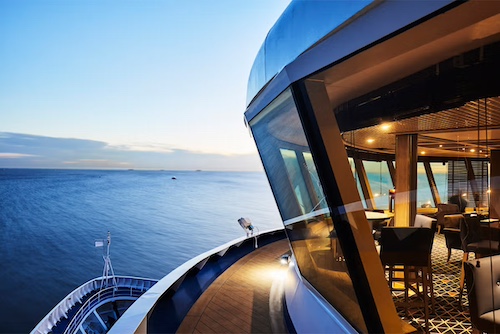
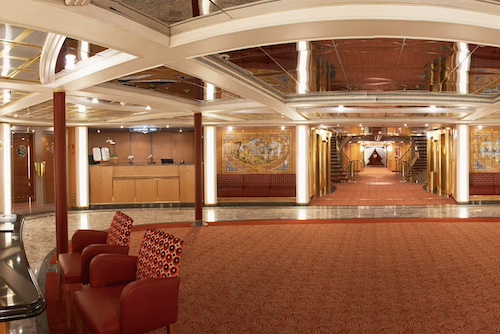
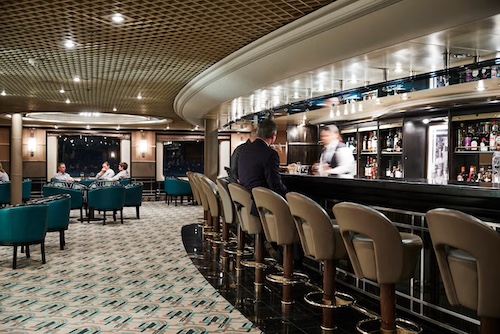
When your itinerary includes days at sea as you sail from one lovely port to another, you’ll never run out of things to do while on board.

Client testimonials

I have worked with Lore Doick for more than 20 years, and she has booked over 30 cruises for me. Her expertise, care, and attention to every travel detail have made her an invaluable advisor and friend over the years.”

Tina B.

We are now in our second generation working with Cheri Ozimac at Tully Luxury Travel. From Antarctica to Greece, she has handled every detail with expertise, responsiveness, and care…

Earl M.

My wife and I have worked with Tully since 2007, and Kit Neil and her team went far beyond expectations while helping us navigate multiple cruise and flight cancellations. Their advocacy, care, and support during a difficult time were extraordinary.

Carri F.

Cheri Ozimac organized our Seabourn cruise flawlessly, from the hotel recommendation to every travel arrangement. She was responsive, attentive, and an excellent advocate throughout the process…

Cyn S.

We discovered Tully Luxury Travel after years of booking cruises through US agents and were impressed by their competitive pricing, exceptional service, and Canadian based support. Their team is always available, offers excellent value, and makes booking the right cruise seamless.

Peter C.

GoogleAverage Customer Rating:

The Tully Difference

Why travel with us


Tully Luxury Travel was built on access, discretion, and trust. For our clients, that means ease at every step, with distinctions that turn exceptional voyages into defining moments.

Recognized expertise

A renowned agency worldwide in luxury land and small-ship cruising, consistently trusted by the industry’s most prestigious brands.