Silversea logo

Manila to Darwin

Itinerary: Manila, Apo Reef, San Fernando, Luzon, Donsol, Kalanggaman Island, Bohol, At Sea, Sandakan, Sabah, Kinabatangan River, Boheydulang Island, Pare Pare, Palopo, Sabalana Island, Pulau Satonda, Kenanga Vi... See full itinerary

23 Jun 27
21 nights

Voyage Details

Duration:
21 nights
Departure:
23 Jun 2027
Embarkation:
Manila, Philippines
Voyage code:
E4270623021

Your Itinerary, Day-By-Day

Special Chapters of Your Journey

Day 1 - Manila

MANILA, the capital city of the Philippines, was founded in, 1571 by Spanish conquistador Miguel López de Legazpi. It is one of the oldest cities in the country and was the seat of power for most of the colonial rules of the Philippines. It is situated on the eastern shore of Manila Bay and contains a multitude of landmarks, some of which date back to the 16th century. It is home to the baroque 16th-century San Agustin Church as well as Fort Santiago, a storied citadel and military prison. In the 19th century Manila became one of the most modern cities in Asia. Before the Spanish–American War, Manila saw the rise of the Philippine Revolution. Under the American rule following the Spanish-American War, the United States changed the official language from Spanish to English. Towards the end of World War II, during the Battle of Manila, most of the city was flattened by intensive aerial bombardment. Today, tourism is a vital industry in Manila. Major shopping malls and bazaars thrive around Manila.
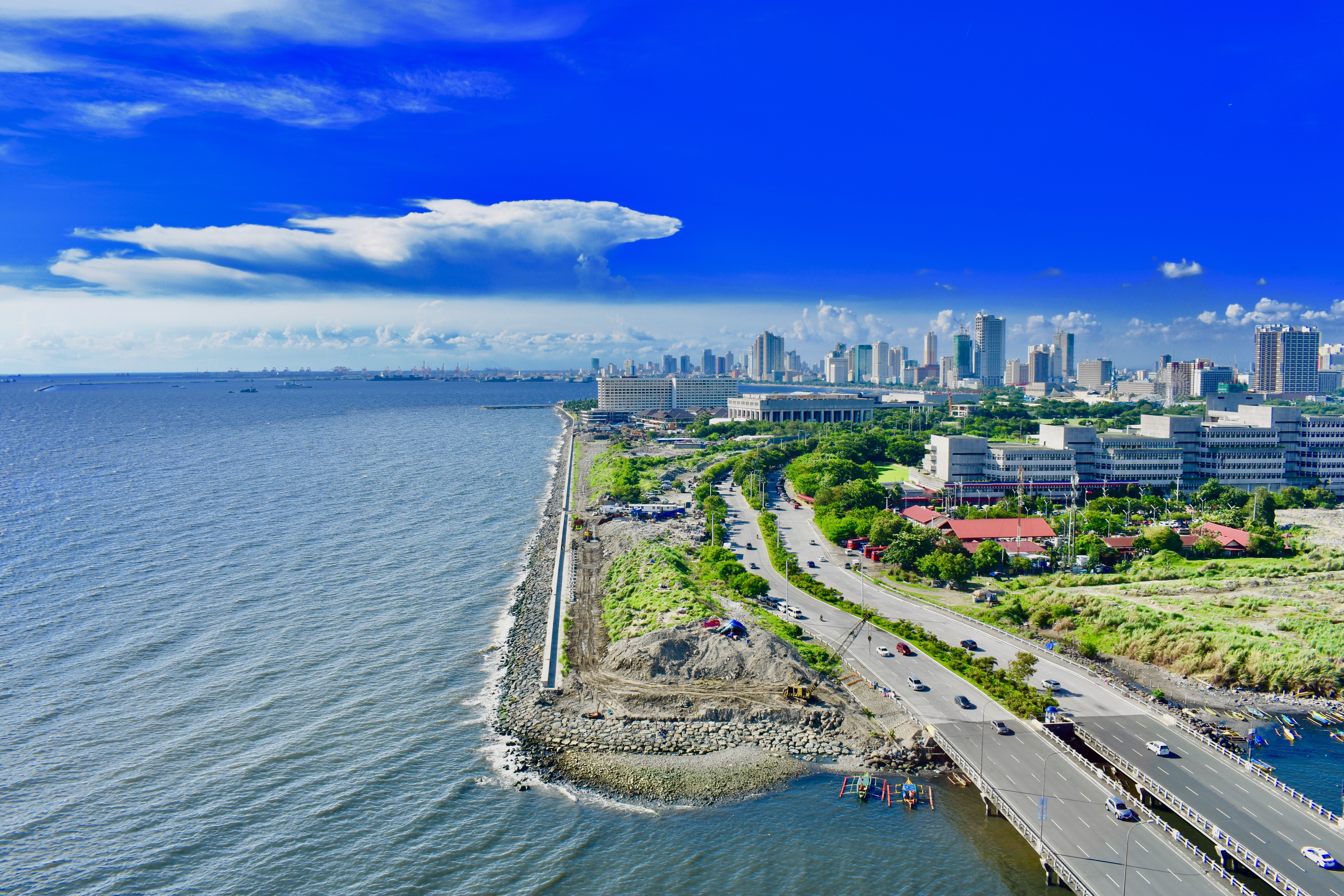
Manila Skyline
Manila SkylineImage by Dylan Gonzales from Pixabay

Day 2 - Apo Reef

Further details for this day are not available.

Day 3 - San Fernando, Luzon

Further details for this day are not available.

Day 4 - Donsol

Further details for this day are not available.

Day 5 - Kalanggaman Island

Further details for this day are not available.

Day 6 - Bohol

Further details for this day are not available.

Day 7 - At Sea

Further details for this day are not available.

Day 8 - Sandakan, Sabah

Borneo's forbidding interior made it less attractive to early traders and explorers than neighboring areas, so what is now the state of Sabah remained unexploited by the British until the late 19th century, although traders long visited for exotic items such as bird's nests (for the celebrated Chinese soup). In 1963, Sabah joined Sarawak, Malaya, and Singapore (which later seceded) in forming the Federation of Malaysia. Known as the "Land Below the Wind" because it's south of the typhoon belt, Sabah occupies Borneo's northern tip. It shares its southwestern border with Sarawak and the rest of its southern border with the Indonesian province of East Kalimantan. Today vast tracts of forest have been replaced by oil-palm plantations, and a sizable portion of remaining forest land is protected in national parks or conservation areas.On the shore of a deep bay, Sandakan was the capital of British North Borneo and one of the most important towns in Southeast Asia from the 1880s through the 1930s. But Japanese occupation during World War II and allied bombing virtually destroyed the town, and the capital was transferred to Jesselton (now Kota Kinabalu) in 1946. Sandakan enjoyed a revival in the 1970s as the center of the region's logging industry. Logging has since declined, but Sandakan is still worth visiting for its rich history and proximity to some of Borneo's most accessible wildlife attractions. Sandakan's downtown, much of it built on landfill, is squeezed between a steep promontory and Sandakan Bay. In recent years, this city of 450,000 (counting its extensive suburbs) has begun redeveloping its downtown waterfront into a shopping and nightlife hub. Its working harbor area for passengers and cargo is 6 km (4 miles) west of downtown.

Sandakan, Sabah
Sandakan, SabahImage by Marjolein van Zonneveld from Pixabay

Day 9 - Kinabatangan River

Further details for this day are not available.

Day 10 - Boheydulang Island

Further details for this day are not available.

Day 11 - At Sea

Further details for this day are not available.

Day 12 - Pare Pare

Neolithic sites recently discovered in West Sulawesi bear witness to man's presence on the island for millennia. Buddhist artifacts dating from the 4th & 5th centuries were discovered in South Sulawesi. This region was with its protected bays an ideal spot on the trade routes to drop anchor. In fact, the Bugis are reputed for their gift of boat building. The first Western visitors were Portuguese and, as many of their ships were wrecked off the coast of Minahassa, they gave the name "Celibes' (formidable) to the island. The Portuguese were followed by the Spanish who came preaching Christianity from their base in the Philippines. When the Dutch arrived, they chased all foreigners from the island and established trade monopolies. Despite the foreign influences, some tribes preserved their ancient pagan ceremonies and today fascinate the ever-growing number of visitors to the island. These are in particular the Toalans and the Torajans. Pare Pare is South Sulawesi's second city with a population of 100,000 although it feels more like a market town. It is used by cargo ships to unload goods destined for the local population. The town runs up the coast in a long narrow strip and is only 2 or 3 streets wide. The center is marked by a statue of a man standing on a map of Indonesia "Monument Rkayat Rejuan". In the mountainous northern region of South Sulawesi live the 320,000 Toraja people at an altitude of 1200 meters. These mountain people remained isolated from the outside world until the 20th century, and many of their traditions still remain. The Toraja world consisted of three classes of people: To Parengnge (nobles), the Makaka (commoners) and the Kaunan (slaves). Their life cycle is based around complementary elements of life and death, East and West, sunrise and sunset, morning and afternoon, left and right, etc. The Rituals of the East (rambu tuka) are the life giving elements - smoke ascending; rice, exorcism, birth, first haircut. The Rituals of the West (rambu solo) are death rituals. The Toraja life centers around the death rituals, which often involve two ceremonies, the second taking place several months to years later. They can be prohibitively expensive for families and involve elaborate wrapping and lamentation rites, funeral rituals involving the slaughter of many bulls.

Day 13 - Palopo

Palopo is a town of roughly 150,000 inhabitants. Founded at the northeastern end of the Gulf of Boni in the early 17th century, the town has always been a link for the Toraja people in the highlands of Sulawesi. A pleasant temperature and little rain during most of the year are only changed by the west monsoon from December to March when heavy rain and high humidity arrives. Near Palopo are clear rivers and small waterfalls. Surrounding Palopo and leading into the highlands are small plantations of mango, durian and rambutan. Because open and flat spaces are limited, on many occasions the locals use the roads to dry coffee beans in the bright sunshine.

Day 14 - Sabalana Island

Further details for this day are not available.

Day 15 - Pulau Satonda

Further details for this day are not available.

Day 15 - Kenanga Village

Further details for this day are not available.

Day 16 - Benoa, Bali

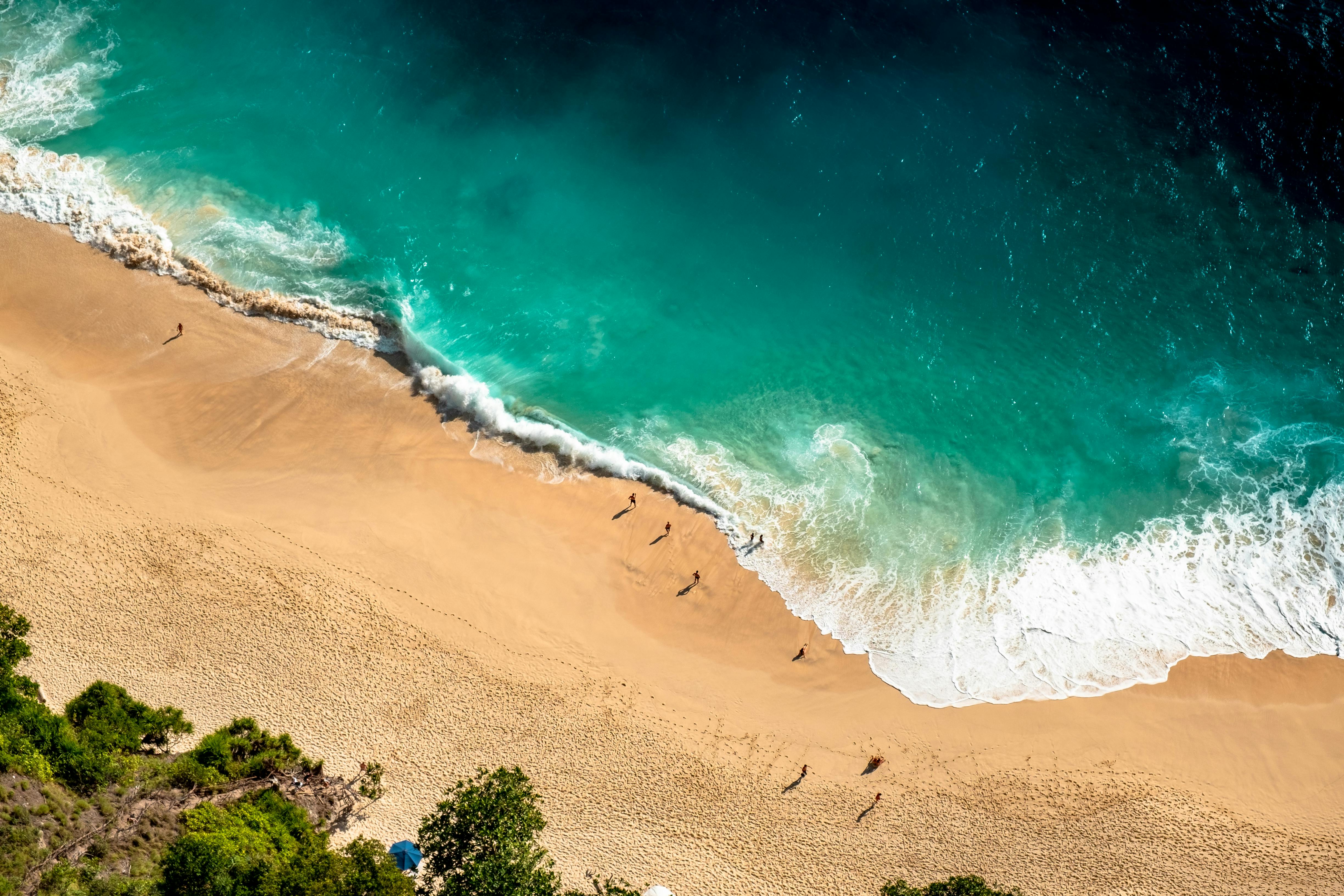
Bali really is as alluring as everyone says. This island, slightly bigger than Delaware, has it all: beaches, volcanoes, terraced rice fields, forests, renowned resorts, surfing, golf, and world-class dive sites. But what sets Bali apart from other nearby tropical destinations is Balinese tradition, and villagers dedicated to celebrating it. The hundreds of temples, dances, rituals, and crafts linked to their ancient Hindu faith aren't a show for tourists, but a living, breathing culture in which visitors are warmly received by the Balinese, who cherish their own identities.

Drone Shot Of Beach In Bali
Drone Shot Of Beach In BaliPhoto by Dimitri Dim, Pexels

Day 17 - Komba Island

On the approach to Pulau Komodo, a tiny island just 36 km (22 miles) long and 16 km (9 miles) across at its widest point, it's hard to imagine that this is the home of the fearsome dragons described by late-19th-century explorers. The island, in the Indonesian region of Nusa Tenggara, lies between the islands of Sumbawa and Flores at the heart of the Komodo National Park, designated a UNESCO World Heritage Site and one of the New7Wonders of Nature. At first look, steep hillsides of parched, golden grasses slide down into topaz bays covered in glass-clear waters, and white-sand beaches hem quiet shorelines. But then you remember that this innocent-looking island is inhabited by 13-foot-long, 220-pound ora, as Komodo dragons are known locally. Don't be frightened: Although stories of people disappearing run rampant, a trip here is quite safe—as long as you stay with a park guide.While Komodo dragons are the main attraction, several other large species also reside here. Dark-brown deer and small buffalo nibble the grasses of the high plains, macaques peer through the trees, and wild pigs crash through the underbrush. More than 150 types of birds also inhabit the island, including cockatoos, imperial pigeons, sea eagles, and mound-building megapodes. Offshore in the marine reserve, you might spot dolphins, dugong (a relative of the manatee), sea turtles, manta rays, and even whales, as well as more than 1,000 species of fish.Lodging on Pulau Komodo was nonexistent until 2012, when a modest, eco-friendly resort and diving club opened, providing a rare opportunity for scuba divers and snorkelers to explore this pristine habitat's extensive coral reefs and extraordinary marine life. Travelers can also find comfortable lodging and a convenient base from which to explore the many natural wonders of the Komodo National Park in Labuan Bajo, on the island of Flores (East Nusa Tenggara).

Day 18 - Lamalera, Lambata Island

Further details for this day are not available.

Day 19 - Kalabahi

Further details for this day are not available.

Day 20 - Kupang

Further details for this day are not available.

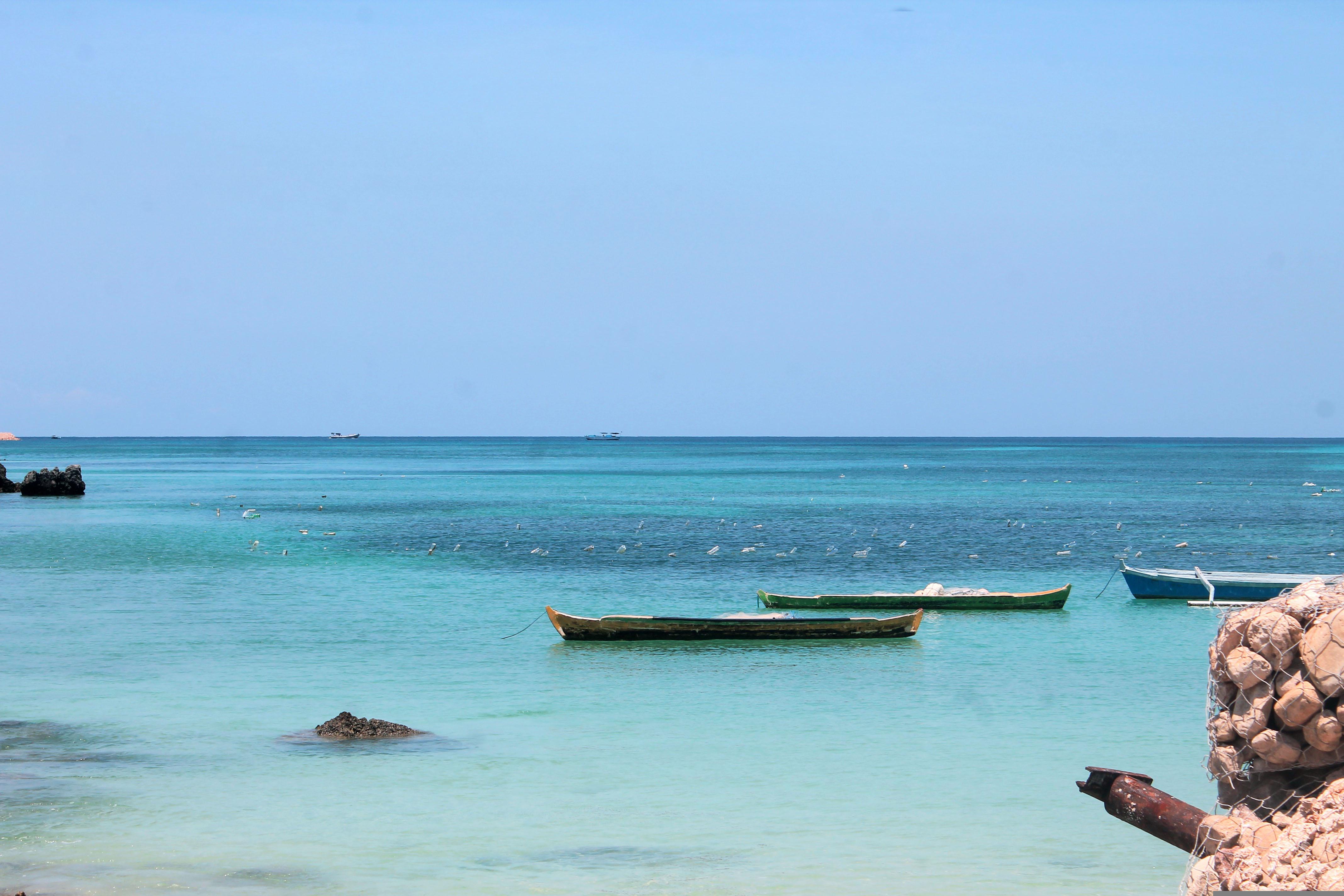
Kupang, Indonesia
Kupang, IndonesiaImage by Dian A. Yudianto from Pixabay

Day 21 - At Sea

Further details for this day are not available.

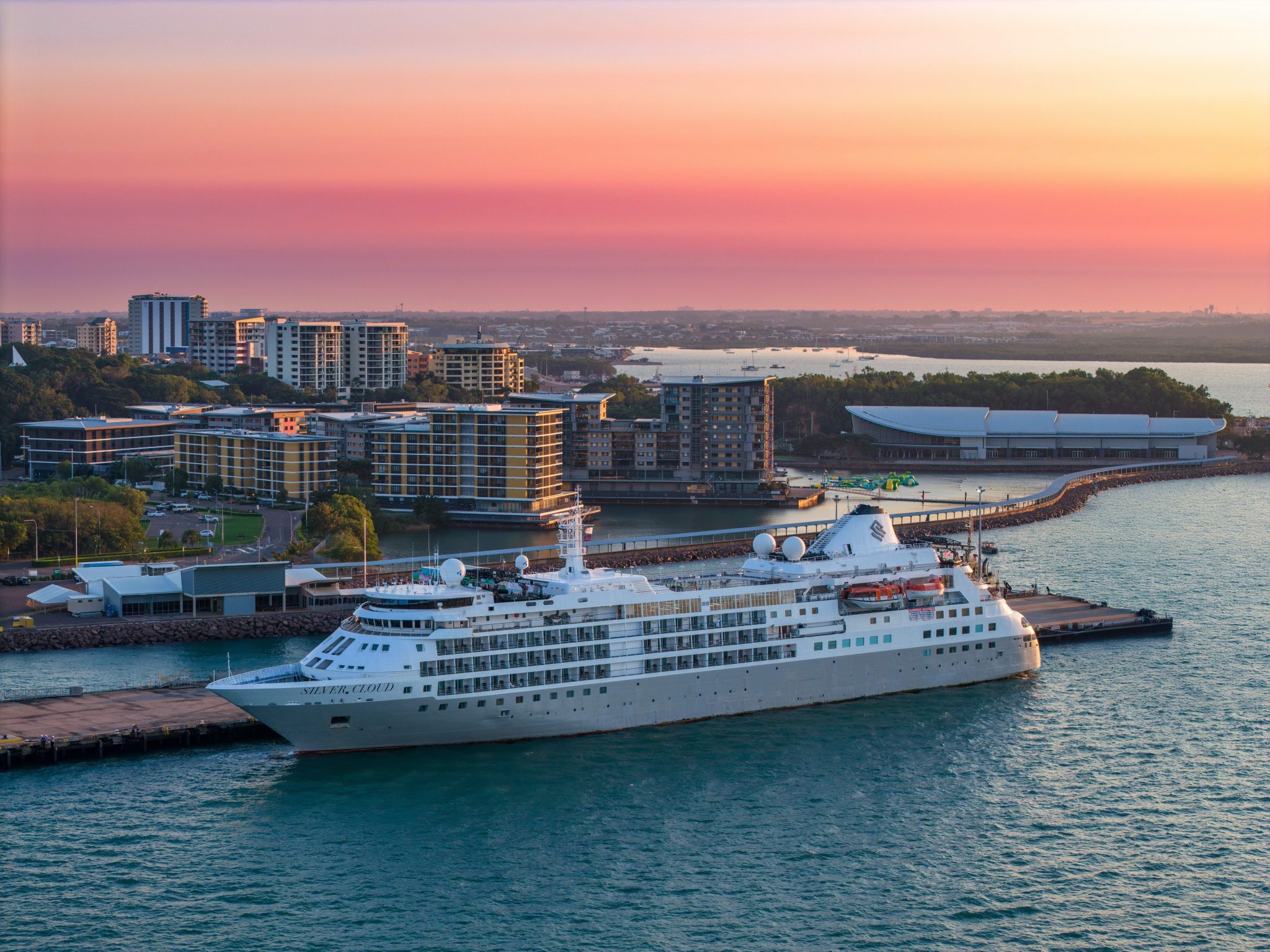
Day 22 - Darwin, Northern Territory

Darwin is Australia's most colorful, and exotic, capital city. Surrounded on three sides by the turquoise waters of the Timor Sea, the streets are lined with tropical flowers and trees. Warm and dry in winter, hot and steamy in summer, it's a relaxed and casual place, as well as a beguiling blend of tropical frontier outpost and Outback hardiness. Thanks to its close proximity to Southeast Asia and its multicultural population it also seems more like Asia than the rest of Australia. Darwin is a city that has always had to fight for its survival. The seductiveness of contemporary Darwin lifestyles belies a history of failed attempts that date from 1824 when Europeans attempted to establish an enclave in this harsh, unyielding climate. The original 1869 settlement, called Palmerston, was built on a parcel of mangrove wetlands and scrub forest that had changed little in 15 million years. It was not until 1911, after it had already weathered the disastrous cyclones of 1878, 1882, and 1897, that the town was named after the scientist who had visited Australia's shores aboard the Beagle in 1839. During World War II it was bombed more than 60 times, as the harbor full of warships was a prime target for the Japanese war planes. Then, on the night of Christmas Eve 1974, the city was almost completely destroyed by Cyclone Tracy, Australia’s greatest natural disaster. It's a tribute to those who stayed and to those who have come to live here after Tracy that the rebuilt city now thrives as an administrative and commercial center for northern Australia. Old Darwin has been replaced by something of an edifice complex—such buildings as Parliament House and the Supreme Court all seem very grand for such a small city, especially one that prides itself on its casual, outdoor-centric lifestyle. Today Darwin is the best place from which to explore Australia's Top End, with its wonders of Kakadu and the Kimberley region.

Palm Tree
Palm TreeHarry Down

Suites & Deck Plans

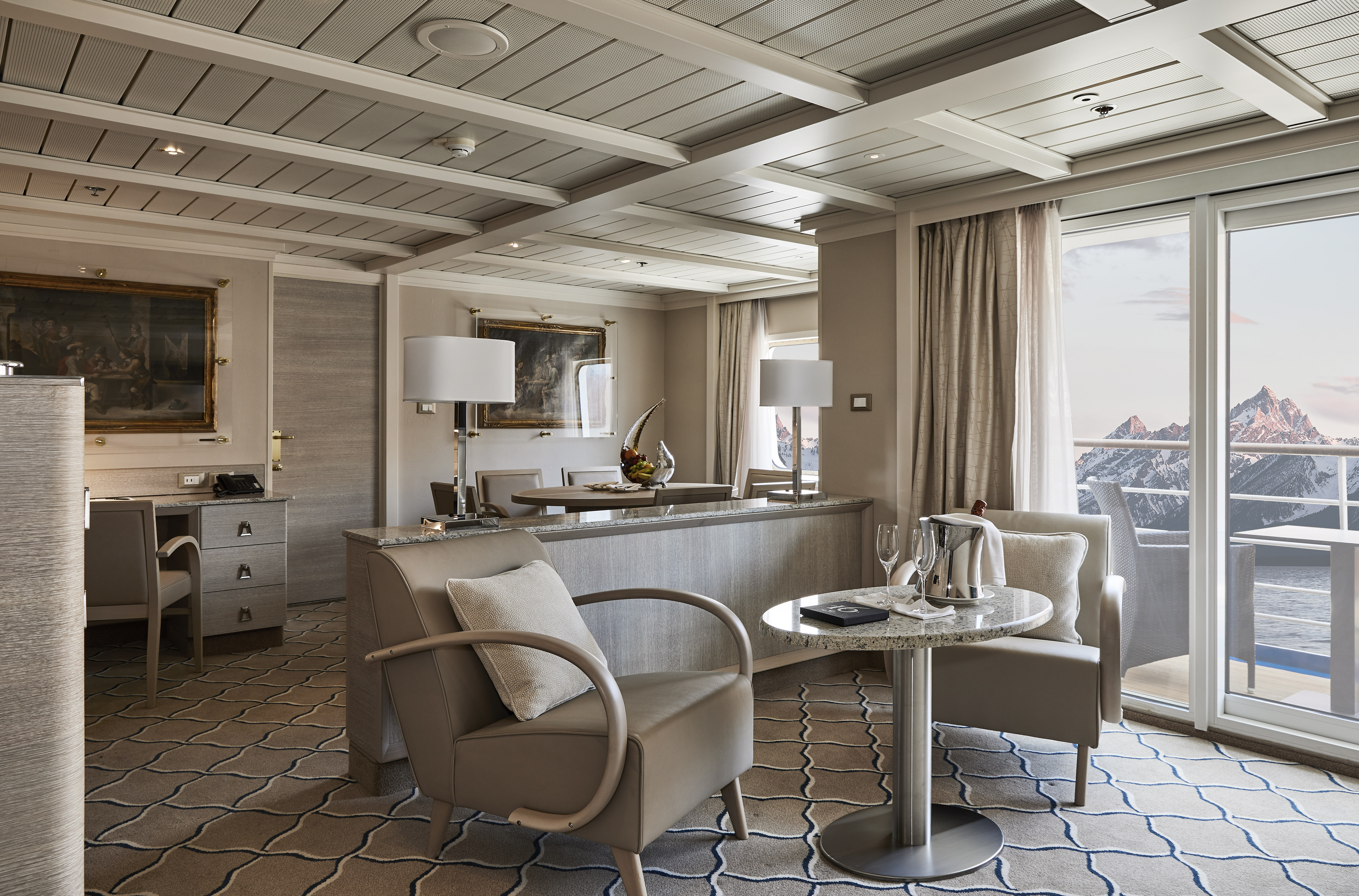
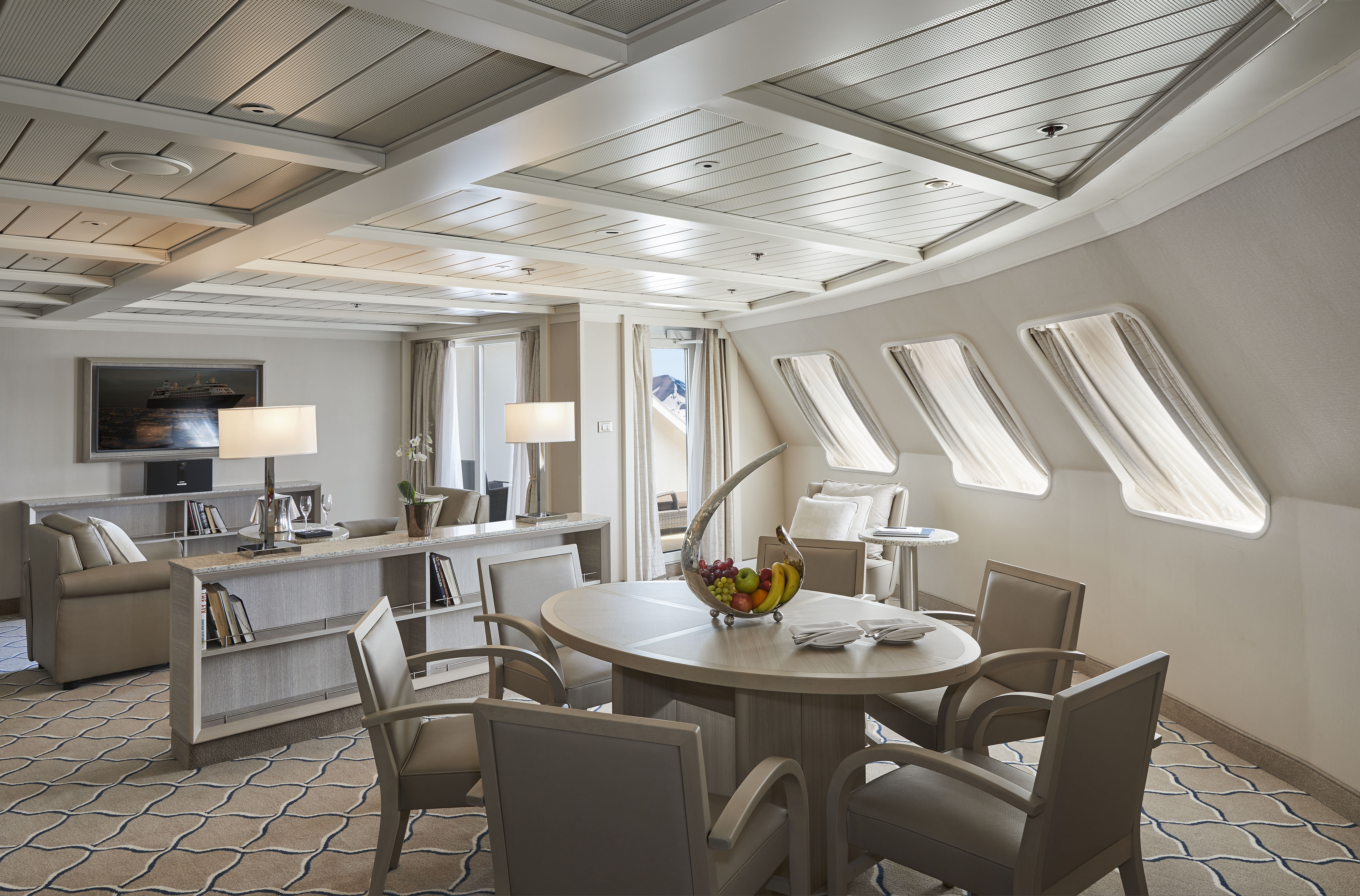
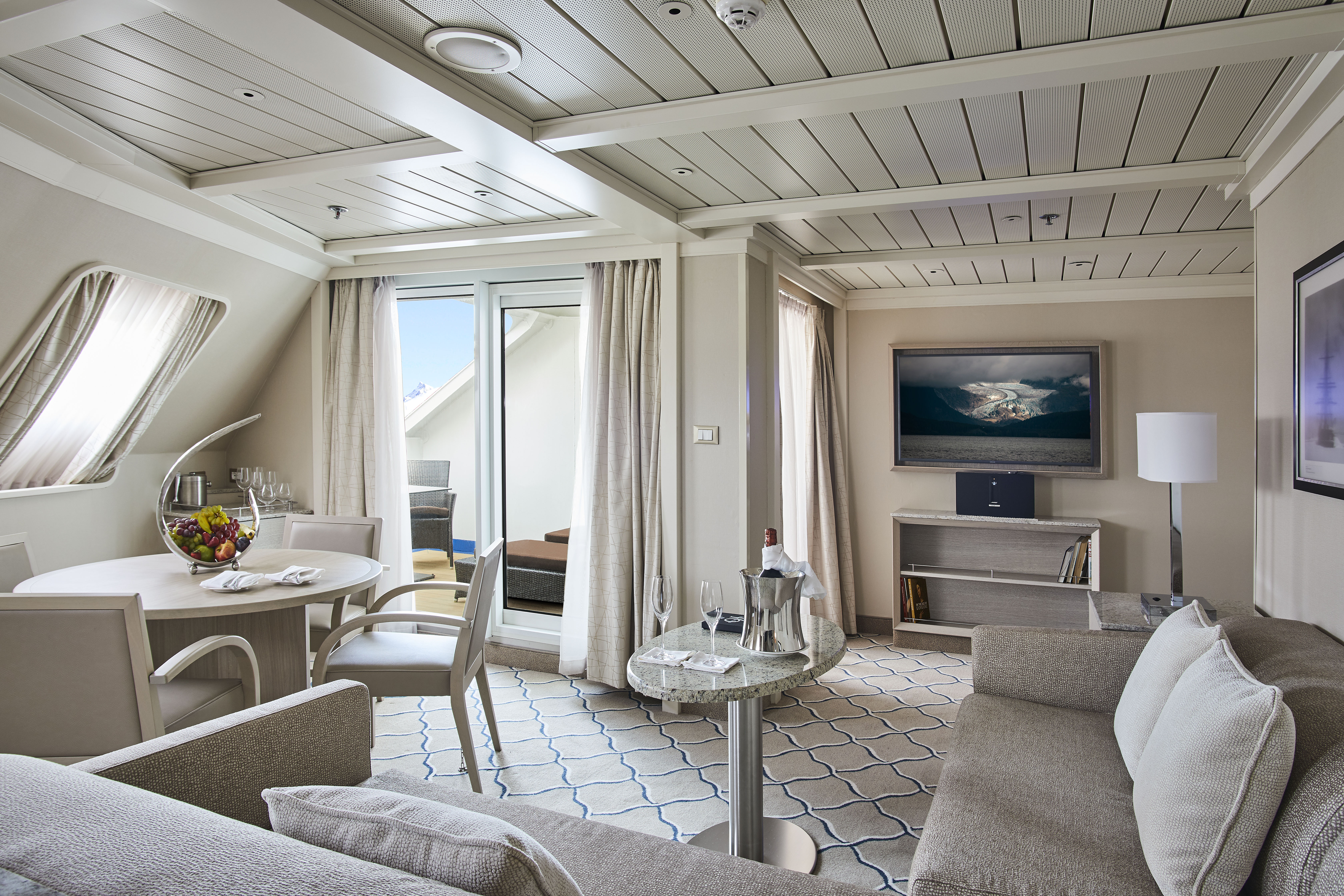
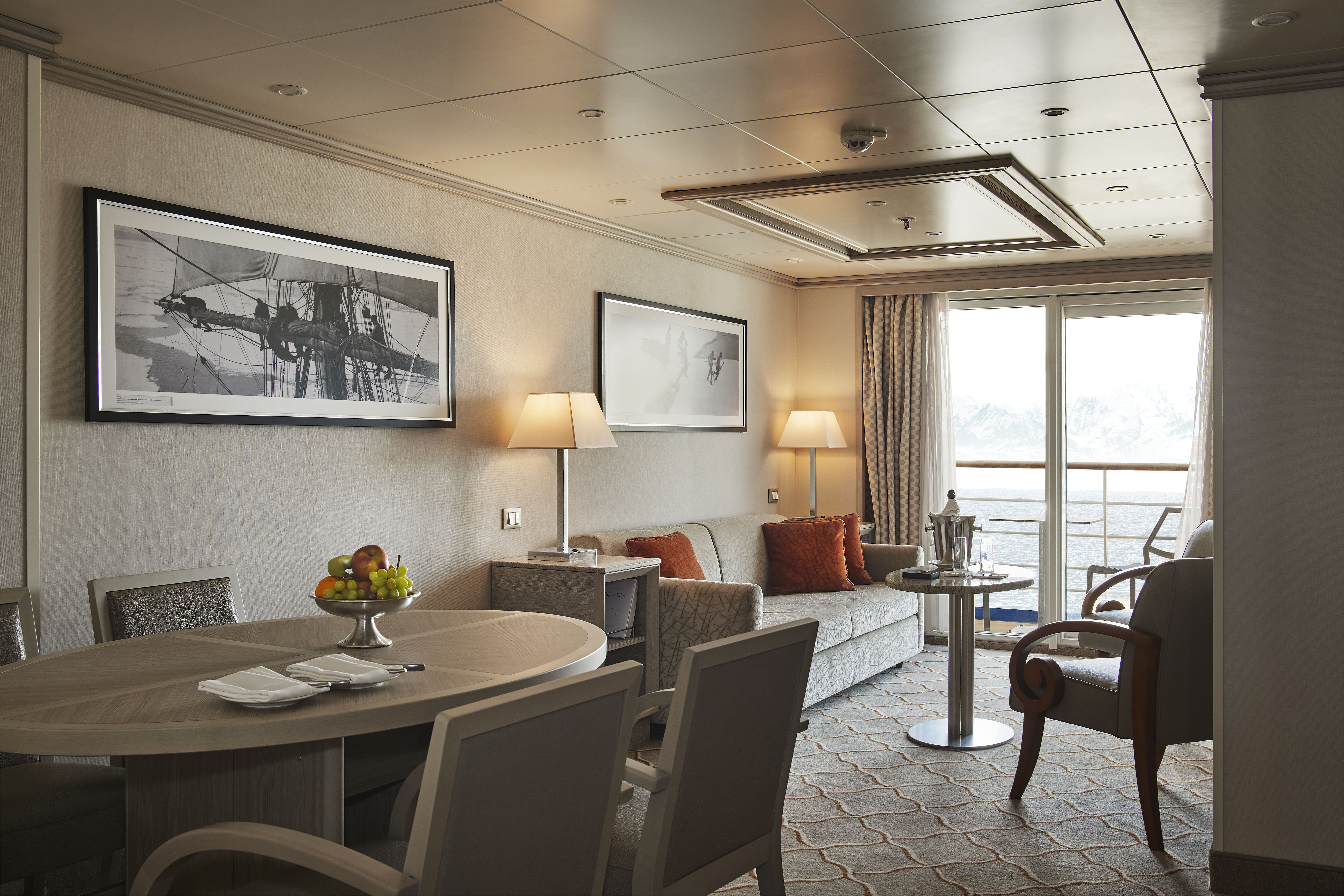
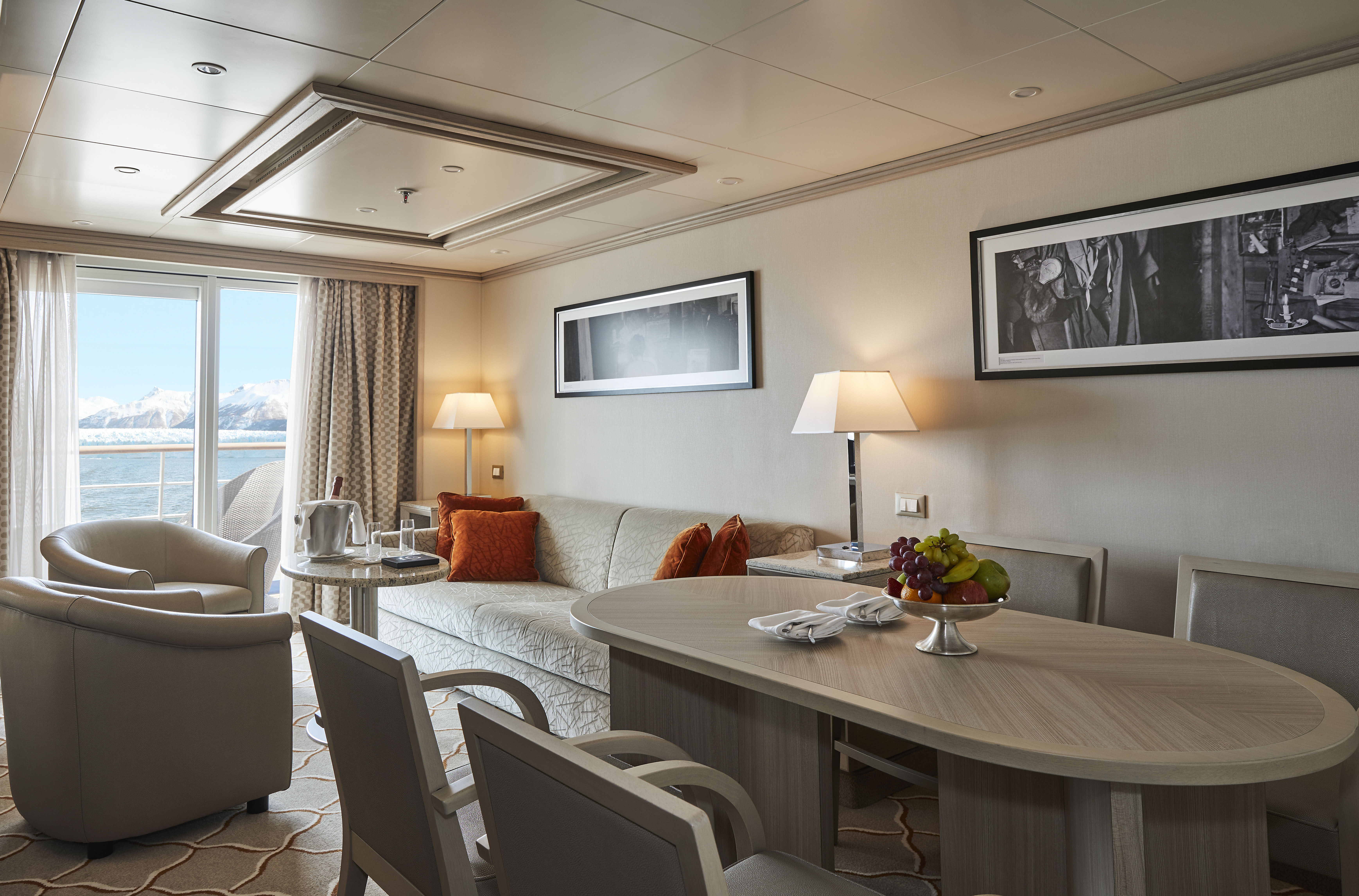
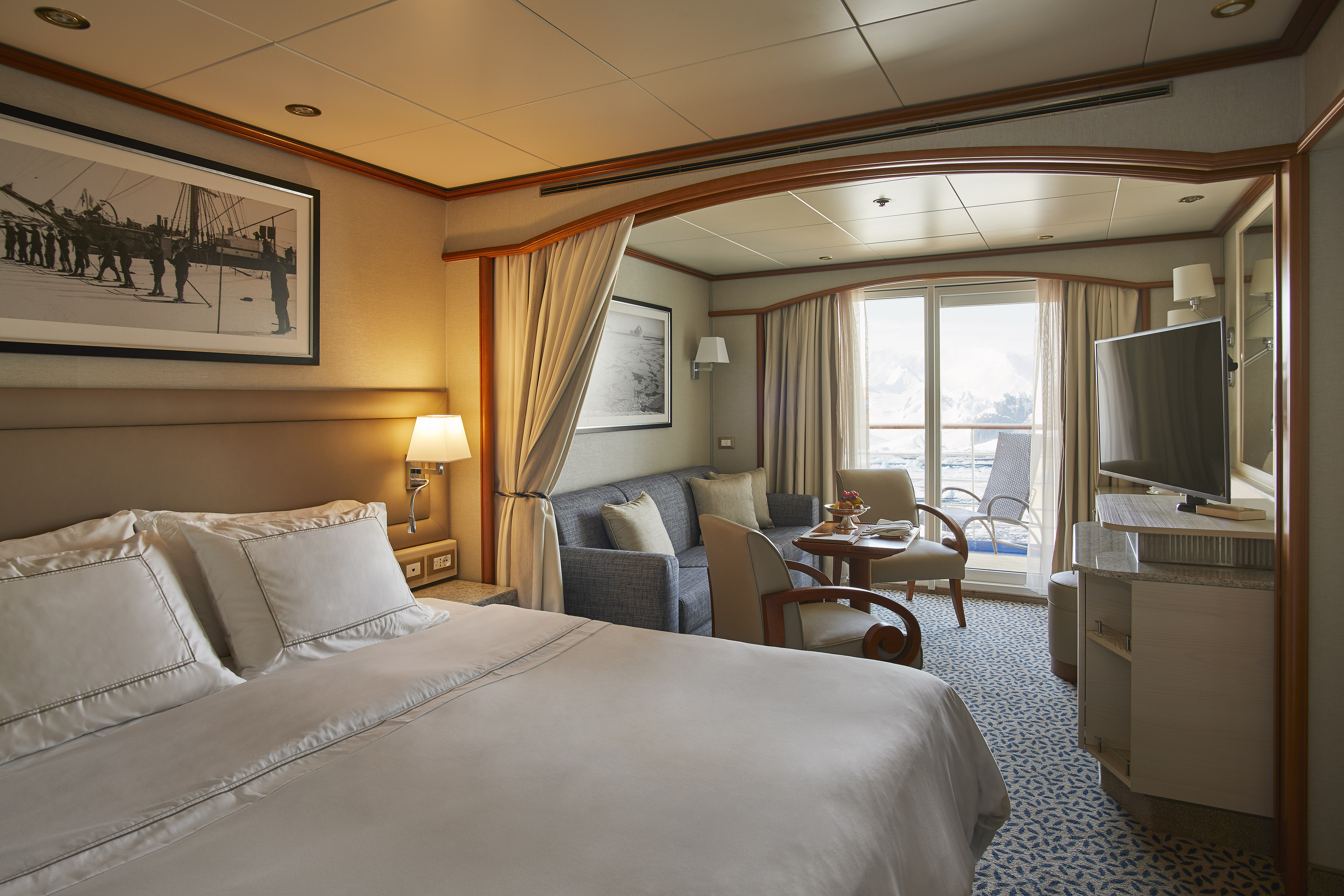
Suite

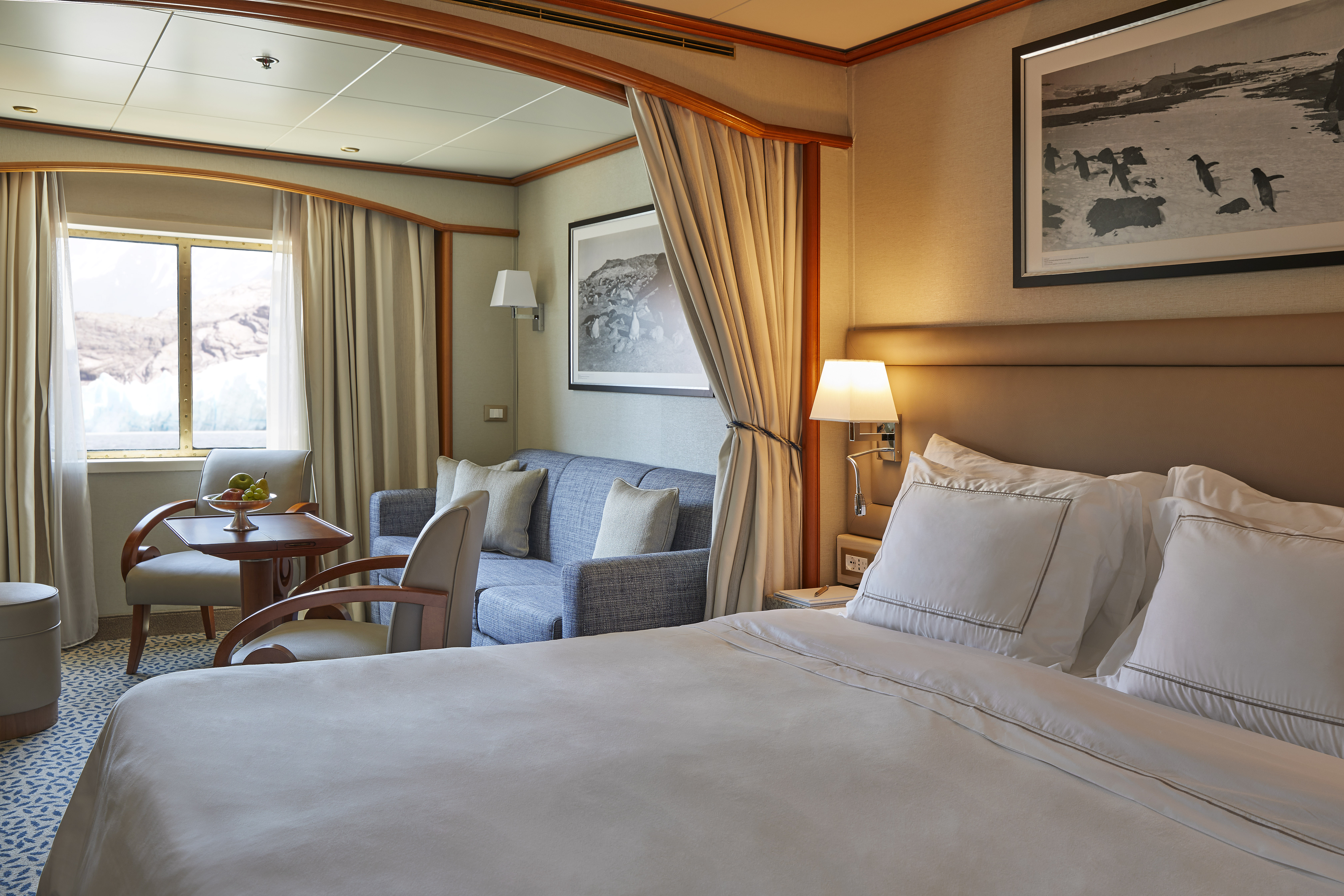
This stylish apartment offers the superlative in levels of space, comfort, and service on board. A perfect mix of expedition experience with luxury lifestyle. Available in a one-bedroom configuration or as two bedrooms by adjoining with a Vista Suite.

One bedroom: up to 55 sq m (8 sq m)

Two bedrooms: 77 sq m (8 sq m)

Images are intended as a general reference. Features, materials, finishes and layout may be different than shown.

Please note that the 3rd guest will sleep on a comfortable sofa bed in the reception area of the suite.

Essentials

  • Deck(s): 7
  • Section: Mid-Ship

Characteristics

  • Veranda
  • Separate dining area
  • Living room with sitting area
  • Standard vanity
  • Separate shower
  • Whirlpool bath
  • Walk-in wardrobe with personal safe

Furniture

  • King size bed
  • Writing desk
  • Vanity table
  • Luxury bed mattresses

Media & Communication

  • Unlimited Premium Wi-Fi
  • 2 large flat screen TVs with Interactive Media Library
  • Sound system with bluetooth connectivity
  • Direct dial telephone
  • Wall mounted USB-C mobile device chargers
  • Dual voltage 110/220 outlets

Onboard Services

  • Butler service
  • Complimentary laundry, pressing & wet cleaning
  • Dinner for two in La Dame, one evening per voyage,
  • Two hours of worldwide phone use, per voyage segment
  • Champagne on arrival

Amenities

  • Espresso machine
  • Tea kettles
  • Pillow menu
  • Refrigerator and bar setup stocked with your preferences
  • Plush bathrobe
  • Luxury bath amenities
  • Umbrella
  • Hair Dryer
  • Slippers

592-829 sq ft
Accommodates 5 guests
Owner's Suite

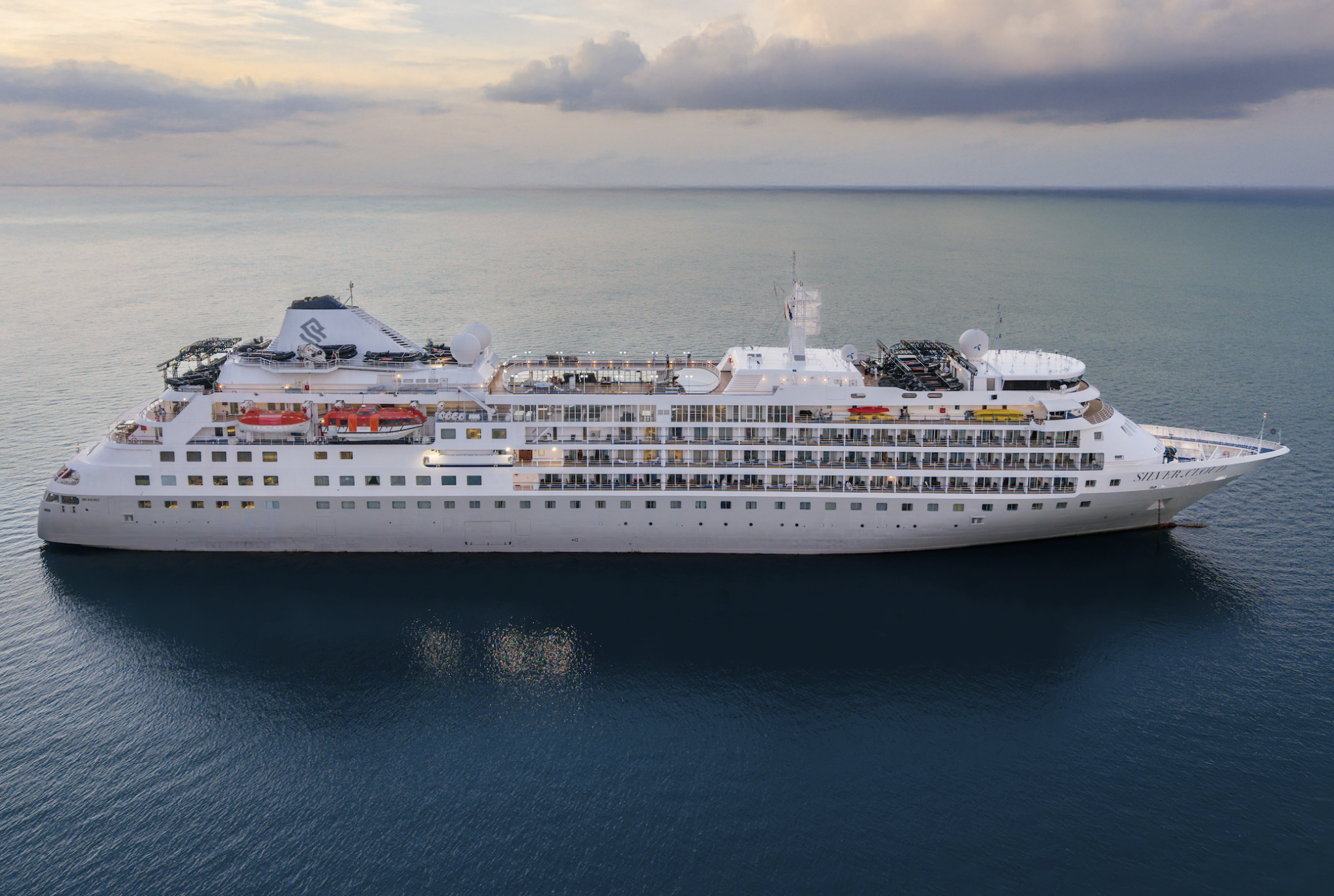
Silver Cloud

Silver Cloud

Life on board

The Onboard Experience

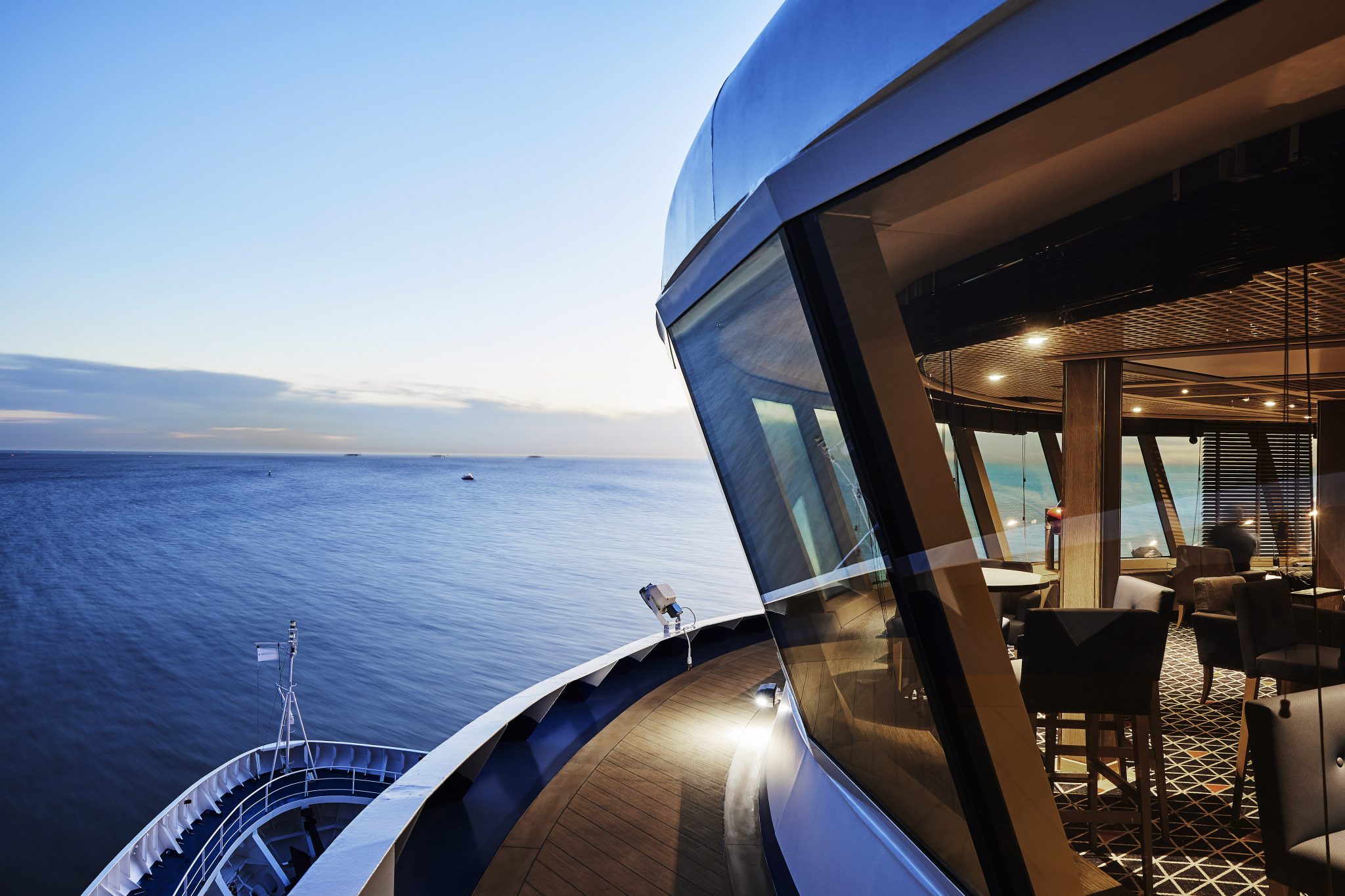
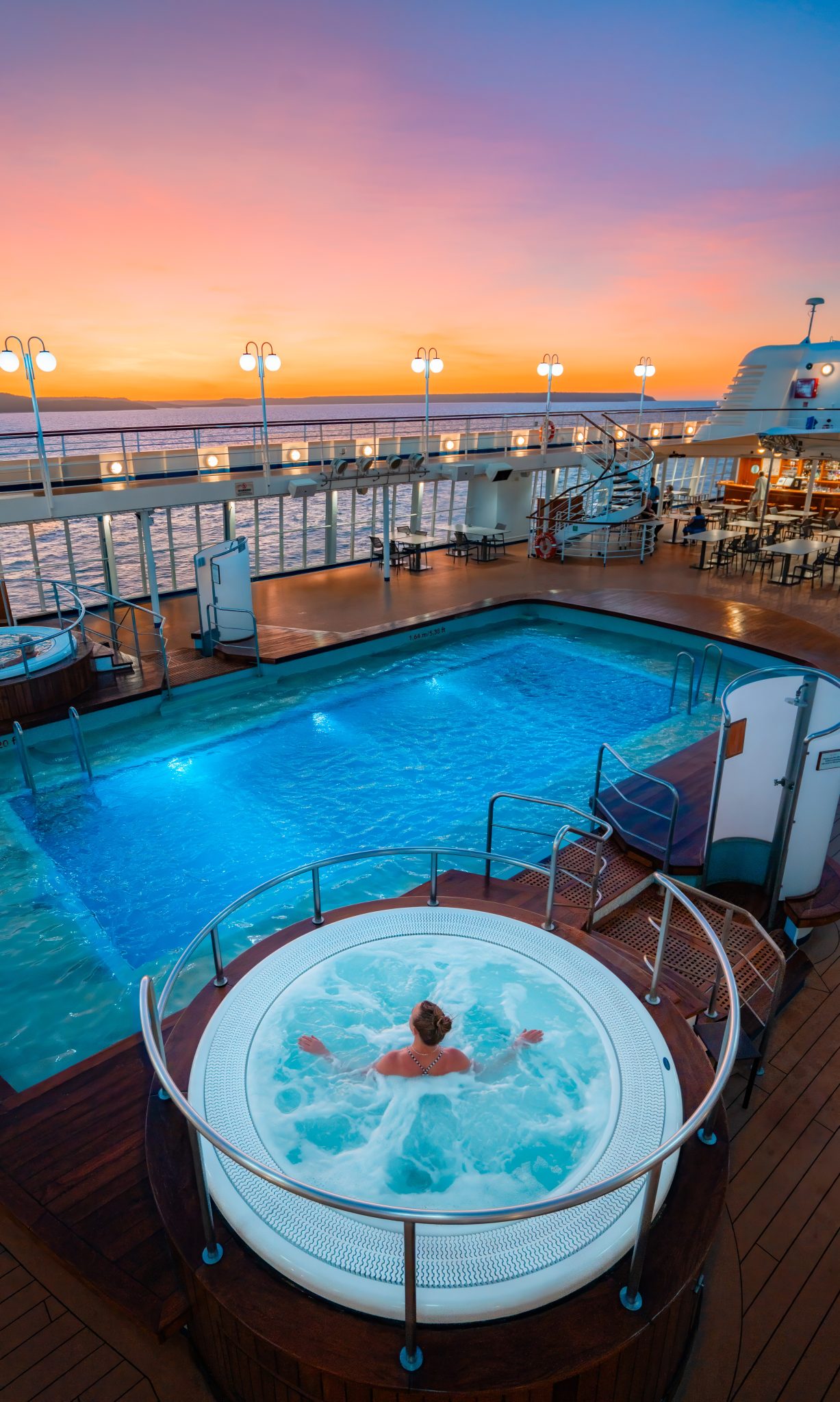
When your itinerary includes days at sea as you sail from one lovely port to another, you’ll never run out of things to do while on board.

Client testimonials

I have worked with Lore Doick for more than 20 years, and she has booked over 30 cruises for me. Her expertise, care, and attention to every travel detail have made her an invaluable advisor and friend over the years.”

Tina B.

We are now in our second generation working with Cheri Ozimac at Tully Luxury Travel. From Antarctica to Greece, she has handled every detail with expertise, responsiveness, and care…

Earl M.

My wife and I have worked with Tully since 2007, and Kit Neil and her team went far beyond expectations while helping us navigate multiple cruise and flight cancellations. Their advocacy, care, and support during a difficult time were extraordinary.

Carri F.

Cheri Ozimac organized our Seabourn cruise flawlessly, from the hotel recommendation to every travel arrangement. She was responsive, attentive, and an excellent advocate throughout the process…

Cyn S.

We discovered Tully Luxury Travel after years of booking cruises through US agents and were impressed by their competitive pricing, exceptional service, and Canadian based support. Their team is always available, offers excellent value, and makes booking the right cruise seamless.

Peter C.

GoogleAverage Customer Rating:

The Tully Difference

Why travel with us


Tully Luxury Travel was built on access, discretion, and trust. For our clients, that means ease at every step, with distinctions that turn exceptional voyages into defining moments.

Recognized expertise

A renowned agency worldwide in luxury land and small-ship cruising, consistently trusted by the industry’s most prestigious brands.