Silversea logo

Otaru to Osaka

Itinerary: Otaru, Okushiri, Hakodate, Sado, Kanazawa, Oki Islands, Hagi, Busan, Sakaiminato, At Sea, Takamatsu, Osaka See full itinerary

28 May 27
12 nights

Voyage Details

Duration:
12 nights
Departure:
28 May 2027
Embarkation:
Otaru, Japan
Voyage code:
E4270528012

Your Itinerary, Day-By-Day

Special Chapters of Your Journey

Day 1 - Otaru

Otaru is a small harbor city west of Sapporo. Famous for its many hills and a nearby ski resort, the town has been an important trade and herring fishing center. A wide canal that led from the port to the old town’s warehouses has been maintained for touristic purposes and the old stone or brick-built warehouses have been beautifully converted to restaurants and boutiques

Otaru, Hokkaido, Japan
Otaru, Hokkaido, JapanPhoto by Nopparuj Lamaikul on Unsplash
Otaru, Hokkaido, Japan
Otaru, Hokkaido, JapanPhoto by Dean Fleischer on Unsplash
Otaru, Hokkaido, Japan
Otaru, Hokkaido, JapanPhoto by Hyeim Jang on Unsplash
Otaru, Japan
Otaru, JapanPhoto by KWON YOUN on Unsplash

Day 2 - Okushiri

Okushiri is a district consisting of Okushiri Island, administered as part of Hiyama Subprefecture, Hokkaido, Japan. As of 2004, the district has an estimated population of 3,708 and a density of 25.93 persons per km². The total area is 142.98 km²

Day 3 - Hakodate

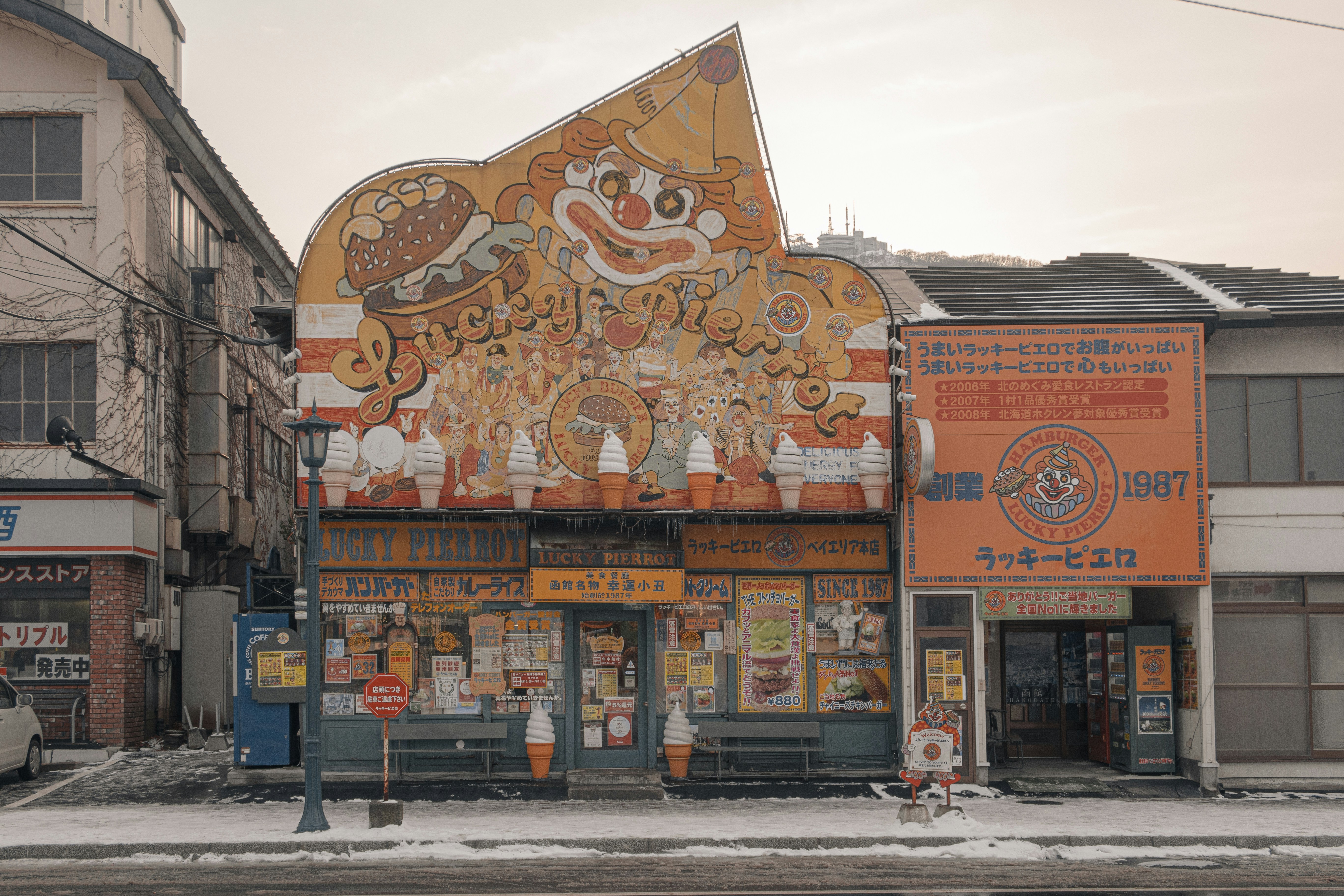
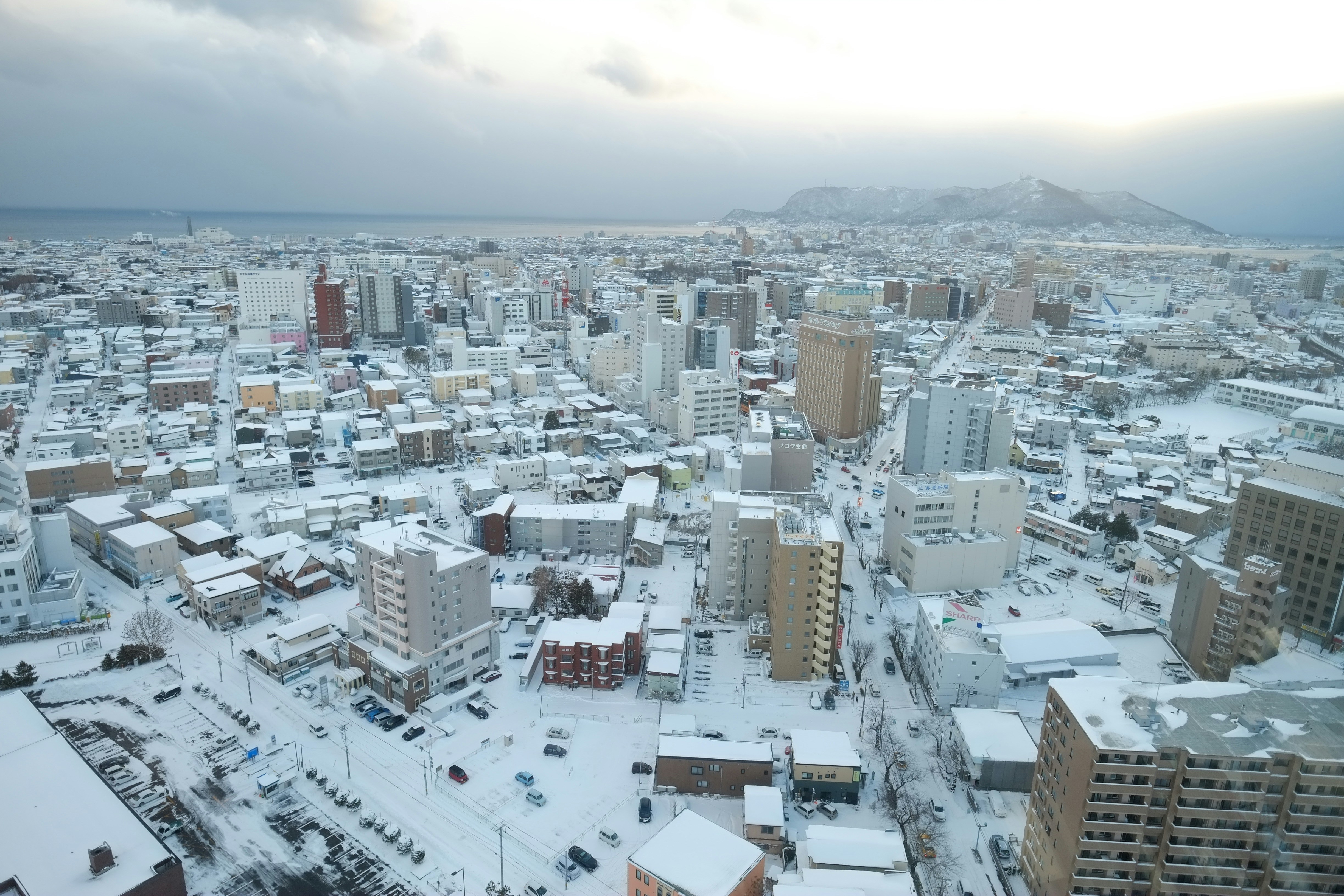
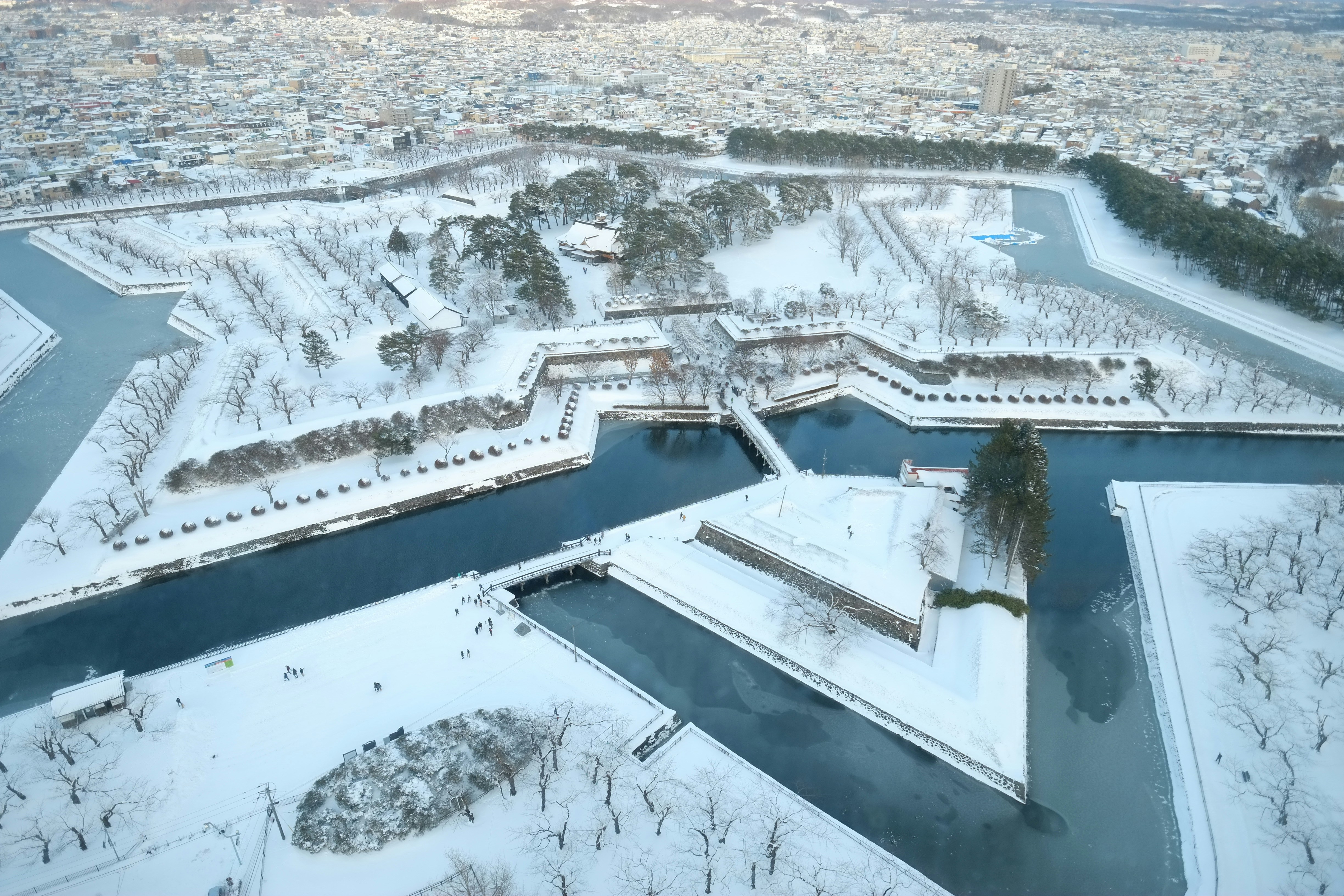
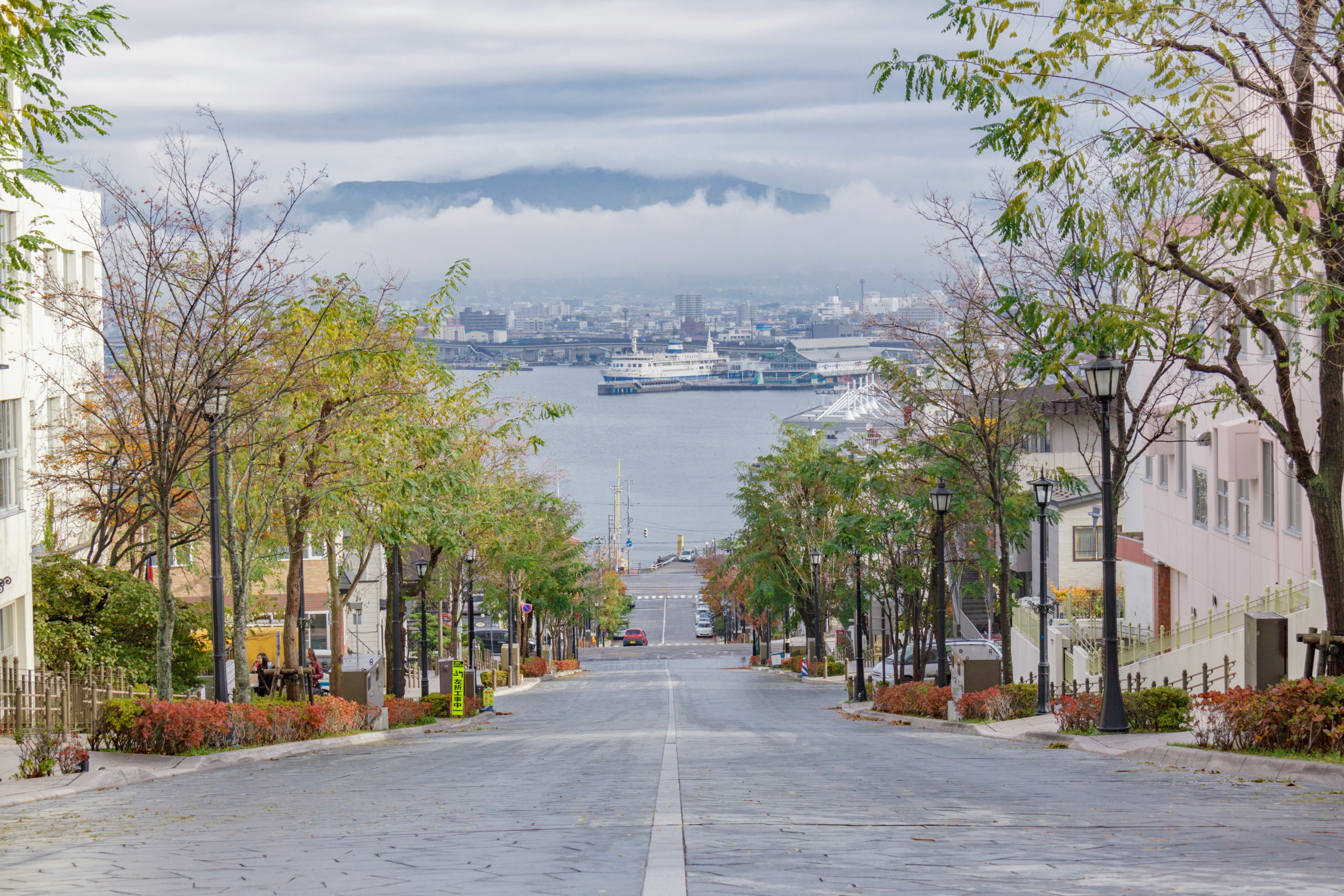
Facing out on two bays, Hakodate is a 19th-century port town, with clapboard buildings on sloping streets, a dockside tourist zone, streetcars, and fresh fish on every menu. In the downtown historic quarter, a mountain rises 1,100 feet above the city on the southern point of the narrow peninsula. Russians, Americans, Chinese, and Europeans have all left their mark; this was one of the first three Japanese ports the Meiji government opened up to international trade in 1859. The main sights around the foot of Mt. Hakodate can be done in a day, but the city is best appreciated with an overnight stay for the illumination in the historic area, the night views from either the mountain or the fort tower, and the fish market at dawn. City transport is easy to navigate and English information is readily available. Evening departure trains from Tokyo arrive here at dawn—perfect for fish-market breakfasts.

Hakodate, Hokkaido, Japan
Hakodate, Hokkaido, JapanPhoto by Jason ZZ on Unsplash
Snowy Hakodate, Hokkaido, Japan
Snowy Hakodate, Hokkaido, JapanPhoto by Natasha Jenny on Unsplash
Snowy Hakodate, Hokkaido, Japan
Snowy Hakodate, Hokkaido, JapanPhoto by Natasha Jenny on Unsplash
The Harbor View Hill, Yahatazaka In Hakodate, Japan
The Harbor View Hill, Yahatazaka In Hakodate, JapanPhoto by Mitsuo Komoriya on Unsplash

Day 4 - Sado

Sado is Japan’s sixth-largest island and depends mainly on fishing and agriculture. The island’s Tori Forest Park had been selected for the successful reintroduction of Crested Ibises into Japan –a bird that was down to what was believed to be a total world population of 12 birds in 1981. At that time the last five wild ibises found in Japan were taken into captivity on Sado and both Japan and China cooperated in a breeding programme for these birds. Fortunately the work has paid off and released Crested Ibises successfully nested in the wild again in 2012. Another attraction is the Sado Gold Mine. The adventurous can descend into the deep tunnels to see the conditions under which gold was extracted for almost 400 years.

Day 5 - Kanazawa

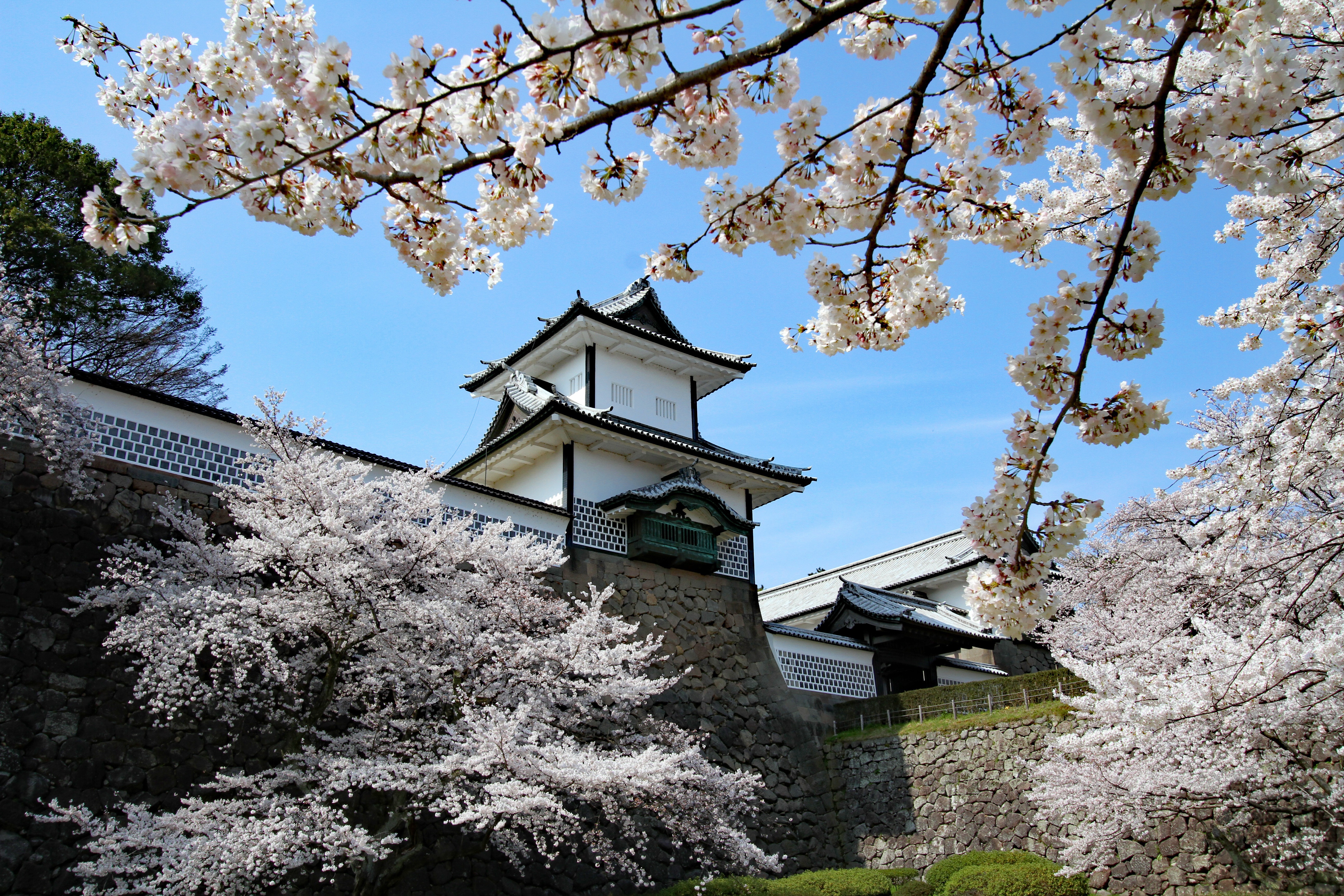
The capital of the Ishikawa Prefecture, Kanazawa once rivalled Kyoto and Edo (Tokyo) as a town rich in cultural achievements. Kanazawa escaped destruction during World War II and accordingly has been able to preserve many of the old districts in good shape. The city is famous because of Kenrokuen. Located next to Kanazawa Castle, Kenrokuen is classified as “One of the Three Gardens of Japan”. The garden has an artificial pond, and hills and houses are dotted within the 11.4 hectares. It has Japan’s oldest fountain using natural water pressure and a tea-house dating back to 1774. Close by is the Higashi Chaya Gai Geisha District, designated a National Cultural Asset and the biggest of the Geisha districts of Kanazawa. Some of the houses not only retain the original structure, but still are used as Geisha houses. Some of the streets have traditional shops creating a nostalgic atmosphere. Kanazawa is also known for its lacquer ware, Kutani-style pottery, gold-leaf workmanship and delicately painted silk kimonos.

Castle At Kanazawa
Castle At KanazawaImage by darkness_s from Pixabay

Day 6 - Oki Islands

Further details for this day are not available.

Day 7 - Hagi

Hagi is a former castle town located in the middle of Yamaguchi prefecture along the coast of the Sea of Japan. It is surrounded by the ocean, mountain and Abugawa River. Early in the 17th century, Terumoto Mori built Hagi Castle at the foot of Mt. Shizuki-yama, and the area served as the seat of the Yamaguchi prefecture government until the middle of 19th century. Around then, Hagi produced many capable men who played a leading role in the construction of modern day Japan, including Hirobumi Ito who became the first prime minister in Japan. You will still see a castle town itself which was built 400 years ago and you can get the feel of how it was like during the Samurai period. During your visit, we recommend experiencing the Hagi-yaki pottery which was brought from Korea in the early 17th century. Its colour is very unique and changes over time due to its porous nature. You can find many craft shops specialized for Hagi-yaki pottery all over the town. Last but not least, do not forget that Hagi is also famous for summer tangerines, and there are several shops which sells soft ice cream with summer tangerine flavour.

Higashi Hagi Station, 新川南 大字椿東 Hagi, Yamaguchi, Japan
Higashi Hagi Station, 新川南 大字椿東 Hagi, Yamaguchi, JapanNakaharu Line
Hagi, Yamaguchi, Japan
Hagi, Yamaguchi, JapanSusann Schuster
Train Station At Hagi  Yamaguchi Prefecture , Japan
Train Station At Hagi Yamaguchi Prefecture , JapanSusann Schuster
Graveyard At Tokoji Temple, Hagi, Japan
Graveyard At Tokoji Temple, Hagi, JapanSusann Schuster

Day 8 - Busan

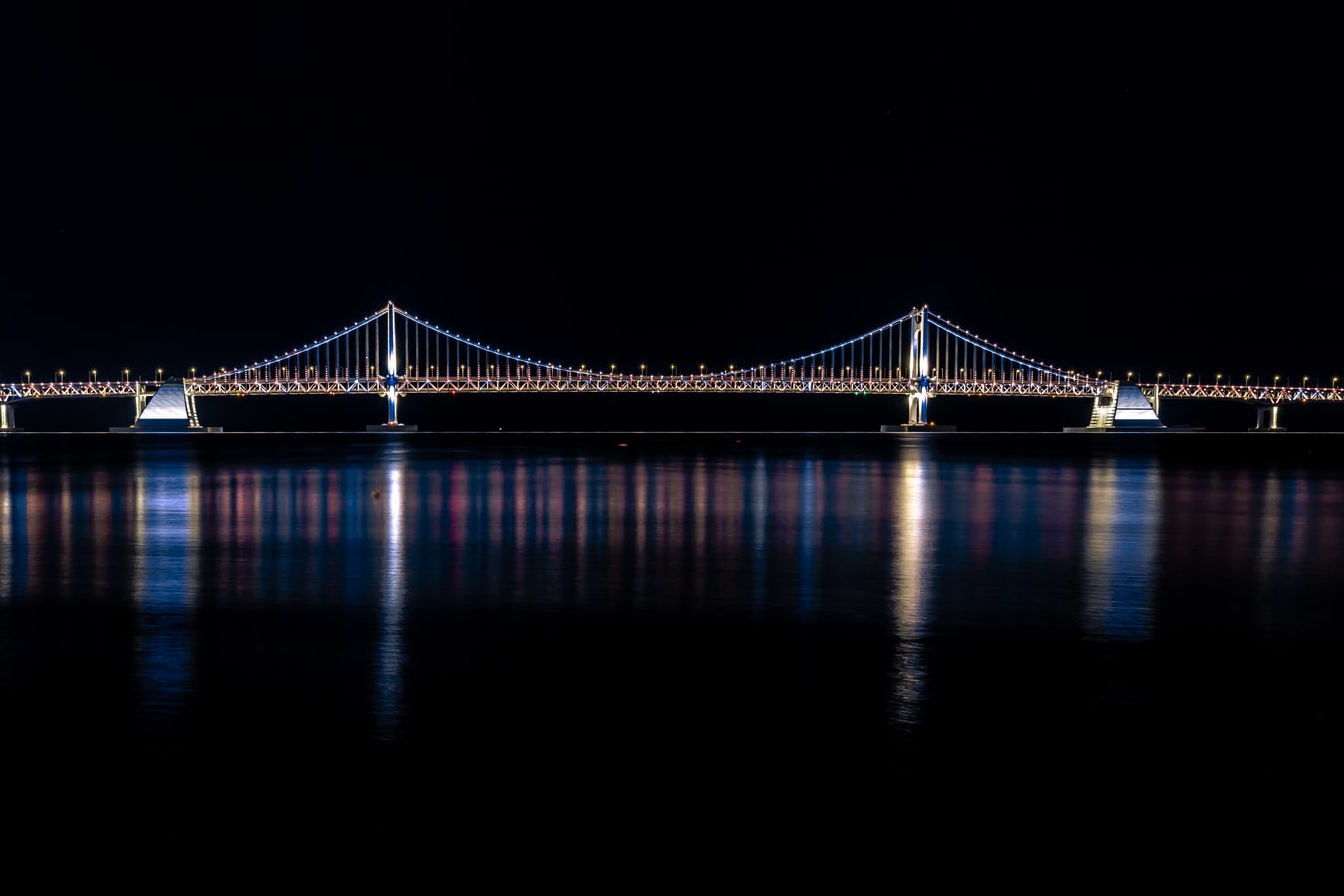
White-sand city beaches and hot-spring resorts may not be everyone's first image of Korea, but these are what Koreans flock to Busan for all year. And there are plenty of opportunities for rest, relaxation, retail therapy, and even a touch of glamour every October with the Busan International Film Festival. Busan's beaches are the big summertime draw but there is plenty to be seen year round. Quintessential experiences include taking some rest and relaxation at a local spa and exploring the Beomeosa temple complex.

Krpus   Busan, South Korea   Photo Cred By Pang Yuhao
Krpus Busan, South Korea Photo Cred By Pang Yuhao
Krpus   Busan, South Korea   Photo Credit Christopher Lee
Krpus Busan, South Korea Photo Credit Christopher Lee
Krpus   Busan, South Korea   Photo Credit Daniel Lee 1
Krpus Busan, South Korea Photo Credit Daniel Lee 1
Krpus   Busan, South Korea   Photo Credit Daniel Lee
Krpus Busan, South Korea Photo Credit Daniel Lee

Day 9 - Busan

White-sand city beaches and hot-spring resorts may not be everyone's first image of Korea, but these are what Koreans flock to Busan for all year. And there are plenty of opportunities for rest, relaxation, retail therapy, and even a touch of glamour every October with the Busan International Film Festival. Busan's beaches are the big summertime draw but there is plenty to be seen year round. Quintessential experiences include taking some rest and relaxation at a local spa and exploring the Beomeosa temple complex.

Krpus   Busan, South Korea   Photo Cred By Pang Yuhao
Krpus Busan, South Korea Photo Cred By Pang Yuhao
Krpus   Busan, South Korea   Photo Credit Christopher Lee
Krpus Busan, South Korea Photo Credit Christopher Lee
Krpus   Busan, South Korea   Photo Credit Daniel Lee 1
Krpus Busan, South Korea Photo Credit Daniel Lee 1
Krpus   Busan, South Korea   Photo Credit Daniel Lee
Krpus Busan, South Korea Photo Credit Daniel Lee

Day 10 - Sakaiminato

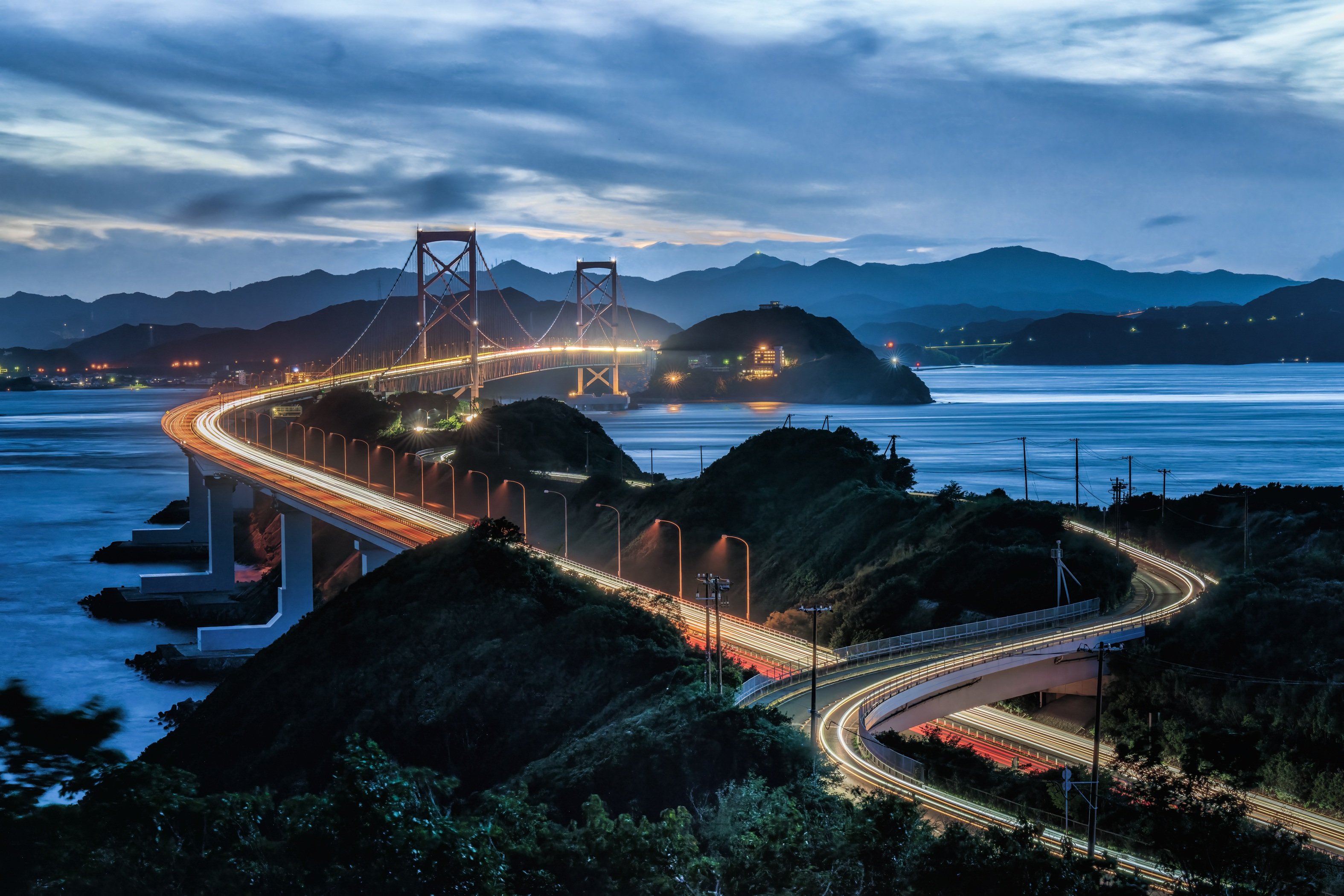
Sakaiminato is a small city almost totally surrounded by water: the Sea of Japan to the east, the Sakai Channel to the north and Lake Nakaumi to the west. Across the lake the towns of Matsue and Yasugi offer interesting experiences. Matsue is known as the “Town of Water” next to scenic Lake Shinji and Lake Nakaumi. It has one of the very few wooden castles that still remain in Japan. Touring the castle and boat rides on the Horikawa River and the castle’s moat are popular. Yasugi has the Adachi Museum of Art, a private museum that houses one of the finest collections of contemporary Japanese paintings, but also has a 165,000 square metres garden –with plants and rocks collected by the museum’s founder. Six different gardens show different scenarios depending on the season. These gardens have been selected as “Japan’s best garden” for several years.

Bridges In Japan
Bridges In JapanImage by Kanenori from Pixabay

Day 11 - At Sea

Further details for this day are not available.

Day 12 - Takamatsu

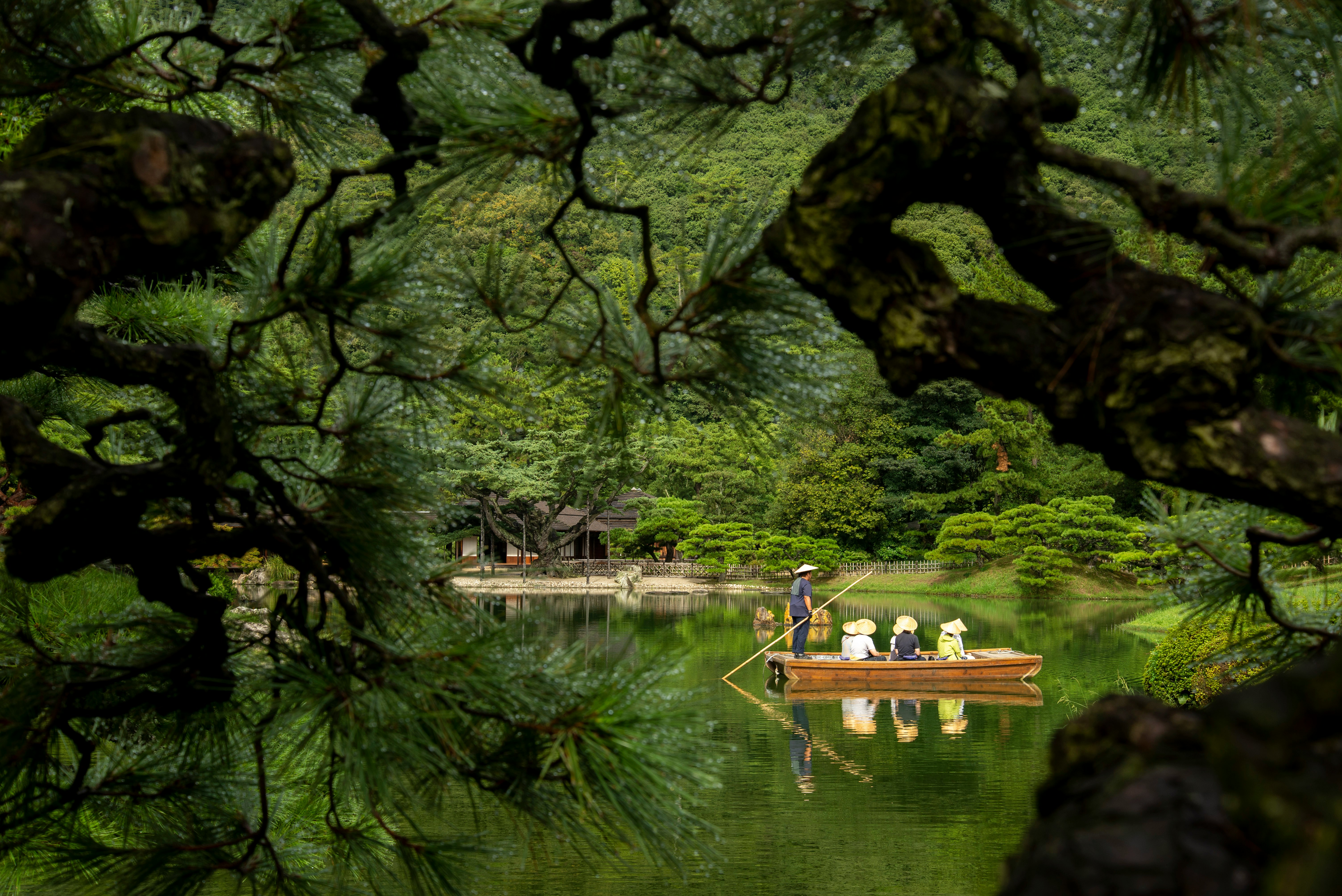
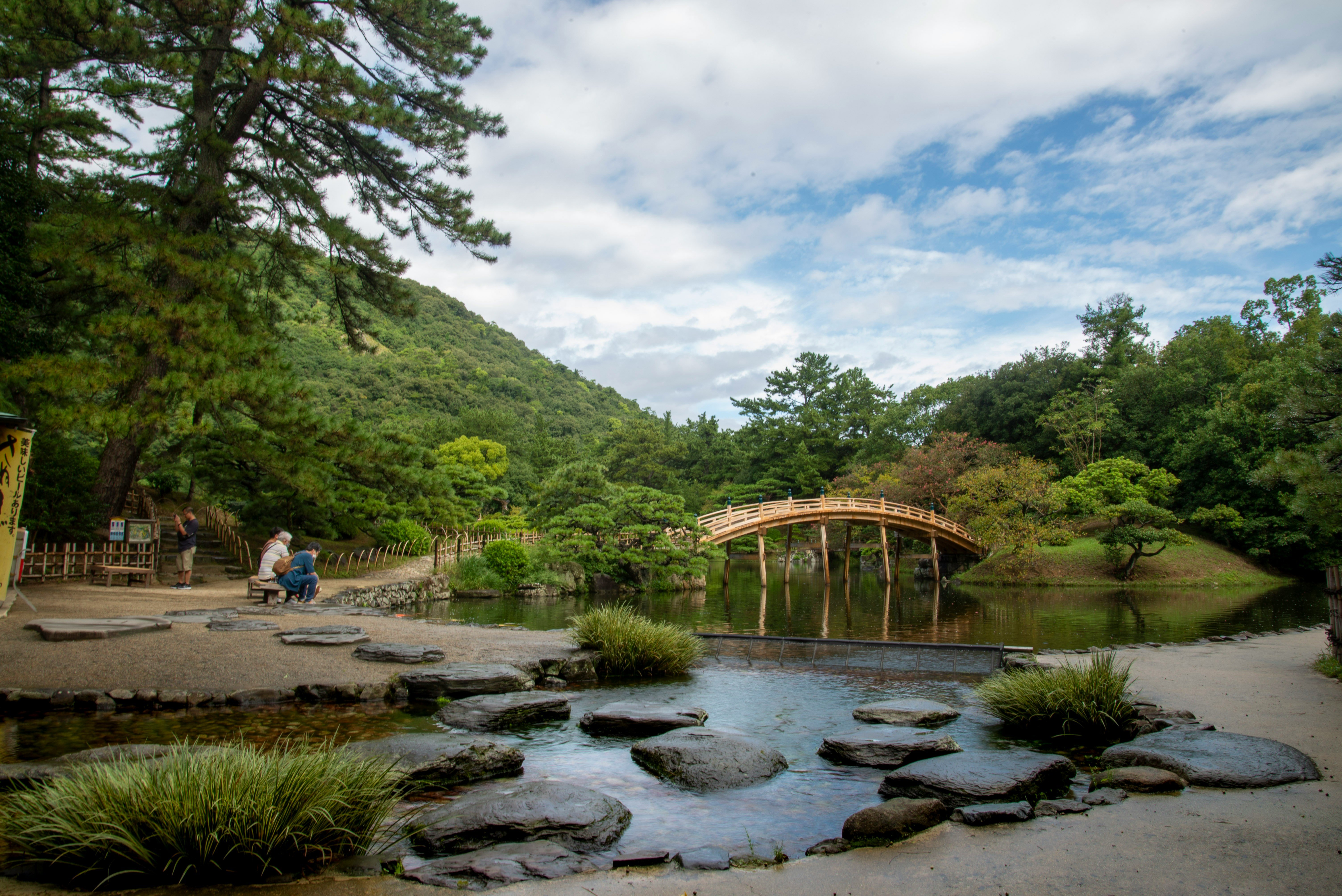
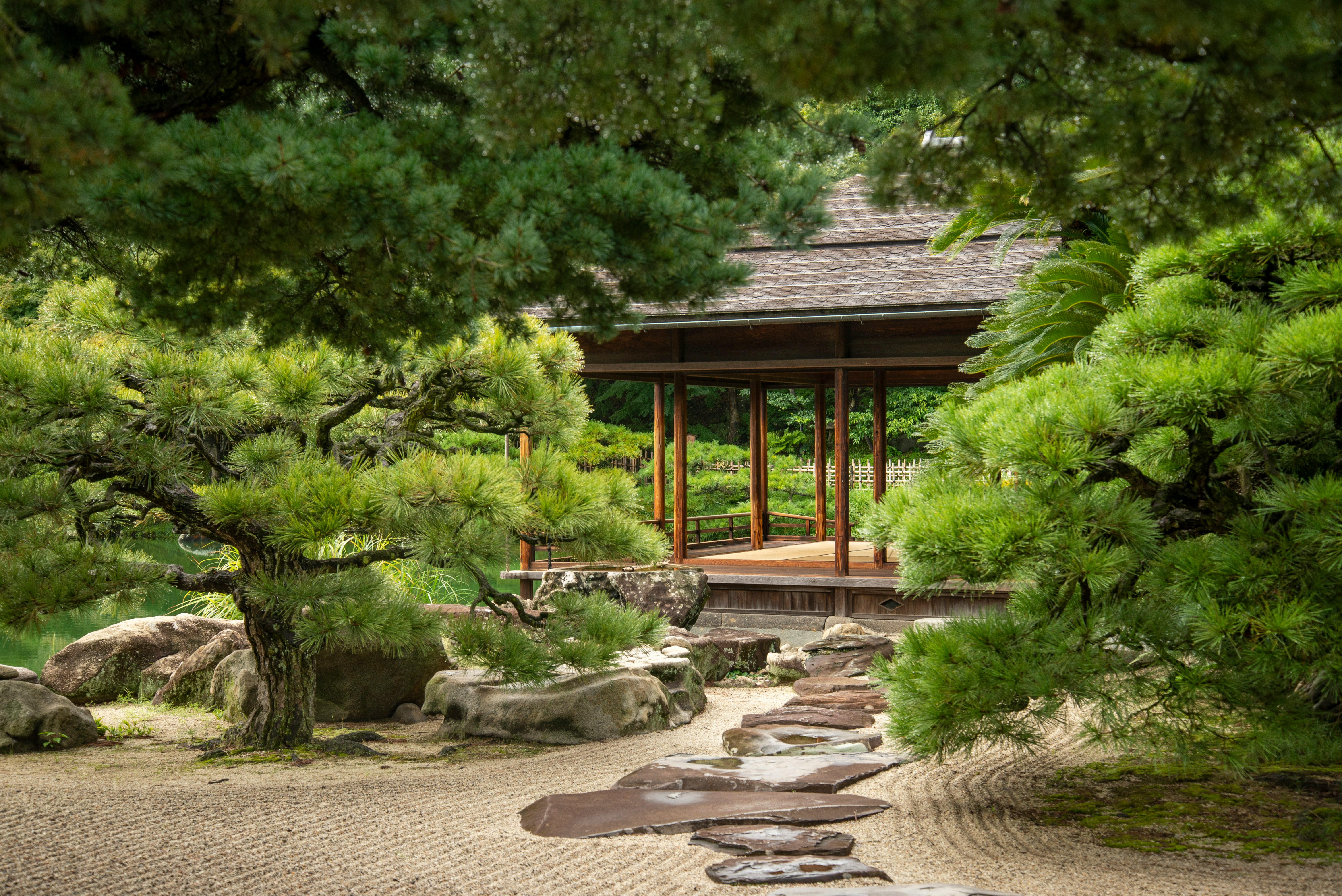
Takamatsu city is the capital of Kagawa prefecture which is Japan’s smallest prefecture. This city is a vibrant blend of natural beauty and cosmopolitan functionality with a population of 420,000 people. The port of Takamatsu used to be the main gateway to Shikoku Island until the opening of the 37km long Seto Ohashi Bridge in 1988. Takamatsu city has flourished along with the Seto Inland Sea since 17th century when Matsudaira family, the relatives of the Tokugawa Shogun, ruled this area. Matsudaira family has completed the famous Japanese “Ritsurin Garden”. It took more than 100 years to complete this spacious garden with 75 hectares of land which features 13 landscaped hills, 6 ponds and many stone arrangements that have been placed in perfect balance in front of a vast green vista of Mt. Shiun. This garden was constructed as a villa of Matsudaira family and it attracts many visitors from all over the world. Furthermore, Takamatsu is a great place to find fresh seafood, its product, and famous Sanuki Udon noodles.

Ritsurin Garden, 1丁目 20 16 Ritsurinchō, Takamatsu, Kagawa, Japan
Ritsurin Garden, 1丁目 20 16 Ritsurinchō, Takamatsu, Kagawa, JapanPhoto by H C on Unsplash
Takamatsu, Kagawa, Japan
Takamatsu, Kagawa, JapanPhoto by H C on Unsplash
Ritsurin Garden, 1丁目 20 16 Ritsurinchō, Takamatsu, Kagawa, Japan
Ritsurin Garden, 1丁目 20 16 Ritsurinchō, Takamatsu, Kagawa, JapanPhoto by H C on Unsplash

Day 13 - Osaka

From Minami's neon-lighted Dotombori and historic Tenno-ji to the high-rise class and underground shopping labyrinths of Kita, Osaka is a city that pulses with its own unique rhythm. Though Osaka has no shortage of tourist sites, it is the city itself that is the greatest attraction. Home to some of Japan's best food, most unique fashions, and warmest locals, Osaka does not beg to be explored—it demands it. More than anywhere else in Japan, it rewards the impulsive turn down an interesting side street or the chat with a random stranger. People do not come here to see the city, they come to experience it.Excluded from the formal circles of power and aristocratic culture in 16th-century Edo (Tokyo), Osaka took advantage of its position as Japan's trading center, developing its own art forms such as Bunraku puppet theater and Rakugo comic storytelling. It was in Osaka that feudal Japan's famed Floating World—the dining, theater, and pleasure district—was at its strongest and most inventive. Wealthy merchants and common laborers alike squandered fortunes on culinary delights, turning Osaka into "Japan's Kitchen," a moniker the city still has today. Though the city suffered a blow when the Meiji government canceled all of the samurai class's outstanding debts to the merchants, it was quick to recover. At the turn of the 20th century, it had become Japan's largest and most prosperous city, a center of commerce and manufacturing.Today Osaka remains Japan's iconoclastic metropolis, refusing to fit Tokyo's norms and expectations. Unlike the hordes of Tokyo, Osakans are fiercely independent. As a contrast to the neon and concrete surroundings, the people of Osaka are known as Japan's friendliest and most outgoing. Ask someone on the street for directions in Tokyo and you are lucky to get so much as a glance. Ask someone in Osaka and you get a conversation.The main areas of the city, Kita (north) and Minami (south), are divided by two rivers: the Dojima-gawa and the Tosabori-gawa. Between Kita and Minami is Naka-no-shima, an island and the municipal center of Osaka. Kita (north of Chuo Dori) is Osaka's economic hub and contains Osaka's largest stations: JR Osaka and Hankyu Umeda. The area is crammed with shops, department stores, and restaurants. Nearby are a nightlife district, Kita-shinchi; Naka-no-shima and the Museum of Oriental Ceramics; Osaka-jo (Osaka Castle); and Osaka Koen (Osaka Park). Restaurants, bars, department stores, and boutiques attract Osaka's youth to Minami (south Chuo Dori); theatergoers head to the National Bunraku Theatre and electronics-lovers to Den Den Town. For a glimpse of old Osaka, visit Tenno-ji Temple and Shin Sekai. The main stations are Namba, Shin-sai-bashi, Namba Nankai, and Tenno-ji. There's easy access to the Municipal Museum of Fine Art and Sumiyoshi Taisha (Sumiyoshi Grand Shrine).The bay area, to the west of the city center, is home to the Osaka Aquarium and Universal Studios Japan. The Shinkansen stops at Shin-Osaka, three stops (about five minutes) north of Osaka Station on the Mido-suji subway line. To the north of Shin-Osaka is Senri Expo Park.
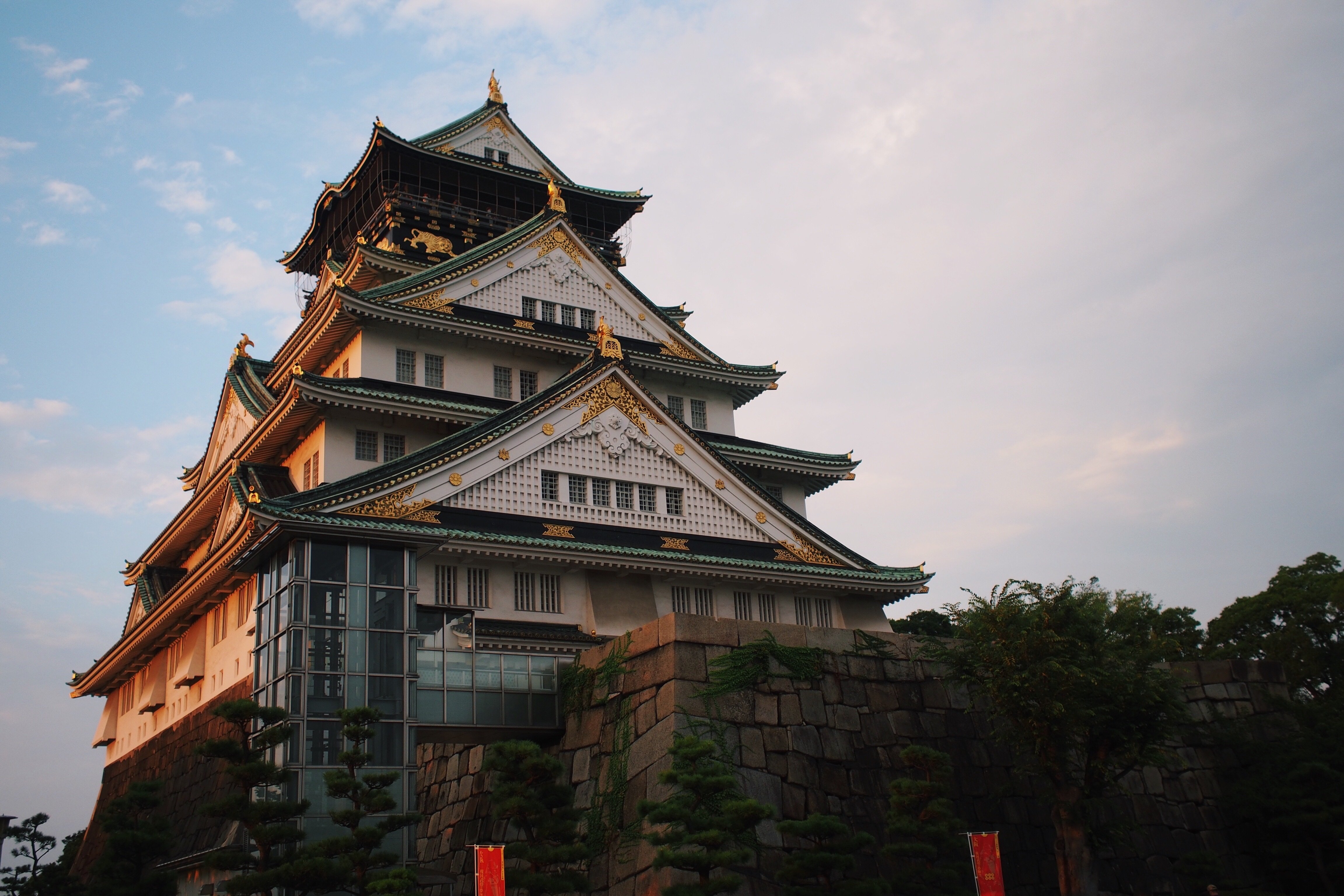
Castle, Osaka, Japan
Castle, Osaka, JapanImage by leo leung from Pixabay
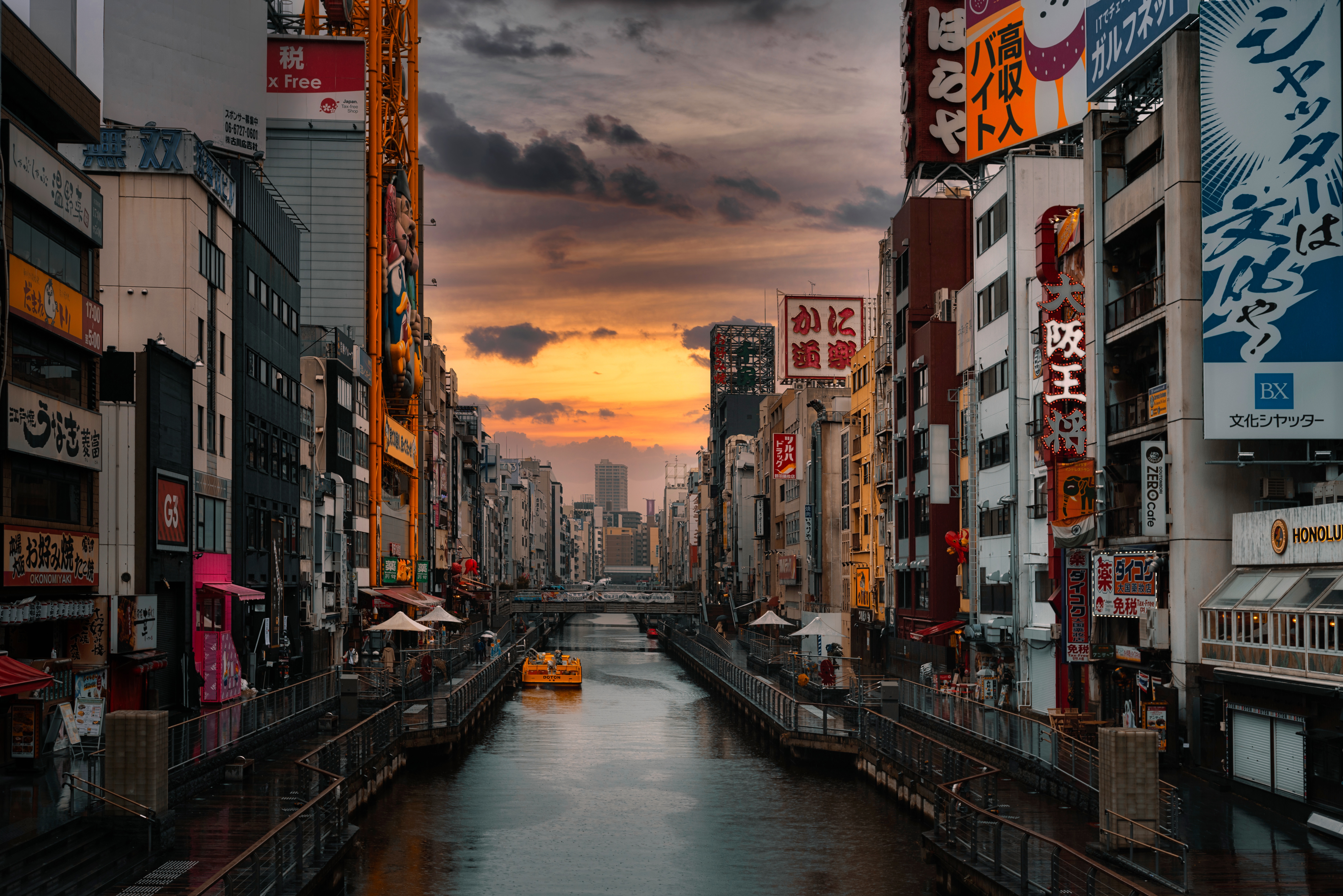
River, Osaka, Japan
River, Osaka, JapanImage by djedj from Pixabay

Suites & Deck Plans

Suite

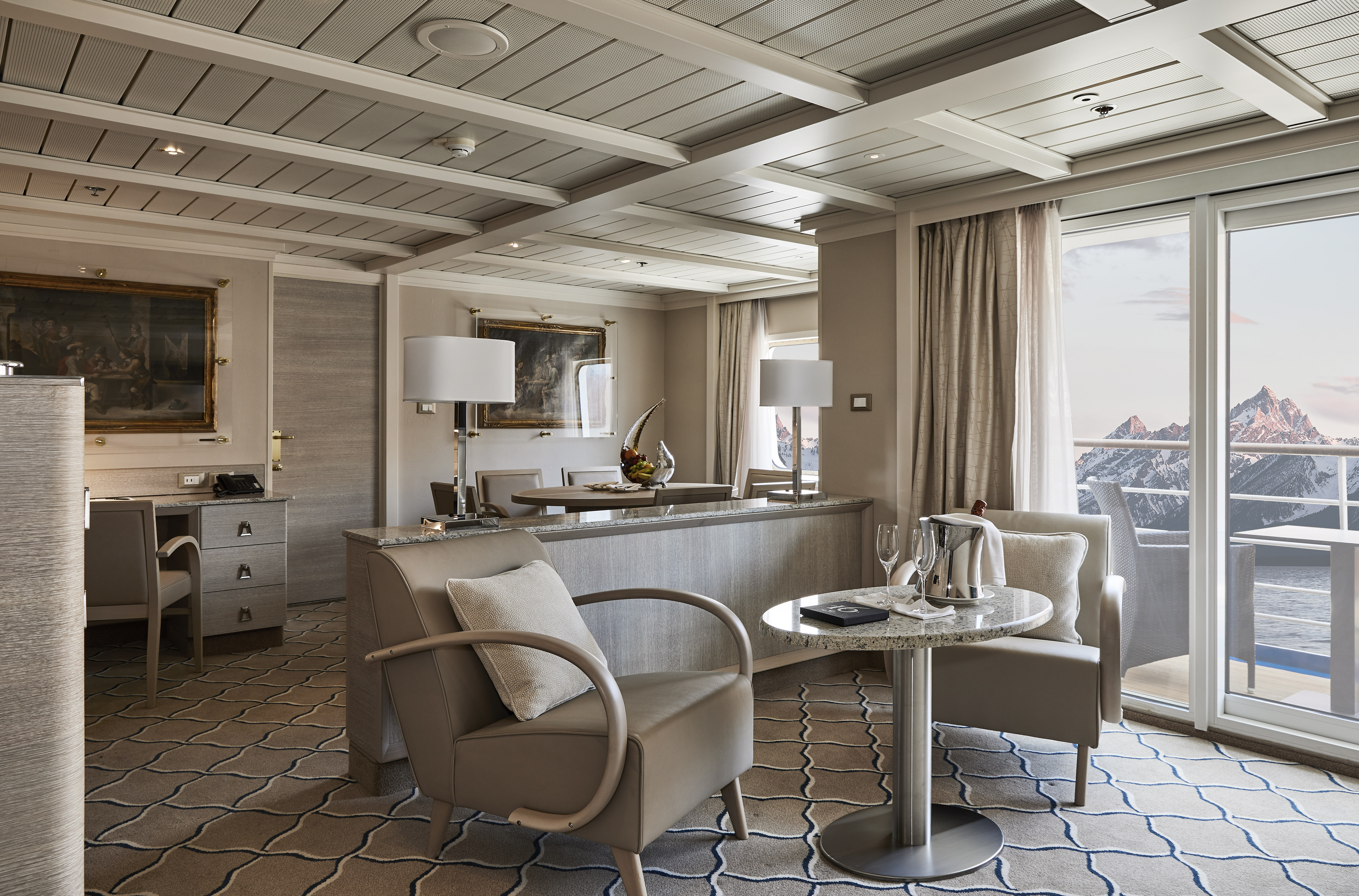
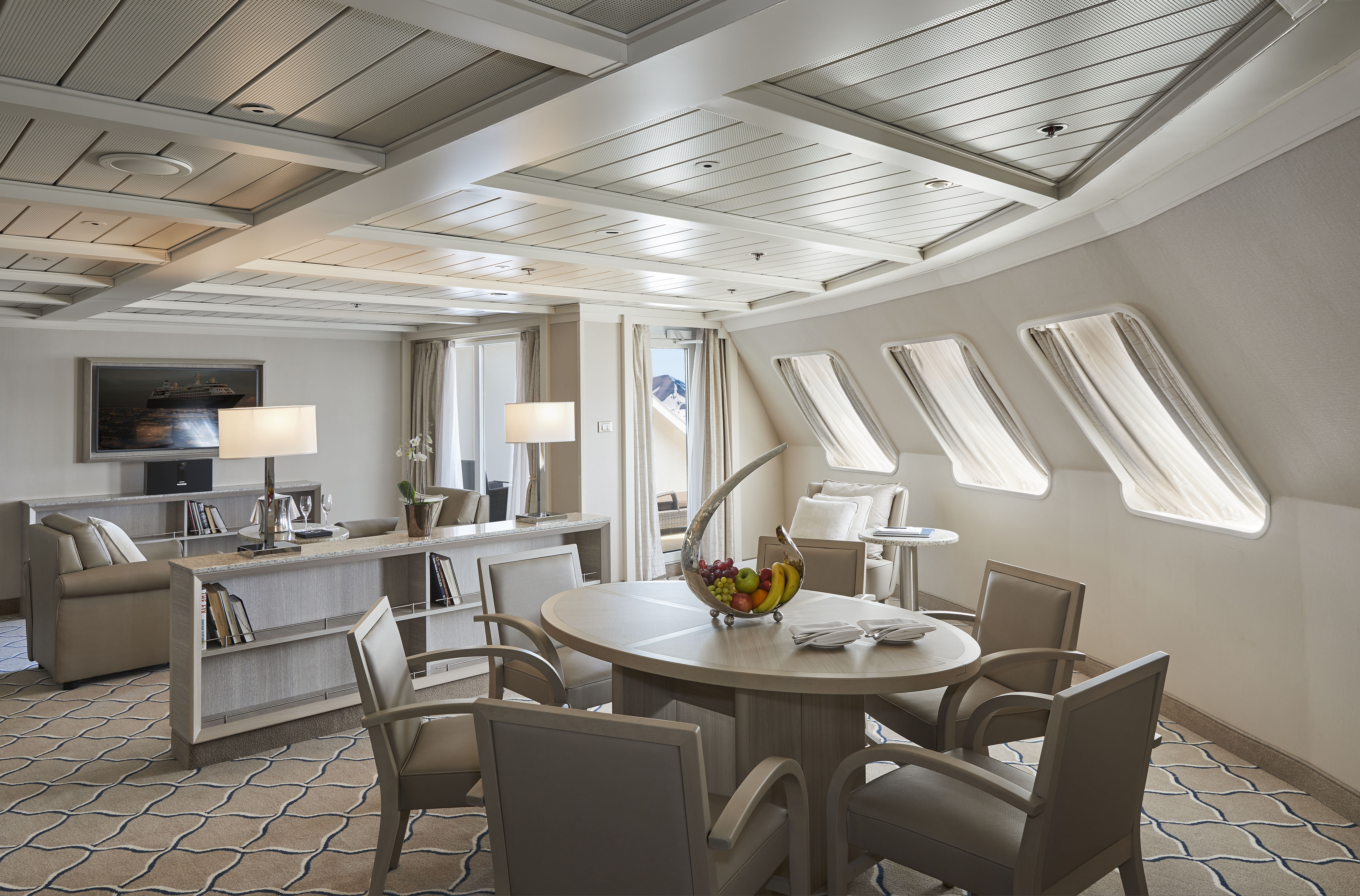
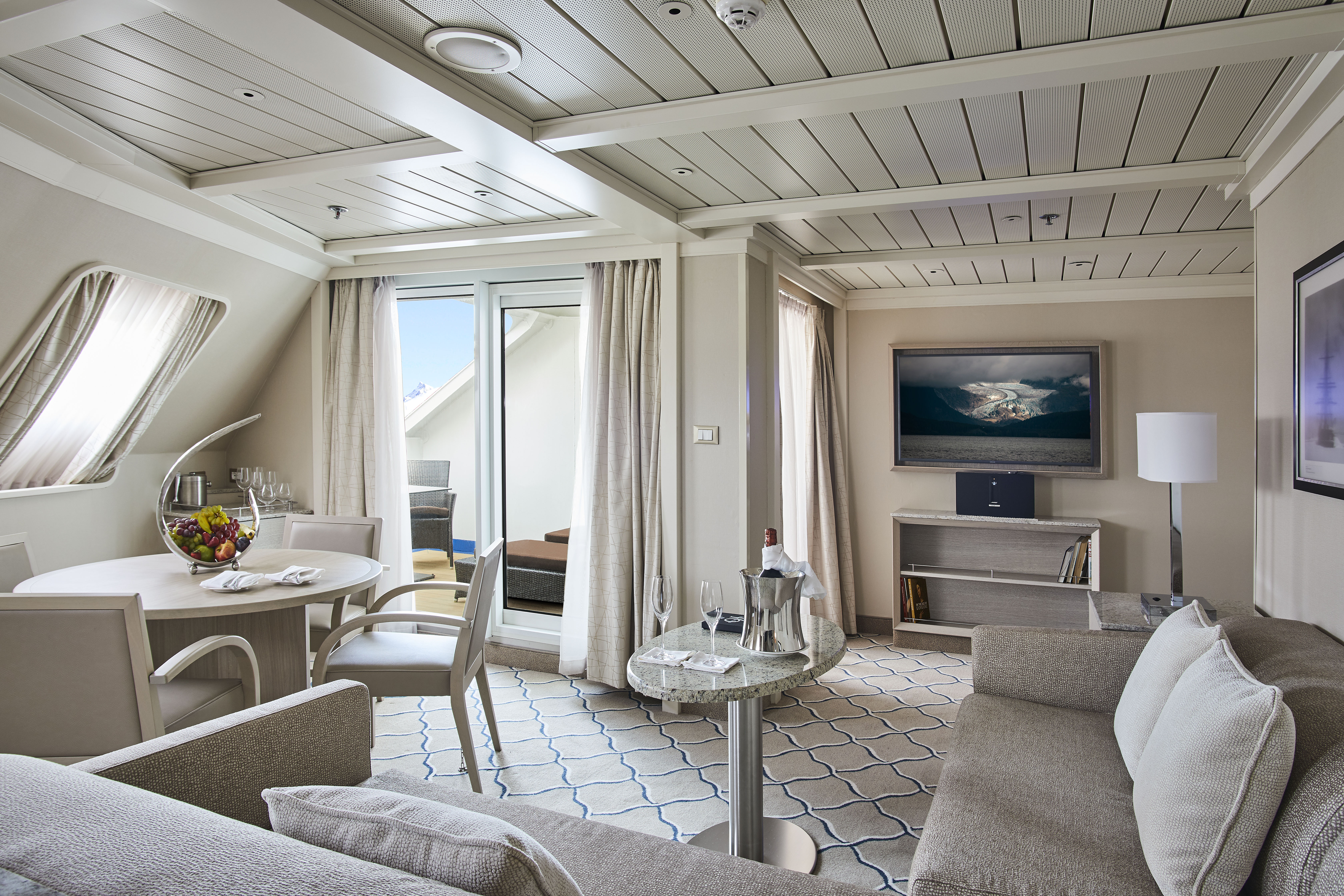
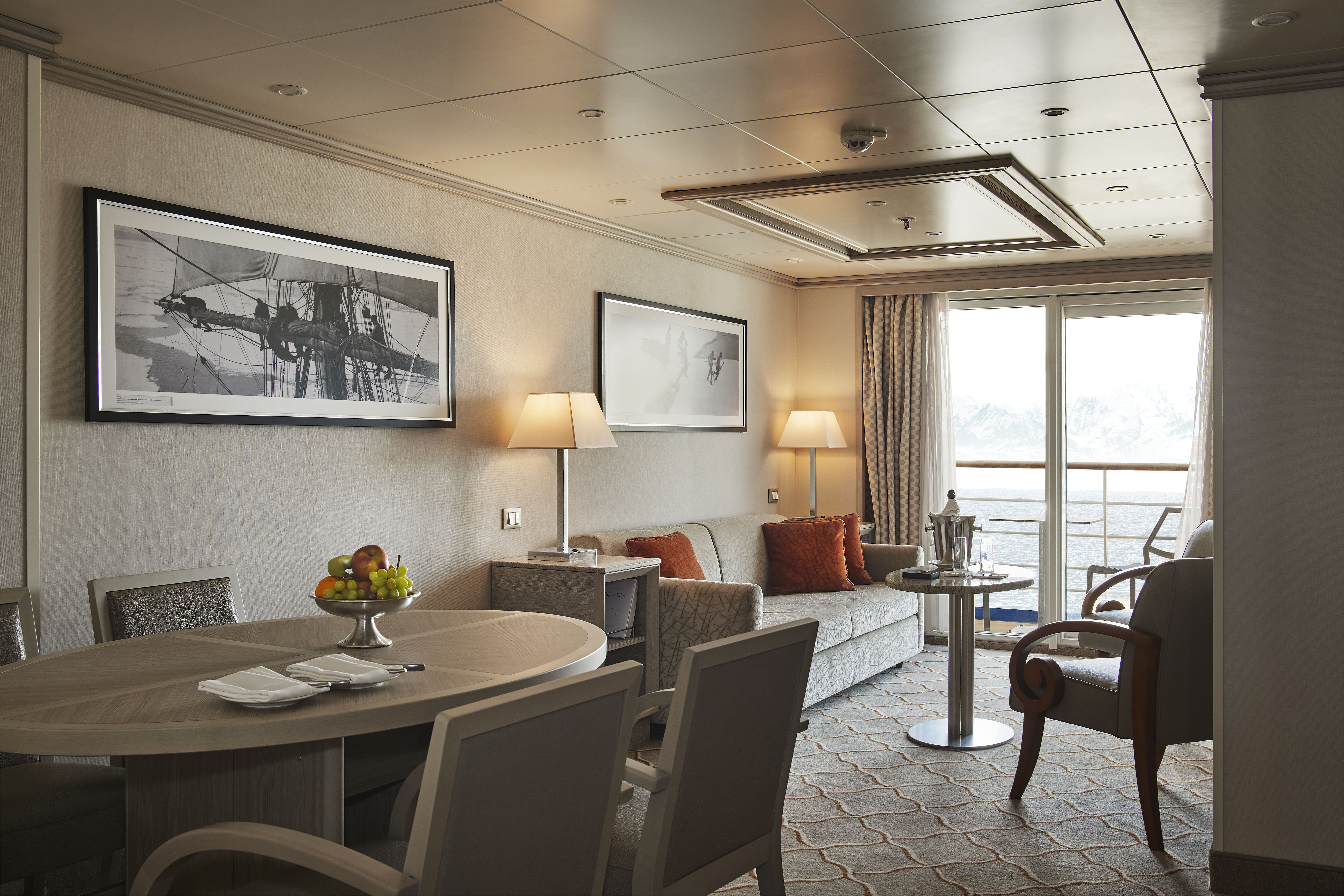
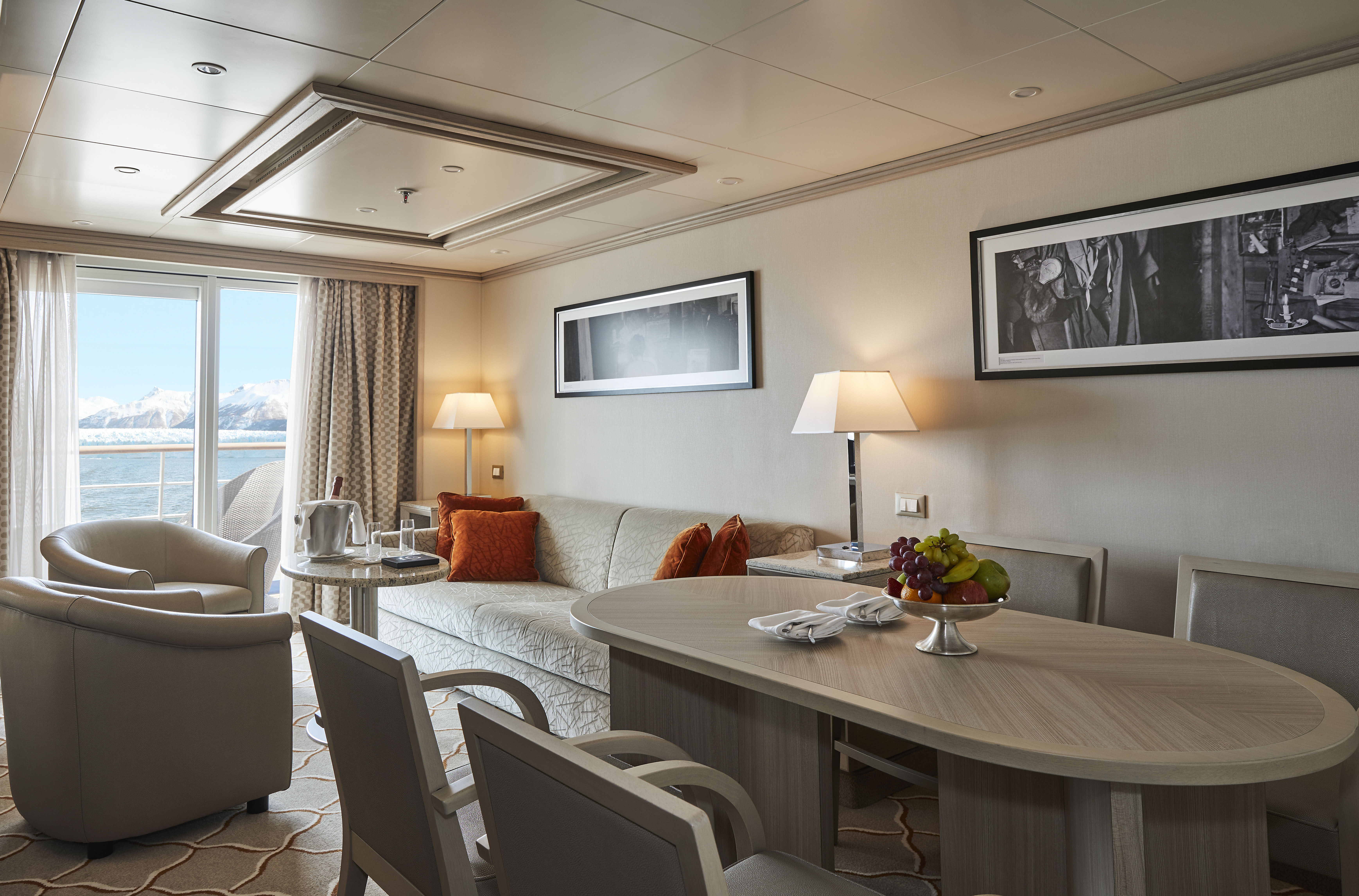
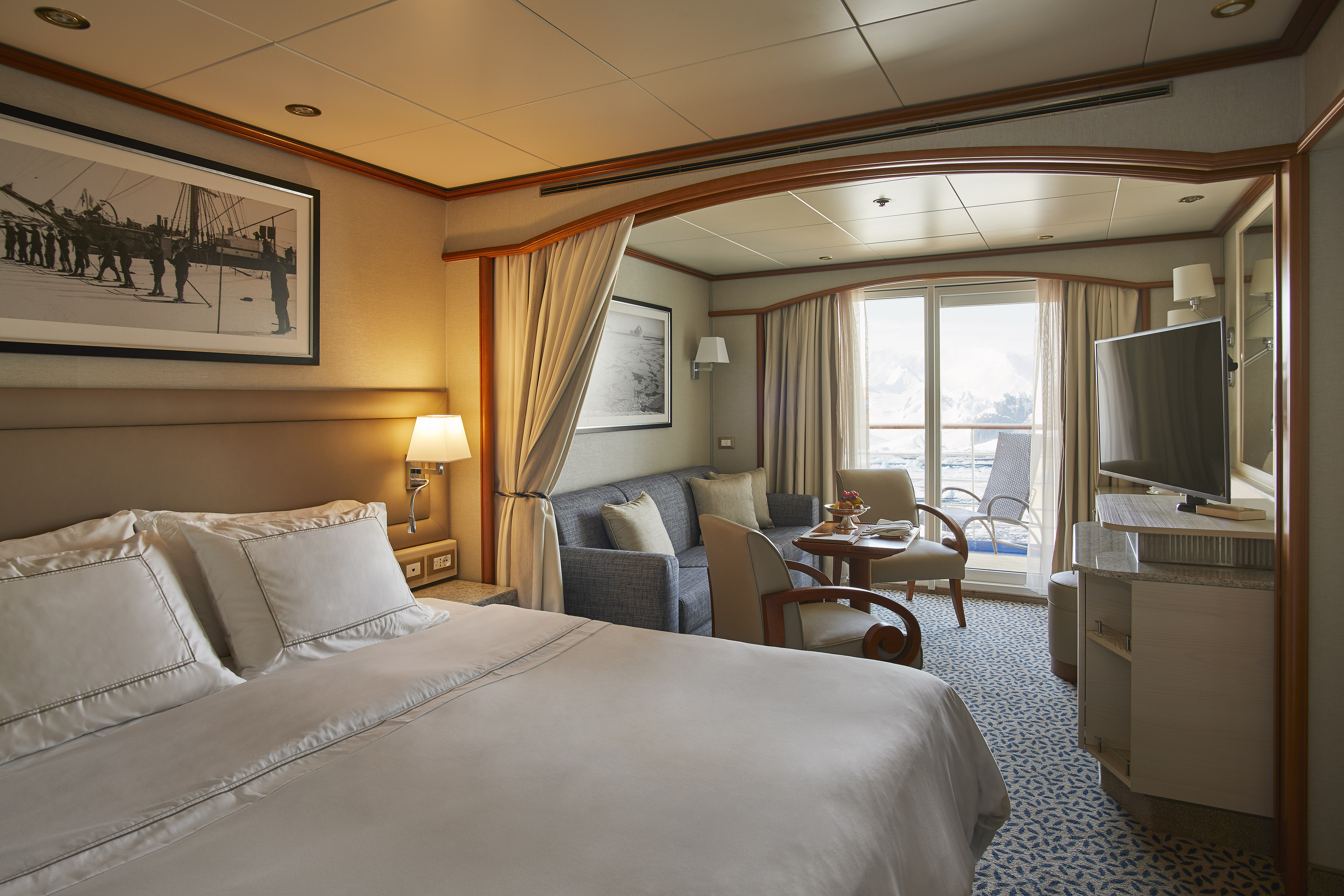
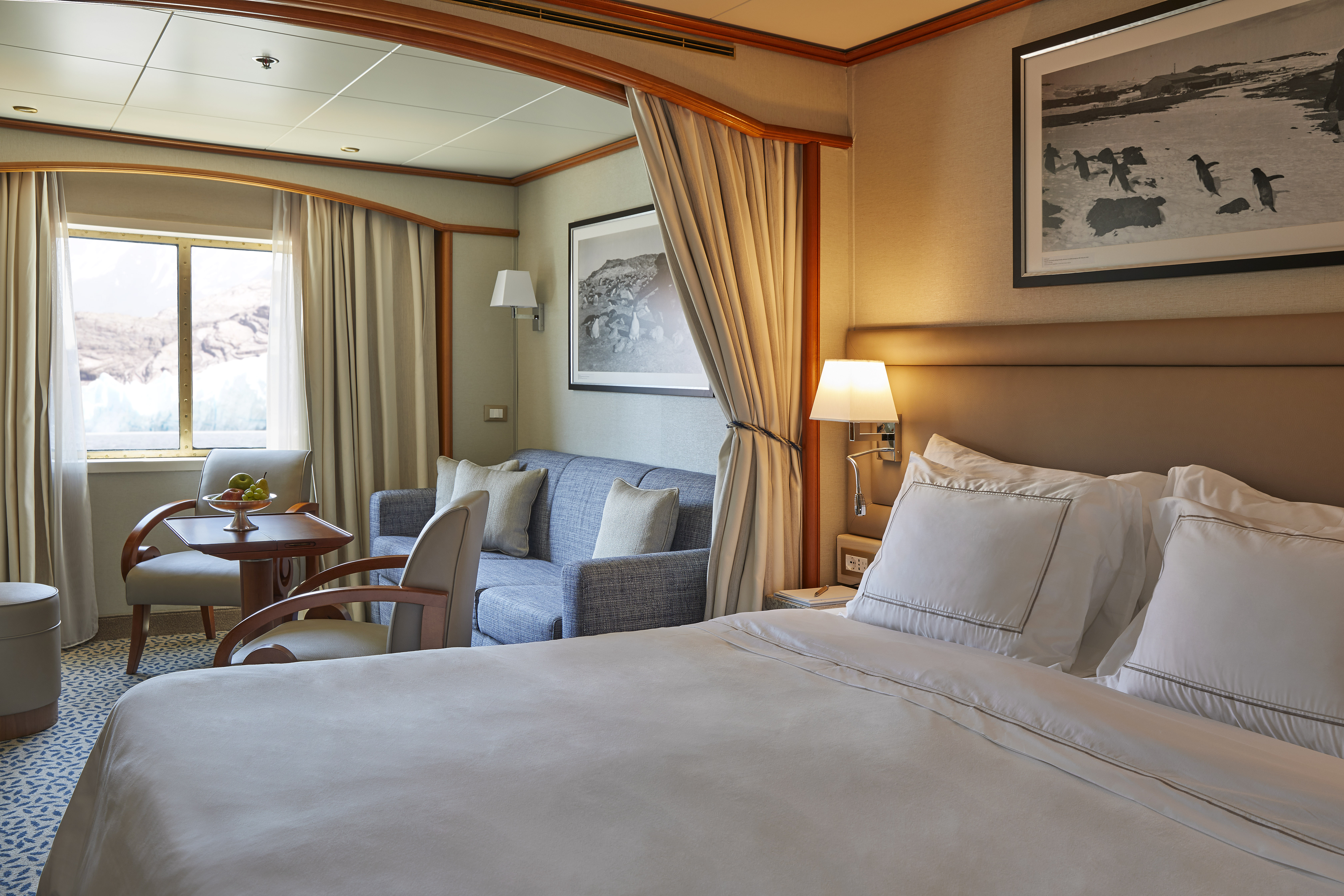
This stylish apartment offers the superlative in levels of space, comfort, and service on board. A perfect mix of expedition experience with luxury lifestyle. Available in a one-bedroom configuration or as two bedrooms by adjoining with a Vista Suite.
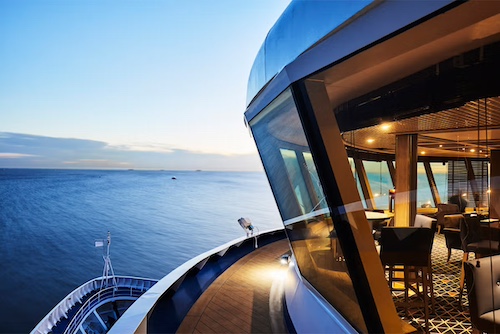
One bedroom: up to 55 sq m (8 sq m)

Two bedrooms: 77 sq m (8 sq m)

Images are intended as a general reference. Features, materials, finishes and layout may be different than shown.

Please note that the 3rd guest will sleep on a comfortable sofa bed in the reception area of the suite.

Essentials

  • Deck(s): 7
  • Section: Mid-Ship

Characteristics

  • Veranda
  • Separate dining area
  • Living room with sitting area
  • Standard vanity
  • Separate shower
  • Whirlpool bath
  • Walk-in wardrobe with personal safe

Furniture

  • King size bed
  • Writing desk
  • Vanity table
  • Luxury bed mattresses

Media & Communication

  • Unlimited Premium Wi-Fi
  • 2 large flat screen TVs with Interactive Media Library
  • Sound system with bluetooth connectivity
  • Direct dial telephone
  • Wall mounted USB-C mobile device chargers
  • Dual voltage 110/220 outlets

Onboard Services

  • Butler service
  • Complimentary laundry, pressing & wet cleaning
  • Dinner for two in La Dame, one evening per voyage,
  • Two hours of worldwide phone use, per voyage segment
  • Champagne on arrival

Amenities

  • Espresso machine
  • Tea kettles
  • Pillow menu
  • Refrigerator and bar setup stocked with your preferences
  • Plush bathrobe
  • Luxury bath amenities
  • Umbrella
  • Hair Dryer
  • Slippers

592-829 sq ft
Accommodates 5 guests
Owner's Suite

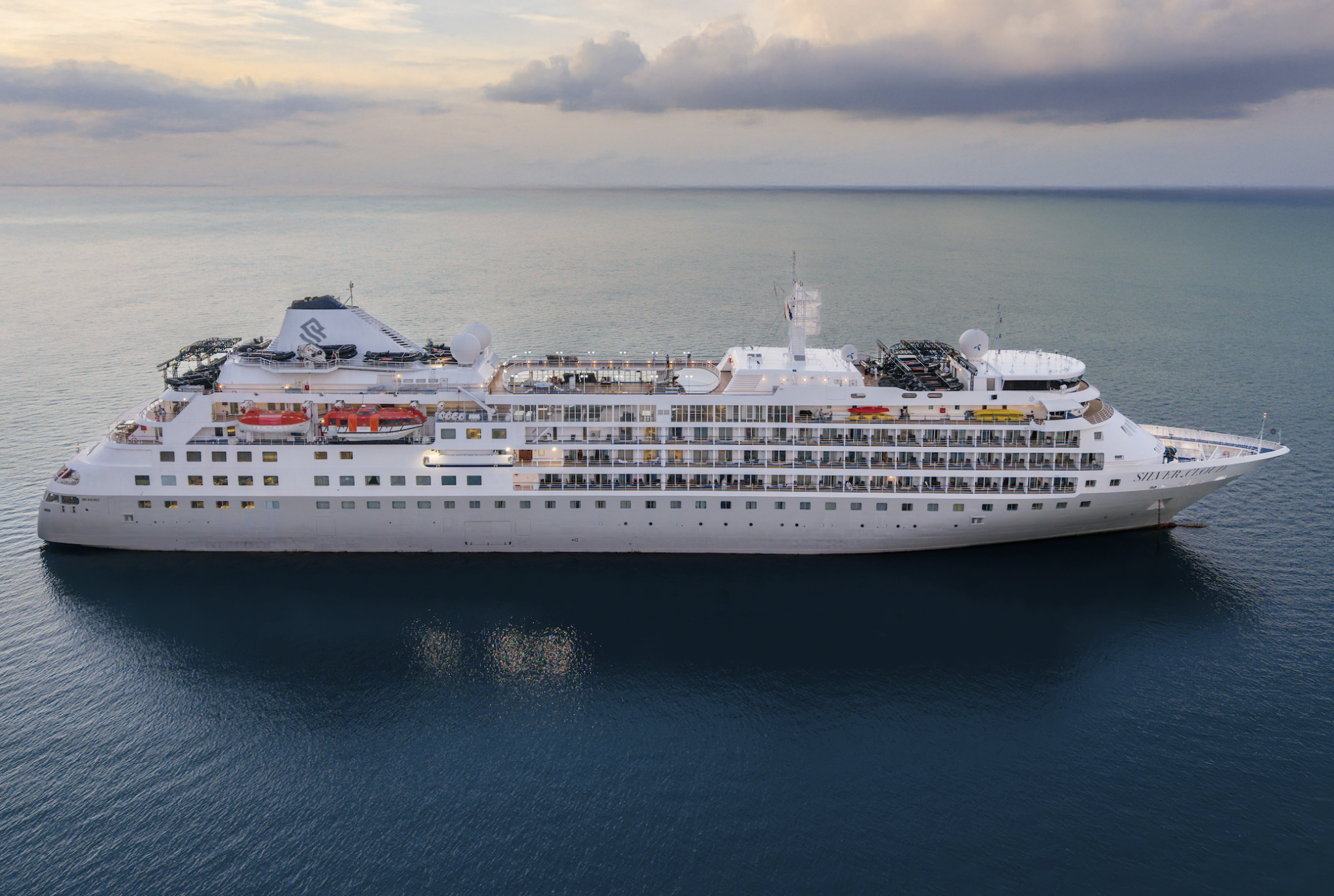
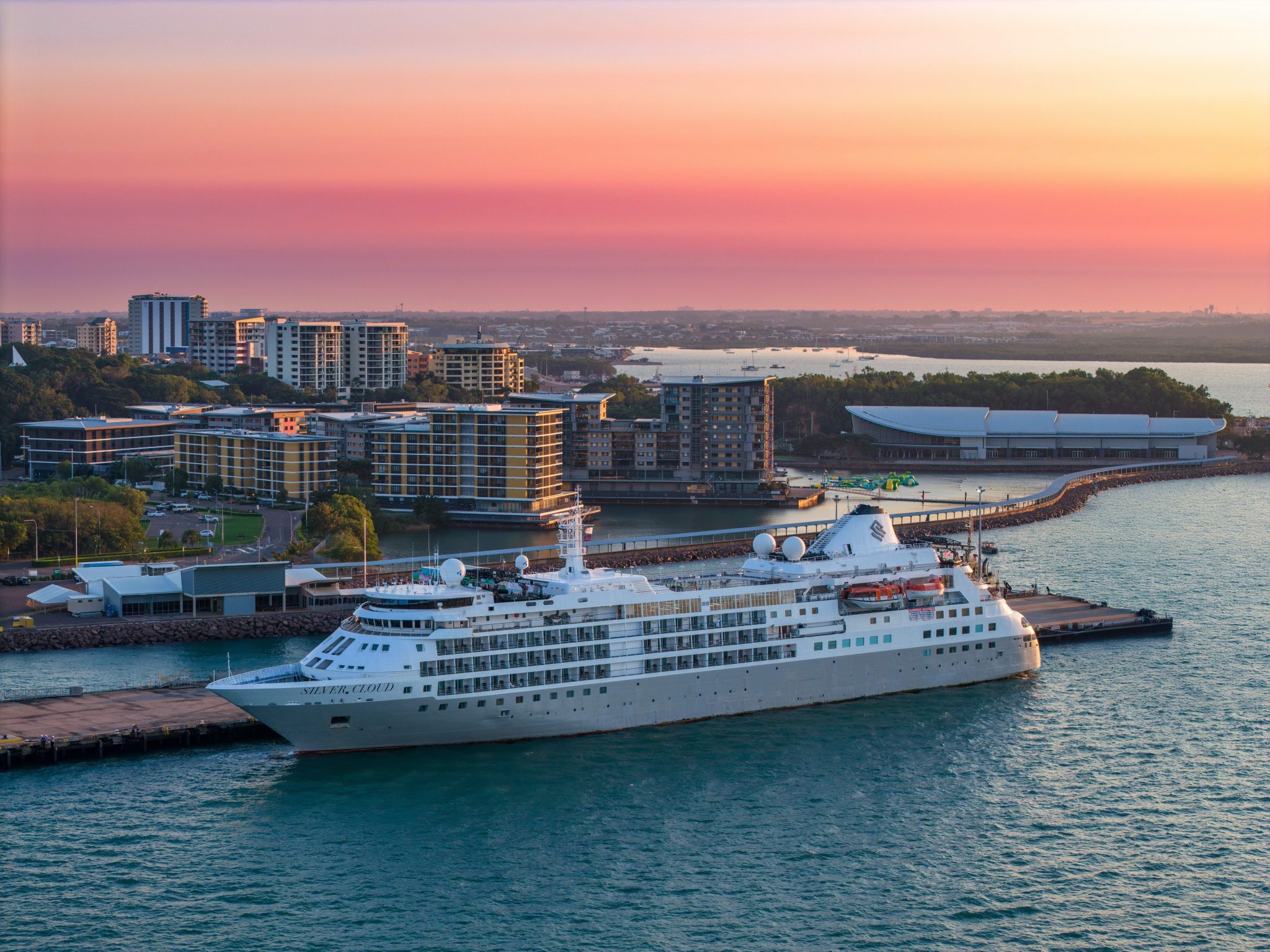
Silver Cloud

Silver Cloud

Life on board

The Onboard Experience

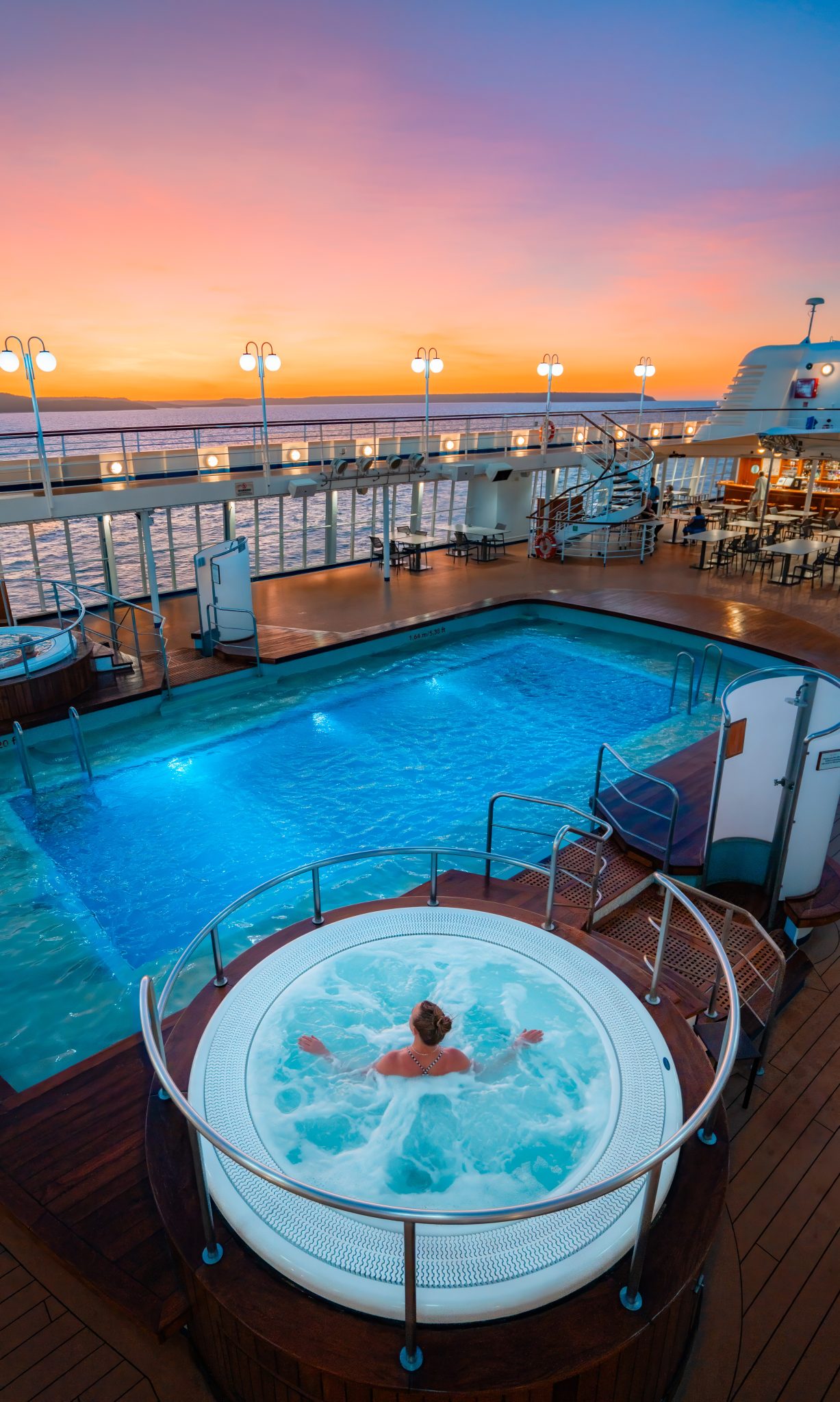
When your itinerary includes days at sea as you sail from one lovely port to another, you’ll never run out of things to do while on board.

Client testimonials

I have worked with Lore Doick for more than 20 years, and she has booked over 30 cruises for me. Her expertise, care, and attention to every travel detail have made her an invaluable advisor and friend over the years.”

Tina B.

We are now in our second generation working with Cheri Ozimac at Tully Luxury Travel. From Antarctica to Greece, she has handled every detail with expertise, responsiveness, and care…

Earl M.

My wife and I have worked with Tully since 2007, and Kit Neil and her team went far beyond expectations while helping us navigate multiple cruise and flight cancellations. Their advocacy, care, and support during a difficult time were extraordinary.

Carri F.

Cheri Ozimac organized our Seabourn cruise flawlessly, from the hotel recommendation to every travel arrangement. She was responsive, attentive, and an excellent advocate throughout the process…

Cyn S.

We discovered Tully Luxury Travel after years of booking cruises through US agents and were impressed by their competitive pricing, exceptional service, and Canadian based support. Their team is always available, offers excellent value, and makes booking the right cruise seamless.

Peter C.

GoogleAverage Customer Rating:

The Tully Difference

Why travel with us


Tully Luxury Travel was built on access, discretion, and trust. For our clients, that means ease at every step, with distinctions that turn exceptional voyages into defining moments.

Recognized expertise

A renowned agency worldwide in luxury land and small-ship cruising, consistently trusted by the industry’s most prestigious brands.