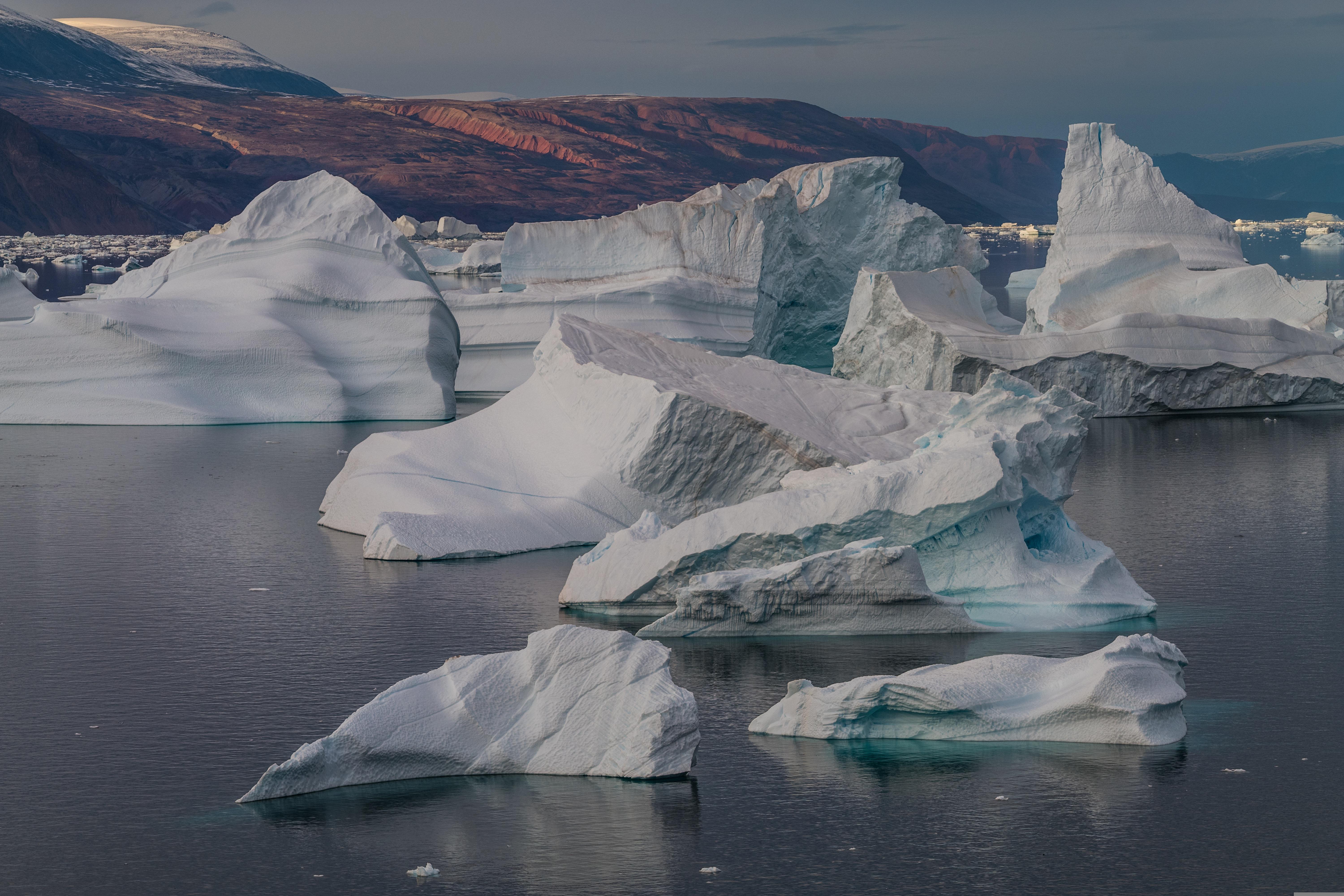
32-Day High Arctic, Northwest Passage & Nunavut

Itinerary: Reykjavík, Kangerlussuaq Havn, Pond Inlet, Nunavut, Exploring the Northwest Passage, Ellesmere Island, Nunavut, Northeast Greenland, Nuuk (Godthaab), Iqaluit, Nunavut, Diana Island, Nunavut, Erik Cove... See full itinerary

16 Aug 28
34 nights

Voyage Details

Duration:
34 nights
Departure:
16 Aug 2028
Embarkation:
Reykjavík, Iceland
Voyage code:
V844A

Your Itinerary, Day-By-Day

Special Chapters of Your Journey

Day 1 - Reykjavík

Sprawling Reykjavík, the nation's nerve center and government seat, is home to half the island's population. On a bay overlooked by proud Mt. Esja (pronounced eh-shyuh), with its ever-changing hues, Reykjavík presents a colorful sight, its concrete houses painted in light colors and topped by vibrant red, blue, and green roofs. In contrast to the almost treeless countryside, Reykjavík has many tall, native birches, rowans, and willows, as well as imported aspen, pines, and spruces.Reykjavík's name comes from the Icelandic words for smoke, reykur, and bay, vík. In AD 874, Norseman Ingólfur Arnarson saw Iceland rising out of the misty sea and came ashore at a bay eerily shrouded with plumes of steam from nearby hot springs. Today most of the houses in Reykjavík are heated by near-boiling water from the hot springs. Natural heating avoids air pollution; there's no smoke around. You may notice, however, that the hot water brings a slight sulfur smell to the bathroom.Prices are easily on a par with other major European cities. A practical option is to purchase a Reykjavík City Card at the Tourist Information Center or at the Reykjavík Youth Hostel. This card permits unlimited bus usage and admission to any of the city's seven pools, the Family Park and Zoo, and city museums. The cards are valid for one (ISK 3,300), two (ISK 4,400), or three days (ISK 4,900), and they pay for themselves after three or four uses a day. Even lacking the City Card, paying admission (ISK 500, or ISK 250 for seniors and people with disabilities) to one of the city art museums (Hafnarhús, Kjarvalsstaðir, or Ásmundarsafn) gets you free same-day admission to the other two.
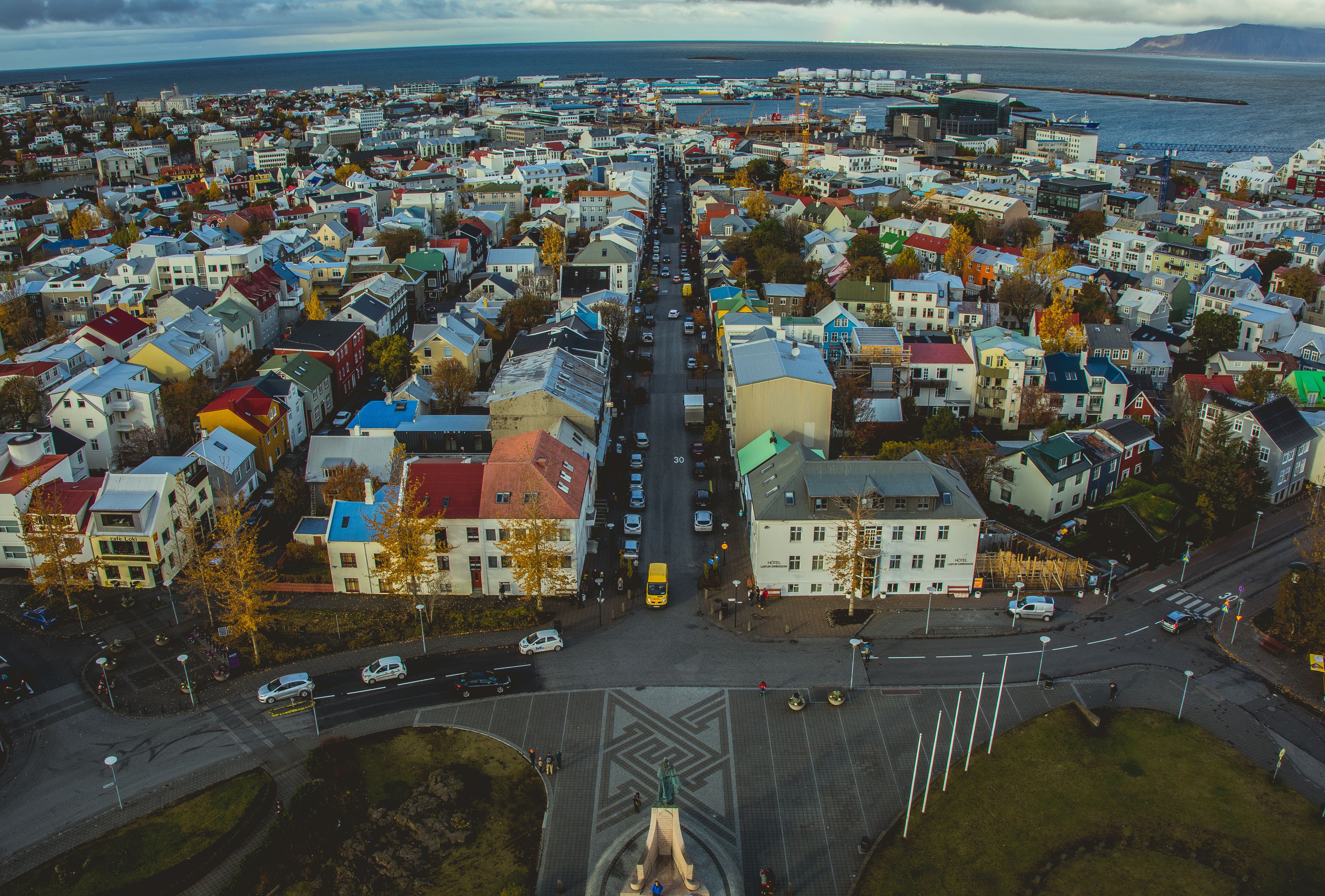
Isrey Reykjavik Bird's Eye View Photo Of Concrete House Alec Cooks
Isrey Reykjavik Bird's Eye View Photo Of Concrete House Alec CooksAlec Cooks
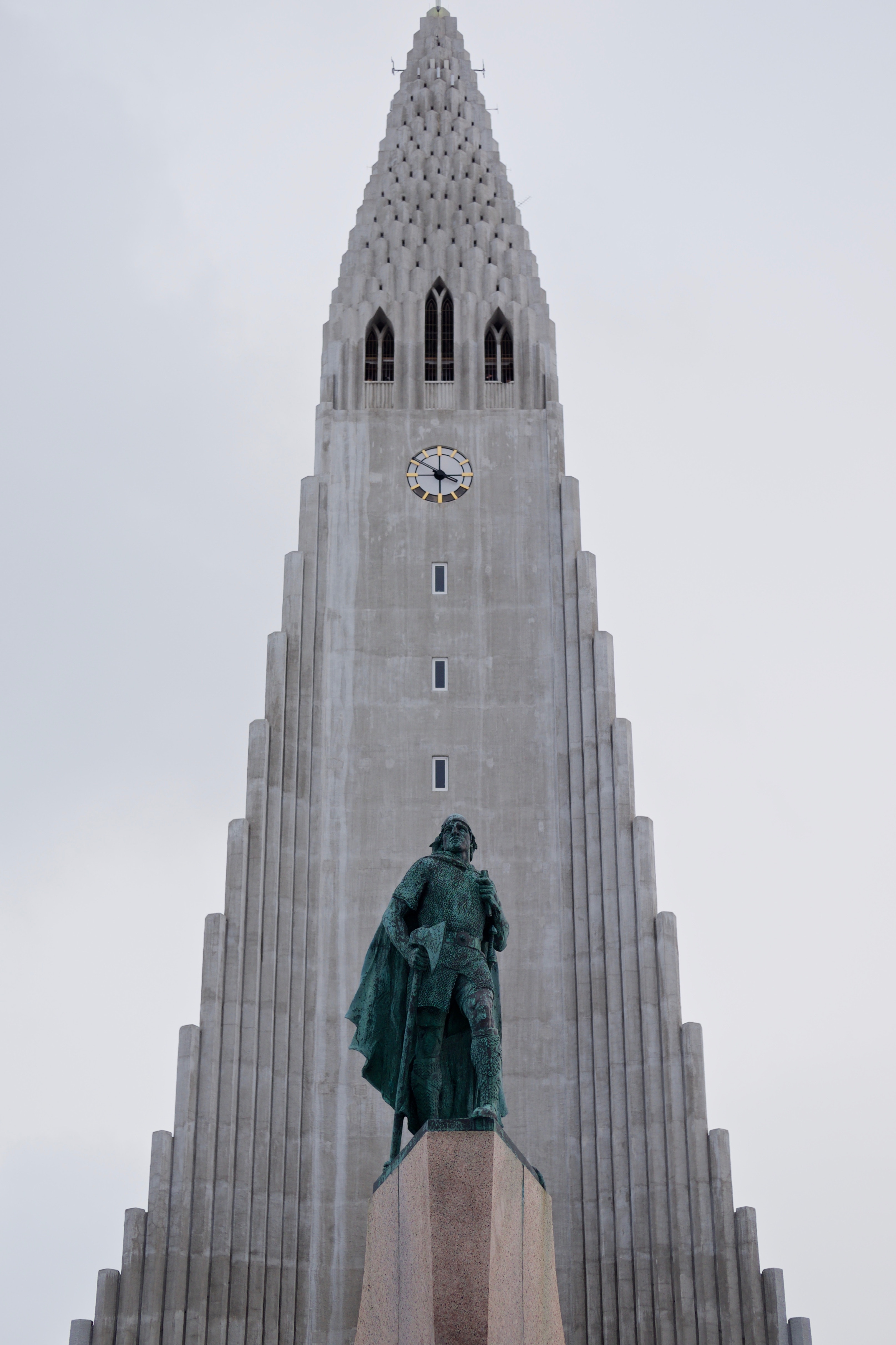
Isrey Reykjavik Hallgrimur Church Leif Erikson Wesley Gibbs
Isrey Reykjavik Hallgrimur Church Leif Erikson Wesley GibbsWesley Gibbs
Isrey Reykjavik Photography Of White Swan Floating On Water Body Evelyn Paris
Isrey Reykjavik Photography Of White Swan Floating On Water Body Evelyn ParisEvelyn Paris

Day 2 - Kangerlussuaq Havn

The name Kangerlussuaq means "Big Fjord" in the local Kalaallisut language. The settlement of about 500 people is located in western Greenland on flat land at the head of a fjord with the same name. Kangerlussuaq is the site of Greenland's largest commercial airport and most of the economy here is dependent on the air transportation hub and tourism. The rugged lands around the settlement support terrestrial Arctic fauna including muskoxen, caribou, and Gyrfalcons.

Kangerlussuaq, Greenland
Kangerlussuaq, GreenlandPhoto by Mads Schmidt Rasmussen on Unsplash
Kangerlussuaq, Greenland
Kangerlussuaq, GreenlandPhoto by Mads Schmidt Rasmussen on Unsplash

Day 5 - Pond Inlet, Nunavut

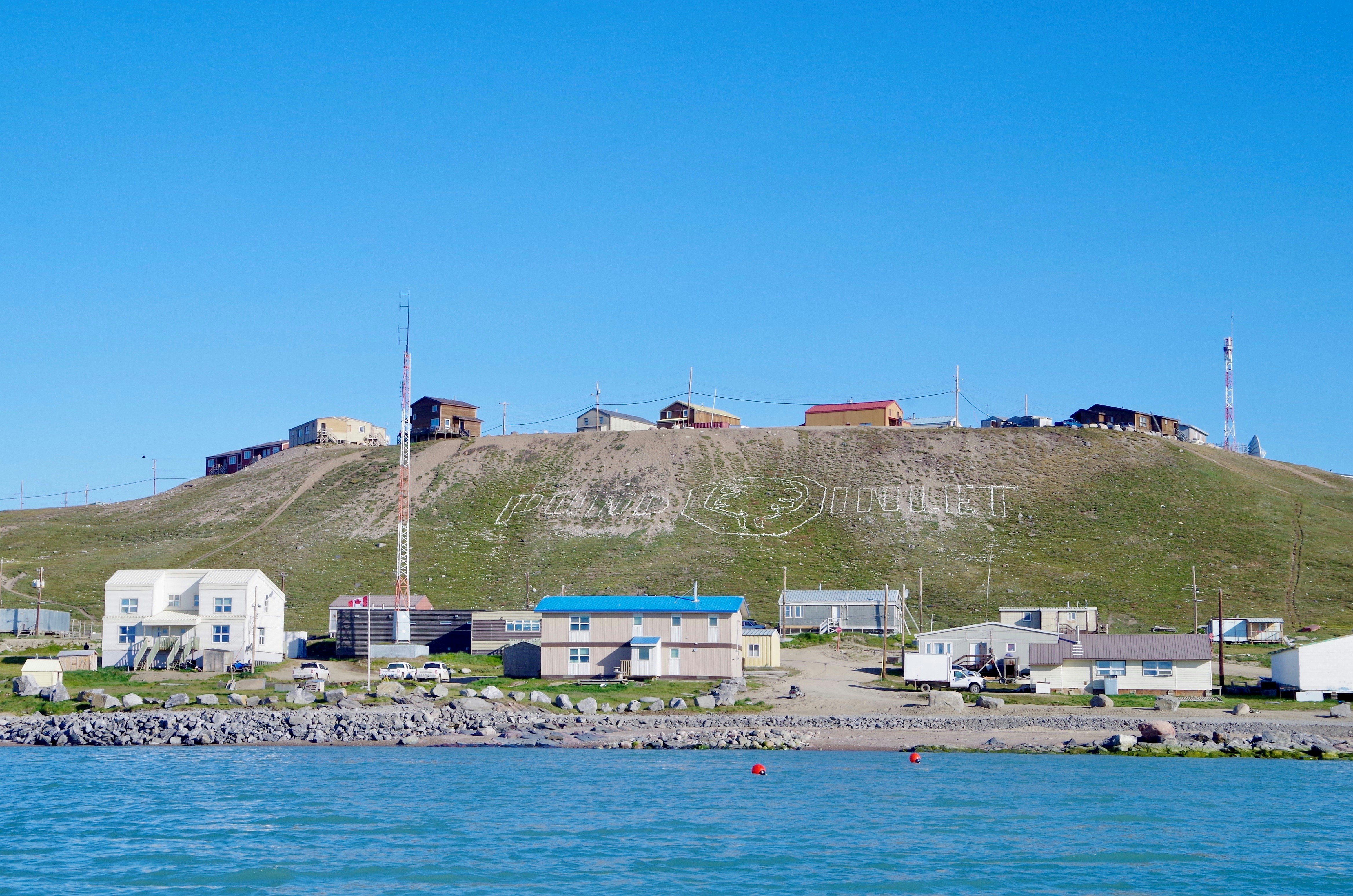
Located in northern Baffin Island, Pond Inlet is a small, predo¬minantly Inuit community, with a population of roughly 1,500 inhabitants. In 1818, the British explorer John Ross named a bay in the vicinity after the English astronomer John Pond. Today Pond Inlet is considered one of Canada's "jewels of the North" thanks to several picturesque glaciers and mountain ranges nearby. Many archaeological sites of ancient Dorset and Thule peoples can be found near Pond Inlet. The Inuit hunted caribou, ringed and harp seals, fish, polar bears, walrus, narwhals, geese, ptarmigans and Arctic hares, long before European and American whalers came here to harvest bowhead whales. Pond Inlet is also known as a major center of Inuit art, especially the printmaking and stone carving that are featured in the town’s art galleries.

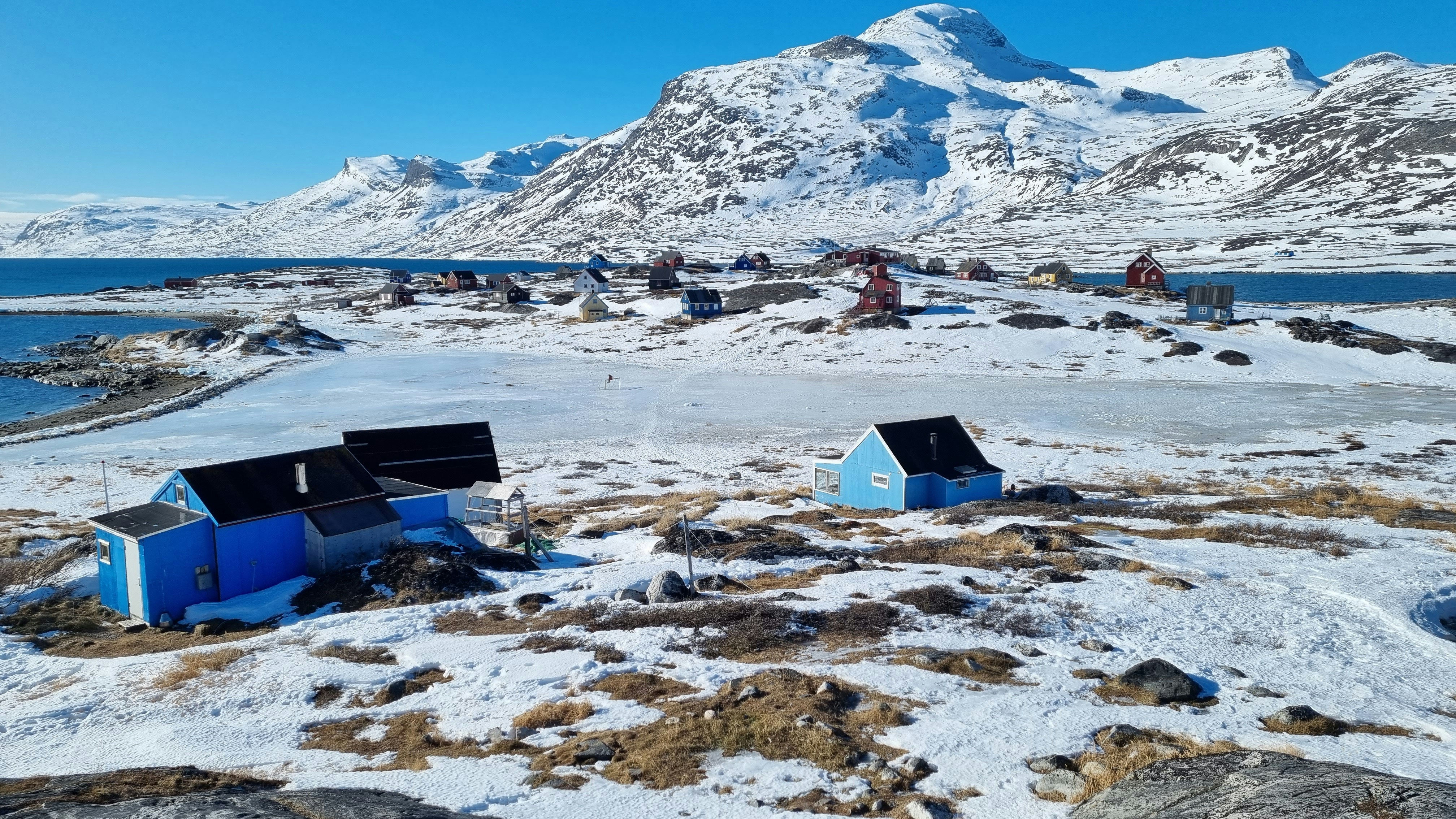
Nunavut, Canada
Nunavut, CanadaPhoto by Damon On Road on Unsplash
Pond Inlet, Nunavet
Pond Inlet, NunavetPhoto by Isaac Demeester on Unsplash

Day 6 - Exploring the Northwest Passage

Further details for this day are not available.

Day 7 - Ellesmere Island, Nunavut

Further details for this day are not available.

Day 8 - Ellesmere Island, Nunavut

Further details for this day are not available.

Day 9 - Ellesmere Island, Nunavut

Further details for this day are not available.

Day 10 - Ellesmere Island, Nunavut

Further details for this day are not available.

Day 11 - Ellesmere Island, Nunavut

Further details for this day are not available.

Day 13 - Northeast Greenland

Further details for this day are not available.

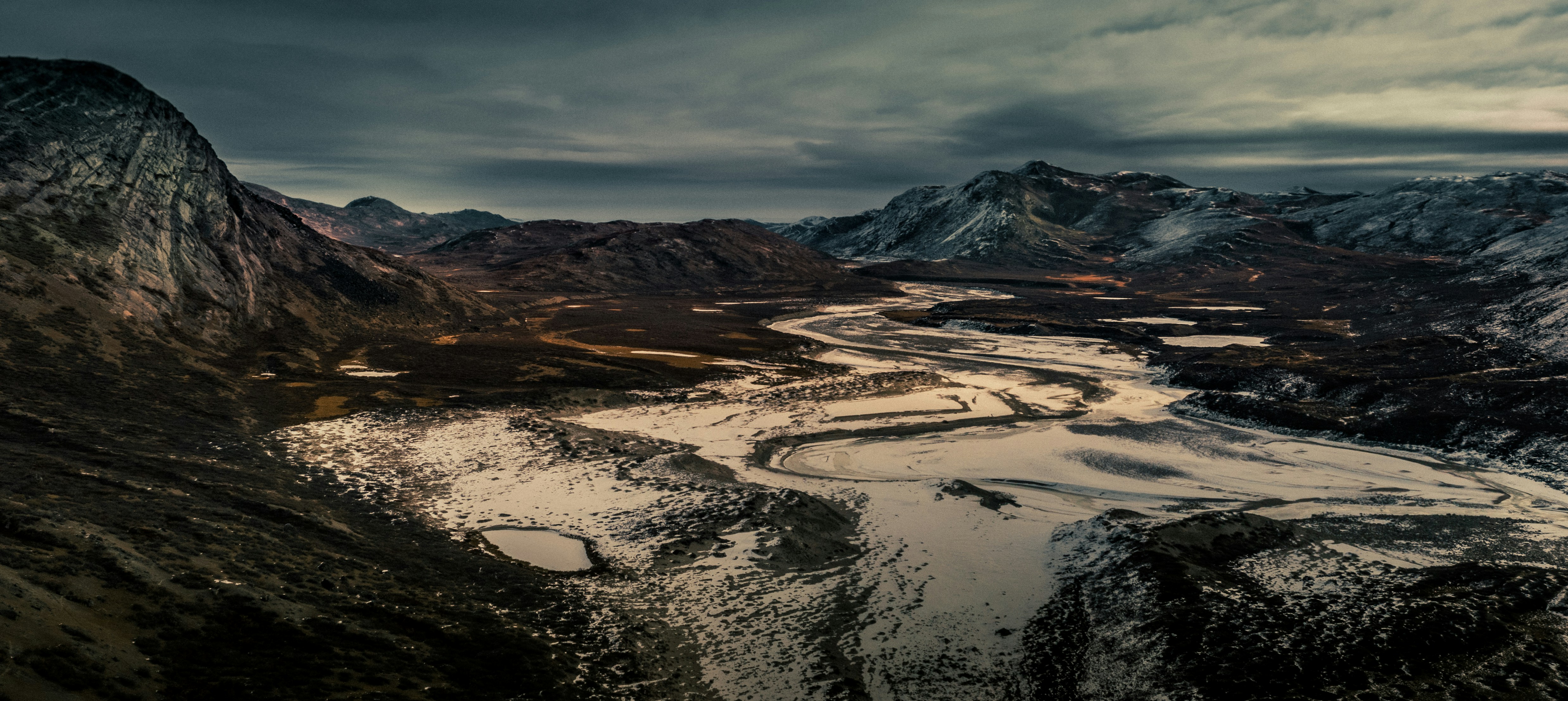
Greenland
GreenlandPhoto by William Bossen on Unsplash

Day 14 - Northeast Greenland

Further details for this day are not available.

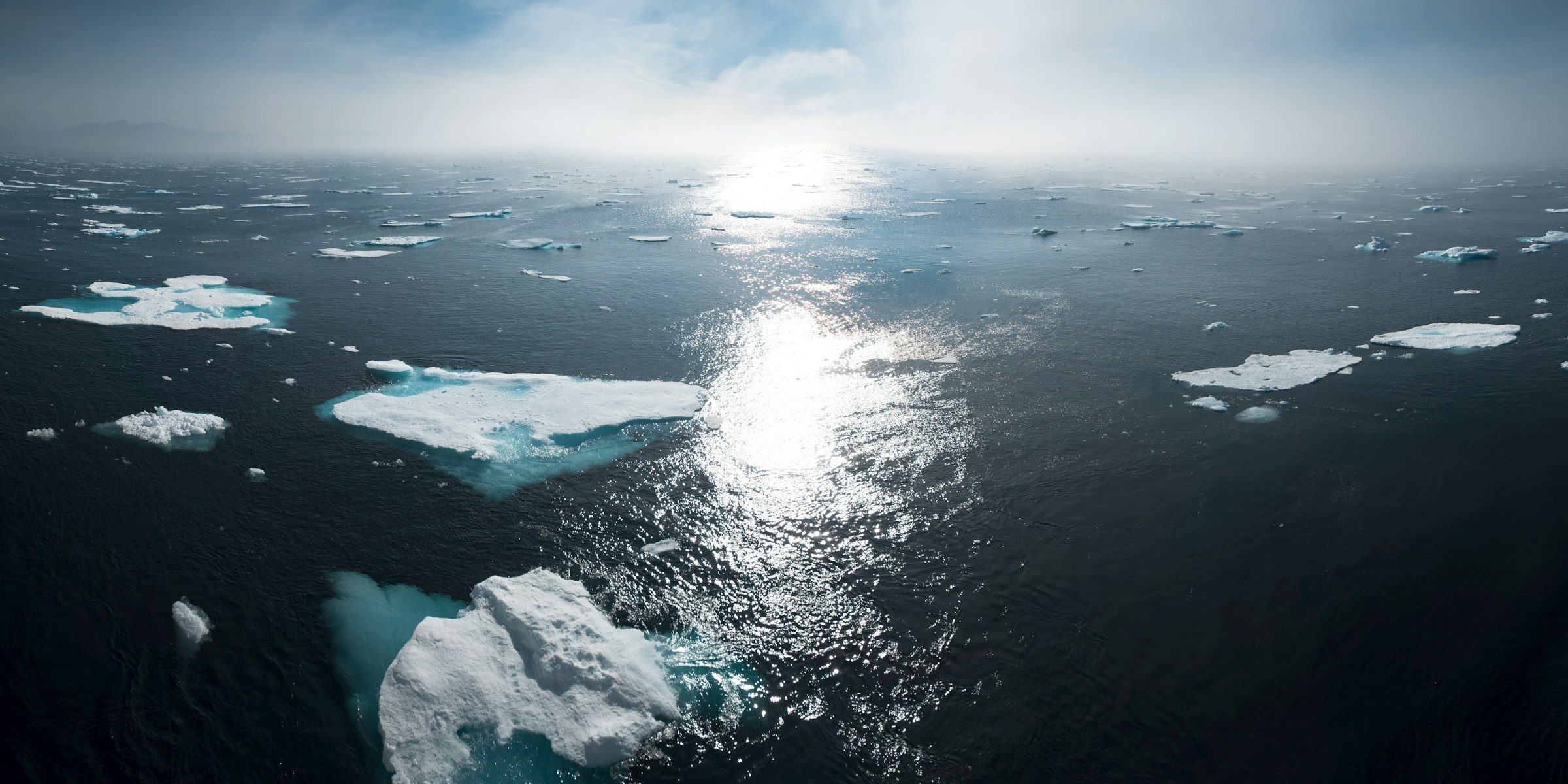
Greenland
GreenlandPhoto by William Bossen on Unsplash

Day 16 - Kangerlussuaq Havn

The name Kangerlussuaq means "Big Fjord" in the local Kalaallisut language. The settlement of about 500 people is located in western Greenland on flat land at the head of a fjord with the same name. Kangerlussuaq is the site of Greenland's largest commercial airport and most of the economy here is dependent on the air transportation hub and tourism. The rugged lands around the settlement support terrestrial Arctic fauna including muskoxen, caribou, and Gyrfalcons.

Kangerlussuaq, Greenland
Kangerlussuaq, GreenlandPhoto by Mads Schmidt Rasmussen on Unsplash
Kangerlussuaq, Greenland
Kangerlussuaq, GreenlandPhoto by Mads Schmidt Rasmussen on Unsplash

Day 17 - Nuuk (Godthaab)

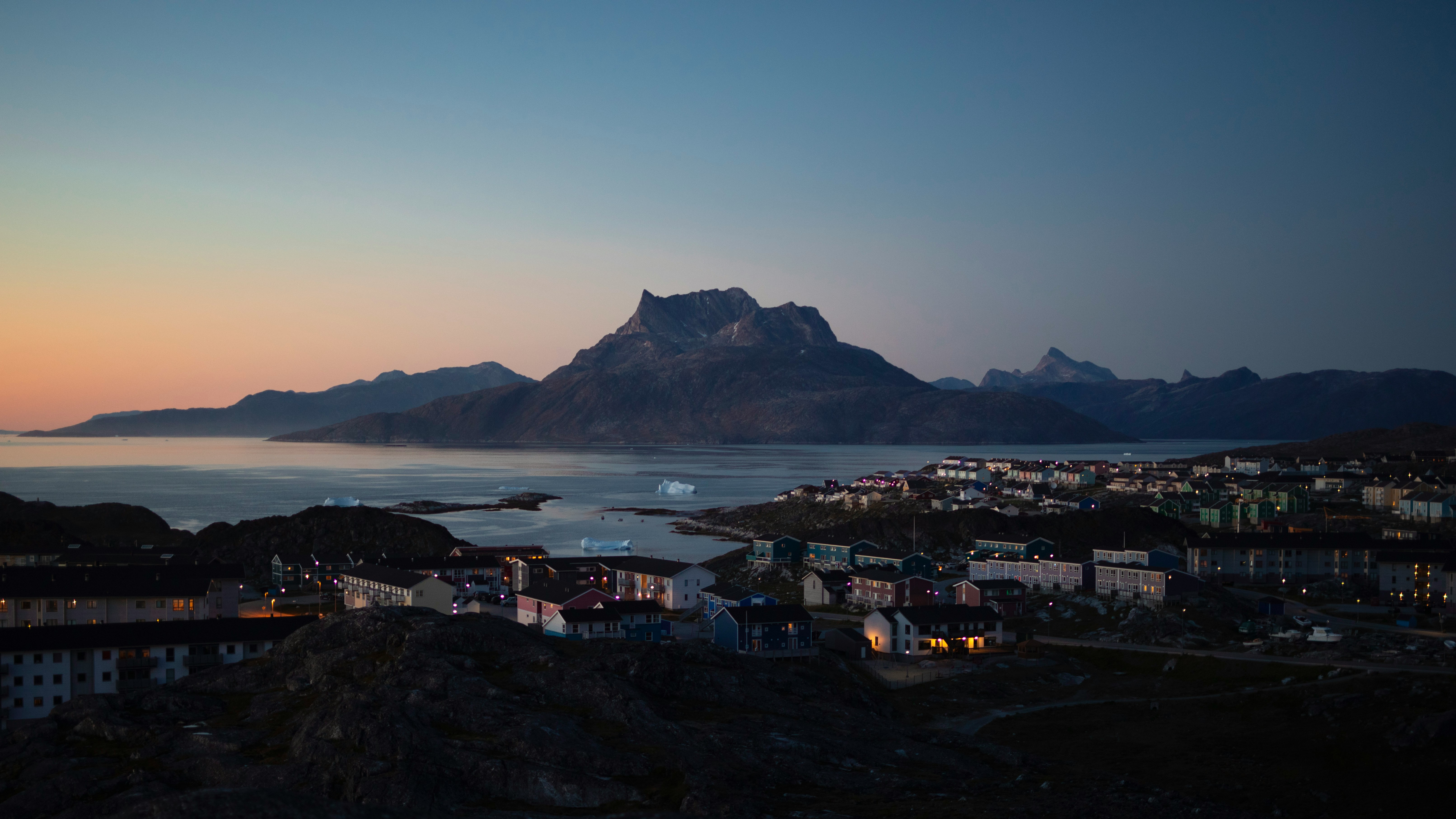
Nuuk, meaning “the cape”, was Greenland’s first town (1728). Started as a fort and later mission and trading post some 240 kilometers south of the Arctic Circle, it is the current capital. Almost 30% of Greenland’s population lives in the town. Not only does Nuuk have great natural beauty in its vicinity, but there are Inuit ruins, Hans Egede’s home, the parliament, and the Church of our Saviour as well. The Greenlandic National Museum has an outstanding collection of Greenlandic traditional dresses, as well as the famous Qilakitsoq mummies. The Katuaq Cultural Center’s building was inspired by the undulating Northern Lights and can house 10% of Nuuk’s inhabitants.

Nuuk, Greenland
Nuuk, GreenlandPhoto by Aningaaq Rosing Carlsen on Unsplash
Nuuk, Greenland
Nuuk, GreenlandPhoto by Bogomil Shopov - Бого on Unsplash

Day 19 - Iqaluit, Nunavut

Iqaluit is the capital of Canada’s newest territory, Nunavut, which is Inuktitut for “our land”. The community is located at the head of Frobisher Bay, an inlet of the North Atlantic extending into southeastern Baffin Island. The Bay is so long that it was first taken to be the possible entrance of a Northwest Passage. In Iqaluit, the Nunatta Sunakkutaangit Museum and the Nunavut Legislative Assembly Building both house incredible collections of Inuit artwork with interesting local prints for sale in the museum shop.

Day 20 - Diana Island, Nunavut

Further details for this day are not available.

Day 21 - Erik Cove

Further details for this day are not available.

Day 22 - Exploring the Northwest Passage

Further details for this day are not available.

Day 23 - Fury and Hecla Strait, Nunavut

Further details for this day are not available.

Day 24 - Exploring the Northwest Passage

Further details for this day are not available.

Day 25 - Exploring the Northwest Passage

Further details for this day are not available.

Day 26 - Exploring the Northwest Passage

Further details for this day are not available.

Day 27 - Cambridge Bay, Nunavut

Further details for this day are not available.

Day 28 - Exploring the Northwest Passage

Further details for this day are not available.

Day 29 - Exploring the Northwest Passage

Further details for this day are not available.

Day 32 - Sisimiut (Holsteinsborg)

Located just north of the Arctic Circle, Sisimiut is the northernmost town in Greenland where the port remains free of ice in the winter. Yet it is also the southernmost town where there is enough snow and ice to drive a dogsled in winter and spring. In Sisimiut, travelling by sled has been the primary means of winter transportation for centuries. In fact, the area has been inhabited for approximately 4,500 years. Modern Sisimiut is the largest business center in the north of Greenland, and is one of the fastest growing Greenlandic cities. Commercial fishing is the lead economy in the town‘s thriving industrial base.

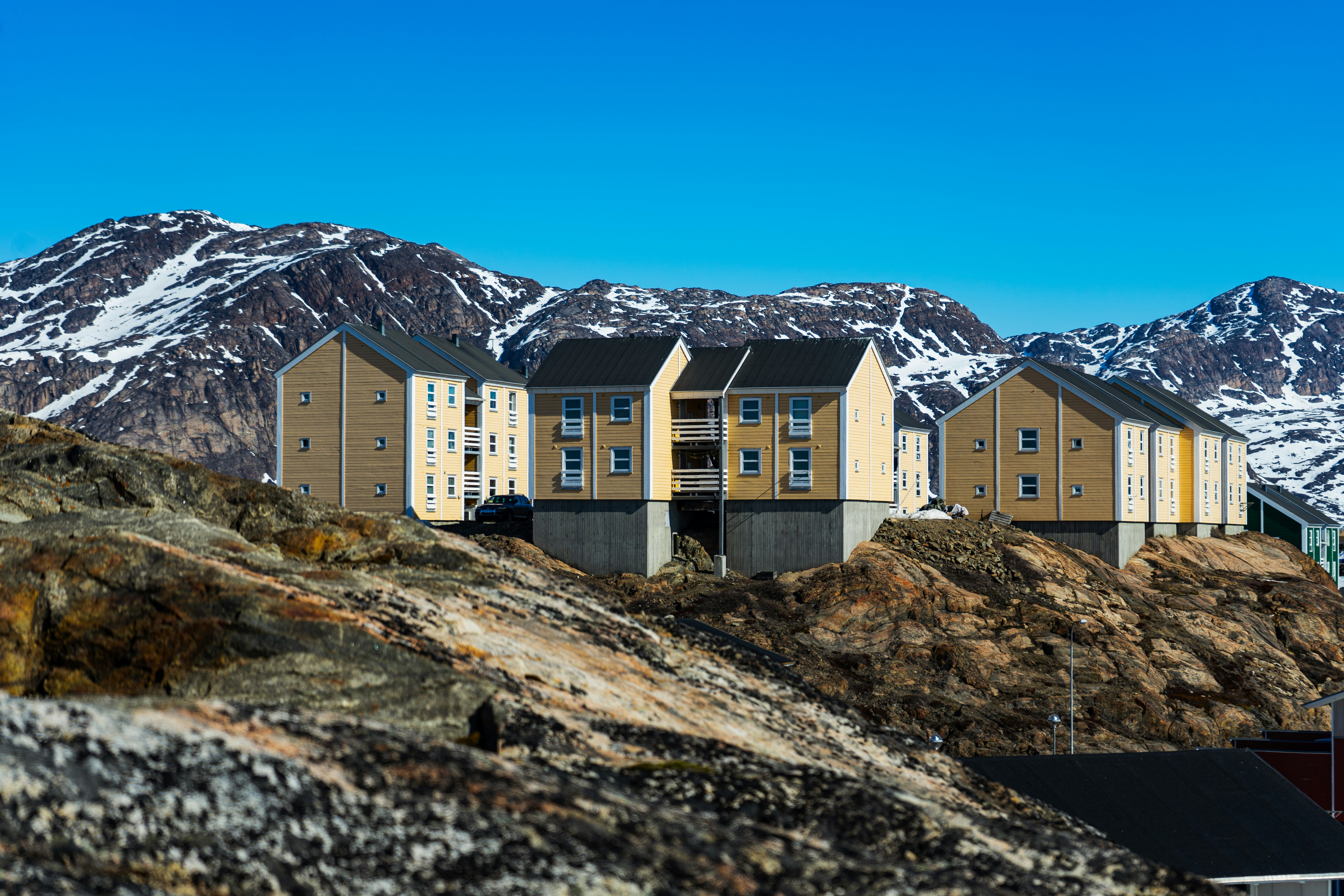
Sisimiut, Greenland
Sisimiut, GreenlandPhoto by Piitannguaq Egede on Unsplash
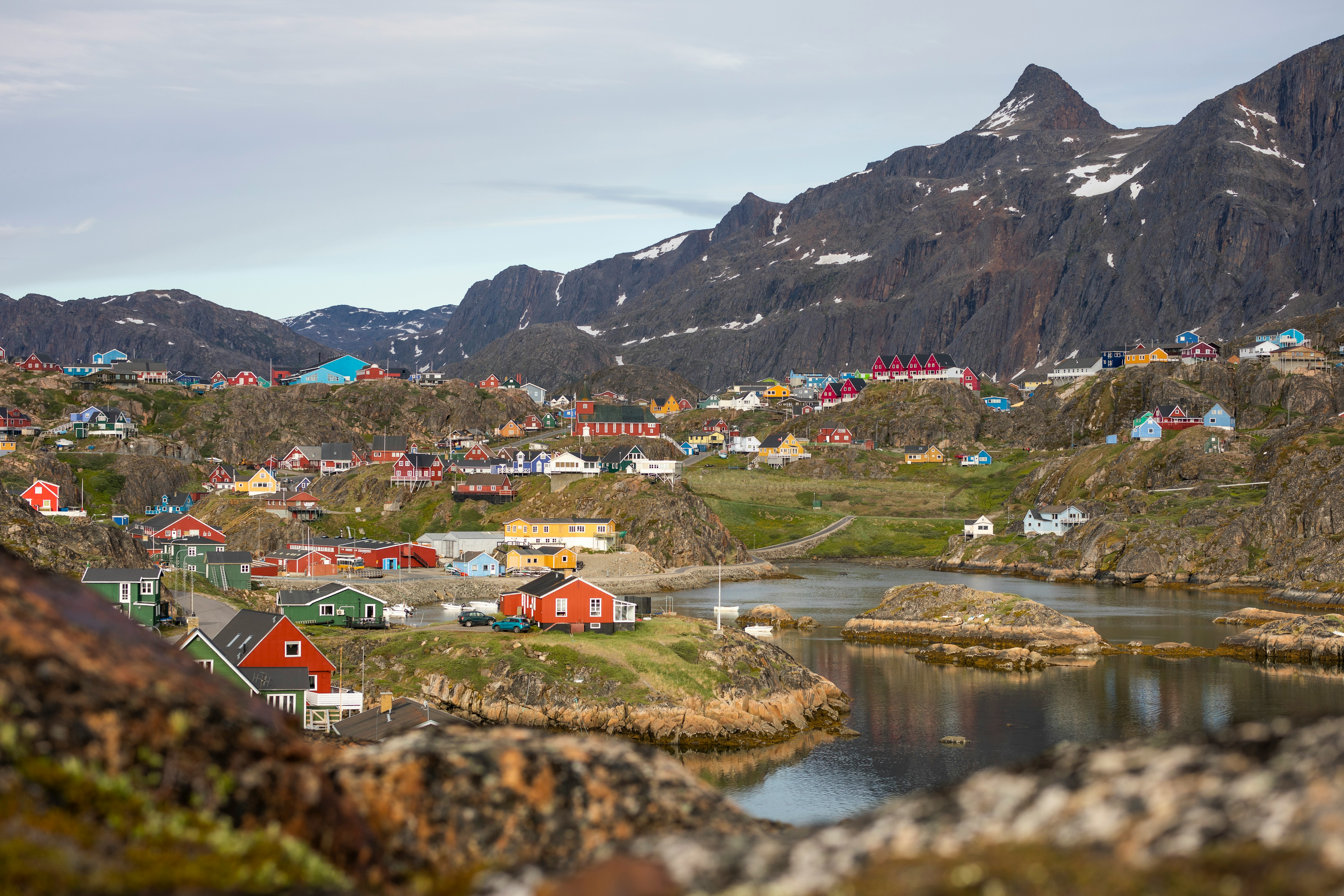
Sisimiut, Greenland
Sisimiut, GreenlandPhoto by Aningaaq Rosing Carlsen - Visit Greenland on Unsplash
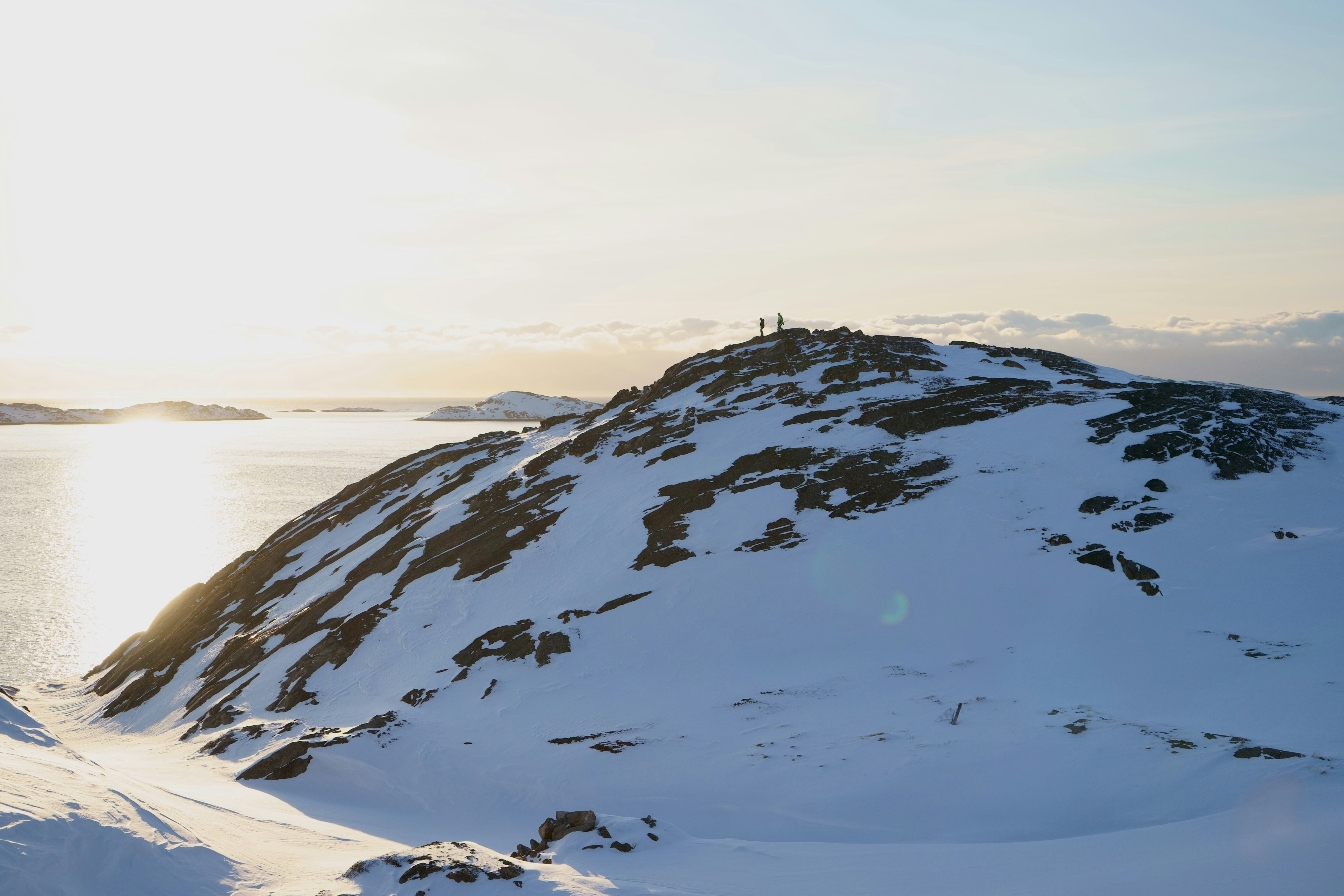
Sisimiut, Greenland
Sisimiut, GreenlandPhoto by Johann Steen Boisen on Unsplash

Day 33 - Evighedsfjorden

Further details for this day are not available.

Greenland
GreenlandImage by Mario Hagen from Pixabay

Day 34 - Kangerlussuaq Havn

The name Kangerlussuaq means "Big Fjord" in the local Kalaallisut language. The settlement of about 500 people is located in western Greenland on flat land at the head of a fjord with the same name. Kangerlussuaq is the site of Greenland's largest commercial airport and most of the economy here is dependent on the air transportation hub and tourism. The rugged lands around the settlement support terrestrial Arctic fauna including muskoxen, caribou, and Gyrfalcons.

Kangerlussuaq, Greenland
Kangerlussuaq, GreenlandPhoto by Mads Schmidt Rasmussen on Unsplash
Kangerlussuaq, Greenland
Kangerlussuaq, GreenlandPhoto by Mads Schmidt Rasmussen on Unsplash

Day 34 - Reykjavík

Sprawling Reykjavík, the nation's nerve center and government seat, is home to half the island's population. On a bay overlooked by proud Mt. Esja (pronounced eh-shyuh), with its ever-changing hues, Reykjavík presents a colorful sight, its concrete houses painted in light colors and topped by vibrant red, blue, and green roofs. In contrast to the almost treeless countryside, Reykjavík has many tall, native birches, rowans, and willows, as well as imported aspen, pines, and spruces.Reykjavík's name comes from the Icelandic words for smoke, reykur, and bay, vík. In AD 874, Norseman Ingólfur Arnarson saw Iceland rising out of the misty sea and came ashore at a bay eerily shrouded with plumes of steam from nearby hot springs. Today most of the houses in Reykjavík are heated by near-boiling water from the hot springs. Natural heating avoids air pollution; there's no smoke around. You may notice, however, that the hot water brings a slight sulfur smell to the bathroom.Prices are easily on a par with other major European cities. A practical option is to purchase a Reykjavík City Card at the Tourist Information Center or at the Reykjavík Youth Hostel. This card permits unlimited bus usage and admission to any of the city's seven pools, the Family Park and Zoo, and city museums. The cards are valid for one (ISK 3,300), two (ISK 4,400), or three days (ISK 4,900), and they pay for themselves after three or four uses a day. Even lacking the City Card, paying admission (ISK 500, or ISK 250 for seniors and people with disabilities) to one of the city art museums (Hafnarhús, Kjarvalsstaðir, or Ásmundarsafn) gets you free same-day admission to the other two.

Isrey Reykjavik Bird's Eye View Photo Of Concrete House Alec Cooks
Isrey Reykjavik Bird's Eye View Photo Of Concrete House Alec CooksAlec Cooks
Isrey Reykjavik Hallgrimur Church Leif Erikson Wesley Gibbs
Isrey Reykjavik Hallgrimur Church Leif Erikson Wesley GibbsWesley Gibbs
Isrey Reykjavik Photography Of White Swan Floating On Water Body Evelyn Paris
Isrey Reykjavik Photography Of White Swan Floating On Water Body Evelyn ParisEvelyn Paris

Day 35 - Reykjavík

Sprawling Reykjavík, the nation's nerve center and government seat, is home to half the island's population. On a bay overlooked by proud Mt. Esja (pronounced eh-shyuh), with its ever-changing hues, Reykjavík presents a colorful sight, its concrete houses painted in light colors and topped by vibrant red, blue, and green roofs. In contrast to the almost treeless countryside, Reykjavík has many tall, native birches, rowans, and willows, as well as imported aspen, pines, and spruces.Reykjavík's name comes from the Icelandic words for smoke, reykur, and bay, vík. In AD 874, Norseman Ingólfur Arnarson saw Iceland rising out of the misty sea and came ashore at a bay eerily shrouded with plumes of steam from nearby hot springs. Today most of the houses in Reykjavík are heated by near-boiling water from the hot springs. Natural heating avoids air pollution; there's no smoke around. You may notice, however, that the hot water brings a slight sulfur smell to the bathroom.Prices are easily on a par with other major European cities. A practical option is to purchase a Reykjavík City Card at the Tourist Information Center or at the Reykjavík Youth Hostel. This card permits unlimited bus usage and admission to any of the city's seven pools, the Family Park and Zoo, and city museums. The cards are valid for one (ISK 3,300), two (ISK 4,400), or three days (ISK 4,900), and they pay for themselves after three or four uses a day. Even lacking the City Card, paying admission (ISK 500, or ISK 250 for seniors and people with disabilities) to one of the city art museums (Hafnarhús, Kjarvalsstaðir, or Ásmundarsafn) gets you free same-day admission to the other two.
Isrey Reykjavik Bird's Eye View Photo Of Concrete House Alec Cooks
Isrey Reykjavik Bird's Eye View Photo Of Concrete House Alec CooksAlec Cooks
Isrey Reykjavik Hallgrimur Church Leif Erikson Wesley Gibbs
Isrey Reykjavik Hallgrimur Church Leif Erikson Wesley GibbsWesley Gibbs
Isrey Reykjavik Photography Of White Swan Floating On Water Body Evelyn Paris
Isrey Reykjavik Photography Of White Swan Floating On Water Body Evelyn ParisEvelyn Paris

Suites & Deck Plans

Suite

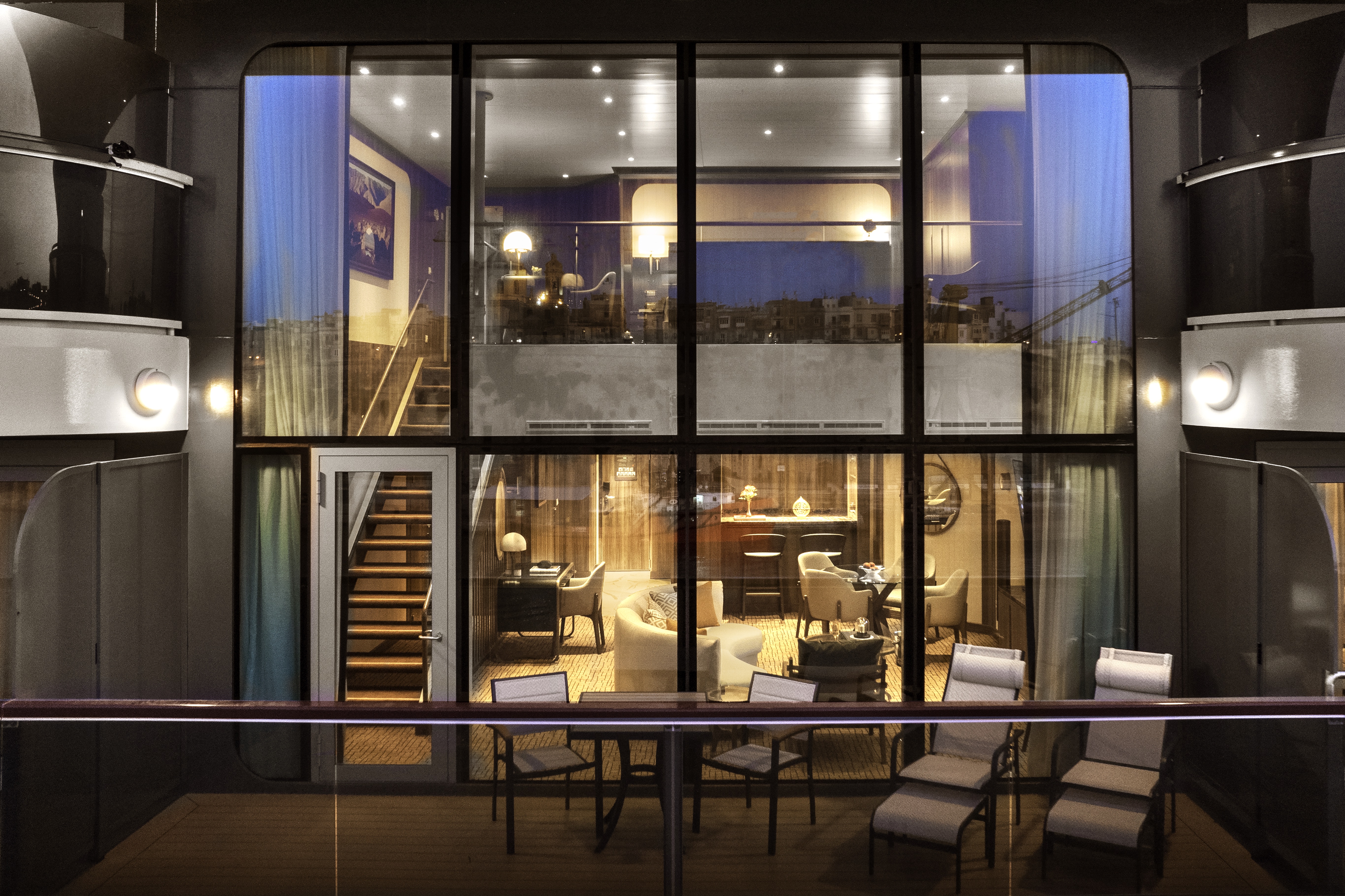
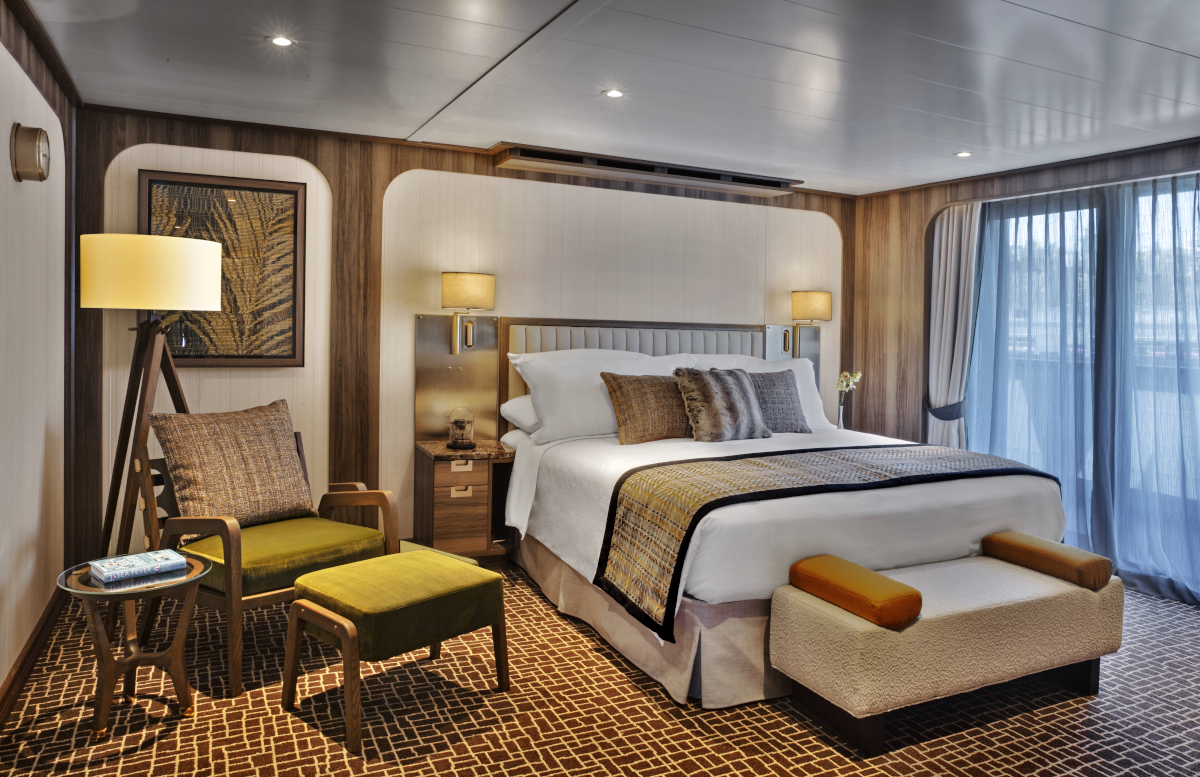
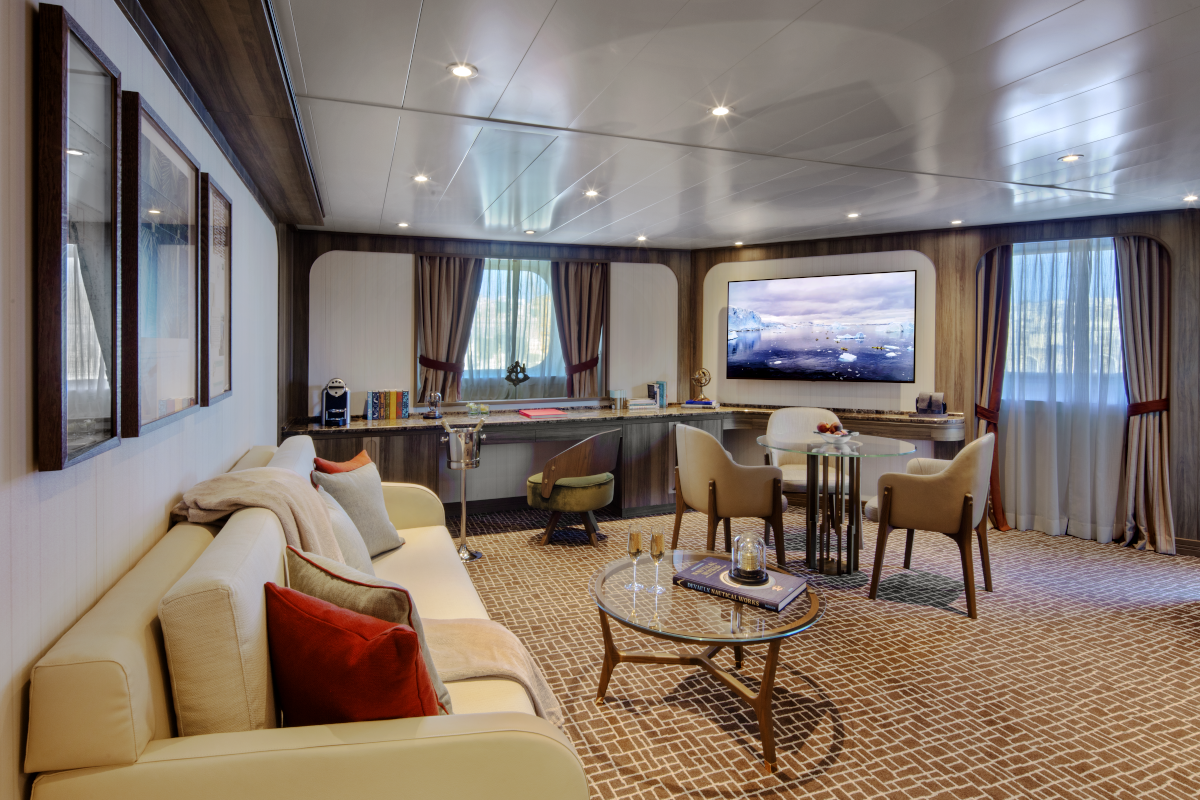
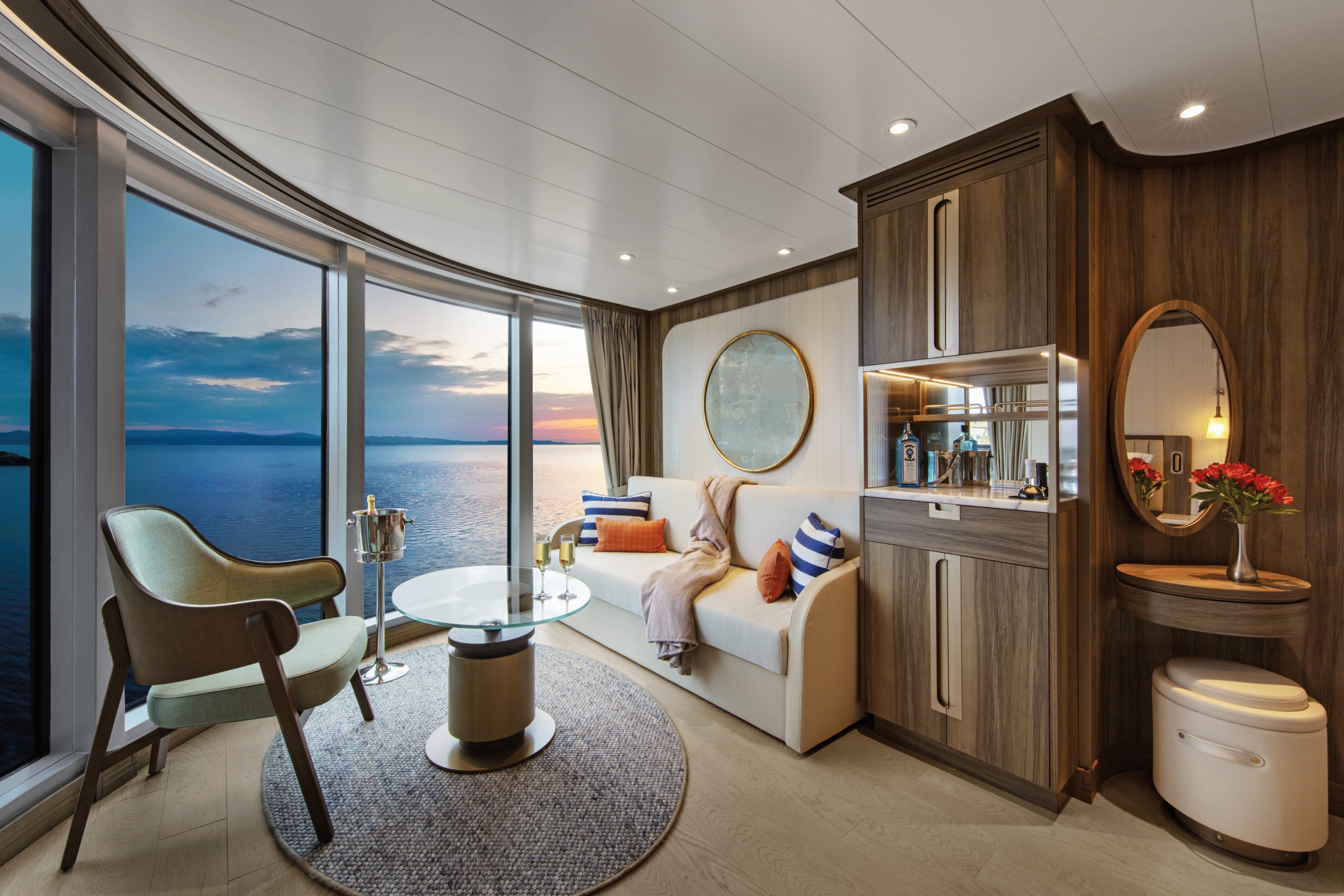
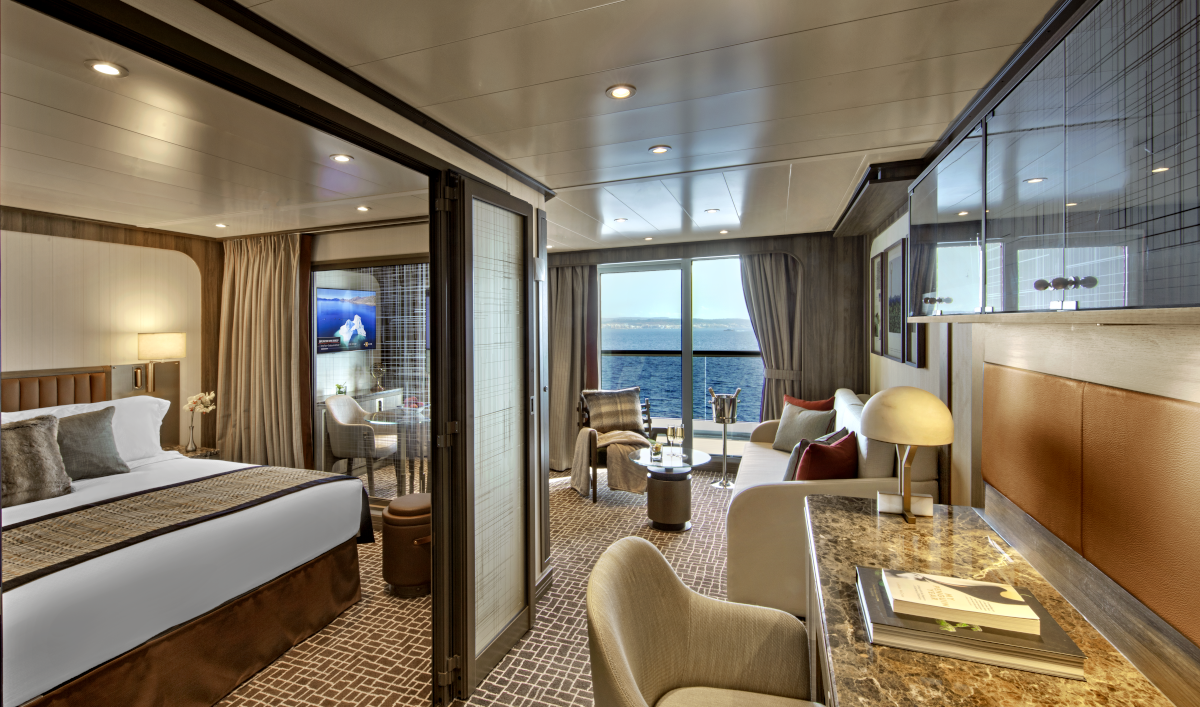
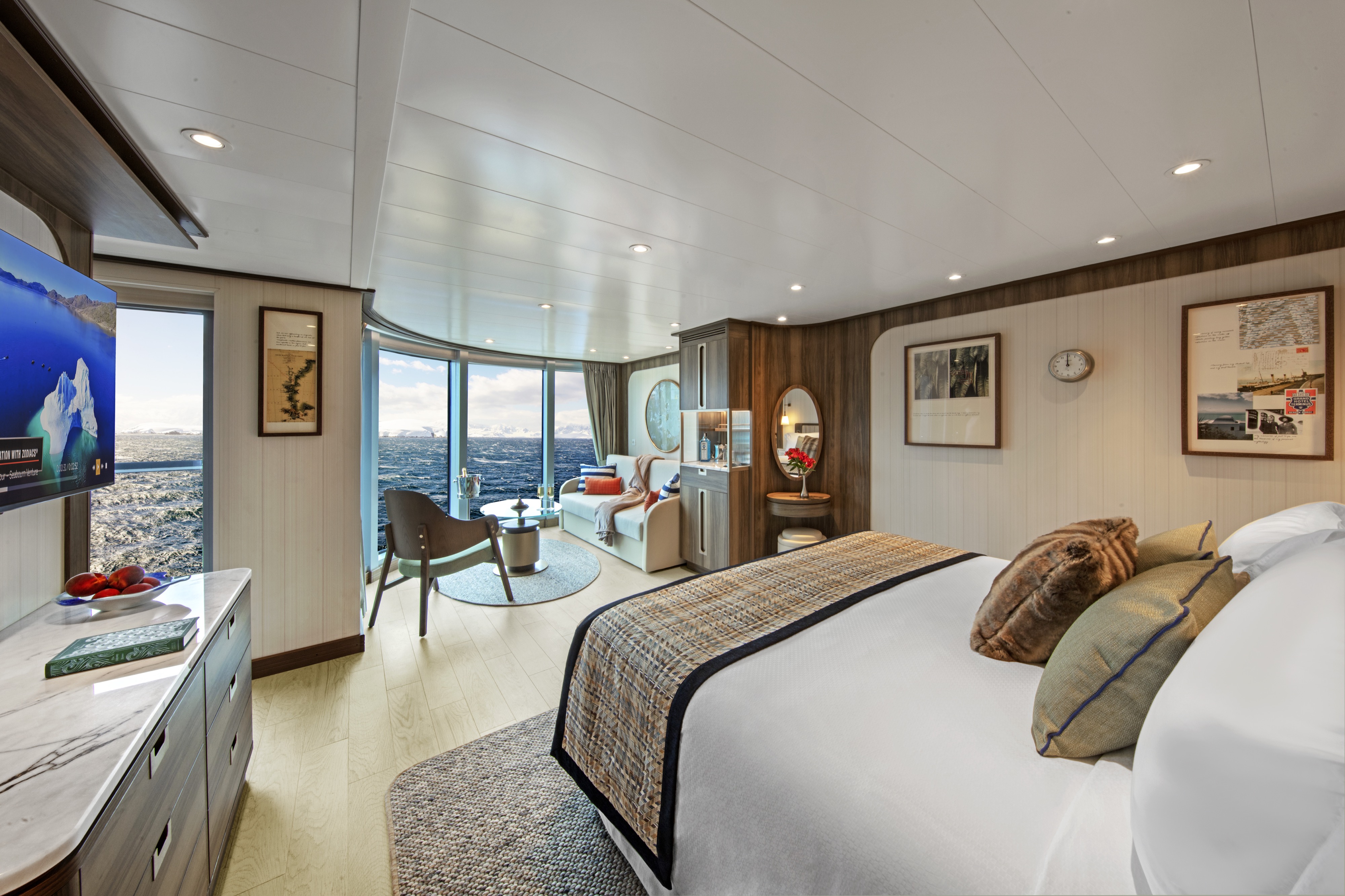
All Grand Wintergarden Suites onboard Seabourn Venture feature a comfortable living area; private veranda; queen-size bed or two twin beds; walk-in closet; personal safe; interactive TV with music and movies; fully stocked bar and refrigerator; writing desk with personalised stationery; makeup vanity; spacious bathroom, separate tub and shower, plush robes, slippers, luxury health and beauty products, hairdryer and 110/220V AC outlets.

Expansive apartment-style suite stretching over two decks located midship. Entry opens to seamless double height views and generous lower level living area large enough for entertaining with a dining table for four, separate guest bath and pantry with wet bar stocked with a customised selection of spirits. Sculptured staircase leading to upper level and the master bedroom with a queen-sized Duxiana Axion 15 adjustable high-performance sleep system facing expansive windows, a wall of closets along with advanced technology including a roll-up LG OLED TV. Separate walk-in closet adjacent to the five-piece bathroom complete with a whirlpool spa tub and separate shower. Wintergarden suite guests also enjoy wildlife and vista spotting using a Swarovski ATX Interior spotting scope. The tripod-mounted scope, with its 25-60x85 lens capability, is for use in-suite while onboard. Entertainment experience features a high-end Bang & Olufsen Beolab 5 speaker system and Bang & Olufsen H4 Bluetooth headphones for guest use onboard.

  • Large windows
  • Dining for four
  • Bathroom with whirlpool bathtub
  • Guest bath
  • Convertible sofa bed for one

1399 sq ft
Accommodates 4 guests
Grand Wintergarden Suite

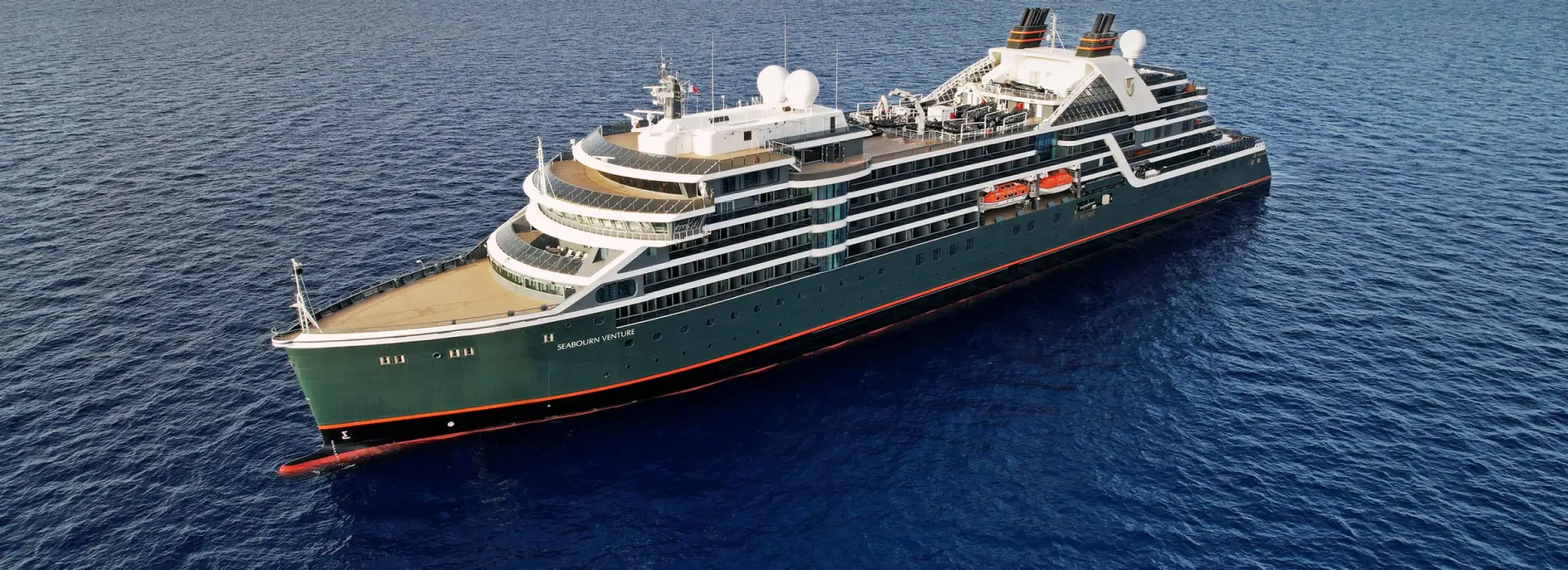
Seabourn Venture

Seabourn Venture

Life on board

The Onboard Experience

Client testimonials

I have worked with Lore Doick for more than 20 years, and she has booked over 30 cruises for me. Her expertise, care, and attention to every travel detail have made her an invaluable advisor and friend over the years.”

Tina B.

We are now in our second generation working with Cheri Ozimac at Tully Luxury Travel. From Antarctica to Greece, she has handled every detail with expertise, responsiveness, and care…

Earl M.

My wife and I have worked with Tully since 2007, and Kit Neil and her team went far beyond expectations while helping us navigate multiple cruise and flight cancellations. Their advocacy, care, and support during a difficult time were extraordinary.

Carri F.

Cheri Ozimac organized our Seabourn cruise flawlessly, from the hotel recommendation to every travel arrangement. She was responsive, attentive, and an excellent advocate throughout the process…

Cyn S.

We discovered Tully Luxury Travel after years of booking cruises through US agents and were impressed by their competitive pricing, exceptional service, and Canadian based support. Their team is always available, offers excellent value, and makes booking the right cruise seamless.

Peter C.

GoogleAverage Customer Rating:

The Tully Difference

Why travel with us


Tully Luxury Travel was built on access, discretion, and trust. For our clients, that means ease at every step, with distinctions that turn exceptional voyages into defining moments.

Recognized expertise

A renowned agency worldwide in luxury land and small-ship cruising, consistently trusted by the industry’s most prestigious brands.