26-Day Exploring Northern Europe, Greenland & Canada

Itinerary: Copenhagen, Skagen, Arendal, Stavanger, Lerwick, Shetland Islands, Tórshavn, Klaksvik, Seydisfjørdur, Husavik, Siglufjørdur - høfn, Isafjørdur, Reykjavík, Heimaey Island, Prince Christian Sound, Nanor... See full itinerary

30 Aug 29
26 nights

Voyage Details

Duration:
26 nights
Departure:
30 Aug 2029
Embarkation:
Copenhagen, Denmark
Voyage code:
6954A

Your Itinerary, Day-By-Day

Special Chapters of Your Journey

Day 1 - Copenhagen

By the 11th century, Copenhagen was already an important trading and fishing centre and today you will find an attractive city which, although the largest in Scandinavia, has managed to retain its low-level skyline. Discover some of the famous attractions including Gefion Fountain and Amalienborg Palace, perhaps cruise the city’s waterways, visit Rosenborg Castle or explore the medieval fishing village of Dragoer. Once the home of Hans Christian Andersen, Copenhagen features many reminders of its fairytale heritage and lives up to the reputation immortalised in the famous song ‘Wonderful Copenhagen’.

Dkcph   Copenhagen   Canalboat And Boat Rental At Christianshavn Canal   Www.Copenhagenmediacenter.Com, Ty Stange
Dkcph Copenhagen Canalboat And Boat Rental At Christianshavn Canal Www.Copenhagenmediacenter.Com, Ty Stangewww.copenhagenmediacenter.com, Ty Stange
Dkcph   Copenhagen   Christianshavn   Www.Copenhagenmediacenter.Com, Kasper Thye
Dkcph Copenhagen Christianshavn Www.Copenhagenmediacenter.Com, Kasper Thyewww.copenhagenmediacenter.com, Kasper Thye
Dkcph   Copenhagen   Copenhagen From Above   Www.Copenhagenmediacenter.Com, Thomas Rousing
Dkcph Copenhagen Copenhagen From Above Www.Copenhagenmediacenter.Com, Thomas Rousingwww.copenhagenmediacenter.com, Thomas Rousing
Dkcph   Copenhagen   Overview Of Cophenhagen   Www.Copenhagenmediacenter.Com, Robert Thomason
Dkcph Copenhagen Overview Of Cophenhagen Www.Copenhagenmediacenter.Com, Robert Thomasonwww.copenhagenmediacenter.com, Robert Thomason
Dkcph   Copenhagen   Tivoli, Main Entrance   Www.Copenhagenmediacenter.Com, Cees Van Roeden
Dkcph Copenhagen Tivoli, Main Entrance Www.Copenhagenmediacenter.Com, Cees Van Roedenwww.copenhagenmediacenter.com, Cees van Roeden

Day 2 - Skagen

Further details for this day are not available.

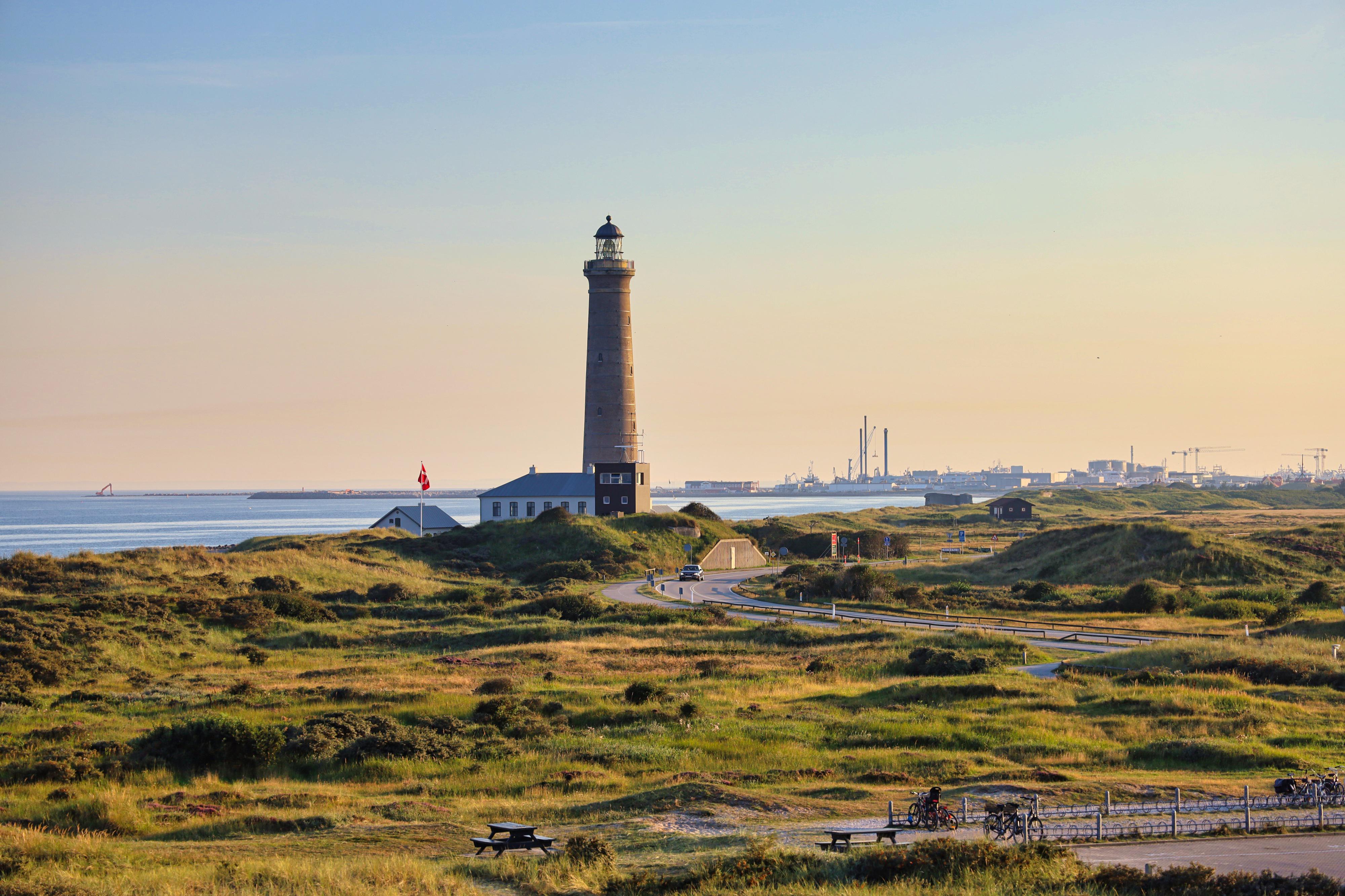
Skagen, Denmark
Skagen, DenmarkImage by Julian Hacker from Pixabay

Day 3 - Arendal

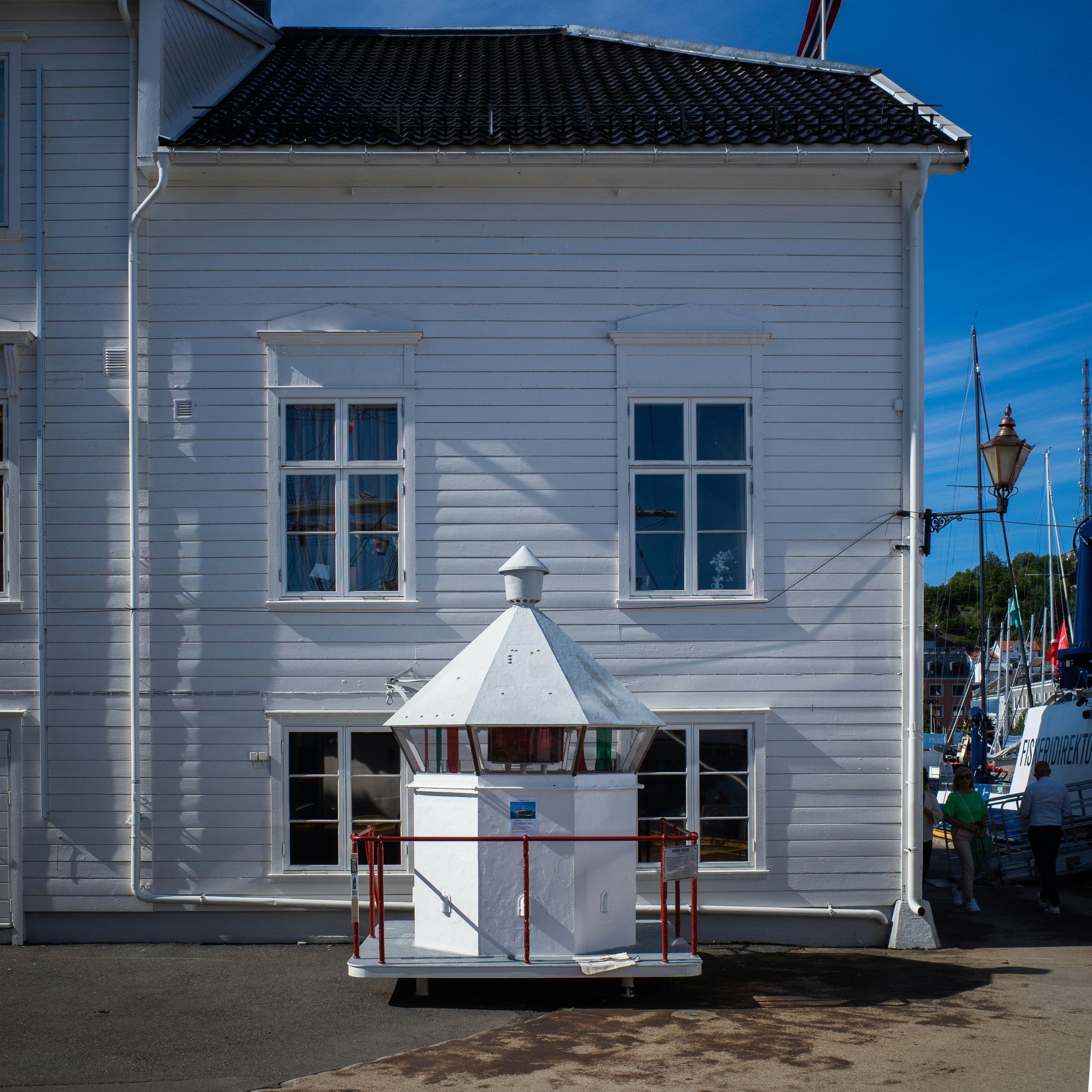
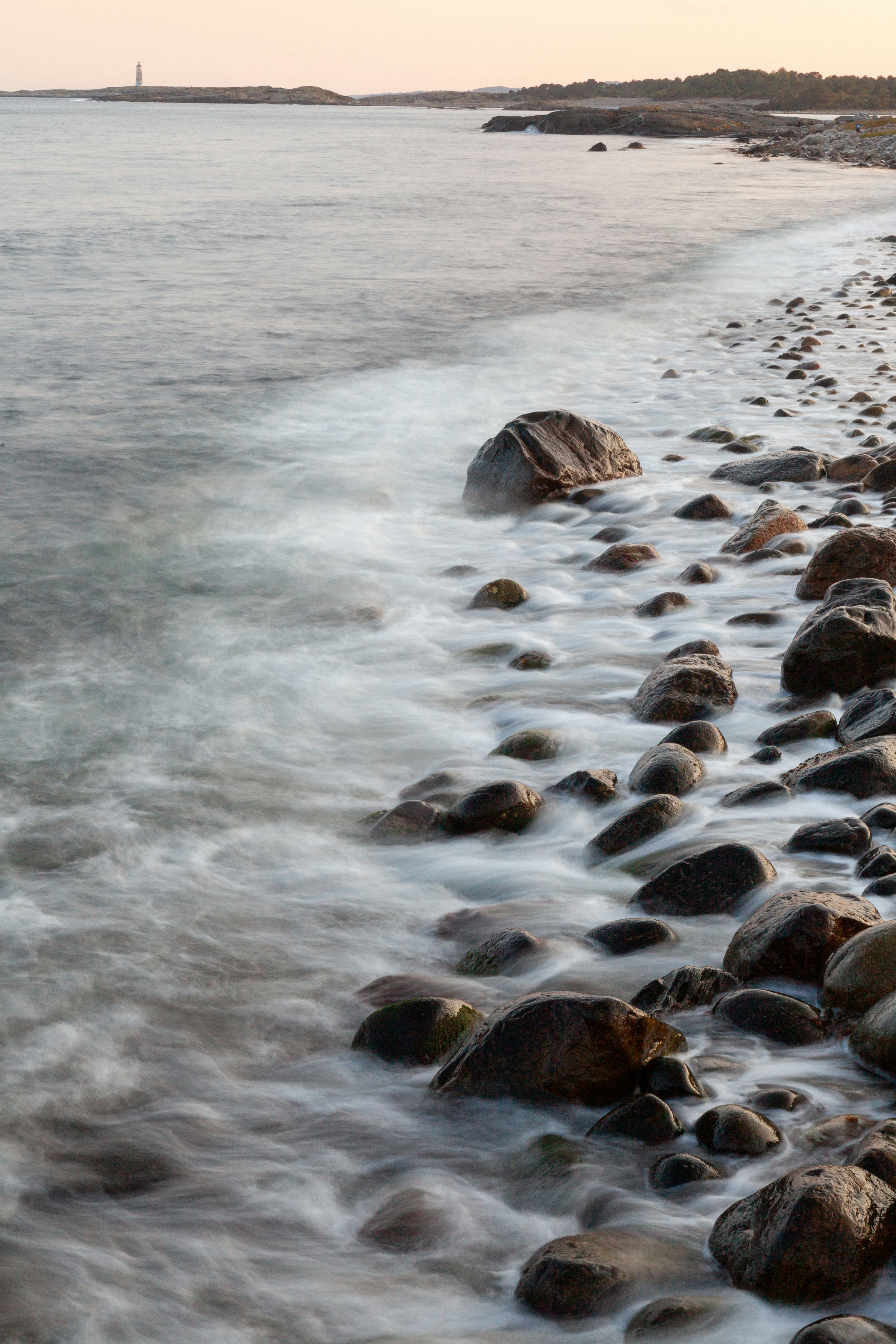
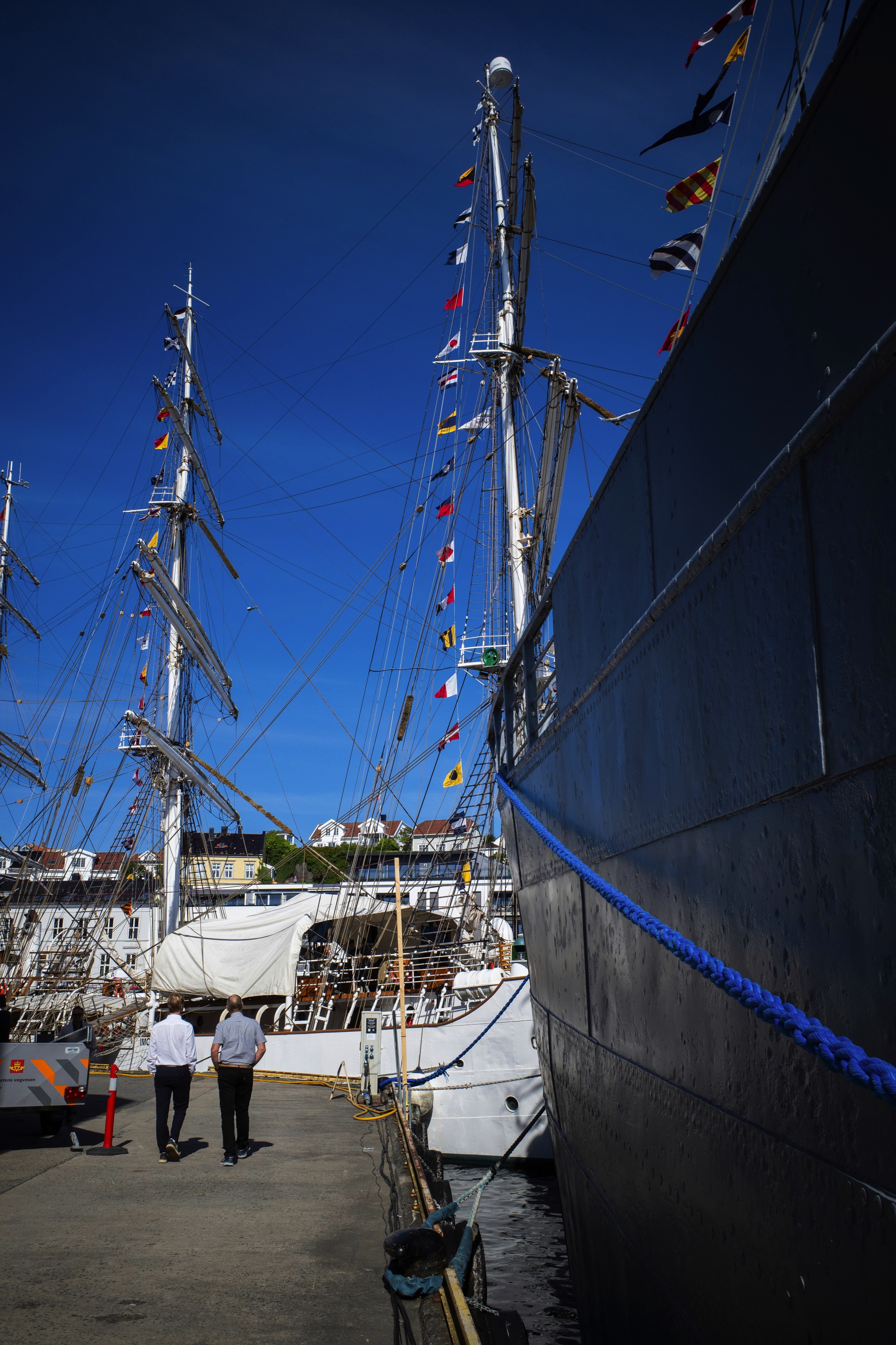
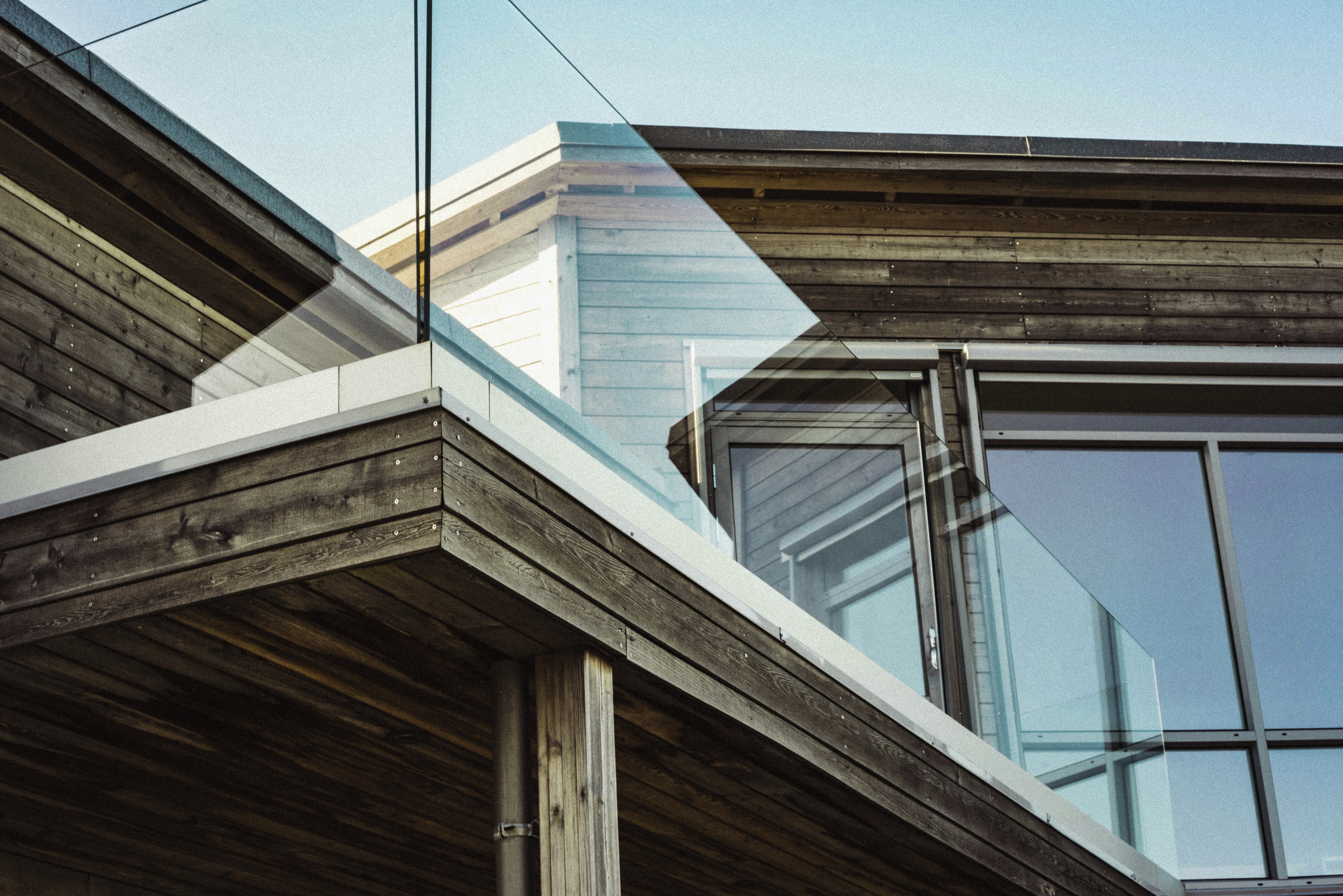
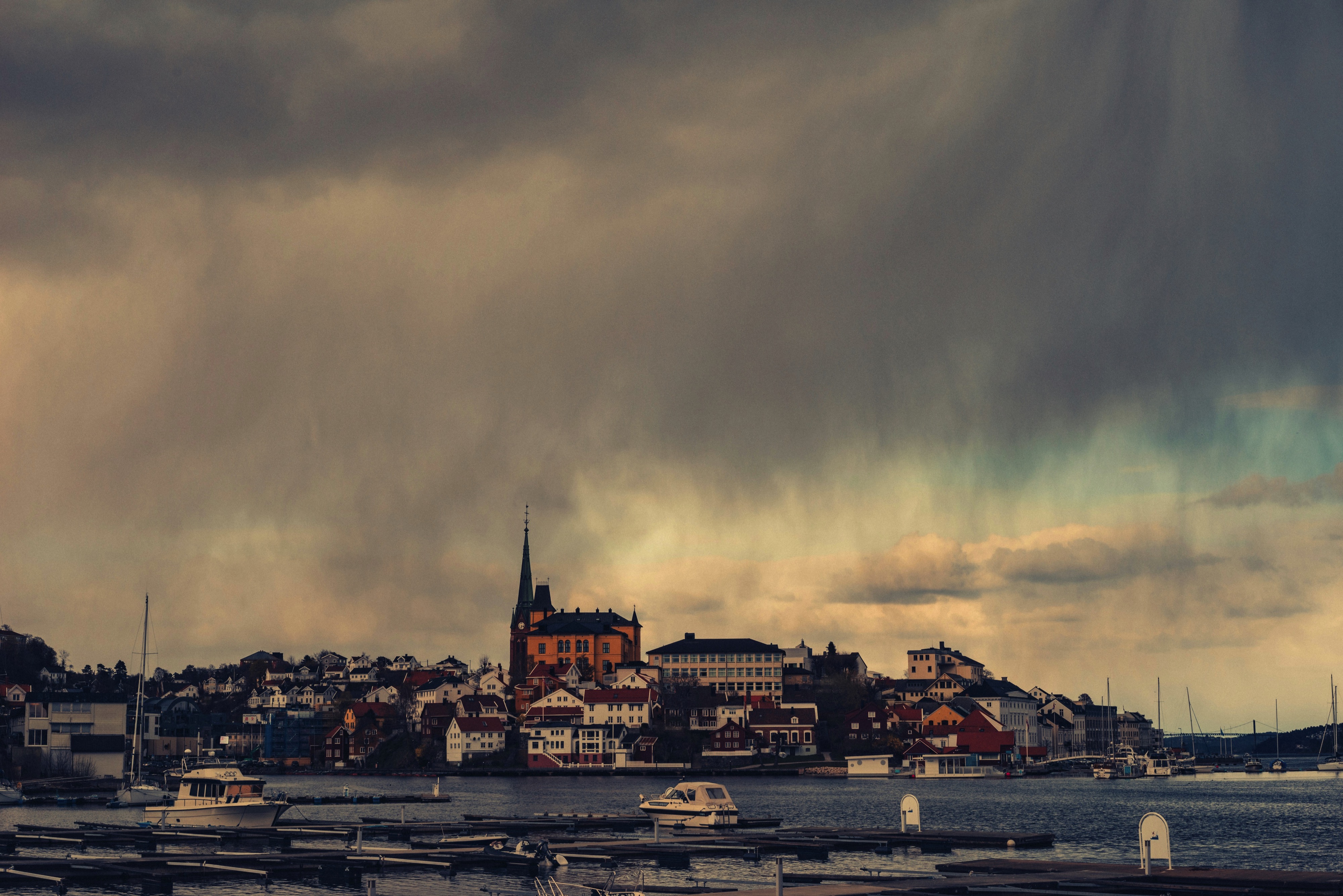
You’ll weave between glowing lighthouses and picturesque islands, as you approach the quaint Norwegian town of Arendal. Set on the southern coast, and spanning seven islands, Arendal is a place to slow the pace, and unwind surrounded by Norway’s easy-going beauty. Ferries – and boat hiring opportunities - make exploring easy, or you can get out on foot or two wheels to throw yourself into the thick of the area’s outstanding natural beauty. Arendal's twin lighthouses are the first thing you'll see, as your ship leaves the open ocean, and heads to Arendal itself. The perfect focal point for any photo, Store Torungen is still in working order - witness it flashing its warnings to passing ships, as they navigate the tricky islands and skerries that are scattered across the waters. Cafes and shell-fish sellers welcome you to the city centre as you step off the ship, and you’re immediately well placed to slow the pace, and wander beside glistening water. Or, why not stretch your legs by escaping to the countryside and cycling along wooden pathways that skirt glistening lakes?

Arendal, Norway
Arendal, NorwayGunnar Ridderström
Arendal, Norway
Arendal, NorwayY. Kvam
Arendal, Norway
Arendal, NorwayY. Kvam
Hisøy, Arendal Municipality, Norway
Hisøy, Arendal Municipality, NorwayRoxana Zerni
Arendal, Norway
Arendal, NorwayGunnar Ridderström
Arendal, Norway
Arendal, NorwayEhud Neuhaus
Arendal, Norway
Arendal, NorwayEhud Neuhaus
Arendal, Norway
Arendal, NorwayEspen Bierud
Arendal, Norway
Arendal, NorwayHenrik Dønnestad
Arendal, Norway
Arendal, NorwayHenrik Dønnestad

Day 4 - Stavanger

Overlooking the Atlantic Ocean, Stavanger flourished in the 19th century as a fishing port. While other towns in Norway have suffered with the decline of this industry, Stavanger has kept its economy booming by diversifying, first into shipbuilding and now into oil. These two contrasting industries have created a city of two halves – a modern area of high-rise buildings and a historic centre with cobbled streets and old wooden houses. The city centre was the birthplace of Alexander Kielland, one of the great 19th-century Norwegian novelists. Stavanger Cathedral, dating from 1125, is an impressive building and the only medieval cathedral in Norway that has not been substantially altered since it was first built. From Stavanger you can explore the attractive blue waters of Lysefjord, surrounded by cliffs and striking rock formations, and also visit Hafrsfjord where the Viking King Harald won an important battle that started the Unification of Norway. Those preferring to explore on their own may wish to visit the interesting Petroleum Museum.

Nosvg   Stavanger, Norway   Pc Alexey Topolyankskiy
Nosvg Stavanger, Norway Pc Alexey TopolyankskiyPC Alexey Topolyankskiy

Day 5 - Lerwick, Shetland Islands

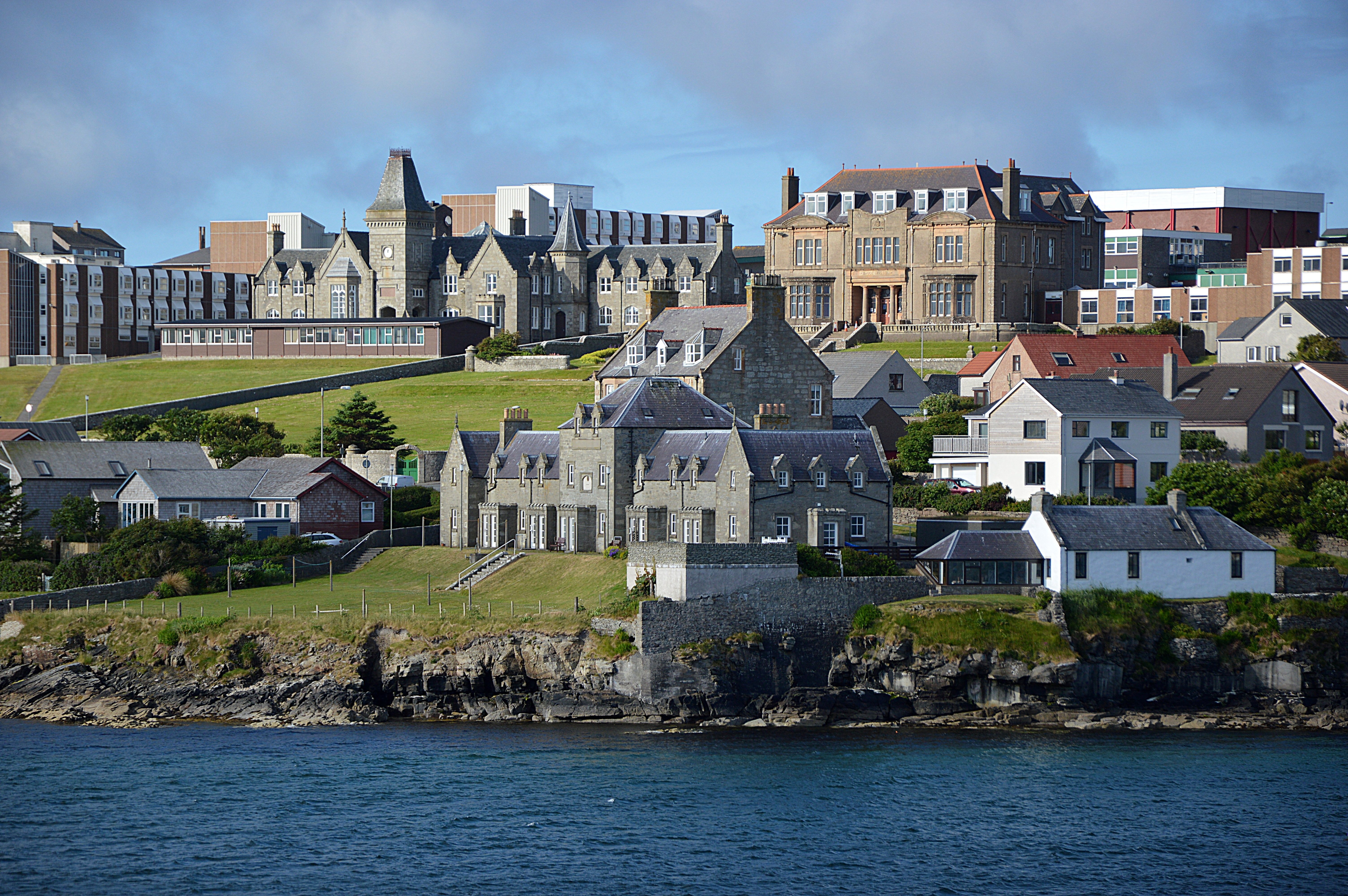
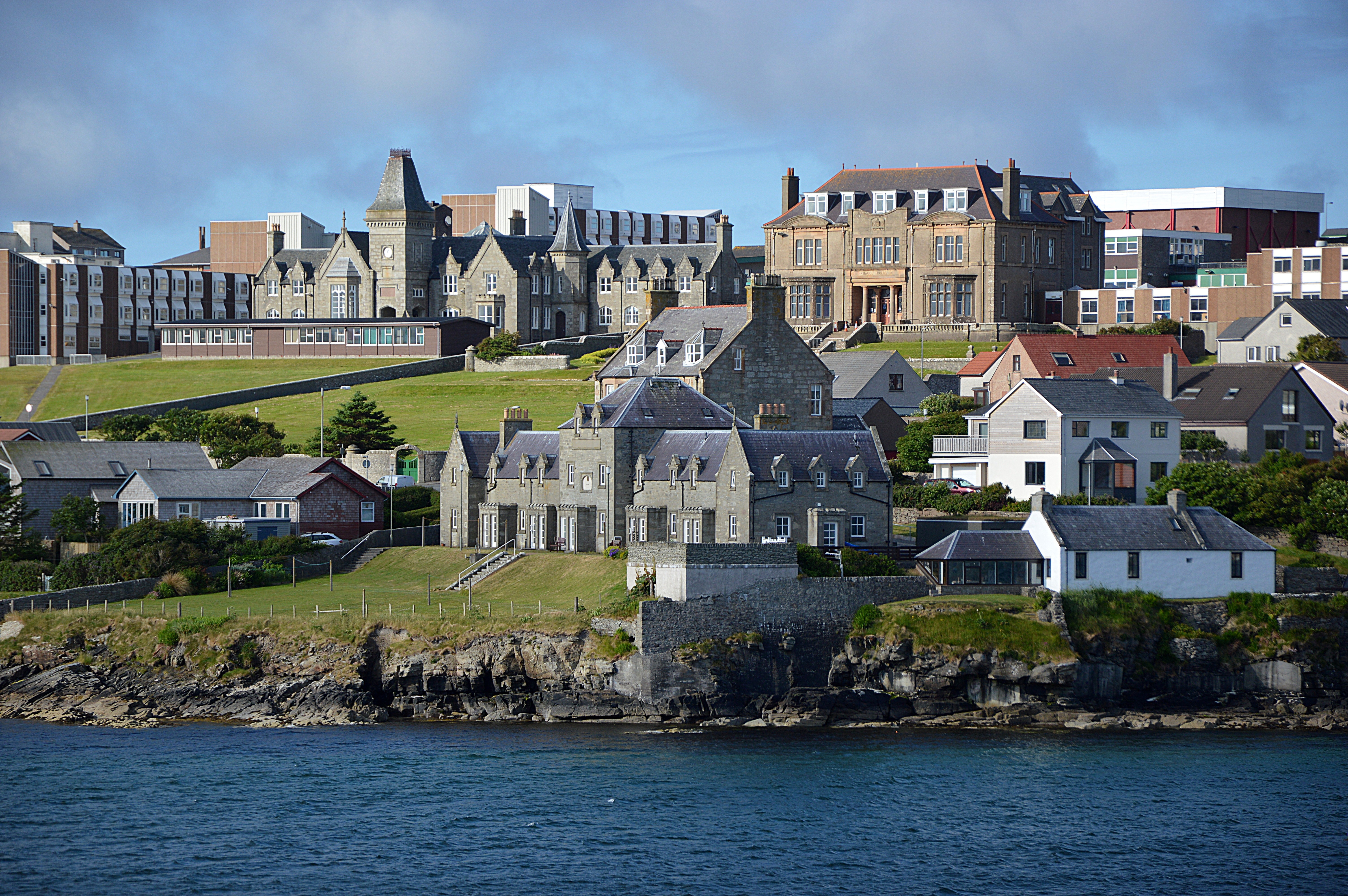
Founded by Dutch fishermen in the 17th century, Lerwick today is a busy town and administrative center. Handsome stone buildings—known as lodberries—line the harbor; they provided loading bays for goods, some of them illegal. The town's twisting flagstone lanes and harbor once heaved with activity, and Lerwick is still an active port today. This is also where most visitors to Shetland dock, spilling out of cruise ships, allowing passengers to walk around the town.

Lerwick, Shetland Islands
Lerwick, Shetland IslandsImage by Peggychoucair from Pixabay
Lerwick
LerwickImage by Peggychoucair from Pixabay

Day 6 - Tórshavn

Further details for this day are not available.

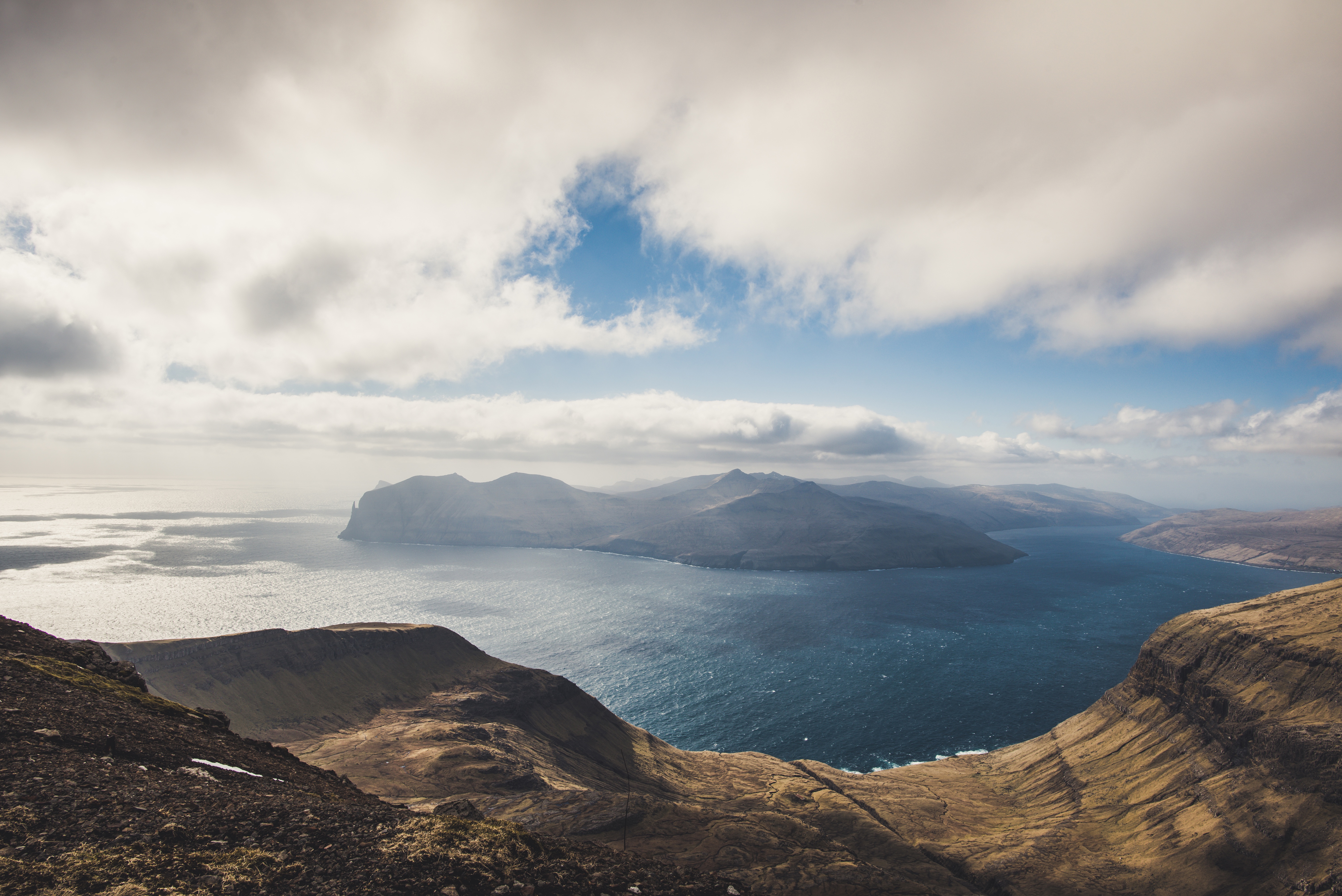
Faroe Islands
Faroe IslandsImage by Eszter Miller from Pixabay

Day 7 - Tórshavn

Further details for this day are not available.

Faroe Islands
Faroe IslandsImage by Eszter Miller from Pixabay

Day 7 - Klaksvik

Further details for this day are not available.

Day 9 - Seydisfjørdur

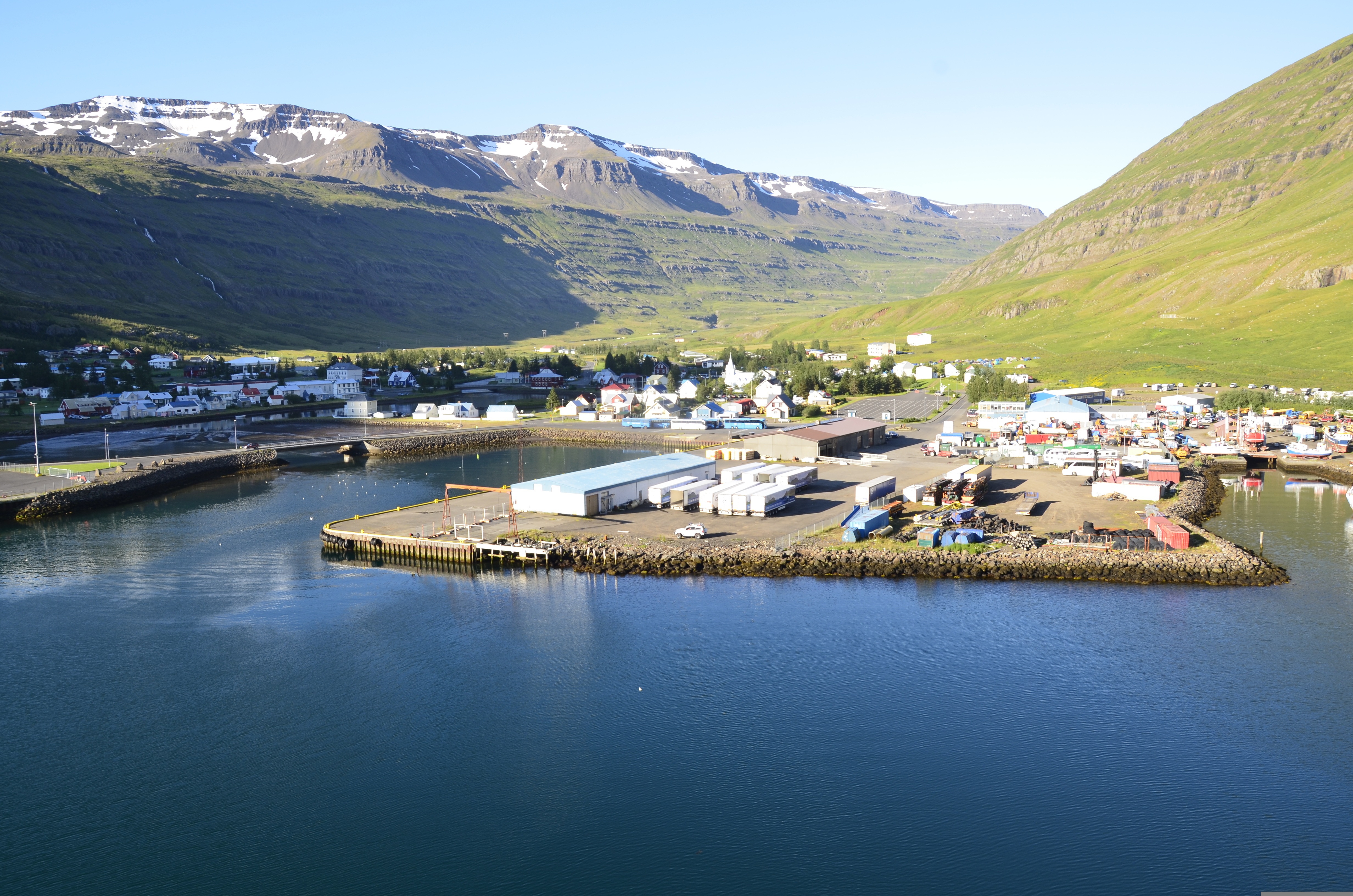
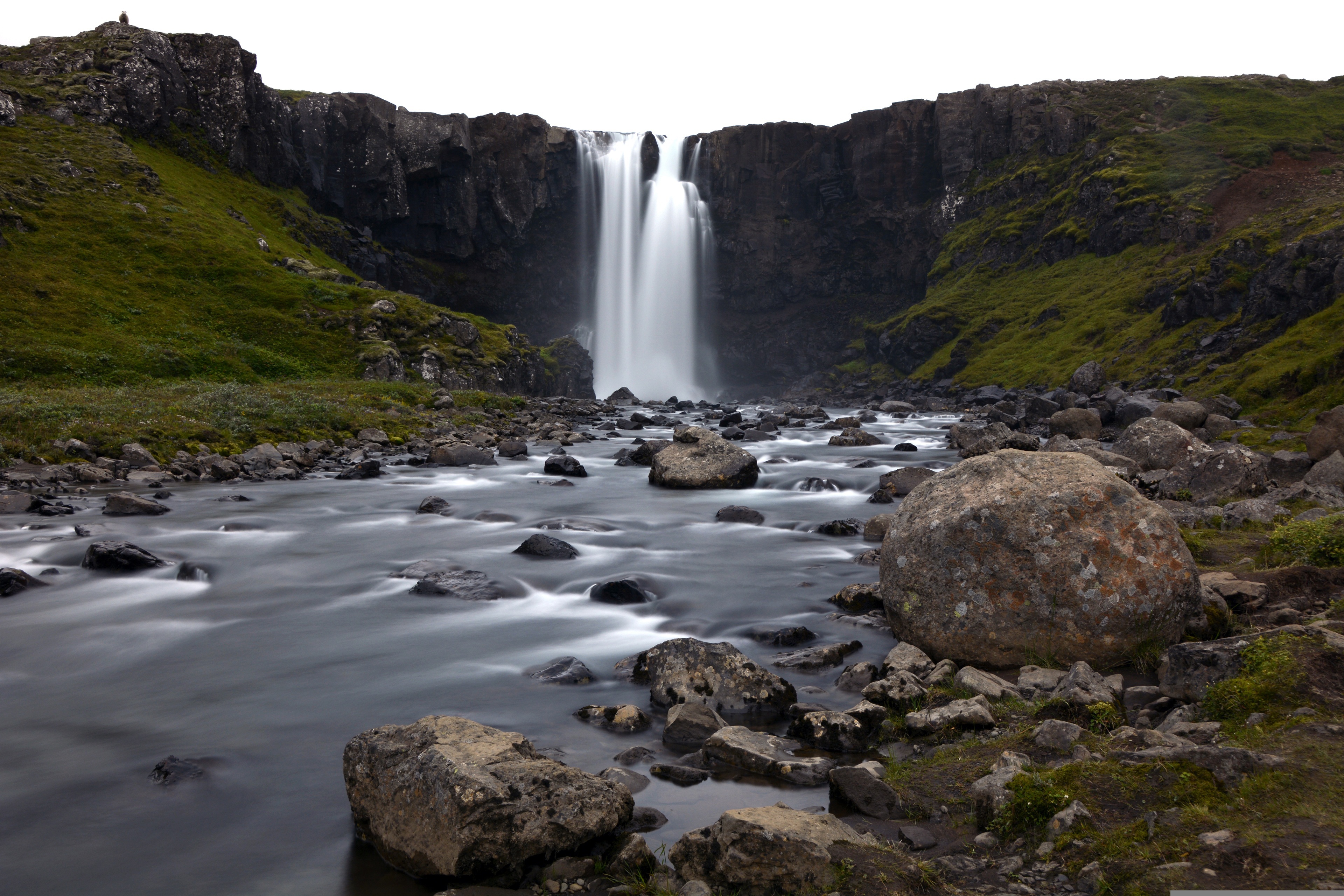
Seyðisfjörður, a beautiful 19th-century Norwegian village on the east coast of Iceland, is regarded by many as one of Iceland's most picturesque towns, not only due to its impressive environment, but also because nowhere in Iceland has a community of old wooden buildings been preserved so well as here. Poet Matthías Johannessen called Seyðisfjörður a 'pearl enclosed in a shell'. The community owes its origins to foreign merchants, mainly Danes, who started trading in the fjord in the mid-19th century. But the crucial factor in the evolution of the village was the establishment of the Icelandic herring fishery by Norwegians in 1870-1900. The Norwegians built up a number of herring-fishing facilities, and in a matter of years the little community grew into a boom town. Today, about 800 people live in Seyðisfjörður. The local economy has long been based on the fisheries, while light industry also flourishes. Tourism is playing a growing role, as the picturesque town in its spectacular surroundings attracts more and more visitors. The car/passenger ferry Norrøna, which plies between continental Europe and Iceland every summer, docks at Seyðisfjörður every Thursday. Seyðisfjörður has been a cosmopolitan community from its foundation, and the ferry service has contributed to ensuring that it remains so.

Seydisfjordur
SeydisfjordurImage by tunechick83 from Pixabay
Seydisfjördur, Iceland
Seydisfjördur, IcelandImage by Annette from Pixabay

Day 10 - Husavik

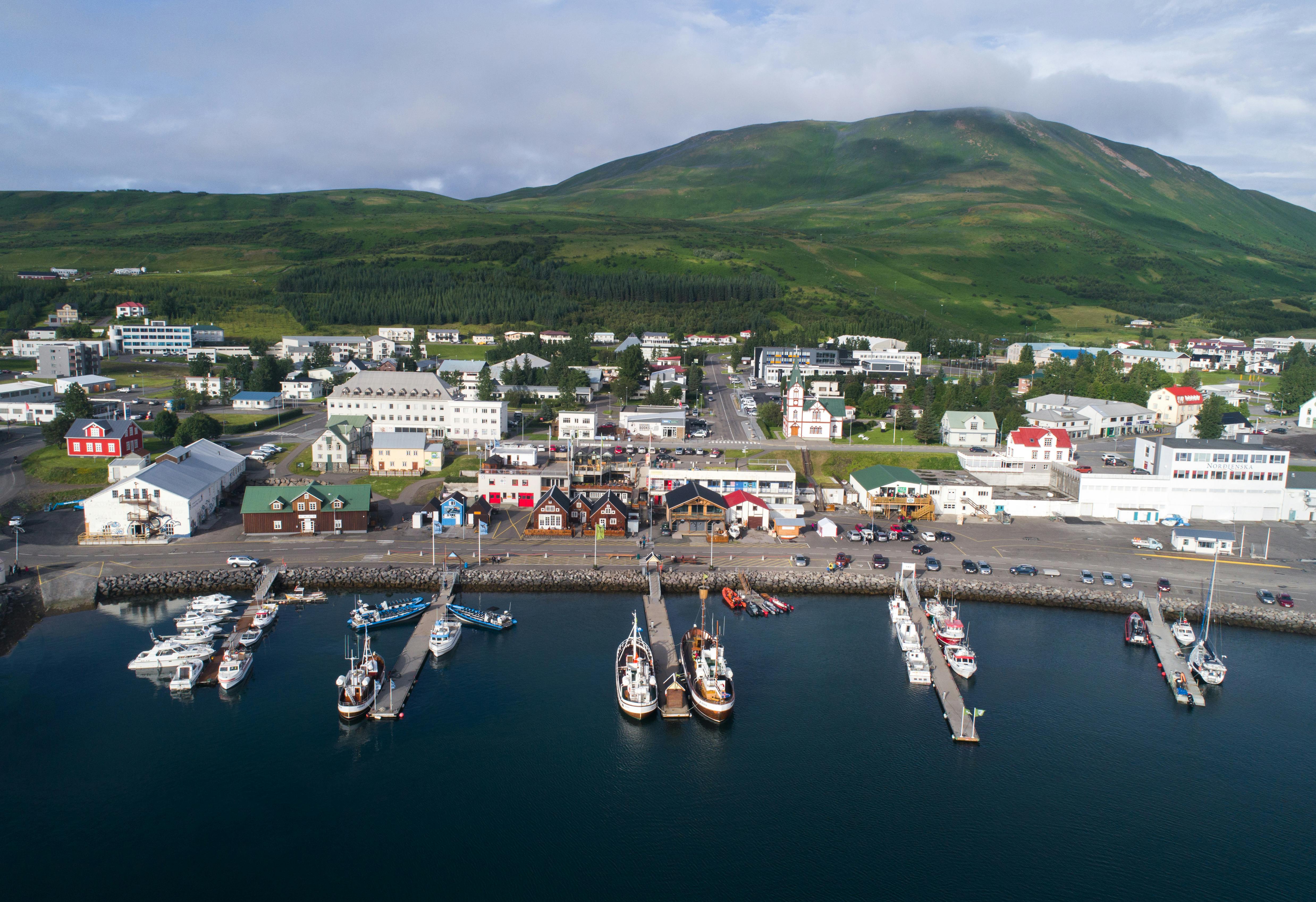
The town of Húsavík sits below Húsavíkurfjall mountain on the eastern shore of Skjálfandi bay. Just above the town is lake Botnsvatn, a popular place for outings. The lake is just the right size for a nice hike around it. The lakes surroundings are rich in vegetation and bird life and trout is said to be abundant, though small. Húsavík harbour lies below the bank right in the heart of town. The harbour once boasted a large fishing fleet, bustling with the activity of fishermen. It still serves as a fishing harbour but today's activity revolves more around the successful whale watching businesses. The first organised whale watching excursions in Iceland started from here in 1995. Since then, whale watching has become a major attraction and Húsavík continues to be the leading destination for whale watching. In addition to the tours, a fascinating whale museum is located right by the harbour. Húsavík is considered to be the oldest settlement in Iceland. The Swedish explorer, Gardar Svavarsson, spent one winter there in 870 AD during which time he built himself a house from which the settlement derives its name.

Husavik Harbor
Husavik HarborPhoto by ArtHouse Studio. Pexels

Day 11 - Siglufjørdur - høfn

Further details for this day are not available.

Day 12 - Isafjørdur

Two colossal terraces of sheer rock stand either side of this extraordinarily located town - which rides a jutting spit onto an immensity of black fjord water. Surprisingly, considering the remoteness of its location and its compact size, Isafjordur is a modern and lively place to visit, offering a great choice of cafes and delicious restaurants – which are well stocked to impress visitors. The town is a perfectly located base for adventures amongst Iceland's fantastic wilderness - with skiing, hiking and water-sports popular pursuits among visitors.

Isisa Isafjørdur Landscape Aline Dassel
Isisa Isafjørdur Landscape Aline DasselAline Dassel

Day 13 - Reykjavík

Sprawling Reykjavík, the nation's nerve center and government seat, is home to half the island's population. On a bay overlooked by proud Mt. Esja (pronounced eh-shyuh), with its ever-changing hues, Reykjavík presents a colorful sight, its concrete houses painted in light colors and topped by vibrant red, blue, and green roofs. In contrast to the almost treeless countryside, Reykjavík has many tall, native birches, rowans, and willows, as well as imported aspen, pines, and spruces.Reykjavík's name comes from the Icelandic words for smoke, reykur, and bay, vík. In AD 874, Norseman Ingólfur Arnarson saw Iceland rising out of the misty sea and came ashore at a bay eerily shrouded with plumes of steam from nearby hot springs. Today most of the houses in Reykjavík are heated by near-boiling water from the hot springs. Natural heating avoids air pollution; there's no smoke around. You may notice, however, that the hot water brings a slight sulfur smell to the bathroom.Prices are easily on a par with other major European cities. A practical option is to purchase a Reykjavík City Card at the Tourist Information Center or at the Reykjavík Youth Hostel. This card permits unlimited bus usage and admission to any of the city's seven pools, the Family Park and Zoo, and city museums. The cards are valid for one (ISK 3,300), two (ISK 4,400), or three days (ISK 4,900), and they pay for themselves after three or four uses a day. Even lacking the City Card, paying admission (ISK 500, or ISK 250 for seniors and people with disabilities) to one of the city art museums (Hafnarhús, Kjarvalsstaðir, or Ásmundarsafn) gets you free same-day admission to the other two.
Isrey Reykjavik Bird's Eye View Photo Of Concrete House Alec Cooks
Isrey Reykjavik Bird's Eye View Photo Of Concrete House Alec CooksAlec Cooks
Isrey Reykjavik Hallgrimur Church Leif Erikson Wesley Gibbs
Isrey Reykjavik Hallgrimur Church Leif Erikson Wesley GibbsWesley Gibbs
Isrey Reykjavik Photography Of White Swan Floating On Water Body Evelyn Paris
Isrey Reykjavik Photography Of White Swan Floating On Water Body Evelyn ParisEvelyn Paris

Day 14 - Heimaey Island

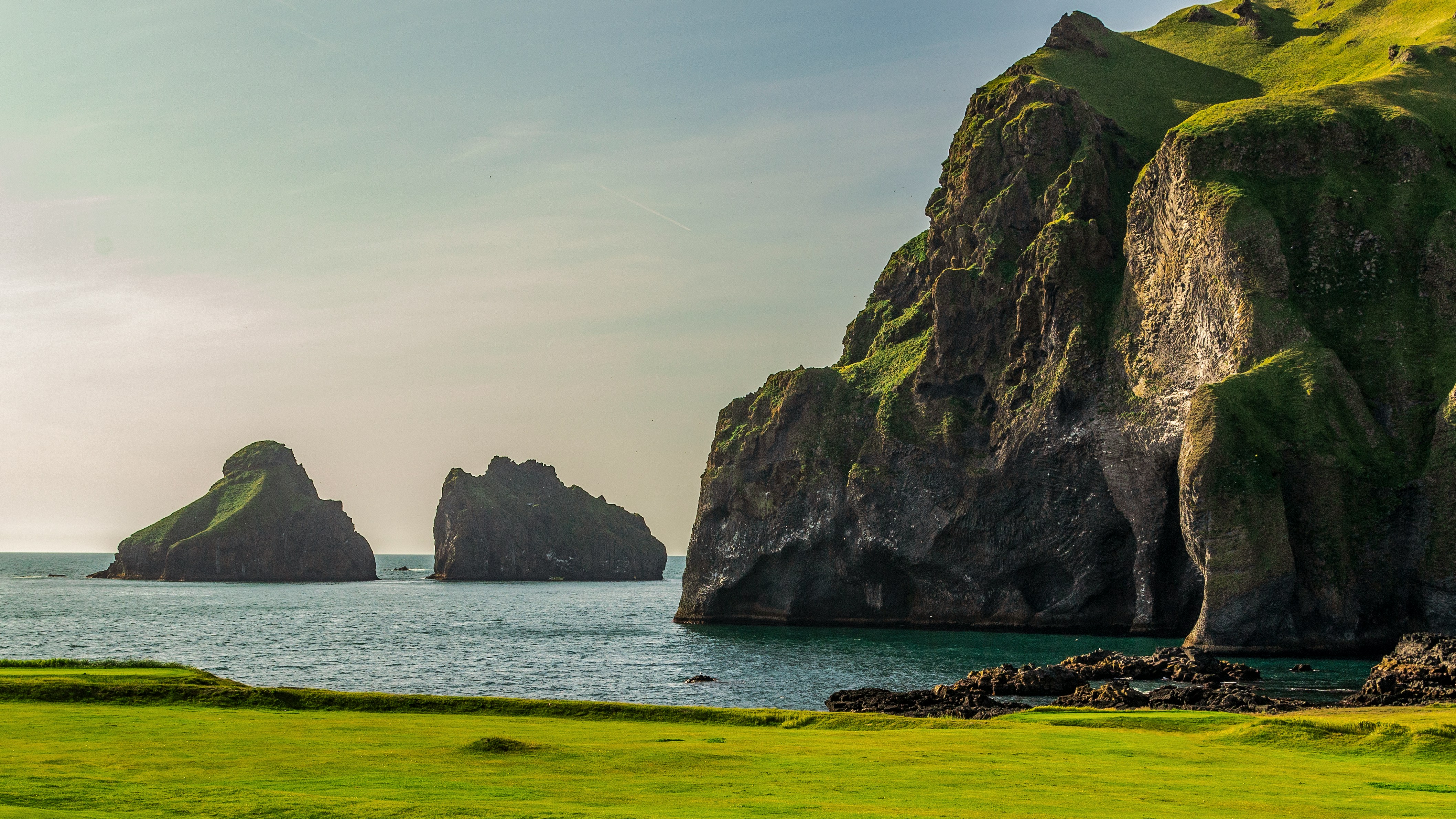
It’s hard to imagine, as you stroll Heimaey’s idyllic streets of white wooden houses, that this island was literally torn apart by a spectacular volcanic eruption, just over 40 years ago. The fact that you can visit incredible Heimaey at all is something of a miracle – because the oozing lava of the Eldfell volcano threatened to seal the harbour off completely. Fortunately, its advance was halted by gallons of seawater, pumped onto it by the plucky islanders, who saved their fishing industry in the process. Iceland's famous for its scenery, and the huge castles of volcanic rock that rise out of the sea's waves here are some of the country's most dramatic.
Elephant Rock On Heimaey Island, Iceland
Elephant Rock On Heimaey Island, IcelandPhoto by Hector John Periquin on Unsplash
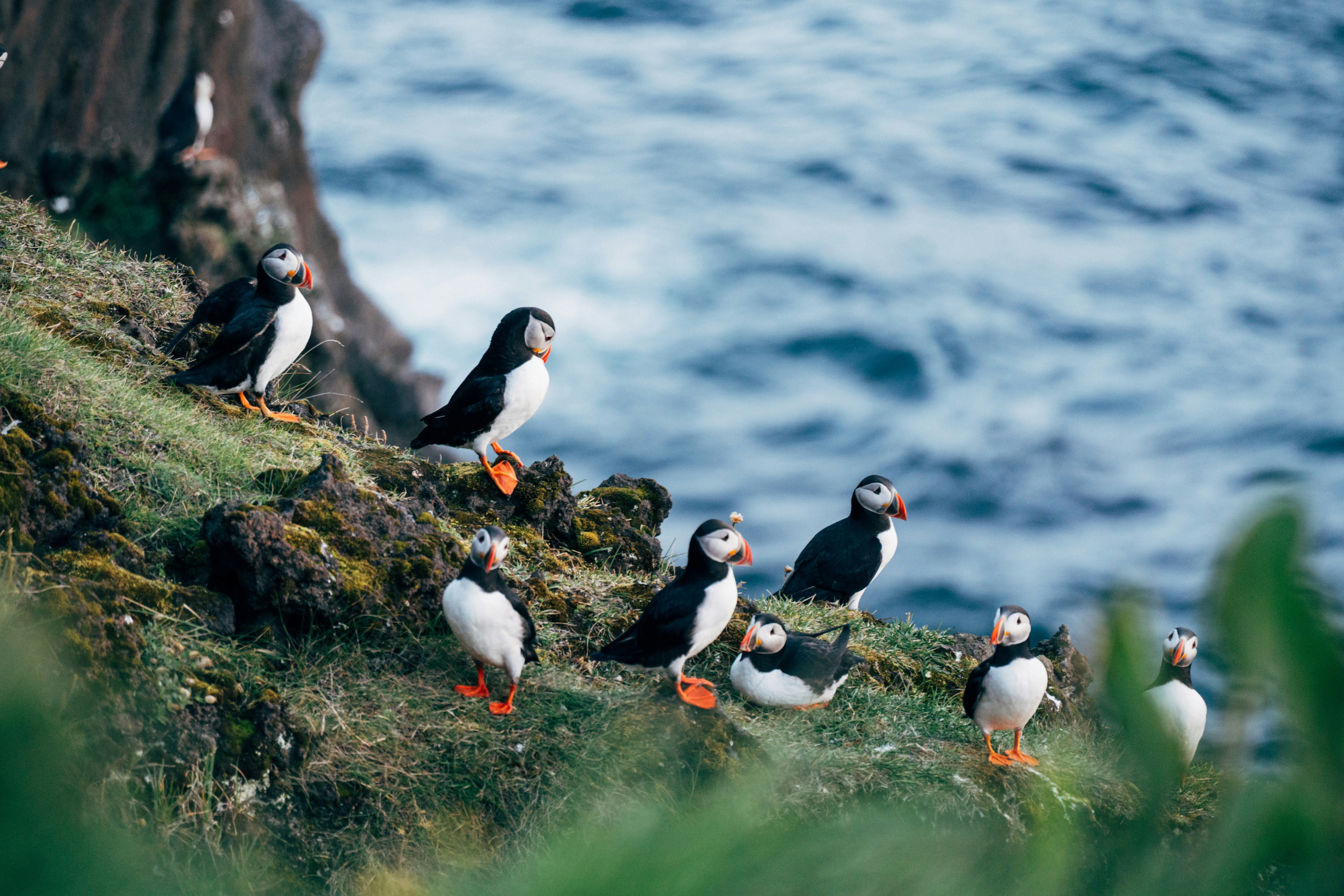
Puffins On Heimaey Island, Iceland
Puffins On Heimaey Island, IcelandPhoto by Yihang Li on Unsplash

Day 16 - Prince Christian Sound

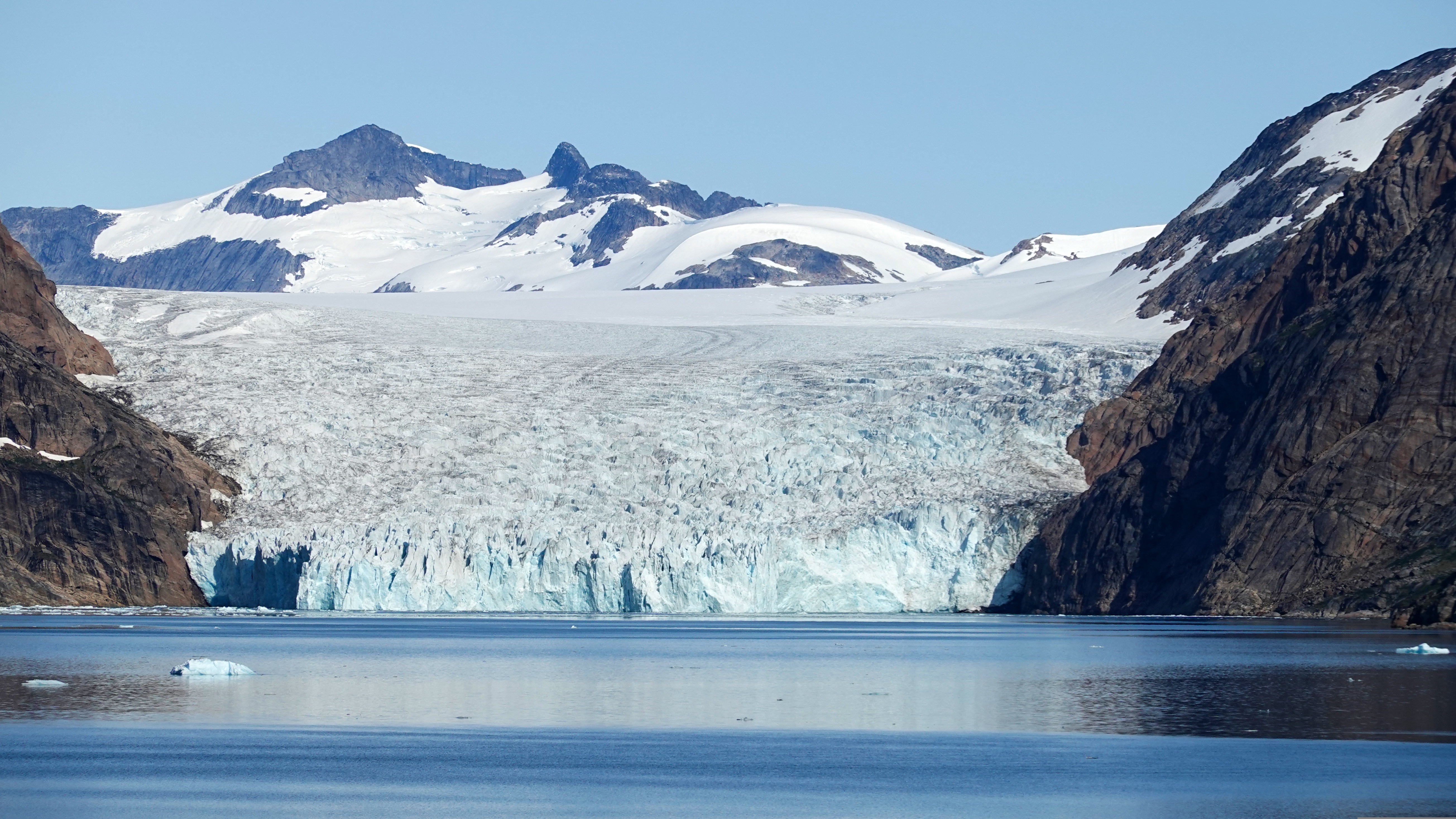
The transit through the Sound is one of this voyage’s highlights. Connecting the Labrador Sea with the Irminger Seat, Prince Christian Sound or “Prins Christian Sund” in Danish is named after Prince (later King) Christian VII (1749-1808). 100 km (60 miles ), long and at times just 500 m (1500 ft) wide, this majestic and spectacular fiord throws you back into a Viking era – flanked by soaring snow-topped mountains, rock-strewn cliffs and rolling hills, it is as if time has stood still and one easily forgets that this is the 21st century. As you marvel at the sheer size of the mountains that surround you, with the Arctic waters lapping deceptively at the hull, revel in the silence enveloping you. Icebergs float serenely by, carrying with them the ages of time. Be sure to wear warm clothing as this is one spectacle that you do not want to miss.

Prince Christian Sound, Greenland
Prince Christian Sound, GreenlandImage by Aline Dassel from Pixabay

Day 17 - Nanortalik

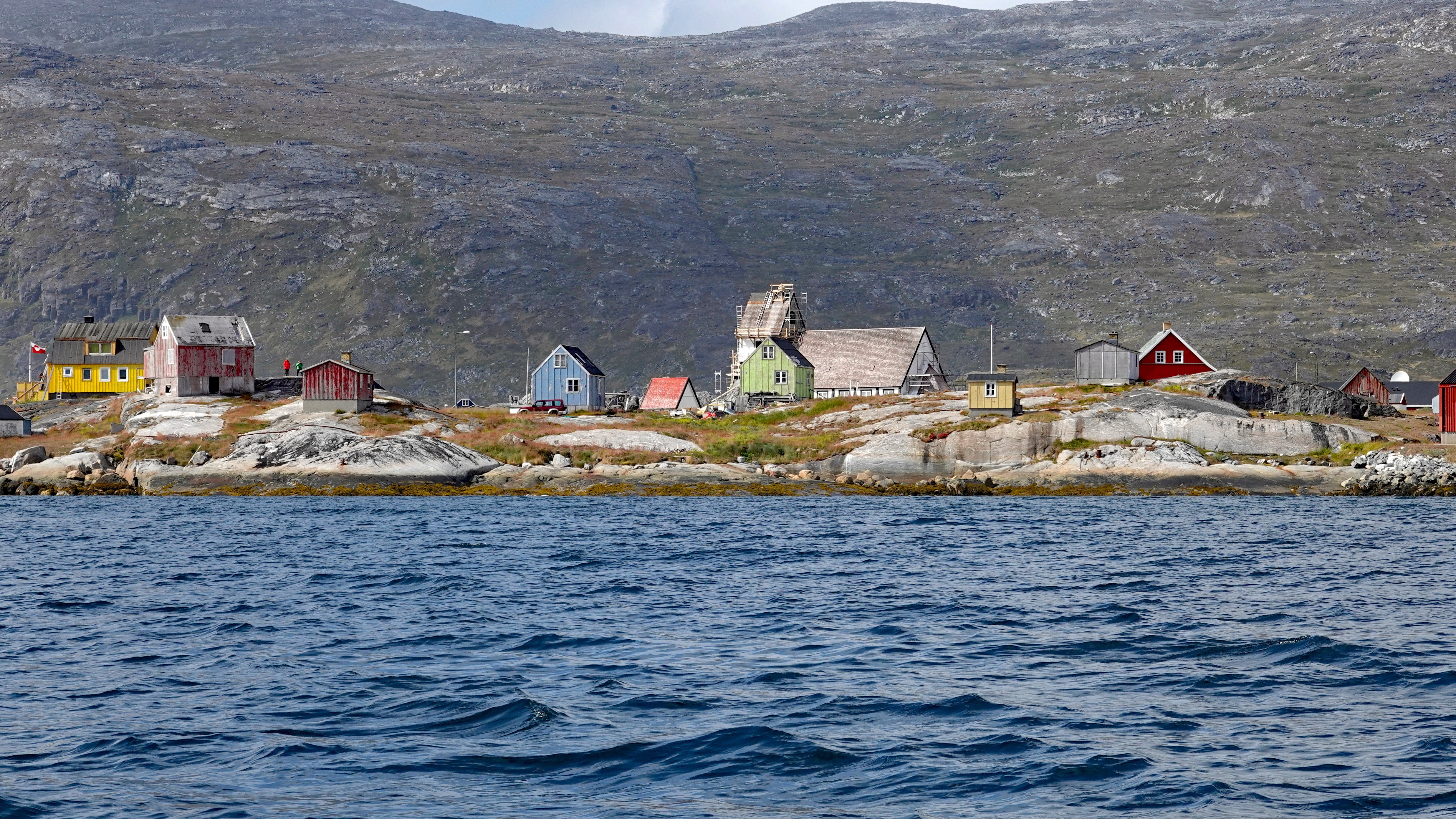
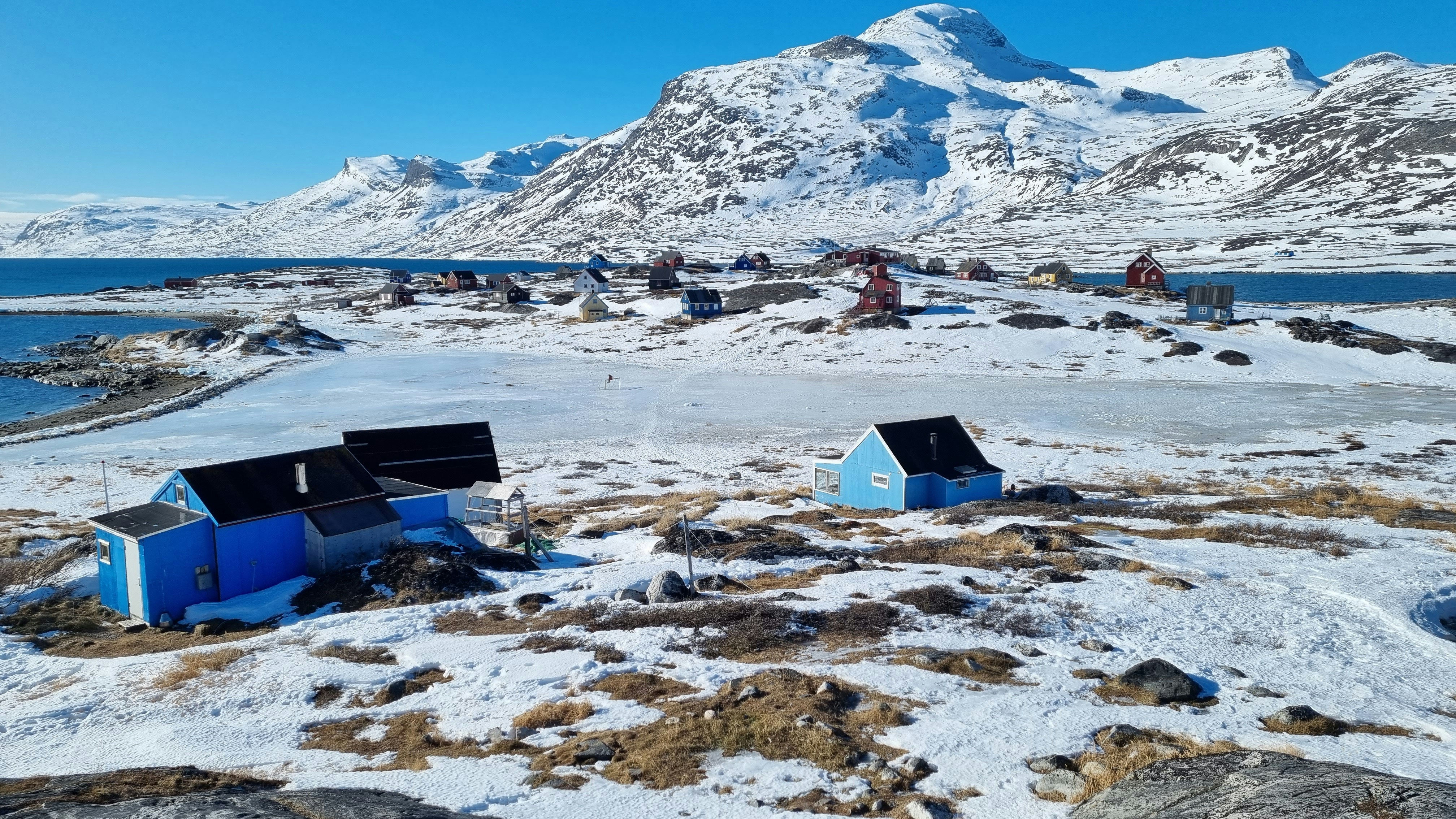
Nanortalik lies in a scenic area surrounded by steep mountainsides and is Greenland’s tenth-largest and most southerly town with less than 1500 inhabitants. The town’s name means the “place of polar bears”, which refers to the polar bears that used to be seen floating offshore on summer’s ice floes. Nanortalik has an excellent open-air museum that gives a broad picture of the region from Inuit times to today. Part of the exhibition is a summer hunting camp, where Inuit in traditional clothing describe aspects of their ancestor’s customs and lifestyle.

Nanortalik, Greenland
Nanortalik, GreenlandImage by Aline Dassel from Pixabay

Day 18 - Paamiut (Fredrikshaab)

Further details for this day are not available.

Paamiut, Greenland
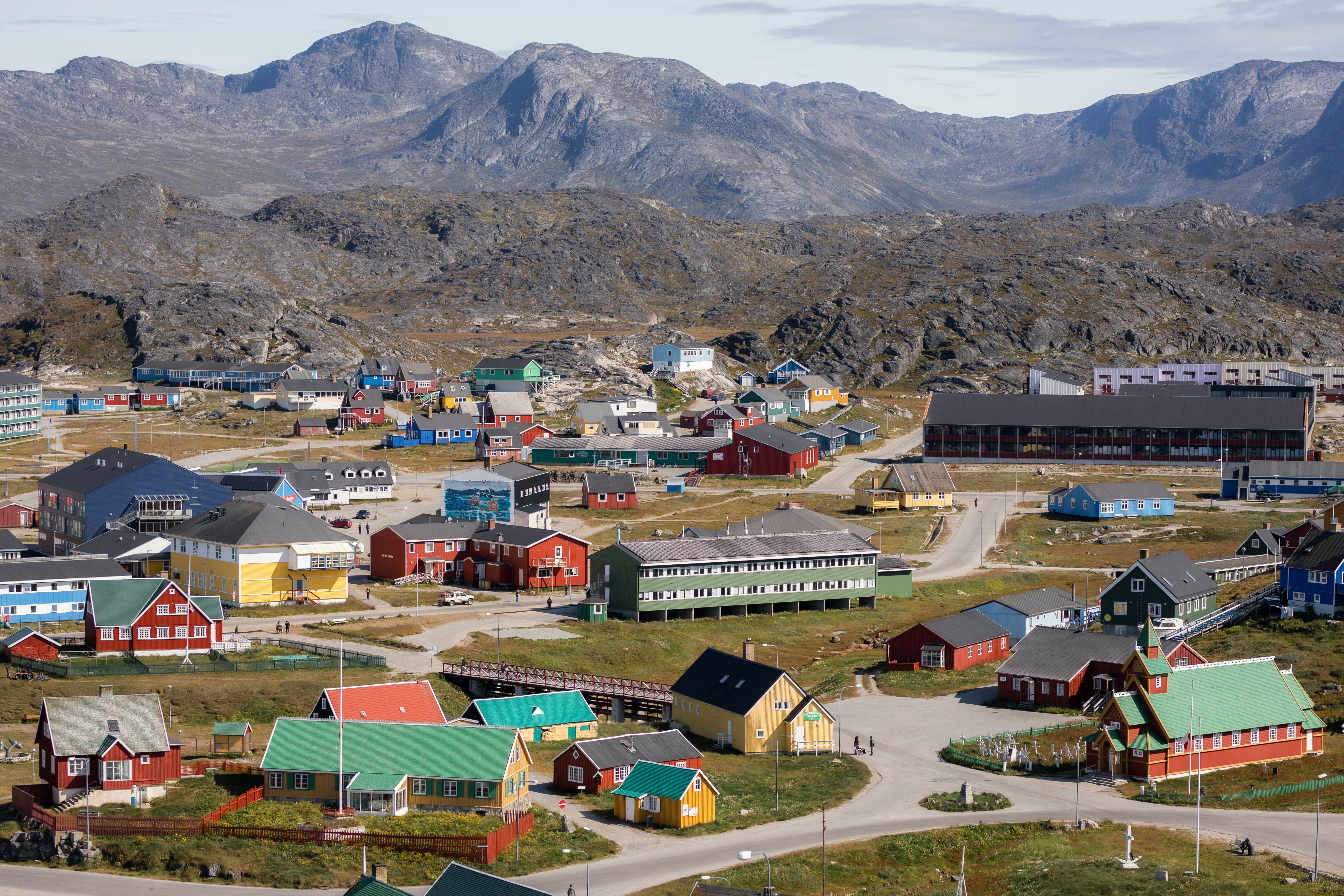
Paamiut, GreenlandPhoto by Visit Greenland on Unsplash

Day 19 - Nuuk (Godthaab)

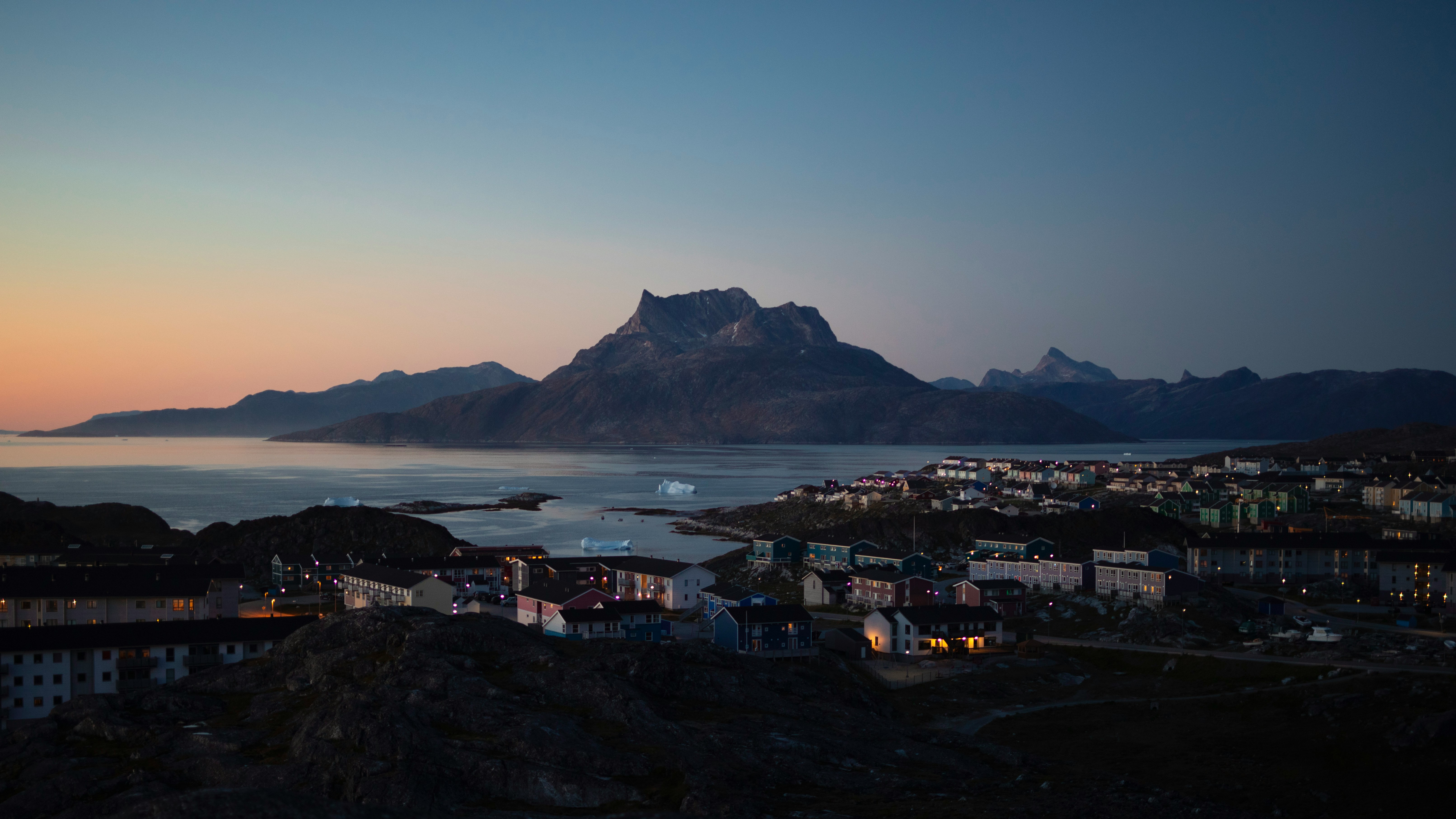
Nuuk, meaning “the cape”, was Greenland’s first town (1728). Started as a fort and later mission and trading post some 240 kilometers south of the Arctic Circle, it is the current capital. Almost 30% of Greenland’s population lives in the town. Not only does Nuuk have great natural beauty in its vicinity, but there are Inuit ruins, Hans Egede’s home, the parliament, and the Church of our Saviour as well. The Greenlandic National Museum has an outstanding collection of Greenlandic traditional dresses, as well as the famous Qilakitsoq mummies. The Katuaq Cultural Center’s building was inspired by the undulating Northern Lights and can house 10% of Nuuk’s inhabitants.

Nuuk, Greenland
Nuuk, GreenlandPhoto by Aningaaq Rosing Carlsen on Unsplash
Nuuk, Greenland
Nuuk, GreenlandPhoto by Bogomil Shopov - Бого on Unsplash

Day 22 - L'Anse aux Meadows, Newfoundland and Labrador

Around the year 1000, Vikings from Greenland and Iceland founded the first European settlement in North America, near the northern tip of Newfoundland. They arrived in the New World 500 years before Columbus but stayed only a few years and were forgotten for centuries. Since the settlement's rediscovery in the last century, the archaeological site has brought tourism to the area. Viking themes abound but so do views, whales, icebergs, fun dining experiences, and outdoor activities. L'Anse Aux Meadows on the northern tip of the island of Newfoundland is a remote community of just 40 people, with St Anthony, 40 minutes away, having a population of only 3,500. The region is locally famous for springtime polar bears, nesting eider ducks, the northern extreme of the Appalachians at nearby Belle Isle, numerous spring and summer icebergs, and a rich ocean fishery. L’Anse Aux Meadows National Historic Site is the UNESCO World Heritage Site that tells the story of Leif Erickson and the first Europeans in the new world. This site is often the keystone attraction for cruises themed around the Vikings. Discovered in 1960, it is the site of a Norse village, the only known one in North America outside of Greenland. The site remains the only widely-accepted instance of pre-Columbian trans-oceanic contact, and is notable for possible connections with the attempted colony of Vinland established by Leif Ericson around 1003, or more broadly with Norse exploration of the Americas. The root of the name "L'Anse aux Meadows" is believed to have originated with French fishermen in the area during the nineteenth and twentieth centuries, who named the site L'Anse aux Meduses, meaning 'Jellyfish Bay'.

L Anse Aux Meadows, Newfoundland And Labrador, Canada
L Anse Aux Meadows, Newfoundland And Labrador, CanadaPhoto by Matt Hanns Schroeter on Unsplash

Day 23 - Corner Brook, Newfoundland and Labrador

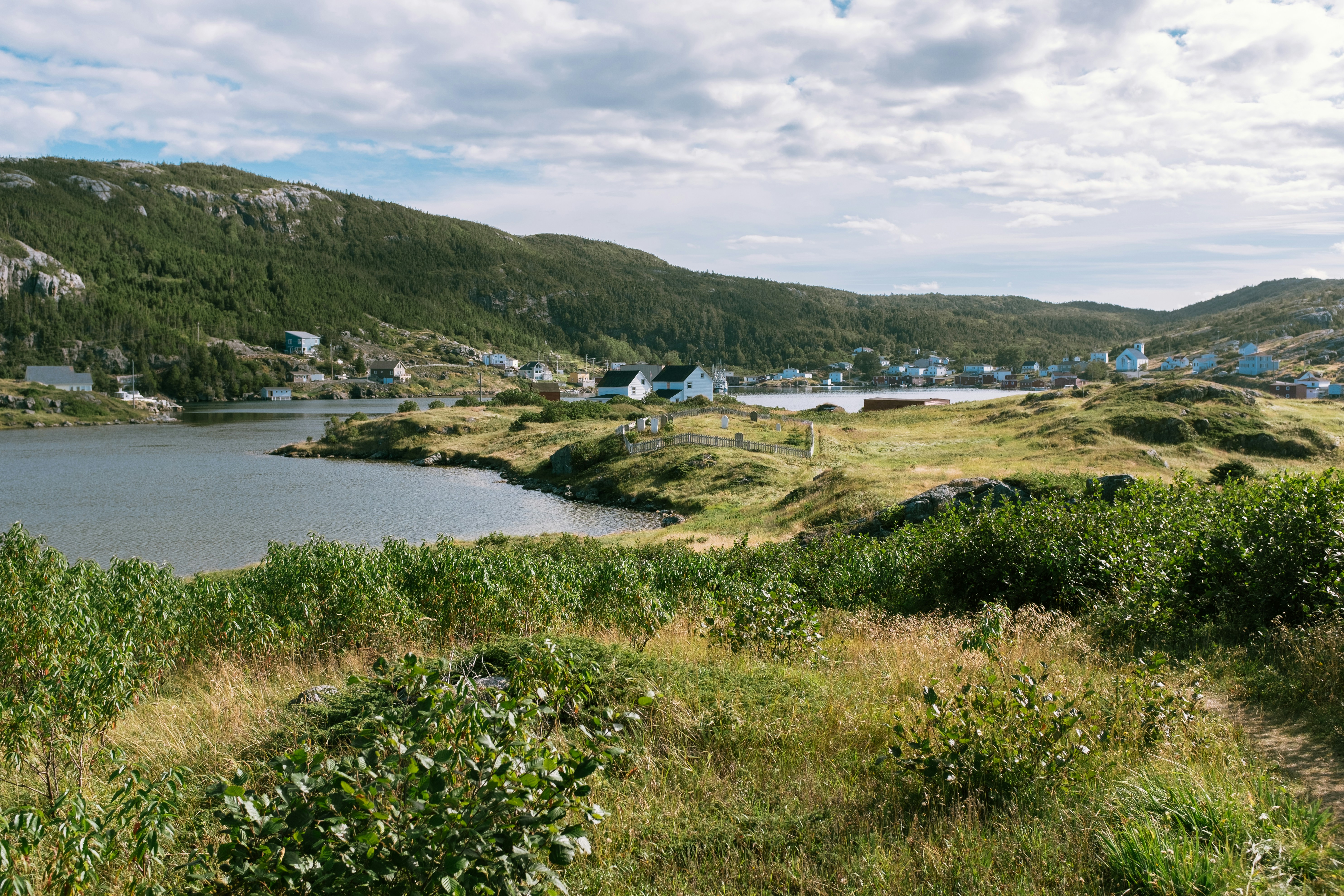
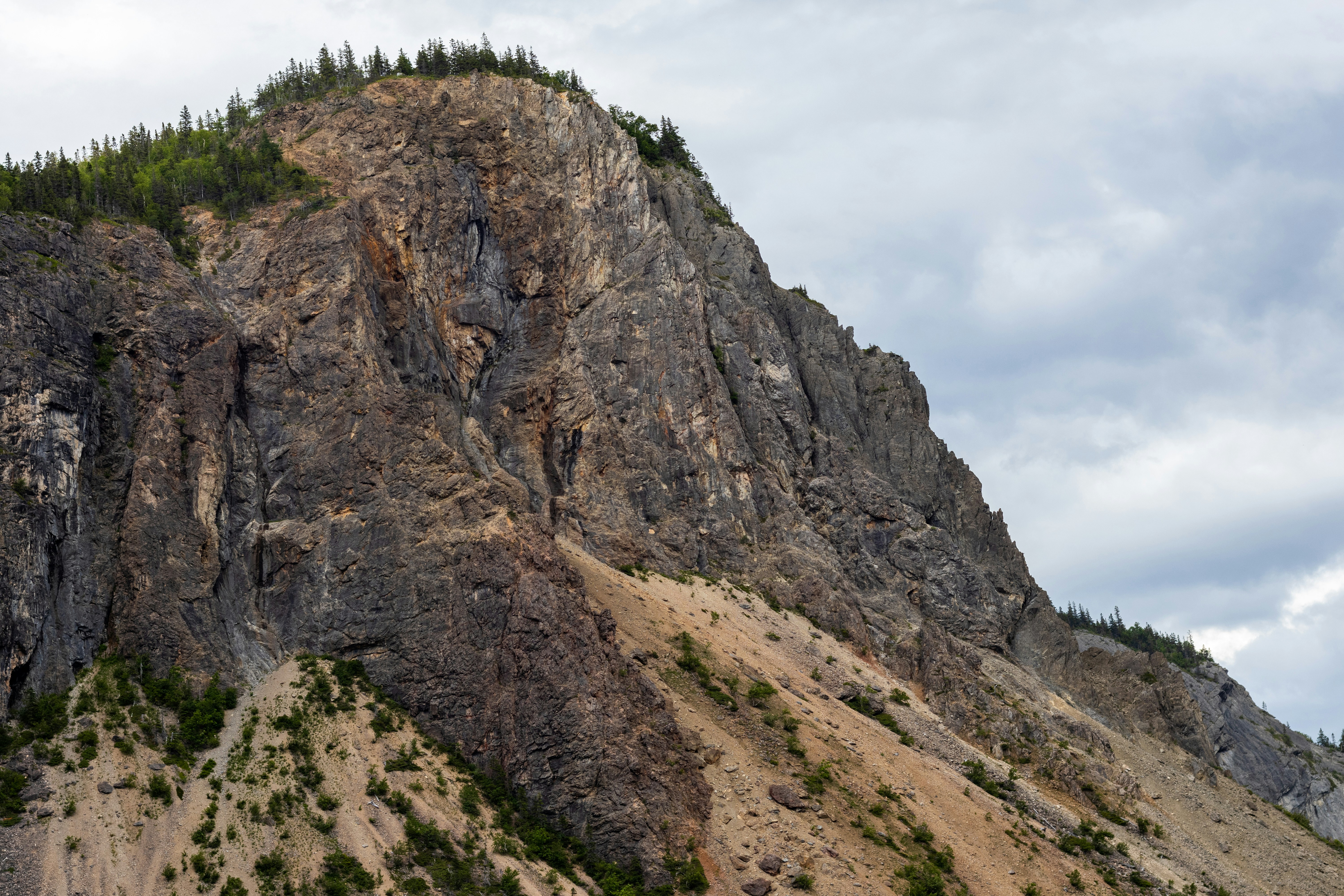
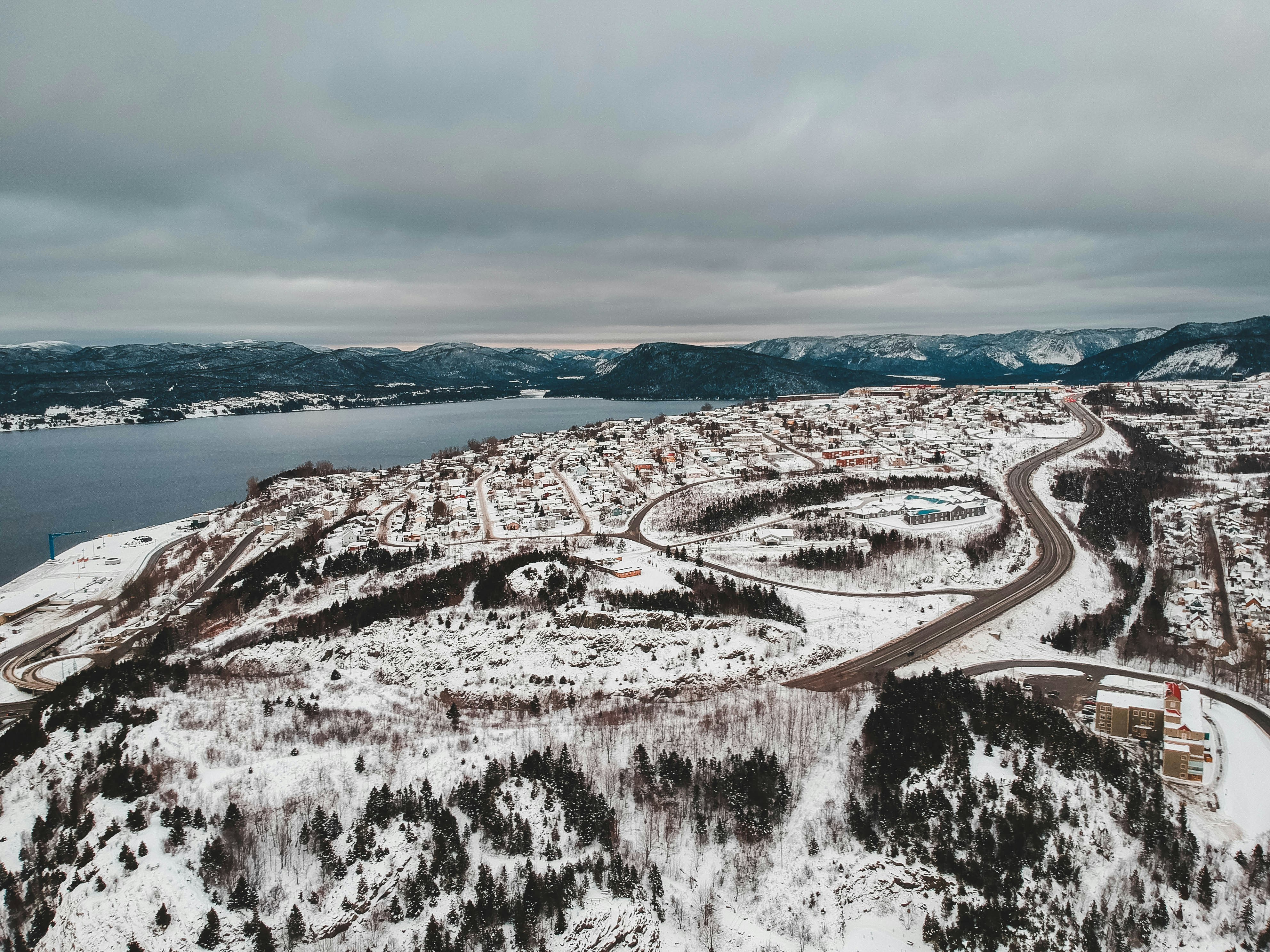
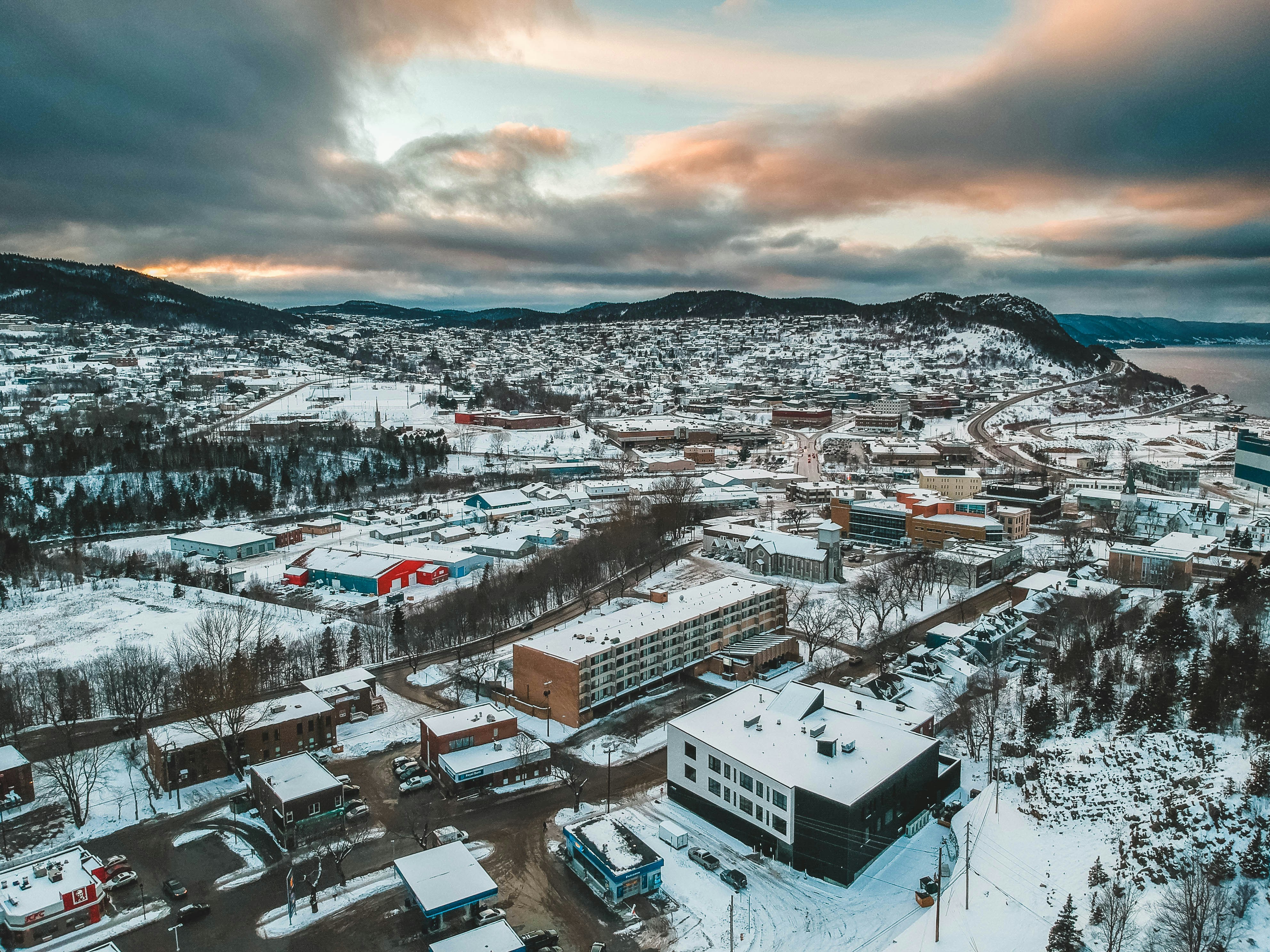
Newfoundland's fourth-largest city, Corner Brook is the hub of the island's west coast. Hills fringe three sides of the city, which has dramatic views of the harbor and the Bay of Islands. The town is also home to a large paper mill and a branch of Memorial University. Captain James Cook, the British explorer, charted the coast in the 1760s, and a memorial to him overlooks the bay.The town enjoys more clearly defined seasons than most of the rest of the island, and in summer it has many pretty gardens. The nearby Humber River is the best-known salmon river in the province, and there are many kilometers of well-maintained walking trails in the community.

Man In The Mountain Trail Head, Bear Head Road, Corner Brook, Nl, Canada
Man In The Mountain Trail Head, Bear Head Road, Corner Brook, Nl, CanadaPhoto by Marcus Urbenz on Unsplash
Corner Brook, Nl, Canada
Corner Brook, Nl, CanadaPhoto by Erik Mclean on Unsplash
Corner Brook, Nl, Canada
Corner Brook, Nl, CanadaPhoto by Erik Mclean on Unsplash

Day 25 - Halifax, Nova Scotia

Surrounded by natural treasures and glorious seascapes, Halifax is an attractive and vibrant hub with noteworthy historic and modern architecture, great dining and shopping, and a lively nightlife and festival scene. The old city manages to feel both hip and historic. Previous generations had the foresight to preserve the cultural and architectural integrity of the city, yet students from five local universities keep it lively and current. It's a perfect starting point to any tour of the Atlantic provinces, but even if you don't venture beyond its boundaries, you will get a real taste of the region.It was Halifax’s natural harbor—the second largest in the world after Sydney, Australia’s—that first drew the British here in 1749, and today most major sites are conveniently located either along it or on the Citadel-crowned hill overlooking it. That’s good news for visitors because this city actually covers quite a bit of ground.Since amalgamating with Dartmouth (directly across the harbor) and several suburbs in 1996, Halifax has been absorbed into the Halifax Regional Municipality, and the HRM, as it is known, has around 415,000 residents. That may not sound like a lot by U.S. standards, but it makes Nova Scotia’s capital the most significant Canadian urban center east of Montréal.There's easy access to the water, and despite being the focal point of a busy commercial port, Halifax Harbour doubles as a playground, with one of the world's longest downtown boardwalks. It's a place where container ships, commuter ferries, cruise ships, and tour boats compete for space, and where workaday tugs and fishing vessels tie up beside glitzy yachts. Like Halifax as a whole, the harbor represents a blend of the traditional and the contemporary.

Cahal   Halifax, Nova Scotia, Canada   Graham Hobster
Cahal Halifax, Nova Scotia, Canada Graham Hobster

Day 27 - Boston, Massachusetts

There’s history and culture around every bend in Boston—skyscrapers nestle next to historic hotels while modern marketplaces line the antique cobblestone streets. But to Bostonians, living in a city that blends yesterday and today is just another day in beloved Beantown.

Usbos   Boston, Massachusetts Osman Rana
Usbos Boston, Massachusetts Osman RanaOsman Rana
Usbos   Boston, Massachusetts Todd Kent
Usbos Boston, Massachusetts Todd KentTodd Kent
Usbos   Boston, Massachusetts Tyler Springhetti
Usbos Boston, Massachusetts Tyler SpringhettiTyler Springhetti

Suites & Deck Plans

Suite

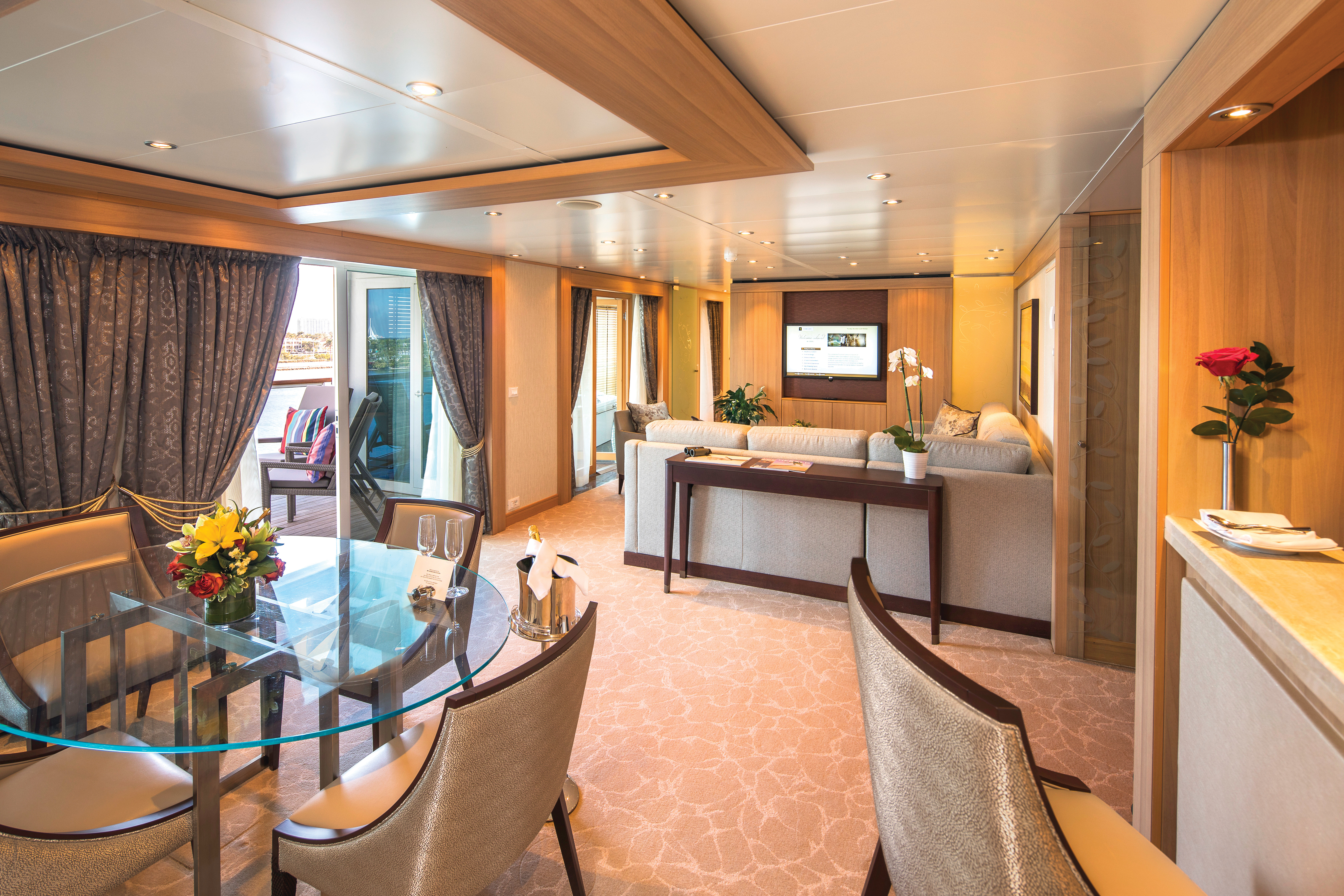
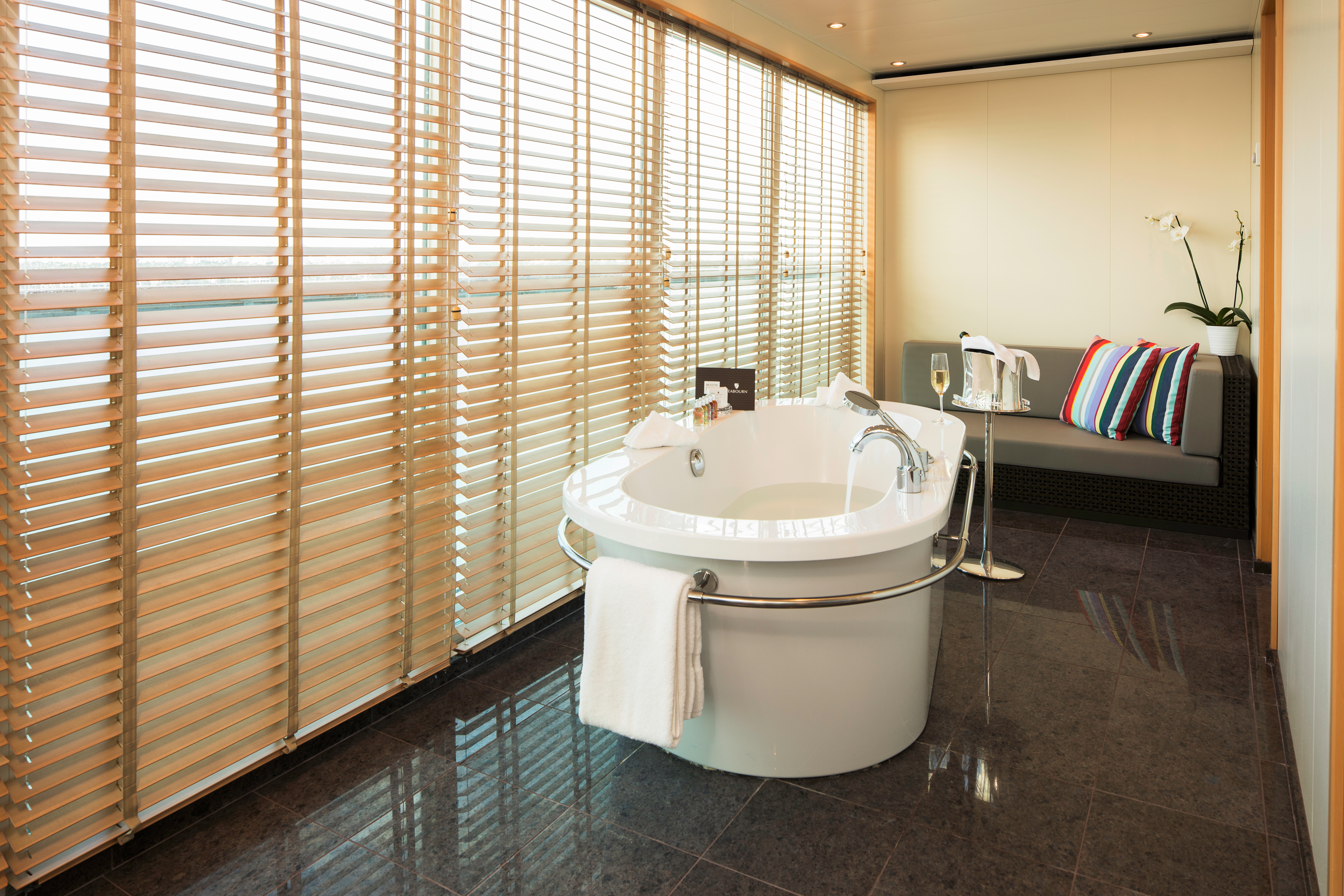
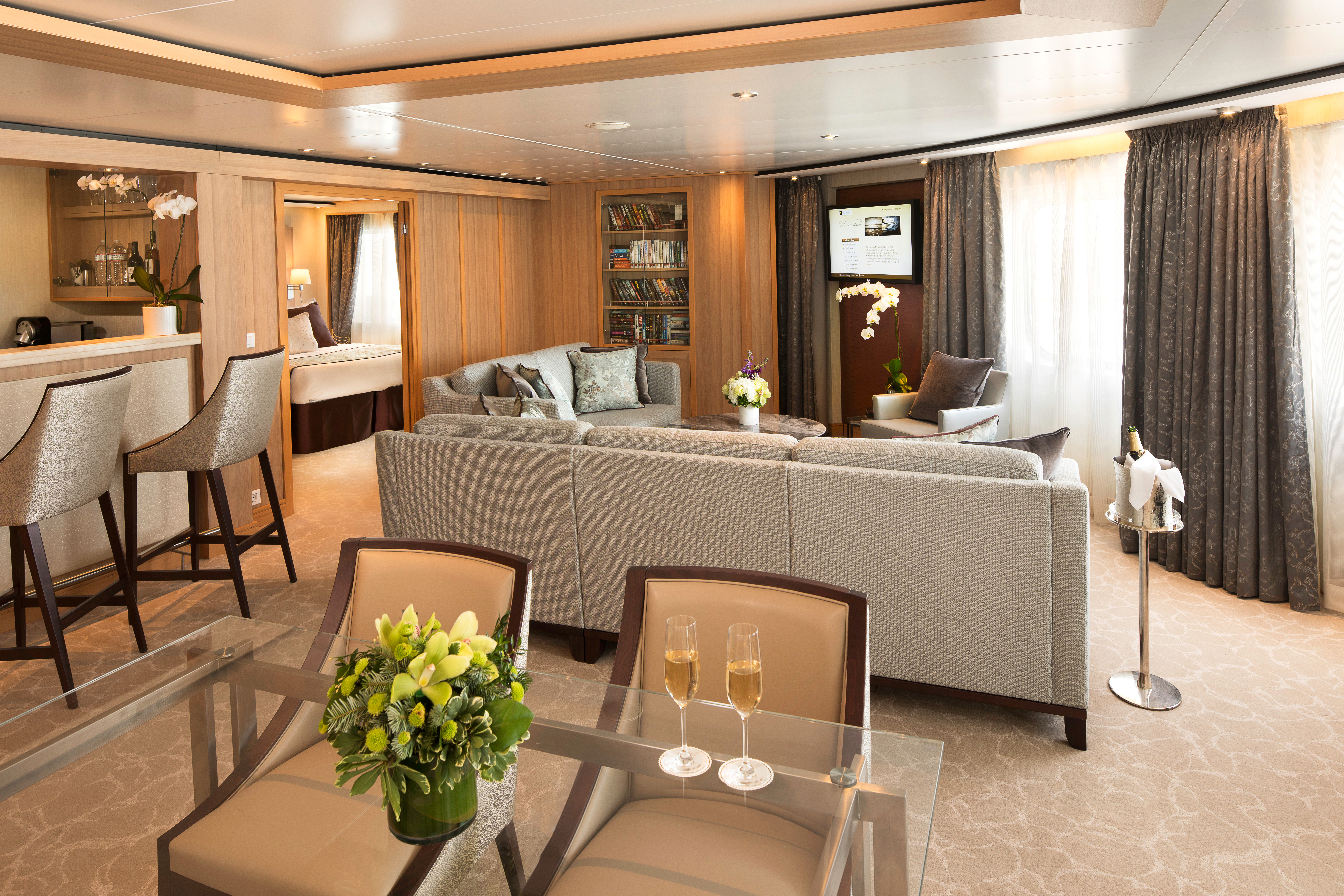
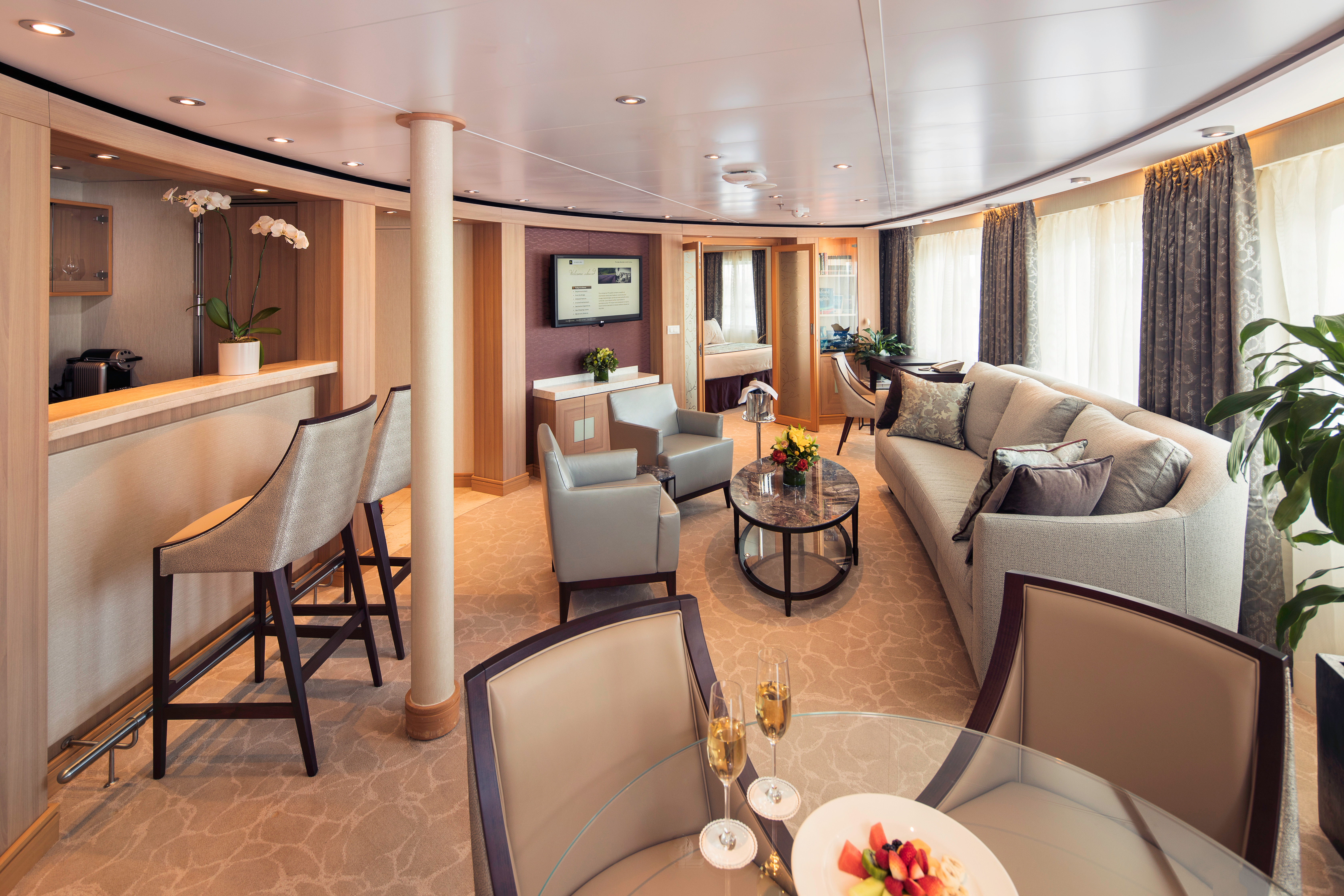
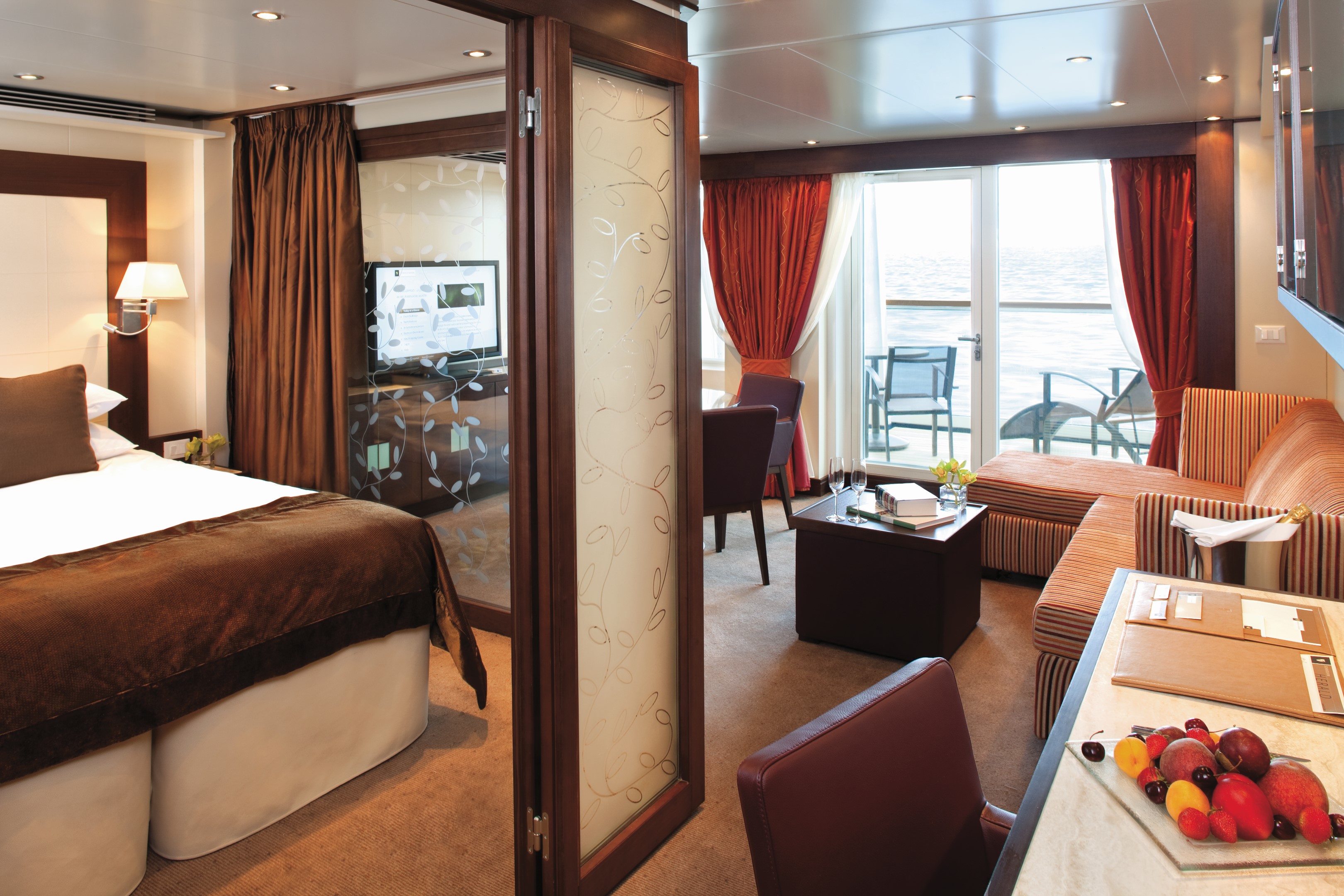
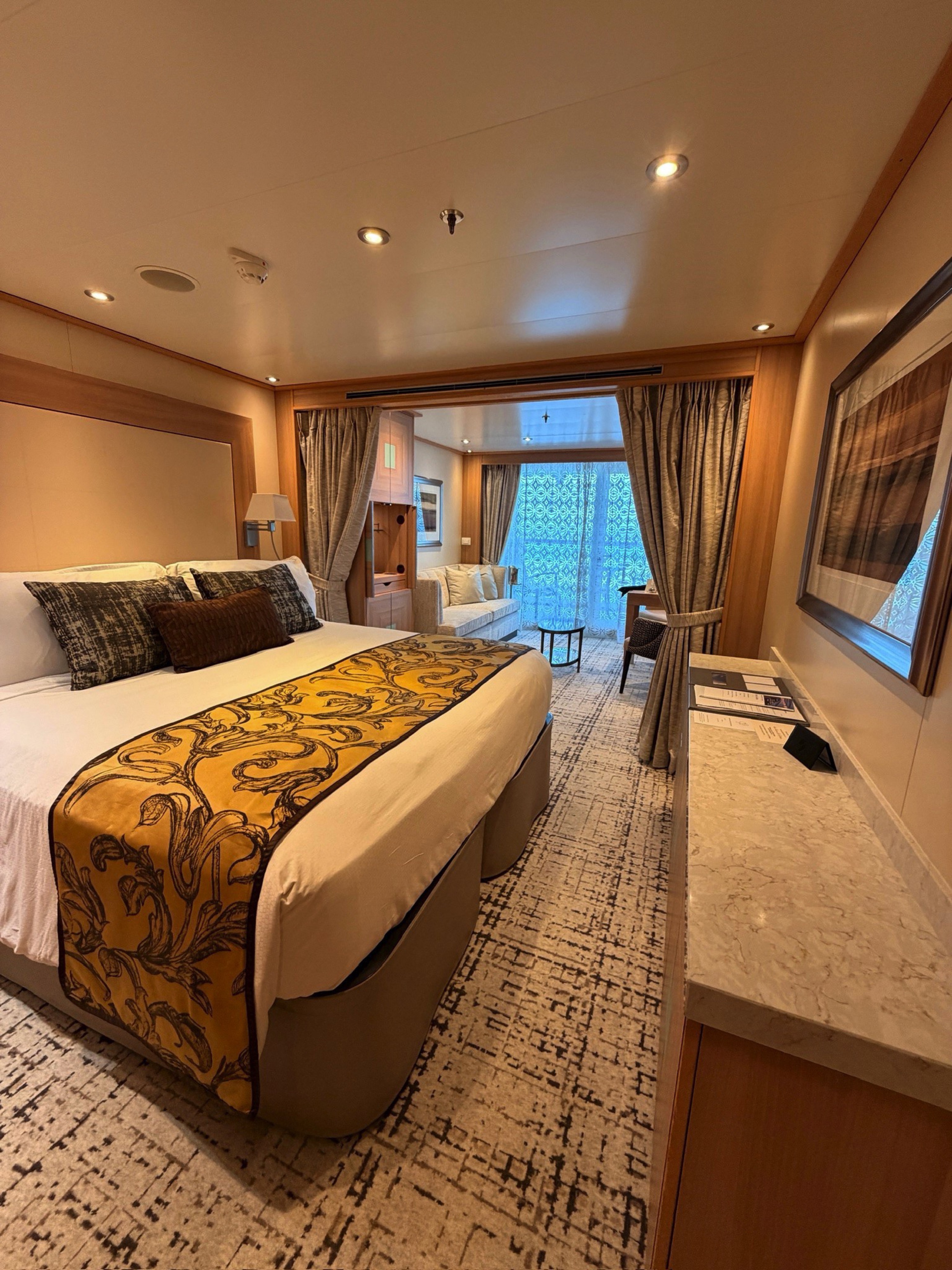
Suites on board feature a comfortable living area, private veranda, queen-size-bed or two twin beds; walk-in closet with personal safe, interactive flat-screen TV with music and movies, fully stocked bar and refrigerator, writing desk with personalized stationary, makeup vanity, spacious bathroom with separate tub and shower, plush robes, slippers hair dryer and 110/220V AC outlets.

Grand Wintergarden Suites feature:

  • Large windows
  • Dining for four
  • Glass-enclosed solarium with tub and day bed
  • Bathroom with whirlpool bathtub
  • Guest bath
  • Two bedrooms
  • Convertible sofa bed for one
  • Pantry with wet bar
  • Two flat-screen TVs
  • Complimentary Internet/Wi-Fi service

1403 sq ft
Accommodates 5 guests
Grand Wintergarden Suite

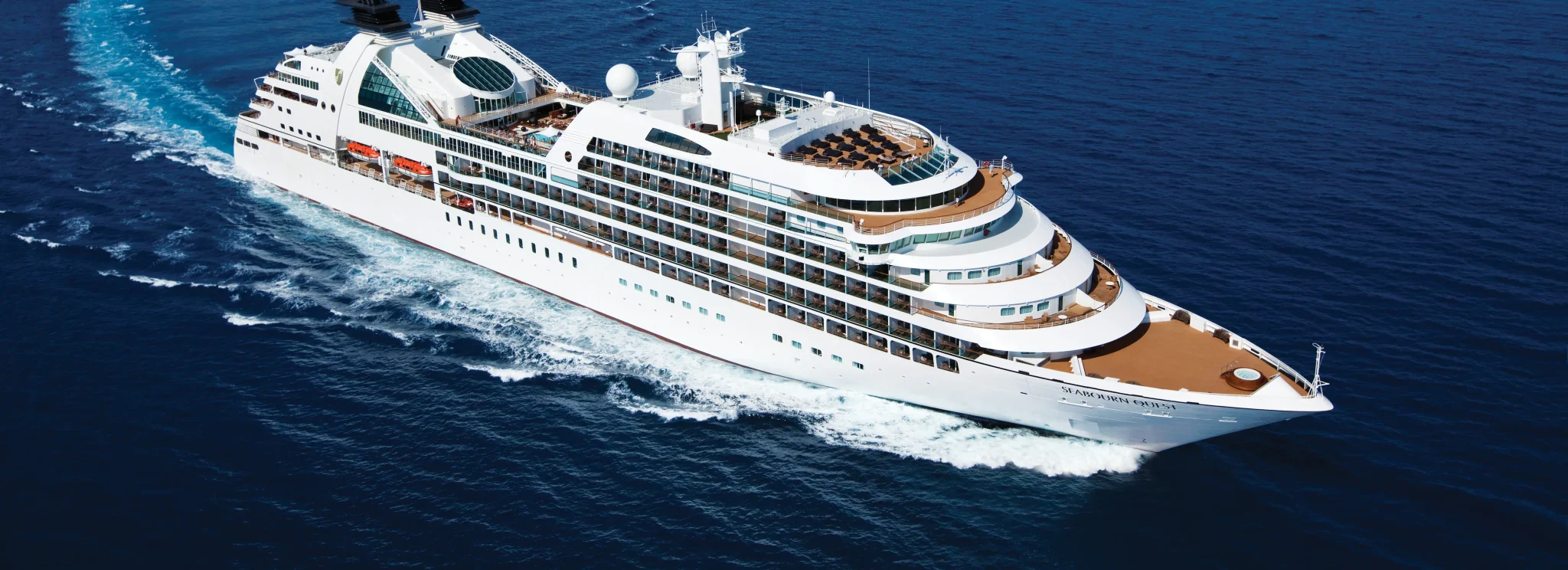
Seabourn Quest

Seabourn Quest

Life on board

The Onboard Experience

Client testimonials

I have worked with Lore Doick for more than 20 years, and she has booked over 30 cruises for me. Her expertise, care, and attention to every travel detail have made her an invaluable advisor and friend over the years.”

Tina B.

We are now in our second generation working with Cheri Ozimac at Tully Luxury Travel. From Antarctica to Greece, she has handled every detail with expertise, responsiveness, and care…

Earl M.

My wife and I have worked with Tully since 2007, and Kit Neil and her team went far beyond expectations while helping us navigate multiple cruise and flight cancellations. Their advocacy, care, and support during a difficult time were extraordinary.

Carri F.

Cheri Ozimac organized our Seabourn cruise flawlessly, from the hotel recommendation to every travel arrangement. She was responsive, attentive, and an excellent advocate throughout the process…

Cyn S.

We discovered Tully Luxury Travel after years of booking cruises through US agents and were impressed by their competitive pricing, exceptional service, and Canadian based support. Their team is always available, offers excellent value, and makes booking the right cruise seamless.

Peter C.

GoogleAverage Customer Rating:

The Tully Difference

Why travel with us


Tully Luxury Travel was built on access, discretion, and trust. For our clients, that means ease at every step, with distinctions that turn exceptional voyages into defining moments.

Recognized expertise

A renowned agency worldwide in luxury land and small-ship cruising, consistently trusted by the industry’s most prestigious brands.