Day 1 - Victoria, Mahé
Further details for this day are not available.

Itinerary: Victoria, Mahé, Praslin Island, Zanzibar, Antsiranana, Mauritius, Possession, Cape Town See full itinerary
Your Itinerary, Day-By-Day
Further details for this day are not available.
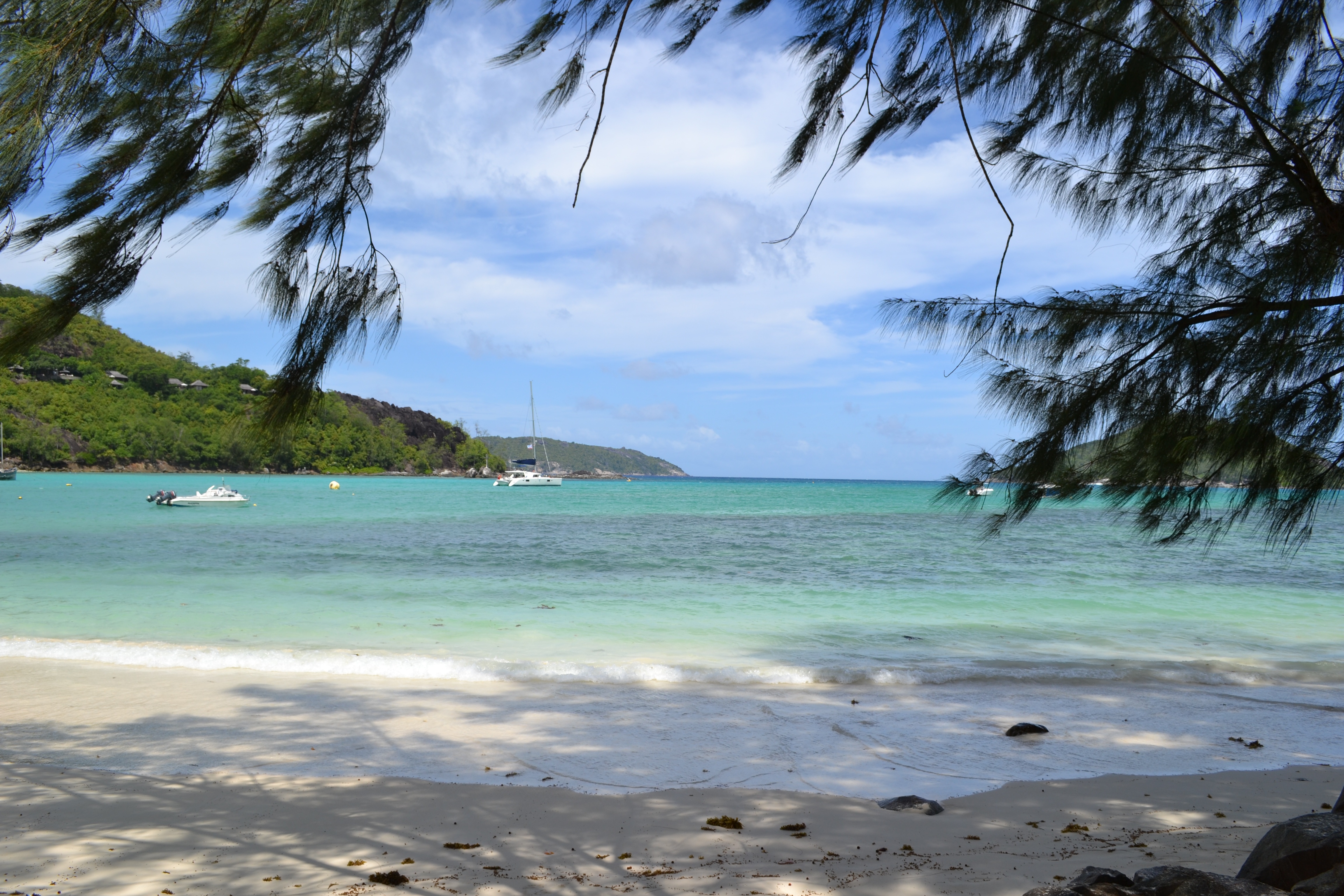
Forty kilometers (25 miles) northeast of Mahé, Praslin is just a 15-minute flight or 45-minute ferry ride away. Praslin, at 11 km (7 miles) long and 4 km (2.5 miles) wide, is the second-largest island in the Seychelles. First settled as a hideaway by pirates and Arab merchants, the island's original name, Isle de Palmes, bears testament to its reputation as home of the Vallée de Mai UNESCO World Heritage Site: the only place in the world where the famous Coco de Mer, the world's heaviest nut, grows abundantly in the wild. Praslin's endemic palm forests shelter many rare species, and the island is a major bird-watching destination. Surrounded by a coral reef, majestic bays, and gorgeous beaches, Praslin is much quieter and less developed than Mahé. With few real "sights," the pleasures of Praslin largely involve relaxing in or exploring its stunning beaches and fantastical forests.
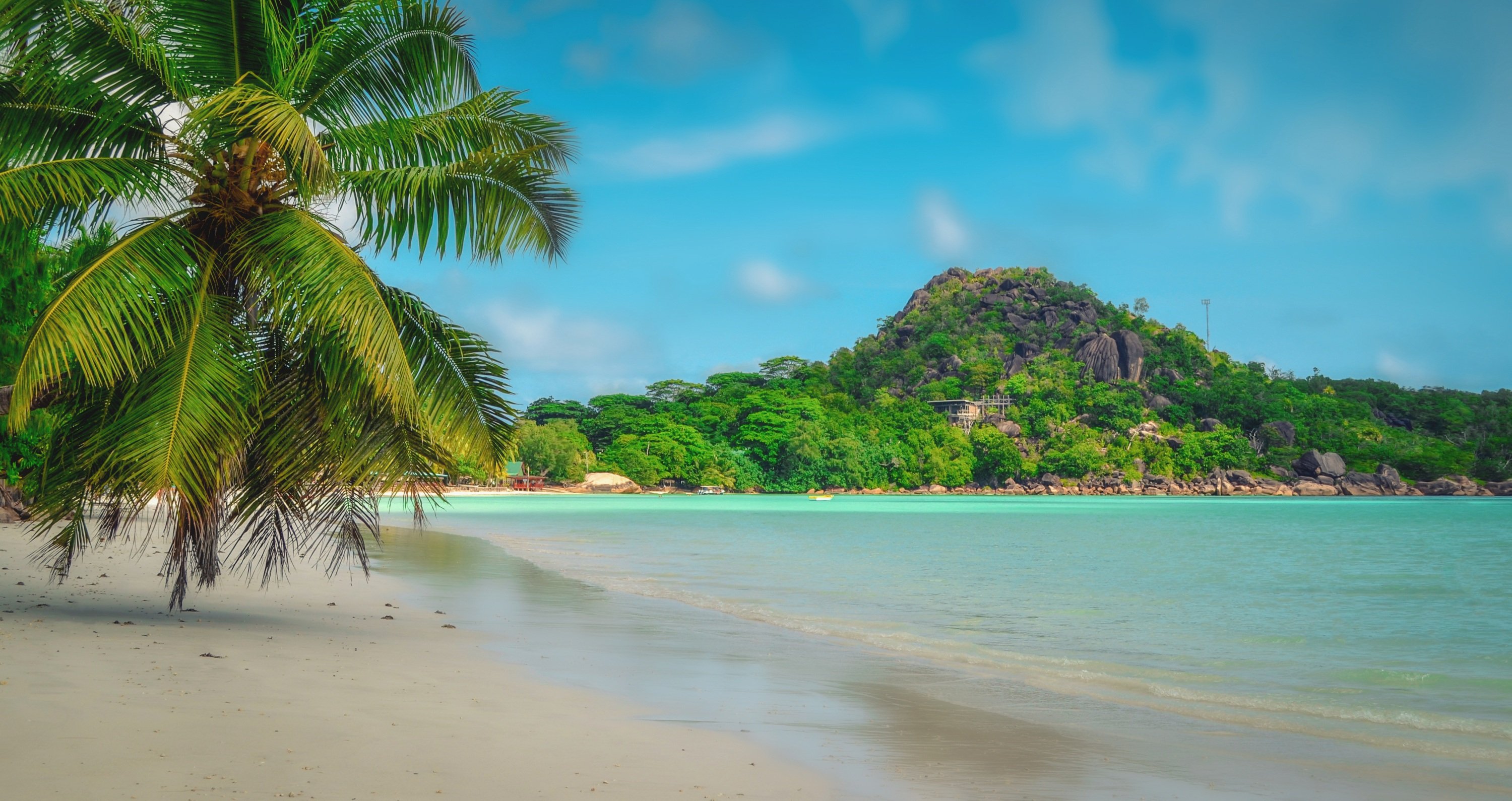
This ancient isle once ruled by sultans and slave traders served as the stepping stone into the African continent for missionaries and explorers. Today it attracts visitors intent on discovering sandy beaches, pristine rain forests, or colorful coral reefs. Once known as the Spice Island for its export of cloves, Zanzibar has become one of the most exotic flavors in travel, better than Bali or Mali when it comes to beauty that’ll make your jaw drop.Separated from the mainland by a channel only 35 km (22 miles) wide, and only 6 degrees south of the equator, this tiny archipelago—the name Zanzibar also includes the islands of Unguja (the main island) and Pemba—in the Indian Ocean was the launching base for a romantic era of expeditions into Africa. Sir Richard Burton and John Hanning Speke used it as their base when searching for the source of the Nile. It was in Zanzibar where journalist Henry Morton Stanley, perched in an upstairs room overlooking the Stone Town harbor, began his search for David Livingstone.The first ships to enter the archipelago's harbors are believed to have sailed in around 600 BC. Since then, every great navy in the Eastern Hemisphere has dropped anchor here at one time or another. But it was Arab traders who left an indelible mark. Minarets punctuate the skyline of Stone Town, where more than 90% of the residents are Muslim. In the harbor you'll see dhows, the Arabian boats with triangular sails. Islamic women covered by black boubou veils scurry down alleyways so narrow their outstretched arms could touch buildings on both sides. Stone Town received its odd name because most of its buildings were made of limestone and coral, which means exposure to salty air has eroded many foundations.The first Europeans who arrived here were the Portuguese in the 15th century, and thus began a reign of exploitation. As far inland as Lake Tanganyika, slave traders captured the residents or bartered for them from their own chiefs, then forced the newly enslaved to march toward the Indian Ocean carrying loads of ivory tusks. Once at the shore they were shackled together while waiting for dhows to collect them at Bagamoyo, a place whose name means, "here I leave my heart." Although it's estimated that 50,000 slaves passed through the Zanzibar slave market each year during the 19th century, many more died en route.Tanganyika and Zanzibar merged in 1964 to create Tanzania, but the honeymoon was brief. Zanzibar's relationship with the mainland remains uncertain as calls for independence continue. "Bismillah, will you let him go," a lyric from Queen's "Bohemian Rhapsody," has become a rebel chant for Zanzibar to break from Tanzania.Zanzibar Island, locally known as Unguja, has amazing beaches and resorts, decent dive spots, acres of spice plantations, the Jozani Forest Reserve, and Stone Town. Plus, it takes little more than an hour to fly there. It's a popular spot to head post-safari.Stone Town, the archipelago's major metropolis, is a maze of narrow streets lined with houses featuring magnificently carved doors studded with brass. There are 51 mosques, 6 Hindu temples, and 2 Christian churches. And though it can rightly be called a city, much of the western part of the larger island is a slumbering paradise where cloves, as well as rice and coconuts, still grow.Although the main island of Unguja feels untouched by the rest of the world, the nearby islands of Pemba and Mnemba offer retreats that are even more remote. For many years Arabs referred to Pemba as Al Khudra, or the Green Island, and indeed it still is, with forests of king palms, mangos, and banana trees. The 65-km-long (40-mile-long) island is less famous than Unguja except among scuba divers, who enjoy the coral gardens with colorful sponges and huge fans. Archaeology buffs are also discovering Pemba, where sites from the 9th to the 15th century have been unearthed. At Mtambwe Mkuu coins bearing the heads of sultans were discovered. Ruins along the coast include ancient mosques and tombs. In the 1930s Pemba was famous for its sorcerers, attracting disciples of the black arts from as far away as Haiti. Witchcraft is still practiced, and, oddly, so is bullfighting. Introduced by the Portuguese in the 17th century, the sport has been improved by locals, who rewrote the ending. After enduring the ritual teasing by the matador's cape, the bull is draped with flowers and paraded around the village.Beyond Pemba, smaller islands in the Zanzibar Archipelago range from mere sandbanks to Changu, once a prison island and now home to the giant Aldabra tortoise, Chumbe Island, and Mnemba, a private retreat for guests who pay hundreds of dollars per day to get away from it all.
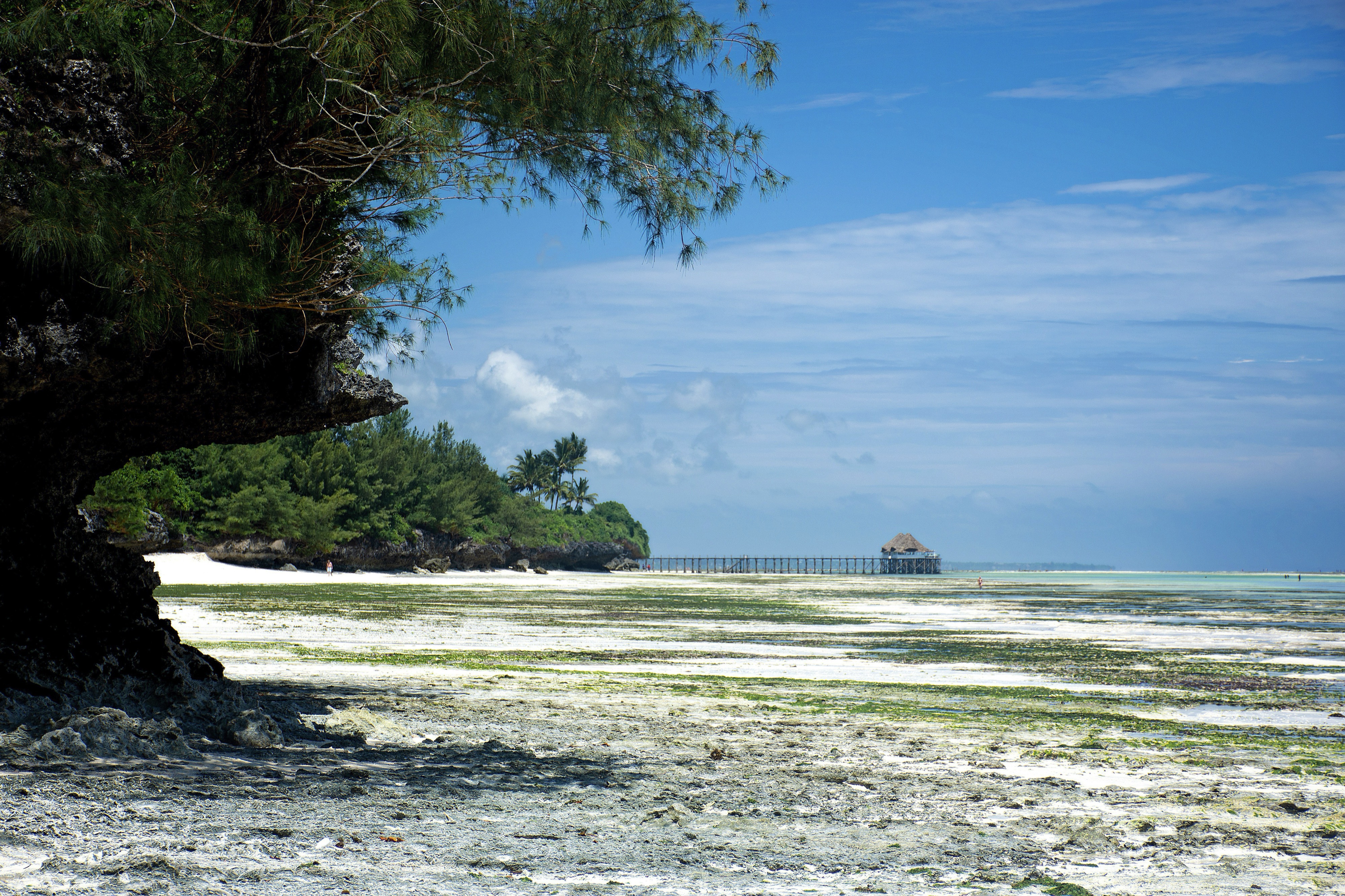
This ancient isle once ruled by sultans and slave traders served as the stepping stone into the African continent for missionaries and explorers. Today it attracts visitors intent on discovering sandy beaches, pristine rain forests, or colorful coral reefs. Once known as the Spice Island for its export of cloves, Zanzibar has become one of the most exotic flavors in travel, better than Bali or Mali when it comes to beauty that’ll make your jaw drop.Separated from the mainland by a channel only 35 km (22 miles) wide, and only 6 degrees south of the equator, this tiny archipelago—the name Zanzibar also includes the islands of Unguja (the main island) and Pemba—in the Indian Ocean was the launching base for a romantic era of expeditions into Africa. Sir Richard Burton and John Hanning Speke used it as their base when searching for the source of the Nile. It was in Zanzibar where journalist Henry Morton Stanley, perched in an upstairs room overlooking the Stone Town harbor, began his search for David Livingstone.The first ships to enter the archipelago's harbors are believed to have sailed in around 600 BC. Since then, every great navy in the Eastern Hemisphere has dropped anchor here at one time or another. But it was Arab traders who left an indelible mark. Minarets punctuate the skyline of Stone Town, where more than 90% of the residents are Muslim. In the harbor you'll see dhows, the Arabian boats with triangular sails. Islamic women covered by black boubou veils scurry down alleyways so narrow their outstretched arms could touch buildings on both sides. Stone Town received its odd name because most of its buildings were made of limestone and coral, which means exposure to salty air has eroded many foundations.The first Europeans who arrived here were the Portuguese in the 15th century, and thus began a reign of exploitation. As far inland as Lake Tanganyika, slave traders captured the residents or bartered for them from their own chiefs, then forced the newly enslaved to march toward the Indian Ocean carrying loads of ivory tusks. Once at the shore they were shackled together while waiting for dhows to collect them at Bagamoyo, a place whose name means, "here I leave my heart." Although it's estimated that 50,000 slaves passed through the Zanzibar slave market each year during the 19th century, many more died en route.Tanganyika and Zanzibar merged in 1964 to create Tanzania, but the honeymoon was brief. Zanzibar's relationship with the mainland remains uncertain as calls for independence continue. "Bismillah, will you let him go," a lyric from Queen's "Bohemian Rhapsody," has become a rebel chant for Zanzibar to break from Tanzania.Zanzibar Island, locally known as Unguja, has amazing beaches and resorts, decent dive spots, acres of spice plantations, the Jozani Forest Reserve, and Stone Town. Plus, it takes little more than an hour to fly there. It's a popular spot to head post-safari.Stone Town, the archipelago's major metropolis, is a maze of narrow streets lined with houses featuring magnificently carved doors studded with brass. There are 51 mosques, 6 Hindu temples, and 2 Christian churches. And though it can rightly be called a city, much of the western part of the larger island is a slumbering paradise where cloves, as well as rice and coconuts, still grow.Although the main island of Unguja feels untouched by the rest of the world, the nearby islands of Pemba and Mnemba offer retreats that are even more remote. For many years Arabs referred to Pemba as Al Khudra, or the Green Island, and indeed it still is, with forests of king palms, mangos, and banana trees. The 65-km-long (40-mile-long) island is less famous than Unguja except among scuba divers, who enjoy the coral gardens with colorful sponges and huge fans. Archaeology buffs are also discovering Pemba, where sites from the 9th to the 15th century have been unearthed. At Mtambwe Mkuu coins bearing the heads of sultans were discovered. Ruins along the coast include ancient mosques and tombs. In the 1930s Pemba was famous for its sorcerers, attracting disciples of the black arts from as far away as Haiti. Witchcraft is still practiced, and, oddly, so is bullfighting. Introduced by the Portuguese in the 17th century, the sport has been improved by locals, who rewrote the ending. After enduring the ritual teasing by the matador's cape, the bull is draped with flowers and paraded around the village.Beyond Pemba, smaller islands in the Zanzibar Archipelago range from mere sandbanks to Changu, once a prison island and now home to the giant Aldabra tortoise, Chumbe Island, and Mnemba, a private retreat for guests who pay hundreds of dollars per day to get away from it all.
Further details for this day are not available.
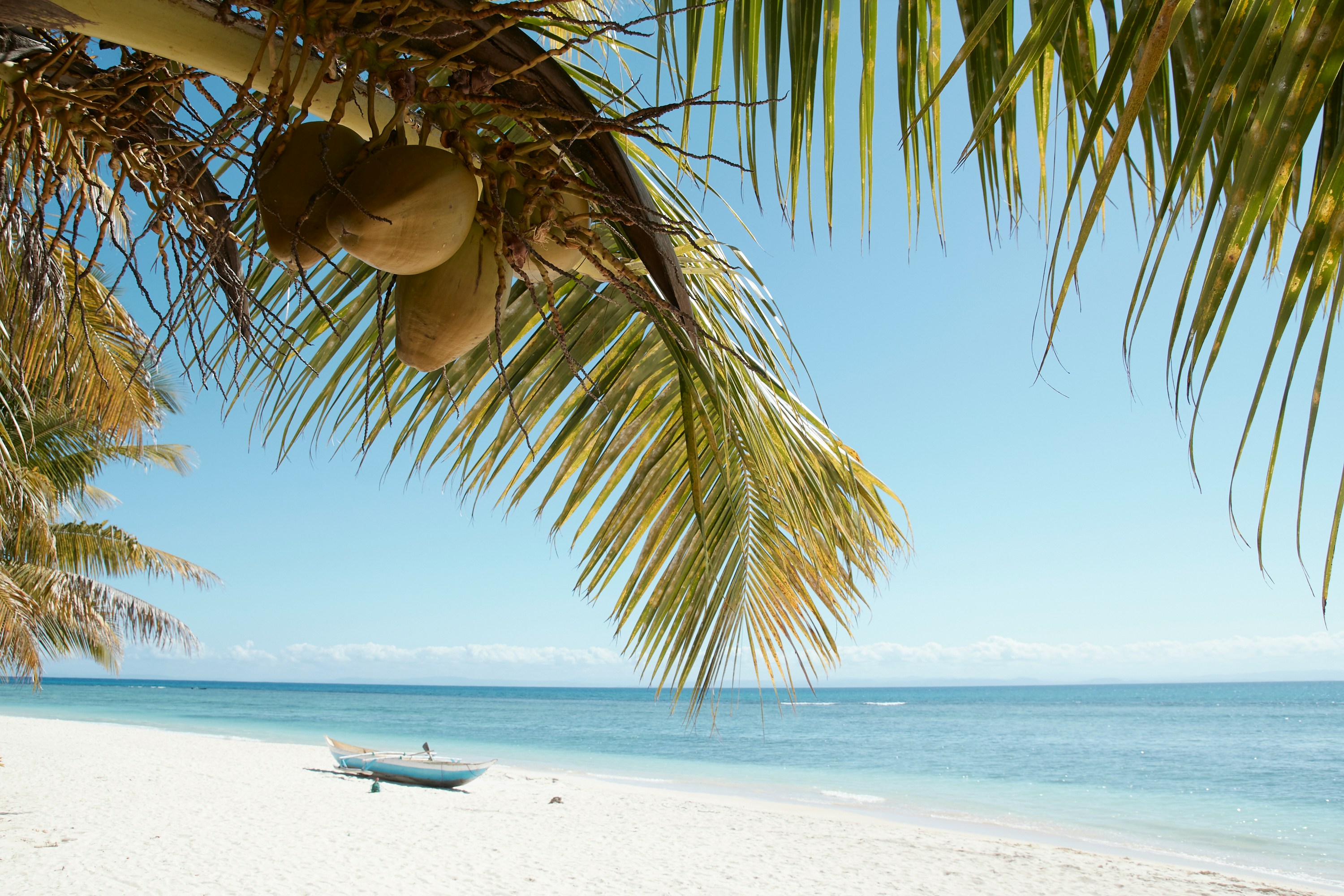
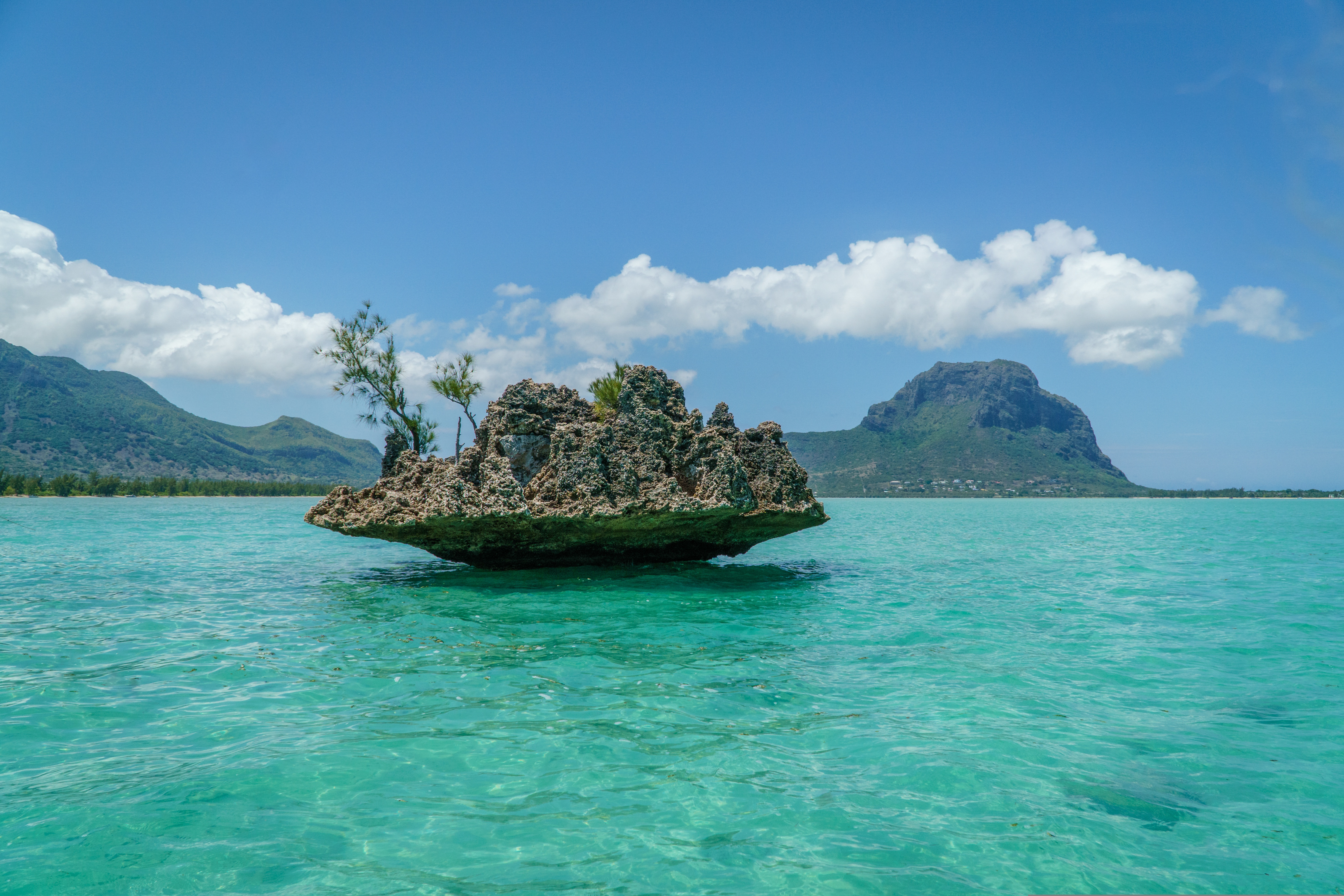
Mauritius, a jewel of the Indian Ocean, is a paradise for travelers seeking sun, sea, and culture. Famous for its pristine white-sand beaches, turquoise lagoons, and vibrant coral reefs, the island offers world-class snorkeling, diving, and water sports. Beyond its natural beauty, Mauritius boasts lush sugarcane fields, volcanic landscapes, and the scenic Black River Gorges National Park, perfect for hiking and wildlife spotting. Its rich cultural tapestry reflects African, Indian, European, and Chinese influences, evident in colorful festivals, bustling markets, and diverse cuisine. Charming colonial architecture, luxury resorts, and warm, welcoming locals enhance the visitor experience. Whether relaxing on a serene beach, exploring scenic trails, or savoring local delicacies, Mauritius promises an unforgettable blend of adventure, culture, and tranquility, making it a must-visit destination.
Further details for this day are not available.


Sometimes referred to as the Mother City, Cape Town is the most famous port in South Africa and is influenced by many different cultures, including Dutch, British and Malay. The port was founded in 1652 by Dutch explorer Jan Van Riebeeck, and evidence of Dutch colonial rule remains throughout the region. The port is located on one of the world's most important trade routes, and is mainly a container port and handler of fresh fruit. Fishing is another vital industry, with large Asian fishing fleets using Cape Town as a logistical repair base for much of the year. The region is famous for its natural beauty, with the imposing Table Mountain and Lions Head, as well as the many nature reserves and botanical gardens such as Kirstenbosch which boasts an extensive range of indigenous plant life, including proteas and ferns. Cape Town's weather is mercurial, and can change from beautiful sunshine to dramatic thunderstorms within a short period. A local adage is that in Cape Town you can experience four seasons in one day.


Sometimes referred to as the Mother City, Cape Town is the most famous port in South Africa and is influenced by many different cultures, including Dutch, British and Malay. The port was founded in 1652 by Dutch explorer Jan Van Riebeeck, and evidence of Dutch colonial rule remains throughout the region. The port is located on one of the world's most important trade routes, and is mainly a container port and handler of fresh fruit. Fishing is another vital industry, with large Asian fishing fleets using Cape Town as a logistical repair base for much of the year. The region is famous for its natural beauty, with the imposing Table Mountain and Lions Head, as well as the many nature reserves and botanical gardens such as Kirstenbosch which boasts an extensive range of indigenous plant life, including proteas and ferns. Cape Town's weather is mercurial, and can change from beautiful sunshine to dramatic thunderstorms within a short period. A local adage is that in Cape Town you can experience four seasons in one day.
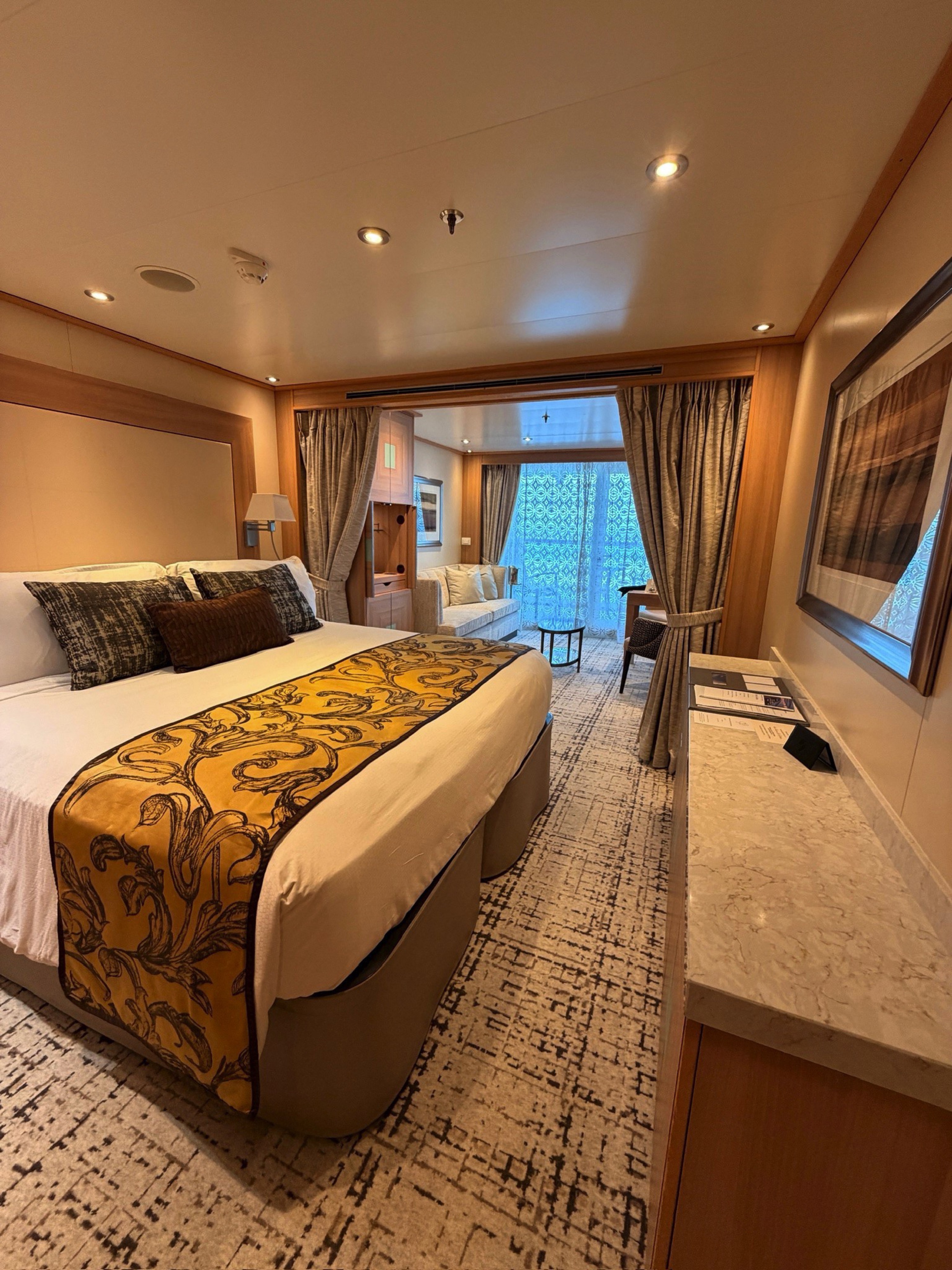
Suite
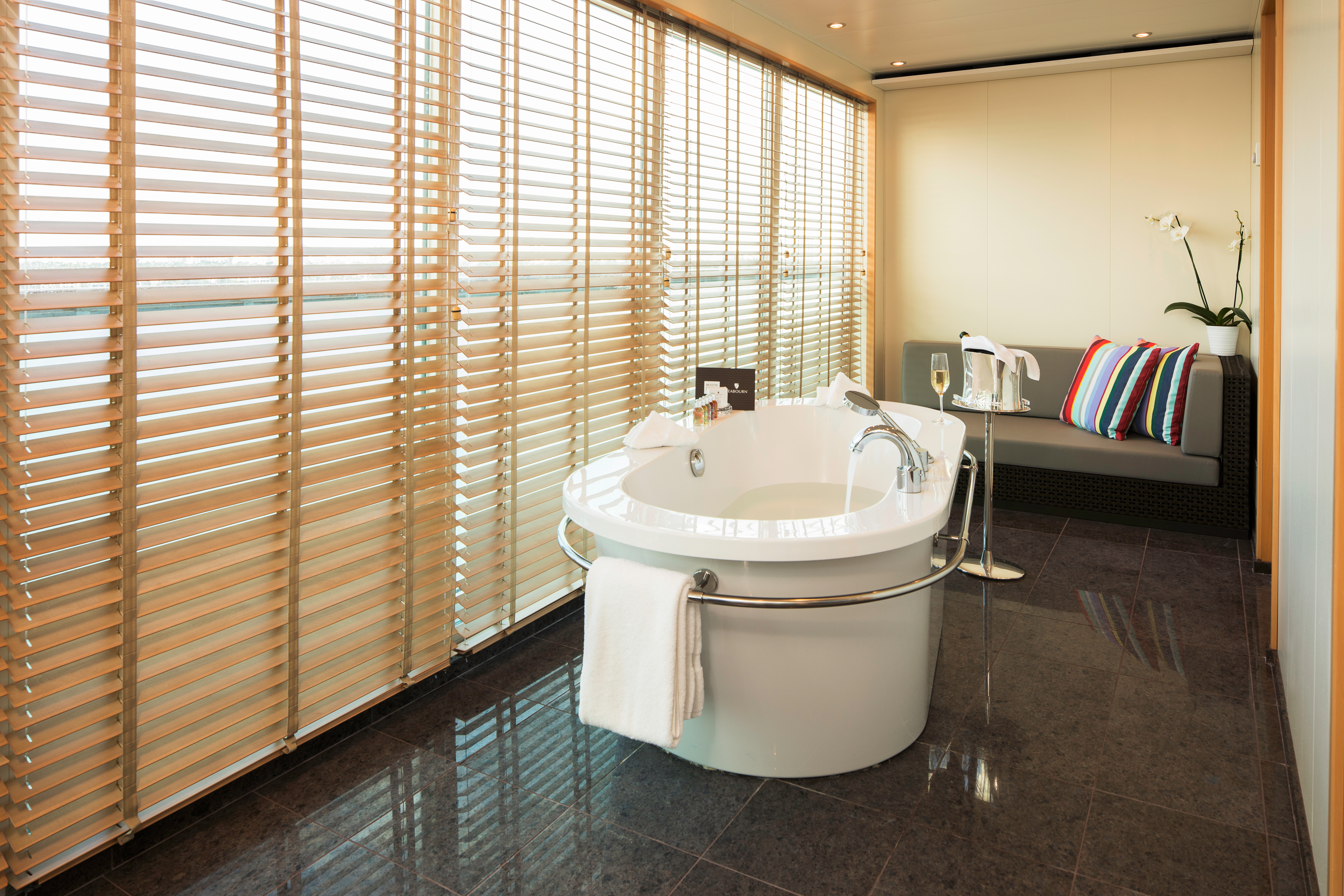
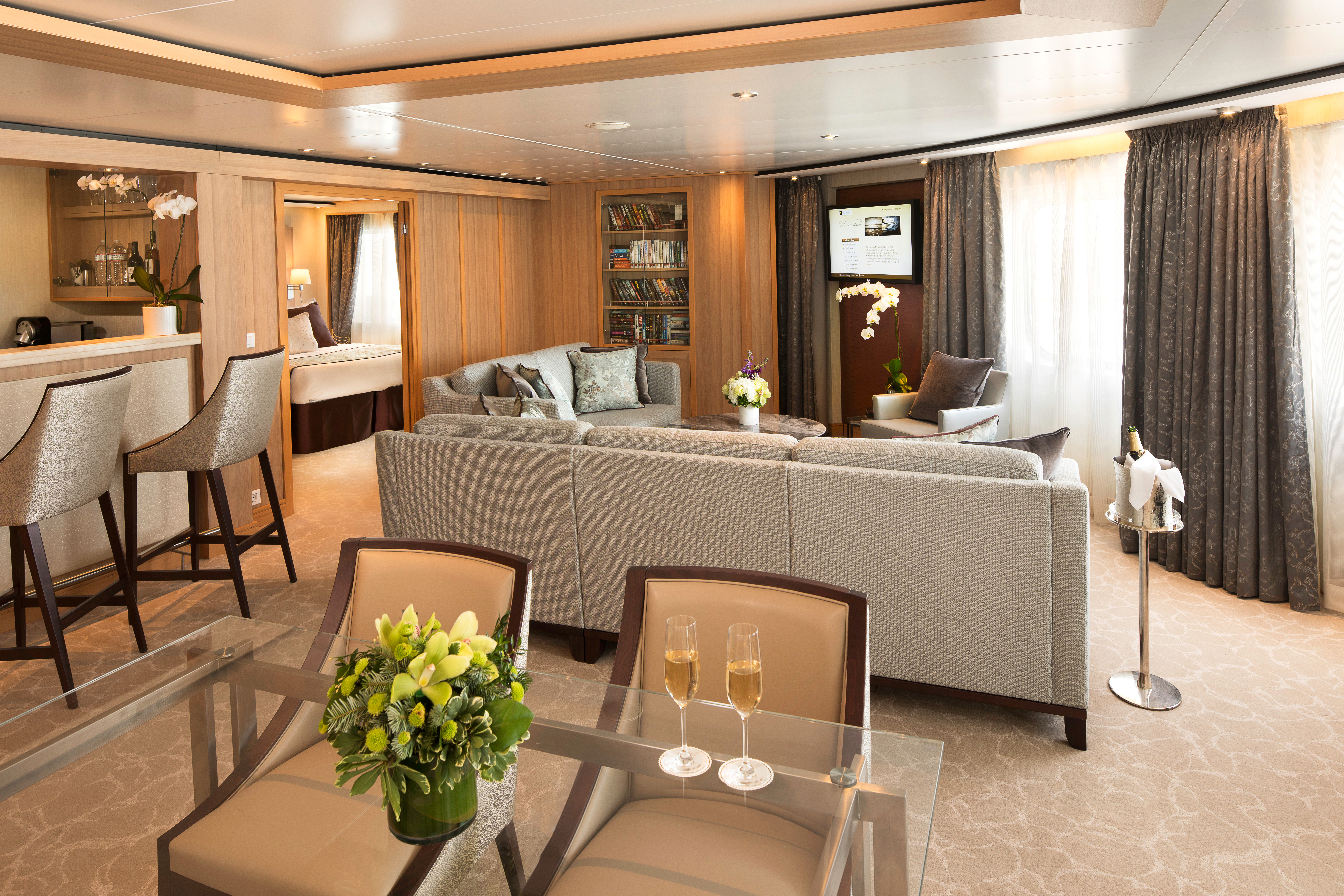
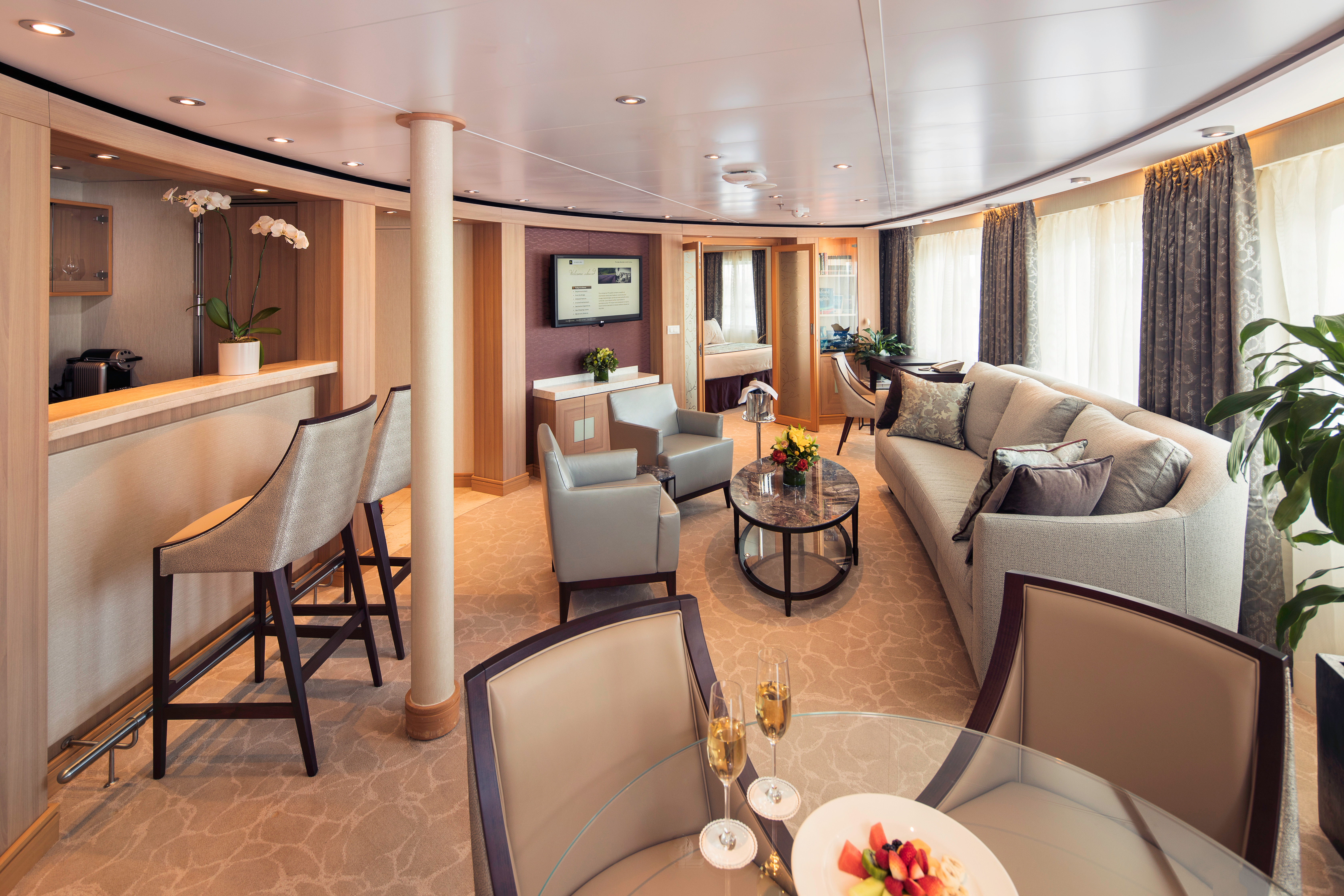
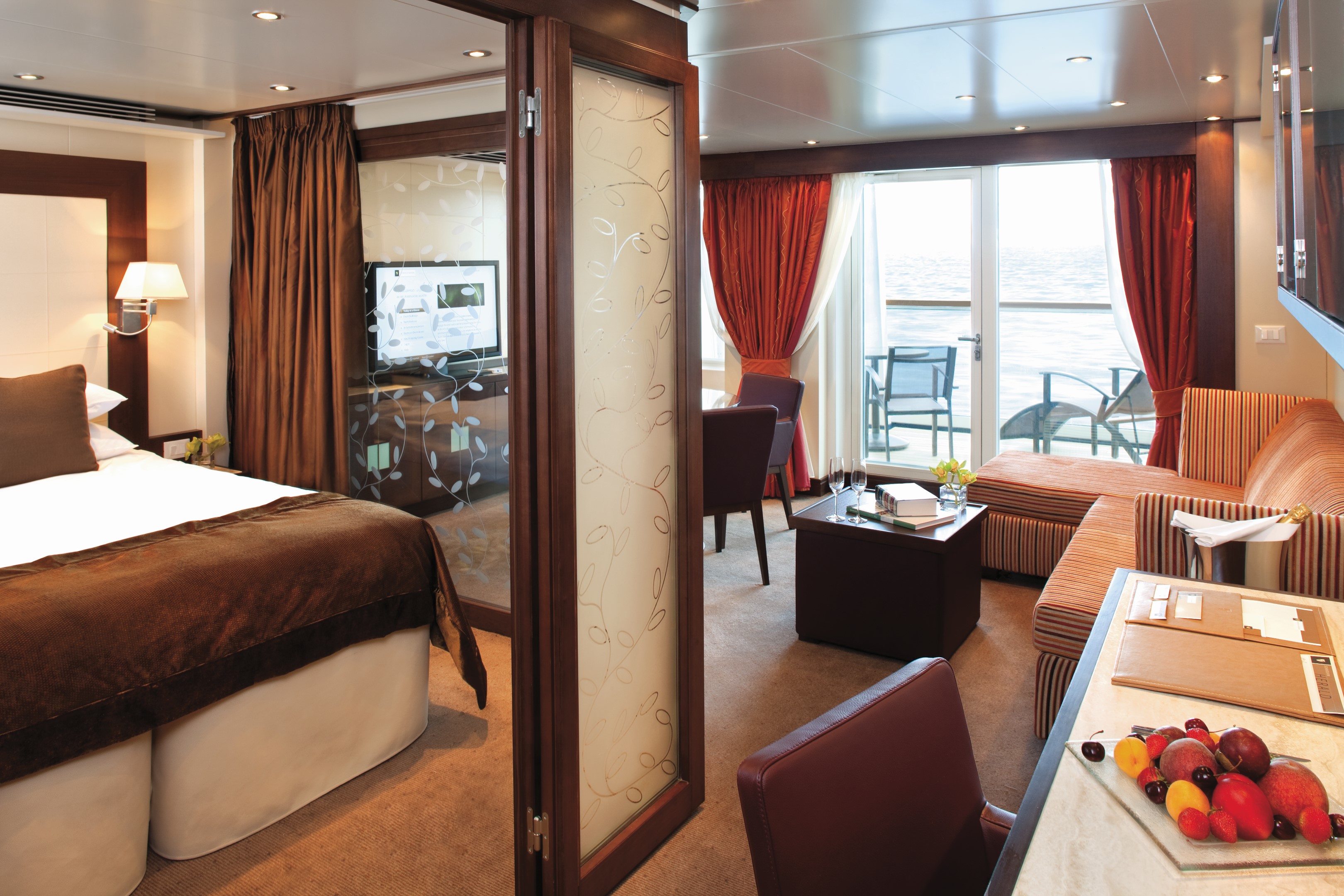
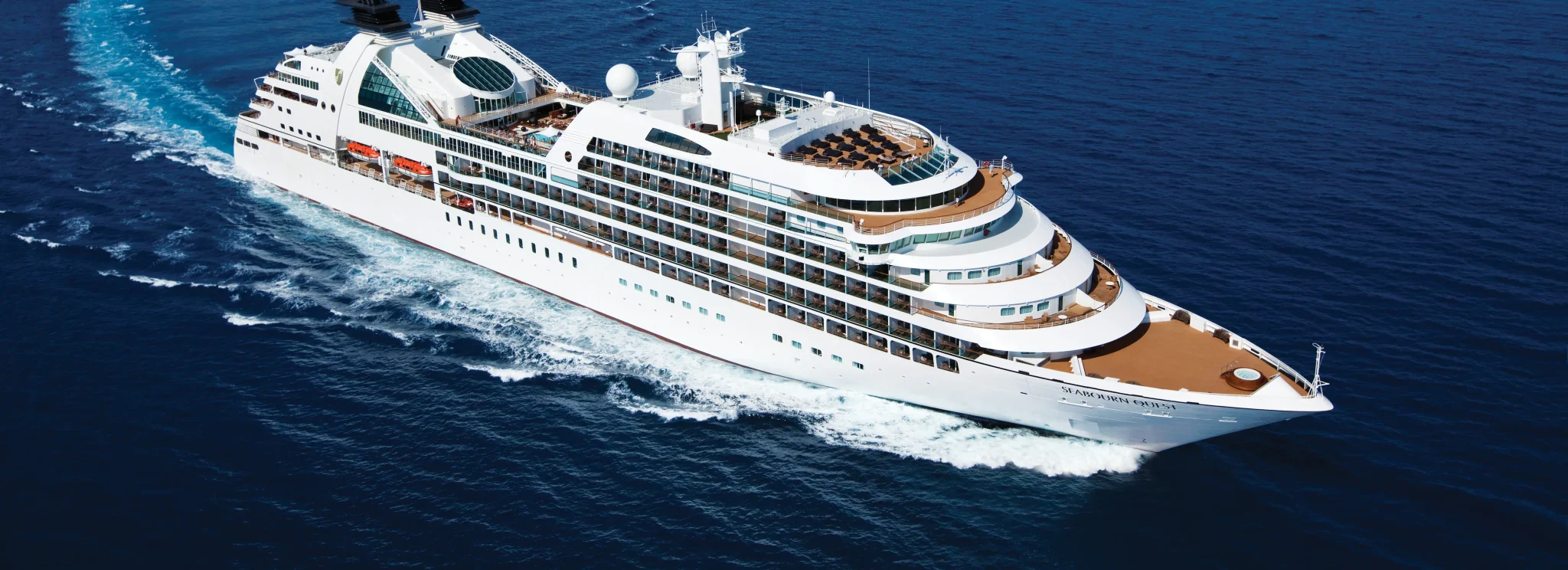
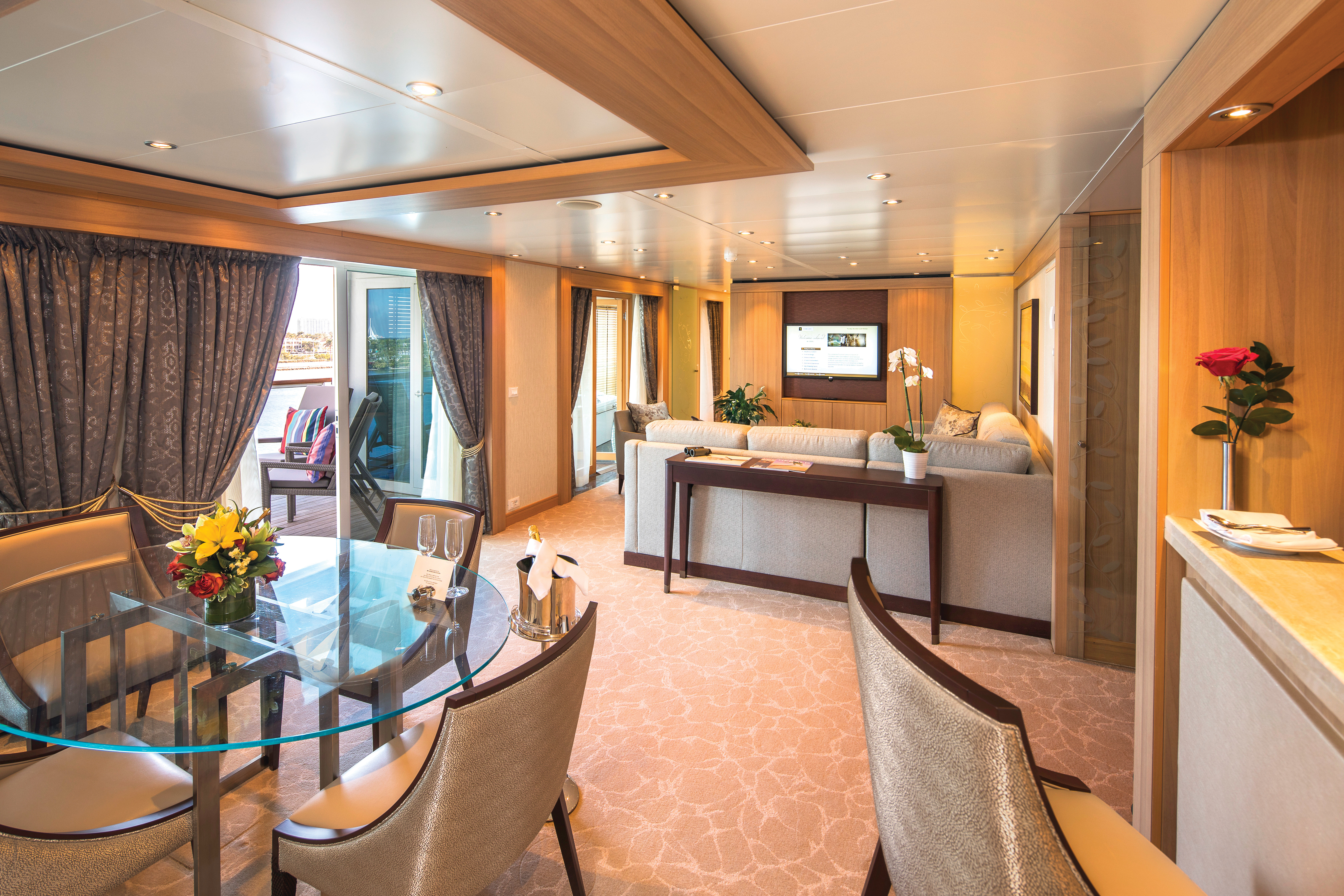
Suites on board feature a comfortable living area, private veranda, queen-size-bed or two twin beds; walk-in closet with personal safe, interactive flat-screen TV with music and movies, fully stocked bar and refrigerator, writing desk with personalized stationary, makeup vanity, spacious bathroom with separate tub and shower, plush robes, slippers hair dryer and 110/220V AC outlets.
Grand Wintergarden Suites feature:
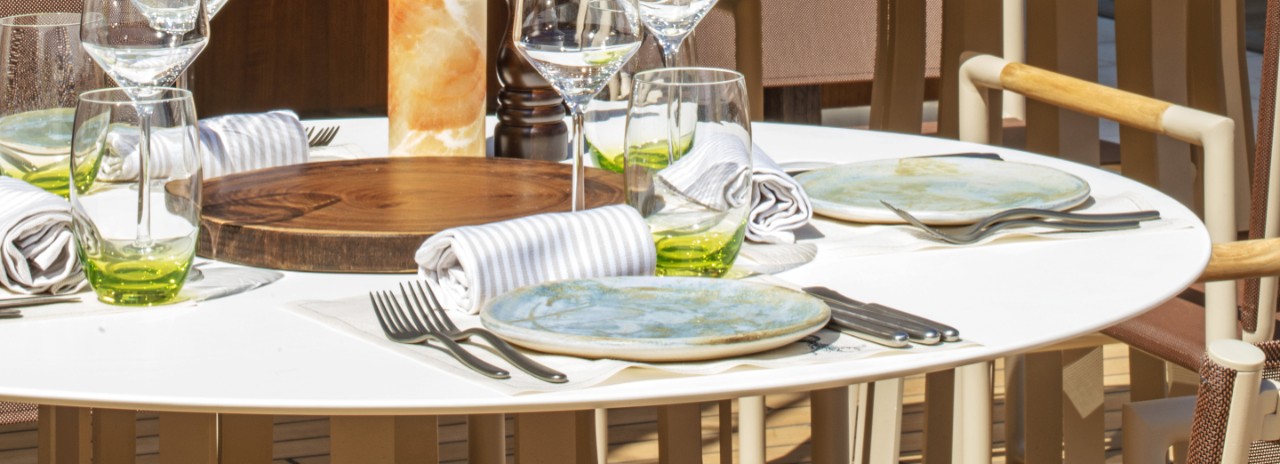
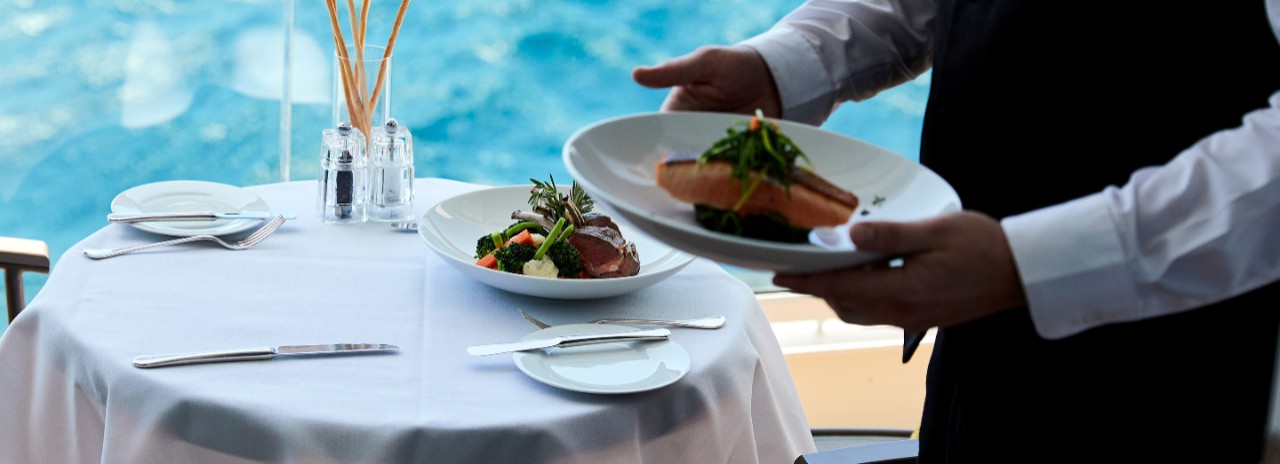
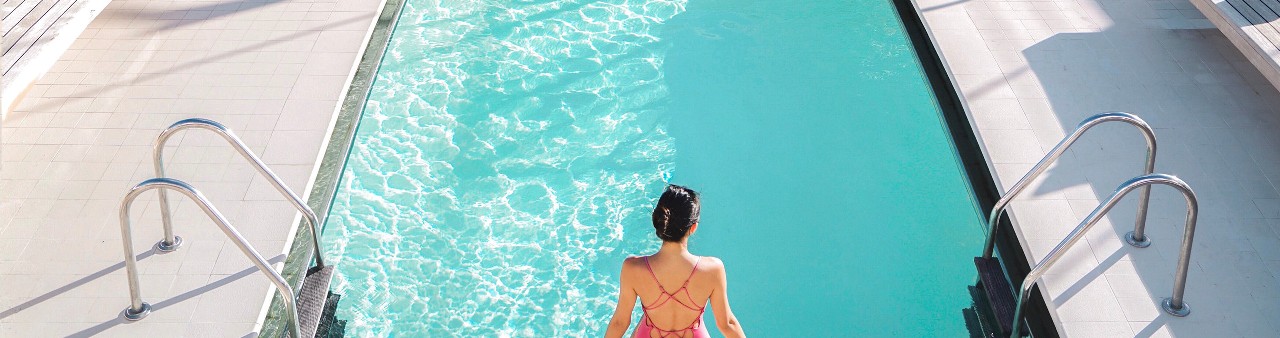
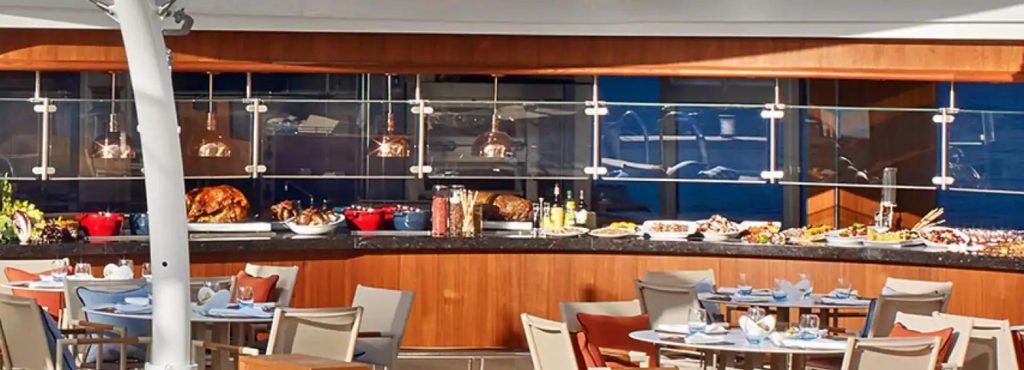
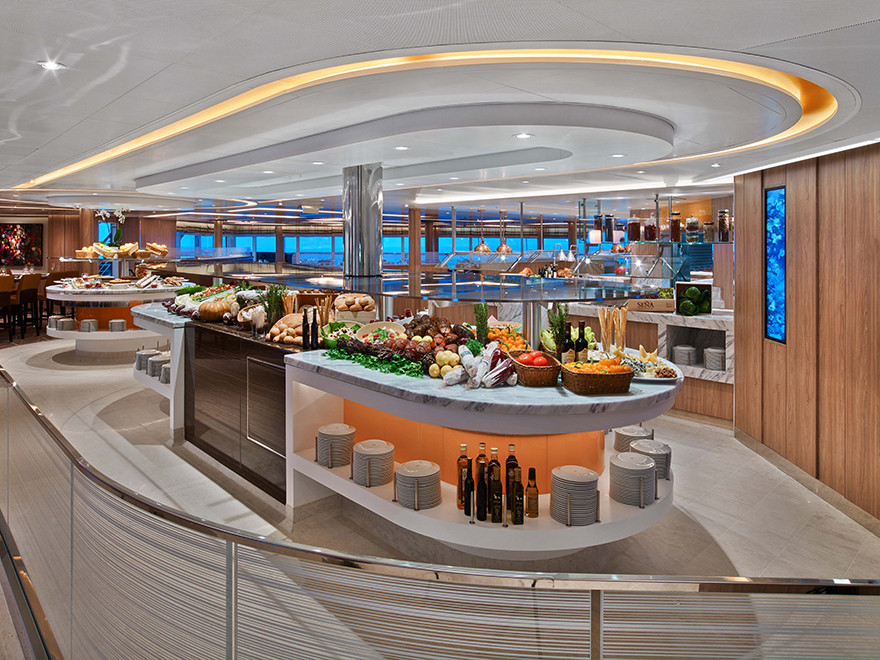
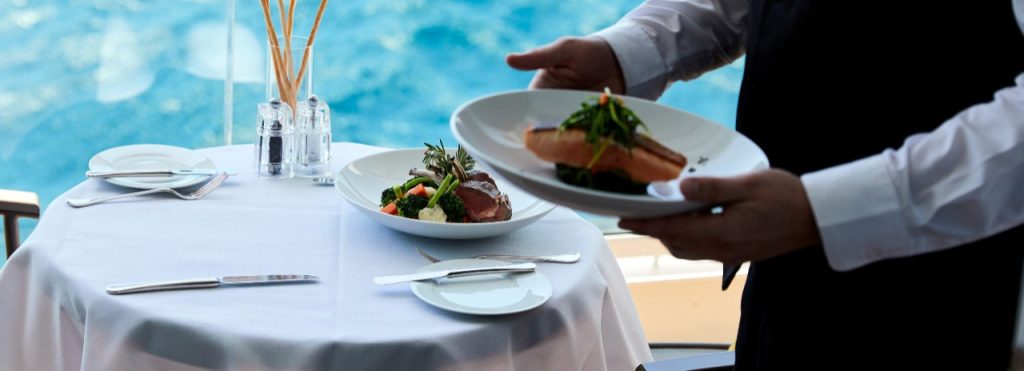
Life on board
I have worked with Lore Doick for more than 20 years, and she has booked over 30 cruises for me. Her expertise, care, and attention to every travel detail have made her an invaluable advisor and friend over the years.”
We are now in our second generation working with Cheri Ozimac at Tully Luxury Travel. From Antarctica to Greece, she has handled every detail with expertise, responsiveness, and care…
My wife and I have worked with Tully since 2007, and Kit Neil and her team went far beyond expectations while helping us navigate multiple cruise and flight cancellations. Their advocacy, care, and support during a difficult time were extraordinary.
Cheri Ozimac organized our Seabourn cruise flawlessly, from the hotel recommendation to every travel arrangement. She was responsive, attentive, and an excellent advocate throughout the process…
We discovered Tully Luxury Travel after years of booking cruises through US agents and were impressed by their competitive pricing, exceptional service, and Canadian based support. Their team is always available, offers excellent value, and makes booking the right cruise seamless.
 Average Customer Rating:
The Tully Difference