37-Day North Atlantic Icons: Iceland, Greenland & Canada

Itinerary: Copenhagen, Skagen, Farsund, Stavanger, Lerwick, Shetland Islands, Tórshavn, Klaksvik, Husavik, Isafjørdur, Reykjavík, Grundarfjørdur, Prince Christian Sound, Nanortalik, Paamiut (Fredrikshaab), Nuuk ... See full itinerary

28 Aug 28
37 nights

Voyage Details

Duration:
37 nights
Departure:
28 Aug 2028
Embarkation:
Copenhagen, Denmark
Voyage code:
6851B

Your Itinerary, Day-By-Day

Special Chapters of Your Journey

Day 1 - Copenhagen

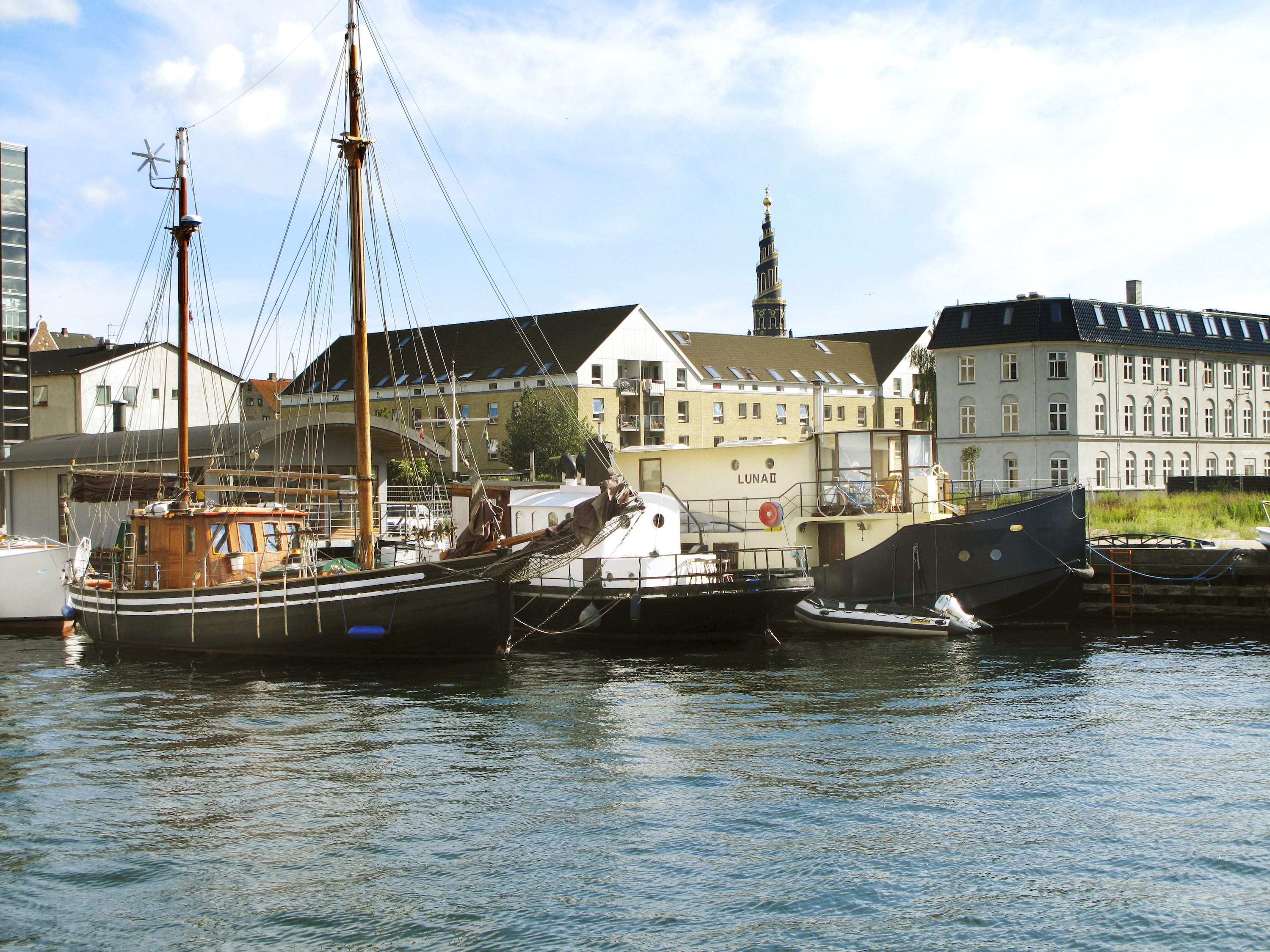
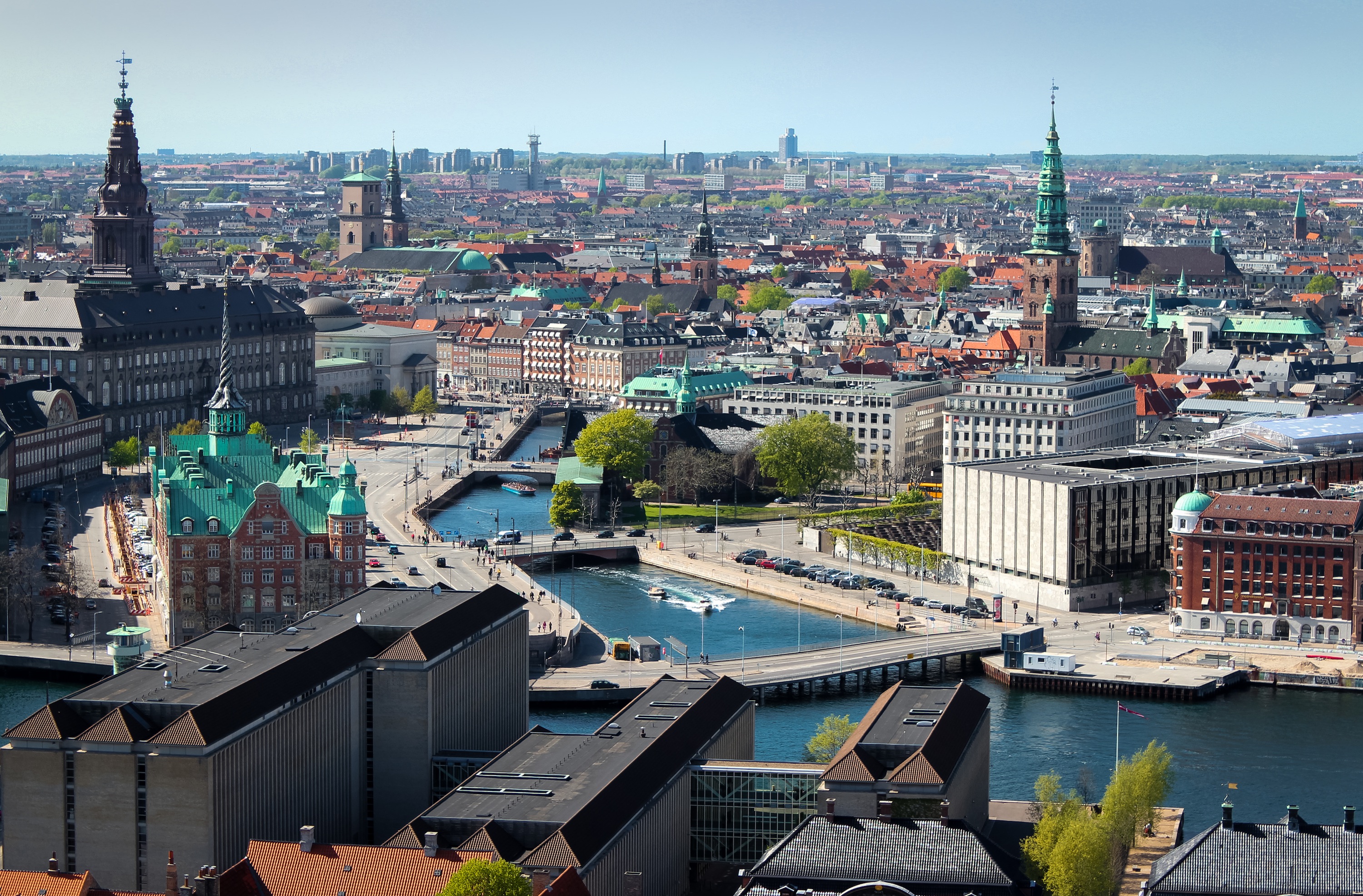
By the 11th century, Copenhagen was already an important trading and fishing centre and today you will find an attractive city which, although the largest in Scandinavia, has managed to retain its low-level skyline. Discover some of the famous attractions including Gefion Fountain and Amalienborg Palace, perhaps cruise the city’s waterways, visit Rosenborg Castle or explore the medieval fishing village of Dragoer. Once the home of Hans Christian Andersen, Copenhagen features many reminders of its fairytale heritage and lives up to the reputation immortalised in the famous song ‘Wonderful Copenhagen’.

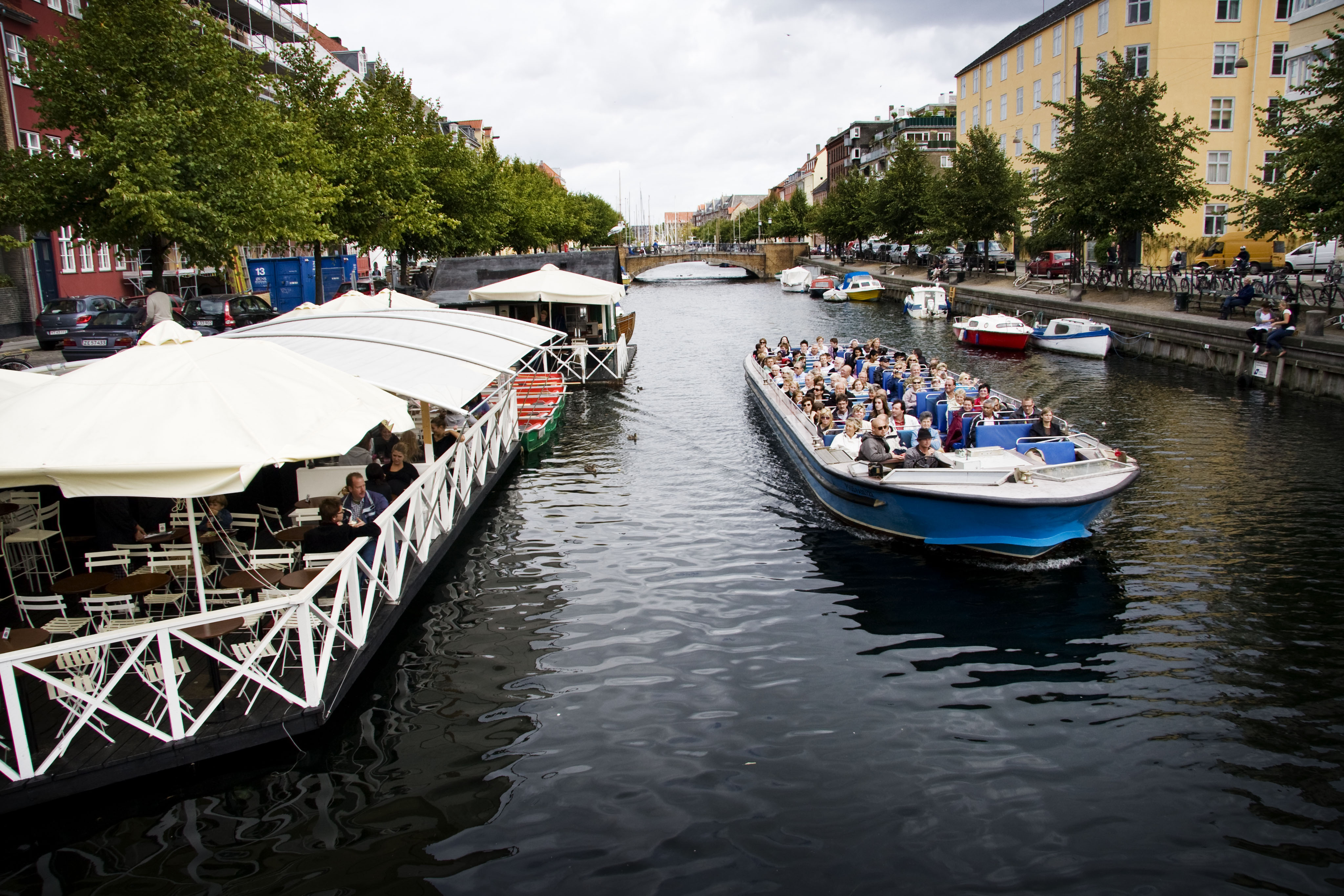
Dkcph   Copenhagen   Canalboat And Boat Rental At Christianshavn Canal   Www.Copenhagenmediacenter.Com, Ty Stange
Dkcph Copenhagen Canalboat And Boat Rental At Christianshavn Canal Www.Copenhagenmediacenter.Com, Ty Stangewww.copenhagenmediacenter.com, Ty Stange
Dkcph   Copenhagen   Christianshavn   Www.Copenhagenmediacenter.Com, Kasper Thye
Dkcph Copenhagen Christianshavn Www.Copenhagenmediacenter.Com, Kasper Thyewww.copenhagenmediacenter.com, Kasper Thye
Dkcph   Copenhagen   Copenhagen From Above   Www.Copenhagenmediacenter.Com, Thomas Rousing
Dkcph Copenhagen Copenhagen From Above Www.Copenhagenmediacenter.Com, Thomas Rousingwww.copenhagenmediacenter.com, Thomas Rousing
Dkcph   Copenhagen   Overview Of Cophenhagen   Www.Copenhagenmediacenter.Com, Robert Thomason
Dkcph Copenhagen Overview Of Cophenhagen Www.Copenhagenmediacenter.Com, Robert Thomasonwww.copenhagenmediacenter.com, Robert Thomason
Dkcph   Copenhagen   Tivoli, Main Entrance   Www.Copenhagenmediacenter.Com, Cees Van Roeden
Dkcph Copenhagen Tivoli, Main Entrance Www.Copenhagenmediacenter.Com, Cees Van Roedenwww.copenhagenmediacenter.com, Cees van Roeden

Day 2 - Skagen

Further details for this day are not available.

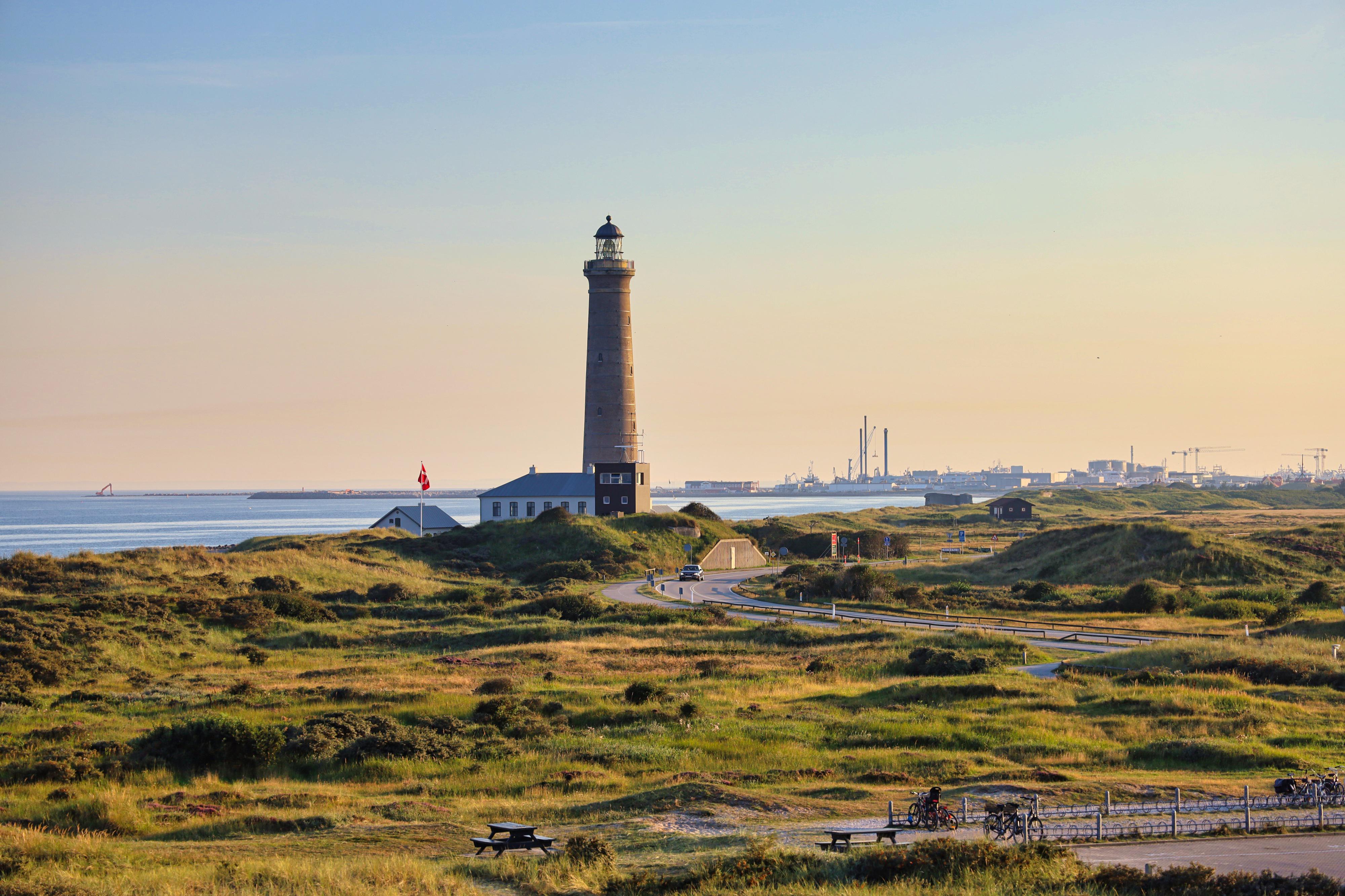
Skagen, Denmark
Skagen, DenmarkImage by Julian Hacker from Pixabay

Day 3 - Farsund

Further details for this day are not available.

Day 4 - Stavanger

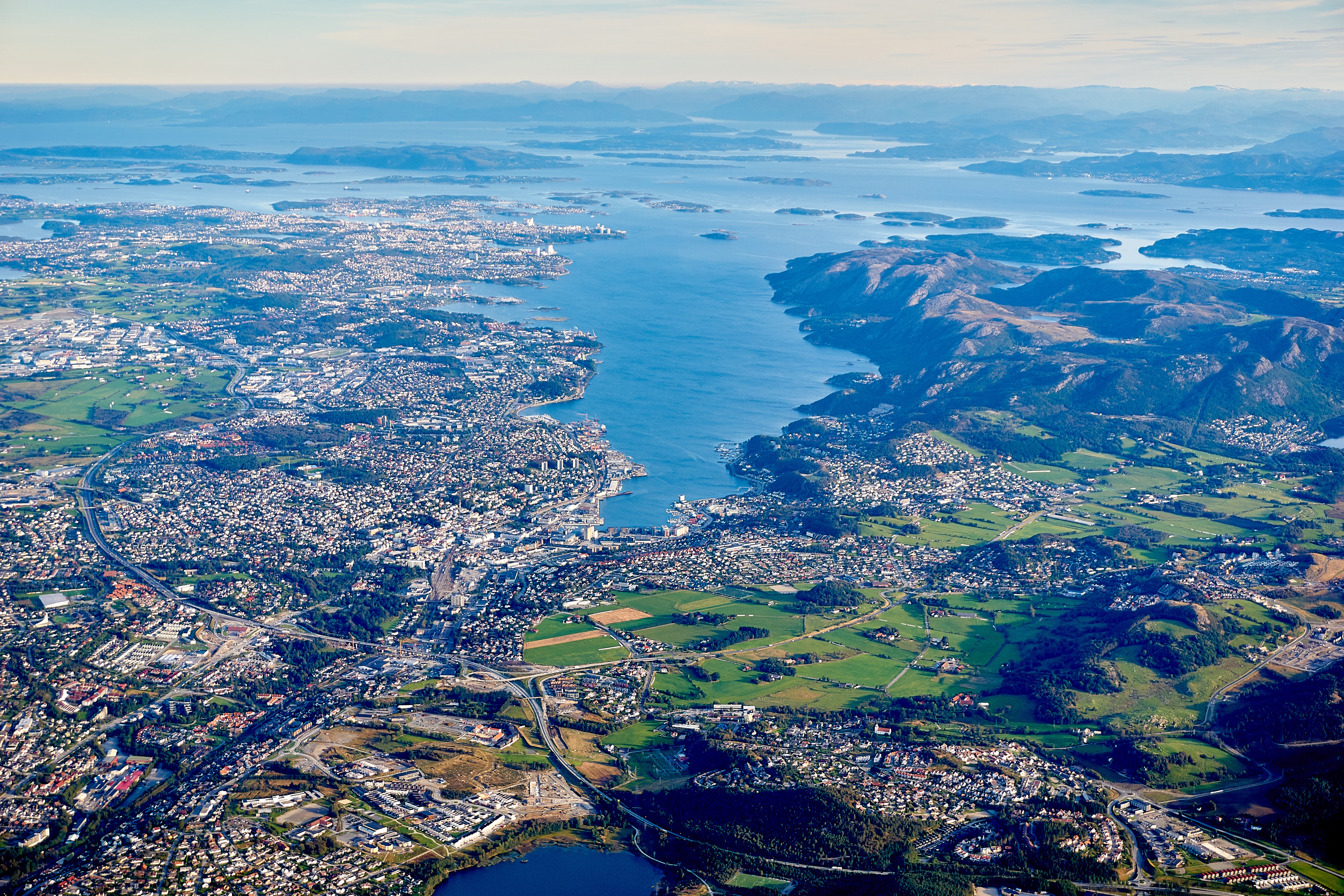
Overlooking the Atlantic Ocean, Stavanger flourished in the 19th century as a fishing port. While other towns in Norway have suffered with the decline of this industry, Stavanger has kept its economy booming by diversifying, first into shipbuilding and now into oil. These two contrasting industries have created a city of two halves – a modern area of high-rise buildings and a historic centre with cobbled streets and old wooden houses. The city centre was the birthplace of Alexander Kielland, one of the great 19th-century Norwegian novelists. Stavanger Cathedral, dating from 1125, is an impressive building and the only medieval cathedral in Norway that has not been substantially altered since it was first built. From Stavanger you can explore the attractive blue waters of Lysefjord, surrounded by cliffs and striking rock formations, and also visit Hafrsfjord where the Viking King Harald won an important battle that started the Unification of Norway. Those preferring to explore on their own may wish to visit the interesting Petroleum Museum.

Nosvg   Stavanger, Norway   Pc Alexey Topolyankskiy
Nosvg Stavanger, Norway Pc Alexey TopolyankskiyPC Alexey Topolyankskiy

Day 5 - Lerwick, Shetland Islands

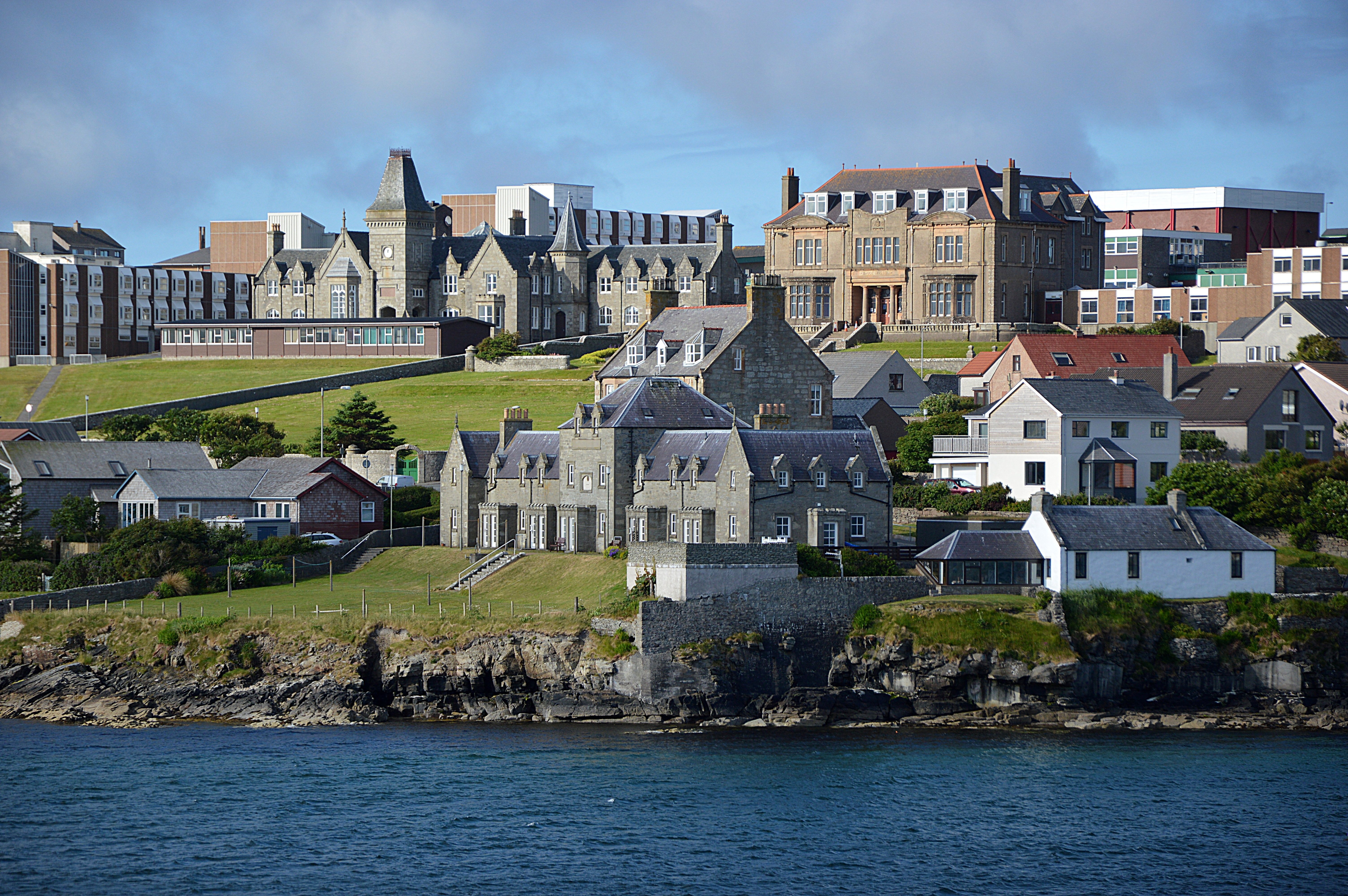
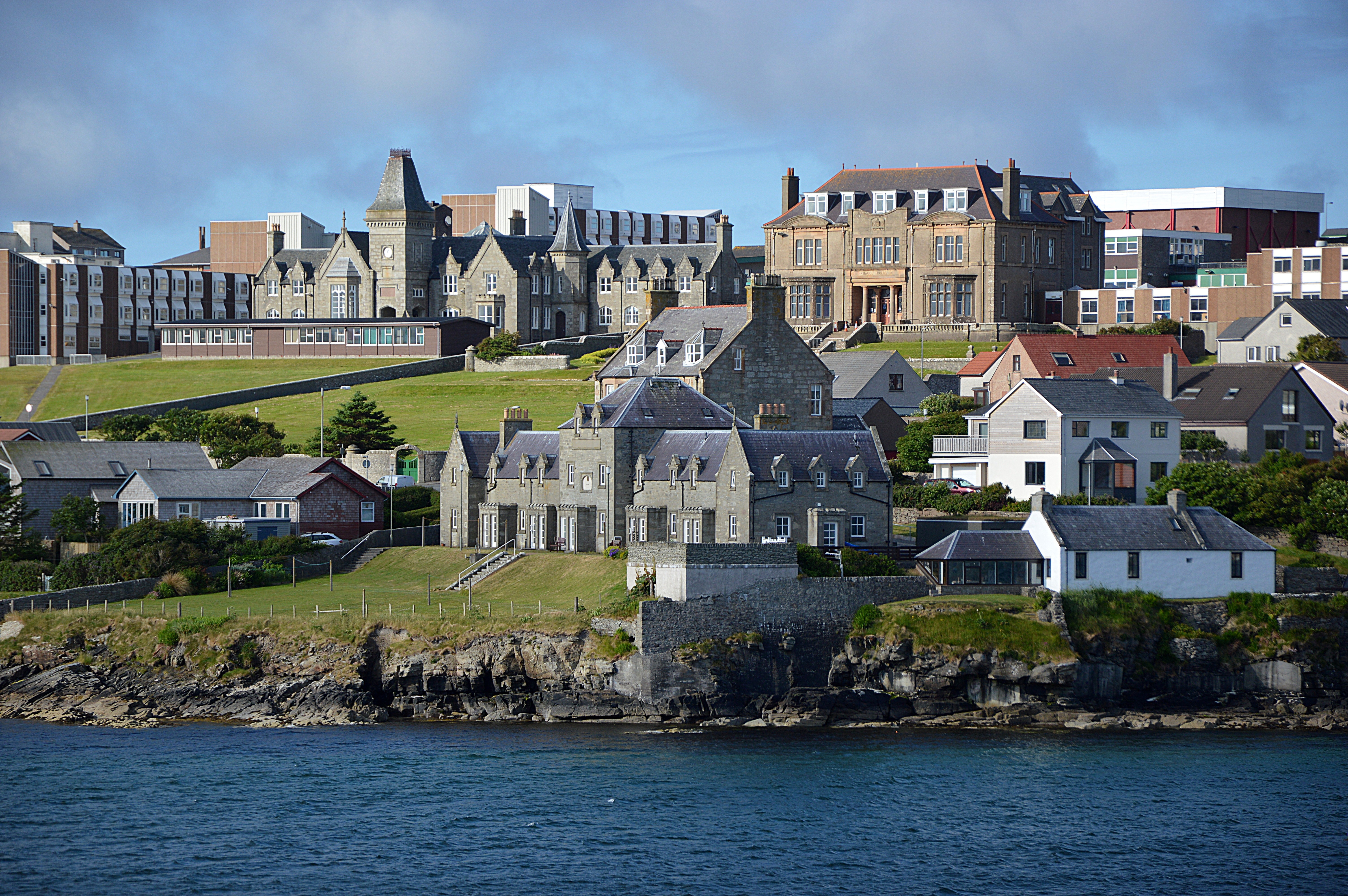
Founded by Dutch fishermen in the 17th century, Lerwick today is a busy town and administrative center. Handsome stone buildings—known as lodberries—line the harbor; they provided loading bays for goods, some of them illegal. The town's twisting flagstone lanes and harbor once heaved with activity, and Lerwick is still an active port today. This is also where most visitors to Shetland dock, spilling out of cruise ships, allowing passengers to walk around the town.

Lerwick, Shetland Islands
Lerwick, Shetland IslandsImage by Peggychoucair from Pixabay
Lerwick
LerwickImage by Peggychoucair from Pixabay

Day 6 - Tórshavn

Further details for this day are not available.

Faroe Islands
Faroe IslandsImage by Eszter Miller from Pixabay

Day 7 - Tórshavn

Further details for this day are not available.

Faroe Islands
Faroe IslandsImage by Eszter Miller from Pixabay

Day 7 - Klaksvik

Further details for this day are not available.

Day 9 - Husavik

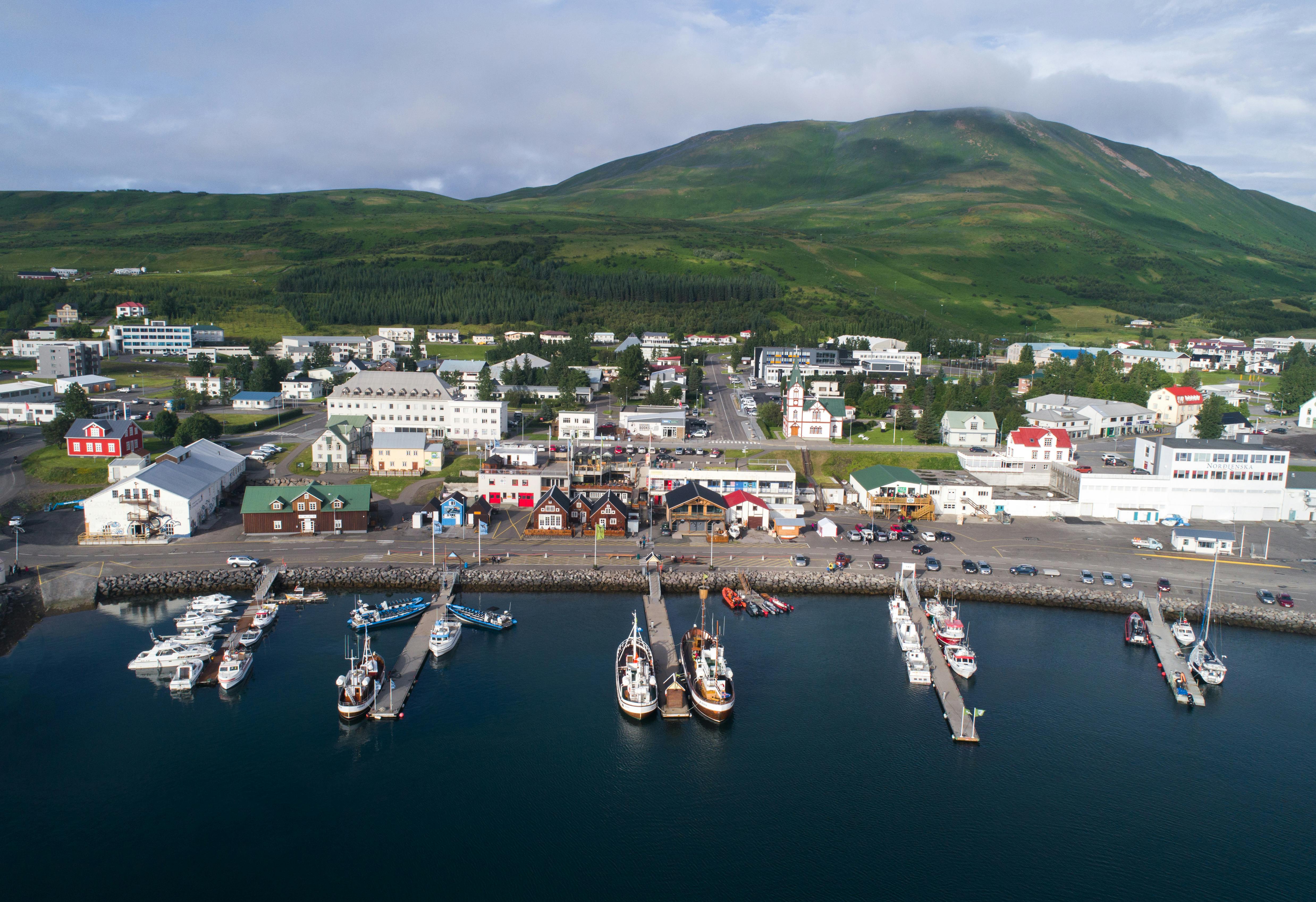
The town of Húsavík sits below Húsavíkurfjall mountain on the eastern shore of Skjálfandi bay. Just above the town is lake Botnsvatn, a popular place for outings. The lake is just the right size for a nice hike around it. The lakes surroundings are rich in vegetation and bird life and trout is said to be abundant, though small. Húsavík harbour lies below the bank right in the heart of town. The harbour once boasted a large fishing fleet, bustling with the activity of fishermen. It still serves as a fishing harbour but today's activity revolves more around the successful whale watching businesses. The first organised whale watching excursions in Iceland started from here in 1995. Since then, whale watching has become a major attraction and Húsavík continues to be the leading destination for whale watching. In addition to the tours, a fascinating whale museum is located right by the harbour. Húsavík is considered to be the oldest settlement in Iceland. The Swedish explorer, Gardar Svavarsson, spent one winter there in 870 AD during which time he built himself a house from which the settlement derives its name.

Husavik Harbor
Husavik HarborPhoto by ArtHouse Studio. Pexels

Day 10 - Isafjørdur

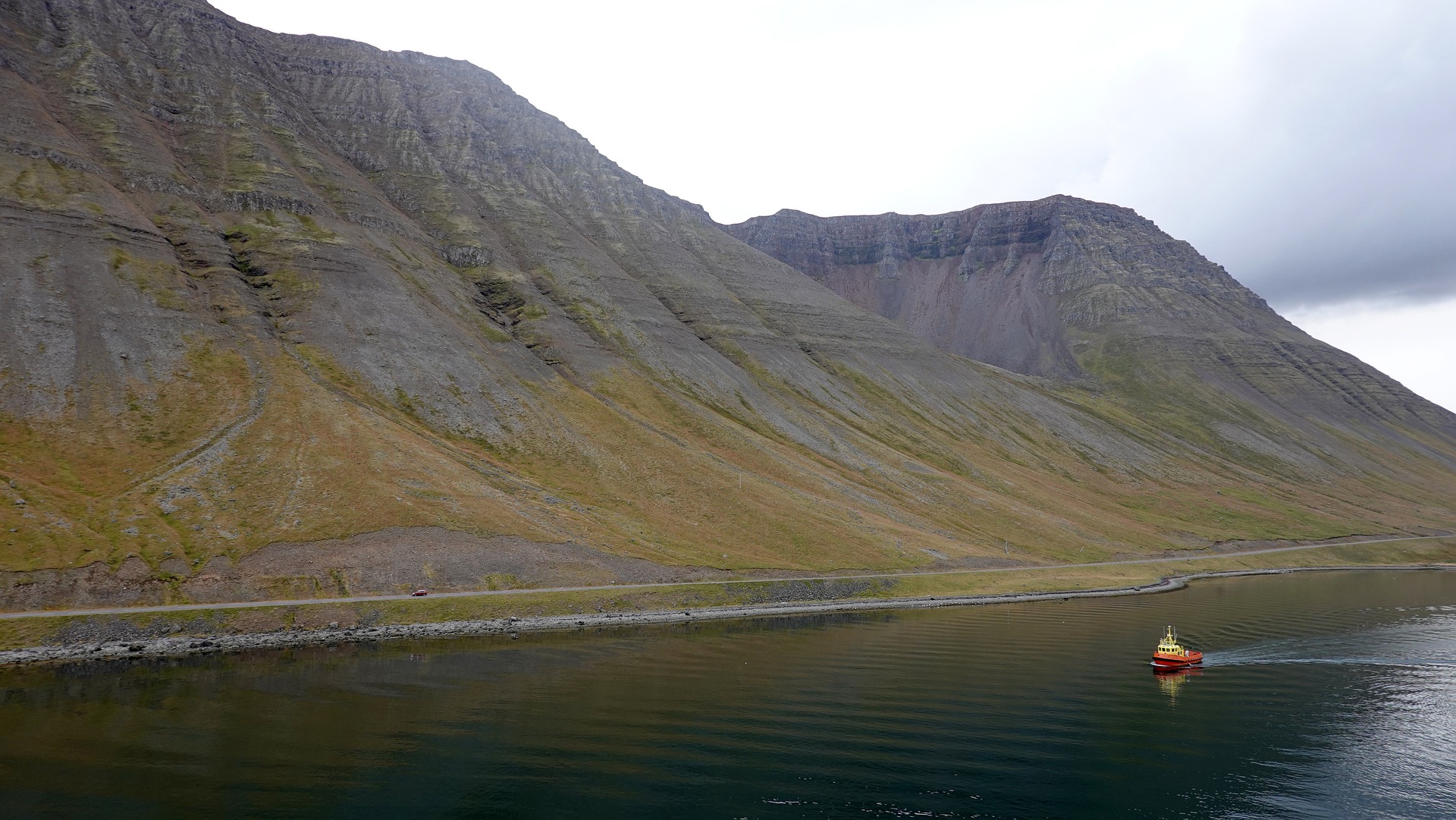
Two colossal terraces of sheer rock stand either side of this extraordinarily located town - which rides a jutting spit onto an immensity of black fjord water. Surprisingly, considering the remoteness of its location and its compact size, Isafjordur is a modern and lively place to visit, offering a great choice of cafes and delicious restaurants – which are well stocked to impress visitors. The town is a perfectly located base for adventures amongst Iceland's fantastic wilderness - with skiing, hiking and water-sports popular pursuits among visitors.

Isisa Isafjørdur Landscape Aline Dassel
Isisa Isafjørdur Landscape Aline DasselAline Dassel

Day 11 - Reykjavík

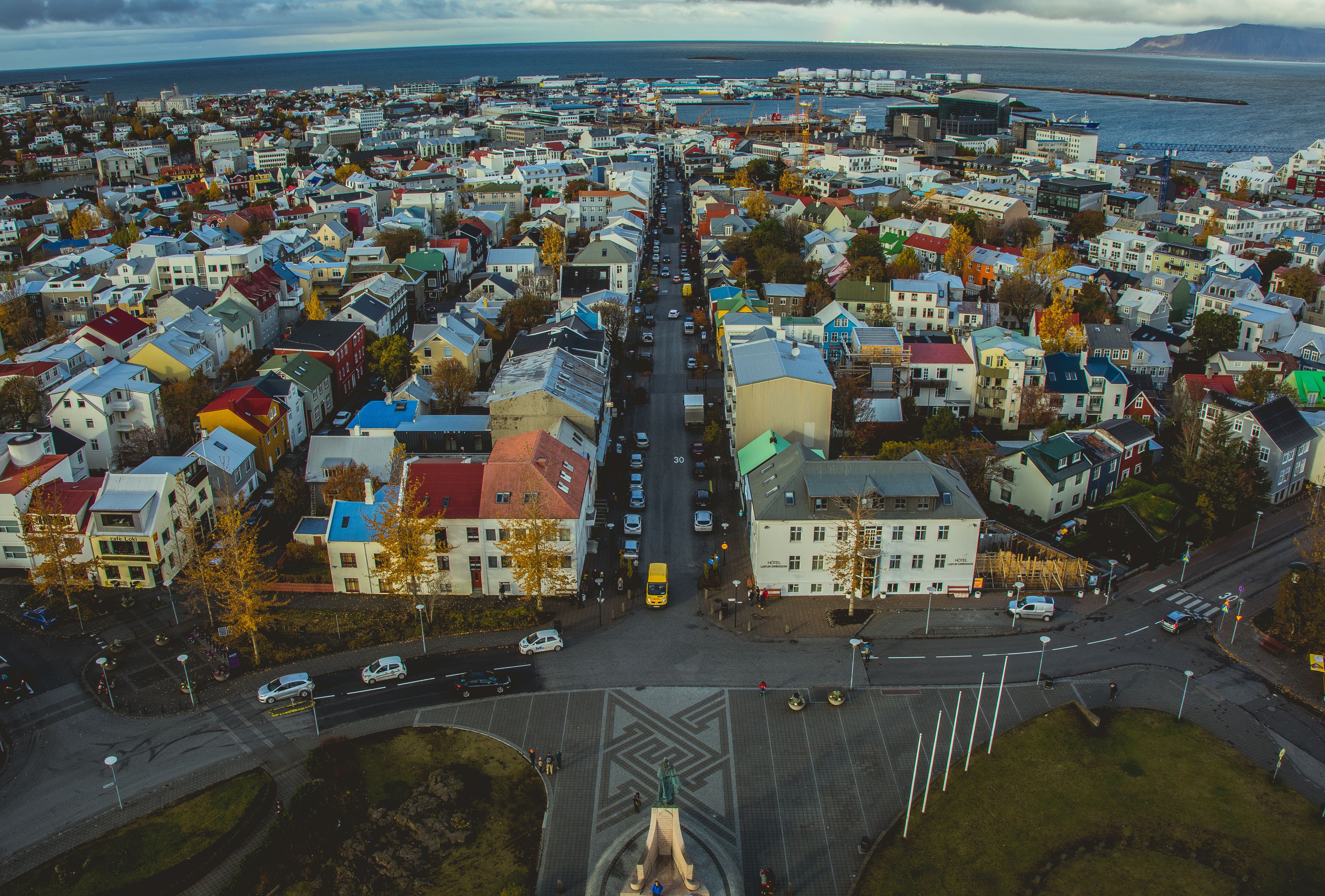
Sprawling Reykjavík, the nation's nerve center and government seat, is home to half the island's population. On a bay overlooked by proud Mt. Esja (pronounced eh-shyuh), with its ever-changing hues, Reykjavík presents a colorful sight, its concrete houses painted in light colors and topped by vibrant red, blue, and green roofs. In contrast to the almost treeless countryside, Reykjavík has many tall, native birches, rowans, and willows, as well as imported aspen, pines, and spruces.Reykjavík's name comes from the Icelandic words for smoke, reykur, and bay, vík. In AD 874, Norseman Ingólfur Arnarson saw Iceland rising out of the misty sea and came ashore at a bay eerily shrouded with plumes of steam from nearby hot springs. Today most of the houses in Reykjavík are heated by near-boiling water from the hot springs. Natural heating avoids air pollution; there's no smoke around. You may notice, however, that the hot water brings a slight sulfur smell to the bathroom.Prices are easily on a par with other major European cities. A practical option is to purchase a Reykjavík City Card at the Tourist Information Center or at the Reykjavík Youth Hostel. This card permits unlimited bus usage and admission to any of the city's seven pools, the Family Park and Zoo, and city museums. The cards are valid for one (ISK 3,300), two (ISK 4,400), or three days (ISK 4,900), and they pay for themselves after three or four uses a day. Even lacking the City Card, paying admission (ISK 500, or ISK 250 for seniors and people with disabilities) to one of the city art museums (Hafnarhús, Kjarvalsstaðir, or Ásmundarsafn) gets you free same-day admission to the other two.
Isrey Reykjavik Bird's Eye View Photo Of Concrete House Alec Cooks
Isrey Reykjavik Bird's Eye View Photo Of Concrete House Alec CooksAlec Cooks
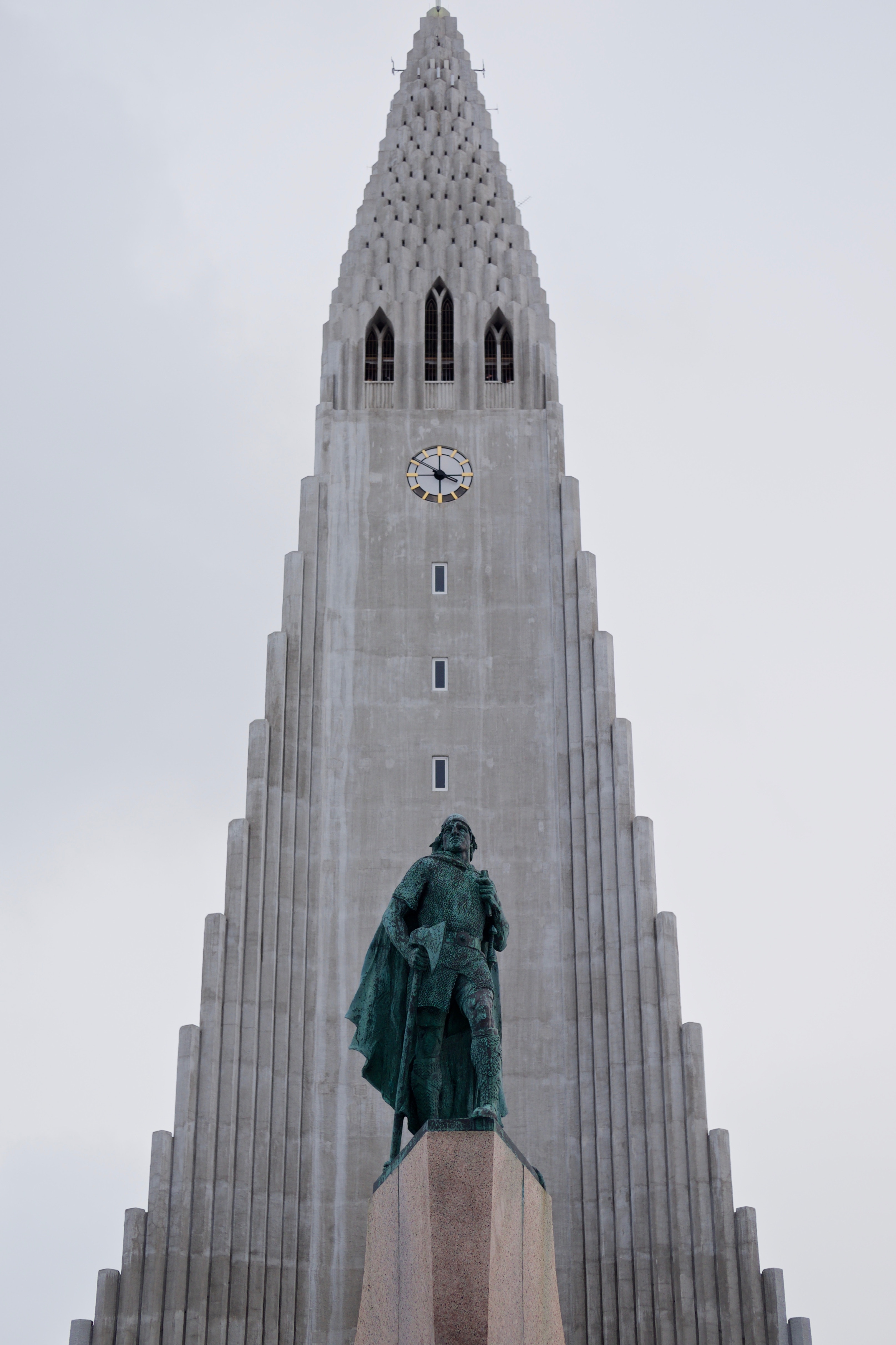
Isrey Reykjavik Hallgrimur Church Leif Erikson Wesley Gibbs
Isrey Reykjavik Hallgrimur Church Leif Erikson Wesley GibbsWesley Gibbs
Isrey Reykjavik Photography Of White Swan Floating On Water Body Evelyn Paris
Isrey Reykjavik Photography Of White Swan Floating On Water Body Evelyn ParisEvelyn Paris

Day 12 - Grundarfjørdur

Further details for this day are not available.

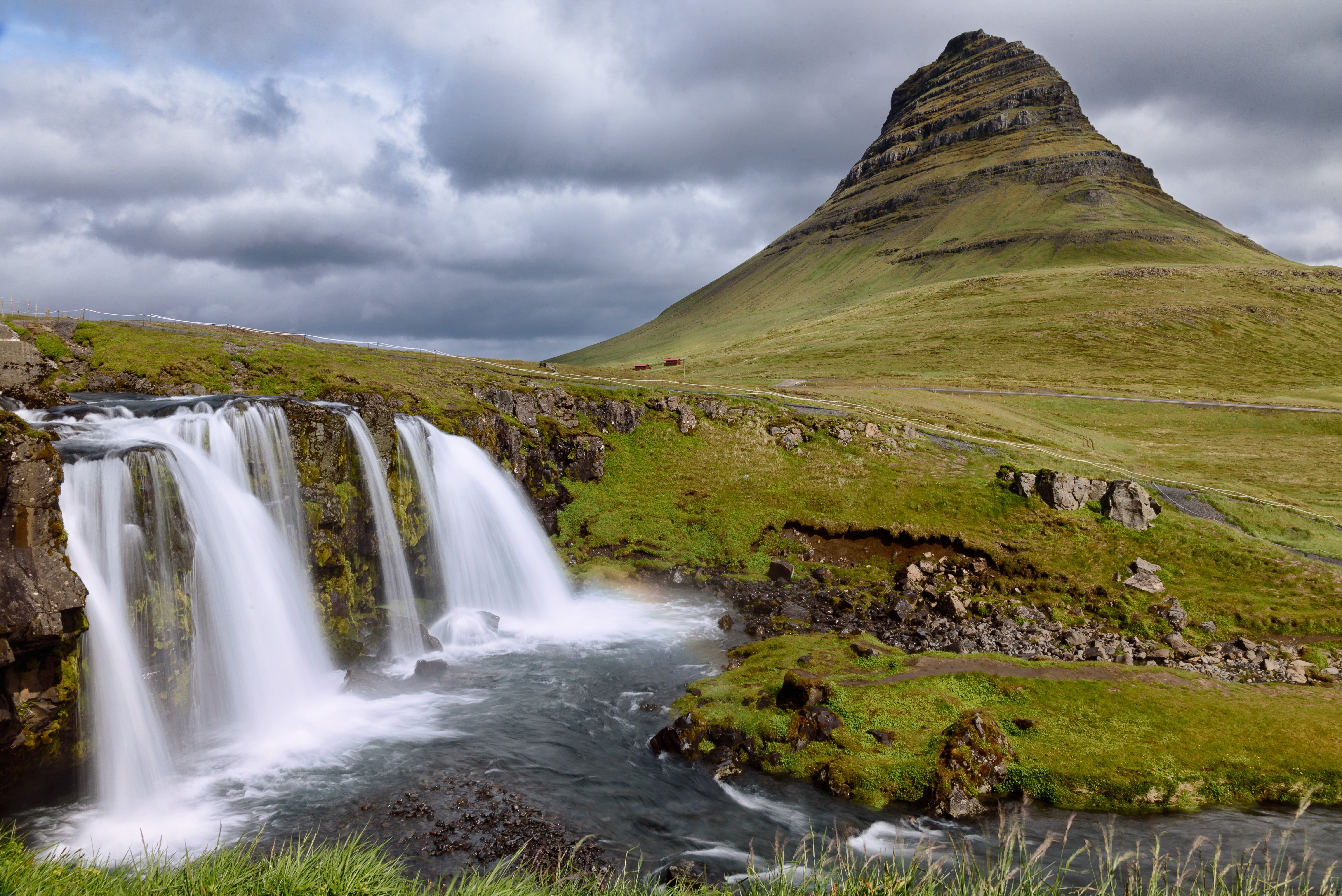
Waterfall At Grunarfjordur
Waterfall At GrunarfjordurImage by MustangJoe from Pixabay

Day 14 - Prince Christian Sound

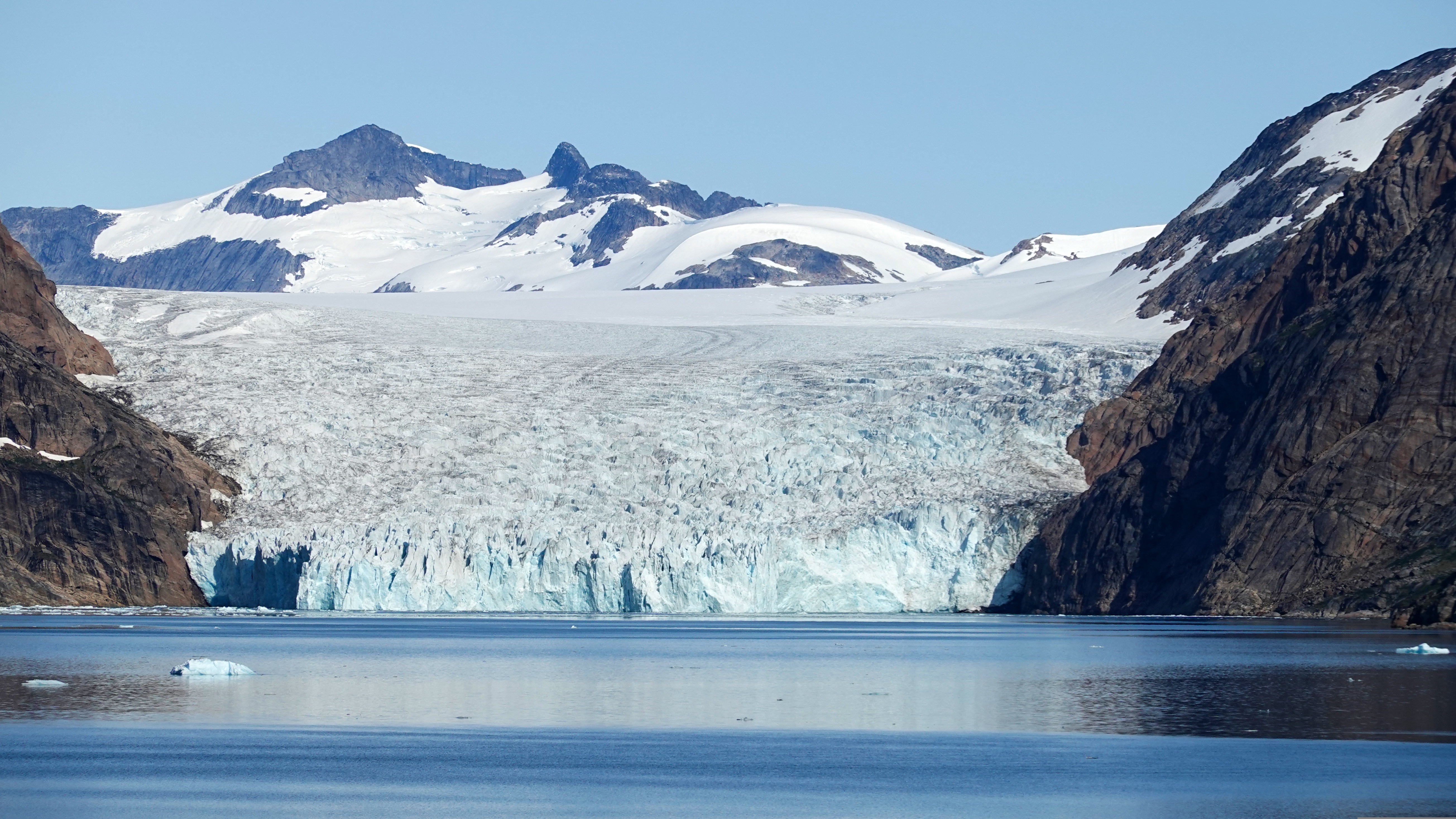
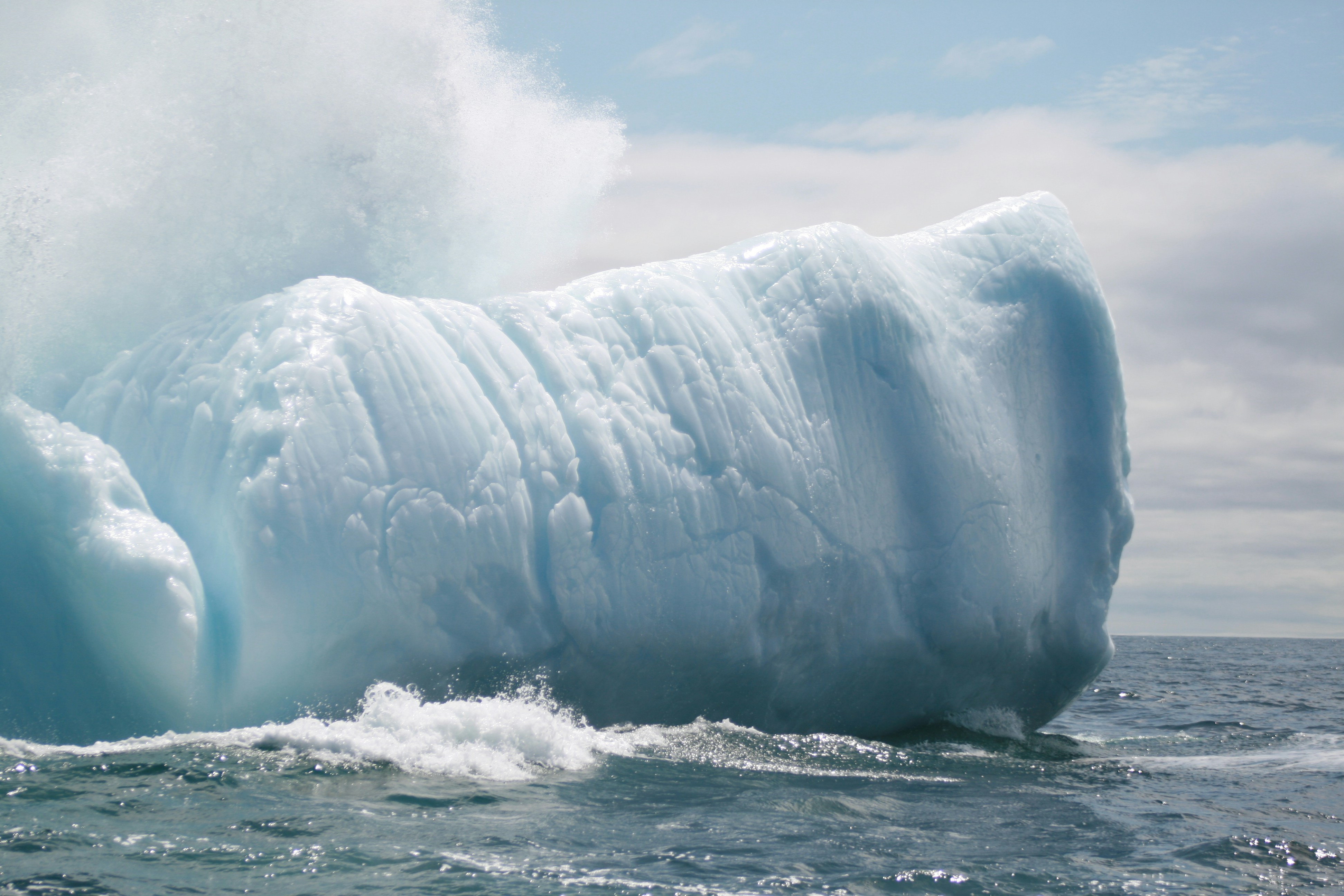
The transit through the Sound is one of this voyage’s highlights. Connecting the Labrador Sea with the Irminger Seat, Prince Christian Sound or “Prins Christian Sund” in Danish is named after Prince (later King) Christian VII (1749-1808). 100 km (60 miles ), long and at times just 500 m (1500 ft) wide, this majestic and spectacular fiord throws you back into a Viking era – flanked by soaring snow-topped mountains, rock-strewn cliffs and rolling hills, it is as if time has stood still and one easily forgets that this is the 21st century. As you marvel at the sheer size of the mountains that surround you, with the Arctic waters lapping deceptively at the hull, revel in the silence enveloping you. Icebergs float serenely by, carrying with them the ages of time. Be sure to wear warm clothing as this is one spectacle that you do not want to miss.

Prince Christian Sound, Greenland
Prince Christian Sound, GreenlandImage by Aline Dassel from Pixabay

Day 15 - Nanortalik

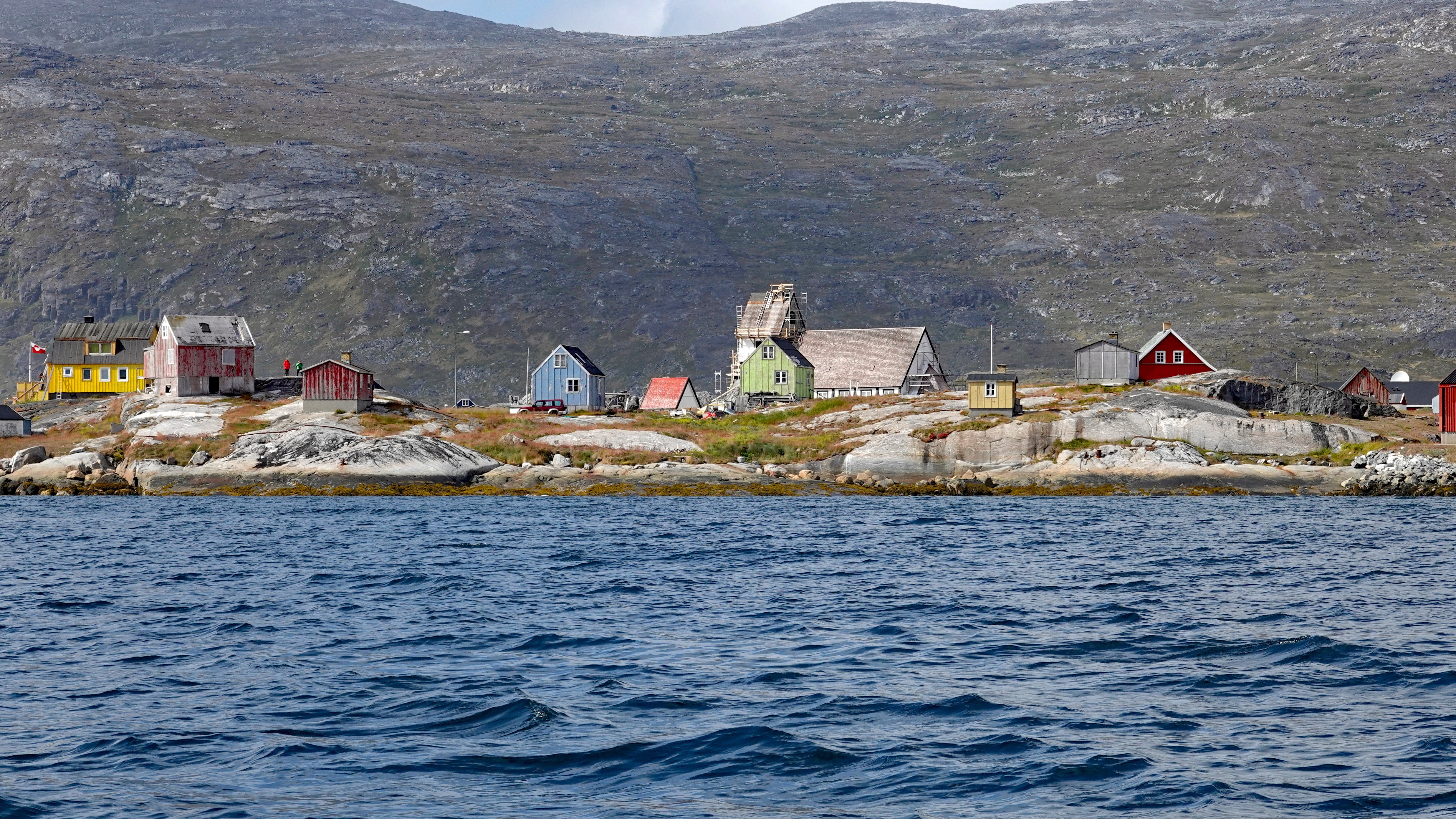
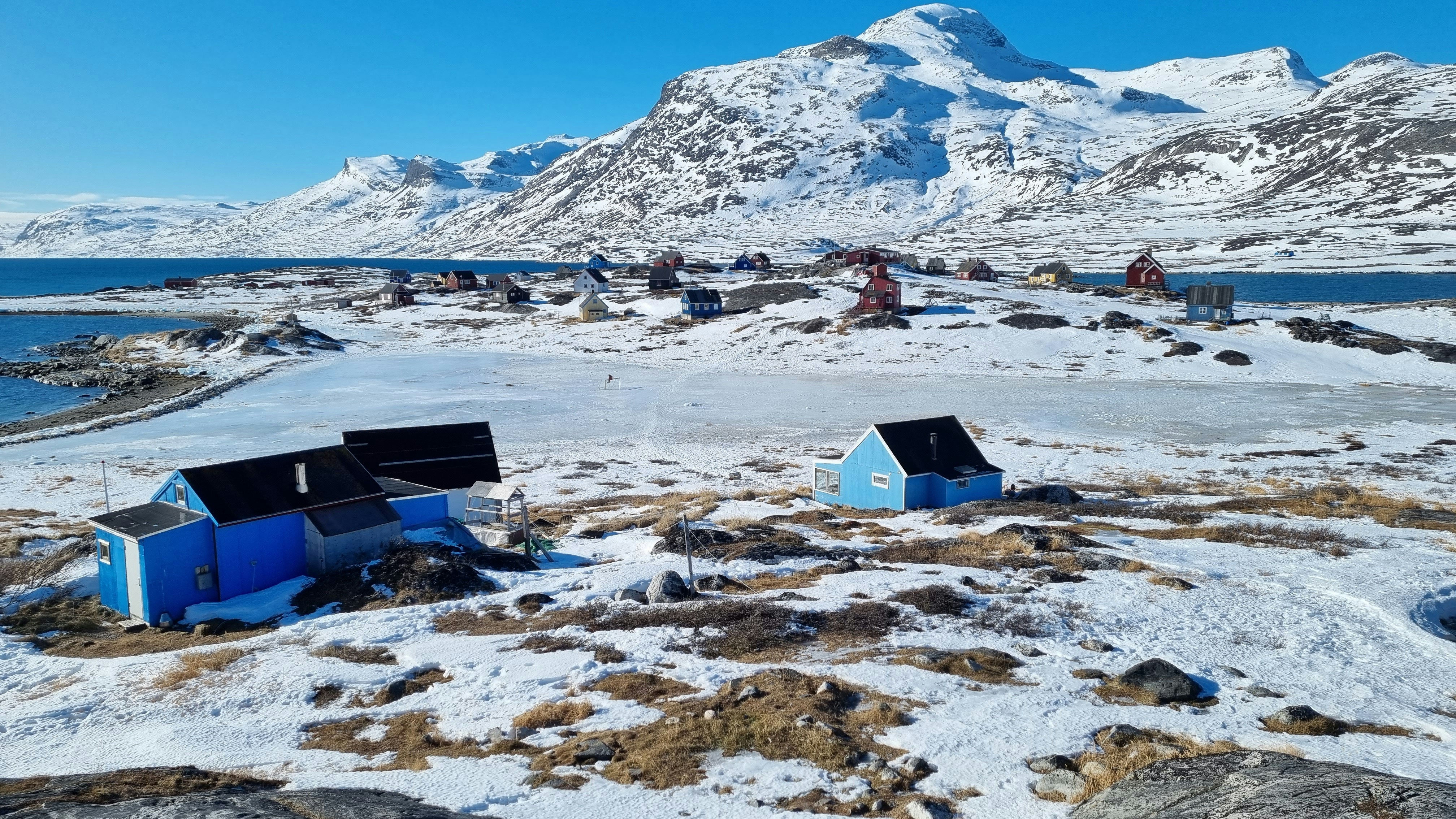
Nanortalik lies in a scenic area surrounded by steep mountainsides and is Greenland’s tenth-largest and most southerly town with less than 1500 inhabitants. The town’s name means the “place of polar bears”, which refers to the polar bears that used to be seen floating offshore on summer’s ice floes. Nanortalik has an excellent open-air museum that gives a broad picture of the region from Inuit times to today. Part of the exhibition is a summer hunting camp, where Inuit in traditional clothing describe aspects of their ancestor’s customs and lifestyle.

Nanortalik, Greenland
Nanortalik, GreenlandImage by Aline Dassel from Pixabay

Day 16 - Paamiut (Fredrikshaab)

Further details for this day are not available.

Paamiut, Greenland
Paamiut, GreenlandPhoto by Visit Greenland on Unsplash

Day 17 - Nuuk (Godthaab)

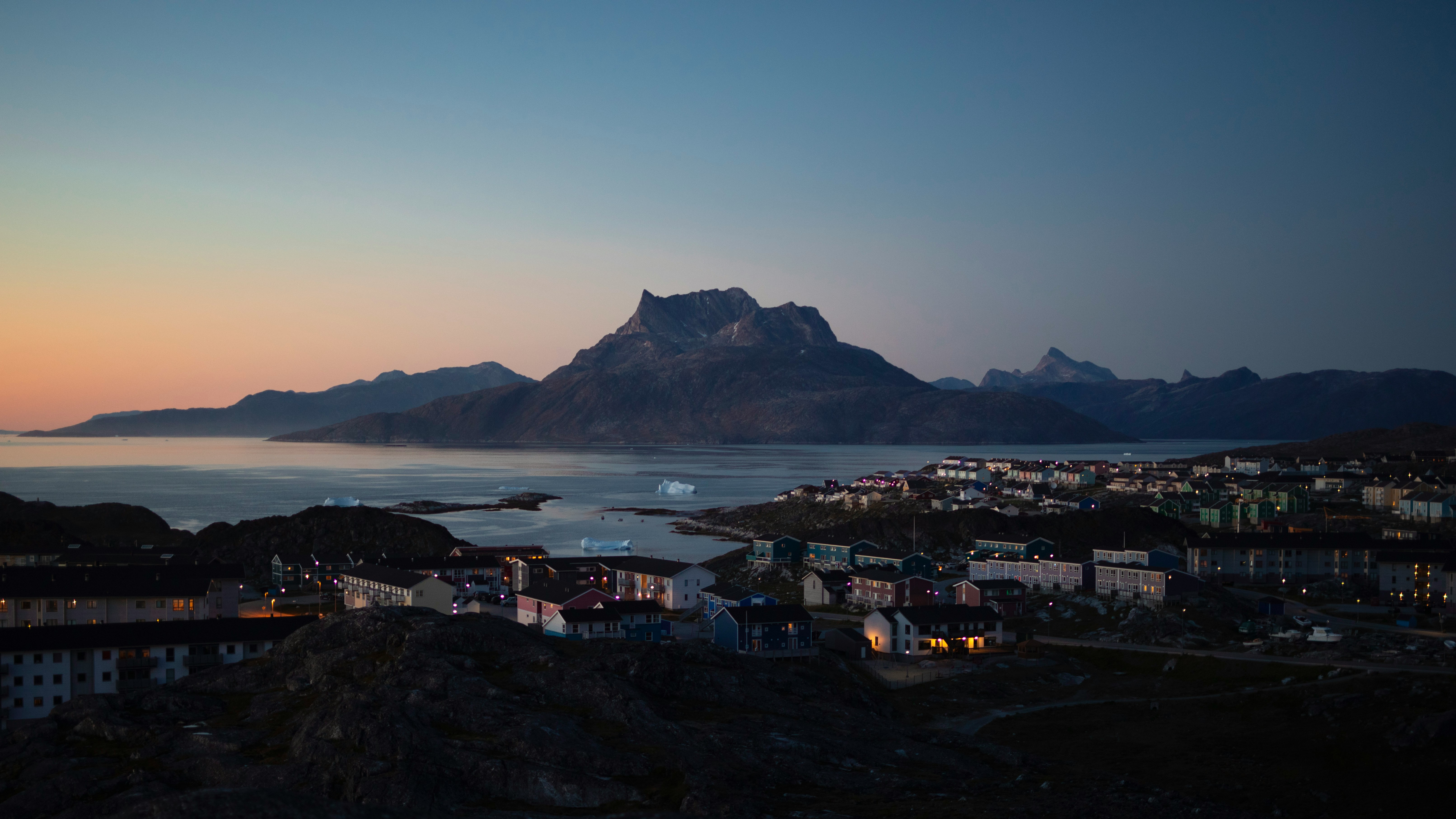
Nuuk, meaning “the cape”, was Greenland’s first town (1728). Started as a fort and later mission and trading post some 240 kilometers south of the Arctic Circle, it is the current capital. Almost 30% of Greenland’s population lives in the town. Not only does Nuuk have great natural beauty in its vicinity, but there are Inuit ruins, Hans Egede’s home, the parliament, and the Church of our Saviour as well. The Greenlandic National Museum has an outstanding collection of Greenlandic traditional dresses, as well as the famous Qilakitsoq mummies. The Katuaq Cultural Center’s building was inspired by the undulating Northern Lights and can house 10% of Nuuk’s inhabitants.

Nuuk, Greenland
Nuuk, GreenlandPhoto by Aningaaq Rosing Carlsen on Unsplash
Nuuk, Greenland
Nuuk, GreenlandPhoto by Bogomil Shopov - Бого on Unsplash

Day 20 - L'Anse aux Meadows, Newfoundland and Labrador

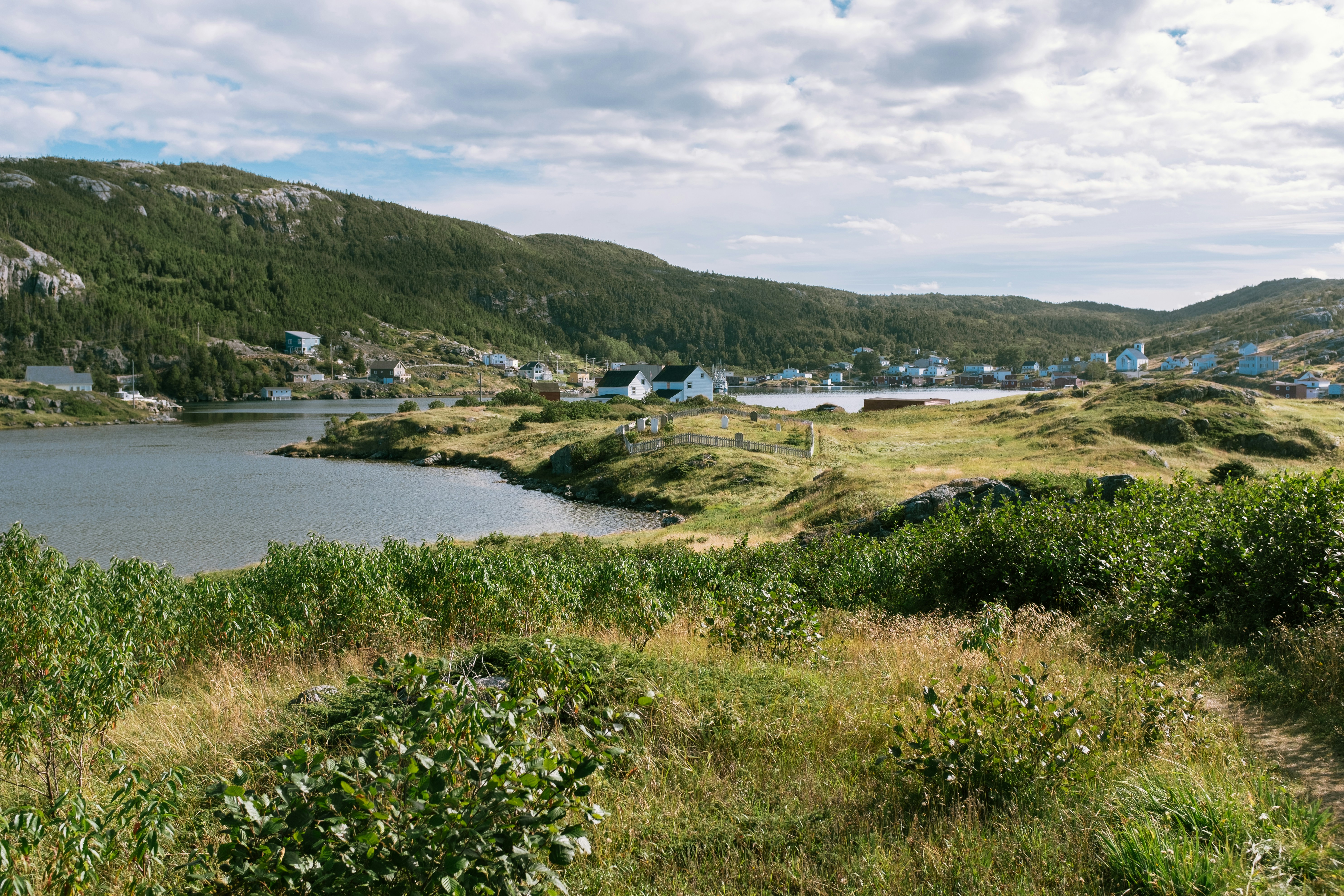
Around the year 1000, Vikings from Greenland and Iceland founded the first European settlement in North America, near the northern tip of Newfoundland. They arrived in the New World 500 years before Columbus but stayed only a few years and were forgotten for centuries. Since the settlement's rediscovery in the last century, the archaeological site has brought tourism to the area. Viking themes abound but so do views, whales, icebergs, fun dining experiences, and outdoor activities. L'Anse Aux Meadows on the northern tip of the island of Newfoundland is a remote community of just 40 people, with St Anthony, 40 minutes away, having a population of only 3,500. The region is locally famous for springtime polar bears, nesting eider ducks, the northern extreme of the Appalachians at nearby Belle Isle, numerous spring and summer icebergs, and a rich ocean fishery. L’Anse Aux Meadows National Historic Site is the UNESCO World Heritage Site that tells the story of Leif Erickson and the first Europeans in the new world. This site is often the keystone attraction for cruises themed around the Vikings. Discovered in 1960, it is the site of a Norse village, the only known one in North America outside of Greenland. The site remains the only widely-accepted instance of pre-Columbian trans-oceanic contact, and is notable for possible connections with the attempted colony of Vinland established by Leif Ericson around 1003, or more broadly with Norse exploration of the Americas. The root of the name "L'Anse aux Meadows" is believed to have originated with French fishermen in the area during the nineteenth and twentieth centuries, who named the site L'Anse aux Meduses, meaning 'Jellyfish Bay'.

L Anse Aux Meadows, Newfoundland And Labrador, Canada
L Anse Aux Meadows, Newfoundland And Labrador, CanadaPhoto by Matt Hanns Schroeter on Unsplash

Day 22 - Gaspé, Québec

Further details for this day are not available.

Gaspe,Quebec
Gaspe,QuebecImage by Luc Perron from Pixabay

Day 23 - Baie Comeau, Québec

Further details for this day are not available.

Quebec, Canada
Quebec, CanadaImage by Alain Audet from Pixabay

Day 24 - Quebec City, Québec

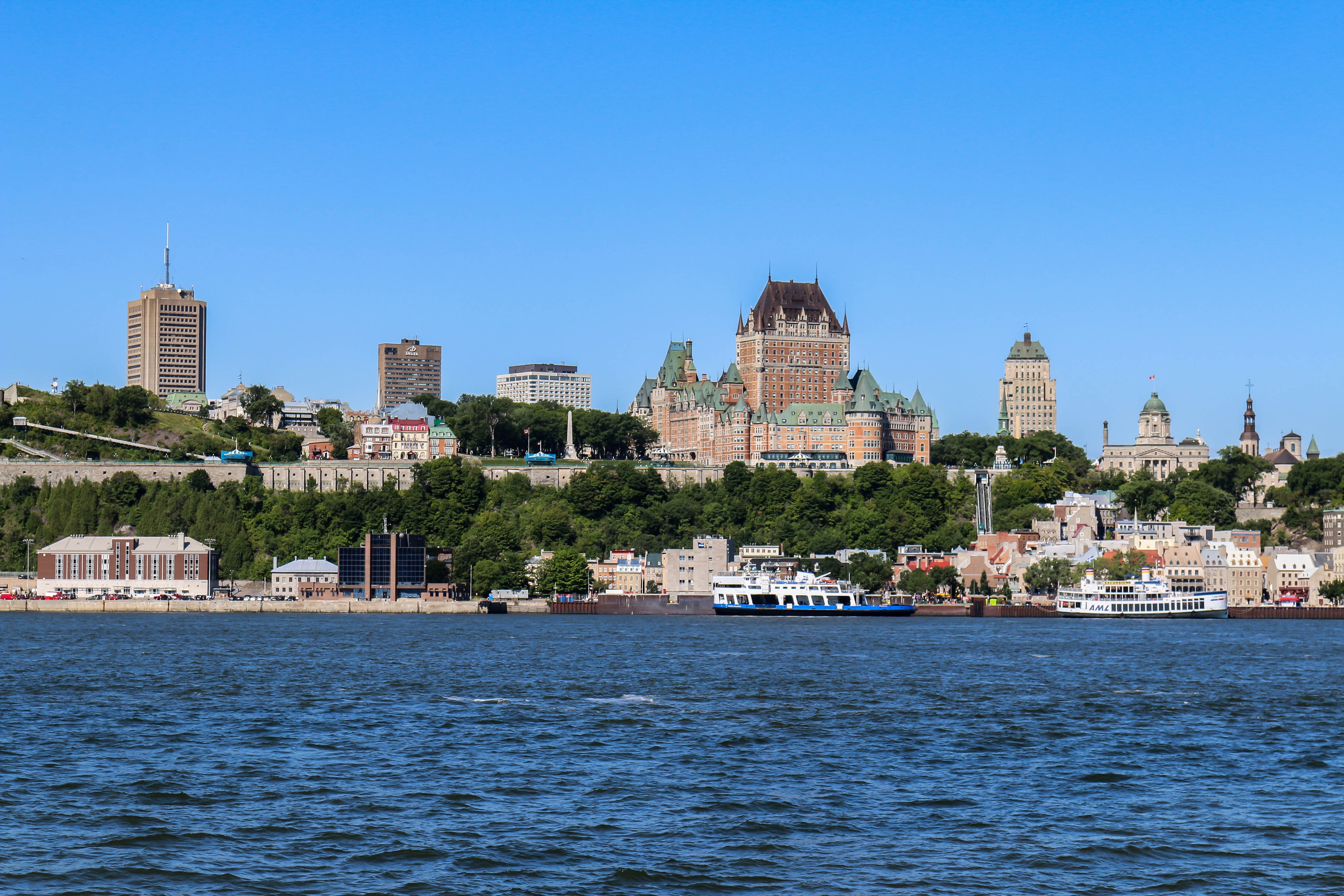
Québec City's alluring setting atop Cape Diamond (Cap Diamant) evokes a past of high adventure, military history, and exploration. This French-speaking capital city is the only walled city north of Mexico. Visitors come for the delicious and inventive cuisine, the remarkable historical continuity, and to share in the seasonal exuberance of the largest Francophone population outside France.The historic heart of this community is the Old City (Vieux-Québec), comprising the part of Upper Town (Haute-Ville) surrounded by walls and Lower Town (Basse-Ville), which spreads out at the base of the hill from Place Royale. Many sets of staircases and the popular funicular link the top of the hill with the bottom. Cobblestone streets, horse-drawn carriages, and elaborate cathedrals here are charming in all seasons. The Old City earned recognition as an official UNESCO World Heritage site in 1985, thanks largely to city planners who managed to update and preserve the 400-year-old buildings and attractions without destroying what made them worth preserving. The most familiar icon of the city, Fairmont Château Frontenac, is set on the highest point in Upper Town, where it holds court over the entire city.Sitting proudly above the confluence of the St. Lawrence and St. Charles rivers, the city's famous military fortification, La Citadelle, built in the early 19th century, remains the largest of its kind in North America. In summer, visitors should try to catch the Changing of the Guard, held every morning at 10 am; you can get much closer to the guards here than at Buckingham Palace in London.Enchanting as it is, the Old City is just a small part of the true Québec City experience. Think outside the walls and explore St-Roch, a downtown hot spot, which has artsy galleries, foodie haunts, and a bustling square. Cruise the Grande-Allée and avenue Cartier to find a livelier part of town dotted with nightclubs and fun eateries. Or while away the hours in St-Jean-Baptiste, a neighborhood with trendy shops and hipster hangouts.
Caque   Quebec City, Québec, Canada   Joe Breuer
Caque Quebec City, Québec, Canada Joe Breuer

Day 25 - Montréal, Québec

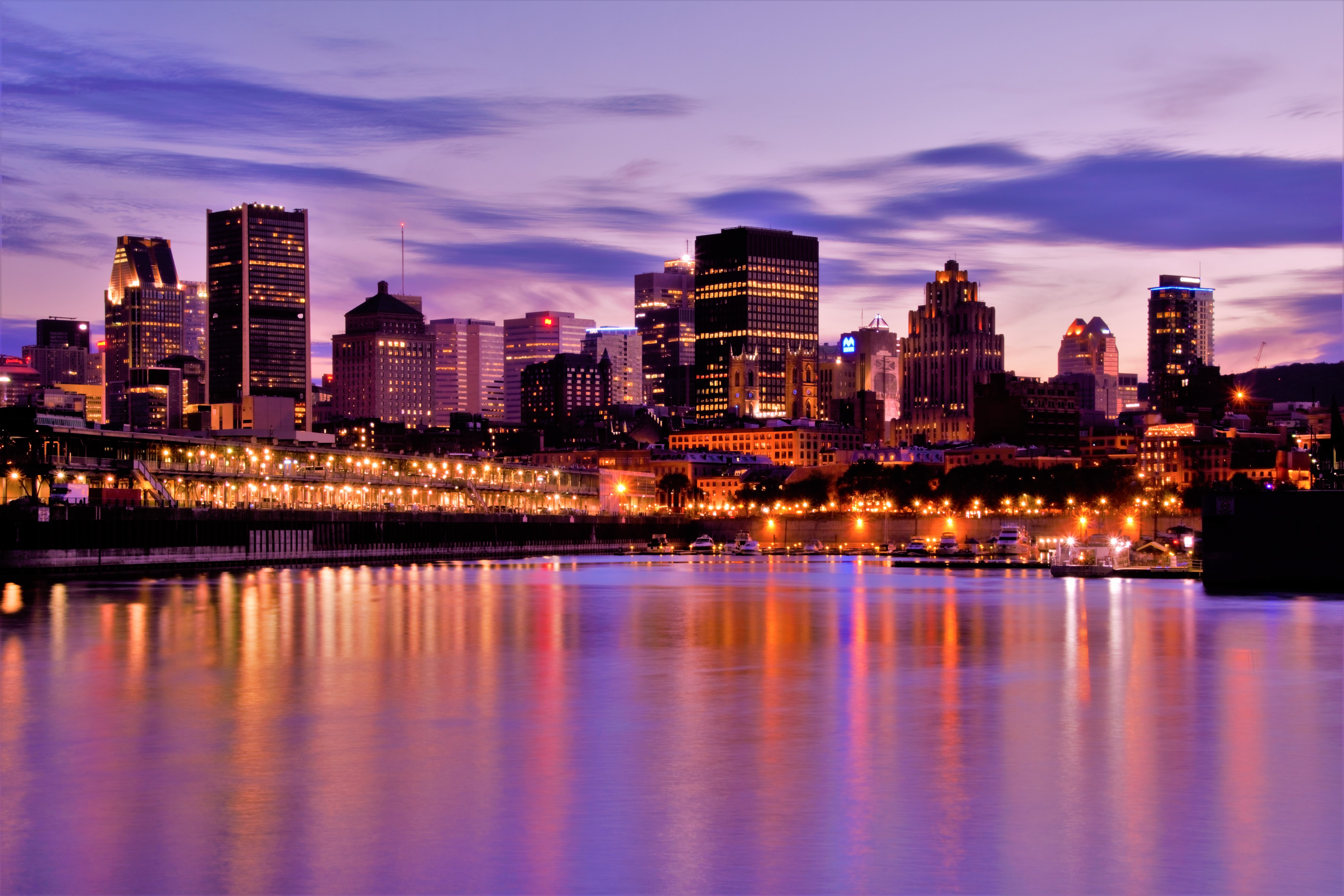
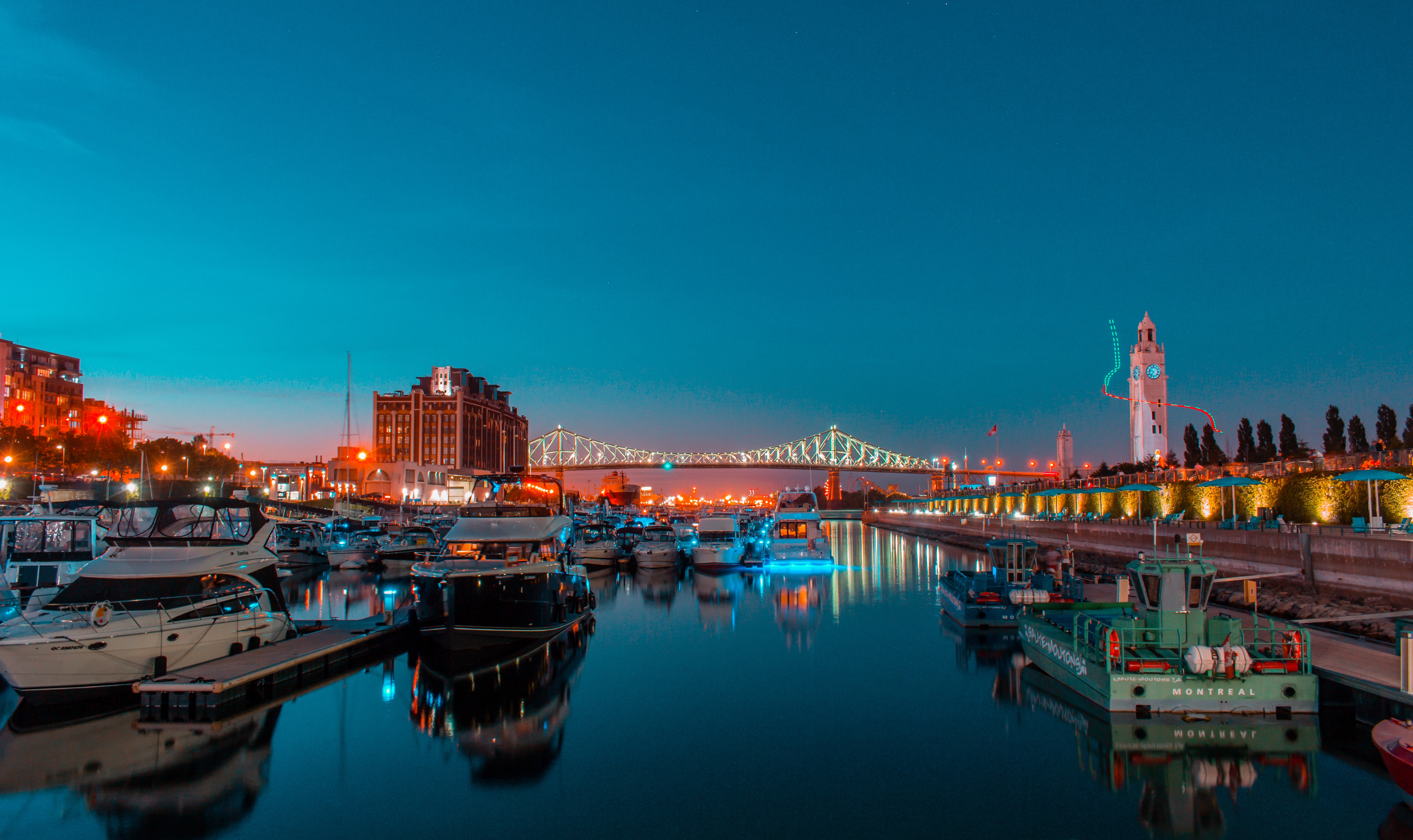
Canada's most diverse metropolis, Montréal, is an island city that favors style and elegance over order or even prosperity, a city where past and present intrude on each other daily. In some ways it resembles Vienna—well past its peak of power and glory, perhaps, yet still vibrant and grand.But don't get the wrong idea. Montréal has always had a bit of an edge. During Prohibition, thirsty Americans headed north to the city on the St. Lawrence for booze, music, and a good time, and people still come for the same things. Summer festivals celebrate everything from comedy and French music and culture to beer and fireworks, and, of course, jazz. And on those rare weeks when there isn't a planned event, the party continues. Clubs and sidewalk cafés are abuzz from late afternoon to the early hours of the morning. And Montréal is a city that knows how to mix it up even when it's 20 below zero. Rue St-Denis is almost as lively on a Saturday night in January as it is in July, and the festival Montréal en Lumière, or Montréal Highlights, enlivens the dreary days of February with concerts, balls, and fine food.Montréal takes its name from Parc du Mont-Royal, a stubby plug of tree-covered igneous rock that rises 764 feet above the surrounding cityscape. Although its height is unimpressive, "the Mountain" forms one of Canada's finest urban parks, and views from the Chalet du Mont-Royal atop the hill provide an excellent orientation to the city's layout and major landmarks.Old Montréal is home to museums, the municipal government, and the magnificent Basilique Notre-Dame-de-Montréal within its network of narrow, cobblestone streets. Although Montréal's centre-ville, or Downtown, bustles like many other major cities on the surface, it's active below street level as well, in the so-called Underground City–-the underground levels of shopping malls and food courts connected by pedestrian tunnels and the city's subway system, or métro. Residential Plateau Mont-Royal and trendy neighborhoods are abuzz with restaurants, nightclubs, art galleries, and cafés. The greener areas of town are composed of the Parc du Mont-Royal and the Jardin Botanique.

Camre Montreal Landscape Photography Of Skyscrapers Marc Olivier
Camre Montreal Landscape Photography Of Skyscrapers Marc OlivierMarc Olivier
Camre Montreal Old Port Walid Amghar
Camre Montreal Old Port Walid AmgharWalid Amghar

Day 27 - Havre-Saint-Pierre, Québec

Havre St. Pierre is a tiny seaside port on the north shore of the Saint Lawrence River in Quebec. It was settled in 1857 by Acadians from the Magdalen Island, and still today locals speak a dialect more similar to Acadian French than to Quebec French. It was originally called Saint-Pierre-de-la-Pointe-aux-Esquimaux until 1927, when it was officially shortened to Havre St Pierre. Until recently the local economy relied mainly on fishing and lumbering, today it is mainly a titanium ore-transhipment port. Nearby is one of the world’s most amazing natural phenomena – the Mingan Archipelago. They are the largest group of erosional monoliths in Canada, and were declared a Nation Park in 1984. These limestone monoliths have formed over thousands of years by wave action, strong winds and seasonal freezing and thawing. The result is a unique set of large limestone sculptures.

Quebec, Canada
Quebec, CanadaImage by Alain Audet from Pixabay

Day 29 - Red Bay, Newfoundland and Labrador

Further details for this day are not available.

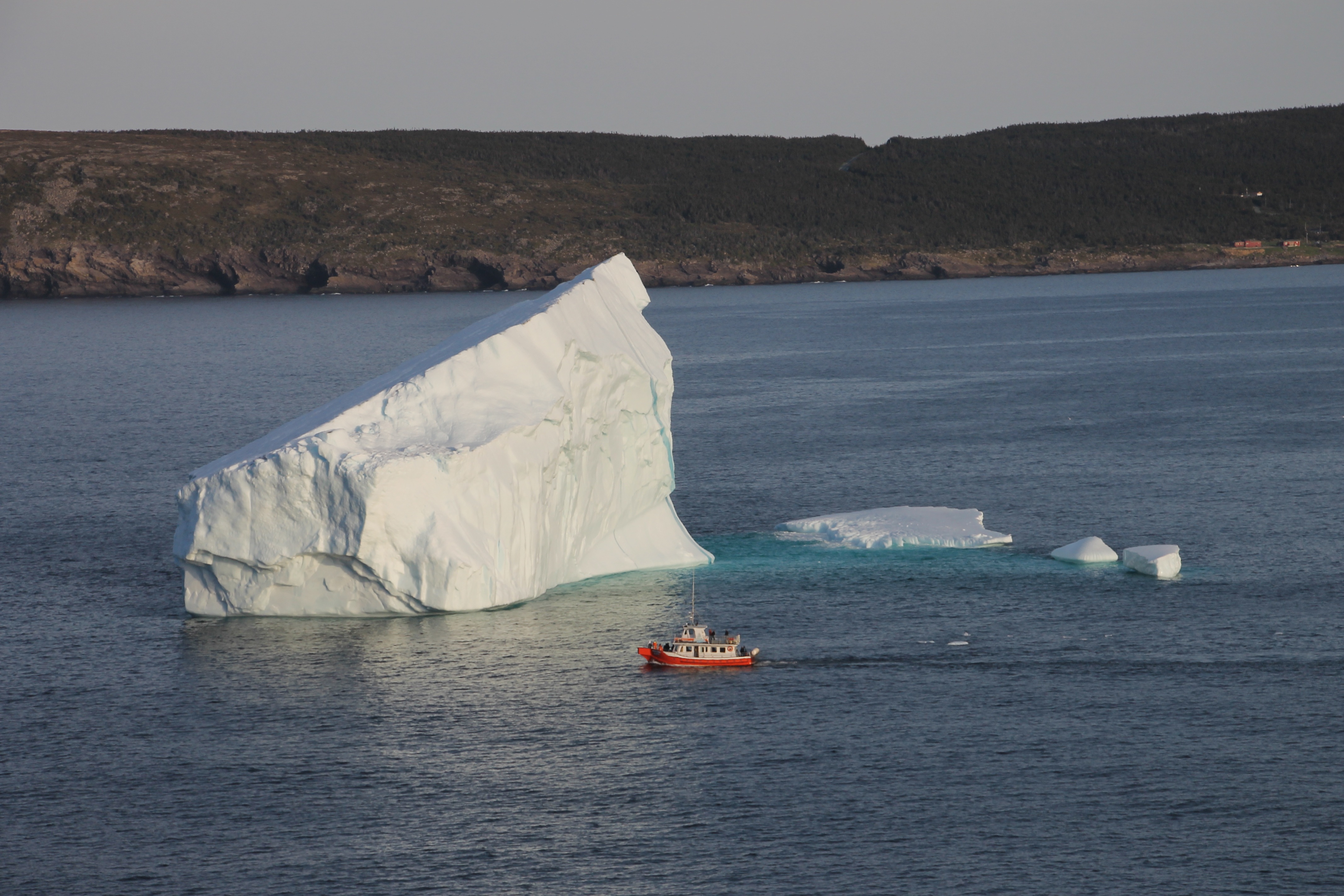
Icebergs In Newfoundland
Icebergs In NewfoundlandImage by Kevin O'Leary from Pixabay

Day 30 - Saint-Anthony, Newfoundland and Labrador

Further details for this day are not available.

St
StLinda McCann
St
StKyle Spencer

Day 31 - Saint-John's, Newfoundland and Labrador

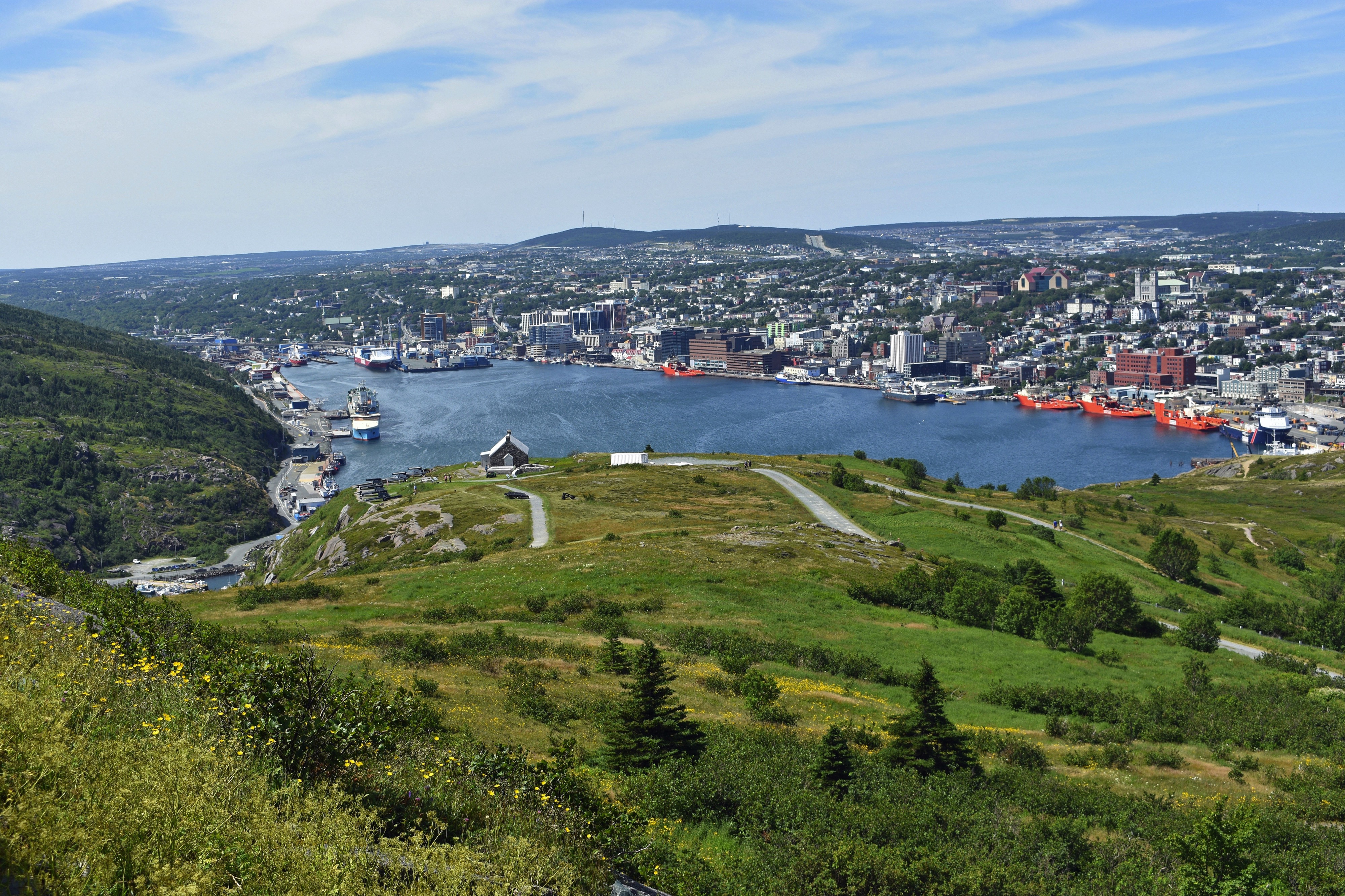
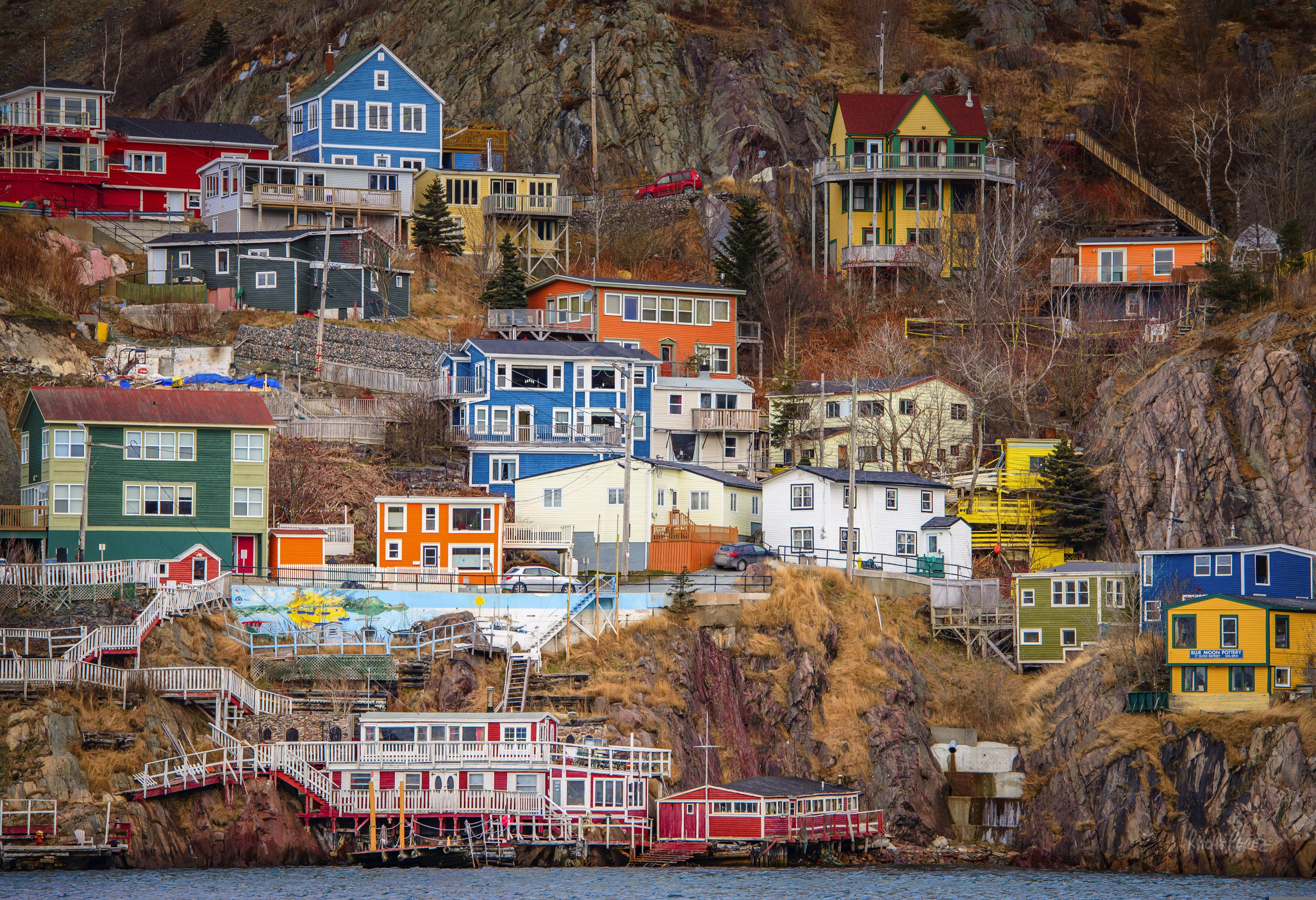
Old meets new in the province's capital (metro-area population a little more than 200,000), with modern office buildings surrounded by heritage shops and colorful row houses. St. John's mixes English and Irish influences, Victorian architecture and modern convenience, and traditional music and rock and roll into a heady brew. The arts scene is lively, but overall the city moves at a relaxed pace.For centuries, Newfoundland was the largest supplier of salt cod in the world, and St. John's Harbour was the center of the trade. As early as 1627, the merchants of Water Street—then known as the Lower Path—were doing a thriving business buying fish, selling goods, and supplying alcohol to soldiers and sailors.

Newfoundland
NewfoundlandImage by Pexels from Pixabay

Day 32 - Saint-John's, Newfoundland and Labrador

Old meets new in the province's capital (metro-area population a little more than 200,000), with modern office buildings surrounded by heritage shops and colorful row houses. St. John's mixes English and Irish influences, Victorian architecture and modern convenience, and traditional music and rock and roll into a heady brew. The arts scene is lively, but overall the city moves at a relaxed pace.For centuries, Newfoundland was the largest supplier of salt cod in the world, and St. John's Harbour was the center of the trade. As early as 1627, the merchants of Water Street—then known as the Lower Path—were doing a thriving business buying fish, selling goods, and supplying alcohol to soldiers and sailors.

Newfoundland
NewfoundlandImage by Pexels from Pixabay

Day 33 - Saint Pierre

By heading almost due east from Cap-aux-Meules in Canada, it is possible to reach France in about one day’s worth of steaming! With barely 6,000 inhabitants living on tiny St. Pierre, it is the smallest French Overseas Collective. The residents of St. Pierre are predominantly descendants of Normans, Basque and Bretons and the French spoken is closer to Metropolitan French than to Canadian French. Although Basque is not spoken any longer, the influence is still felt through sport and a Basque Festival. Interestingly, this small island has two museums in part dedicated to the Prohibition. The Musée Heritage is St. Pierre’s newest museum with a focus on medical artefacts from the 19th and 20th century. Another claim to fame is a guillotine, the only one ever used in North America. In this quirky village it is easy to find the Post Office; just look for the clock tower shaped like a praying monk.

Saint Pierre, Saint Pierre And Miquelon
Saint Pierre, Saint Pierre And MiquelonImage by Moody Askander from Pixabay

Day 34 - Cap-aux-Meules, Magdalen Islands, Québec

Further details for this day are not available.

Cap Aux Meules, Magdalen Islands, Quebec
Cap Aux Meules, Magdalen Islands, QuebecPhoto by Sonya Romanovska on Unsplash

Day 35 - Gaspé, Québec

Further details for this day are not available.

Gaspe,Quebec
Gaspe,QuebecImage by Luc Perron from Pixabay

Day 37 - Quebec City, Québec

Québec City's alluring setting atop Cape Diamond (Cap Diamant) evokes a past of high adventure, military history, and exploration. This French-speaking capital city is the only walled city north of Mexico. Visitors come for the delicious and inventive cuisine, the remarkable historical continuity, and to share in the seasonal exuberance of the largest Francophone population outside France.The historic heart of this community is the Old City (Vieux-Québec), comprising the part of Upper Town (Haute-Ville) surrounded by walls and Lower Town (Basse-Ville), which spreads out at the base of the hill from Place Royale. Many sets of staircases and the popular funicular link the top of the hill with the bottom. Cobblestone streets, horse-drawn carriages, and elaborate cathedrals here are charming in all seasons. The Old City earned recognition as an official UNESCO World Heritage site in 1985, thanks largely to city planners who managed to update and preserve the 400-year-old buildings and attractions without destroying what made them worth preserving. The most familiar icon of the city, Fairmont Château Frontenac, is set on the highest point in Upper Town, where it holds court over the entire city.Sitting proudly above the confluence of the St. Lawrence and St. Charles rivers, the city's famous military fortification, La Citadelle, built in the early 19th century, remains the largest of its kind in North America. In summer, visitors should try to catch the Changing of the Guard, held every morning at 10 am; you can get much closer to the guards here than at Buckingham Palace in London.Enchanting as it is, the Old City is just a small part of the true Québec City experience. Think outside the walls and explore St-Roch, a downtown hot spot, which has artsy galleries, foodie haunts, and a bustling square. Cruise the Grande-Allée and avenue Cartier to find a livelier part of town dotted with nightclubs and fun eateries. Or while away the hours in St-Jean-Baptiste, a neighborhood with trendy shops and hipster hangouts.

Caque   Quebec City, Québec, Canada   Joe Breuer
Caque Quebec City, Québec, Canada Joe Breuer

Day 38 - Montréal, Québec

Canada's most diverse metropolis, Montréal, is an island city that favors style and elegance over order or even prosperity, a city where past and present intrude on each other daily. In some ways it resembles Vienna—well past its peak of power and glory, perhaps, yet still vibrant and grand.But don't get the wrong idea. Montréal has always had a bit of an edge. During Prohibition, thirsty Americans headed north to the city on the St. Lawrence for booze, music, and a good time, and people still come for the same things. Summer festivals celebrate everything from comedy and French music and culture to beer and fireworks, and, of course, jazz. And on those rare weeks when there isn't a planned event, the party continues. Clubs and sidewalk cafés are abuzz from late afternoon to the early hours of the morning. And Montréal is a city that knows how to mix it up even when it's 20 below zero. Rue St-Denis is almost as lively on a Saturday night in January as it is in July, and the festival Montréal en Lumière, or Montréal Highlights, enlivens the dreary days of February with concerts, balls, and fine food.Montréal takes its name from Parc du Mont-Royal, a stubby plug of tree-covered igneous rock that rises 764 feet above the surrounding cityscape. Although its height is unimpressive, "the Mountain" forms one of Canada's finest urban parks, and views from the Chalet du Mont-Royal atop the hill provide an excellent orientation to the city's layout and major landmarks.Old Montréal is home to museums, the municipal government, and the magnificent Basilique Notre-Dame-de-Montréal within its network of narrow, cobblestone streets. Although Montréal's centre-ville, or Downtown, bustles like many other major cities on the surface, it's active below street level as well, in the so-called Underground City–-the underground levels of shopping malls and food courts connected by pedestrian tunnels and the city's subway system, or métro. Residential Plateau Mont-Royal and trendy neighborhoods are abuzz with restaurants, nightclubs, art galleries, and cafés. The greener areas of town are composed of the Parc du Mont-Royal and the Jardin Botanique.

Camre Montreal Landscape Photography Of Skyscrapers Marc Olivier
Camre Montreal Landscape Photography Of Skyscrapers Marc OlivierMarc Olivier
Camre Montreal Old Port Walid Amghar
Camre Montreal Old Port Walid AmgharWalid Amghar

Suites & Deck Plans

Suite

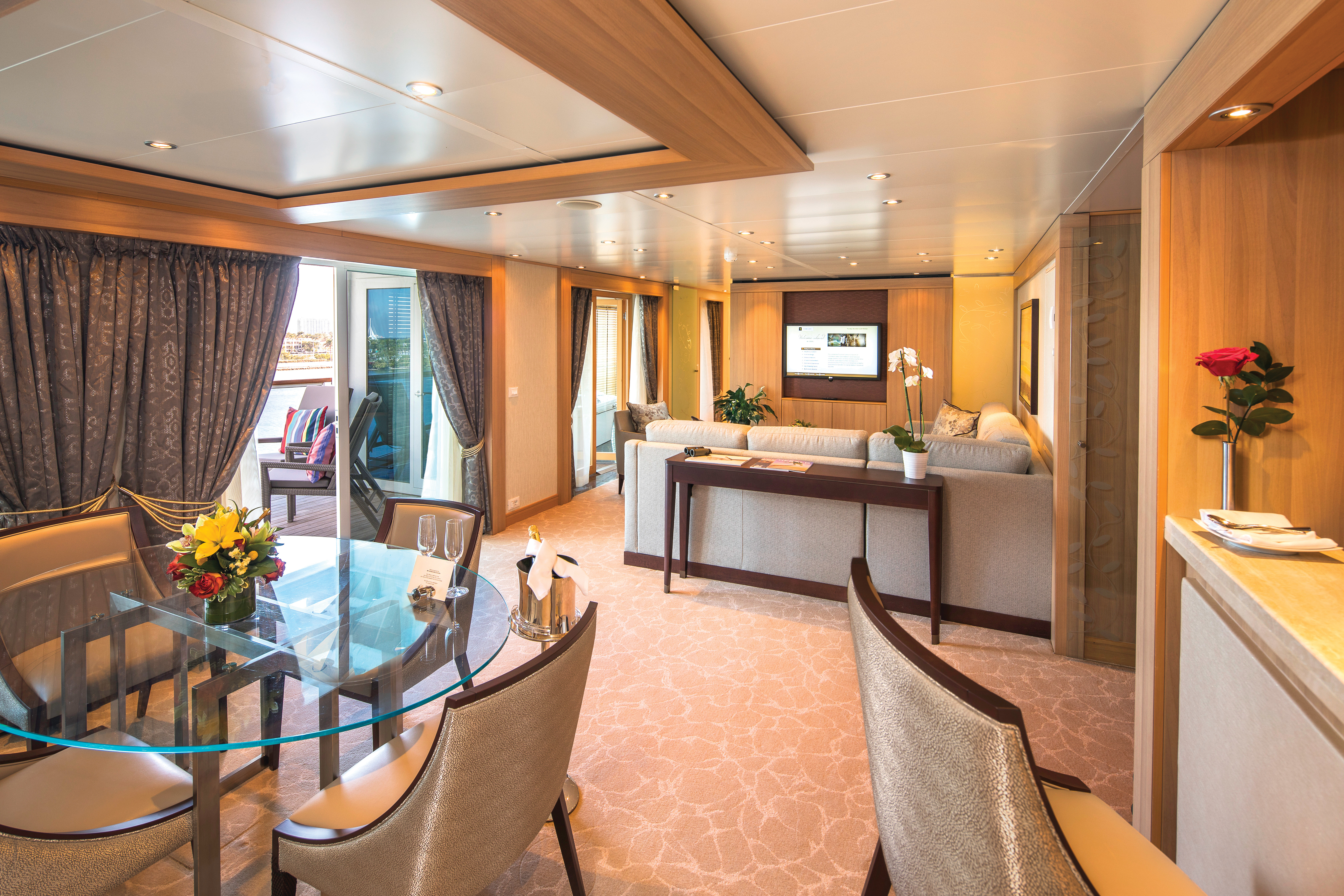
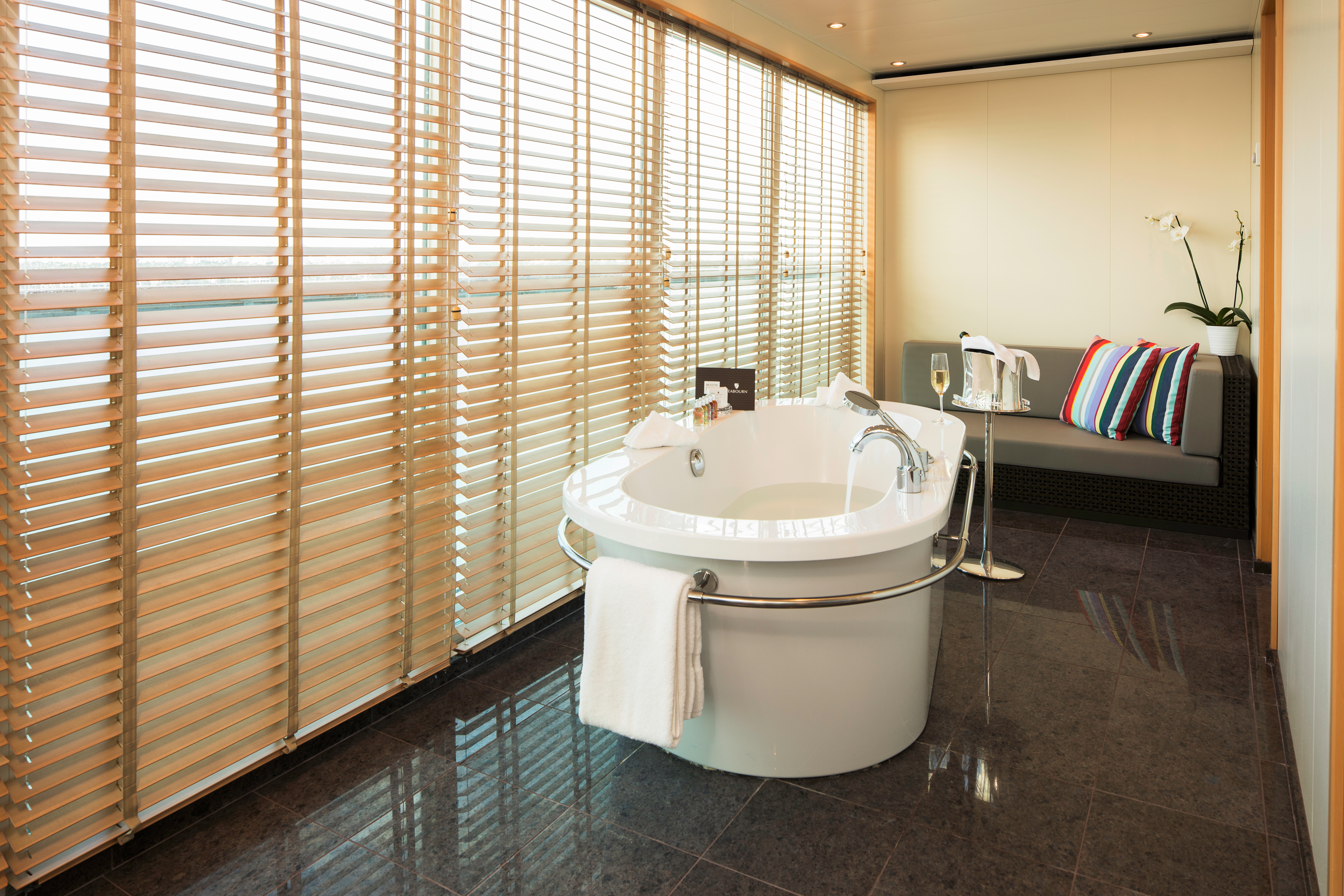
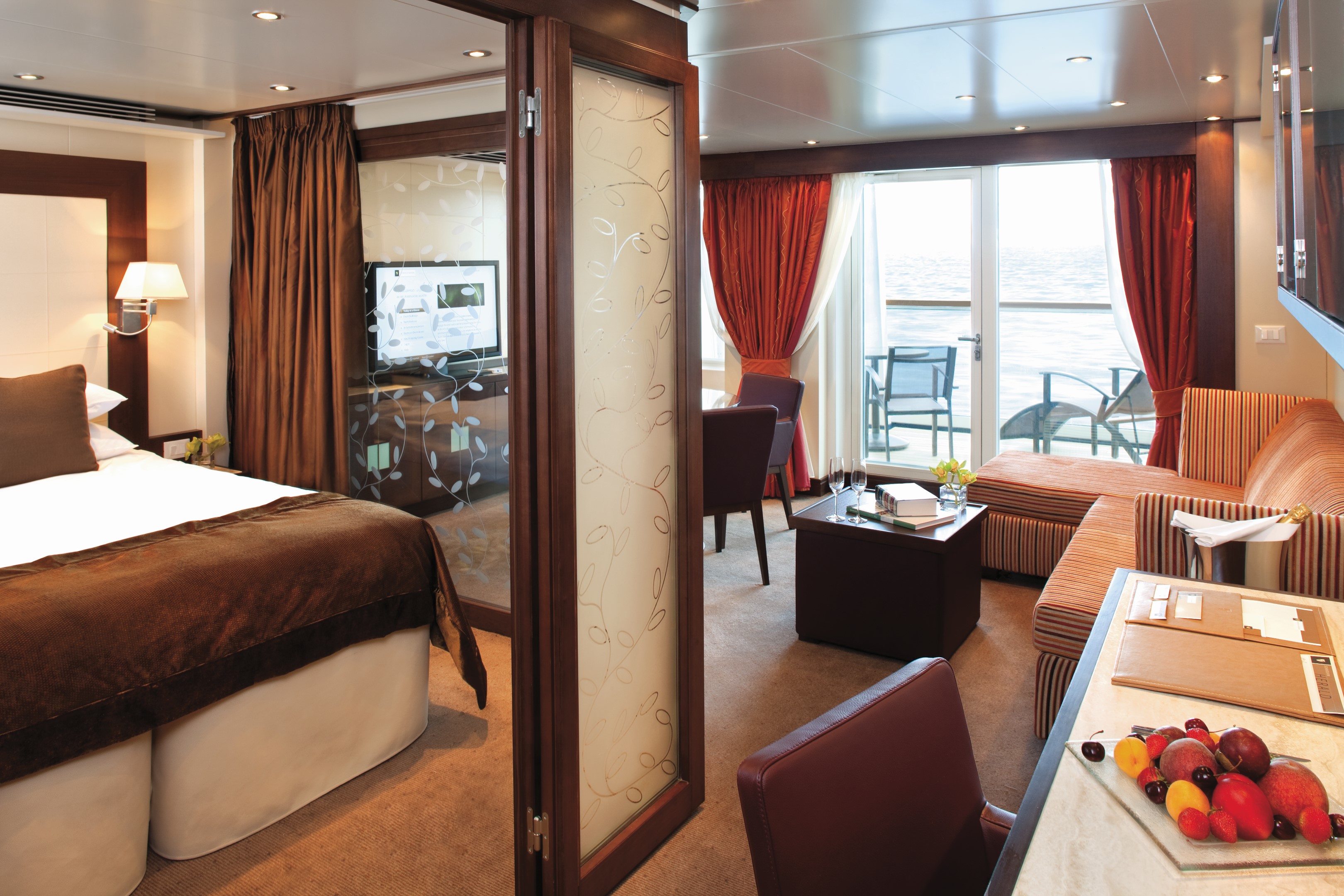
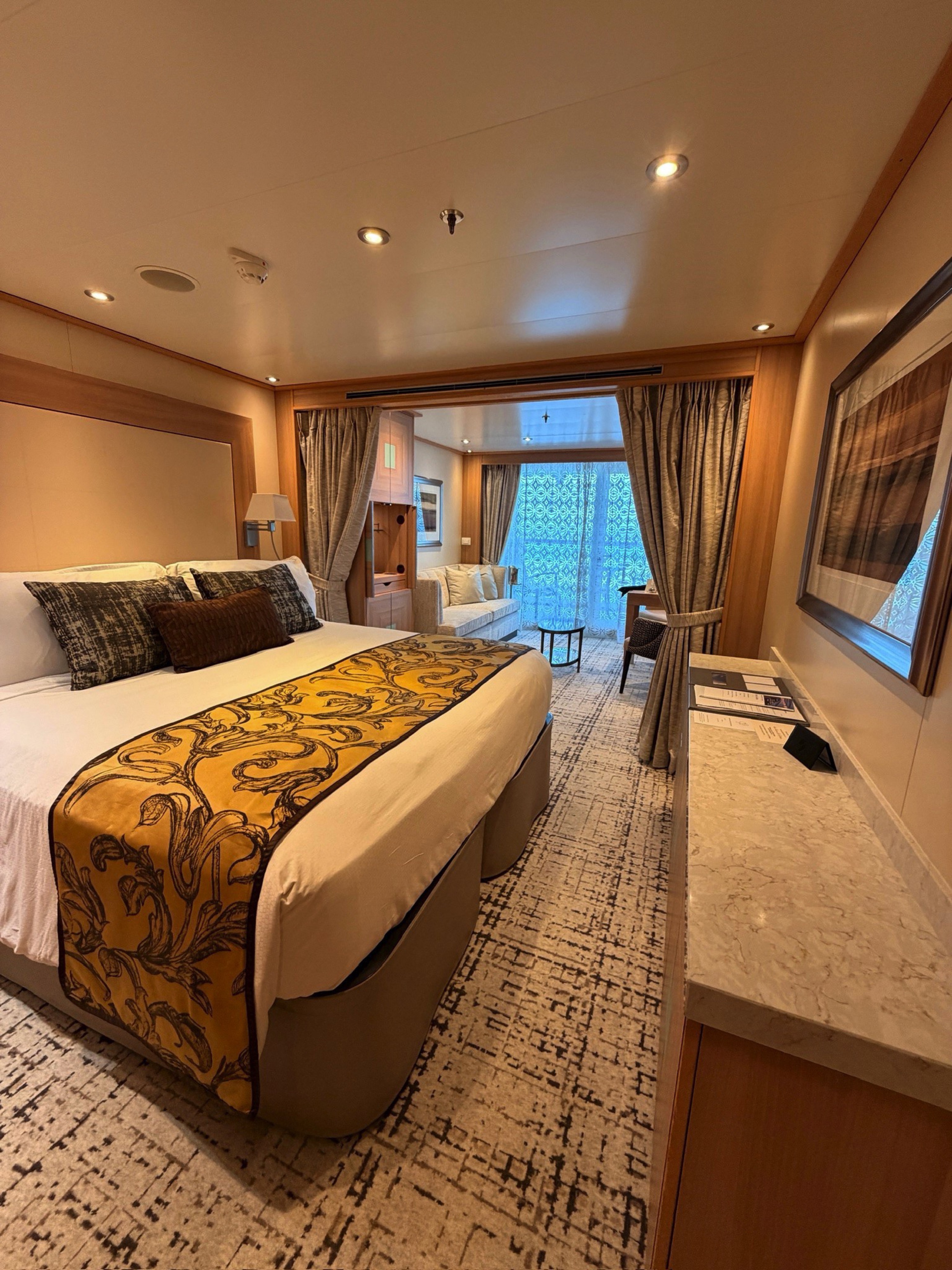
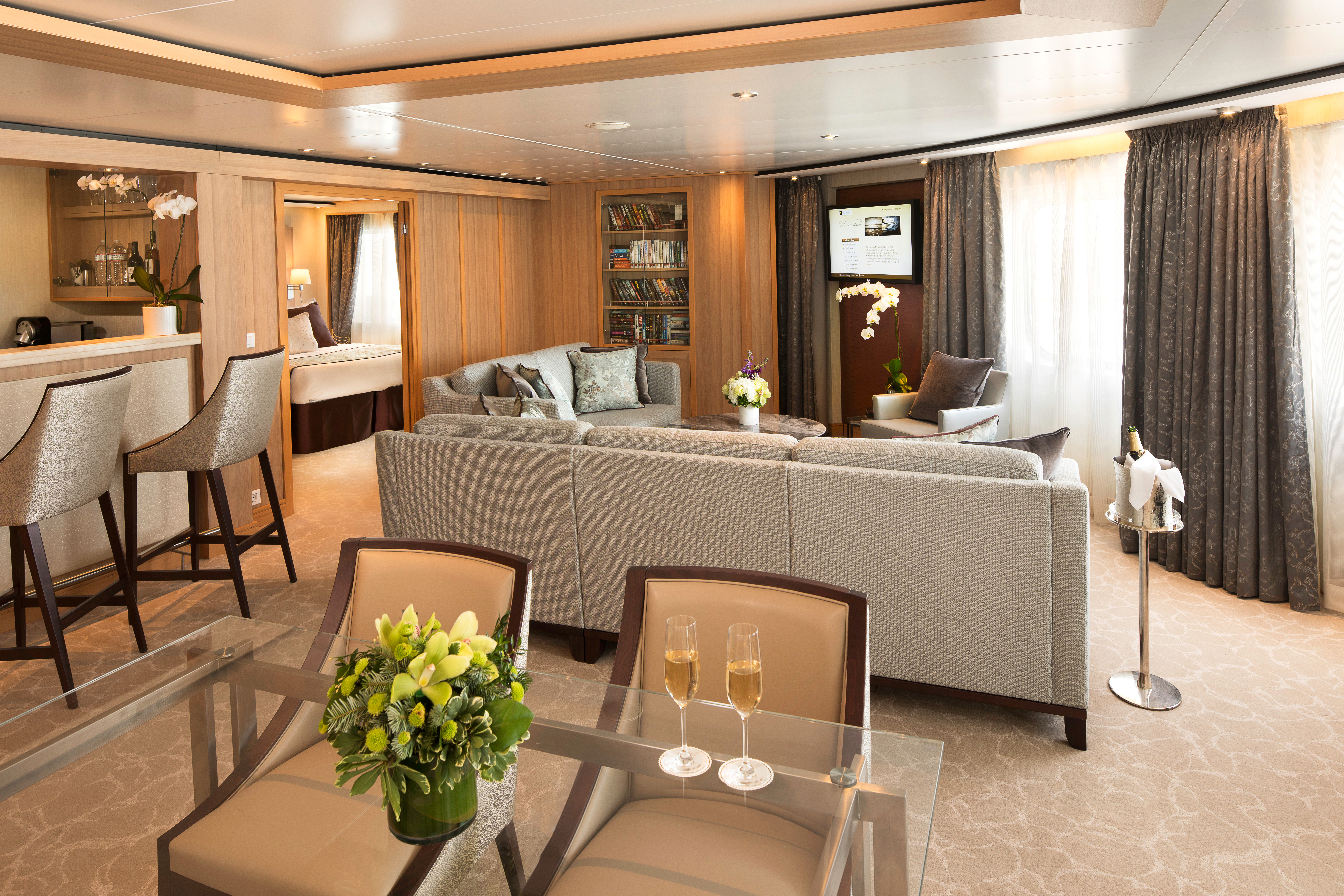
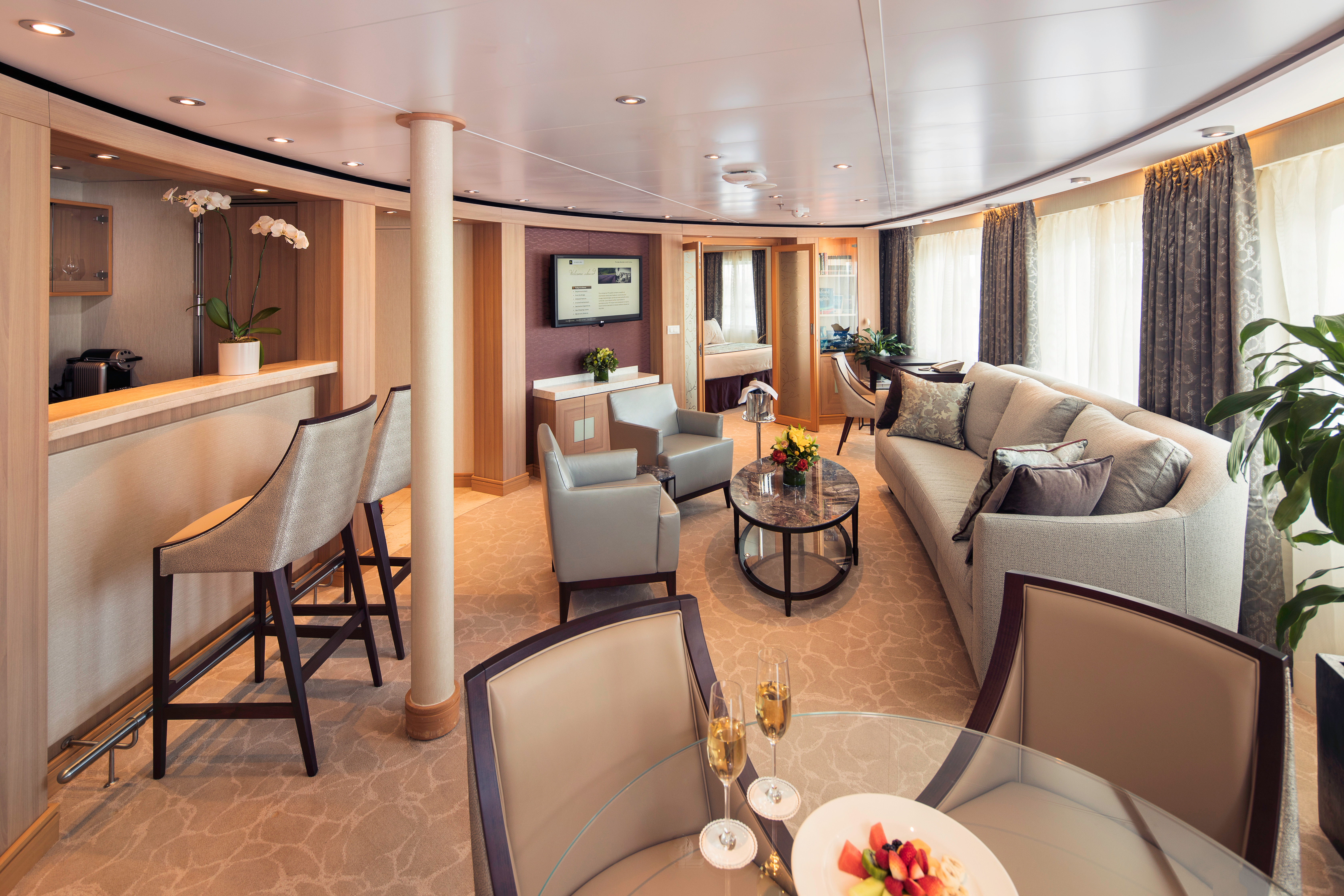
Suites on board feature a comfortable living area, private veranda, queen-size-bed or two twin beds; walk-in closet with personal safe, interactive flat-screen TV with music and movies, fully stocked bar and refrigerator, writing desk with personalized stationary, makeup vanity, spacious bathroom with separate tub and shower, plush robes, slippers hair dryer and 110/220V AC outlets.

Grand Wintergarden Suites feature:

  • Large windows
  • Dining for four
  • Glass-enclosed solarium with tub and day bed
  • Bathroom with whirlpool bathtub
  • Guest bath
  • Two bedrooms
  • Convertible sofa bed for one
  • Pantry with wet bar
  • Two flat-screen TVs
  • Complimentary Internet/Wi-Fi service

1403 sq ft
Accommodates 5 guests
Grand Wintergarden Suite

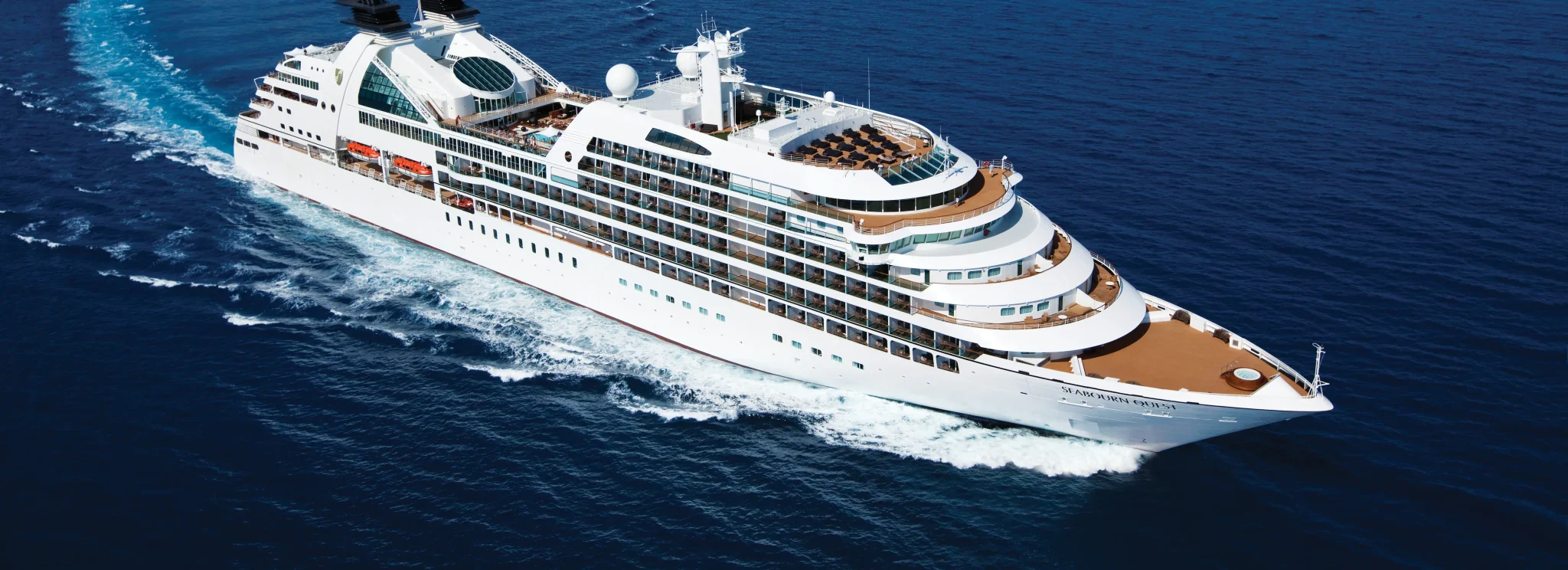
Seabourn Quest

Seabourn Quest

Life on board

The Onboard Experience

Client testimonials

I have worked with Lore Doick for more than 20 years, and she has booked over 30 cruises for me. Her expertise, care, and attention to every travel detail have made her an invaluable advisor and friend over the years.”

Tina B.

We are now in our second generation working with Cheri Ozimac at Tully Luxury Travel. From Antarctica to Greece, she has handled every detail with expertise, responsiveness, and care…

Earl M.

My wife and I have worked with Tully since 2007, and Kit Neil and her team went far beyond expectations while helping us navigate multiple cruise and flight cancellations. Their advocacy, care, and support during a difficult time were extraordinary.

Carri F.

Cheri Ozimac organized our Seabourn cruise flawlessly, from the hotel recommendation to every travel arrangement. She was responsive, attentive, and an excellent advocate throughout the process…

Cyn S.

We discovered Tully Luxury Travel after years of booking cruises through US agents and were impressed by their competitive pricing, exceptional service, and Canadian based support. Their team is always available, offers excellent value, and makes booking the right cruise seamless.

Peter C.

GoogleAverage Customer Rating:

The Tully Difference

Why travel with us


Tully Luxury Travel was built on access, discretion, and trust. For our clients, that means ease at every step, with distinctions that turn exceptional voyages into defining moments.

Recognized expertise

A renowned agency worldwide in luxury land and small-ship cruising, consistently trusted by the industry’s most prestigious brands.