64-Day World Cruise: Australia In-Depth, Fiji & Hawaii

Itinerary: Sydney, New South Wales, Hobart, Tasmania, Burnie, Tasmania, Melbourne, Victoria, Adelaide, South Australia, Kangaroo Island, South Australia, Wallaroo, South Australia, Port Lincoln, South Australia,... See full itinerary

9 Mar 27
64 nights

Voyage Details

Duration:
64 nights
Departure:
9 Mar 2027
Embarkation:
Sydney, New South Wales, Australia
Voyage code:
6722B

Your Itinerary, Day-By-Day

Special Chapters of Your Journey

Day 1 - Sydney, New South Wales

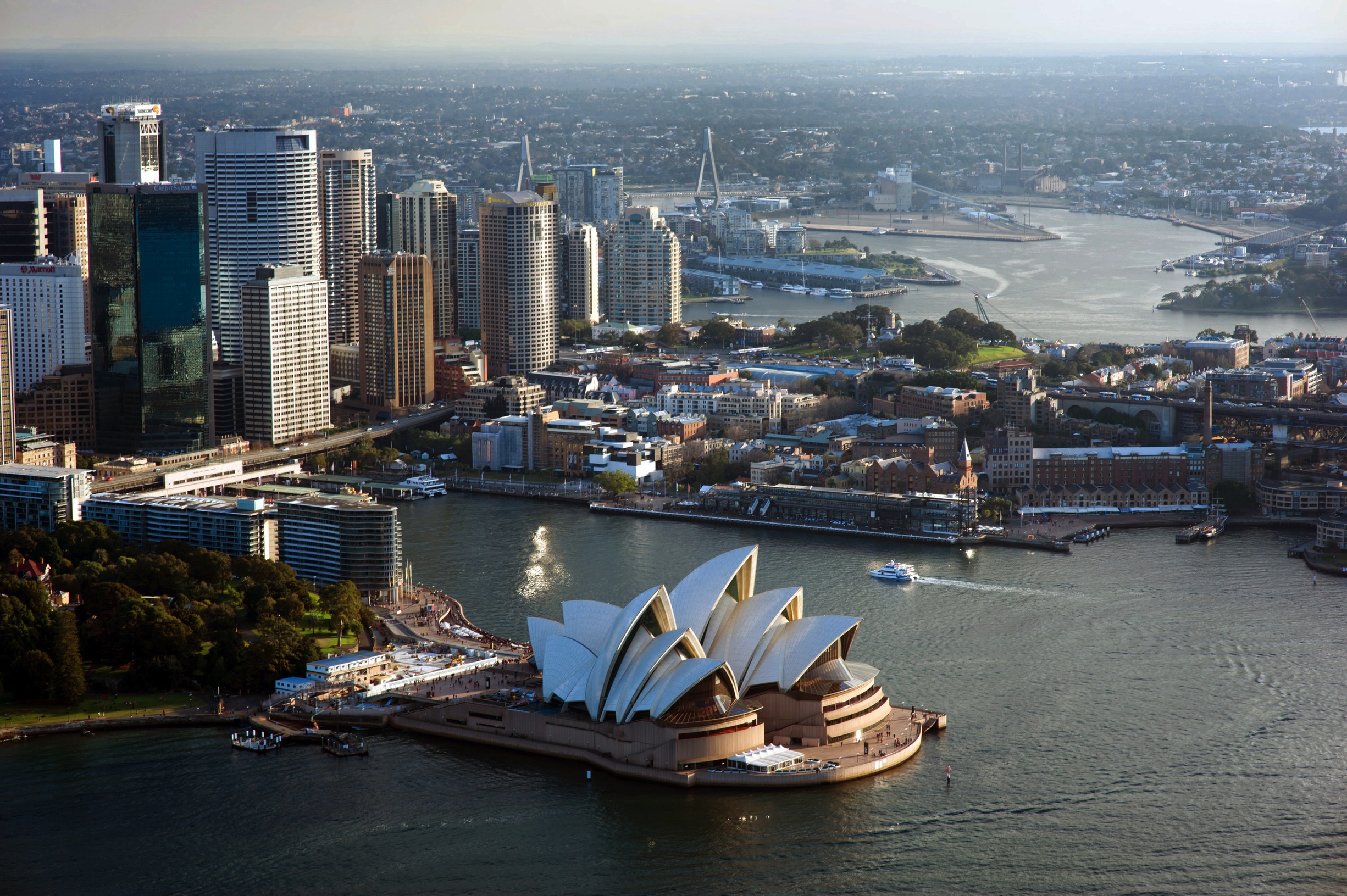
Sydney, capital of New South Wales and one of Australia's largest cities, is best known for its harbourfront Sydney Opera House, with a distinctive sail-like design. Massive Darling Harbour and the smaller Circular Quay port are hubs of waterside life, with the arched Harbour Bridge and esteemed Royal Botanic Garden nearby. Sydney Tower’s outdoor platform, the Skywalk, offers 360-degree views of the city and suburbs.

Ausyd   Sydney   Aerial   Tourism Australia, Sdp Media
Ausyd Sydney Aerial Tourism Australia, Sdp MediaTourism Australia, SDP Media
Ausyd   Sydney   Bondi Beach   Image By Gbates94 On Pixabay
Ausyd Sydney Bondi Beach Image By Gbates94 On PixabayImage by Gbates94 on Pixabay
Ausyd   Sydney   Bridge Sydney Harbor And Opera House   Image By Wimkantona On Pixabay
Ausyd Sydney Bridge Sydney Harbor And Opera House Image By Wimkantona On PixabayImage by wimkantona on Pixabay
Ausyd   Sydney   Gladesville   Image By Pattyjansen On Pixabay
Ausyd Sydney Gladesville Image By Pattyjansen On PixabayImage by pattyjansen on Pixabay
Ausyd   Sydney   Sydney Harbour Bridge   Image By Skeeze On Pixabay
Ausyd Sydney Sydney Harbour Bridge Image By Skeeze On PixabayImage by skeeze on Pixabay

Day 2 - Sydney, New South Wales

Sydney, capital of New South Wales and one of Australia's largest cities, is best known for its harbourfront Sydney Opera House, with a distinctive sail-like design. Massive Darling Harbour and the smaller Circular Quay port are hubs of waterside life, with the arched Harbour Bridge and esteemed Royal Botanic Garden nearby. Sydney Tower’s outdoor platform, the Skywalk, offers 360-degree views of the city and suburbs.

Ausyd   Sydney   Aerial   Tourism Australia, Sdp Media
Ausyd Sydney Aerial Tourism Australia, Sdp MediaTourism Australia, SDP Media
Ausyd   Sydney   Bondi Beach   Image By Gbates94 On Pixabay
Ausyd Sydney Bondi Beach Image By Gbates94 On PixabayImage by Gbates94 on Pixabay
Ausyd   Sydney   Bridge Sydney Harbor And Opera House   Image By Wimkantona On Pixabay
Ausyd Sydney Bridge Sydney Harbor And Opera House Image By Wimkantona On PixabayImage by wimkantona on Pixabay
Ausyd   Sydney   Gladesville   Image By Pattyjansen On Pixabay
Ausyd Sydney Gladesville Image By Pattyjansen On PixabayImage by pattyjansen on Pixabay
Ausyd   Sydney   Sydney Harbour Bridge   Image By Skeeze On Pixabay
Ausyd Sydney Sydney Harbour Bridge Image By Skeeze On PixabayImage by skeeze on Pixabay

Day 4 - Hobart, Tasmania

Straddling the Derwent River at the foot of Mt. Wellington's forested slopes, Hobart was founded as a penal settlement in 1803. It's the second-oldest city in the country after Sydney, and it certainly rivals its mainland counterpart as Australia's most beautiful state capital. Close-set colonial brick-and-sandstone shops and homes line the narrow, quiet streets, creating a genteel setting for this historic city of 215,000. Life revolves around the broad Derwent River port, one of the deepest harbors in the world. Here warehouses that once stored Hobart's major exports of fruit, wool, and corn and products from the city's former whaling fleet still stand alongside the wharf today.Hobart sparkles between Christmas and New Year's—summer Down Under—during the annual Sydney-to-Hobart yacht race. The event dominates conversations among Hobart's citizens, who descend on Constitution Dock to welcome the yachts and join in the boisterous festivities of the crews. The New Year also coincides with the Tastes of Tasmania Festival, when the dockside area comes alive with the best of Tasmanian food and wine on offer in numerous cafés, bars, and waterfront stalls. Otherwise, Hobart is a placid city whose nightlife is largely confined to excellent restaurants, jazz clubs, and the action at the Wrest Point Casino in Sandy Bay.The Hobart Tasmanian Travel and Information Centre hours are weekdays 8:30–5:30 and Saturday 9–5.

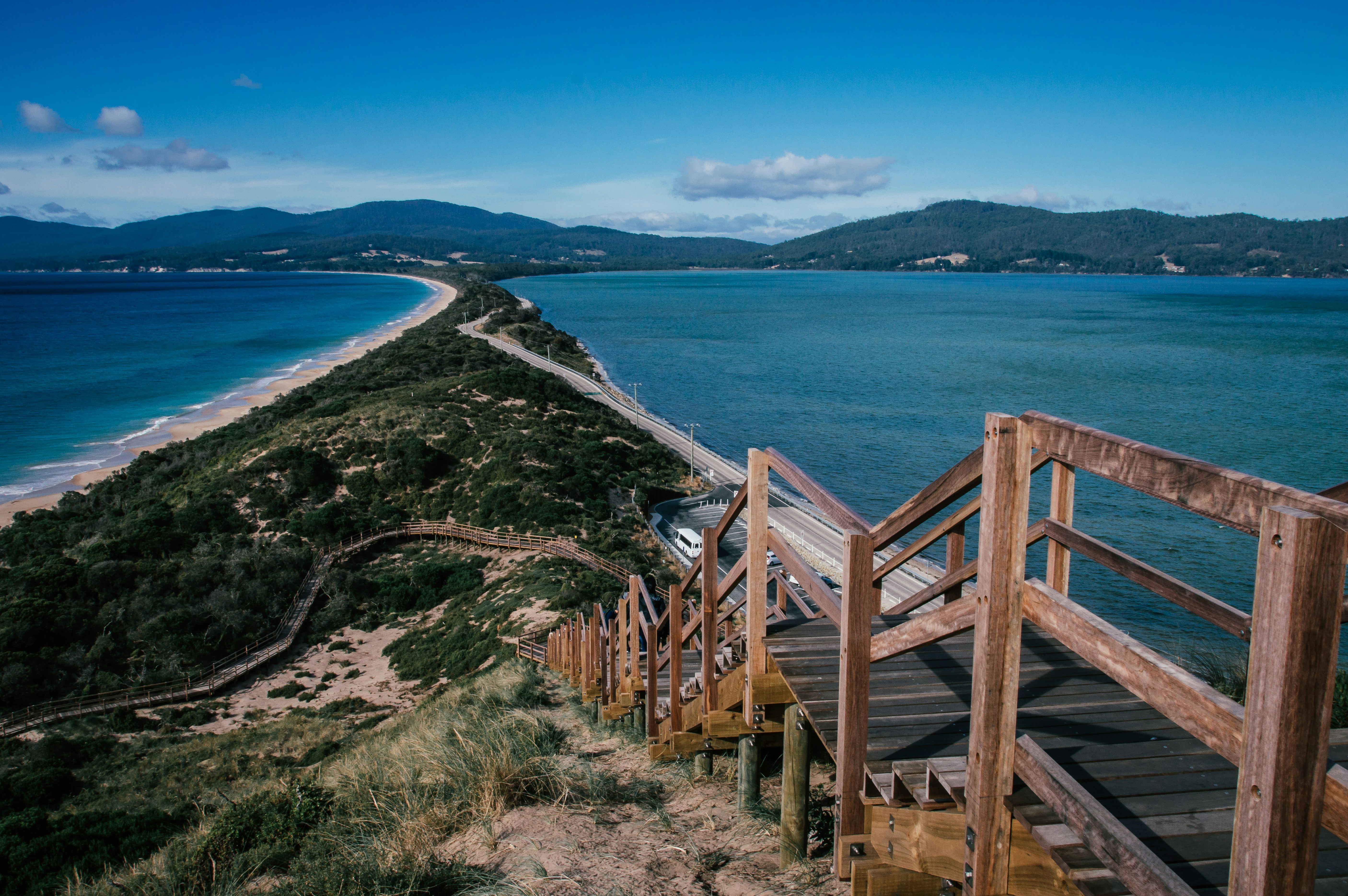
Bruny Island, Hobart, Tasmania, Australia
Bruny Island, Hobart, Tasmania, AustraliaPhoto by Tamara Thurman on Unsplash
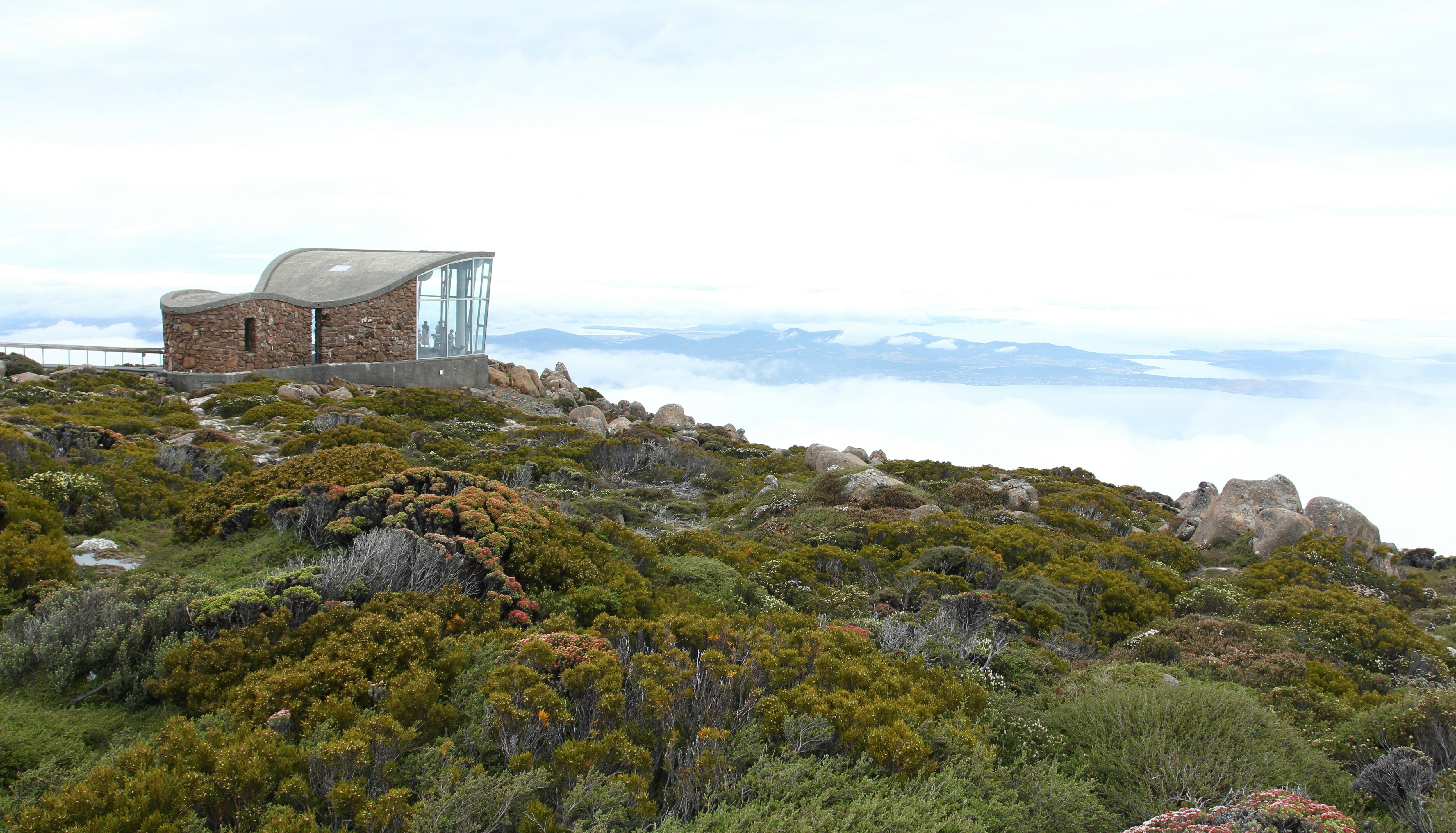
Mount Wellington, Hobart, Australia
Mount Wellington, Hobart, AustraliaPhoto by Geoff Brooks on Unsplash

Day 5 - Hobart, Tasmania

Straddling the Derwent River at the foot of Mt. Wellington's forested slopes, Hobart was founded as a penal settlement in 1803. It's the second-oldest city in the country after Sydney, and it certainly rivals its mainland counterpart as Australia's most beautiful state capital. Close-set colonial brick-and-sandstone shops and homes line the narrow, quiet streets, creating a genteel setting for this historic city of 215,000. Life revolves around the broad Derwent River port, one of the deepest harbors in the world. Here warehouses that once stored Hobart's major exports of fruit, wool, and corn and products from the city's former whaling fleet still stand alongside the wharf today.Hobart sparkles between Christmas and New Year's—summer Down Under—during the annual Sydney-to-Hobart yacht race. The event dominates conversations among Hobart's citizens, who descend on Constitution Dock to welcome the yachts and join in the boisterous festivities of the crews. The New Year also coincides with the Tastes of Tasmania Festival, when the dockside area comes alive with the best of Tasmanian food and wine on offer in numerous cafés, bars, and waterfront stalls. Otherwise, Hobart is a placid city whose nightlife is largely confined to excellent restaurants, jazz clubs, and the action at the Wrest Point Casino in Sandy Bay.The Hobart Tasmanian Travel and Information Centre hours are weekdays 8:30–5:30 and Saturday 9–5.

Bruny Island, Hobart, Tasmania, Australia
Bruny Island, Hobart, Tasmania, AustraliaPhoto by Tamara Thurman on Unsplash
Mount Wellington, Hobart, Australia
Mount Wellington, Hobart, AustraliaPhoto by Geoff Brooks on Unsplash

Day 7 - Burnie, Tasmania

Burnie overlooks Emu Bay, on the north-west coast. This proudly industrial city is Australia’s fifth largest container port and a vibrant place to visit. Burnie was once surrounded by dense rainforest, but this has slowly disappeared, while fortunes were made felling and milling timber. The paper and pulp mill on the city’s outskirts operated from 1938 to 1998. Burnie was first explored by Bass and Flinders and was known as Emu Bay when it was settled by the Van Diemen’s Land Company in 1827. Today, Burnie has a population of almost 19,000. Burnie experiences temperate conditions, with an average maximum of 70 degrees Fahrenheit (21 degrees Celsius) in January and 56.5 degrees Fahrenheit (13.5) degrees Celsius in June.

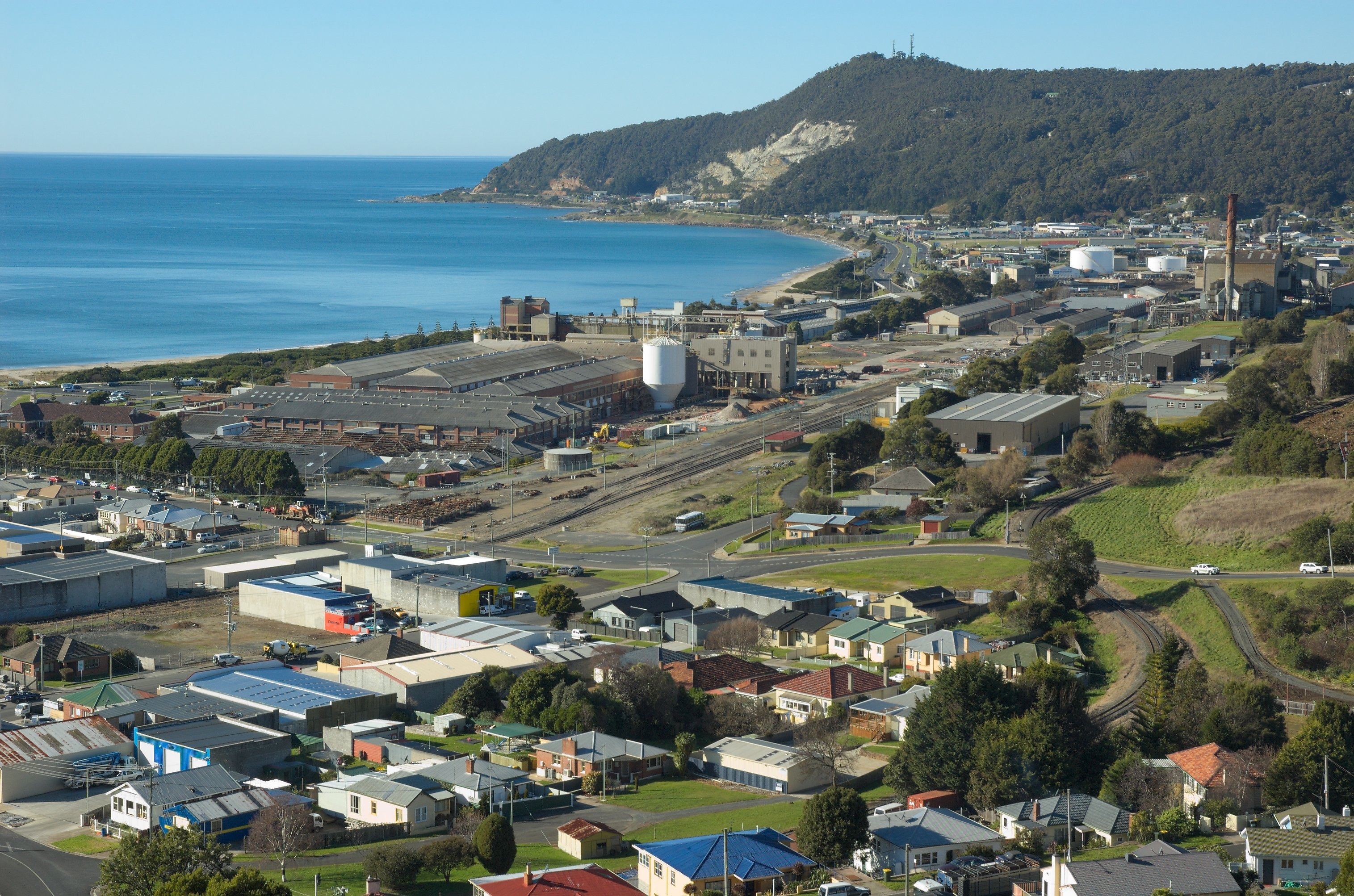
Burnie, Tasmania
Burnie, TasmaniaImage from Pixabay

Day 8 - Melbourne, Victoria

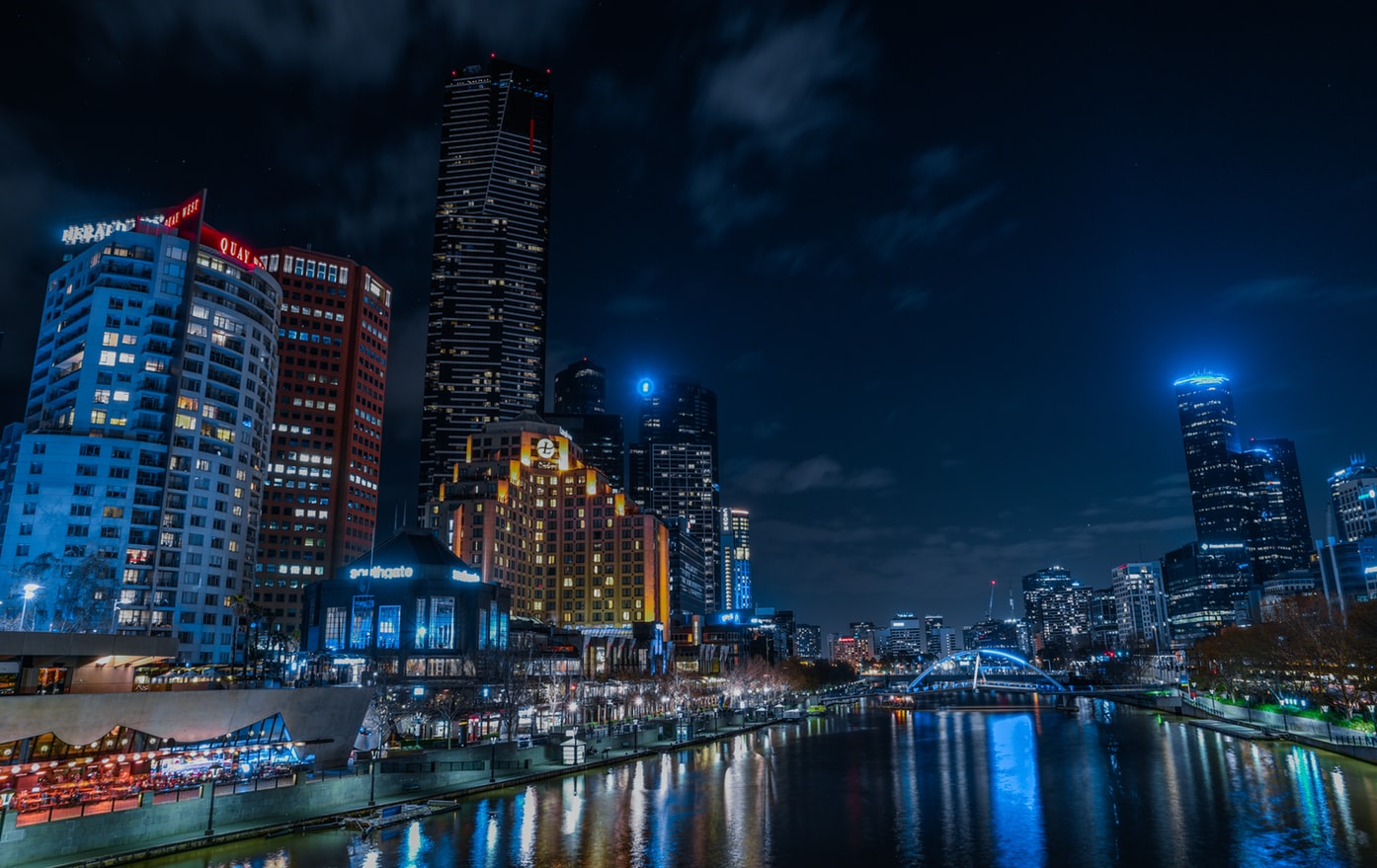
Consistently rated among the "world's most livable cities" in quality-of-life surveys, Melbourne is built on a coastal plain at the top of the giant horseshoe of Port Phillip Bay. The city center is an orderly grid of streets where the state parliament, banks, multinational corporations, and splendid Victorian buildings that sprang up in the wake of the gold rush now stand. This is Melbourne's heart, which you can explore at a leisurely pace in a couple of days.In Southbank, one of the newer precincts south of the city center, the Southgate development of bars, restaurants, and shops has refocused Melbourne's vision on the Yarra River. Once a blighted stretch of factories and run-down warehouses, the southern bank of the river is now a vibrant, exciting part of the city, and the river itself is finally taking its rightful place in Melbourne's psyche.Just a hop away, Federation Square—with its host of galleries—has become a civic landmark for Melburnians. Stroll along the Esplanade in the suburb of St. Kilda, amble past the elegant houses of East Melbourne, enjoy the shops and cafés in Fitzroy or Carlton, rub shoulders with locals at the Victoria Market, nip into the Windsor for afternoon tea, or rent a canoe at Studley Park to paddle along one of the prettiest stretches of the Yarra—and you may discover Melbourne's soul as well as its heart.

Aumel   Melbourne, Victoria, Australia   Alx
Aumel Melbourne, Victoria, Australia Alx
Aumel   Melbourne, Victoria, Australia   Fabian Mardi
Aumel Melbourne, Victoria, Australia Fabian Mardi
Aumel   Melbourne, Victoria, Australia   Graham Holtshausen
Aumel Melbourne, Victoria, Australia Graham HoltshausenGraham Holtshausen
Aumel   Melbourne, Victoria, Australia   Michael Lee
Aumel Melbourne, Victoria, Australia Michael LeeMichael Lee
Aumel   Melbourne, Victoria, Australia   Shaqyl Shamsudheen
Aumel Melbourne, Victoria, Australia Shaqyl ShamsudheenShaqyl Shamsudheen

Day 10 - Adelaide, South Australia

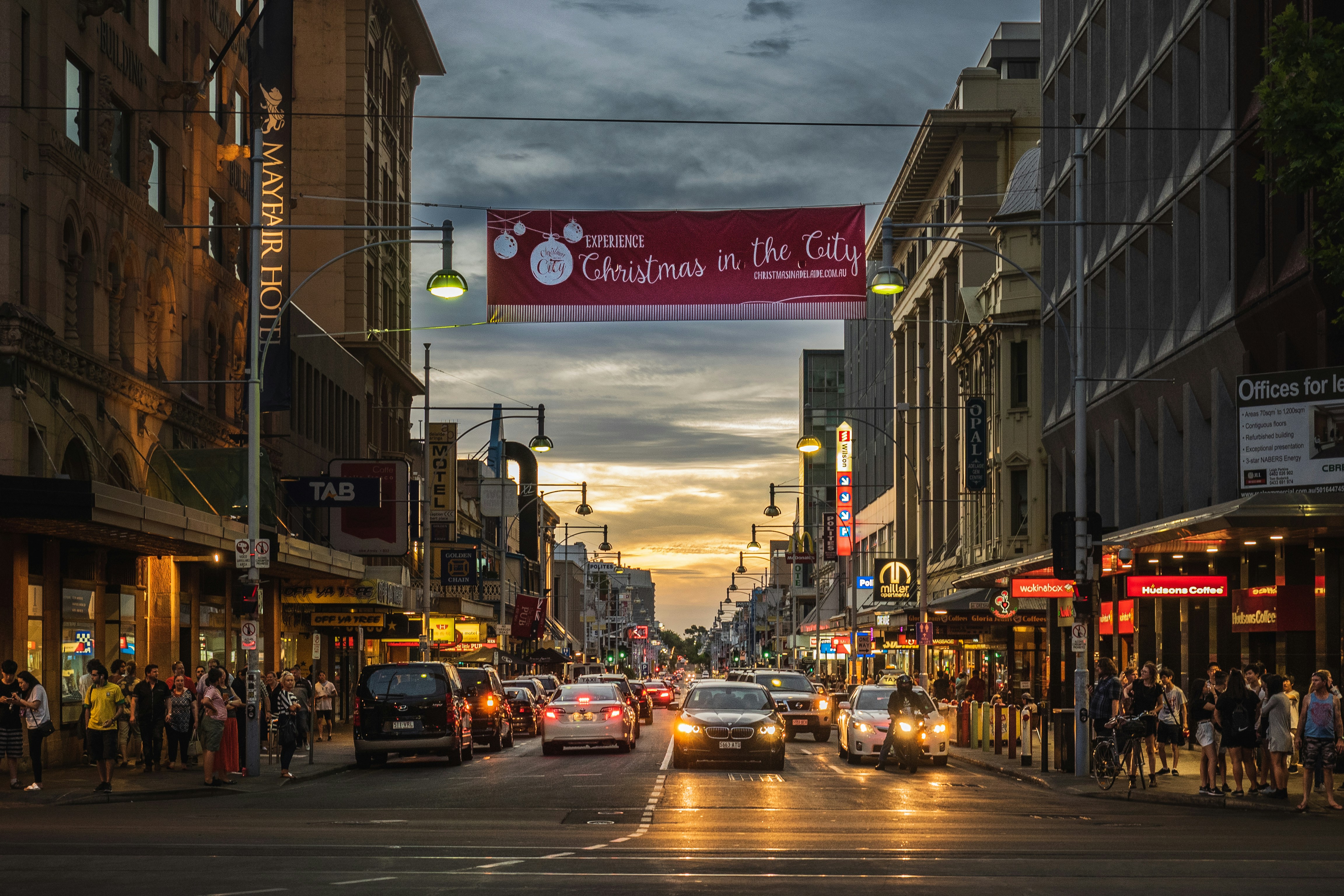
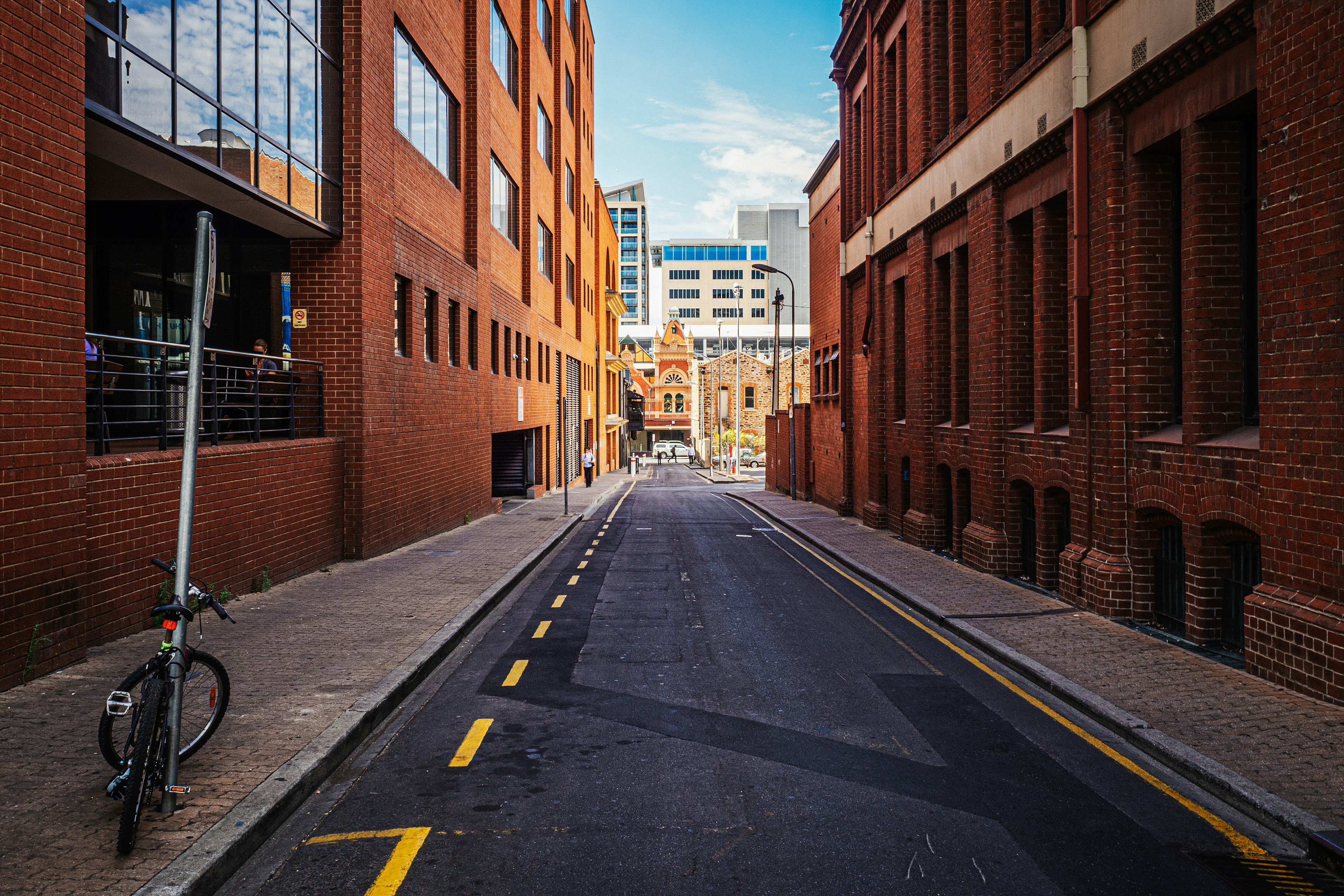
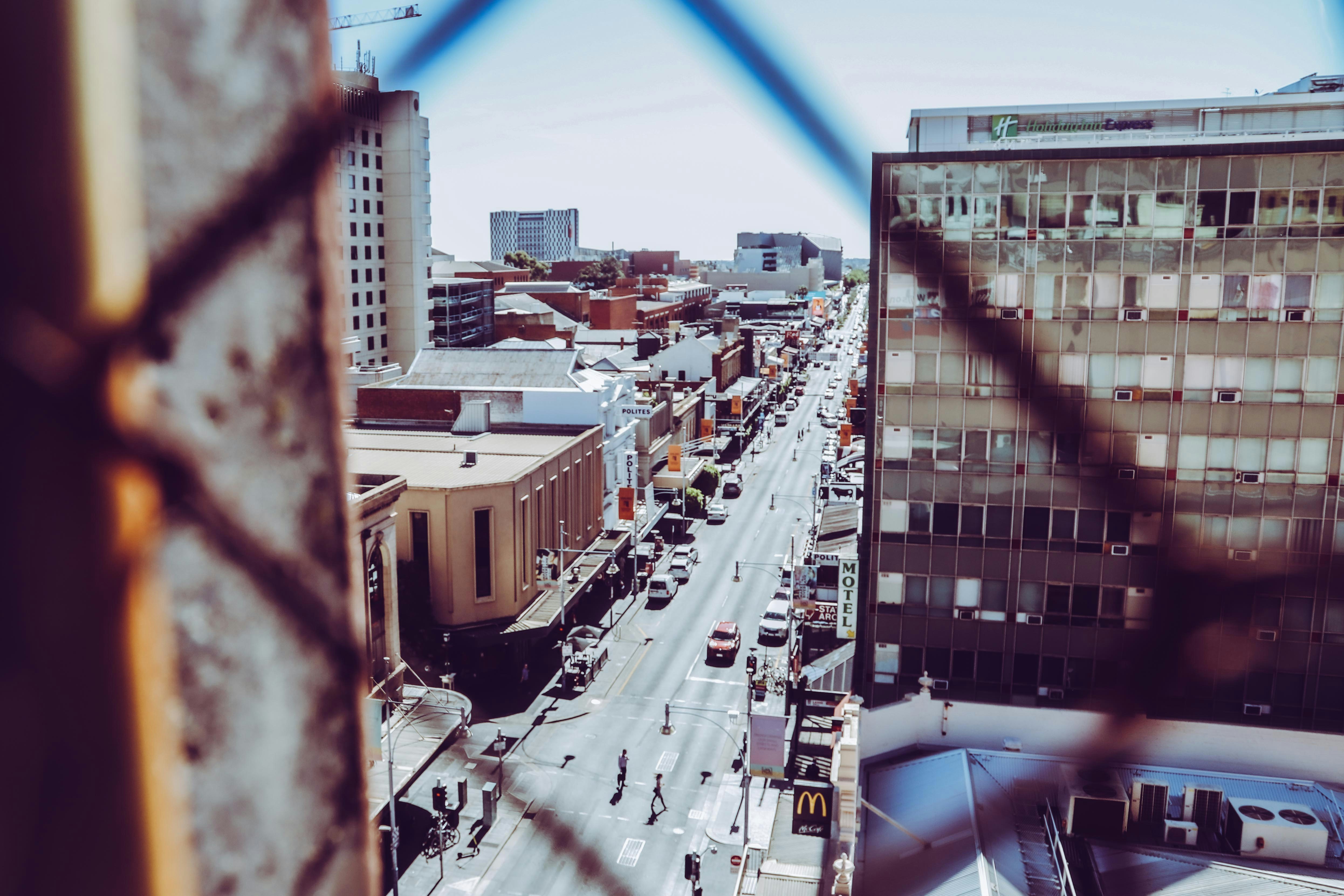
Australians think of Adelaide as a city of churches, but Adelaide has outgrown its reputation as a sleepy country town dotted with cathedrals and spires. The Adelaide of this millennium is infinitely more complex, with a large, multiethnic population and thriving urban art and music scenes supported by a "space activation program" that encourages pop-up shops, markets, performances, street food, mini festivals, art exhibitions, and other "off-the-cuff" experiences in the cities underutilized streets and public spaces.Bright and clean, leafy and beautiful Adelaide is a breeze to explore, with a grid pattern of streets encircled by parkland. The heart of the greenbelt is divided by the meandering River Torrens, which passes the Festival Centre in its prettiest stretch.

City, Rundle Mall, Adelaide, Australia
City, Rundle Mall, Adelaide, AustraliaPhoto by rawkkim on Unsplash
North Street, Adelaide, Australia
North Street, Adelaide, AustraliaPhoto by rawkkim on Unsplash
Adelaide, Australia
Adelaide, AustraliaPhoto by Scancode Productions on Unsplash
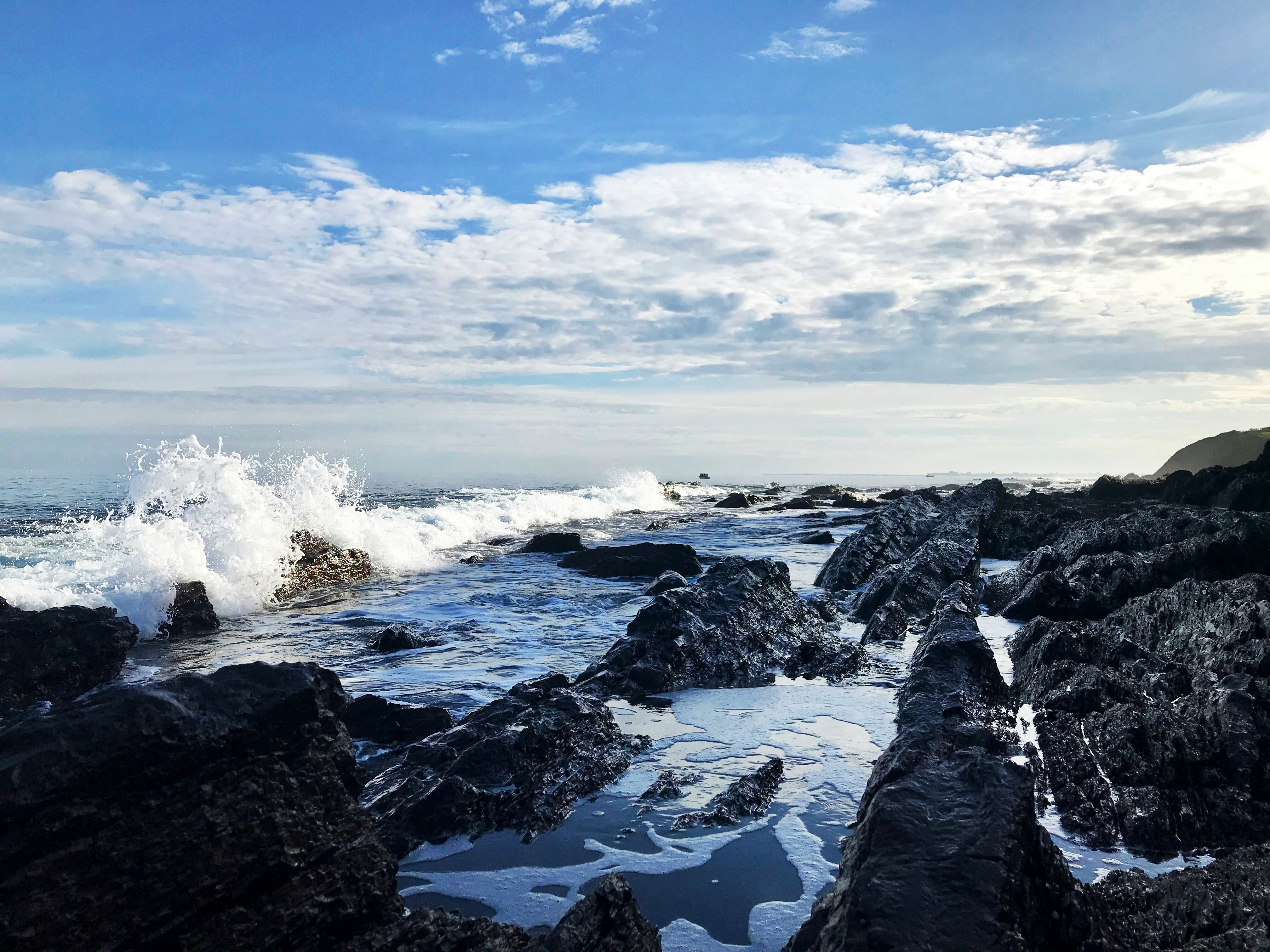
Hallett Cove, Adelaide, Australia
Hallett Cove, Adelaide, AustraliaPhoto by Alex Ljamin on Unsplash

Day 11 - Kangaroo Island, South Australia

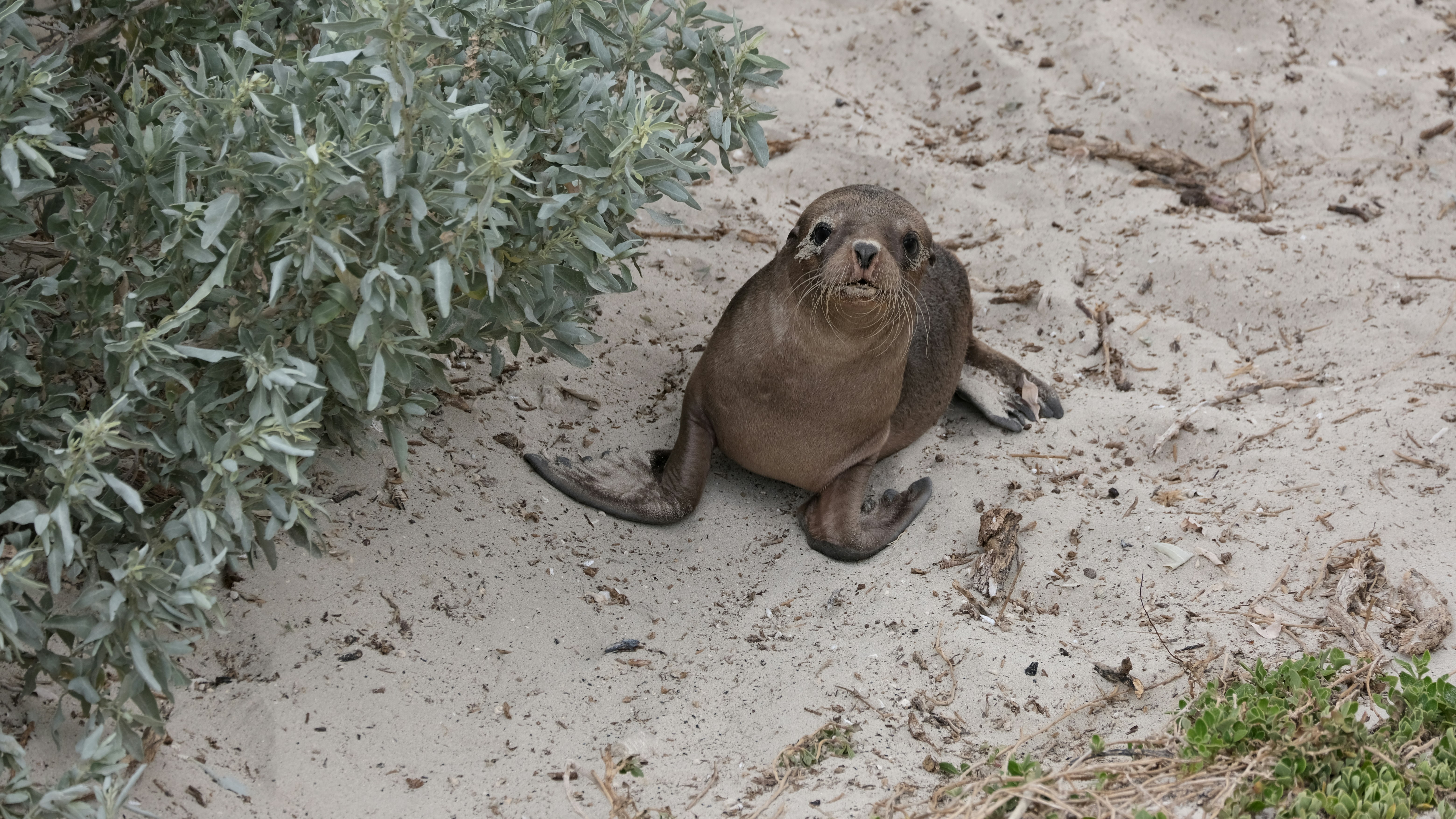
Kangaroo Island is with 1,740 square miles the third largest island off the coast of Australia. It is 96 miles long and 34 miles wide, and known for its outstanding natural beauty. Due to its remote location, Kangaroo Island was less affected than the mainland by the impact of European development. To this day, the island is rich in diverse flora and fauna seldom found elsewhere. As one of the world’s last unspoiled wilderness places, about 30 percent of the island has been designated as National Parks. The most important one is Flinders Chase at the western end of Kangaroo Island, with Seal Bay Conservation Park following close behind. Its large sandy beach and dune area is home to Australian sea lions where they come to rest and nurse their young. Kingscote, formerly known as Queenscliffe, is the largest town on the island and its main supply depot. Tourism is a significant element in the local economy. A mix of attractive small townships, wildlife sanctuaries and fascinating wilderness areas guarantee a steady stream of visitors each year.

Kangaroo Island, Australia
Kangaroo Island, AustraliaPhoto by Thomas Gabernig on Unsplash

Day 12 - Wallaroo, South Australia

Further details for this day are not available.

Wallaroo Australia
Wallaroo AustraliaRachel Kucera

Day 13 - Port Lincoln, South Australia

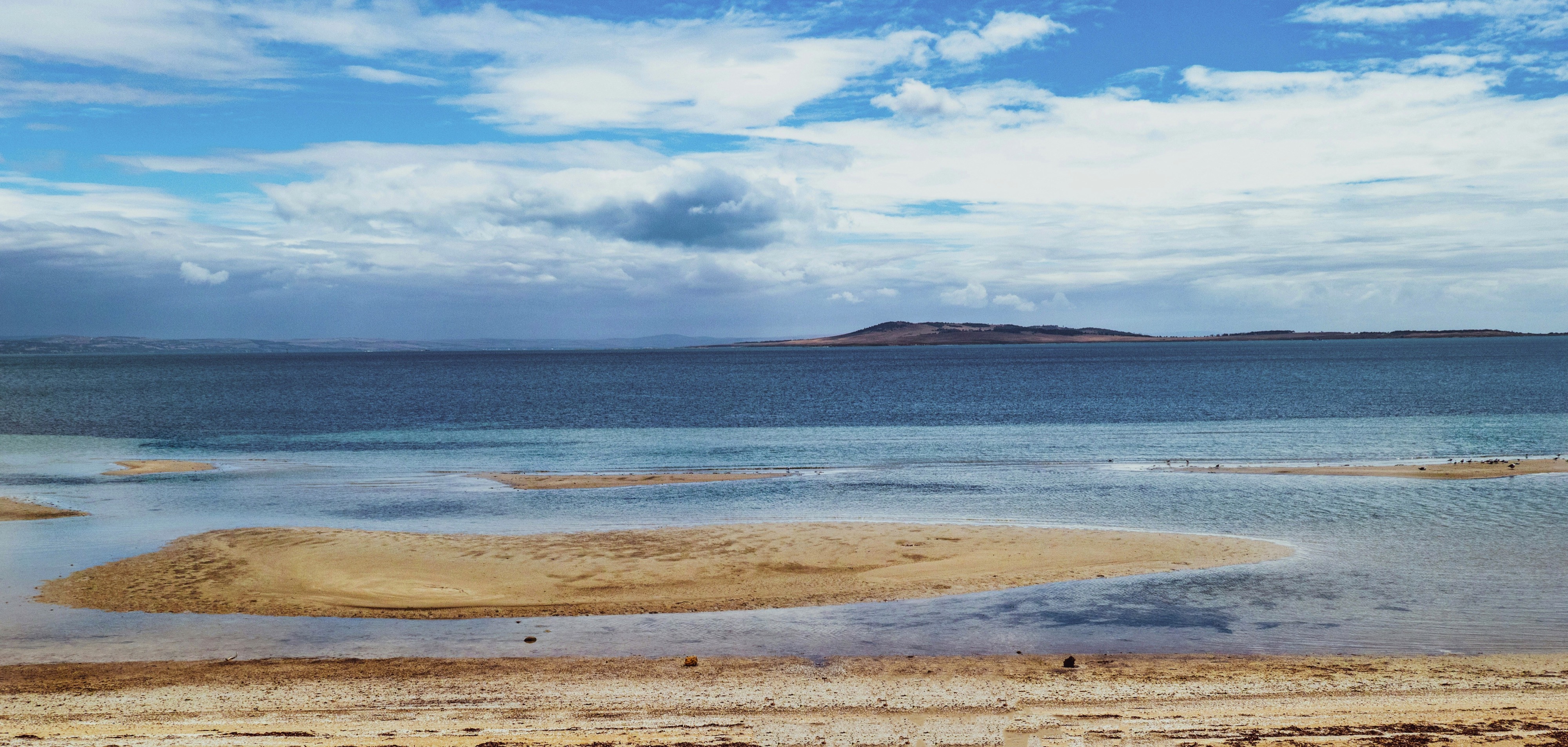
Port Lincoln is the second-largest city on the lower Eyre Peninsula in the Australian state of South Australia. Nestled on the shore of Boston Bay, Australia's largest natural harbour, Port Lincoln opens eastward into Spencer Gulf. Port Lincoln is the largest city in the west coast region, and located approximately 174 miles (280 kilometres) from the capital city of Adelaide. Port Lincoln has a contrasting coastal landscape, ranging from sheltered waters and beaches to surf beaches and rugged oceanic coastline. The Great South Australian Coastal Upwelling System brings cold, nutrient-rich water into nearby waters of the Great Australian Bight and Spencer Gulf. This phenomenon supports lucrative fisheries, including that of the southern bluefin tuna and sardine, making Port Lincoln locally-renowned as the 'Seafood Capital of Australia'. The Eyre Peninsula has been home to Aboriginal people for thousands of years. The Nauo (south-western Eyre), Barngarla (eastern Eyre), Wirangu (north-western Eyre) and Mirning (far-western Eyre) being the predominant original cultural groups present at the time of the arrival of Europeans. Port Lincoln was discovered by Matthew Flinders under his commission by the British Admiralty to chart Australia's unexplored coastline. Flinders dropped anchor in Boston Bay in February 1802, and named the spot Port Lincoln after his native Lincolnshire in England. Port Lincoln was initially considered as the alternative site for the State's capital, but was subsequently rejected by Colonel Light in 1836 in favour of Adelaide; a lack of fresh water supplies was a major determining factor. The first settlers arrived in Port Lincoln in March 1839 aboard the Abeona, the Dorset and the Porter. There is an historic plaque at the First Landing site to commemorate the event. In the years since, Port Lincoln has evolved into one of the nation's biggest combined agricultural, fishing and aquaculture industries, with tourism becoming a major contributor towards the local economy. Port Lincoln offers ample opportunities to explore its unique blend of cultures and storied past. The local culture, traditions and storied past can be experienced during visits to any of Port Lincoln's scenic and informative museums. The Axel Stenross Museum is filled with maritime history, relics and artefacts from windjammer days. The Koppio Smithy National Trust Museum is a vast, Heritage-listed, open-air museum nestled amidst the rolling hills of Koppio, and replete with buildings and artefacts representing the early pioneer heritage of Eyre Peninsula. The Mt. Dutton Bay Woolshed Museum is a Heritage-listed 'working' museum consisting of hundreds of local artefacts depicting the history of Port Lincoln's historic shearing, farming and fishing era. The National Trust 'Mill Cottage' offers visitors a unique opportunity to explore the pioneering life of the Bishop family, one of Port Lincoln's first settlement families, during a visit to their 1866 home. The Railway Museum provides an authentic setting for many of the museum displays, with many internal features still intact from the days when it was an active railway station. Port Lincoln is home to 148,263 acres (60,000 hectares) of national parks, with abundant beaches, local wildlife, flora and fauna, 250 bird species, and breath-taking panoramic vistas of Boston Bay, Spencer Gulf and beyond. Port Lincoln National Park, Coffin Bay National Park and Kellidie Bay Conservation Park are all located nearby, and represent a unique opportunity to explore Port Lincoln's exquisite natural and coastal beauty. Land-based outdoor excursions include bird-watching, scenic walking tours, off-road 4WD excursions and wildlife tours at the Glen-Forest Tourist Park and Wilderness Wanders Adventure Tours, or a relaxing round of golf at the Port Lincoln Golf Club, located 6.2 miles (10 kilometres) from Port Lincoln. The abundant blue waters off Port Lincoln, Boston Bay, Spencer Gulf and the ocean beyond are ideally-suited for aquaculture tours, windsurfing, surfing, snorkelling, scuba-diving, fishing, boating, sailing, swimming with bluefin tuna at Swim with the Tuna, and shark cage-diving and swimming with sea lions, seals, rays, and grouper at Calypso Star Charters and Rodney Fox Shark Expeditions. Due to its compact size, Port Lincoln can be easily explored in just a single day.
Port Lincoln
Port LincolnPhoto by Danny Lau on Unsplash

Day 16 - Albany, Western Australia

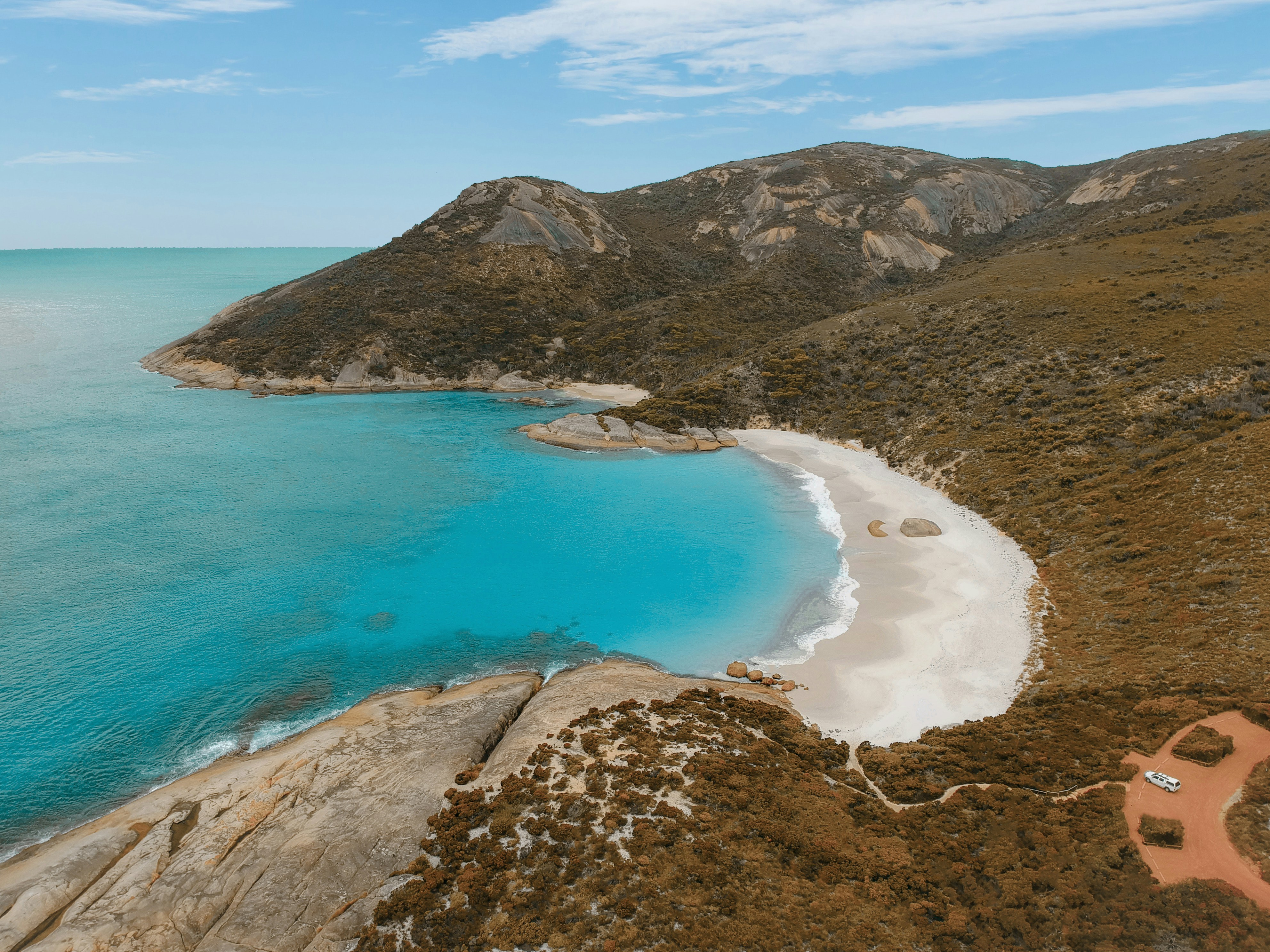
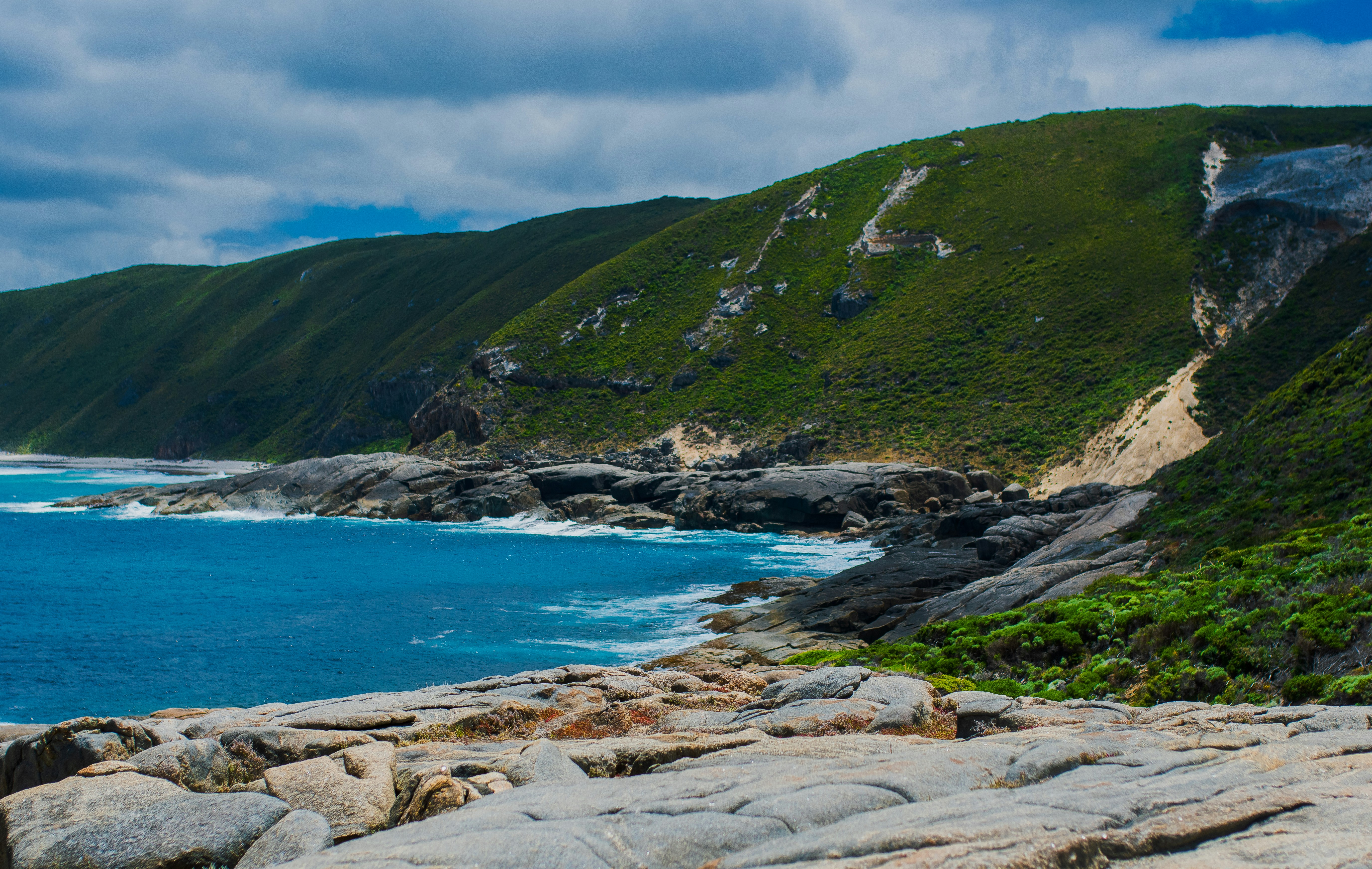
Proclaimed a city on July 1, 1998, Albany with a population of 28,000 is rapidly expanding. It is the commercial center of Western Australia's southern region and the oldest settlement in the state, established in 1826. Boasting an excellent harbor on King George Sound led to Albany becoming a thriving whaling port. Later, when steam ships started traveling between England and Australia, Albany was an important coaling station and served as a penal and a military outpost. The coastline offers some of Australia's most rugged and spectacular scenery. At certain times of the year, whales can be spotted off the coast. Among the city's attractions are some fine old colonial buildings that reflect Albany's Victorian heritage. Various lookout points offer stunning vistas.

Albany Western Australia, Australia
Albany Western Australia, AustraliaPhoto by Harry Cunningham on Unsplash
Albany, Western Australia
Albany, Western AustraliaPhoto by Sreej Pradhan on Unsplash

Day 17 - Busselton, Western Australia

Further details for this day are not available.

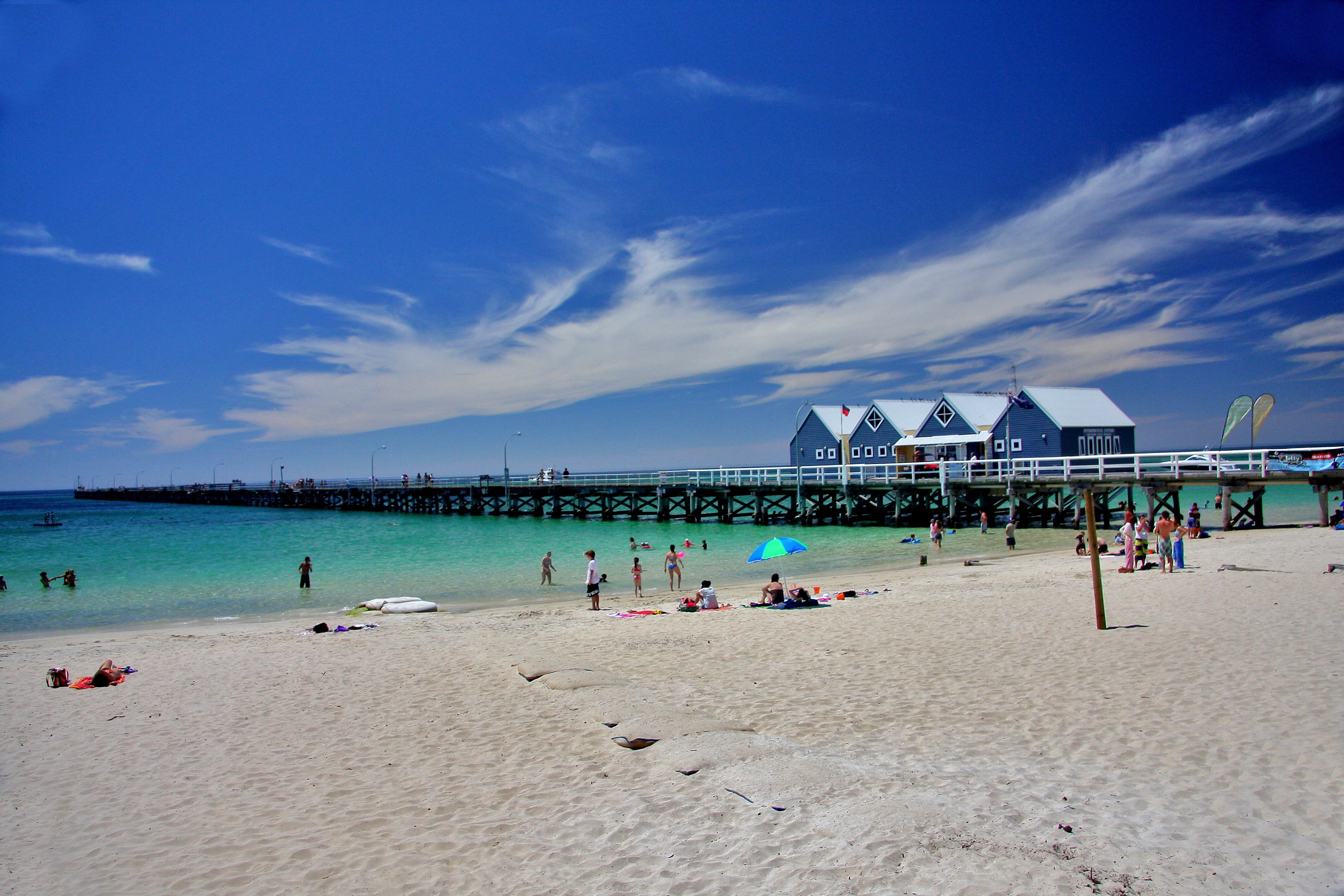
Busselton, Australia
Busselton, AustraliaImage by Holger Detje from Pixabay

Day 18 - Perth, Western Australia

Further details for this day are not available.

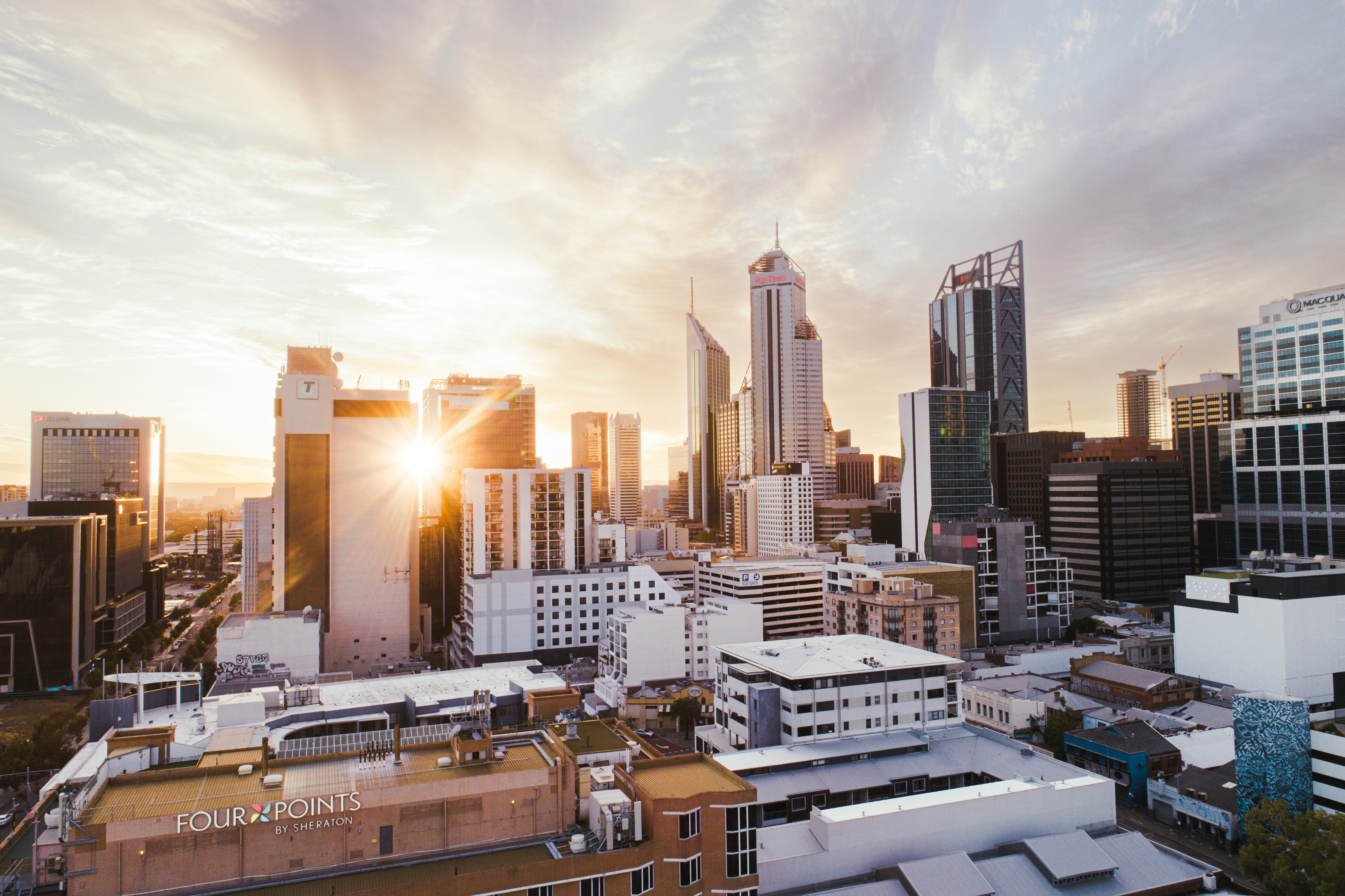
Sunrise Over City Of Perth, Australia
Sunrise Over City Of Perth, AustraliaPhoto by Nathan Hurst
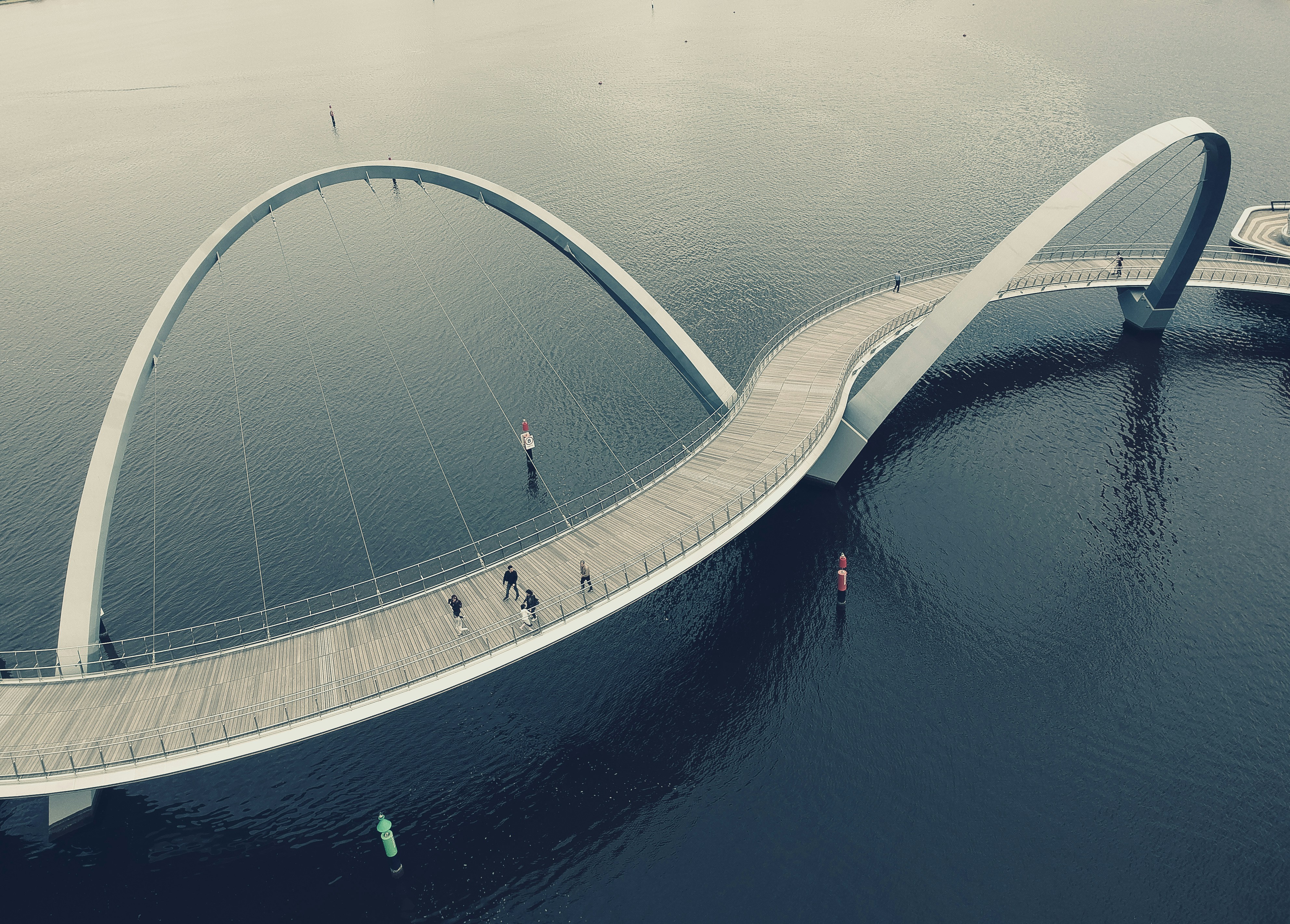
Elizabeth Quay Train Station, Perth, Australia
Elizabeth Quay Train Station, Perth, AustraliaPhoto by M.Fildza Fadzil
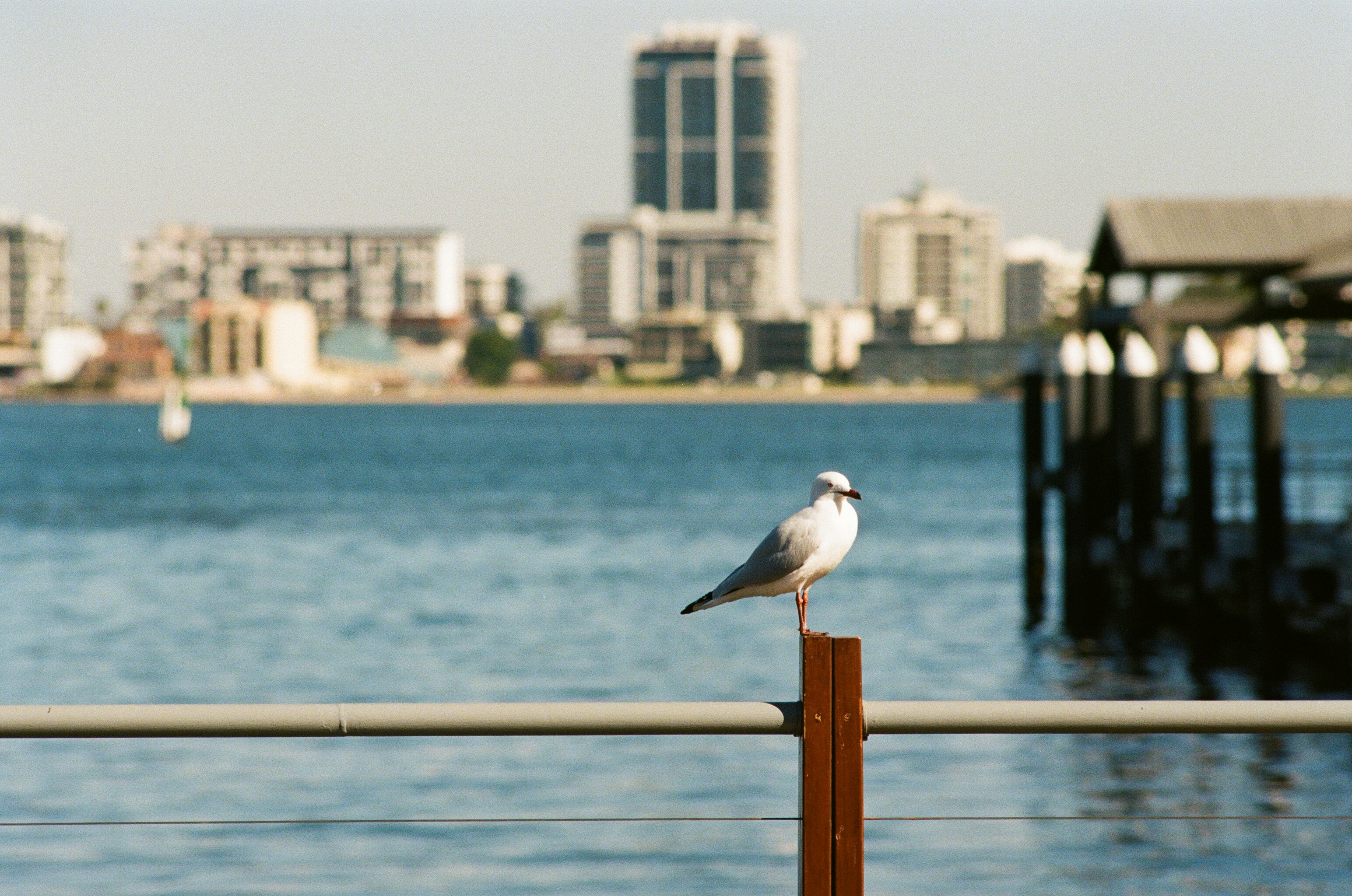
Seagull At Elizabeth Quay, Perth, Australia
Seagull At Elizabeth Quay, Perth, AustraliaPhoto by Viet Hoang Duc
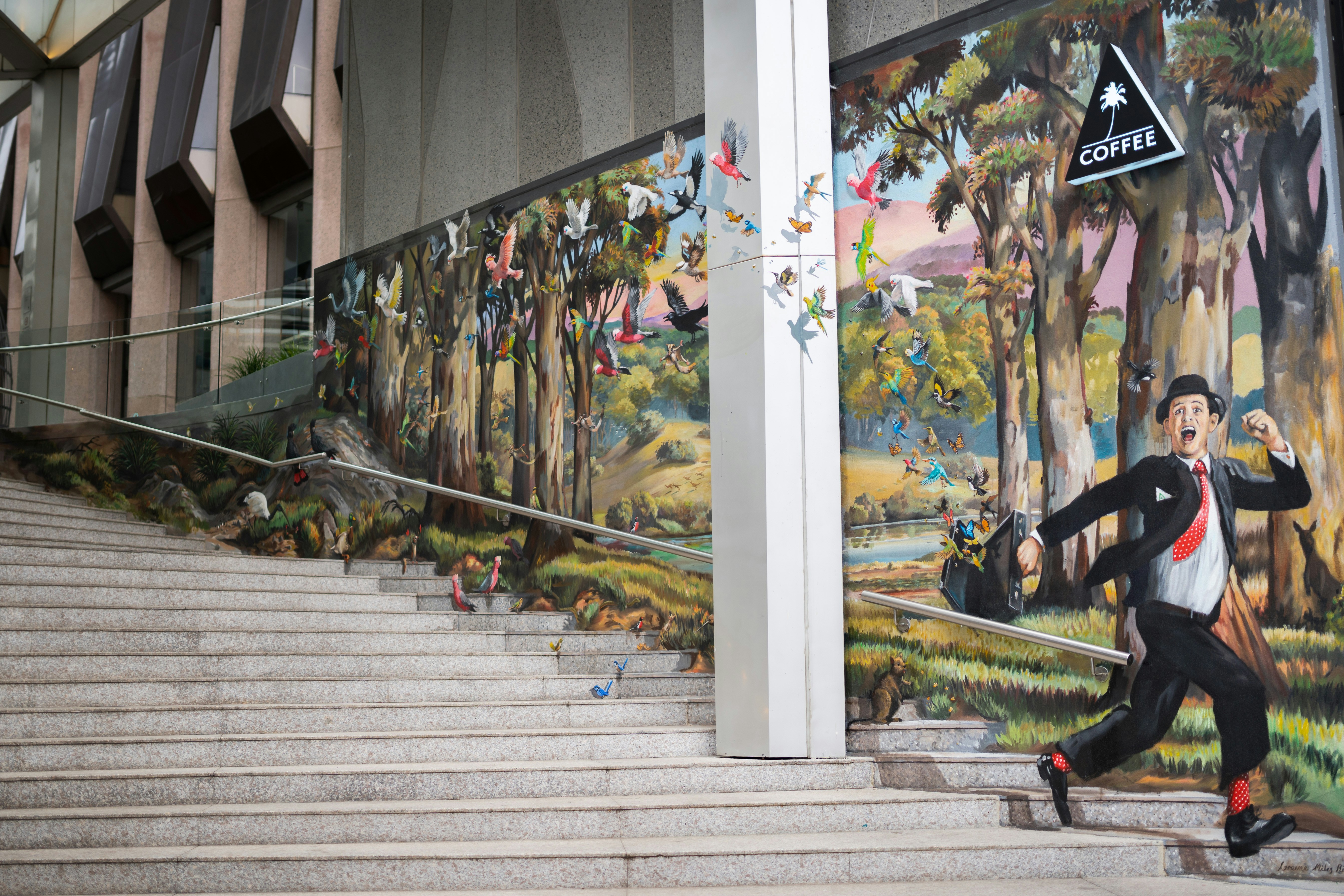
Staircase Street Art In Downtown Perth, Australia
Staircase Street Art In Downtown Perth, AustraliaPhoto by Start Digital
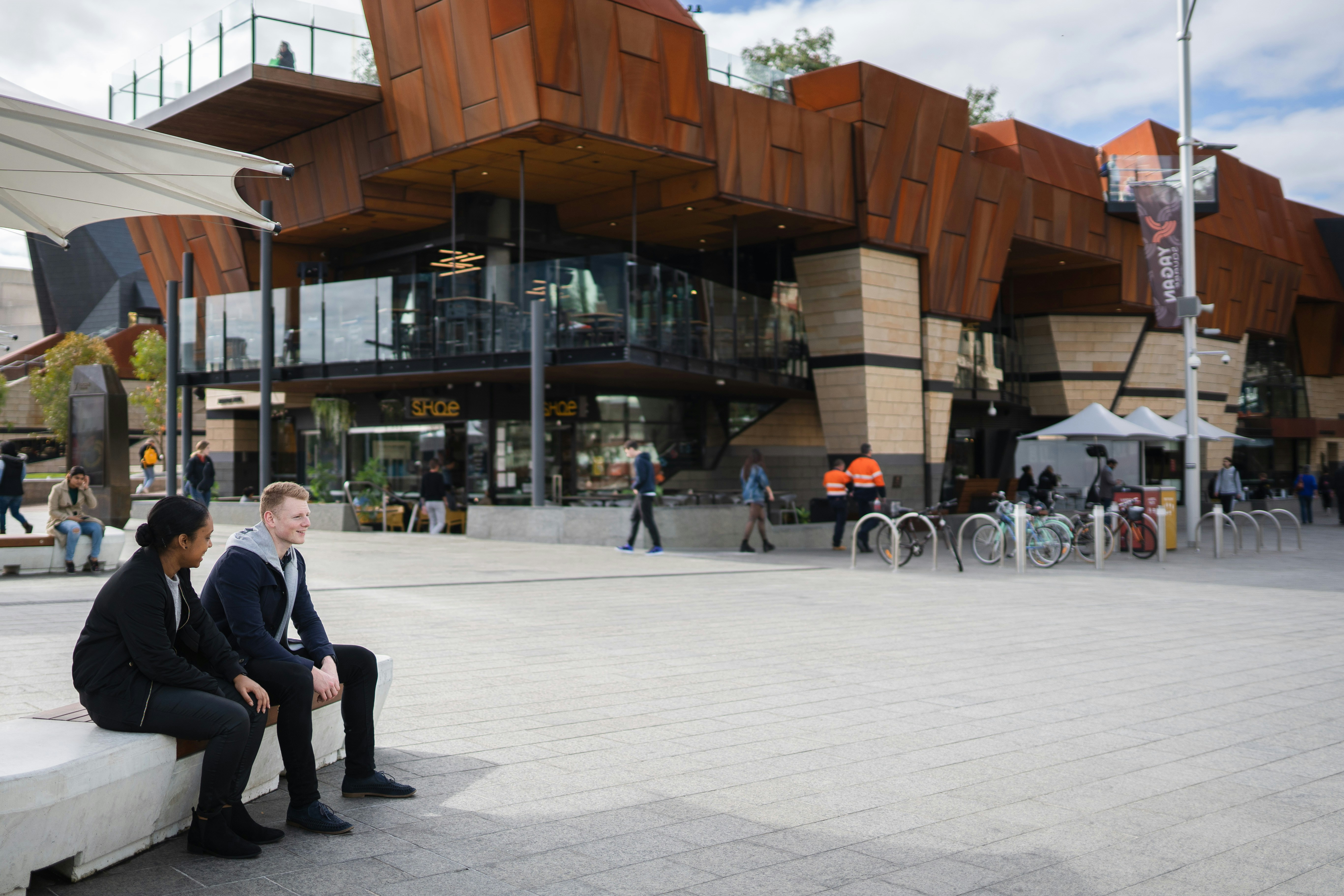
Yagan Square, Perth, Australia
Yagan Square, Perth, AustraliaPhoto by Start Digital

Day 19 - Geraldton, Western Australia

Surrounded by beaches, sun-drenched Geraldton in Western Australia is a thriving city facing the Indian Ocean. Located on the Coral Coast, the city has a friendly country town feel but is infused local history and cultural heritage. Like many coastal towns, the dining and café culture is superb and the choice of which restaurant to choose is a happy dilemma for most travellers!Celebrated for its annual display of spectacular wildflowers, Geraldton’s flora attracts visitors from all regions, with guides taking tourists on as much as 300 mile/500 kilometre round trips in order to make sure that they receive the best possible experience. A haven for visitors especially during the cooler months, the views differ year-in year-out and vary greatly depending on the rainfall. Whole fields become blanketed in colour and rare plants, such as the wreath-flower, burst into splendorous bloom. The well-informed guides keep a track of what is flowering where and visitors only have to ask to be pointed in the right direction. With over 300 species of native plants, it is only expected that insects and birds are attracted to the area. Over 120 types of bird have been classified as well as 22 types of reptile and seven types of frog. Happily, the iconic kangaroo also makes the plains their home, so visitors can expect a real Aussie welcome if they happen upon one!

Geraldton, Wa
Geraldton, WaImage by Penny from Pixabay

Day 21 - Exmouth, Western Australia

Further details for this day are not available.

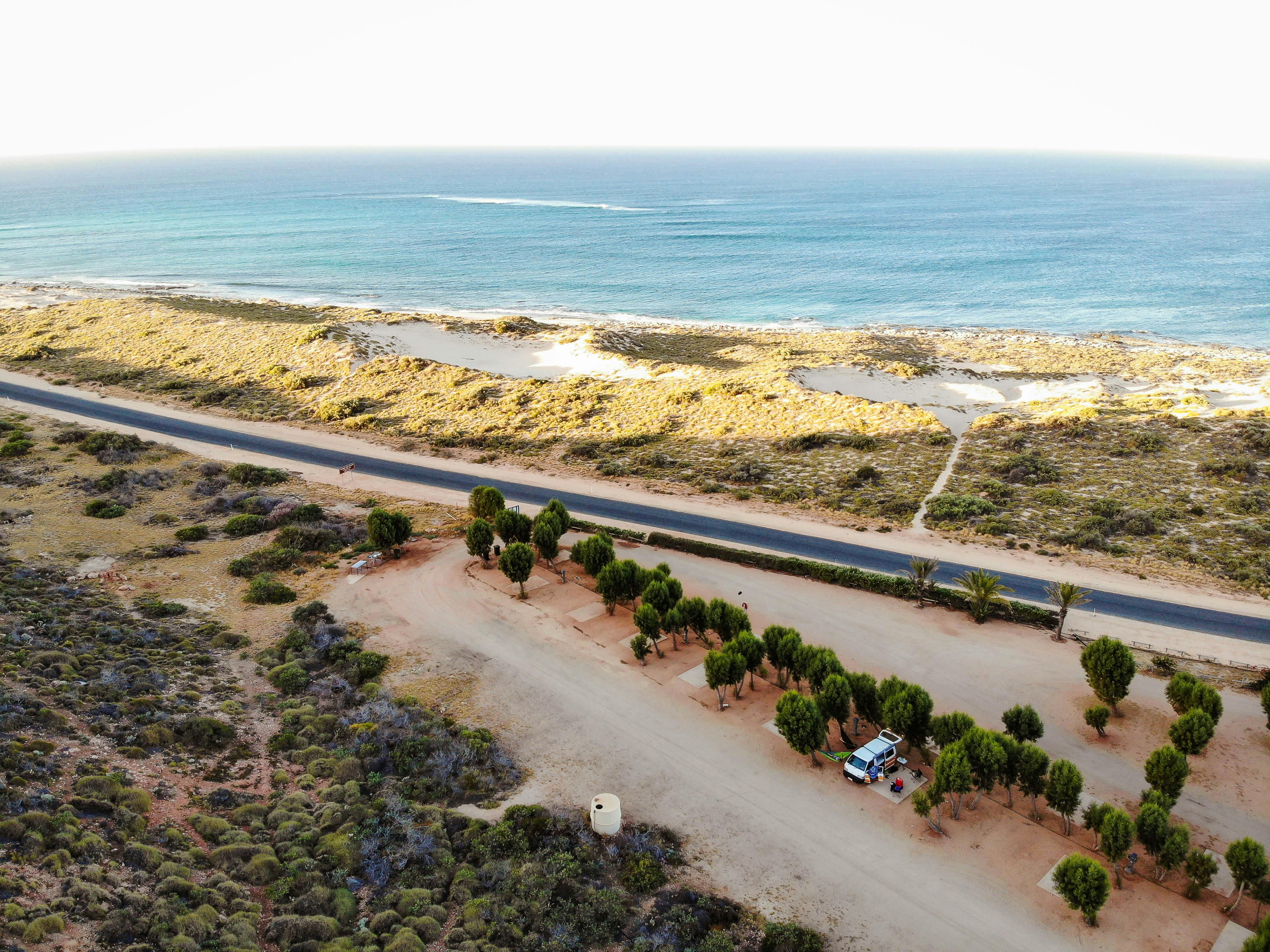
Aerial Shot Of Exmouth Road Near Body Of Water
Aerial Shot Of Exmouth Road Near Body Of WaterPhoto by Amanda Klamrowski

Day 23 - Broome, Western Australia

Broome, a coastal town in Western Australia, is famous for its stunning beaches, rich history, and vibrant culture. Located on the Indian Ocean, it boasts Cable Beach, known for its white sand, turquoise waters, and iconic camel rides at sunset. Once a pearling hub, Broome retains its multicultural heritage, reflected in its cuisine and architecture. The town is also the gateway to the Kimberley region, offering breathtaking landscapes and unique natural attractions like the Staircase to the Moon. With warm weather year-round and a laid-back atmosphere, Broome is a perfect destination for adventure, relaxation, and cultural experiences.

Day 24 - Kimberley Coast, Western Australia

Further details for this day are not available.

Kimberley, Australia
Kimberley, AustraliaImage by Penny from Pixabay

Day 26 - Darwin, Northern Territory

Darwin is Australia's most colorful, and exotic, capital city. Surrounded on three sides by the turquoise waters of the Timor Sea, the streets are lined with tropical flowers and trees. Warm and dry in winter, hot and steamy in summer, it's a relaxed and casual place, as well as a beguiling blend of tropical frontier outpost and Outback hardiness. Thanks to its close proximity to Southeast Asia and its multicultural population it also seems more like Asia than the rest of Australia. Darwin is a city that has always had to fight for its survival. The seductiveness of contemporary Darwin lifestyles belies a history of failed attempts that date from 1824 when Europeans attempted to establish an enclave in this harsh, unyielding climate. The original 1869 settlement, called Palmerston, was built on a parcel of mangrove wetlands and scrub forest that had changed little in 15 million years. It was not until 1911, after it had already weathered the disastrous cyclones of 1878, 1882, and 1897, that the town was named after the scientist who had visited Australia's shores aboard the Beagle in 1839. During World War II it was bombed more than 60 times, as the harbor full of warships was a prime target for the Japanese war planes. Then, on the night of Christmas Eve 1974, the city was almost completely destroyed by Cyclone Tracy, Australia’s greatest natural disaster. It's a tribute to those who stayed and to those who have come to live here after Tracy that the rebuilt city now thrives as an administrative and commercial center for northern Australia. Old Darwin has been replaced by something of an edifice complex—such buildings as Parliament House and the Supreme Court all seem very grand for such a small city, especially one that prides itself on its casual, outdoor-centric lifestyle. Today Darwin is the best place from which to explore Australia's Top End, with its wonders of Kakadu and the Kimberley region.

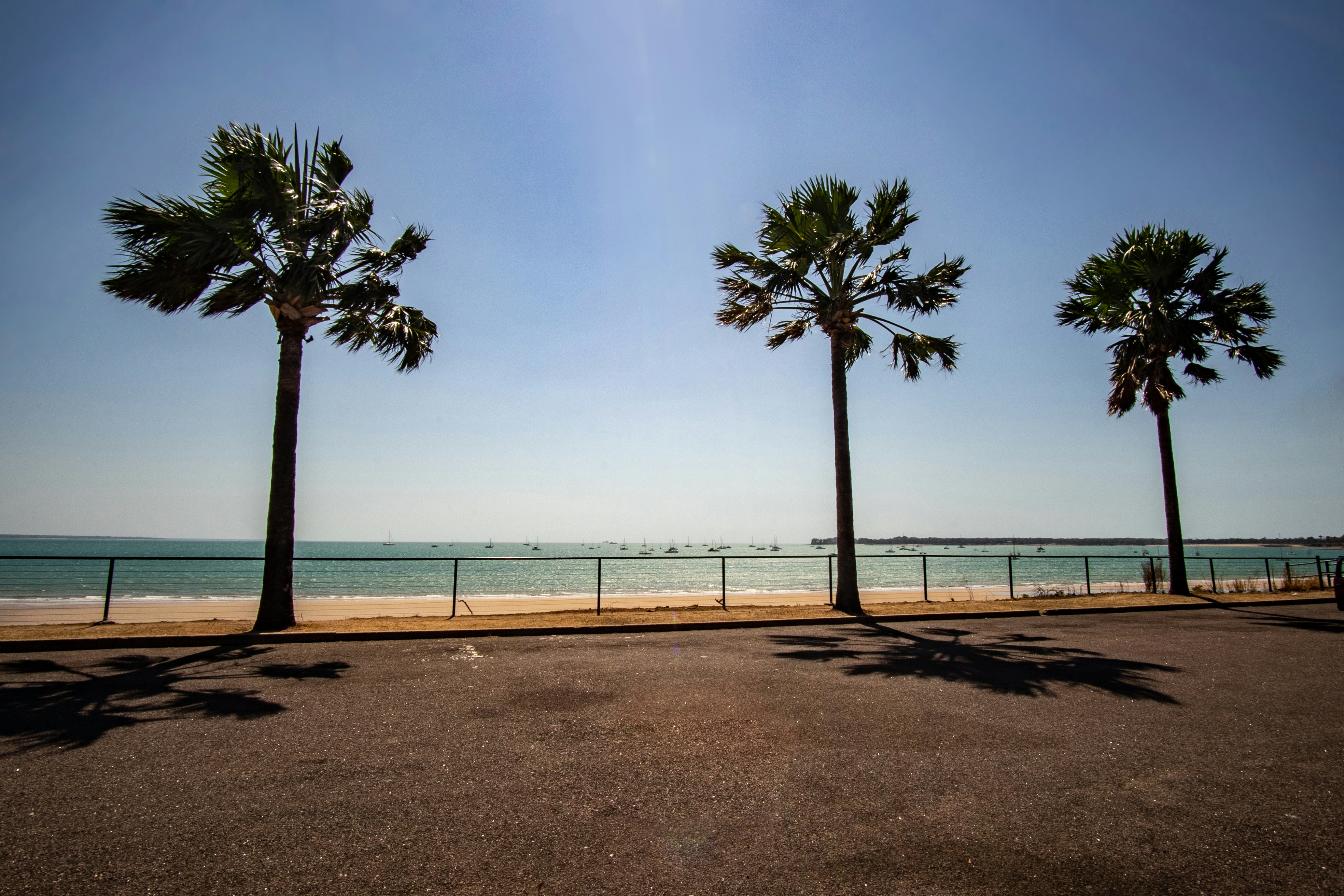
Palm Tree
Palm TreeHarry Down

Day 27 - Darwin, Northern Territory

Darwin is Australia's most colorful, and exotic, capital city. Surrounded on three sides by the turquoise waters of the Timor Sea, the streets are lined with tropical flowers and trees. Warm and dry in winter, hot and steamy in summer, it's a relaxed and casual place, as well as a beguiling blend of tropical frontier outpost and Outback hardiness. Thanks to its close proximity to Southeast Asia and its multicultural population it also seems more like Asia than the rest of Australia. Darwin is a city that has always had to fight for its survival. The seductiveness of contemporary Darwin lifestyles belies a history of failed attempts that date from 1824 when Europeans attempted to establish an enclave in this harsh, unyielding climate. The original 1869 settlement, called Palmerston, was built on a parcel of mangrove wetlands and scrub forest that had changed little in 15 million years. It was not until 1911, after it had already weathered the disastrous cyclones of 1878, 1882, and 1897, that the town was named after the scientist who had visited Australia's shores aboard the Beagle in 1839. During World War II it was bombed more than 60 times, as the harbor full of warships was a prime target for the Japanese war planes. Then, on the night of Christmas Eve 1974, the city was almost completely destroyed by Cyclone Tracy, Australia’s greatest natural disaster. It's a tribute to those who stayed and to those who have come to live here after Tracy that the rebuilt city now thrives as an administrative and commercial center for northern Australia. Old Darwin has been replaced by something of an edifice complex—such buildings as Parliament House and the Supreme Court all seem very grand for such a small city, especially one that prides itself on its casual, outdoor-centric lifestyle. Today Darwin is the best place from which to explore Australia's Top End, with its wonders of Kakadu and the Kimberley region.

Palm Tree
Palm TreeHarry Down

Day 31 - Alotau

Alotau is the provincial capital of the Milne Bay Province located in the southeast bay of Papua New Guinea. The town and surrounding area has been an important staging ground during World War II and we will see remains and memorials dating back or referring to the war. On a tour of the town, visitors will appreciate lovely vistas of the bay and experience the markets, which are frequented not only by locals, but also by islanders selling their products or looking for produce to take back into Milne Bay. Alotau is an important port facility for the islands and attracts many vendors of handicrafts from different islands.
Alotau International Hotel, Alotau, Papua New Guinea
Alotau International Hotel, Alotau, Papua New GuineaPhoto by Amos Tade on Unsplash
Alotau, Papua New Guinea
Alotau, Papua New GuineaPhoto by Vika Chartier on Unsplash

Day 33 - Cairns, Queensland

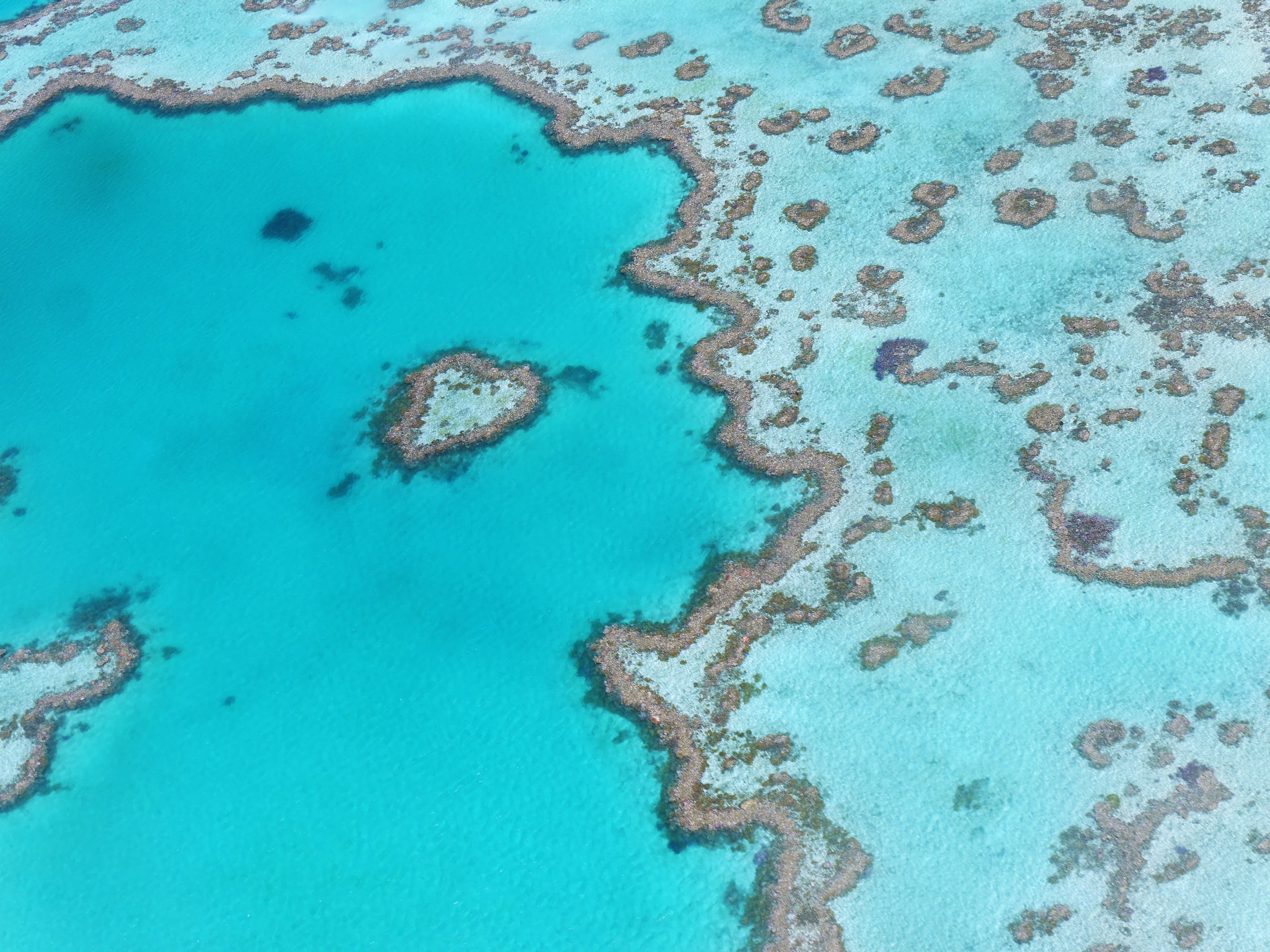
Tourism is the lifeblood of Cairns (pronounced Caans). The city makes a good base for exploring the wild top half of Queensland, and tens of thousands of international travelers use it as a jumping-off point for activities such as scuba diving and snorkeling trips to the Barrier Reef, as well as boating, fishing, parasailing, scenic flights, and rain-forest treks.It's a tough environment, with intense heat and fierce wildlife. Along with wallabies and grey kangaroos in the savannah and tree kangaroos in the rain forest, you'll find stealthy saltwater crocodiles, venomous snakes, and jellyfish so deadly they put the region’s stunning beaches off- limits to swimmers for nearly half the year. Yet despite this formidable setting, Cairns and tropical North Queensland are far from intimidating places. The people are warm and friendly, the sights spectacular, and—at the right time of year—the beachside lounging is world-class.

Great Barrier Reef, Cairns
Great Barrier Reef, CairnsImage by CoffeewithMilk from Pixabay

Day 34 - Cairns, Queensland

Tourism is the lifeblood of Cairns (pronounced Caans). The city makes a good base for exploring the wild top half of Queensland, and tens of thousands of international travelers use it as a jumping-off point for activities such as scuba diving and snorkeling trips to the Barrier Reef, as well as boating, fishing, parasailing, scenic flights, and rain-forest treks.It's a tough environment, with intense heat and fierce wildlife. Along with wallabies and grey kangaroos in the savannah and tree kangaroos in the rain forest, you'll find stealthy saltwater crocodiles, venomous snakes, and jellyfish so deadly they put the region’s stunning beaches off- limits to swimmers for nearly half the year. Yet despite this formidable setting, Cairns and tropical North Queensland are far from intimidating places. The people are warm and friendly, the sights spectacular, and—at the right time of year—the beachside lounging is world-class.

Great Barrier Reef, Cairns
Great Barrier Reef, CairnsImage by CoffeewithMilk from Pixabay

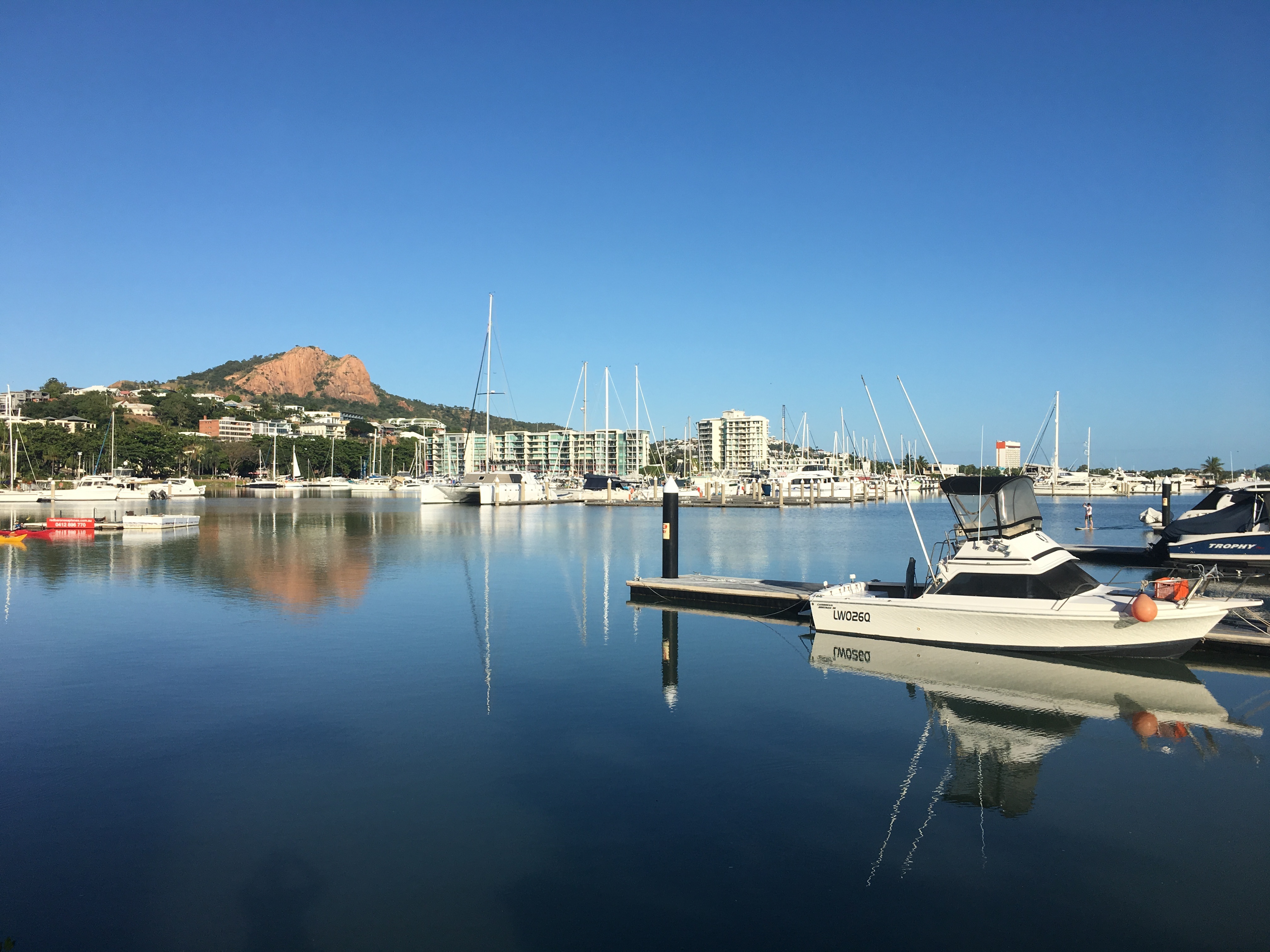
Day 35 - Townsville, Queensland

This coastal city has little in the way of sandy beaches or surf, but it does have shady parks, charming colonial buildings, and a boardwalk-flanked waterfront Esplanade with a terrific man-made beach and picnic facilities. The historic town center has thrived recently, with an influx of lively eateries and bars. There are also some excellent museum and a world-class aquarium.Queensland Parks and Wildlife Service has an office on Magnetic Island, but Townsville Enterprise's information kiosks in Flinders Square and the Museum of Tropical Queensland (MTQ), on the mainland, are the best sources of visitor info about the island.

Townsville
TownsvilleImage by bangkokflame from Pixabay

Day 36 - Airlie Beach

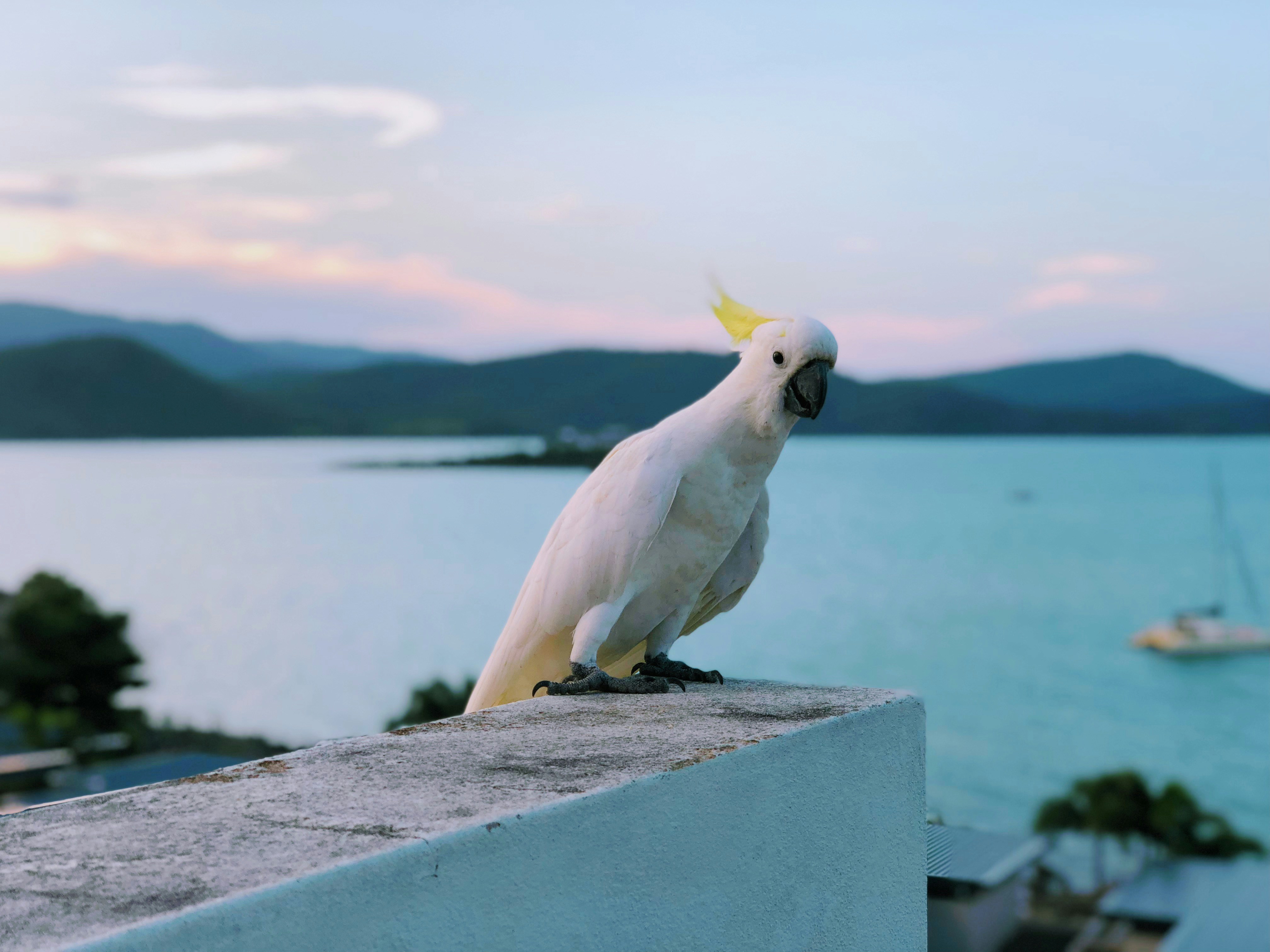
Airlie Beach, nestled in Queensland’s tropical Whitsunday Region, is a vibrant gateway to the Great Barrier Reef and the idyllic Whitsunday Islands. Renowned for its stunning waterfront, the town offers a relaxed yet lively atmosphere, with a picturesque lagoon perfect for swimming and sunbathing. Adventure seekers can enjoy sailing, snorkeling, scuba diving, and skydiving, while the surrounding rainforest and hiking trails provide scenic escapes for nature lovers. The town’s bustling streets are lined with cafés, restaurants, and lively nightlife, ensuring entertainment for all tastes. Airlie Beach is also a launch point for unforgettable island tours, including trips to the world-famous Whitehaven Beach. With its combination of natural beauty, adventure opportunities, and welcoming local culture, Airlie Beach is a must-visit destination for travelers seeking both relaxation and excitement in tropical paradise.

Cuckatoo In Gold Coast, Airliee Beach, Australia
Cuckatoo In Gold Coast, Airliee Beach, AustraliaPhoto by Sukhdeep Padda on Unsplash

Day 38 - Brisbane, Queensland

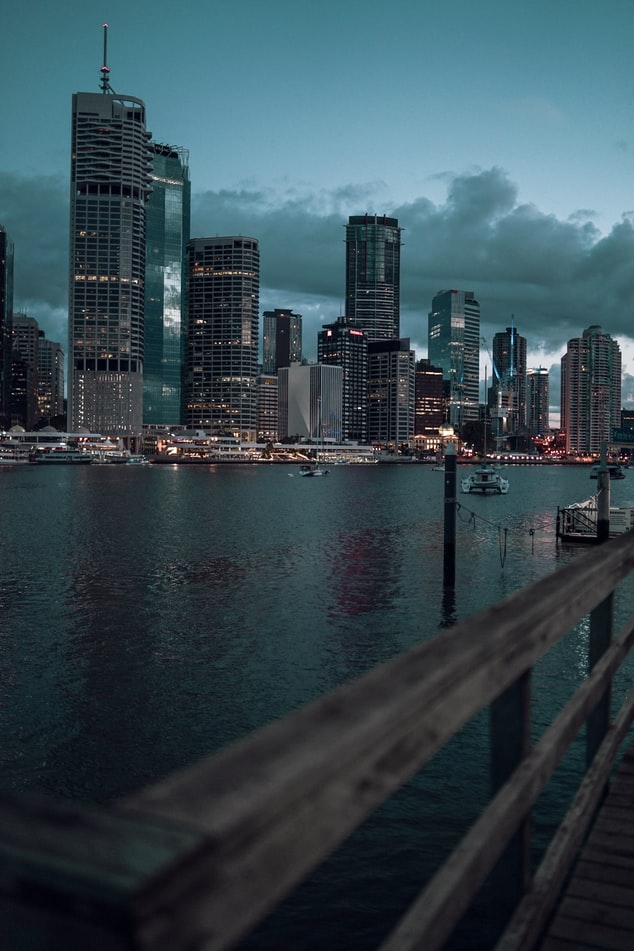
Founded in 1824 on the banks of the wide, meandering Brisbane River, the former penal colony of Brisbane was for many years regarded as just a big country town. Many beautiful timber Queenslander homes, built in the 1800s, still dot the riverbanks and inner suburbs, and in spring the city's numerous parks erupt in a riot of colorful jacaranda, poinciana, and bougainvillea blossoms. Today the Queensland capital is one of Australia's most up-and-coming cities: glittering high-rises mark its polished business center, slick fashion boutiques and restaurants abound, and numerous outdoor attractions beckon. In summer, temperatures here are broilingly hot and days are often humid, a reminder that this city is part of a subtropical region. Wear SPF 30-plus sunscreen and a broad-brimmed hat outdoors, even on overcast days.Brisbane's inner suburbs, a 5- to 10-minute drive or 15- to 20-minute walk from the city center, have a mix of intriguing eateries and quiet accommodations. Fortitude Valley combines Chinatown with a cosmopolitan mix of clubs, cafés, and boutiques. Spring Hill has several high-quality hotels, and Paddington, New Farm, Petrie Terrace, West End, and Woolloongabba are full of an eclectic mix of restaurants and bars. Brisbane is also a convenient base for trips to the Sunshine and Gold coasts, the mountainous hinterlands, and the Moreton Bay islands.

Aubne   Brisbane, Queensland, Australia   Agnieszka Kowalczyk
Aubne Brisbane, Queensland, Australia Agnieszka KowalczykAgnieszka Kowalczyk
Aubne   Brisbane, Queensland, Australia   Brisbane Local Marketing
Aubne Brisbane, Queensland, Australia Brisbane Local Marketing Brisbane Local Marketing
Aubne   Brisbane, Queensland, Australia   Guille Pozzi
Aubne Brisbane, Queensland, Australia Guille PozziGuille Pozzi
Aubne   Brisbane, Queensland, Australia   Jamie Mc Glinchey
Aubne Brisbane, Queensland, Australia Jamie Mc GlincheyJamie McGlinchey
Aubne   Brisbane, Queensland, Australia   Michael Glass
Aubne Brisbane, Queensland, Australia Michael Glass Michael Glass
Aubne   Brisbane, Queensland, Australia   Photo Credit Belongs To Alice Duffield
Aubne Brisbane, Queensland, Australia Photo Credit Belongs To Alice DuffieldAlice Duffield
Aubne   Brisbane, Queensland, Australia   Yoann Laheurte
Aubne Brisbane, Queensland, Australia Yoann LaheurteYoann Laheurte

Day 41 - Norfolk Island

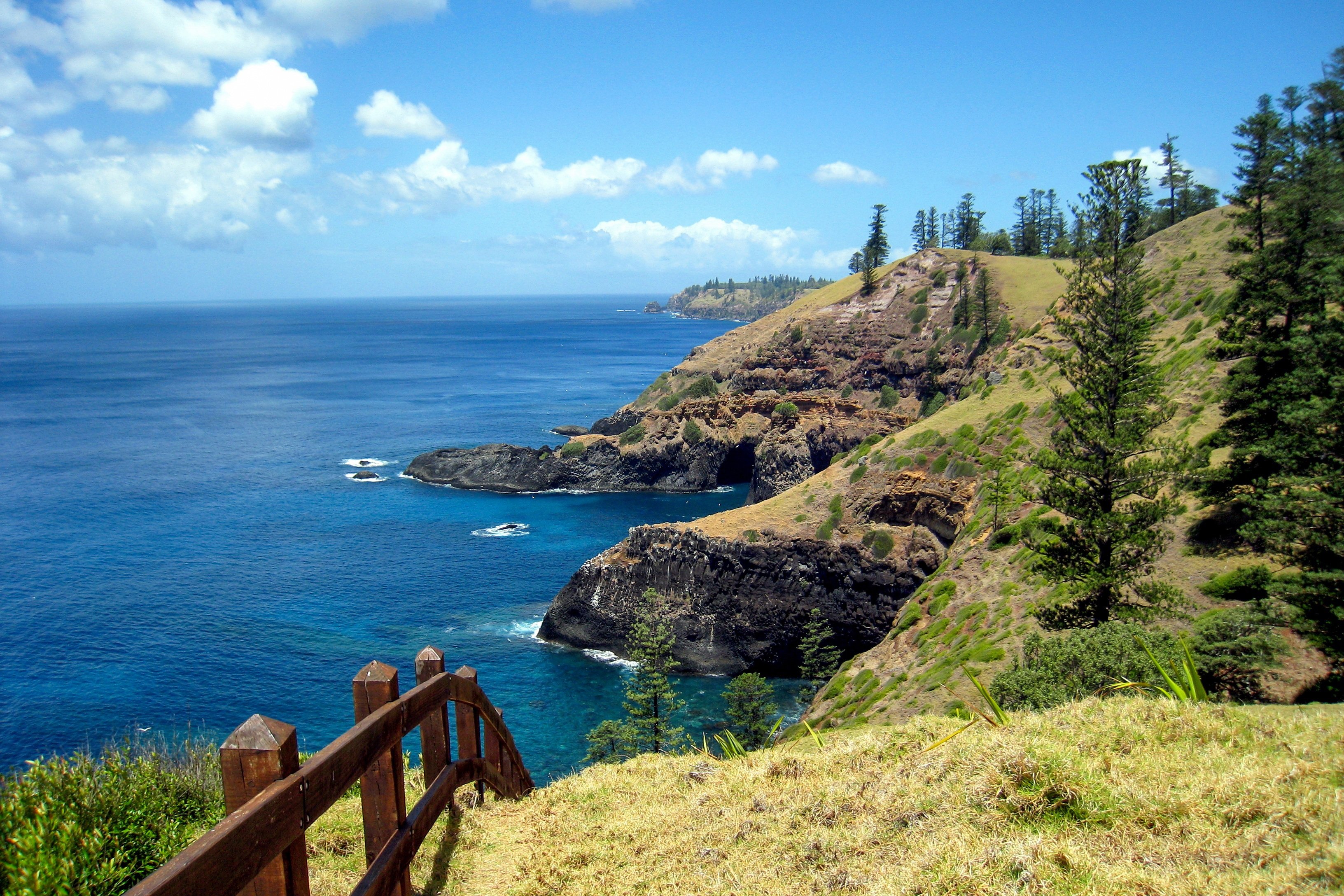
Further details for this day are not available.

Norfolk Island
Norfolk IslandImage by Penny from Pixabay

Day 43 - Nouméa

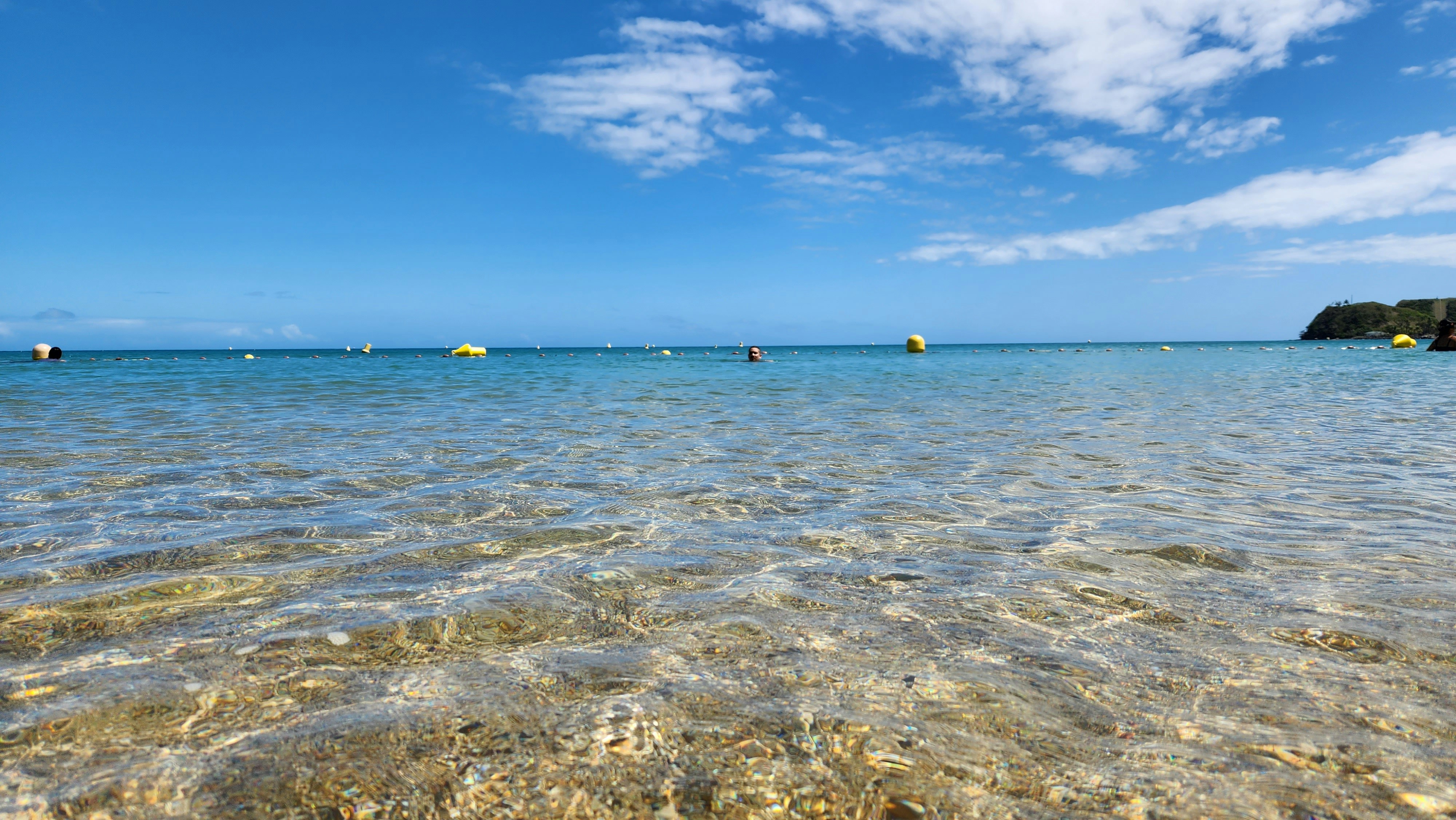
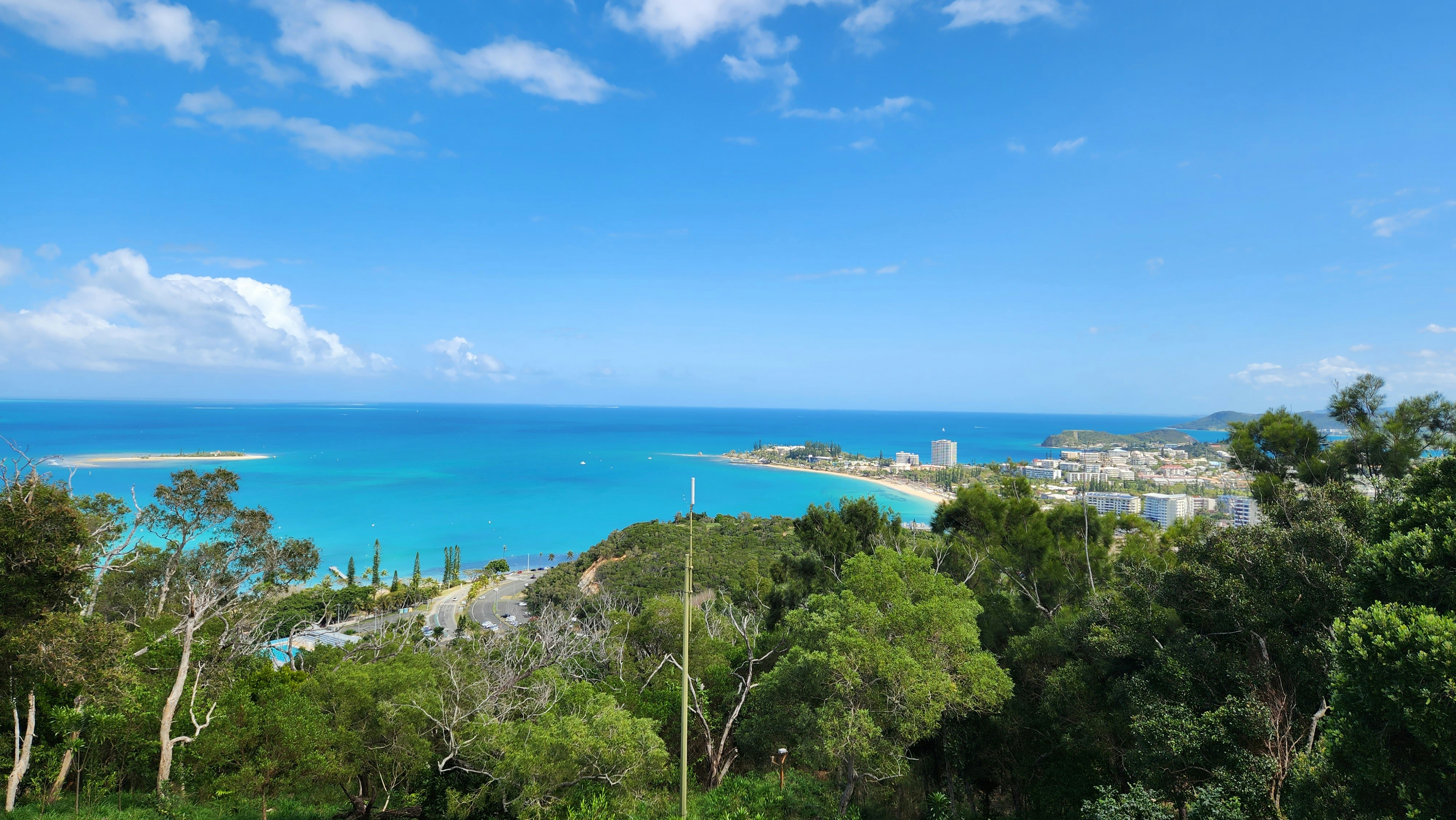
With its elegant urban infrastructure in a stunning natural setting, Noumea is a truly unique island and part of the New Caledonia archipelago. Noumea started as a penal colony, but has since evolved to a lovely metropolis and today has almost two thirds of New Caledonia’s population. While much of the archipelago of New Caledonia has a large percentage of Kanak people – the indigenous inhabitants who live in tribal areas across the country – Noumea is predominantly European with a strong French influence. The city’s center and Place de Cocotiers, the main park, are located close to the harbor and several churches date back to the late 19th century. Other attractions include a world-class aquarium at Anse Vata, several long beaches to the south, and a noteworthy collection of Kanak and South Pacific objects at the Museum of New Caledonia. The architectural gem of the city is the Tjibaou Cultural Center, the structure of which resembles sails, or the roofs of Kanak houses hidden behind mangroves.
Nouméa, New Caledonia
Nouméa, New CaledoniaPhoto by Nico Smit on Unsplash
Nouméa, New Caledonia
Nouméa, New CaledoniaPhoto by Nico Smit on Unsplash

Day 44 - Mystery Island (Inyeug)

Further details for this day are not available.

Mystery Island
Mystery IslandImage from Pixabay

Day 46 - Lautoka

North of Nadi through sugarcane plantations and past the Sabeto Mountains is Lautoka, nicknamed the Sugar City for the local agriculture and its big processing mill. With a population of around 50,000, it's the only city besides Suva and, like the capital, has a pleasant waterfront. It's the sailing point for Blue Lagoon and Beachcomber Cruises but is otherwise unremarkable for tourists, itself having few hotels and fewer good restaurants. Locals recommend the city as a less-expensive place to shop for clothing, but note that it can take as long as 45 minutes to drive here. Legend has it that Lautoka acquired its name when two chiefs engaged in combat and one hit the other with a spear. He proclaimed "lau toka" (spear hit) and thus the future town was named.

Lautoka, Fiji
Lautoka, FijiPhoto by Arie Oldman on Unsplash
Lautoka, Fiji
Lautoka, FijiPhoto by Nicolas Weldingh on Unsplash

Day 47 - Suva

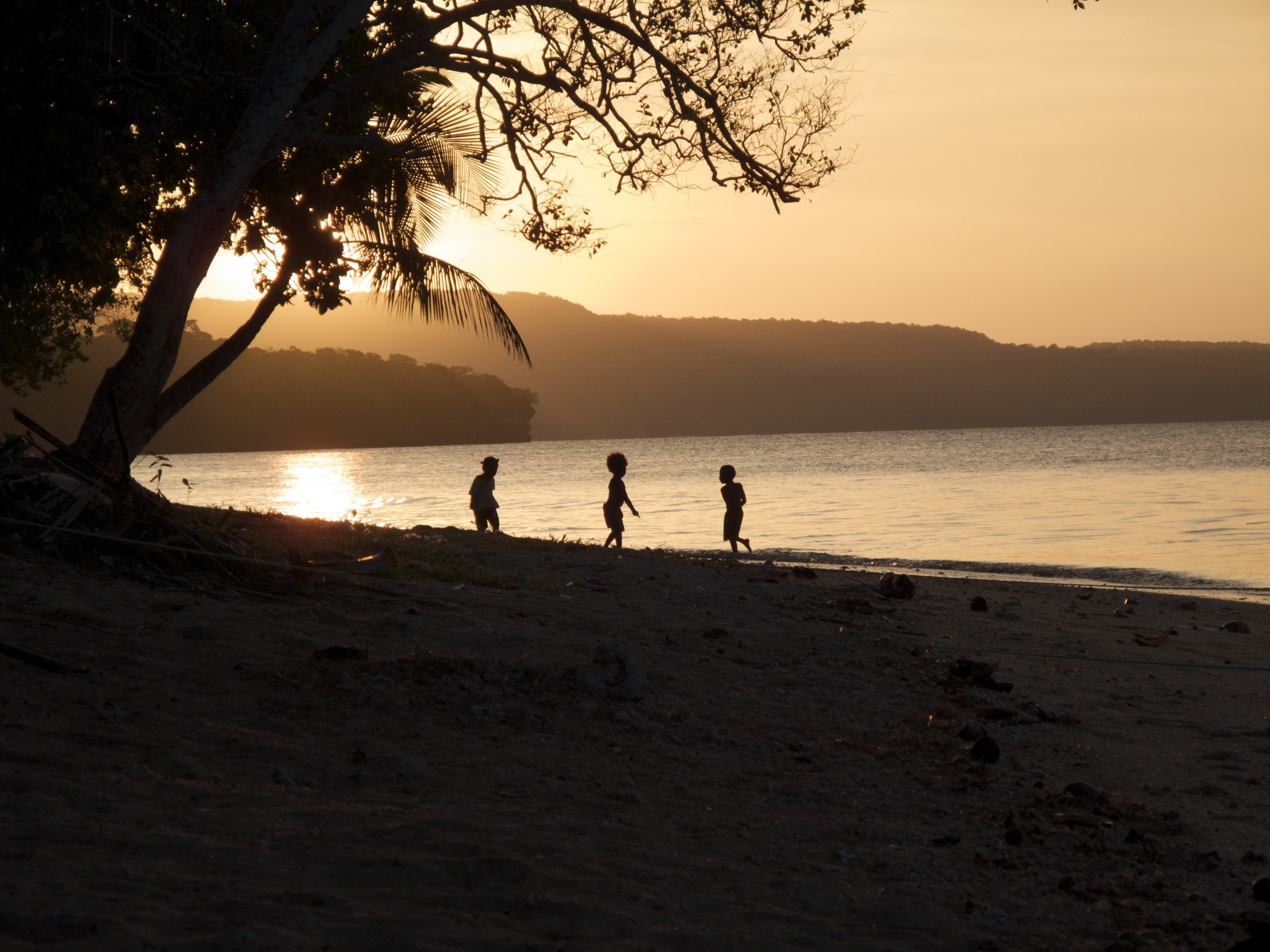
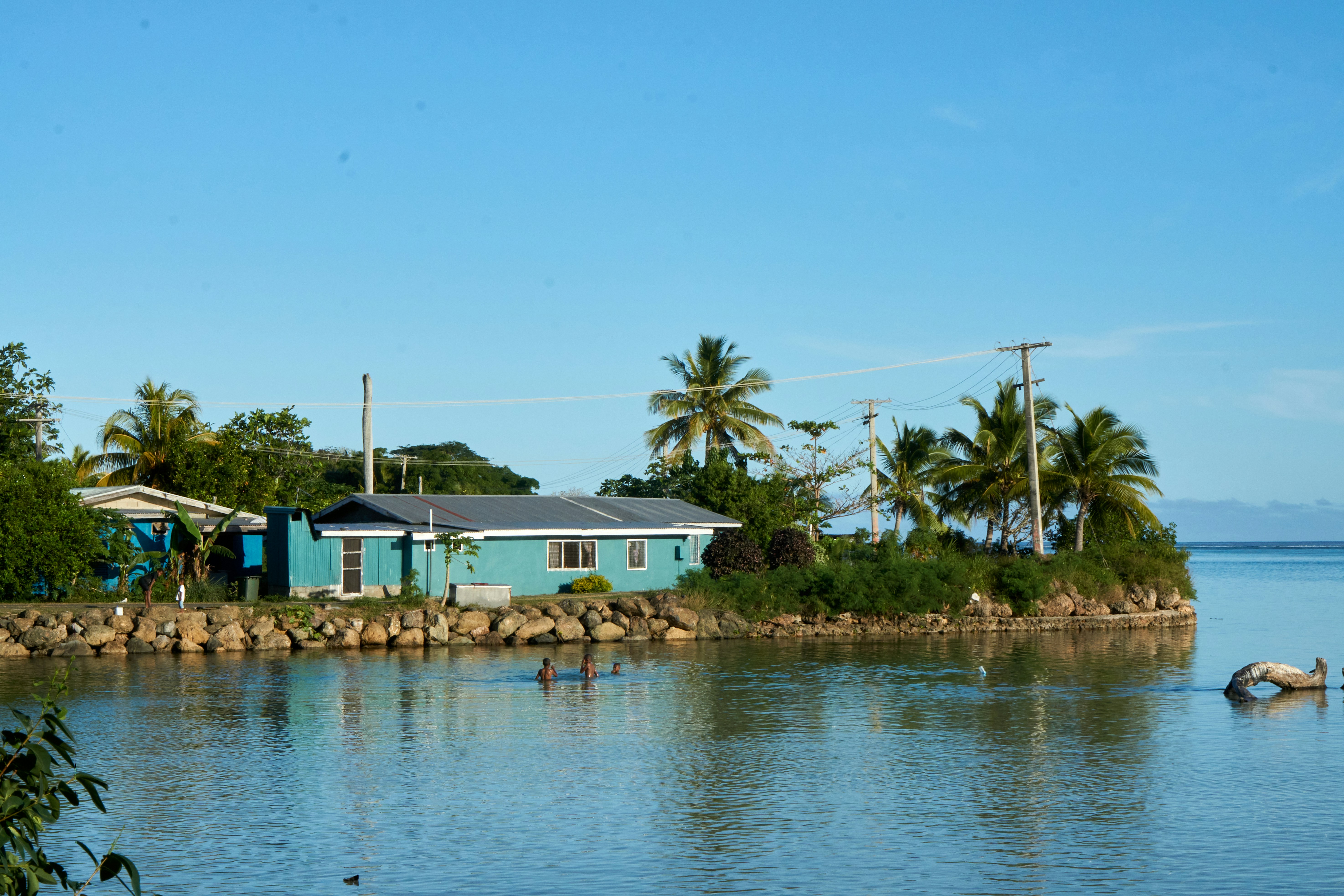
Fiji is a collection of tropical islands in the South Pacific and is well known for soft coral diving, white sandy beaches, and idyllic and peaceful surroundings. Because of its paradisiac surroundings, Fiji is a popular location for weddings and honeymoons. Suva is the capital of the Fiji archipelago, located on the southeastern coast of the island of Viti Levu and is the second most populated city of Fiji.

Suva, Fiji
Suva, FijiPhoto by Vijesh Datt on Unsplash
Suva, Fiji
Suva, FijiPhoto by Ethan Hooson on Unsplash

Day 48 - Savusavu

Suva, a multiracial city, is the pulsing heart of the South Pacific. Its location is on a hilly peninsula in the southeast corner of Viti Levu Island, the largest in the Fijian archipelago. Suva was named the country's capital in 1882; the former capital was Luvuka. Suva's natural harbour was no doubt a deciding factor that prompted the change. Its port is the country's main shipping facility, accommodating vessels from all over the world. The town is backed by the lush green hills of the Suva-Rewa range. The waterfront district, much of which is built on land reclaimed from tangled mangrove swamps, provides the hub for much of Suva's activities. The downtown centre is a hodgepodge of high-rise office buildings, colonial houses with second-story verandas, parks and government structures. The northern and western mountains catch the trade winds, with the result being damp conditions year-round and frequent tropical downpours. Despite the ever-present possibility of showers, Suva is an excellent place to explore on foot. Many points of interest are located on Victoria Parade and along tree-shaded Queen Elizabeth Drive. Suva's botanical park is lush with flowering plants, trees and green lawns. In its centre stands the Fiji Museum, where objects reflect 3,000 years of Fijian history. The museum boasts a fine collection of Melanesian artefacts and various exhibits that reflect on Fiji's maritime era. Government House stands on a hillside surrounded by landscaped grounds. A stern, uniformed sentry guards the pillared gate entrance. The monthly Changing of the Guard is executed with almost as much pomp and ceremony as at London's Buckingham Palace. Friendly Fiji will charm you; here Melanesia mixes with Polynesia, ancient India with Oceania and tradition with the modern world. The Fijian greeting "Bula!" is extended warmly to strangers on city streets and country roads. Fiji is one of the South Pacific's most hospitable countries and a holiday destination that has much to offer in recreational activities, shopping and joyous celebrations.

Savusavu, Fiji
Savusavu, FijiImage by HeikoBrown from Pixabay

Day 50 - Crossing the International Date Line

Further details for this day are not available.

Day 50 - Apia

Samoa is a group of ten islands located in the South Pacific. The tropical climate and volcanic landscape create a picturesque location for visitors to explore, together with the experience of Fa'a Samoa, the three thousand year old way of life on Samoa.

Beach, Apia, Samoa
Beach, Apia, SamoaImage by Holger Detje from Pixabay

Day 57 - Honolulu, Hawaii

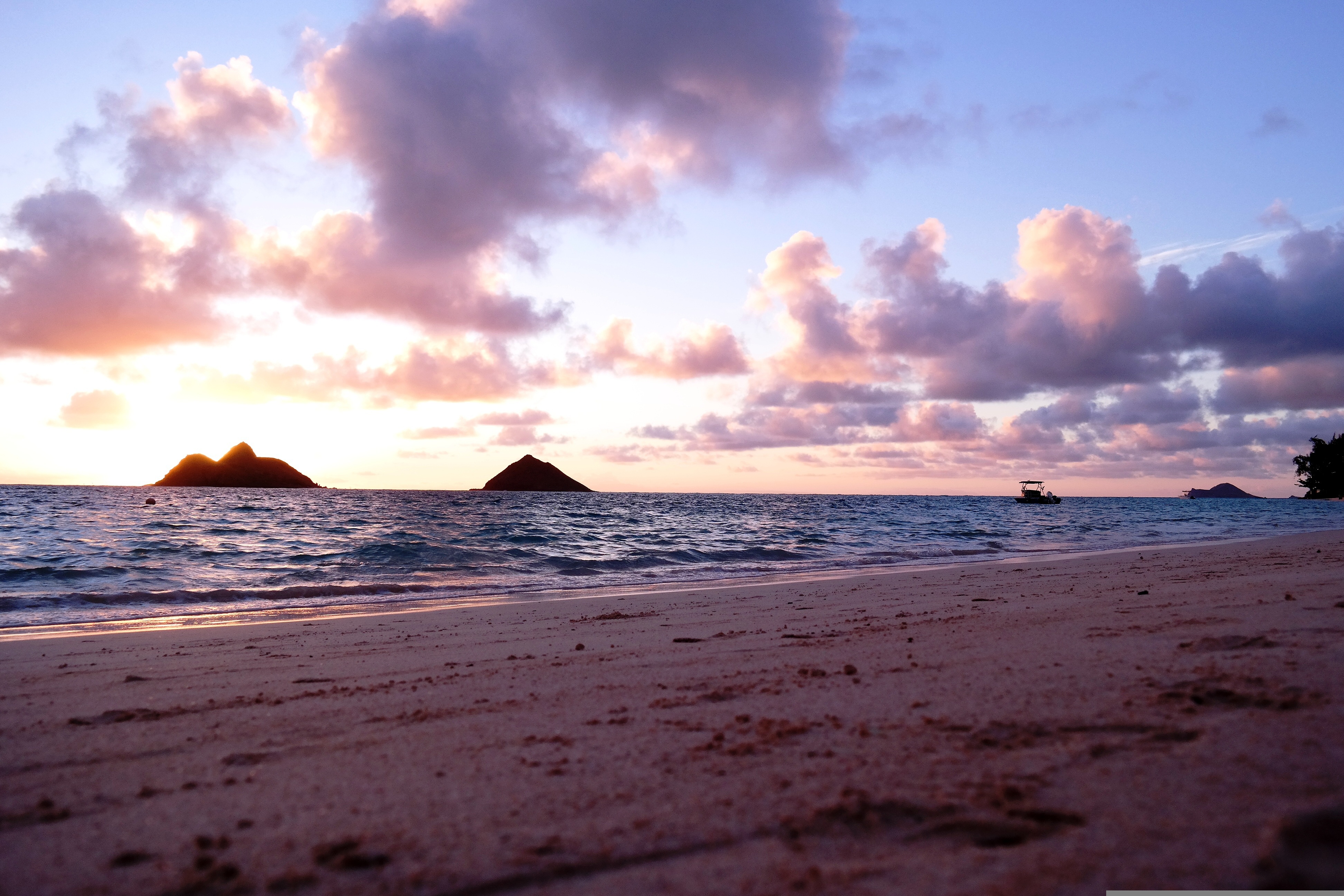
Capital of Hawaii, and a popular tourist destination, Honolulu is known for surfing and water sports. However, there's more to the city than surfing; with museums, the only royal palace in the country, and a mall, there's bound to be something of interest for any visitor.

Ushnl Honolulu Hawaii Small Island

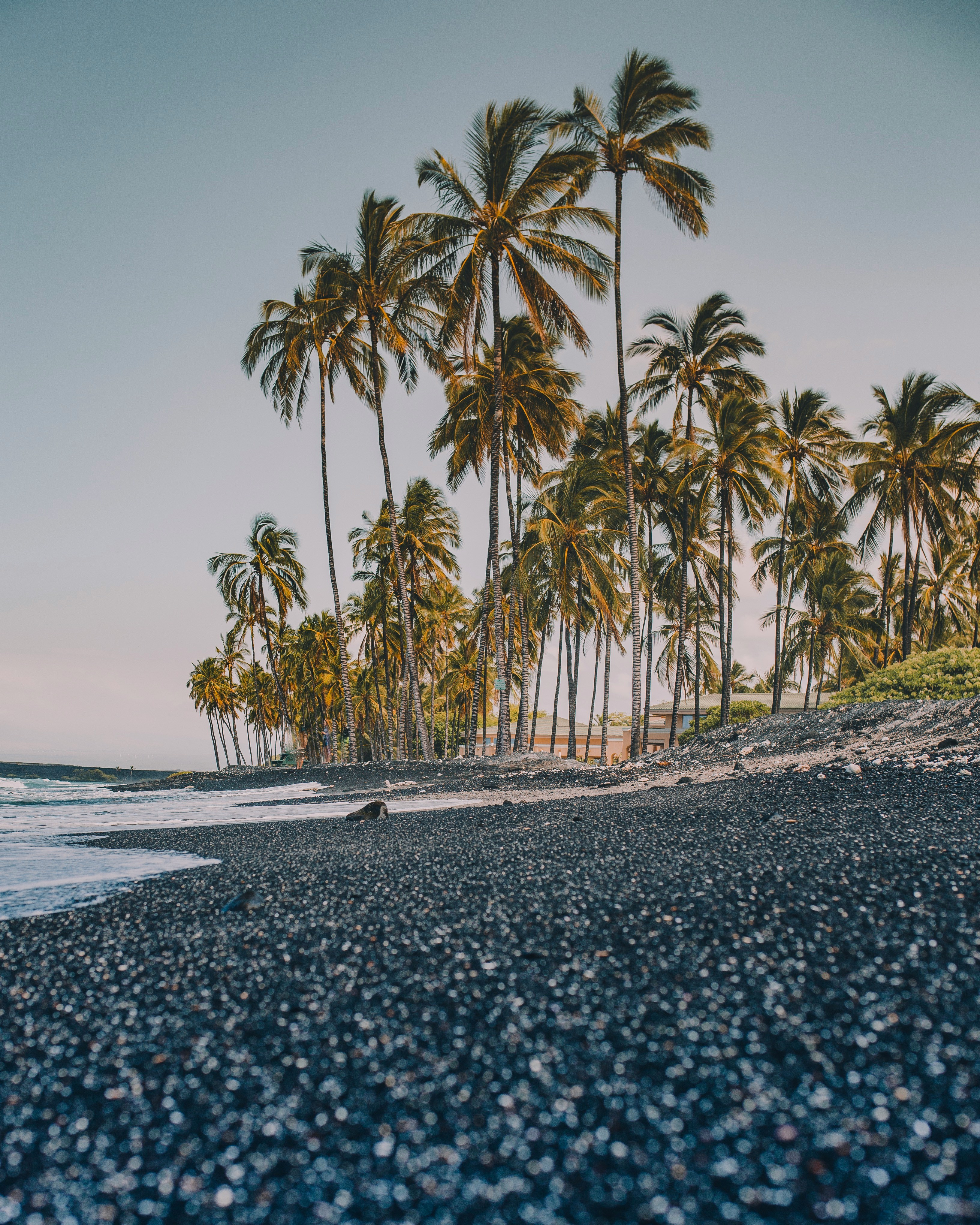
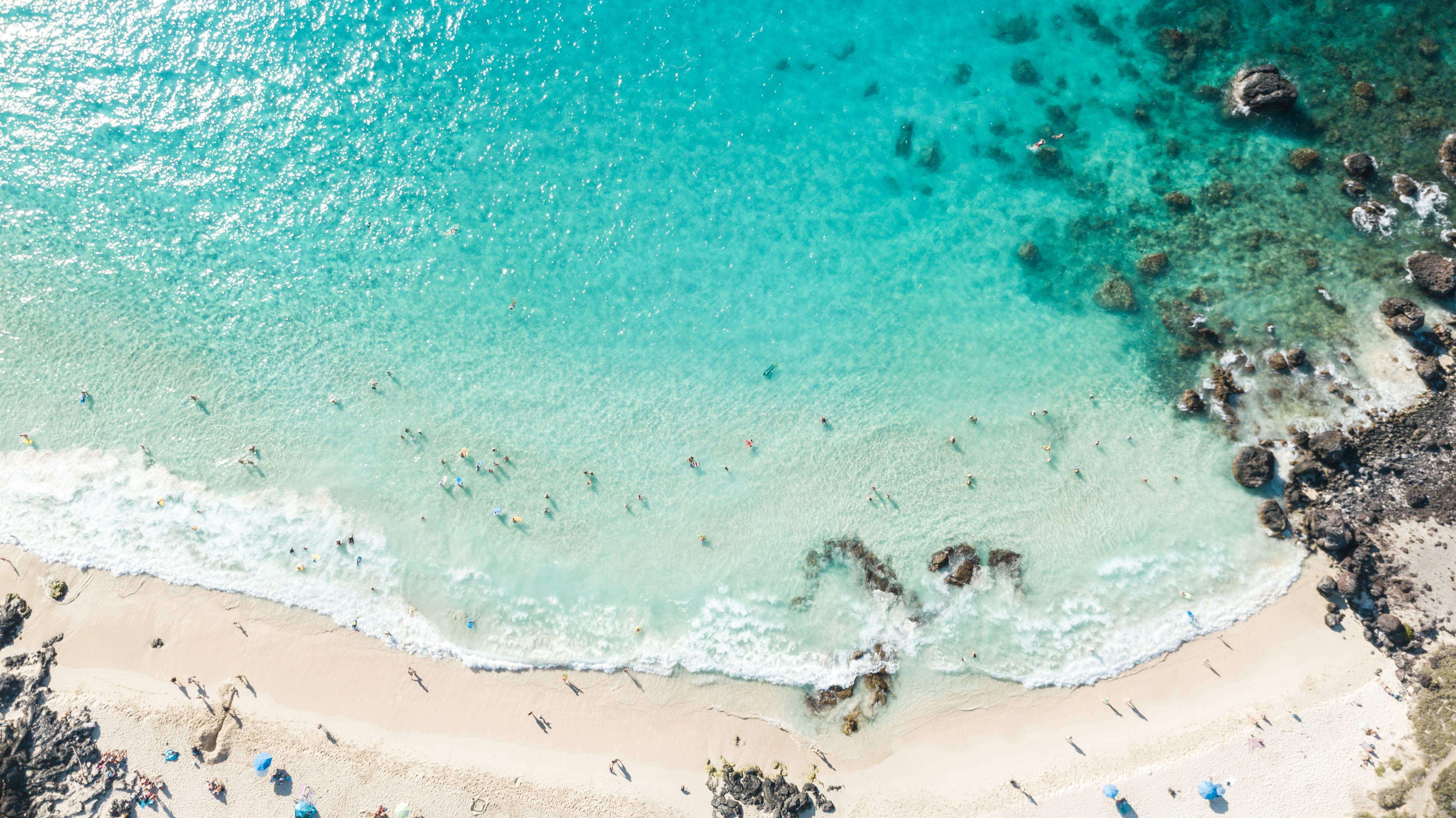
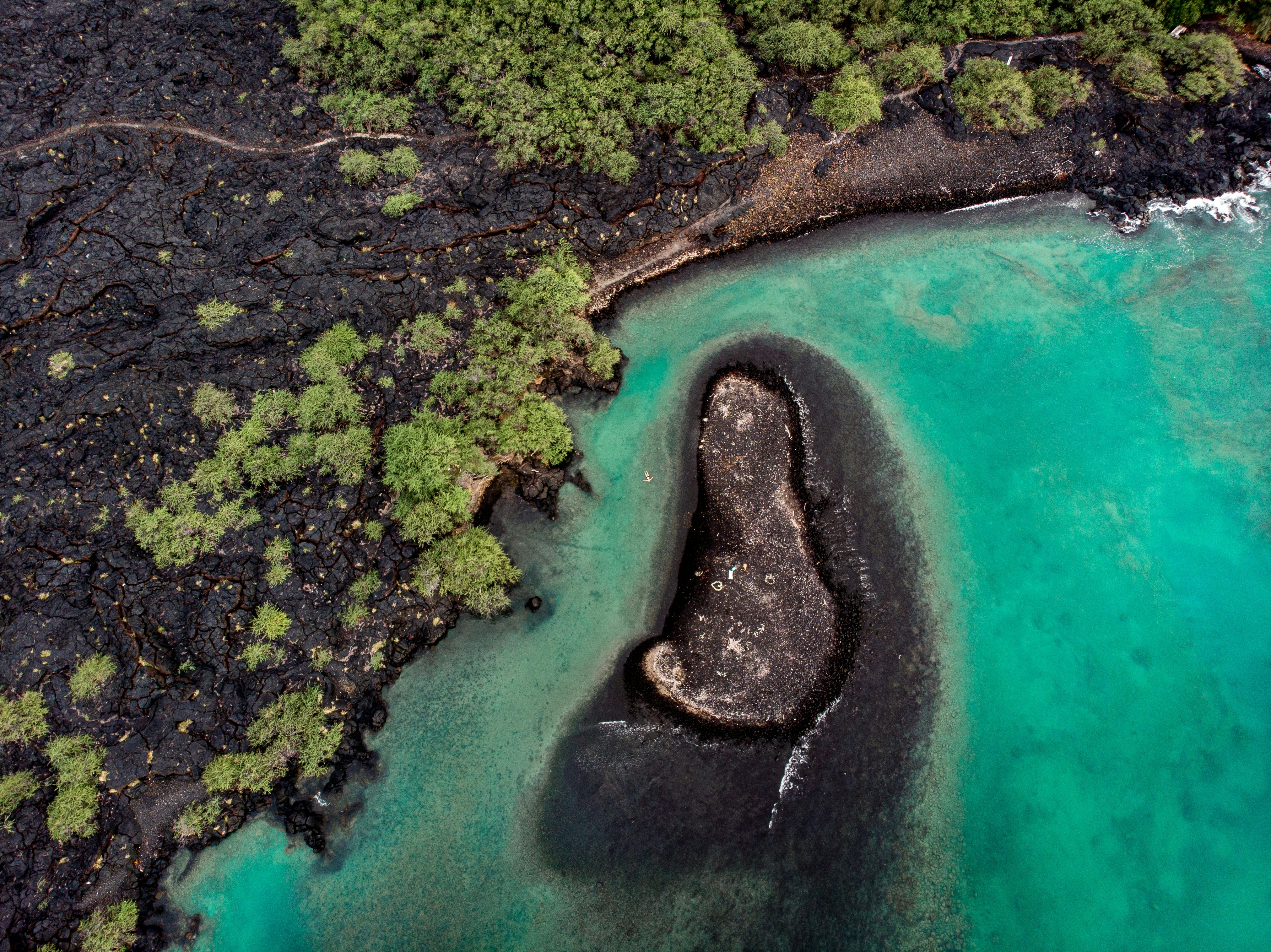
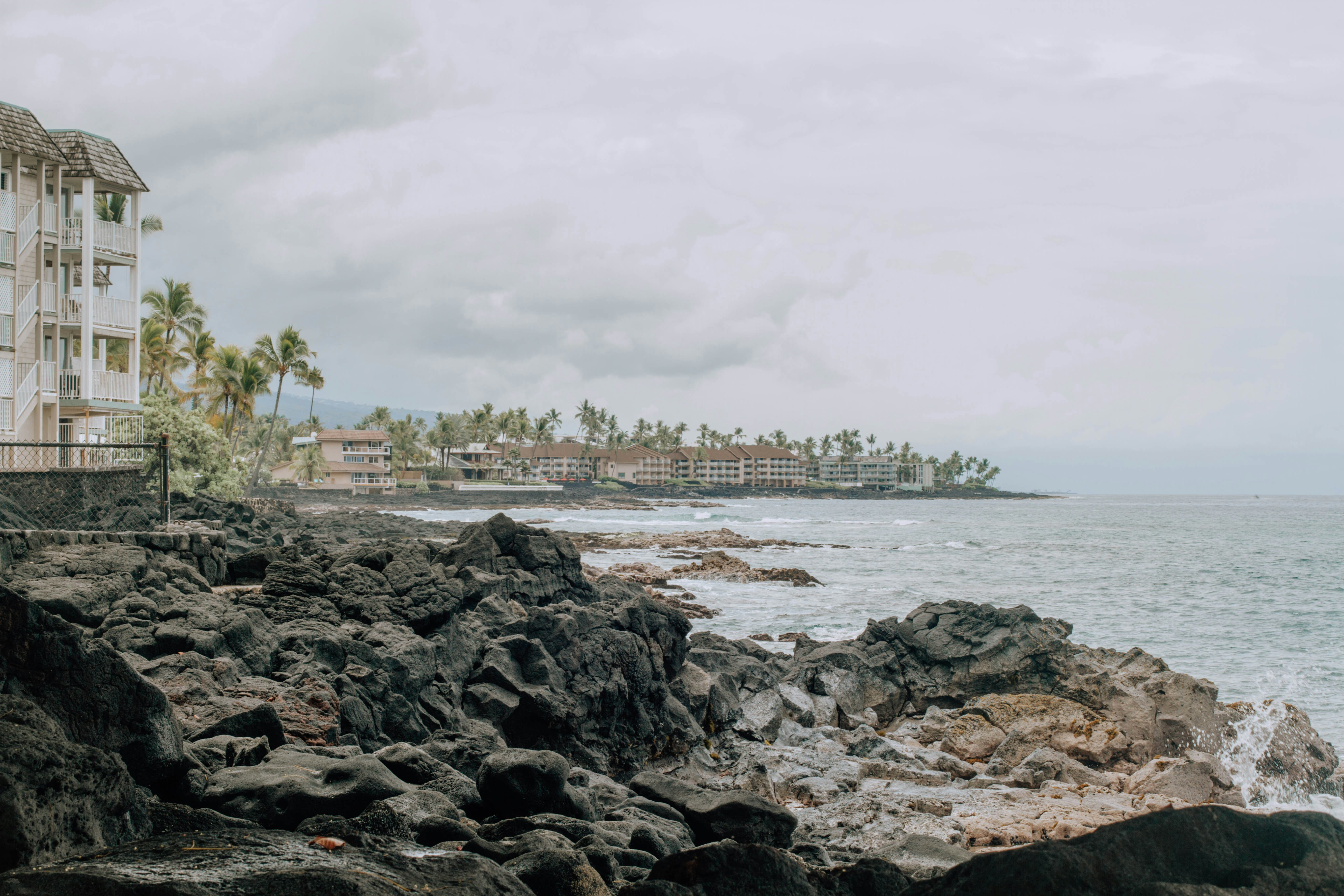
Day 58 - Kailua-Kona, Hawaii

Kailua-Kona is a town on the west coast of Hawaii Island (the Big Island). Hulihee Palace is a former royal vacation home dating from 1838. Mokuaikaua Church, from the 1800s, is Hawaii’s oldest Christian church. On Kailua Bay, reconstructed thatched houses at Kamakahonu National Historic Landmark mark King Kamehameha I’s residence. Colorful coral lies off Kamakahonu Beach. Kailua Pier has boat moorings.

Kailua Kona, Hawaii, United States
Kailua Kona, Hawaii, United StatesPhoto by Ian Stauffer on Unsplash
Beach, Kailua Kona, United States
Beach, Kailua Kona, United StatesPhoto by Isaac Ordaz on Unsplash
Kailua, Hawaii, Usa
Kailua, Hawaii, UsaPhoto by Heather Morse on Unsplash
Kailua Kona, United States
Kailua Kona, United StatesPhoto by Ingrid Martinussen on Unsplash
Kailua Kona
Kailua KonaImage by markof4123 from Pixabay

Day 65 - Long Beach, California

Further details for this day are not available.

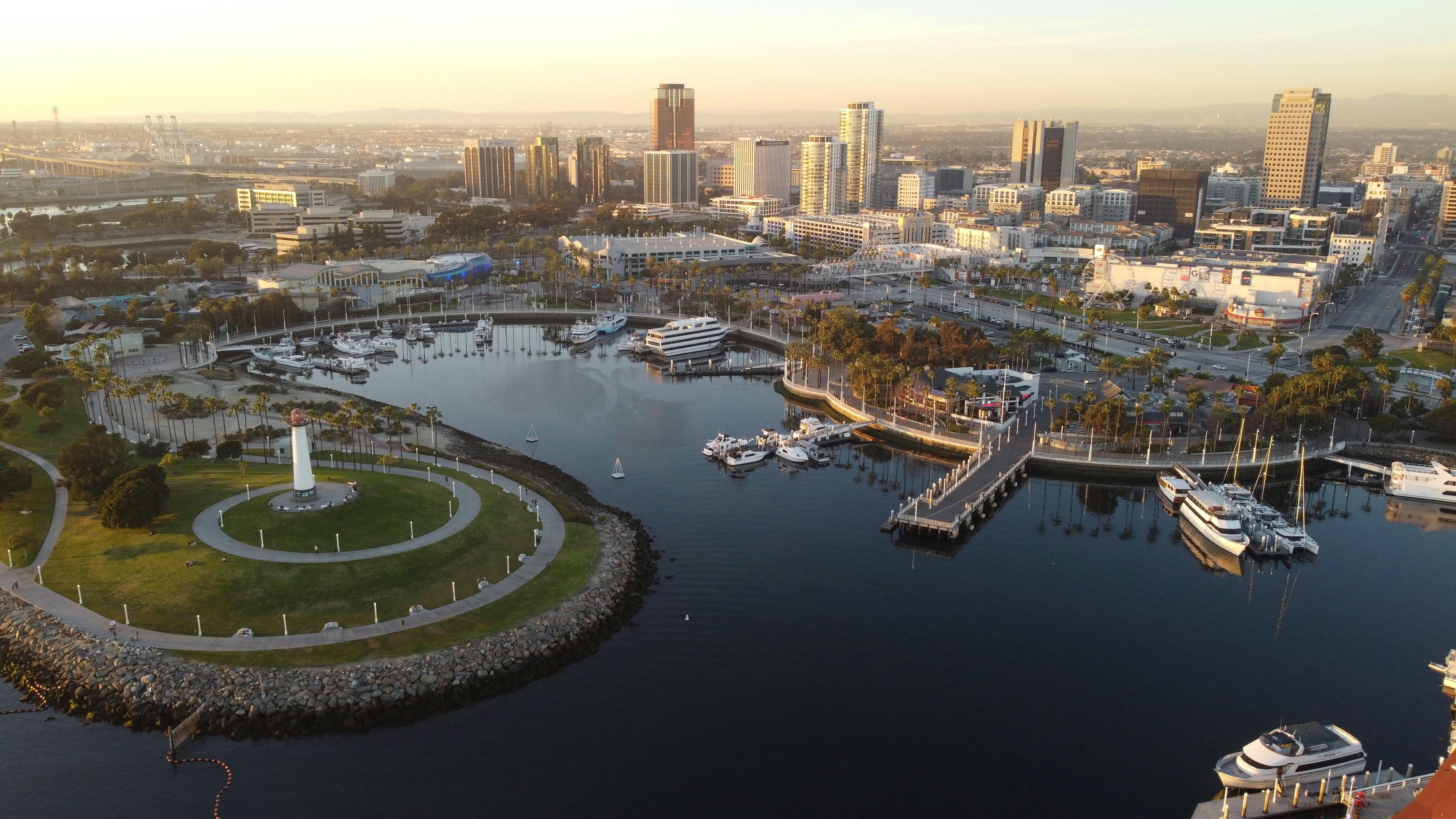
Long Beach, California
Long Beach, CaliforniaPhoto by Ambassador Of Truth
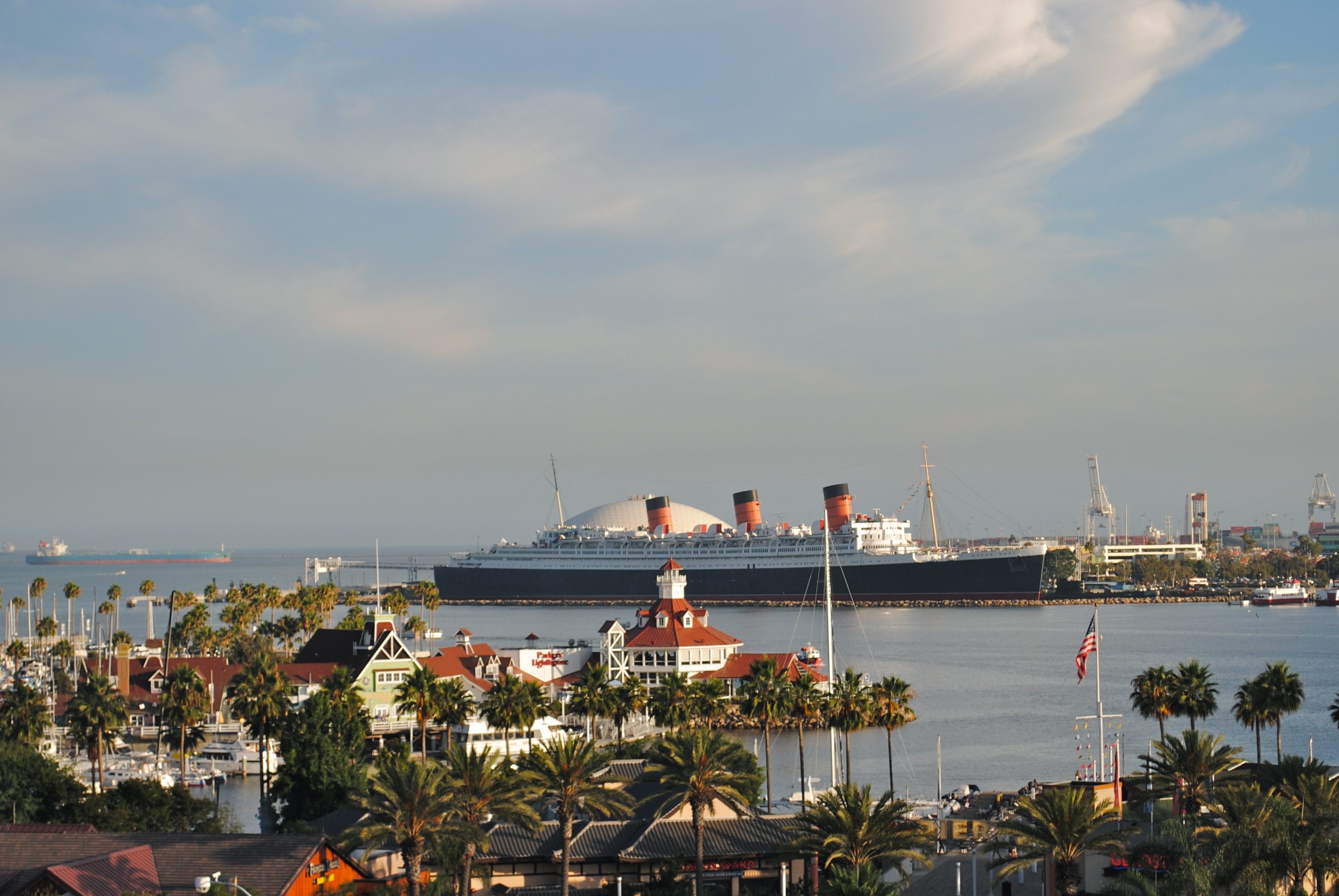
Long Beach, California
Long Beach, CaliforniaImage by Lisa Larsen from Pixabay
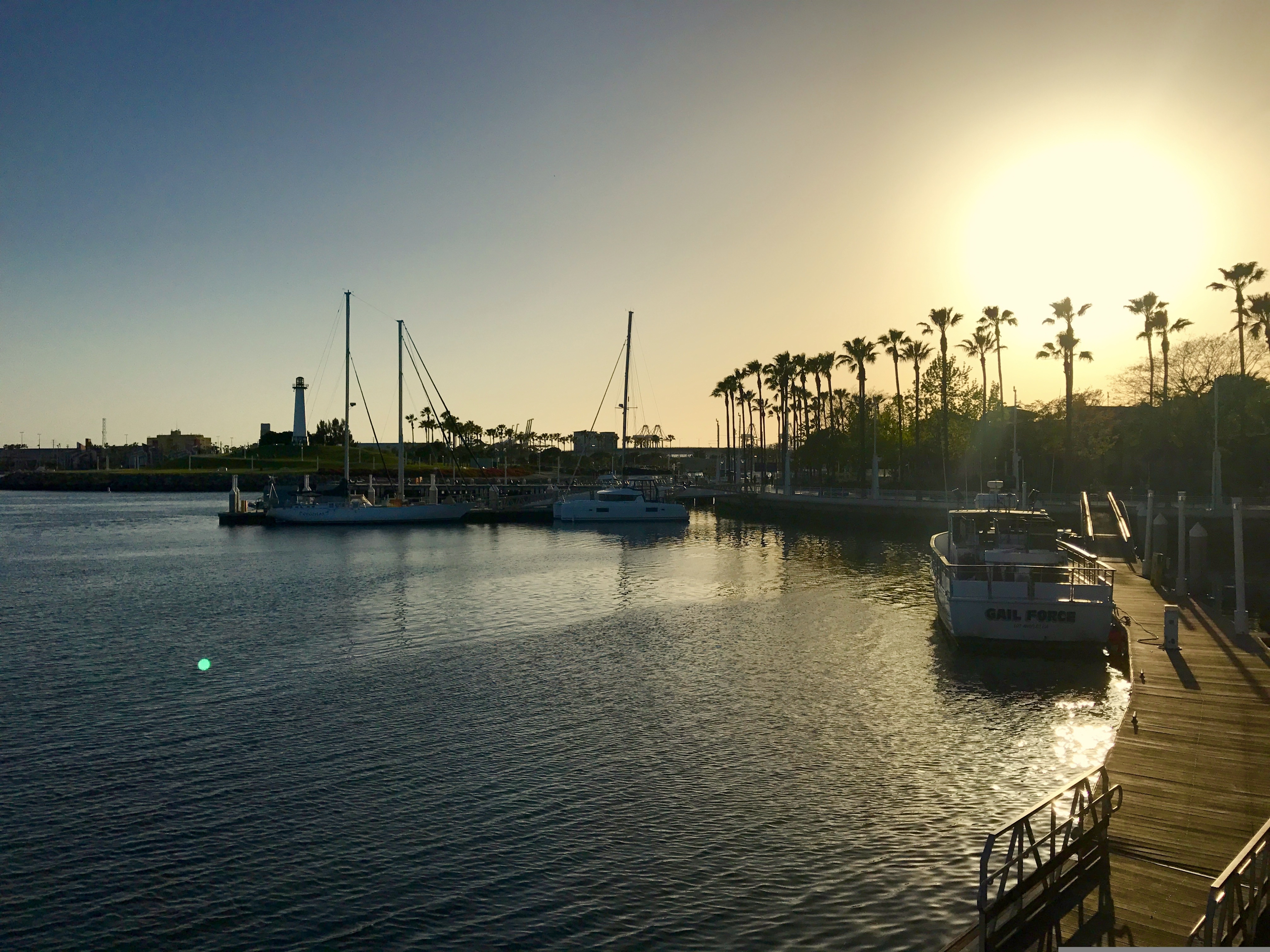
Long Beach, Californa
Long Beach, CalifornaImage by Martin Dubreuil from Pixabay

Suites & Deck Plans

Suite

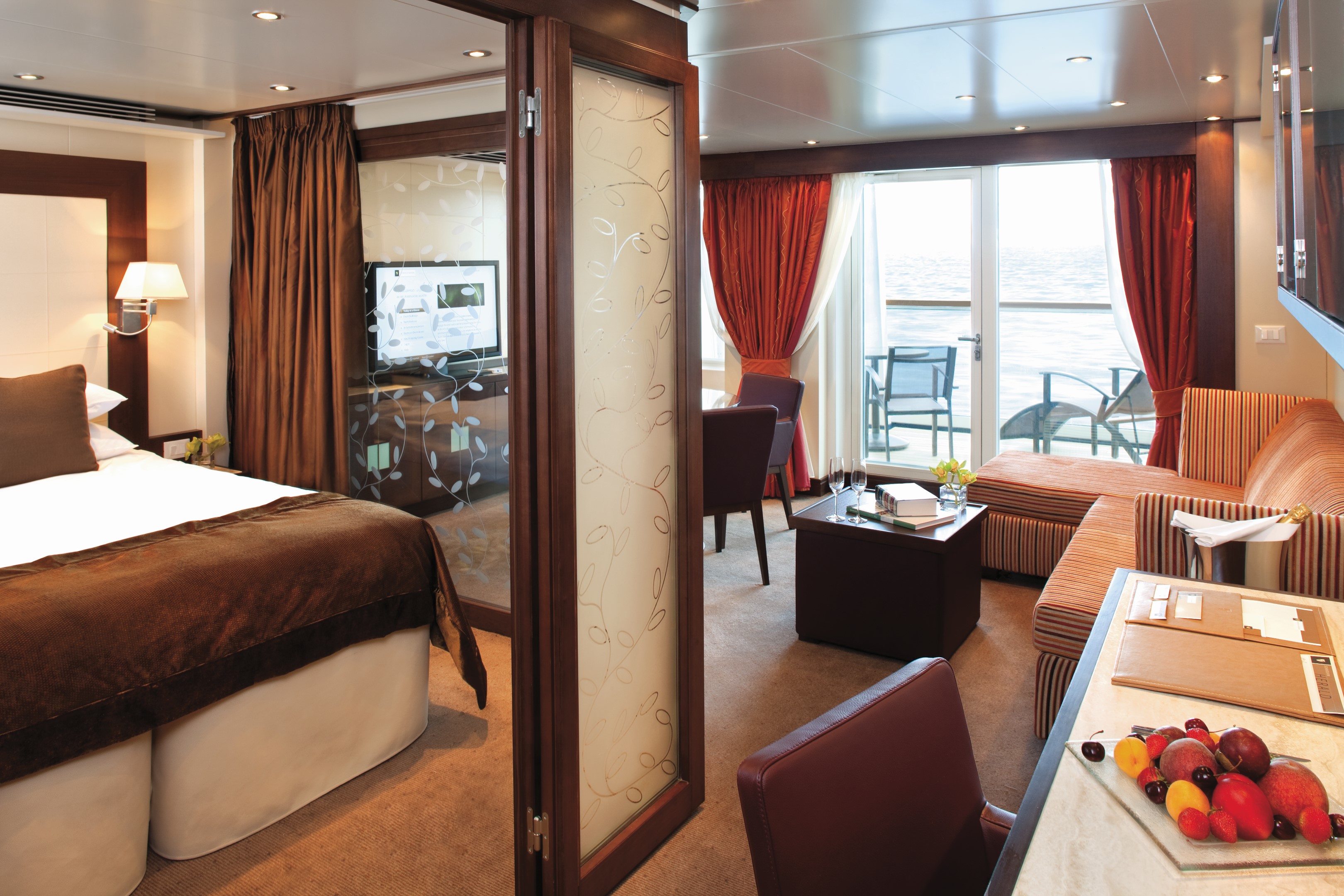
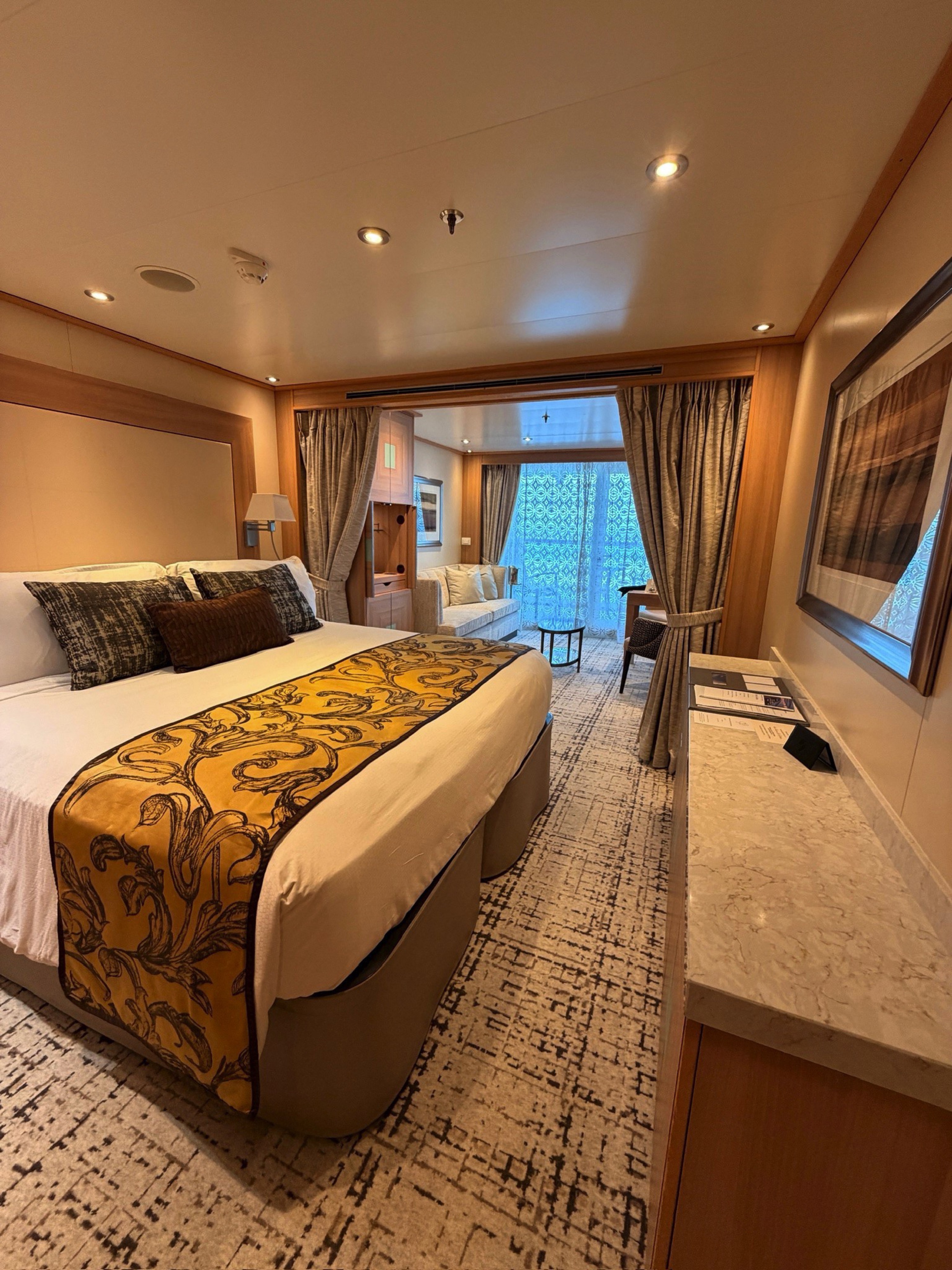
Suites on board feature a comfortable living area, private veranda, queen-size-bed or two twin beds; walk-in closet with personal safe, interactive flat-screen TV with music and movies, fully stocked bar and refrigerator, writing desk with personalized stationary, makeup vanity, spacious bathroom with separate tub and shower, plush robes, slippers hair dryer and 110/220V AC outlets.

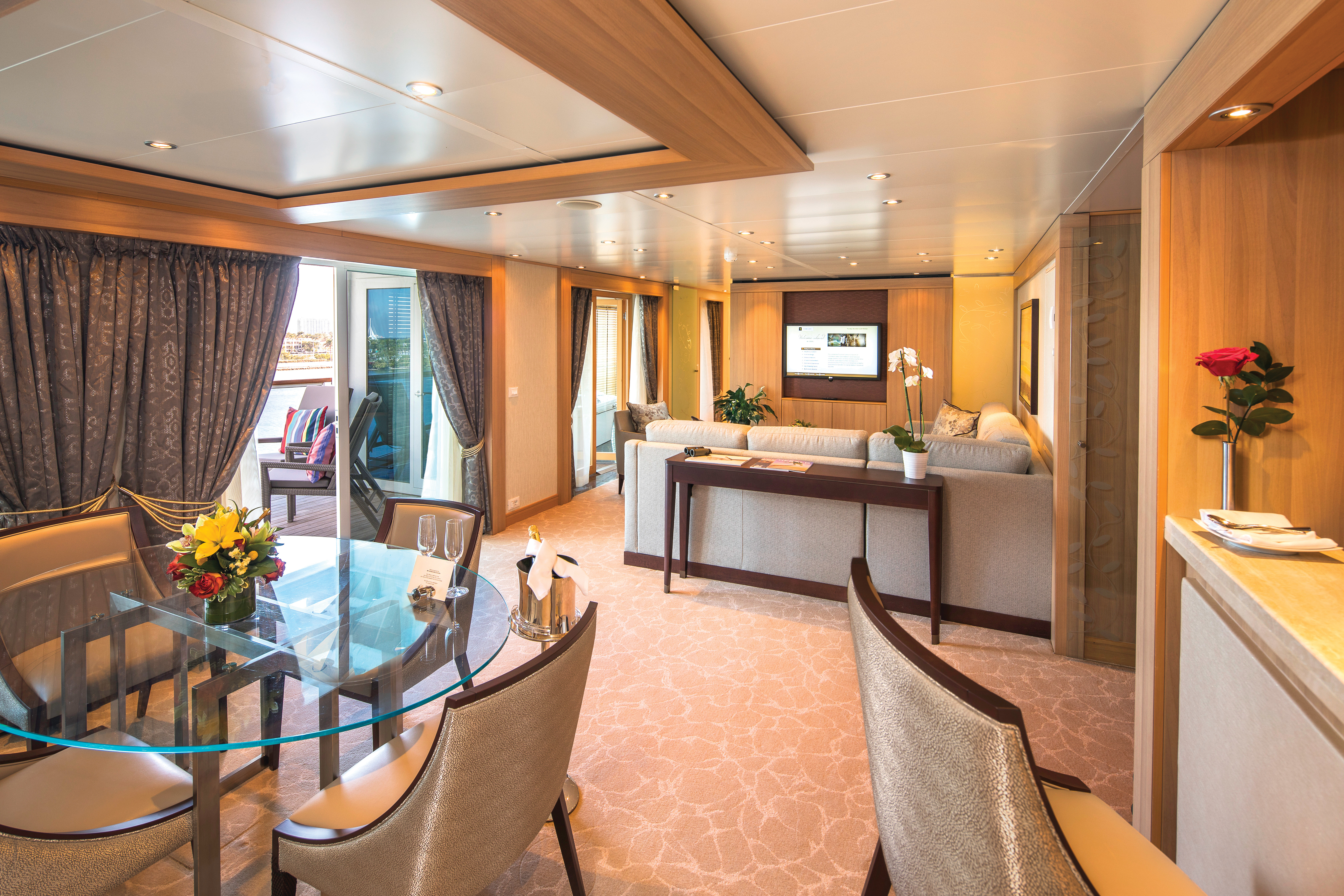
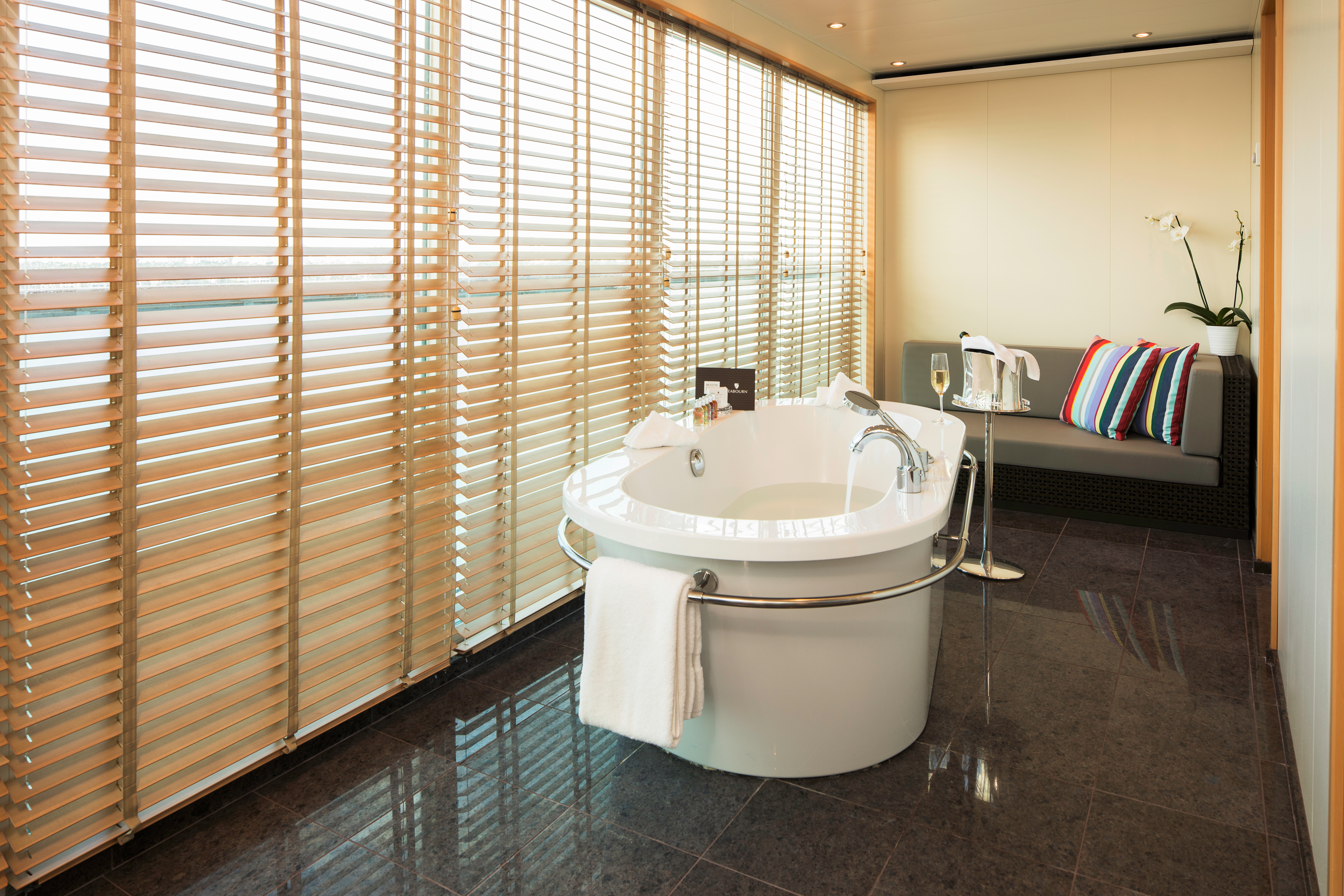
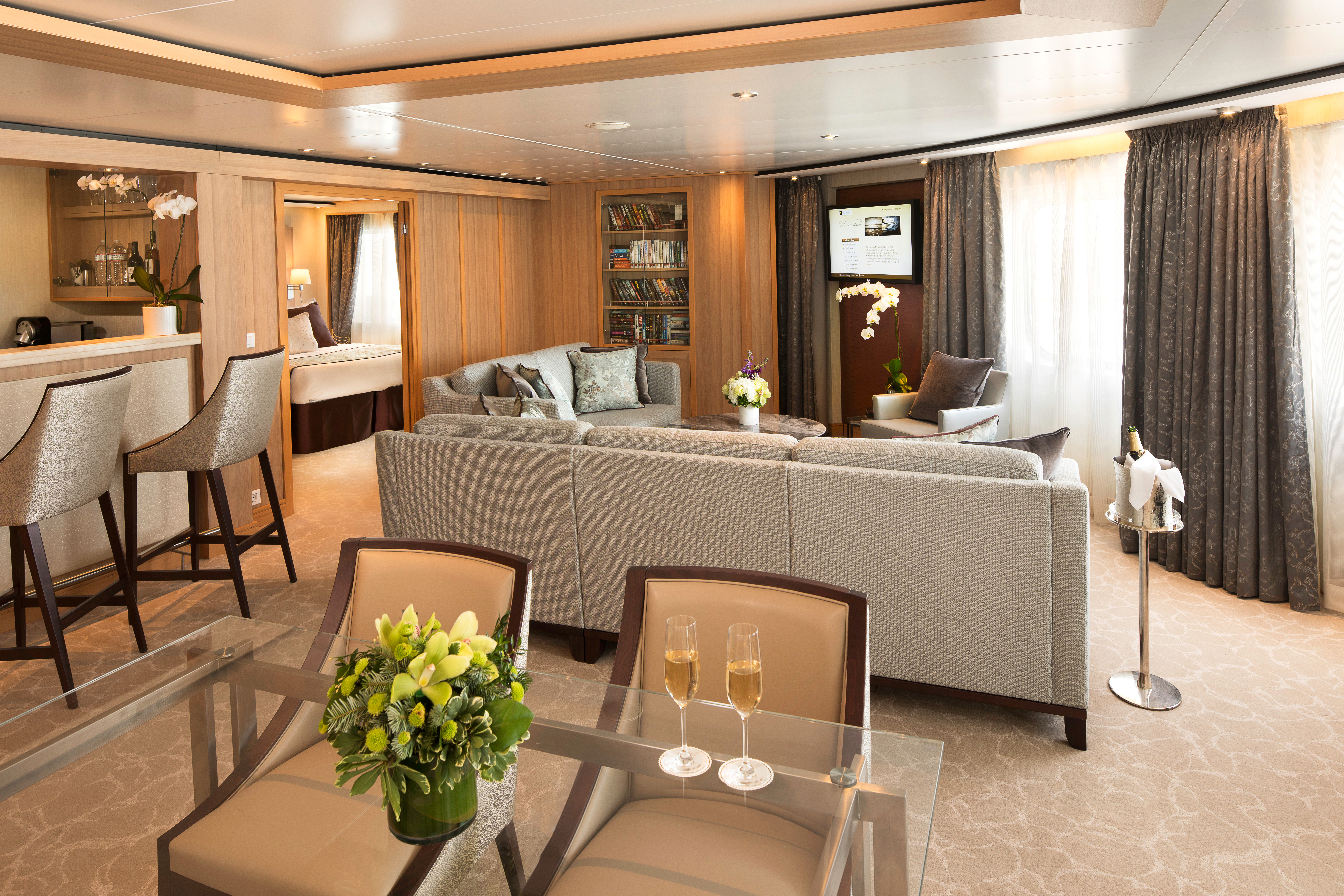
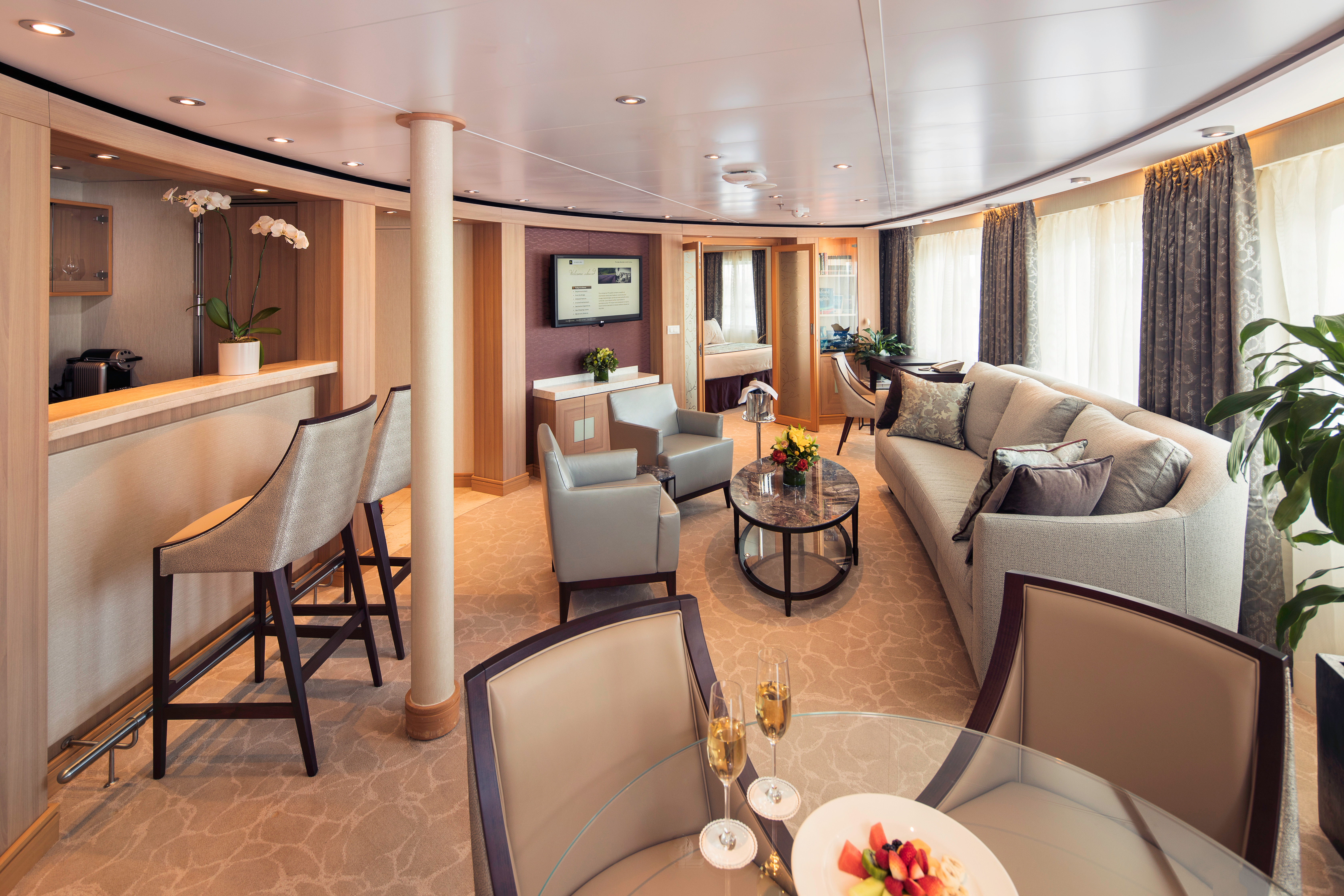
Grand Wintergarden Suites feature:

  • Large windows
  • Dining for four
  • Glass-enclosed solarium with tub and day bed
  • Bathroom with whirlpool bathtub
  • Guest bath
  • Two bedrooms
  • Convertible sofa bed for one
  • Pantry with wet bar
  • Two flat-screen TVs
  • Complimentary Internet/Wi-Fi service

1403 sq ft
Accommodates 5 guests
Grand Wintergarden Suite

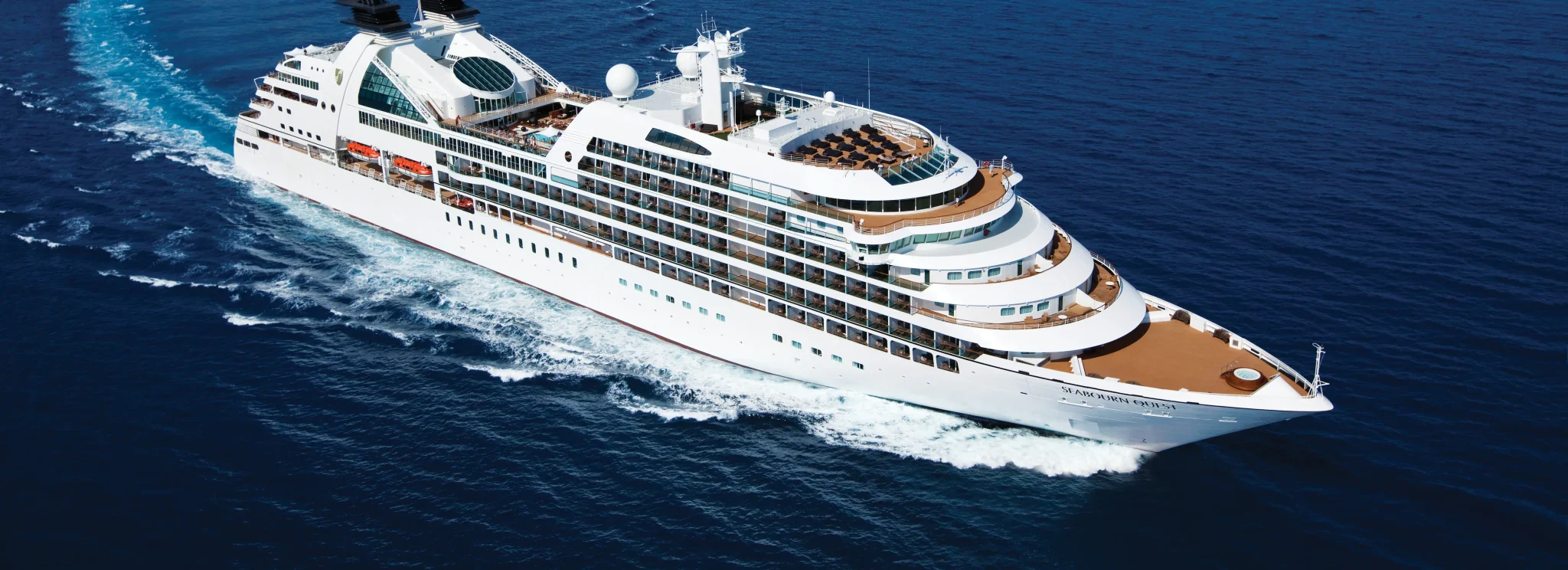
Seabourn Quest

Seabourn Quest

Life on board

The Onboard Experience

Client testimonials

I have worked with Lore Doick for more than 20 years, and she has booked over 30 cruises for me. Her expertise, care, and attention to every travel detail have made her an invaluable advisor and friend over the years.”

Tina B.

We are now in our second generation working with Cheri Ozimac at Tully Luxury Travel. From Antarctica to Greece, she has handled every detail with expertise, responsiveness, and care…

Earl M.

My wife and I have worked with Tully since 2007, and Kit Neil and her team went far beyond expectations while helping us navigate multiple cruise and flight cancellations. Their advocacy, care, and support during a difficult time were extraordinary.

Carri F.

Cheri Ozimac organized our Seabourn cruise flawlessly, from the hotel recommendation to every travel arrangement. She was responsive, attentive, and an excellent advocate throughout the process…

Cyn S.

We discovered Tully Luxury Travel after years of booking cruises through US agents and were impressed by their competitive pricing, exceptional service, and Canadian based support. Their team is always available, offers excellent value, and makes booking the right cruise seamless.

Peter C.

GoogleAverage Customer Rating:

The Tully Difference

Why travel with us


Tully Luxury Travel was built on access, discretion, and trust. For our clients, that means ease at every step, with distinctions that turn exceptional voyages into defining moments.

Recognized expertise

A renowned agency worldwide in luxury land and small-ship cruising, consistently trusted by the industry’s most prestigious brands.