14-Day Riviera Connoisseur: France, Spain & Italy

Itinerary: Monte-Carlo, Portofino, Saint-Tropez, Sanary-sur-Mer, Roses, Mahón, Menorca, Barcelona, Palamós, Sète, Marseille, Fréjus, Civitavecchia See full itinerary

9 Jun 29
14 nights

Voyage Details

Duration:
14 nights
Departure:
9 Jun 2029
Embarkation:
Monte-Carlo, Monaco
Voyage code:
8945A

Your Itinerary, Day-By-Day

Special Chapters of Your Journey

Day 1 - Monte-Carlo

On one of the best stretches of the Mediterranean, this classic luxury destination is one of the most sought-after addresses in the world. With all the high-rise towers you have to look hard to find the Belle Époque grace of yesteryear. But if you head to the town's great 1864 landmark Hôtel de Paris—still a veritable crossroads of the buffed and befurred Euro-gentry—or enjoy a grand bouffe at its famous Louis XV restaurant, or attend the opera, or visit the ballrooms of the casino, you may still be able to conjure up Monaco's elegant past. Prince Albert II, a political science graduate from Amherst College, traces his ancestry to Otto Canella, who was born in 1070. The Grimaldi dynasty began with Otto's great-great-great-grandson, Francesco Grimaldi, also known as Frank the Rogue. Expelled from Genoa, Frank and his cronies disguised themselves as monks and in 1297 seized the fortified medieval town known today as Le Rocher (the Rock). Except for a short break under Napoléon, the Grimaldis have been here ever since, which makes them the oldest reigning family in Europe. In the 1850s a Grimaldi named Charles III made a decision that turned the Rock into a giant blue chip. Needing revenue but not wanting to impose additional taxes on his subjects, he contracted with a company to open a gambling facility. The first spin of the roulette wheel was on December 14, 1856. There was no easy way to reach Monaco then—no carriage roads or railroads—so no one came. Between March 15 and March 20, 1857, one person entered the casino—and won two francs. In 1868, however, the railroad reached Monaco, and it was filled with Englishmen who came to escape the London fog. The effects were immediate. Profits were so great that Charles eventually abolished all direct taxes. Almost overnight, a threadbare principality became an elegant watering hole for European society. Dukes (and their mistresses) and duchesses (and their gigolos) danced and dined their way through a world of spinning roulette wheels and bubbling champagne—preening themselves for nights at the opera, where such artists as Vaslav Nijinsky, Sarah Bernhardt, and Enrico Caruso came to perform. Along with the tax system, its sensational position on a broad, steep peninsula that bulges into the Mediterranean—its harbor sparkling with luxury cruisers, its posh mansions angling awnings toward the nearly perpetual sun—continues to draw the rich and famous. One of the latest French celebrities to declare himself "Monégasque," thus giving up his French passport, is superchef Alain Ducasse, who said that he made the choice out of affection for Monaco rather than tax reasons. Pleasure boats vie with luxury cruisers in their brash beauty and Titanic scale, and teams of handsome young men—themselves dyed blond and tanned to match—scour and polish every gleaming surface. As you might expect, all this glitz doesn't come cheap. Eating is expensive, and even the most modest hotels cost more here than in nearby Nice or Menton. As for taxis, they don't even have meters so you are completely at the driver's mercy (with prices skyrocketing during events such as the Grand Prix). For the frugal, Monaco is the ultimate day-trip, although parking is as coveted as a room with a view. At the very least you can afford a coffee at Starbucks. The harbor district, known as La Condamine, connects the new quarter, officially known as Monte Carlo with Monaco-Ville (or Le Rocher), a medieval town on the Rock, topped by the palace, the cathedral, and the Oceanography Museum. Have no fear that you'll need to climb countless steps to get to Monaco-Ville, as there are plenty of elevators and escalators climbing the steep cliffs. But shuttling between the lovely casino grounds of Monte Carlo and Old Monaco, separated by a vast port, is a daunting proposition for ordinary mortals without wings, so hop on the No. 1 bus from Saint Roman, or No. 2 from the Jardin Exotique - Both stop at Place du Casino and come up to Monaco Ville.

Mcmcm Monte Carlo Aerial Photography Of Cityscape During Daytime Julien Lanoy
Mcmcm Monte Carlo Aerial Photography Of Cityscape During Daytime Julien LanoyJulien Lanoy
Mcmcm Monte Carlo City At Night Pasquale Iovino
Mcmcm Monte Carlo City At Night Pasquale IovinoPasquale Iovino
Mcmcm Monte Carlo Red Coupe On Road Jannis Lucas
Mcmcm Monte Carlo Red Coupe On Road Jannis LucasJannis Lucas

Day 2 - Portofino

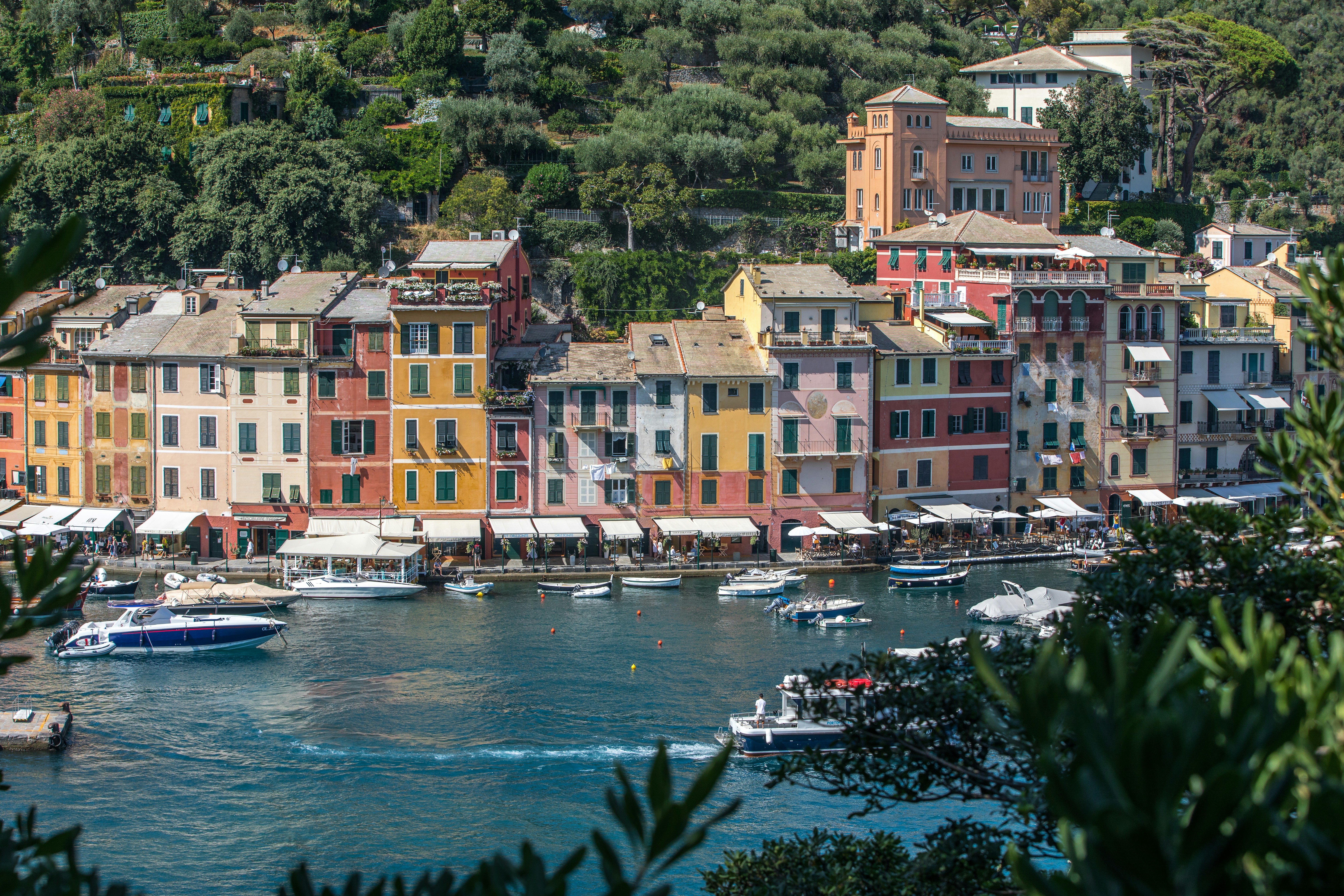
One of the most photographed villages along the coast, with a decidedly romantic and affluent aura, Portofino has long been a popular destination for the rich and famous. Once an ancient Roman colony and taken by the Republic of Genoa in 1229, it’s also been ruled by the French, English, Spanish, and Austrians, as well as by marauding bands of 16th-century pirates. Elite British tourists first flocked to the lush harbor in the mid-1800s. Some of Europe's wealthiest drop anchor in Portofino in summer, but they stay out of sight by day, appearing in the evening after buses and boats have carried off the day-trippers.There's not actually much to do in Portofino other than stroll around the wee harbor, see the castle, walk to Punta del Capo, browse at the pricey boutiques, and sip a coffee while people-watching. However, weaving through picture-perfect cliffside gardens and gazing at yachts framed by the sapphire Ligurian Sea and the cliffs of Santa Margherita can make for quite a relaxing afternoon. There are also several tame, photo-friendly hikes into the hills to nearby villages.Unless you're traveling on a deluxe budget, you may want to stay in Camogli or Santa Margherita Ligure rather than at one of Portofino's few very expensive hotels. Restaurants and cafés are good but also pricey (don't expect to have a beer here for much under €10).

Portofino, Metropolitan City Of Genoa, Italy
Portofino, Metropolitan City Of Genoa, ItalyPhoto by Slim Emcee on Unsplash

Day 3 - Saint-Tropez

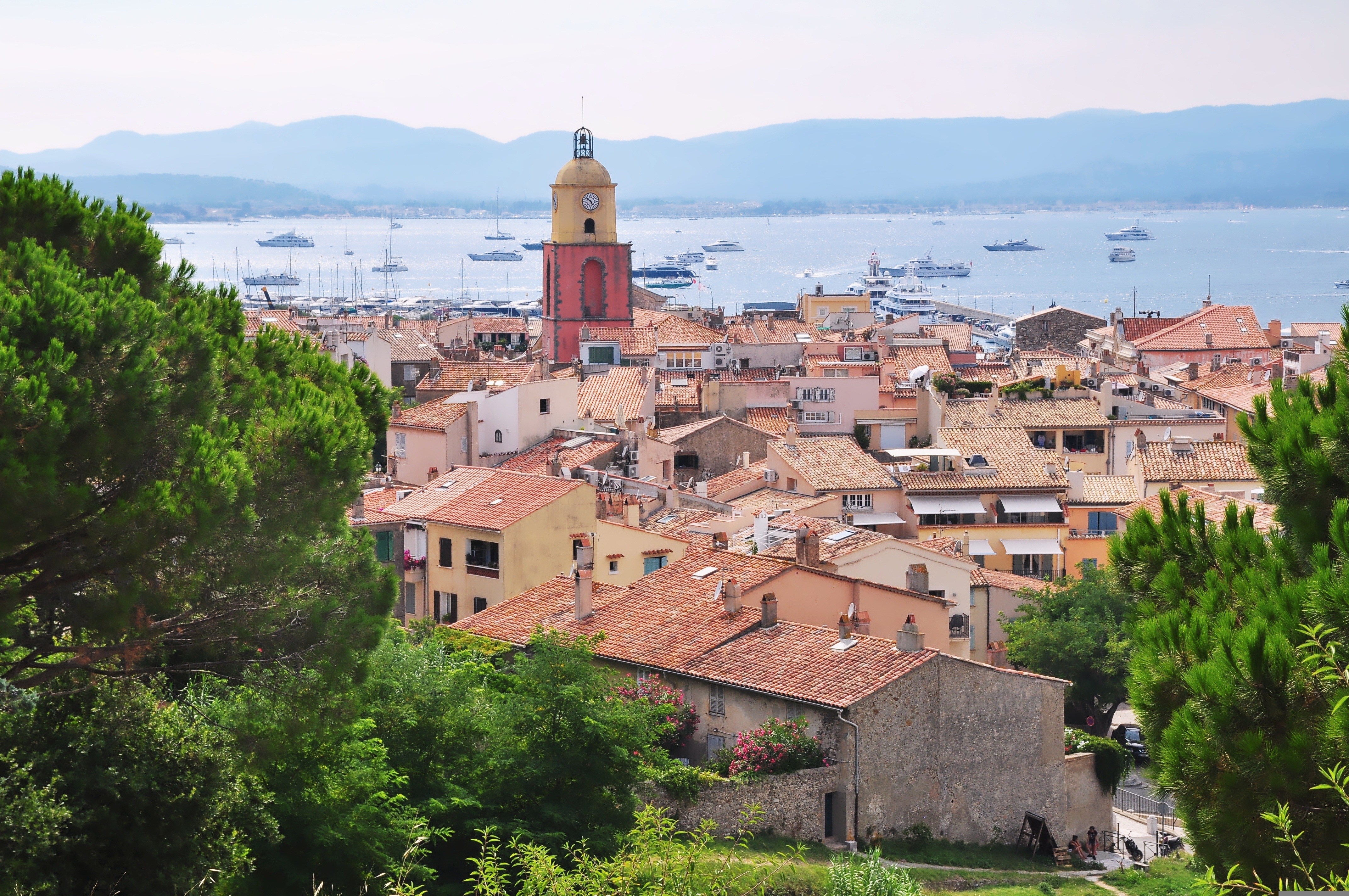
At first glance, it really doesn't look all that impressive. There's a pretty port with cafés charging €5 for a coffee and a picturesque old town in sugared-almond hues, but there are many prettier in the hills nearby. There are sandy beaches, rare enough on the Riviera, and old-fashioned squares with plane trees and pétanque players, but these are a dime a dozen throughout Provence. So what made St-Tropez an internationally known locale? Two words: Brigitte Bardot. When this pulpeuse (voluptuous) teenager showed up in St-Tropez on the arm of Roger Vadim in 1956 to film And God Created Woman, the heads of the world snapped around. Neither the gentle descriptions of writer Guy de Maupassant (1850–93), nor the watercolor tones of Impressionist Paul Signac (1863–1935), nor the stream of painters who followed (including Matisse and Bonnard) could focus the world's attention on this seaside hamlet as did this one sensual woman in a scarf, Ray-Bans, and capris. Vanity Fair ran a big article, "Saint Tropez Babylon," detailing the over-the-top petrodollar parties, megayachts, and Beyoncé–d paparazzi. But don't be turned off: the next year, Stewart, Tabori & Chang released an elegant coffee-table book, Houses of St-Tropez, packed with photos of supremely tasteful and pretty residences, many occupied by fashion designers, artists, and writers. Once a hangout for Colette, Anaïs Nin, and Françoise Sagan, the town still earns its old moniker, the "Montparnasse of the Mediterranean." Yet you might be surprised to find that this byword for billionaires is so small and insulated. The lack of train service, casinos, and chain hotels keeps it that way. Yet fame, in a sense, came too fast for St-Trop. Unlike the chic resorts farther east, it didn't have the decades-old reputation of the sort that would attract visitors all year around. For a good reason: its location on the south side of the gulf puts it at the mercy of the terrible mistral winter winds. So, in summer the crowds descend and the prices rise into the stratosphere. In July and August, you must be carefree about the sordid matter of cash. After all, at the most Dionysian nightclub in town, a glass of tap water goes for $37 and when the mojo really gets going, billionaires think nothing of "champagne-spraying" the partying crowds—think World Series celebrations but with $1,000 bottles of Roederer Cristal instead of Gatorade. Complaining about summer crowds, overpricing, and lack of customer service has become a tourist sport and yet this is what makes St-Tropez—described by the French daily newspaper Le Figaro as the place you can see "the greatest number of faces per square meter"—as intriguing as it is seductive.

St Tropez, France
St Tropez, FranceImage by Karl Egger from Pixabay

Day 4 - Sanary-sur-Mer

Further details for this day are not available.

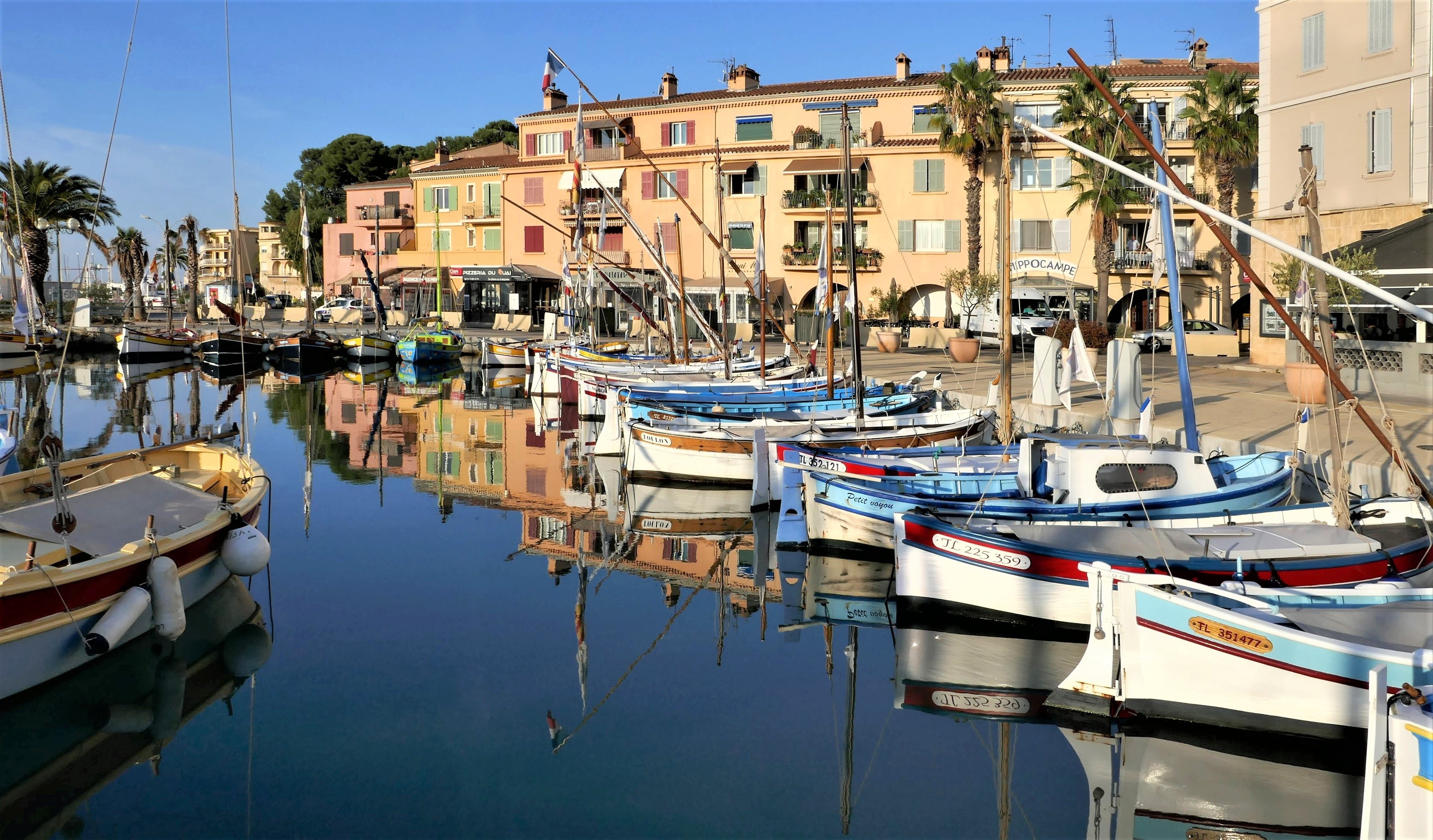
Sanary Sur Mer
Sanary Sur MerImage by Guy Dugas from Pixabay

Day 5 - Roses

Further details for this day are not available.

Day 6 - Mahón, Menorca

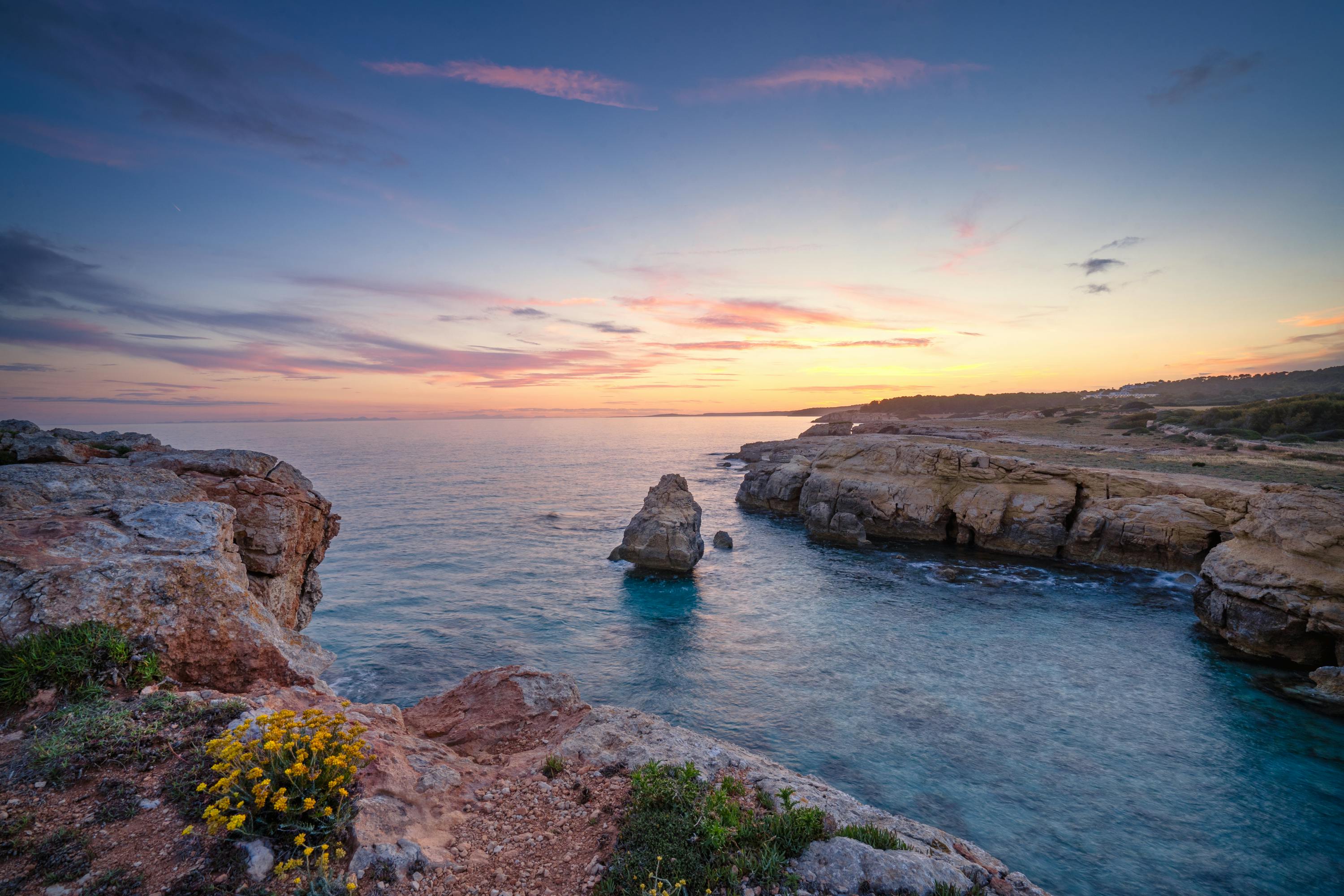
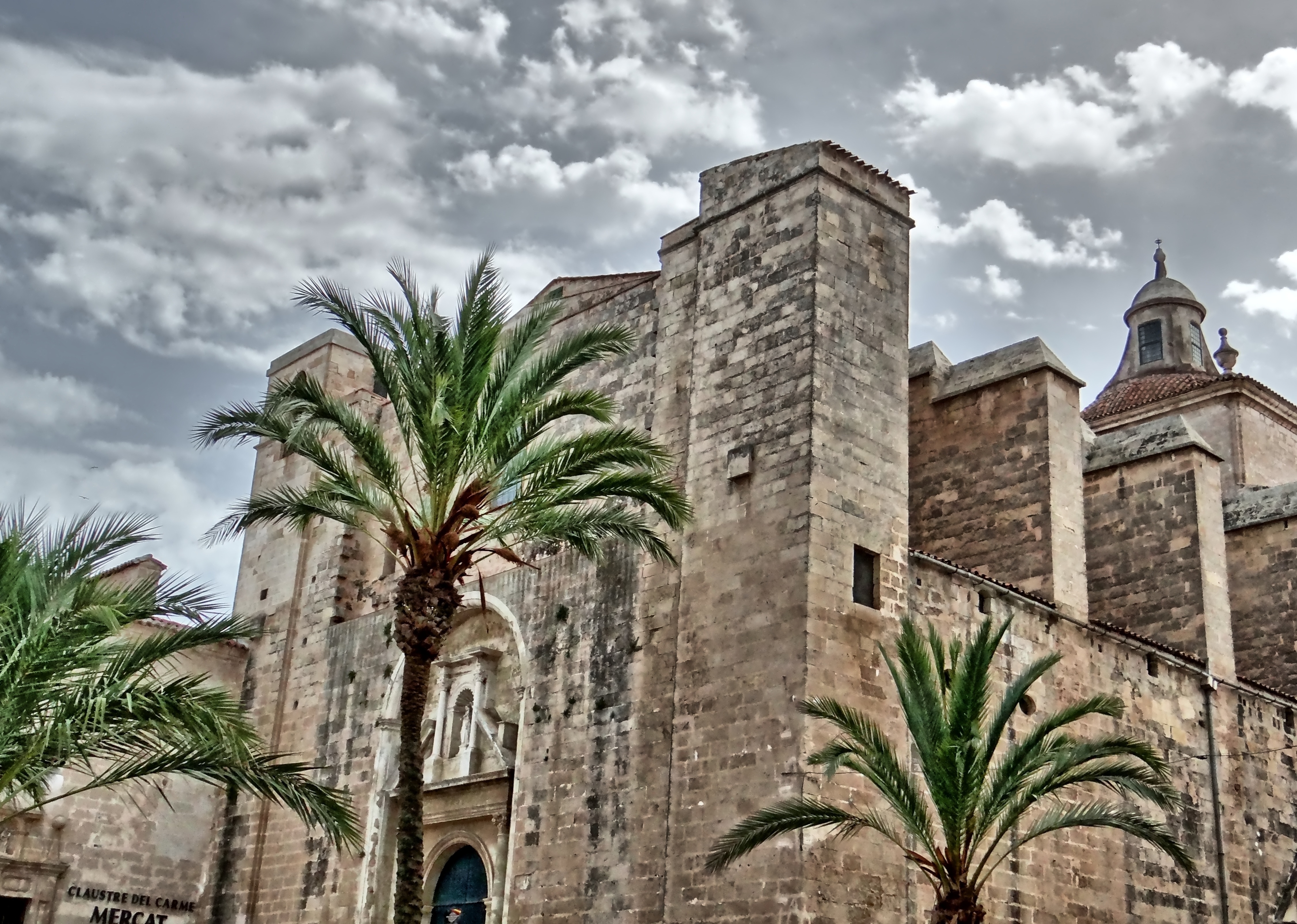
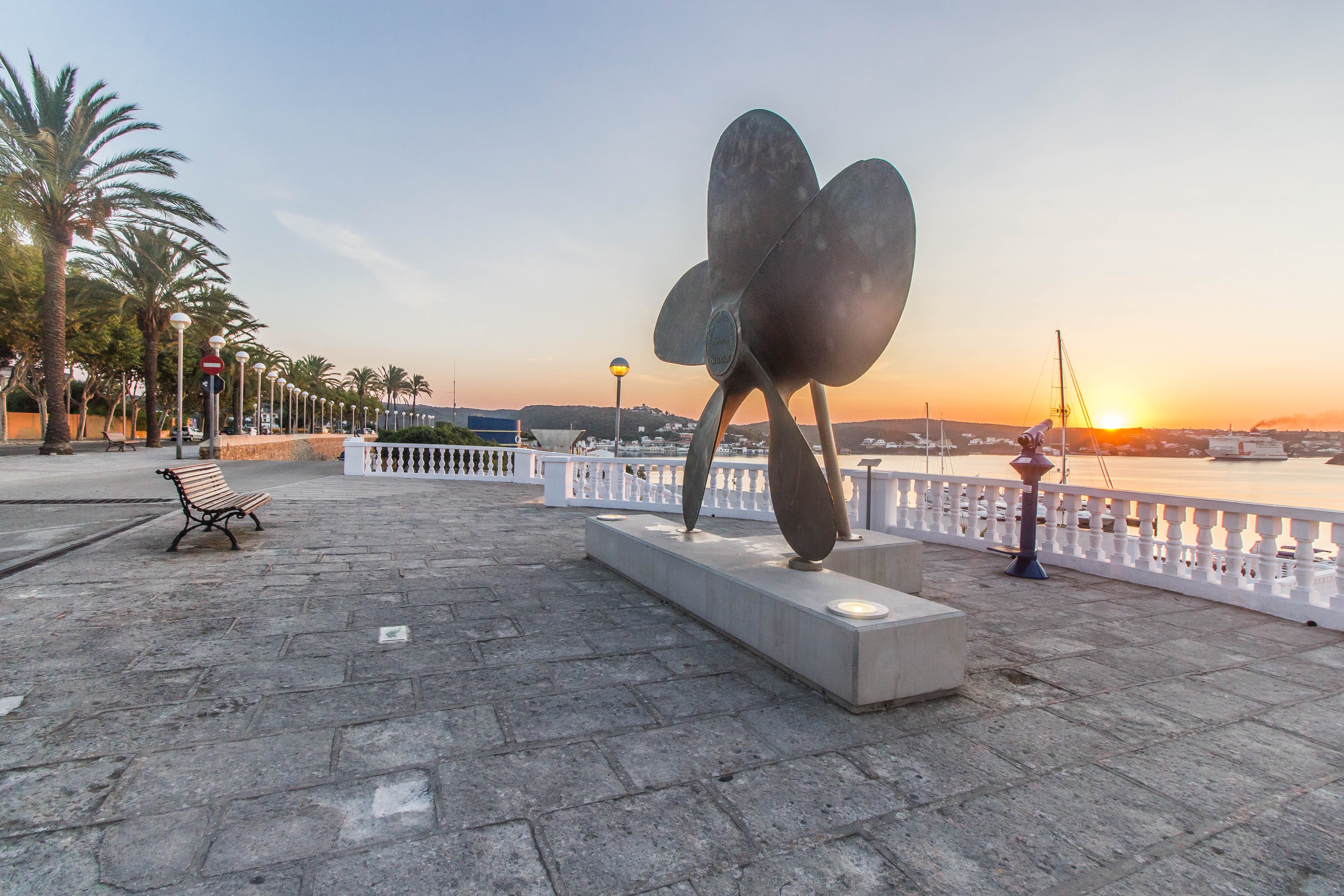
The capital of Menorca since 1721, Mahon has a impressive natural deep water harbour, which is one of the largest in the world. This, coupled with its strategic location, has made it a stronghold for many nations throughout history. Mahon has an abundance of historical buildings, the oldest being the Arch of Saint Roc which is all that remains of the wall that once encircled the whole town. The island was occupied by the British during the 18th century and Lord Nelson is thought to have stayed there. Indeed, San Antoni Mansion, located on the north side of the harbour, houses a collection of Nelson memorabilia. The legacy of colonial rule can be seen in the muted Georgian style of some of the buildings, but Mahon still boasts attractive examples of neo-Classical, Baroque and Romanesque architecture. With narrow streets to explore, pleasant shaded squares and welcoming pavement cafés, there is something for everyone to enjoy. Please be aware that most shops in town close for a siesta between 1330 and 1730.

Harbor In Menorca, Spain
Harbor In Menorca, SpainPhoto by Mor Shani on Unsplash
Ciutadella De Menorca Sunset
Ciutadella De Menorca SunsetPhoto by Juliana Chyzhova, Pexels
Mahon, Menorca
Mahon, MenorcaImage by Corinna Schenk from Pixabay
Mahon, Menorca
Mahon, MenorcaImage by AYOUB ETMAITI from Pixabay

Day 8 - Barcelona

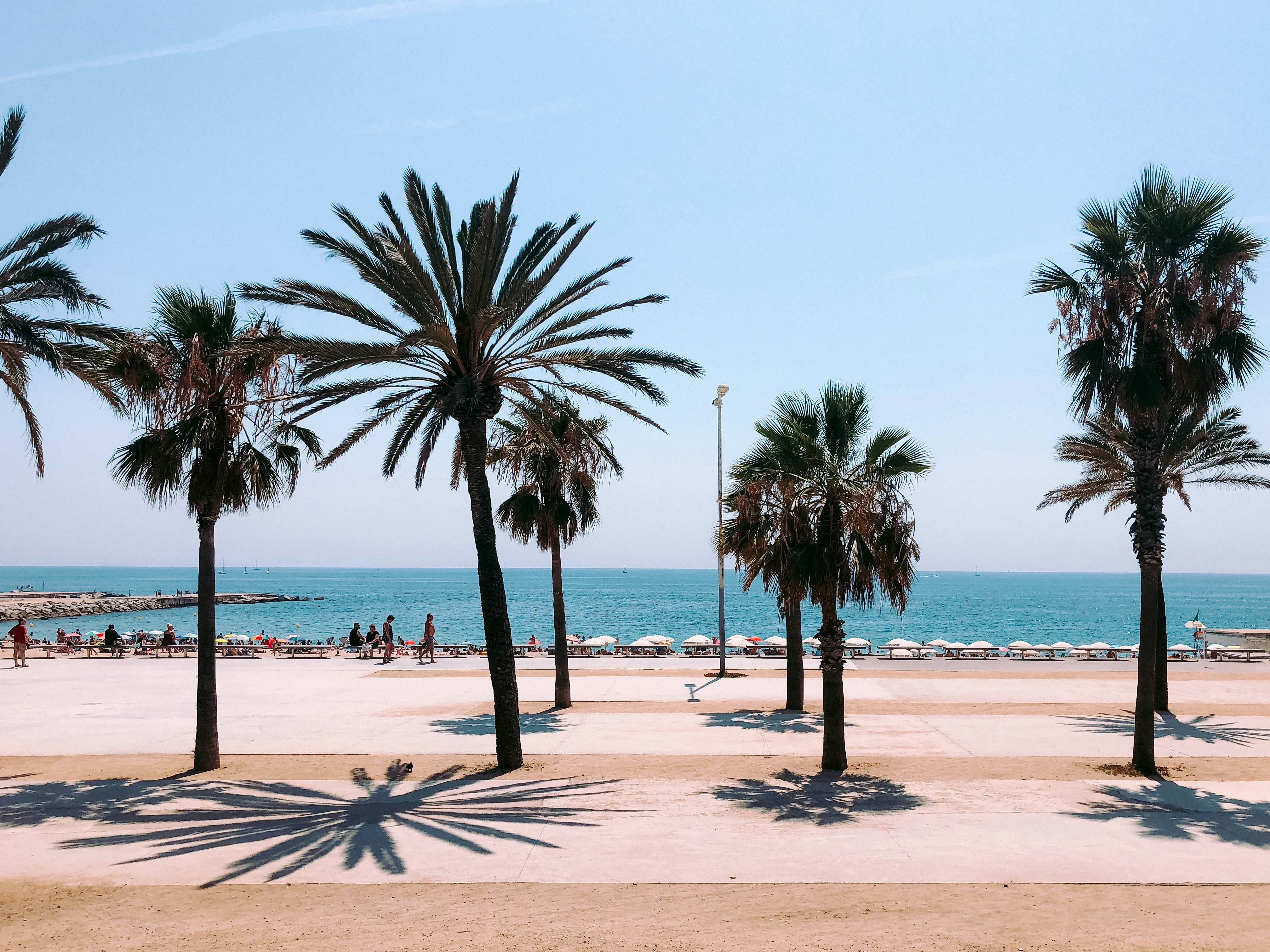
The infinite variety of street life, the nooks and crannies of the medieval Barri Gòtic, the ceramic tile and stained glass of Art Nouveau facades, the art and music, the throb of street life, the food (ah, the food!)—one way or another, Barcelona will find a way to get your full attention. The capital of Catalonia is a banquet for the senses, with its beguiling mix of ancient and modern architecture, tempting cafés and markets, and sun-drenched Mediterranean beaches. A stroll along La Rambla and through waterfront Barceloneta, as well as a tour of Gaudí's majestic Sagrada Famíliaand his other unique creations, are part of a visit to Spain's second-largest city. Modern art museums and chic shops call for attention, too. Barcelona's vibe stays lively well into the night, when you can linger over regional wine and cuisine at buzzing tapas bars.

Barcelona Beach
Barcelona BeachEnes F, Unsplash
Barcelona Beach
Barcelona BeachLucrezia Carnelos, Unsplash
Barcelona Aerial Logan Armstrong
Barcelona Skyline Apasaric

Day 9 - Palamós

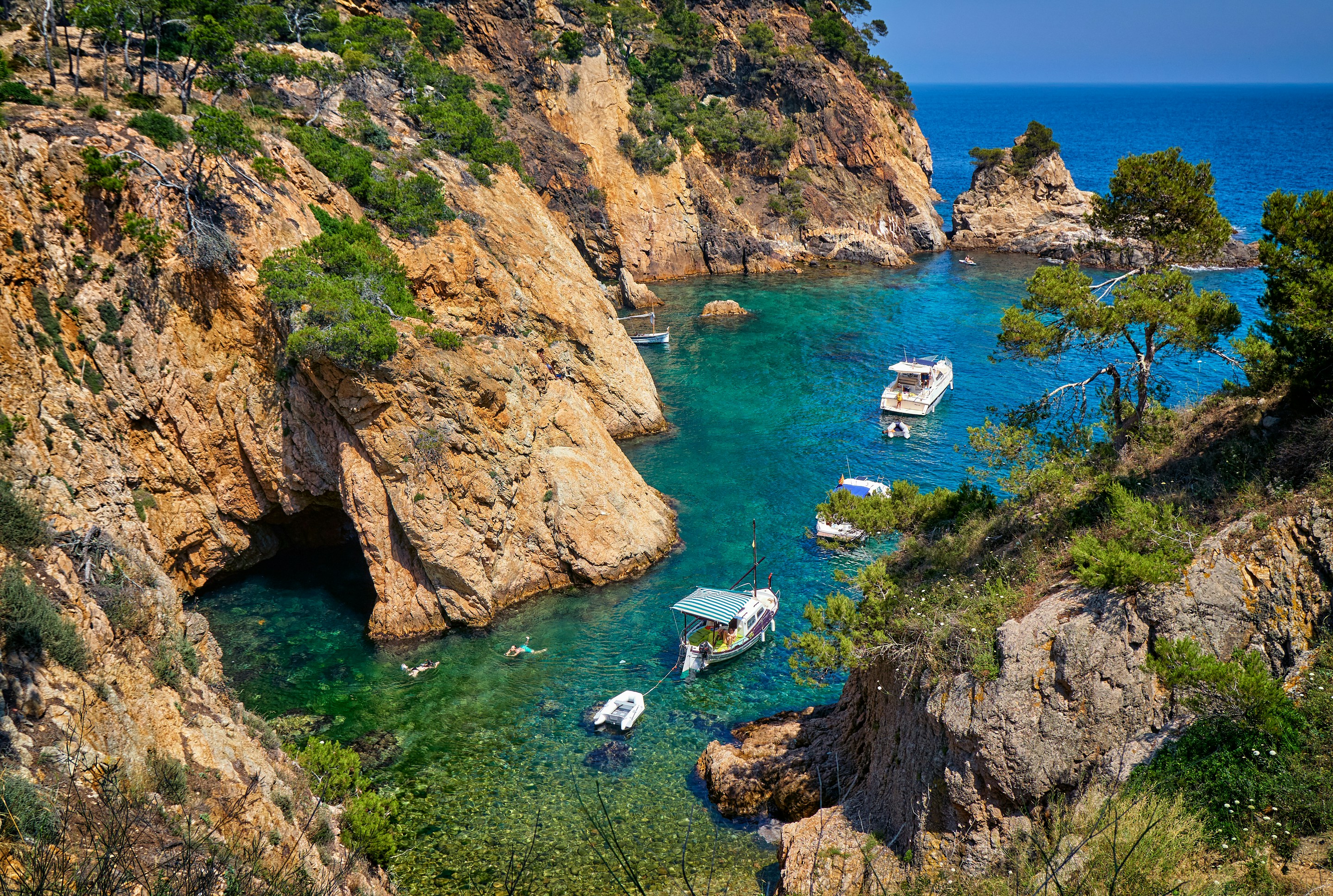
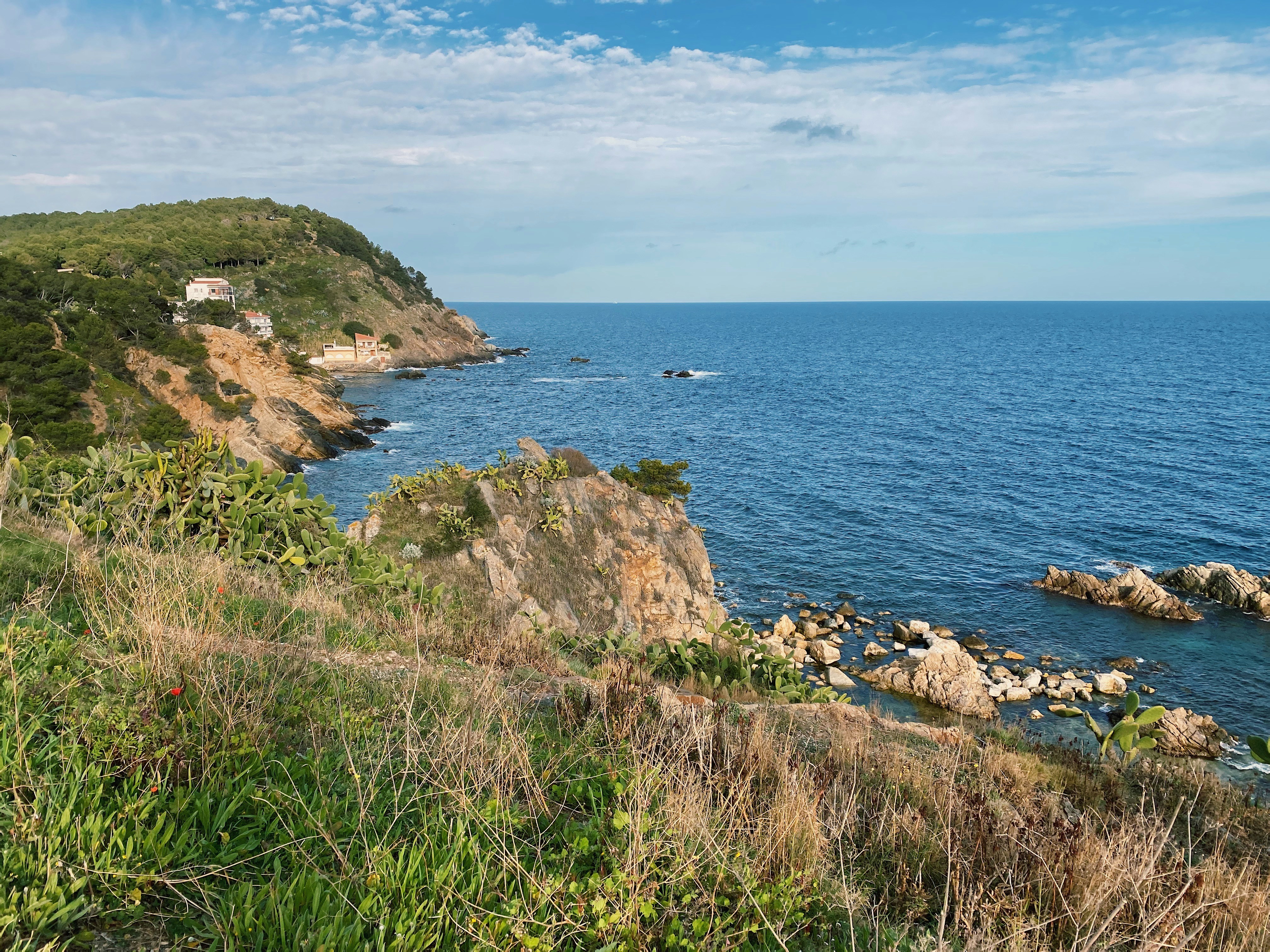
One of the best ways to arrive in Catalonia is by sea, especially via the Costa Brava. This coastline, also known as the Rugged or Wild Coast, stretches from Blanes to the French border. Its name aptly refers to the steep cliff of ancient twisted rocks, which runs its entire length and is bounded inland by the Catalan mountain ranges. The intensity of the coast’s colour, the ruggedness of the rocks and the scent of the plants all combine to add to its attraction. The history of this region is long and varied. Traces can be found of the advanced culture of the Iberians, Greeks, Romans, Visigoths and Arabs. With Wilfred I and the independence of Catalan countries, the Catalan dynasty was born. Later, in 1479, Catalonia became a part of unified Spain following the marriage of Isabel, Queen of Castile, and Fernando, King of Aragon. The port of Palamos, some 36 miles northeast of Barcelona, has been in existence for nearly 700 years thanks to its location on one of the deepest natural bays in the western Mediterranean. The town itself is the southernmost of a series of resorts popular with sun worshippers. For the most part, Palamos has managed to retain some of the charm of a fishing village. The port also serves as a gateway to such inland locations as Girona, the capital of the province. Art lovers may want to visit Figueras, famous for its bizarre Teatre-Museu Dali, the foremost of a series of sites associated with the eccentric surrealist artist, Salvador Dali. If you choose to stay in Palamos, you can enjoy the pleasant atmosphere of the town or spend some time at a nearby beach. The town has a long seagoing tradition and busy harbour. The fish auction, prompted by the arrival of the fishing boats, is a spectacle worth seeing. The Fishing Museum illustrates the history and the life of the families who live off the sea.

Palamós, Spain
Palamós, SpainPhoto by Maël BALLAND on Unsplash
Palamós, Spain
Palamós, SpainPhoto by Vidar Nordli-Mathisen on Unsplash
Carretera De Sant Esteve, 2, Palamós, España
Carretera De Sant Esteve, 2, Palamós, EspañaPhoto by Paula De la Pava Nieto on Unsplash

Day 10 - Sète

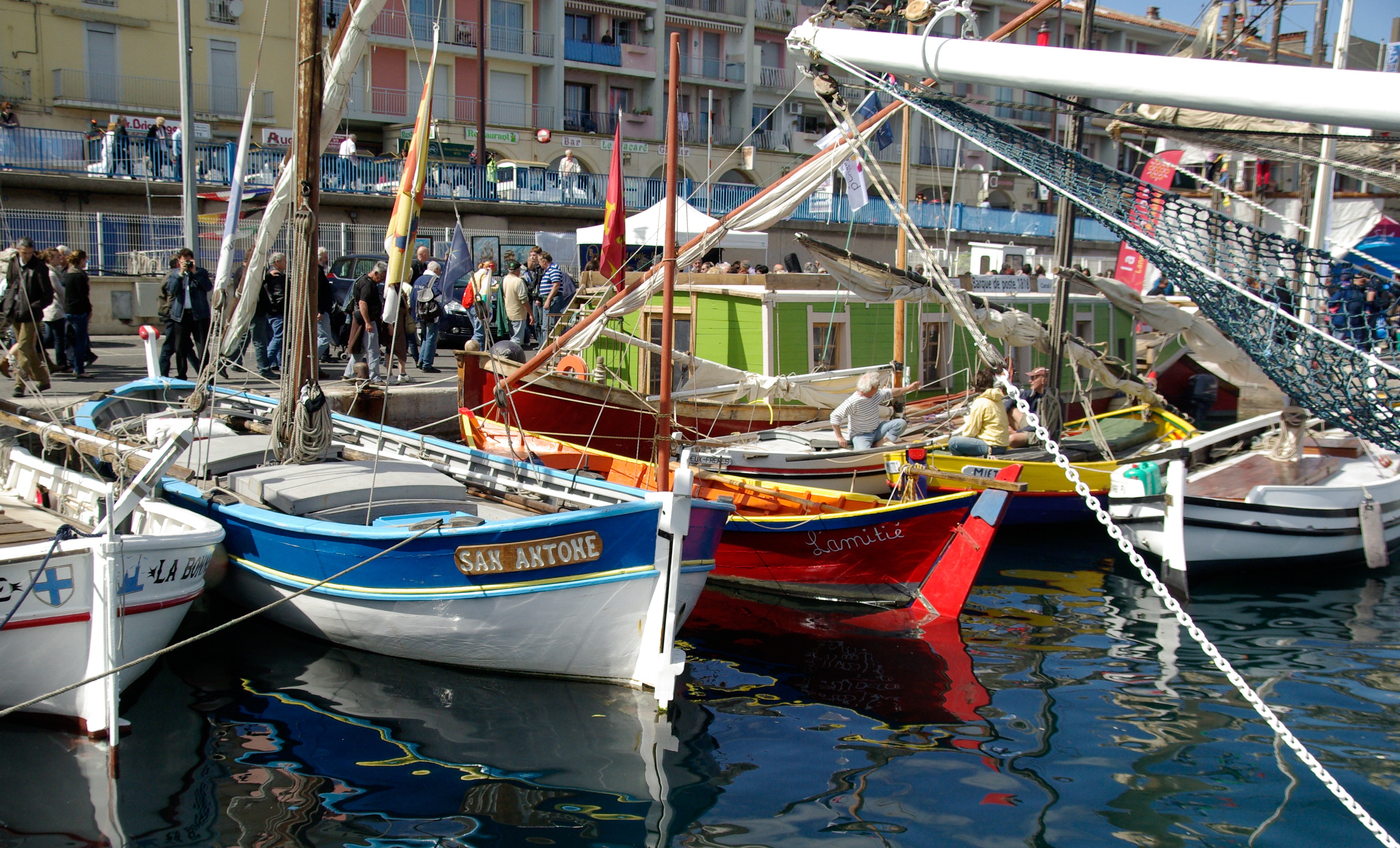
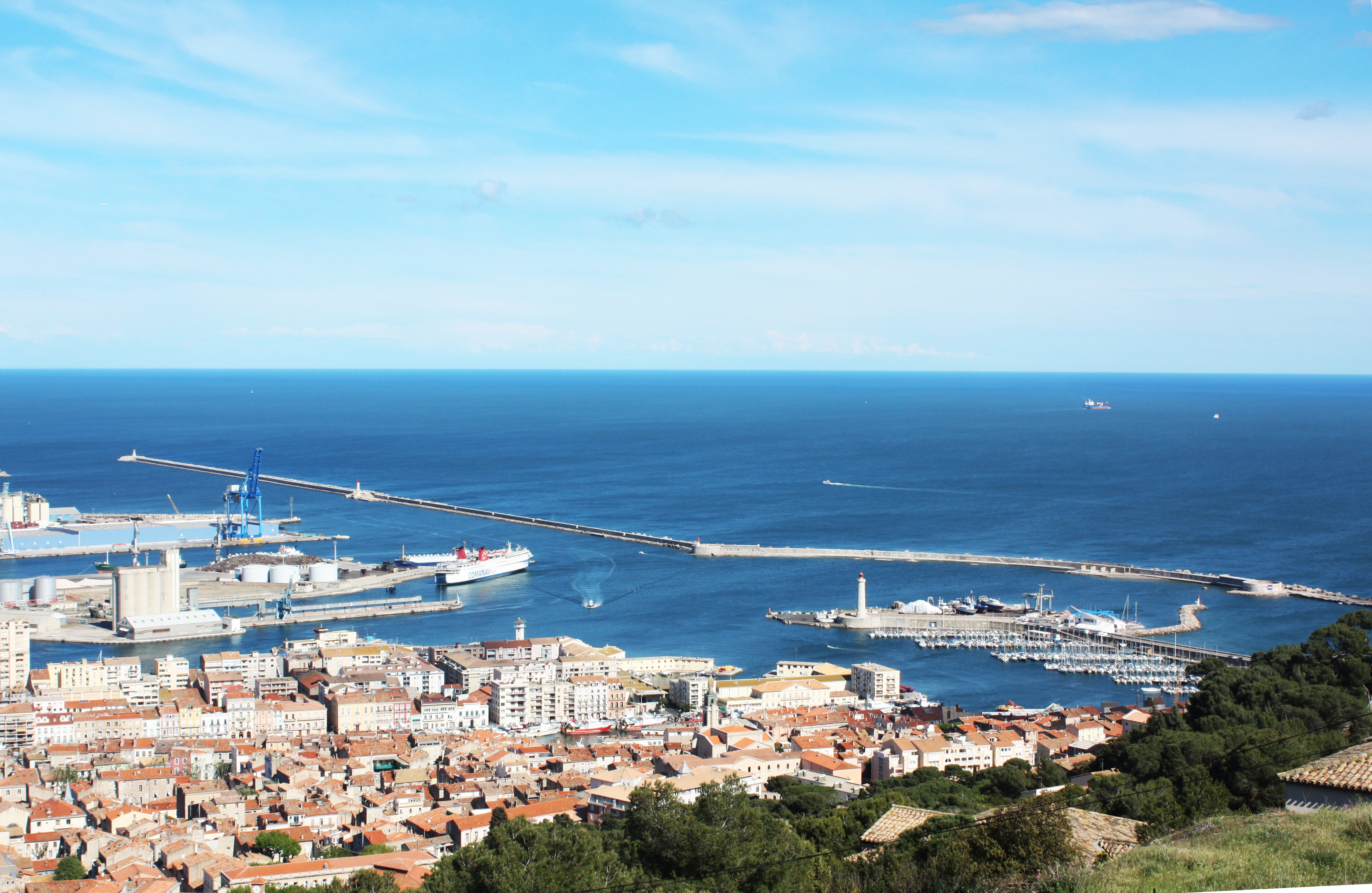
The fishing village of Sète serves as gateway to Montpellier, in the North. Other noteworthy destinations in this area include Carcassone, Aigues Mortes, the Abbaye de Fontfroide, and Pezenas. For a look at the real fisherman's life, however, stay right where you are. Sète is the Mediterranean's biggest fishing port. Canals winding through town make it fun to stroll around, and there are a number of good walking paths leading to the beach (about 30 minutes to the west). Although it's small and unspectacular, Plage de la Corniche has calm, pristine waters that are perfect for swimming. For a panoramic view of the area, climb Mont St-Clair or Les Pierres Blanches and pick a beach to settle down on.

Frset   Sète   Colourful Boats   Credits Jacqueline Macou
Frset Sète Colourful Boats Credits Jacqueline MacouJacqueline Macou
Frset   Sète   Marina   Credit Jacqueline Macou
Frset Sète Marina Credit Jacqueline MacouJacqueline Macou
Frset   Sète   Seaport   Credit Patrick Blaise
Frset Sète Seaport Credit Patrick BlaisePatrick Blaise
Sete, France
Sete, FranceImage by RENE RAUSCHENBERGER from Pixabay

Day 11 - Marseille

Since being designated a European Capital of Culture for 2013, with an estimated €660 million of funding in the bargain, Marseille has been in the throes of an extraordinary transformation, with no fewer than five major new arts centers, a beautifully refurbished port, revitalized neighborhoods, and a slew of new shops and restaurants. Once the underdog, this time-burnished city is now welcoming an influx of weekend tourists who have colonized entire neighborhoods and transformed them into elegant pieds-à-terre (or should we say, mer). The second-largest city in France, Marseille is one of Europe's most vibrant destinations. Feisty and fond of broad gestures, it is also as complicated and as cosmopolitan now as it was when a band of Phoenician Greeks first sailed into the harbor that is today's Vieux Port in 600 BC. Legend has it that on that same day a local chieftain's daughter, Gyptis, needed to choose a husband, and her wandering eyes settled on the Greeks' handsome commander Protis. Her dowry brought land near the mouth of the Rhône, where the Greeks founded Massalia, the most important Continental shipping port in antiquity. The port flourished for some 500 years as a typical Greek city, enjoying the full flush of classical culture, its gods, its democratic political system, its sports and theater, and its naval prowess. Caesar changed all that, besieging the city in 49 BC and seizing most of its colonies. In 1214 Marseille was seized again, this time by Charles d'Anjou, and was later annexed to France by Henri IV in 1481, but it was not until Louis XIV took the throne that the biggest transformations of the port began; he pulled down the city walls in 1666 and expanded the port to the Rive Neuve (New Riverbank). The city was devastated by plague in 1720, losing more than half its population. By the time of the Revolution, Marseille was on the rebound once again, with industries of soap manufacturing and oil processing flourishing, encouraging a wave of immigration from Provence and Italy. With the opening of the Suez Canal in 1869, Marseille became the greatest boomtown in 19th-century Europe. With a large influx of immigrants from areas as exotic as Tangiers, the city quickly acquired the multicultural population it maintains to this day.

Frmrs   Marseille   Fireworks View Port   Arthur Aldyrkhanov
Frmrs Marseille Fireworks View Port Arthur AldyrkhanovPhotograph by Arthur Aldyrkhanov
Frmrs   Marseille   France   Marseille   Calanque De Morgiou   © Szs
Frmrs Marseille France Marseille Calanque De Morgiou © Szs© SZS
Frmrs   Marseille   France   Marseille   Port   © M. Raynaud
Frmrs Marseille France Marseille Port © M. Raynaud© M. Raynaud
Frmrs   Marseille   France   Marseille   Sea And Coast View   © V. Toche
Frmrs Marseille France Marseille Sea And Coast View © V. Toche© V. Toche
Frmrs   Marseille   France   Marseille   Vallon Des Auffes   © M. Raynaud
Frmrs Marseille France Marseille Vallon Des Auffes © M. Raynaud© M. Raynaud
Frmrs   Marseille   Luminy   Clement Griffet
Frmrs Marseille Luminy Clement GriffetPhotograph by Clement Griffet
Frmrs   Marseille   Old House   Matthieu Joannon
Frmrs Marseille Old House Matthieu JoannonPhotograph by Matthieu Joannon
Frmrs   Marseille   Robert Laffon Promenade   Erin Doering
Frmrs Marseille Robert Laffon Promenade Erin DoeringPhotograph by Erin Doering
Frmrs   Marseille   Swimming   Laurine Bailly
Frmrs Marseille Swimming Laurine BaillyPhotograph by Laurine Bailly

Day 12 - Fréjus

Further details for this day are not available.

Fréjus, France
Fréjus, FranceYvan Haralambidis
Fréjus, France
Fréjus, FranceRicky Bonilla
Fréjus, France
Fréjus, FranceRicky Bonilla
Fréjus, France
Fréjus, FranceRicky Bonilla
Canton Of Fréjus, Fréjus, France
Canton Of Fréjus, Fréjus, FranceArtem R
Canton Of Fréjus, Fréjus, France
Canton Of Fréjus, Fréjus, FranceArtem R
Fréjus, France
Fréjus, FranceRicky Bonilla
Fréjus, France
Fréjus, FranceRicky Bonilla
Canton Of Fréjus, Fréjus, France
Canton Of Fréjus, Fréjus, FranceArtem R
Fréjus, Provence Alpes Côte D'azur, France
Fréjus, Provence Alpes Côte D'azur, FranceGuillaume Galtier

Day 13 - Portofino

One of the most photographed villages along the coast, with a decidedly romantic and affluent aura, Portofino has long been a popular destination for the rich and famous. Once an ancient Roman colony and taken by the Republic of Genoa in 1229, it’s also been ruled by the French, English, Spanish, and Austrians, as well as by marauding bands of 16th-century pirates. Elite British tourists first flocked to the lush harbor in the mid-1800s. Some of Europe's wealthiest drop anchor in Portofino in summer, but they stay out of sight by day, appearing in the evening after buses and boats have carried off the day-trippers.There's not actually much to do in Portofino other than stroll around the wee harbor, see the castle, walk to Punta del Capo, browse at the pricey boutiques, and sip a coffee while people-watching. However, weaving through picture-perfect cliffside gardens and gazing at yachts framed by the sapphire Ligurian Sea and the cliffs of Santa Margherita can make for quite a relaxing afternoon. There are also several tame, photo-friendly hikes into the hills to nearby villages.Unless you're traveling on a deluxe budget, you may want to stay in Camogli or Santa Margherita Ligure rather than at one of Portofino's few very expensive hotels. Restaurants and cafés are good but also pricey (don't expect to have a beer here for much under €10).

Portofino, Metropolitan City Of Genoa, Italy
Portofino, Metropolitan City Of Genoa, ItalyPhoto by Slim Emcee on Unsplash

Day 15 - Civitavecchia

Italy's vibrant capital lives in the present, but no other city on earth evokes its past so powerfully. For over 2,500 years, emperors, popes, artists, and common citizens have left their mark here. Archaeological remains from ancient Rome, art-stuffed churches, and the treasures of Vatican City vie for your attention, but Rome is also a wonderful place to practice the Italian-perfected il dolce far niente, the sweet art of idleness. Your most memorable experiences may include sitting at a caffè in the Campo de' Fiori or strolling in a beguiling piazza.

Itrom   Rome   Colosseum   Mathew Schwartz
Itrom Rome Colosseum Mathew SchwartzPhotograph by Matthew Schwartz
Itrom   Rome   Navona Square   Fototeca Enit
Itrom Rome Navona Square Fototeca EnitFototeca ENIT
Itrom   Rome   S.Pietro & S.Angelo Bridge   Fototeca Enit
Itrom Rome S.Pietro & S.Angelo Bridge Fototeca Enit Fototeca ENIT
Itrom   Rome   Sant'angelo Bridge   Fototeca Enit
Itrom Rome Sant'angelo Bridge Fototeca EnitFototeca ENIT
Itrom   Rome   Tempio Del Divo Claudio   Nicole Reyes
Itrom Rome Tempio Del Divo Claudio Nicole ReyesPhotograph by Nicole Reyes
Itrom   Rome   Trevi Fountain   Christopher Czermak
Itrom Rome Trevi Fountain Christopher CzermakPhotograph by Christopher Czermak
Itrom   Rome   Vatican City   Caleb Miller
Itrom Rome Vatican City Caleb MillerPhotograph by Caleb Miller
Itrom   Rome   Vatican City   Christopher Czermak
Itrom Rome Vatican City Christopher CzermakPhotograph by Christopher Czermak

Suites & Deck Plans

Suite

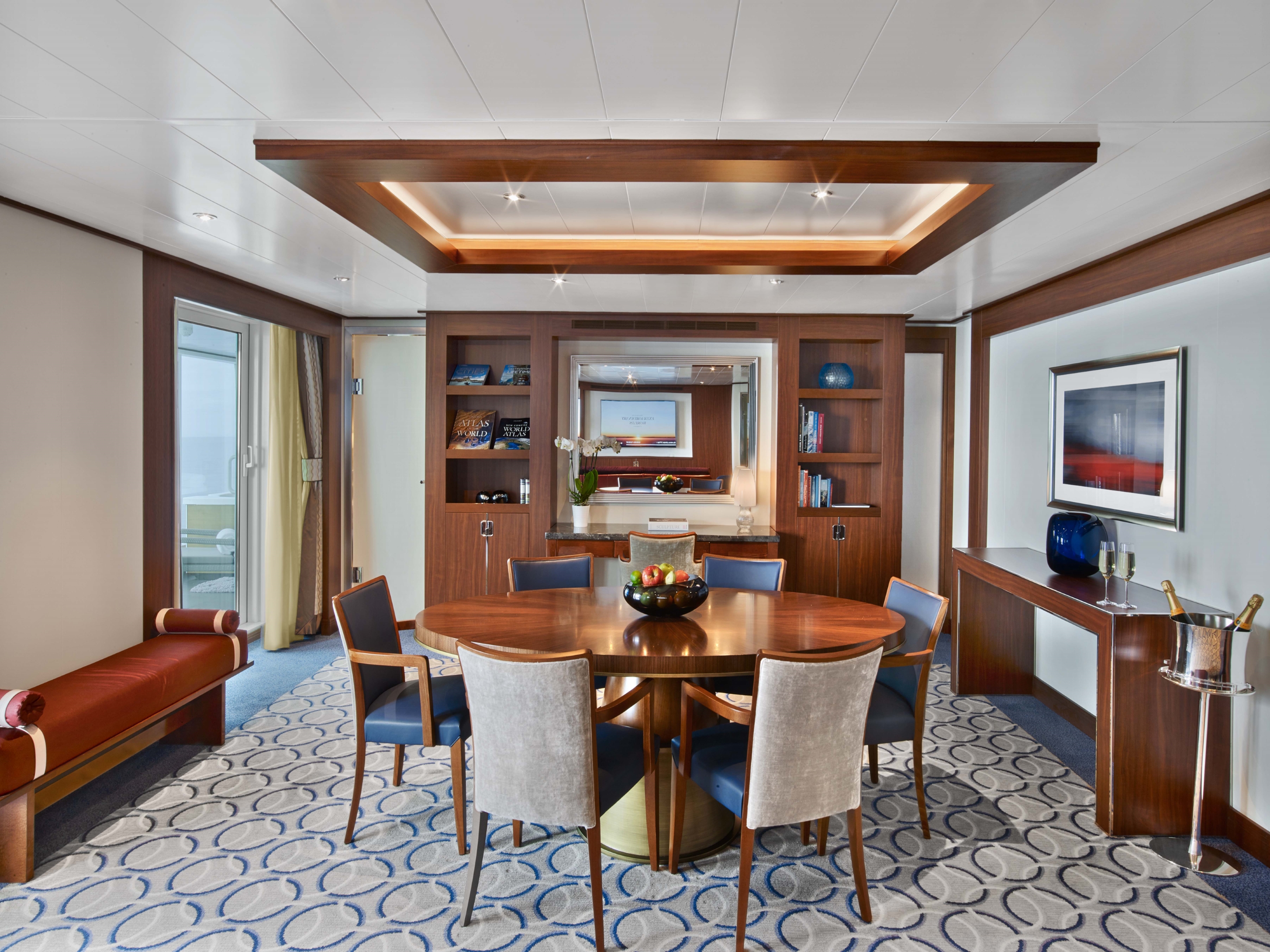
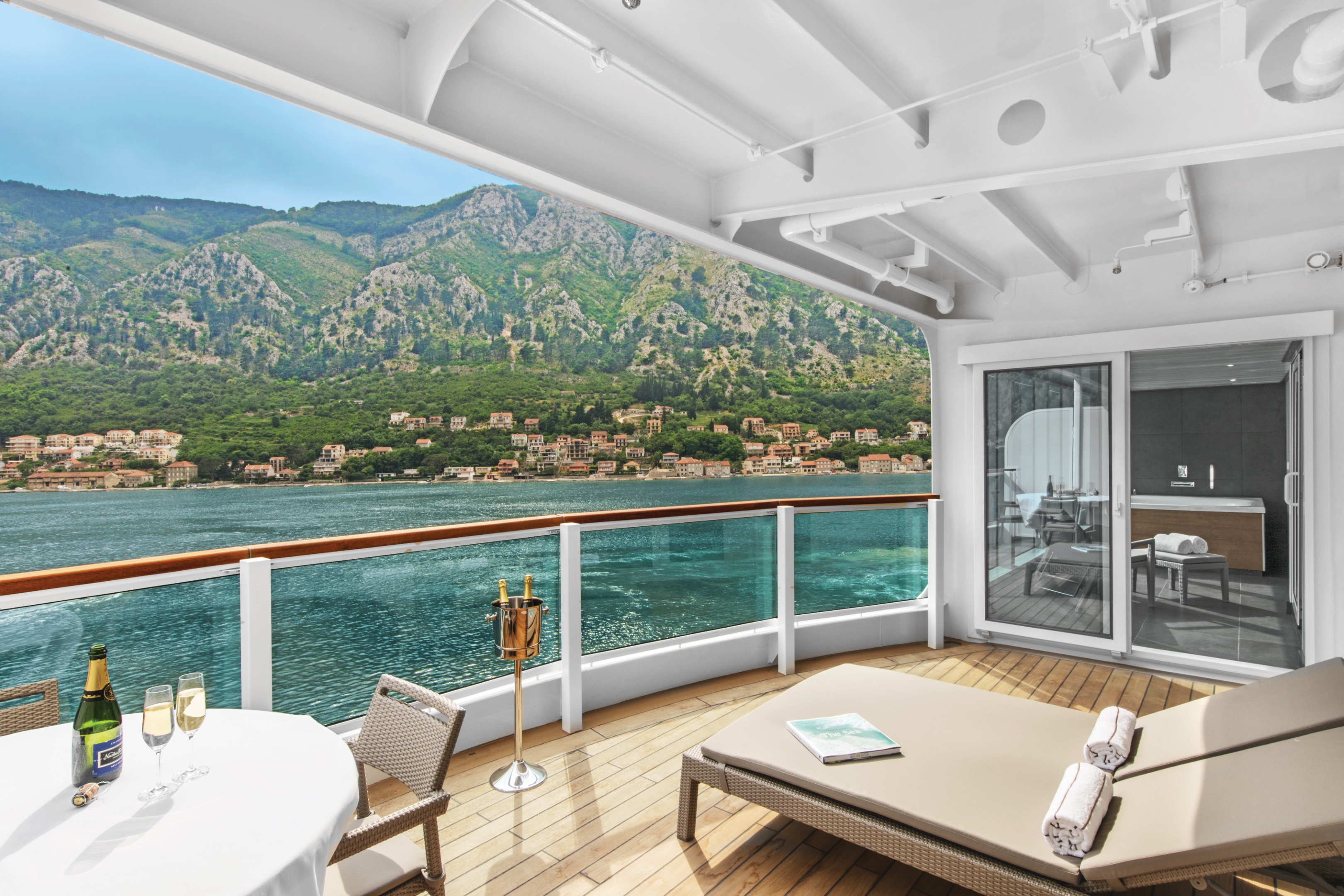
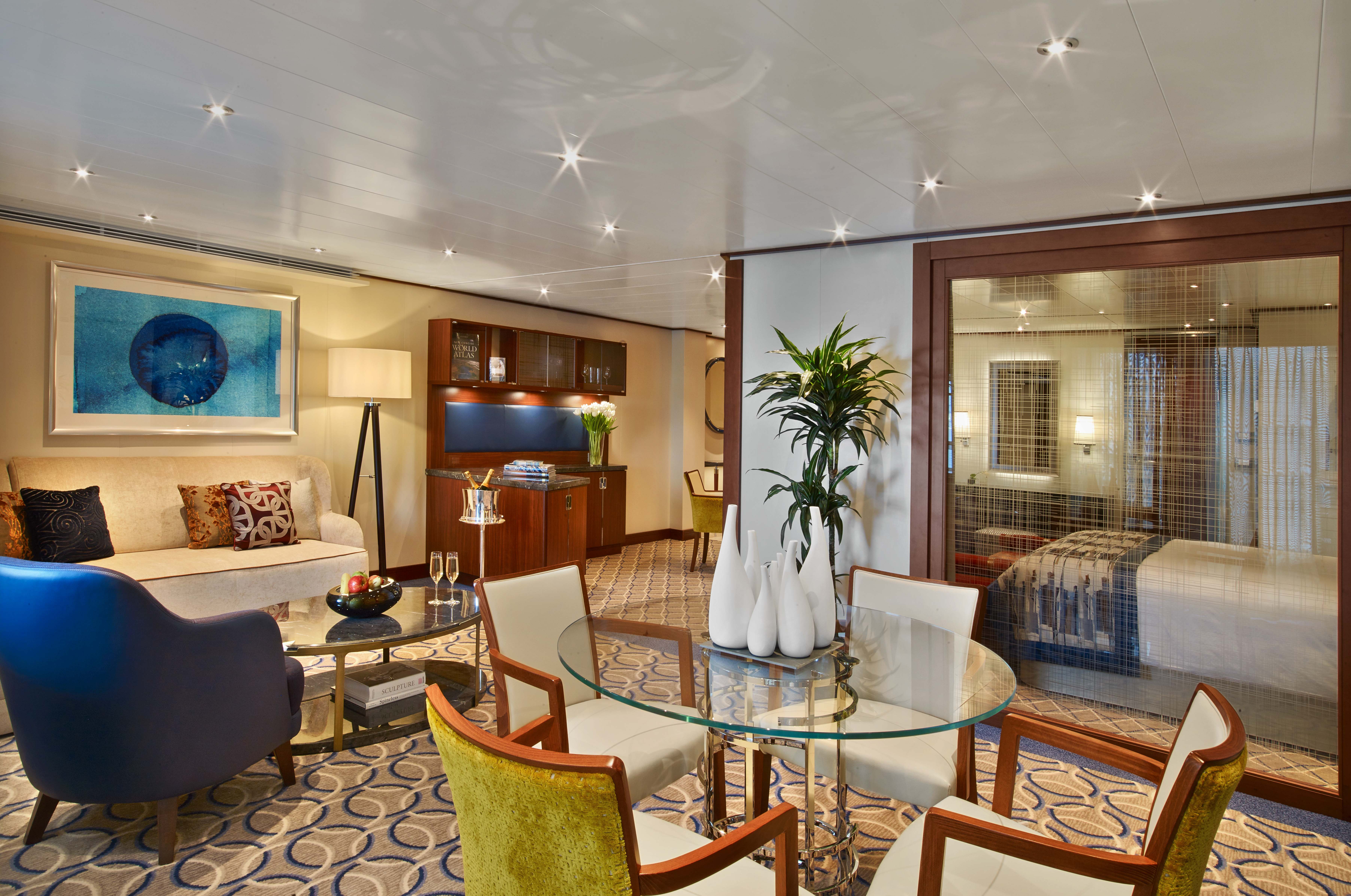
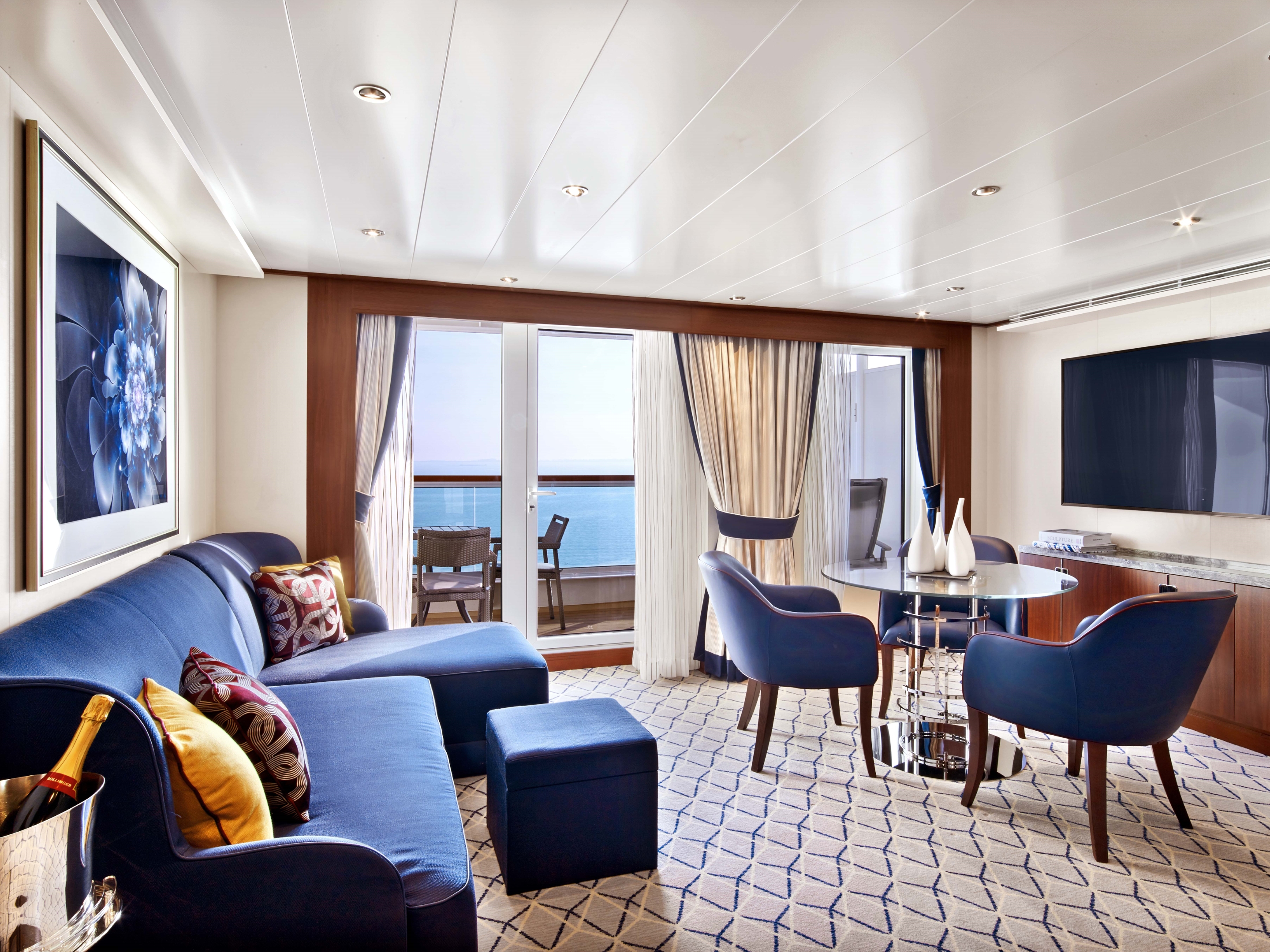
Located on Deck 8; Combine mid-ship suites 849 and 851 for suite 8491 or suites 846 and 848 for suite 8468 for a total inside space of 1,292 square feet (120 square meters) plus two verandas totaling 244 square feet (23 square meters)

Grand Wintergarden Suites feature:

  • Large windows
  • Dining for six
  • Glass-enclosed solarium with tub and day bed
  • Bathroom with whirlpool bathtub
  • Two bedrooms
  • Two bathrooms (one whirlpool)
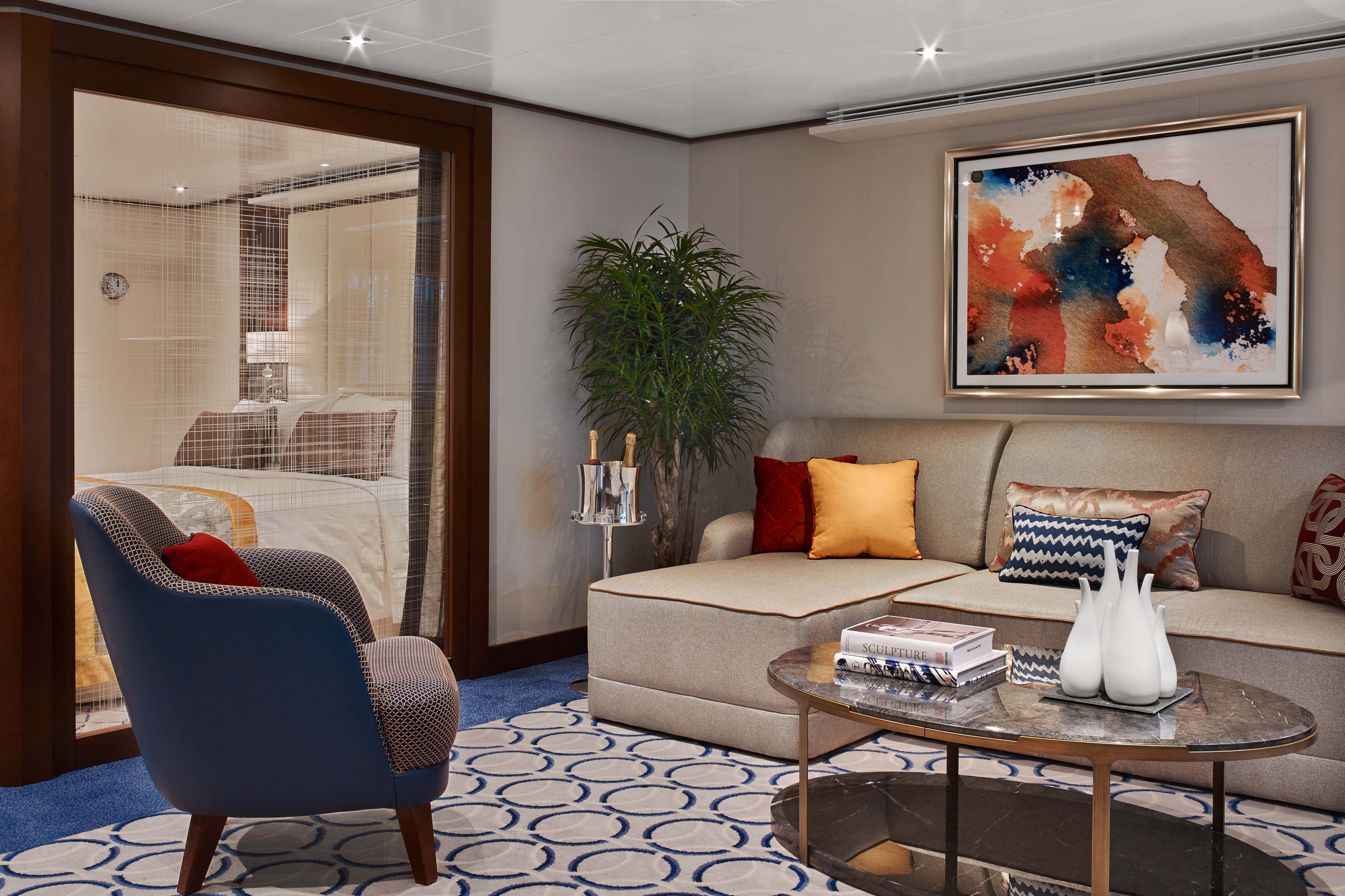
  • Convertible sofa bed for one
  • Pantry with wet bar
  • Two flat-screen TVs
  • Complimentary Internet/Wi-Fi service

1536 sq ft
Accommodates 5 guests
Grand Wintergarden Suite

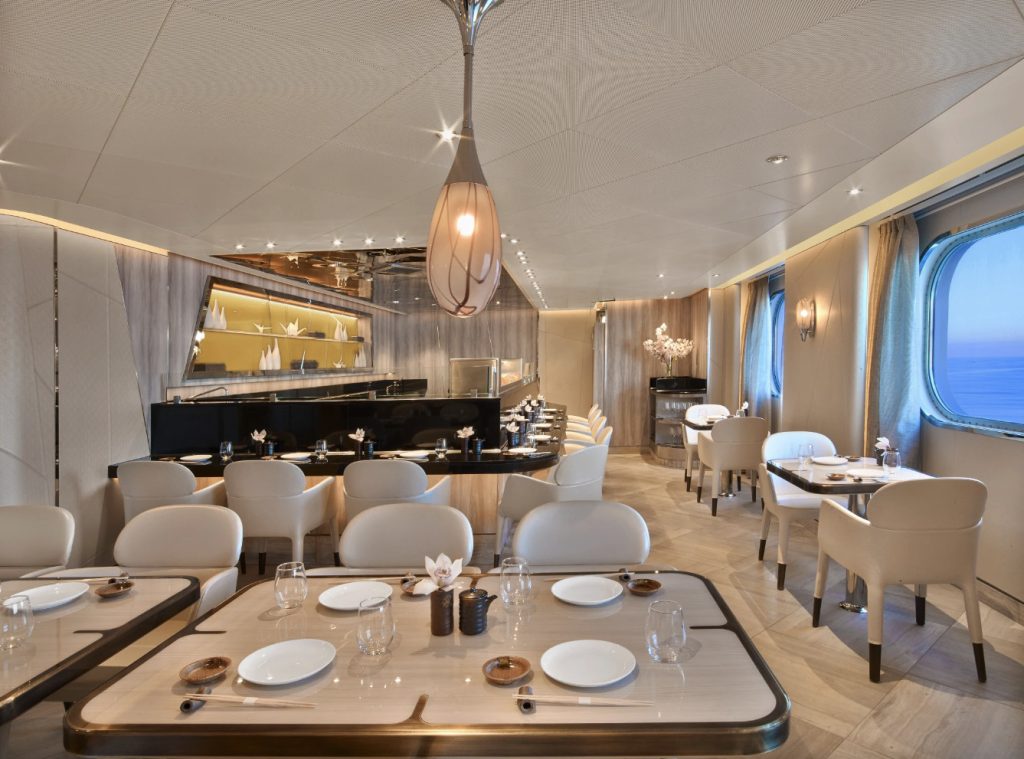
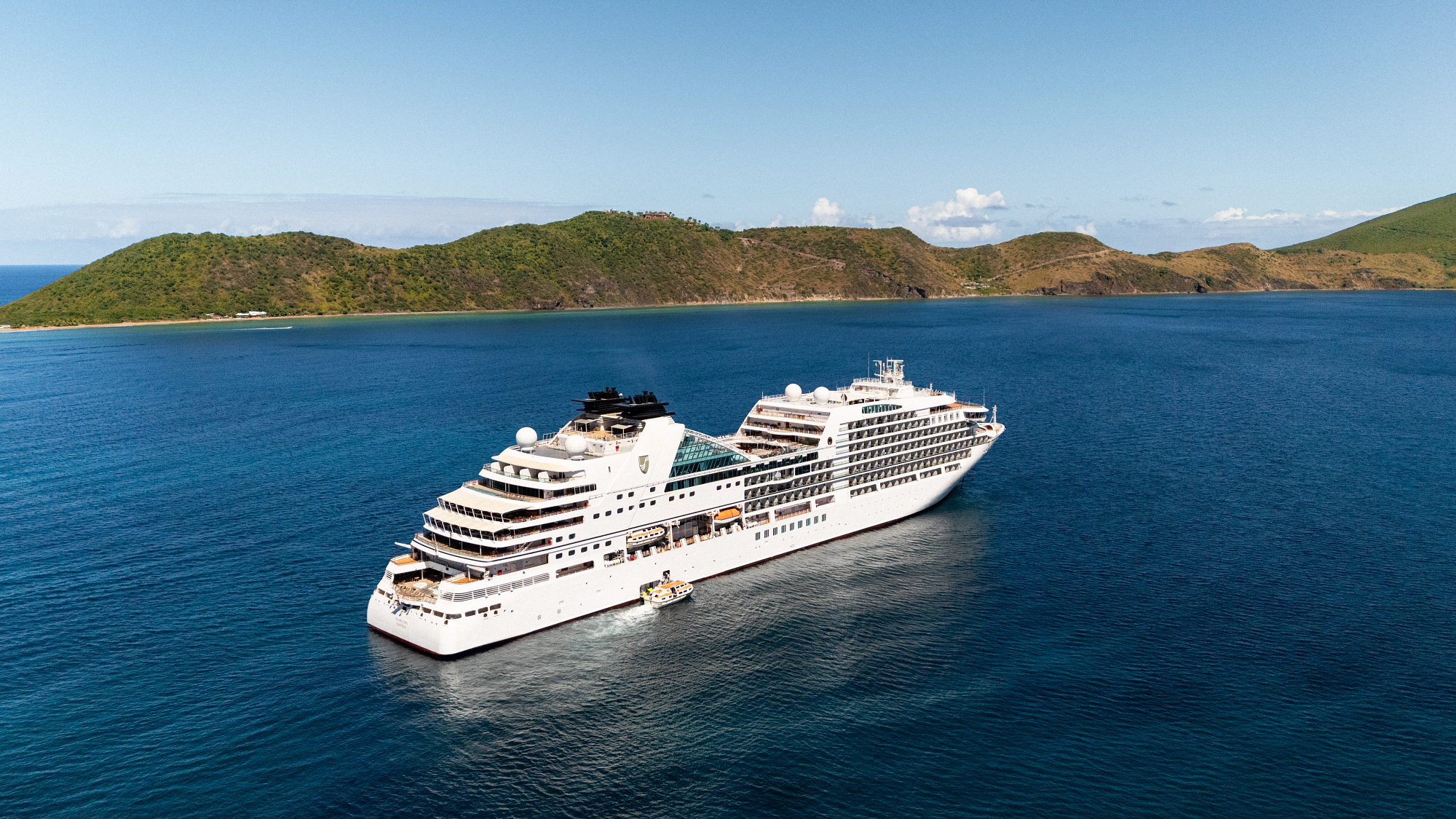
Seabourn Ovation

Seabourn Ovation

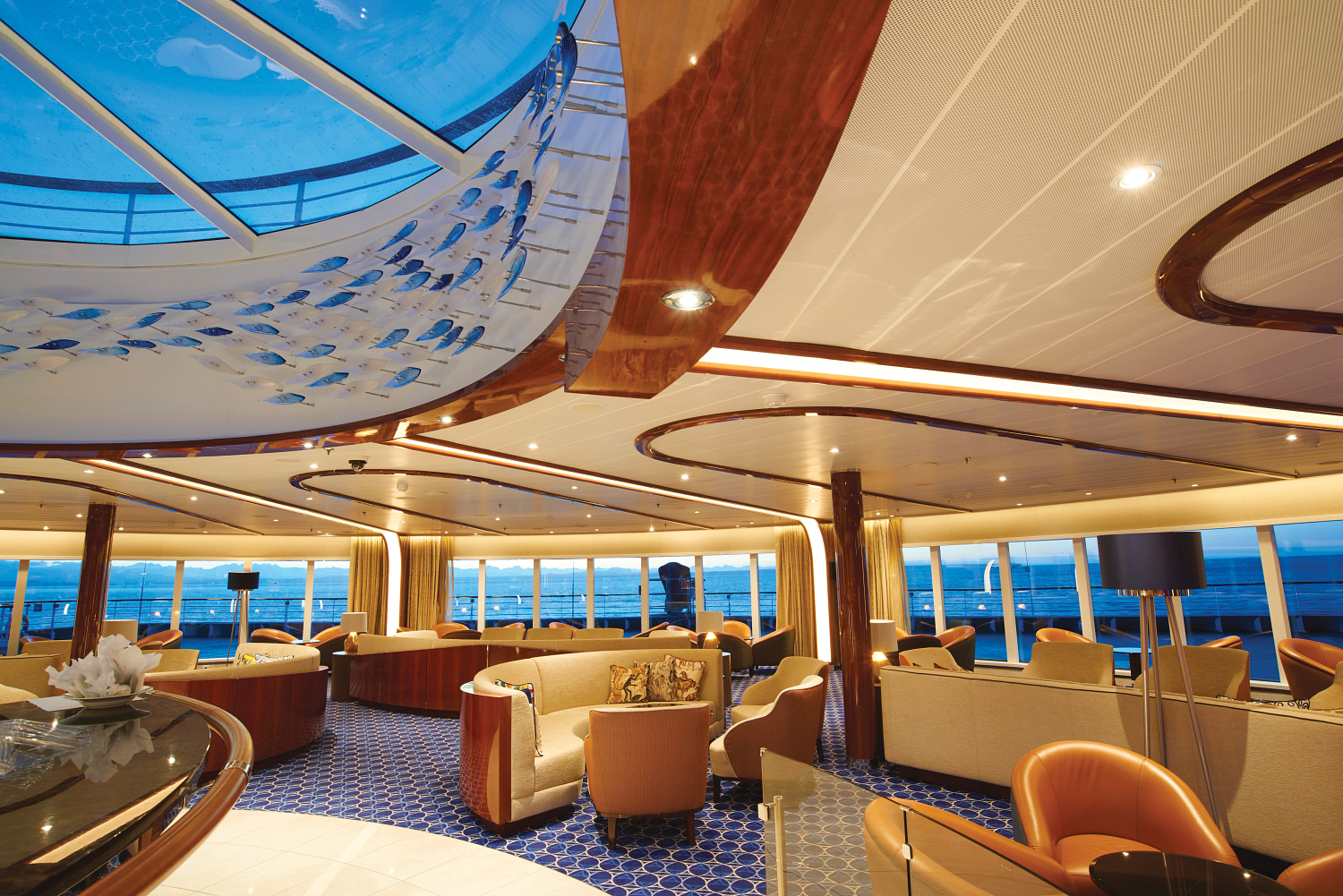
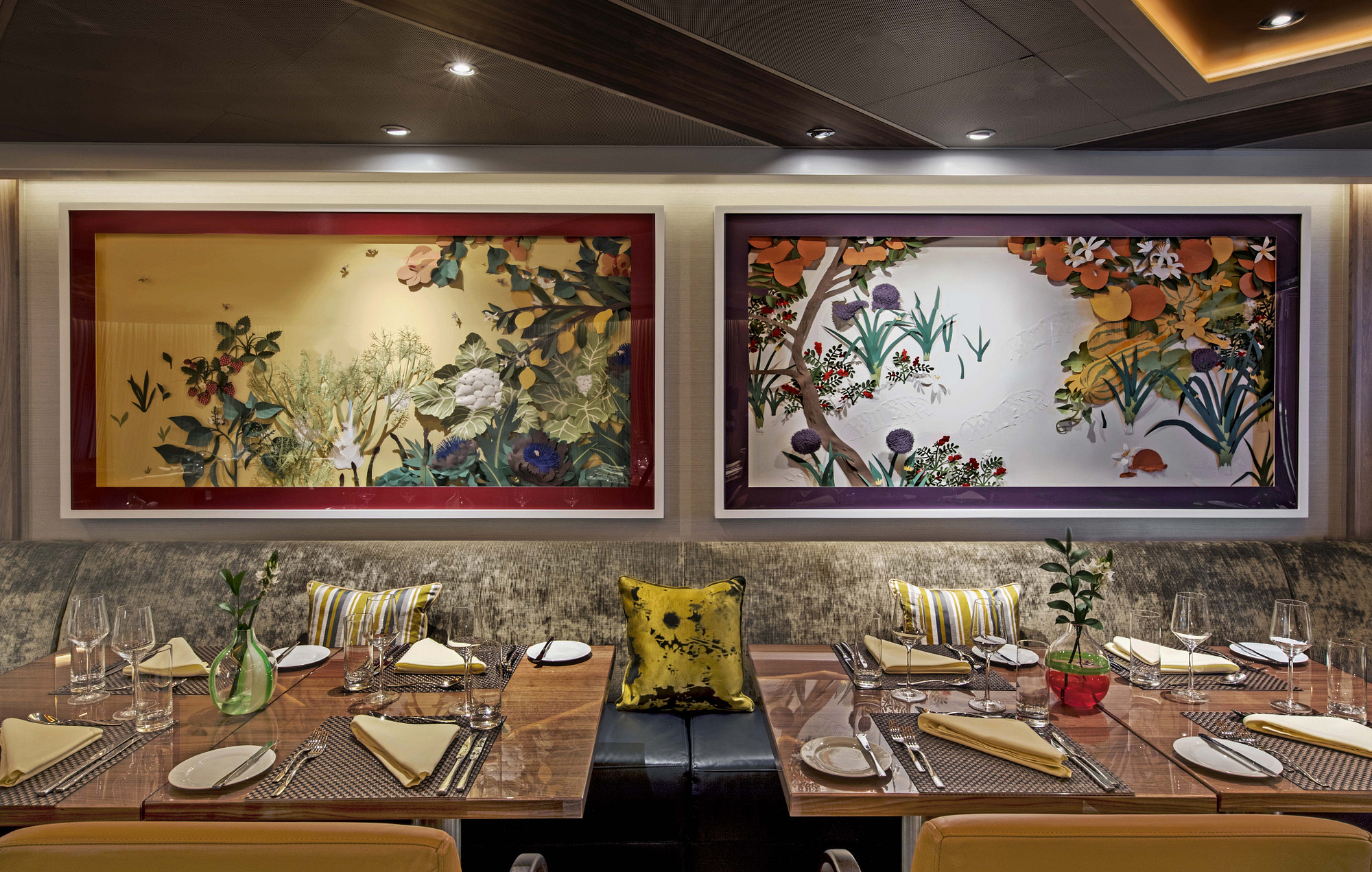
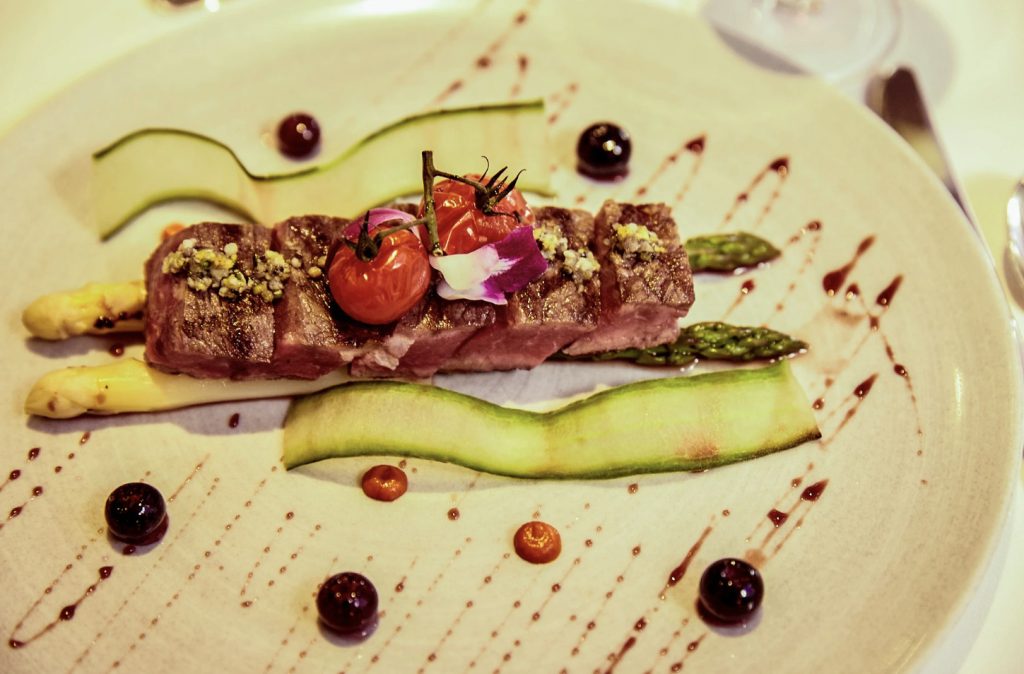
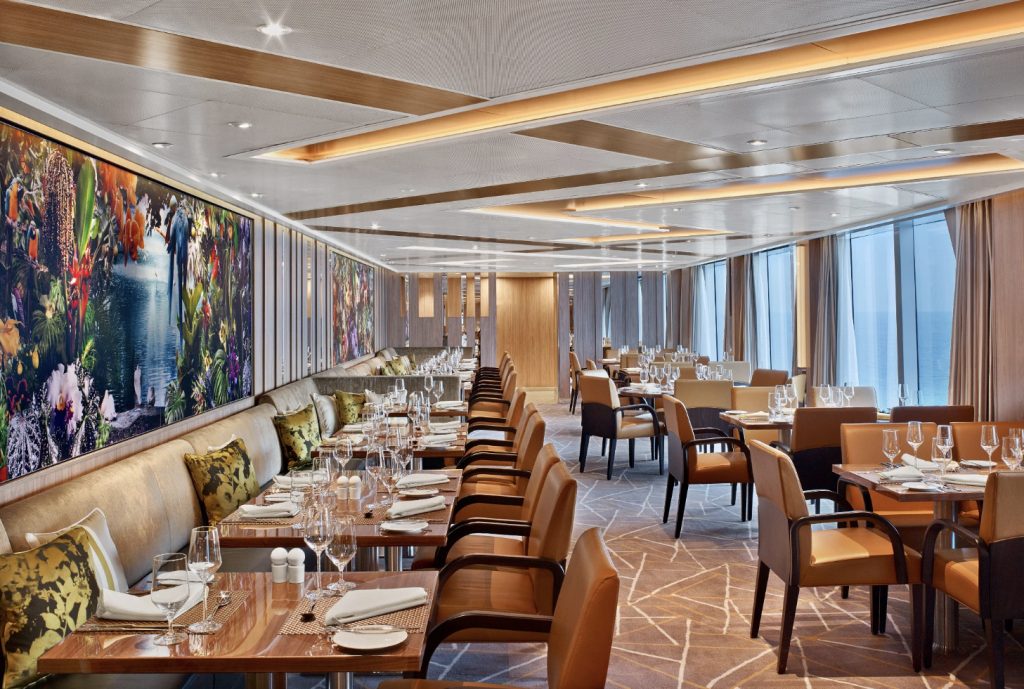
Life on board

The Onboard Experience

Client testimonials

I have worked with Lore Doick for more than 20 years, and she has booked over 30 cruises for me. Her expertise, care, and attention to every travel detail have made her an invaluable advisor and friend over the years.”

Tina B.

We are now in our second generation working with Cheri Ozimac at Tully Luxury Travel. From Antarctica to Greece, she has handled every detail with expertise, responsiveness, and care…

Earl M.

My wife and I have worked with Tully since 2007, and Kit Neil and her team went far beyond expectations while helping us navigate multiple cruise and flight cancellations. Their advocacy, care, and support during a difficult time were extraordinary.

Carri F.

Cheri Ozimac organized our Seabourn cruise flawlessly, from the hotel recommendation to every travel arrangement. She was responsive, attentive, and an excellent advocate throughout the process…

Cyn S.

We discovered Tully Luxury Travel after years of booking cruises through US agents and were impressed by their competitive pricing, exceptional service, and Canadian based support. Their team is always available, offers excellent value, and makes booking the right cruise seamless.

Peter C.

GoogleAverage Customer Rating:

The Tully Difference

Why travel with us


Tully Luxury Travel was built on access, discretion, and trust. For our clients, that means ease at every step, with distinctions that turn exceptional voyages into defining moments.

Recognized expertise

A renowned agency worldwide in luxury land and small-ship cruising, consistently trusted by the industry’s most prestigious brands.