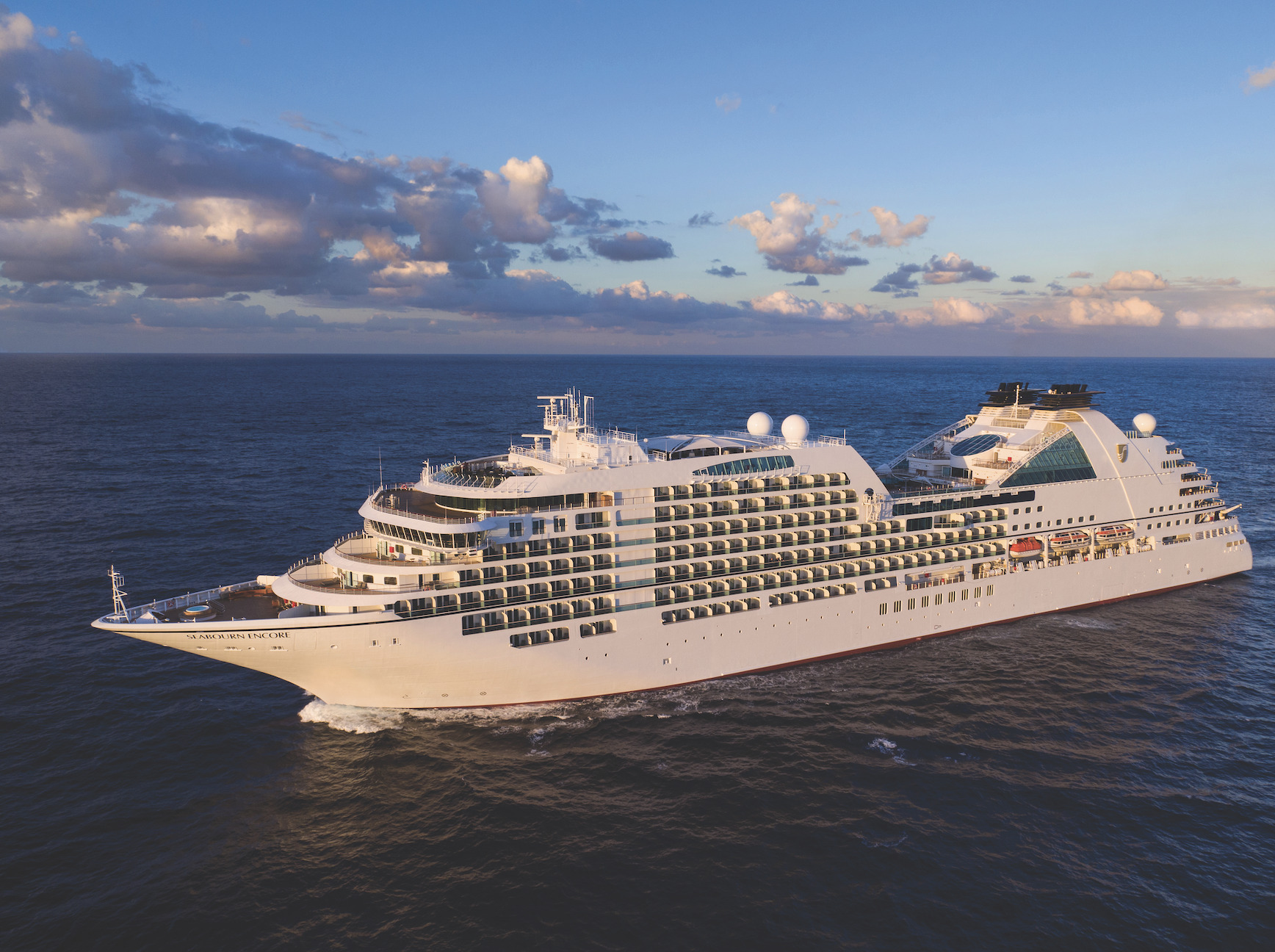
14-Day Japan's Cherry Blossoms & Kanazawa Nights

Itinerary: Tokyo, Scenic Cruising, Beppu, Kyushu Island, Oita, Busan, Sakaiminato, Maizuru, Kanazawa, Niigata, Akita, Aomori, Hakodate See full itinerary

7 Apr 29
14 nights

Voyage Details

Duration:
14 nights
Departure:
7 Apr 2029
Embarkation:
Tokyo, Japan
Voyage code:
7923

Your Itinerary, Day-By-Day

Special Chapters of Your Journey

Day 1 - Tokyo

Lights, sushi, manga! Sprawling, frenetic, and endlessly fascinating, Japan’s capital is a city of contrasts. Shrines and gardens are pockets of calm between famously crowded streets and soaring office buildings. Mom-and-pop noodle houses share street space with Western-style chain restaurants and exquisite fine dining. Shopping yields lovely folk arts as well as the newest electronics. And nightlife kicks off with karaoke or sake and continues with techno clubs and more. Whether you seek the traditional or the cutting edge, Tokyo will provide it.

Tokyo At Night
Tokyo At NightJezael Melgoza, Unsplash
Tokyo Shopping
Tokyo ShoppingJezael Melgoza, Unsplash
Tokyo Temple
Tokyo TempleMatt Ketchum

Day 3 - Scenic Cruising

Further details for this day are not available.

Day 3 - Beppu, Kyushu Island, Oita

Further details for this day are not available.

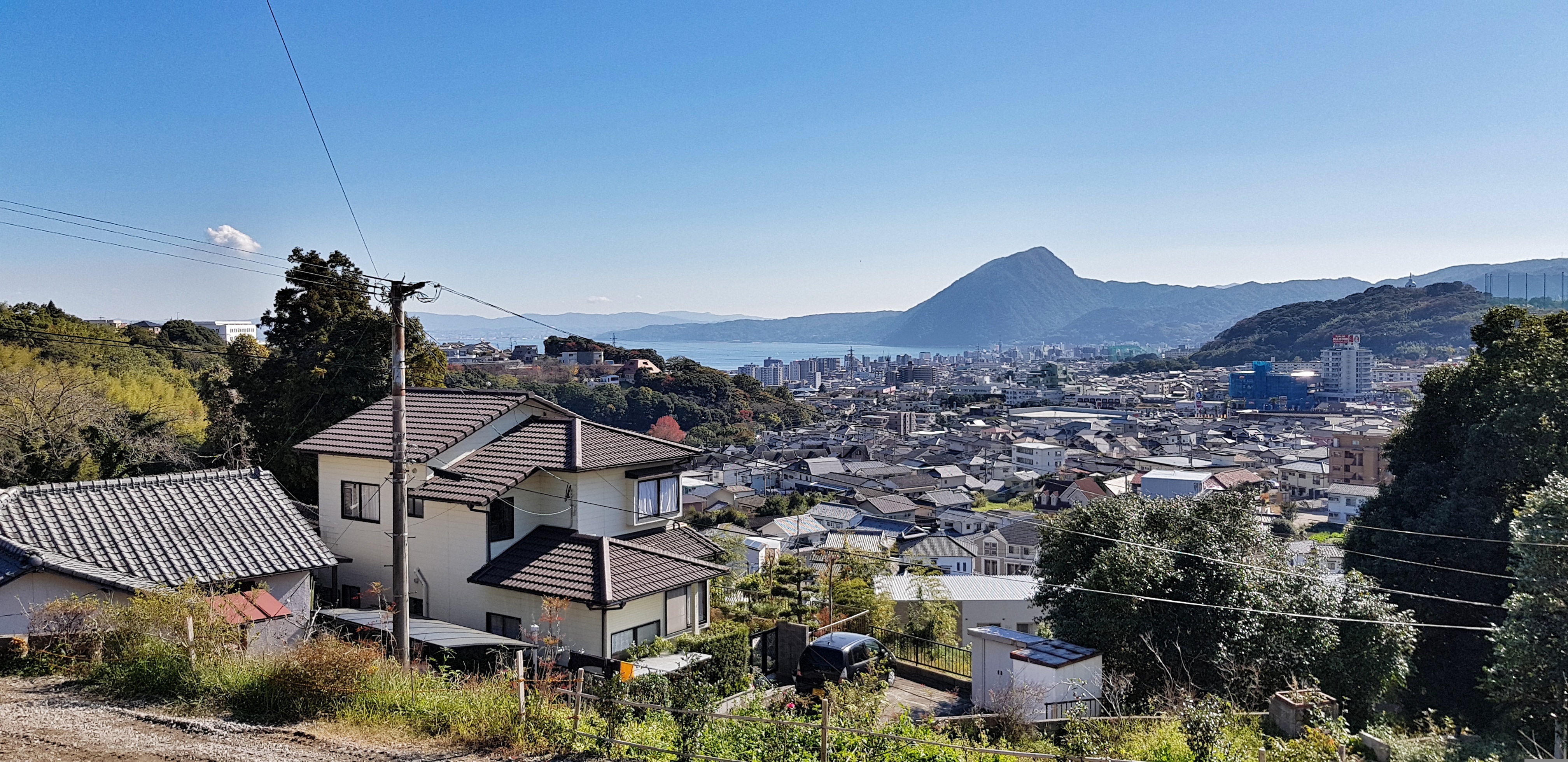
Beppu, Kyushu Island
Beppu, Kyushu IslandImage by Melvin from Pixabay

Day 4 - Busan

White-sand city beaches and hot-spring resorts may not be everyone's first image of Korea, but these are what Koreans flock to Busan for all year. And there are plenty of opportunities for rest, relaxation, retail therapy, and even a touch of glamour every October with the Busan International Film Festival. Busan's beaches are the big summertime draw but there is plenty to be seen year round. Quintessential experiences include taking some rest and relaxation at a local spa and exploring the Beomeosa temple complex.

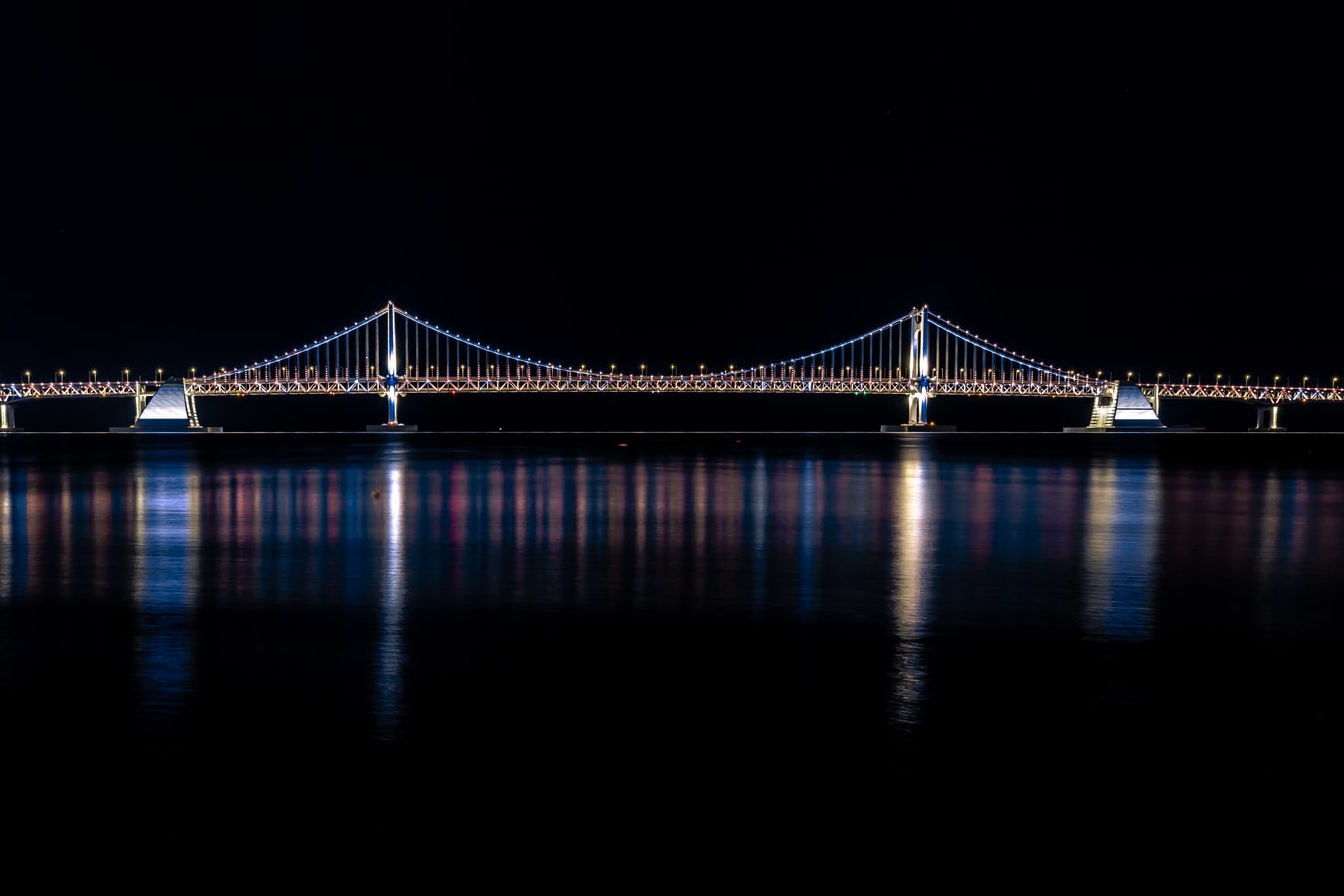
Krpus   Busan, South Korea   Photo Cred By Pang Yuhao
Krpus Busan, South Korea Photo Cred By Pang Yuhao
Krpus   Busan, South Korea   Photo Credit Christopher Lee
Krpus Busan, South Korea Photo Credit Christopher Lee
Krpus   Busan, South Korea   Photo Credit Daniel Lee 1
Krpus Busan, South Korea Photo Credit Daniel Lee 1
Krpus   Busan, South Korea   Photo Credit Daniel Lee
Krpus Busan, South Korea Photo Credit Daniel Lee

Day 5 - Sakaiminato

Sakaiminato is a small city almost totally surrounded by water: the Sea of Japan to the east, the Sakai Channel to the north and Lake Nakaumi to the west. Across the lake the towns of Matsue and Yasugi offer interesting experiences. Matsue is known as the “Town of Water” next to scenic Lake Shinji and Lake Nakaumi. It has one of the very few wooden castles that still remain in Japan. Touring the castle and boat rides on the Horikawa River and the castle’s moat are popular. Yasugi has the Adachi Museum of Art, a private museum that houses one of the finest collections of contemporary Japanese paintings, but also has a 165,000 square metres garden –with plants and rocks collected by the museum’s founder. Six different gardens show different scenarios depending on the season. These gardens have been selected as “Japan’s best garden” for several years.

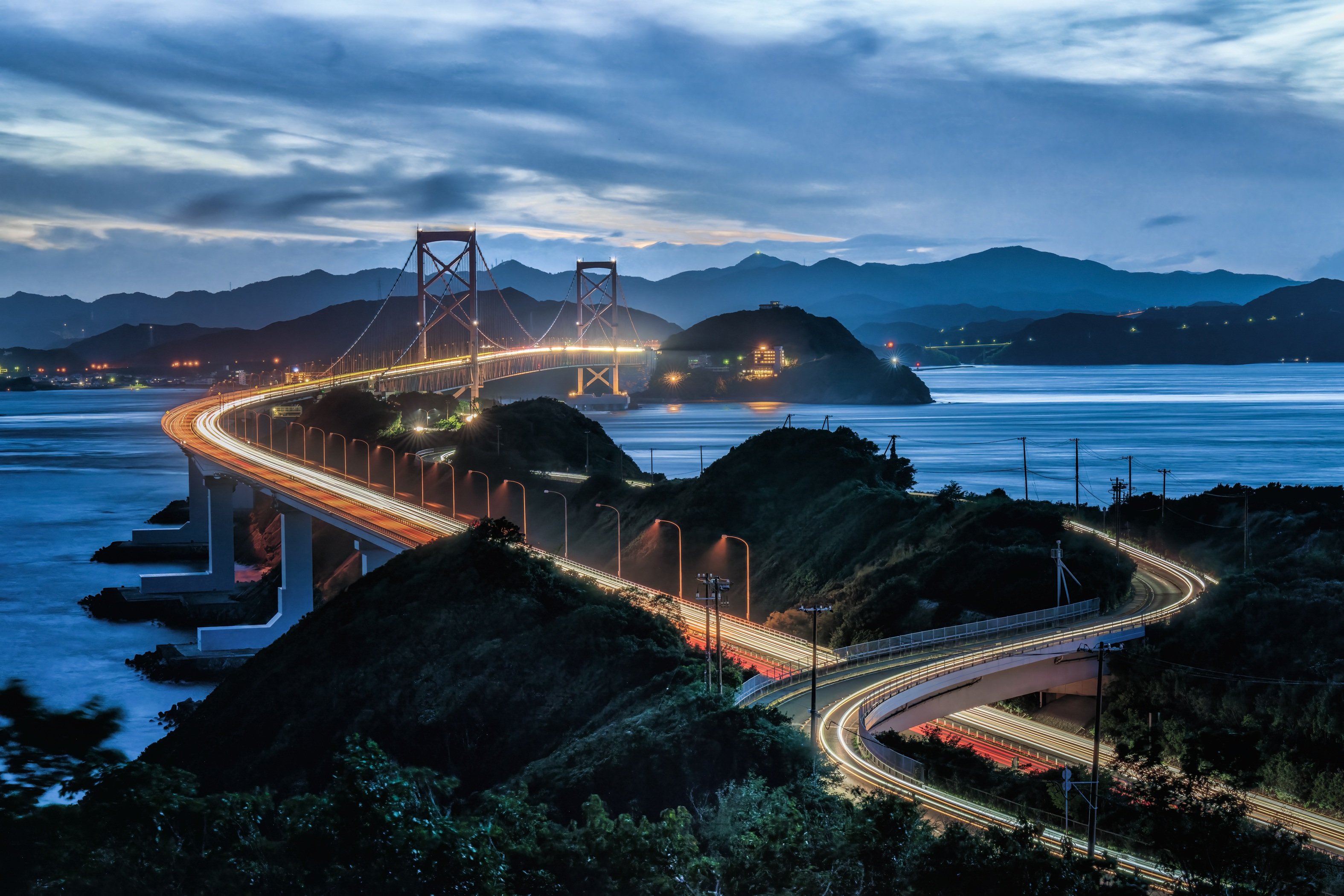
Bridges In Japan
Bridges In JapanImage by Kanenori from Pixabay

Day 6 - Maizuru

Maizuru port is considered as the gateway to the Japanese most popular historic city, Kyoto. Why don’t you relax on the coach to save your energy for your exciting day in Kyoto? Kyoto used to be the capital of Japan in the 8th century, and it was the centre for politics, economy and culture for more than 1,000 years. After capital functions were transferred to Tokyo in the middle of 19th century, luckily Kyoto did not lose its lustre. As soon as you step into the city, you will see how hard the local people tried to keep the atmosphere of the heyday. Nowadays, Kyoto is not the centre of attention within Japan anymore; nonetheless it is indeed the centre of tourism industry. There are seventeen historic sites such as Nijo castle and Kinkakuji temple which were designated a World Heritage Site. There are also numerous sites which can be seen from your coach, so please keep your eyes wide open while you are in Kyoto!

Day 7 - Kanazawa

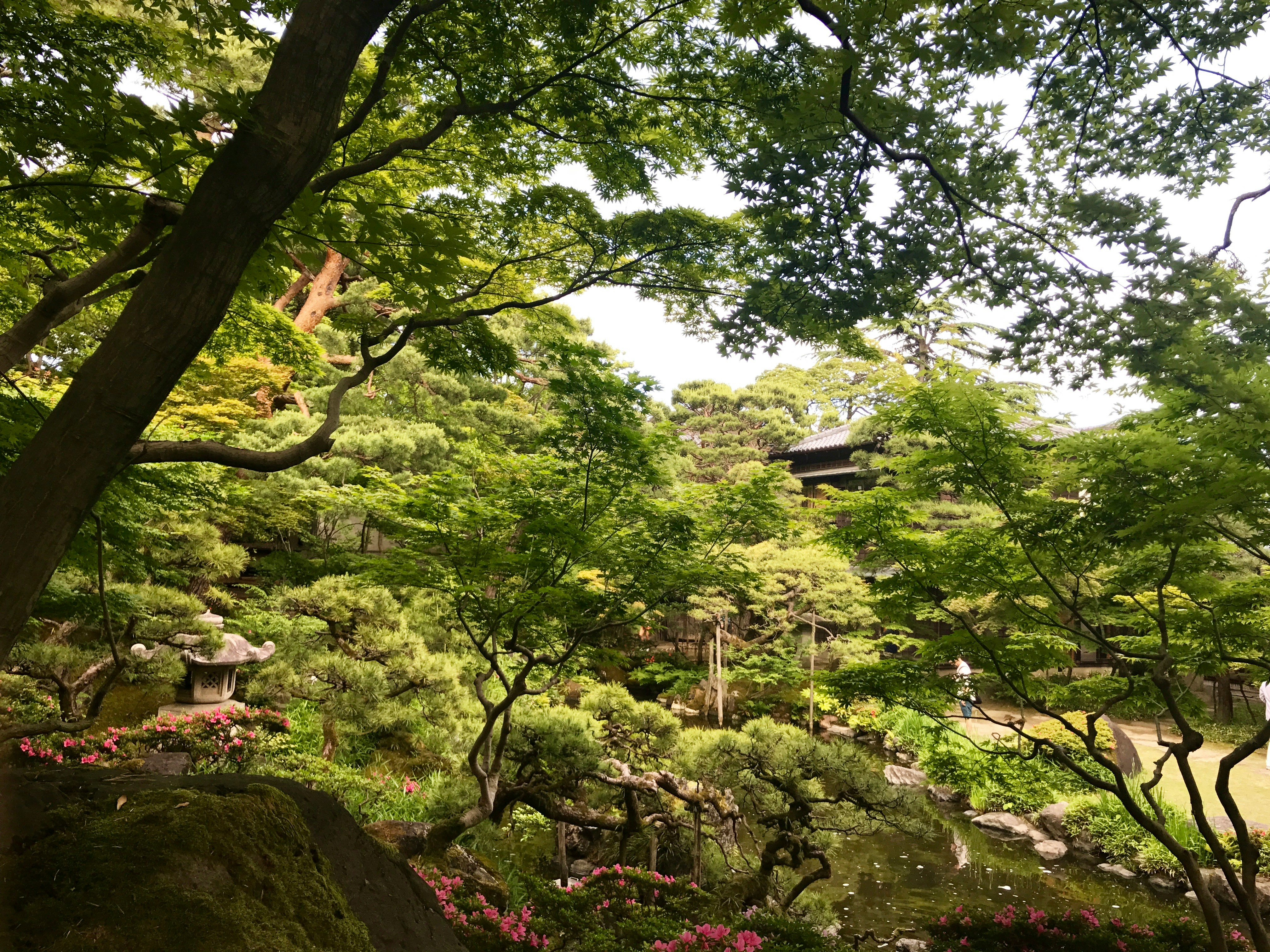
The capital of the Ishikawa Prefecture, Kanazawa once rivalled Kyoto and Edo (Tokyo) as a town rich in cultural achievements. Kanazawa escaped destruction during World War II and accordingly has been able to preserve many of the old districts in good shape. The city is famous because of Kenrokuen. Located next to Kanazawa Castle, Kenrokuen is classified as “One of the Three Gardens of Japan”. The garden has an artificial pond, and hills and houses are dotted within the 11.4 hectares. It has Japan’s oldest fountain using natural water pressure and a tea-house dating back to 1774. Close by is the Higashi Chaya Gai Geisha District, designated a National Cultural Asset and the biggest of the Geisha districts of Kanazawa. Some of the houses not only retain the original structure, but still are used as Geisha houses. Some of the streets have traditional shops creating a nostalgic atmosphere. Kanazawa is also known for its lacquer ware, Kutani-style pottery, gold-leaf workmanship and delicately painted silk kimonos.

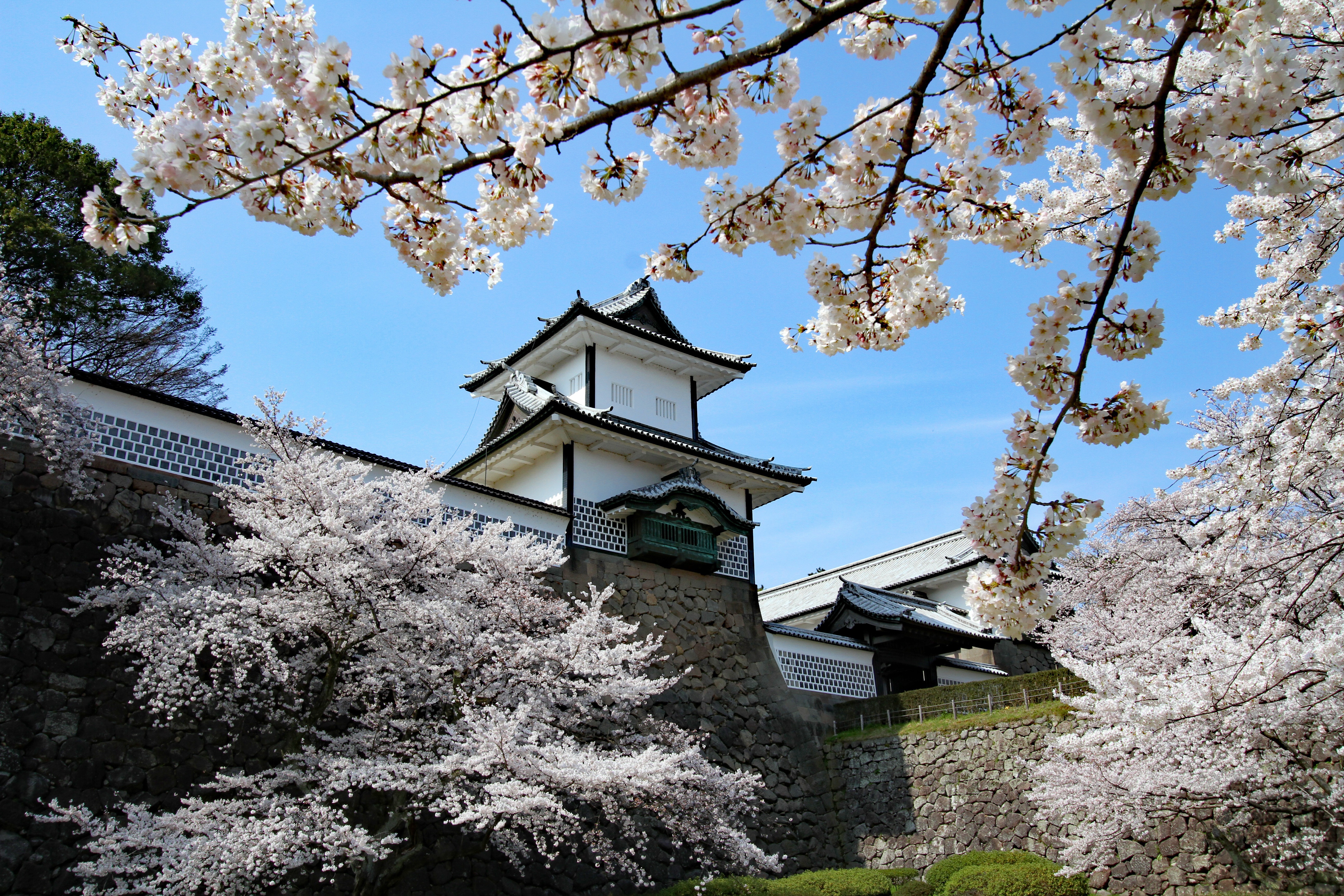
Castle At Kanazawa
Castle At KanazawaImage by darkness_s from Pixabay

Day 8 - Kanazawa

The capital of the Ishikawa Prefecture, Kanazawa once rivalled Kyoto and Edo (Tokyo) as a town rich in cultural achievements. Kanazawa escaped destruction during World War II and accordingly has been able to preserve many of the old districts in good shape. The city is famous because of Kenrokuen. Located next to Kanazawa Castle, Kenrokuen is classified as “One of the Three Gardens of Japan”. The garden has an artificial pond, and hills and houses are dotted within the 11.4 hectares. It has Japan’s oldest fountain using natural water pressure and a tea-house dating back to 1774. Close by is the Higashi Chaya Gai Geisha District, designated a National Cultural Asset and the biggest of the Geisha districts of Kanazawa. Some of the houses not only retain the original structure, but still are used as Geisha houses. Some of the streets have traditional shops creating a nostalgic atmosphere. Kanazawa is also known for its lacquer ware, Kutani-style pottery, gold-leaf workmanship and delicately painted silk kimonos.

Castle At Kanazawa
Castle At KanazawaImage by darkness_s from Pixabay

Day 9 - Niigata

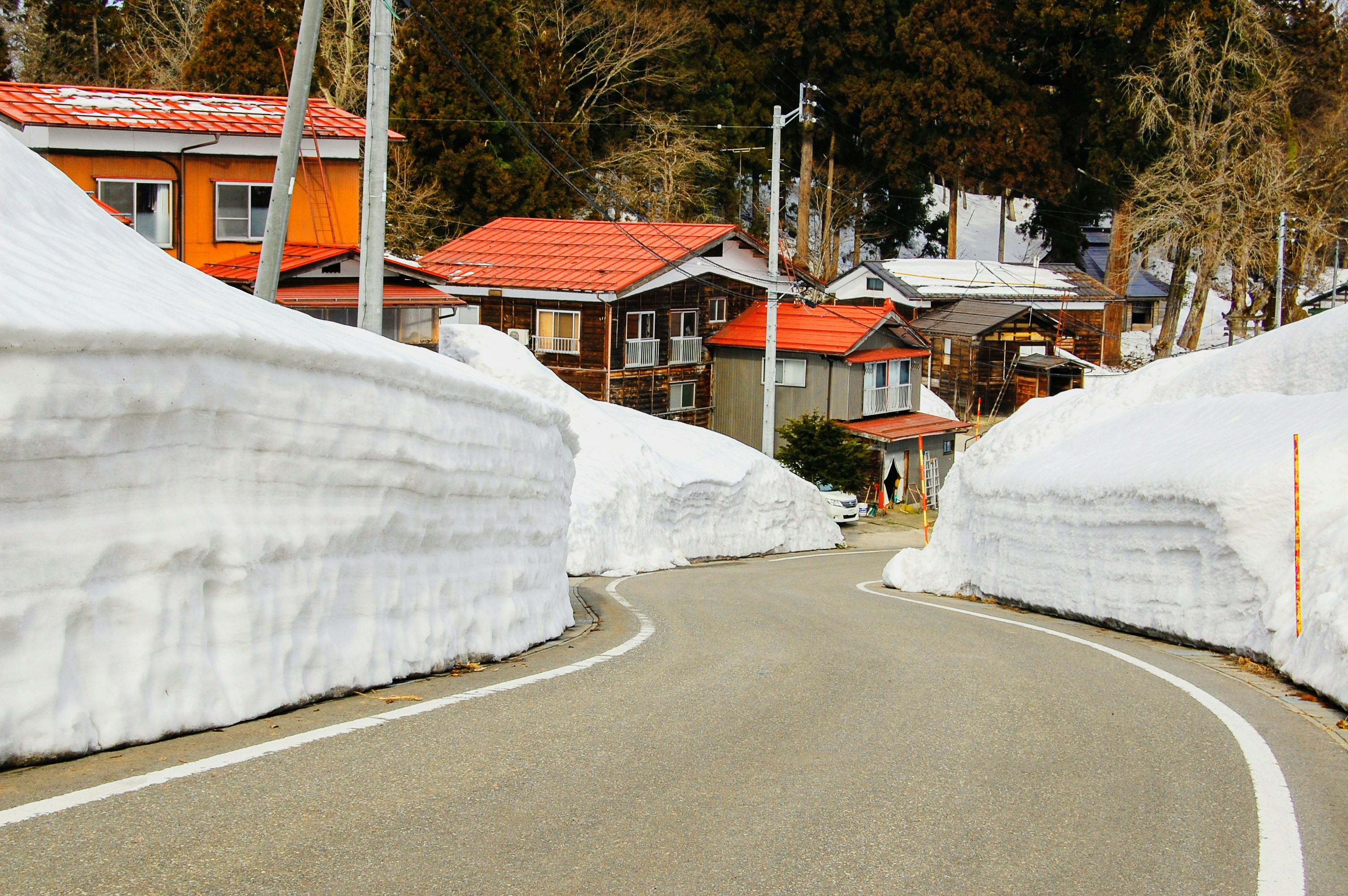
Niigata city is the capital of Niigata prefecture and faces the Japan Sea on the island of Honshu, the largest of the four islands that comprise Japan. With a population of 810,000, Niigata is the largest Honshu city along the Japan Sea coast. The city is located at 300 km northwest of Tokyo and the bullet train would take you there in only two hours. Niigata offers four distinct seasons throughout the year, and people may find the winter season to be the best time to visit as many people would come for winter sports such as skiing or snowboarding. However, you will find the place abundantly beautiful throughout the year as well. Niigata is famous for growing rice as well as fresh seafood. If you try white rice without any seasonings, you would be able to taste the difference and appreciate its flavour. Thanks to the quality of the rice, they produce great Sake in the area. If you have time, why don’t you extend your journey to one of the famous Sake Brewery?

Niigata, Japan
Niigata, JapanPhoto by Susann Schuster on Unsplash
Niigata, Japan
Niigata, JapanPhoto by Tokyo Kohaku on Unsplash
Nishiohatacho, Chuo Ward, Niigata, Japan
Nishiohatacho, Chuo Ward, Niigata, JapanPhoto by Pourya Gohari on Unsplash
Niigata, Japan
Niigata, JapanPhoto by Eric Schabel on Unsplash

Day 10 - Akita

Further details for this day are not available.

Akita, Japan
Akita, JapanPhoto by Pratik Bisht on Unsplash
Kosaka, Akita, Japan
Kosaka, Akita, JapanPhoto by Seiya Maeda on Unsplash
Kosaka, Akita, Japan
Kosaka, Akita, JapanPhoto by Seiya Maeda on Unsplash
Semboku, Akita, Japan
Semboku, Akita, JapanPhoto by Ken Cheung on Unsplash
Semboku, Akita, Japan
Semboku, Akita, JapanPhoto by Ken Cheung on Unsplash

Day 11 - Aomori

Aomori's main event is its Nebuta Matsuri Festival,held August 2 to 7. People come to see illuminated floats of gigantic samurai figures paraded through the streets at night. Aomori's festival is one of Japan's largest, and is said to celebrate the euphoria of post-battle victory, and is thus encouraged to be noisier and livelier than you may have been exposed to in other Japanese festivals. Dancers, called heneto, run alongside the floats, dancing crazily, and you're encouraged to join in. Throughout the year you can enjoy delicious seafood from Aomori Bay, including Oma no Maguro (tuna of Oma), as well as delicious fruits and vegetables (particularly garlic). And come every summer, the town cuts loose to throw the decidedly wild Nebuta Matsuri festival, a frenzied, utterly unaccountable period when normal gets thrown to the wind.

Aomori, Japan
Aomori, JapanImage by veronica111886 from Pixabay

Day 12 - Hakodate

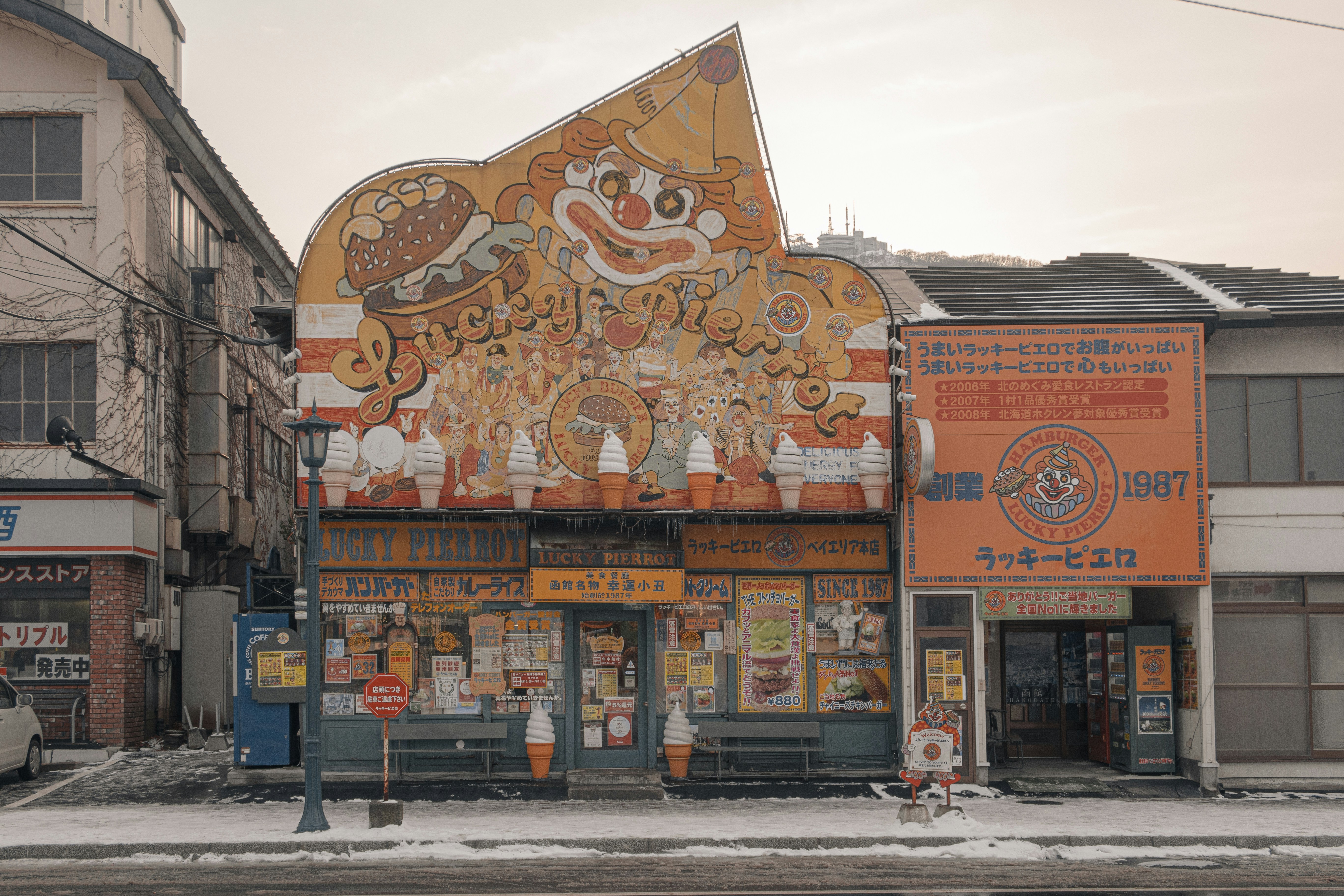
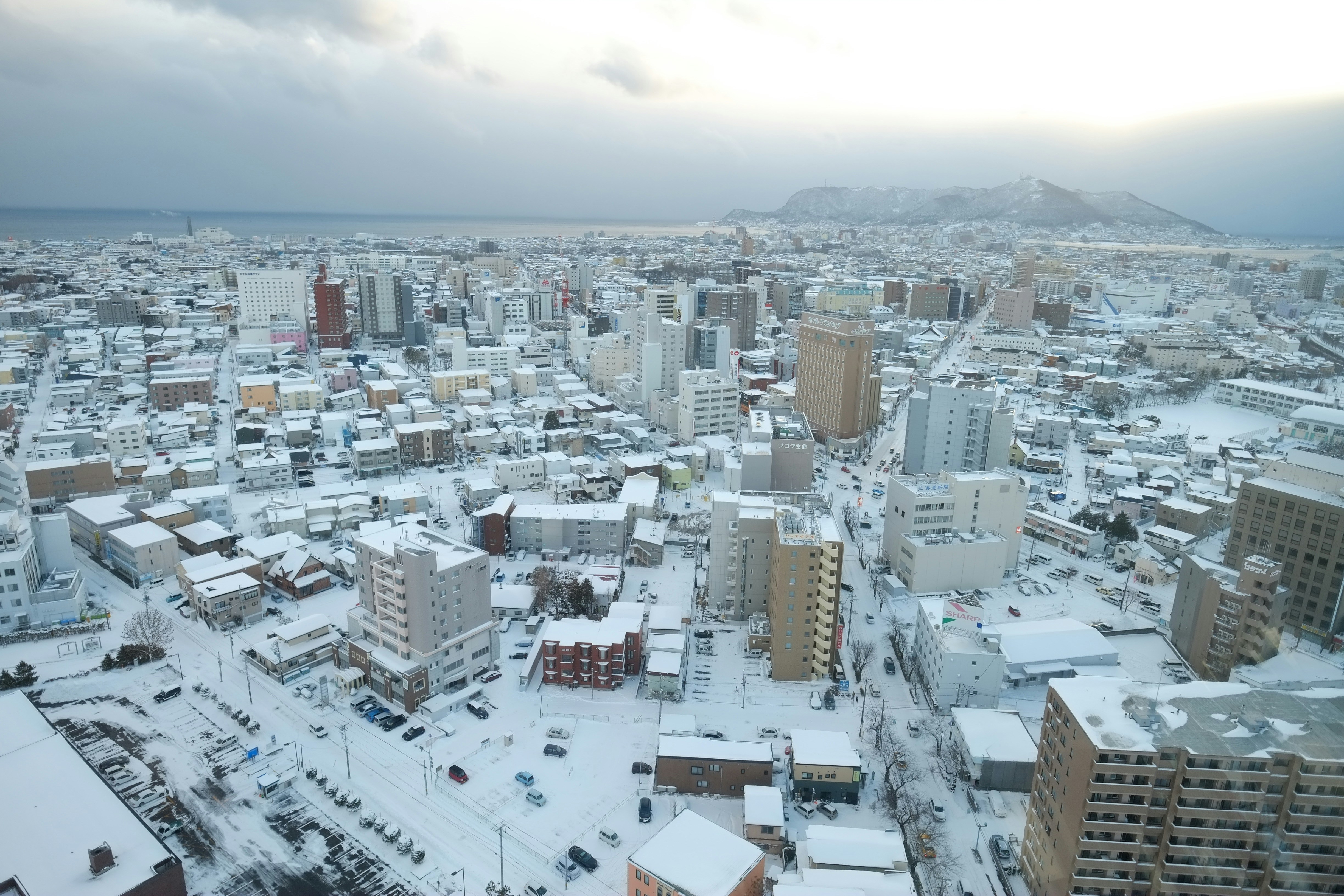
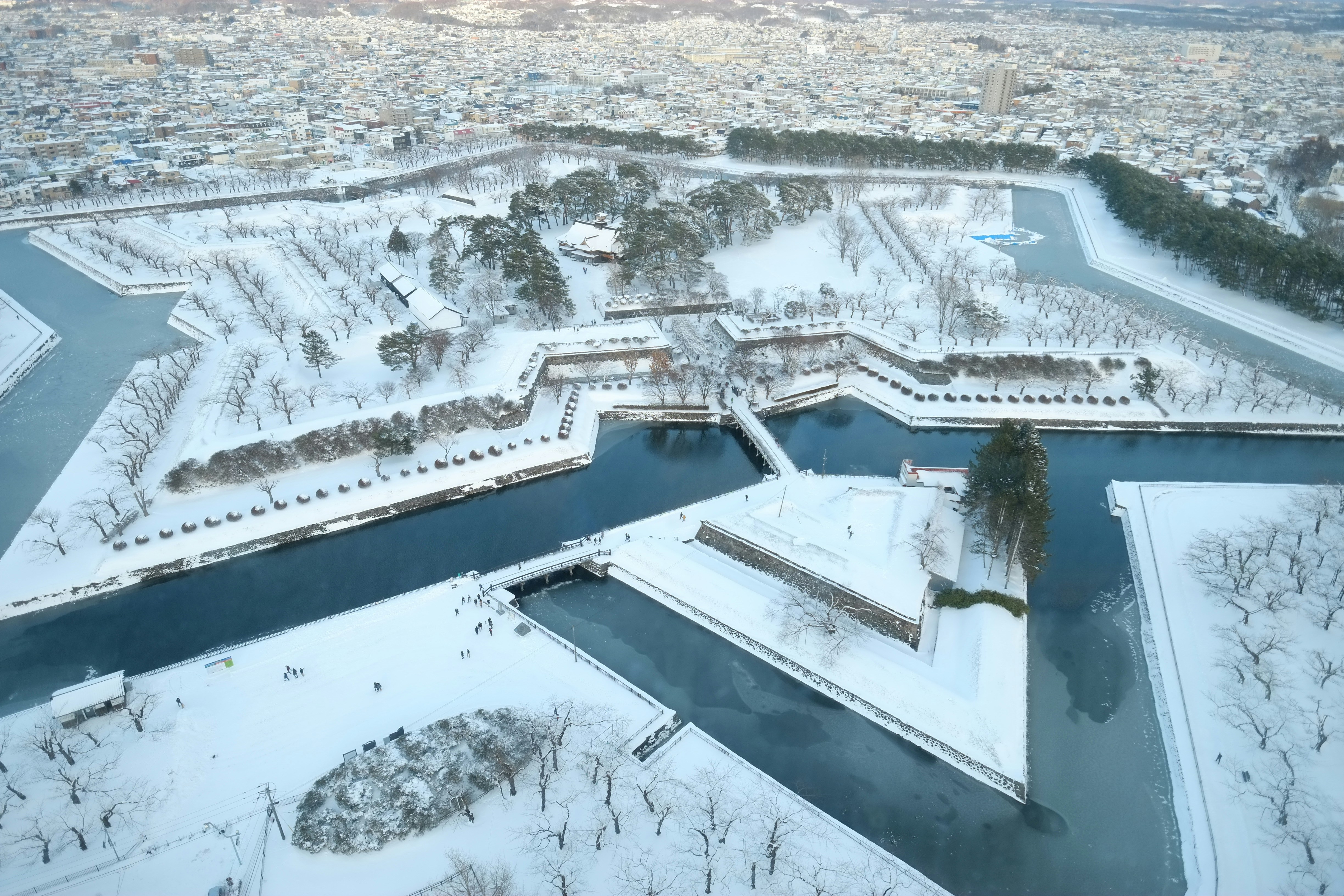
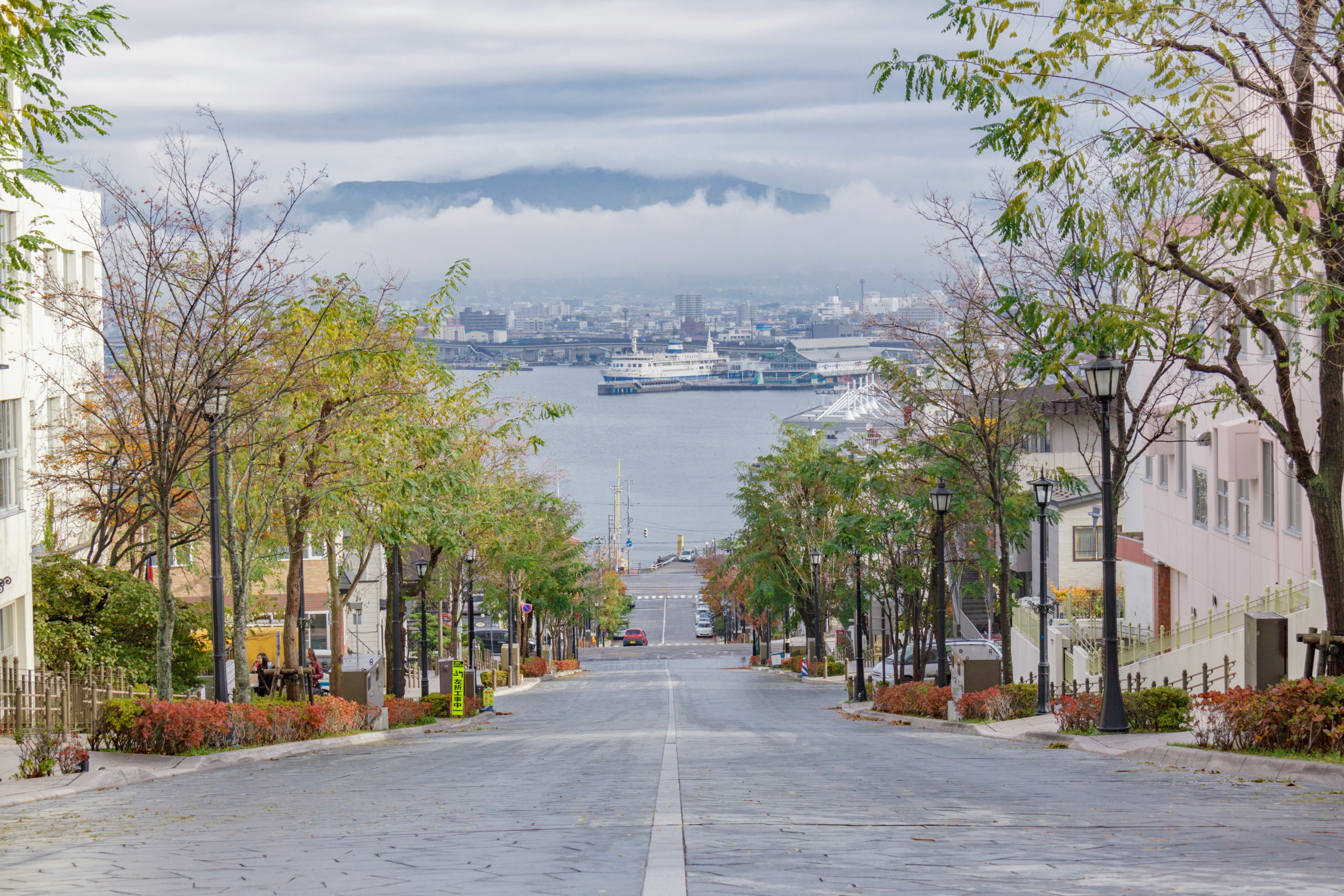
Facing out on two bays, Hakodate is a 19th-century port town, with clapboard buildings on sloping streets, a dockside tourist zone, streetcars, and fresh fish on every menu. In the downtown historic quarter, a mountain rises 1,100 feet above the city on the southern point of the narrow peninsula. Russians, Americans, Chinese, and Europeans have all left their mark; this was one of the first three Japanese ports the Meiji government opened up to international trade in 1859. The main sights around the foot of Mt. Hakodate can be done in a day, but the city is best appreciated with an overnight stay for the illumination in the historic area, the night views from either the mountain or the fort tower, and the fish market at dawn. City transport is easy to navigate and English information is readily available. Evening departure trains from Tokyo arrive here at dawn—perfect for fish-market breakfasts.

Hakodate, Hokkaido, Japan
Hakodate, Hokkaido, JapanPhoto by Jason ZZ on Unsplash
Snowy Hakodate, Hokkaido, Japan
Snowy Hakodate, Hokkaido, JapanPhoto by Natasha Jenny on Unsplash
Snowy Hakodate, Hokkaido, Japan
Snowy Hakodate, Hokkaido, JapanPhoto by Natasha Jenny on Unsplash
The Harbor View Hill, Yahatazaka In Hakodate, Japan
The Harbor View Hill, Yahatazaka In Hakodate, JapanPhoto by Mitsuo Komoriya on Unsplash

Day 15 - Tokyo

Lights, sushi, manga! Sprawling, frenetic, and endlessly fascinating, Japan’s capital is a city of contrasts. Shrines and gardens are pockets of calm between famously crowded streets and soaring office buildings. Mom-and-pop noodle houses share street space with Western-style chain restaurants and exquisite fine dining. Shopping yields lovely folk arts as well as the newest electronics. And nightlife kicks off with karaoke or sake and continues with techno clubs and more. Whether you seek the traditional or the cutting edge, Tokyo will provide it.

Tokyo At Night
Tokyo At NightJezael Melgoza, Unsplash
Tokyo Shopping
Tokyo ShoppingJezael Melgoza, Unsplash
Tokyo Temple
Tokyo TempleMatt Ketchum

Suites & Deck Plans

Suite

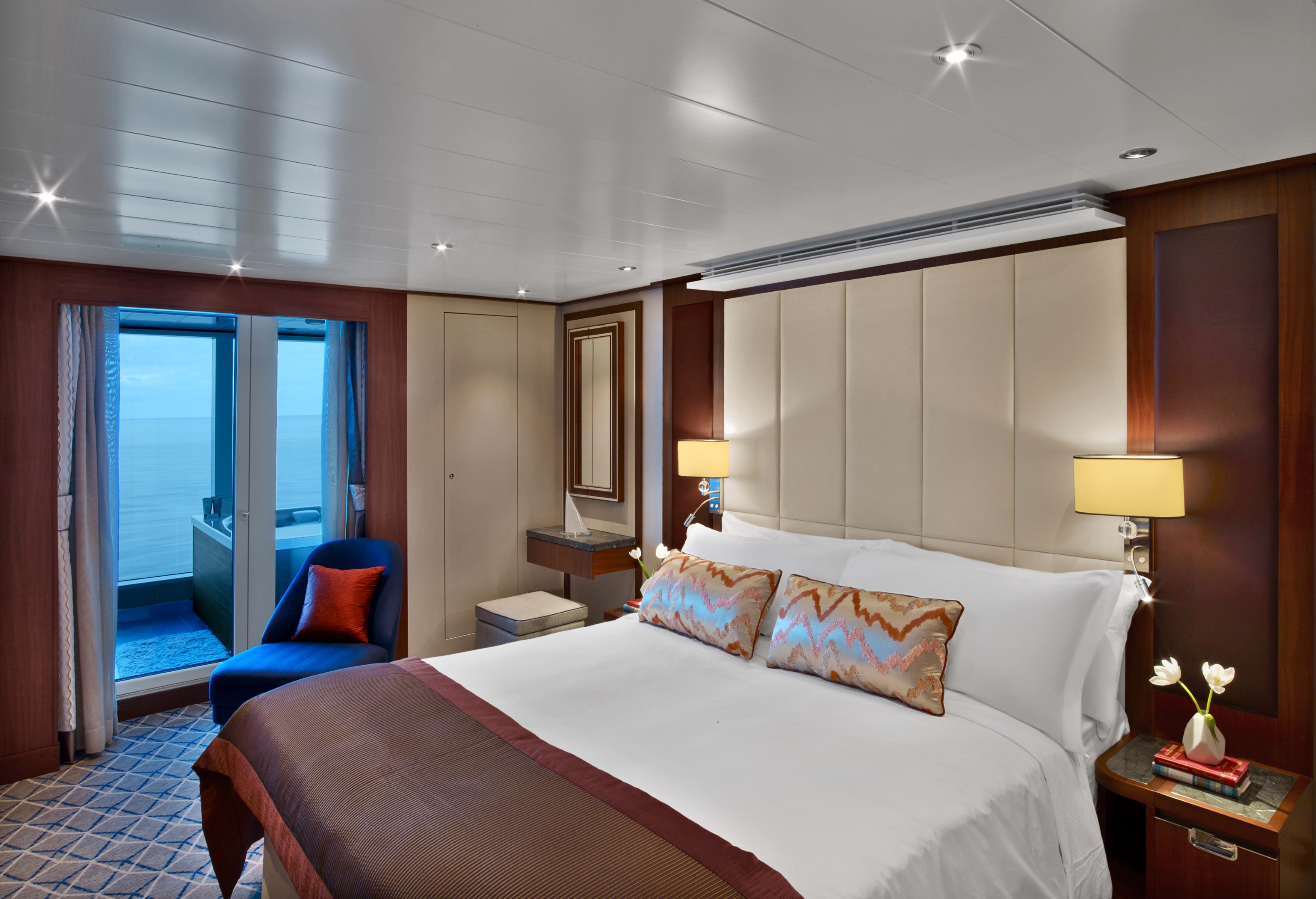
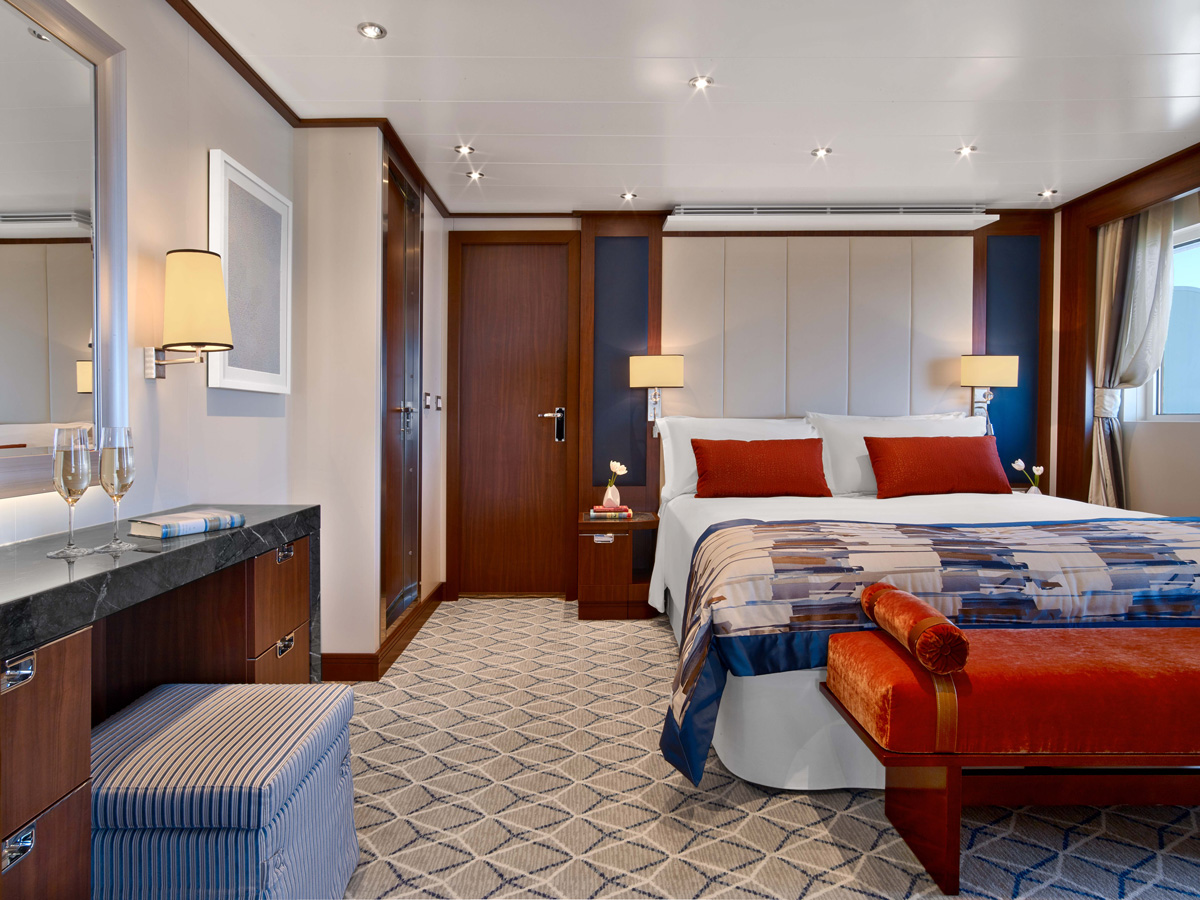
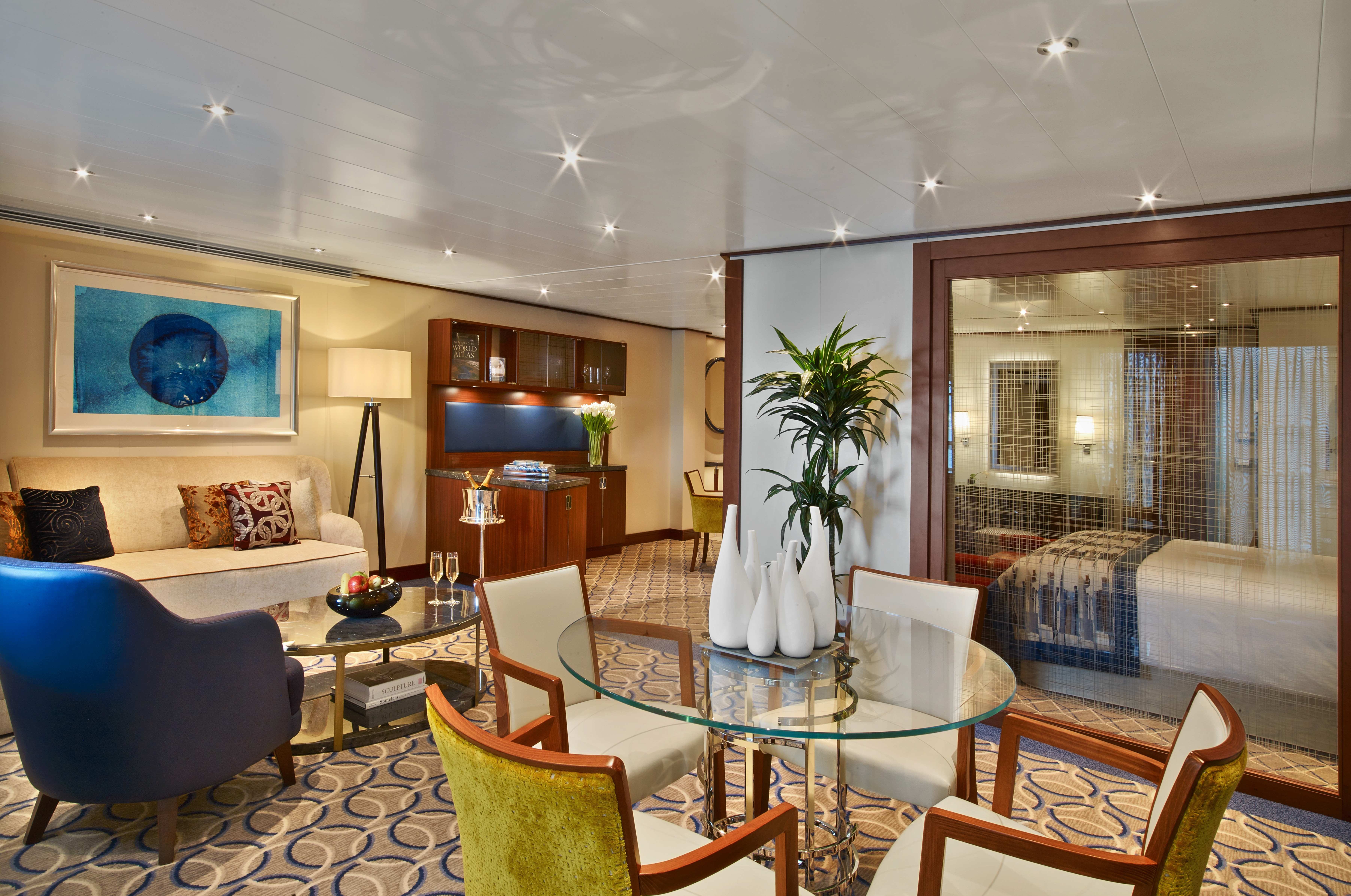
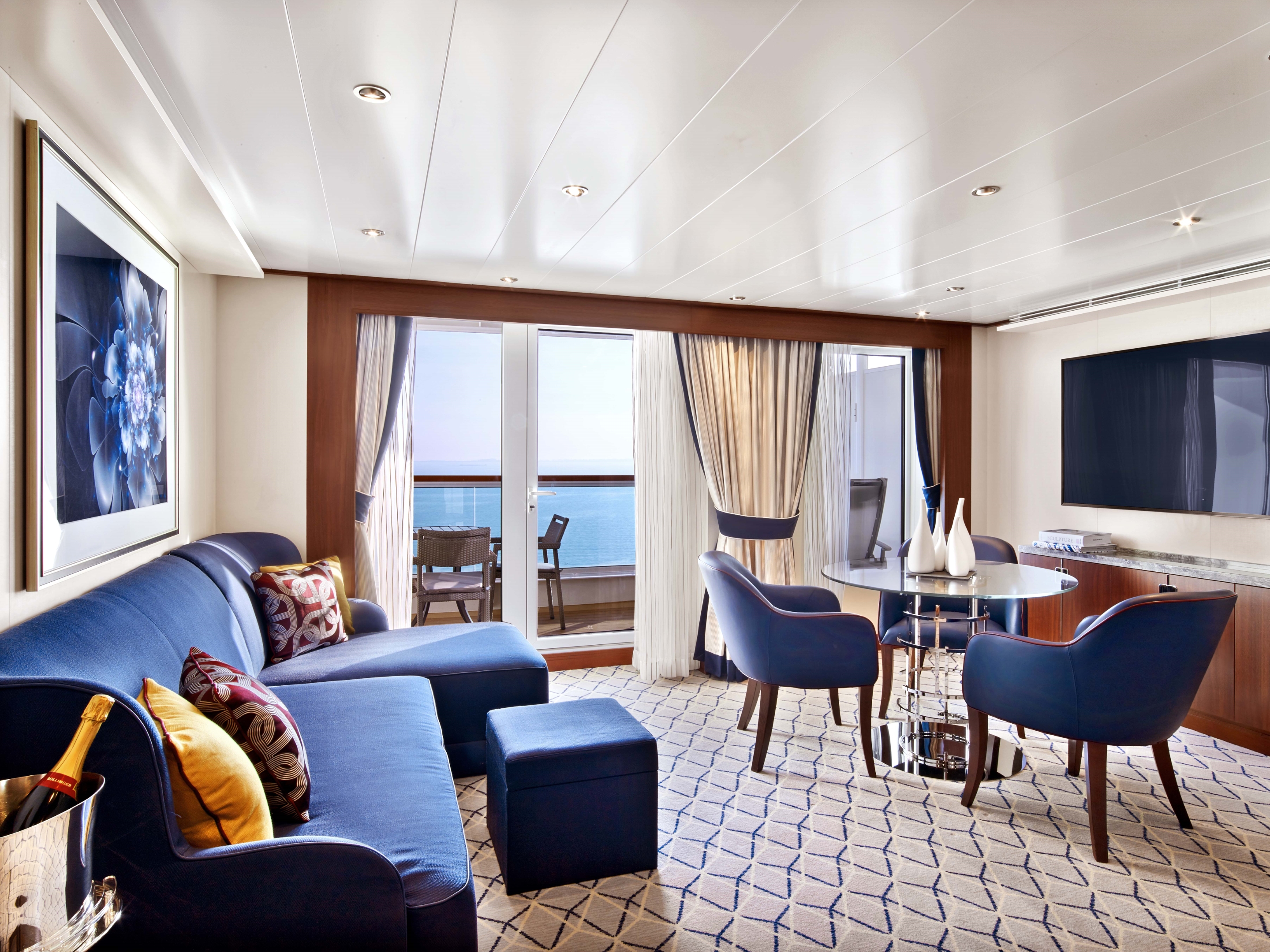
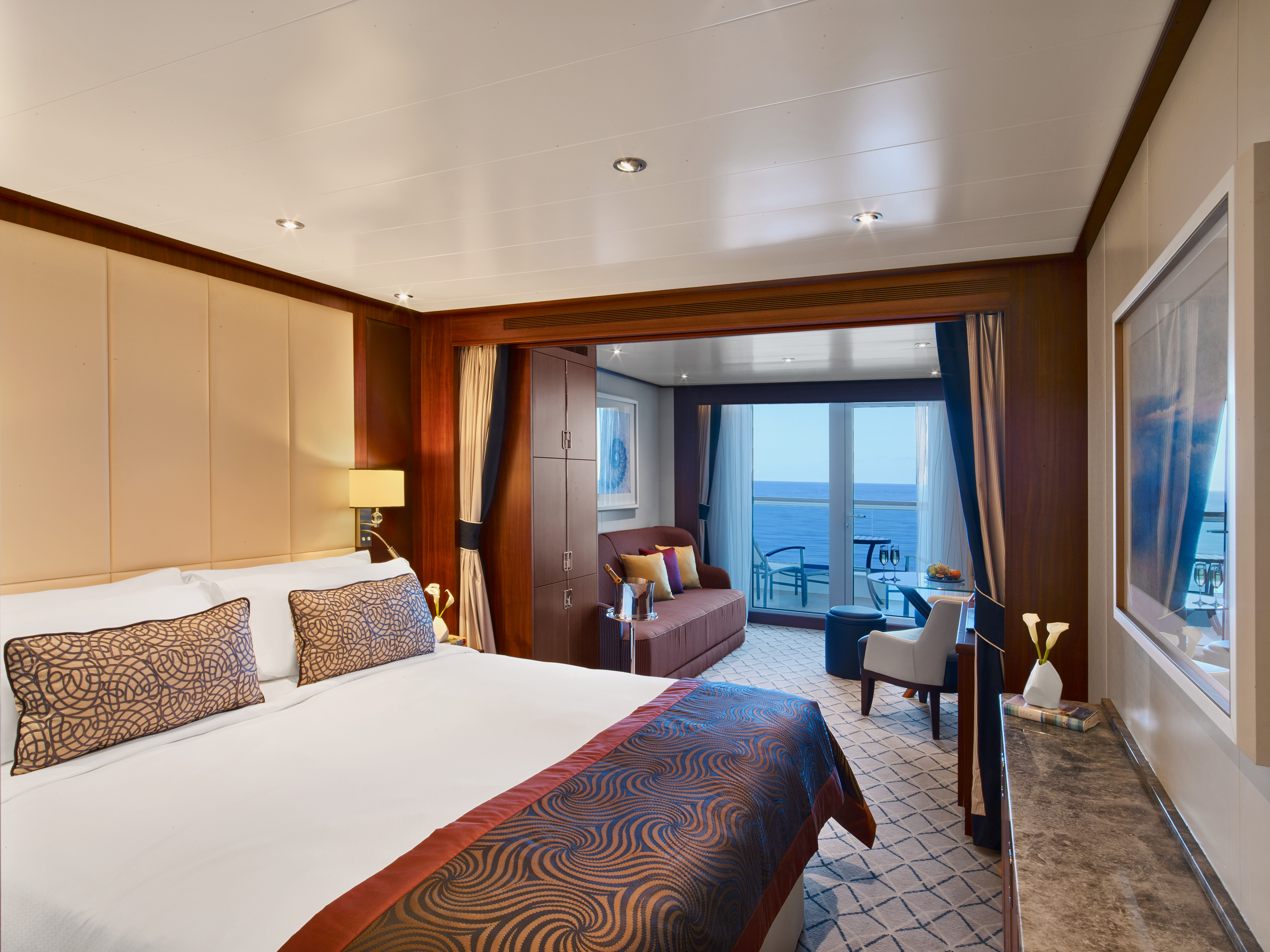
Located on Deck 8; Combine mid-ship suites 849 and 851 for suite 8491 or suites 846 and 848 for suite 8468 for a total inside space of 1,292 square feet (120 square meters) plus two verandas totalling 244 square feet (23 square meters)

Suites on board feature a comfortable living area, private veranda, queen-size-bed or two twin beds; walk-in closet with personal safe, interactive flat-screen TV with music and movies, fully stocked bar and refrigerator, writing desk with personalized stationary, makeup vanity, spacious bathroom with separate tub and shower, plush robes, slippers hair dryer and 110/220V AC outlets.

Grand Wintergarden Suites features

  • Large windows
  • Dining for six
  • Whirlpool bathtub,
  • Guest bath,
  • Convertible sofa bed for one
  • Pantry with wet bar
  • Glass-enclosed solarium with tub and day bed
  • Two closets and two flat-screen TVs.
  • Complimentary Internet/Wi-Fi service. 

1536 sq ft
Accommodates 4 guests
Grand Wintergarden Suite

Seabourn Encore

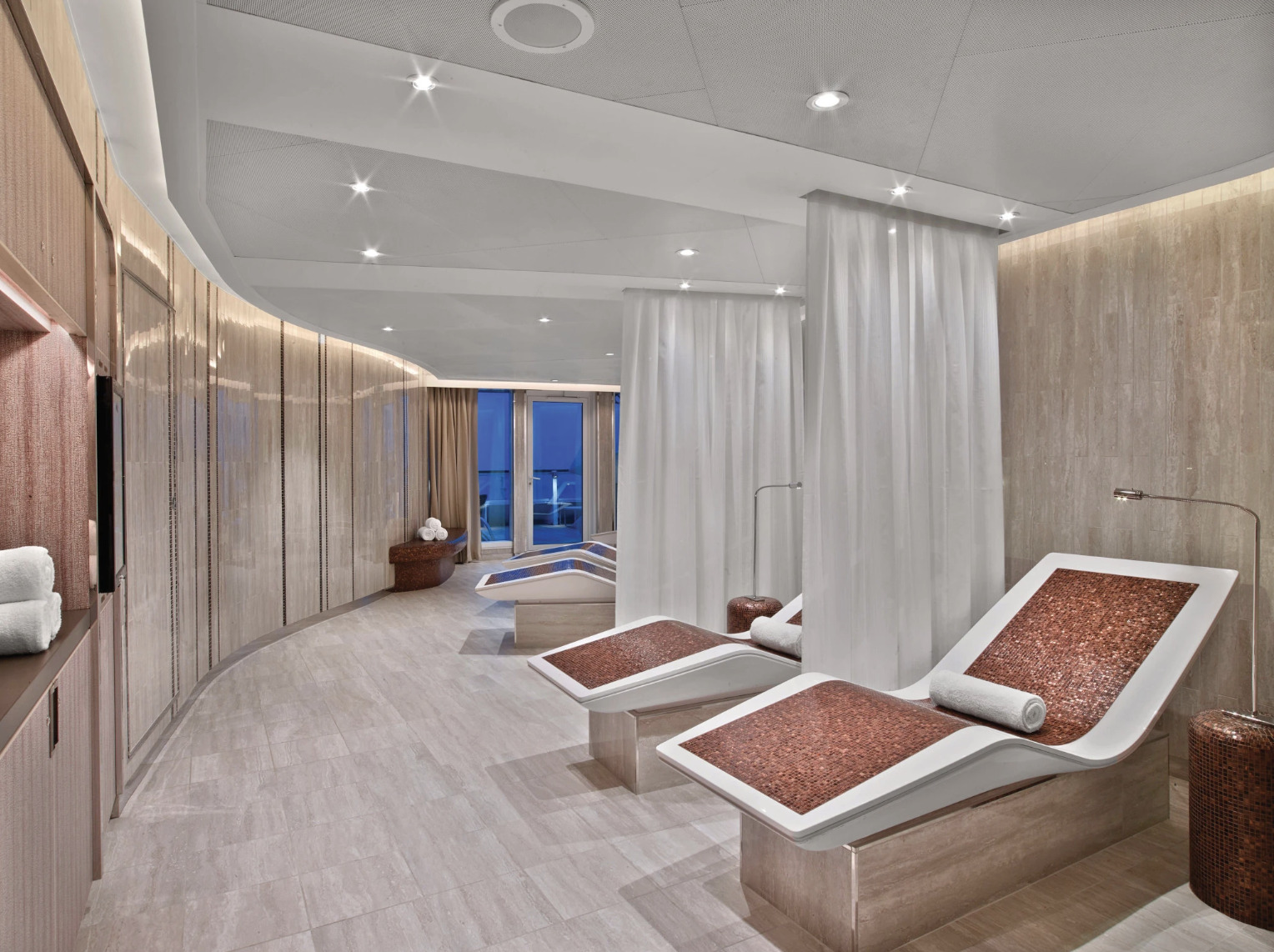
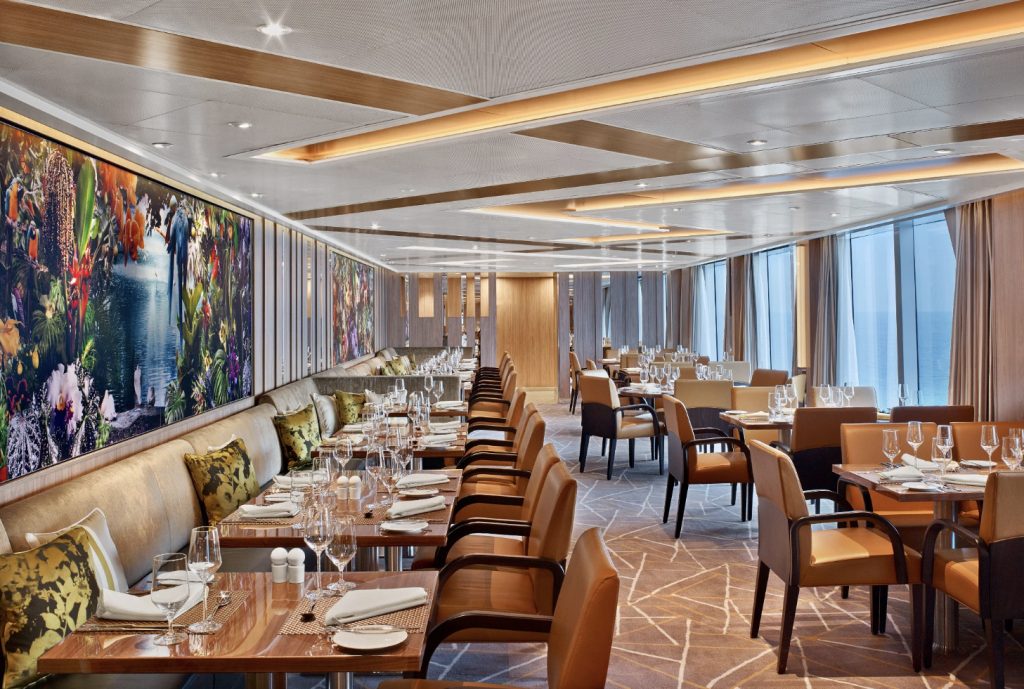
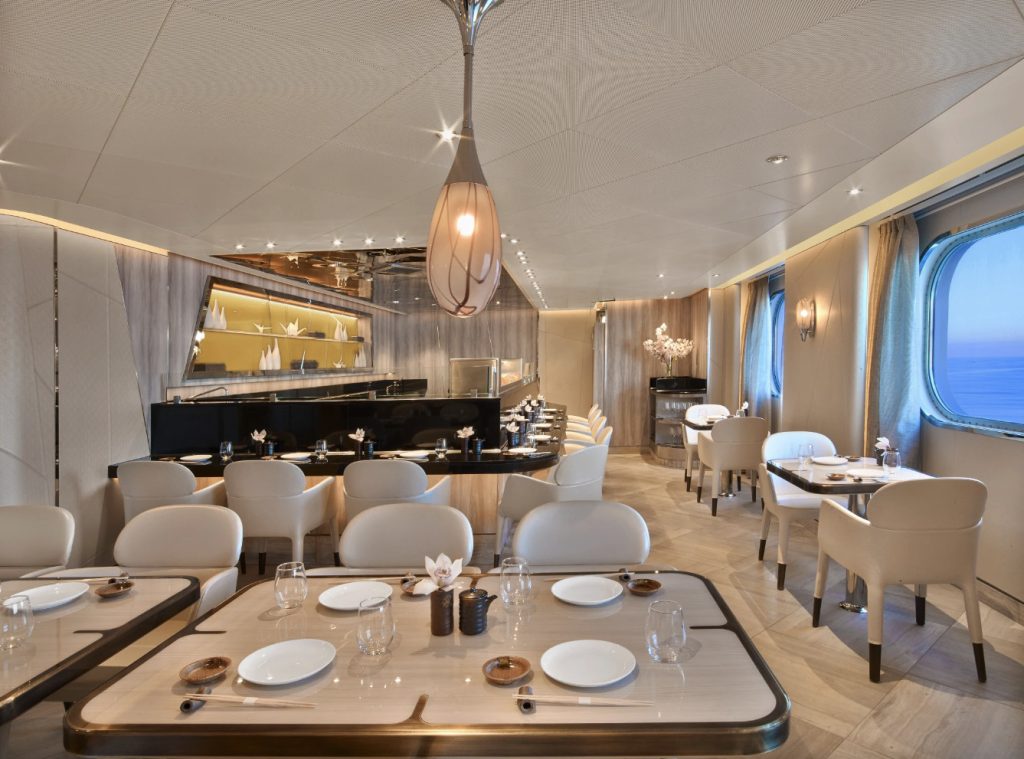
Seabourn Encore

Life on board

The Onboard Experience

Client testimonials

I have worked with Lore Doick for more than 20 years, and she has booked over 30 cruises for me. Her expertise, care, and attention to every travel detail have made her an invaluable advisor and friend over the years.”

Tina B.

We are now in our second generation working with Cheri Ozimac at Tully Luxury Travel. From Antarctica to Greece, she has handled every detail with expertise, responsiveness, and care…

Earl M.

My wife and I have worked with Tully since 2007, and Kit Neil and her team went far beyond expectations while helping us navigate multiple cruise and flight cancellations. Their advocacy, care, and support during a difficult time were extraordinary.

Carri F.

Cheri Ozimac organized our Seabourn cruise flawlessly, from the hotel recommendation to every travel arrangement. She was responsive, attentive, and an excellent advocate throughout the process…
Cyn S.
We discovered Tully Luxury Travel after years of booking cruises through US agents and were impressed by their competitive pricing, exceptional service, and Canadian based support. Their team is always available, offers excellent value, and makes booking the right cruise seamless.

Peter C.

GoogleAverage Customer Rating:

The Tully Difference

Why travel with us


Tully Luxury Travel was built on access, discretion, and trust. For our clients, that means ease at every step, with distinctions that turn exceptional voyages into defining moments.

Recognized expertise

A renowned agency worldwide in luxury land and small-ship cruising, consistently trusted by the industry’s most prestigious brands.