49-Day In-Depth Japan Exploration & Pacific Passage

Itinerary: Tokyo, Kochi, Hososhima, Kagoshima, Nagasaki, Busan, Scenic Cruising, Fukuoka, Hiroshima, Osaka, Shimizu, Beppu, Kyushu Island, Oita, Sakaiminato, Maizuru, Kanazawa, Niigata, Akita, Aomori, Hakodate, ... See full itinerary

27 Mar 27
49 nights

Voyage Details

Duration:
49 nights
Departure:
27 Mar 2027
Embarkation:
Tokyo, Japan
Voyage code:
7722B

Your Itinerary, Day-By-Day

Special Chapters of Your Journey

Day 1 - Tokyo

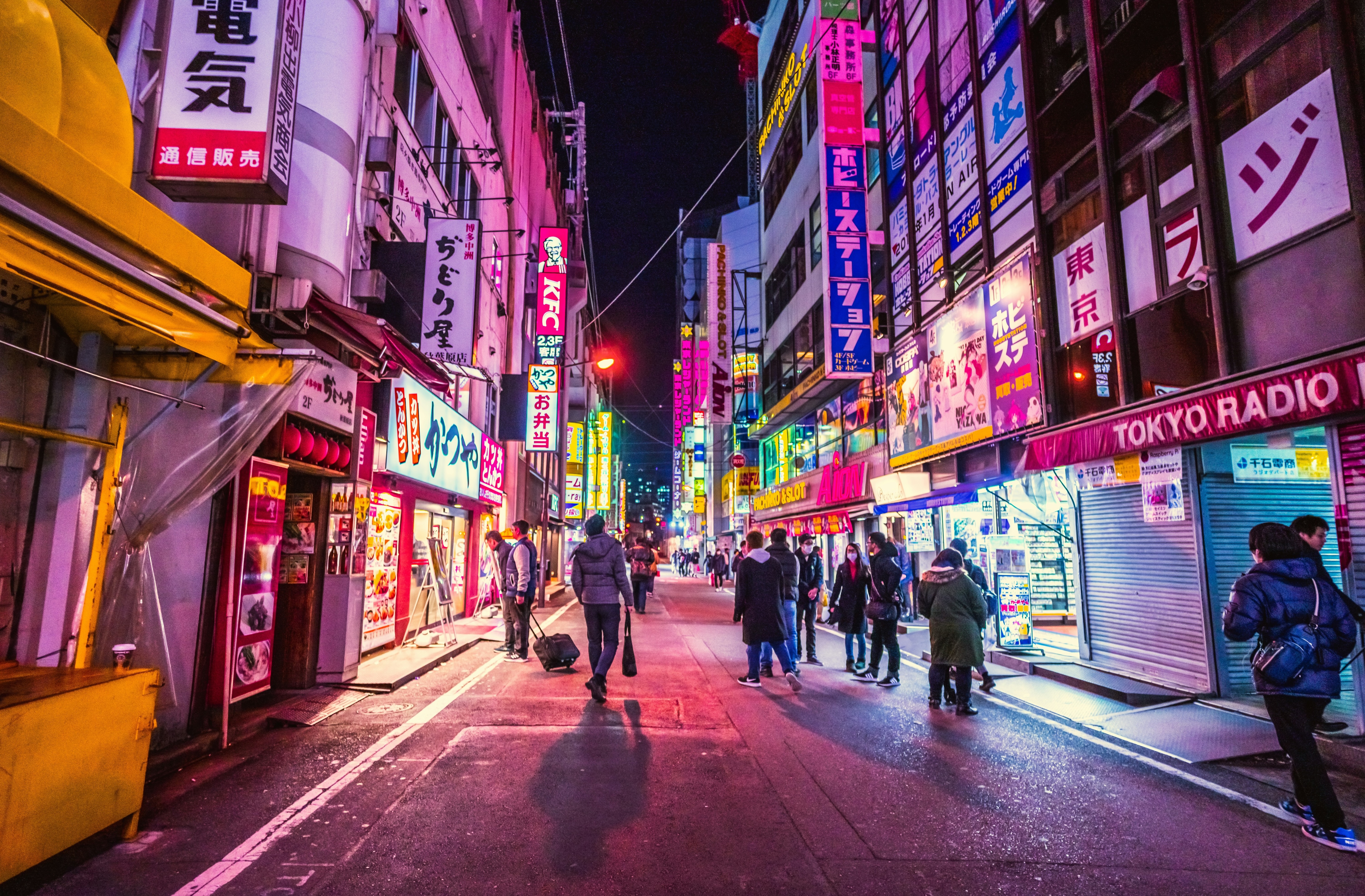
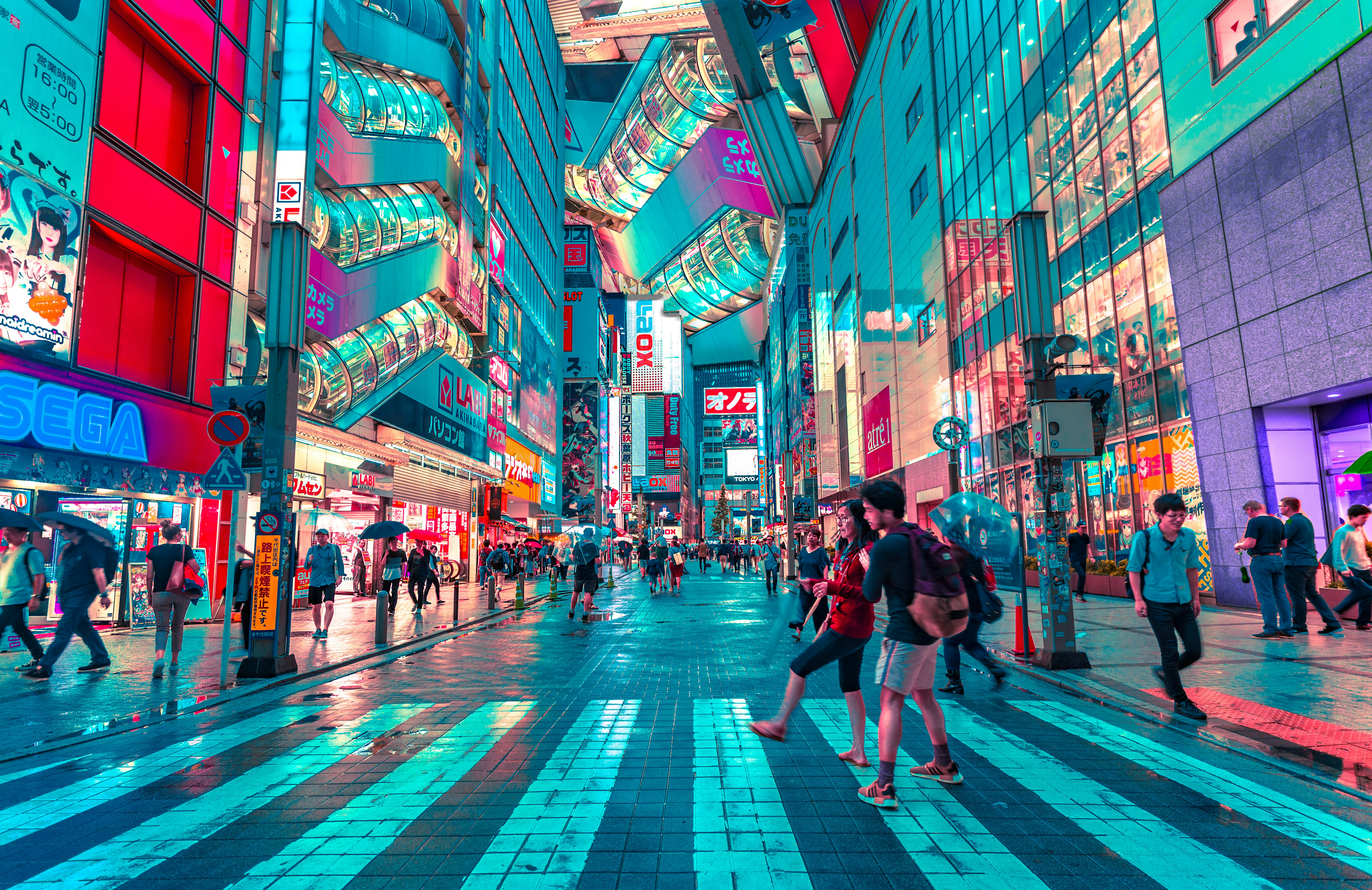
Lights, sushi, manga! Sprawling, frenetic, and endlessly fascinating, Japan’s capital is a city of contrasts. Shrines and gardens are pockets of calm between famously crowded streets and soaring office buildings. Mom-and-pop noodle houses share street space with Western-style chain restaurants and exquisite fine dining. Shopping yields lovely folk arts as well as the newest electronics. And nightlife kicks off with karaoke or sake and continues with techno clubs and more. Whether you seek the traditional or the cutting edge, Tokyo will provide it.

Tokyo At Night
Tokyo At NightJezael Melgoza, Unsplash
Tokyo Shopping
Tokyo ShoppingJezael Melgoza, Unsplash
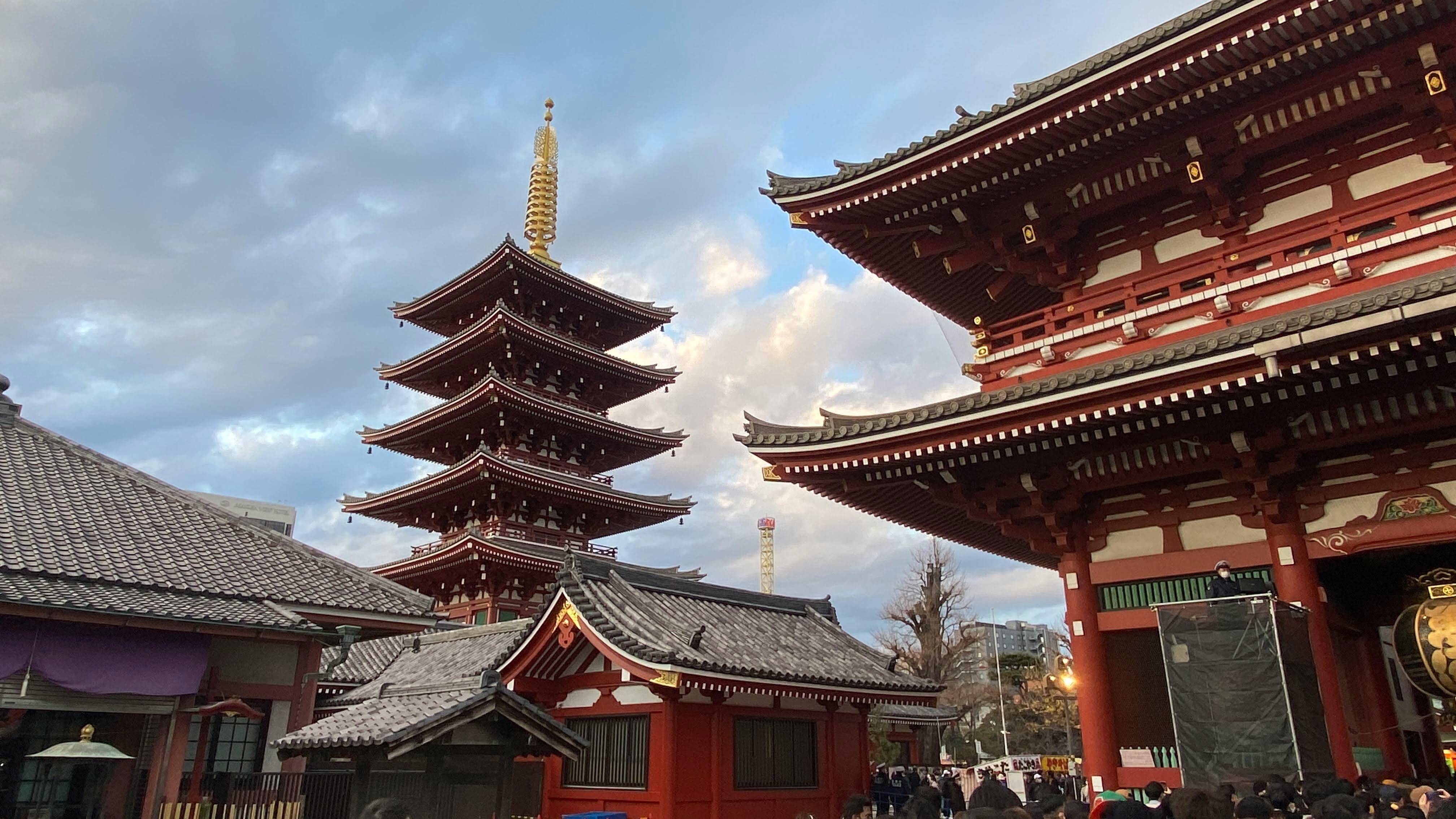
Tokyo Temple
Tokyo TempleMatt Ketchum

Day 3 - Kochi

Further details for this day are not available.

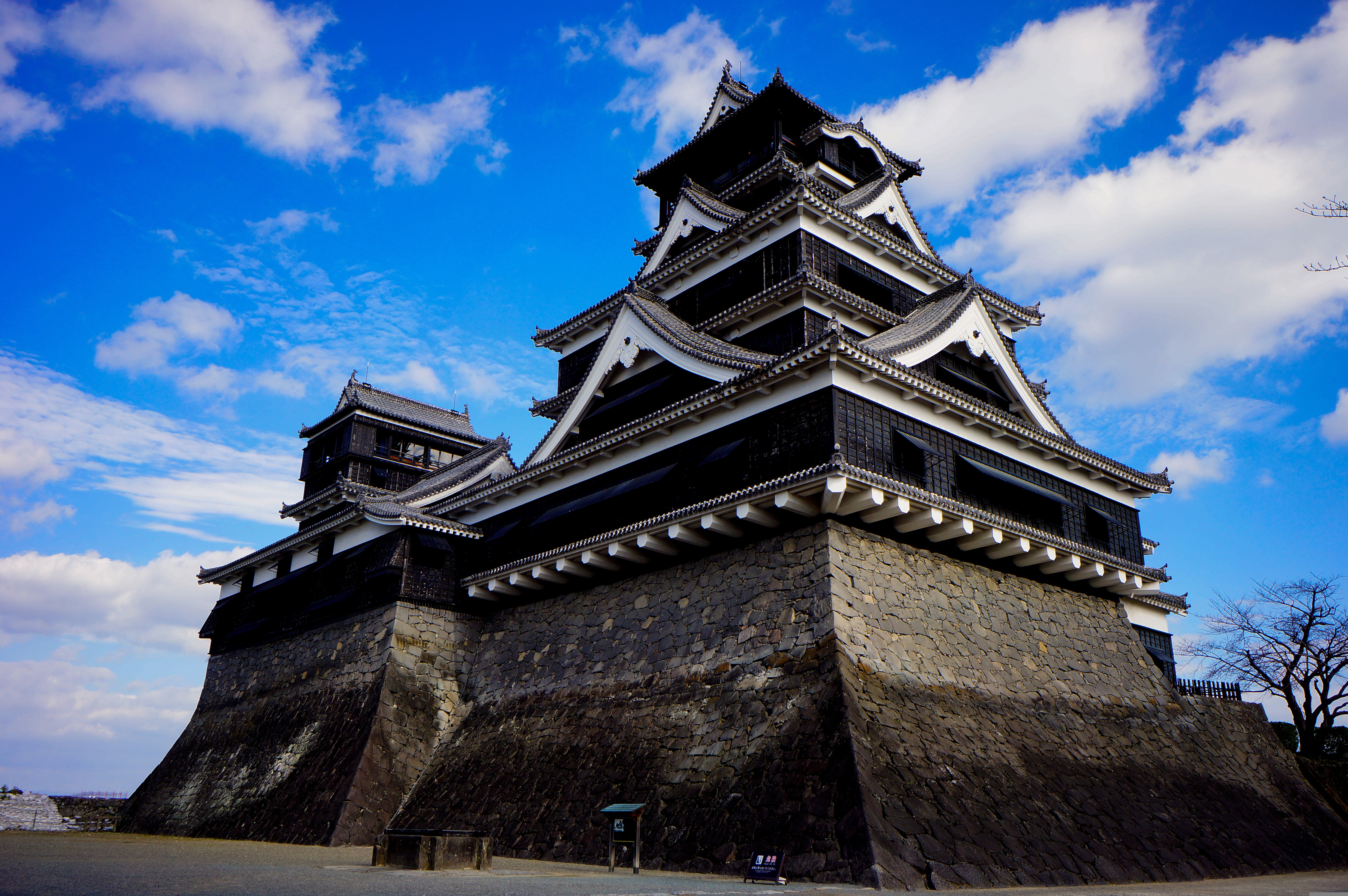
Heritage Castle, Kochi, K Japan
Heritage Castle, Kochi, K JapanImage by Nick115 from Pixabay

Day 4 - Hososhima

With stunning countryside and quite indescribable vistas, Hososhima welcomes its visitors with jagged coastlines and traditional charms. Gloss over the industrial port – Hososhima having only recently been opened as a tourist spot – and you will find some of the region’s most spectacular landscapes. Undoubtedly the most striking of these can be found at the Takachicho Gorge. A gentle drive with excellent views of active volcano Mount Aso takes you to the sheer cliffs, aquamarine waters and the thundering 56-foot waterfall of the gorge proper. For a fully immersive experience, do not hesitate to descend the (easy to negotiate) steps to the bottom and hire a rowing boat, before indulging in a bowl of udon noodles from one of the local restaurants. Further afield yet still less than five kilometres away from Hososhima lies Hyuga, a small town that boasts some of the most beautiful Mimitsu townhouses outside of Kyoto and Osaka. Described by one enthusiastic visitor as being like “time travel – we feel like we have stepped back at least two centuries”, this exemplary area in the city has been designated a national important preservation district for groups of traditional buildings, and much of the 19th-century atmosphere, including traditional buildings, earthen walls, and stone pavements, remains.

Day 5 - Kagoshima

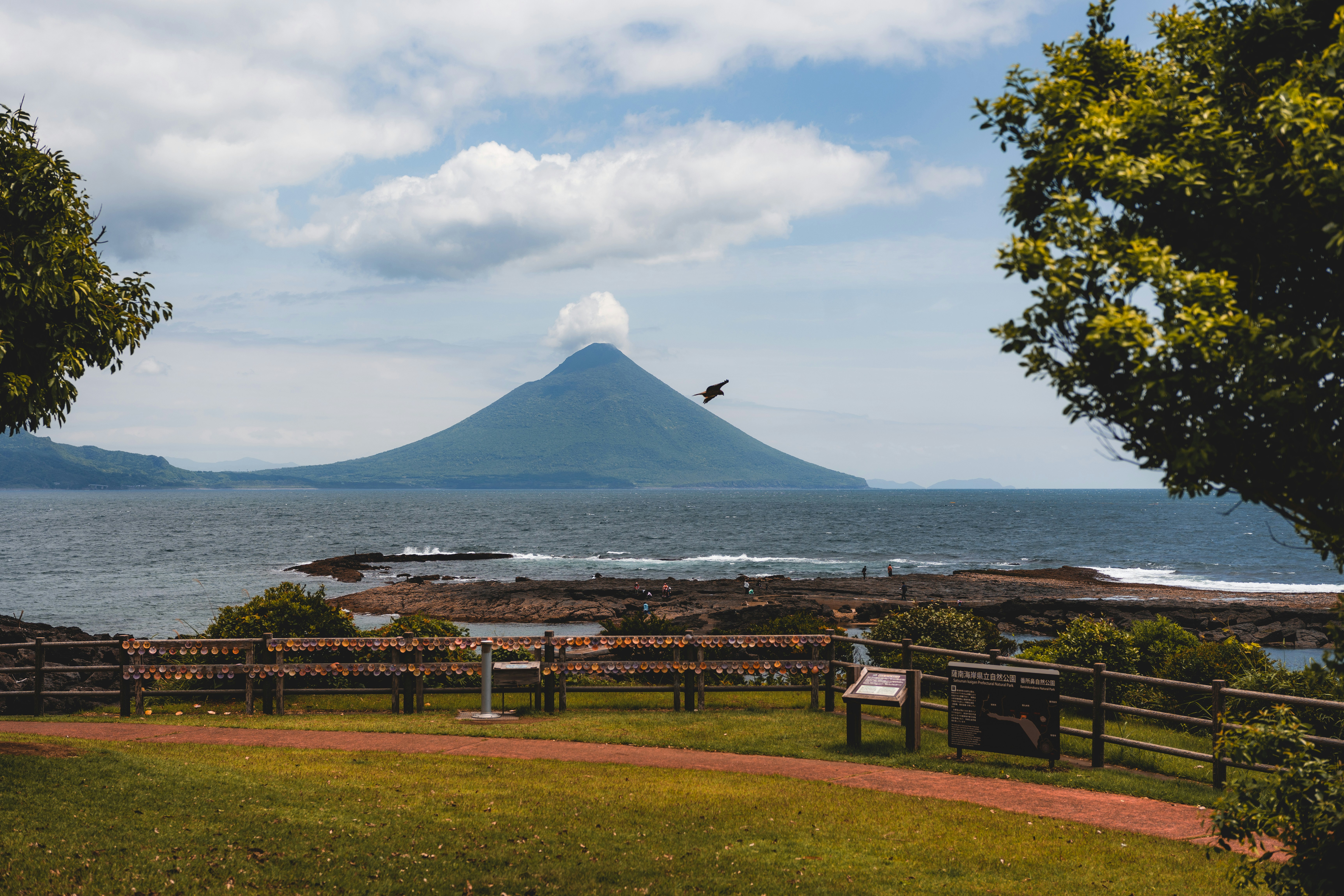
Kagoshima city is the capital of Kagoshima prefecture and also Kyushu’s southernmost major city. This city is often compared to its Italian sister city Naples, due to its’s similarities such as mild climate and active volcano, Sakurajima. Sakurajima is one of the most renowned active volcanos not only in Japan but also in the whole entire world. This smoking Sakurajima is centred in Kinko Bay and is one of the main symbols of this prefecture. We cannot talk about Sakurajima without the history of continuous eruption. Sakurajima used to be an isolated island; however, the land has banded together with Osumi peninsula from the eruption in 1914. You may have a chance to see the smoke coming from the top of Sakurajima depending on the weather condition. Not only does the scenery of Sakurajima represent the beauty of Kagoshima City but Senganen garden is also symbolic to elegance in the Kagoshima region. This Japanese garden was constructed by a feudal lord, Mitsuhisa Shimazu, as a guest house of the Kagoshima castle which attracts many visitors for its splendid view.

Minamikyūshū, Kagoshima, Japan
Minamikyūshū, Kagoshima, JapanPhoto by Iori Ikeda on Unsplash
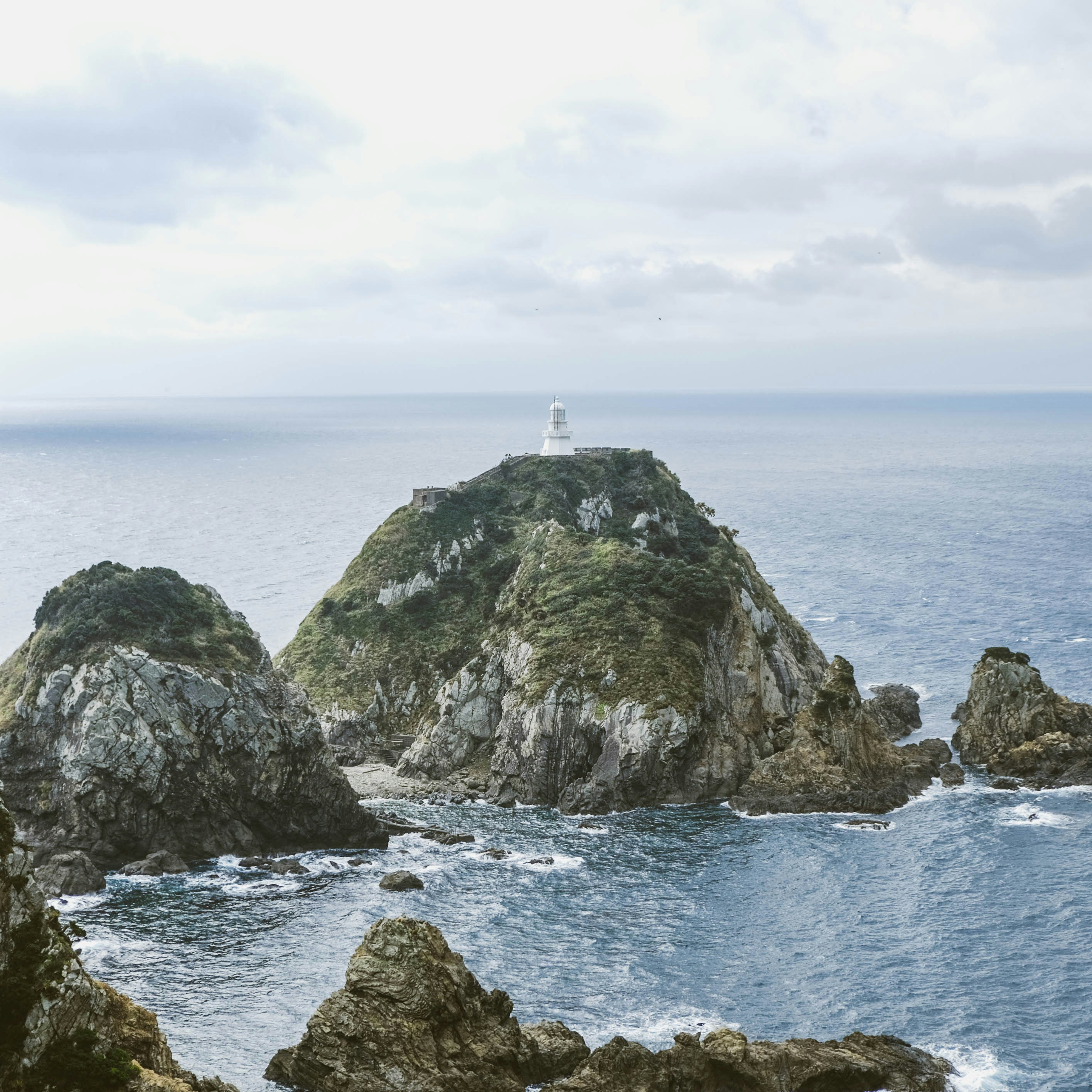
Japan, Kagoshima, Minamiosumi, Satamagome
Japan, Kagoshima, Minamiosumi, SatamagomePhoto by Yuya Murakami on Unsplash

Day 6 - Nagasaki

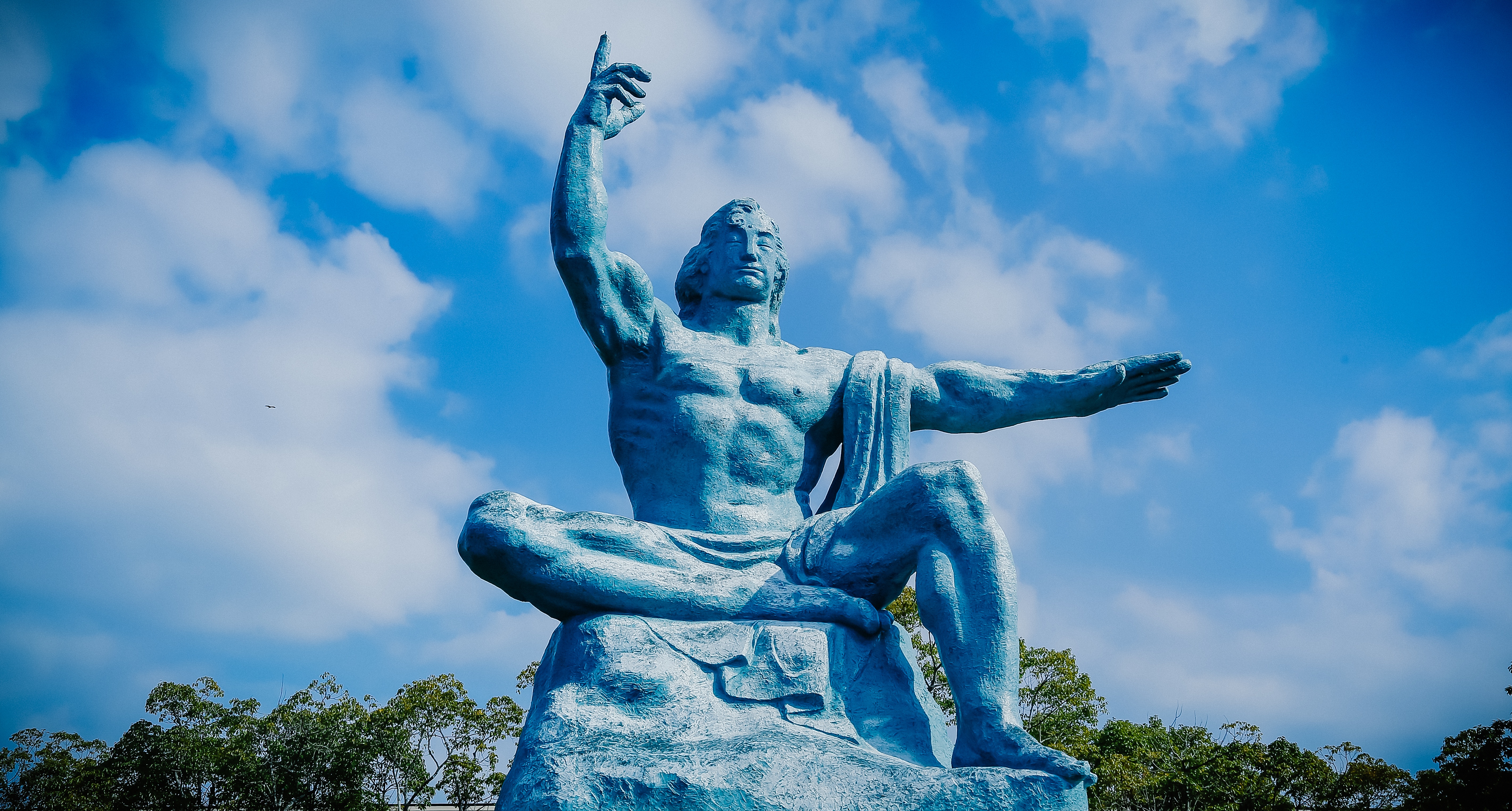
Nagasaki city has developed into one of the most important port cities in Japan. During Japan’s period of isolation in the 17th century, Nagasaki played a prominent role in foreign trade relation and only a very few ports were open to restricted numbers of foreign traders. Even though Holland was a major country who conducted trading during this period, Dutch people were only allowed to stay in Dejima Island and were not allowed to have contact with the Japanese people. Today, you will still find the strong influence of Dutch and Chinese culture in the city which is very different from all other cities in Japan. In the more recent history, Nagasaki became the second city after Hiroshima to be destroyed by an atomic bomb towards the end of World War II. From the visit to Atomic bomb museum and peace memorial park, people could understand how chaotic the situation was and the agony that the people in the days have experienced from the damage inflicted by the atomic bomb. It continues to appeal to the world with their wish for world peace.

Jpngs   Nagasaki   Atomic Bomb Sculpture
Jpngs Nagasaki Atomic Bomb Sculpture
Jpngs   Nagasaki   Battleship Island
Jpngs Nagasaki Battleship Island
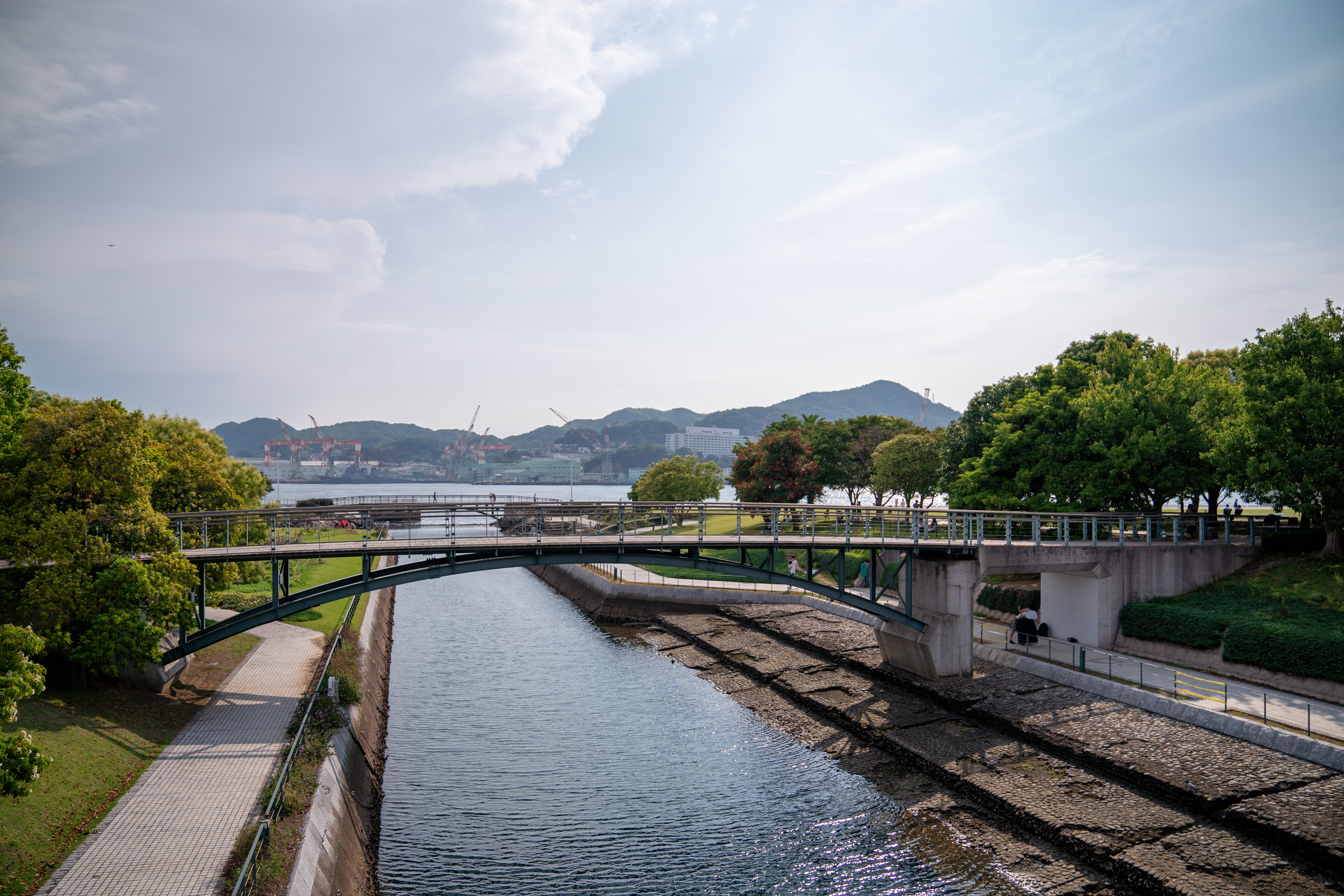
Jpngs   Nagasaki   Bridge Over A Canal   Credit Jason Rost
Jpngs Nagasaki Bridge Over A Canal Credit Jason RostJason Rost
Jpngs   Nagasaki   Night View
Jpngs Nagasaki Night View
Jpngs   Nagasaki   Sea Port
Jpngs Nagasaki Sea Port
Jpngs   Nagasaki   Warship Island
Jpngs Nagasaki Warship Island

Day 7 - Busan

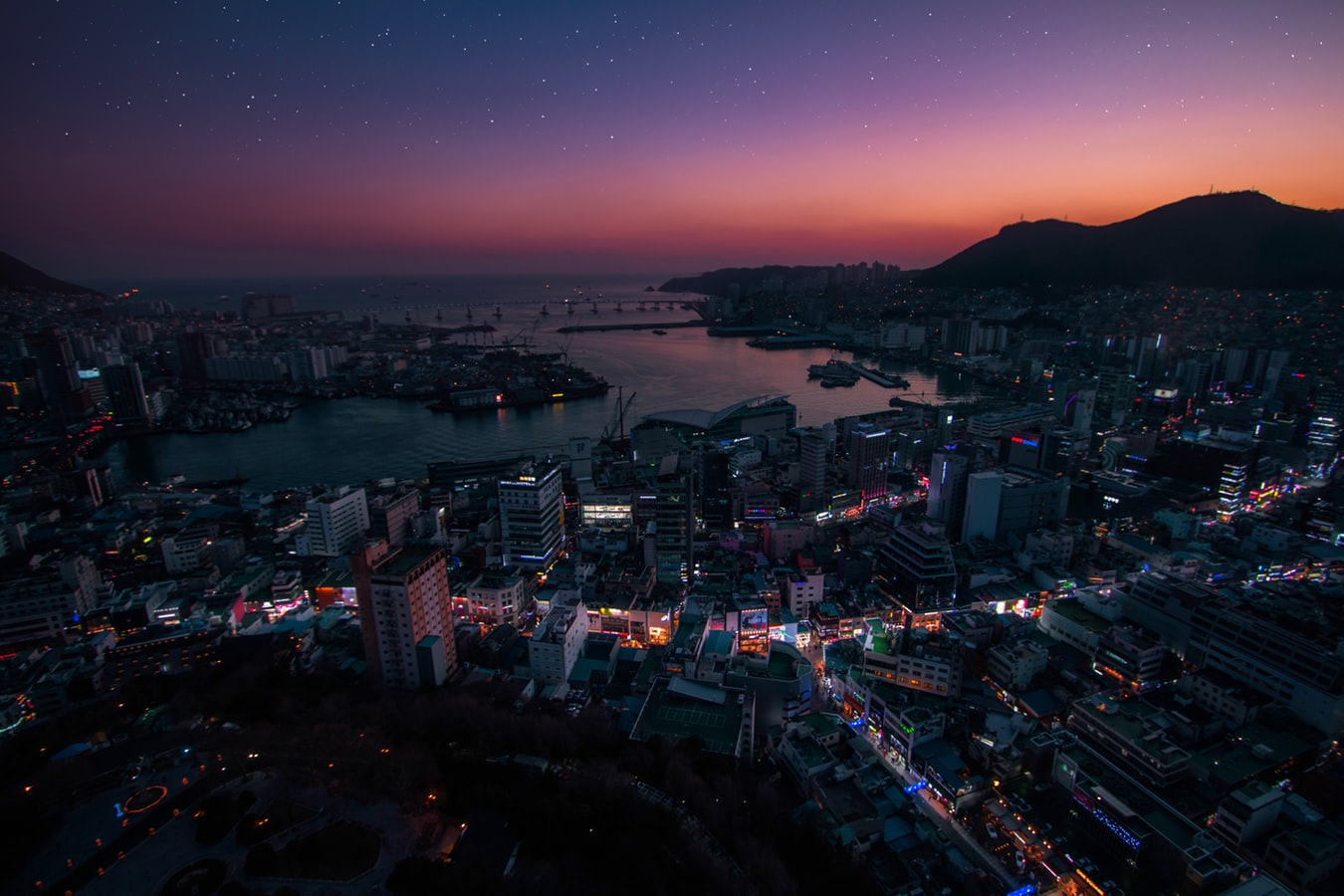
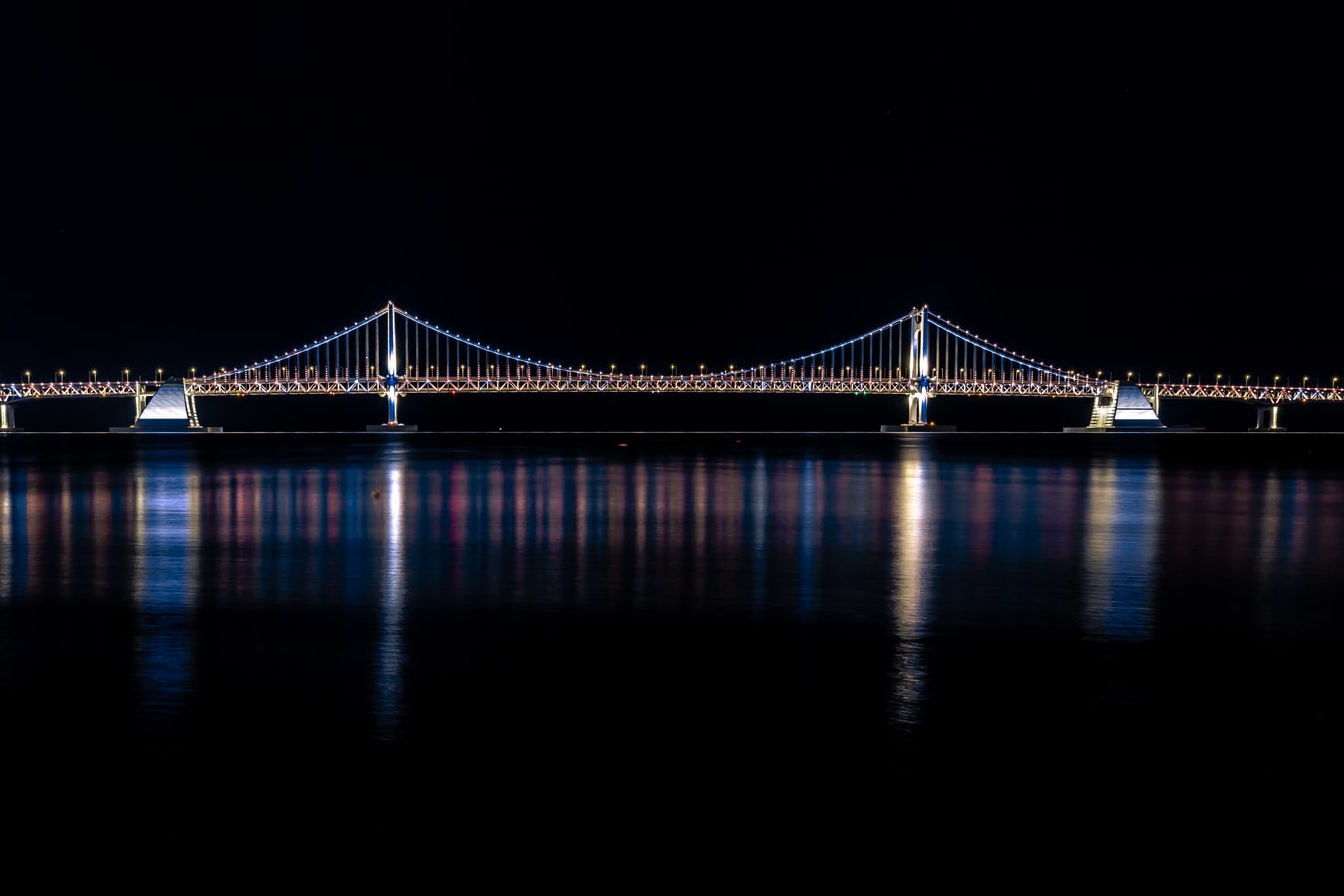
White-sand city beaches and hot-spring resorts may not be everyone's first image of Korea, but these are what Koreans flock to Busan for all year. And there are plenty of opportunities for rest, relaxation, retail therapy, and even a touch of glamour every October with the Busan International Film Festival. Busan's beaches are the big summertime draw but there is plenty to be seen year round. Quintessential experiences include taking some rest and relaxation at a local spa and exploring the Beomeosa temple complex.

Krpus   Busan, South Korea   Photo Cred By Pang Yuhao
Krpus Busan, South Korea Photo Cred By Pang Yuhao
Krpus   Busan, South Korea   Photo Credit Christopher Lee
Krpus Busan, South Korea Photo Credit Christopher Lee
Krpus   Busan, South Korea   Photo Credit Daniel Lee 1
Krpus Busan, South Korea Photo Credit Daniel Lee 1
Krpus   Busan, South Korea   Photo Credit Daniel Lee
Krpus Busan, South Korea Photo Credit Daniel Lee

Day 8 - Scenic Cruising

Further details for this day are not available.

Day 8 - Fukuoka

Further details for this day are not available.

Fukuoka, Japan
Fukuoka, JapanImage by woong hoe from Pixabay

Day 9 - Hiroshima

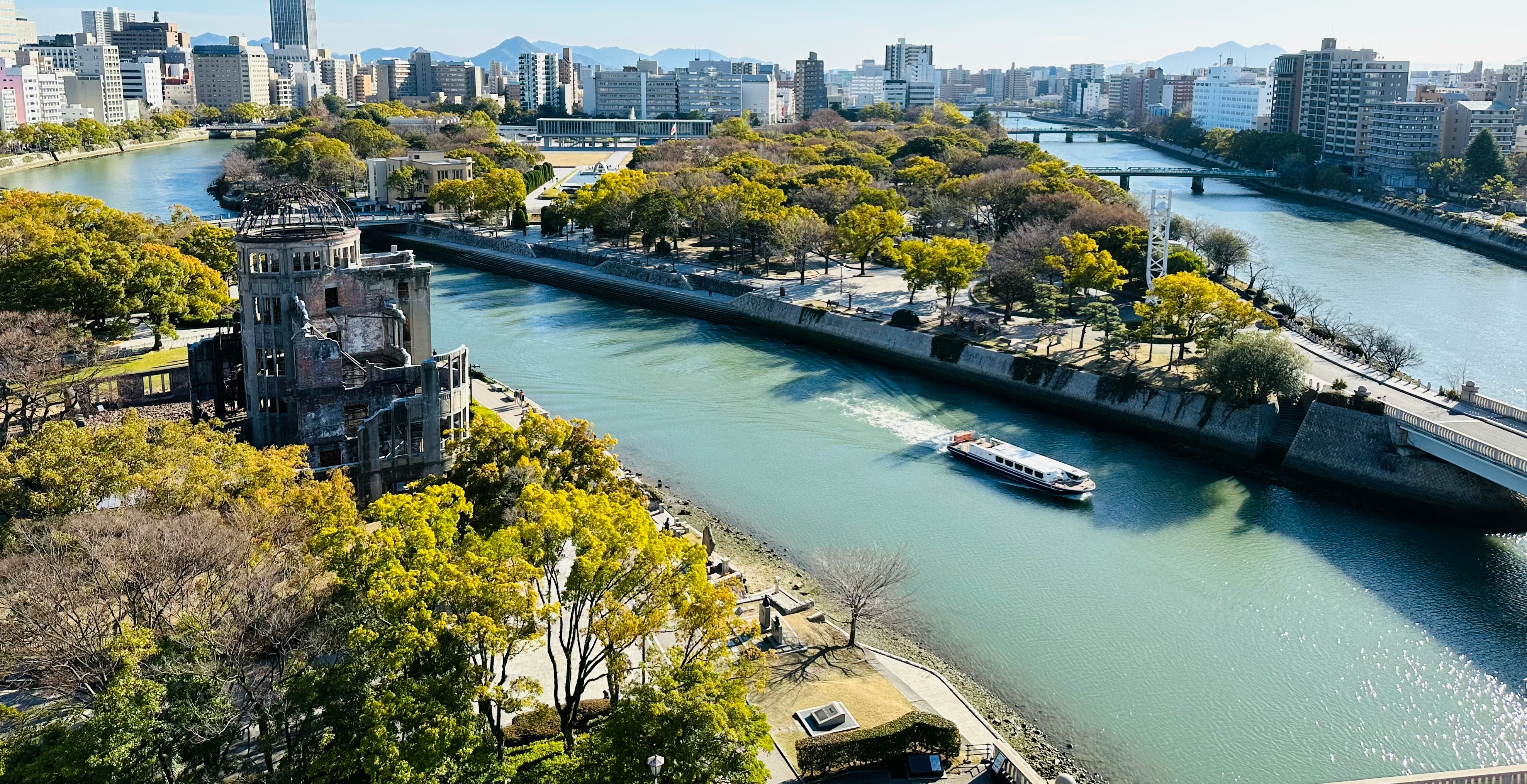
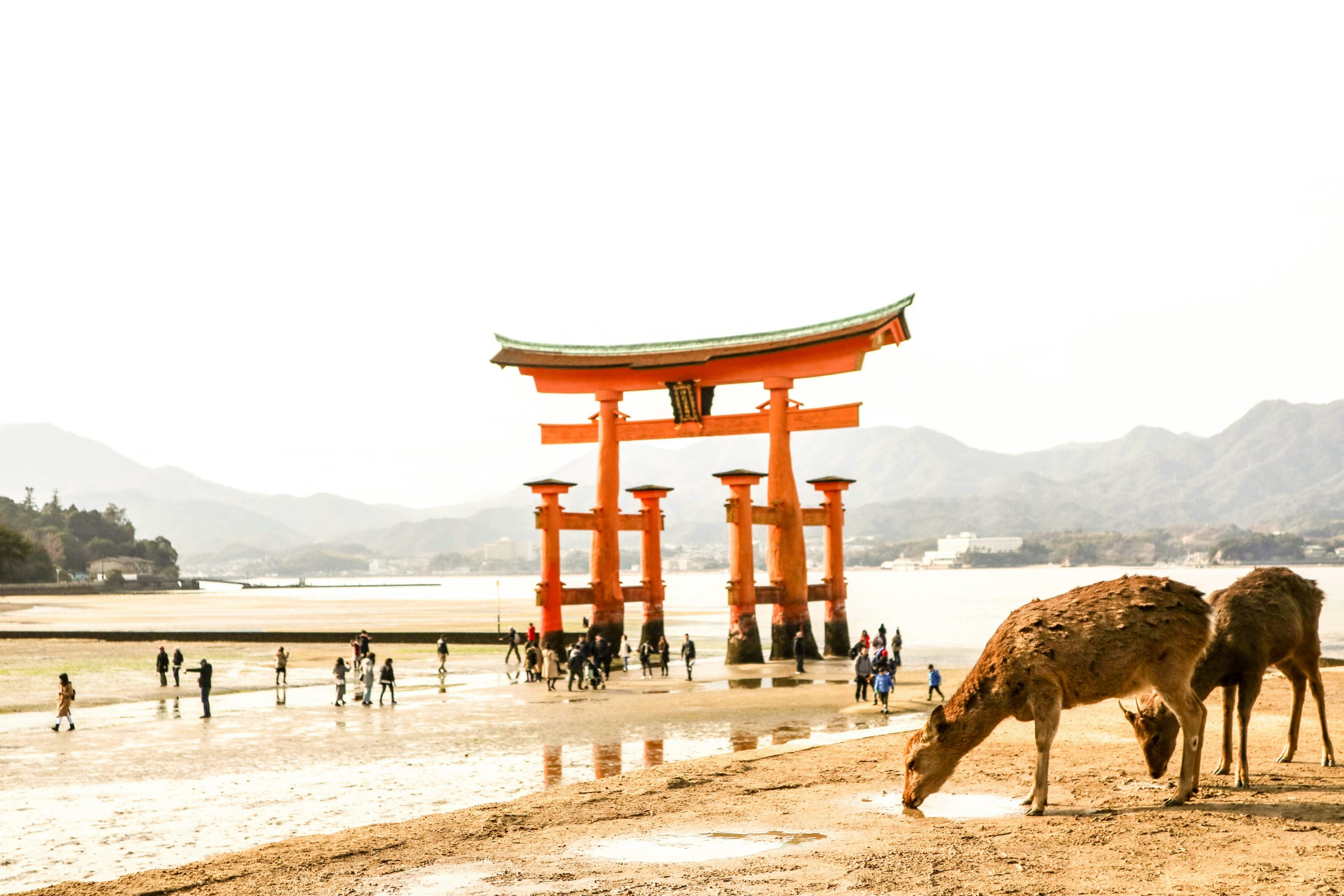
History buffs will want to write home Hiroshima. Despite being devastated in 1945, this Japanese city is known to all for its commitment peace – its ruin on the 6th August 1945 led to the end of the war and today, the Peace Memorial (a UNESCO World Heritage Site) , is a constant reminder of the destruction that war brings. A walk in the leafy boulevards of Peace Memorial Park brings quiet contemplation. The Flames of Peace – set in the park’s central feature pond – burn brightly and will continue to do so until all the nuclear bombs I the world have been destroyed. There are many other inspiring messages of hope around the city too; the Children’s’ Peace Monument just north of the park is a homage to little Sadako Sasaki, who was just two in 1945. When she developed leukemia in 1956, she believed that if she folded 1,000 paper cranes – a symbol of longevity and happiness in Japan – she would recover. Sadly she died before she finished her task but her classmates finished the rest. It is impossible to ignore the events of 1945 in Hiroshima, but this is far from a depressing place. The great efforts that have been made in rebuilding of the city over the years have given Hiroshima a vibrant, eclectic edge, with the downtown shopping area and street food stalls being well worth a visit. The proximity to Miyajima and its iconic, impressive, Torii gate should not be overlooked either. If you are lucky enough to visit during the unpredictable and short-lived Sakura (cherry blossom) season, then the extraordinary sight of the delicate pink blossom floating across the water to the red gate, means you can consider yourself one of the luckiest people on the planet.

The Atomic Bomb Dome, Hiroshima
The Atomic Bomb Dome, HiroshimaPhoto by Desmond Tawiah
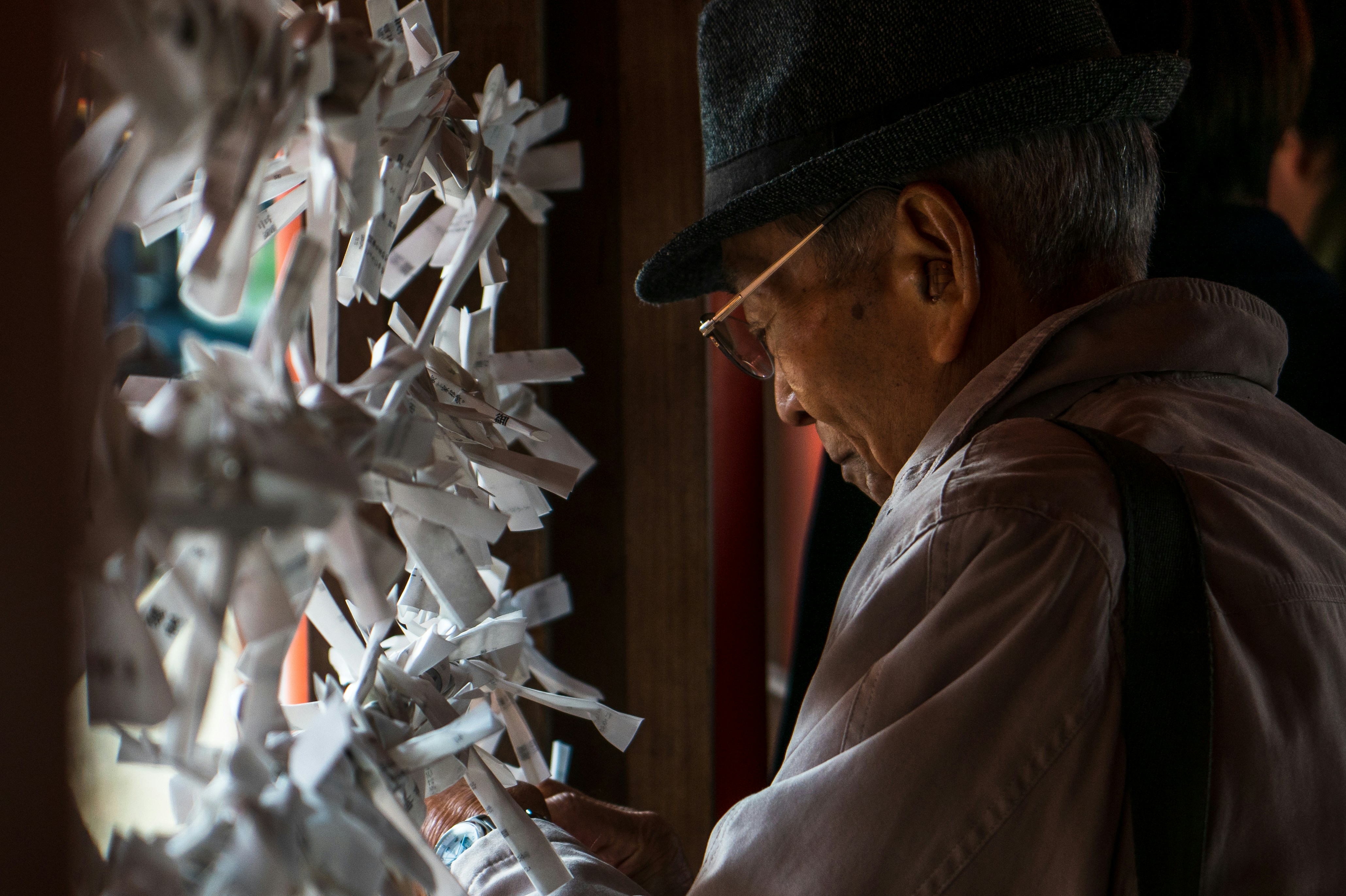
Paper Cranes  New Years Wishes
Paper Cranes New Years Wishes Photo by Daniel Gregoire
Itsukushima Shrine, Miyajima
Itsukushima Shrine, MiyajimaPhoto by Joan Tran

Day 11 - Osaka

From Minami's neon-lighted Dotombori and historic Tenno-ji to the high-rise class and underground shopping labyrinths of Kita, Osaka is a city that pulses with its own unique rhythm. Though Osaka has no shortage of tourist sites, it is the city itself that is the greatest attraction. Home to some of Japan's best food, most unique fashions, and warmest locals, Osaka does not beg to be explored—it demands it. More than anywhere else in Japan, it rewards the impulsive turn down an interesting side street or the chat with a random stranger. People do not come here to see the city, they come to experience it.Excluded from the formal circles of power and aristocratic culture in 16th-century Edo (Tokyo), Osaka took advantage of its position as Japan's trading center, developing its own art forms such as Bunraku puppet theater and Rakugo comic storytelling. It was in Osaka that feudal Japan's famed Floating World—the dining, theater, and pleasure district—was at its strongest and most inventive. Wealthy merchants and common laborers alike squandered fortunes on culinary delights, turning Osaka into "Japan's Kitchen," a moniker the city still has today. Though the city suffered a blow when the Meiji government canceled all of the samurai class's outstanding debts to the merchants, it was quick to recover. At the turn of the 20th century, it had become Japan's largest and most prosperous city, a center of commerce and manufacturing.Today Osaka remains Japan's iconoclastic metropolis, refusing to fit Tokyo's norms and expectations. Unlike the hordes of Tokyo, Osakans are fiercely independent. As a contrast to the neon and concrete surroundings, the people of Osaka are known as Japan's friendliest and most outgoing. Ask someone on the street for directions in Tokyo and you are lucky to get so much as a glance. Ask someone in Osaka and you get a conversation.The main areas of the city, Kita (north) and Minami (south), are divided by two rivers: the Dojima-gawa and the Tosabori-gawa. Between Kita and Minami is Naka-no-shima, an island and the municipal center of Osaka. Kita (north of Chuo Dori) is Osaka's economic hub and contains Osaka's largest stations: JR Osaka and Hankyu Umeda. The area is crammed with shops, department stores, and restaurants. Nearby are a nightlife district, Kita-shinchi; Naka-no-shima and the Museum of Oriental Ceramics; Osaka-jo (Osaka Castle); and Osaka Koen (Osaka Park). Restaurants, bars, department stores, and boutiques attract Osaka's youth to Minami (south Chuo Dori); theatergoers head to the National Bunraku Theatre and electronics-lovers to Den Den Town. For a glimpse of old Osaka, visit Tenno-ji Temple and Shin Sekai. The main stations are Namba, Shin-sai-bashi, Namba Nankai, and Tenno-ji. There's easy access to the Municipal Museum of Fine Art and Sumiyoshi Taisha (Sumiyoshi Grand Shrine).The bay area, to the west of the city center, is home to the Osaka Aquarium and Universal Studios Japan. The Shinkansen stops at Shin-Osaka, three stops (about five minutes) north of Osaka Station on the Mido-suji subway line. To the north of Shin-Osaka is Senri Expo Park.
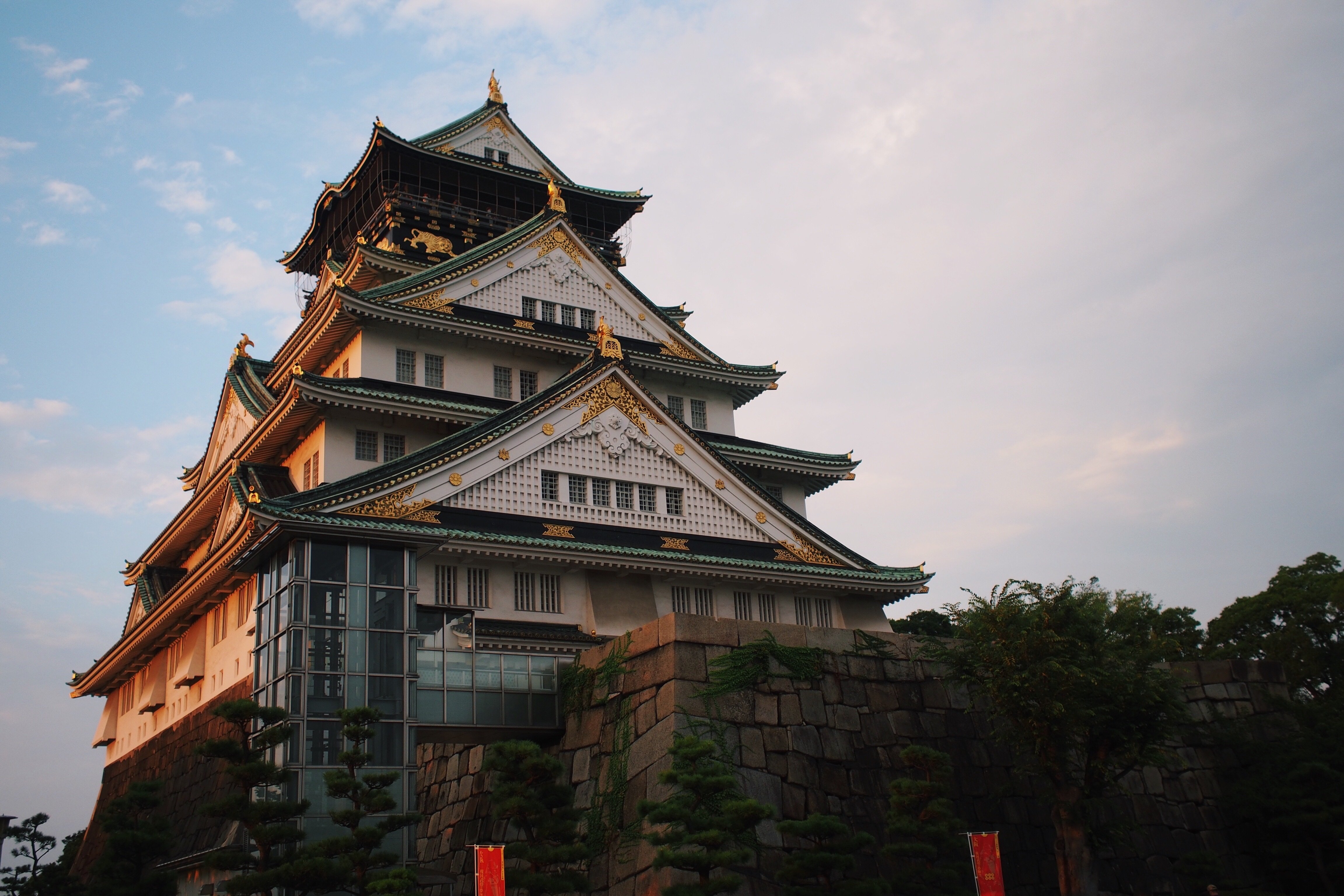
Castle, Osaka, Japan
Castle, Osaka, JapanImage by leo leung from Pixabay
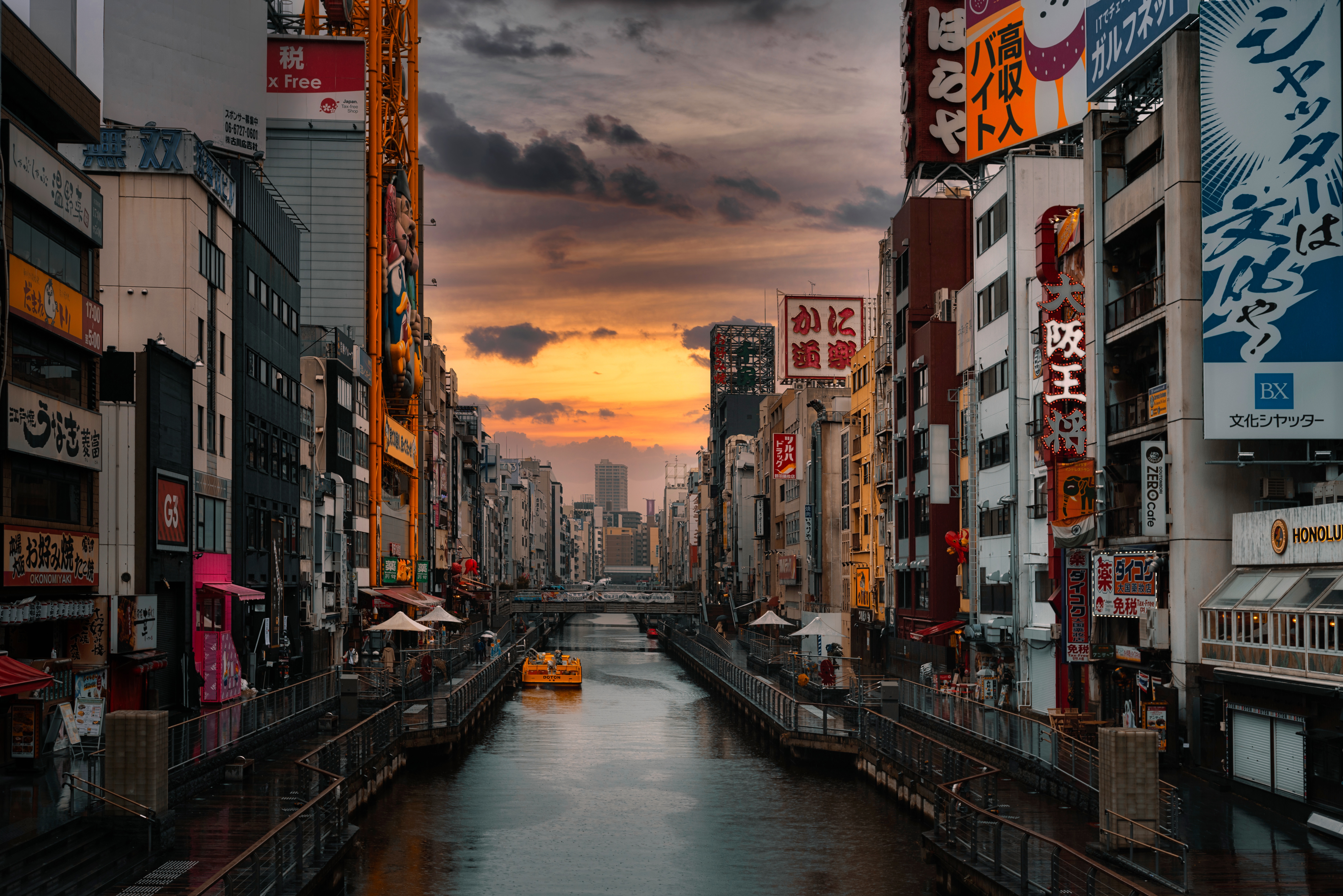
River, Osaka, Japan
River, Osaka, JapanImage by djedj from Pixabay

Day 12 - Osaka

From Minami's neon-lighted Dotombori and historic Tenno-ji to the high-rise class and underground shopping labyrinths of Kita, Osaka is a city that pulses with its own unique rhythm. Though Osaka has no shortage of tourist sites, it is the city itself that is the greatest attraction. Home to some of Japan's best food, most unique fashions, and warmest locals, Osaka does not beg to be explored—it demands it. More than anywhere else in Japan, it rewards the impulsive turn down an interesting side street or the chat with a random stranger. People do not come here to see the city, they come to experience it.Excluded from the formal circles of power and aristocratic culture in 16th-century Edo (Tokyo), Osaka took advantage of its position as Japan's trading center, developing its own art forms such as Bunraku puppet theater and Rakugo comic storytelling. It was in Osaka that feudal Japan's famed Floating World—the dining, theater, and pleasure district—was at its strongest and most inventive. Wealthy merchants and common laborers alike squandered fortunes on culinary delights, turning Osaka into "Japan's Kitchen," a moniker the city still has today. Though the city suffered a blow when the Meiji government canceled all of the samurai class's outstanding debts to the merchants, it was quick to recover. At the turn of the 20th century, it had become Japan's largest and most prosperous city, a center of commerce and manufacturing.Today Osaka remains Japan's iconoclastic metropolis, refusing to fit Tokyo's norms and expectations. Unlike the hordes of Tokyo, Osakans are fiercely independent. As a contrast to the neon and concrete surroundings, the people of Osaka are known as Japan's friendliest and most outgoing. Ask someone on the street for directions in Tokyo and you are lucky to get so much as a glance. Ask someone in Osaka and you get a conversation.The main areas of the city, Kita (north) and Minami (south), are divided by two rivers: the Dojima-gawa and the Tosabori-gawa. Between Kita and Minami is Naka-no-shima, an island and the municipal center of Osaka. Kita (north of Chuo Dori) is Osaka's economic hub and contains Osaka's largest stations: JR Osaka and Hankyu Umeda. The area is crammed with shops, department stores, and restaurants. Nearby are a nightlife district, Kita-shinchi; Naka-no-shima and the Museum of Oriental Ceramics; Osaka-jo (Osaka Castle); and Osaka Koen (Osaka Park). Restaurants, bars, department stores, and boutiques attract Osaka's youth to Minami (south Chuo Dori); theatergoers head to the National Bunraku Theatre and electronics-lovers to Den Den Town. For a glimpse of old Osaka, visit Tenno-ji Temple and Shin Sekai. The main stations are Namba, Shin-sai-bashi, Namba Nankai, and Tenno-ji. There's easy access to the Municipal Museum of Fine Art and Sumiyoshi Taisha (Sumiyoshi Grand Shrine).The bay area, to the west of the city center, is home to the Osaka Aquarium and Universal Studios Japan. The Shinkansen stops at Shin-Osaka, three stops (about five minutes) north of Osaka Station on the Mido-suji subway line. To the north of Shin-Osaka is Senri Expo Park.
Castle, Osaka, Japan
Castle, Osaka, JapanImage by leo leung from Pixabay
River, Osaka, Japan
River, Osaka, JapanImage by djedj from Pixabay

Day 14 - Shimizu

The salt and pepper cone of Japan's most famous natural landmark won’t fail to take your breath away, as it soars into the sky in a vision of spectacular symmetry. Make sure your camera is fully prepared before you dock in Shimizu’s port, where unparalleled views of the extraordinary Mount Fuji’s dramatic peak await. Take your time to soak up one of Japan's most iconic views, before dipping your toes into the rest of what this destination of tranquil temples has to offer. While there’s a bustling fish market, and a charming amusement park waiting close to the port, most new arrivals immediately set off in pursuit of the best views of Mount Fuji, or to see the stunning panorama on offer from the heights of the Kunozan Toshogu Shrine. Take the cable car up to the top, to experience the tranquillity around the forested shrine, and to enjoy its stunning architecture of deep scarlets and gleaming golds. You can also enjoy heart-stopping views out over the Bay of Suruga, and the tea plantations below.

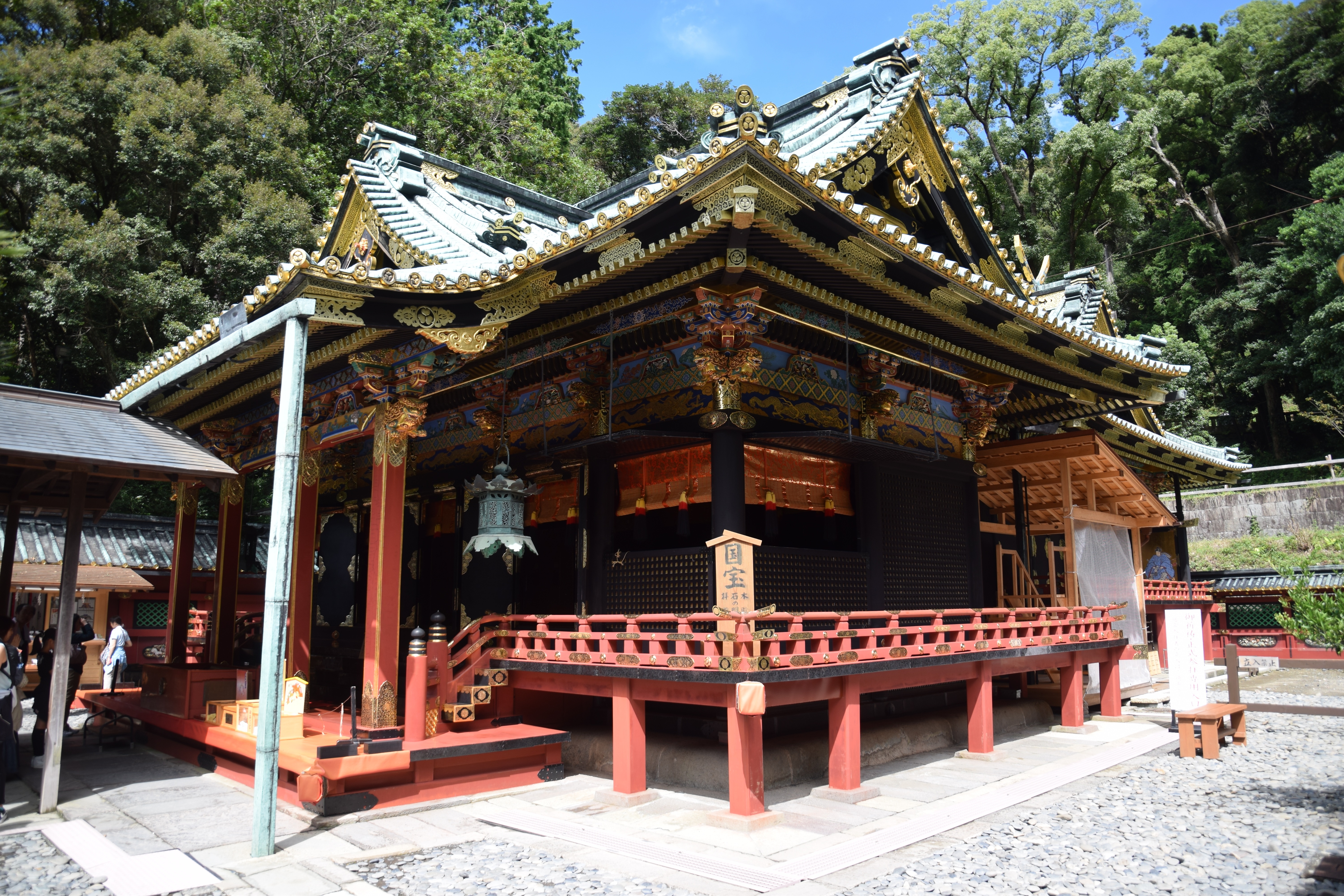
Shrine At Shimizu
Shrine At ShimizuImage by Little MiMi from Pixabay

Day 15 - Tokyo

Lights, sushi, manga! Sprawling, frenetic, and endlessly fascinating, Japan’s capital is a city of contrasts. Shrines and gardens are pockets of calm between famously crowded streets and soaring office buildings. Mom-and-pop noodle houses share street space with Western-style chain restaurants and exquisite fine dining. Shopping yields lovely folk arts as well as the newest electronics. And nightlife kicks off with karaoke or sake and continues with techno clubs and more. Whether you seek the traditional or the cutting edge, Tokyo will provide it.

Tokyo At Night
Tokyo At NightJezael Melgoza, Unsplash
Tokyo Shopping
Tokyo ShoppingJezael Melgoza, Unsplash
Tokyo Temple
Tokyo TempleMatt Ketchum

Day 17 - Scenic Cruising

Further details for this day are not available.

Day 17 - Beppu, Kyushu Island, Oita

Further details for this day are not available.

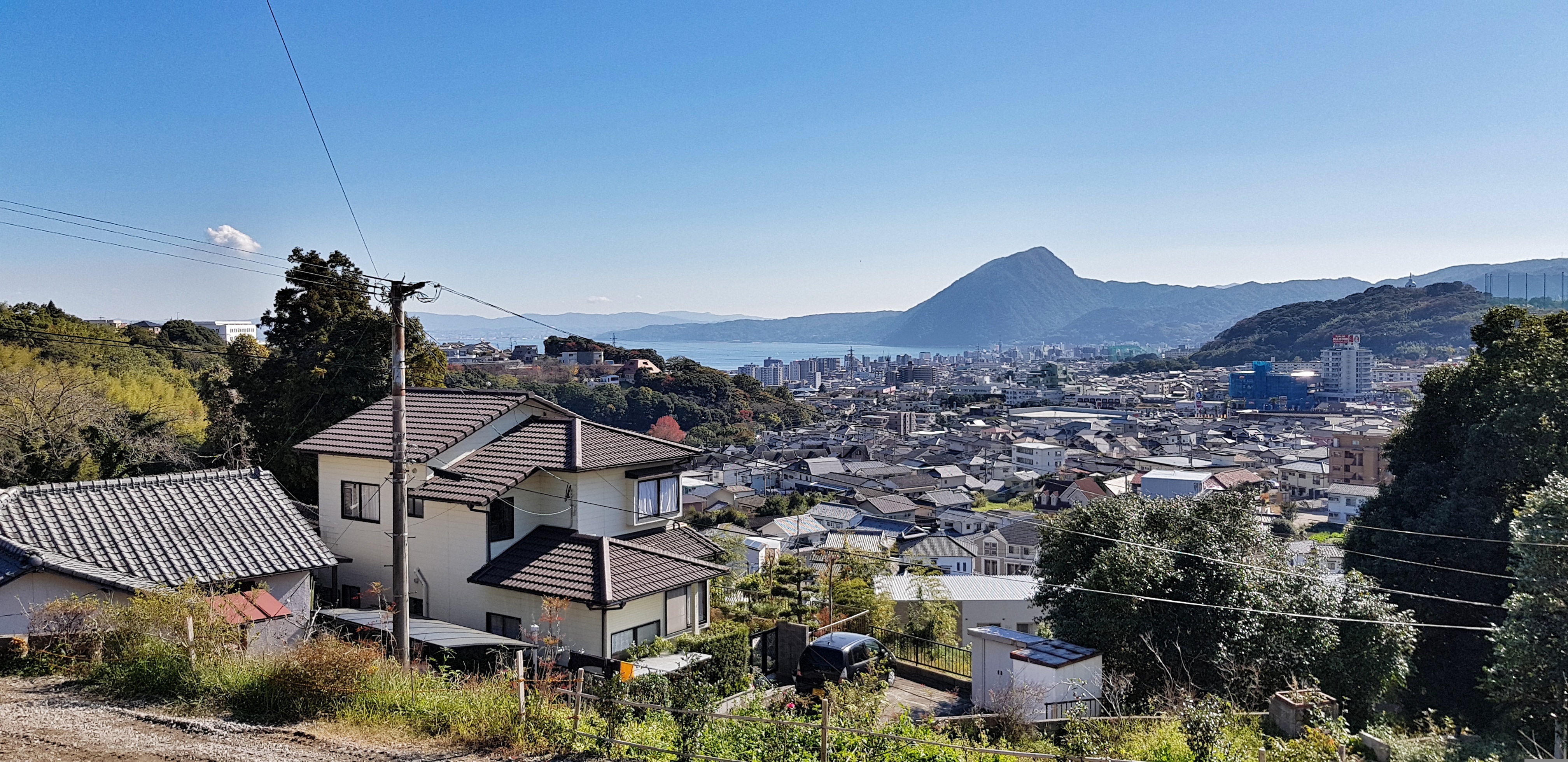
Beppu, Kyushu Island
Beppu, Kyushu IslandImage by Melvin from Pixabay

Day 18 - Busan

White-sand city beaches and hot-spring resorts may not be everyone's first image of Korea, but these are what Koreans flock to Busan for all year. And there are plenty of opportunities for rest, relaxation, retail therapy, and even a touch of glamour every October with the Busan International Film Festival. Busan's beaches are the big summertime draw but there is plenty to be seen year round. Quintessential experiences include taking some rest and relaxation at a local spa and exploring the Beomeosa temple complex.

Krpus   Busan, South Korea   Photo Cred By Pang Yuhao
Krpus Busan, South Korea Photo Cred By Pang Yuhao
Krpus   Busan, South Korea   Photo Credit Christopher Lee
Krpus Busan, South Korea Photo Credit Christopher Lee
Krpus   Busan, South Korea   Photo Credit Daniel Lee 1
Krpus Busan, South Korea Photo Credit Daniel Lee 1
Krpus   Busan, South Korea   Photo Credit Daniel Lee
Krpus Busan, South Korea Photo Credit Daniel Lee

Day 19 - Sakaiminato

Sakaiminato is a small city almost totally surrounded by water: the Sea of Japan to the east, the Sakai Channel to the north and Lake Nakaumi to the west. Across the lake the towns of Matsue and Yasugi offer interesting experiences. Matsue is known as the “Town of Water” next to scenic Lake Shinji and Lake Nakaumi. It has one of the very few wooden castles that still remain in Japan. Touring the castle and boat rides on the Horikawa River and the castle’s moat are popular. Yasugi has the Adachi Museum of Art, a private museum that houses one of the finest collections of contemporary Japanese paintings, but also has a 165,000 square metres garden –with plants and rocks collected by the museum’s founder. Six different gardens show different scenarios depending on the season. These gardens have been selected as “Japan’s best garden” for several years.

Bridges In Japan
Bridges In JapanImage by Kanenori from Pixabay

Day 20 - Maizuru

Maizuru port is considered as the gateway to the Japanese most popular historic city, Kyoto. Why don’t you relax on the coach to save your energy for your exciting day in Kyoto? Kyoto used to be the capital of Japan in the 8th century, and it was the centre for politics, economy and culture for more than 1,000 years. After capital functions were transferred to Tokyo in the middle of 19th century, luckily Kyoto did not lose its lustre. As soon as you step into the city, you will see how hard the local people tried to keep the atmosphere of the heyday. Nowadays, Kyoto is not the centre of attention within Japan anymore; nonetheless it is indeed the centre of tourism industry. There are seventeen historic sites such as Nijo castle and Kinkakuji temple which were designated a World Heritage Site. There are also numerous sites which can be seen from your coach, so please keep your eyes wide open while you are in Kyoto!

Day 21 - Kanazawa

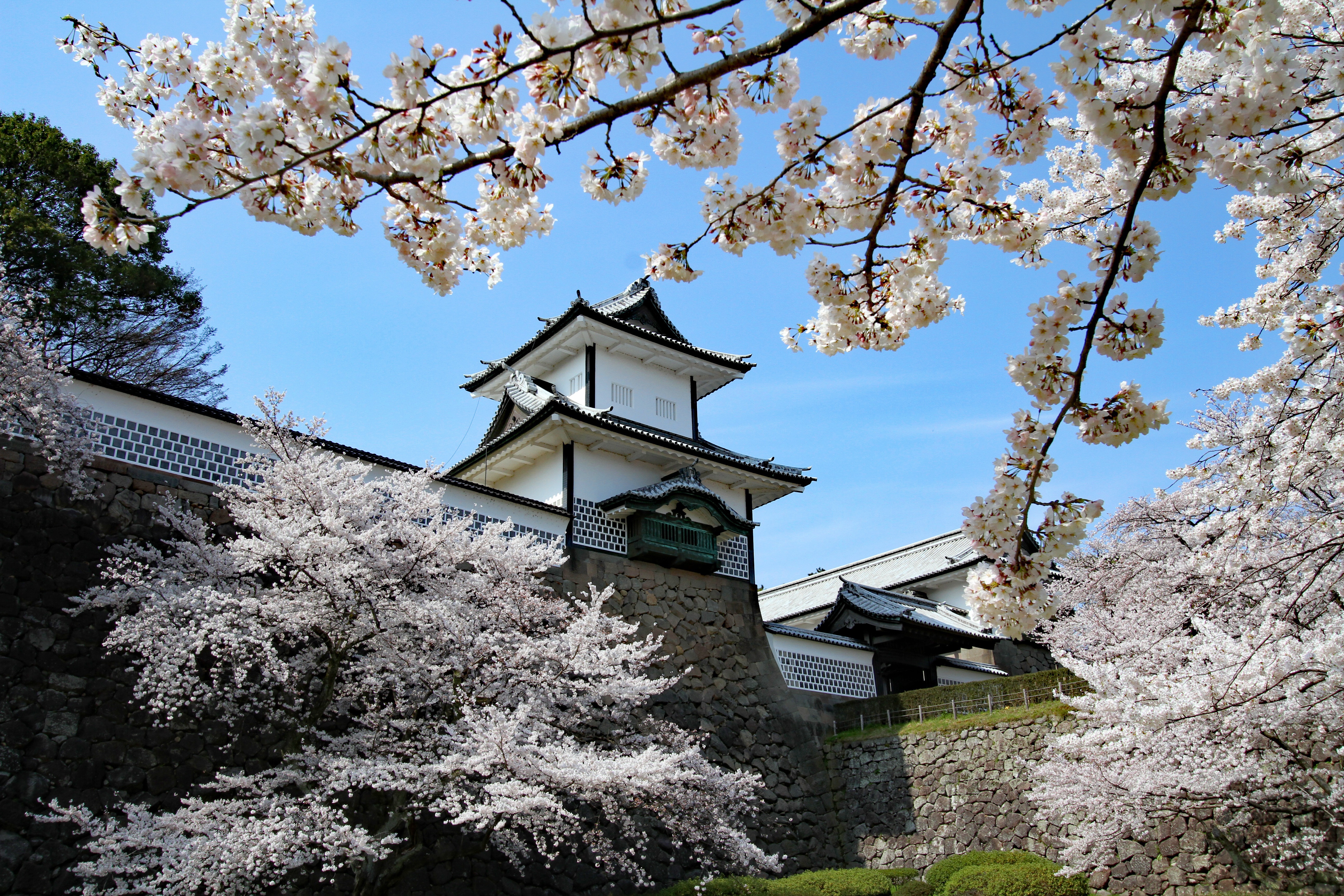
The capital of the Ishikawa Prefecture, Kanazawa once rivalled Kyoto and Edo (Tokyo) as a town rich in cultural achievements. Kanazawa escaped destruction during World War II and accordingly has been able to preserve many of the old districts in good shape. The city is famous because of Kenrokuen. Located next to Kanazawa Castle, Kenrokuen is classified as “One of the Three Gardens of Japan”. The garden has an artificial pond, and hills and houses are dotted within the 11.4 hectares. It has Japan’s oldest fountain using natural water pressure and a tea-house dating back to 1774. Close by is the Higashi Chaya Gai Geisha District, designated a National Cultural Asset and the biggest of the Geisha districts of Kanazawa. Some of the houses not only retain the original structure, but still are used as Geisha houses. Some of the streets have traditional shops creating a nostalgic atmosphere. Kanazawa is also known for its lacquer ware, Kutani-style pottery, gold-leaf workmanship and delicately painted silk kimonos.

Castle At Kanazawa
Castle At KanazawaImage by darkness_s from Pixabay

Day 22 - Kanazawa

The capital of the Ishikawa Prefecture, Kanazawa once rivalled Kyoto and Edo (Tokyo) as a town rich in cultural achievements. Kanazawa escaped destruction during World War II and accordingly has been able to preserve many of the old districts in good shape. The city is famous because of Kenrokuen. Located next to Kanazawa Castle, Kenrokuen is classified as “One of the Three Gardens of Japan”. The garden has an artificial pond, and hills and houses are dotted within the 11.4 hectares. It has Japan’s oldest fountain using natural water pressure and a tea-house dating back to 1774. Close by is the Higashi Chaya Gai Geisha District, designated a National Cultural Asset and the biggest of the Geisha districts of Kanazawa. Some of the houses not only retain the original structure, but still are used as Geisha houses. Some of the streets have traditional shops creating a nostalgic atmosphere. Kanazawa is also known for its lacquer ware, Kutani-style pottery, gold-leaf workmanship and delicately painted silk kimonos.

Castle At Kanazawa
Castle At KanazawaImage by darkness_s from Pixabay

Day 23 - Niigata

Niigata city is the capital of Niigata prefecture and faces the Japan Sea on the island of Honshu, the largest of the four islands that comprise Japan. With a population of 810,000, Niigata is the largest Honshu city along the Japan Sea coast. The city is located at 300 km northwest of Tokyo and the bullet train would take you there in only two hours. Niigata offers four distinct seasons throughout the year, and people may find the winter season to be the best time to visit as many people would come for winter sports such as skiing or snowboarding. However, you will find the place abundantly beautiful throughout the year as well. Niigata is famous for growing rice as well as fresh seafood. If you try white rice without any seasonings, you would be able to taste the difference and appreciate its flavour. Thanks to the quality of the rice, they produce great Sake in the area. If you have time, why don’t you extend your journey to one of the famous Sake Brewery?

Niigata, Japan
Niigata, JapanPhoto by Susann Schuster on Unsplash
Niigata, Japan
Niigata, JapanPhoto by Tokyo Kohaku on Unsplash
Nishiohatacho, Chuo Ward, Niigata, Japan
Nishiohatacho, Chuo Ward, Niigata, JapanPhoto by Pourya Gohari on Unsplash
Niigata, Japan
Niigata, JapanPhoto by Eric Schabel on Unsplash

Day 24 - Akita

Further details for this day are not available.

Akita, Japan
Akita, JapanPhoto by Pratik Bisht on Unsplash
Kosaka, Akita, Japan
Kosaka, Akita, JapanPhoto by Seiya Maeda on Unsplash
Kosaka, Akita, Japan
Kosaka, Akita, JapanPhoto by Seiya Maeda on Unsplash
Semboku, Akita, Japan
Semboku, Akita, JapanPhoto by Ken Cheung on Unsplash
Semboku, Akita, Japan
Semboku, Akita, JapanPhoto by Ken Cheung on Unsplash

Day 25 - Aomori

Aomori's main event is its Nebuta Matsuri Festival,held August 2 to 7. People come to see illuminated floats of gigantic samurai figures paraded through the streets at night. Aomori's festival is one of Japan's largest, and is said to celebrate the euphoria of post-battle victory, and is thus encouraged to be noisier and livelier than you may have been exposed to in other Japanese festivals. Dancers, called heneto, run alongside the floats, dancing crazily, and you're encouraged to join in. Throughout the year you can enjoy delicious seafood from Aomori Bay, including Oma no Maguro (tuna of Oma), as well as delicious fruits and vegetables (particularly garlic). And come every summer, the town cuts loose to throw the decidedly wild Nebuta Matsuri festival, a frenzied, utterly unaccountable period when normal gets thrown to the wind.

Aomori, Japan
Aomori, JapanImage by veronica111886 from Pixabay

Day 26 - Hakodate

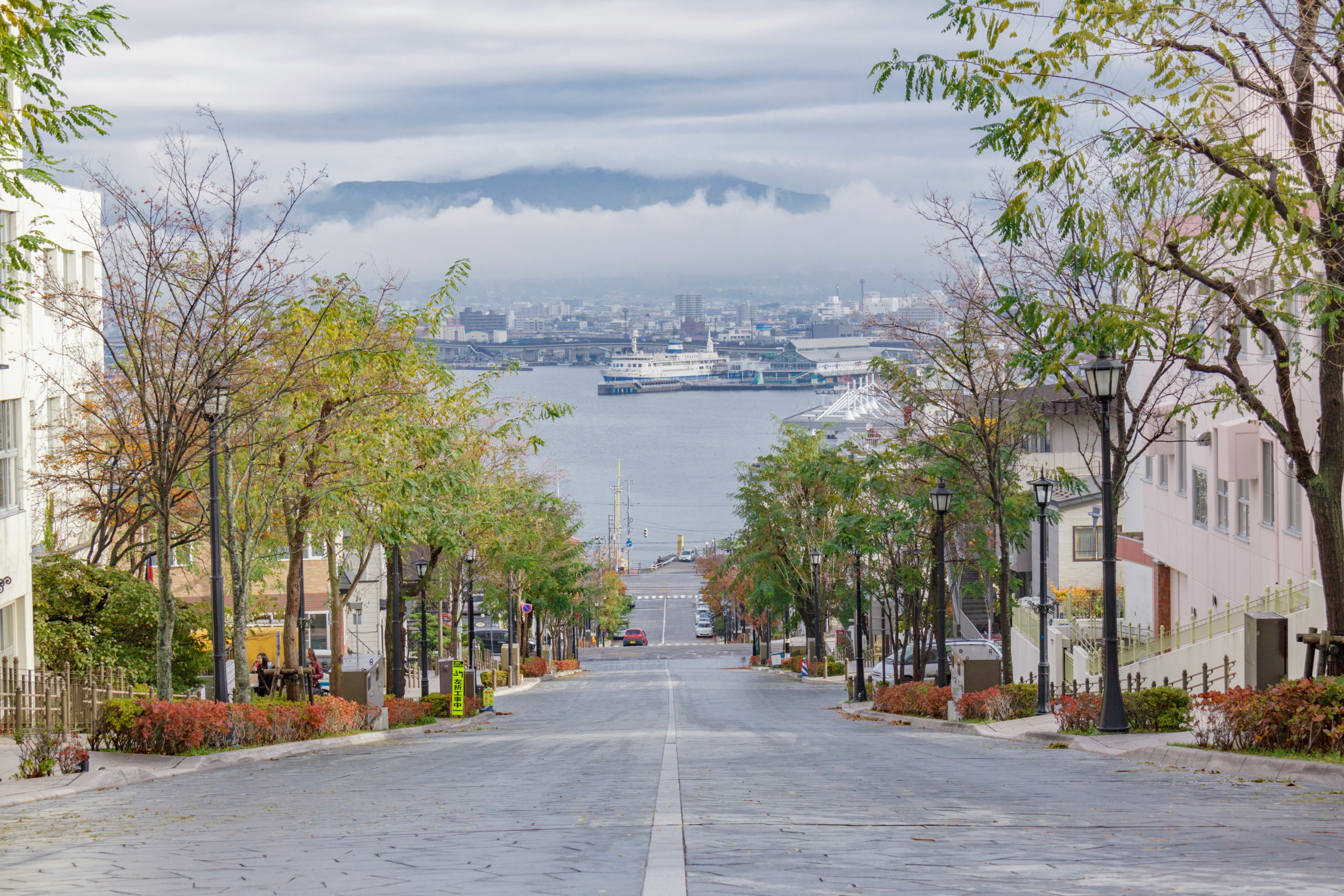
Facing out on two bays, Hakodate is a 19th-century port town, with clapboard buildings on sloping streets, a dockside tourist zone, streetcars, and fresh fish on every menu. In the downtown historic quarter, a mountain rises 1,100 feet above the city on the southern point of the narrow peninsula. Russians, Americans, Chinese, and Europeans have all left their mark; this was one of the first three Japanese ports the Meiji government opened up to international trade in 1859. The main sights around the foot of Mt. Hakodate can be done in a day, but the city is best appreciated with an overnight stay for the illumination in the historic area, the night views from either the mountain or the fort tower, and the fish market at dawn. City transport is easy to navigate and English information is readily available. Evening departure trains from Tokyo arrive here at dawn—perfect for fish-market breakfasts.

Hakodate, Hokkaido, Japan
Hakodate, Hokkaido, JapanPhoto by Jason ZZ on Unsplash
Snowy Hakodate, Hokkaido, Japan
Snowy Hakodate, Hokkaido, JapanPhoto by Natasha Jenny on Unsplash
Snowy Hakodate, Hokkaido, Japan
Snowy Hakodate, Hokkaido, JapanPhoto by Natasha Jenny on Unsplash
The Harbor View Hill, Yahatazaka In Hakodate, Japan
The Harbor View Hill, Yahatazaka In Hakodate, JapanPhoto by Mitsuo Komoriya on Unsplash

Day 29 - Tokyo

Lights, sushi, manga! Sprawling, frenetic, and endlessly fascinating, Japan’s capital is a city of contrasts. Shrines and gardens are pockets of calm between famously crowded streets and soaring office buildings. Mom-and-pop noodle houses share street space with Western-style chain restaurants and exquisite fine dining. Shopping yields lovely folk arts as well as the newest electronics. And nightlife kicks off with karaoke or sake and continues with techno clubs and more. Whether you seek the traditional or the cutting edge, Tokyo will provide it.

Tokyo At Night
Tokyo At NightJezael Melgoza, Unsplash
Tokyo Shopping
Tokyo ShoppingJezael Melgoza, Unsplash
Tokyo Temple
Tokyo TempleMatt Ketchum

Day 30 - Hitachinaka

Further details for this day are not available.

Hitachinaka
HitachinakaImage by hydroxyquinol from Pixabay

Day 31 - Ishinomaki

Further details for this day are not available.

Kinkasan Island, Ishinomaki, Japan
Kinkasan Island, Ishinomaki, JapanNaomi Suzuki

Day 32 - Miyako, Iwate

Further details for this day are not available.

Iwate Prefecture, Japan
Iwate Prefecture, JapanImage by kevboynet from Pixabay

Day 33 - Hakodate

Facing out on two bays, Hakodate is a 19th-century port town, with clapboard buildings on sloping streets, a dockside tourist zone, streetcars, and fresh fish on every menu. In the downtown historic quarter, a mountain rises 1,100 feet above the city on the southern point of the narrow peninsula. Russians, Americans, Chinese, and Europeans have all left their mark; this was one of the first three Japanese ports the Meiji government opened up to international trade in 1859. The main sights around the foot of Mt. Hakodate can be done in a day, but the city is best appreciated with an overnight stay for the illumination in the historic area, the night views from either the mountain or the fort tower, and the fish market at dawn. City transport is easy to navigate and English information is readily available. Evening departure trains from Tokyo arrive here at dawn—perfect for fish-market breakfasts.

Hakodate, Hokkaido, Japan
Hakodate, Hokkaido, JapanPhoto by Jason ZZ on Unsplash
Snowy Hakodate, Hokkaido, Japan
Snowy Hakodate, Hokkaido, JapanPhoto by Natasha Jenny on Unsplash
Snowy Hakodate, Hokkaido, Japan
Snowy Hakodate, Hokkaido, JapanPhoto by Natasha Jenny on Unsplash
The Harbor View Hill, Yahatazaka In Hakodate, Japan
The Harbor View Hill, Yahatazaka In Hakodate, JapanPhoto by Mitsuo Komoriya on Unsplash

Day 34 - Kushiro

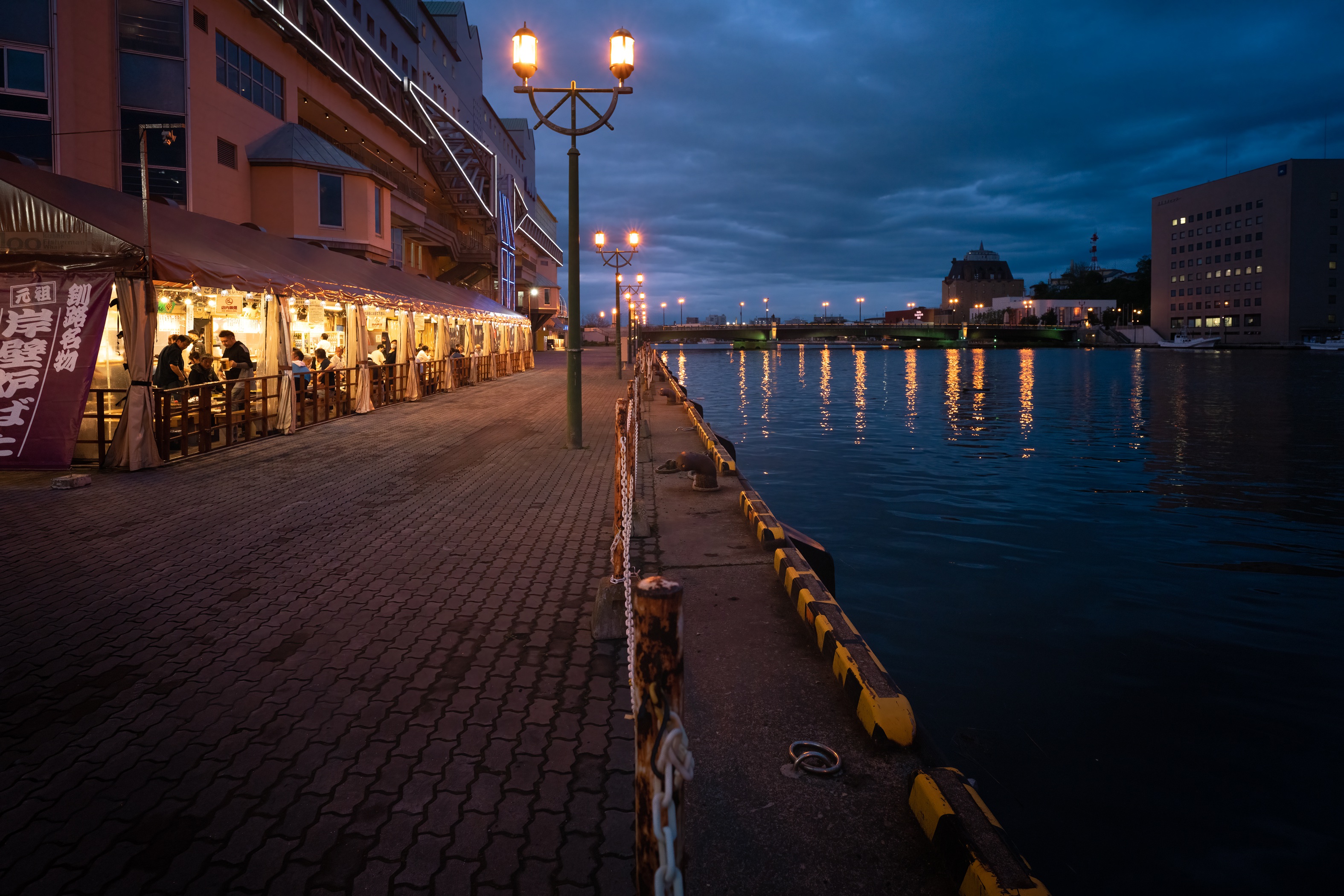
Kushiro, known as the "town of mist", is situated in the south eastern part of Hokkaido. With about 200,000 inhabitants, it is the largest city in the region and the base for deep-sea fishing. The marine products industry of Kushiro has flourished since the early 20 th century and many streets of this port town retain features of this era. Thanks to its strategic location on Hokkaido's Eastern Pacific seaboard and the area's only ice free port, Kushiro is experiencing steady growth as an important economic, social and cultural centre. A literary atmosphere can be attributed to the poet and novelist Takuboku Ishikawa, who lived here in the early 20th century. To the north of Kushiro lies one of its most renowned attractions, the Kushiro Shitsugen, Japan's largest marshland. Stretching out over the majority of the Kushiro Plain, it accounts for 60 percent of Japan's wetland and was designated to become the country's 28th National Park in 1987. As the marsh is considered one of the greatest treasure houses of flora and fauna in Japan, its protection, preservation and wise use are promoted by a national agreement. Equally famous is the marshland as the habitat of the Tancho (Japanese Crane). At one time, it could be seen in many places in Japan, but their numbers dwindled in the Meiji Era due to over hunting and environmental changes. In the late 19 th century, the cranes were thought to be almost extinct. Then several dozens cranes were discovered in the depths of the Kushiro Shitsugen, and after establishing special crane reserves, the birds rehabilitation has succeeded.

Kushiro, Japan
Kushiro, JapanImage by Kanenori from Pixabay

Day 36 - Crossing the International Date Line

Further details for this day are not available.

Day 43 - Kodiak, Alaska

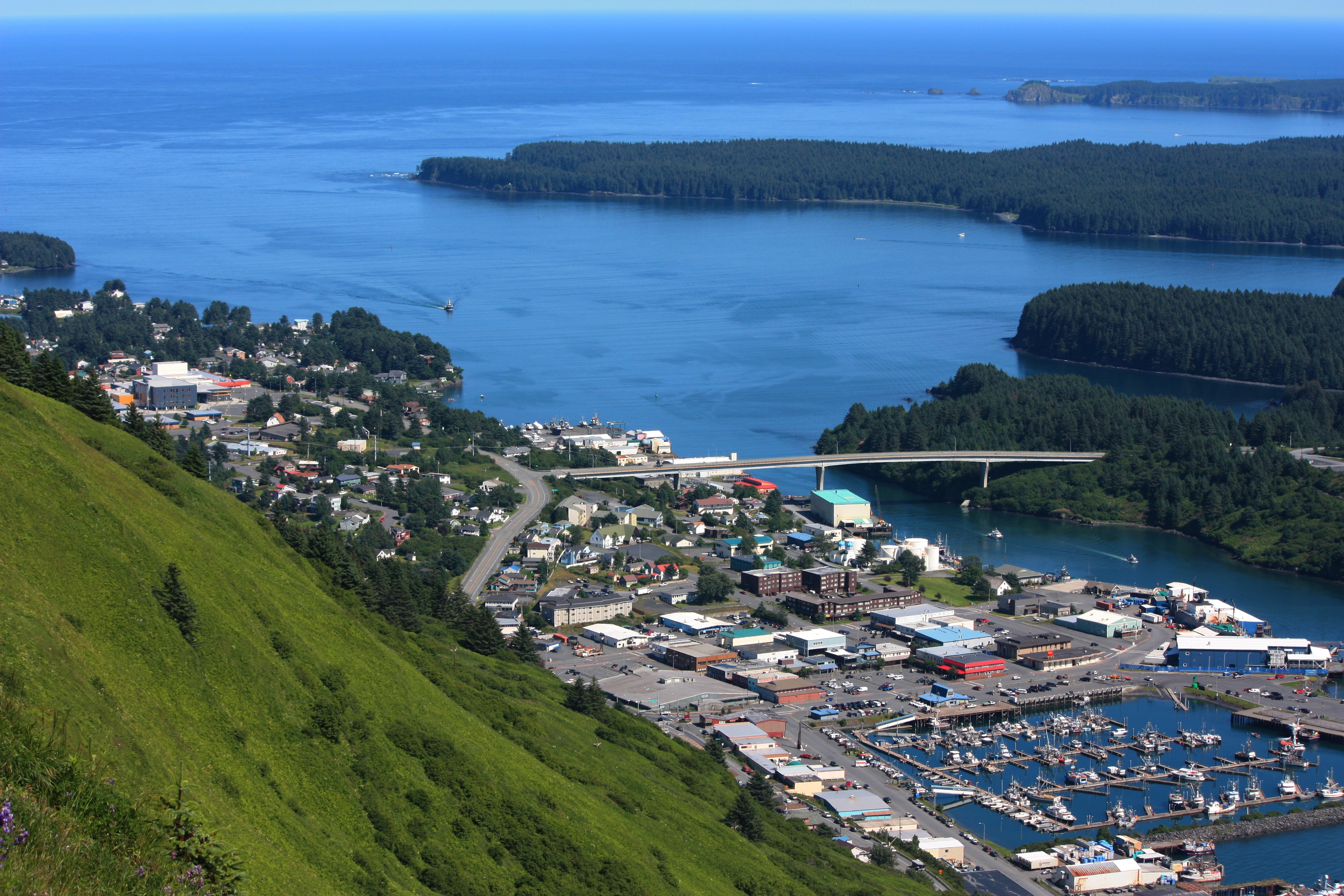
Today, commercial fishing is king in Kodiak. Despite its small population—about 6,475 people scattered among the several islands in the Kodiak group—the city is among the busiest fishing ports in the United States. The harbor is also an important supply point for small communities on the Aleutian Islands and the Alaska Peninsula.Visitors to the island tend to follow one of two agendas: either immediately fly out to a remote lodge for fishing, kayaking, or bear viewing; or stay in town and access whatever pursuits they can reach from the limited road system. If the former is too pricey an option, consider combining the two: drive the road system to see what can be seen inexpensively, then add a fly-out or charter-boat excursion to a remote lodge or wilderness access point.Floatplane and boat charters are available from Kodiak to many remote attractions, chief among them the Kodiak National Wildlife Refuge , which covers four islands in the Gulf of Alaska: Kodiak, Afognak, Ban, and Uganik.

Kodiak, Alaska
Kodiak, AlaskaImage by AlaskanPuffin from Pixabay

Day 45 - Glacier Bay National Park, Alaska

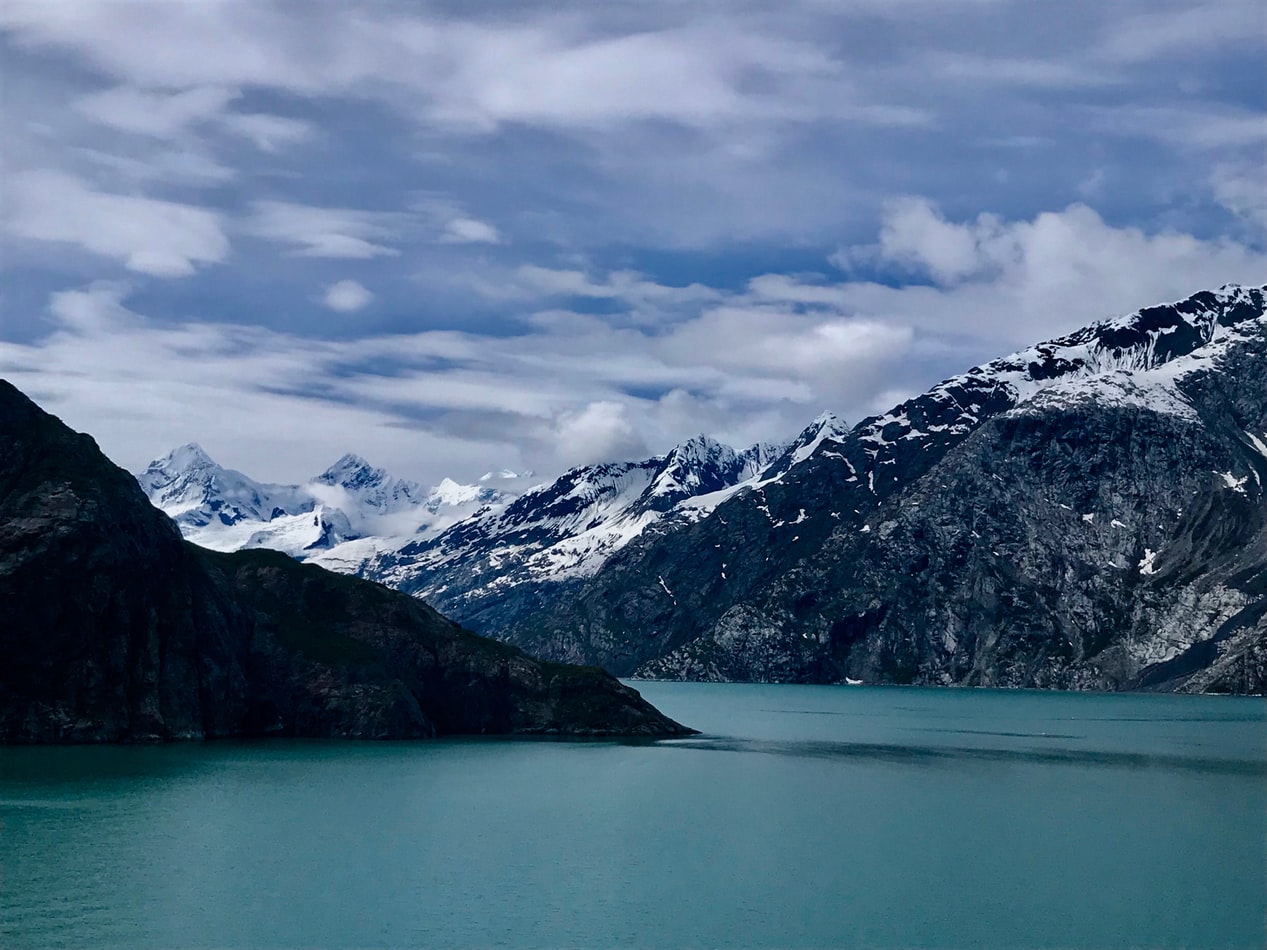
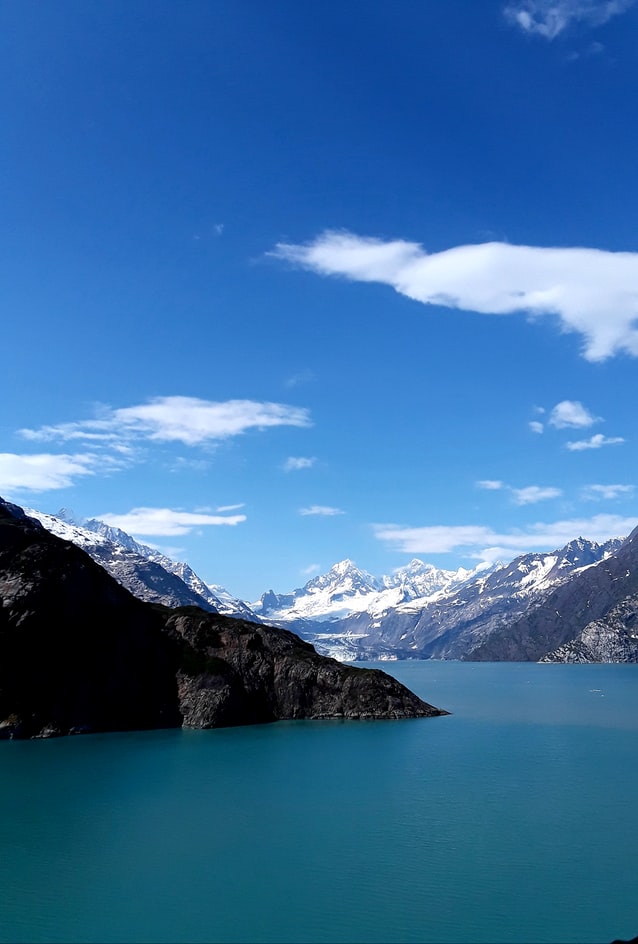
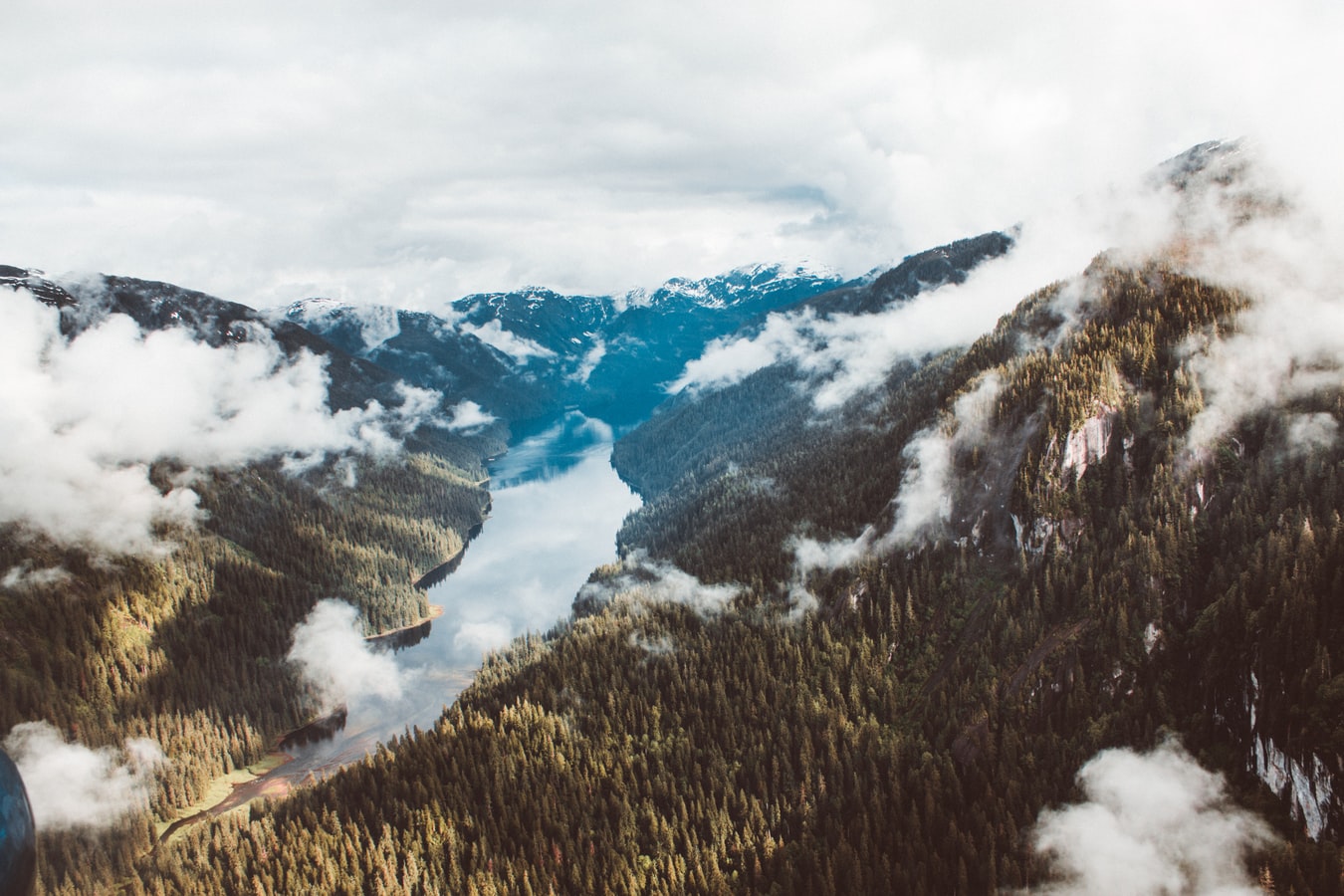
Located in Southeast Alaska, west of the capital city of Juneau, Glacier Bay is a beautiful National Park full of snow capped mountains, tidewater glaciers and wildlife. Experience wildlife in all its beauty from boat trips for whale watching and hiking through the trails of the Park. It is a protected area full of wonder to be explored.
Usgb1   Glacier Bay, United States   Claire Fischer
Usgb1 Glacier Bay, United States Claire FischerClaire Fischer
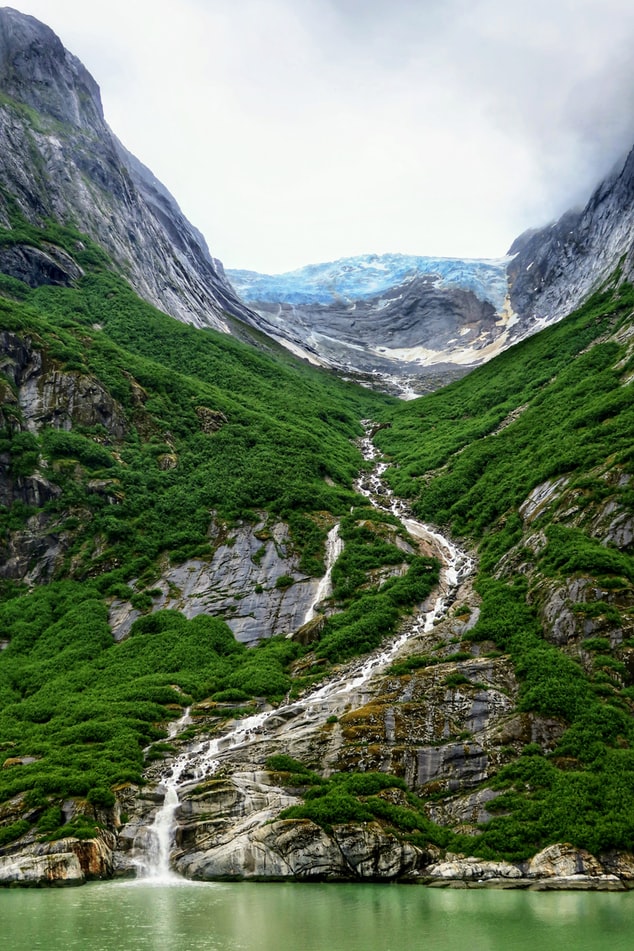
Usgb1   Glacier Bay, United States   Davina Schaetz
Usgb1 Glacier Bay, United States Davina SchaetzDavina Schaetz
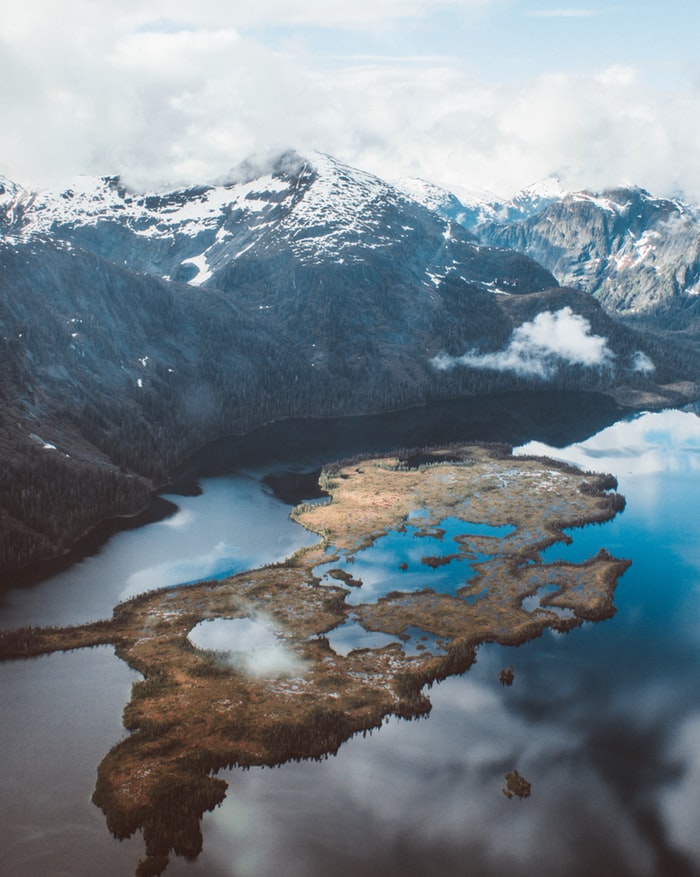
Usgb1   Glacier Bay, United States   Rich Manalang
Usgb1 Glacier Bay, United States Rich ManalangRich Manalang

Day 46 - Sitka, Alaska

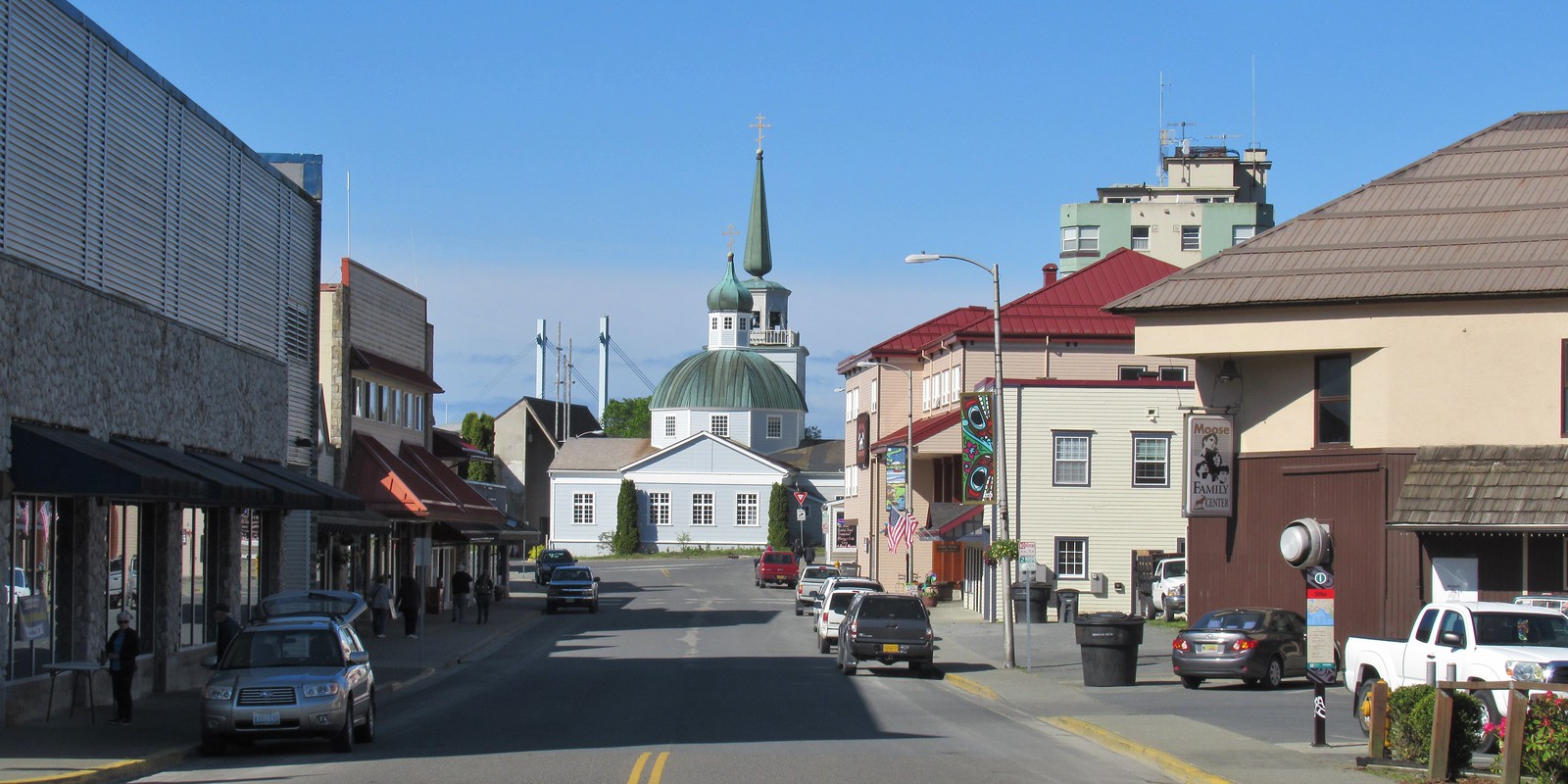
It's hard not to like Sitka, with its eclectic blend of Alaska Native, Russian, and American history and its dramatic and beautiful open-ocean setting. This is one of the best Inside Passage towns to explore on foot, with St. Michael's Cathedral, Sheldon Jackson Museum, Castle Hill, Sitka National Historical Park, and the Alaska Raptor Center topping the must-see list.Sitka was home to the Kiksádi clan of the Tlingit people for centuries prior to the 18th-century arrival of the Russians under the direction of territorial governor Alexander Baranof, who believed the region was ideal for the fur trade. The governor also coveted the Sitka site for its beauty, mild climate, and economic potential; in the island's massive timber forests he saw raw materials for shipbuilding. Its location offered trading routes as far west as Asia and as far south as California and Hawaii. In 1799 Baranof built St. Michael Archangel—a wooden fort and trading post 6 miles north of the present town.Strong disagreements arose shortly after the settlement. The Tlingits attacked the settlers and burned their buildings in 1802. Baranof, however, was away in Kodiak at the time. He returned in 1804 with a formidable force—including shipboard cannons—and attacked the Tlingits at their fort near Indian River, site of the present-day 105-acre Sitka National Historical Park, forcing many of them north to Chichagof Island.By 1821 the Tlingits had reached an accord with the Russians, who were happy to benefit from the tribe's hunting skills. Under Baranof and succeeding managers, the Russian-American Company and the town prospered, becoming known as the Paris of the Pacific. The community built a major shipbuilding and repair facility, sawmills, and forges, and even initiated an ice industry, shipping blocks of ice from nearby Swan Lake to the booming San Francisco market. The settlement that was the site of the 1802 conflict is now called Old Sitka. It is a state park and listed as a National Historic Landmark.The town declined after its 1867 transfer from Russia to the United States, but it became prosperous again during World War II, when it served as a base for the U.S. effort to drive the Japanese from the Aleutian Islands. Today its most important industries are fishing, government, and tourism.

Sitka Town
Sitka Town

Day 47 - Ketchikan, Alaska

Ketchikan is famous for its colorful totem poles, rainy skies, steep–as–San Francisco streets, and lush island setting. Some 13,500 people call the town home, and, in the summer, cruise ships crowd the shoreline, floatplanes depart noisily for Misty Fiords National Monument, and salmon-laden commercial fishing boats motor through Tongass Narrows. In the last decade Ketchikan's rowdy, blue-collar heritage of logging and fishing has been softened by the loss of many timber-industry jobs and the dramatic rise of cruise-ship tourism. With some effort, though, visitors can still glimpse the rugged frontier spirit that once permeated this hardscrabble cannery town. Art lovers should make a beeline for Ketchikan: the arts community here is very active. Travelers in search of the perfect piece of Alaska art will find an incredible range of pieces to choose from.The town is at the foot of 3,000-foot Deer Mountain, near the southeastern corner of Revillagigedo (locals shorten it to Revilla) Island. Prior to the arrival of white miners and fishermen in 1885, the Tlingit used the site at the mouth of Ketchikan Creek as a summer fish camp. Gold discoveries just before the turn of the 20th century brought more immigrants, and valuable timber and commercial fishing resources spurred new industries. By the 1930s the town bragged that it was the "salmon-canning capital of the world." You will still find some of Southeast's best salmon fishing around here. Ketchikan is the first bite of Alaska that many travelers taste. Despite its imposing backdrop, hillside homes, and many staircases, the town is relatively easy to walk through. Favorite downtown stops include the Spruce Mill Development shops and Creek Street. A bit farther away you'll find the Totem Heritage Center. Out of town (but included on most bus tours) are two longtime favorites: Totem Bight State Historical Park to the north and Saxman Totem Park to the south.

Usktn   Ketchikan, Alaska, United States Photo Credit Belongs To Cody Doherty 1
Usktn Ketchikan, Alaska, United States Photo Credit Belongs To Cody Doherty 1 Cody Doherty
Usktn   Ketchikan, Alaska, United States Photo Credit Belongs To Cody Doherty 2
Usktn Ketchikan, Alaska, United States Photo Credit Belongs To Cody Doherty 2 Cody Doherty
Usktn   Ketchikan, Alaska, United States Photo Credit Belongs To Cody Doherty 4
Usktn Ketchikan, Alaska, United States Photo Credit Belongs To Cody Doherty 4 Cody Doherty
Usktn   Ketchikan, Alaska, United States Photo Credit Belongs To Cody Doherty
Usktn Ketchikan, Alaska, United States Photo Credit Belongs To Cody Doherty Cody Doherty
Usktn   Ketchikan, Alaska, United States Photo Credit Belongs To Riley
Usktn Ketchikan, Alaska, United States Photo Credit Belongs To RileyRiley

Day 48 - Prince Rupert, British Columbia

Just 40 mi (66 km) south of the Alaskan border, Prince Rupert is the largest community on British Columbia's north coast. Set on Kaien Island at the mouth of the Skeena River and surrounded by deep green fjords and coastal rain forest, Prince Rupert is rich in the culture of the Tsimshian, people who have been in the area for thousands of years. As the western terminus of Canada's second transcontinental railroad and blessed with a deep natural harbor, Prince Rupert was, at the time of its incorporation in 1910, poised to rival Vancouver as a center for trans-Pacific trade. This didn't happen, partly because the main visionary behind the scheme, Grand Trunk Pacific Railroad president Charles Hays, went down with the Titanic on his way back from a financing trip to England. Prince Rupert turned instead to fishing and forestry. A port of call for both BC and Alaska ferries, but relatively new to cruise ships, this community of 15,000 retains a laid-back, small-town air.

Day 50 - Vancouver, British Columbia

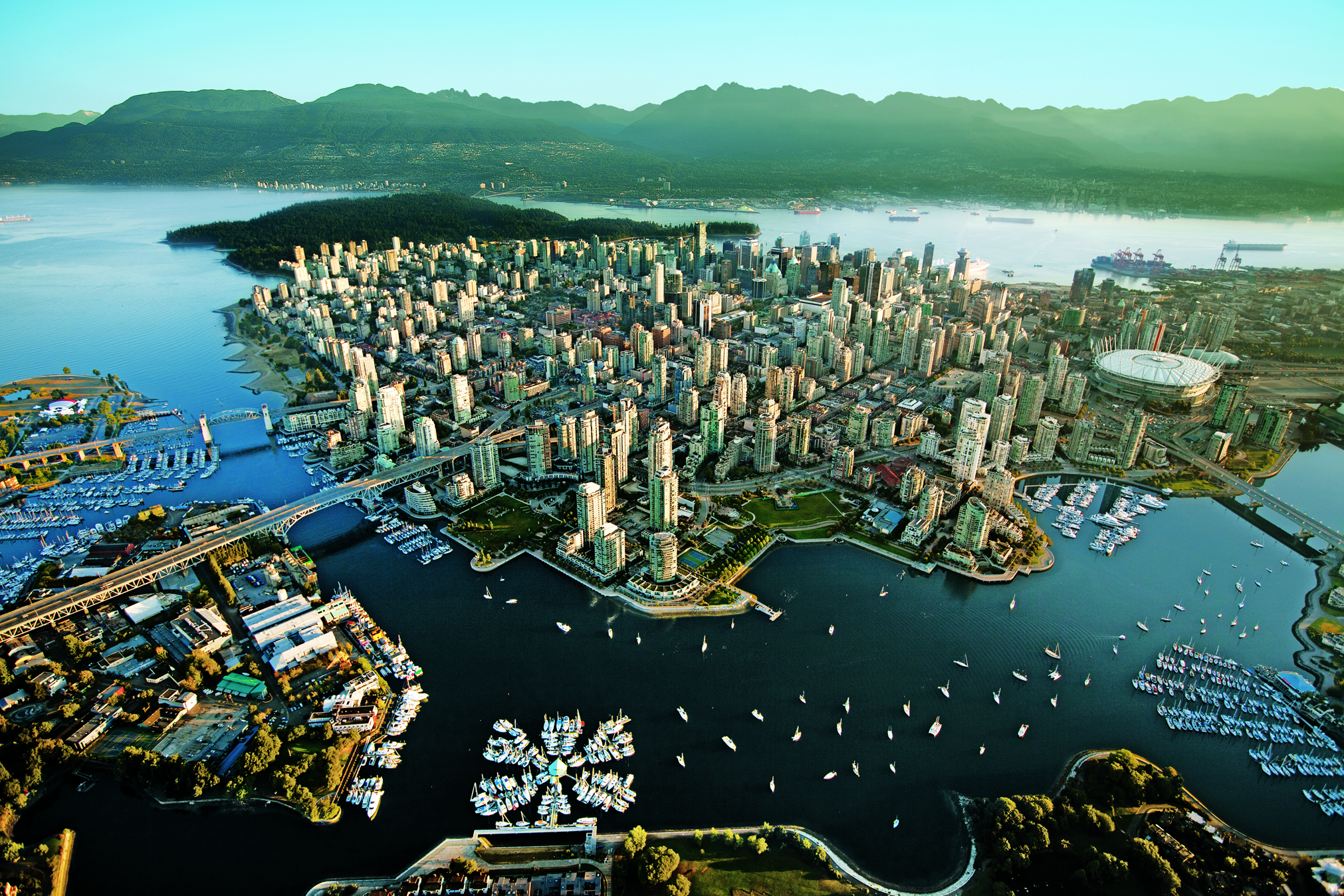
Vancouver is a delicious juxtaposition of urban sophistication and on-your-doorstep wilderness adventure. The mountains and seascape make the city an outdoor playground for hiking, skiing, kayaking, cycling, and sailing—and so much more—while the cuisine and arts scenes are equally diverse, reflecting the makeup of Vancouver's ethnic (predominantly Asian) mosaic. Vancouver is consistently ranked as one of the world's most livable cities, and it's easy for visitors to see why. It's beautiful, it's outdoorsy, and there's a laidback West Coast vibe. On the one hand, there's easy access to a variety of outdoor activities, a fabulous variety of beaches, and amazing parks. At the same time, the city has a multicultural vitality and cosmopolitan flair. The attraction is as much in the range of food choices—the fresh seafood and local produce are some of North America's best—as it is in the museums, shopping, and nightlife.Vancouver's landscaping also adds to the city's walking appeal. In spring, flowerbeds spill over with tulips and daffodils while sea breezes scatter scented cherry blossoms throughout Downtown; in summer office workers take to the beaches, parks, and urban courtyards for picnic lunches and laptop meetings. More than 8 million visitors each year come to Vancouver, Canada's third-largest metropolitan area. Because of its peninsula location, traffic flow is a contentious issue. Thankfully, Vancouver is wonderfully walkable, especially in the downtown core. The North Shore is a scoot across the harbor, and the rapid-transit system to Richmond and the airport means that staying in the more affordable ’burbs doesn't have to be synonymous with sacrificing convenience. The mild climate, exquisite natural scenery, and relaxed outdoor lifestyle keep attracting residents, and the number of visitors is increasing for the same reasons. People often get their first glimpse of Vancouver when catching an Alaskan cruise, and many return at some point to spend more time here.

Cavan   Vancouver   City   Tourism Vancouver Albert Normandin
Cavan Vancouver City Tourism Vancouver Albert NormandinAlbert Normandin ©Tourism Vancouver
Cavan   Vancouver   Grouse Mountain   Tourism Vancouver Coast Mountain Photography
Cavan Vancouver Grouse Mountain Tourism Vancouver Coast Mountain Photography©Tourism Vancouver Coast Mountain Photography
Cavan   Vancouver   Stanley Park   Tourism Vancouver Coast Mountain Photography
Cavan Vancouver Stanley Park Tourism Vancouver Coast Mountain Photography©Tourism Vancouver Coast Mountain Photography

Suites & Deck Plans

Suite

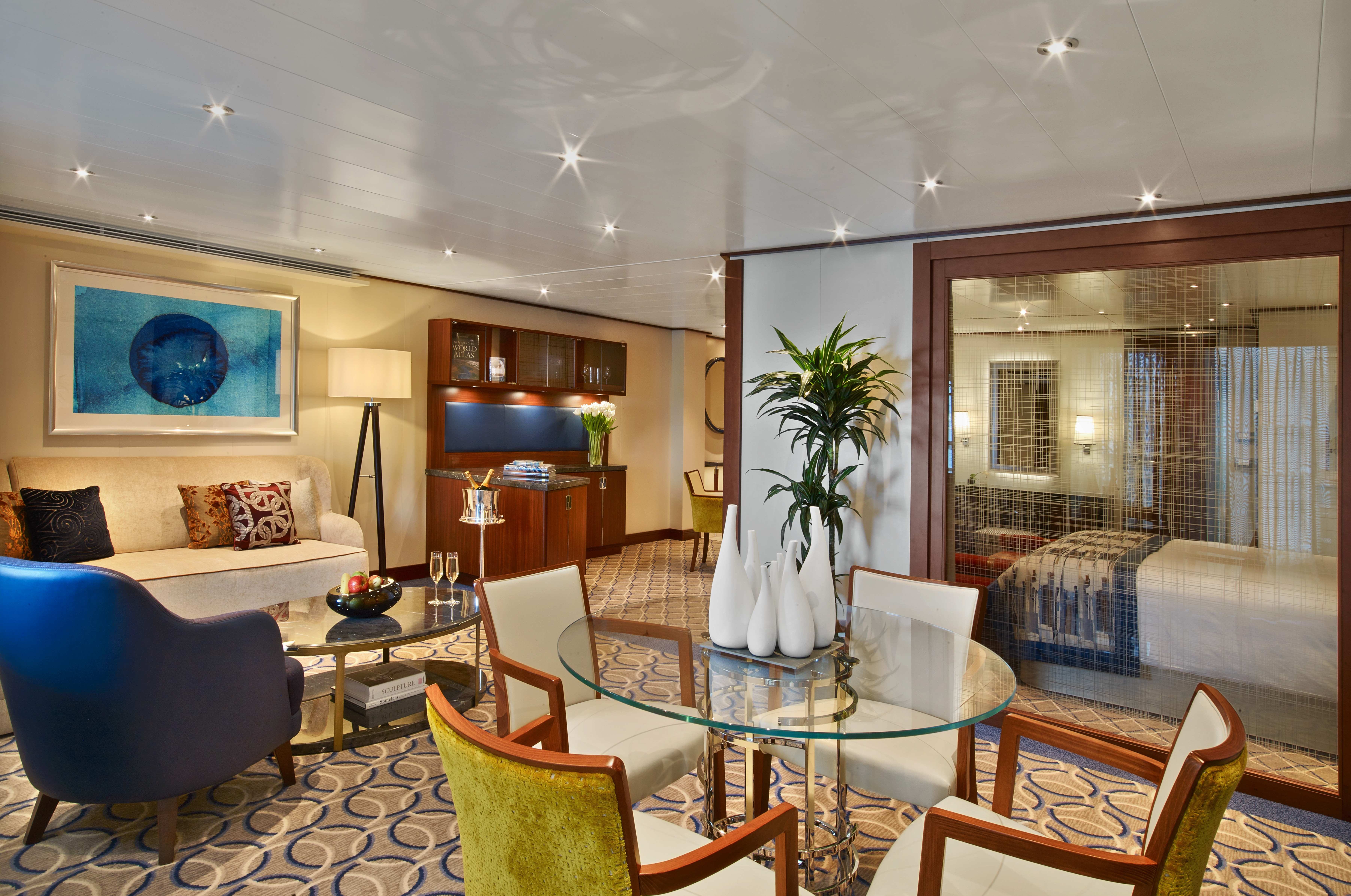
Located on Deck 8; Combine mid-ship suites 849 and 851 for suite 8491 or suites 846 and 848 for suite 8468 for a total inside space of 1,292 square feet (120 square meters) plus two verandas totalling 244 square feet (23 square meters)

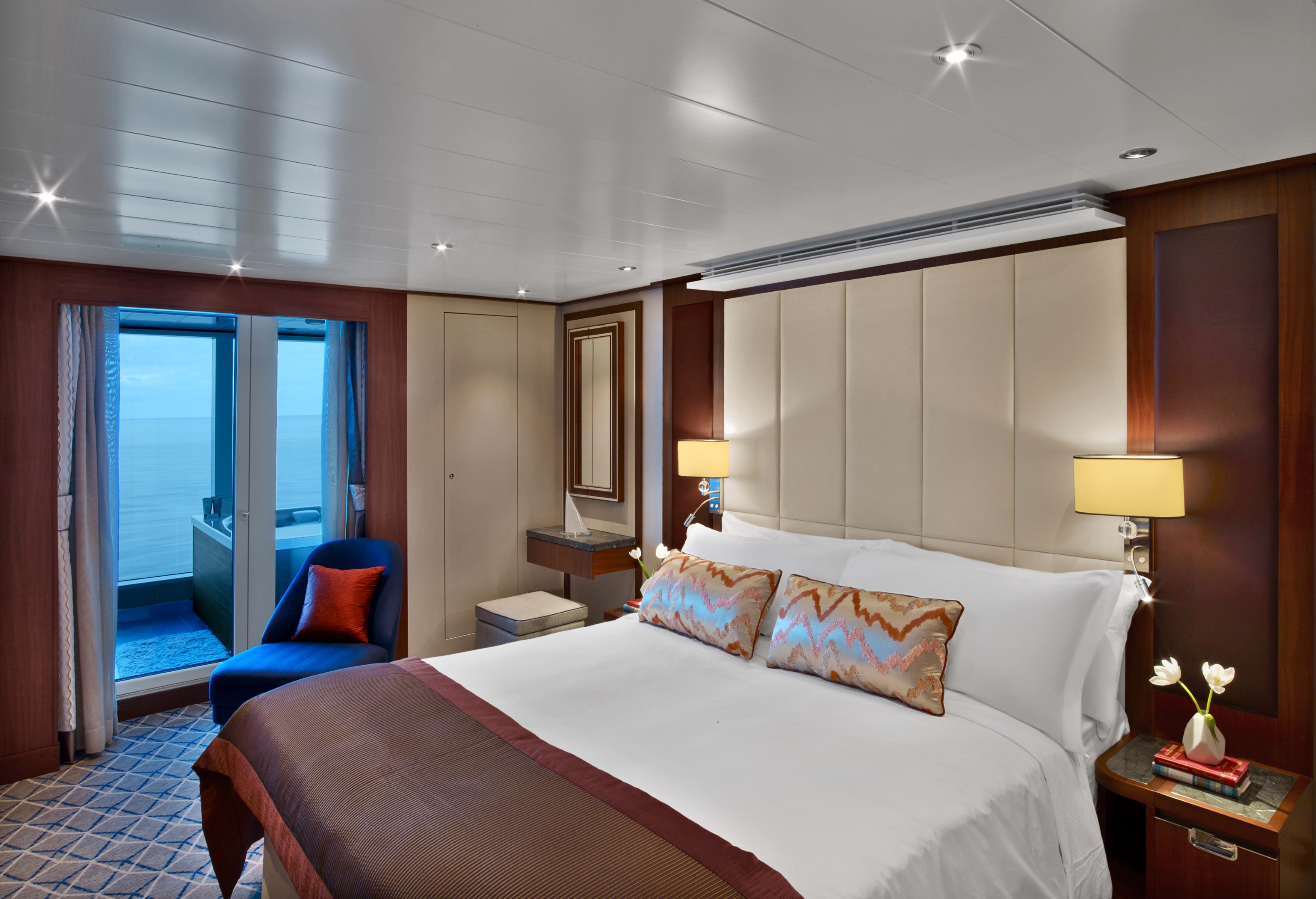
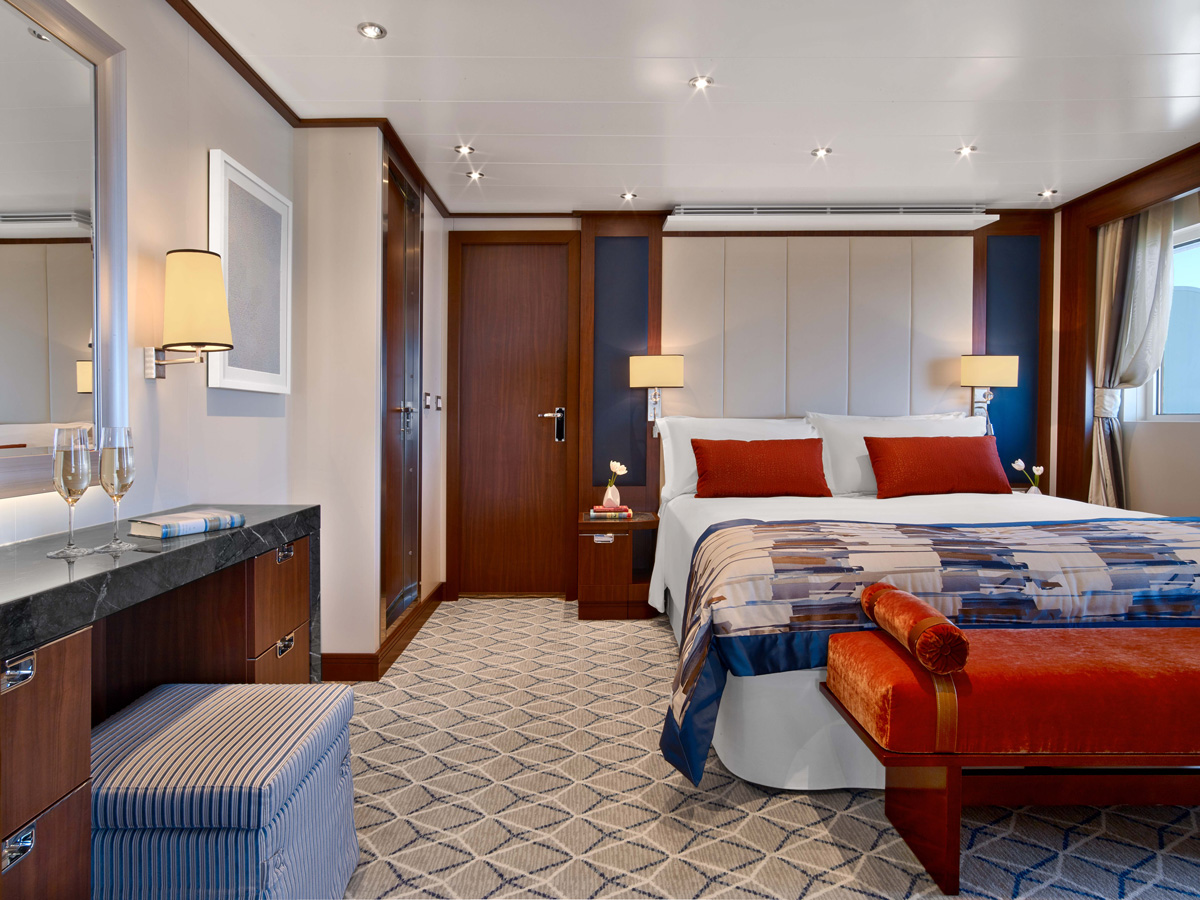
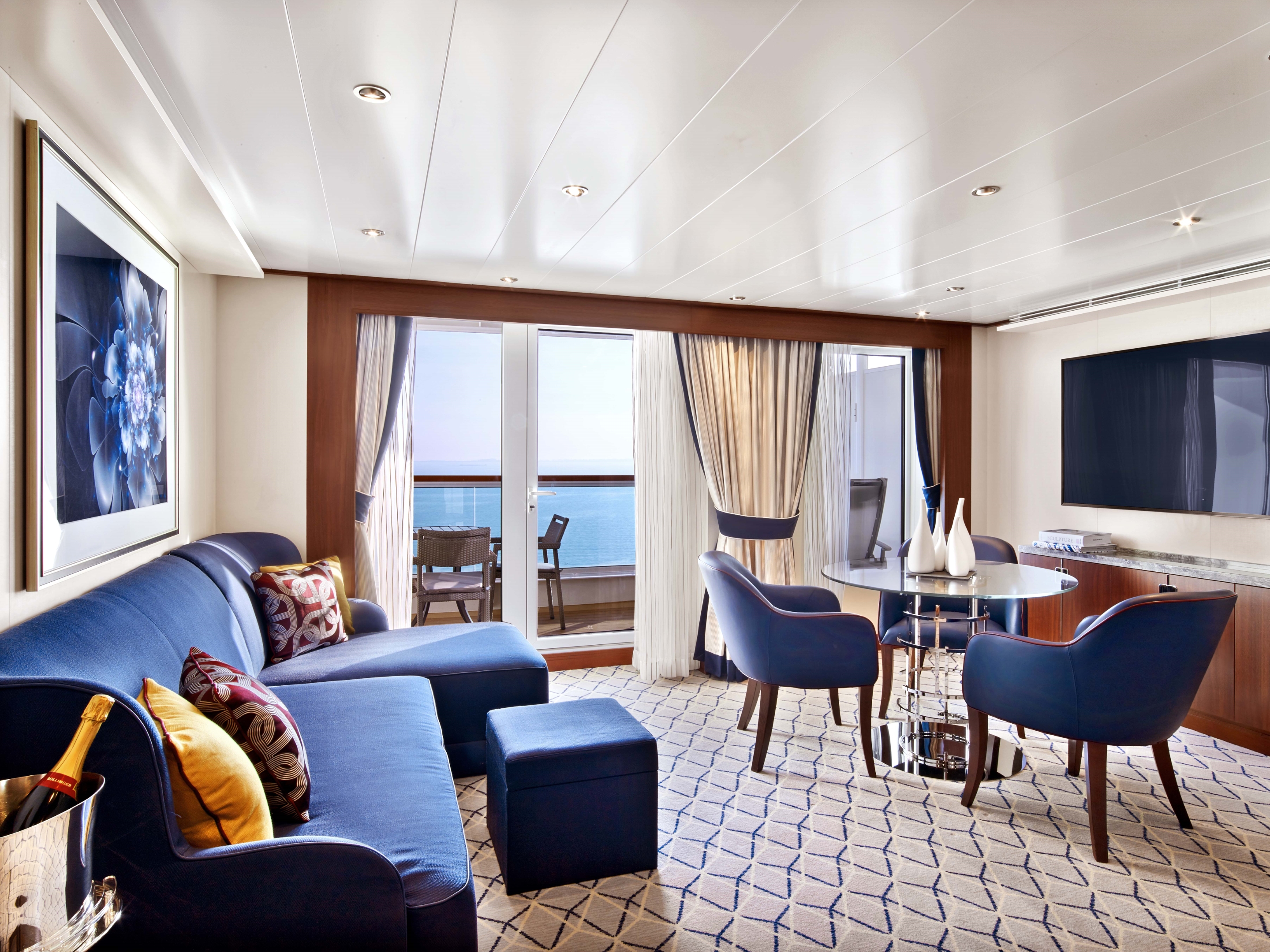
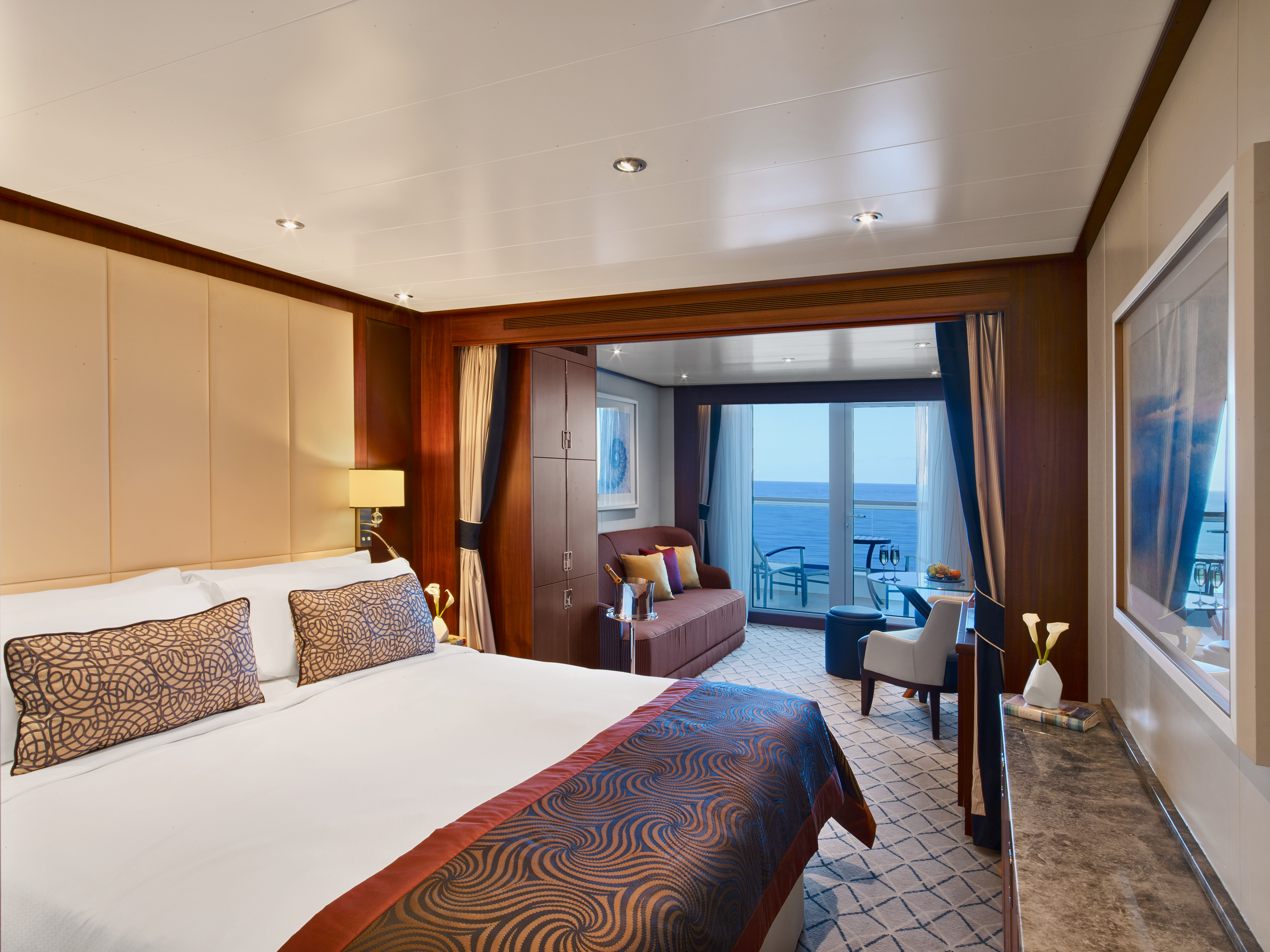
Suites on board feature a comfortable living area, private veranda, queen-size-bed or two twin beds; walk-in closet with personal safe, interactive flat-screen TV with music and movies, fully stocked bar and refrigerator, writing desk with personalized stationary, makeup vanity, spacious bathroom with separate tub and shower, plush robes, slippers hair dryer and 110/220V AC outlets.

Grand Wintergarden Suites features

  • Large windows
  • Dining for six
  • Whirlpool bathtub,
  • Guest bath,
  • Convertible sofa bed for one
  • Pantry with wet bar
  • Glass-enclosed solarium with tub and day bed
  • Two closets and two flat-screen TVs.
  • Complimentary Internet/Wi-Fi service. 

1536 sq ft
Accommodates 4 guests
Grand Wintergarden Suite

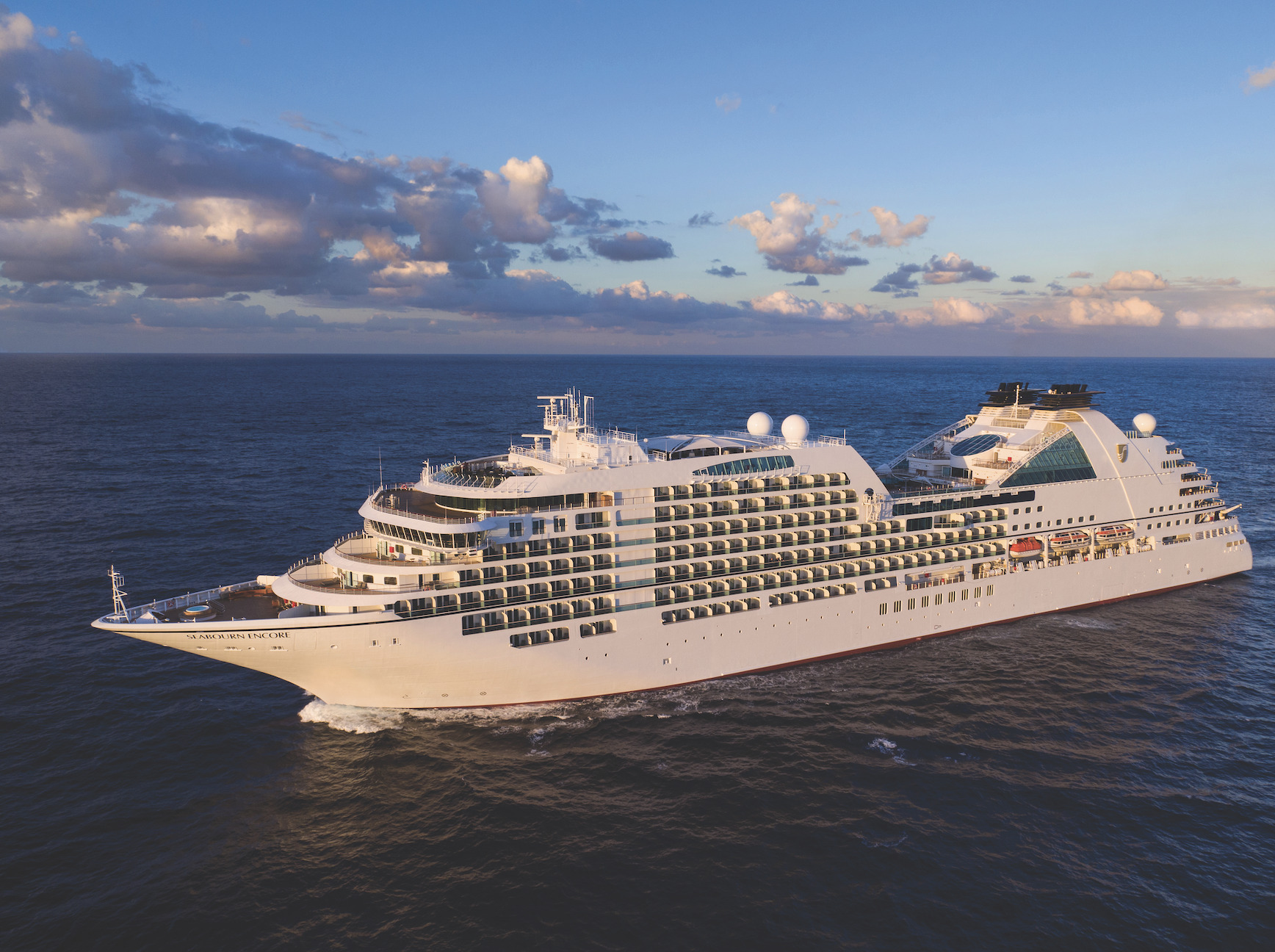
Seabourn Encore

Seabourn Encore

Life on board

The Onboard Experience

Client testimonials

I have worked with Lore Doick for more than 20 years, and she has booked over 30 cruises for me. Her expertise, care, and attention to every travel detail have made her an invaluable advisor and friend over the years.”

Tina B.

We are now in our second generation working with Cheri Ozimac at Tully Luxury Travel. From Antarctica to Greece, she has handled every detail with expertise, responsiveness, and care…

Earl M.

My wife and I have worked with Tully since 2007, and Kit Neil and her team went far beyond expectations while helping us navigate multiple cruise and flight cancellations. Their advocacy, care, and support during a difficult time were extraordinary.

Carri F.

Cheri Ozimac organized our Seabourn cruise flawlessly, from the hotel recommendation to every travel arrangement. She was responsive, attentive, and an excellent advocate throughout the process…

Cyn S.

We discovered Tully Luxury Travel after years of booking cruises through US agents and were impressed by their competitive pricing, exceptional service, and Canadian based support. Their team is always available, offers excellent value, and makes booking the right cruise seamless.

Peter C.

GoogleAverage Customer Rating:

The Tully Difference

Why travel with us


Tully Luxury Travel was built on access, discretion, and trust. For our clients, that means ease at every step, with distinctions that turn exceptional voyages into defining moments.

Recognized expertise

A renowned agency worldwide in luxury land and small-ship cruising, consistently trusted by the industry’s most prestigious brands.