Scenic Ocean Cruises logo

Ultimate Voyage: Mediterranean Rivieras & Atlantic Gems: Italy to Africa

Itinerary: Civitavecchia, Livorno, Portofino, Calvi, Corsica, Monte-Carlo, Bandol, Marseille, Sète, Palamós, Barcelona, Palma de Mallorca, Valencia, Cartagena, Almería, Málaga, Gibraltar, Tangier, Portimão, Lisb... See full itinerary

4 Oct 28
30 nights

Voyage Details

Duration:
30 nights
Departure:
4 Oct 2028
Embarkation:
Civitavecchia, Italy
Cruise code:
493M
Voyage code:
493M041028.1

Your Itinerary, Day-By-Day

Special Chapters of Your Journey

Day 1 - Civitavecchia

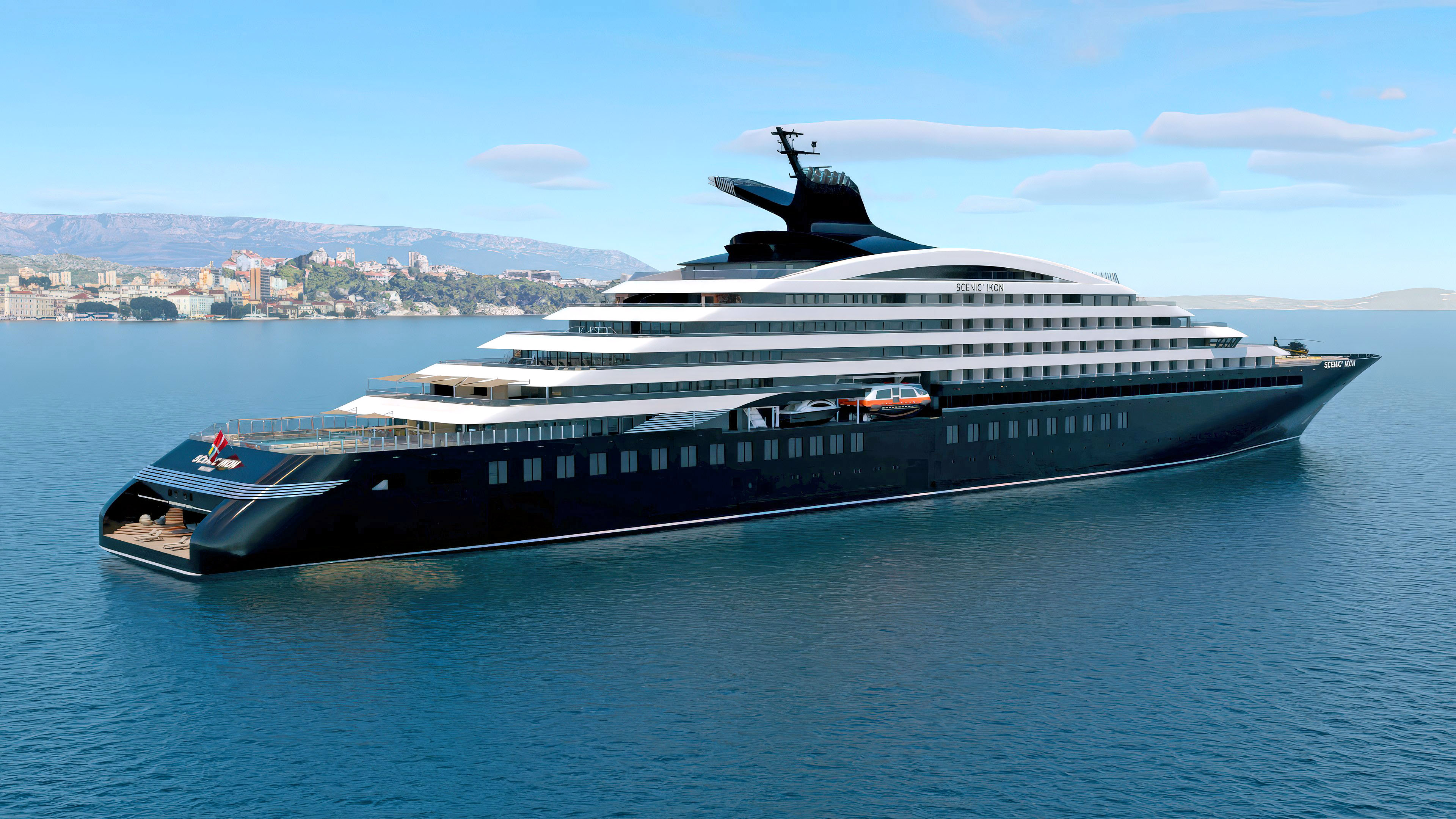
Welcome to Rome, the ‘Eternal City’, where ancient monuments and elaborate churches sit alongside busy cafes and designer boutiques. The port of Civitavecchia, dates to the second century and remains one of the busiest ports in the Mediterranean. Your next-generation first-in-its-class Discovery Yacht, Scenic Ikon, will be waiting for you here. 

Upon arrival you’ll be warmly welcomed by the Captain and crew. Meet your personal butler and settle into your spacious suite, then toast the beginning of your voyage as you sail away from this ancient harbour. 

Please book your flight to arrive into Rome prior to 01:00 PM.

Italy's vibrant capital lives in the present, but no other city on earth evokes its past so powerfully. For over 2,500 years, emperors, popes, artists, and common citizens have left their mark here. Archaeological remains from ancient Rome, art-stuffed churches, and the treasures of Vatican City vie for your attention, but Rome is also a wonderful place to practice the Italian-perfected il dolce far niente, the sweet art of idleness. Your most memorable experiences may include sitting at a caffè in the Campo de' Fiori or strolling in a beguiling piazza.

Itrom   Rome   Colosseum   Mathew Schwartz
Itrom Rome Colosseum Mathew SchwartzPhotograph by Matthew Schwartz
Itrom   Rome   Navona Square   Fototeca Enit
Itrom Rome Navona Square Fototeca EnitFototeca ENIT
Itrom   Rome   S.Pietro & S.Angelo Bridge   Fototeca Enit
Itrom Rome S.Pietro & S.Angelo Bridge Fototeca Enit Fototeca ENIT
Itrom   Rome   Sant'angelo Bridge   Fototeca Enit
Itrom Rome Sant'angelo Bridge Fototeca EnitFototeca ENIT
Itrom   Rome   Tempio Del Divo Claudio   Nicole Reyes
Itrom Rome Tempio Del Divo Claudio Nicole ReyesPhotograph by Nicole Reyes
Itrom   Rome   Trevi Fountain   Christopher Czermak
Itrom Rome Trevi Fountain Christopher CzermakPhotograph by Christopher Czermak
Itrom   Rome   Vatican City   Caleb Miller
Itrom Rome Vatican City Caleb MillerPhotograph by Caleb Miller
Itrom   Rome   Vatican City   Christopher Czermak
Itrom Rome Vatican City Christopher CzermakPhotograph by Christopher Czermak

Day 2 - Livorno

The city of Livorno has been welcoming sailors and traders from around the globe for over 400 years. As one of Italy's most vibrant port cities, Livorno serves as the gateway to the magnificent Tuscany region, renowned for its picturesque landscapes, delectable cuisine, and rich artistic heritage. Located conveniently close to Florence and Pisa, both World Heritage-listed cities, Livorno offers easy access to these iconic destinations. Discover Florence’s Renaissance masterpieces, including the Duomo and Uffizi Gallery, or stand in the shadow of the Leaning Tower in historic Pisa. 

Livorno is a gritty city with a long and interesting history. In the early Middle Ages it alternately belonged to Pisa and Genoa. In 1421 Florence, seeking access to the sea, bought it. Cosimo I (1519–74) started construction of the harbor in 1571, putting Livorno on the map. After Ferdinando I de' Medici (1549–1609) proclaimed Livorno a free city, it became a haven for people suffering from religious persecution; Roman Catholics from England and Jews and Moors from Spain and Portugal, among others, settled here. The Quattro Mori (Four Moors), also known as the Monument to Ferdinando I, commemorates this. (The statue of Ferdinando I dates from 1595, the bronze Moors by Pietro Tacca from the 1620s.)In the following centuries, and particularly in the 18th, Livorno boomed as a port. In the 19th century the town drew a host of famous Britons passing through on their grand tours. Its prominence continued up to World War II, when it was heavily bombed. Much of the town's architecture, therefore, postdates the war, and it's somewhat difficult to imagine what it might have looked like before. Livorno has recovered from the war, however, as it's become a huge point of departure for container ships, as well as the only spot in Tuscany for cruise ships to dock for the day.Most of Livorno's artistic treasures date from the 17th century and aren't all that interesting unless you dote on obscure baroque artists. Livorno's most famous native artist, Amedeo Modigliani (1884–1920), was of much more recent vintage. Sadly, there's no notable work by him in his hometown.There may not be much in the way of art, but it's still worth strolling around the city. The Mercato Nuovo, which has been around since 1894, sells all sorts of fruits, vegetables, grains, meat, and fish. Outdoor markets nearby are also chock-full of local color. The presence of Camp Darby, an American military base just outside town, accounts for the availability of many American products.If you have time, Livorno is worth a stop for lunch or dinner at the very least.

Itliv   Livorno   Paddleboat At Sunset   Tim Vanderhoydonck
Itliv Livorno Paddleboat At Sunset Tim VanderhoydonckTim Vanderhoydonck
Itliv   Livorno   Winter Sun Over The Sea   Filippo Ascione
Itliv Livorno Winter Sun Over The Sea Filippo AscioneFilippo Ascione

Day 3 - Portofino

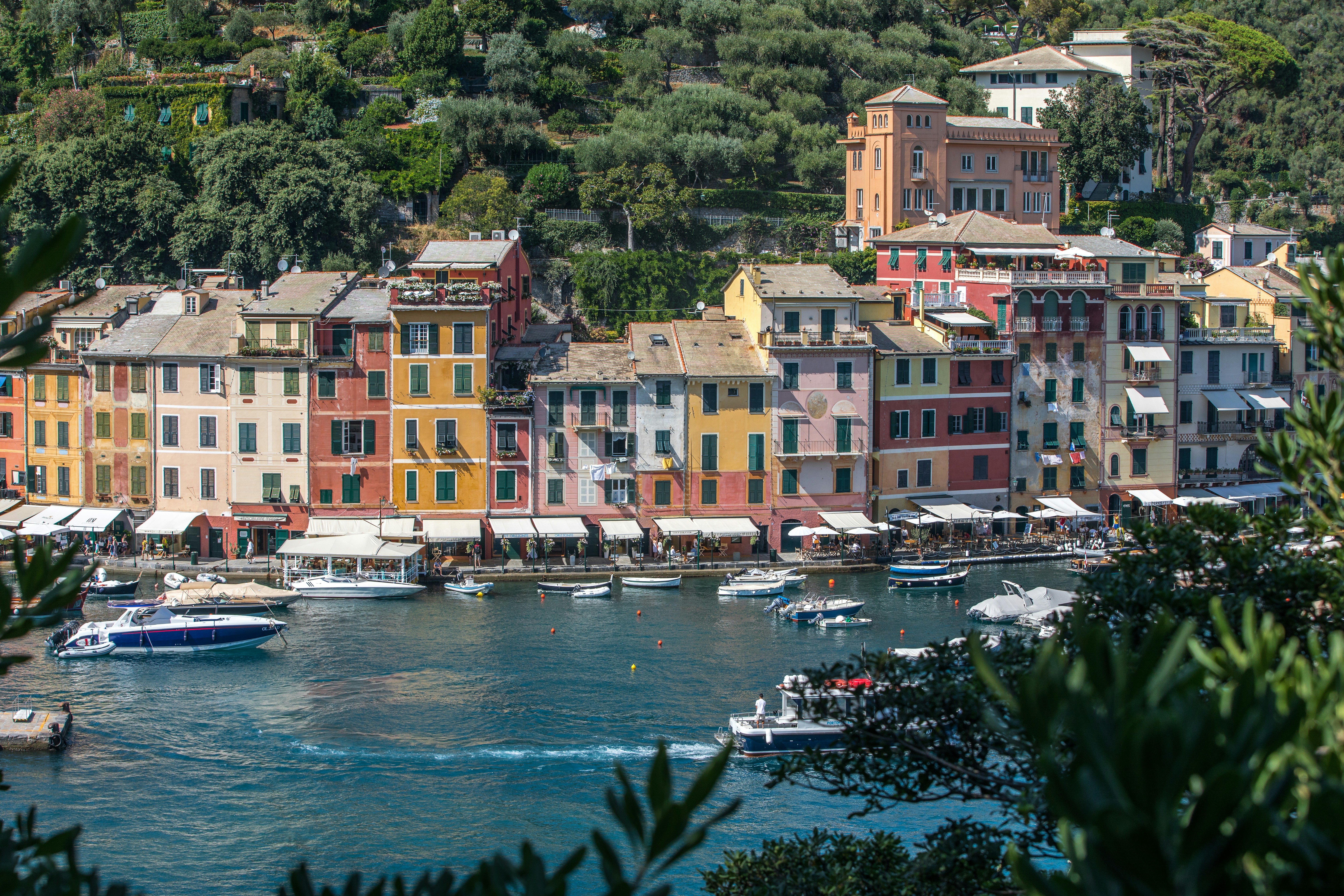
The beautiful fishing village of Portofino is nestled on Italy's Riviera and is one of its most famous resort towns. Postcard-perfect and brimming with Mediterranean charm, Portofino is the epitome of la dolce vita. Brightly coloured buildings sit against crystal-clear water with lush pine-covered hills in the distance.  

Explore the luxury boutiques, dine on exquisitely fresh seafood and soak in the atmosphere of the exclusive Piazzetta, where superyachts line the harbour and celebrity sightings are not uncommon.  

One of the most photographed villages along the coast, with a decidedly romantic and affluent aura, Portofino has long been a popular destination for the rich and famous. Once an ancient Roman colony and taken by the Republic of Genoa in 1229, it’s also been ruled by the French, English, Spanish, and Austrians, as well as by marauding bands of 16th-century pirates. Elite British tourists first flocked to the lush harbor in the mid-1800s. Some of Europe's wealthiest drop anchor in Portofino in summer, but they stay out of sight by day, appearing in the evening after buses and boats have carried off the day-trippers.There's not actually much to do in Portofino other than stroll around the wee harbor, see the castle, walk to Punta del Capo, browse at the pricey boutiques, and sip a coffee while people-watching. However, weaving through picture-perfect cliffside gardens and gazing at yachts framed by the sapphire Ligurian Sea and the cliffs of Santa Margherita can make for quite a relaxing afternoon. There are also several tame, photo-friendly hikes into the hills to nearby villages.Unless you're traveling on a deluxe budget, you may want to stay in Camogli or Santa Margherita Ligure rather than at one of Portofino's few very expensive hotels. Restaurants and cafés are good but also pricey (don't expect to have a beer here for much under €10).

Portofino, Metropolitan City Of Genoa, Italy
Portofino, Metropolitan City Of Genoa, ItalyPhoto by Slim Emcee on Unsplash

Day 4 - Calvi, Corsica

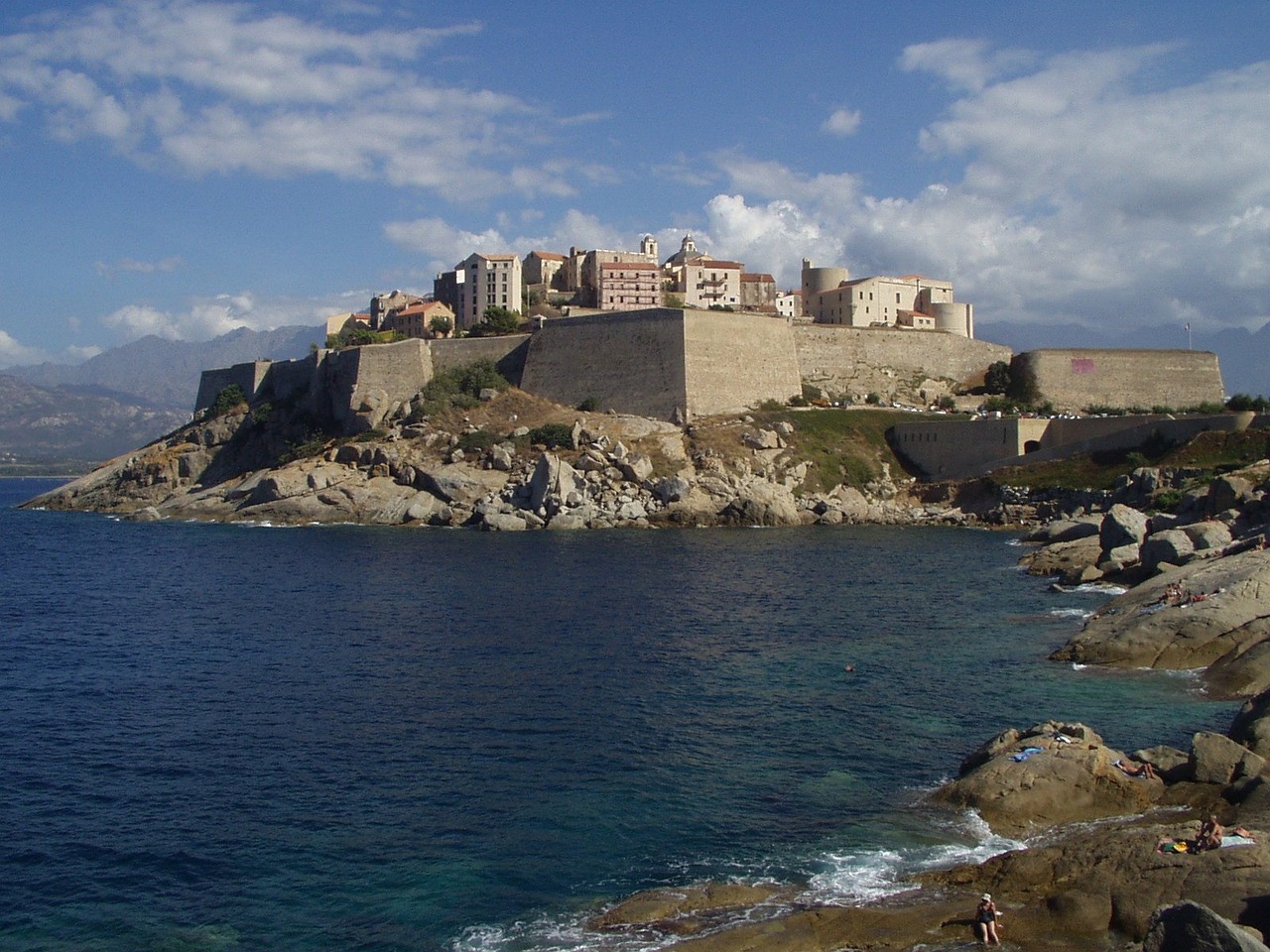
Calvi, on the French island of Corsica, has a long and illustrious history. Founded in the 13th century, its fiery medieval citadel still stands above red tiled roofs. It’s been a tourist hotspot since the 1920s, thanks to its moon-shaped bay lined with a golden, sandy beach and forested mountains on the horizon.   

Today, Calvi has the feel of a chic resort on the French Riviera, with waterfront restaurants, luxury hotels and multi-million-dollar yachts at anchor. Explore the alleys of this historic old town, walk the ramparts of the citadel and find the house that is said to be the birthplace of Christopher Columbus. 

After a day of exploration, return to the comfort of your yacht where exceptional dining awaits — a perfect end to an unforgettable day. 

Calvi, Corsica's slice of the Riviera, has been described by author Dorothy Carrington as "an oasis of pleasure on an otherwise austere island." Calvi prospered by supplying products to Genoa; its citizens remained loyal supporters of Genoa long after the rest of the island declared independence. Calvi also claims to be the birthplace of Christopher Columbus. During the 18th century the town endured assaults from Corsican nationalists, including celebrated patriot Pasquale Paoli. Today Calvi sees a summertime invasion of tourists, drawn to the 6-km (4-mile) stretch of sandy white beach, impressive citadel overlooking the Old Town, lively restaurants, and buzzing nightlife.

Calvi, Corsica
Calvi, CorsicaImage by Simon from Pixabay

Day 5 - Monte-Carlo

Monte Carlo is the epitome of luxury and elegance, nestled within the principality of Monaco. Explore the opulent streets lined with designer boutiques and bask in the Mediterranean sun along the picturesque coastline. With its world-class entertainment, exclusive clubs, and prestigious events, Monte Carlo captivates visitors with its timeless allure and sophistication. Whether you're seeking excitement at the famous Casino de Monte-Carlo or simply relaxation in the lap of luxury, an unforgettable late-night stay here awaits.   

Back on board, unwind and enjoy a beautifully curated meal — crafted with care, served with elegance and enjoyed at your own pace

On one of the best stretches of the Mediterranean, this classic luxury destination is one of the most sought-after addresses in the world. With all the high-rise towers you have to look hard to find the Belle Époque grace of yesteryear. But if you head to the town's great 1864 landmark Hôtel de Paris—still a veritable crossroads of the buffed and befurred Euro-gentry—or enjoy a grand bouffe at its famous Louis XV restaurant, or attend the opera, or visit the ballrooms of the casino, you may still be able to conjure up Monaco's elegant past. Prince Albert II, a political science graduate from Amherst College, traces his ancestry to Otto Canella, who was born in 1070. The Grimaldi dynasty began with Otto's great-great-great-grandson, Francesco Grimaldi, also known as Frank the Rogue. Expelled from Genoa, Frank and his cronies disguised themselves as monks and in 1297 seized the fortified medieval town known today as Le Rocher (the Rock). Except for a short break under Napoléon, the Grimaldis have been here ever since, which makes them the oldest reigning family in Europe. In the 1850s a Grimaldi named Charles III made a decision that turned the Rock into a giant blue chip. Needing revenue but not wanting to impose additional taxes on his subjects, he contracted with a company to open a gambling facility. The first spin of the roulette wheel was on December 14, 1856. There was no easy way to reach Monaco then—no carriage roads or railroads—so no one came. Between March 15 and March 20, 1857, one person entered the casino—and won two francs. In 1868, however, the railroad reached Monaco, and it was filled with Englishmen who came to escape the London fog. The effects were immediate. Profits were so great that Charles eventually abolished all direct taxes. Almost overnight, a threadbare principality became an elegant watering hole for European society. Dukes (and their mistresses) and duchesses (and their gigolos) danced and dined their way through a world of spinning roulette wheels and bubbling champagne—preening themselves for nights at the opera, where such artists as Vaslav Nijinsky, Sarah Bernhardt, and Enrico Caruso came to perform. Along with the tax system, its sensational position on a broad, steep peninsula that bulges into the Mediterranean—its harbor sparkling with luxury cruisers, its posh mansions angling awnings toward the nearly perpetual sun—continues to draw the rich and famous. One of the latest French celebrities to declare himself "Monégasque," thus giving up his French passport, is superchef Alain Ducasse, who said that he made the choice out of affection for Monaco rather than tax reasons. Pleasure boats vie with luxury cruisers in their brash beauty and Titanic scale, and teams of handsome young men—themselves dyed blond and tanned to match—scour and polish every gleaming surface. As you might expect, all this glitz doesn't come cheap. Eating is expensive, and even the most modest hotels cost more here than in nearby Nice or Menton. As for taxis, they don't even have meters so you are completely at the driver's mercy (with prices skyrocketing during events such as the Grand Prix). For the frugal, Monaco is the ultimate day-trip, although parking is as coveted as a room with a view. At the very least you can afford a coffee at Starbucks. The harbor district, known as La Condamine, connects the new quarter, officially known as Monte Carlo with Monaco-Ville (or Le Rocher), a medieval town on the Rock, topped by the palace, the cathedral, and the Oceanography Museum. Have no fear that you'll need to climb countless steps to get to Monaco-Ville, as there are plenty of elevators and escalators climbing the steep cliffs. But shuttling between the lovely casino grounds of Monte Carlo and Old Monaco, separated by a vast port, is a daunting proposition for ordinary mortals without wings, so hop on the No. 1 bus from Saint Roman, or No. 2 from the Jardin Exotique - Both stop at Place du Casino and come up to Monaco Ville.

Mcmcm Monte Carlo Aerial Photography Of Cityscape During Daytime Julien Lanoy
Mcmcm Monte Carlo Aerial Photography Of Cityscape During Daytime Julien LanoyJulien Lanoy
Mcmcm Monte Carlo City At Night Pasquale Iovino
Mcmcm Monte Carlo City At Night Pasquale IovinoPasquale Iovino
Mcmcm Monte Carlo Red Coupe On Road Jannis Lucas
Mcmcm Monte Carlo Red Coupe On Road Jannis LucasJannis Lucas

Day 6 - Bandol

Tucked along the coast of Provence, Bandol is a charming seaside town known for its serene beaches, colourful harbour and renowned vineyards. Stroll the lively promenade, browse local markets or relax at a waterfront café. Wine lovers may recognise Bandol for its celebrated rosés and full-bodied reds, some of the finest in the region.  

As evening falls, unwind with live entertainment on board — the perfect way to reflect on the day’s discoveries in a refined and relaxed setting. 

Later this evening, we set sail for Marseille, where you’ll enjoy an overnight stay. 

Day 6 - Marseille

Tucked along the coast of Provence, Bandol is a charming seaside town known for its serene beaches, colourful harbour and renowned vineyards. Stroll the lively promenade, browse local markets or relax at a waterfront café. Wine lovers may recognise Bandol for its celebrated rosés and full-bodied reds, some of the finest in the region.  

As evening falls, unwind with live entertainment on board — the perfect way to reflect on the day’s discoveries in a refined and relaxed setting. 

Later this evening, we set sail for Marseille, where you’ll enjoy an overnight stay. 

Since being designated a European Capital of Culture for 2013, with an estimated €660 million of funding in the bargain, Marseille has been in the throes of an extraordinary transformation, with no fewer than five major new arts centers, a beautifully refurbished port, revitalized neighborhoods, and a slew of new shops and restaurants. Once the underdog, this time-burnished city is now welcoming an influx of weekend tourists who have colonized entire neighborhoods and transformed them into elegant pieds-à-terre (or should we say, mer). The second-largest city in France, Marseille is one of Europe's most vibrant destinations. Feisty and fond of broad gestures, it is also as complicated and as cosmopolitan now as it was when a band of Phoenician Greeks first sailed into the harbor that is today's Vieux Port in 600 BC. Legend has it that on that same day a local chieftain's daughter, Gyptis, needed to choose a husband, and her wandering eyes settled on the Greeks' handsome commander Protis. Her dowry brought land near the mouth of the Rhône, where the Greeks founded Massalia, the most important Continental shipping port in antiquity. The port flourished for some 500 years as a typical Greek city, enjoying the full flush of classical culture, its gods, its democratic political system, its sports and theater, and its naval prowess. Caesar changed all that, besieging the city in 49 BC and seizing most of its colonies. In 1214 Marseille was seized again, this time by Charles d'Anjou, and was later annexed to France by Henri IV in 1481, but it was not until Louis XIV took the throne that the biggest transformations of the port began; he pulled down the city walls in 1666 and expanded the port to the Rive Neuve (New Riverbank). The city was devastated by plague in 1720, losing more than half its population. By the time of the Revolution, Marseille was on the rebound once again, with industries of soap manufacturing and oil processing flourishing, encouraging a wave of immigration from Provence and Italy. With the opening of the Suez Canal in 1869, Marseille became the greatest boomtown in 19th-century Europe. With a large influx of immigrants from areas as exotic as Tangiers, the city quickly acquired the multicultural population it maintains to this day.
Frmrs   Marseille   Fireworks View Port   Arthur Aldyrkhanov
Frmrs Marseille Fireworks View Port Arthur AldyrkhanovPhotograph by Arthur Aldyrkhanov
Frmrs   Marseille   France   Marseille   Calanque De Morgiou   © Szs
Frmrs Marseille France Marseille Calanque De Morgiou © Szs© SZS
Frmrs   Marseille   France   Marseille   Port   © M. Raynaud
Frmrs Marseille France Marseille Port © M. Raynaud© M. Raynaud
Frmrs   Marseille   France   Marseille   Sea And Coast View   © V. Toche
Frmrs Marseille France Marseille Sea And Coast View © V. Toche© V. Toche
Frmrs   Marseille   France   Marseille   Vallon Des Auffes   © M. Raynaud
Frmrs Marseille France Marseille Vallon Des Auffes © M. Raynaud© M. Raynaud
Frmrs   Marseille   Luminy   Clement Griffet
Frmrs Marseille Luminy Clement GriffetPhotograph by Clement Griffet
Frmrs   Marseille   Old House   Matthieu Joannon
Frmrs Marseille Old House Matthieu JoannonPhotograph by Matthieu Joannon
Frmrs   Marseille   Robert Laffon Promenade   Erin Doering
Frmrs Marseille Robert Laffon Promenade Erin DoeringPhotograph by Erin Doering
Frmrs   Marseille   Swimming   Laurine Bailly
Frmrs Marseille Swimming Laurine BaillyPhotograph by Laurine Bailly

Day 7 - Marseille

The oldest city in France, Marseille dates to 600 BC. Today, it’s a fast-paced, modern city brimming with multicultural flavours, and flanked by breathtaking natural scenery and golden beaches. This is a place where grit and grandeur meet, offering a fascinating insight into contemporary French culture. Explore its ancient streets and diverse neighbourhoods, marvel at iconic landmarks such as the Basilique Notre-Dame de la Garde, and treat yourself to the freshest seafood and traditional delicacies. Marseille is also the gateway to the region of Provence, famous for its wine and cuisine. 

This evening, indulge in a world-class dining experience on board, with every detail thoughtfully prepared and every meal a moment to savour. 

Since being designated a European Capital of Culture for 2013, with an estimated €660 million of funding in the bargain, Marseille has been in the throes of an extraordinary transformation, with no fewer than five major new arts centers, a beautifully refurbished port, revitalized neighborhoods, and a slew of new shops and restaurants. Once the underdog, this time-burnished city is now welcoming an influx of weekend tourists who have colonized entire neighborhoods and transformed them into elegant pieds-à-terre (or should we say, mer). The second-largest city in France, Marseille is one of Europe's most vibrant destinations. Feisty and fond of broad gestures, it is also as complicated and as cosmopolitan now as it was when a band of Phoenician Greeks first sailed into the harbor that is today's Vieux Port in 600 BC. Legend has it that on that same day a local chieftain's daughter, Gyptis, needed to choose a husband, and her wandering eyes settled on the Greeks' handsome commander Protis. Her dowry brought land near the mouth of the Rhône, where the Greeks founded Massalia, the most important Continental shipping port in antiquity. The port flourished for some 500 years as a typical Greek city, enjoying the full flush of classical culture, its gods, its democratic political system, its sports and theater, and its naval prowess. Caesar changed all that, besieging the city in 49 BC and seizing most of its colonies. In 1214 Marseille was seized again, this time by Charles d'Anjou, and was later annexed to France by Henri IV in 1481, but it was not until Louis XIV took the throne that the biggest transformations of the port began; he pulled down the city walls in 1666 and expanded the port to the Rive Neuve (New Riverbank). The city was devastated by plague in 1720, losing more than half its population. By the time of the Revolution, Marseille was on the rebound once again, with industries of soap manufacturing and oil processing flourishing, encouraging a wave of immigration from Provence and Italy. With the opening of the Suez Canal in 1869, Marseille became the greatest boomtown in 19th-century Europe. With a large influx of immigrants from areas as exotic as Tangiers, the city quickly acquired the multicultural population it maintains to this day.

Frmrs   Marseille   Fireworks View Port   Arthur Aldyrkhanov
Frmrs Marseille Fireworks View Port Arthur AldyrkhanovPhotograph by Arthur Aldyrkhanov
Frmrs   Marseille   France   Marseille   Calanque De Morgiou   © Szs
Frmrs Marseille France Marseille Calanque De Morgiou © Szs© SZS
Frmrs   Marseille   France   Marseille   Port   © M. Raynaud
Frmrs Marseille France Marseille Port © M. Raynaud© M. Raynaud
Frmrs   Marseille   France   Marseille   Sea And Coast View   © V. Toche
Frmrs Marseille France Marseille Sea And Coast View © V. Toche© V. Toche
Frmrs   Marseille   France   Marseille   Vallon Des Auffes   © M. Raynaud
Frmrs Marseille France Marseille Vallon Des Auffes © M. Raynaud© M. Raynaud
Frmrs   Marseille   Luminy   Clement Griffet
Frmrs Marseille Luminy Clement GriffetPhotograph by Clement Griffet
Frmrs   Marseille   Old House   Matthieu Joannon
Frmrs Marseille Old House Matthieu JoannonPhotograph by Matthieu Joannon
Frmrs   Marseille   Robert Laffon Promenade   Erin Doering
Frmrs Marseille Robert Laffon Promenade Erin DoeringPhotograph by Erin Doering
Frmrs   Marseille   Swimming   Laurine Bailly
Frmrs Marseille Swimming Laurine BaillyPhotograph by Laurine Bailly

Day 8 - Sète

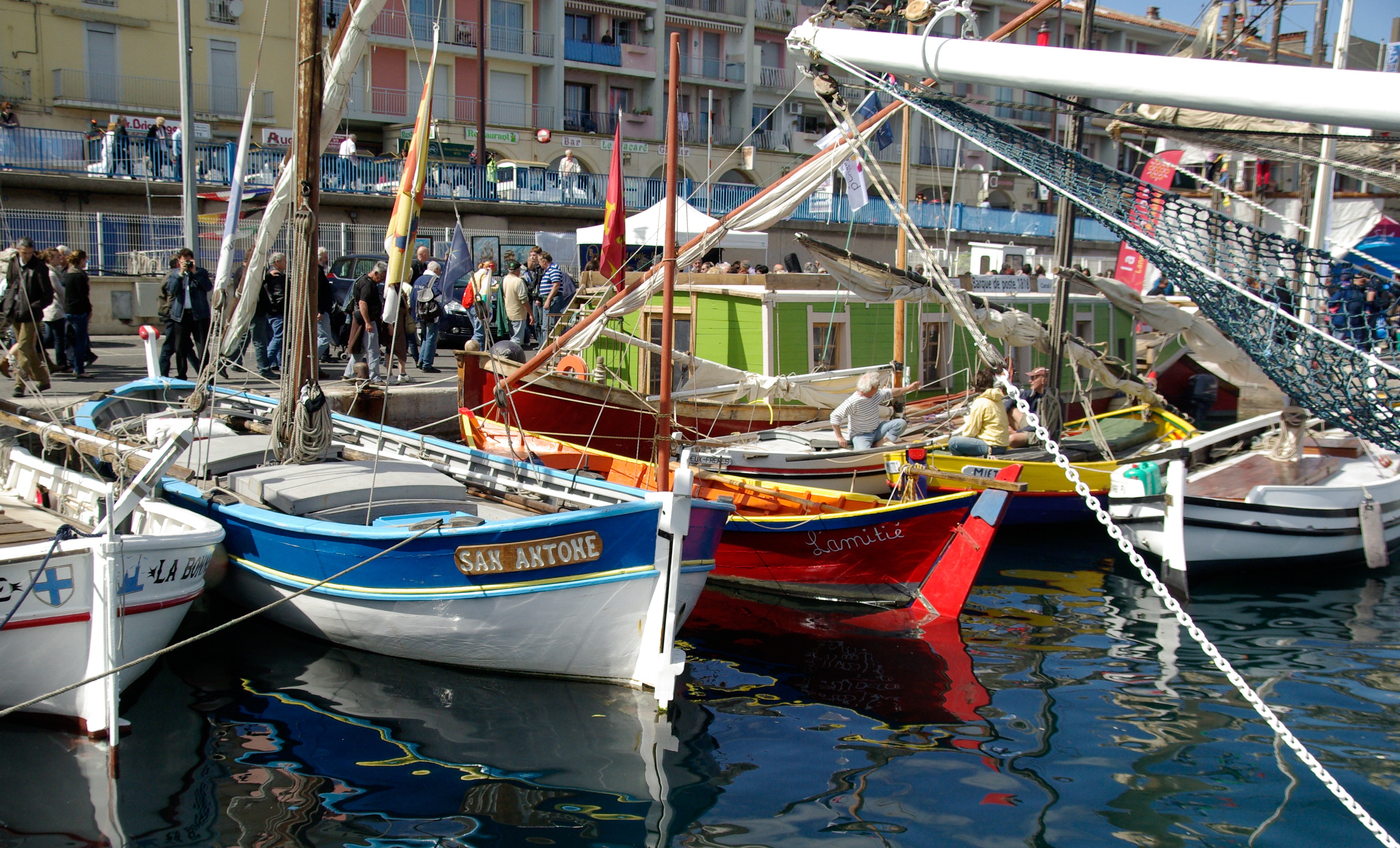
Often called the ‘Venice of Languedoc’, Sète is a vibrant port city woven with canals, colourful facades and a strong maritime spirit. Explore the bustling waterfront, watch fishing boats unload the day’s catch, or wander through the lively town centre filled with cafés, markets, and local charm. Seafood lovers will be in their element; Sète is famed for its fresh oysters and tielle, a savoury seafood pie. 

Tonight, enjoy a curated selection of live entertainment designed to complement your journey — from soothing melodies to vibrant performances that bring the spirit of your destination to life. 

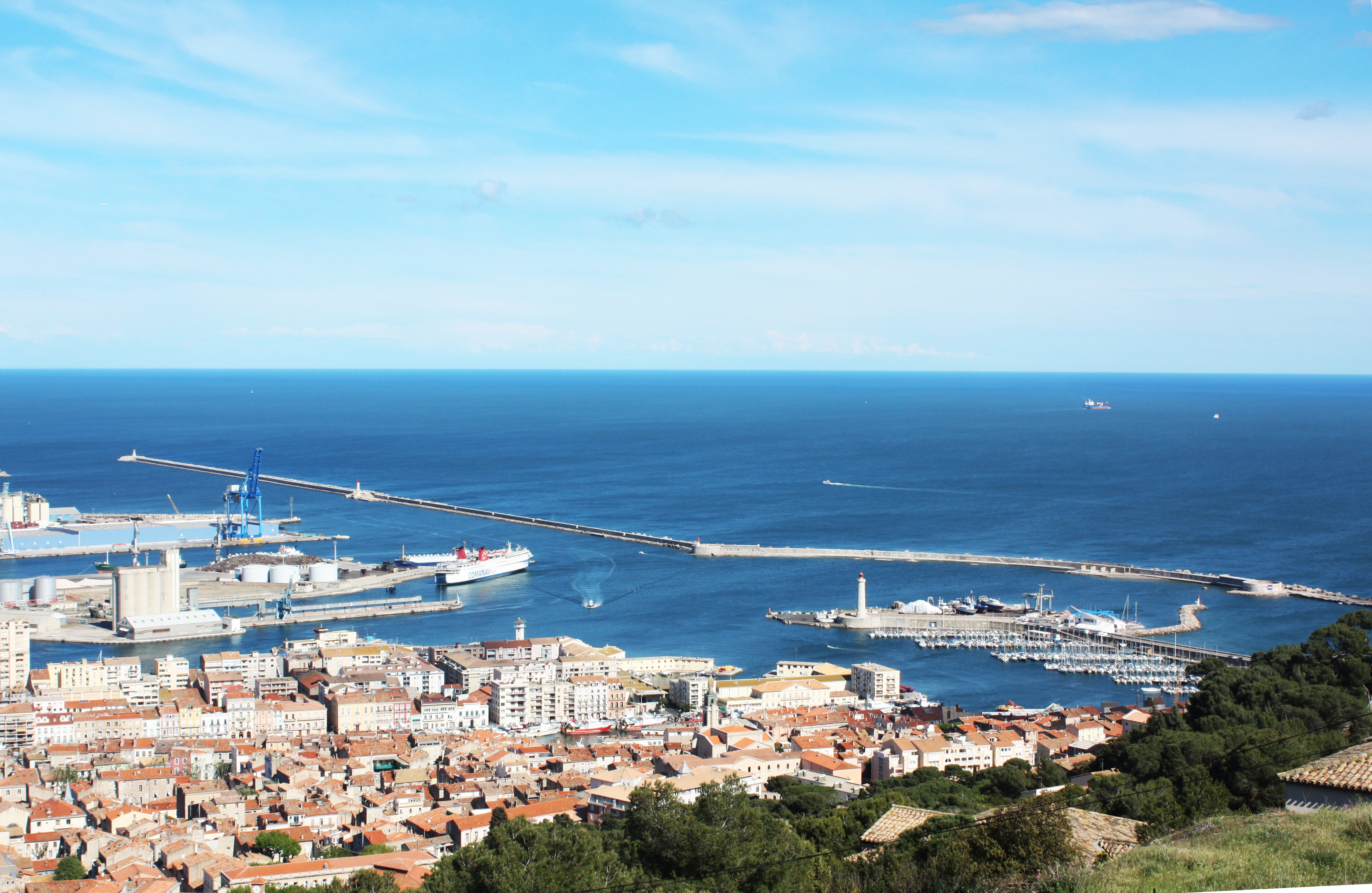
The fishing village of Sète serves as gateway to Montpellier, in the North. Other noteworthy destinations in this area include Carcassone, Aigues Mortes, the Abbaye de Fontfroide, and Pezenas. For a look at the real fisherman's life, however, stay right where you are. Sète is the Mediterranean's biggest fishing port. Canals winding through town make it fun to stroll around, and there are a number of good walking paths leading to the beach (about 30 minutes to the west). Although it's small and unspectacular, Plage de la Corniche has calm, pristine waters that are perfect for swimming. For a panoramic view of the area, climb Mont St-Clair or Les Pierres Blanches and pick a beach to settle down on.

Frset   Sète   Colourful Boats   Credits Jacqueline Macou
Frset Sète Colourful Boats Credits Jacqueline MacouJacqueline Macou
Frset   Sète   Marina   Credit Jacqueline Macou
Frset Sète Marina Credit Jacqueline MacouJacqueline Macou
Frset   Sète   Seaport   Credit Patrick Blaise
Frset Sète Seaport Credit Patrick BlaisePatrick Blaise
Sete, France
Sete, FranceImage by RENE RAUSCHENBERGER from Pixabay

Day 9 - Palamós

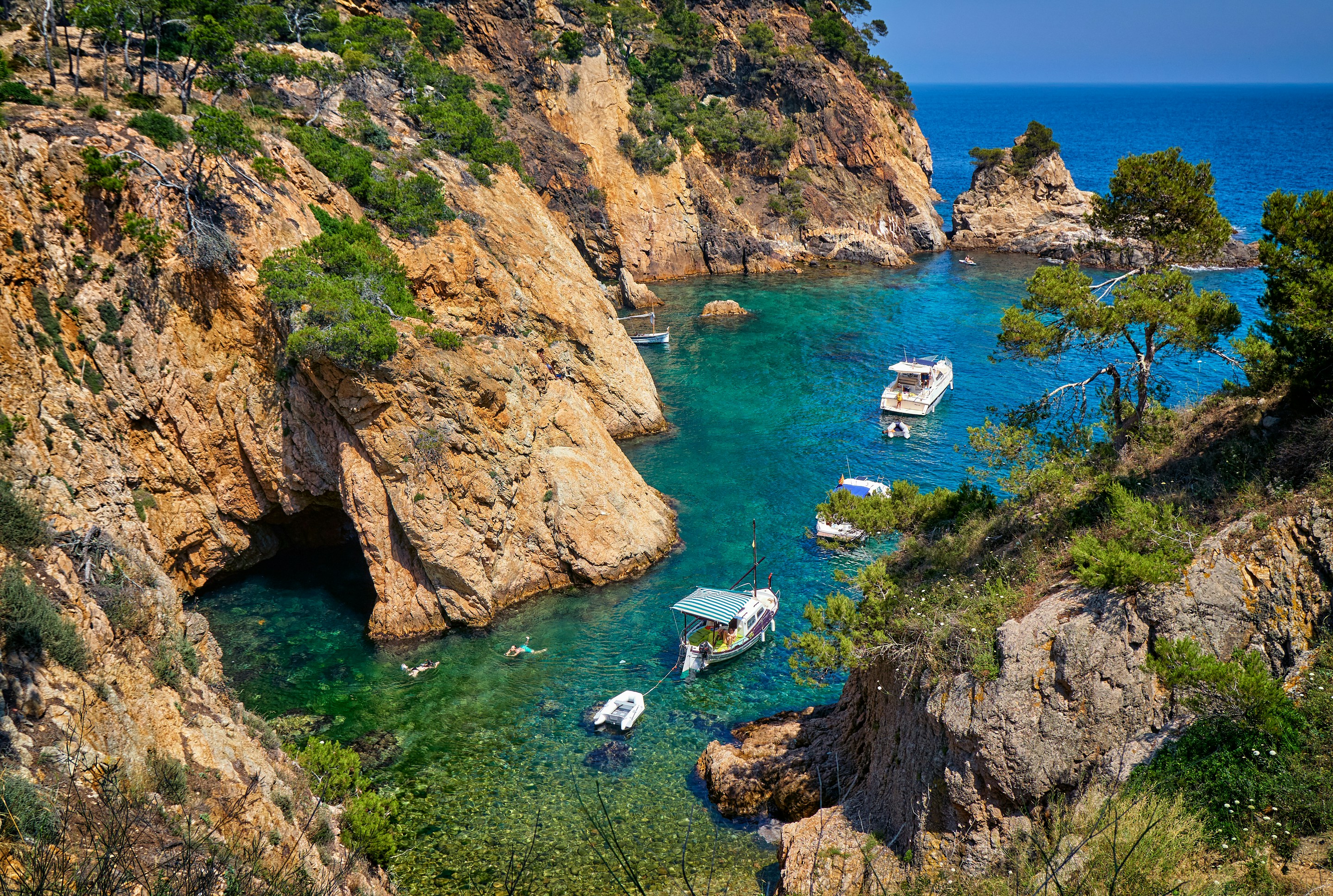
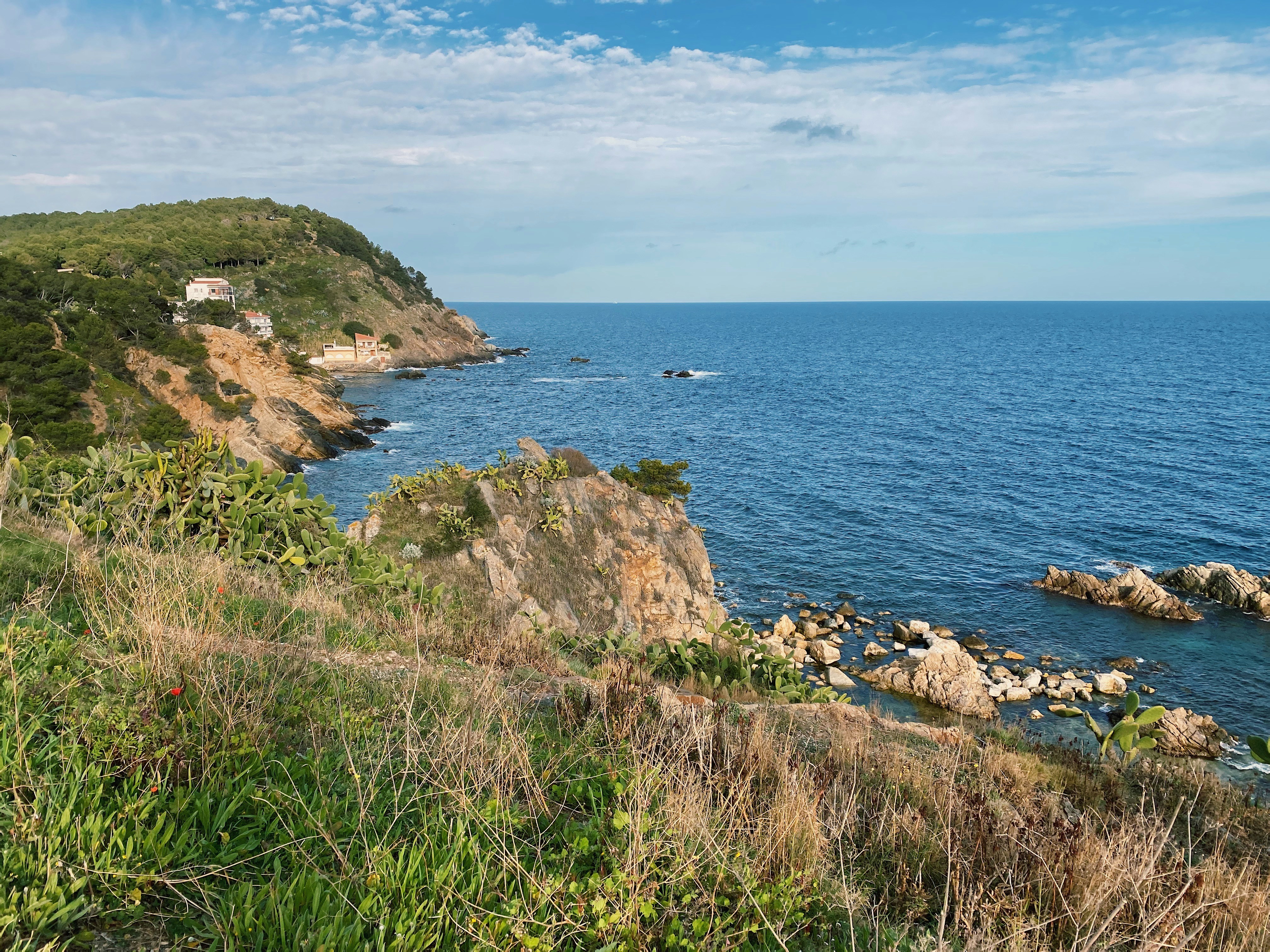
Part of Spain’s Costa Brava, meaning ‘wild coast’, Palamós is an authentic working fishing village that beckons with Mediterranean charm and cultural richness. Explore the historic streets adorned with colourful buildings and quaint cafes, where the vibrant energy of local life fills the air. In nearby Figueres, the renowned Dalí Theatre-Museum brings the surreal works of Salvador Dalí to life in a mesmerising display of artistry. Immerse yourself in the masterpieces of one of the most influential artists of the 20th century. 

Later this evening, we set sail for Barcelona, where you’ll enjoy an overnight stay. 

One of the best ways to arrive in Catalonia is by sea, especially via the Costa Brava. This coastline, also known as the Rugged or Wild Coast, stretches from Blanes to the French border. Its name aptly refers to the steep cliff of ancient twisted rocks, which runs its entire length and is bounded inland by the Catalan mountain ranges. The intensity of the coast’s colour, the ruggedness of the rocks and the scent of the plants all combine to add to its attraction. The history of this region is long and varied. Traces can be found of the advanced culture of the Iberians, Greeks, Romans, Visigoths and Arabs. With Wilfred I and the independence of Catalan countries, the Catalan dynasty was born. Later, in 1479, Catalonia became a part of unified Spain following the marriage of Isabel, Queen of Castile, and Fernando, King of Aragon. The port of Palamos, some 36 miles northeast of Barcelona, has been in existence for nearly 700 years thanks to its location on one of the deepest natural bays in the western Mediterranean. The town itself is the southernmost of a series of resorts popular with sun worshippers. For the most part, Palamos has managed to retain some of the charm of a fishing village. The port also serves as a gateway to such inland locations as Girona, the capital of the province. Art lovers may want to visit Figueras, famous for its bizarre Teatre-Museu Dali, the foremost of a series of sites associated with the eccentric surrealist artist, Salvador Dali. If you choose to stay in Palamos, you can enjoy the pleasant atmosphere of the town or spend some time at a nearby beach. The town has a long seagoing tradition and busy harbour. The fish auction, prompted by the arrival of the fishing boats, is a spectacle worth seeing. The Fishing Museum illustrates the history and the life of the families who live off the sea.

Palamós, Spain
Palamós, SpainPhoto by Maël BALLAND on Unsplash
Palamós, Spain
Palamós, SpainPhoto by Vidar Nordli-Mathisen on Unsplash
Carretera De Sant Esteve, 2, Palamós, España
Carretera De Sant Esteve, 2, Palamós, EspañaPhoto by Paula De la Pava Nieto on Unsplash

Day 9 - Barcelona

Part of Spain’s Costa Brava, meaning ‘wild coast’, Palamós is an authentic working fishing village that beckons with Mediterranean charm and cultural richness. Explore the historic streets adorned with colourful buildings and quaint cafes, where the vibrant energy of local life fills the air. In nearby Figueres, the renowned Dalí Theatre-Museum brings the surreal works of Salvador Dalí to life in a mesmerising display of artistry. Immerse yourself in the masterpieces of one of the most influential artists of the 20th century. 

Later this evening, we set sail for Barcelona, where you’ll enjoy an overnight stay. 

The infinite variety of street life, the nooks and crannies of the medieval Barri Gòtic, the ceramic tile and stained glass of Art Nouveau facades, the art and music, the throb of street life, the food (ah, the food!)—one way or another, Barcelona will find a way to get your full attention. The capital of Catalonia is a banquet for the senses, with its beguiling mix of ancient and modern architecture, tempting cafés and markets, and sun-drenched Mediterranean beaches. A stroll along La Rambla and through waterfront Barceloneta, as well as a tour of Gaudí's majestic Sagrada Famíliaand his other unique creations, are part of a visit to Spain's second-largest city. Modern art museums and chic shops call for attention, too. Barcelona's vibe stays lively well into the night, when you can linger over regional wine and cuisine at buzzing tapas bars.

Barcelona Beach
Barcelona BeachEnes F, Unsplash
Barcelona Beach
Barcelona BeachLucrezia Carnelos, Unsplash
Barcelona Aerial Logan Armstrong
Barcelona Skyline Apasaric

Day 10 - Barcelona

Welcome to the vibrant city of Barcelona, a global magnet for travellers. Savour innovative Catalan cuisine, marvel at Gaudí’s Modernisme architectural masterpieces like La Sagrada Família, explore the edgy art scene and soak up the historic Gothic Quarter’s charm. End your day with a stroll along Las Ramblas, the city’s most famous boulevard, immersing yourself in its lively spirit. 

Return to the port this afternoon to begin the second stage of your journey across two continents. 

The infinite variety of street life, the nooks and crannies of the medieval Barri Gòtic, the ceramic tile and stained glass of Art Nouveau facades, the art and music, the throb of street life, the food (ah, the food!)—one way or another, Barcelona will find a way to get your full attention. The capital of Catalonia is a banquet for the senses, with its beguiling mix of ancient and modern architecture, tempting cafés and markets, and sun-drenched Mediterranean beaches. A stroll along La Rambla and through waterfront Barceloneta, as well as a tour of Gaudí's majestic Sagrada Famíliaand his other unique creations, are part of a visit to Spain's second-largest city. Modern art museums and chic shops call for attention, too. Barcelona's vibe stays lively well into the night, when you can linger over regional wine and cuisine at buzzing tapas bars.

Barcelona Beach
Barcelona BeachEnes F, Unsplash
Barcelona Beach
Barcelona BeachLucrezia Carnelos, Unsplash
Barcelona Aerial Logan Armstrong
Barcelona Skyline Apasaric

Day 11 - Palma de Mallorca

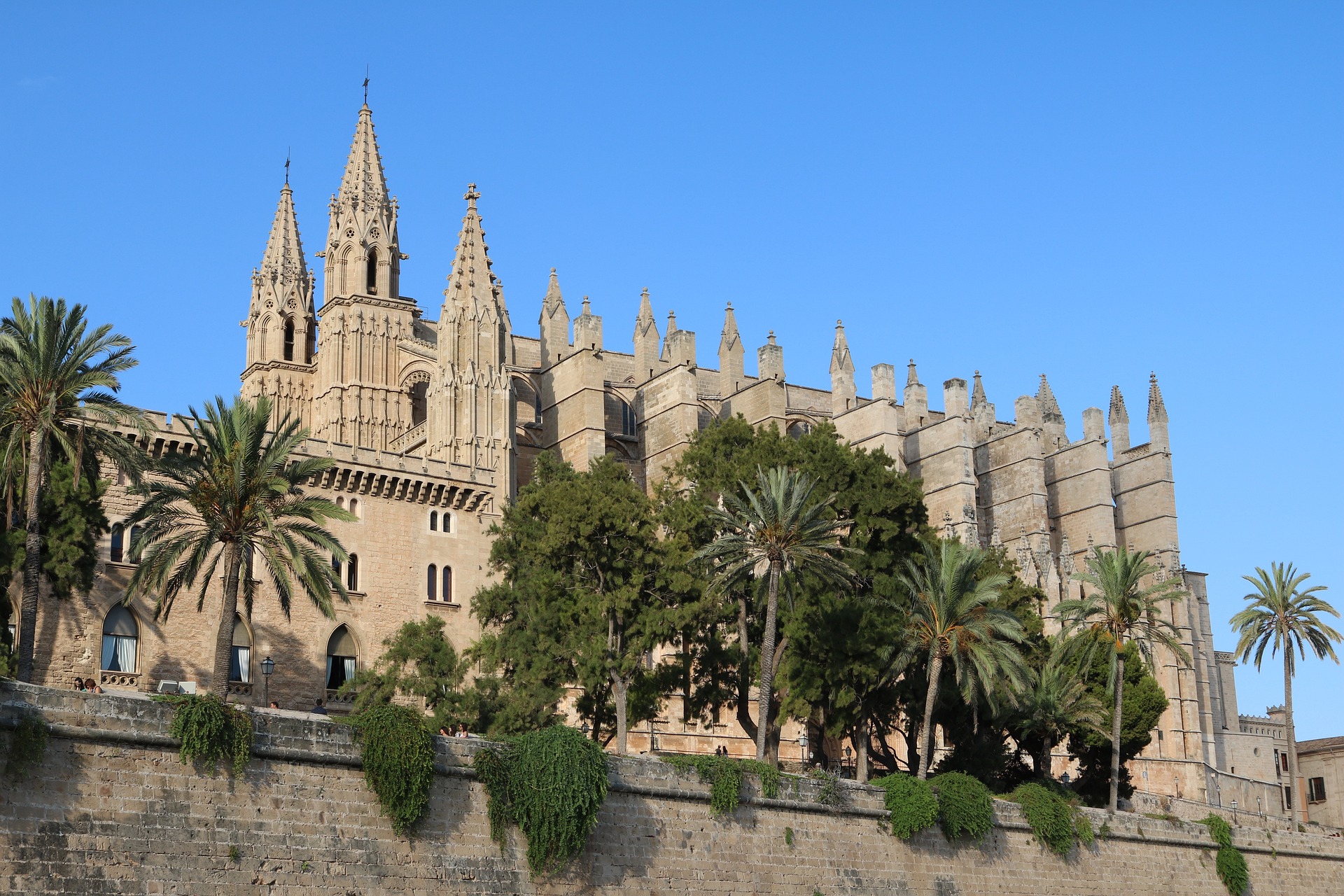
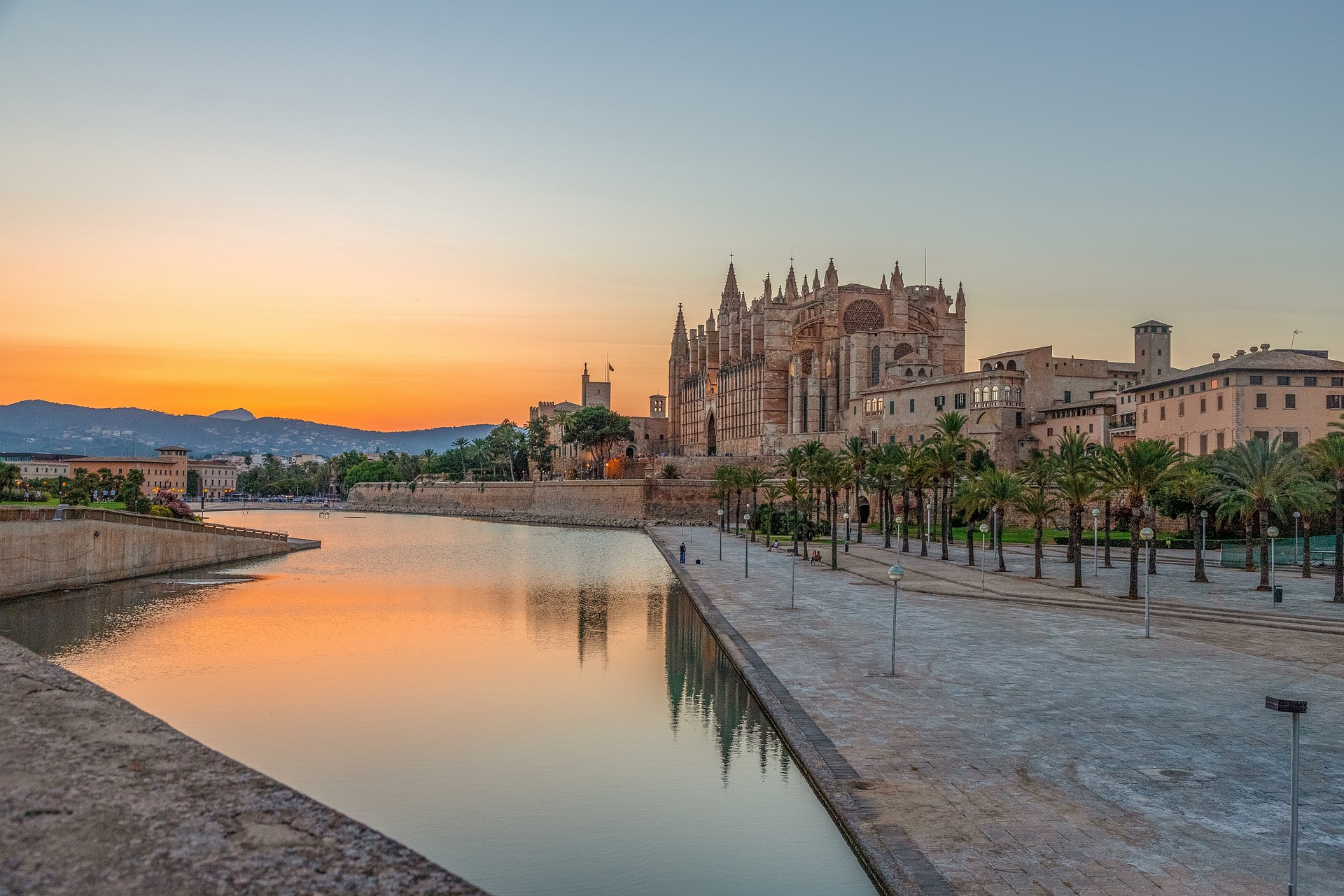
Palma, a popular resort city and capital of the Spanish island of Mallorca, is a place where history comes alive. Its rich cultural heritage has been inherited from the Romans, Moors and Catholics who lived here successively since 123 BC. Wander the narrow, cobbled streets of Palma’s Casco Antiguo (Old Town) and admire its elegant archways, grand historic palacios, medieval churches and charming squares.   

From Santa Maria Cathedral, a Gothic landmark, to La Almudaina, the Moorish-style Arab fortress converted into a royal residence, and Bellver Castle, a medieval fortress with a distinctive circular shape, Palma reveals a new chapter of history at every corner. 

If you look north of the cathedral (La Seu, or the seat of the bishopric, to Mallorcans) on a map of the city of Palma, you can see around the Plaça Santa Eulàlia a jumble of tiny streets that made up the earliest settlement. Farther out, a ring of wide boulevards traces the fortifications built by the Moors to defend the larger city that emerged by the 12th century. The zigzags mark the bastions that jutted out at regular intervals. By the end of the 19th century, most of the walls had been demolished; the only place where you can still see the massive defenses is at Ses Voltes, along the seafront west of the cathedral.A torrent (streambed) used to run through the middle of the old city, dry for most of the year but often a raging flood in the rainy season. In the 17th century it was diverted to the east, along the moat that ran outside the city walls. Two of Palma's main arteries, La Rambla and the Passeig d'es Born, now follow the stream's natural course. The traditional evening paseo (promenade) takes place on the Born.If you come to Palma by car, park in the garage beneath the Parc de la Mar (the ramp is just off the highway from the airport, as you reach the cathedral) and stroll along the park. Beside it run the huge bastions guarding the Almudaina Palace; the cathedral, golden and massive, rises beyond. Where you exit the garage, there's a ceramic mural by the late Catalan artist and Mallorca resident Joan Miró, facing the cathedral across the pool that runs the length of the park.If you begin early enough, a walk along the ramparts at Ses Voltes from the mirador beside the cathedral is spectacular. The first rays of the sun turn the upper pinnacles of La Seu bright gold and then begin to work their way down the sandstone walls. From the Parc de la Mar, follow Avinguda Antoni Maura past the steps to the palace. Just below the Plaça de la Reina, where the Passeig d'es Born begins, turn left on Carrer de la Boteria into the Plaça de la Llotja (if the Llotja itself is open, don't miss a chance to visit—it's the Mediterranean's finest Gothic-style civic building). From there stroll through the Plaça Drassana to the Museu d'Es Baluard, at the end of Carrer Sant Pere. Retrace your steps to Avinguda Antoni Maura. Walk up the Passeig d'es Born to Plaça Joan Carles I, then right on Avenida de La Unió.

Palma De Mallorca
Palma De Mallorca
Palma De Mallorca, Calo Des Moro 2
Palma De Mallorca, Calo Des Moro
Palma De Mallorca, Cathedral
Mallorca
Mallorca
Mallorca
Mallorca
Mallorca
Mallorca
Mallorca
Mallorca
Mallorca
Mallorca

Day 12 - Valencia

Spain’s third-largest city, Valencia is an inspiring blend of old and new. It has one of the largest historic centres in Europe, with buildings dating back to the 13th century, sitting close to modern architectural gems like the futuristic Ciudad de las Artes y las Ciencias. Join the locals riding bikes, playing sport, listening to live music or just relaxing in the sun in the magnificent Turia Garden.  

Valencia is also famous for its food. Visit the impressive Central Market, an enormous Art Nouveau food hall selling everything from fresh fruit to charcuterie, pastries and wine. Make sure to try the city’s signature paella, made with excellent local seafood. 

Valencia, Spain's third-largest municipality, is a proud city with a thriving nightlife and restaurant scene, quality museums, and spectacular contemporary architecture, juxtaposed with a thoroughly charming historic quarter, making it a popular destination year in year out. During the Civil War, it was the last seat of the Republican Loyalist government (1935–36), holding out against Franco’s National forces until the country fell to 40 years of dictatorship. Today it represents the essence of contemporary Spain—daring design and architecture along with experimental cuisine—but remains deeply conservative and proud of its traditions. Though it faces the Mediterranean, Valencia's history and geography have been defined most significantly by the River Turia and the fertile huerta that surrounds it.The city has been fiercely contested ever since it was founded by the Greeks. El Cid captured Valencia from the Moors in 1094 and won his strangest victory here in 1099: he died in the battle, but his corpse was strapped into his saddle and so frightened the besieging Moors that it caused their complete defeat. In 1102 his widow, Jimena, was forced to return the city to Moorish rule; Jaume I finally drove them out in 1238. Modern Valencia was best known for its frequent disastrous floods until the River Turia was diverted to the south in the late 1950s. Since then the city has been on a steady course of urban beautification. The lovely bridges that once spanned the Turia look equally graceful spanning a wandering municipal park, and the spectacularly futuristic Ciutat de les Arts i les Ciències (City of Arts and Sciences), most of it designed by Valencia-born architect Santiago Calatrava, has at last created an exciting architectural link between this river town and the Mediterranean. If you're in Valencia, an excursion to Albufera Nature Park is a worthwhile day trip.

Esvlc Valencia City Of The Arts And The Sciences Zebbache Djoubair
Esvlc Valencia City Of The Arts And The Sciences Zebbache DjoubairZebbache Djoubair
Esvlc   Valencia, Spain   Photo Credit Belongs To Travelnow.Or.Crylater
Esvlc Valencia, Spain Photo Credit Belongs To Travelnow.Or.Crylater

Day 13 - Cartagena

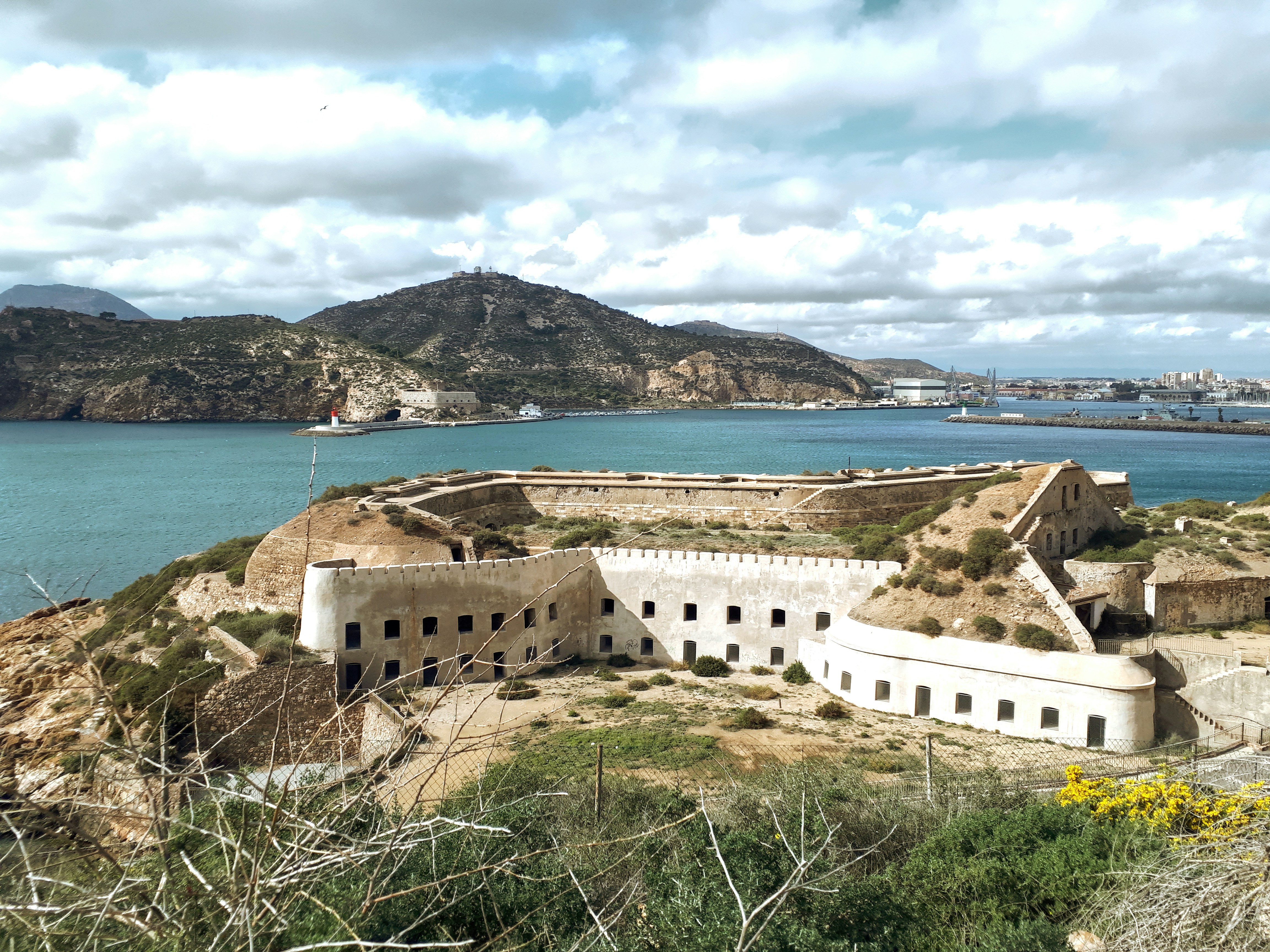
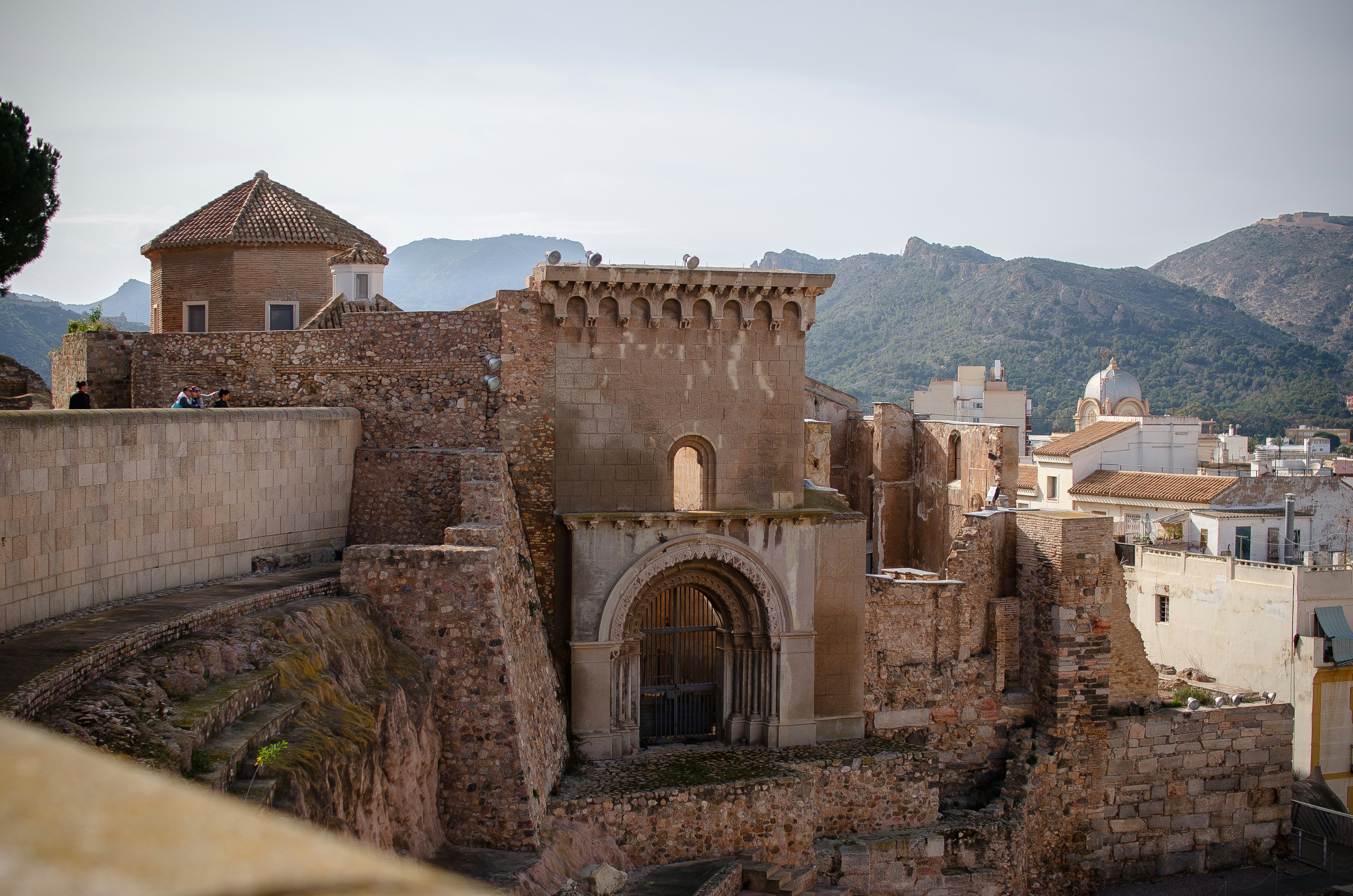
A prized location with one of the world’s greatest natural harbours at its doorstep and surrounded by rich mineral deposits, Cartagena is sure to surprise and delight. Once inhabited by the Romans, Cartagena is recognised for the wealth of ancient sites in and around the city. Step back in time as you explore Cartagena’s magnificent Roman Theatre, one of Spain’s most impressive archaeological restorations. Follow in the footsteps of Roman citizens along the Decumano Maximo, a remarkably preserved street that once formed the city’s bustling main artery. Roman murals and mosaics adorn historical villas while late 19th century architecture complements the picturesque Mediterranean coast.   

A Mediterranean city and naval station located in the Region of Murcia, southeastern Spain, Cartagena’s sheltered bay has attracted sailors for centuries. The Carthaginians founded the city in 223BC and named it Cartago Nova; it later became a prosperous Roman colony, and a Byzantine trading centre. The city has been the main Spanish Mediterranean naval base since the reign of King Philip II, and is still surrounded by walls built during this period. Cartagena’s importance grew with the arrival of the Spanish Bourbons in the 18th century, when the Navidad Fortress was constructed to protect the harbour. In recent years, traces of the city’s fascinating past have been brought to light: a well-preserved Roman Theatre was discovered in 1988, and this has now been restored and opened to the public. During your free time, you may like to take a mini-cruise around Cartagena's historic harbour: these operate several times a day, take approximately 40 minutes and do not need to be booked in advance. Full details will be available at the port.

Cartagena, Spain
Cartagena, SpainPhoto by joanna hall on Unsplash
Cartagena Roman Theatre Museum, Spain
Cartagena Roman Theatre Museum, SpainPhoto by Anastasia Shyrokykh on Unsplash

Day 14 - Almería

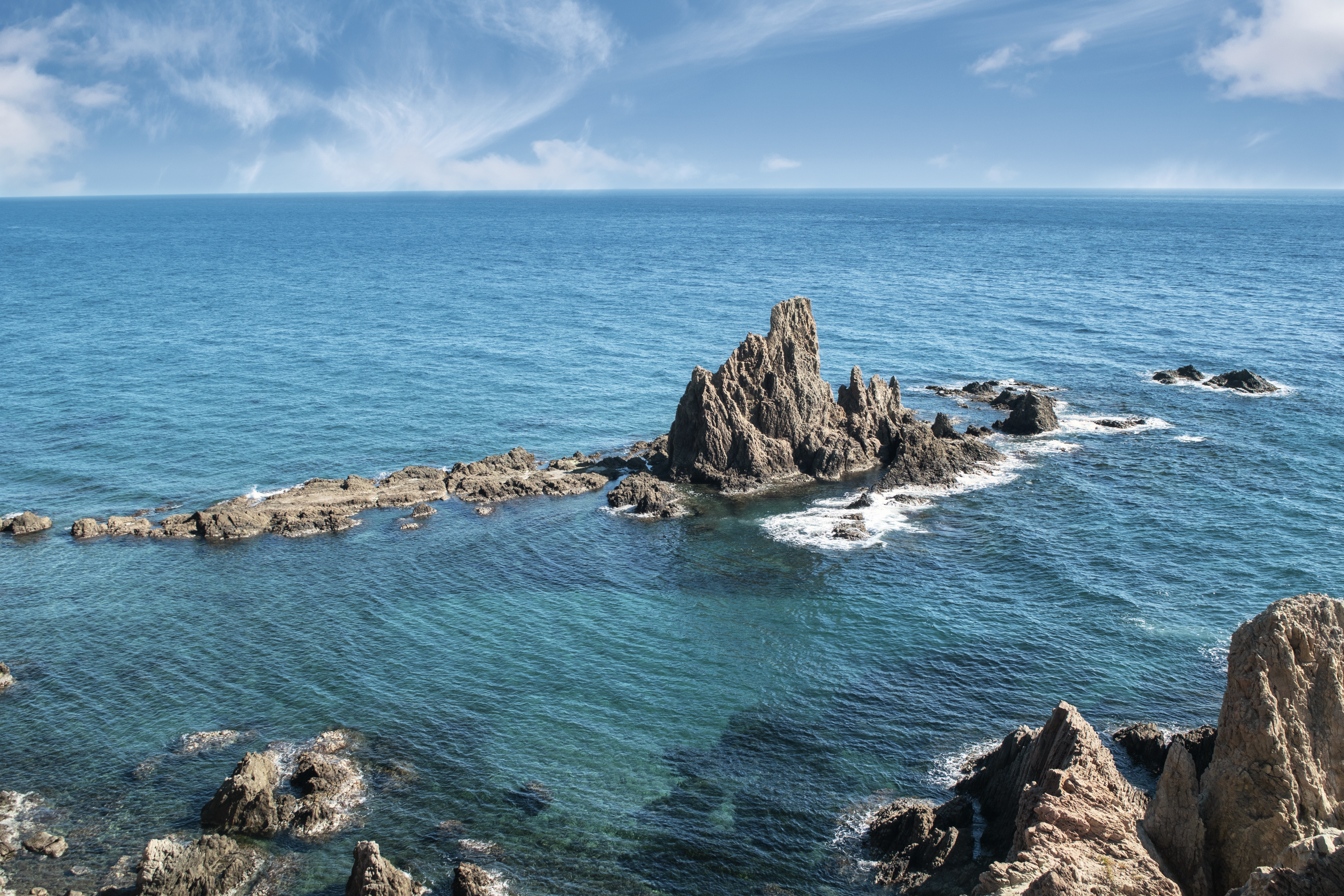
Framed by desert landscapes and the sparkling Mediterranean, Almería is a vibrant city where Moorish heritage meets coastal charm. Be sure to visit the fortress of La Alcazaba, once among the most formidable Moorish strongholds of the 10th century. While in the charming old town, savour some tapas and a glass of crisp Andalusian wine before a leisurely stroll through St. Nicholas Salmerón Park. 

Mermaid Reef, Almeria
Mermaid Reef, AlmeriaImage by Enrique from Pixabay

Day 15 - Málaga

Spend today exploring the city of Málaga on Spain’s Costa del Sol, a coastal city rich in culture and charm. With roots dating back more than 3,000 years, Málaga has evolved from a thriving 15th-century trading hub to a vibrant cosmopolitan city that draws millions of visitors each year for its brilliant beaches and artistic roots.   

Málaga is the birthplace of Pablo Picasso and proudly pays homage to the virtuoso with a dedicated museum. Savour local flavours such as ‘tinto de verano’, an iced summer wine, and wander the streets filled with architectural treasures from colourful baroque designs to an historic Roman theatre.  

As you sail into Malaga you will notice what an idyllic setting the city enjoys on the famous Costa del Sol. To the east of this provincial capital, the coast along the region of La Axarqua is scattered with villages, farmland and sleepy fishing hamlets - the epitome of traditional rural Spain. To the west stretches a continuous city where the razzmatazz and bustle creates a colourful contrast that is easily recognisable as the Costa del Sol. Surrounding the region, the Penibéetica Mountains provide an attractive backdrop overlooking the lower terraced slopes which yield olives and almonds. This spectacular mountain chain shelters the province from cold northerly winds, giving it a reputation as a therapeutic and exotic place in which to escape from cold northern climes. Malaga is also the gateway to many of Andalusia's enchanting historic villages, towns and cities.

Esagp Malaga Empty Seats And Tables In Between Buildings During Daytime Jonas Hoss
Esagp Malaga Empty Seats And Tables In Between Buildings During Daytime Jonas HossJonas Hoss
Esagp Malaga Round Stadium Surrounded By Buildings Near The Sea Christian Moller
Esagp Malaga Round Stadium Surrounded By Buildings Near The Sea Christian MollerChristian Moller
Esagp Malaga Sunset Quino Al
Esagp Malaga Sunset Quino AlQuino Al

Day 16 - Gibraltar

Perched on the southern tip of the Iberian Peninsula, Gibraltar is a natural fortress, and a little slice of Britain tucked within the borders of Spain. The skyline is dominated by the imposing Rock of Gibraltar, a 426-metre-high limestone promontory, home to the only wild monkey population in Europe – the curious Barbary macaques. On the streets below, you can explore dozens of British stores and traditional pubs, and marvel that you’re a stone’s throw away from Spain.   

Tagged on to the end of Iberia, the intriguing British outpost of Gibraltar is dominated by a sandy peninsula and the stunning 1,400-feet-high limestone Rock. Although small, Gibraltar has always been seen as having great strategic importance on account of its advantageous position where the Atlantic meets the Mediterranean, just 12 miles from the coast of Africa. Ever popular with British holidaymakers, Gibraltar is very much a home from home, boasting excellent duty-free shopping in many familiar British high street shops. Please note: Gibraltar’s small size and narrow winding roads mean that excursions are operated by 22-seater mini-buses, accompanied by a driver/guide. Local health and safety regulations prohibit the carriage of walking aids and collapsible wheelchairs on these vehicles. If you do wish to bring a mobility aid, we can arrange the Rock Tour by taxi, which has extra space. If this suits your requirements, please advise the Tours and Travel office when you join the ship, as numbers are limited.

Gigib Gibraltar Green Trees Covered Mountain Michal Mrozek
Gigib Gibraltar Green Trees Covered Mountain Michal Mrozek Michal Mrozek
Gigib Gibraltar People Sunbathing On Seashore Hello Lightbulb
Gigib Gibraltar People Sunbathing On Seashore Hello Lightbulb Hello Lightbulb
Gigib Gibraltar Gray Monkey Sitting On Concrete Surface Under Blue Sky Aaron Baw
Gigib Gibraltar Gray Monkey Sitting On Concrete Surface Under Blue Sky Aaron BawAaron Baw

Day 17 - Tangier

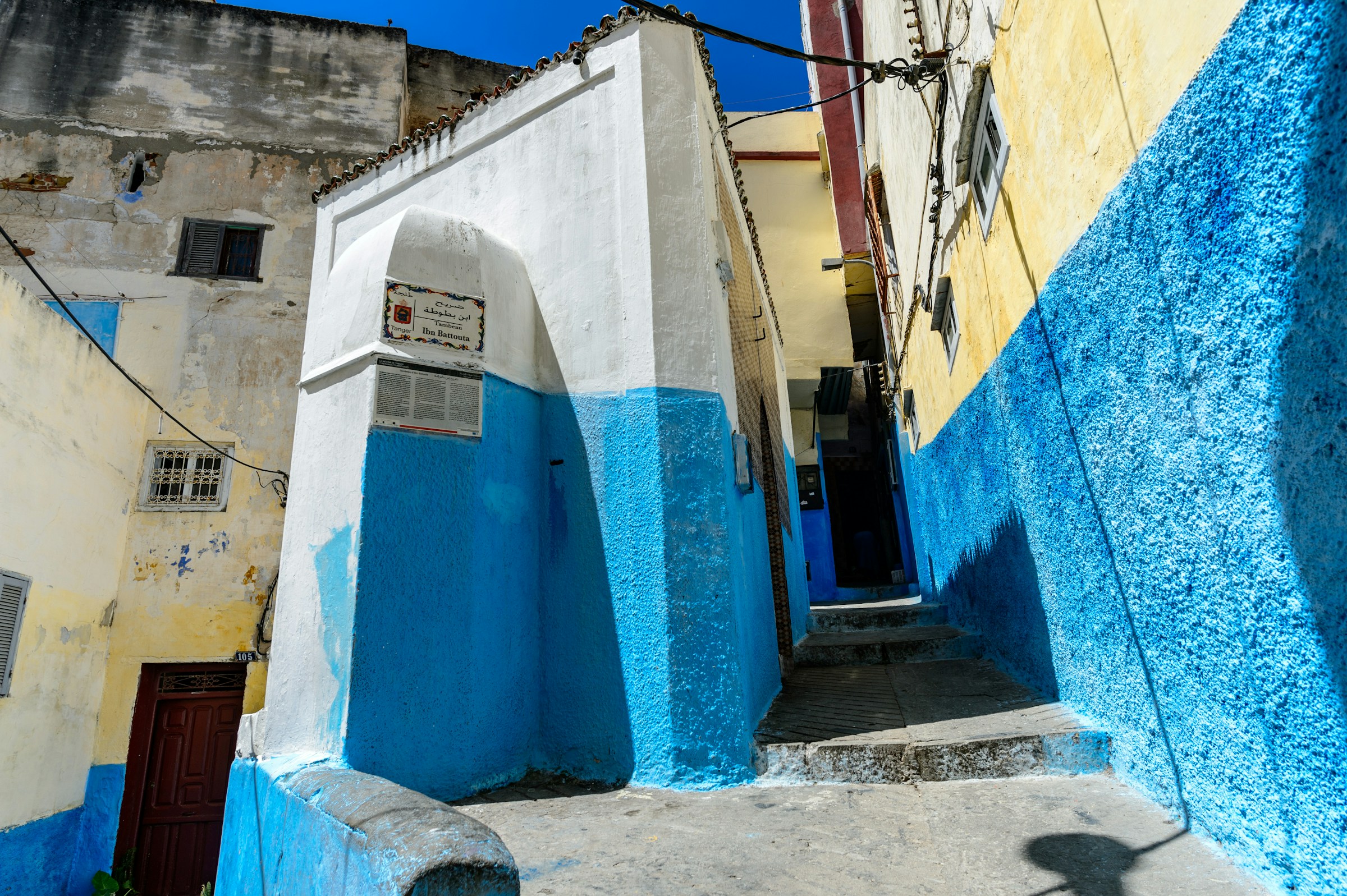
At the northwestern tip of the African continent lies Tangier, guarding the Strait of Gibraltar where the Mediterranean Sea meets the Atlantic Ocean. Tangier's allure is timeless, inviting visitors to explore its rich history and vibrant present.  

It’s known as the ‘White City’ for the whitewashed houses strewn along winding streets, and many cultures and civilisations have left their mark here over the centuries. A strong Spanish influence makes it an excellent showcase for Spanish-Moorish architecture and its celebrated café culture boasts over 1,000 establishments. Today, modernisation is in full swing, and Tangier is the busiest port in the Mediterranean. 

Tangier can trace its origins back to the Phoenicians and ancient Greeks. It was named after Tinge, the mother of Hercules’ son, and its beginnings are embedded in mythology. It was subsequently a Roman province, and after Vandal and Byzantine influences, was occupied by the Arabs with Spain, Portugal, France and England also playing a part in the city’s history. With such a diverse past it is perhaps not surprising that Tangier is such an individual city. Overlooking the Straits of Gibraltar, the city lies on a bay between two promontories. With its old Kasbah, panoramic views, elegant buildings, squares and places of interest, there is much to discover in both the new and old parts of the city.

Tangier, Morocco
Tangier, Moroccoby Robert Brands from Unsplash
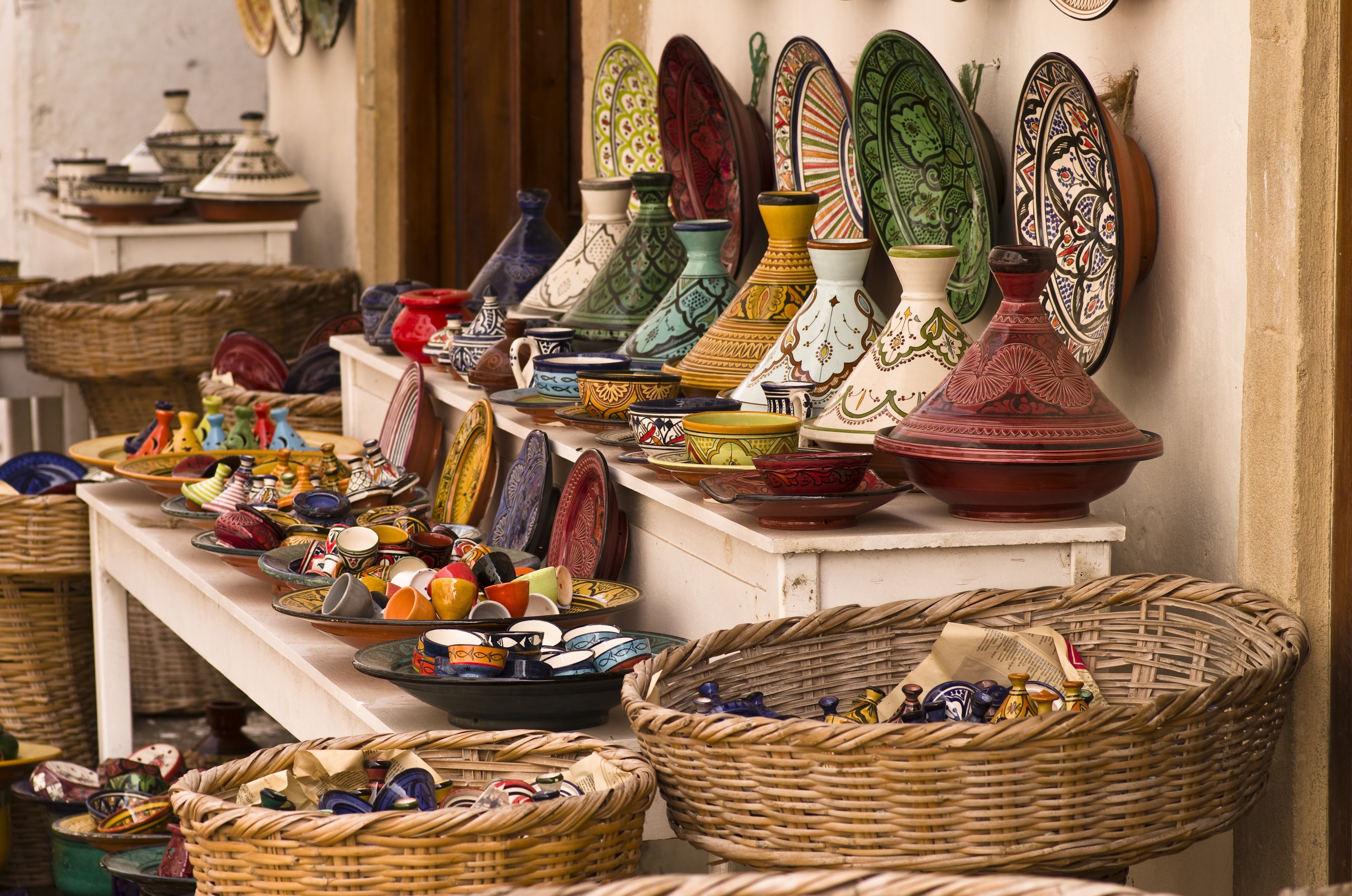
Market Stall In Tangier
Market Stall In TangierImage by Daniel Wanke from Pixabay

Day 18 - Portimão

On the western Algarve, Portimão is a small port city with a bustling historic centre. Enjoy the day exploring this once well-known fishing port, now transformed into a breathtaking promenade lined with shops selling traditional items and fantastic restaurants. Portimão is much loved for the steep limestone cliffs that surround its sandy beach of Praia da Rocha.   

Portimão is a major fishing port, and significant investment has been poured into transforming it into an attractive cruise port as well. The city itself is spacious and has several good shopping streets—though sadly many of the more traditional retailers have closed in the wake of the global economic crisis. There is also a lovely riverside area that just begs to be strolled (lots of the coastal cruises depart from here). Don’t leave without stopping for an alfresco lunch at the Doca da Sardinha ("sardine dock") between the old bridge and the railway bridge. You can sit at one of many inexpensive establishments, eating charcoal-grilled sardines (a local specialty) accompanied by chewy fresh bread, simple salads, and local wine.

Portimão, Portugal
Portimão, PortugalPhoto by Christopher Politano on Unsplash
Portimão, Portugal
Portimão, PortugalPhoto by Chris Boland on Unsplash

Day 19 - Lisbon

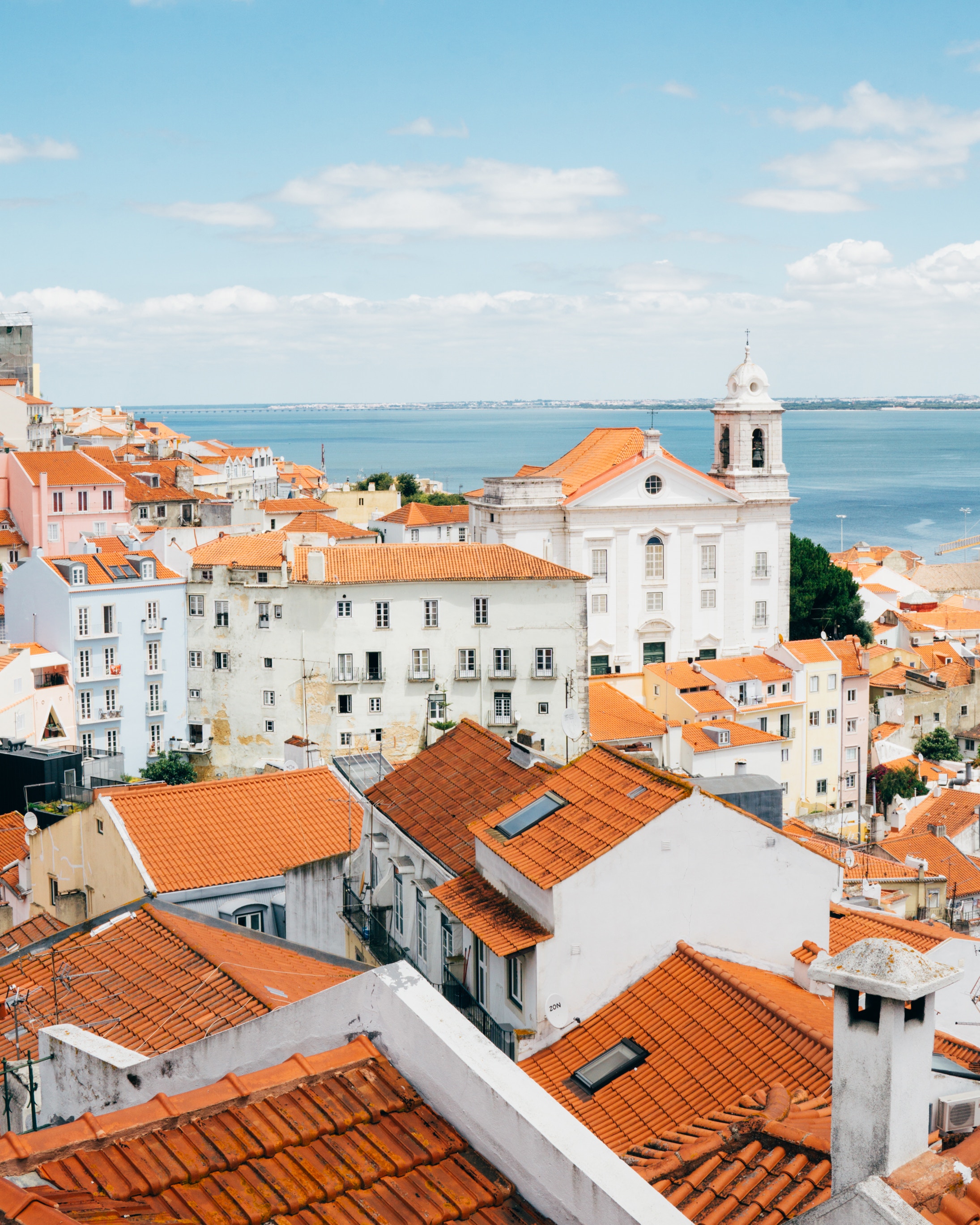
Explore Portugal’s vibrant capital, Lisbon. Steeped in seafaring heritage, wander its charming, cobbled alleyways, explore ancient ruins, and admire white-domed cathedrals. Savour local ‘pastéis de nata’, a delicious traditional Portuguese custard tart, and enjoy panoramic views from Belém Tower, delving into a city where history and colourful culture blend seamlessly. 

The final leg of your ultimate voyage begins this evening. Board Scenic Ikon and sip champagne as you sail away from the city. 

Set on seven hills on the banks of the River Tagus, Lisbon has been the capital of Portugal since the 13th century. It is a city famous for its majestic architecture, old wooden trams, Moorish features and more than twenty centuries of history. Following disastrous earthquakes in the 18th century, Lisbon was rebuilt by the Marques de Pombal who created an elegant city with wide boulevards and a great riverfront and square, Praça do Comércio. Today there are distinct modern and ancient sections, combining great shopping with culture and sightseeing in the Old Town, built on the city's terraced hillsides. The distance between the ship and your tour vehicle may vary. This distance is not included in the excursion grades.

Ptlis Lisbon Brown And White City Panorama Shot Suad Kamardeen
Ptlis Lisbon Brown And White City Panorama Shot Suad KamardeenSuad Kamardeen
Ptlis Lisbon Landscape Photography Of Orange Roof Houses Near Body Of Water Tom Byrom
Ptlis Lisbon Landscape Photography Of Orange Roof Houses Near Body Of Water Tom ByromTom Byrom
Ptlis Lisbon Thee Person Walking Near White And Orange Bus Nik Guiney
Ptlis Lisbon Thee Person Walking Near White And Orange Bus Nik GuineyNik Guiney

Day 21 - Porto Santo Island

Step ashore in the tranquil beauty of Porto Santo, a hidden gem of the Madeira archipelago. Stroll through the charming town of Vila Baleira, where whitewashed houses and quiet lanes reflect the island’s peaceful pace of life. Discover local landmarks linked to Christopher Columbus (who lived here while preparing for his famous voyages of discovery) and take in views of the island’s nine-kilometre golden beach, one of Portugal’s best-kept secrets. 

Later, set sail for Funchal, Madeira where you’ll enjoy an overnight stay. 

Porto Santo
Porto SantoImage by Michał from Pixabay

Day 21 - Funchal, Madeira

Step ashore in the tranquil beauty of Porto Santo, a hidden gem of the Madeira archipelago. Stroll through the charming town of Vila Baleira, where whitewashed houses and quiet lanes reflect the island’s peaceful pace of life. Discover local landmarks linked to Christopher Columbus (who lived here while preparing for his famous voyages of discovery) and take in views of the island’s nine-kilometre golden beach, one of Portugal’s best-kept secrets. 

Later, set sail for Funchal, Madeira where you’ll enjoy an overnight stay. 

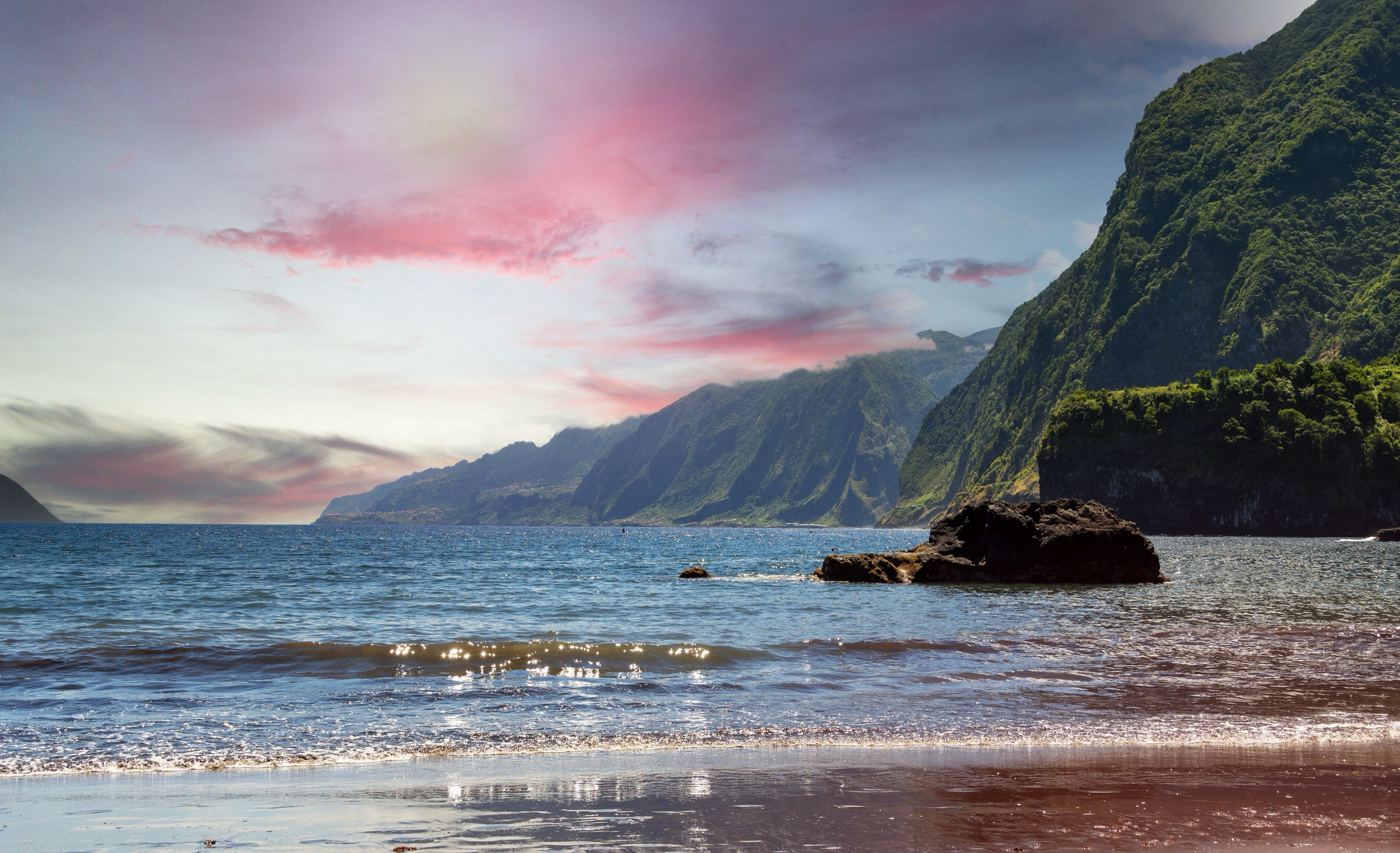
Formed by a volcanic eruption, Madeira lies in the Gulf Stream, about 500 miles due west of Casablanca. Discovered by Portuguese explorer João Gonçalves Zarco in 1419, this beautiful island became part of Portugal’s vast empire and was named for the dense forest which cloaked it - 'Madeira' means 'wood' in Portuguese. Sugar plantations first brought wealth here, and when King Charles II of England granted an exclusive franchise to sell wine to England and its colonies, many British emigrants were drawn to the capital, Funchal. Today’s travellers come to Madeira for the varied and luxuriant scenery, from mountain slopes covered with vines to picturesque villages and a profusion of wild flowers. The natural beauty of the island has earned it many pseudonyms such as ‘The Floating Garden of the Atlantic’, 'The Island of Eternal Springtime' and ‘God’s Botanical Gardens’ and our selection of excursions aim to show you why.

Ptfnc   Funchal, Madeira, Portugal   Photo Credit Alex Tudor
Ptfnc Funchal, Madeira, Portugal Photo Credit Alex TudorAlex Tudor
Ptfnc   Funchal, Madeira, Portugal   Photo Credit Reinaldo Garanito
Ptfnc Funchal, Madeira, Portugal Photo Credit Reinaldo GaranitoReinaldo Garanito

Day 22 - Funchal, Madeira

The main island of Madeira is a little piece of Portugal in the middle of the Atlantic. The capital, Funchal, became a popular holiday destination for European aristocracy in the 19th century and the city still retains this air of busy prosperity. On its edge is the vibrant Mercado dos Lavradores market, bursting with local produce. The city is famous for its gardens, so plan a visit to the Madeira Botanical Garden, Monte Tropical Gardens and Santa Catarina Park. 

Formed by a volcanic eruption, Madeira lies in the Gulf Stream, about 500 miles due west of Casablanca. Discovered by Portuguese explorer João Gonçalves Zarco in 1419, this beautiful island became part of Portugal’s vast empire and was named for the dense forest which cloaked it - 'Madeira' means 'wood' in Portuguese. Sugar plantations first brought wealth here, and when King Charles II of England granted an exclusive franchise to sell wine to England and its colonies, many British emigrants were drawn to the capital, Funchal. Today’s travellers come to Madeira for the varied and luxuriant scenery, from mountain slopes covered with vines to picturesque villages and a profusion of wild flowers. The natural beauty of the island has earned it many pseudonyms such as ‘The Floating Garden of the Atlantic’, 'The Island of Eternal Springtime' and ‘God’s Botanical Gardens’ and our selection of excursions aim to show you why.

Ptfnc   Funchal, Madeira, Portugal   Photo Credit Alex Tudor
Ptfnc Funchal, Madeira, Portugal Photo Credit Alex TudorAlex Tudor
Ptfnc   Funchal, Madeira, Portugal   Photo Credit Reinaldo Garanito
Ptfnc Funchal, Madeira, Portugal Photo Credit Reinaldo GaranitoReinaldo Garanito

Day 23 - Santa Cruz de La Palma

It’s just a short hop across to Santa Cruz de La Palma, a charming port city nestled on the eastern coast of La Palma Island in the Canary archipelago. Founded in 1493, it grew to be the third largest port in Europe in the 16th century. Today, its cobbled streets are quiet, lined with colourful houses, grand churches, and well-preserved colonial architecture complete with wooden balconies and tumbling flower boxes. Immerse yourself in the rich history and cultural heritage of this historic city as you explore local markets and indulge in delicious cuisine. 

Also known as ‘La Isla Bonita’ (the beautiful island), La Palma is typified by lush forests of pine, laurel and fern which contrast with the rugged splendour of the gigantic Taburiente crater. The island is dotted with attractive villages, which are a delight to discover, and the capital Santa Cruz also makes for an interesting day of exploration. Perched on the edge of the volcanic crater of La Caldereta, Santa Cruz comfortably blends modern architecture with old colonial buildings. Perhaps visit the fascinating Natural History Museum, stroll around the historic quarters and the Plaza de Espana or travel a few miles outside the city to the exquisite Church of Our Lady. If you enjoy shopping, you can find reasonably priced silver jewellery, leather goods and beautifully embroidered clothes, tablecloths and napkins, a speciality of the Canary Islands.

Santa Cruz, Tenerife
Santa Cruz, TenerifeImage by Guillermo Enrique Menze from Pixabay
Tenerife
TenerifeImage by Oleksandr Pidvalnyi from Pixabay

Day 24 - Las Palmas de Gran Canaria

Las Palmas is a vibrant coastal city and the capital of Gran Canaria, offering a delightful mix of culture, history, and laid-back island life. With its year-round mild climate, you can enjoy a relaxing stroll along the Canteras Beach promenade, one of the most famous urban beaches in Spain. Browse local shops, stop for a coffee or tapas at a seafront café, or take in views of the Atlantic. For those interested in culture, the nearby Santa Catalina Park area offers lively squares, gardens, and access to museums and galleries, all within easy walking distance. 

Perhaps the prettiest of the Canary Islands, Gran Canaria is an almost circular isle with the peak of Pozo de Las Nieves, its highest point, at the centre. With a wealth of natural beauty and all the exciting attractions of city life in the capital, the island offers the best of both worlds. You will no doubt wish to see the sights of the capital’s old quarter, which dates back to the 15th century and encompassses the Vegueta and Triana districts, and wherever you go you can enjoy the glorious subtropical climate, perfect for growing exotic palms and fruits.

Eslpa   Las Palmas De Gran Canaria, Spain   Photo Credit Belongs To Vidar Nordli Mathisen
Eslpa Las Palmas De Gran Canaria, Spain Photo Credit Belongs To Vidar Nordli Mathisen

Day 25 - Santa Cruz de Tenerife

From your suite’s private verandah, watch Tenerife awaken at sunrise. Santa Cruz, the Canary Islands’ vibrant capital, offers diverse beaches, from golden sands to striking volcanic black. Be immersed in lively Canarian culture, savouring local cuisine, colourful traditions and historic landmarks like Plaza de España. 

The largest of the Canary Islands, Tenerife is a beautiful and scenic island which enjoys year-round sunshine and is dominated by Mount Teide. The mountain range runs through the centre of the island, with fertile valleys on the northern side. In the central part of the range is the gigantic natural crater of the Cañadas del Teide, about 14 miles in diameter. Santa Cruz, the island’s pretty capital, was originally a small fishing village but has now grown into a modern city, and also contains 16th-century civic buildings and ornate private mansions. Near the pier is the Santa Cruz Palmetum, a Botanical Garden covering an area of 29 acres, specialising in palms.

Essct   Santa Cruz De Tenerife, Spain   Photo Credit Belongs To Christian Buehner
Essct Santa Cruz De Tenerife, Spain Photo Credit Belongs To Christian BuehnerChristian Buehner
Essct   Santa Cruz De Tenerife, Spain   Photo Credit Belongs To Ilya Kazakov
Essct Santa Cruz De Tenerife, Spain Photo Credit Belongs To Ilya Kazakov Ilya Kazakov
Essct   Santa Cruz De Tenerife, Spain   Photo Credit Belongs To Ivanna Hrytsiuk
Essct Santa Cruz De Tenerife, Spain Photo Credit Belongs To Ivanna HrytsiukIvanna Hrytsiuk
Essct   Santa Cruz De Tenerife, Spain   Photo Credit Belongs To Joshua H.
Essct Santa Cruz De Tenerife, Spain Photo Credit Belongs To Joshua H. Joshua H
Essct   Santa Cruz De Tenerife, Spain   Photo Credit Belongs To Rafael Barquero
Essct Santa Cruz De Tenerife, Spain Photo Credit Belongs To Rafael BarqueroRafael Barquero
Essct   Santa Cruz De Tenerife, Spain   Photo Credit Belongs To Svetlana Gumerova
Essct Santa Cruz De Tenerife, Spain Photo Credit Belongs To Svetlana GumerovaSvetlana Gumerova

Day 28 - Mindelo, São Vicente Island

Around 500 kilometres off the coast of Senegal, Cape Verde is made up of 15 volcanic islands (nine of which are inhabited) spread across 4,000 square kilometres of ocean. São Vicente is the second most populated of the Cape Verde islands and Mindelo is its busy capital. 

São Vicente island is also home to some of the country’s greatest musicians, writers and thinkers, making Mindelo a vibrant town where you can immerse yourself in rich cultural traditions. 

Your next stop will be Cape Verde’s cultural capital, Mindelo. Get along with the locals listening to the real morna in the bars of the old town and sipping the local drink, a sugarcane spirit. This island is also known by its British and Portuguese colonial architecture and pastel-coloured houses, the municipal market and the facades of the old Governor’s Palace.

São Vicente, Cape Verde
São Vicente, Cape VerdePhoto by Datingscout on Unsplash

Day 29 - Praia, Santiago Island

Step into the lively spirit of Praia, Cape Verde’s bustling capital. Wander through colourful streets and vibrant markets, where the rich mix of African and Portuguese influences come alive. Discover local crafts, taste delicious traditional dishes and soak up the friendly island atmosphere. Whether you’re exploring the historic Plateau area or enjoying views by the waterfront, Praia promises a warm and authentic experience. 

Start your Expedition Cruise in Praia, the capital of Cape Verde, located in the south of Santiago Island. You can explore its old centre overlooking the ocean and its historical buildings with transom windows. In the old quarter, you can also learn about the diversity of the archipelago’s cultural origins in the Ethnographic Museum. To finish your day, head to the harbour to visit the Diogo Gomes statue, paying homage to the man who discovered the archipelago in 1460.

Dramatic Landscape Of Cape Verde
Dramatic Landscape Of Cape VerdeImage by Jean-Marc Baum from Pixabay

Day 31 - Dakar

Your Signature Yacht Cruise concludes this morning in the city of Dakar, the vibrant capital of Senegal. Known for its rich culture, bustling markets, lively music scene and beautiful coastline, Dakar offers a unique blend of tradition and modern energy. 

Disembark after breakfast as you bid farewell to your fellow guests and crew, carrying with you memories of an unforgettable voyage. 

Please book your flight to depart out of Dakar after 12:00 PM.

#Spa treatments and services at additional cost. Daily activities may be subject to change; please consult your Daily Wonder for updates. +All drinks on board, including those stocked in your mini bar, are included, except for a very small number of rare, fine and vintage wines, Champagnes and spirits. Specialty restaurants require a reservation, enquire on board.
^Experiences on board our two helicopters and submersible are at additional cost, subject to regulatory approval, availability, weight restrictions, medical approval and weather conditions.

Helicopter not operational in France and Morocco. Submersible not operational in Europe.

The itinerary is a guide only and may be amended for operational reasons. As such Scenic cannot guarantee the voyage will operate unaltered from the itinerary stated above. Please refer to our terms and conditions for further information.

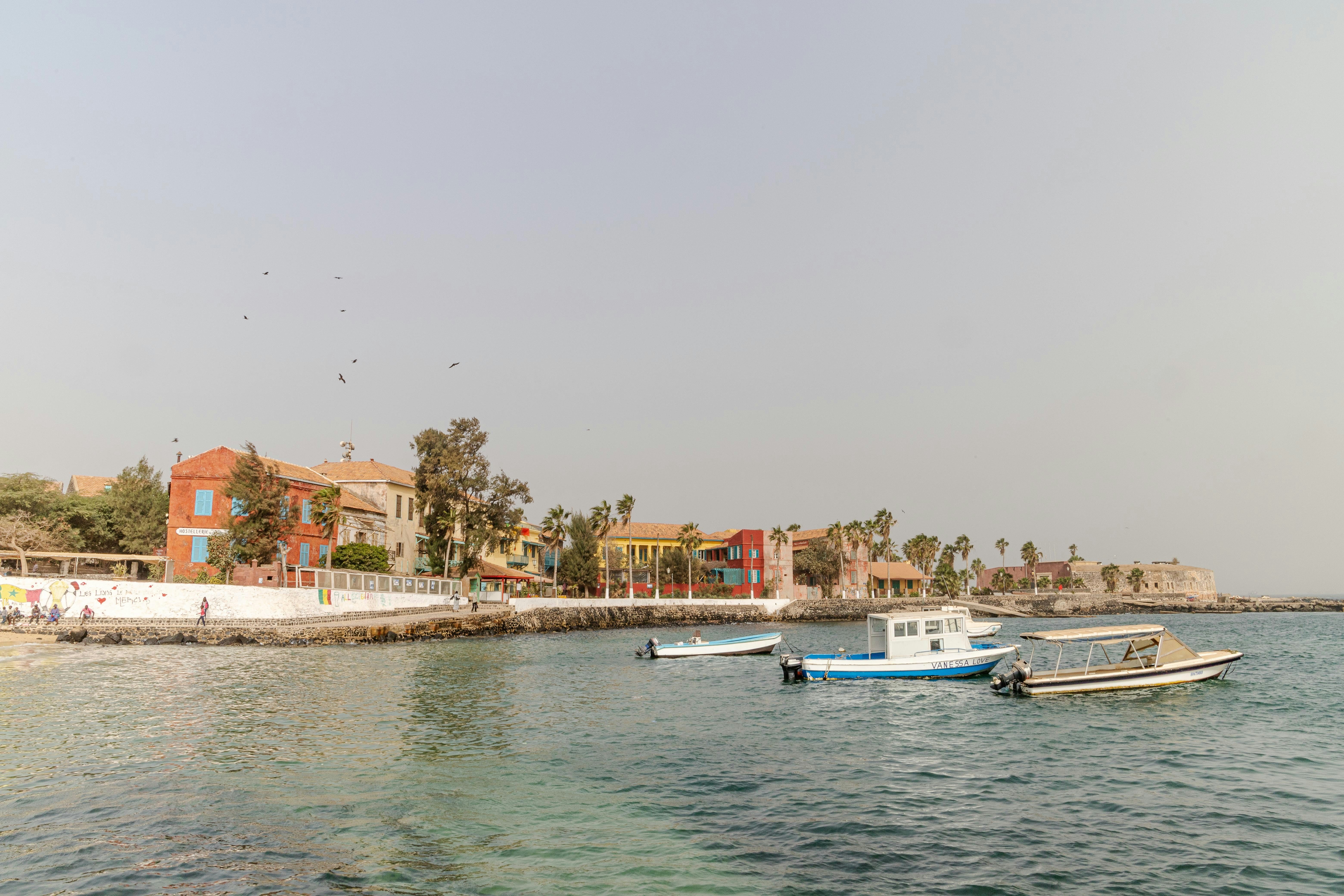
Dakar, set at the tip of the Cape Vert peninsula, is West Africa’s westernmost point and the capital of French-speaking Senegal. Although it was not founded until 1857, it is West Africa’s oldest European city and one of the most westernised. The opening of the Dakar-St Louis railway in 1885 put the town on the map; it subsequently became a French naval base and in 1904, the capital of Afrique Occidentale Française. It bears the legacy of Africa’s French colonial past, especially so in the downtown Plateau area, where the architecture is redolent of southern France. Every inch a modern city, Dakar is a frenetic buzz of activity, which can be startling. Perhaps sample the popular mint tea and try your hand at bartering in the colourful craft markets for traditional embroidery, woodcarvings, metalwork and costume jewellery.

Île De Gorée, Dakar, Senegal
Île De Gorée, Dakar, SenegalPhoto by TD AD on Unsplash
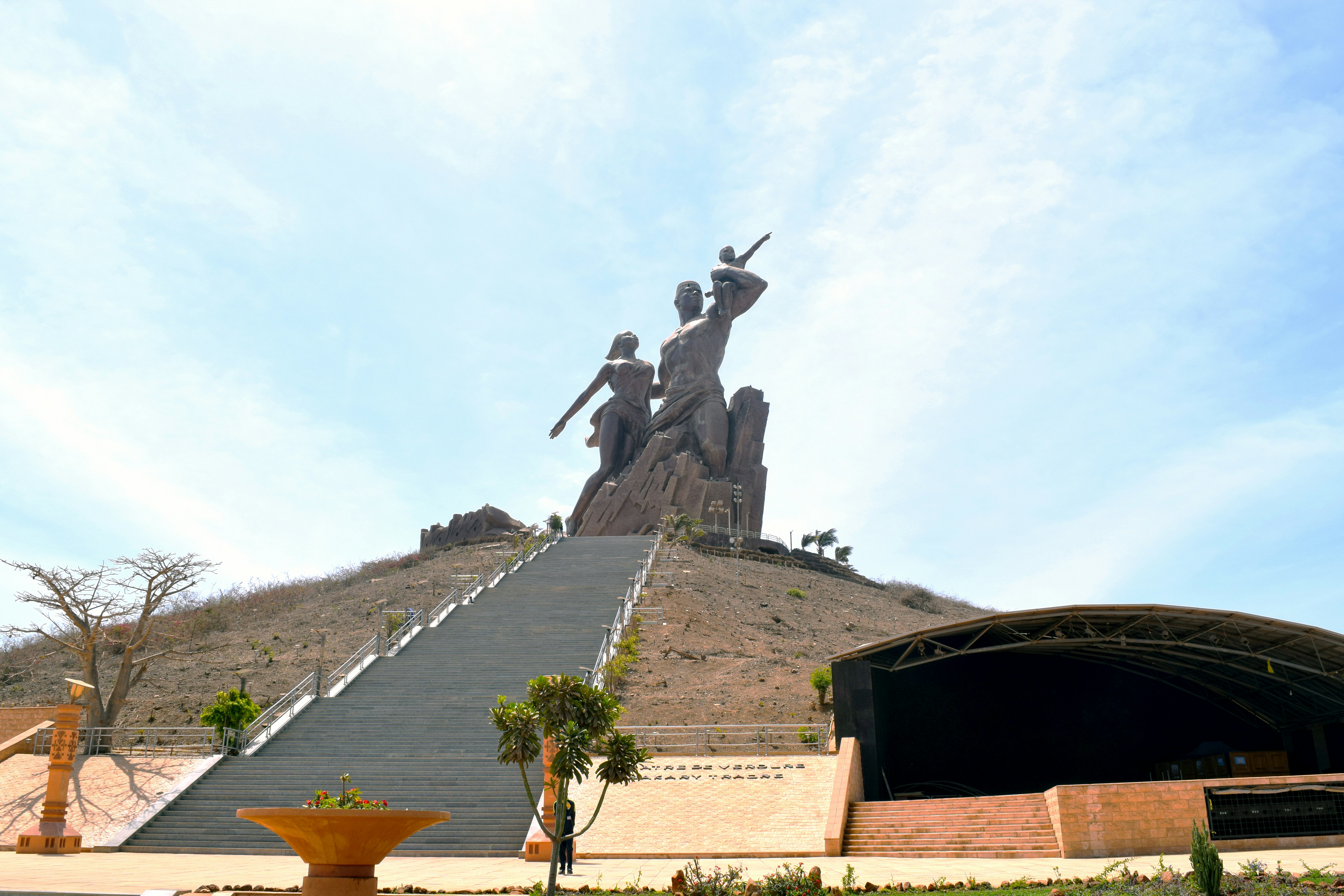
African Renaissance Monument, Dakar, Senegal
African Renaissance Monument, Dakar, SenegalPhoto by Omoniyi David on Unsplash
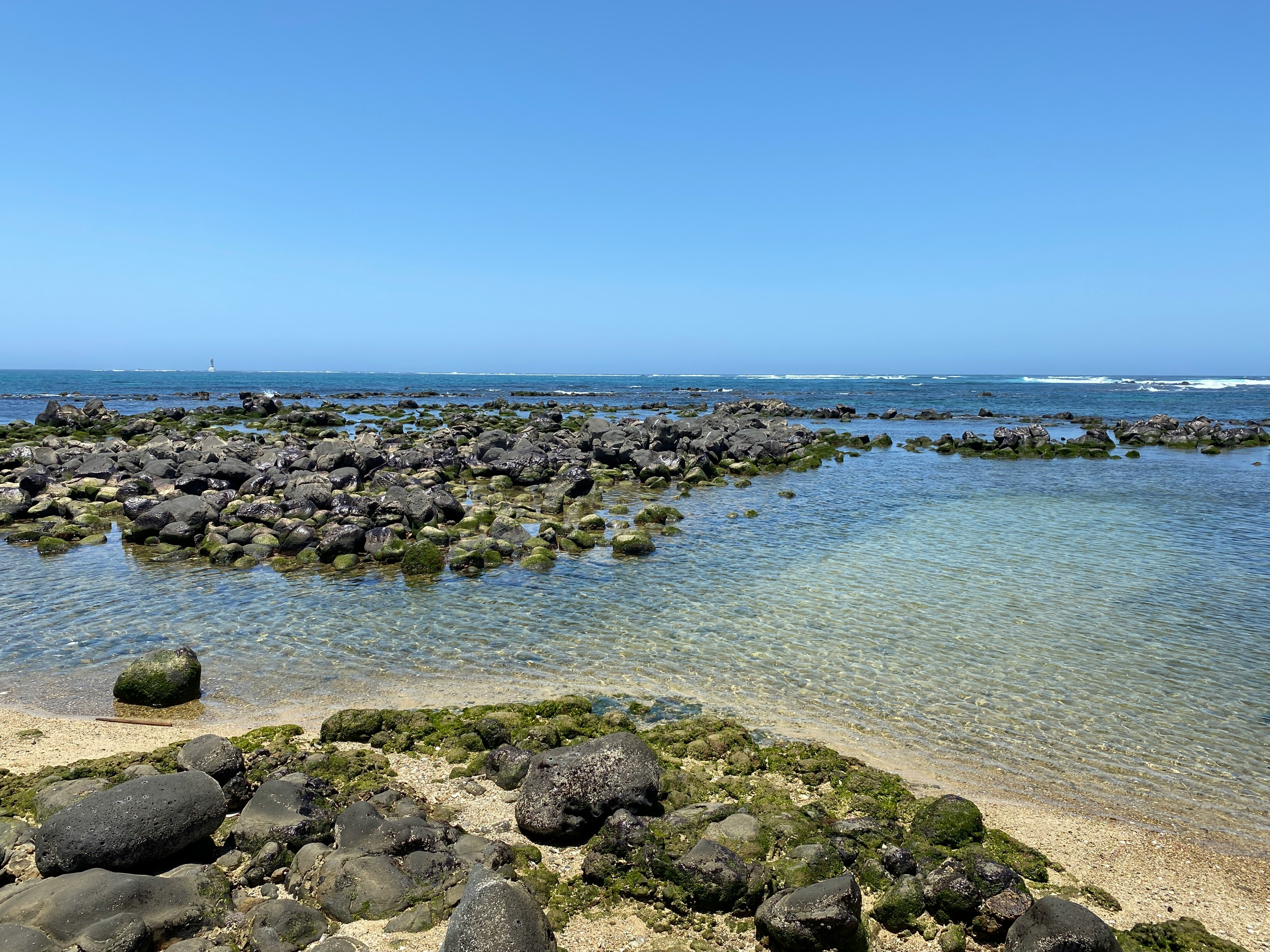
Dakar, Senegal
Dakar, SenegalPhoto by Djibril Diallo on Unsplash
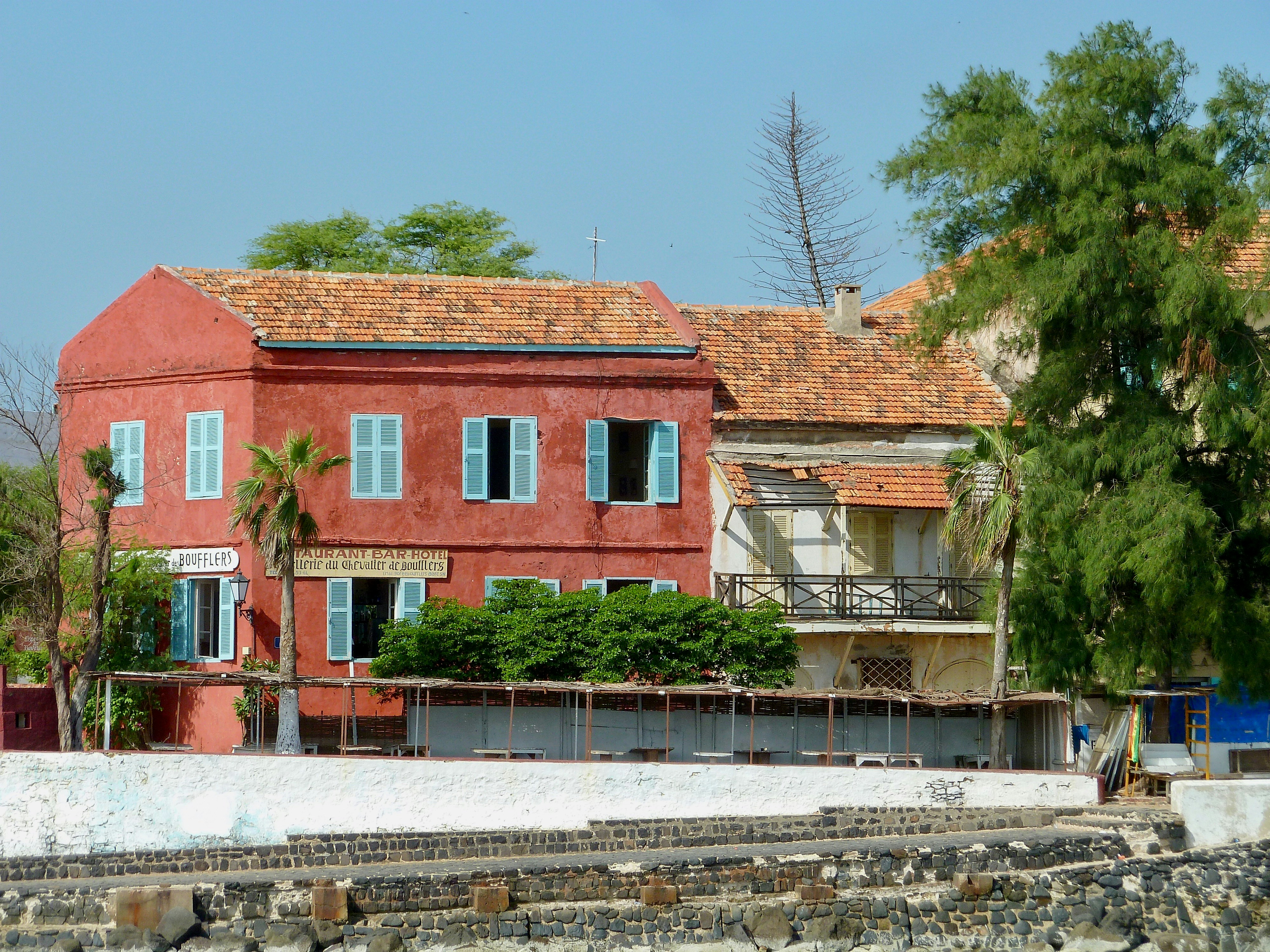
Goree Island, Dakar, Senegal
Goree Island, Dakar, SenegalPhoto by E. Diop on Unsplash

Suites & Deck Plans

Suite

Your own private residence at sea.

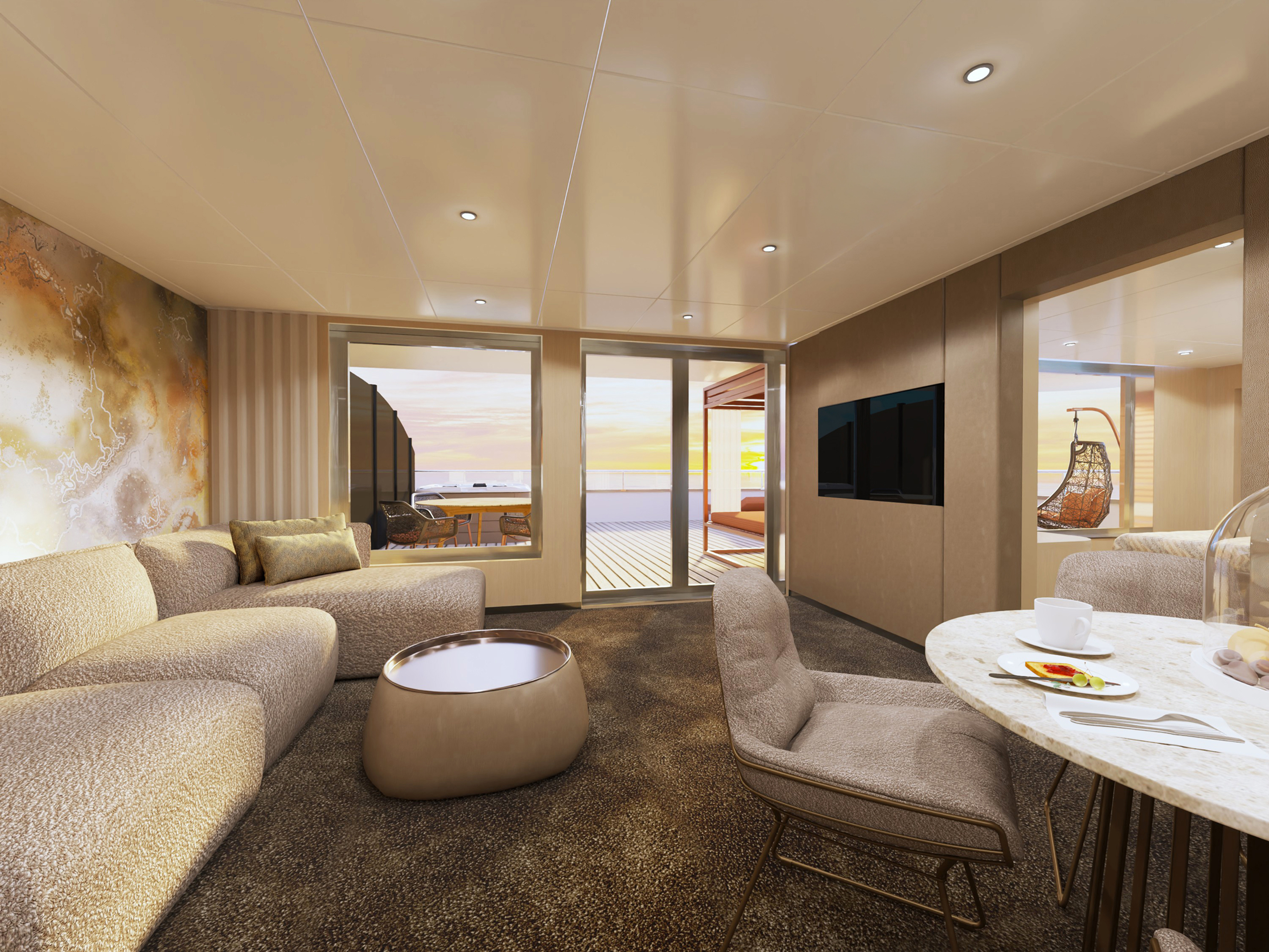
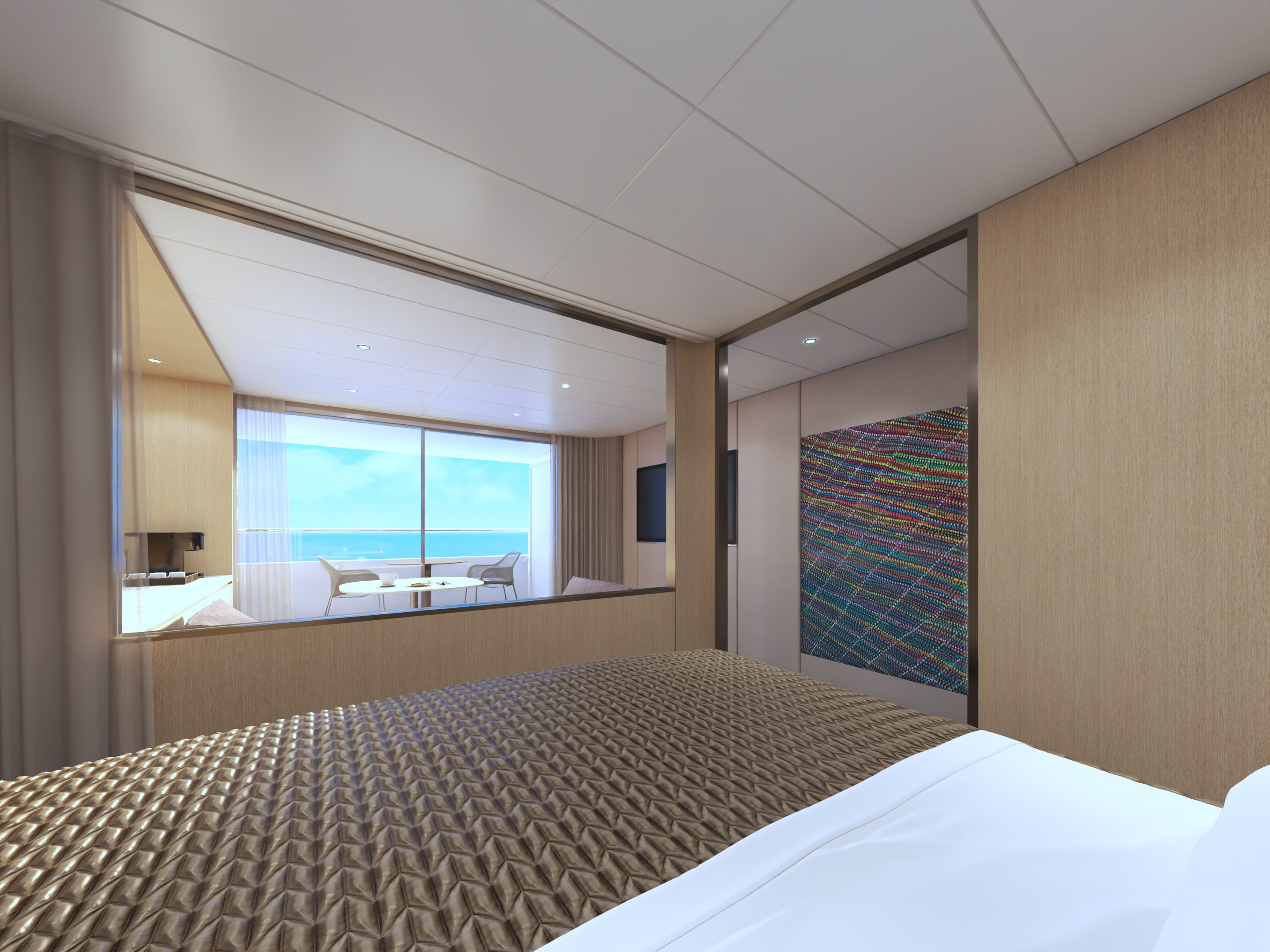
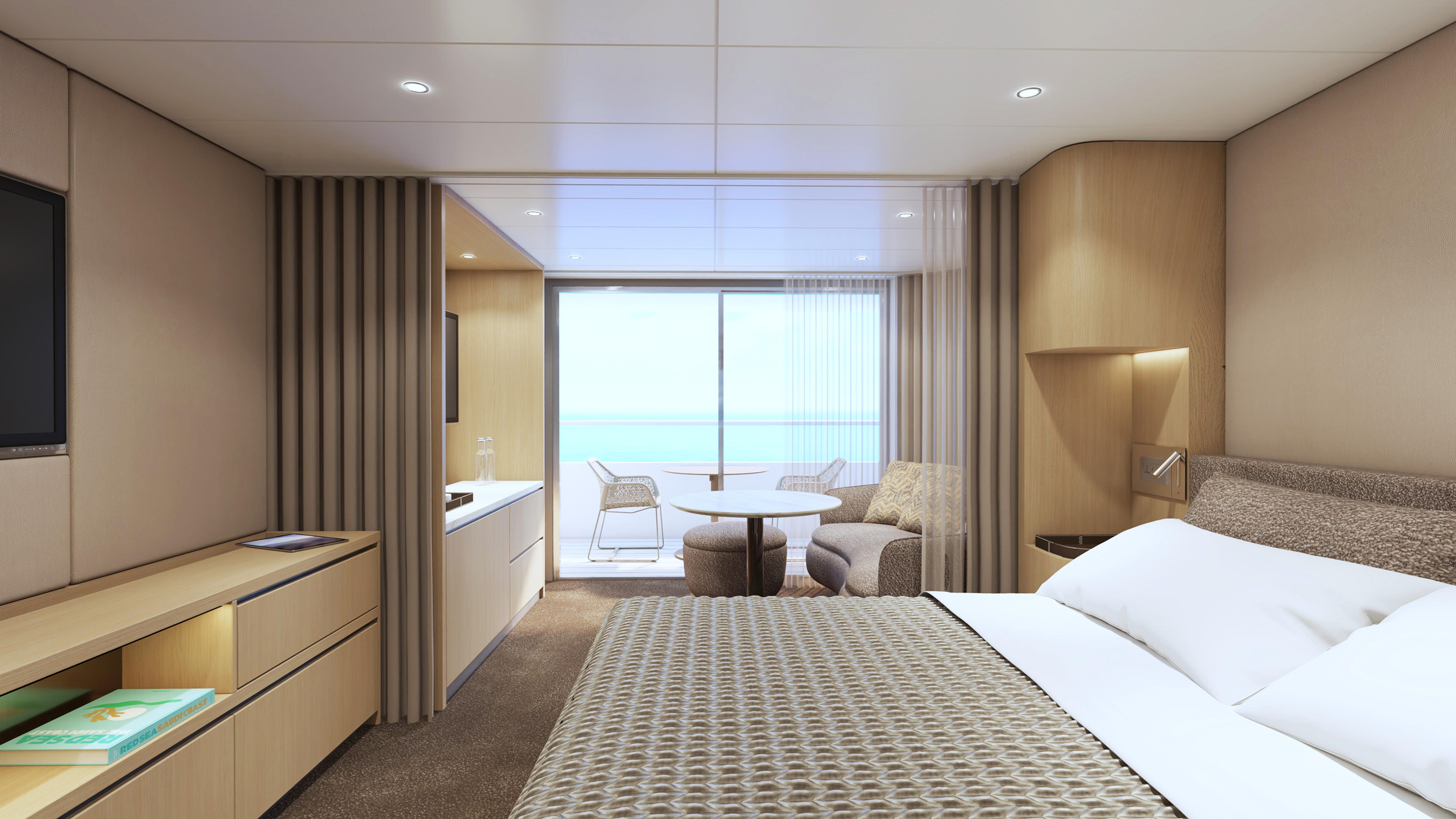
The lounge is thoughtfully appointed areas for relaxation, dining, and entertaining, with a fully appointed bar island: delight in anything your heart desires — from crafted cocktails to wellness-inspired refreshments and light dining — all served discreetly by your private butler. The suite features a master bedroom plus a wellness studio with in-suite ESPA spa services and private fitness amenities. Which can transform into a second bedroom for family or guests. The bathroom is enhanced with steam and infrared experiences for ultimate wellbeing and indulgence with full-size baths and double vanities, ensuring the utmost in comfort and indulgence. A spacious walk-in wardrobe and private Glam Bar, fully appointed with Dyson’s advanced hair care tools and elevated ESPA amenities, complete the suite, offering effortless luxury and the ultimate in oceanfront living. An expansive terrace with Jacuzzi, private cabana, and outdoor lounge and dining areas provides the perfect space to relax or entertain under open skies.

2690 sq ft
Accommodates 4 guests
Ikon Penthouse

Scenic Ikon

Scenic Ikon

Client testimonials

I have worked with Lore Doick for more than 20 years, and she has booked over 30 cruises for me. Her expertise, care, and attention to every travel detail have made her an invaluable advisor and friend over the years.”

Tina B.

We are now in our second generation working with Cheri Ozimac at Tully Luxury Travel. From Antarctica to Greece, she has handled every detail with expertise, responsiveness, and care…

Earl M.

My wife and I have worked with Tully since 2007, and Kit Neil and her team went far beyond expectations while helping us navigate multiple cruise and flight cancellations. Their advocacy, care, and support during a difficult time were extraordinary.

Carri F.

Cheri Ozimac organized our Seabourn cruise flawlessly, from the hotel recommendation to every travel arrangement. She was responsive, attentive, and an excellent advocate throughout the process…

Cyn S.

We discovered Tully Luxury Travel after years of booking cruises through US agents and were impressed by their competitive pricing, exceptional service, and Canadian based support. Their team is always available, offers excellent value, and makes booking the right cruise seamless.

Peter C.

GoogleAverage Customer Rating:

The Tully Difference

Why travel with us


Tully Luxury Travel was built on access, discretion, and trust. For our clients, that means ease at every step, with distinctions that turn exceptional voyages into defining moments.

Recognized expertise

A renowned agency worldwide in luxury land and small-ship cruising, consistently trusted by the industry’s most prestigious brands.