
Scenic Ocean Cruises logo

Circumnavigation of Japan: Sacred Isles & Northern Shores

Itinerary: Osaka, Matsuyama, Hofu, Busan, Oki Islands, Miyazu, Toyama, Niigata, Akita, Hakodate, Sendai, Oarai, Tokyo, Toba See full itinerary

5 Apr 29
14 nights

Voyage Details

Duration:
14 nights
Departure:
5 Apr 2029
Embarkation:
Osaka, Japan
Cruise code:
131A
Voyage code:
131A050429.1

Your Itinerary, Day-By-Day

Special Chapters of Your Journey

Day 1 - Osaka

Welcome to Osaka, Japan’s vibrant culinary capital and gateway to the treasures of the Kansai region. Renowned throughout the country for its street food culture and warm, convivial spirit, Osaka blends the grandeur of its imposing 16th-century castle with a dynamic cityscape of neon-lit neighbourhoods, historic temples and lively waterside districts. Nearby, the ancient capitals of Kyoto and Nara invite exploration of serene gardens, sacred shrines and centuries of imperial heritage.

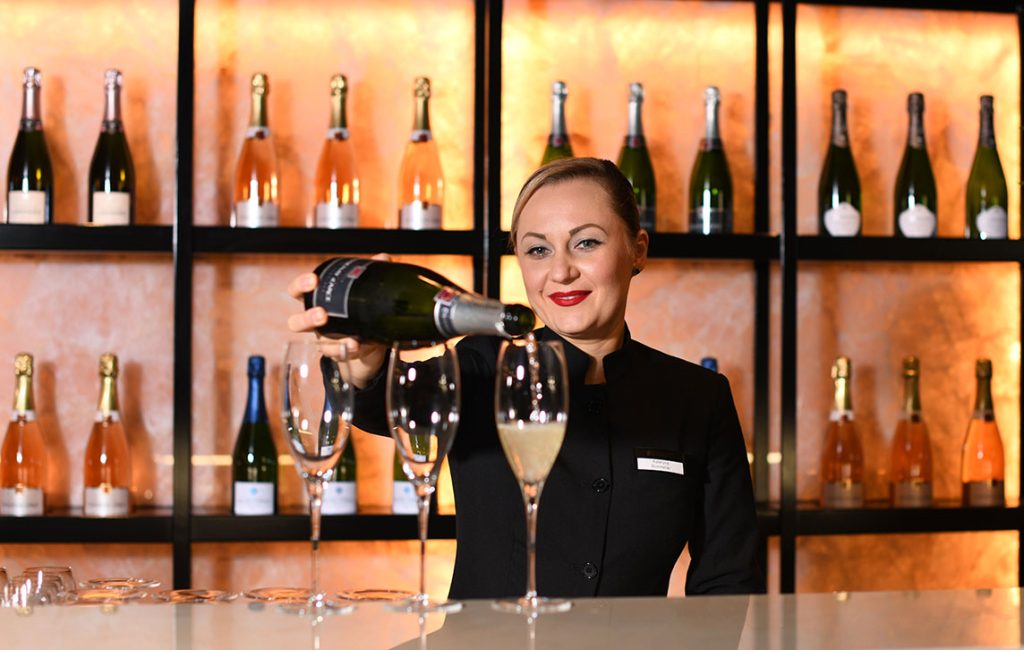
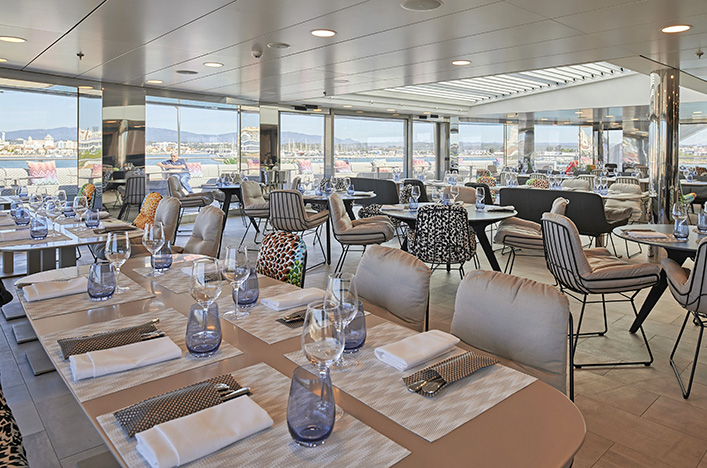
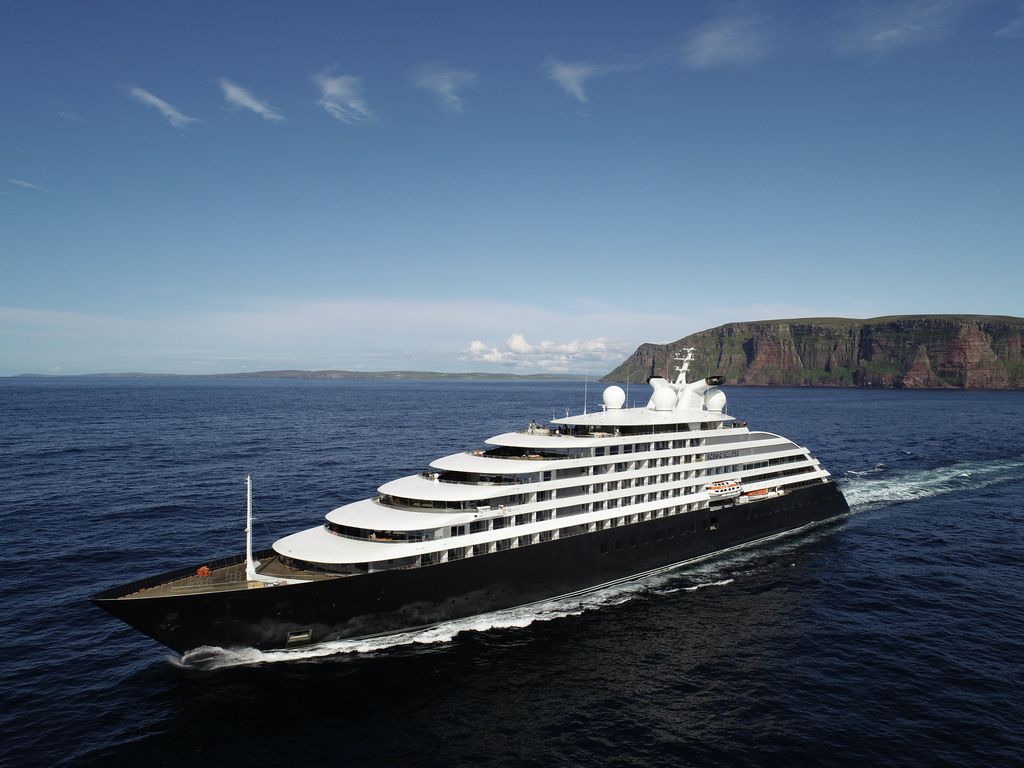
Your Discovery Voyage begins with a warm greeting by the Captain and crew as you step on board Scenic Eclipse II, your ultra-luxury Scenic Discovery Yacht. Sip on a glass of Champagne as you explore your luxurious suite, then join fellow guests at the Sky Bar to toast the start of a remarkable circumnavigation of Japan.

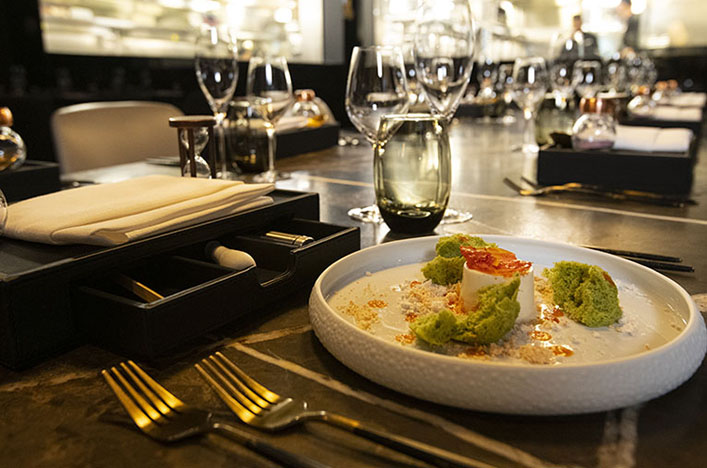
As evening falls, choose from a range of distinct culinary experiences, before settling into an evening of thoughtfully curated entertainment.

Please book your flight to arrive into Osaka prior to 02:00 PM.

From Minami's neon-lighted Dotombori and historic Tenno-ji to the high-rise class and underground shopping labyrinths of Kita, Osaka is a city that pulses with its own unique rhythm. Though Osaka has no shortage of tourist sites, it is the city itself that is the greatest attraction. Home to some of Japan's best food, most unique fashions, and warmest locals, Osaka does not beg to be explored—it demands it. More than anywhere else in Japan, it rewards the impulsive turn down an interesting side street or the chat with a random stranger. People do not come here to see the city, they come to experience it.Excluded from the formal circles of power and aristocratic culture in 16th-century Edo (Tokyo), Osaka took advantage of its position as Japan's trading center, developing its own art forms such as Bunraku puppet theater and Rakugo comic storytelling. It was in Osaka that feudal Japan's famed Floating World—the dining, theater, and pleasure district—was at its strongest and most inventive. Wealthy merchants and common laborers alike squandered fortunes on culinary delights, turning Osaka into "Japan's Kitchen," a moniker the city still has today. Though the city suffered a blow when the Meiji government canceled all of the samurai class's outstanding debts to the merchants, it was quick to recover. At the turn of the 20th century, it had become Japan's largest and most prosperous city, a center of commerce and manufacturing.Today Osaka remains Japan's iconoclastic metropolis, refusing to fit Tokyo's norms and expectations. Unlike the hordes of Tokyo, Osakans are fiercely independent. As a contrast to the neon and concrete surroundings, the people of Osaka are known as Japan's friendliest and most outgoing. Ask someone on the street for directions in Tokyo and you are lucky to get so much as a glance. Ask someone in Osaka and you get a conversation.The main areas of the city, Kita (north) and Minami (south), are divided by two rivers: the Dojima-gawa and the Tosabori-gawa. Between Kita and Minami is Naka-no-shima, an island and the municipal center of Osaka. Kita (north of Chuo Dori) is Osaka's economic hub and contains Osaka's largest stations: JR Osaka and Hankyu Umeda. The area is crammed with shops, department stores, and restaurants. Nearby are a nightlife district, Kita-shinchi; Naka-no-shima and the Museum of Oriental Ceramics; Osaka-jo (Osaka Castle); and Osaka Koen (Osaka Park). Restaurants, bars, department stores, and boutiques attract Osaka's youth to Minami (south Chuo Dori); theatergoers head to the National Bunraku Theatre and electronics-lovers to Den Den Town. For a glimpse of old Osaka, visit Tenno-ji Temple and Shin Sekai. The main stations are Namba, Shin-sai-bashi, Namba Nankai, and Tenno-ji. There's easy access to the Municipal Museum of Fine Art and Sumiyoshi Taisha (Sumiyoshi Grand Shrine).The bay area, to the west of the city center, is home to the Osaka Aquarium and Universal Studios Japan. The Shinkansen stops at Shin-Osaka, three stops (about five minutes) north of Osaka Station on the Mido-suji subway line. To the north of Shin-Osaka is Senri Expo Park.
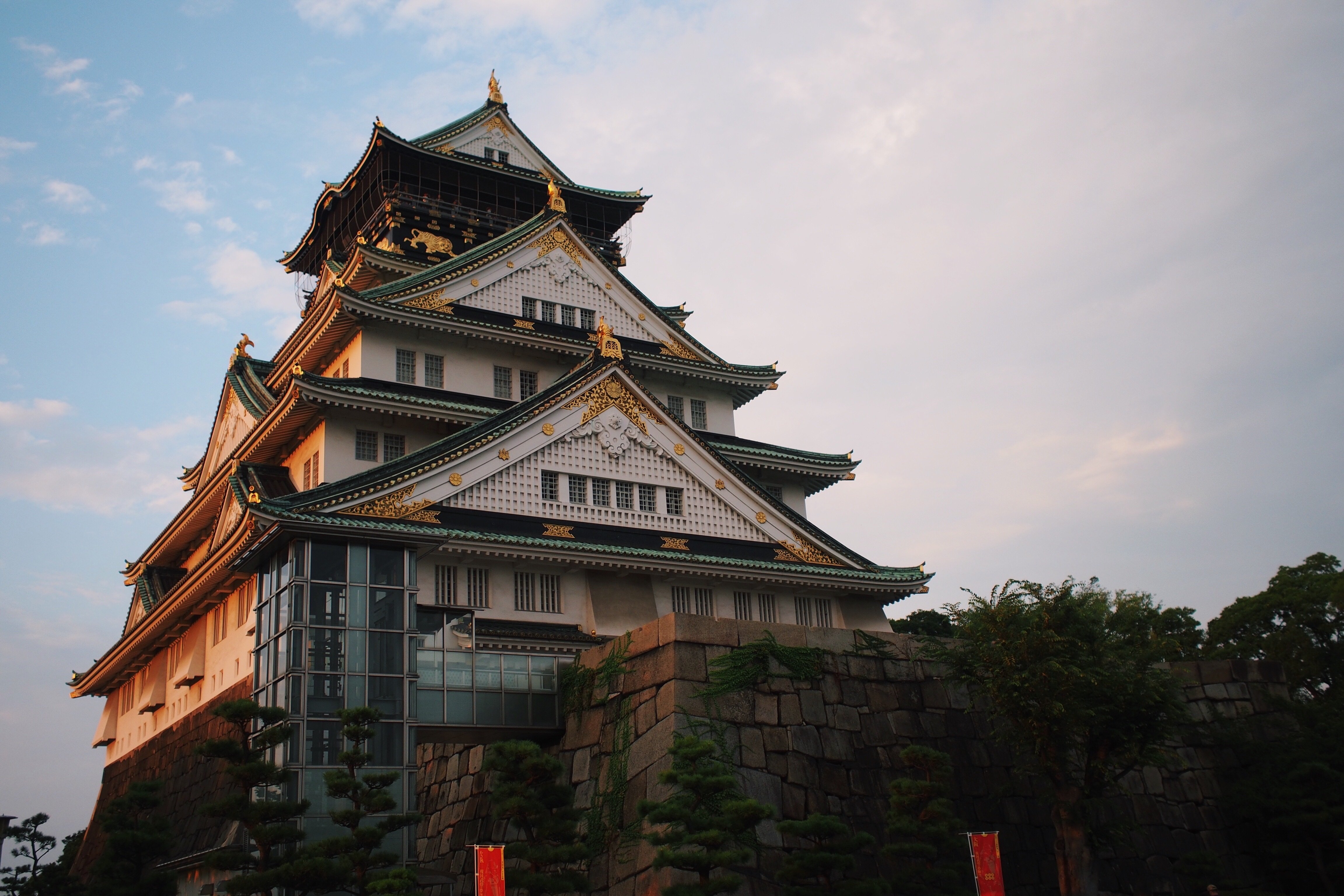
Castle, Osaka, Japan
Castle, Osaka, JapanImage by leo leung from Pixabay
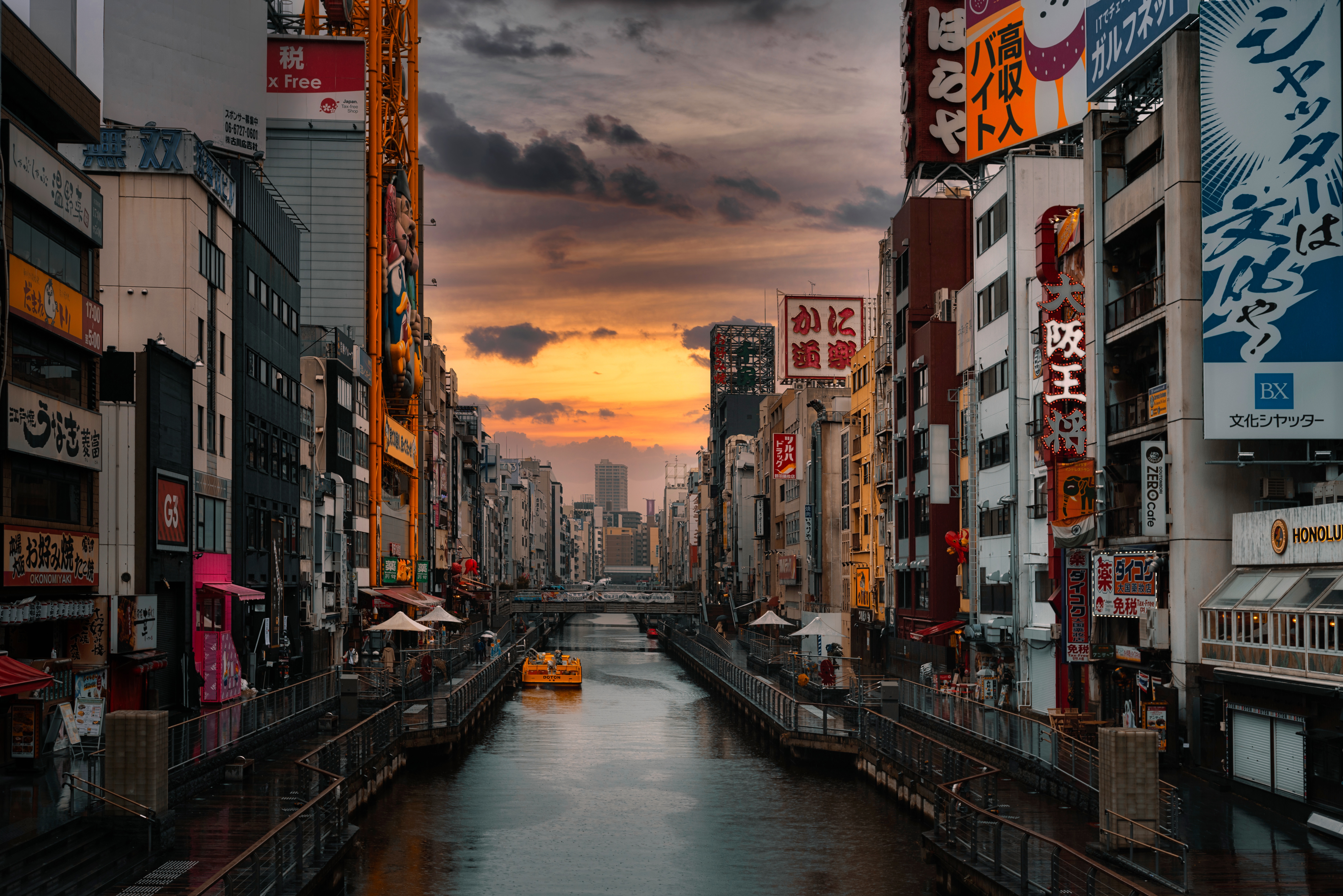
River, Osaka, Japan
River, Osaka, JapanImage by djedj from Pixabay

Day 2 - Matsuyama

Discover Matsuyama, the largest city on the island of Shikoku and a place where history, literature and the art of bathing converge. Presiding over the city from a forested hilltop, Matsuyama Castle is one of only twelve original castles remaining in Japan, its elegant keep and stone ramparts offering sweeping views across the urban landscape to the Seto Inland Sea beyond.

At the heart of Matsuyama’s identity lies Dogo Onsen, one of the oldest hot spring bathhouses in Japan, with a history stretching back over a thousand years. The ornate, multi-storied main building has welcomed emperors, poets and pilgrims alike, and its distinctive architecture is said to have inspired the iconic bathhouse in Studio Ghibli’s animated masterpiece. The surrounding streets are lined with traditional inns, craft shops and tea houses, creating a district of quiet charm and unhurried enjoyment.

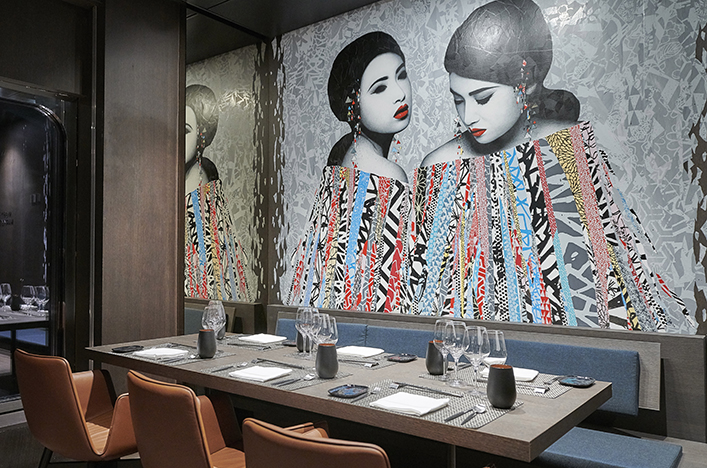
This evening, savour the flavours of Asia at Koko’s Asian Fusion, where expertly crafted dishes from the Sushi & Saké Bar @ Koko’s or the vibrant Night Market @ Koko’s+ menu provide a refined counterpoint to your day spent in Japanese culture.

Matsuyama, Japan
Matsuyama, JapanImage by steve Lee from Pixabay

Day 3 - Hofu

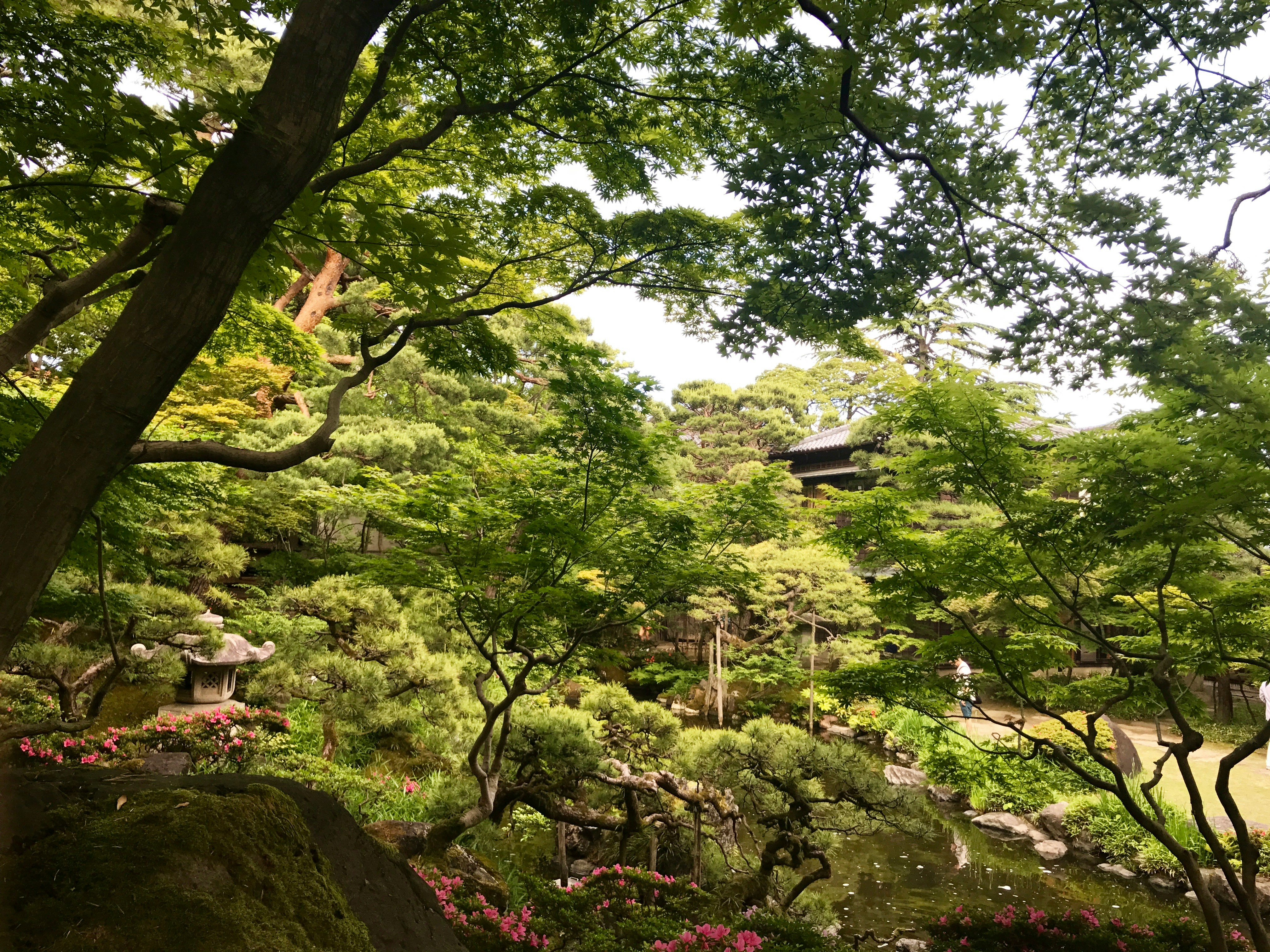
Arrive in Hofu, a quietly distinguished city in Yamaguchi Prefecture where centuries of spiritual devotion have shaped both the landscape and local character. The revered Hofu Tenmangu Shrine, one of the oldest and most significant Tenmangu shrines in Japan, crowns a hillside above the city, its sweeping stone staircase and vermillion structures dedicated to the deity of learning and scholarship. The shrine grounds are particularly celebrated during the spring months, when cherry blossoms frame the approach in a canopy of delicate pink.

Beyond the shrine, Hofu reveals the quieter pleasures of a provincial Japanese city. Traditional streetscapes give way to the landscaped grounds of Mori Garden, a former feudal estate set amid tranquil ponds and wooded pathways. The surrounding countryside, with its terraced hillsides and sheltered bays, speaks to the enduring relationship between this Seto Inland Sea community and the natural world.

Day 4 - Busan

Cross the Korea Strait to discover Busan, South Korea’s dynamic coastal metropolis. Stretched along a dramatic shoreline of beaches, cliffs and wooded hillsides, the city reveals a distinctive character quite unlike any Japanese port on this voyage. The bustling Jagalchi Fish Market, one of the largest in Asia, hums with energy as vendors display the morning’s catch, whilst nearby Gamcheon Culture Village cascades down a hillside in a mosaic of pastel-coloured houses and street art.

Along the coast, the cliffside Haedong Yonggungsa Temple overlooks the Korea Strait from a spectacular clifftop setting, its ornate architecture framed by crashing waves and coastal pines. Historic Beomeosa Temple, set in the forested slopes of Mount Geumjeongsan, offers a more contemplative setting, with its ancient halls nestled among towering trees and mountain streams.

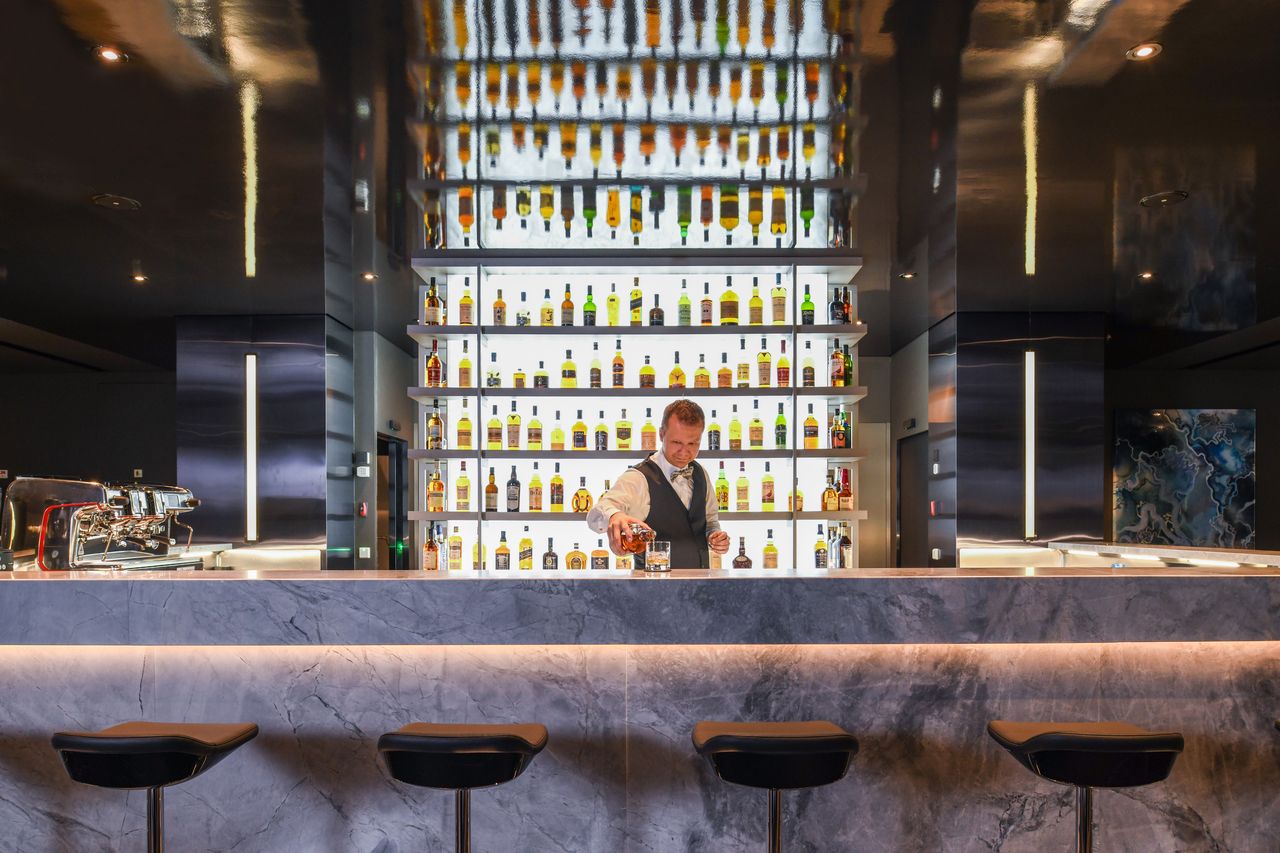
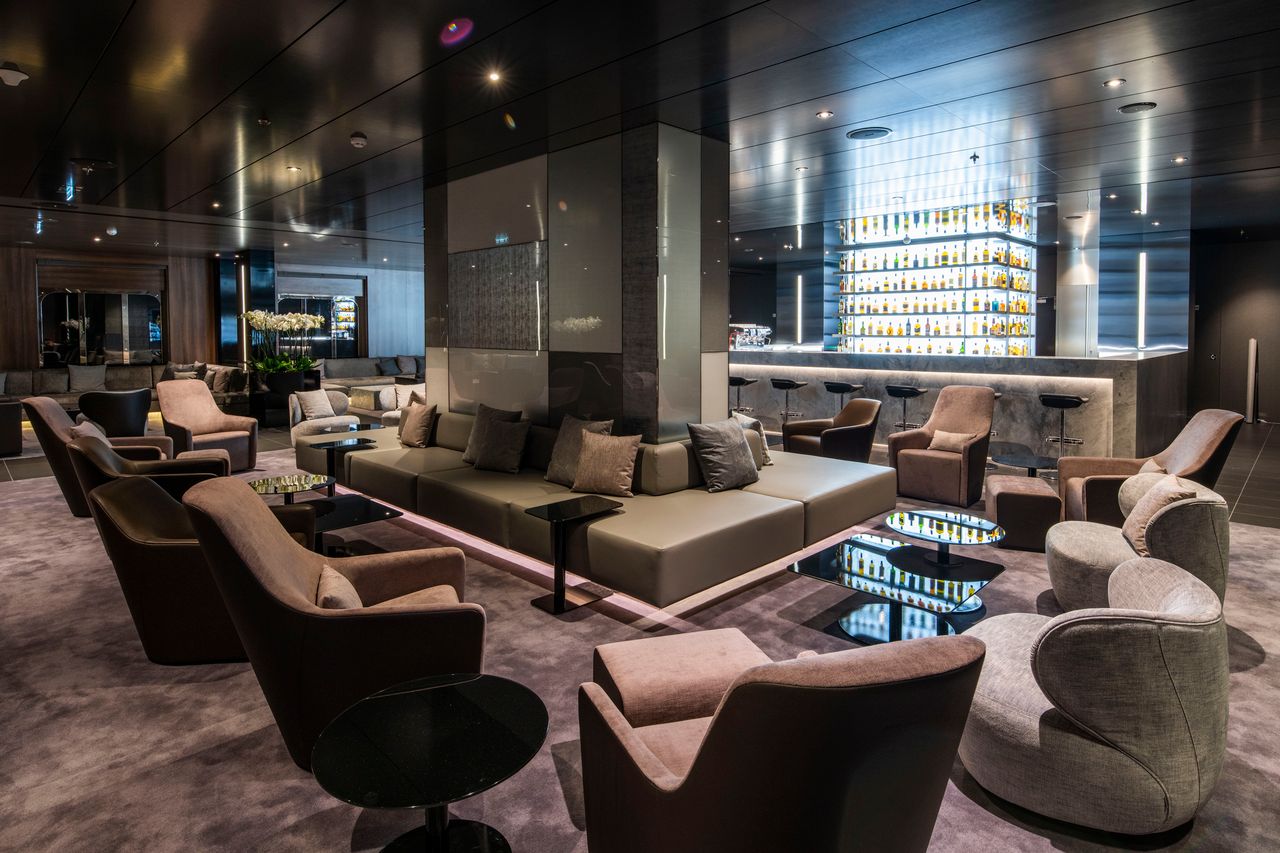
Return on board this evening for a cocktail at the Scenic Lounge Bar, where over 130 whiskies await, or choose from the expertly crafted menu at Elements, featuring Italian, steak and seafood prepared with locally sourced ingredients.

White-sand city beaches and hot-spring resorts may not be everyone's first image of Korea, but these are what Koreans flock to Busan for all year. And there are plenty of opportunities for rest, relaxation, retail therapy, and even a touch of glamour every October with the Busan International Film Festival. Busan's beaches are the big summertime draw but there is plenty to be seen year round. Quintessential experiences include taking some rest and relaxation at a local spa and exploring the Beomeosa temple complex.

Krpus   Busan, South Korea   Photo Cred By Pang Yuhao
Krpus Busan, South Korea Photo Cred By Pang Yuhao
Krpus   Busan, South Korea   Photo Credit Christopher Lee
Krpus Busan, South Korea Photo Credit Christopher Lee
Krpus   Busan, South Korea   Photo Credit Daniel Lee 1
Krpus Busan, South Korea Photo Credit Daniel Lee 1
Krpus   Busan, South Korea   Photo Credit Daniel Lee
Krpus Busan, South Korea Photo Credit Daniel Lee

Day 5 - Oki Islands

After a morning at sea, arrive at the Oki Islands, a remote archipelago in the Sea of Japan that feels a world apart from the mainland. Designated a World Heritage-listed Global Geopark, these islands reveal a dramatic geological story written in sheer sea cliffs, volcanic rock formations and coastlines sculpted by millennia of wind and wave. The towering Matengai Cliff, one of the highest sea cliffs in Japan, plunges vertically into the ocean, creating a spectacle of raw natural power.

Beyond the dramatic landforms, the Oki Islands preserve traditions that have largely disappeared elsewhere in Japan. Remote fishing communities maintain customs rooted in centuries of island life, and the unique bullfighting tradition, where bulls lock horns in matches of strength rather than spectacle, connects the present to an ancient past. The islands’ relative isolation has also nurtured distinctive flora and fauna, making them a haven for those drawn to landscapes shaped more by nature than by human hand.

Day 6 - Miyazu

Miyazu sits on the shores of Miyazu Bay in northern Kyoto Prefecture, serving as the gateway to Amanohashidate, one of Japan’s celebrated “three most scenic views.” This extraordinary natural sandbar stretches across the bay, its narrow ribbon of white sand lined with thousands of pine trees, creating a scene that has inspired poets and artists for centuries. Viewed from the surrounding hillsides, the pine-clad bridge appears to float between sea and sky, an image long held as one of the most beautiful in all of Japan.

Nearby, the fishing village of Ine presents a different kind of beauty. Its distinctive funaya, traditional boathouses built directly over the water, line a sheltered bay in a scene of quiet maritime charm, earning Ine recognition as one of Japan’s most beautiful villages. The unhurried rhythm of village life, the sound of water lapping against wooden hulls, and the scent of the sea create an atmosphere that feels timeless.

Day 7 - Toyama

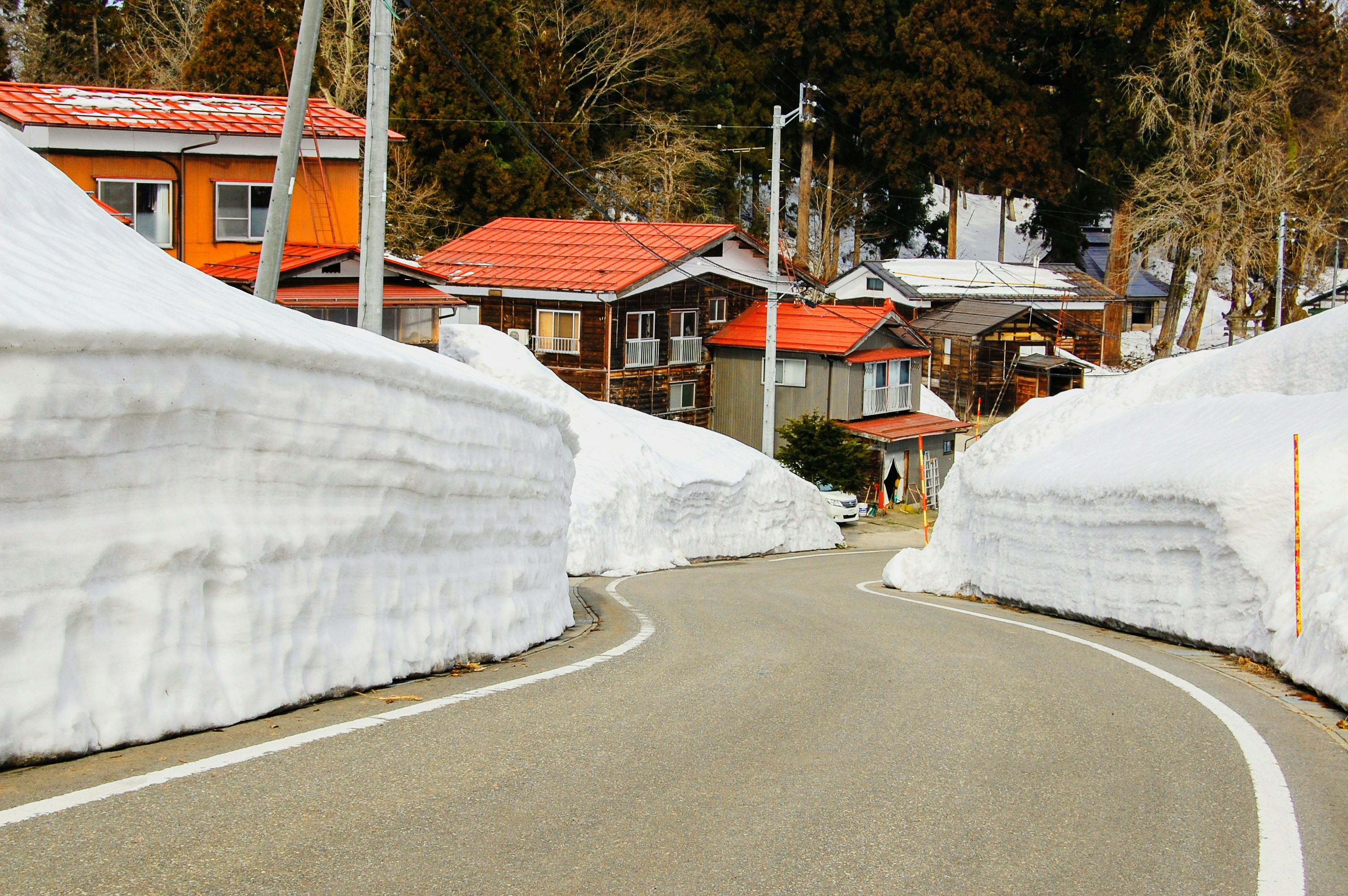
Arrive in Toyama, a city framed by one of the most dramatic mountain backdrops in Japan. The Tateyama Mountain Range of the Northern Alps rises to over 3,000 metres directly behind the city, its snow-capped peaks creating a stunning contrast with the coastal plains below. The city itself blends modern civic spaces with a historic castle park and a network of elegant waterways, whilst the surrounding region is celebrated for its exceptionally fresh seafood, drawn from the deep, cold waters of Toyama Bay.Beyond the city, the traditional mountain villages of the Gokayama district, a World Heritage-listed site, preserve the distinctive gassho-zukuri farmhouses that have sheltered communities through centuries of heavy snowfall. These steep-roofed structures, set among terraced rice paddies and forested valleys, offer a rare glimpse into a way of life shaped by the rhythms of nature and the demands of a mountain environment.

Toyama, Japan
Toyama, JapanPhoto by Daniel Beauchamp on Unsplash
Toyama, Japan
Toyama, JapanPhoto by Preston Pham on Unsplash
Toyama, Japan
Toyama, JapanPhoto by WANG Tianfang on Unsplash
Tateyama Kurobe Alpine Route, Ashikuraji, Tateyama, Toyama, Japan
Tateyama Kurobe Alpine Route, Ashikuraji, Tateyama, Toyama, JapanPhoto by Zion C on Unsplash

Day 8 - Niigata

Discover Niigata, a prosperous port city on Honshu’s Sea of Japan coast, renowned for producing some of the country’s finest rice and, by extension, its most celebrated saké. The Niigata region is home to an extraordinary concentration of saké breweries, many with histories stretching back generations, where master brewers draw on pure mountain water and locally grown Koshihikari rice to craft beverages of exceptional quality.

The city’s historic port quarter reflects centuries of maritime trade, with handsome merchant residences and warehouses that speak to Niigata’s importance as a gateway between Japan and the Asian mainland. Fertile plains stretch inland, their patchwork of rice paddies providing the foundation of the region’s agricultural identity, whilst the nearby coastline offers quiet stretches of sand and views across the sea.

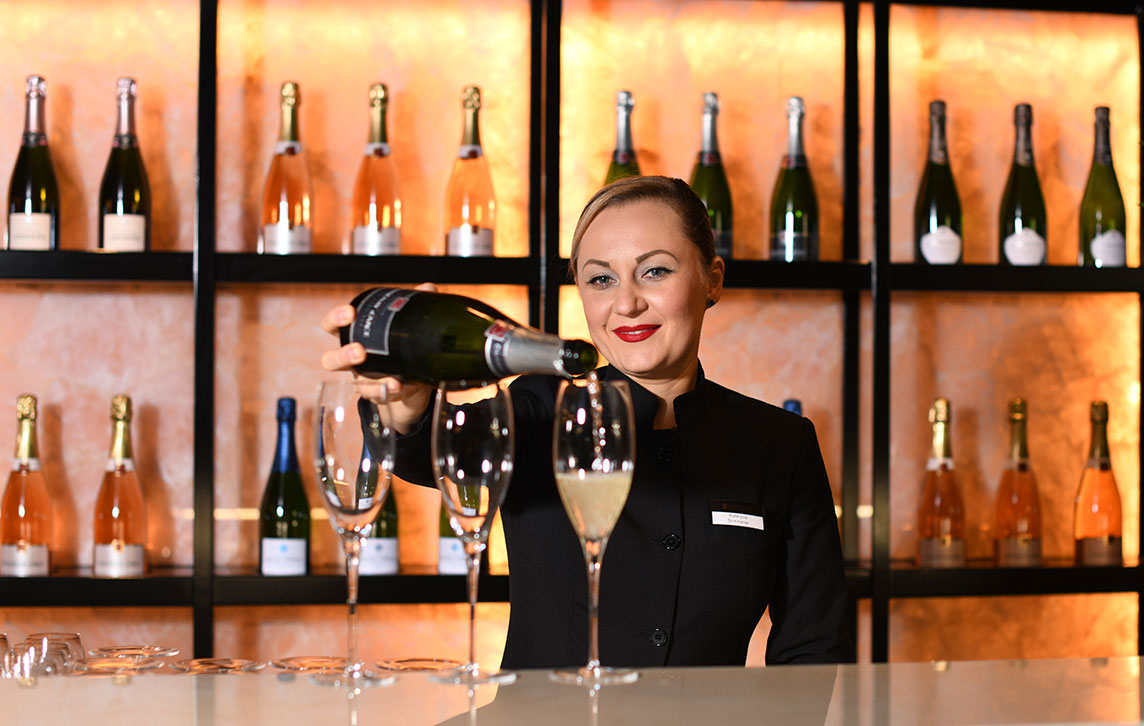
This evening, perhaps enjoy contemporary French fine dining at Lumière+, where each dish is paired with an exquisite selection of Champagne

Niigata city is the capital of Niigata prefecture and faces the Japan Sea on the island of Honshu, the largest of the four islands that comprise Japan. With a population of 810,000, Niigata is the largest Honshu city along the Japan Sea coast. The city is located at 300 km northwest of Tokyo and the bullet train would take you there in only two hours. Niigata offers four distinct seasons throughout the year, and people may find the winter season to be the best time to visit as many people would come for winter sports such as skiing or snowboarding. However, you will find the place abundantly beautiful throughout the year as well. Niigata is famous for growing rice as well as fresh seafood. If you try white rice without any seasonings, you would be able to taste the difference and appreciate its flavour. Thanks to the quality of the rice, they produce great Sake in the area. If you have time, why don’t you extend your journey to one of the famous Sake Brewery?

Niigata, Japan
Niigata, JapanPhoto by Susann Schuster on Unsplash
Niigata, Japan
Niigata, JapanPhoto by Tokyo Kohaku on Unsplash
Nishiohatacho, Chuo Ward, Niigata, Japan
Nishiohatacho, Chuo Ward, Niigata, JapanPhoto by Pourya Gohari on Unsplash
Niigata, Japan
Niigata, JapanPhoto by Eric Schabel on Unsplash

Day 9 - Akita

Arrive in Akita, a city steeped in samurai heritage and the traditions of northern Japan’s Tohoku region. Once the seat of the powerful Satake clan, Akita retains a strong sense of its feudal past, with the historical relics of Kubota Castle set amid expansive parkland that is particularly striking during cherry blossom season, when hundreds of sakura trees transform the grounds into a sea of soft pink.

The region is celebrated for its vibrant festival culture, and its renowned for its saké brewing traditions, with local rice varieties and pristine water from nearby mountains producing beverages of exceptional refinement. Beyond the city, the deep blue waters of Lake Tazawa, Japan’s deepest lake, sit cradled among forested mountains, offering a landscape of remarkable natural beauty. 

Akita, Japan
Akita, JapanPhoto by Pratik Bisht on Unsplash
Kosaka, Akita, Japan
Kosaka, Akita, JapanPhoto by Seiya Maeda on Unsplash
Kosaka, Akita, Japan
Kosaka, Akita, JapanPhoto by Seiya Maeda on Unsplash
Semboku, Akita, Japan
Semboku, Akita, JapanPhoto by Ken Cheung on Unsplash
Semboku, Akita, Japan
Semboku, Akita, JapanPhoto by Ken Cheung on Unsplash

Day 10 - Hakodate

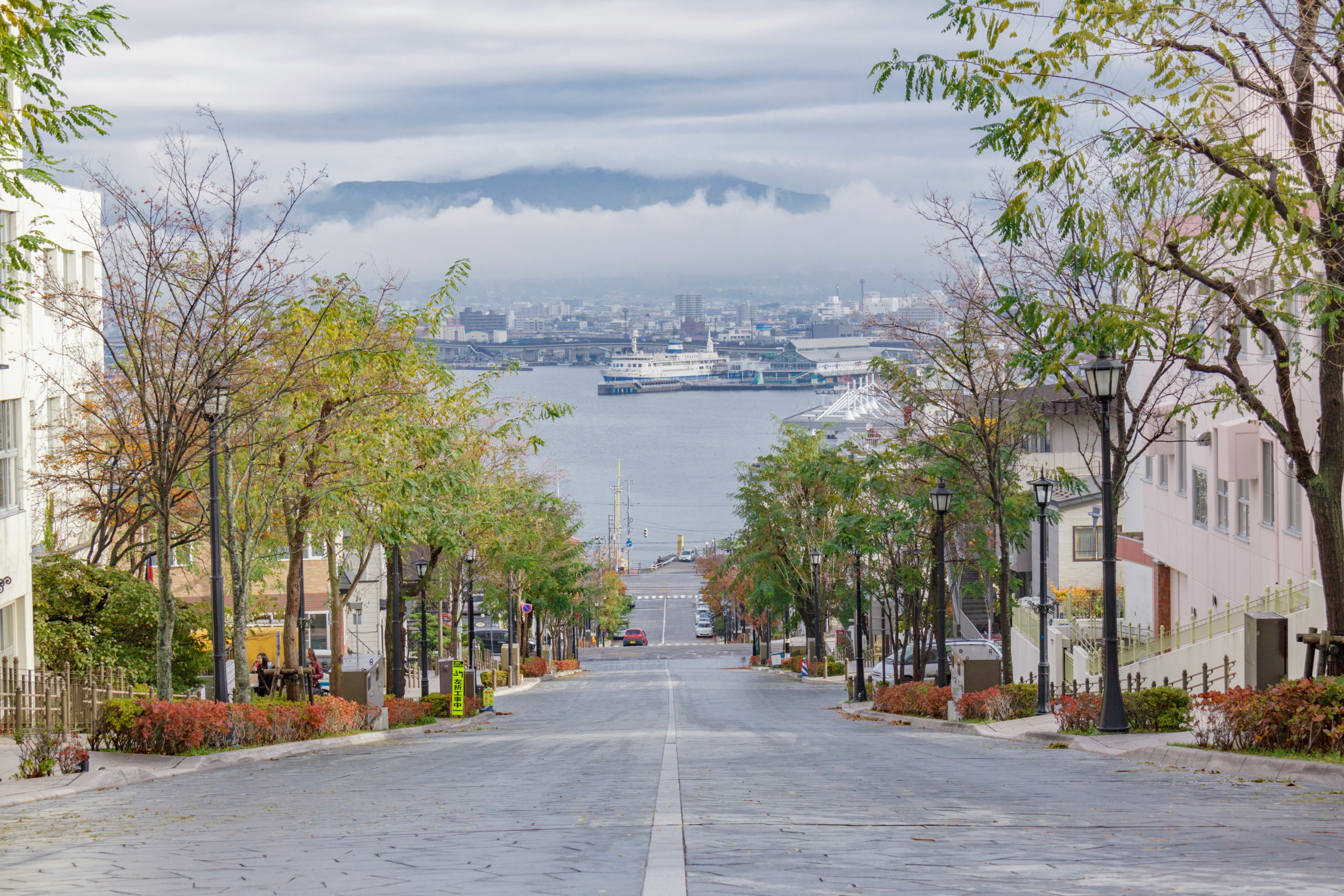
Cross to Hokkaido and arrive in Hakodate, a port city at the island’s southern tip with a distinctive cosmopolitan heritage. Among the first Japanese cities to open to international trade in the mid-19th century, Hakodate retains a fascinating blend of Western and Japanese architectural influences, particularly in the Motomachi district, where European-style churches, former consulates and elegant merchant houses line hillside streets overlooking the harbour.

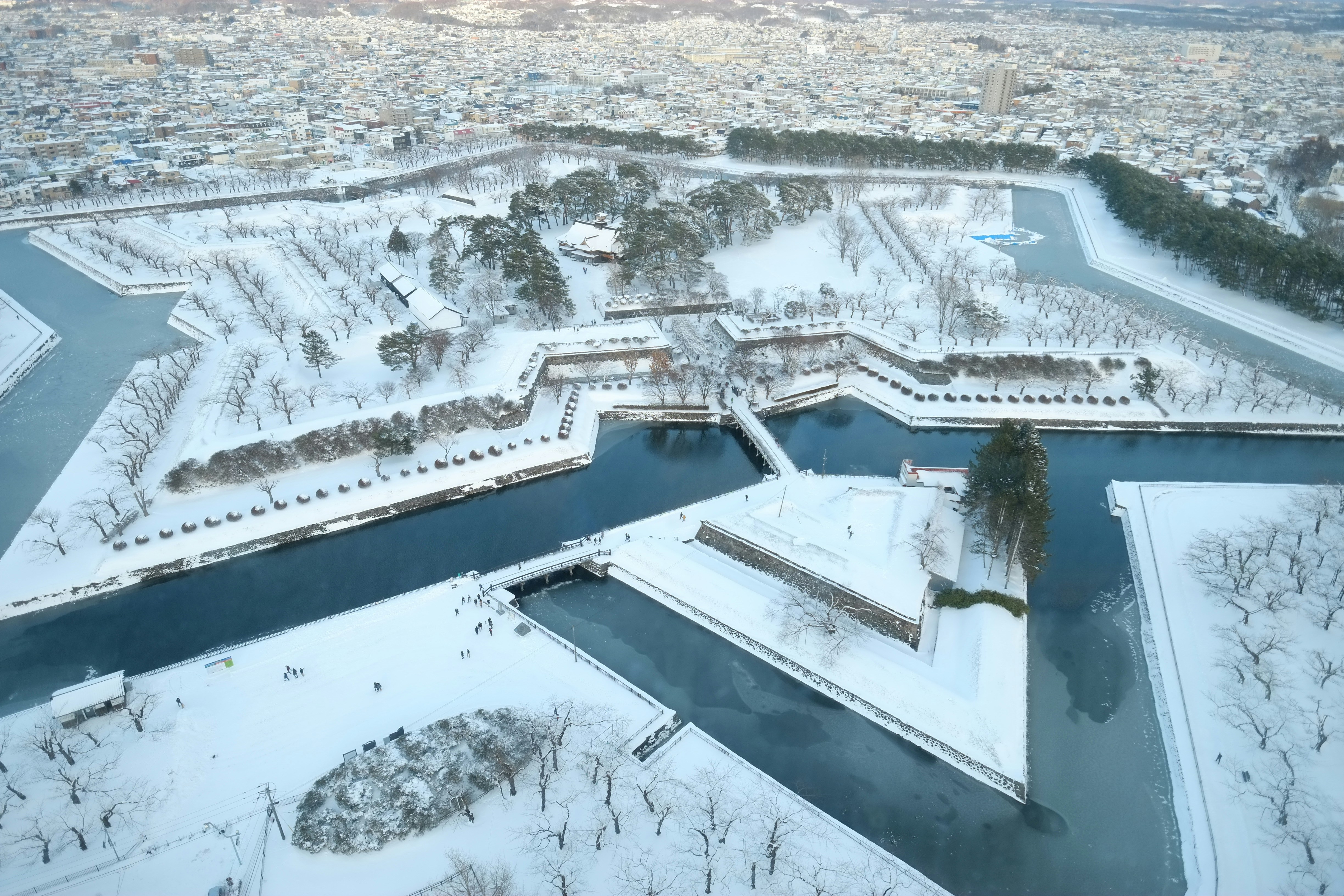
The star-shaped Fort Goryokaku, Japan’s first Western-style citadel, is beautifully set amidst parkland that transforms into a sea of cherry blossoms each spring. The sweeping panorama from Mount Hakodate is considered one of Japan’s three finest vistas, with the city’s twinkling lights tracing the narrow isthmus between two bays. The vibrant morning market near the waterfront is an immersive introduction to Hokkaido's extraordinary seafood culture from glistening uni to succulent crab – in a setting that brings the region’s maritime identity to life.

Later, after sailing, perhaps visit the open bridge on Deck 7 to meet the Captain and navigational team and gain first-hand insight into a Scenic Discovery Yacht’s state-of-the-art technology from one of the most inspiring vantage points on board.

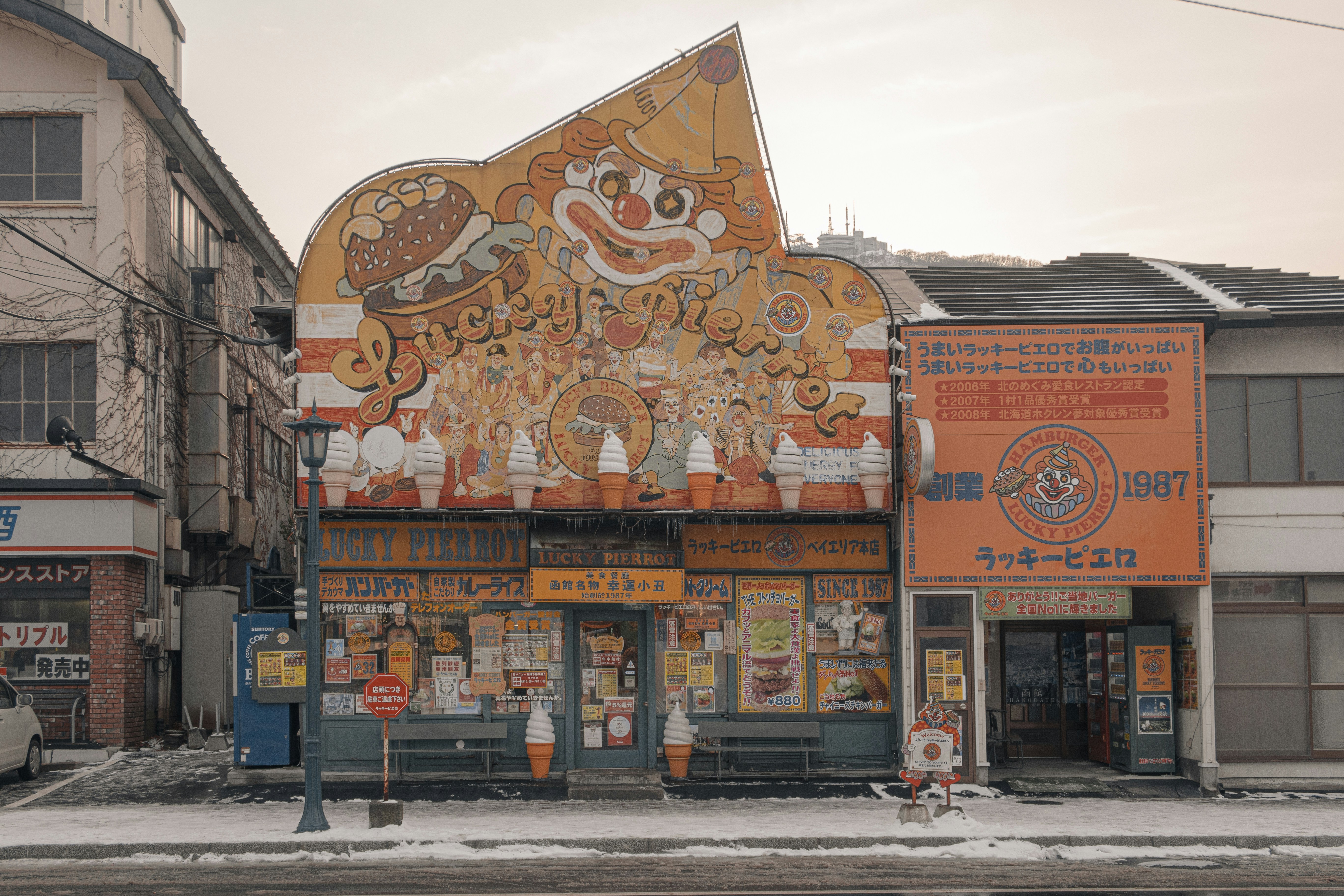
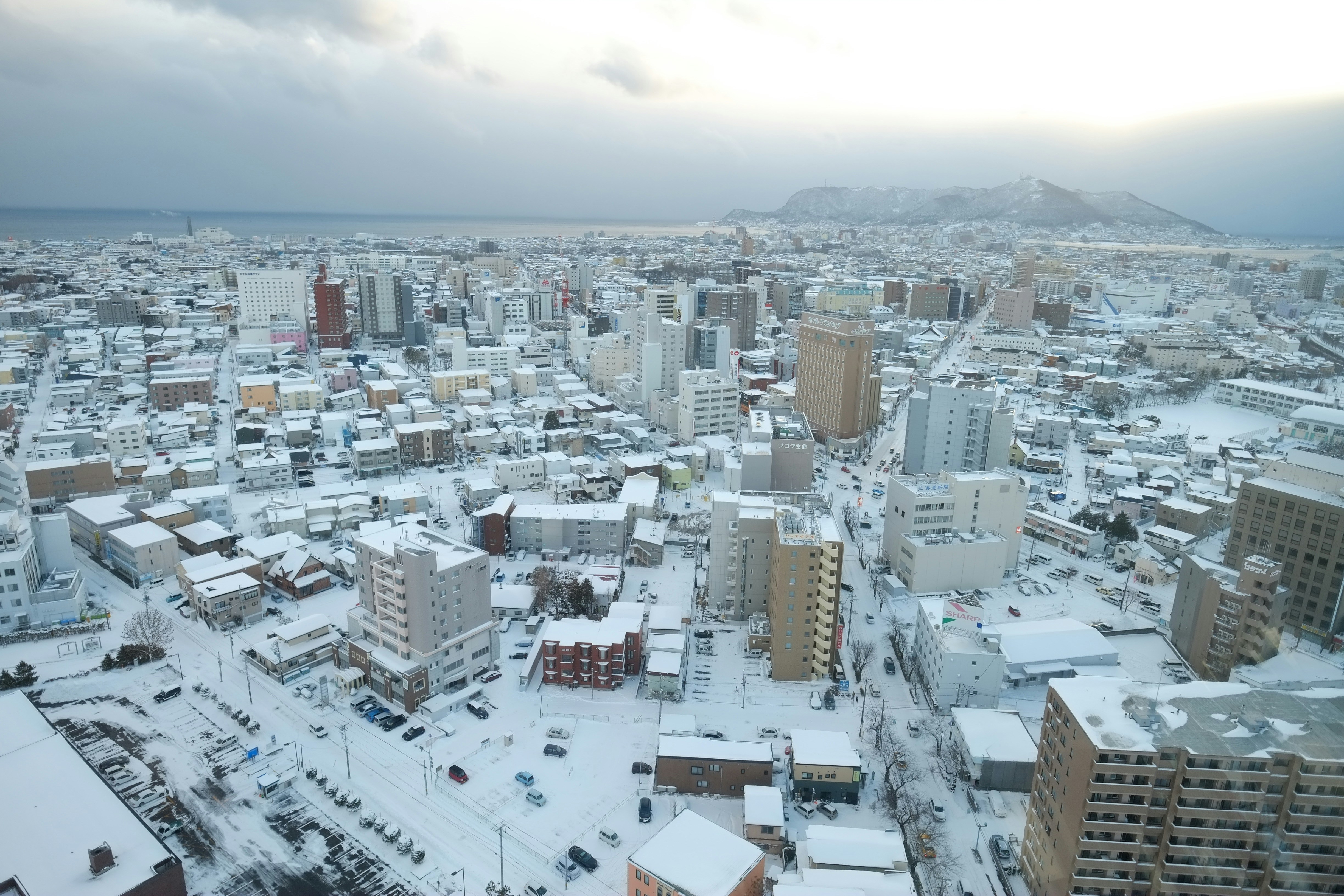
Facing out on two bays, Hakodate is a 19th-century port town, with clapboard buildings on sloping streets, a dockside tourist zone, streetcars, and fresh fish on every menu. In the downtown historic quarter, a mountain rises 1,100 feet above the city on the southern point of the narrow peninsula. Russians, Americans, Chinese, and Europeans have all left their mark; this was one of the first three Japanese ports the Meiji government opened up to international trade in 1859. The main sights around the foot of Mt. Hakodate can be done in a day, but the city is best appreciated with an overnight stay for the illumination in the historic area, the night views from either the mountain or the fort tower, and the fish market at dawn. City transport is easy to navigate and English information is readily available. Evening departure trains from Tokyo arrive here at dawn—perfect for fish-market breakfasts.

Hakodate, Hokkaido, Japan
Hakodate, Hokkaido, JapanPhoto by Jason ZZ on Unsplash
Snowy Hakodate, Hokkaido, Japan
Snowy Hakodate, Hokkaido, JapanPhoto by Natasha Jenny on Unsplash
Snowy Hakodate, Hokkaido, Japan
Snowy Hakodate, Hokkaido, JapanPhoto by Natasha Jenny on Unsplash
The Harbor View Hill, Yahatazaka In Hakodate, Japan
The Harbor View Hill, Yahatazaka In Hakodate, JapanPhoto by Mitsuo Komoriya on Unsplash

Day 11 - Sendai

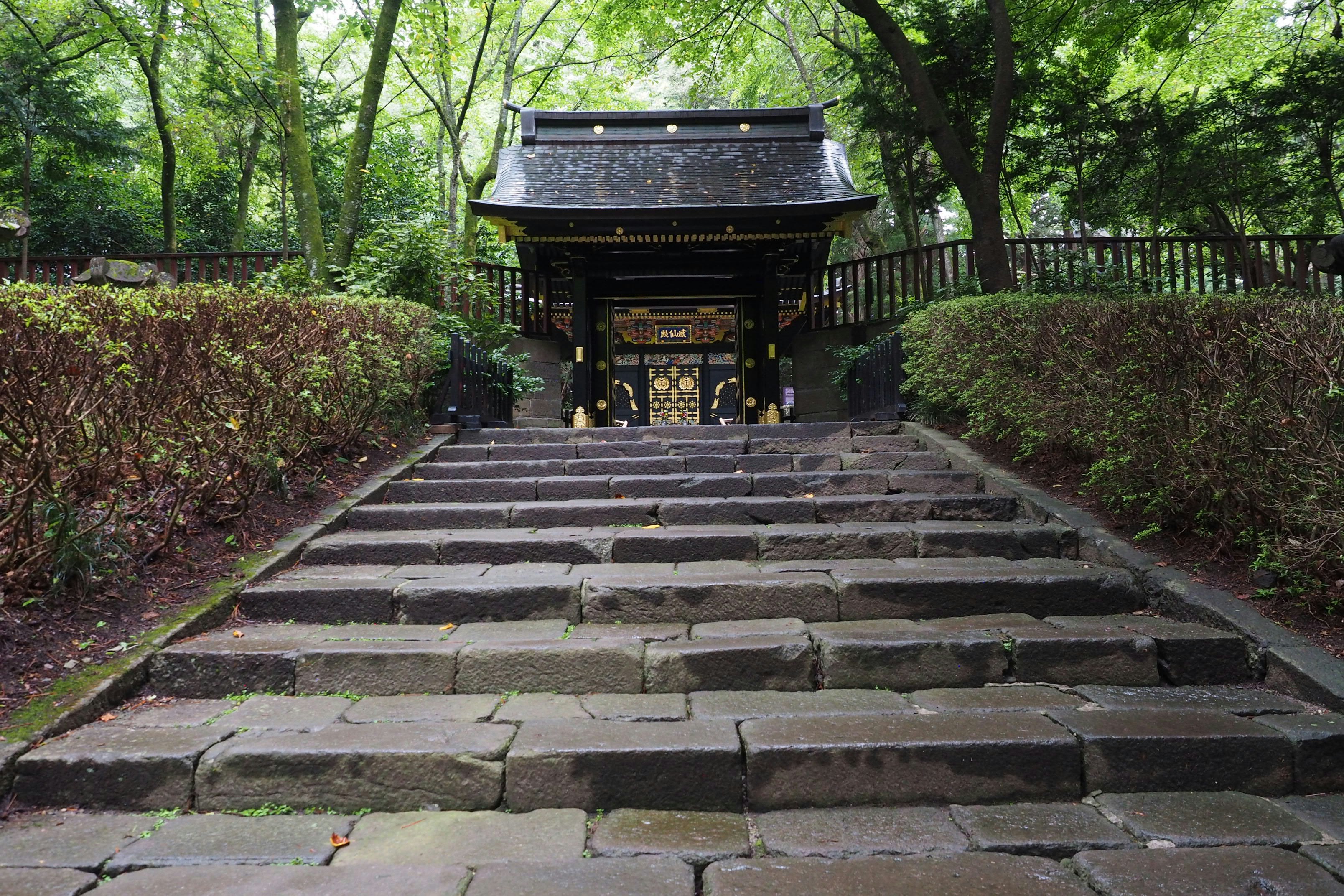
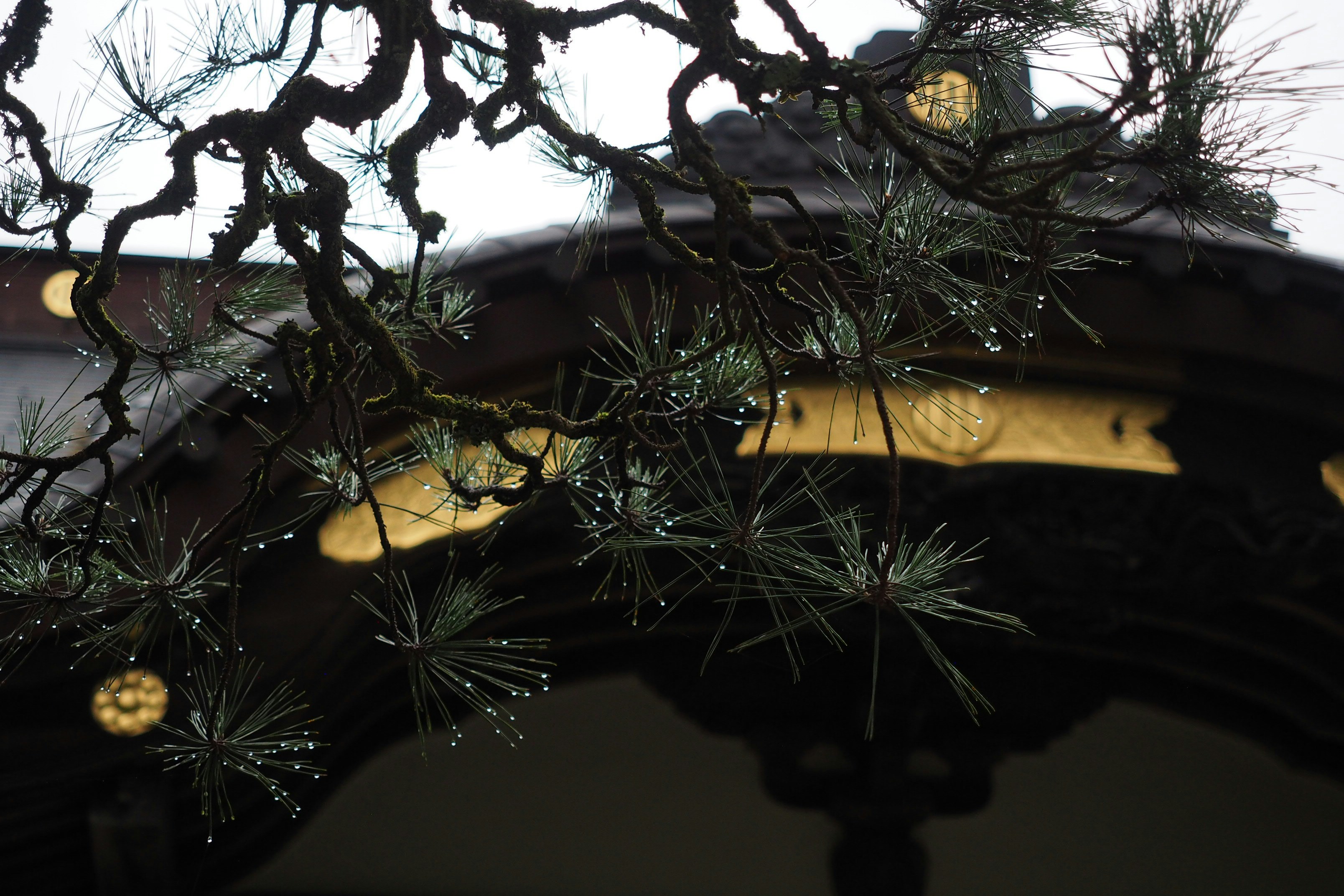
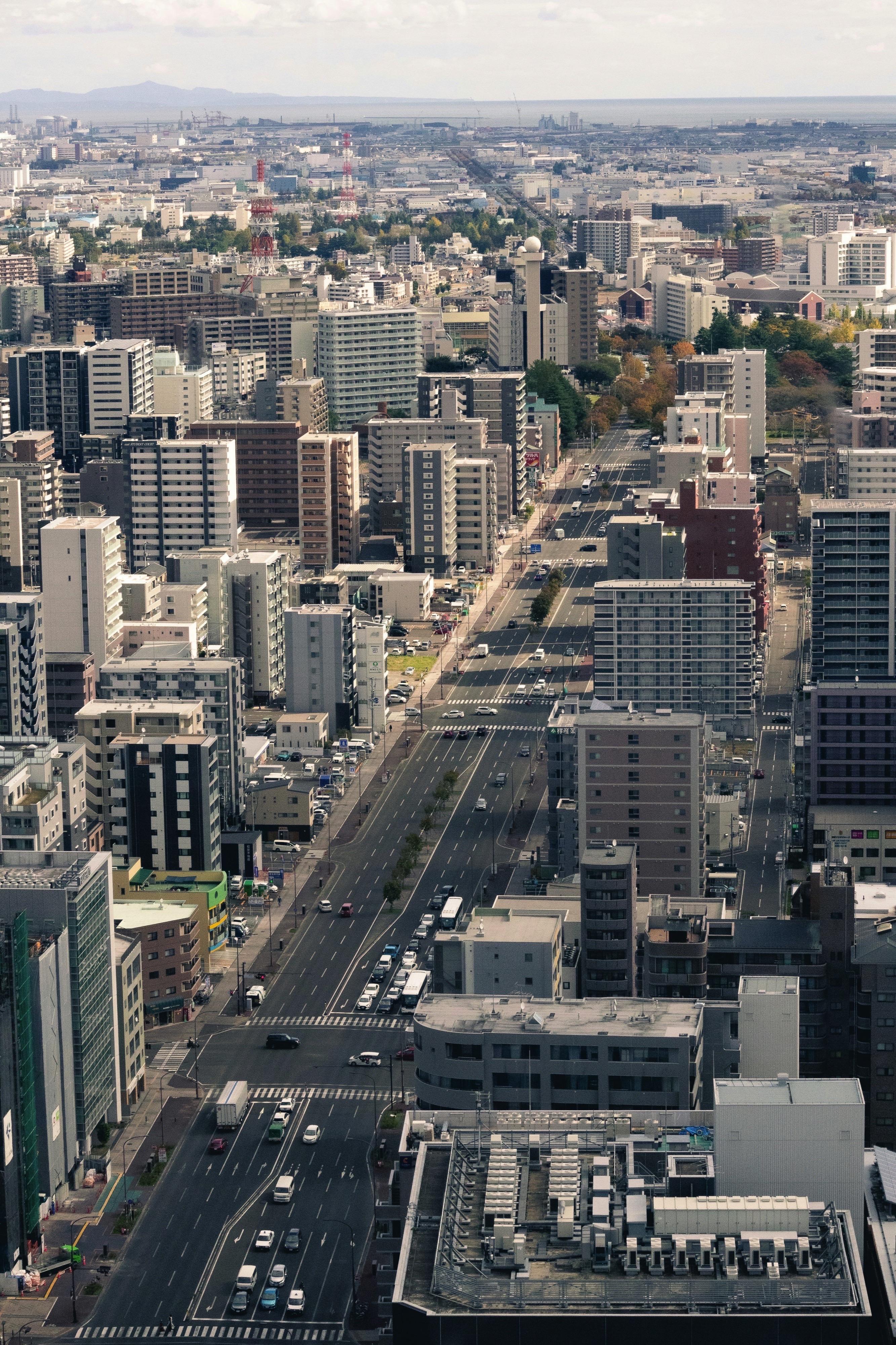
After a morning at sea, arrive in Sendai, the largest city in the Tohoku region and a place known affectionately as the “City of Trees” for the graceful zelkova-lined boulevards that define its urban character. Founded in the early 17th century by the powerful feudal lord Date Masamune, Sendai carries a rich samurai legacy that is beautifully preserved at the Zuihoden Mausoleum, an ornate complex of lacquered and gilded buildings set among towering cedars on a forested hillside.

The relics of Aoba Castle, located on a wooded bluff above the Hirose River, offer sweeping views across the city and surrounding mountains, whilst the bustling Jozenji-dori avenue provides a canopied walkway of mature trees, public art and seasonal colour. Sendai’s culinary reputation rests firmly on its celebrated gyu-tan, tender charcoal-grilled beef tongue that has become a regional delicacy, complemented by the area’s renowned saké and fresh seafood from nearby Matsushima Bay.

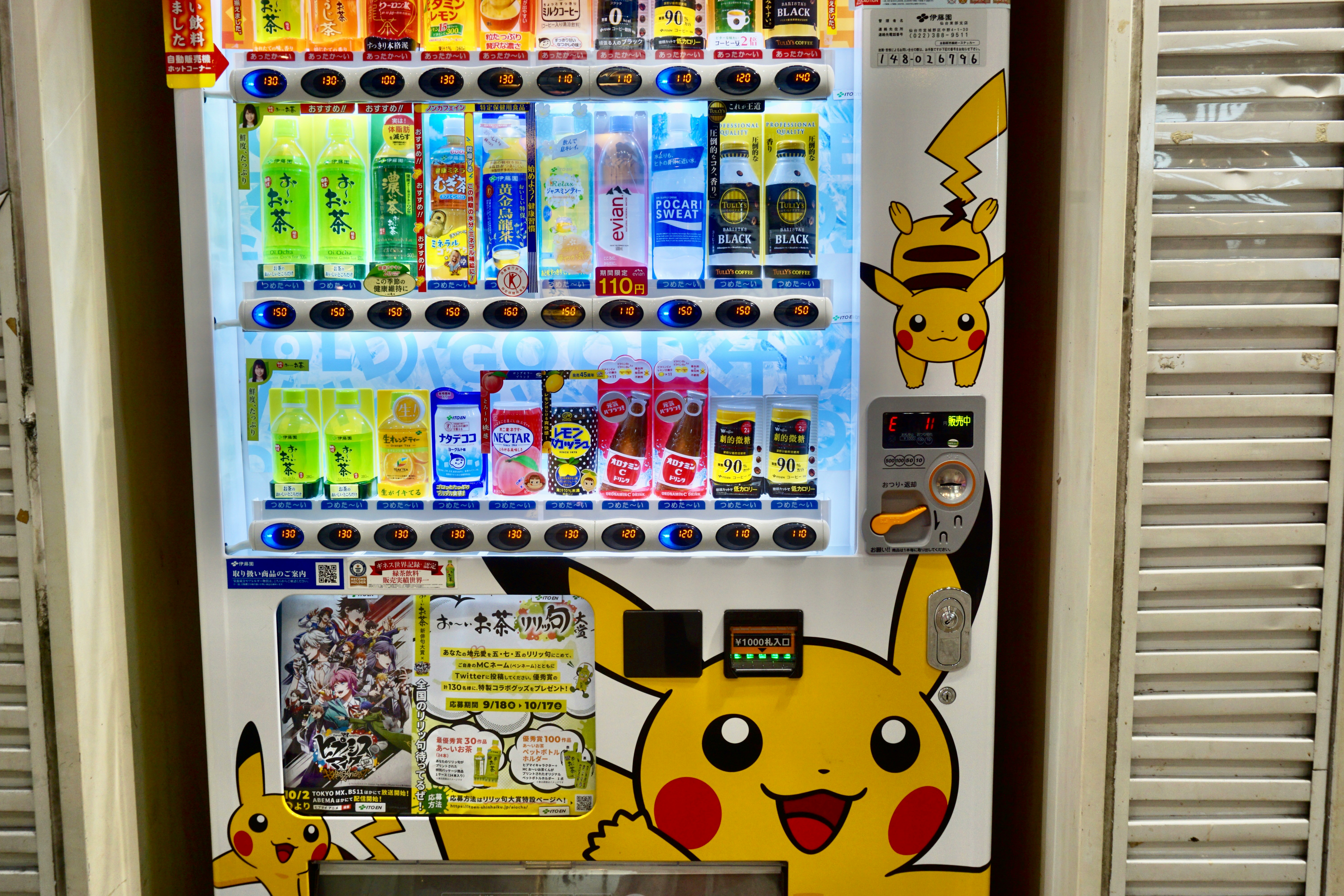
Pokemon Vending Machine In Japan. Pokemon Jidouhanbaiki
Pokemon Vending Machine In Japan. Pokemon JidouhanbaikiAj Garcia
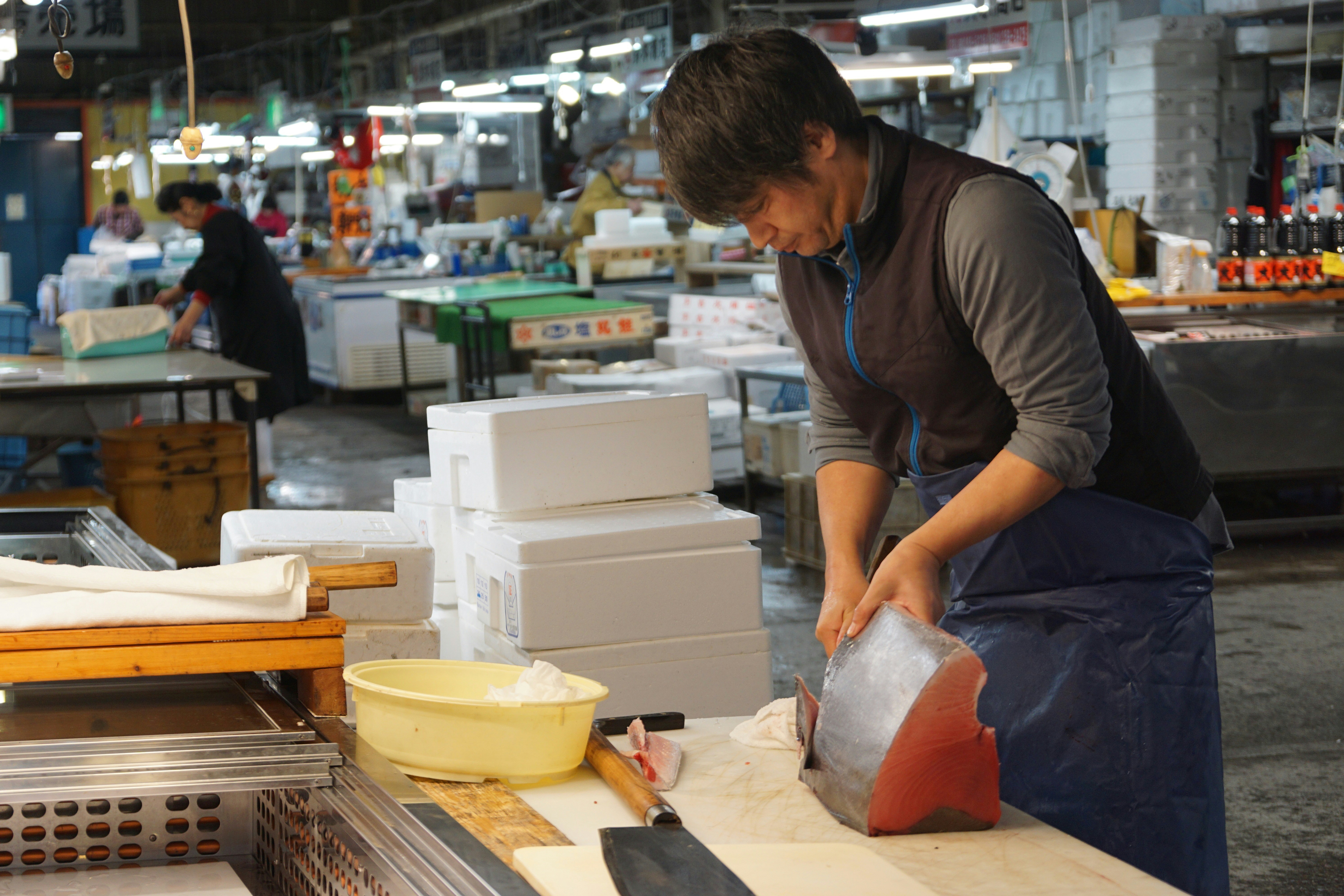
Young Japanese Man Preparing Styrofoam Boxes Of Fresh Fish. Huge Traditional Knife On The Table In Front Of Him
Young Japanese Man Preparing Styrofoam Boxes Of Fresh Fish. Huge Traditional Knife On The Table In Front Of HimBeth Macdonald
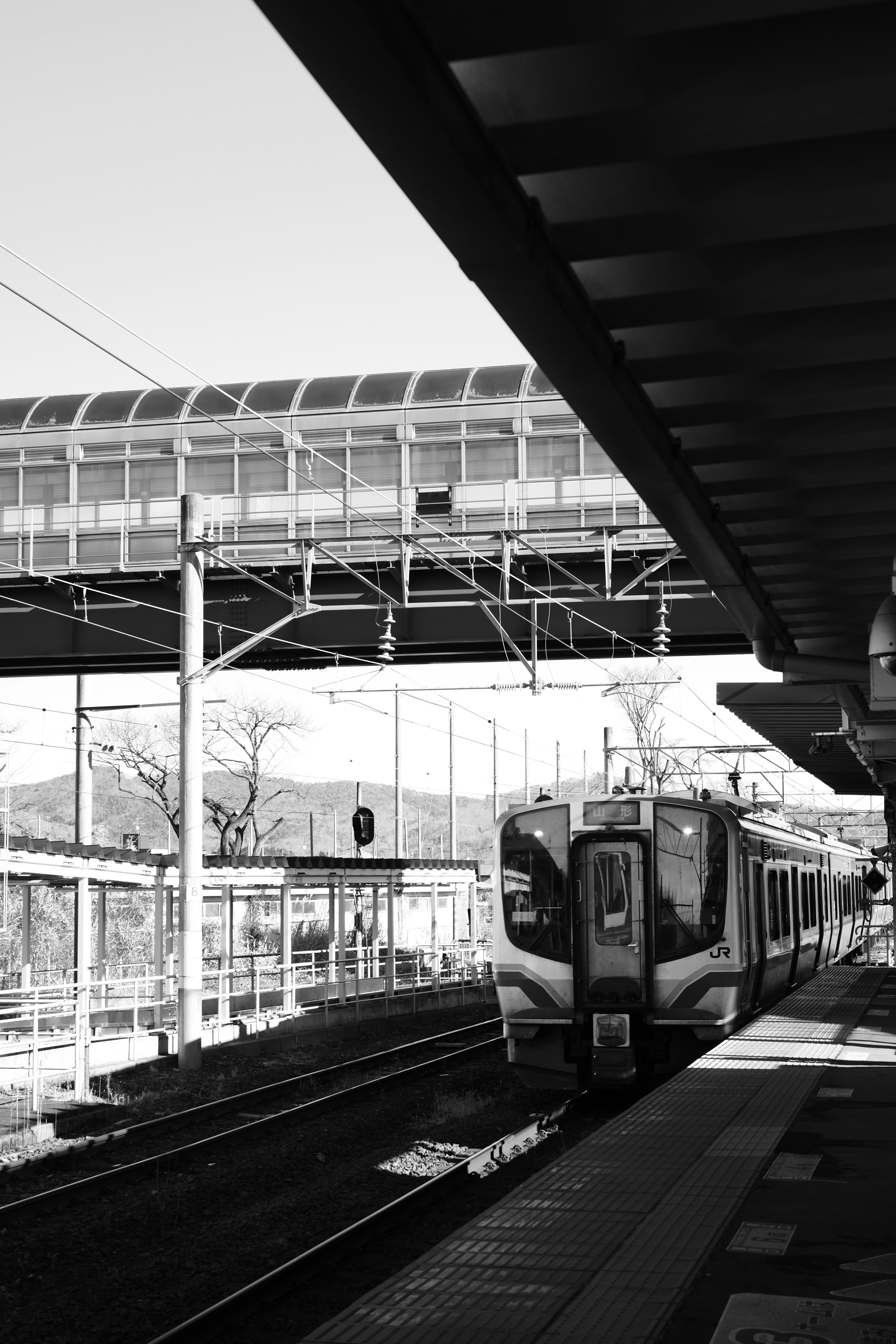
Ayashi Station, 1 Chome 8 Ayashichūō, Aoba Ward, Sendai, Miyagi, Japan
Ayashi Station, 1 Chome 8 Ayashichūō, Aoba Ward, Sendai, Miyagi, JapanGilbert Ng
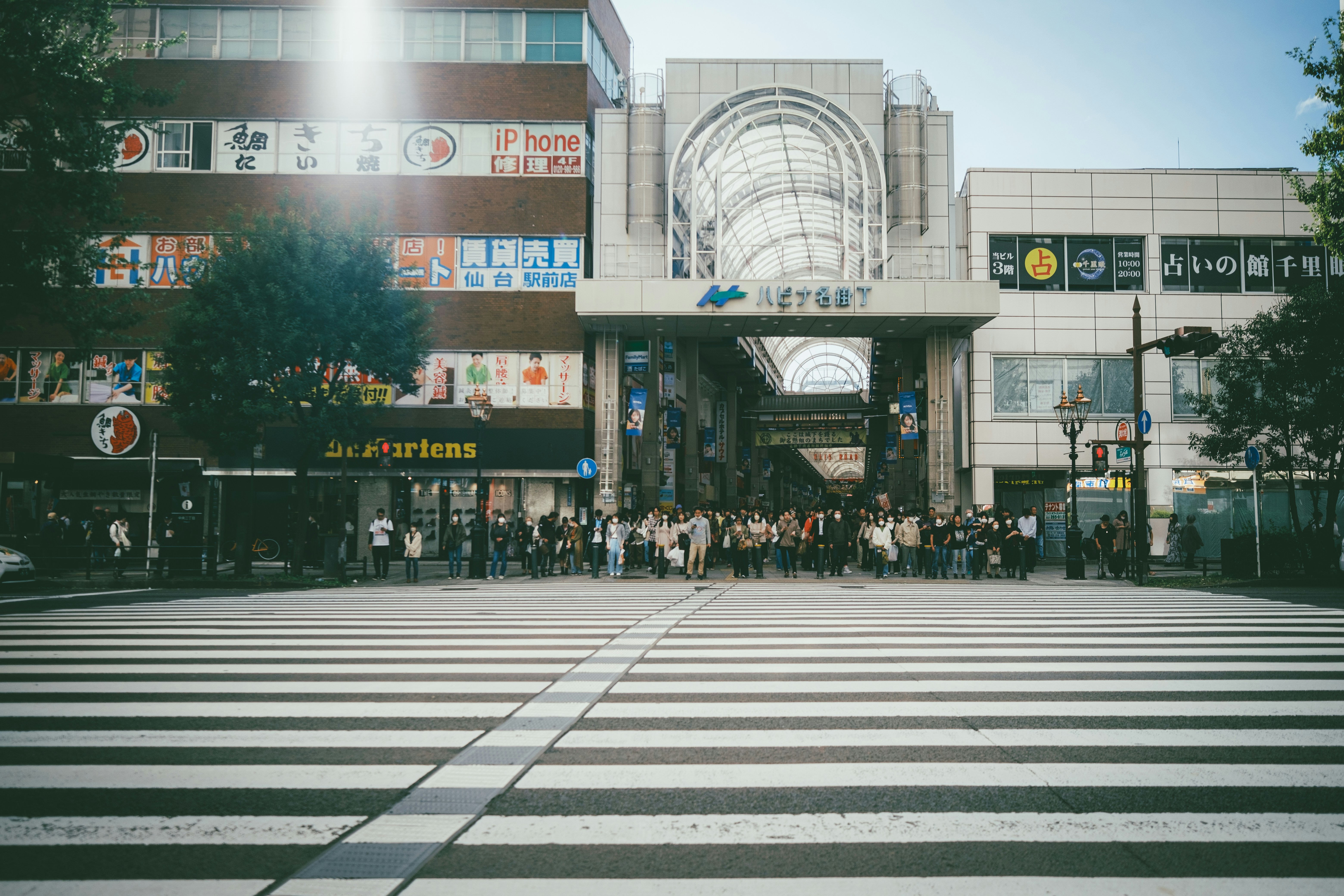
Sendai, Miyagi, Japan
Sendai, Miyagi, JapanNichika Sakurai
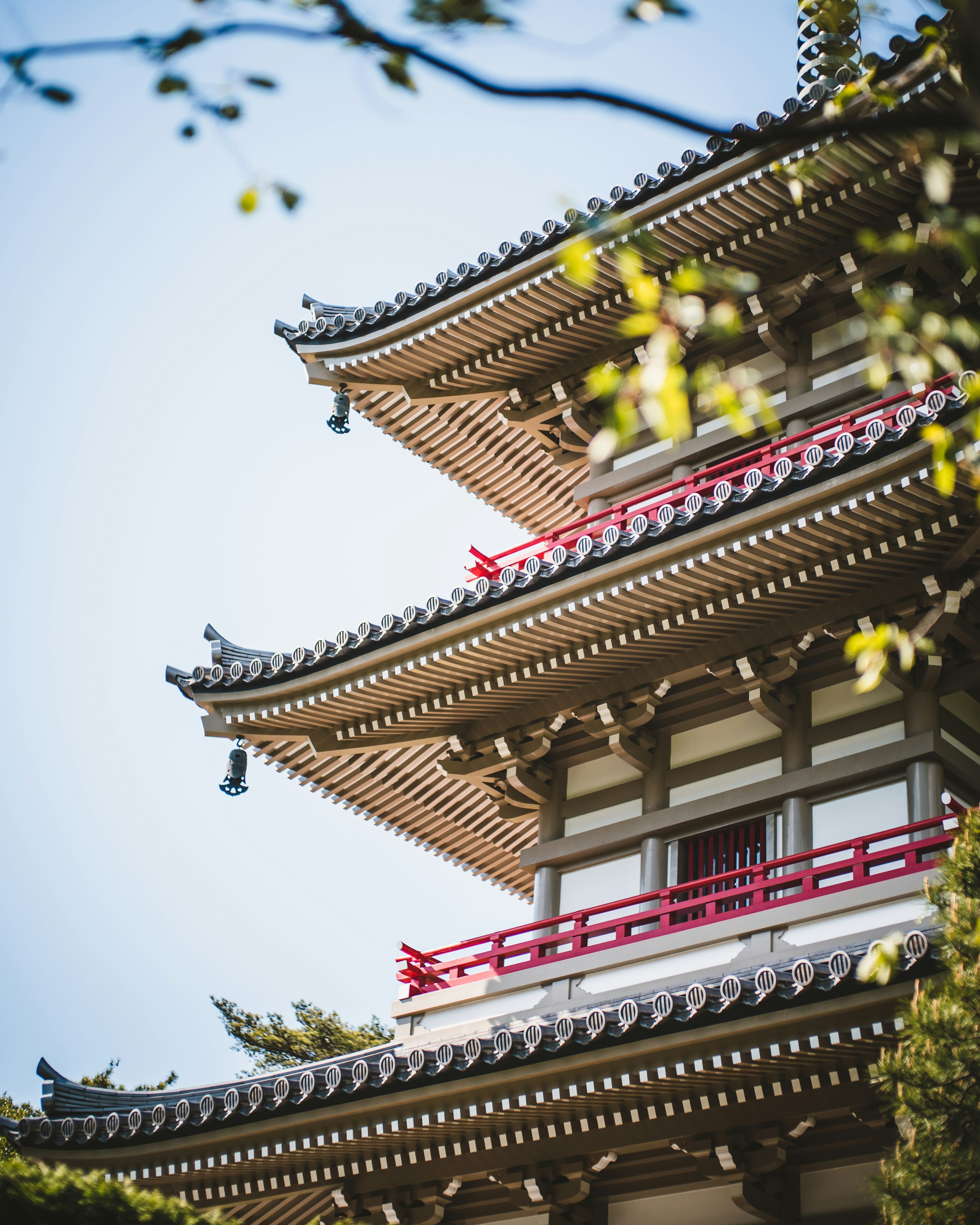
Beautiful Pagoda At Rinnō Ji Temple, Sendai, Miyagi Prefecture
Beautiful Pagoda At Rinnō Ji Temple, Sendai, Miyagi PrefectureRogério Toledo
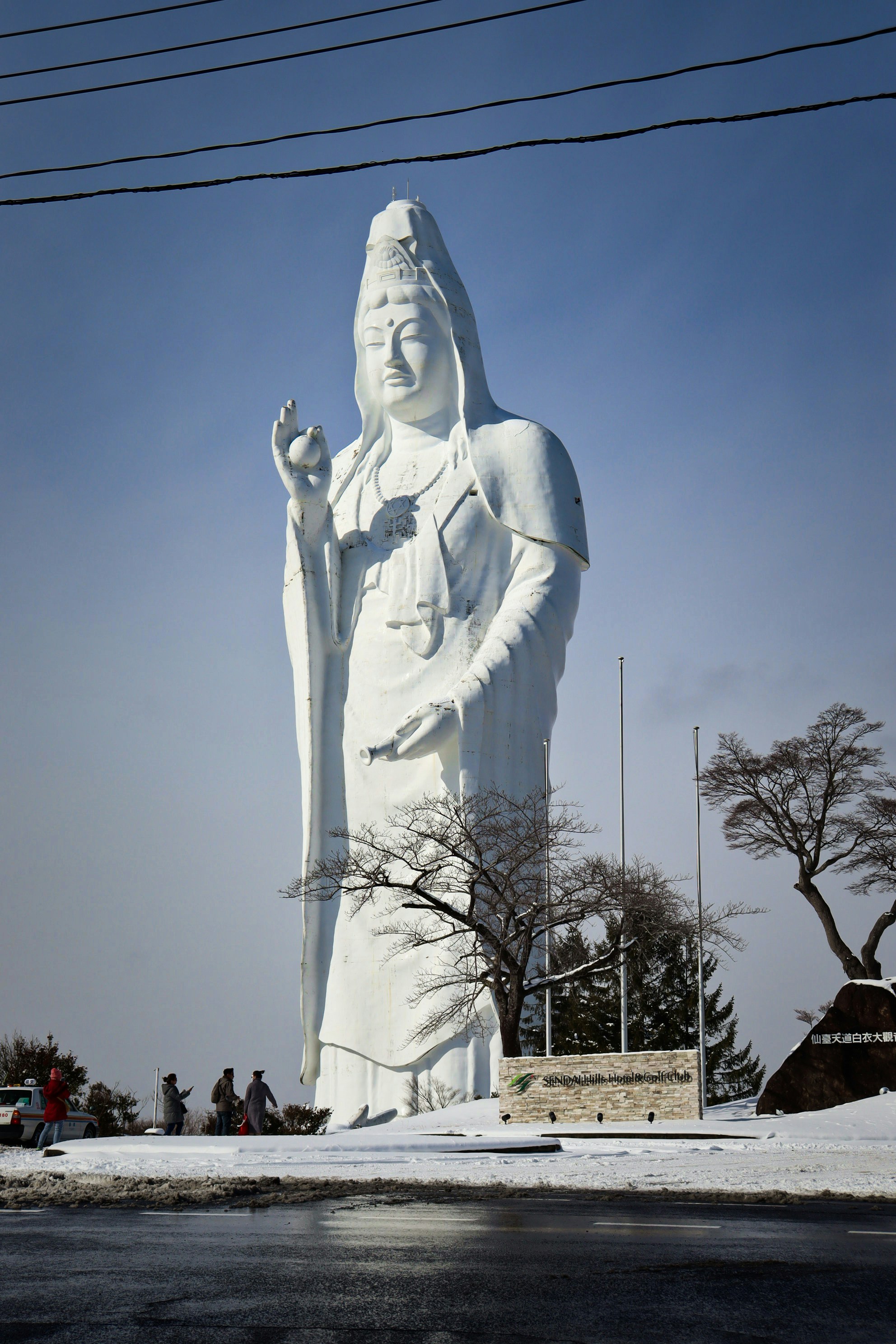
Sendai, Miyagi, Japan
Sendai, Miyagi, JapanRyne Anderson
Japan, Miyagi, Sendai, Aoba Ward, Otamayashita
Japan, Miyagi, Sendai, Aoba Ward, OtamayashitaShino Nakamura
Japan, Miyagi, Sendai, Aoba Ward, Otamayashita
Japan, Miyagi, Sendai, Aoba Ward, OtamayashitaShino Nakamura
Japan, Miyagi, Sendai, Aoba Ward, Otamayashita
Japan, Miyagi, Sendai, Aoba Ward, OtamayashitaShino Nakamura
Sendai, Préfecture De Miyagi, Japon
Sendai, Préfecture De Miyagi, JaponTuan P.

Day 12 - Oarai

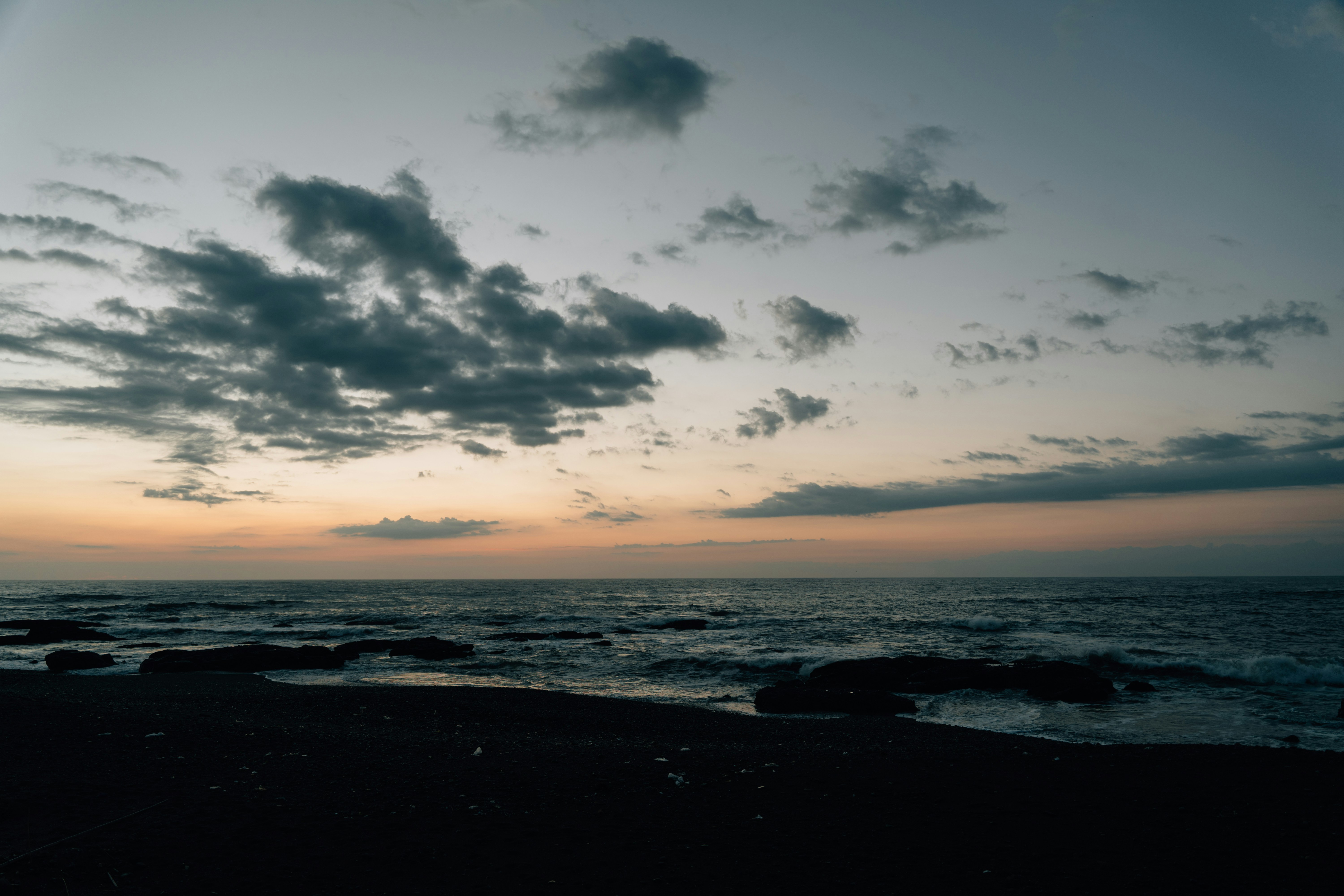
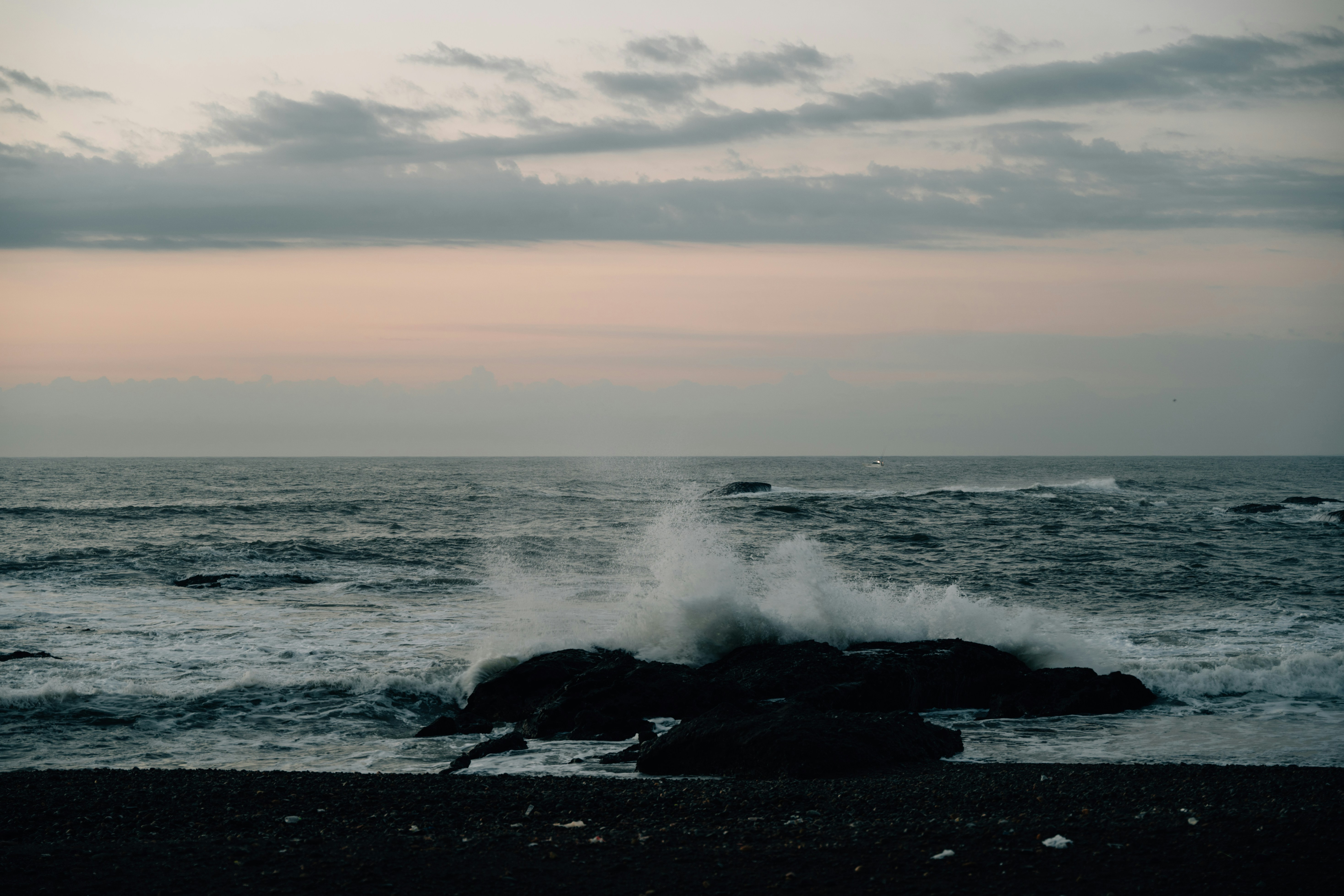
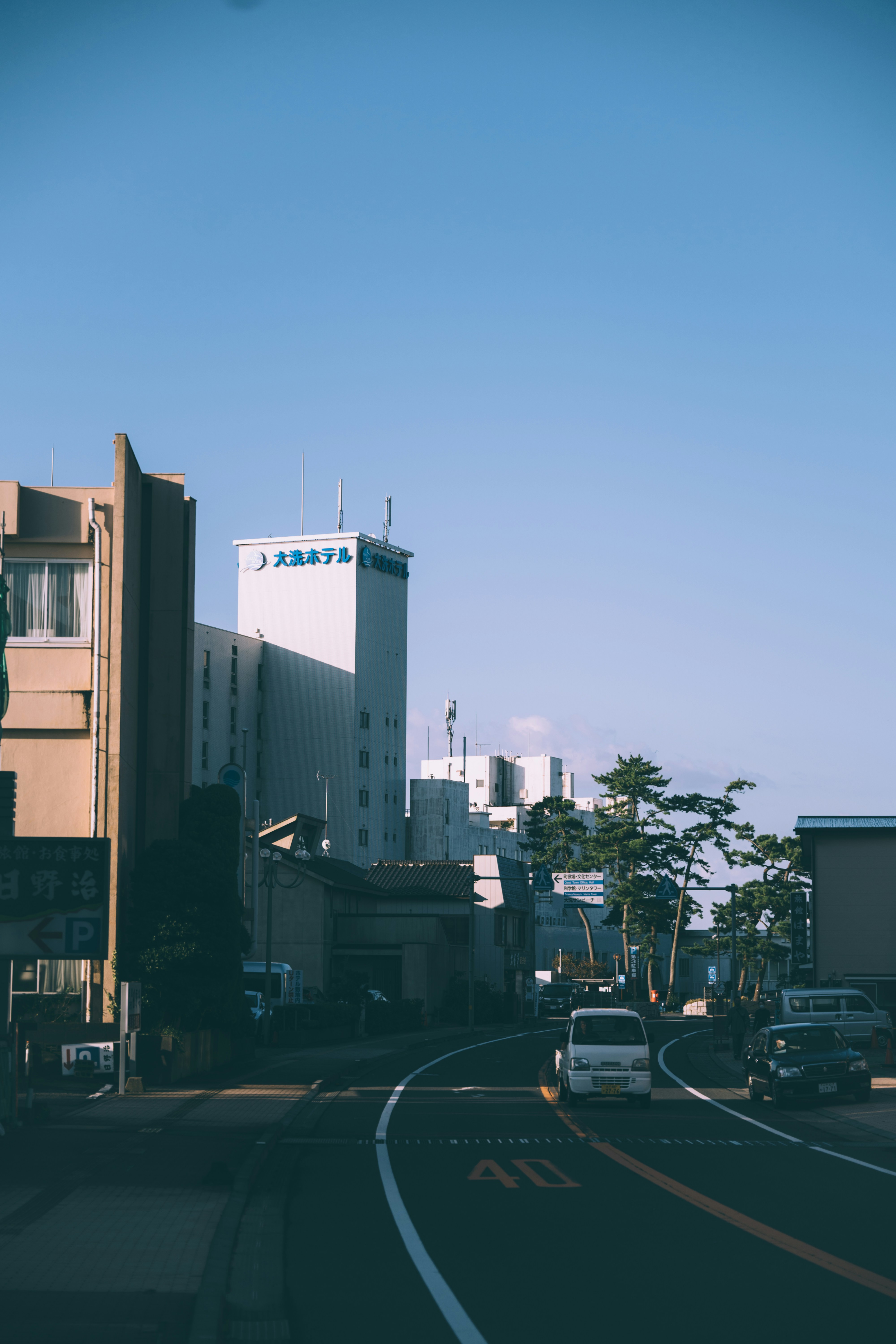
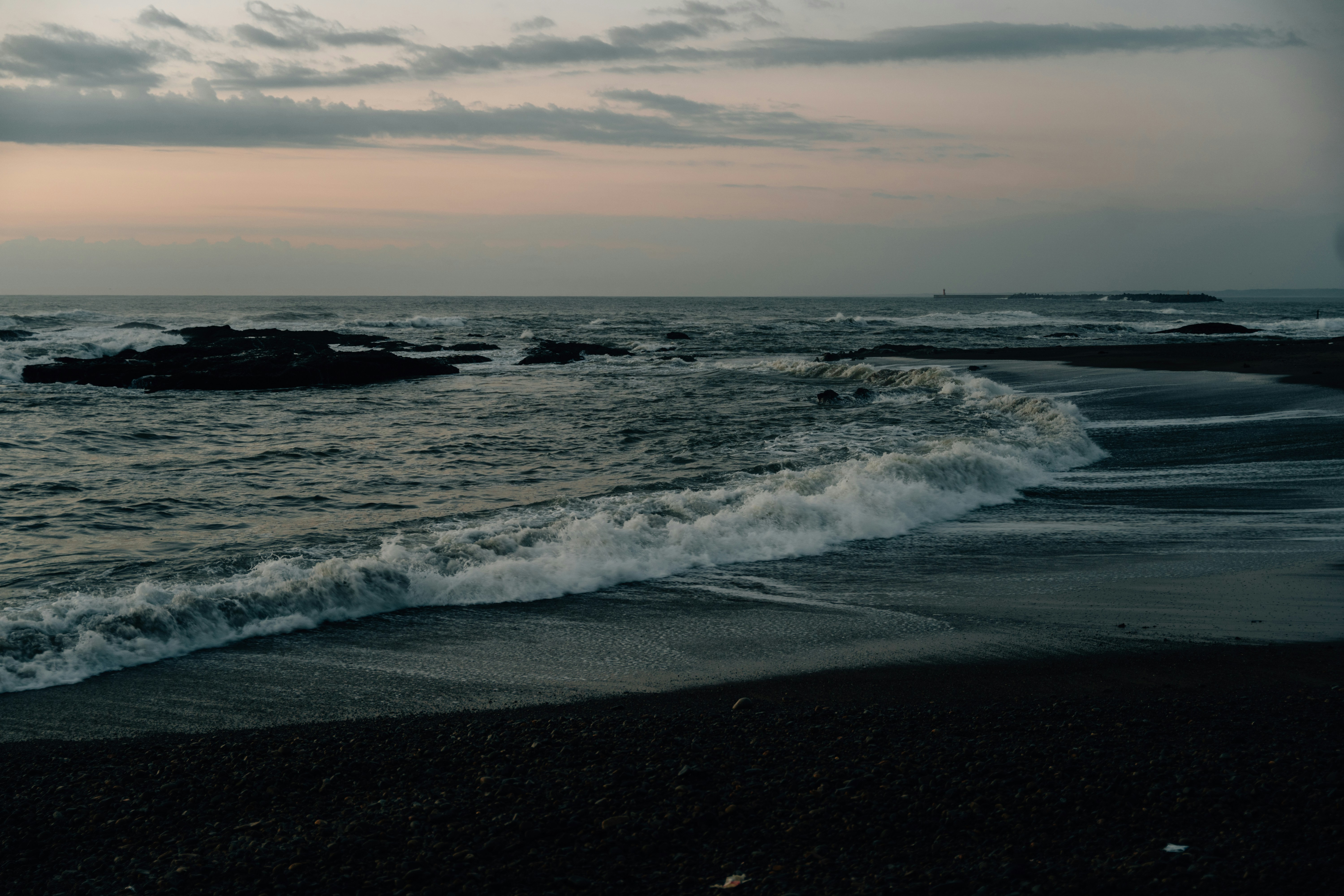
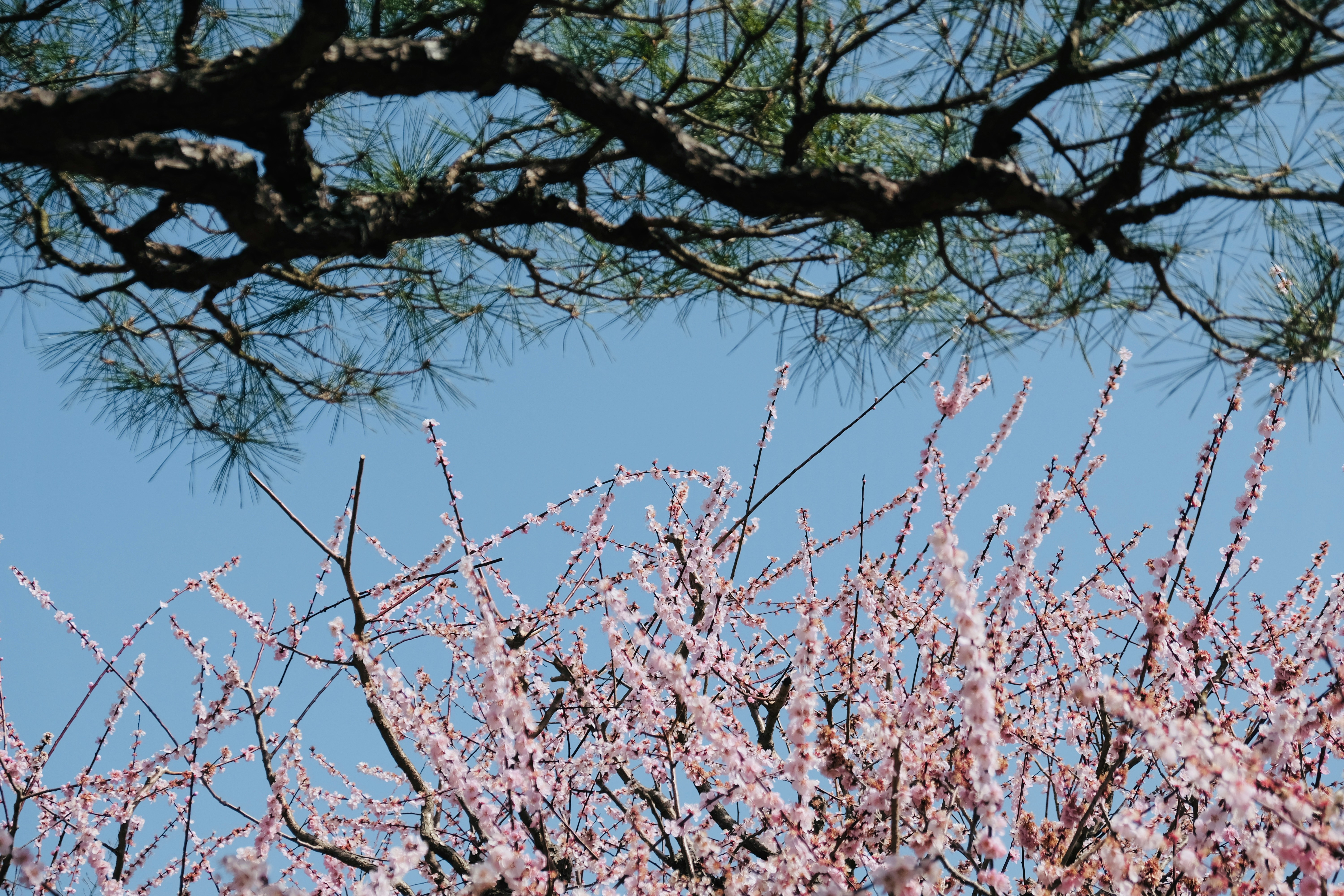
Discover Oarai, a seaside town on the Ibaraki coast that serves as the gateway to one of Japan’s most celebrated landscape gardens. Kairakuen, built in 1842 by the local feudal lord and ranked among Japan’s three great gardens, is renowned for its vast plum grove of over 3,000 trees, which fills the hillside with fragrant blossoms in early spring. Beyond the plum season, the garden unfolds across bamboo groves, cedar forests and open meadows designed for the enjoyment of all.

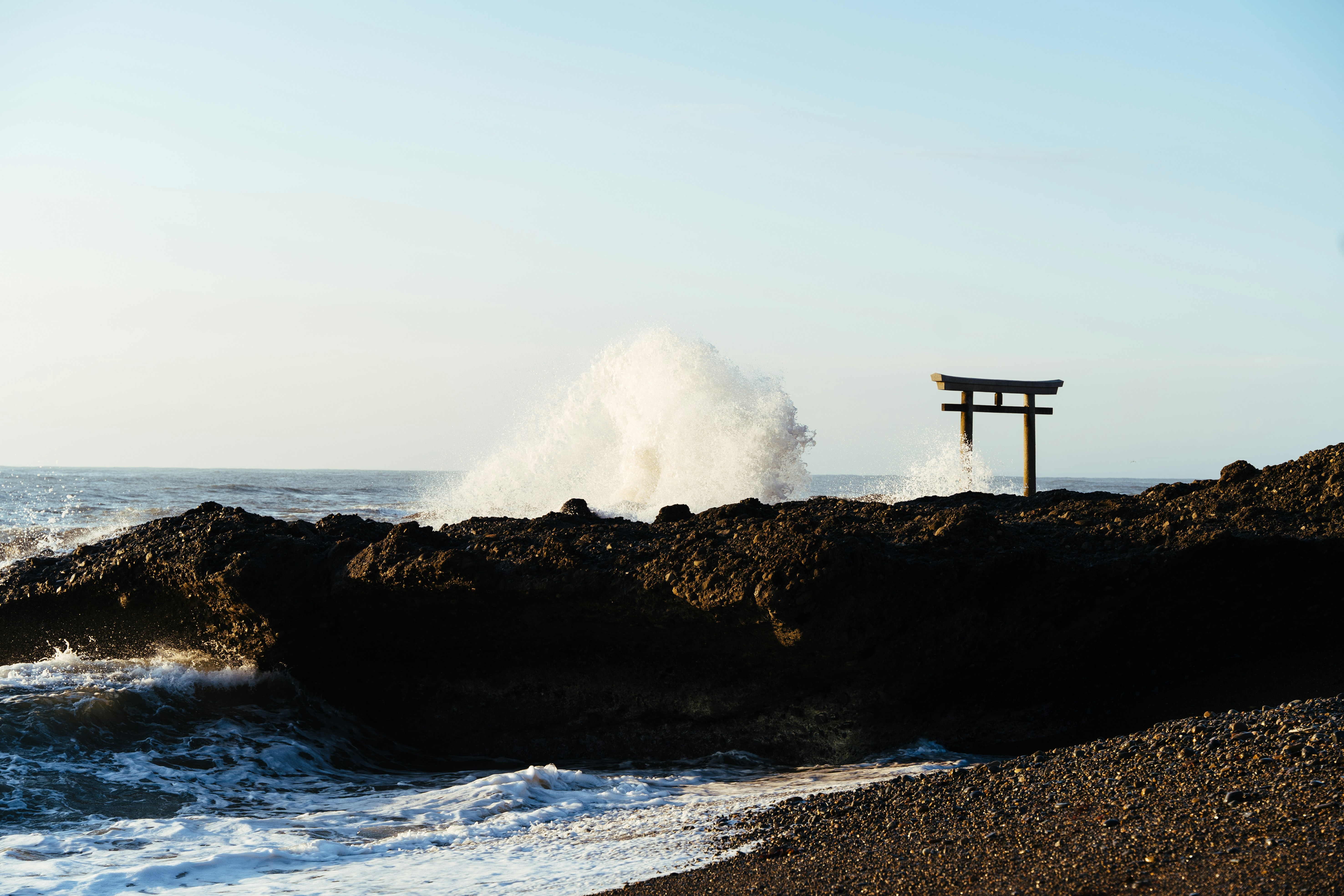
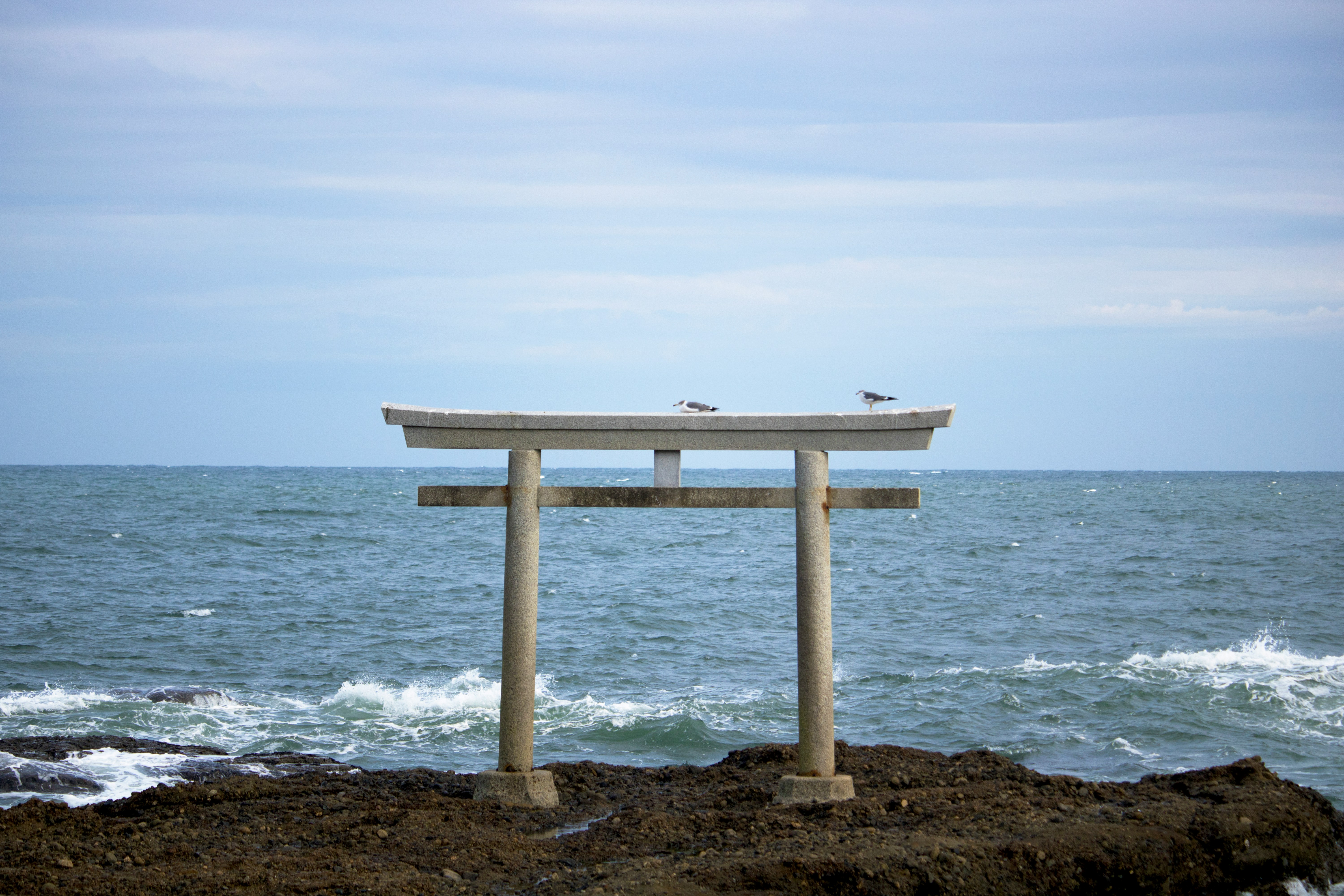
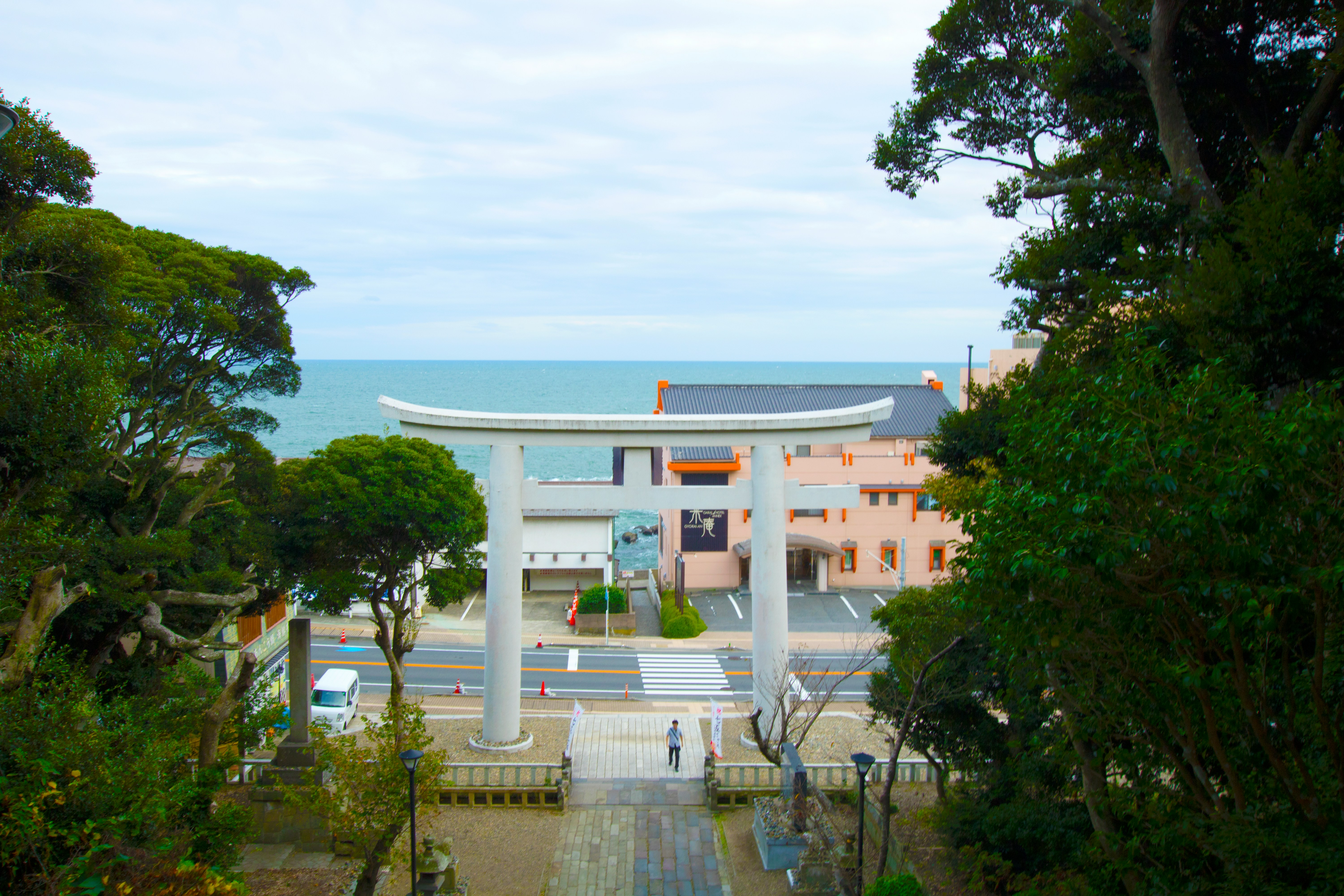
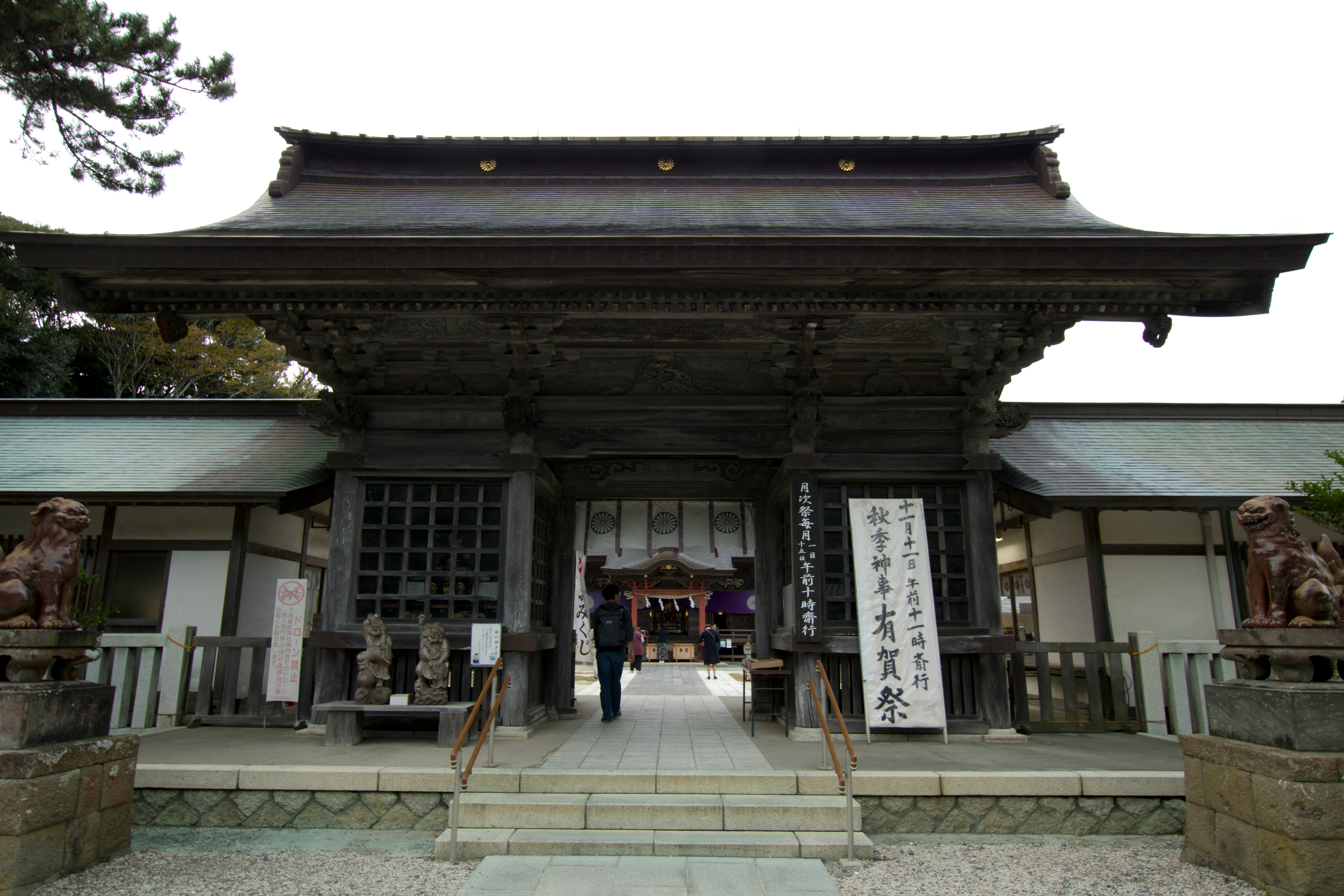
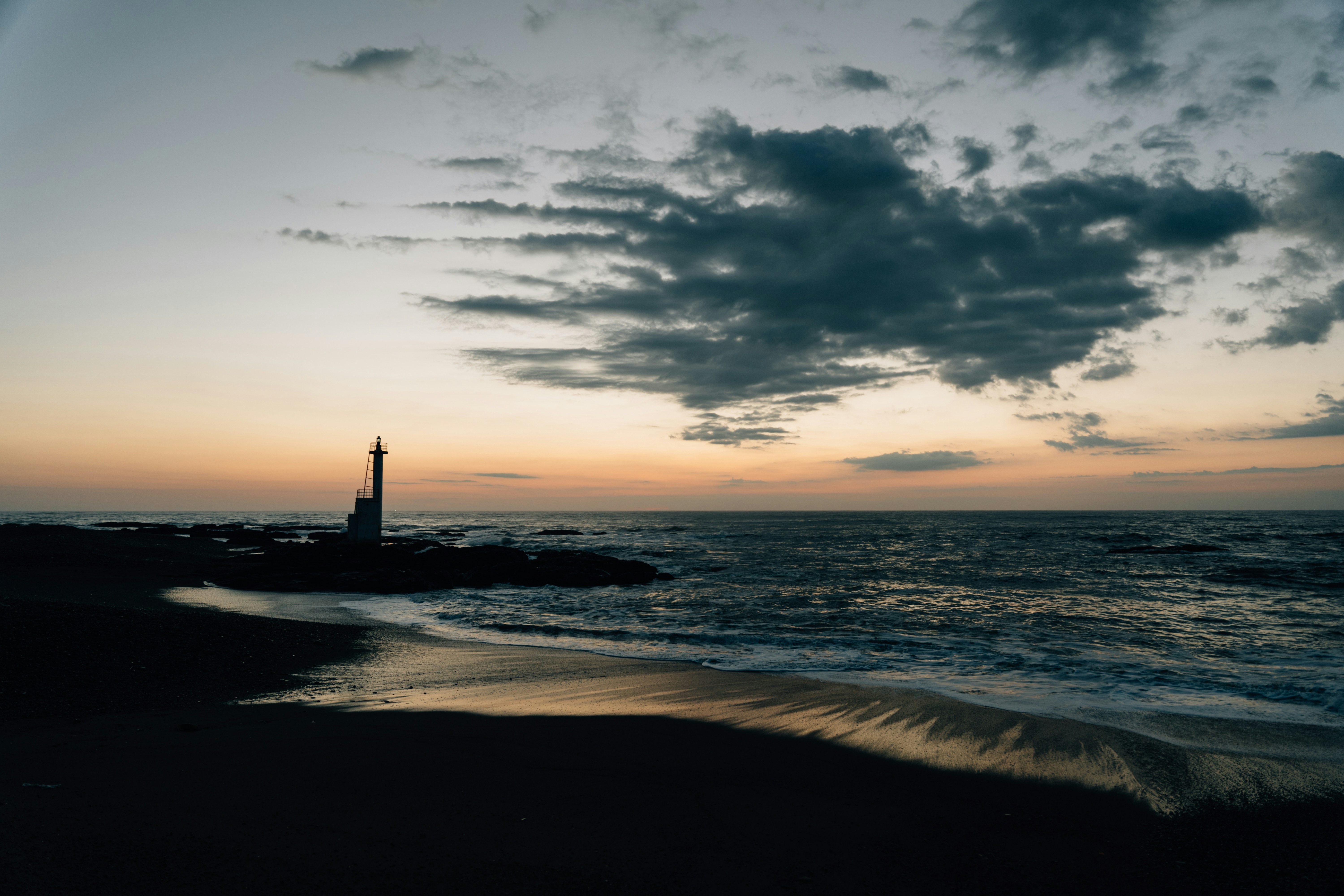
Closer to port, the lively Nakaminato Fish Market offers a vivid introduction to the region’s coastal culture, with fresh catches displayed alongside local specialities that reflect the bounty of the Pacific. The Oarai Isosaki Shrine, perched on rocky outcrops above the ocean with its torii gate rising directly from the sea, creates a striking tableau that has drawn visitors for centuries.

This evening, perhaps savour refined Italian, steak and seafood at Elements, the main dining experience on board, where locally inspired menus complement the day’s discoveries ashore.

Oarai, Ibaraki, Japan
Oarai, Ibaraki, JapanRay ZHUANG
Oarai, Ibaraki, Japan
Oarai, Ibaraki, JapanRay ZHUANG
Oarai, Ibaraki, Japan
Oarai, Ibaraki, JapanRay ZHUANG
Oarai, Ibaraki, Japan
Oarai, Ibaraki, JapanRay ZHUANG
Oarai, Ibaraki, Japan
Oarai, Ibaraki, JapanRay ZHUANG
Oarai, Ibaraki, Japan
Oarai, Ibaraki, JapanRay ZHUANG
Oarai, Ibaraki, Japan
Oarai, Ibaraki, JapanRay ZHUANG
Oarai, Ibaraki, Japan
Oarai, Ibaraki, JapanYuta Koike
Oarai, Ibaraki, Japan
Oarai, Ibaraki, JapanYuta Koike
Oarai Isosaki Shrine, 6890 Isohamachō, Oarai, Ibaraki, Japan
Oarai Isosaki Shrine, 6890 Isohamachō, Oarai, Ibaraki, JapanYuta Koike

Day 13 - Tokyo

Arrive in Tokyo, Japan’s extraordinary capital and one of the world’s great metropolises. A city of ceaseless reinvention, Tokyo layers ancient tradition upon cutting-edge modernity with a fluency unmatched anywhere else. The serene grounds of Meiji Jingu Shrine and the Imperial Palace Gardens offer moments of contemplation amidst a vast urban landscape, whilst the neon-lit corridors of Shibuya, Shinjuku and Akihabara pulse with the energy of contemporary Japanese culture.

Beyond the iconic landmarks, Tokyo reveals itself in quieter neighbourhoods: the atmospheric lanes of Yanaka, where time seems to have paused; the elegant boutiques and café culture of Omotesando; and the historic temple district of Asakusa, where Senso-ji, Tokyo’s oldest temple, draws visitors beneath its towering red lantern and through the bustling Nakamise-dori market. The city’s culinary landscape is unrivalled, holding more Michelin stars than any other city on earth, from intimate sushi counters to refined kaiseki dining.

Lights, sushi, manga! Sprawling, frenetic, and endlessly fascinating, Japan’s capital is a city of contrasts. Shrines and gardens are pockets of calm between famously crowded streets and soaring office buildings. Mom-and-pop noodle houses share street space with Western-style chain restaurants and exquisite fine dining. Shopping yields lovely folk arts as well as the newest electronics. And nightlife kicks off with karaoke or sake and continues with techno clubs and more. Whether you seek the traditional or the cutting edge, Tokyo will provide it.

Tokyo At Night
Tokyo At NightJezael Melgoza, Unsplash
Tokyo Shopping
Tokyo ShoppingJezael Melgoza, Unsplash
Tokyo Temple
Tokyo TempleMatt Ketchum

Day 14 - Toba

Arrive in Toba, a quiet port city on the Shima Peninsula that holds an outsized place in Japanese cultural history. It was here, in the sheltered waters of Ago Bay, that Mikimoto Kokichi pioneered the technique of cultivating pearls in the late 19th century, transforming a local fishing tradition into a global industry. The legacy of pearl cultivation remains woven into the fabric of the city, and the traditions of the ama, the free-diving women who have harvested shellfish and seaweed along these shores for over two thousand years, endure as a living connection to the region’s maritime past.

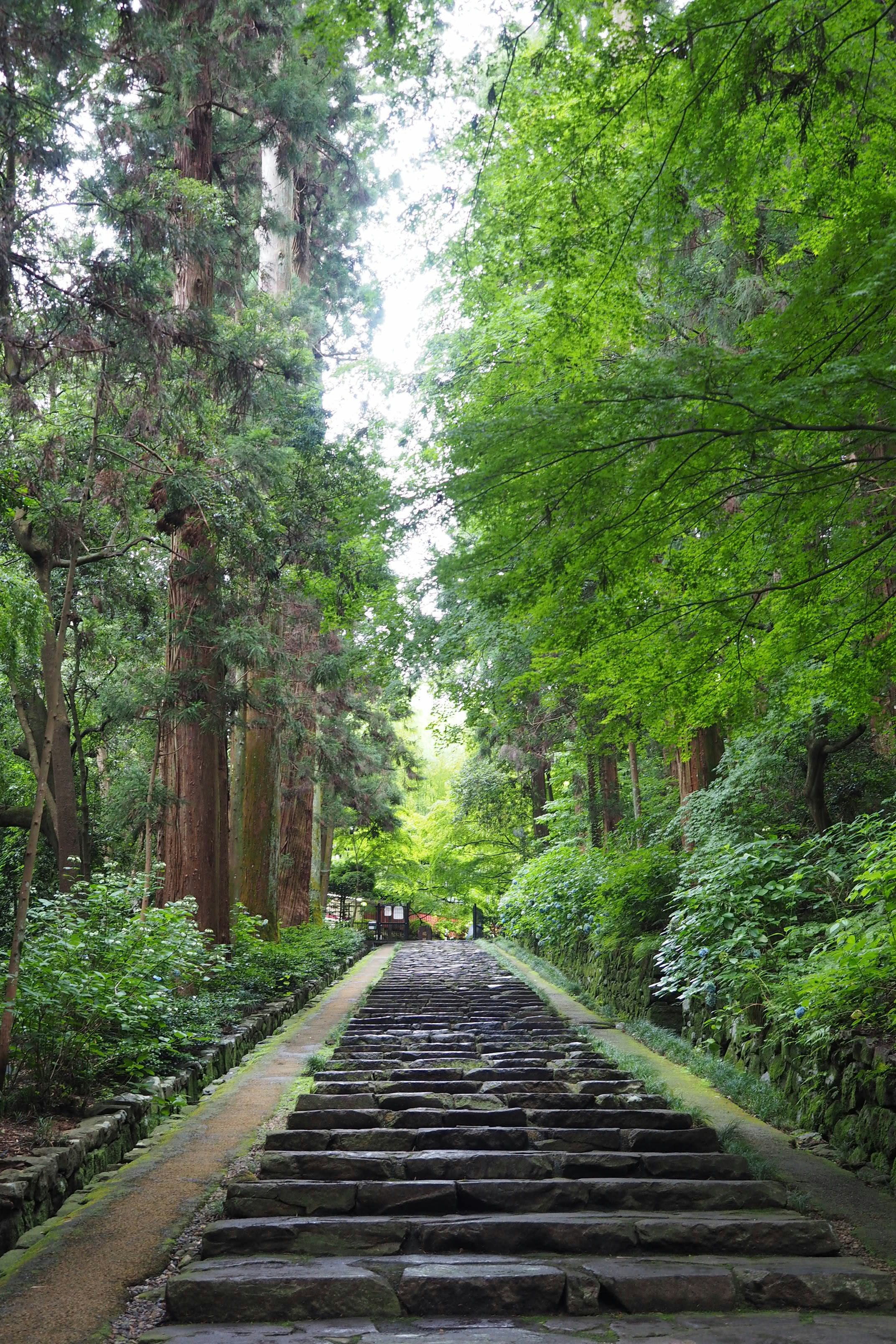
Nearby, the Ise Grand Shrine, Japan’s most sacred Shinto site, stands in a forest of towering ancient cryptomeria trees. Rebuilt every 20 years in an unbroken cycle of renewal stretching back centuries, the shrine complex embodies the essence of Japanese spiritual tradition. The forested slopes of Mount Asama and the surrounding pilgrimage trails offer a contemplative counterpoint to the coastal pleasures of Toba.

This evening, perhaps enjoy one final dinner at Lumière+, where contemporary French fine dining is paired with an exquisite selection of Champagne, or celebrate your journey with the vibrant street-food inspired dishes at Night Market @ Koko’s+.

Toba, Japan
Toba, JapanPhoto by WANG Tianfang on Unsplash

Day 15 - Osaka

Today, it is time to farewell Scenic Eclipse II after 15 extraordinary days on board. Be sure to fit in one last indulgent breakfast at the Yacht Club or ask your butler to deliver coffee to your suite so you can take your time packing. Disembark in Osaka with the memories of an unforgettable Discovery Voyage around Japan at its most enchanting time of year.

Please book your flight to depart out of Osaka after 12:00 PM.

#Spa treatments and services at additional cost. Daily activities may be subject to change; please consult your Daily Wonder for updates.
+All drinks on board, including those stocked in your mini bar, are included, except for a very small number of rare, fine and vintage wines, Champagnes and spirits. Specialty restaurants require a reservation, enquire on board.
^Experiences on board our two helicopters and submersible are at additional cost, subject to regulatory approval, availability, weight restrictions, medical approval and weather conditions.
~Kayak and stand-up paddleboard not available in all locations.

Helicopter and submersible not in operation in Japan.

The itinerary is a guide only and may be amended for operational reasons. As such, Scenic cannot guarantee the voyage will operate unaltered from the itinerary stated above. Please refer to our terms and conditions for further information. Hotels are indicative and subject to change.

From Minami's neon-lighted Dotombori and historic Tenno-ji to the high-rise class and underground shopping labyrinths of Kita, Osaka is a city that pulses with its own unique rhythm. Though Osaka has no shortage of tourist sites, it is the city itself that is the greatest attraction. Home to some of Japan's best food, most unique fashions, and warmest locals, Osaka does not beg to be explored—it demands it. More than anywhere else in Japan, it rewards the impulsive turn down an interesting side street or the chat with a random stranger. People do not come here to see the city, they come to experience it.Excluded from the formal circles of power and aristocratic culture in 16th-century Edo (Tokyo), Osaka took advantage of its position as Japan's trading center, developing its own art forms such as Bunraku puppet theater and Rakugo comic storytelling. It was in Osaka that feudal Japan's famed Floating World—the dining, theater, and pleasure district—was at its strongest and most inventive. Wealthy merchants and common laborers alike squandered fortunes on culinary delights, turning Osaka into "Japan's Kitchen," a moniker the city still has today. Though the city suffered a blow when the Meiji government canceled all of the samurai class's outstanding debts to the merchants, it was quick to recover. At the turn of the 20th century, it had become Japan's largest and most prosperous city, a center of commerce and manufacturing.Today Osaka remains Japan's iconoclastic metropolis, refusing to fit Tokyo's norms and expectations. Unlike the hordes of Tokyo, Osakans are fiercely independent. As a contrast to the neon and concrete surroundings, the people of Osaka are known as Japan's friendliest and most outgoing. Ask someone on the street for directions in Tokyo and you are lucky to get so much as a glance. Ask someone in Osaka and you get a conversation.The main areas of the city, Kita (north) and Minami (south), are divided by two rivers: the Dojima-gawa and the Tosabori-gawa. Between Kita and Minami is Naka-no-shima, an island and the municipal center of Osaka. Kita (north of Chuo Dori) is Osaka's economic hub and contains Osaka's largest stations: JR Osaka and Hankyu Umeda. The area is crammed with shops, department stores, and restaurants. Nearby are a nightlife district, Kita-shinchi; Naka-no-shima and the Museum of Oriental Ceramics; Osaka-jo (Osaka Castle); and Osaka Koen (Osaka Park). Restaurants, bars, department stores, and boutiques attract Osaka's youth to Minami (south Chuo Dori); theatergoers head to the National Bunraku Theatre and electronics-lovers to Den Den Town. For a glimpse of old Osaka, visit Tenno-ji Temple and Shin Sekai. The main stations are Namba, Shin-sai-bashi, Namba Nankai, and Tenno-ji. There's easy access to the Municipal Museum of Fine Art and Sumiyoshi Taisha (Sumiyoshi Grand Shrine).The bay area, to the west of the city center, is home to the Osaka Aquarium and Universal Studios Japan. The Shinkansen stops at Shin-Osaka, three stops (about five minutes) north of Osaka Station on the Mido-suji subway line. To the north of Shin-Osaka is Senri Expo Park.

Castle, Osaka, Japan
Castle, Osaka, JapanImage by leo leung from Pixabay
River, Osaka, Japan
River, Osaka, JapanImage by djedj from Pixabay

Suites & Deck Plans

Suite

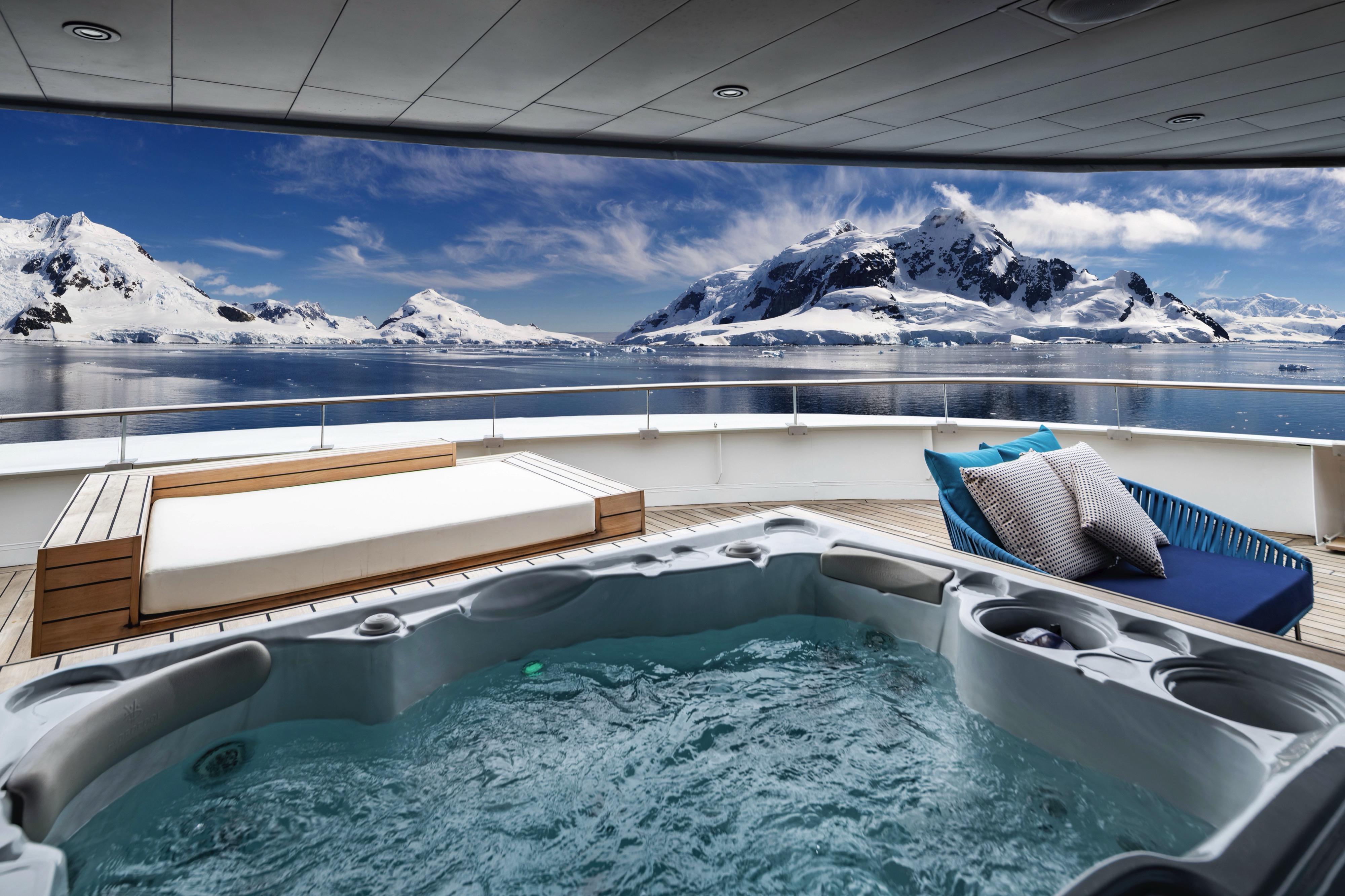
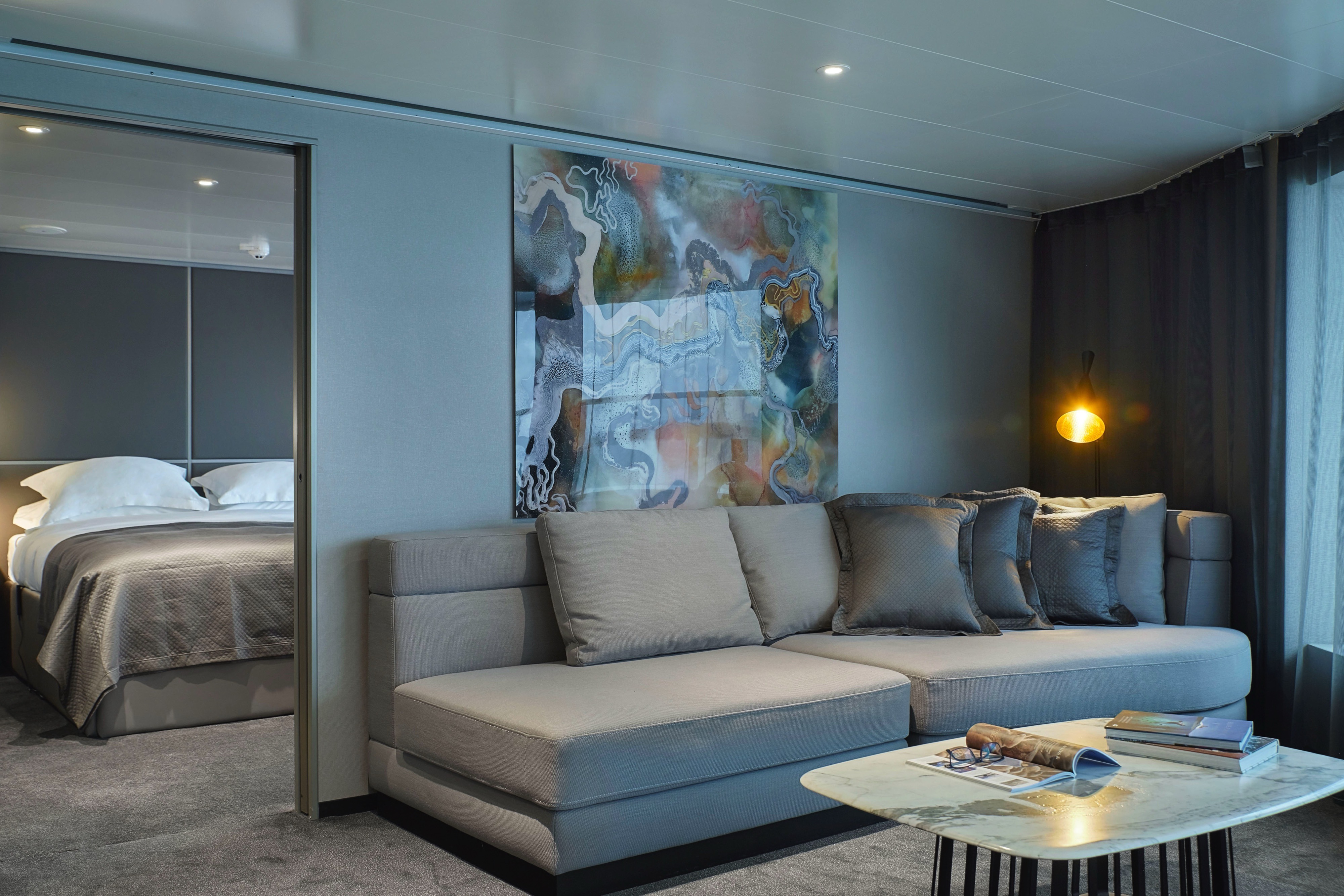
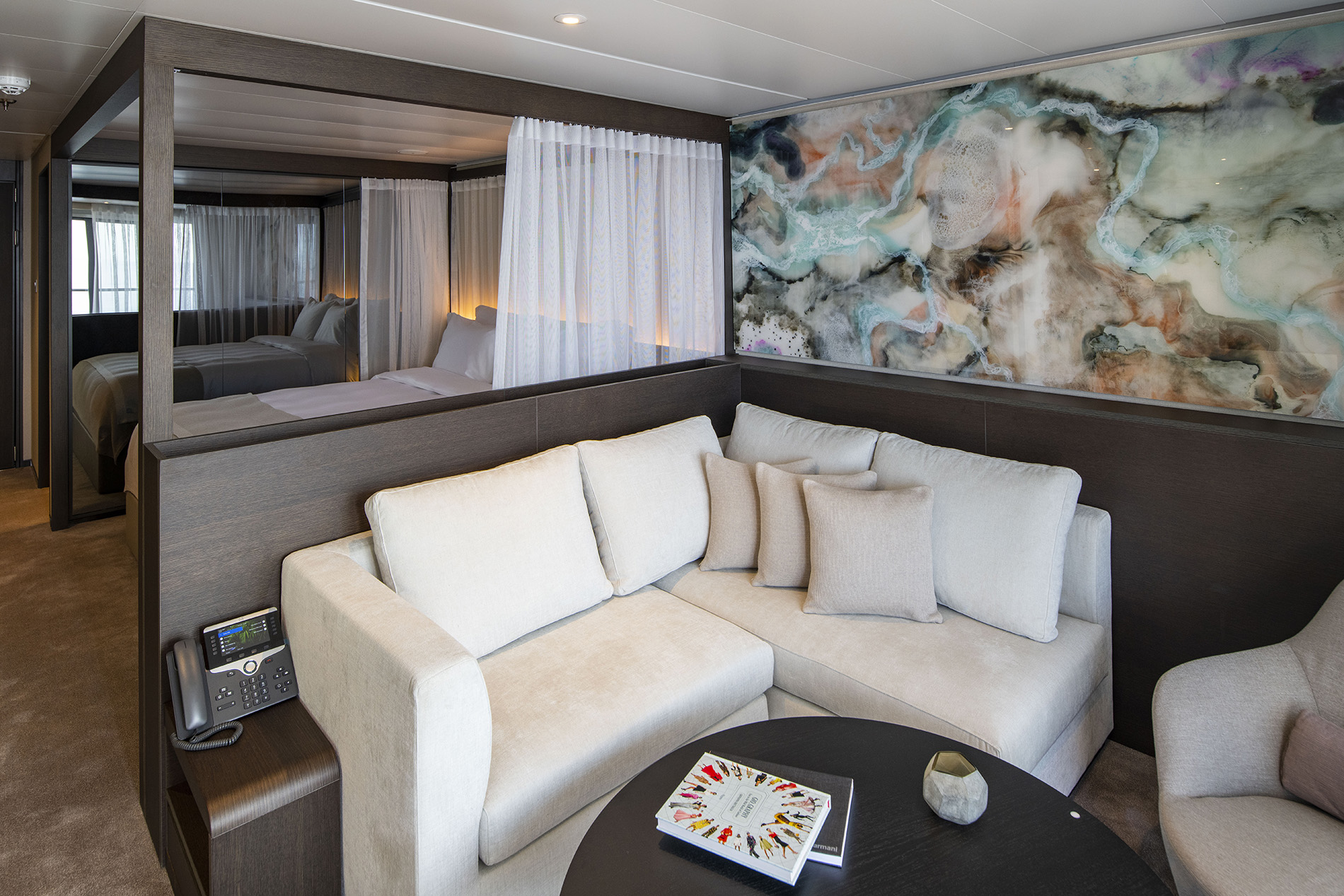
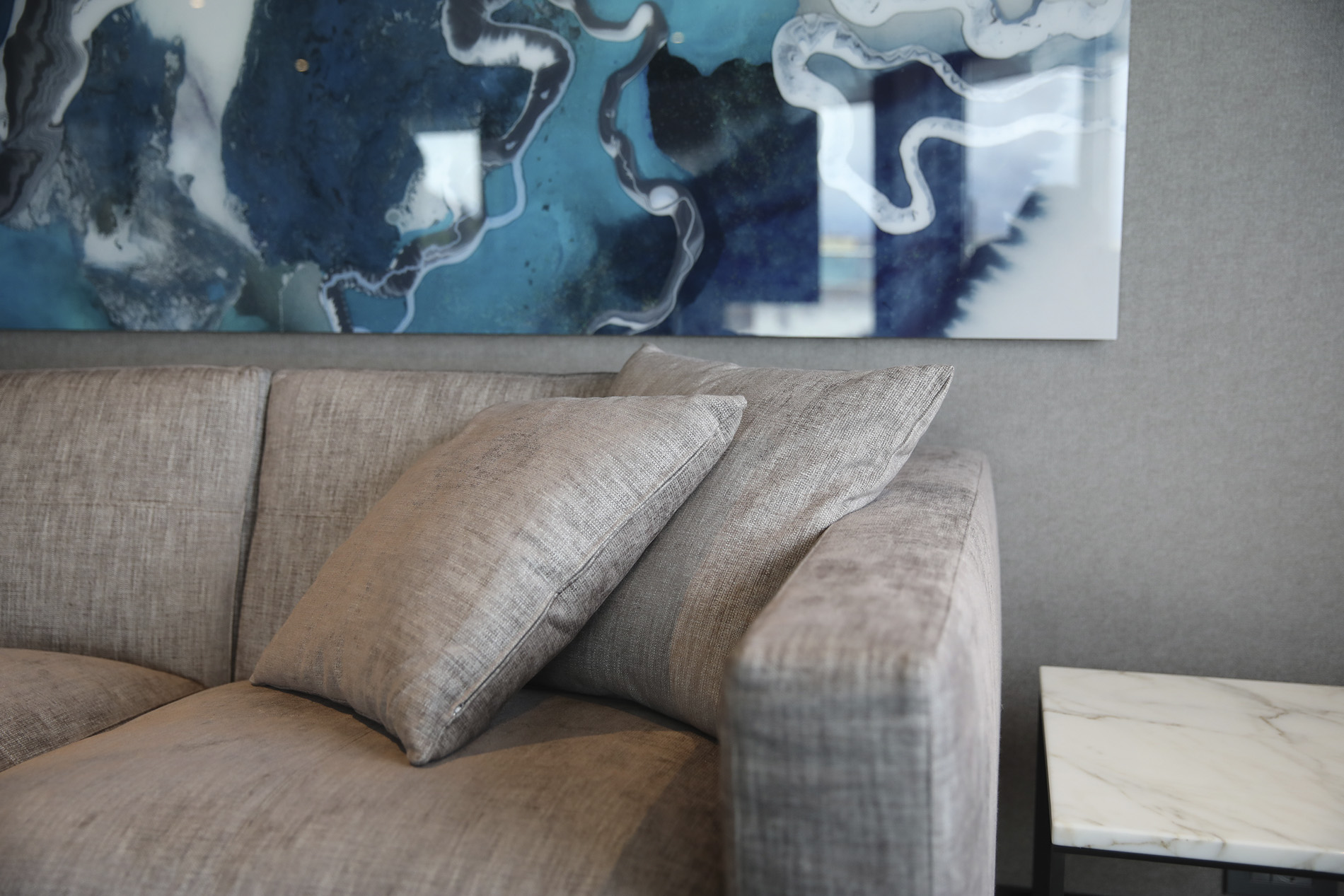
Handcrafted and extraordinary in every way, our Owner’s Penthouse Suites are the ultimate indulgence. Boasting the best views on board, a private spa pool on the spacious terrace, dedicated lounge and dining area, a super-sized bathroom with dual vitality mist showers, and a personalised butler service, it’s a once-in-a-lifetime experience.
Suite Features

At an enormous 195m² in size, the Owner’s Penthouse Suites are located on Deck 9.

Suite names and amenities are the same across both Scenic Eclipse and Scenic Eclipse II, however, both have been thoughtfully curated to suit the cruising experience of these ships.

Separate Lounge & Bedroom

Staying in one of only two Owner’s Penthouse Suites is the ultimate indulgence. Your home away from home is located at the bow of the yacht, on Deck 9, boasting the best views on board. With a private dining area that can comfortably seat up to eight guests, you'll never want to leave.

For a once-in-a-lifetime cruising experience, combine the Owner’s Penthouse Suites with a Spa Suite to create a lavish Two-Bedroom Penthouse Suite – an incredible 245sqm of unsurpassed ultra-luxury and opulence. 

Spacious Terrace & Pool

Your curved terrace, complete with a personal private spa pool and sun loungers, is the perfect place to indulge in ultra-luxury relaxation.

Super-sized Bathroom

Featuring a super-sized bathroom, your relaxation and comfort are enhanced with a dual steam shower, therapeutic spa bath and guest powder room with dual vanity. On Scenic Eclipse II, enjoy the healing benefits of two KLAFS infrared seats.

Priority Reservations & Embarkation

Guests in our Owner’s Penthouse Suite will enjoy the privilege of priority dining in the specialty restaurants as well as priority choice of Scenic Freechoice, Scenic Discovery, helicopter^ and submersible^ excursions. VIP embarkation and disembarkation are standard inclusions at the start and finish of your cruise.  

Amenities & Features

  • Spacious terrace with lounge area, sun loungers and private spa pool
  • Spa Day Bed - transforming for in-suite private spa experience
  • A separate bedroom with luxury king-size Scenic Slumber Bed and his and hers walk-in wardrobe
  • Personalised butler service
  • Therapeutic spa bath
  • Dual vitality mist shower with colour light therapy
  • Guest powder room, dual vanity, VIP amenities and Dyson hairdryer
  • Walk-in robe
  • In-suite dining with seating for up to eight guests
  • A full complimentary mini-bar stocked with wines, Champagnes and spirits personalised to your preference, including illy coffee and specialty teas re-stocked daily
  • Canapes and petite fours delivered to your suite
  • Complimentary fruit selection for an afternoon snack
  • Complimentary laundry service~
  • Priority dining in specialty restaurants
  • VIP embarkation and disembarkation
  • Advanced Heating, Ventilation and Air-Conditioning system (HVAC) provides 100% fresh air
  • The highest sound insulation as per the marine class society Bureau Veritas 

2099 sq ft
Accommodates 4 guests
Owner's Penthouse Suites

Scenic Eclipse II

Scenic Eclipse II

Life on board

The Onboard Experience

Client testimonials

I have worked with Lore Doick for more than 20 years, and she has booked over 30 cruises for me. Her expertise, care, and attention to every travel detail have made her an invaluable advisor and friend over the years.”

Tina B.

We are now in our second generation working with Cheri Ozimac at Tully Luxury Travel. From Antarctica to Greece, she has handled every detail with expertise, responsiveness, and care…

Earl M.

My wife and I have worked with Tully since 2007, and Kit Neil and her team went far beyond expectations while helping us navigate multiple cruise and flight cancellations. Their advocacy, care, and support during a difficult time were extraordinary.

Carri F.

Cheri Ozimac organized our Seabourn cruise flawlessly, from the hotel recommendation to every travel arrangement. She was responsive, attentive, and an excellent advocate throughout the process…

Cyn S.

We discovered Tully Luxury Travel after years of booking cruises through US agents and were impressed by their competitive pricing, exceptional service, and Canadian based support. Their team is always available, offers excellent value, and makes booking the right cruise seamless.

Peter C.

GoogleAverage Customer Rating:

The Tully Difference

Why travel with us


Tully Luxury Travel was built on access, discretion, and trust. For our clients, that means ease at every step, with distinctions that turn exceptional voyages into defining moments.

Recognized expertise

A renowned agency worldwide in luxury land and small-ship cruising, consistently trusted by the industry’s most prestigious brands.