Scenic logo

Idyllic Rhône with Monte-Carlo & the French Riviera Extension

Itinerary: Lyon, Mâcon, Vienne, Viviers, Avignon, Arles, Tarascon, Monte-Carlo See full itinerary

15 Oct 28
7 nights

Voyage Details

Duration:
7 nights
Departure:
15 Oct 2028
Embarkation:
Lyon, France
Cruise code:
FCCM
Voyage code:
FCCM151028.1

Your Itinerary, Day-By-Day

Special Chapters of Your Journey

Day 1 - Lyon

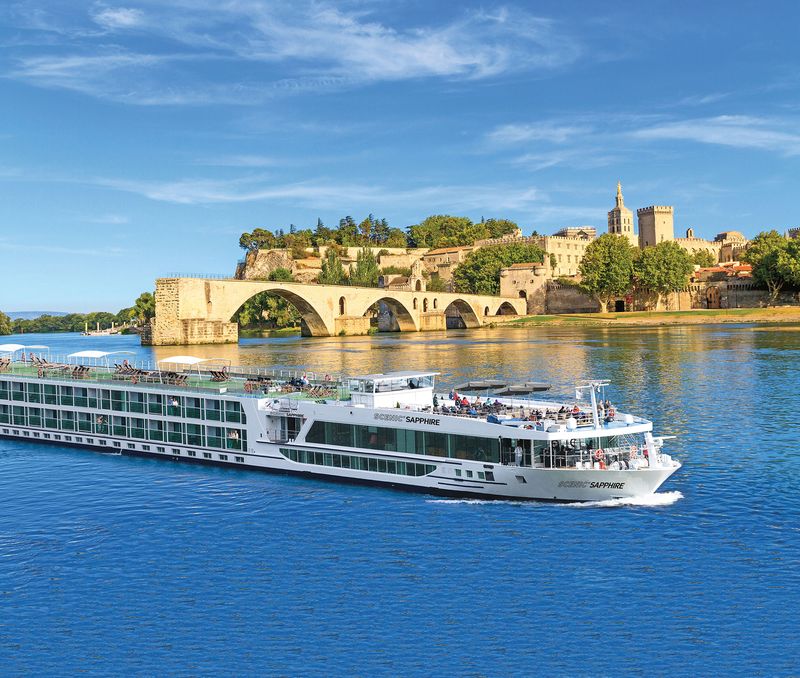
Welcome to spectacular Lyon, France’s third largest city and its culinary capital, promising a blend of fascinating history and a sophisticated dining and shopping scene. Upon arrival, transfer to the Scenic Sapphire where your friendly crew await to welcome you on board.

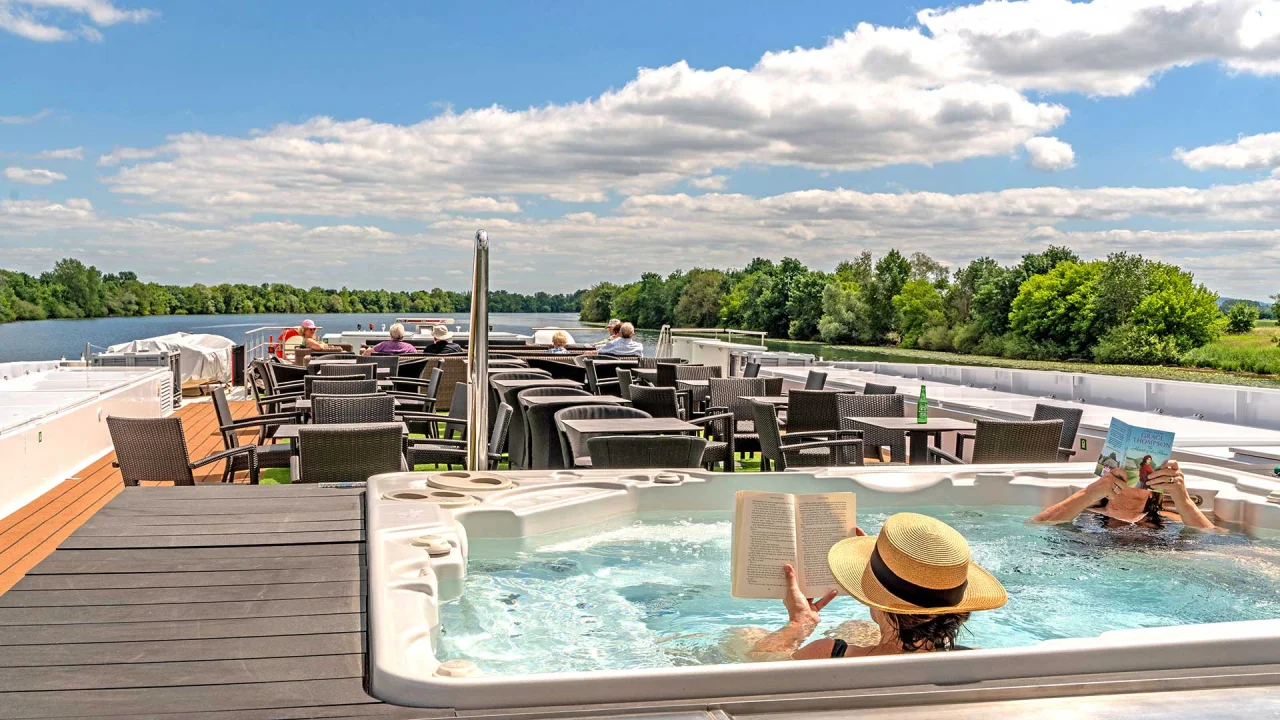
Spend this afternoon exploring your Scenic Space-Ship. Relax in your luxurious suite or take a beverage to the Sun Deck and admire the magnificent views across the city of Lyon. With a late departure tonight, you may like to head out and get a taste of the gastronomic delights. 

Lyon, the capital city in France’s Auvergne-Rhône-Alpes region, sits at the junction of the Rhône and Saône rivers. Its center reflects 2,000 years of history from the Roman Amphithéâtre des Trois Gaules, medieval and Renaissance architecture in Vieux (Old) Lyon, to the modern Confluence district on Presqu'île peninsula. Traboules, covered passageways between buildings, connect Vieux Lyon and La Croix-Rousse hill.

Frlio   Lyon   Cathédrale Saint Jean   Credits  C Brice Robert Www.B Rob.Com, Only Lyon
Frlio Lyon Cathédrale Saint Jean Credits C Brice Robert Www.B Rob.Com, Only LyonBrice Robert www.b-rob.com ©Only Lyon
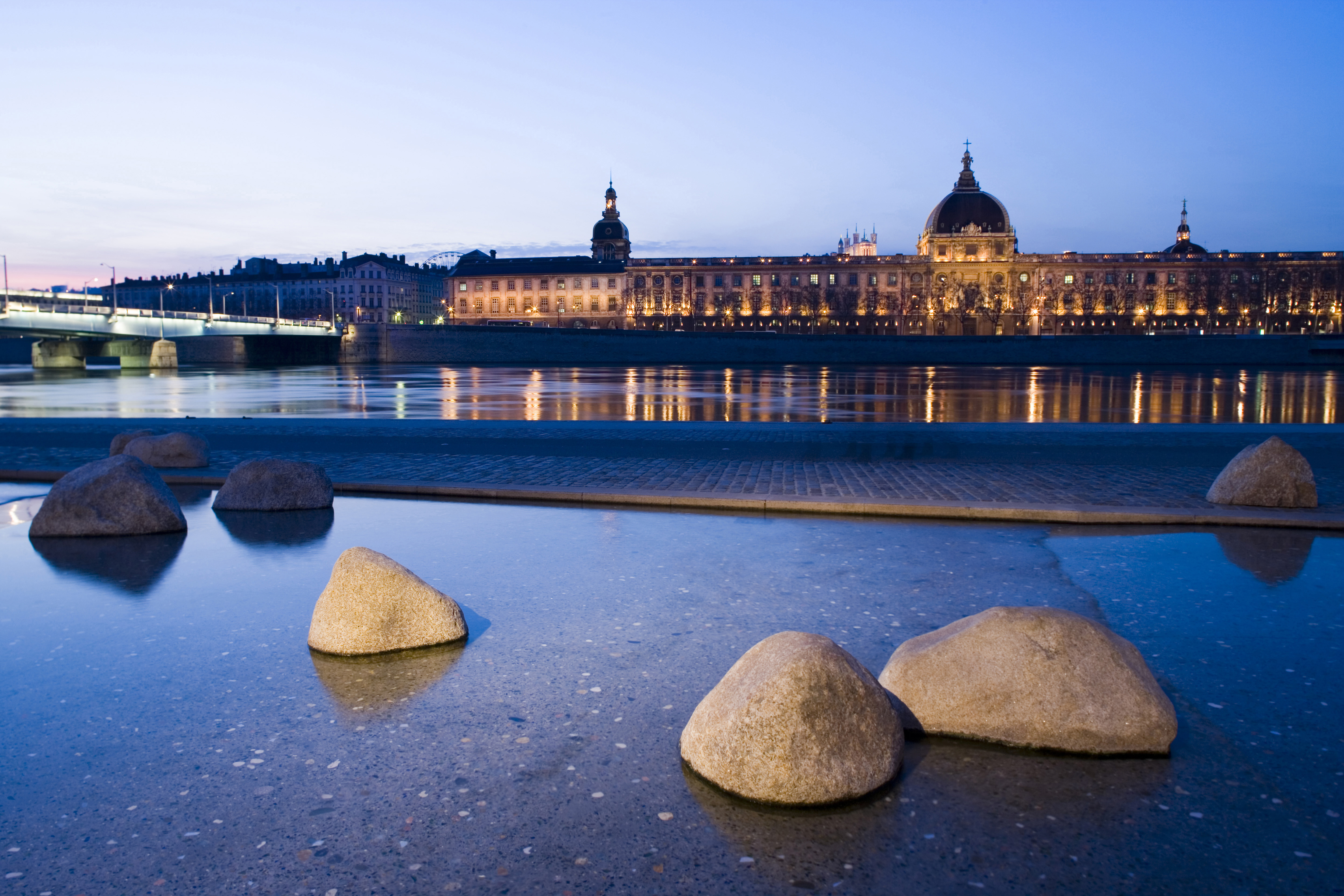
Frlio   Lyon   Hôtel Dieu Depuis Les Berges   Credits  C Tristan Deschamps, Only Lyon
Frlio Lyon Hôtel Dieu Depuis Les Berges Credits C Tristan Deschamps, Only LyonTristan Deschamps ©Only Lyon
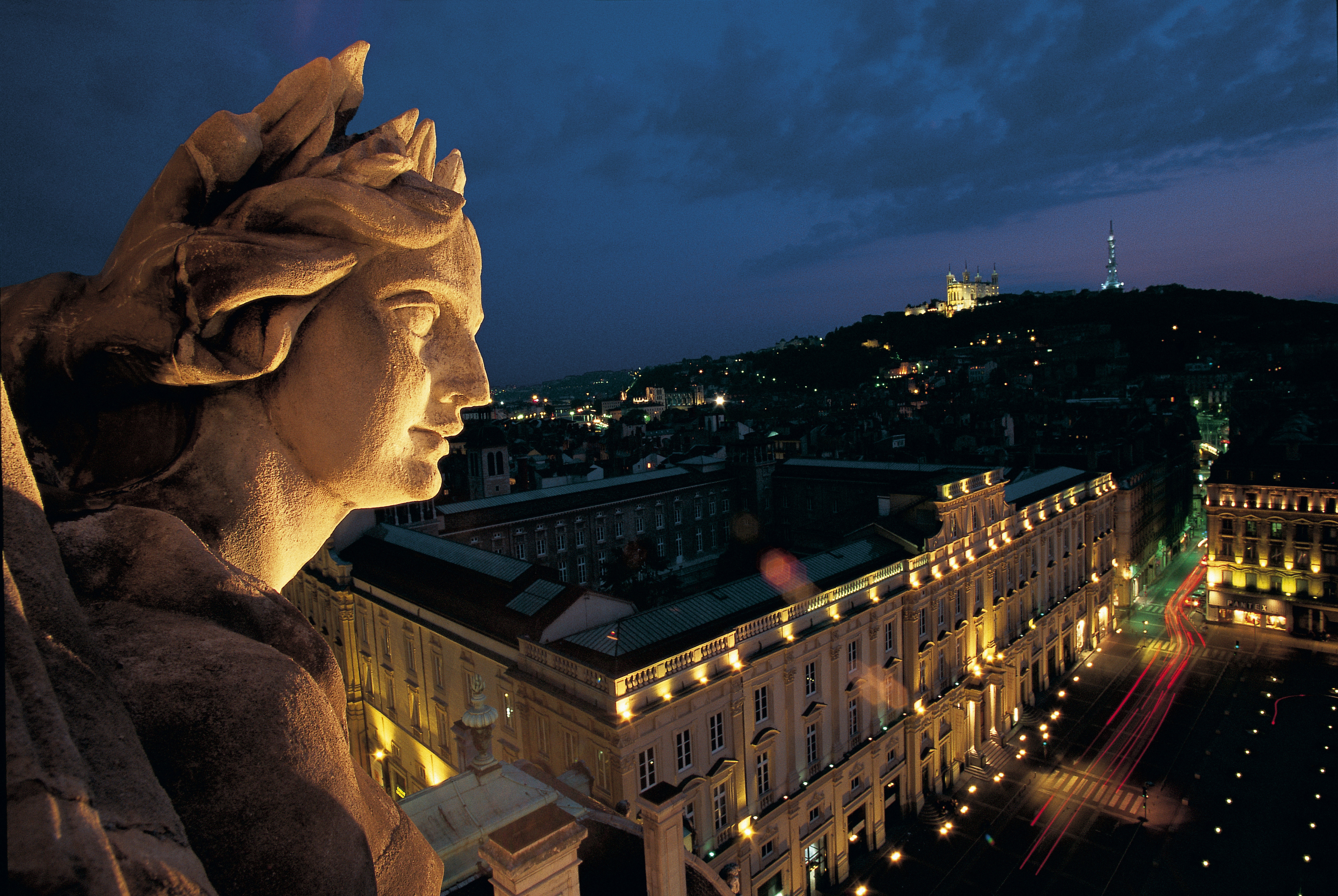
Frlio   Lyon   Place Des Terreaux   Credits  C Tristan Deschamps, Only Lyon
Frlio Lyon Place Des Terreaux Credits C Tristan Deschamps, Only LyonTristan Deschamps ©Only Lyon
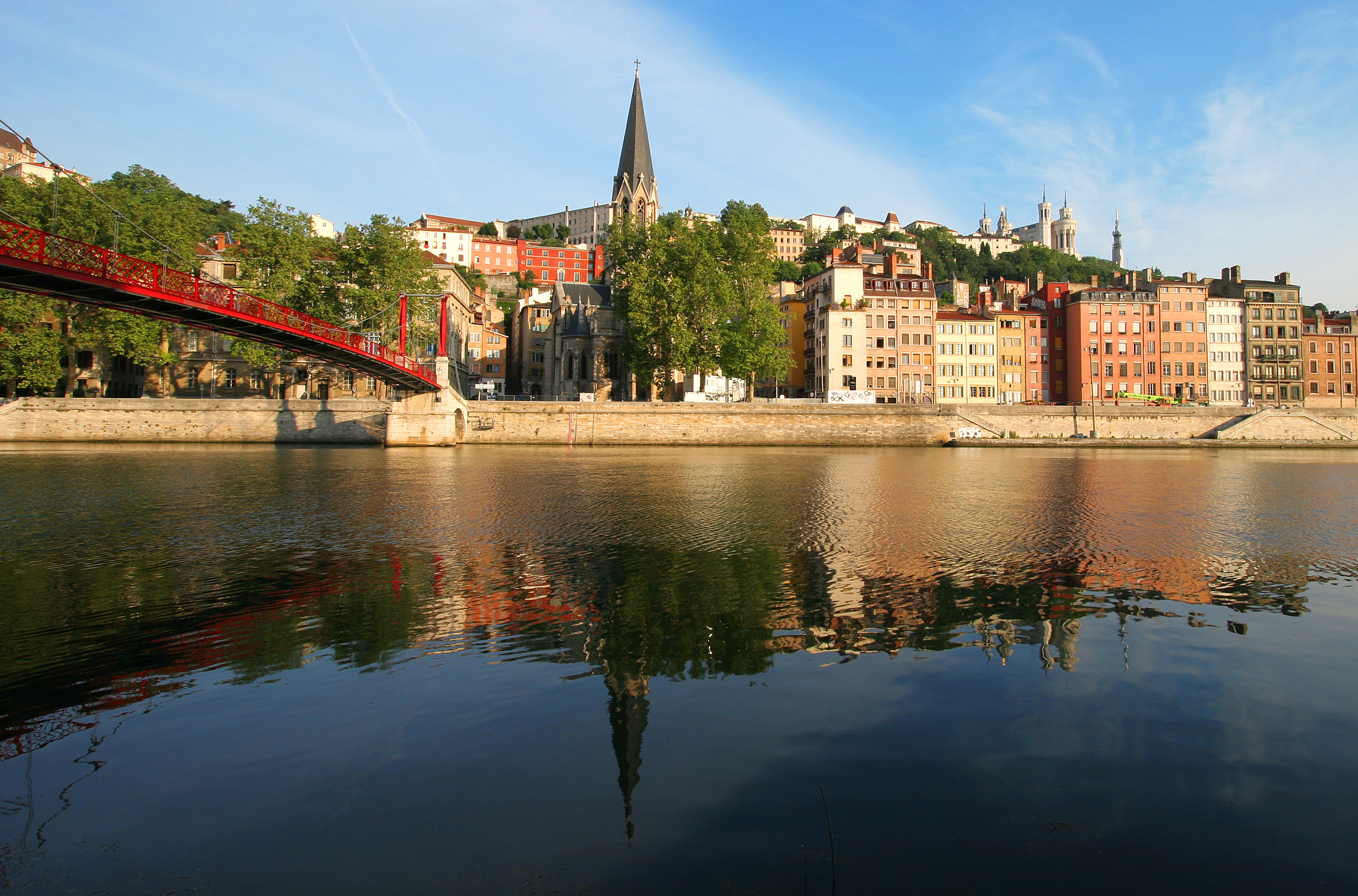
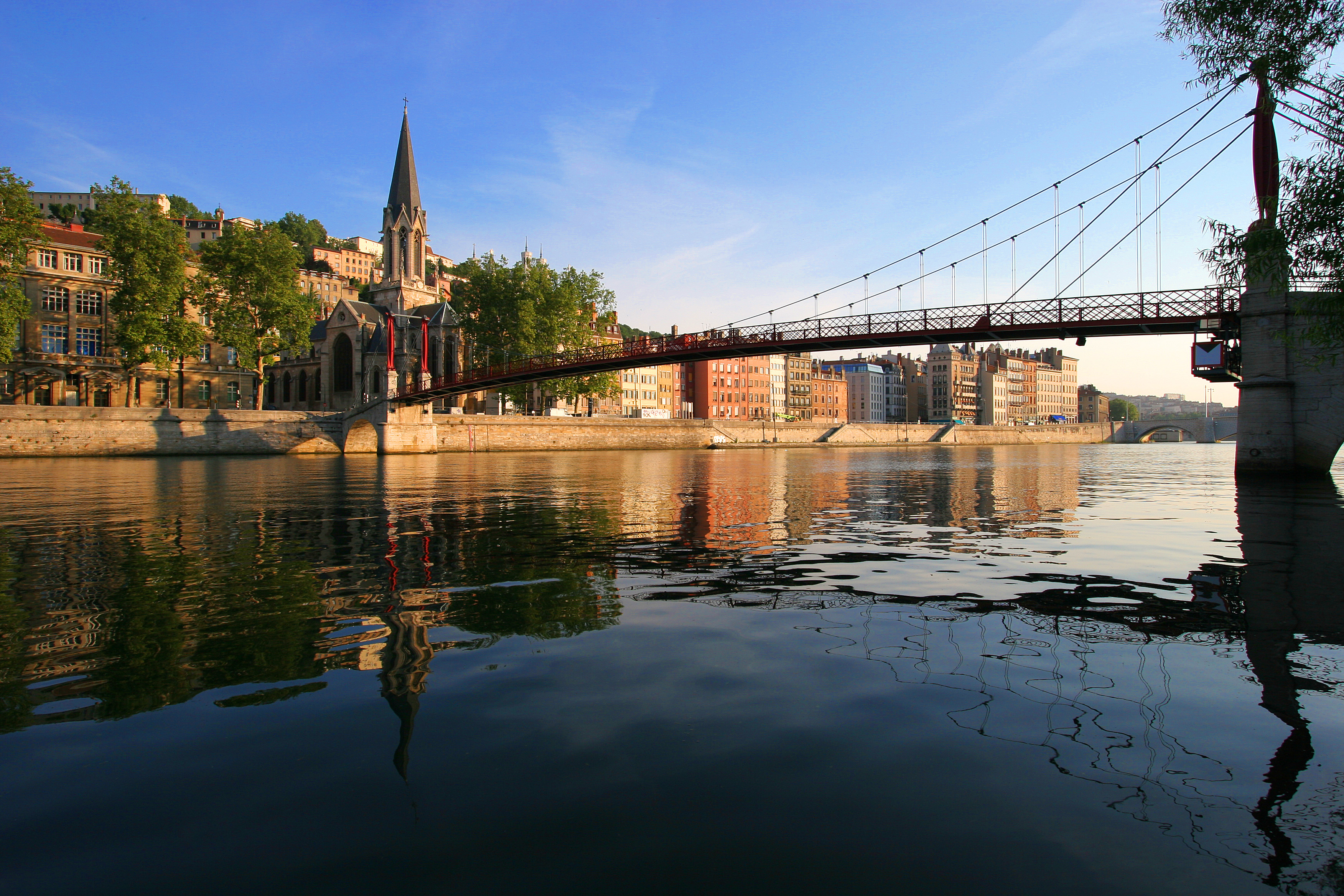
Frlio   Lyon   Quai De Saône, Vieux Lyon   Credits  C Marie Perrin, Only Lyon
Frlio Lyon Quai De Saône, Vieux Lyon Credits C Marie Perrin, Only LyonMarie Perrin ©Only Lyon
Frlio   Lyon   Vu Sur St Georges   Credits  C Marie Perrin, Only Lyon
Frlio Lyon Vu Sur St Georges Credits C Marie Perrin, Only LyonMarie Perrin ©Only Lyon

Day 2 - Mâcon

You’ll wake this morning in the town of Mâcon, which will be your base for exploring southern Burgundy. Mâcon sits right on the edge of the river, with stunning pastel-hued buildings, ancient churches and picturesque quays. It is close to the Burgundy wine region, one of the most famous in France, which produces exceptional Chardonnay, Pinot Noir, Gamay and Sparkling Wines.

Scenic Freechoice:
Choose from this morning’s Scenic Freechoice activities:

Beaujolais wine region: Drive through the rolling hills of the world-famous Beaujolais wine region and meet a local vintner. Discover how this wine is produced and enjoy the privilege of sampling some of the region’s best drops.

Excursion to Cluny and Cluny Abbey: Step back in time to the medieval town of Cluny, which is famous for its Benedictine Abbey, once the largest Christian buildings in the world. Tour the impressive town, learn about its history and soak up its charm during some free time.

Excursion to Château de Cormatin: Transfer by coach to the historic Château de Cormatin, built in 1606. The castle boasts a fascinating history and has been lovingly restored back to its original glory. Admire the castle’s gilded rooms, moat, water features and more than 10 hectares of manicured gardens on a guided tour.

Mâcon
Mâcon

Day 3 - Lyon

Return to Lyon today. You may like to arrange for your butler to deliver a coffee to your suite so you can enjoy it in your private Scenic Sun Lounge before you venture out for the day.

Sitting at the confluence of the Rhône and Saône rivers, the city was founded by the Romans in 43BC. Since the mid-1500s it has been a financial and industrial powerhouse and today is recognised as France’s culinary capital. The city is home to more than 4,000 restaurants – including 20 that hold Michelin stars – and eating well is a way of life.

Scenic Freechoice:
Explore Lyon with this morning’s range of Scenic Freechoice:

Guided tour of Lyon: Discover Lyon’s historic significance as you traverse its hidden traboules, secret passageways that date back to the fourth century. Then visit the Basilica of Notre Dame of Fourvière, offering a fabulous vantage point for views across Lyon.

Excursion to Pérouges: Visit this medieval walled village, located atop a hill overlooking the Ain River. It has been beautifully preserved, featuring vine-covered stone buildings, cobbled laneways and a market square centred around a centuries-old lime tree. Please note: Due to uneven surfaces and a lot of walking both up and down hill, this tour is recommended only for guests with a high degree of fitness.

Silk painting workshop: Lyon has a rich heritage of silk production that dates back almost five centuries to when Louis XI chose the city as a potential base for the silk weaving industry. During this workshop, you’ll learn about the history and process of silk painting.

Guided cycling tour to Tête d’or Park: With a local guide, cycle along one of Lyon's many bike lanes to charming Tête d’or Park. At 105 hectares, it is one of France’s largest urban parks and features a sprawling lake with Souvenir Island at its centre, a botanical garden, rose garden and greenhouse, and a zoo.

Another late departure gives you more opportunities to explore Lyon’s restaurant scene. 

Lyon, the capital city in France’s Auvergne-Rhône-Alpes region, sits at the junction of the Rhône and Saône rivers. Its center reflects 2,000 years of history from the Roman Amphithéâtre des Trois Gaules, medieval and Renaissance architecture in Vieux (Old) Lyon, to the modern Confluence district on Presqu'île peninsula. Traboules, covered passageways between buildings, connect Vieux Lyon and La Croix-Rousse hill.

Frlio   Lyon   Cathédrale Saint Jean   Credits  C Brice Robert Www.B Rob.Com, Only Lyon
Frlio Lyon Cathédrale Saint Jean Credits C Brice Robert Www.B Rob.Com, Only LyonBrice Robert www.b-rob.com ©Only Lyon
Frlio   Lyon   Hôtel Dieu Depuis Les Berges   Credits  C Tristan Deschamps, Only Lyon
Frlio Lyon Hôtel Dieu Depuis Les Berges Credits C Tristan Deschamps, Only LyonTristan Deschamps ©Only Lyon
Frlio   Lyon   Place Des Terreaux   Credits  C Tristan Deschamps, Only Lyon
Frlio Lyon Place Des Terreaux Credits C Tristan Deschamps, Only LyonTristan Deschamps ©Only Lyon
Frlio   Lyon   Quai De Saône, Vieux Lyon   Credits  C Marie Perrin, Only Lyon
Frlio Lyon Quai De Saône, Vieux Lyon Credits C Marie Perrin, Only LyonMarie Perrin ©Only Lyon
Frlio   Lyon   Vu Sur St Georges   Credits  C Marie Perrin, Only Lyon
Frlio Lyon Vu Sur St Georges Credits C Marie Perrin, Only LyonMarie Perrin ©Only Lyon

Day 4 - Vienne

Your Scenic Space-Ship will arrive in Vienne today. Boasting a 2,000-year history, this city is brimming with Roman history, including a terraced theatre, first century temple, ancient baths and the Vienne Pyramid, which was the site of the Roman circus where chariot races would have been held.

Scenic Freechoice:
Discover your way with this morning’s Scenic Freechoice:

Walking tour of Vienne with Roman theatre: Uncover the fascinating history of this quaint riverside town, once conquered by Julius Caesar. You will visit one of the best-preserved Roman theatres, which was built against the steep slopes of a hill and could hold more than 10,000 spectators.

Cycling tour of Vienne: Discover the city’s glory days on two wheels. Cycle past a marvellously preserved Roman temple, a monument to Emperor Augustus, and see the ruins of a once-thriving district complete with bath houses, villas and workshops. Nature lovers will enjoy the detour to the lush Ile Barlet River Island.

Roman Amphitheater
Roman AmphitheaterAlexis Ribeyre
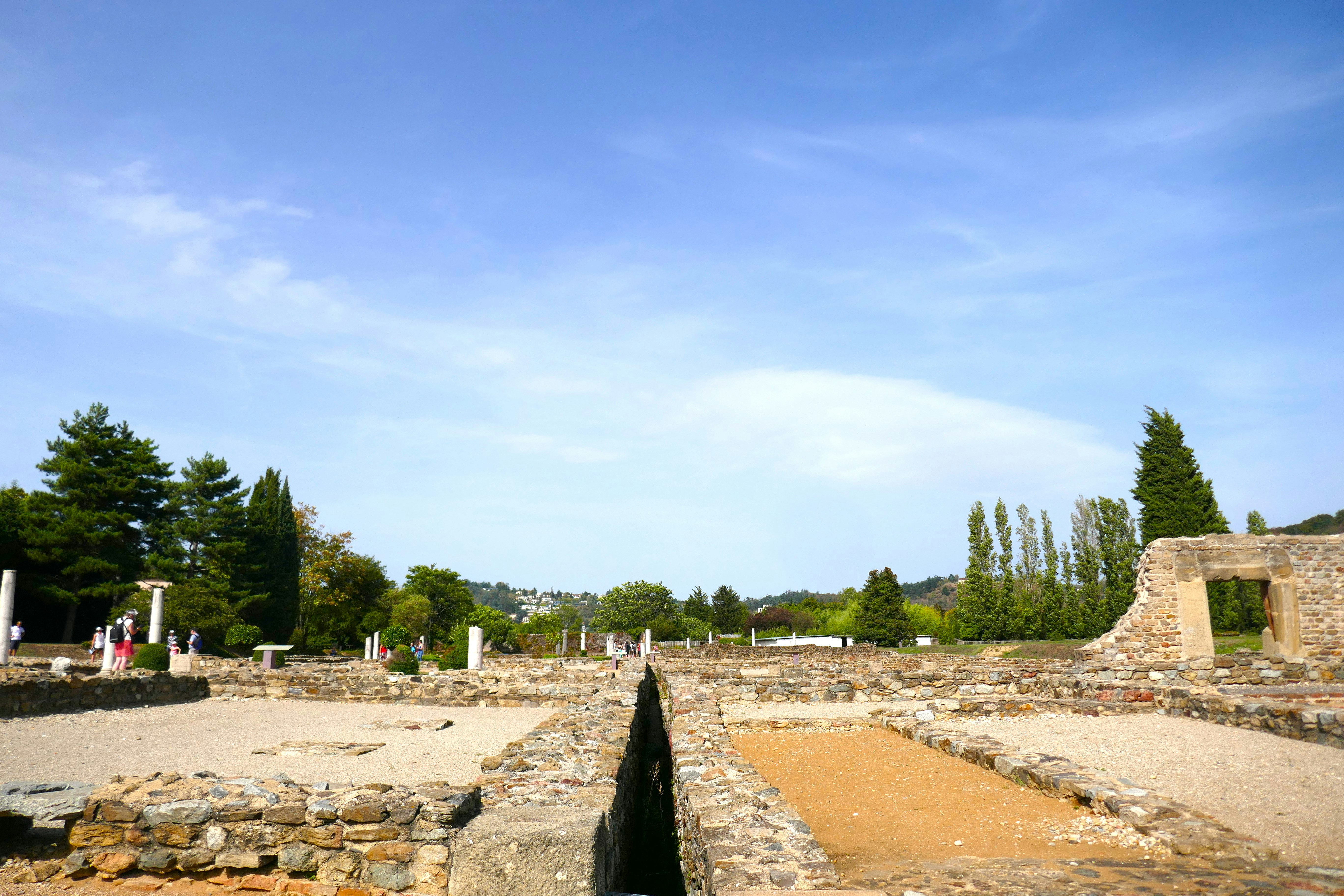
Roman Ruins
Roman RuinsAlexis Ribeyre
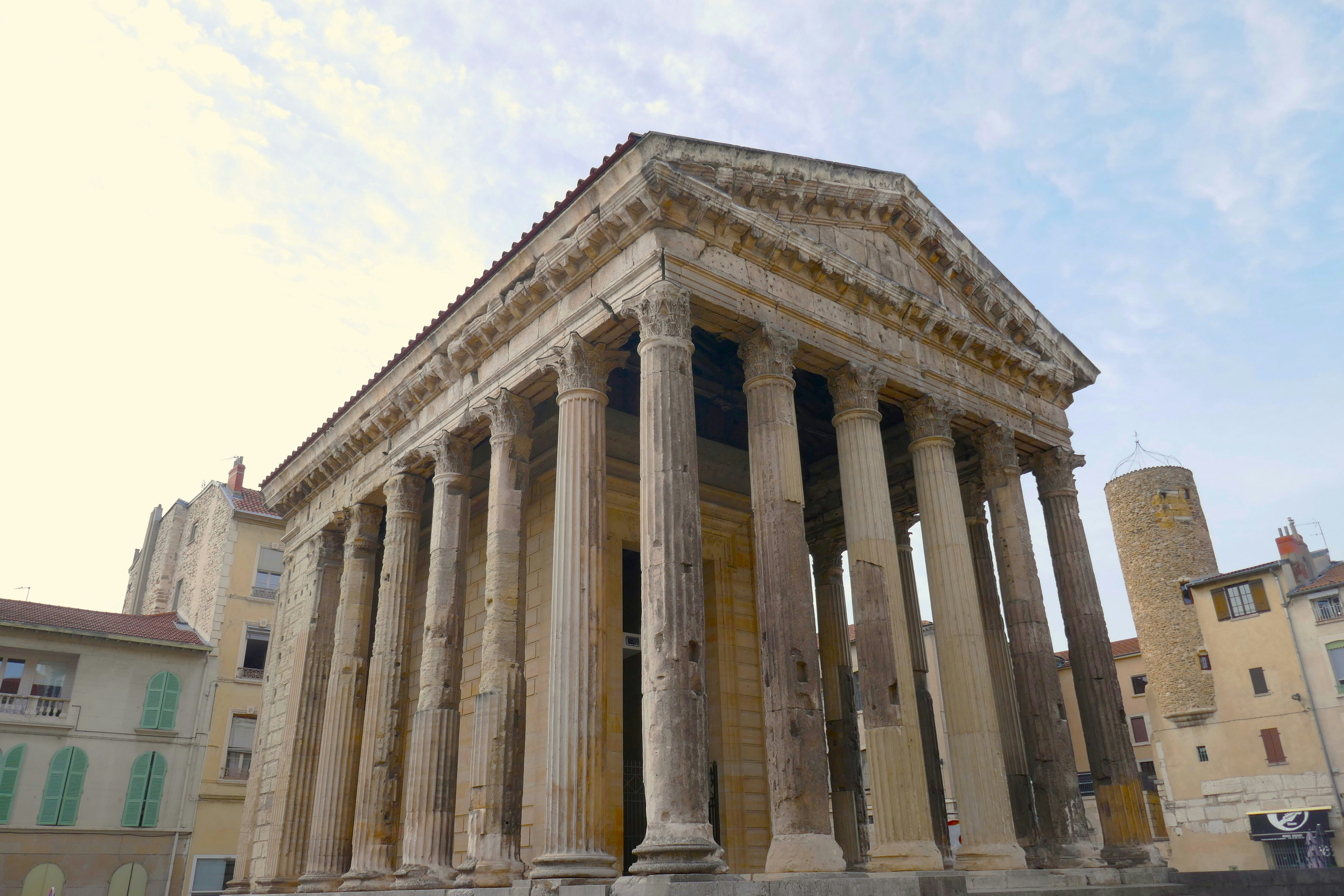
Temple D’auguste Et De Livie
Temple D’auguste Et De LivieAlexis Ribeyre
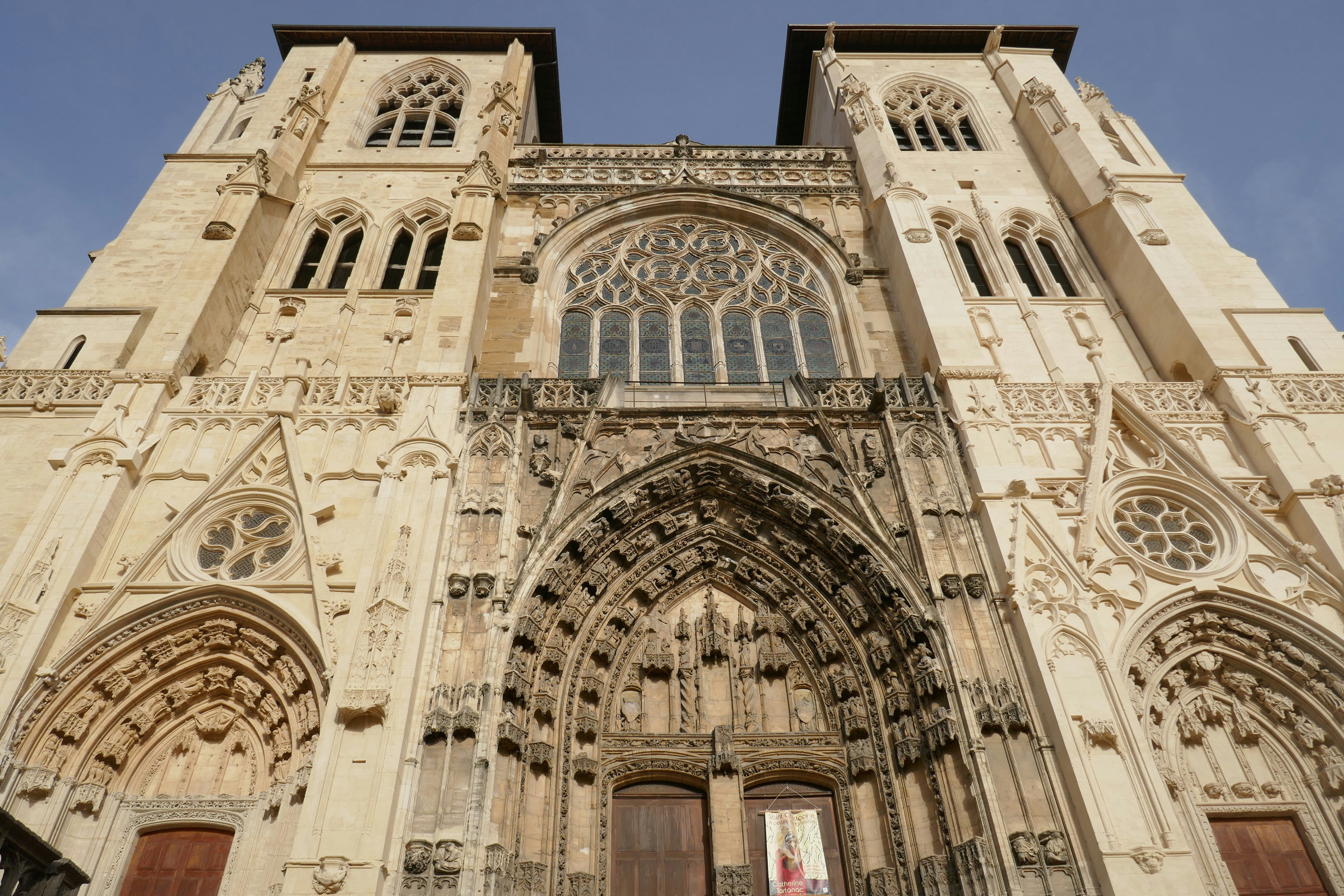
Vienne Cathedral
Vienne CathedralAlexis Ribeyre
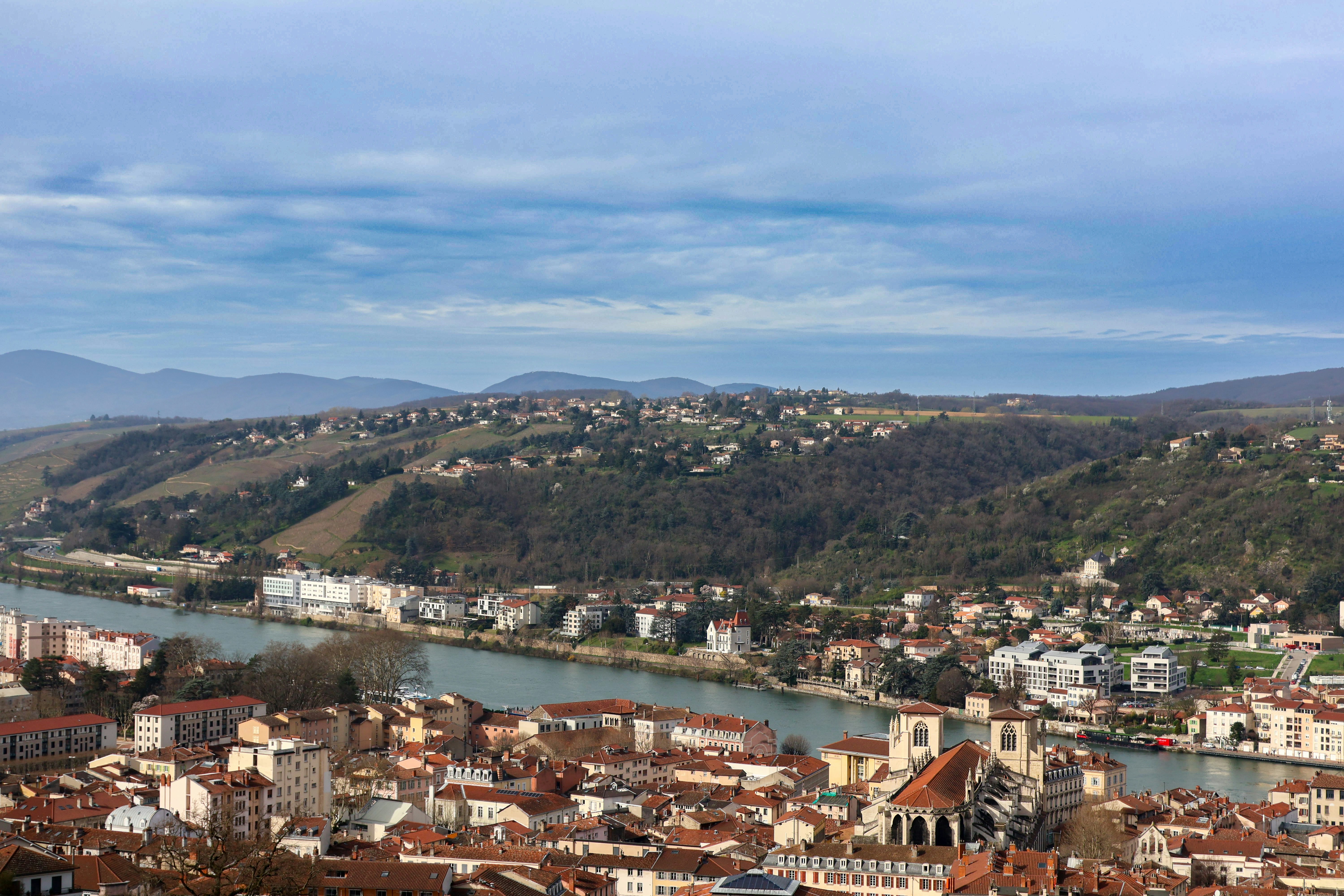
Vienne City View
Vienne City ViewMeg Von Haartman

Day 5 - Viviers

This morning you will arrive in Viviers, often described as an open-air museum thanks to its rich medieval heritage and architecture. The town was founded in the fifth century, and as you walk down the narrow, zig-zagging lanes, you will feel as though little has changed in the past 1,600 years. At its peak in the Middle Ages, Viviers was home to 30,000 people, today less than 4,000 people live here, happily secluded in their own world. 

Scenic Freechoice:
The choice is yours with this morning’s Scenic Freechoice:

Walking tour of Viviers: Join a local guide to explore Viviers on foot. Admire its many monuments and architectural treasures such as the Cathedral of St. Vincent – first built in the 11th century, it is now resplendent in 18th century Gothic style with a Renaissance facade. Afterwards, enjoy some free time to explore Viviers at your leisure.

French Resistance walking tour: On a walking tour of Viviers, hear stories of the French Resistance, who fought bravely against the Nazi Occupation of France during World War II. Learn local stories of heroism and daring missions as you explore the historic town.

Excursion to Grignan de Provence: Join your local guide on an exploration of the beautiful provincial town of Grignan. See the mighty castle that dominates the town as well as the Collegiate Church of the Holy Saviour before enjoying some time at leisure.

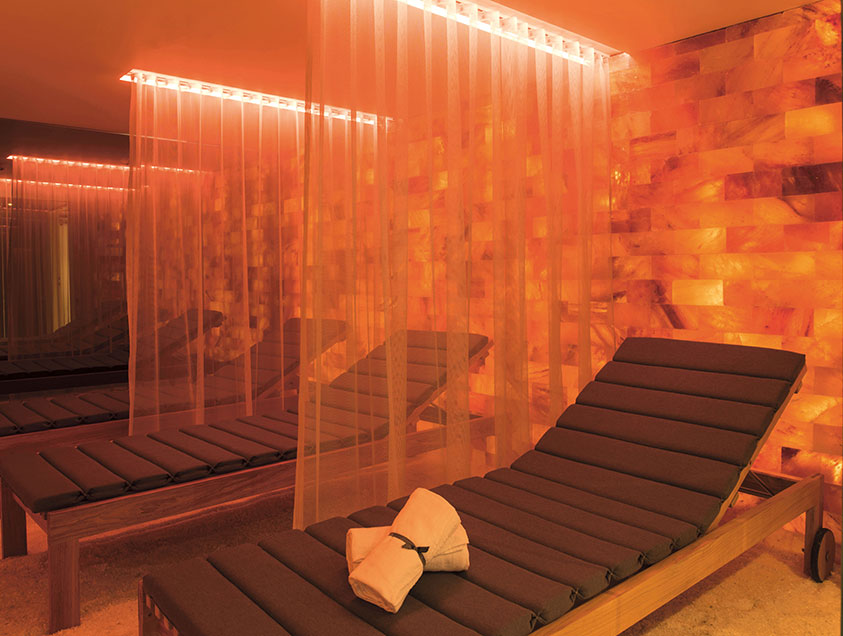
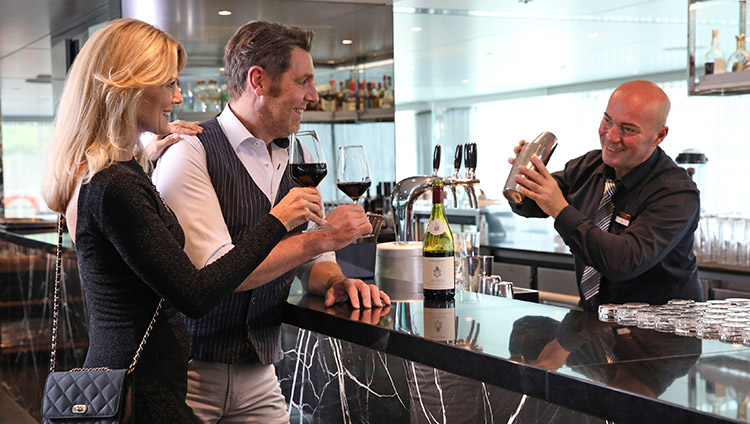
This afternoon is spent relaxing on board as you cruise towards Avignon, the gateway to Provence, a region blanketed in vineyards and lavender fields, rolling hills and historic villages. Enjoy a regional wine in the Panorama Lounge & Bar as you take in the ever-changing scenery along the banks of the Rhône or spend some time recharging in the wellness centre.

Viviers, France, is a charming medieval town in the Rhône-Alpes region, renowned for its well-preserved historical architecture. Nestled on the banks of the Rhône River, it features narrow, winding streets, ancient stone houses, and the impressive Saint-Vincent Cathedral. The town's Roman and medieval heritage is evident in its old ramparts and historic buildings. Viviers' tranquil atmosphere and picturesque surroundings offer a glimpse into the past, making it a delightful destination for history lovers and those seeking a serene escape.

Castle
CastleJens-Freudenau

Day 5 - Avignon

This morning you will arrive in Viviers, often described as an open-air museum thanks to its rich medieval heritage and architecture. The town was founded in the fifth century, and as you walk down the narrow, zig-zagging lanes, you will feel as though little has changed in the past 1,600 years. At its peak in the Middle Ages, Viviers was home to 30,000 people, today less than 4,000 people live here, happily secluded in their own world. 

Scenic Freechoice:
The choice is yours with this morning’s Scenic Freechoice:

Walking tour of Viviers: Join a local guide to explore Viviers on foot. Admire its many monuments and architectural treasures such as the Cathedral of St. Vincent – first built in the 11th century, it is now resplendent in 18th century Gothic style with a Renaissance facade. Afterwards, enjoy some free time to explore Viviers at your leisure.

French Resistance walking tour: On a walking tour of Viviers, hear stories of the French Resistance, who fought bravely against the Nazi Occupation of France during World War II. Learn local stories of heroism and daring missions as you explore the historic town.

Excursion to Grignan de Provence: Join your local guide on an exploration of the beautiful provincial town of Grignan. See the mighty castle that dominates the town as well as the Collegiate Church of the Holy Saviour before enjoying some time at leisure.

This afternoon is spent relaxing on board as you cruise towards Avignon, the gateway to Provence, a region blanketed in vineyards and lavender fields, rolling hills and historic villages. Enjoy a regional wine in the Panorama Lounge & Bar as you take in the ever-changing scenery along the banks of the Rhône or spend some time recharging in the wellness centre.

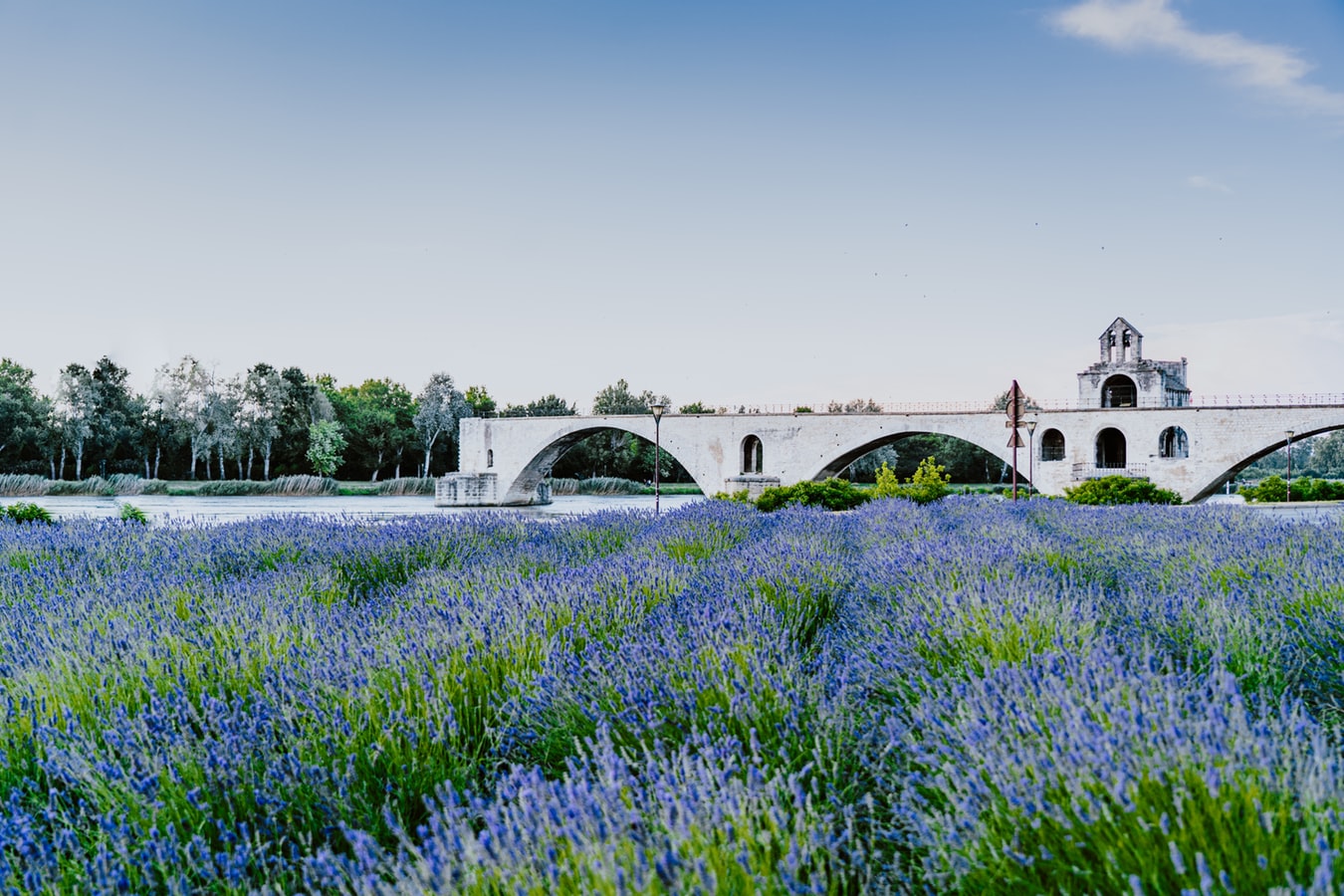
Avignon, France, is a historic city in Provence famed for its stunning medieval architecture. Dominated by the impressive Palais des Papes, a grand papal palace, and the iconic Pont Saint-Bénézet bridge, Avignon offers a rich cultural heritage. Its charming streets, vibrant markets, and annual theater festival, the Festival d'Avignon, add to its allure. Surrounded by picturesque vineyards and the Rhône River, Avignon blends history with a lively contemporary atmosphere, making it a must-visit for history enthusiasts and culture seekers.

Fravn   Avignon, France Photo Credit Belongs To Roelf Buinsma
Fravn Avignon, France Photo Credit Belongs To Roelf BuinsmaRoelf Buinsma
Fravn   Avignon, France Photo Credit Belongs To Xuan Nguyen
Fravn Avignon, France Photo Credit Belongs To Xuan NguyenXuan Nguyen

Day 6 - Avignon

Known as the ‘City of the Popes’, Avignon is rich in history and astounding medieval architecture. At the same time, it also has a youthful energy and a buzzing arts scene. Circled by fortified walls, the former papal capital is home to the World Heritage-listed Palais des Papes (Pope’s Palace), one of the largest surviving Gothic palaces in Europe, and the remaining four arches of the famous Pont d’Avignon bridge, which was once the only way to cross the Rhône between Lyon and the Mediterranean Sea.

Scenic Freechoice:
Take your pick from this morning’s Scenic Freechoice:

Walking tour of Avignon including visits to Popes Palace: From the ship, you will be guided on a walk through Avignon, visiting the historic city walls and the Pope’s Palace, home to the Papacy and seat of Western Christianity in the 14th century. Avignon is filled with cobblestoned streets and the palace has numerous steps, so a moderate degree of fitness is required for this tour.

Excursion to Pont Du Gard: Visit the ancient Roman aqueduct, Pont du Gard, on a guided tour. Dating to the middle of the first century, this engineering masterpiece was designed to carry water to the city of Nîmes.

Shop with a chef & Scenic Culinaire: Join your Scenic chef to visit the local market where you will shop for and sample the best ingredients this region has to offer. Return to the ship for an interactive cooking demonstration at Scenic Culinaire. (Please note: Avignon Market is closed on a Monday).

Wine tasting in Châteauneuf du Pape: The fertile banks of the Rhône are peppered with Côte du Rhône vineyards, including at the village of Châteauneuf-du-Pape AOC, where centuries of wine production make for a fascinating history. Take this opportunity to sample some of the region’s most celebrated wines that were once known as the ‘Wine of Popes’.

This afternoon is at your leisure to further explore Avignon at your own pace. If you’re feeling energetic, wander up Le Rocher des Doms. Set 30 metres above the river, it offers excellent views over the city as well as a picturesque English-style garden with shady trees, fountains and ponds.

Scenic Enrich
Classical concert at the Palais des Papes: When the doors are closed to the general public, step inside Palais des Papes, one of the most visited sites in France which you will have to yourself. Upon arrival, you will be ushered into the grandiose palace for an exclusive classical concert from a trio of musicians and accompanied dinner in the very banquet hall popes once dined. Be immersed in the beauty of famous classical pieces, which gain a new fascinating dimension inside the palace’s walls.

Avignon, France, is a historic city in Provence famed for its stunning medieval architecture. Dominated by the impressive Palais des Papes, a grand papal palace, and the iconic Pont Saint-Bénézet bridge, Avignon offers a rich cultural heritage. Its charming streets, vibrant markets, and annual theater festival, the Festival d'Avignon, add to its allure. Surrounded by picturesque vineyards and the Rhône River, Avignon blends history with a lively contemporary atmosphere, making it a must-visit for history enthusiasts and culture seekers.

Fravn   Avignon, France Photo Credit Belongs To Roelf Buinsma
Fravn Avignon, France Photo Credit Belongs To Roelf BuinsmaRoelf Buinsma
Fravn   Avignon, France Photo Credit Belongs To Xuan Nguyen
Fravn Avignon, France Photo Credit Belongs To Xuan NguyenXuan Nguyen

Day 7 - Arles

Depart before dawn and arrive in Arles for breakfast. Founded around 56BC by Julius Caesar, the city has a rich Roman heritage and is thought to have the largest number of Roman ruins outside the Eternal City itself. The remnants of ancient monuments, theatres, baths and administrative buildings are strewn along the river’s left bank. It was also the home of Vincent van Gogh in 1888, and he drew inspiration from the landscape for many of his paintings and drawings, including his infamous work ‘The Yellow House’. 

Scenic Freechoice:
Explore the city with one of today’s Scenic Freechoice:

Guided tour of Arles: Join a local guide for an insightful walking tour. Departing from the ship, you’ll visit the heart of Arles to see impressive Roman ruins, including Las Arenas, a 20,000-seat arena dating back to 90 AD that’s still in use today. Experience the vibrant colours and striking quality of light that has inspired many artists.

Les Baux & olive farm visit: The Alpilles region is famed for its olives, known locally as green gold. Visit an olive farm to see how olive oil is made and enjoy a tasting of their fine products. Then take a tour of the medieval city of Le Baux, with its charming old town filled with cobblestone streets and dominated by an 11th century castle.

Following Vincent – Van Gogh’s Arles: Step into the vibrant world of Vincent van Gogh on a walking tour. Trace the artist’s journey through the resplendent streets and historic sites that inspired some of his most famous works during his 15 months in this charming Provençal town, experiencing the colours and atmosphere that shaped his genius.

Discovery of lavender – from field to perfume: Provence region is renowned for aromatic herbs, particularly lavender. At certain times of the year (typically from late June to mid-August), fields are transformed into a breathtaking sea of purple. Visit a local organic farm specialising in the production of essential oils from lavender, thyme, rosemary, and other herbs. Discover the health benefits of these plants, learn the process of essential oil extraction, and create your own natural and fragrant lavender mist, made with organic essential oil.

Arles, France, is a historic city in Provence renowned for its Roman heritage and artistic legacy. The ancient amphitheater and the Roman Theater are standout landmarks. Arles also boasts charming streets and vibrant markets, reflecting its rich cultural life. Known for its connection to Vincent van Gogh, the city features scenes immortalized in his paintings. The blend of historical architecture, vibrant local culture, and picturesque landscapes makes Arles a captivating destination for history buffs and art enthusiasts alike.

Arles Amphitheatre
Arles Amphitheatre
Arles Amphitheatre
Arles Amphitheatre
Arles, Cobblestone Alleyway
Arles, Lavender
Arles, Lavender
Arles, Pont Du Gard
Arles, Pont Du Gard
Arles, Stilt Bird
Arles, Stilt Bird

Day 8 - Tarascon

After your luxury river cruise finishes, transfer from Tarascon to Monte Carlo. Along the way, stop in Nice, the Capital of the Côte d'Azur, for an orientation tour.

Upon arrival in Monte Carlo, check in to your hotel for a three-night stay.

Street Scene, Tarascon, France
Street Scene, Tarascon, FranceImage by Kai Pilger from Pixabay

Day 8 - Monte-Carlo

After your luxury river cruise finishes, transfer from Tarascon to Monte Carlo. Along the way, stop in Nice, the Capital of the Côte d'Azur, for an orientation tour.

Upon arrival in Monte Carlo, check in to your hotel for a three-night stay.

On one of the best stretches of the Mediterranean, this classic luxury destination is one of the most sought-after addresses in the world. With all the high-rise towers you have to look hard to find the Belle Époque grace of yesteryear. But if you head to the town's great 1864 landmark Hôtel de Paris—still a veritable crossroads of the buffed and befurred Euro-gentry—or enjoy a grand bouffe at its famous Louis XV restaurant, or attend the opera, or visit the ballrooms of the casino, you may still be able to conjure up Monaco's elegant past. Prince Albert II, a political science graduate from Amherst College, traces his ancestry to Otto Canella, who was born in 1070. The Grimaldi dynasty began with Otto's great-great-great-grandson, Francesco Grimaldi, also known as Frank the Rogue. Expelled from Genoa, Frank and his cronies disguised themselves as monks and in 1297 seized the fortified medieval town known today as Le Rocher (the Rock). Except for a short break under Napoléon, the Grimaldis have been here ever since, which makes them the oldest reigning family in Europe. In the 1850s a Grimaldi named Charles III made a decision that turned the Rock into a giant blue chip. Needing revenue but not wanting to impose additional taxes on his subjects, he contracted with a company to open a gambling facility. The first spin of the roulette wheel was on December 14, 1856. There was no easy way to reach Monaco then—no carriage roads or railroads—so no one came. Between March 15 and March 20, 1857, one person entered the casino—and won two francs. In 1868, however, the railroad reached Monaco, and it was filled with Englishmen who came to escape the London fog. The effects were immediate. Profits were so great that Charles eventually abolished all direct taxes. Almost overnight, a threadbare principality became an elegant watering hole for European society. Dukes (and their mistresses) and duchesses (and their gigolos) danced and dined their way through a world of spinning roulette wheels and bubbling champagne—preening themselves for nights at the opera, where such artists as Vaslav Nijinsky, Sarah Bernhardt, and Enrico Caruso came to perform. Along with the tax system, its sensational position on a broad, steep peninsula that bulges into the Mediterranean—its harbor sparkling with luxury cruisers, its posh mansions angling awnings toward the nearly perpetual sun—continues to draw the rich and famous. One of the latest French celebrities to declare himself "Monégasque," thus giving up his French passport, is superchef Alain Ducasse, who said that he made the choice out of affection for Monaco rather than tax reasons. Pleasure boats vie with luxury cruisers in their brash beauty and Titanic scale, and teams of handsome young men—themselves dyed blond and tanned to match—scour and polish every gleaming surface. As you might expect, all this glitz doesn't come cheap. Eating is expensive, and even the most modest hotels cost more here than in nearby Nice or Menton. As for taxis, they don't even have meters so you are completely at the driver's mercy (with prices skyrocketing during events such as the Grand Prix). For the frugal, Monaco is the ultimate day-trip, although parking is as coveted as a room with a view. At the very least you can afford a coffee at Starbucks. The harbor district, known as La Condamine, connects the new quarter, officially known as Monte Carlo with Monaco-Ville (or Le Rocher), a medieval town on the Rock, topped by the palace, the cathedral, and the Oceanography Museum. Have no fear that you'll need to climb countless steps to get to Monaco-Ville, as there are plenty of elevators and escalators climbing the steep cliffs. But shuttling between the lovely casino grounds of Monte Carlo and Old Monaco, separated by a vast port, is a daunting proposition for ordinary mortals without wings, so hop on the No. 1 bus from Saint Roman, or No. 2 from the Jardin Exotique - Both stop at Place du Casino and come up to Monaco Ville.

Mcmcm Monte Carlo Aerial Photography Of Cityscape During Daytime Julien Lanoy
Mcmcm Monte Carlo Aerial Photography Of Cityscape During Daytime Julien LanoyJulien Lanoy
Mcmcm Monte Carlo City At Night Pasquale Iovino
Mcmcm Monte Carlo City At Night Pasquale IovinoPasquale Iovino
Mcmcm Monte Carlo Red Coupe On Road Jannis Lucas
Mcmcm Monte Carlo Red Coupe On Road Jannis LucasJannis Lucas

Day 9 - Monte-Carlo

The most famous of Monaco’s four districts, Monte Carlo exudes effortless glamour, with elegant boulevards, designer boutiques and sunny squares framed by grand Belle Époque architecture. On a guided walking tour this morning, take in sparkling sea views, the famed turns of the F1 racing track and the iconic Monte Carlo Casino. Pause to admire supercars and yachts that line the harbour as you hear stories of the principality’s royal heritage and cinematic allure.

Enjoy the afternoon at leisure. Later, meet your fellow guests for dinner.

On one of the best stretches of the Mediterranean, this classic luxury destination is one of the most sought-after addresses in the world. With all the high-rise towers you have to look hard to find the Belle Époque grace of yesteryear. But if you head to the town's great 1864 landmark Hôtel de Paris—still a veritable crossroads of the buffed and befurred Euro-gentry—or enjoy a grand bouffe at its famous Louis XV restaurant, or attend the opera, or visit the ballrooms of the casino, you may still be able to conjure up Monaco's elegant past. Prince Albert II, a political science graduate from Amherst College, traces his ancestry to Otto Canella, who was born in 1070. The Grimaldi dynasty began with Otto's great-great-great-grandson, Francesco Grimaldi, also known as Frank the Rogue. Expelled from Genoa, Frank and his cronies disguised themselves as monks and in 1297 seized the fortified medieval town known today as Le Rocher (the Rock). Except for a short break under Napoléon, the Grimaldis have been here ever since, which makes them the oldest reigning family in Europe. In the 1850s a Grimaldi named Charles III made a decision that turned the Rock into a giant blue chip. Needing revenue but not wanting to impose additional taxes on his subjects, he contracted with a company to open a gambling facility. The first spin of the roulette wheel was on December 14, 1856. There was no easy way to reach Monaco then—no carriage roads or railroads—so no one came. Between March 15 and March 20, 1857, one person entered the casino—and won two francs. In 1868, however, the railroad reached Monaco, and it was filled with Englishmen who came to escape the London fog. The effects were immediate. Profits were so great that Charles eventually abolished all direct taxes. Almost overnight, a threadbare principality became an elegant watering hole for European society. Dukes (and their mistresses) and duchesses (and their gigolos) danced and dined their way through a world of spinning roulette wheels and bubbling champagne—preening themselves for nights at the opera, where such artists as Vaslav Nijinsky, Sarah Bernhardt, and Enrico Caruso came to perform. Along with the tax system, its sensational position on a broad, steep peninsula that bulges into the Mediterranean—its harbor sparkling with luxury cruisers, its posh mansions angling awnings toward the nearly perpetual sun—continues to draw the rich and famous. One of the latest French celebrities to declare himself "Monégasque," thus giving up his French passport, is superchef Alain Ducasse, who said that he made the choice out of affection for Monaco rather than tax reasons. Pleasure boats vie with luxury cruisers in their brash beauty and Titanic scale, and teams of handsome young men—themselves dyed blond and tanned to match—scour and polish every gleaming surface. As you might expect, all this glitz doesn't come cheap. Eating is expensive, and even the most modest hotels cost more here than in nearby Nice or Menton. As for taxis, they don't even have meters so you are completely at the driver's mercy (with prices skyrocketing during events such as the Grand Prix). For the frugal, Monaco is the ultimate day-trip, although parking is as coveted as a room with a view. At the very least you can afford a coffee at Starbucks. The harbor district, known as La Condamine, connects the new quarter, officially known as Monte Carlo with Monaco-Ville (or Le Rocher), a medieval town on the Rock, topped by the palace, the cathedral, and the Oceanography Museum. Have no fear that you'll need to climb countless steps to get to Monaco-Ville, as there are plenty of elevators and escalators climbing the steep cliffs. But shuttling between the lovely casino grounds of Monte Carlo and Old Monaco, separated by a vast port, is a daunting proposition for ordinary mortals without wings, so hop on the No. 1 bus from Saint Roman, or No. 2 from the Jardin Exotique - Both stop at Place du Casino and come up to Monaco Ville.

Mcmcm Monte Carlo Aerial Photography Of Cityscape During Daytime Julien Lanoy
Mcmcm Monte Carlo Aerial Photography Of Cityscape During Daytime Julien LanoyJulien Lanoy
Mcmcm Monte Carlo City At Night Pasquale Iovino
Mcmcm Monte Carlo City At Night Pasquale IovinoPasquale Iovino
Mcmcm Monte Carlo Red Coupe On Road Jannis Lucas
Mcmcm Monte Carlo Red Coupe On Road Jannis LucasJannis Lucas

Day 10 - Monte-Carlo

After a delicious breakfast in your hotel, set out to discover more of the sparkling Côte d’Azur. 

Scenic Freechoice:
Colours of the Côte d’Azur in Menton: Stroll through Menton’s charming old town with your guide, following cobbled streets past pastel houses, local boutiques and citrus-scented gardens overlooking the sea. Learn about the town’s famed lemon heritage and pause at a traditional shop for a limoncello tasting. With gentle walking and regular stops, this is a relaxed way to discover everyday life, coastal views and the distinctive flavours of the Côte d’Azur.

Medieval hilltop village Èze: Explore Èze on a guided walk through narrow lanes lined with stone houses, boutiques and flower-filled terraces. Your guide shares stories of the village’s history as you make your way to panoramic viewpoints overlooking the Côte d’Azur. Visit a renowned perfumery, where you discover traditional techniques and enjoy time to browse fragrances inspired by the region. This relaxed experience reveals both the history and artistry of this extraordinary clifftop village.

Tonight, join your group for farewell drinks at the hotel, reflecting on a remarkable stay in Monte Carlo and the French Riviera.

On one of the best stretches of the Mediterranean, this classic luxury destination is one of the most sought-after addresses in the world. With all the high-rise towers you have to look hard to find the Belle Époque grace of yesteryear. But if you head to the town's great 1864 landmark Hôtel de Paris—still a veritable crossroads of the buffed and befurred Euro-gentry—or enjoy a grand bouffe at its famous Louis XV restaurant, or attend the opera, or visit the ballrooms of the casino, you may still be able to conjure up Monaco's elegant past. Prince Albert II, a political science graduate from Amherst College, traces his ancestry to Otto Canella, who was born in 1070. The Grimaldi dynasty began with Otto's great-great-great-grandson, Francesco Grimaldi, also known as Frank the Rogue. Expelled from Genoa, Frank and his cronies disguised themselves as monks and in 1297 seized the fortified medieval town known today as Le Rocher (the Rock). Except for a short break under Napoléon, the Grimaldis have been here ever since, which makes them the oldest reigning family in Europe. In the 1850s a Grimaldi named Charles III made a decision that turned the Rock into a giant blue chip. Needing revenue but not wanting to impose additional taxes on his subjects, he contracted with a company to open a gambling facility. The first spin of the roulette wheel was on December 14, 1856. There was no easy way to reach Monaco then—no carriage roads or railroads—so no one came. Between March 15 and March 20, 1857, one person entered the casino—and won two francs. In 1868, however, the railroad reached Monaco, and it was filled with Englishmen who came to escape the London fog. The effects were immediate. Profits were so great that Charles eventually abolished all direct taxes. Almost overnight, a threadbare principality became an elegant watering hole for European society. Dukes (and their mistresses) and duchesses (and their gigolos) danced and dined their way through a world of spinning roulette wheels and bubbling champagne—preening themselves for nights at the opera, where such artists as Vaslav Nijinsky, Sarah Bernhardt, and Enrico Caruso came to perform. Along with the tax system, its sensational position on a broad, steep peninsula that bulges into the Mediterranean—its harbor sparkling with luxury cruisers, its posh mansions angling awnings toward the nearly perpetual sun—continues to draw the rich and famous. One of the latest French celebrities to declare himself "Monégasque," thus giving up his French passport, is superchef Alain Ducasse, who said that he made the choice out of affection for Monaco rather than tax reasons. Pleasure boats vie with luxury cruisers in their brash beauty and Titanic scale, and teams of handsome young men—themselves dyed blond and tanned to match—scour and polish every gleaming surface. As you might expect, all this glitz doesn't come cheap. Eating is expensive, and even the most modest hotels cost more here than in nearby Nice or Menton. As for taxis, they don't even have meters so you are completely at the driver's mercy (with prices skyrocketing during events such as the Grand Prix). For the frugal, Monaco is the ultimate day-trip, although parking is as coveted as a room with a view. At the very least you can afford a coffee at Starbucks. The harbor district, known as La Condamine, connects the new quarter, officially known as Monte Carlo with Monaco-Ville (or Le Rocher), a medieval town on the Rock, topped by the palace, the cathedral, and the Oceanography Museum. Have no fear that you'll need to climb countless steps to get to Monaco-Ville, as there are plenty of elevators and escalators climbing the steep cliffs. But shuttling between the lovely casino grounds of Monte Carlo and Old Monaco, separated by a vast port, is a daunting proposition for ordinary mortals without wings, so hop on the No. 1 bus from Saint Roman, or No. 2 from the Jardin Exotique - Both stop at Place du Casino and come up to Monaco Ville.
Mcmcm Monte Carlo Aerial Photography Of Cityscape During Daytime Julien Lanoy
Mcmcm Monte Carlo Aerial Photography Of Cityscape During Daytime Julien LanoyJulien Lanoy
Mcmcm Monte Carlo City At Night Pasquale Iovino
Mcmcm Monte Carlo City At Night Pasquale IovinoPasquale Iovino
Mcmcm Monte Carlo Red Coupe On Road Jannis Lucas
Mcmcm Monte Carlo Red Coupe On Road Jannis LucasJannis Lucas

Day 11 - Monte-Carlo

Your extension concludes this morning after breakfast. Transfer to the airport for your journey home, taking with you a lifetime of memories. 

This itinerary is a guide only and may be amended for operational reasons such as high and low water. Please refer to our terms and conditions.

Please note: Preview itinerary subject to change.

On one of the best stretches of the Mediterranean, this classic luxury destination is one of the most sought-after addresses in the world. With all the high-rise towers you have to look hard to find the Belle Époque grace of yesteryear. But if you head to the town's great 1864 landmark Hôtel de Paris—still a veritable crossroads of the buffed and befurred Euro-gentry—or enjoy a grand bouffe at its famous Louis XV restaurant, or attend the opera, or visit the ballrooms of the casino, you may still be able to conjure up Monaco's elegant past. Prince Albert II, a political science graduate from Amherst College, traces his ancestry to Otto Canella, who was born in 1070. The Grimaldi dynasty began with Otto's great-great-great-grandson, Francesco Grimaldi, also known as Frank the Rogue. Expelled from Genoa, Frank and his cronies disguised themselves as monks and in 1297 seized the fortified medieval town known today as Le Rocher (the Rock). Except for a short break under Napoléon, the Grimaldis have been here ever since, which makes them the oldest reigning family in Europe. In the 1850s a Grimaldi named Charles III made a decision that turned the Rock into a giant blue chip. Needing revenue but not wanting to impose additional taxes on his subjects, he contracted with a company to open a gambling facility. The first spin of the roulette wheel was on December 14, 1856. There was no easy way to reach Monaco then—no carriage roads or railroads—so no one came. Between March 15 and March 20, 1857, one person entered the casino—and won two francs. In 1868, however, the railroad reached Monaco, and it was filled with Englishmen who came to escape the London fog. The effects were immediate. Profits were so great that Charles eventually abolished all direct taxes. Almost overnight, a threadbare principality became an elegant watering hole for European society. Dukes (and their mistresses) and duchesses (and their gigolos) danced and dined their way through a world of spinning roulette wheels and bubbling champagne—preening themselves for nights at the opera, where such artists as Vaslav Nijinsky, Sarah Bernhardt, and Enrico Caruso came to perform. Along with the tax system, its sensational position on a broad, steep peninsula that bulges into the Mediterranean—its harbor sparkling with luxury cruisers, its posh mansions angling awnings toward the nearly perpetual sun—continues to draw the rich and famous. One of the latest French celebrities to declare himself "Monégasque," thus giving up his French passport, is superchef Alain Ducasse, who said that he made the choice out of affection for Monaco rather than tax reasons. Pleasure boats vie with luxury cruisers in their brash beauty and Titanic scale, and teams of handsome young men—themselves dyed blond and tanned to match—scour and polish every gleaming surface. As you might expect, all this glitz doesn't come cheap. Eating is expensive, and even the most modest hotels cost more here than in nearby Nice or Menton. As for taxis, they don't even have meters so you are completely at the driver's mercy (with prices skyrocketing during events such as the Grand Prix). For the frugal, Monaco is the ultimate day-trip, although parking is as coveted as a room with a view. At the very least you can afford a coffee at Starbucks. The harbor district, known as La Condamine, connects the new quarter, officially known as Monte Carlo with Monaco-Ville (or Le Rocher), a medieval town on the Rock, topped by the palace, the cathedral, and the Oceanography Museum. Have no fear that you'll need to climb countless steps to get to Monaco-Ville, as there are plenty of elevators and escalators climbing the steep cliffs. But shuttling between the lovely casino grounds of Monte Carlo and Old Monaco, separated by a vast port, is a daunting proposition for ordinary mortals without wings, so hop on the No. 1 bus from Saint Roman, or No. 2 from the Jardin Exotique - Both stop at Place du Casino and come up to Monaco Ville.
Mcmcm Monte Carlo Aerial Photography Of Cityscape During Daytime Julien Lanoy
Mcmcm Monte Carlo Aerial Photography Of Cityscape During Daytime Julien LanoyJulien Lanoy
Mcmcm Monte Carlo City At Night Pasquale Iovino
Mcmcm Monte Carlo City At Night Pasquale IovinoPasquale Iovino
Mcmcm Monte Carlo Red Coupe On Road Jannis Lucas
Mcmcm Monte Carlo Red Coupe On Road Jannis LucasJannis Lucas

Suites & Deck Plans

Suite

These Suites on the Diamond Deck are the ultimate in luxury with more space (315ft²), impeccable service, thoughtful touches, an outdoor balcony, lounge area and an oversized bathroom.

Suite Highlights

  • A luxury queen sized Scenic Slumber Bed
  • Scenic Sun Lounge, for wide-angle splendour at the press of a button
  • Separate lounge area
  • Oversized bathroom with separate shower and bath, and upgraded bathroom amenities.

Amenities & Features

  • Exclusive invitation to dine at Table La Rive or Table d’Or
  • Priority reservations at selected dining venues
  • A complimentary welcome bottle of Champagne (750ml)
  • €200 per suite on board credit for use in the Wellness Centre
  • Private arrival and departure transfers in Europe*.
  • Personalised butler service, including unlimited complimentary laundry, shoeshine and valet, early morning tea and coffee services and a daily delivery of savoury and sweet canapés or fruit
  • Mini bar, replenished daily
  • Pillow menu, including anti-aging, low-allergy and memory-foam neck pillows
  • Nightly turndown service
  • Bathrobes and slippers
  • In-suite safe

315 sq ft
Accommodates 2 guests
Royal Owner's Suite

Scenic Sapphire

Scenic Sapphire

Life on board

The Onboard Experience

Client testimonials

I have worked with Lore Doick for more than 20 years, and she has booked over 30 cruises for me. Her expertise, care, and attention to every travel detail have made her an invaluable advisor and friend over the years.”
Tina B.
We are now in our second generation working with Cheri Ozimac at Tully Luxury Travel. From Antarctica to Greece, she has handled every detail with expertise, responsiveness, and care…

Earl M.

My wife and I have worked with Tully since 2007, and Kit Neil and her team went far beyond expectations while helping us navigate multiple cruise and flight cancellations. Their advocacy, care, and support during a difficult time were extraordinary.

Carri F.

Cheri Ozimac organized our Seabourn cruise flawlessly, from the hotel recommendation to every travel arrangement. She was responsive, attentive, and an excellent advocate throughout the process…

Cyn S.

We discovered Tully Luxury Travel after years of booking cruises through US agents and were impressed by their competitive pricing, exceptional service, and Canadian based support. Their team is always available, offers excellent value, and makes booking the right cruise seamless.

Peter C.

GoogleAverage Customer Rating:

The Tully Difference

Why travel with us


Tully Luxury Travel was built on access, discretion, and trust. For our clients, that means ease at every step, with distinctions that turn exceptional voyages into defining moments.

Recognized expertise

A renowned agency worldwide in luxury land and small-ship cruising, consistently trusted by the industry’s most prestigious brands.