Regent Seven Seas Cruises logo

The Poets' Passage

Itinerary: Valparaiso, Coquimbo, Cruising the Pacific Ocean, Iquique, Arica, Pisco, Callao See full itinerary

18 Feb 29
8 nights

Voyage Details

Duration:
8 nights
Departure:
18 Feb 2029
Embarkation:
Valparaiso, Chile
Cruise code:
MAR290218
Voyage code:
MAR290218

Your Itinerary, Day-By-Day

Special Chapters of Your Journey

Day 1 - Valparaiso

Valparaíso's dramatic topography—45 cerros, or hills, overlooking the ocean—requires the use of winding pathways and wooden ascensores (funiculars) to get up many of the grades. The slopes are covered by candy-color houses—there are almost no apartments in the city—most of which have exteriors of corrugated metal peeled from shipping containers decades ago. Valparaíso has served as Santiago's port for centuries. Before the Panama Canal opened, Valparaíso was the busiest port in South America. Harsh realities—changing trade routes, industrial decline—have diminished its importance, but it remains Chile's principal port. Most shops, banks, restaurants, bars, and other businesses cluster along the handful of streets called El Plan (the flat area) that are closest to the shoreline. Porteños (which means "the residents of the port") live in the surrounding hills in an undulating array of colorful abodes. At the top of any of the dozens of stairways, the paseos (promenades) have spectacular views; many are named after prominent Yugoslavian, Basque, and German immigrants. Neighborhoods are named for the hills they cover. With the jumble of power lines overhead and the hundreds of buses that slow down—but never completely stop—to pick up agile riders, it's hard to forget you're in a city. Still, walking is the best way to experience Valparaíso. Be careful where you step, though—locals aren't very conscientious about curbing their dogs.
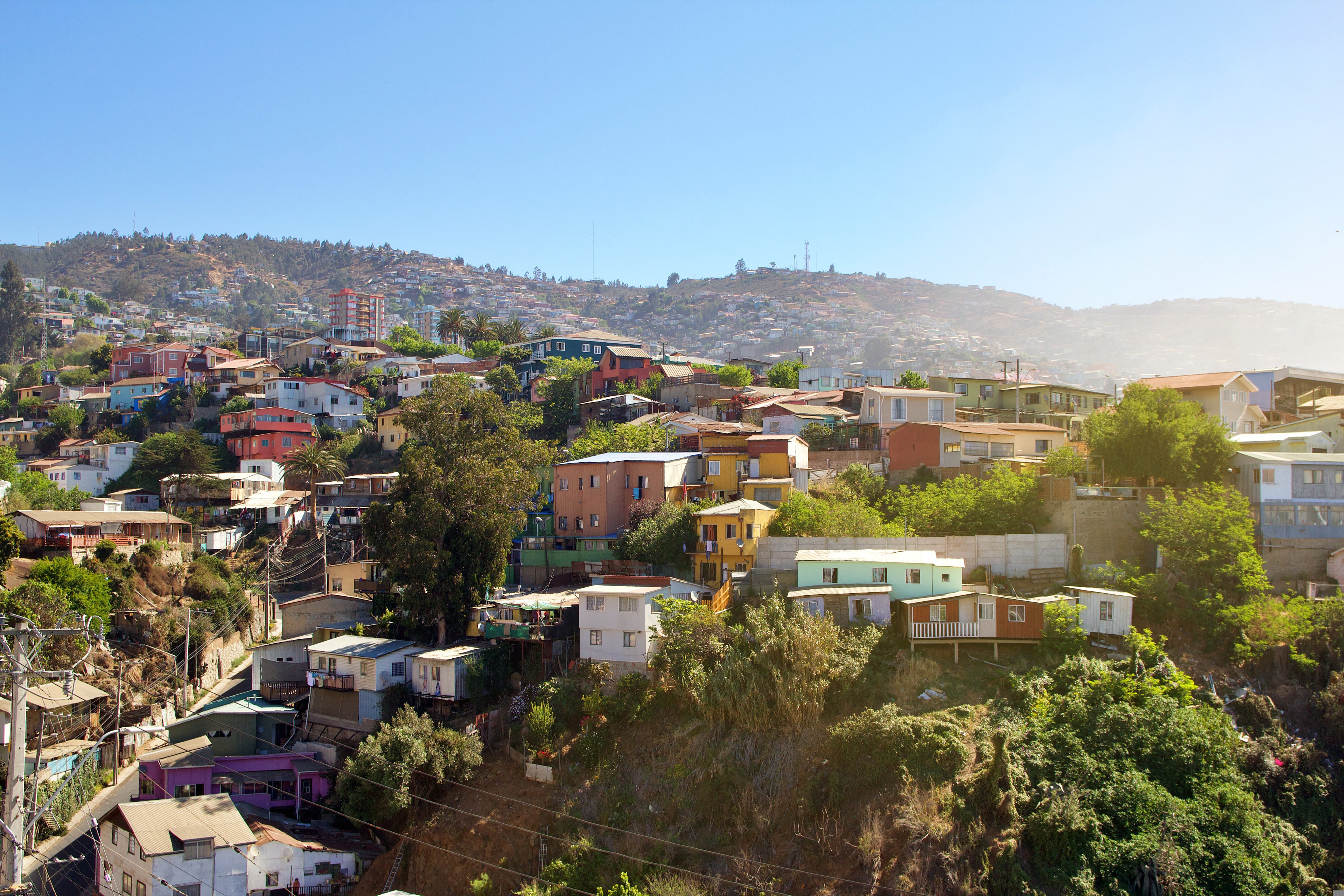
Valparaiso, Chile
Valparaiso, ChileImage by Julian Hacker from Pixabay

Day 2 - Coquimbo

The name Coquimbo is derived from a native Diaguita word meaning 'place of calm waters'. In fact, Charles Darwin had noted that the town was 'remarkable for nothing but its extreme quietness'. Since then, Coquimbo has developed into a bustling port and the region's major commercial and industrial centre from which minerals, fish products and fruits are exported. Used during the colonial period as a port for La Serena, Coquimbo attracted attention from English pirates, including Sir Francis Drake, who visited in 1578. Visitors enjoy strolling around the town, admiring some of the elaborate woodwork handcrafted on buildings by early British and American settlers. These wooden buildings are among Chile's most interesting historical structures. Out of town, the area offers some fine beaches in a desert-like setting. Coquimbo serves as a gateway to the popular resort town of La Serena and trips farther into the Elqui Valley, known as the production centre for Chile's national drink, pisco sour. The valley is also home to several international observatories that take advantage of the region's exceptional atmospheric conditions.

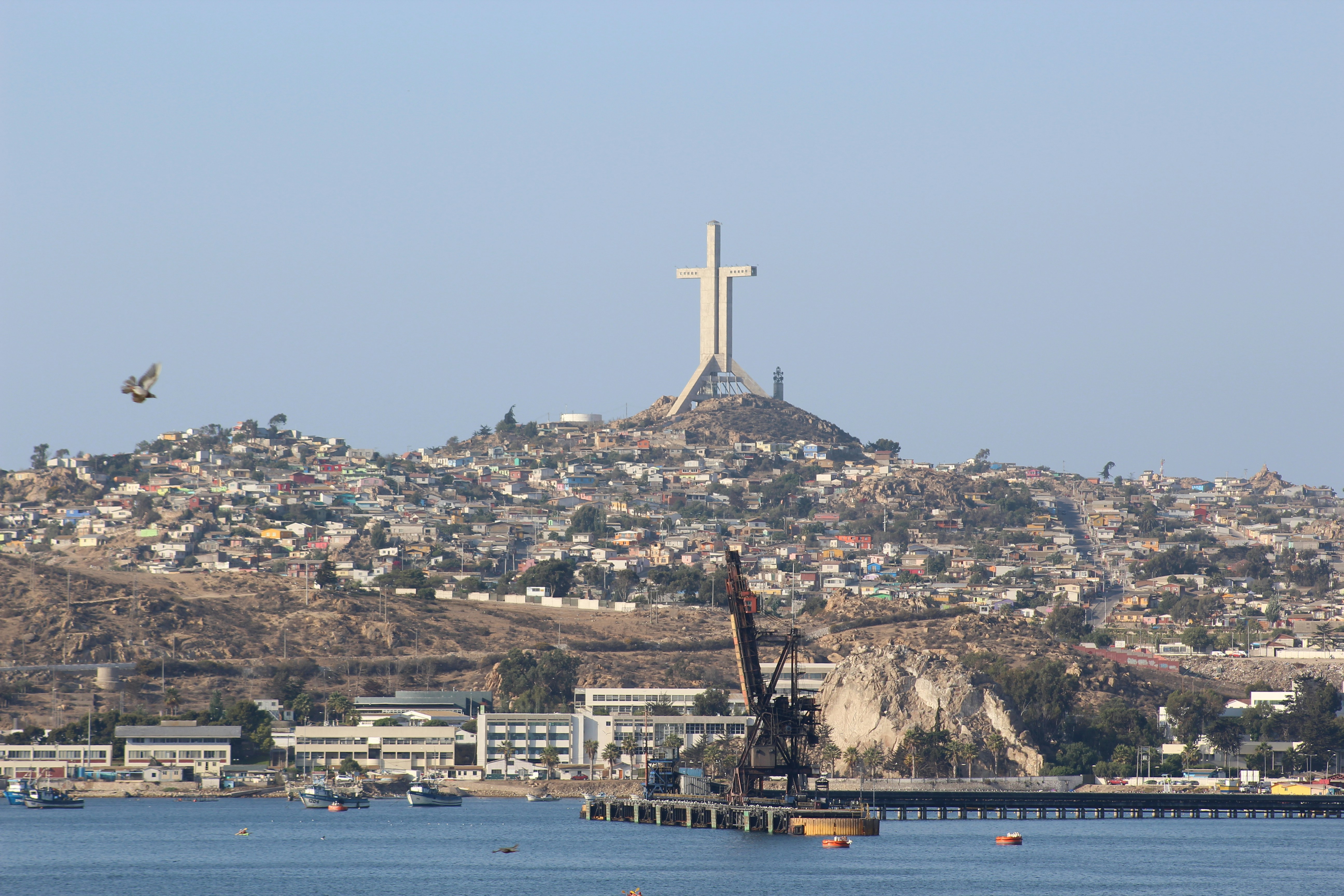
Coquimbo, Chile
Coquimbo, ChilePhoto by Eduardo Rojas
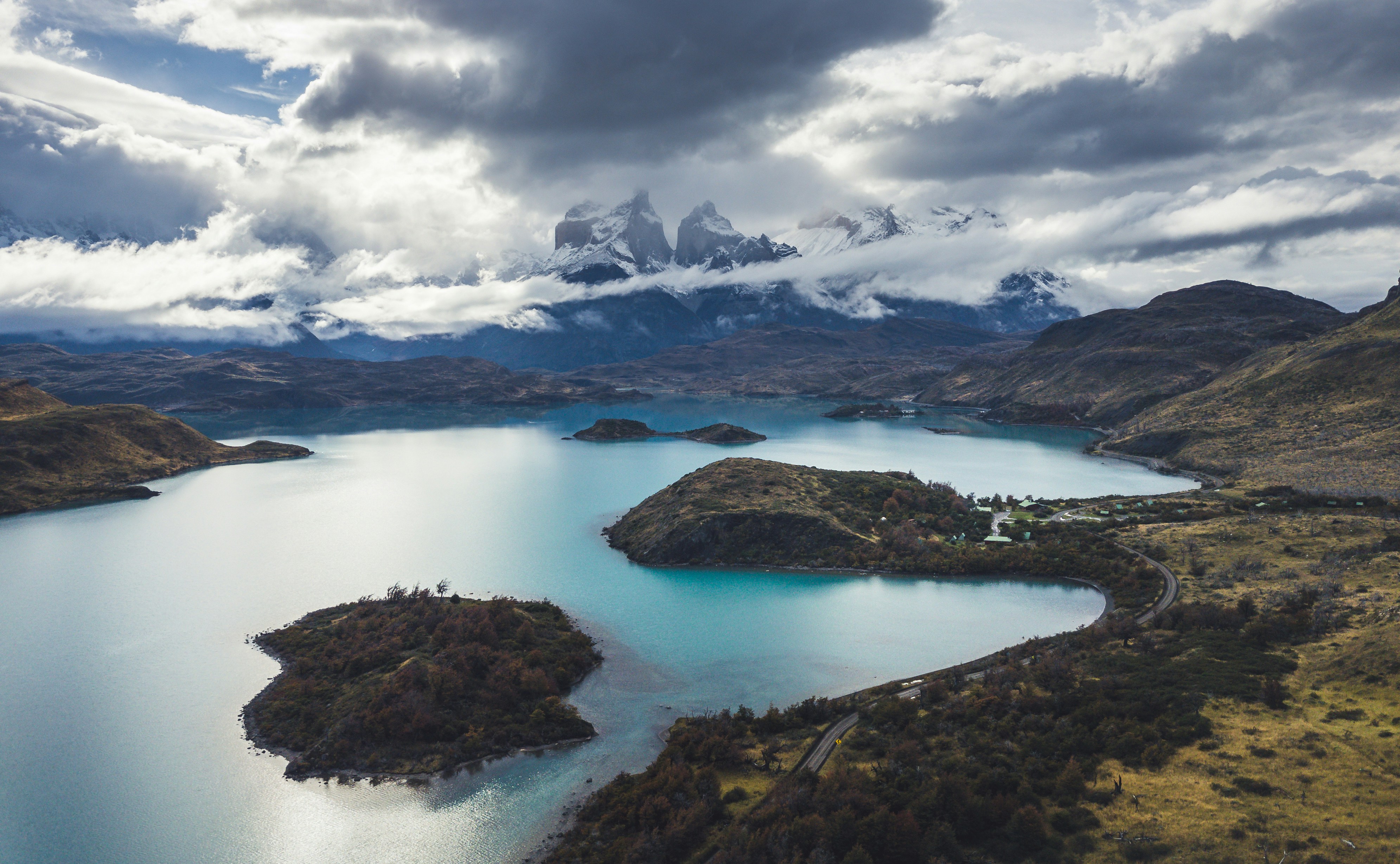
Torres Del Paine, Coquimbo, Chile
Torres Del Paine, Coquimbo, ChilePhoto by Andrew Svk
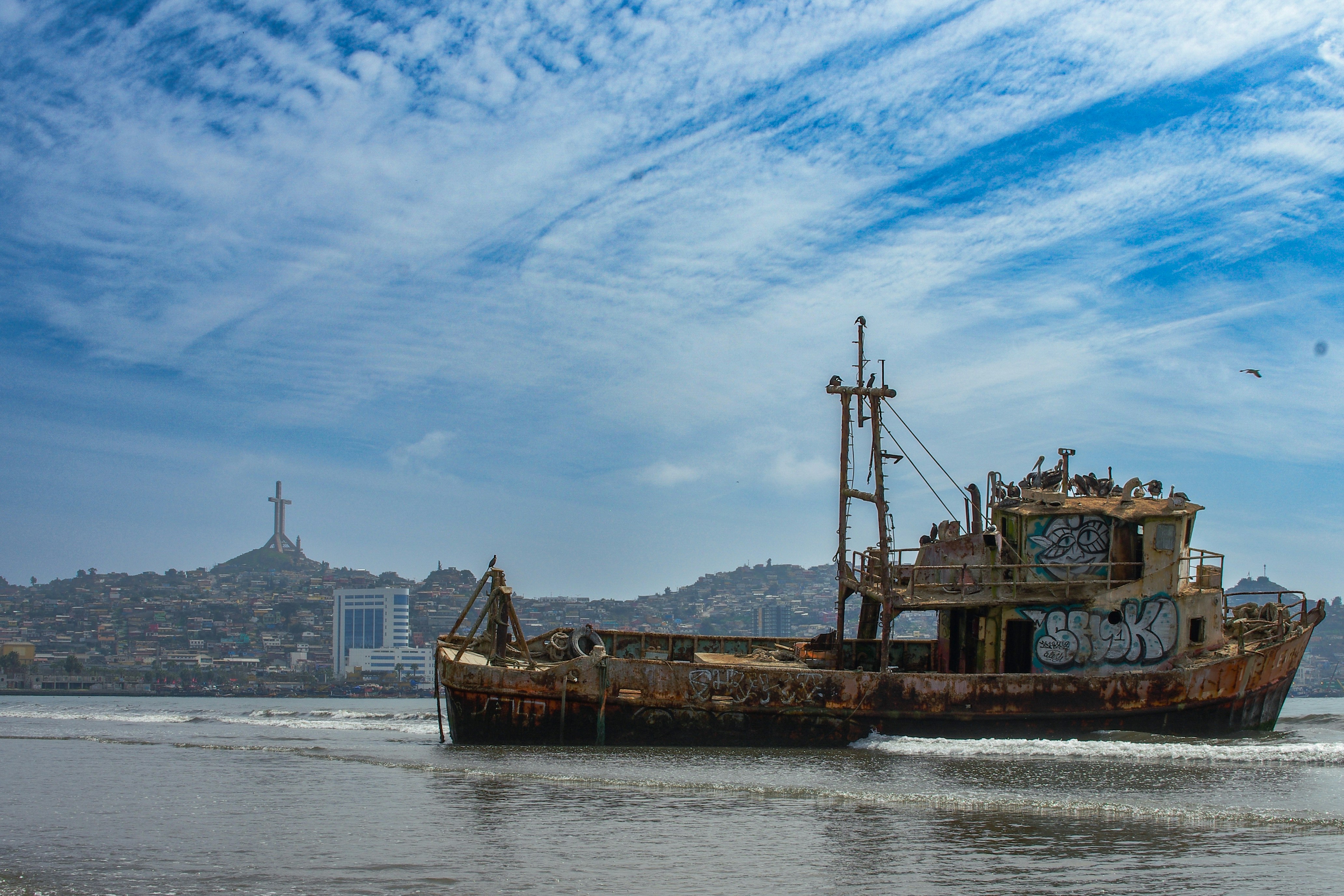
Bahía De Coquimbo, Chile
Bahía De Coquimbo, ChilePhoto by Sergio Moraga Cruz
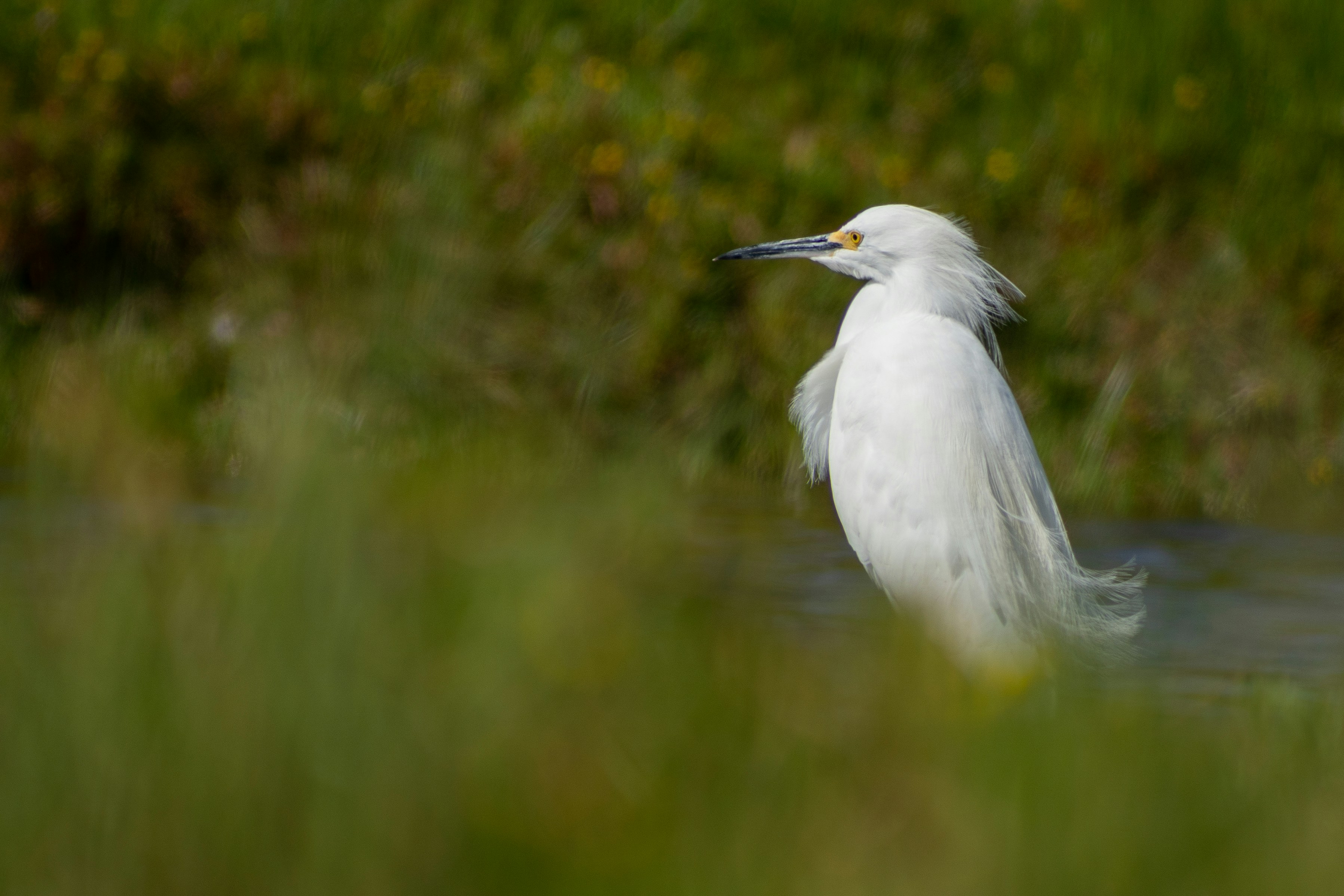
El Culebrón, Coquimbo, Chile
El Culebrón, Coquimbo, ChilePhoto by Julio Salinas

Day 3 - Cruising the Pacific Ocean

Further details for this day are not available.

Day 4 - Iquique

Further details for this day are not available.

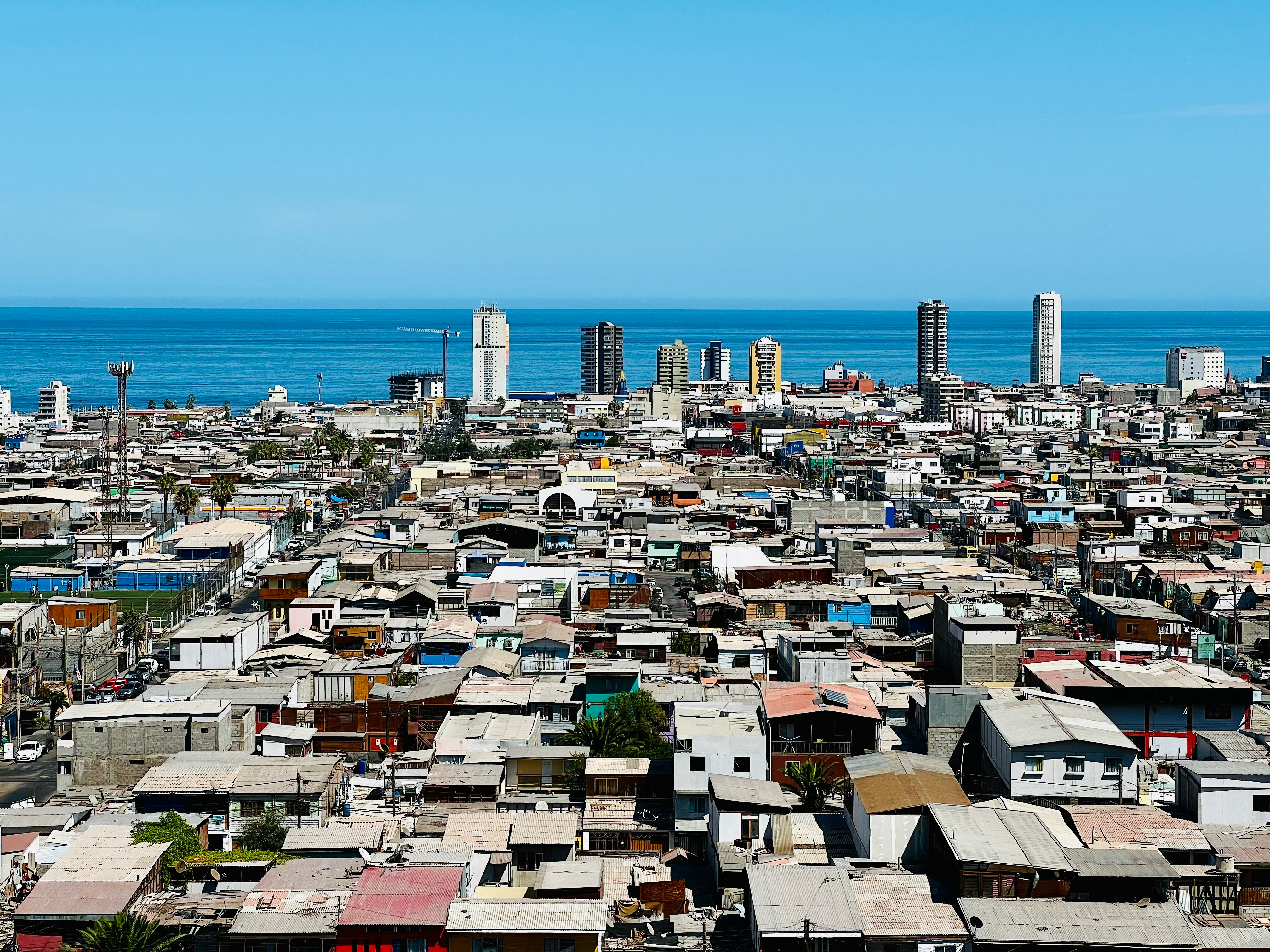
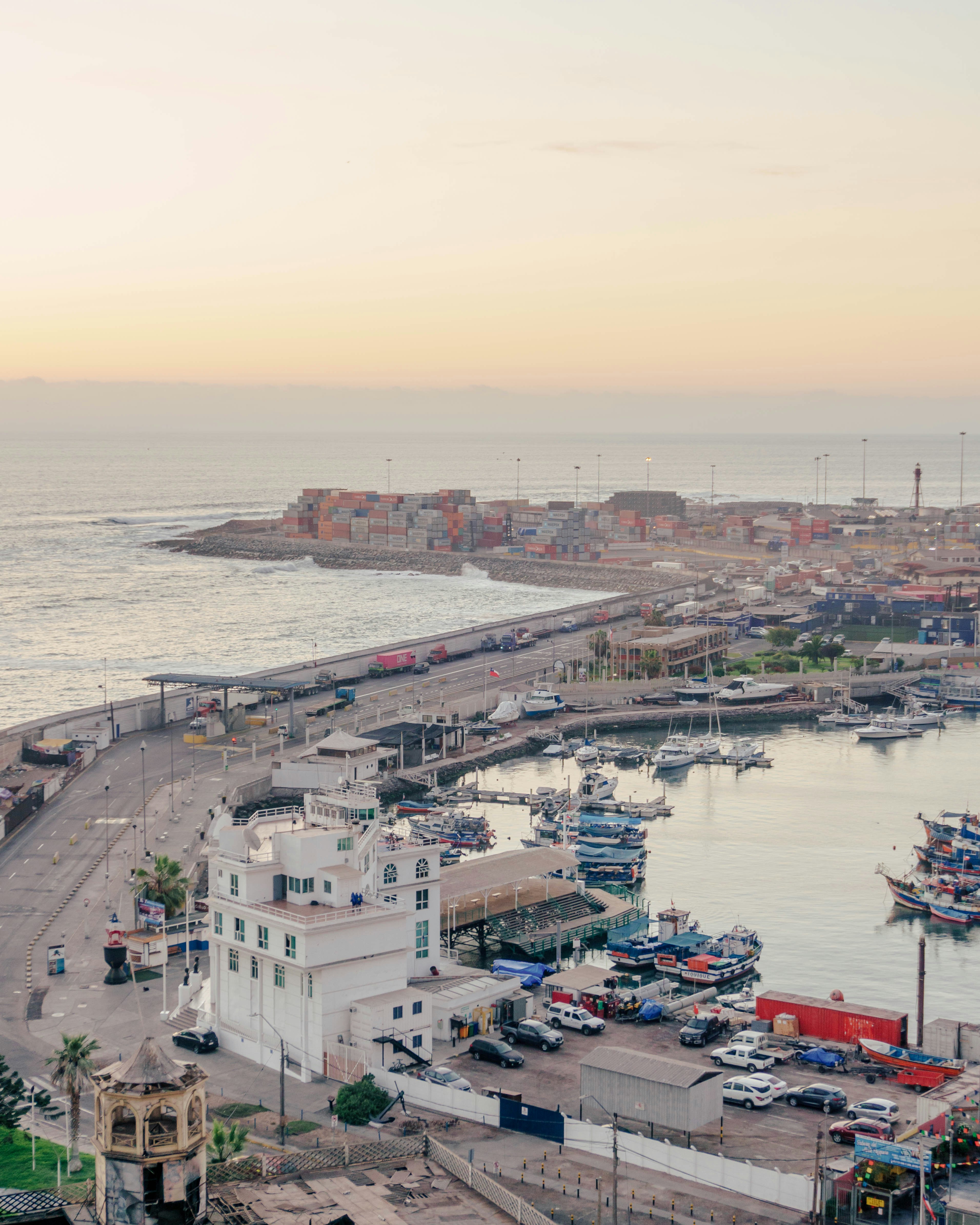
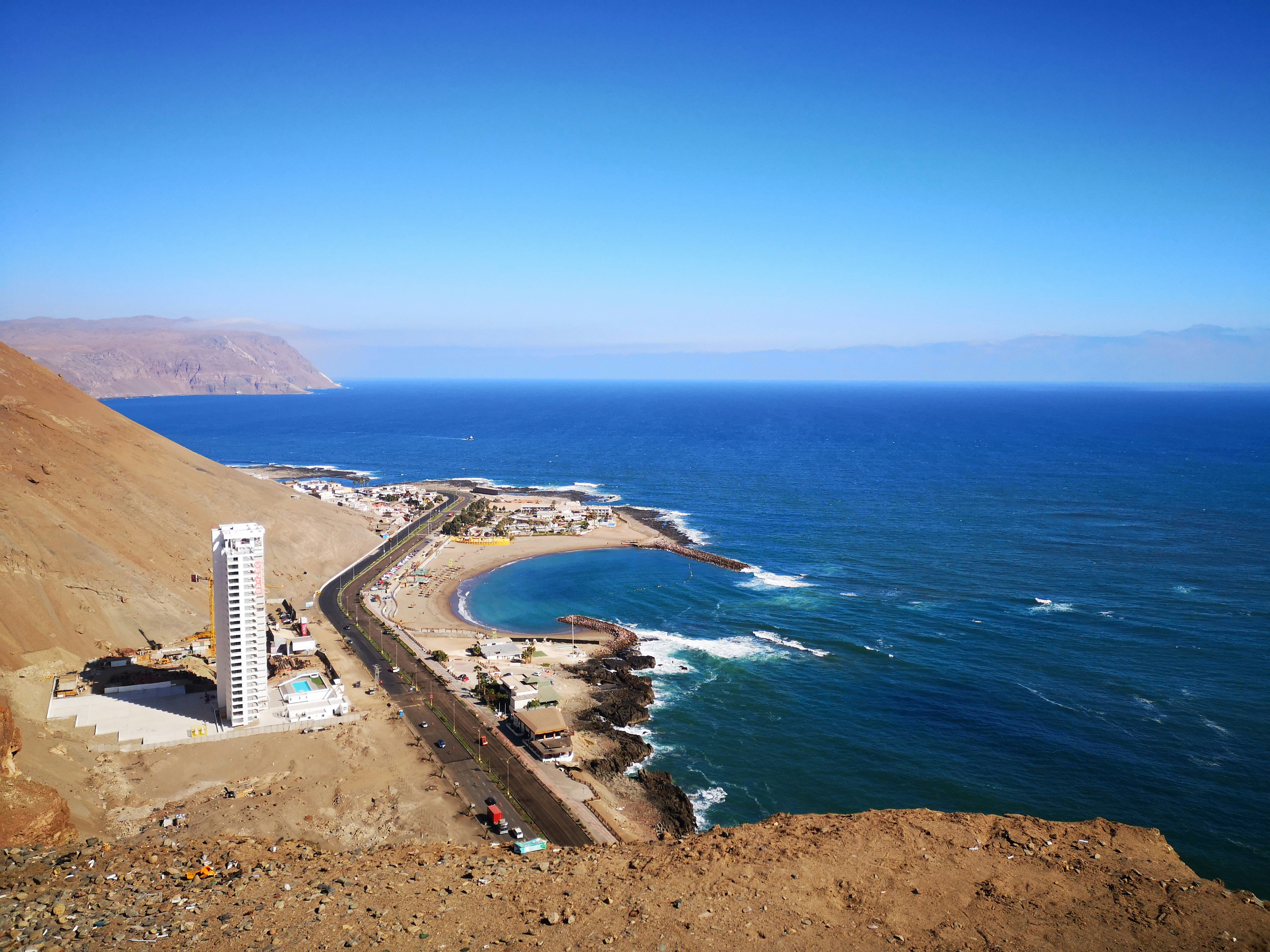
Iquique, Iquique, Chile
Iquique, Iquique, ChilePhoto by Cristian Paul on Unsplash
Aerial View Of Docks, Iquique, Chile
Aerial View Of Docks, Iquique, ChilePhoto by Travis Ark on Unsplash

Day 5 - Arica

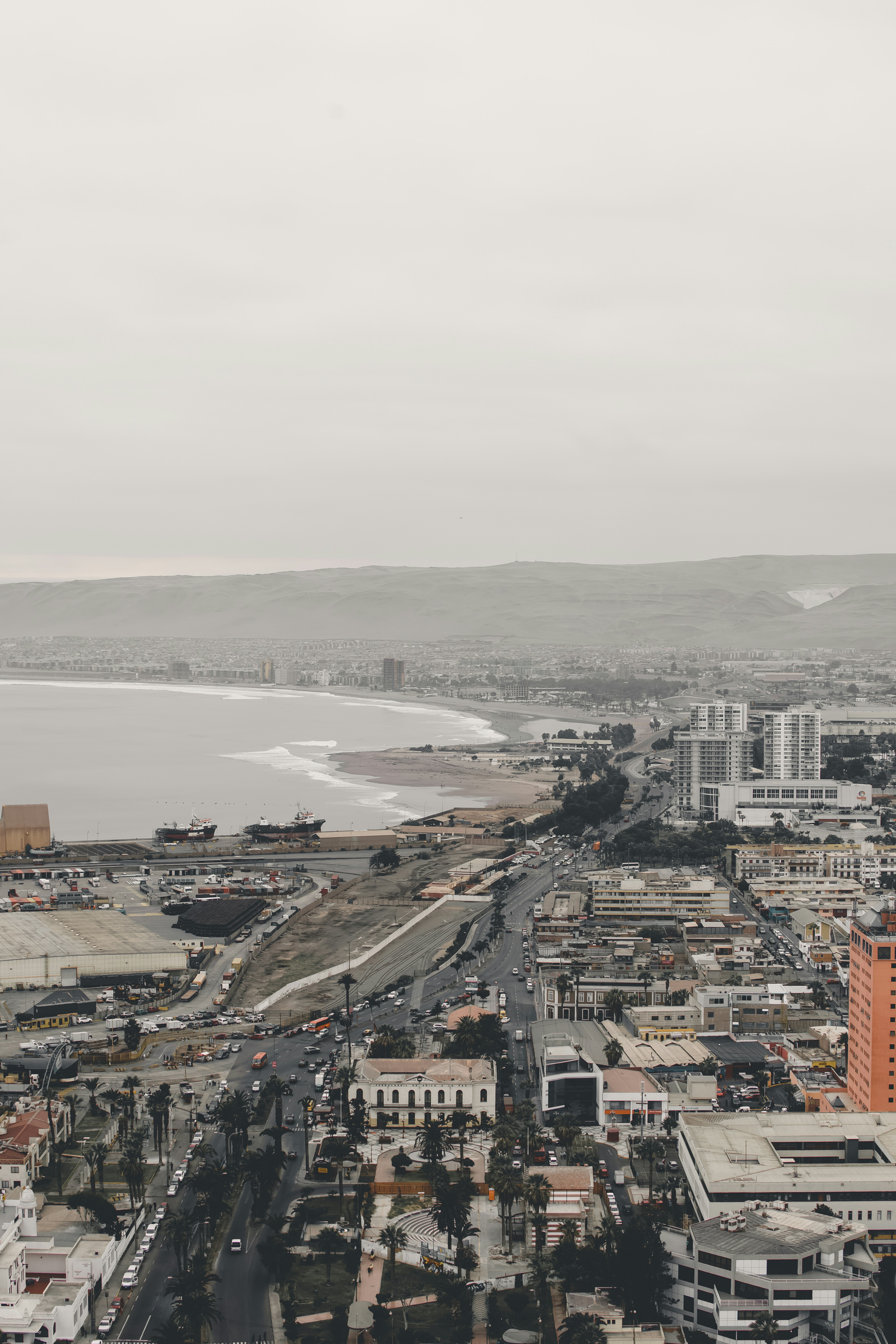
Arica boasts that it is "the land of the eternal spring," but its temperate climate and beaches are not the only reason to visit this small city. Relax for an hour or two on the Plaza 21 de Mayo. Walk to the pier and watch the pelicans and sea lions trail the fishing boats as the afternoon's catch comes in. Walk to the top of the Morro and imagine battles of days gone by, or wonder at the magnitude of modern shipping as Chilean goods leave the port below by container ship.Arica is gaining notice for its great surfing conditions, and in 2009 hosted the Rusty Arica Pro Surf Challenge, a qualifying event to the world series of surf.

Arica, Chile
Arica, ChilePhoto by Franco Salcedo on Unsplash
Arica, Chile
Arica, ChilePhoto by Daniel Franco on Unsplash
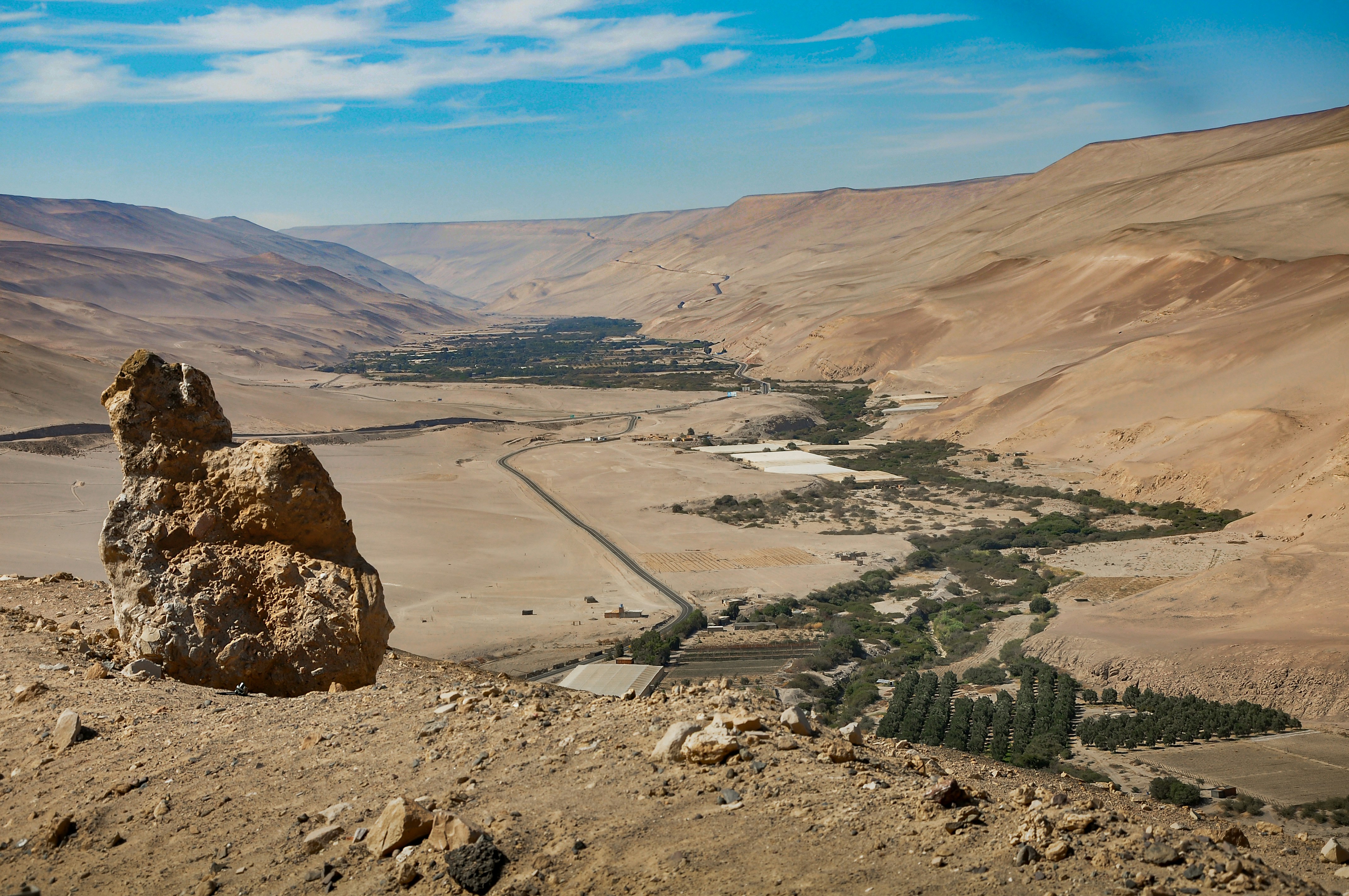
Pucar谩, Arica, Chile
Pucar谩, Arica, ChilePhoto by Gissel Como acto de lo que me inspira on Unsplash
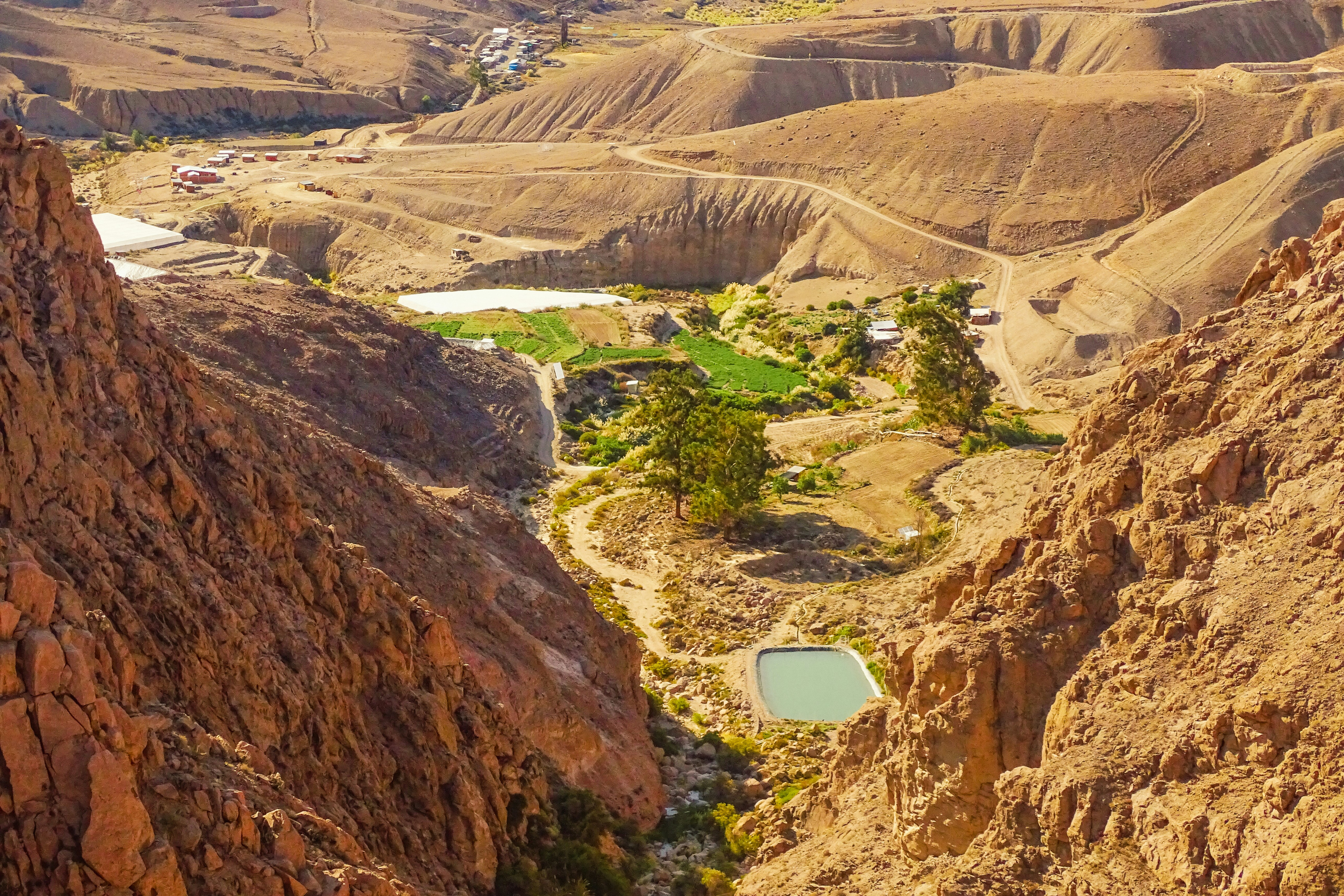
Arica, Arica Y Parinacota, Chile
Arica, Arica Y Parinacota, ChilePhoto by Jorge Montesinos on Unsplash

Day 6 - Cruising the Pacific Ocean

Further details for this day are not available.

Day 7 - Pisco

Lending its name to the clear brandy that is Peru's favorite tipple and a source of fierce national pride, the coastal town of Pisco and its surroundings hold a special place in the national psyche. It's the point where the Argentinean hero General San Martín landed with his troops to fight for Peru's freedom from Spanish rule. It's the city from which pisco was first exported, and it's also an important seaport that had its heyday during the 1920s, when guano (bird droppings used as fertilizer) from the nearby Islas Ballestas were worth nearly as much as gold.Modern-day Pisco shows little evidence of its celebrated past. Instead, what you'll find is a city struggling to get back on its feet after the disaster of August 2007, when a magnitude 8 earthquake shook the town for three minutes. Disregard for planning permission, illegal building extensions, and the use of adobe (mud brick) as the main building material had left a vast number of Pisco's buildings unable to withstand the quake, and hundreds of lives were lost as homes, churches, and hospitals collapsed during the tremor.Most travelers now base themselves in Paracas, just a few kilometers down the coast. For travelers wishing to assist in Pisco's recovery, there are numerous opportunities to volunteer. Organizations active in the area vary over time, but a good place to start looking for current opportunities is www.idealist.org. Even those without the time to volunteer should know that every nuevo sol spent in local businesses is contributing to rebuilding the region's economy.

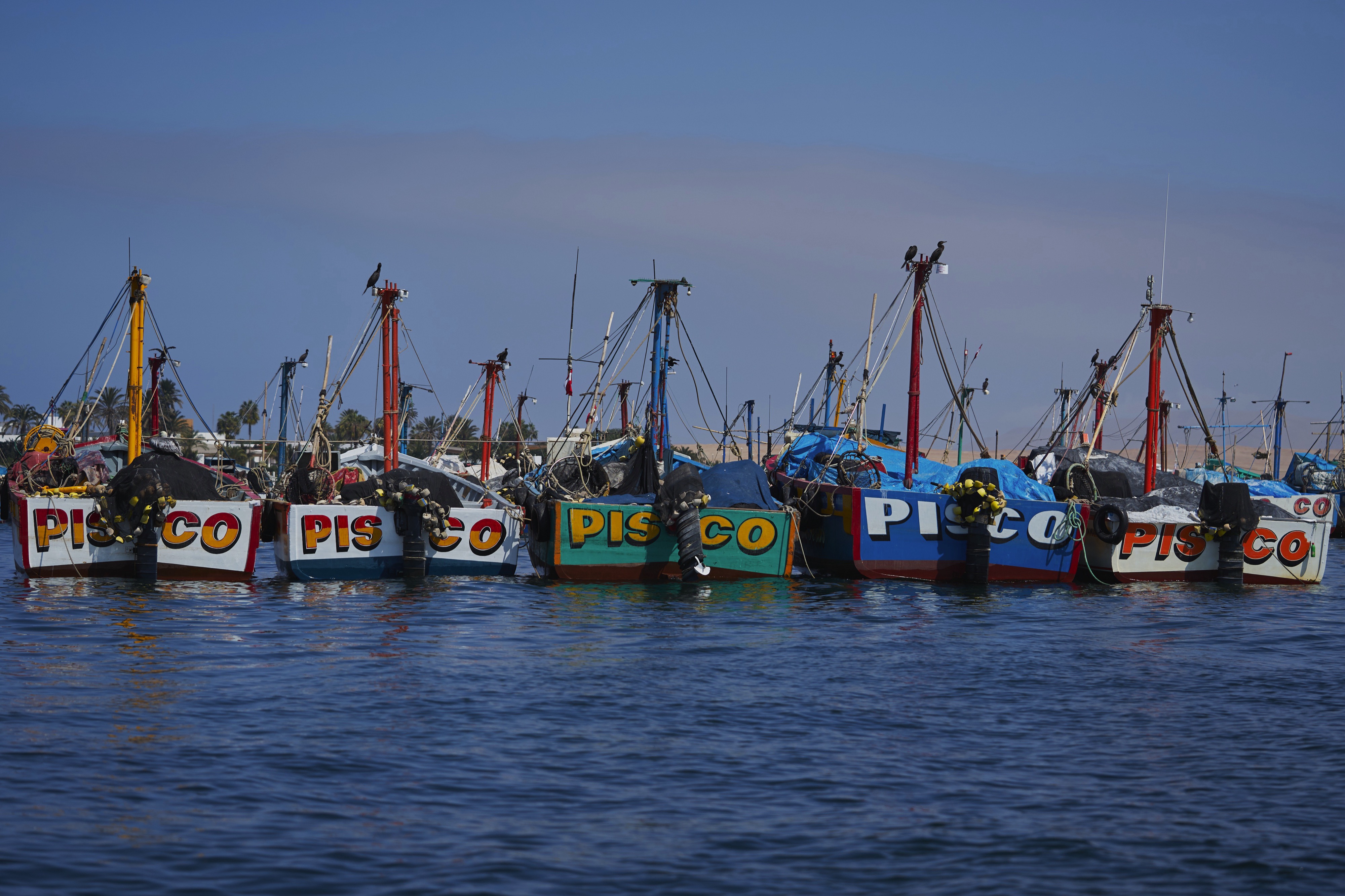
Pisco, Peru
Pisco, PeruImage by Walter Navarro from Pixabay

Day 8 - Callao

When people discuss great South American cities, Lima is often overlooked. But Peru's capital can hold its own against its neighbors. It has an oceanfront setting, colonial-era splendor, sophisticated dining, and nonstop nightlife.It's true that the city—clogged with traffic and choked with fumes—doesn't make a good first impression, especially since the airport is in an industrial neighborhood. But wander around the regal edifices surrounding the Plaza de Armas, among the gnarled olive trees of San Isidro's Parque El Olivar, or along the winding lanes in the coastal community of Barranco, and you'll find yourself charmed.In 1535 Francisco Pizarro found the perfect place for the capital of Spain's colonial empire. On a natural port, the so-called Ciudad de los Reyes (City of Kings) allowed Spain to ship home all the gold the conquistador plundered from the Inca. Lima served as the capital of Spain's South American empire for 300 years, and it's safe to say that no other colonial city enjoyed such power and prestige during this period.When Peru declared its independence from Spain in 1821, the declaration was read in the square that Pizarro had so carefully designed. Many of the colonial-era buildings around the Plaza de Armas are standing today. Walk a few blocks in any direction for churches and elegant houses that reveal just how wealthy this city once was. But the poor state of most buildings attests to the fact that the country's wealthy families have moved to neighborhoods to the south over the past century.The walls that surrounded the city were demolished in 1870, making way for unprecedented growth. A former hacienda became the graceful residential neighborhood of San Isidro. In the early 1920s the construction of tree-lined Avenida Arequipa heralded the development of neighborhoods such as bustling Miraflores and bohemian Barranco.Almost a third of the country's population of 29 million lives in the metropolitan area, many of them in relatively poor conos: newer neighborhoods on the outskirts of the city. Most residents of those neighborhoods moved there from mountain villages during the political violence and poverty that marked the 1980s and ’90s, when crime increased dramatically. During the past decade the country has enjoyed peace and steady economic growth, which have been accompanied by many improvements and refurbishment in the city. Residents who used to steer clear of the historic center now stroll along its streets. And many travelers who once would have avoided the city altogether now plan to spend a day here and end up staying two or three.

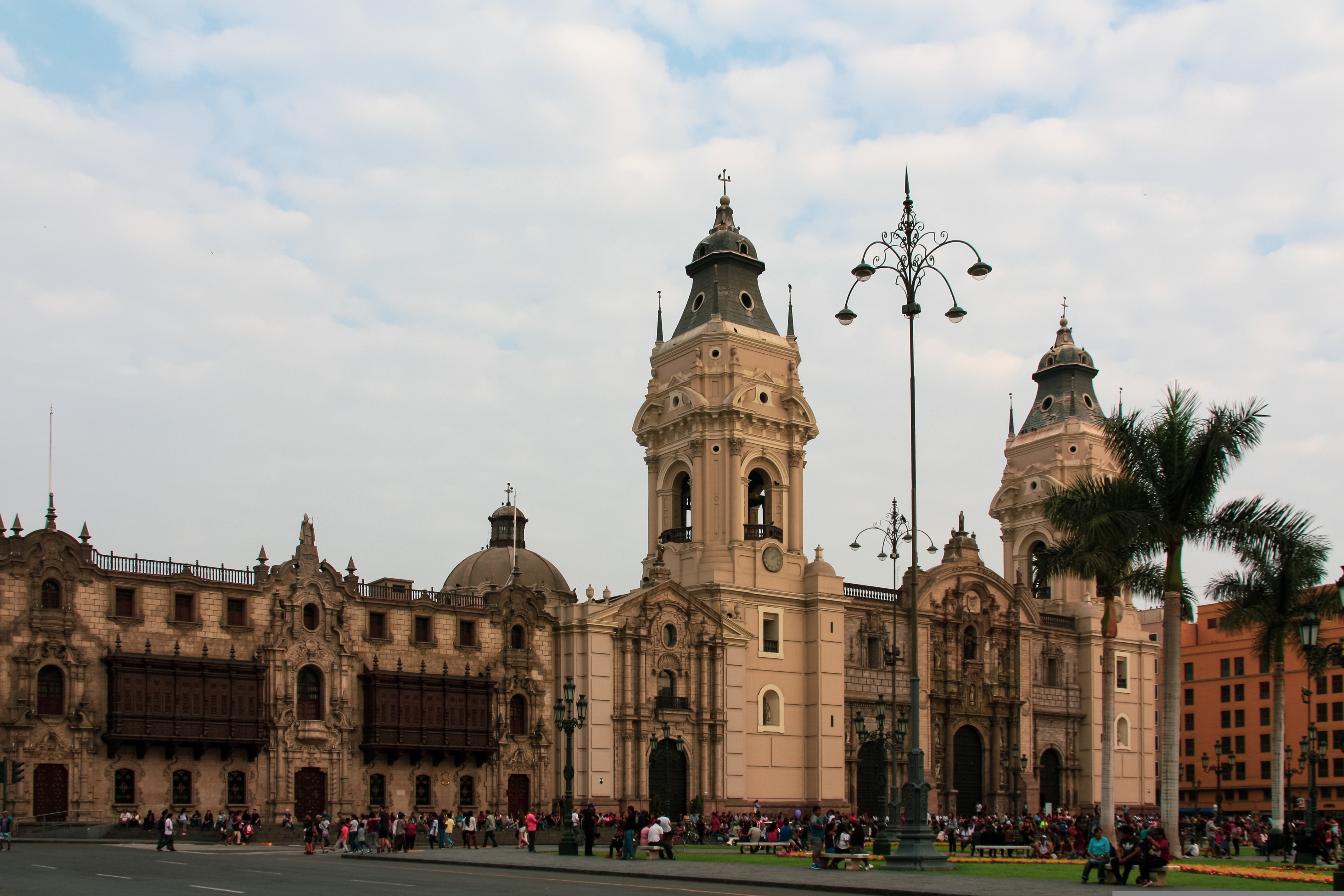
Callao, Port Of Lima
Callao, Port Of LimaImage by Patricia van den Berg from Pixabay

Day 9 - Callao

When people discuss great South American cities, Lima is often overlooked. But Peru's capital can hold its own against its neighbors. It has an oceanfront setting, colonial-era splendor, sophisticated dining, and nonstop nightlife.It's true that the city—clogged with traffic and choked with fumes—doesn't make a good first impression, especially since the airport is in an industrial neighborhood. But wander around the regal edifices surrounding the Plaza de Armas, among the gnarled olive trees of San Isidro's Parque El Olivar, or along the winding lanes in the coastal community of Barranco, and you'll find yourself charmed.In 1535 Francisco Pizarro found the perfect place for the capital of Spain's colonial empire. On a natural port, the so-called Ciudad de los Reyes (City of Kings) allowed Spain to ship home all the gold the conquistador plundered from the Inca. Lima served as the capital of Spain's South American empire for 300 years, and it's safe to say that no other colonial city enjoyed such power and prestige during this period.When Peru declared its independence from Spain in 1821, the declaration was read in the square that Pizarro had so carefully designed. Many of the colonial-era buildings around the Plaza de Armas are standing today. Walk a few blocks in any direction for churches and elegant houses that reveal just how wealthy this city once was. But the poor state of most buildings attests to the fact that the country's wealthy families have moved to neighborhoods to the south over the past century.The walls that surrounded the city were demolished in 1870, making way for unprecedented growth. A former hacienda became the graceful residential neighborhood of San Isidro. In the early 1920s the construction of tree-lined Avenida Arequipa heralded the development of neighborhoods such as bustling Miraflores and bohemian Barranco.Almost a third of the country's population of 29 million lives in the metropolitan area, many of them in relatively poor conos: newer neighborhoods on the outskirts of the city. Most residents of those neighborhoods moved there from mountain villages during the political violence and poverty that marked the 1980s and ’90s, when crime increased dramatically. During the past decade the country has enjoyed peace and steady economic growth, which have been accompanied by many improvements and refurbishment in the city. Residents who used to steer clear of the historic center now stroll along its streets. And many travelers who once would have avoided the city altogether now plan to spend a day here and end up staying two or three.

Callao, Port Of Lima
Callao, Port Of LimaImage by Patricia van den Berg from Pixabay

Suites & Deck Plans

Suite

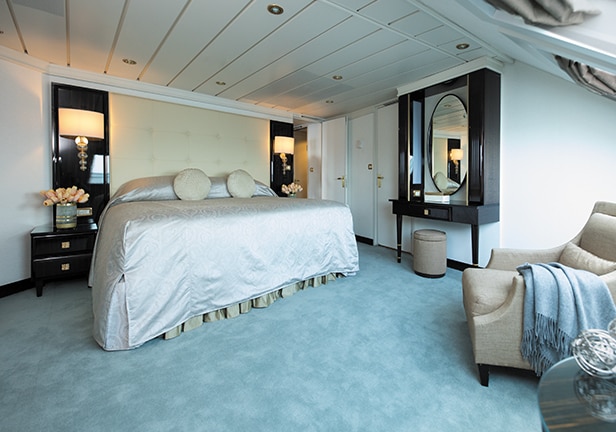
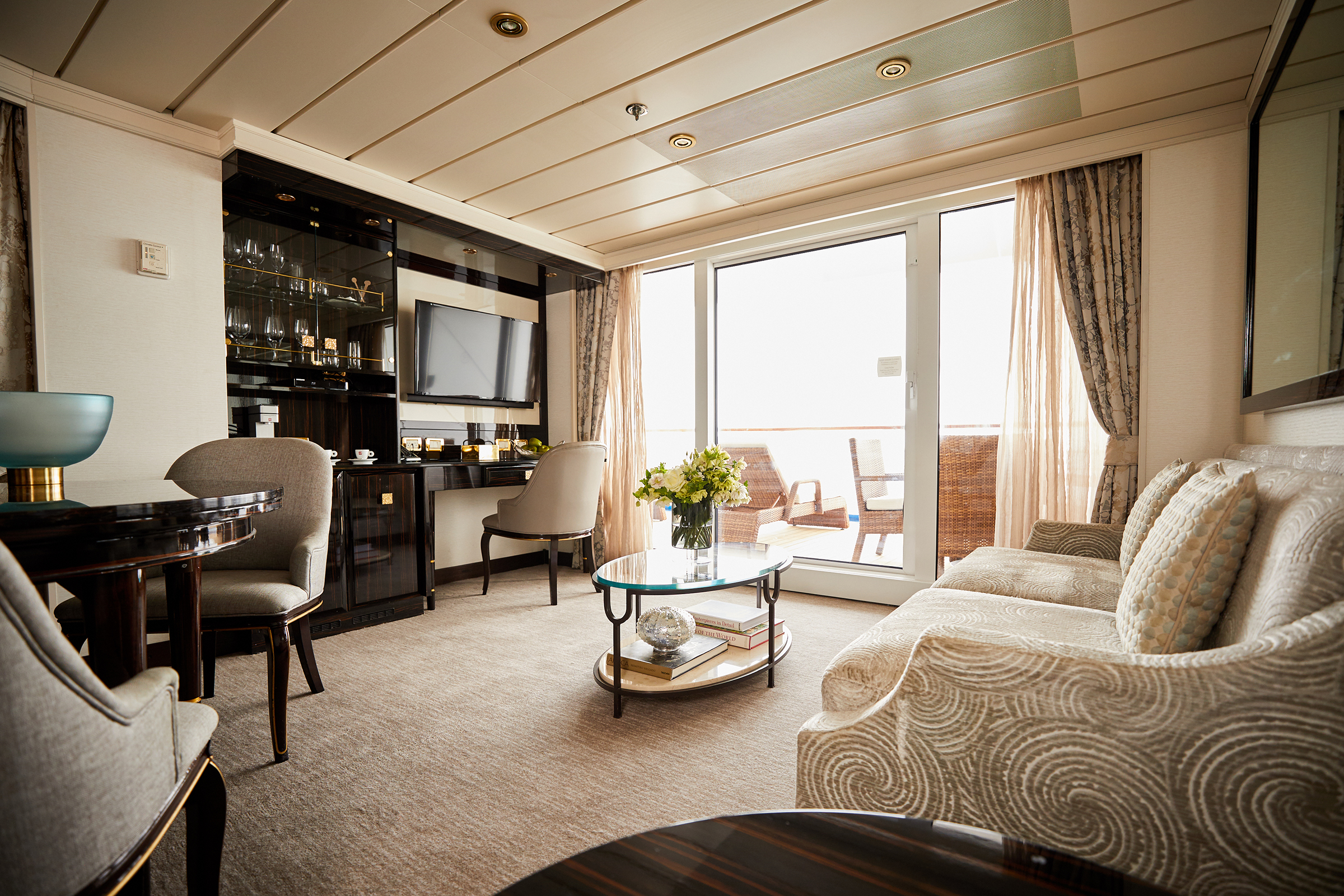
You'll find Park Avenue chic onboard Seven Seas Mariner® in this spectacular suite. Elegant rosewood furniture, luxe fabrics and a crystal chandelier create sophisticated comfort, while a personal butler is available to fulfil whatever requests you may have. With two bedrooms, two-and-a-half baths, a large living room and two private balconies, this sublime suite is perfect for hosting new friends in luxury.

Layout

  • 2 Spacious Bedroom with a European King-Size Elite Slumber® Bed (*Bed in primary bedroom cannot be converted into two beds.)
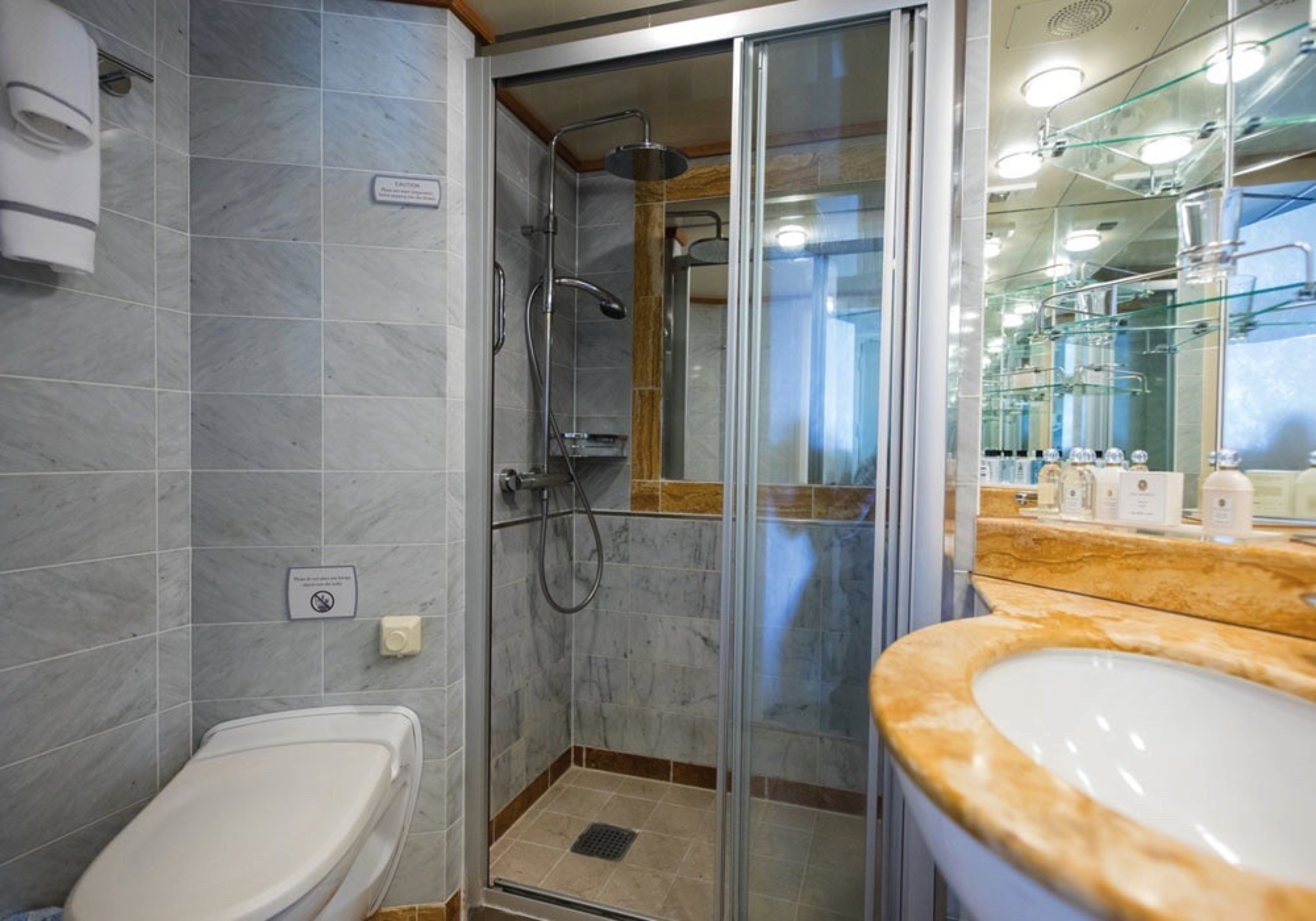
  • 2 1/2 Marble & Stone Detailed Bathrooms
  • 2 Private Balconies
  • Sitting Area
  • Walk-In Closet with Safe
  • Includes Up To 6 Guests

The suite pictured may differ from the suite booked, as layouts and designs vary by ship, deck, and suite location.

Amenities

  • 1-Night Pre-Cruise: Hotel Package Including:
  • - Ground Transfers
  • - Breakfast
  • - Porterage
  • Unlimited WiFi and Streaming Package for up to Four Devices
  • Valet Laundry Service
  • 24-hour In-Suite Dining
  • Fresh Orchid Arrangement
  • L'Occitane® Jasmin & Bergamot Bath Amenities
  • Regent Plush Bathrobe & Slippers
  • Interactive Flat-Screen Television & Direct-Dial Satellite Phone
  • Priority Access to Online Shore Excursion Reservations
  • Priority Access to Online Dining Reservations
  • Binoculars
  • illy® Espresso Maker
  • Cashmere Blankets
  • Regent Special Gift
  • Vanity & Hair Dryer
  • Shoe Shine Service
  • Additional Discounts:
  • - 10% Discount on Ultra Premium Wine and Liquor
  • - 5% Savings on Pre- or Post-Cruise Hotel or Land Programs
  • - 5% Savings on Regent Choice Shore Excursions

Additional Signature Suite Amenities:

  • Guaranteed Reservation Each Night in Specialty Restaurant of Your Choice
  • Welcome Letter from the President and General Manager
  • Personal Butler for an Elevated In-suite Experience
  • - In-Suite Dining Menu Including Specialty Restaurant Selections During Dining Hours
  • Priority Boarding on Embarkation Day with Suite Access at Noon
  • Welcome Bottle of Premium Champagne
  • Personalized In-Suite Full-Liquor Bar Set-Up
  • A Sumptuous In-Suite Caviar Service Once During Cruises
  • Complimentary In-Suite Cocktail Party for 8
  • Complimentary 25-Minute Personal Fitness Session at the Serene Spa & Wellness™ Fitness Center
  • Daily Canapés
  • Tea Forté Set-Up
  • Luxe Fruit Arrangement with Chocolate Leonidas
  • Luxurious Designer Bath Amenities & Men's Unscented Shaving Kit
  • Hairdryer
  • Selection of Fig & Tea Leaves Bath Salts
  • Guerlain Bath Amenities & Men's Unscented Shaving Kit
  • Bath Scale Setup
  • Bose® SoundLink Mini II Bluetooth Speaker
  • Selection of Bed Pillow Styles
  • Complimentary Garment Pressing on First Night
  • Personalized Stationery upon request
  • Elegant Weather Clock
  • Excursion Bag

2002 sq ft
Accommodates 5 guests
Signature Suite

Seven Seas Mariner

Seven Seas Mariner

Life on board

The Onboard Experience

Client testimonials

I have worked with Lore Doick for more than 20 years, and she has booked over 30 cruises for me. Her expertise, care, and attention to every travel detail have made her an invaluable advisor and friend over the years.”

Tina B.

We are now in our second generation working with Cheri Ozimac at Tully Luxury Travel. From Antarctica to Greece, she has handled every detail with expertise, responsiveness, and care…

Earl M.

My wife and I have worked with Tully since 2007, and Kit Neil and her team went far beyond expectations while helping us navigate multiple cruise and flight cancellations. Their advocacy, care, and support during a difficult time were extraordinary.

Carri F.

Cheri Ozimac organized our Seabourn cruise flawlessly, from the hotel recommendation to every travel arrangement. She was responsive, attentive, and an excellent advocate throughout the process…

Cyn S.

We discovered Tully Luxury Travel after years of booking cruises through US agents and were impressed by their competitive pricing, exceptional service, and Canadian based support. Their team is always available, offers excellent value, and makes booking the right cruise seamless.

Peter C.

GoogleAverage Customer Rating:

The Tully Difference

Why travel with us


Tully Luxury Travel was built on access, discretion, and trust. For our clients, that means ease at every step, with distinctions that turn exceptional voyages into defining moments.

Recognized expertise

A renowned agency worldwide in luxury land and small-ship cruising, consistently trusted by the industry’s most prestigious brands.