Regent Seven Seas Cruises logo

Grand Southern Seas Sojourn

Itinerary: Sydney, New South Wales, Cruising the Tasman Sea, Hobart, Tasmania, Sailing Milford Sound, Cruising Doubtful Sound, Sailing Dusky Sound, Dunedin, Timaru, Lyttelton, Picton, Wellington, Napier, Gisborn... See full itinerary

19 Feb 28
69 nights

Voyage Details

Duration:
69 nights
Departure:
19 Feb 2028
Embarkation:
Sydney, New South Wales, Australia
Cruise code:
MAR280219D
Voyage code:
MAR280219D

Your Itinerary, Day-By-Day

Special Chapters of Your Journey

Day 1 - Sydney, New South Wales

Sydney, capital of New South Wales and one of Australia's largest cities, is best known for its harbourfront Sydney Opera House, with a distinctive sail-like design. Massive Darling Harbour and the smaller Circular Quay port are hubs of waterside life, with the arched Harbour Bridge and esteemed Royal Botanic Garden nearby. Sydney Tower’s outdoor platform, the Skywalk, offers 360-degree views of the city and suburbs.

Ausyd   Sydney   Aerial   Tourism Australia, Sdp Media
Ausyd Sydney Aerial Tourism Australia, Sdp MediaTourism Australia, SDP Media
Ausyd   Sydney   Bondi Beach   Image By Gbates94 On Pixabay
Ausyd Sydney Bondi Beach Image By Gbates94 On PixabayImage by Gbates94 on Pixabay
Ausyd   Sydney   Bridge Sydney Harbor And Opera House   Image By Wimkantona On Pixabay
Ausyd Sydney Bridge Sydney Harbor And Opera House Image By Wimkantona On PixabayImage by wimkantona on Pixabay
Ausyd   Sydney   Gladesville   Image By Pattyjansen On Pixabay
Ausyd Sydney Gladesville Image By Pattyjansen On PixabayImage by pattyjansen on Pixabay
Ausyd   Sydney   Sydney Harbour Bridge   Image By Skeeze On Pixabay
Ausyd Sydney Sydney Harbour Bridge Image By Skeeze On PixabayImage by skeeze on Pixabay

Day 2 - Cruising the Tasman Sea

Further details for this day are not available.

Day 3 - Hobart, Tasmania

Straddling the Derwent River at the foot of Mt. Wellington's forested slopes, Hobart was founded as a penal settlement in 1803. It's the second-oldest city in the country after Sydney, and it certainly rivals its mainland counterpart as Australia's most beautiful state capital. Close-set colonial brick-and-sandstone shops and homes line the narrow, quiet streets, creating a genteel setting for this historic city of 215,000. Life revolves around the broad Derwent River port, one of the deepest harbors in the world. Here warehouses that once stored Hobart's major exports of fruit, wool, and corn and products from the city's former whaling fleet still stand alongside the wharf today.Hobart sparkles between Christmas and New Year's—summer Down Under—during the annual Sydney-to-Hobart yacht race. The event dominates conversations among Hobart's citizens, who descend on Constitution Dock to welcome the yachts and join in the boisterous festivities of the crews. The New Year also coincides with the Tastes of Tasmania Festival, when the dockside area comes alive with the best of Tasmanian food and wine on offer in numerous cafés, bars, and waterfront stalls. Otherwise, Hobart is a placid city whose nightlife is largely confined to excellent restaurants, jazz clubs, and the action at the Wrest Point Casino in Sandy Bay.The Hobart Tasmanian Travel and Information Centre hours are weekdays 8:30–5:30 and Saturday 9–5.

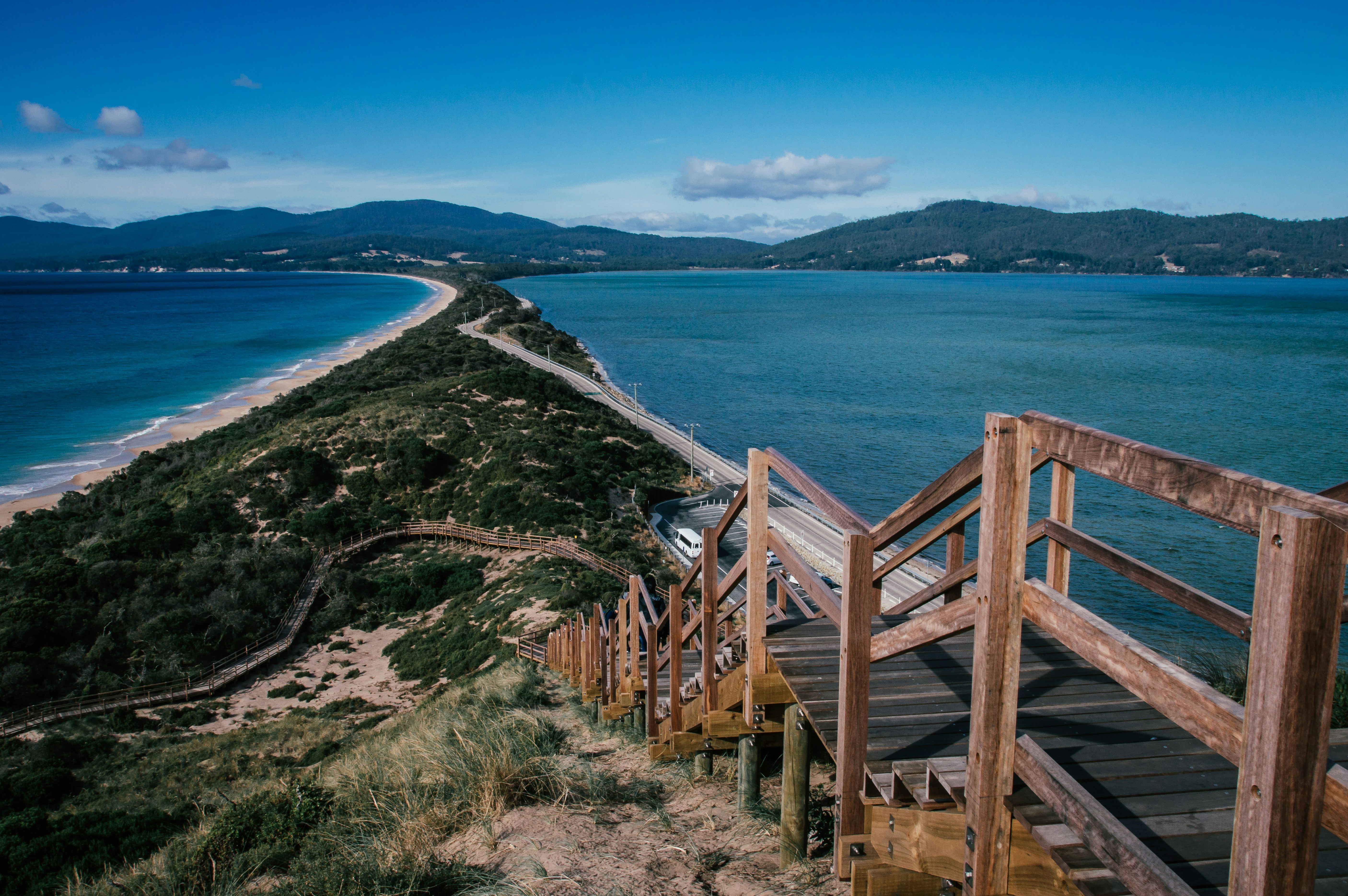
Bruny Island, Hobart, Tasmania, Australia
Bruny Island, Hobart, Tasmania, AustraliaPhoto by Tamara Thurman on Unsplash
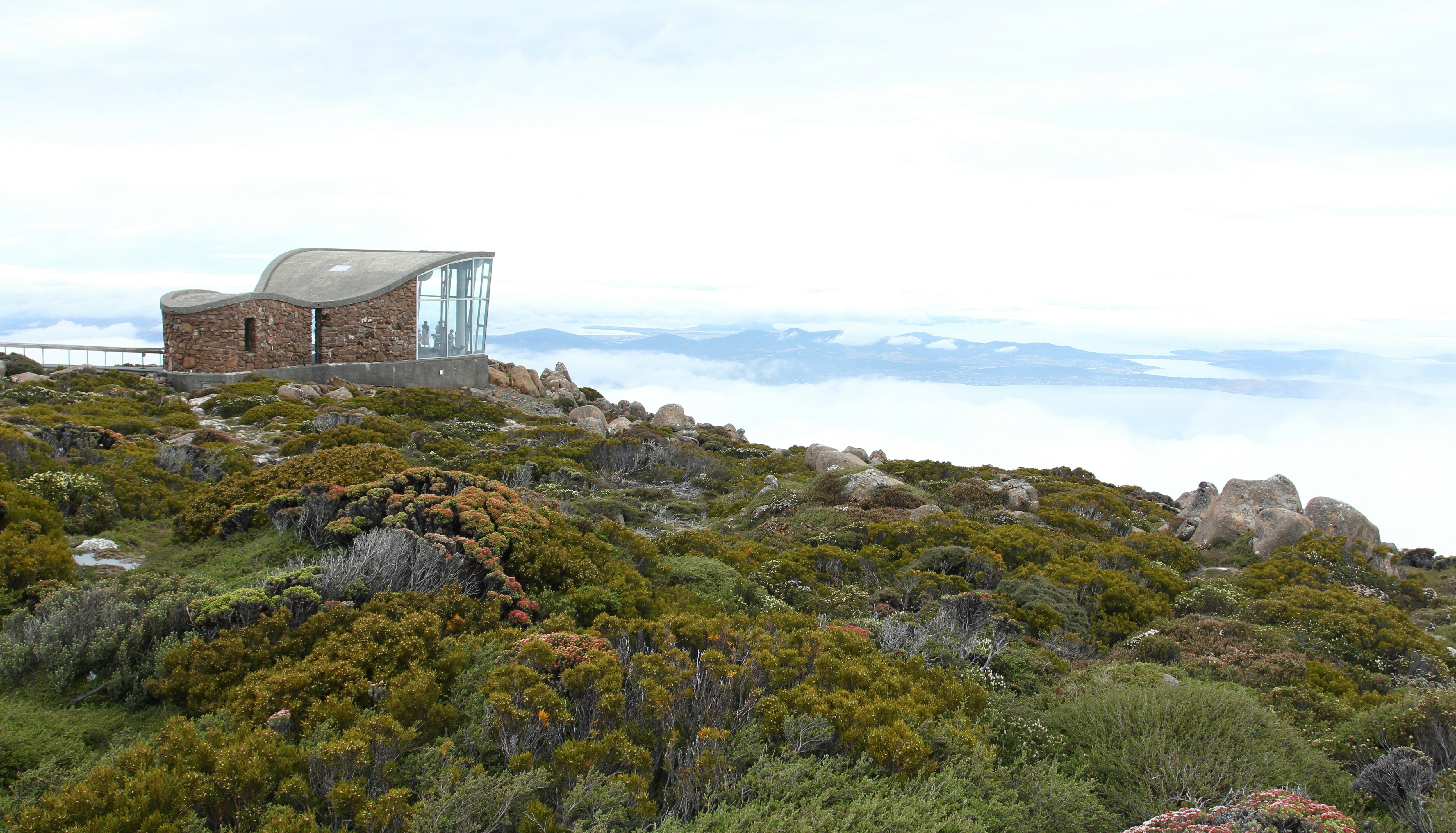
Mount Wellington, Hobart, Australia
Mount Wellington, Hobart, AustraliaPhoto by Geoff Brooks on Unsplash

Day 4 - Cruising the Tasman Sea

Further details for this day are not available.

Day 5 - Cruising the Tasman Sea

Further details for this day are not available.

Day 6 - Sailing Milford Sound

Further details for this day are not available.

Day 6 - Cruising Doubtful Sound

Further details for this day are not available.

Day 6 - Sailing Dusky Sound

Further details for this day are not available.

Day 7 - Dunedin

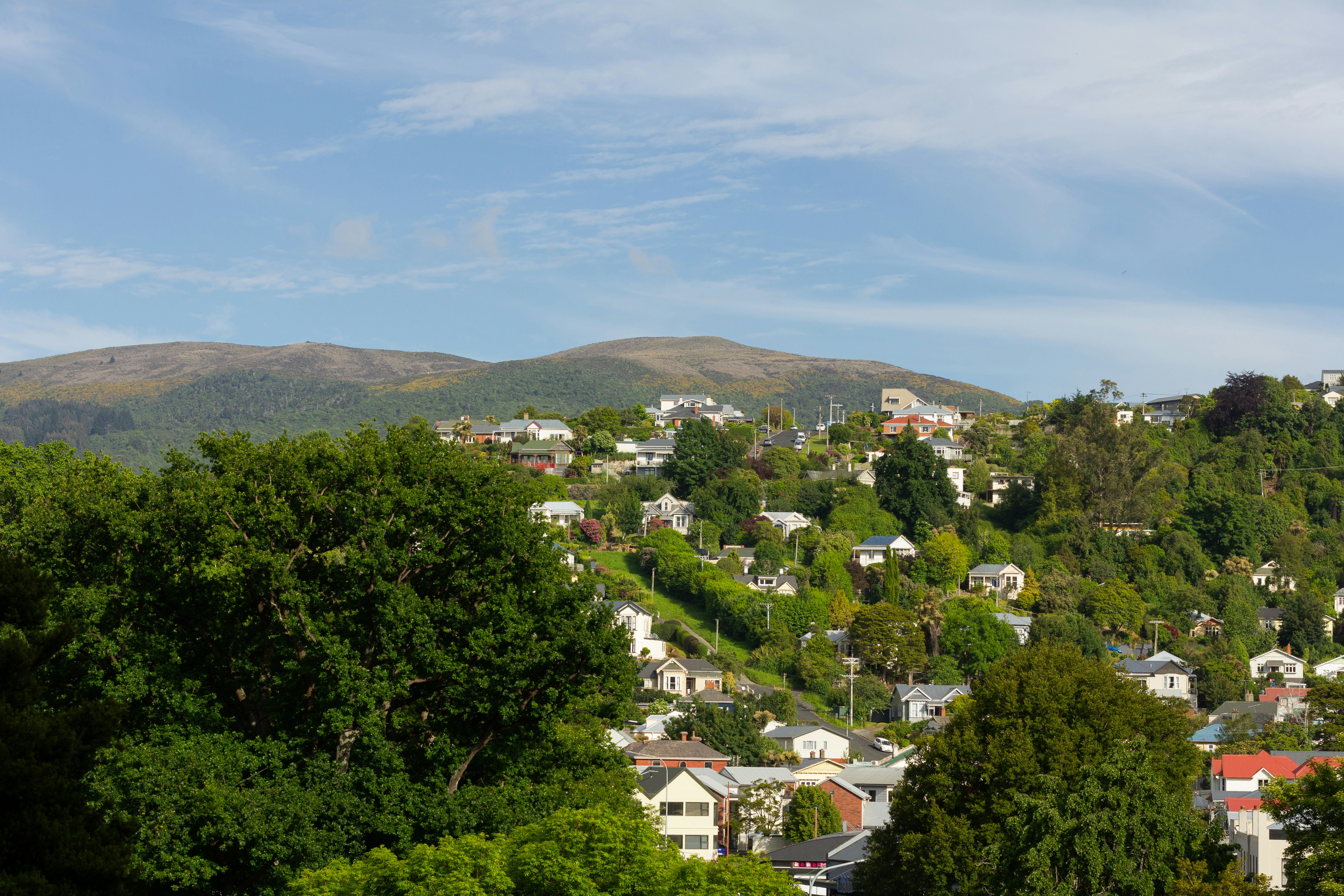
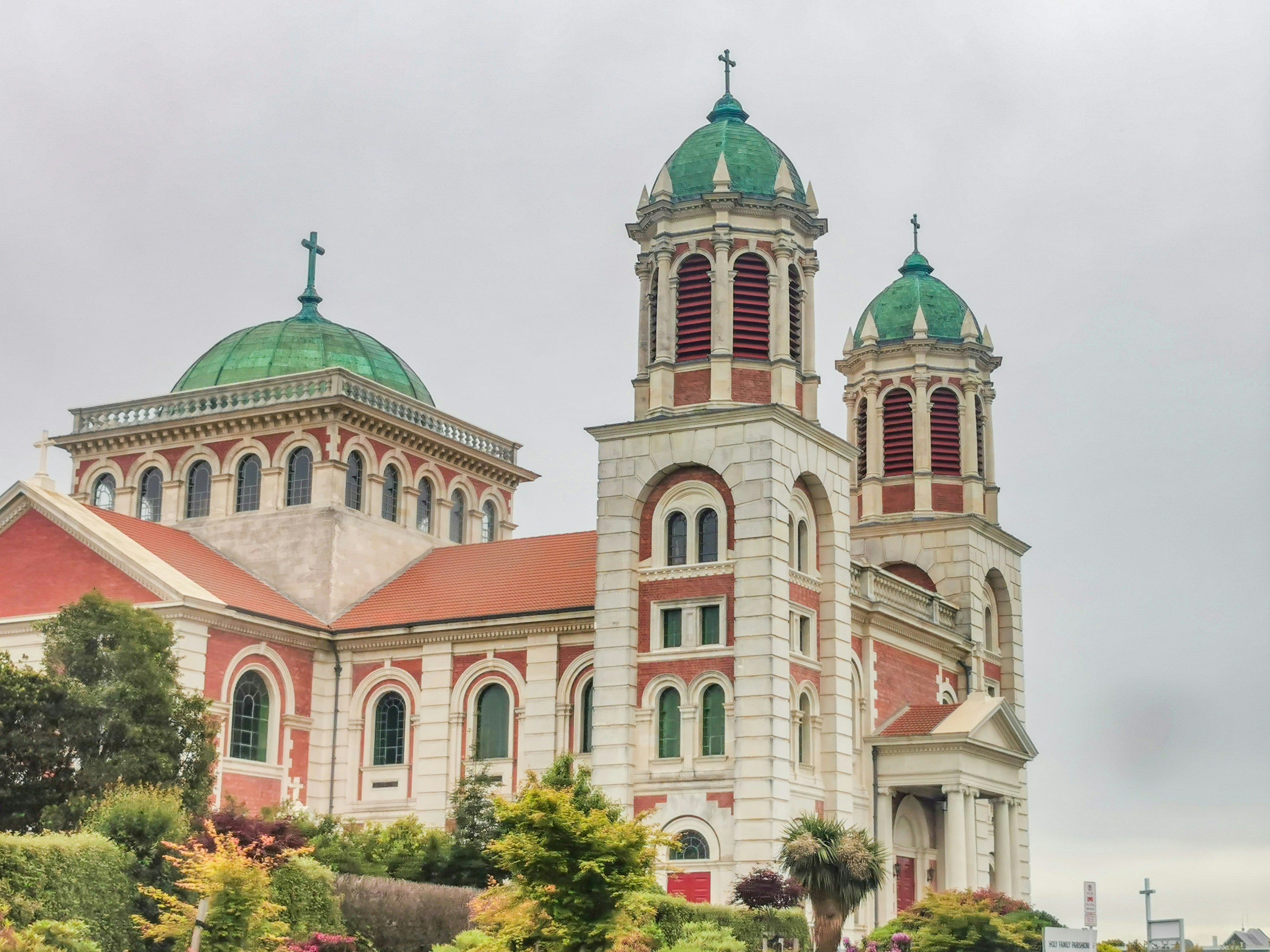
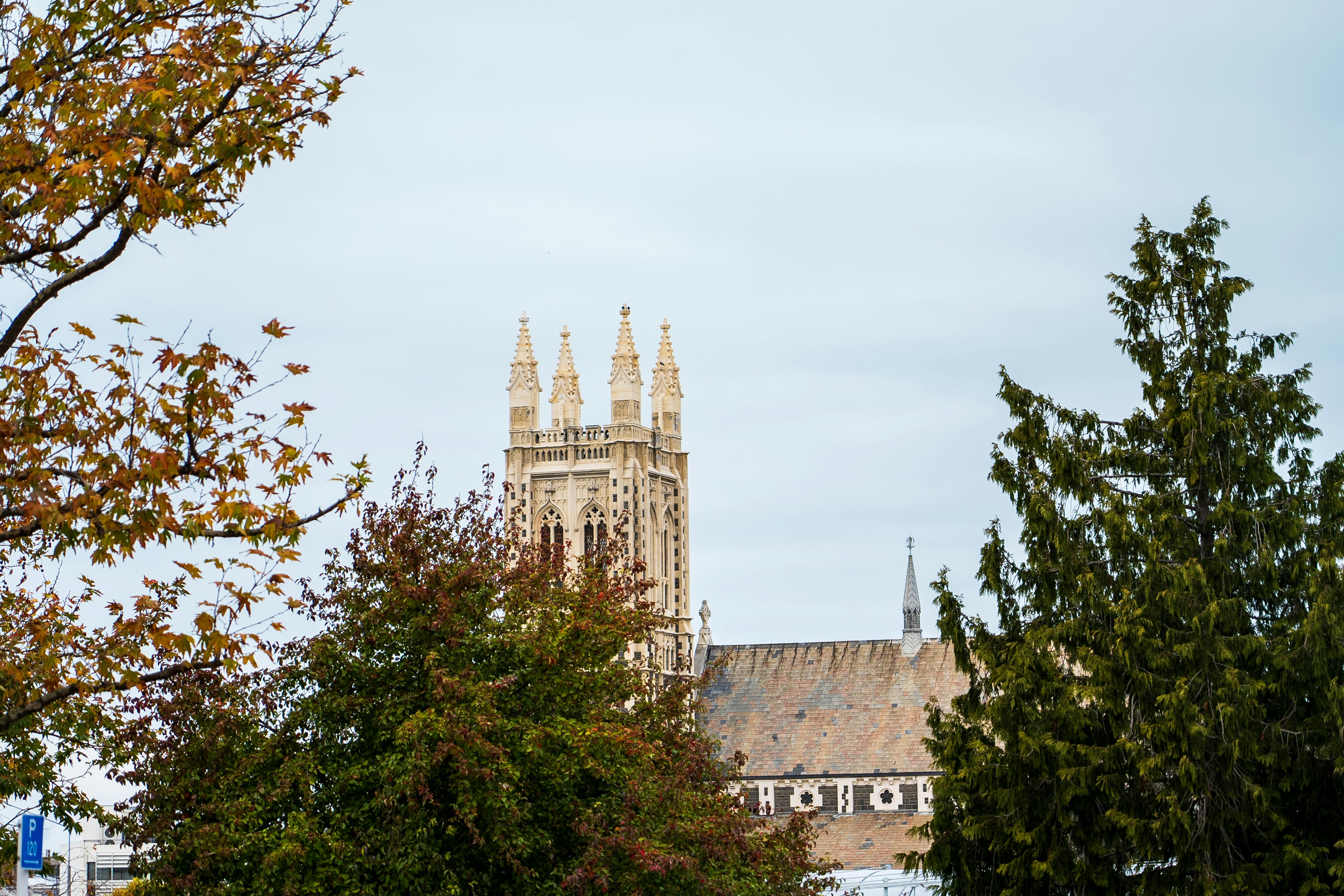
Clinging to the walls of the natural amphitheater at the west end of Otago Harbour, the South Island's second-largest city is enriched with inspiring nearby seascapes and wildlife. Because Dunedin is a university town, floods of students give the city a vitality far greater than its population of 122,000 might suggest. Its manageable size makes it easy to explore on foot—with the possible exception of Baldwin Street, the world's steepest residential street and home to the annual "gutbuster" race, in which people run up it, and the "Jaffa" race, in which people roll the namesake spherical chocolate candy down it.Dunedin, the Gaelic name for Edinburgh, was founded in 1848 by settlers of the Free Church of Scotland, a breakaway group from the Presbyterian Church. The city's Scottish roots are still visible; you'll find New Zealand's first and only (legal) whisky distillery, a statue of Scottish poet Robert Burns, and more kilts, sporrans, and gillies than you can shake a stick at! The Scottish settlers and local Māori came together in relative peace, but this wasn't true of the European whalers who were here three decades before, as places with names such as Murdering Beach illustrate.Dunedin has always had a reputation for the eccentric. Wearing no shoes and a big beard here marks a man as bohemian rather than destitute, and the residents wouldn't have it any other way. The University of Otago was the country's first university and has been drawing writers ever since its founding in 1871, most notably Janet Frame and the poet James K. Baxter. Dunedin also has a musical heritage, which blossomed into the "Dunedin Sound" of the 1970s and '80s.
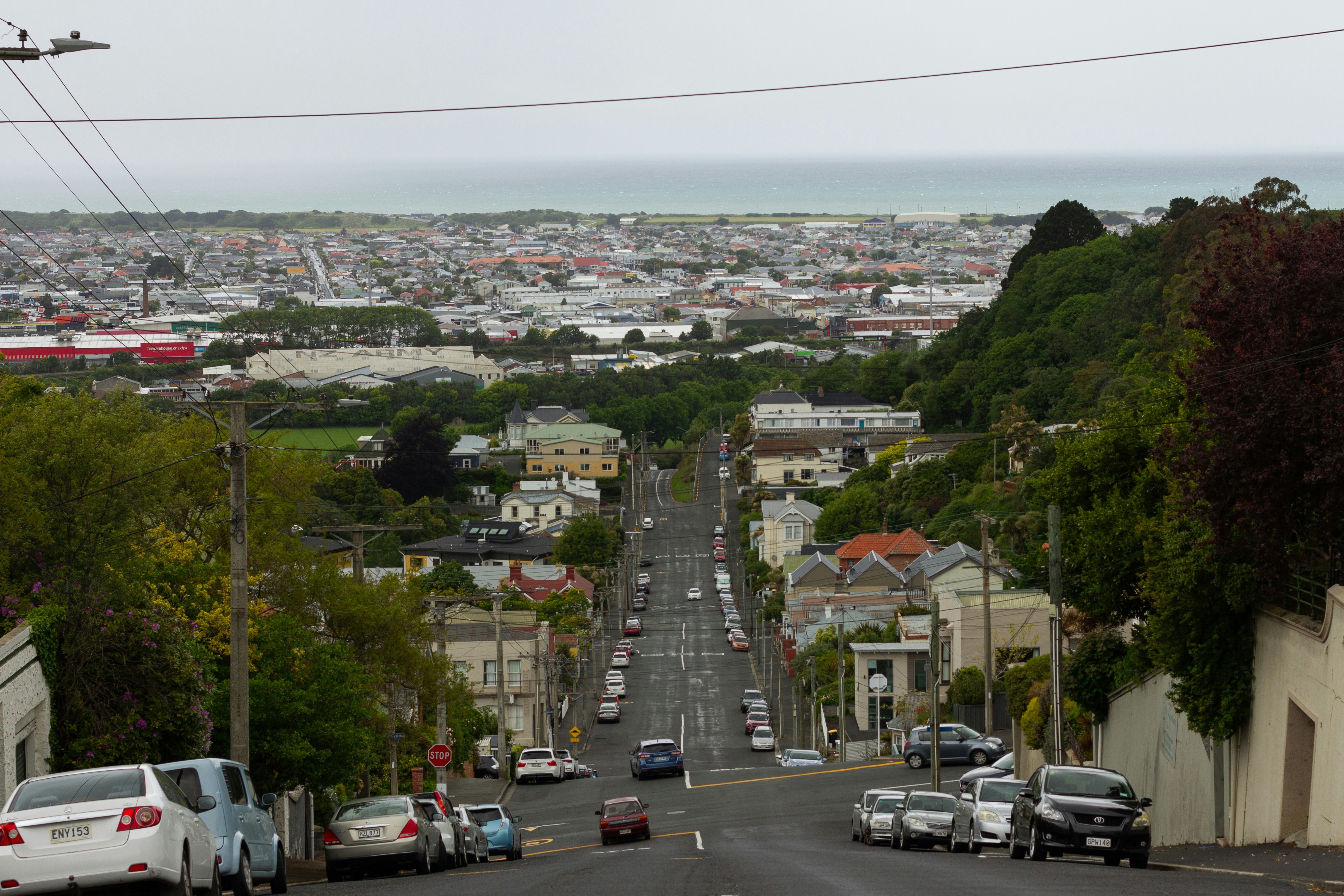
Dunedin, New Zealand
Dunedin, New ZealandPhoto by K8 on Unsplash
City, Dunedin, New Zealand
City, Dunedin, New ZealandPhoto by K8 on Unsplash
Dunedin, New Zealand
Dunedin, New ZealandPhoto by K8 on Unsplash
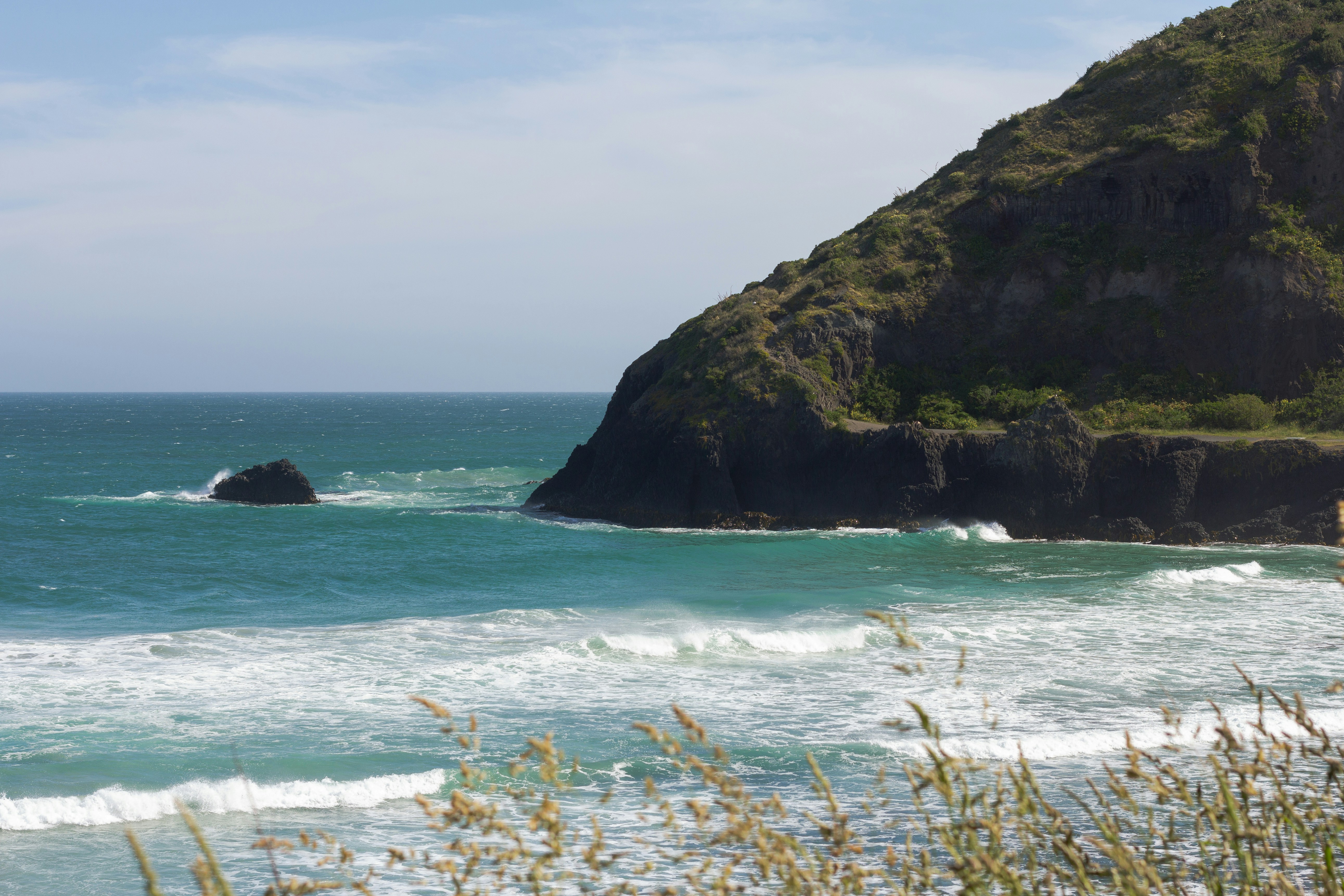
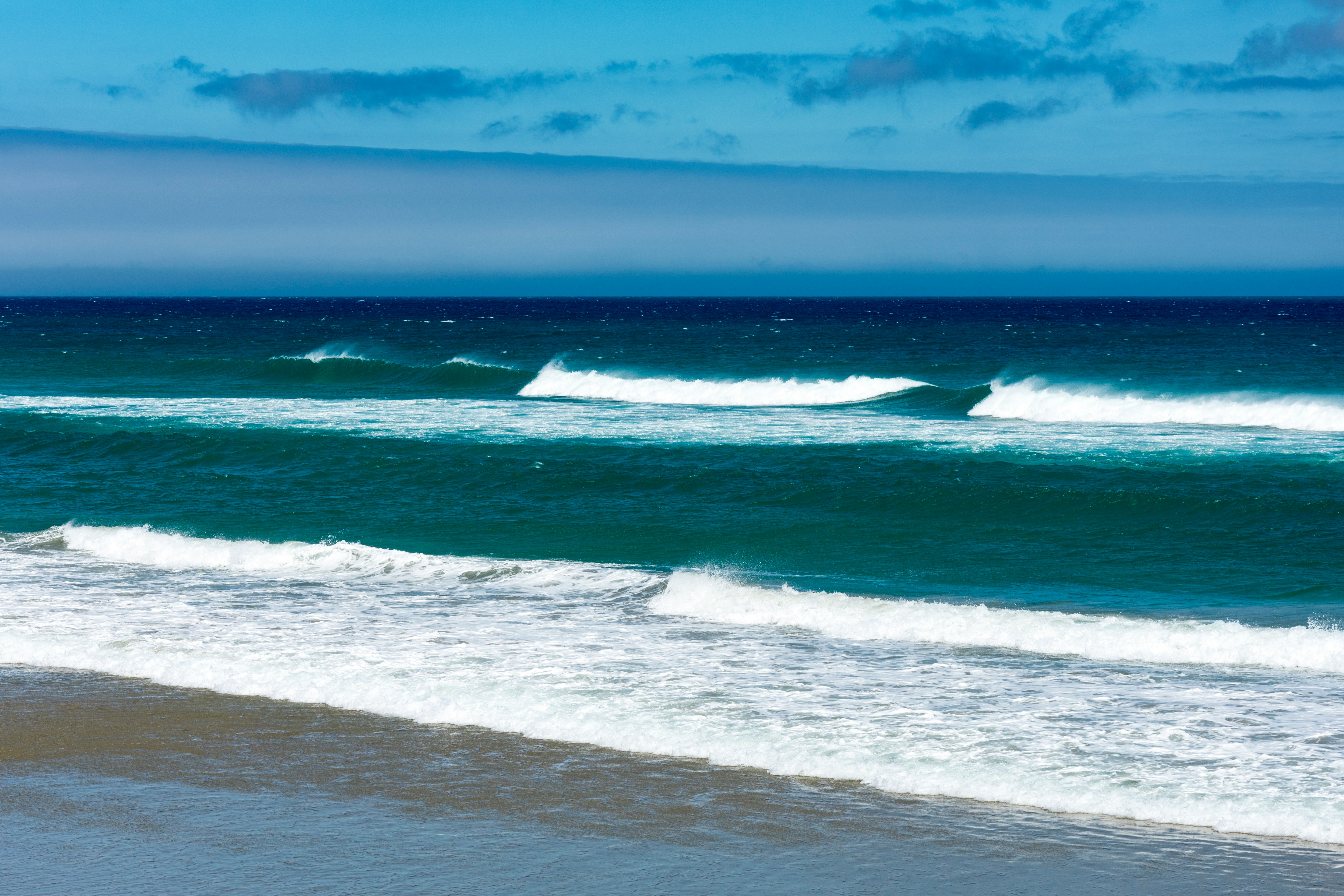
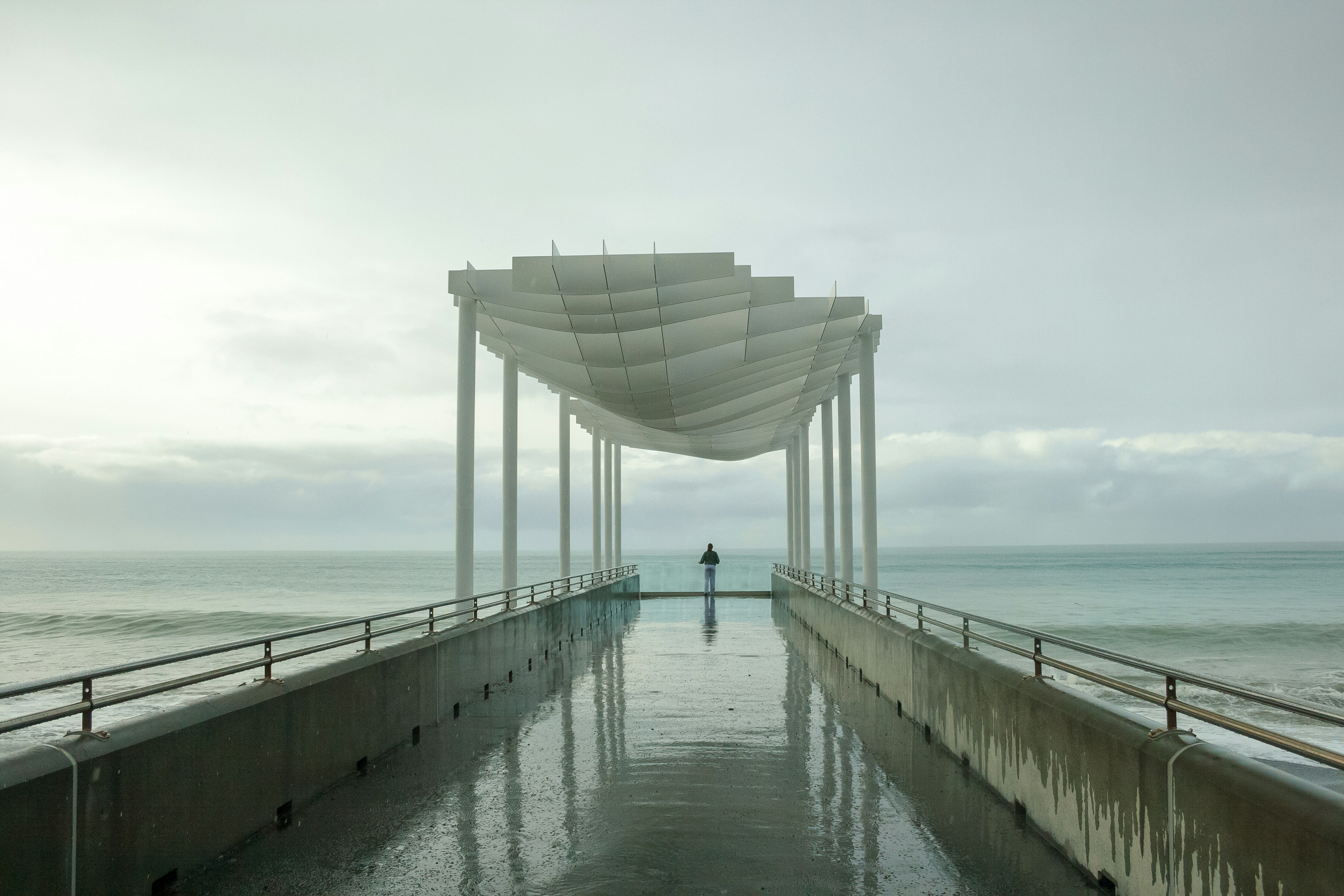
St Clair Beach, Saint Clair, Dunedin, New Zealand
St Clair Beach, Saint Clair, Dunedin, New ZealandPhoto by Duskfall Crew on Unsplash

Day 8 - Timaru

Situated almost equidistant between Christchurch and Dunedin, Timaru has oft been overlooked by those just needing to get from one city to another but more fool them! The town’s name comes from the Māori name Te Maru, meaning ‘place of shelter’ and the pretty town reveals not only stunning Middle Earth landscape and views to write home about, but an intact Victorian / Edwardian shopping precinct with many of the building being built in local volcanic bluestone. Understandably, beach life is very important here and the long ribbons of white sandy beaches and clean seas are perfect for a swimming, sunning and spoiling yourself! Voted one of New Zealand’s top 10 most loved beaches, Caroline Bay is simply a treasure. Built on the rolling hills created from the lava flows of the extinct Mt Horrible volcano, Timaru is a melting pot of culture, history, adventure and dramatic scenery. Art lovers too will not be left wanting as the city’s art gallery holds the third largest public art collection in the South Island. Walking enthusiasts will not want to miss one of the many walks along the coast or rivers that vary from short paved paths – ideal for pushchairs and wheelchairs to longer, more strenuous hikes. Well signposted and maintained, these tracks are especially beautiful in the autumn when the leaves are turning colour. And do not forget to be on the lookout for penguins, which will happily waddle alongside you some of the way!
Timaru, New Zealand
Timaru, New ZealandPhoto by Curious Islander on Unsplash
Timaru, New Zealand
Timaru, New ZealandPhoto by JinHui CHEN on Unsplash
Timaru Port, Timaru, New Zealand
Timaru Port, Timaru, New ZealandPhoto by boketto on Unsplash

Day 9 - Lyttelton

Your initial impression of Christchurch will likely be one of a genteel, green city. Joggers loop through shady Hagley Park, and punters ply the narrow Avon River, which bubbles between banks lined with willows and oaks. With a population approaching 350,000, Christchurch is the largest South Island city, and the second-largest in the country. It is also the forward supply depot for the main U.S. Antarctic base at McMurdo Sound. The face of Christchurch is changing rapidly, fueled by both internal and international immigration. The Māori community, although still below the national average in size, is growing. Ngai Tahu, the main South Island Māori tribe, settled Treaty of Waitangi claims in 1997 and have been investing in tourism ventures. Old wooden bungalows are making way for town houses, the arts scene is flourishing, and the city's university attracts cutting-edge technology companies. In short, there's plenty of fresh energy percolating underneath the English veneer.

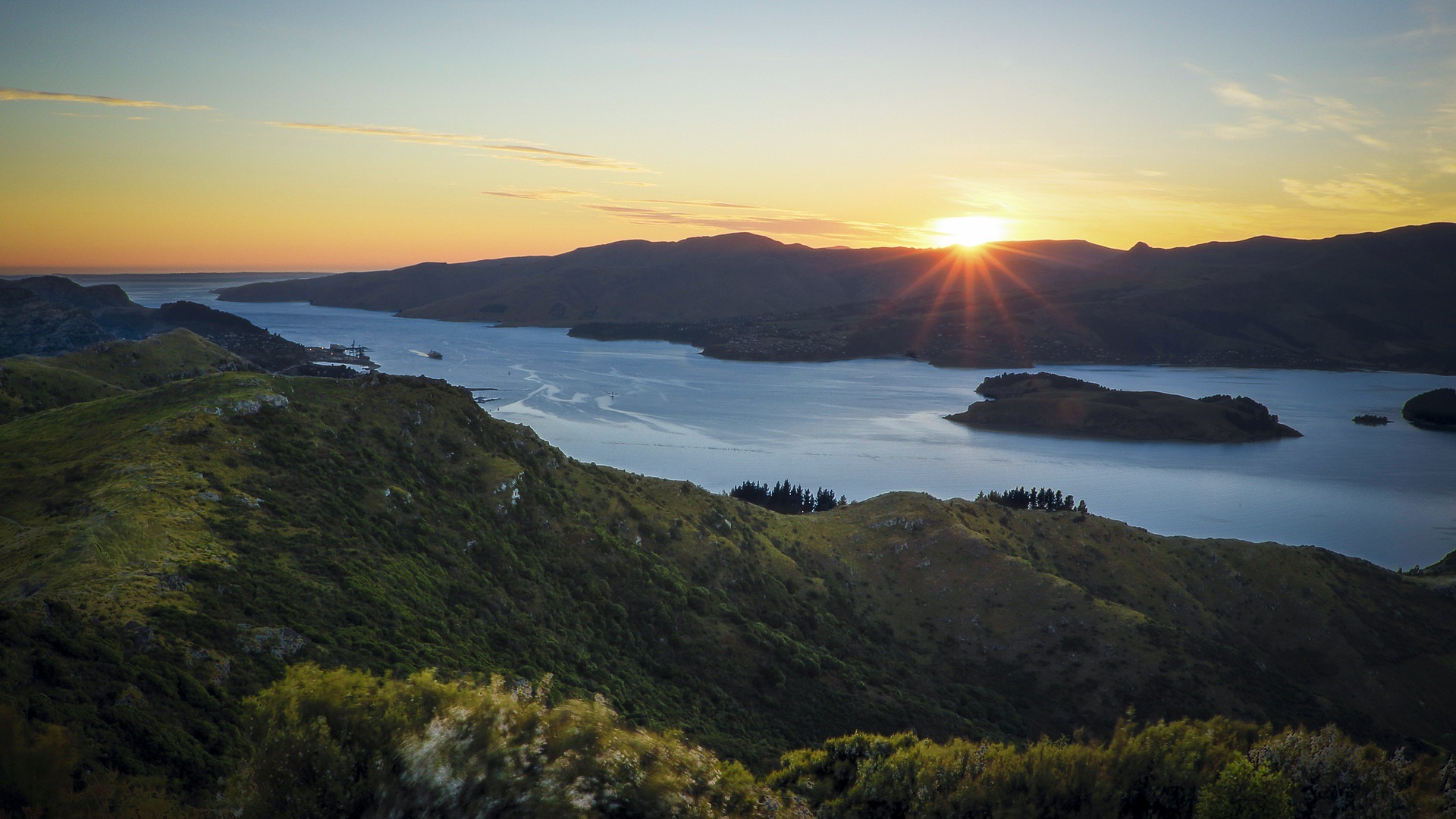
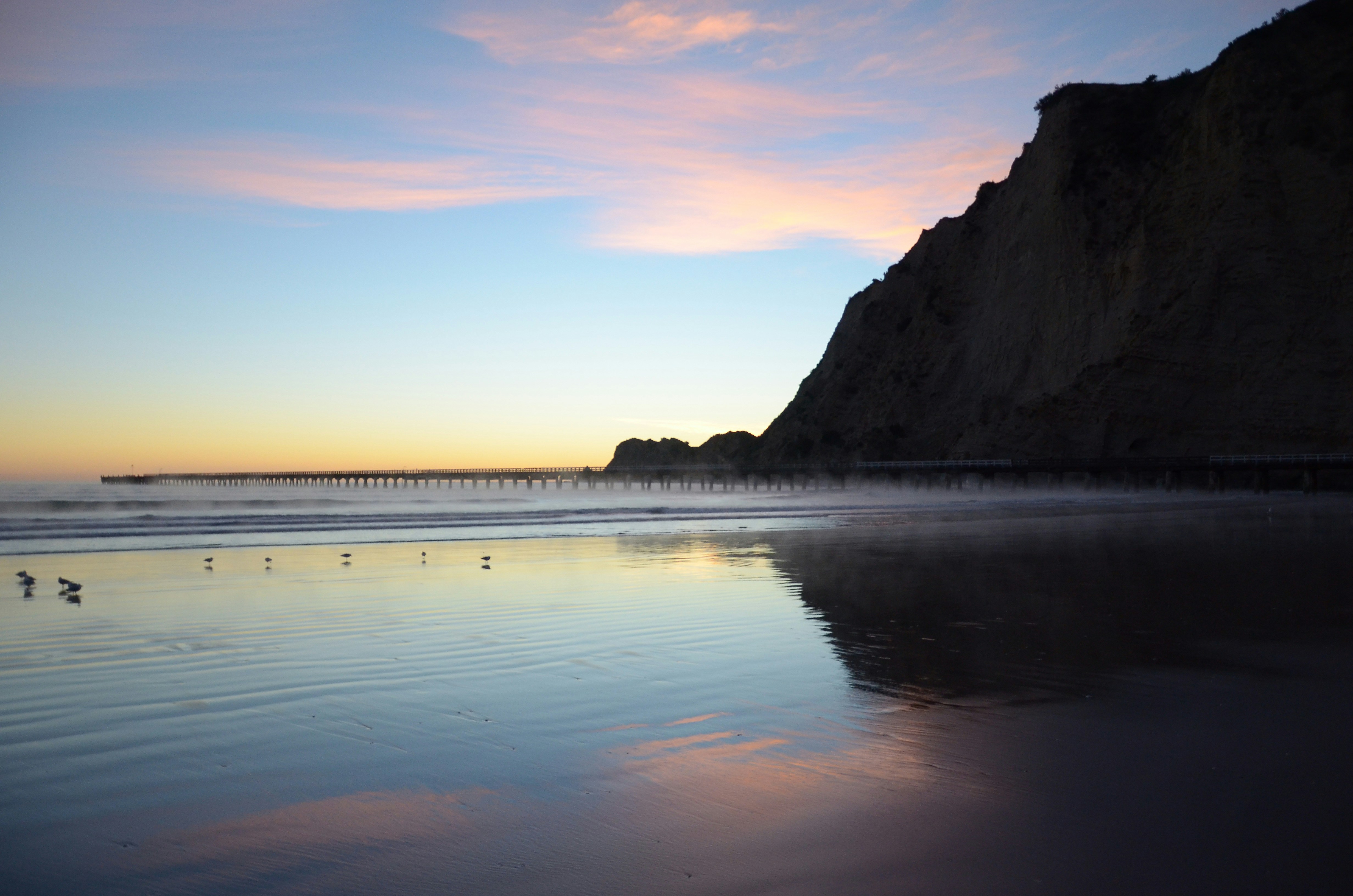
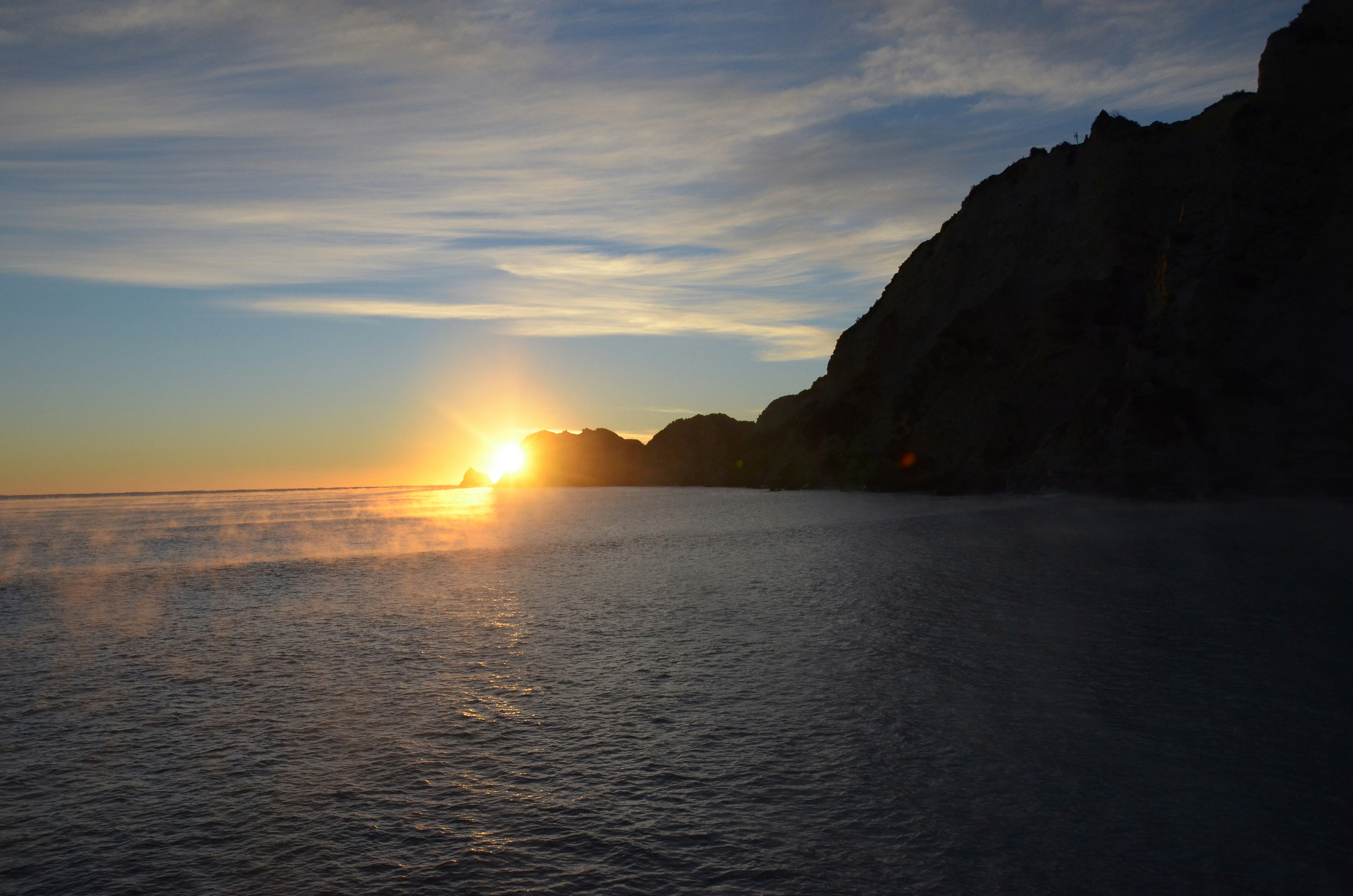
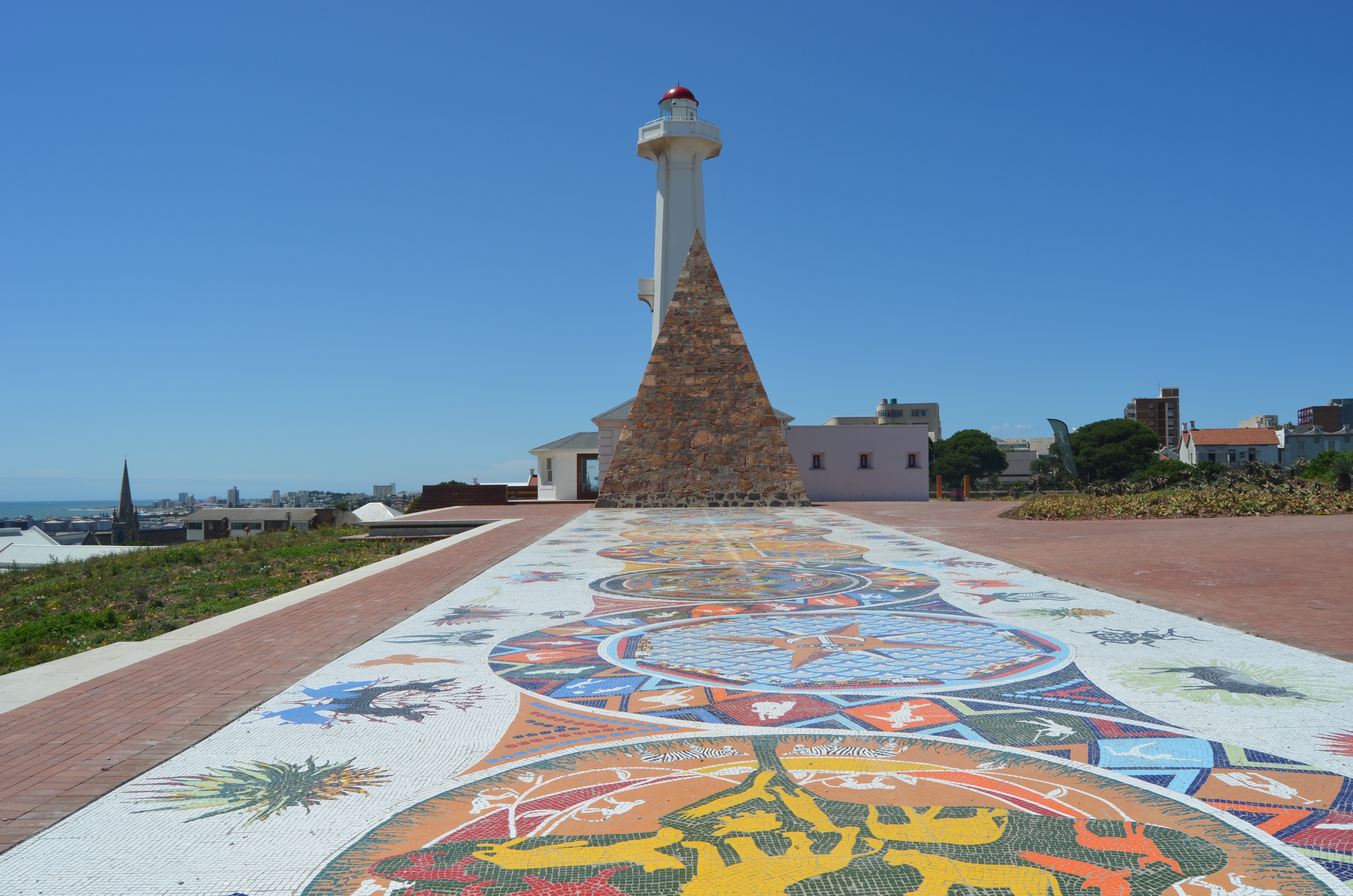
Sunrise At Lytelton
Sunrise At LyteltonImage by Martyn Cook from Pixabay

Day 10 - Picton

The maritime township of Picton (population 4,000) lies at the head of Queen Charlotte Sound and is the arrival point for ferries from the North Island, as well as a growing number of international cruise ships. It plays a major role in providing services and transport by water taxi to a multitude of remote communities in the vast area of islands, peninsulas, and waterways that make up the Marlborough Sounds Maritime Park. There's plenty to do in town, with crafts markets in summer, historical sights to see, and walking tracks to scenic lookouts over the sounds. The main foreshore is lined by London Quay, which looks up Queen Charlotte Sound to the bays beyond. High Street runs down to London Quay from the hills, and between them these two streets make up the center of town.

Picton
PictonPhoto by Nico Smit on Unsplash

Day 11 - Wellington

New Zealand's capital is, arguably, the country's most cosmopolitan metropolis. It's world-class Te Papa Tongarewa-Museum of New Zealand is a don't-miss attraction, and the burgeoning film industry led, of course, by the Lord of the Rings extravaganzas has injected new life into the local arts scene. Attractive and compact enough to be explored easily on foot, Wellington is a booming destination. Modern high-rise buildings gaze over Port Nicholson, surely one of the finest natural anchorages in the world. Known to local Māori as The Great Harbor of Tara, its two massive arms form the jaws of the fish of Maui from Māori legend. Sometimes referred to as the windy city, Wellington has been the seat of New Zealand's government since 1865.

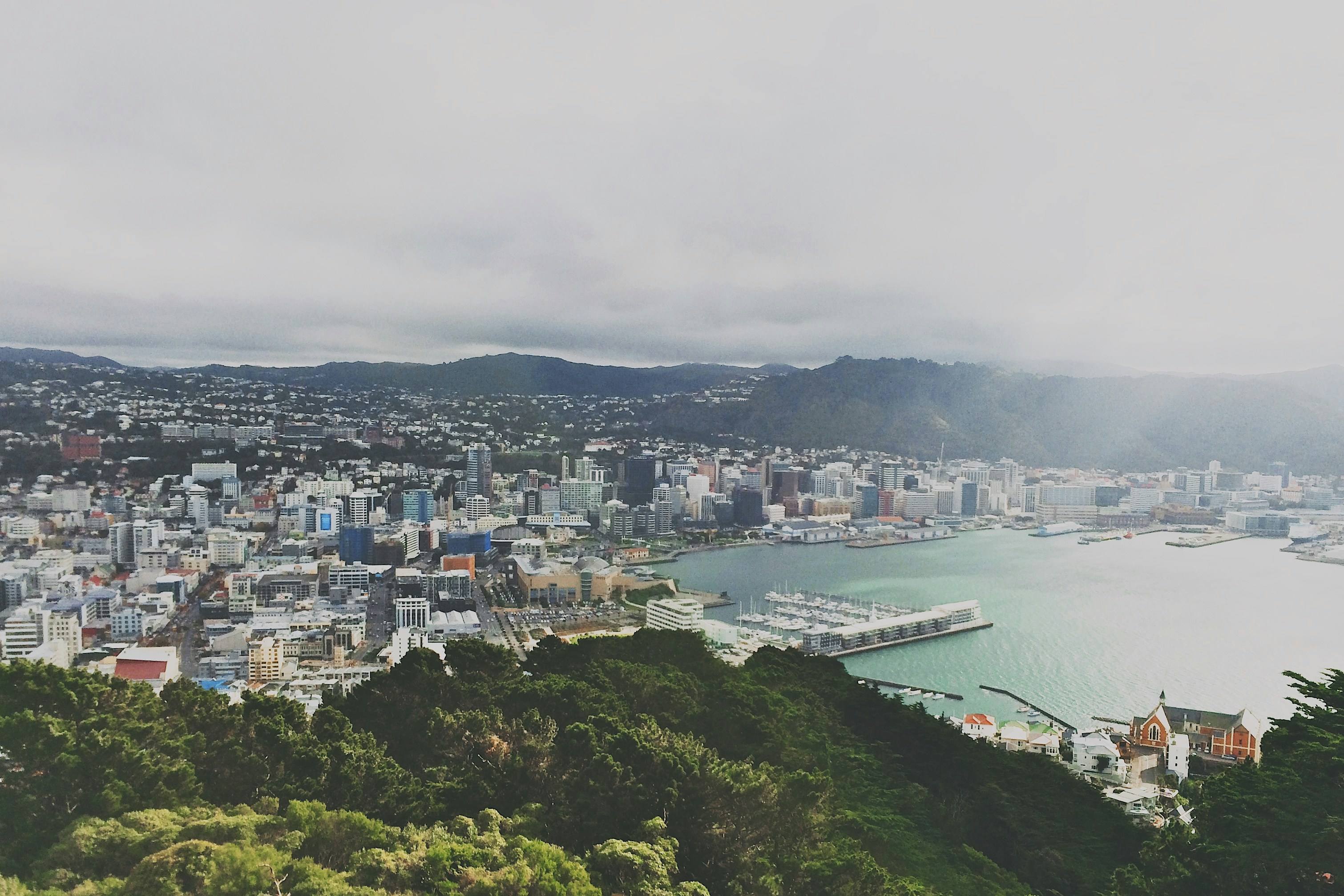
Aerial View Of Wellington From Mount Victoria
Aerial View Of Wellington From Mount VictoriaPhoto by Pat Ho
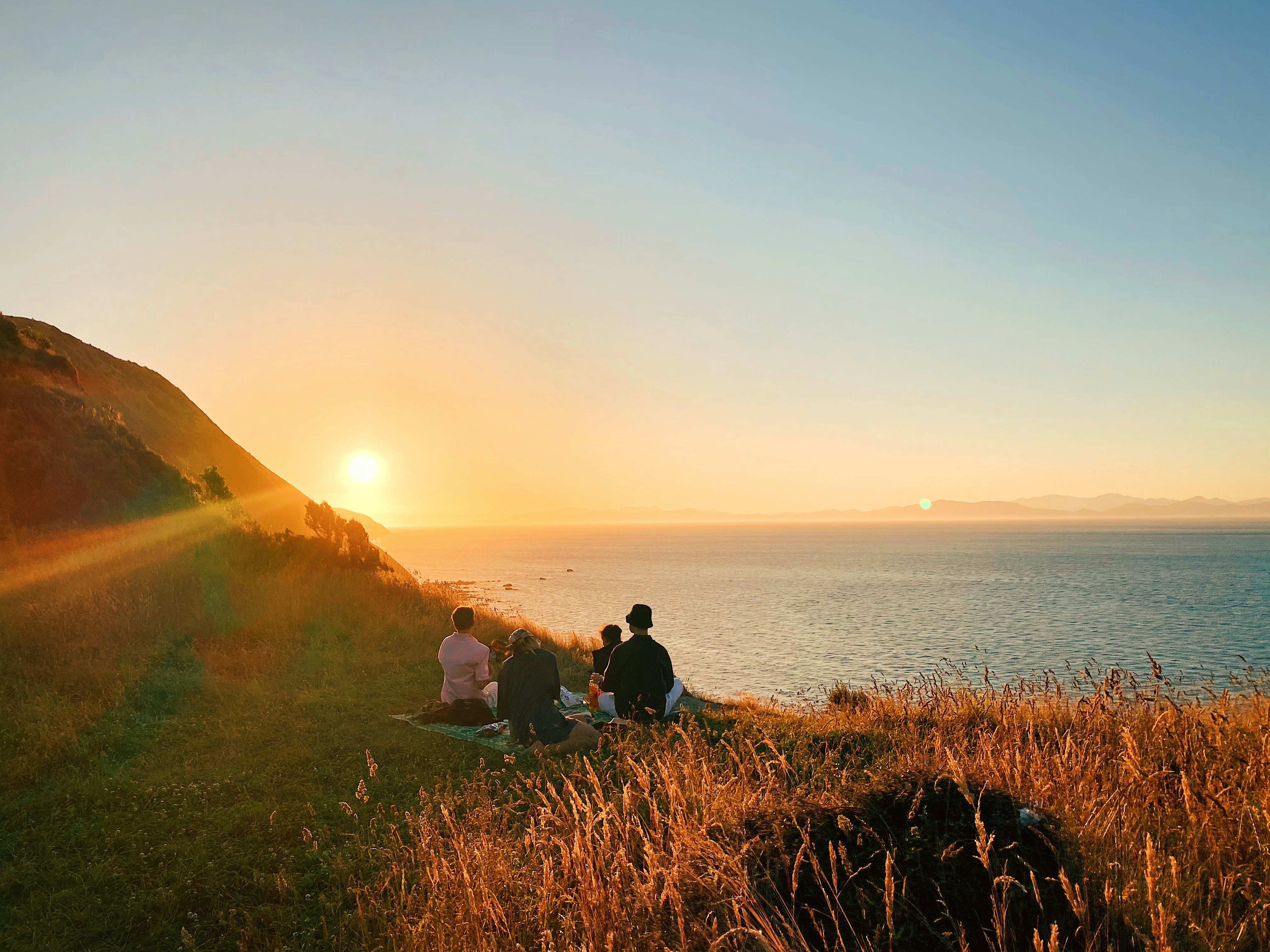
Mākara Beach Sunset, Wellington
Mākara Beach Sunset, WellingtonPhoto by Shirley
Wellington, New Zealand
Wellington, New ZealandPhoto by Tegan
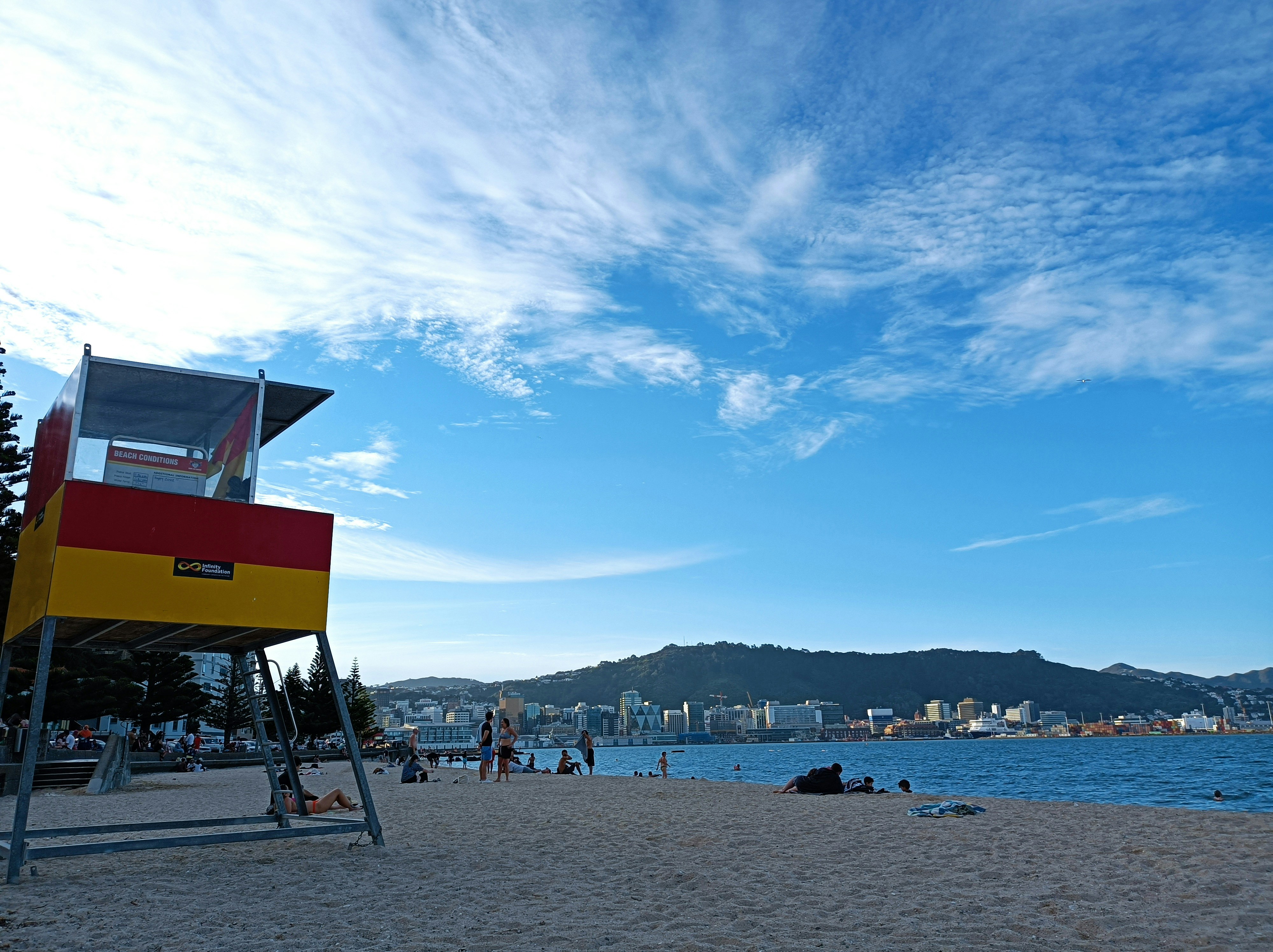
Oriental Bay Beach, Wellington
Oriental Bay Beach, WellingtonPhoto by Jack Yan
Winter Boating, Wellington
Winter Boating, WellingtonPhoto by James Coleman
Seal Pup At Cape Palliser
Seal Pup At Cape PalliserPhoto by Luca Calderone
New Zealand Parliament Buildings, Wellington
New Zealand Parliament Buildings, WellingtonPhoto by Koon Chakhatrakan
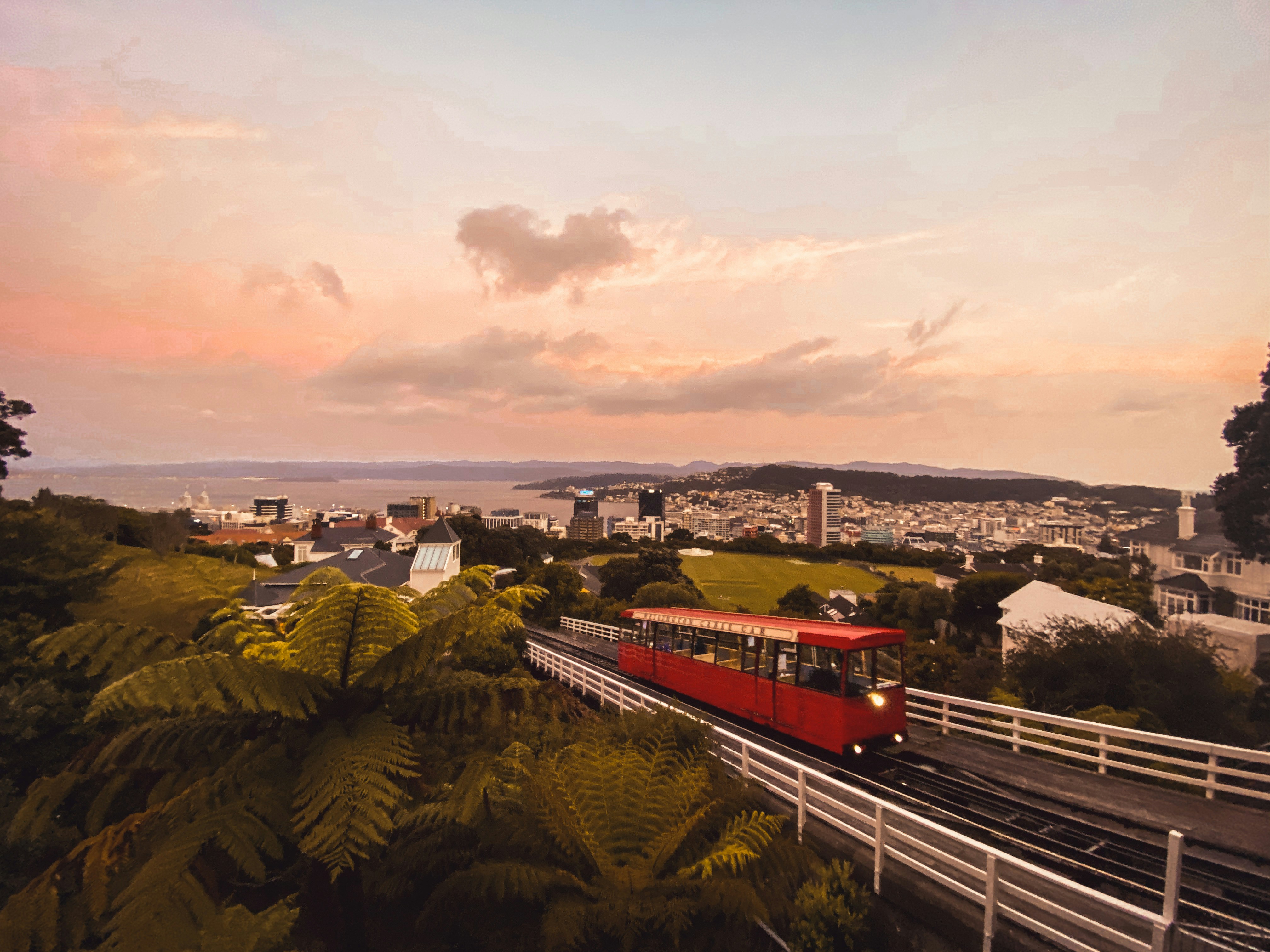
Cable Car In The Evening, Wellington
Cable Car In The Evening, WellingtonPhoto by Guillaume Lebelt

Day 12 - Napier

The earthquake that struck Napier at 10:46 am on February 3, 1931, was—at 7.8 on the Richter scale—the largest quake ever recorded in New Zealand. The coastline was wrenched upward several feet. Almost all the town's brick buildings collapsed; many people were killed on the footpaths as they rushed outside. The quake triggered fires throughout town, and with water mains shattered, little could be done to stop the blazes that devoured the remaining wooden structures. Only a few buildings survived (the Public Service Building with its neoclassical pillars is one), and the death toll was well over 100.The surviving townspeople set up tents and cookhouses in Nelson Park, and then tackled the city's reconstruction at a remarkable pace. In the rush to rebuild, Napier went mad for art deco, the bold, geometric style that had burst on the global design scene in 1925. Now a walk through the art deco district, concentrated between Emerson, Herschell, Dalton, and Browning streets, is a stylistic immersion. The decorative elements are often above the ground floors, so keep your eyes up.

Napier, New Zealand
Napier, New ZealandPhoto by Lucy Doran on Unsplash

Day 13 - Gisborne

With a population of around 35,000 and located on the north island, Gisborne exudes history at every turn. Maori for “Great standing place of Kiwa”, Kiwa was a leading figure aboard the Maori ancestral canoe, Takitimu, which ran aground in Gisborne around 1450 AD. After landing, Kiwa became a coastal guardian, eventually marrying Parawhenuamea, the keeper of the streams. The union point of three rivers and the first place to see the sun, the city is filled with light and laugher and gracefully squeezes surfer’s beaches with the district’s colonial past. Captain Cook made his first landfall here, John Harris set up his first trading station in the then village and today, Gisborn is the major centre of Maori cultural life.Suffice to say then that the city is a watery wonderland. With its picture perfect beaches, what savvy traveller does not want to add being among the first people in the world to say they have watched the sky change colour as the sun bursts from out of the sea.   A place of nature, spectacular beach cliff views are all just part and parcel of everyday life here, and easy walks from the centre of town to the Titirangi Reserve will award you with yet more unbelievable 180˚ vistas from Poverty Bay to Gisborne City; stretch your eyes with the panorama, while stretching your legs on one of the many enjoyable walks.A perfect place to stroll, amble and wander, like much of New Zealand Gisborne keeps a healthy respect for history and nature and enjoys a very laid back feel.

Gisborne, New Zealand
Gisborne, New ZealandPhoto by Michael on Unsplash
Tatapouri, Gisborne, New Zealand
Tatapouri, Gisborne, New ZealandPhoto by Moa Király on Unsplash
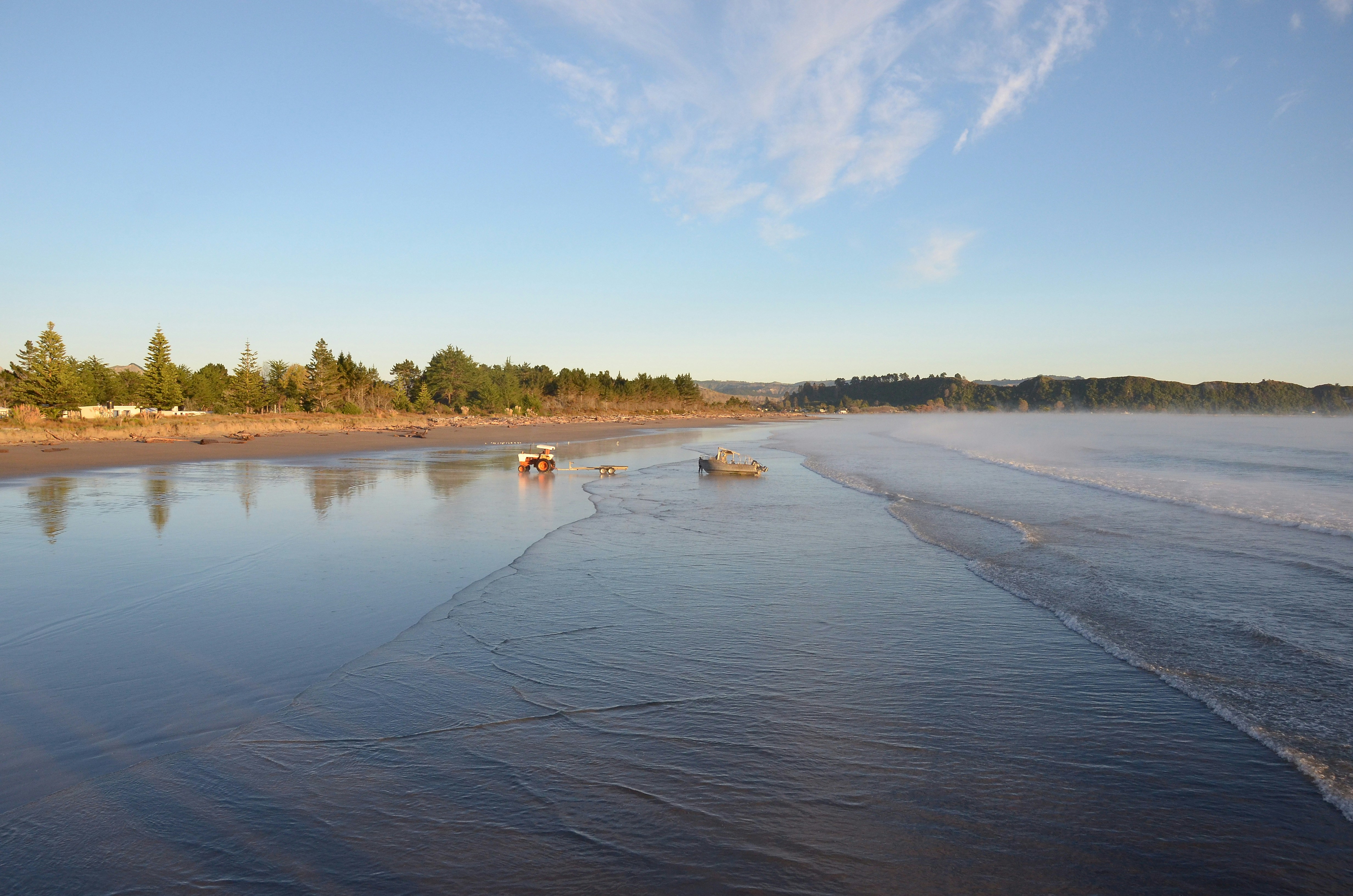
Tolaga Bay, Gisborne, New Zealand
Tolaga Bay, Gisborne, New ZealandPhoto by Michael on Unsplash
Tolaga Bay, Gisborne, New Zealand
Tolaga Bay, Gisborne, New ZealandPhoto by Michael on Unsplash
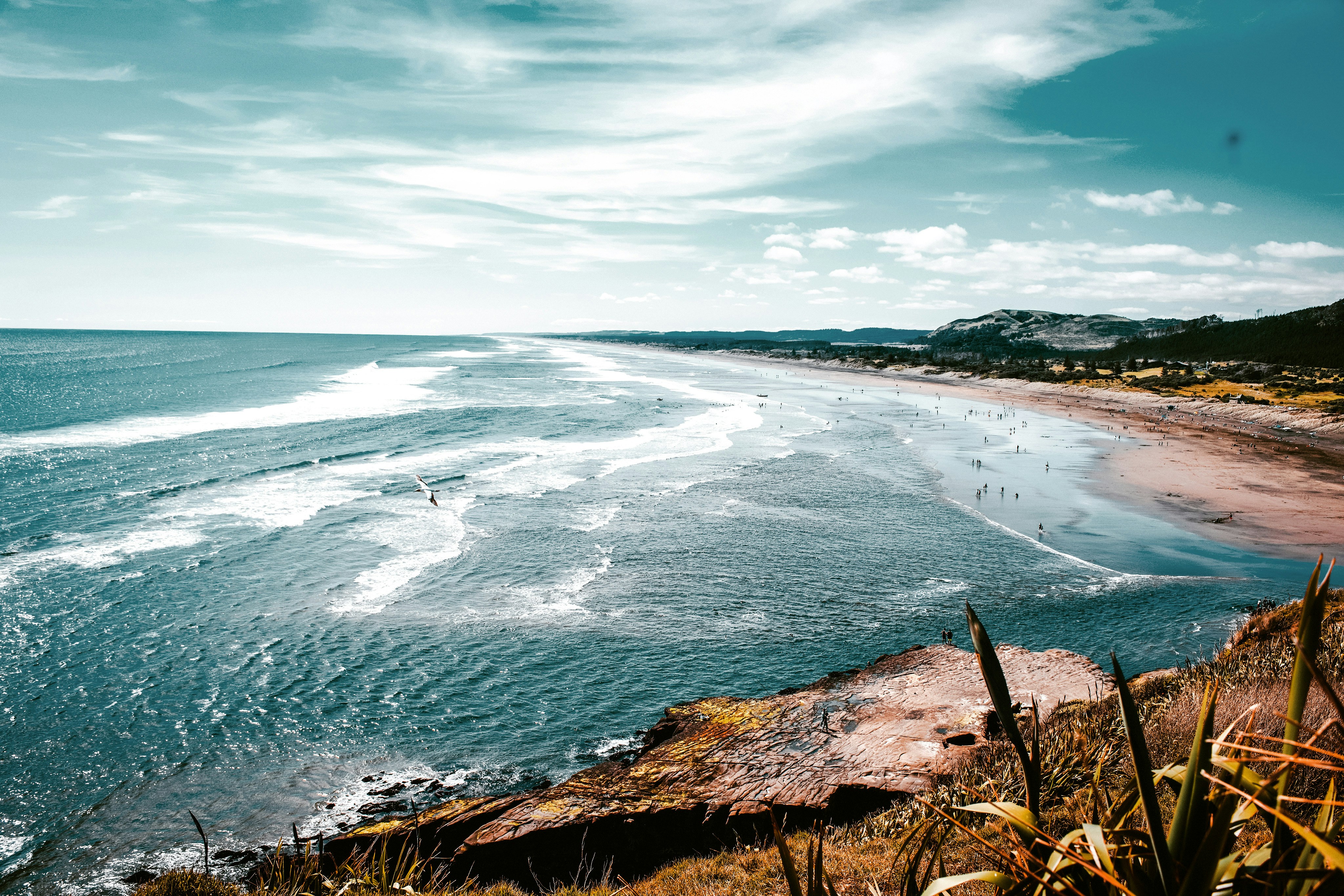
Muriwai, Gisborne, New Zealand
Muriwai, Gisborne, New ZealandPhoto by Nguyen on Unsplash

Day 14 - Tauranga

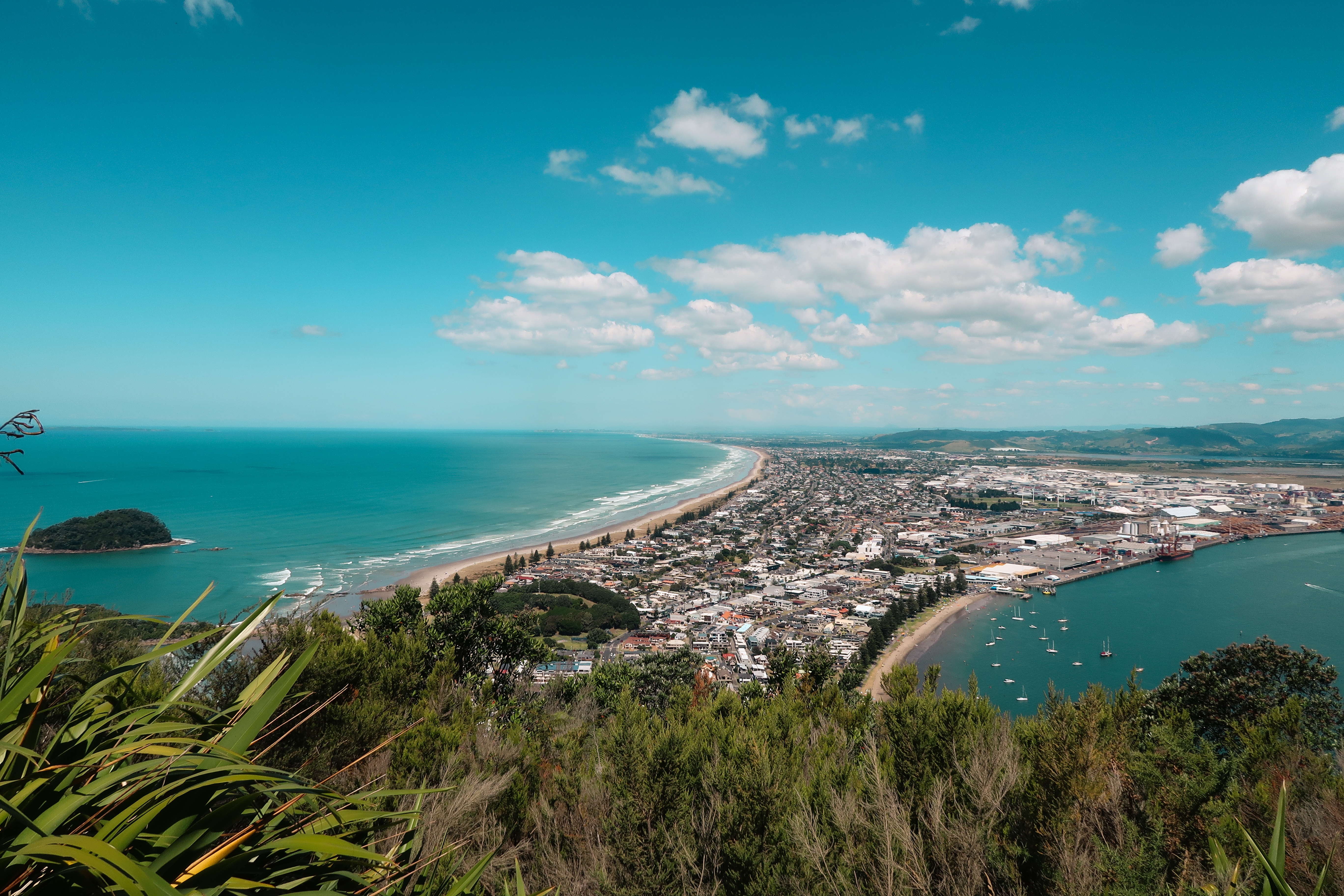
The population center of the Bay of Plenty, Tauranga is one of New Zealand's fastest-growing cities. Along with its neighbor, Whakatane, this seaside city claims to be one of the country's sunniest towns. Unlike most local towns, Tauranga doesn't grind to a halt in the off-season, because it has one of the busiest ports in the country, and the excellent waves at the neighboring beach resort of Mount Maunganui—just across Tauranga's harbor bridge—always draw surfers and holiday folk.

Mount Maunganui, Tauranga, New Zealand
Mount Maunganui, Tauranga, New ZealandImage by Sharain Liew from Pixabay

Day 15 - Auckland


Nzakl Auckland Aerial Photography Of City Henry Mcintosh
Nzakl Auckland Aerial Photography Of City Henry McintoshHenry Mcintosh
Nzakl Auckland City Buildings Next To Sea Water During Night Samuel Ferrara
Nzakl Auckland City Buildings Next To Sea Water During Night Samuel FerraraSamuel Ferrara
Nzakl Auckland Cityscape Photo During Daytime Dan Freeman
Nzakl Auckland Cityscape Photo During Daytime Dan FreemanDan Freeman
Nzakl   Auckland, New Zealand Matthew Waters
Nzakl Auckland, New Zealand Matthew WatersMatthew Waters
Nzakl   Auckland, New Zealand Steven Biak Ling
Nzakl Auckland, New Zealand Steven Biak LingSteven Biak Ling

Day 16 - Cruising the Tasman Sea

Further details for this day are not available.

Day 17 - Cruising the Tasman Sea

Further details for this day are not available.

Day 18 - Cruising the Coral Sea

Further details for this day are not available.

Day 19 - Brisbane, Queensland

Founded in 1824 on the banks of the wide, meandering Brisbane River, the former penal colony of Brisbane was for many years regarded as just a big country town. Many beautiful timber Queenslander homes, built in the 1800s, still dot the riverbanks and inner suburbs, and in spring the city's numerous parks erupt in a riot of colorful jacaranda, poinciana, and bougainvillea blossoms. Today the Queensland capital is one of Australia's most up-and-coming cities: glittering high-rises mark its polished business center, slick fashion boutiques and restaurants abound, and numerous outdoor attractions beckon. In summer, temperatures here are broilingly hot and days are often humid, a reminder that this city is part of a subtropical region. Wear SPF 30-plus sunscreen and a broad-brimmed hat outdoors, even on overcast days.Brisbane's inner suburbs, a 5- to 10-minute drive or 15- to 20-minute walk from the city center, have a mix of intriguing eateries and quiet accommodations. Fortitude Valley combines Chinatown with a cosmopolitan mix of clubs, cafés, and boutiques. Spring Hill has several high-quality hotels, and Paddington, New Farm, Petrie Terrace, West End, and Woolloongabba are full of an eclectic mix of restaurants and bars. Brisbane is also a convenient base for trips to the Sunshine and Gold coasts, the mountainous hinterlands, and the Moreton Bay islands.

Aubne   Brisbane, Queensland, Australia   Agnieszka Kowalczyk
Aubne Brisbane, Queensland, Australia Agnieszka KowalczykAgnieszka Kowalczyk
Aubne   Brisbane, Queensland, Australia   Brisbane Local Marketing
Aubne Brisbane, Queensland, Australia Brisbane Local Marketing Brisbane Local Marketing
Aubne   Brisbane, Queensland, Australia   Guille Pozzi
Aubne Brisbane, Queensland, Australia Guille PozziGuille Pozzi
Aubne   Brisbane, Queensland, Australia   Jamie Mc Glinchey
Aubne Brisbane, Queensland, Australia Jamie Mc GlincheyJamie McGlinchey
Aubne   Brisbane, Queensland, Australia   Michael Glass
Aubne Brisbane, Queensland, Australia Michael Glass Michael Glass
Aubne   Brisbane, Queensland, Australia   Photo Credit Belongs To Alice Duffield
Aubne Brisbane, Queensland, Australia Photo Credit Belongs To Alice DuffieldAlice Duffield
Aubne   Brisbane, Queensland, Australia   Yoann Laheurte
Aubne Brisbane, Queensland, Australia Yoann LaheurteYoann Laheurte

Day 20 - Cruising the Coral Sea

Further details for this day are not available.

Day 21 - Airlie Beach

Airlie Beach, nestled in Queensland’s tropical Whitsunday Region, is a vibrant gateway to the Great Barrier Reef and the idyllic Whitsunday Islands. Renowned for its stunning waterfront, the town offers a relaxed yet lively atmosphere, with a picturesque lagoon perfect for swimming and sunbathing. Adventure seekers can enjoy sailing, snorkeling, scuba diving, and skydiving, while the surrounding rainforest and hiking trails provide scenic escapes for nature lovers. The town’s bustling streets are lined with cafés, restaurants, and lively nightlife, ensuring entertainment for all tastes. Airlie Beach is also a launch point for unforgettable island tours, including trips to the world-famous Whitehaven Beach. With its combination of natural beauty, adventure opportunities, and welcoming local culture, Airlie Beach is a must-visit destination for travelers seeking both relaxation and excitement in tropical paradise.

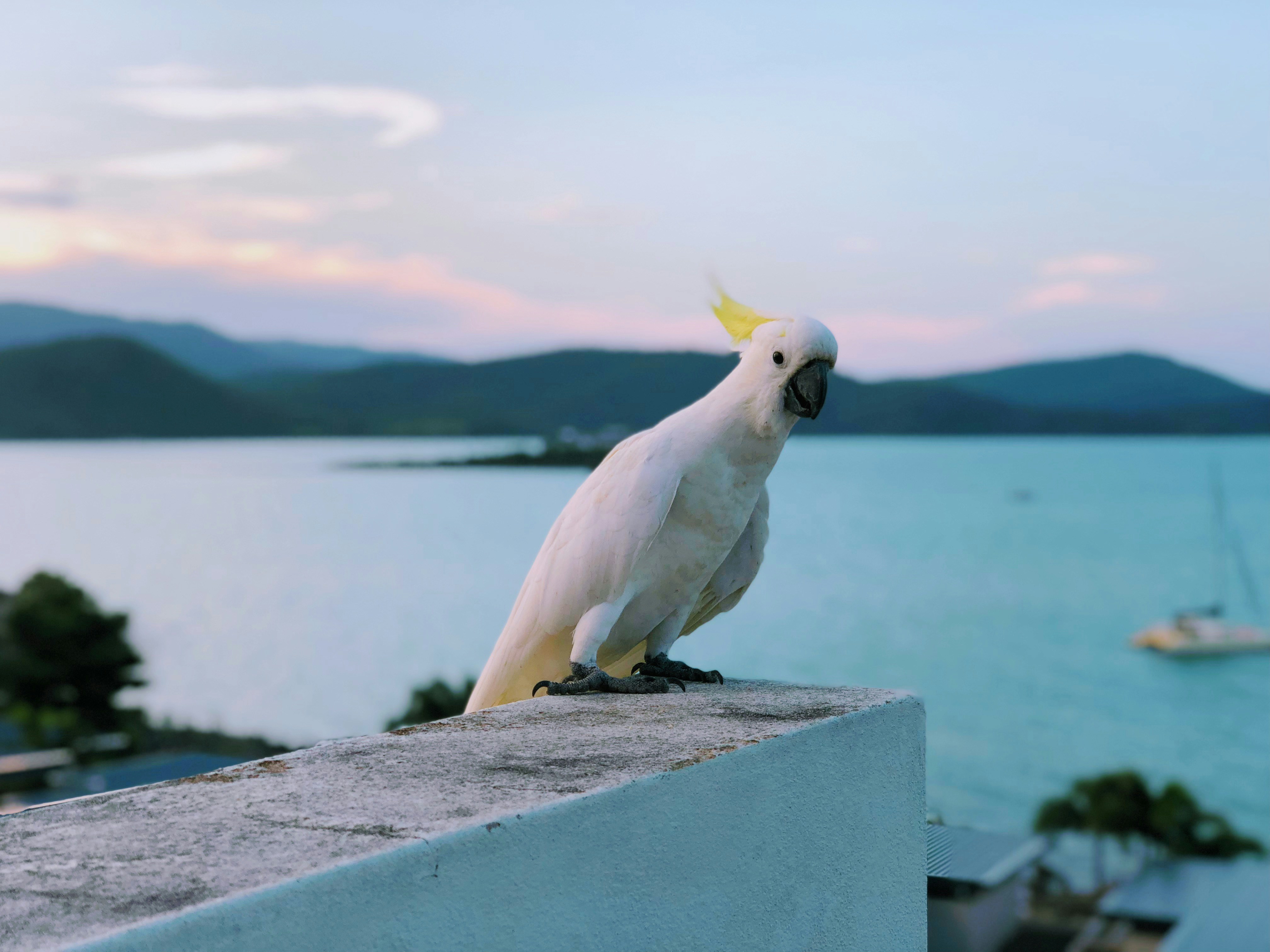
Cuckatoo In Gold Coast, Airliee Beach, Australia
Cuckatoo In Gold Coast, Airliee Beach, AustraliaPhoto by Sukhdeep Padda on Unsplash

Day 22 - Cairns, Queensland

Tourism is the lifeblood of Cairns (pronounced Caans). The city makes a good base for exploring the wild top half of Queensland, and tens of thousands of international travelers use it as a jumping-off point for activities such as scuba diving and snorkeling trips to the Barrier Reef, as well as boating, fishing, parasailing, scenic flights, and rain-forest treks.It's a tough environment, with intense heat and fierce wildlife. Along with wallabies and grey kangaroos in the savannah and tree kangaroos in the rain forest, you'll find stealthy saltwater crocodiles, venomous snakes, and jellyfish so deadly they put the region’s stunning beaches off- limits to swimmers for nearly half the year. Yet despite this formidable setting, Cairns and tropical North Queensland are far from intimidating places. The people are warm and friendly, the sights spectacular, and—at the right time of year—the beachside lounging is world-class.

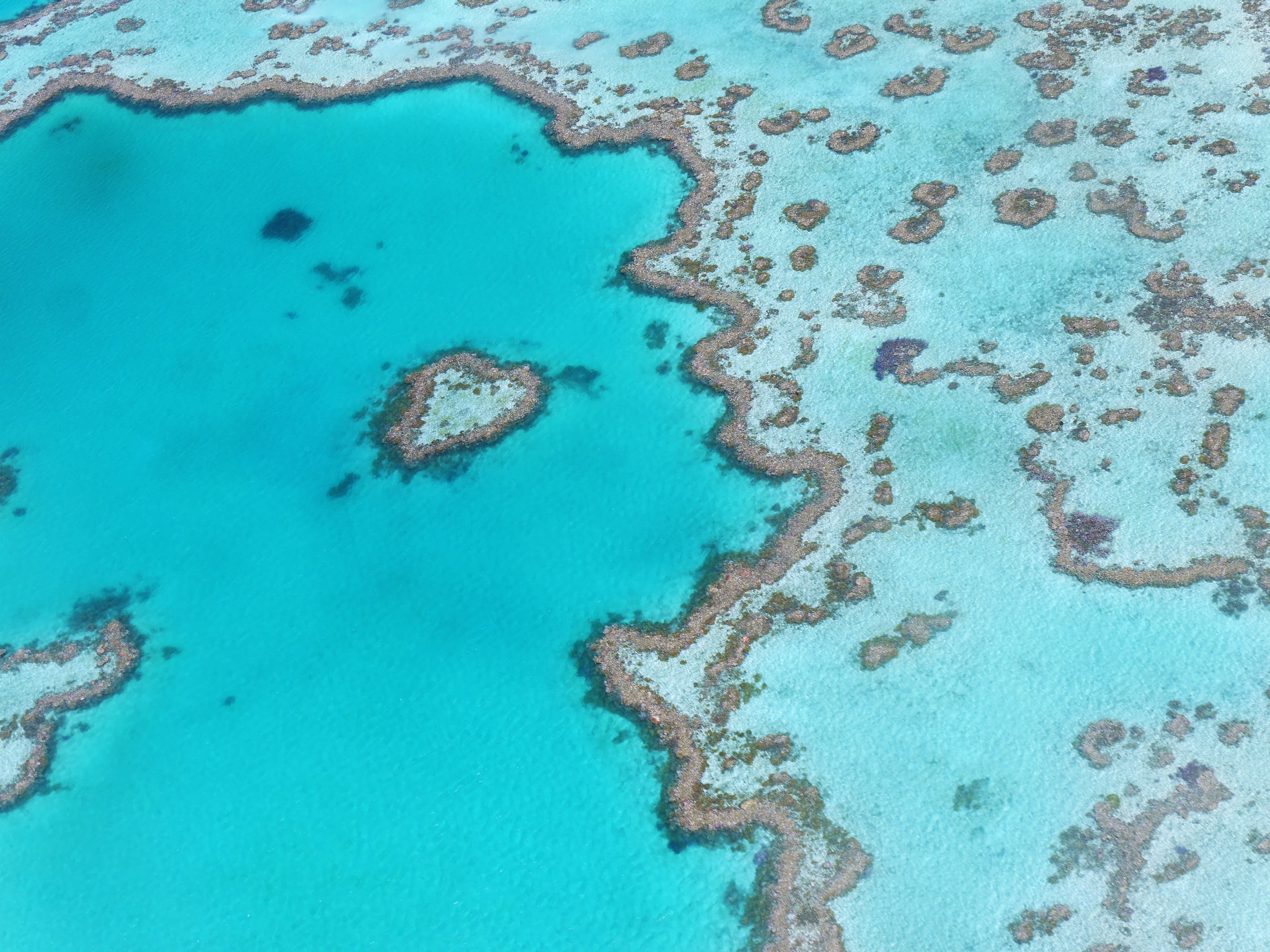
Great Barrier Reef, Cairns
Great Barrier Reef, CairnsImage by CoffeewithMilk from Pixabay

Day 23 - Cooktown, Queensland

Further details for this day are not available.

Cooktown, Queensland
Cooktown, QueenslandImage by G John from Pixabay

Day 24 - Cruising the Coral Sea

Further details for this day are not available.

Day 25 - Cruising the Timor Sea

Further details for this day are not available.

Day 26 - Darwin, Northern Territory

Darwin is Australia's most colorful, and exotic, capital city. Surrounded on three sides by the turquoise waters of the Timor Sea, the streets are lined with tropical flowers and trees. Warm and dry in winter, hot and steamy in summer, it's a relaxed and casual place, as well as a beguiling blend of tropical frontier outpost and Outback hardiness. Thanks to its close proximity to Southeast Asia and its multicultural population it also seems more like Asia than the rest of Australia. Darwin is a city that has always had to fight for its survival. The seductiveness of contemporary Darwin lifestyles belies a history of failed attempts that date from 1824 when Europeans attempted to establish an enclave in this harsh, unyielding climate. The original 1869 settlement, called Palmerston, was built on a parcel of mangrove wetlands and scrub forest that had changed little in 15 million years. It was not until 1911, after it had already weathered the disastrous cyclones of 1878, 1882, and 1897, that the town was named after the scientist who had visited Australia's shores aboard the Beagle in 1839. During World War II it was bombed more than 60 times, as the harbor full of warships was a prime target for the Japanese war planes. Then, on the night of Christmas Eve 1974, the city was almost completely destroyed by Cyclone Tracy, Australia’s greatest natural disaster. It's a tribute to those who stayed and to those who have come to live here after Tracy that the rebuilt city now thrives as an administrative and commercial center for northern Australia. Old Darwin has been replaced by something of an edifice complex—such buildings as Parliament House and the Supreme Court all seem very grand for such a small city, especially one that prides itself on its casual, outdoor-centric lifestyle. Today Darwin is the best place from which to explore Australia's Top End, with its wonders of Kakadu and the Kimberley region.

Palm Tree
Palm TreeHarry Down

Day 27 - Cruising the Timor Sea

Further details for this day are not available.

Day 28 - Cruising the Timor Sea

Further details for this day are not available.

Day 29 - Komodo Island

Pink Beach earned its name for the way the beach can appear to have a rosy hue in certain lights. The color comes from small flecks of red coral mixed in with the fine white reef sand. With a few trees along the beach for shade, this stretch of coast makes a fine place to relax or enjoy a snorkel or dive in the crystal clear waters. It is possible to spot a striped clown fish nestled among the protective tentacles of its sea anemone host, or to see a grouper lazily swimming by a flamboyant soft coral. The reef here is now protected by law and the maturing corals are a joy to behold.

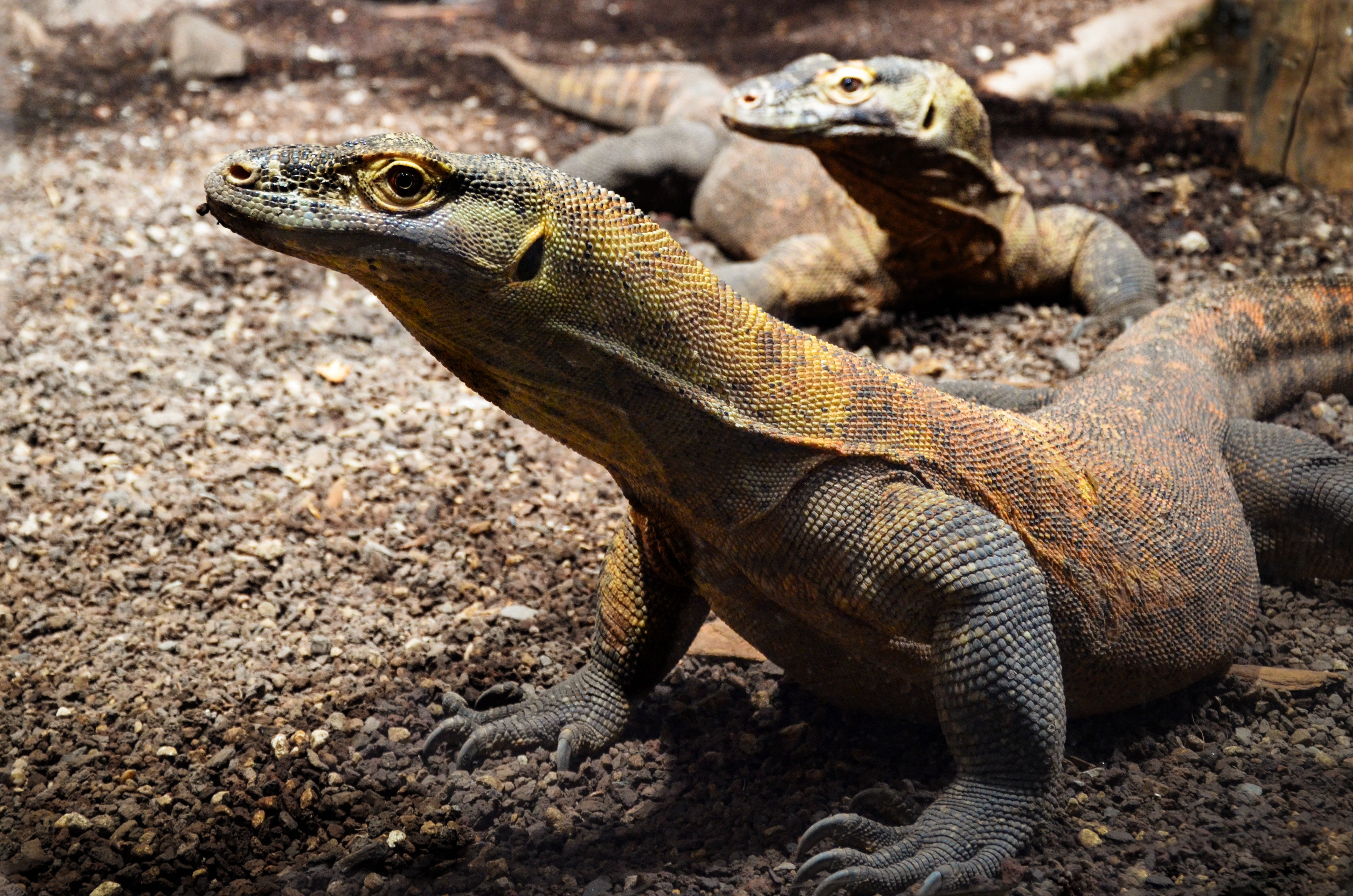
Komodo Dragon, Komodo Island
Komodo Dragon, Komodo IslandImage by Andrea Bohl from Pixabay

Day 30 - Lombok

Further details for this day are not available.

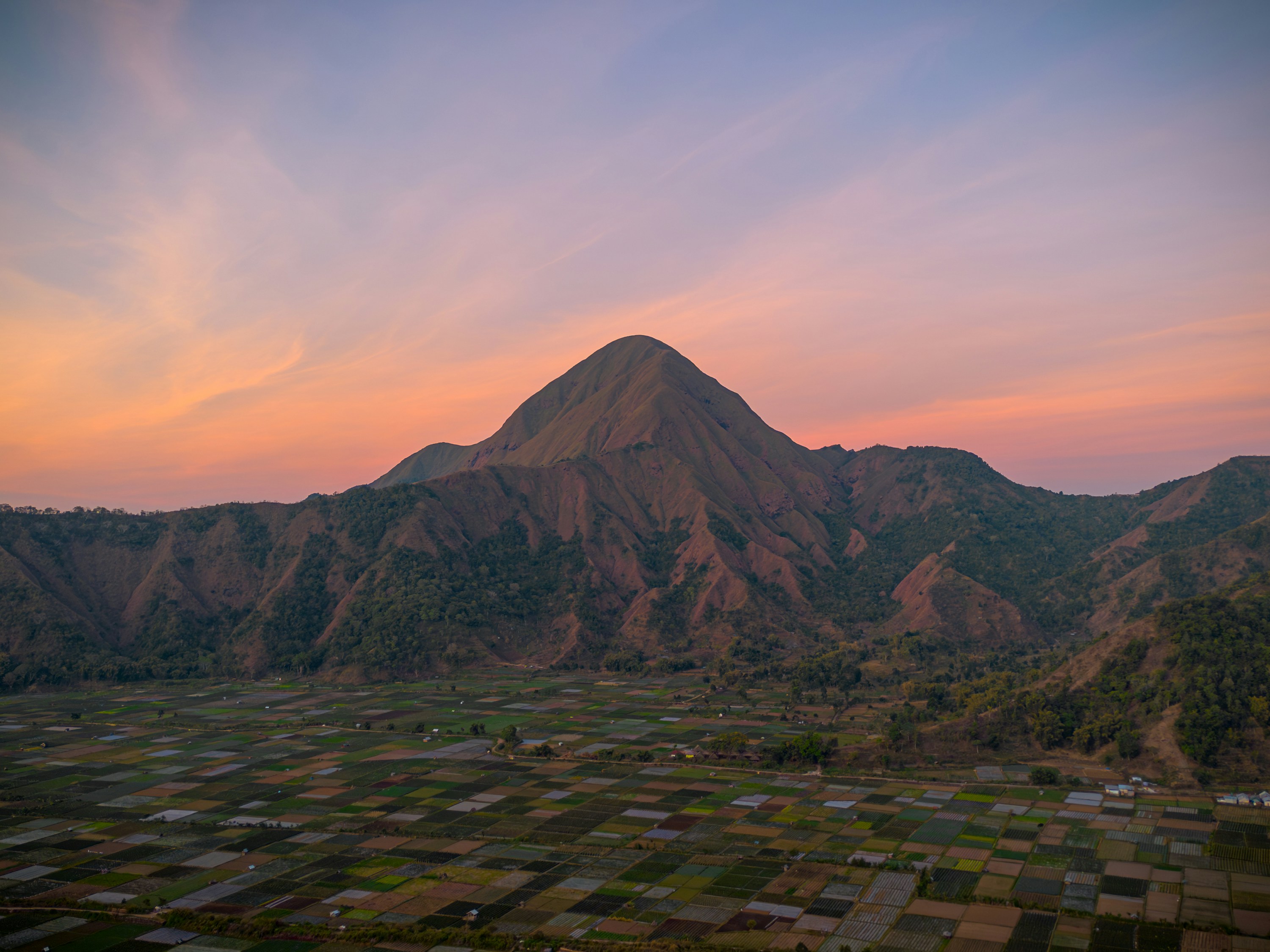
Lombok, West Nusa Tenggara, Indonesia
Lombok, West Nusa Tenggara, IndonesiaPhoto by Mayur Arvind on Unsplash
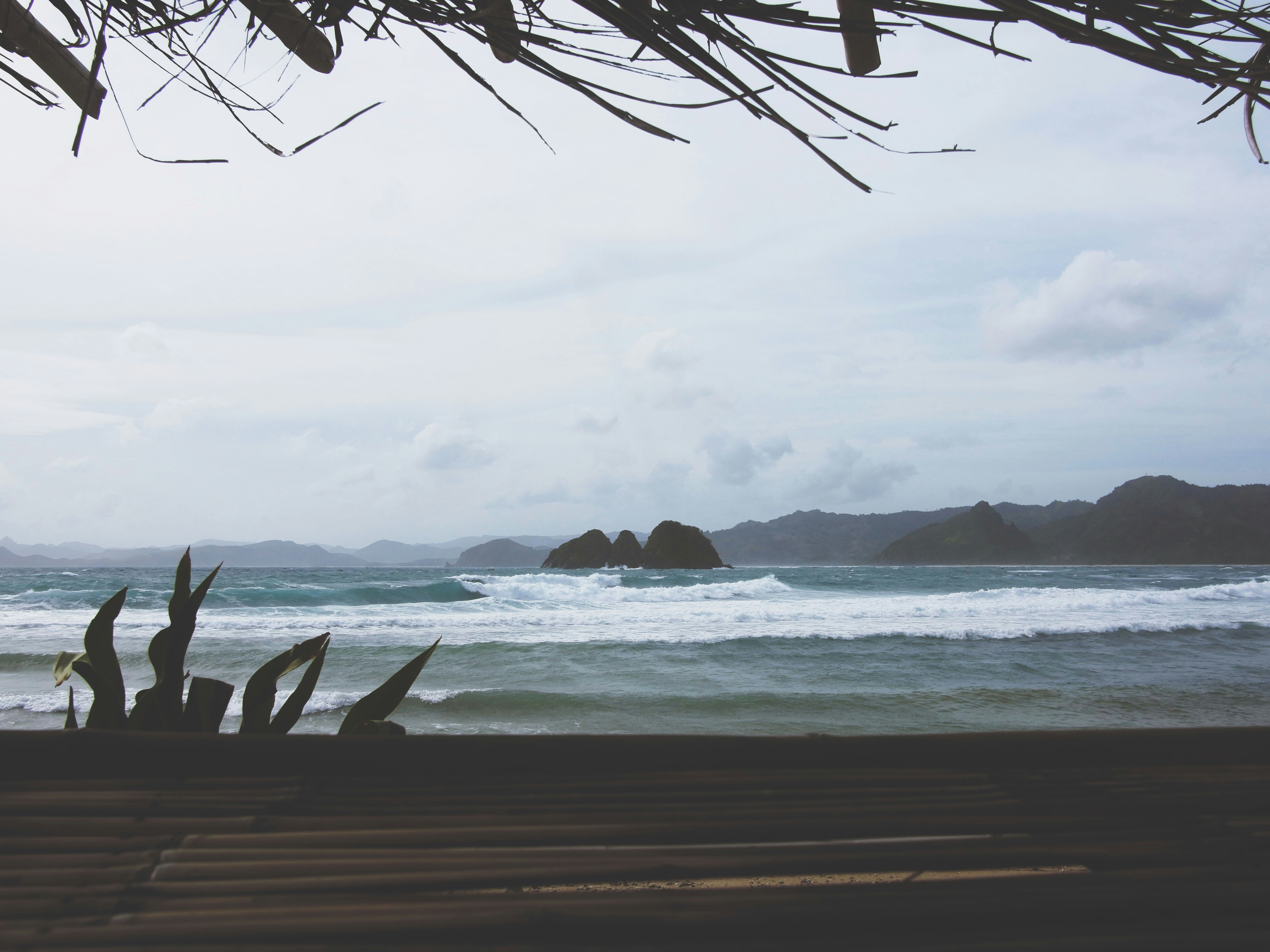
Lombok, Indonesia
Lombok, IndonesiaPhoto by Marvin Meyer on Unsplash
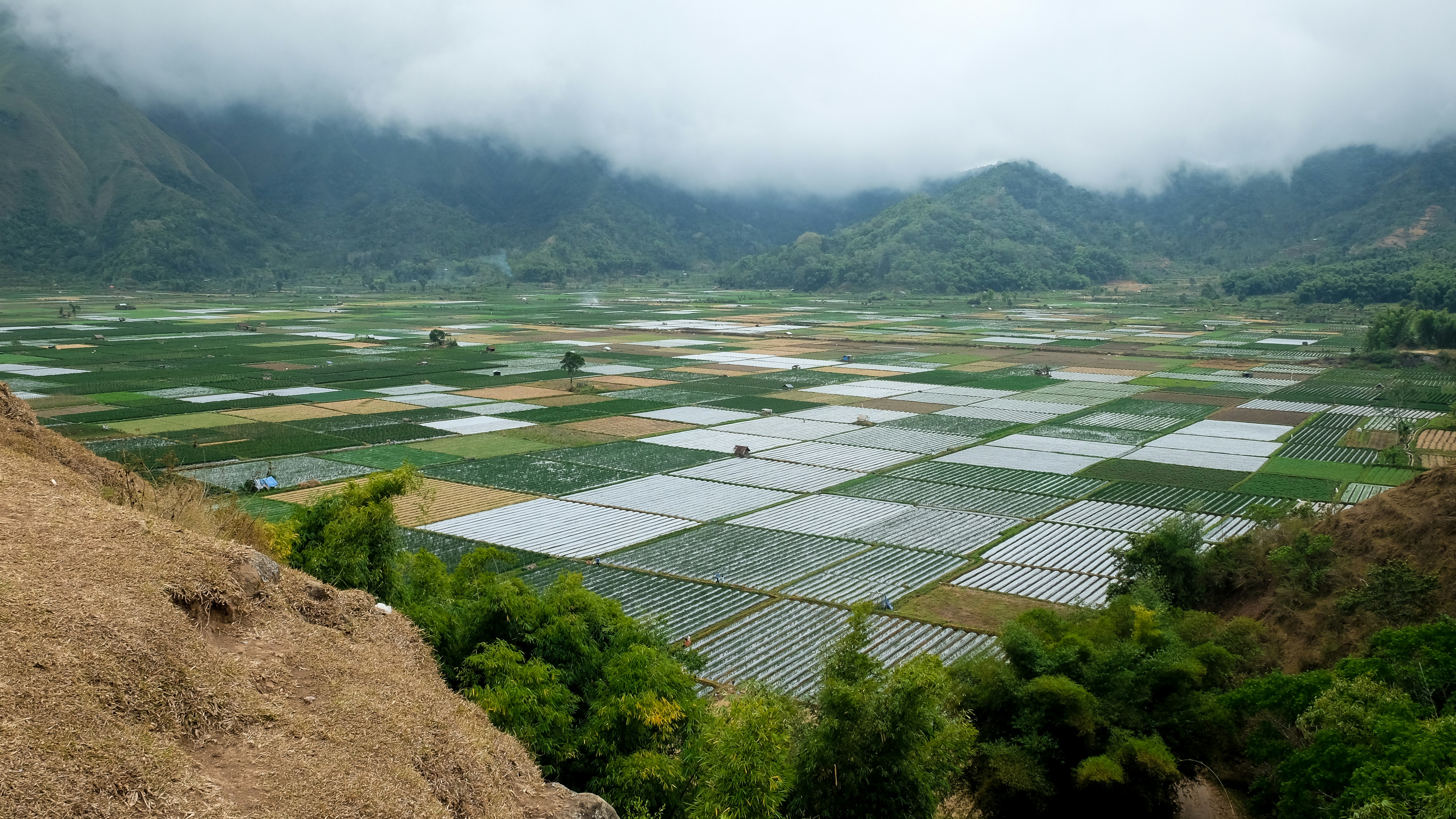
Lombok, Indonesia
Lombok, IndonesiaPhoto by Surya Prakosa on Unsplash

Day 31 - Benoa, Bali

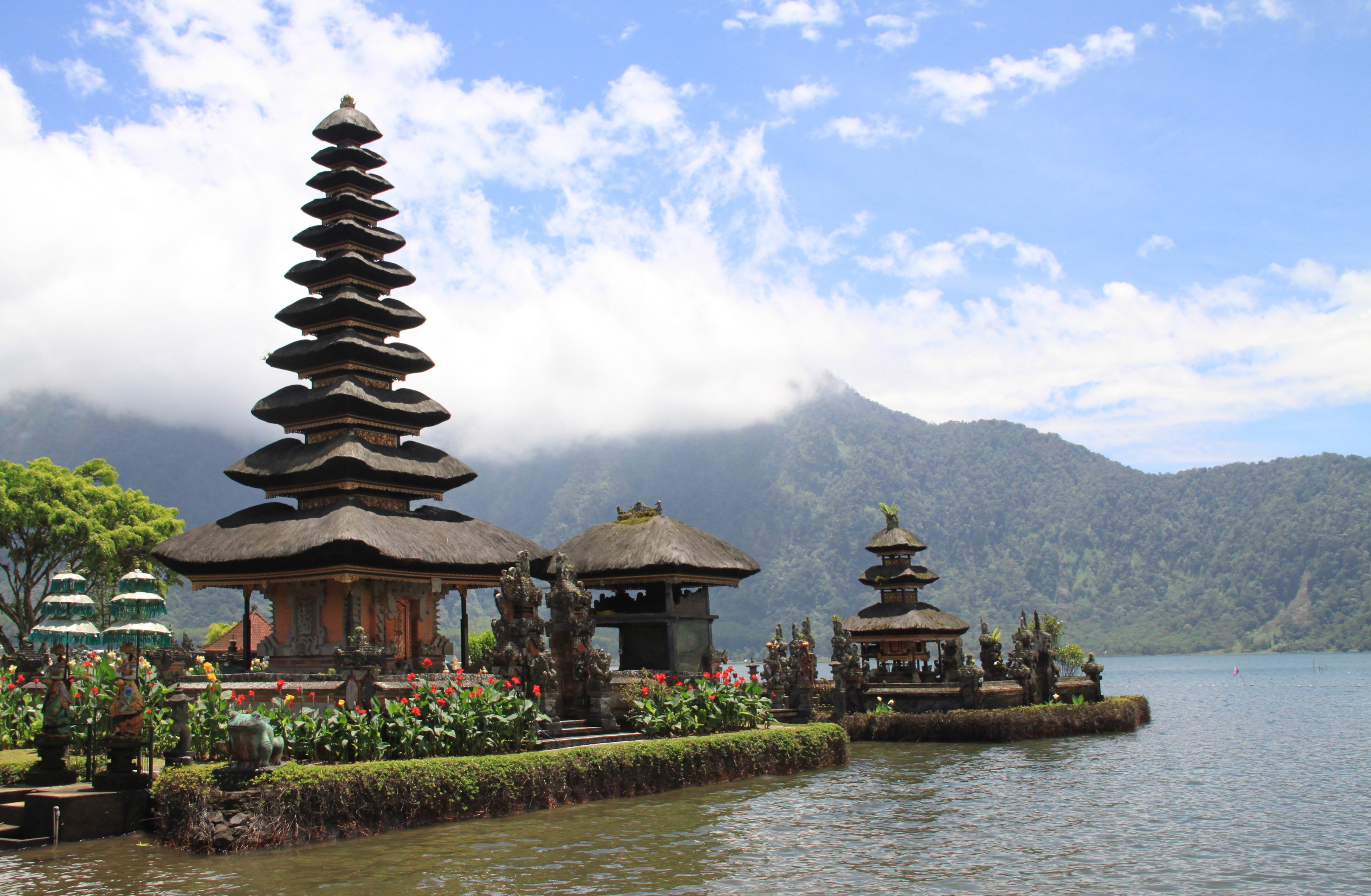
Bali really is as alluring as everyone says. This island, slightly bigger than Delaware, has it all: beaches, volcanoes, terraced rice fields, forests, renowned resorts, surfing, golf, and world-class dive sites. But what sets Bali apart from other nearby tropical destinations is Balinese tradition, and villagers dedicated to celebrating it. The hundreds of temples, dances, rituals, and crafts linked to their ancient Hindu faith aren't a show for tourists, but a living, breathing culture in which visitors are warmly received by the Balinese, who cherish their own identities.

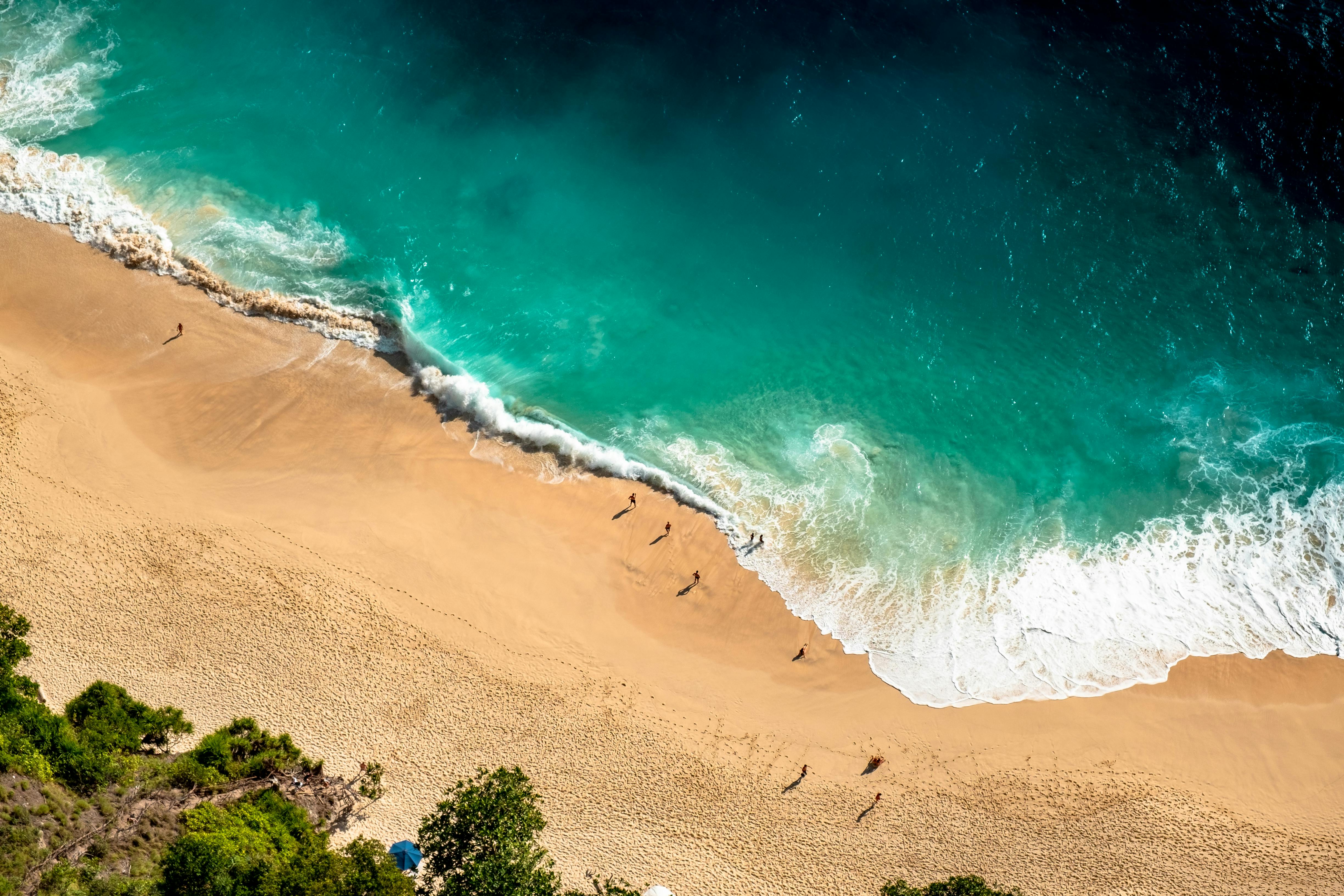
Drone Shot Of Beach In Bali
Drone Shot Of Beach In BaliPhoto by Dimitri Dim, Pexels

Day 32 - Benoa, Bali

Bali really is as alluring as everyone says. This island, slightly bigger than Delaware, has it all: beaches, volcanoes, terraced rice fields, forests, renowned resorts, surfing, golf, and world-class dive sites. But what sets Bali apart from other nearby tropical destinations is Balinese tradition, and villagers dedicated to celebrating it. The hundreds of temples, dances, rituals, and crafts linked to their ancient Hindu faith aren't a show for tourists, but a living, breathing culture in which visitors are warmly received by the Balinese, who cherish their own identities.

Drone Shot Of Beach In Bali
Drone Shot Of Beach In BaliPhoto by Dimitri Dim, Pexels

Day 33 - Celukan Bawang, Bali

Further details for this day are not available.

Bali, Indonesia
Bali, IndonesiaImage by Anastasia from Pixabay

Day 34 - Surabaya

Further details for this day are not available.

Surabaya
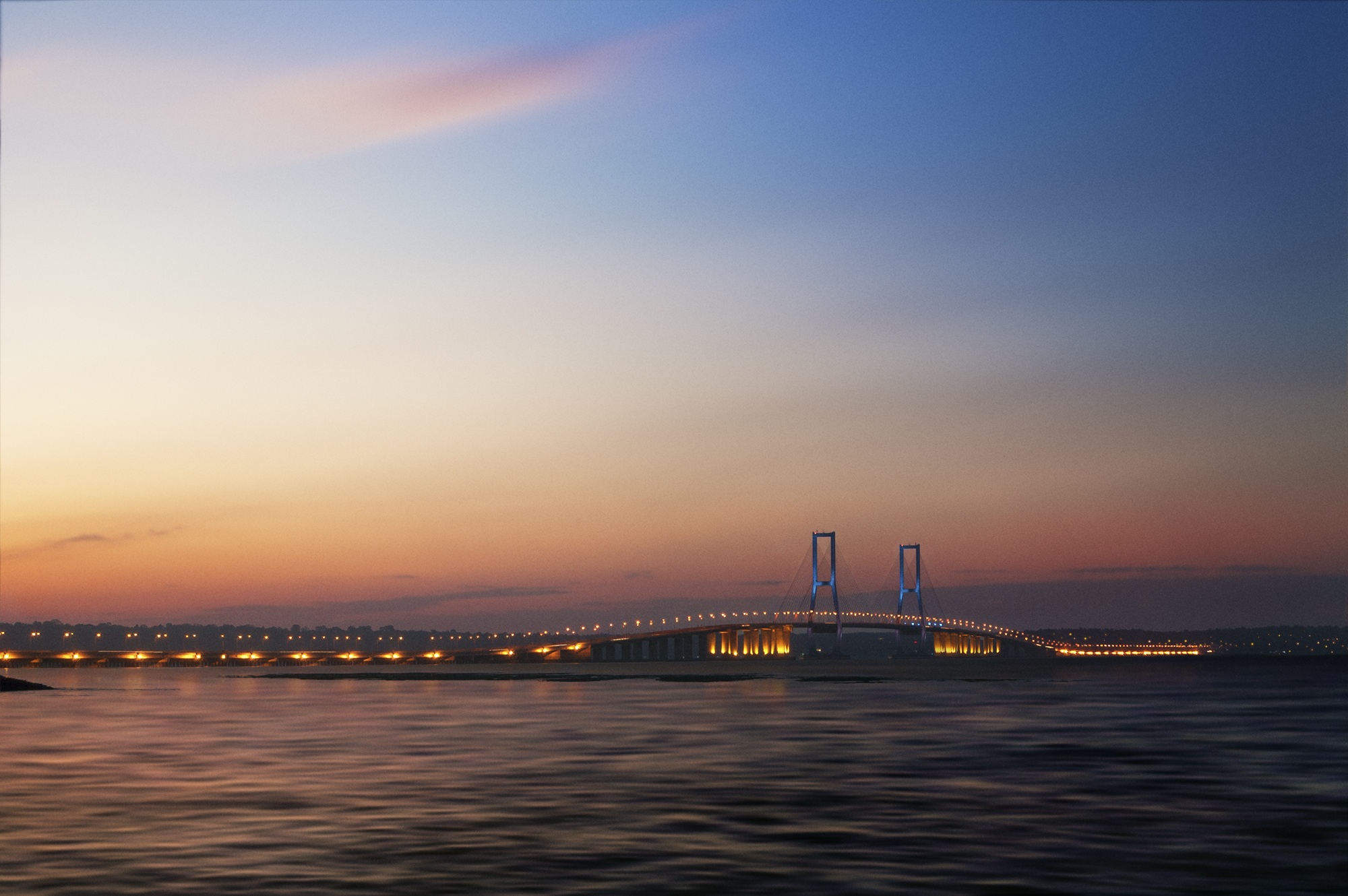
SurabayaImage by farisshidqi from Pixabay

Day 35 - Semarang

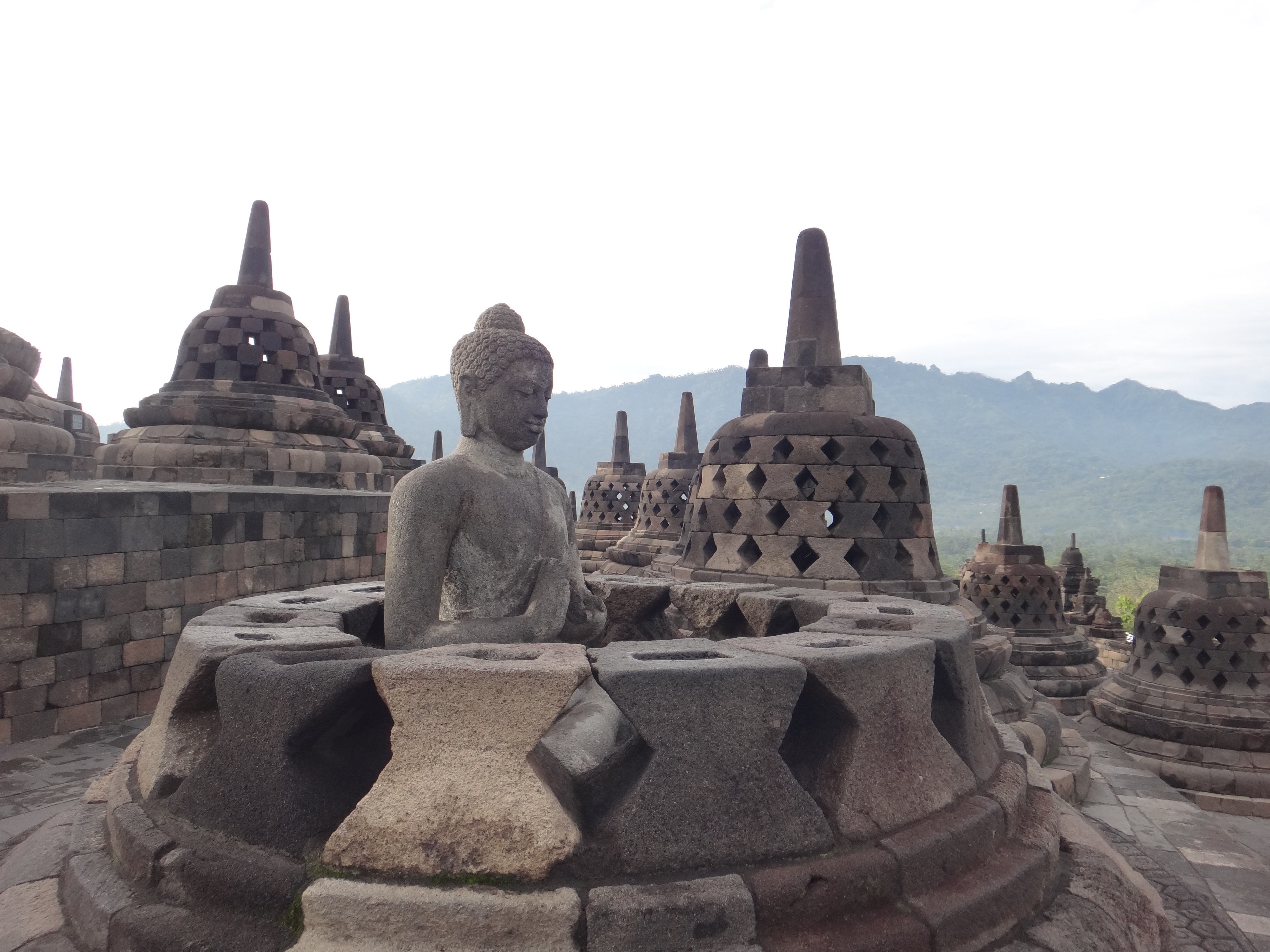
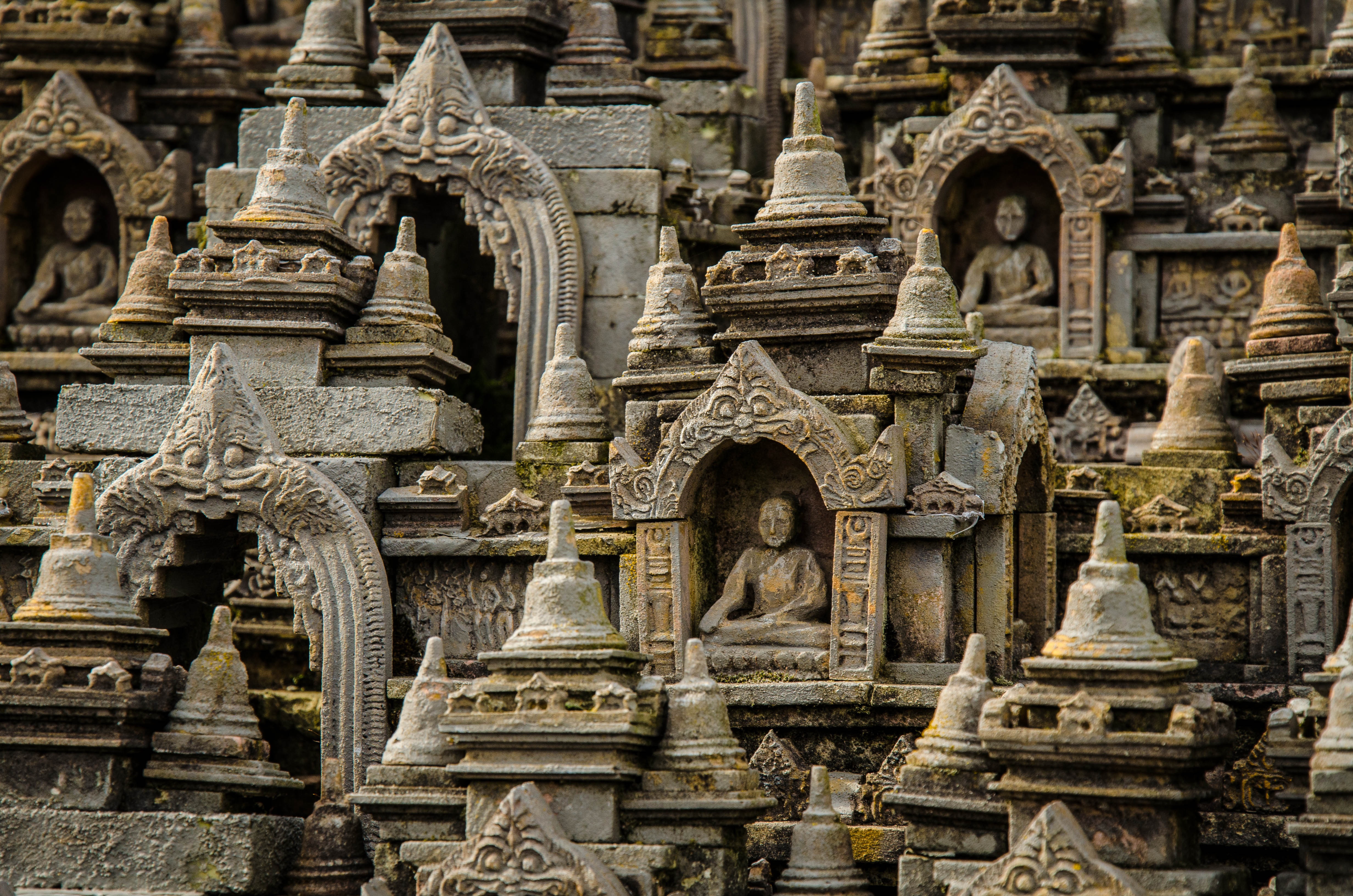
Semarang is one of the oldest cities in Indonesia, situated on Java's north coast between the shore of the Java Sea and a small ridge of mountains. Ceded to the Dutch West India Company in 1677 by King Amangkurat I in payment of his debts, it became their headquarters and the seat of the Dutch governor of the northeast provinces. Semarang's usefulness as a port waned due to the gradual silting up of the harbor; by the 19th century, Surabaya had eclipsed Semarang as Java's premier port. With a population of over one million, a third of whom are thought to be of Chinese extraction, Semarang is the largest city in Central Java and its administrative capital. The city consists of two parts: the coastal lowland where most of the commercial activities are found; and the hilly residential area. Although more a business center than a city for tourists, Semarang serves as a popular gateway to the mountainous interior of Central Java and to fabled Borobudur.

Semerang, Port For Borobodur
Semerang, Port For BorobodurImage by Maike und Björn Bröskamp from Pixabay
Semerang, Port For Borobodur
Semerang, Port For BorobodurImage by Amin Maghafi from Pixabay

Day 36 - Jakarta

Further details for this day are not available.

Jakarta
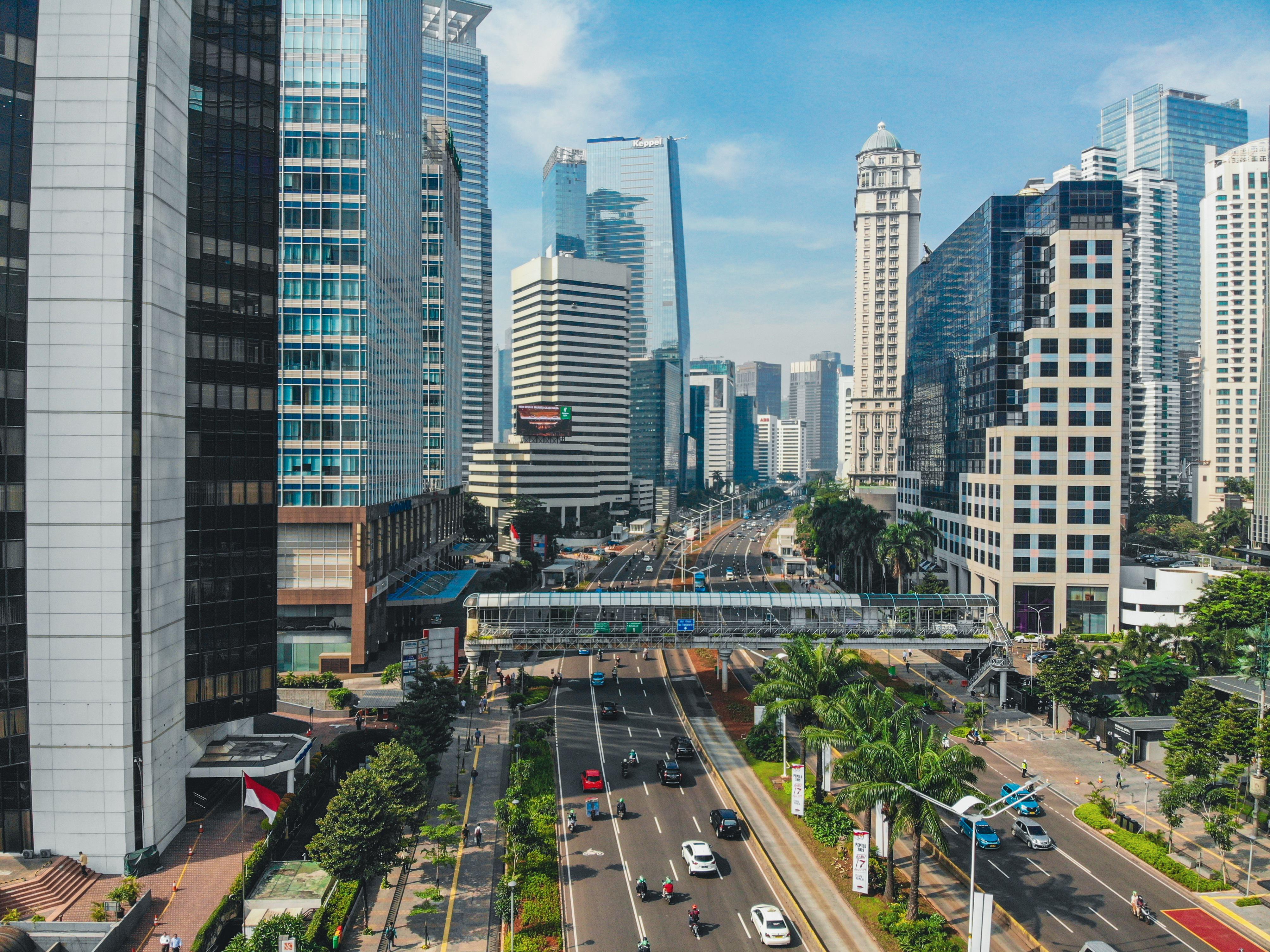
JakartaImage by Afif Ramdhasuma from Pixabay

Day 37 - Cruising the Java Sea

Further details for this day are not available.

Day 38 - Singapore

The main island of Singapore is shaped like a flattened diamond, 42 km (26 miles) east to west and 23 km (14 miles) north to south. Near the northern peak is the causeway leading to West Malaysia—Kuala Lumpur is less than four hours away by car. It is at the southern foot where you will find most of the city-state’s action, with its gleaming office towers, working docks, and futuristic "supertrees," which are solar-powered and serve as vertical gardens. Offshore are Sentosa and over 60 smaller islands, most uninhabited, that serve as bases for oil refining or as playgrounds and beach escapes from the city. To the east is Changi International Airport, connected to the city by metro, bus, and a tree-lined parkway. Of the island's total land area, more than half is built up, with the balance made up of parkland, farmland, plantations, swamp areas, and rain forest. Well-paved roads connect all parts of the island, and Singapore city has an excellent, and constantly expanding, public transportation system. The heart of Singapore's history and its modern wealth are in and around the Central Business District. The area includes the skyscrapers in the Central Business District, the 19th-century Raffles Hotel, the convention centers of Marina Square, on up to the top of Ft. Canning. Although most of old Singapore has been knocked down to make way for the modern city, most colonial landmarks have been preserved in the CBD, including early-19th-century buildings designed by the Irish architect George Coleman.

Sgsin   Singapore   Altitude Bar   Credits Altitude Bar
Sgsin Singapore Altitude Bar Credits Altitude BarAltitude Bar
Sgsin   Singapore   Chinatown   Credits Singapore Tourism Board
Sgsin Singapore Chinatown Credits Singapore Tourism Board© Singapore Tourism Board
Sgsin   Singapore   Gardens By The Bay   Credits Singapore Tourism Board
Sgsin Singapore Gardens By The Bay Credits Singapore Tourism Board© Singapore Tourism Board
Sgsin   Singapore   Katong  Darren Soh    Credits Singapore Tourism Board
Sgsin Singapore Katong Darren Soh Credits Singapore Tourism Board© Singapore Tourism Board
Sgsin   Singapore   Marina Bay   Credits Singapore Tourism Board
Sgsin Singapore Marina Bay Credits Singapore Tourism Board© Singapore Tourism Board
Sgsin   Singapore   Marina Bay Sands Firework   Credits Singapore Tourism Board Photographer Andrew Tan
Sgsin Singapore Marina Bay Sands Firework Credits Singapore Tourism Board Photographer Andrew TanAndrew Tan © Singapore Tourism Board
Sgsin   Singapore   Marina Bay Sands, Infinity Pool   Credits Singapore Tourism Board
Sgsin Singapore Marina Bay Sands, Infinity Pool Credits Singapore Tourism Board© Singapore Tourism Board
Sgsin   Singapore   Merlion Park 1   Credits Singapore Tourism Board
Sgsin Singapore Merlion Park 1 Credits Singapore Tourism Board© Singapore Tourism Board
Sgsin   Singapore   River Cruise   Credits Singapore Tourism Board
Sgsin Singapore River Cruise Credits Singapore Tourism Board© Singapore Tourism Board
Sgsin   Singapore   Sentosa Boardwalk   Credits Singapore Tourism Board
Sgsin Singapore Sentosa Boardwalk Credits Singapore Tourism Board© Singapore Tourism Board
Sgsin   Singapore   Singapore Botanic Gardens  Darren Soh    Credits Singapore Tourism Board
Sgsin Singapore Singapore Botanic Gardens Darren Soh Credits Singapore Tourism Board© Singapore Tourism Board
Sgsin   Singapore   Singapore Botanic Gardens  Marklin Ang    Credits Singapore Tourism Board
Sgsin Singapore Singapore Botanic Gardens Marklin Ang Credits Singapore Tourism Board© Singapore Tourism Board

Day 39 - Singapore

The main island of Singapore is shaped like a flattened diamond, 42 km (26 miles) east to west and 23 km (14 miles) north to south. Near the northern peak is the causeway leading to West Malaysia—Kuala Lumpur is less than four hours away by car. It is at the southern foot where you will find most of the city-state’s action, with its gleaming office towers, working docks, and futuristic "supertrees," which are solar-powered and serve as vertical gardens. Offshore are Sentosa and over 60 smaller islands, most uninhabited, that serve as bases for oil refining or as playgrounds and beach escapes from the city. To the east is Changi International Airport, connected to the city by metro, bus, and a tree-lined parkway. Of the island's total land area, more than half is built up, with the balance made up of parkland, farmland, plantations, swamp areas, and rain forest. Well-paved roads connect all parts of the island, and Singapore city has an excellent, and constantly expanding, public transportation system. The heart of Singapore's history and its modern wealth are in and around the Central Business District. The area includes the skyscrapers in the Central Business District, the 19th-century Raffles Hotel, the convention centers of Marina Square, on up to the top of Ft. Canning. Although most of old Singapore has been knocked down to make way for the modern city, most colonial landmarks have been preserved in the CBD, including early-19th-century buildings designed by the Irish architect George Coleman.

Sgsin   Singapore   Altitude Bar   Credits Altitude Bar
Sgsin Singapore Altitude Bar Credits Altitude BarAltitude Bar
Sgsin   Singapore   Chinatown   Credits Singapore Tourism Board
Sgsin Singapore Chinatown Credits Singapore Tourism Board© Singapore Tourism Board
Sgsin   Singapore   Gardens By The Bay   Credits Singapore Tourism Board
Sgsin Singapore Gardens By The Bay Credits Singapore Tourism Board© Singapore Tourism Board
Sgsin   Singapore   Katong  Darren Soh    Credits Singapore Tourism Board
Sgsin Singapore Katong Darren Soh Credits Singapore Tourism Board© Singapore Tourism Board
Sgsin   Singapore   Marina Bay   Credits Singapore Tourism Board
Sgsin Singapore Marina Bay Credits Singapore Tourism Board© Singapore Tourism Board
Sgsin   Singapore   Marina Bay Sands Firework   Credits Singapore Tourism Board Photographer Andrew Tan
Sgsin Singapore Marina Bay Sands Firework Credits Singapore Tourism Board Photographer Andrew TanAndrew Tan © Singapore Tourism Board
Sgsin   Singapore   Marina Bay Sands, Infinity Pool   Credits Singapore Tourism Board
Sgsin Singapore Marina Bay Sands, Infinity Pool Credits Singapore Tourism Board© Singapore Tourism Board
Sgsin   Singapore   Merlion Park 1   Credits Singapore Tourism Board
Sgsin Singapore Merlion Park 1 Credits Singapore Tourism Board© Singapore Tourism Board
Sgsin   Singapore   River Cruise   Credits Singapore Tourism Board
Sgsin Singapore River Cruise Credits Singapore Tourism Board© Singapore Tourism Board
Sgsin   Singapore   Sentosa Boardwalk   Credits Singapore Tourism Board
Sgsin Singapore Sentosa Boardwalk Credits Singapore Tourism Board© Singapore Tourism Board
Sgsin   Singapore   Singapore Botanic Gardens  Darren Soh    Credits Singapore Tourism Board
Sgsin Singapore Singapore Botanic Gardens Darren Soh Credits Singapore Tourism Board© Singapore Tourism Board
Sgsin   Singapore   Singapore Botanic Gardens  Marklin Ang    Credits Singapore Tourism Board
Sgsin Singapore Singapore Botanic Gardens Marklin Ang Credits Singapore Tourism Board© Singapore Tourism Board

Day 40 - Port Klang

Kuala Lumpur, or KL as locals refer to it, intrigues visitors with its diversity and multicultural character. The city's old quarter features stretches of shop houses that hint at its colonial past, while modern buildings—including the iconic Petronas Towers—give a glimpse of its modern financial ambitions. The city is filled with culturally colorful quarters dedicated to Chinese, Malay, and Indian communities. New shopping malls with designer labels, five-star hotels, and top-notch restaurants also proliferate in this bustling city of 1.6 million.

Mypkg   Port Klang, Malaysia   Pc Aniq Danial
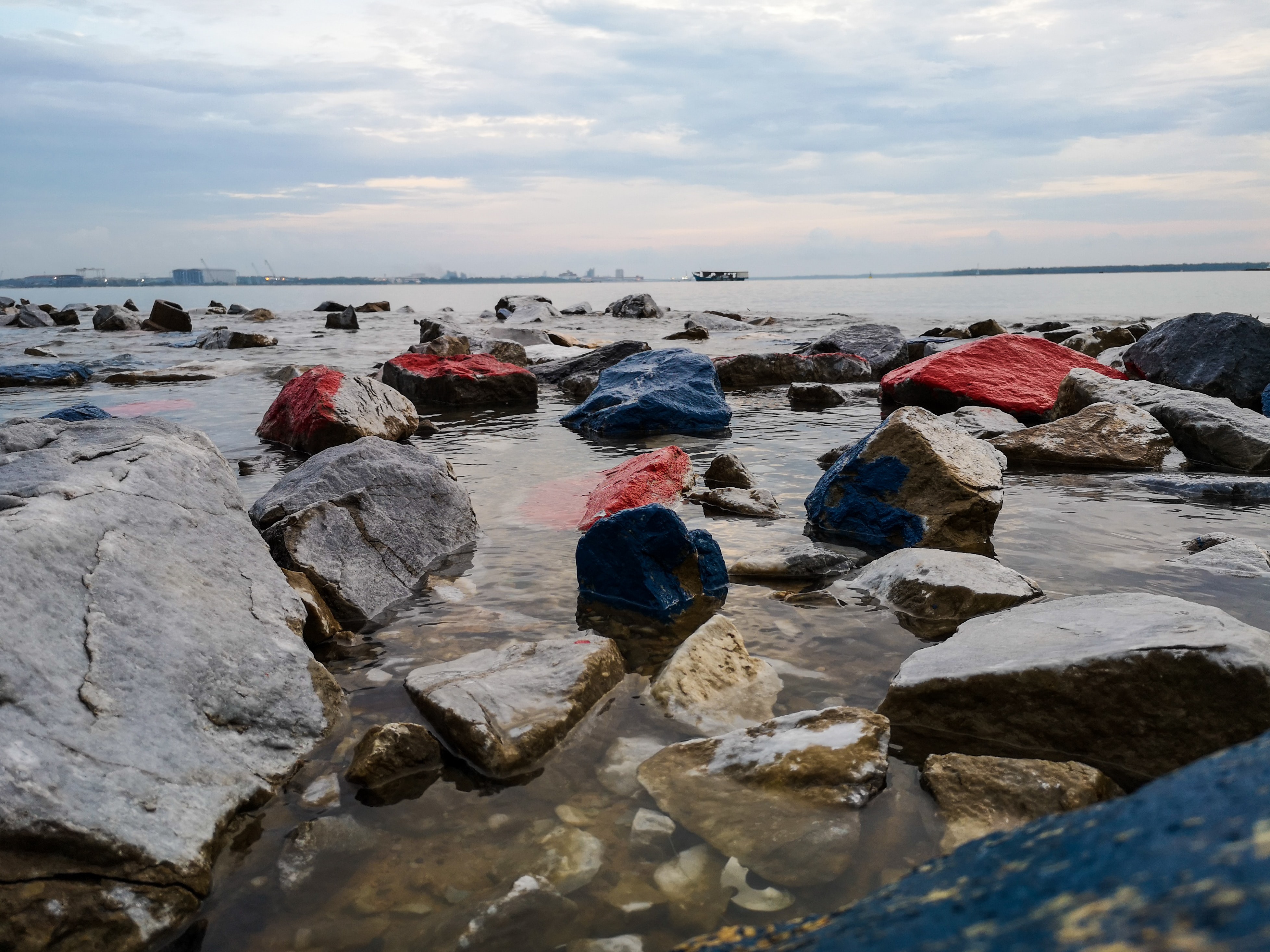
Mypkg Port Klang, Malaysia Pc Aniq Danial

Day 41 - Georgetown, Penang

An island off the northwest coast of peninsular Malaysia, Penang is blessed with a multicultural history that's led to a fascinating fusion of East and West. Claimed by the British East India Company in 1786, the island's city center of Georgetown—listed as a UNESCO World Heritage Site—is filled with colonial architecture, temples, and museums. The island has also attracted many Chinese immigrants, who now make up the majority of the population. On Penang you'll find an exciting mix of jungle, coast, farmland, and fishing villages, along with the country's largest Buddhist temple.

Mypen   Penang  Georgetown , Malaysia   Pc Fidelia Zheng
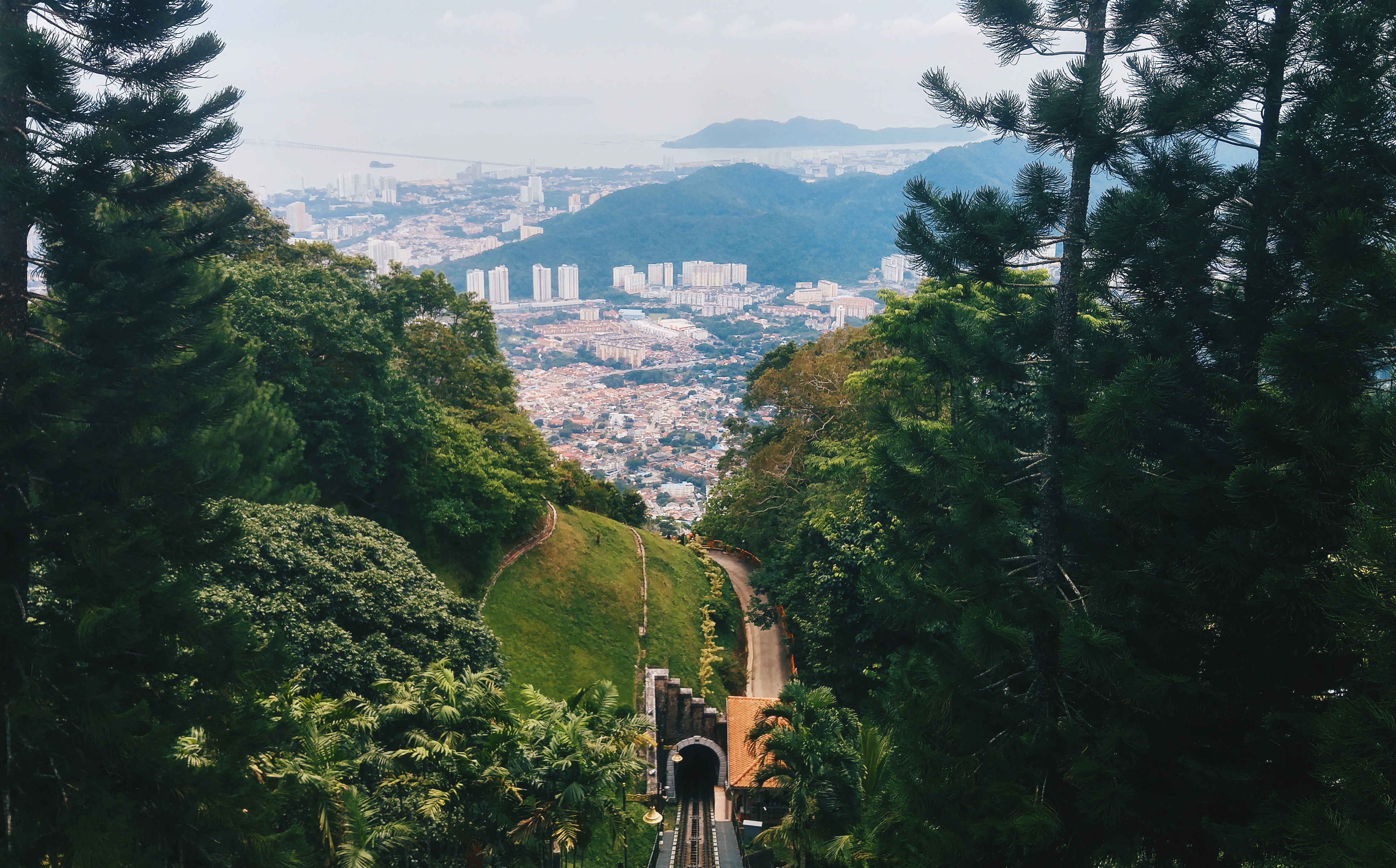
Mypen Penang Georgetown , Malaysia Pc Fidelia Zheng
Mypen   Penang  Georgetown , Malaysia   Pc Roberto Reposo
Mypen Penang Georgetown , Malaysia Pc Roberto Reposo

Day 42 - Phuket

Though few tourists linger here, Phuket Town, the provincial capital, is one of the more culturally interesting places on the island to spend half a day. About one-third of the island's population lives here, and the town is an intriguing mix of old Sino-Portuguese architecture and the influences of the Chinese, Muslims, and Thais that inhabit it. The old Chinese quarter along Talang Street is especially good for a stroll, as its history has not yet been replaced by modern concrete and tile. And this same area has a variety of antiques shops, art studios, and trendy cafés. Besides Talang, the major thoroughfares are Ratsada, Phuket, and Ranong roads. Ratsada connects Phuket Road (where you'll find the Tourism Authority of Thailand office) to Ranong Road, where there's an aromatic local market filled with fruits, vegetables, spices, and meats.

Thhkt   Phuket, Thailand   Pc Andrzej Suwara
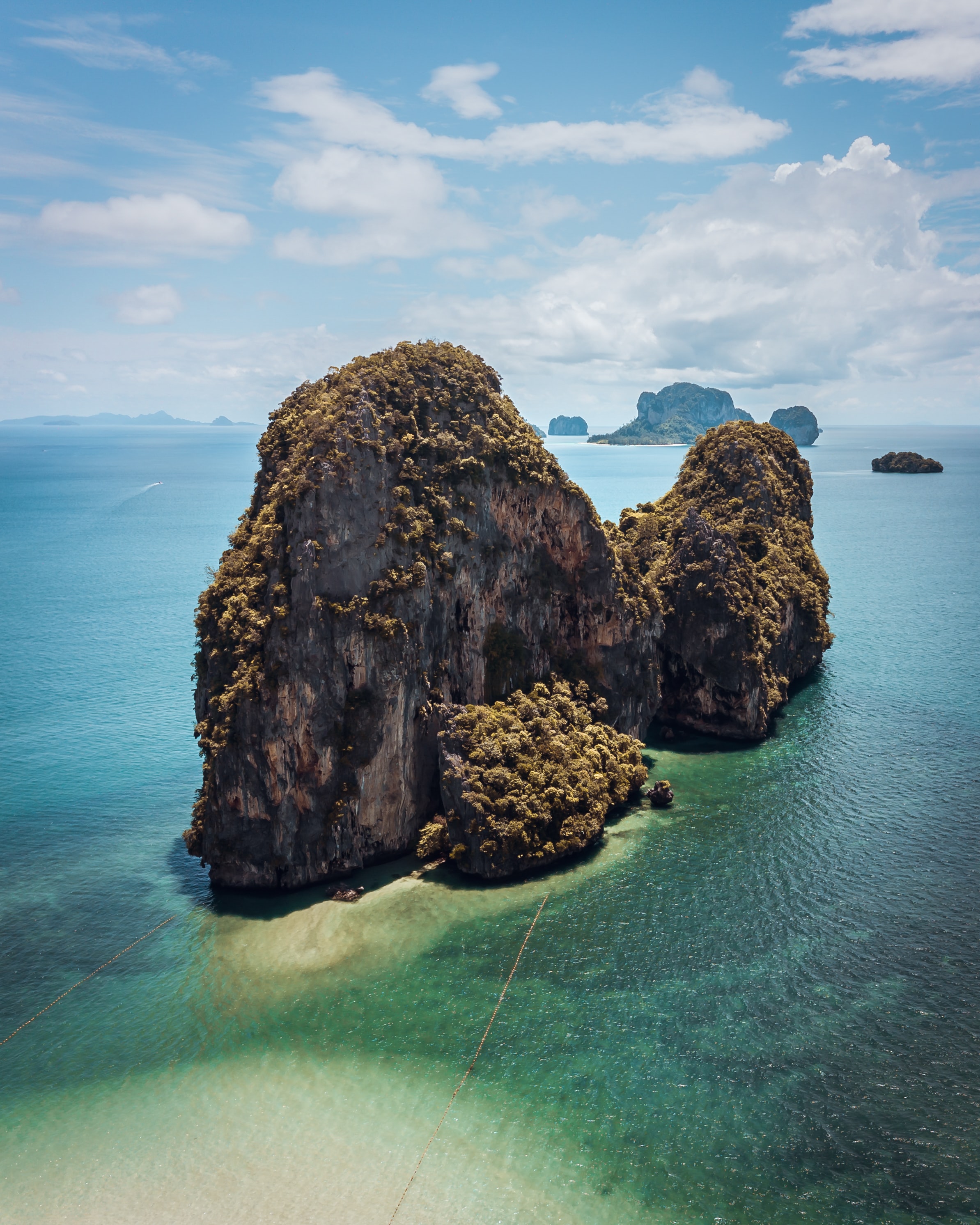
Thhkt Phuket, Thailand Pc Andrzej SuwaraAndrzej Suwara
Thhkt   Phuket, Thailand   Pc Vitaly Sacred 1
Thhkt Phuket, Thailand Pc Vitaly Sacred 1Vitaly Sacred
Thhkt   Phuket, Thailand   Pc Vitaly Sacred
Thhkt Phuket, Thailand Pc Vitaly SacredVitaly Sacred
Thhkt   Phuket, Thailand   Sumit Chinchane
Thhkt Phuket, Thailand Sumit ChinchaneSumit Chinchane

Day 43 - Cruising the Bay of Bengal

Further details for this day are not available.

Day 44 - Cruising the Bay of Bengal

Further details for this day are not available.

Day 45 - Colombo

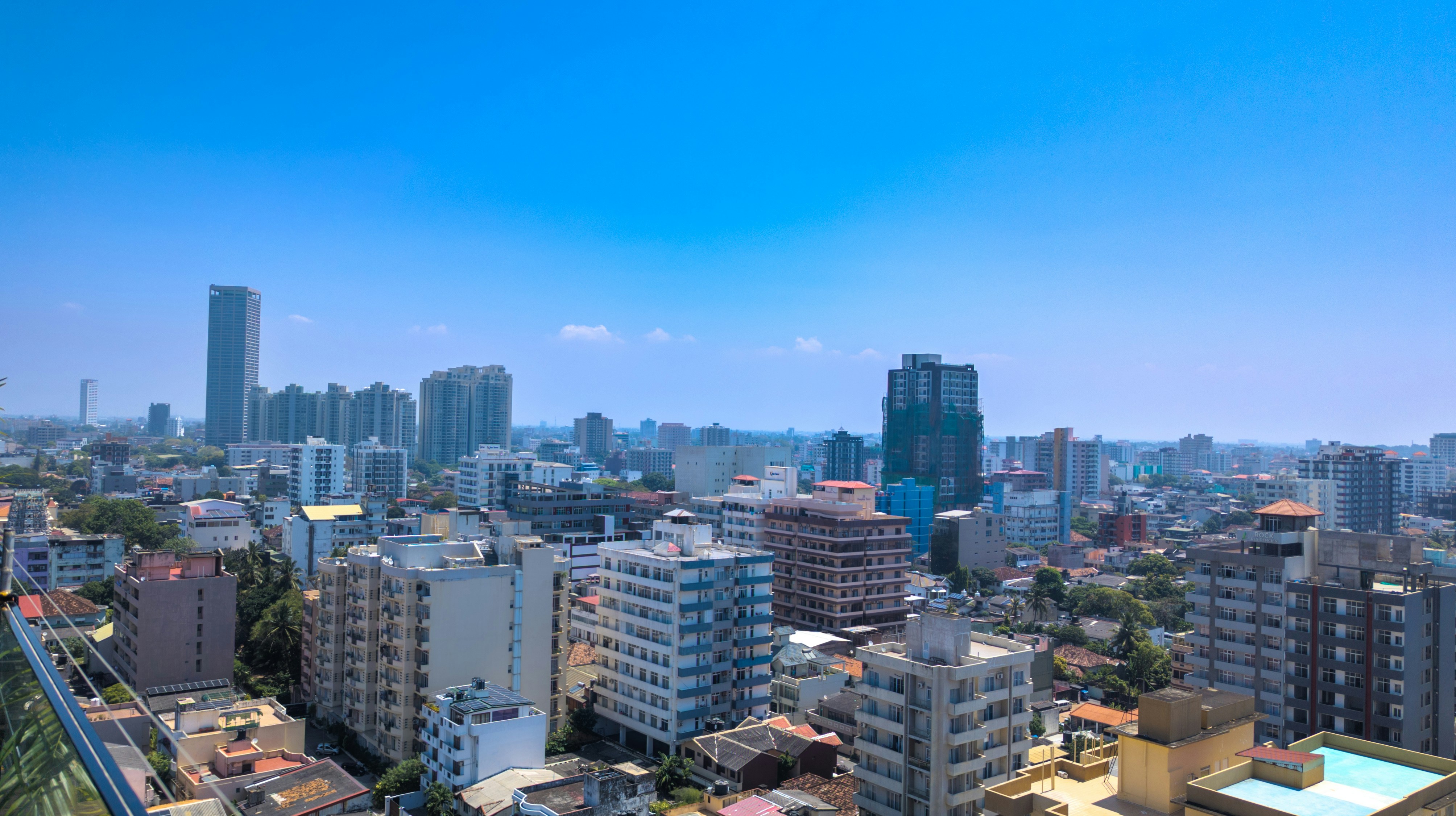
Sri Lanka's capital and largest city, Colombo offers fine restaurants, a buzzing nightlife scene, and good museums, parks, and beautiful Buddhist temples that are all worth visiting. The beach resort of Mt. Lavinia is only a short taxi ride from the downtown area and offers a golden, sandy beach and sunset views to die for. As an exciting blur of colors and cultures, Colombo presents a neatly packaged microcosm of this island nation.

Colombo, Sri Lanka
Colombo, Sri LankaPhoto by Ishan Kahapola Arachchi on Unsplash

Day 46 - Cruising the Laccadive Sea

Further details for this day are not available.

Day 47 - Male

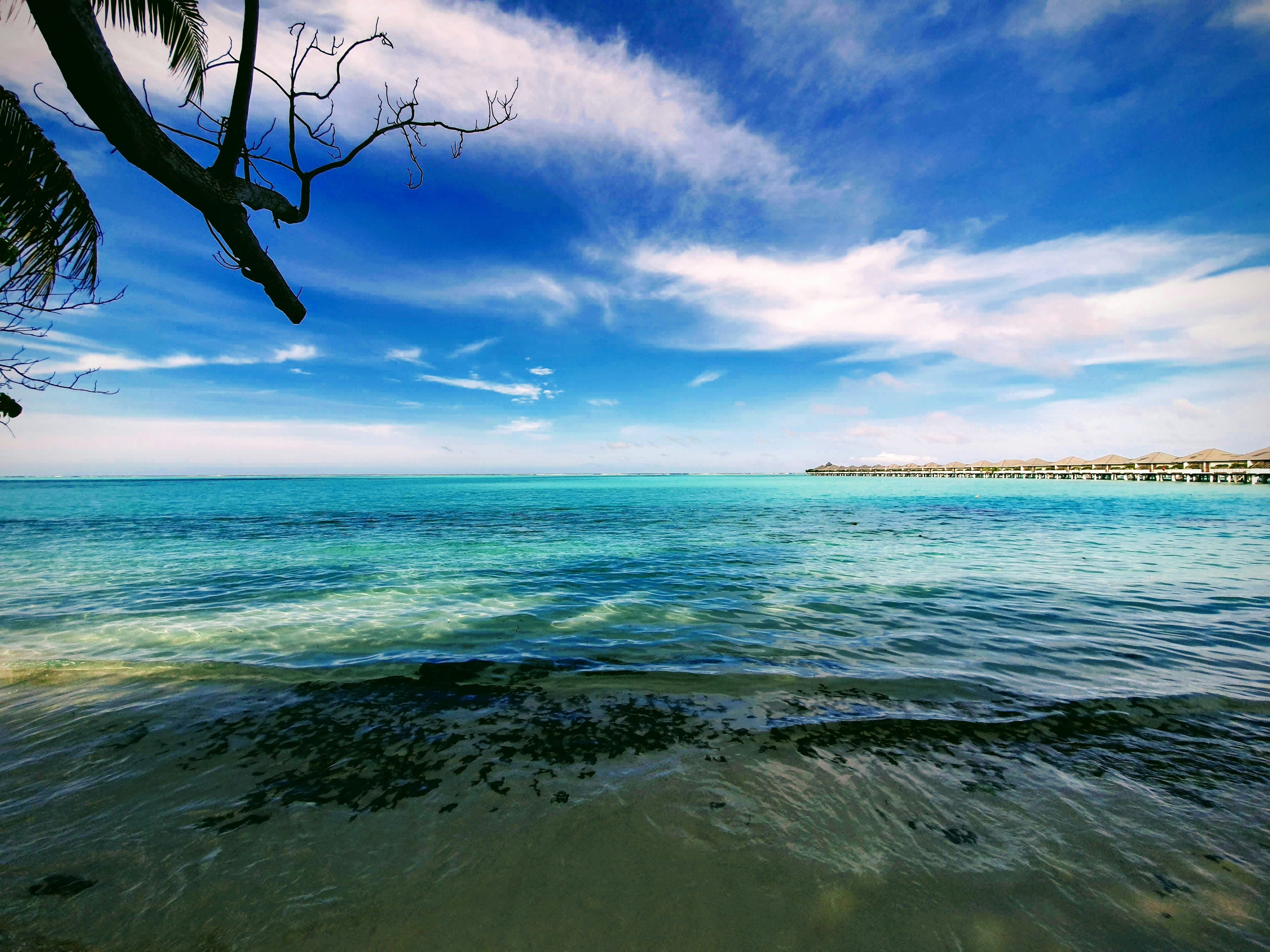
There are many nations around the world with bragging rights to miles of pristine white coral sand and balmy turquoise seas but few can take it to the same level as the Maldives. Its 1,200 islands are spread out over 26 coral atolls; the combined land of all the islands is little more than 100 square miles. That means you are rarely more than a few steps from the beach. Many of the villas are actually built on stilts out over the water, so you may actually have to walk onshore in order to get to the beach. Besides curling your toes in the sand, many people come here to sample the Maldives enviable world-class dive spots. Others simply snorkel among the endless coral reefs. There are so many coral atolls here that our English word derives from the Maldivian name atholhu.

Male, Maldives
Male, MaldivesPhoto by Ritesh on Unsplash

Day 48 - Cruising the Indian Ocean

Further details for this day are not available.

Day 49 - Cruising the Indian Ocean

Further details for this day are not available.

Day 50 - Cruising the Indian Ocean

Further details for this day are not available.

Day 51 - Mahé

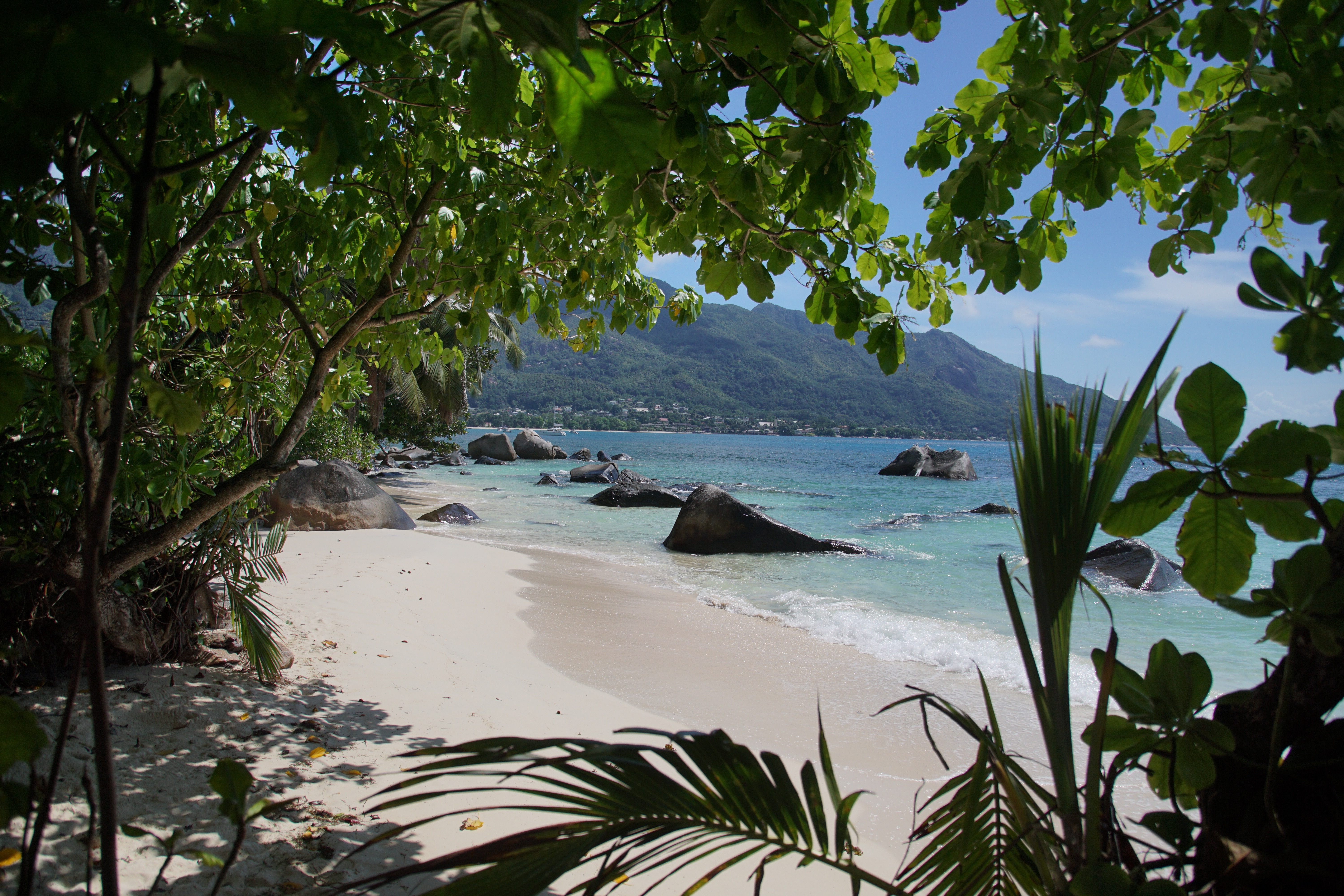
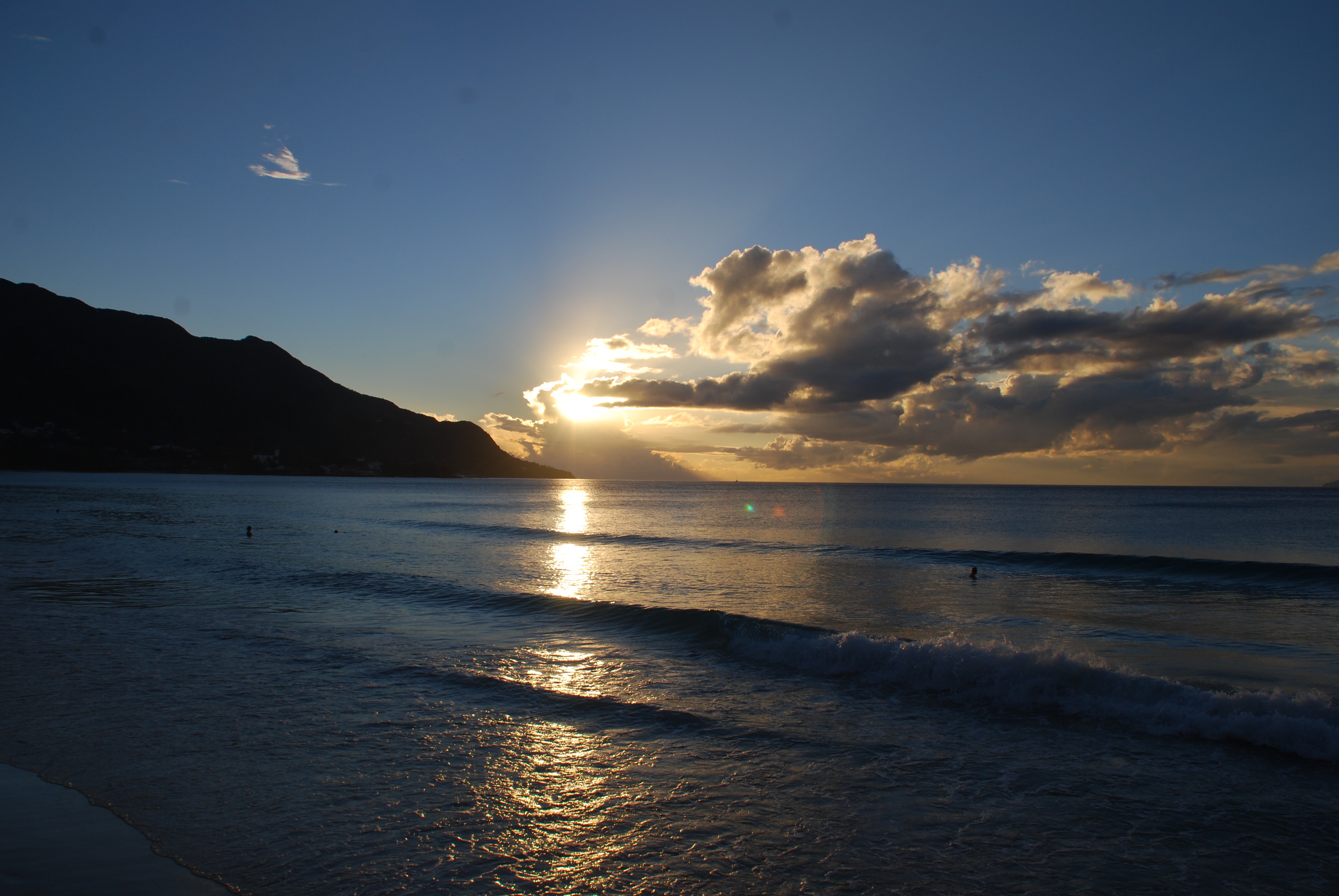
Like jade-coloured jewels in the Indian Ocean, the more than 100 Seychelles Islands are often regarded as the Garden of Eden. Lying just four degrees south of the equator, the Seychelles are some 1,000 miles (1,610 km) from the nearest mainland Africa. Little more than 200 years ago, all 115 islands were uninhabited. Then in 1742 a French ship dispatched from Mauritius sailed into one of the small bays. Captain Lazare Picault was the first to explore these unnamed islands. He encountered breathtaking vistas of rugged mountains, lagoons, coral atolls, splendid beaches and secluded coves. After Picault sailed away, the islands remained untouched for the next 14 years. Then France took possession of the seven islands in the Mahé group. During an expedition Captain Morphey named them the Sechelles, in honour of Vicomte Moreau de Sechelles. This name was later anglicised to Seychelles. The first settlers arrived at St. Anne’s Island in 1770; 15 years later the population of Mahé consisted of seven Europeans and 123 slaves. Today there are about 80,000 Seychellois, the majority of whom live on Mahé; the rest are scattered in small communities throughout the archipelago. The people are a fusion of three continents - Africa, Asia and Europe. This has created a unique culture and the use of three languages - Creole, French and English. Mahé is the largest island in the archipelago and the location of the capital, Victoria. Ringed by steep, magnificent mountains, few capitals can claim a more beautiful backdrop. The town features a mixture of modern and indigenous architecture; it is the centre of business and commerce thanks to the extensive port facilities. Noteworthy sites in Victoria are the museum, cathedral, government house, clock tower, botanical gardens and an open-air market. The major attractions are found outside of town where the island’s quiet, lazy atmosphere delights visitors. With 68 pristine, white sand beaches, Mahé boasts more beaches and tourist facilities than any of the other Seychelles Islands. Beautiful and remote Mahé with its green-clad mountains and palm-fringed beaches is indeed an island of abundance; pleasant surprises are around every bend in the trail. Come ashore and discover for yourself this marvellous island paradise.

Scmaw   Mahé   Boat On A Beach
Scmaw Mahé Boat On A Beach
Scmaw   Mahé   Sandy Beach
Scmaw Mahé Sandy Beach
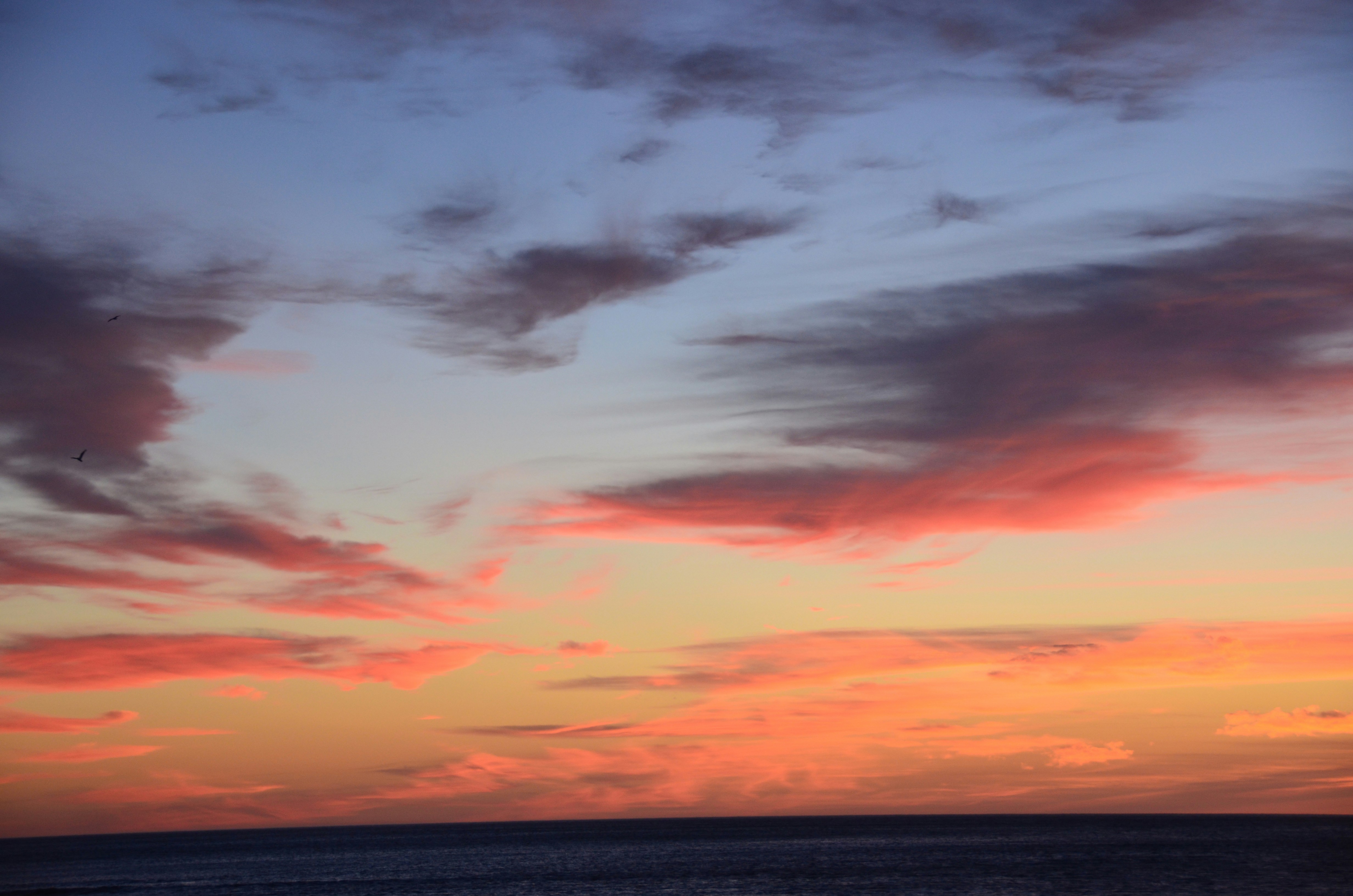
Scmaw   Mahé   Sunset Over The Sea
Scmaw Mahé Sunset Over The Sea

Day 52 - Cruising the Mozambique Channel

Further details for this day are not available.

Day 53 - Antsiranana

Further details for this day are not available.

Antsiranana, Madagascar
Antsiranana, MadagascarPhoto by iAko Randrianarivelo on Unsplash

Day 54 - Cruising the Indian Ocean

Further details for this day are not available.

Day 55 - Port Louis

Mauritius’ largest city, Port Louis is a vibrant and exciting place whose culture is a mix of African, Chinese and Indian influences. There are activities and sights to keep you busy and explore the different aspects of the city.

Day 56 - Port Louis

Mauritius’ largest city, Port Louis is a vibrant and exciting place whose culture is a mix of African, Chinese and Indian influences. There are activities and sights to keep you busy and explore the different aspects of the city.

Day 57 - Pointe des Galets

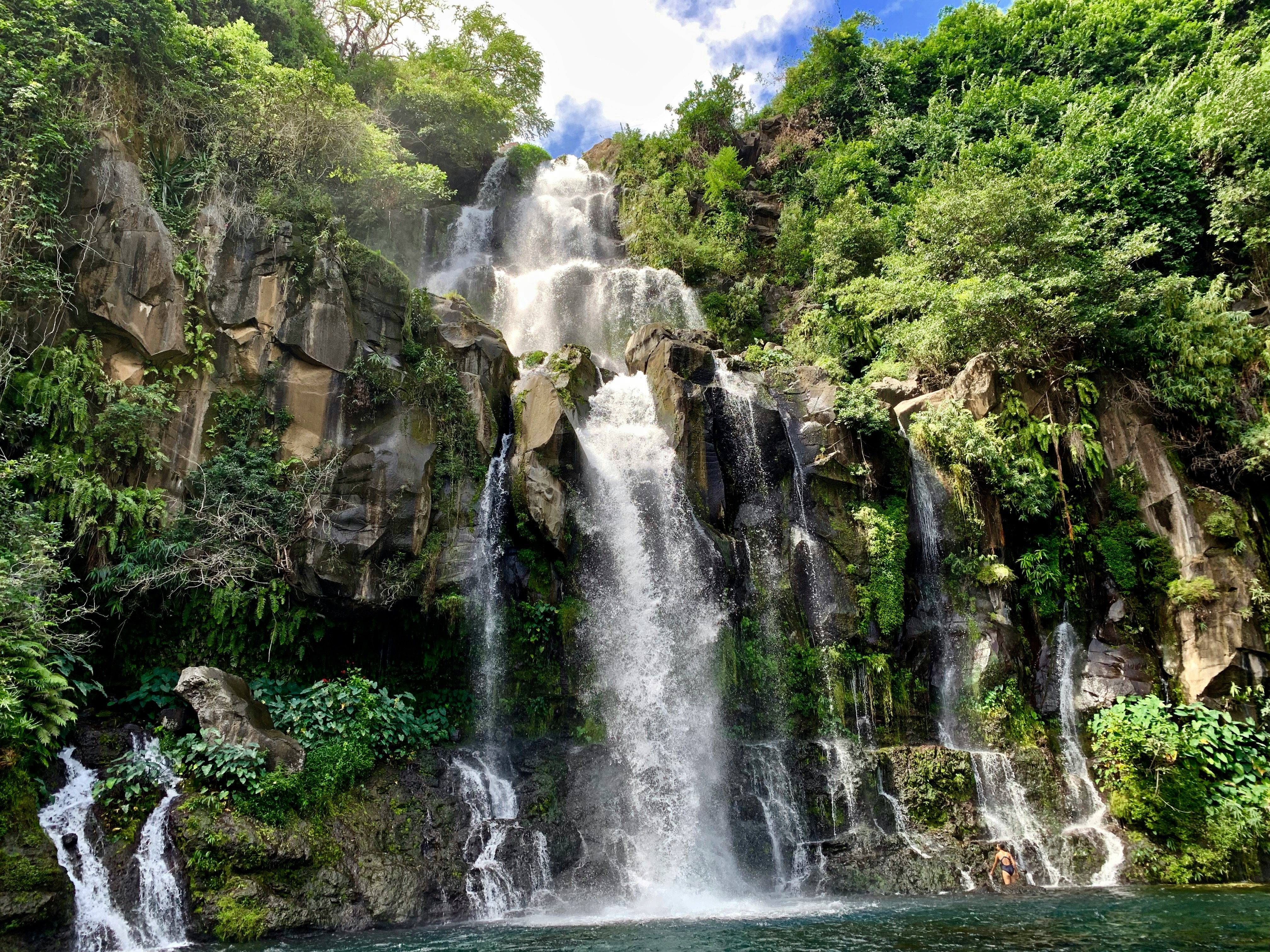
Pointe des Galets, located on the western coast of Réunion Island, is a charming coastal destination that blends natural beauty with local culture. Known for its scenic beaches lined with unique volcanic pebbles, the area offers stunning ocean views and relaxing seaside walks. Visitors can enjoy water-based activities such as swimming, snorkeling, and fishing, while the surrounding landscapes are perfect for photography and nature exploration. The nearby port and bustling market provide a taste of local life, offering fresh seafood, tropical fruits, and handcrafted souvenirs. With its mix of tranquility and vibrant culture, Pointe des Galets is ideal for travelers seeking a serene escape while experiencing the authentic charm of Réunion Island’s coastal communities. Its sunsets over the Indian Ocean are especially unforgettable.

Reunion
ReunionPhoto by Marie Rouilly on Unsplash

Day 58 - Cruising the Mozambique Channel

Further details for this day are not available.

Day 59 - Cruising the Mozambique Channel

Further details for this day are not available.

Day 60 - Nosy Bé

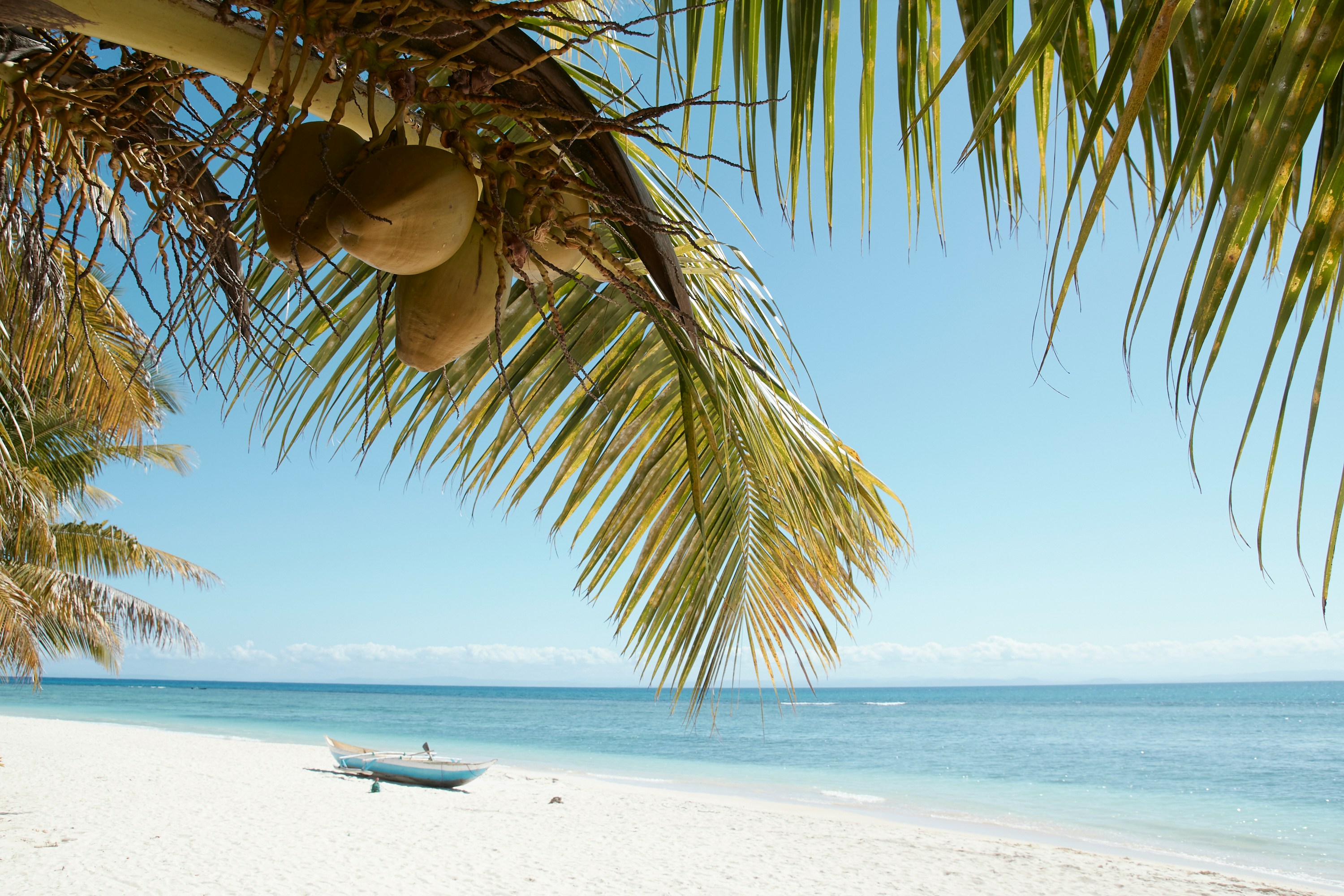
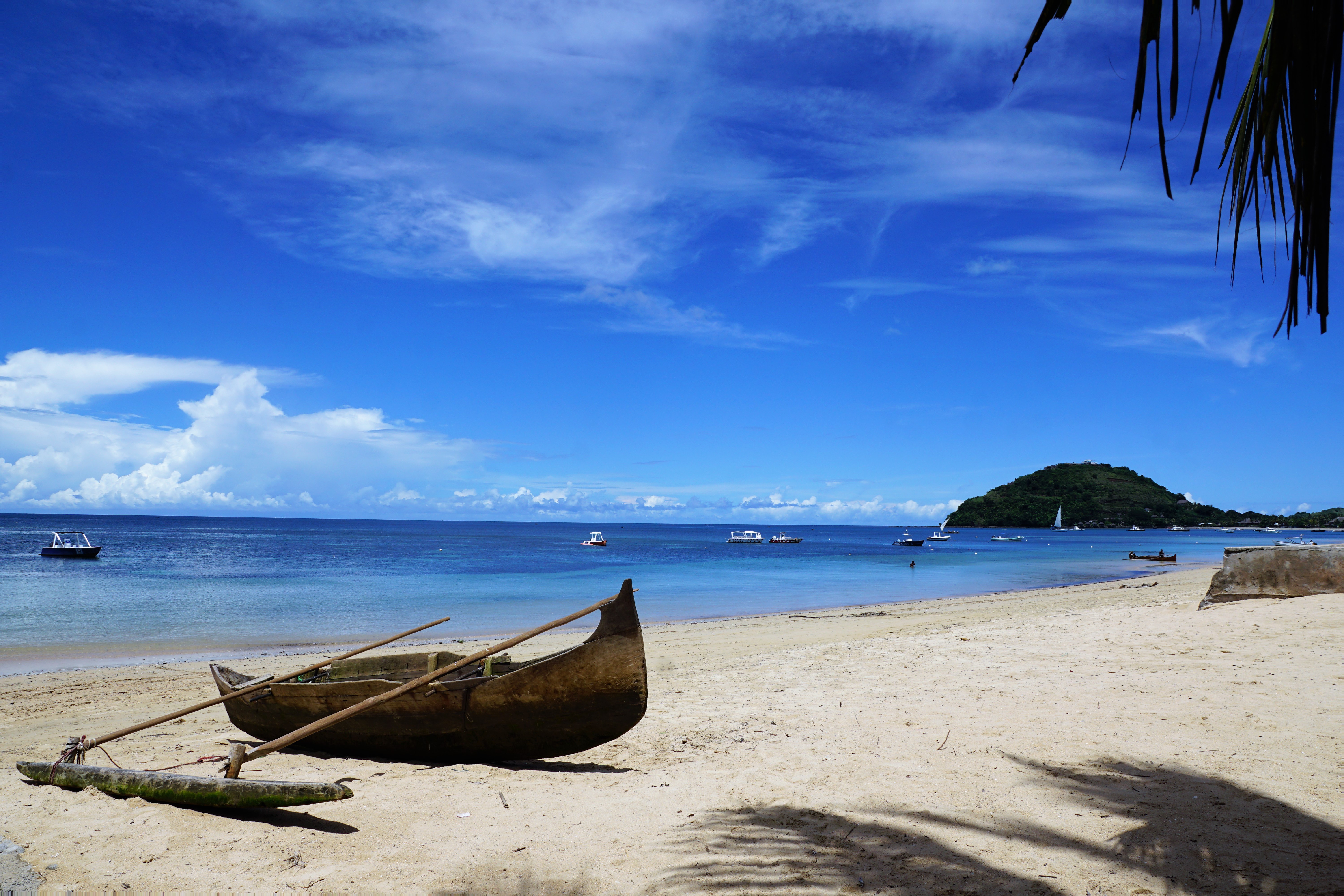
Nosy Bé, meaning Big Island in the Malagasy language, lies just a stone's throw off Madagascar's northwest coast. It is a remote and exotic destination. With its deserted beaches, rustic hotels and unhurried pace, it attracts travellers looking for a laid-back vacation. The fertile island is the centre for the production of perfume essence from the ylang-ylang trees. The heady scent of their flowers gave Nosy Bé the name "Perfumed Isle." Other local products include sugar cane, coffee, vanilla and pepper; they are grown for export in large plantations. Hellville, the island’s main town and port, is situated in a sheltered bay. It is named after a former French governor, Admiral de Hell. The town features a few old colonial buildings, a busy market, some small boutiques and tourist shops along the busy main street. At the quayside, vendors display embroidered linens, wood carvings and straw articles. Trips into the lush countryside may include a ride up to Mt. Passot. At 950 feet (285 metres), this is the highest point on the island. The view from the top offers an extensive panorama of crater lakes nestled between verdant hills. Most visitors make the boat trip to Nosy Komba. The tiny island is known for its lemur reserve. These arboreal primates, with their large eyes, soft fur and long curling tails, have lived unharmed for centuries in the forest behind Ampangorina village. The lemurs are a popular tourist attraction and a profitable source of income to the small local community.

Madagascar
MadagascarImage by photosforyou from Pixabay

Day 61 - Cruising the Mozambique Channel

Further details for this day are not available.

Day 62 - Cruising the Mozambique Channel

Further details for this day are not available.

Day 63 - Cruising the Mozambique Channel

Further details for this day are not available.

Day 64 - Durban

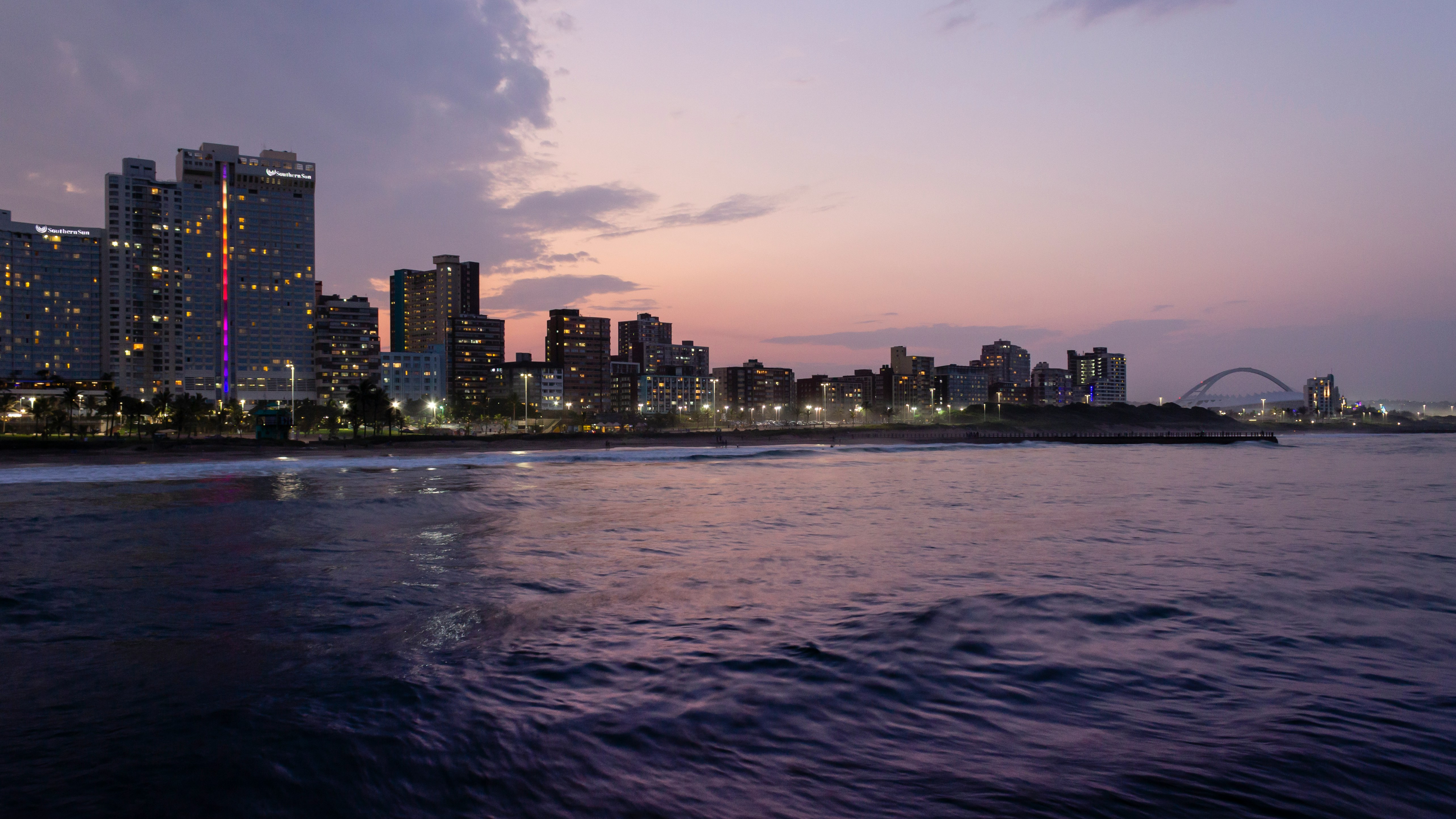
Durban, a glistening jewel on the south-east coast of Africa, is the third largest city in South Africa and the major city of KwaZulu-Natal. It has been a centre of sea trade since before colonisation and now has a flourishing artistic centre, which perfectly complements the vibrant markets and rich cultures of the city. Durban’s port is a natural half-moon harbour lined with white sand and azure water, punctuated by the port’s many piers which reach into the water like the leaves of a fan. The beaches of Durban’s famous Golden Mile stretch along the harbour and are popular all year round, as travellers and locals alike enjoy Durban’s warm, humid summers and mild, dry winters.

North Beach Pier, Durban, South Africa
North Beach Pier, Durban, South AfricaPhoto by Marlin Clark on Unsplash

Day 65 - Cruising the Indian Ocean

Further details for this day are not available.

Day 66 - Gqeberha (ex Port Elizabeth)

Originally the home of the San and Khoisan people and later the Xhosa tribe, the area now known as Gqeberha (previously Port Elizabeth) became a landing place for passing European ships after Portuguese navigator Bartolomew Diaz arrived in Algoa Bay in 1488. As part of the Cape Colony, the British occupied the area during the Napoleonic Wars and it was they who built Fort Frederick here in 1799. Twenty-one years later 4,000 settlers arrived, becoming the first permanent British residents of South Africa and Gqeberha. Sir Rufane Donkin, Acting Governor of the Cape Colony, founded Port Elizabeth, naming the settlement after his late wife. The town underwent rapid growth after 1873 following the construction of the railway to Kimberley, and is now one of the country’s major seaports. Like most South African cities, miles of beautiful coastline surround Gqeberha. Algoa Bay combines warm water and fair breezes, making it a mecca for swimmers and water sports enthusiasts. Those interested in history can follow the Donkin Heritage Trail, past a succession of Victorian and Edwardian town houses, trim gardens and neo-Gothic churches. Just outside the town are a number of game reserves, including the famous Addo Elephant National Park.

Port Elizabeth
Port ElizabethImage by harubaba from Pixabay

Day 67 - Gqeberha (ex Port Elizabeth)

Originally the home of the San and Khoisan people and later the Xhosa tribe, the area now known as Gqeberha (previously Port Elizabeth) became a landing place for passing European ships after Portuguese navigator Bartolomew Diaz arrived in Algoa Bay in 1488. As part of the Cape Colony, the British occupied the area during the Napoleonic Wars and it was they who built Fort Frederick here in 1799. Twenty-one years later 4,000 settlers arrived, becoming the first permanent British residents of South Africa and Gqeberha. Sir Rufane Donkin, Acting Governor of the Cape Colony, founded Port Elizabeth, naming the settlement after his late wife. The town underwent rapid growth after 1873 following the construction of the railway to Kimberley, and is now one of the country’s major seaports. Like most South African cities, miles of beautiful coastline surround Gqeberha. Algoa Bay combines warm water and fair breezes, making it a mecca for swimmers and water sports enthusiasts. Those interested in history can follow the Donkin Heritage Trail, past a succession of Victorian and Edwardian town houses, trim gardens and neo-Gothic churches. Just outside the town are a number of game reserves, including the famous Addo Elephant National Park.

Port Elizabeth
Port ElizabethImage by harubaba from Pixabay

Day 68 - Mossel Bay

Further details for this day are not available.

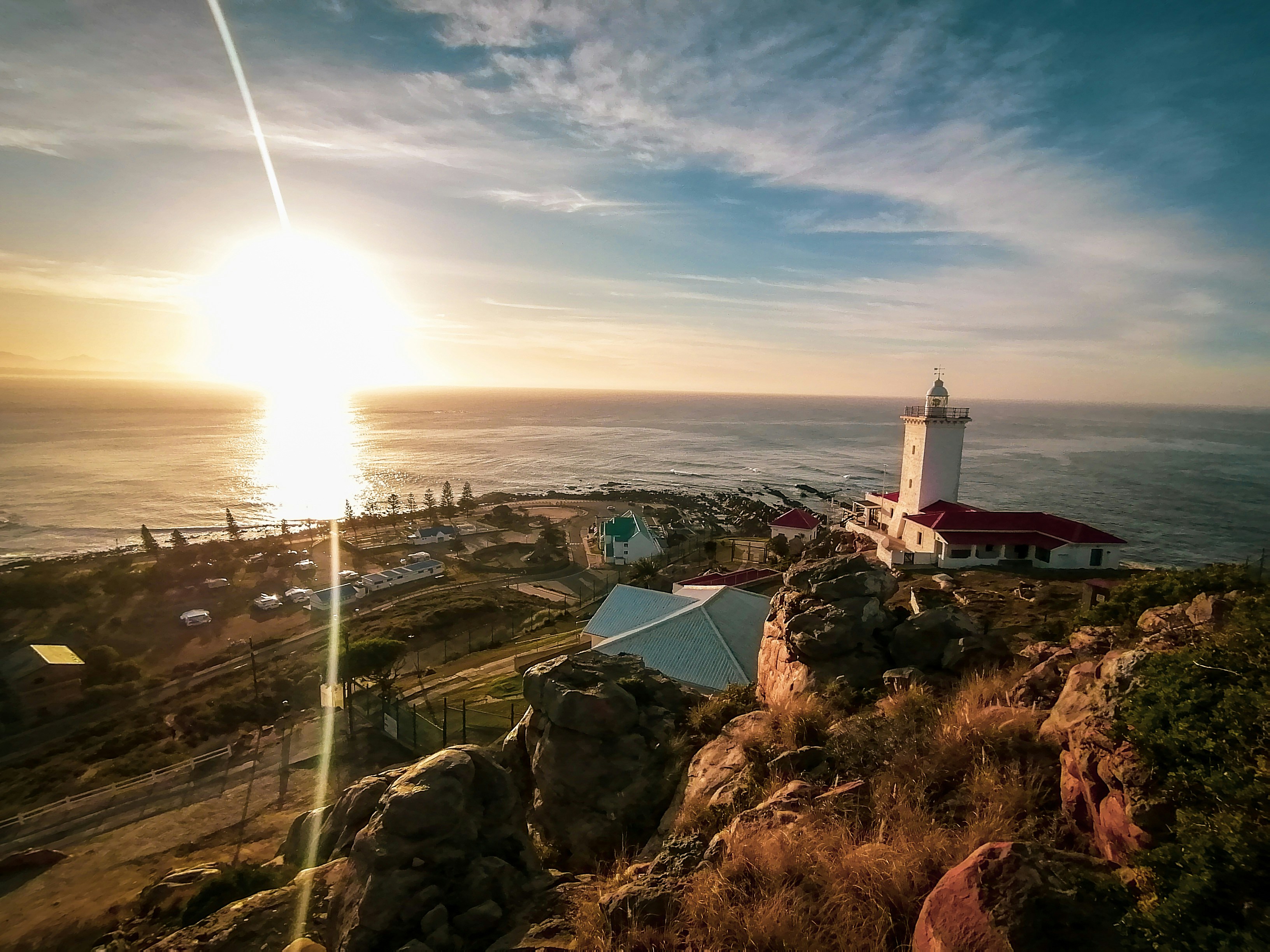
Mossel Bay, South Africa
Mossel Bay, South AfricaPhoto by Trey Smith on Unsplash
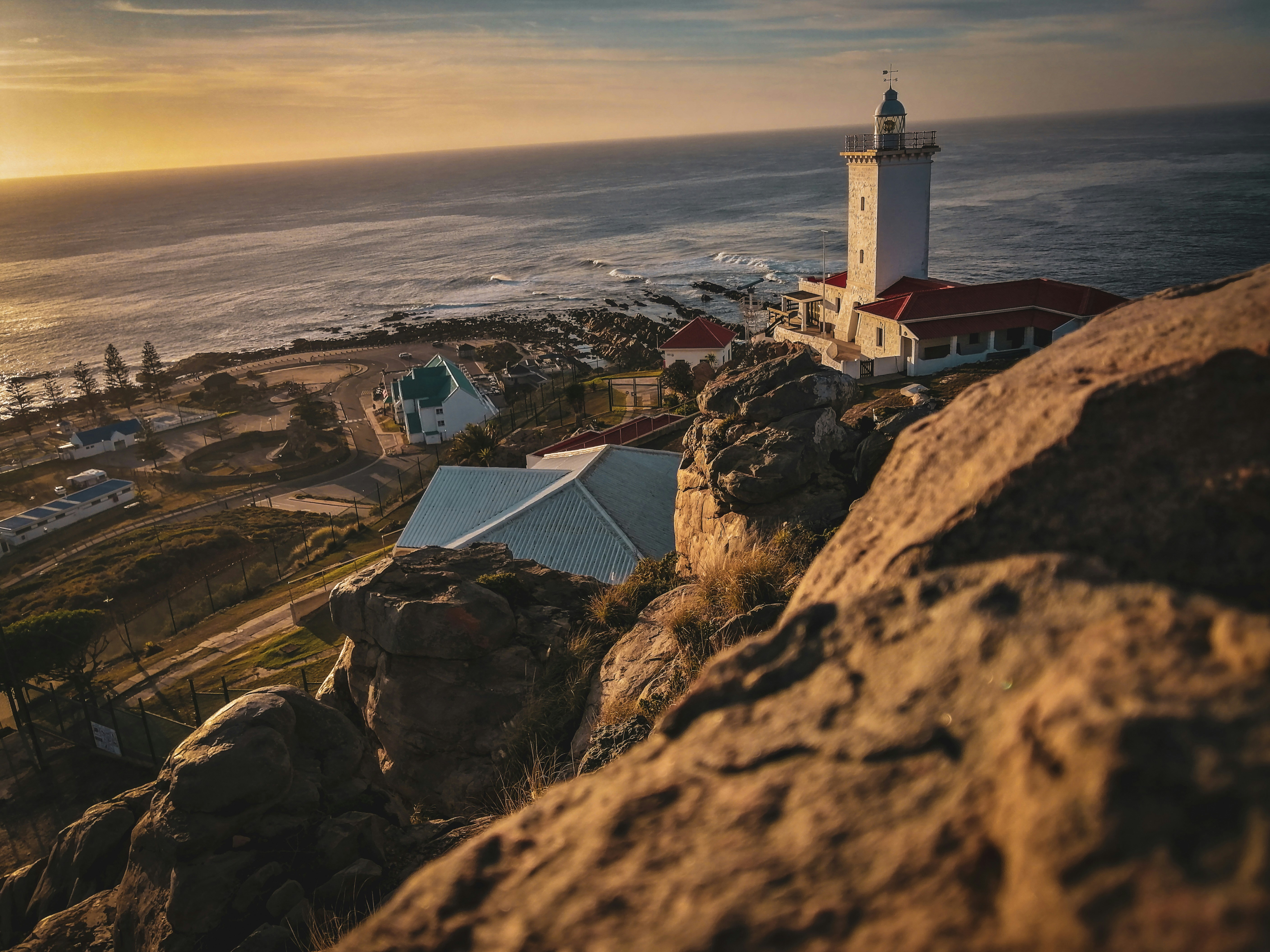
Mossel Bay, South Africa
Mossel Bay, South AfricaPhoto by Trey Smith on Unsplash
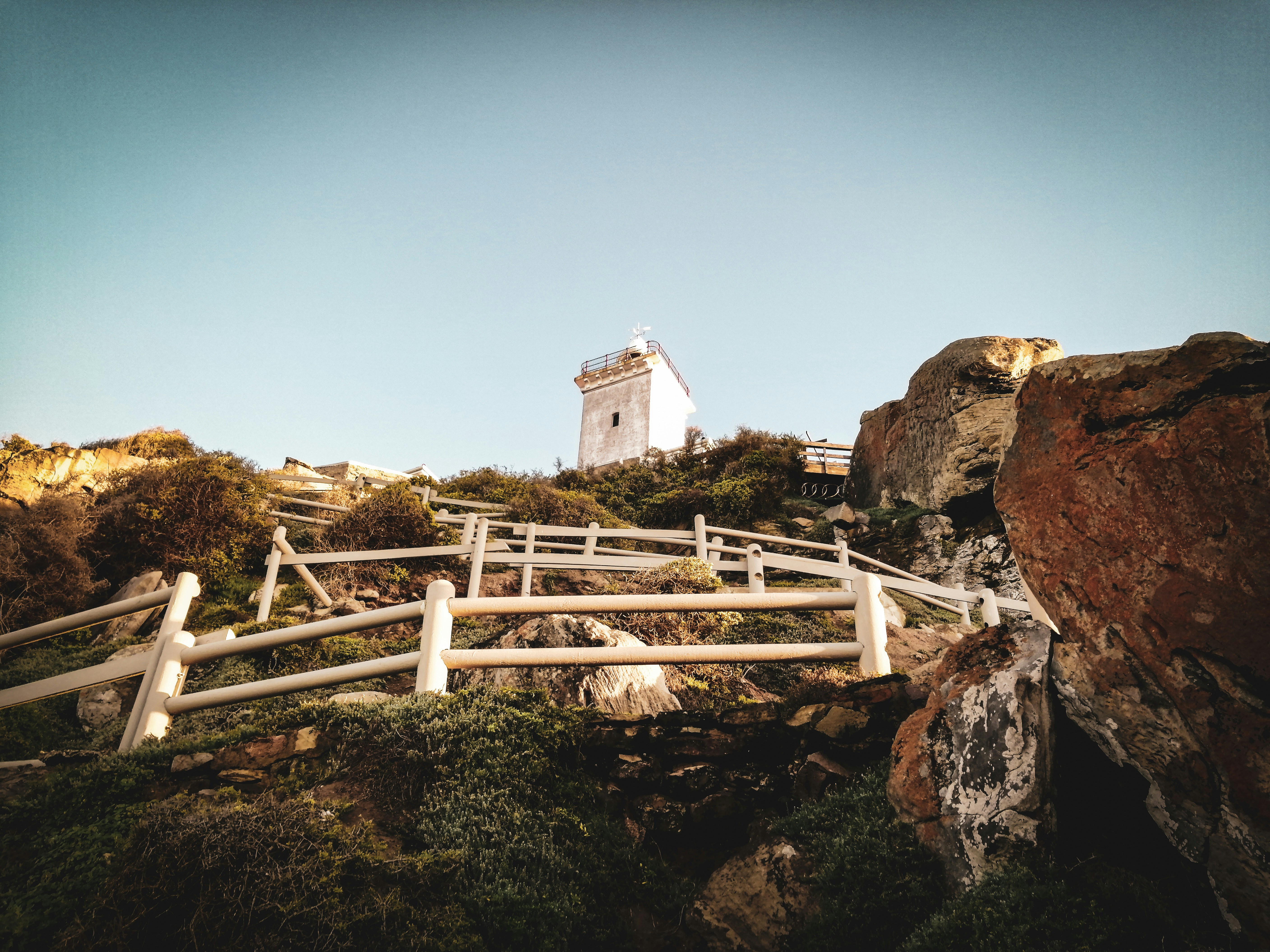
Mossel Bay, South Africa
Mossel Bay, South AfricaPhoto by Trey Smith on Unsplash
Mossel Bay, South Africa
Mossel Bay, South AfricaPhoto by Trey Smith on Unsplash

Day 69 - Cape Town

Sometimes referred to as the Mother City, Cape Town is the most famous port in South Africa and is influenced by many different cultures, including Dutch, British and Malay. The port was founded in 1652 by Dutch explorer Jan Van Riebeeck, and evidence of Dutch colonial rule remains throughout the region. The port is located on one of the world's most important trade routes, and is mainly a container port and handler of fresh fruit. Fishing is another vital industry, with large Asian fishing fleets using Cape Town as a logistical repair base for much of the year. The region is famous for its natural beauty, with the imposing Table Mountain and Lions Head, as well as the many nature reserves and botanical gardens such as Kirstenbosch which boasts an extensive range of indigenous plant life, including proteas and ferns. Cape Town's weather is mercurial, and can change from beautiful sunshine to dramatic thunderstorms within a short period. A local adage is that in Cape Town you can experience four seasons in one day.

Zacpt Cape Town City Beside Body Of Water And Mountains Dan Grinwis
Zacpt Cape Town City Beside Body Of Water And Mountains Dan GrinwisDan Grinwis
Zacpt Cape Town Brown Sand Near Body Of Water During Daytime Dibert Theron
Zacpt Cape Town Brown Sand Near Body Of Water During Daytime Dibert TheronDibert Theron
Zacpt Cape Town Group Of Penguins Facing At The Coastline Jack Young
Zacpt Cape Town Group Of Penguins Facing At The Coastline Jack YoungJack Young

Day 70 - Cape Town

Sometimes referred to as the Mother City, Cape Town is the most famous port in South Africa and is influenced by many different cultures, including Dutch, British and Malay. The port was founded in 1652 by Dutch explorer Jan Van Riebeeck, and evidence of Dutch colonial rule remains throughout the region. The port is located on one of the world's most important trade routes, and is mainly a container port and handler of fresh fruit. Fishing is another vital industry, with large Asian fishing fleets using Cape Town as a logistical repair base for much of the year. The region is famous for its natural beauty, with the imposing Table Mountain and Lions Head, as well as the many nature reserves and botanical gardens such as Kirstenbosch which boasts an extensive range of indigenous plant life, including proteas and ferns. Cape Town's weather is mercurial, and can change from beautiful sunshine to dramatic thunderstorms within a short period. A local adage is that in Cape Town you can experience four seasons in one day.

Zacpt Cape Town City Beside Body Of Water And Mountains Dan Grinwis
Zacpt Cape Town City Beside Body Of Water And Mountains Dan GrinwisDan Grinwis
Zacpt Cape Town Brown Sand Near Body Of Water During Daytime Dibert Theron
Zacpt Cape Town Brown Sand Near Body Of Water During Daytime Dibert TheronDibert Theron
Zacpt Cape Town Group Of Penguins Facing At The Coastline Jack Young
Zacpt Cape Town Group Of Penguins Facing At The Coastline Jack YoungJack Young

Suites & Deck Plans

Suite

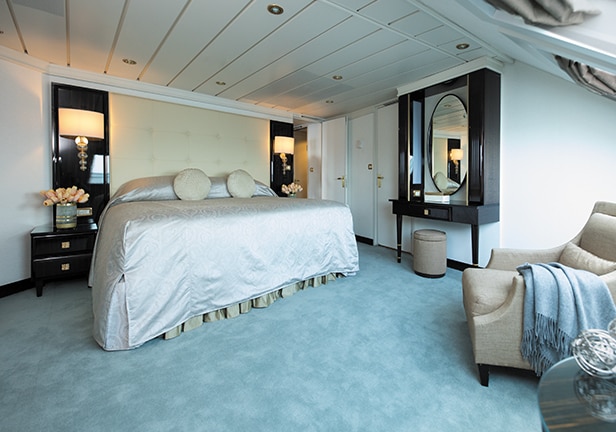
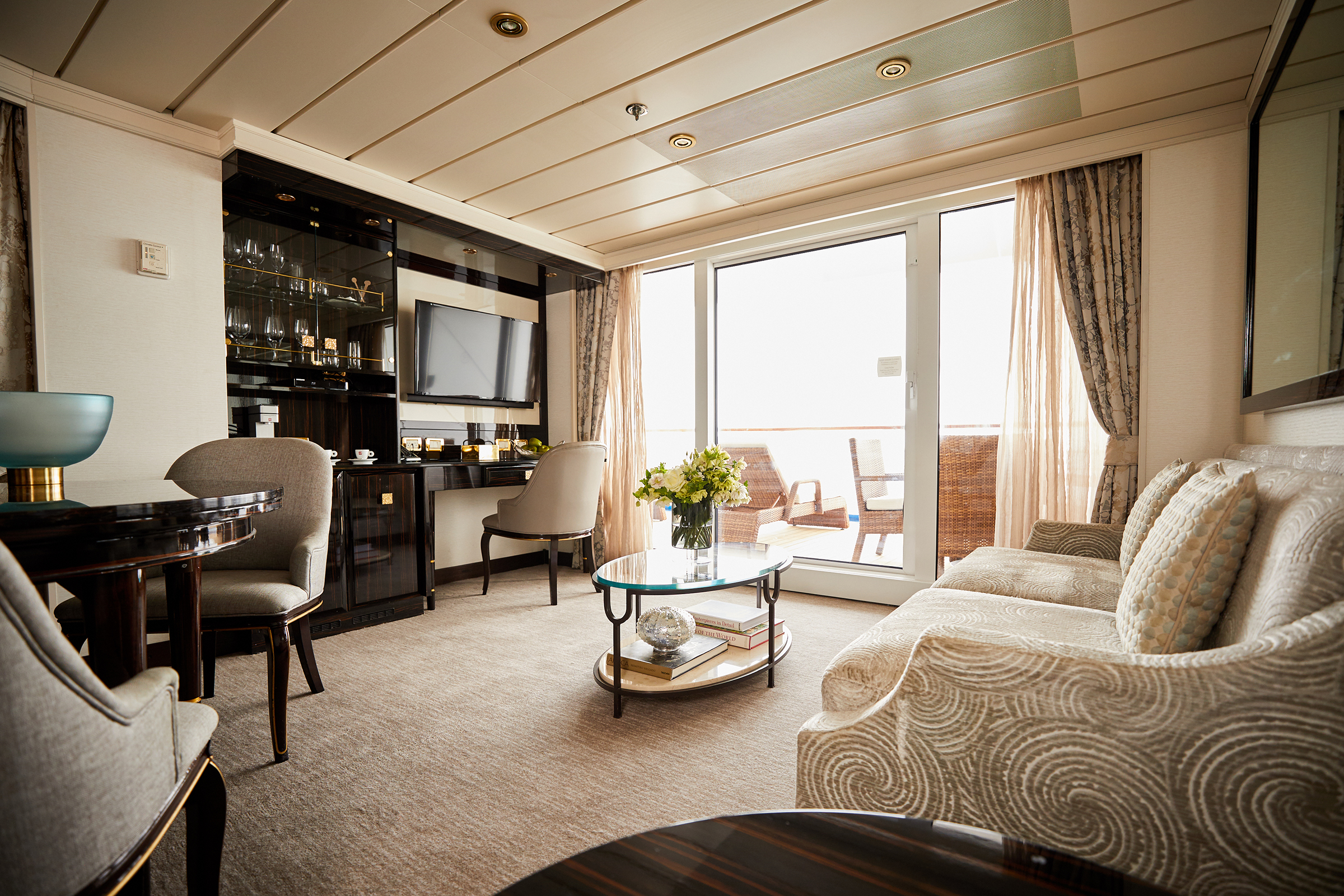
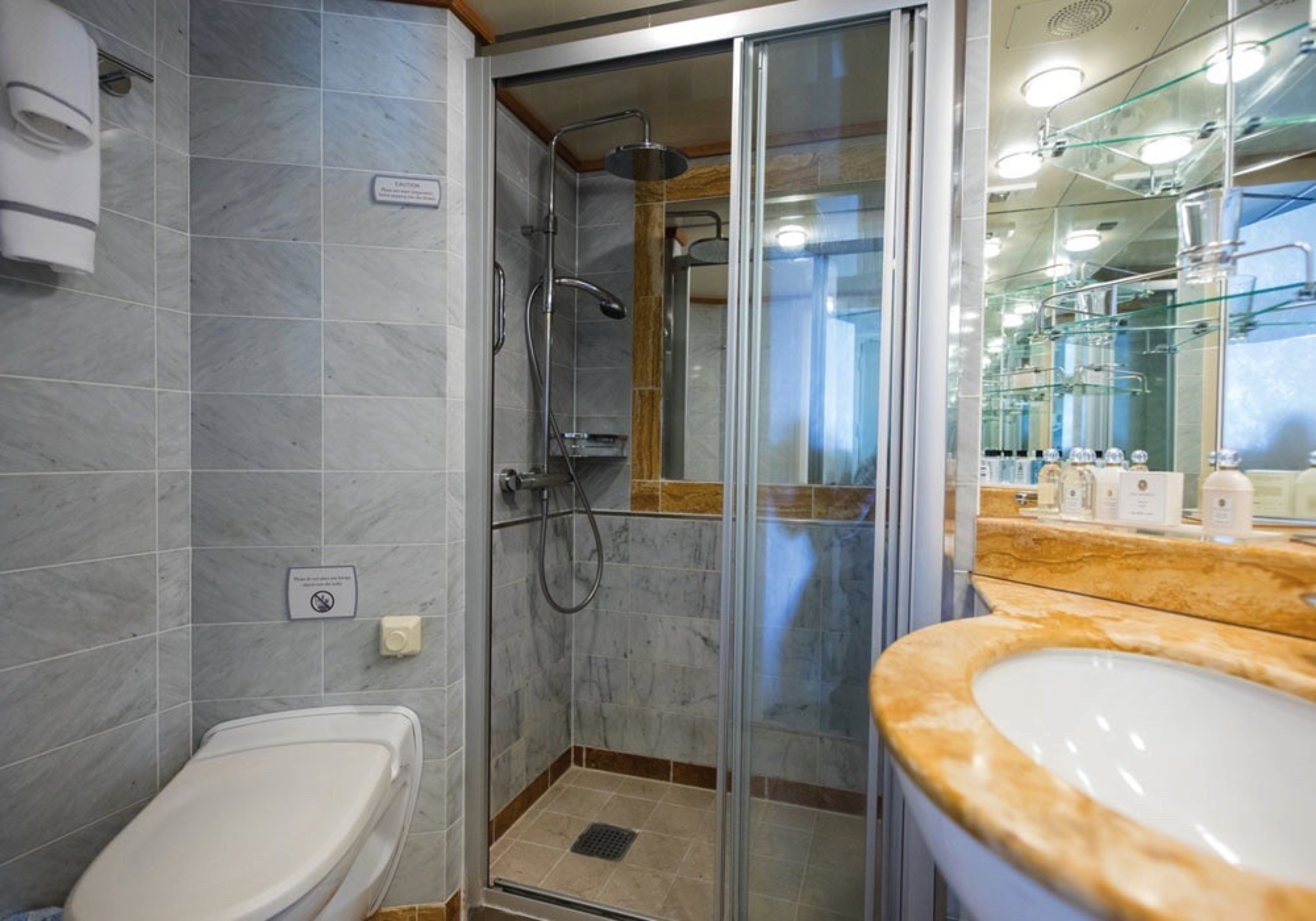
You'll find Park Avenue chic onboard Seven Seas Mariner® in this spectacular suite. Elegant rosewood furniture, luxe fabrics and a crystal chandelier create sophisticated comfort, while a personal butler is available to fulfil whatever requests you may have. With two bedrooms, two-and-a-half baths, a large living room and two private balconies, this sublime suite is perfect for hosting new friends in luxury.

Layout

  • 2 Spacious Bedroom with a European King-Size Elite Slumber® Bed (*Bed in primary bedroom cannot be converted into two beds.)
  • 2 1/2 Marble & Stone Detailed Bathrooms
  • 2 Private Balconies
  • Sitting Area
  • Walk-In Closet with Safe
  • Includes Up To 6 Guests

The suite pictured may differ from the suite booked, as layouts and designs vary by ship, deck, and suite location.

Amenities

  • 1-Night Pre-Cruise: Hotel Package Including:
  • - Ground Transfers
  • - Breakfast
  • - Porterage
  • Unlimited WiFi and Streaming Package for up to Four Devices
  • Valet Laundry Service
  • 24-hour In-Suite Dining
  • Fresh Orchid Arrangement
  • L'Occitane® Jasmin & Bergamot Bath Amenities
  • Regent Plush Bathrobe & Slippers
  • Interactive Flat-Screen Television & Direct-Dial Satellite Phone
  • Priority Access to Online Shore Excursion Reservations
  • Priority Access to Online Dining Reservations
  • Binoculars
  • illy® Espresso Maker
  • Cashmere Blankets
  • Regent Special Gift
  • Vanity & Hair Dryer
  • Shoe Shine Service
  • Additional Discounts:
  • - 10% Discount on Ultra Premium Wine and Liquor
  • - 5% Savings on Pre- or Post-Cruise Hotel or Land Programs
  • - 5% Savings on Regent Choice Shore Excursions

Additional Signature Suite Amenities:

  • Guaranteed Reservation Each Night in Specialty Restaurant of Your Choice
  • Welcome Letter from the President and General Manager
  • Personal Butler for an Elevated In-suite Experience
  • - In-Suite Dining Menu Including Specialty Restaurant Selections During Dining Hours
  • Priority Boarding on Embarkation Day with Suite Access at Noon
  • Welcome Bottle of Premium Champagne
  • Personalized In-Suite Full-Liquor Bar Set-Up
  • A Sumptuous In-Suite Caviar Service Once During Cruises
  • Complimentary In-Suite Cocktail Party for 8
  • Complimentary 25-Minute Personal Fitness Session at the Serene Spa & Wellness™ Fitness Center
  • Daily Canapés
  • Tea Forté Set-Up
  • Luxe Fruit Arrangement with Chocolate Leonidas
  • Luxurious Designer Bath Amenities & Men's Unscented Shaving Kit
  • Hairdryer
  • Selection of Fig & Tea Leaves Bath Salts
  • Guerlain Bath Amenities & Men's Unscented Shaving Kit
  • Bath Scale Setup
  • Bose® SoundLink Mini II Bluetooth Speaker
  • Selection of Bed Pillow Styles
  • Complimentary Garment Pressing on First Night
  • Personalized Stationery upon request
  • Elegant Weather Clock
  • Excursion Bag

2002 sq ft
Accommodates 5 guests
Signature Suite

Seven Seas Mariner

Seven Seas Mariner

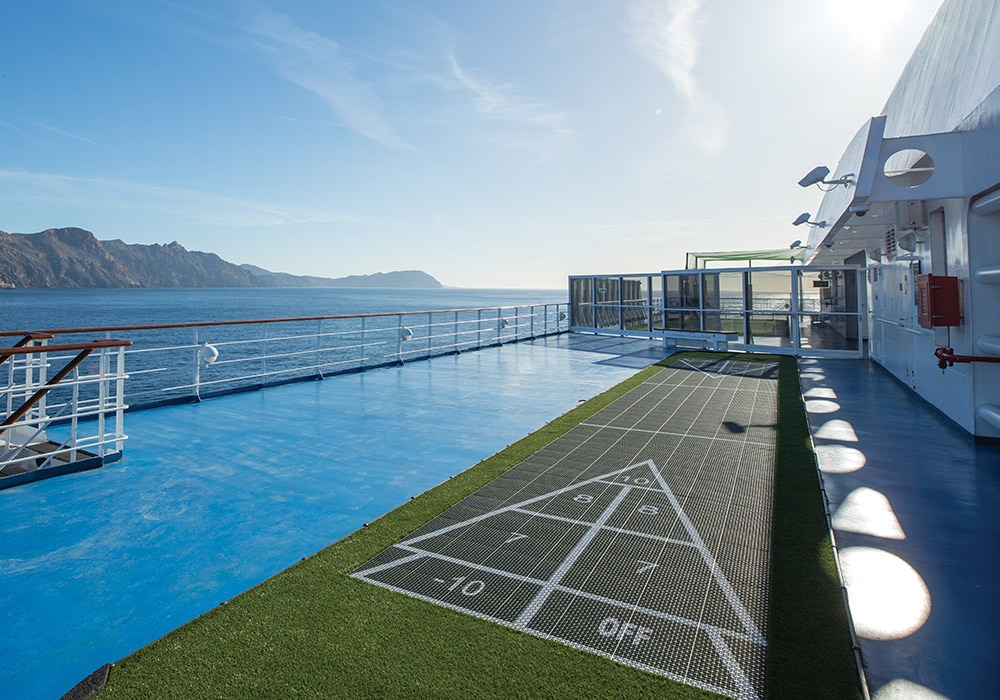
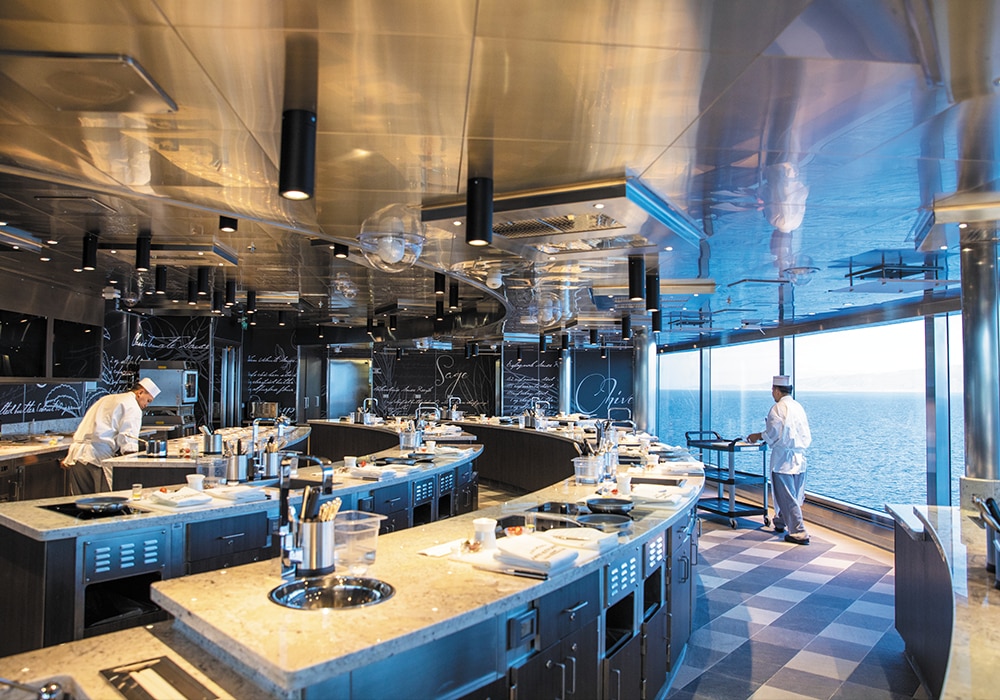
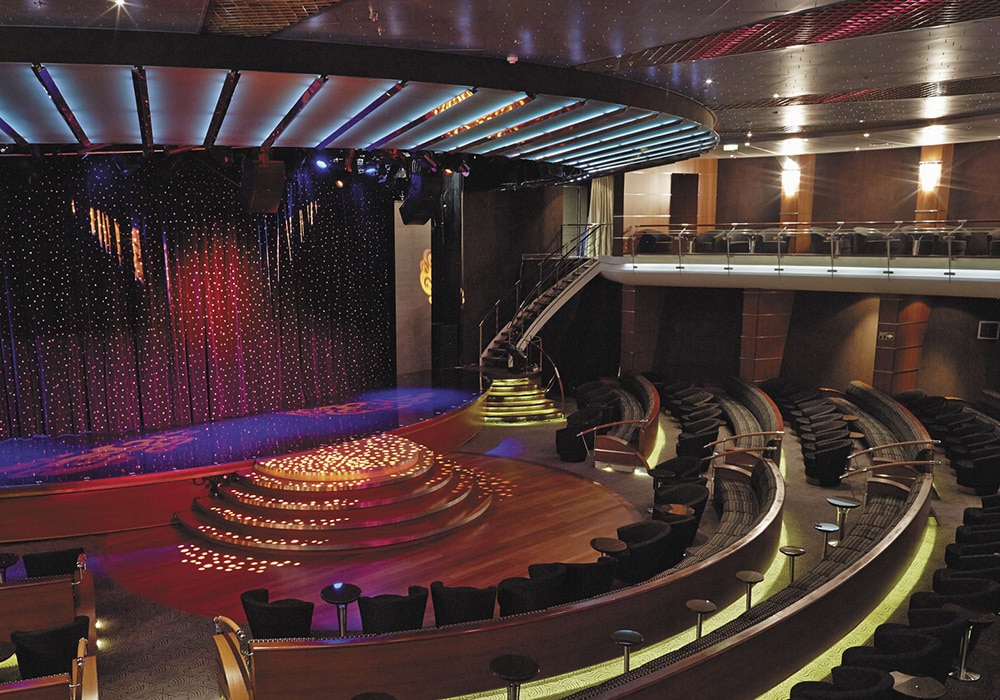
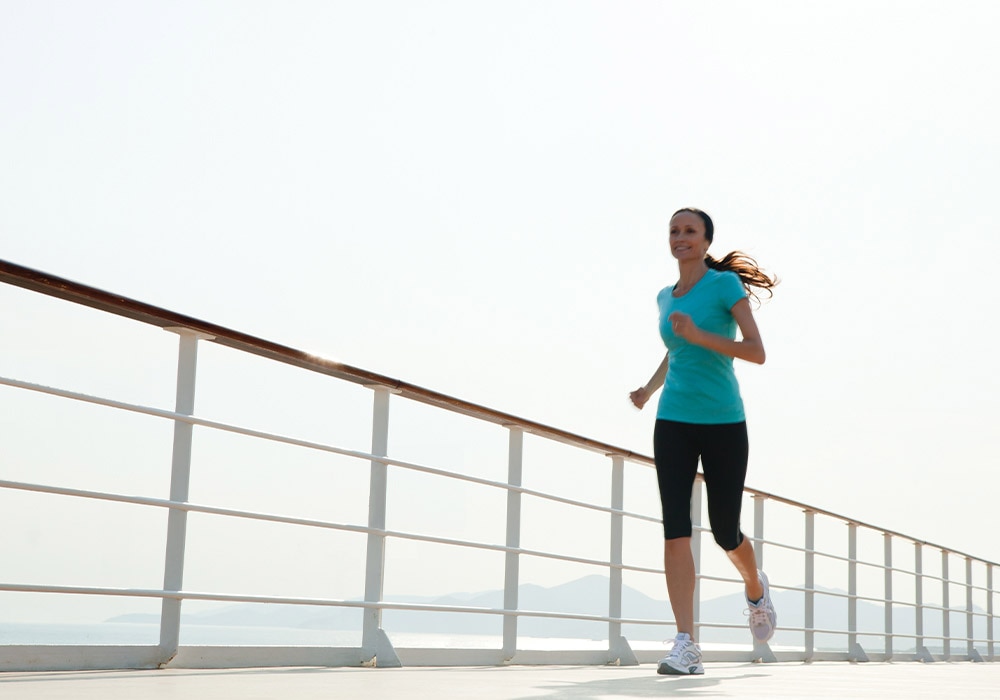
Life on board

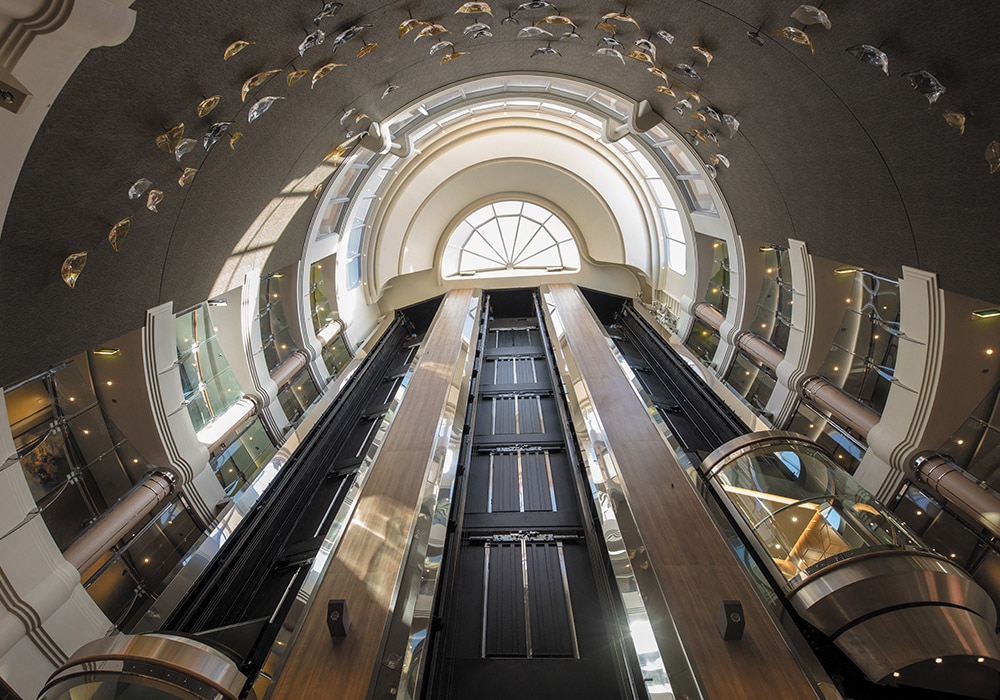
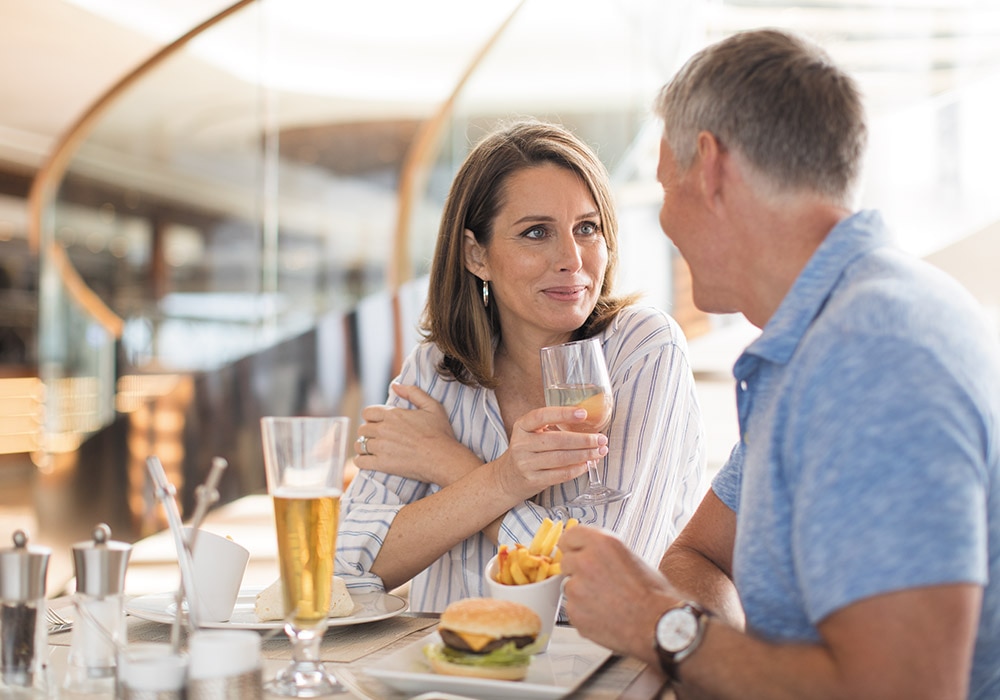
The Onboard Experience

Client testimonials

I have worked with Lore Doick for more than 20 years, and she has booked over 30 cruises for me. Her expertise, care, and attention to every travel detail have made her an invaluable advisor and friend over the years.”

Tina B.

We are now in our second generation working with Cheri Ozimac at Tully Luxury Travel. From Antarctica to Greece, she has handled every detail with expertise, responsiveness, and care…

Earl M.

My wife and I have worked with Tully since 2007, and Kit Neil and her team went far beyond expectations while helping us navigate multiple cruise and flight cancellations. Their advocacy, care, and support during a difficult time were extraordinary.

Carri F.

Cheri Ozimac organized our Seabourn cruise flawlessly, from the hotel recommendation to every travel arrangement. She was responsive, attentive, and an excellent advocate throughout the process…

Cyn S.

We discovered Tully Luxury Travel after years of booking cruises through US agents and were impressed by their competitive pricing, exceptional service, and Canadian based support. Their team is always available, offers excellent value, and makes booking the right cruise seamless.

Peter C.

GoogleAverage Customer Rating:

The Tully Difference

Why travel with us


Tully Luxury Travel was built on access, discretion, and trust. For our clients, that means ease at every step, with distinctions that turn exceptional voyages into defining moments.

Recognized expertise

A renowned agency worldwide in luxury land and small-ship cruising, consistently trusted by the industry’s most prestigious brands.