Regent Seven Seas Cruises logo

History At Sea

Itinerary: Doha, Dubai, Red Sea Seas, Muscat, Cruising the Arabian Sea, Salalah, Cruising the Gulf of Aden, Jeddah, Safaga, Sharm El Sheikh, 'Aqaba, Suez Canal Transit, Haifa, Cruising the Mediterranean Sea, San... See full itinerary

22 May 28
19 nights

Voyage Details

Duration:
19 nights
Departure:
22 May 2028
Embarkation:
Doha, Qatar
Cruise code:
EXP280522
Voyage code:
EXP280522

Your Itinerary, Day-By-Day

Special Chapters of Your Journey

Day 1 - Doha

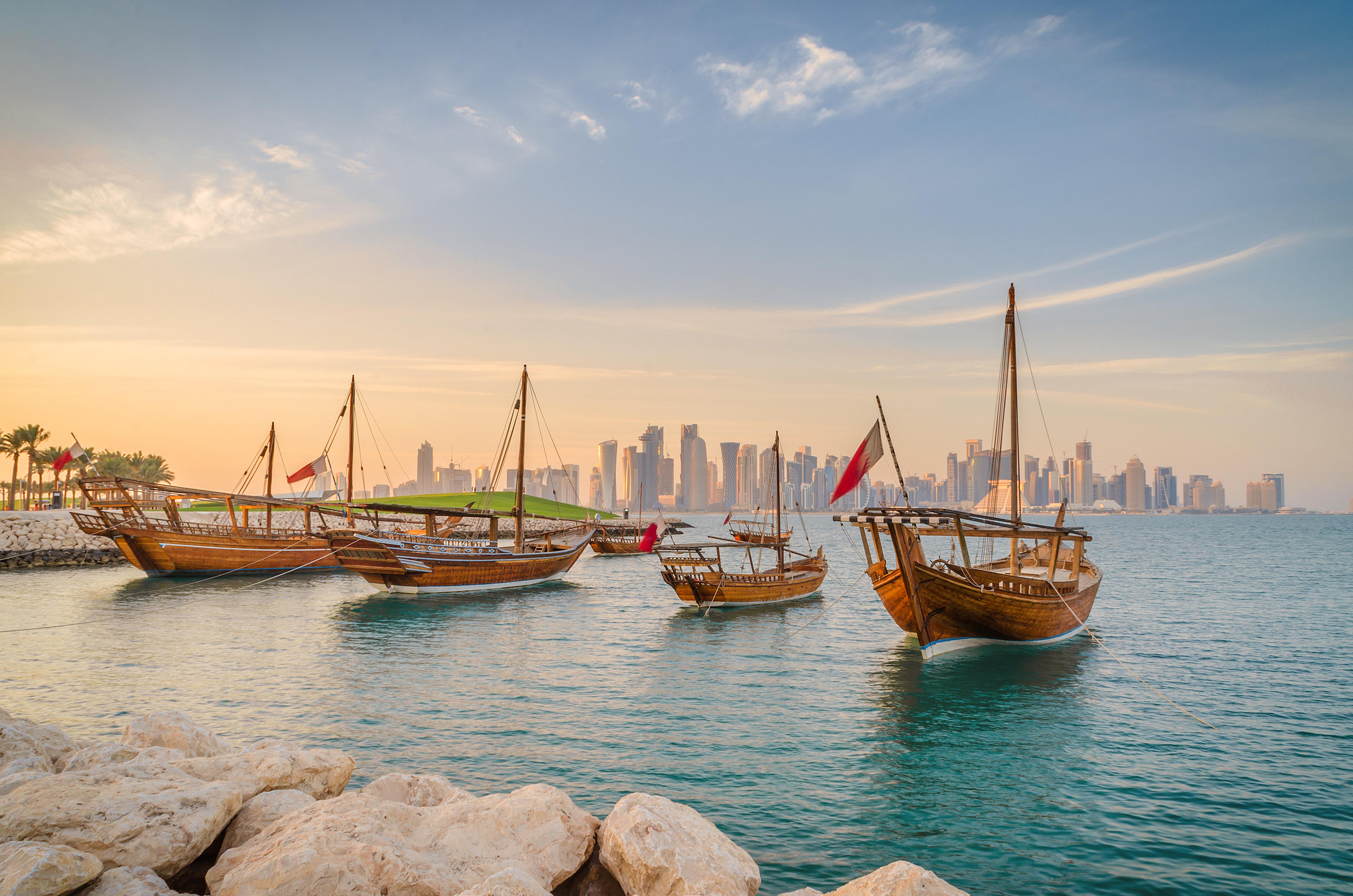
Doha (population 700,000) is the capital of the State of Qatar, an emirate occupying the small Qatar Peninsula bordered by Saudi Arabia to the south and otherwise surrounded by the Persian Gulf. Qatar was ruled by many different powers through the centuries, in fact historians have traced human habitation dating back 5000 years. From its earliest history, Qatar was a very important trade route connecting Mesopotamia and the Indus Valley. Among its occupiers were the Portuguese, the Ottomans and finally the British during the turbulent years of the 20th century. Qatar gained independence in 1971, and with resources from oil exportation, His Highness Sheikh Khalifa Bin Hamad made improvements in social programmes including education, health and housing. In 1995, his son, His Highness Sheikh Hamad Bin Khalifa Al-Thani assumed the throne and brought with him a modern and progressive approach that quickly transformed the country. Doha, home to 80 percent of the country’s population, was founded under the name of Al-Bida in 1850. It became the capital of the British protectorate of Qatar in 1916. When the nation gained its independence, Doha remained the capital. During the early 20th century, much of Qatar’s economy depended on fishing and pearling. But after the introduction of Japanese cultured pearls, Doha and the whole region suffered a decline. Only when oil was discovered, prosperity returned following World War II. Today, the country produces over 800,000 barrels of oil daily. Doha is situated halfway down the east coast of the peninsula. It is an intriguing mixture of old and new, with ultra modern architecture next to traditional souqs and historic forts. It boasts a university and the Qatar National Museum (currently closed for renovation), which opened 1975 in what was originally the ruler’s palace. As the country’s cultural and commercial centre, Doha enjoys excellent communications with the outside world through its modern seaport, airport and telephone links. The Al Jazeera Arabic satellite television news channel began broadcasting in 1996 with its headquarters in Doha. While Arabic is the official language, English is widely spoken. Please Note: Conservative dress is required when going ashore. As a rule, women should not wear miniskirts, shorts or sleeveless tops and men should always wear a shirt in public. Please do not photograph people without their permission, especially women.You may not take pictures of government buildings, embassies or anything military in nature, including airports.
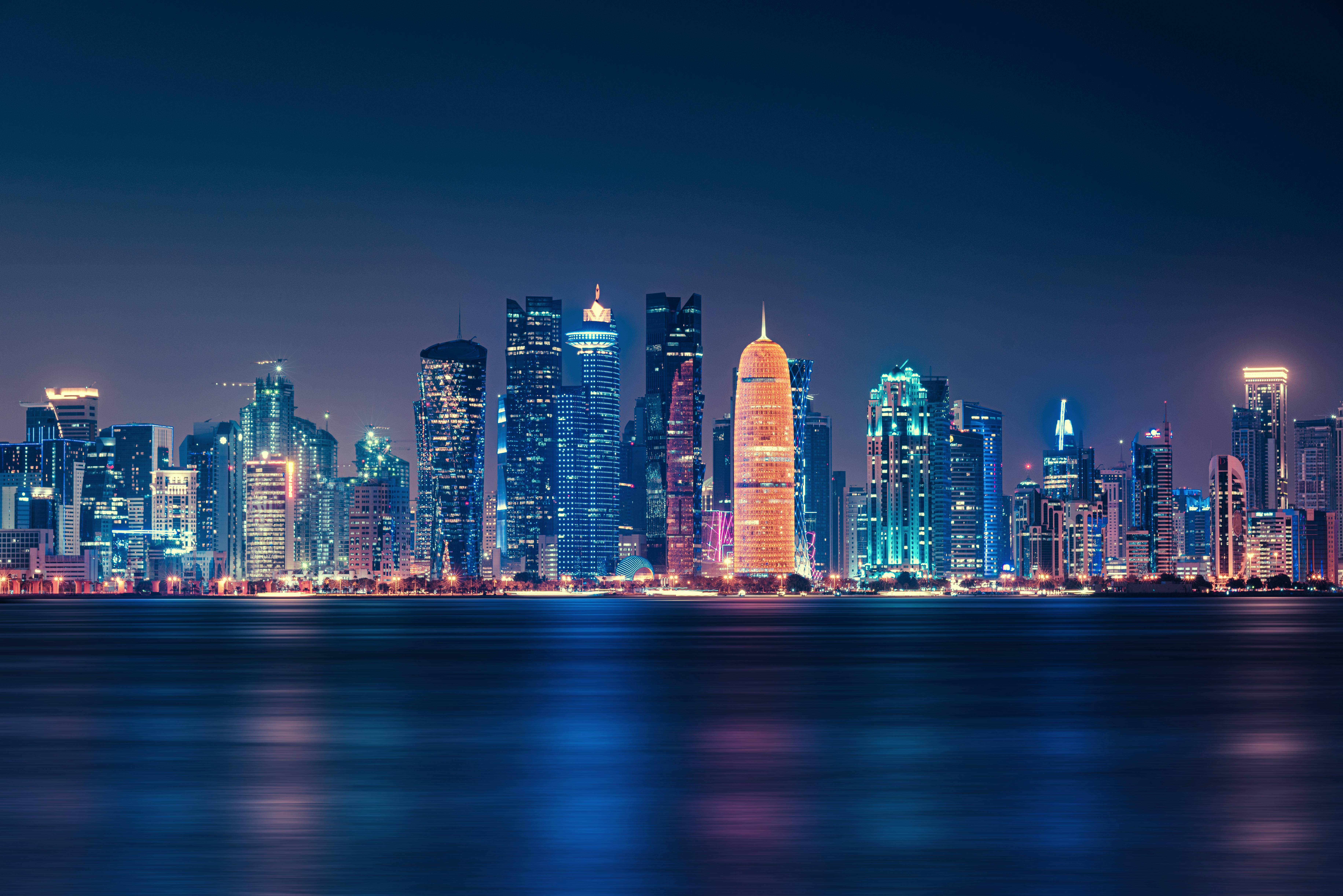
Doha Skyline At Night
Doha Skyline At NightPhoto by Abdullah Ghatasheh, Pexels
Boats Anchored Off Doha
Boats Anchored Off DohaImage by waseem lazknai from Pixabay

Day 2 - Dubai

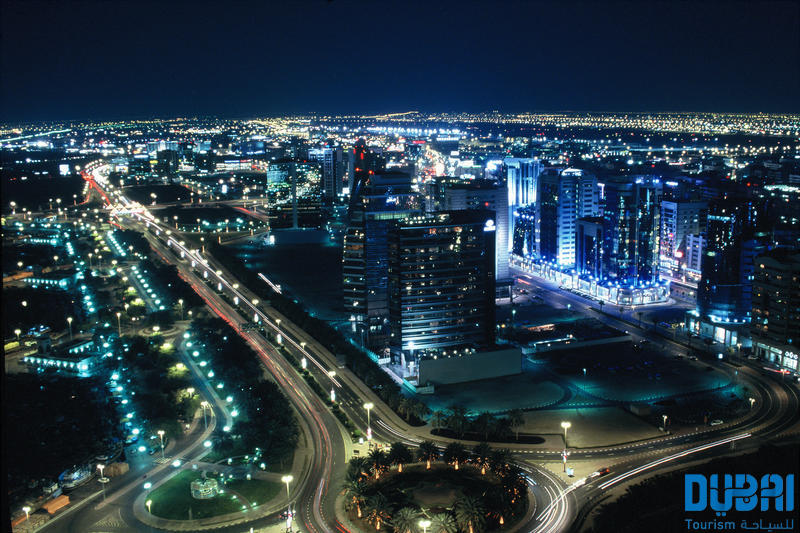
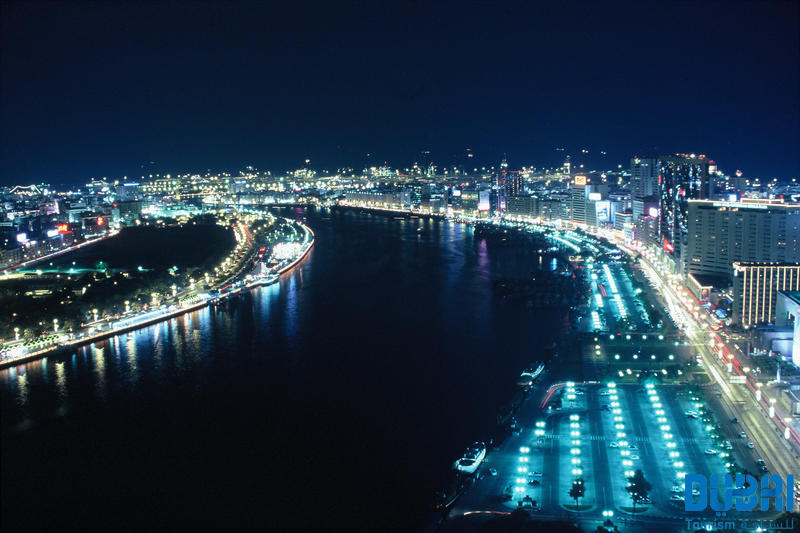
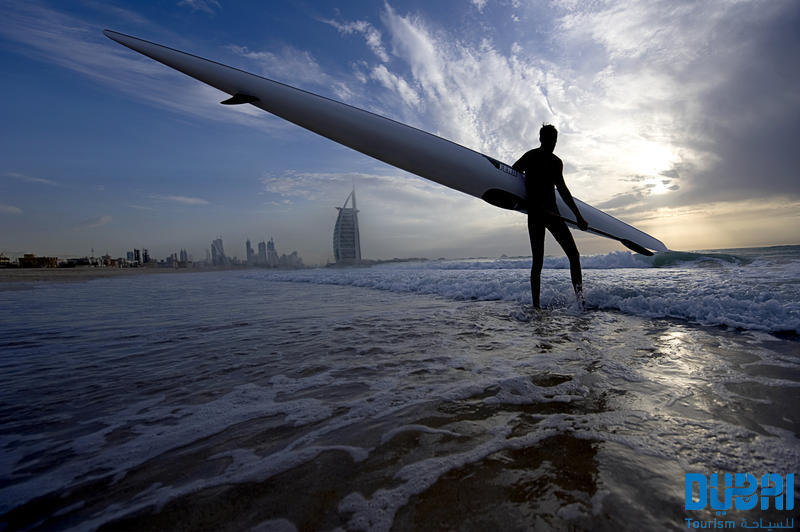
Dubai sits on a golden sandy coastline in the Arabian Gulf, where the warm azure waves of the sea meet the desert. A high-rise oasis, this city is a pleasure-dome surrounded by dunes; one of the most fashionable on the planet thanks to its ability to satisfy the needs of legions of demanding vacationers. Dubai is about having fun—and it's one big adult playground.Nature plays her part here, with year-round sunshine, gorgeous beaches, dramatic arid landscapes, and warm waters, but it's the man-made attractions that make Dubai so alluring. You can launch yourself into high-adrenaline desert adventures, diving and water sports, and some of the world's best golf courses. The 5-, 6-, and 7-star hotels offer the ultimate in luxury, and the party scene is hot. Shopping malls are the biggest in the world and are packed full of high-class merchandise. And with hundreds of restaurants with cuisine from around the world, you can munch your way from Mexico to Malaysia.Dubai is an Arab country with a long history as a trading port. Traces of its traditional life, customs, and architecture can still be seen and explored, but today and tomorrow are much more important than yesterday. Almost every building in this metropolis is less than 20 years old and the most dramatic developments—groundbreaking megaprojects—have just been completed or are still under construction.The city is certainly unique. Islam is its anchor, but it has opened its doors to the rest of the world and has invited them in to work, rest, and play, which creates a truly international atmosphere. Unashamedly modern and materialistic, life here takes place at breakneck speed. The landscape is stark, the confidence is sky high, the can-do spirit is palpable, and the bling is in your face. Dubai produces strong reactions in people, but one thing is certain—love it or loathe it—you will not forget it. It is without a doubt, one of the world's true must-see destinations.Shisha: Smoke Without Fire. Emirati men love socializing, but as they don't drink alcohol they get together over coffee and shisha instead of a drink at the bar after work. The shisha, or hookah, is a smoking device, usually made of glass, that filters smoke through water before it reaches the smoker's mouth. Shisha tobaccos are aromatic and are often mixed with apple, cinnamon, or cherry, so their taste isn't as strong as other tobaccos. Smoking shisha is said to induce relaxation—but you'll have to decide if it's for you!

Aedxb   Dubai   Skyline 2   Credit Dubai Department Of Tourism And Commerce Marketing
Aedxb Dubai Skyline 2 Credit Dubai Department Of Tourism And Commerce MarketingDubai Department of Tourism and Commerce Marketing
Aedxb   Dubai   Skyline 3   Credit Dubai Department Of Tourism And Commerce Marketing.Jpg
Aedxb Dubai Skyline 3 Credit Dubai Department Of Tourism And Commerce Marketing.JpgDubai Department of Tourism and Commerce Marketing
Aedxb   Dubai   Surfer On The Beach   Credit Dubai Department Of Tourism And Commerce Marketing
Aedxb Dubai Surfer On The Beach Credit Dubai Department Of Tourism And Commerce MarketingDubai Department of Tourism and Commerce Marketing

Day 3 - Red Sea Seas

Further details for this day are not available.

Day 4 - Muscat

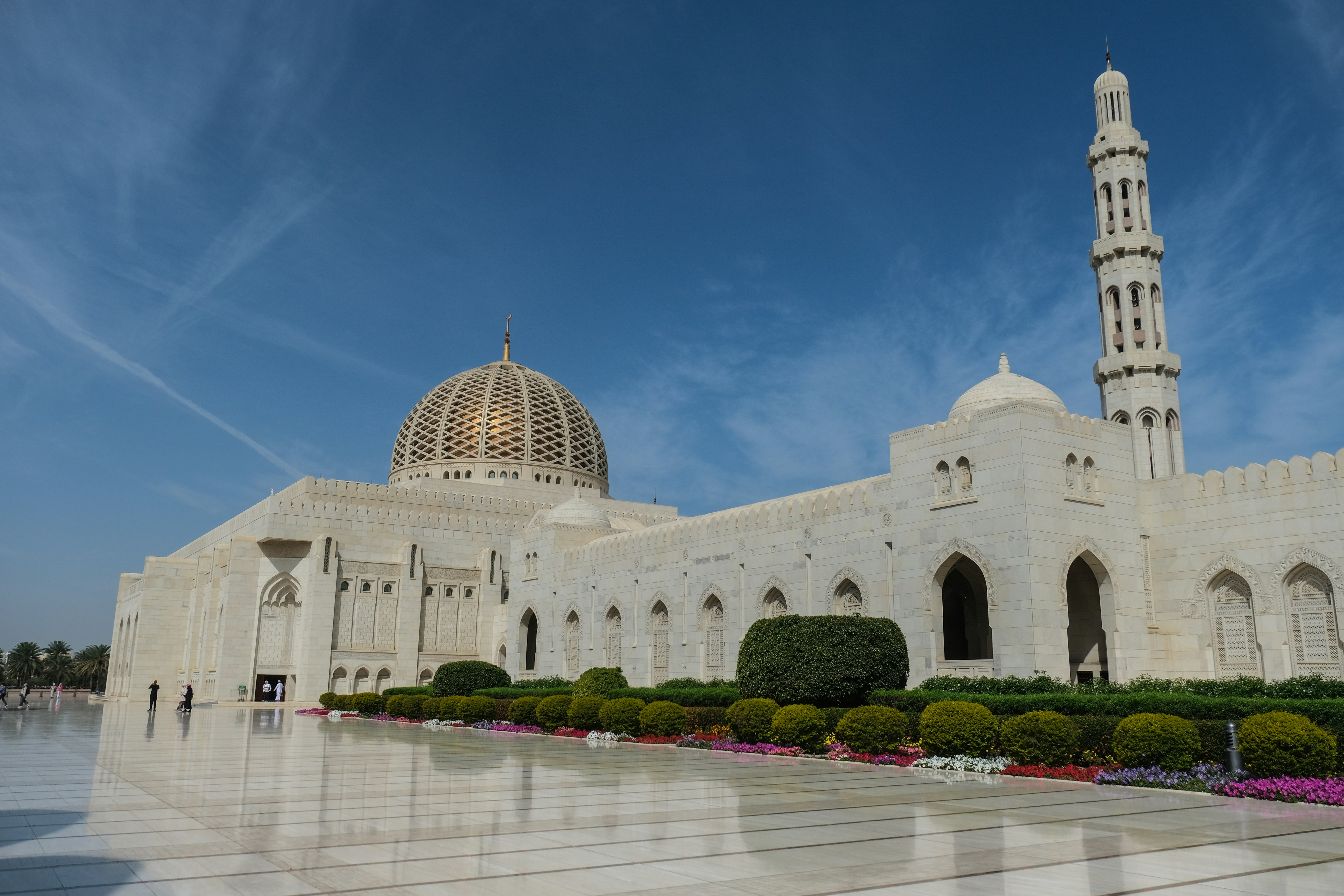
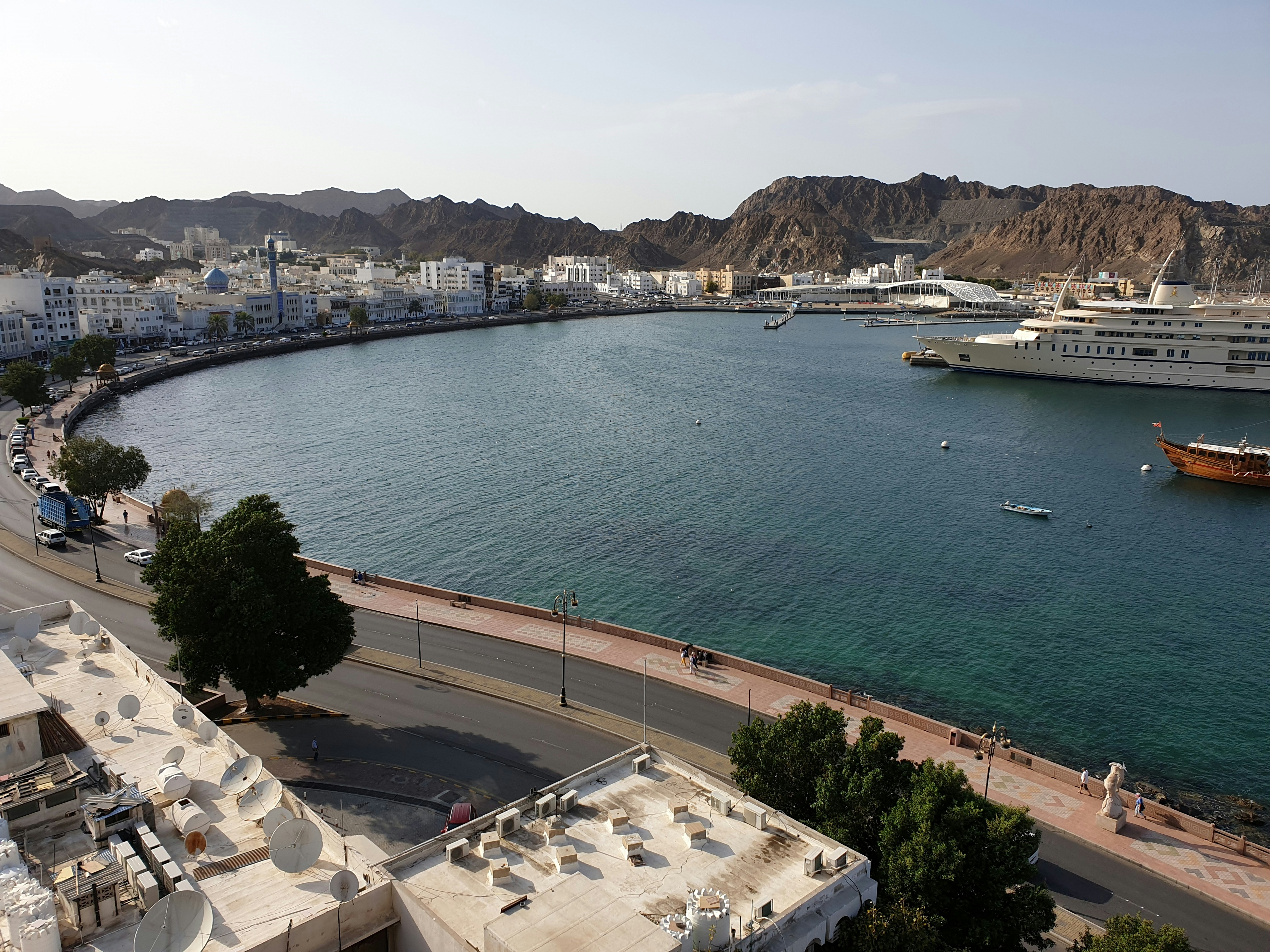
Oman's capital city is hemmed in on one side by spectacular jagged-peaked mountains and on the other by royal blue sea. The architecture is a traditional, sophisticated arabesque blend of white-washed, low-rise buildings surrounded by manicured palms, intricately designed domes set atop the minarets of the mosques, sand-colored villas, a surprising blend of modern art installations, like a giant incense burner that towers over the Corniche, and ancient forts set in the rocky hills. Though tradition abounds, from distinct, local cuisine to the widely worn national dress, the dishdasha, Muscat is a completely modern city, featuring opulent luxury hotels, international restaurants, excellent cellular and data service, sprawling shopping malls, pristine beaches, lively nightlife, world-class performing arts, and a highly educated population, most of whom speak English, Arabic, and often Hindi. Muscat is the ideal base for exploring other areas of the country since many of the most desirable destinations are within a few hours' drive.

Muscat, Oman
Muscat, OmanPhoto by Daniele Levis Pelusi on Unsplash
Muscat, Oman
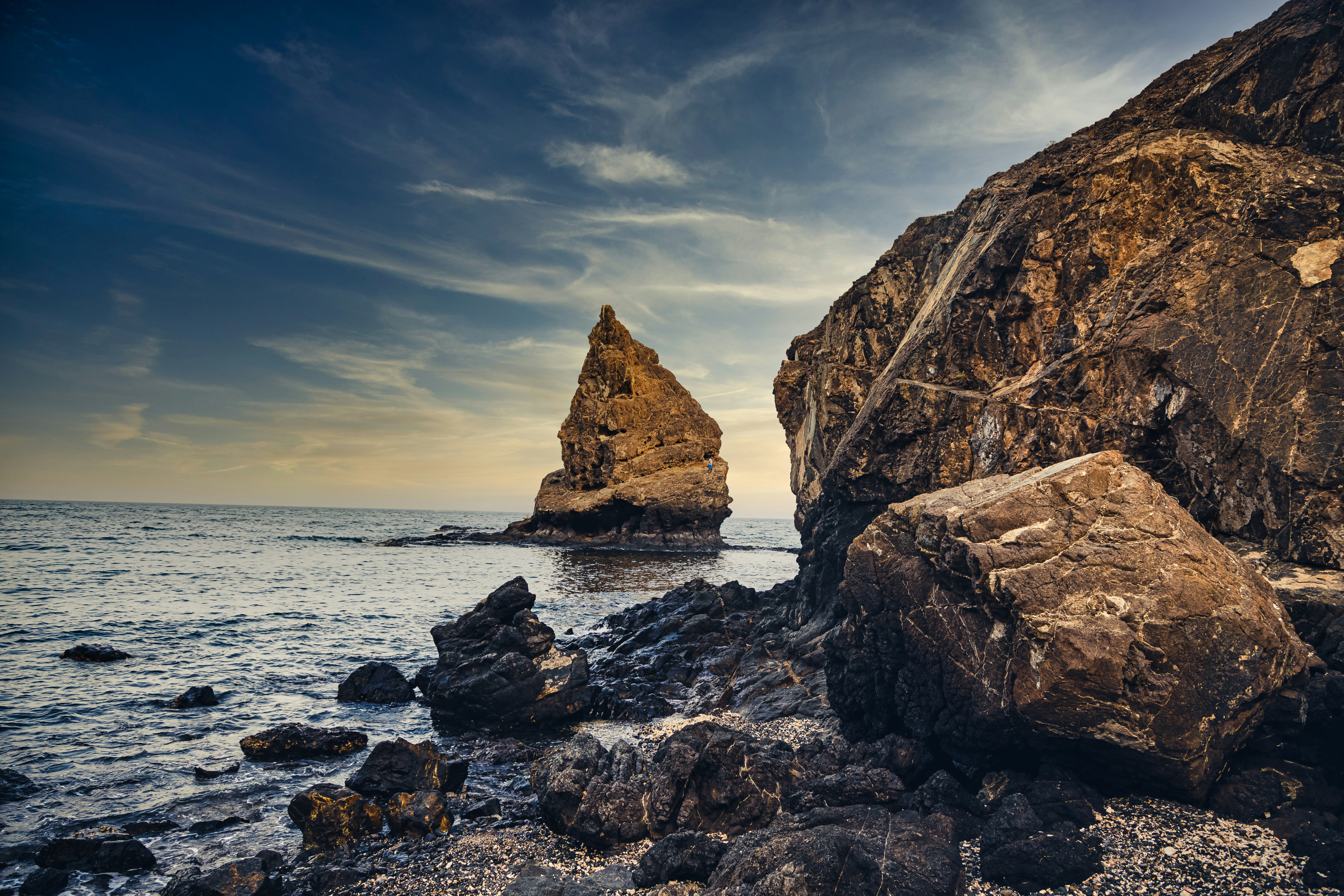
Muscat, OmanPhoto by Daniele Levis Pelusi on Unsplash
Muscat, Oman
Muscat, OmanPhoto by Gilles Gravier on Unsplash
Sidab, Muscat, Oman
Sidab, Muscat, OmanPhoto by Adil Riyami on Unsplash

Day 5 - Cruising the Arabian Sea

Further details for this day are not available.

Day 6 - Salalah

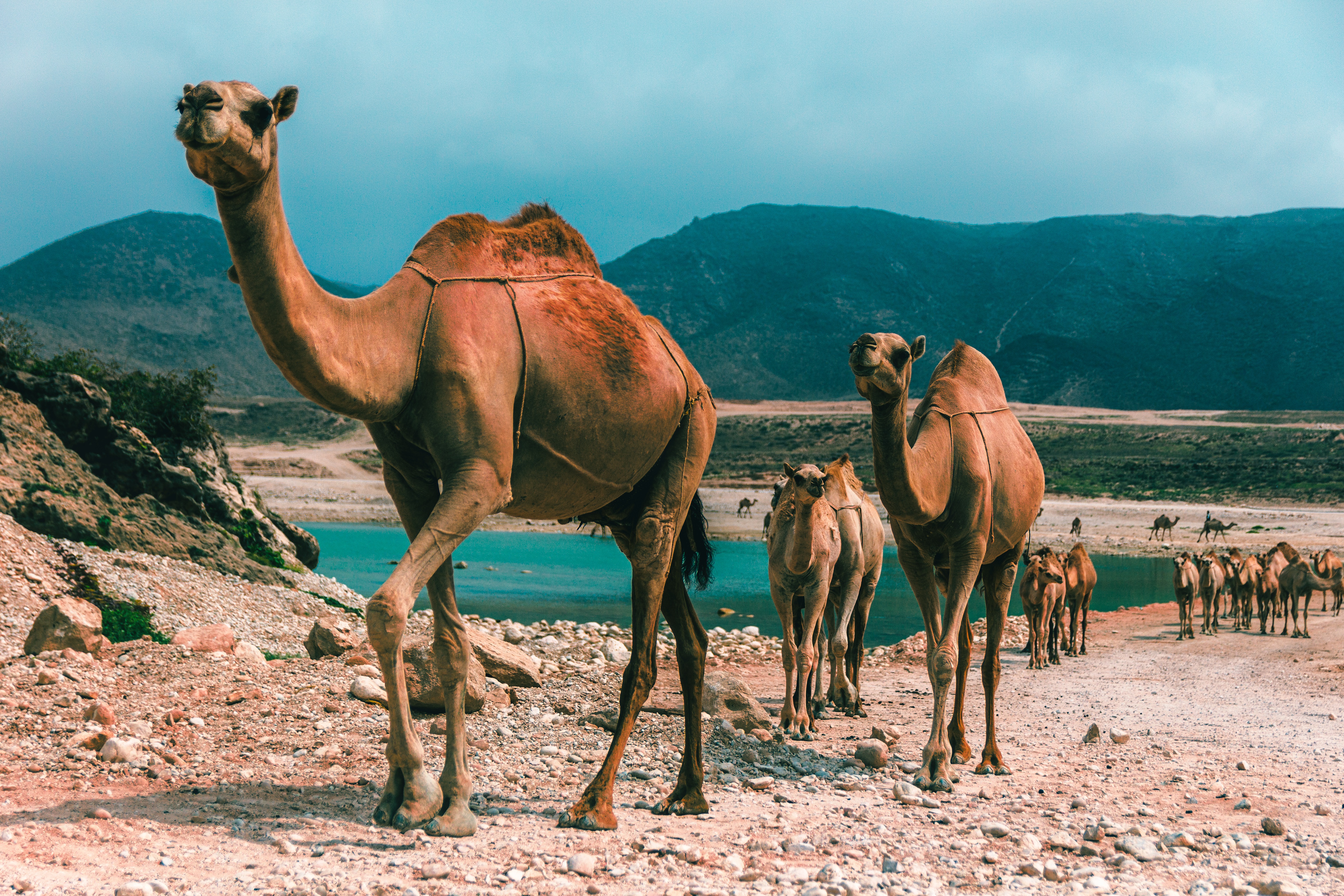
The lush landscape around Salalah is the intriguing result of a quirk of nature. Since it is uniquely situated in the path of the Khareef, or South Western Monsoon, this stretch of the Dhofar Coast is covered in fine mist and frequent rain from mid-June through mid-September. By the time the monsoons cease, the entire coastline is a verdant stretch. Waterfalls, rolling grasslands, and thickly wooded wadis (riverbeds) thrive alongside rapid mountain streams. Unique in this desert region, Salalah attracts many visitors from the surrounding Arabian Gulf countries who are anxious to experience a rare lushness in a region where rain and greenery are in short supply. Once a stop on the ancient trading routes that connected the Levant to India and China, Salalah has a rich history that goes back centuries. Traders from Mesopotamia, the Persian Empire, and beyond passed through Salalah in their search for frankincense, making it a major center for trade in the coveted exotic ingredient. Pre-Islamic tombs and grave sites, some believed to be up to 2,000 years old, are scattered all over the nearby mountainsides and the present-day city, which has an estimated 195,000 inhabitants.
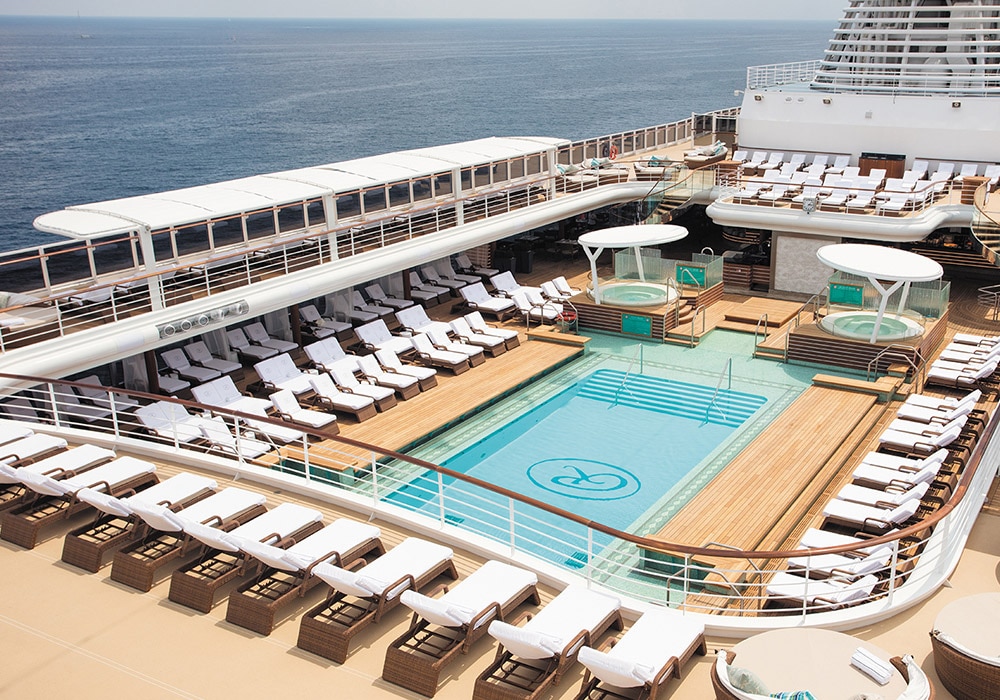
Salalah, Oman
Salalah, OmanImage by Rimaz Rauf from Pixabay

Day 7 - Cruising the Gulf of Aden

Further details for this day are not available.

Day 8 - Red Sea Seas

Further details for this day are not available.

Day 9 - Red Sea Seas

Further details for this day are not available.

Day 10 - Jeddah

Further details for this day are not available.

Jeddah
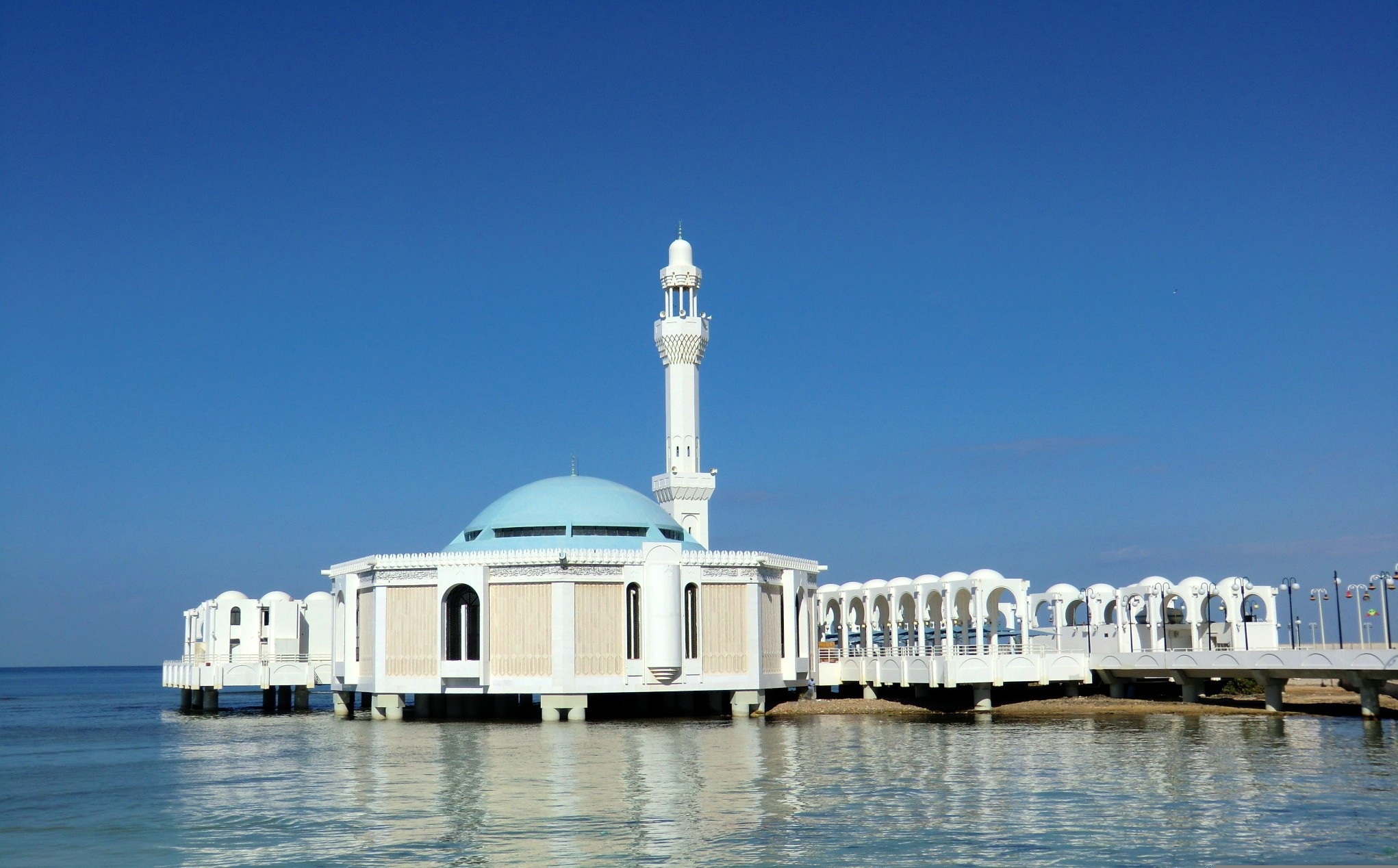
JeddahImage by Anonymous Traveller from Pixabay

Day 11 - Red Sea Seas

Further details for this day are not available.

Day 12 - Safaga

Port Safago has been undergoing a transformation, slowly metamorphosing into a holiday rsort. Like other cities on the Red Sea, the commercial port town sits close to great offshore dive sites. Unlike others, however, tourist development hasn't taken off in a meaningful way. But if the mass tourism in Hurghada is a turnoff, Safaga offers a small-scale and much more low-key alternative, though the best dive sites can still be seen on a day trip from Hurghada. Safaga is also the closest beach resort to Luxor and the Valley of the Kings, which lies 200 km (124 mi) to the southwest; when cruise ships offer land excursions to Luxor, they often do so through Safaga.
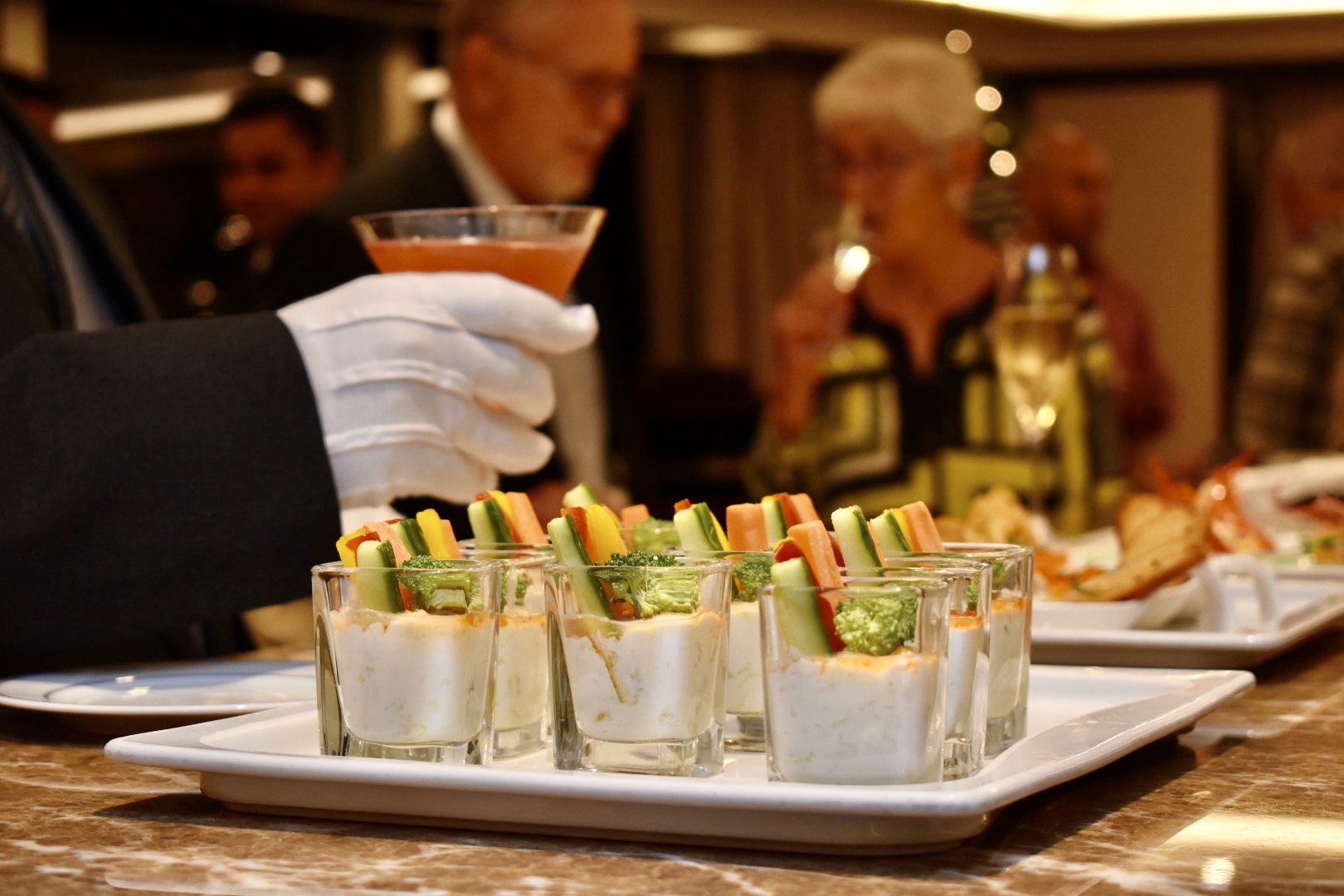
Safaga, Gateway To Luxor
Safaga, Gateway To LuxorImage by la_pet from Pixabay

Day 13 - Sharm El Sheikh

The port and town of Sharm-el-Sheikh lies near the southernmost tip of the Sinai Peninsula where the Straits of Tiran meet the Gulf of Aqaba. With its strategic position, the Sinai posed a desirable target for various rulers over the centuries. In recent times, the last battle for the Sinai was fought between Egypt and Israel from 1967 to 1979, ending with a peace treaty signed in Washington, D.C. Since the withdrawal of the Israelis, more and more Egyptians have settled in the Sinai, taking advantage of the booming tourist trade. However, vast interior regions are still sparsely populated. Many Bedouins have been affected by the advent of the 21st century, which is rapidly changing their age-old customs and nomadic lifestyle. As tourism and hotel projects continue to spring up along the Sinai coast, contact with Bedouins not involved in tourism is becoming increasingly rare. Once their nomadic life kept them on the move with their tents; today many Bedouins cultivate grain, vegetables and dates in addition to catering to the tourists. Sharm-el-Sheikh was initially developed by the Israelis during the Sinai occupation. Na'ama Bay, a short drive from the port, has grown from virtually nothing into a sizeable resort since the early 1980s. Between the two towns, a string of hotels line a once-untouched coastline. Resort hotels offer great opportunities for swimming, snorkelling and scuba diving. Glass bottom boat trips are available for those preferring to view the exotic marine life of the Red Sea without getting their feet wet.

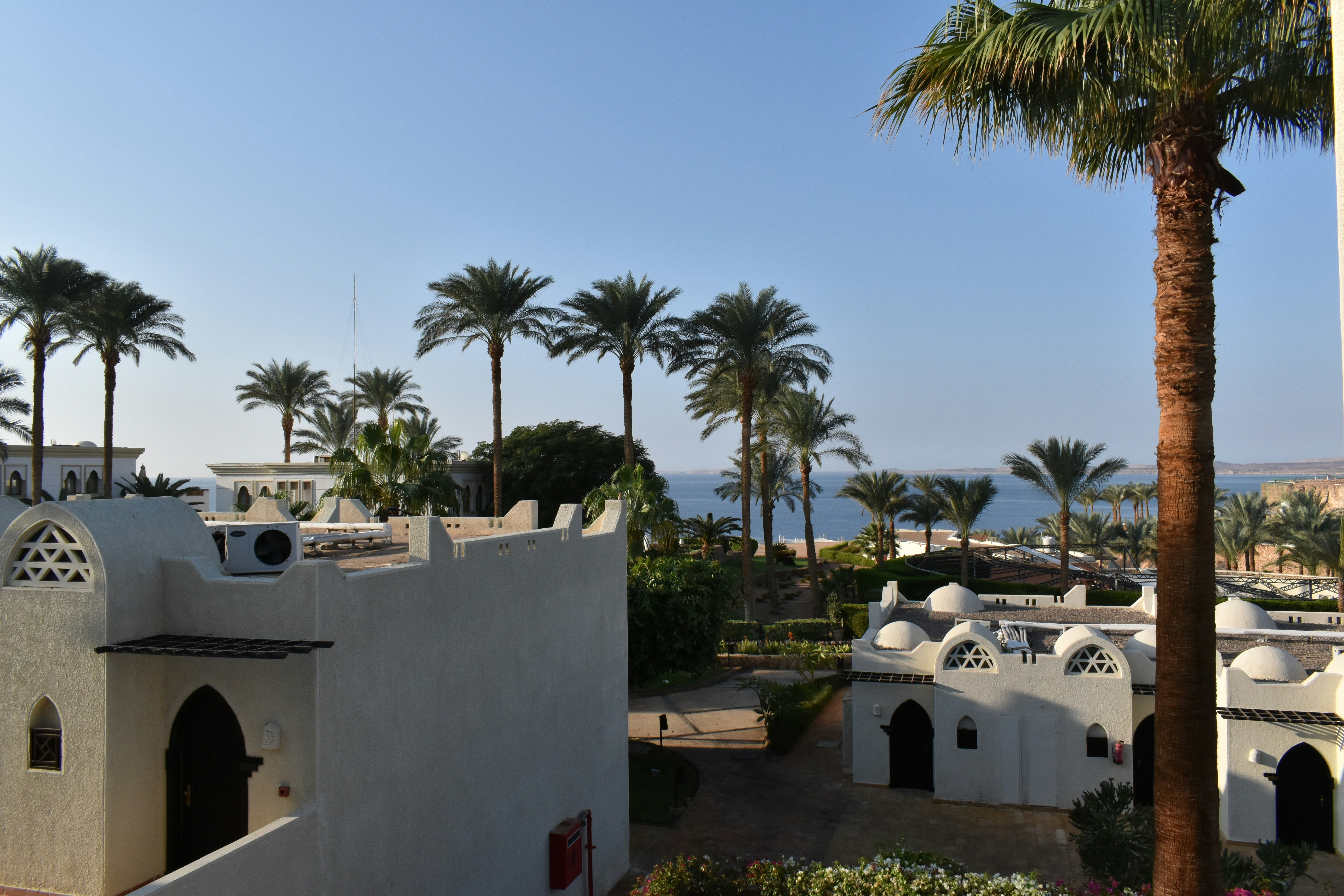
Sharm El Sheikh, Second Sharm Al Shiekh, Egypt
Sharm El Sheikh, Second Sharm Al Shiekh, EgyptPhoto by Anastasiia Popova on Unsplash
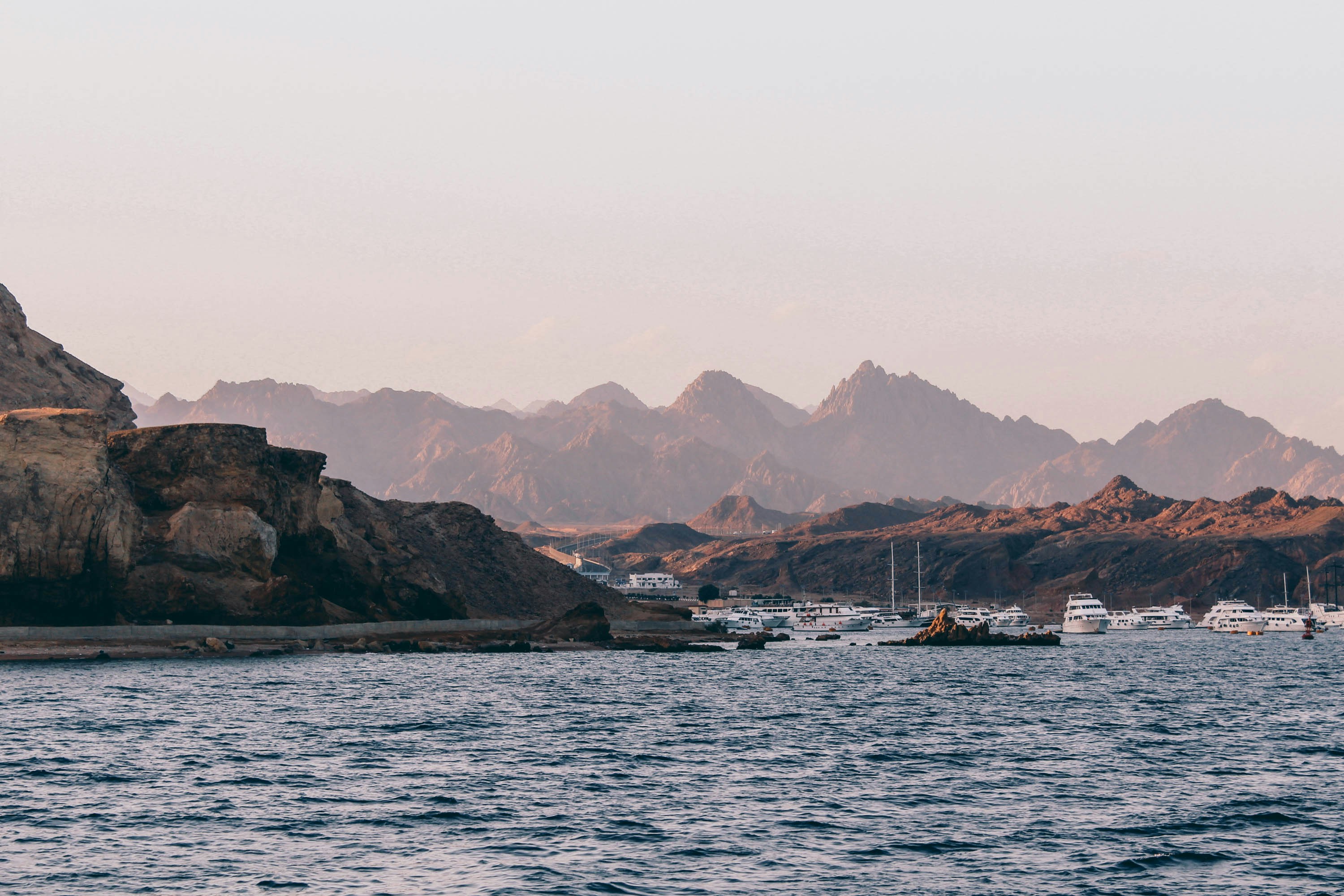
Sharm El Sheikh, Qesm Sharm Ash Sheikh, Egypt
Sharm El Sheikh, Qesm Sharm Ash Sheikh, EgyptPhoto by Irina Nakonechnaya on Unsplash

Day 14 - 'Aqaba

The resort town of Aqaba, on the Red Sea at the southern end of Jordan, is a popular spot for divers with some of the best coral reefs in the world. Snorkeling and other water sports are popular, and it's easy to hire a boat for a day or half-day, including lunch.Aqaba has become quite a bustling destination, with several large luxury hotels and a large shopping area. There are many jewelry stores selling pearls, gem stones, and gold and silver jewelry. It's worth noting that although it's an international beach resort, Aqaba is quite conservative—certainly much more so than Amman—and North Americans tend to be more comfortable at the private hotel beaches.

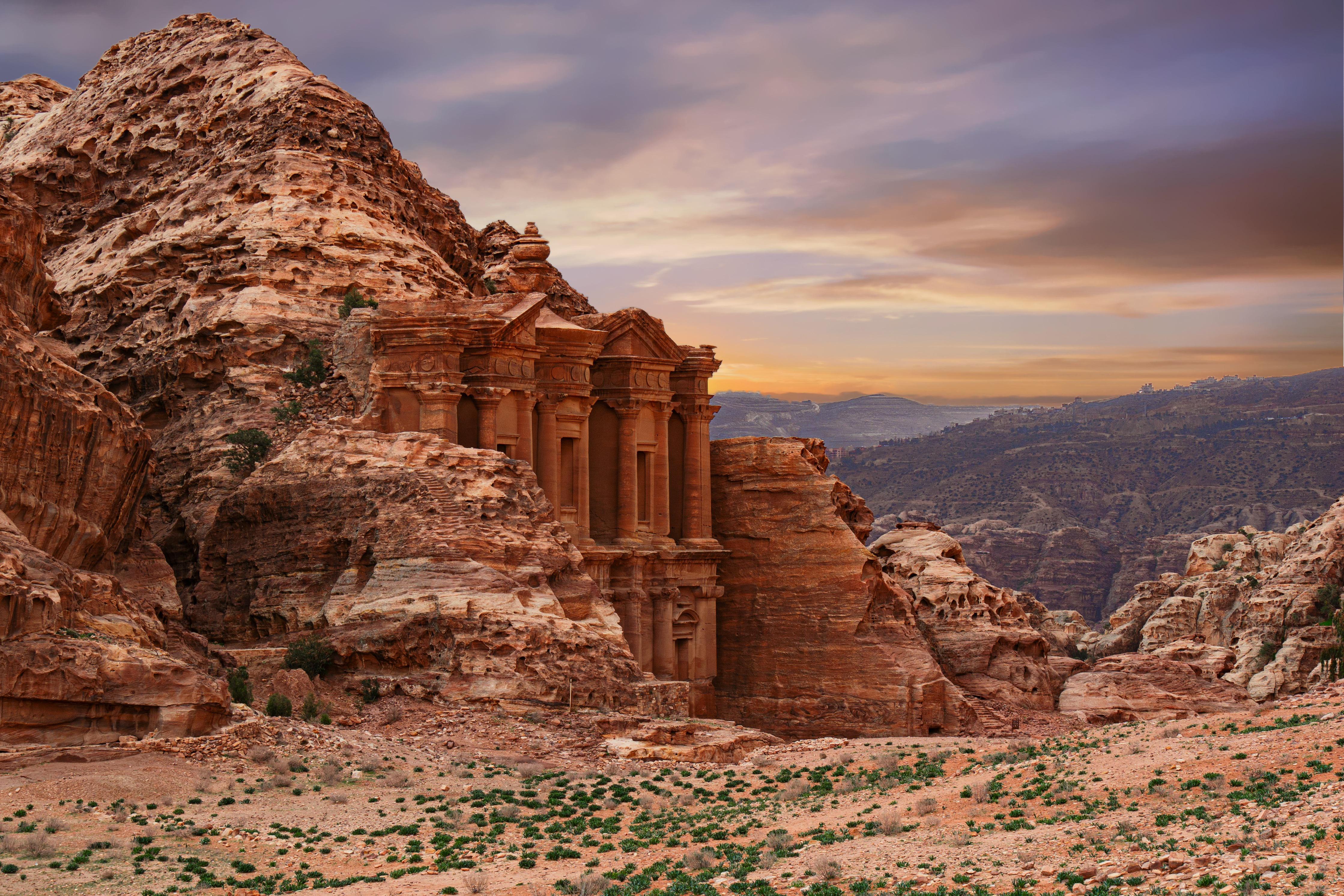
Aqaba, Gateway To Petra And Jordan
Aqaba, Gateway To Petra And JordanImage by Christel from Pixabay

Day 15 - Suez Canal Transit

Further details for this day are not available.

Day 16 - Suez Canal Transit

Further details for this day are not available.

Day 17 - Haifa

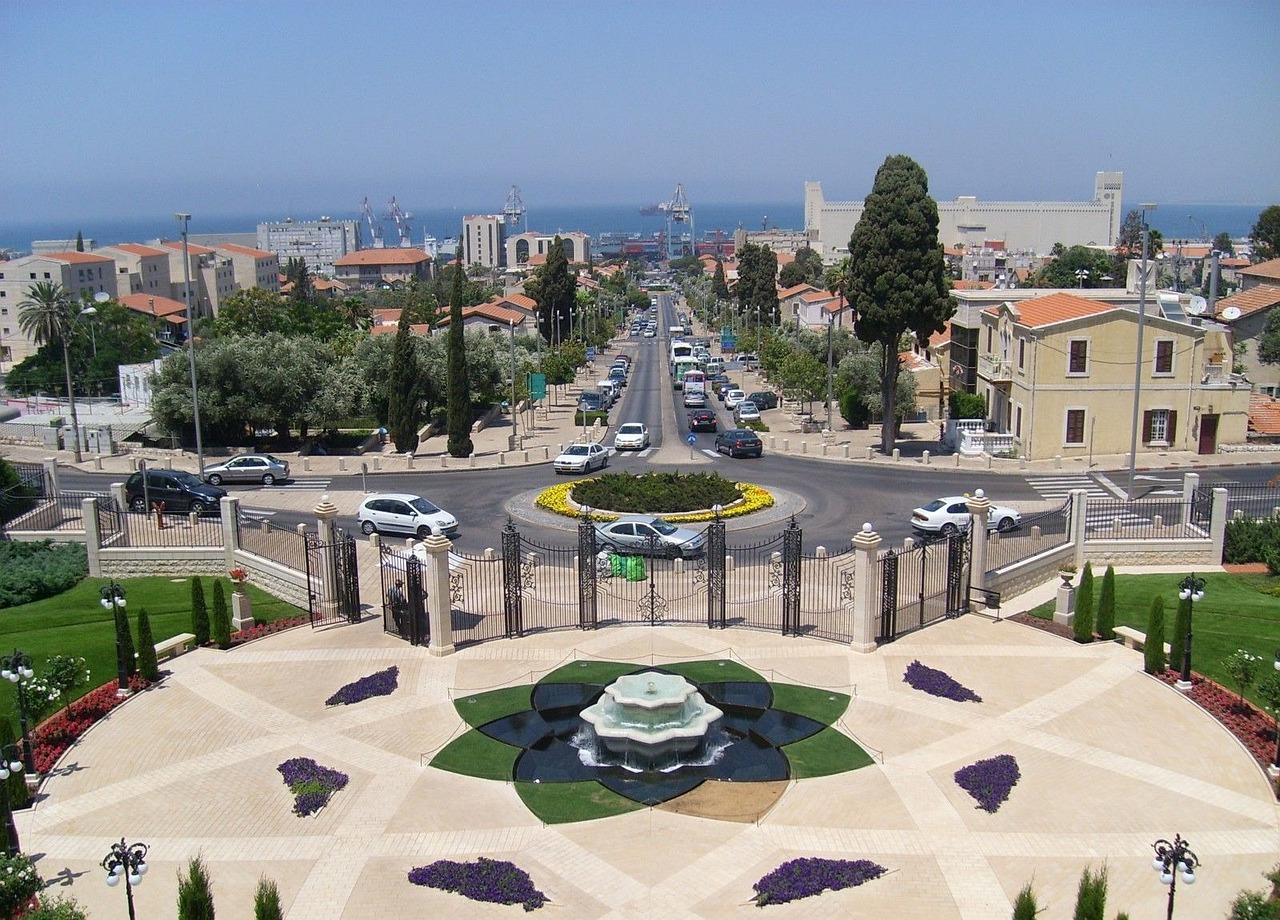
Spilling down from the pine-covered heights of Mount Carmel, Haifa is a city with a vertiginous setting that has led to comparisons with San Francisco. The most striking landmark on the mountainside is the gleaming golden dome of the Baha'i Shrine, set amid utterly beautiful garden terraces. The city is the world center for the Baha'i faith, and its members provide informative walking tours of the flower-edged 100-acre spot, a UNESCO World Heritage Site. At the top of the hill are some small but interesting museums, the larger hotels, and two major universities. At the bottom is the lovingly restored German Colony, a perfect area for strolling.Israel's largest port and third-largest city, Haifa was ruled for four centuries by the Ottomans and gradually spread its tendrils up the mountainside into a cosmopolitan city whose port served the entire Middle East. The climate is gentle, the beaches beautiful, and the locals friendly.You don't see the religious garb of Jerusalem or the tattoos and piercings of Tel Aviv in this diverse but fairly conservative city. In fact, you can't always tell at a glance who is part of an Arab or Jewish Israeli family, or if someone is a more recent immigrant from the former Soviet Union.

Haifa
HaifaImage by Republica from Pixabay

Day 18 - Cruising the Mediterranean Sea

Further details for this day are not available.

Day 19 - Santorini

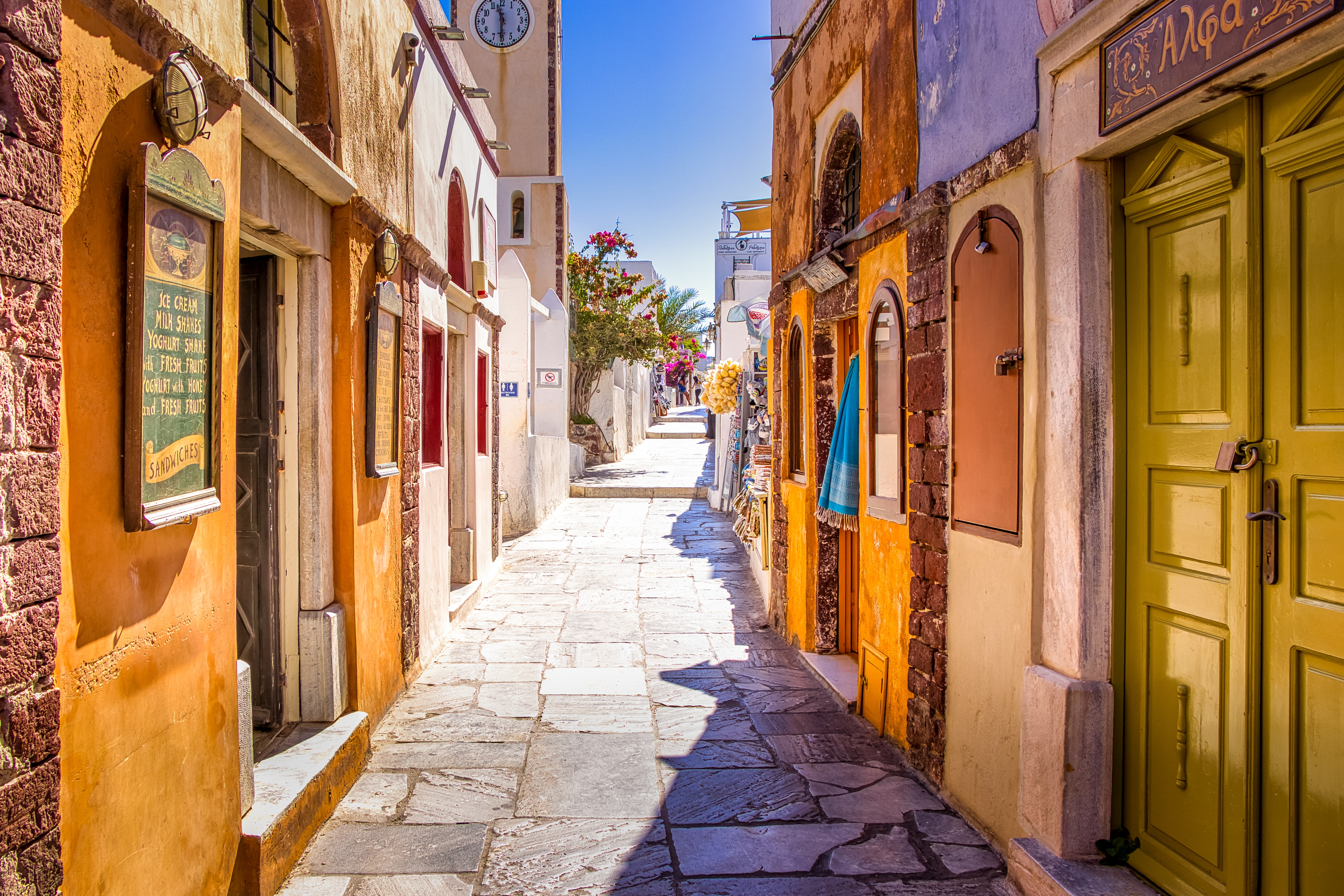
Undoubtedly the most extraordinary island in the Aegean, crescent-shape Santorini remains a mandatory stop on the Cycladic tourist route—even if it's necessary to enjoy the sensational sunsets from Ia, the fascinating excavations, and the dazzling white towns with a million other travelers. Called Kállisti (the "Loveliest") when first settled, the island has now reverted to its subsequent name of Thira, after the 9th-century-BC Dorian colonizer Thiras. The place is better known, however, these days as Santorini, a name derived from its patroness, St. Irene of Thessaloniki, the Byzantine empress who restored icons to Orthodoxy and died in 802. You can fly conveniently to Santorini, but to enjoy a true Santorini rite of passage, opt instead for the boat trip here, which provides a spectacular introduction. After the boat sails between Sikinos and Ios, your deck-side perch approaches two close islands with a passage between them. The bigger one on the left is Santorini, and the smaller on the right is Thirassia. Passing between them, you see the village of Ia adorning Santorini's northernmost cliff like a white geometric beehive. You are in the caldera (volcanic crater), one of the world's truly breathtaking sights: a demilune of cliffs rising 1,100 feet, with the white clusters of the towns of Fira and Ia perched along the top. The bay, once the high center of the island, is 1,300 feet in some places, so deep that when boats dock in Santorini's shabby little port of Athinios, they do not drop anchor. The encircling cliffs are the ancient rim of a still-active volcano, and you are sailing east across its flooded caldera. On your right are the Burnt isles, the White isle, and other volcanic remnants, all lined up as if some outsize display in a geology museum. Hephaestus's subterranean fires smolder still—the volcano erupted in 198 BC, about 735, and there was an earthquake in 1956. Indeed, Santorini and its four neighboring islets are the fragmentary remains of a larger landmass that exploded about 1600 BC: the volcano's core blew sky high, and the sea rushed into the abyss to create the great bay, which measures 10 km by 7 km (6 mi by 4½ mi) and is 1,292 feet deep. The other pieces of the rim, which broke off in later eruptions, are Thirassia, where a few hundred people live, and deserted little Aspronissi ("White isle"). In the center of the bay, black and uninhabited, two cones, the Burnt Isles of Palea Kameni and Nea Kameni, appeared between 1573 and 1925. There has been too much speculation about the identification of Santorini with the mythical Atlantis, mentioned in Egyptian papyri and by Plato (who says it's in the Atlantic), but myths are hard to pin down. This is not true of old arguments about whether tidal waves from Santorini's cataclysmic explosion destroyed Minoan civilization on Crete, 113 km (70 mi) away. The latest carbon-dating evidence, which points to a few years before 1600 BC for the eruption, clearly indicates that the Minoans outlasted the eruption by a couple of hundred years, but most probably in a weakened state. In fact, the island still endures hardships: since antiquity, Santorini has depended on rain collected in cisterns for drinking and irrigating—the well water is often brackish—and the serious shortage is alleviated by the importation of water. However, the volcanic soil also yields riches: small, intense tomatoes with tough skins used for tomato paste (good restaurants here serve them); the famous Santorini fava beans, which have a light, fresh taste; barley; wheat; and white-skin eggplants.

Gratn   Santorini   Street Buildings
Gratn Santorini Street Buildings
Gratn   Santorini   Cluster Of Homes
Gratn Santorini Cluster Of Homes
Gratn   Santorini   Building By The Sea
Gratn Santorini Building By The Sea
Gratn   Santorini   View Of The Sea
Gratn Santorini View Of The Sea
Gratn   Santorini   Sunset
Gratn Santorini Sunset

Day 20 - Piraeus

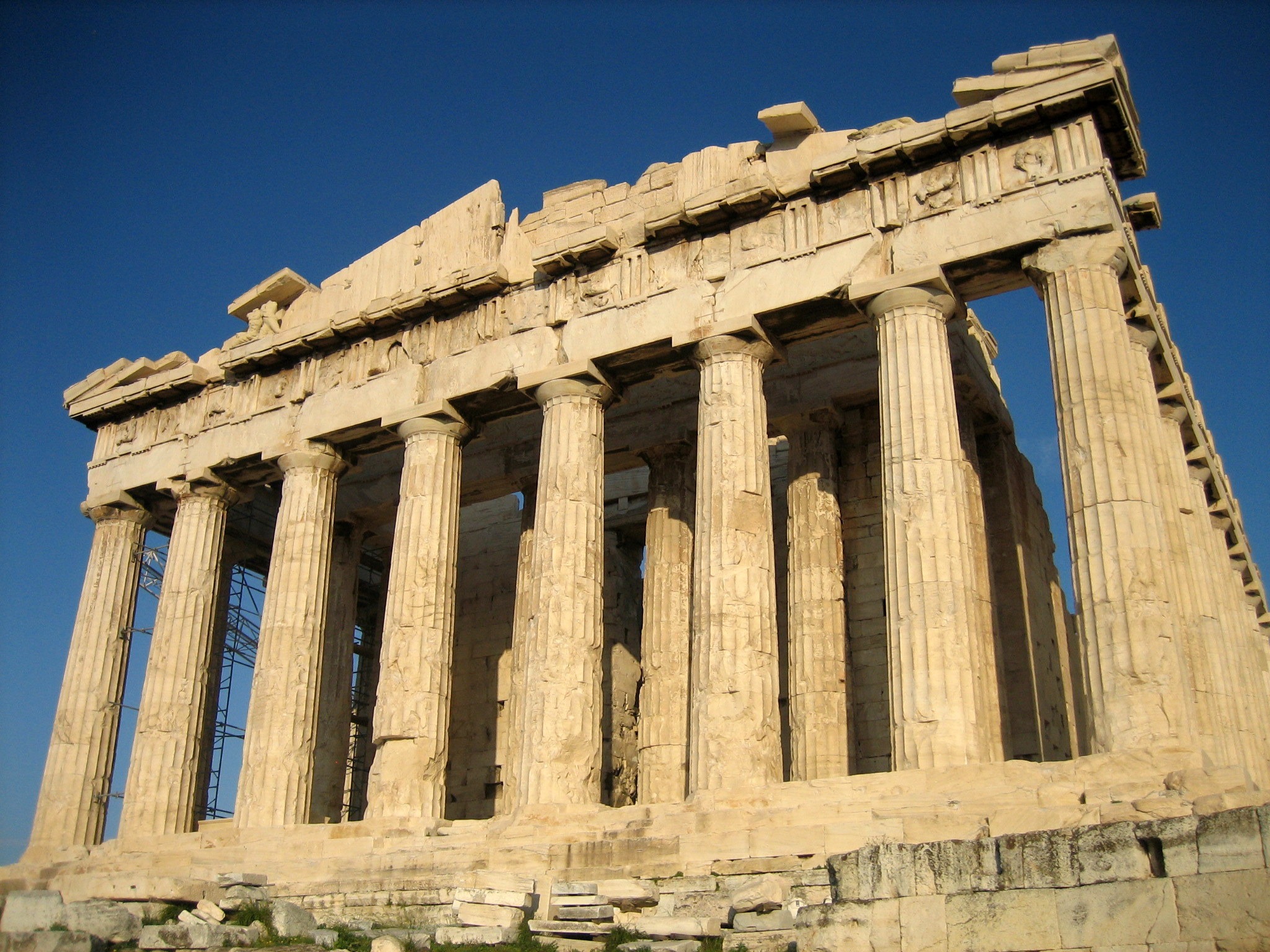
It's no wonder that all roads lead to the fascinating and maddening metropolis of Athens. Lift your eyes 200 feet above the city to the Parthenon, its honey-color marble columns rising from a massive limestone base, and you behold architectural perfection that has not been surpassed in 2,500 years. But, today, this shrine of classical form dominates a 21st-century boomtown. To experience Athens—Athína in Greek—fully is to understand the essence of Greece: ancient monuments surviving in a sea of cement, startling beauty amid the squalor, tradition juxtaposed with modernity. Locals depend on humor and flexibility to deal with the chaos; you should do the same. The rewards are immense. Although Athens covers a huge area, the major landmarks of the ancient Greek, Roman, and Byzantine periods are close to the modern city center. You can easily walk from the Acropolis to many other key sites, taking time to browse in shops and relax in cafés and tavernas along the way. From many quarters of the city you can glimpse "the glory that was Greece" in the form of the Acropolis looming above the horizon, but only by actually climbing that rocky precipice can you feel the impact of the ancient settlement. The Acropolis and Filopappou, two craggy hills sitting side by side; the ancient Agora (marketplace); and Kerameikos, the first cemetery, form the core of ancient and Roman Athens. Along the Unification of Archaeological Sites promenade, you can follow stone-paved, tree-lined walkways from site to site, undisturbed by traffic. Cars have also been banned or reduced in other streets in the historical center. In the National Archaeological Museum, vast numbers of artifacts illustrate the many millennia of Greek civilization; smaller museums such as the Goulandris Museum of Cycladic Art Museum and the Byzantine and Christian Museum illuminate the history of particular regions or periods. Athens may seem like one huge city, but it is really a conglomeration of neighborhoods with distinctive characters. The Eastern influences that prevailed during the 400-year rule of the Ottoman Empire are still evident in Monastiraki, the bazaar area near the foot of the Acropolis. On the northern slope of the Acropolis, stroll through Plaka (if possible by moonlight), an area of tranquil streets lined with renovated mansions, to get the flavor of the 19th-century's gracious lifestyle. The narrow lanes of Anafiotika, a section of Plaka, thread past tiny churches and small, color-washed houses with wooden upper stories, recalling a Cycladic island village. In this maze of winding streets, vestiges of the older city are everywhere: crumbling stairways lined with festive tavernas; dank cellars filled with wine vats; occasionally a court or diminutive garden, enclosed within high walls and filled with magnolia trees and the flaming trumpet-shaped flowers of hibiscus bushes. Formerly run-down old quarters, such as Thission, Gazi and Psirri, popular nightlife areas filled with bars and mezedopoleia (similar to tapas bars), are now in the process of gentrification, although they still retain much of their original charm, as does the colorful produce and meat market on Athinas. The area around Syntagma Square, the tourist hub, and Omonia Square, the commercial heart of the city about 1 km (½ mi) northwest, is distinctly European, having been designed by the court architects of King Otho, a Bavarian, in the 19th century. The chic shops and bistros of ritzy Kolonaki nestle at the foot of Mt. Lycabettus, Athens's highest hill (909 feet). Each of Athens's outlying suburbs has a distinctive character: in the north is wealthy, tree-lined Kifissia, once a summer resort for aristocratic Athenians, and in the south and southeast lie Glyfada, Voula, and Vouliagmeni, with their sandy beaches, seaside bars, and lively summer nightlife. Just beyond the city's southern fringes is Piraeus, a bustling port city of waterside fish tavernas and Saronic Gulf views.

Grath   Athens   Acropolis
Grath Athens Acropolis
Grath   Athens   Athens Sea
Grath Athens Athens Sea
Grath   Athens   City Overview
Grath Athens City Overview
Grath   Athens   Greek Ruins
Grath Athens Greek Ruins
Grath   Athens   Parthenon
Grath Athens Parthenon
Grath   Athens   Ruins And Architecture
Grath Athens Ruins And Architecture
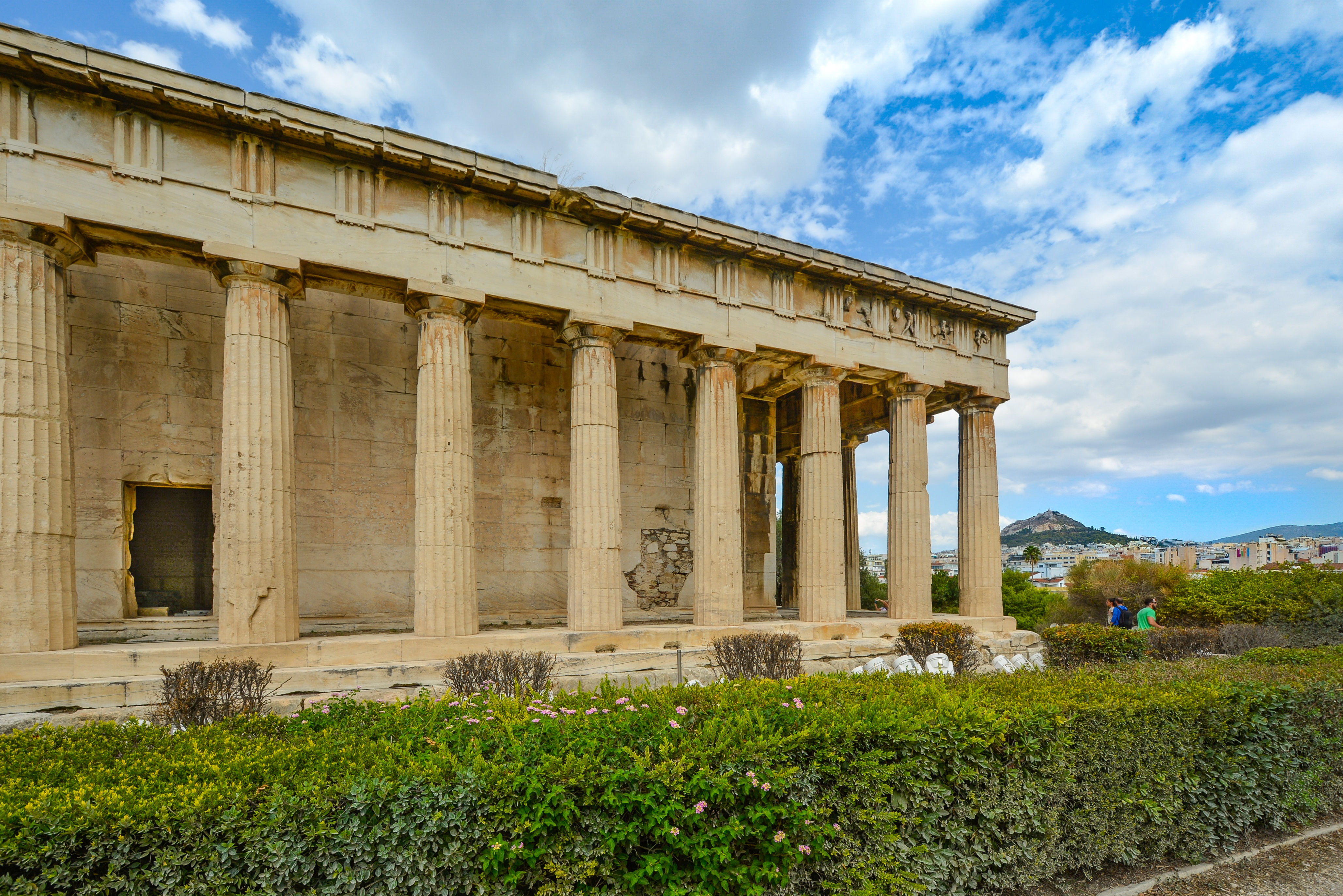
Grath   Athens   Temple Of Hephaestus
Grath Athens Temple Of Hephaestus

Suites & Deck Plans

Suite

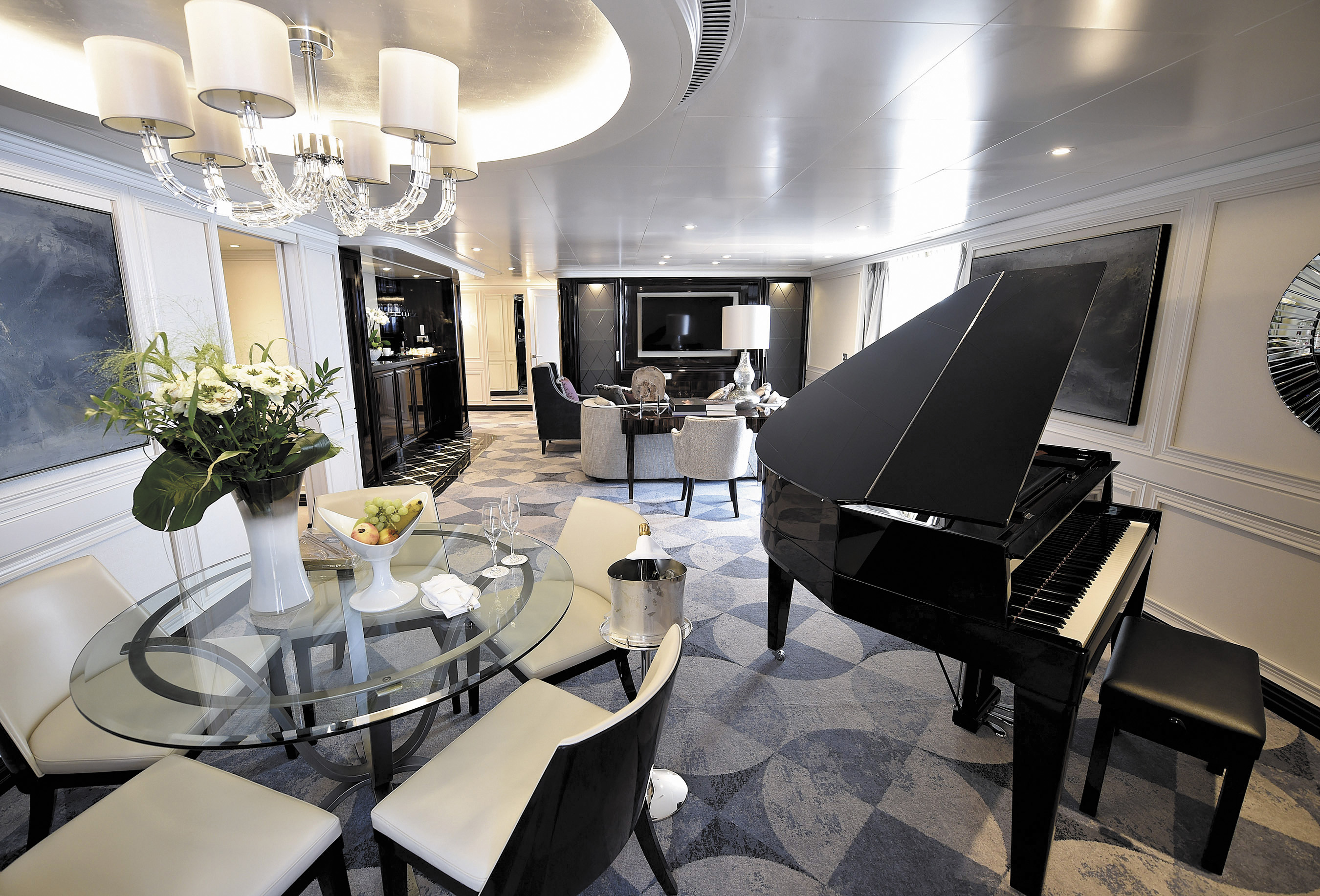
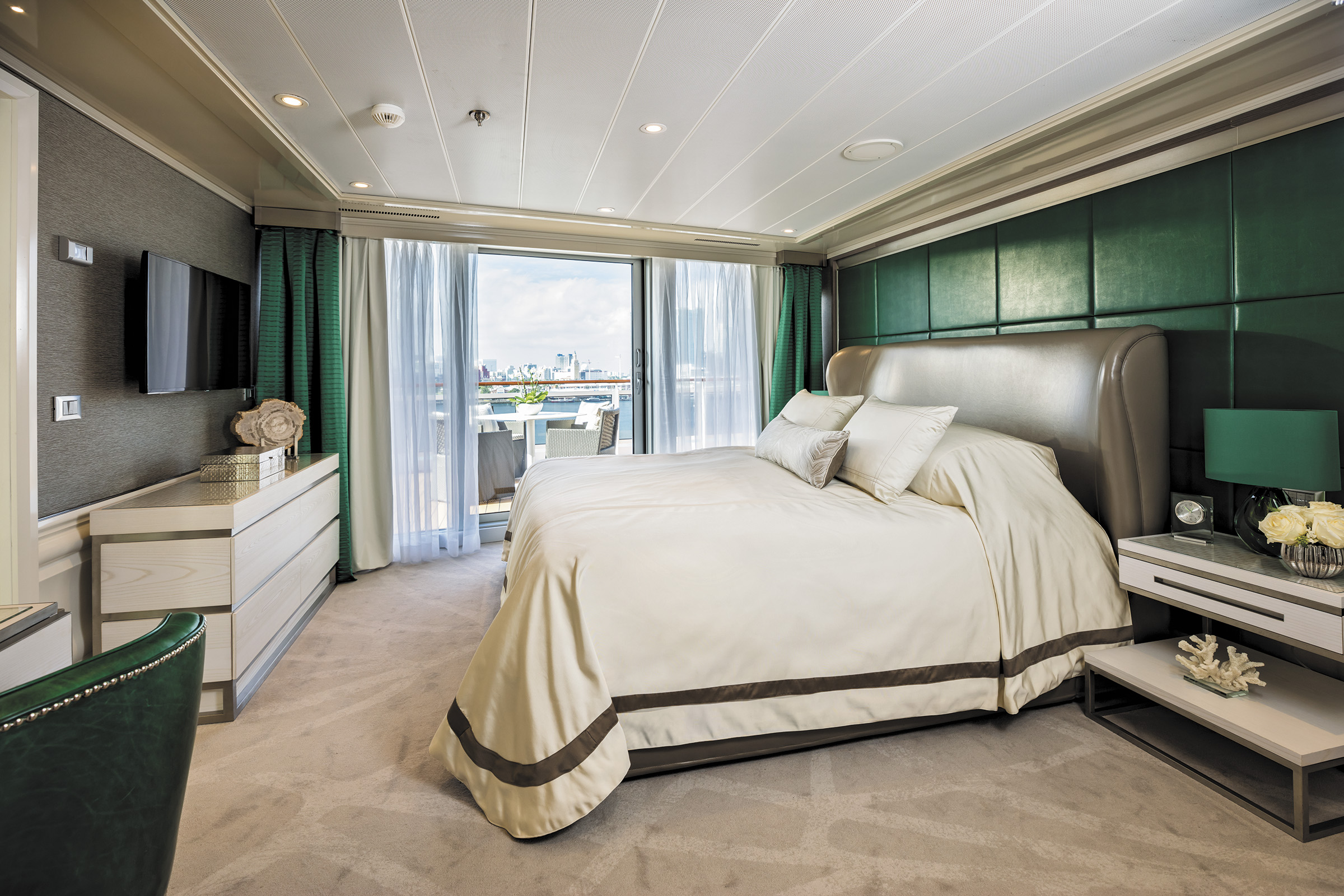
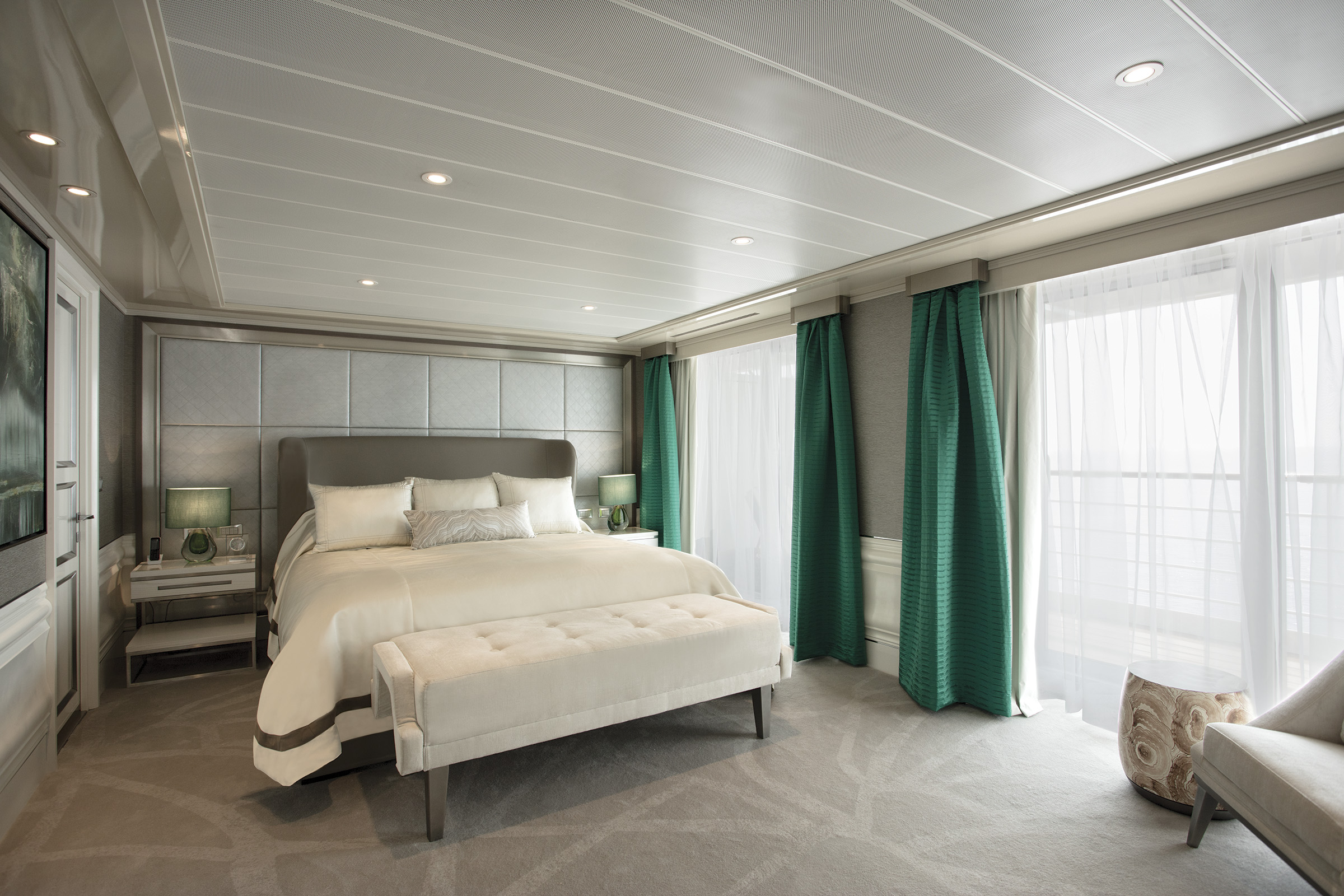
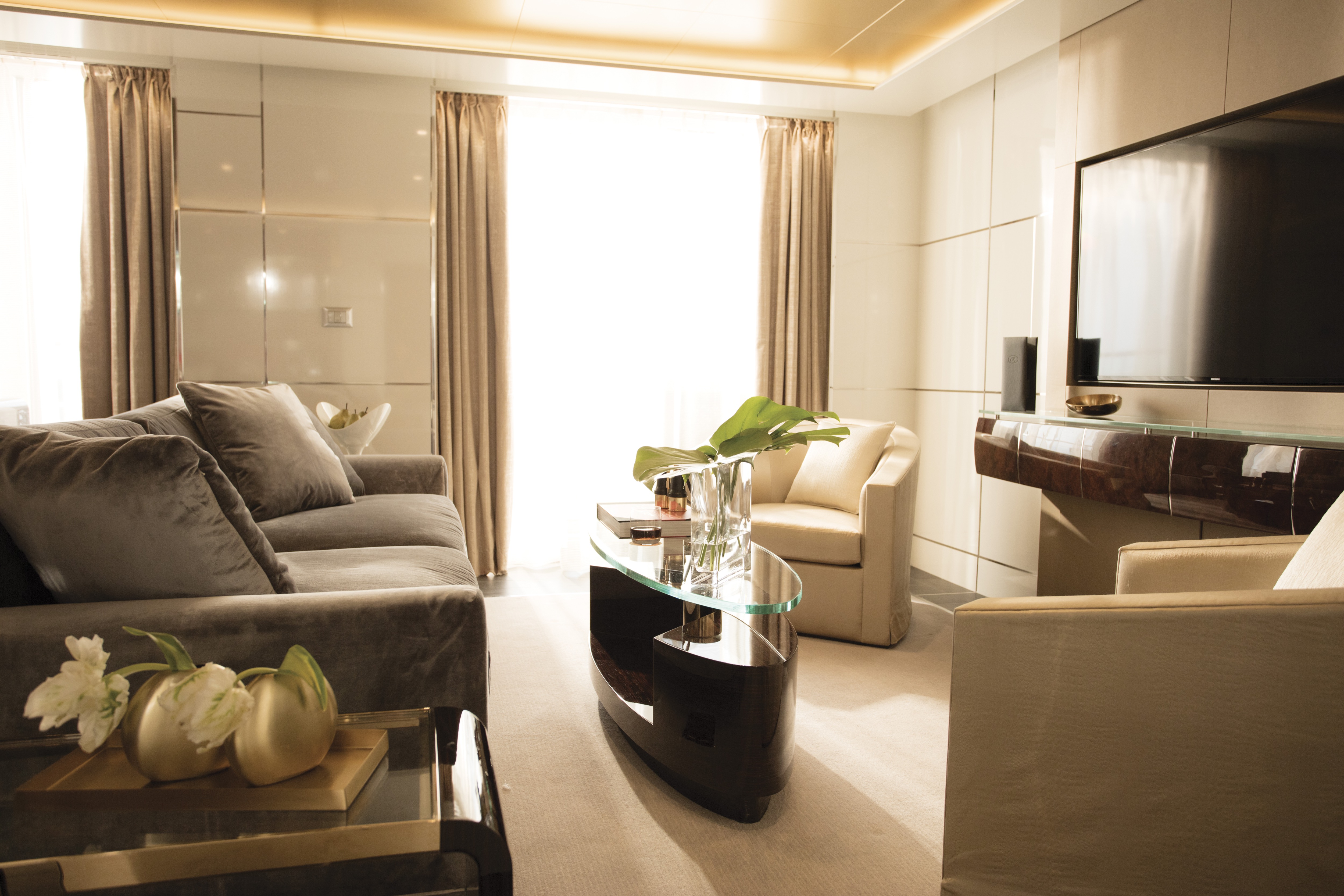
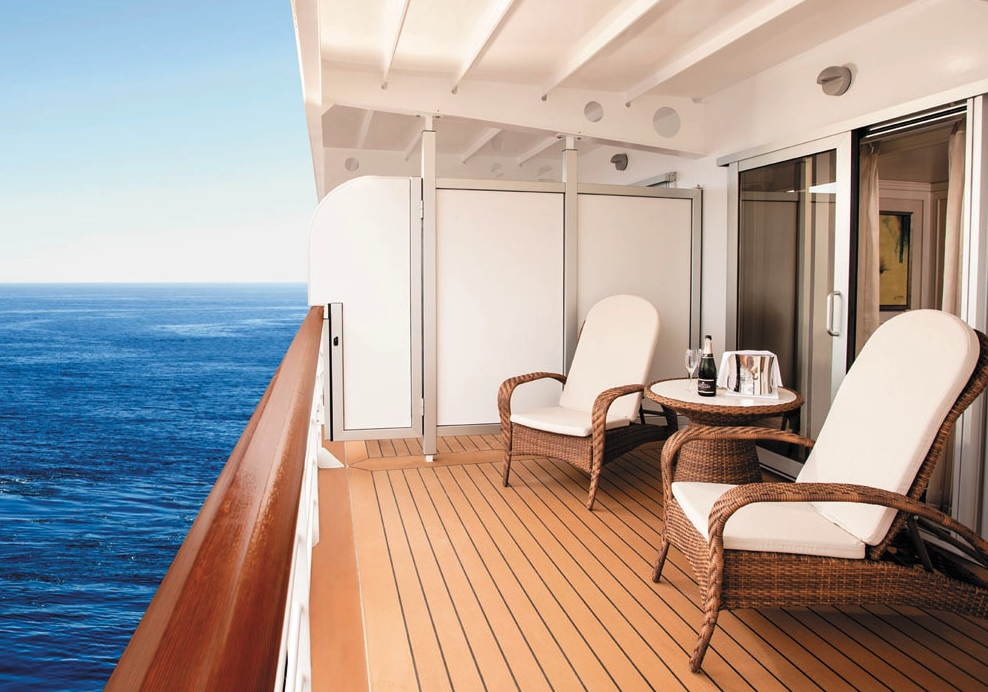
Incomparable craftsmanship and meticulous attention to detail are evident everywhere – from the suite’s unique design choices, such as rare works of art, to grand features like an in-suite spa retreat and Steinway piano. The only thing to rival the luxurious interior that includes two magnificent bedrooms is the spectacular ocean view from private balconies that include a Tresse Minipool high atop the ship.

LAYOUT

  • 2 Spacious Bedrooms with King-Size Savoir Bed with Mollissima Duvet in Primary Bedroom (*Bed in primary bedroom cannot be converted into two beds.)
  • 2 1/2 Marble & Stone Detailed Bathrooms, 1 with Jetted Tub
  • 2 Private Balconies with Heated Minipool Spa
  • Private In-Suite Spa with Sauna, Steam Room & Jacuzzi
  • Spacious Living Room
  • Private Solarium
  • 3 Walk-In Closets with 2 Safes
  • Custom Steinway Grand Baroque Piano by Dakota Jackson
  • Private, Separately Located Dining Room for Up to 12 Guests
  • Includes Up To 6 Guests

The suite pictured may differ from the suite booked, as layouts and designs vary by ship, deck, and suite location.

AMENITIES

  • 1-Night Pre-Cruise: Hotel Package Including:
  • - Ground Transfers
  • - Breakfast
  • - Porterage
  • Unlimited WiFi and Streaming Package for up to Four Devices
  • Valet Laundry Service
  • 24-hour In-Suite Dining
  • Fresh Orchid Arrangement
  • L'Occitane® Jasmin & Bergamot Bath Amenities
  • Regent Plush Bathrobe & Slippers
  • Interactive Flat-Screen Television & Direct-Dial Satellite Phone
  • Priority Access to Online Shore Excursion Reservations
  • Priority Access to Online Dining Reservations
  • Binoculars
  • illy® Espresso Maker
  • Cashmere Blankets
  • Regent Special Gift
  • Vanity & Hair Dryer
  • Shoe Shine Service
  • Additional Discounts:
  • - 10% Discount on Ultra Premium Wine and Liquor
  • - 5% Savings on Pre- or Post-Cruise Hotel or Land Programs
  • - 5% Savings on Regent Choice Shore Excursions
  • Additional Regent Suites Amenities:
  • Personal Car & Guide to Explore Ashore
  • Daily Serene Spa & Wellness™ Services with Priority Reservations
  • Access to The Study, a Private Dining Room for up to 12 Guests
  • Unlimited Dry Cleaning
  • VIP Status Including Dinner with a Senior Officer
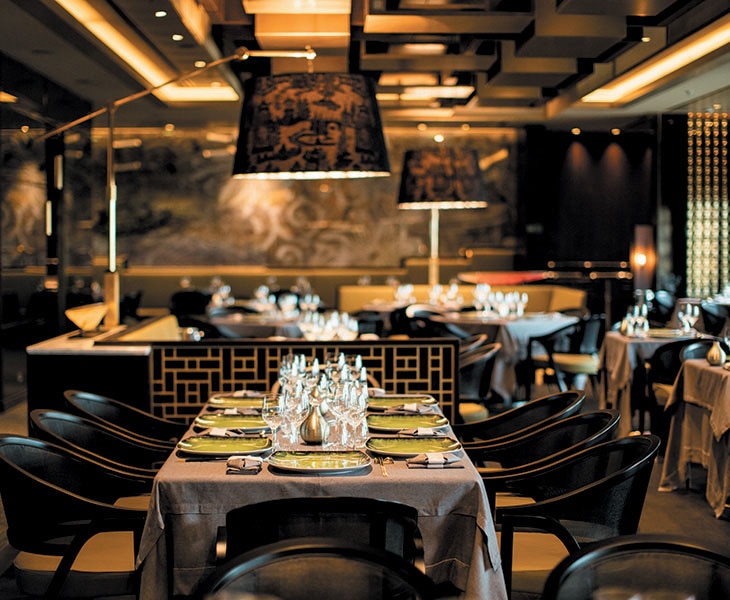
  • Guaranteed Reservation Each Night in Specialty Restaurant of Your Choice
  • Welcome Letter from the President and General Manager
  • Personal Butler for an Elevated In-suite Experience
  • - In-Suite Dining Menu Including Specialty Restaurant Selections During Dining Hours
  • Priority Boarding on Embarkation Day with Suite Access at Noon
  • Welcome Bottle of Dom Pérignon Champagne
  • Remy Martin Louis XIII Cognac 50ml
  • Personalized In-Suite Full-Liquor Bar Set-Up
  • A Sumptuous In-Suite Caviar Service Once During Cruises
  • Complimentary In-Suite Cocktail Party for 8
  • Complimentary 25-Minute Personal Fitness Session at the Serene Spa & Wellness™ Fitness Center
  • Daily Canapés
  • Tea Forté Set-Up
  • Luxe Fruit Arrangement with Chocolate Leonidas
  • Choice of Luxurious Designer Bath Amenities
  • Spa Accessories & Spongology Collection
  • Guerlain Box with Fragrance & Spongellé Buffer
  • Dyson Hairdryer
  • Selection of Fig & Tea Leaves Bath Salts
  • Guerlain Bath Amenities & Men's Unscented Shaving Kit
  • Bath Scale Setup
  • Wallet Make Up Brush Set / Hairbrush & Combo Set
  • Bose® SoundLink Mini II Bluetooth Speaker
  • Selection of Bed Pillow Styles
  • Linen Menu
  • Complimentary Garment Pressing on First Night
  • Personalized Stationery upon request
  • Elegant Weather Clock
  • Excursion Bag

5088 sq ft
Accommodates 6 guests
Regent Suite

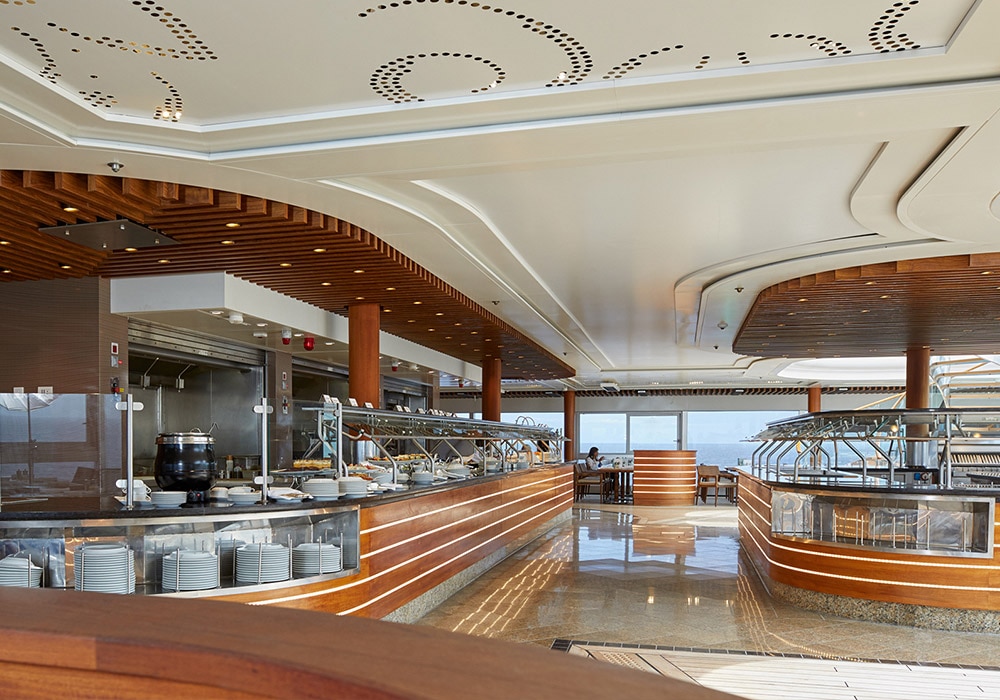
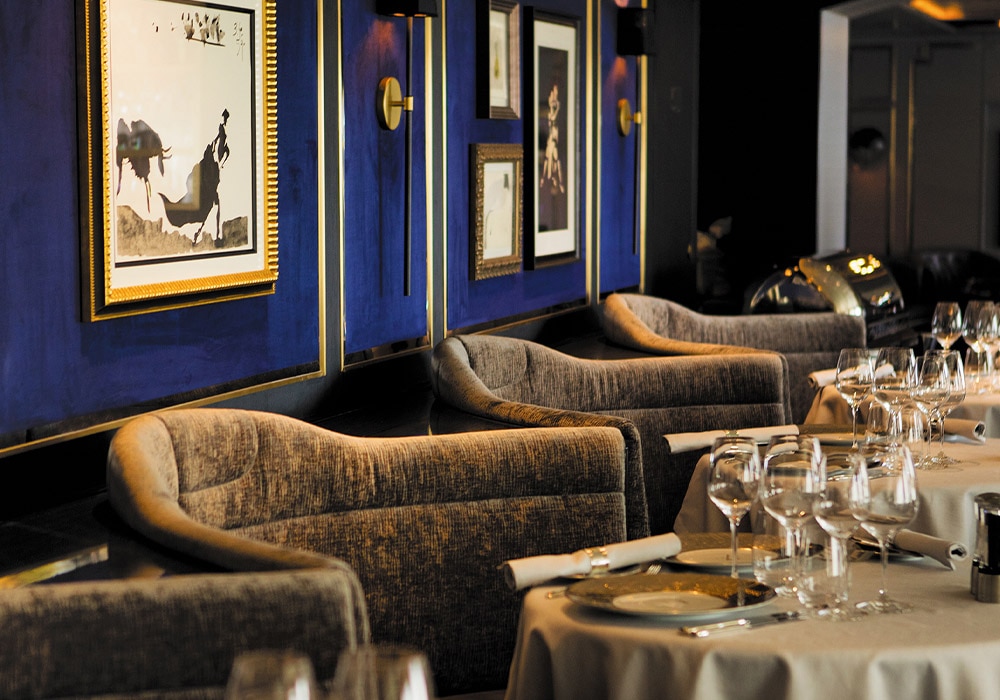
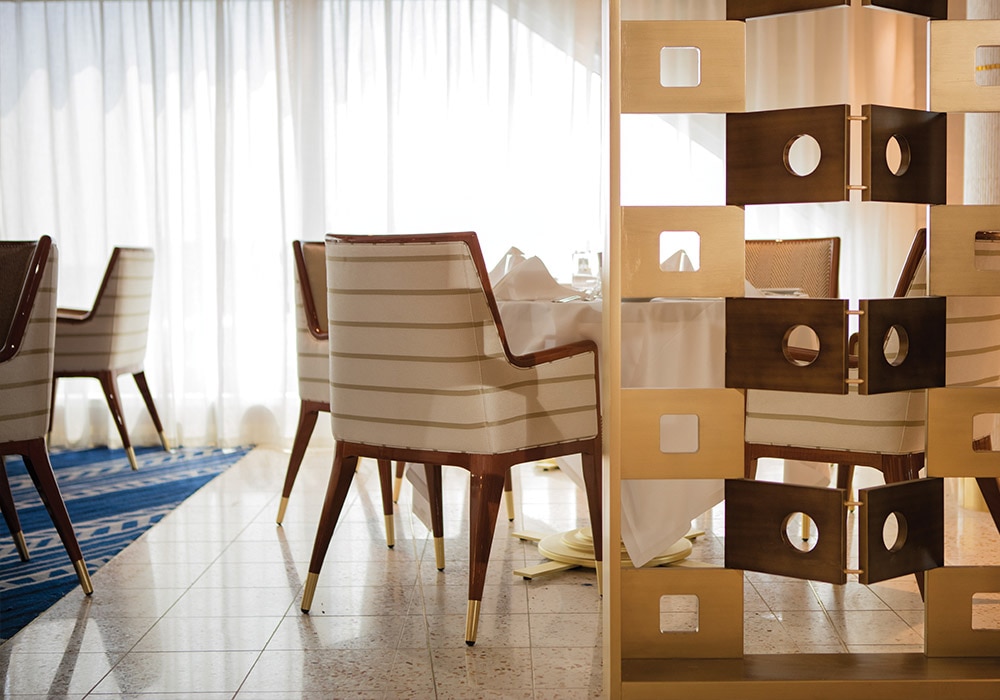
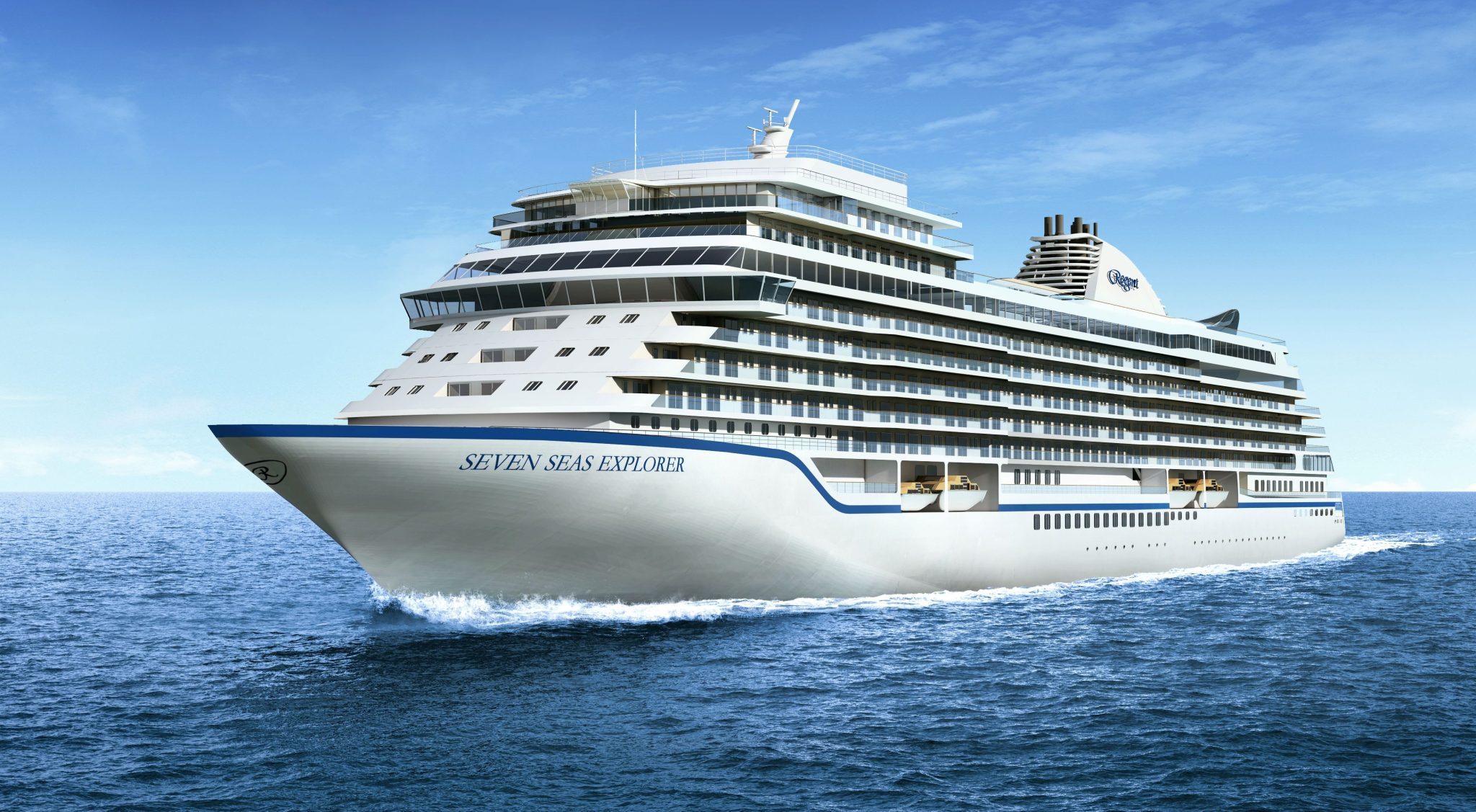
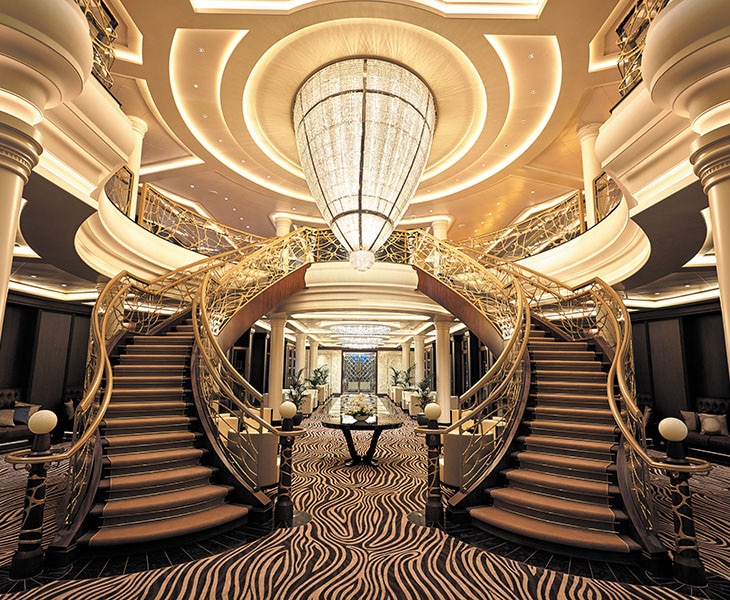
Seven Seas Explorer

Seven Seas Explorer

Life on board

The Onboard Experience

Client testimonials

I have worked with Lore Doick for more than 20 years, and she has booked over 30 cruises for me. Her expertise, care, and attention to every travel detail have made her an invaluable advisor and friend over the years.”

Tina B.

We are now in our second generation working with Cheri Ozimac at Tully Luxury Travel. From Antarctica to Greece, she has handled every detail with expertise, responsiveness, and care…

Earl M.

My wife and I have worked with Tully since 2007, and Kit Neil and her team went far beyond expectations while helping us navigate multiple cruise and flight cancellations. Their advocacy, care, and support during a difficult time were extraordinary.

Carri F.

Cheri Ozimac organized our Seabourn cruise flawlessly, from the hotel recommendation to every travel arrangement. She was responsive, attentive, and an excellent advocate throughout the process…

Cyn S.

We discovered Tully Luxury Travel after years of booking cruises through US agents and were impressed by their competitive pricing, exceptional service, and Canadian based support. Their team is always available, offers excellent value, and makes booking the right cruise seamless.

Peter C.

GoogleAverage Customer Rating:

The Tully Difference

Why travel with us


Tully Luxury Travel was built on access, discretion, and trust. For our clients, that means ease at every step, with distinctions that turn exceptional voyages into defining moments.

Recognized expertise

A renowned agency worldwide in luxury land and small-ship cruising, consistently trusted by the industry’s most prestigious brands.