12-Day British Isles with France & Belfast

Itinerary: Southampton, Queensferry, Invergordon, Greenock, Belfast, Dun Laoghaire, Cobh, Falmouth, Isle of Portland, Le Havre See full itinerary

30 Aug 28
12 nights

Voyage Details

Duration:
12 nights
Departure:
30 Aug 2028
Embarkation:
Southampton, England
Voyage code:
8820

Your Itinerary, Day-By-Day

Special Chapters of Your Journey

Day 1 - Southampton

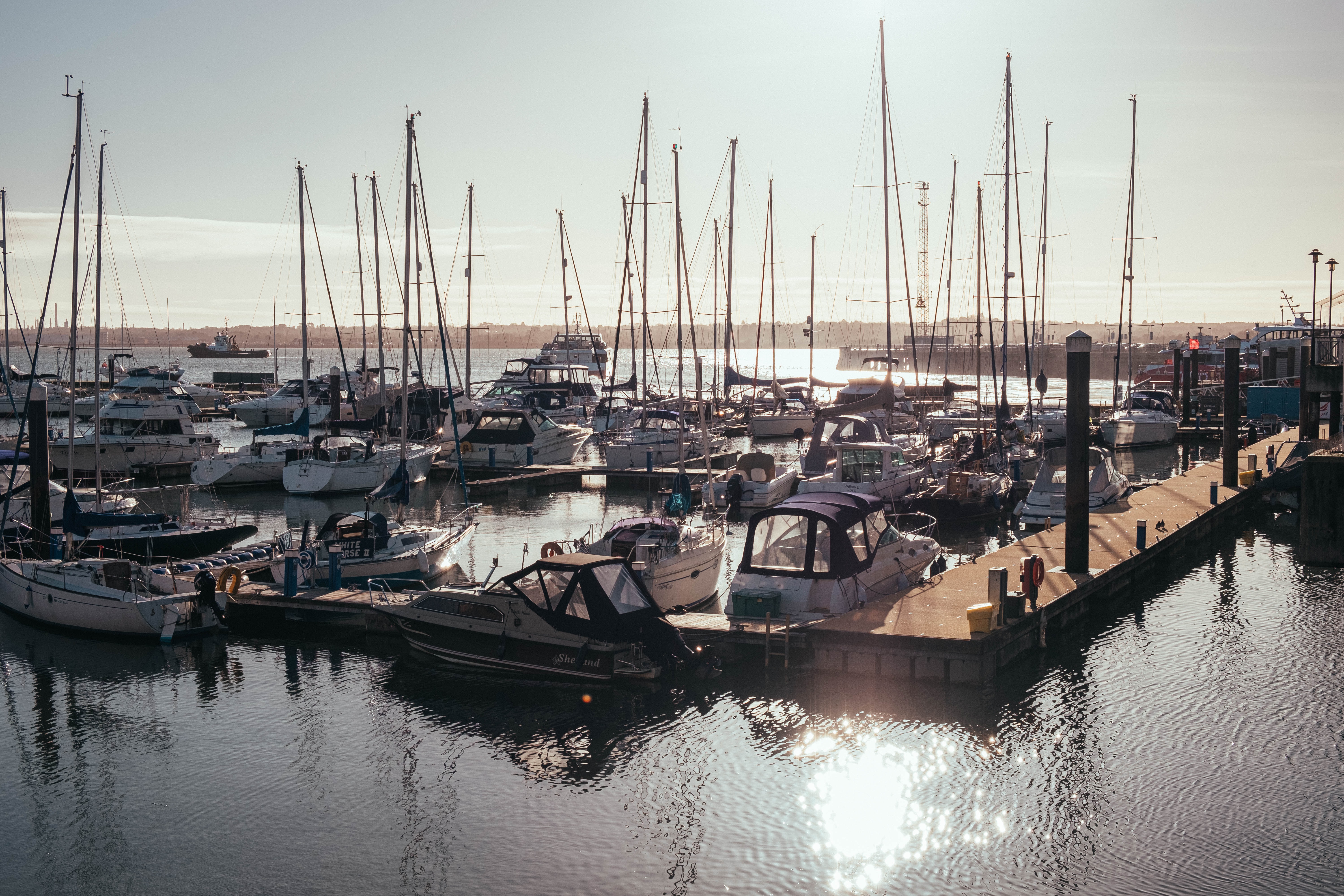
Lying near the head of Southampton Water, a peninsula between the estuaries of the Rivers Test and Itchen, Southampton is Britain’s largest cruise port. It has been one of England’s major ports since the Middle Ages, when it exported wool and hides from the hinterland and imported wine from Bordeaux. The city suffered heavy damage during World War Two and as a result the centre has been extensively rebuilt, but there are still some interesting medieval buildings including the Bargate, one of the finest city gatehouses in England.

Gbsou Southampton   Colin Osborne
Gbsou Southampton Colin OsborneColin Osborne, Unsplash
Gbsou Southampton Connor Holyday
Gbsou Southampton Connor HolydayConnor Holyday - Unsplash
Gbsou Southampton   England   Southampton Bargate
Gbsou Southampton England Southampton Bargate
Gbsou   Southampton, England. Houndwell Park Mangopear Creative
Gbsou Southampton, England. Houndwell Park Mangopear Creative

Day 3 - Queensferry

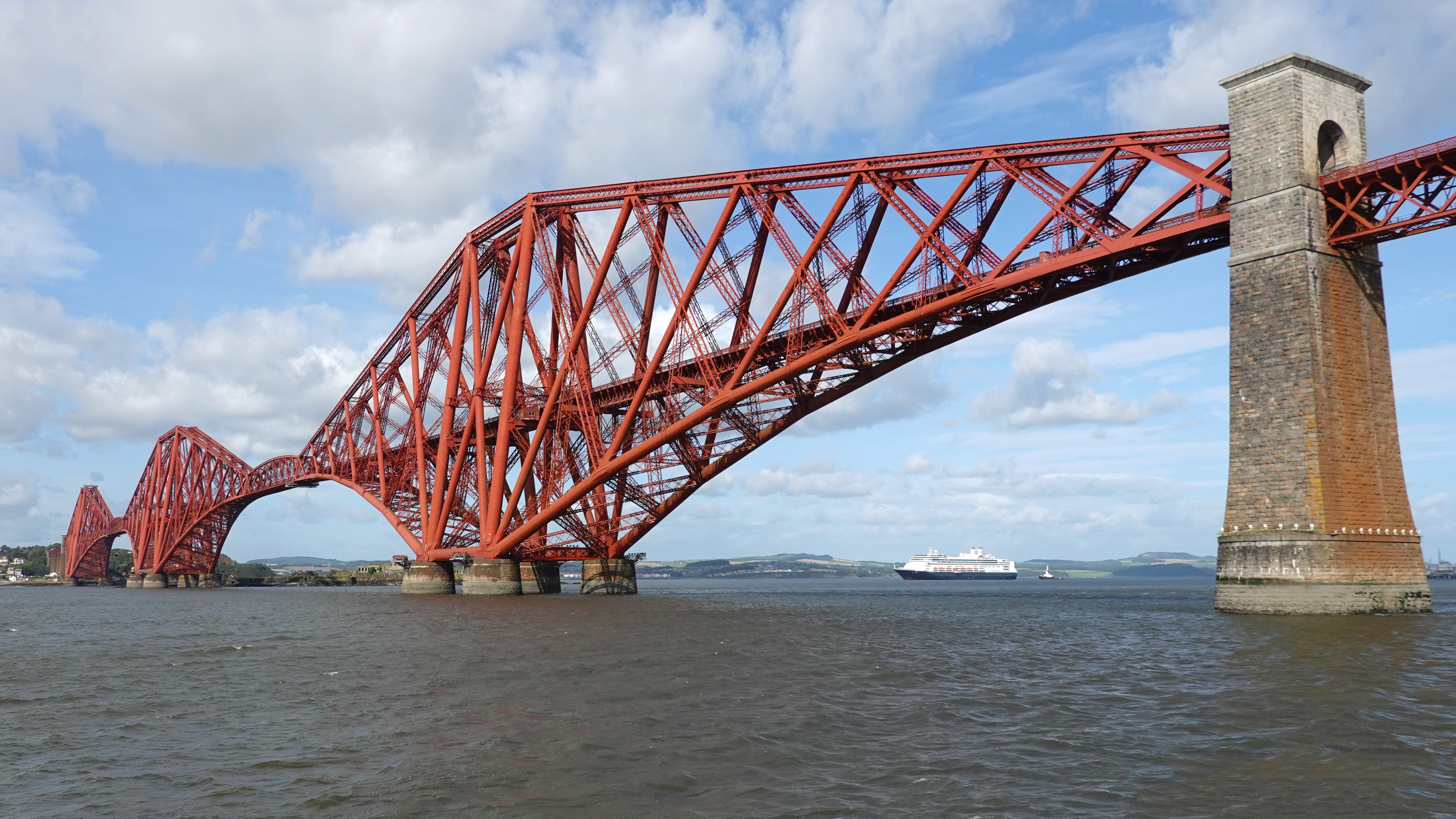
Queensferry, also called South Queensferry or simply "The Ferry", is a town to the west of Edinburgh, Scotland. Traditionally a royal burgh of West Lothian,[3] it is now administered by the City of Edinburgh Council. It lies ten miles to the north-west of Edinburgh city centre, on the shore of the Firth of Forth between the Forth Bridge, Forth Road Bridge and the Queensferry Crossing.

Queensferry, Gateway To Edinburgh
Queensferry, Gateway To EdinburghImage by Aline Dassel from Pixabay

Day 4 - Invergordon

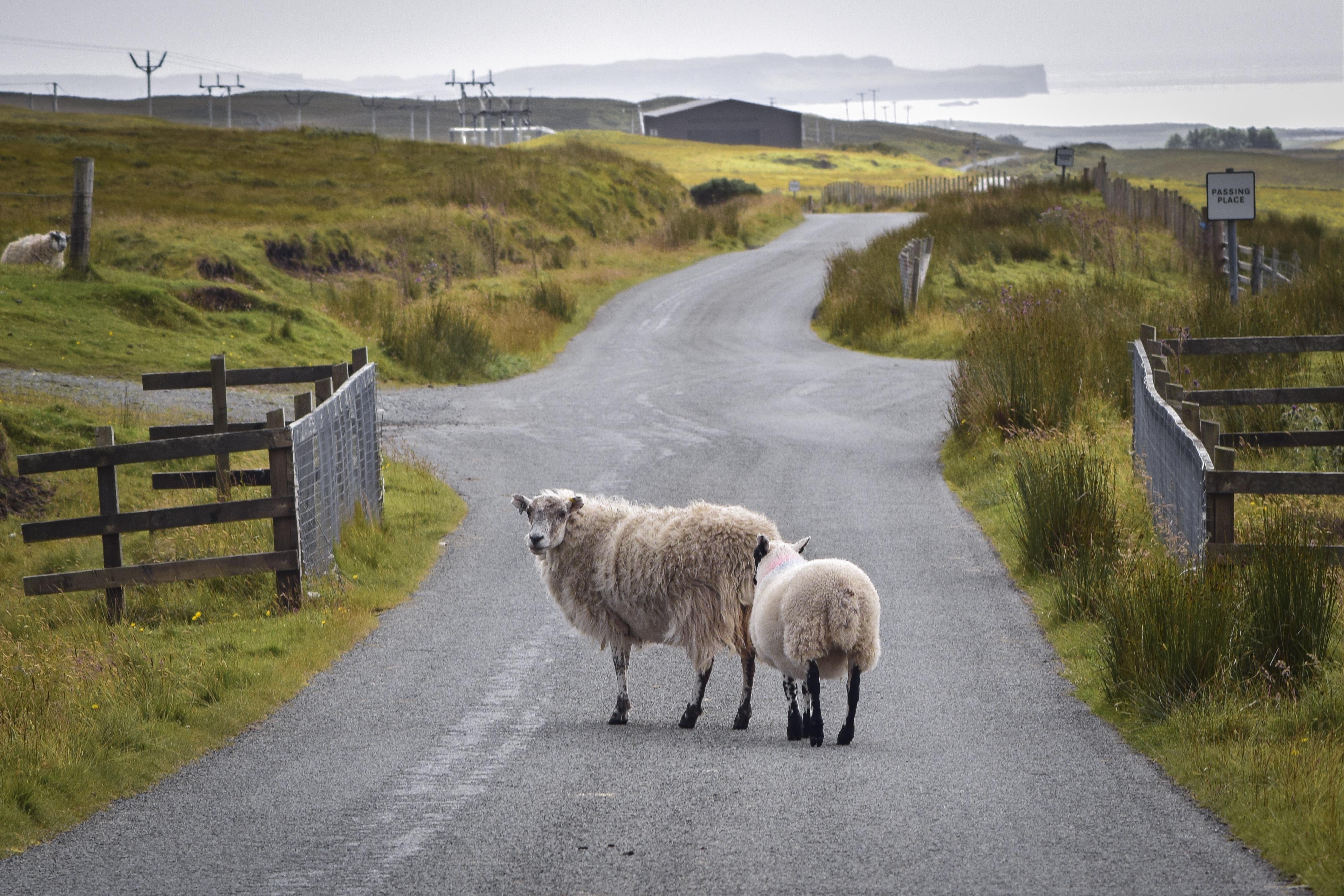
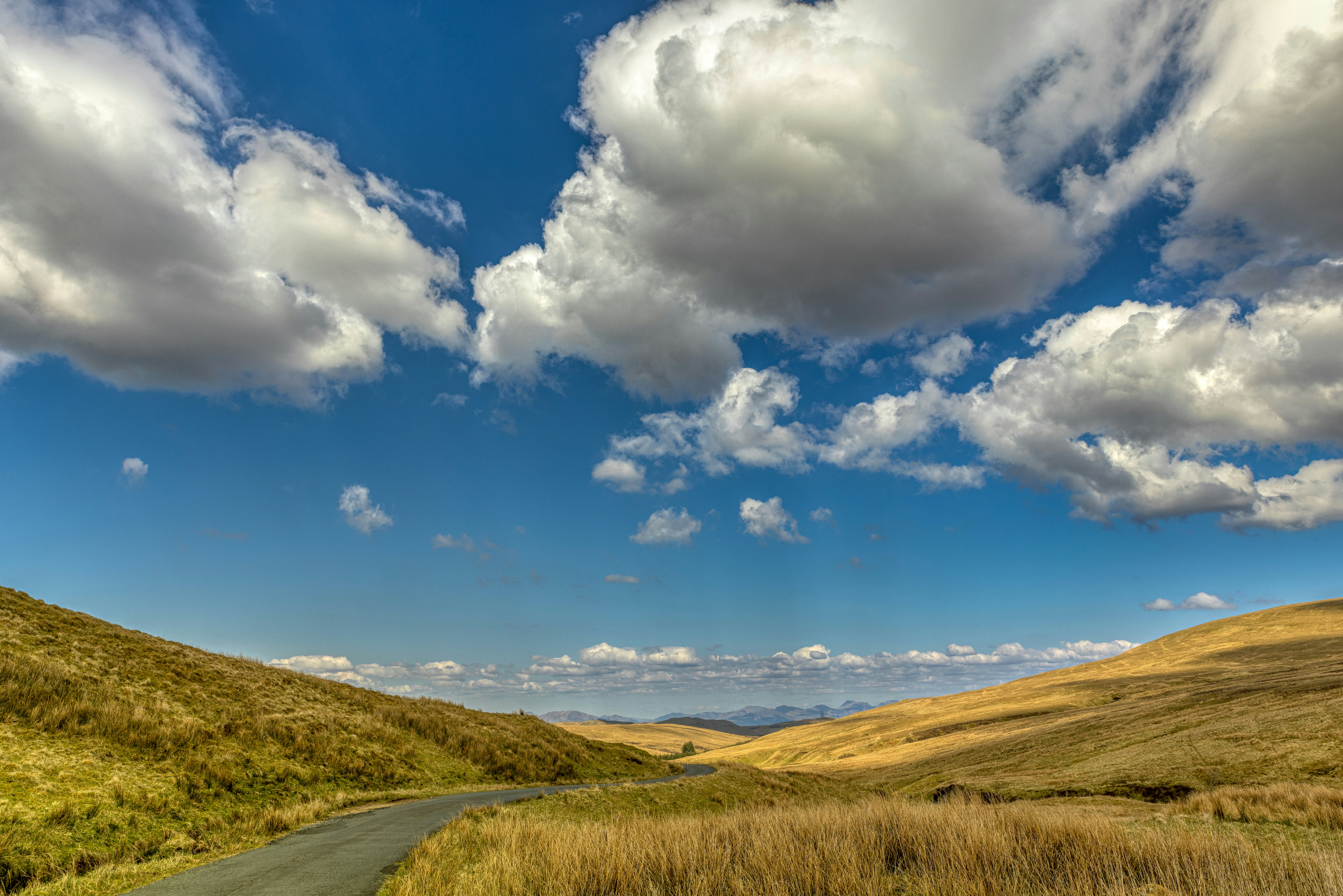
The port of Invergordon is your gateway to the Great Glen, an area of Scotland that includes Loch Ness and the city of Inverness. Inverness, the capital of the Highlands, has the flavor of a Lowland town, its winds blowing in a sea-salt air from the Moray Firth. The Great Glen is also home to one of the world's most famous monster myths: in 1933, during a quiet news week, the editor of a local paper decided to run a story about a strange sighting of something splashing about in Loch Ness. But there's more to look for here besides Nessie, including inland lochs, craggy and steep-sided mountains, rugged promontories, deep inlets, brilliant purple and emerald moorland, and forests filled with astonishingly varied wildlife, including mountain hares, red deer, golden eagles, and ospreys.

Ivergordon, Scotland
Ivergordon, ScotlandImage by Ronja Stienen from Pixabay
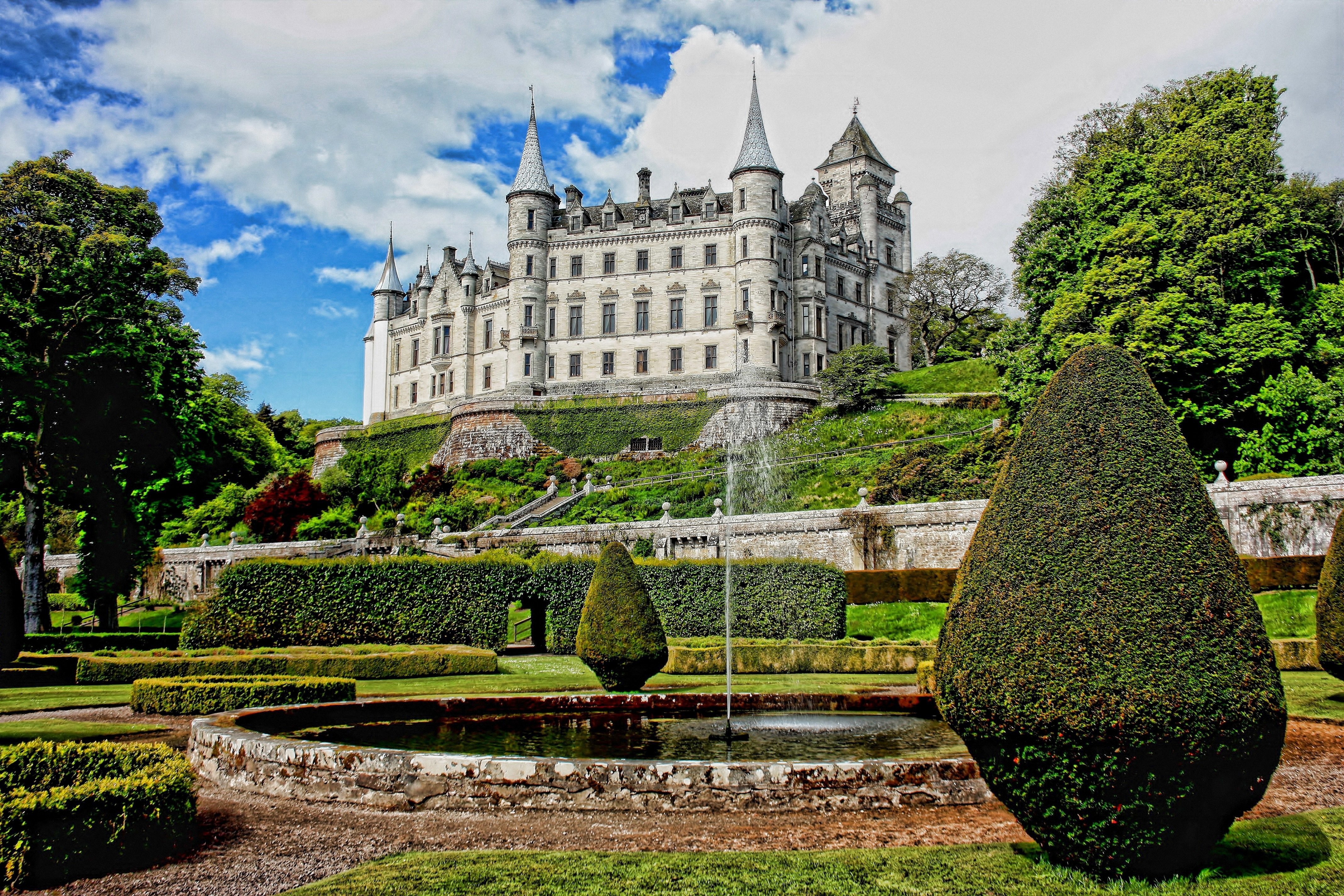
Dunrobin Castle, Invergordon
Dunrobin Castle, InvergordonImage by Michael Drummond from Pixabay

Day 6 - Greenock

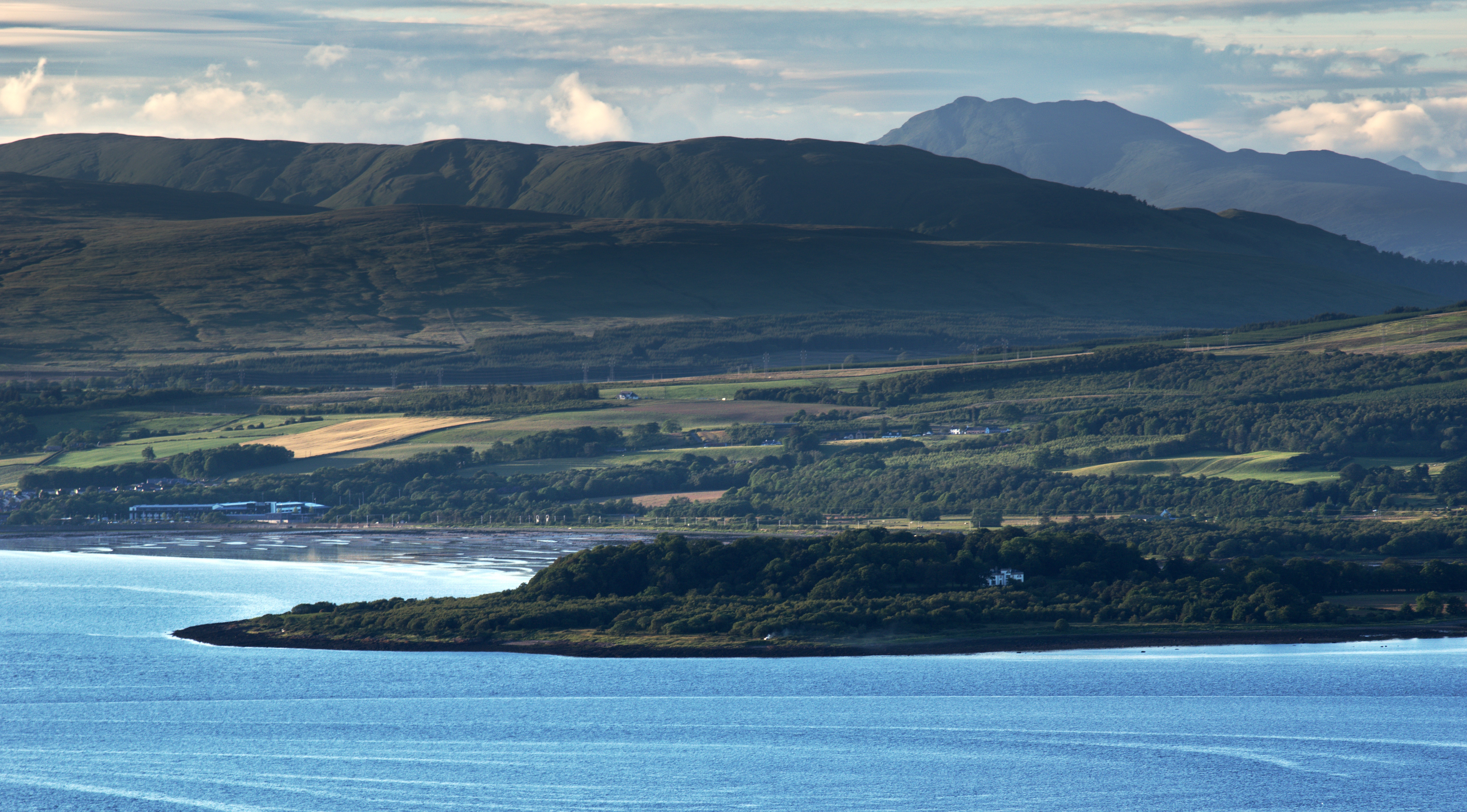
Trendy stores, a booming cultural life, fascinating architecture, and stylish restaurants reinforce Glasgow's claim to being Scotland's most exciting city. After decades of decline, it has experienced an urban renaissance uniquely its own. The city’s grand architecture reflects a prosperous past built on trade and shipbuilding. Today buildings by Charles Rennie Mackintosh hold pride of place along with the Zaha Hadid–designed Riverside Museum.Glasgow (the "dear green place," as it was known) was founded some 1,500 years ago. Legend has it that the king of Strathclyde, irate about his wife's infidelity, had a ring he had given her thrown into the river Clyde. (Apparently she had passed it on to an admirer.) When the king demanded to know where the ring had gone, the distraught queen asked the advice of her confessor, St. Mungo. He suggested fishing for it—and the first salmon to emerge had the ring in its mouth. The moment is commemorated on the city's coat of arms.The medieval city expanded when it was given a royal license to trade; the current High Street was the main thoroughfare at the time. The vast profits from American cotton and tobacco built the grand mansions of the Merchant City in the 18th century. In the 19th century the river Clyde became the center of a vibrant shipbuilding industry, fed by the city’s iron and steel works. The city grew again, but its internal divisions grew at the same time. The West End harbored the elegant homes of the newly rich shipyard owners. Down by the river, areas like the infamous Gorbals, with its crowded slums, sheltered the laborers who built the ships. They came from the Highlands, expelled to make way for sheep, or from Ireland, where the potato famines drove thousands from their homes.During the 19th century the population grew from 80,000 to more than a million. And the new prosperity gave Glasgow its grand neoclassical buildings, such as those built by Alexander "Greek" Thomson, as well as the adventurous visionary buildings designed by Charles Rennie Mackintosh and others who produced Glasgow’s Arts and Crafts movement. The City Chambers, built in 1888, are a proud statement in marble and gold sandstone, a clear symbol of the wealthy and powerful Victorian industrialists' hopes for the future.The decline of shipbuilding and the closure of the factories led to much speculation as to what direction the city would take now. The curious thing is that, at least in part, the past gave the city a new lease of life. It was as if people looked at their city and saw Glasgow’s beauty for the first time: its extraordinarily rich architectural heritage, its leafy parks, its artistic heritage, and its complex social history. Today Glasgow is a vibrant cultural center and a commercial hub, as well as a launching pad from which to explore the rest of Scotland, which, as it turns out, is not so far away. In fact, it takes only 40 minutes to reach Loch Lomond, where the other Scotland begins.

Loch Thom, Greenock, Uk
Loch Thom, Greenock, UkPhoto by Adrian Hunter on Unsplash
Greenock, Scotland
Greenock, ScotlandImage by Alistair McIntyre from Pixabay

Day 7 - Belfast

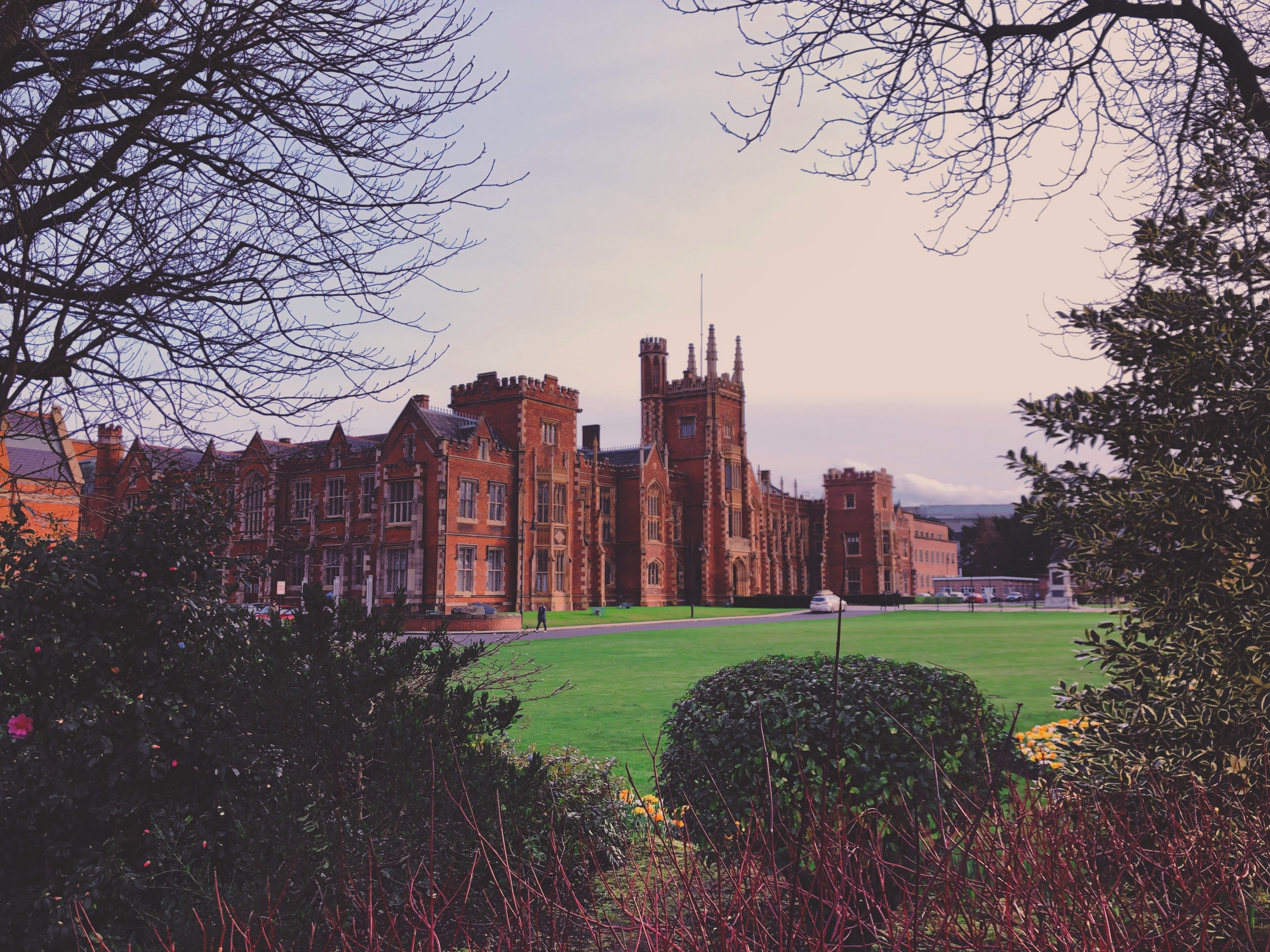
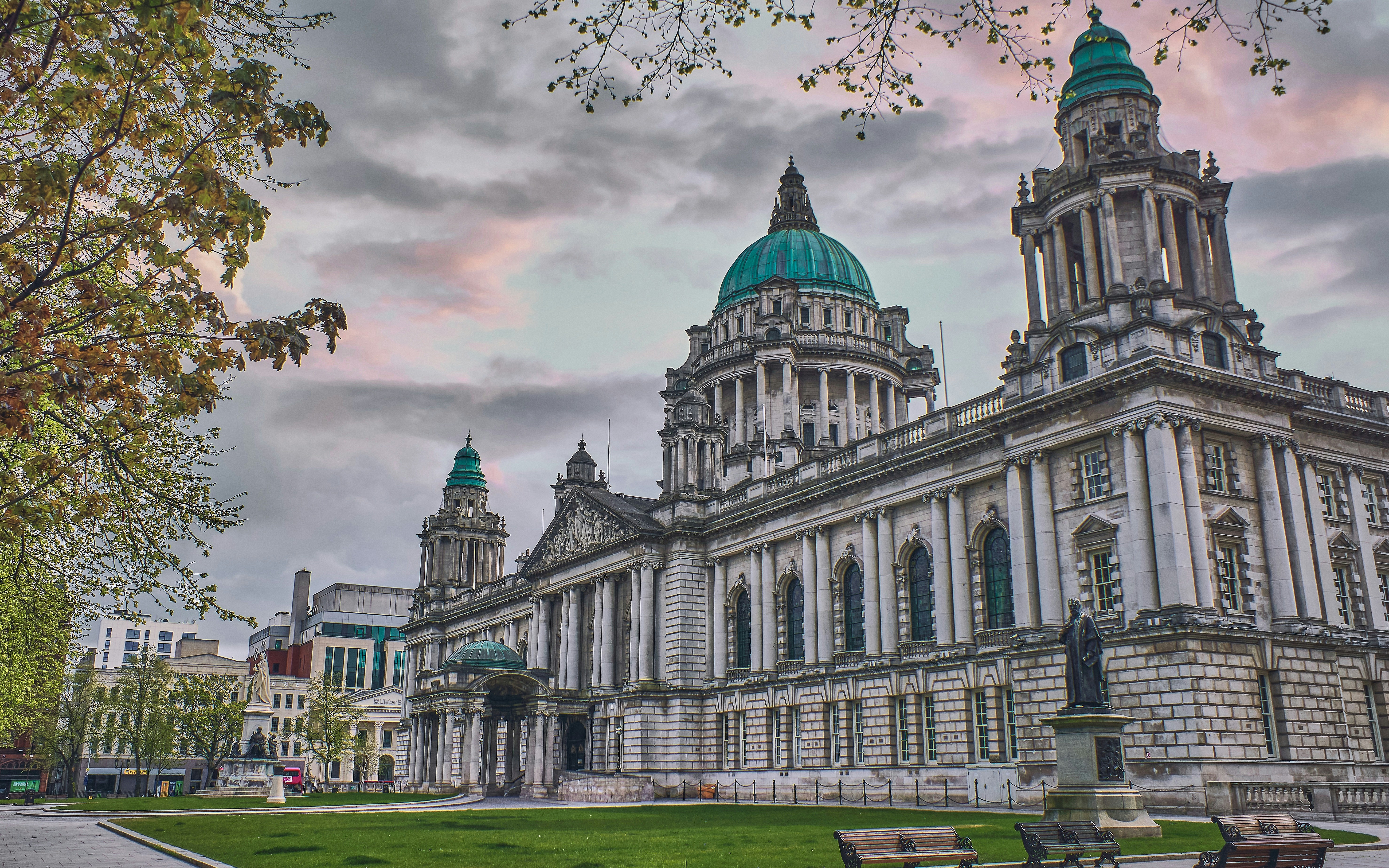
Before English and Scottish settlers arrived in the 1600s, Belfast was a tiny village called Béal Feirste ("sandbank ford") belonging to Ulster's ancient O'Neill clan. With the advent of the Plantation period (when settlers arrived in the 1600s), Sir Arthur Chichester, from Devon in southwestern England, received the city from the English Crown, and his son was made Earl of Donegall. Huguenots fleeing persecution from France settled near here, bringing their valuable linen-work skills. In the 18th century, Belfast underwent a phenomenal expansion—its population doubled every 10 years, despite an ever-present sectarian divide. Although the Anglican gentry despised the Presbyterian artisans—who, in turn, distrusted the native Catholics—Belfast's growth continued at a dizzying speed. The city was a great Victorian success story, an industrial boomtown whose prosperity was built on trade, especially linen and shipbuilding. Famously (or infamously), the Titanic was built here, giving Belfast, for a time, the nickname "Titanic Town." Having laid the foundation stone of the city's university in 1845, Queen Victoria returned to Belfast in 1849 (she is recalled in the names of buildings, streets, bars, monuments, and other places around the city), and in the same year, the university opened under the name Queen's College. Nearly 40 years later, in 1888, Victoria granted Belfast its city charter. Today its population is nearly 300,000, tourist numbers have increased, and this dramatically transformed city is enjoying an unparalleled renaissance.This is all a welcome change from the period when news about Belfast meant reports about "the Troubles." Since the 1994 ceasefire, Northern Ireland's capital city has benefited from major hotel investment, gentrified quaysides (or strands), a sophisticated new performing arts center, and major initiatives to boost tourism. Although the 1996 bombing of offices at Canary Wharf in London disrupted the 1994 peace agreement, the ceasefire was officially reestablished on July 20, 1997, and this embattled city began its quest for a newfound identity.Since 2008, the city has restored all its major public buildings such as museums, churches, theaters, City Hall, Ulster Hall—and even the glorious Crown Bar—spending millions of pounds on its built heritage. A gaol that at the height of the Troubles held some of the most notorious murderers involved in paramilitary violence is now a major visitor attraction.Belfast's city center is made up of three roughly contiguous areas that are easy to navigate on foot. From the south end to the north, it's about an hour's leisurely walk.
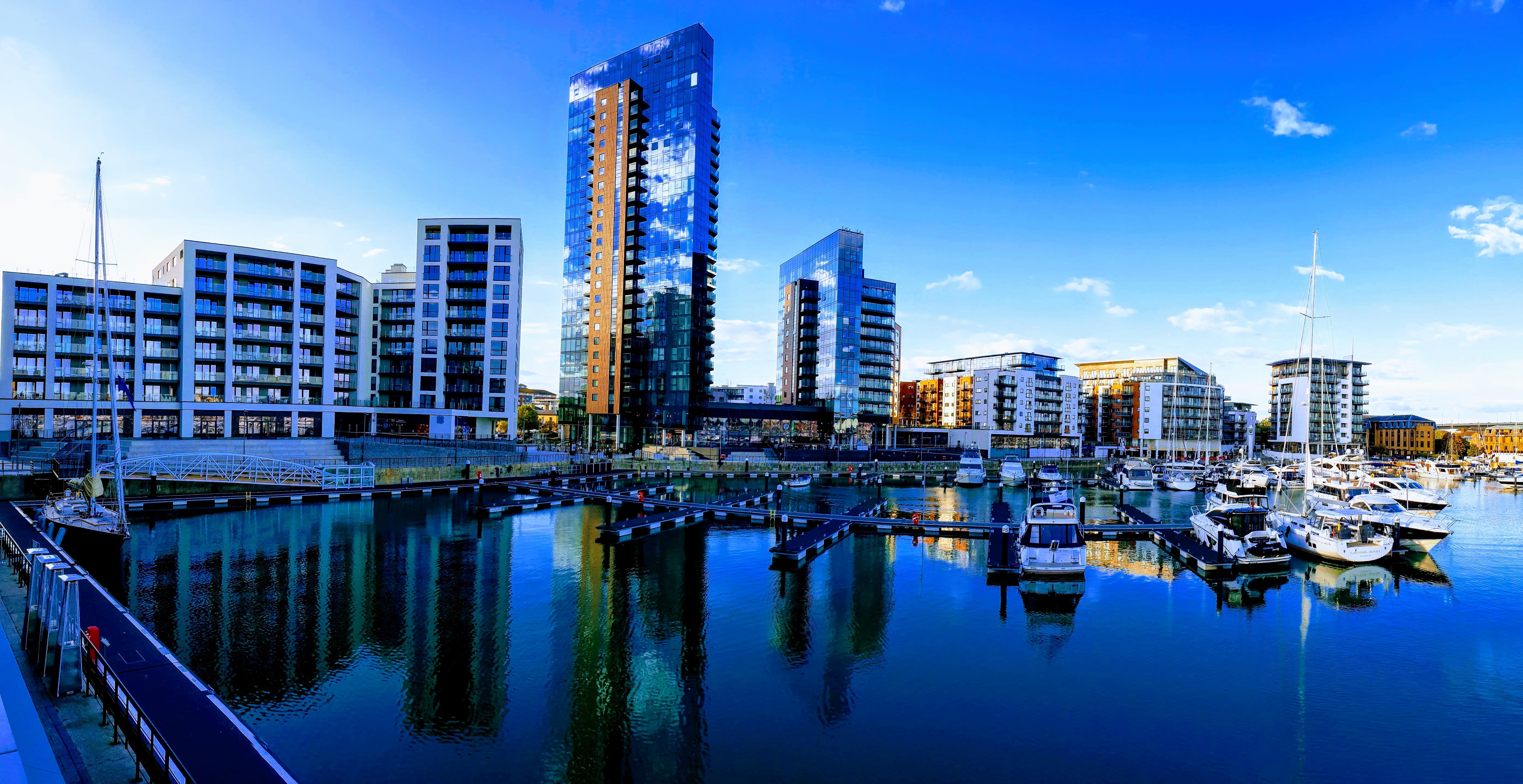
Belfast, Northern Island, Uk
Belfast, Northern Island, UkPhoto by Mert Kuzu on Unsplash
Belfast City Hall, Donegall Square North, Belfast, Northern Ireland, Uk
Belfast City Hall, Donegall Square North, Belfast, Northern Ireland, UkPhoto by K. Mitch Hodge on Unsplash
Day 8 - Dun Laoghaire

Further details for this day are not available.

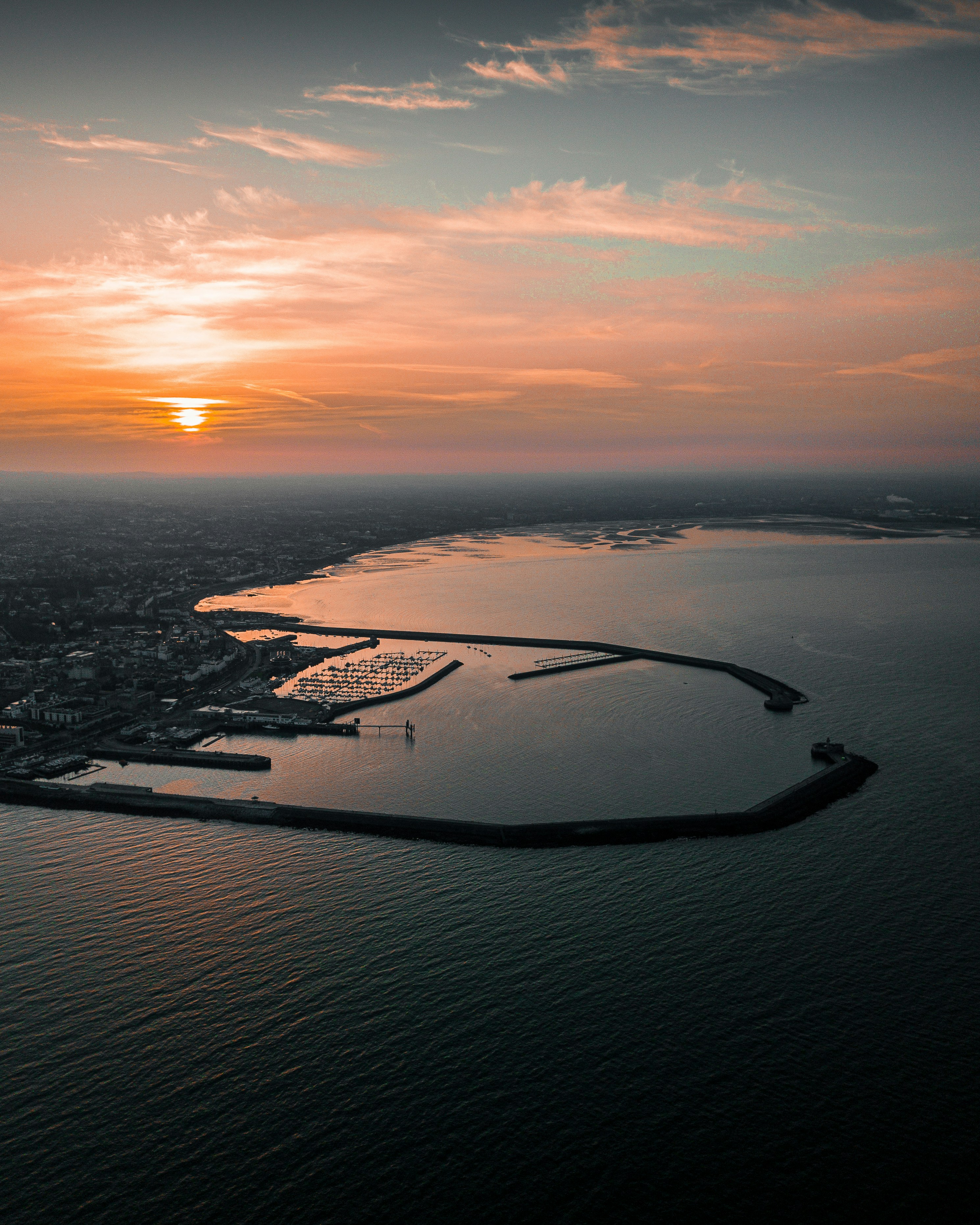
Dún Laoghaire, Dublin, Ireland
Dún Laoghaire, Dublin, IrelandPhoto by Paul Costello on Unsplash
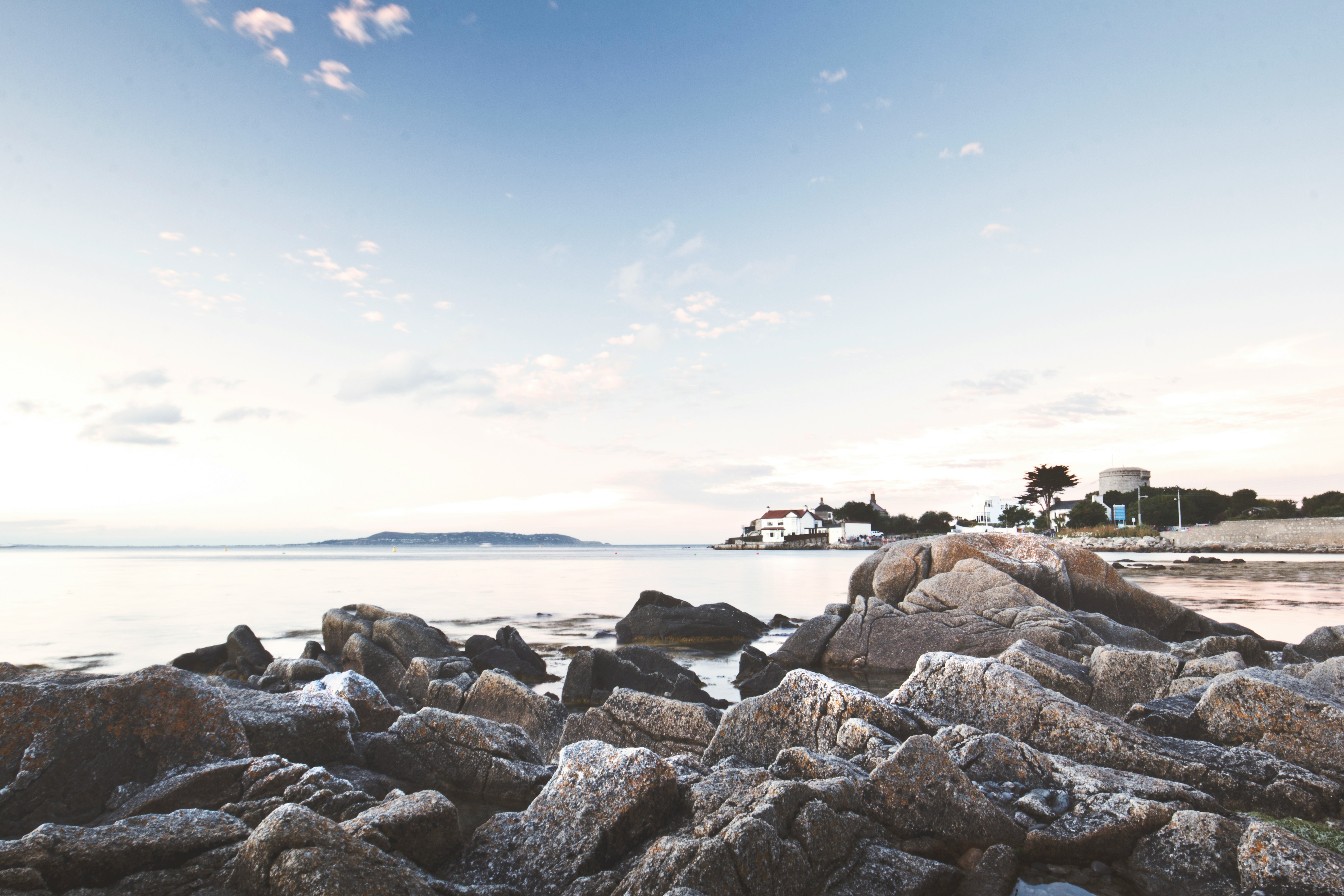
Dún Laoghaire, Dublin, Ireland
Dún Laoghaire, Dublin, IrelandPhoto by Conor Luddy on Unsplash
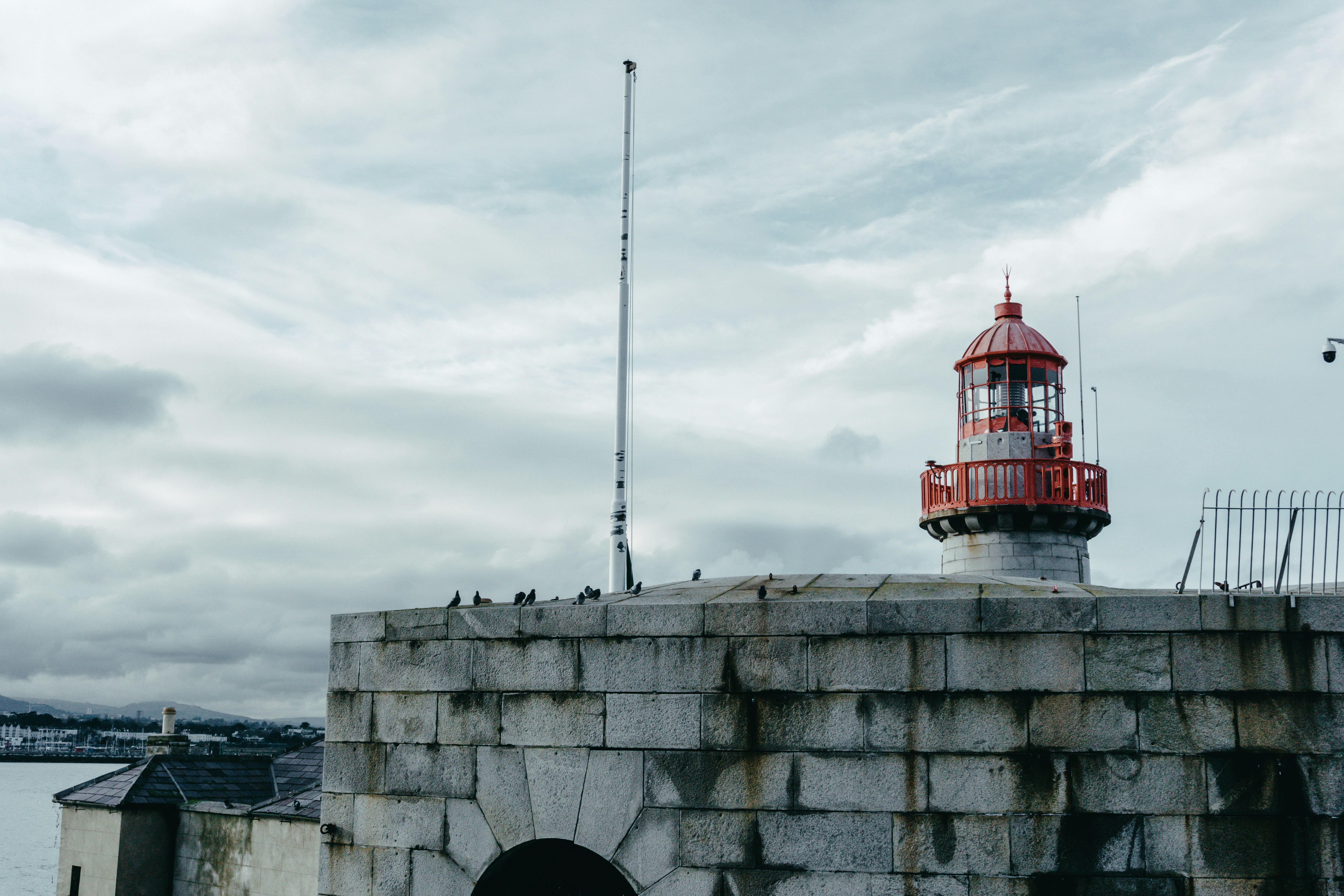
East Pier, Dún Laoghaire, County Dublin, Ireland
East Pier, Dún Laoghaire, County Dublin, IrelandPhoto by Lisa Fecker on Unsplash
Dún Laoghaire  Dublin
Dún Laoghaire Dublin Image by Leonhard Niederwimmer from Pixabay

Day 9 - Cobh

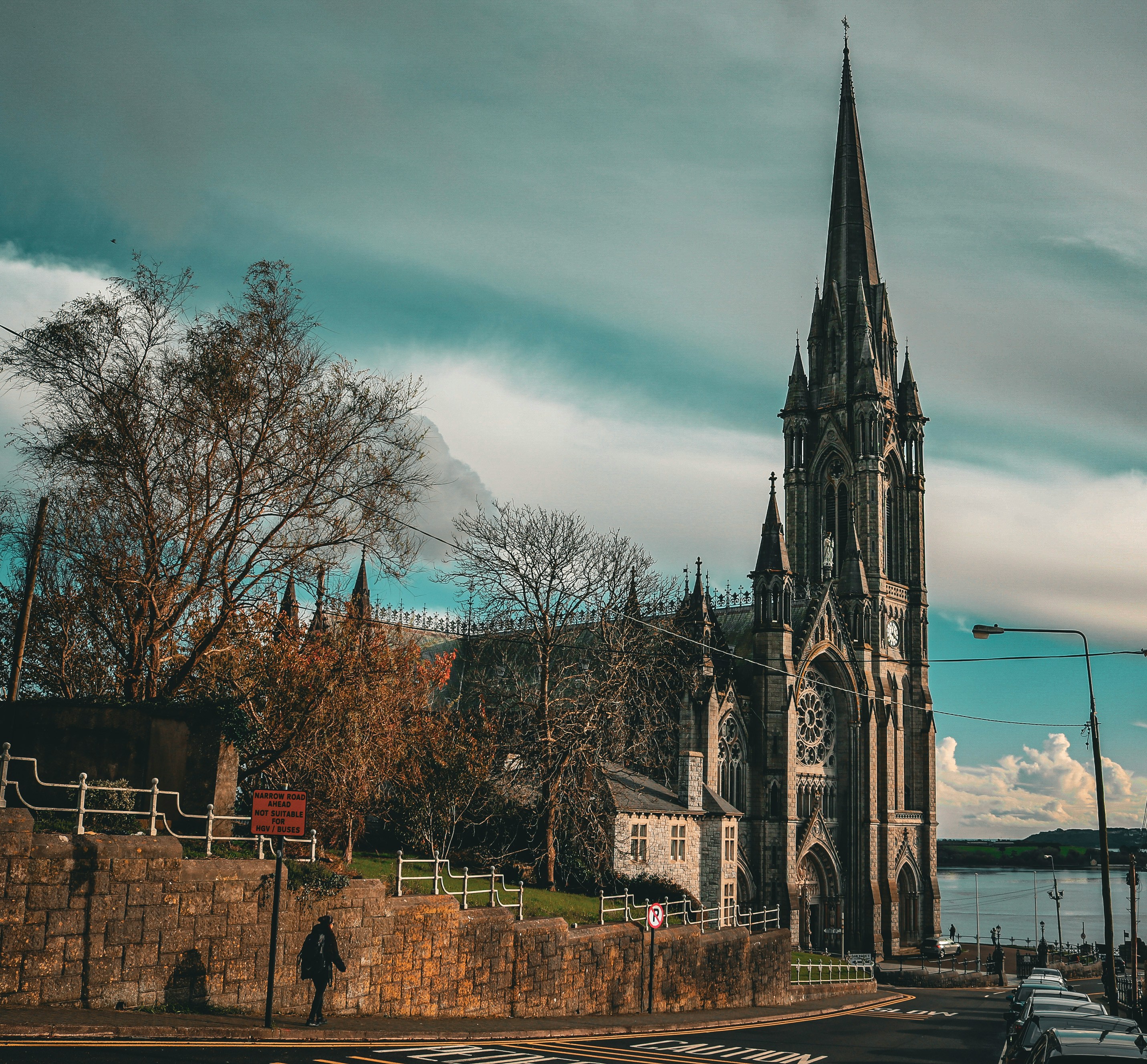
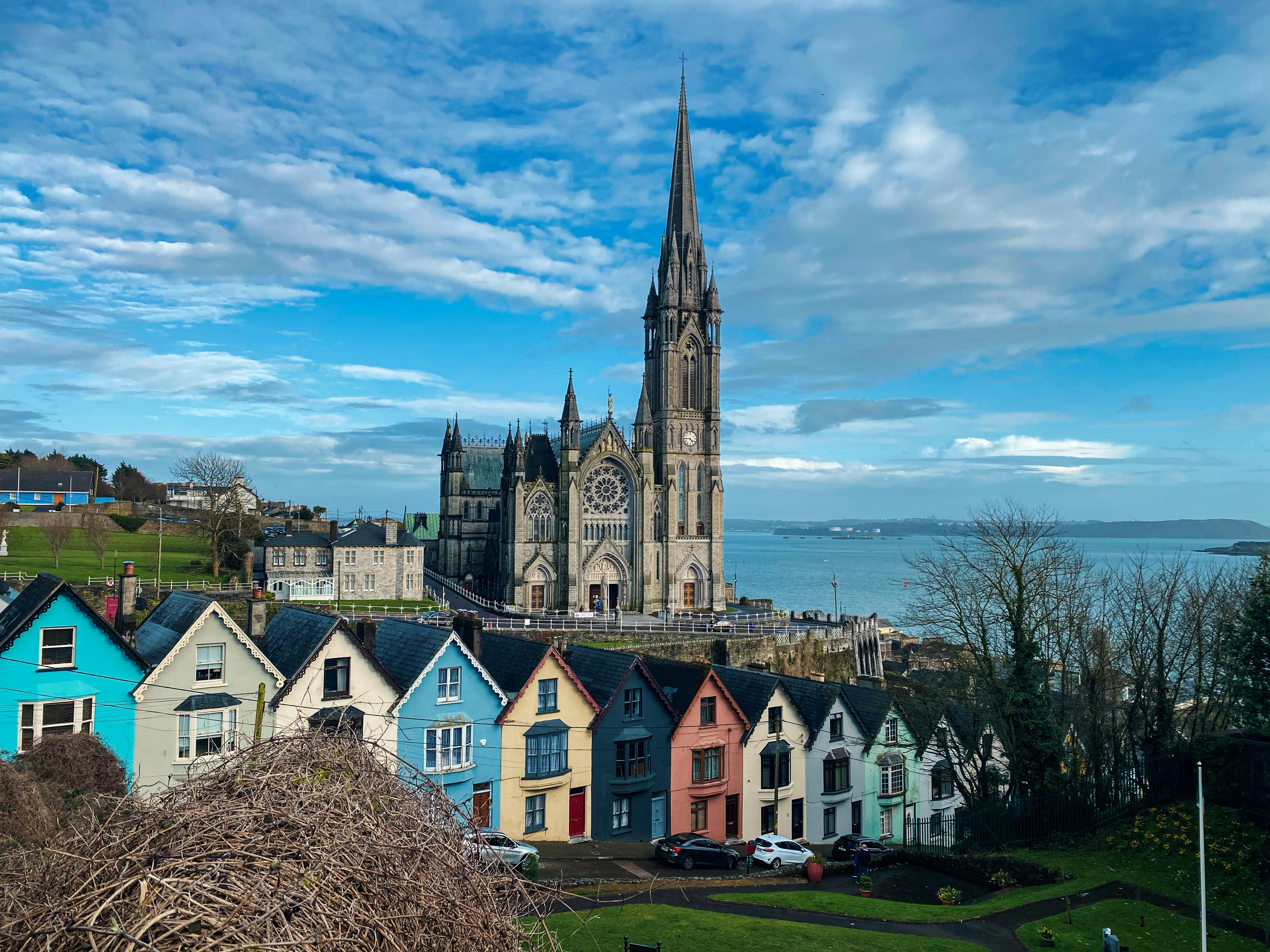
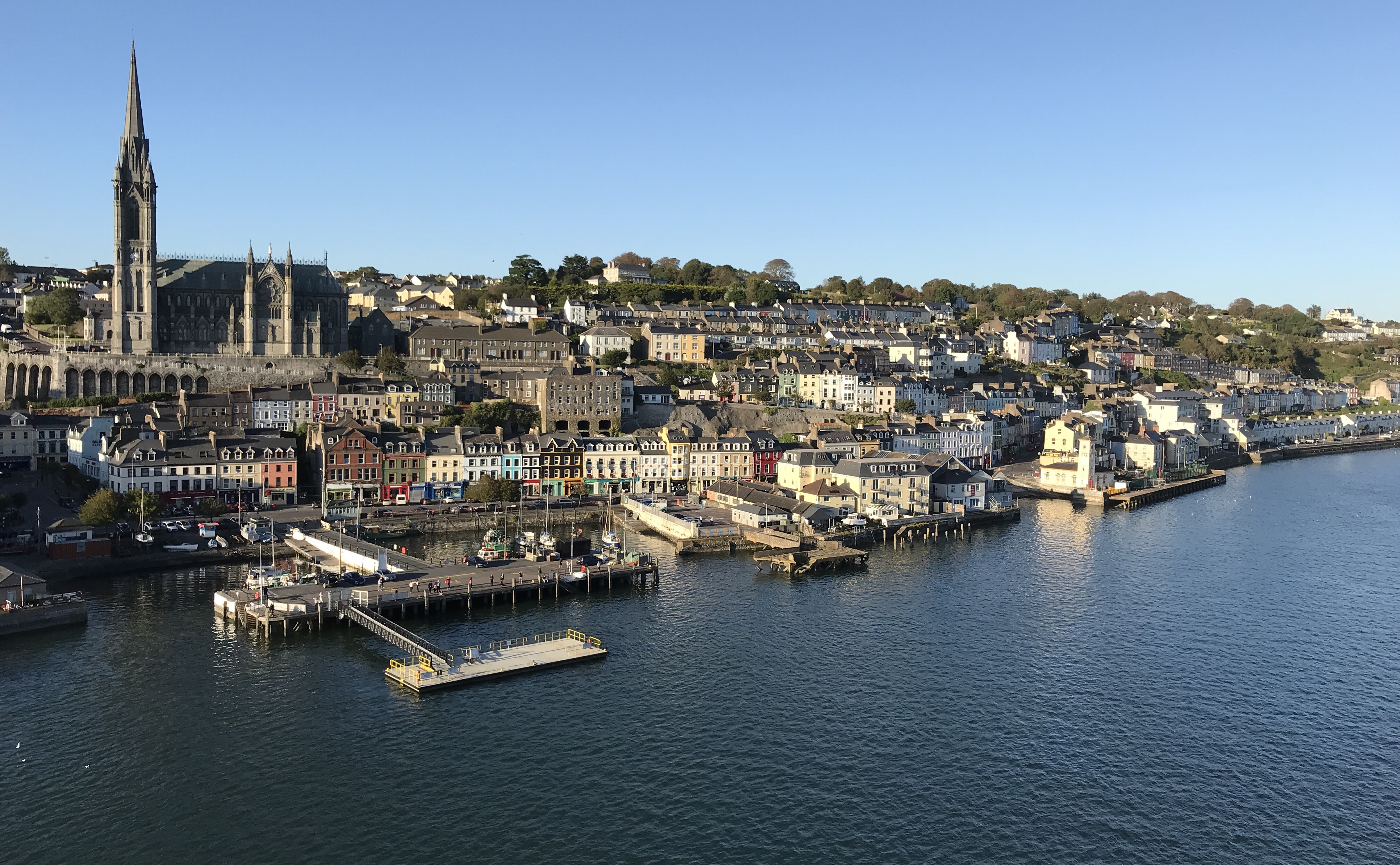
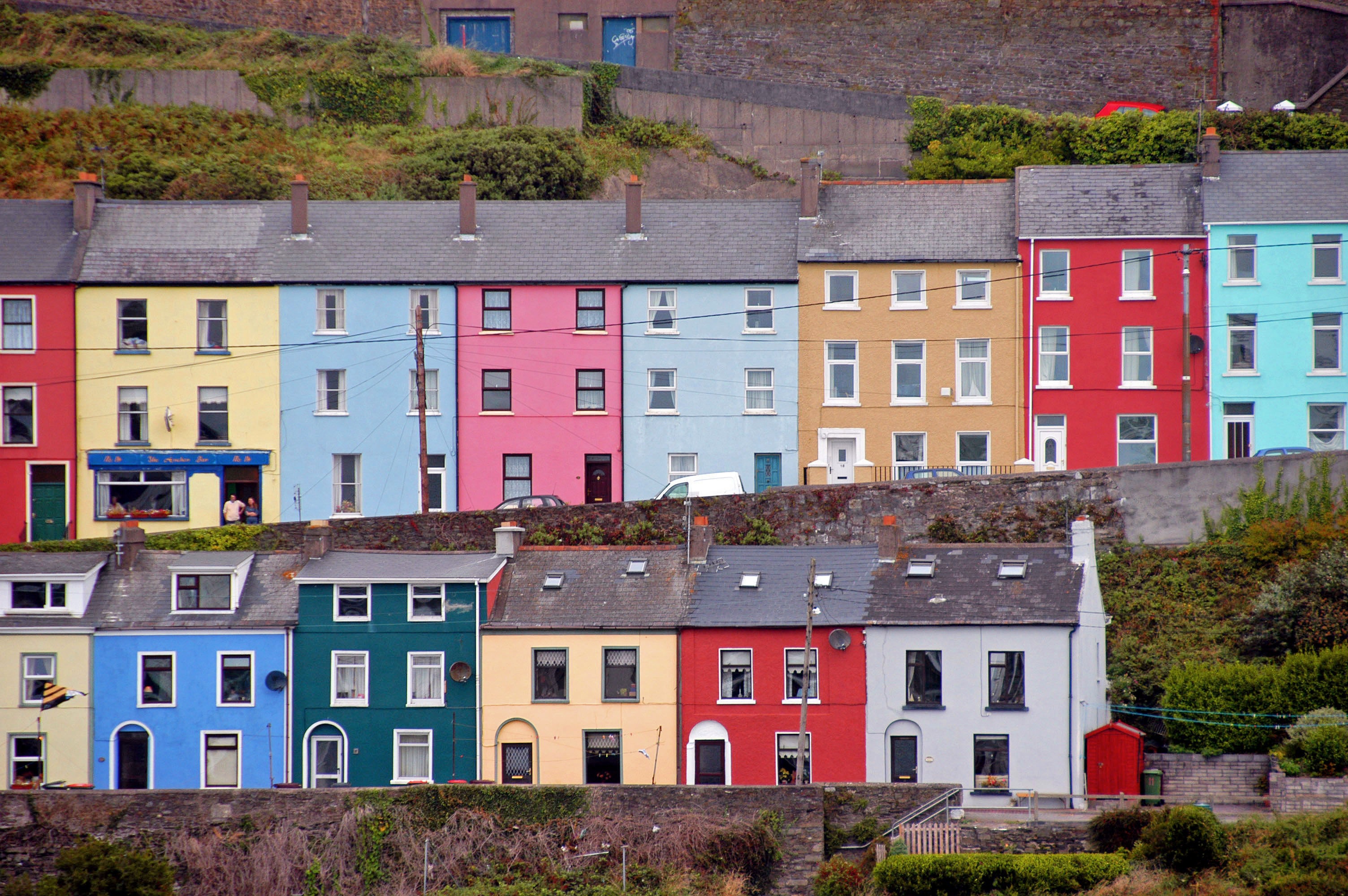
Cork City's nearby harbor district has seen plenty of history. Cork Harbour's draws include Fota Island—with an arboretum, a wildlife park, and the Fota House ancestral estate—and the fishing port of Cobh.

Church, Cobh, County Cork, Ireland
Church, Cobh, County Cork, IrelandPhoto by Dahlia E. Akhaine on Unsplash
Cobh, County Cork, Ireland
Cobh, County Cork, IrelandPhoto by Jason Murphy on Unsplash
Cobh,Ireland
Cobh,IrelandImage by Urs Widmer from Pixabay
Cobh,Ireland
Cobh,IrelandImage from Pixabay

Day 10 - Falmouth

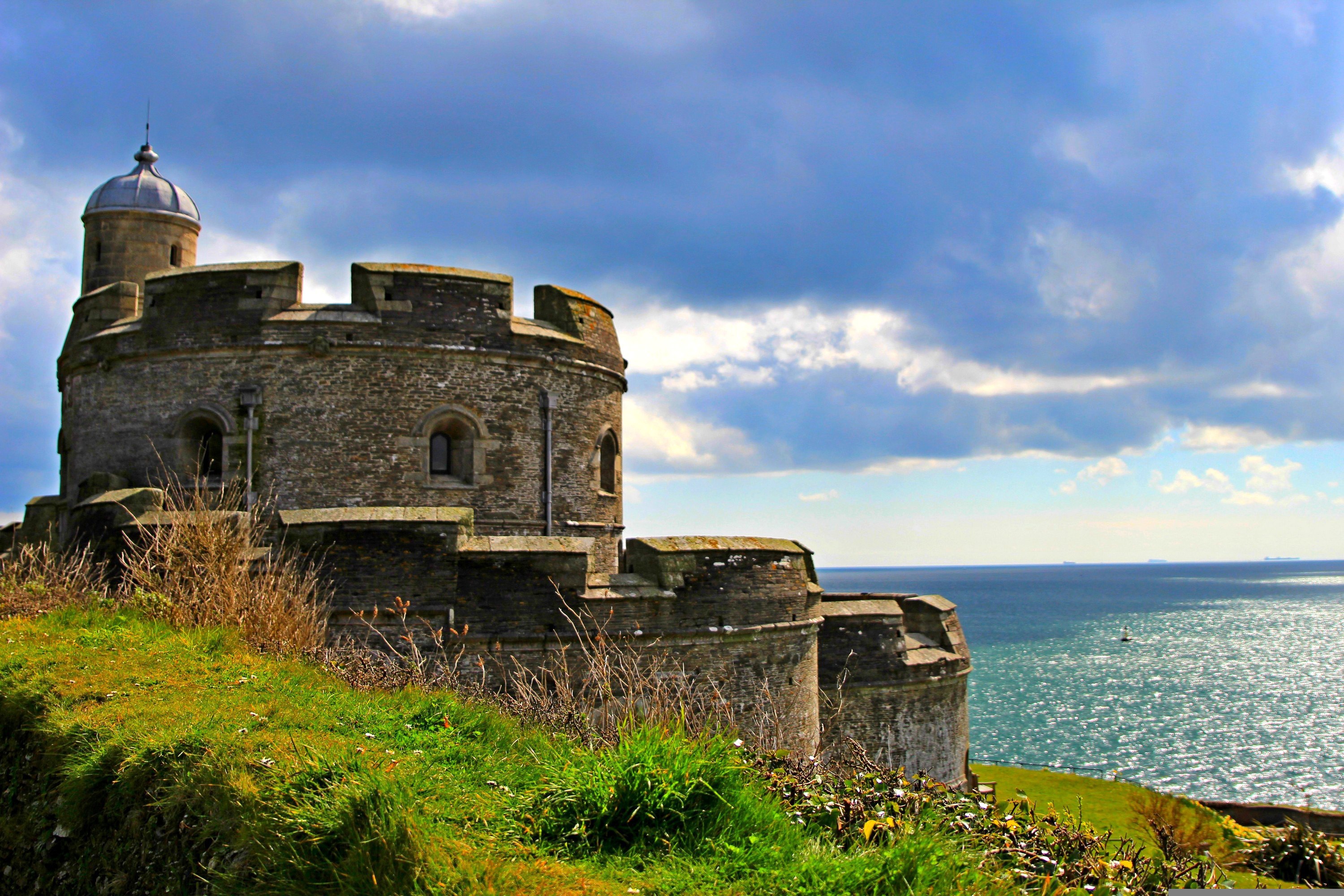
The bustle of this resort town's fishing harbor, yachting center, and commercial port only adds to its charm. In the 18th century Falmouth was the main mail-boat port for North America, and in Flushing, a village across the inlet, you can see the slate-covered houses built by prosperous mail-boat captains. A ferry service now links the two towns. On Custom House Quay, off Arwenack Street, is the King's Pipe, an oven in which seized contraband was burned.

Falmouth, Uk
Falmouth, UkImage by Kelly Rudland from Pixabay

Day 11 - Isle of Portland

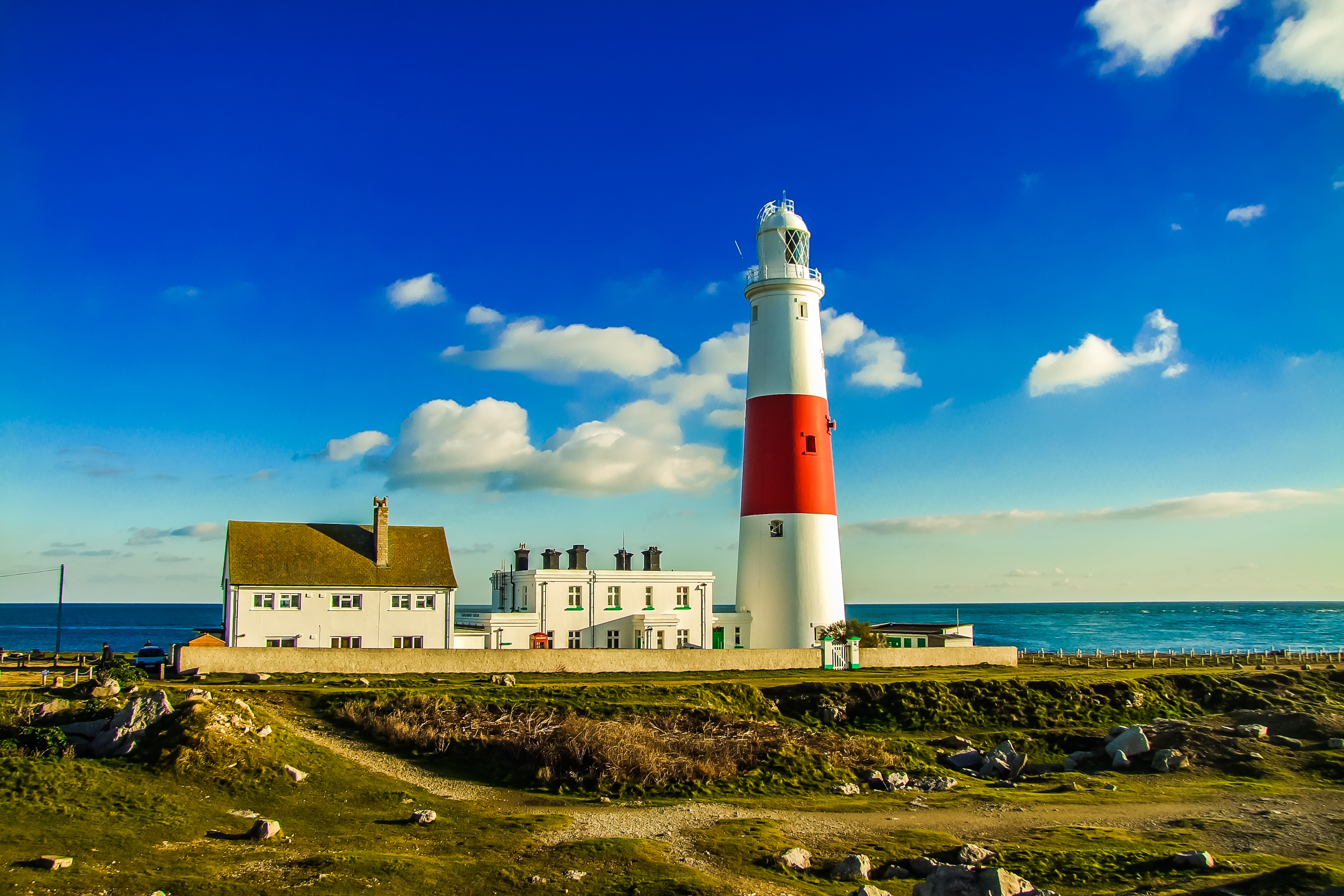
The Isle of Portland is a tied island, 6 kilometres long by 2.7 kilometres wide, in the English Channel. The southern tip, Portland Bill lies 8 kilometres south of the resort of Weymouth, forming the southernmost point of the county of Dorset, England. A barrier beach called Chesil Beach joins it to the mainland.

Portland Lighthouse, Portland
Portland Lighthouse, PortlandImage by Roman Grac from Pixabay
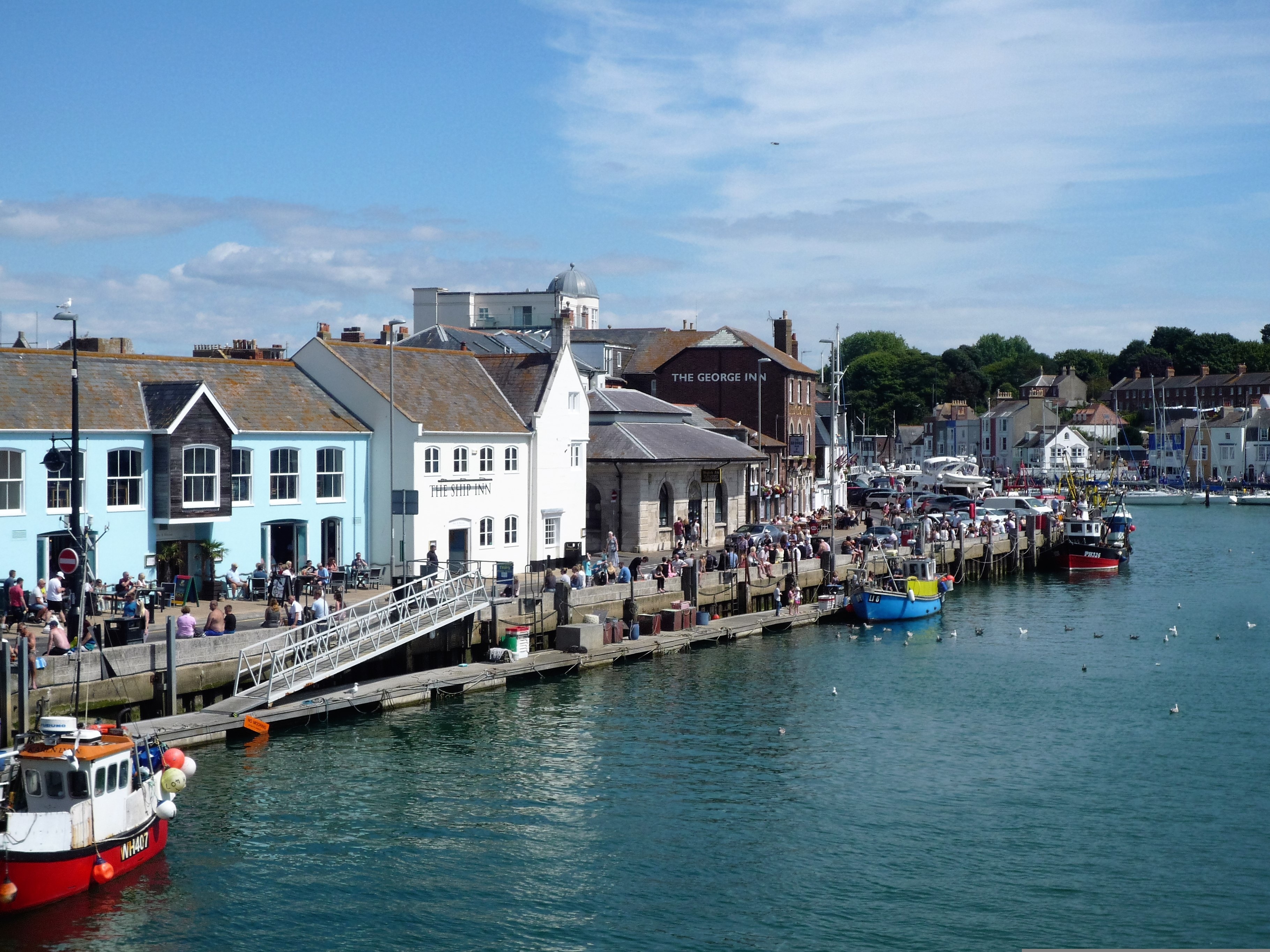
Weymouth, Near Portland
Weymouth, Near PortlandImage by mmundy2 from Pixabay

Day 12 - Le Havre

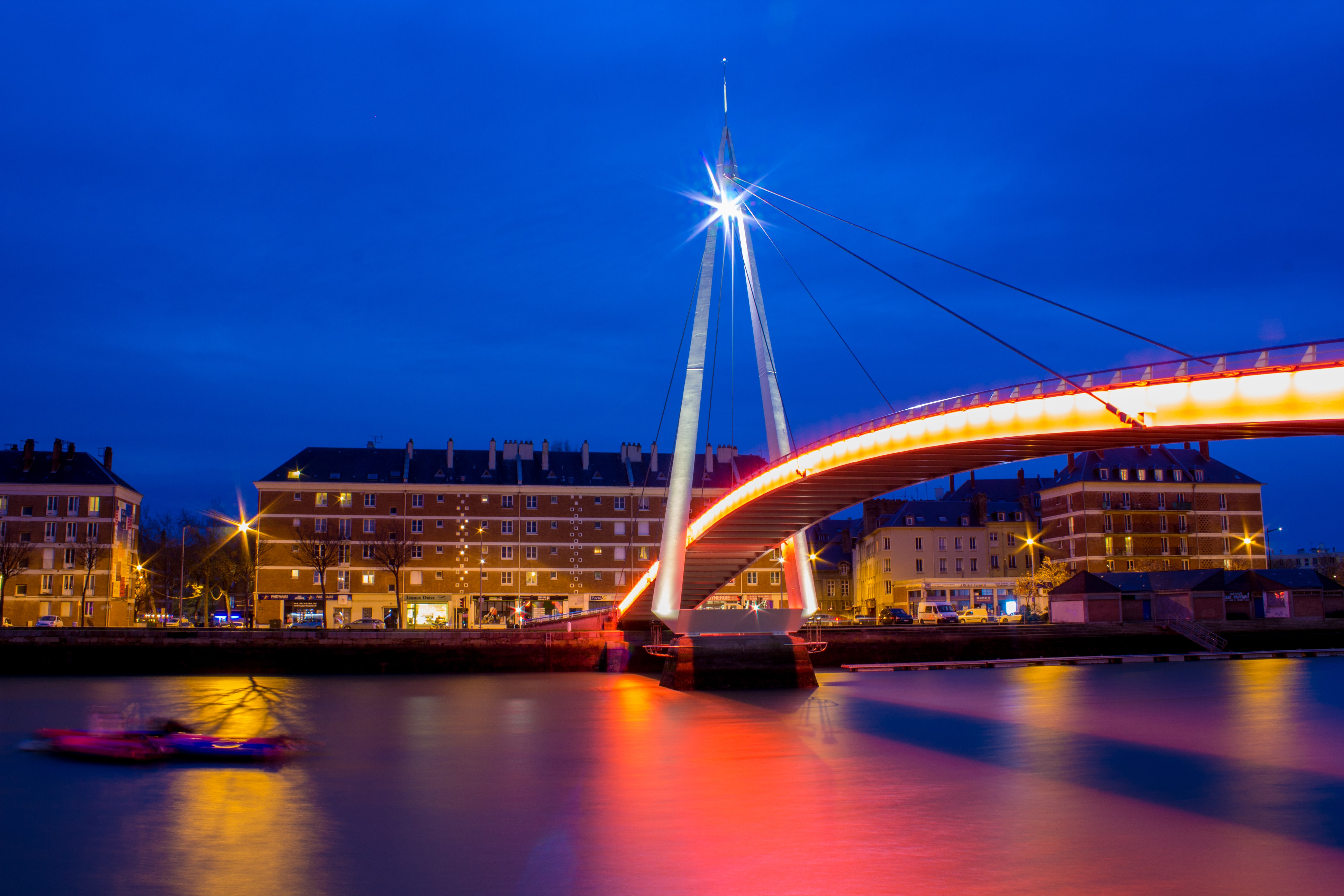
Le Havre, founded by King Francis I of France in 1517, is located inUpper Normandy on the north bank of the mouth of the River Seine, which isconsidered the most frequented waterway in the world. Its port is ranked thesecond largest in France. The city was originally built on marshland andmudflats that were drained in the 1500’s. During WWII most of Le Havre wasdestroyed by Allied bombing raids. Post war rebuilding of the city followed thedevelopment plans of the well-known Belgian architect Auguste Perre. Thereconstruction was so unique that the entire city was listed as a UNESCO WorldHeritage Site in 2005. 

Frleh   Le Havre, France   Pc Antoine Petitteville
Frleh Le Havre, France Pc Antoine Petitteville
Frleh   Le Havre, France   Pc Marcus Zymmer
Frleh Le Havre, France Pc Marcus Zymmer

Day 13 - Southampton

Lying near the head of Southampton Water, a peninsula between the estuaries of the Rivers Test and Itchen, Southampton is Britain’s largest cruise port. It has been one of England’s major ports since the Middle Ages, when it exported wool and hides from the hinterland and imported wine from Bordeaux. The city suffered heavy damage during World War Two and as a result the centre has been extensively rebuilt, but there are still some interesting medieval buildings including the Bargate, one of the finest city gatehouses in England.

Gbsou Southampton   Colin Osborne
Gbsou Southampton Colin OsborneColin Osborne, Unsplash
Gbsou Southampton Connor Holyday
Gbsou Southampton Connor HolydayConnor Holyday - Unsplash
Gbsou Southampton   England   Southampton Bargate
Gbsou Southampton England Southampton Bargate
Gbsou   Southampton, England. Houndwell Park Mangopear Creative
Gbsou Southampton, England. Houndwell Park Mangopear Creative

Suites & Deck Plans

Suite

Most Luxurious Accommodations at Sea

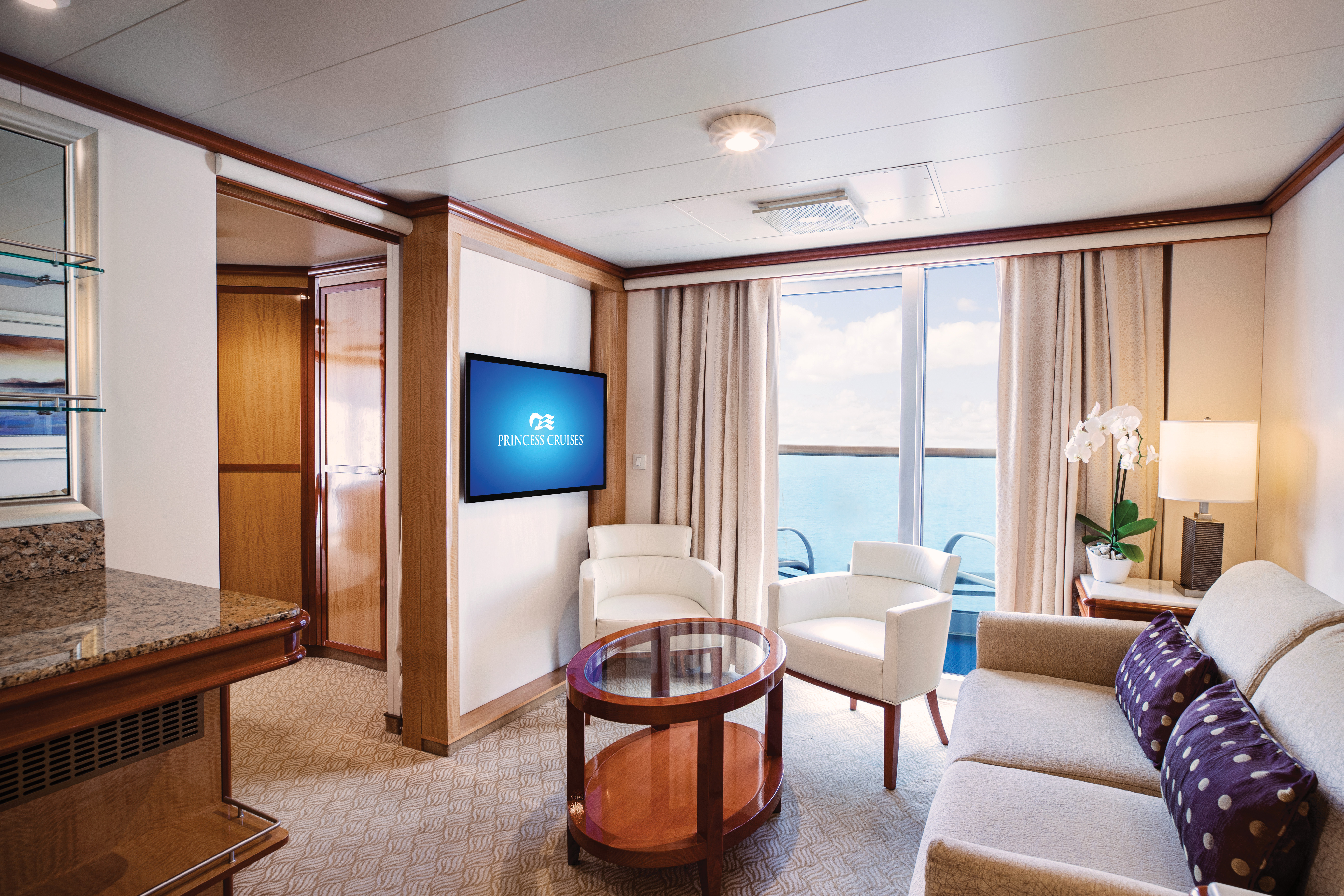
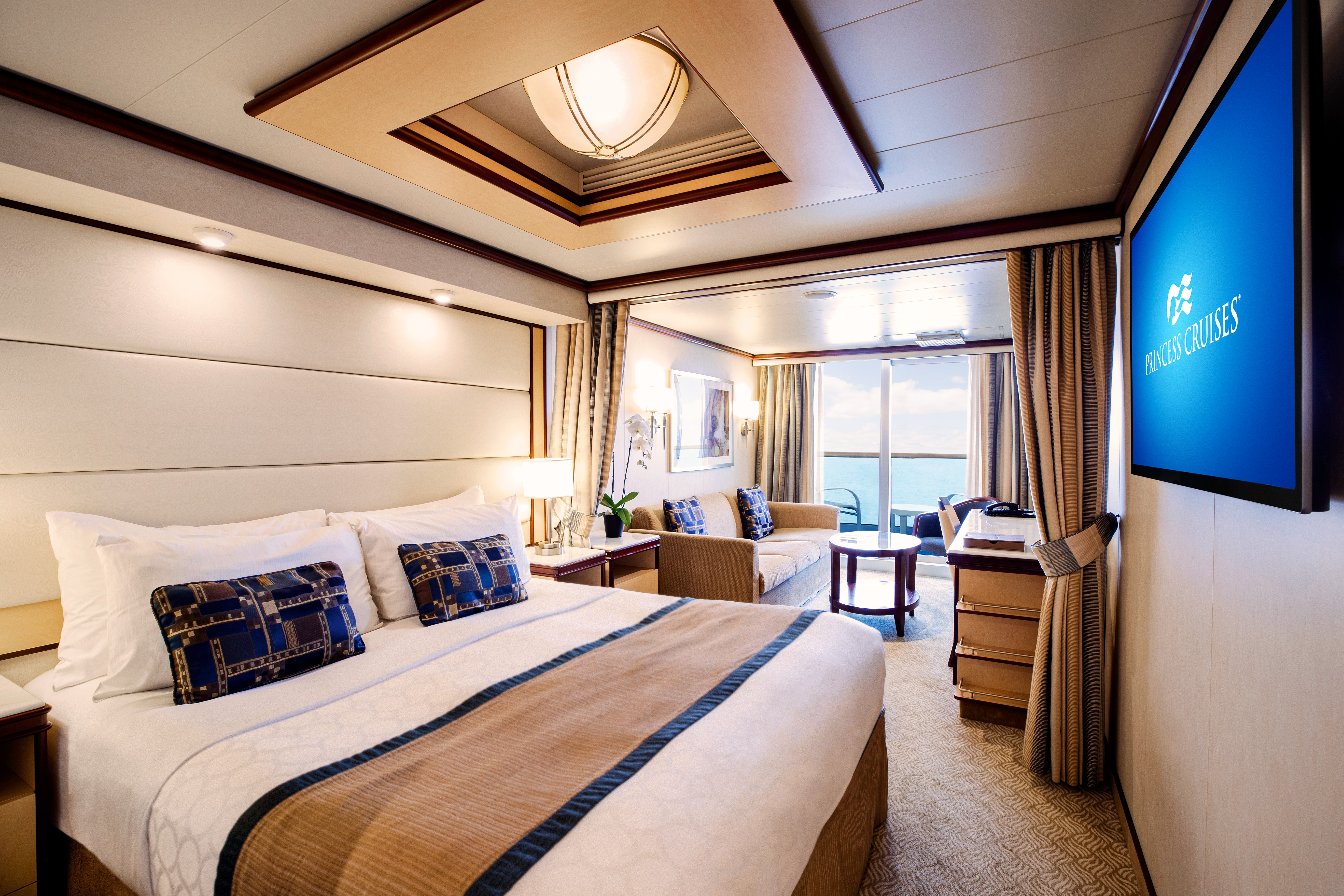
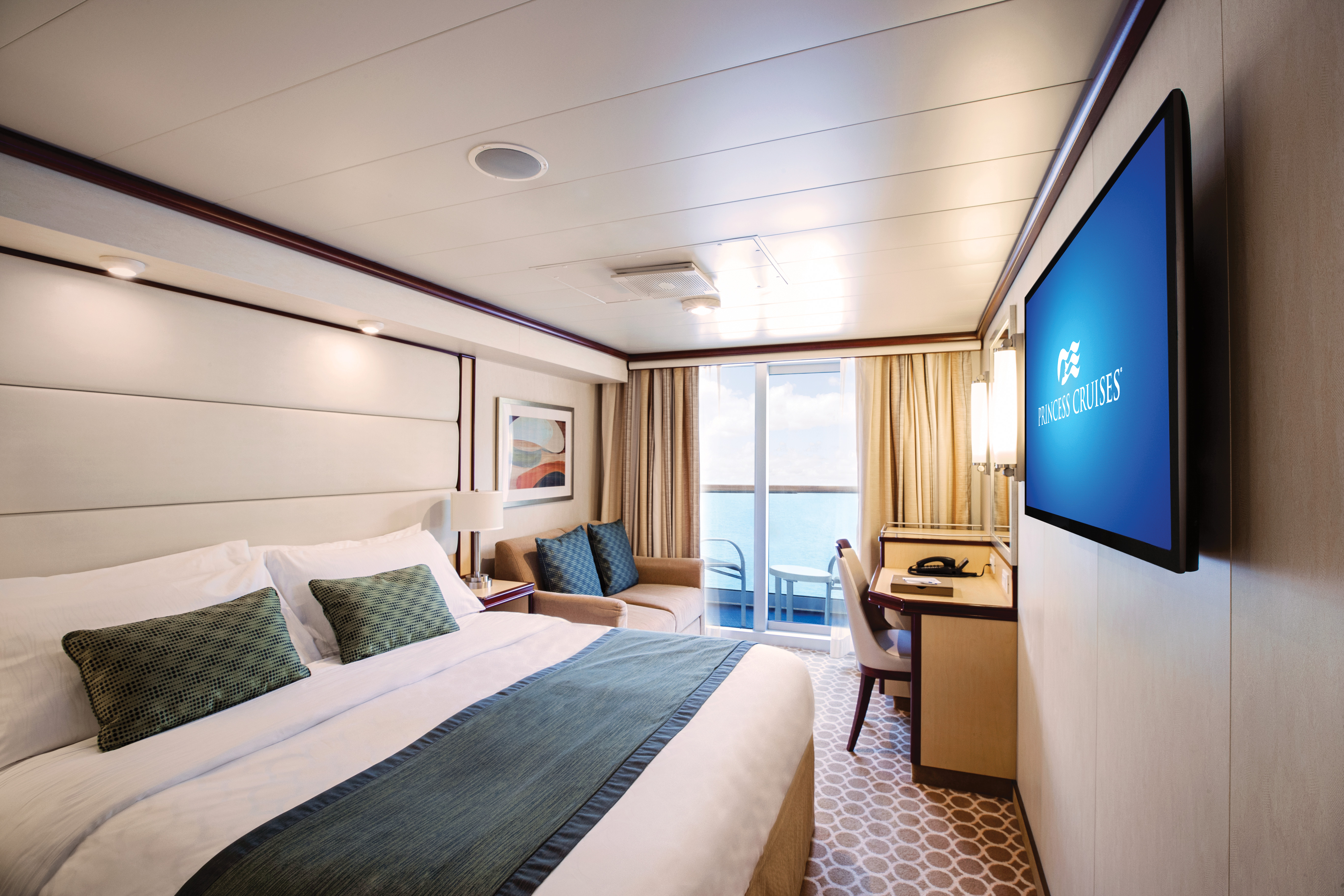
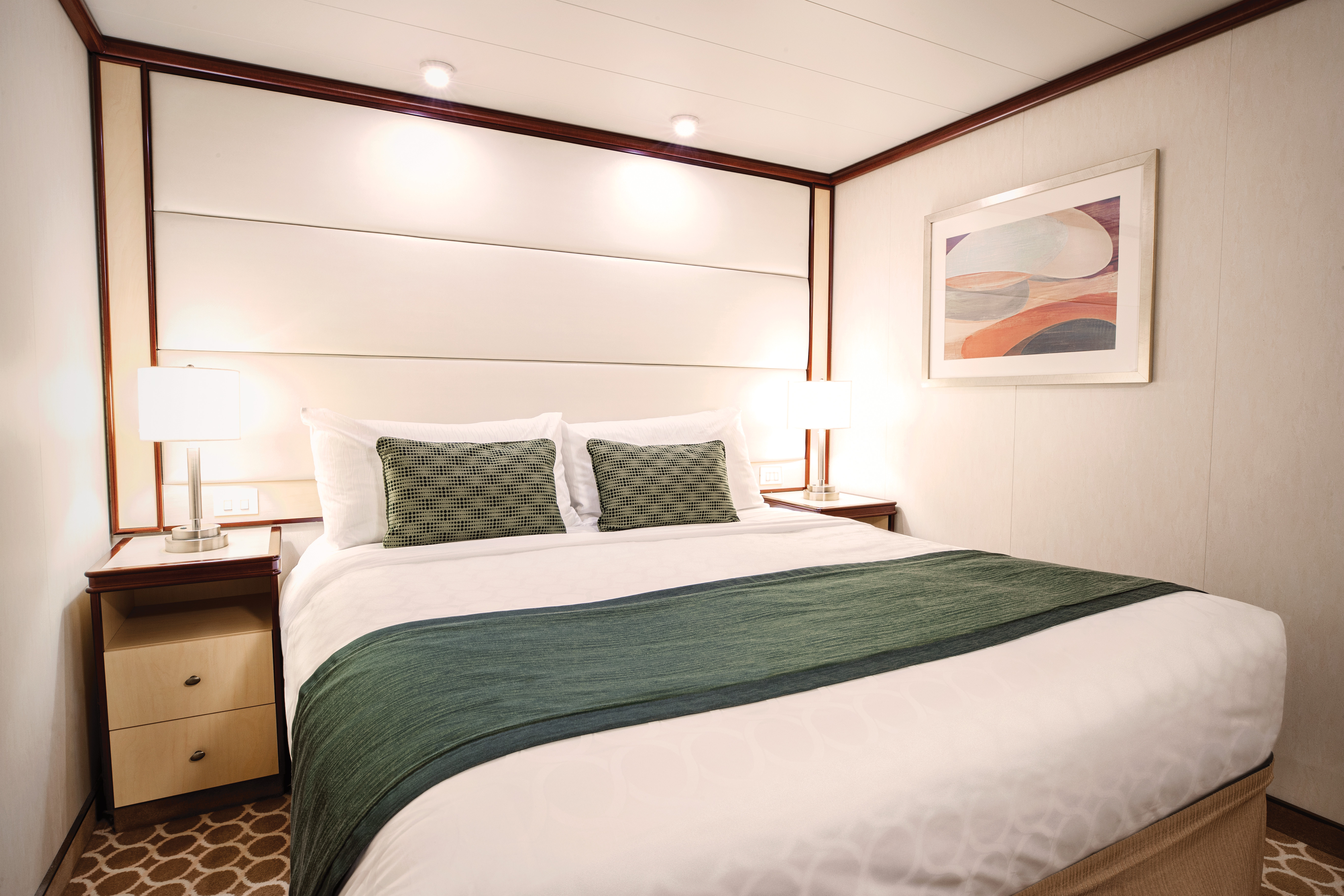
Surrounding you with deluxe accommodations, a spacious Suite with balcony includes all the amenities of a Reserve Collection Mini-Suite^^, plus incredible premiums. Enjoy more living space, a sofa bed and separate seating areas, and wonderfully enhanced amenities that range from priority embarkation and disembarkation to a complimentary mini-bar setup in suite and so much more.

Includes all the fine amenities of a spacious Reserve Collection Mini-Suite plus:

  • Approx. 440 to 1,500 sq. ft., including balcony
  • Luxury balcony furniture including 2 loungers, 4 chairs, table and ottoman
  • 2 floor-to-ceiling sliding glass doors
  • Separate sitting area with sofa bed, chair and 2 tables
  • One complimentary mini-bar setup and free daily bottled water
  • Spacious closet
  • Complimentary laundry and professional cleaning services
  • Complimentary Specialty Dining Dinner on embarkation evening^
  • Priority specialty dining and shore excursion reservation
  • Priority disembarkation at tender ports
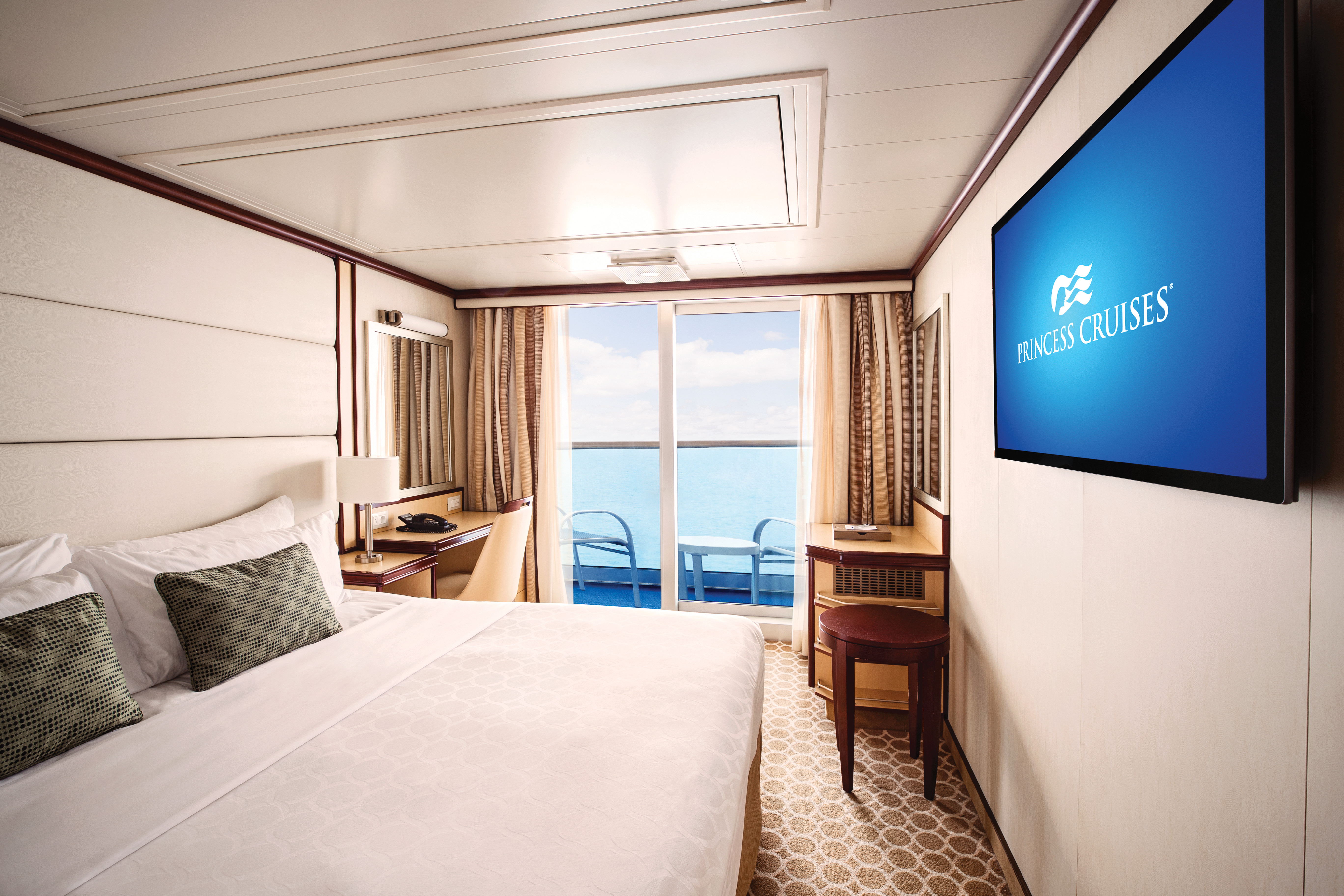
  • Comfortable queen or two twin beds▲
  • Refrigerator
  • Two flat-panel televisions
  • Private bathroom with tub and separate shower
  • 100% cotton, high-thread count linens
  • 24-hour room service†
  • Desk with chair
  • Hair dryer & fine bathroom amenities
  • Digital security safe
▲ 3rd/4th berths available in select cabins.
^ Applicable on cruises six days or longer. Reservations can be made once onboard your ship.
† Guests may call for room service delivery or order through OceanNow® in the Princess® Cruises app at any time of the day or night. Guests with the latest Princess Plus and Princess Premier packages enjoy OceanNow® and room service delivery with no charge. Otherwise, a one-time access fee of $14.99 USD per person per voyage will apply for OceanNow® delivery and a $5 USD room service fee will apply for each order placed by stateroom phone. Limitations, restrictions and conditions apply.
^^ Full suite guests enjoy a complimentary mini-bar setup and do not receive the 750ml bottle of wine.

440-1500 sq ft
Accommodates 4 guests
Suite

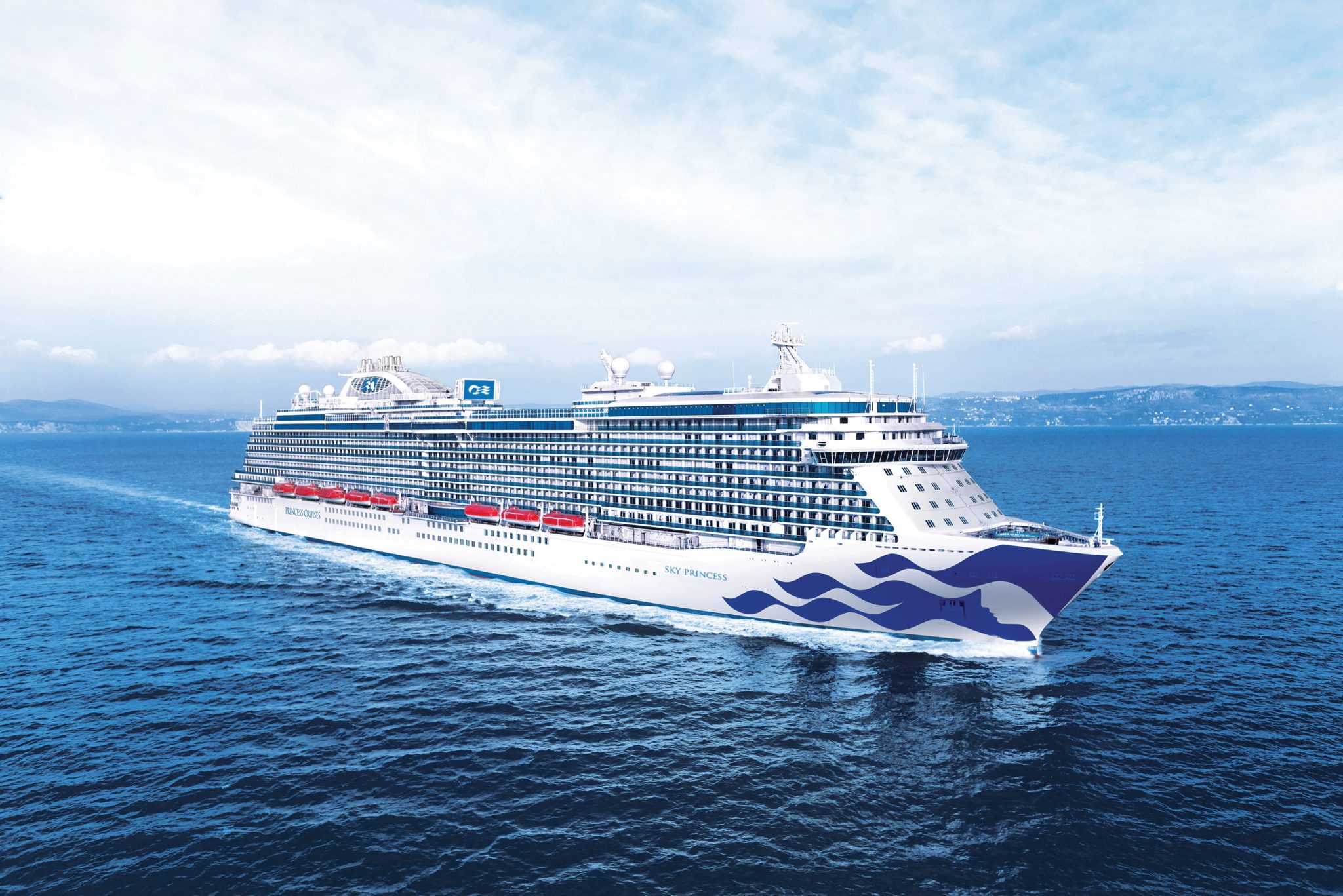
Majestic Princess

Majestic Princess

Life on board

The Onboard Experience

Client testimonials

I have worked with Lore Doick for more than 20 years, and she has booked over 30 cruises for me. Her expertise, care, and attention to every travel detail have made her an invaluable advisor and friend over the years.”

Tina B.

We are now in our second generation working with Cheri Ozimac at Tully Luxury Travel. From Antarctica to Greece, she has handled every detail with expertise, responsiveness, and care…

Earl M.

My wife and I have worked with Tully since 2007, and Kit Neil and her team went far beyond expectations while helping us navigate multiple cruise and flight cancellations. Their advocacy, care, and support during a difficult time were extraordinary.

Carri F.

Cheri Ozimac organized our Seabourn cruise flawlessly, from the hotel recommendation to every travel arrangement. She was responsive, attentive, and an excellent advocate throughout the process…

Cyn S.

We discovered Tully Luxury Travel after years of booking cruises through US agents and were impressed by their competitive pricing, exceptional service, and Canadian based support. Their team is always available, offers excellent value, and makes booking the right cruise seamless.

Peter C.

GoogleAverage Customer Rating:

The Tully Difference

Why travel with us


Tully Luxury Travel was built on access, discretion, and trust. For our clients, that means ease at every step, with distinctions that turn exceptional voyages into defining moments.

Recognized expertise

A renowned agency worldwide in luxury land and small-ship cruising, consistently trusted by the industry’s most prestigious brands.