123-Day Grand World Odyssey - Sydney to Auckland

Itinerary: Sydney, New South Wales, Brisbane, Queensland, Nouméa, Mystery Island (Inyeug), Suva, Nuku'alofa, Rarotonga, Puntarenas, Fuerte Amador, Cruising by Panama Canal, Cartagena, Aruba, Bridgetown, Funchal,... See full itinerary

23 May 29
123 nights

Voyage Details

Duration:
123 nights
Departure:
23 May 2029
Embarkation:
Sydney, New South Wales, Australia
Voyage code:
A915B

Your Itinerary, Day-By-Day

Special Chapters of Your Journey

Day 1 - Sydney, New South Wales

Sydney, capital of New South Wales and one of Australia's largest cities, is best known for its harbourfront Sydney Opera House, with a distinctive sail-like design. Massive Darling Harbour and the smaller Circular Quay port are hubs of waterside life, with the arched Harbour Bridge and esteemed Royal Botanic Garden nearby. Sydney Tower’s outdoor platform, the Skywalk, offers 360-degree views of the city and suburbs.

Ausyd   Sydney   Aerial   Tourism Australia, Sdp Media
Ausyd Sydney Aerial Tourism Australia, Sdp MediaTourism Australia, SDP Media
Ausyd   Sydney   Bondi Beach   Image By Gbates94 On Pixabay
Ausyd Sydney Bondi Beach Image By Gbates94 On PixabayImage by Gbates94 on Pixabay
Ausyd   Sydney   Bridge Sydney Harbor And Opera House   Image By Wimkantona On Pixabay
Ausyd Sydney Bridge Sydney Harbor And Opera House Image By Wimkantona On PixabayImage by wimkantona on Pixabay
Ausyd   Sydney   Gladesville   Image By Pattyjansen On Pixabay
Ausyd Sydney Gladesville Image By Pattyjansen On PixabayImage by pattyjansen on Pixabay
Ausyd   Sydney   Sydney Harbour Bridge   Image By Skeeze On Pixabay
Ausyd Sydney Sydney Harbour Bridge Image By Skeeze On PixabayImage by skeeze on Pixabay

Day 3 - Brisbane, Queensland

Founded in 1824 on the banks of the wide, meandering Brisbane River, the former penal colony of Brisbane was for many years regarded as just a big country town. Many beautiful timber Queenslander homes, built in the 1800s, still dot the riverbanks and inner suburbs, and in spring the city's numerous parks erupt in a riot of colorful jacaranda, poinciana, and bougainvillea blossoms. Today the Queensland capital is one of Australia's most up-and-coming cities: glittering high-rises mark its polished business center, slick fashion boutiques and restaurants abound, and numerous outdoor attractions beckon. In summer, temperatures here are broilingly hot and days are often humid, a reminder that this city is part of a subtropical region. Wear SPF 30-plus sunscreen and a broad-brimmed hat outdoors, even on overcast days.Brisbane's inner suburbs, a 5- to 10-minute drive or 15- to 20-minute walk from the city center, have a mix of intriguing eateries and quiet accommodations. Fortitude Valley combines Chinatown with a cosmopolitan mix of clubs, cafés, and boutiques. Spring Hill has several high-quality hotels, and Paddington, New Farm, Petrie Terrace, West End, and Woolloongabba are full of an eclectic mix of restaurants and bars. Brisbane is also a convenient base for trips to the Sunshine and Gold coasts, the mountainous hinterlands, and the Moreton Bay islands.

Aubne   Brisbane, Queensland, Australia   Agnieszka Kowalczyk
Aubne Brisbane, Queensland, Australia Agnieszka KowalczykAgnieszka Kowalczyk
Aubne   Brisbane, Queensland, Australia   Brisbane Local Marketing
Aubne Brisbane, Queensland, Australia Brisbane Local Marketing Brisbane Local Marketing
Aubne   Brisbane, Queensland, Australia   Guille Pozzi
Aubne Brisbane, Queensland, Australia Guille PozziGuille Pozzi
Aubne   Brisbane, Queensland, Australia   Jamie Mc Glinchey
Aubne Brisbane, Queensland, Australia Jamie Mc GlincheyJamie McGlinchey
Aubne   Brisbane, Queensland, Australia   Michael Glass
Aubne Brisbane, Queensland, Australia Michael Glass Michael Glass
Aubne   Brisbane, Queensland, Australia   Photo Credit Belongs To Alice Duffield
Aubne Brisbane, Queensland, Australia Photo Credit Belongs To Alice DuffieldAlice Duffield
Aubne   Brisbane, Queensland, Australia   Yoann Laheurte
Aubne Brisbane, Queensland, Australia Yoann LaheurteYoann Laheurte

Day 6 - Nouméa

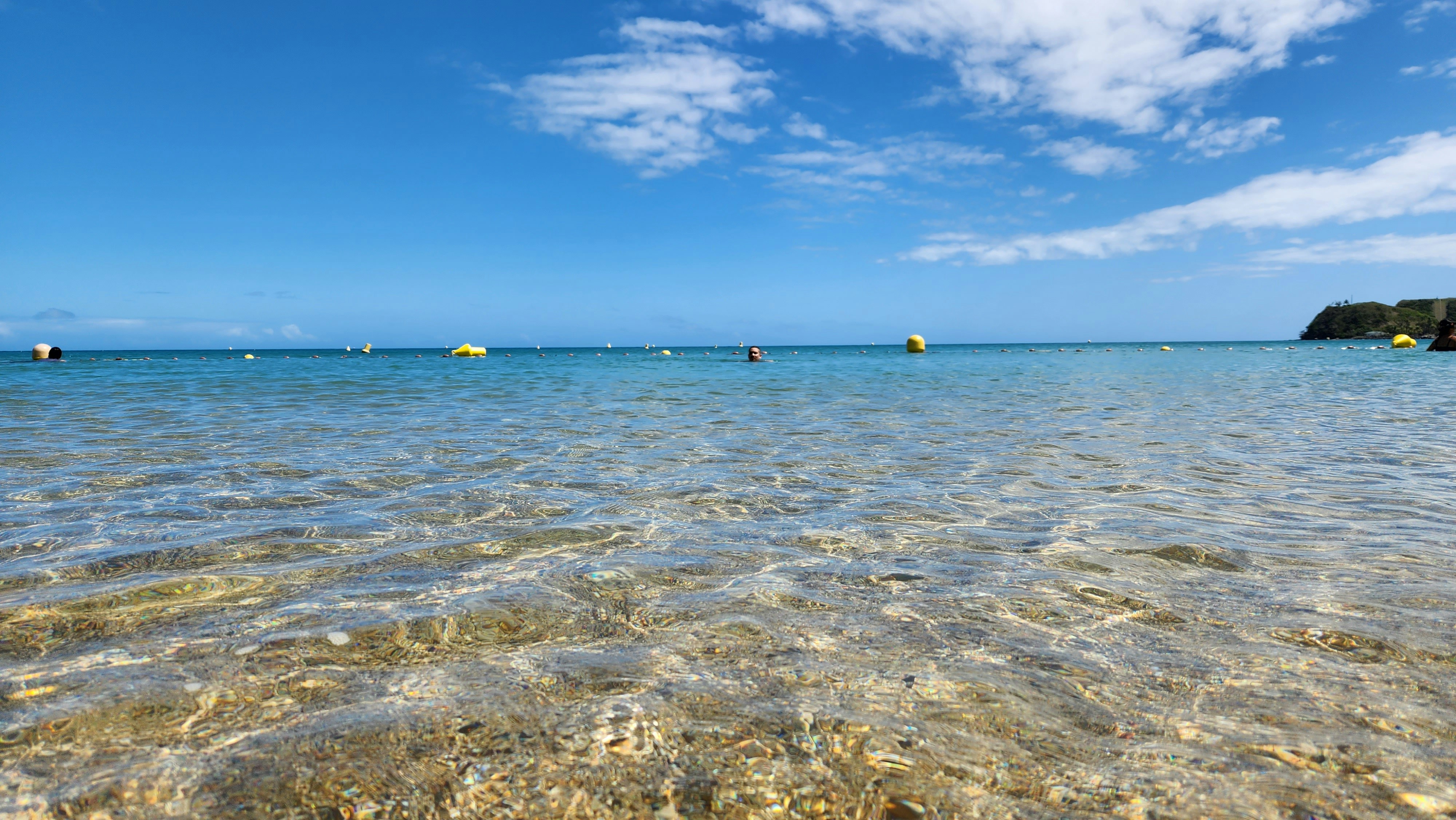
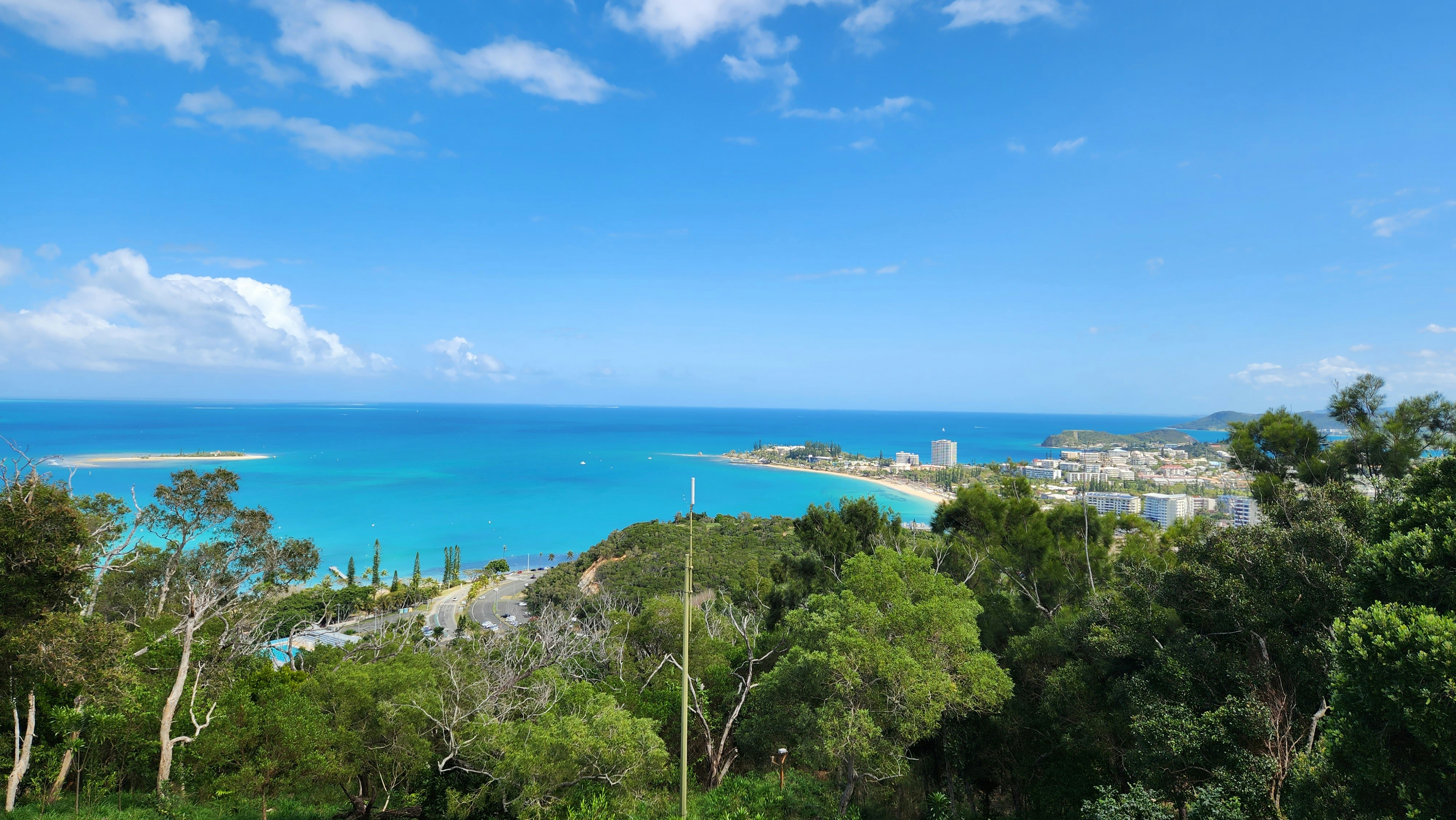
With its elegant urban infrastructure in a stunning natural setting, Noumea is a truly unique island and part of the New Caledonia archipelago. Noumea started as a penal colony, but has since evolved to a lovely metropolis and today has almost two thirds of New Caledonia’s population. While much of the archipelago of New Caledonia has a large percentage of Kanak people – the indigenous inhabitants who live in tribal areas across the country – Noumea is predominantly European with a strong French influence. The city’s center and Place de Cocotiers, the main park, are located close to the harbor and several churches date back to the late 19th century. Other attractions include a world-class aquarium at Anse Vata, several long beaches to the south, and a noteworthy collection of Kanak and South Pacific objects at the Museum of New Caledonia. The architectural gem of the city is the Tjibaou Cultural Center, the structure of which resembles sails, or the roofs of Kanak houses hidden behind mangroves.

Nouméa, New Caledonia
Nouméa, New CaledoniaPhoto by Nico Smit on Unsplash
Nouméa, New Caledonia
Nouméa, New CaledoniaPhoto by Nico Smit on Unsplash

Day 7 - Mystery Island (Inyeug)

Further details for this day are not available.

Mystery Island
Mystery IslandImage from Pixabay

Day 9 - Suva

Fiji is a collection of tropical islands in the South Pacific and is well known for soft coral diving, white sandy beaches, and idyllic and peaceful surroundings. Because of its paradisiac surroundings, Fiji is a popular location for weddings and honeymoons. Suva is the capital of the Fiji archipelago, located on the southeastern coast of the island of Viti Levu and is the second most populated city of Fiji.

Suva, Fiji
Suva, FijiPhoto by Vijesh Datt on Unsplash
Suva, Fiji
Suva, FijiPhoto by Ethan Hooson on Unsplash

Day 11 - Nuku'alofa

Nukualofa is the capital city of the Kingdom of Tonga, a group of islands in the South Pacific. The islands of Tonga are lined with coral reefs and white sand beaches, and are protected by picturesque lagoons and limestone cliffs. Tonga is also one of the very few places in the world where visitors have the opportunity to swim with whales in the tropical ocean waters.

Nuku'alofa
Nuku'alofaImage by xiSerge from Pixabay

Day 13 - Rarotonga

Life is laid back on Rarotonga, the most populous of the Cook Islands, but the residents are still an active bunch. Though there are plenty of white sandy beaches on which to laze—and people do, with plenty of napping— locals love to get out and move. Join them in snorkeling, diving, riding—bikes, horses, scooters—fishing, bush walking, and playing squash and tennis. Another popular, if odd, and favorite activity is lining up along the sea wall adjacent to the airport's runway to be jetblasted.

Rarotonga, Cook Islands
Rarotonga, Cook IslandsPhoto by Gina Lemafa on Unsplash

Day 25 - Puntarenas

This town is not on the Nicoya Peninsula, but rather on Costa Rica's mainland. It is best known as a cruise-ship port and launching pad for ferries heading southeast to the coast of the Nicoya Peninsula and for cruises sailing out on the Gulf of Nicoya. Puntarenas is also a major fishing port with a lively fish market. The town’s reputation suffers from the unimpressive parts you see from your car as you roll through town on the way to the ferry dock. But the town has a lot of character off the main drag, thanks to its illustrious past as an affluent port town and principal vacation spot for San José's wealthy, who arrived by train in the last century. Once the port was moved and roads opened to other beaches, Puntarenas's economy crashed, but it's making a comeback. Sitting on a narrow spit of sand—punta de arenas literally means "point of sand"—that protrudes into the Gulf of Nicoya, the town boasts a beautifully groomed, wide Blue Flag beach with views of the Nicoya Peninsula and spectacular sunsets, along with a public swimming pool, the San Lucas Beach Club, and a marine-life museum. Ticos arrive by bus and car to enjoy the beach and stroll the Paseo de los Turistas, a beachfront promenade lined with tree-shaded concrete benches and seafood restaurants. Crowds of locals, called porteños, cruise by on bicycles, the town’s most popular form of transport.

Puntarenas, Costa Rica
Puntarenas, Costa RicaImage by FINTAN O' BRIEN from Pixabay

Day 27 - Fuerte Amador

Further details for this day are not available.

Fuerte Amador, Gateway To Panama City
Fuerte Amador, Gateway To Panama CityImage by Manuel de la Fuente from Pixabay

Day 28 - Cruising by Panama Canal

Further details for this day are not available.

Day 29 - Cartagena

Cartagena's magnificent city walls and fortresses, now a UNESCO World Heritage Site, enclose a well-restored historic center (the Cuidad Amurallada, or walled city) with plazas, churches, museums, and shops that have made it a lively coastal vacation spot for South Americans and others. New hotels and restaurants make the walled city a desirable place to stay, and the formerly down-at-the-heels Getsemaní neighborhood attracts those seeking a bohemian buzz. The historic center is a small section of Cartagena; many hotels are in the Bocagrande district, an elongated peninsula where high-rise hotels overlook a long, gray-sand beach.When it was founded in 1533 by Spanish conquistador Pedro de Heredia, Cartagena was the only port on the South American mainland. Gold and silver looted from indigenous peoples passed through here en route to Spain and attracted pirates, including Sir Francis Drake, who in 1586 torched 200 buildings. Cartagena's walls protected the city's riches as well as the New World's most important African slave market.

Coctg   Cartagena, Colombia   Angeles Balaguer
Coctg Cartagena, Colombia Angeles Balaguer
Coctg   Cartagena, Colombia   Graphical Brain
Coctg Cartagena, Colombia Graphical Brain
Coctg   Cartagena, Colombia   Victor Castano
Coctg Cartagena, Colombia Victor Castano

Day 31 - Aruba

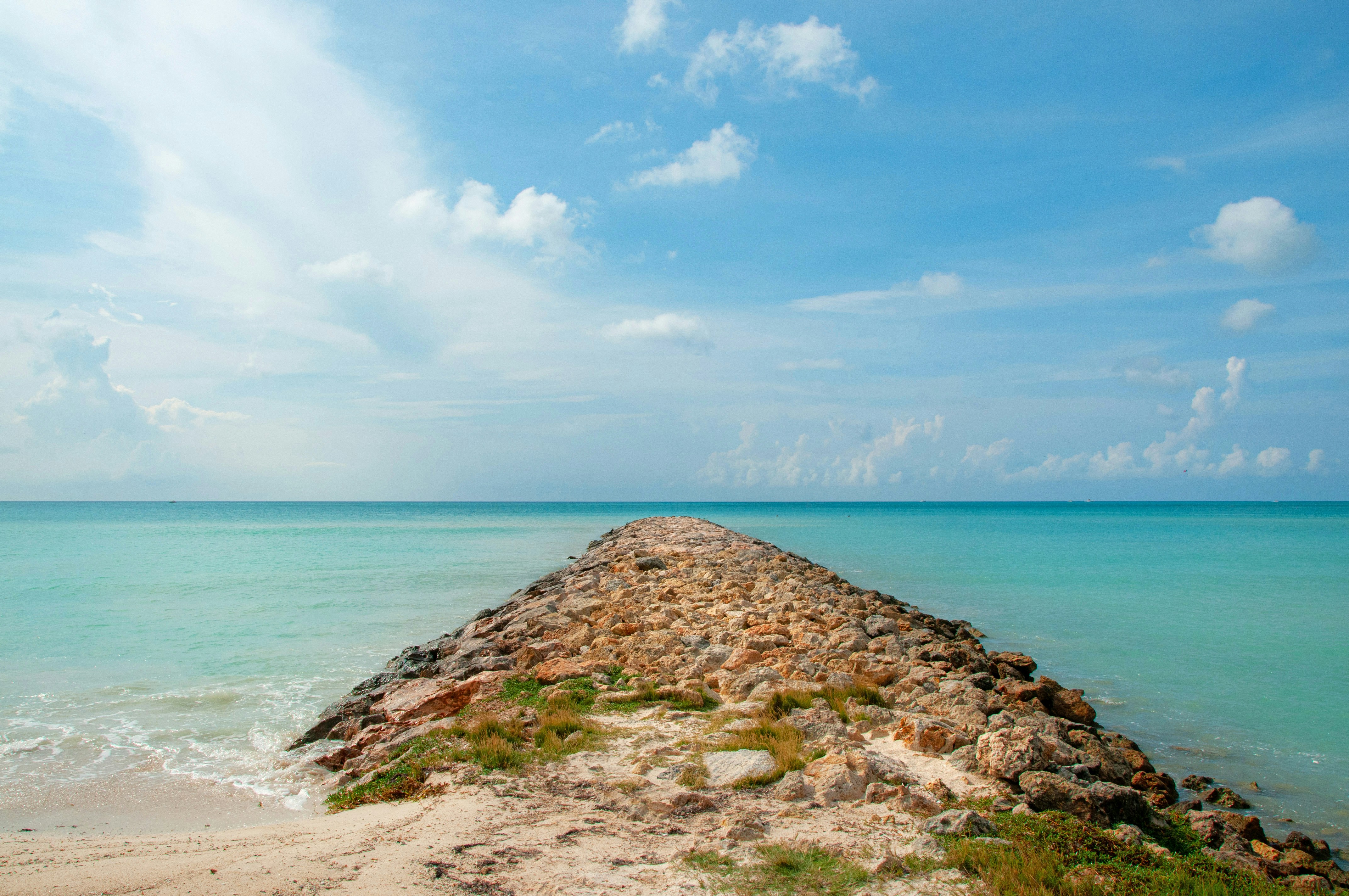
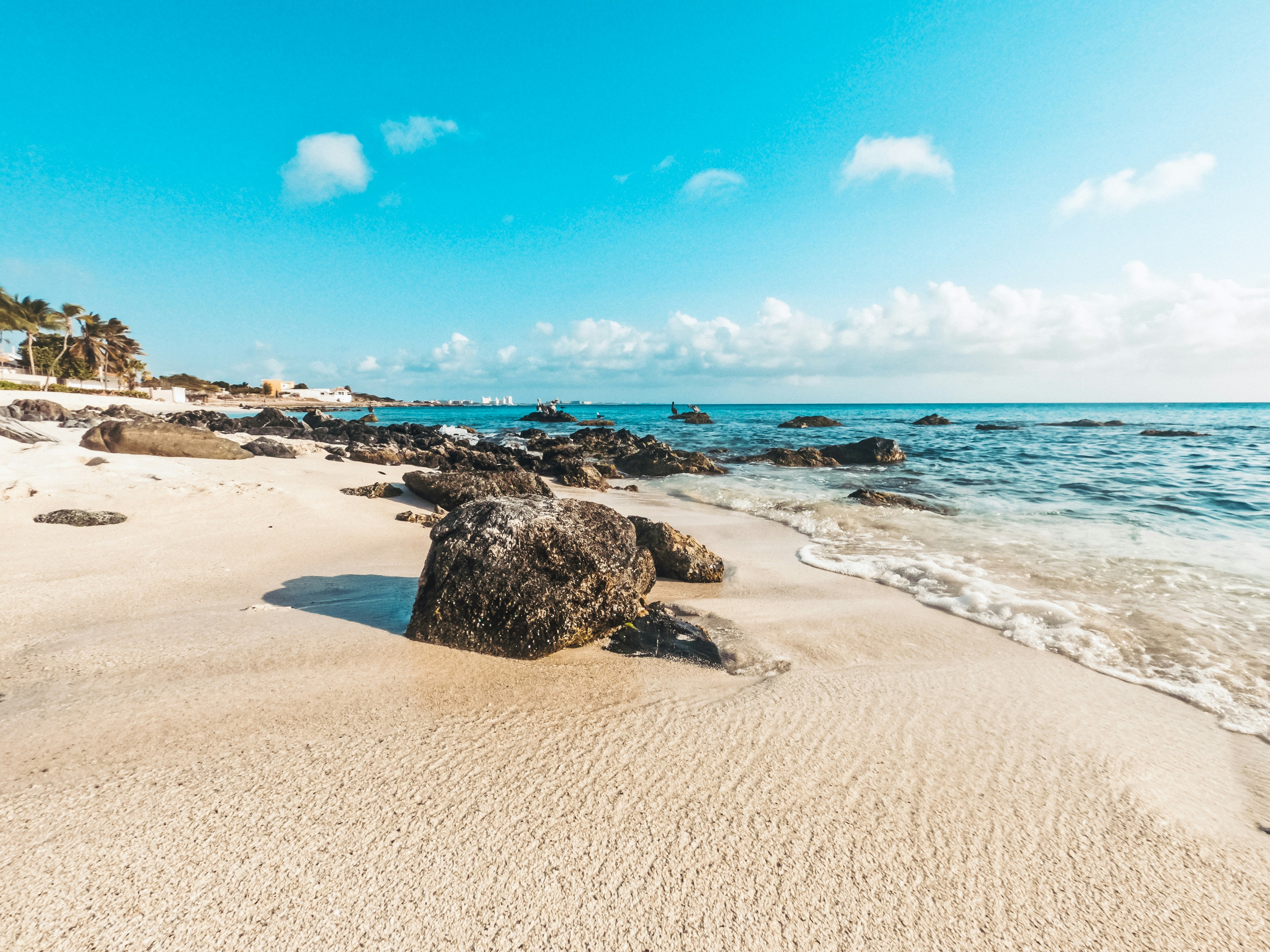
Aruba, known as “One Happy Island,” is a sun-soaked paradise in the southern Caribbean, famous for its pristine white-sand beaches and crystal-clear turquoise waters. Visitors flock to Palm Beach and Eagle Beach for swimming, sunbathing, and water sports, while adventurous travelers can explore the island’s rugged interior at Arikok National Park, home to unique rock formations, caves, and native wildlife. The capital, Oranjestad, charms with its colorful Dutch colonial architecture, lively markets, and waterfront dining. Aruba’s warm, dry climate and steady trade winds make it perfect for sailing, windsurfing, and kiteboarding year-round. The island also boasts vibrant local culture, with a mix of Caribbean, Dutch, African, and indigenous influences celebrated in music, festivals, and cuisine. Friendly locals, luxury resorts, and a variety of attractions—from snorkeling and scuba diving to casinos and nightlife—ensure every traveler finds something to enjoy. Aruba truly offers a blend of relaxation, adventure, and cultural experiences.

Aruba, Beach
Aruba, BeachPhoto by Paulo Evangelista on Unsplash
Palm Beach, Aruba
Palm Beach, ArubaPhoto by Kiril Georgiev on Unsplash

Day 33 - Bridgetown

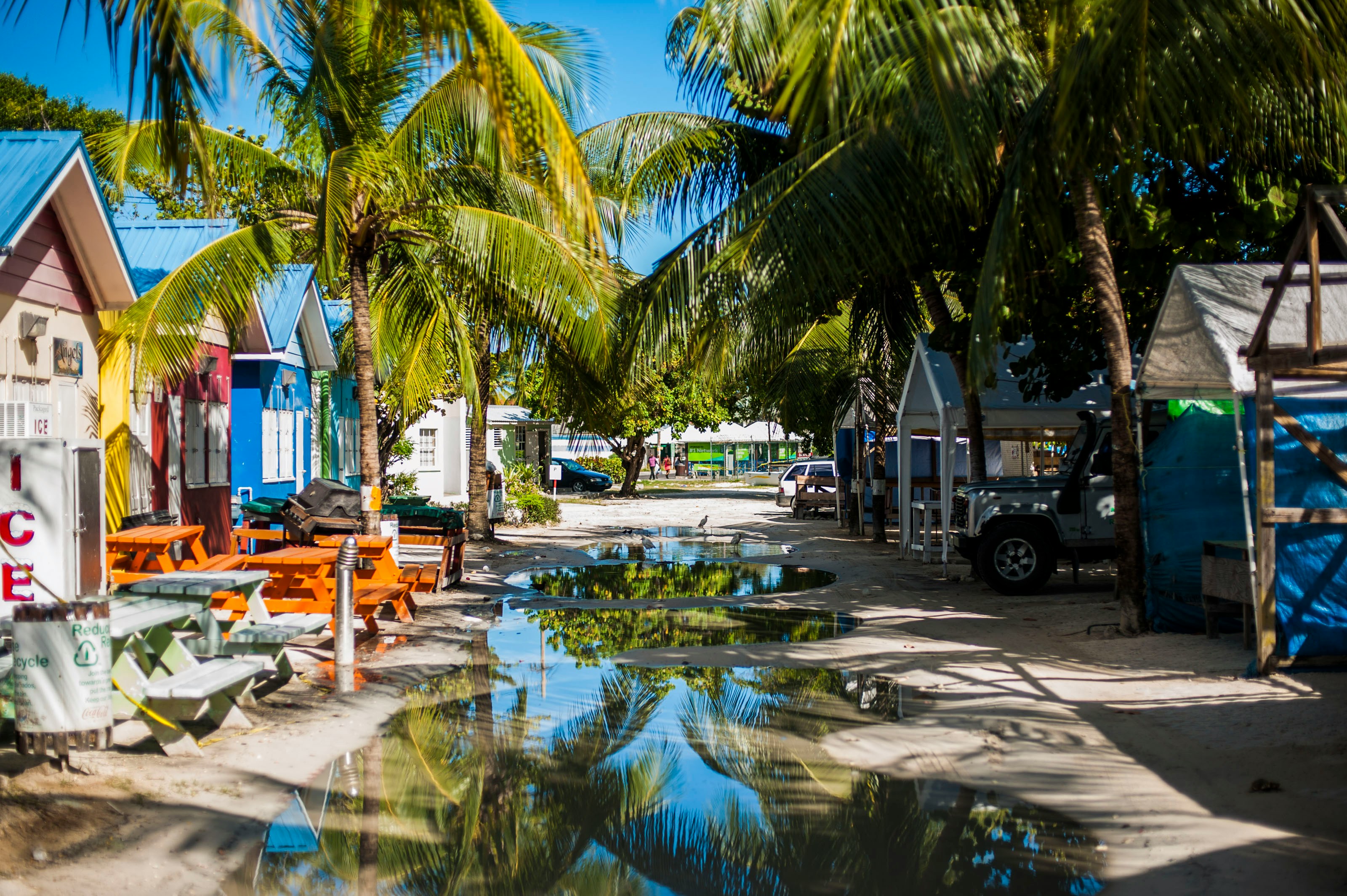
Located beside the island’s only natural harbour, the capital of Barbados combines modern and colonial architecture with glorious palm tree-lined beaches and a number of historical attractions. Experience the relaxed culture of the city renowned for its British-style parliament buildings and vibrant beach life, and seek out the Anglican church and the 19th-century Barbados Garrison. The distance between the ship and your tour vehicle may vary. This distance is not included in the excursion grades.

Bbbgi   Bridgetown   Boardwalk  © The Club Barbados, Elite Island Resorts
Bbbgi Bridgetown Boardwalk © The Club Barbados, Elite Island Resorts© The Club Barbados, Elite Island Resorts
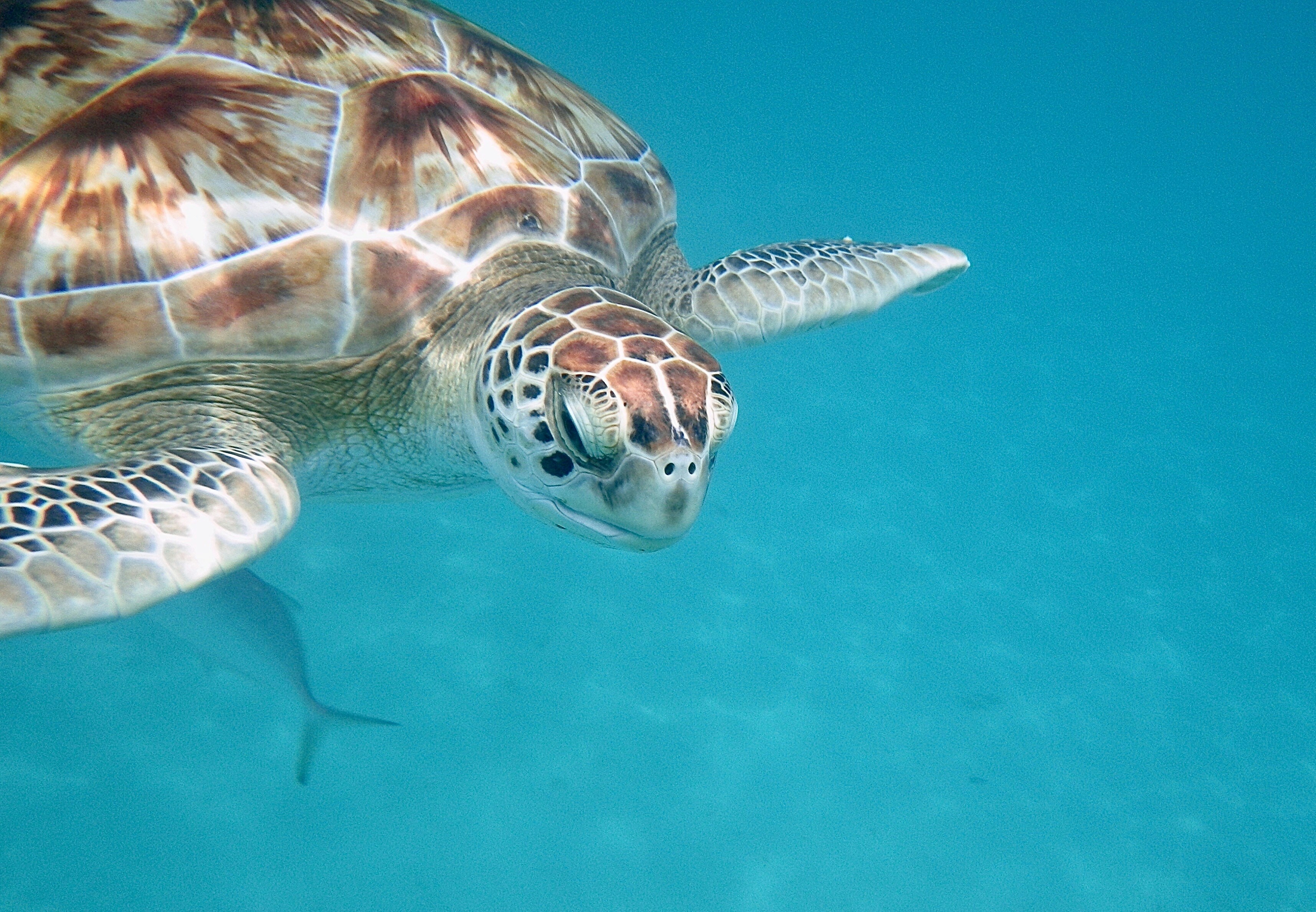
Bridgetown Turtle
Bridgetown TurtleBruce Barrow, Unsplash
Barbados Bridgetown
Barbados BridgetownTom Jur, Unsplash

Day 40 - Funchal, Madeira

Formed by a volcanic eruption, Madeira lies in the Gulf Stream, about 500 miles due west of Casablanca. Discovered by Portuguese explorer João Gonçalves Zarco in 1419, this beautiful island became part of Portugal’s vast empire and was named for the dense forest which cloaked it - 'Madeira' means 'wood' in Portuguese. Sugar plantations first brought wealth here, and when King Charles II of England granted an exclusive franchise to sell wine to England and its colonies, many British emigrants were drawn to the capital, Funchal. Today’s travellers come to Madeira for the varied and luxuriant scenery, from mountain slopes covered with vines to picturesque villages and a profusion of wild flowers. The natural beauty of the island has earned it many pseudonyms such as ‘The Floating Garden of the Atlantic’, 'The Island of Eternal Springtime' and ‘God’s Botanical Gardens’ and our selection of excursions aim to show you why.

Ptfnc   Funchal, Madeira, Portugal   Photo Credit Alex Tudor
Ptfnc Funchal, Madeira, Portugal Photo Credit Alex TudorAlex Tudor
Ptfnc   Funchal, Madeira, Portugal   Photo Credit Reinaldo Garanito
Ptfnc Funchal, Madeira, Portugal Photo Credit Reinaldo GaranitoReinaldo Garanito

Day 41 - Santa Cruz de Tenerife

The largest of the Canary Islands, Tenerife is a beautiful and scenic island which enjoys year-round sunshine and is dominated by Mount Teide. The mountain range runs through the centre of the island, with fertile valleys on the northern side. In the central part of the range is the gigantic natural crater of the Cañadas del Teide, about 14 miles in diameter. Santa Cruz, the island’s pretty capital, was originally a small fishing village but has now grown into a modern city, and also contains 16th-century civic buildings and ornate private mansions. Near the pier is the Santa Cruz Palmetum, a Botanical Garden covering an area of 29 acres, specialising in palms.

Essct   Santa Cruz De Tenerife, Spain   Photo Credit Belongs To Christian Buehner
Essct Santa Cruz De Tenerife, Spain Photo Credit Belongs To Christian BuehnerChristian Buehner
Essct   Santa Cruz De Tenerife, Spain   Photo Credit Belongs To Ilya Kazakov
Essct Santa Cruz De Tenerife, Spain Photo Credit Belongs To Ilya Kazakov Ilya Kazakov
Essct   Santa Cruz De Tenerife, Spain   Photo Credit Belongs To Ivanna Hrytsiuk
Essct Santa Cruz De Tenerife, Spain Photo Credit Belongs To Ivanna HrytsiukIvanna Hrytsiuk
Essct   Santa Cruz De Tenerife, Spain   Photo Credit Belongs To Joshua H.
Essct Santa Cruz De Tenerife, Spain Photo Credit Belongs To Joshua H. Joshua H
Essct   Santa Cruz De Tenerife, Spain   Photo Credit Belongs To Rafael Barquero
Essct Santa Cruz De Tenerife, Spain Photo Credit Belongs To Rafael BarqueroRafael Barquero
Essct   Santa Cruz De Tenerife, Spain   Photo Credit Belongs To Svetlana Gumerova
Essct Santa Cruz De Tenerife, Spain Photo Credit Belongs To Svetlana GumerovaSvetlana Gumerova

Day 43 - Cádiz

Believed to be the oldest town on the Iberian Peninsula, the Andalusian port of Cádiz enjoys a stunning location at the edge of a six-mile promontory. The town itself, with 3,000 years of history, is characterised by pretty white houses with balconies often adorned with colourful flowers. As you wander around be sure to take a stroll through the sizeable Plaza de Espãna, with its large monument dedicated to the first Spanish constitution, which was signed here in 1812. Cádiz has two pleasant seafront promenades which boast fine views of the Atlantic Ocean, and has a lovely park, the Parque Genoves, located close to the sea with an open-air theatre and attractive palm garden. Also notable is the neo-Classical cathedral, capped by a golden dome.

Escad   Cádiz, Spain   Photo Credit Belongs To Jorge Fernandez Salas 1
Escad Cádiz, Spain Photo Credit Belongs To Jorge Fernandez Salas 1Jorge Fernandez Salas
Escad   Cádiz, Spain   Photo Credit Belongs To Jorge Fernandez Salas
Escad Cádiz, Spain Photo Credit Belongs To Jorge Fernandez SalasJorge Fernandez Salas
Escad   Cádiz, Spain   Photo Credit Belongs To Vidar Nordi Mathisen
Escad Cádiz, Spain Photo Credit Belongs To Vidar Nordi MathisenVidar Nordi-Mathisen

Day 44 - Gibraltar

Tagged on to the end of Iberia, the intriguing British outpost of Gibraltar is dominated by a sandy peninsula and the stunning 1,400-feet-high limestone Rock. Although small, Gibraltar has always been seen as having great strategic importance on account of its advantageous position where the Atlantic meets the Mediterranean, just 12 miles from the coast of Africa. Ever popular with British holidaymakers, Gibraltar is very much a home from home, boasting excellent duty-free shopping in many familiar British high street shops. Please note: Gibraltar’s small size and narrow winding roads mean that excursions are operated by 22-seater mini-buses, accompanied by a driver/guide. Local health and safety regulations prohibit the carriage of walking aids and collapsible wheelchairs on these vehicles. If you do wish to bring a mobility aid, we can arrange the Rock Tour by taxi, which has extra space. If this suits your requirements, please advise the Tours and Travel office when you join the ship, as numbers are limited.

Gigib Gibraltar Green Trees Covered Mountain Michal Mrozek
Gigib Gibraltar Green Trees Covered Mountain Michal Mrozek Michal Mrozek
Gigib Gibraltar People Sunbathing On Seashore Hello Lightbulb
Gigib Gibraltar People Sunbathing On Seashore Hello Lightbulb Hello Lightbulb
Gigib Gibraltar Gray Monkey Sitting On Concrete Surface Under Blue Sky Aaron Baw
Gigib Gibraltar Gray Monkey Sitting On Concrete Surface Under Blue Sky Aaron BawAaron Baw

Day 46 - Ajaccio, Corsica

Considered Corsica’s primary commercial and cultural hub, the largest city and regional capital of Ajaccio is situated on the west coast of the island, approximately 644 km (400 miles) southeast of Marseille, France. Founded in 1492, vestiges of ancient Corsica in this ville impériale revolve around the city’s most famous son, Napoléon Bonaparte, whose family home—now the national museum Maison Bonaparte—pays tribute to the emperor’s historical influence.Remnants from what was originally a 12th-century Genoese colony are still visible around the Old Town near the imposing citadel and watchtower. Perfect for exploring, the luminous seaside city surrounded by snowcapped mountains and pretty beaches offers numerous sites, eateries, side streets, and a popular harbor, where sailboats and fishing vessels moor in the picturesque Tino Rossi port lined with well-established restaurants and cafés serving fresh local fare.

Fraja   Ajaccio, Corsica, France   Pc To Bmx22c
Fraja Ajaccio, Corsica, France Pc To Bmx22c
Fraja   Ajaccio, Corsica, France   Pc To Jerome Granados
Fraja Ajaccio, Corsica, France Pc To Jerome Granados

Day 47 - Livorno

Livorno is a gritty city with a long and interesting history. In the early Middle Ages it alternately belonged to Pisa and Genoa. In 1421 Florence, seeking access to the sea, bought it. Cosimo I (1519–74) started construction of the harbor in 1571, putting Livorno on the map. After Ferdinando I de' Medici (1549–1609) proclaimed Livorno a free city, it became a haven for people suffering from religious persecution; Roman Catholics from England and Jews and Moors from Spain and Portugal, among others, settled here. The Quattro Mori (Four Moors), also known as the Monument to Ferdinando I, commemorates this. (The statue of Ferdinando I dates from 1595, the bronze Moors by Pietro Tacca from the 1620s.)In the following centuries, and particularly in the 18th, Livorno boomed as a port. In the 19th century the town drew a host of famous Britons passing through on their grand tours. Its prominence continued up to World War II, when it was heavily bombed. Much of the town's architecture, therefore, postdates the war, and it's somewhat difficult to imagine what it might have looked like before. Livorno has recovered from the war, however, as it's become a huge point of departure for container ships, as well as the only spot in Tuscany for cruise ships to dock for the day.Most of Livorno's artistic treasures date from the 17th century and aren't all that interesting unless you dote on obscure baroque artists. Livorno's most famous native artist, Amedeo Modigliani (1884–1920), was of much more recent vintage. Sadly, there's no notable work by him in his hometown.There may not be much in the way of art, but it's still worth strolling around the city. The Mercato Nuovo, which has been around since 1894, sells all sorts of fruits, vegetables, grains, meat, and fish. Outdoor markets nearby are also chock-full of local color. The presence of Camp Darby, an American military base just outside town, accounts for the availability of many American products.If you have time, Livorno is worth a stop for lunch or dinner at the very least.

Itliv   Livorno   Paddleboat At Sunset   Tim Vanderhoydonck
Itliv Livorno Paddleboat At Sunset Tim VanderhoydonckTim Vanderhoydonck
Itliv   Livorno   Winter Sun Over The Sea   Filippo Ascione
Itliv Livorno Winter Sun Over The Sea Filippo AscioneFilippo Ascione

Day 48 - Portoferraio

Elba is the Tuscan archipelago's largest island, but it resembles nearby verdant Corsica more than it does its rocky Italian sisters, thanks to a network of underground springs that keep it lush and green. It's this combination of semitropical vegetation and dramatic mountain scenery—unusual in the Mediterranean—that has made Elba so prized for so long, and the island's uniqueness continues to draw boatloads of visitors throughout the warm months. A car is very useful for getting around the island, but public buses stop at most towns several times a day; the tourist office has timetables.

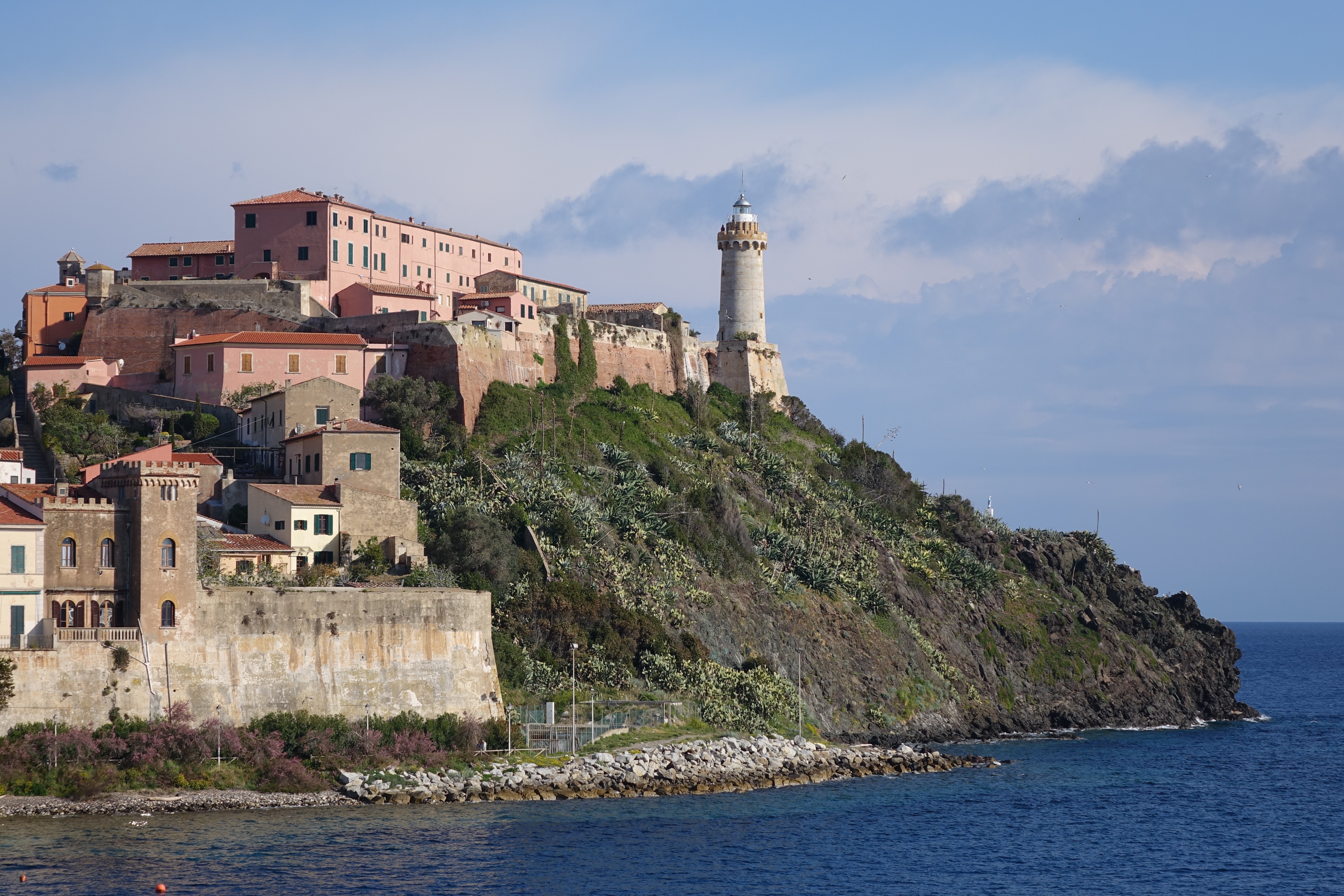
Portoferraio, Elba, Italy
Portoferraio, Elba, ItalyImage by Michael from Pixabay

Day 49 - Civitavecchia

Italy's vibrant capital lives in the present, but no other city on earth evokes its past so powerfully. For over 2,500 years, emperors, popes, artists, and common citizens have left their mark here. Archaeological remains from ancient Rome, art-stuffed churches, and the treasures of Vatican City vie for your attention, but Rome is also a wonderful place to practice the Italian-perfected il dolce far niente, the sweet art of idleness. Your most memorable experiences may include sitting at a caffè in the Campo de' Fiori or strolling in a beguiling piazza.

Itrom   Rome   Colosseum   Mathew Schwartz
Itrom Rome Colosseum Mathew SchwartzPhotograph by Matthew Schwartz
Itrom   Rome   Navona Square   Fototeca Enit
Itrom Rome Navona Square Fototeca EnitFototeca ENIT
Itrom   Rome   S.Pietro & S.Angelo Bridge   Fototeca Enit
Itrom Rome S.Pietro & S.Angelo Bridge Fototeca Enit Fototeca ENIT
Itrom   Rome   Sant'angelo Bridge   Fototeca Enit
Itrom Rome Sant'angelo Bridge Fototeca EnitFototeca ENIT
Itrom   Rome   Tempio Del Divo Claudio   Nicole Reyes
Itrom Rome Tempio Del Divo Claudio Nicole ReyesPhotograph by Nicole Reyes
Itrom   Rome   Trevi Fountain   Christopher Czermak
Itrom Rome Trevi Fountain Christopher CzermakPhotograph by Christopher Czermak
Itrom   Rome   Vatican City   Caleb Miller
Itrom Rome Vatican City Caleb MillerPhotograph by Caleb Miller
Itrom   Rome   Vatican City   Christopher Czermak
Itrom Rome Vatican City Christopher CzermakPhotograph by Christopher Czermak

Day 51 - Barcelona

The infinite variety of street life, the nooks and crannies of the medieval Barri Gòtic, the ceramic tile and stained glass of Art Nouveau facades, the art and music, the throb of street life, the food (ah, the food!)—one way or another, Barcelona will find a way to get your full attention. The capital of Catalonia is a banquet for the senses, with its beguiling mix of ancient and modern architecture, tempting cafés and markets, and sun-drenched Mediterranean beaches. A stroll along La Rambla and through waterfront Barceloneta, as well as a tour of Gaudí's majestic Sagrada Famíliaand his other unique creations, are part of a visit to Spain's second-largest city. Modern art museums and chic shops call for attention, too. Barcelona's vibe stays lively well into the night, when you can linger over regional wine and cuisine at buzzing tapas bars.

Barcelona Beach
Barcelona BeachEnes F, Unsplash
Barcelona Beach
Barcelona BeachLucrezia Carnelos, Unsplash
Barcelona Aerial Logan Armstrong
Barcelona Skyline Apasaric

Day 52 - Cartagena

A Mediterranean city and naval station located in the Region of Murcia, southeastern Spain, Cartagena’s sheltered bay has attracted sailors for centuries. The Carthaginians founded the city in 223BC and named it Cartago Nova; it later became a prosperous Roman colony, and a Byzantine trading centre. The city has been the main Spanish Mediterranean naval base since the reign of King Philip II, and is still surrounded by walls built during this period. Cartagena’s importance grew with the arrival of the Spanish Bourbons in the 18th century, when the Navidad Fortress was constructed to protect the harbour. In recent years, traces of the city’s fascinating past have been brought to light: a well-preserved Roman Theatre was discovered in 1988, and this has now been restored and opened to the public. During your free time, you may like to take a mini-cruise around Cartagena's historic harbour: these operate several times a day, take approximately 40 minutes and do not need to be booked in advance. Full details will be available at the port.

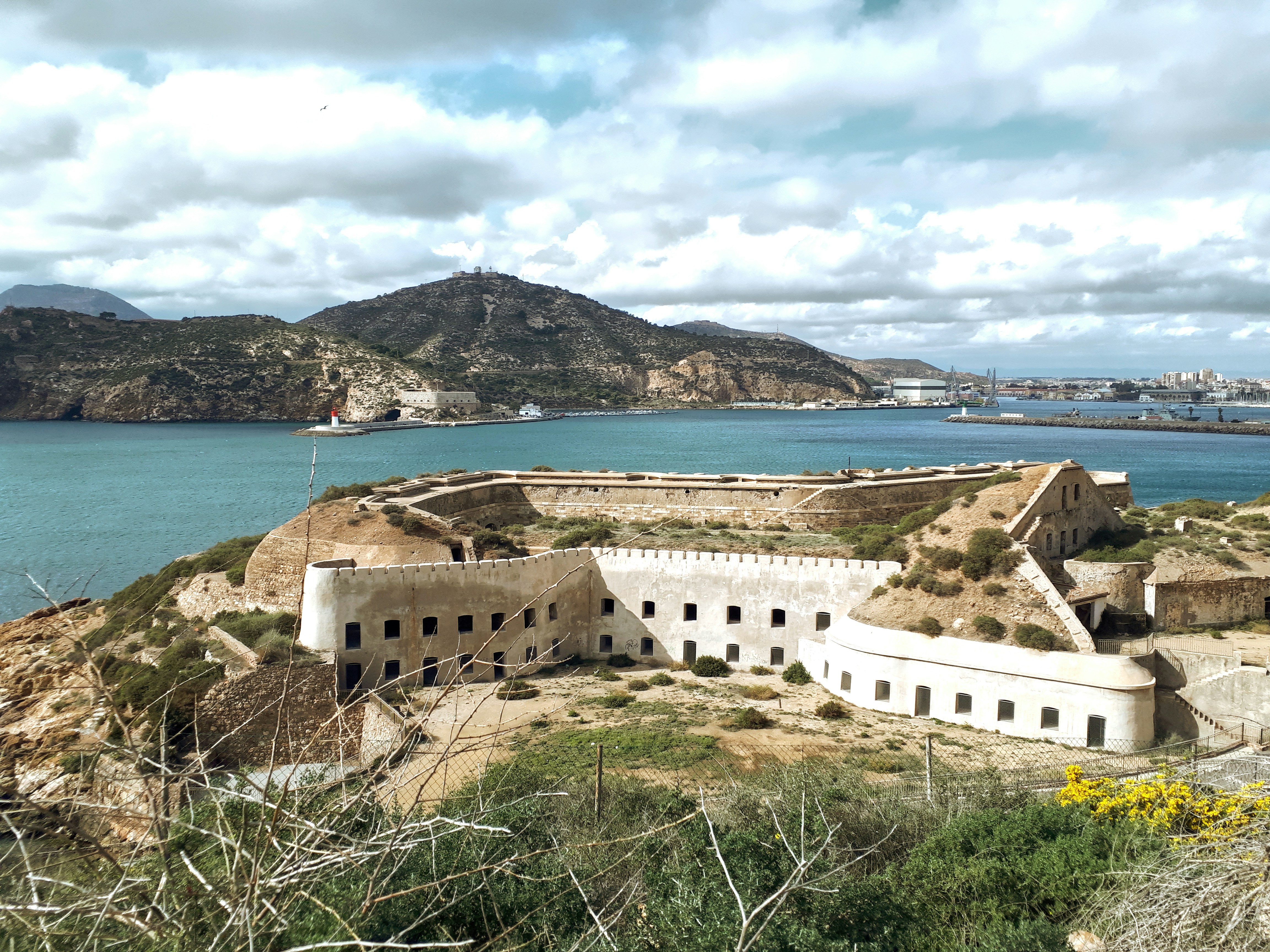
Cartagena, Spain
Cartagena, SpainPhoto by joanna hall on Unsplash
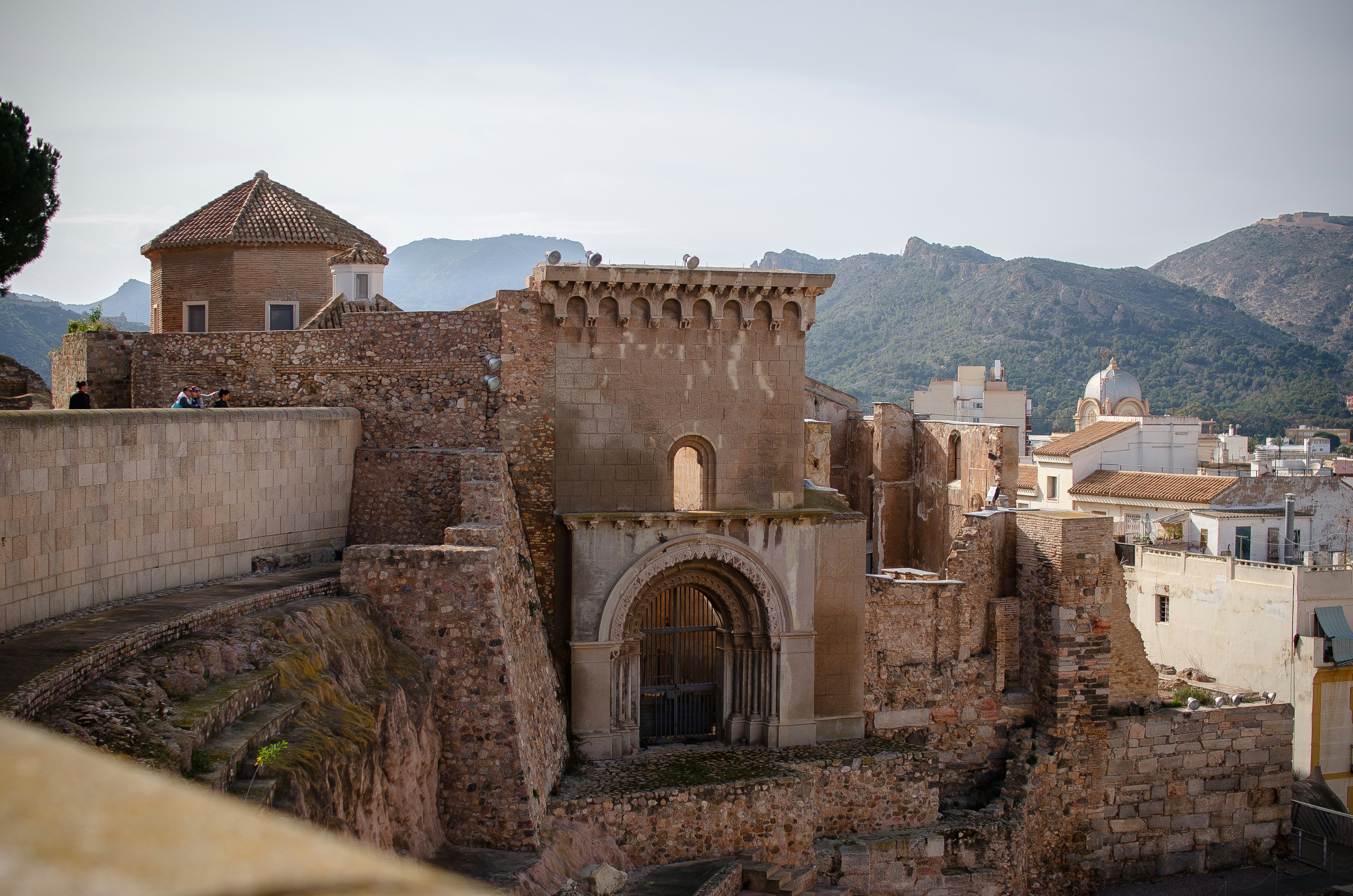
Cartagena Roman Theatre Museum, Spain
Cartagena Roman Theatre Museum, SpainPhoto by Anastasia Shyrokykh on Unsplash

Day 54 - Lisbon

Set on seven hills on the banks of the River Tagus, Lisbon has been the capital of Portugal since the 13th century. It is a city famous for its majestic architecture, old wooden trams, Moorish features and more than twenty centuries of history. Following disastrous earthquakes in the 18th century, Lisbon was rebuilt by the Marques de Pombal who created an elegant city with wide boulevards and a great riverfront and square, Praça do Comércio. Today there are distinct modern and ancient sections, combining great shopping with culture and sightseeing in the Old Town, built on the city's terraced hillsides. The distance between the ship and your tour vehicle may vary. This distance is not included in the excursion grades.

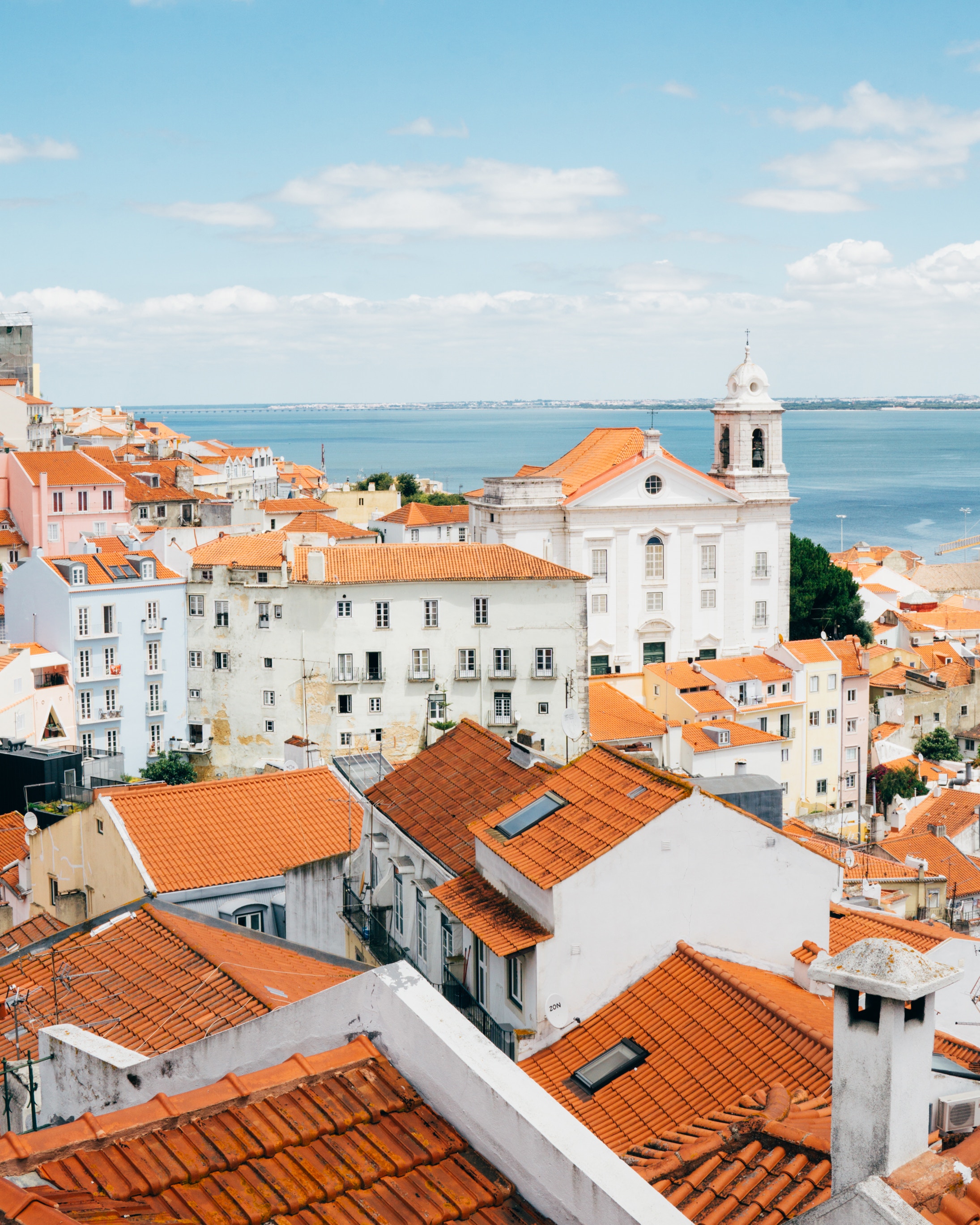
Ptlis Lisbon Brown And White City Panorama Shot Suad Kamardeen
Ptlis Lisbon Brown And White City Panorama Shot Suad KamardeenSuad Kamardeen
Ptlis Lisbon Landscape Photography Of Orange Roof Houses Near Body Of Water Tom Byrom
Ptlis Lisbon Landscape Photography Of Orange Roof Houses Near Body Of Water Tom ByromTom Byrom
Ptlis Lisbon Thee Person Walking Near White And Orange Bus Nik Guiney
Ptlis Lisbon Thee Person Walking Near White And Orange Bus Nik GuineyNik Guiney

Day 57 - Galway

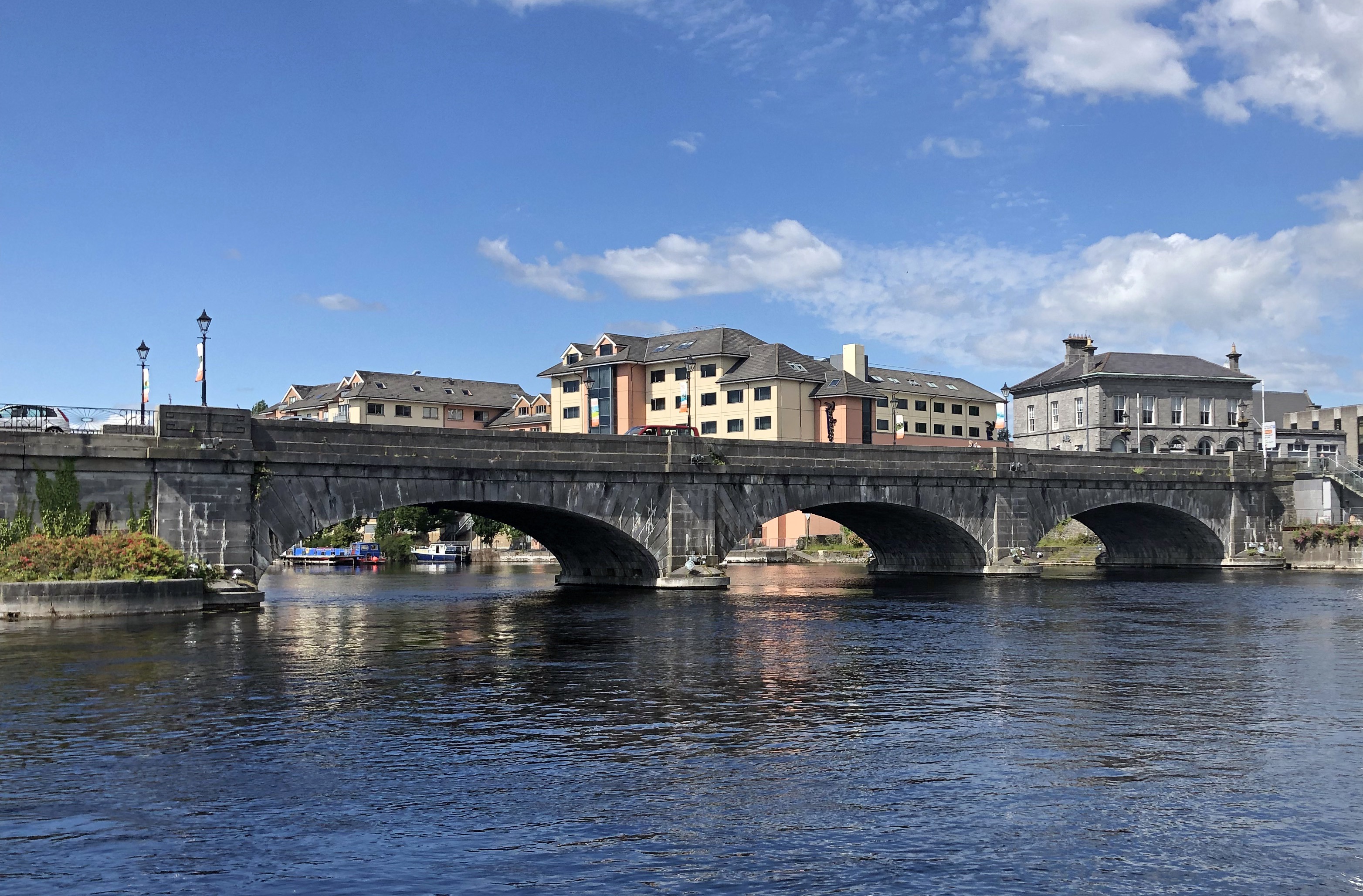
Galway is a city in the West of Ireland in the province of Connacht. It lies on the River Corrib between Lough Corrib and Galway Bay and is surrounded by County Galway. It is the fourth most populous urban area in the Republic of Ireland and the sixth most populous city in the island of Ireland. It is both a picturesque and lively city with a wonderful avant-garde culture and a fascinating mixture of locally owned speciality shops, often featuring locally made crafts. Indeed local handcrafts are a feature of the entire region including hand knits, pottery, glass, jewellery and woodwork. The city’s hub is 18th-century Eyre Square, a popular meeting spot surrounded by shops, and traditional pubs that often offer live Irish folk music. Nearby, stone-clad cafes, boutiques and art galleries line the winding lanes of the Latin Quarter, which retains portions of the medieval city walls. The city bears the nickname "The City of the Tribes" because "fourteen tribes" of merchant families led the city in its Hiberno-Norman period. The merchants would have seen themselves as Irish gentry and loyal to the King. They later adopted the term as a badge of honour and pride in defiance of the town's Cromwellian occupier.

Galway, Ireland
Galway, IrelandImage by nadiadup from Pixabay

Day 58 - Killybegs

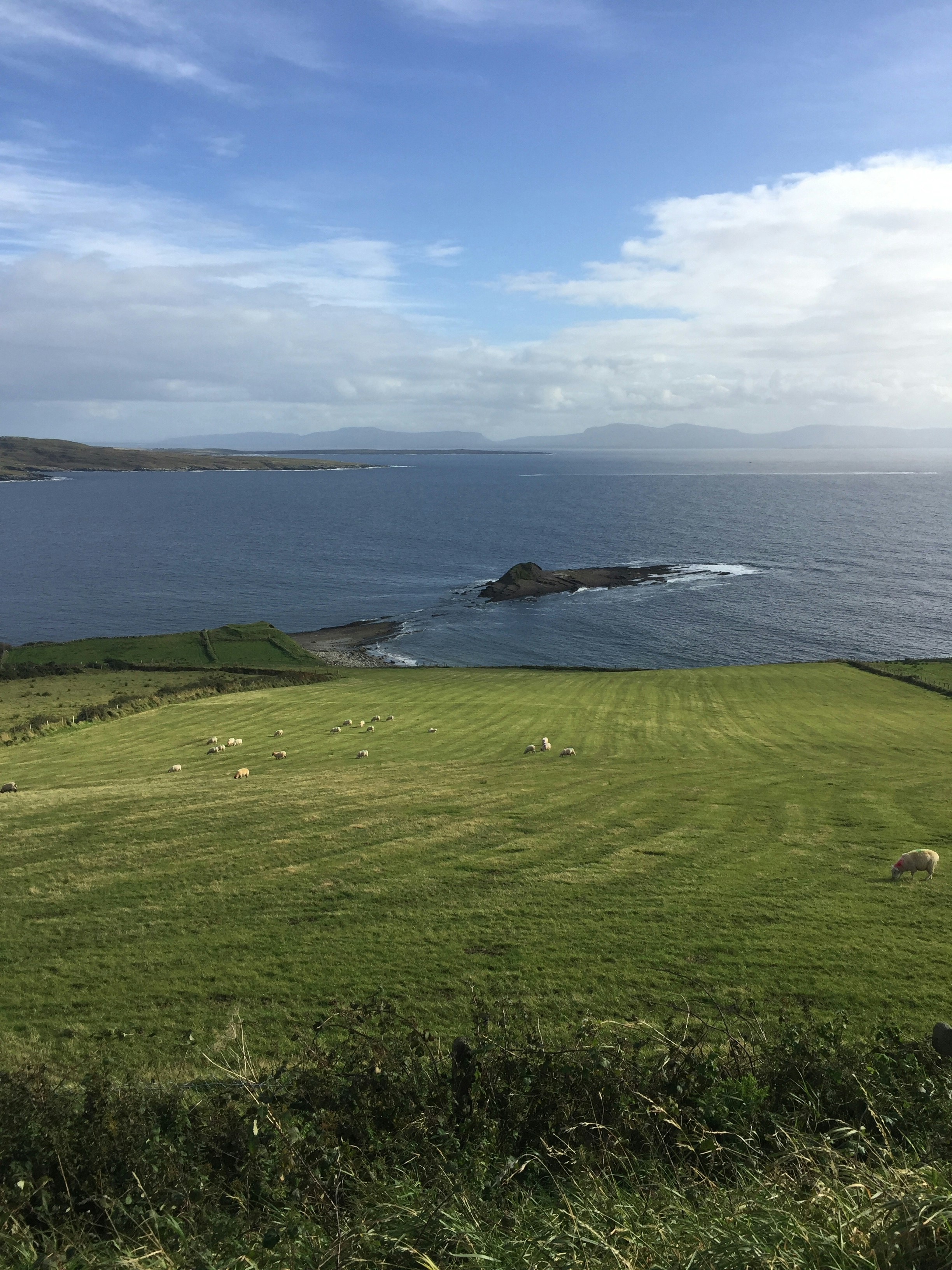
Killybegs The days start early in Killybegs, as this quiet fishing town rumbles to life, and ships with red and blue paint peeling from their hulls quietly depart, ready for a morning's hard work at sea. Located in a scenic part of County Donegal, Killybegs is Ireland's fishing capital, and the salty breeze and pretty streets serve as a revitalising medicine for visitors. The town is also your gateway to some of the country's most majestic coastal scenery, which is dotted with flashing white lighthouses, keeping watch over invigorating seascapes. Killybegs enjoys a privileged position on the coast of north west of Ireland, close to the spectacular Slieve League - a titanic mountain, which explodes upwards from frothing ocean. Walk as close as you dare to the coastline’s sheer drops, or admire the folding cliffs from the best vantage point, down on the water.

Killybegs, Ireland
Killybegs, IrelandPhoto by Ted Balmer on Unsplash

Day 59 - Greenock

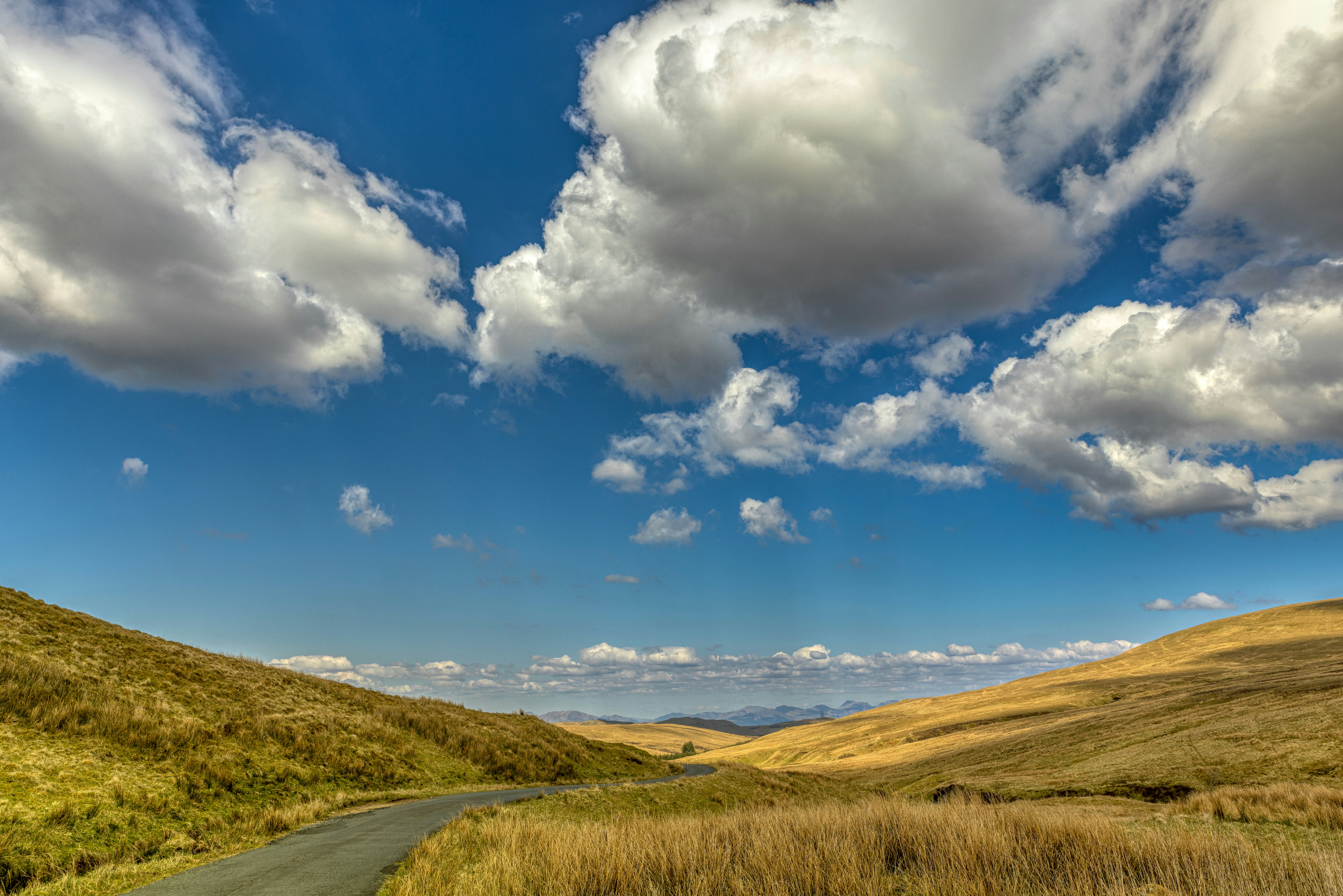
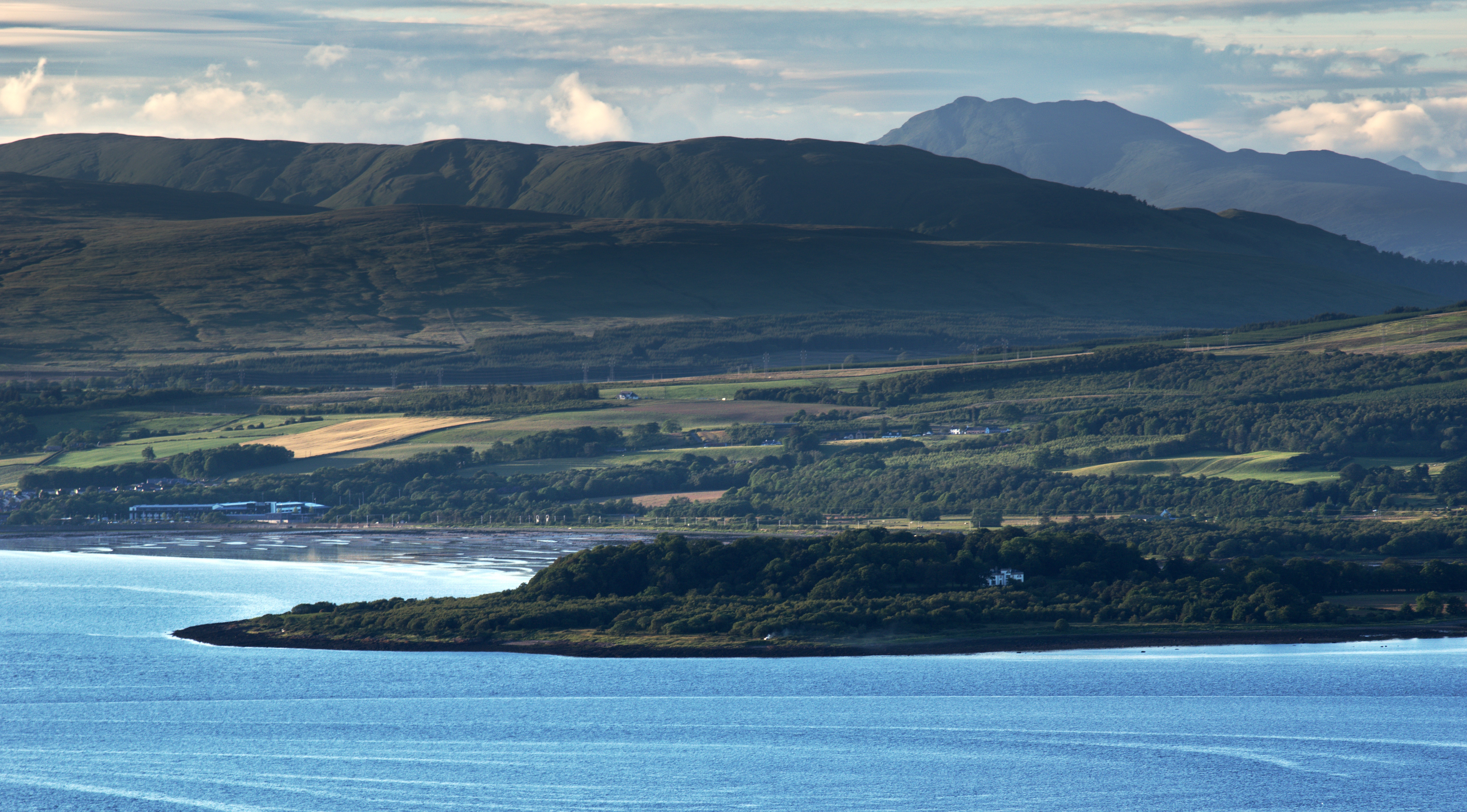
Trendy stores, a booming cultural life, fascinating architecture, and stylish restaurants reinforce Glasgow's claim to being Scotland's most exciting city. After decades of decline, it has experienced an urban renaissance uniquely its own. The city’s grand architecture reflects a prosperous past built on trade and shipbuilding. Today buildings by Charles Rennie Mackintosh hold pride of place along with the Zaha Hadid–designed Riverside Museum.Glasgow (the "dear green place," as it was known) was founded some 1,500 years ago. Legend has it that the king of Strathclyde, irate about his wife's infidelity, had a ring he had given her thrown into the river Clyde. (Apparently she had passed it on to an admirer.) When the king demanded to know where the ring had gone, the distraught queen asked the advice of her confessor, St. Mungo. He suggested fishing for it—and the first salmon to emerge had the ring in its mouth. The moment is commemorated on the city's coat of arms.The medieval city expanded when it was given a royal license to trade; the current High Street was the main thoroughfare at the time. The vast profits from American cotton and tobacco built the grand mansions of the Merchant City in the 18th century. In the 19th century the river Clyde became the center of a vibrant shipbuilding industry, fed by the city’s iron and steel works. The city grew again, but its internal divisions grew at the same time. The West End harbored the elegant homes of the newly rich shipyard owners. Down by the river, areas like the infamous Gorbals, with its crowded slums, sheltered the laborers who built the ships. They came from the Highlands, expelled to make way for sheep, or from Ireland, where the potato famines drove thousands from their homes.During the 19th century the population grew from 80,000 to more than a million. And the new prosperity gave Glasgow its grand neoclassical buildings, such as those built by Alexander "Greek" Thomson, as well as the adventurous visionary buildings designed by Charles Rennie Mackintosh and others who produced Glasgow’s Arts and Crafts movement. The City Chambers, built in 1888, are a proud statement in marble and gold sandstone, a clear symbol of the wealthy and powerful Victorian industrialists' hopes for the future.The decline of shipbuilding and the closure of the factories led to much speculation as to what direction the city would take now. The curious thing is that, at least in part, the past gave the city a new lease of life. It was as if people looked at their city and saw Glasgow’s beauty for the first time: its extraordinarily rich architectural heritage, its leafy parks, its artistic heritage, and its complex social history. Today Glasgow is a vibrant cultural center and a commercial hub, as well as a launching pad from which to explore the rest of Scotland, which, as it turns out, is not so far away. In fact, it takes only 40 minutes to reach Loch Lomond, where the other Scotland begins.
Loch Thom, Greenock, Uk
Loch Thom, Greenock, UkPhoto by Adrian Hunter on Unsplash
Greenock, Scotland
Greenock, ScotlandImage by Alistair McIntyre from Pixabay

Day 60 - Dun Laoghaire

Further details for this day are not available.

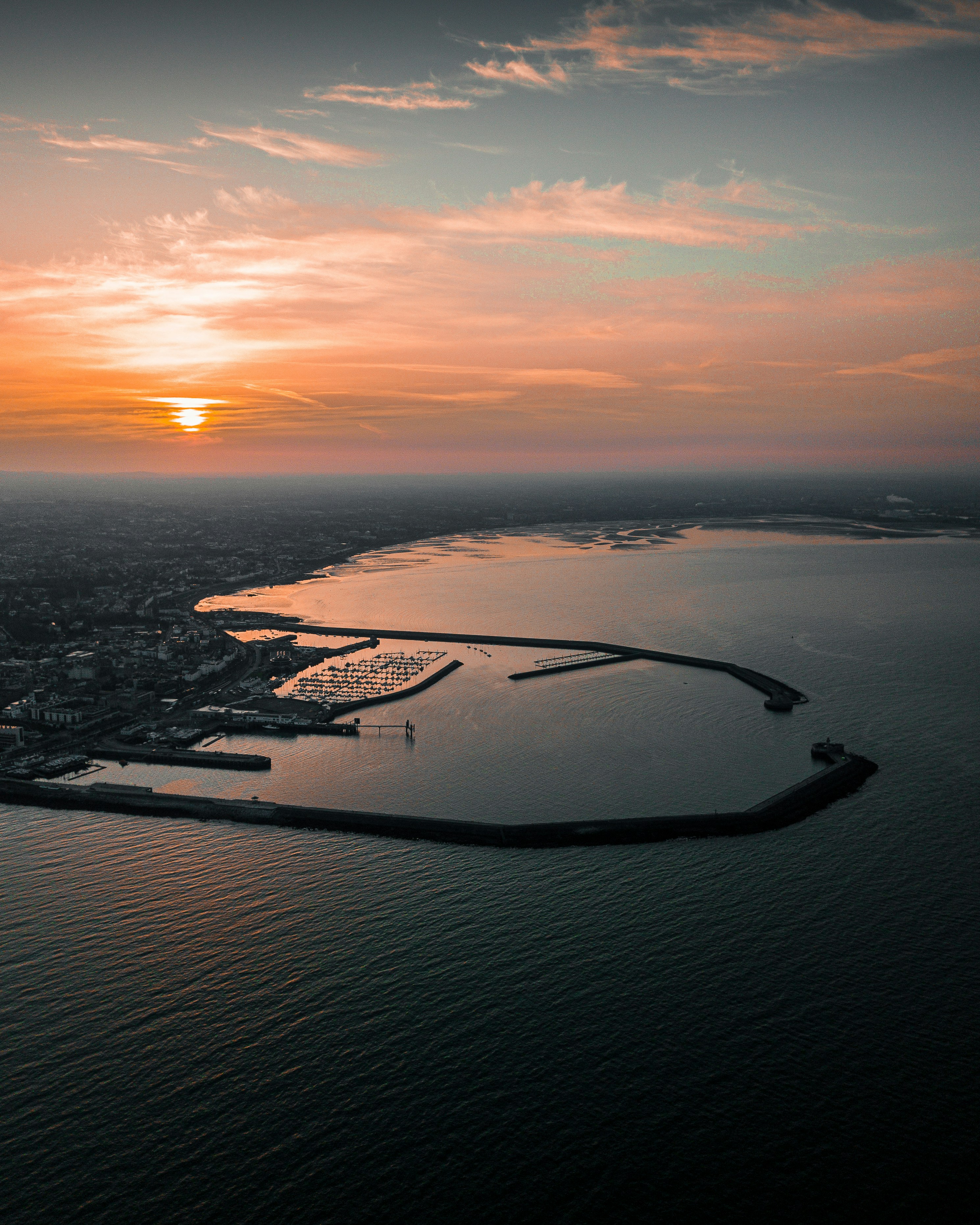
Dún Laoghaire, Dublin, Ireland
Dún Laoghaire, Dublin, IrelandPhoto by Paul Costello on Unsplash
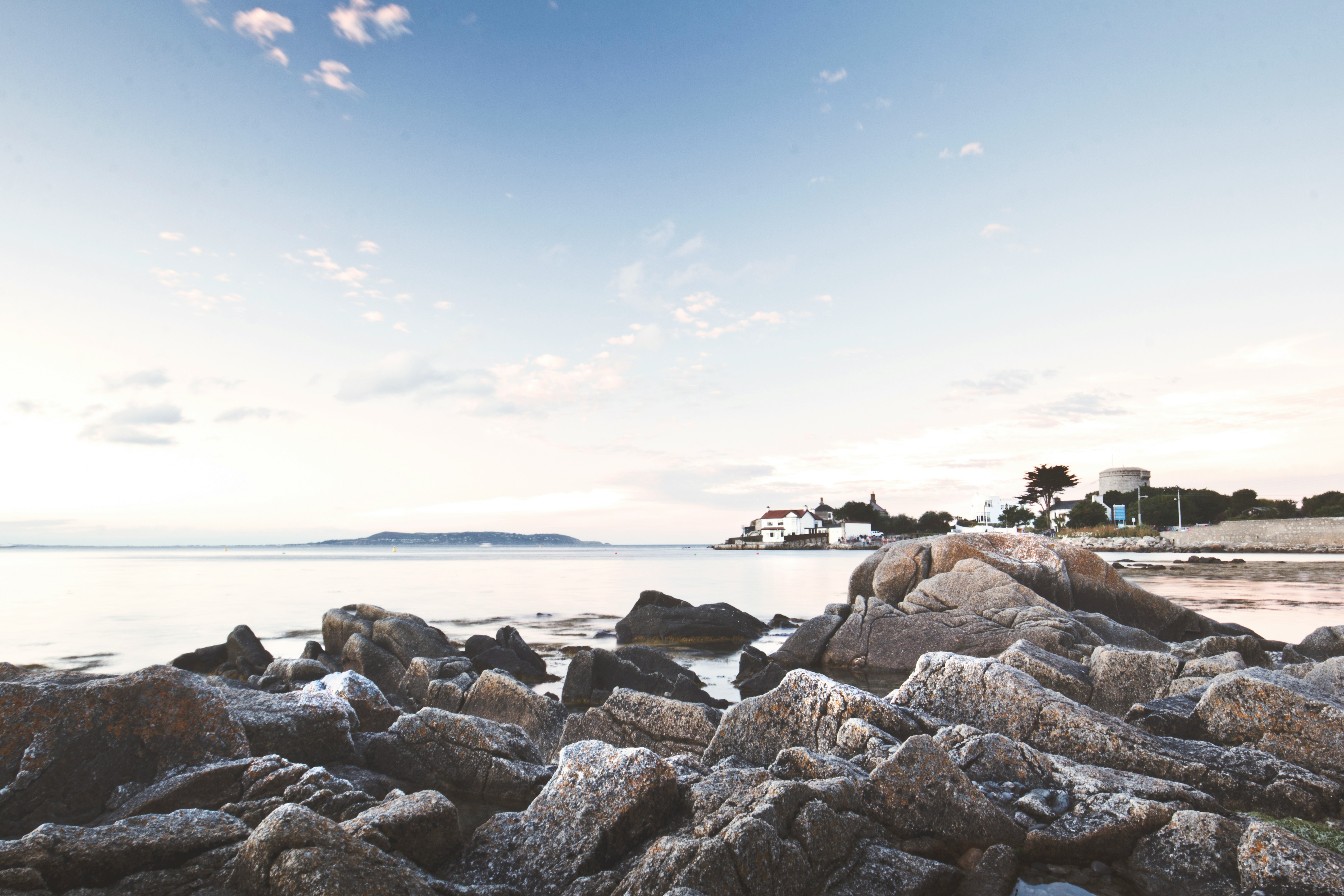
Dún Laoghaire, Dublin, Ireland
Dún Laoghaire, Dublin, IrelandPhoto by Conor Luddy on Unsplash
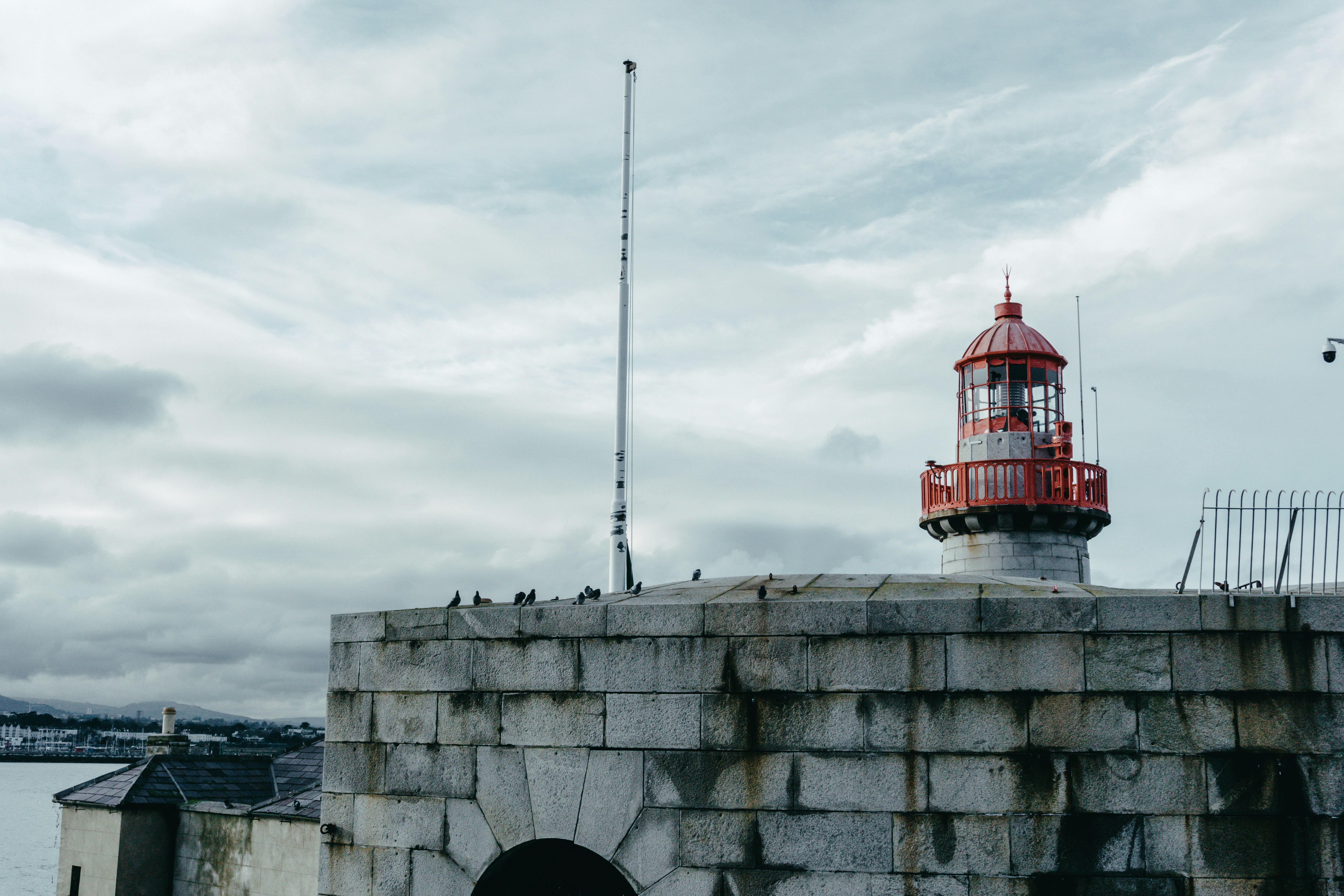
East Pier, Dún Laoghaire, County Dublin, Ireland
East Pier, Dún Laoghaire, County Dublin, IrelandPhoto by Lisa Fecker on Unsplash
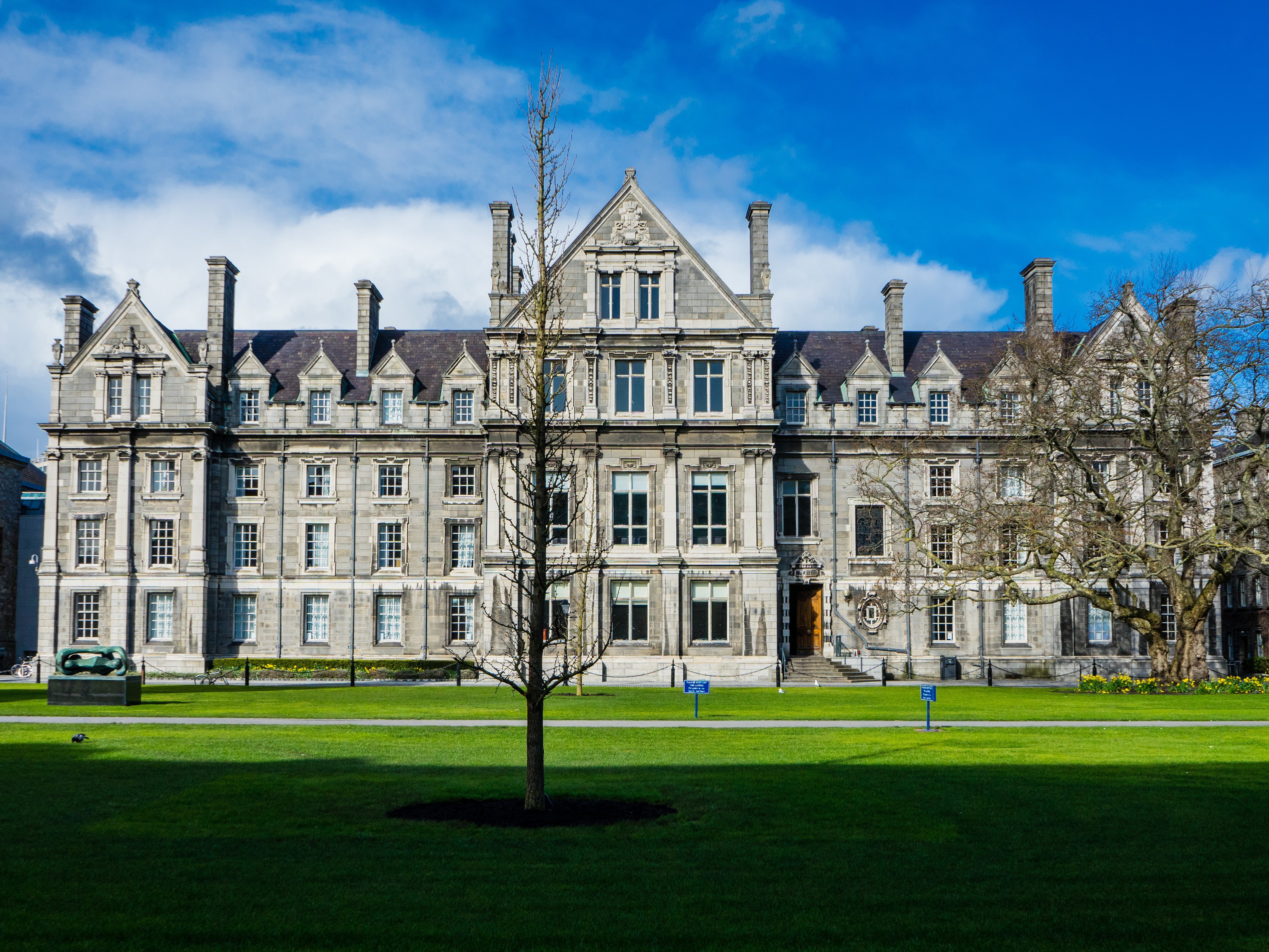
Dún Laoghaire  Dublin
Dún Laoghaire Dublin Image by Leonhard Niederwimmer from Pixabay

Day 61 - Cobh

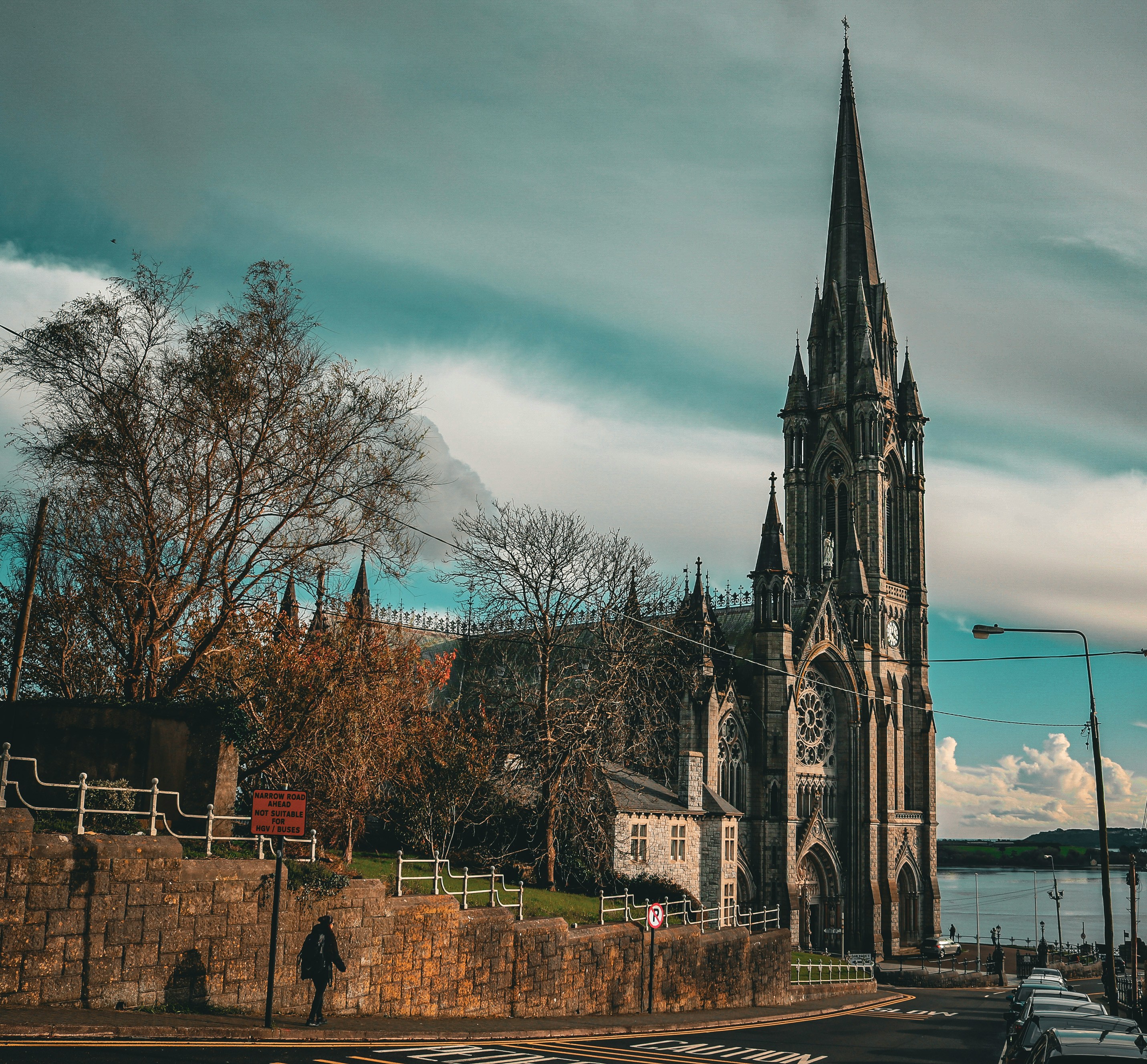
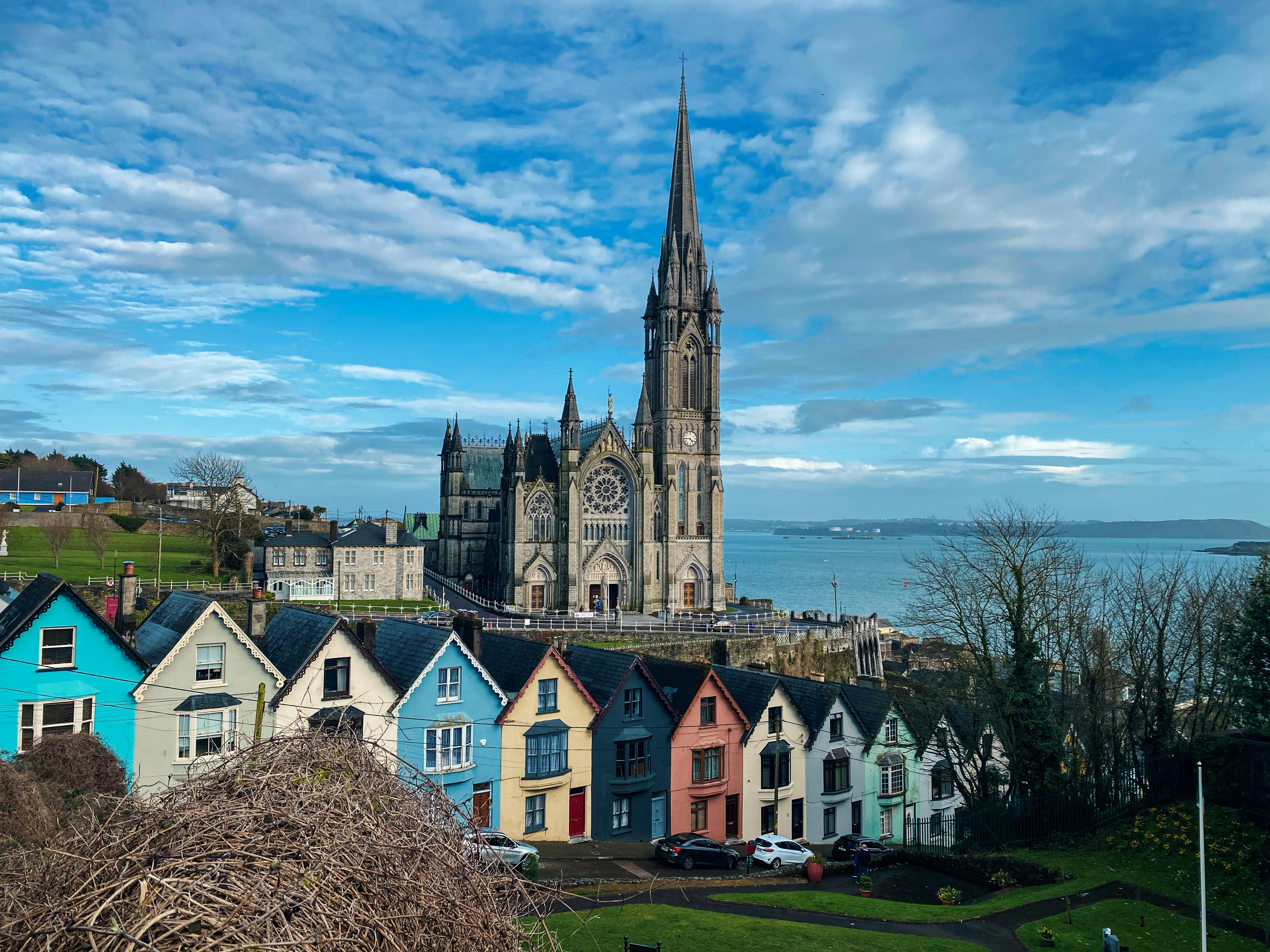
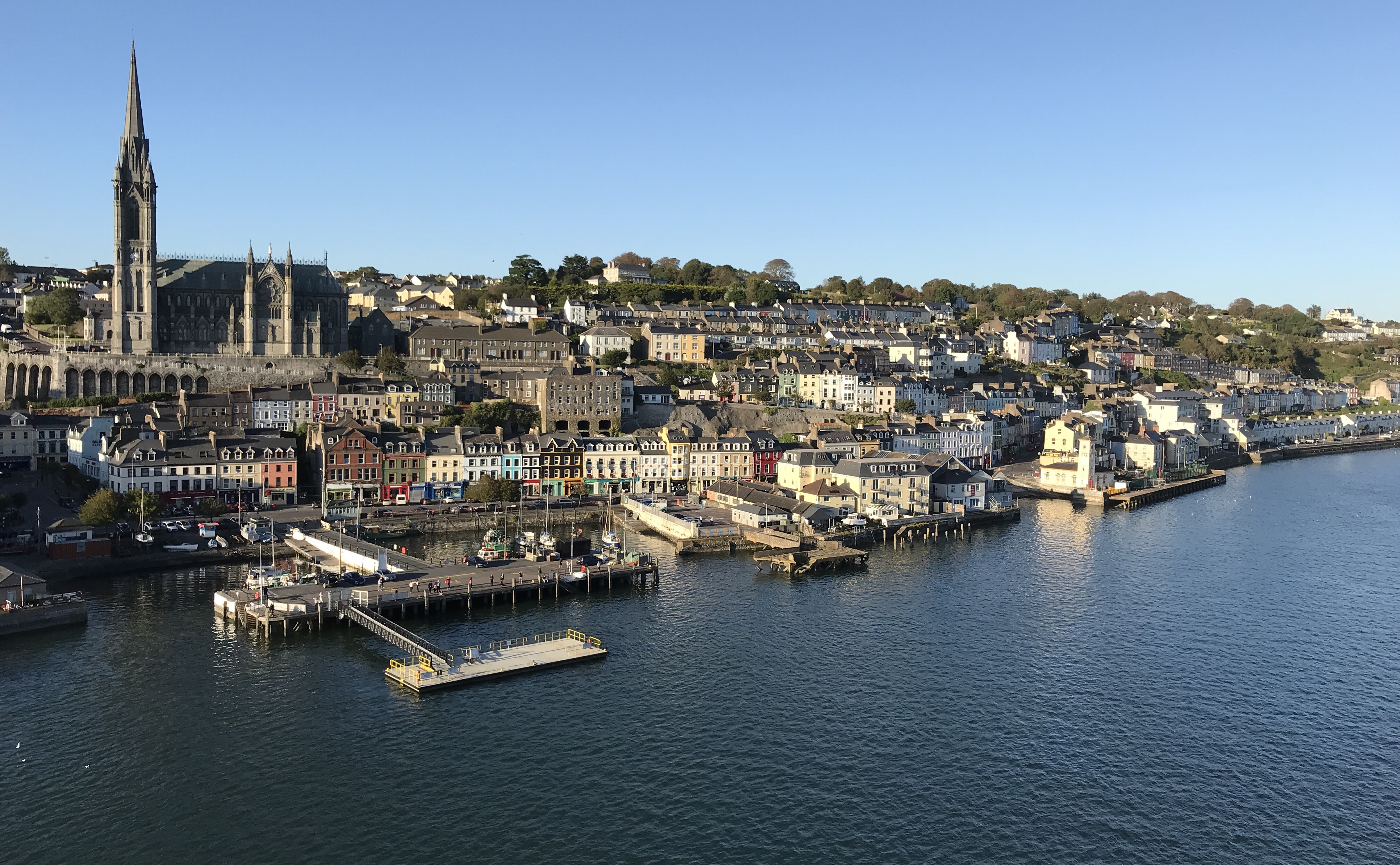
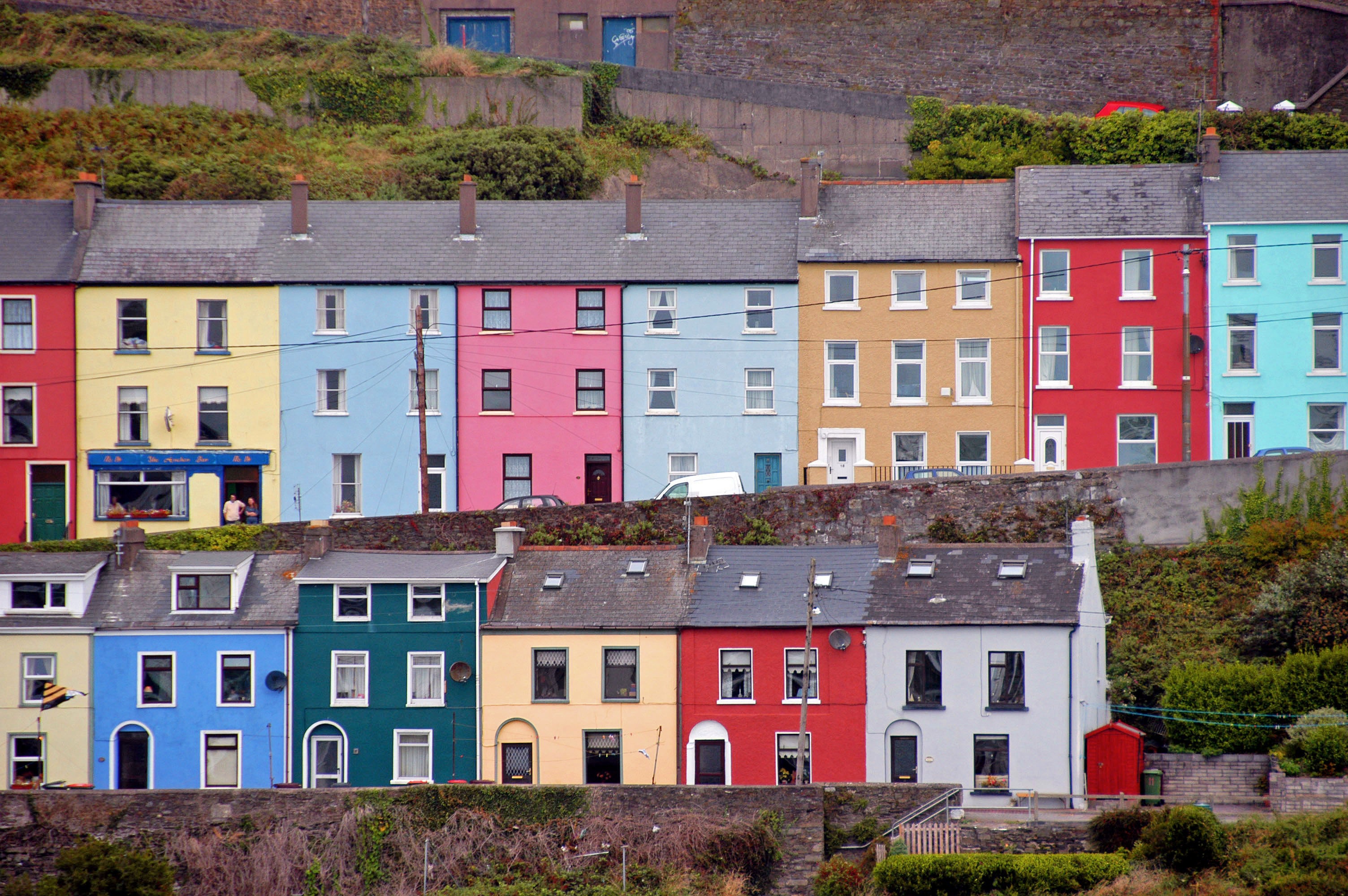
Cork City's nearby harbor district has seen plenty of history. Cork Harbour's draws include Fota Island—with an arboretum, a wildlife park, and the Fota House ancestral estate—and the fishing port of Cobh.

Church, Cobh, County Cork, Ireland
Church, Cobh, County Cork, IrelandPhoto by Dahlia E. Akhaine on Unsplash
Cobh, County Cork, Ireland
Cobh, County Cork, IrelandPhoto by Jason Murphy on Unsplash
Cobh,Ireland
Cobh,IrelandImage by Urs Widmer from Pixabay
Cobh,Ireland
Cobh,IrelandImage from Pixabay

Day 63 - Dover

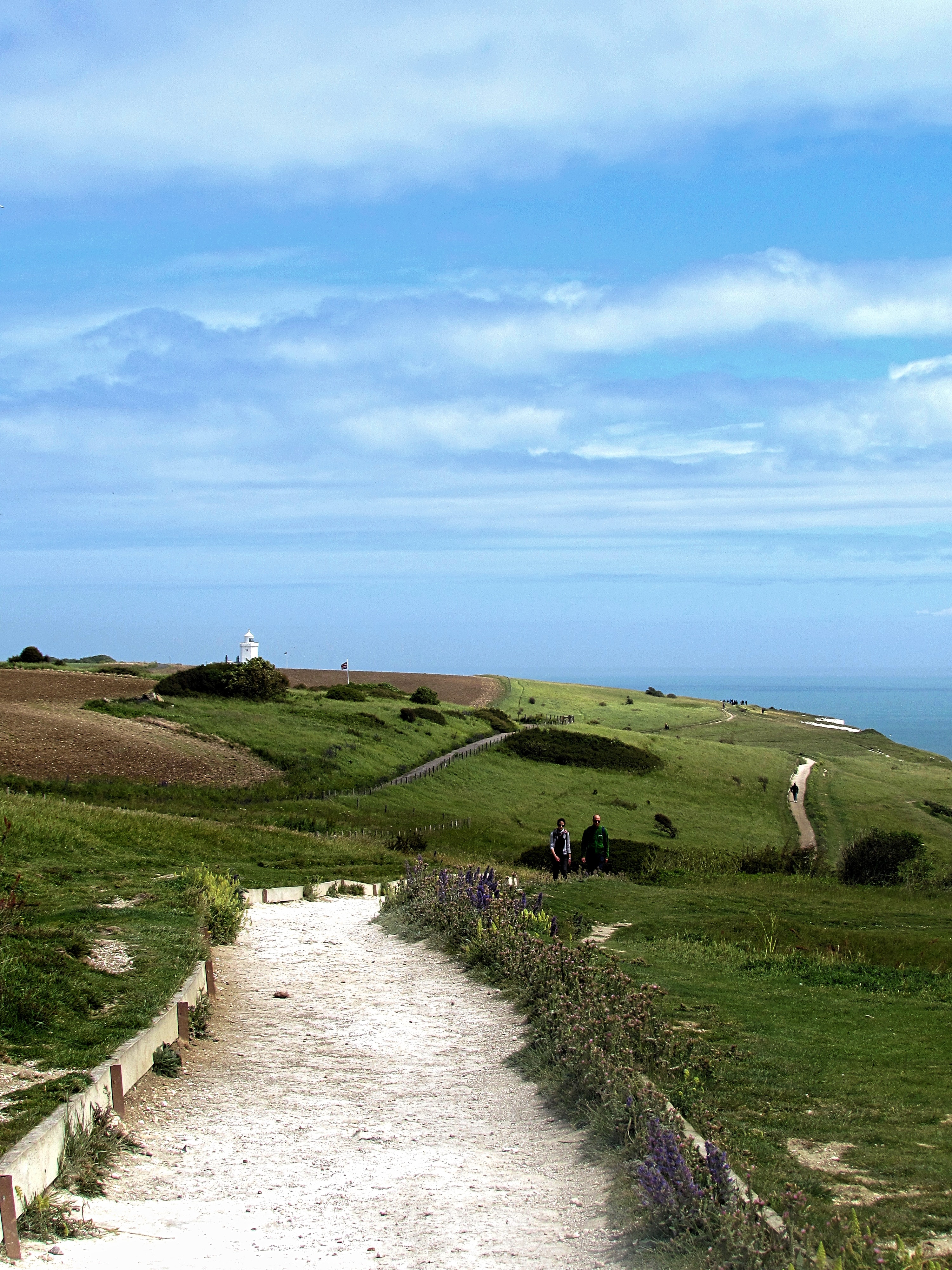
Known as the gateway of England, Dover welcomes millions of visitors from all over the globe each year in its role as the ferry capital of the world and the second busiest cruise port in the UK. The White Cliffs Country has a rich heritage. Within the walls of the town’s iconic castle, over 2,000 years of history waits to be explored, whilst the town’s museum is home to the Dover Bronze Age Boat, the world’s oldest known seagoing vessel. The town’s cliffs that are a welcome sight for today's cross-channel travellers also served as the control centre for the Dunkirk evacuation in 1940.

Gbdvr   Dover, England   Pc Magda V
Gbdvr Dover, England Pc Magda V

Day 64 - Zeebrugge

In 1895 work began to construct a new seaport and harbour next to the tiny village of Zeebrugge, situated on the North Sea coast. Today the fast-expanding port of Zeebrugge is one of the busiest in Europe and its marina is Belgium’s most important fishing port. Many attempts were made to destroy this important port during both World Wars. Zeebrugge is ideally located for discovering the historic city of Bruges, and delightful seaside resorts with long sandy beaches can be visited by using the trams that run the whole length of the Belgian coast. Please note that no food may be taken ashore in Belgium. We shall not be offering shuttle buses to Bruges, but you may visit the city on an optional excursion: those visiting Bruges should note that there may be quite a long walk from the coach to the town centre.

Bezee Zeebrugge Sea Ben Kerckx
Bezee Zeebrugge Sea Ben KerckxBen Kerckx

Day 65 - IJmuiden

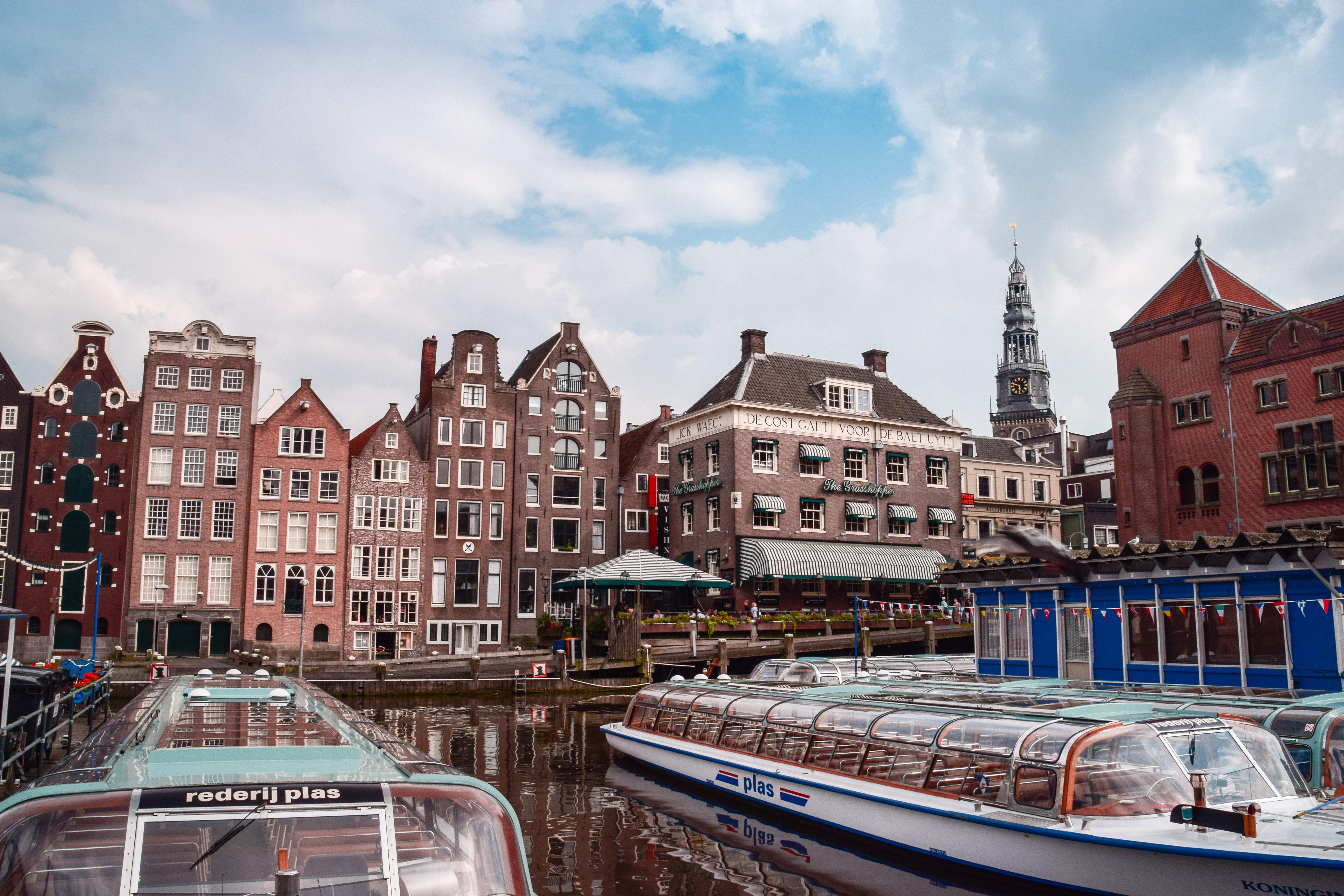
North Holland’s ‘Gate to the North Sea’, IJmuiden has four harbours: the Vissershaven, Haringhaven, IJmondhaven and the Seaport Marina - the latter used by pleasure craft. It is the largest Dutch fishing port, but is a relatively young town: it grew up in the 1870s when the North Sea Canal was opened. During World War II, the German Navy demolished much of the town and built huge fortified concrete bunkers for their torpedo boats and submarines. After 1945, the town was rebuilt by the architect Willem Marinus Dudok. He designed IJmuiden’s most impressive building, the Stadhuis van Velsen, which houses local government offices. For cruise passengers IJmuiden is the gateway to Amsterdam, the Dutch capital and one of Europe’s truly great cities, where elegant canals are lined by old brick gabled houses, and superb art galleries and museums are home to some of the world’s best-known paintings. Please note that complimentary shuttle buses operate from the port to the centre of IJmuiden, not to Amsterdam.

I Jmuiden, Gateway To The Netherlands
I Jmuiden, Gateway To The NetherlandsImage from Pixabay

Day 67 - Skagen

Further details for this day are not available.

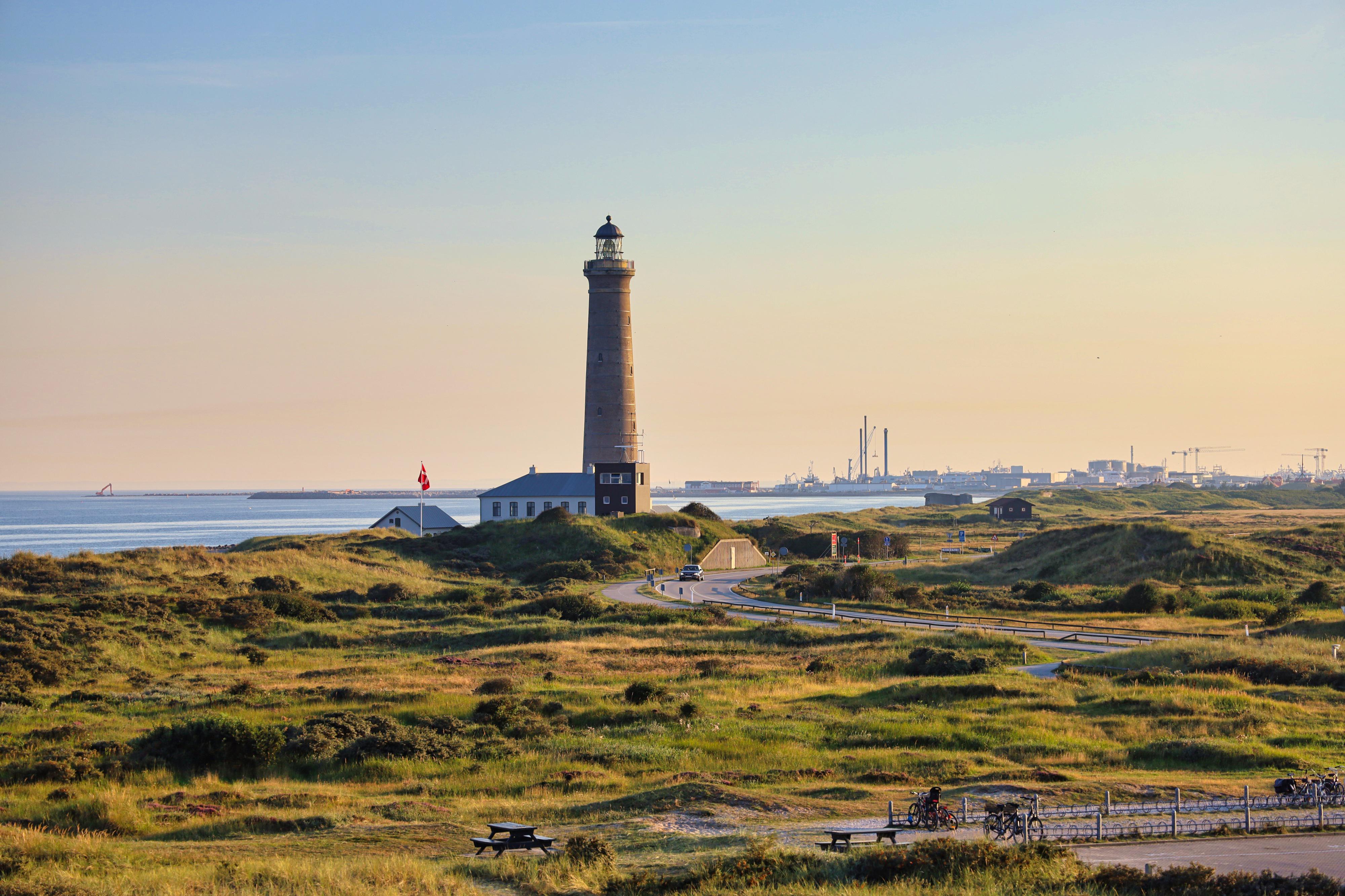
Skagen, Denmark
Skagen, DenmarkImage by Julian Hacker from Pixabay

Day 68 - Copenhagen

By the 11th century, Copenhagen was already an important trading and fishing centre and today you will find an attractive city which, although the largest in Scandinavia, has managed to retain its low-level skyline. Discover some of the famous attractions including Gefion Fountain and Amalienborg Palace, perhaps cruise the city’s waterways, visit Rosenborg Castle or explore the medieval fishing village of Dragoer. Once the home of Hans Christian Andersen, Copenhagen features many reminders of its fairytale heritage and lives up to the reputation immortalised in the famous song ‘Wonderful Copenhagen’.

Dkcph   Copenhagen   Canalboat And Boat Rental At Christianshavn Canal   Www.Copenhagenmediacenter.Com, Ty Stange
Dkcph Copenhagen Canalboat And Boat Rental At Christianshavn Canal Www.Copenhagenmediacenter.Com, Ty Stangewww.copenhagenmediacenter.com, Ty Stange
Dkcph   Copenhagen   Christianshavn   Www.Copenhagenmediacenter.Com, Kasper Thye
Dkcph Copenhagen Christianshavn Www.Copenhagenmediacenter.Com, Kasper Thyewww.copenhagenmediacenter.com, Kasper Thye
Dkcph   Copenhagen   Copenhagen From Above   Www.Copenhagenmediacenter.Com, Thomas Rousing
Dkcph Copenhagen Copenhagen From Above Www.Copenhagenmediacenter.Com, Thomas Rousingwww.copenhagenmediacenter.com, Thomas Rousing
Dkcph   Copenhagen   Overview Of Cophenhagen   Www.Copenhagenmediacenter.Com, Robert Thomason
Dkcph Copenhagen Overview Of Cophenhagen Www.Copenhagenmediacenter.Com, Robert Thomasonwww.copenhagenmediacenter.com, Robert Thomason
Dkcph   Copenhagen   Tivoli, Main Entrance   Www.Copenhagenmediacenter.Com, Cees Van Roeden
Dkcph Copenhagen Tivoli, Main Entrance Www.Copenhagenmediacenter.Com, Cees Van Roedenwww.copenhagenmediacenter.com, Cees van Roeden

Day 69 - Kristiansand

Nicknamed "Sommerbyen" ("Summer City"), Norway's fifth-largest city has 78,000 inhabitants. Norwegians come here for its sun-soaked beaches and beautiful harbor. Kristiansand has also become known internationally for the outdoor Quart Festival, which hosts local and international rock bands every July. According to legend, in 1641 King Christian IV marked the four corners of Kristiansand with his walking stick, and within that framework the grid of wide streets was laid down. The center of town, called the Kvadraturen, still retains the grid, even after numerous fires. In the northeast corner is Posebyen, one of northern Europe's largest collections of low, connected wooden house settlements, and there's a market here every Saturday in summer. Kristiansand's Fisketorvet (fish market) is near the south corner of the town's grid, right on the sea.

Day 70 - Stavanger

Overlooking the Atlantic Ocean, Stavanger flourished in the 19th century as a fishing port. While other towns in Norway have suffered with the decline of this industry, Stavanger has kept its economy booming by diversifying, first into shipbuilding and now into oil. These two contrasting industries have created a city of two halves – a modern area of high-rise buildings and a historic centre with cobbled streets and old wooden houses. The city centre was the birthplace of Alexander Kielland, one of the great 19th-century Norwegian novelists. Stavanger Cathedral, dating from 1125, is an impressive building and the only medieval cathedral in Norway that has not been substantially altered since it was first built. From Stavanger you can explore the attractive blue waters of Lysefjord, surrounded by cliffs and striking rock formations, and also visit Hafrsfjord where the Viking King Harald won an important battle that started the Unification of Norway. Those preferring to explore on their own may wish to visit the interesting Petroleum Museum.

Nosvg   Stavanger, Norway   Pc Alexey Topolyankskiy
Nosvg Stavanger, Norway Pc Alexey TopolyankskiyPC Alexey Topolyankskiy

Day 71 - Nordfjordeid

Further details for this day are not available.

Fjord, Norway
Fjord, NorwayImage by Heiko Behn from Pixabay

Day 71 - Nordfjord

Further details for this day are not available.

Day 72 - Skjolden

Discover the uninhabited Island of Skjoldungen, surrounded by a stunning fjord. Its stunning landscape brings together mountains, glacial valleys, rocky outcrops, tundra and willow forests, creating an unmissable show. In this pristine landscape is also quite common to see bearded seals, orcas and birds such as the common redpoll, the northern wheatear, or the common raven.

Sailing Into Skjolden
Sailing Into SkjoldenImage by Enrique from Pixabay

Day 72 - Sognefjord

Further details for this day are not available.

Sognefjord
SognefjordImage by Sonja Czeschka from Pixaba

Day 73 - Sognefjord

Further details for this day are not available.

Sognefjord
SognefjordImage by Sonja Czeschka from Pixaba

Day 74 - Runavik

Further details for this day are not available.

Day 76 - Reykjavík

Sprawling Reykjavík, the nation's nerve center and government seat, is home to half the island's population. On a bay overlooked by proud Mt. Esja (pronounced eh-shyuh), with its ever-changing hues, Reykjavík presents a colorful sight, its concrete houses painted in light colors and topped by vibrant red, blue, and green roofs. In contrast to the almost treeless countryside, Reykjavík has many tall, native birches, rowans, and willows, as well as imported aspen, pines, and spruces.Reykjavík's name comes from the Icelandic words for smoke, reykur, and bay, vík. In AD 874, Norseman Ingólfur Arnarson saw Iceland rising out of the misty sea and came ashore at a bay eerily shrouded with plumes of steam from nearby hot springs. Today most of the houses in Reykjavík are heated by near-boiling water from the hot springs. Natural heating avoids air pollution; there's no smoke around. You may notice, however, that the hot water brings a slight sulfur smell to the bathroom.Prices are easily on a par with other major European cities. A practical option is to purchase a Reykjavík City Card at the Tourist Information Center or at the Reykjavík Youth Hostel. This card permits unlimited bus usage and admission to any of the city's seven pools, the Family Park and Zoo, and city museums. The cards are valid for one (ISK 3,300), two (ISK 4,400), or three days (ISK 4,900), and they pay for themselves after three or four uses a day. Even lacking the City Card, paying admission (ISK 500, or ISK 250 for seniors and people with disabilities) to one of the city art museums (Hafnarhús, Kjarvalsstaðir, or Ásmundarsafn) gets you free same-day admission to the other two.

Isrey Reykjavik Bird's Eye View Photo Of Concrete House Alec Cooks
Isrey Reykjavik Bird's Eye View Photo Of Concrete House Alec CooksAlec Cooks
Isrey Reykjavik Hallgrimur Church Leif Erikson Wesley Gibbs
Isrey Reykjavik Hallgrimur Church Leif Erikson Wesley GibbsWesley Gibbs
Isrey Reykjavik Photography Of White Swan Floating On Water Body Evelyn Paris
Isrey Reykjavik Photography Of White Swan Floating On Water Body Evelyn ParisEvelyn Paris

Day 77 - Isafjørdur

Two colossal terraces of sheer rock stand either side of this extraordinarily located town - which rides a jutting spit onto an immensity of black fjord water. Surprisingly, considering the remoteness of its location and its compact size, Isafjordur is a modern and lively place to visit, offering a great choice of cafes and delicious restaurants – which are well stocked to impress visitors. The town is a perfectly located base for adventures amongst Iceland's fantastic wilderness - with skiing, hiking and water-sports popular pursuits among visitors.

Isisa Isafjørdur Landscape Aline Dassel
Isisa Isafjørdur Landscape Aline DasselAline Dassel

Day 81 - Corner Brook, Newfoundland and Labrador

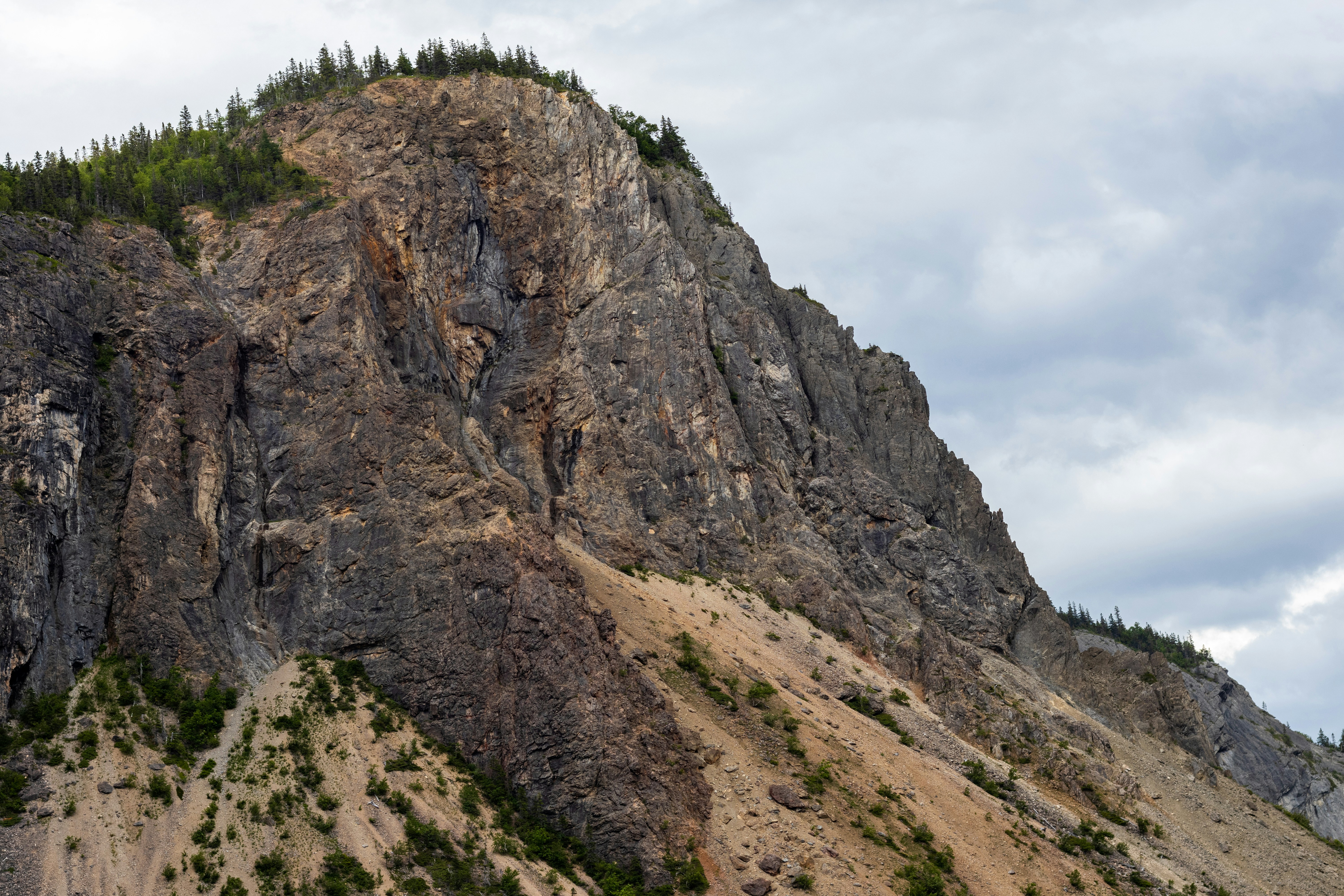
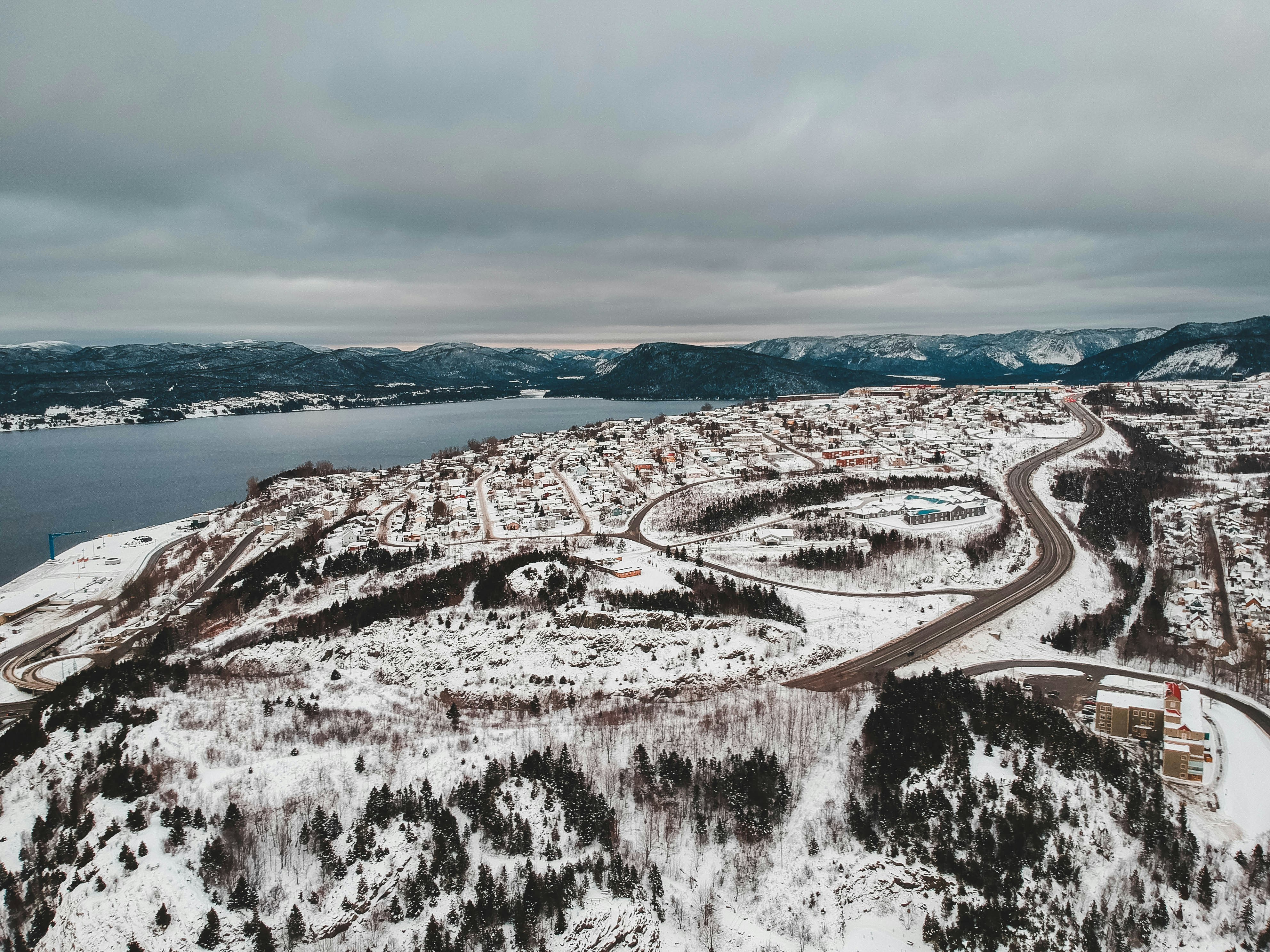
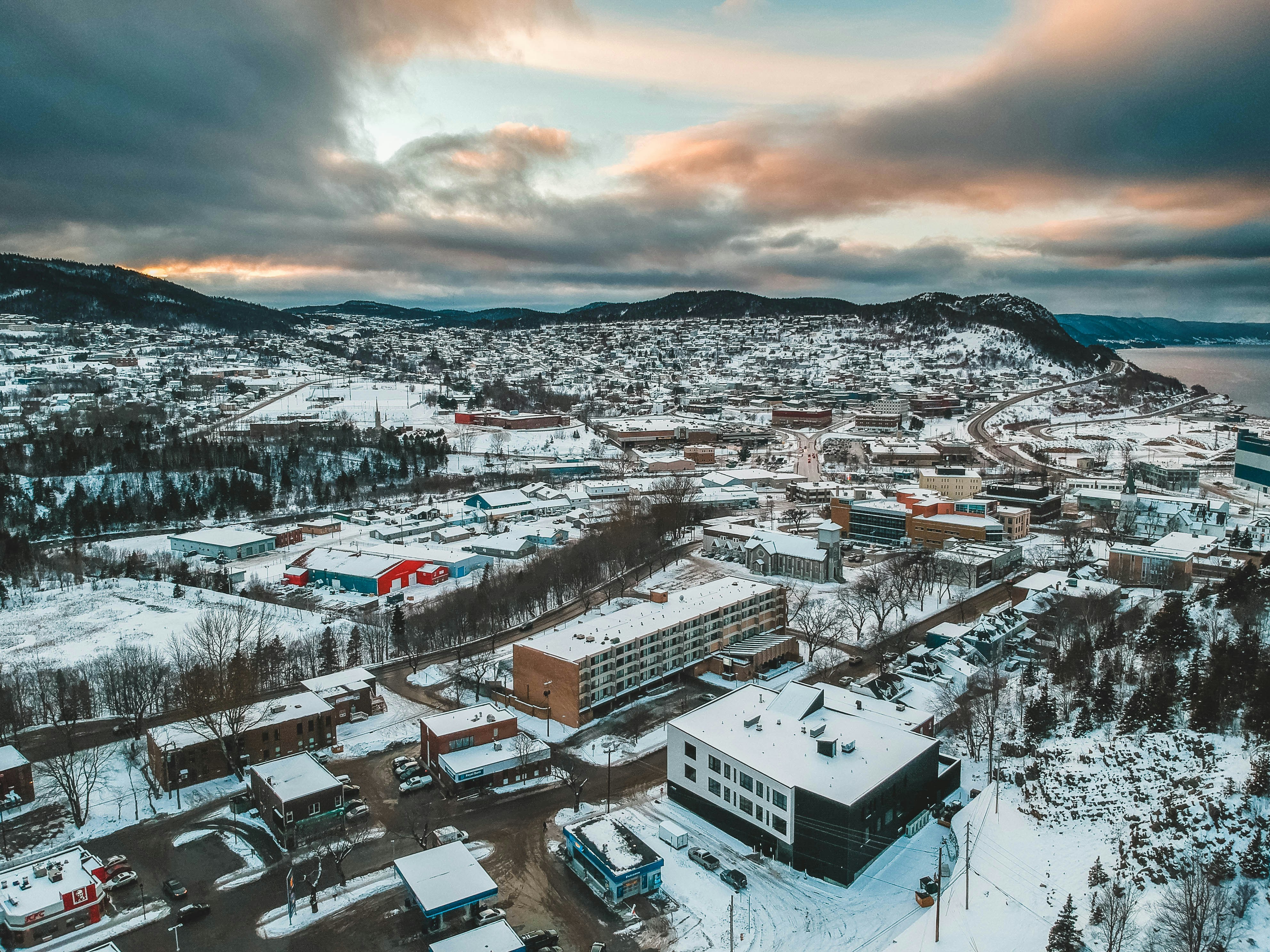
Newfoundland's fourth-largest city, Corner Brook is the hub of the island's west coast. Hills fringe three sides of the city, which has dramatic views of the harbor and the Bay of Islands. The town is also home to a large paper mill and a branch of Memorial University. Captain James Cook, the British explorer, charted the coast in the 1760s, and a memorial to him overlooks the bay.The town enjoys more clearly defined seasons than most of the rest of the island, and in summer it has many pretty gardens. The nearby Humber River is the best-known salmon river in the province, and there are many kilometers of well-maintained walking trails in the community.

Man In The Mountain Trail Head, Bear Head Road, Corner Brook, Nl, Canada
Man In The Mountain Trail Head, Bear Head Road, Corner Brook, Nl, CanadaPhoto by Marcus Urbenz on Unsplash
Corner Brook, Nl, Canada
Corner Brook, Nl, CanadaPhoto by Erik Mclean on Unsplash
Corner Brook, Nl, Canada
Corner Brook, Nl, CanadaPhoto by Erik Mclean on Unsplash

Day 83 - Gaspé, Québec

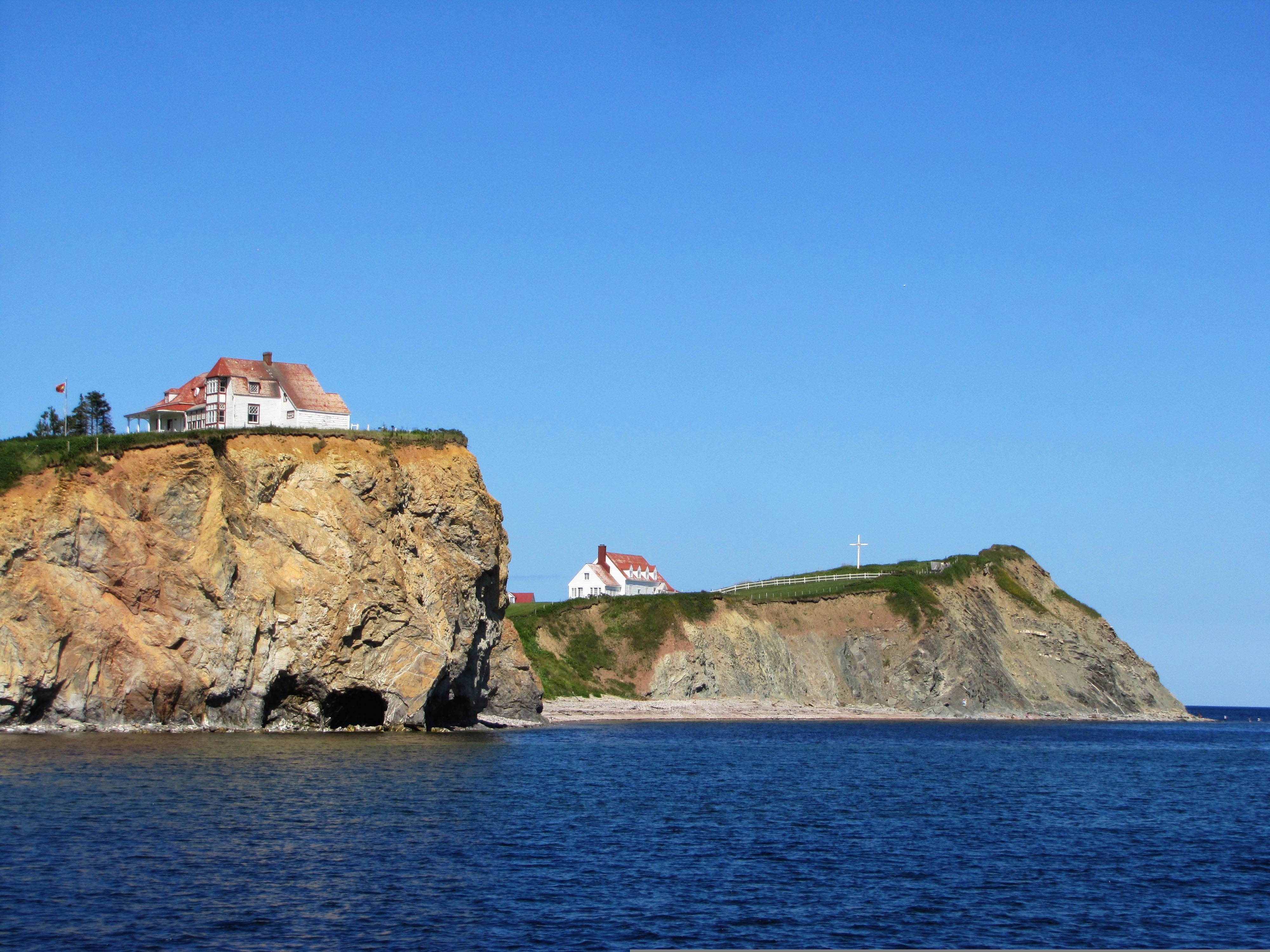
Further details for this day are not available.

Gaspe,Quebec
Gaspe,QuebecImage by Luc Perron from Pixabay

Day 85 - Charlottetown, Prince Edward Island

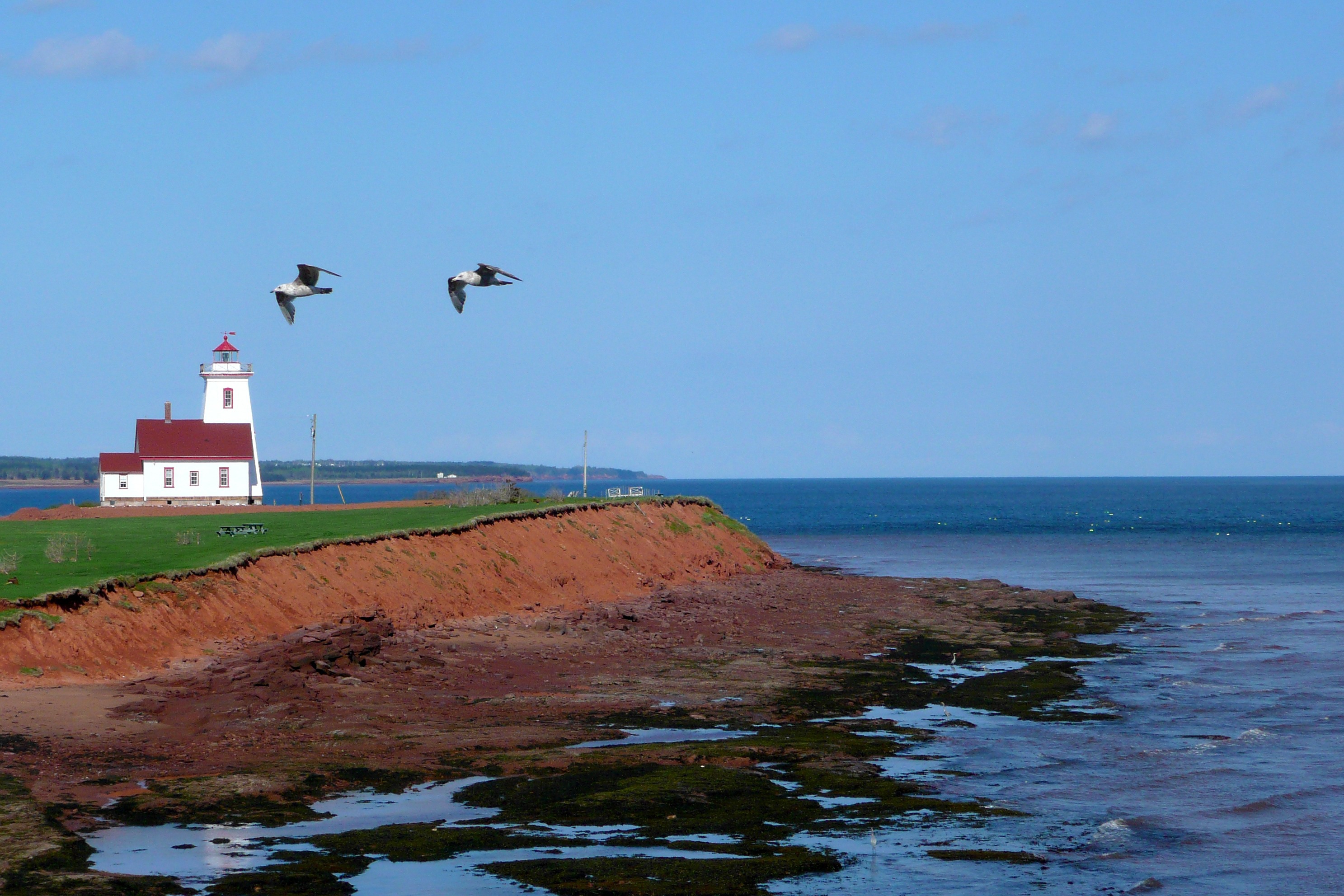
Designated as the Island capital in 1765, Charlottetown is both PEI’s oldest and largest urban center. However, since the whole "metropolitan" area only has a population of about 65,000, a pleasing small-town atmosphere remains. The city is a winner appearance-wise as well. Peppered with gingerbread-clad homes, converted warehouses, striking churches, and monumental government buildings, Charlottetown’s core seems relatively unchanged from its 19th-century heyday when it hosted the conference that led to the formation of Canada. The city is understandably proud of its role as the "Birthplace of Confederation" and, in summer, downtown streets are dotted with people dressed as personages from the past who’ll regale you with tales about the Confederation debate.

Prince Edward Island
Prince Edward IslandImage by Brigitte Werner from Pixabay

Day 86 - Cap-aux-Meules, Magdalen Islands, Québec

Further details for this day are not available.

Cap Aux Meules, Magdalen Islands, Quebec
Cap Aux Meules, Magdalen Islands, QuebecPhoto by Sonya Romanovska on Unsplash

Day 87 - Sydney, Nova Scotia

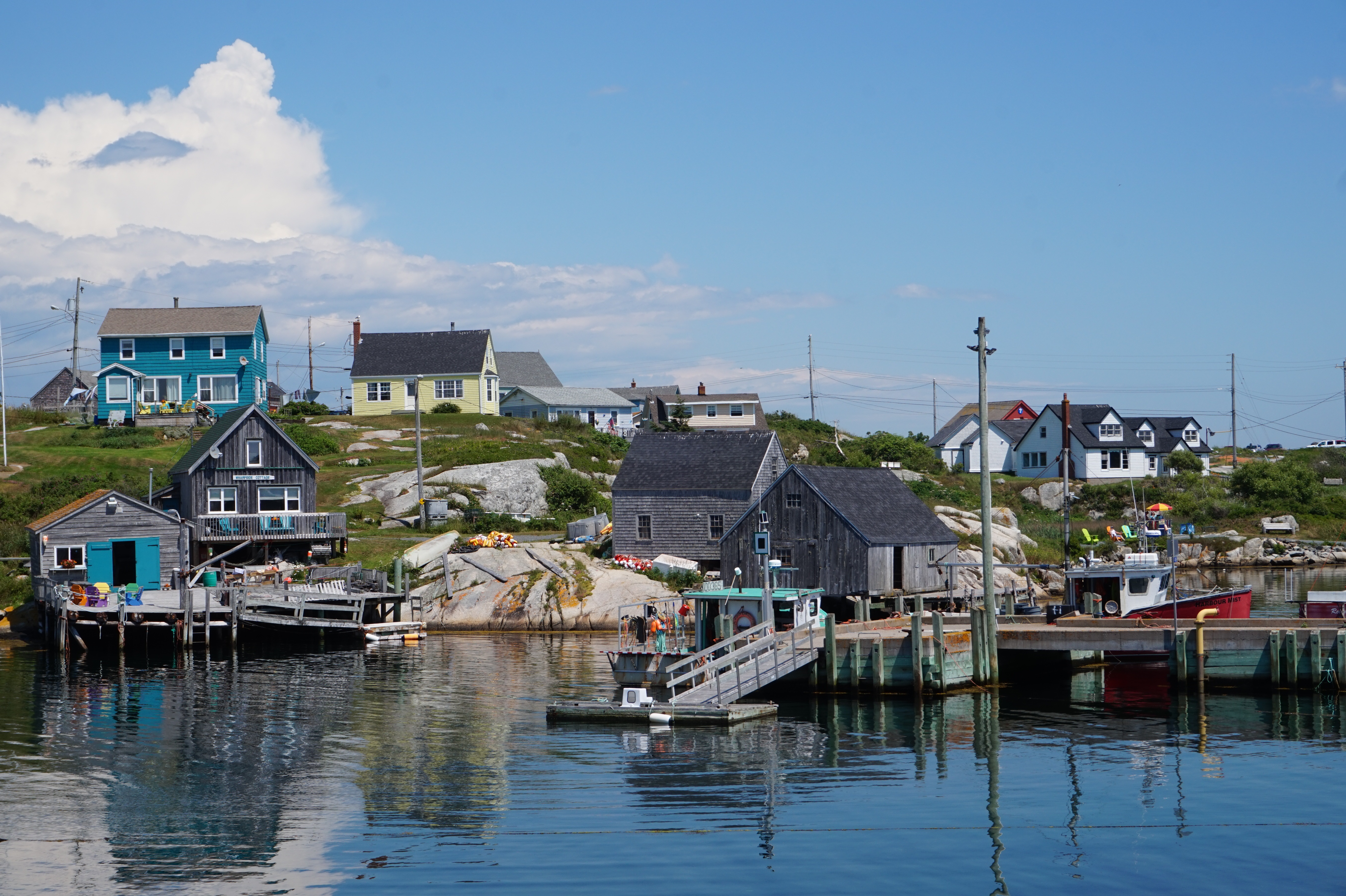
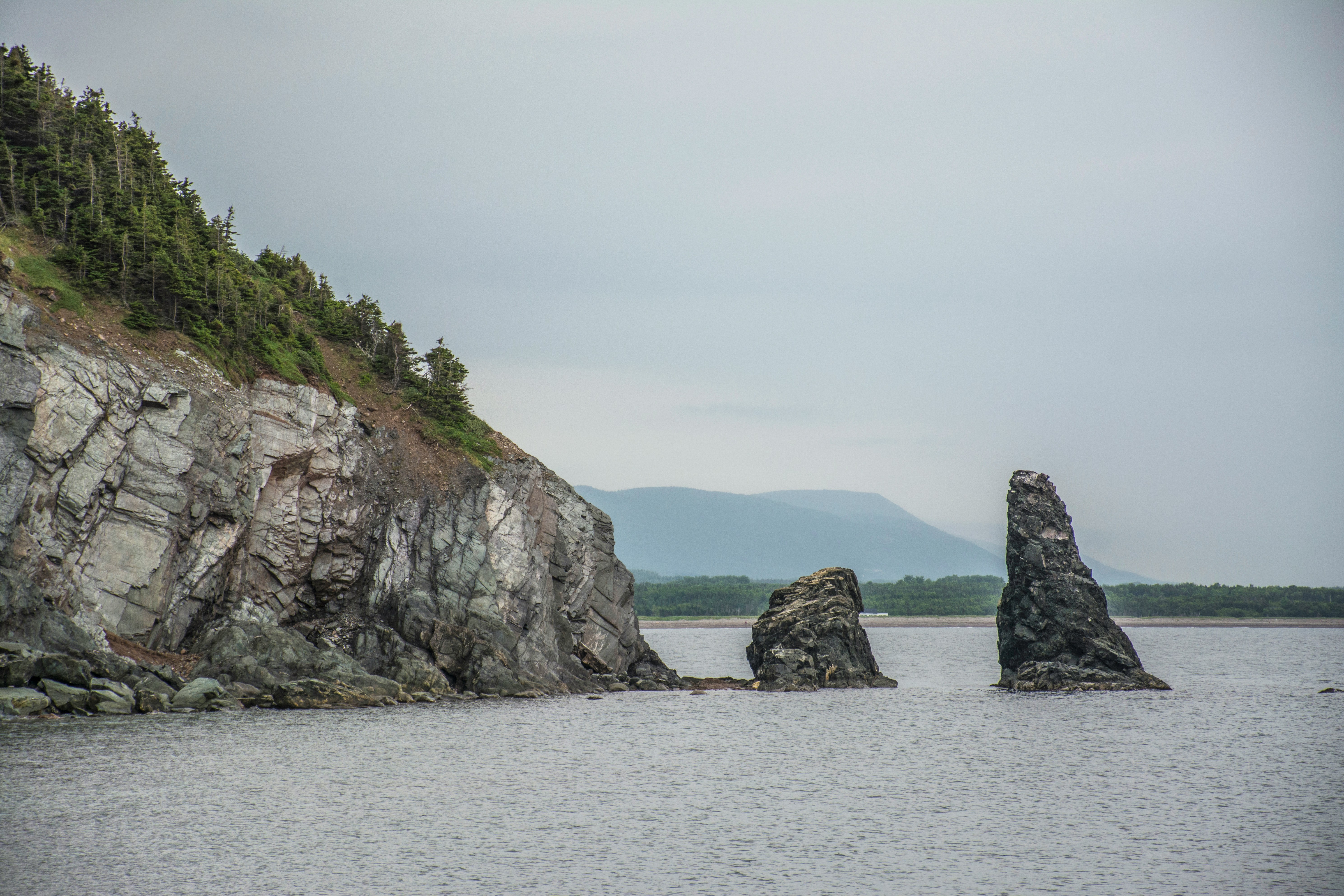
If you come directly to Cape Breton via plane, ferry, or cruise ship, Sydney is where you’ll land. If you’re seeking anything resembling an urban experience, it’s also where you’ll want to stay: after all, this is the island’s sole city. Admittedly, it is not the booming center it was a century ago when the continent’s largest steel plant was located here (that era is evoked in Fall on Your Knees, an Oprah Book Club pick penned by Cape Bretoner Anne-Marie MacDonald). However, Sydney has a revitalized waterfront and smattering of Loyalist-era buildings that appeal to visitors. Moreover, it offers convenient access to popular attractions in the region—like the Miner’s Museum in nearby Glace Bay (named for the glace, or ice, that filled its harbor in winter), the Fortress at Louisbourg, and beautiful Bras d'Or Lake.

Peggy's Cove, Sydney, Nova Scotia, Canada
Peggy's Cove, Sydney, Nova Scotia, CanadaImage by Krista Grear from Pixabay
Skipping Rocks, Cabot Trail Road, Nova Scotia, Canada
Skipping Rocks, Cabot Trail Road, Nova Scotia, CanadaPhoto by Sharissa Johnson on Unsplash
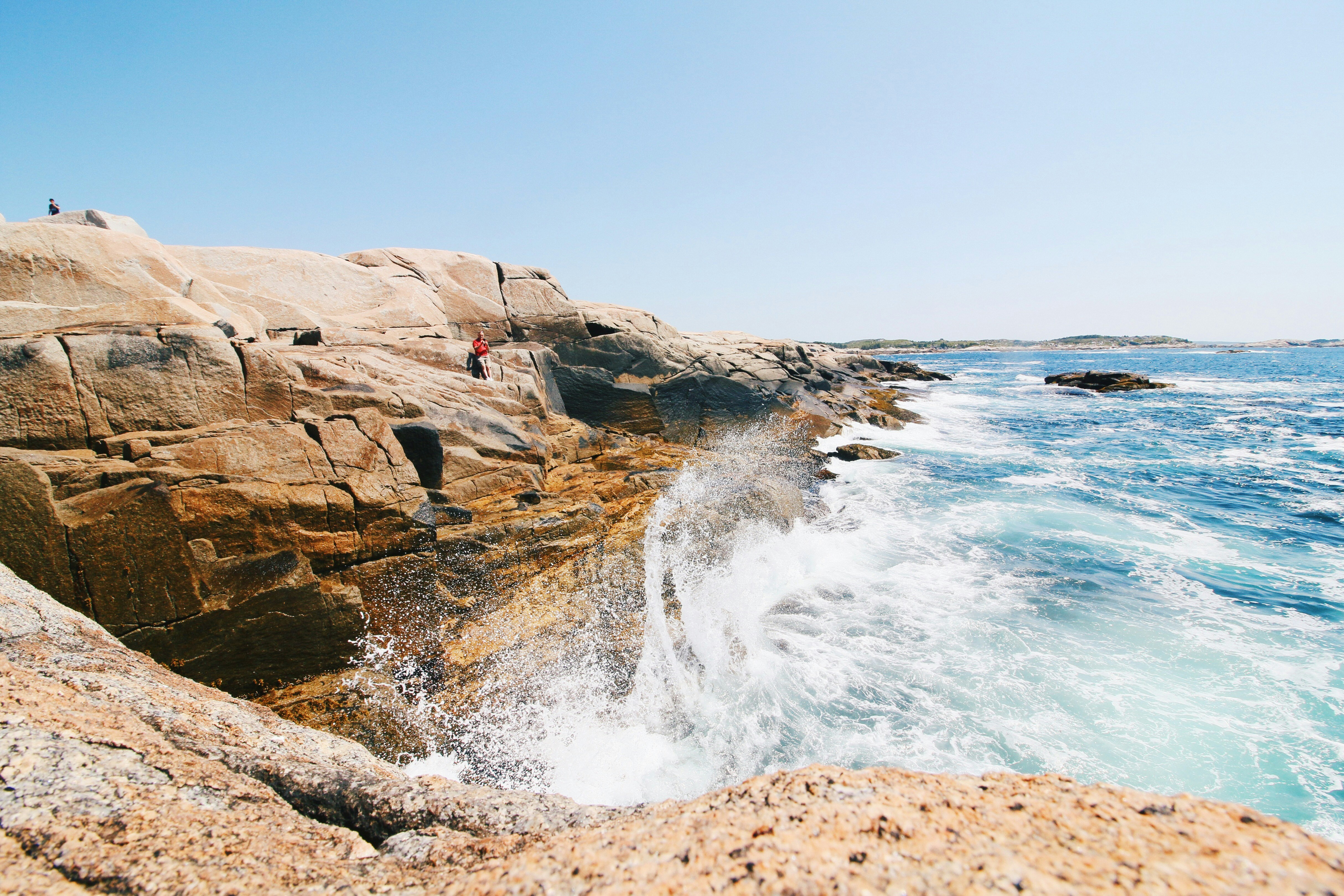
Waves Crashing In Nova Scotia, Canada
Waves Crashing In Nova Scotia, CanadaPhoto by Ruth Troughton on Unsplash

Day 88 - Halifax, Nova Scotia

Surrounded by natural treasures and glorious seascapes, Halifax is an attractive and vibrant hub with noteworthy historic and modern architecture, great dining and shopping, and a lively nightlife and festival scene. The old city manages to feel both hip and historic. Previous generations had the foresight to preserve the cultural and architectural integrity of the city, yet students from five local universities keep it lively and current. It's a perfect starting point to any tour of the Atlantic provinces, but even if you don't venture beyond its boundaries, you will get a real taste of the region.It was Halifax’s natural harbor—the second largest in the world after Sydney, Australia’s—that first drew the British here in 1749, and today most major sites are conveniently located either along it or on the Citadel-crowned hill overlooking it. That’s good news for visitors because this city actually covers quite a bit of ground.Since amalgamating with Dartmouth (directly across the harbor) and several suburbs in 1996, Halifax has been absorbed into the Halifax Regional Municipality, and the HRM, as it is known, has around 415,000 residents. That may not sound like a lot by U.S. standards, but it makes Nova Scotia’s capital the most significant Canadian urban center east of Montréal.There's easy access to the water, and despite being the focal point of a busy commercial port, Halifax Harbour doubles as a playground, with one of the world's longest downtown boardwalks. It's a place where container ships, commuter ferries, cruise ships, and tour boats compete for space, and where workaday tugs and fishing vessels tie up beside glitzy yachts. Like Halifax as a whole, the harbor represents a blend of the traditional and the contemporary.

Cahal   Halifax, Nova Scotia, Canada   Graham Hobster
Cahal Halifax, Nova Scotia, Canada Graham Hobster

Day 89 - Saint-John, New Brunswick

Like any seaport worth its salt, Saint John is a welcoming place but, more than that, it is fast transforming into a sophisticated urban destination worthy of the increasing number of cruise ships that dock at its revitalized waterfront. Such is the demand that a second cruise terminal opened in 2012, just two years after the first one, and 2013 will see the two-millionth cruise passenger disembark. All the comings and goings over the centuries have exposed Saint Johners to a wide variety of cultures and ideas, creating a characterful Maritime city with a vibrant artistic community. Visitors will discover rich and diverse cultural products in its urban core, including a plethora of art galleries and antiques shops in uptown.Industry and salt air have combined to give parts of Saint John a weather-beaten quality, but you'll also find lovingly restored 19th-century wooden and redbrick homes as well as modern office buildings, hotels, and shops.The natives welcomed the French explorers Samuel de Champlain and Sieur de Monts when they landed here on St. John the Baptist Day in 1604. Then, nearly two centuries later, in May 1783, 3,000 British Loyalists fleeing the aftermath of the American Revolutionary War poured off a fleet of ships to make a home amid the rocks and forests. Two years later the city of Saint John became the first in Canada to be incorporated.Although most of the Loyalists were English, there were some Irish among them. After the Napoleonic Wars in 1815, thousands more Irish workers found their way to Saint John. It was the Irish potato famine of 1845 to 1852, though, that spawned the largest influx of Irish immigrants, and today a 20-foot Celtic cross on Partridge Island at the entrance to St. John Harbour stands as a reminder of the hardships and suffering they endured. Their descendants make Saint John Canada's most Irish city, a fact that's celebrated in grand style each March with a weeklong St. Patrick's celebration.The St. John River, its Reversing Rapids, and Saint John Harbour divide the city into eastern and western districts. The historic downtown area (locally known as "uptown") is on the east side, where an ambitious urban-renewal program started in the early 1980s has transformed the downtown waterfront. Older properties have been converted into trendy restaurants and shops, while glittering new apartment and condo buildings will take full advantage of the spectacular view across the bay. Harbour Passage, a redbrick walking and cycling path with benches and lots of interpretive information, begins downtown at Market Square and winds along the waterfront all the way to the Reversing Rapids. A shuttle boat between Market Square and the falls means you have to walk only one way. On the lower west side, painted-wood homes with flat roofs—characteristic of Atlantic Canadian seaports—slope to the harbor. Industrial activity is prominent on the west side, which has stately older homes on huge lots.Regardless of the weather, Saint John is a delightful city to explore, as so many of its key downtown attractions are linked by enclosed overhead pedways known as the "Inside Connection."

Saint John, New Brunswick, Canada
Saint John, New Brunswick, CanadaImage by Richard Songo from Pixabay

Day 91 - New York, New York

From Wall Street's skyscrapers to the neon of Times Square to Central Park's leafy paths, New York City pulses with an irrepressible energy. History meets hipness in this global center of entertainment, fashion, media, and finance. World-class museums like MoMA and unforgettable icons like the Statue of Liberty beckon, but discovering the subtler strains of New York's vast ambition is equally rewarding: ethnic enclaves and shops, historic streets of dignified brownstones, and trendy bars and eateries all add to the urban buzz.

Usnyc   New York   Brooklyn Heights Promenade   Myrna Suarez, Nyc & Company
Usnyc New York Brooklyn Heights Promenade Myrna Suarez, Nyc & CompanyMyrna Suarez © NYC & Company
Usnyc   New York   Brooklyn Heights Promenade   Myrna Suarez, Nyc & Company
Usnyc New York Brooklyn Heights Promenade Myrna Suarez, Nyc & CompanyMyrna Suarez © NYC & Company
Usnyc   New York   Long Island City   Julienne Schaer, Nyc & Company
Usnyc New York Long Island City Julienne Schaer, Nyc & CompanyJulienne Schaer © NYC & Company
Usnyc   New York   Statue Of Liberty   Marley White, Nyc & Company
Usnyc New York Statue Of Liberty Marley White, Nyc & CompanyMarley White © NYC & Company
Usnyc   New York   Times Square Cab   Marley White, Nyc & Company
Usnyc New York Times Square Cab Marley White, Nyc & CompanyMarley White © NYC & Company
Usnyc   New York   Top Of The Rock, View Of The Empire State Building   Marley White, Nyc & Company
Usnyc New York Top Of The Rock, View Of The Empire State Building Marley White, Nyc & CompanyMarley White © NYC & Company
Usnyc   New York   West Side Waterfront   Joe Buglewicz, Nyc & Company
Usnyc New York West Side Waterfront Joe Buglewicz, Nyc & CompanyJoe Buglewicz © NYC & Company

Day 94 - Miami, Florida

Miami is one of the world’s most popular holiday spots. It has so much to offer; from its countless beach areas, to culture and museums, from spa and shopping days out, to endless cuban restaurants and cafes. Miami is a multicultural city that has something to offer to everyone.

Usmia   Miami   High Rise Buildings Near Sea  Ryan Parker
Usmia Miami High Rise Buildings Near Sea Ryan Parker Photograph by Ryan Parker
Usmia   Miami   Miami Beach  Joel De Vriend
Usmia Miami Miami Beach Joel De Vriend Photograph by Joel de Vriend
Usmia   Miami   South Beach  Joel De Vriend
Usmia Miami South Beach Joel De Vriend Photograph by Joel de Vriend
Usmia   Miami   South Beach  Julien Borean
Usmia Miami South Beach Julien Borean Photograph by Julien Borean
Usmia   Miami   South Beach  Tuan Nguyen
Usmia Miami South Beach Tuan Nguyen Photograph by Tuan Nguyen
Usmia   Miami   The Confident Hotel  Kelly Russo
Usmia Miami The Confident Hotel Kelly Russo Photograph by Kelly Russo

Day 96 - Grand Cayman

Further details for this day are not available.

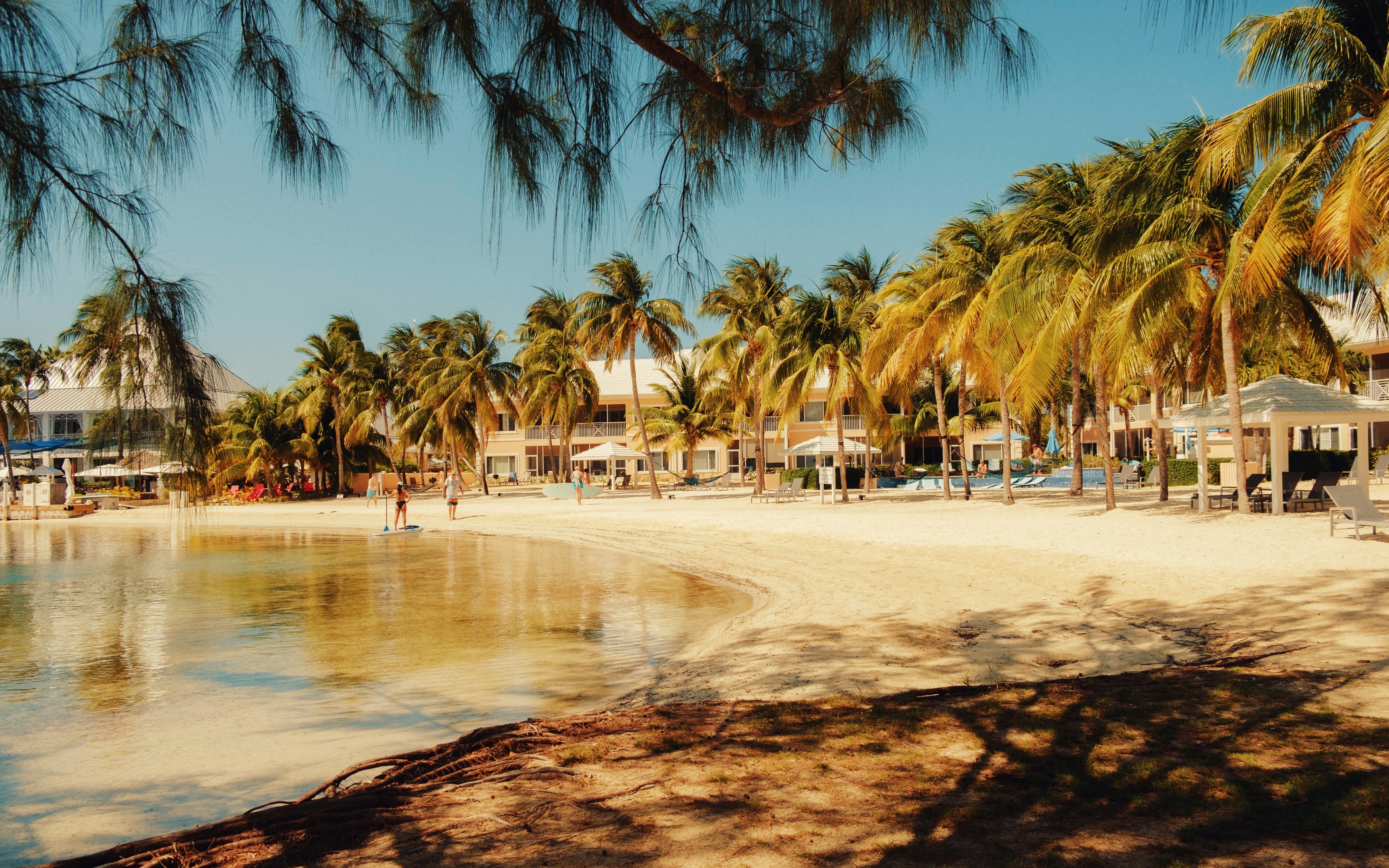
Grand Cayman
Grand CaymanPhoto by Ragét on Unsplash
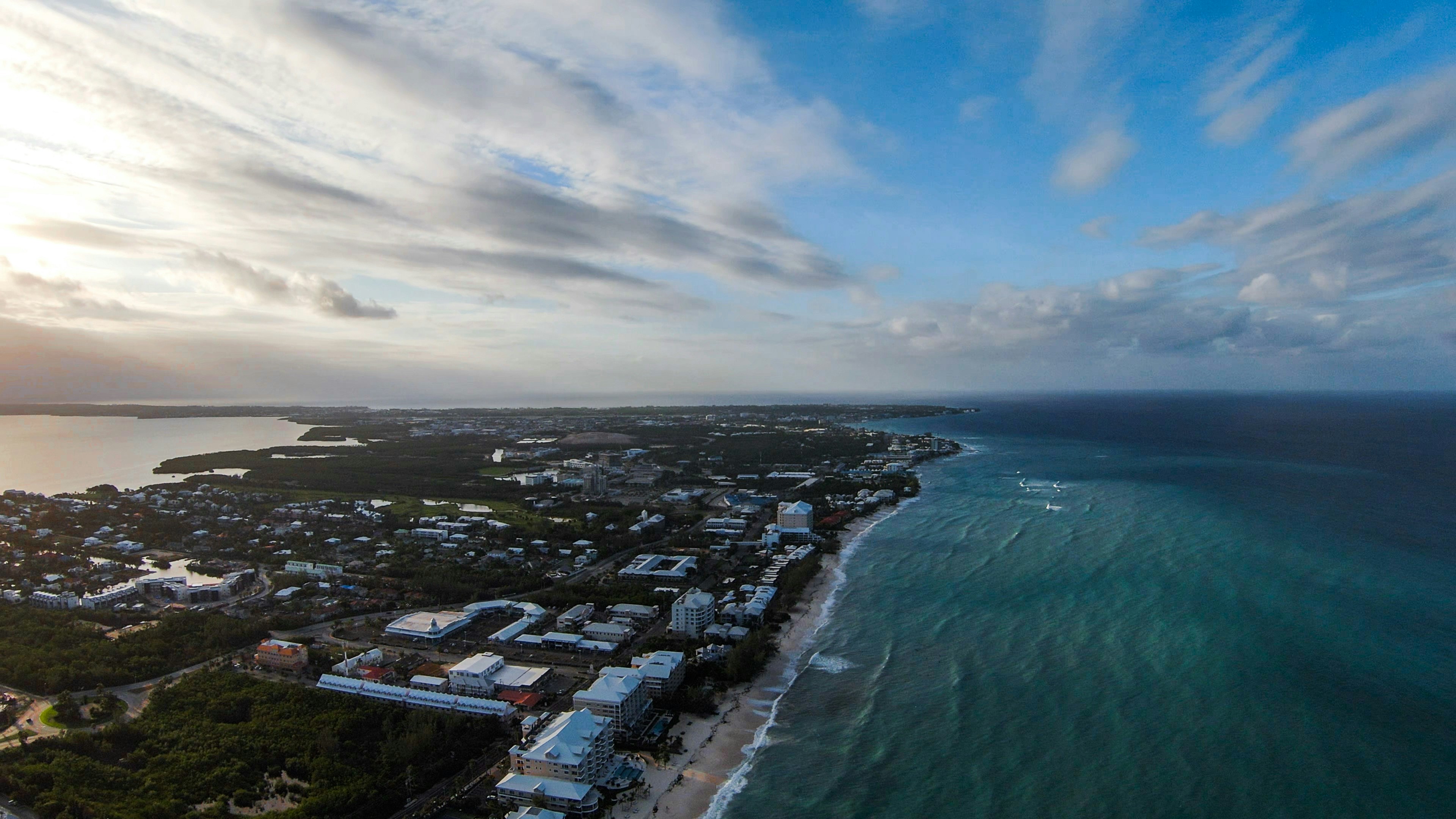
Grand Cayman
Grand CaymanPhoto by Jack Lajoie on Unsplash
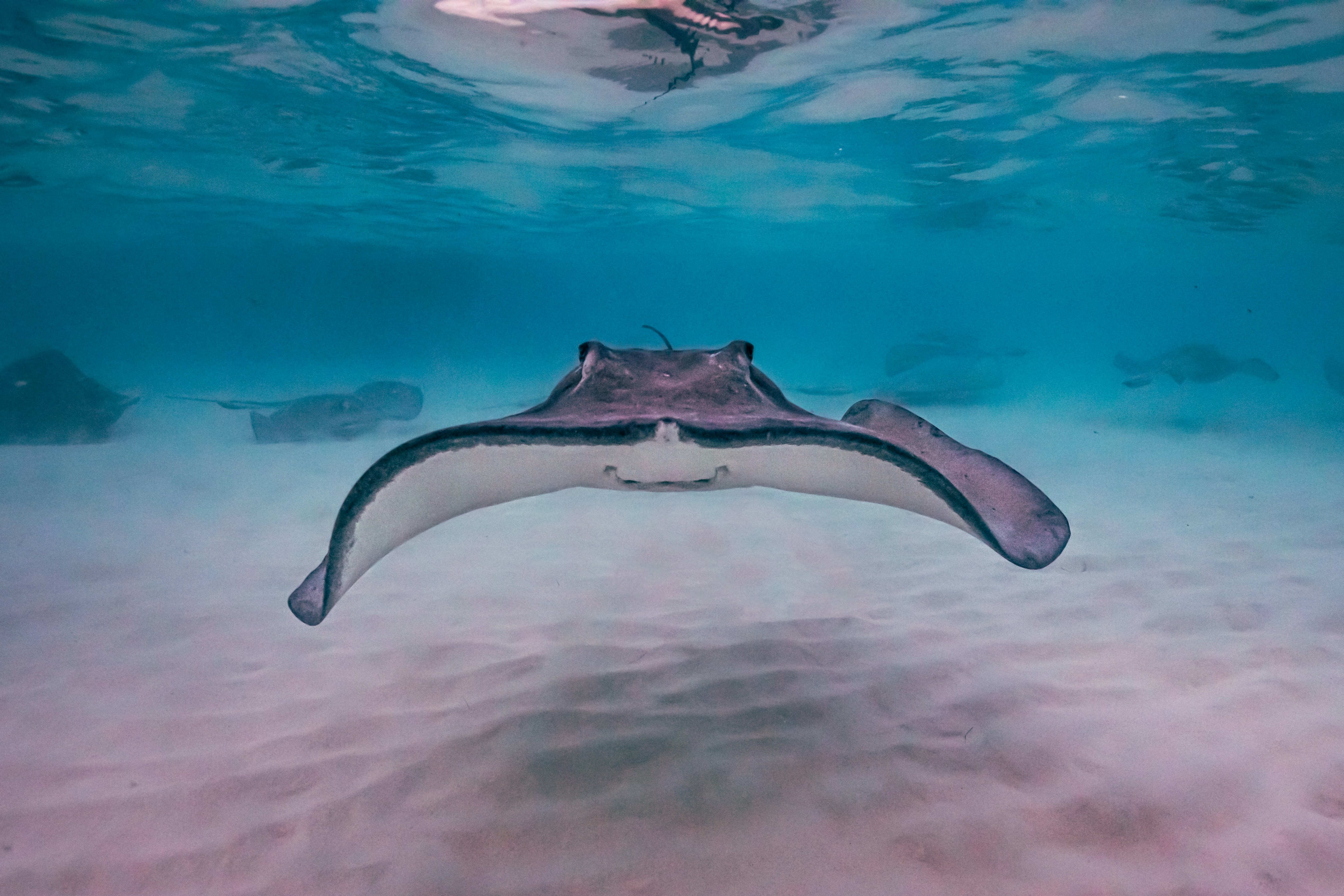
Manta Ray Swimming, Grand Cayman
Manta Ray Swimming, Grand CaymanPhoto by Kinø on Unsplash
Grand Cayman
Grand CaymanPhoto by Ragét on Unsplash

Day 98 - Cruising by Panama Canal

Further details for this day are not available.

Day 100 - Manta

Further details for this day are not available.

Manta Beach
Manta BeachImage by Kanenori from Pixabay

Day 103 - Callao

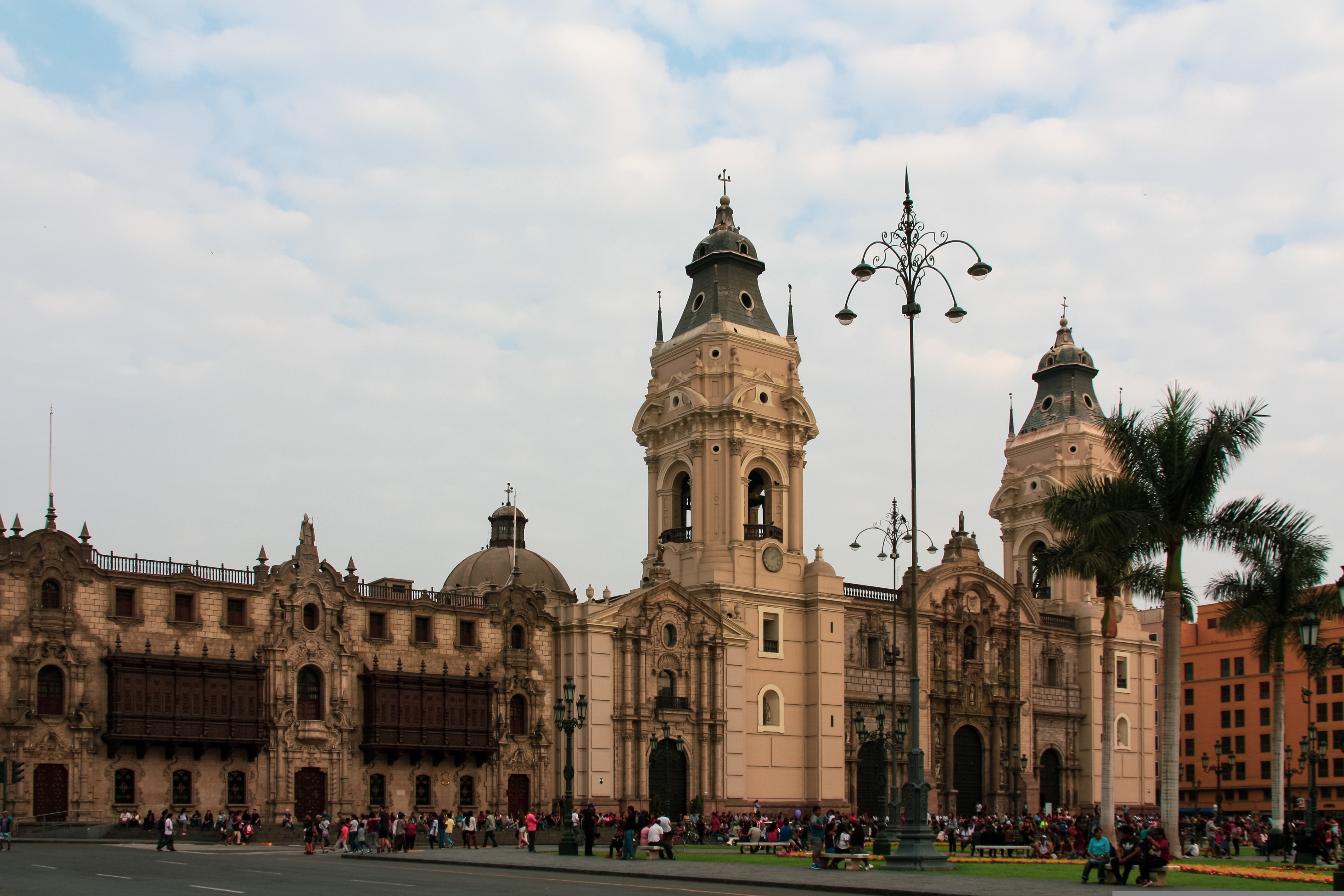
When people discuss great South American cities, Lima is often overlooked. But Peru's capital can hold its own against its neighbors. It has an oceanfront setting, colonial-era splendor, sophisticated dining, and nonstop nightlife.It's true that the city—clogged with traffic and choked with fumes—doesn't make a good first impression, especially since the airport is in an industrial neighborhood. But wander around the regal edifices surrounding the Plaza de Armas, among the gnarled olive trees of San Isidro's Parque El Olivar, or along the winding lanes in the coastal community of Barranco, and you'll find yourself charmed.In 1535 Francisco Pizarro found the perfect place for the capital of Spain's colonial empire. On a natural port, the so-called Ciudad de los Reyes (City of Kings) allowed Spain to ship home all the gold the conquistador plundered from the Inca. Lima served as the capital of Spain's South American empire for 300 years, and it's safe to say that no other colonial city enjoyed such power and prestige during this period.When Peru declared its independence from Spain in 1821, the declaration was read in the square that Pizarro had so carefully designed. Many of the colonial-era buildings around the Plaza de Armas are standing today. Walk a few blocks in any direction for churches and elegant houses that reveal just how wealthy this city once was. But the poor state of most buildings attests to the fact that the country's wealthy families have moved to neighborhoods to the south over the past century.The walls that surrounded the city were demolished in 1870, making way for unprecedented growth. A former hacienda became the graceful residential neighborhood of San Isidro. In the early 1920s the construction of tree-lined Avenida Arequipa heralded the development of neighborhoods such as bustling Miraflores and bohemian Barranco.Almost a third of the country's population of 29 million lives in the metropolitan area, many of them in relatively poor conos: newer neighborhoods on the outskirts of the city. Most residents of those neighborhoods moved there from mountain villages during the political violence and poverty that marked the 1980s and ’90s, when crime increased dramatically. During the past decade the country has enjoyed peace and steady economic growth, which have been accompanied by many improvements and refurbishment in the city. Residents who used to steer clear of the historic center now stroll along its streets. And many travelers who once would have avoided the city altogether now plan to spend a day here and end up staying two or three.

Callao, Port Of Lima
Callao, Port Of LimaImage by Patricia van den Berg from Pixabay

Day 104 - Callao

When people discuss great South American cities, Lima is often overlooked. But Peru's capital can hold its own against its neighbors. It has an oceanfront setting, colonial-era splendor, sophisticated dining, and nonstop nightlife.It's true that the city—clogged with traffic and choked with fumes—doesn't make a good first impression, especially since the airport is in an industrial neighborhood. But wander around the regal edifices surrounding the Plaza de Armas, among the gnarled olive trees of San Isidro's Parque El Olivar, or along the winding lanes in the coastal community of Barranco, and you'll find yourself charmed.In 1535 Francisco Pizarro found the perfect place for the capital of Spain's colonial empire. On a natural port, the so-called Ciudad de los Reyes (City of Kings) allowed Spain to ship home all the gold the conquistador plundered from the Inca. Lima served as the capital of Spain's South American empire for 300 years, and it's safe to say that no other colonial city enjoyed such power and prestige during this period.When Peru declared its independence from Spain in 1821, the declaration was read in the square that Pizarro had so carefully designed. Many of the colonial-era buildings around the Plaza de Armas are standing today. Walk a few blocks in any direction for churches and elegant houses that reveal just how wealthy this city once was. But the poor state of most buildings attests to the fact that the country's wealthy families have moved to neighborhoods to the south over the past century.The walls that surrounded the city were demolished in 1870, making way for unprecedented growth. A former hacienda became the graceful residential neighborhood of San Isidro. In the early 1920s the construction of tree-lined Avenida Arequipa heralded the development of neighborhoods such as bustling Miraflores and bohemian Barranco.Almost a third of the country's population of 29 million lives in the metropolitan area, many of them in relatively poor conos: newer neighborhoods on the outskirts of the city. Most residents of those neighborhoods moved there from mountain villages during the political violence and poverty that marked the 1980s and ’90s, when crime increased dramatically. During the past decade the country has enjoyed peace and steady economic growth, which have been accompanied by many improvements and refurbishment in the city. Residents who used to steer clear of the historic center now stroll along its streets. And many travelers who once would have avoided the city altogether now plan to spend a day here and end up staying two or three.

Callao, Port Of Lima
Callao, Port Of LimaImage by Patricia van den Berg from Pixabay

Day 105 - General San Martin

Further details for this day are not available.

San Martin, Peru
San Martin, PeruPhoto by gpbl on Unsplash

Day 110 - Hangaroa, Easter Island

Discovered (by the Western world) on Easter Sunday, 1722, Easter Island is a UNESCO World Heritage Site and one of the most isolated places on the face of the Earth, some 2,300 miles from the Chilean mainland. Although more Polynesian than South American in character, the 64-square mile island was annexed by Chile in 1888, and is now famous as the world’s largest ‘open air museum’ on account of the Moai, or human-like stone statues, that can be found on the island. The Moai remain very much a mystery, which archaeologists are still trying to unlock by interpreting an ancient language of the Rapa Nui, which is the key to understanding this culture, and is written on the so called ‘rongo rongo tablets’. The island owes its origin to three volcanoes which erupted some three million years ago: Poike, Rano Kau and Maunga Terevaka. It is not known when or how the island was first populated, but the most credible theory suggests that the Rapa Nui people came from other Pacific islands in the 4th century AD. In addition to the cultural and archaeological interest, there are the beautiful beaches, transparent waters, and coral reefs that might be expected of a Pacific Island.

Easter Island
Easter IslandImage by Walkerssk from Pixabay
Easter Island
Easter IslandImage by LuisValiente from Pixabay

Day 113 - Pitcairn Island

With a total of 56 residents on the island, Adamstown is the capital of the Pitcairn Islands and the only populated settlement, as all of the other Pitcairn Islands are uninhabited (although were populated by Polynesians in the 11th through 15th centuries). Halfway between Peru and New Zealand, Pitcairn was the perfect hiding spot for the famed HMS Bounty mutineers and their Tahitian wives. Not only had the island been misplaced on early maps of the region, but it can also be very difficult to come ashore as large breakers tend to build up just in front of the small harbour of Bounty Bay. On shore visit the local museum that houses the HMS Bounty Bible, the historic Adamstown Church, view Fletcher Christian’s cave, or keep an eye out for the Pitcairn Reed Warbler.

Pitcairn Island
Pitcairn IslandImage by Lucy Thomas from Pixabay

Day 116 - Papeete, Tahiti

Papeete will be your gateway to the tropical paradise of French Polynesia, where islands fringed with gorgeous beaches and turquoise ocean await to soothe the soul. This spirited city is the capital of French Polynesia, and serves as a superb base for onward exploration of Tahiti – an island of breathtaking landscapes and oceanic vistas. Wonderful lagoons of crisp, clear water beg to be snorkelled, stunning black beaches and blowholes pay tribute to the island's volcanic heritage, and lush green mountains beckon you inland on adventures, as you explore extraordinary Tahiti. Visit to relax inside picturesque stilted huts, which stand out over shimmering water, as you settle into the intoxicating rhythm of life, in this Polynesian paradise.

Pfppt   Papeete, Tahiti, French Polynesia   Photo Credit Belongs To Fabe Collage
Pfppt Papeete, Tahiti, French Polynesia Photo Credit Belongs To Fabe Collage Fabe Collage

Day 117 - Moorea

Mo’orea is one of the Society Islands of the French Polynesia. Located in the South Pacific, it is considered a magical island thanks to its majestic volcanic mountains, set against warm lagoon waters and green meadows. It is an island that attracts visitors of all abilities wanting to explore both above and below the ocean waters.

Pfmoz Moorea Island Michelle Raponi
Pfmoz Moorea Island Michelle RaponiMichelle Raponi

Day 124 - Auckland


Nzakl Auckland Aerial Photography Of City Henry Mcintosh
Nzakl Auckland Aerial Photography Of City Henry McintoshHenry Mcintosh
Nzakl Auckland City Buildings Next To Sea Water During Night Samuel Ferrara
Nzakl Auckland City Buildings Next To Sea Water During Night Samuel FerraraSamuel Ferrara
Nzakl Auckland Cityscape Photo During Daytime Dan Freeman
Nzakl Auckland Cityscape Photo During Daytime Dan FreemanDan Freeman
Nzakl   Auckland, New Zealand Matthew Waters
Nzakl Auckland, New Zealand Matthew WatersMatthew Waters
Nzakl   Auckland, New Zealand Steven Biak Ling
Nzakl Auckland, New Zealand Steven Biak LingSteven Biak Ling

Suites & Deck Plans

Suite

Truly Luxurious Accommodations at Sea

Surrounding you with deluxe accommodations, a spacious Suite with balcony* includes all the amenities of a Reserve Collection Mini-Suite^^, plus incredible premiums. Enjoy more living space, a sofa bed and separate seating areas, and wonderfully enhanced amenities that range from priority embarkation and disembarkation to a complimentary mini-bar setup in suite and so much more.

*Some suites have windows rather than balconies and are labeled as Window Suites.

Includes all the fine amenities of a spacious Reserve Collection Mini-Suite plus:

  • Approx. 460 to 932 sq. ft., including balcony
  • Luxury balcony furniture including 2 loungers, 4 chairs, table and ottoman
  • 2 floor-to-ceiling sliding glass doors
  • Separate sitting area with sofa bed, chair and 2 tables
  • One complimentary mini-bar setup and free daily bottled water
  • Spacious closet
  • Complimentary laundry and professional cleaning services
  • Complimentary Specialty Dining Dinner on embarkation evening^
  • Priority specialty dining and shore excursion reservation
  • Priority disembarkation at tender ports
  • Comfortable queen or two twin beds▲
  • Refrigerator
  • Two flat-panel televisions
  • Private bathroom with tub and separate shower
  • 100% cotton, high-thread count linens
  • 24-hour room service†
  • Desk with chair
  • Hair dryer & fine bathroom amenities
  • Digital security safe

▲ 3rd/4th berths available in select cabins.

^ Applicable on cruises six days or longer. Reservations can be made once onboard your ship.

† Guests may call for room service delivery or order through OceanNow® in the Princess® Cruises app at any time of the day or night. Guests with the latest Princess Plus and Princess Premier packages enjoy OceanNow® and room service delivery with no charge. Otherwise, a one-time access fee of $14.99 USD per person per voyage will apply for OceanNow® delivery and a $5 USD room service fee will apply for each order placed by stateroom phone. Limitations, restrictions and conditions apply.

^^ Full suite guests enjoy a complimentary mini-bar setup and do not receive the 750ml bottle of wine.

460-932 sq ft
Accommodates 4 guests
Suite

Grand Princess

Grand Princess

Life on board

The Onboard Experience

Client testimonials

I have worked with Lore Doick for more than 20 years, and she has booked over 30 cruises for me. Her expertise, care, and attention to every travel detail have made her an invaluable advisor and friend over the years.”

Tina B.

We are now in our second generation working with Cheri Ozimac at Tully Luxury Travel. From Antarctica to Greece, she has handled every detail with expertise, responsiveness, and care…

Earl M.

My wife and I have worked with Tully since 2007, and Kit Neil and her team went far beyond expectations while helping us navigate multiple cruise and flight cancellations. Their advocacy, care, and support during a difficult time were extraordinary.

Carri F.

Cheri Ozimac organized our Seabourn cruise flawlessly, from the hotel recommendation to every travel arrangement. She was responsive, attentive, and an excellent advocate throughout the process…

Cyn S.

We discovered Tully Luxury Travel after years of booking cruises through US agents and were impressed by their competitive pricing, exceptional service, and Canadian based support. Their team is always available, offers excellent value, and makes booking the right cruise seamless.
Peter C.
GoogleAverage Customer Rating:

The Tully Difference

Why travel with us


Tully Luxury Travel was built on access, discretion, and trust. For our clients, that means ease at every step, with distinctions that turn exceptional voyages into defining moments.

Recognized expertise

A renowned agency worldwide in luxury land and small-ship cruising, consistently trusted by the industry’s most prestigious brands.