46-Day Round Australia & New Zealand

Itinerary: Melbourne, Victoria, Kangaroo Island, South Australia, Adelaide, South Australia, Sydney, New South Wales, Fiordland National Park, Port Chalmers, Lyttelton, Picton, Wellington, Napier, Tauranga, Bay ... See full itinerary

23 Jan 29
46 nights

Voyage Details

Duration:
46 nights
Departure:
23 Jan 2029
Embarkation:
Melbourne, Victoria, Australia
Voyage code:
E903D

Your Itinerary, Day-By-Day

Special Chapters of Your Journey

Day 1 - Melbourne, Victoria

Consistently rated among the "world's most livable cities" in quality-of-life surveys, Melbourne is built on a coastal plain at the top of the giant horseshoe of Port Phillip Bay. The city center is an orderly grid of streets where the state parliament, banks, multinational corporations, and splendid Victorian buildings that sprang up in the wake of the gold rush now stand. This is Melbourne's heart, which you can explore at a leisurely pace in a couple of days.In Southbank, one of the newer precincts south of the city center, the Southgate development of bars, restaurants, and shops has refocused Melbourne's vision on the Yarra River. Once a blighted stretch of factories and run-down warehouses, the southern bank of the river is now a vibrant, exciting part of the city, and the river itself is finally taking its rightful place in Melbourne's psyche.Just a hop away, Federation Square—with its host of galleries—has become a civic landmark for Melburnians. Stroll along the Esplanade in the suburb of St. Kilda, amble past the elegant houses of East Melbourne, enjoy the shops and cafés in Fitzroy or Carlton, rub shoulders with locals at the Victoria Market, nip into the Windsor for afternoon tea, or rent a canoe at Studley Park to paddle along one of the prettiest stretches of the Yarra—and you may discover Melbourne's soul as well as its heart.

Aumel   Melbourne, Victoria, Australia   Alx
Aumel Melbourne, Victoria, Australia Alx
Aumel   Melbourne, Victoria, Australia   Fabian Mardi
Aumel Melbourne, Victoria, Australia Fabian Mardi
Aumel   Melbourne, Victoria, Australia   Graham Holtshausen
Aumel Melbourne, Victoria, Australia Graham HoltshausenGraham Holtshausen
Aumel   Melbourne, Victoria, Australia   Michael Lee
Aumel Melbourne, Victoria, Australia Michael LeeMichael Lee
Aumel   Melbourne, Victoria, Australia   Shaqyl Shamsudheen
Aumel Melbourne, Victoria, Australia Shaqyl ShamsudheenShaqyl Shamsudheen

Day 3 - Kangaroo Island, South Australia

Kangaroo Island is with 1,740 square miles the third largest island off the coast of Australia. It is 96 miles long and 34 miles wide, and known for its outstanding natural beauty. Due to its remote location, Kangaroo Island was less affected than the mainland by the impact of European development. To this day, the island is rich in diverse flora and fauna seldom found elsewhere. As one of the world’s last unspoiled wilderness places, about 30 percent of the island has been designated as National Parks. The most important one is Flinders Chase at the western end of Kangaroo Island, with Seal Bay Conservation Park following close behind. Its large sandy beach and dune area is home to Australian sea lions where they come to rest and nurse their young. Kingscote, formerly known as Queenscliffe, is the largest town on the island and its main supply depot. Tourism is a significant element in the local economy. A mix of attractive small townships, wildlife sanctuaries and fascinating wilderness areas guarantee a steady stream of visitors each year.

Kangaroo Island, Australia
Kangaroo Island, AustraliaPhoto by Thomas Gabernig on Unsplash

Day 4 - Adelaide, South Australia

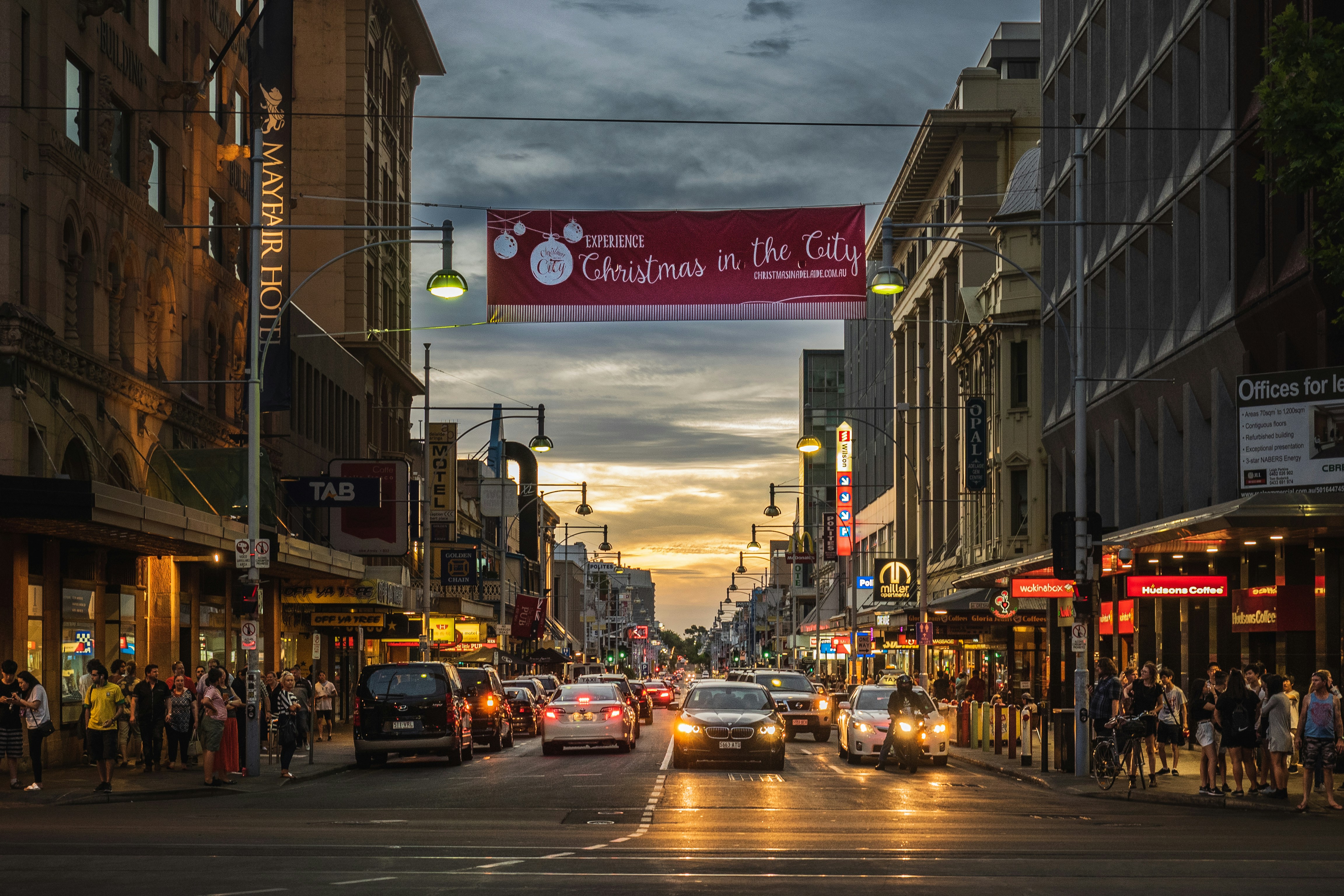
Australians think of Adelaide as a city of churches, but Adelaide has outgrown its reputation as a sleepy country town dotted with cathedrals and spires. The Adelaide of this millennium is infinitely more complex, with a large, multiethnic population and thriving urban art and music scenes supported by a "space activation program" that encourages pop-up shops, markets, performances, street food, mini festivals, art exhibitions, and other "off-the-cuff" experiences in the cities underutilized streets and public spaces.Bright and clean, leafy and beautiful Adelaide is a breeze to explore, with a grid pattern of streets encircled by parkland. The heart of the greenbelt is divided by the meandering River Torrens, which passes the Festival Centre in its prettiest stretch.

City, Rundle Mall, Adelaide, Australia
City, Rundle Mall, Adelaide, AustraliaPhoto by rawkkim on Unsplash
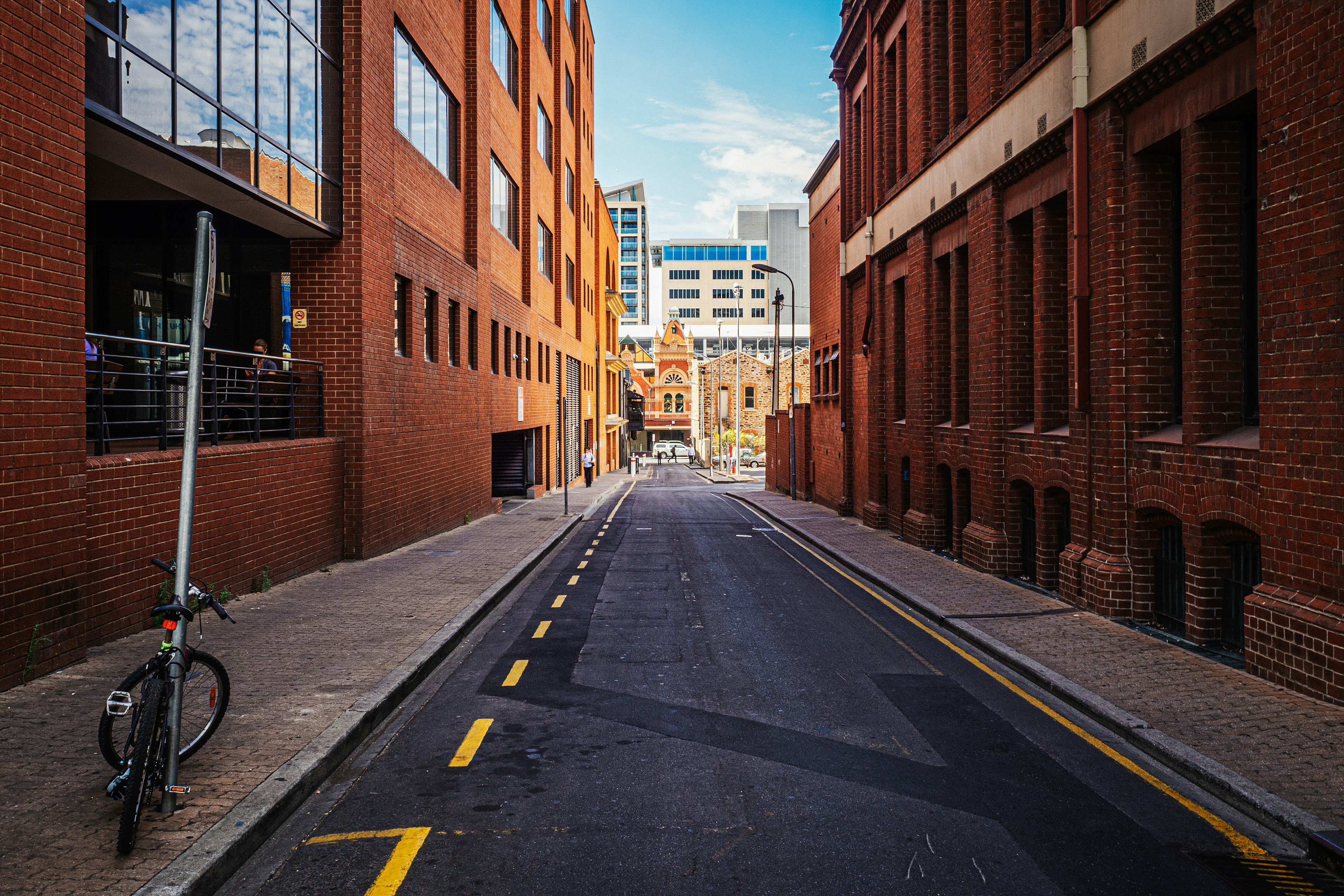
North Street, Adelaide, Australia
North Street, Adelaide, AustraliaPhoto by rawkkim on Unsplash
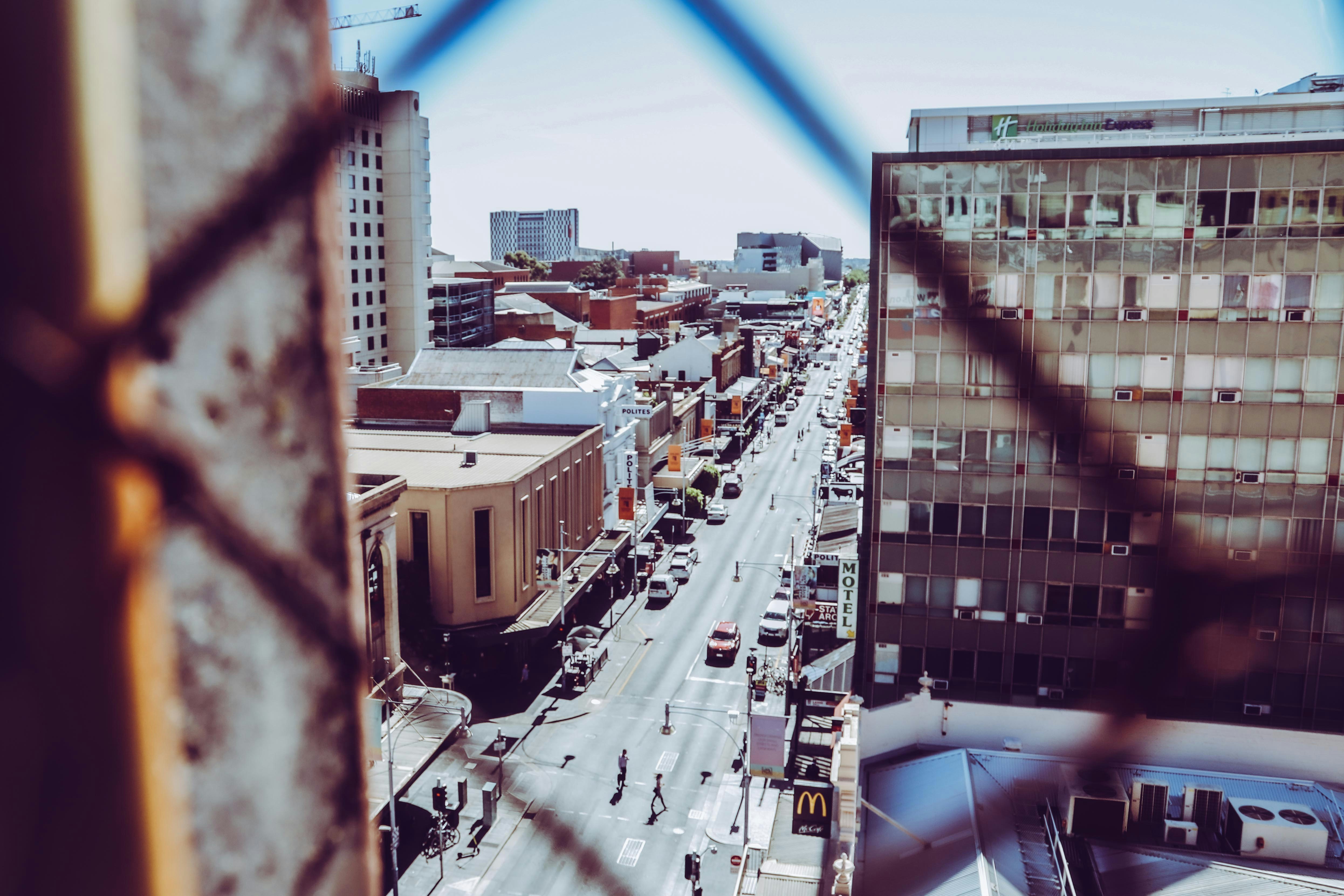
Adelaide, Australia
Adelaide, AustraliaPhoto by Scancode Productions on Unsplash
Hallett Cove, Adelaide, Australia
Hallett Cove, Adelaide, AustraliaPhoto by Alex Ljamin on Unsplash

Day 7 - Sydney, New South Wales

Sydney, capital of New South Wales and one of Australia's largest cities, is best known for its harbourfront Sydney Opera House, with a distinctive sail-like design. Massive Darling Harbour and the smaller Circular Quay port are hubs of waterside life, with the arched Harbour Bridge and esteemed Royal Botanic Garden nearby. Sydney Tower’s outdoor platform, the Skywalk, offers 360-degree views of the city and suburbs.

Ausyd   Sydney   Aerial   Tourism Australia, Sdp Media
Ausyd Sydney Aerial Tourism Australia, Sdp MediaTourism Australia, SDP Media
Ausyd   Sydney   Bondi Beach   Image By Gbates94 On Pixabay
Ausyd Sydney Bondi Beach Image By Gbates94 On PixabayImage by Gbates94 on Pixabay
Ausyd   Sydney   Bridge Sydney Harbor And Opera House   Image By Wimkantona On Pixabay
Ausyd Sydney Bridge Sydney Harbor And Opera House Image By Wimkantona On PixabayImage by wimkantona on Pixabay
Ausyd   Sydney   Gladesville   Image By Pattyjansen On Pixabay
Ausyd Sydney Gladesville Image By Pattyjansen On PixabayImage by pattyjansen on Pixabay
Ausyd   Sydney   Sydney Harbour Bridge   Image By Skeeze On Pixabay
Ausyd Sydney Sydney Harbour Bridge Image By Skeeze On PixabayImage by skeeze on Pixabay

Day 10 - Fiordland National Park

Further details for this day are not available.

Fiordland National Park
Fiordland National ParkImage by Simon from Pixabay

Day 11 - Port Chalmers

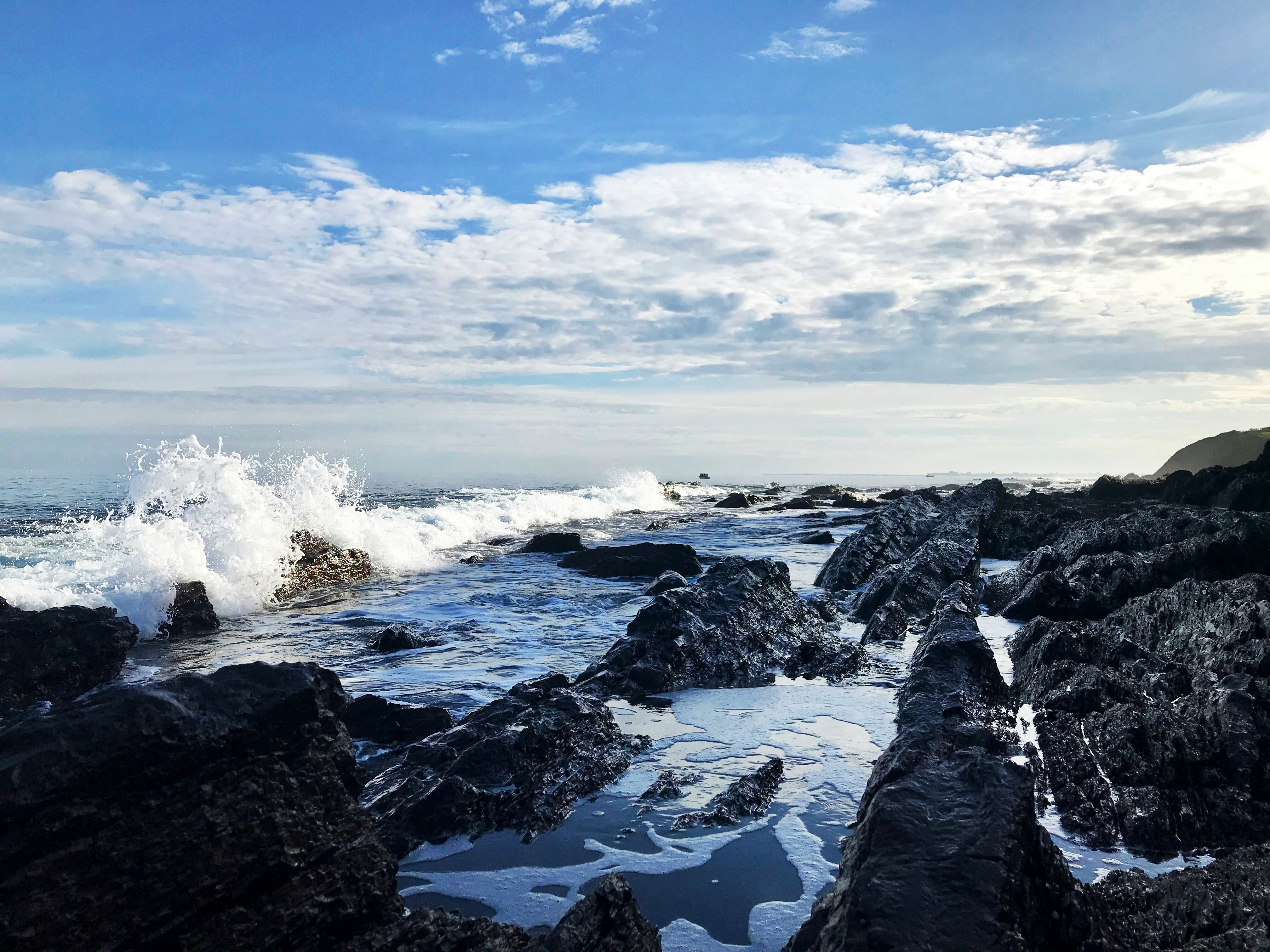
European whaling ships first called at Otago Province during the early decades of the 1800s, yielding a mixed response from the native Māori. In 1848 Dunedin was settled, and by the mid-1860s the city was the economic hub of the Otago gold rush. Dunedin's historical wealth endures in such institutions as the University of Otago, the oldest in the country. But if any region can bring out the bird-watcher in you, this is it; the area is home to the Royal Albatross and yellow-eyed penguins.

Rugged Coast Of South Island
Rugged Coast Of South IslandImage by holgerheinze0 from Pixabay

Day 12 - Lyttelton

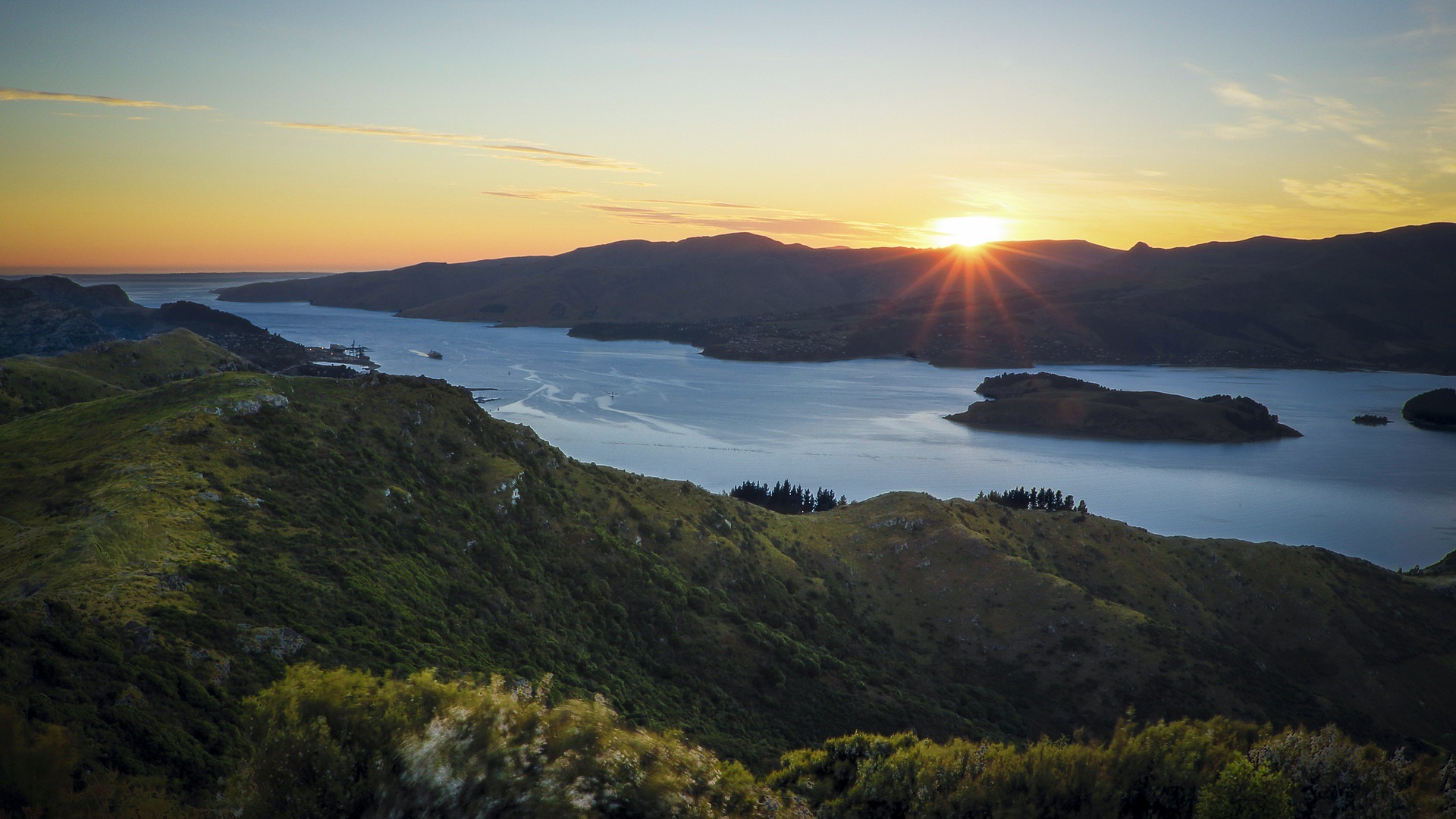
Your initial impression of Christchurch will likely be one of a genteel, green city. Joggers loop through shady Hagley Park, and punters ply the narrow Avon River, which bubbles between banks lined with willows and oaks. With a population approaching 350,000, Christchurch is the largest South Island city, and the second-largest in the country. It is also the forward supply depot for the main U.S. Antarctic base at McMurdo Sound. The face of Christchurch is changing rapidly, fueled by both internal and international immigration. The Māori community, although still below the national average in size, is growing. Ngai Tahu, the main South Island Māori tribe, settled Treaty of Waitangi claims in 1997 and have been investing in tourism ventures. Old wooden bungalows are making way for town houses, the arts scene is flourishing, and the city's university attracts cutting-edge technology companies. In short, there's plenty of fresh energy percolating underneath the English veneer.

Sunrise At Lytelton
Sunrise At LyteltonImage by Martyn Cook from Pixabay

Day 13 - Picton

The maritime township of Picton (population 4,000) lies at the head of Queen Charlotte Sound and is the arrival point for ferries from the North Island, as well as a growing number of international cruise ships. It plays a major role in providing services and transport by water taxi to a multitude of remote communities in the vast area of islands, peninsulas, and waterways that make up the Marlborough Sounds Maritime Park. There's plenty to do in town, with crafts markets in summer, historical sights to see, and walking tracks to scenic lookouts over the sounds. The main foreshore is lined by London Quay, which looks up Queen Charlotte Sound to the bays beyond. High Street runs down to London Quay from the hills, and between them these two streets make up the center of town.

Picton
PictonPhoto by Nico Smit on Unsplash

Day 14 - Wellington

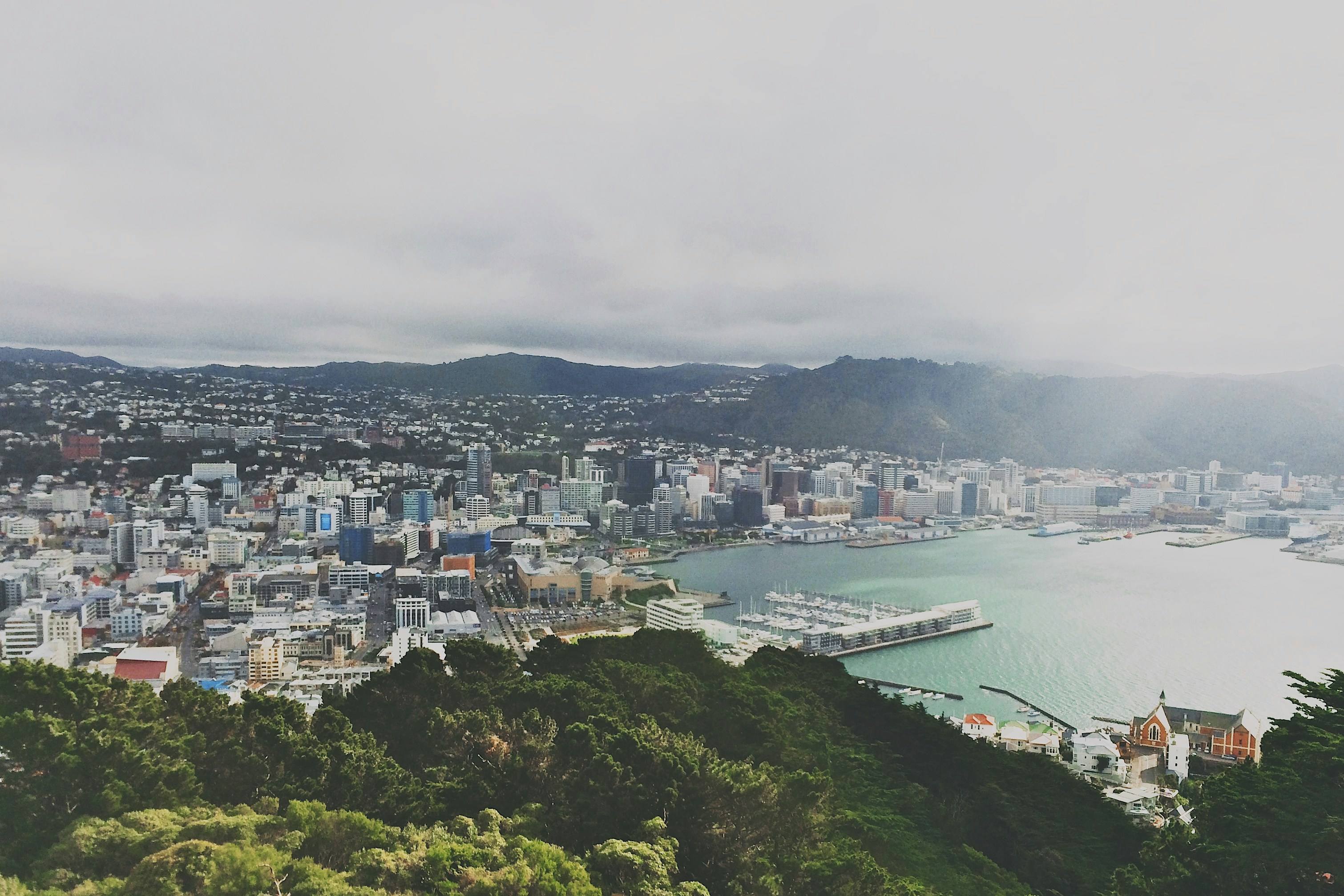
New Zealand's capital is, arguably, the country's most cosmopolitan metropolis. It's world-class Te Papa Tongarewa-Museum of New Zealand is a don't-miss attraction, and the burgeoning film industry led, of course, by the Lord of the Rings extravaganzas has injected new life into the local arts scene. Attractive and compact enough to be explored easily on foot, Wellington is a booming destination. Modern high-rise buildings gaze over Port Nicholson, surely one of the finest natural anchorages in the world. Known to local Māori as The Great Harbor of Tara, its two massive arms form the jaws of the fish of Maui from Māori legend. Sometimes referred to as the windy city, Wellington has been the seat of New Zealand's government since 1865.

Aerial View Of Wellington From Mount Victoria
Aerial View Of Wellington From Mount VictoriaPhoto by Pat Ho
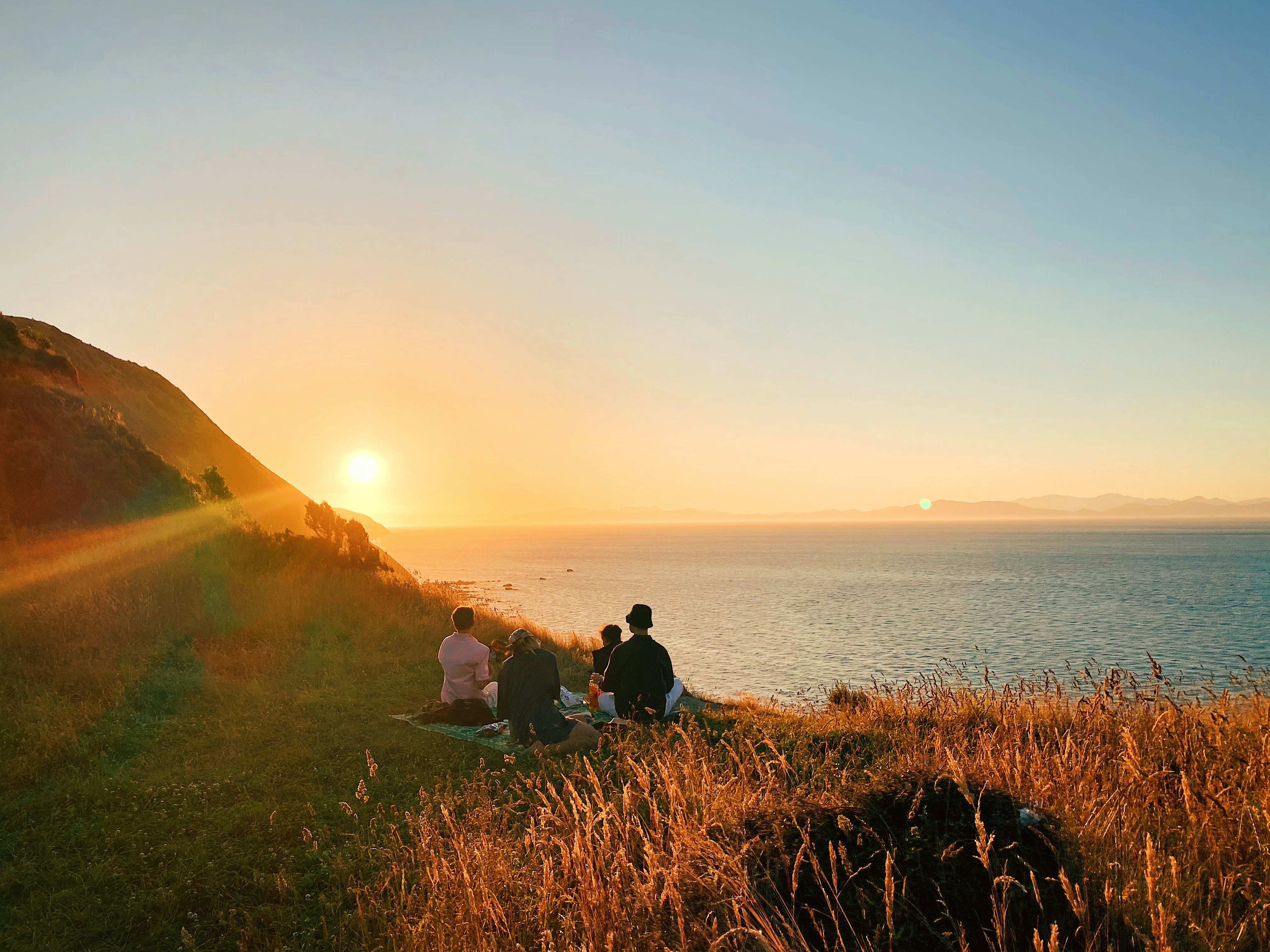
Mākara Beach Sunset, Wellington
Mākara Beach Sunset, WellingtonPhoto by Shirley
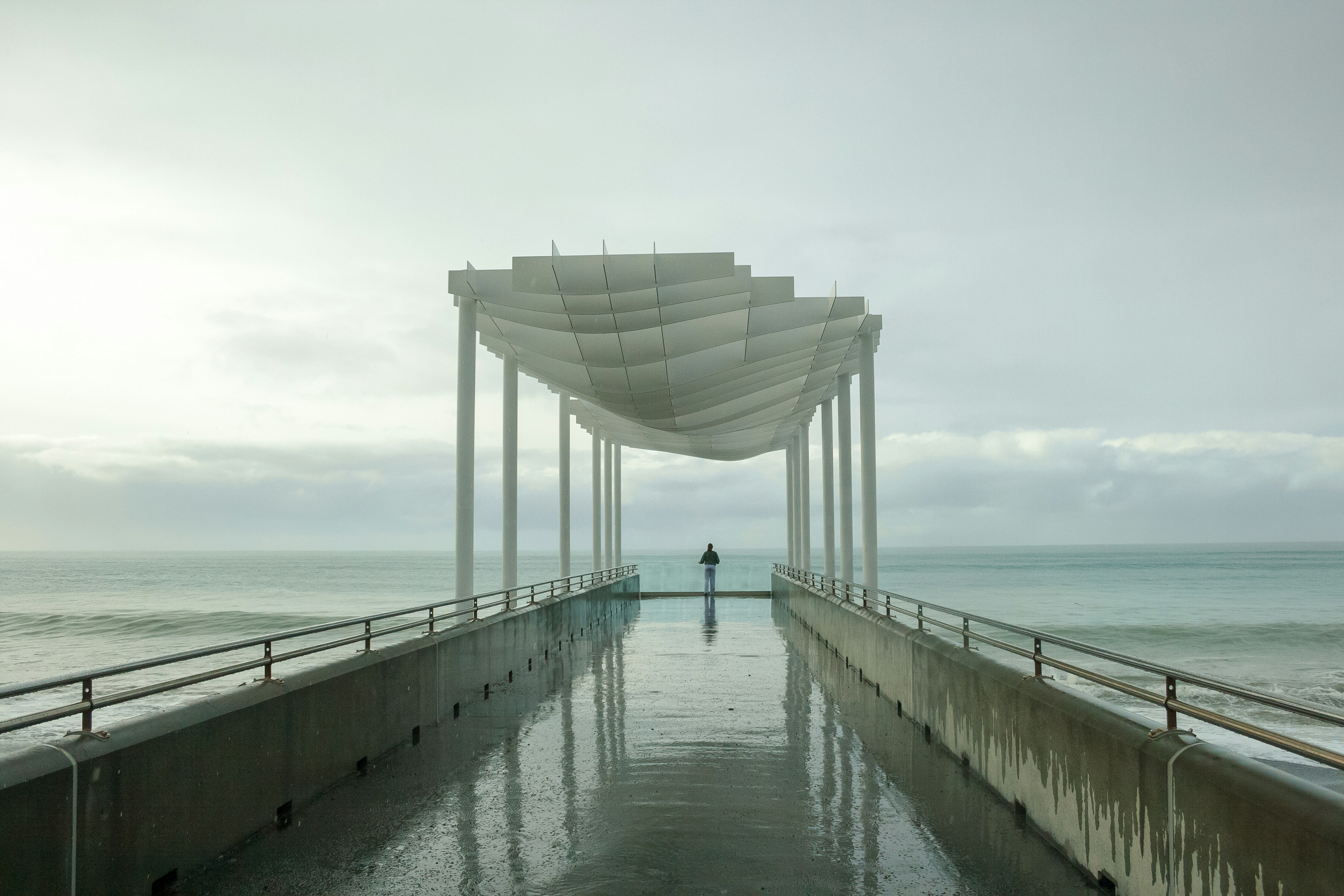
Wellington, New Zealand
Wellington, New ZealandPhoto by Tegan
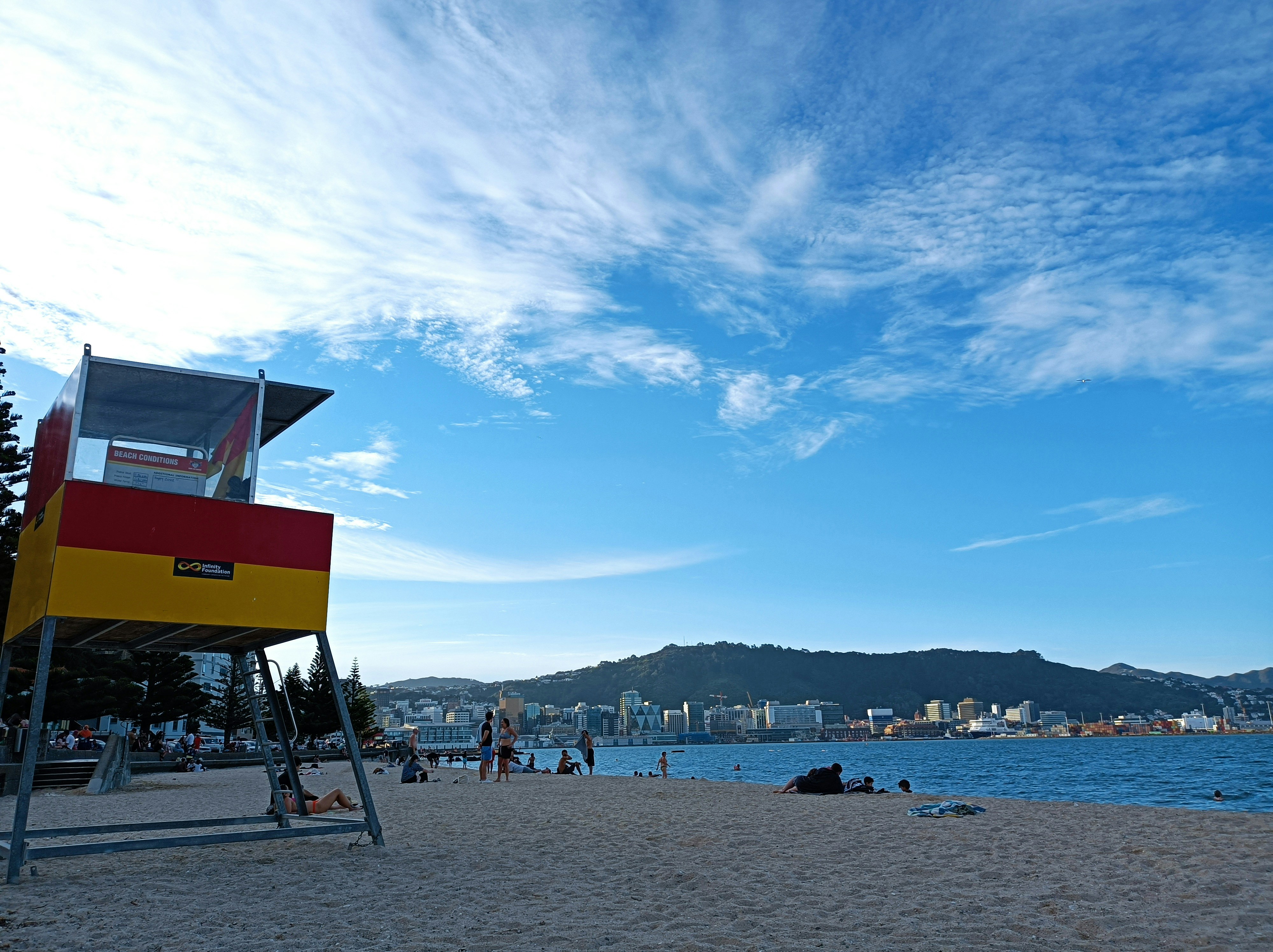
Oriental Bay Beach, Wellington
Oriental Bay Beach, WellingtonPhoto by Jack Yan
Winter Boating, Wellington
Winter Boating, WellingtonPhoto by James Coleman
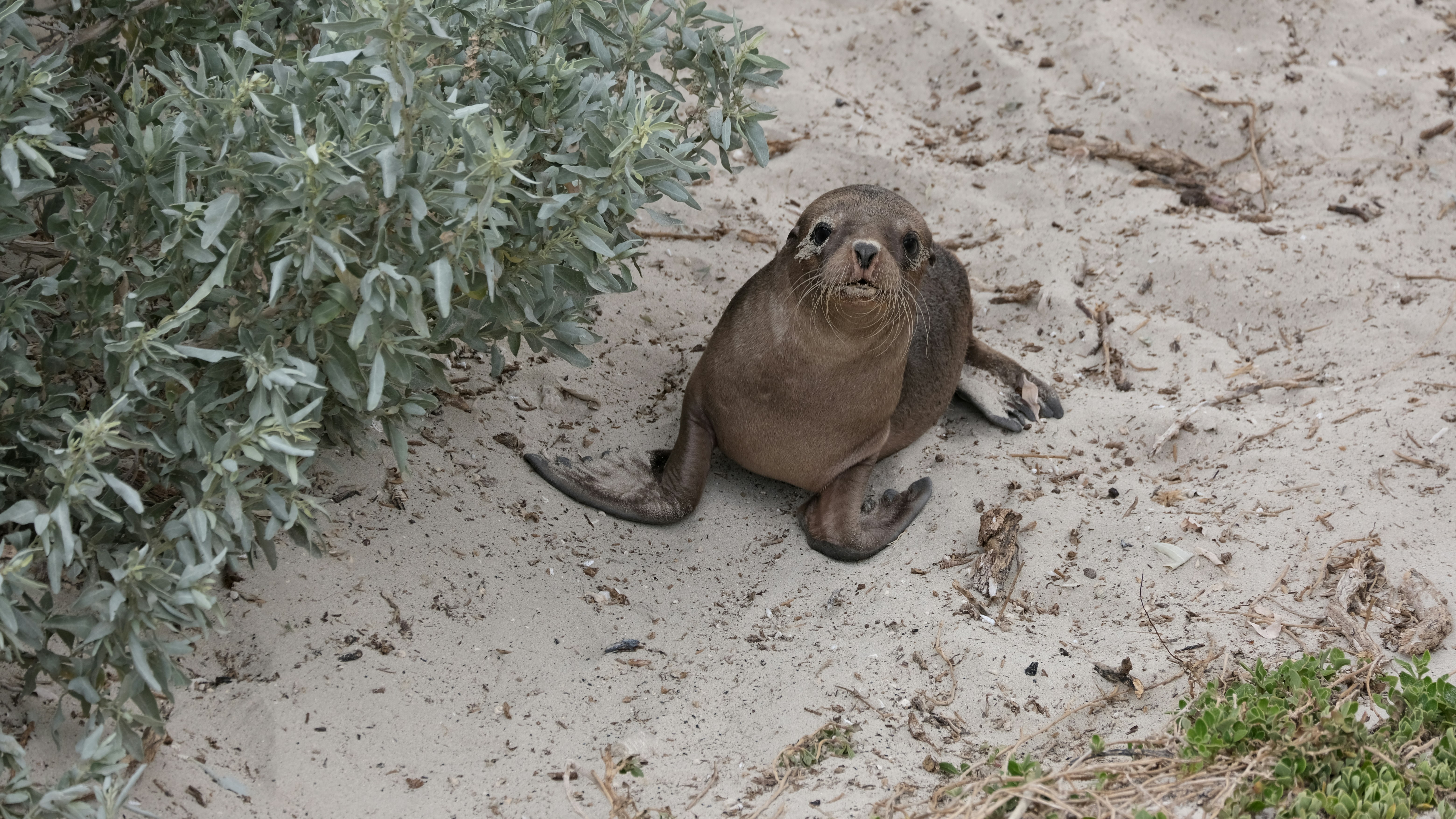
Seal Pup At Cape Palliser
Seal Pup At Cape PalliserPhoto by Luca Calderone
New Zealand Parliament Buildings, Wellington
New Zealand Parliament Buildings, WellingtonPhoto by Koon Chakhatrakan
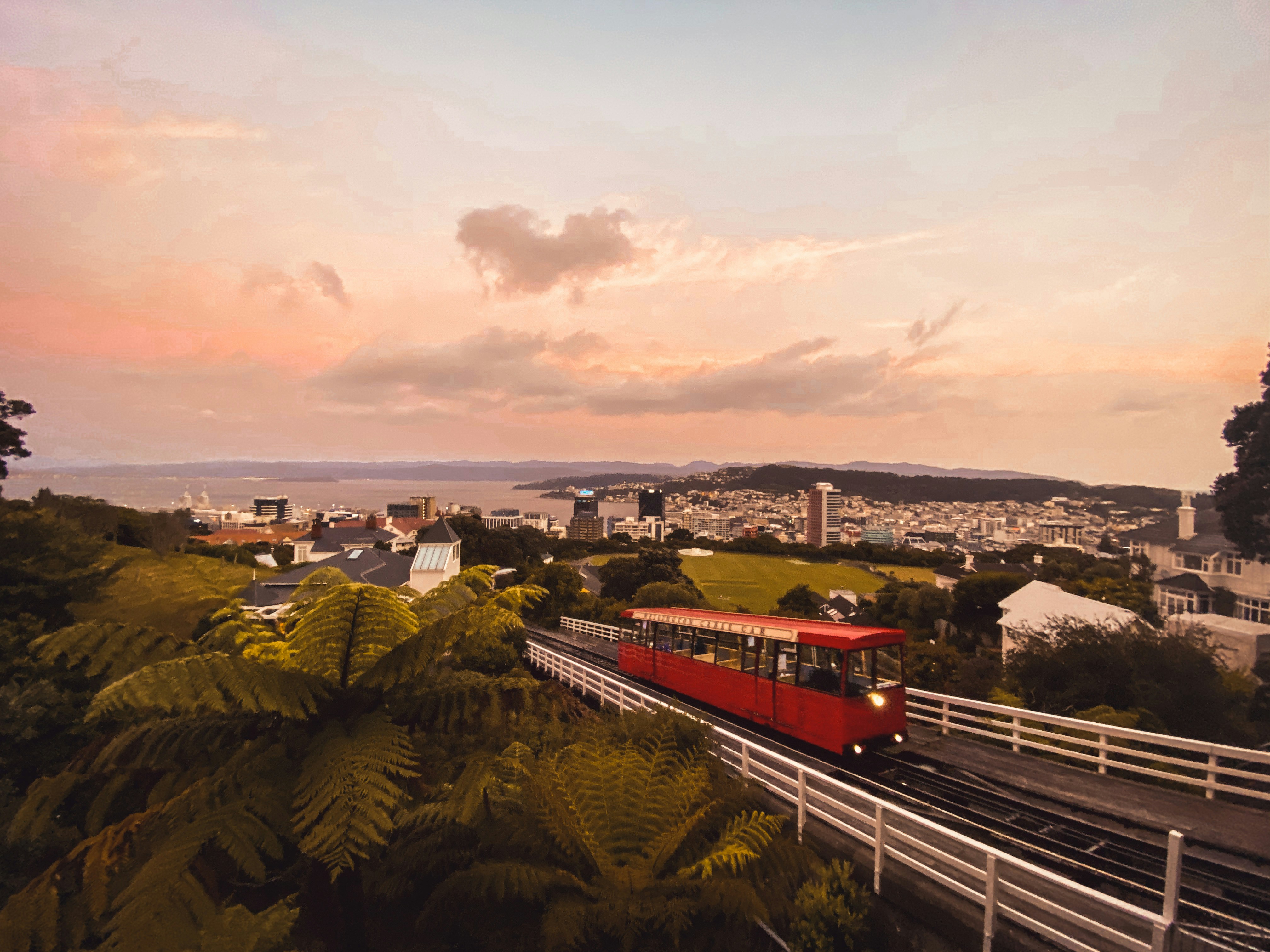
Cable Car In The Evening, Wellington
Cable Car In The Evening, WellingtonPhoto by Guillaume Lebelt

Day 15 - Napier

The earthquake that struck Napier at 10:46 am on February 3, 1931, was—at 7.8 on the Richter scale—the largest quake ever recorded in New Zealand. The coastline was wrenched upward several feet. Almost all the town's brick buildings collapsed; many people were killed on the footpaths as they rushed outside. The quake triggered fires throughout town, and with water mains shattered, little could be done to stop the blazes that devoured the remaining wooden structures. Only a few buildings survived (the Public Service Building with its neoclassical pillars is one), and the death toll was well over 100.The surviving townspeople set up tents and cookhouses in Nelson Park, and then tackled the city's reconstruction at a remarkable pace. In the rush to rebuild, Napier went mad for art deco, the bold, geometric style that had burst on the global design scene in 1925. Now a walk through the art deco district, concentrated between Emerson, Herschell, Dalton, and Browning streets, is a stylistic immersion. The decorative elements are often above the ground floors, so keep your eyes up.

Napier, New Zealand
Napier, New ZealandPhoto by Lucy Doran on Unsplash

Day 16 - Tauranga

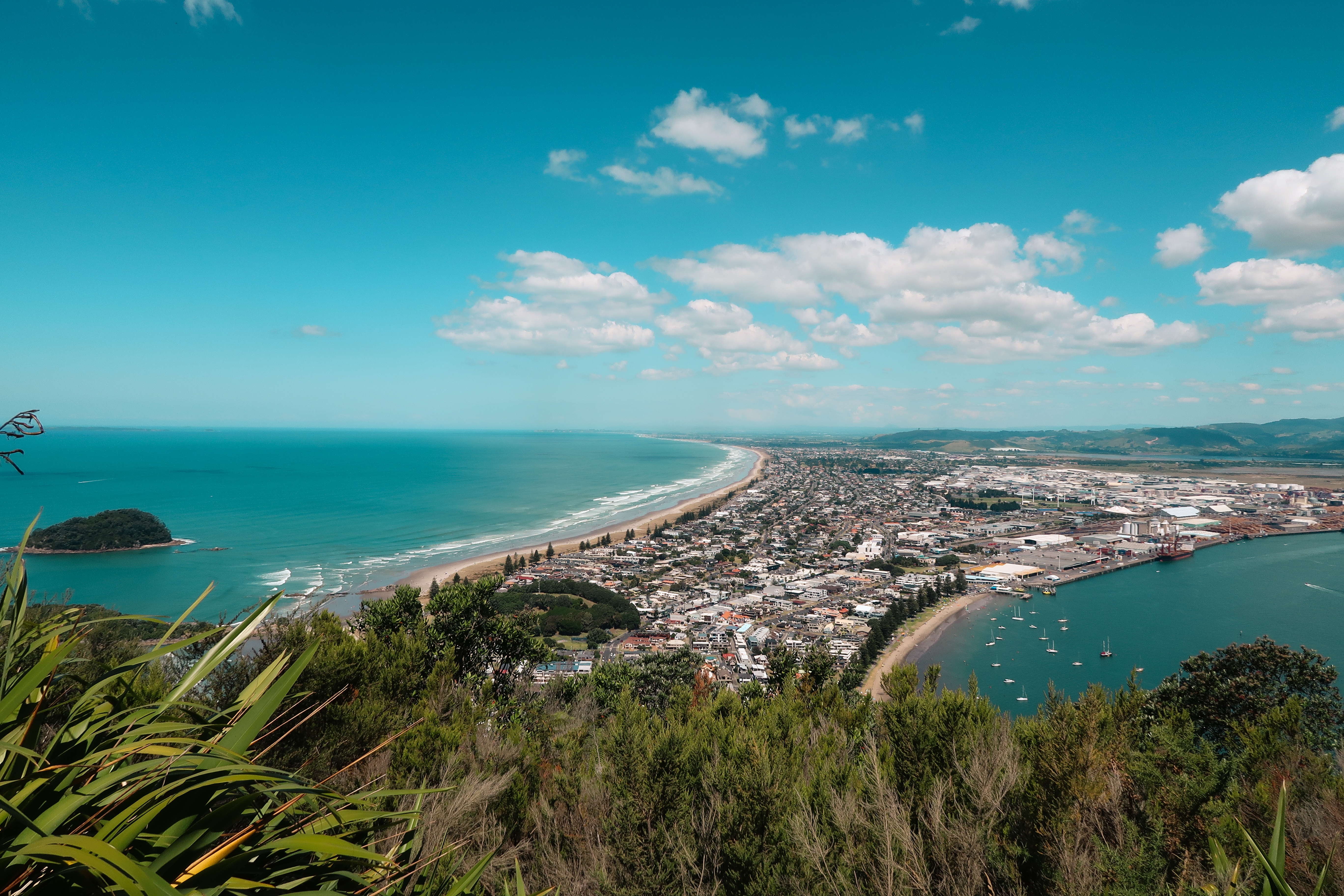
The population center of the Bay of Plenty, Tauranga is one of New Zealand's fastest-growing cities. Along with its neighbor, Whakatane, this seaside city claims to be one of the country's sunniest towns. Unlike most local towns, Tauranga doesn't grind to a halt in the off-season, because it has one of the busiest ports in the country, and the excellent waves at the neighboring beach resort of Mount Maunganui—just across Tauranga's harbor bridge—always draw surfers and holiday folk.

Mount Maunganui, Tauranga, New Zealand
Mount Maunganui, Tauranga, New ZealandImage by Sharain Liew from Pixabay

Day 17 - Bay of Islands

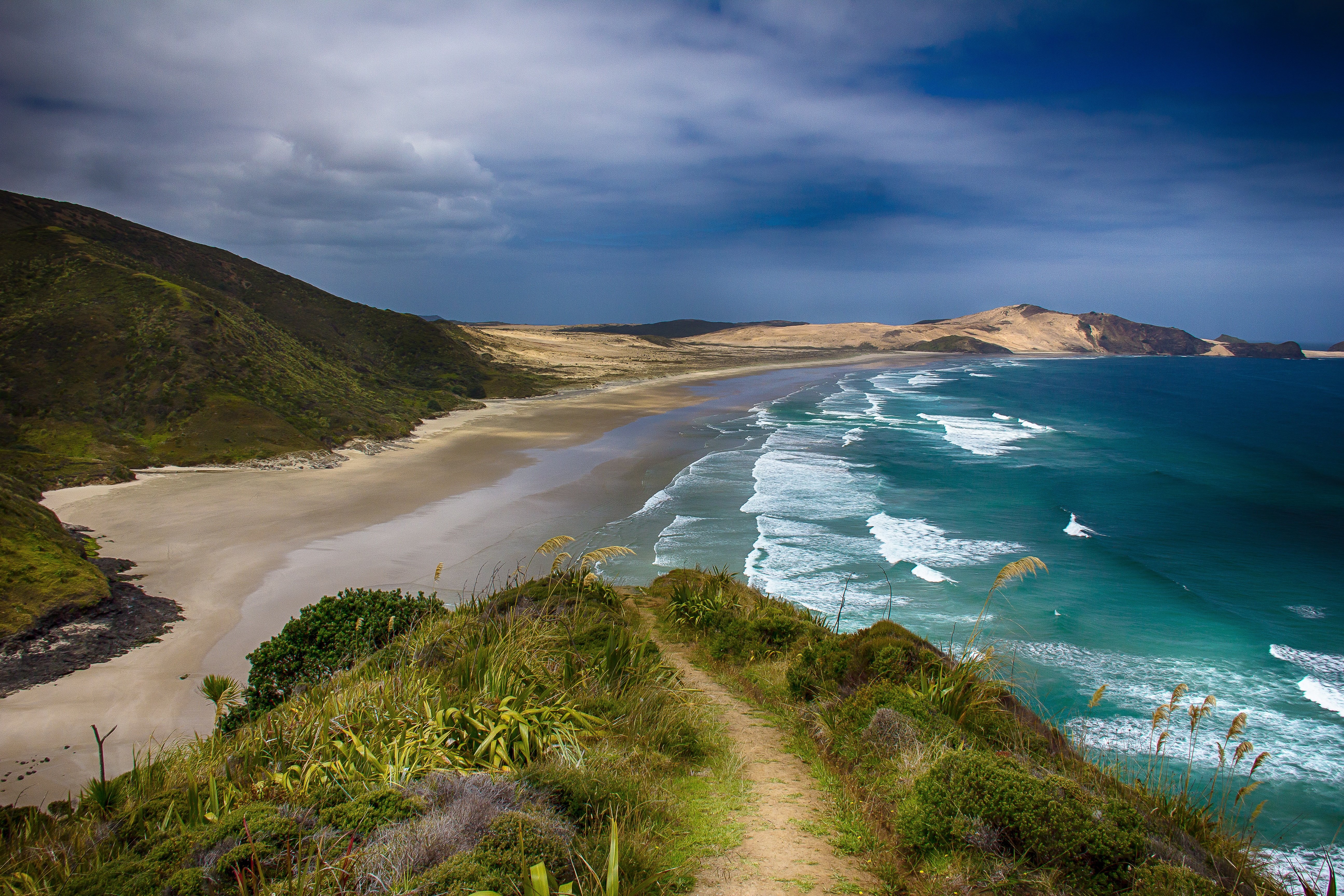
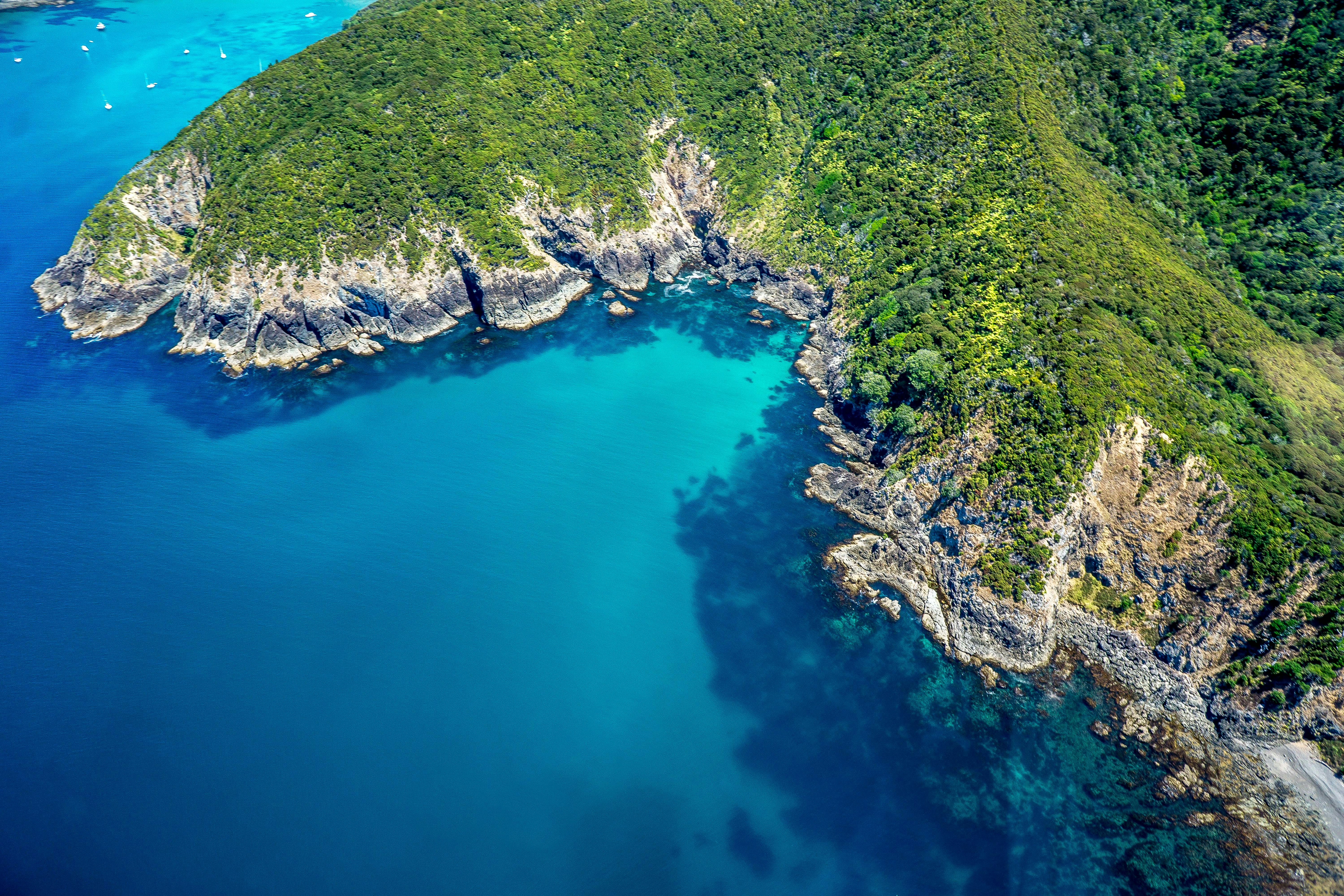
The Tasman Sea on the west and the Pacific Ocean on the east meet at thetop of North Island at Cape Reinga. No matter what route you take, you'll passfarms and forests, marvellous beaches, and great open spaces. The East Coast,up to the Bay of Islands, is Northland's most densely populated, often withrefugees from bigger cities—looking for a more relaxed life—clustered aroundbreathtaking beaches. The first decision on the drive north comes at the footof the Brynderwyn Hills. Turning left will take you up the West Coast throughareas once covered with forests and now used for either agricultural orhorticulture. Driving over "the Brynderwyns," as they are known,takes you to Whangarei, the only city in Northland. If you're in the mood for adiversion, you can slip to the beautiful coastline and take in Waipu Cove, anarea settled by Scots, and Laings Beach, where million-dollar homes sit next tosmall Kiwi beach houses.An hour's drive farther north is the Bay of Islands, known all over theworld for its beauty. There you will find lush forests, splendid beaches, andshimmering harbors. The Treaty of Waitangi was signed here in 1840 betweenMāoriand the British Crown, establishing the basis for the modern New Zealandstate. Every year on February 6, the extremely beautiful Waitangi Treaty Ground(the name means weeping waters) is the sight of a celebration of the treaty andprotests by Māori unhappy with it. Continuing north on the East Coast, theagricultural backbone of the region is even more evident and a series ofwinding loop roads off the main highway will take you to beaches that are bothbeautiful and isolated where you can swim, dive, picnic, or just laze. .The West Coast is even less populated, and the coastline is rugged andwindswept. In the Waipoua Forest, you will find some of New Zealand's oldestand largest kauri trees; the winding road will also take you past mangroveswamps. Crowning the region is the spiritually significant Cape Reinga, theheadland at the top of the vast stretch of 90 Mile Beach, where it's believedMāori souls depart after death. Today Māori make up roughly a quarter of thearea's population (compared with the national average of about 15%). The legendaryMāori navigator Kupe was said to have landed on the shores of Hokianga Harbour,where the first arrivals made their home. Many different wi (tribes) livedthroughout Northland, including Ngapuhi (the largest), Te Roroa, Ngati Wai,Ngati Kuri, Te Aupouri, Ngaitakoto, Ngati Kahu, and Te Rarawa. Many Māoriherecan trace their ancestry to the earliest inhabitants

Bay Of Islands, New Zealand
Bay Of Islands, New ZealandPhoto by Rod Long on Unsplash

Day 18 - Auckland


Nzakl Auckland Aerial Photography Of City Henry Mcintosh
Nzakl Auckland Aerial Photography Of City Henry McintoshHenry Mcintosh
Nzakl Auckland City Buildings Next To Sea Water During Night Samuel Ferrara
Nzakl Auckland City Buildings Next To Sea Water During Night Samuel FerraraSamuel Ferrara
Nzakl Auckland Cityscape Photo During Daytime Dan Freeman
Nzakl Auckland Cityscape Photo During Daytime Dan FreemanDan Freeman
Nzakl   Auckland, New Zealand Matthew Waters
Nzakl Auckland, New Zealand Matthew WatersMatthew Waters
Nzakl   Auckland, New Zealand Steven Biak Ling
Nzakl Auckland, New Zealand Steven Biak LingSteven Biak Ling

Day 22 - Sydney, New South Wales

Sydney, capital of New South Wales and one of Australia's largest cities, is best known for its harbourfront Sydney Opera House, with a distinctive sail-like design. Massive Darling Harbour and the smaller Circular Quay port are hubs of waterside life, with the arched Harbour Bridge and esteemed Royal Botanic Garden nearby. Sydney Tower’s outdoor platform, the Skywalk, offers 360-degree views of the city and suburbs.

Ausyd   Sydney   Aerial   Tourism Australia, Sdp Media
Ausyd Sydney Aerial Tourism Australia, Sdp MediaTourism Australia, SDP Media
Ausyd   Sydney   Bondi Beach   Image By Gbates94 On Pixabay
Ausyd Sydney Bondi Beach Image By Gbates94 On PixabayImage by Gbates94 on Pixabay
Ausyd   Sydney   Bridge Sydney Harbor And Opera House   Image By Wimkantona On Pixabay
Ausyd Sydney Bridge Sydney Harbor And Opera House Image By Wimkantona On PixabayImage by wimkantona on Pixabay
Ausyd   Sydney   Gladesville   Image By Pattyjansen On Pixabay
Ausyd Sydney Gladesville Image By Pattyjansen On PixabayImage by pattyjansen on Pixabay
Ausyd   Sydney   Sydney Harbour Bridge   Image By Skeeze On Pixabay
Ausyd Sydney Sydney Harbour Bridge Image By Skeeze On PixabayImage by skeeze on Pixabay

Day 24 - Brisbane, Queensland

Founded in 1824 on the banks of the wide, meandering Brisbane River, the former penal colony of Brisbane was for many years regarded as just a big country town. Many beautiful timber Queenslander homes, built in the 1800s, still dot the riverbanks and inner suburbs, and in spring the city's numerous parks erupt in a riot of colorful jacaranda, poinciana, and bougainvillea blossoms. Today the Queensland capital is one of Australia's most up-and-coming cities: glittering high-rises mark its polished business center, slick fashion boutiques and restaurants abound, and numerous outdoor attractions beckon. In summer, temperatures here are broilingly hot and days are often humid, a reminder that this city is part of a subtropical region. Wear SPF 30-plus sunscreen and a broad-brimmed hat outdoors, even on overcast days.Brisbane's inner suburbs, a 5- to 10-minute drive or 15- to 20-minute walk from the city center, have a mix of intriguing eateries and quiet accommodations. Fortitude Valley combines Chinatown with a cosmopolitan mix of clubs, cafés, and boutiques. Spring Hill has several high-quality hotels, and Paddington, New Farm, Petrie Terrace, West End, and Woolloongabba are full of an eclectic mix of restaurants and bars. Brisbane is also a convenient base for trips to the Sunshine and Gold coasts, the mountainous hinterlands, and the Moreton Bay islands.

Aubne   Brisbane, Queensland, Australia   Agnieszka Kowalczyk
Aubne Brisbane, Queensland, Australia Agnieszka KowalczykAgnieszka Kowalczyk
Aubne   Brisbane, Queensland, Australia   Brisbane Local Marketing
Aubne Brisbane, Queensland, Australia Brisbane Local Marketing Brisbane Local Marketing
Aubne   Brisbane, Queensland, Australia   Guille Pozzi
Aubne Brisbane, Queensland, Australia Guille PozziGuille Pozzi
Aubne   Brisbane, Queensland, Australia   Jamie Mc Glinchey
Aubne Brisbane, Queensland, Australia Jamie Mc GlincheyJamie McGlinchey
Aubne   Brisbane, Queensland, Australia   Michael Glass
Aubne Brisbane, Queensland, Australia Michael Glass Michael Glass
Aubne   Brisbane, Queensland, Australia   Photo Credit Belongs To Alice Duffield
Aubne Brisbane, Queensland, Australia Photo Credit Belongs To Alice DuffieldAlice Duffield
Aubne   Brisbane, Queensland, Australia   Yoann Laheurte
Aubne Brisbane, Queensland, Australia Yoann LaheurteYoann Laheurte

Day 26 - Townsville, Queensland

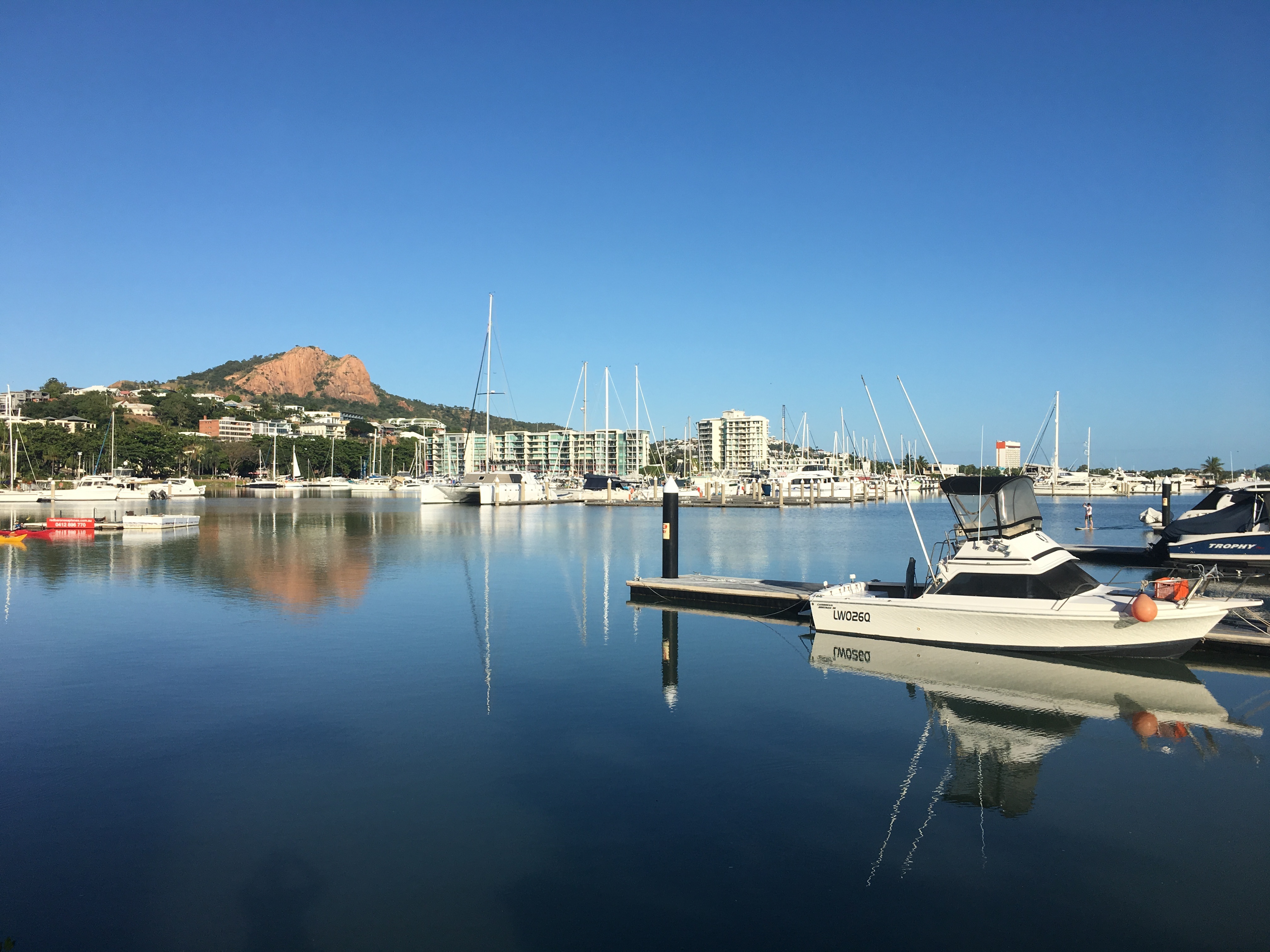
This coastal city has little in the way of sandy beaches or surf, but it does have shady parks, charming colonial buildings, and a boardwalk-flanked waterfront Esplanade with a terrific man-made beach and picnic facilities. The historic town center has thrived recently, with an influx of lively eateries and bars. There are also some excellent museum and a world-class aquarium.Queensland Parks and Wildlife Service has an office on Magnetic Island, but Townsville Enterprise's information kiosks in Flinders Square and the Museum of Tropical Queensland (MTQ), on the mainland, are the best sources of visitor info about the island.

Townsville
TownsvilleImage by bangkokflame from Pixabay

Day 27 - Cairns, Queensland

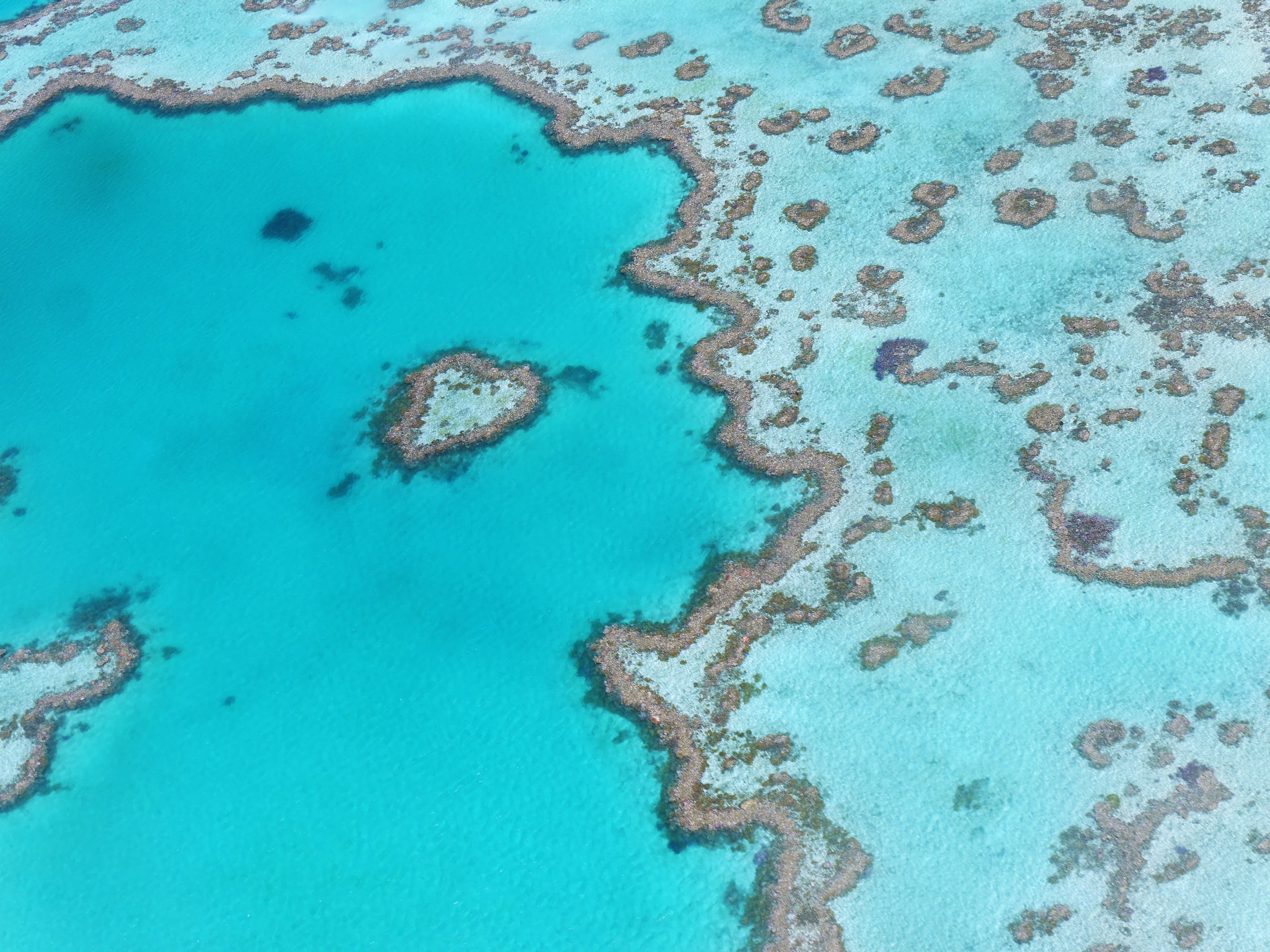
Tourism is the lifeblood of Cairns (pronounced Caans). The city makes a good base for exploring the wild top half of Queensland, and tens of thousands of international travelers use it as a jumping-off point for activities such as scuba diving and snorkeling trips to the Barrier Reef, as well as boating, fishing, parasailing, scenic flights, and rain-forest treks.It's a tough environment, with intense heat and fierce wildlife. Along with wallabies and grey kangaroos in the savannah and tree kangaroos in the rain forest, you'll find stealthy saltwater crocodiles, venomous snakes, and jellyfish so deadly they put the region’s stunning beaches off- limits to swimmers for nearly half the year. Yet despite this formidable setting, Cairns and tropical North Queensland are far from intimidating places. The people are warm and friendly, the sights spectacular, and—at the right time of year—the beachside lounging is world-class.

Great Barrier Reef, Cairns
Great Barrier Reef, CairnsImage by CoffeewithMilk from Pixabay

Day 28 - Willis Island, Queensland

Further details for this day are not available.

Willis Island, Queensland, Australia
Willis Island, Queensland, AustraliaPhoto by Sean Oulashin on Unsplash

Day 32 - Darwin, Northern Territory

Darwin is Australia's most colorful, and exotic, capital city. Surrounded on three sides by the turquoise waters of the Timor Sea, the streets are lined with tropical flowers and trees. Warm and dry in winter, hot and steamy in summer, it's a relaxed and casual place, as well as a beguiling blend of tropical frontier outpost and Outback hardiness. Thanks to its close proximity to Southeast Asia and its multicultural population it also seems more like Asia than the rest of Australia. Darwin is a city that has always had to fight for its survival. The seductiveness of contemporary Darwin lifestyles belies a history of failed attempts that date from 1824 when Europeans attempted to establish an enclave in this harsh, unyielding climate. The original 1869 settlement, called Palmerston, was built on a parcel of mangrove wetlands and scrub forest that had changed little in 15 million years. It was not until 1911, after it had already weathered the disastrous cyclones of 1878, 1882, and 1897, that the town was named after the scientist who had visited Australia's shores aboard the Beagle in 1839. During World War II it was bombed more than 60 times, as the harbor full of warships was a prime target for the Japanese war planes. Then, on the night of Christmas Eve 1974, the city was almost completely destroyed by Cyclone Tracy, Australia’s greatest natural disaster. It's a tribute to those who stayed and to those who have come to live here after Tracy that the rebuilt city now thrives as an administrative and commercial center for northern Australia. Old Darwin has been replaced by something of an edifice complex—such buildings as Parliament House and the Supreme Court all seem very grand for such a small city, especially one that prides itself on its casual, outdoor-centric lifestyle. Today Darwin is the best place from which to explore Australia's Top End, with its wonders of Kakadu and the Kimberley region.

Palm Tree
Palm TreeHarry Down

Day 34 - Kimberley Coast, Western Australia

Further details for this day are not available.

Kimberley, Australia
Kimberley, AustraliaImage by Penny from Pixabay

Day 35 - Yampi Sound (Scenic Cruising)

Further details for this day are not available.

Day 36 - Broome, Western Australia

Broome, a coastal town in Western Australia, is famous for its stunning beaches, rich history, and vibrant culture. Located on the Indian Ocean, it boasts Cable Beach, known for its white sand, turquoise waters, and iconic camel rides at sunset. Once a pearling hub, Broome retains its multicultural heritage, reflected in its cuisine and architecture. The town is also the gateway to the Kimberley region, offering breathtaking landscapes and unique natural attractions like the Staircase to the Moon. With warm weather year-round and a laid-back atmosphere, Broome is a perfect destination for adventure, relaxation, and cultural experiences.

Day 39 - Geraldton, Western Australia

Surrounded by beaches, sun-drenched Geraldton in Western Australia is a thriving city facing the Indian Ocean. Located on the Coral Coast, the city has a friendly country town feel but is infused local history and cultural heritage. Like many coastal towns, the dining and café culture is superb and the choice of which restaurant to choose is a happy dilemma for most travellers!Celebrated for its annual display of spectacular wildflowers, Geraldton’s flora attracts visitors from all regions, with guides taking tourists on as much as 300 mile/500 kilometre round trips in order to make sure that they receive the best possible experience. A haven for visitors especially during the cooler months, the views differ year-in year-out and vary greatly depending on the rainfall. Whole fields become blanketed in colour and rare plants, such as the wreath-flower, burst into splendorous bloom. The well-informed guides keep a track of what is flowering where and visitors only have to ask to be pointed in the right direction. With over 300 species of native plants, it is only expected that insects and birds are attracted to the area. Over 120 types of bird have been classified as well as 22 types of reptile and seven types of frog. Happily, the iconic kangaroo also makes the plains their home, so visitors can expect a real Aussie welcome if they happen upon one!

Geraldton, Wa
Geraldton, WaImage by Penny from Pixabay

Day 40 - Fremantle, Western Australia

The port city of Fremantle is a jewel in Western Australia's crown, largely because of its colonial architectural heritage and hippy vibe. Freo (as the locals call it) is a city of largely friendly, interesting, and sometimes eccentric residents supportive of busking, street art, and alfresco dining. Like all great port cities, Freo is cosmopolitan, with mariners from all parts of the world strolling the streets—including thousands of U.S. Navy personnel on rest and recreation throughout the year. It's also a good jumping-off point for a day trip to Rottnest Island, where lovely beaches, rocky coves, and unique wallaby-like inhabitants called quokkas set the scene.Modern Fremantle is a far cry from the barren, sandy plain that greeted the first wave of English settlers back in 1829 at the newly constituted Swan River Colony. Most were city dwellers, and after five months at sea in sailing ships they landed on salt-marsh flats that sorely tested their fortitude. Living in tents with packing cases for chairs, they found no edible crops, and the nearest freshwater was a distant 51 km (32 miles)—and a tortuous trip up the waters of the Swan. As a result they soon moved the settlement upriver to the vicinity of present-day Perth.Fremantle remained the principal port, and many attractive limestone buildings were built to service the port traders. Australia's 1987 defense of the America's Cup—held in waters off Fremantle—triggered a major restoration of the colonial streetscapes. In the leafy suburbs nearly every other house is a restored 19th-century gem.

Fremantle, Australia
Fremantle, AustraliaPhoto by Corey Serravite on Unsplash
Fremantle, Australia
Fremantle, AustraliaPhoto by Corey Serravite on Unsplash
Fremantle, Australia
Fremantle, AustraliaPhoto by Corey Serravite on Unsplash

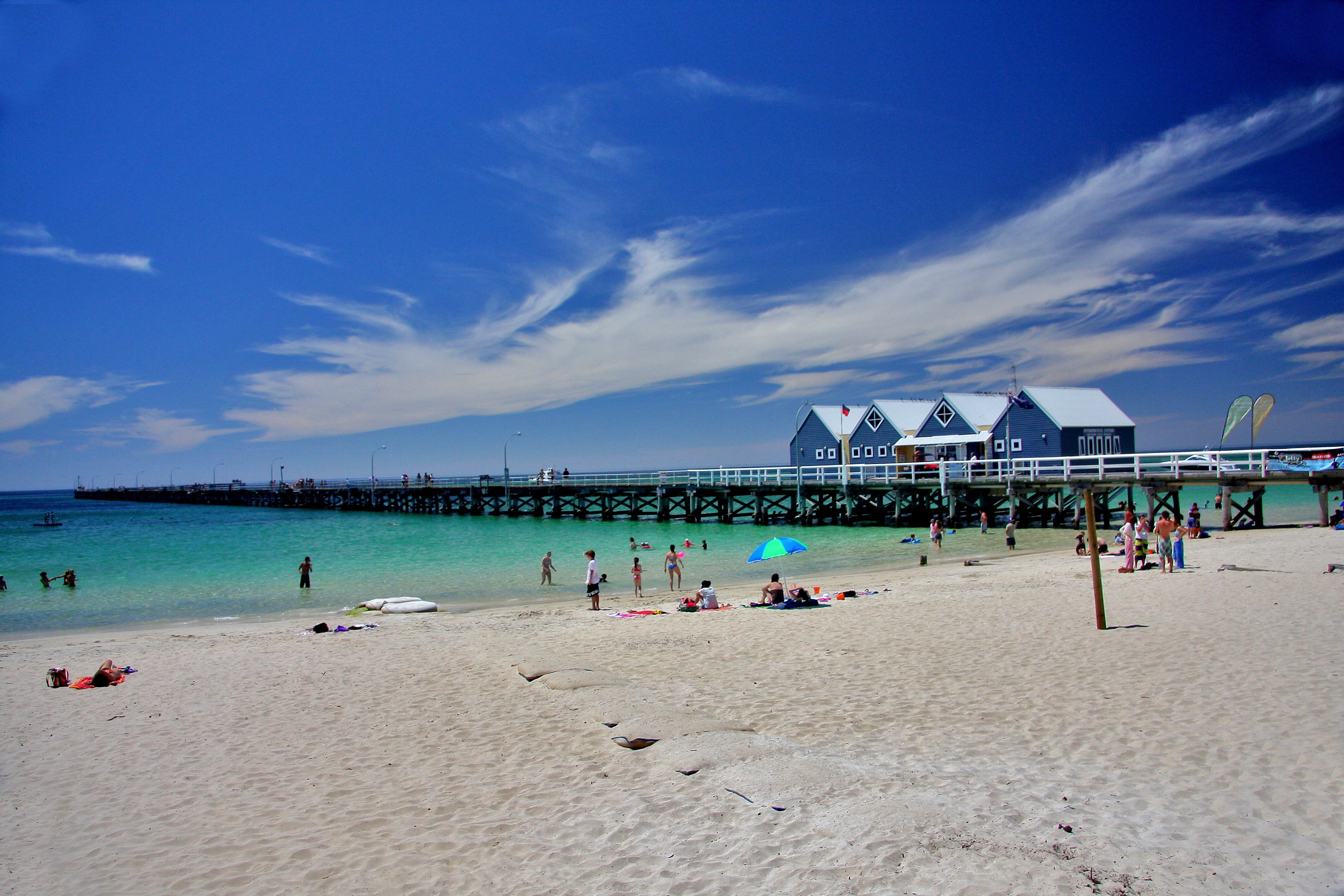
Day 41 - Busselton, Western Australia

Further details for this day are not available.

Busselton, Australia
Busselton, AustraliaImage by Holger Detje from Pixabay

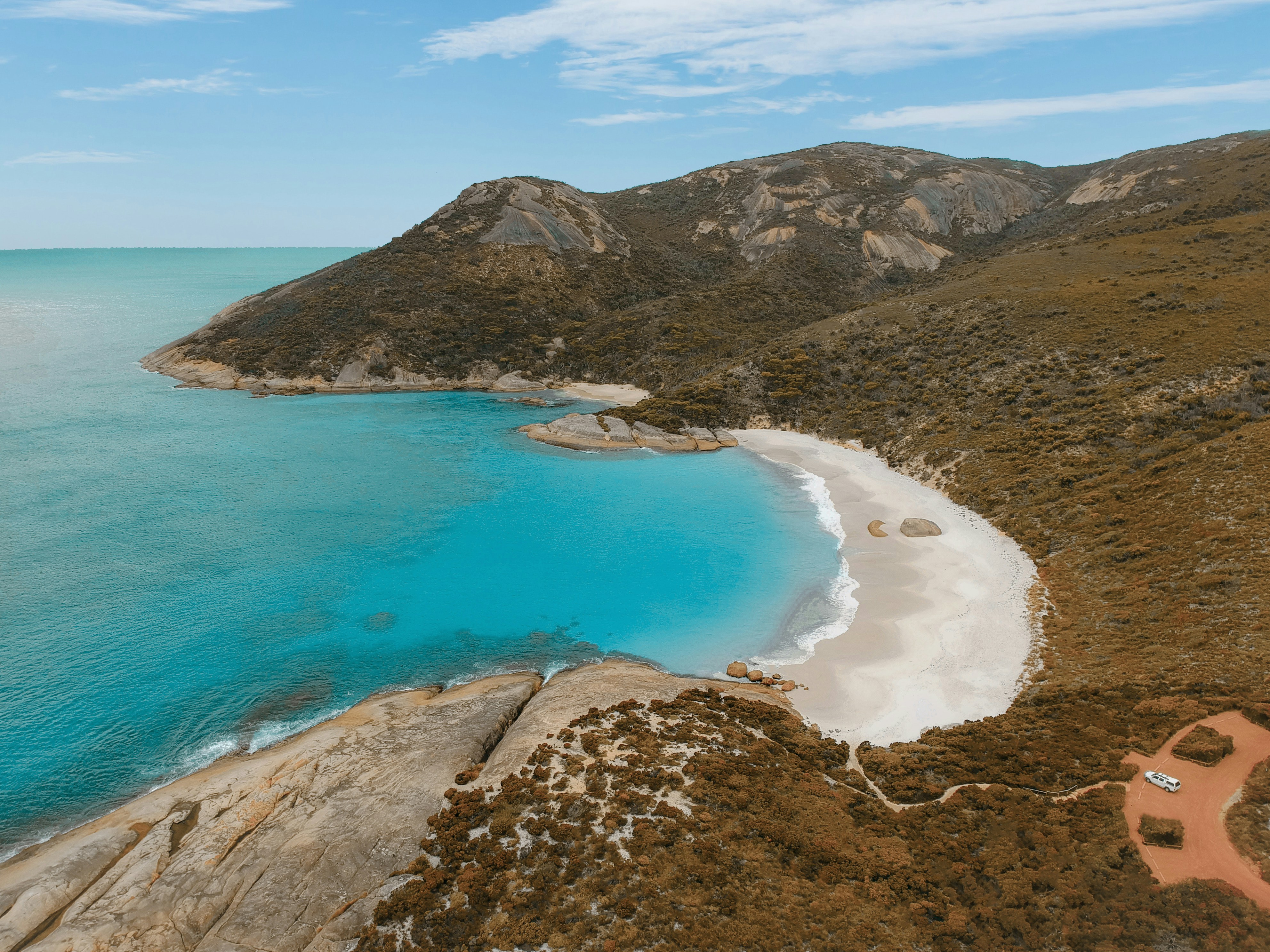
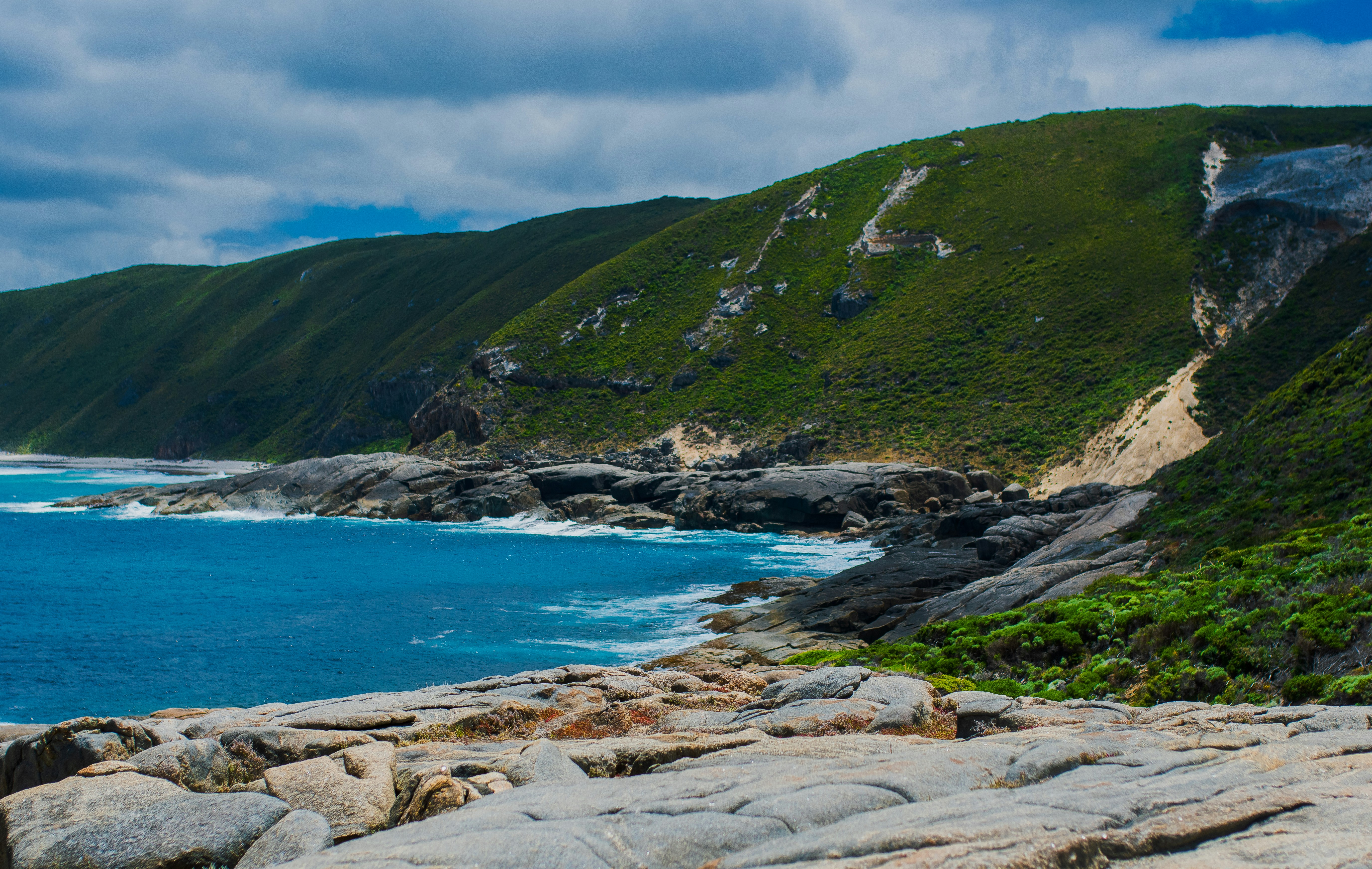
Day 42 - Albany, Western Australia

Proclaimed a city on July 1, 1998, Albany with a population of 28,000 is rapidly expanding. It is the commercial center of Western Australia's southern region and the oldest settlement in the state, established in 1826. Boasting an excellent harbor on King George Sound led to Albany becoming a thriving whaling port. Later, when steam ships started traveling between England and Australia, Albany was an important coaling station and served as a penal and a military outpost. The coastline offers some of Australia's most rugged and spectacular scenery. At certain times of the year, whales can be spotted off the coast. Among the city's attractions are some fine old colonial buildings that reflect Albany's Victorian heritage. Various lookout points offer stunning vistas.

Albany Western Australia, Australia
Albany Western Australia, AustraliaPhoto by Harry Cunningham on Unsplash
Albany, Western Australia
Albany, Western AustraliaPhoto by Sreej Pradhan on Unsplash

Day 45 - Adelaide, South Australia

Australians think of Adelaide as a city of churches, but Adelaide has outgrown its reputation as a sleepy country town dotted with cathedrals and spires. The Adelaide of this millennium is infinitely more complex, with a large, multiethnic population and thriving urban art and music scenes supported by a "space activation program" that encourages pop-up shops, markets, performances, street food, mini festivals, art exhibitions, and other "off-the-cuff" experiences in the cities underutilized streets and public spaces.Bright and clean, leafy and beautiful Adelaide is a breeze to explore, with a grid pattern of streets encircled by parkland. The heart of the greenbelt is divided by the meandering River Torrens, which passes the Festival Centre in its prettiest stretch.

City, Rundle Mall, Adelaide, Australia
City, Rundle Mall, Adelaide, AustraliaPhoto by rawkkim on Unsplash
North Street, Adelaide, Australia
North Street, Adelaide, AustraliaPhoto by rawkkim on Unsplash
Adelaide, Australia
Adelaide, AustraliaPhoto by Scancode Productions on Unsplash
Hallett Cove, Adelaide, Australia
Hallett Cove, Adelaide, AustraliaPhoto by Alex Ljamin on Unsplash

Day 47 - Melbourne, Victoria

Consistently rated among the "world's most livable cities" in quality-of-life surveys, Melbourne is built on a coastal plain at the top of the giant horseshoe of Port Phillip Bay. The city center is an orderly grid of streets where the state parliament, banks, multinational corporations, and splendid Victorian buildings that sprang up in the wake of the gold rush now stand. This is Melbourne's heart, which you can explore at a leisurely pace in a couple of days.In Southbank, one of the newer precincts south of the city center, the Southgate development of bars, restaurants, and shops has refocused Melbourne's vision on the Yarra River. Once a blighted stretch of factories and run-down warehouses, the southern bank of the river is now a vibrant, exciting part of the city, and the river itself is finally taking its rightful place in Melbourne's psyche.Just a hop away, Federation Square—with its host of galleries—has become a civic landmark for Melburnians. Stroll along the Esplanade in the suburb of St. Kilda, amble past the elegant houses of East Melbourne, enjoy the shops and cafés in Fitzroy or Carlton, rub shoulders with locals at the Victoria Market, nip into the Windsor for afternoon tea, or rent a canoe at Studley Park to paddle along one of the prettiest stretches of the Yarra—and you may discover Melbourne's soul as well as its heart.

Aumel   Melbourne, Victoria, Australia   Alx
Aumel Melbourne, Victoria, Australia Alx
Aumel   Melbourne, Victoria, Australia   Fabian Mardi
Aumel Melbourne, Victoria, Australia Fabian Mardi
Aumel   Melbourne, Victoria, Australia   Graham Holtshausen
Aumel Melbourne, Victoria, Australia Graham HoltshausenGraham Holtshausen
Aumel   Melbourne, Victoria, Australia   Michael Lee
Aumel Melbourne, Victoria, Australia Michael LeeMichael Lee
Aumel   Melbourne, Victoria, Australia   Shaqyl Shamsudheen
Aumel Melbourne, Victoria, Australia Shaqyl ShamsudheenShaqyl Shamsudheen

Suites & Deck Plans

Suite

Truly Luxurious Accommodations at Sea

Surrounding you with deluxe accommodations, a spacious Suite with balcony* includes all the amenities of a Reserve Collection Mini-Suite^^, plus incredible premiums. Enjoy more living space, a sofa bed and separate seating areas, and wonderfully enhanced amenities that range from priority embarkation and disembarkation to a complimentary mini-bar setup in suite and so much more.

*Some suites have windows rather than balconies and are labeled as Window Suites.


Includes all the fine amenities of a spacious Reserve Collection Mini-Suite plus:

  • Approx. 460 to 932 sq. ft., including balcony
  • Luxury balcony furniture including 2 loungers, 4 chairs, table and ottoman
  • 2 floor-to-ceiling sliding glass doors
  • Separate sitting area with sofa bed, chair and 2 tables
  • One complimentary mini-bar setup and free daily bottled water
  • Spacious closet
  • Complimentary laundry and professional cleaning services
  • Complimentary Specialty Dining Dinner on embarkation evening^
  • Priority specialty dining and shore excursion reservation
  • Priority disembarkation at tender ports
  • Comfortable queen or two twin beds▲
  • Refrigerator
  • Two flat-panel televisions
  • Private bathroom with tub and separate shower
  • 100% cotton, high-thread count linens
  • 24-hour room service†
  • Desk with chair
  • Hair dryer & fine bathroom amenities
  • Digital security safe

▲ 3rd/4th berths available in select cabins.

^ Applicable on cruises six days or longer. Reservations can be made once onboard your ship.

† Guests may call for room service delivery or order through OceanNow® in the Princess® Cruises app at any time of the day or night. Guests with the latest Princess Plus and Princess Premier packages enjoy OceanNow® and room service delivery with no charge. Otherwise, a one-time access fee of $14.99 USD per person per voyage will apply for OceanNow® delivery and a $5 USD room service fee will apply for each order placed by stateroom phone. Limitations, restrictions and conditions apply.

^^ Full suite guests enjoy a complimentary mini-bar setup and do not receive the 750ml bottle of wine.

460-932 sq ft
Accommodates 2 guests
Suite

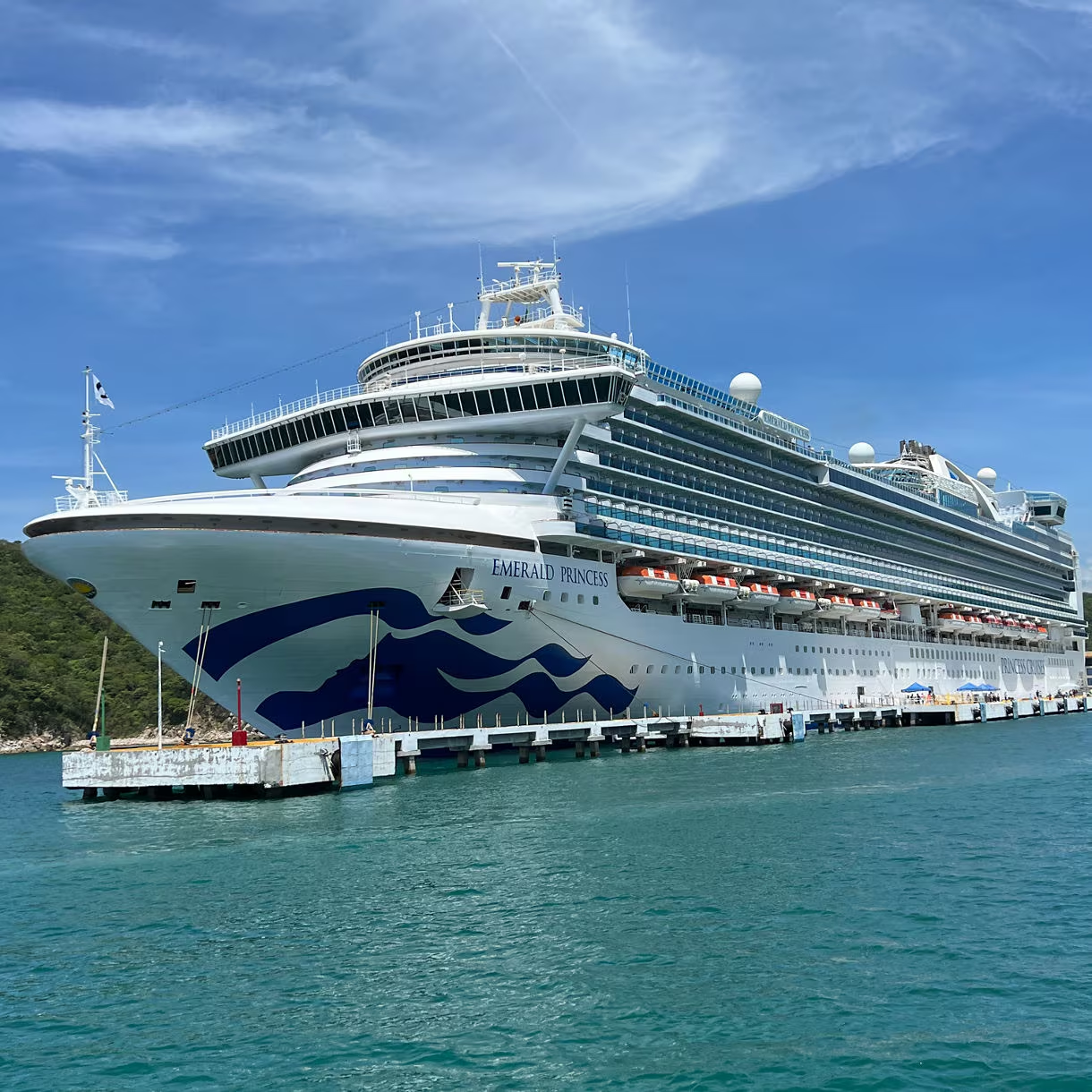
Emerald Princess

Emerald Princess

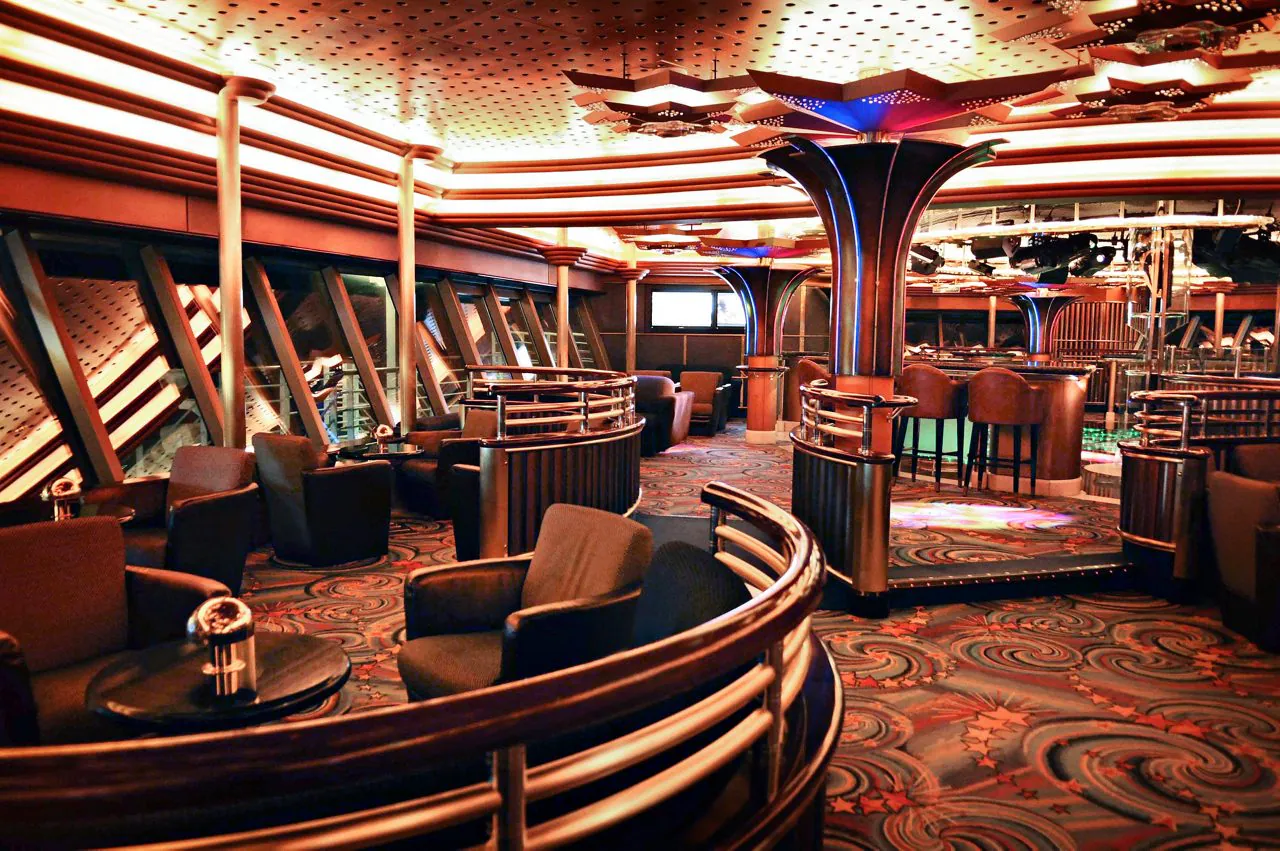
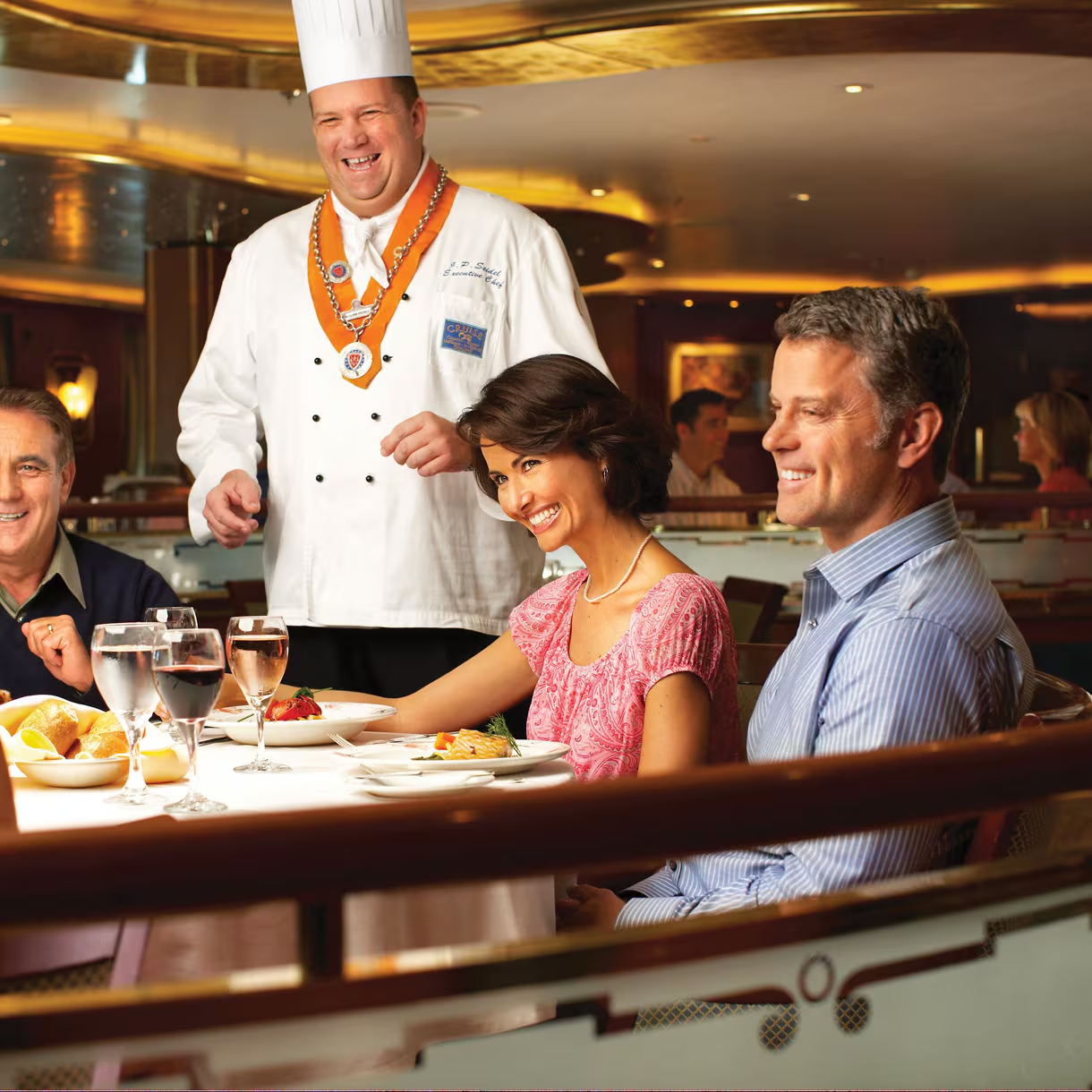
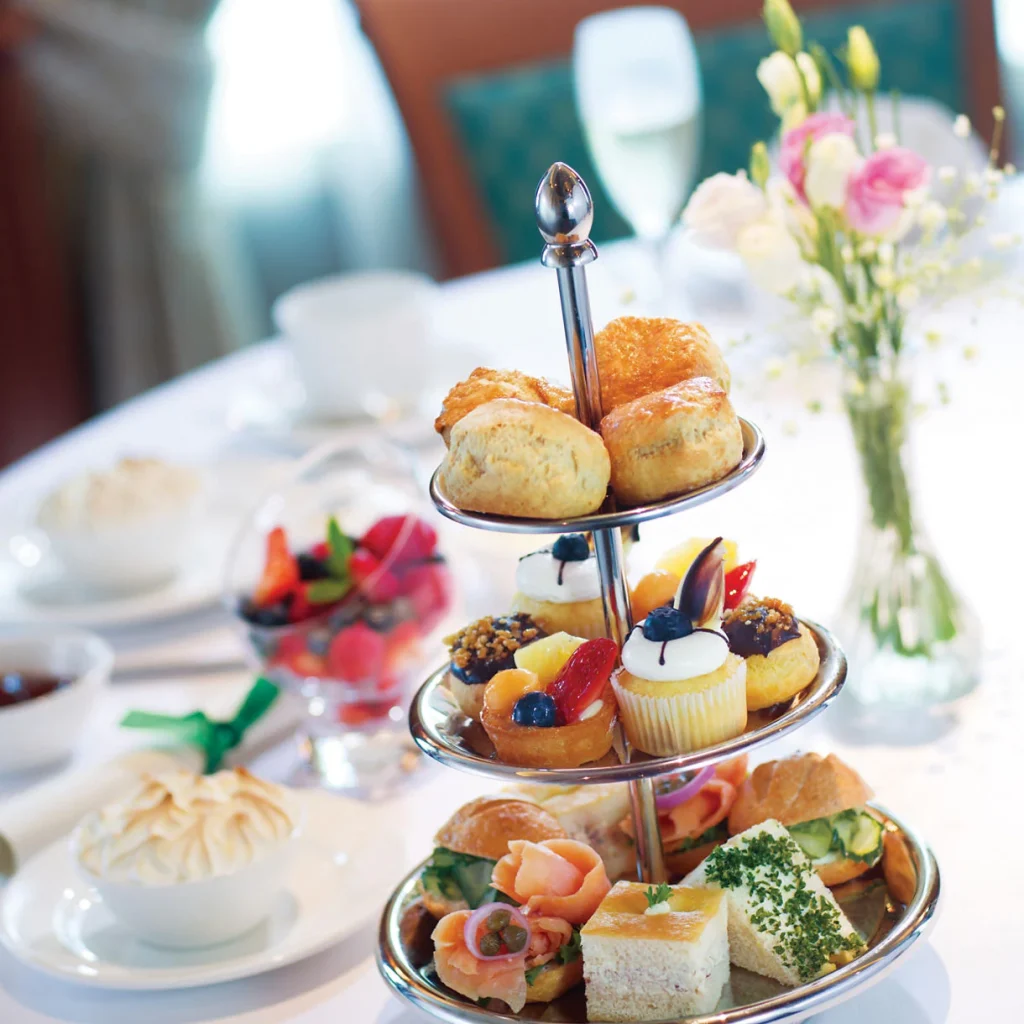
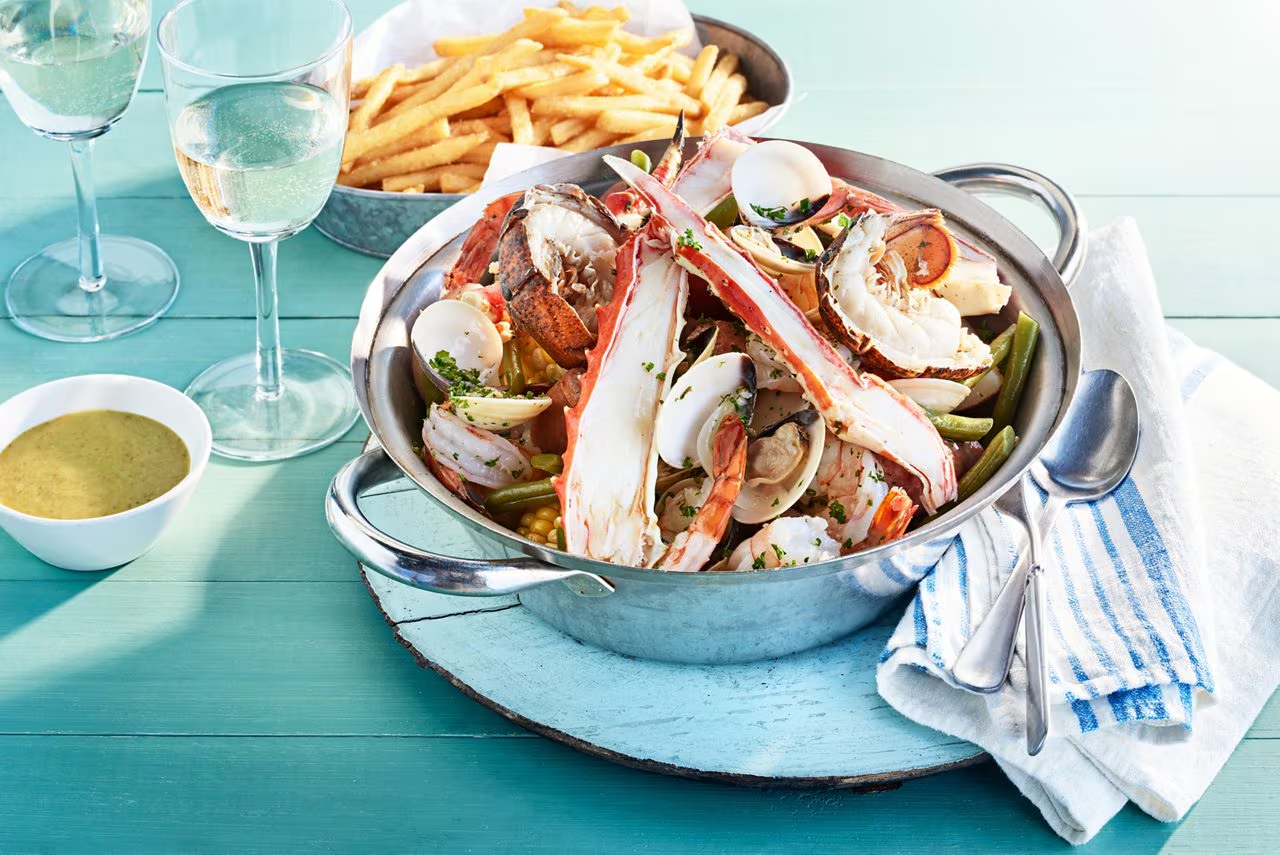
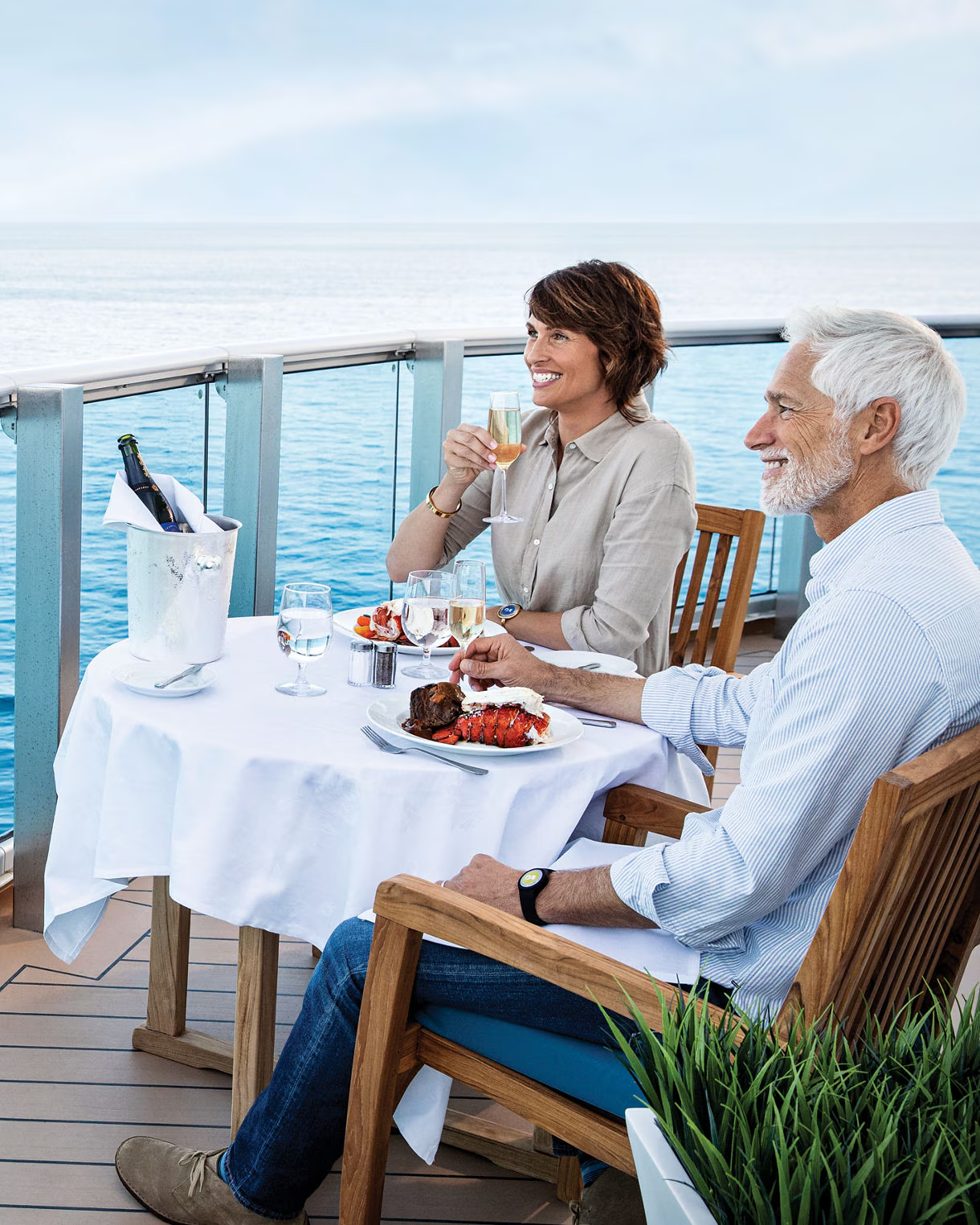
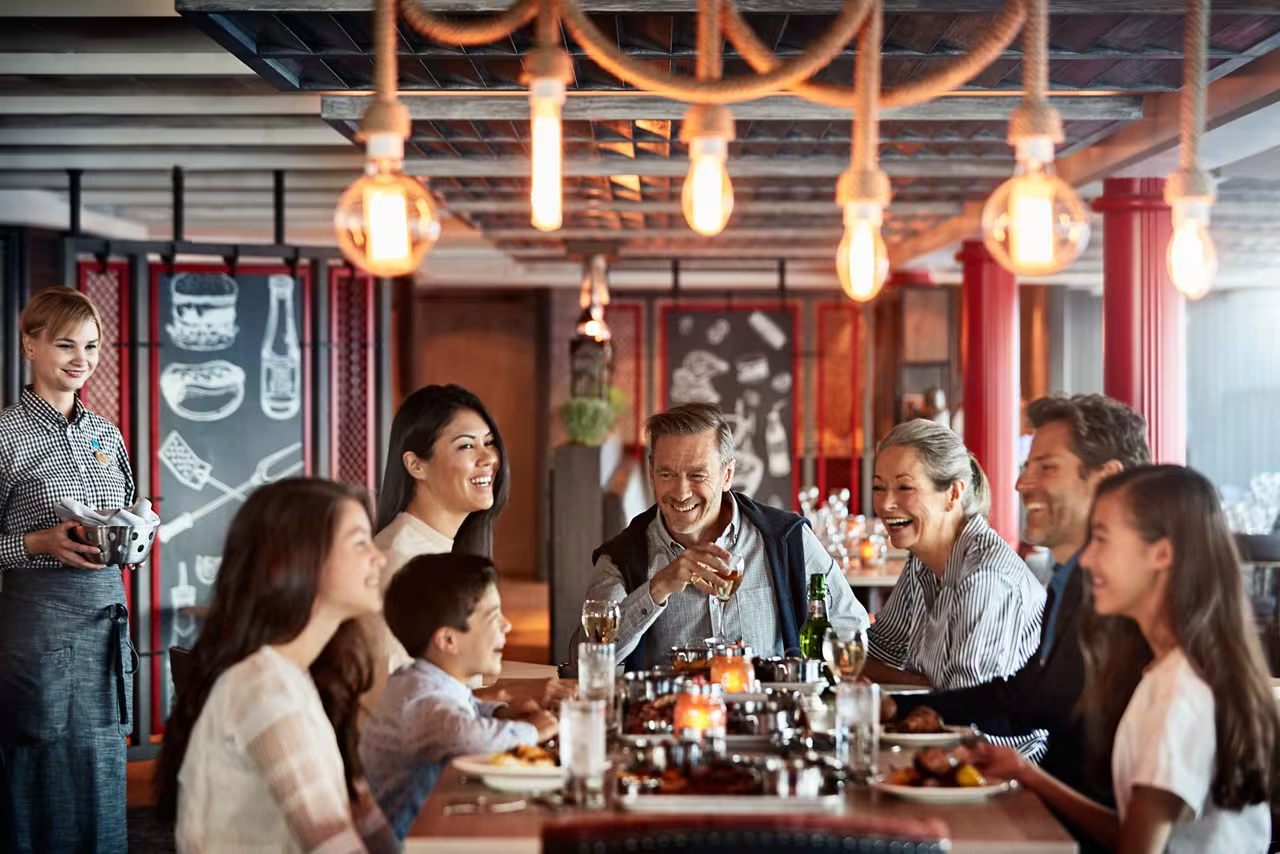
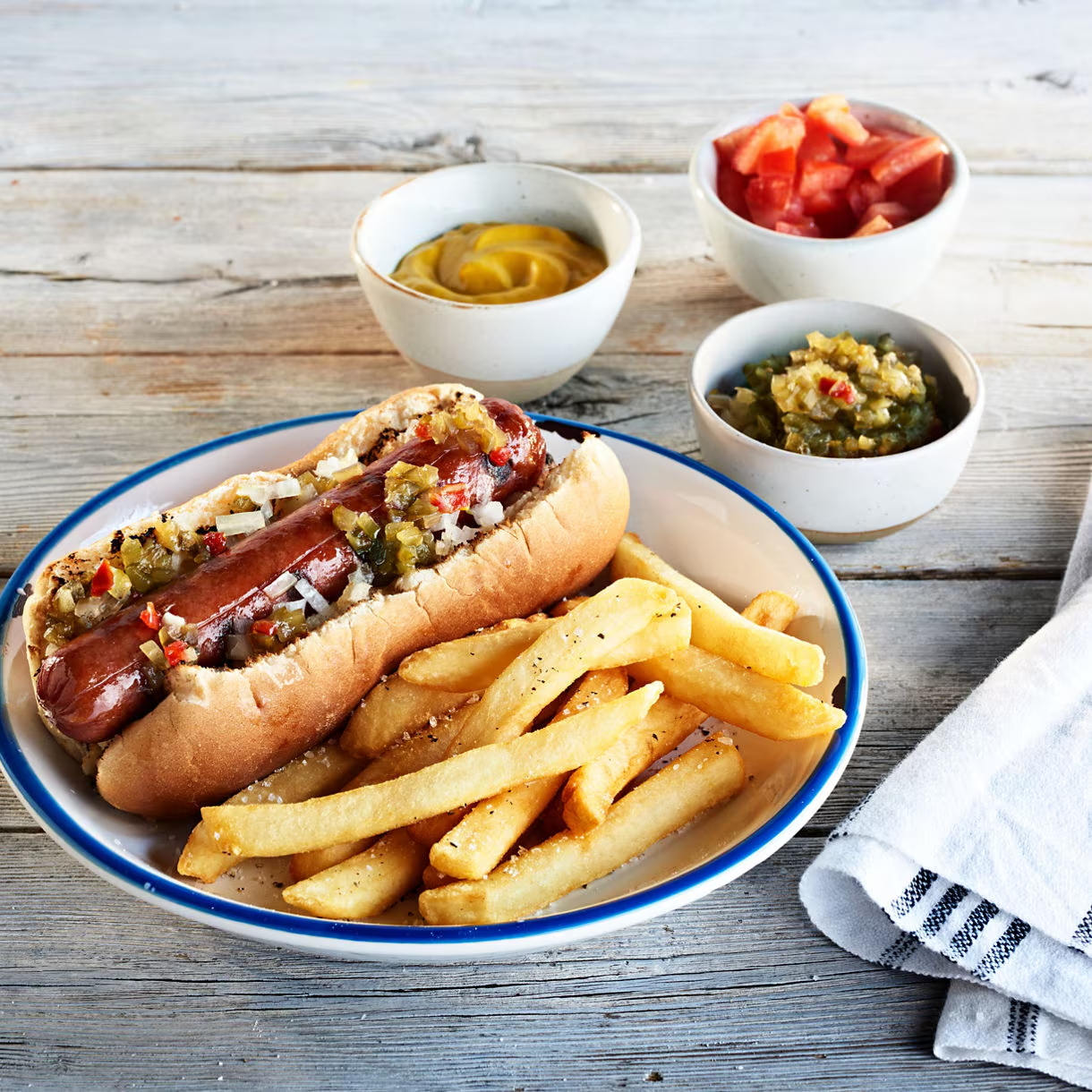
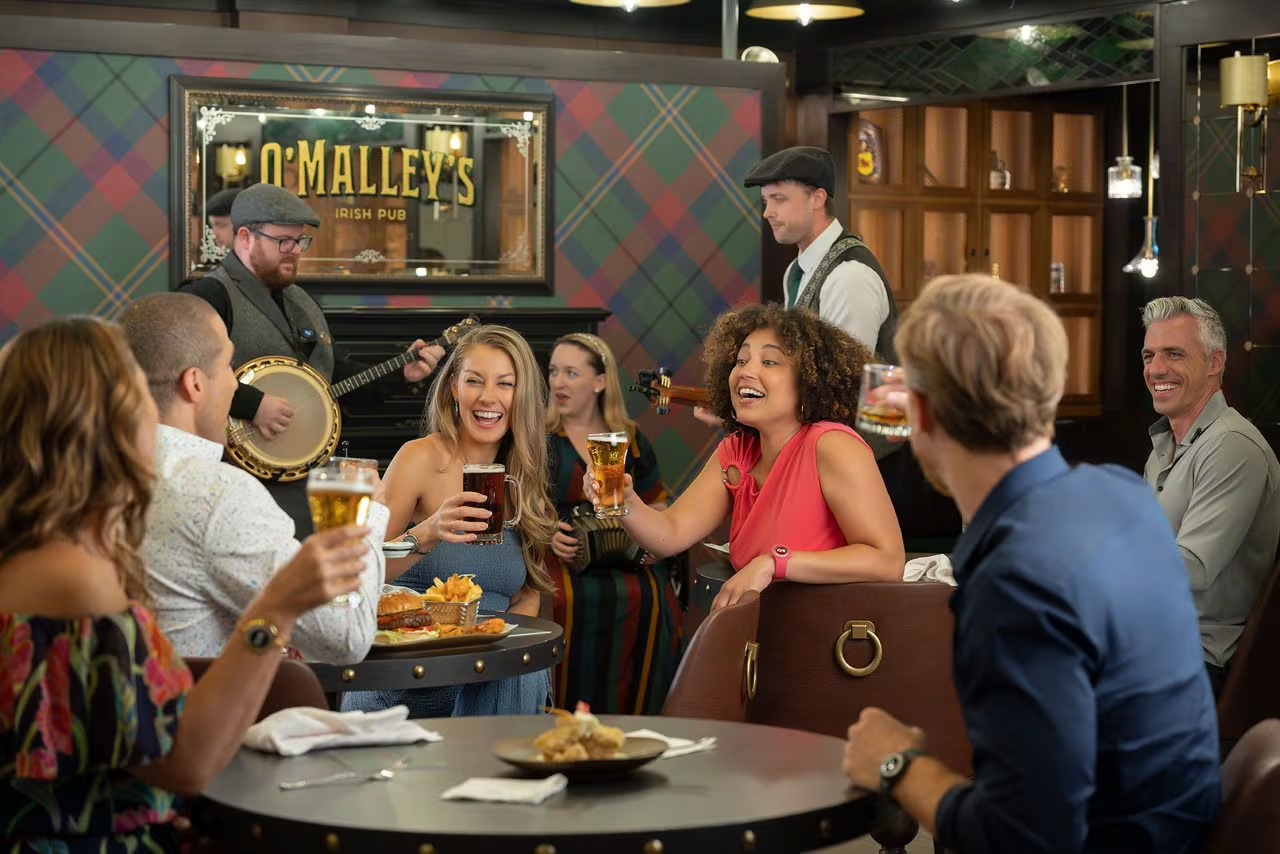
Life on board

The Onboard Experience

Client testimonials

I have worked with Lore Doick for more than 20 years, and she has booked over 30 cruises for me. Her expertise, care, and attention to every travel detail have made her an invaluable advisor and friend over the years.”

Tina B.

We are now in our second generation working with Cheri Ozimac at Tully Luxury Travel. From Antarctica to Greece, she has handled every detail with expertise, responsiveness, and care…

Earl M.

My wife and I have worked with Tully since 2007, and Kit Neil and her team went far beyond expectations while helping us navigate multiple cruise and flight cancellations. Their advocacy, care, and support during a difficult time were extraordinary.

Carri F.

Cheri Ozimac organized our Seabourn cruise flawlessly, from the hotel recommendation to every travel arrangement. She was responsive, attentive, and an excellent advocate throughout the process…

Cyn S.

We discovered Tully Luxury Travel after years of booking cruises through US agents and were impressed by their competitive pricing, exceptional service, and Canadian based support. Their team is always available, offers excellent value, and makes booking the right cruise seamless.

Peter C.

GoogleAverage Customer Rating:

The Tully Difference

Why travel with us


Tully Luxury Travel was built on access, discretion, and trust. For our clients, that means ease at every step, with distinctions that turn exceptional voyages into defining moments.

Recognized expertise

A renowned agency worldwide in luxury land and small-ship cruising, consistently trusted by the industry’s most prestigious brands.