64-Day Circle South America: Antarctica, Amazon & Panama Canal

Itinerary: Fort Lauderdale, Florida, Aruba, Cartagena, Cruising by Panama Canal, Fuerte Amador, Manta, Callao, General San Martin, Coquimbo, San Antonio, Puerto Montt, Punta Arenas, BEAGLECHANNELFJORDS&GLACIER, ... See full itinerary

4 Jan 29
64 nights

Voyage Details

Duration:
64 nights
Departure:
4 Jan 2029
Embarkation:
Fort Lauderdale, Florida, United States
Voyage code:
6902

Your Itinerary, Day-By-Day

Special Chapters of Your Journey

Day 1 - Fort Lauderdale, Florida

Like many southeast Florida neighbors, Fort Lauderdale has long been revitalizing. In a state where gaudy tourist zones often stand aloof from workaday downtowns, Fort Lauderdale exhibits consistency at both ends of the 2-mile Las Olas corridor. The sparkling look results from upgrades both downtown and on the beachfront. Matching the downtown's innovative arts district, cafés, and boutiques is an equally inventive beach area, with hotels, cafés, and shops facing an undeveloped shoreline, and new resort-style hotels replacing faded icons of yesteryear. Despite wariness of pretentious overdevelopment, city leaders have allowed a striking number of glittering high-rises. Nostalgic locals and frequent visitors fret over the diminishing vision of sailboats bobbing in waters near downtown; however, Fort Lauderdale remains the yachting capital of the world, and the water toys don’t seem to be going anywhere.

Usfll   Fort Lauderdale   Palm Trees  Karina Carvalho
Usfll Fort Lauderdale Palm Trees Karina Carvalho Photograph by Karina Carvalho
Usfll   Fort Lauderdale   Tarpoon River  Luiz Centenaro
Usfll Fort Lauderdale Tarpoon River Luiz Centenaro Photograph by Luiz Centenaro
Usmia   Miami   Art Deco South Beach   Visit Florida.Com
Usmia Miami Art Deco South Beach Visit Florida.ComVisitFlorida.com
Usmia   Miami   Beach Boardwalk   The Greater Miami Convention & Visitors Bureau
Usmia Miami Beach Boardwalk The Greater Miami Convention & Visitors BureauThe Greater Miami Convention & Visitors Bureau

Day 4 - Aruba

Aruba, known as “One Happy Island,” is a sun-soaked paradise in the southern Caribbean, famous for its pristine white-sand beaches and crystal-clear turquoise waters. Visitors flock to Palm Beach and Eagle Beach for swimming, sunbathing, and water sports, while adventurous travelers can explore the island’s rugged interior at Arikok National Park, home to unique rock formations, caves, and native wildlife. The capital, Oranjestad, charms with its colorful Dutch colonial architecture, lively markets, and waterfront dining. Aruba’s warm, dry climate and steady trade winds make it perfect for sailing, windsurfing, and kiteboarding year-round. The island also boasts vibrant local culture, with a mix of Caribbean, Dutch, African, and indigenous influences celebrated in music, festivals, and cuisine. Friendly locals, luxury resorts, and a variety of attractions—from snorkeling and scuba diving to casinos and nightlife—ensure every traveler finds something to enjoy. Aruba truly offers a blend of relaxation, adventure, and cultural experiences.

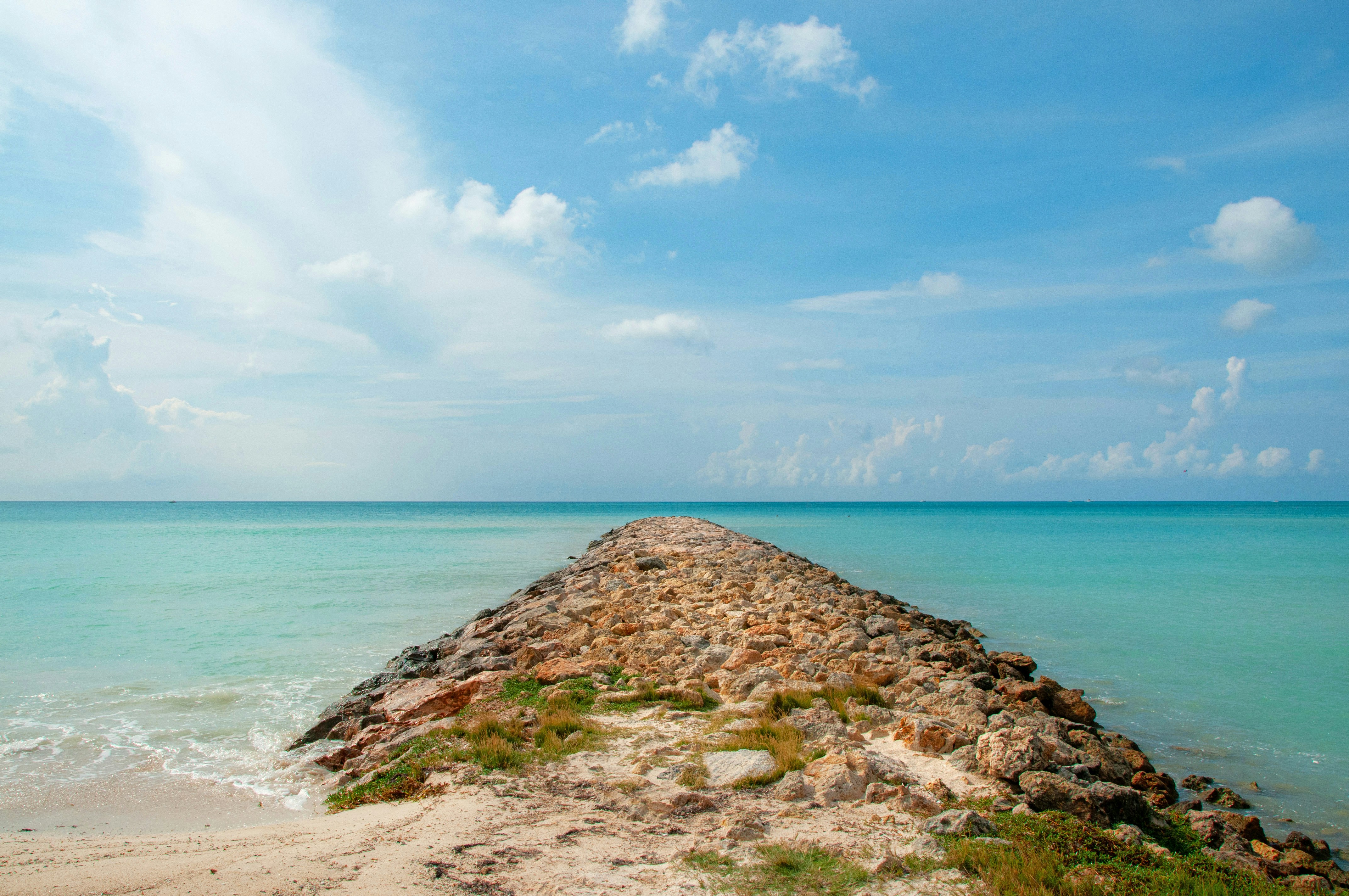
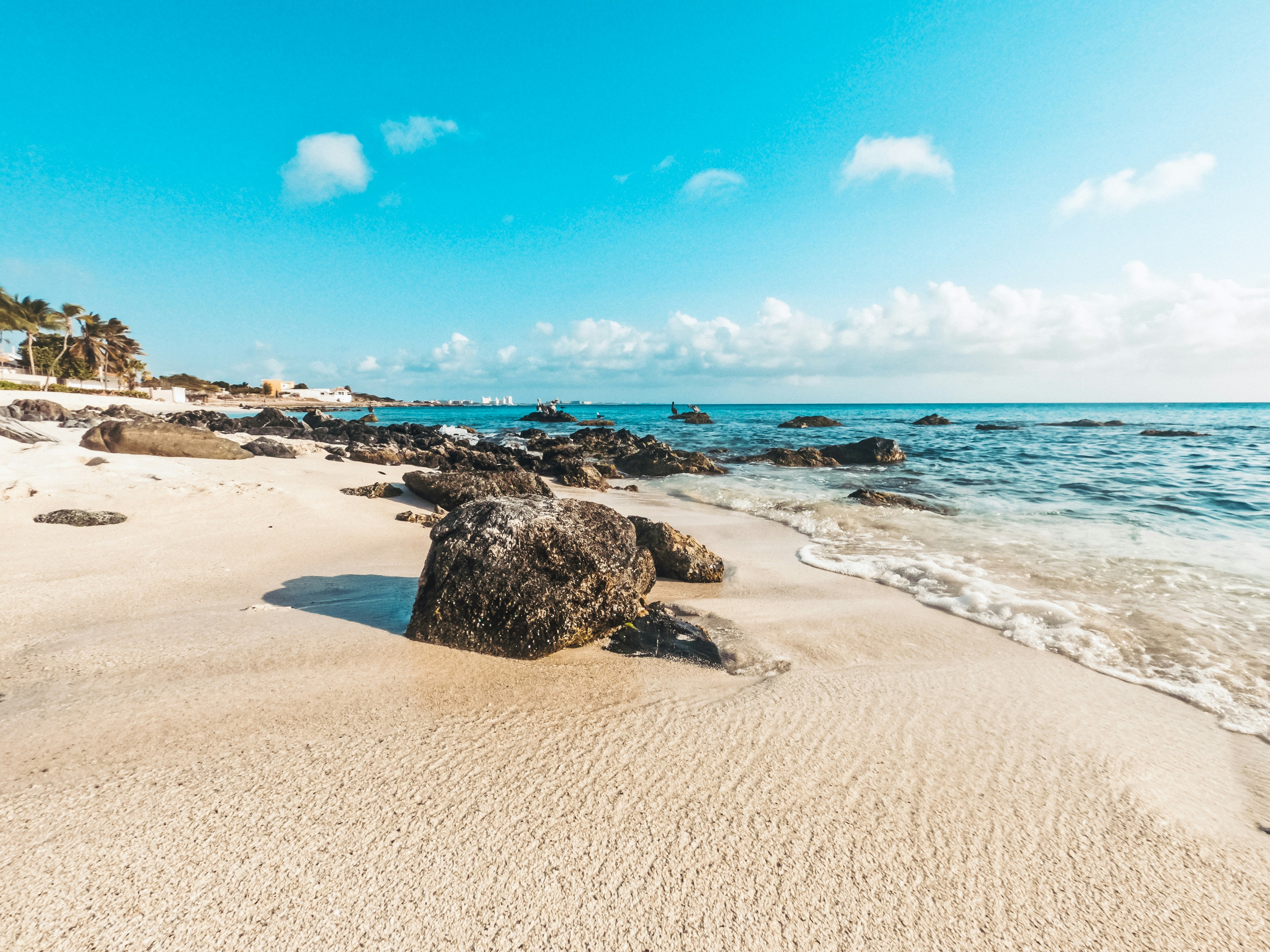
Aruba, Beach
Aruba, BeachPhoto by Paulo Evangelista on Unsplash
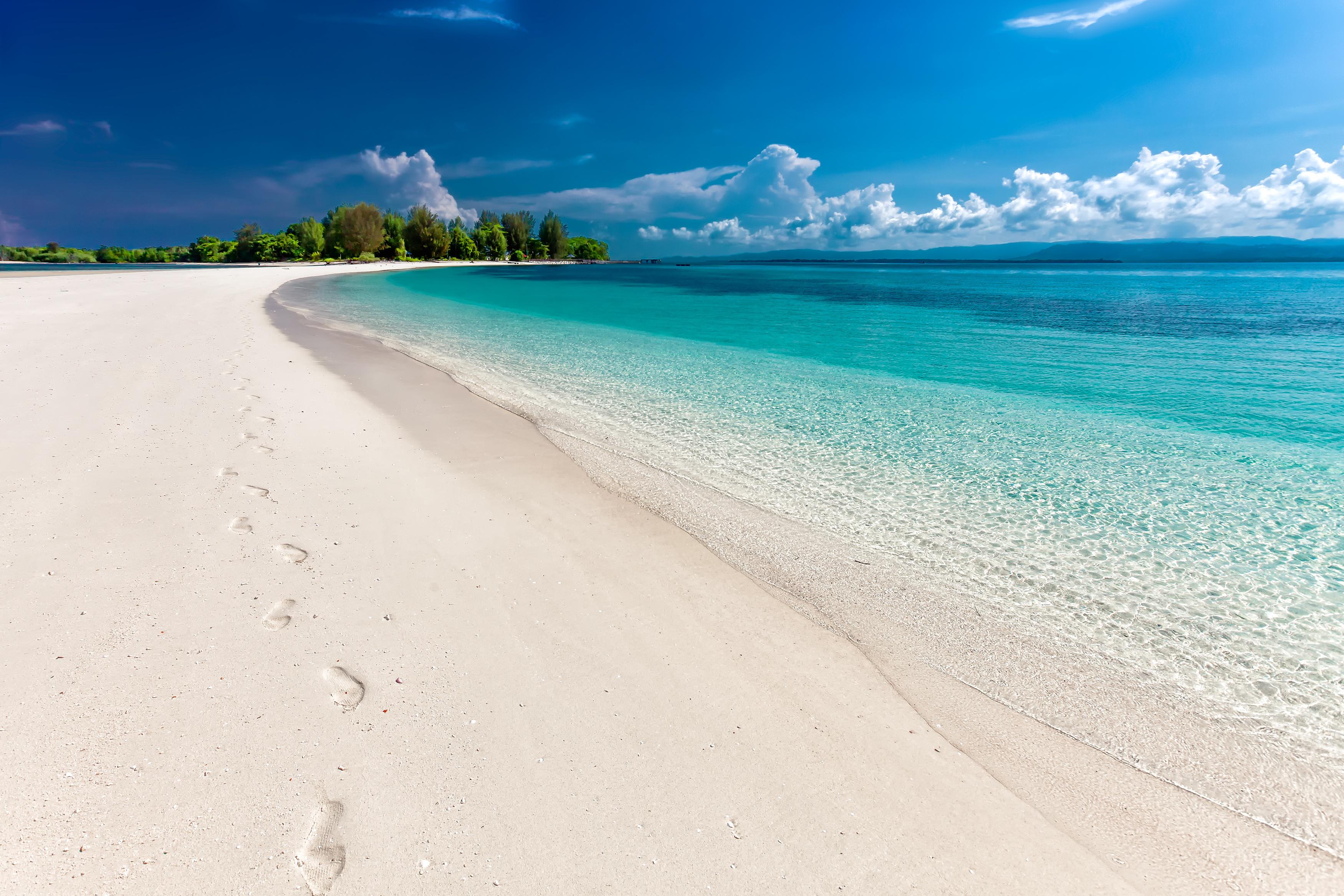
Palm Beach, Aruba
Palm Beach, ArubaPhoto by Kiril Georgiev on Unsplash

Day 6 - Cartagena

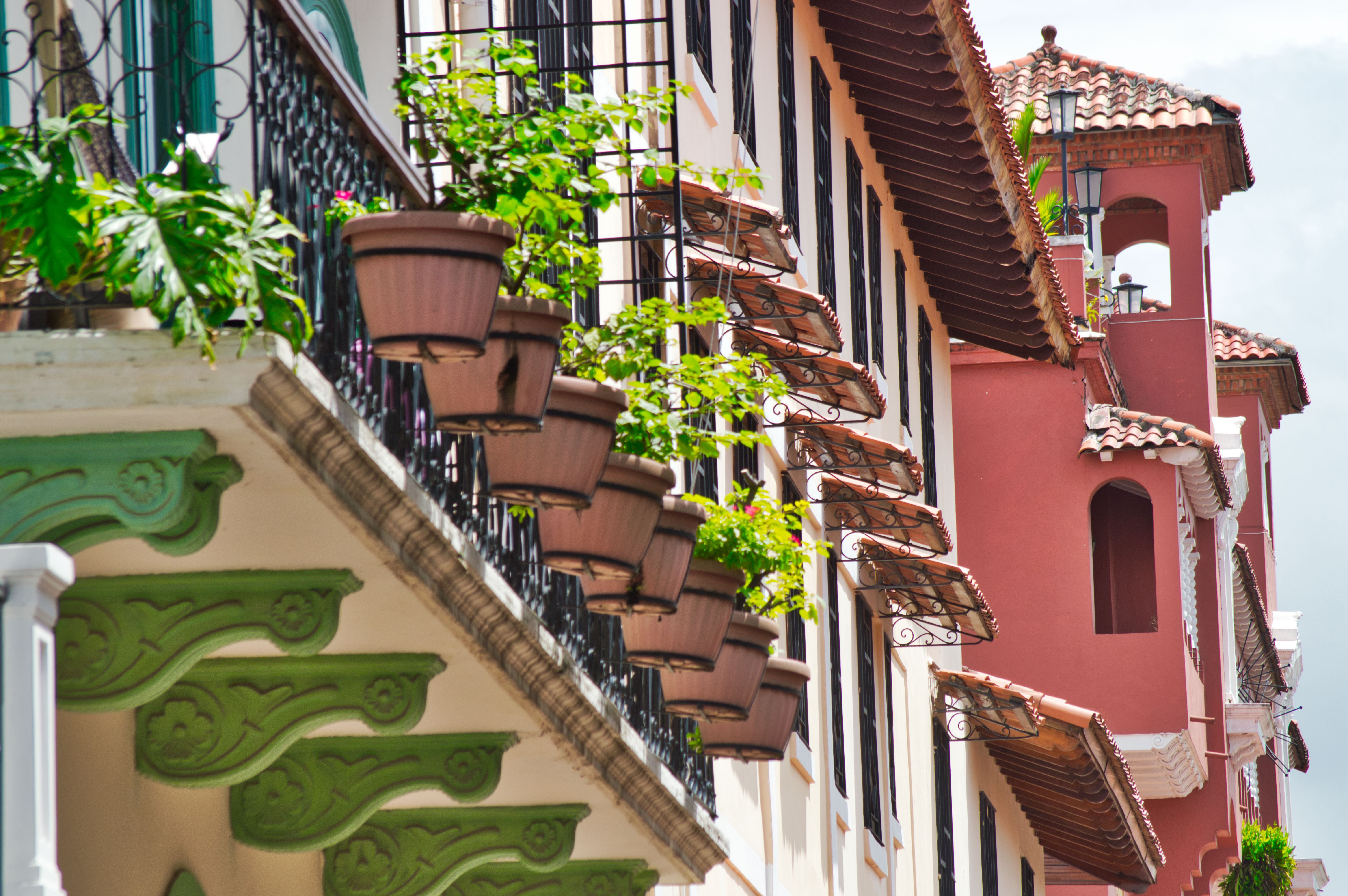
Cartagena's magnificent city walls and fortresses, now a UNESCO World Heritage Site, enclose a well-restored historic center (the Cuidad Amurallada, or walled city) with plazas, churches, museums, and shops that have made it a lively coastal vacation spot for South Americans and others. New hotels and restaurants make the walled city a desirable place to stay, and the formerly down-at-the-heels Getsemaní neighborhood attracts those seeking a bohemian buzz. The historic center is a small section of Cartagena; many hotels are in the Bocagrande district, an elongated peninsula where high-rise hotels overlook a long, gray-sand beach.When it was founded in 1533 by Spanish conquistador Pedro de Heredia, Cartagena was the only port on the South American mainland. Gold and silver looted from indigenous peoples passed through here en route to Spain and attracted pirates, including Sir Francis Drake, who in 1586 torched 200 buildings. Cartagena's walls protected the city's riches as well as the New World's most important African slave market.

Coctg   Cartagena, Colombia   Angeles Balaguer
Coctg Cartagena, Colombia Angeles Balaguer
Coctg   Cartagena, Colombia   Graphical Brain
Coctg Cartagena, Colombia Graphical Brain
Coctg   Cartagena, Colombia   Victor Castano
Coctg Cartagena, Colombia Victor Castano

Day 8 - Cruising by Panama Canal

Further details for this day are not available.

Day 9 - Fuerte Amador

Further details for this day are not available.

Fuerte Amador, Gateway To Panama City
Fuerte Amador, Gateway To Panama CityImage by Manuel de la Fuente from Pixabay

Day 11 - Manta

Further details for this day are not available.

Manta Beach
Manta BeachImage by Kanenori from Pixabay

Day 14 - Callao

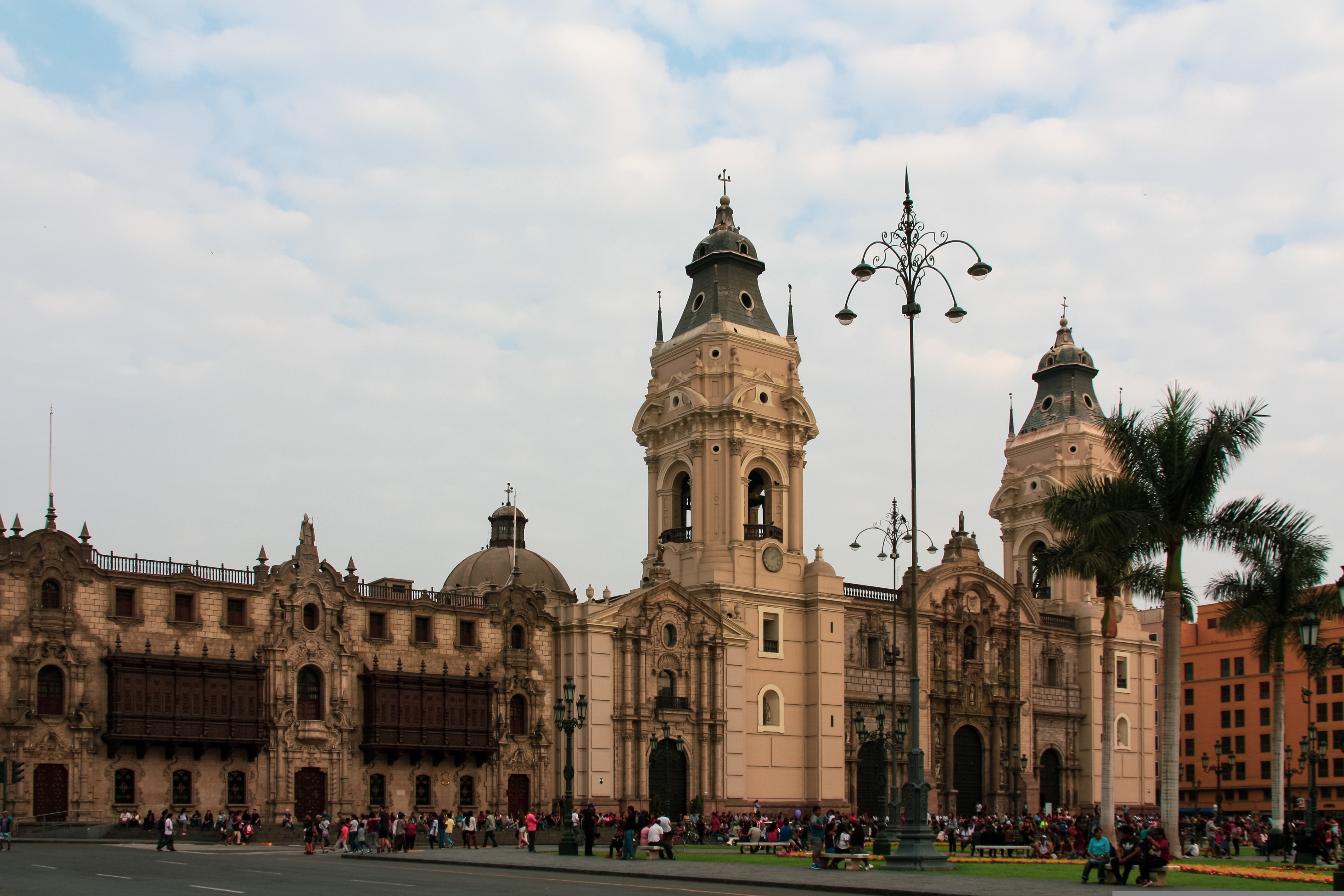
When people discuss great South American cities, Lima is often overlooked. But Peru's capital can hold its own against its neighbors. It has an oceanfront setting, colonial-era splendor, sophisticated dining, and nonstop nightlife.It's true that the city—clogged with traffic and choked with fumes—doesn't make a good first impression, especially since the airport is in an industrial neighborhood. But wander around the regal edifices surrounding the Plaza de Armas, among the gnarled olive trees of San Isidro's Parque El Olivar, or along the winding lanes in the coastal community of Barranco, and you'll find yourself charmed.In 1535 Francisco Pizarro found the perfect place for the capital of Spain's colonial empire. On a natural port, the so-called Ciudad de los Reyes (City of Kings) allowed Spain to ship home all the gold the conquistador plundered from the Inca. Lima served as the capital of Spain's South American empire for 300 years, and it's safe to say that no other colonial city enjoyed such power and prestige during this period.When Peru declared its independence from Spain in 1821, the declaration was read in the square that Pizarro had so carefully designed. Many of the colonial-era buildings around the Plaza de Armas are standing today. Walk a few blocks in any direction for churches and elegant houses that reveal just how wealthy this city once was. But the poor state of most buildings attests to the fact that the country's wealthy families have moved to neighborhoods to the south over the past century.The walls that surrounded the city were demolished in 1870, making way for unprecedented growth. A former hacienda became the graceful residential neighborhood of San Isidro. In the early 1920s the construction of tree-lined Avenida Arequipa heralded the development of neighborhoods such as bustling Miraflores and bohemian Barranco.Almost a third of the country's population of 29 million lives in the metropolitan area, many of them in relatively poor conos: newer neighborhoods on the outskirts of the city. Most residents of those neighborhoods moved there from mountain villages during the political violence and poverty that marked the 1980s and ’90s, when crime increased dramatically. During the past decade the country has enjoyed peace and steady economic growth, which have been accompanied by many improvements and refurbishment in the city. Residents who used to steer clear of the historic center now stroll along its streets. And many travelers who once would have avoided the city altogether now plan to spend a day here and end up staying two or three.

Callao, Port Of Lima
Callao, Port Of LimaImage by Patricia van den Berg from Pixabay

Day 15 - Callao

When people discuss great South American cities, Lima is often overlooked. But Peru's capital can hold its own against its neighbors. It has an oceanfront setting, colonial-era splendor, sophisticated dining, and nonstop nightlife.It's true that the city—clogged with traffic and choked with fumes—doesn't make a good first impression, especially since the airport is in an industrial neighborhood. But wander around the regal edifices surrounding the Plaza de Armas, among the gnarled olive trees of San Isidro's Parque El Olivar, or along the winding lanes in the coastal community of Barranco, and you'll find yourself charmed.In 1535 Francisco Pizarro found the perfect place for the capital of Spain's colonial empire. On a natural port, the so-called Ciudad de los Reyes (City of Kings) allowed Spain to ship home all the gold the conquistador plundered from the Inca. Lima served as the capital of Spain's South American empire for 300 years, and it's safe to say that no other colonial city enjoyed such power and prestige during this period.When Peru declared its independence from Spain in 1821, the declaration was read in the square that Pizarro had so carefully designed. Many of the colonial-era buildings around the Plaza de Armas are standing today. Walk a few blocks in any direction for churches and elegant houses that reveal just how wealthy this city once was. But the poor state of most buildings attests to the fact that the country's wealthy families have moved to neighborhoods to the south over the past century.The walls that surrounded the city were demolished in 1870, making way for unprecedented growth. A former hacienda became the graceful residential neighborhood of San Isidro. In the early 1920s the construction of tree-lined Avenida Arequipa heralded the development of neighborhoods such as bustling Miraflores and bohemian Barranco.Almost a third of the country's population of 29 million lives in the metropolitan area, many of them in relatively poor conos: newer neighborhoods on the outskirts of the city. Most residents of those neighborhoods moved there from mountain villages during the political violence and poverty that marked the 1980s and ’90s, when crime increased dramatically. During the past decade the country has enjoyed peace and steady economic growth, which have been accompanied by many improvements and refurbishment in the city. Residents who used to steer clear of the historic center now stroll along its streets. And many travelers who once would have avoided the city altogether now plan to spend a day here and end up staying two or three.

Callao, Port Of Lima
Callao, Port Of LimaImage by Patricia van den Berg from Pixabay

Day 16 - General San Martin

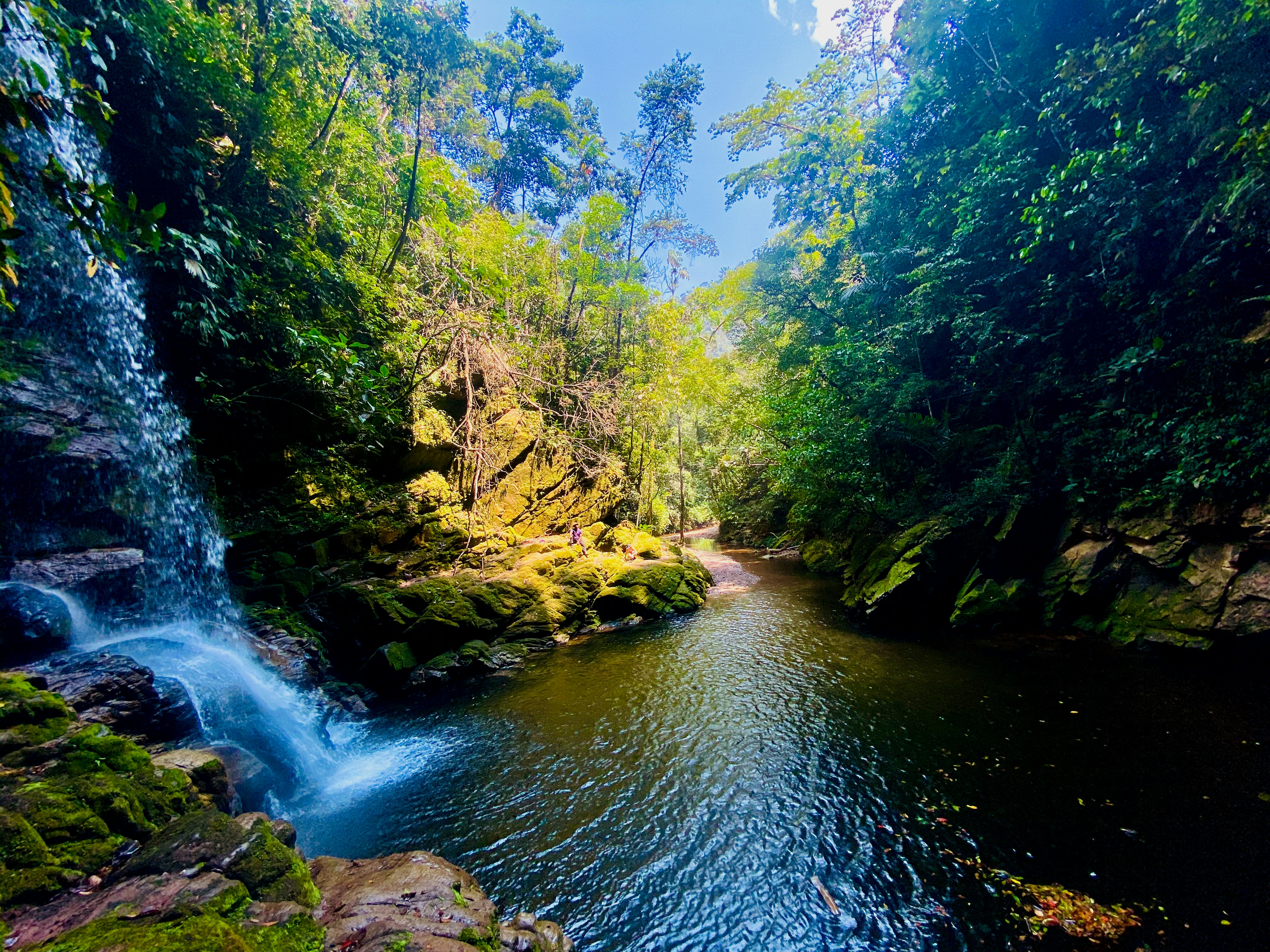
Further details for this day are not available.

San Martin, Peru
San Martin, PeruPhoto by gpbl on Unsplash

Day 19 - Coquimbo

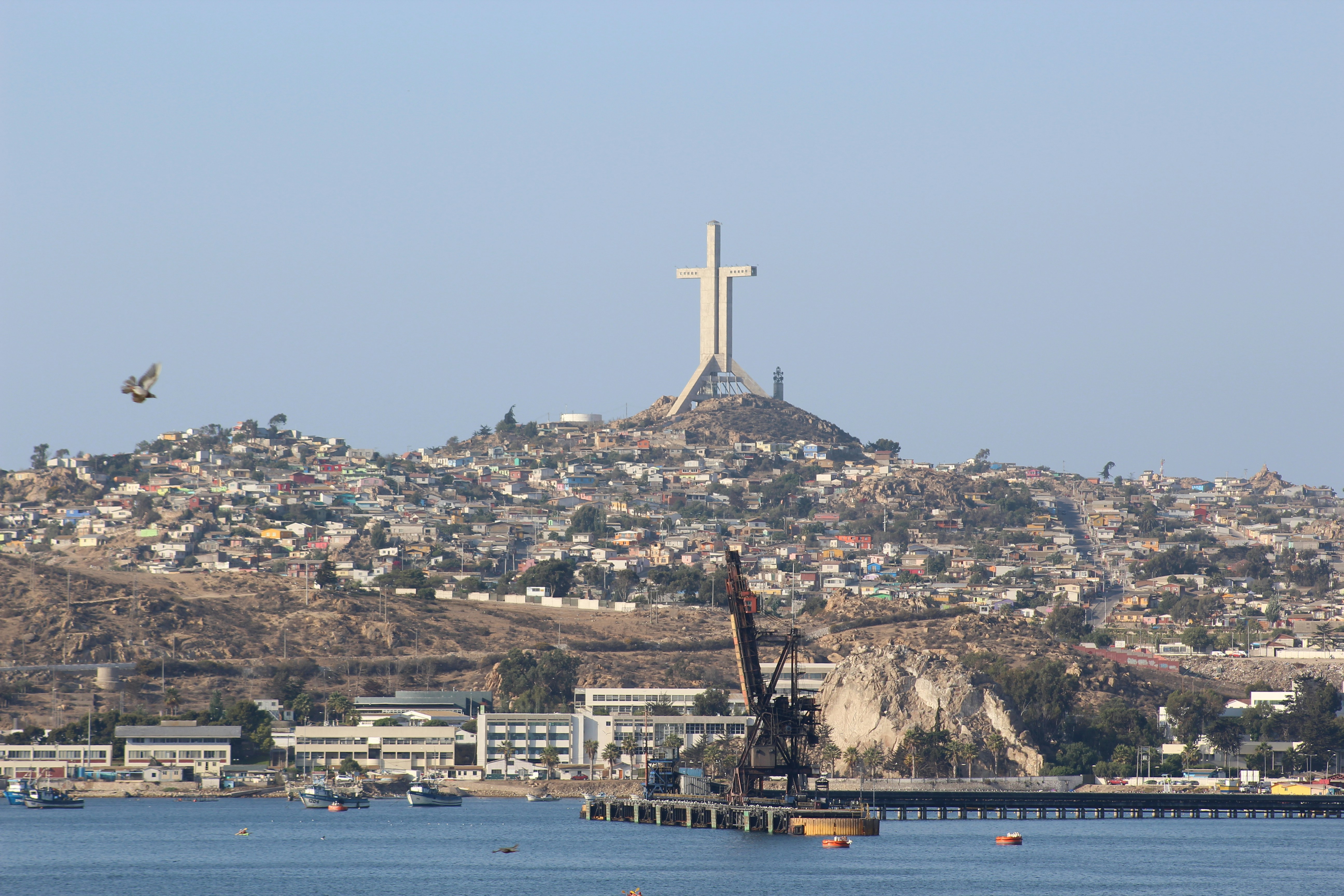
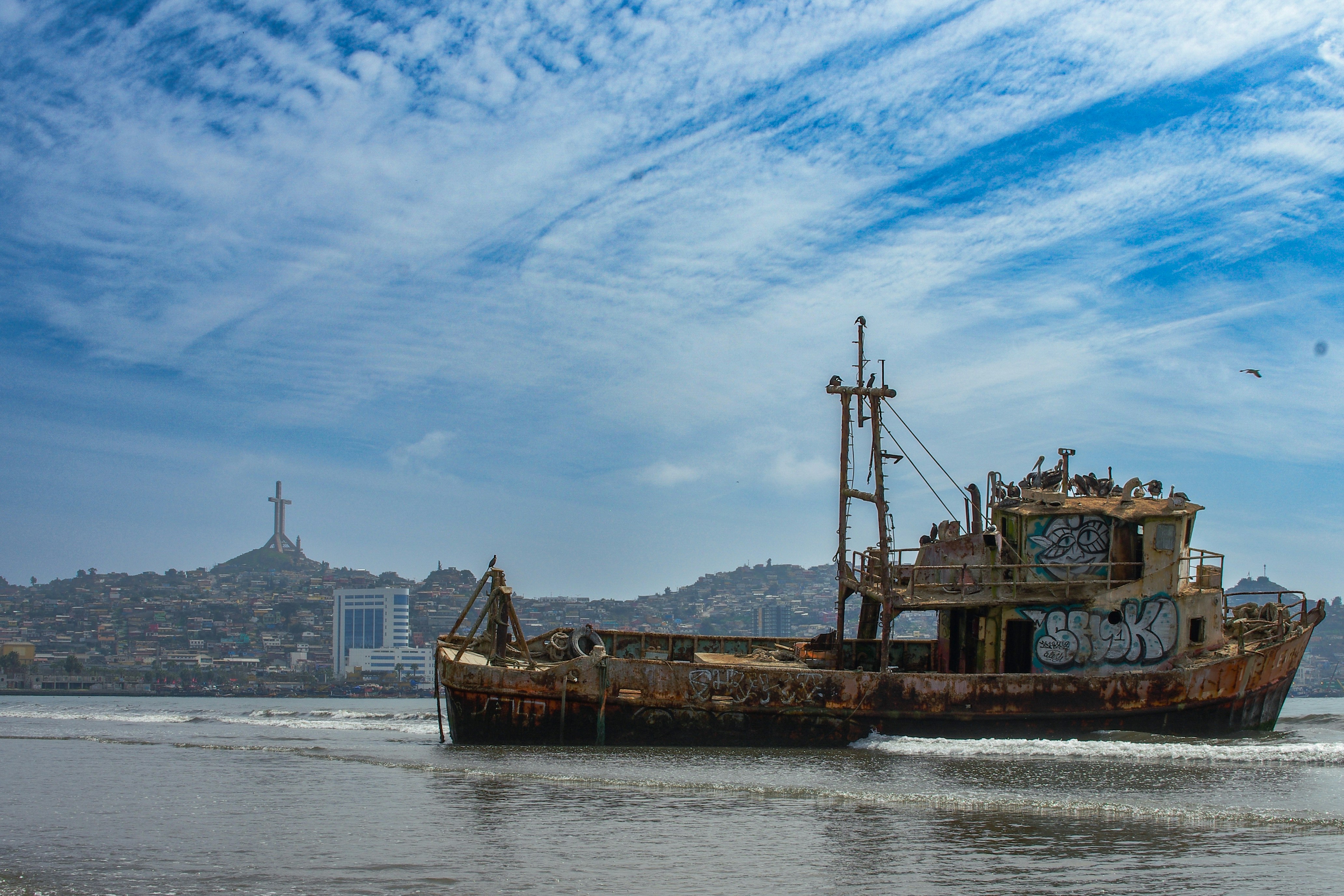
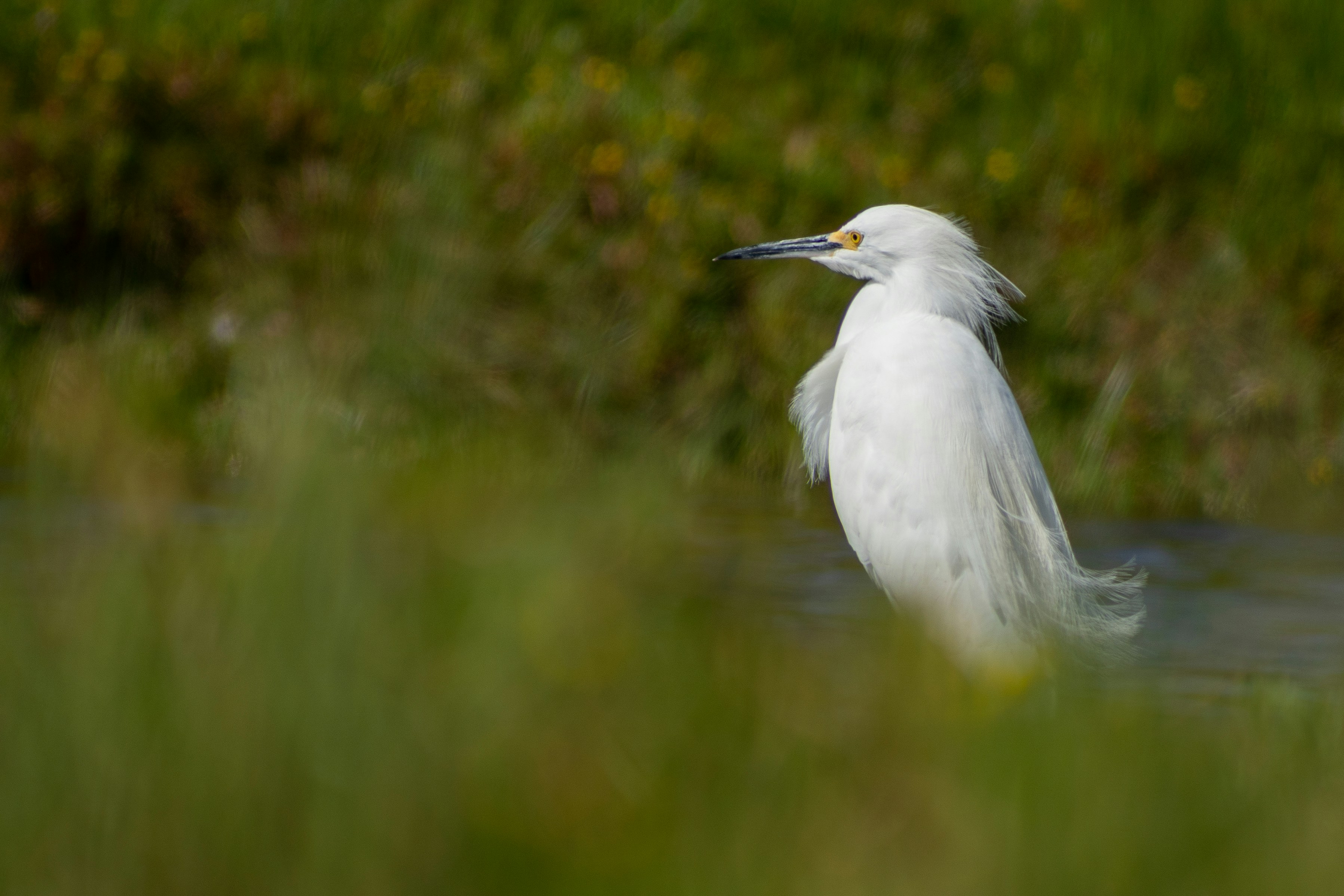
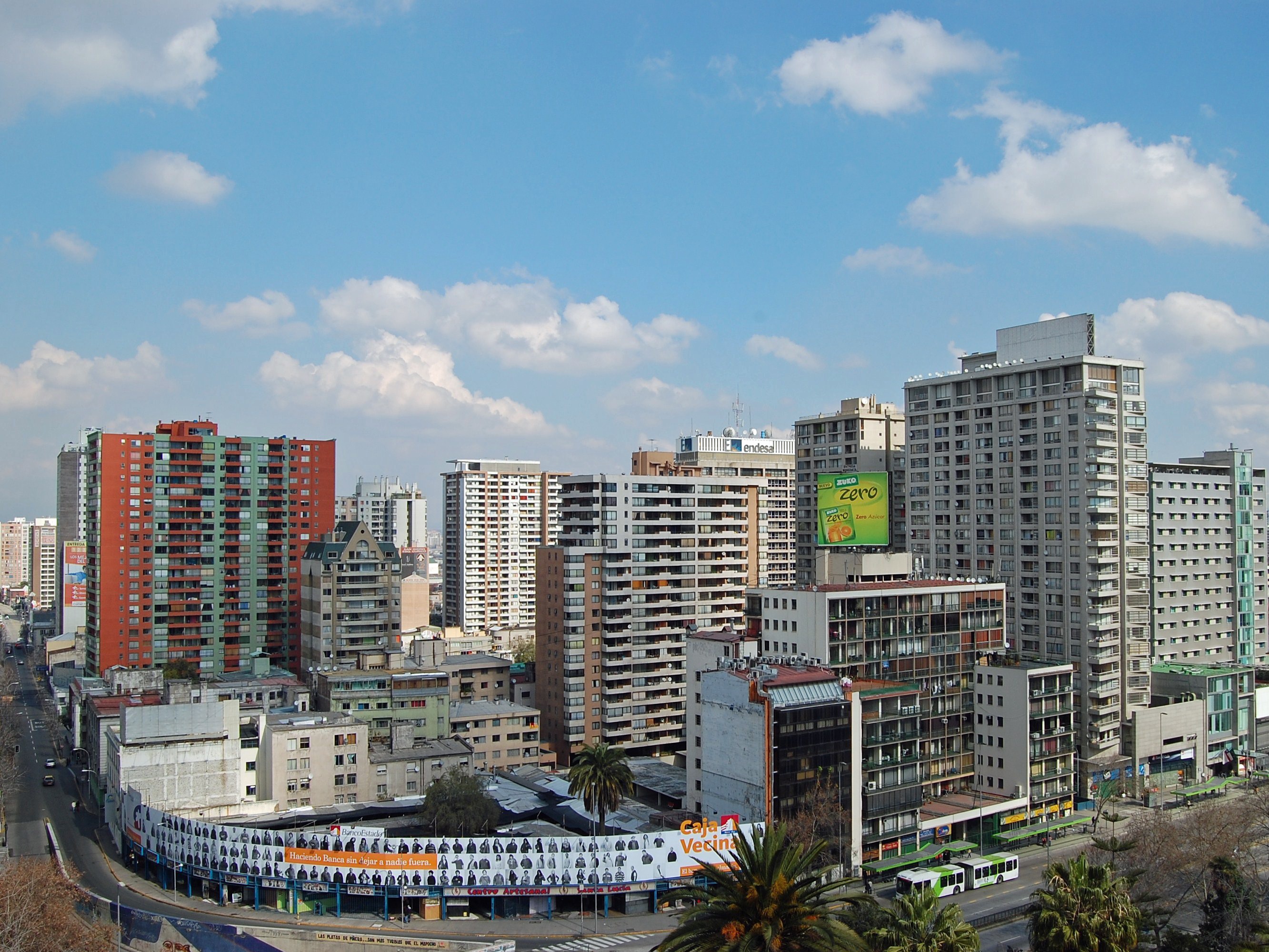
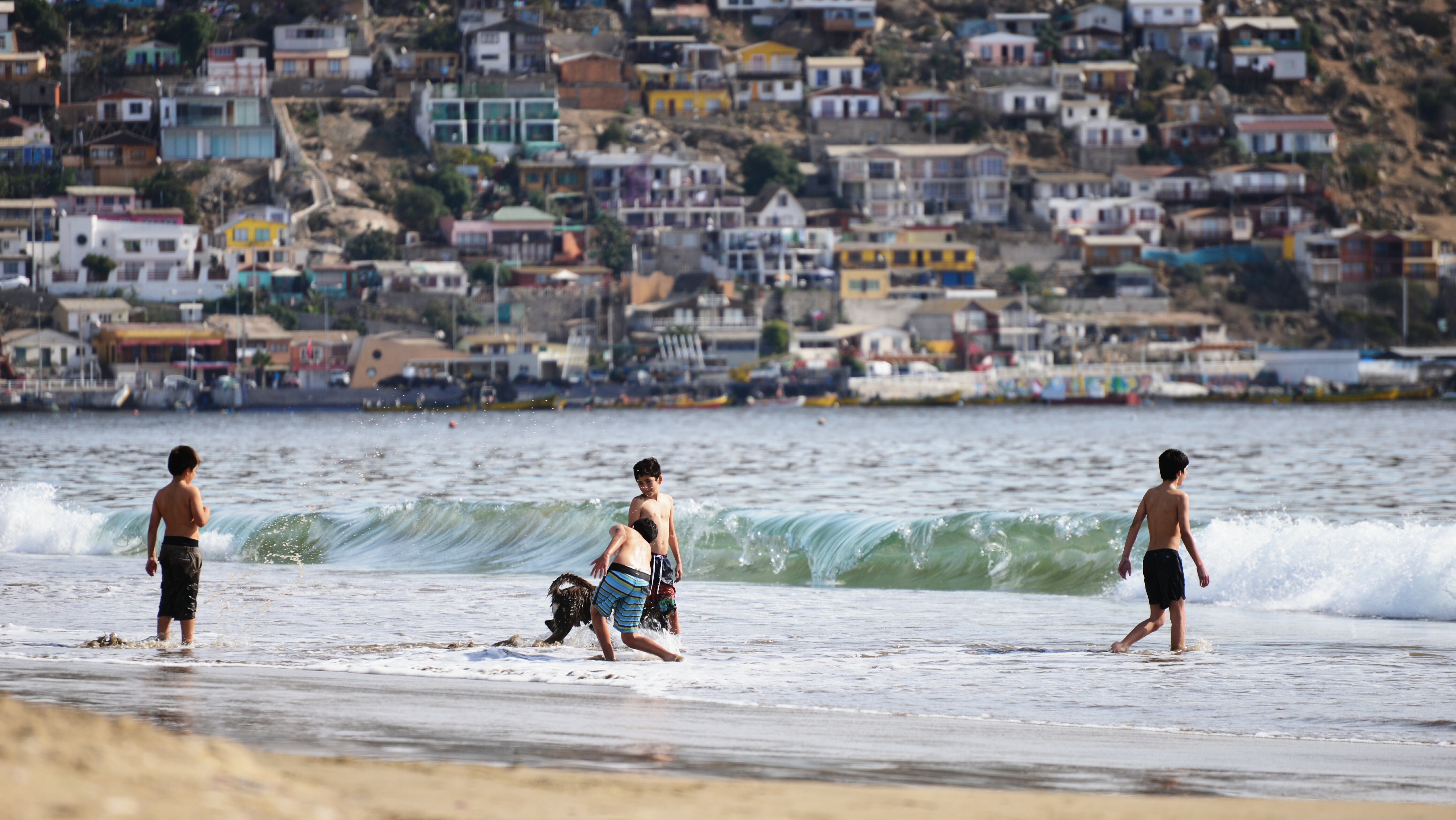
The name Coquimbo is derived from a native Diaguita word meaning 'place of calm waters'. In fact, Charles Darwin had noted that the town was 'remarkable for nothing but its extreme quietness'. Since then, Coquimbo has developed into a bustling port and the region's major commercial and industrial centre from which minerals, fish products and fruits are exported. Used during the colonial period as a port for La Serena, Coquimbo attracted attention from English pirates, including Sir Francis Drake, who visited in 1578. Visitors enjoy strolling around the town, admiring some of the elaborate woodwork handcrafted on buildings by early British and American settlers. These wooden buildings are among Chile's most interesting historical structures. Out of town, the area offers some fine beaches in a desert-like setting. Coquimbo serves as a gateway to the popular resort town of La Serena and trips farther into the Elqui Valley, known as the production centre for Chile's national drink, pisco sour. The valley is also home to several international observatories that take advantage of the region's exceptional atmospheric conditions.

Coquimbo, Chile
Coquimbo, ChilePhoto by Eduardo Rojas
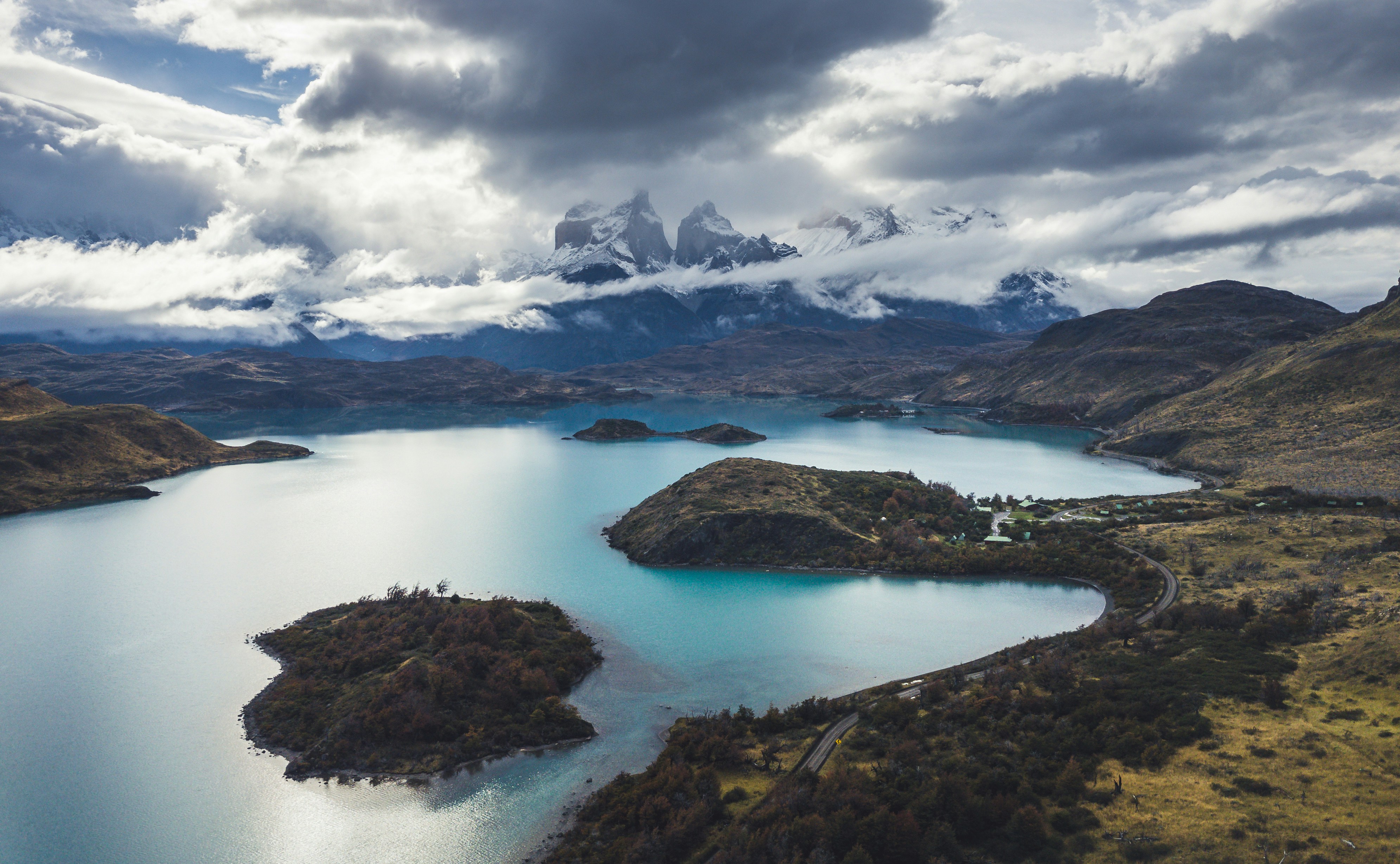
Torres Del Paine, Coquimbo, Chile
Torres Del Paine, Coquimbo, ChilePhoto by Andrew Svk
Bahía De Coquimbo, Chile
Bahía De Coquimbo, ChilePhoto by Sergio Moraga Cruz
El Culebrón, Coquimbo, Chile
El Culebrón, Coquimbo, ChilePhoto by Julio Salinas

Day 20 - San Antonio

Further details for this day are not available.

San Antonio, Gateway To Chile And Santiago
San Antonio, Gateway To Chile And SantiagoImage by Luis Eduardo Bastias from Pixabay

Day 21 - San Antonio

Further details for this day are not available.

San Antonio, Gateway To Chile And Santiago
San Antonio, Gateway To Chile And SantiagoImage by Luis Eduardo Bastias from Pixabay

Day 23 - Puerto Montt

For most of its history, windy Puerto Montt was the end of the line for just about everyone traveling in the Lake District. Now the Carretera Austral carries on southward, but for all intents and purposes Puerto Montt remains the region's last significant outpost, a provincial city that is the hub of local fishing, textile, and tourist activity.Today the city center is full of malls, condos, and office towers—it's the fastest-growing city in Chile—but away from downtown, Puerto Montt consists mainly of low clapboard houses perched above its bay, the Seno de Reloncaví. If it's a sunny day, head east to Playa Pelluco or one of the city's other beaches. If you're more interested in exploring the countryside, drive along the shore for a good view of the surrounding hills.

Kids Playing On The Beach Near Puerto Montt
Kids Playing On The Beach Near Puerto MonttImage by Patricio Hurtado from Pixabay

Day 26 - Punta Arenas

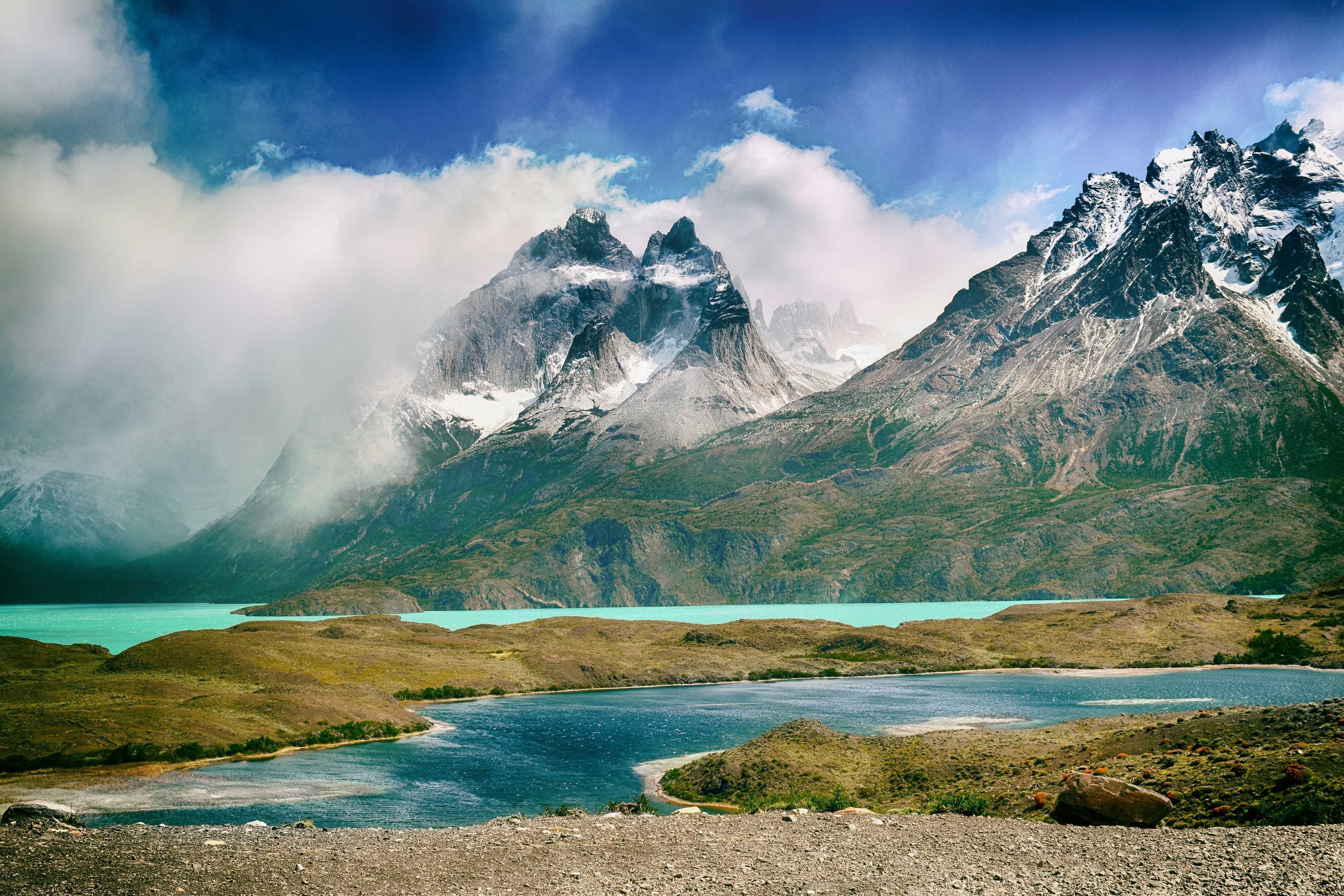
Impenetrable forests, impassable mountains, and endless fields of ice define Chilean Patagonia, and meant that the region went largely unexplored until the beginning of the 20th century. Located in the southernmost part of the country, this area is still sparsely inhabited, though you will find a few populated places—like the colorful provincial city of Punta Arenas, which looks like it's about to be swept into the Strait of Magellan. Some unique wildlife, particularly colonies of elephant seals and penguins, call this breathtaking topography home. To the north is Parque Nacional Torres del Paine, the country's most magnificent natural wonder, and whose snow-covered peaks seem to rise vertically from the plains below. The vistas, such as the fantastic Avenue of the Glaciers, are breathtaking; along this stretch of the Beagle Channel, you can pass six tremendous glaciers all within a stone's throw of each other.Cruise SightsPunta Arenas. Founded a little more than 150 years ago, Punta Arenas (Sandy Point) was Chile's first permanent settlement in Patagonia. Plaza Muñoz Gamero, the central square, is surrounded by evidence of that early prosperity: buildings whose then-opulent brick exteriors recall a time when this was one of Chile's wealthiest cities. The newer houses here have colorful tin roofs, best appreciated when seen from a high vantage point such as the Mirador Cerro la Cruz. Although the city as a whole may not be particularly attractive, look for details: the pink-and-white house on a corner, the bay window full of potted plants, parking attendants wearing the regional blue and yellow colors, and schoolchildren in identical naval pea coats that remind you that the city's fate is tied to the sea.The Museo Naval y Marítimo extols Chile's high-seas prowess, particularly concerning Antarctica. Its exhibits are worth a visit for anyone with an interest in ships and sailing, merchant and military alike. Part of the second floor is designed like the interior of a ship, including a map and radio room. Pedro Montt 989. Admission charged.Housed in what was once the mansion of the powerful Braun-Menéndez family, the Museo Regional de Magallanes is an intriguing glimpse into the daily life of a wealthy provincial family at the beginning of the 20th century. Lavish Carrara marble hearths, English bath fixtures, and cordovan leather walls are among the original accoutrements. The museum also has an excellent group of displays depicting Punta Arenas's past, from the first European contact to the town's decline after the opening of the Panama Canal. The museum is half a block north of the main square. Magallanes 949. Admission charged.The resplendent 1895 Palacio Sara Braun is a national landmark and an architectural showpiece of southern Patagonia. Designed by a French architect, the house was built from materials and by craftsmen imported from Europe during the four years of construction. The city's central plaza and surrounding buildings soon followed, ushering in the region's golden era. Noteworthy are the lavish bedrooms, magnificent parquet floors, marble fireplaces, and hand-painted ceilings. Don't miss the portraits of Braun and her husband José Nogueira in the music room. Afterwards, head to the cellar for a drink or snack in the warm public tavern (a good portion of the mansion is leased to a hotel). Plaza Muñoz Gamero 716. Admission charged.Commonly referred to simply as "El Salesiano," the Museo Salesiano de Maggiorino Borgatello is operated by Italian missionaries whose order arrived in Punta Arenas in the 19th century. The Salesians, most of whom spoke no Spanish, proved to be daring explorers. Traveling throughout the region, they collected the artifacts made by indigenous tribes that are currently on display. Av. Bulnes 398. Admission charged.Isla Magdalena. Punta Arenas is the launching point for a boat trip to the Isla Magdalena to see the more than 100,000 Magellanic penguins at the Monumento Natural Los Pingúinos. A single trail, marked off by rope, is accessible to humans. The boat trip to the island, in the middle of the Estrecho de Magallanes, takes about two hours. Make sure to bring along warm clothing, even in summer; the island can be chilly, particularly if a breeze is blowing across the water.Parque Nacional Torres del Paine. Some 12 million years ago, lava flows pushed up through the thick sedimentary crust that covered the southwestern coast of South America, cooling to form a granite mass. Glaciers then swept through the region, grinding away all but the ash-gray spires that rise over the landscape of one of the world's most beautiful natural phenomena, now the Parque Nacional Torres del Paine (established in 1959). Snow formations dazzle along every turn of road, and the sunset views are spectacular.Among the 2,420-square-km (934-square-mi) park's most beautiful attractions are its lakes of turquoise, aquamarine, and emerald green waters. Another draw is its unusual wildlife. Creatures like the guanaco (a woollier version of the llama) and the ñandú (resembling a small ostrich) abound. They are used to visitors and don't seem to be bothered by the proximity of automobile traffic and the snapping of cameras. Predators, like the gray fox, make less frequent appearances. You may also spot the dramatic aerobatics of a falcon and the graceful soaring of the endangered condor. The beautiful puma is especially elusive, but sightings have become more common. Admission charged.Pingúinera de Seno Otway. The road to this penguin sanctuary begins 30 km (18 mi) north of Punta Arenas. Magellanic penguins, which live up to 20 years in the wild, return to their birthplace here every year to mate with the same partner. For about 2,000 penguin couples—no single penguins make the trip—home is this desolate and windswept land off the Otway Sound. In late September, the penguins begin to arrive from the southern coast of Brazil and the Falkland Islands. They mate and lay their eggs in early October, and brood their eggs in November. Offspring hatch between mid-November and early December. If you're lucky, you may catch sight of one of the downy gray chicks that stick their heads out of the burrows when their parents return to feed them. Otherwise you might see scores of the ungainly adult penguins waddling to the ocean from their nesting burrows. They swim for food every eight hours and dive up to 100 feet deep. The penguins depart from the sound in late March. Note that the sanctuary is a 1-km (1/2-mi) walk from the parking lot. It gets chilly, so bring a windbreaker. Admission charged.Reserva Nacional Laguna Parillar. This 47,000-acre reserve lies west of Puerto Hambre, a tranquil fishing village, and is centered around a shimmering lake in a valley flanked by hills. It's a great place for a picnic, and there are a number of well-marked paths that offer sweeping vistas over the Estrecho de Magallanes. About 2 km (1 mi) west of Puerto Hambre is a small white monolith that marks the geographical center of Chile, the midway point between Chile's northern port Arica and the South Pole.Cruise ShoppingWool may no longer be king of the economy, but vast flocks of sheep still yield a high-quality product that is woven into the clothing here. Leather products are also common, but the prices are not necessarily low. About 3 km (2 mi) north of Punta Arenas is the Zona Franca (Av. Bulnes). This duty-free zone is where people from all around the region come for low-priced electronics and other consumer items.
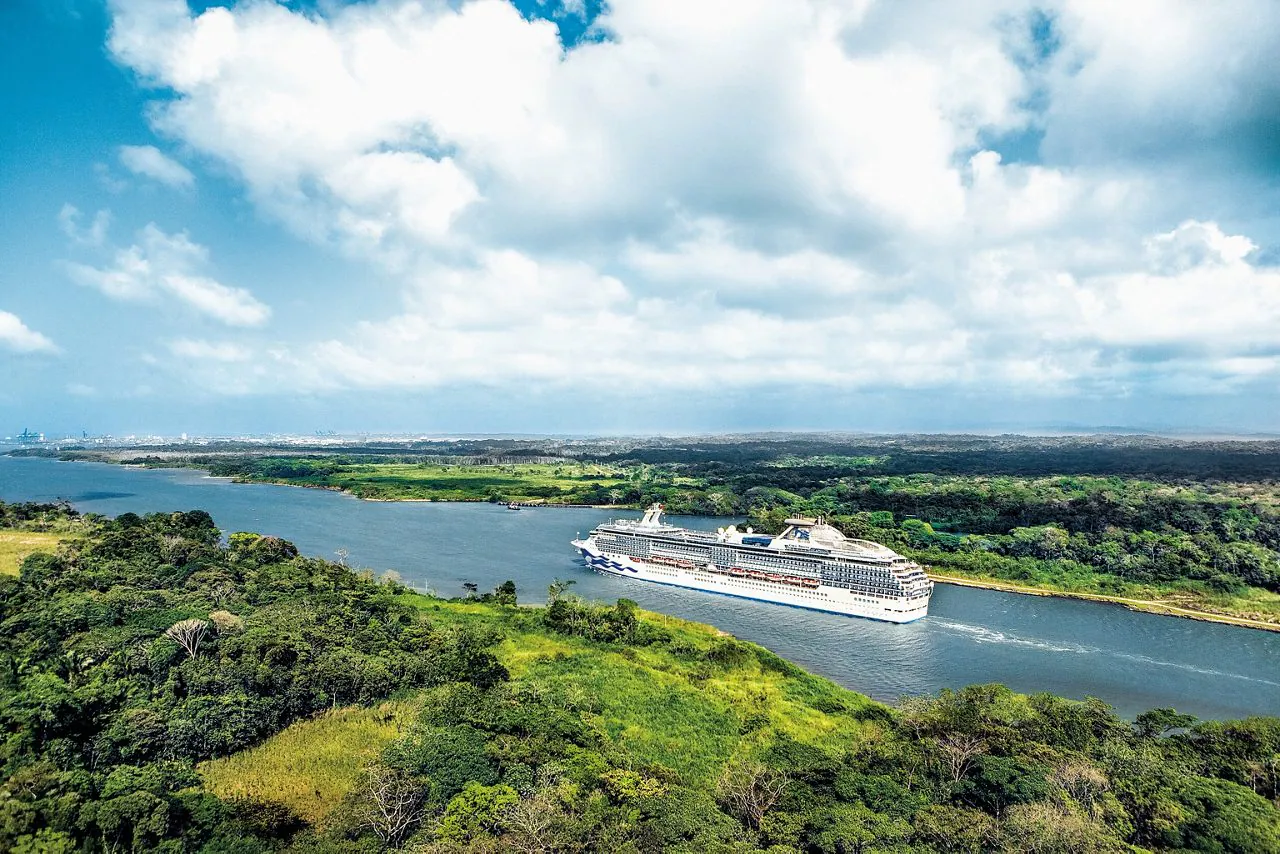
Torres Del Paine National Park, Puntas Arenas, Chile
Torres Del Paine National Park, Puntas Arenas, ChilePhoto by Olga Stalska on Unsplash
Punta Arenas, Chile
Punta Arenas, ChileImage by Monica Volpin from Pixabay

Day 27 - BEAGLECHANNELFJORDS&GLACIER

Further details for this day are not available.

Day 28 - Ushuaia

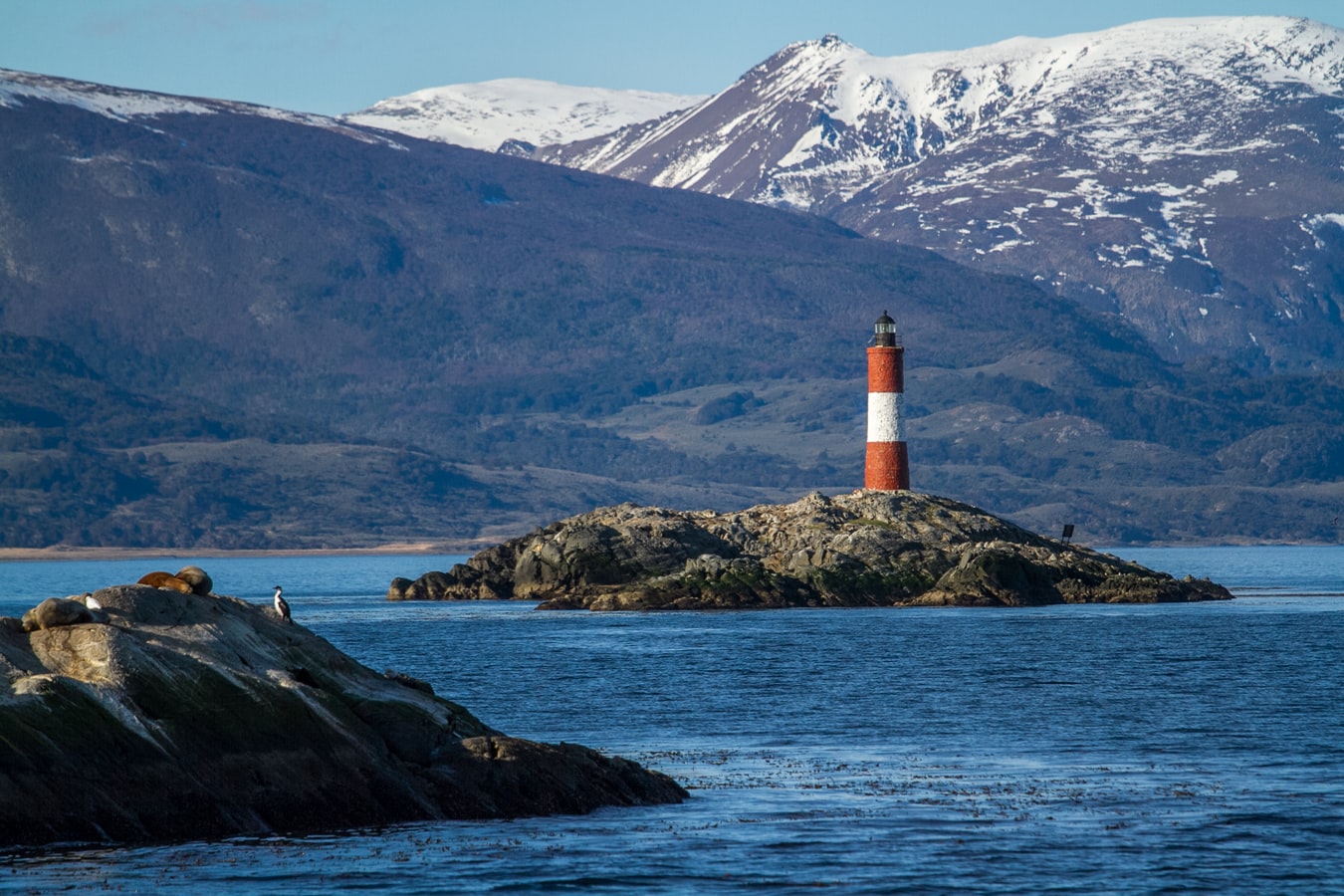
At 55 degrees latitude south, Ushuaia (pronounced oo-swy-ah) is closer to the South Pole than to Argentina's northern border with Bolivia. It is the capital and tourism base for Tierra del Fuego, the island at the southernmost tip of Argentina.Although its stark physical beauty is striking, Tierra del Fuego's historical allure is based more on its mythical past than on rugged reality. The island was inhabited for 6,000 years by Yámana, Haush, Selk'nam, and Alakaluf Indians. But in 1902 Argentina, eager to populate Patagonia to bolster its territorial claims, moved to initiate an Ushuaian penal colony, establishing the permanent settlement of its most southern territories and, by implication, everything in between.When the prison closed in 1947, Ushuaia had a population of about 3,000, made up mainly of former inmates and prison staff. Today the Indians of Darwin's "missing link" theory are long gone—wiped out by diseases brought by settlers and by indifference to their plight—and the 60,000 residents of Ushuaia are hitching their star to tourism.The city rightly (if perhaps too loudly) promotes itself as the southernmost city in the world (Puerto Williams, a few miles south on the Chilean side of the Beagle Channel, is a small town). You can make your way to the tourism office to get your clichéd, but oh-so-necessary, "Southernmost City in the World" passport stamp. Ushuaia feels like a frontier boomtown, at heart still a rugged, weather-beaten fishing village, but exhibiting the frayed edges of a city that quadrupled in size in the '70s and '80s and just keeps growing. Unpaved portions of Ruta 3, the last stretch of the Pan-American Highway, which connects Alaska to Tierra del Fuego, are finally being paved. The summer months (December through March) draw more than 120,000 visitors, and dozens of cruise ships. The city is trying to extend those visits with events like March's Marathon at the End of the World and by increasing the gamut of winter activities buoyed by the excellent snow conditions.A terrific trail winds through the town up to the Martial Glacier, where a ski lift can help cut down a steep kilometer of your journey. The chaotic and contradictory urban landscape includes a handful of luxury hotels amid the concrete of public housing projects. Scores of "sled houses" (wooden shacks) sit precariously on upright piers, ready for speedy displacement to a different site. But there are also many small, picturesque homes with tiny, carefully tended gardens. Many of the newer homes are built in a Swiss-chalet style, reinforcing the idea that this is a town into which tourism has breathed new life. At the same time, the weather-worn pastel colors that dominate the town's landscape remind you that Ushuaia was once just a tiny fishing village, snuggled at the end of the Earth.As you stand on the banks of the Canal Beagle (Beagle Channel) near Ushuaia, the spirit of the farthest corner of the world takes hold. What stands out is the light: at sundown the landscape is cast in a subdued, sensual tone; everything feels closer, softer, and more human in dimension despite the vastness of the setting. The snowcapped mountains reflect the setting sun back onto a stream rolling into the channel, as nearby peaks echo their image—on a windless day—in the still waters.Above the city rise the last mountains of the Andean Cordillera, and just south and west of Ushuaia they finally vanish into the often-stormy sea. Snow whitens the peaks well into summer. Nature is the principal attraction here, with trekking, fishing, horseback riding, wildlife spotting, and sailing among the most rewarding activities, especially in the Parque Nacional Tierra del Fuego (Tierra del Fuego National Park).

Arush   Ushuaia, Argentina   Pc To Dennis Fidalgo
Arush Ushuaia, Argentina Pc To Dennis Fidalgo
Arush   Ushuaia, Argentina   Pc To Sander Crombach
Arush Ushuaia, Argentina Pc To Sander Crombach
Arush   Ushuaia, Argentina   Pc To Seb Creativo
Arush Ushuaia, Argentina Pc To Seb Creativo

Day 30 - Antarctic Peninsula

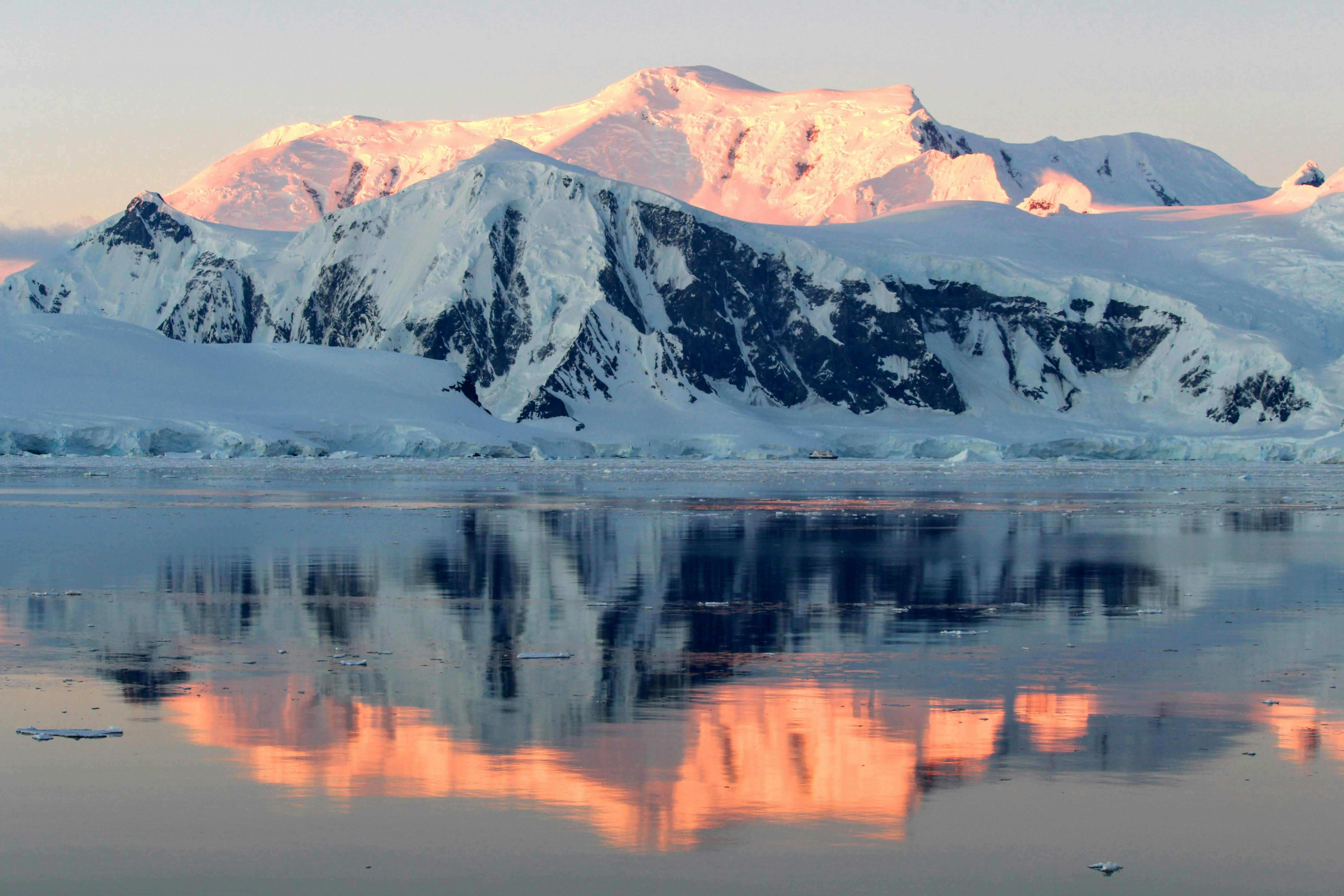
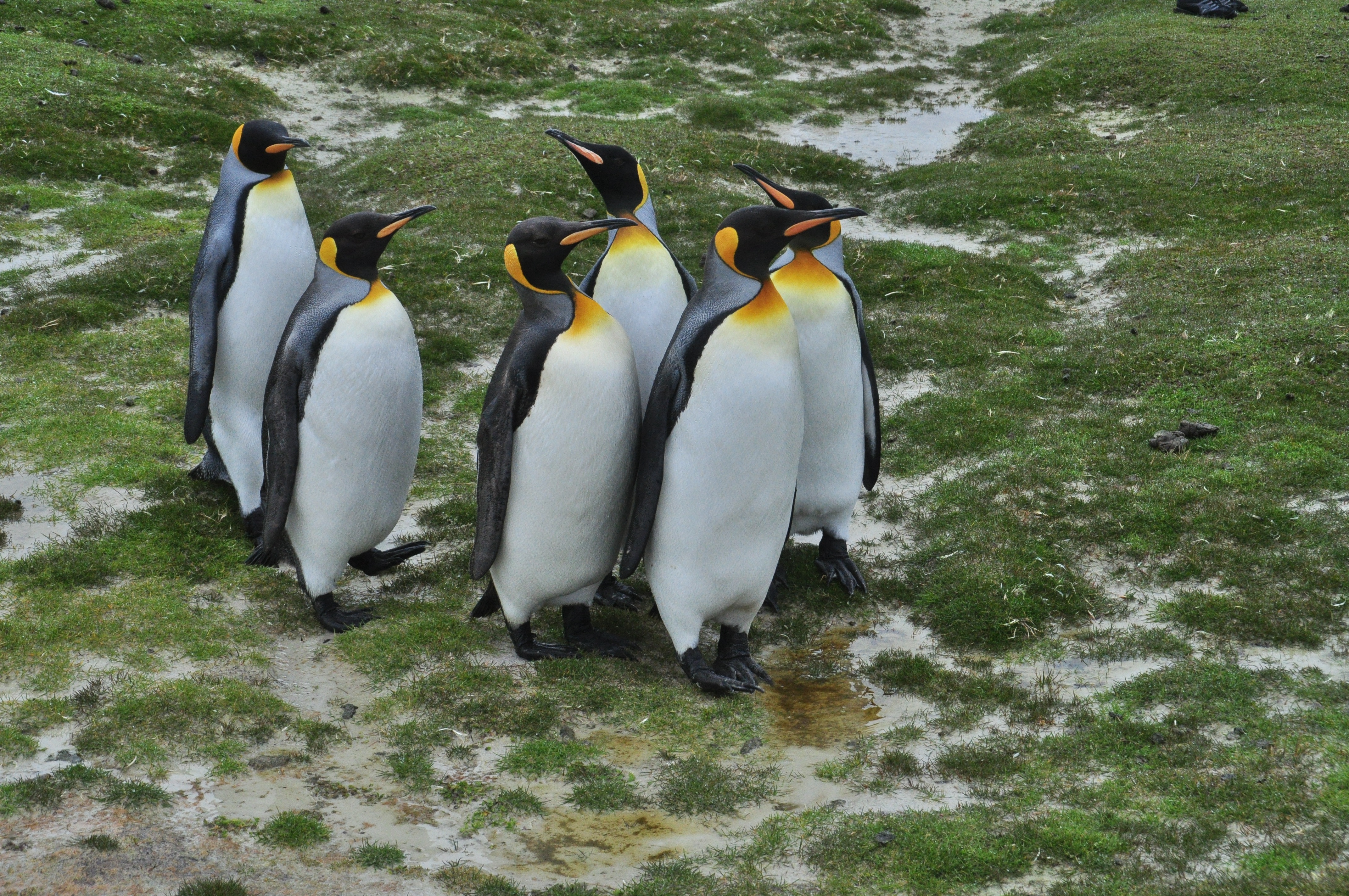
Remote and otherworldly, Antarctic is irresistible for its spectacular iceberg sculptures and calving glaciers, and for the possibility of up-close encounters with marine mammals and the iconic penguins. The Antarctic Peninsula – the main peninsula closest to South America – has a human history of almost 200 years, with explorers, sealers, whalers, and scientists who have come to work, and eventually intrepid visitors coming to enjoy this pristine and remote wilderness. It is a region of protected bays, unscaled snow-capped mountains, vast glaciers and a few places where whalers or scientists have worked. Just as irresistible are the many Gentoo and Chinstrap Penguin colonies, the seals basking on ice floes, the whales and orcas.

Aqape   Antarctic Peninsula, Antarctica James Eades
Aqape Antarctic Peninsula, Antarctica James EadesJames Eades
Aqape   Antarctic Peninsula, Antarctica Torsten Dederichs
Aqape Antarctic Peninsula, Antarctica Torsten DederichsTorsten Dederichs
Aqape   Antartica
Aqape Antartica

Day 31 - Antarctic Peninsula

Remote and otherworldly, Antarctic is irresistible for its spectacular iceberg sculptures and calving glaciers, and for the possibility of up-close encounters with marine mammals and the iconic penguins. The Antarctic Peninsula – the main peninsula closest to South America – has a human history of almost 200 years, with explorers, sealers, whalers, and scientists who have come to work, and eventually intrepid visitors coming to enjoy this pristine and remote wilderness. It is a region of protected bays, unscaled snow-capped mountains, vast glaciers and a few places where whalers or scientists have worked. Just as irresistible are the many Gentoo and Chinstrap Penguin colonies, the seals basking on ice floes, the whales and orcas.

Aqape   Antarctic Peninsula, Antarctica James Eades
Aqape Antarctic Peninsula, Antarctica James EadesJames Eades
Aqape   Antarctic Peninsula, Antarctica Torsten Dederichs
Aqape Antarctic Peninsula, Antarctica Torsten DederichsTorsten Dederichs
Aqape   Antartica
Aqape Antartica

Day 32 - Antarctic Peninsula

Remote and otherworldly, Antarctic is irresistible for its spectacular iceberg sculptures and calving glaciers, and for the possibility of up-close encounters with marine mammals and the iconic penguins. The Antarctic Peninsula – the main peninsula closest to South America – has a human history of almost 200 years, with explorers, sealers, whalers, and scientists who have come to work, and eventually intrepid visitors coming to enjoy this pristine and remote wilderness. It is a region of protected bays, unscaled snow-capped mountains, vast glaciers and a few places where whalers or scientists have worked. Just as irresistible are the many Gentoo and Chinstrap Penguin colonies, the seals basking on ice floes, the whales and orcas.

Aqape   Antarctic Peninsula, Antarctica James Eades
Aqape Antarctic Peninsula, Antarctica James EadesJames Eades
Aqape   Antarctic Peninsula, Antarctica Torsten Dederichs
Aqape Antarctic Peninsula, Antarctica Torsten DederichsTorsten Dederichs
Aqape   Antartica
Aqape Antartica

Day 33 - Antarctic Peninsula

Remote and otherworldly, Antarctic is irresistible for its spectacular iceberg sculptures and calving glaciers, and for the possibility of up-close encounters with marine mammals and the iconic penguins. The Antarctic Peninsula – the main peninsula closest to South America – has a human history of almost 200 years, with explorers, sealers, whalers, and scientists who have come to work, and eventually intrepid visitors coming to enjoy this pristine and remote wilderness. It is a region of protected bays, unscaled snow-capped mountains, vast glaciers and a few places where whalers or scientists have worked. Just as irresistible are the many Gentoo and Chinstrap Penguin colonies, the seals basking on ice floes, the whales and orcas.

Aqape   Antarctic Peninsula, Antarctica James Eades
Aqape Antarctic Peninsula, Antarctica James EadesJames Eades
Aqape   Antarctic Peninsula, Antarctica Torsten Dederichs
Aqape Antarctic Peninsula, Antarctica Torsten DederichsTorsten Dederichs
Aqape   Antartica
Aqape Antartica

Day 35 - Port Stanley

Tiny Stanley, capital of the Falklands, seems in many ways like a British village fallen out of the sky. Many homes are painted in bright colours, adding visual appeal to this distant outpost. Not far offshore, the wreck of the Lady Elizabeth, is one of the many vessels remaining as a silent testimonial to the region's frequent harsh weather conditions.The islands, also known by their Spanish name of Islas Malvinas, are home to arguably more tuxedo-clad inhabitants of the penguin variety than human residents. Various species, such as Gentoo, Magellanic and the more elusive King penguins, either live here permanently or use the Falklands as a stopover on their migration route. Darwin found the islands' flora and fauna fascinating - no doubt you will, too.

Port Stanley, Falkland Islands
Port Stanley, Falkland IslandsImage by barni b from Pixabay

Day 38 - Punta del Este

Often likened to the Hamptons or St-Tropez, Punta del Este is a flashy destination where parties run nonstop in peak season. But it is also a destination that draws a range of beachgoers to its shores, from summering families to the celebrity jet-set. There's a bustling city on the beach downtown, as well as quiet countryside populated solely with upscale ranches called chacras or estancias, and creative, buzzing hamlets like La Barra and José Ignacio. Though it's pricey and at times a logistical challenge to get around, everyone finds something about Punta to love.The resort takes its name from the "east point" marking the division of the Río de la Plata on the west from the Atlantic Ocean to the east. It also lends its name to the broader region encompassing the nearby communities of Punta Ballena and La Barra de Maldonado. These days even José Ignacio, some 20 miles away, is grouped in. It's usually a given that Argentina’s upper class spends at least part of the summer in Punta, soaking in the ample rays.

Punta Del Este, Uruguay
Punta Del Este, UruguayPhoto by Pedro Slinger on Unsplash

Day 39 - Montevideo

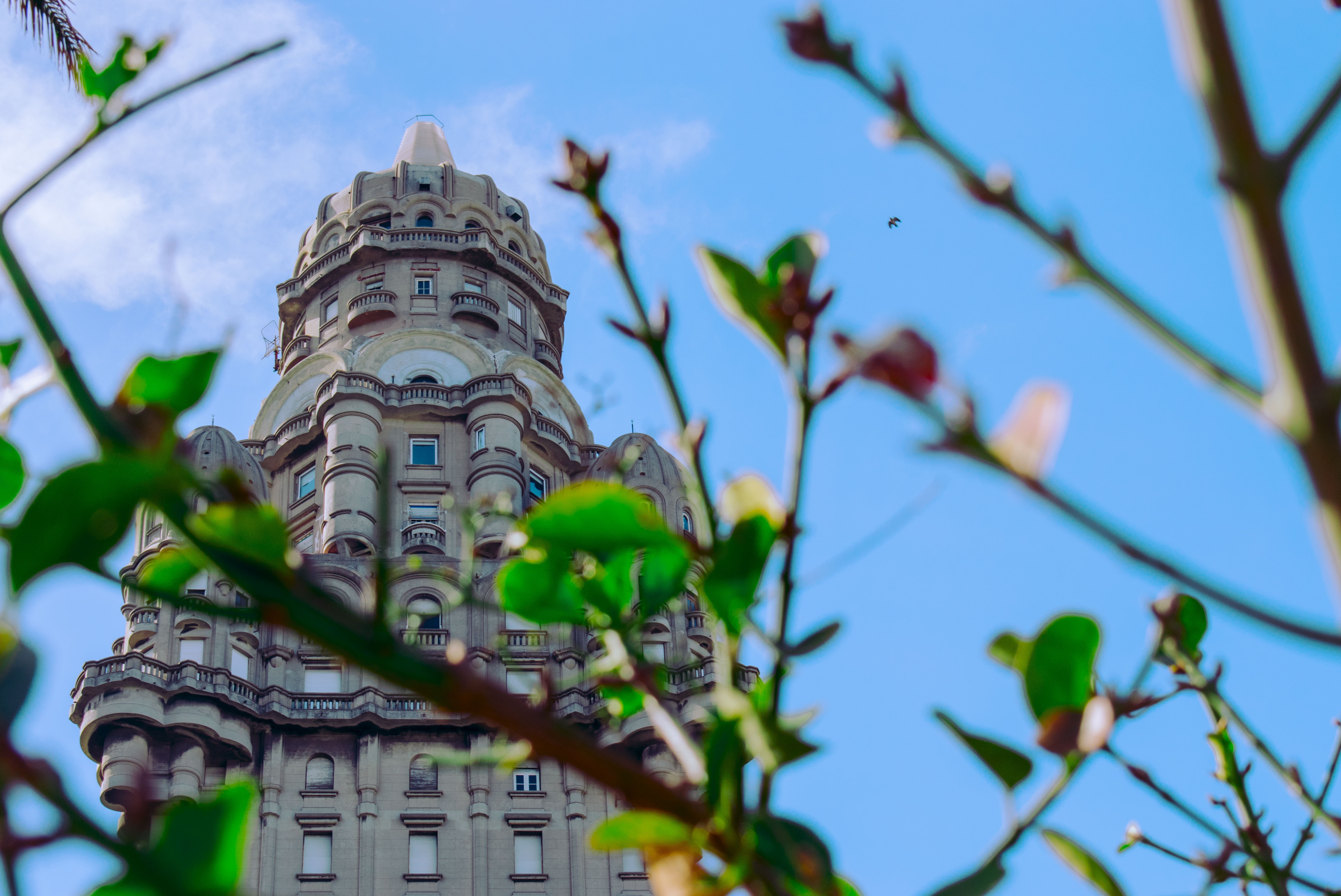
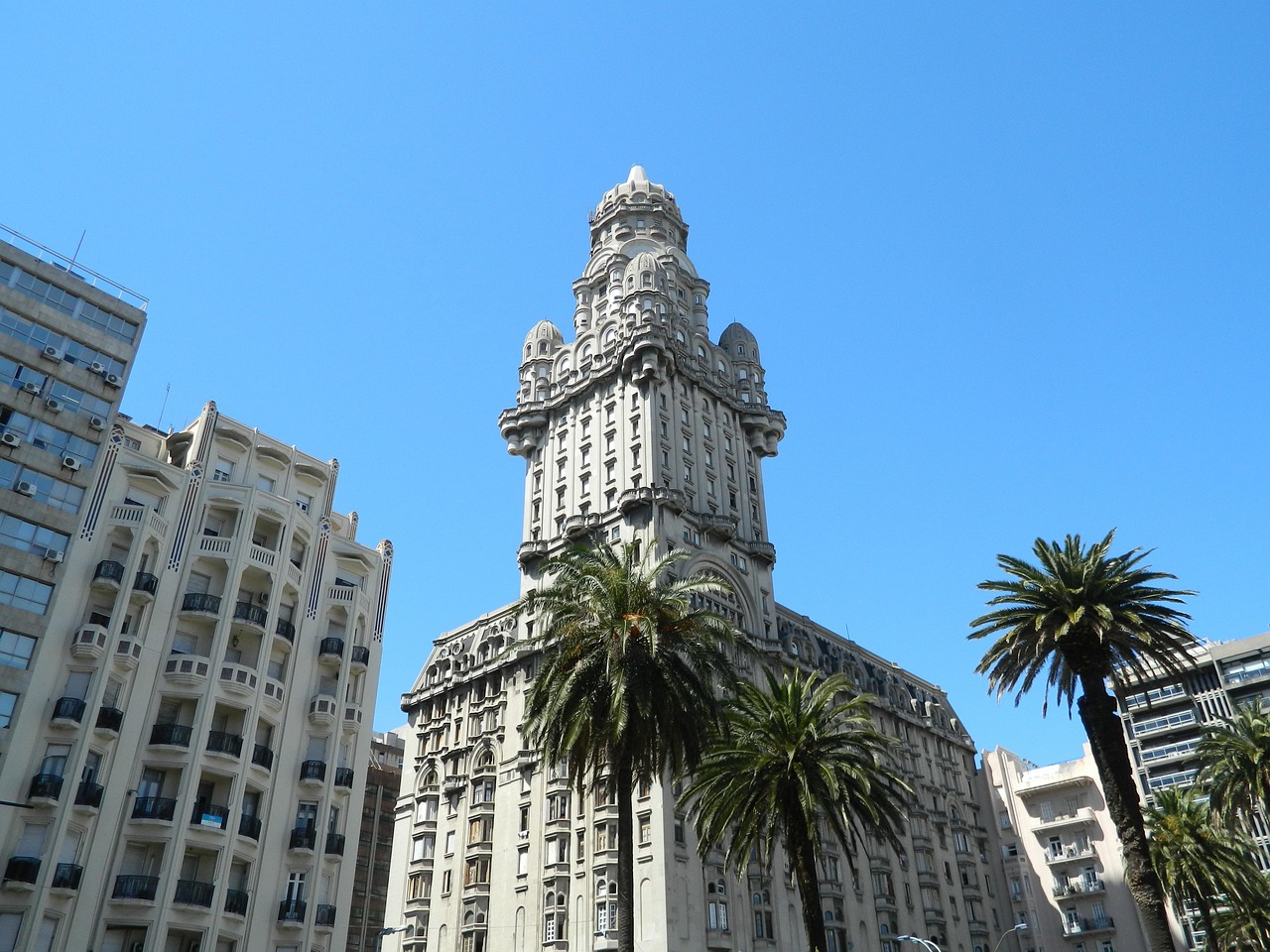
Uruguay’s capital city hugs the eastern bank of the Río de la Plata. A massive coastal promenade (malecón) that passes fine beaches, restaurants, and numerous parks recalls the sunny sophistications of the Mediterranean and is always dotted with Montevideans strolling, exercising, and lounging along the water. Montevideo has its share of glitzy shopping avenues and modern office buildings, balanced with its historic old city and sumptuous colonial architecture, as well as numerous leafy plazas and parks. It is hard not to draw comparisons to its sister city Buenos Aires across the river, and indeed Montevideo strikes many as a calmer, more manageable incarnation of Argentina's capital.When the weather's good, La Rambla, a 22-km (14-mile) waterfront avenue that links the Old City with the eastern suburbs and changes names about a dozen times, gets packed with fishermen, ice-cream vendors, and joggers. Around sunset, volleyball and soccer games wind down as couples begin to appear for evening strolls. Polls consistently rate Montevideo as having the highest quality of life of any city in Latin America. After one visit here, especially on a lovely summer evening, you probably will agree.

Montevideo, Uruguay
Montevideo, UruguayImage by hernansuarez28 from Pixabay
Montevideo,Uruguay
Montevideo,UruguayImage by pirizluz from Pixabay

Day 40 - Buenos Aires

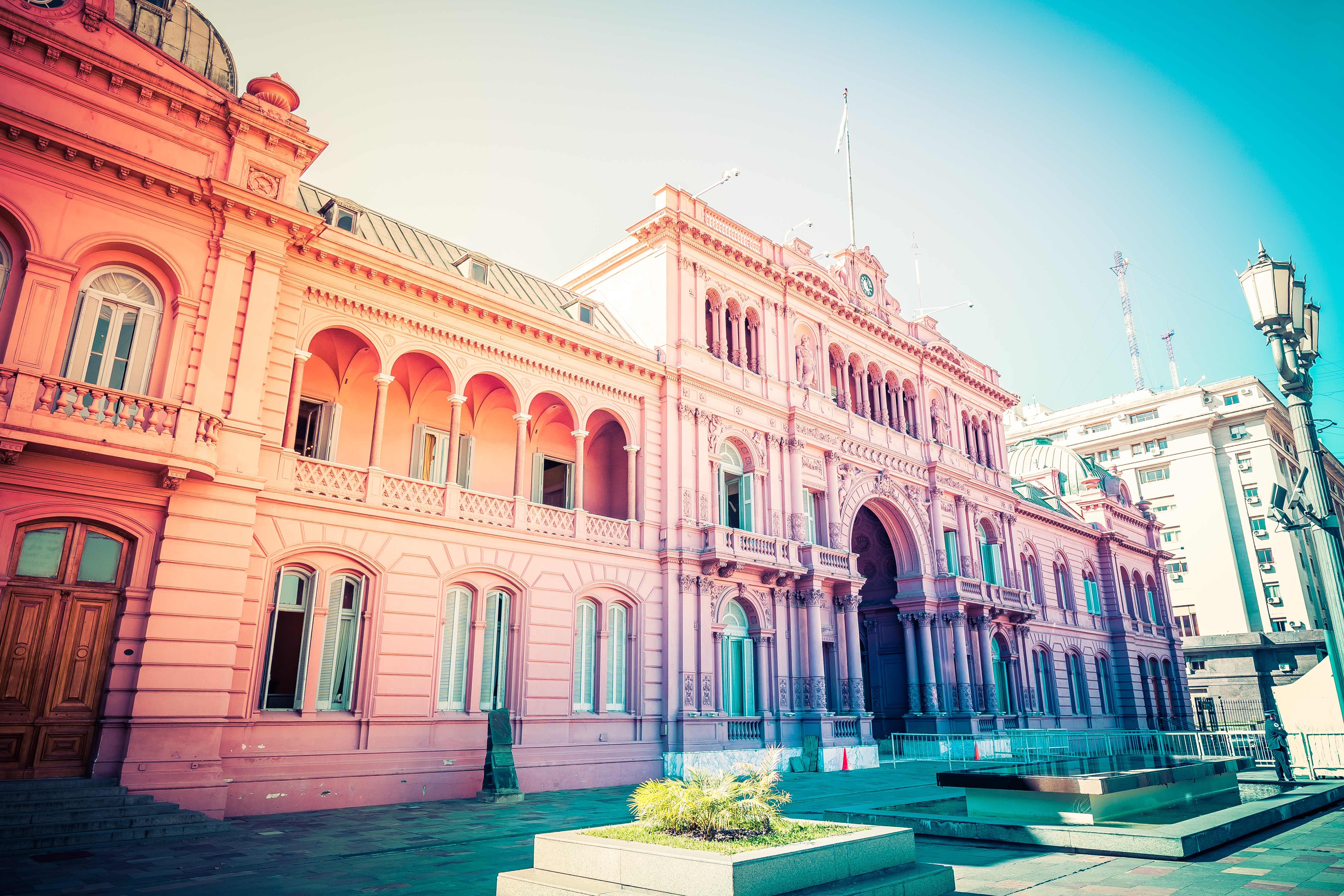
Glamorous and gritty, Buenos Aires is two cities in one. What makes Argentina's capital so fascinating is its dual heritage—part European, part Latin American. Plaza de Mayo resembles a grand square in Madrid, and the ornate Teatro Colón would not be out of place in Vienna. But you’ll know you’re in South America by the leather shoes for sale on cobbled streets and impromptu parades of triumphant soccer fans. Limited-production wines, juicy steaks, and ice cream in countless flavors are among the old-world imports the city has perfected.

Arbue   Buenos Aires, Argentina Rafael Leao
Arbue Buenos Aires, Argentina Rafael LeaoRafael Leao
Arbue   Buenos Aires, Argentina Sadie Teper
Arbue Buenos Aires, Argentina Sadie TeperSadie Teper
Arbue   Buenos Aires, Argentina Sander Crombach
Arbue Buenos Aires, Argentina Sander CrombachSander Crombach

Day 41 - Buenos Aires

Glamorous and gritty, Buenos Aires is two cities in one. What makes Argentina's capital so fascinating is its dual heritage—part European, part Latin American. Plaza de Mayo resembles a grand square in Madrid, and the ornate Teatro Colón would not be out of place in Vienna. But you’ll know you’re in South America by the leather shoes for sale on cobbled streets and impromptu parades of triumphant soccer fans. Limited-production wines, juicy steaks, and ice cream in countless flavors are among the old-world imports the city has perfected.

Arbue   Buenos Aires, Argentina Rafael Leao
Arbue Buenos Aires, Argentina Rafael LeaoRafael Leao
Arbue   Buenos Aires, Argentina Sadie Teper
Arbue Buenos Aires, Argentina Sadie TeperSadie Teper
Arbue   Buenos Aires, Argentina Sander Crombach
Arbue Buenos Aires, Argentina Sander CrombachSander Crombach

Day 44 - Rio de Janeiro

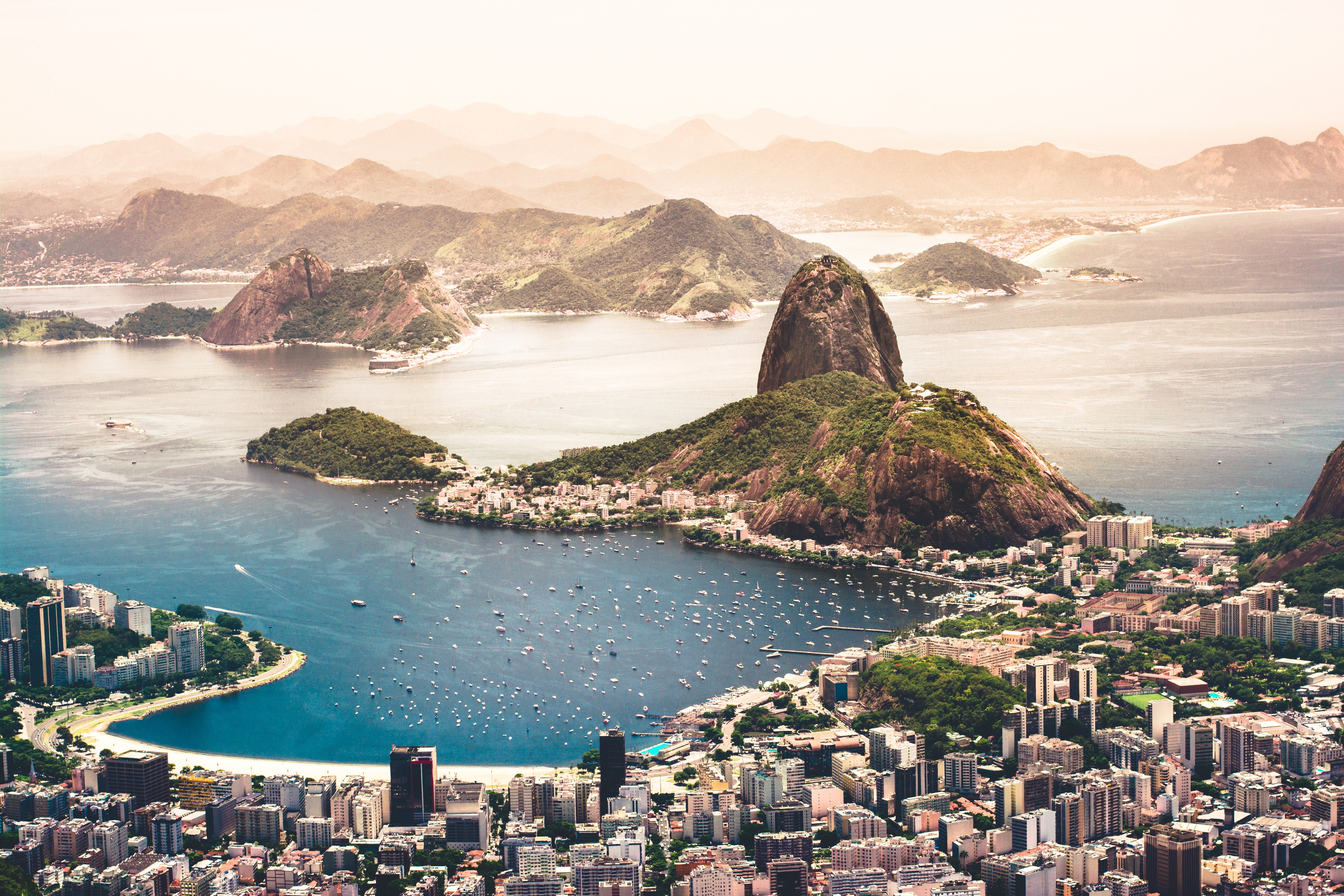
Welcome to the Cidade Maravilhosa, or the Marvelous City, as Rio is known in Brazil. Synonymous with the girl from Ipanema, the dramatic views from Christ the Redeemer atop Corcovado mountain, and fabulously flamboyant Carnival celebrations, Rio is a city of stunning architecture, abundant museums, and marvelous food. Rio is also home to 23 beaches, an almost continuous 73-km (45-mile) ribbon of sand.As you leave the airport and head to Rio's beautiful Zona Sul (the touristic South Zone), you'll drive for about 40 minutes on a highway from where you'll begin to get a sense of the dramatic contrast between beautiful landscape and devastating poverty. In this teeming metropolis of 12 million people (6.2 million of whom live in Rio proper), the very rich and the very poor live in uneasy proximity. You'll drive past seemingly endless cinder-block favela, but by the time you reach Copacabana's breezy, sunny Avenida Atlântica—flanked on one side by white beach and azure sea and on the other by condominiums and hotels—your heart will leap with expectation as you begin to recognize the postcard-famous sights. Now you're truly in Rio, where cariocas (Rio residents) and tourists live life to its fullest.Enthusiasm is contagious in Rio. Prepare to have your senses engaged and your inhibitions untied. Rio seduces with a host of images: the joyous bustle of vendors at Sunday's Feira Hippie (Hippie Fair); the tipsy babble at sidewalk cafés as patrons sip their last glass of icy beer under the stars; the blanket of lights beneath the Pão de Açúcar (Sugarloaf Mountain); the bikers, joggers, strollers, and power walkers who parade along the beach each morning. Borrow the carioca spirit for your stay; you may find yourself reluctant to give it back.

Brrio Rio De Janeiro Aerial Photography Of Cityscape Near Sea Agustin Diaz
Brrio Rio De Janeiro Aerial Photography Of Cityscape Near Sea Agustin DiazAgustin Diaz
Brrio Rio De Janeiro Group Of People Sunbathing On Beach Joao Pedro Vergara
Brrio Rio De Janeiro Group Of People Sunbathing On Beach Joao Pedro VergaraJoao Pedro Vergara
Brrio Rio De Janeiro Christ The Redemer Statue Cerqueira
Brrio Rio De Janeiro Christ The Redemer Statue Cerqueiracerqueira

Day 48 - Fortaleza

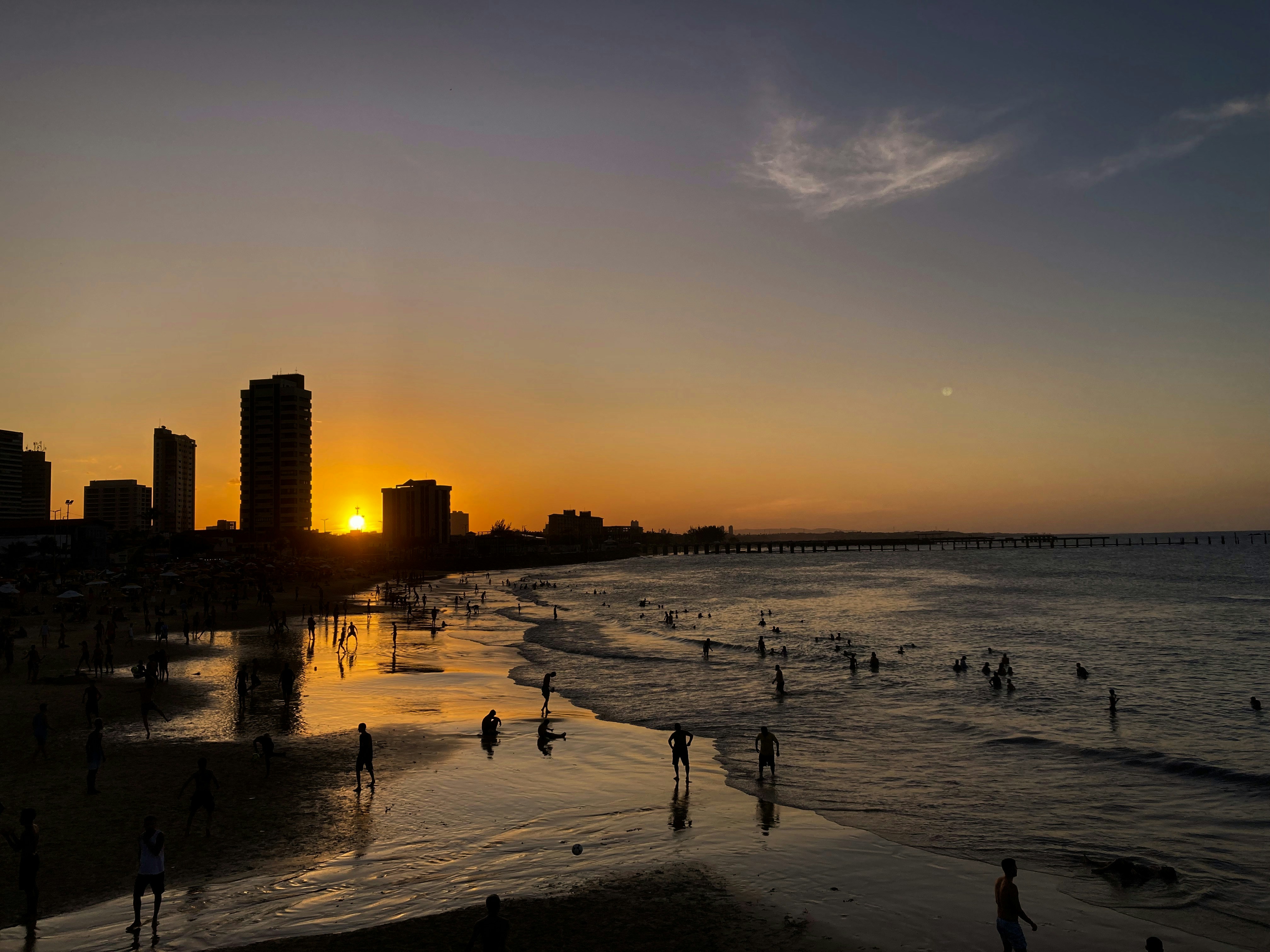
Called the "City of Light," Fortaleza claims that the sun shines on it 2,800 hours a year. And it's a good thing, too, as the coastline stretches far beyond the city. To the east, along the Litoral Leste or the Costa Sol Nascente (Sunrise Coast) are many fishing villages. To the west, along the Litoral Oeste or the Costa Sol Poente (Sunset Coast), there are pristine stretches of sand. The shores here are cooled by constant breezes and lapped by waters with an average temperature of 24°C (72°F).Today Fortaleza, a large, modern state capital with more than 2 million inhabitants, is Brazil's fifth-largest city. It's also on the move, with one of the country's newest airports, a modern convention center, a huge cultural center with a planetarium, large shopping malls, several museums and theaters, and an abundance of sophisticated restaurants. At Praia de Iracema there's a revitalized beachfront area of sidewalk cafés, bars, and dance clubs. But if you wander along the shore, you're still bound to encounter fishermen unloading their catch from traditional jangadas—just as they've done for hundreds of years.

Beira Mar, Fortaleza, Brazil
Beira Mar, Fortaleza, BrazilPhoto by Guilherme Hilton on Unsplash

Day 50 - Amazon River

Further details for this day are not available.

Day 51 - Amazon River

Further details for this day are not available.

Day 52 - Amazon River

Further details for this day are not available.

Day 53 - Amazon River

Further details for this day are not available.

Day 54 - Manaus

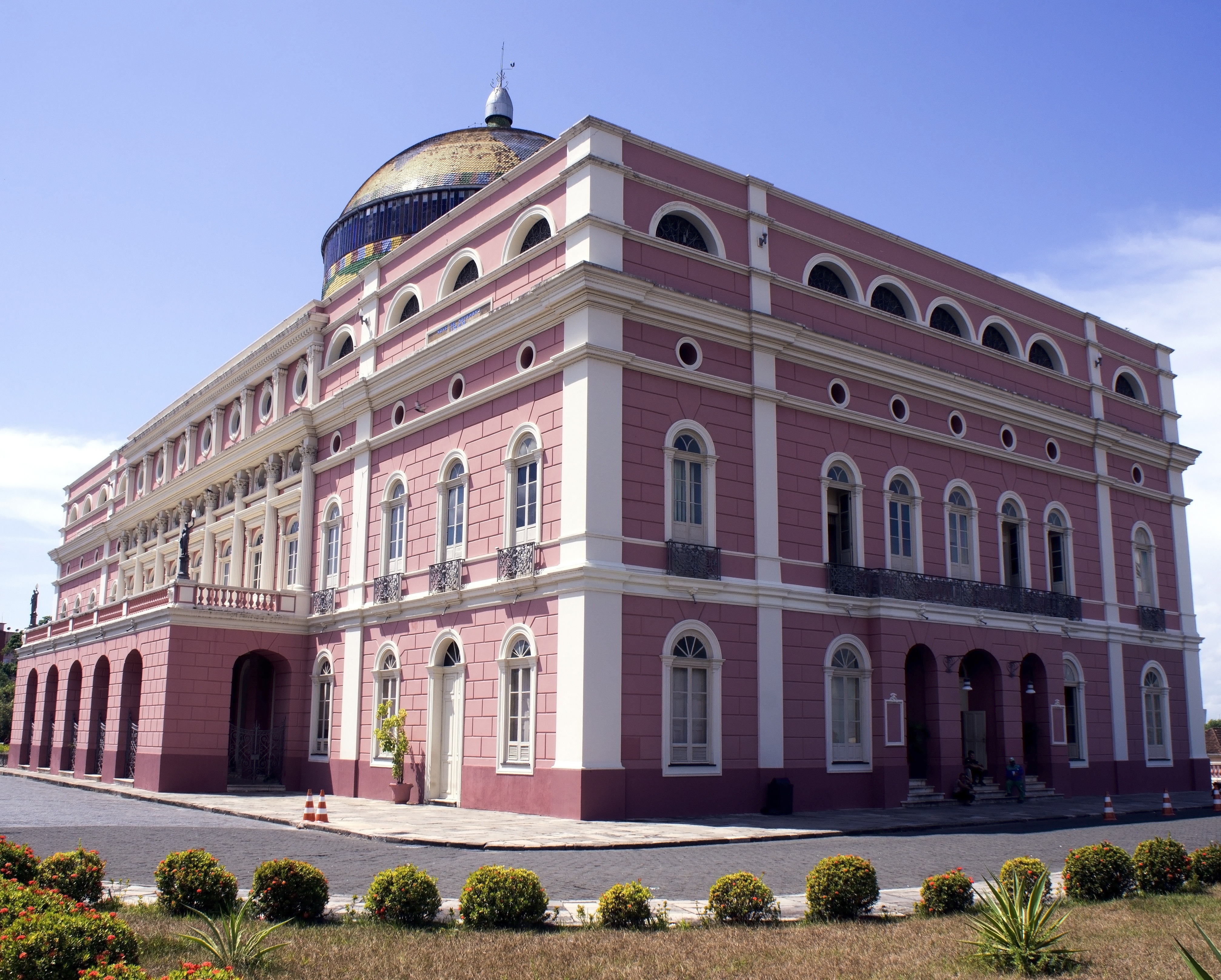
A hidden metropolis inside of the Amazon Rainforest in Brazil, this city is both modern and exciting, yet untouched by the world beyond the jungle. Visit its historical Rubber Museums or stop by the Park of Mindu and catch glimpse of the endangered Pied Tamarin.

The Theatre In Manaus
The Theatre In ManausImage by JB from Pixabay

Day 55 - Manaus

A hidden metropolis inside of the Amazon Rainforest in Brazil, this city is both modern and exciting, yet untouched by the world beyond the jungle. Visit its historical Rubber Museums or stop by the Park of Mindu and catch glimpse of the endangered Pied Tamarin.

The Theatre In Manaus
The Theatre In ManausImage by JB from Pixabay

Day 56 - Amazon River

Further details for this day are not available.

Day 57 - Santarém

Further details for this day are not available.

Santarem, Brazil
Santarem, BrazilImage by t 林 from Pixabay

Day 58 - Amazon River

Further details for this day are not available.

Day 59 - Amazon River

Further details for this day are not available.

Day 61 - Bridgetown

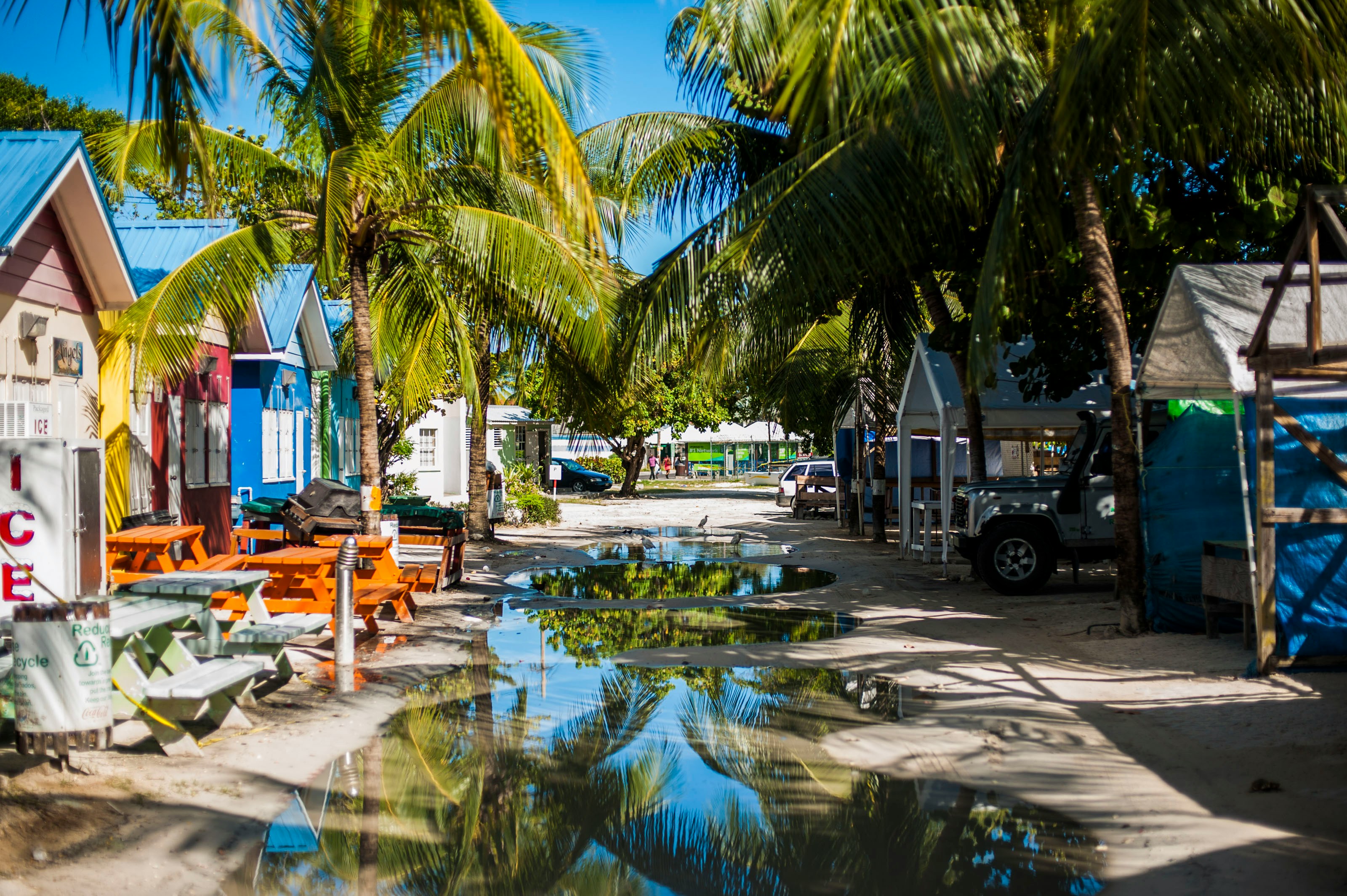
Located beside the island’s only natural harbour, the capital of Barbados combines modern and colonial architecture with glorious palm tree-lined beaches and a number of historical attractions. Experience the relaxed culture of the city renowned for its British-style parliament buildings and vibrant beach life, and seek out the Anglican church and the 19th-century Barbados Garrison. The distance between the ship and your tour vehicle may vary. This distance is not included in the excursion grades.

Bbbgi   Bridgetown   Boardwalk  © The Club Barbados, Elite Island Resorts
Bbbgi Bridgetown Boardwalk © The Club Barbados, Elite Island Resorts© The Club Barbados, Elite Island Resorts
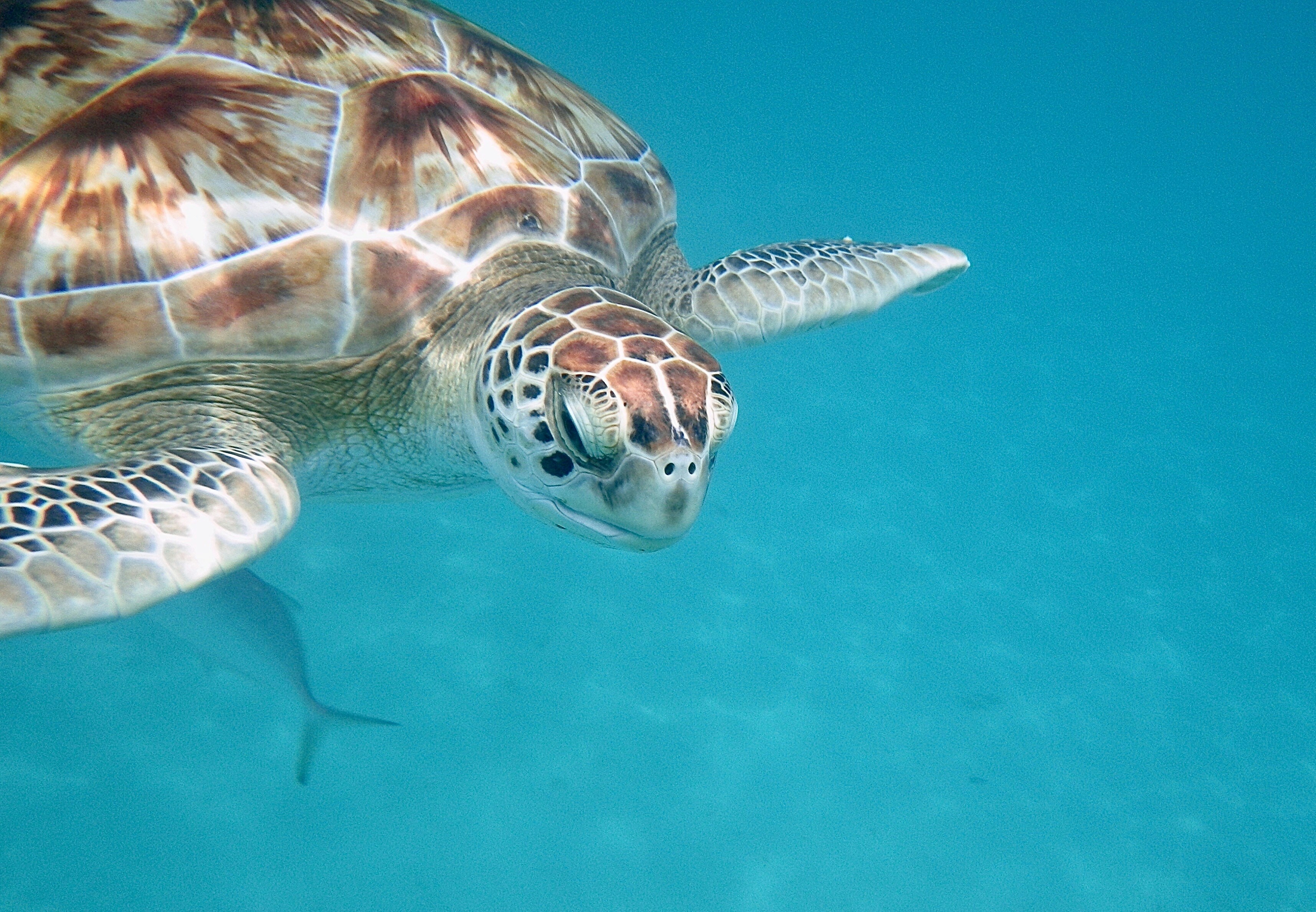
Bridgetown Turtle
Bridgetown TurtleBruce Barrow, Unsplash
Barbados Bridgetown
Barbados BridgetownTom Jur, Unsplash

Day 65 - Fort Lauderdale, Florida

Like many southeast Florida neighbors, Fort Lauderdale has long been revitalizing. In a state where gaudy tourist zones often stand aloof from workaday downtowns, Fort Lauderdale exhibits consistency at both ends of the 2-mile Las Olas corridor. The sparkling look results from upgrades both downtown and on the beachfront. Matching the downtown's innovative arts district, cafés, and boutiques is an equally inventive beach area, with hotels, cafés, and shops facing an undeveloped shoreline, and new resort-style hotels replacing faded icons of yesteryear. Despite wariness of pretentious overdevelopment, city leaders have allowed a striking number of glittering high-rises. Nostalgic locals and frequent visitors fret over the diminishing vision of sailboats bobbing in waters near downtown; however, Fort Lauderdale remains the yachting capital of the world, and the water toys don’t seem to be going anywhere.

Usfll   Fort Lauderdale   Palm Trees  Karina Carvalho
Usfll Fort Lauderdale Palm Trees Karina Carvalho Photograph by Karina Carvalho
Usfll   Fort Lauderdale   Tarpoon River  Luiz Centenaro
Usfll Fort Lauderdale Tarpoon River Luiz Centenaro Photograph by Luiz Centenaro
Usmia   Miami   Art Deco South Beach   Visit Florida.Com
Usmia Miami Art Deco South Beach Visit Florida.ComVisitFlorida.com
Usmia   Miami   Beach Boardwalk   The Greater Miami Convention & Visitors Bureau
Usmia Miami Beach Boardwalk The Greater Miami Convention & Visitors BureauThe Greater Miami Convention & Visitors Bureau

Suites & Deck Plans

Suite

Truly Luxurious Accommodations at Sea

Surrounding you with deluxe accommodations, a spacious Suite with balcony* includes all the amenities of a Reserve Collection Mini-Suite^^, plus incredible premiums. Enjoy more living space, a sofa bed and separate seating areas, and wonderfully enhanced amenities that range from priority embarkation and disembarkation to a complimentary mini-bar setup in suite and so much more.

*Some suites have windows rather than balconies and are labeled as Window Suites.

Includes all the fine amenities of a spacious Reserve Collection Mini-Suite plus:

  • Approx. 460 to 932 sq. ft., including balcony
  • Luxury balcony furniture including 2 loungers, 4 chairs, table and ottoman
  • 2 floor-to-ceiling sliding glass doors
  • Separate sitting area with sofa bed, chair and 2 tables
  • One complimentary mini-bar setup and free daily bottled water
  • Spacious closet
  • Complimentary laundry and professional cleaning services
  • Complimentary Specialty Dining Dinner on embarkation evening^
  • Priority specialty dining and shore excursion reservation
  • Priority disembarkation at tender ports
  • Comfortable queen or two twin beds▲
  • Refrigerator
  • Two flat-panel televisions
  • Private bathroom with tub and separate shower
  • 100% cotton, high-thread count linens
  • 24-hour room service†
  • Desk with chair
  • Hair dryer & fine bathroom amenities
  • Digital security safe

▲ 3rd/4th berths available in select cabins.

^ Applicable on cruises six days or longer. Reservations can be made once onboard your ship.

† Guests may call for room service delivery or order through OceanNow® in the Princess® Cruises app at any time of the day or night. Guests with the latest Princess Plus and Princess Premier packages enjoy OceanNow® and room service delivery with no charge. Otherwise, a one-time access fee of $14.99 USD per person per voyage will apply for OceanNow® delivery and a $5 USD room service fee will apply for each order placed by stateroom phone. Limitations, restrictions and conditions apply.

^^ Full suite guests enjoy a complimentary mini-bar setup and do not receive the 750ml bottle of wine.

460-932 sq ft
Accommodates 4 guests
Suite

Coral Princess

Coral Princess

Life on board

The Onboard Experience

Client testimonials

I have worked with Lore Doick for more than 20 years, and she has booked over 30 cruises for me. Her expertise, care, and attention to every travel detail have made her an invaluable advisor and friend over the years.”

Tina B.

We are now in our second generation working with Cheri Ozimac at Tully Luxury Travel. From Antarctica to Greece, she has handled every detail with expertise, responsiveness, and care…

Earl M.

My wife and I have worked with Tully since 2007, and Kit Neil and her team went far beyond expectations while helping us navigate multiple cruise and flight cancellations. Their advocacy, care, and support during a difficult time were extraordinary.

Carri F.

Cheri Ozimac organized our Seabourn cruise flawlessly, from the hotel recommendation to every travel arrangement. She was responsive, attentive, and an excellent advocate throughout the process…

Cyn S.

We discovered Tully Luxury Travel after years of booking cruises through US agents and were impressed by their competitive pricing, exceptional service, and Canadian based support. Their team is always available, offers excellent value, and makes booking the right cruise seamless.

Peter C.

GoogleAverage Customer Rating:

The Tully Difference

Why travel with us


Tully Luxury Travel was built on access, discretion, and trust. For our clients, that means ease at every step, with distinctions that turn exceptional voyages into defining moments.

Recognized expertise

A renowned agency worldwide in luxury land and small-ship cruising, consistently trusted by the industry’s most prestigious brands.