
PONANT EXPLORATIONS logo

Cities and splendours of the Adriatic

Itinerary: Dubrovnik, Hvar Island, Bol, Rab Island, Brijuni, Pula, Piran, Venice See full itinerary

16 Aug 28
7 nights

Voyage Details

Duration:
7 nights
Departure:
16 Aug 2028
Embarkation:
Dubrovnik, Croatia
Voyage code:
EU160828

Your Itinerary, Day-By-Day

Special Chapters of Your Journey

Day 1 - Dubrovnik

Nothing can prepare you for your first sight of Dubrovnik. Lying 216 km (135 miles) southeast of Split and commanding a jaw-dropping coastal location, it is one of the world's most beautiful fortified cities. Its massive stone ramparts and fortress towers curve around a tiny harbor, enclosing graduated ridges of sun-bleached orange-tiled roofs, copper domes, and elegant bell towers. Your imagination will run wild picturing what it looked like seven centuries ago when the walls were built, without any suburbs or highways around it, just this magnificent stone city rising out of the sea.In the 7th century AD, residents of the Roman city Epidaurum (now Cavtat) fled the Avars and Slavs of the north and founded a new settlement on a small rocky island, which they named Laus, and later Ragusa. On the mainland hillside opposite the island, the Slav settlement called Dubrovnik grew up. In the 12th century the narrow channel separating the two settlements was filled in (now the main street through the Old Town, called Stradun), and Ragusa and Dubrovnik became one. The city was surrounded by defensive walls during the 13th century, and these were reinforced with towers and bastions in the late 15th century.From 1358 to 1808 the city thrived as a powerful and remarkably sophisticated independent republic, reaching its golden age during the 16th century. In 1667 many of its splendid Gothic and Renaissance buildings were destroyed by an earthquake. The defensive walls survived the disaster, and the city was rebuilt in baroque style.Dubrovnik lost its independence to Napoléon in 1808, and in 1815 passed to Austria-Hungary. During the 20th century, as part of Yugoslavia, the city became a popular tourist destination, and in 1979 it was listed as a UNESCO World Heritage Site. During the war for independence, it came under heavy siege. Thanks to careful restoration, few traces of damage remain; however, there are maps inside the Pile and Ploče Gates illustrating the points around the city where damage was done. It’s only when you experience Dubrovnik yourself that you can understand what a treasure the world nearly lost
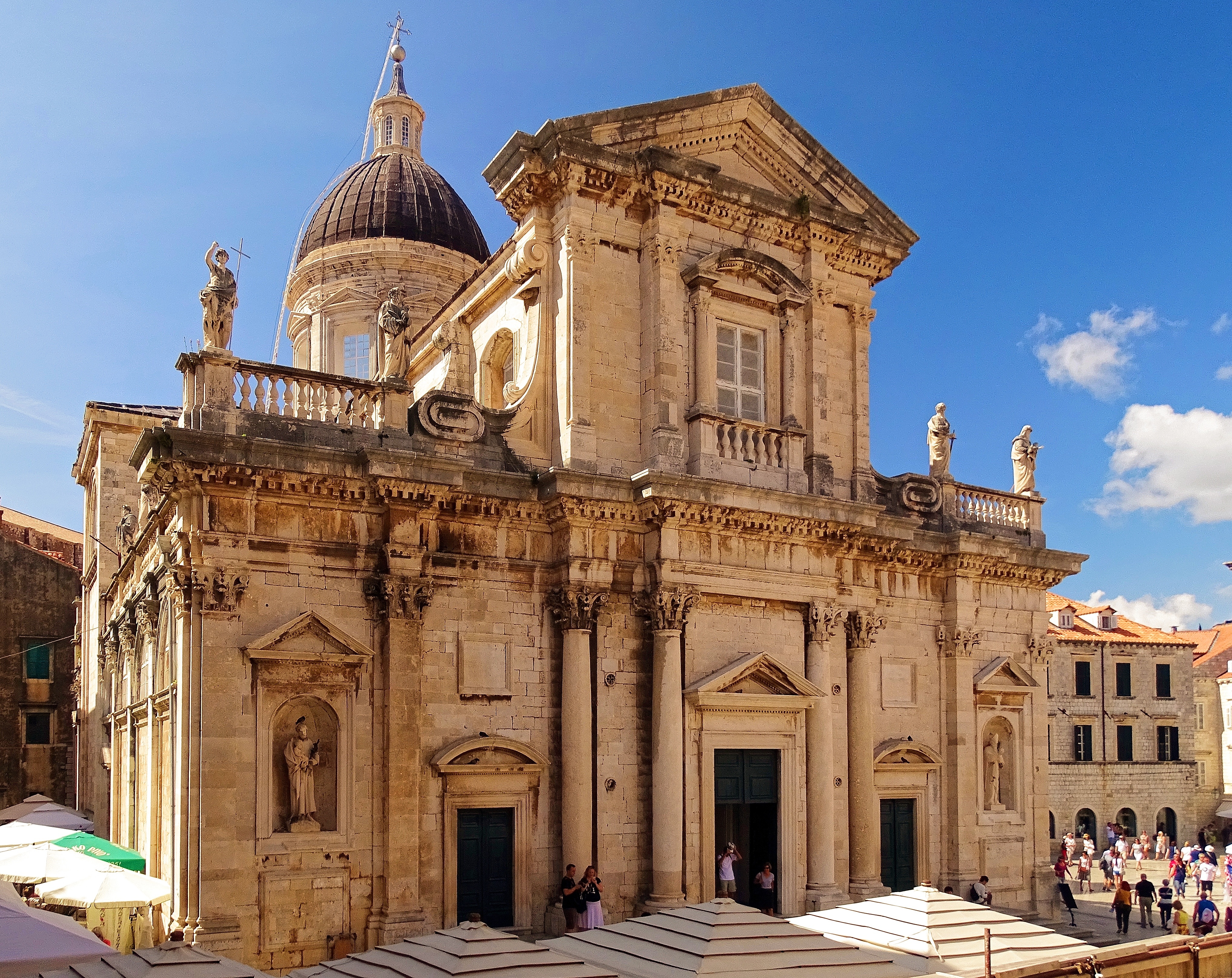
Hrdbv   Dubrovnik   Cathedral
Hrdbv Dubrovnik Cathedral
Hrdbv   Dubrovnik   Citadel
Hrdbv Dubrovnik Citadel
Hrdbv   Dubrovnik   Cliff
Hrdbv Dubrovnik Cliff
Hrdbv   Dubrovnik   Nightlife
Hrdbv Dubrovnik Nightlife
Hrdbv   Dubrovnik   Old Town Bells
Hrdbv Dubrovnik Old Town Bells
Hrdbv   Dubrovnik   Street
Hrdbv Dubrovnik Street

Day 2 - Dubrovnik

Nothing can prepare you for your first sight of Dubrovnik. Lying 216 km (135 miles) southeast of Split and commanding a jaw-dropping coastal location, it is one of the world's most beautiful fortified cities. Its massive stone ramparts and fortress towers curve around a tiny harbor, enclosing graduated ridges of sun-bleached orange-tiled roofs, copper domes, and elegant bell towers. Your imagination will run wild picturing what it looked like seven centuries ago when the walls were built, without any suburbs or highways around it, just this magnificent stone city rising out of the sea.In the 7th century AD, residents of the Roman city Epidaurum (now Cavtat) fled the Avars and Slavs of the north and founded a new settlement on a small rocky island, which they named Laus, and later Ragusa. On the mainland hillside opposite the island, the Slav settlement called Dubrovnik grew up. In the 12th century the narrow channel separating the two settlements was filled in (now the main street through the Old Town, called Stradun), and Ragusa and Dubrovnik became one. The city was surrounded by defensive walls during the 13th century, and these were reinforced with towers and bastions in the late 15th century.From 1358 to 1808 the city thrived as a powerful and remarkably sophisticated independent republic, reaching its golden age during the 16th century. In 1667 many of its splendid Gothic and Renaissance buildings were destroyed by an earthquake. The defensive walls survived the disaster, and the city was rebuilt in baroque style.Dubrovnik lost its independence to Napoléon in 1808, and in 1815 passed to Austria-Hungary. During the 20th century, as part of Yugoslavia, the city became a popular tourist destination, and in 1979 it was listed as a UNESCO World Heritage Site. During the war for independence, it came under heavy siege. Thanks to careful restoration, few traces of damage remain; however, there are maps inside the Pile and Ploče Gates illustrating the points around the city where damage was done. It’s only when you experience Dubrovnik yourself that you can understand what a treasure the world nearly lost

Hrdbv   Dubrovnik   Cathedral
Hrdbv Dubrovnik Cathedral
Hrdbv   Dubrovnik   Citadel
Hrdbv Dubrovnik Citadel
Hrdbv   Dubrovnik   Cliff
Hrdbv Dubrovnik Cliff
Hrdbv   Dubrovnik   Nightlife
Hrdbv Dubrovnik Nightlife
Hrdbv   Dubrovnik   Old Town Bells
Hrdbv Dubrovnik Old Town Bells
Hrdbv   Dubrovnik   Street
Hrdbv Dubrovnik Street

Day 3 - Hvar Island

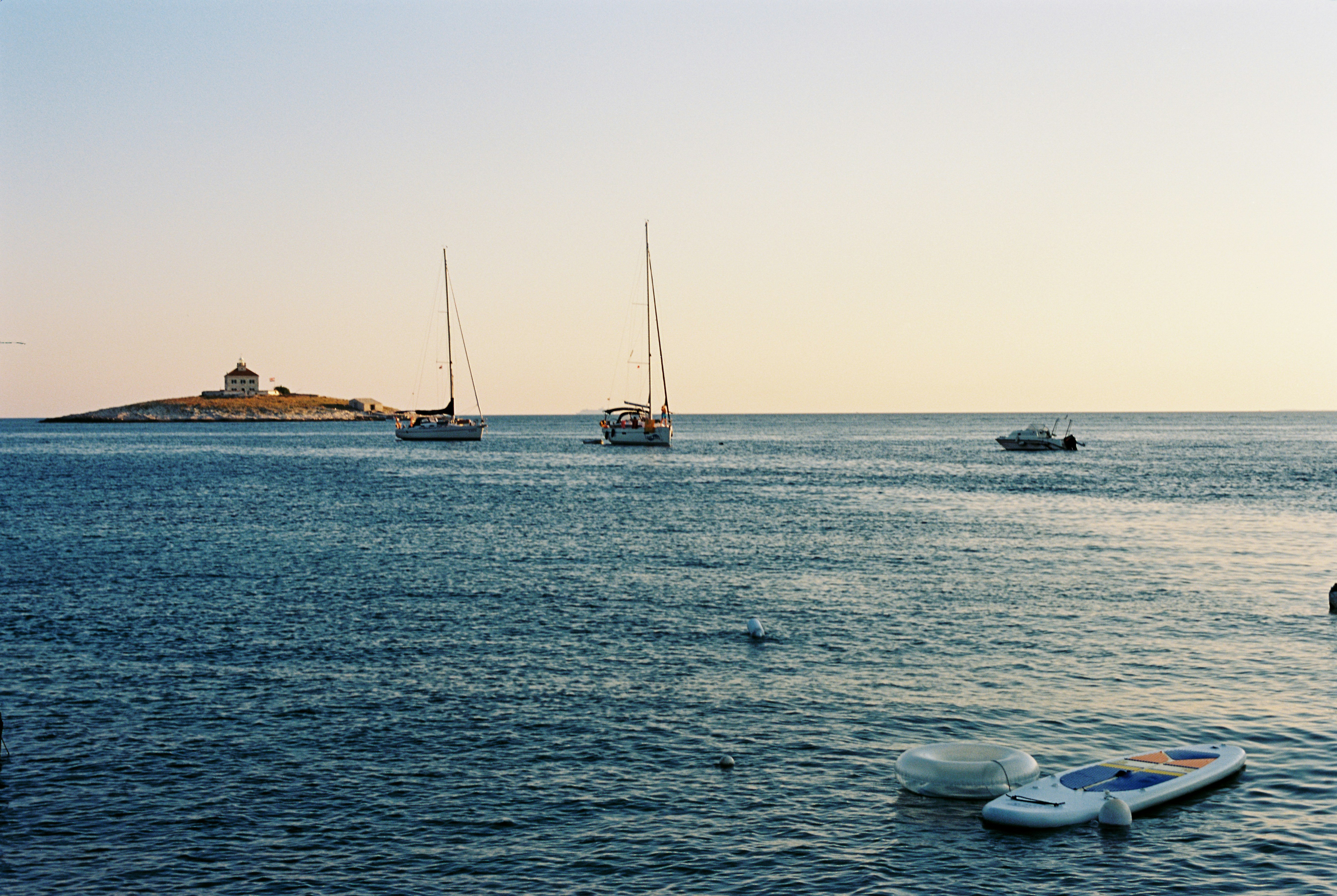
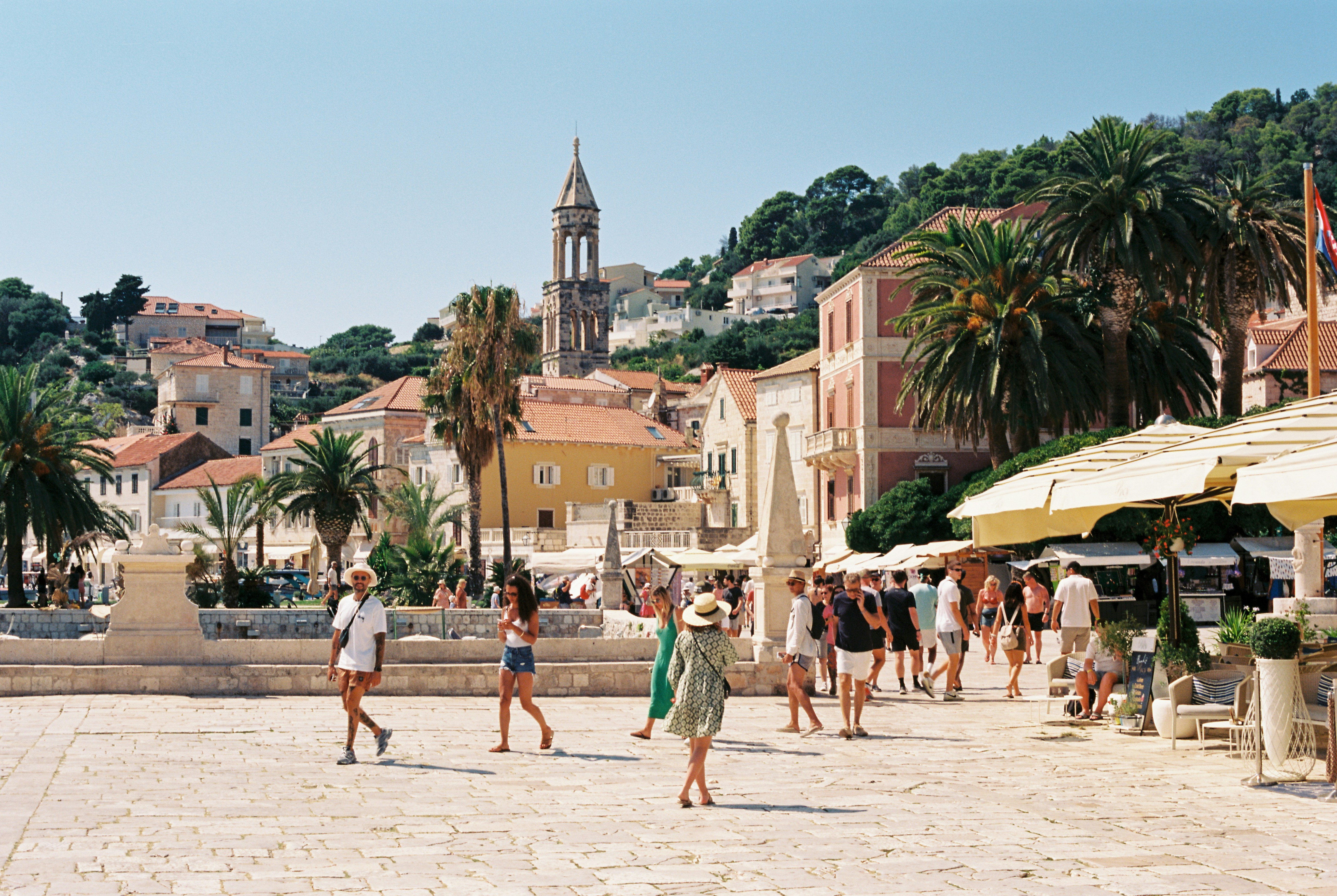
The Croatian island of Hvar bills itself as the "sunniest island in the Adriatic." Not only does it have the figures to back up this claim—an annual average of 2,724 hours of sunshine—but it also makes visitors a sporting proposition, offering them a money-back guarantee if there are seven consecutive days of snow (snow has been known to fall here; the last time being February 2012).

Hvar, Croatia
Hvar, CroatiaPhoto by Lawrence Chismorie on Unsplash
Hvar, Croatia
Hvar, CroatiaPhoto by Lawrence Chismorie on Unsplash

Day 4 - Bol

Further details for this day are not available.

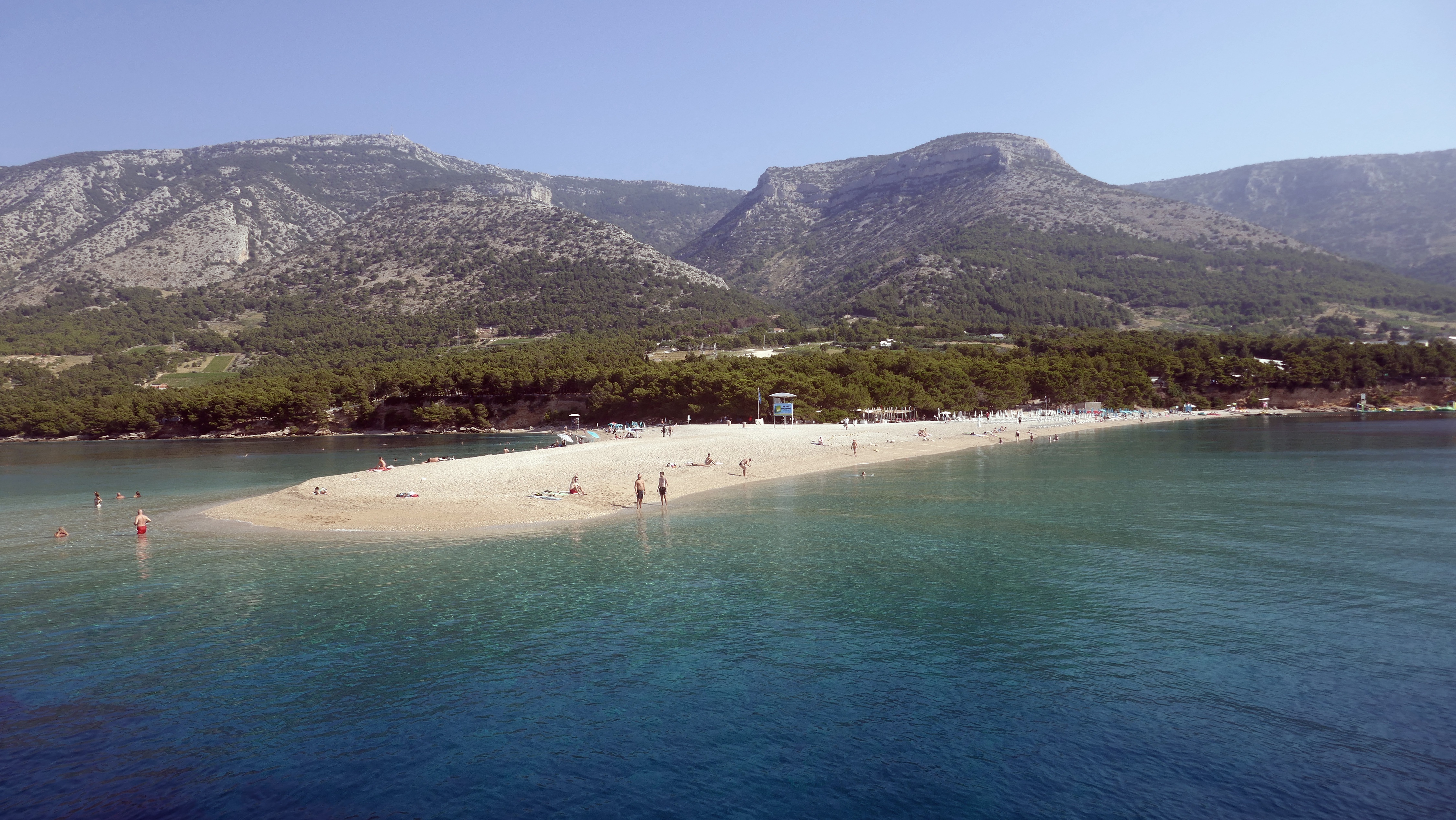
Bol, Croatia
Bol, CroatiaImage by Dieter from Pixabay

Day 5 - Rab Island

Further details for this day are not available.

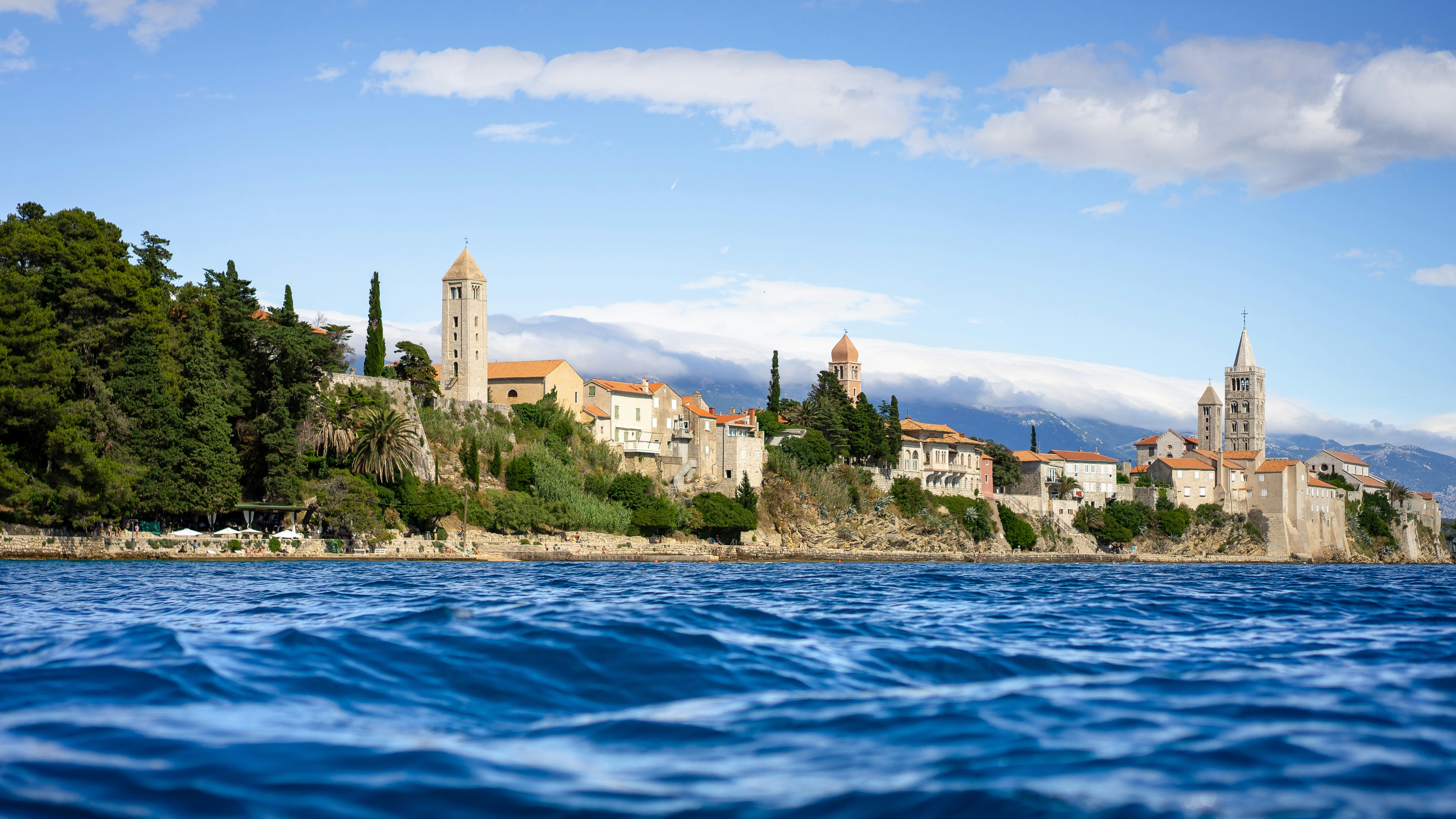
Rab Island, Croatia
Rab Island, CroatiaPhoto by Boudewijn Boer on Unsplash
Rab Island, Croatia
Rab Island, CroatiaPhoto by Lian Tomtit on Unsplash

Day 6 - Brijuni

Further details for this day are not available.

Brijuni National Park, Croatia
Brijuni National Park, CroatiaNick Kane
Brijuni Islands, Brijuni Islands, Croatia
Brijuni Islands, Brijuni Islands, CroatiaDominik Puskas
Brijuni National Park, Fažana, Croatia
Brijuni National Park, Fažana, CroatiaIgor Bumba
Brijuni Islands, Brijuni Islands, Croatia
Brijuni Islands, Brijuni Islands, CroatiaDominik Puskas
Brijuni Islands, Brijuni Islands, Croatia
Brijuni Islands, Brijuni Islands, CroatiaDominik Puskas
Brijuni Islands, Brijuni Islands, Croatia
Brijuni Islands, Brijuni Islands, CroatiaDominik Puskas
Brijuni Islands, Brijuni Islands, Croatia
Brijuni Islands, Brijuni Islands, CroatiaDominik Puskas
Brijuni Islands, Brijuni Islands, Croatia
Brijuni Islands, Brijuni Islands, CroatiaDominik Puskas
Brijuni National Park, Fažana, Croatia
Brijuni National Park, Fažana, CroatiaIgor Bumba
Brijuni National Park, Fažana, Croatia
Brijuni National Park, Fažana, CroatiaIgor Bumba

Day 6 - Pula

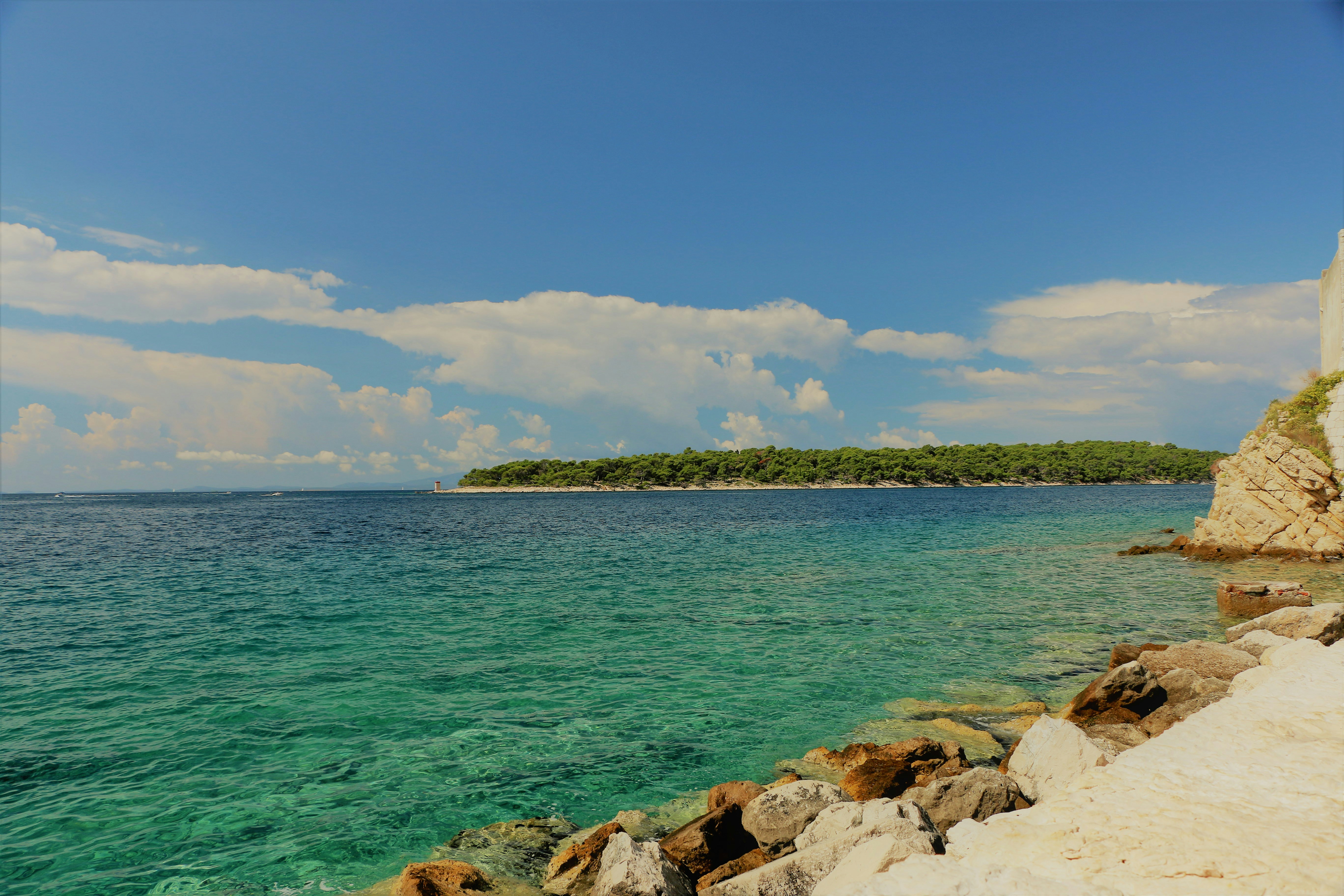
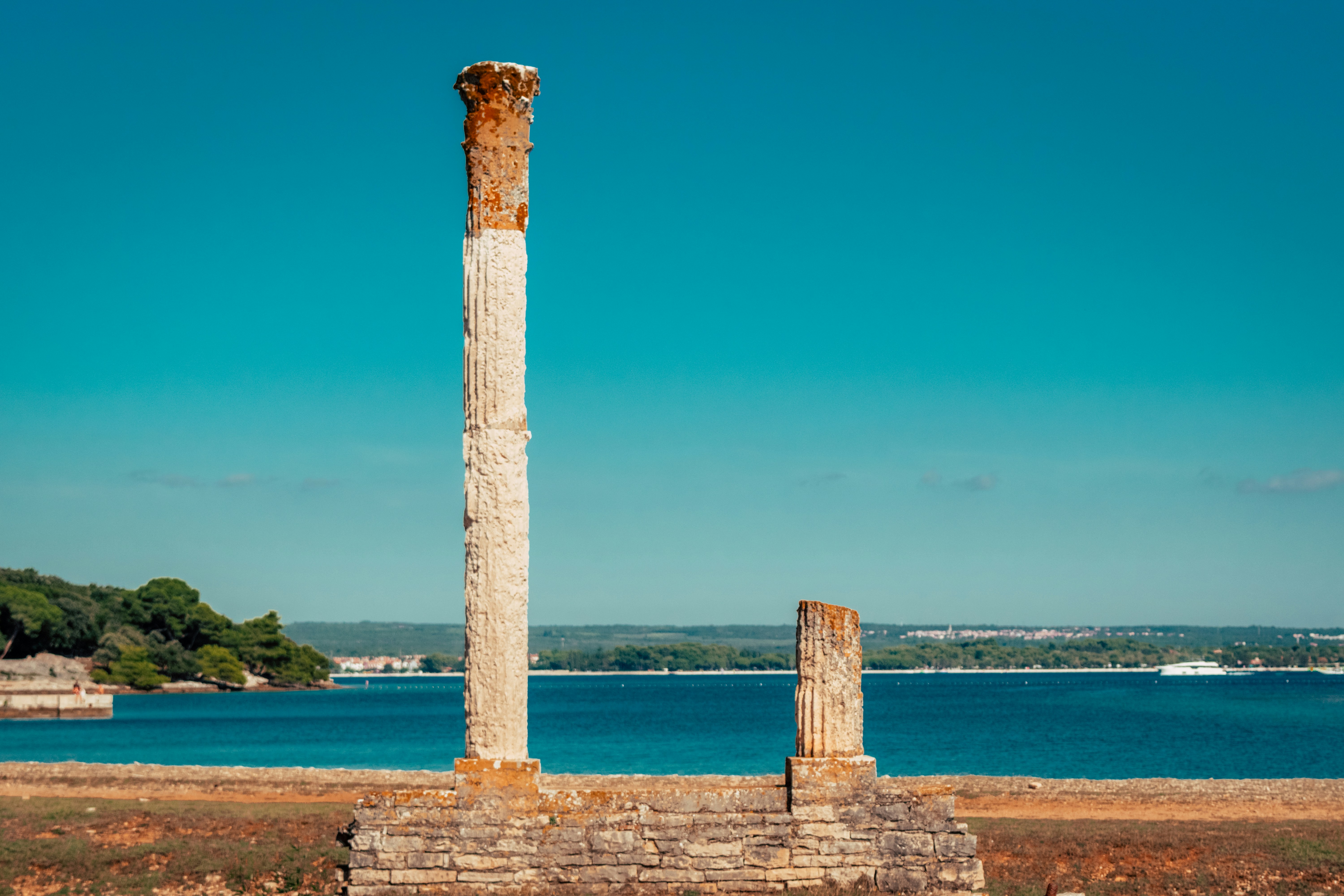
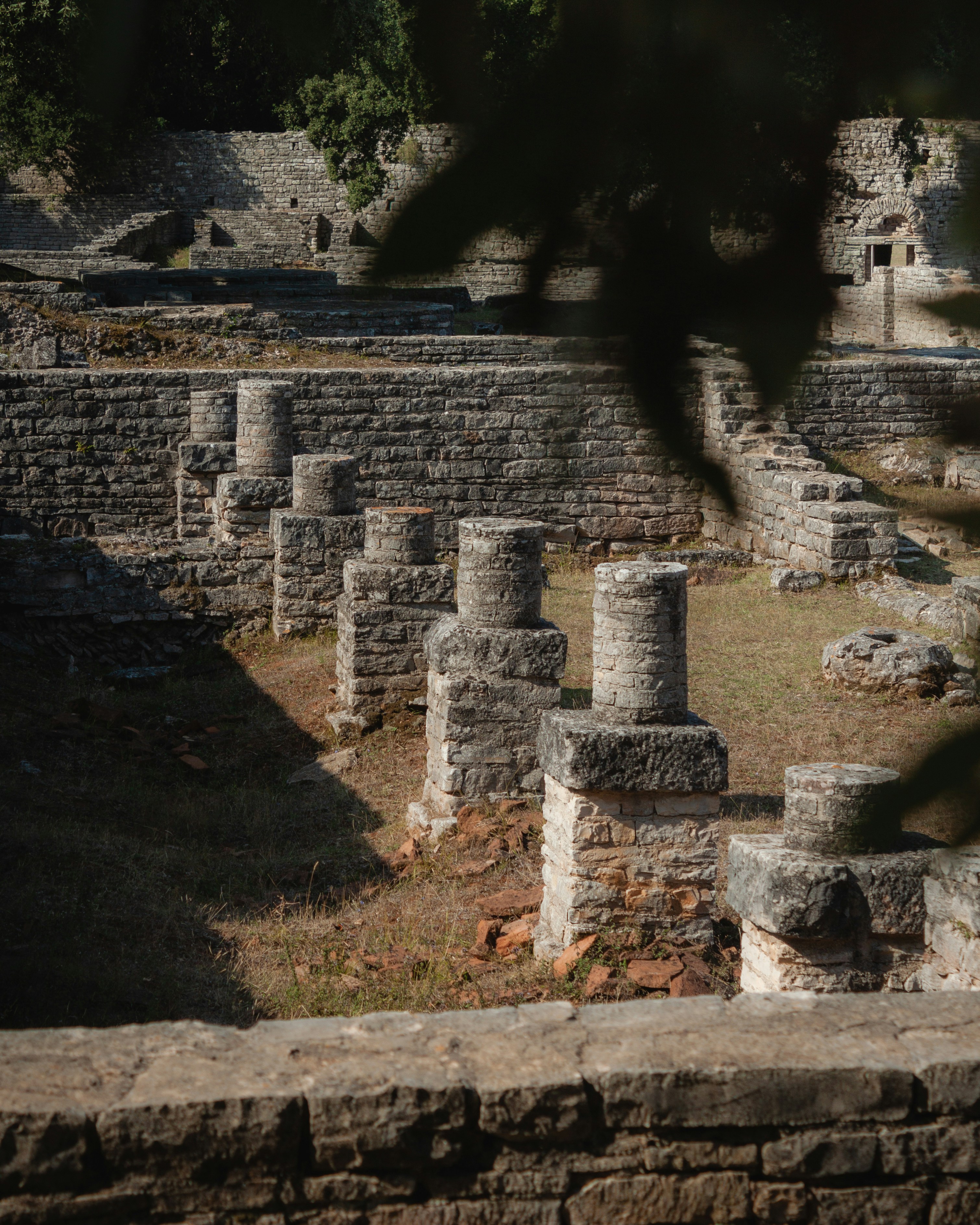
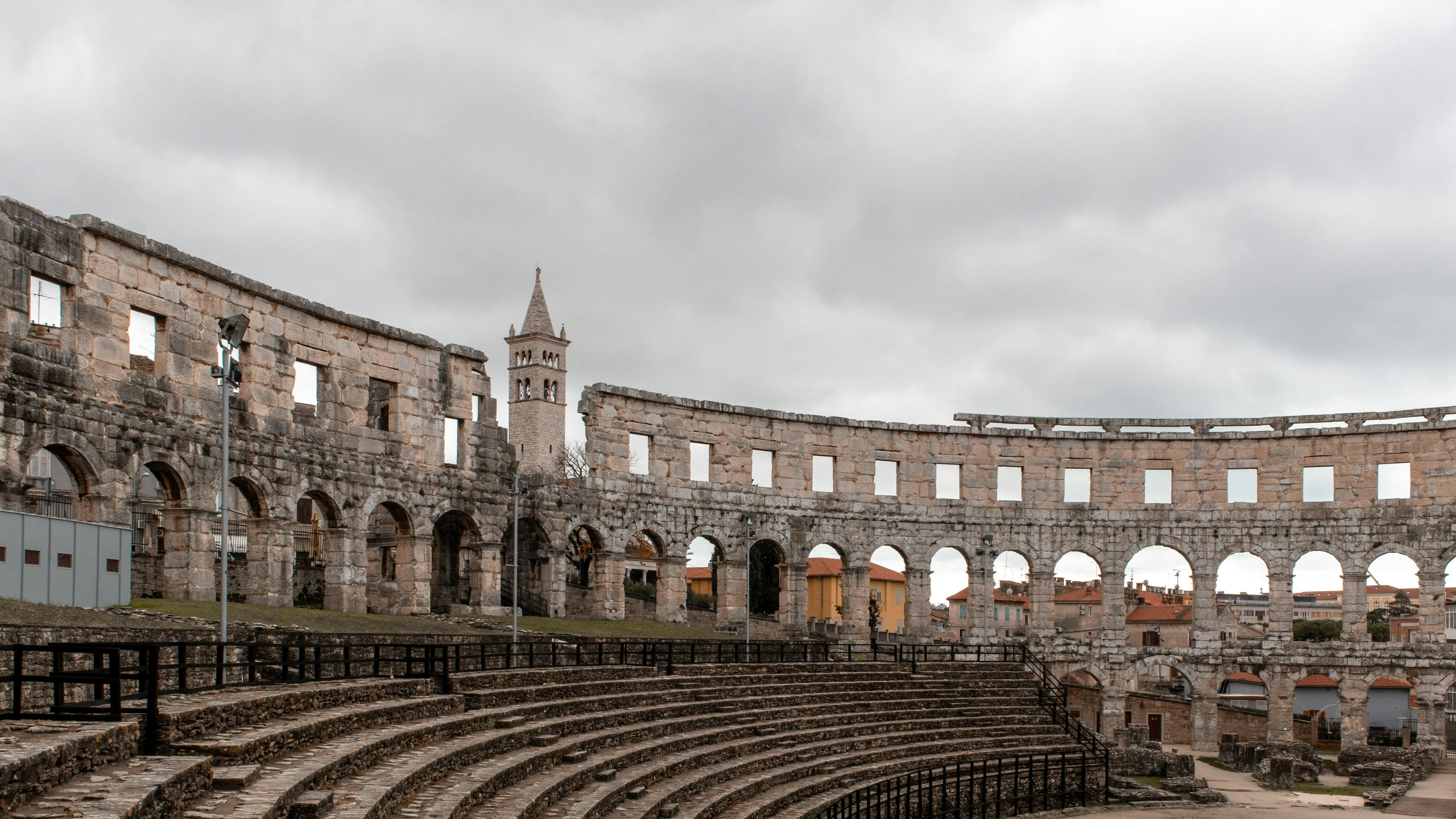
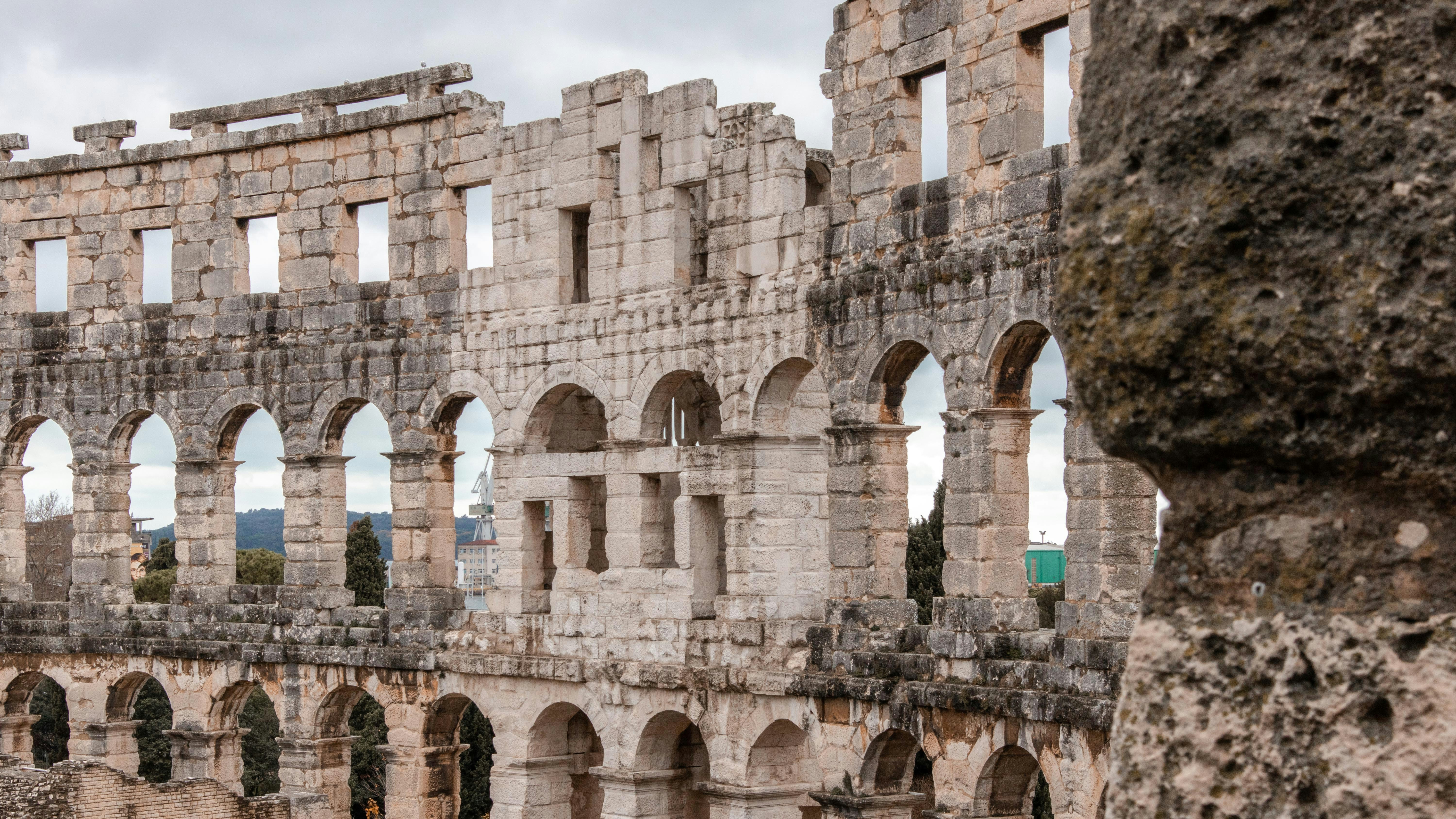
Today an industrial port town and Istria's chief administrative center (pop. 58,000), as well as a major tourist destination, Pula became a Roman colony in the 1st century BC. This came about a century after the decisive defeat by the Romans, in 177 BC, of the nearby Histrian stronghold of Nesactium, prompting the Histrian king Epulon to plunge a sword into his chest lest he fall into the hands of the victors, who indeed conquered all of Istria. Remains from Pula's ancient past have survived up to the present day: as you drive in on the coastal route toward its choice setting on a bay near the southern tip of the Istrian peninsula, the monumental Roman amphitheater blocks out the sky on your left. Under Venetian rule (1331–1797), Pula was architecturally neglected, even substantially dismantled. Many structures from the Roman era were pulled down, and stones and columns were carted off across the sea to Italy to be used for new buildings there. Pula's second great period of development took place in the late 19th century, under the Habsburgs, when it served as the chief base for the Imperial Austro-Hungarian Navy. Today it's as much working city as tourist town, where Roman ruins and Austro-Hungarian architecture serve as backdrop for the bustle of everyday life amid a bit of communist-era soot and socialist realism, too. James Joyce lived here for a short time, in 1904–05, before fleeing what he dismissed as a cultural backwater for Trieste. What's more, there are some outstanding restaurants and a number of pleasant family-run hotels, not to mention the nearby resort area of Verudela, where seaside tourism thrives in all its soothing, sunny sameness.

Pula, Croatia
Pula, CroatiaPhoto by Dominik Puskas on Unsplash
Pula, Croatia
Pula, CroatiaPhoto by Nathanael Lim on Unsplash
Pula, Croatia
Pula, CroatiaPhoto by Dominik Puskas on Unsplash
Pula, Croatia
Pula, CroatiaPhoto by Nathanael Lim on Unsplash

Day 7 - Piran

Further details for this day are not available.

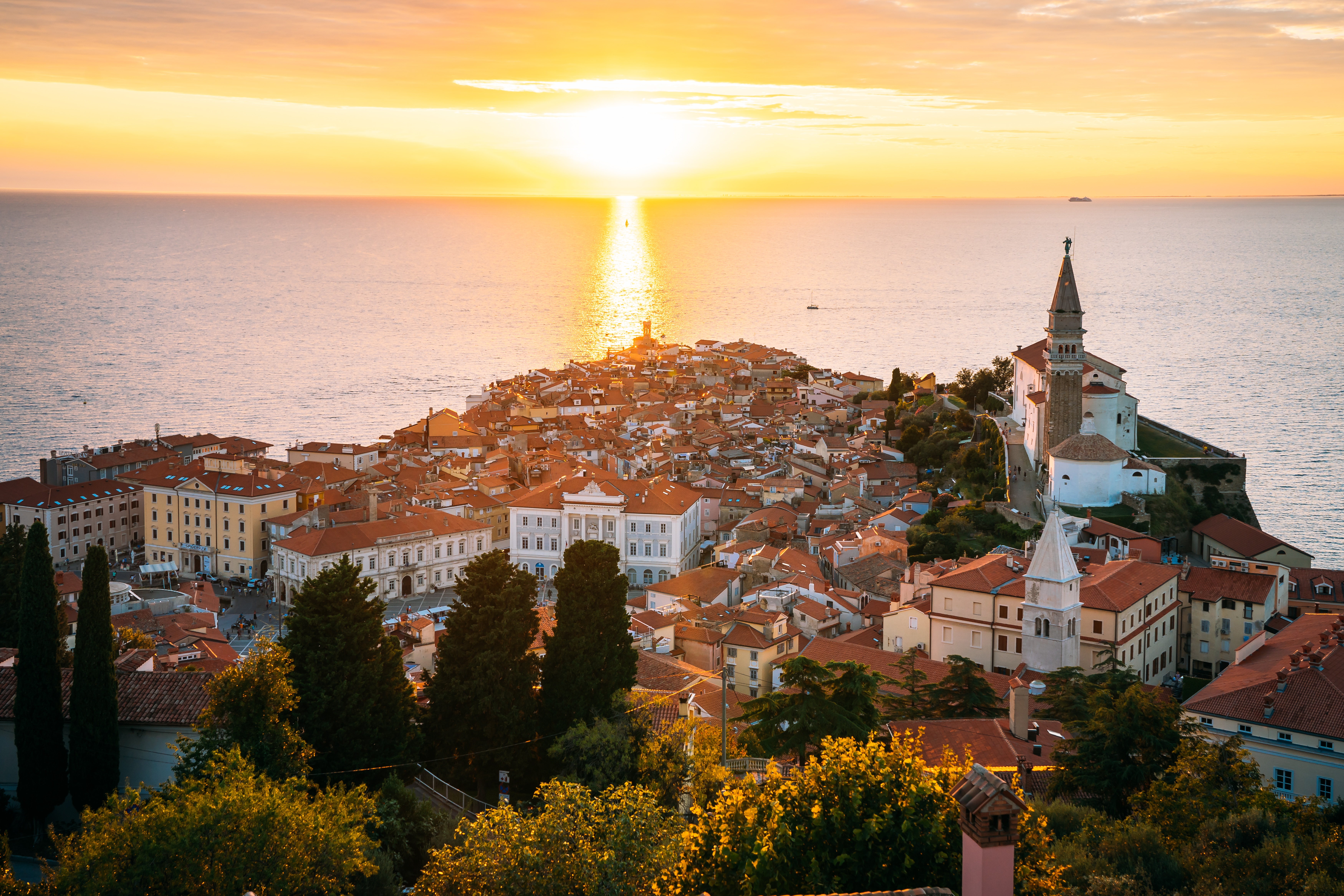
Piran, Slovenia
Piran, SloveniaImage by Leonhard Niederwimmer from Pixabay

Day 8 - Venice

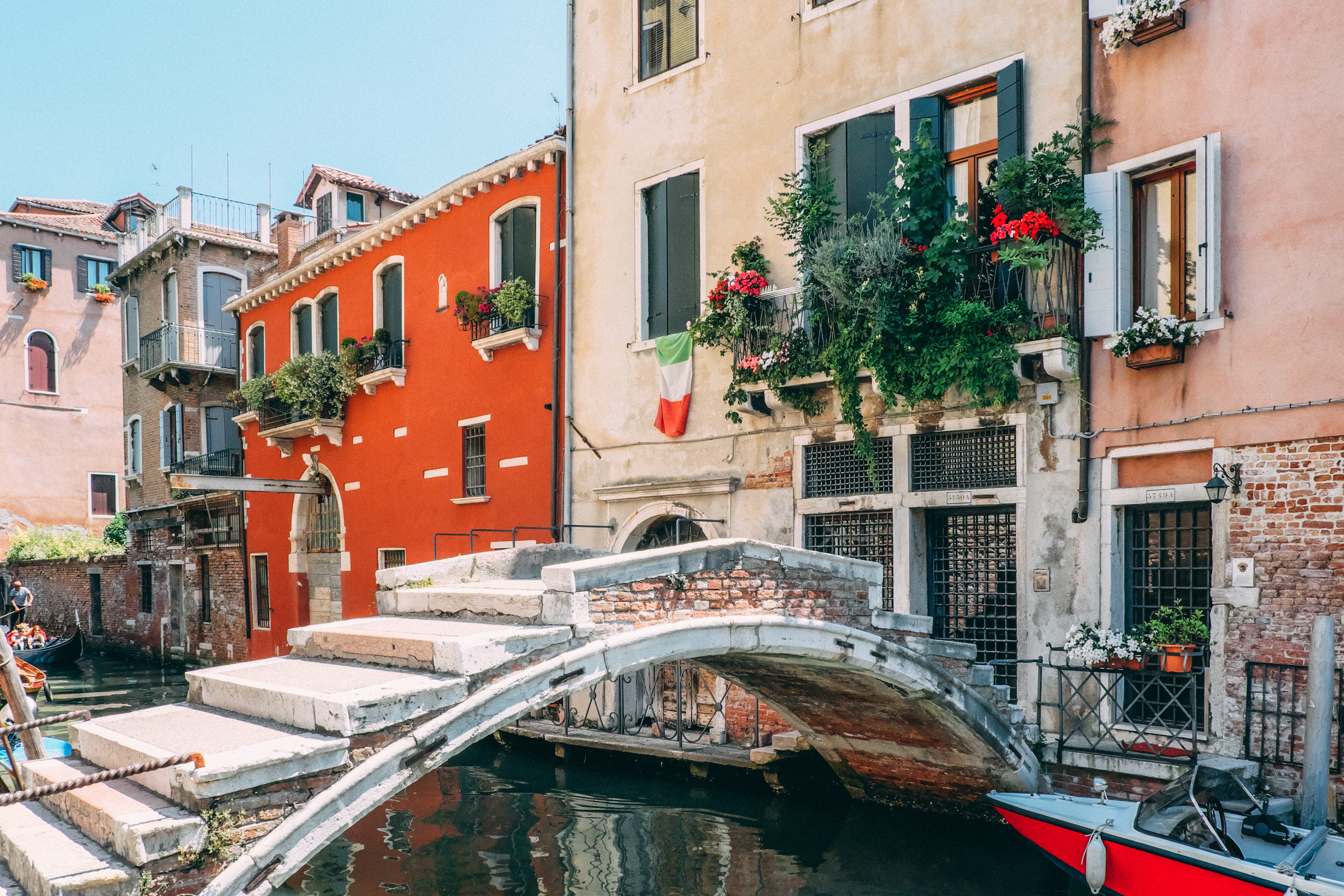
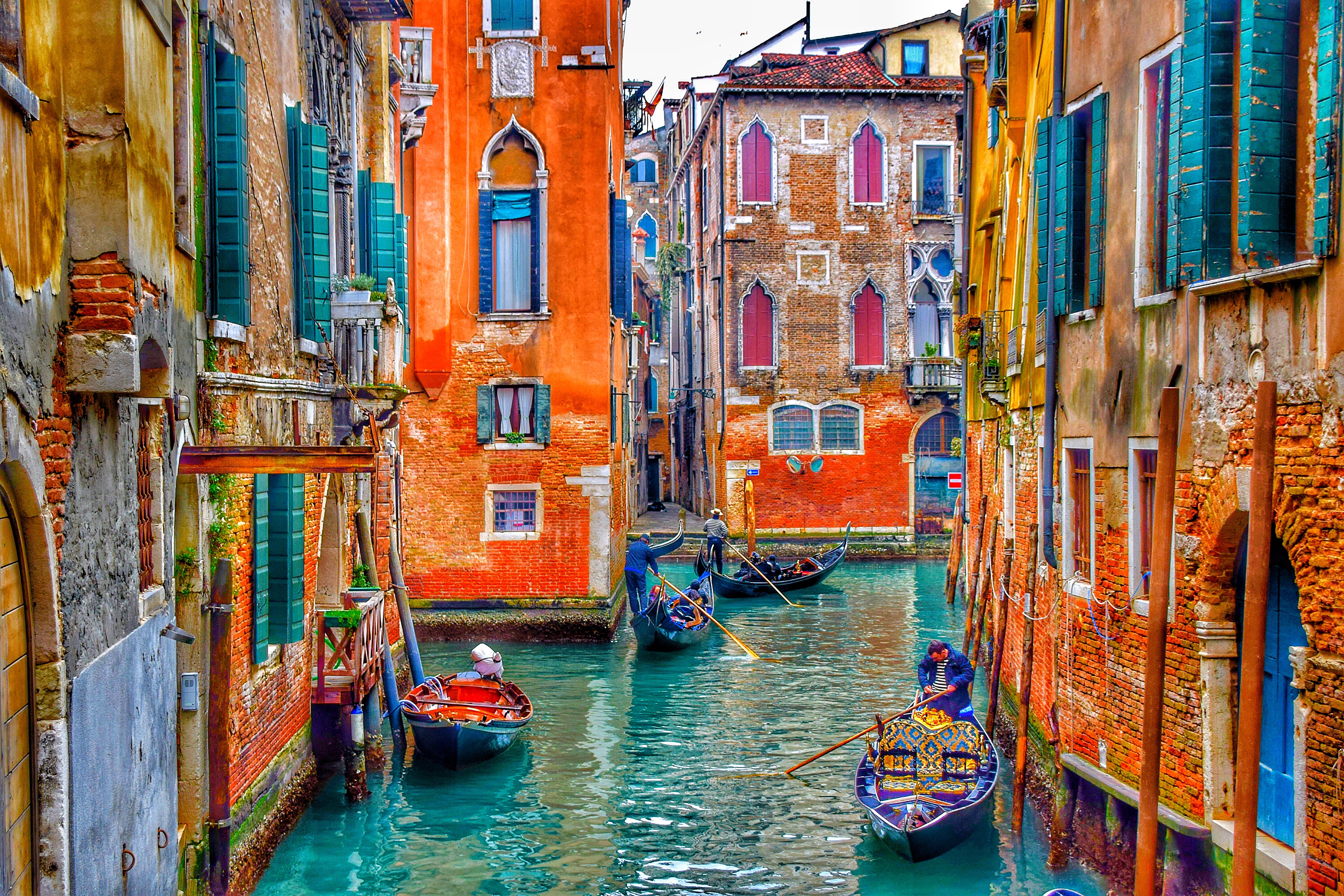
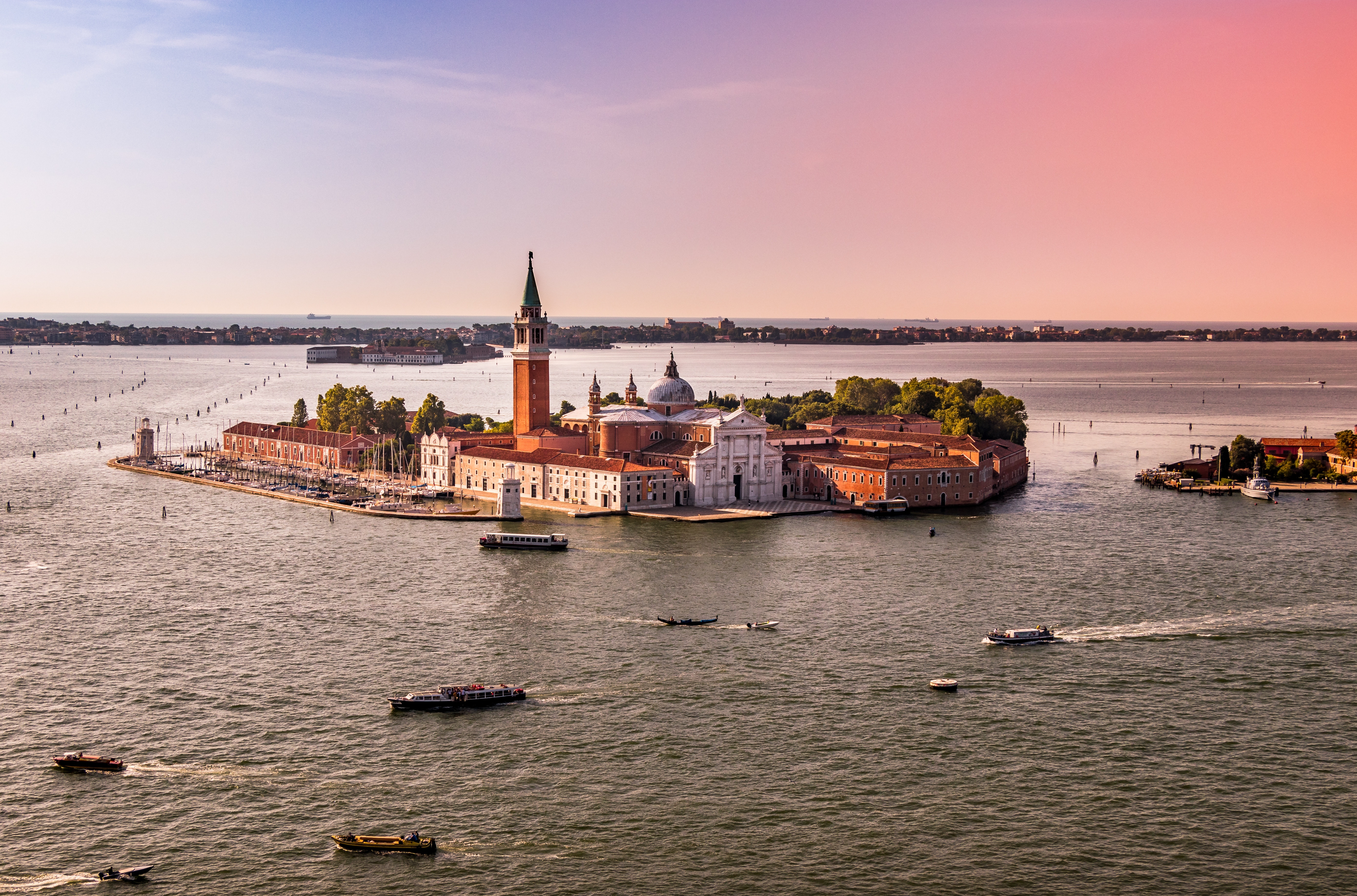
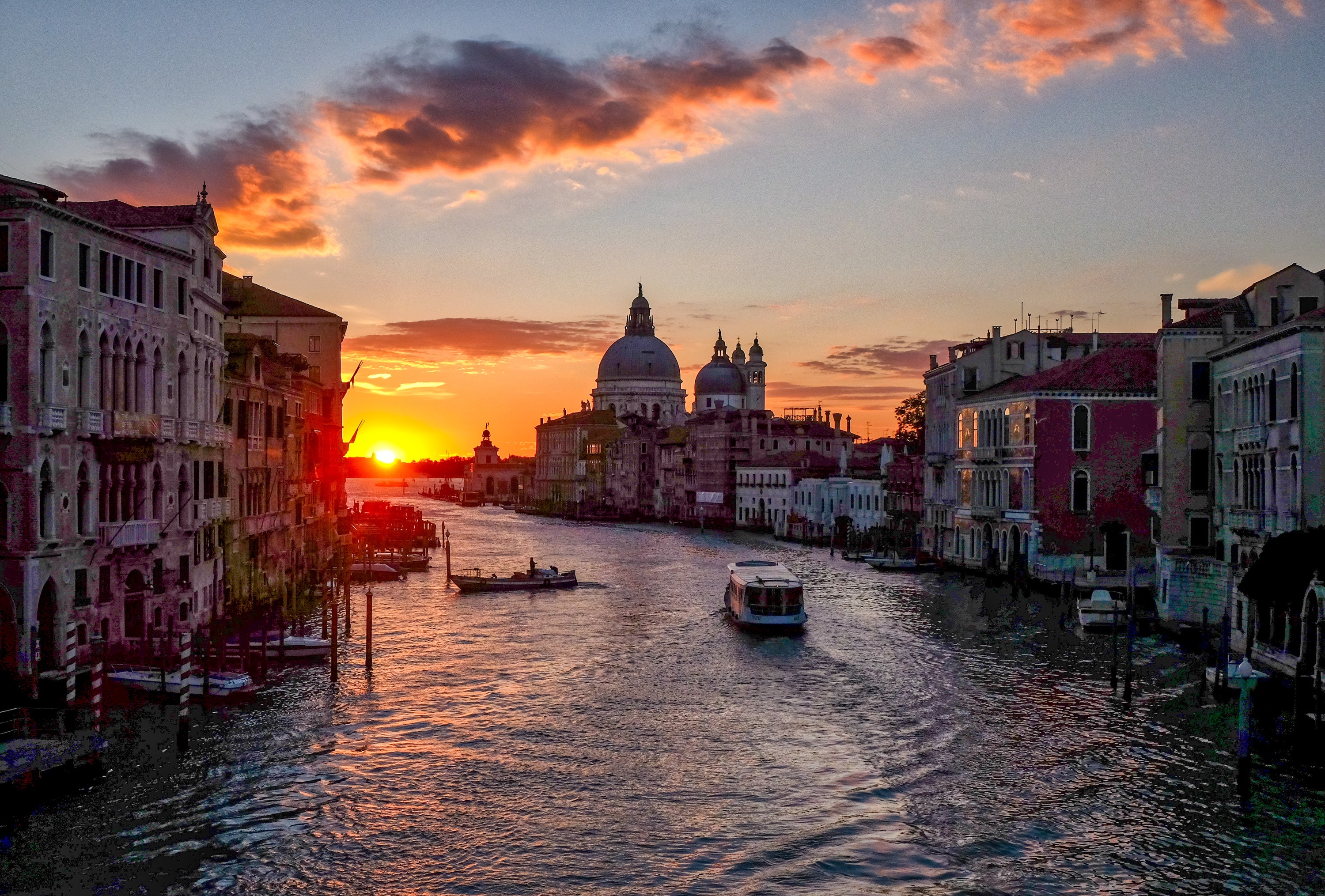
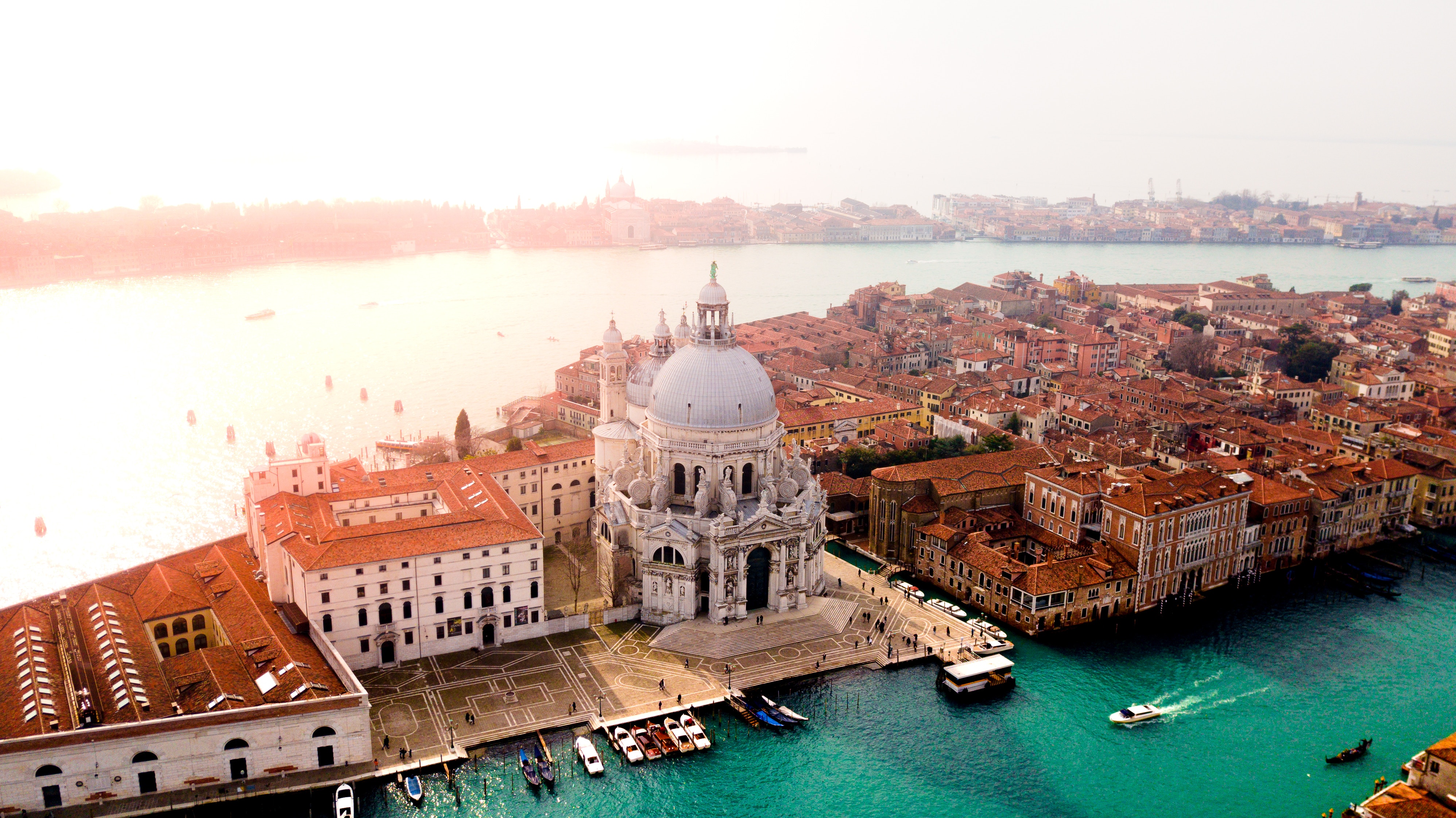
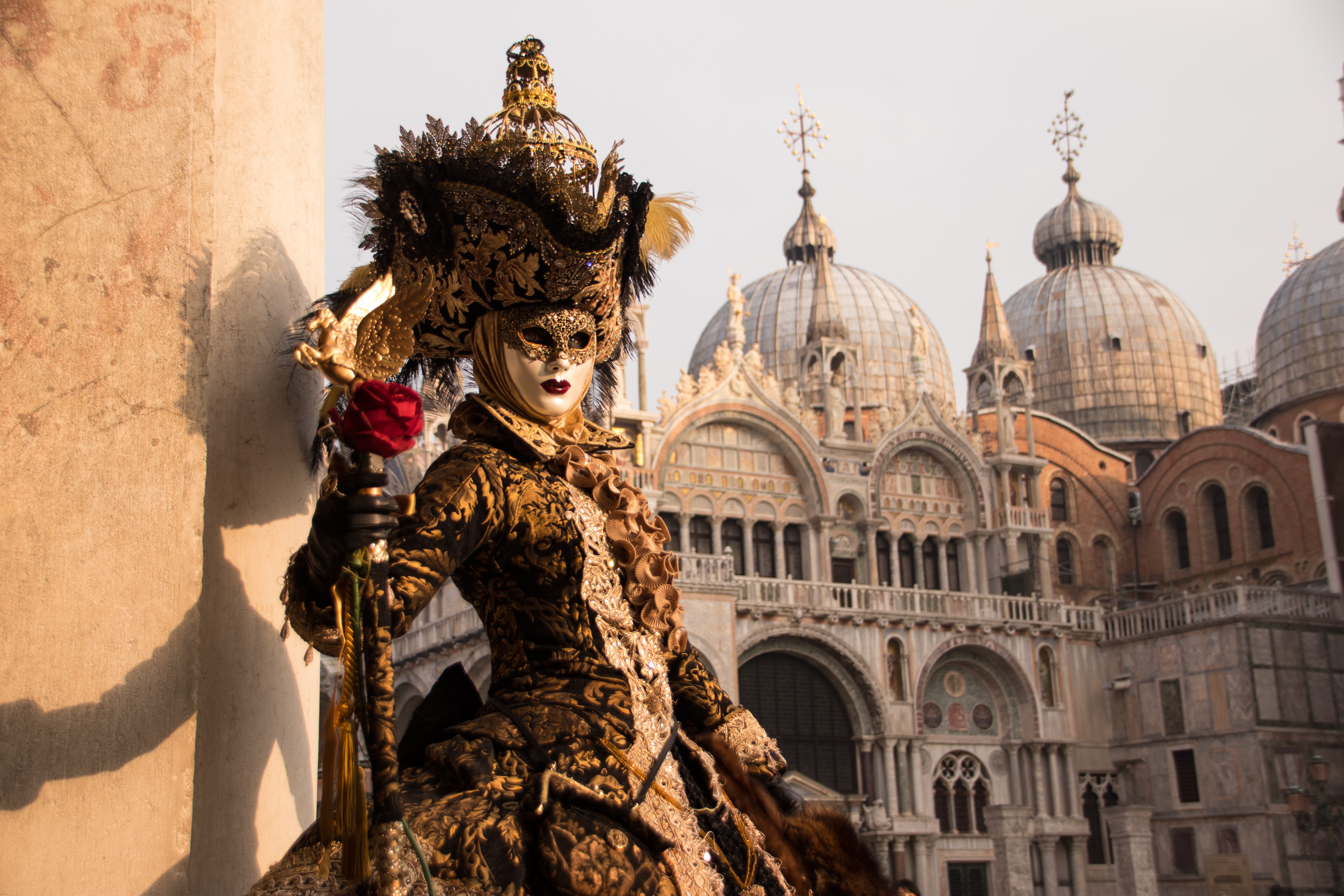
Venice is a city unlike any other. No matter how often you've seen it in photos and films, the real thing is more dreamlike than you could imagine. With canals where streets should be, water shimmers everywhere. The fabulous palaces and churches reflect centuries of history in what was a wealthy trading center between Europe and the Orient. Getting lost in the narrow alleyways is a quintessential part of exploring Venice, but at some point you'll almost surely end up in Piazza San Marco, where tourists and locals congregate for a coffee or an aperitif.
Itcvv   Venice   Bridge   Daniel Corneschi
Itcvv Venice Bridge Daniel CorneschiPhotograph by Daniel Corneschi
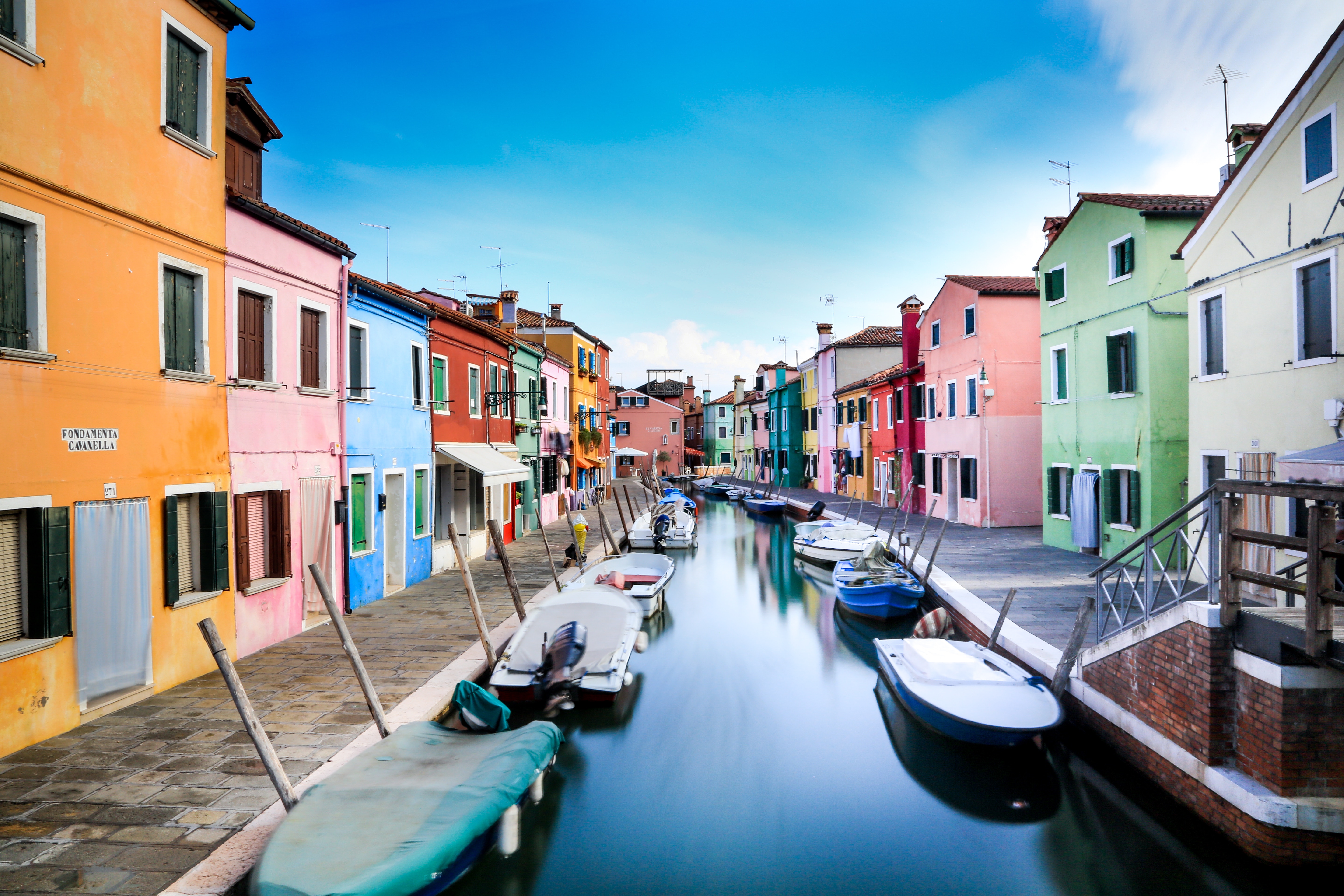
Itcvv   Venice   Burano   Lopez Robin
Itcvv Venice Burano Lopez RobinPhotograph by Lopez Robin
Itcvv   Venice   Colourful Gondolas   Tom Podmore
Itcvv Venice Colourful Gondolas Tom PodmorePhotograph by Tom Podmore
Itcvv   Venice   San Giorgio Maggiore   Andreas Nextvoyagepl
Itcvv Venice San Giorgio Maggiore Andreas NextvoyageplPhotograph by Andreas NewVoyagePL
Itcvv   Venice   Sunrise In Venice   Marco Secchi
Itcvv Venice Sunrise In Venice Marco SecchiPhotograph by Marco Secchi
Itcvv   Venice   Sunset Over Venice   Candre Mandawe
Itcvv Venice Sunset Over Venice Candre MandawePhotograph by Candre Mandawe
Itcvv   Venice   Venician Lady   Ingeborg Gartner Grein
Itcvv Venice Venician Lady Ingeborg Gartner GreinPhotograph by Ingeborg Gartner Grein

Suites & Deck Plans

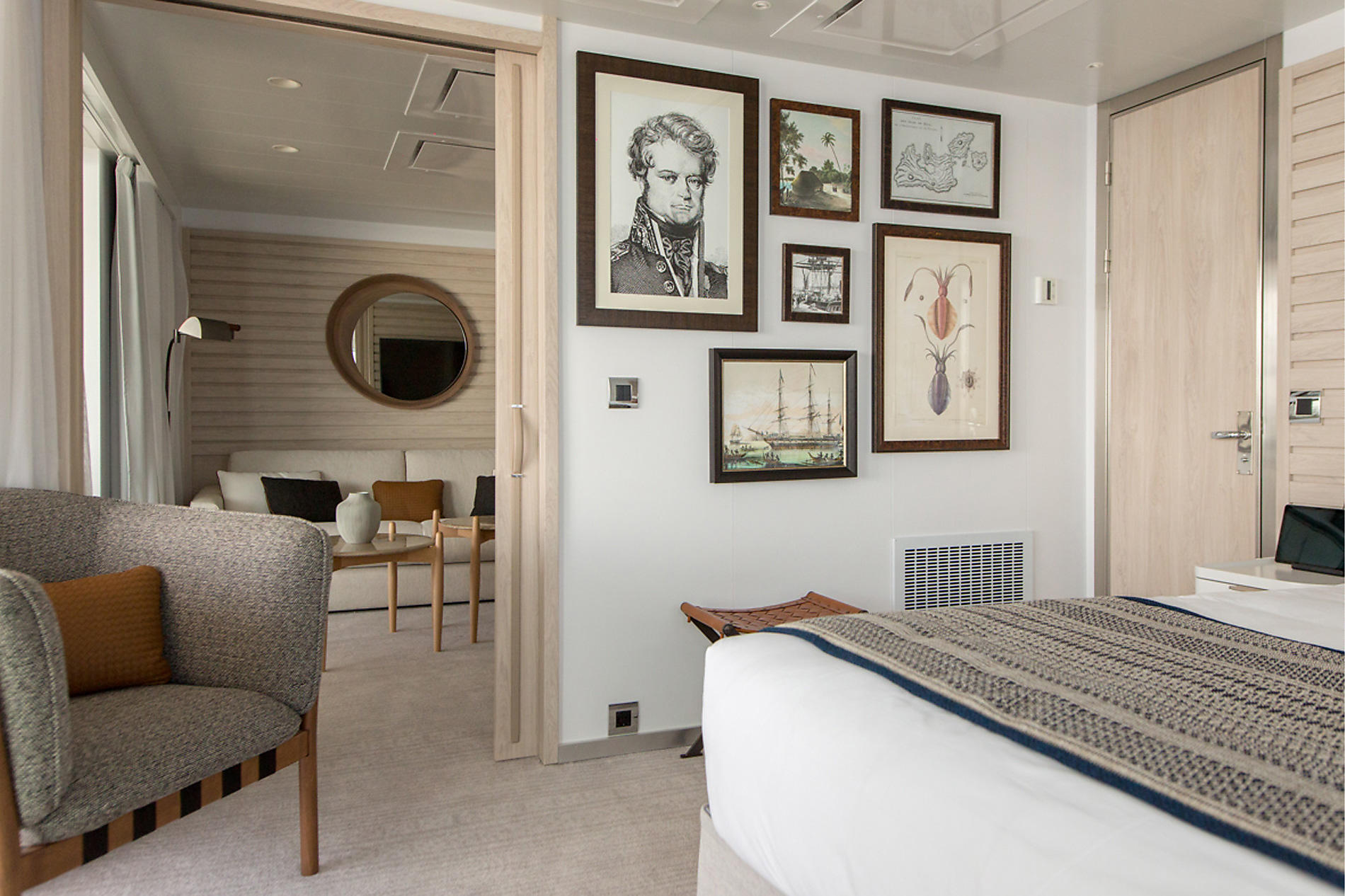
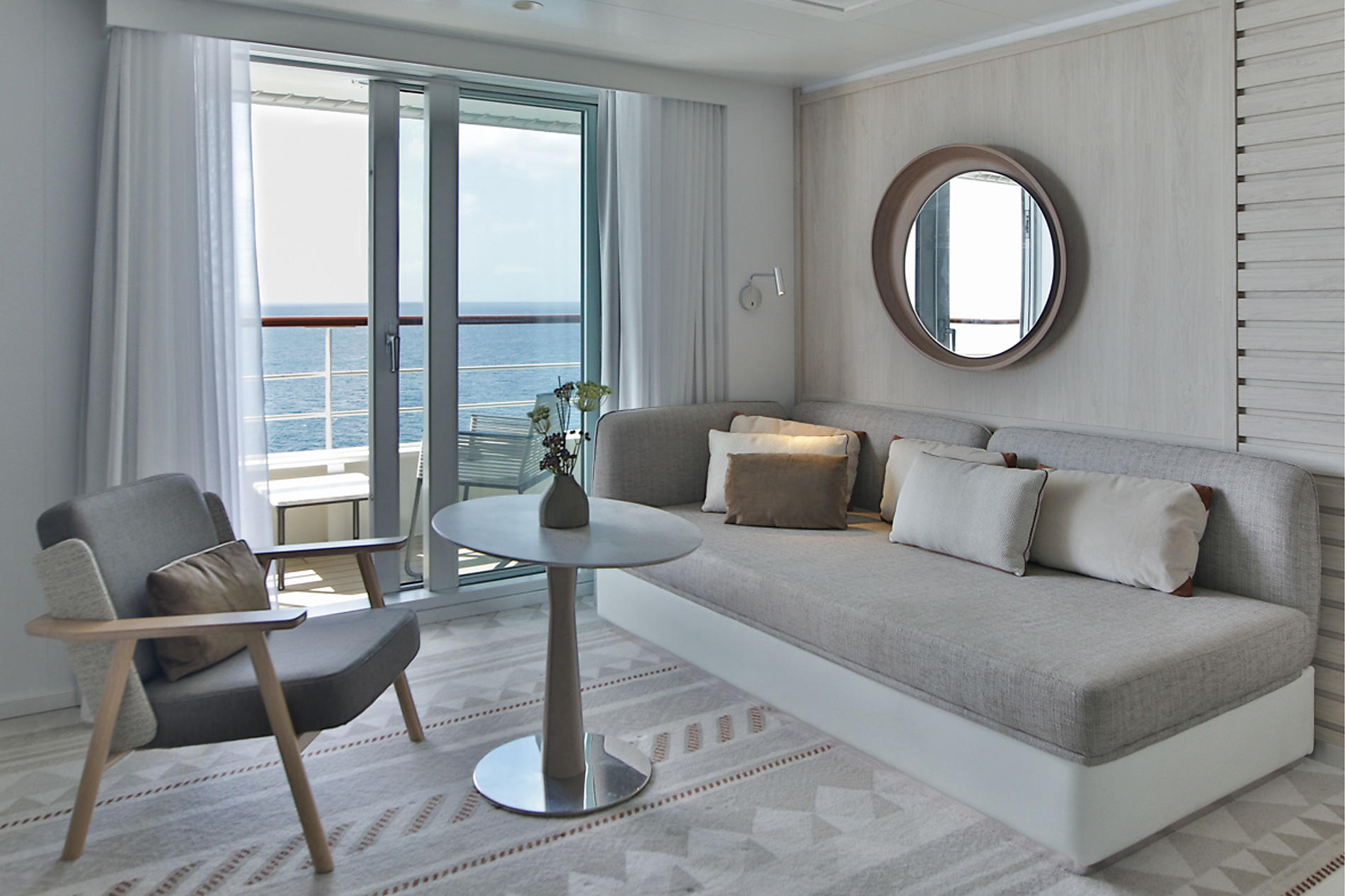
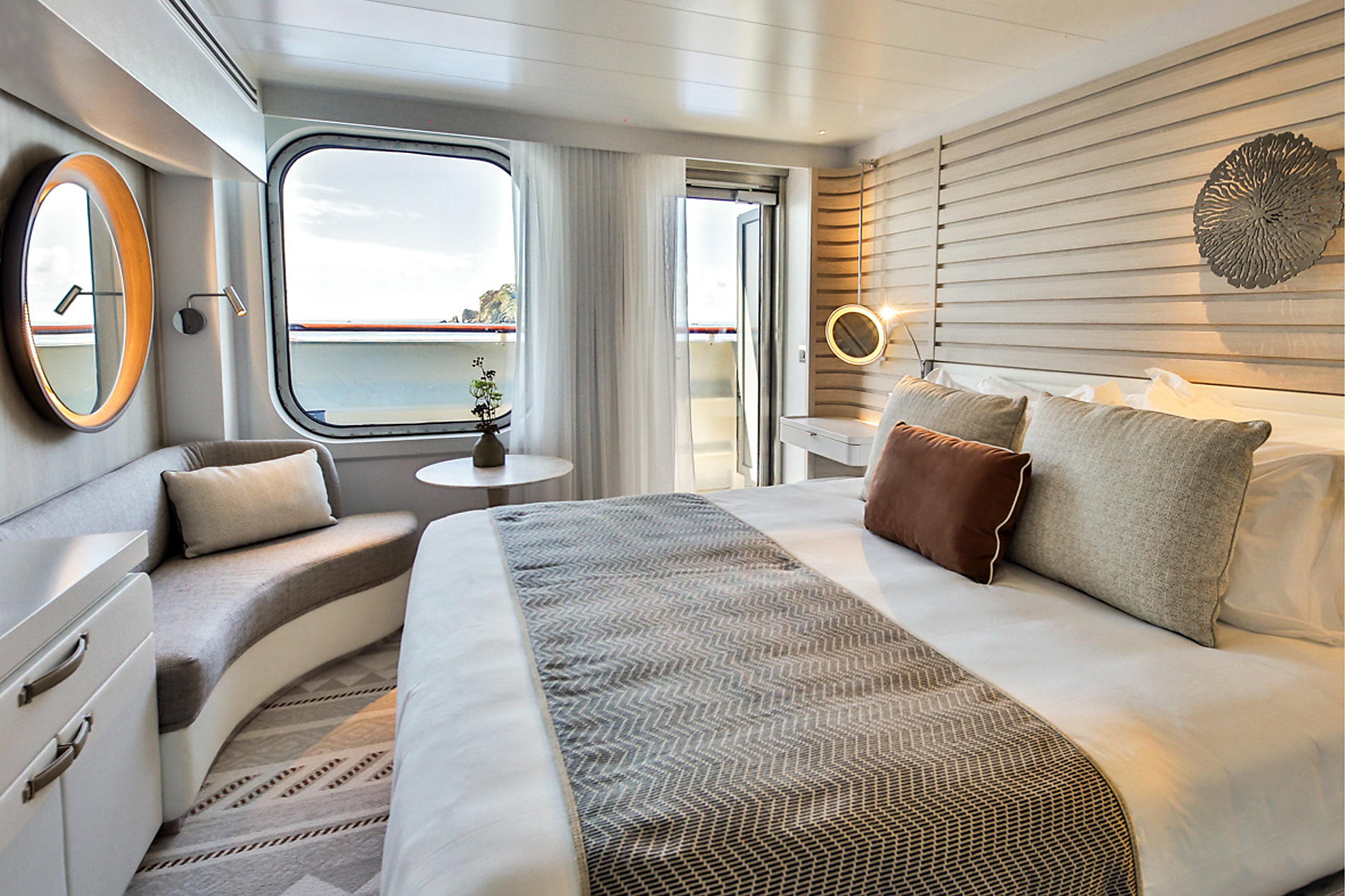
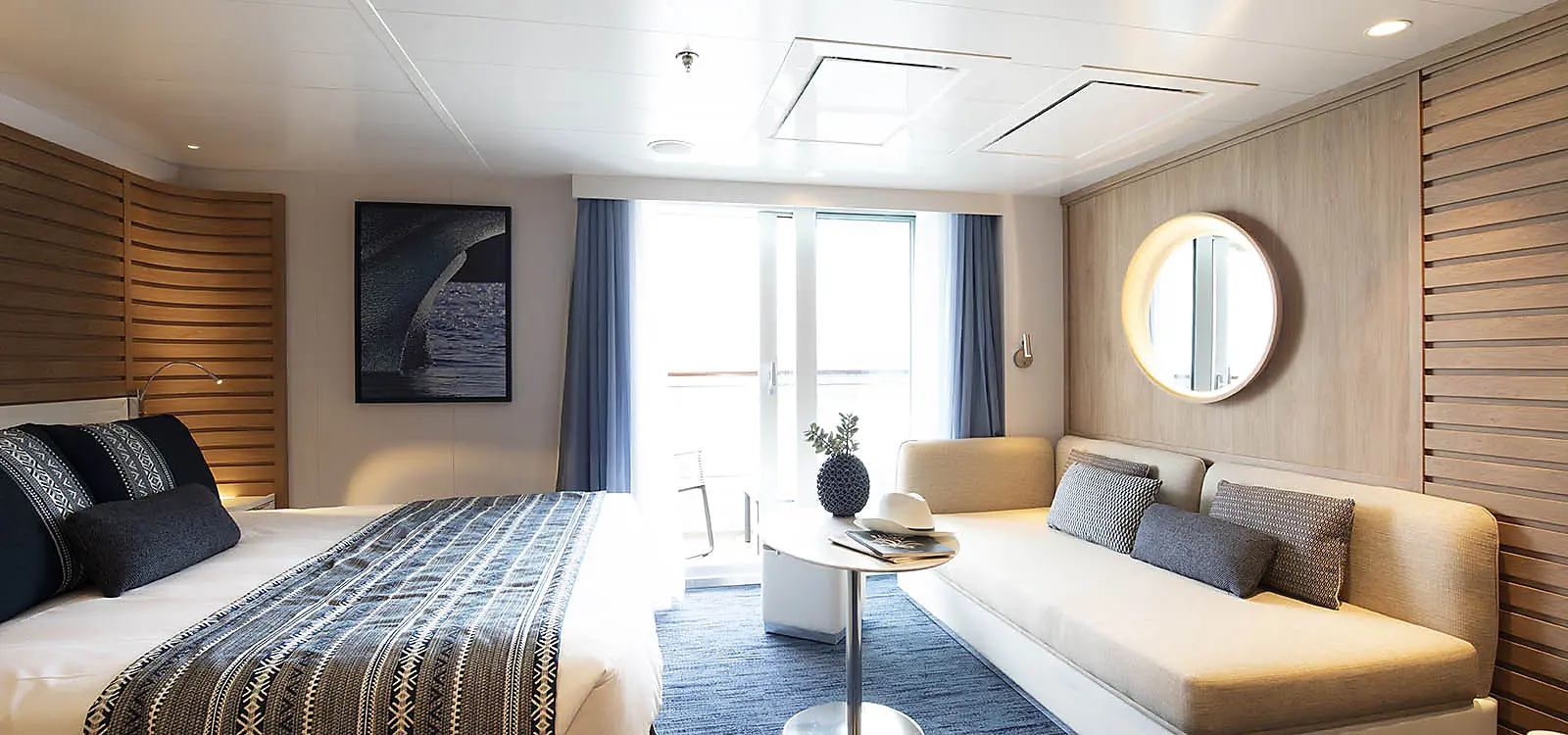
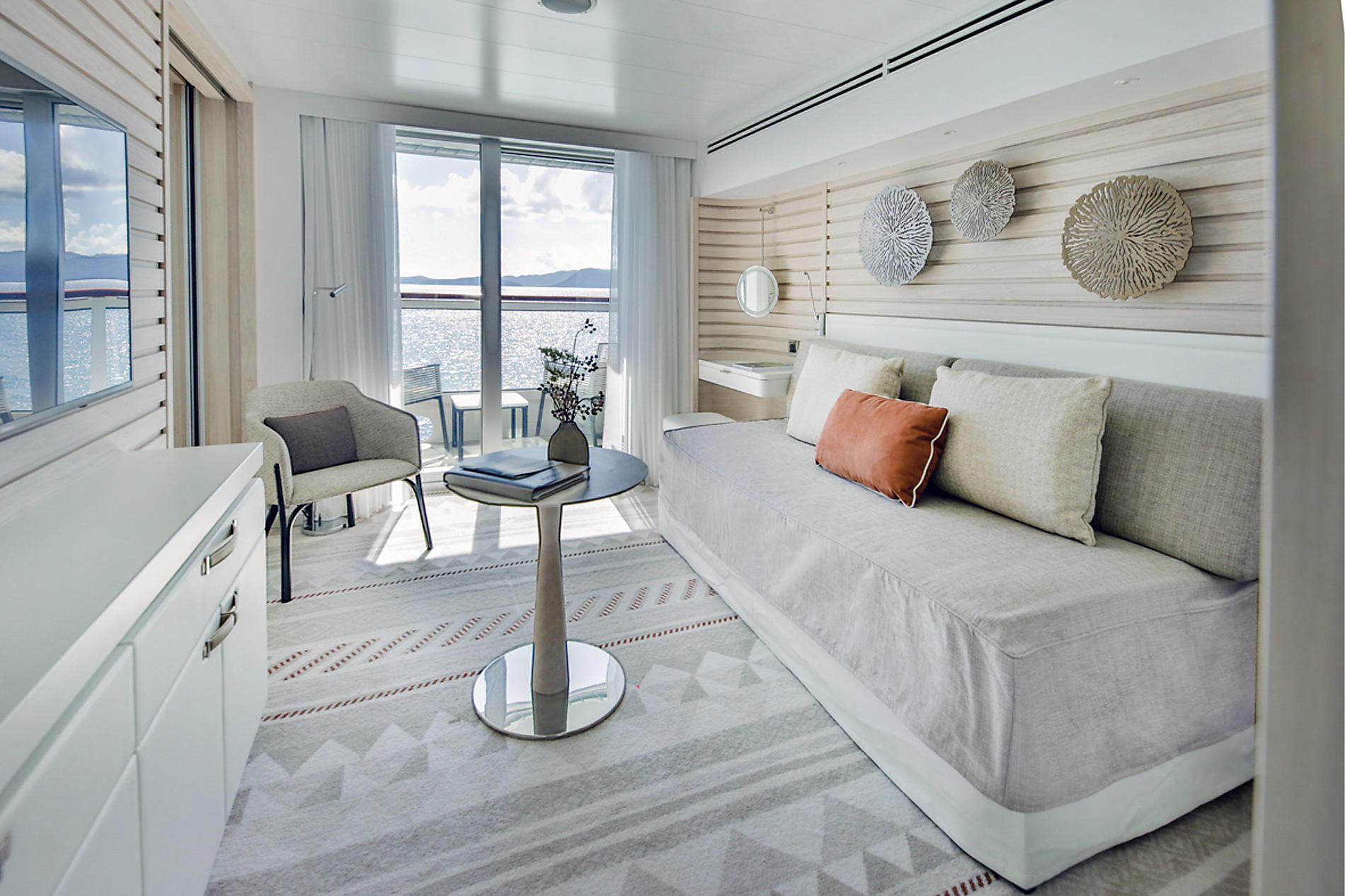
Suite

In addition to the common services provided to all our suites and staterooms:

  • A private 430 ft² terrace with hot tub and lounge area with 2 deck chairs, sofa, and armchair
  • Two sliding panoramic windows
  • A bathroom with shower, spa bathtub, and smart mirror
  • Butler service
  • A one-hour treatment per person (for 2 people) in the wellness area, including body and facial treatments
  • A private return transfer
  • Priority boarding (depending on port of embarkation)
  • Champagne and fruit on arrival
  • A fruit basket every day
  • A living room with a convertible sofa into a double bed, armchair, and TV
  • One bedroom with king-size bed (180 x 190 cm) or two single beds (90 x 190 cm)
  • Included premium pass: access to a selection of premium spirits at the bar

Included in all staterooms

  • Minibar
  • Diptyque Paris top-of-the-line bath products
  • Bose Bluetooth speaker
  • Individually-controlled air conditioning
  • Nespresso coffee maker and boiler
  • Dressing room with shelves and closet
  • 110V American / 220V European
  • Dressing table and hairdryer
  • Direct line telephone
  • 2 ADA stateroom
  • 24-hour room service
  • Electronic safe
  • Flat screen TV, international channels and videos on demand
  • Inclusive Wifi internet

484 sq ft
Accommodates 4 guests
Owner's Suite

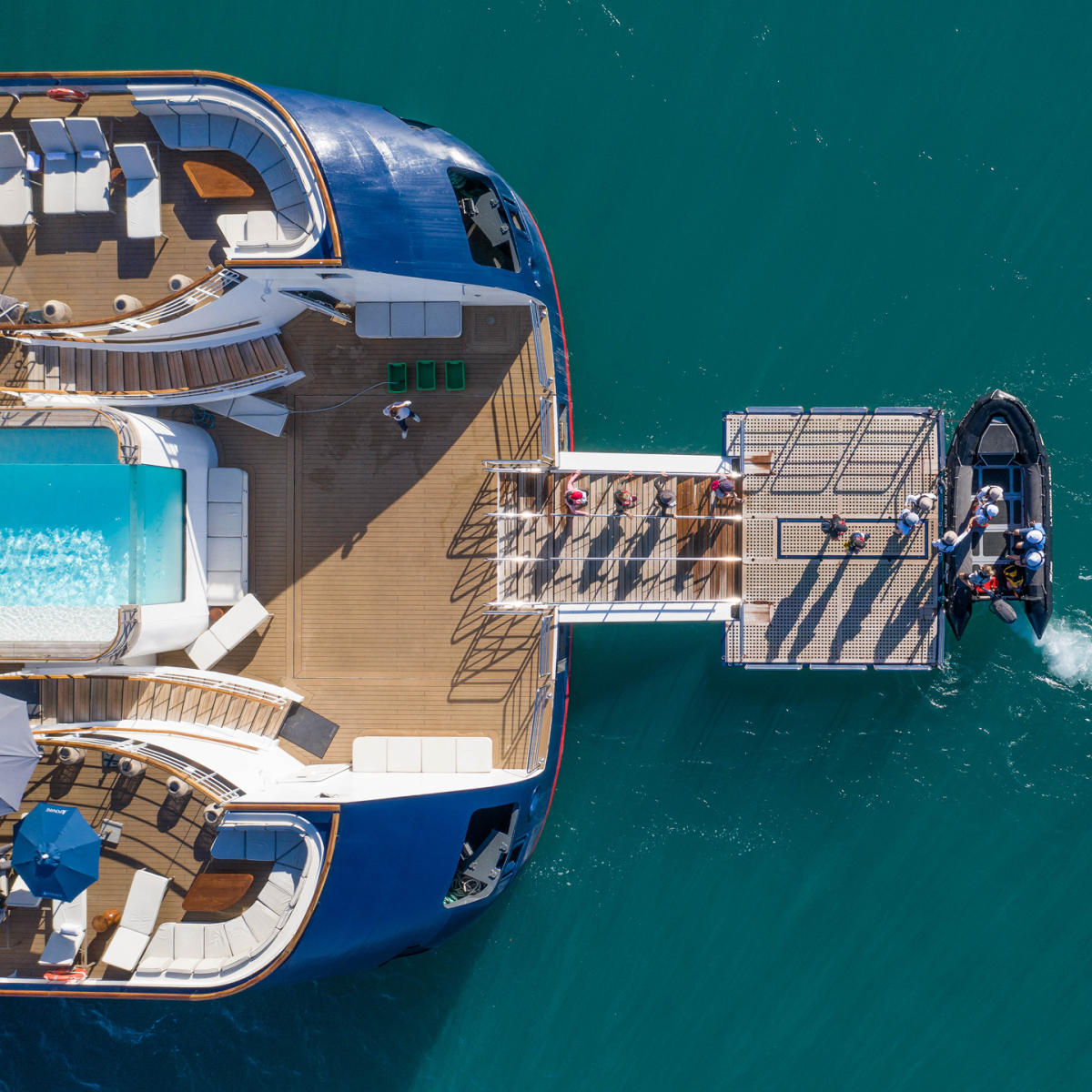
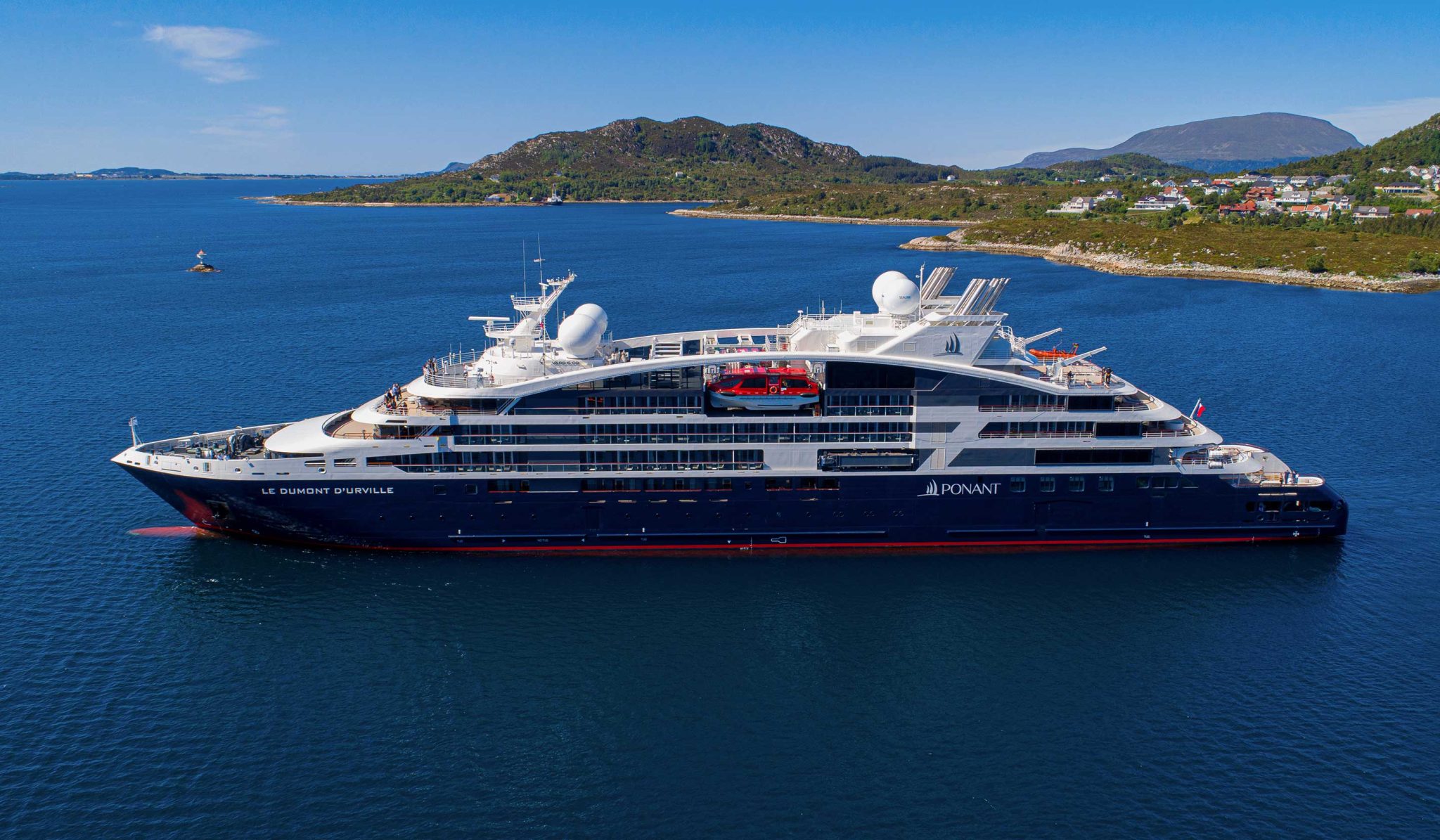
Le Dumont-d'Urville

Le Dumont-d'Urville

Life on board

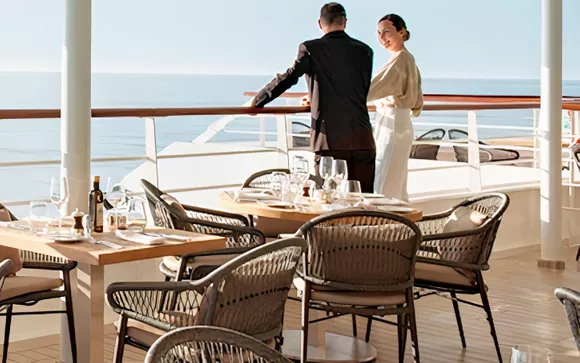
The Onboard Experience

Client testimonials

I have worked with Lore Doick for more than 20 years, and she has booked over 30 cruises for me. Her expertise, care, and attention to every travel detail have made her an invaluable advisor and friend over the years.”

Tina B.

We are now in our second generation working with Cheri Ozimac at Tully Luxury Travel. From Antarctica to Greece, she has handled every detail with expertise, responsiveness, and care…

Earl M.

My wife and I have worked with Tully since 2007, and Kit Neil and her team went far beyond expectations while helping us navigate multiple cruise and flight cancellations. Their advocacy, care, and support during a difficult time were extraordinary.

Carri F.

Cheri Ozimac organized our Seabourn cruise flawlessly, from the hotel recommendation to every travel arrangement. She was responsive, attentive, and an excellent advocate throughout the process…

Cyn S.

We discovered Tully Luxury Travel after years of booking cruises through US agents and were impressed by their competitive pricing, exceptional service, and Canadian based support. Their team is always available, offers excellent value, and makes booking the right cruise seamless.

Peter C.

GoogleAverage Customer Rating:

The Tully Difference

Why travel with us


Tully Luxury Travel was built on access, discretion, and trust. For our clients, that means ease at every step, with distinctions that turn exceptional voyages into defining moments.

Recognized expertise

A renowned agency worldwide in luxury land and small-ship cruising, consistently trusted by the industry’s most prestigious brands.