PONANT EXPLORATIONS logo

From the Iberian shores to the Italian coast

Itinerary: Málaga, Cartagena, Ibiza, Mahón, Menorca, At Sea, Palermo, Reggio di Calabria, Stromboli, Siracuse, Sicily, Valletta See full itinerary

4 Apr 27
9 nights

Voyage Details

Duration:
9 nights
Departure:
4 Apr 2027
Embarkation:
Málaga, Spain
Voyage code:
EU040427

Your Itinerary, Day-By-Day

Special Chapters of Your Journey

Day 1 - Málaga

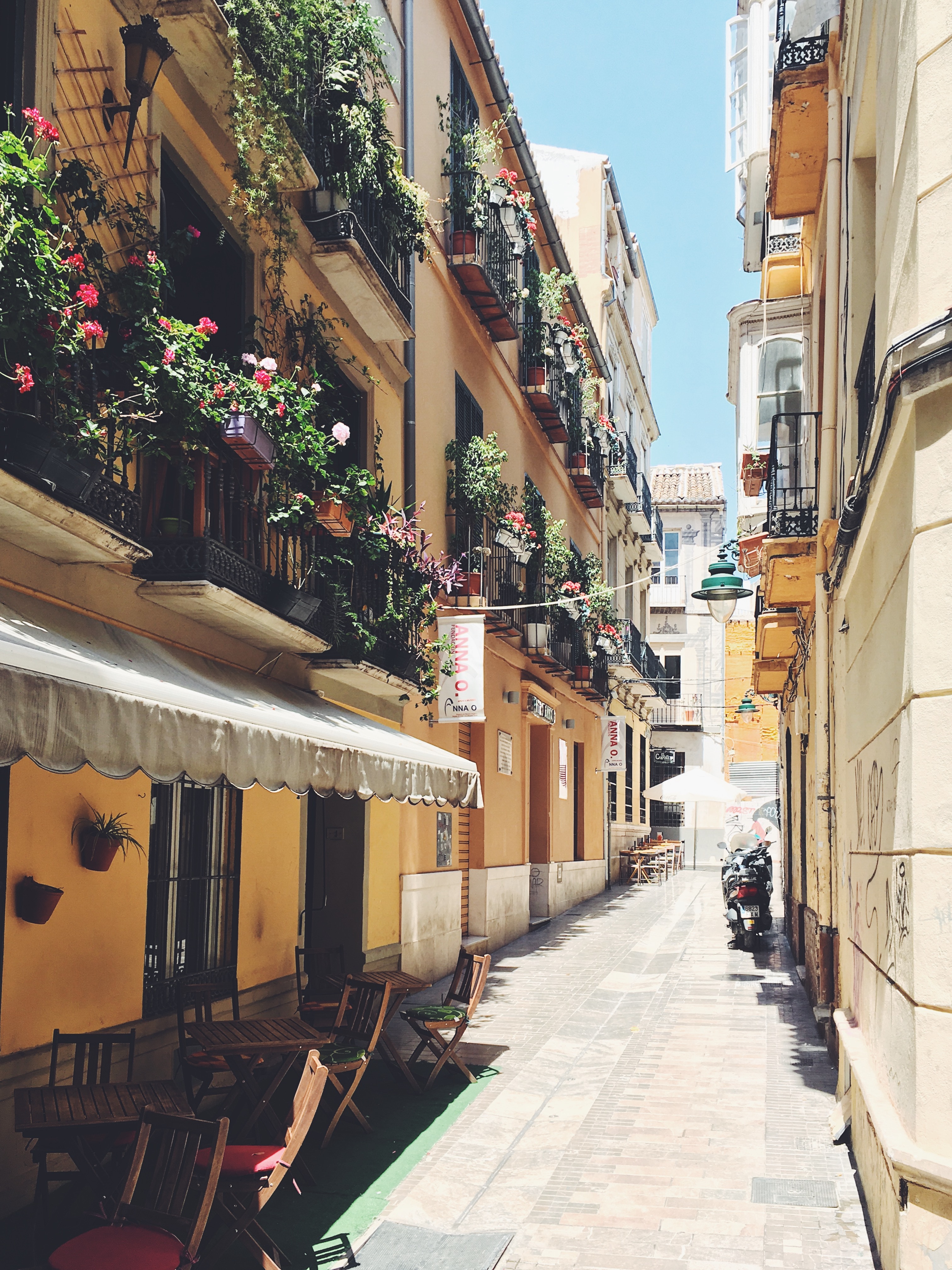
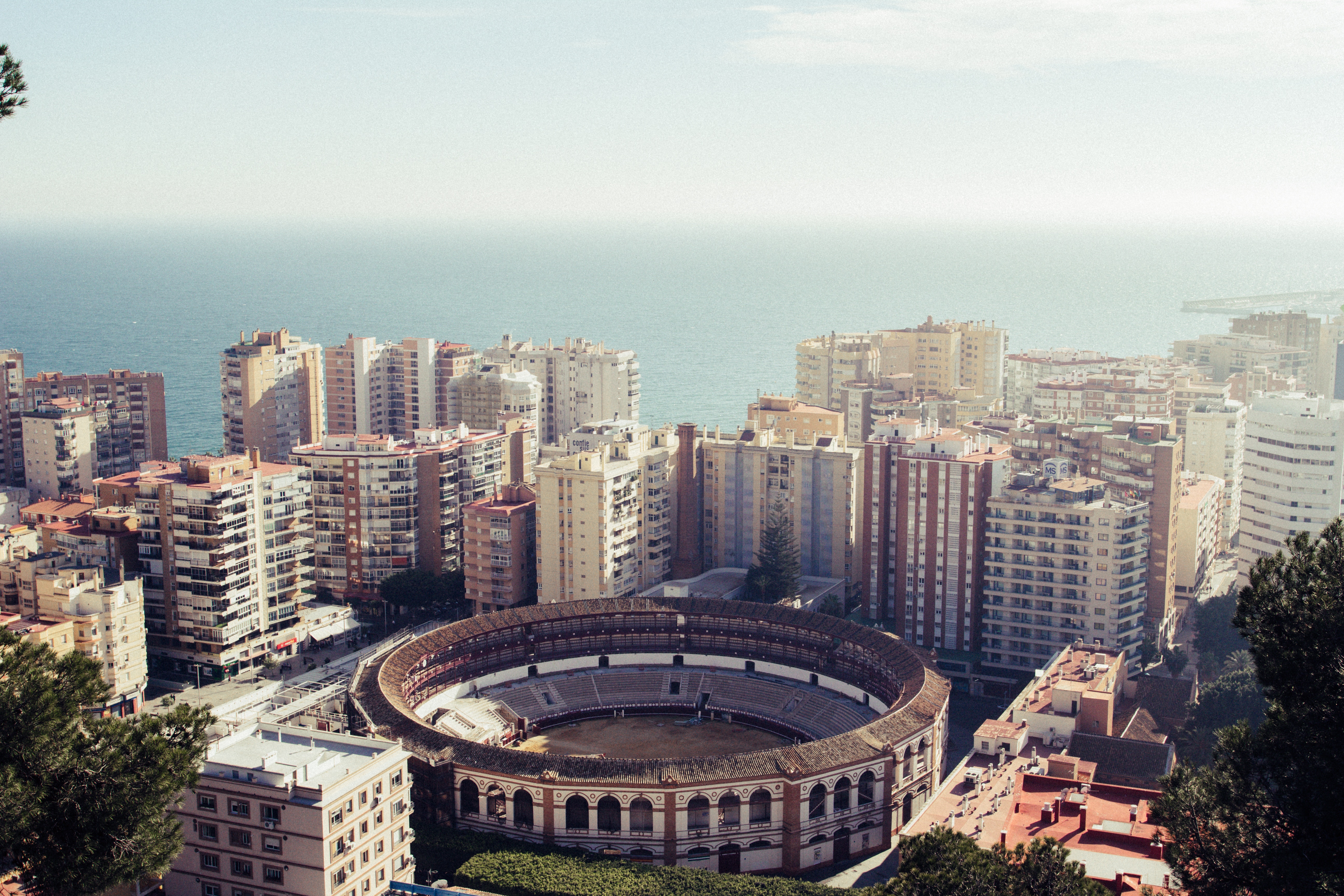
As you sail into Malaga you will notice what an idyllic setting the city enjoys on the famous Costa del Sol. To the east of this provincial capital, the coast along the region of La Axarqua is scattered with villages, farmland and sleepy fishing hamlets - the epitome of traditional rural Spain. To the west stretches a continuous city where the razzmatazz and bustle creates a colourful contrast that is easily recognisable as the Costa del Sol. Surrounding the region, the Penibéetica Mountains provide an attractive backdrop overlooking the lower terraced slopes which yield olives and almonds. This spectacular mountain chain shelters the province from cold northerly winds, giving it a reputation as a therapeutic and exotic place in which to escape from cold northern climes. Malaga is also the gateway to many of Andalusia's enchanting historic villages, towns and cities.

Esagp Malaga Empty Seats And Tables In Between Buildings During Daytime Jonas Hoss
Esagp Malaga Empty Seats And Tables In Between Buildings During Daytime Jonas HossJonas Hoss
Esagp Malaga Round Stadium Surrounded By Buildings Near The Sea Christian Moller
Esagp Malaga Round Stadium Surrounded By Buildings Near The Sea Christian MollerChristian Moller
Esagp Malaga Sunset Quino Al
Esagp Malaga Sunset Quino AlQuino Al

Day 2 - Málaga

As you sail into Malaga you will notice what an idyllic setting the city enjoys on the famous Costa del Sol. To the east of this provincial capital, the coast along the region of La Axarqua is scattered with villages, farmland and sleepy fishing hamlets - the epitome of traditional rural Spain. To the west stretches a continuous city where the razzmatazz and bustle creates a colourful contrast that is easily recognisable as the Costa del Sol. Surrounding the region, the Penibéetica Mountains provide an attractive backdrop overlooking the lower terraced slopes which yield olives and almonds. This spectacular mountain chain shelters the province from cold northerly winds, giving it a reputation as a therapeutic and exotic place in which to escape from cold northern climes. Malaga is also the gateway to many of Andalusia's enchanting historic villages, towns and cities.

Esagp Malaga Empty Seats And Tables In Between Buildings During Daytime Jonas Hoss
Esagp Malaga Empty Seats And Tables In Between Buildings During Daytime Jonas HossJonas Hoss
Esagp Malaga Round Stadium Surrounded By Buildings Near The Sea Christian Moller
Esagp Malaga Round Stadium Surrounded By Buildings Near The Sea Christian MollerChristian Moller
Esagp Malaga Sunset Quino Al
Esagp Malaga Sunset Quino AlQuino Al

Day 3 - Cartagena

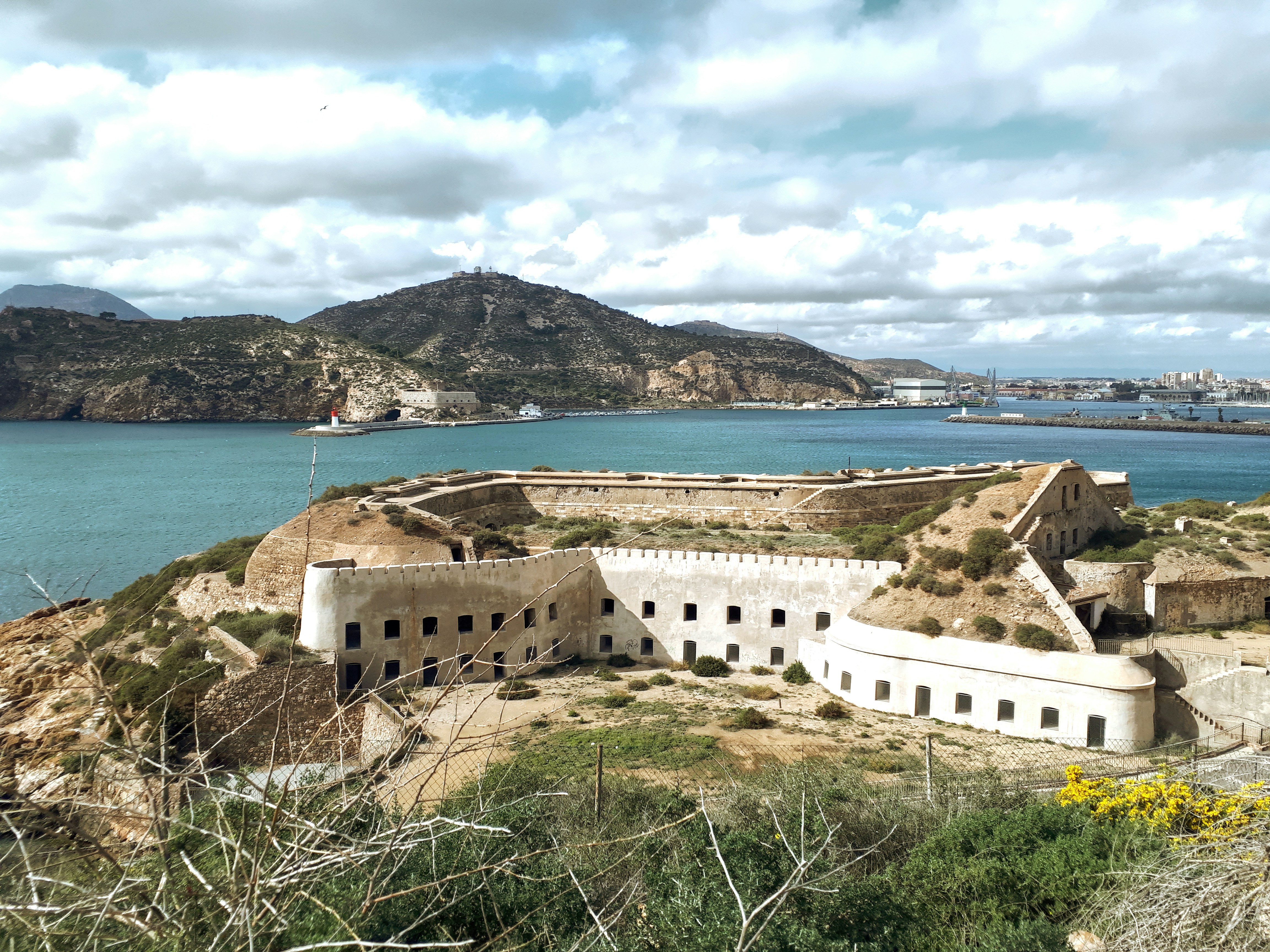
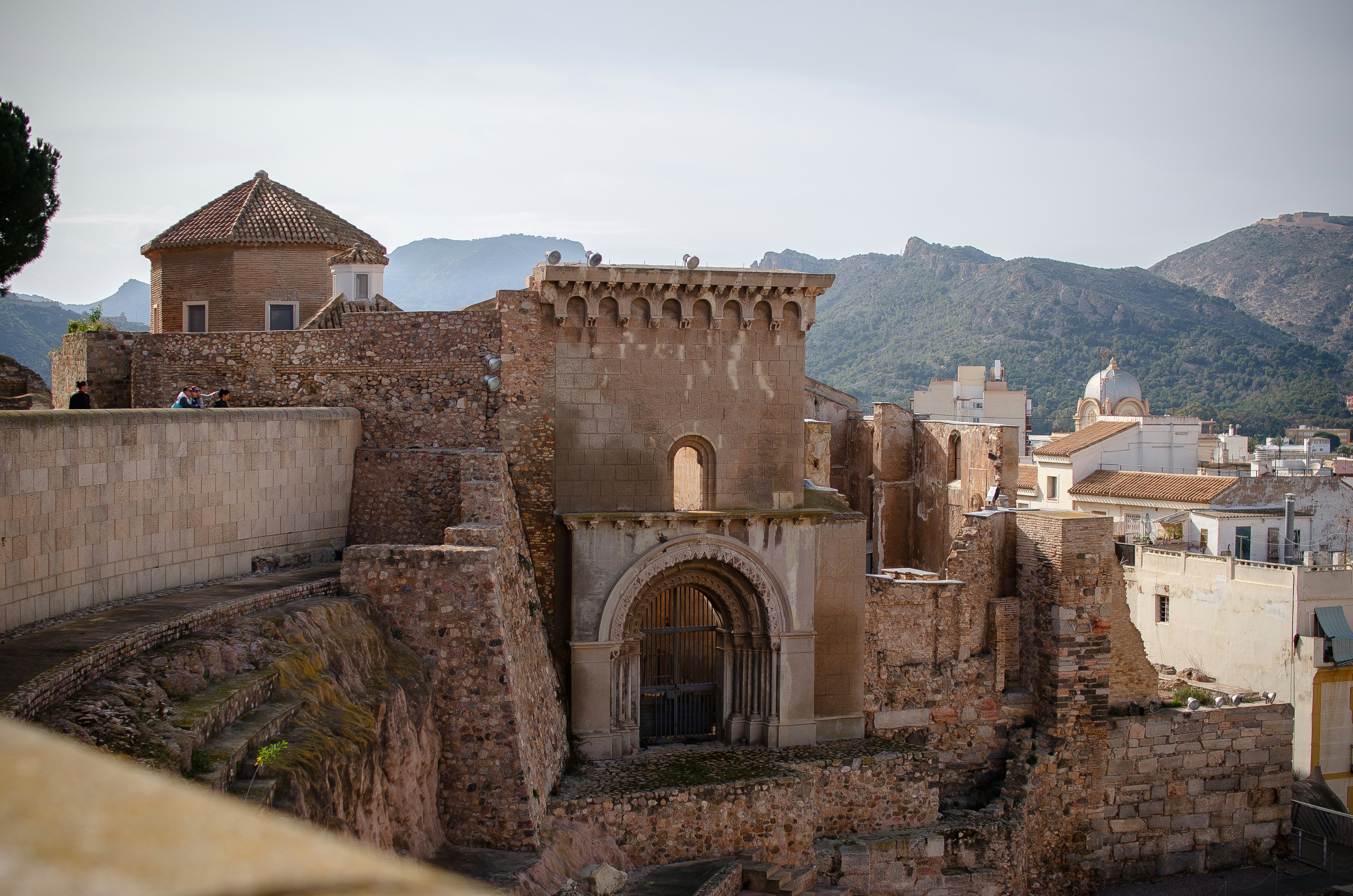
A Mediterranean city and naval station located in the Region of Murcia, southeastern Spain, Cartagena’s sheltered bay has attracted sailors for centuries. The Carthaginians founded the city in 223BC and named it Cartago Nova; it later became a prosperous Roman colony, and a Byzantine trading centre. The city has been the main Spanish Mediterranean naval base since the reign of King Philip II, and is still surrounded by walls built during this period. Cartagena’s importance grew with the arrival of the Spanish Bourbons in the 18th century, when the Navidad Fortress was constructed to protect the harbour. In recent years, traces of the city’s fascinating past have been brought to light: a well-preserved Roman Theatre was discovered in 1988, and this has now been restored and opened to the public. During your free time, you may like to take a mini-cruise around Cartagena's historic harbour: these operate several times a day, take approximately 40 minutes and do not need to be booked in advance. Full details will be available at the port.

Cartagena, Spain
Cartagena, SpainPhoto by joanna hall on Unsplash
Cartagena Roman Theatre Museum, Spain
Cartagena Roman Theatre Museum, SpainPhoto by Anastasia Shyrokykh on Unsplash

Day 4 - Ibiza

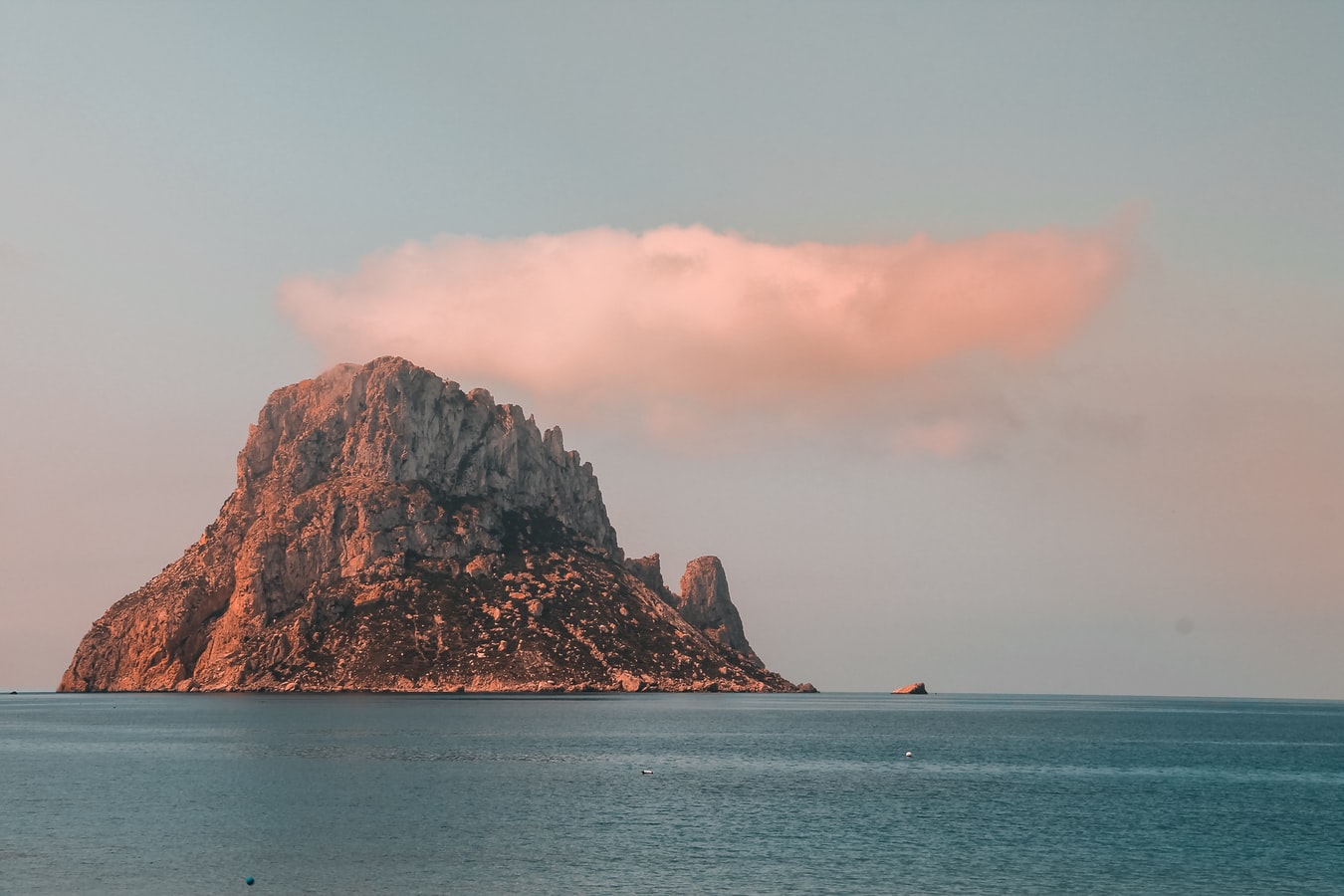
Hedonistic and historic, Eivissa (Ibiza, in Castilian) is a city jam-packed with cafés, nightspots, and trendy shops; looming over it are the massive stone walls of Dalt Vila —the medieval city declared a UNESCO World Heritage site in 1999—and its Gothic cathedral. Squeezed between the north walls of the old city and the harbor is Sa Penya, a long labyrinth of stone-paved streets that offer some of the city's best offbeat shopping, snacking, and exploring. The tourist information office on Vara de Rey has a useful map of walks through the old city.

Esibz   Ibiza, Spain   Adrien Prv
Esibz Ibiza, Spain Adrien Prv
Esibz   Ibiza, Spain   Belinda Fewings
Esibz Ibiza, Spain Belinda FewingsBelinda Fewings
Esibz   Ibiza, Spain   Jose Llamas 1
Esibz Ibiza, Spain Jose Llamas 1 Jose Llamas
Esibz   Ibiza, Spain   Jose Llamas
Esibz Ibiza, Spain Jose Llamas Jose Llamas
Esibz   Ibiza, Spain   Valentin Faivre
Esibz Ibiza, Spain Valentin FaivreValentin Faivre

Day 5 - Mahón, Menorca

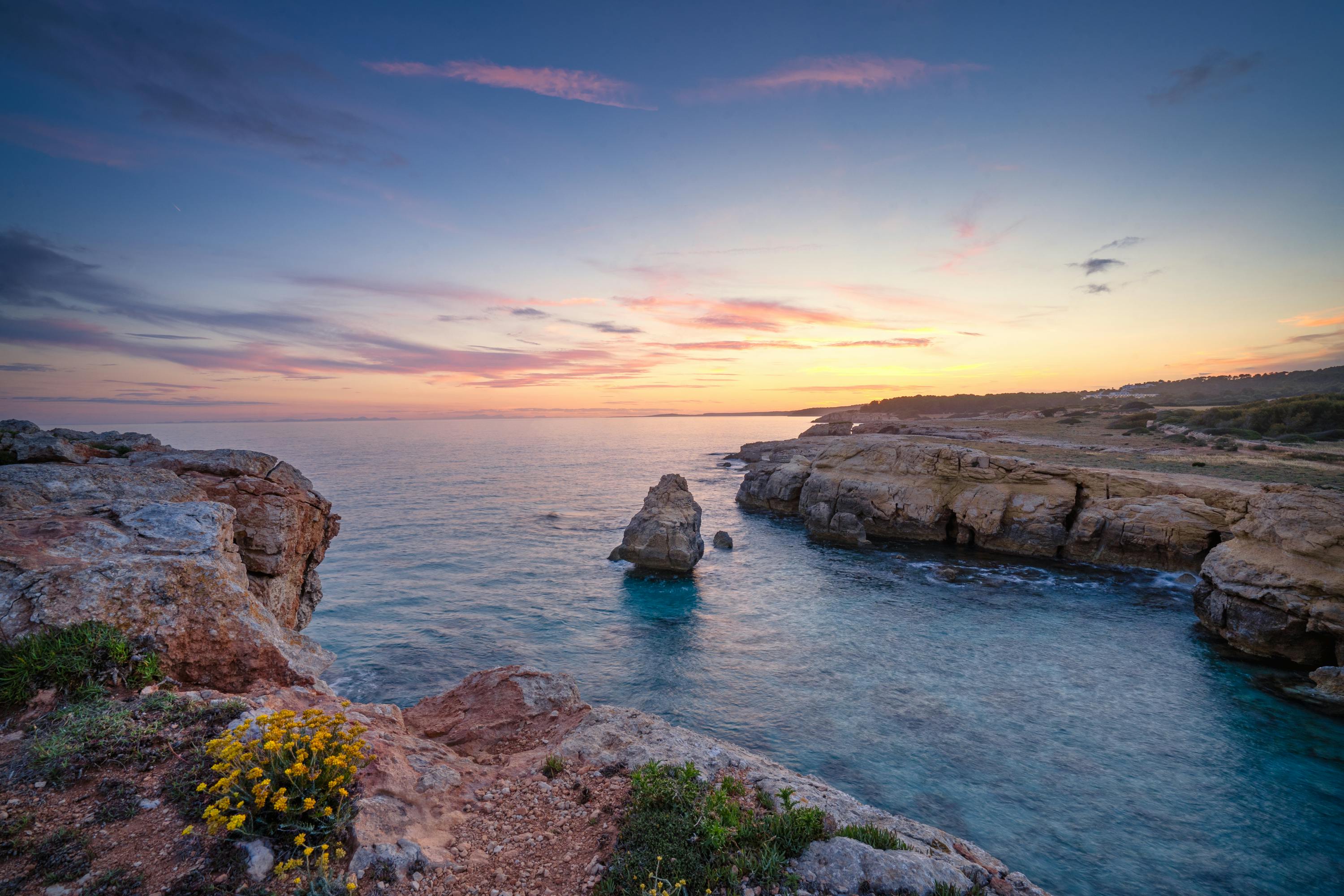
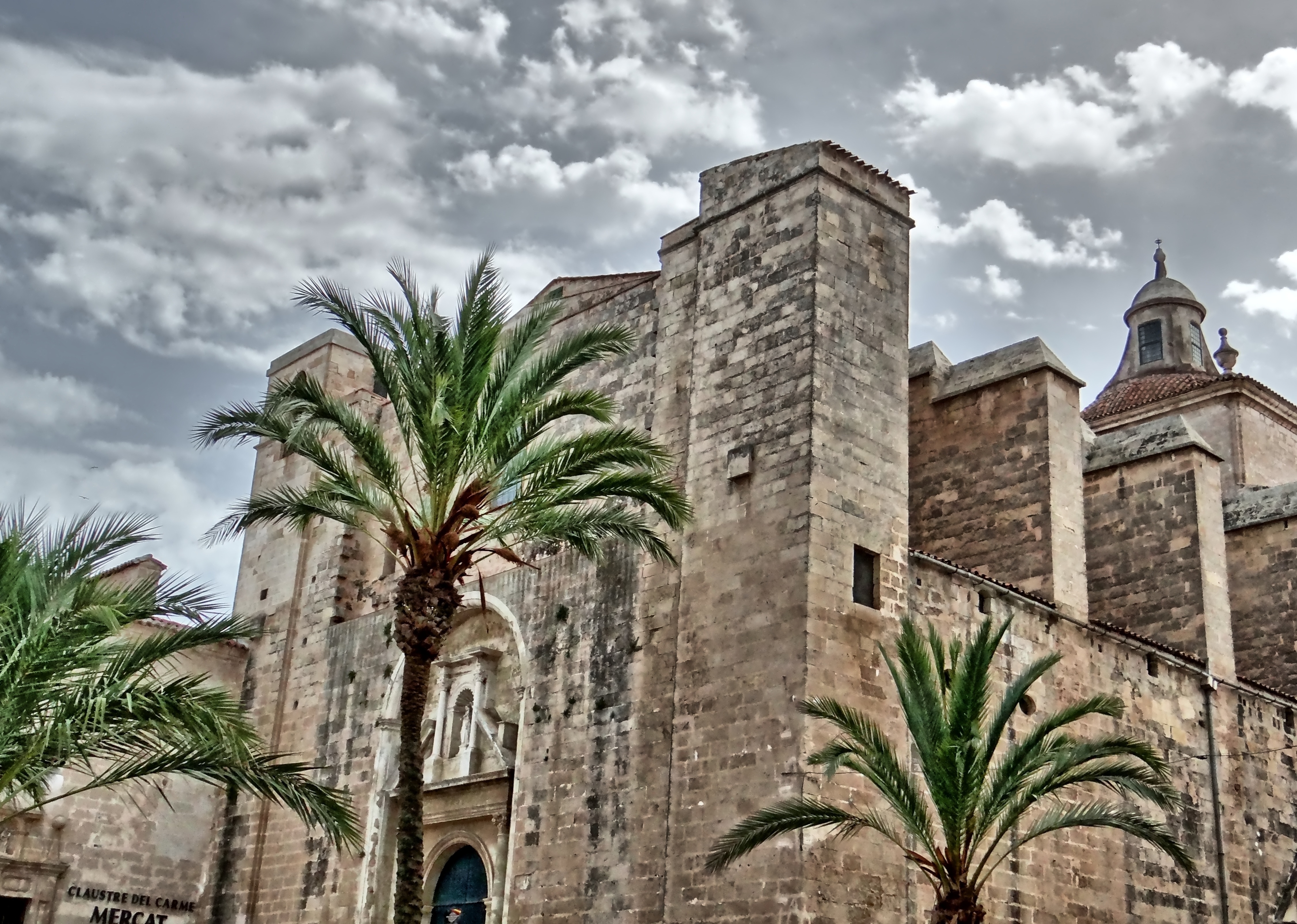
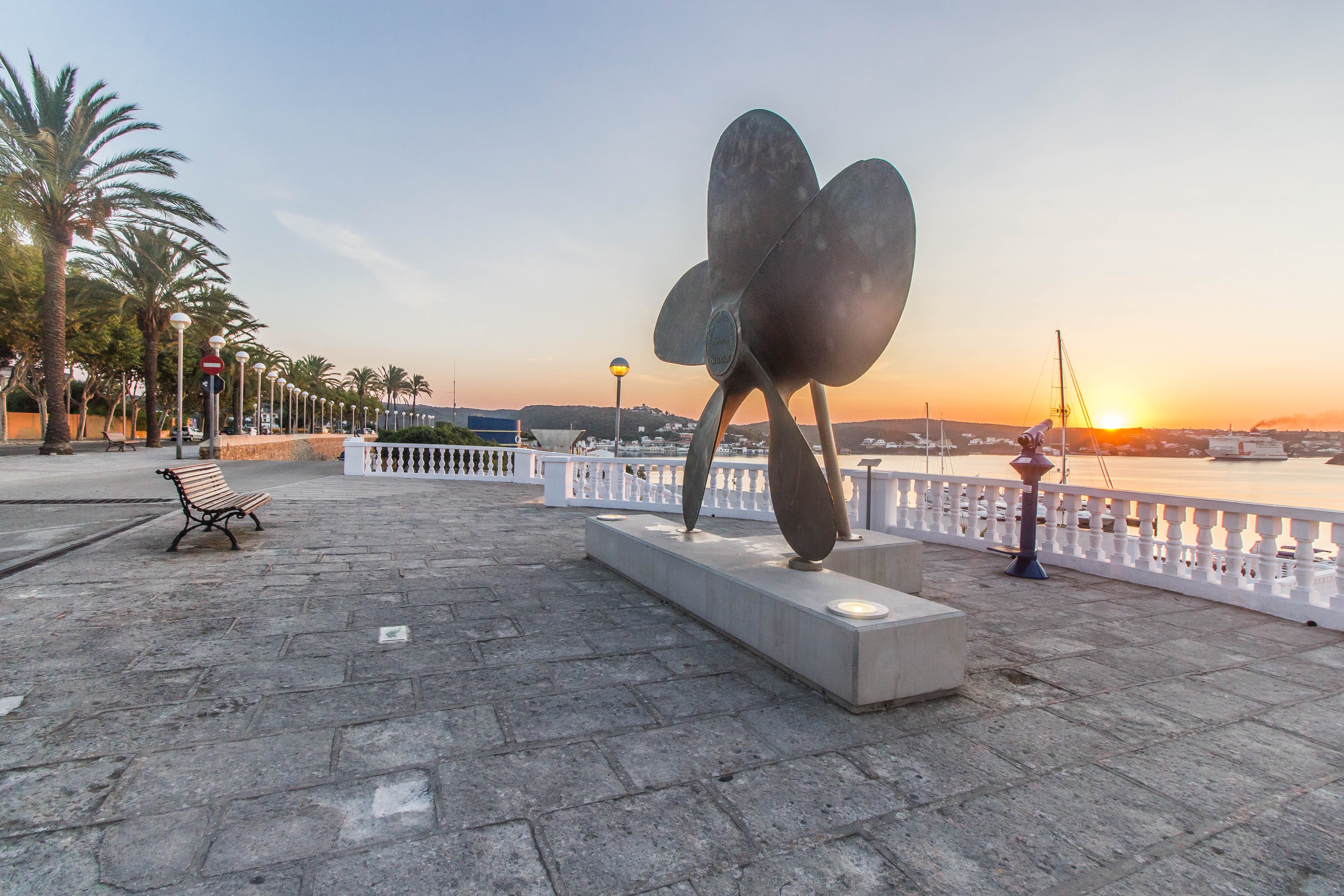
The capital of Menorca since 1721, Mahon has a impressive natural deep water harbour, which is one of the largest in the world. This, coupled with its strategic location, has made it a stronghold for many nations throughout history. Mahon has an abundance of historical buildings, the oldest being the Arch of Saint Roc which is all that remains of the wall that once encircled the whole town. The island was occupied by the British during the 18th century and Lord Nelson is thought to have stayed there. Indeed, San Antoni Mansion, located on the north side of the harbour, houses a collection of Nelson memorabilia. The legacy of colonial rule can be seen in the muted Georgian style of some of the buildings, but Mahon still boasts attractive examples of neo-Classical, Baroque and Romanesque architecture. With narrow streets to explore, pleasant shaded squares and welcoming pavement cafés, there is something for everyone to enjoy. Please be aware that most shops in town close for a siesta between 1330 and 1730.

Harbor In Menorca, Spain
Harbor In Menorca, SpainPhoto by Mor Shani on Unsplash
Ciutadella De Menorca Sunset
Ciutadella De Menorca SunsetPhoto by Juliana Chyzhova, Pexels
Mahon, Menorca
Mahon, MenorcaImage by Corinna Schenk from Pixabay
Mahon, Menorca
Mahon, MenorcaImage by AYOUB ETMAITI from Pixabay

Day 6 - At Sea

Further details for this day are not available.

Day 7 - Palermo

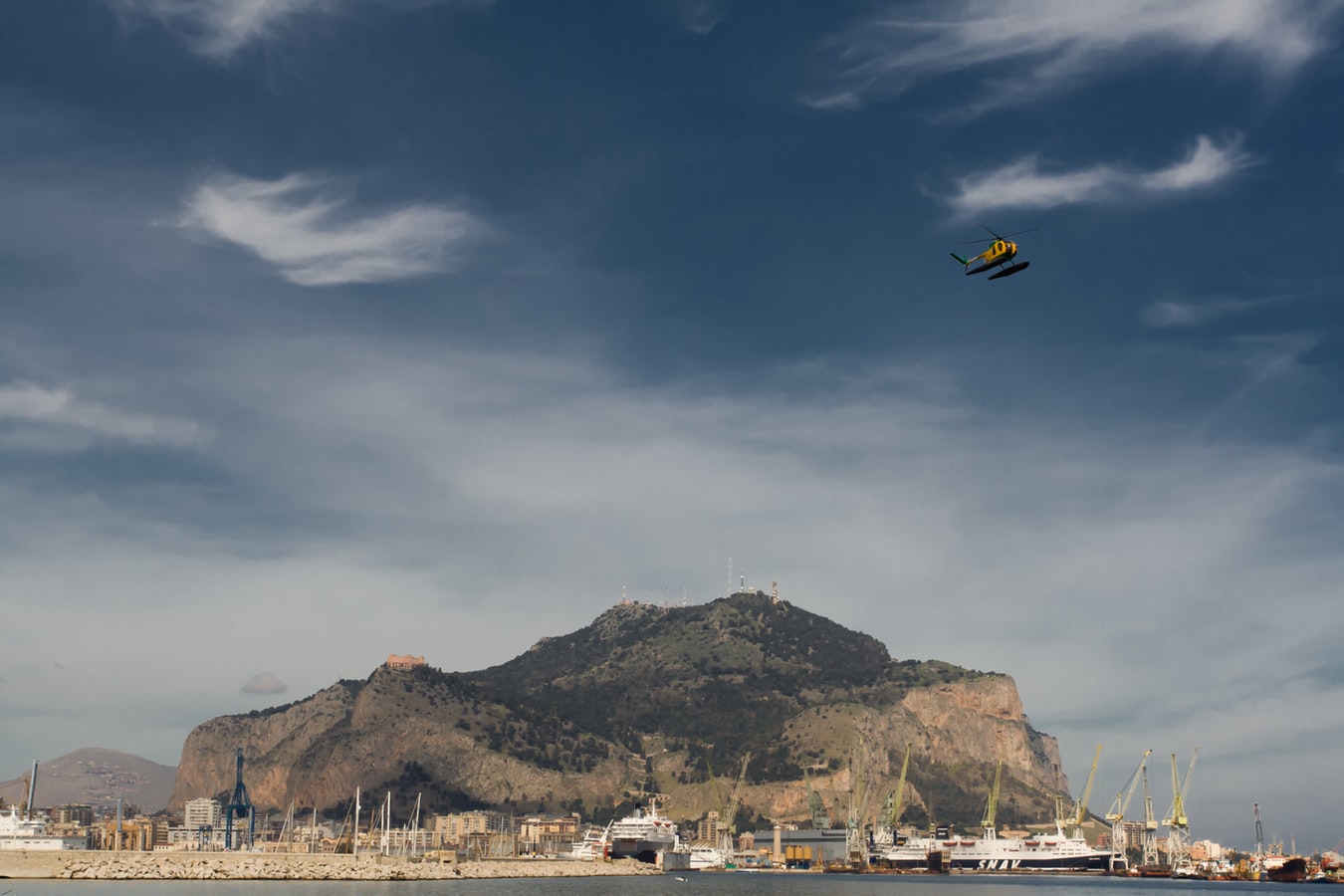
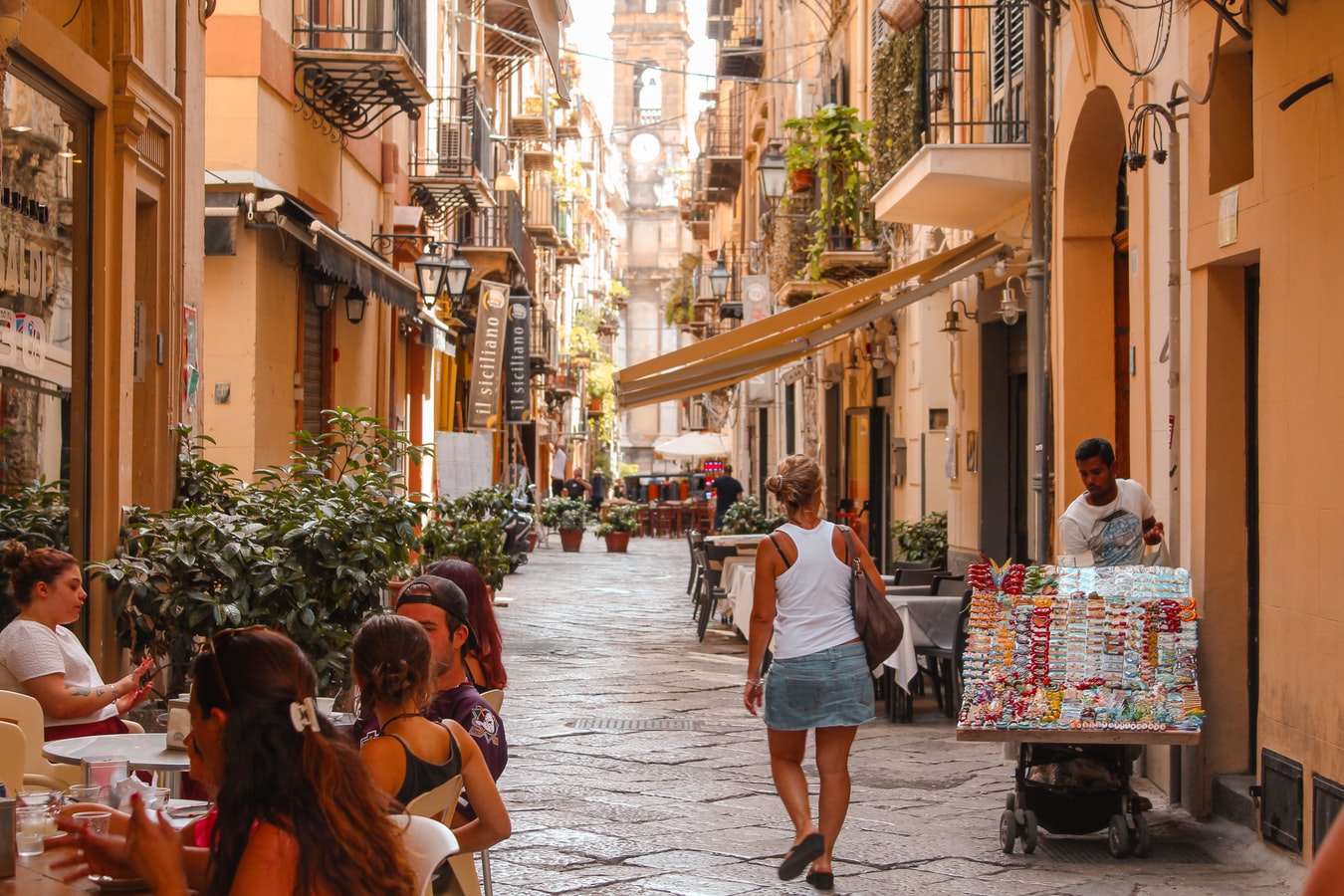
Once the intellectual capital of southern Europe, Palermo has always been at the crossroads of civilization. Favorably situated on a crescent-shaped bay at the foot of Monte Pellegrino, it has attracted almost every culture touching the Mediterranean world. To Palermo's credit, it has absorbed these diverse cultures into a unique personality that is at once Arab and Christian, Byzantine and Roman, Norman and Italian. The city's heritage encompasses all of Sicily's varied ages, but its distinctive aspect is its Arab-Norman identity, an improbable marriage that, mixed in with Byzantine and Jewish elements, created some resplendent works of art. No less noteworthy than the architecture is Palermo's chaotic vitality, on display at some of Italy's most vibrant outdoor markets, public squares, street bazaars, and food vendors, and above all in its grand climax of Italy's most spectacular passeggiata (the leisurely social stroll along the principal thoroughfare).

Itpmo   Palermo, Italy   Photo Credit Belongs To Carlo Columba
Itpmo Palermo, Italy Photo Credit Belongs To Carlo ColumbaCarlo Columba
Itpmo   Palermo, Italy   Photo Credit Belongs To Denilo Vieira
Itpmo Palermo, Italy Photo Credit Belongs To Denilo VieiraDenilo Vieira
Itpmo   Palermo, Italy   Photo Credit Belongs To Rado Slav
Itpmo Palermo, Italy Photo Credit Belongs To Rado Slav Rado Slav
Itpmo   Palermo, Italy   Photo Credit Belongs To Tomas Anton Escobar
Itpmo Palermo, Italy Photo Credit Belongs To Tomas Anton EscobarTomas Anton Escobar
Itpmo   Palermo, Italy   Photo Credit Belongs To Vasily Kotlyarov
Itpmo Palermo, Italy Photo Credit Belongs To Vasily KotlyarovVasily Kotlyarov
Itpmo   Palermo, Italy   Photo Credit Belongs To Yuliya Kosolapova
Itpmo Palermo, Italy Photo Credit Belongs To Yuliya Kosolapova Yuliya Kosolapova

Day 8 - Reggio di Calabria

Further details for this day are not available.

Reggio Di Calabria
Reggio Di CalabriaImage by Valter Cirillo from Pixabay

Day 8 - Stromboli

Further details for this day are not available.

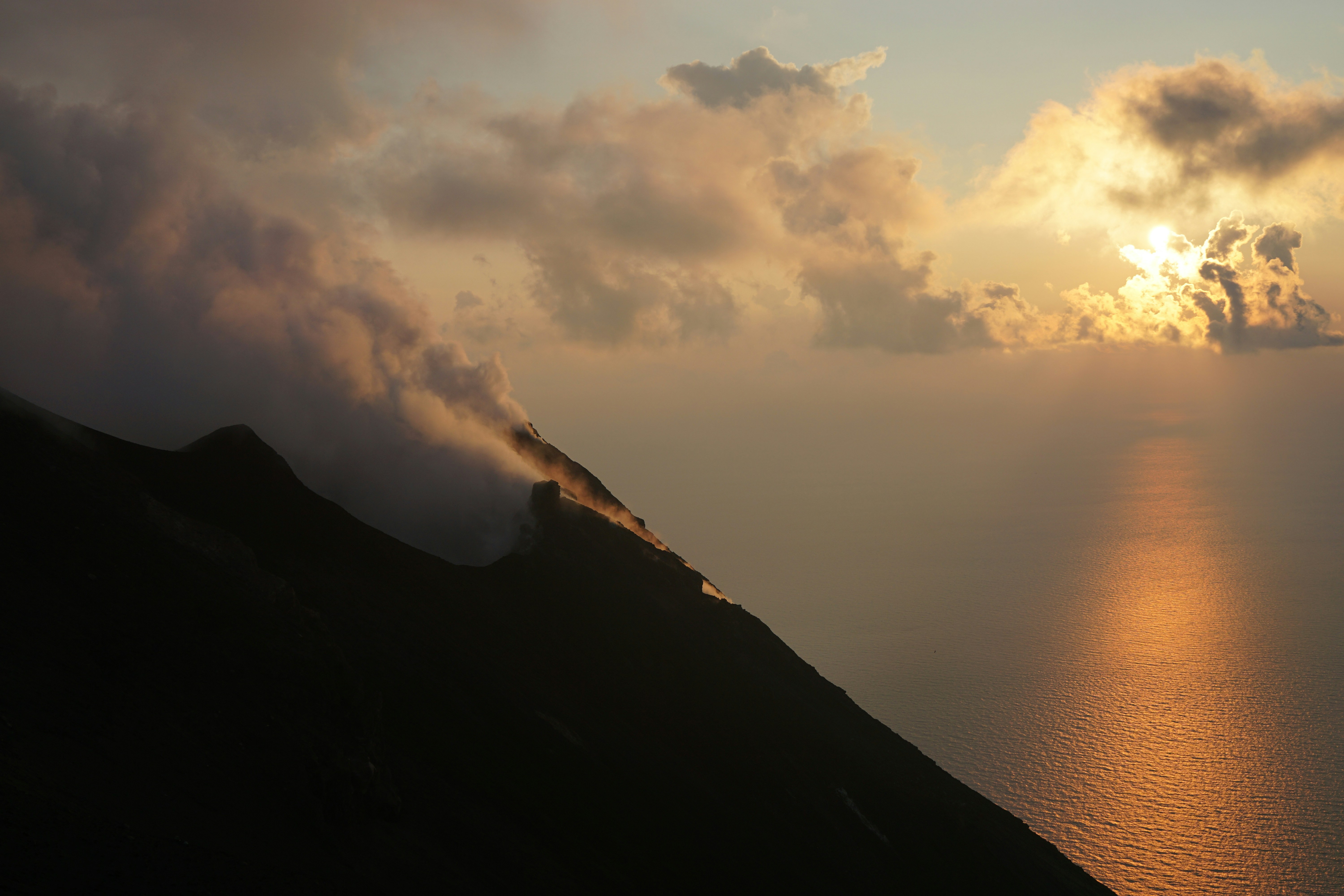
Stromboli, Italy
Stromboli, ItalyPhoto by Erwan Hesry on Unsplash

Day 9 - Siracuse, Sicily

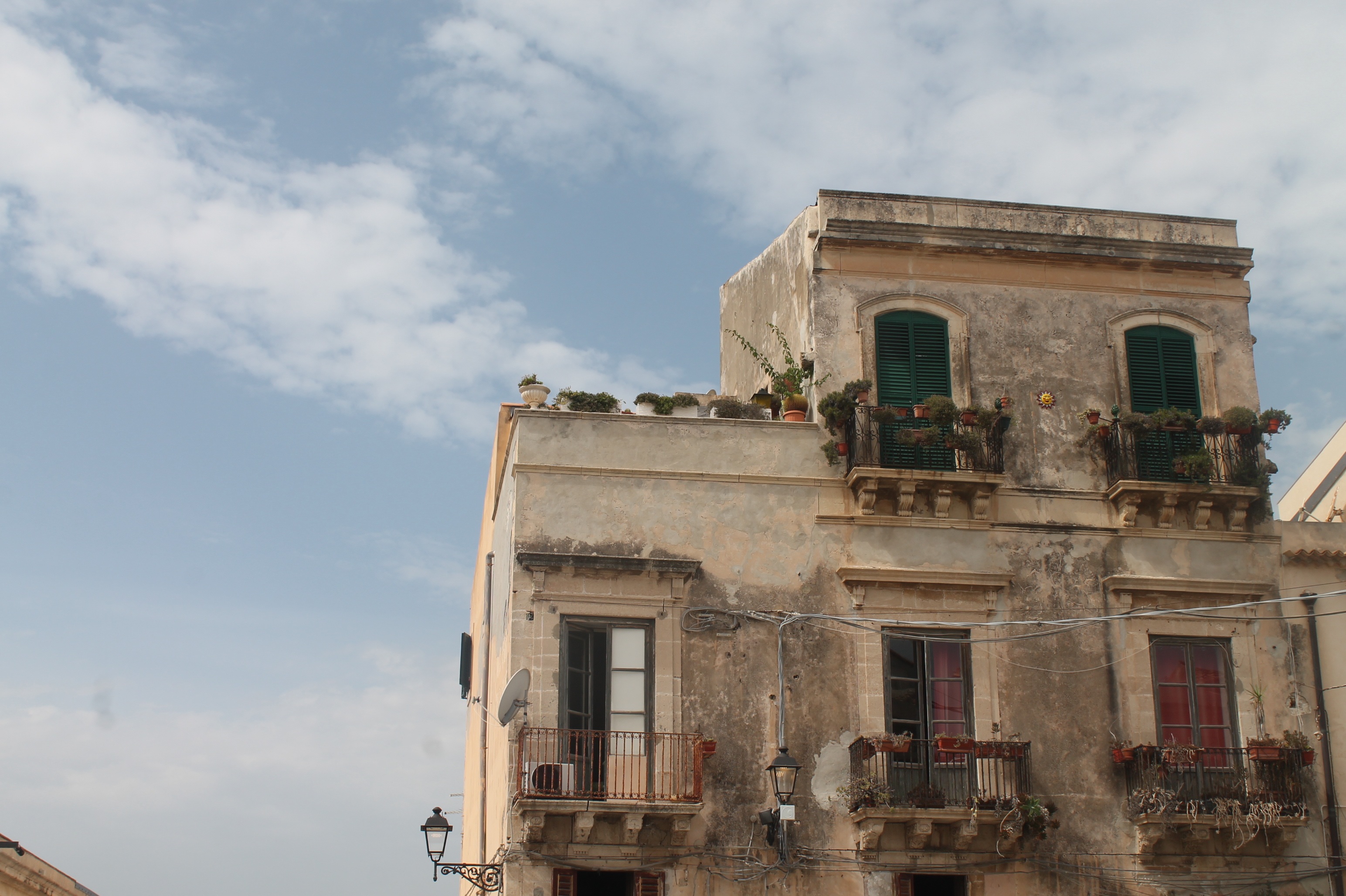
Siracusa, known to English speakers as Syracuse, is a wonder to behold. One of the great ancient capitals of Western civilization, the city was founded in 734 BC by Greek colonists from Corinth and soon grew to rival, and even surpass, Athens in splendor and power. It became the largest, wealthiest city-state in the West and a bulwark of Greek civilization. Although Siracusa lived under tyranny, rulers such as Dionysius filled their courts with Greeks of the highest cultural stature—among them the playwrights Aeschylus and Euripides, and the philosopher Plato. The Athenians, who didn't welcome Siracusa's rise, set out to conquer Sicily, but the natives outsmarted them in what was one of the greatest military campaigns in ancient history (413 BC). The city continued to prosper until it was conquered two centuries later by the Romans.Present-day Siracusa still has some of the finest examples of Baroque art and architecture; dramatic Greek and Roman ruins; and a Duomo that's the stuff of legend—a microcosm of the city's entire history in one building. The modern city also has a wonderful, lively, Baroque old town worthy of extensive exploration, as well as pleasant piazzas, outdoor cafés and bars, and a wide assortment of excellent seafood. There are essentially two areas to explore in Siracusa: the Parco Archeologico (Archaeological Zone), on the mainland; and the island of Ortygia, the ancient city first inhabited by the Greeks, which juts out into the Ionian Sea and is connected to the mainland by two small bridges. Ortygia is becoming increasingly popular with tourists, and is starting to lose its old-fashioned charm in favor of modern boutiques.Siracusa's old nucleus of Ortygia, a compact area, is a pleasure to amble around without getting unduly tired. In contrast, mainland Siracusa is a grid of wider avenues. At the northern end of Corso Gelone, above Viale Paolo Orsi, the orderly grid gives way to the ancient quarter of Neapolis, where the sprawling Parco Archeologico is accessible from Viale Teracati (an extension of Corso Gelone). East of Viale Teracati, about a 10-minute walk from the Parco Archeologico, the district of Tyche holds the archaeological museum and the church and catacombs of San Giovanni, both off Viale Teocrito (drive or take a taxi or city bus from Ortygia). Coming from the train station, it's a 15-minute trudge to Ortygia along Via Francesco Crispi and Corso Umberto. If you're not up for that, take one of the free electric buses leaving every 10 minutes from the bus station around the corner.

Siracuse, Sicily
Siracuse, SicilyImage by alpenzoo from Pixabay

Day 10 - Valletta

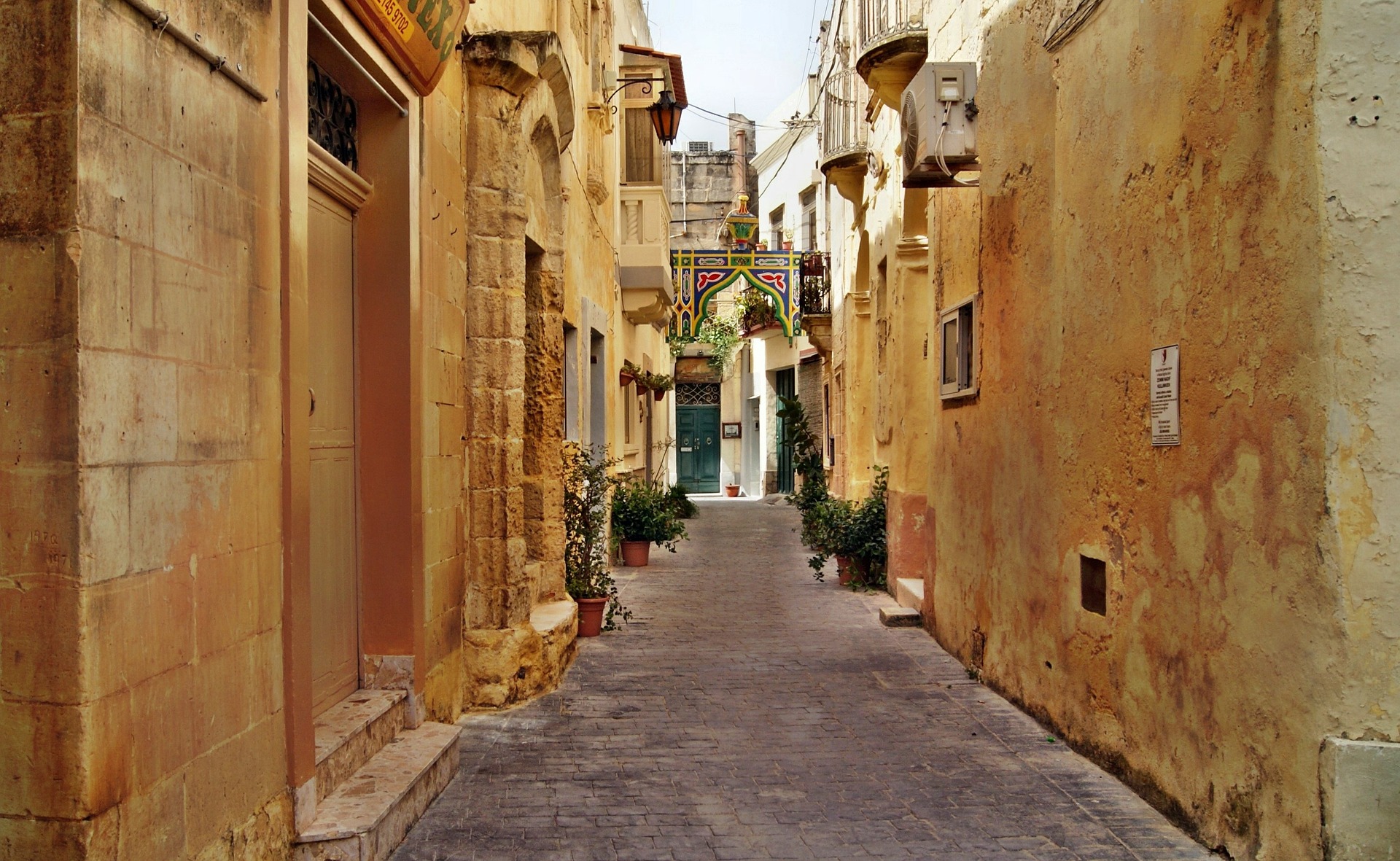
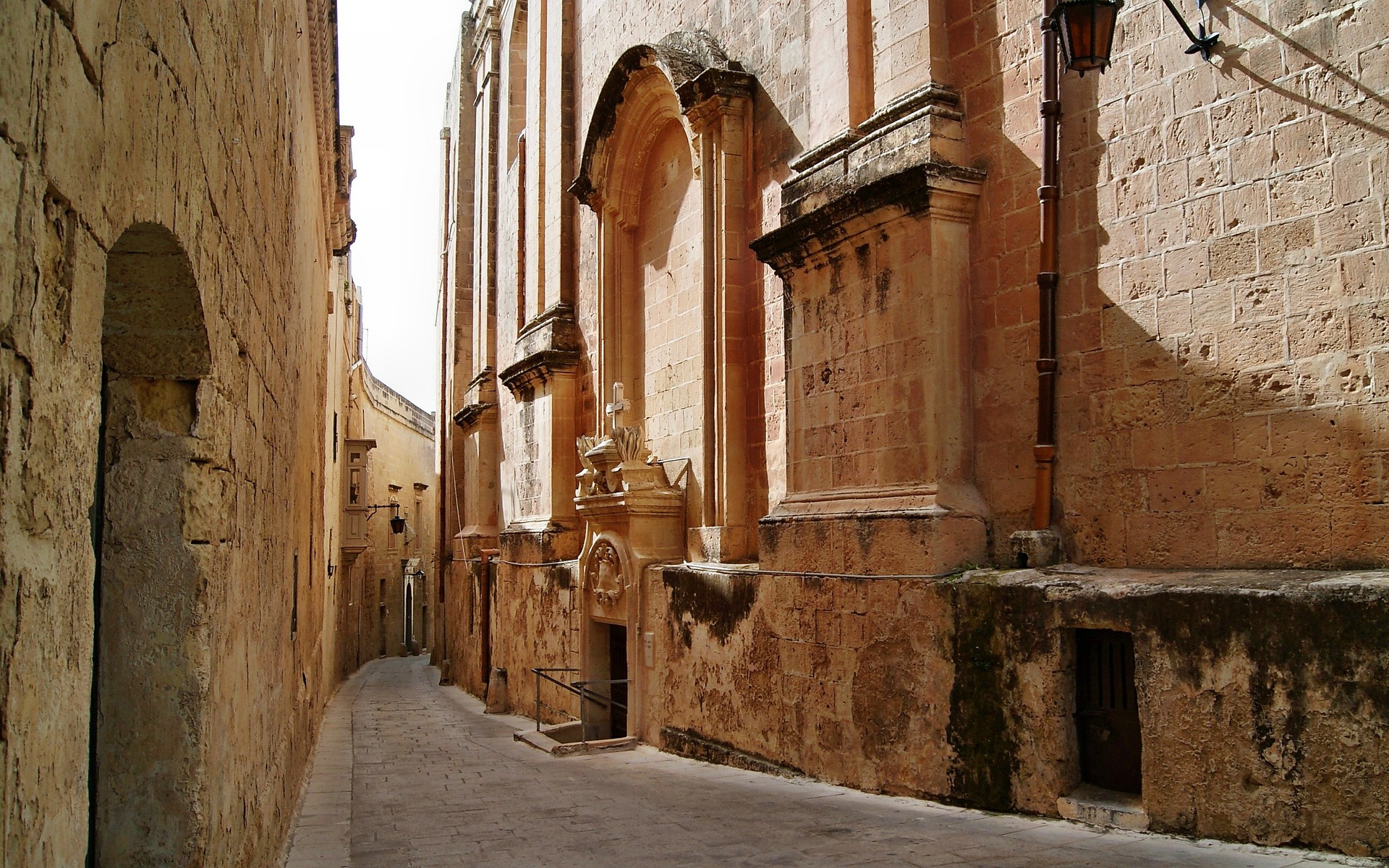
Malta's capital, the minicity of Valletta, has ornate palaces and museums protected by massive fortifications of honey-color limestone. Houses along the narrow streets have overhanging wooden balconies for people-watching from indoors. Generations ago they gave housebound women a window on the world of the street. The main entrance to town is through the City Gate (where all bus routes end), which leads onto Triq Repubblika (Republic Street), the spine of the grid-pattern city and the main shopping street. Triq Mercante (Merchant Street) parallels Repubblika to the east and is also good for strolling. From these two streets, cross streets descend toward the water; some are stepped. Valletta's compactness makes it ideal to explore on foot. City Gate and the upper part of Valletta are experiencing vast redevelopment that includes a new Parliament Building and open-air performance venue. The complex, completed mid-2013, has numerous pedestrian detours in place along with building noise and dust. Before setting out along Republic Street, stop at the tourist information office on Merchant Street for maps and brochures.
Valletta, Alleyway
Valletta, Alleyway
Valletta, Cobblestone Path
Valletta, Cobblestone Staircase
Valletta, Gothic Church
Valletta, Grand Habour
Valletta, Harbor
Valletta, Harbor
Valletta, Lighthouse
Valletta, Monument To Sir Alexander Ball
Valletta, Shopping District
Valletta, St
Valletta, St
Valletta
Valletta

Suites & Deck Plans

Suite

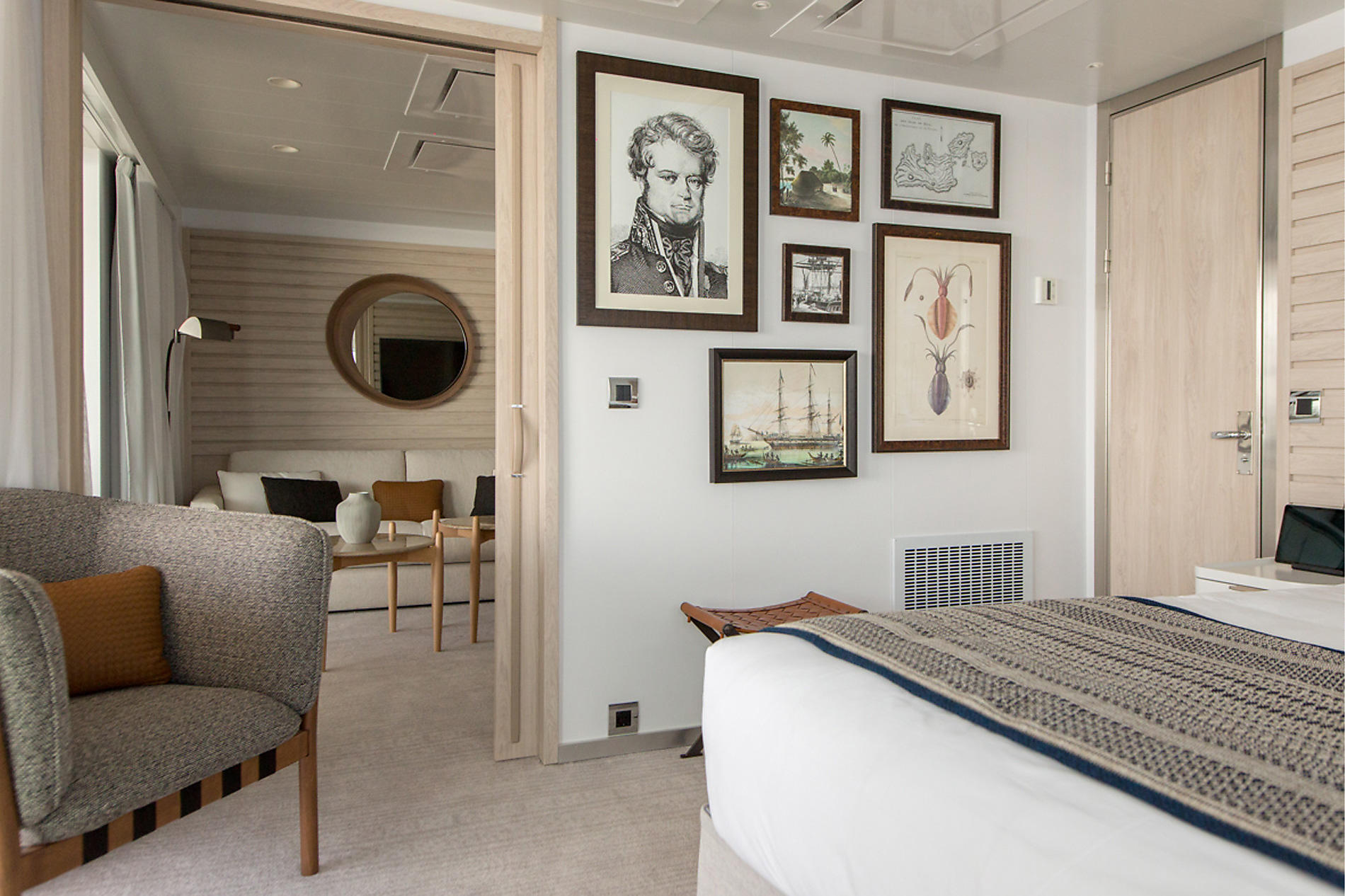
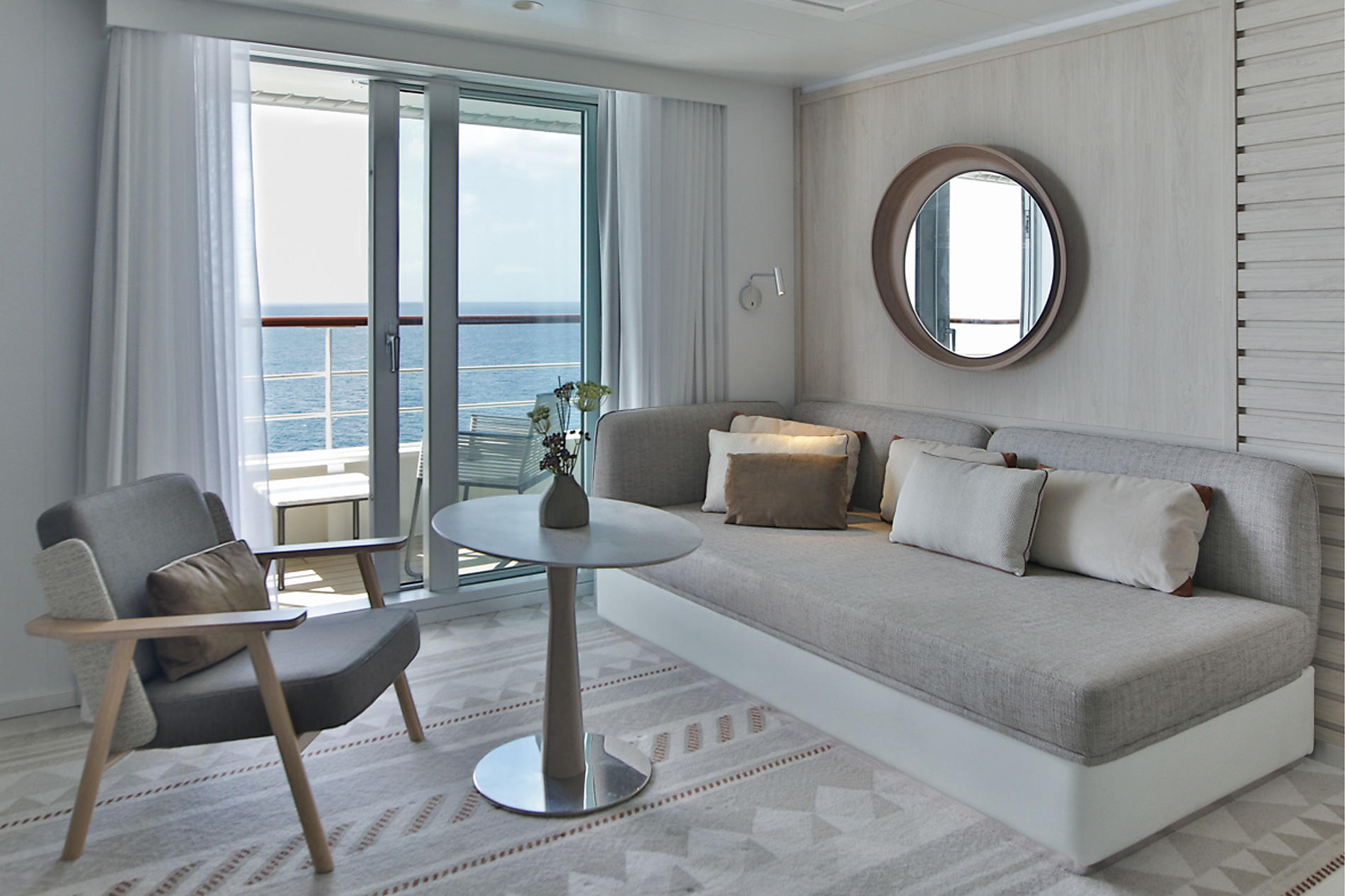
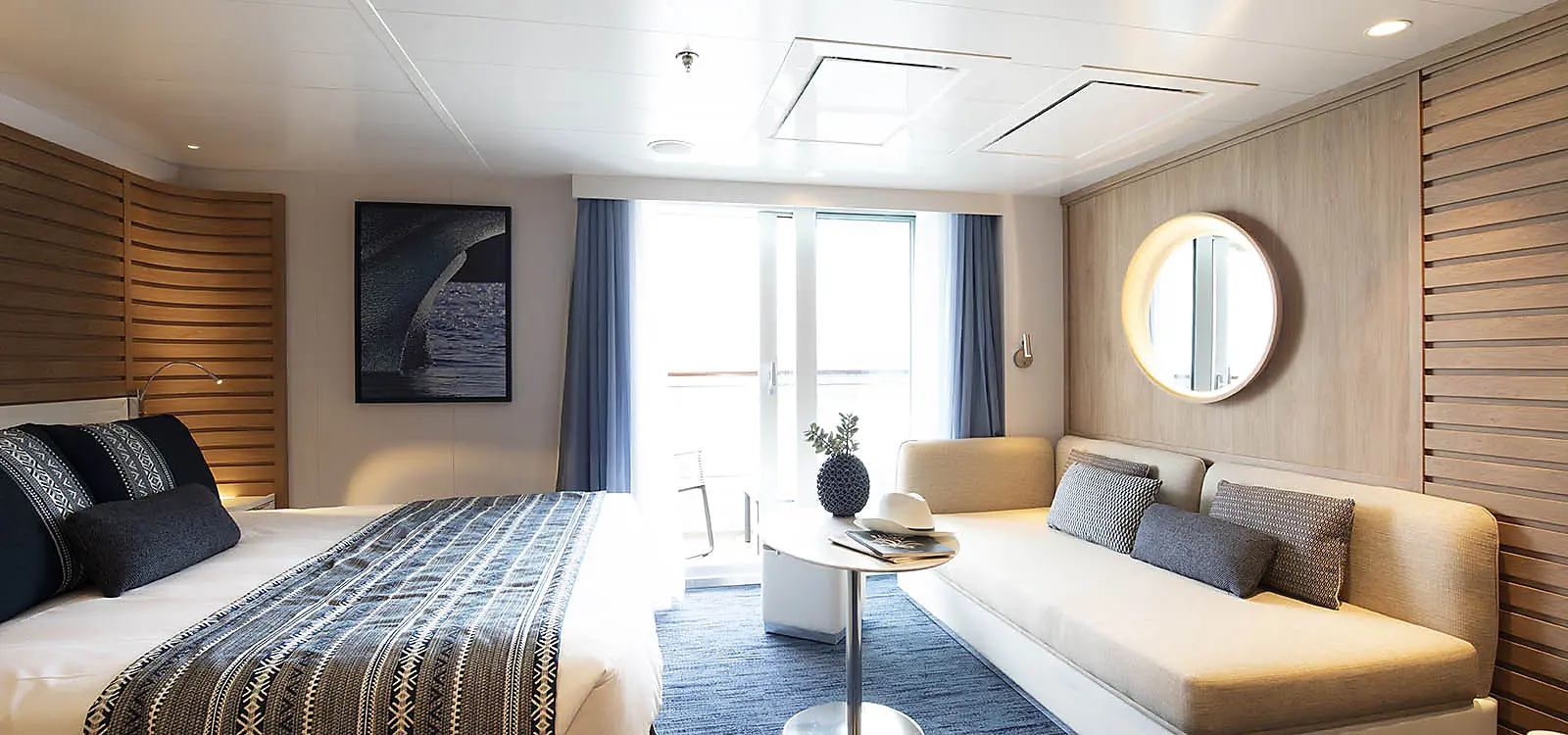
In addition to the common services provided to all our suites and staterooms:

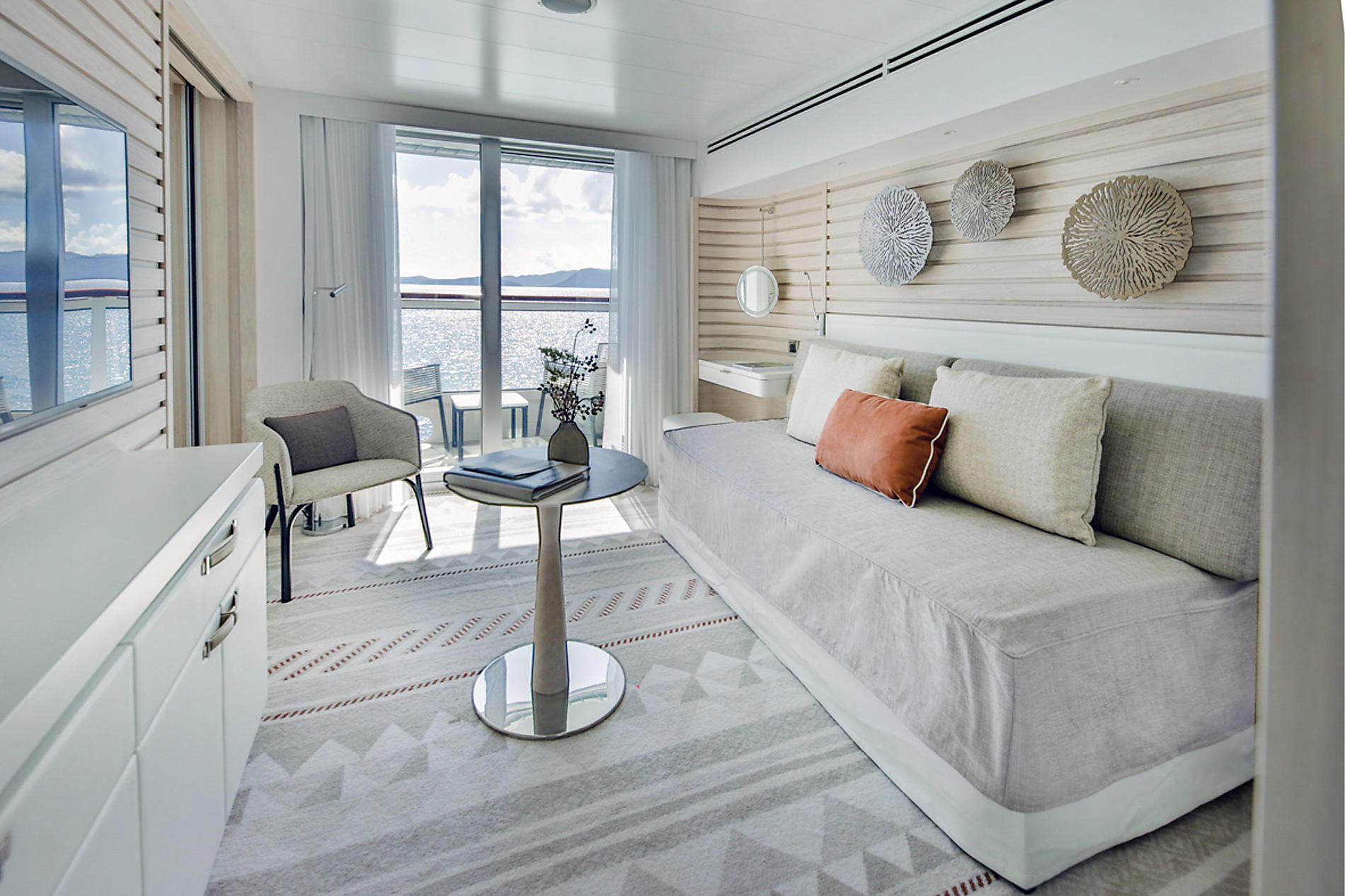
  • A private 430 ft² terrace with hot tub and lounge area with 2 deck chairs, sofa, and armchair
  • Two sliding panoramic windows
  • A bathroom with shower, spa bathtub, and smart mirror
  • Butler service
  • A one-hour treatment per person (for 2 people) in the wellness area, including body and facial treatments
  • A private return transfer
  • Priority boarding (depending on port of embarkation)
  • Champagne and fruit on arrival
  • A fruit basket every day
  • A living room with a convertible sofa into a double bed, armchair, and TV
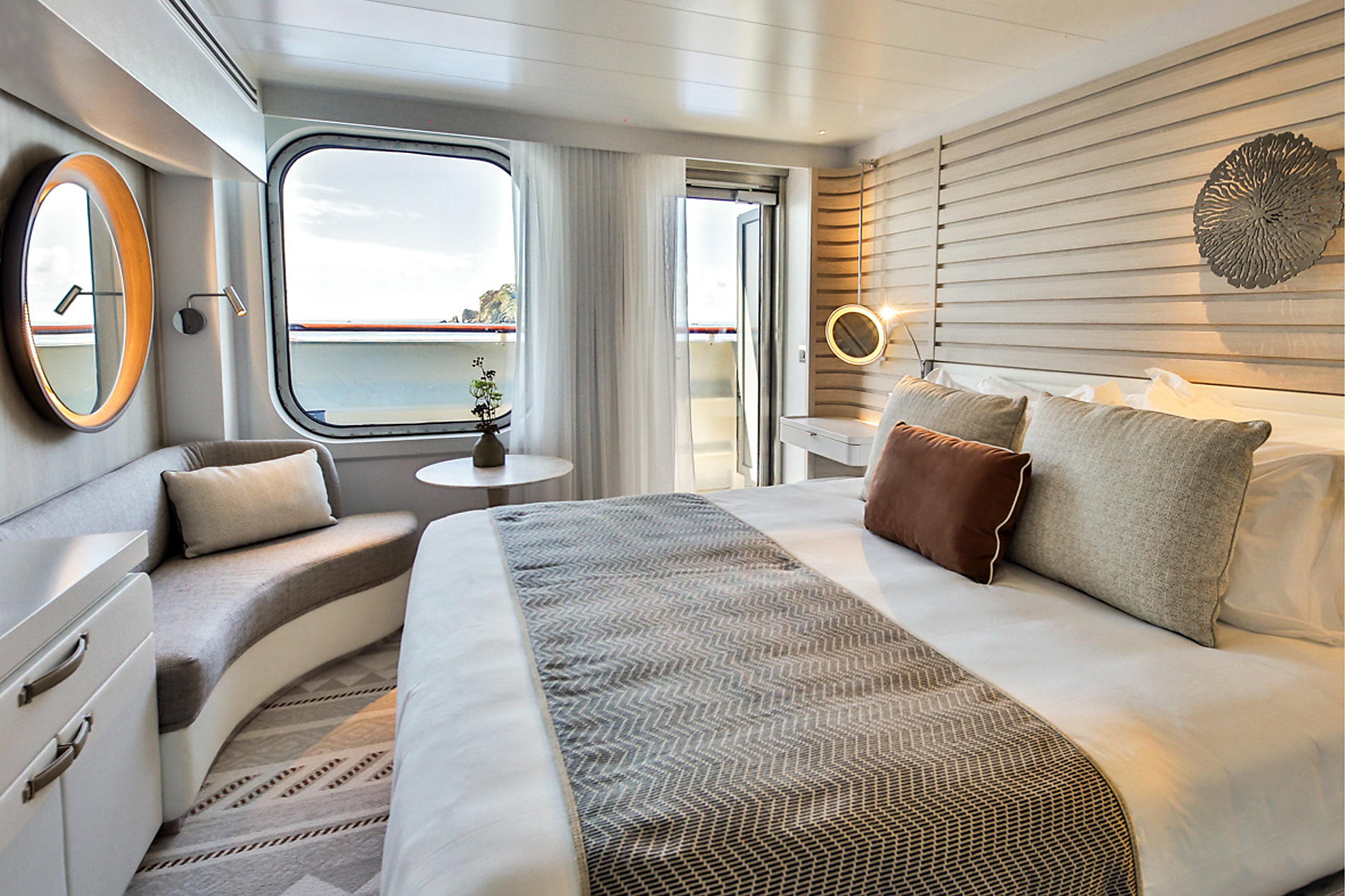
  • One bedroom with king-size bed (180 x 190 cm) or two single beds (90 x 190 cm)
  • Included premium pass: access to a selection of premium spirits at the bar

Included in all staterooms

  • Minibar
  • Diptyque Paris top-of-the-line bath products
  • Bose Bluetooth speaker
  • Individually-controlled air conditioning
  • Nespresso coffee maker and boiler
  • Dressing room with shelves and closet
  • 110V American / 220V European
  • Dressing table and hairdryer
  • Direct line telephone
  • 2 ADA stateroom
  • 24-hour room service
  • Electronic safe
  • Flat screen TV, international channels and videos on demand
  • Inclusive Wifi internet

484 sq ft
Accommodates 4 guests
Owner's Suite

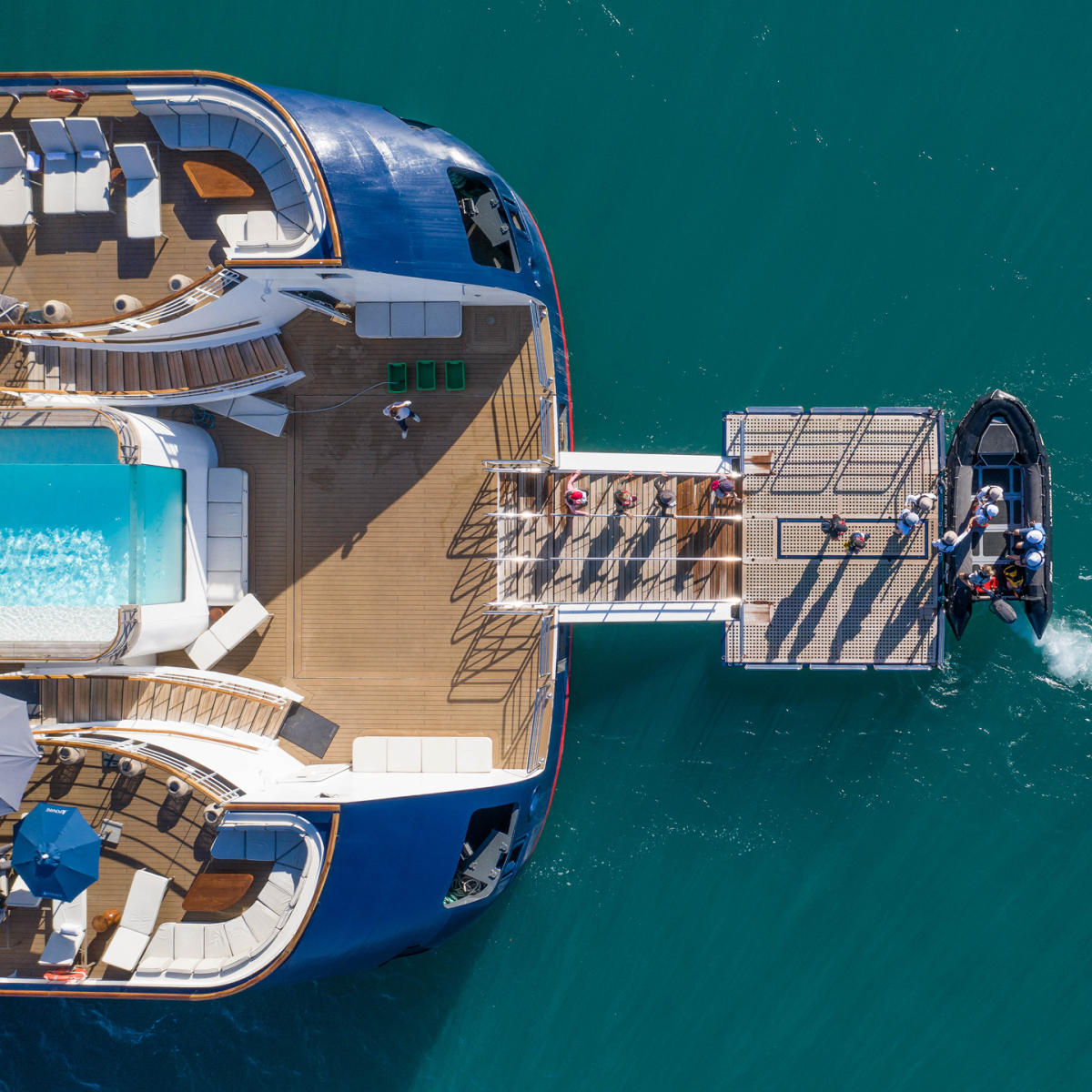
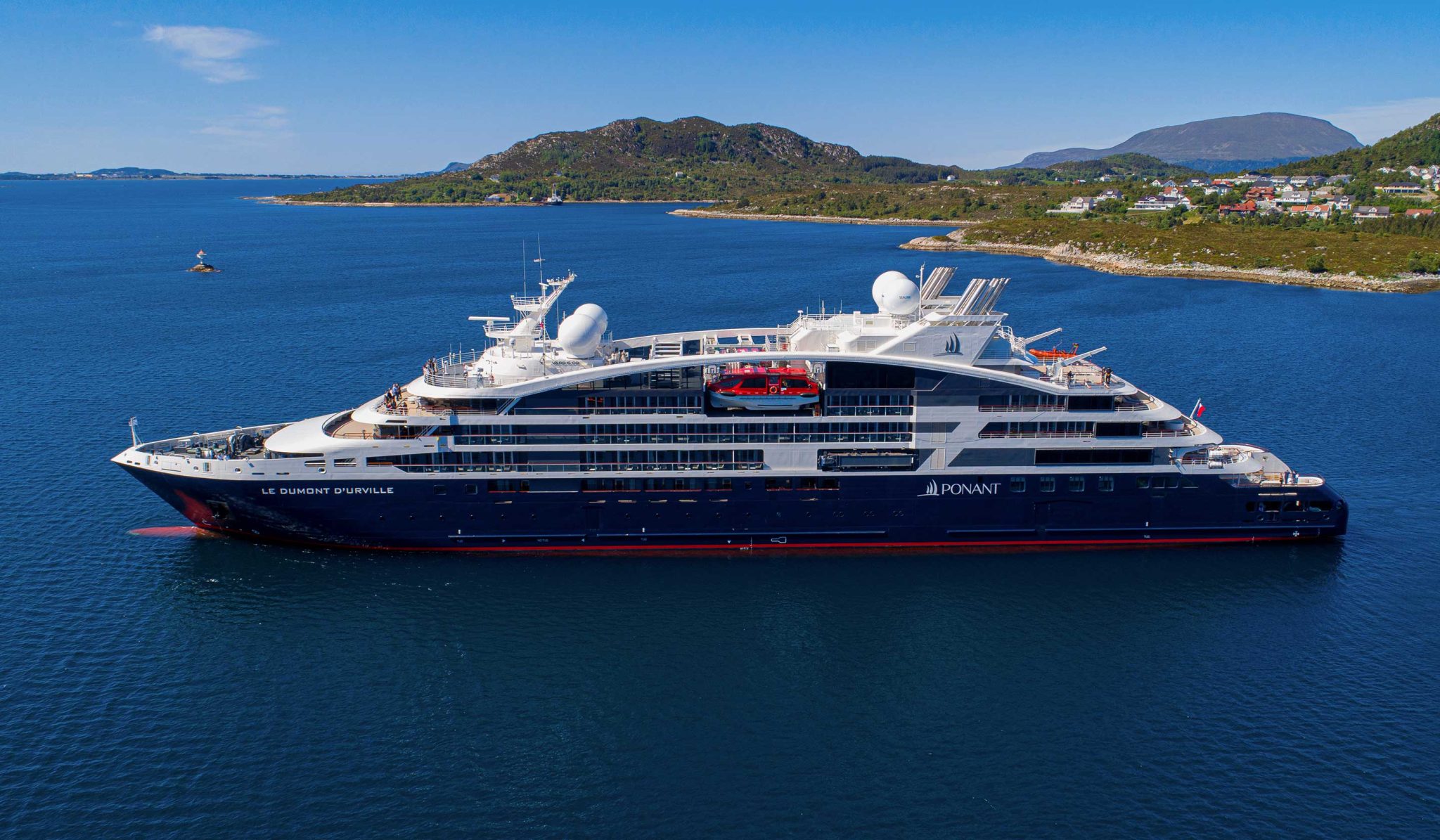
Le Dumont-d'Urville

Le Dumont-d'Urville

Life on board

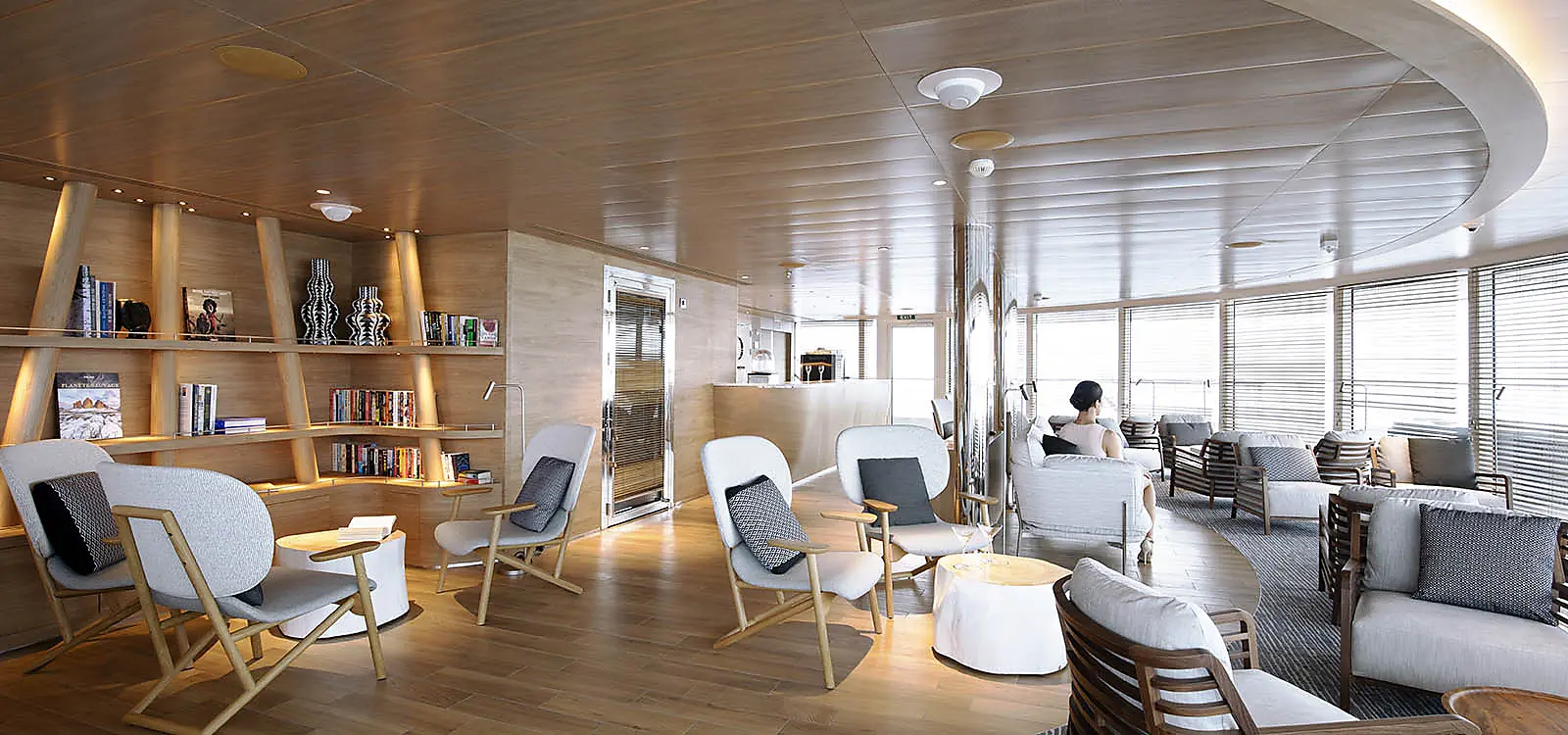
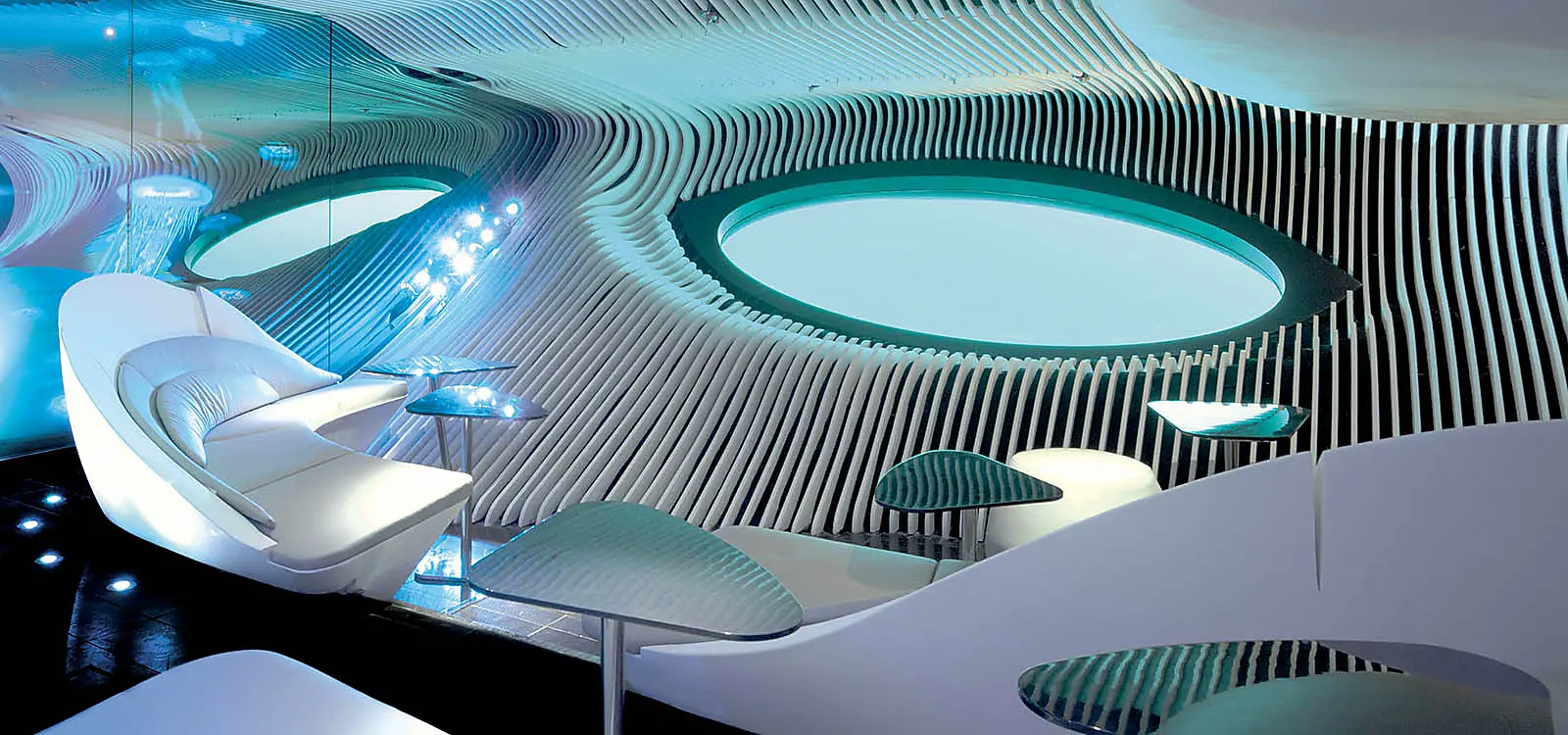
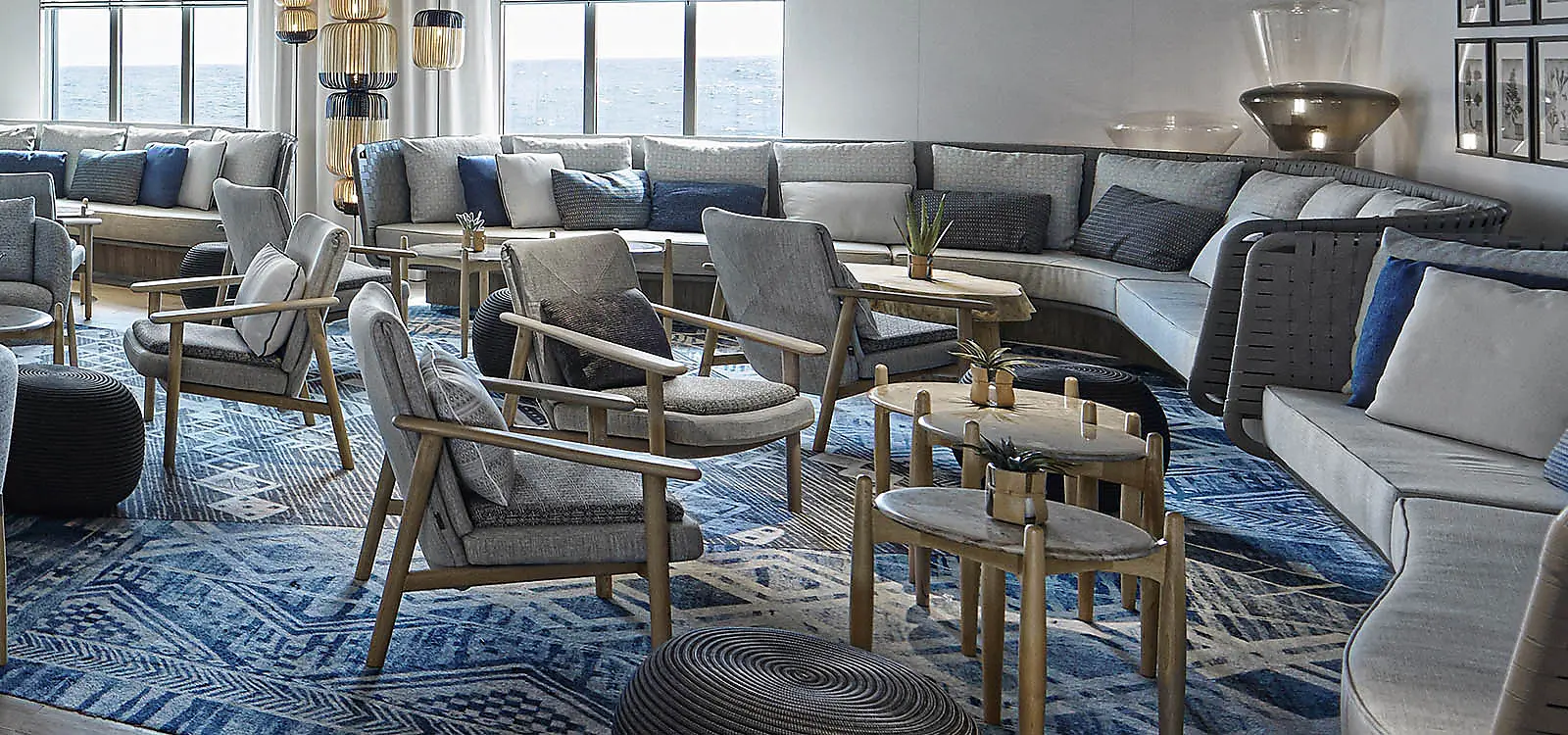
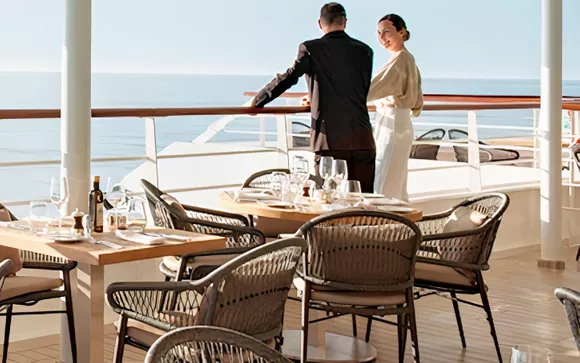
The Onboard Experience

Client testimonials

I have worked with Lore Doick for more than 20 years, and she has booked over 30 cruises for me. Her expertise, care, and attention to every travel detail have made her an invaluable advisor and friend over the years.”

Tina B.

We are now in our second generation working with Cheri Ozimac at Tully Luxury Travel. From Antarctica to Greece, she has handled every detail with expertise, responsiveness, and care…

Earl M.

My wife and I have worked with Tully since 2007, and Kit Neil and her team went far beyond expectations while helping us navigate multiple cruise and flight cancellations. Their advocacy, care, and support during a difficult time were extraordinary.

Carri F.

Cheri Ozimac organized our Seabourn cruise flawlessly, from the hotel recommendation to every travel arrangement. She was responsive, attentive, and an excellent advocate throughout the process…

Cyn S.

We discovered Tully Luxury Travel after years of booking cruises through US agents and were impressed by their competitive pricing, exceptional service, and Canadian based support. Their team is always available, offers excellent value, and makes booking the right cruise seamless.

Peter C.

GoogleAverage Customer Rating:

The Tully Difference

Why travel with us


Tully Luxury Travel was built on access, discretion, and trust. For our clients, that means ease at every step, with distinctions that turn exceptional voyages into defining moments.

Recognized expertise

A renowned agency worldwide in luxury land and small-ship cruising, consistently trusted by the industry’s most prestigious brands.