PONANT EXPLORATIONS logo

Secrets of Central America

Itinerary: Colón, Portobelo, San Blas Islands, Panama Canal Transit, Pearl Islands, At Sea, Darién National Park, Coiba Island, Golfo Dulce, Puerto Jimenez, Costa Rica, Curú Wildlife Refuge, Puntarenas See full itinerary

21 Nov 26
10 nights

Voyage Details

Duration:
10 nights
Departure:
21 Nov 2026
Embarkation:
Colón, Panama
Voyage code:
EE211126

Your Itinerary, Day-By-Day

Special Chapters of Your Journey

Day 1 - Colón

The provincial capital of Colón, beside the canal's Atlantic entrance, is named for the Spanish-language surname of Christopher Columbus, though the Americans called it Aspinwall in the 19th century.. The city was founded in 1850 by Americans working on the Panama railroad and named Aspinwall for one of the railway engineers. Following completion in 1855, Colon gained in importance, which was furthered by the plans for an isthmian canal. During the time of the French canal attempt, a fire in 1885 burned the city nearly to the ground and left thousands of people homeless. Colon was rebuilt in the architectural style then popular in France. Buildings from that era plus the ones constructed by Americans between 1904 and 1914 are still in use today, although the majority is on the verge of collapse. In addition to its importance as a port, Colon boasts the world’s second largest duty-free zone, known as Zona Libre, which is contained in a huge fortress like, walled-off area with giant international stores. However, most of the merchandise is sold in bulk to commercial businesses throughout the country.
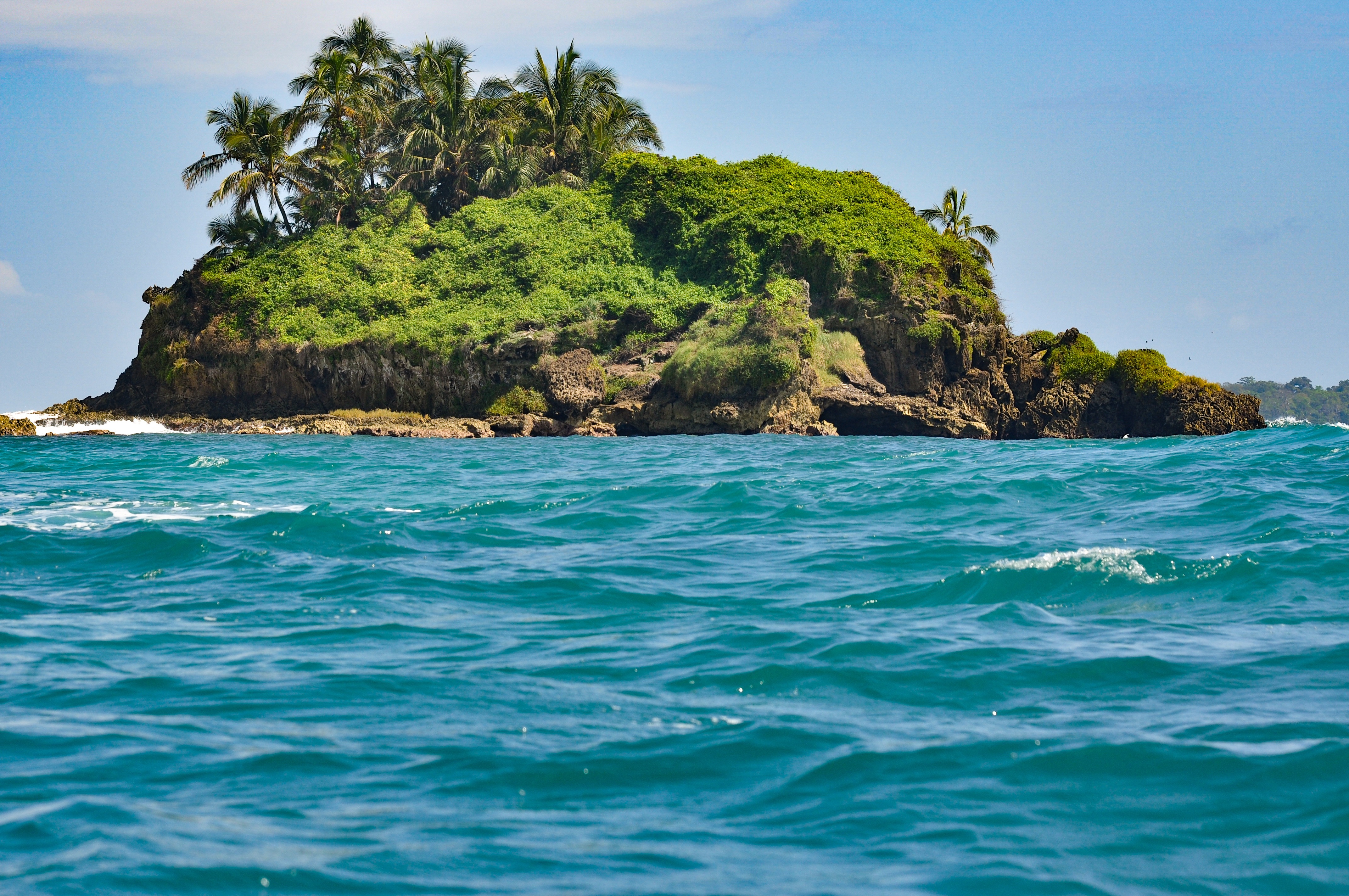
Small Island Off Colon, Panama
Small Island Off Colon, PanamaImage by Geralbe from Pixabay

Day 2 - Portobelo

Further details for this day are not available.

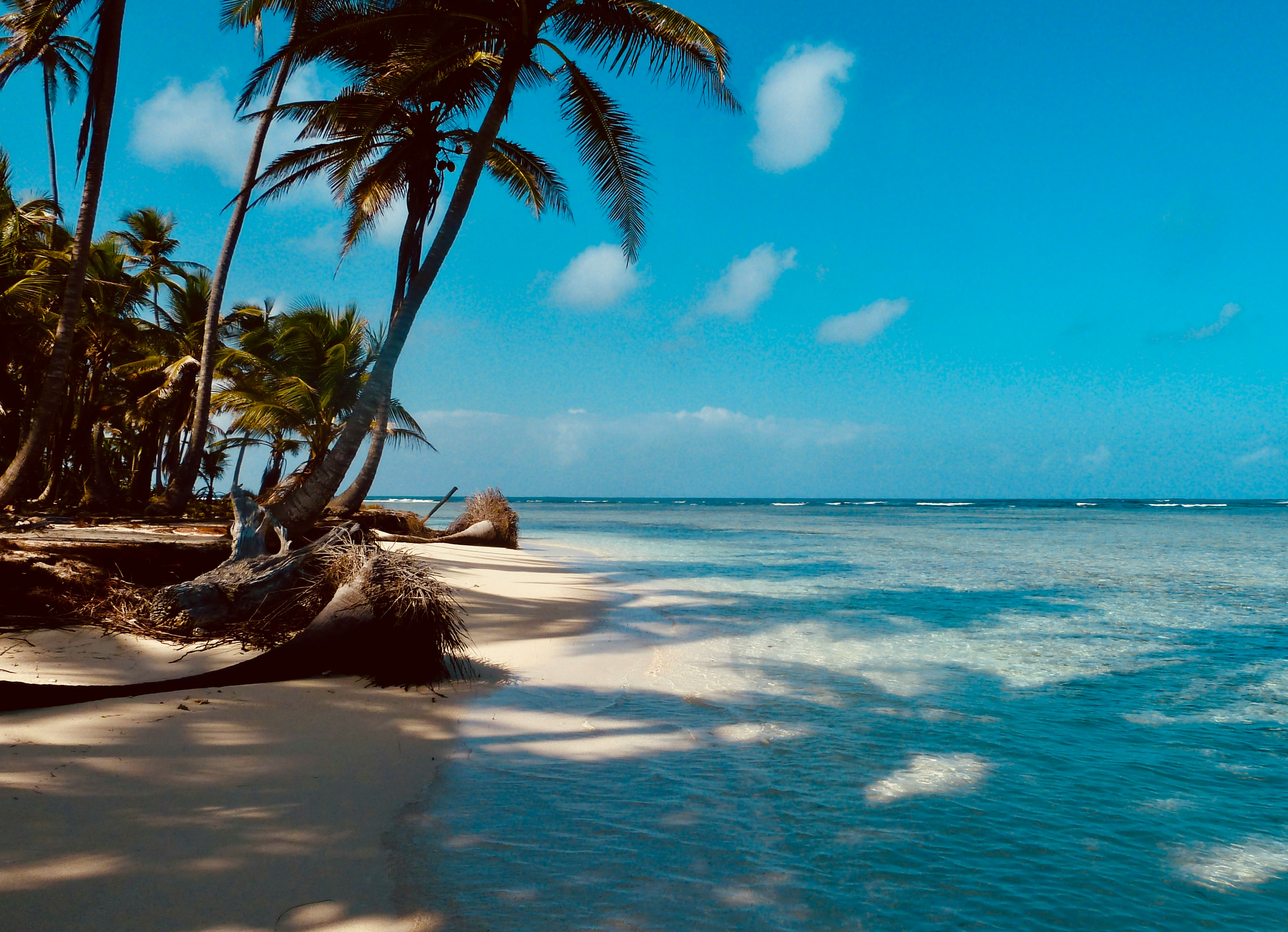
Day 3 - San Blas Islands

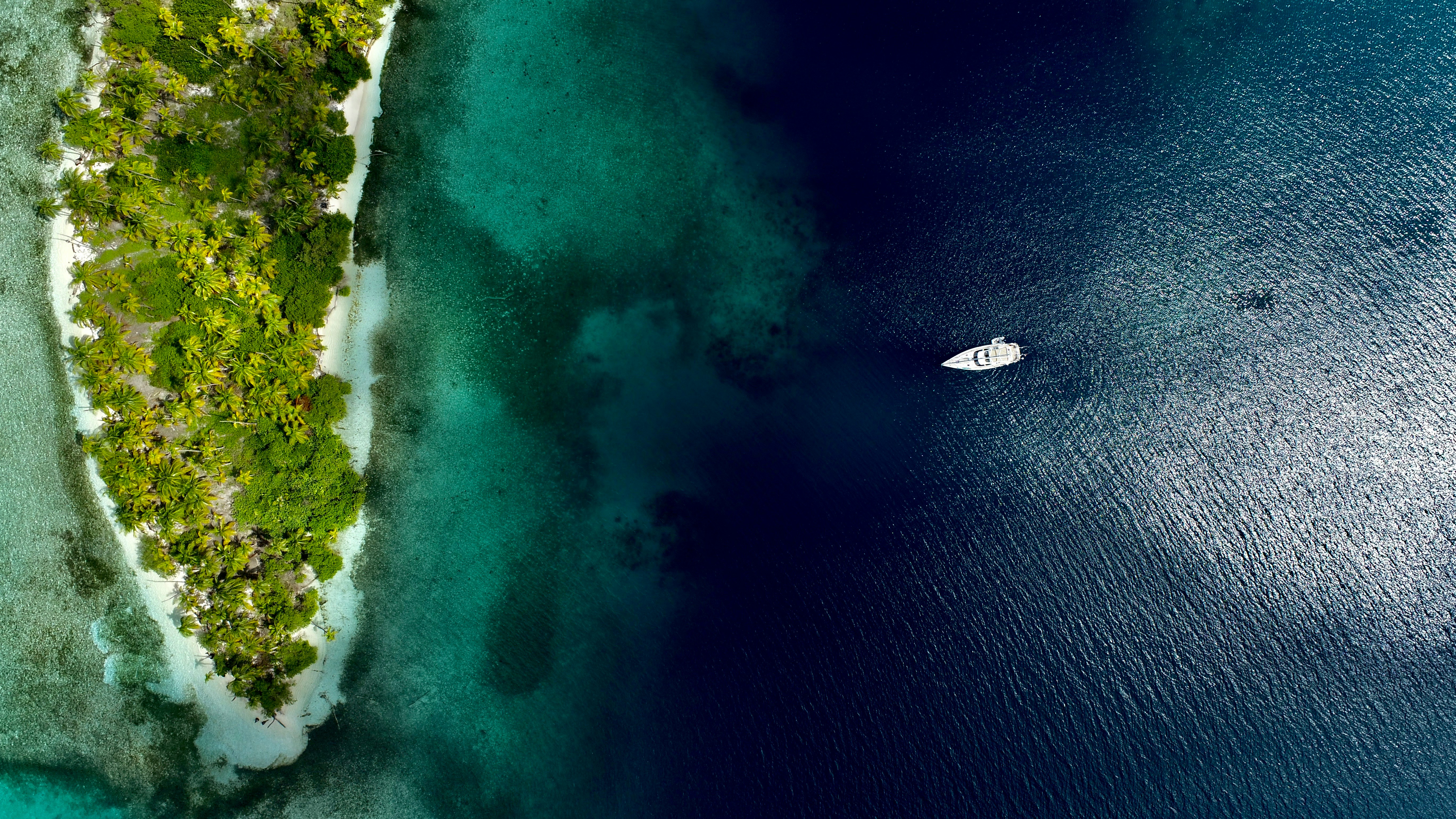
The San Blas archipelago is located off the Caribbean coast, east of Colon, and is made up of 365 islands that range in size from tiny ones with a few coconut palms to islands on which hundreds of Kuna Indians live. Only about fifty are inhabited. The Kuna rule the San Blas Territory with internal autonomy, and have tightly preserved their language and cultural traditions over the centuries despite influences from European colonies. In addition to their own language, Spanish is widely spoken and many men work on the mainland, but live on the islands. Women wear costumes with unique designs based on local themes, geometric patterns, and stylised fauna and flora. The island of El Porvenir is one of the main seats of government for the Kuna Indians. Many Kunas from the other islands came to settle on El Porvenir, bringing with them their traditional arts and crafts, including the famous molas. These intricately hand-sewn designs are made by the women of the tribes as part of their blouses and dresses. With the increased tourism, molas are now a favoured souvenir and craft item for visitors.

San Blas Islands, Panama
San Blas Islands, PanamaPhoto by Azzedine Rouichi on Unsplash
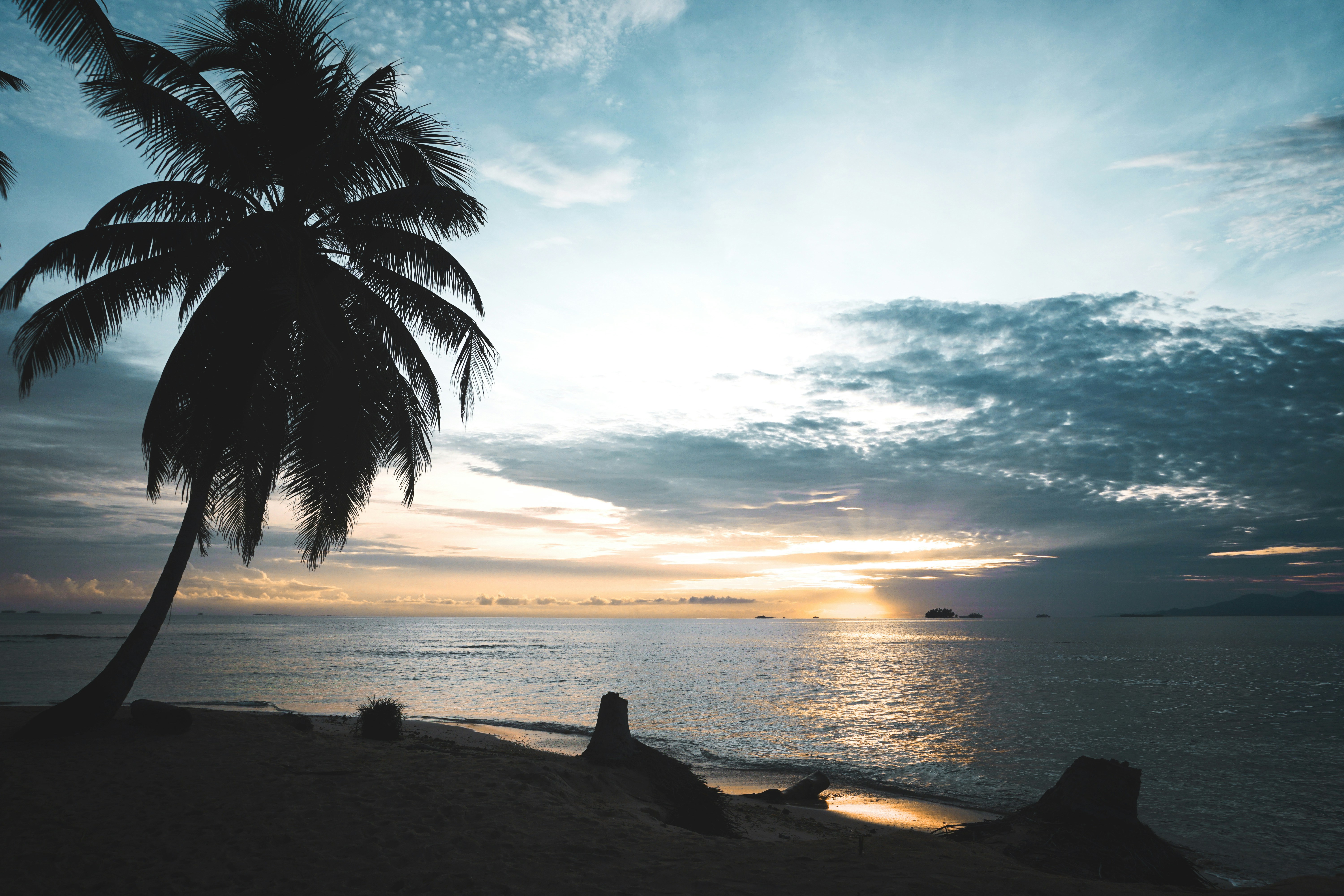
San Blas Islands, Panama
San Blas Islands, PanamaPhoto by Max Herrmann on Unsplash
San Blas Islands, Panama
San Blas Islands, PanamaPhoto by Maarten van den Heuvel on Unsplash

Day 4 - Panama Canal Transit

Further details for this day are not available.

Day 5 - Pearl Islands

Further details for this day are not available.

Pearl Islands
Pearl IslandsImage by Pexels from Pixabay

Day 5 - At Sea

Further details for this day are not available.

Day 6 - Darién National Park

"The remote Darien Jungle has one of the most biodiverse ecosystems in the world. It is also one of the world’s top ten birding sites, with the colourful Crimson-collared Tanager, Chestnut-fronted Macaws, and Snow-bellied Hummingbirds found here. Mammals include tapirs and Black-headed Spider Monkeys. In this roadless stretch of forest, rivers provide the best access. Visitors to the Darien Jungle are rare with fewer than 1,000 tourists visiting each year. The Embera are one of several indigenous groups that live here in relative isolation offering ornate handcrafted baskets and carvings for sale in their traditional villages."

Day 7 - Coiba Island

Further details for this day are not available.

Whitesand Beach Near Isla De Coiba, Panama
Whitesand Beach Near Isla De Coiba, PanamaFranz Schäfer

Day 8 - Golfo Dulce

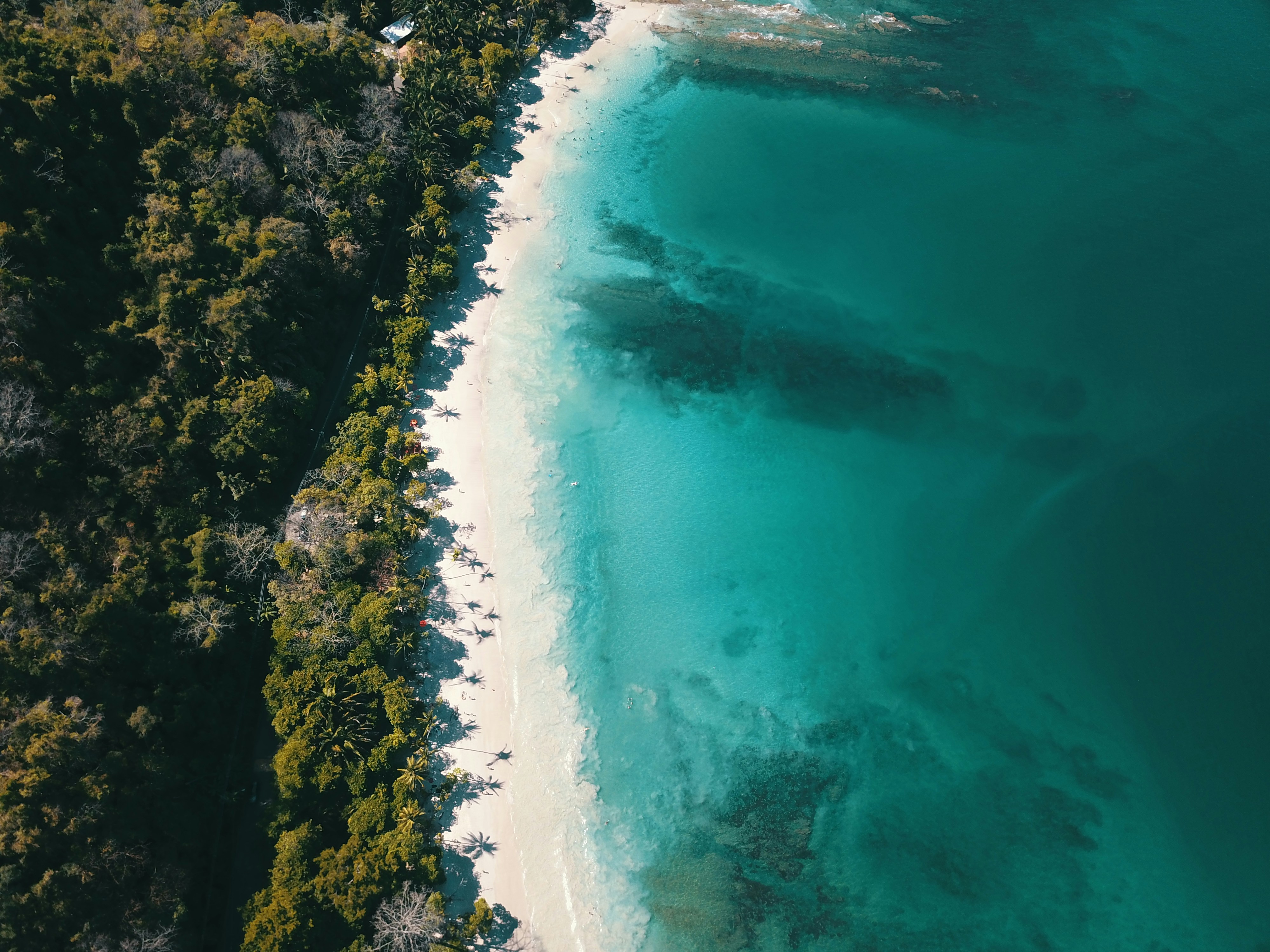
Wild, scenic and incredibly bio-diverse, Golfo Dulce is not on most tourists itineraries. The name, says it all, Golfo Dulce or sweet gulf, in English. After a well justified visit to the Golfo Dulce, located in the South Pacific region of Costa Rica, and adjacent to the Osa Peninsula, visitors will be delighted and perplexed, wondering why they would ever leave this wonderland. Several coastal hamlets reside along this enchanting gulf, namely Puerto Jiménez, Golfito, Zancudo and Pavones, as well as the Piedras Blancas National Park. This is one stop on the itinerary that won’t soon be forgotten. Easily one of the wettest and most humid sections in the country, Golfo Dulce and the southwest can receive more than 200 inches (500 cm) of rainfall per year. This assures the surrounding area will be thriving with wild and plant life, perfect for aspiring adventurers. Surrounded by Corcovado National Park to the southwest, and Costa Rica’s mainland to the northeast, Golfo Dulce serves up a large platter of entertainment for all who visit. Sprouting along the edges of the Golfo Dulce are mangroves and estuaries full of wildlife. Explore these ecosystems crowded with crocodiles, river otters, waterfowl, monkeys and much more. Fed by the Coto Colorado River, the Coto River Swamps are an excellent choice for discovering these uncanny wetlands and the secrets that lay within.

Golfo Dulce, Costa Rica
Golfo Dulce, Costa RicaPhoto by Luis Diego Aguilar on Unsplash
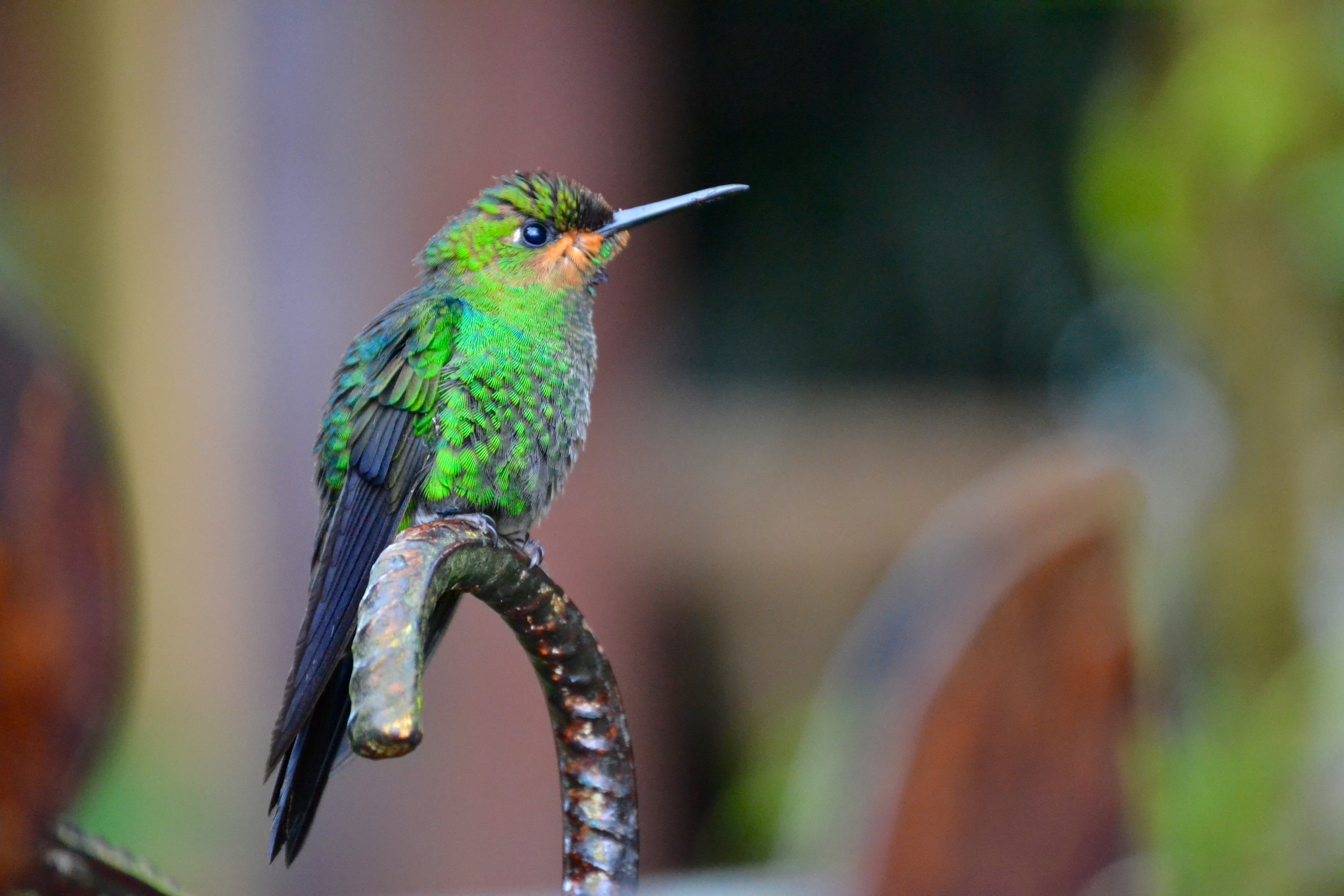
Hummingbird At Golfo Dulce, Costa Rica
Hummingbird At Golfo Dulce, Costa RicaImage by millabates from Pixabay

Day 9 - Puerto Jimenez, Costa Rica

Further details for this day are not available.

Day 10 - Curú Wildlife Refuge

Located on the southeast tip of the Nicoya Peninsula, the Curu Wildlife Refuge is known for its pristine, white-sand beaches and impressive variety of species ranging from monkeys to sand crabs. In total the refuge covers 3,707 total acres and 656 feet of coastline. Travelers to the Curu Wildlife Refuge will quickly notice that they are in the minority at the site, with only a few people in the area among the abundance of animals and sea creatures. All of your senses will be captivated by this overwhelming amount of wildlife at the reserve, which offers some of the best eco-tourism in Costa Rica. Curu officially received support from the Costa Rican government to protect its wildlife in 1981 and the area officially became known as the Curu Wildlife Refuge in 1983. Today, the refuge is privately owned, extremely-well cared for and even more exclusive than many of the national parks in the country. If you're looking to participate in some of the vast eco-tourism opportunities in Costa Rica, the refuge should be a top priority because of its exclusivity and the ability of visitors to personally interact with the diverse animal population. The refuge also features 17 peaceful trails, where travellers can check out this abundant wildlife in a number of different ecosystems, including mangrove swamps and both dry and wet tropical forests.

Costa Rica
Costa RicaImage by FINTAN O' BRIEN from Pixabay

Day 11 - Puntarenas

This town is not on the Nicoya Peninsula, but rather on Costa Rica's mainland. It is best known as a cruise-ship port and launching pad for ferries heading southeast to the coast of the Nicoya Peninsula and for cruises sailing out on the Gulf of Nicoya. Puntarenas is also a major fishing port with a lively fish market. The town’s reputation suffers from the unimpressive parts you see from your car as you roll through town on the way to the ferry dock. But the town has a lot of character off the main drag, thanks to its illustrious past as an affluent port town and principal vacation spot for San José's wealthy, who arrived by train in the last century. Once the port was moved and roads opened to other beaches, Puntarenas's economy crashed, but it's making a comeback. Sitting on a narrow spit of sand—punta de arenas literally means "point of sand"—that protrudes into the Gulf of Nicoya, the town boasts a beautifully groomed, wide Blue Flag beach with views of the Nicoya Peninsula and spectacular sunsets, along with a public swimming pool, the San Lucas Beach Club, and a marine-life museum. Ticos arrive by bus and car to enjoy the beach and stroll the Paseo de los Turistas, a beachfront promenade lined with tree-shaded concrete benches and seafood restaurants. Crowds of locals, called porteños, cruise by on bicycles, the town’s most popular form of transport.

Puntarenas, Costa Rica
Puntarenas, Costa RicaImage by FINTAN O' BRIEN from Pixabay

Suites & Deck Plans

Suite

In addition to the common services provided to all our suites and staterooms:

  • A private 430 ft² terrace with hot tub and lounge area with 2 deck chairs, sofa, and armchair
  • Two sliding panoramic windows
  • A bathroom with shower, spa bathtub, and smart mirror
  • Concierge Service: tailor-made and fully customisable services, from your reservation until you return from your trip
  • Butler service
  • A private return transfer
  • Priority boarding (depending on port of embarkation)
  • Champagne and fruit on arrival
  • A fruit basket every day
  • A living room with a convertible sofa into a double bed, armchair, and TV
  • One bedroom with king-size bed (180 x 190 cm) or two single beds (90 x 190 cm)
  • Included premium pass: access to a selection of premium spirits at the bar

Included in all staterooms

  • Minibar
  • Diptyque Paris top-of-the-line bath products
  • Bose Bluetooth speaker
  • Individually-controlled air conditioning
  • Nespresso coffee maker and boiler
  • Dressing room with shelves and closet
  • 110V American / 220V European
  • Dressing table and hairdryer
  • Direct line telephone
  • 2 ADA stateroom
  • 24-hour room service
  • Electronic safe
  • Flat screen TV, international channels and videos on demand
  • Inclusive Wifi internet

484 sq ft
Accommodates 4 guests
Owner's Suite

Le Bellot

Le Bellot

Life on board

The Onboard Experience

Client testimonials

I have worked with Lore Doick for more than 20 years, and she has booked over 30 cruises for me. Her expertise, care, and attention to every travel detail have made her an invaluable advisor and friend over the years.”

Tina B.

We are now in our second generation working with Cheri Ozimac at Tully Luxury Travel. From Antarctica to Greece, she has handled every detail with expertise, responsiveness, and care…

Earl M.

My wife and I have worked with Tully since 2007, and Kit Neil and her team went far beyond expectations while helping us navigate multiple cruise and flight cancellations. Their advocacy, care, and support during a difficult time were extraordinary.

Carri F.

Cheri Ozimac organized our Seabourn cruise flawlessly, from the hotel recommendation to every travel arrangement. She was responsive, attentive, and an excellent advocate throughout the process…

Cyn S.

We discovered Tully Luxury Travel after years of booking cruises through US agents and were impressed by their competitive pricing, exceptional service, and Canadian based support. Their team is always available, offers excellent value, and makes booking the right cruise seamless.

Peter C.

GoogleAverage Customer Rating:

The Tully Difference

Why travel with us


Tully Luxury Travel was built on access, discretion, and trust. For our clients, that means ease at every step, with distinctions that turn exceptional voyages into defining moments.

Recognized expertise

A renowned agency worldwide in luxury land and small-ship cruising, consistently trusted by the industry’s most prestigious brands.