P&O Cruises logo

Eastern Mediterranean Discovery

Itinerary: Southampton, Gibraltar, Valletta, Rhodes, Kusadasi, Istanbul, Piraeus, Palermo, Palma de Mallorca, Cádiz See full itinerary

28 Aug 28
24 nights

Voyage Details

Duration:
24 nights
Departure:
28 Aug 2028
Embarkation:
Southampton, England
Voyage code:
J811

Your Itinerary, Day-By-Day

Special Chapters of Your Journey

Day 1 - Southampton

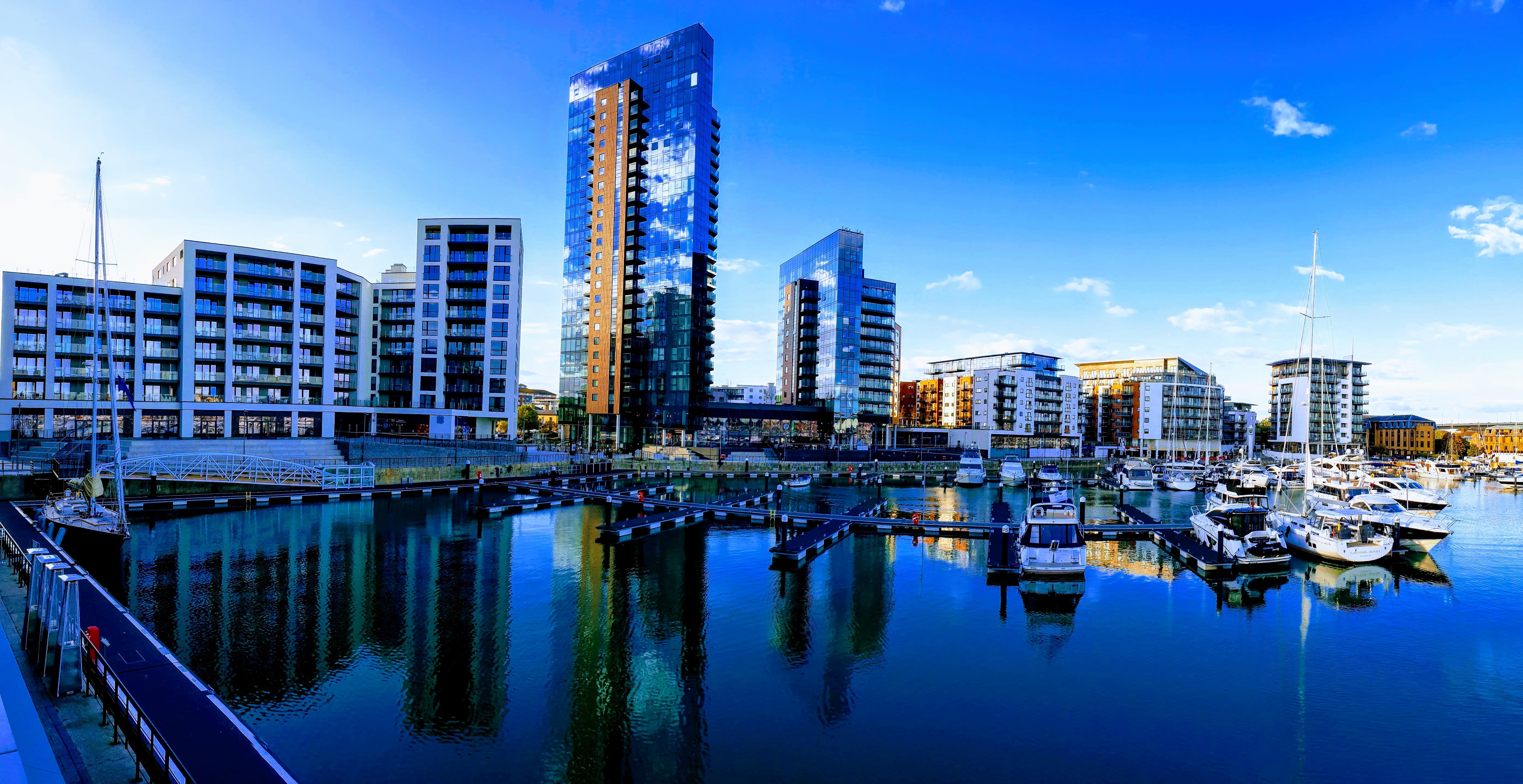
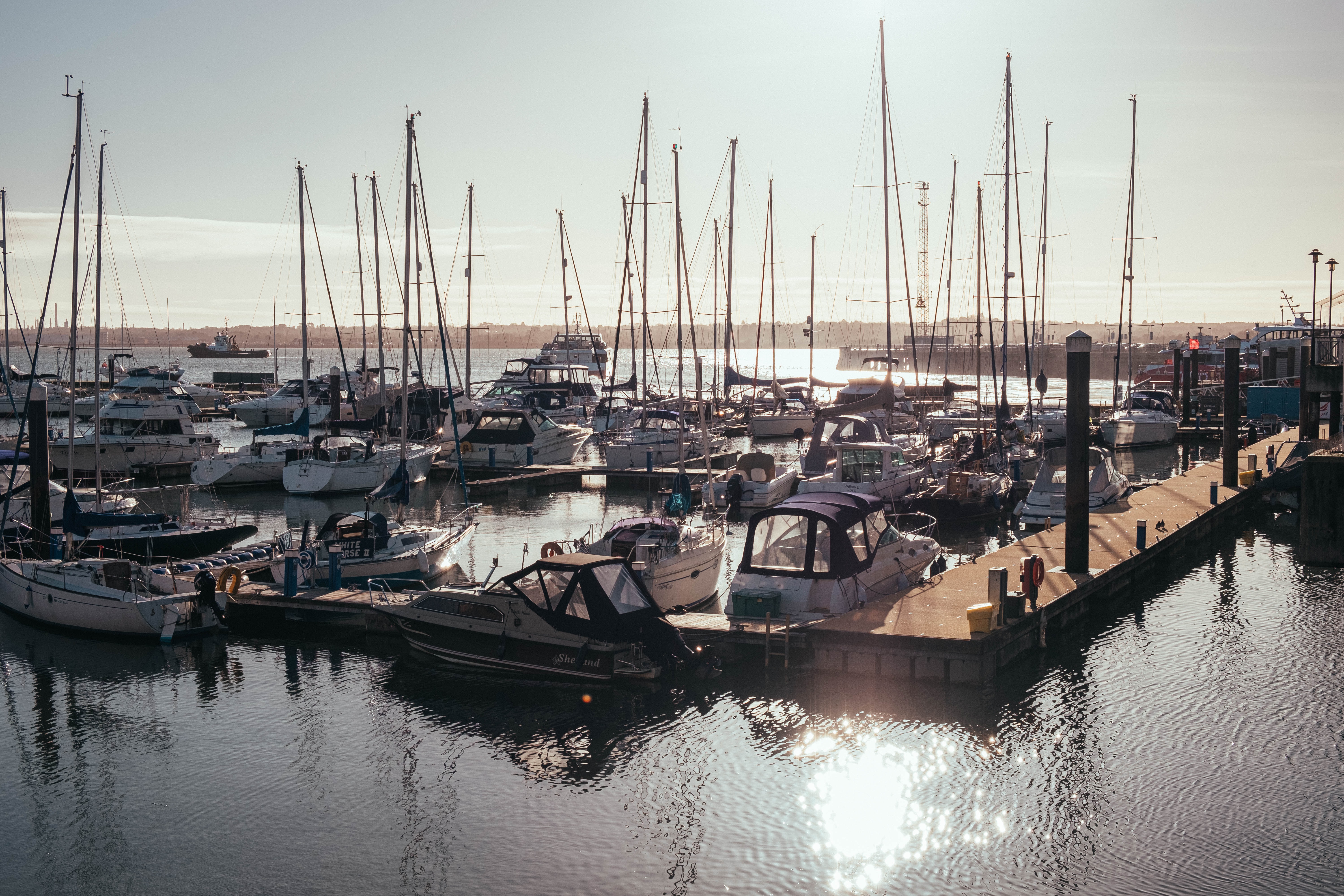
Lying near the head of Southampton Water, a peninsula between the estuaries of the Rivers Test and Itchen, Southampton is Britain’s largest cruise port. It has been one of England’s major ports since the Middle Ages, when it exported wool and hides from the hinterland and imported wine from Bordeaux. The city suffered heavy damage during World War Two and as a result the centre has been extensively rebuilt, but there are still some interesting medieval buildings including the Bargate, one of the finest city gatehouses in England.

Gbsou Southampton   Colin Osborne
Gbsou Southampton Colin OsborneColin Osborne, Unsplash
Gbsou Southampton Connor Holyday
Gbsou Southampton Connor HolydayConnor Holyday - Unsplash
Gbsou Southampton   England   Southampton Bargate
Gbsou Southampton England Southampton Bargate
Gbsou   Southampton, England. Houndwell Park Mangopear Creative
Gbsou Southampton, England. Houndwell Park Mangopear Creative

Day 5 - Gibraltar

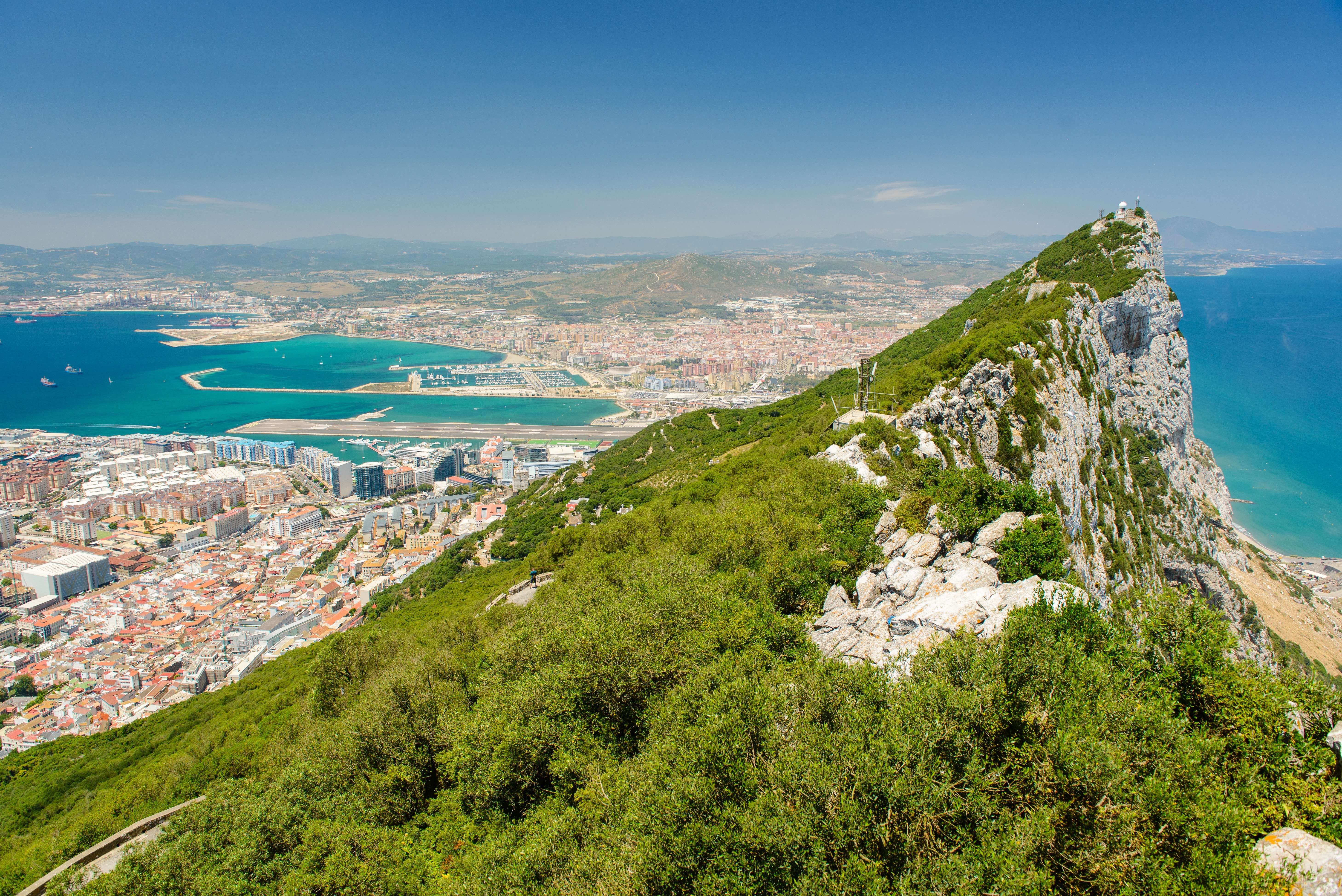
Tagged on to the end of Iberia, the intriguing British outpost of Gibraltar is dominated by a sandy peninsula and the stunning 1,400-feet-high limestone Rock. Although small, Gibraltar has always been seen as having great strategic importance on account of its advantageous position where the Atlantic meets the Mediterranean, just 12 miles from the coast of Africa. Ever popular with British holidaymakers, Gibraltar is very much a home from home, boasting excellent duty-free shopping in many familiar British high street shops. Please note: Gibraltar’s small size and narrow winding roads mean that excursions are operated by 22-seater mini-buses, accompanied by a driver/guide. Local health and safety regulations prohibit the carriage of walking aids and collapsible wheelchairs on these vehicles. If you do wish to bring a mobility aid, we can arrange the Rock Tour by taxi, which has extra space. If this suits your requirements, please advise the Tours and Travel office when you join the ship, as numbers are limited.

Gigib Gibraltar Green Trees Covered Mountain Michal Mrozek
Gigib Gibraltar Green Trees Covered Mountain Michal Mrozek Michal Mrozek
Gigib Gibraltar People Sunbathing On Seashore Hello Lightbulb
Gigib Gibraltar People Sunbathing On Seashore Hello Lightbulb Hello Lightbulb
Gigib Gibraltar Gray Monkey Sitting On Concrete Surface Under Blue Sky Aaron Baw
Gigib Gibraltar Gray Monkey Sitting On Concrete Surface Under Blue Sky Aaron BawAaron Baw

Day 8 - Valletta

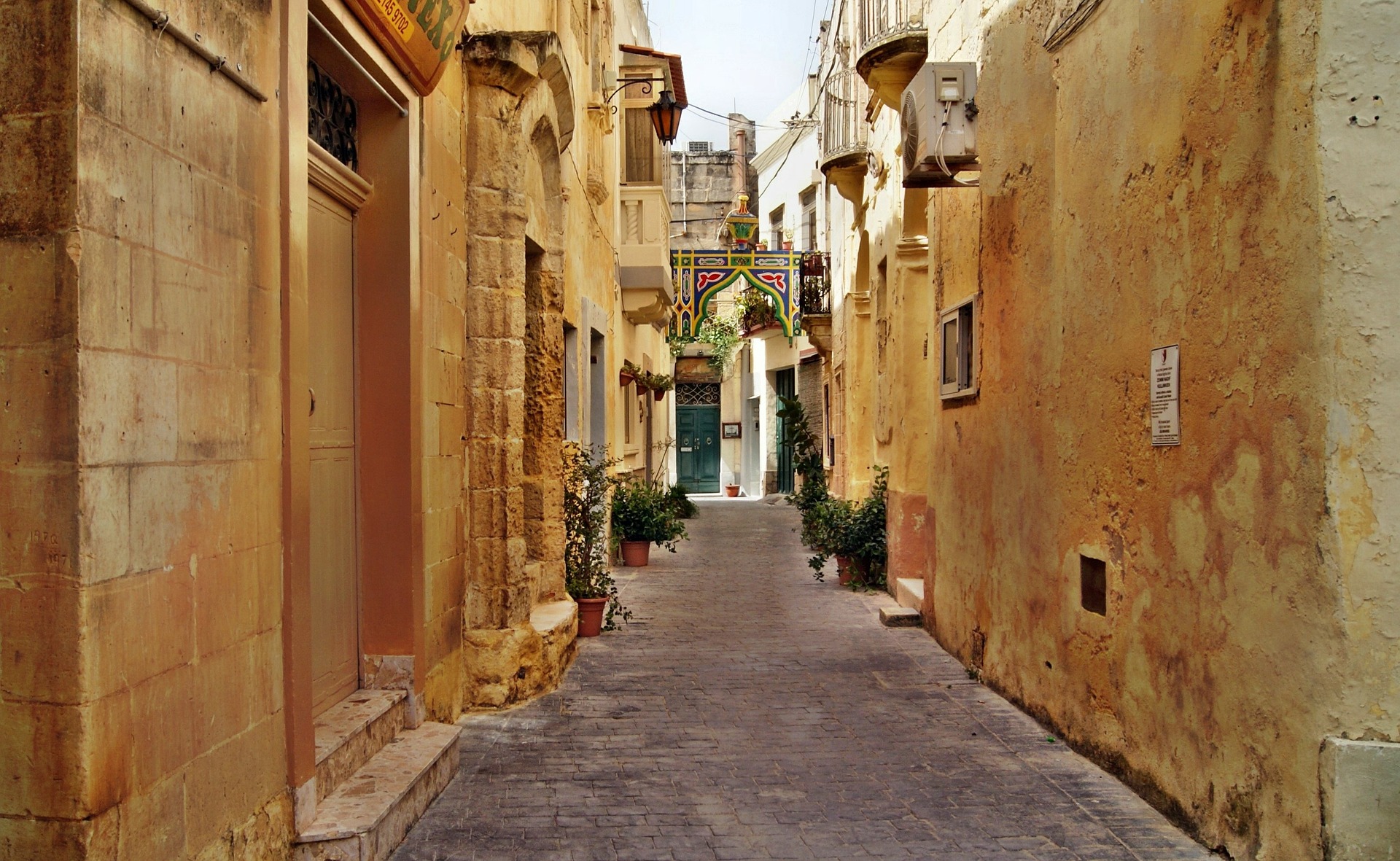
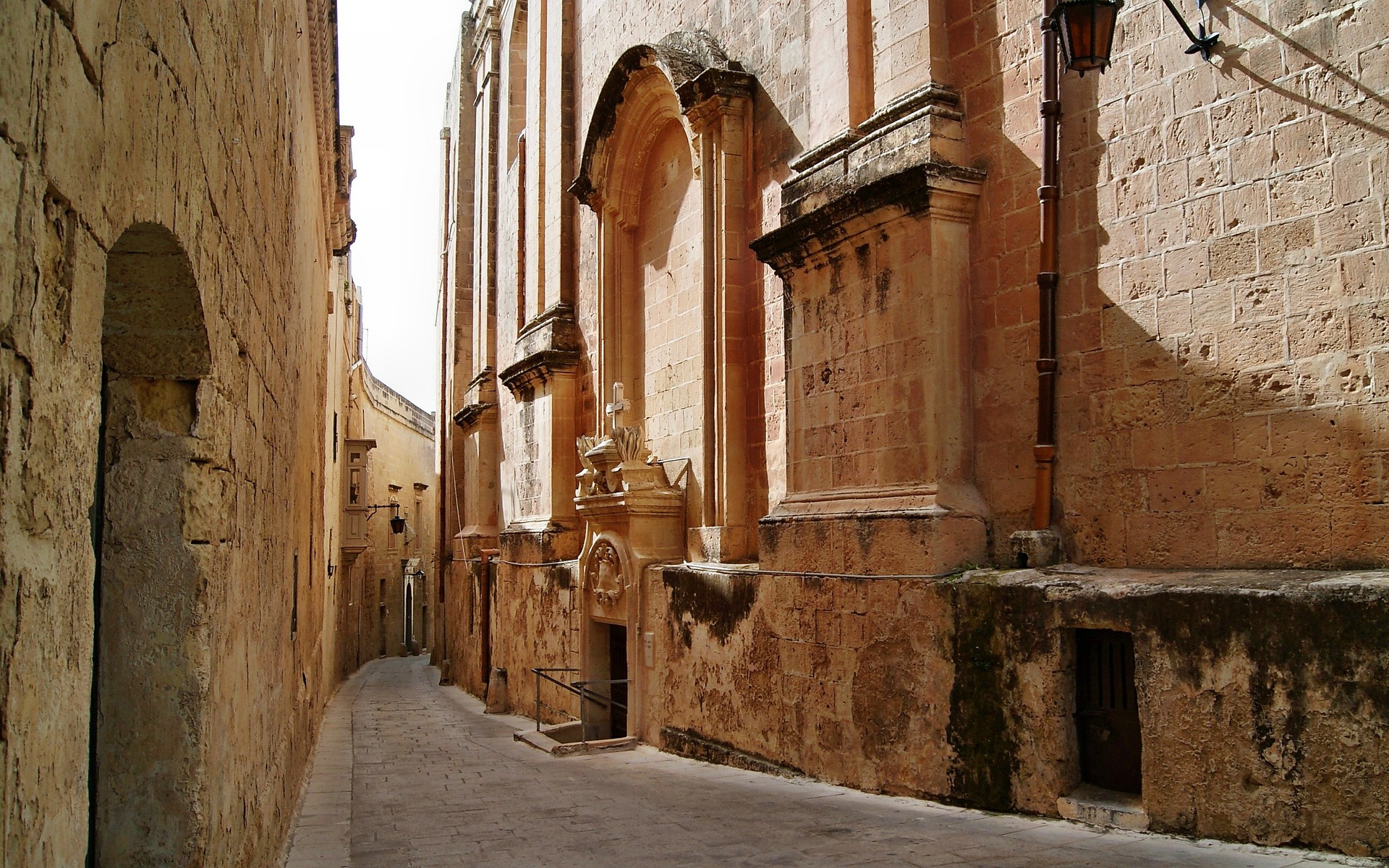
Malta's capital, the minicity of Valletta, has ornate palaces and museums protected by massive fortifications of honey-color limestone. Houses along the narrow streets have overhanging wooden balconies for people-watching from indoors. Generations ago they gave housebound women a window on the world of the street. The main entrance to town is through the City Gate (where all bus routes end), which leads onto Triq Repubblika (Republic Street), the spine of the grid-pattern city and the main shopping street. Triq Mercante (Merchant Street) parallels Repubblika to the east and is also good for strolling. From these two streets, cross streets descend toward the water; some are stepped. Valletta's compactness makes it ideal to explore on foot. City Gate and the upper part of Valletta are experiencing vast redevelopment that includes a new Parliament Building and open-air performance venue. The complex, completed mid-2013, has numerous pedestrian detours in place along with building noise and dust. Before setting out along Republic Street, stop at the tourist information office on Merchant Street for maps and brochures.

Valletta, Alleyway
Valletta, Alleyway
Valletta, Cobblestone Path
Valletta, Cobblestone Staircase
Valletta, Gothic Church
Valletta, Grand Habour
Valletta, Harbor
Valletta, Harbor
Valletta, Lighthouse
Valletta, Monument To Sir Alexander Ball
Valletta, Shopping District
Valletta, St
Valletta, St
Valletta
Valletta

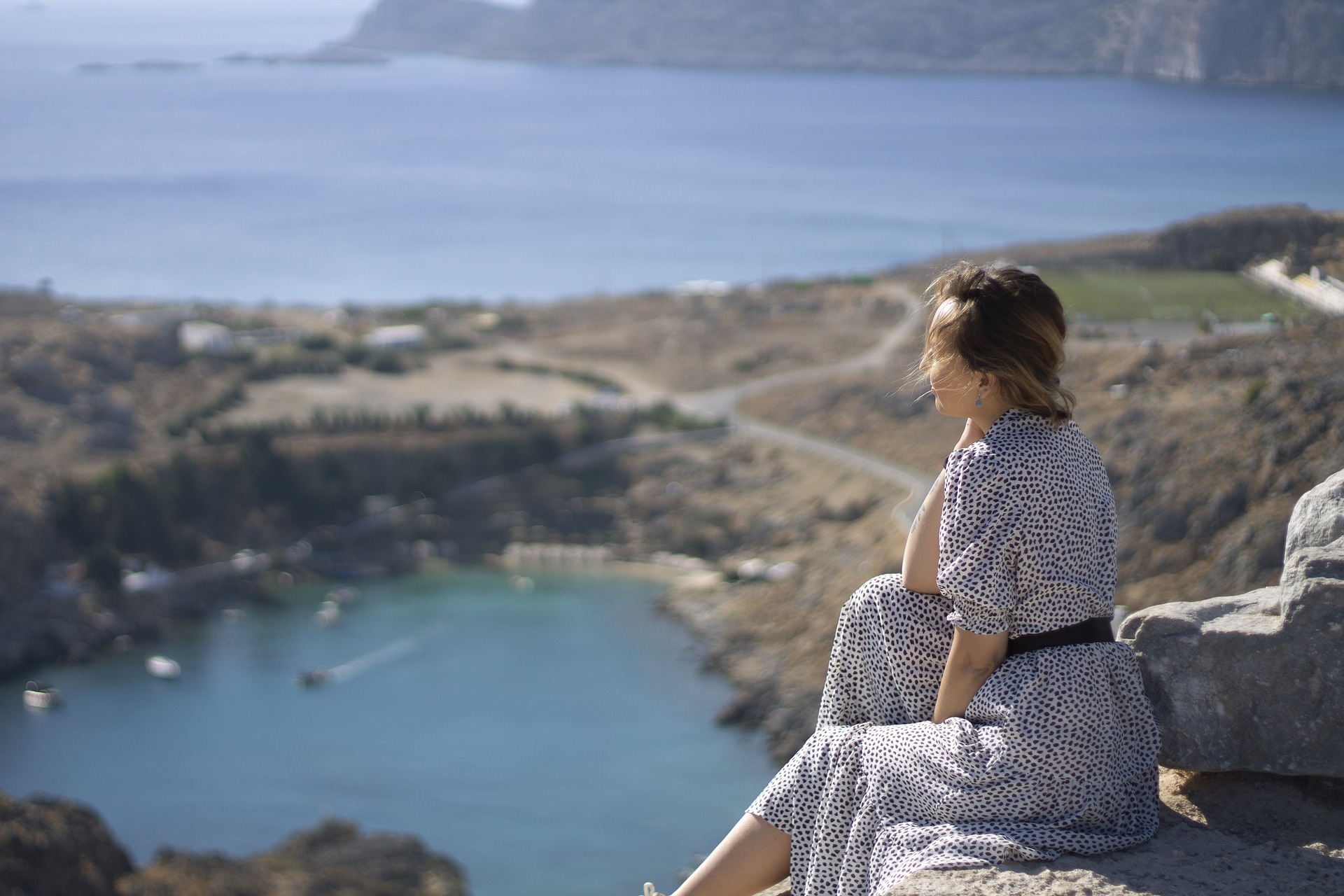
Day 10 - Rhodes

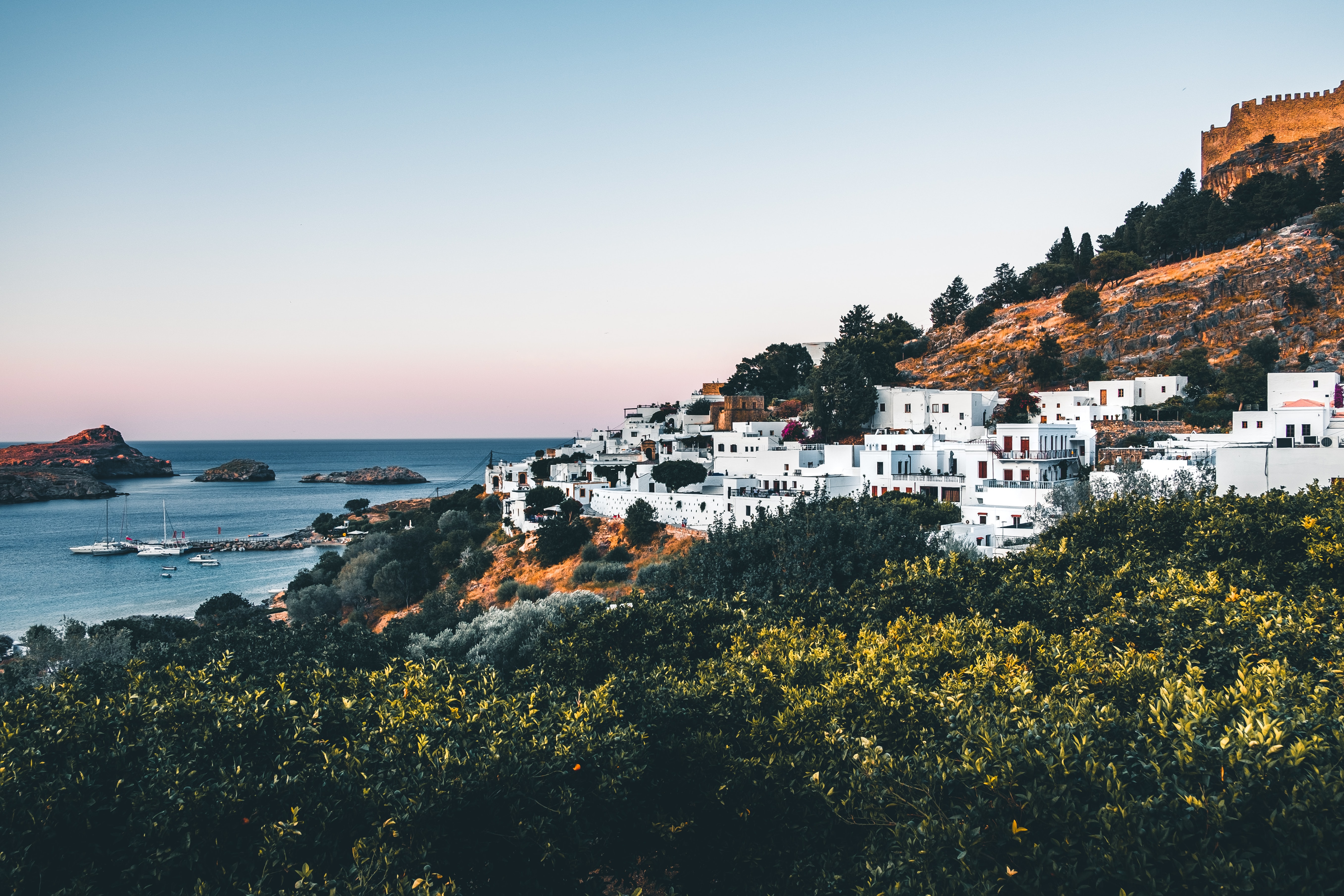
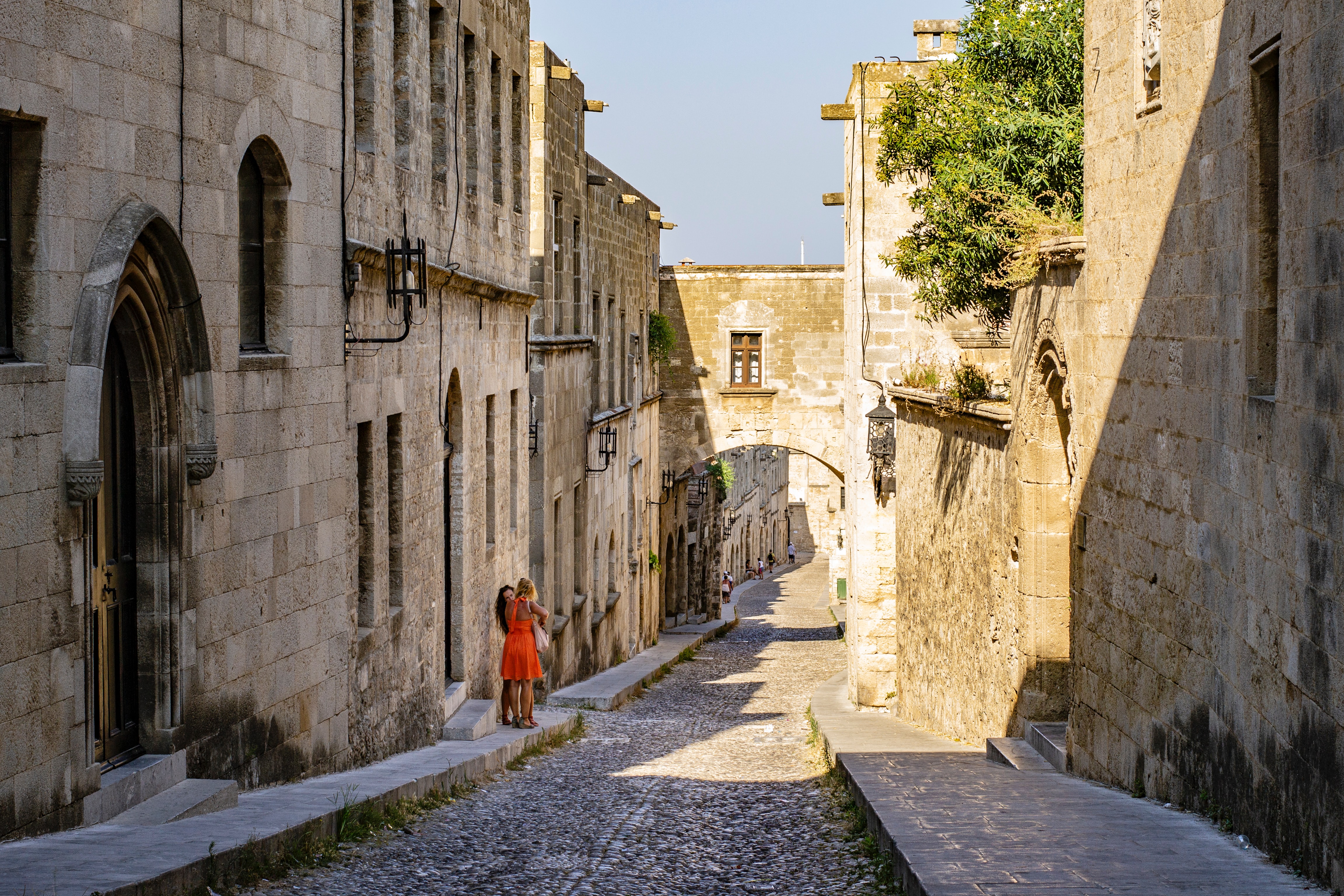
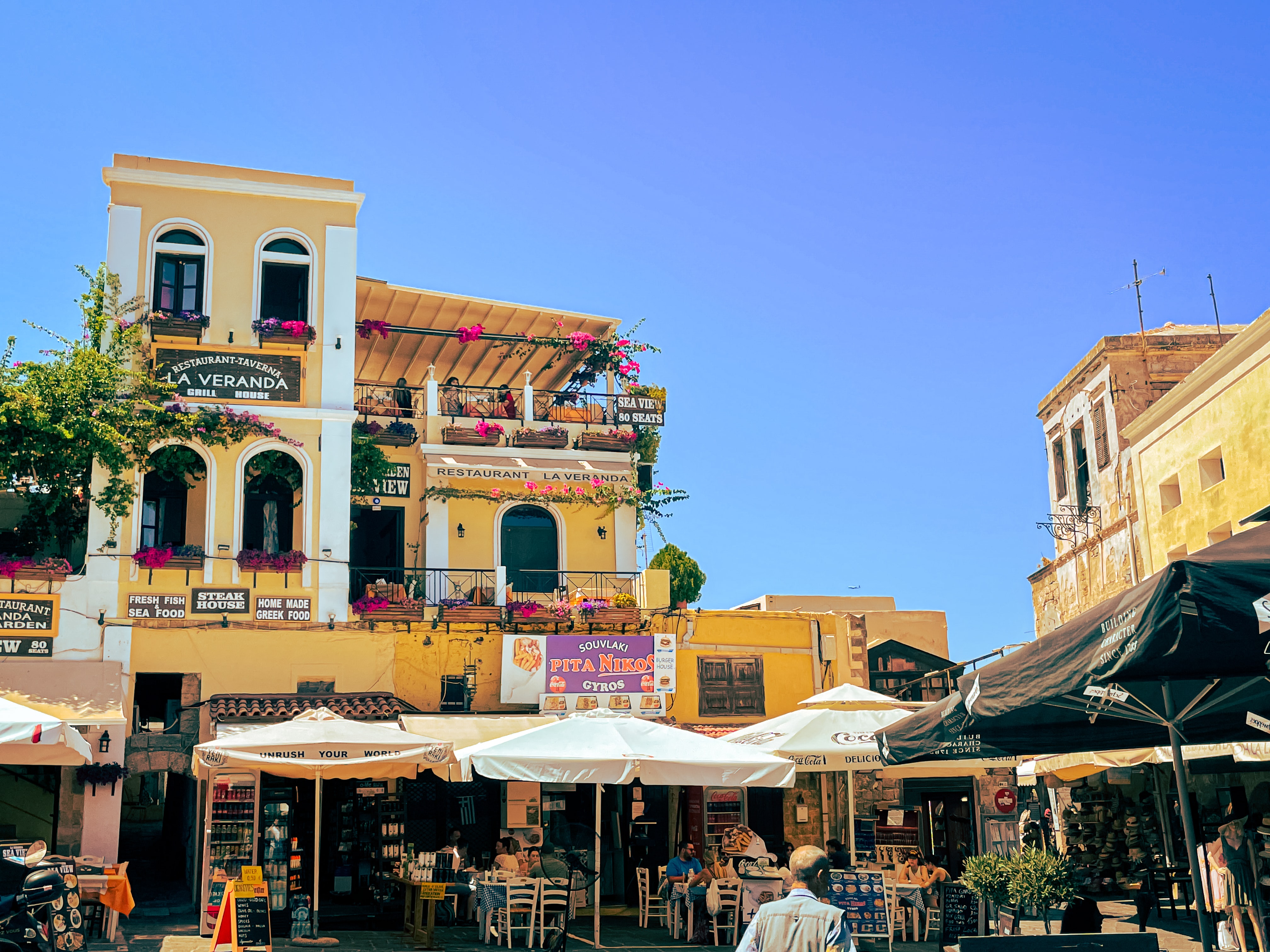
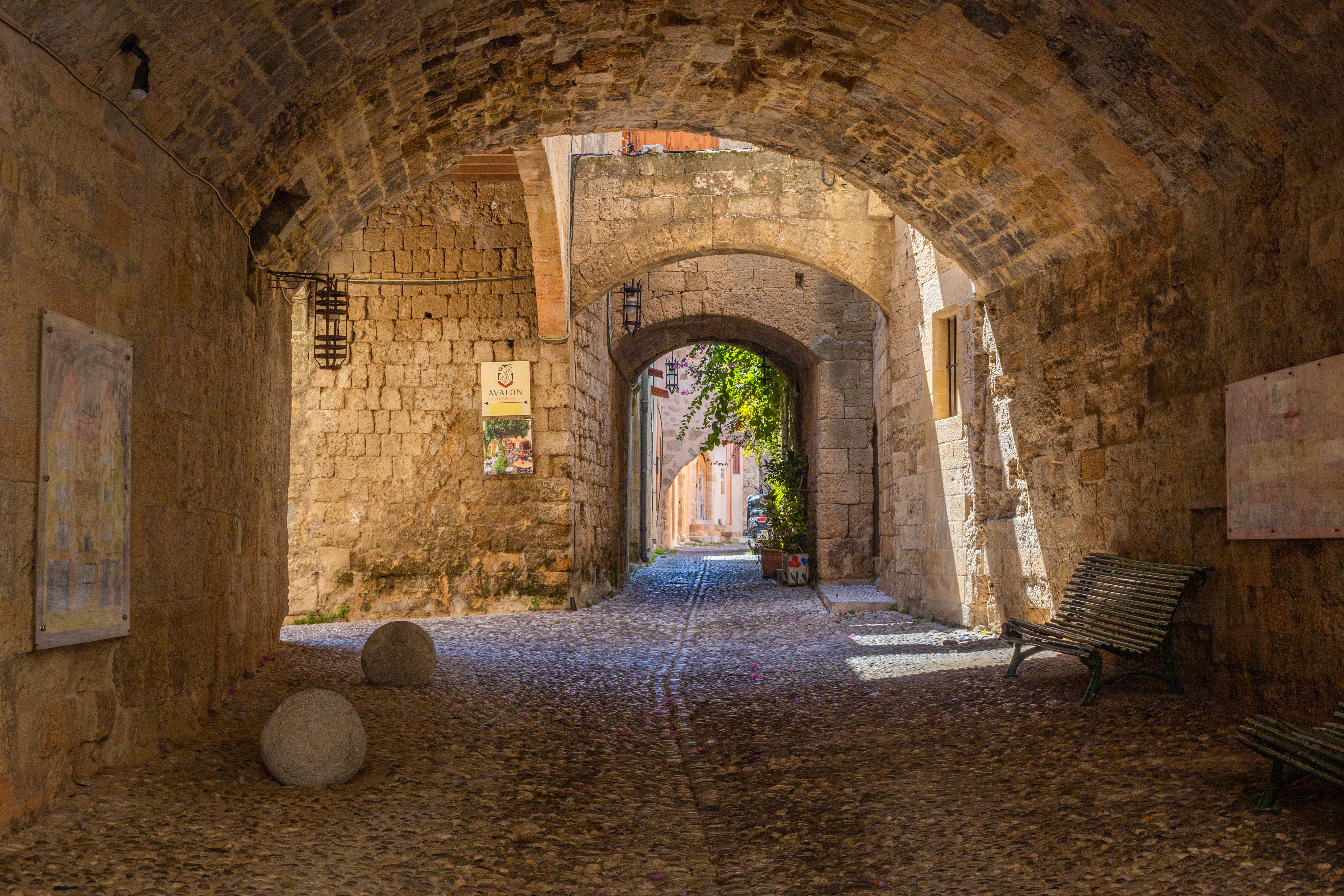
Early travelers described Rhodes as a town of two parts: a castle or high town (Collachium) and a lower city. Today Rhodes town—sometimes referred to as Ródos town—is still a city of two parts: the Old Town, a UNESCO World Heritage site that incorporates the high town and lower city, and the modern metropolis, or New Town, spreading away from the walls that encircle the Old Town. The narrow streets of the Old Town are for the most part closed to cars and are lined with Orthodox and Catholic churches, Turkish houses (some of which follow the ancient orthogonal plan), and medieval public buildings with exterior staircases and facades elegantly constructed of well-cut limestone from Lindos. Careful reconstruction in recent years has enhanced the harmonious effect.

White Buildings By The Sea, Rhodes
White Buildings By The Sea, RhodesPhoto by Serhat Beyazkaya
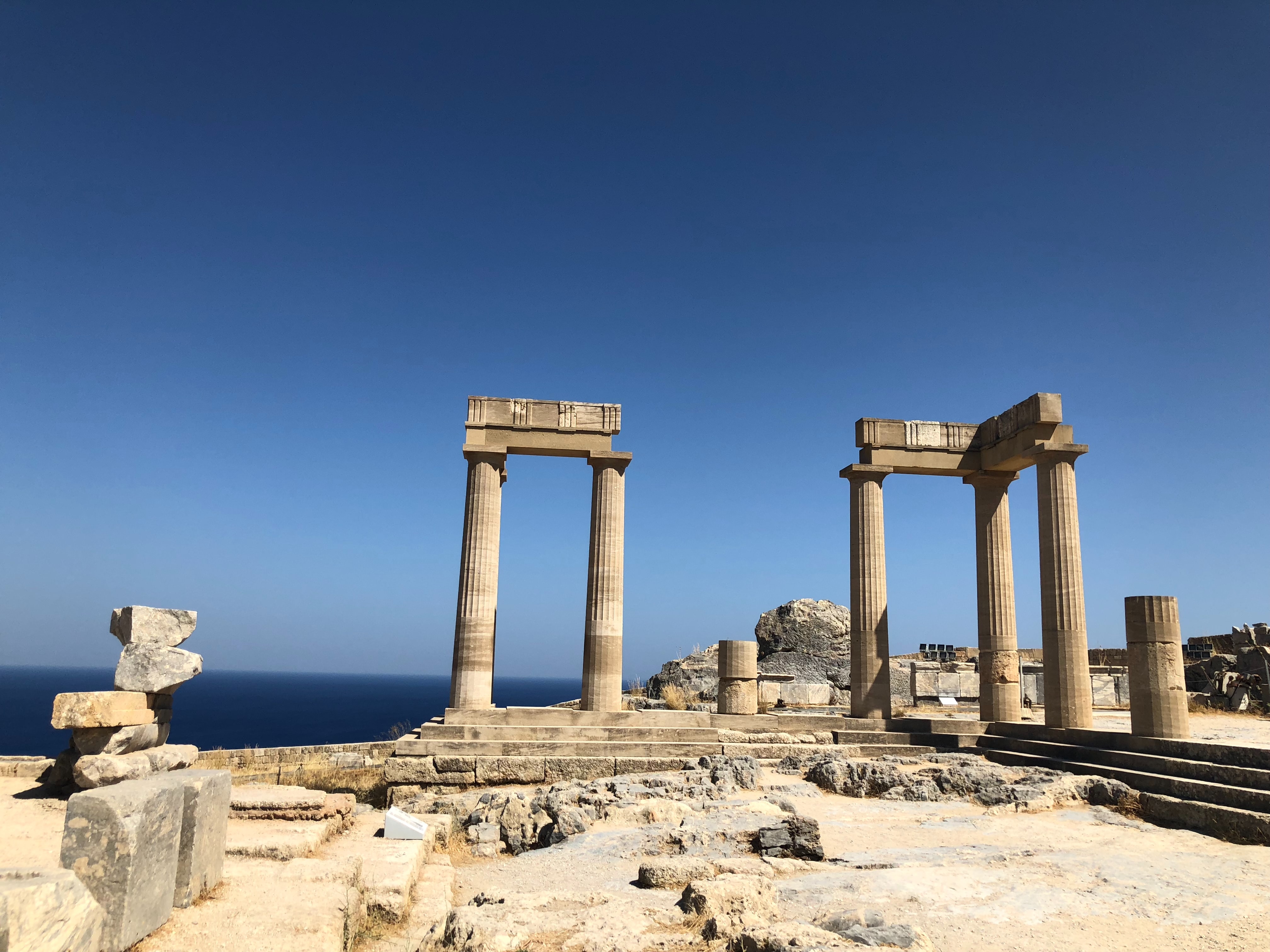
Lindos Acropolis, Rhodes
Lindos Acropolis, RhodesPhoto by LA khai-way
Cobblestone Street, Rhodes
Cobblestone Street, RhodesPhoto by Andrew Vvedenskij
Central Medieval City, Rhodes
Central Medieval City, RhodesPhoto by Sipan Hamed
Old Town, Rhodes
Old Town, RhodesPhoto by Carl Raw
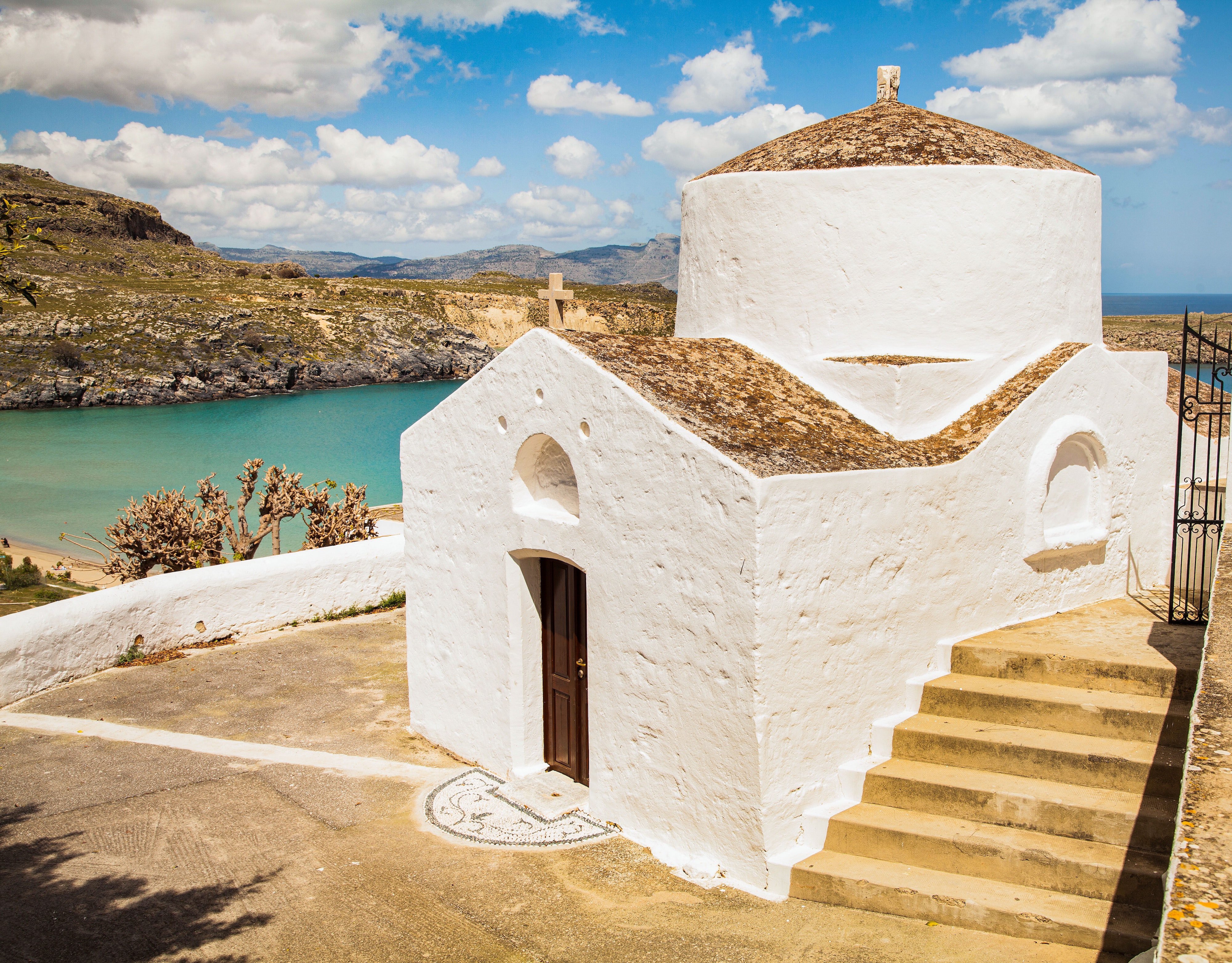
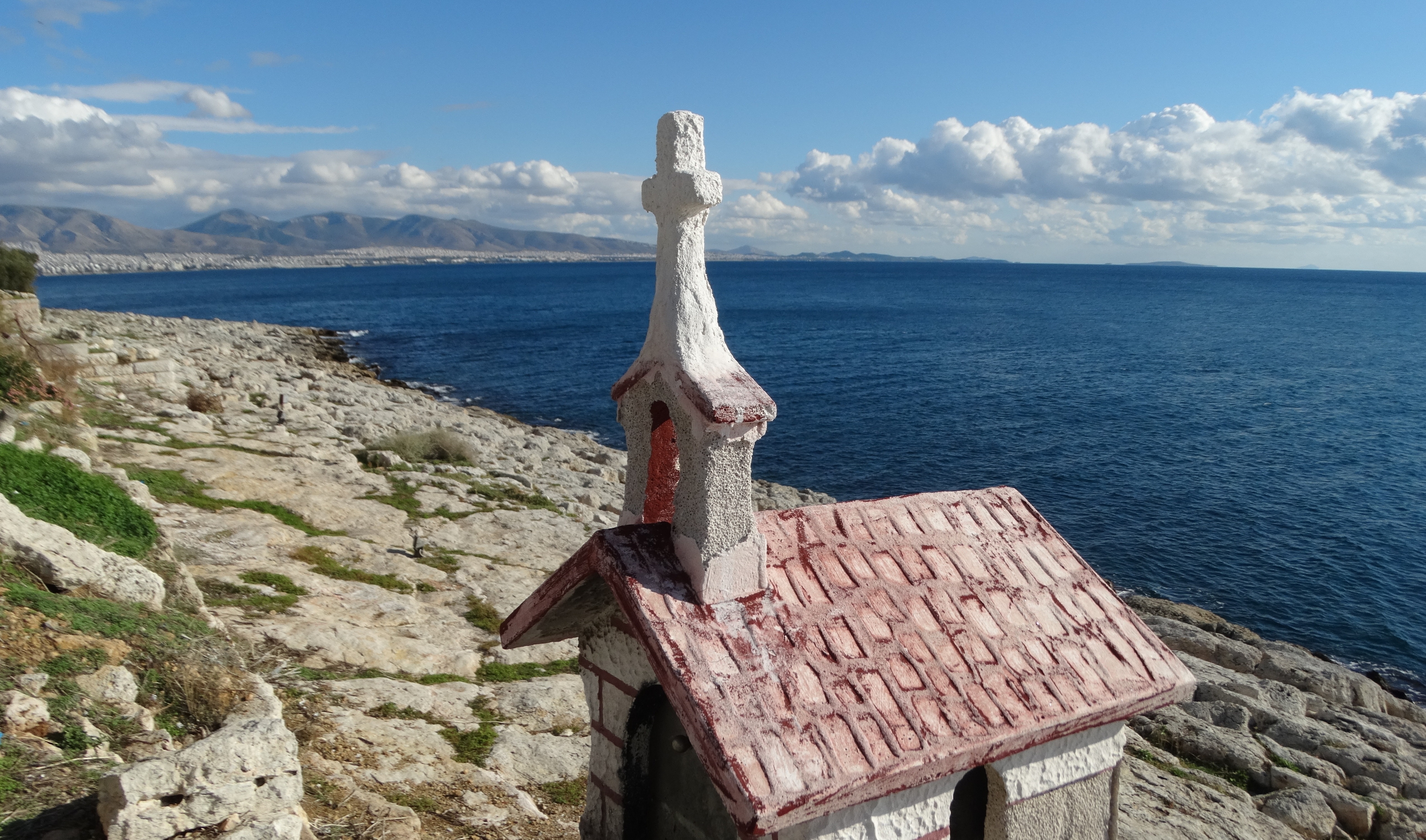
Chapel Of Saint George Pahimahiotis, Rhodes
Chapel Of Saint George Pahimahiotis, RhodesPhoto by 3DVisu
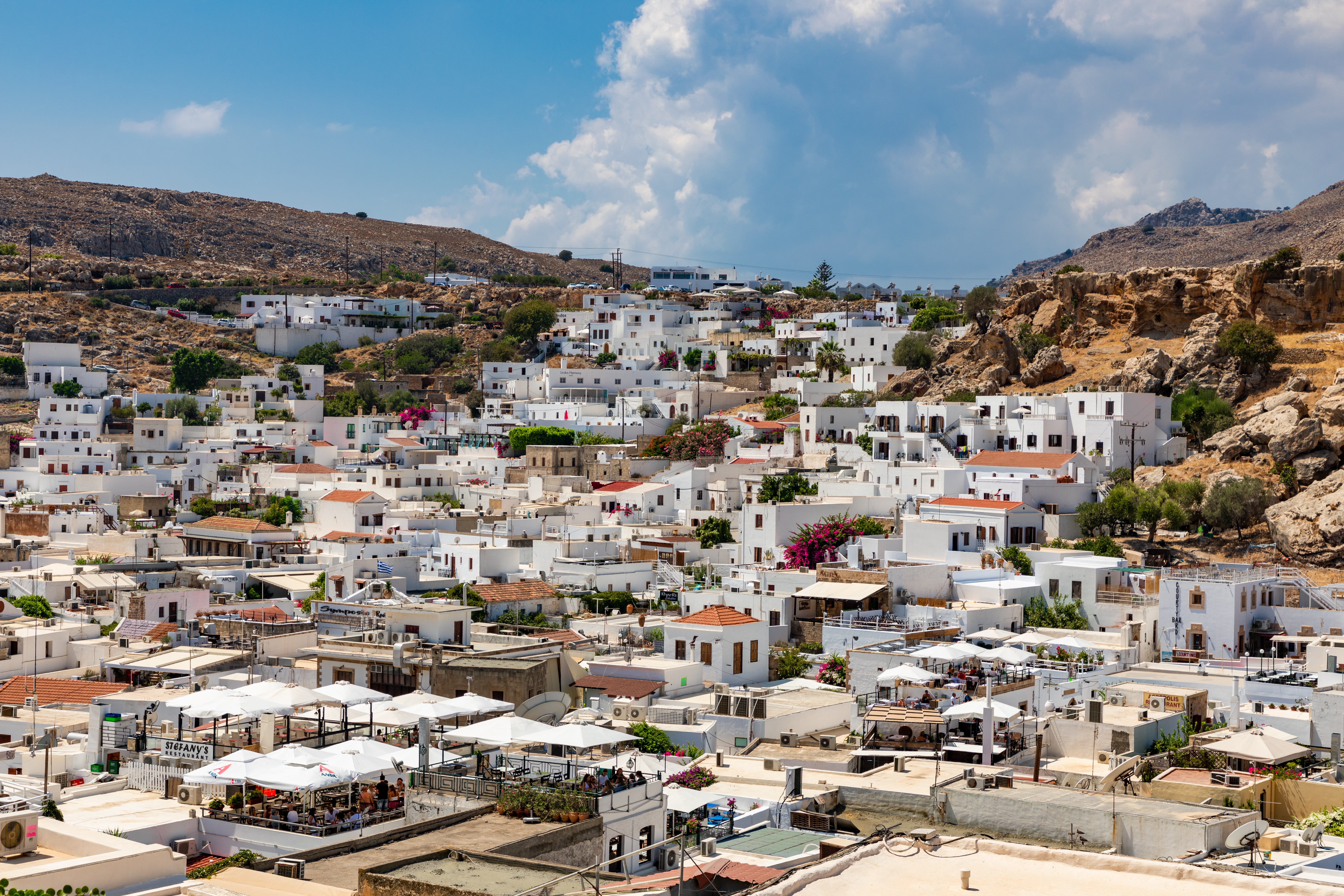
Overview Of Lindos Near Rhodes
Overview Of Lindos Near RhodesPhoto by Dim Hou

Day 11 - Kusadasi

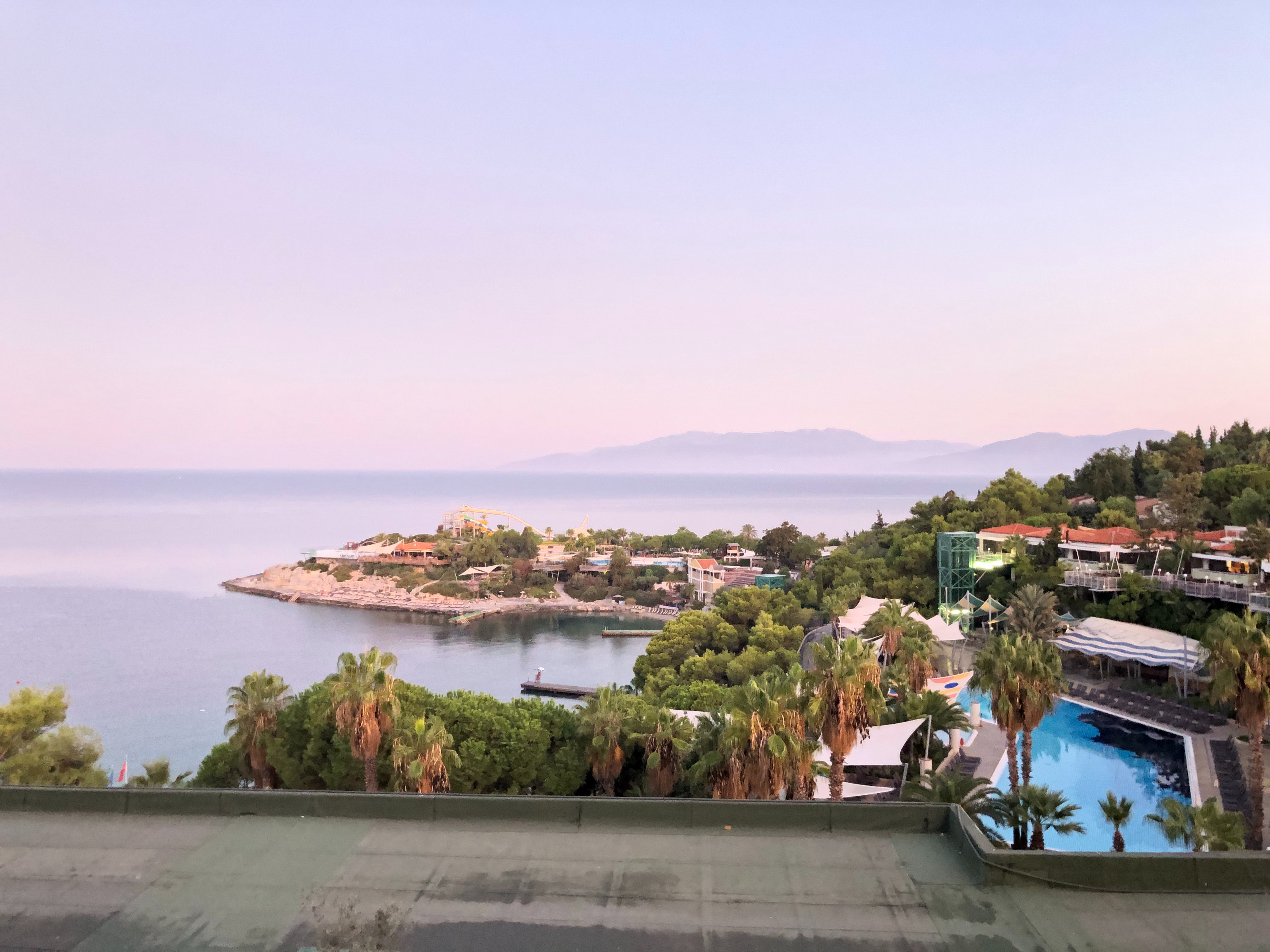
Whilst the busy resort town of Kusadasi offers much in the way of shopping and dining – not to mention a flourishing beach life scene, the real jewel here is Ephesus and the stunning ruined city that really take centre stage. With only 20% of the classical ruins having been excavated, this archaeological wonder has already gained the status as Europe’s most complete classical metropolis. And a metropolis it really is; built in the 10th century BC this UNESCO World Heritage site is nothing short of spectacular. Although regrettably very little remains of the Temple of Artemis (one of the seven wonders of the ancient world), the superb Library of Celsus’ façade is practically intact and it is one of life’s great joys to attend an evening performance in the illuminated ruins once all the tourists have left. The history of the city is fascinating and multi-layered and it is well worth reading up on this beforehand if a visit is planned. Another point of interest for historians would be the house of the Virgin Mary, located on the romantically named Mount Nightingale and just nine kilometres away from Ephesus proper. Legend has it that Mary (along with St. John) spent her final years here, secluded from the rest of the population, spreading Christianity. An edifying experience, even for non-believers. For the less historical minded amongst you, Kusadasi offers plenty in the way of activities. After a stroll through the town, jump in a taxi to Ladies’ Beach (men are allowed), sample a Turkish kebap on one of the many beachfront restaurants and enjoy the clement weather. If you do want to venture further afield, then the crystal clear beaches of Guzelcamli (or the Millipark), the cave of Zeus and the white scalloped natural pools at Pamukkale, known as Cleopatra’s pools, are definitely worth a visit.

Pine Bay Holiday Resort, Kusadasi
Pine Bay Holiday Resort, KusadasiPhoto by Bhumil Chheda
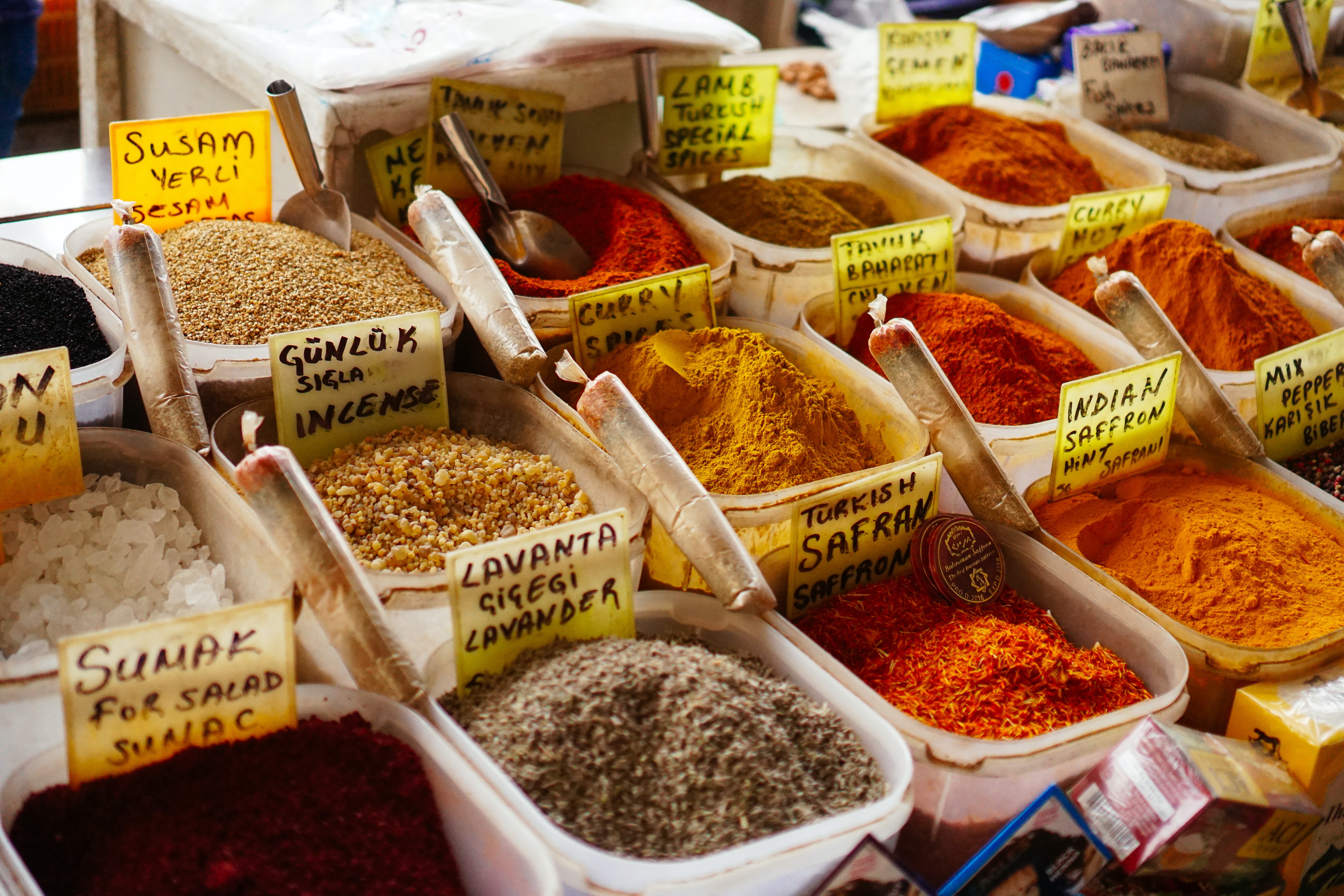
Spices
SpicesPhoto by Tom Hermans
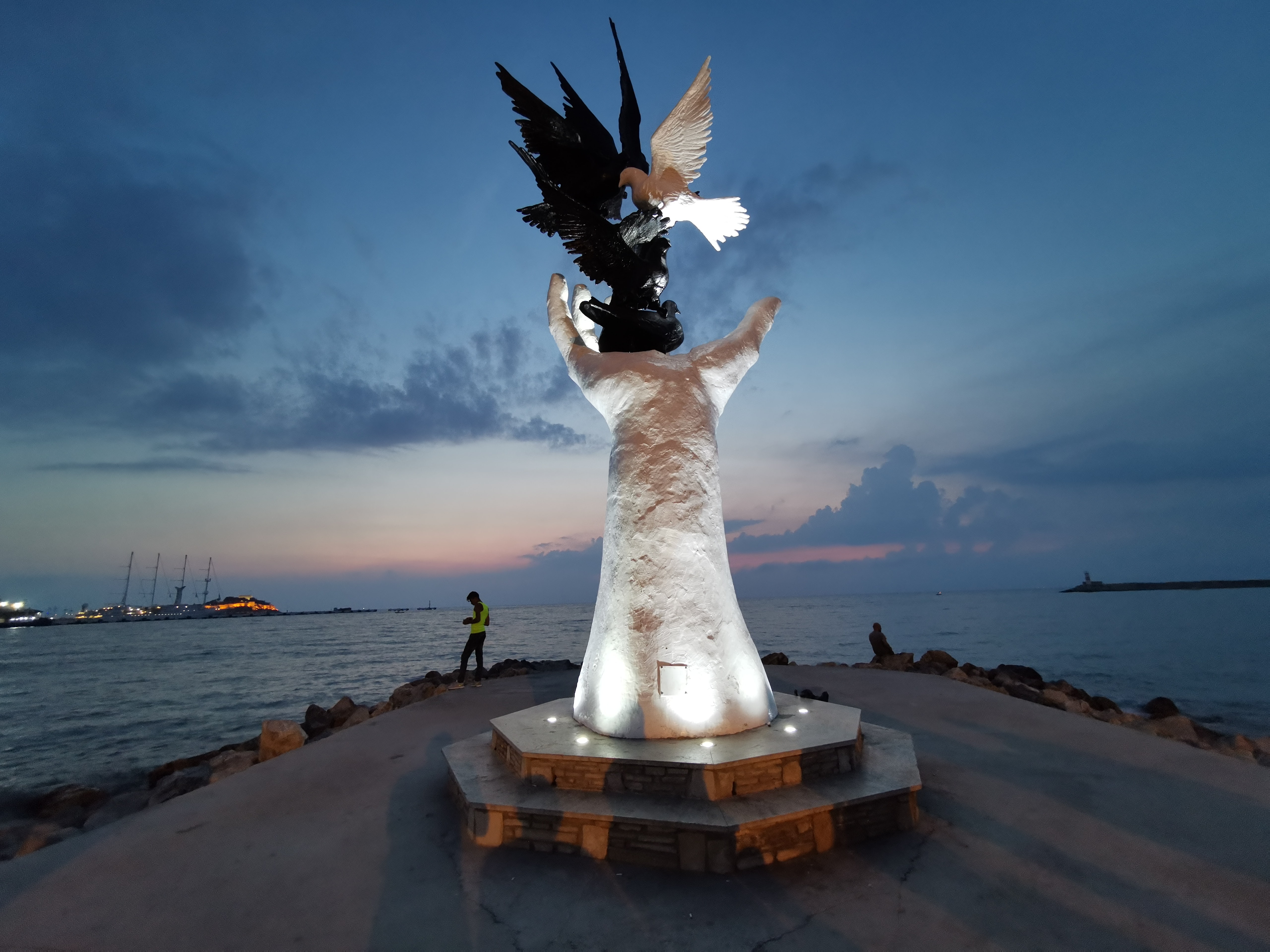
Hand Of Peace Sculpture In Kusadasi
Hand Of Peace Sculpture In KusadasiPhoto by Michal
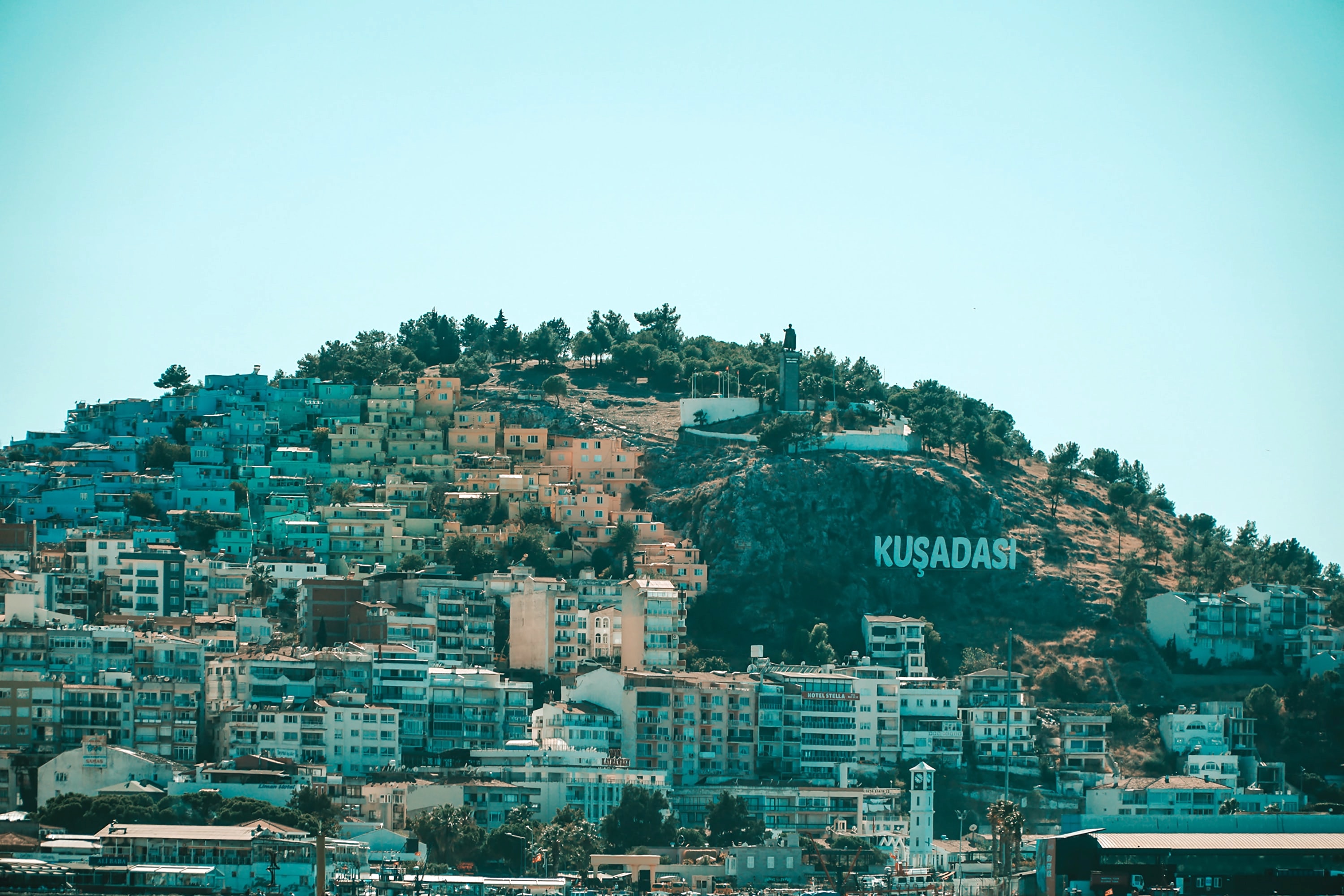
Kusadasi
KusadasiPhoto by Mert Kahveci
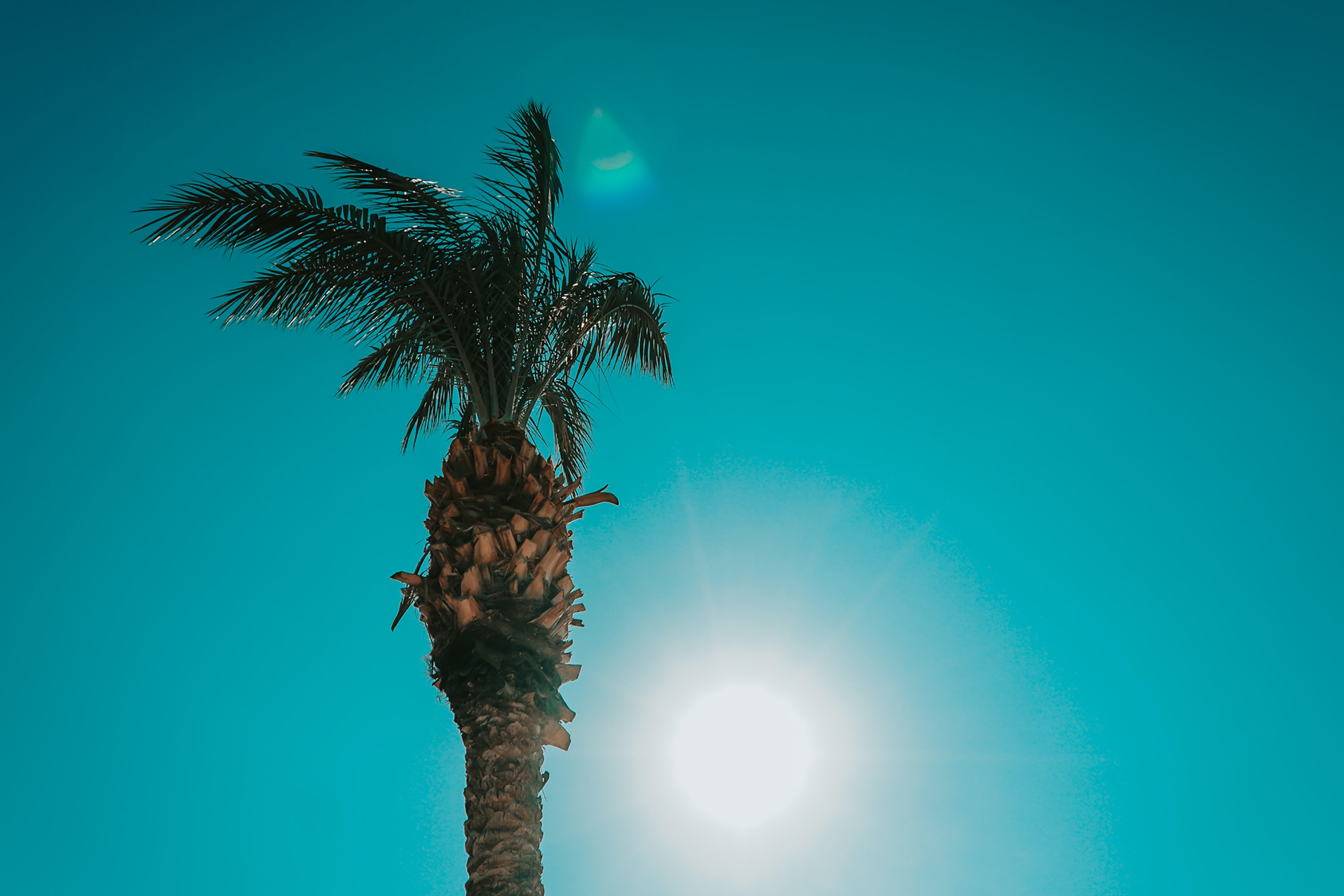
Palm Tree
Palm TreePhoto by Mert Kahveci

Day 13 - Istanbul

The only city in the world that can lay claim to straddling two continents, Istanbul—once known as Constantinople, capital of the Byzantine and then the Ottoman Empire—has for centuries been a bustling metropolis with one foot in Europe and the other in Asia. Istanbul embraces this enviable position with both a certain chaos and inventiveness, ever evolving as one of the world’s most cosmopolitan crossroads. It’s often said that Istanbul is the meeting point of East and West, but visitors to this city built over the former capital of two great empires are likely to be just as impressed by the juxtaposition of old and new. Office towers creep up behind historic palaces, women in chic designer outfits pass others wearing long skirts and head coverings, peddlers’ pushcarts vie with battered old Fiats and shiny BMWs for dominance of the noisy, narrow streets, and the Grand Bazaar competes with modern shopping malls. At dawn, when the muezzin's call to prayer resounds from ancient minarets, there are inevitably a few hearty revelers still making their way home from nightclubs and bars. Most visitors to this sprawling city of more than 14 million will first set foot in the relatively compact Old City, where the legacy of the Byzantine and Ottoman empires can be seen in monumental works of architecture like the brilliant Aya Sofya and the beautifully proportioned mosques built by the great architect Sinan. Though it would be easy to spend days, if not weeks, exploring the wealth of attractions in the historical peninsula, visitors should make sure also to venture elsewhere in order to experience the vibrancy of contemporary Istanbul. With a lively nightlife propelled by its young population and an exciting arts scene that’s increasingly on the international radar—thanks in part to its stint as the European Capital of Culture in 2010—Istanbul is truly a city that never sleeps. It’s also a place where visitors will feel welcome: Istanbul may be on the Bosphorus, but at heart it’s a Mediterranean city, whose friendly inhabitants are effusively social and eager to share what they love most about it.

Istanbul, Woman
Istanbul, Woman
Istanbul, Market
Istanbul, Market
Istanbul, Mosque
Istanbul, Mosque
Istanbul, Spices
Istanbul, Spices
Istanbul, Dervishes
Istanbul, Dervishes
Istanbul, Galata
Istanbul, Galata
Istanbul, Galata
Istanbul, Galata
Istanbul
Istanbul

Day 14 - Istanbul

The only city in the world that can lay claim to straddling two continents, Istanbul—once known as Constantinople, capital of the Byzantine and then the Ottoman Empire—has for centuries been a bustling metropolis with one foot in Europe and the other in Asia. Istanbul embraces this enviable position with both a certain chaos and inventiveness, ever evolving as one of the world’s most cosmopolitan crossroads. It’s often said that Istanbul is the meeting point of East and West, but visitors to this city built over the former capital of two great empires are likely to be just as impressed by the juxtaposition of old and new. Office towers creep up behind historic palaces, women in chic designer outfits pass others wearing long skirts and head coverings, peddlers’ pushcarts vie with battered old Fiats and shiny BMWs for dominance of the noisy, narrow streets, and the Grand Bazaar competes with modern shopping malls. At dawn, when the muezzin's call to prayer resounds from ancient minarets, there are inevitably a few hearty revelers still making their way home from nightclubs and bars. Most visitors to this sprawling city of more than 14 million will first set foot in the relatively compact Old City, where the legacy of the Byzantine and Ottoman empires can be seen in monumental works of architecture like the brilliant Aya Sofya and the beautifully proportioned mosques built by the great architect Sinan. Though it would be easy to spend days, if not weeks, exploring the wealth of attractions in the historical peninsula, visitors should make sure also to venture elsewhere in order to experience the vibrancy of contemporary Istanbul. With a lively nightlife propelled by its young population and an exciting arts scene that’s increasingly on the international radar—thanks in part to its stint as the European Capital of Culture in 2010—Istanbul is truly a city that never sleeps. It’s also a place where visitors will feel welcome: Istanbul may be on the Bosphorus, but at heart it’s a Mediterranean city, whose friendly inhabitants are effusively social and eager to share what they love most about it.

Istanbul, Woman
Istanbul, Woman
Istanbul, Market
Istanbul, Market
Istanbul, Mosque
Istanbul, Mosque
Istanbul, Spices
Istanbul, Spices
Istanbul, Dervishes
Istanbul, Dervishes
Istanbul, Galata
Istanbul, Galata
Istanbul, Galata
Istanbul, Galata
Istanbul
Istanbul

Day 16 - Piraeus

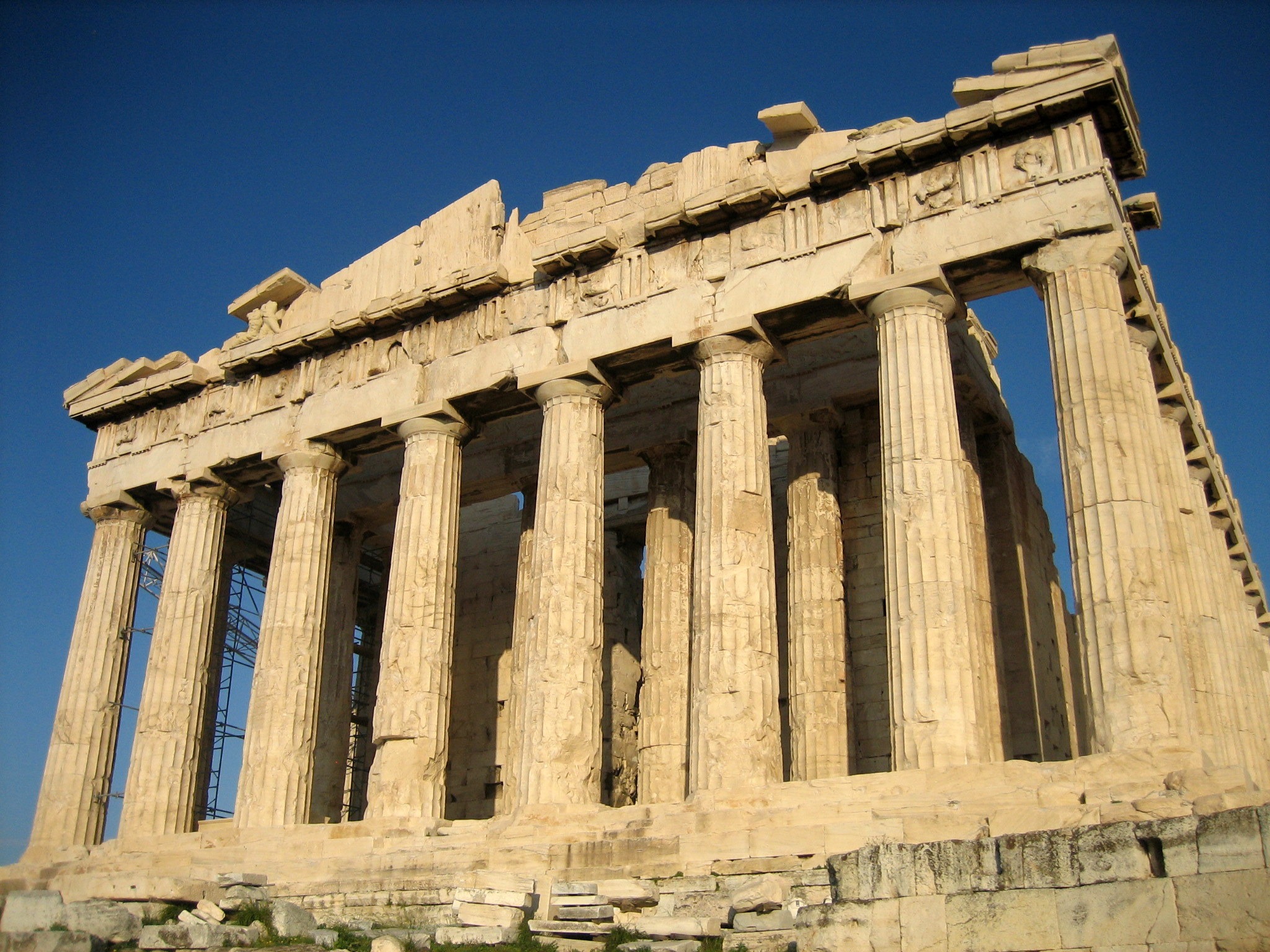
It's no wonder that all roads lead to the fascinating and maddening metropolis of Athens. Lift your eyes 200 feet above the city to the Parthenon, its honey-color marble columns rising from a massive limestone base, and you behold architectural perfection that has not been surpassed in 2,500 years. But, today, this shrine of classical form dominates a 21st-century boomtown. To experience Athens—Athína in Greek—fully is to understand the essence of Greece: ancient monuments surviving in a sea of cement, startling beauty amid the squalor, tradition juxtaposed with modernity. Locals depend on humor and flexibility to deal with the chaos; you should do the same. The rewards are immense. Although Athens covers a huge area, the major landmarks of the ancient Greek, Roman, and Byzantine periods are close to the modern city center. You can easily walk from the Acropolis to many other key sites, taking time to browse in shops and relax in cafés and tavernas along the way. From many quarters of the city you can glimpse "the glory that was Greece" in the form of the Acropolis looming above the horizon, but only by actually climbing that rocky precipice can you feel the impact of the ancient settlement. The Acropolis and Filopappou, two craggy hills sitting side by side; the ancient Agora (marketplace); and Kerameikos, the first cemetery, form the core of ancient and Roman Athens. Along the Unification of Archaeological Sites promenade, you can follow stone-paved, tree-lined walkways from site to site, undisturbed by traffic. Cars have also been banned or reduced in other streets in the historical center. In the National Archaeological Museum, vast numbers of artifacts illustrate the many millennia of Greek civilization; smaller museums such as the Goulandris Museum of Cycladic Art Museum and the Byzantine and Christian Museum illuminate the history of particular regions or periods. Athens may seem like one huge city, but it is really a conglomeration of neighborhoods with distinctive characters. The Eastern influences that prevailed during the 400-year rule of the Ottoman Empire are still evident in Monastiraki, the bazaar area near the foot of the Acropolis. On the northern slope of the Acropolis, stroll through Plaka (if possible by moonlight), an area of tranquil streets lined with renovated mansions, to get the flavor of the 19th-century's gracious lifestyle. The narrow lanes of Anafiotika, a section of Plaka, thread past tiny churches and small, color-washed houses with wooden upper stories, recalling a Cycladic island village. In this maze of winding streets, vestiges of the older city are everywhere: crumbling stairways lined with festive tavernas; dank cellars filled with wine vats; occasionally a court or diminutive garden, enclosed within high walls and filled with magnolia trees and the flaming trumpet-shaped flowers of hibiscus bushes. Formerly run-down old quarters, such as Thission, Gazi and Psirri, popular nightlife areas filled with bars and mezedopoleia (similar to tapas bars), are now in the process of gentrification, although they still retain much of their original charm, as does the colorful produce and meat market on Athinas. The area around Syntagma Square, the tourist hub, and Omonia Square, the commercial heart of the city about 1 km (½ mi) northwest, is distinctly European, having been designed by the court architects of King Otho, a Bavarian, in the 19th century. The chic shops and bistros of ritzy Kolonaki nestle at the foot of Mt. Lycabettus, Athens's highest hill (909 feet). Each of Athens's outlying suburbs has a distinctive character: in the north is wealthy, tree-lined Kifissia, once a summer resort for aristocratic Athenians, and in the south and southeast lie Glyfada, Voula, and Vouliagmeni, with their sandy beaches, seaside bars, and lively summer nightlife. Just beyond the city's southern fringes is Piraeus, a bustling port city of waterside fish tavernas and Saronic Gulf views.

Grath   Athens   Acropolis
Grath Athens Acropolis
Grath   Athens   Athens Sea
Grath Athens Athens Sea
Grath   Athens   City Overview
Grath Athens City Overview
Grath   Athens   Greek Ruins
Grath Athens Greek Ruins
Grath   Athens   Parthenon
Grath Athens Parthenon
Grath   Athens   Ruins And Architecture
Grath Athens Ruins And Architecture
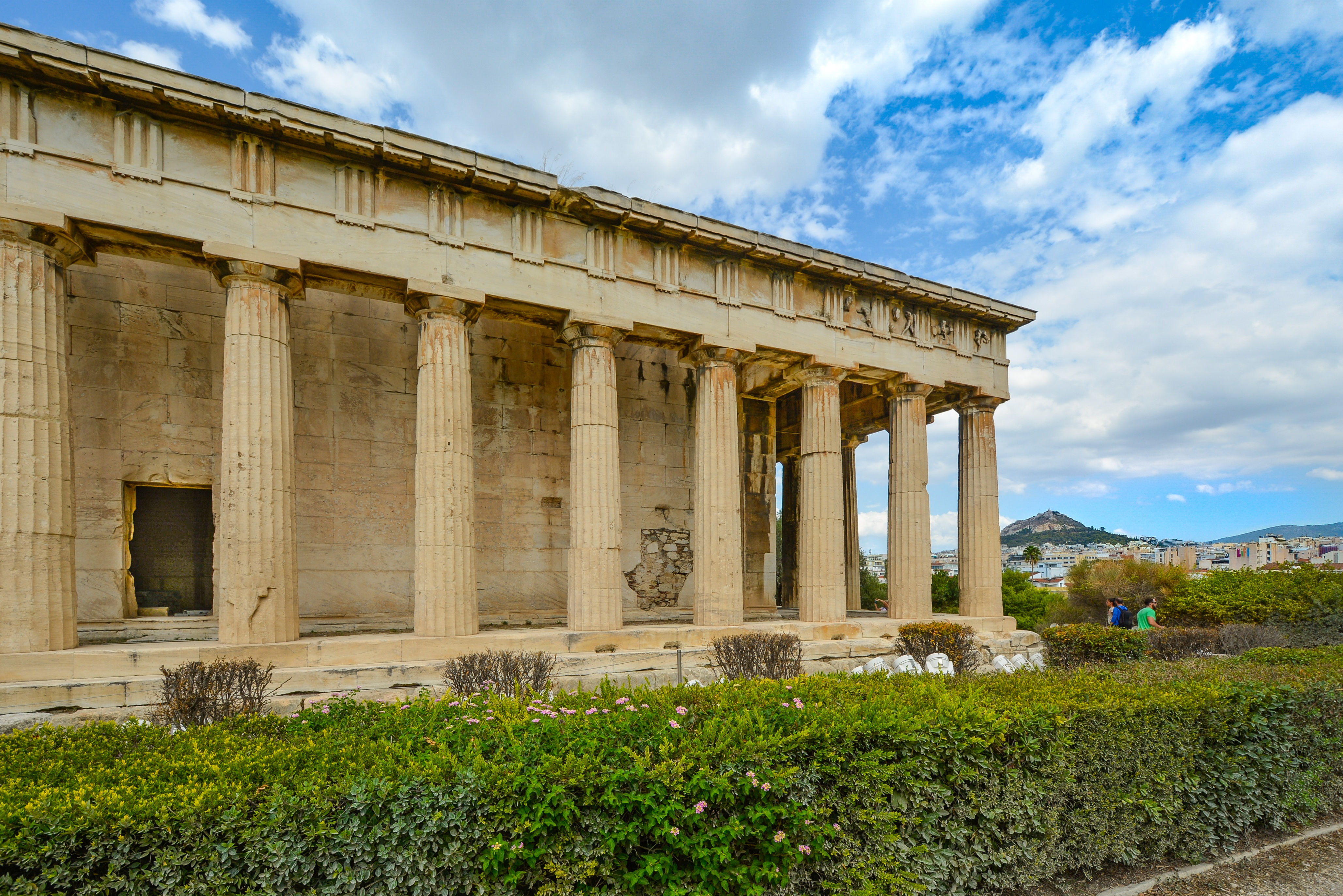
Grath   Athens   Temple Of Hephaestus
Grath Athens Temple Of Hephaestus

Day 18 - Palermo

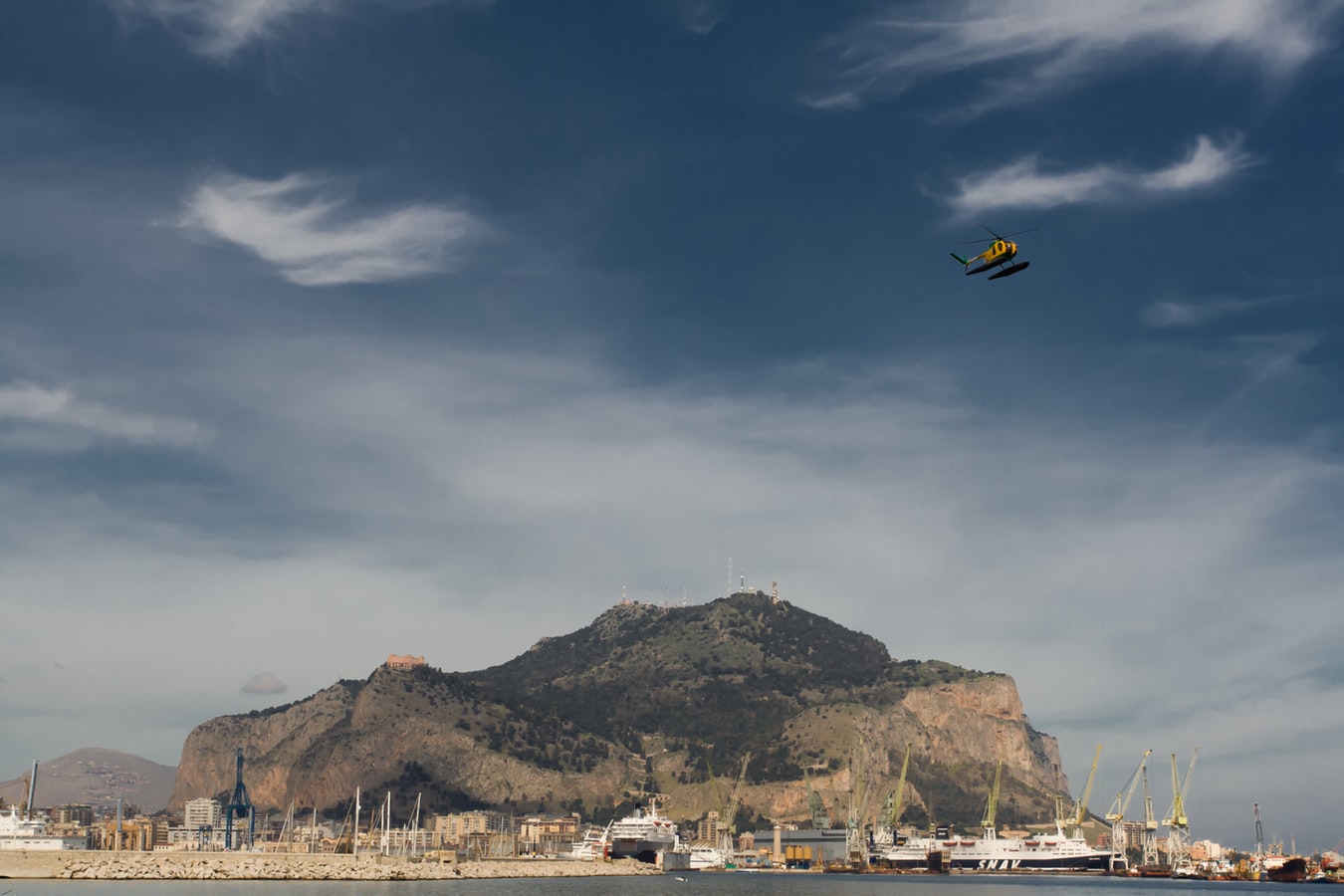
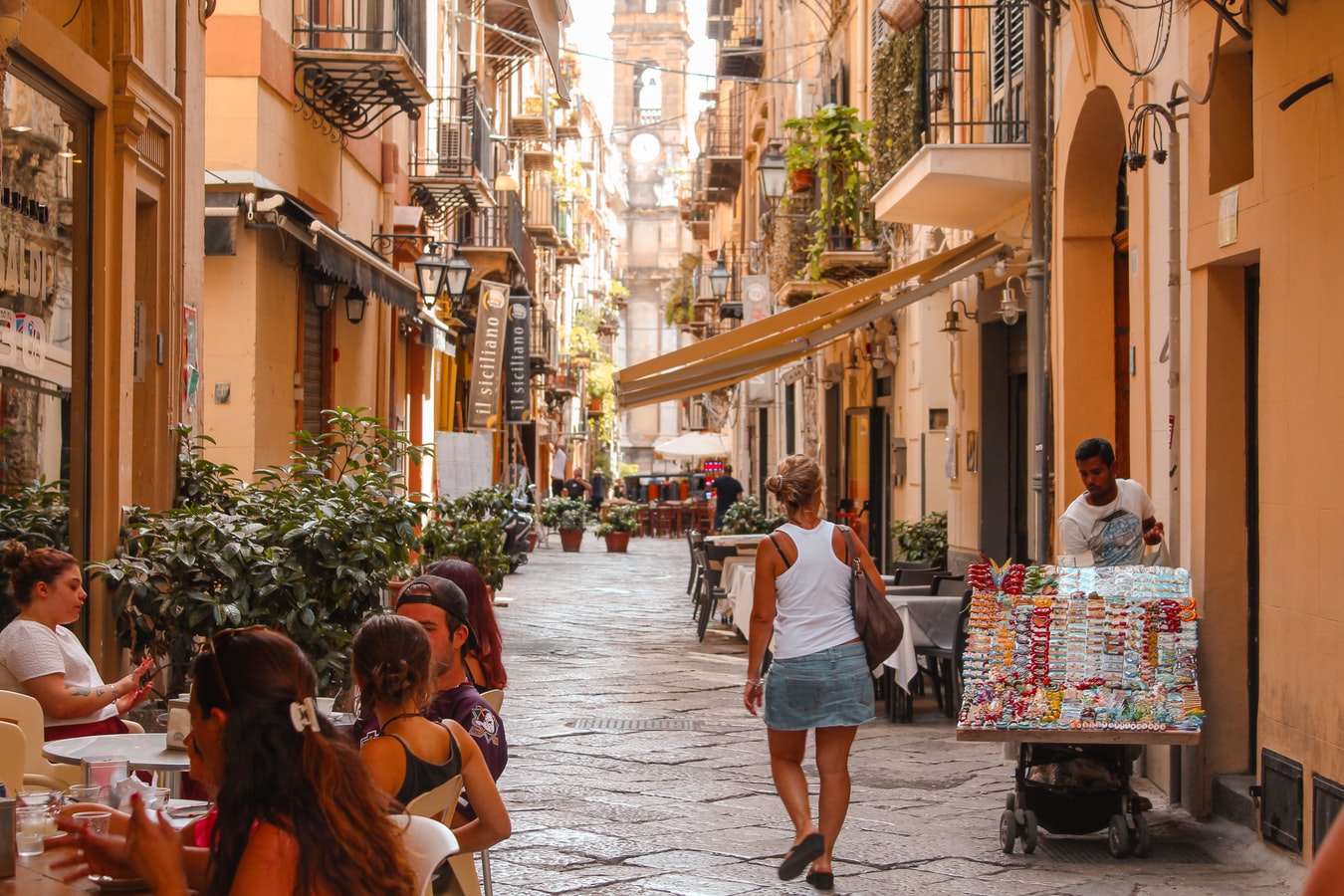
Once the intellectual capital of southern Europe, Palermo has always been at the crossroads of civilization. Favorably situated on a crescent-shaped bay at the foot of Monte Pellegrino, it has attracted almost every culture touching the Mediterranean world. To Palermo's credit, it has absorbed these diverse cultures into a unique personality that is at once Arab and Christian, Byzantine and Roman, Norman and Italian. The city's heritage encompasses all of Sicily's varied ages, but its distinctive aspect is its Arab-Norman identity, an improbable marriage that, mixed in with Byzantine and Jewish elements, created some resplendent works of art. No less noteworthy than the architecture is Palermo's chaotic vitality, on display at some of Italy's most vibrant outdoor markets, public squares, street bazaars, and food vendors, and above all in its grand climax of Italy's most spectacular passeggiata (the leisurely social stroll along the principal thoroughfare).

Itpmo   Palermo, Italy   Photo Credit Belongs To Carlo Columba
Itpmo Palermo, Italy Photo Credit Belongs To Carlo ColumbaCarlo Columba
Itpmo   Palermo, Italy   Photo Credit Belongs To Denilo Vieira
Itpmo Palermo, Italy Photo Credit Belongs To Denilo VieiraDenilo Vieira
Itpmo   Palermo, Italy   Photo Credit Belongs To Rado Slav
Itpmo Palermo, Italy Photo Credit Belongs To Rado Slav Rado Slav
Itpmo   Palermo, Italy   Photo Credit Belongs To Tomas Anton Escobar
Itpmo Palermo, Italy Photo Credit Belongs To Tomas Anton EscobarTomas Anton Escobar
Itpmo   Palermo, Italy   Photo Credit Belongs To Vasily Kotlyarov
Itpmo Palermo, Italy Photo Credit Belongs To Vasily KotlyarovVasily Kotlyarov
Itpmo   Palermo, Italy   Photo Credit Belongs To Yuliya Kosolapova
Itpmo Palermo, Italy Photo Credit Belongs To Yuliya Kosolapova Yuliya Kosolapova

Day 20 - Palma de Mallorca

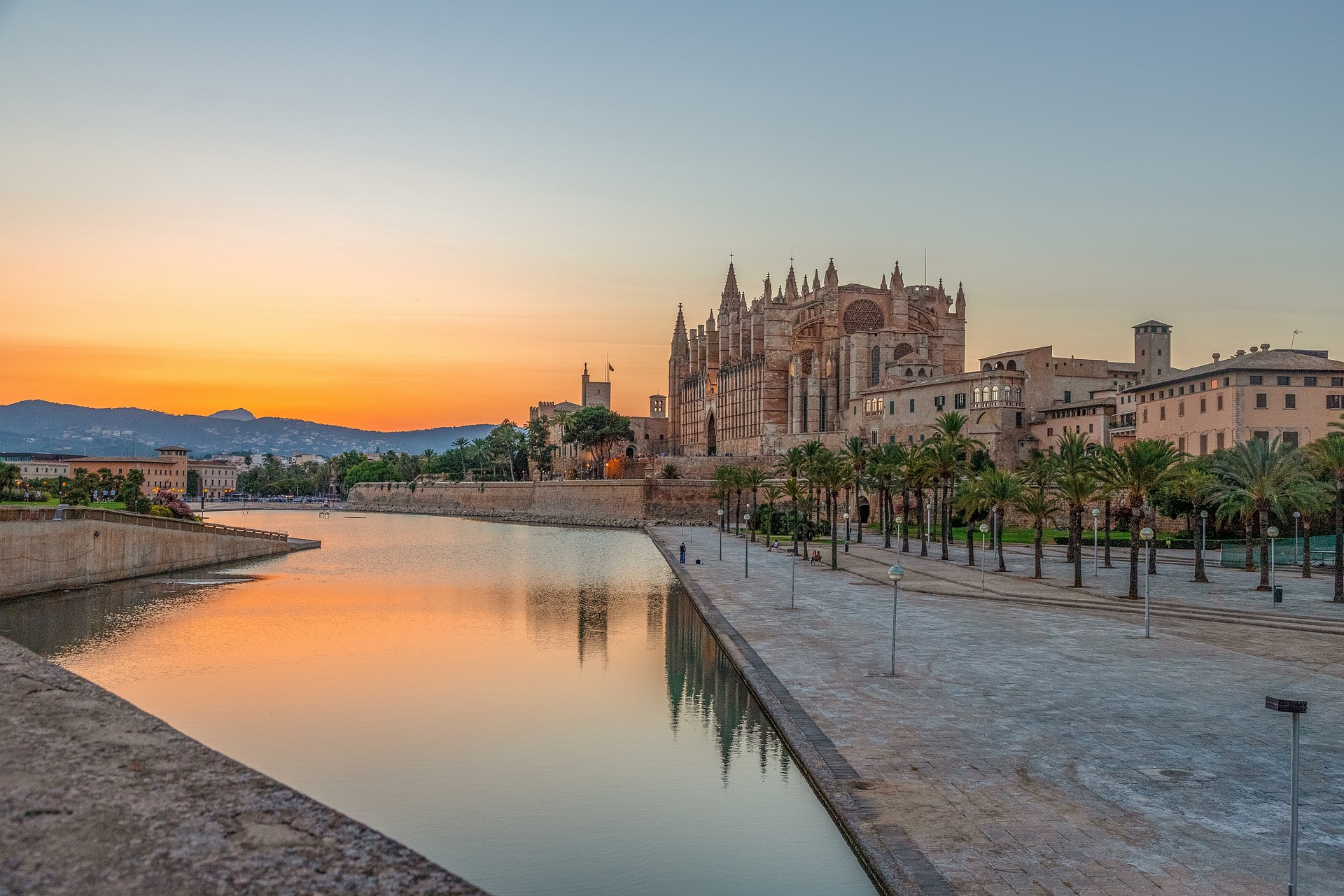
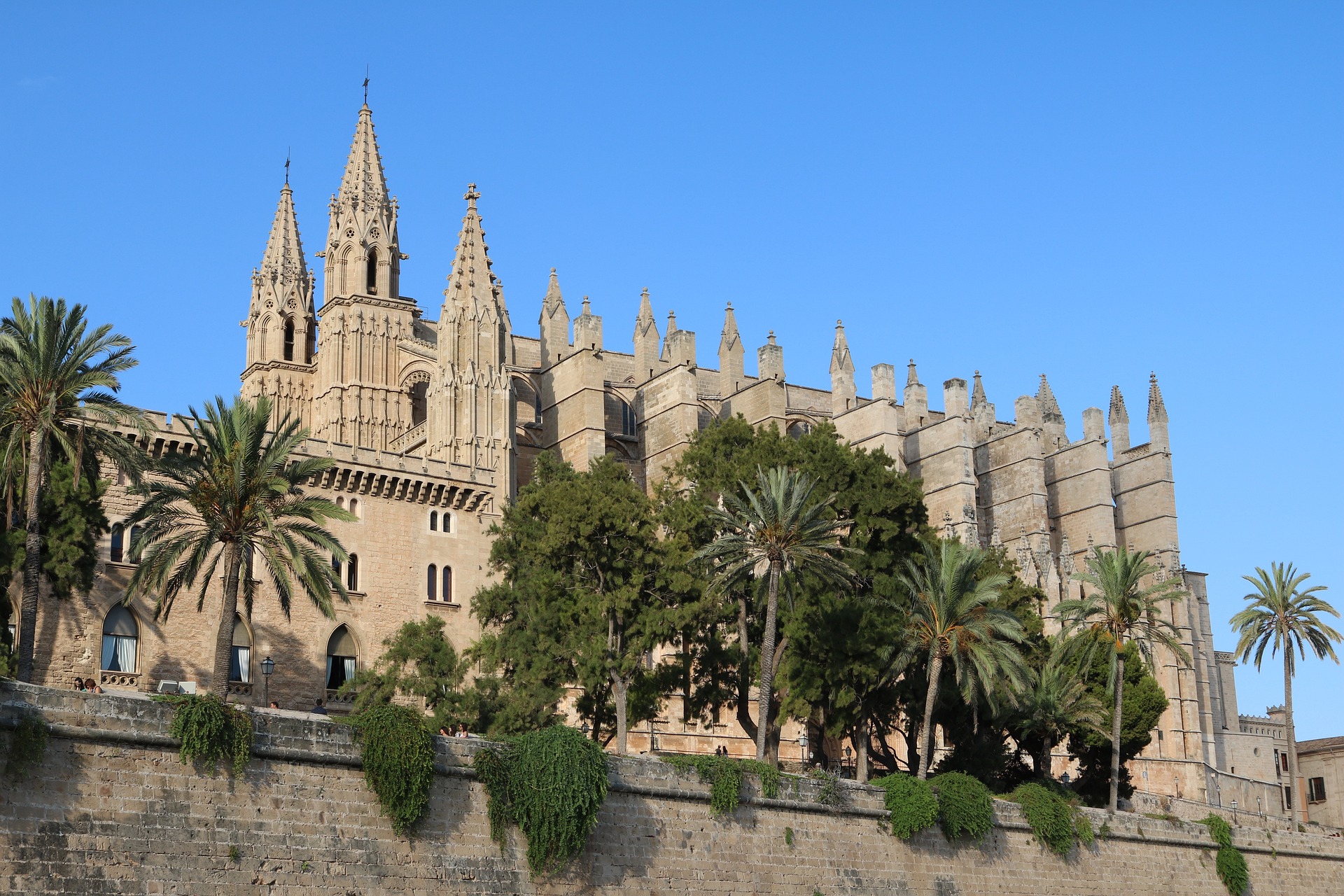
If you look north of the cathedral (La Seu, or the seat of the bishopric, to Mallorcans) on a map of the city of Palma, you can see around the Plaça Santa Eulàlia a jumble of tiny streets that made up the earliest settlement. Farther out, a ring of wide boulevards traces the fortifications built by the Moors to defend the larger city that emerged by the 12th century. The zigzags mark the bastions that jutted out at regular intervals. By the end of the 19th century, most of the walls had been demolished; the only place where you can still see the massive defenses is at Ses Voltes, along the seafront west of the cathedral.A torrent (streambed) used to run through the middle of the old city, dry for most of the year but often a raging flood in the rainy season. In the 17th century it was diverted to the east, along the moat that ran outside the city walls. Two of Palma's main arteries, La Rambla and the Passeig d'es Born, now follow the stream's natural course. The traditional evening paseo (promenade) takes place on the Born.If you come to Palma by car, park in the garage beneath the Parc de la Mar (the ramp is just off the highway from the airport, as you reach the cathedral) and stroll along the park. Beside it run the huge bastions guarding the Almudaina Palace; the cathedral, golden and massive, rises beyond. Where you exit the garage, there's a ceramic mural by the late Catalan artist and Mallorca resident Joan Miró, facing the cathedral across the pool that runs the length of the park.If you begin early enough, a walk along the ramparts at Ses Voltes from the mirador beside the cathedral is spectacular. The first rays of the sun turn the upper pinnacles of La Seu bright gold and then begin to work their way down the sandstone walls. From the Parc de la Mar, follow Avinguda Antoni Maura past the steps to the palace. Just below the Plaça de la Reina, where the Passeig d'es Born begins, turn left on Carrer de la Boteria into the Plaça de la Llotja (if the Llotja itself is open, don't miss a chance to visit—it's the Mediterranean's finest Gothic-style civic building). From there stroll through the Plaça Drassana to the Museu d'Es Baluard, at the end of Carrer Sant Pere. Retrace your steps to Avinguda Antoni Maura. Walk up the Passeig d'es Born to Plaça Joan Carles I, then right on Avenida de La Unió.

Palma De Mallorca
Palma De Mallorca
Palma De Mallorca, Calo Des Moro 2
Palma De Mallorca, Calo Des Moro
Palma De Mallorca, Cathedral
Mallorca
Mallorca
Mallorca
Mallorca
Mallorca
Mallorca
Mallorca
Mallorca
Mallorca
Mallorca

Day 22 - Cádiz

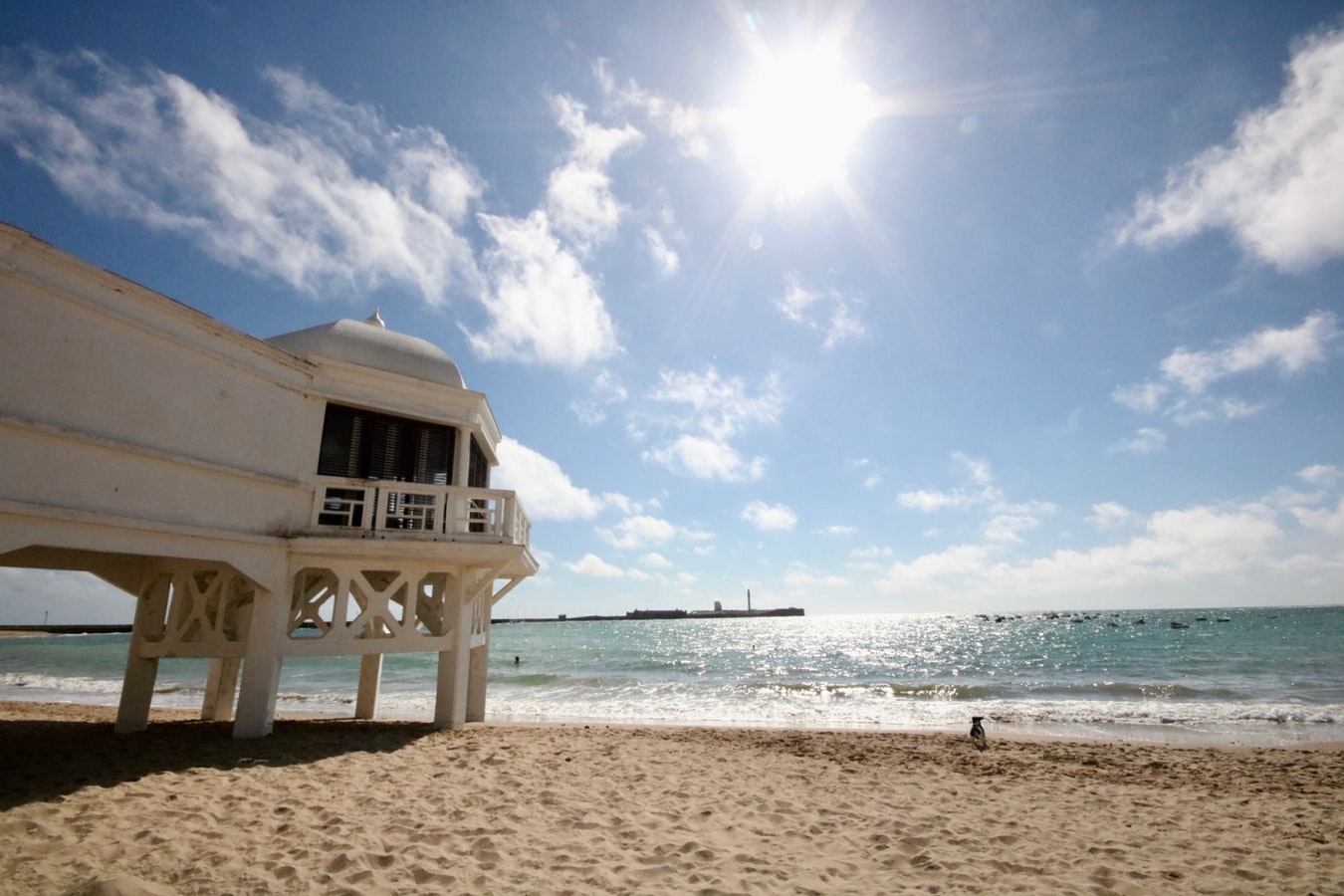
Believed to be the oldest town on the Iberian Peninsula, the Andalusian port of Cádiz enjoys a stunning location at the edge of a six-mile promontory. The town itself, with 3,000 years of history, is characterised by pretty white houses with balconies often adorned with colourful flowers. As you wander around be sure to take a stroll through the sizeable Plaza de Espãna, with its large monument dedicated to the first Spanish constitution, which was signed here in 1812. Cádiz has two pleasant seafront promenades which boast fine views of the Atlantic Ocean, and has a lovely park, the Parque Genoves, located close to the sea with an open-air theatre and attractive palm garden. Also notable is the neo-Classical cathedral, capped by a golden dome.

Escad   Cádiz, Spain   Photo Credit Belongs To Jorge Fernandez Salas 1
Escad Cádiz, Spain Photo Credit Belongs To Jorge Fernandez Salas 1Jorge Fernandez Salas
Escad   Cádiz, Spain   Photo Credit Belongs To Jorge Fernandez Salas
Escad Cádiz, Spain Photo Credit Belongs To Jorge Fernandez SalasJorge Fernandez Salas
Escad   Cádiz, Spain   Photo Credit Belongs To Vidar Nordi Mathisen
Escad Cádiz, Spain Photo Credit Belongs To Vidar Nordi MathisenVidar Nordi-Mathisen

Day 25 - Southampton

Lying near the head of Southampton Water, a peninsula between the estuaries of the Rivers Test and Itchen, Southampton is Britain’s largest cruise port. It has been one of England’s major ports since the Middle Ages, when it exported wool and hides from the hinterland and imported wine from Bordeaux. The city suffered heavy damage during World War Two and as a result the centre has been extensively rebuilt, but there are still some interesting medieval buildings including the Bargate, one of the finest city gatehouses in England.

Gbsou Southampton   Colin Osborne
Gbsou Southampton Colin OsborneColin Osborne, Unsplash
Gbsou Southampton Connor Holyday
Gbsou Southampton Connor HolydayConnor Holyday - Unsplash
Gbsou Southampton   England   Southampton Bargate
Gbsou Southampton England Southampton Bargate
Gbsou   Southampton, England. Houndwell Park Mangopear Creative
Gbsou Southampton, England. Houndwell Park Mangopear Creative

Suites & Deck Plans

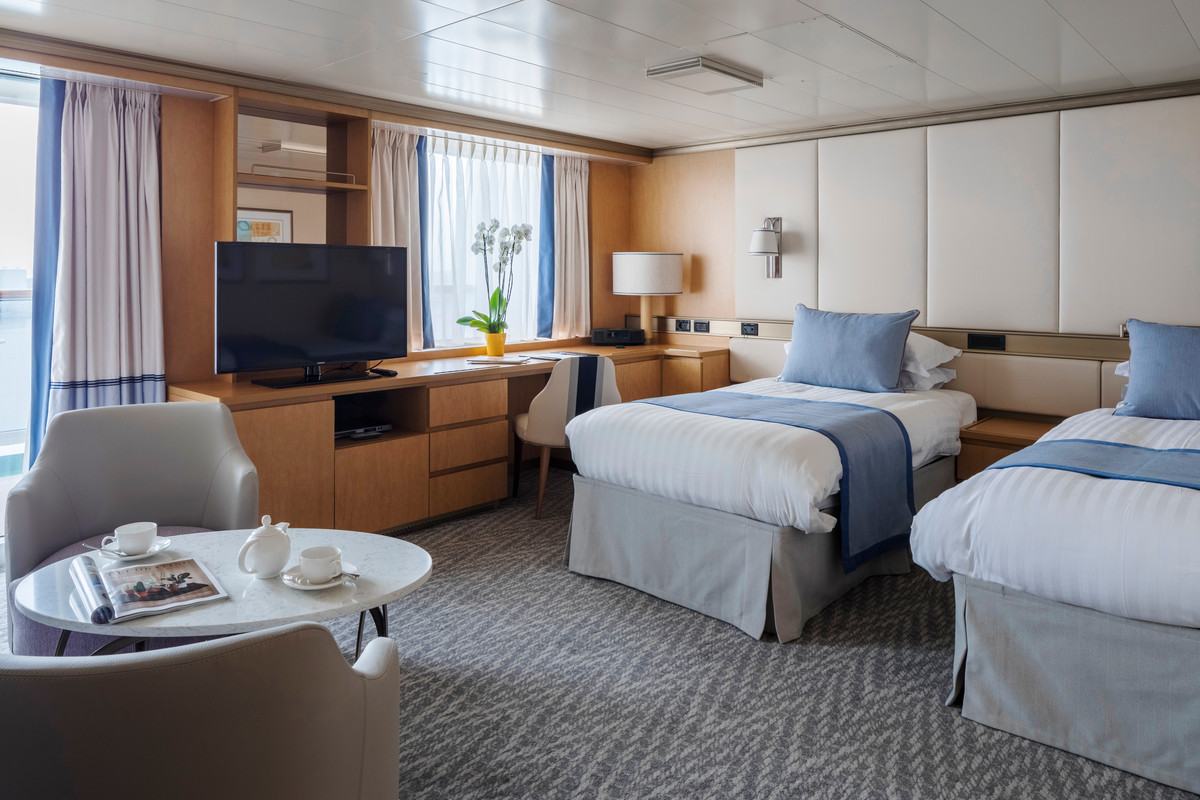
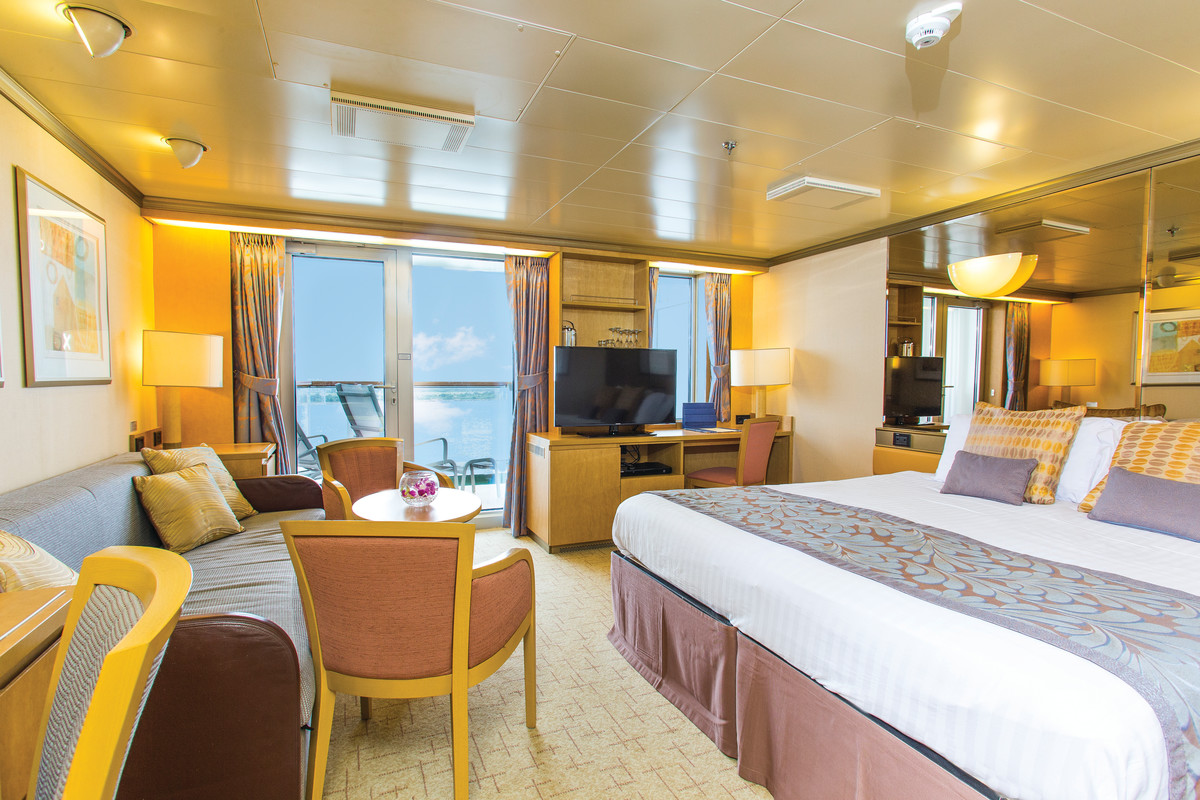
Suite

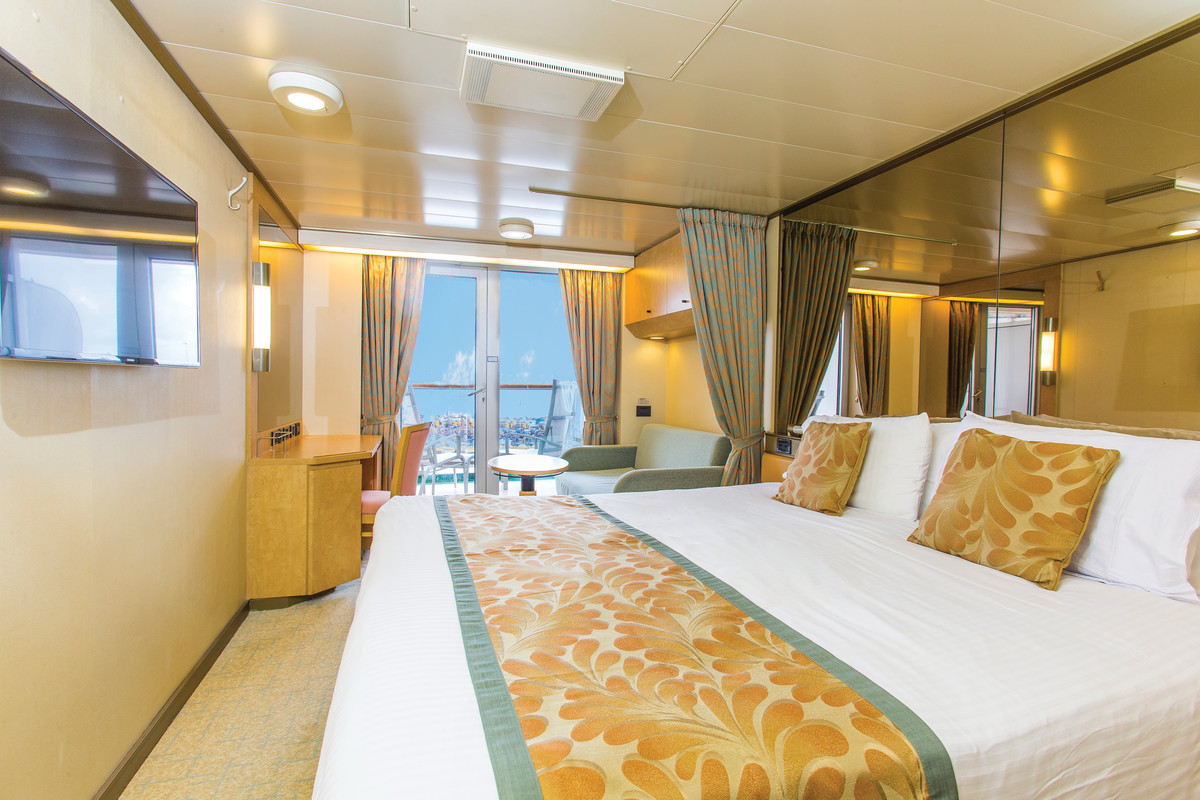
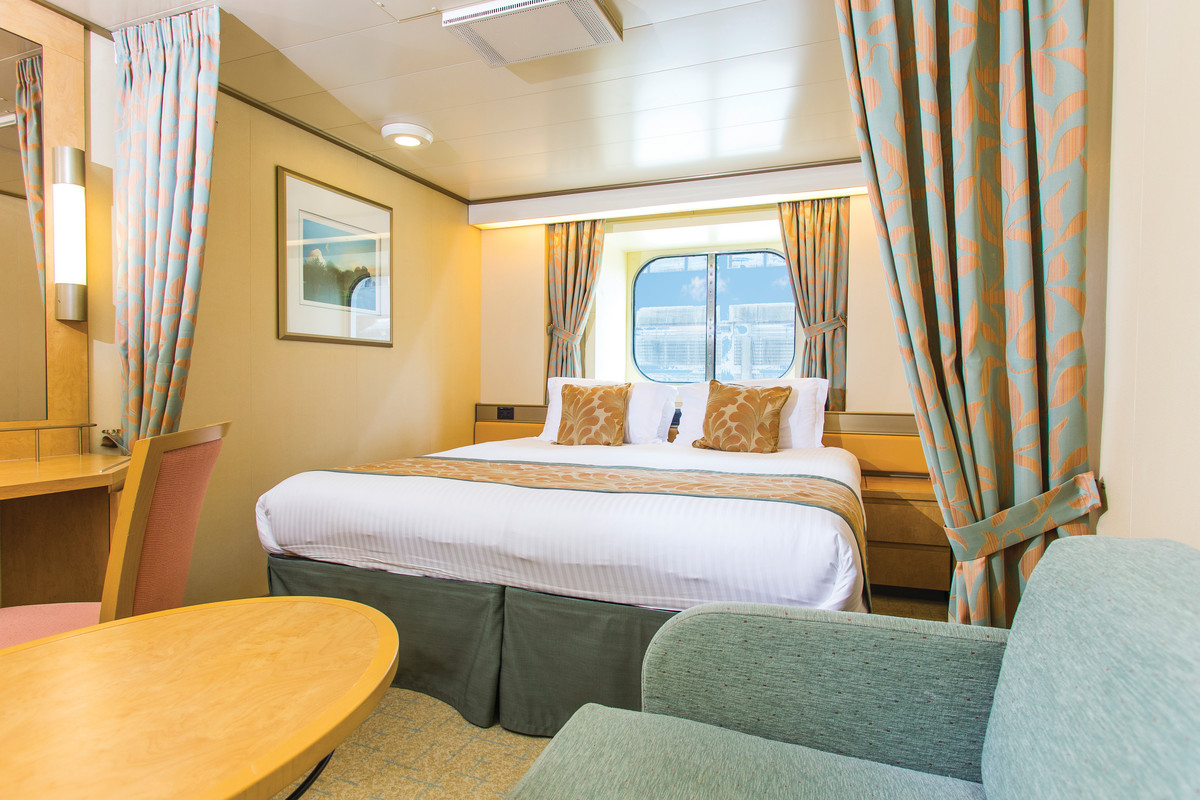
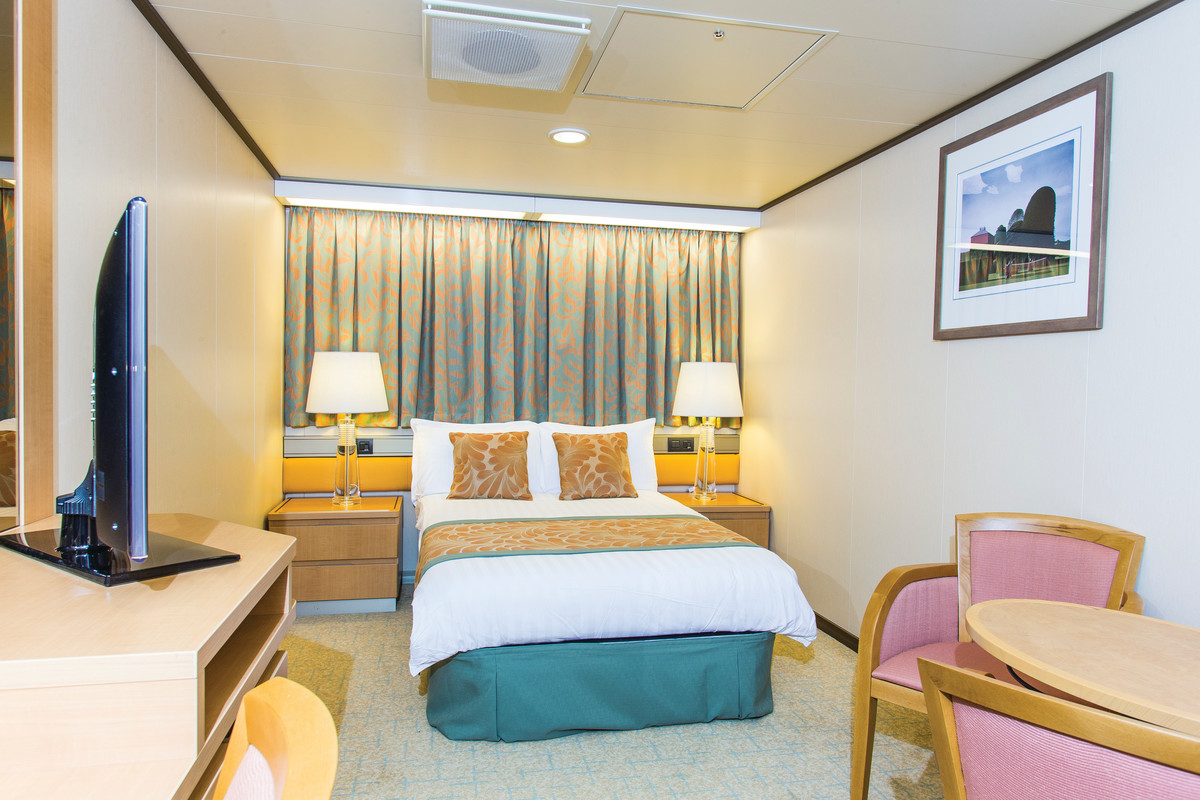
Delight in VIP treatment throughout your holiday with butler service, spacious accommodation, a superior bathroom with full-size whirlpool bath*, inclusive room service, breakfast each day in an exclusive restaurant plus all the luxuries included with Mini-suites.

The luxuries of a Suite include a whirlpool bath, dual sinks, dressing area and toiletries from The White Company. With an exclusive restaurant for breakfast and a dedicated butler, not to mention Champagne and chocolates on arrival, it’s a holiday like never before.*Some exceptions apply

Suite has the following benefits:

  • Air conditioning
  • Tea and coffee machine
  • Free in-cabin TV
  • Butler service
  • Cabin safe
  • Cabin hairdryer
  • Cabin telephone
  • Larger dressing area
  • Toiletries from The White Company
  • British plug socket
  • Chiller
  • A whirpool bath
  • Inclusive room service
  • Exclusive restaurants
  • Bathrobe and Slippers
  • Canapés on celebration night
  • Champagne on arrival
  • Chocolates on arrival
  • Floor to ceiling glass doors
  • Balcony
  • Priority check-in and boarding (from Southampton)
530-843 sq ft
Accommodates 4 guests
Suite

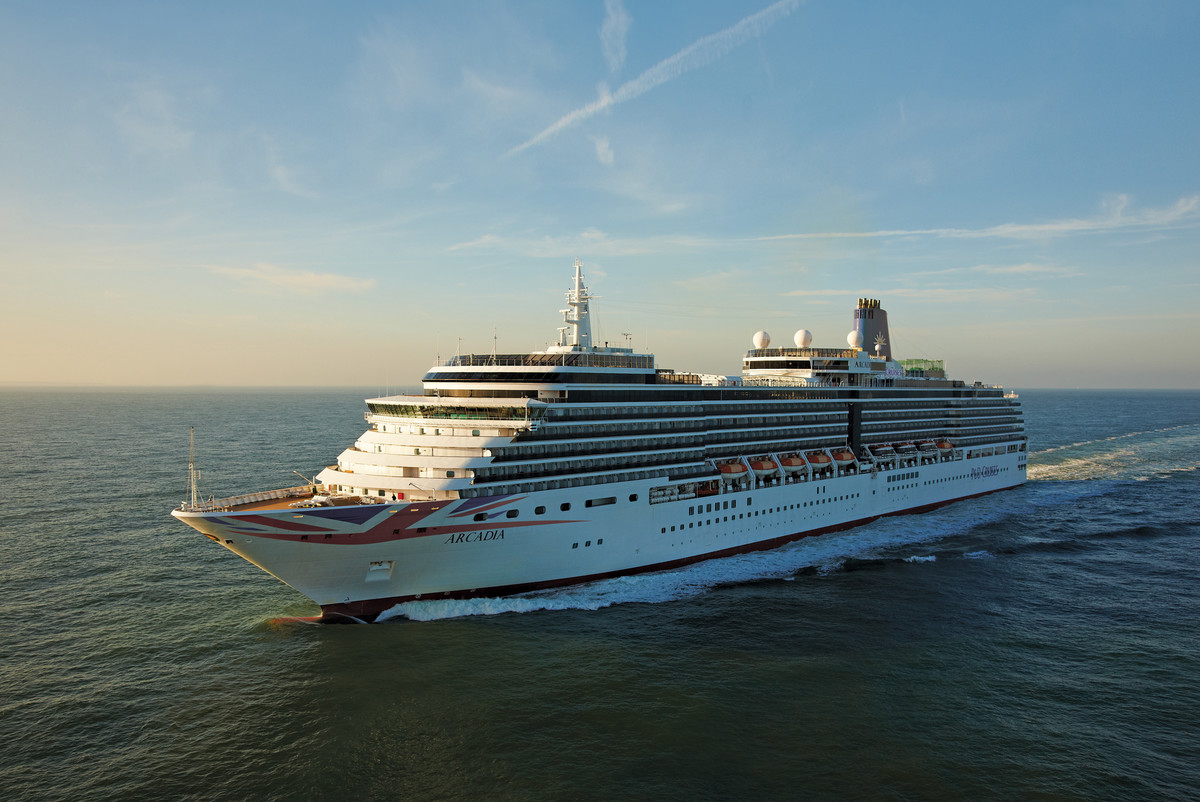
Arcadia

Arcadia

Client testimonials

I have worked with Lore Doick for more than 20 years, and she has booked over 30 cruises for me. Her expertise, care, and attention to every travel detail have made her an invaluable advisor and friend over the years.”

Tina B.

We are now in our second generation working with Cheri Ozimac at Tully Luxury Travel. From Antarctica to Greece, she has handled every detail with expertise, responsiveness, and care…

Earl M.

My wife and I have worked with Tully since 2007, and Kit Neil and her team went far beyond expectations while helping us navigate multiple cruise and flight cancellations. Their advocacy, care, and support during a difficult time were extraordinary.

Carri F.

Cheri Ozimac organized our Seabourn cruise flawlessly, from the hotel recommendation to every travel arrangement. She was responsive, attentive, and an excellent advocate throughout the process…

Cyn S.

We discovered Tully Luxury Travel after years of booking cruises through US agents and were impressed by their competitive pricing, exceptional service, and Canadian based support. Their team is always available, offers excellent value, and makes booking the right cruise seamless.

Peter C.

GoogleAverage Customer Rating:

The Tully Difference

Why travel with us


Tully Luxury Travel was built on access, discretion, and trust. For our clients, that means ease at every step, with distinctions that turn exceptional voyages into defining moments.

Recognized expertise

A renowned agency worldwide in luxury land and small-ship cruising, consistently trusted by the industry’s most prestigious brands.