Atolls To Eastern Empires

Itinerary: Papeete, Tahiti, Huahine, At Sea, Rarotonga, Pago Pago, Crossing the International Date Line, Savusavu, Port Denarau, Lautoka, Port Vila, Lifou Island, Nouméa, Sydney, New South Wales, Mooloolaba, Que... See full itinerary

8 Feb 27
62 nights

Voyage Details

Duration:
62 nights
Departure:
8 Feb 2027
Embarkation:
Papeete, Tahiti, French Polynesia
Cruise code:
VIS270208C
Voyage code:
VIS270208C

Your Itinerary, Day-By-Day

Special Chapters of Your Journey

Day 1 - Papeete, Tahiti

Papeete will be your gateway to the tropical paradise of French Polynesia, where islands fringed with gorgeous beaches and turquoise ocean await to soothe the soul. This spirited city is the capital of French Polynesia, and serves as a superb base for onward exploration of Tahiti – an island of breathtaking landscapes and oceanic vistas. Wonderful lagoons of crisp, clear water beg to be snorkelled, stunning black beaches and blowholes pay tribute to the island's volcanic heritage, and lush green mountains beckon you inland on adventures, as you explore extraordinary Tahiti. Visit to relax inside picturesque stilted huts, which stand out over shimmering water, as you settle into the intoxicating rhythm of life, in this Polynesian paradise.

Pfppt   Papeete, Tahiti, French Polynesia   Photo Credit Belongs To Fabe Collage
Pfppt Papeete, Tahiti, French Polynesia Photo Credit Belongs To Fabe Collage Fabe Collage

Day 2 - Huahine

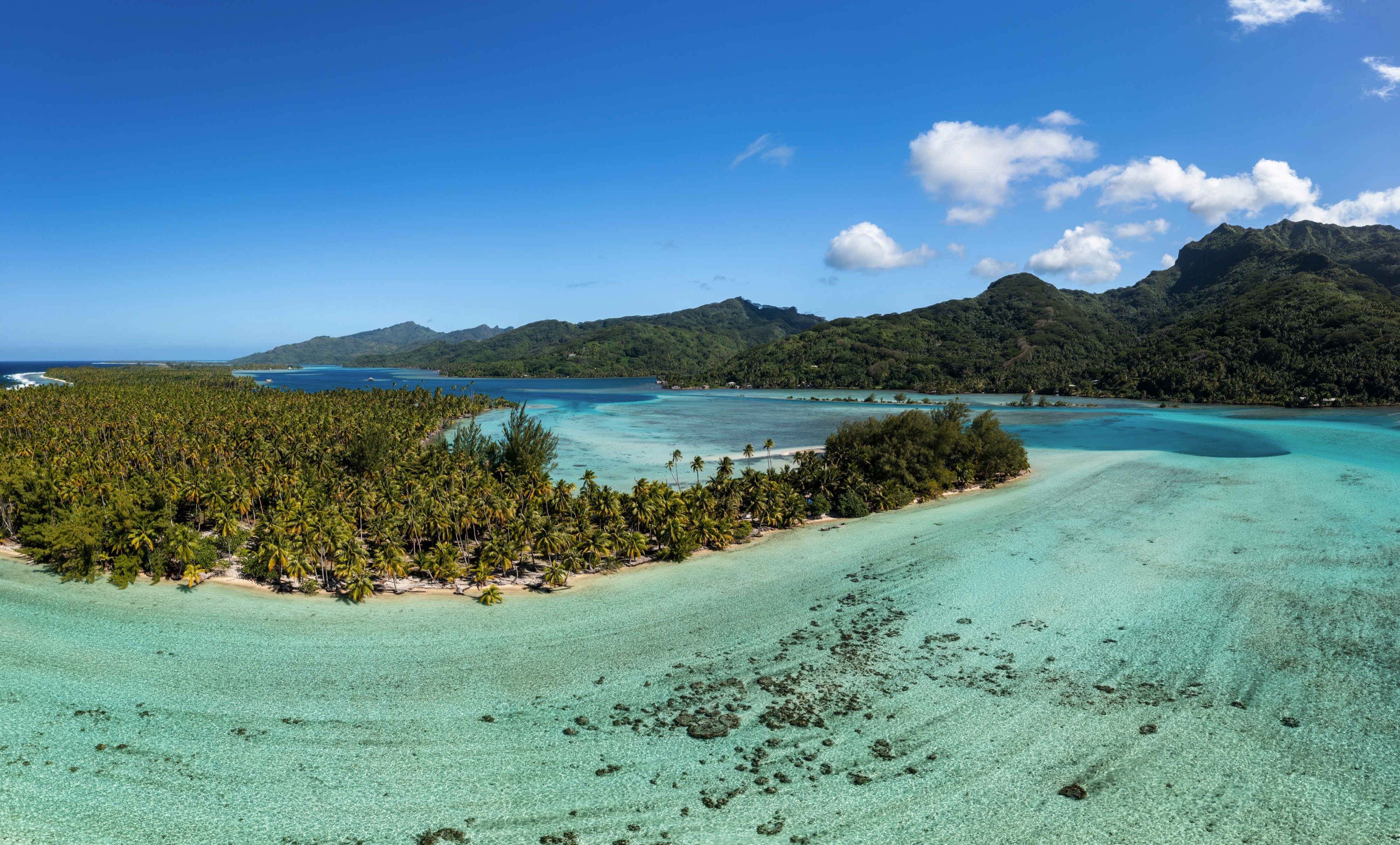
Huahine is an island located among the Society Islands, in French Polynesia, an overseas territory of France in the South Pacific Ocean. It is part of the Leeward Islands group

Huahine, French Polynesia
Huahine, French PolynesiaPhoto by Fabien BELLANGER on Unsplash
Huahine, French Polynesia
Huahine, French PolynesiaPhoto by Fabien BELLANGER on Unsplash
Huahine, French Polynesia
Huahine, French PolynesiaPhoto by Fabien BELLANGER on Unsplash
Huahine, French Polynesia
Huahine, French PolynesiaPhoto by Fabien BELLANGER on Unsplash

Day 3 - At Sea

Further details for this day are not available.

Day 4 - Rarotonga

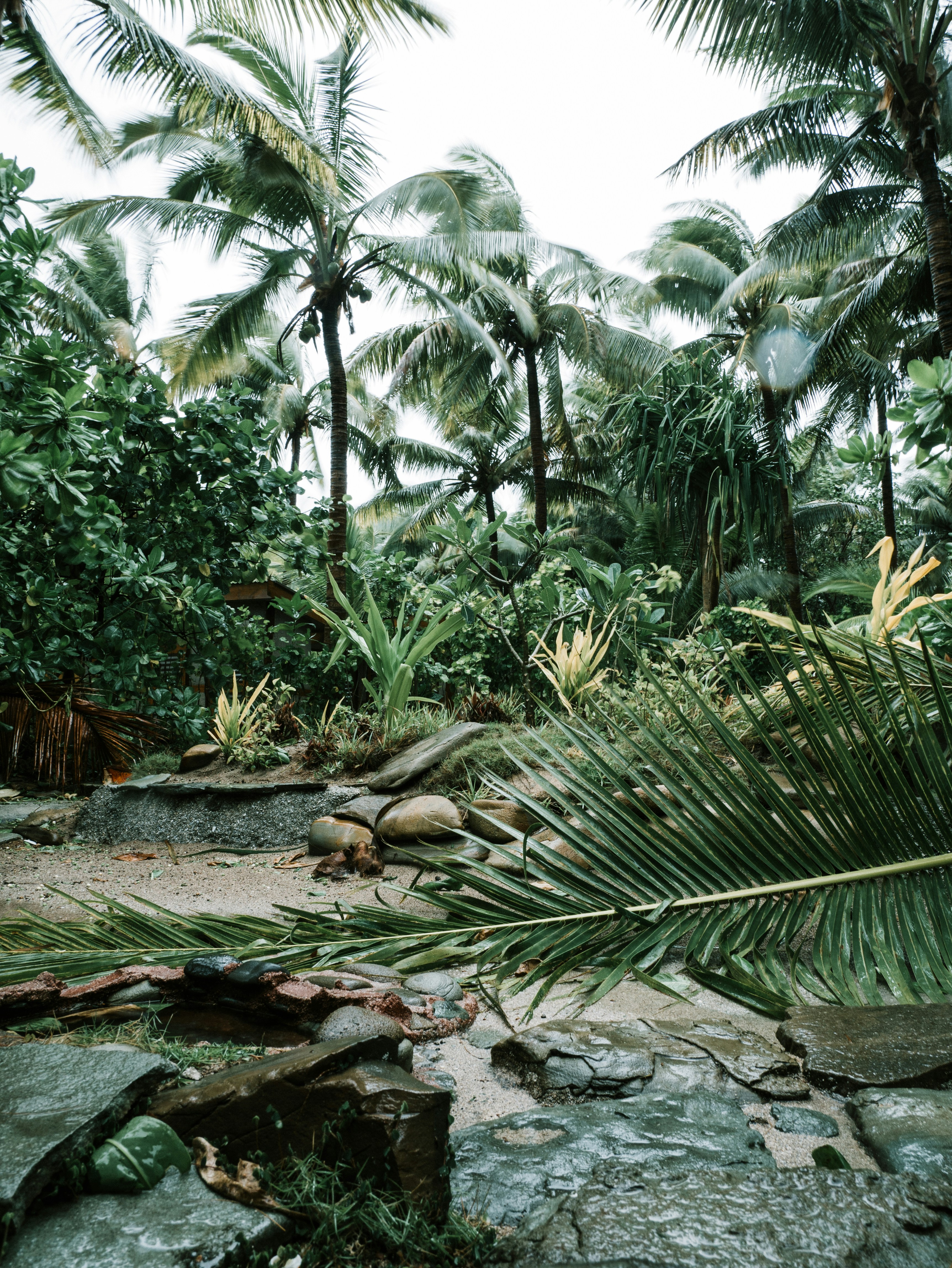
Life is laid back on Rarotonga, the most populous of the Cook Islands, but the residents are still an active bunch. Though there are plenty of white sandy beaches on which to laze—and people do, with plenty of napping— locals love to get out and move. Join them in snorkeling, diving, riding—bikes, horses, scooters—fishing, bush walking, and playing squash and tennis. Another popular, if odd, and favorite activity is lining up along the sea wall adjacent to the airport's runway to be jetblasted.

Rarotonga, Cook Islands
Rarotonga, Cook IslandsPhoto by Gina Lemafa on Unsplash

Day 5 - At Sea

Further details for this day are not available.

Day 6 - At Sea

Further details for this day are not available.

Day 7 - Pago Pago

American Samoa is a tropical paradise, located in the Pacific Ocean and home to some of the world's most unique flora and fauna. Pago Pago is the main harbour and village of Tutuila island. It is considered the capital of the territory and is the entry point for visitors exploring the picturesque volcanic islands.

Pago Pago
Pago PagoImage by Holger Detje from Pixabay

Day 8 - At Sea

Further details for this day are not available.

Day 9 - Crossing the International Date Line

Further details for this day are not available.

Day 10 - Savusavu

Suva, a multiracial city, is the pulsing heart of the South Pacific. Its location is on a hilly peninsula in the southeast corner of Viti Levu Island, the largest in the Fijian archipelago. Suva was named the country's capital in 1882; the former capital was Luvuka. Suva's natural harbour was no doubt a deciding factor that prompted the change. Its port is the country's main shipping facility, accommodating vessels from all over the world. The town is backed by the lush green hills of the Suva-Rewa range. The waterfront district, much of which is built on land reclaimed from tangled mangrove swamps, provides the hub for much of Suva's activities. The downtown centre is a hodgepodge of high-rise office buildings, colonial houses with second-story verandas, parks and government structures. The northern and western mountains catch the trade winds, with the result being damp conditions year-round and frequent tropical downpours. Despite the ever-present possibility of showers, Suva is an excellent place to explore on foot. Many points of interest are located on Victoria Parade and along tree-shaded Queen Elizabeth Drive. Suva's botanical park is lush with flowering plants, trees and green lawns. In its centre stands the Fiji Museum, where objects reflect 3,000 years of Fijian history. The museum boasts a fine collection of Melanesian artefacts and various exhibits that reflect on Fiji's maritime era. Government House stands on a hillside surrounded by landscaped grounds. A stern, uniformed sentry guards the pillared gate entrance. The monthly Changing of the Guard is executed with almost as much pomp and ceremony as at London's Buckingham Palace. Friendly Fiji will charm you; here Melanesia mixes with Polynesia, ancient India with Oceania and tradition with the modern world. The Fijian greeting "Bula!" is extended warmly to strangers on city streets and country roads. Fiji is one of the South Pacific's most hospitable countries and a holiday destination that has much to offer in recreational activities, shopping and joyous celebrations.

Savusavu, Fiji
Savusavu, FijiImage by HeikoBrown from Pixabay

Day 11 - Port Denarau

Further details for this day are not available.

Port Denarau
Port DenarauImage by Peter H from Pixabay

Day 12 - Lautoka

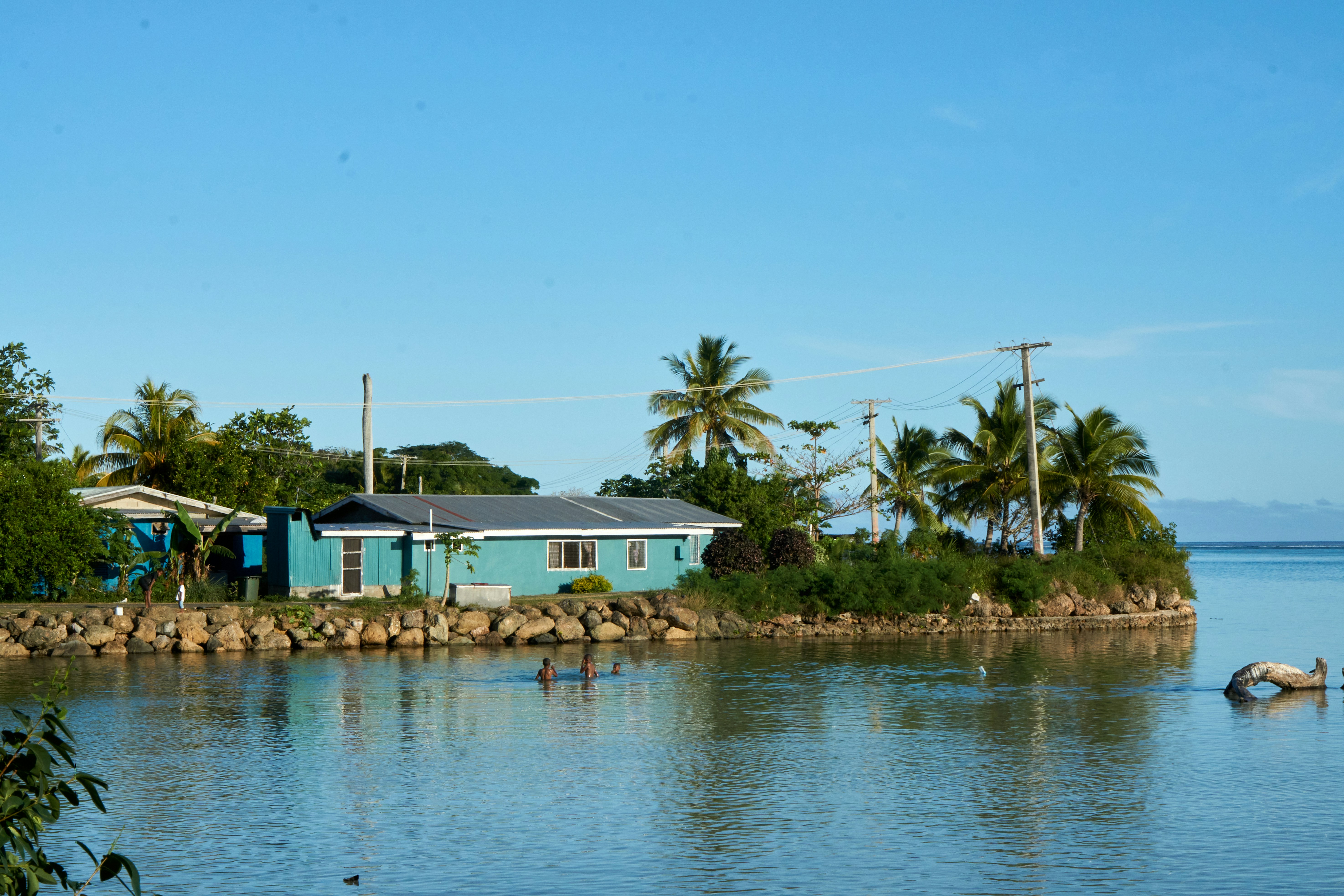
North of Nadi through sugarcane plantations and past the Sabeto Mountains is Lautoka, nicknamed the Sugar City for the local agriculture and its big processing mill. With a population of around 50,000, it's the only city besides Suva and, like the capital, has a pleasant waterfront. It's the sailing point for Blue Lagoon and Beachcomber Cruises but is otherwise unremarkable for tourists, itself having few hotels and fewer good restaurants. Locals recommend the city as a less-expensive place to shop for clothing, but note that it can take as long as 45 minutes to drive here. Legend has it that Lautoka acquired its name when two chiefs engaged in combat and one hit the other with a spear. He proclaimed "lau toka" (spear hit) and thus the future town was named.

Lautoka, Fiji
Lautoka, FijiPhoto by Arie Oldman on Unsplash
Lautoka, Fiji
Lautoka, FijiPhoto by Nicolas Weldingh on Unsplash

Day 13 - At Sea

Further details for this day are not available.

Day 14 - Port Vila

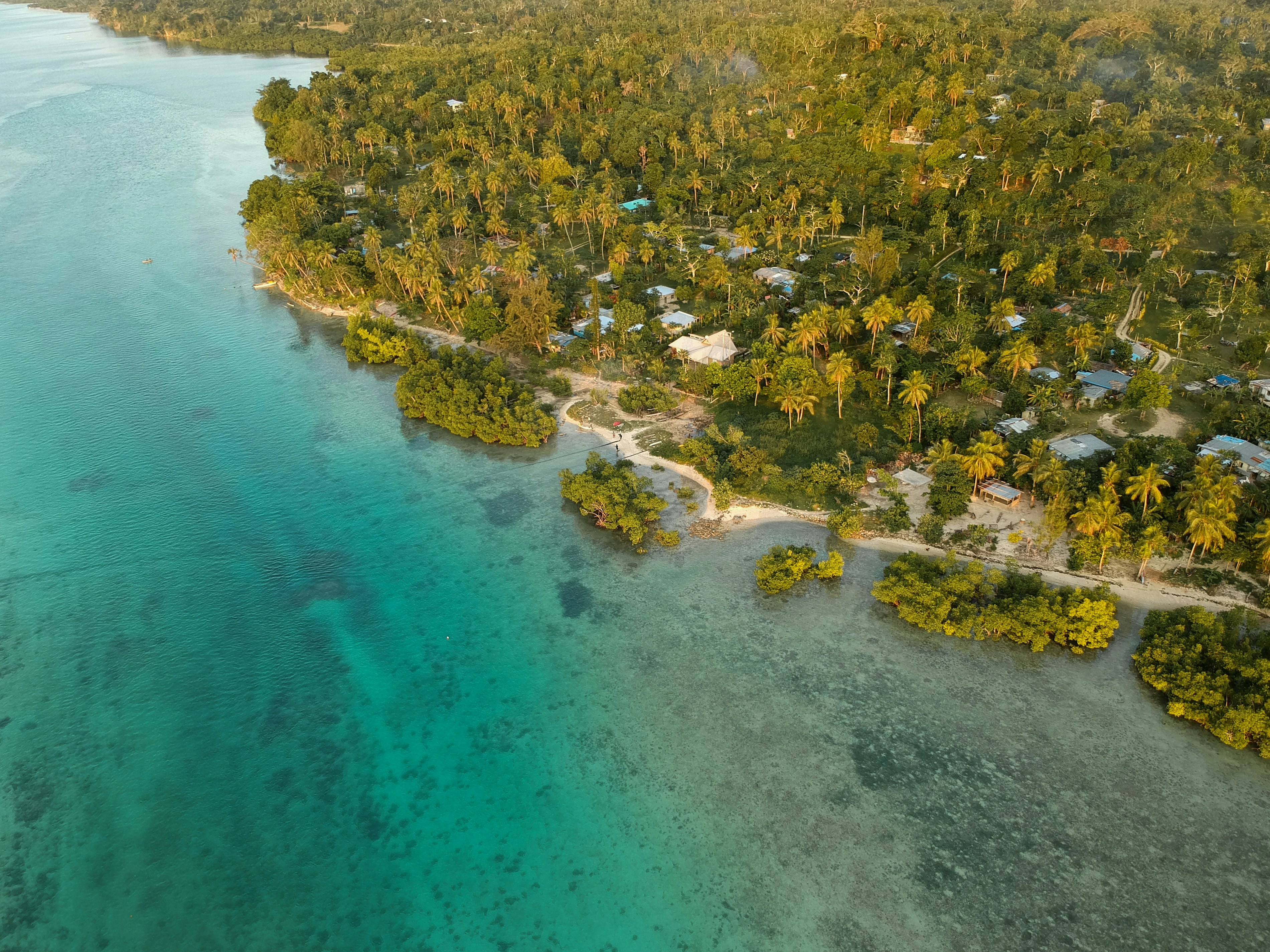
Vanuatu is an island nation located in the southern Pacific Ocean. The archipelago, which is of volcanic origin, is approximately 1,090 miles (about 1,750 kilometres) east of northern Australia, approximately 310 miles (about 500 kilometres) northeast of New Caledonia, west of Fiji and southeast of the Solomon Islands, near New Guinea. Located on Mélé Bay along the southwest coast of Éfaté, Port Vila is the capital and largest city of Vanuatu, as well as its commercial and economic centre. Although Port Vila's British and French influences are apparent, its multinational population includes ni-Vanuatu, British, French, Chinese, and Vietnamese citizens. An active commercial port, the city is home to hospitals, hotels, casinos, markets and shopping districts, a sports stadium, cultural centre, teacher-training institution, campus of the University of the South Pacific, and several meat- and fish-processing plants. The municipality of Port Vila is divided into four wards, Malapoa-Tagabe, Anabrou-Melcofe-Tassiriki, Centre and South. The area occupied by Port Vila has been inhabited by Melanesian people for thousands of years. In 2004, an archaeological expedition unearthed a burial site with 25 tombs, skeletons and pieces of ceramic pottery dating from 1300 B.C. The Vanuatu Islands first had contact with Europeans in 1606 with the arrival of Portuguese explorer Pedro Fernandes de Queirós. Europeans did not return until 1768, when Louis Antoine de Bougainville rediscovered the islands. In 1774, Captain Cook called the islands the 'New Hebrides', a name that would last until their independence in 1980. In 1825, sandalwood was discovered on the island of Erromango, prompting a rush of immigrants that included Catholic and Protestant missionaries from European and North America, as well as settlers looking for land to farm cotton, coffee, cocoa, bananas, and coconuts. British subjects from Australia made up the majority of settlers, but the establishment of the Caledonian Company of the New Hebrides in 1882 attracted more French subjects. The land around Port Vila was converted into the municipality of Franceville in 1889. By the start of the 20th century, the French outnumbered the British, and the two nations agreed to govern the islands jointly by way of the British-French Condominium. During World War II, Port Vila was an American and Australian airbase. The New Hebrides National Party was established in the early-1970s. Renamed Vanua'aku Pati in 1974, the party pushed for independence. In 1980, amidst the brief Coconut War, the Republic of Vanuatu was created. The economies of Port Vila and Vanuatu are supported by the agriculture, offshore financial services and cattle industries. However, the abundant tropical beauty of Vanuatu has made Port Vila a popular tourist destination for outdoor and nature enthusiasts alike. Renowned for its tropical climate and exquisite, white-sand beaches and world-class fishing, the archipelago is a region of spectacular geographic diversity that includes spectacular volcanoes, mountains and valleys, along with idyllic jungles, rainforests, botanical gardens, mineral springs, and waterfalls. What's more, Port Vila offers easy access to exploring the city, Vanuatu and the offshore islands that comprise this wonderful South Pacific island chain. Port Vila consists of a diverse blend of Melanesian, Eastern and Western cultures that presents a unique opportunity to discover the people, traditions and history of Vanuatu. Cultural village tours are a fantastic way to meet the locals and experience indigenous lifestyles and customs through storytelling, music, dance, kava-tasting, and a traditional Melanesian feast. The evolution of Port Vila and Vanuatu can be explored during visits to the Vanuatu Cultural Centre and Museum features a collection of historical artefacts from the Vanuatu Island. Additional historic landmarks include Independence Park, the French and British residencies, Supreme Court, Georges Pompidou Building, World War I and II memorials, Tanna Coffee-Roasting Factory, and more. Vanuatu's verdant canyons, jungle-covered mountain peaks, volcanoes, waterfalls, botanical gardens, mineral springs, white-sand beaches, and rainforests invite a wide array of picturesque, memorable and exciting sightseeing venues for outdoor enthusiasts. Land-based excursions include bird-watching, bicycling and motor-biking, eco-tours, hiking through jungle and rainforest nature trails, horseback-riding at the nearby Sea Horse Ranch or Club Hippique Adventure Park, helicopter or seaplane flight-seeing, dune-bugging the beaches and jungles, 'zorbing' down the hillsides, abseiling down a cascading waterfall, volcano trekking and sandboarding, zip-lining through the jungle canopy, and golfing at the stunningly beautiful Port Vila Golf and Country Club, the only 18-hole championship course in Vanuatu and home to the PGA-sanctioned Vanuatu Open. Picturesque and fun-filled water-based excursions include swimming, boating and sailing along the exquisite coast of Port Vila and Vanuatu, deep-sea fishing for enormous dolphin, marlin, wahoo, dorado, tuna, swordfish, and sailfish, jet-skiing and high-speed jet-boating, stand-up paddle-boarding, surfing, kite-surfing, and parasailing. The archipelago also offers some of the world's finest snorkelling and diving at venues such as the Hideaway Islands Marine Reserves, JoJo Beach Club, Havannah Beach and Boat Club, and Iririki Island.Due to its compact size, Port Vila can be easily explored in just a single day.
Port Vila, Vanuatu
Port Vila, VanuatuPhoto by Seiji Seiji on Unsplash

Day 15 - Lifou Island

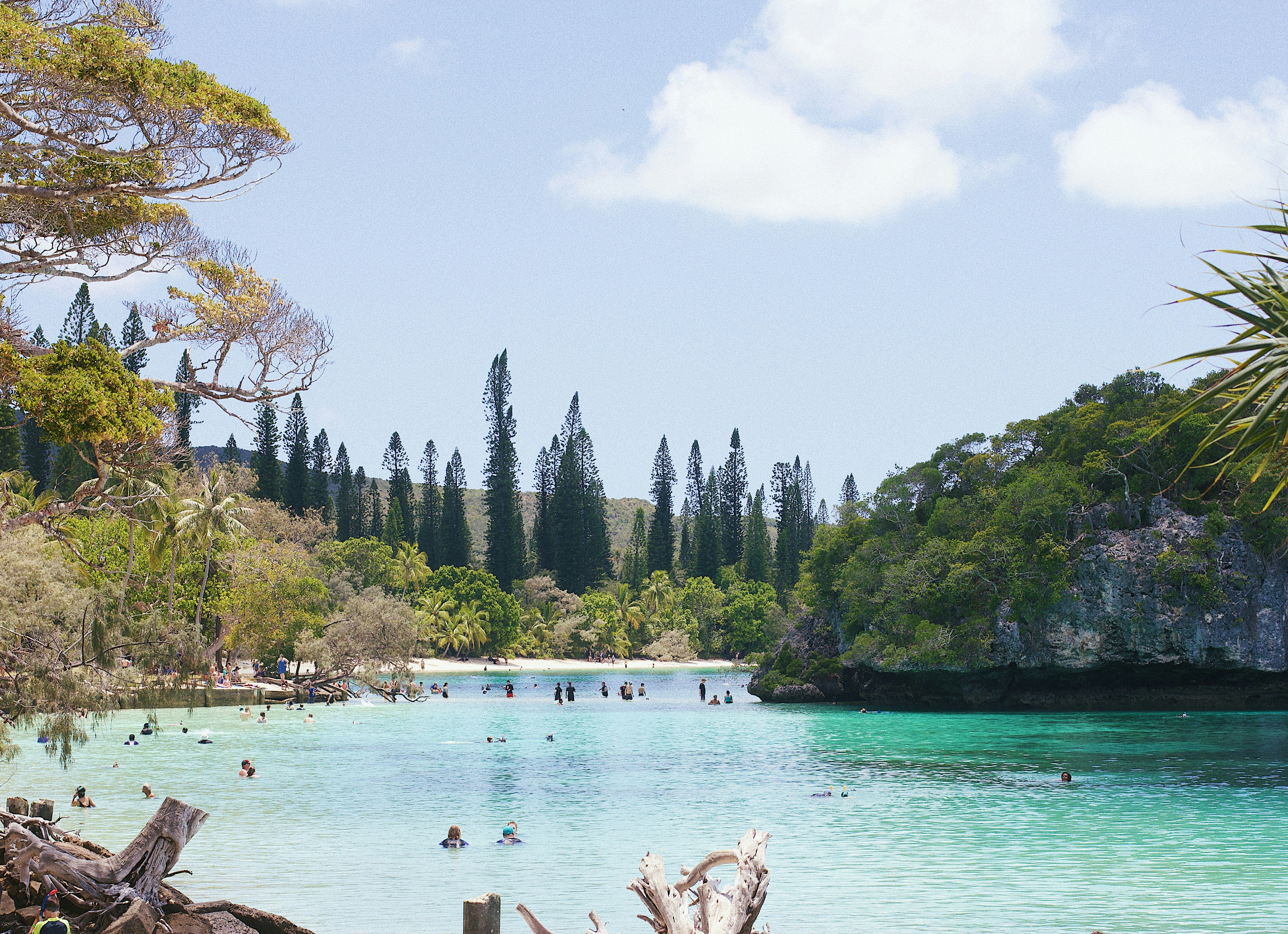
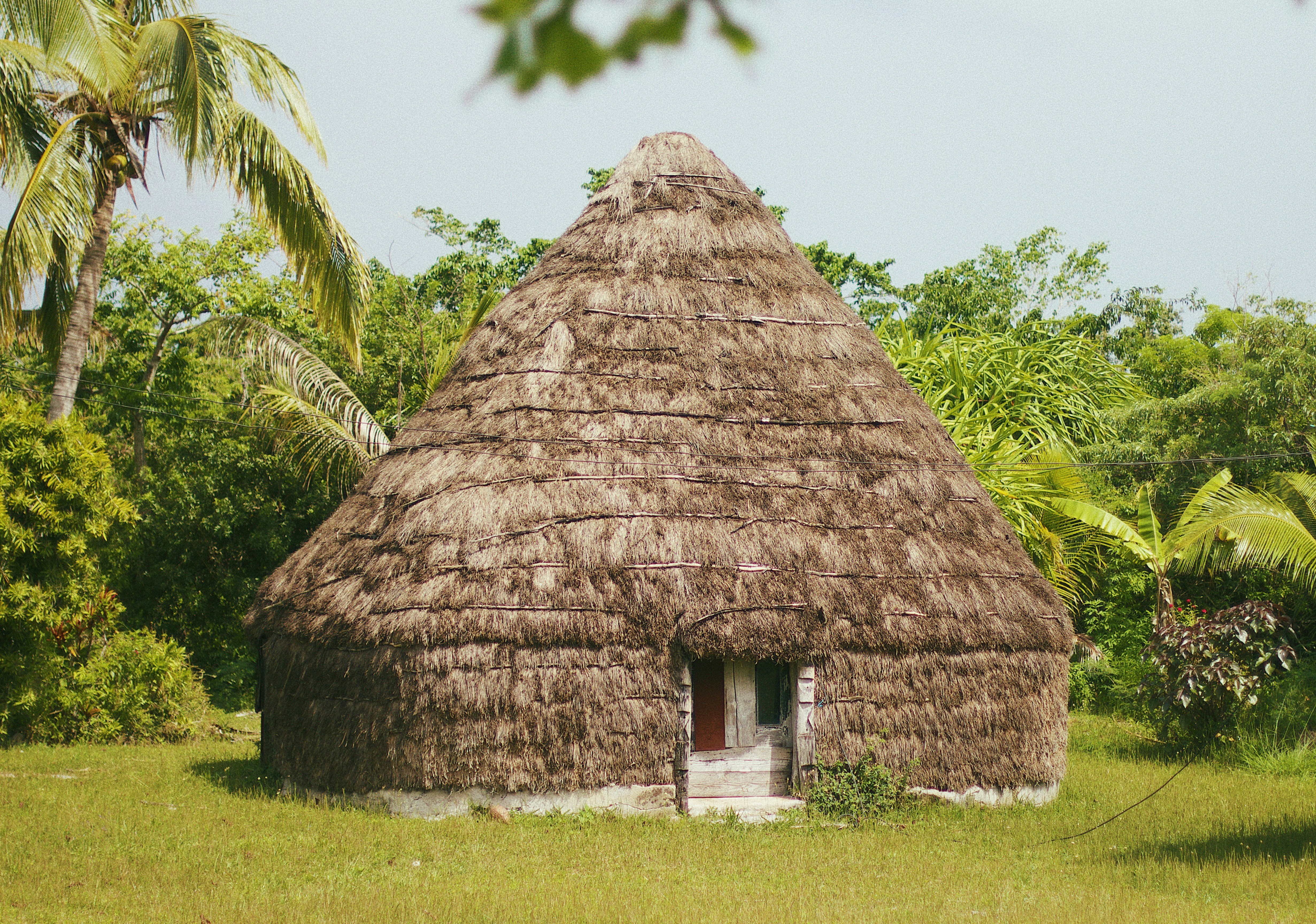
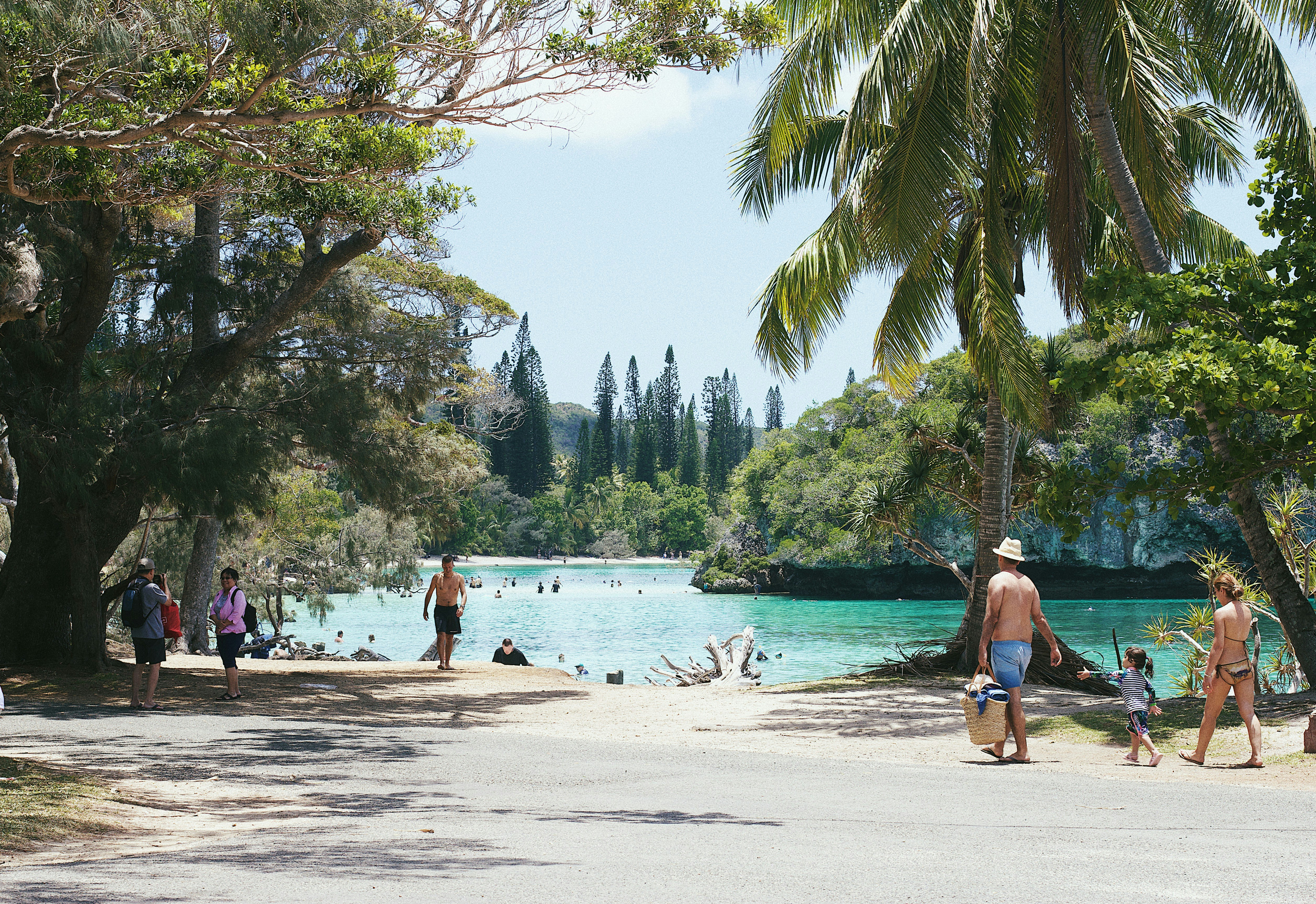
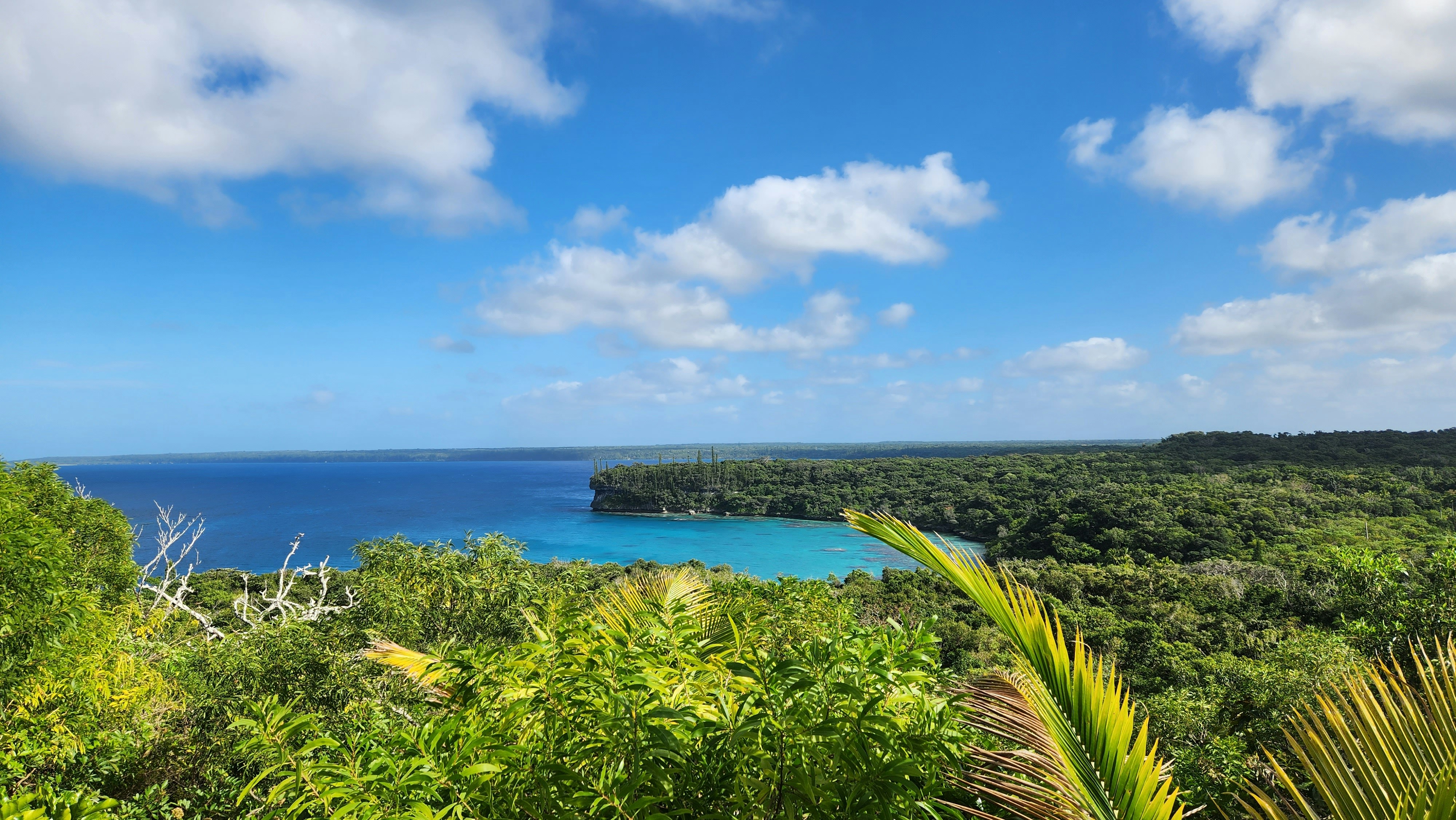
Lifou is a commune of France in the Loyalty Islands of New Caledonia. Lifou is made up of two main islands - Lifou Island and Tiga Island- in additional to a number of uninhabited islets. Lifou Isand is the largest atoll in the world. The island is actually made of fossilized coral - known as a makatea. Lifou island does not have any surface water and it relies on a freshwater reservoir accessed by caves. Lifou Island is best known for its vast atoll (the largest in the world). This ring-shaped coral reef affords some of the best snorkelling in the world. Popular activities on this island include scenic walks, relaxing days on the beach, swimming and snorkelling. There are no organized tours being offered during this call to Lifou Island, guests may explore on their own.

Lifou, New Caledonia
Lifou, New CaledoniaPhoto by Raelle Gann-Owens on Unsplash
Lifou, New Caledonia
Lifou, New CaledoniaPhoto by Raelle Gann-Owens on Unsplash
Lifou, New Caledonia
Lifou, New CaledoniaPhoto by Raelle Gann-Owens on Unsplash
Lifou, New Caledonia
Lifou, New CaledoniaPhoto by Nico Smit on Unsplash

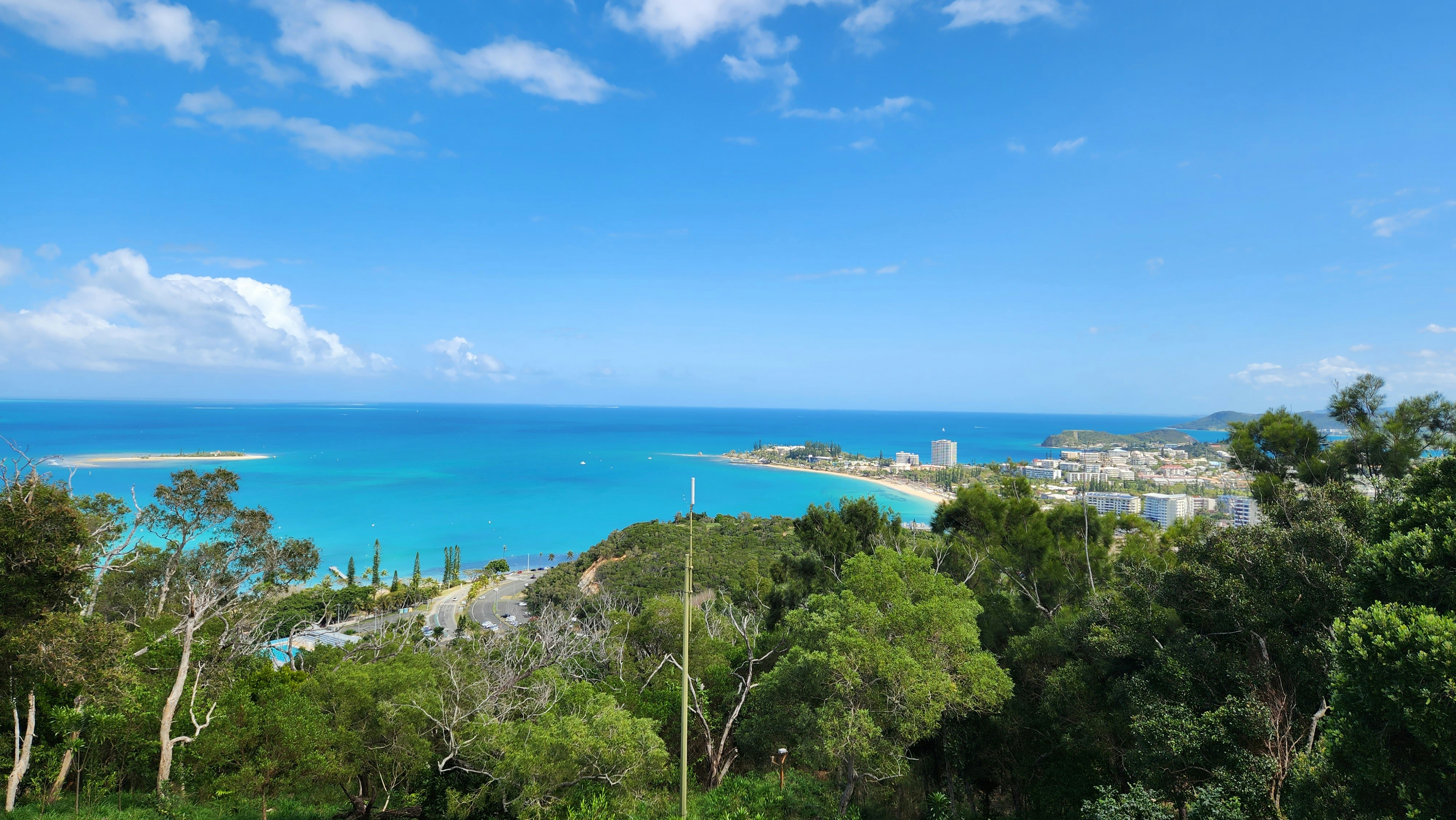
Day 16 - Nouméa

With its elegant urban infrastructure in a stunning natural setting, Noumea is a truly unique island and part of the New Caledonia archipelago. Noumea started as a penal colony, but has since evolved to a lovely metropolis and today has almost two thirds of New Caledonia’s population. While much of the archipelago of New Caledonia has a large percentage of Kanak people – the indigenous inhabitants who live in tribal areas across the country – Noumea is predominantly European with a strong French influence. The city’s center and Place de Cocotiers, the main park, are located close to the harbor and several churches date back to the late 19th century. Other attractions include a world-class aquarium at Anse Vata, several long beaches to the south, and a noteworthy collection of Kanak and South Pacific objects at the Museum of New Caledonia. The architectural gem of the city is the Tjibaou Cultural Center, the structure of which resembles sails, or the roofs of Kanak houses hidden behind mangroves.

Nouméa, New Caledonia
Nouméa, New CaledoniaPhoto by Nico Smit on Unsplash
Nouméa, New Caledonia
Nouméa, New CaledoniaPhoto by Nico Smit on Unsplash

Day 17 - At Sea

Further details for this day are not available.

Day 18 - At Sea

Further details for this day are not available.

Day 19 - Sydney, New South Wales

Sydney, capital of New South Wales and one of Australia's largest cities, is best known for its harbourfront Sydney Opera House, with a distinctive sail-like design. Massive Darling Harbour and the smaller Circular Quay port are hubs of waterside life, with the arched Harbour Bridge and esteemed Royal Botanic Garden nearby. Sydney Tower’s outdoor platform, the Skywalk, offers 360-degree views of the city and suburbs.

Ausyd   Sydney   Aerial   Tourism Australia, Sdp Media
Ausyd Sydney Aerial Tourism Australia, Sdp MediaTourism Australia, SDP Media
Ausyd   Sydney   Bondi Beach   Image By Gbates94 On Pixabay
Ausyd Sydney Bondi Beach Image By Gbates94 On PixabayImage by Gbates94 on Pixabay
Ausyd   Sydney   Bridge Sydney Harbor And Opera House   Image By Wimkantona On Pixabay
Ausyd Sydney Bridge Sydney Harbor And Opera House Image By Wimkantona On PixabayImage by wimkantona on Pixabay
Ausyd   Sydney   Gladesville   Image By Pattyjansen On Pixabay
Ausyd Sydney Gladesville Image By Pattyjansen On PixabayImage by pattyjansen on Pixabay
Ausyd   Sydney   Sydney Harbour Bridge   Image By Skeeze On Pixabay
Ausyd Sydney Sydney Harbour Bridge Image By Skeeze On PixabayImage by skeeze on Pixabay

Day 20 - At Sea

Further details for this day are not available.

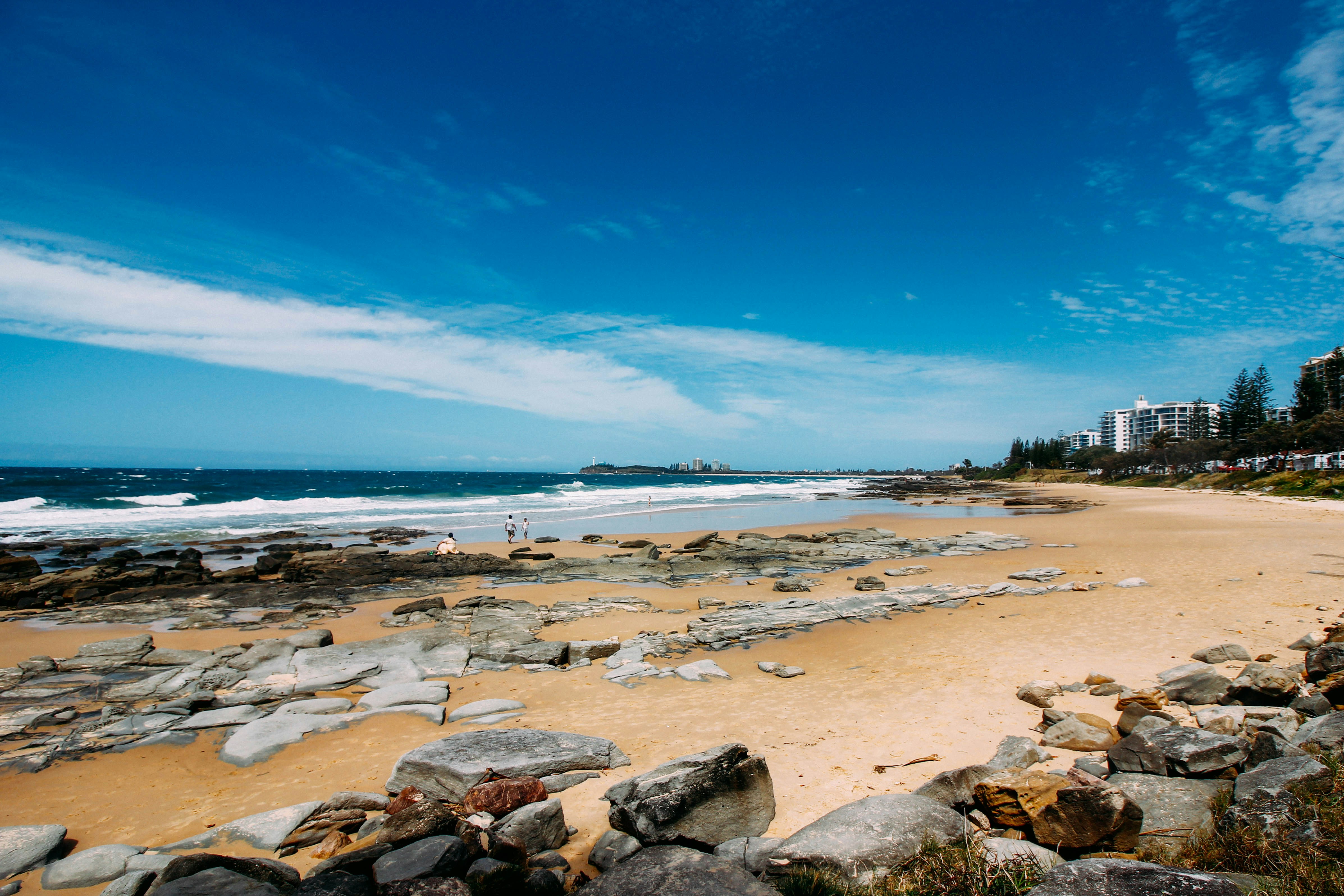
Day 21 - Mooloolaba, Queensland

Further details for this day are not available.

Mooloolaba, Queensland, Australia
Mooloolaba, Queensland, AustraliaPhoto by Liam Edwards on Unsplash
Mooloolaba, Queensland, Australia
Mooloolaba, Queensland, AustraliaPhoto by Neris Wilkinson on Unsplash

Day 22 - At Sea

Further details for this day are not available.

Day 23 - Whitsunday Island, Queensland

Further details for this day are not available.

Whitehaven Beach, Whitsundays, Australia
Whitehaven Beach, Whitsundays, AustraliaElena Emmy
Whitsundays Qld, Australia
Whitsundays Qld, AustraliaMark Nugent
Windy Bay, Whitsundays Qld, Australia
Windy Bay, Whitsundays Qld, AustraliaMark Nugent
Hill Inlet, Whitsundays Qld, Australia
Hill Inlet, Whitsundays Qld, AustraliaMark Nugent
Hamilton Island, Whitsundays Qld, Australia
Hamilton Island, Whitsundays Qld, AustraliaIan Branch
Whitehaven Beach, Whitsundays Qld, Australia
Whitehaven Beach, Whitsundays Qld, AustraliaMark Nugent
Whitehaven Beach, Whitsundays Qld, Australia
Whitehaven Beach, Whitsundays Qld, AustraliaLuisa Denu
Whitsundays Bay, Australia
Whitsundays Bay, Australiasylvie charron
Whitsundays Qld, Australia
Whitsundays Qld, AustraliaDavid Maunsell
Whitsundays, Australia
Whitsundays, Australiachiara bonetto

Day 24 - Cairns, Queensland

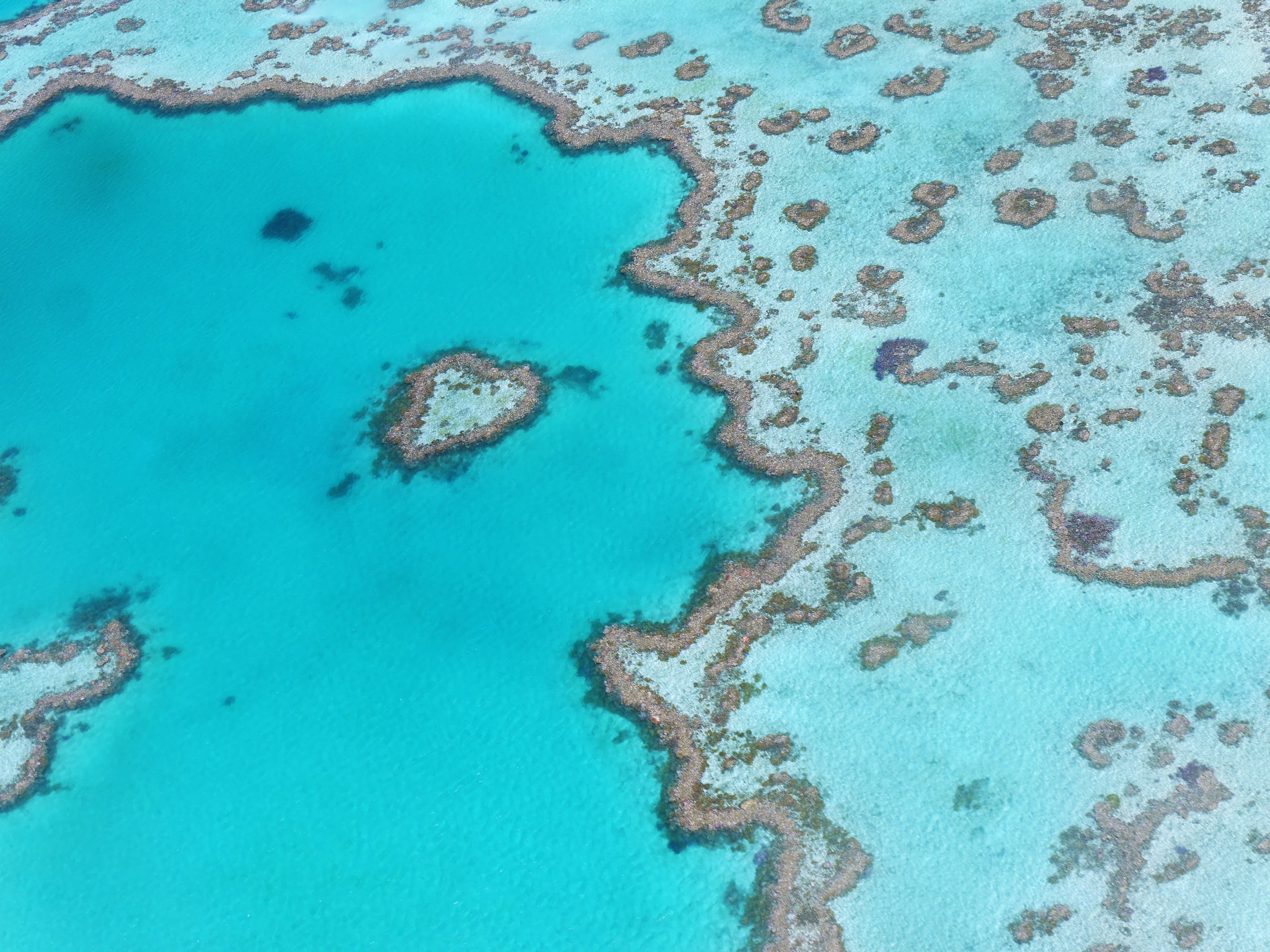
Tourism is the lifeblood of Cairns (pronounced Caans). The city makes a good base for exploring the wild top half of Queensland, and tens of thousands of international travelers use it as a jumping-off point for activities such as scuba diving and snorkeling trips to the Barrier Reef, as well as boating, fishing, parasailing, scenic flights, and rain-forest treks.It's a tough environment, with intense heat and fierce wildlife. Along with wallabies and grey kangaroos in the savannah and tree kangaroos in the rain forest, you'll find stealthy saltwater crocodiles, venomous snakes, and jellyfish so deadly they put the region’s stunning beaches off- limits to swimmers for nearly half the year. Yet despite this formidable setting, Cairns and tropical North Queensland are far from intimidating places. The people are warm and friendly, the sights spectacular, and—at the right time of year—the beachside lounging is world-class.

Great Barrier Reef, Cairns
Great Barrier Reef, CairnsImage by CoffeewithMilk from Pixabay

Day 25 - Cairns, Queensland

Tourism is the lifeblood of Cairns (pronounced Caans). The city makes a good base for exploring the wild top half of Queensland, and tens of thousands of international travelers use it as a jumping-off point for activities such as scuba diving and snorkeling trips to the Barrier Reef, as well as boating, fishing, parasailing, scenic flights, and rain-forest treks.It's a tough environment, with intense heat and fierce wildlife. Along with wallabies and grey kangaroos in the savannah and tree kangaroos in the rain forest, you'll find stealthy saltwater crocodiles, venomous snakes, and jellyfish so deadly they put the region’s stunning beaches off- limits to swimmers for nearly half the year. Yet despite this formidable setting, Cairns and tropical North Queensland are far from intimidating places. The people are warm and friendly, the sights spectacular, and—at the right time of year—the beachside lounging is world-class.

Great Barrier Reef, Cairns
Great Barrier Reef, CairnsImage by CoffeewithMilk from Pixabay

Day 26 - At Sea

Further details for this day are not available.

Day 27 - At Sea

Further details for this day are not available.

Day 28 - Darwin, Northern Territory

Darwin is Australia's most colorful, and exotic, capital city. Surrounded on three sides by the turquoise waters of the Timor Sea, the streets are lined with tropical flowers and trees. Warm and dry in winter, hot and steamy in summer, it's a relaxed and casual place, as well as a beguiling blend of tropical frontier outpost and Outback hardiness. Thanks to its close proximity to Southeast Asia and its multicultural population it also seems more like Asia than the rest of Australia. Darwin is a city that has always had to fight for its survival. The seductiveness of contemporary Darwin lifestyles belies a history of failed attempts that date from 1824 when Europeans attempted to establish an enclave in this harsh, unyielding climate. The original 1869 settlement, called Palmerston, was built on a parcel of mangrove wetlands and scrub forest that had changed little in 15 million years. It was not until 1911, after it had already weathered the disastrous cyclones of 1878, 1882, and 1897, that the town was named after the scientist who had visited Australia's shores aboard the Beagle in 1839. During World War II it was bombed more than 60 times, as the harbor full of warships was a prime target for the Japanese war planes. Then, on the night of Christmas Eve 1974, the city was almost completely destroyed by Cyclone Tracy, Australia’s greatest natural disaster. It's a tribute to those who stayed and to those who have come to live here after Tracy that the rebuilt city now thrives as an administrative and commercial center for northern Australia. Old Darwin has been replaced by something of an edifice complex—such buildings as Parliament House and the Supreme Court all seem very grand for such a small city, especially one that prides itself on its casual, outdoor-centric lifestyle. Today Darwin is the best place from which to explore Australia's Top End, with its wonders of Kakadu and the Kimberley region.

Palm Tree
Palm TreeHarry Down

Day 29 - Darwin, Northern Territory

Darwin is Australia's most colorful, and exotic, capital city. Surrounded on three sides by the turquoise waters of the Timor Sea, the streets are lined with tropical flowers and trees. Warm and dry in winter, hot and steamy in summer, it's a relaxed and casual place, as well as a beguiling blend of tropical frontier outpost and Outback hardiness. Thanks to its close proximity to Southeast Asia and its multicultural population it also seems more like Asia than the rest of Australia. Darwin is a city that has always had to fight for its survival. The seductiveness of contemporary Darwin lifestyles belies a history of failed attempts that date from 1824 when Europeans attempted to establish an enclave in this harsh, unyielding climate. The original 1869 settlement, called Palmerston, was built on a parcel of mangrove wetlands and scrub forest that had changed little in 15 million years. It was not until 1911, after it had already weathered the disastrous cyclones of 1878, 1882, and 1897, that the town was named after the scientist who had visited Australia's shores aboard the Beagle in 1839. During World War II it was bombed more than 60 times, as the harbor full of warships was a prime target for the Japanese war planes. Then, on the night of Christmas Eve 1974, the city was almost completely destroyed by Cyclone Tracy, Australia’s greatest natural disaster. It's a tribute to those who stayed and to those who have come to live here after Tracy that the rebuilt city now thrives as an administrative and commercial center for northern Australia. Old Darwin has been replaced by something of an edifice complex—such buildings as Parliament House and the Supreme Court all seem very grand for such a small city, especially one that prides itself on its casual, outdoor-centric lifestyle. Today Darwin is the best place from which to explore Australia's Top End, with its wonders of Kakadu and the Kimberley region.

Palm Tree
Palm TreeHarry Down

Day 30 - At Sea

Further details for this day are not available.

Day 31 - At Sea

Further details for this day are not available.

Day 32 - Komodo Island

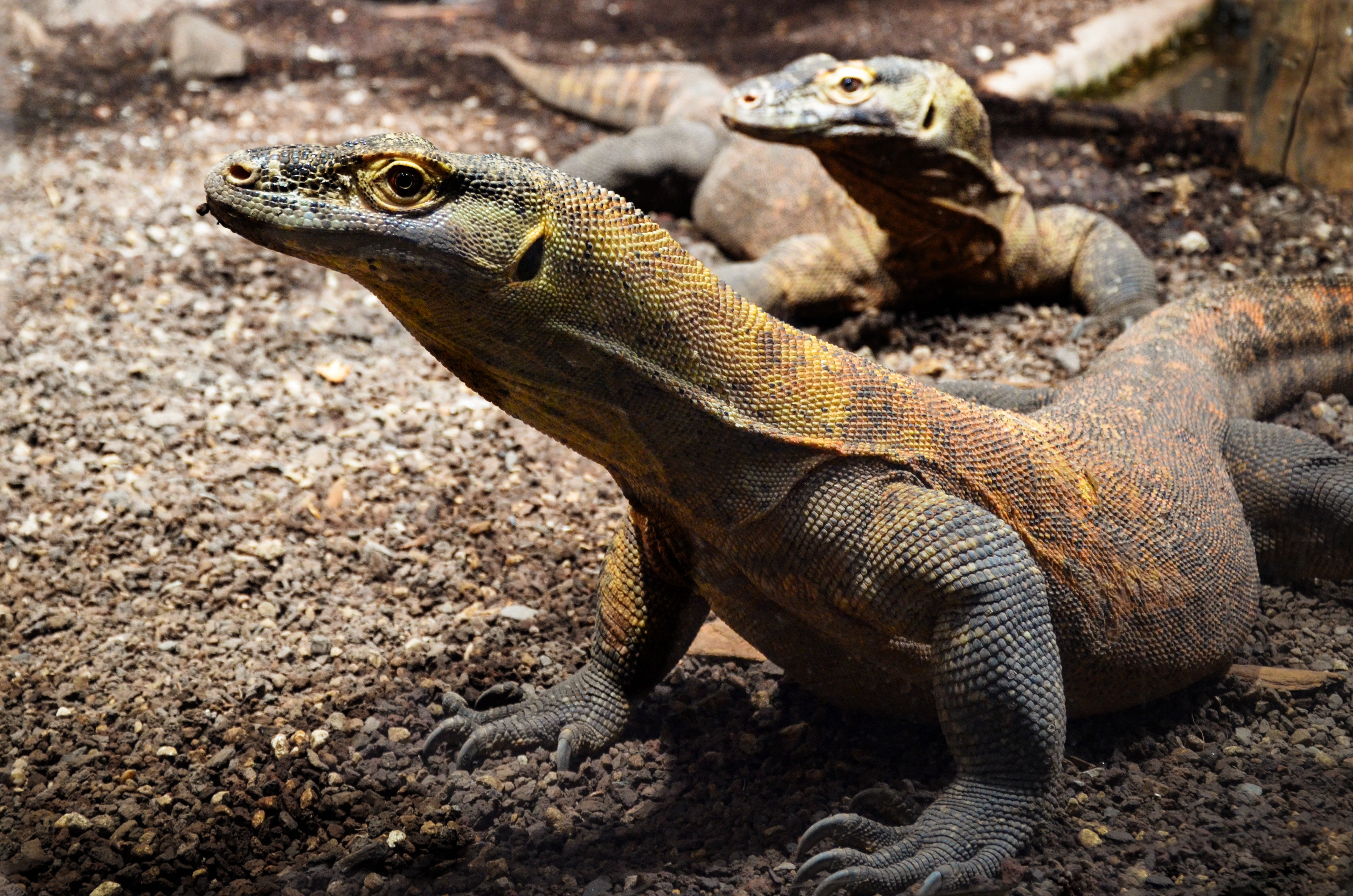
Pink Beach earned its name for the way the beach can appear to have a rosy hue in certain lights. The color comes from small flecks of red coral mixed in with the fine white reef sand. With a few trees along the beach for shade, this stretch of coast makes a fine place to relax or enjoy a snorkel or dive in the crystal clear waters. It is possible to spot a striped clown fish nestled among the protective tentacles of its sea anemone host, or to see a grouper lazily swimming by a flamboyant soft coral. The reef here is now protected by law and the maturing corals are a joy to behold.

Komodo Dragon, Komodo Island
Komodo Dragon, Komodo IslandImage by Andrea Bohl from Pixabay

Day 33 - Lombok

Further details for this day are not available.

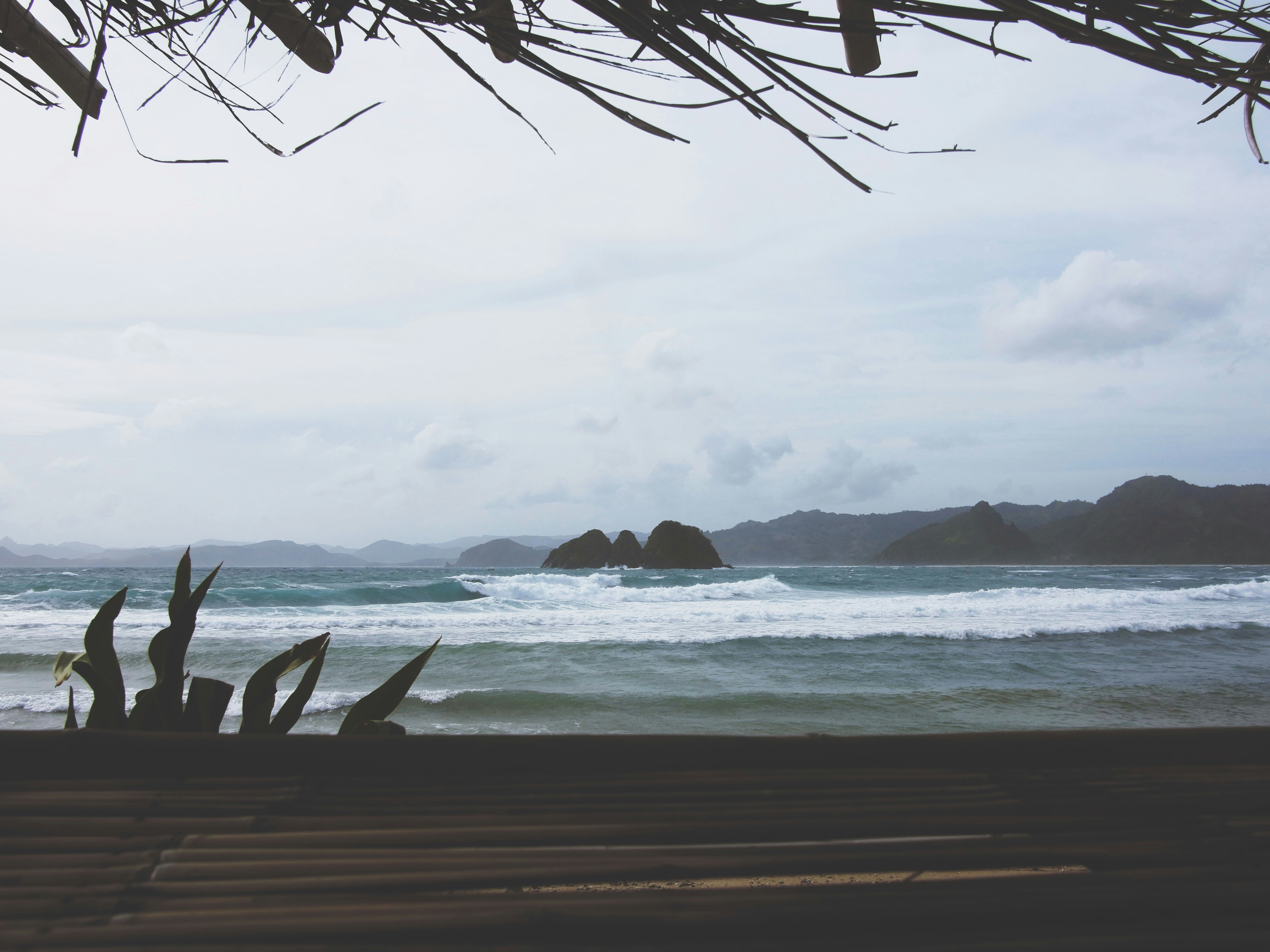
Lombok, West Nusa Tenggara, Indonesia
Lombok, West Nusa Tenggara, IndonesiaPhoto by Mayur Arvind on Unsplash
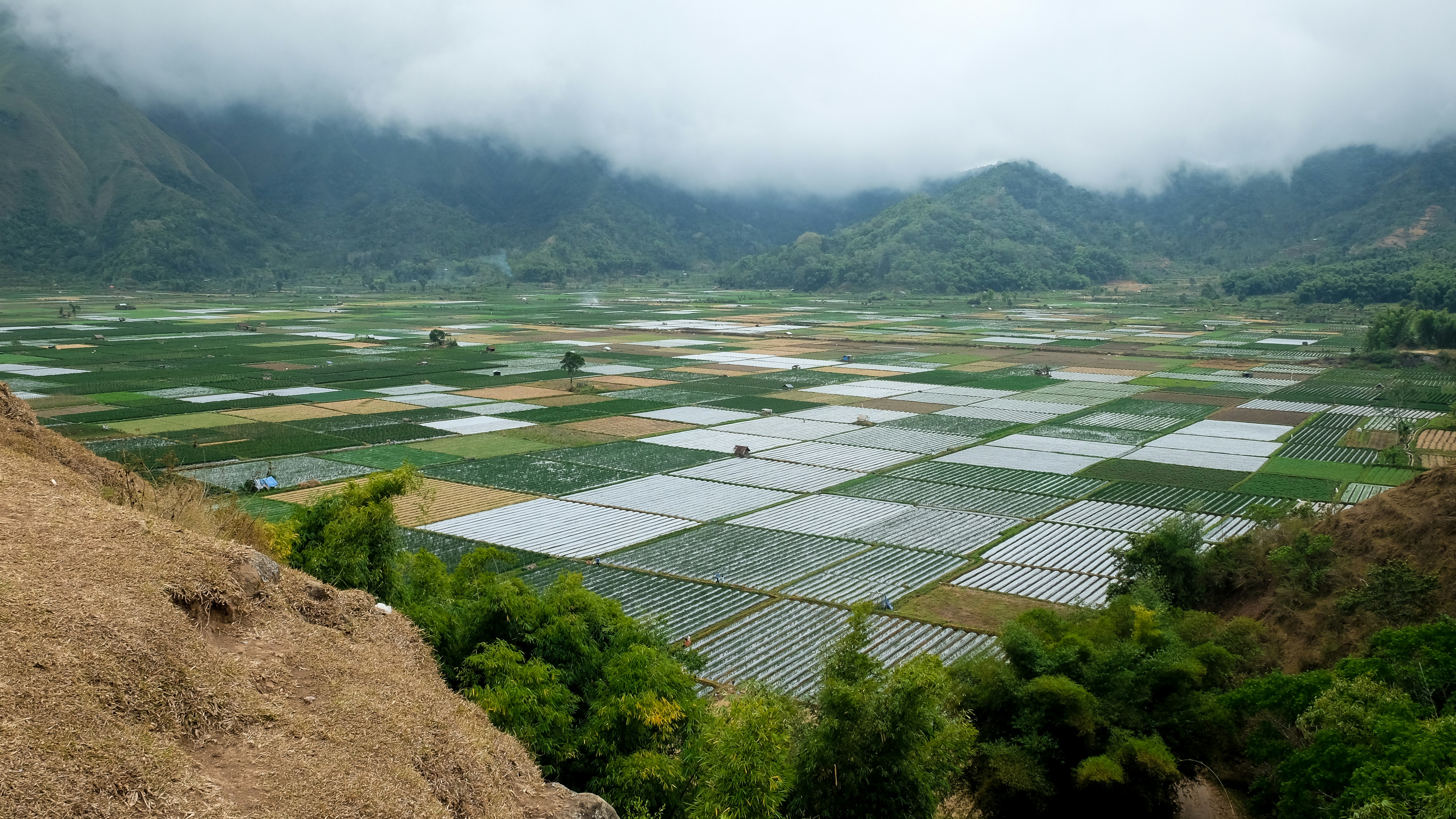
Lombok, Indonesia
Lombok, IndonesiaPhoto by Marvin Meyer on Unsplash
Lombok, Indonesia
Lombok, IndonesiaPhoto by Surya Prakosa on Unsplash

Day 34 - Bali

Further details for this day are not available.

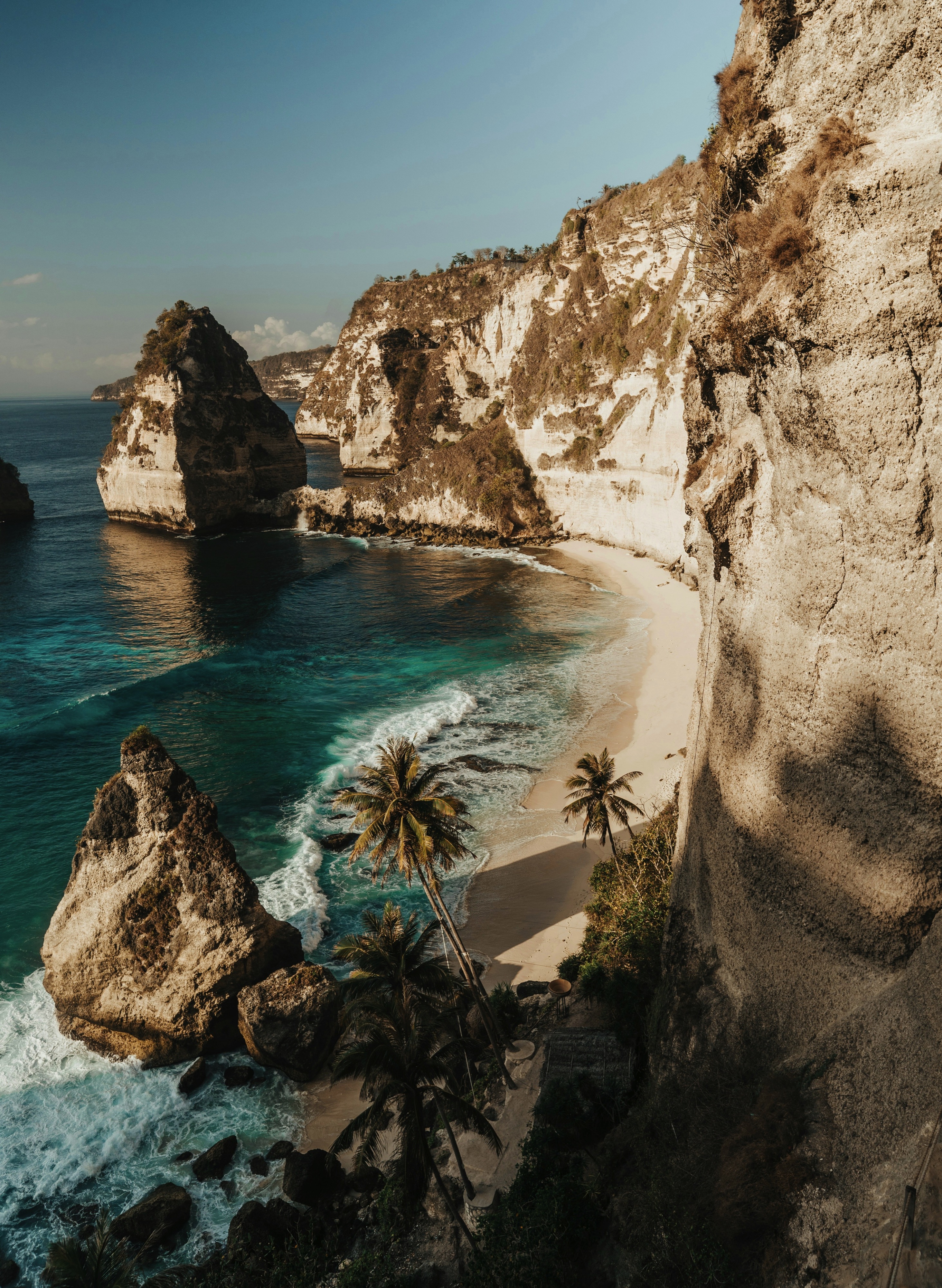
Diamond Beach, Nusa Penida Is One Of The Most Gorgeous White Sand Beaches In Bali, Indonesia
Diamond Beach, Nusa Penida Is One Of The Most Gorgeous White Sand Beaches In Bali, IndonesiaAlexa West
Bali, Indonesia
Bali, IndonesiaAron Visuals
Bali Indonesia
Bali IndonesiaAron Visuals
Bali, Indonesia
Bali, IndonesiaAron Visuals
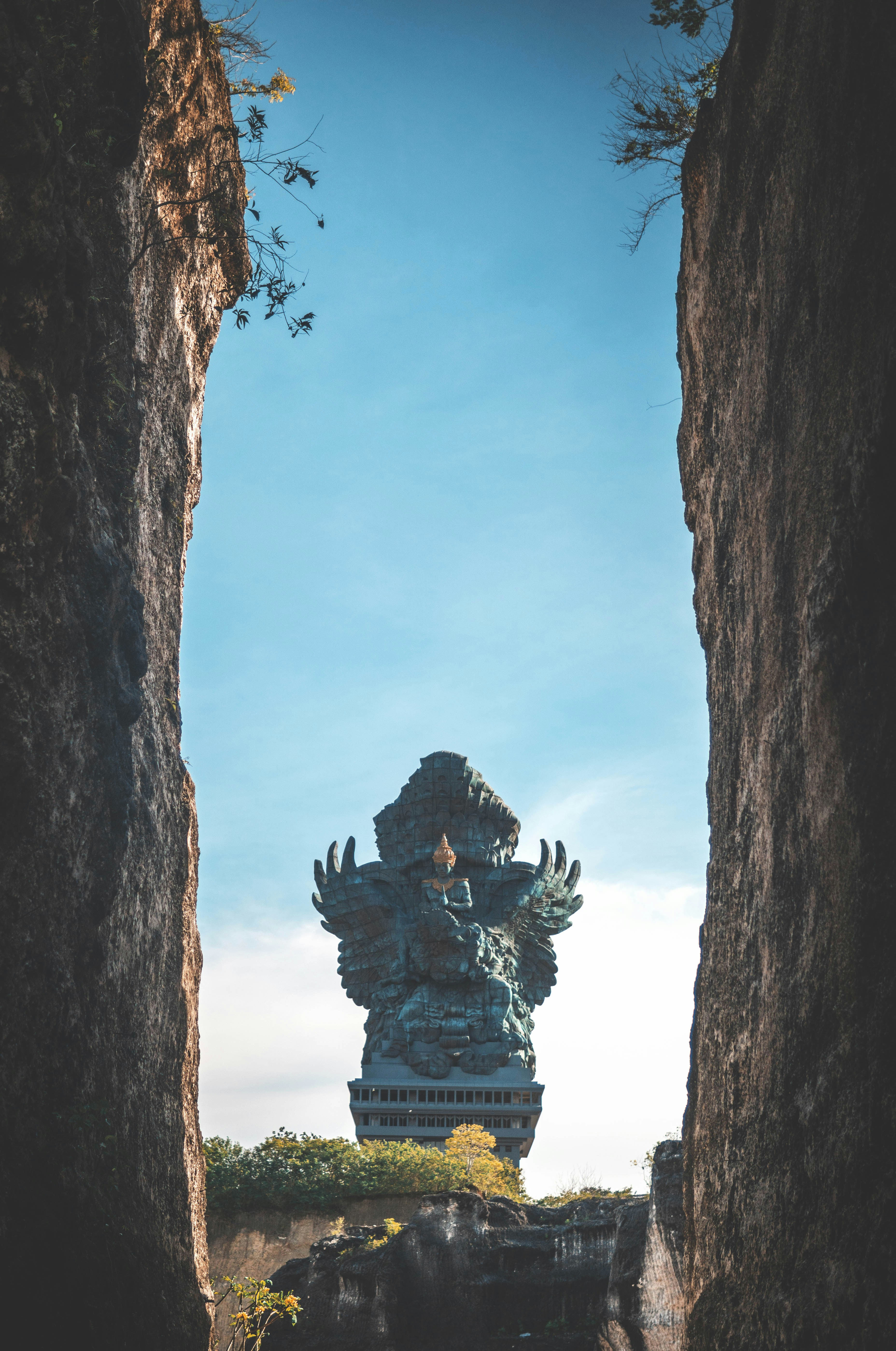
Bali, Indonesia
Bali, IndonesiaHarry Kessell
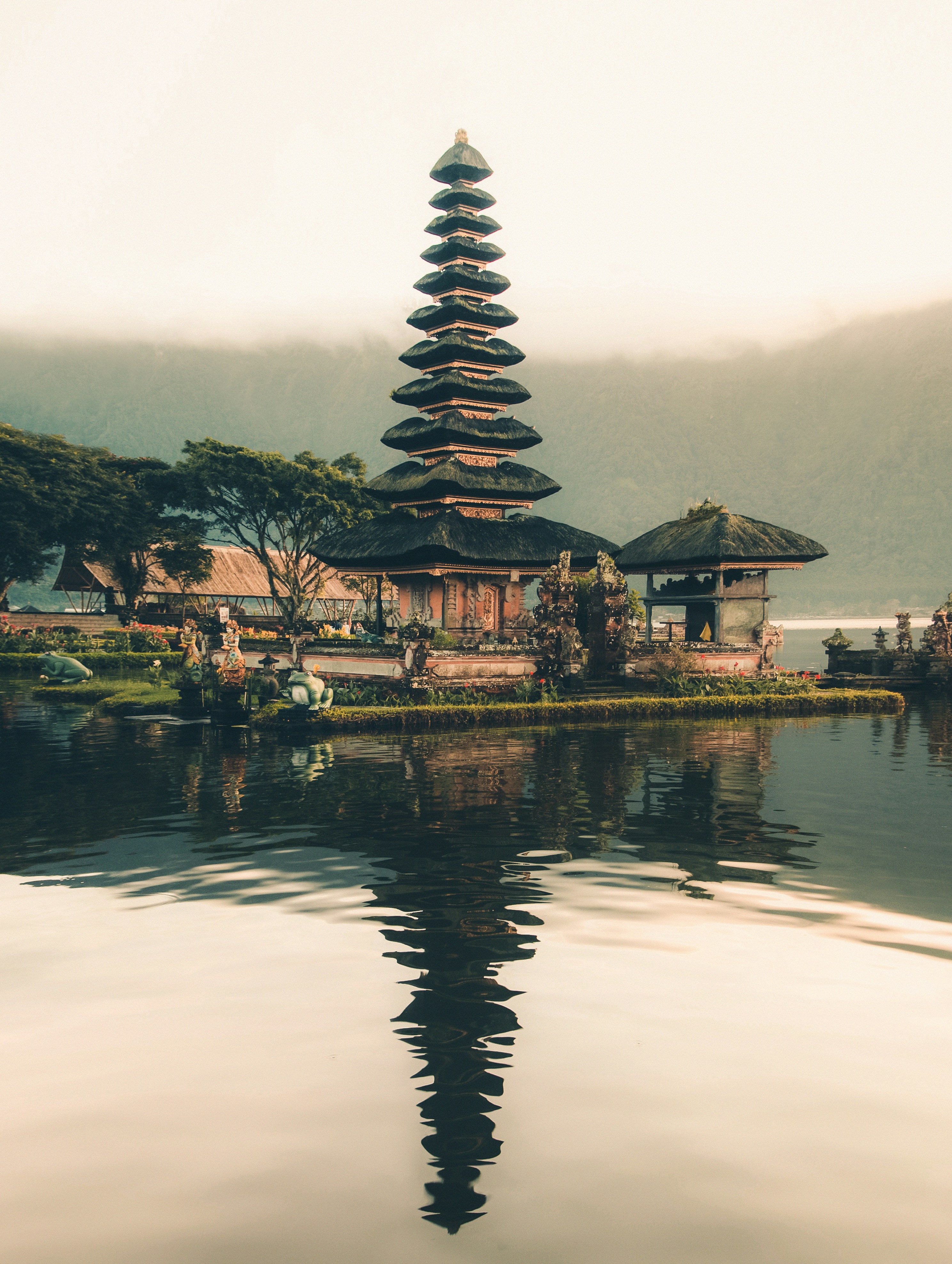
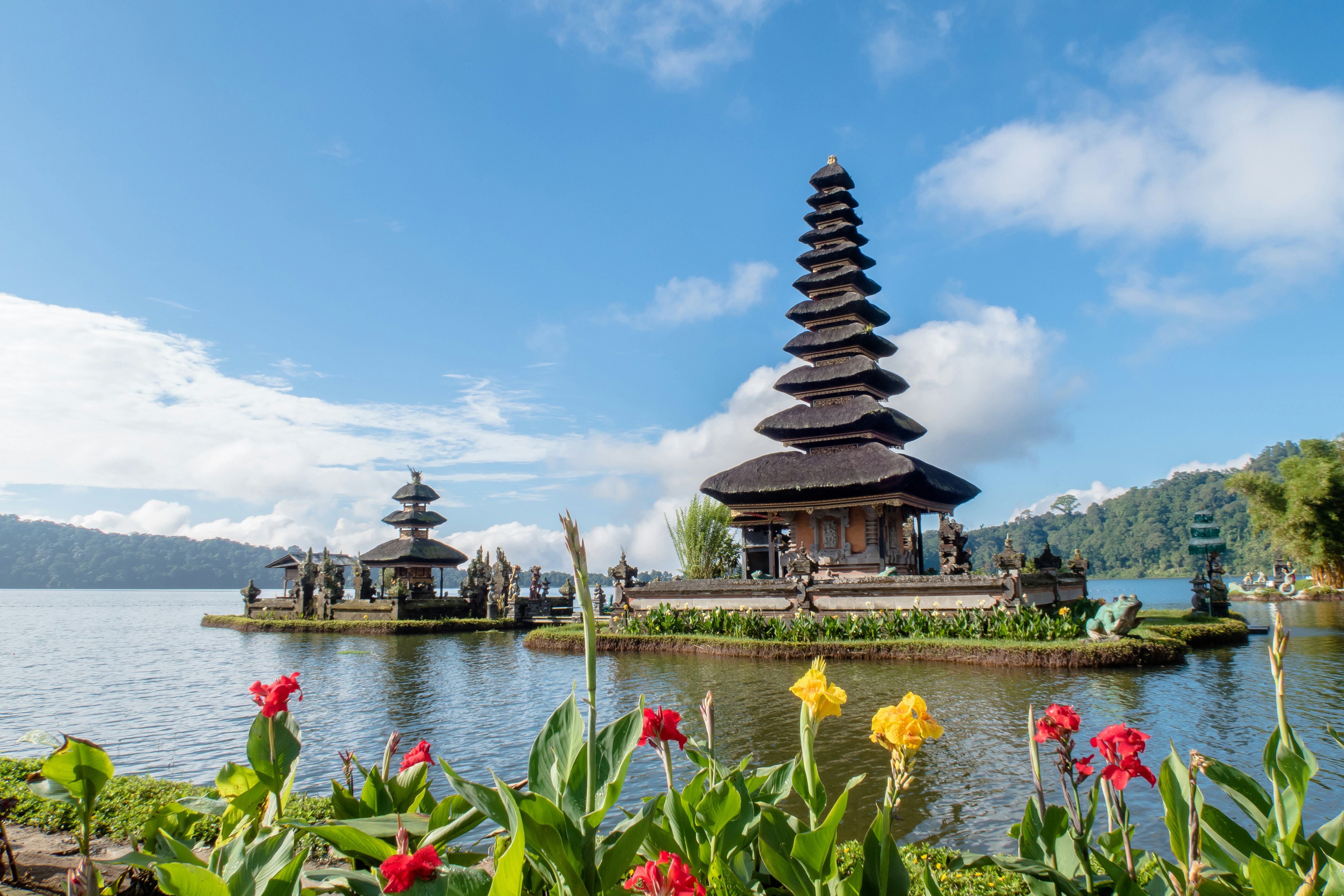
A Beautiful Temple In Bali
A Beautiful Temple In BaliMahmud Ahsan
Bali, Indonesien
Bali, IndonesienMarvin Meyer
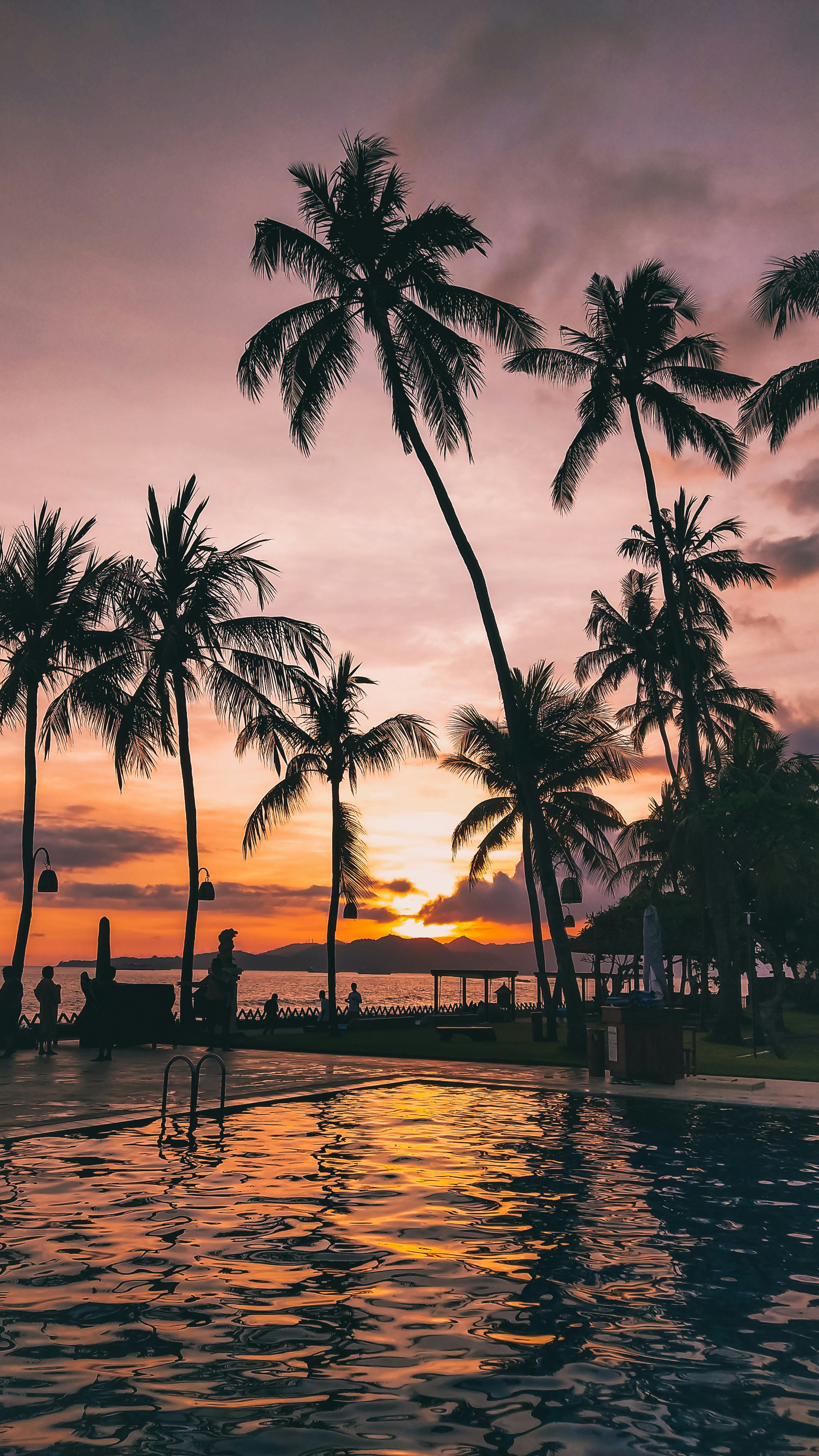
Bali, Indonesia
Bali, IndonesiaMuhammad Novrijal
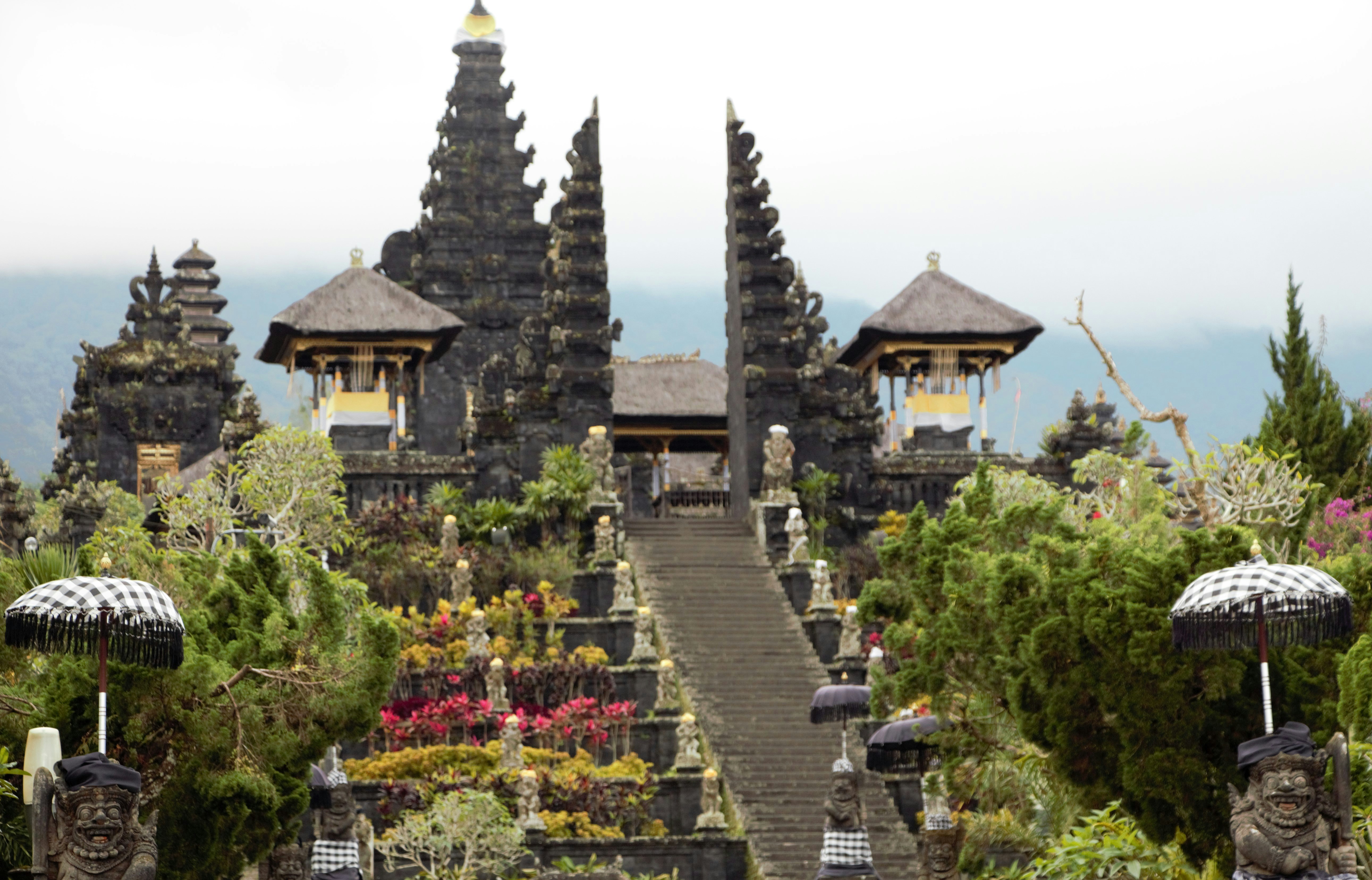
Besakih, Karangasem Regency, Bali, Indonesia
Besakih, Karangasem Regency, Bali, IndonesiaReena Yadav
Bali, Indonesia
Bali, IndonesiaSebastian Pena Lambarri

Day 35 - At Sea

Further details for this day are not available.

Day 36 - Semarang

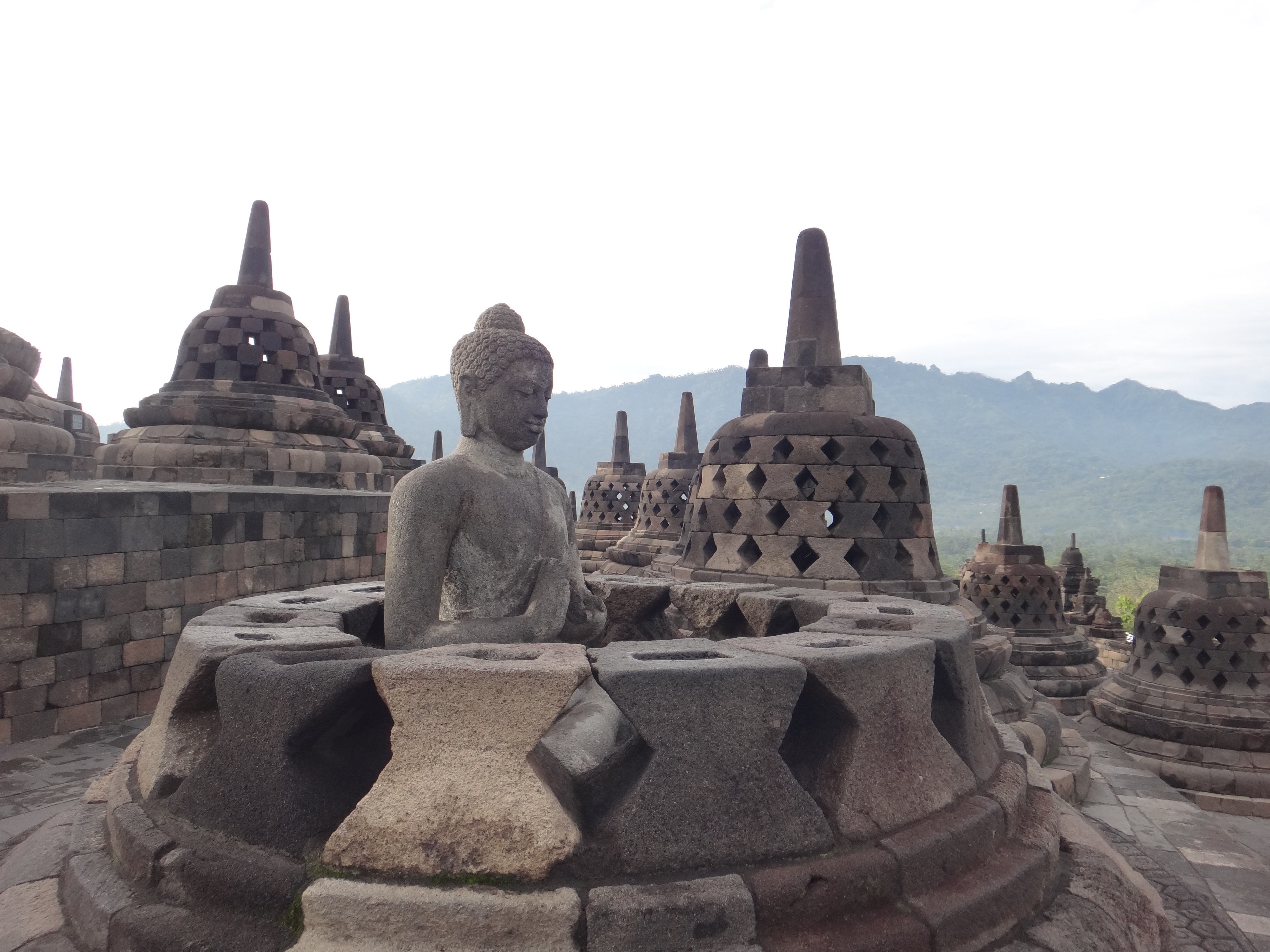
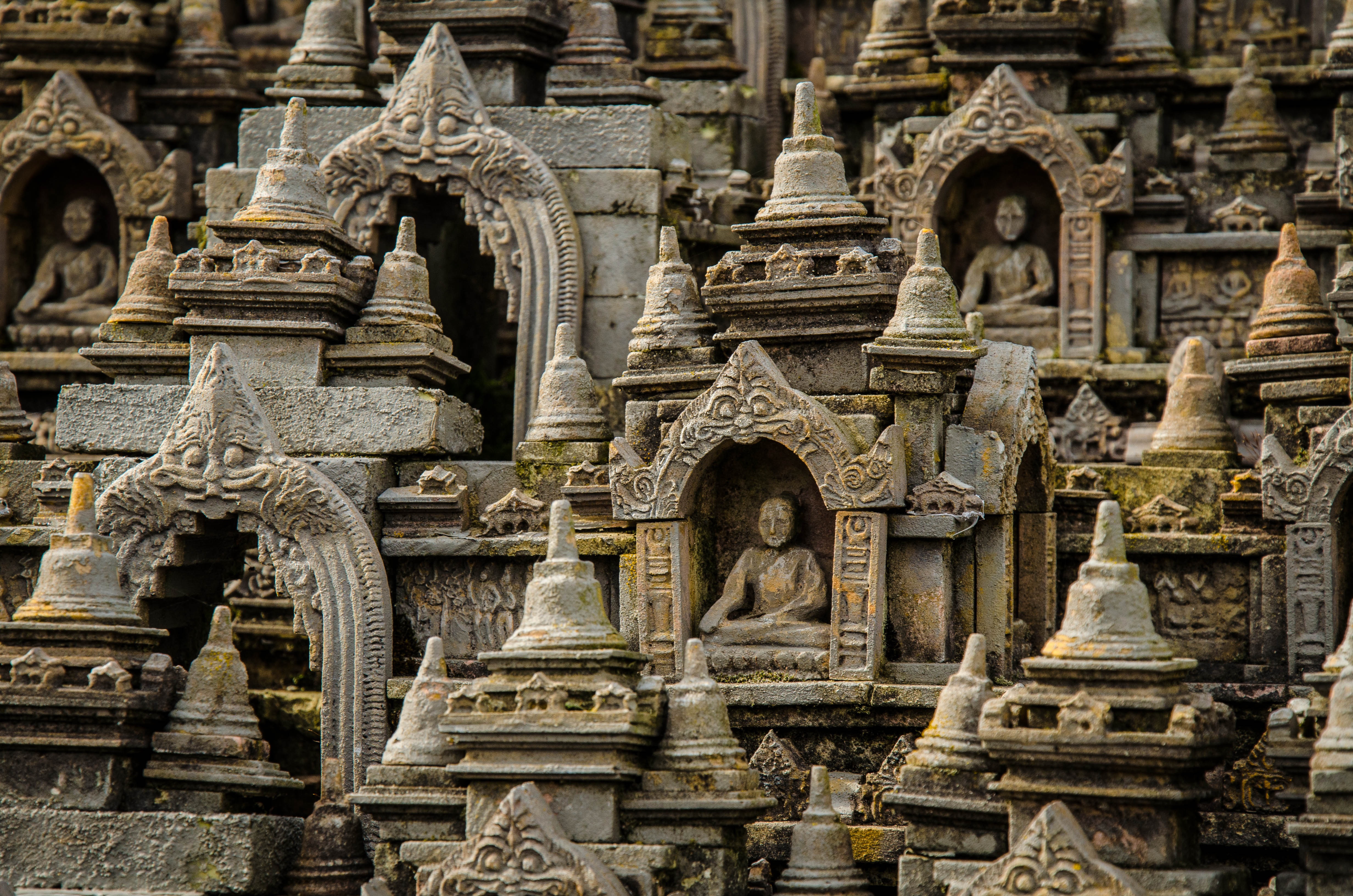
Semarang is one of the oldest cities in Indonesia, situated on Java's north coast between the shore of the Java Sea and a small ridge of mountains. Ceded to the Dutch West India Company in 1677 by King Amangkurat I in payment of his debts, it became their headquarters and the seat of the Dutch governor of the northeast provinces. Semarang's usefulness as a port waned due to the gradual silting up of the harbor; by the 19th century, Surabaya had eclipsed Semarang as Java's premier port. With a population of over one million, a third of whom are thought to be of Chinese extraction, Semarang is the largest city in Central Java and its administrative capital. The city consists of two parts: the coastal lowland where most of the commercial activities are found; and the hilly residential area. Although more a business center than a city for tourists, Semarang serves as a popular gateway to the mountainous interior of Central Java and to fabled Borobudur.

Semerang, Port For Borobodur
Semerang, Port For BorobodurImage by Maike und Björn Bröskamp from Pixabay
Semerang, Port For Borobodur
Semerang, Port For BorobodurImage by Amin Maghafi from Pixabay

Day 37 - Jakarta

Further details for this day are not available.

Jakarta
JakartaImage by Afif Ramdhasuma from Pixabay

Day 38 - At Sea

Further details for this day are not available.

Day 39 - Singapore

The main island of Singapore is shaped like a flattened diamond, 42 km (26 miles) east to west and 23 km (14 miles) north to south. Near the northern peak is the causeway leading to West Malaysia—Kuala Lumpur is less than four hours away by car. It is at the southern foot where you will find most of the city-state’s action, with its gleaming office towers, working docks, and futuristic "supertrees," which are solar-powered and serve as vertical gardens. Offshore are Sentosa and over 60 smaller islands, most uninhabited, that serve as bases for oil refining or as playgrounds and beach escapes from the city. To the east is Changi International Airport, connected to the city by metro, bus, and a tree-lined parkway. Of the island's total land area, more than half is built up, with the balance made up of parkland, farmland, plantations, swamp areas, and rain forest. Well-paved roads connect all parts of the island, and Singapore city has an excellent, and constantly expanding, public transportation system. The heart of Singapore's history and its modern wealth are in and around the Central Business District. The area includes the skyscrapers in the Central Business District, the 19th-century Raffles Hotel, the convention centers of Marina Square, on up to the top of Ft. Canning. Although most of old Singapore has been knocked down to make way for the modern city, most colonial landmarks have been preserved in the CBD, including early-19th-century buildings designed by the Irish architect George Coleman.

Sgsin   Singapore   Altitude Bar   Credits Altitude Bar
Sgsin Singapore Altitude Bar Credits Altitude BarAltitude Bar
Sgsin   Singapore   Chinatown   Credits Singapore Tourism Board
Sgsin Singapore Chinatown Credits Singapore Tourism Board© Singapore Tourism Board
Sgsin   Singapore   Gardens By The Bay   Credits Singapore Tourism Board
Sgsin Singapore Gardens By The Bay Credits Singapore Tourism Board© Singapore Tourism Board
Sgsin   Singapore   Katong  Darren Soh    Credits Singapore Tourism Board
Sgsin Singapore Katong Darren Soh Credits Singapore Tourism Board© Singapore Tourism Board
Sgsin   Singapore   Marina Bay   Credits Singapore Tourism Board
Sgsin Singapore Marina Bay Credits Singapore Tourism Board© Singapore Tourism Board
Sgsin   Singapore   Marina Bay Sands Firework   Credits Singapore Tourism Board Photographer Andrew Tan
Sgsin Singapore Marina Bay Sands Firework Credits Singapore Tourism Board Photographer Andrew TanAndrew Tan © Singapore Tourism Board
Sgsin   Singapore   Marina Bay Sands, Infinity Pool   Credits Singapore Tourism Board
Sgsin Singapore Marina Bay Sands, Infinity Pool Credits Singapore Tourism Board© Singapore Tourism Board
Sgsin   Singapore   Merlion Park 1   Credits Singapore Tourism Board
Sgsin Singapore Merlion Park 1 Credits Singapore Tourism Board© Singapore Tourism Board
Sgsin   Singapore   River Cruise   Credits Singapore Tourism Board
Sgsin Singapore River Cruise Credits Singapore Tourism Board© Singapore Tourism Board
Sgsin   Singapore   Sentosa Boardwalk   Credits Singapore Tourism Board
Sgsin Singapore Sentosa Boardwalk Credits Singapore Tourism Board© Singapore Tourism Board
Sgsin   Singapore   Singapore Botanic Gardens  Darren Soh    Credits Singapore Tourism Board
Sgsin Singapore Singapore Botanic Gardens Darren Soh Credits Singapore Tourism Board© Singapore Tourism Board
Sgsin   Singapore   Singapore Botanic Gardens  Marklin Ang    Credits Singapore Tourism Board
Sgsin Singapore Singapore Botanic Gardens Marklin Ang Credits Singapore Tourism Board© Singapore Tourism Board

Day 40 - At Sea

Further details for this day are not available.

Day 41 - Ko Samui

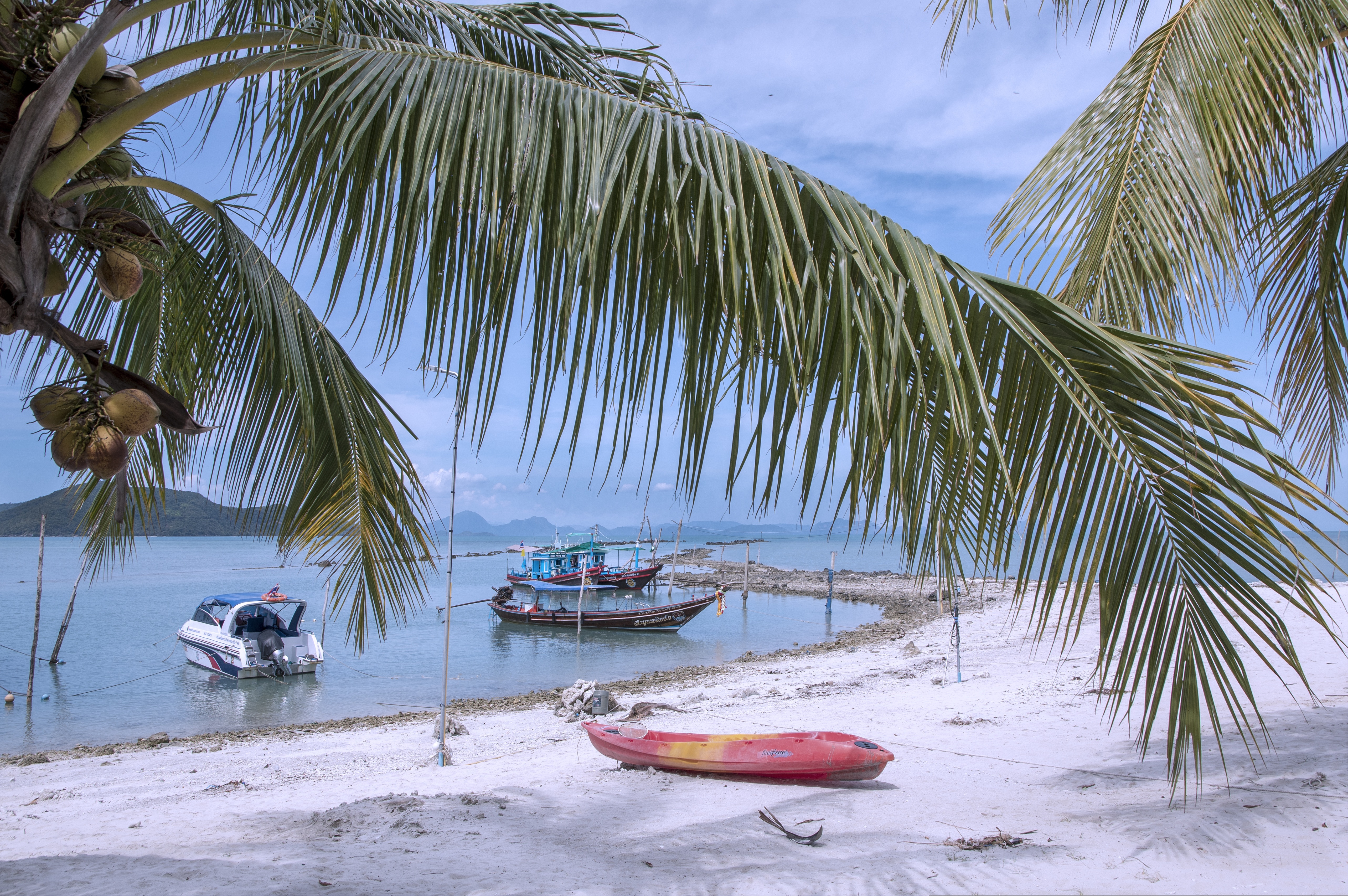
Koh Samui is the most popular tourist destination on the Western Gulf coast, which isn't surprising, considering the island's gorgeous beaches, perfect weather, and sparkling blue, almost turquoise, water. Koh Samui has seen rapid development since the 1990s, and you'll encounter hotels in all price ranges.Koh Samui is half the size of Phuket, so you could easily drive around it in a day. But Koh Samui is best appreciated by those who take a slower, more casual approach. Most people come for the sun and sea, so they head straight to their hotel and rarely venture beyond its beach. But it's worth exploring beyond your lodging. Every beach has its own character, and you might find the perfect one for you. One beach many visitors find to their liking is Chawaeng. On Koh Samui's east coast, this stretch of glistening white sand is divided into two main sections—Chawaeng Yai (yai means "big") and Chawaeng Noi (noi means "little"). You'll find the greatest variety of hotels, restaurants, and bars here. Despite the crowds, Chawaeng is no Pattaya or Patong—the mood is very laid-back. A rocky headland separates Chawaeng Lamai Beach, whose clear water and long stretch of sand were the first place on the island to attract developers. More budget accommodations are available here than in Chawaeng, and there are some happening nightclubs.On the west coast of Koh Samui, Na Thon is the island's primary port and the spot where ferries arrive from the mainland. It's home to the island's governmental offices, including the Tourism Authority of Thailand, and there are banks, foreign-exchange booths, travel agents, shops, restaurants, and cafés by the ferry pier. A few places rent rooms, but there's really no reason to stay here—nicer accommodations can be found a short songthaew ride away.To the north and east of Na Thon lie a few beaches worthy of exploration. Laem Yai, 5 km (3 miles) north, has great seafood. East of here, a small headland separates two low-key communities on the northern shore, Mae Nam and Bophut Beach. Mae Nam is also the departure point for boats bound for Koh Phangan and Koh Tao . Just south of the Samui's northeastern tip you'll find sandy Choengmon Beach, a good area for swimming that's not overdeveloped.

Ko Samui Beach
Ko Samui BeachImage by Zachtleven fotografie from Pixabay

Day 42 - Kâmpóng Saôm

Sihanoukville is the premier beach destination in Cambodia for tourists and Cambodians alike, with golden white sands, tropical islands and mangrove jungles. A relatively new city, it sprang to life in 1955 with the construction of the only deep-sea port of a newly independent Cambodia. With the bay of Thailand surrounding it on three sides, Sihanoukville was named in honour of the former King Norodom Sihanouk in 1964. As Cambodia descended into civil war the town fell on hard times with the Khmer Rouge using the famous Independence Hotel for target practice. In 1993 peace returned to Cambodia and since then Sihanoukville has been slowly rebuilding itself. Today it attracts Asian Individual travellers, young students and back-packers but after decades of war and upheaval the town’s infrastructure is still very much in its infancy. A visit to Ream National Park offers pristine mangrove forests rich in wildlife with miles of beaches unmarked by footprints.

Day 43 - Laem Chabang

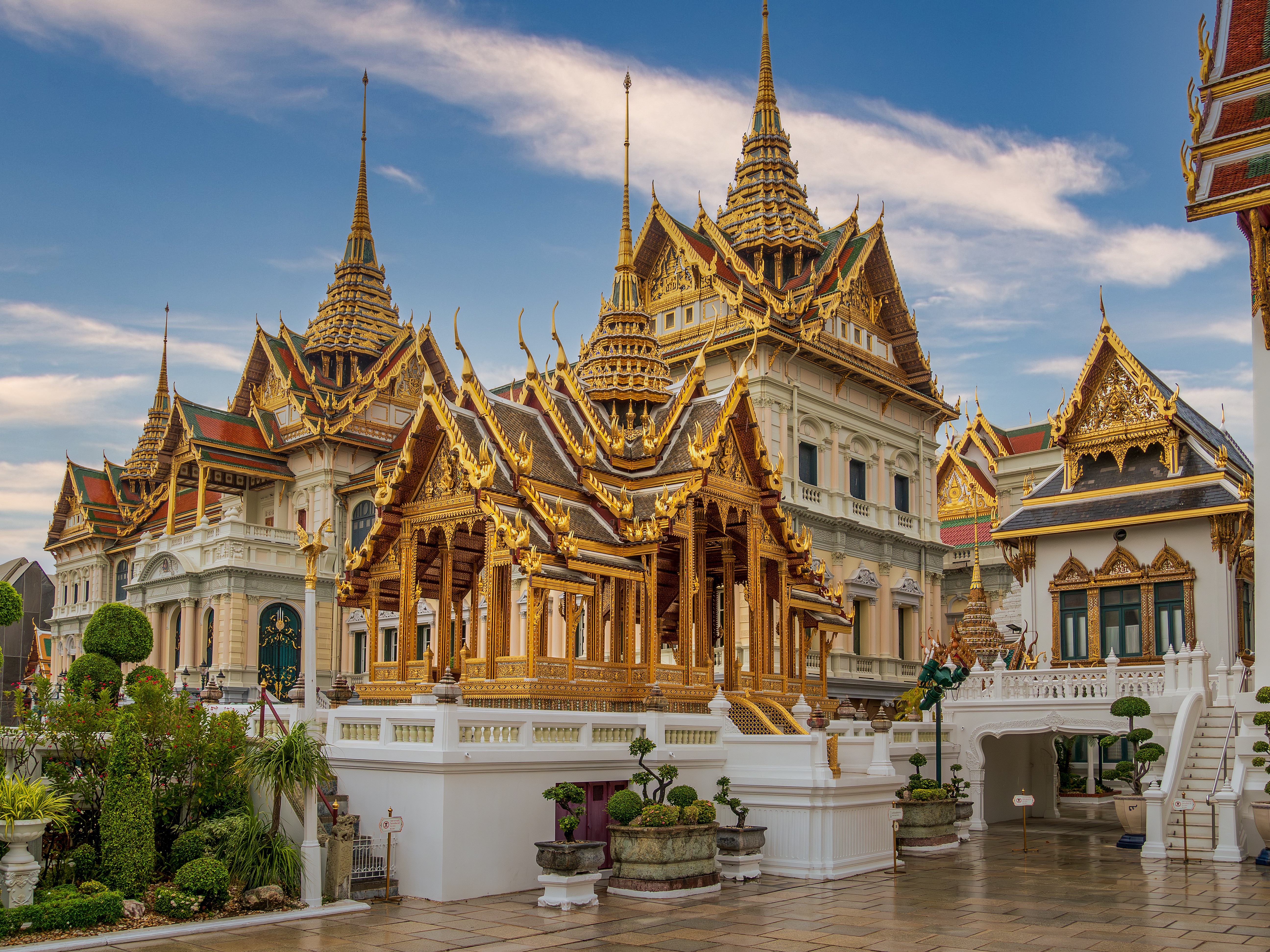
There are two Bangkoks, the ancient soul of Thailand with its long and fascinating history and the frantic, modern metropolis that embraces the latest trends both Eastern and Western. The two blend together remarkably well—even the most jarring juxtapositions of old and new somehow make sense. Bangkok is not only the biggest city in Thailand, but also the most mesmerizing, with some of the country's most beautiful temples and shrines. The city's energy is palpable, especially at night, when traffic opens up a bit, its famous markets get going, and everything seems lit up—from its proudest monuments to its seediest streets. When Ayutthaya was besieged and pillaged by the Burmese in 1766, Thonburi became Thailand's capital. The Thais call Bangkok Krung Thep (City of Angels), and in 1782 King Rama I moved his capital here, just across the Chao Praya River. Laem Chabang is approximately 130 km (81 mi) from Bangkok.

Laem Chabang, Gateway To Bangkok
Laem Chabang, Gateway To BangkokImage by Tom from Pixabay

Day 44 - At Sea

Further details for this day are not available.

Day 45 - Ho Chi Minh City

Romantically referred to by the French as the Pearl of the Orient, Ho Chi Minh City today is a super-charged city of sensory overload. Motorbikes zoom day and night along the wide boulevards, through the narrow back alleys and past vendors pushing handcarts hawking goods of all descriptions. Still called Saigon by most residents, this is Vietnam's largest city and the engine driving the country's current economic resurgence, but despite its frenetic pace, it's a friendlier place than Hanoi and locals will tell you the food—simple, tasty, and incorporating many fresh herbs—is infinitely better than in the capital.This is a city full of surprises. The madness of the city's traffic—witness the oddball things that are transported on the back of motorcycles—is countered by tranquil pagodas, peaceful parks, quirky coffee shops, and whole neighborhoods hidden down tiny alleyways, although some of these quiet spots can be difficult to track down. Life in Ho Chi Minh City is lived in public: on the back of motorcycles, on the sidewalks, and in the parks. Even when its residents are at home, they're still on display. With many living rooms opening onto the street, grandmothers napping, babies being rocked, and food being prepared, are all in full view of passersby.Icons of the past endure in the midst of the city’s headlong rush into capitalism. The Hotel Continental, immortalized in Graham Greene's The Quiet American, continues to stand on the corner of old Indochina's most famous thoroughfare, the rue Catinat, known to American G.I.s during the Vietnam War as Tu Do (Freedom) Street and renamed Dong Khoi (Uprising) Street by the Communists. The city still has its ornate opera house and its old French city hall, the Hôtel de Ville. The broad colonial boulevards leading to the Saigon River and the gracious stucco villas are other remnants of the French colonial presence. Grisly reminders of the more recent past can be seen at the city's war-related museums. Residents, however, prefer to look forward rather than back and are often perplexed by tourists' fascination with a war that ended 40 years ago.The Chinese influence on the country is still very much in evidence in the Cholon district, the city's Chinatown, but the modern office towers and international hotels that mark the skyline symbolize Vietnam's fixation on the future.
Vnsgn   Ho Chi Minh City, Vietnam Photo Credit Belongs To Georgios Domouchtsidis
Vnsgn Ho Chi Minh City, Vietnam Photo Credit Belongs To Georgios Domouchtsidis
Vnsgn   Ho Chi Minh City, Vietnam Photo Credit Belongs To H W
Vnsgn Ho Chi Minh City, Vietnam Photo Credit Belongs To H W
Vnsgn   Ho Chi Minh City, Vietnam Photo Credit Belongs To Jaromir Kavan
Vnsgn Ho Chi Minh City, Vietnam Photo Credit Belongs To Jaromir Kavan

Day 46 - At Sea

Further details for this day are not available.

Day 47 - Chan May

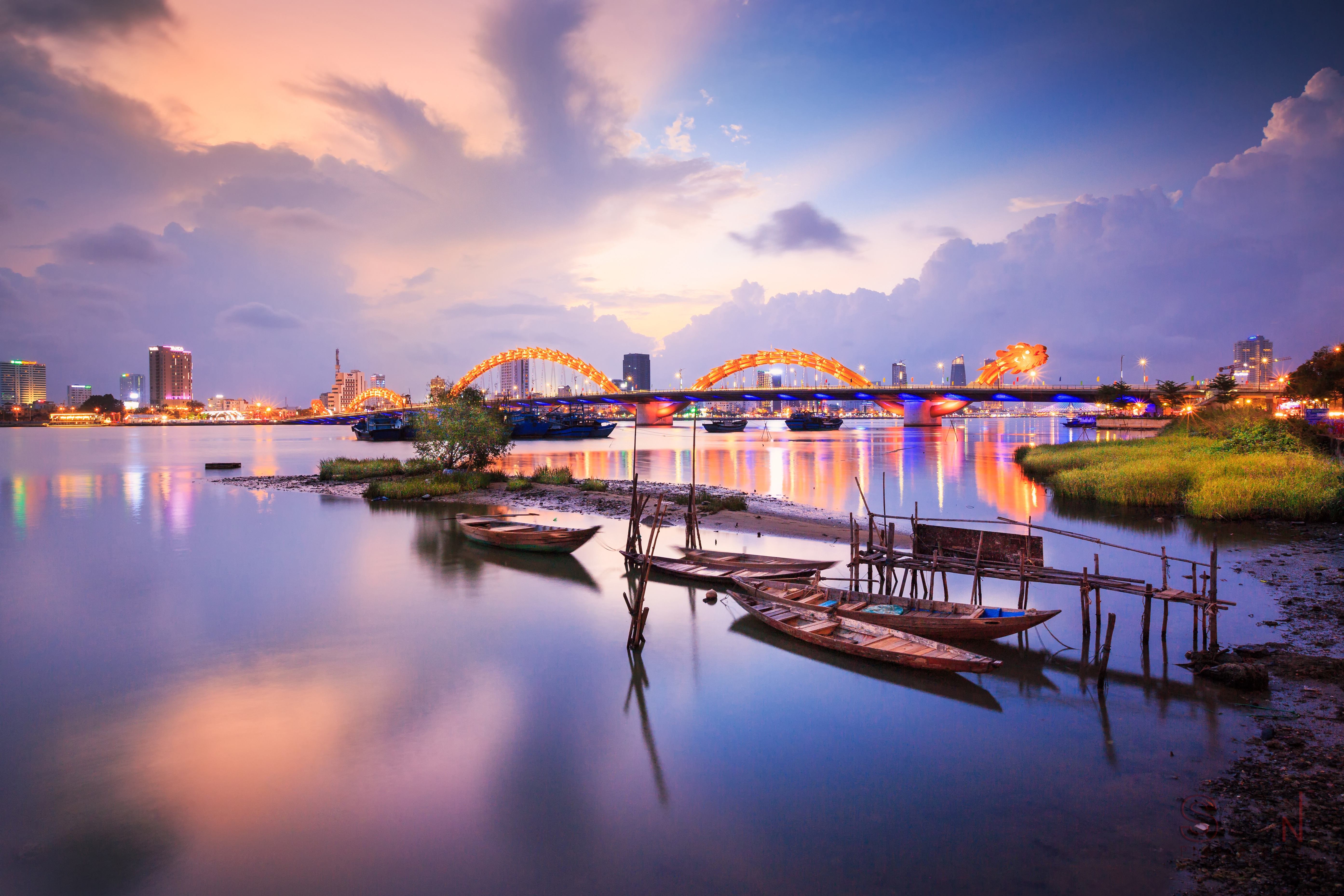
Hue (pronounced hway), bisected by the Perfume River and 13 km (8 mi) inland from the South China Sea, in the foothills of the Annamite Mountains (Truong Son Mountains), stands as a reminder of Vietnam's imperial past. The seat of 13 Nguyen-dynasty emperors between 1802 and 1945, Hue was once Vietnam's splendid Imperial City. Although it was devastated by the French in the 19th century and again by fighting between the Vietnamese Communists and the Americans in the 20th, the monument-speckled former capital has a war-ravaged beauty. One can still imagine its former splendor, despite gaping holes in its silhouette. Hue is a UNESCO World Heritage Site, and the city's gems are slowly being restored.
Chan May, Gateway To Da Nang
Chan May, Gateway To Da NangImage by Vũ Lê Hàn from Pixabay

Day 48 - Ha Long Bay

A visit to the north is not complete without a trip to Halong Bay, where placid waters give way to more than 3,000 limestone karsts and wind-sculpted limestone formations that jut from foggy lagoons. Dotting the bay are tiny islands bordered by white sandy coves and hidden caves, adding to the majestic landscape of this UNESCO World Heritage Site. Adding to this naturalist’s dream is the biodiversity of islets, grottos, and Cat Ba Island National Park. The bay, however, shows tourism’s impact: the clearing of mangrove forests to make way for jetties and piers, marine life threatened by game fishing, and garbage from passenger boats and fishing villages washed up on the shores.Beyond its geological uniqueness are activities like hiking, kayaking, rock climbing, or exploring one of the many floating villages where fishermen bring in their daily catch. The downside to all this allure is the large number of unlicensed boats it draws to the bay each day.Boat trips out onto the bay are the main tourism stock in trade farther north, but a more multifaceted side of the area can be experienced at Cat Ba Island. The largest island in Halong Bay, Cat Ba is very much its own entity. Its national park offers incredible biodiversity, with more than a thousand species of plants having been recorded here. Animal life is slightly thinner on the ground, but alert visitors may spy inhabitants such as the endangered golden-headed langur, wild boar, deer, civets, and several species of squirrel. Trekking through the wilderness is a highlight with a number of fascinating trails to follow.Cat Ba Island has also become a firm favorite with the adventure sports set. Indeed, along with Railay Beach in Thailand, it is recognized as one of the top spots in the region for rock climbing. Other outdoor pursuits include sailing and kayaking around the karsts. Although Halong Bay has arguably been tainted by over-exposure, Bai Tu Long Bay farther east toward China, retains all the majesty of Vietnam’s premier bucket-list natural attraction but sees a fraction of the traffic of its immediate neighbor to the west. Here, visitors will find islands of substantial size with deserted beaches and untamed jungle. Halong Bay's 3,000 islands of dolomite and limestone cover a 1,500-square-km (580-square-mile) area, extending across the Gulf of Tonkin nearly to the Chinese border. According to legend, this breathtaking land- and seascape was formed by a giant dragon that came barreling out of the mountains toward the ocean—hence the name (Halong translates into "descent of the dragon"). Geologists are more likely to attribute the formations to sedimentary limestone that formed here between 300 and 500 million years ago, in the Paleozoic Era. Over millions of years water receded and exposed the limestone to wind, rain, and tidal erosion.Today the limestone formations are exposed to hordes of tourists—but don't let that discourage you. Hundreds of fishing trawlers and tour boats share space on these crystal waters, yet there seems to be room for everyone. Most people use the main population center, Halong City, as a base from which to venture into the bay. Although it's now officially one municipality, Halong City was, until 1996, two separate towns: Bai Chay is now Halong City West, where Halong Road winds its way around the coast and past the lifeless central beach; Hon Gai is the grimier Halong City East, where a coal transportation depot dominates the center of town and covers nearby roads and buildings with a sooty film. Locals still refer to the towns by their old names, but they are now inexorably lassoed together by a bridge. Boat trips through Halong Bay are the main attraction. Little of the majesty of this region can be found in the city, so head out onto the water and start exploring. Countless 10- and 30-foot fishing boats have been converted into Halong Bay's formidable tourist-boat fleet. Hotels or travel agencies in Halong City or Hanoi can arrange boat trips for you (often they are part of organized tours from Hanoi). It is still possible to go down to the wharf and bargain yourself onto a boat for the day, but you are likely to be charged (sometimes significantly) more than you would pay for a prebooked tour, so this is not advised. Self-sufficient travelers have fallen victim to the old bait-and-switch: they've arranged a next-day boat tour with local fishermen, only to be told in no uncertain terms the following morning that they could not board their chosen boat, but they could take a different one for quite a bit more money. You may have no choice in the end. Usually travel agencies, however, have their tried-and-true favorites.
Vnhlg   Ha Long Bay   2
Vnhlg Ha Long Bay 2
Vnhlg   Ha Long Bay   3
Vnhlg Ha Long Bay 3
Vnhlg   Ha Long Bay   4
Vnhlg Ha Long Bay 4
Vnhlg   Ha Long Bay   Kayaking
Vnhlg Ha Long Bay Kayaking
Vnhlg   Ha Long Bay   Ship On Foggy Day
Vnhlg Ha Long Bay Ship On Foggy Day
Vnhlg   Ha Long Bay   Sung Sot Cave
Vnhlg Ha Long Bay Sung Sot Cave
Vnhlg   Ha Long Bay   Sunset
Vnhlg Ha Long Bay Sunset

Day 49 - At Sea

Further details for this day are not available.

Day 50 - Hong Kong

The Hong Kong Island skyline, with its ever-growing number of skyscrapers, speaks to ambition and money. Paris, London, even New York were centuries in the making, while Hong Kong's towers, bright lights, and glitzy shopping emporia weren't yet part of the urban scene when many of the young investment bankers who fuel one of the world's leading financial centers were born. Commerce is concentrated in the glittering high-rises of Central, tucked between Victoria Harbor and forested peaks on Hong Kong Island's north shore. While it's easy to think all the bright lights are the sum of today's Hong Kong, you need only walk or board a tram for the short jaunt west into Western to discover a side of Hong Kong that is more traditionally Chinese but no less high-energy. You'll discover the real Hong Kong to the east of Central, too, in Wan Chai, Causeway Bay, and beyond. Amid the residential towers are restaurants, shopping malls, bars, convention centers, a nice smattering of museums, and—depending on fate and the horse you wager on—one of Hong Kong's luckiest or unluckiest spots, the Happy Valley Racecourse. Kowloon sprawls across a generous swath of the Chinese mainland across Victoria Harbour from Central. Tsim Sha Tsui, at the tip of Kowloon peninsula, is packed with glitzy shops, first-rate museums, and eye-popping views of the skyline across the water. Just to the north are the teeming market streets of Mong Kok and in the dense residential neighborhoods beyond, two of Hong Kong's most enchanting spiritual sights, Wong Tai Sin Temple and Chi Lin Nunnery. As you navigate this huge metropolis (easy to do on the excellent transportation network), keep in mind that streets are usually numbered odd on one side, even on the other. There's no baseline for street numbers and no block-based numbering system, but street signs indicate building numbers for any given block.

Hkhkg Hong Kong Person Standing On Boat During Night Time Sankalp Sharma
Hkhkg Hong Kong Person Standing On Boat During Night Time Sankalp SharmaSankalp Sharma
Hkhkg Hong Kong Road In The Middle Of Buildings During Daytime Annie Spratt
Hkhkg Hong Kong Road In The Middle Of Buildings During Daytime Annie SprattAnnie Spratt
Hkhkg Hong Long Cars Crossing Florian Wehde
Hkhkg Hong Long Cars Crossing Florian Wehde Florian Wehde

Day 51 - At Sea

Further details for this day are not available.

Day 52 - At Sea

Further details for this day are not available.

Day 53 - Shanghai

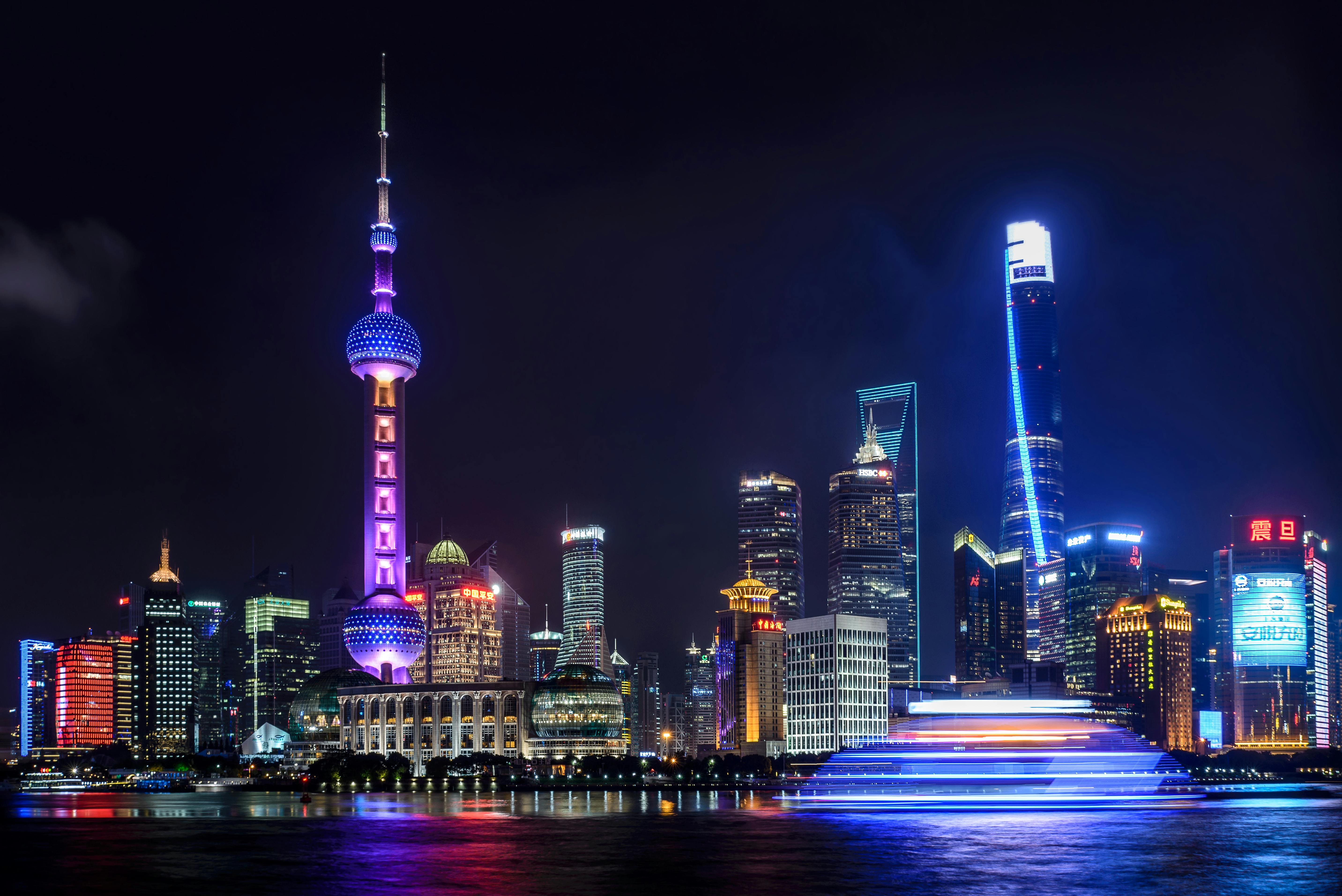
Shanghai is a city of two faces. It is home to some of the world’s tallest skyscrapers, miles of luxury goods shops, and scores of trendy bars and restaurants. But look just beyond the main streets and you’ll find narrow alleyways packed with traditional lane houses, where laundry billows from bamboo poles, and local communities are alive and well.Shanghai has always been China’s most Westernized city. In its heyday, Shanghai had the best nightlife, the greatest architecture, and the strongest business in Asia. Nearly a century later, after extreme tumult and political upheaval, it’s back on top.Shanghai’s charm lies not in a list of must-see sites, but in quiet, tree-lined streets, the Bund’s majestic colonial buildings, sweet boutiques, and a dizzying array of places to eat and drink, from literal hole-in-the-walls to celebrity chef restaurants.Today, Shanghai has nearly 24 million people, the skyscrapers keep getting taller, the metro keeps getting longer, and the historical buildings continue to evade the wrecking ball. For how much longer is anyone’s guess.

Shanghai By Night
Shanghai By NightWolfram K
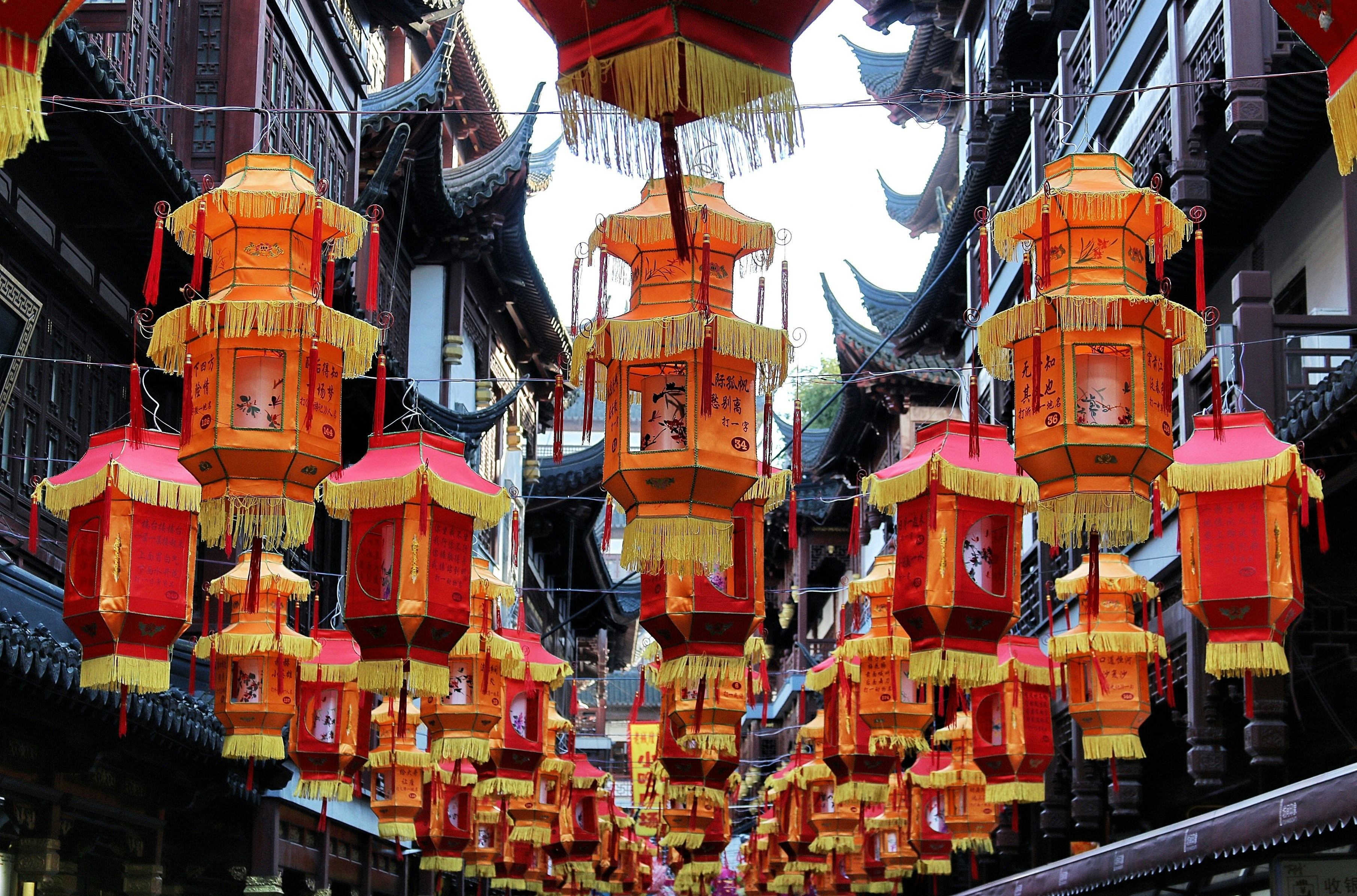
Shanghai Lanterns
Shanghai LanternsChastagner Thierry, Unsplash

Day 54 - Shanghai

Shanghai is a city of two faces. It is home to some of the world’s tallest skyscrapers, miles of luxury goods shops, and scores of trendy bars and restaurants. But look just beyond the main streets and you’ll find narrow alleyways packed with traditional lane houses, where laundry billows from bamboo poles, and local communities are alive and well.Shanghai has always been China’s most Westernized city. In its heyday, Shanghai had the best nightlife, the greatest architecture, and the strongest business in Asia. Nearly a century later, after extreme tumult and political upheaval, it’s back on top.Shanghai’s charm lies not in a list of must-see sites, but in quiet, tree-lined streets, the Bund’s majestic colonial buildings, sweet boutiques, and a dizzying array of places to eat and drink, from literal hole-in-the-walls to celebrity chef restaurants.Today, Shanghai has nearly 24 million people, the skyscrapers keep getting taller, the metro keeps getting longer, and the historical buildings continue to evade the wrecking ball. For how much longer is anyone’s guess.

Shanghai By Night
Shanghai By NightWolfram K
Shanghai Lanterns
Shanghai LanternsChastagner Thierry, Unsplash

Day 55 - At Sea

Further details for this day are not available.

Day 56 - Incheon

Further details for this day are not available.

Incheon, South Korea
Incheon, South KoreaImage from Pixabay

Day 57 - At Sea

Further details for this day are not available.

Day 58 - Nagasaki

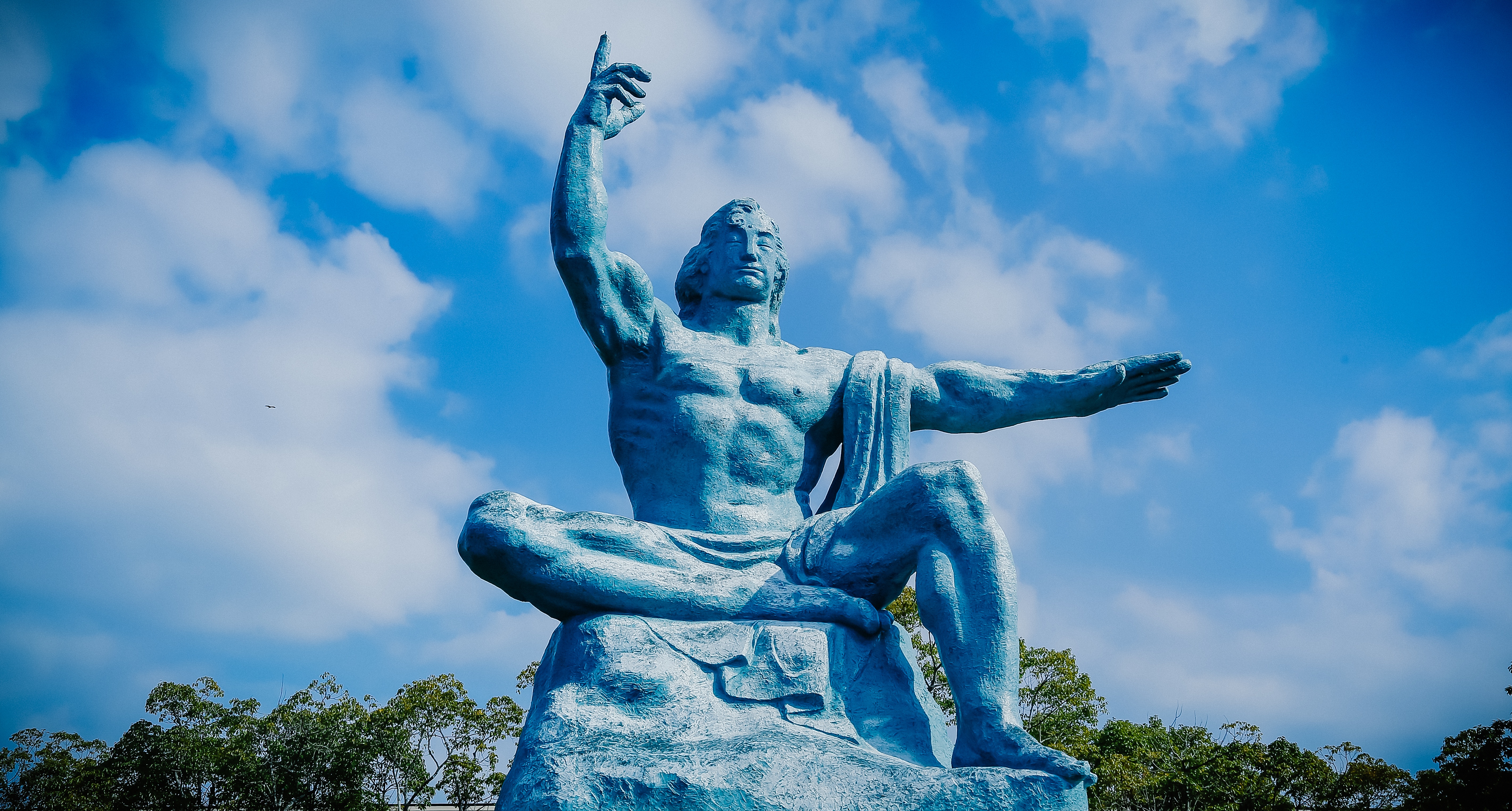
Nagasaki city has developed into one of the most important port cities in Japan. During Japan’s period of isolation in the 17th century, Nagasaki played a prominent role in foreign trade relation and only a very few ports were open to restricted numbers of foreign traders. Even though Holland was a major country who conducted trading during this period, Dutch people were only allowed to stay in Dejima Island and were not allowed to have contact with the Japanese people. Today, you will still find the strong influence of Dutch and Chinese culture in the city which is very different from all other cities in Japan. In the more recent history, Nagasaki became the second city after Hiroshima to be destroyed by an atomic bomb towards the end of World War II. From the visit to Atomic bomb museum and peace memorial park, people could understand how chaotic the situation was and the agony that the people in the days have experienced from the damage inflicted by the atomic bomb. It continues to appeal to the world with their wish for world peace.

Jpngs   Nagasaki   Atomic Bomb Sculpture
Jpngs Nagasaki Atomic Bomb Sculpture
Jpngs   Nagasaki   Battleship Island
Jpngs Nagasaki Battleship Island
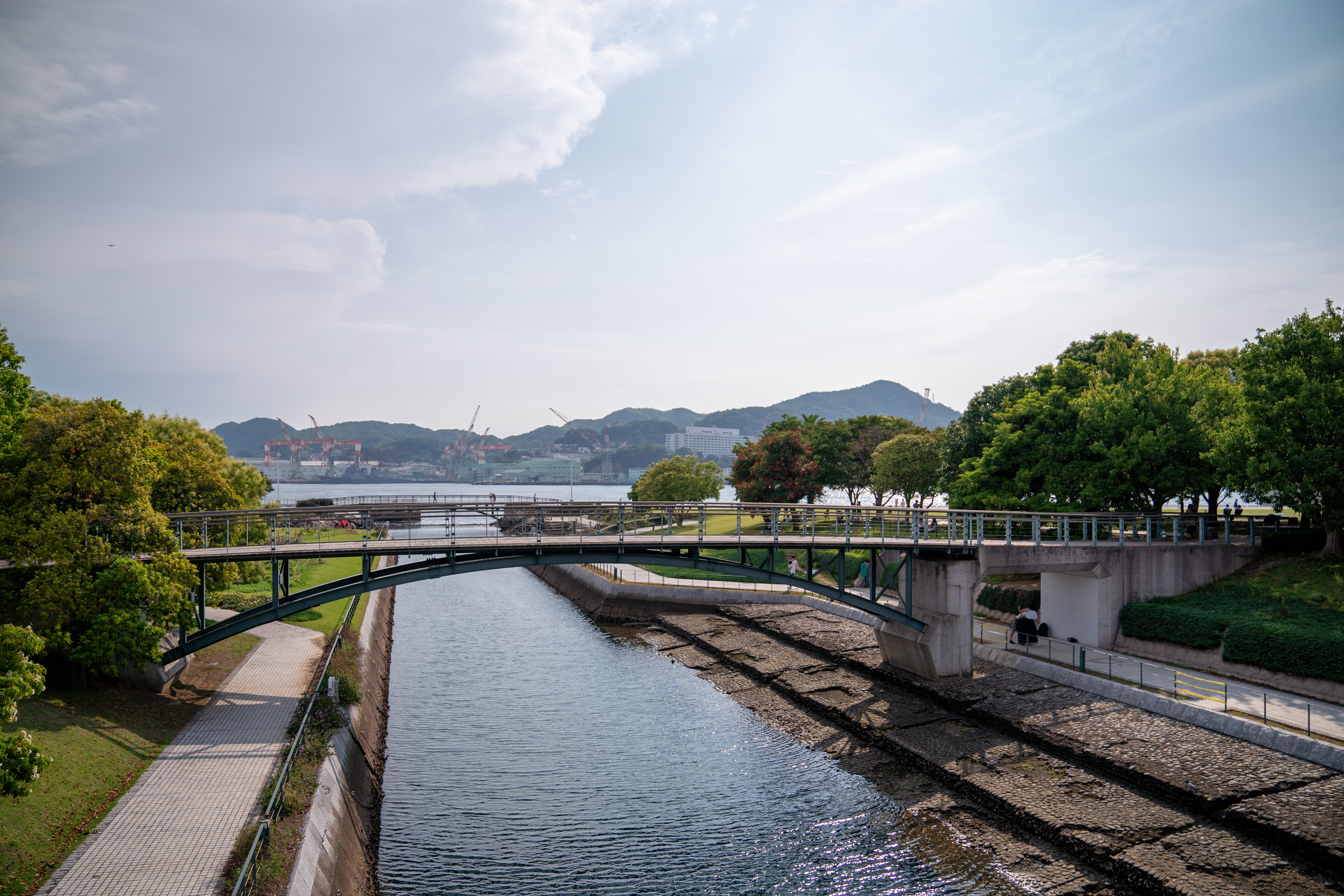
Jpngs   Nagasaki   Bridge Over A Canal   Credit Jason Rost
Jpngs Nagasaki Bridge Over A Canal Credit Jason RostJason Rost
Jpngs   Nagasaki   Night View
Jpngs Nagasaki Night View
Jpngs   Nagasaki   Sea Port
Jpngs Nagasaki Sea Port
Jpngs   Nagasaki   Warship Island
Jpngs Nagasaki Warship Island

Day 59 - Hiroshima

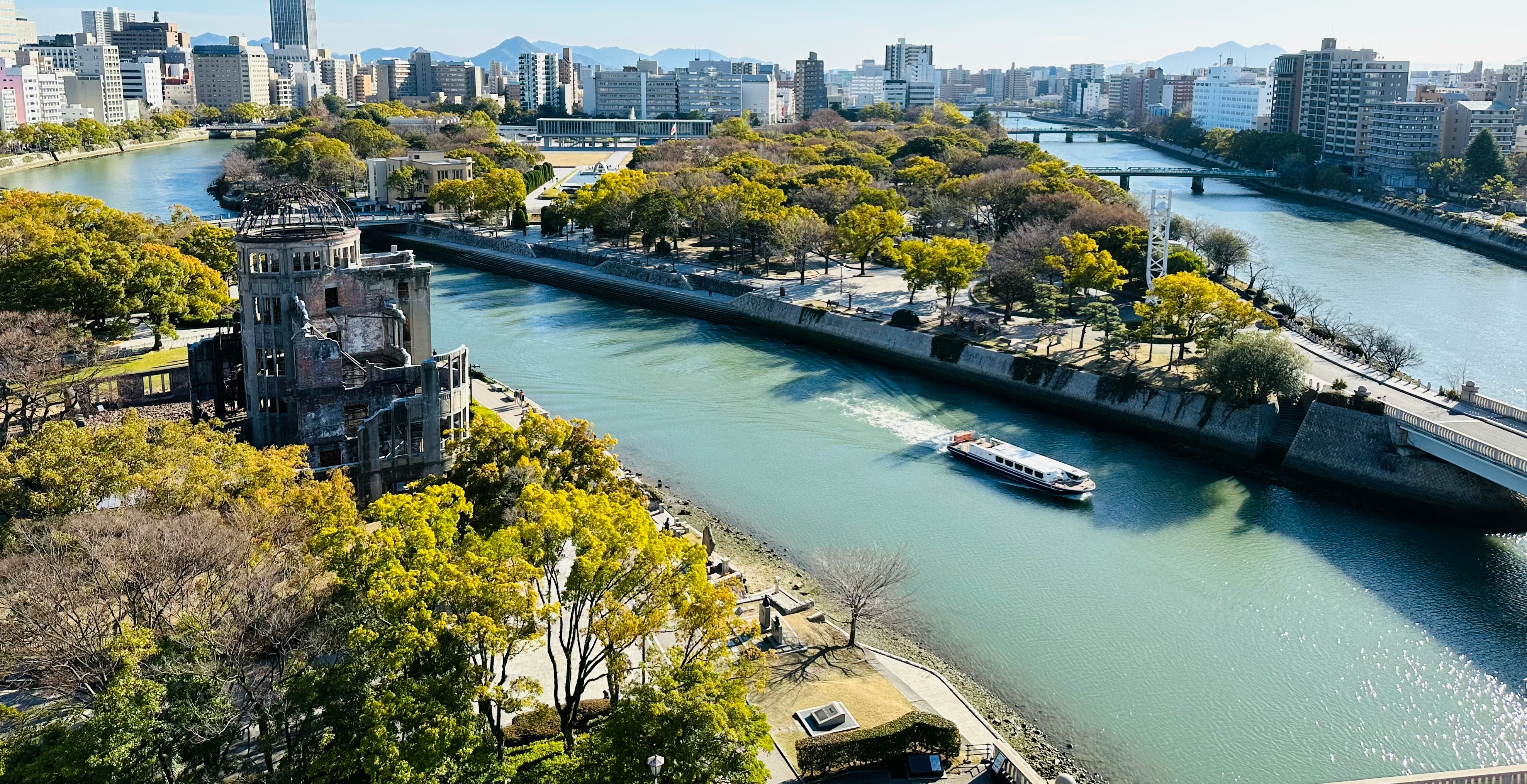
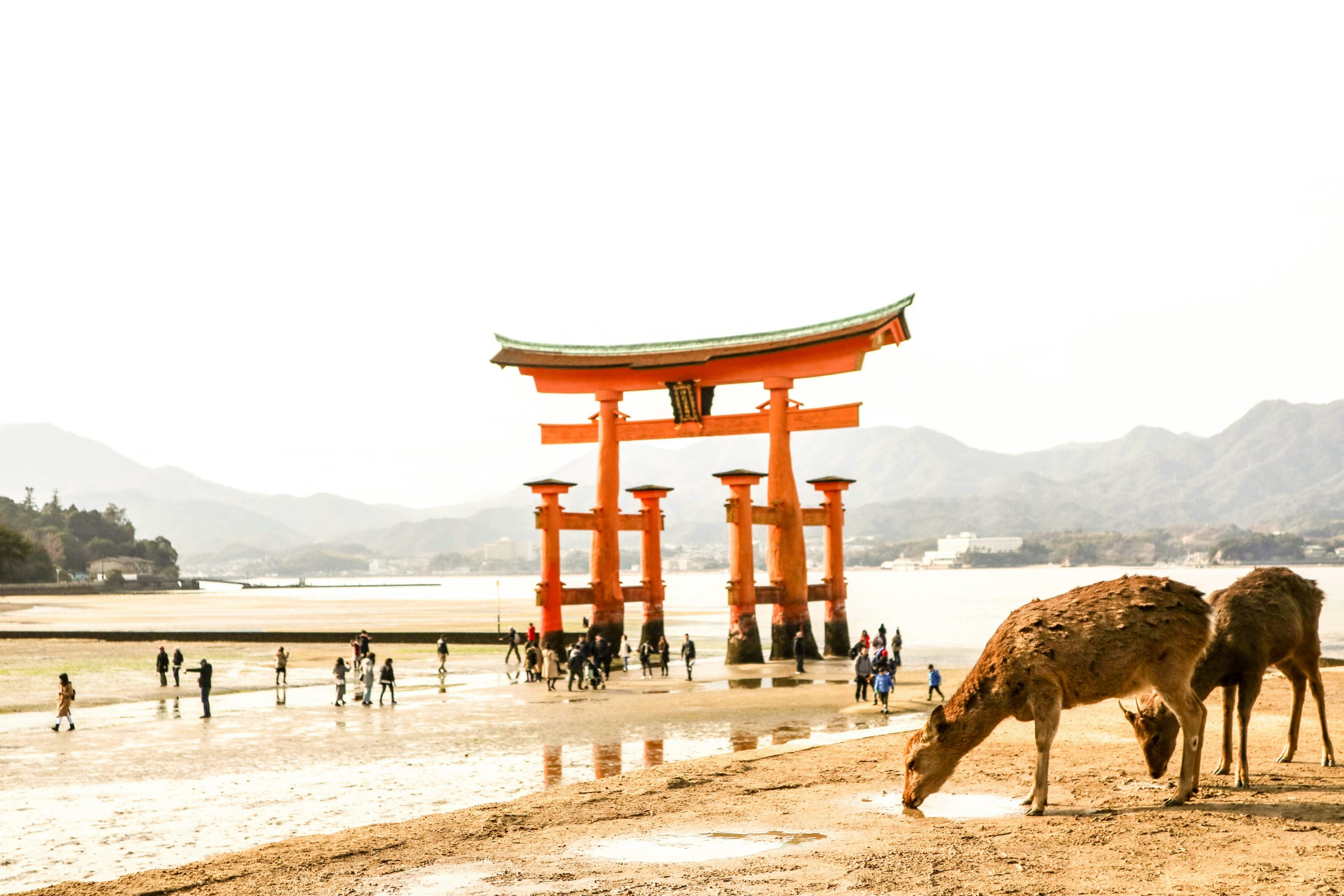
History buffs will want to write home Hiroshima. Despite being devastated in 1945, this Japanese city is known to all for its commitment peace – its ruin on the 6th August 1945 led to the end of the war and today, the Peace Memorial (a UNESCO World Heritage Site) , is a constant reminder of the destruction that war brings. A walk in the leafy boulevards of Peace Memorial Park brings quiet contemplation. The Flames of Peace – set in the park’s central feature pond – burn brightly and will continue to do so until all the nuclear bombs I the world have been destroyed. There are many other inspiring messages of hope around the city too; the Children’s’ Peace Monument just north of the park is a homage to little Sadako Sasaki, who was just two in 1945. When she developed leukemia in 1956, she believed that if she folded 1,000 paper cranes – a symbol of longevity and happiness in Japan – she would recover. Sadly she died before she finished her task but her classmates finished the rest. It is impossible to ignore the events of 1945 in Hiroshima, but this is far from a depressing place. The great efforts that have been made in rebuilding of the city over the years have given Hiroshima a vibrant, eclectic edge, with the downtown shopping area and street food stalls being well worth a visit. The proximity to Miyajima and its iconic, impressive, Torii gate should not be overlooked either. If you are lucky enough to visit during the unpredictable and short-lived Sakura (cherry blossom) season, then the extraordinary sight of the delicate pink blossom floating across the water to the red gate, means you can consider yourself one of the luckiest people on the planet.

The Atomic Bomb Dome, Hiroshima
The Atomic Bomb Dome, HiroshimaPhoto by Desmond Tawiah
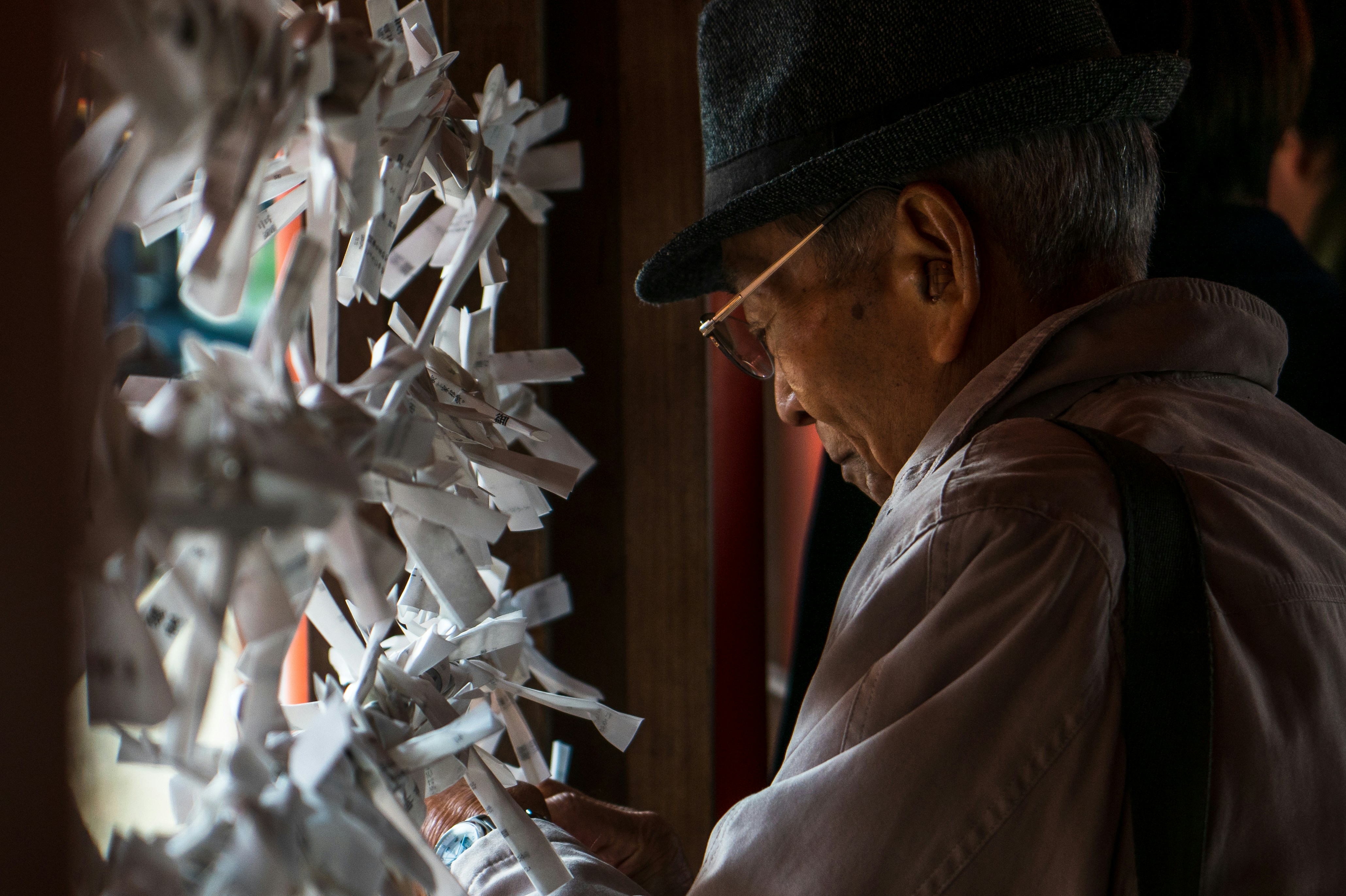
Paper Cranes  New Years Wishes
Paper Cranes New Years Wishes Photo by Daniel Gregoire
Itsukushima Shrine, Miyajima
Itsukushima Shrine, MiyajimaPhoto by Joan Tran

Day 60 - Kochi

Further details for this day are not available.

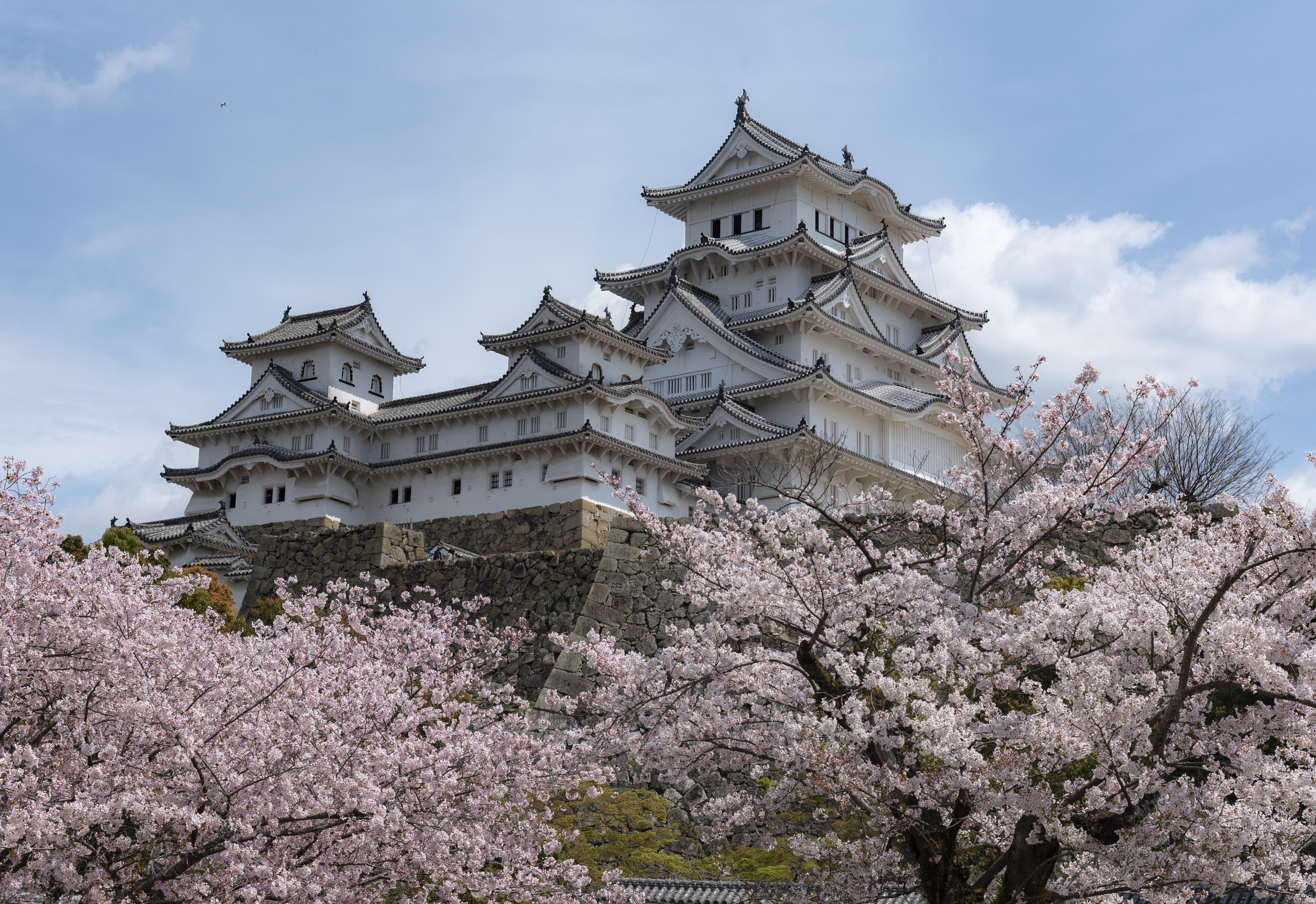
Heritage Castle, Kochi, K Japan
Heritage Castle, Kochi, K JapanImage by Nick115 from Pixabay

Day 61 - Kobe

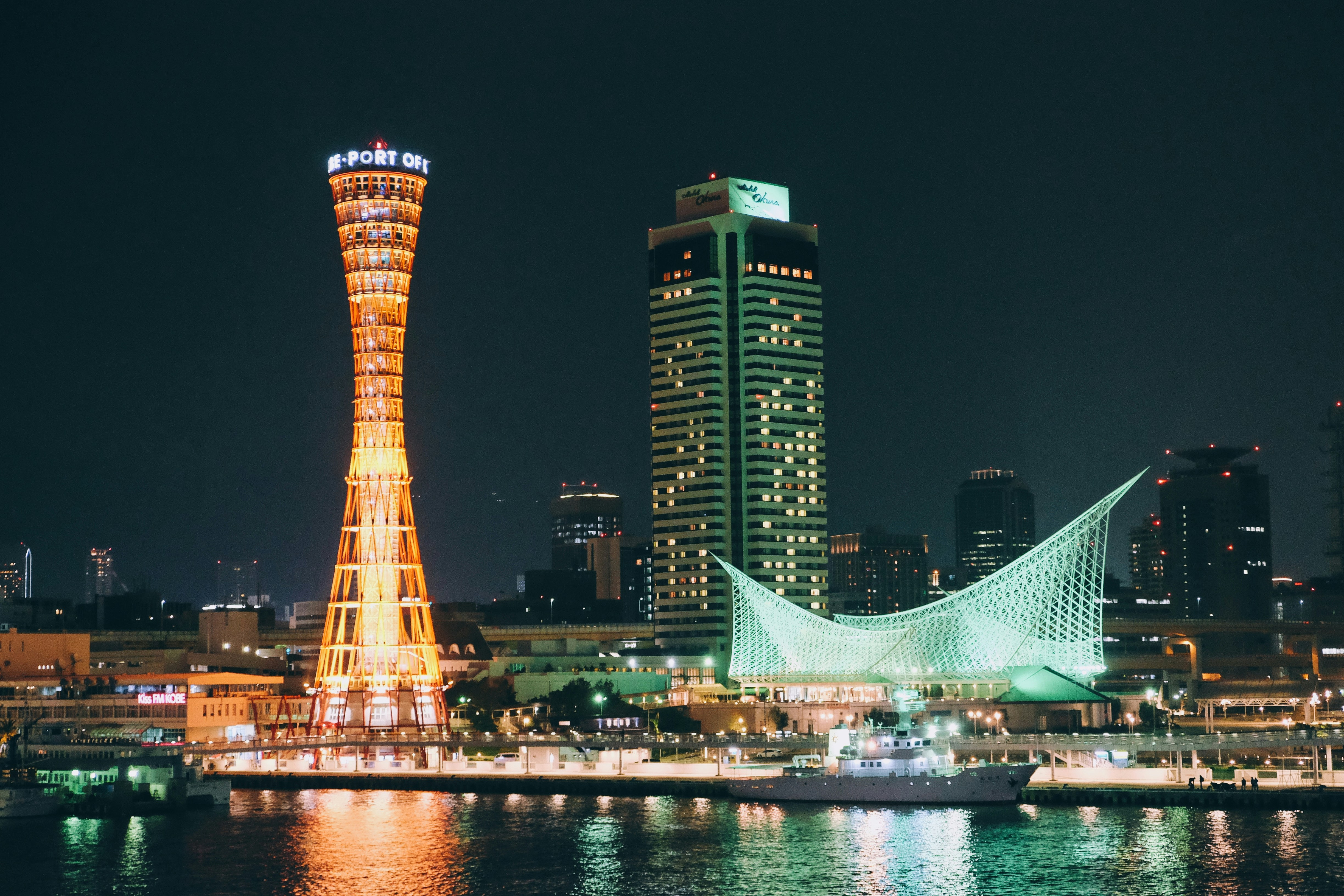
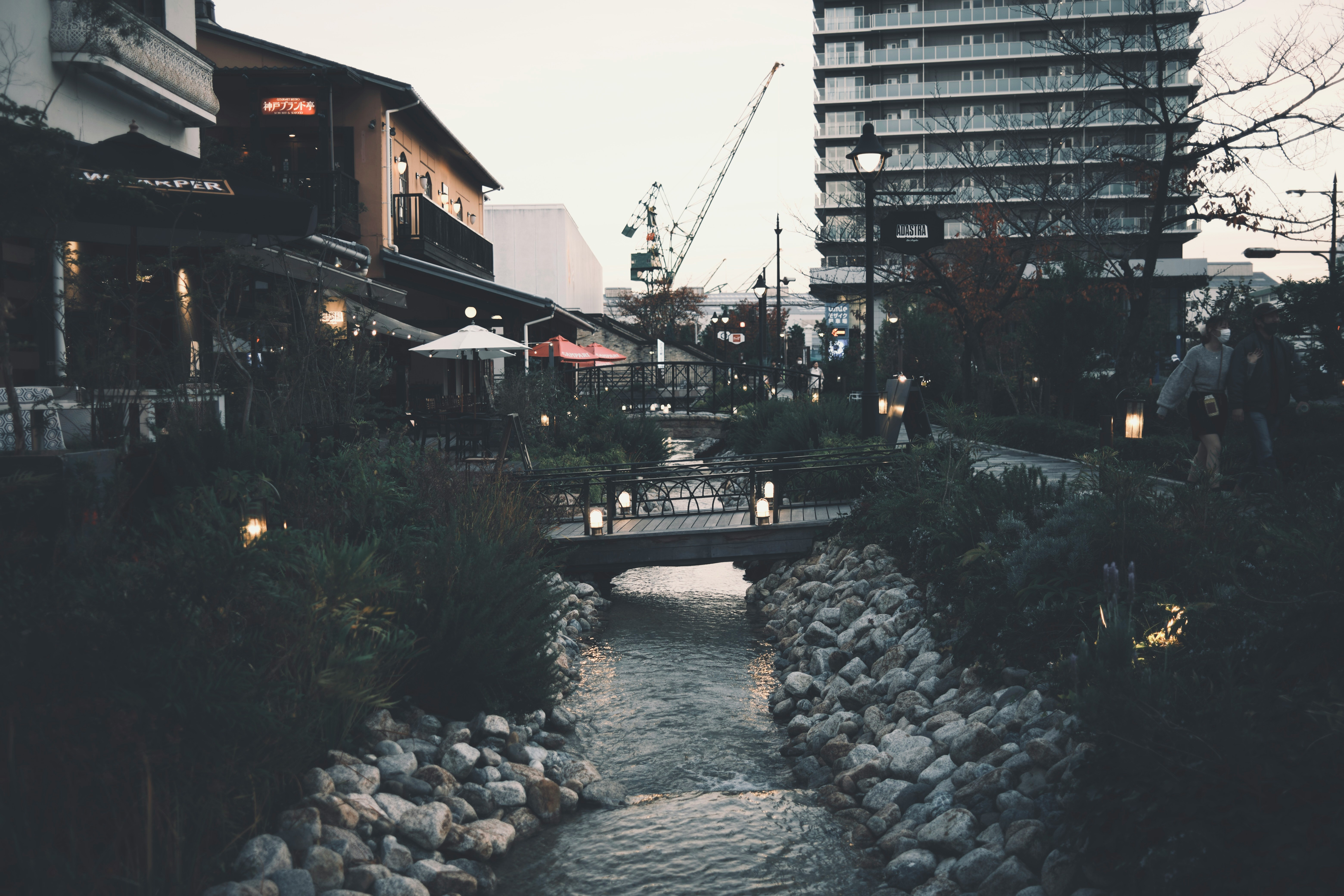
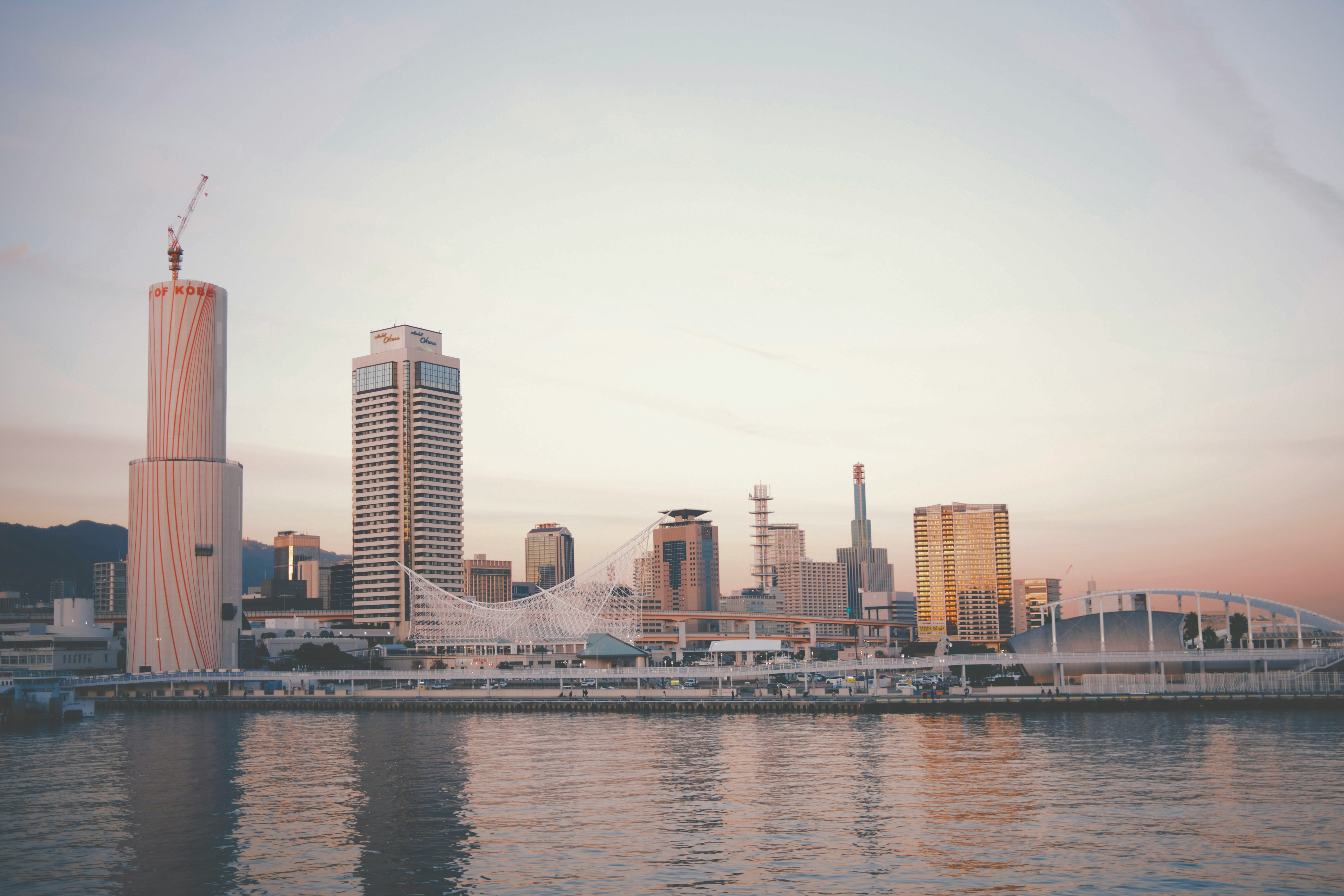
Located on the calm waters of the Inland Sea, Kobe has served as an important port town for hundreds of years. It was one of the first harbours to accept foreign traders in 1868 when Japan was just emerging from its centuries of isolation. What followed was a surge of Western trade and exports. Today, Kobe is quite multicultural, with expatriates from 98 different nations in residence, providing a cultural diversity most easily visible in restaurants serving every kind of cuisine, including the now world famous Kobe beef. The Great Hanshin Earthquake of 1995 set back Kobe’s development, but not for long. Kobe emerged more vibrant than before - with additional attractions, hotels and urban redevelopment, and only a few remnants of the extensive damage. It is a cosmopolitan place with lively shopping arcades, interesting museums, great restaurants, and a port that is still at the heart of things. Kobe is well known for its nightlife, in an intimate quarter of neon lights, cosy bars and sophisticated nightclubs. It also serves as the gateway to the ancient Japanese capitals of Kyoto and Nara.

Chuo Ward, Kobe, Hyogo, Japan
Chuo Ward, Kobe, Hyogo, JapanPhoto by Clark Gu on Unsplash
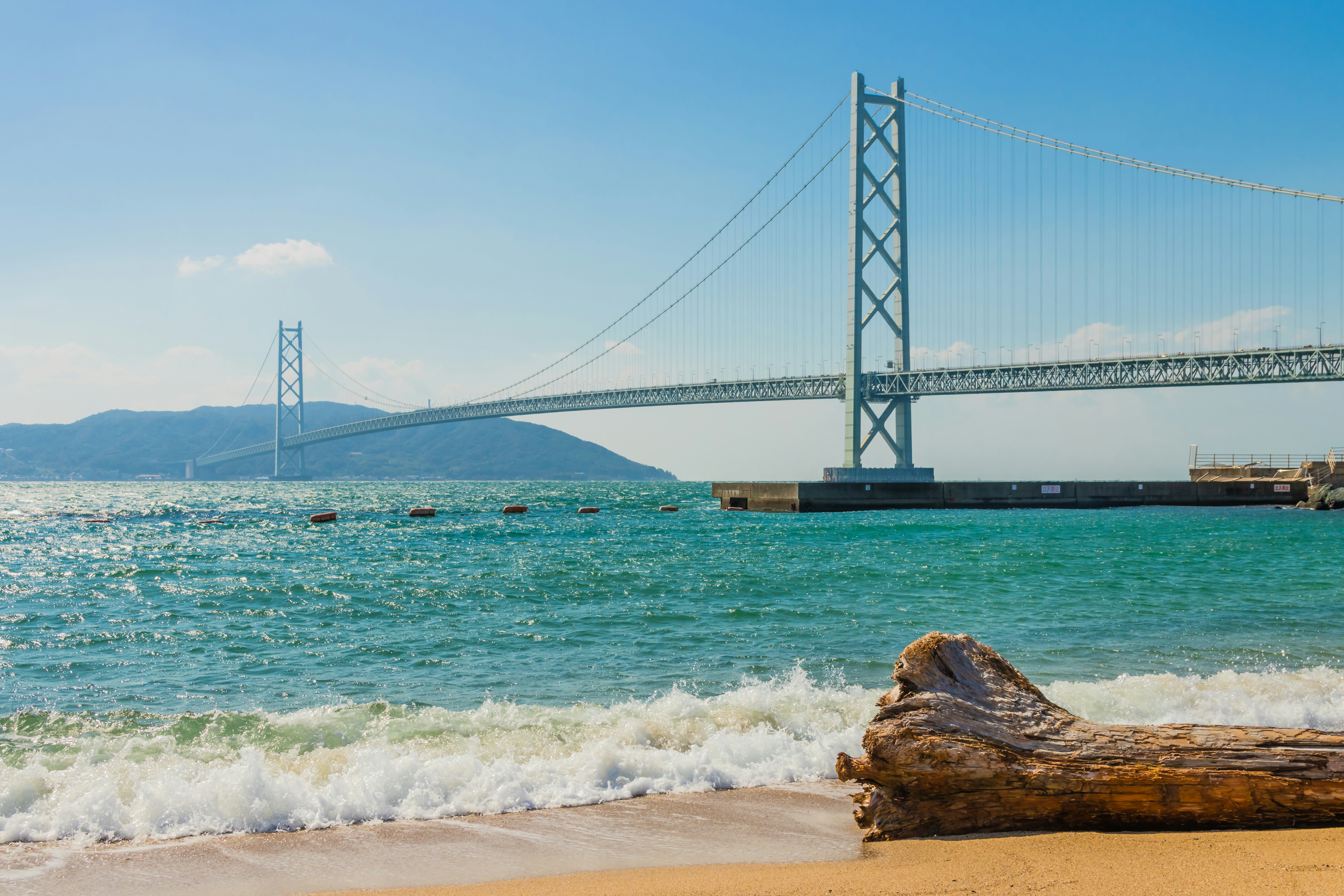
Akashi Kaikyo Bridge, Kobe, Japan
Akashi Kaikyo Bridge, Kobe, JapanPhoto by Thomas Schmitz on Unsplash
Chuo Ward, Kobe, Hyogo, Japan
Chuo Ward, Kobe, Hyogo, JapanPhoto by Clark Gu on Unsplash
Kobe, Hyogo, Japan
Kobe, Hyogo, JapanPhoto by note thanun on Unsplash

Day 62 - Shimizu

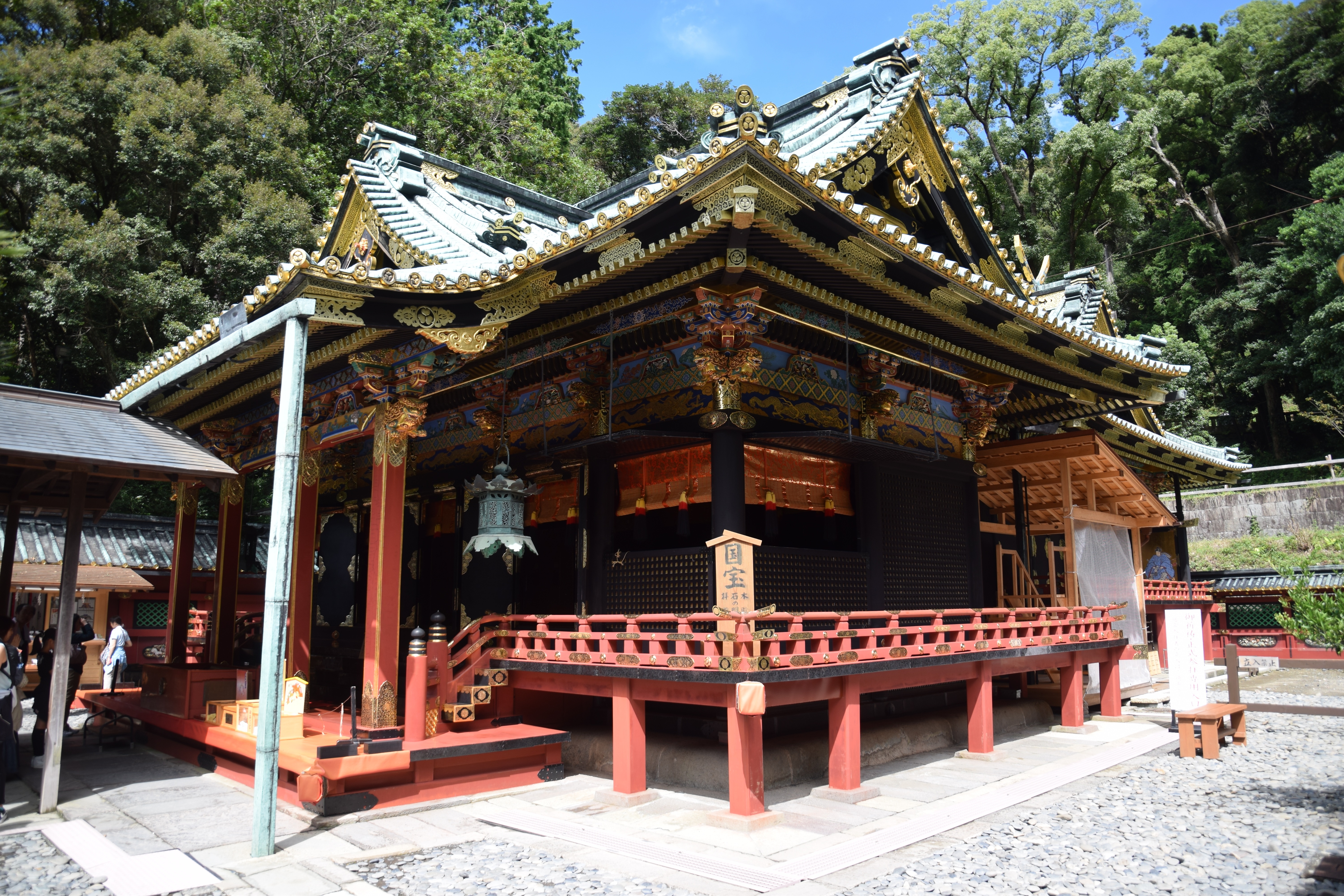
The salt and pepper cone of Japan's most famous natural landmark won’t fail to take your breath away, as it soars into the sky in a vision of spectacular symmetry. Make sure your camera is fully prepared before you dock in Shimizu’s port, where unparalleled views of the extraordinary Mount Fuji’s dramatic peak await. Take your time to soak up one of Japan's most iconic views, before dipping your toes into the rest of what this destination of tranquil temples has to offer. While there’s a bustling fish market, and a charming amusement park waiting close to the port, most new arrivals immediately set off in pursuit of the best views of Mount Fuji, or to see the stunning panorama on offer from the heights of the Kunozan Toshogu Shrine. Take the cable car up to the top, to experience the tranquillity around the forested shrine, and to enjoy its stunning architecture of deep scarlets and gleaming golds. You can also enjoy heart-stopping views out over the Bay of Suruga, and the tea plantations below.

Shrine At Shimizu
Shrine At ShimizuImage by Little MiMi from Pixabay

Day 63 - Yokohama

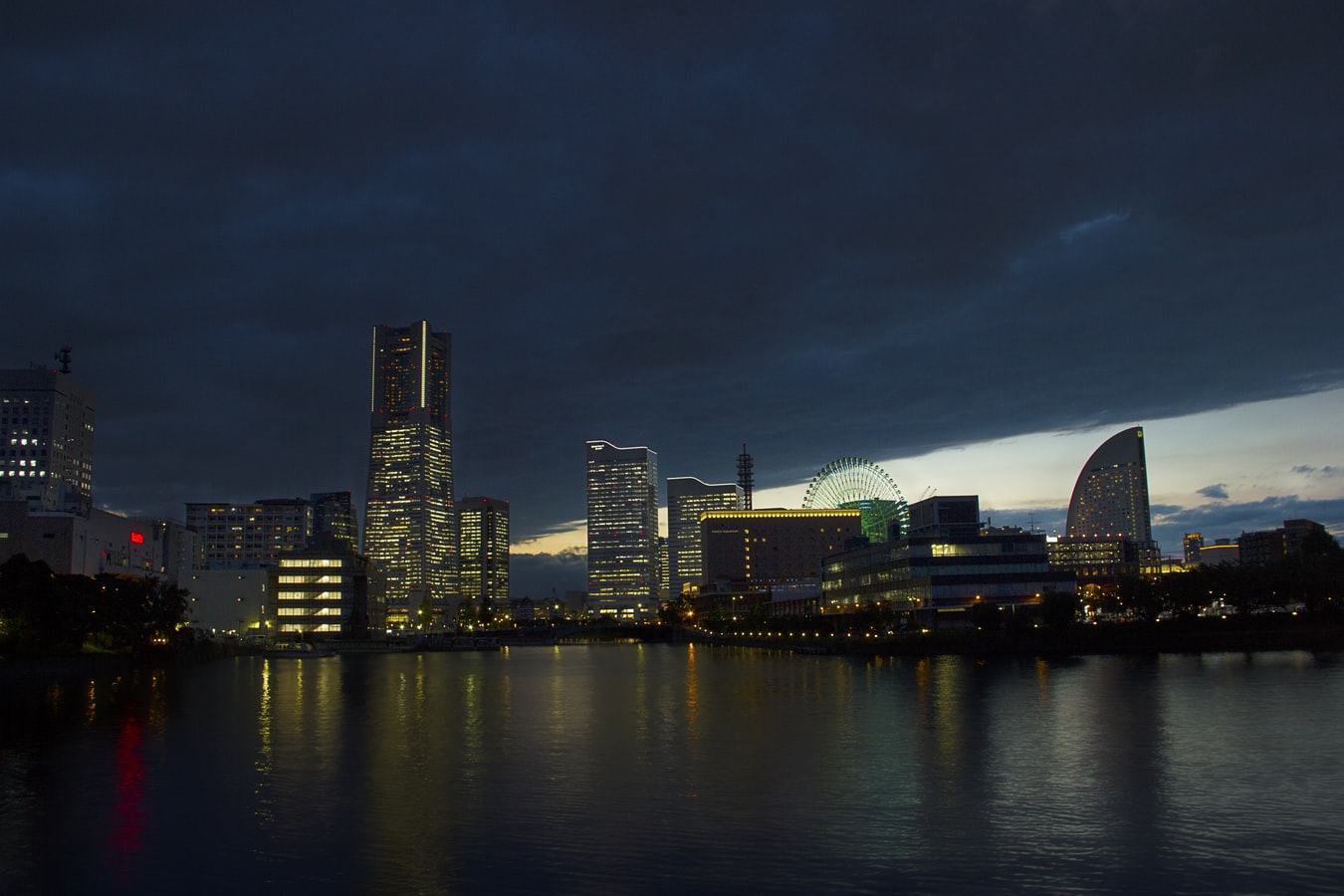
In 1853, a fleet of four American warships under Commodore Matthew Perry sailed into the bay of Tokyo (then Edo) and presented the reluctant Japanese with the demands of the U.S. government for the opening of diplomatic and commercial relations. The following year Perry returned and first set foot on Japanese soil at Yokohama—then a small fishing village on the mudflats of Tokyo bay. Two years later New York businessman Townsend Harris became America's first diplomatic representative to Japan. In 1858 he was finally able to negotiate a commercial treaty between the two countries; part of the deal designated four locations—one of them Yokohama—as treaty ports. In 1859 the shogunate created a special settlement in Yokohama for the growing community of merchants, traders, missionaries, and other assorted adventurers drawn to this exotic new land of opportunity. The foreigners (predominantly Chinese and British, plus a few French, Americans, and Dutch) were confined here to a guarded compound about 5 square km (2 square miles)—placed, in effect, in isolation—but not for long. Within a few short years the shogunal government collapsed, and Japan began to modernize. Western ideas were welcomed, as were Western goods, and the little treaty port became Japan's principal gateway to the outside world. In 1872 Japan's first railway was built, linking Yokohama and Tokyo. In 1889 Yokohama became a city; by then the population had grown to some 120,000. As the city prospered, so did the international community and by the early 1900s Yokohama was the busiest and most modern center of international trade in all of East Asia. Then Yokohama came tumbling down. On September 1, 1923, the Great Kanto Earthquake devastated the city. The ensuing fires destroyed some 60,000 homes and took more than 40,000 lives. During the six years it took to rebuild the city, many foreign businesses took up quarters elsewhere, primarily in Kobe and Osaka, and did not return. Over the next 20 years Yokohama continued to grow as an industrial center—until May 29, 1945, when in a span of four hours, some 500 American B-29 bombers leveled nearly half the city and left more than half a million people homeless. When the war ended, what remained became—in effect—the center of the Allied occupation. General Douglas MacArthur set up headquarters here, briefly, before moving to Tokyo; the entire port facility and about a quarter of the city remained in the hands of the U.S. military throughout the 1950s. By the 1970s Yokohama was once more rising from the debris; in 1978 it surpassed Osaka as the nation's second-largest city, and the population is now inching up to the 3.5 million mark. Boosted by Japan's postwar economic miracle, Yokohama has extended its urban sprawl north to Tokyo and south to Kamakura—in the process creating a whole new subcenter around the Shinkansen Station at Shin-Yokohama. The development of air travel and the competition from other ports have changed the city's role in Japan's economy. The great liners that once docked at Yokohama's piers are now but a memory, kept alive by a museum ship and the occasional visit of a luxury vessel on a Pacific cruise. Modern Large as Yokohama is, the central area is very negotiable. As with any other port city, much of what it has to offer centers on the waterfront—in this case, on the west side of Tokyo Bay. The downtown area is called Kannai (literally, "within the checkpoint"); this is where the international community was originally confined by the shogunate. Though the center of interest has expanded to include the waterfront and Ishikawa-cho, to the south, Kannai remains the heart of town. Think of that heart as two adjacent areas. One is the old district of Kannai, bounded by Basha-michi on the northwest and Nippon-odori on the southeast, the Keihin Tohoku Line tracks on the southwest, and the waterfront on the northeast. This area contains the business offices of modern Yokohama. The other area extends southeast from Nippon-odori to the Moto-machi shopping street and the International Cemetery, bordered by Yamashita Koen and the waterfront to the northeast; in the center is Chinatown, with Ishikawa-cho Station to the southwest. This is the most interesting part of town for tourists. Whether you're coming from Tokyo, Nagoya, or Kamakura, make Ishikawa-cho Station your starting point. Take the South Exit from the station and head in the direction of the waterfront.

Jpyok   Yokohama, Japan   Pc To Arthur Mazi
Jpyok Yokohama, Japan Pc To Arthur Mazi
Jpyok   Yokohama, Japan   Pc To Yu Kato
Jpyok Yokohama, Japan Pc To Yu Kato
Jpyok   Yokohama, Japan  777 Port Visits  Photo Credit To Nagatoshi Shimamura
Jpyok Yokohama, Japan 777 Port Visits Photo Credit To Nagatoshi Shimamura

Suites & Deck Plans

Suite

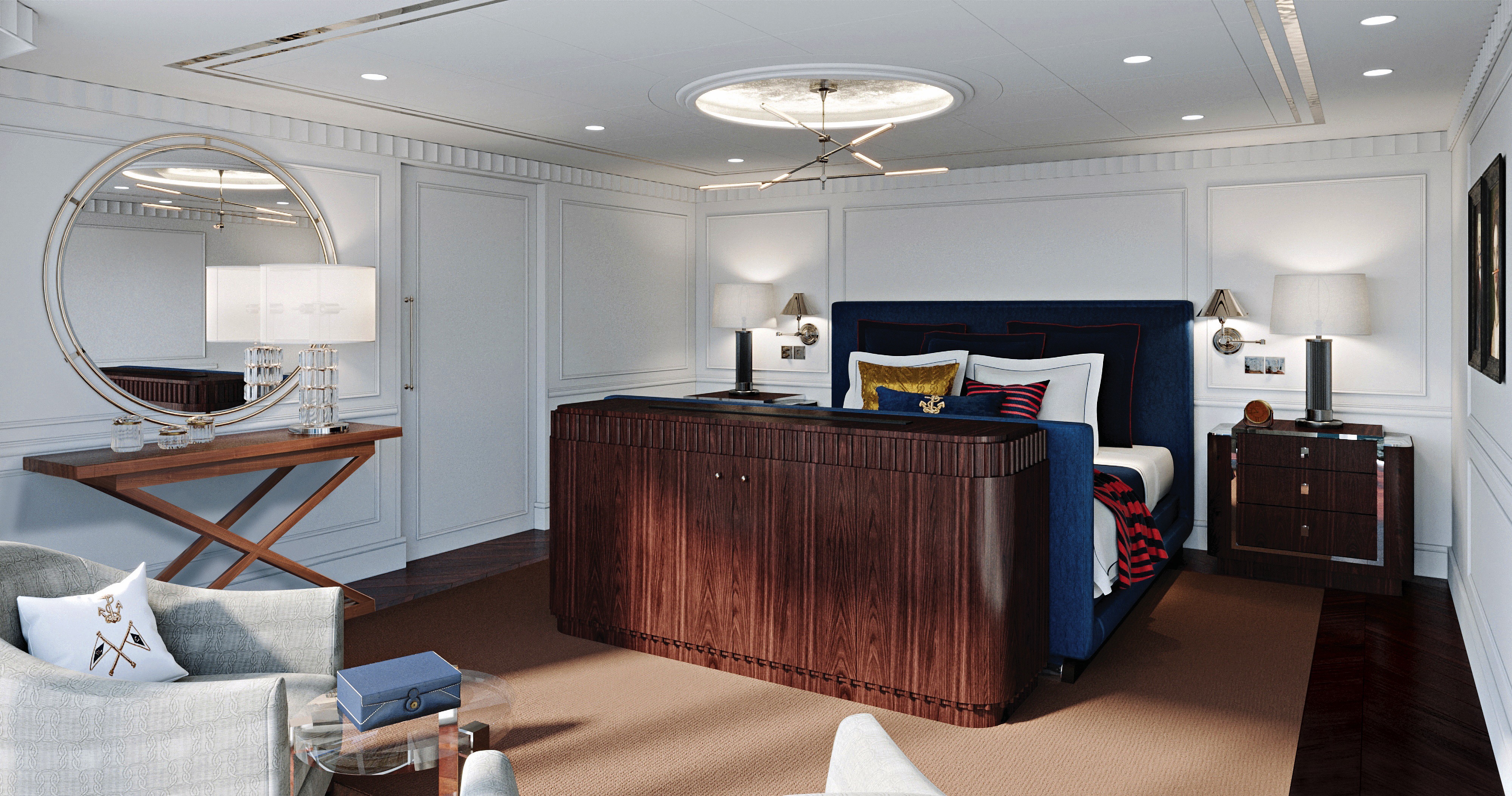
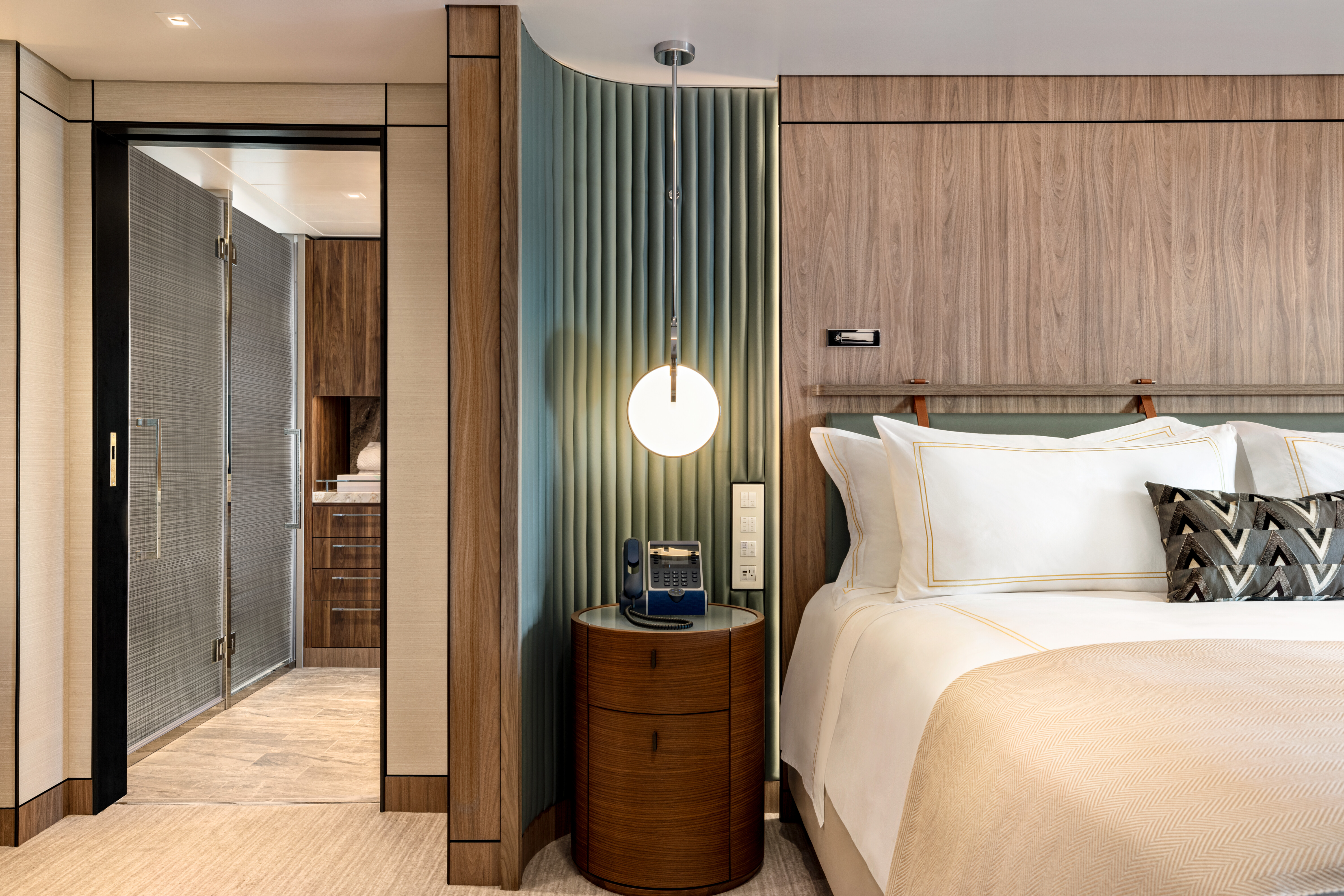
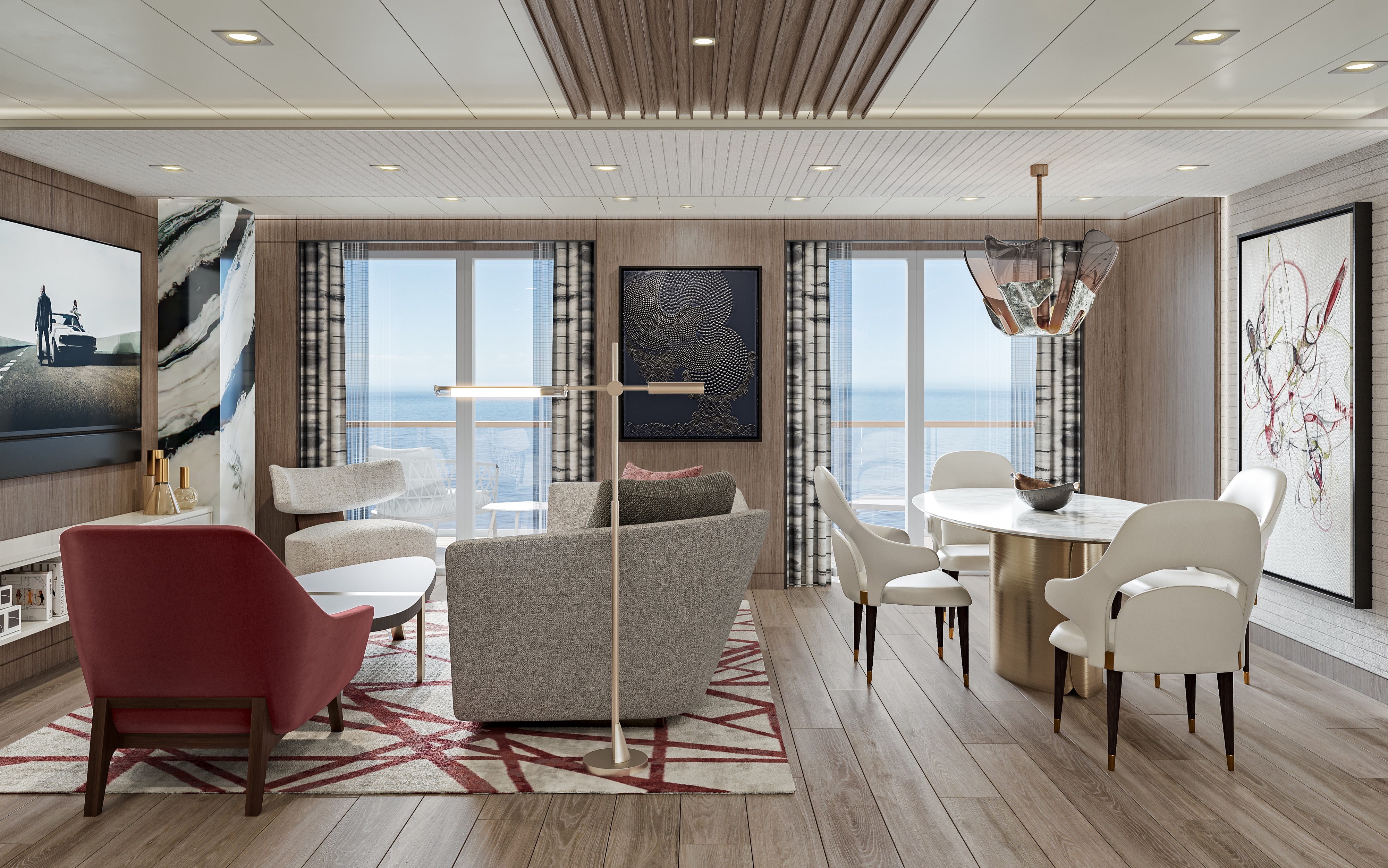
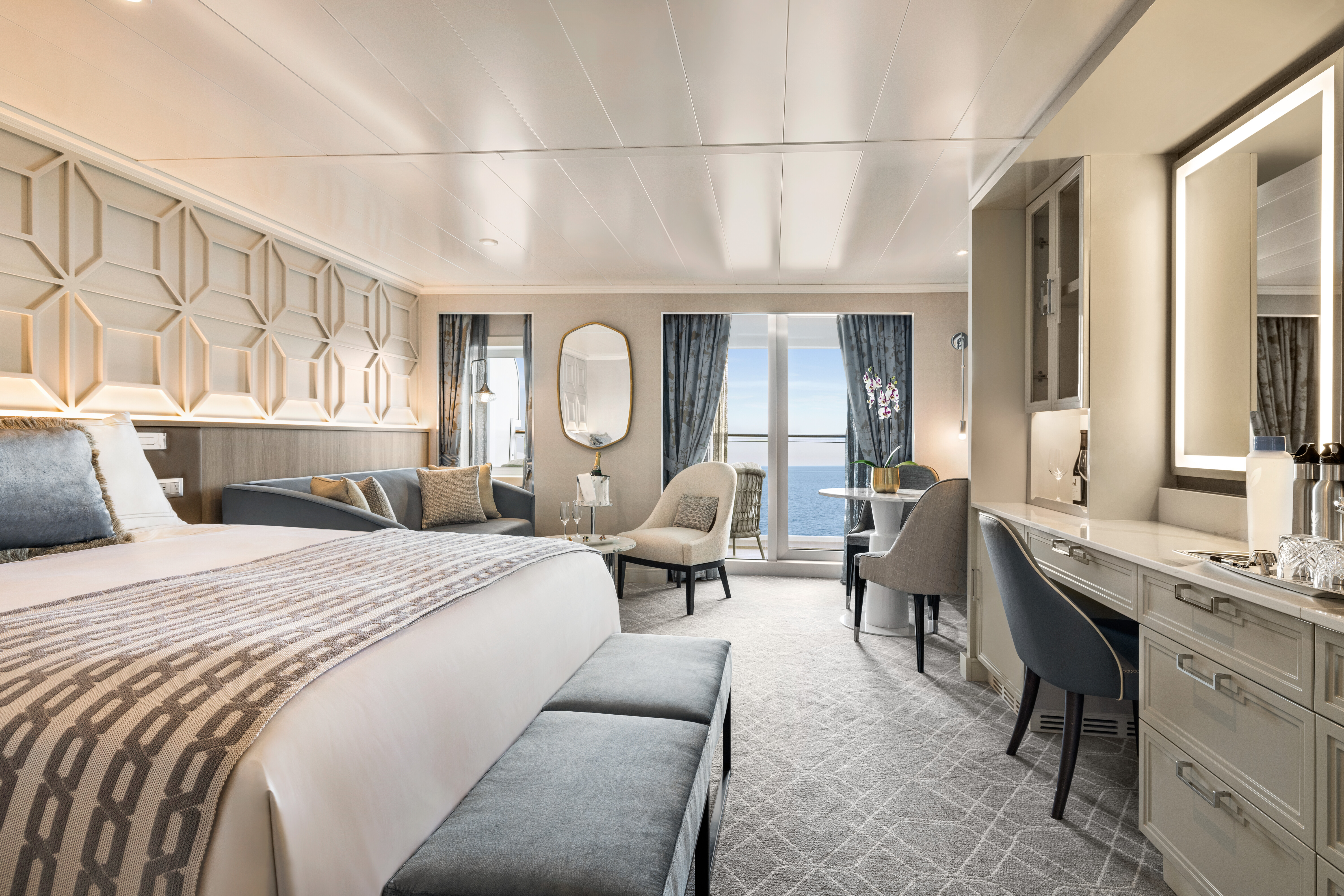
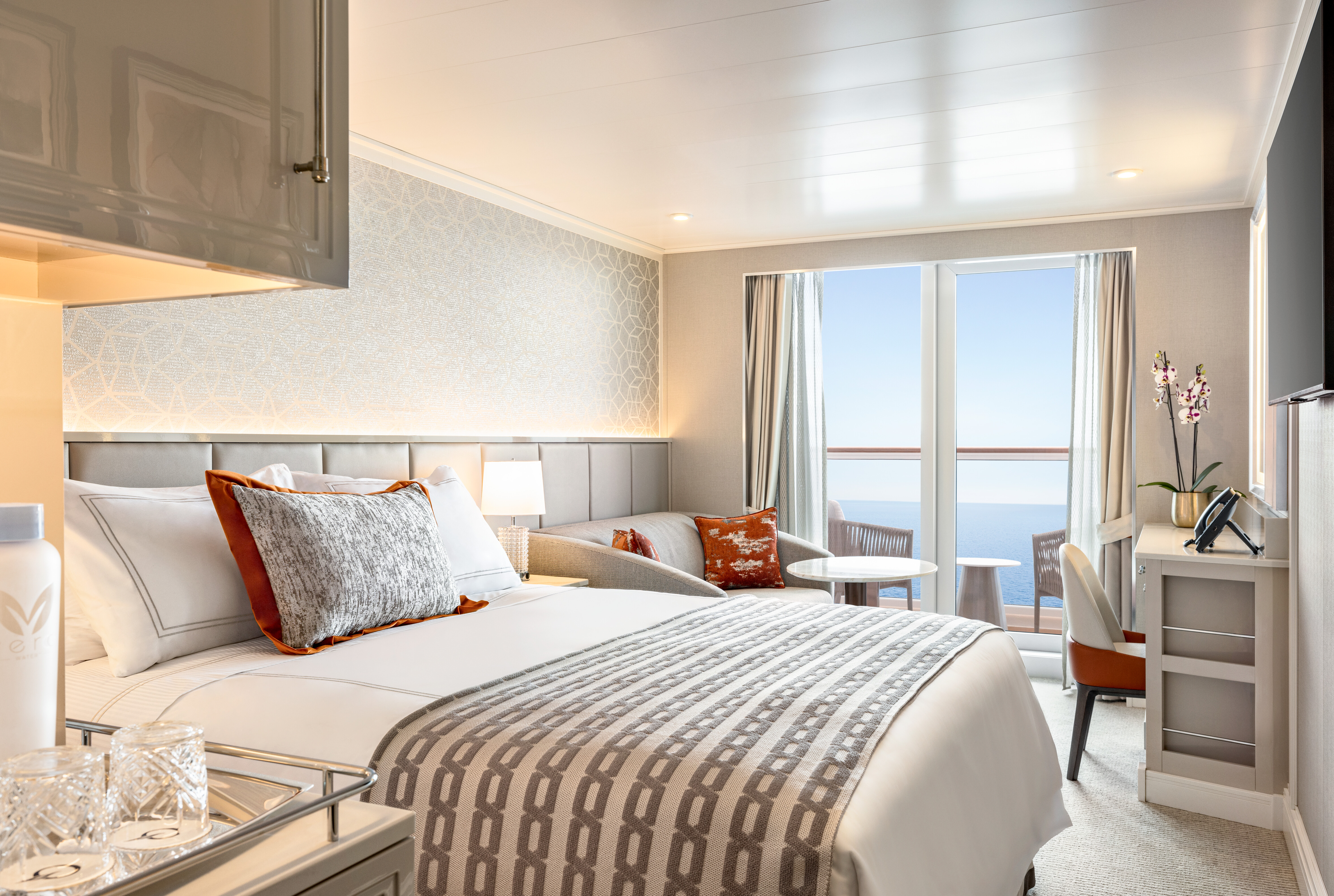
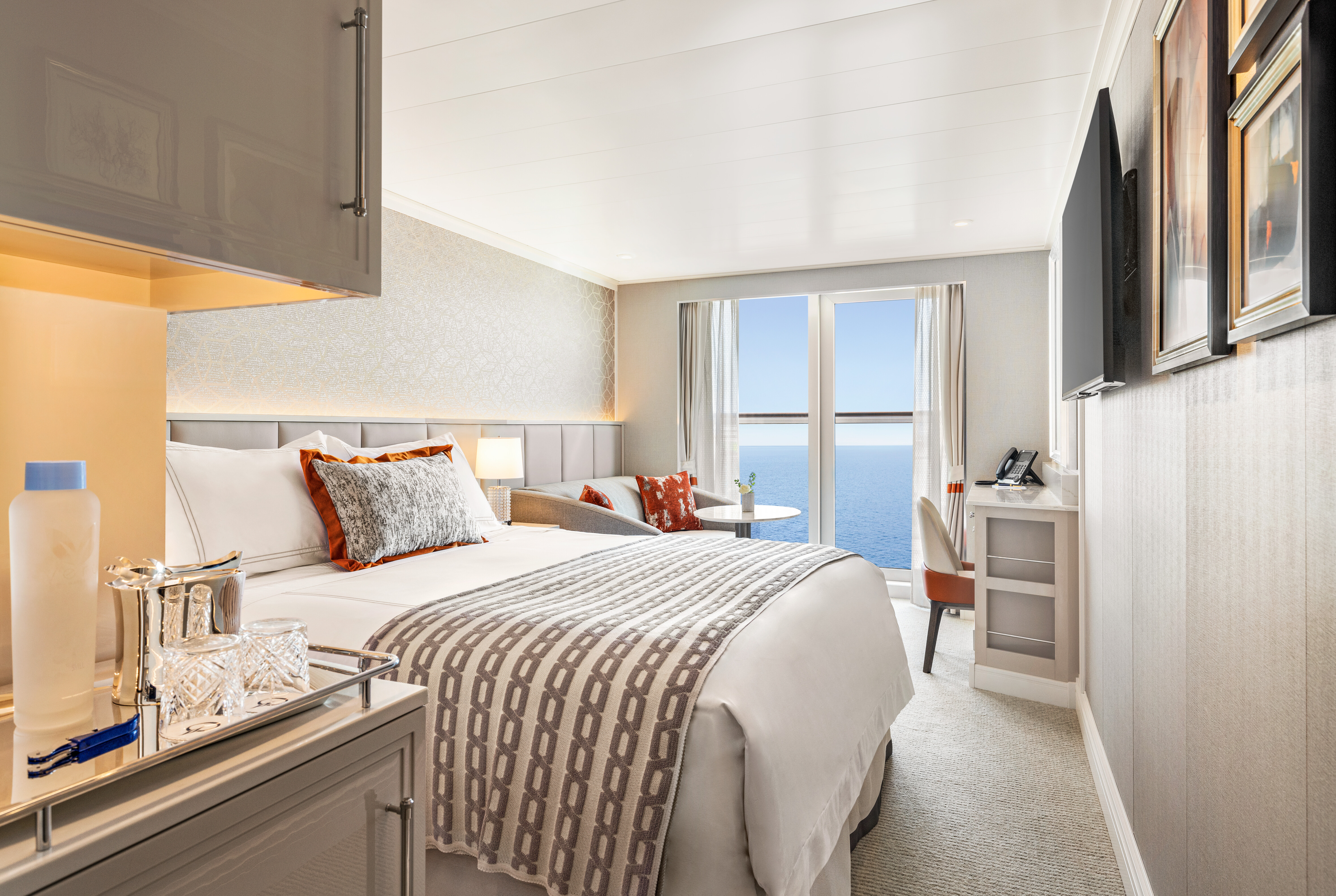
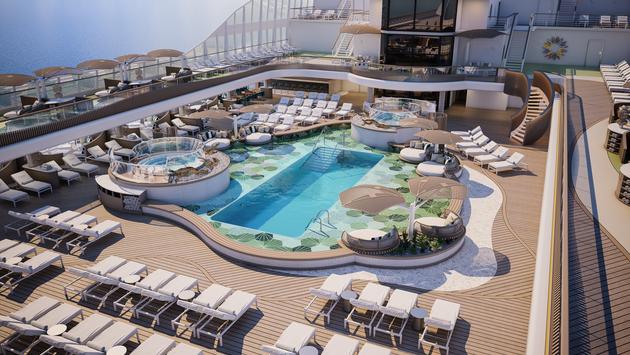
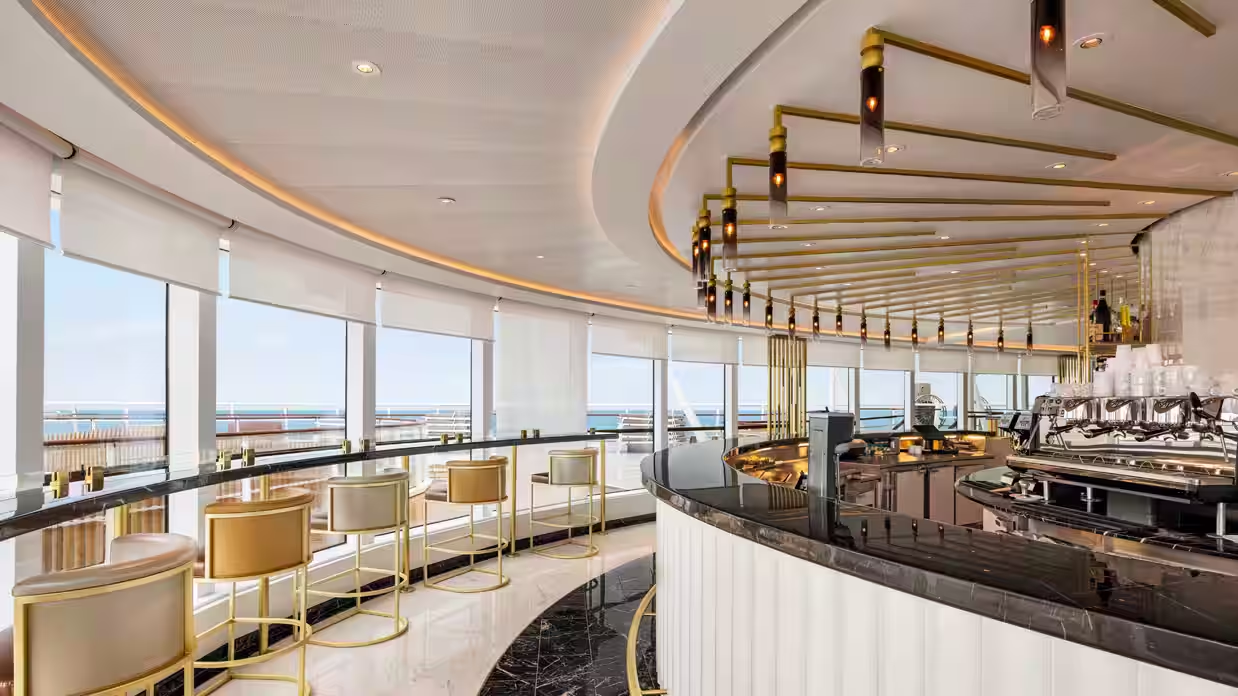
Oceania Vista's Owner’s Suites span the full beam of the ship and showcase sweeping walls of glass that celebrate the stunning seaside views. These sun-filled retreats feature luxurious fabrics, designer furnishings and thoughtful touches that exude opulence yet call on familiar comforts to create the ultimate home at sea. Savor an in-suite dinner in the elegant dining room and then indulge in convivial conversation within the stylish comfort of the inviting living area. In the spacious master bedroom, bask in sublime relaxation with a plush king-size bed and a master bath featuring spa-caliber facilities. Expansive verandas off both the living room and master bedroom promise moments of cherished privacy as you survey the world from the pinnacle of luxurious living.

+Owner’s Suite square footage varies according to deck location.

Owner's Suite Privileges

+In addition to Concierge Level privileges

  • Priority luggage delivery
  • Exclusive card-only access to private Executive Lounge staffed by a dedicated Concierge featuring complimentary sodas, coffees and snacks throughout the day
  • 24-hour Butler service
  • Optional private in-suite embarkation day lunch from noon to 2 pm in Owner’s Suites
  • Complimentary in-suite bar setup with 6 full-size bottles of your choice of premium spirits and wines from our suite beverage menu
  • Complimentary welcome bottle of Champagne
  • In-suite illy® coffee maker and pods
  • Fresh fruit basket upon request
  • Choice of daily newspaper
  • Exclusive pillow menu
  • Course-by-course in-suite dining+
  • Order in from any of our specialty restaurants+
  • Coordination of shoreside dinner and entertainment reservations
  • Last-minute luggage collection
  • Packing and unpacking upon request
  • Complimentary garment pressing+
  • Complimentary shoeshine service
  • Gourmet evening canapés upon request
  • Special services upon request

+Up to 20 garments per laundry bag; additional restrictions apply.

++Certain limitations apply.

Smoking in suites, staterooms and on verandas is strictly prohibited.

2200-2400 sq ft
Accommodates 4 guests
Owner's Suite

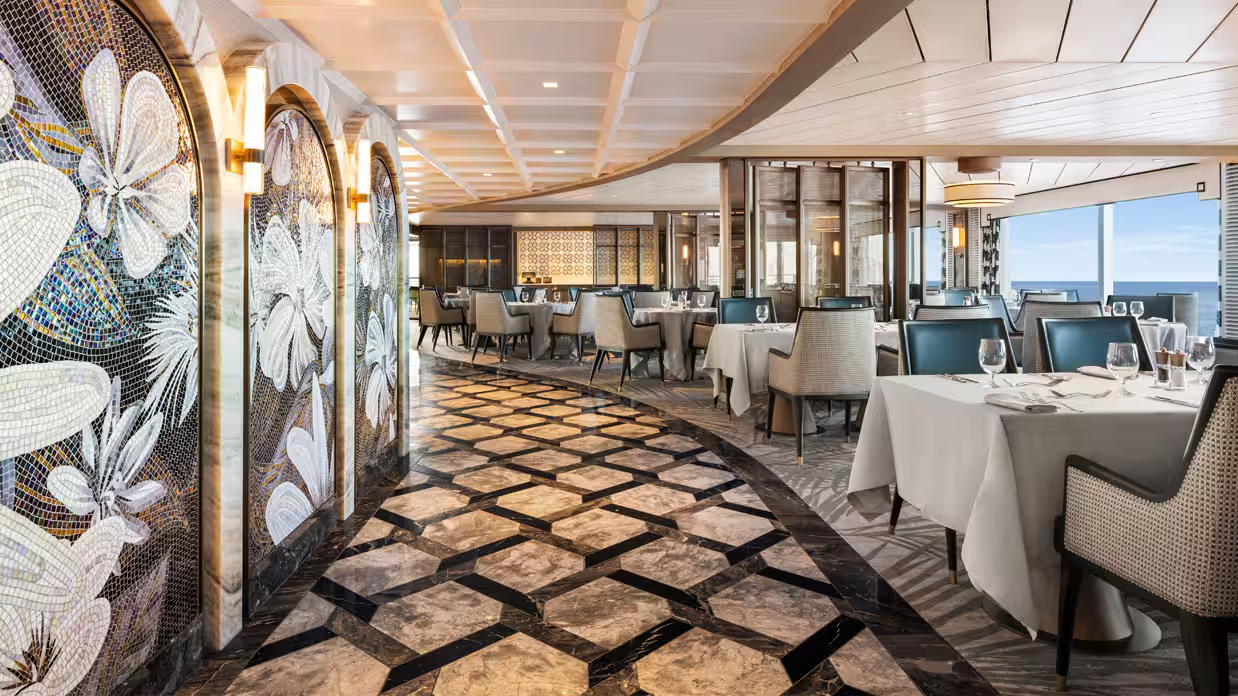
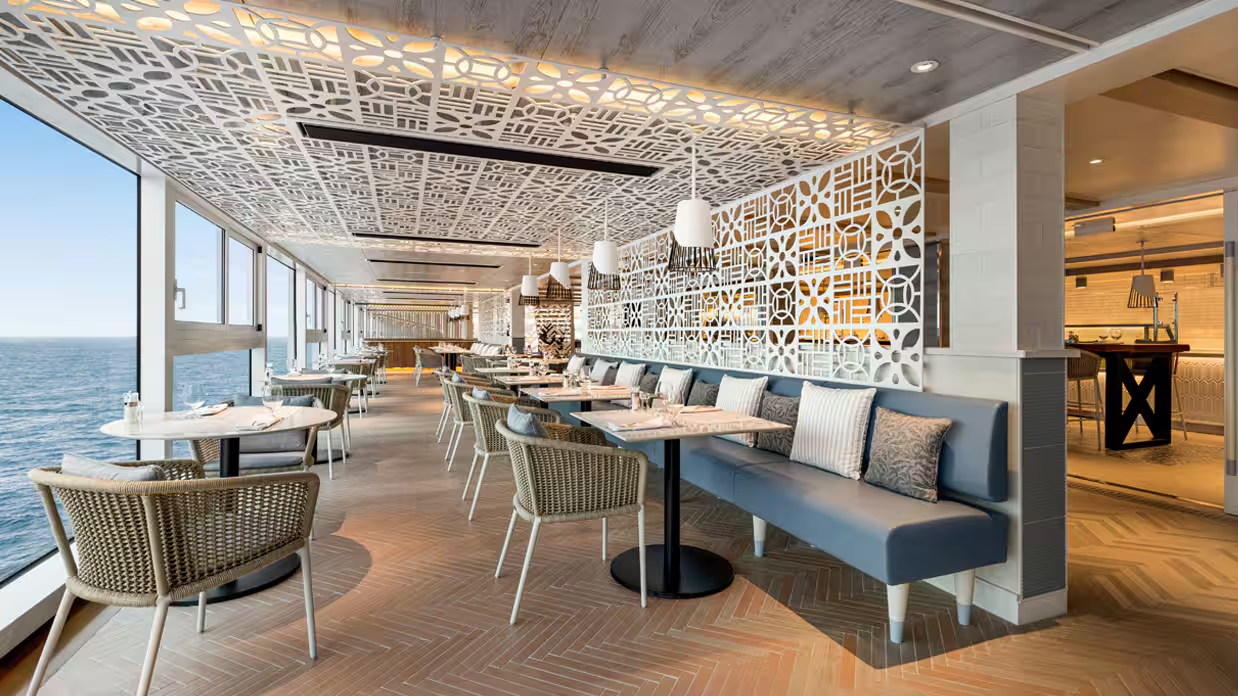
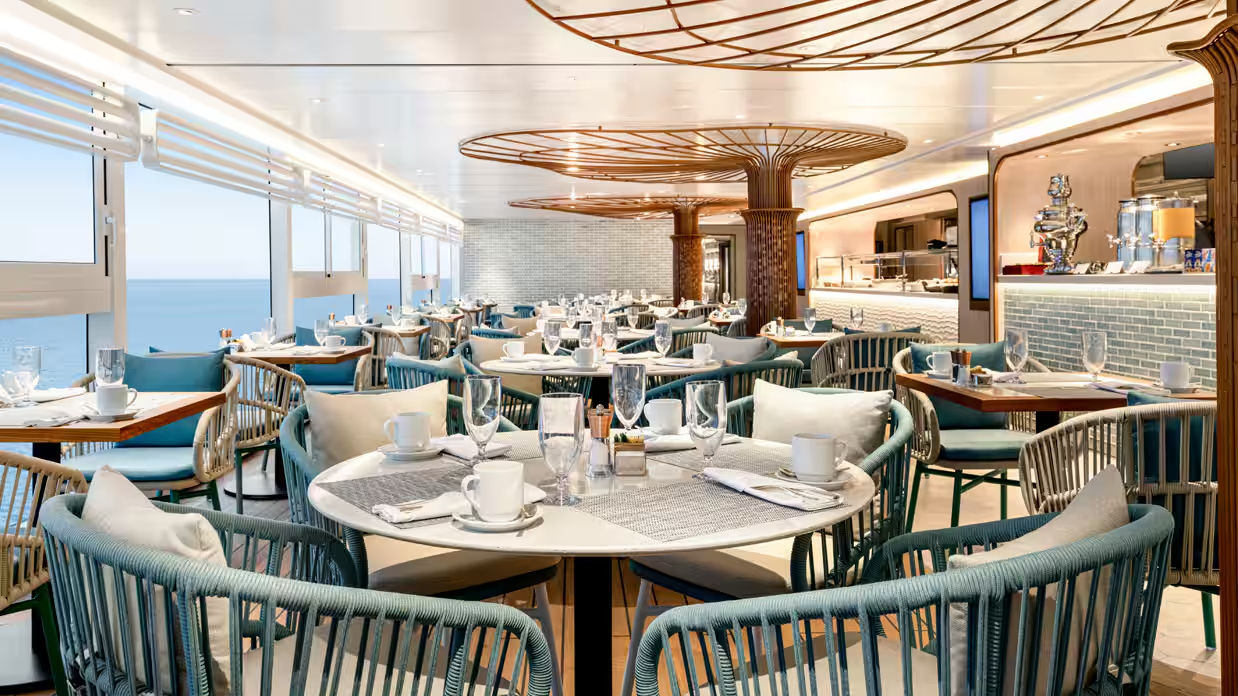
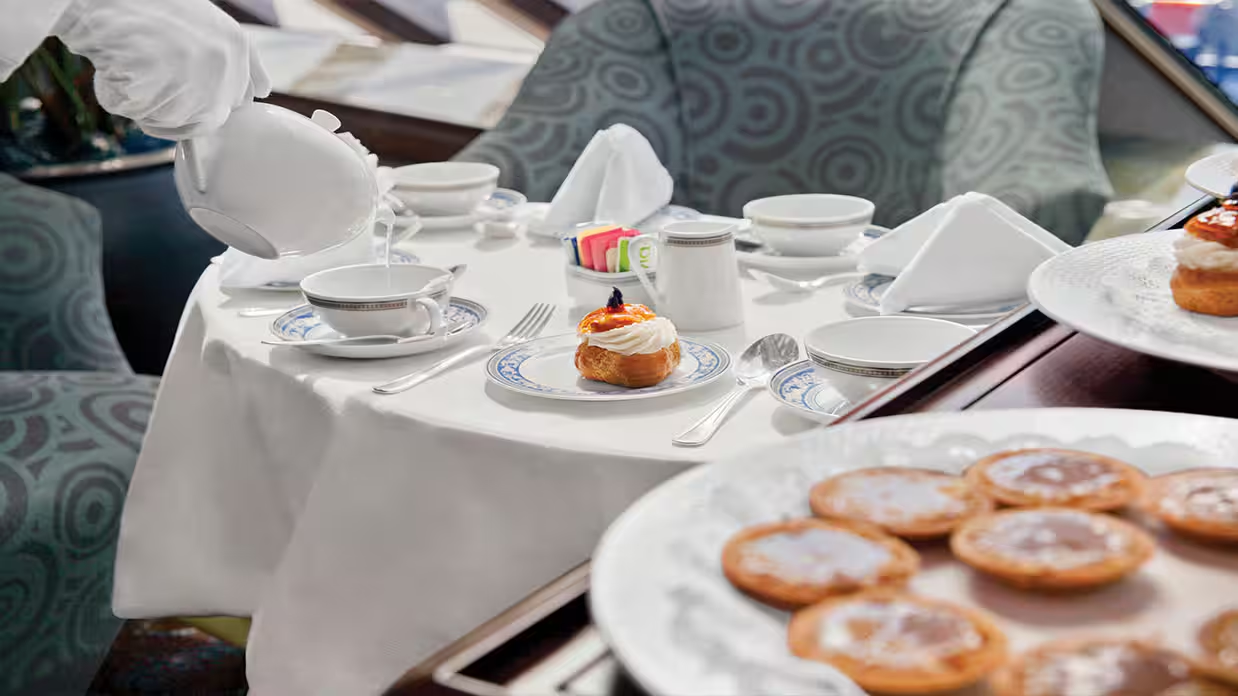
Oceania Vista

Oceania Vista

Life on board

The Onboard Experience

Client testimonials

I have worked with Lore Doick for more than 20 years, and she has booked over 30 cruises for me. Her expertise, care, and attention to every travel detail have made her an invaluable advisor and friend over the years.”

Tina B.

We are now in our second generation working with Cheri Ozimac at Tully Luxury Travel. From Antarctica to Greece, she has handled every detail with expertise, responsiveness, and care…

Earl M.

My wife and I have worked with Tully since 2007, and Kit Neil and her team went far beyond expectations while helping us navigate multiple cruise and flight cancellations. Their advocacy, care, and support during a difficult time were extraordinary.

Carri F.

Cheri Ozimac organized our Seabourn cruise flawlessly, from the hotel recommendation to every travel arrangement. She was responsive, attentive, and an excellent advocate throughout the process…

Cyn S.

We discovered Tully Luxury Travel after years of booking cruises through US agents and were impressed by their competitive pricing, exceptional service, and Canadian based support. Their team is always available, offers excellent value, and makes booking the right cruise seamless.

Peter C.

GoogleAverage Customer Rating:

The Tully Difference

Why travel with us


Tully Luxury Travel was built on access, discretion, and trust. For our clients, that means ease at every step, with distinctions that turn exceptional voyages into defining moments.

Recognized expertise

A renowned agency worldwide in luxury land and small-ship cruising, consistently trusted by the industry’s most prestigious brands.