Exploring Ancient Empires

Itinerary: Civitavecchia, Salerno, Siracuse, Sicily, Katakolon, Gythio, Mykonos, Pátmos, Vólos, Çanakkale, Istanbul See full itinerary

29 Mar 27
9 nights

Voyage Details

Duration:
9 nights
Departure:
29 Mar 2027
Embarkation:
Civitavecchia, Italy
Cruise code:
SIR270329
Voyage code:
SIR270329

Your Itinerary, Day-By-Day

Special Chapters of Your Journey

Day 1 - Civitavecchia

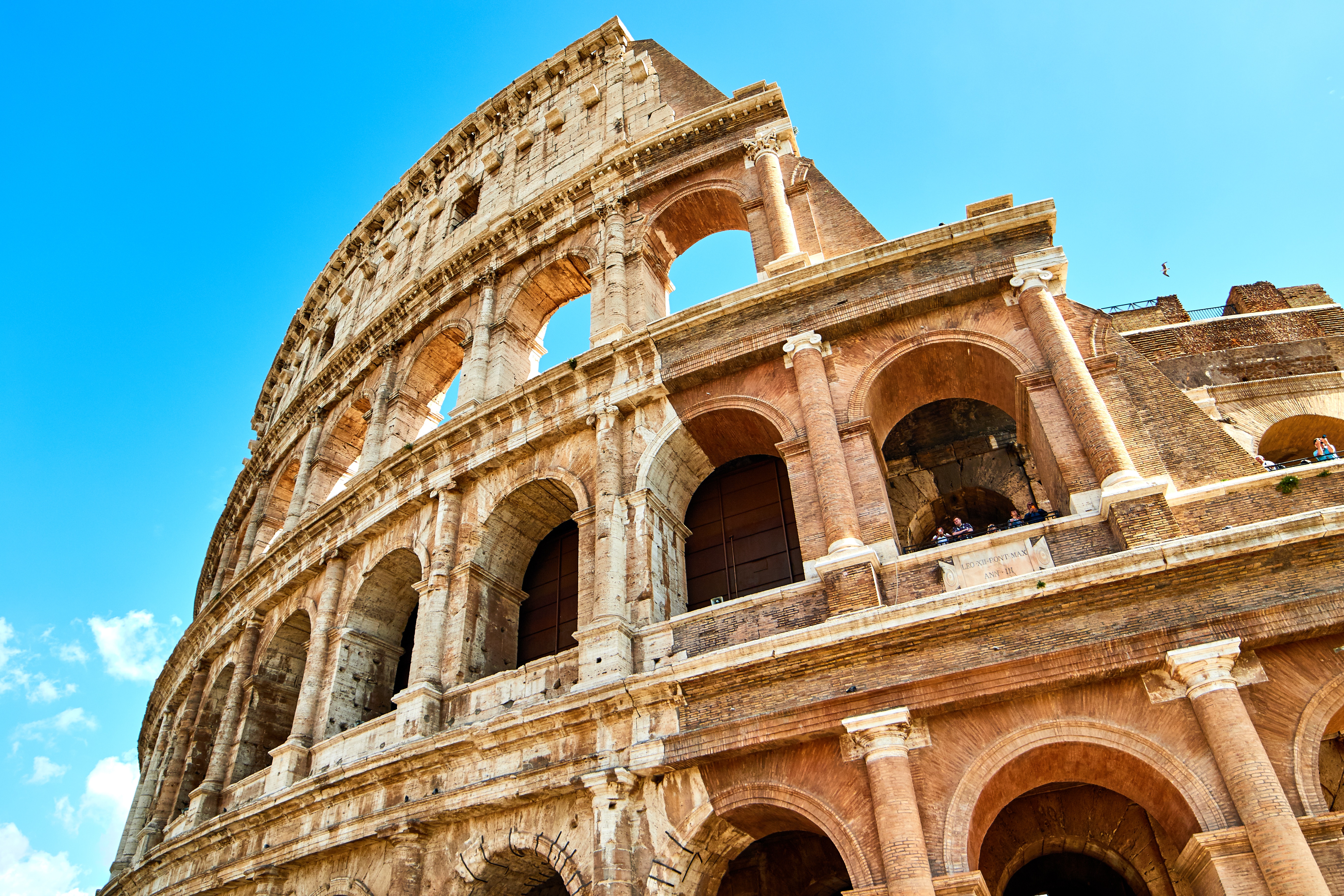
Italy's vibrant capital lives in the present, but no other city on earth evokes its past so powerfully. For over 2,500 years, emperors, popes, artists, and common citizens have left their mark here. Archaeological remains from ancient Rome, art-stuffed churches, and the treasures of Vatican City vie for your attention, but Rome is also a wonderful place to practice the Italian-perfected il dolce far niente, the sweet art of idleness. Your most memorable experiences may include sitting at a caffè in the Campo de' Fiori or strolling in a beguiling piazza.

Itrom   Rome   Colosseum   Mathew Schwartz
Itrom Rome Colosseum Mathew SchwartzPhotograph by Matthew Schwartz
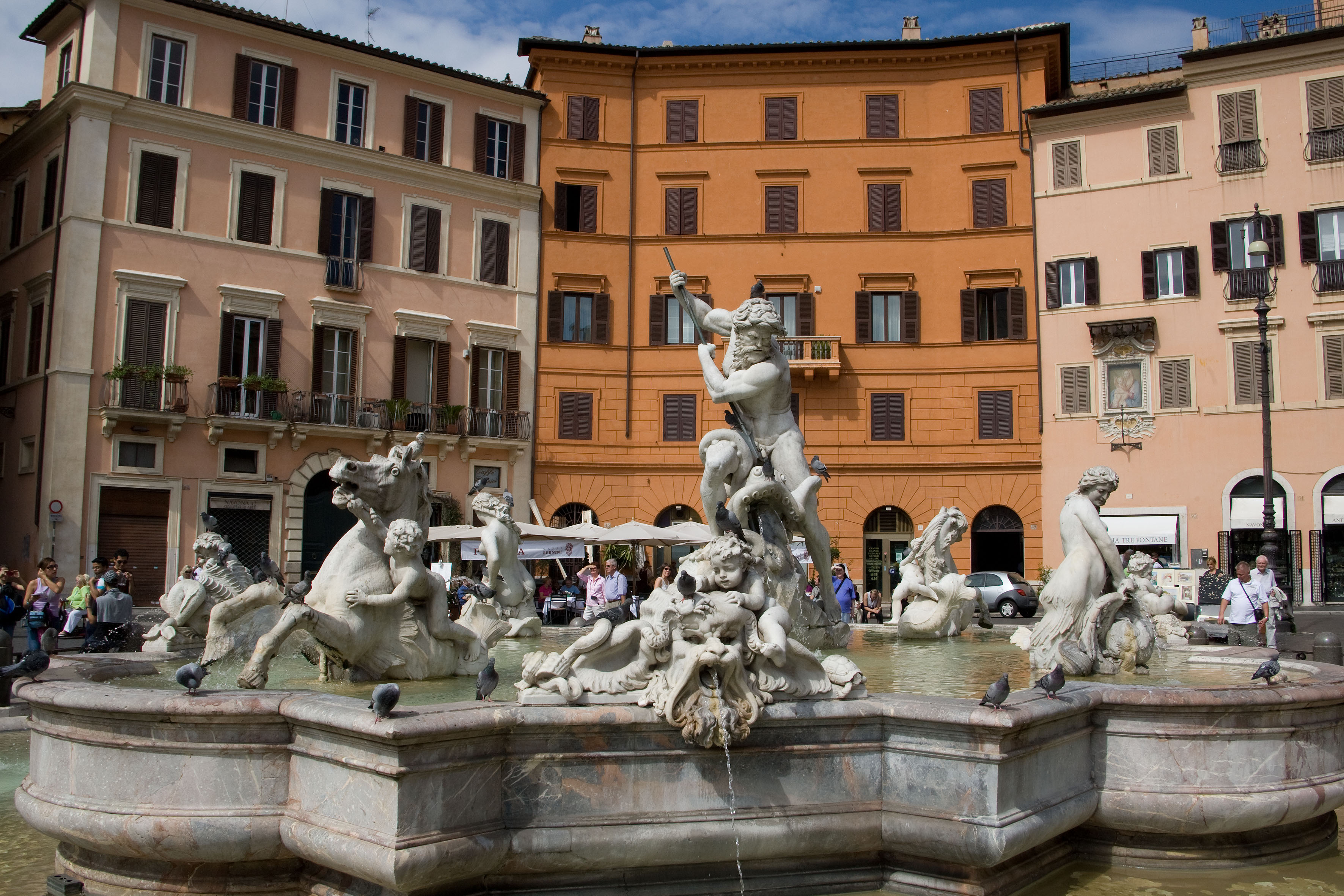
Itrom   Rome   Navona Square   Fototeca Enit
Itrom Rome Navona Square Fototeca EnitFototeca ENIT
Itrom   Rome   S.Pietro & S.Angelo Bridge   Fototeca Enit
Itrom Rome S.Pietro & S.Angelo Bridge Fototeca Enit Fototeca ENIT
Itrom   Rome   Sant'angelo Bridge   Fototeca Enit
Itrom Rome Sant'angelo Bridge Fototeca EnitFototeca ENIT
Itrom   Rome   Tempio Del Divo Claudio   Nicole Reyes
Itrom Rome Tempio Del Divo Claudio Nicole ReyesPhotograph by Nicole Reyes
Itrom   Rome   Trevi Fountain   Christopher Czermak
Itrom Rome Trevi Fountain Christopher CzermakPhotograph by Christopher Czermak
Itrom   Rome   Vatican City   Caleb Miller
Itrom Rome Vatican City Caleb MillerPhotograph by Caleb Miller
Itrom   Rome   Vatican City   Christopher Czermak
Itrom Rome Vatican City Christopher CzermakPhotograph by Christopher Czermak

Day 2 - Salerno

Salerno is an Italian city located on the Gulf of Salerno. Famous for being home to the first medical university, Salerno is a great destination for anyone looking for gorgeous sea views filled with sunshine and Italian food.

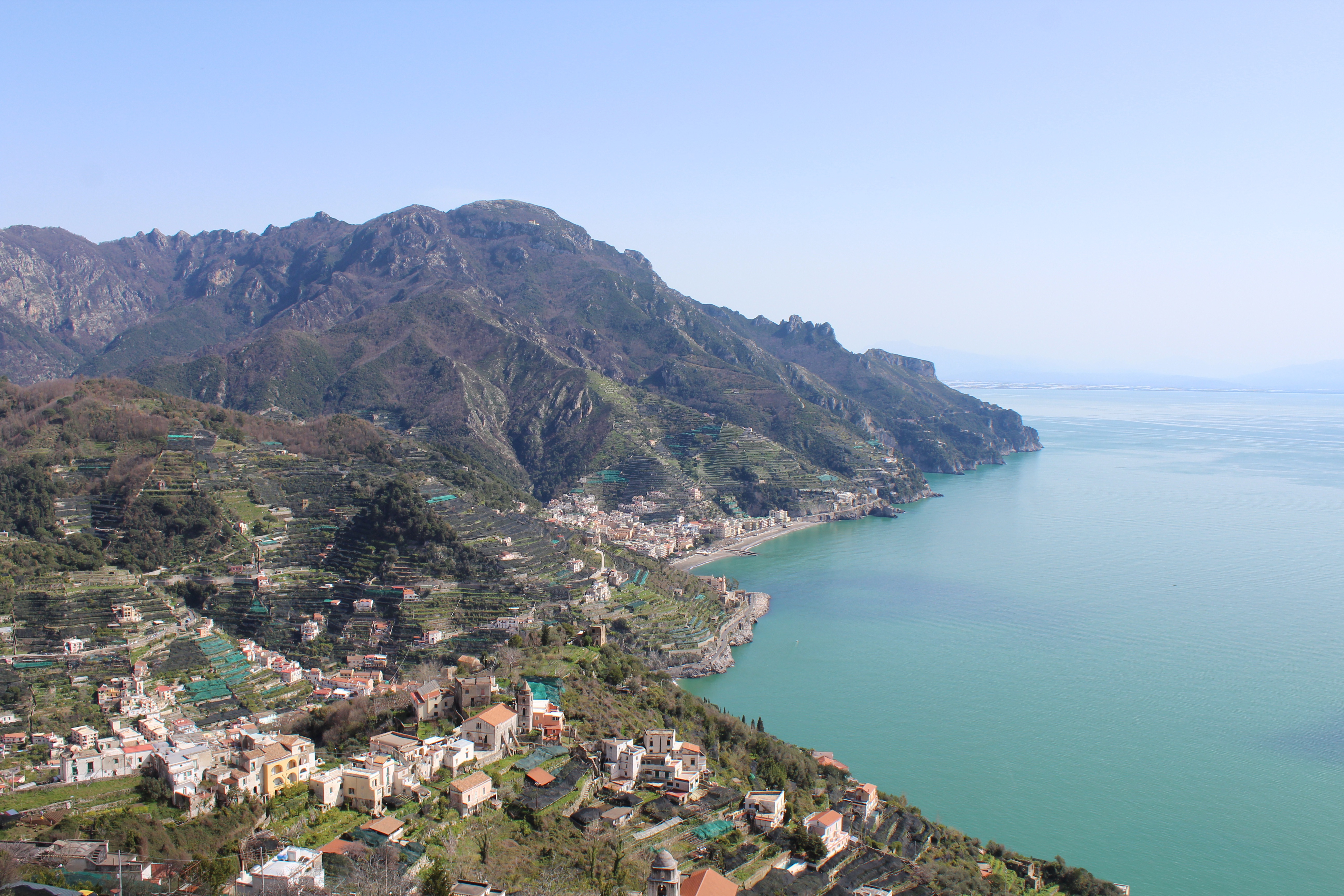
Salerno, Italy
Salerno, ItalyImage by SALVATORE MONETTI from Pixabay
Salerno, Italy
Salerno, ItalyImage by Valter Cirillo from Pixabay

Day 3 - Siracuse, Sicily

Siracusa, known to English speakers as Syracuse, is a wonder to behold. One of the great ancient capitals of Western civilization, the city was founded in 734 BC by Greek colonists from Corinth and soon grew to rival, and even surpass, Athens in splendor and power. It became the largest, wealthiest city-state in the West and a bulwark of Greek civilization. Although Siracusa lived under tyranny, rulers such as Dionysius filled their courts with Greeks of the highest cultural stature—among them the playwrights Aeschylus and Euripides, and the philosopher Plato. The Athenians, who didn't welcome Siracusa's rise, set out to conquer Sicily, but the natives outsmarted them in what was one of the greatest military campaigns in ancient history (413 BC). The city continued to prosper until it was conquered two centuries later by the Romans.Present-day Siracusa still has some of the finest examples of Baroque art and architecture; dramatic Greek and Roman ruins; and a Duomo that's the stuff of legend—a microcosm of the city's entire history in one building. The modern city also has a wonderful, lively, Baroque old town worthy of extensive exploration, as well as pleasant piazzas, outdoor cafés and bars, and a wide assortment of excellent seafood. There are essentially two areas to explore in Siracusa: the Parco Archeologico (Archaeological Zone), on the mainland; and the island of Ortygia, the ancient city first inhabited by the Greeks, which juts out into the Ionian Sea and is connected to the mainland by two small bridges. Ortygia is becoming increasingly popular with tourists, and is starting to lose its old-fashioned charm in favor of modern boutiques.Siracusa's old nucleus of Ortygia, a compact area, is a pleasure to amble around without getting unduly tired. In contrast, mainland Siracusa is a grid of wider avenues. At the northern end of Corso Gelone, above Viale Paolo Orsi, the orderly grid gives way to the ancient quarter of Neapolis, where the sprawling Parco Archeologico is accessible from Viale Teracati (an extension of Corso Gelone). East of Viale Teracati, about a 10-minute walk from the Parco Archeologico, the district of Tyche holds the archaeological museum and the church and catacombs of San Giovanni, both off Viale Teocrito (drive or take a taxi or city bus from Ortygia). Coming from the train station, it's a 15-minute trudge to Ortygia along Via Francesco Crispi and Corso Umberto. If you're not up for that, take one of the free electric buses leaving every 10 minutes from the bus station around the corner.

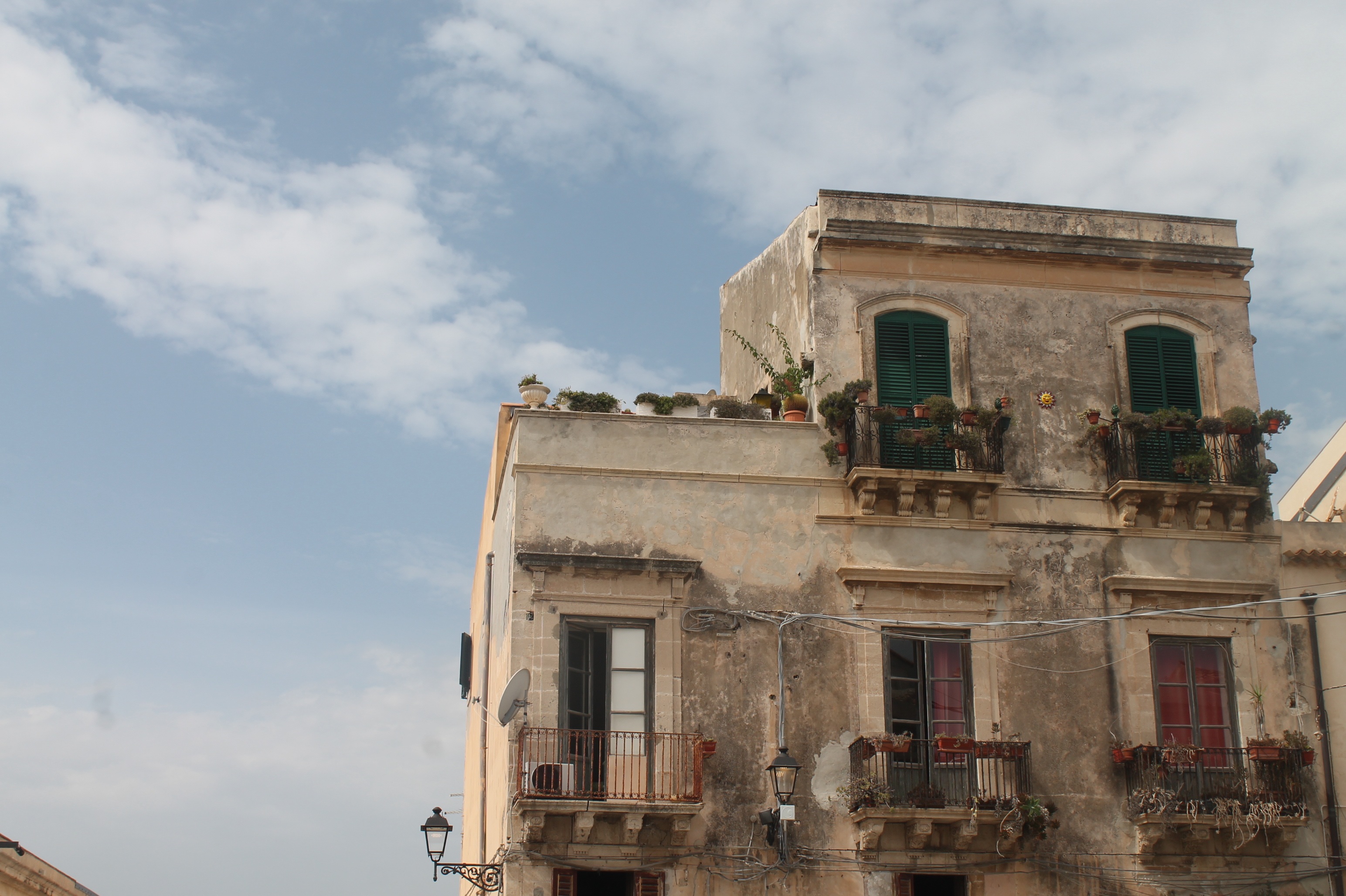
Siracuse, Sicily
Siracuse, SicilyImage by alpenzoo from Pixabay

Day 4 - Katakolon

Katakolon could not seem less of a cruise port if it tried. A tiny enclave clinging to the western Peloponnese coast, it's a sleepy place except when ships dock. But it's a popular cruise destination because of its proximity to Olympia. Ancient Olympia was one of the most important cities in classical Greece. The Sanctuary of Zeus was the city's raison d'être, and attracted pilgrims from around the eastern Mediterranean, and later the city played host to Olympic Games, the original athletic games that were the inspiration for today's modern sporting pan-planetary meet. At the foot of the tree-covered Kronion hill, in a valley near two rivers, Katakolon is today one of the most popular ancient sites in Greece. If you don't want to make the trip to Olympia, then Katakolon is an ideal place for a leisurely Greek lunch while you watch the fishermen mend their nets, but there's just not much else to do there.

Grkak   Katakolon, Greece   Viola '
Grkak Katakolon, Greece Viola '
Grkak   Katakolon   By Ingrid Und Stefan Melichar   Pixabay
Grkak Katakolon By Ingrid Und Stefan Melichar Pixabay

Day 5 - Gythio

Further details for this day are not available.

Gythio, Greece
Gythio, GreecePhoto by George Girnas on Unsplash

Day 6 - Mykonos

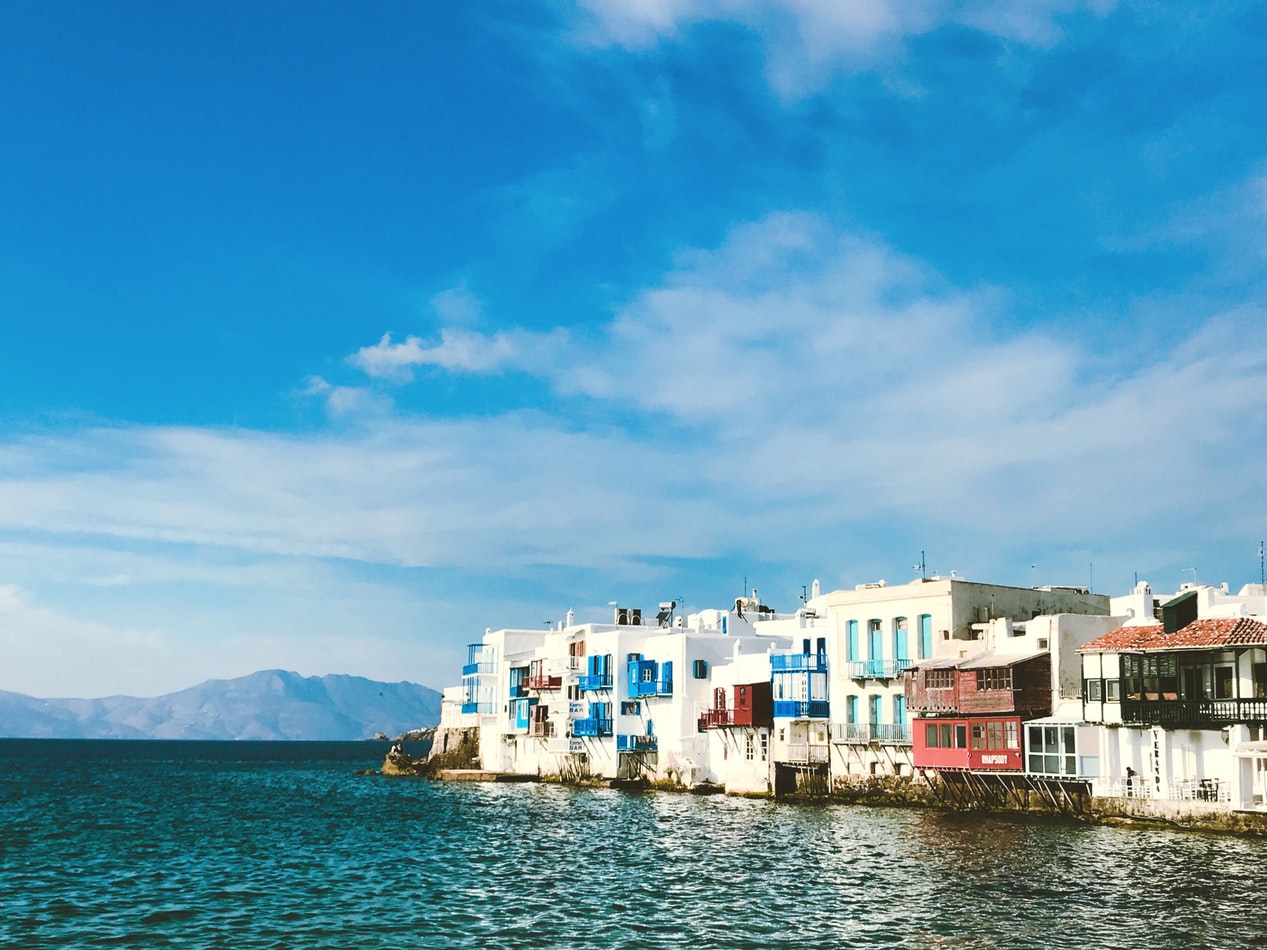
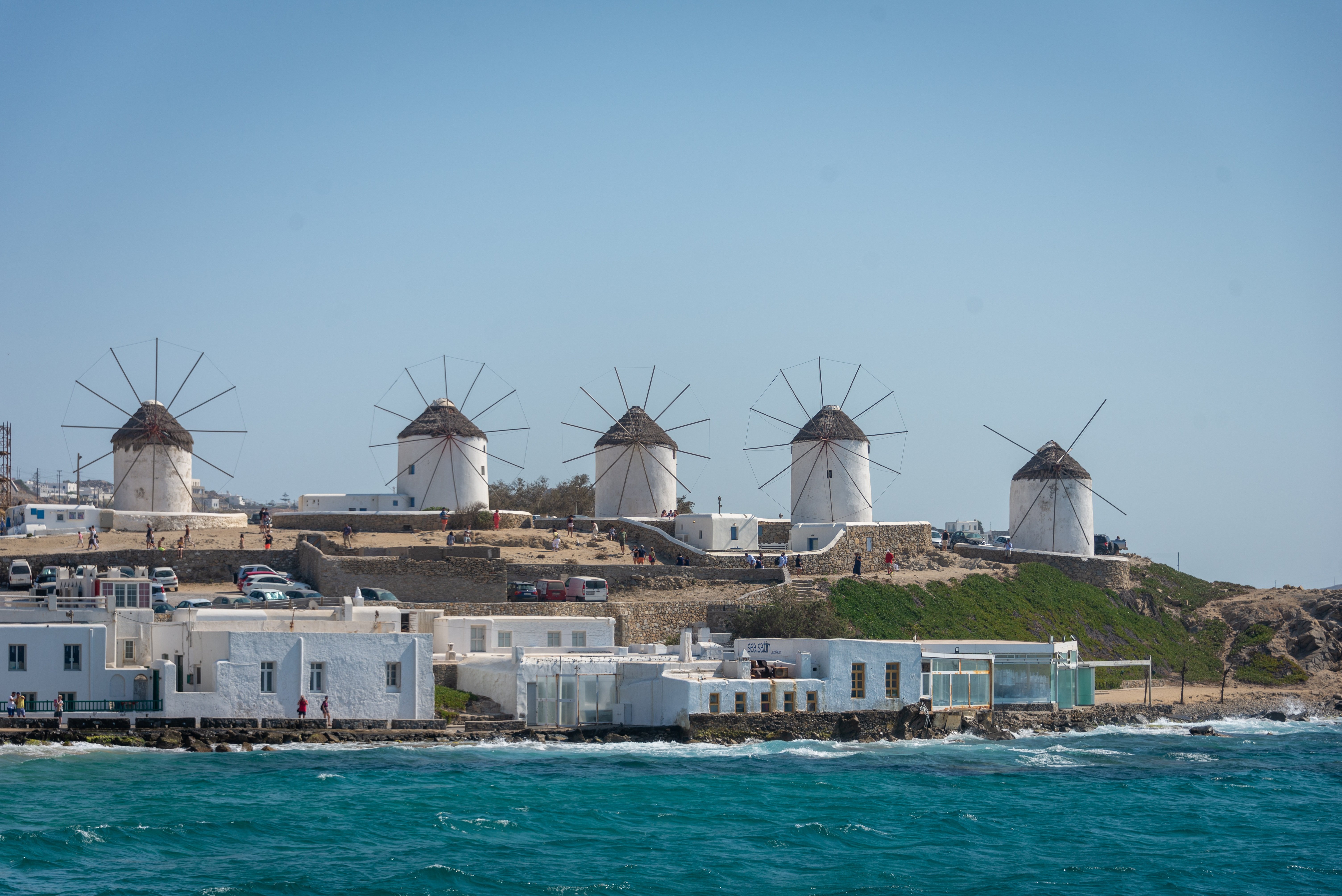
Although the fishing boats still go out in good weather, Mykonos largely makes its living from tourism these days. The summer crowds have turned one of the poorest islands in Greece into one of the richest. Old Mykonians complain that their young, who have inherited stores where their grandfathers once sold eggs or wine, get so much rent that they have lost ambition, and in summer sit around pool bars at night with their friends, and hang out in Athens in winter when island life is less scintillating. Put firmly on the map by Jackie O in the 1960s, Mykonos town—called Hora by the locals—remains the Saint-Tropez of the Greek islands. The scenery is memorable, with its whitewashed streets, Little Venice, the Kato Myli ridge of windmills, and Kastro, the town's medieval quarter. Its cubical two- or three-story houses and churches, with their red or blue doors and domes and wooden balconies, have been long celebrated as some of the best examples of classic Cycladic architecture. Luckily, the Greek Archaeological Service decided to preserve the town, even when the Mykonians would have preferred to rebuild, and so the Old Town has been impressively preserved. Pink oleander, scarlet hibiscus, and trailing green pepper trees form a contrast amid the dazzling whiteness, whose frequent renewal with whitewash is required by law. Any visitor who has the pleasure of getting lost in its narrow streets (made all the narrower by the many outdoor stone staircases, which maximize housing space in the crowded village) will appreciate how its confusing layout was designed to foil pirates—if it was designed at all. After Mykonos fell under Turkish rule in 1537, the Ottomans allowed the islanders to arm their vessels against pirates, which had a contradictory effect: many of them found that raiding other islands was more profitable than tilling arid land. At the height of Aegean piracy, Mykonos was the principal headquarters of the corsair fleets—the place where pirates met their fellows, found willing women, and filled out their crews. Eventually the illicit activity evolved into a legitimate and thriving trade network. Morning on Mykonos town's main quay is busy with deliveries, visitors for the Delos boats, lazy breakfasters, and street cleaners dealing with the previous night's mess. In late morning the cruise-boat people arrive, and the shops are all open. In early afternoon, shaded outdoor tavernas are full of diners eating salads (Mykonos's produce is mostly imported); music is absent or kept low. In mid- and late afternoon, the town feels sleepy, since so many people are at the beach, on excursions, or sleeping in their air-conditioned rooms; even some tourist shops close for siesta. By sunset, people have come back from the beach, having taken their showers and rested. At night, the atmosphere in Mykonos ramps up. The cruise-boat people are mostly gone, coughing three-wheelers make no deliveries in the narrow streets, and everyone is dressed sexy for summer and starting to shimmy with the scene. Many shops stay open past midnight, the restaurants fill up, and the bars and discos make ice cubes as fast as they can. Ready to dive in? Begin your tour of Mykonos town (Hora) by starting out at its heart: Mando Mavrogenous Square.
Grjmk   Mykonos, Greece Photo Credit Belongs To Alex Korolkoff
Grjmk Mykonos, Greece Photo Credit Belongs To Alex Korolkoff
Grjmk   Mykonos, Greece Photo Credit Belongs To Hector J.Rivas
Grjmk Mykonos, Greece Photo Credit Belongs To Hector J.Rivas
Grjmk   Mykonos, Greece Photo Credit Belongs To Jason Blackeye
Grjmk Mykonos, Greece Photo Credit Belongs To Jason Blackeye
Grjmk   Mykonos, Greece Photo Credit Belongs To Jessie Brown
Grjmk Mykonos, Greece Photo Credit Belongs To Jessie Brown
Grjmk   Mykonos, Greece Photo Credit Belongs To Sidharth Bhatia
Grjmk Mykonos, Greece Photo Credit Belongs To Sidharth Bhatia
Windmills, Mykonos
Windmills, MykonosImage by Andrea Spallanzani from Pixabay

Day 7 - Pátmos

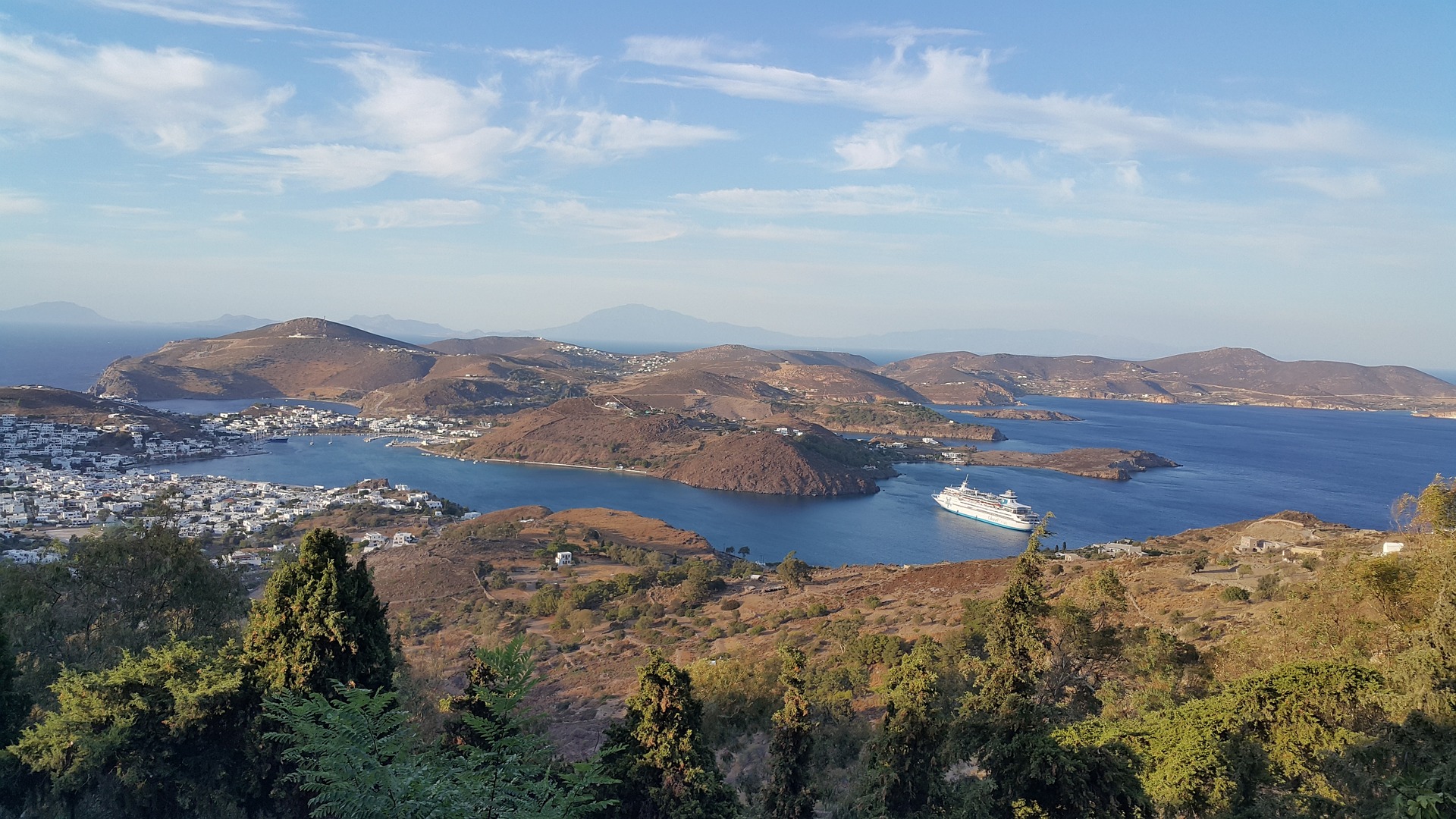
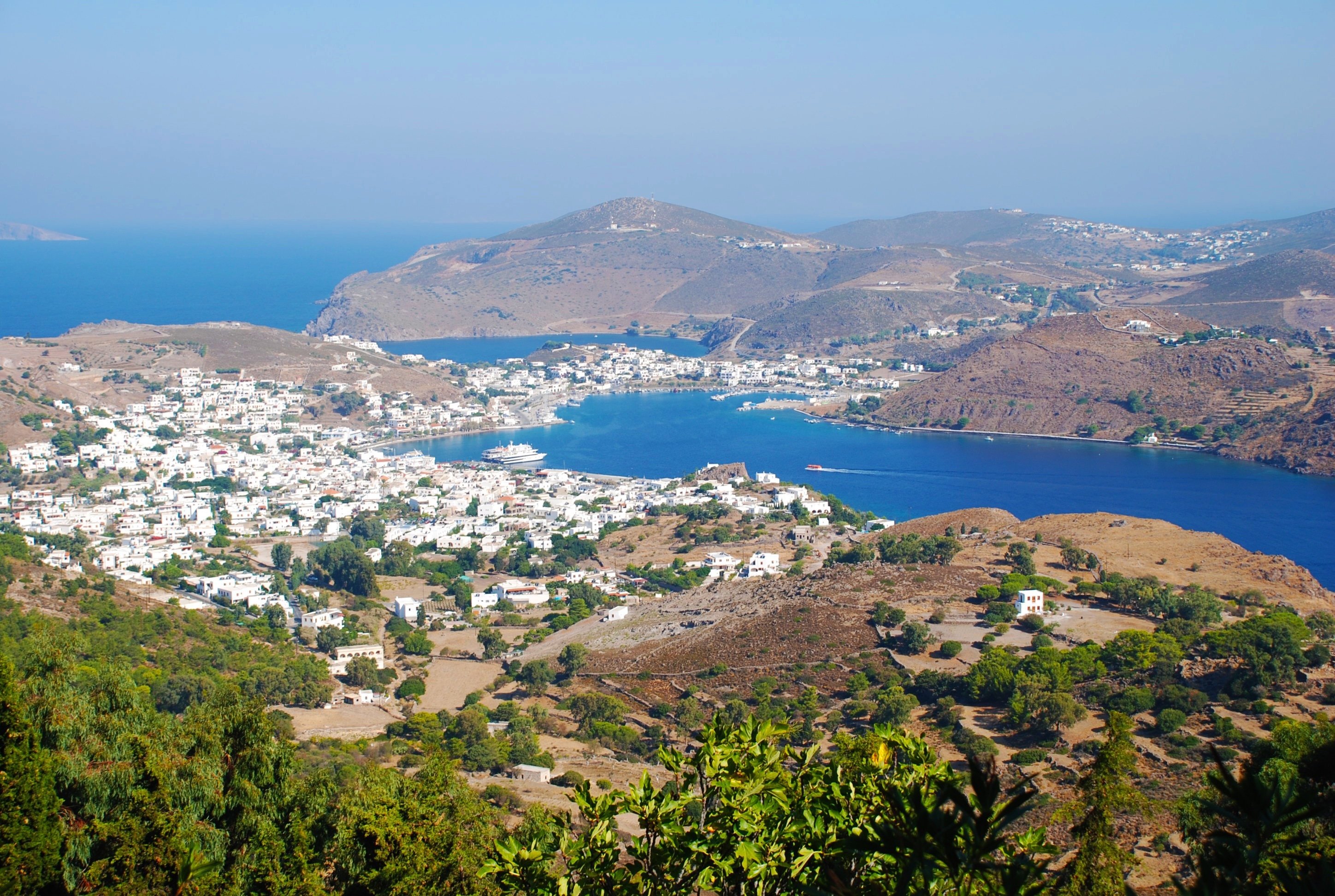
For better or worse, it can be difficult to reach Patmos—for many travelers, this lack of access is definitely for the better, since the island retains the air of an unspoiled retreat. Rocky and barren, the small, 34-square-km (21-square-mi) island lies beyond the islands of Kalymnos and Leros, northwest of Kos. Here on a hillside is the Monastery of the Apocalypse, which enshrines the cave where St. John received the Revelation in AD 95. Scattered evidence of Mycenaean presence remains on Patmos, and walls of the classical period indicate the existence of a town near Skala. Most of the island's approximately 2,800 people live in three villages: Skala, medieval Chora, and the small rural settlement of Kambos. The island is popular among the faithful making pilgrimages to the monastery as well as with vacationing Athenians and a newly growing community of international trendsetters—designers, artists, poets, and “taste gurus” (to quote Vogue’s July 2011 write-up of the island)—who have bought homes in Chora. These stylemeisters followed in the footsteps of Alexandrian John Stefanidis and the English artist Teddy Millington-Drake who, in the early ’60s, set about creating what eventually became hailed as one of the most gorgeous island homes in the world. The word soon spread thanks to their many guests (who included Jacqueline Kennedy Onassis) but, happily, administrators have carefully contained development, and as a result, Patmos retains its charm and natural beauty—even in the busy month of August.

Pátmos
Pátmos
Patmos, Greece
Patmos, GreeceImage by Doug from Pixabay

Day 8 - Vólos

Further details for this day are not available.
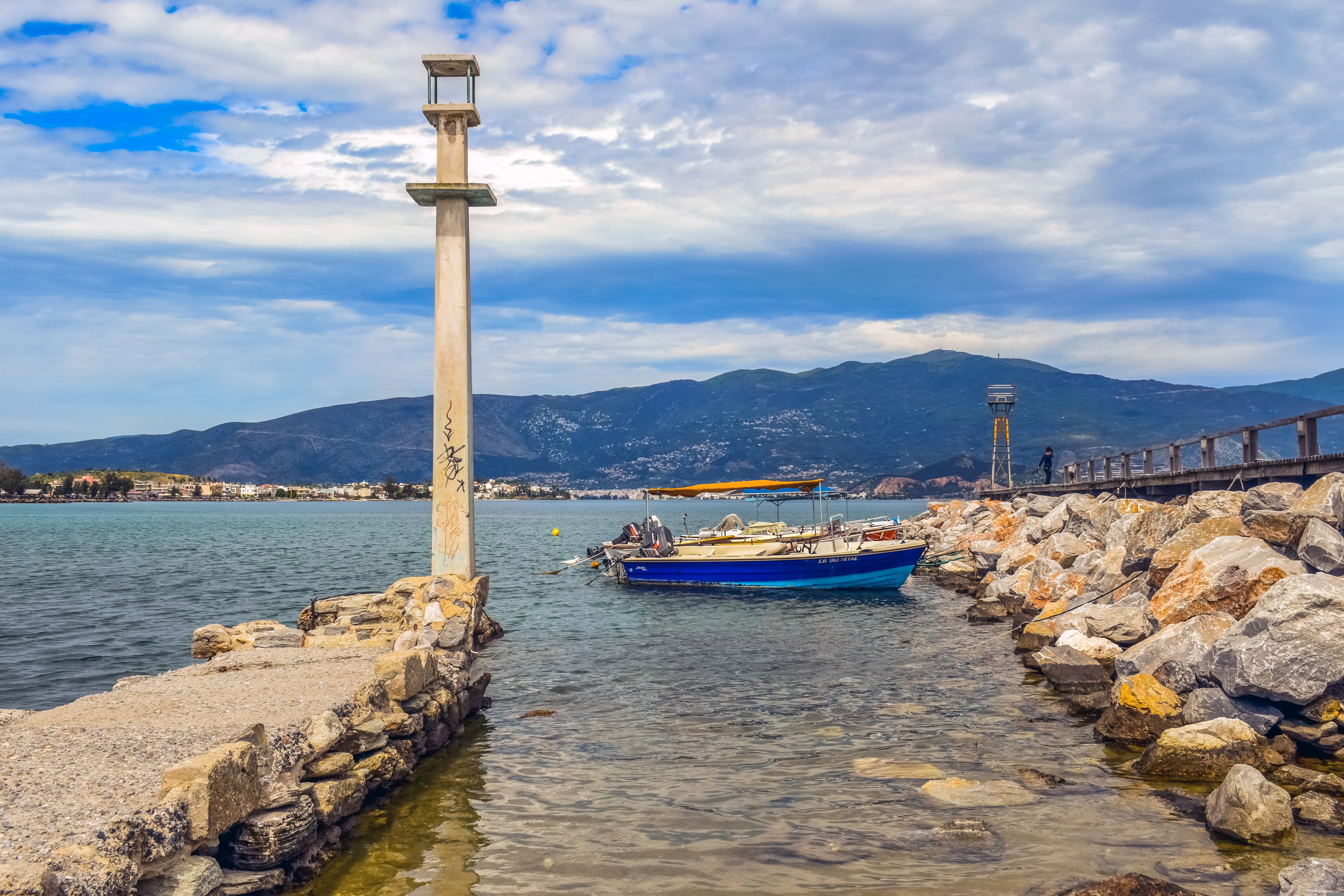
Volos, Greece
Volos, GreeceImage by Dimitris Vetsikas from Pixabay

Day 9 - Çanakkale

Further details for this day are not available.
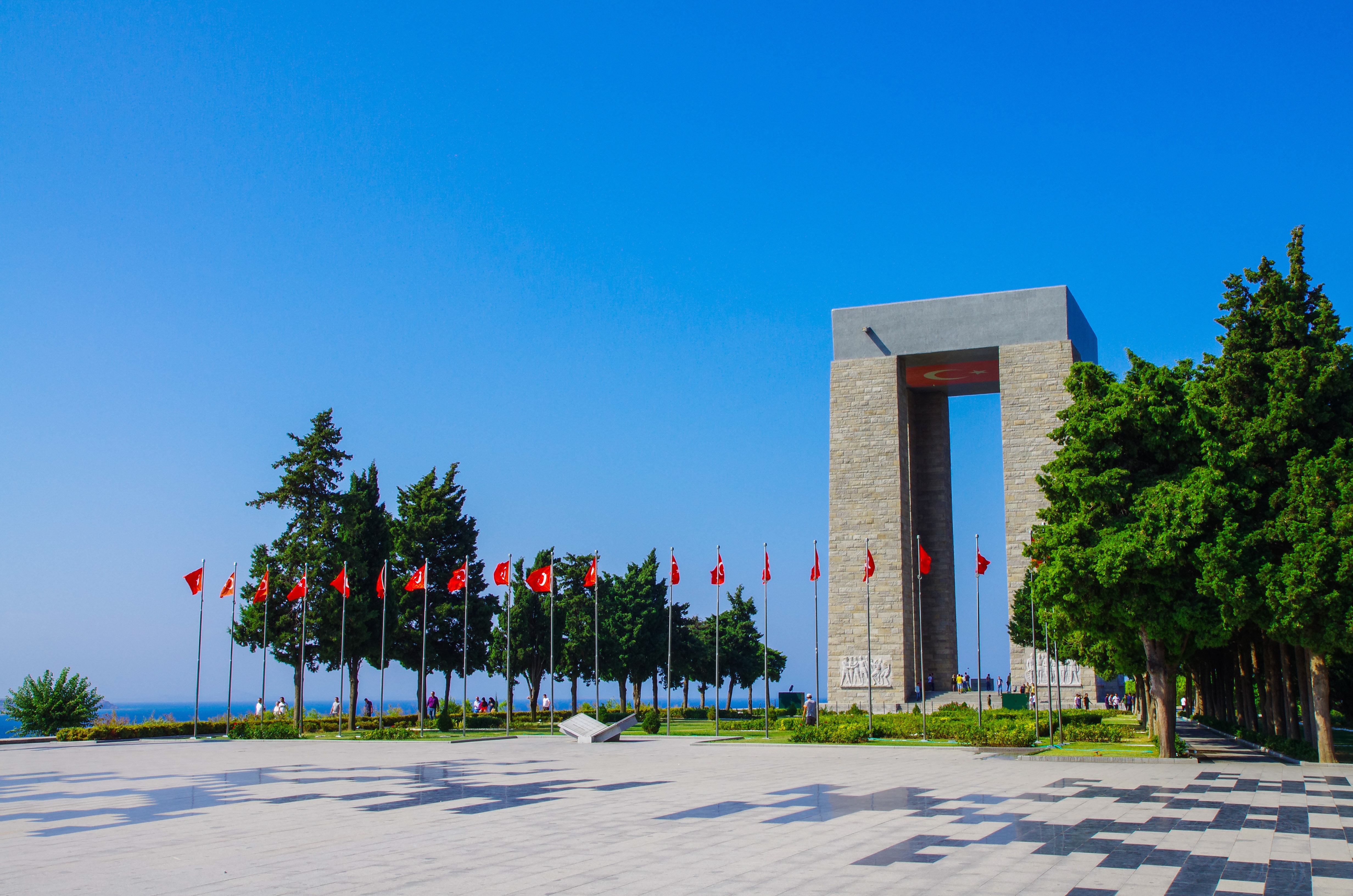
Canakkale, Turkey
Canakkale, TurkeyImage by yusuf kazancı from Pixabay

Day 10 - Istanbul

The only city in the world that can lay claim to straddling two continents, Istanbul—once known as Constantinople, capital of the Byzantine and then the Ottoman Empire—has for centuries been a bustling metropolis with one foot in Europe and the other in Asia. Istanbul embraces this enviable position with both a certain chaos and inventiveness, ever evolving as one of the world’s most cosmopolitan crossroads. It’s often said that Istanbul is the meeting point of East and West, but visitors to this city built over the former capital of two great empires are likely to be just as impressed by the juxtaposition of old and new. Office towers creep up behind historic palaces, women in chic designer outfits pass others wearing long skirts and head coverings, peddlers’ pushcarts vie with battered old Fiats and shiny BMWs for dominance of the noisy, narrow streets, and the Grand Bazaar competes with modern shopping malls. At dawn, when the muezzin's call to prayer resounds from ancient minarets, there are inevitably a few hearty revelers still making their way home from nightclubs and bars. Most visitors to this sprawling city of more than 14 million will first set foot in the relatively compact Old City, where the legacy of the Byzantine and Ottoman empires can be seen in monumental works of architecture like the brilliant Aya Sofya and the beautifully proportioned mosques built by the great architect Sinan. Though it would be easy to spend days, if not weeks, exploring the wealth of attractions in the historical peninsula, visitors should make sure also to venture elsewhere in order to experience the vibrancy of contemporary Istanbul. With a lively nightlife propelled by its young population and an exciting arts scene that’s increasingly on the international radar—thanks in part to its stint as the European Capital of Culture in 2010—Istanbul is truly a city that never sleeps. It’s also a place where visitors will feel welcome: Istanbul may be on the Bosphorus, but at heart it’s a Mediterranean city, whose friendly inhabitants are effusively social and eager to share what they love most about it.

Istanbul, Woman
Istanbul, Woman
Istanbul, Market
Istanbul, Market
Istanbul, Mosque
Istanbul, Mosque
Istanbul, Spices
Istanbul, Spices
Istanbul, Dervishes
Istanbul, Dervishes
Istanbul, Galata
Istanbul, Galata
Istanbul, Galata
Istanbul, Galata
Istanbul
Istanbul

Suites & Deck Plans

Suite

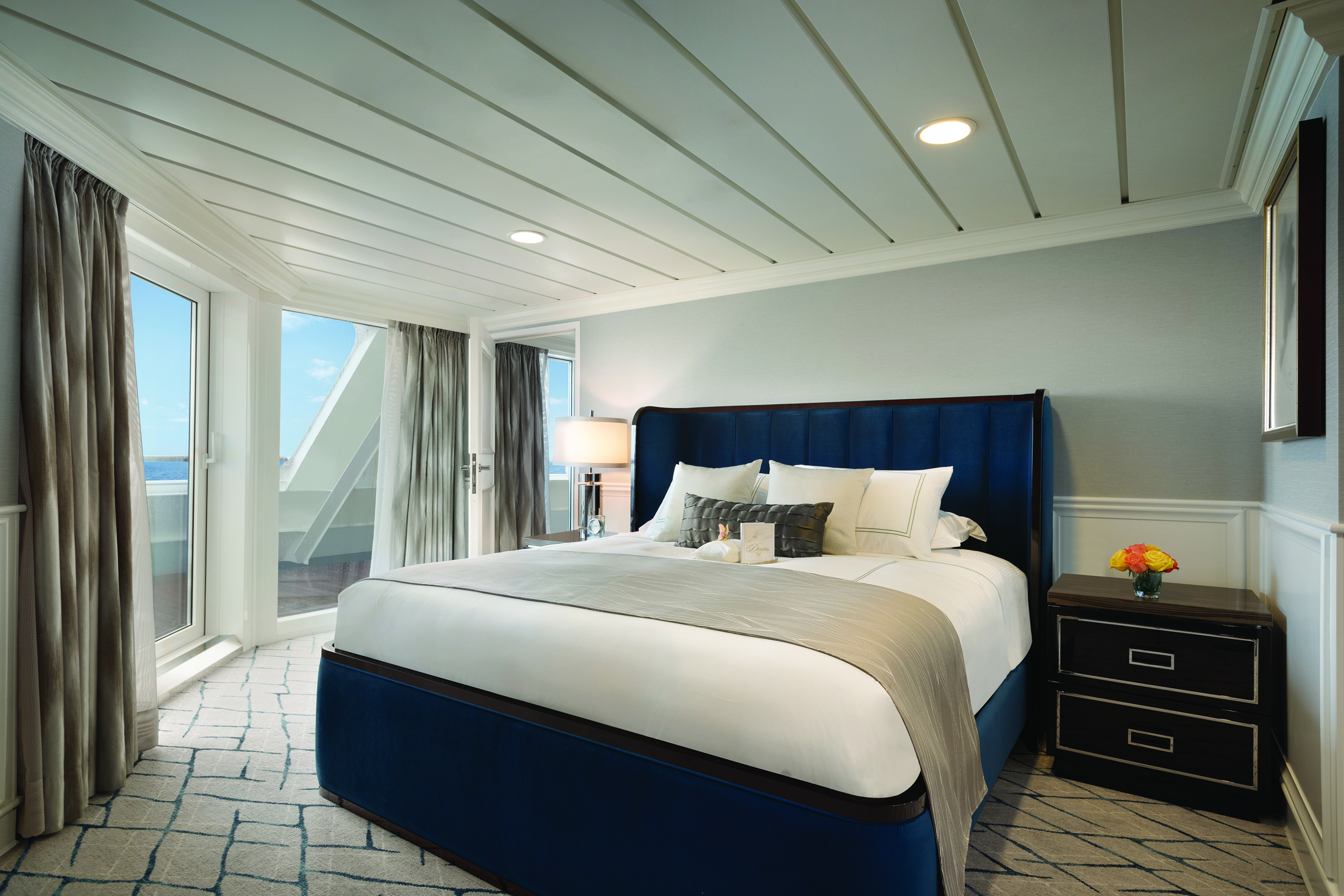
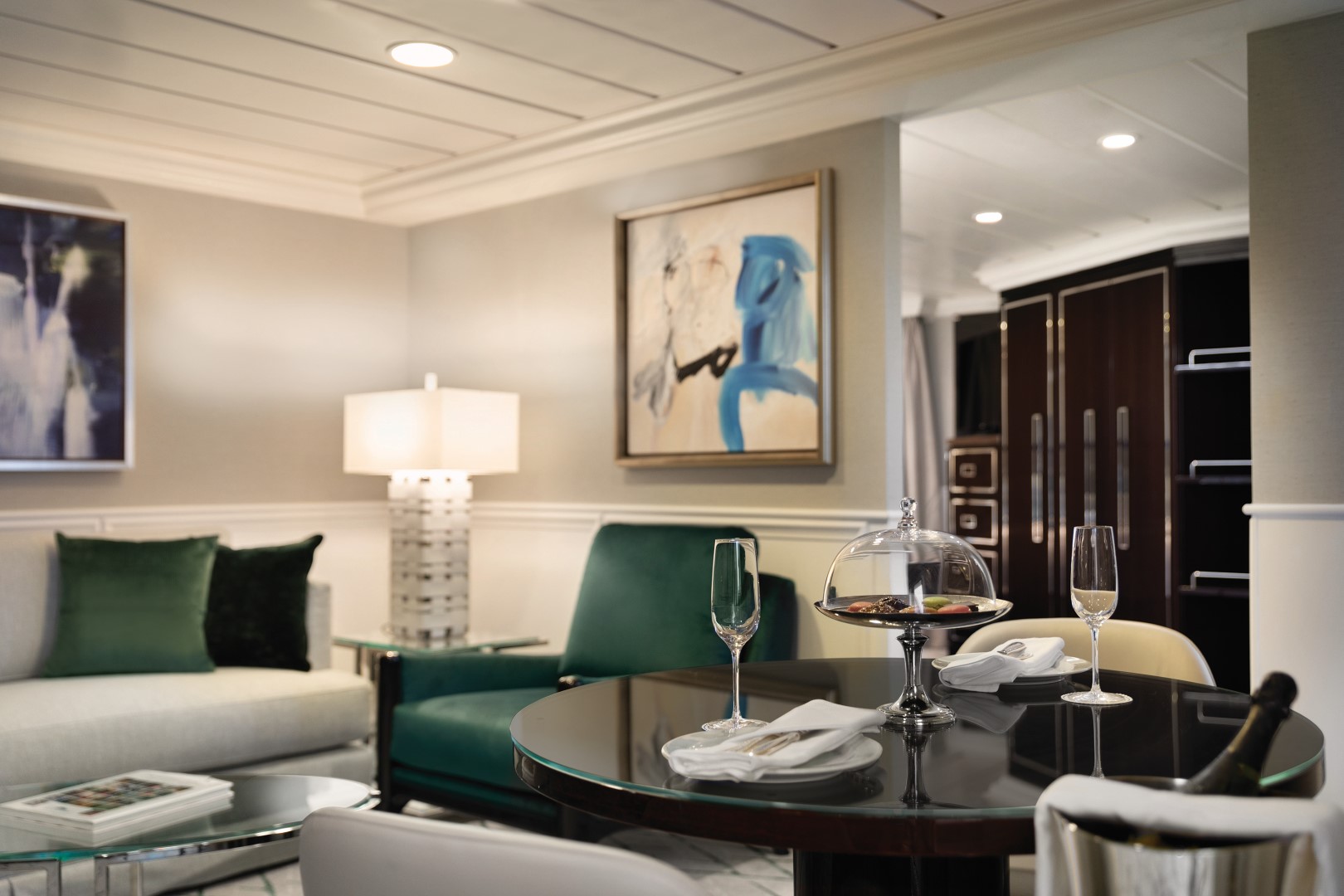
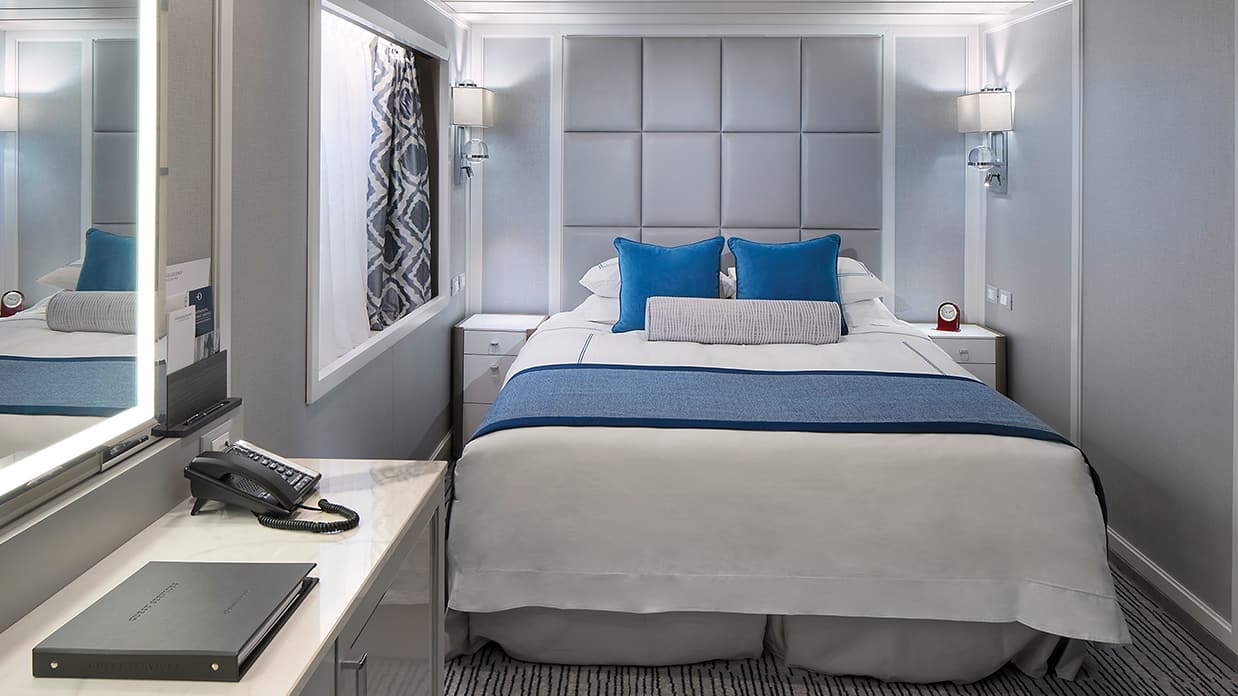
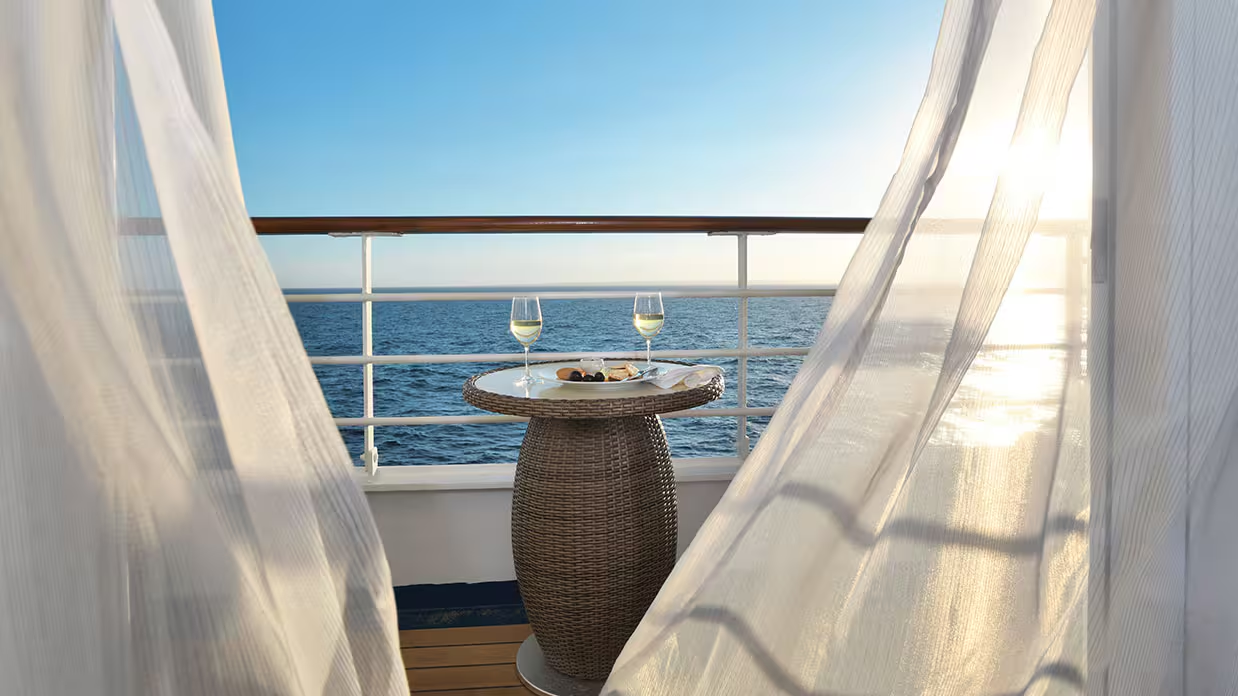
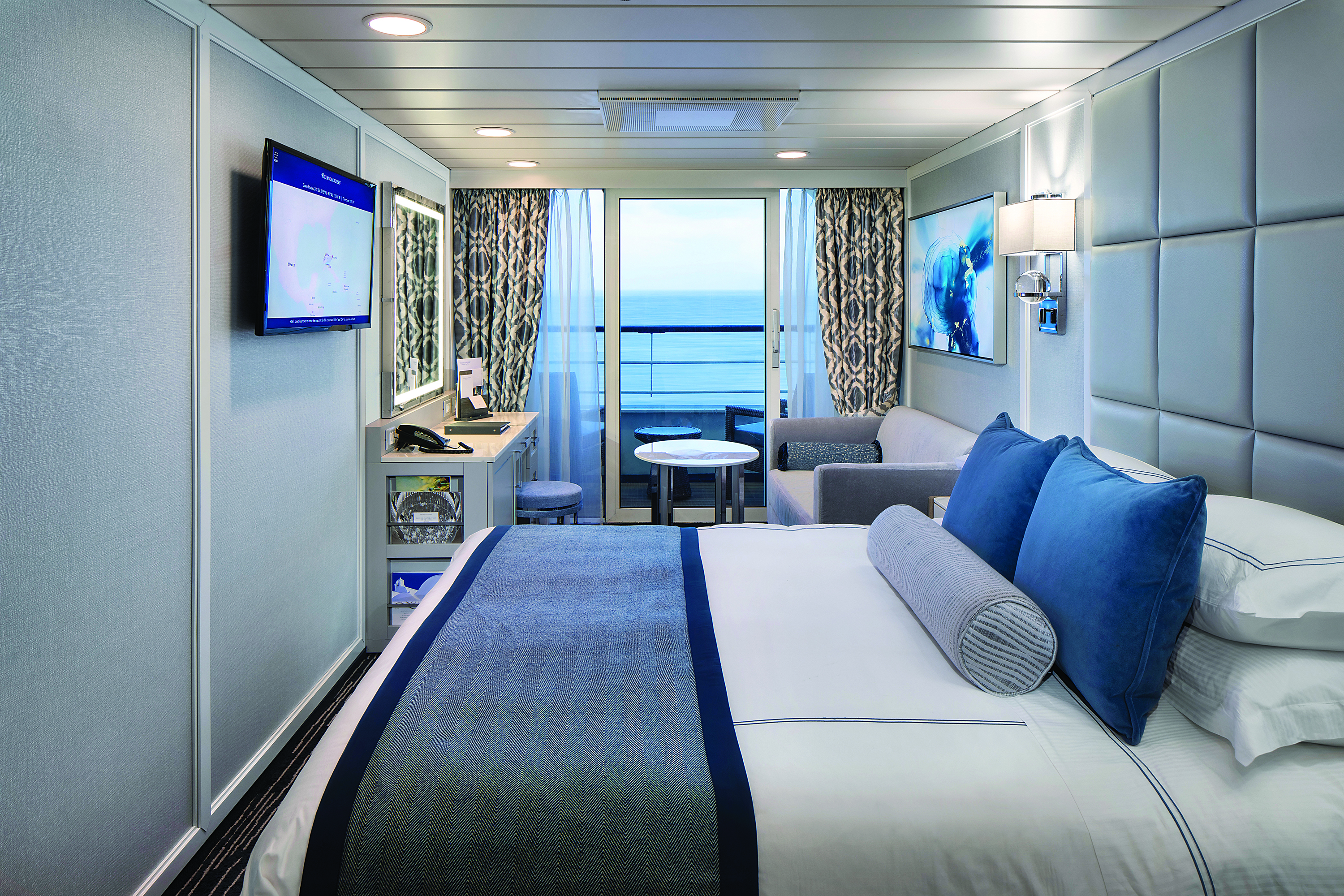
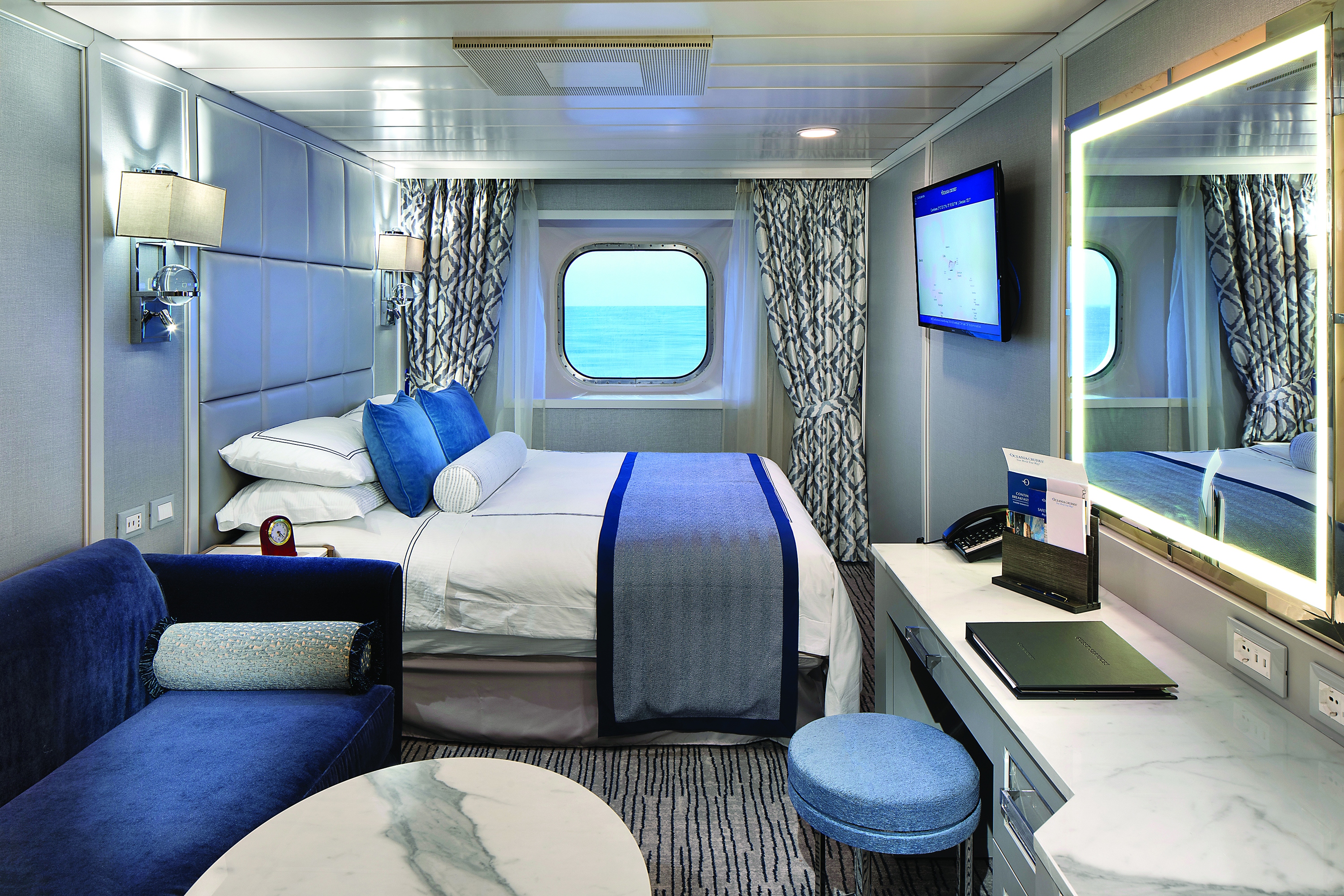
Lavish new fabrics and designer furnishings grace our six new Owner’s Suites – always among the first to be reserved. Immensely spacious and exceptionally luxurious, these suites span nearly 1,000 square feet and are oases of quietude and relaxation. Every imaginable amenity is found here, further enhanced by a sumptuous re-designed bathroom with an oversized shower, a private teak veranda and two flat-screen televisions.

Owner's Suite Privileges

+In addition to Concierge Level privileges

  • Priority luggage delivery
  • 24-hour Butler service
  • Optional private in-suite embarkation day lunch from noon to 2 pm in Owner’s Suites
  • Complimentary in-suite bar setup with 6 full-size bottles of your choice of premium spirits and wines from our suite beverage menu
  • Complimentary welcome bottle of Champagne
  • In-suite illy® coffee maker and pods
  • Fresh fruit basket upon request
  • Choice of daily newspaper
  • Exclusive pillow menu
  • Course-by-course in-suite dining*
  • Order in from any of our specialty restaurants*
  • Coordination of shoreside dinner and entertainment reservations
  • Last-minute luggage collection
  • Packing and unpacking upon request
  • Complimentary garment pressing*
  • Complimentary shoeshine service
  • Gourmet evening canapés upon request
  • Special services upon request

+Up to 20 garments per laundry bag; additional restrictions apply.

++Certain limitations apply.

Smoking in suites, staterooms and on verandas is strictly prohibited.

1000 sq ft
Accommodates 2 guests
Owner's Suite

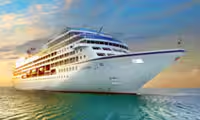
Oceania Sirena

Oceania Sirena

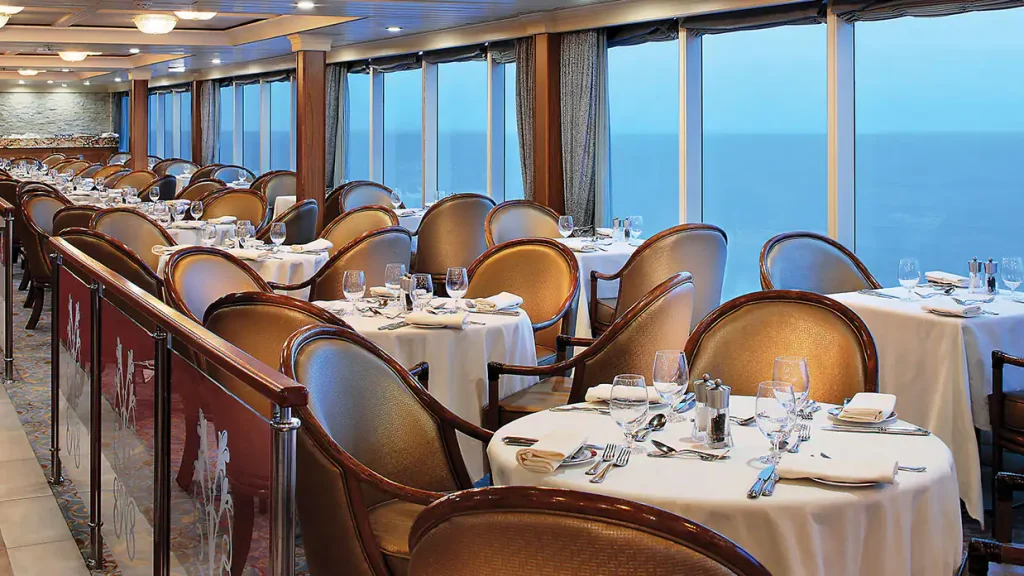
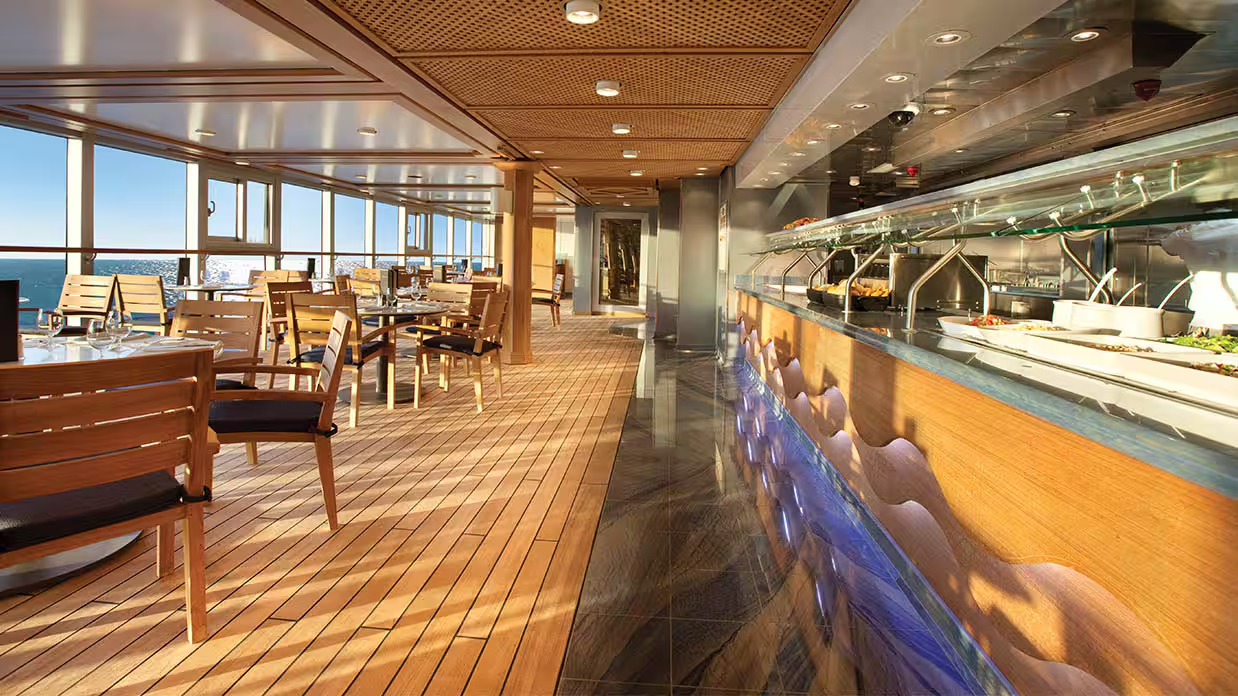
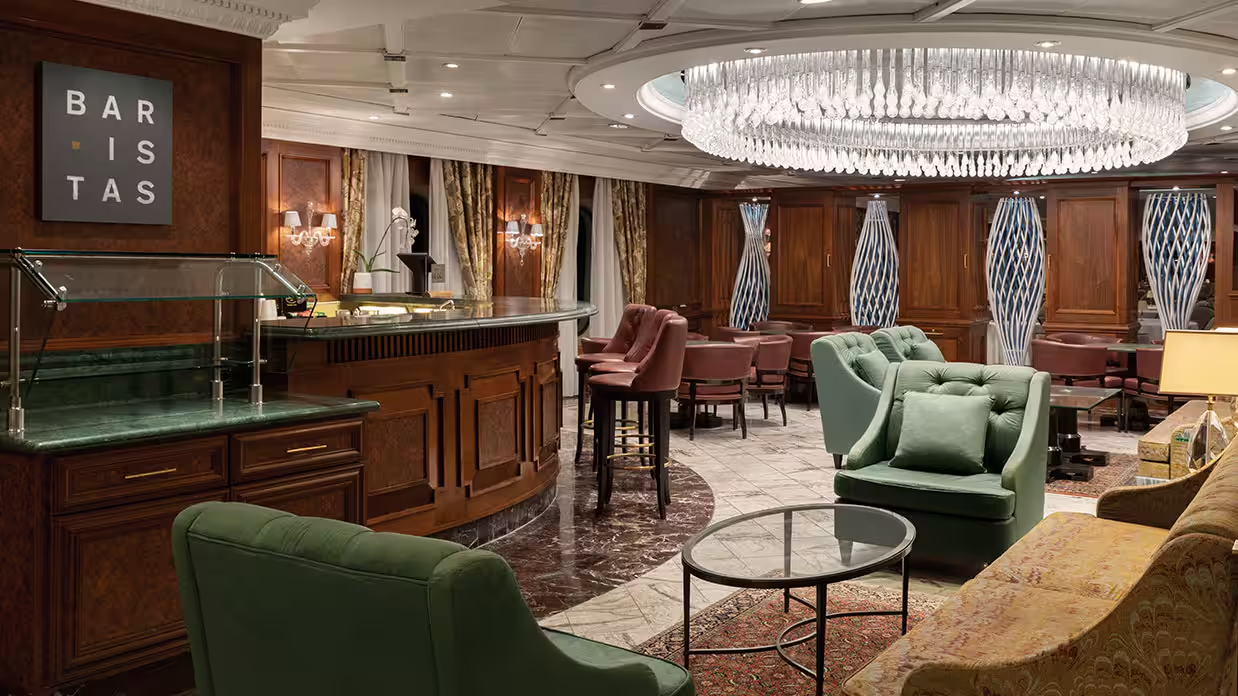
Life on board

The Onboard Experience

Client testimonials

I have worked with Lore Doick for more than 20 years, and she has booked over 30 cruises for me. Her expertise, care, and attention to every travel detail have made her an invaluable advisor and friend over the years.”

Tina B.

We are now in our second generation working with Cheri Ozimac at Tully Luxury Travel. From Antarctica to Greece, she has handled every detail with expertise, responsiveness, and care…

Earl M.

My wife and I have worked with Tully since 2007, and Kit Neil and her team went far beyond expectations while helping us navigate multiple cruise and flight cancellations. Their advocacy, care, and support during a difficult time were extraordinary.

Carri F.

Cheri Ozimac organized our Seabourn cruise flawlessly, from the hotel recommendation to every travel arrangement. She was responsive, attentive, and an excellent advocate throughout the process…

Cyn S.

We discovered Tully Luxury Travel after years of booking cruises through US agents and were impressed by their competitive pricing, exceptional service, and Canadian based support. Their team is always available, offers excellent value, and makes booking the right cruise seamless.

Peter C.

GoogleAverage Customer Rating:

The Tully Difference

Why travel with us


Tully Luxury Travel was built on access, discretion, and trust. For our clients, that means ease at every step, with distinctions that turn exceptional voyages into defining moments.

Recognized expertise

A renowned agency worldwide in luxury land and small-ship cruising, consistently trusted by the industry’s most prestigious brands.