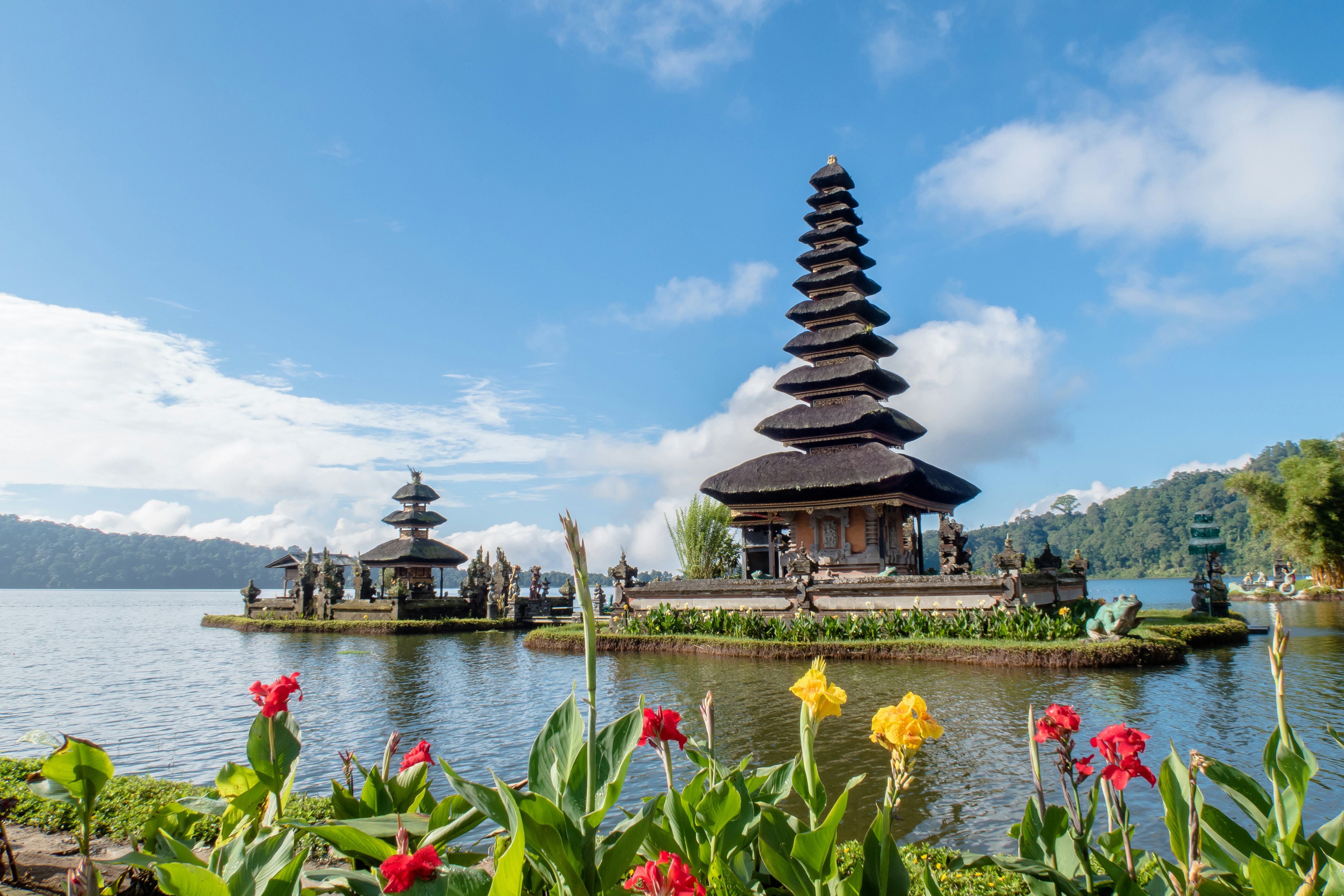
Day 1 - Bali
Further details for this day are not available.
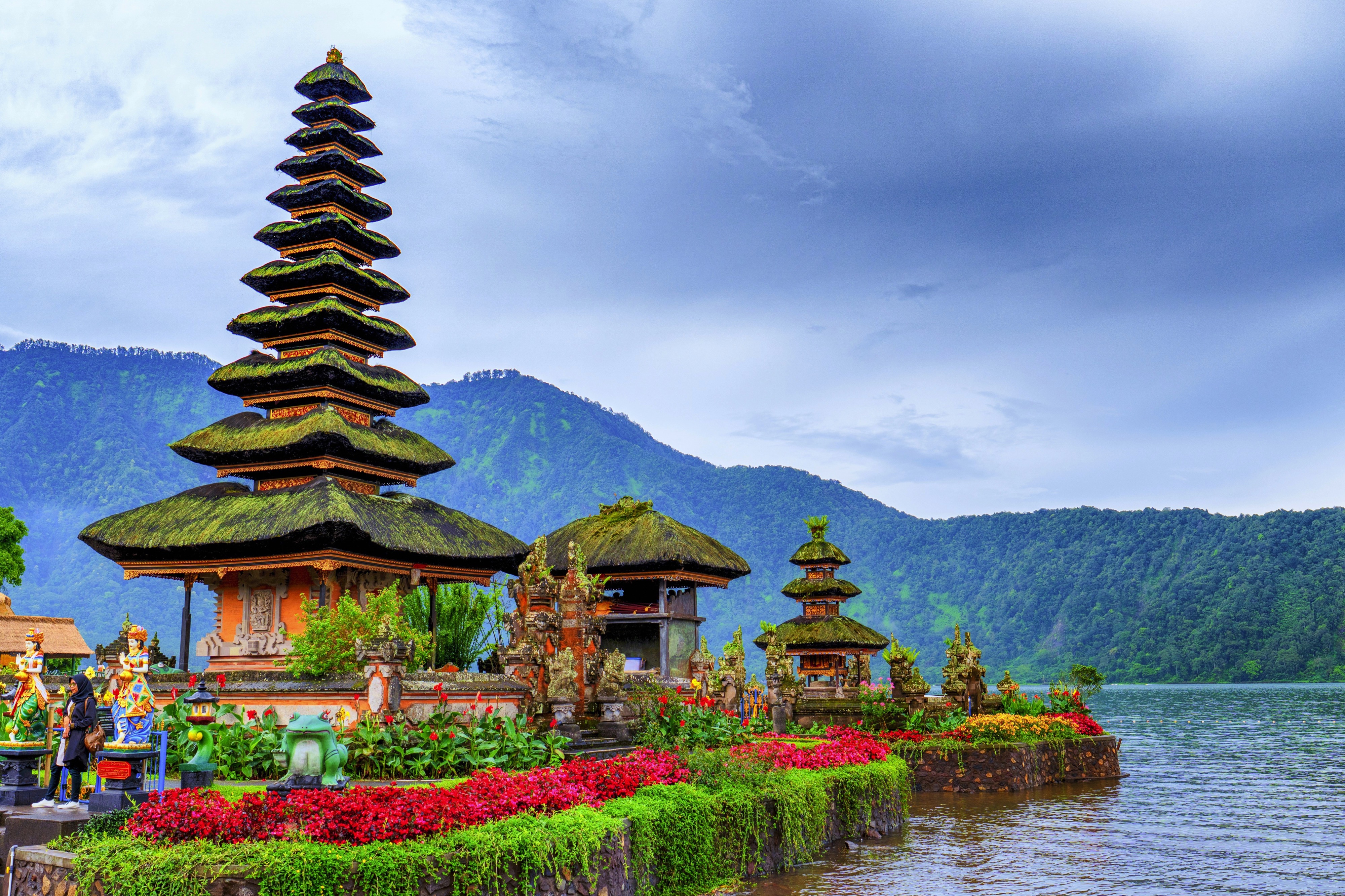
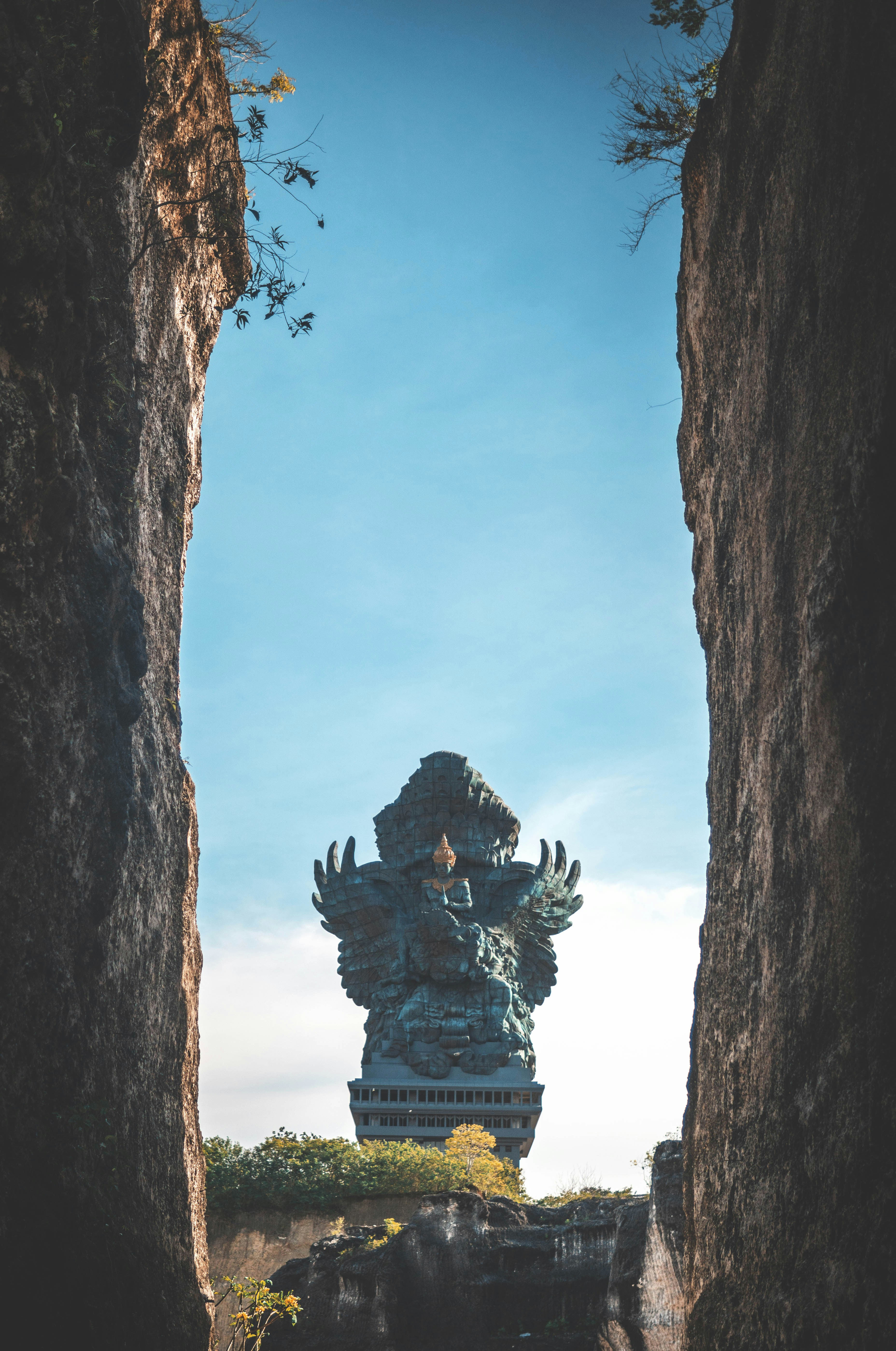
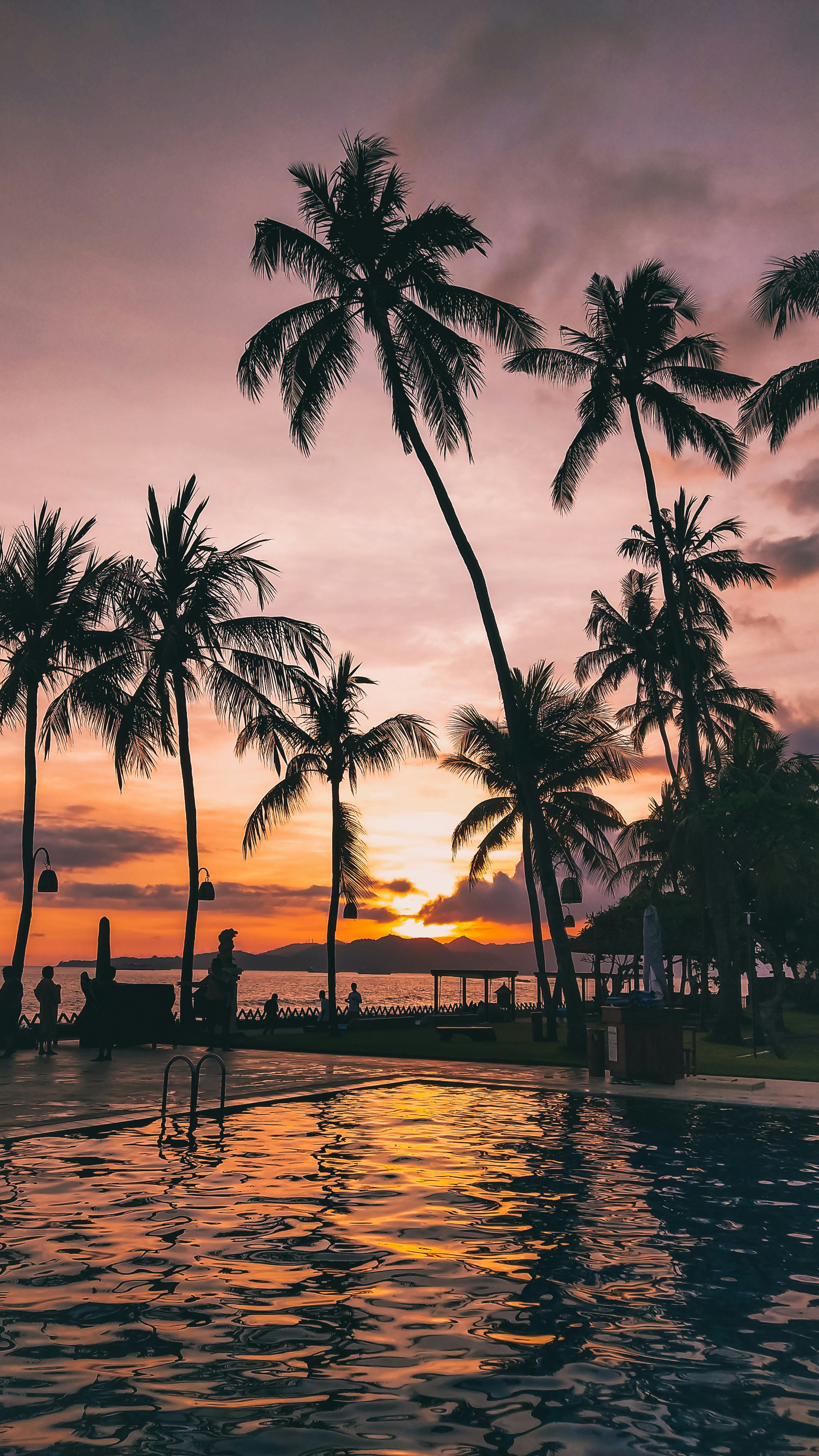
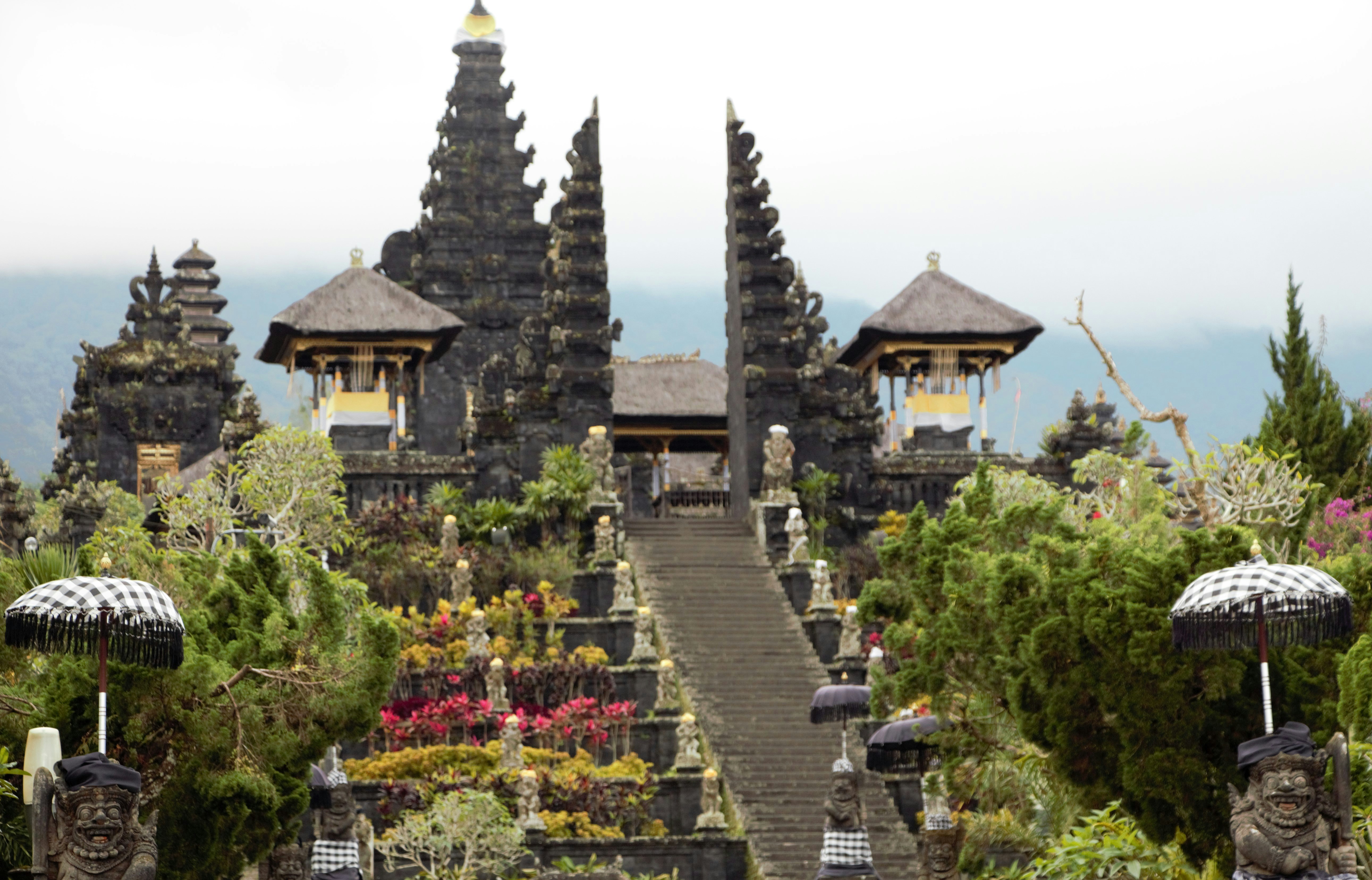
Itinerary: Bali, At Sea, Fremantle, Western Australia, Busselton, Western Australia, Albany, Western Australia, Esperance, Western Australia, Adelaide, South Australia, Penneshaw, Melbourne, Victoria, Phillip Is... See full itinerary
Your Itinerary, Day-By-Day
Further details for this day are not available.
Further details for this day are not available.
Further details for this day are not available.
Further details for this day are not available.
Further details for this day are not available.
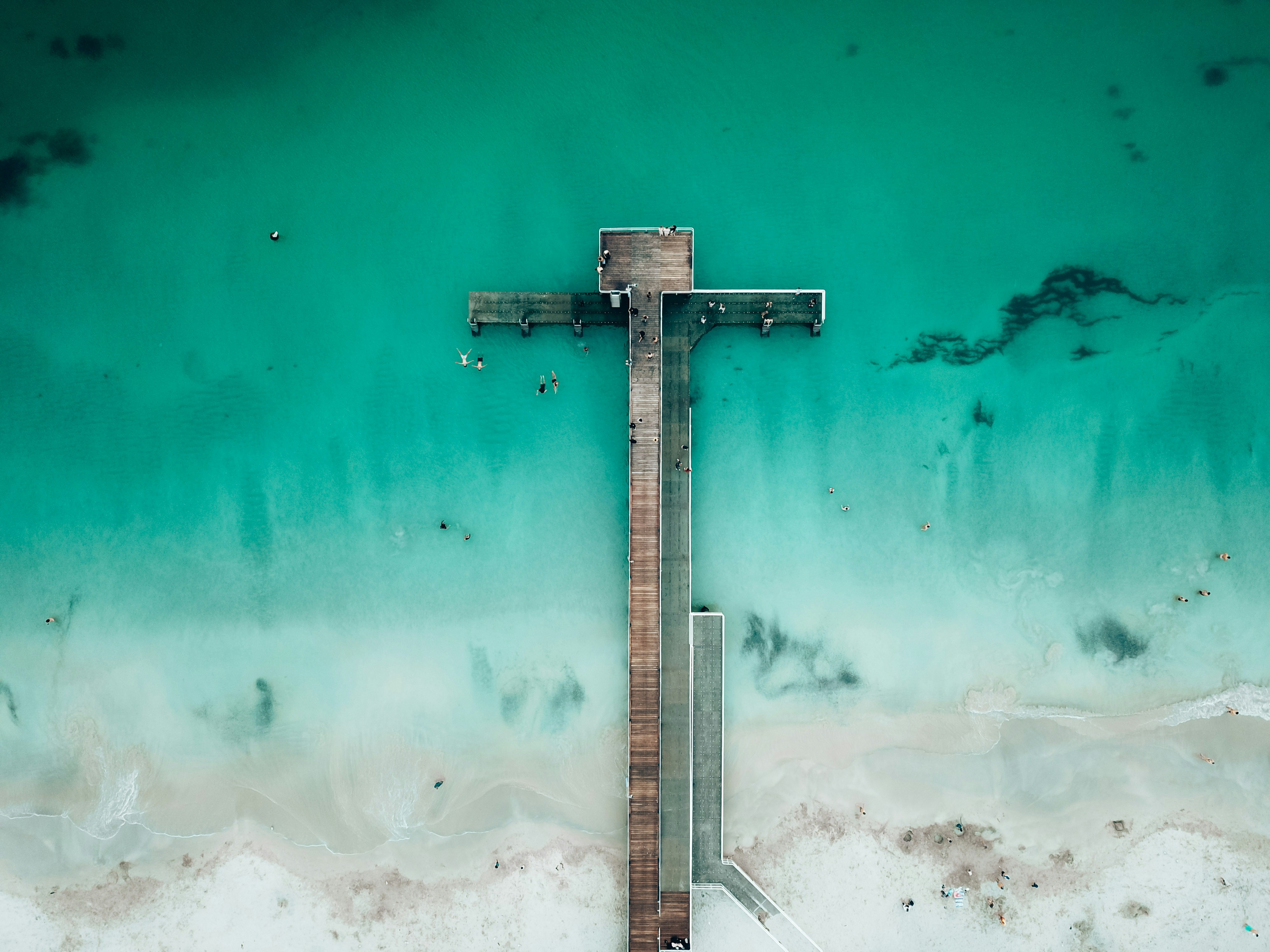
The port city of Fremantle is a jewel in Western Australia's crown, largely because of its colonial architectural heritage and hippy vibe. Freo (as the locals call it) is a city of largely friendly, interesting, and sometimes eccentric residents supportive of busking, street art, and alfresco dining. Like all great port cities, Freo is cosmopolitan, with mariners from all parts of the world strolling the streets—including thousands of U.S. Navy personnel on rest and recreation throughout the year. It's also a good jumping-off point for a day trip to Rottnest Island, where lovely beaches, rocky coves, and unique wallaby-like inhabitants called quokkas set the scene.Modern Fremantle is a far cry from the barren, sandy plain that greeted the first wave of English settlers back in 1829 at the newly constituted Swan River Colony. Most were city dwellers, and after five months at sea in sailing ships they landed on salt-marsh flats that sorely tested their fortitude. Living in tents with packing cases for chairs, they found no edible crops, and the nearest freshwater was a distant 51 km (32 miles)—and a tortuous trip up the waters of the Swan. As a result they soon moved the settlement upriver to the vicinity of present-day Perth.Fremantle remained the principal port, and many attractive limestone buildings were built to service the port traders. Australia's 1987 defense of the America's Cup—held in waters off Fremantle—triggered a major restoration of the colonial streetscapes. In the leafy suburbs nearly every other house is a restored 19th-century gem.
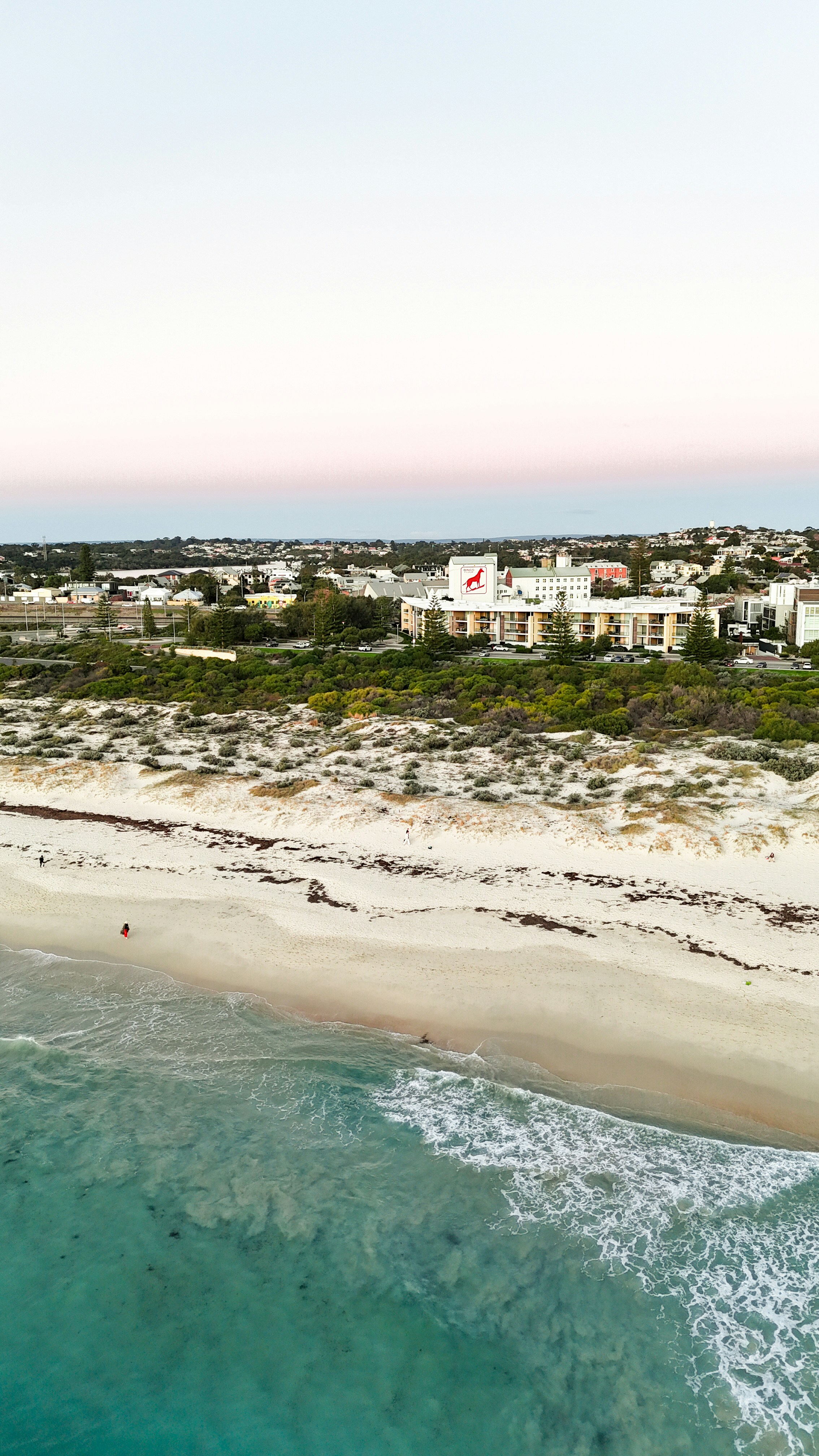
Further details for this day are not available.
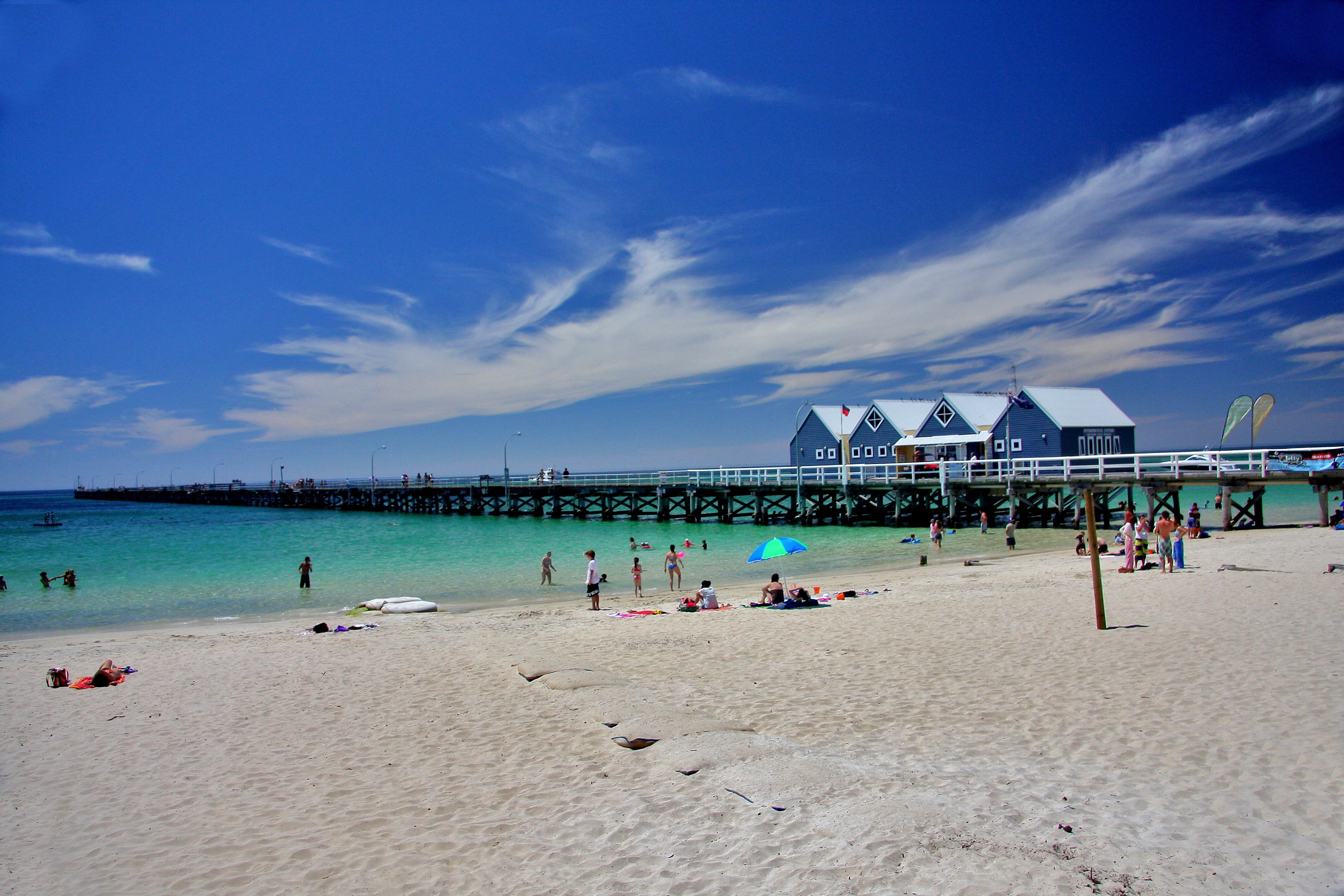
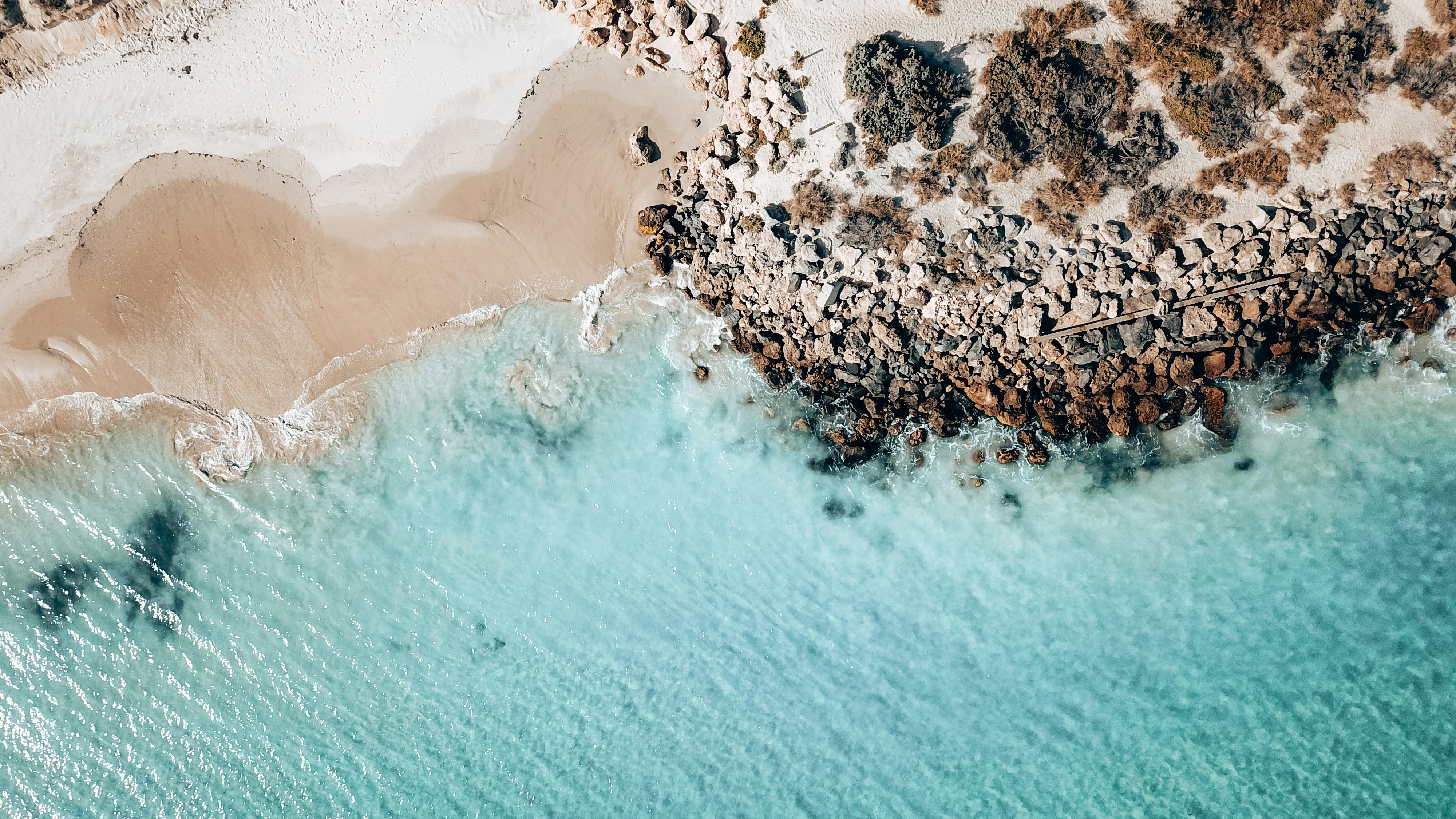
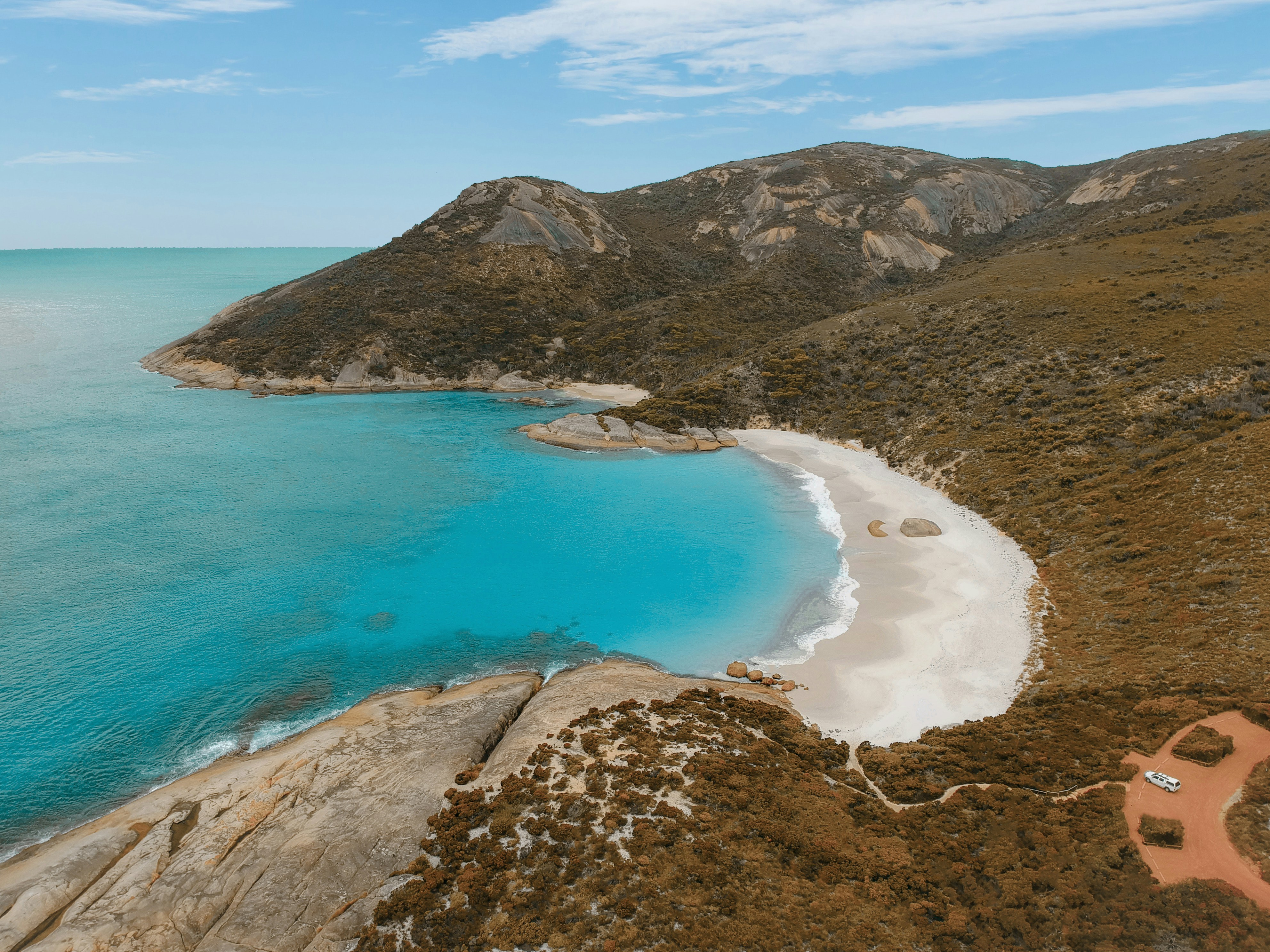
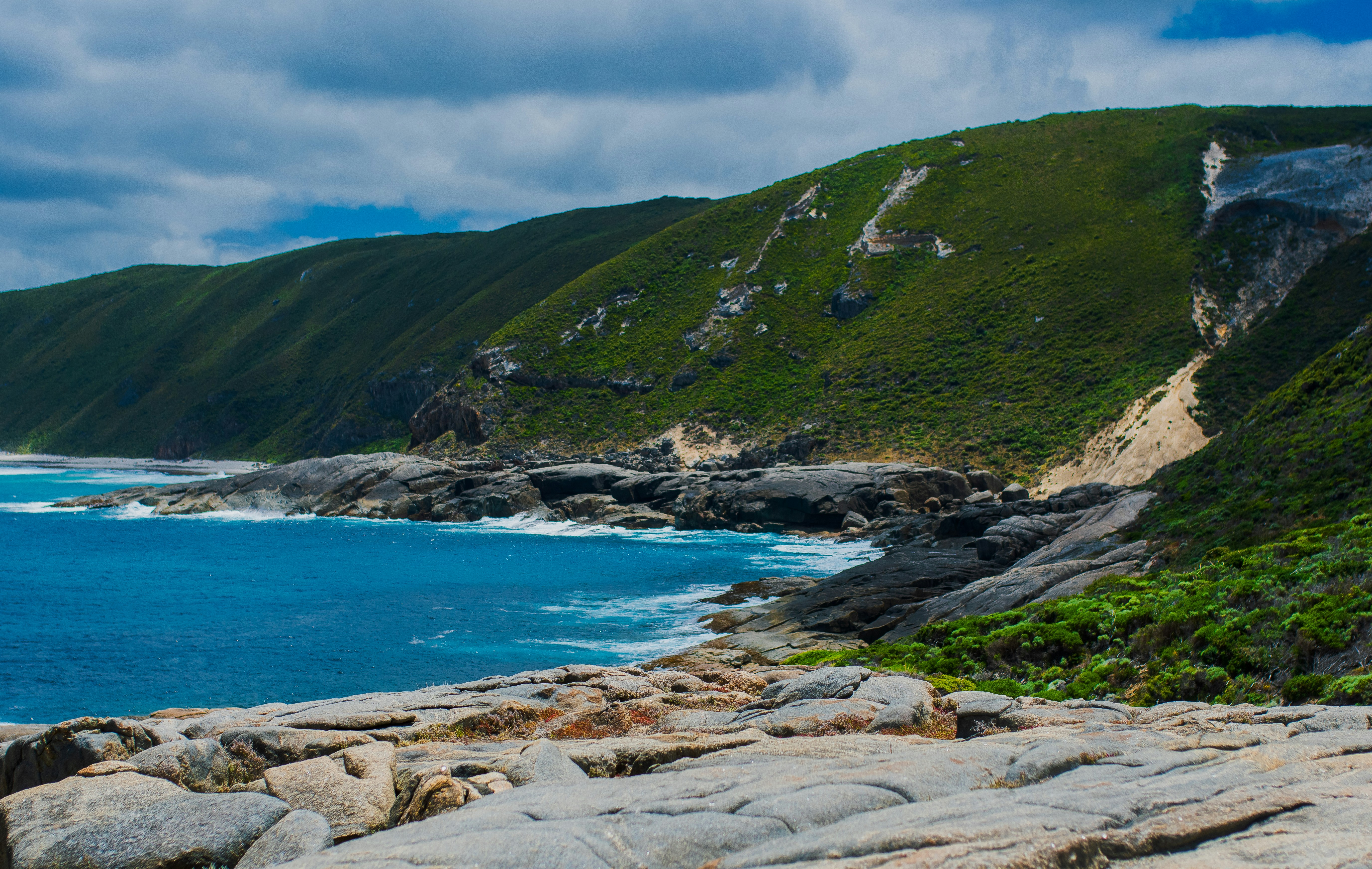
Proclaimed a city on July 1, 1998, Albany with a population of 28,000 is rapidly expanding. It is the commercial center of Western Australia's southern region and the oldest settlement in the state, established in 1826. Boasting an excellent harbor on King George Sound led to Albany becoming a thriving whaling port. Later, when steam ships started traveling between England and Australia, Albany was an important coaling station and served as a penal and a military outpost. The coastline offers some of Australia's most rugged and spectacular scenery. At certain times of the year, whales can be spotted off the coast. Among the city's attractions are some fine old colonial buildings that reflect Albany's Victorian heritage. Various lookout points offer stunning vistas.
Further details for this day are not available.
Further details for this day are not available.
Further details for this day are not available.
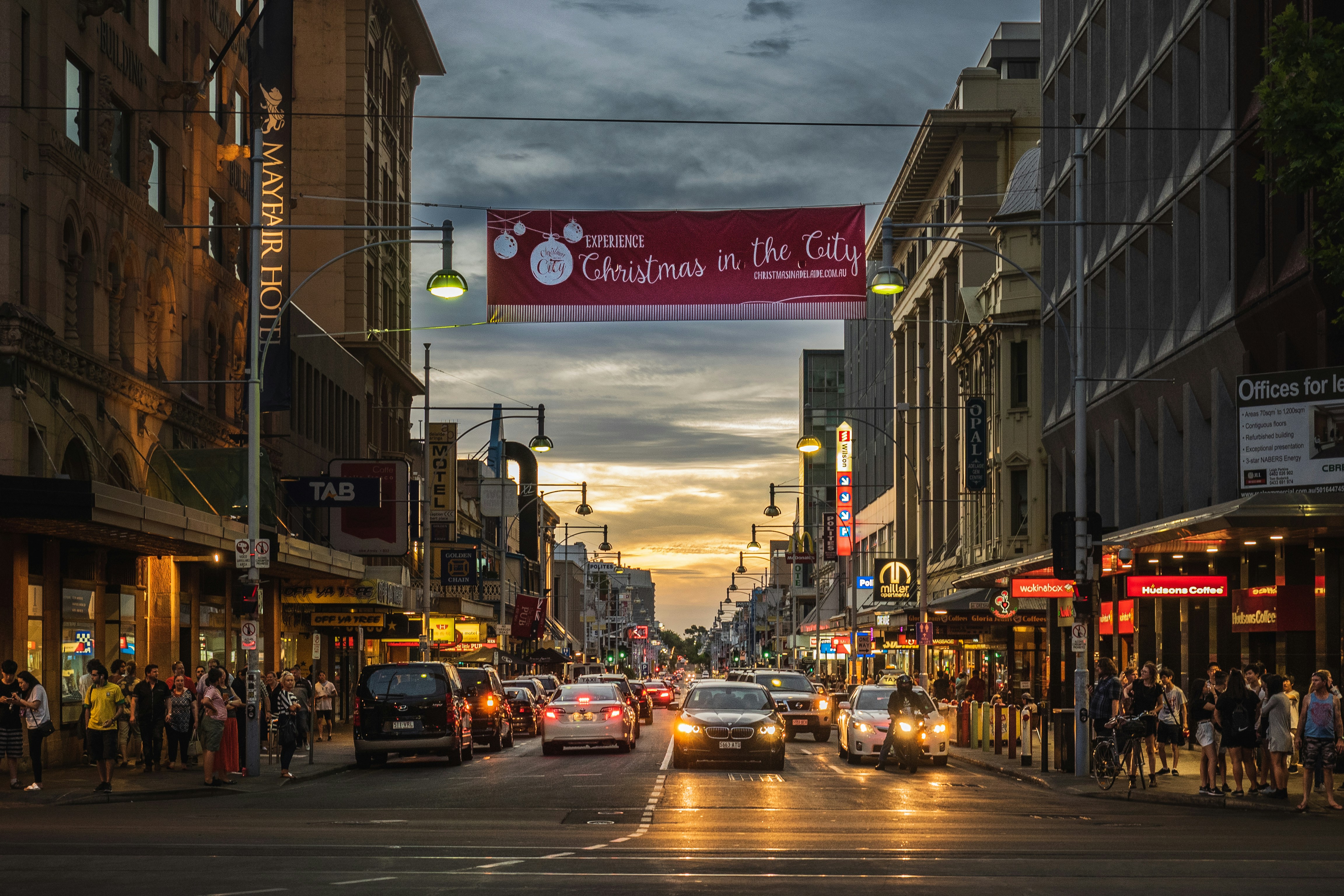
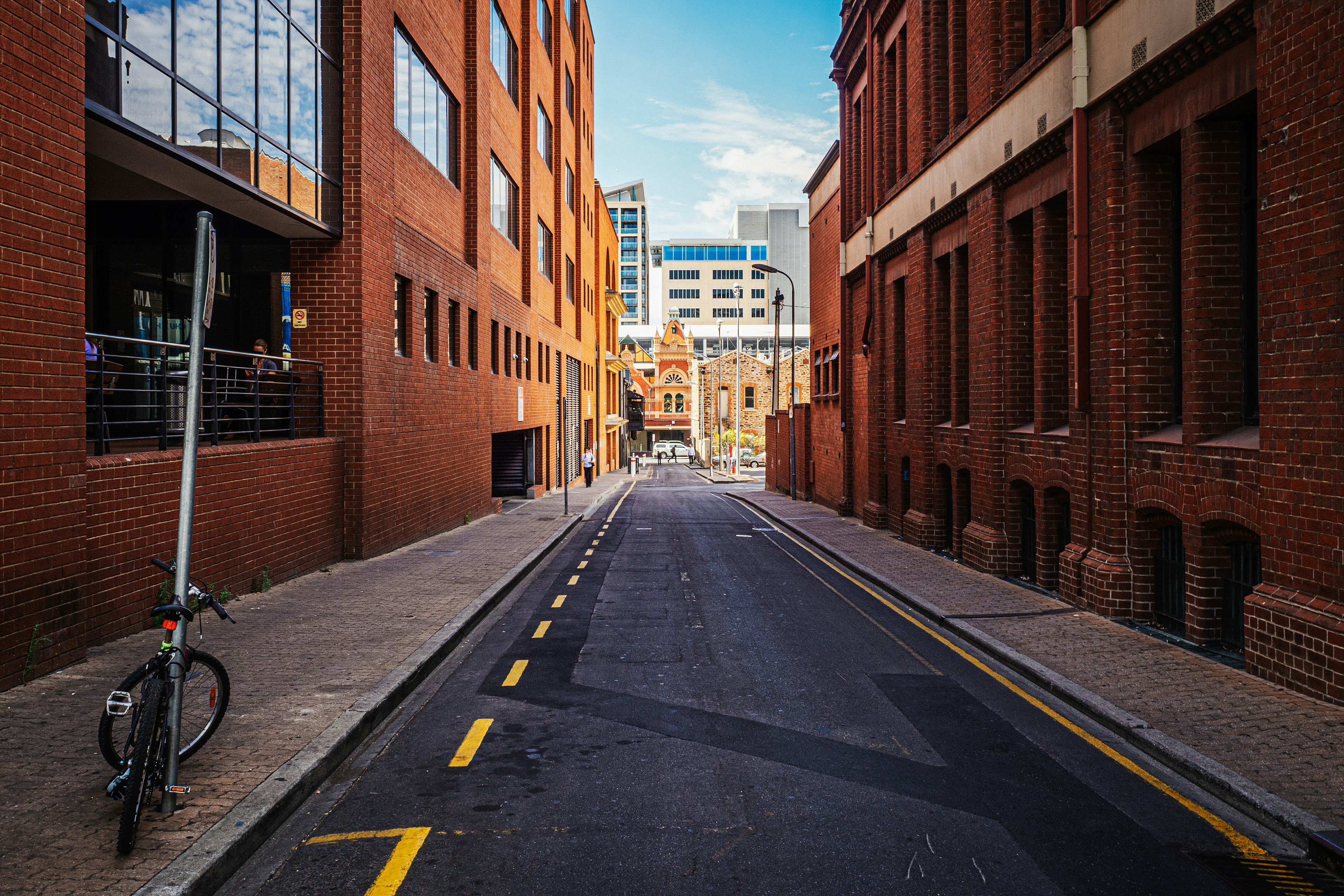
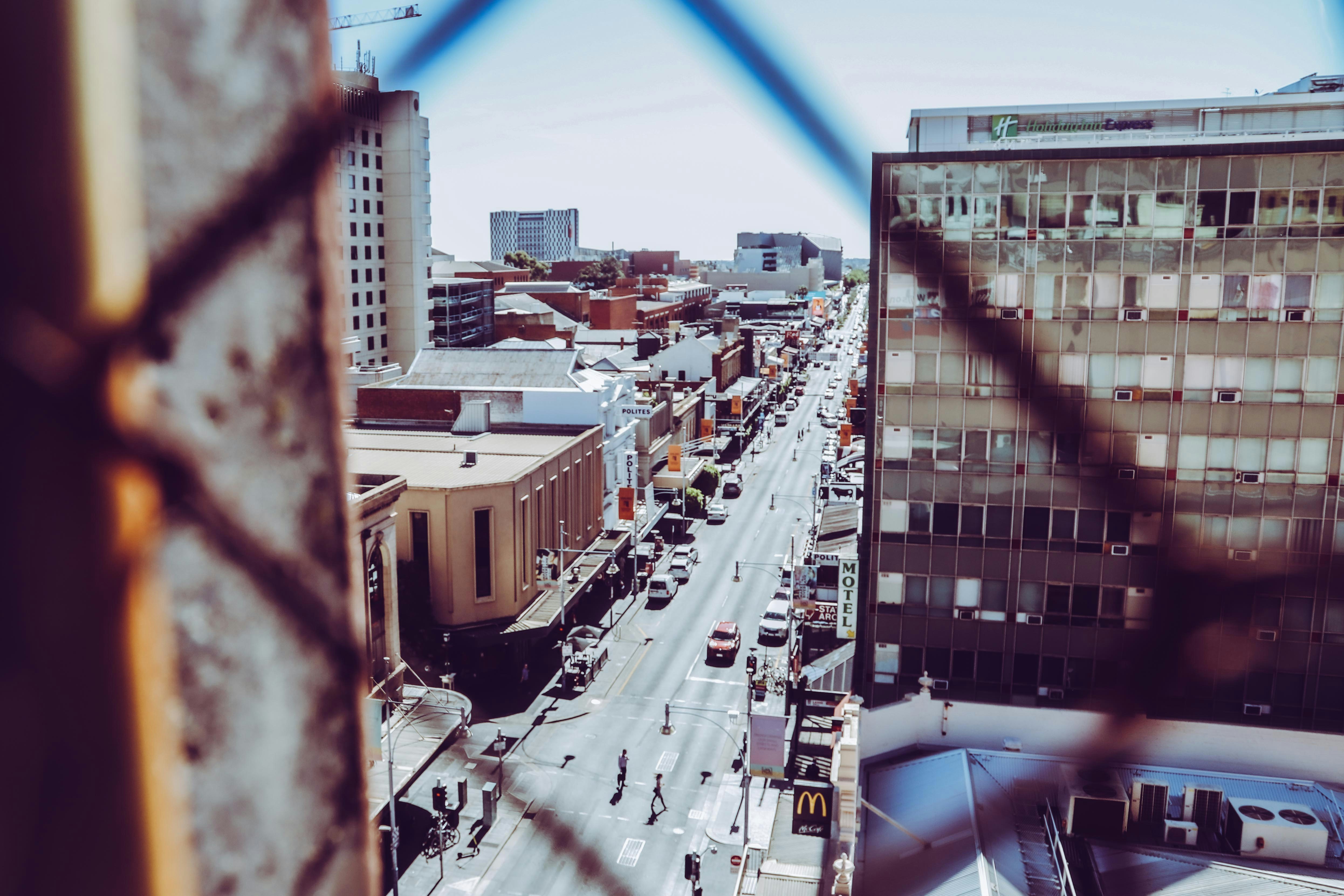
Australians think of Adelaide as a city of churches, but Adelaide has outgrown its reputation as a sleepy country town dotted with cathedrals and spires. The Adelaide of this millennium is infinitely more complex, with a large, multiethnic population and thriving urban art and music scenes supported by a "space activation program" that encourages pop-up shops, markets, performances, street food, mini festivals, art exhibitions, and other "off-the-cuff" experiences in the cities underutilized streets and public spaces.Bright and clean, leafy and beautiful Adelaide is a breeze to explore, with a grid pattern of streets encircled by parkland. The heart of the greenbelt is divided by the meandering River Torrens, which passes the Festival Centre in its prettiest stretch.
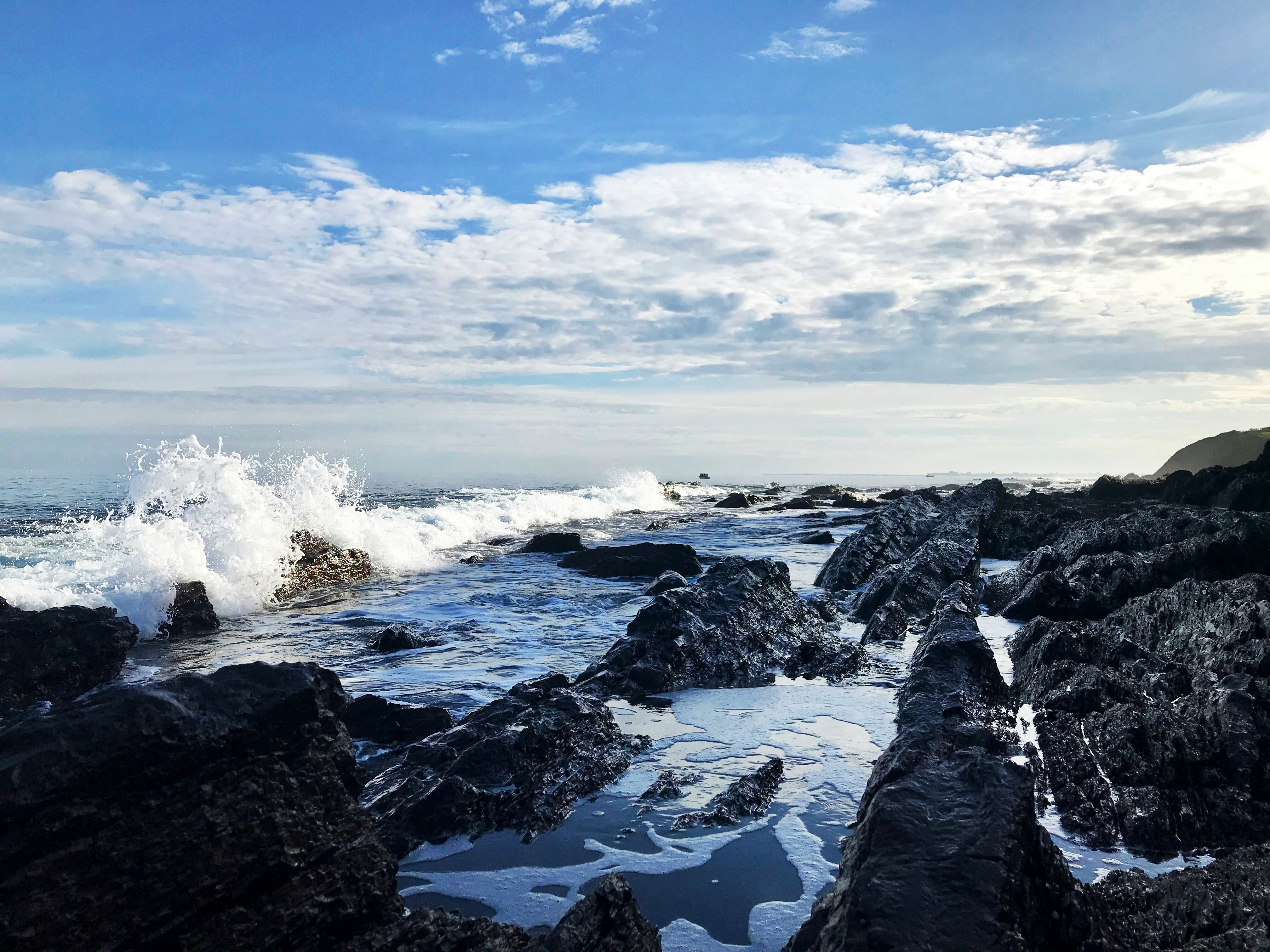
Further details for this day are not available.
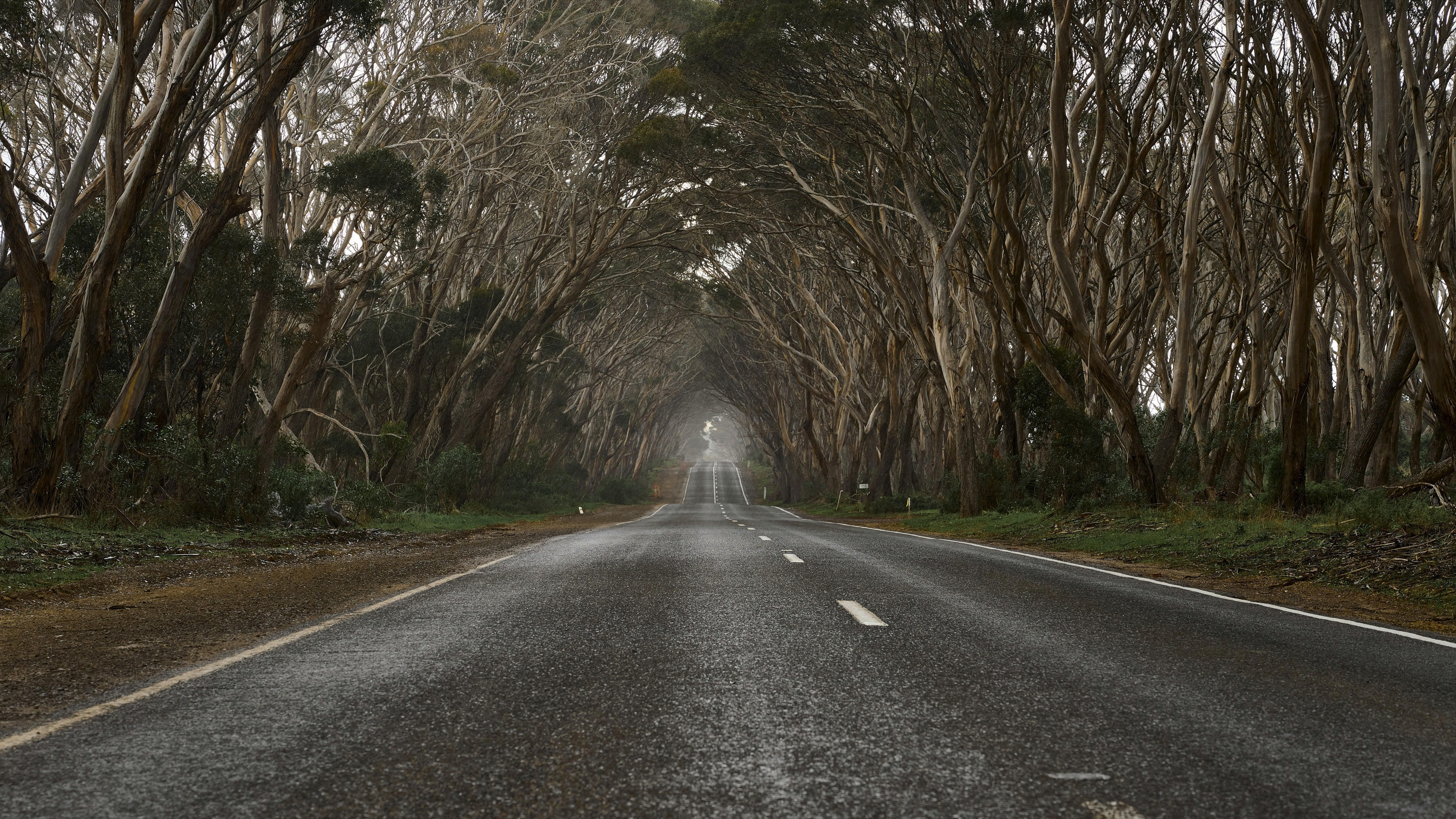
Further details for this day are not available.
Consistently rated among the "world's most livable cities" in quality-of-life surveys, Melbourne is built on a coastal plain at the top of the giant horseshoe of Port Phillip Bay. The city center is an orderly grid of streets where the state parliament, banks, multinational corporations, and splendid Victorian buildings that sprang up in the wake of the gold rush now stand. This is Melbourne's heart, which you can explore at a leisurely pace in a couple of days.In Southbank, one of the newer precincts south of the city center, the Southgate development of bars, restaurants, and shops has refocused Melbourne's vision on the Yarra River. Once a blighted stretch of factories and run-down warehouses, the southern bank of the river is now a vibrant, exciting part of the city, and the river itself is finally taking its rightful place in Melbourne's psyche.Just a hop away, Federation Square—with its host of galleries—has become a civic landmark for Melburnians. Stroll along the Esplanade in the suburb of St. Kilda, amble past the elegant houses of East Melbourne, enjoy the shops and cafés in Fitzroy or Carlton, rub shoulders with locals at the Victoria Market, nip into the Windsor for afternoon tea, or rent a canoe at Studley Park to paddle along one of the prettiest stretches of the Yarra—and you may discover Melbourne's soul as well as its heart.


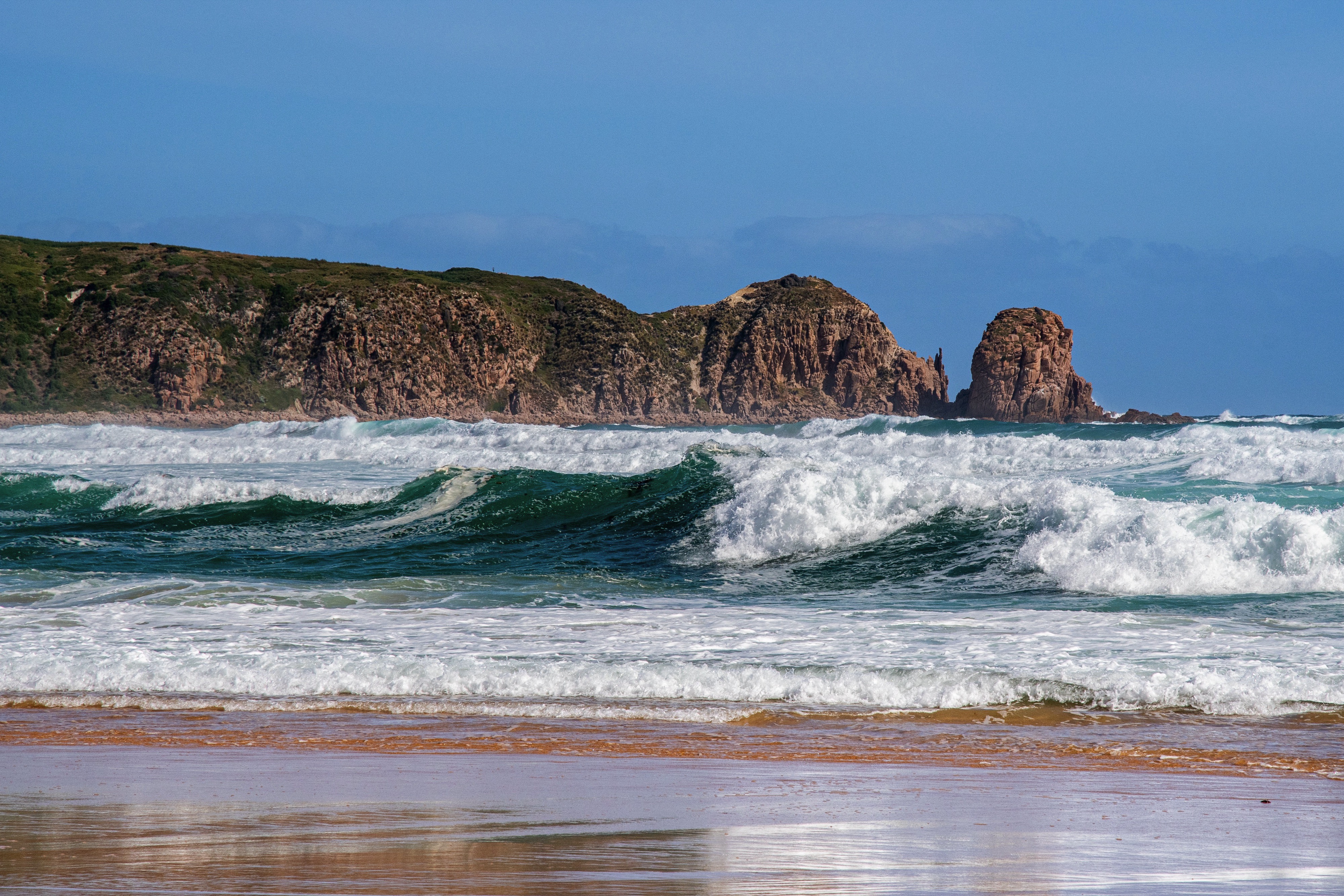
Your first sight of Phillip Island's prize asset - its parade of adorable penguins skipping across the sand - will be just one of many unforgettable experiences from your time on this stunning island. Located just to the south of cultured Melbourne, the southern ocean’s rollers have hewn a rugged, dramatic shoreline here, and you’ll be itching to explore as soon as you lay eyes upon it.
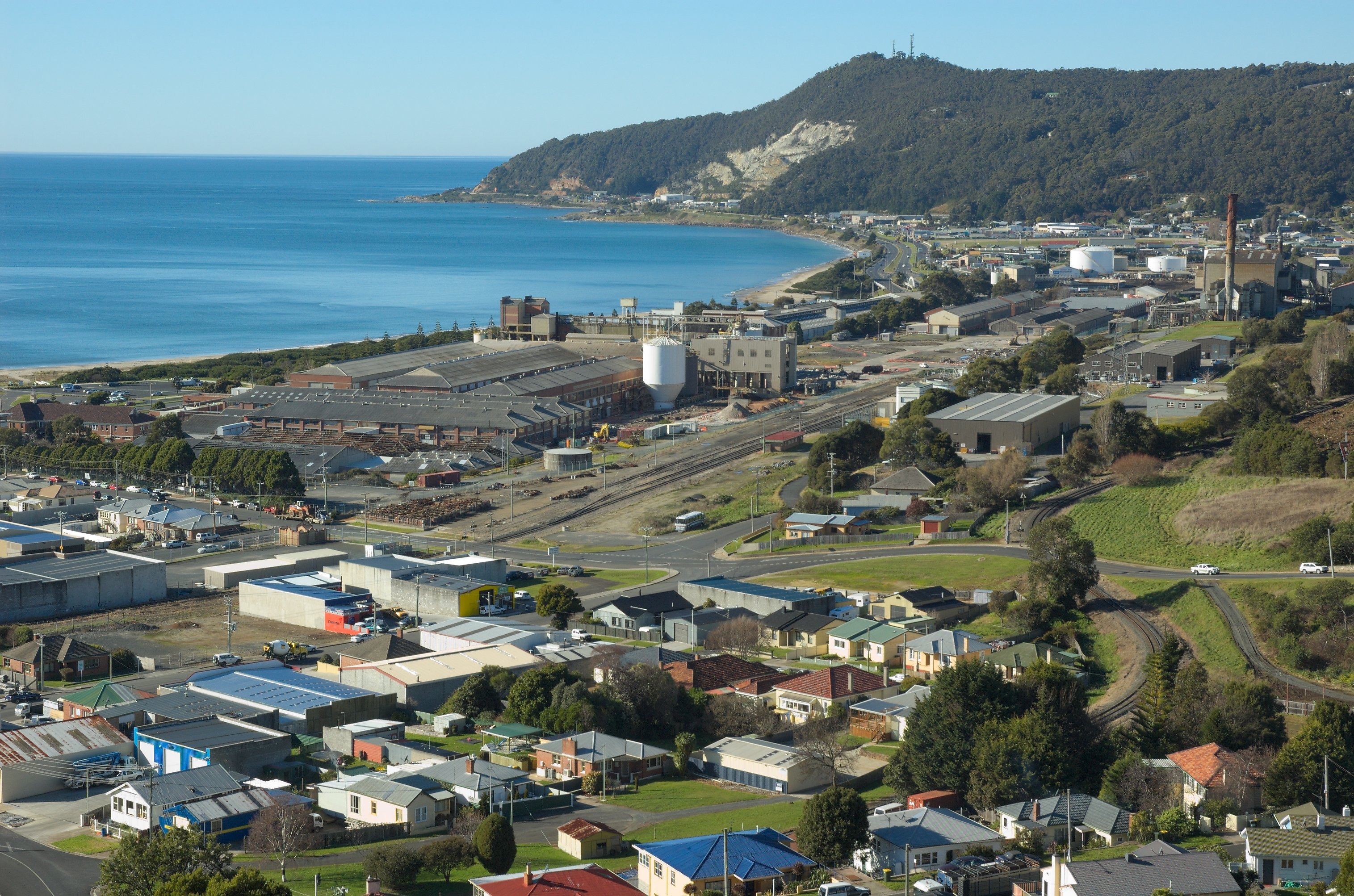
Burnie overlooks Emu Bay, on the north-west coast. This proudly industrial city is Australia’s fifth largest container port and a vibrant place to visit. Burnie was once surrounded by dense rainforest, but this has slowly disappeared, while fortunes were made felling and milling timber. The paper and pulp mill on the city’s outskirts operated from 1938 to 1998. Burnie was first explored by Bass and Flinders and was known as Emu Bay when it was settled by the Van Diemen’s Land Company in 1827. Today, Burnie has a population of almost 19,000. Burnie experiences temperate conditions, with an average maximum of 70 degrees Fahrenheit (21 degrees Celsius) in January and 56.5 degrees Fahrenheit (13.5) degrees Celsius in June.
Further details for this day are not available.
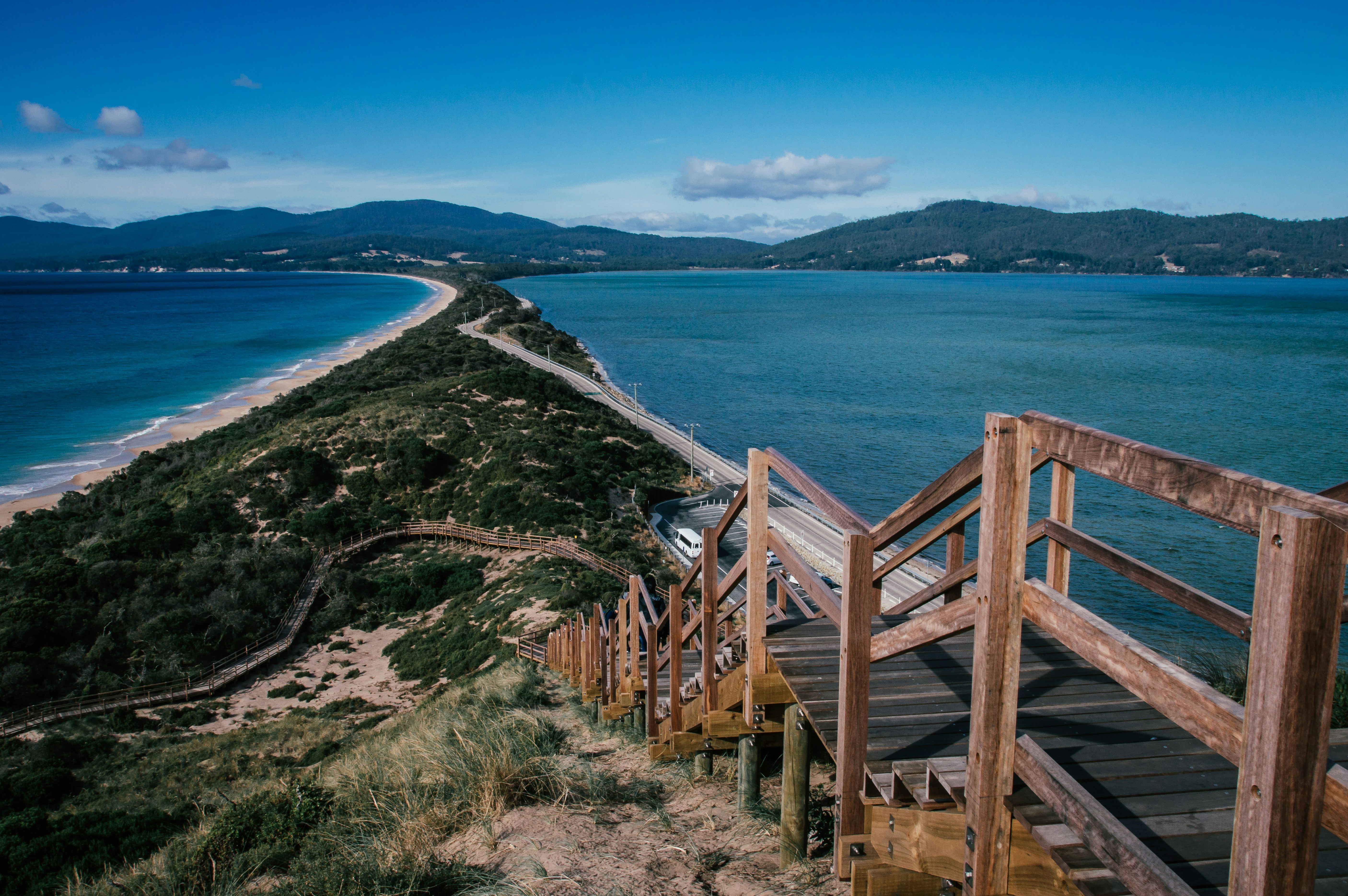
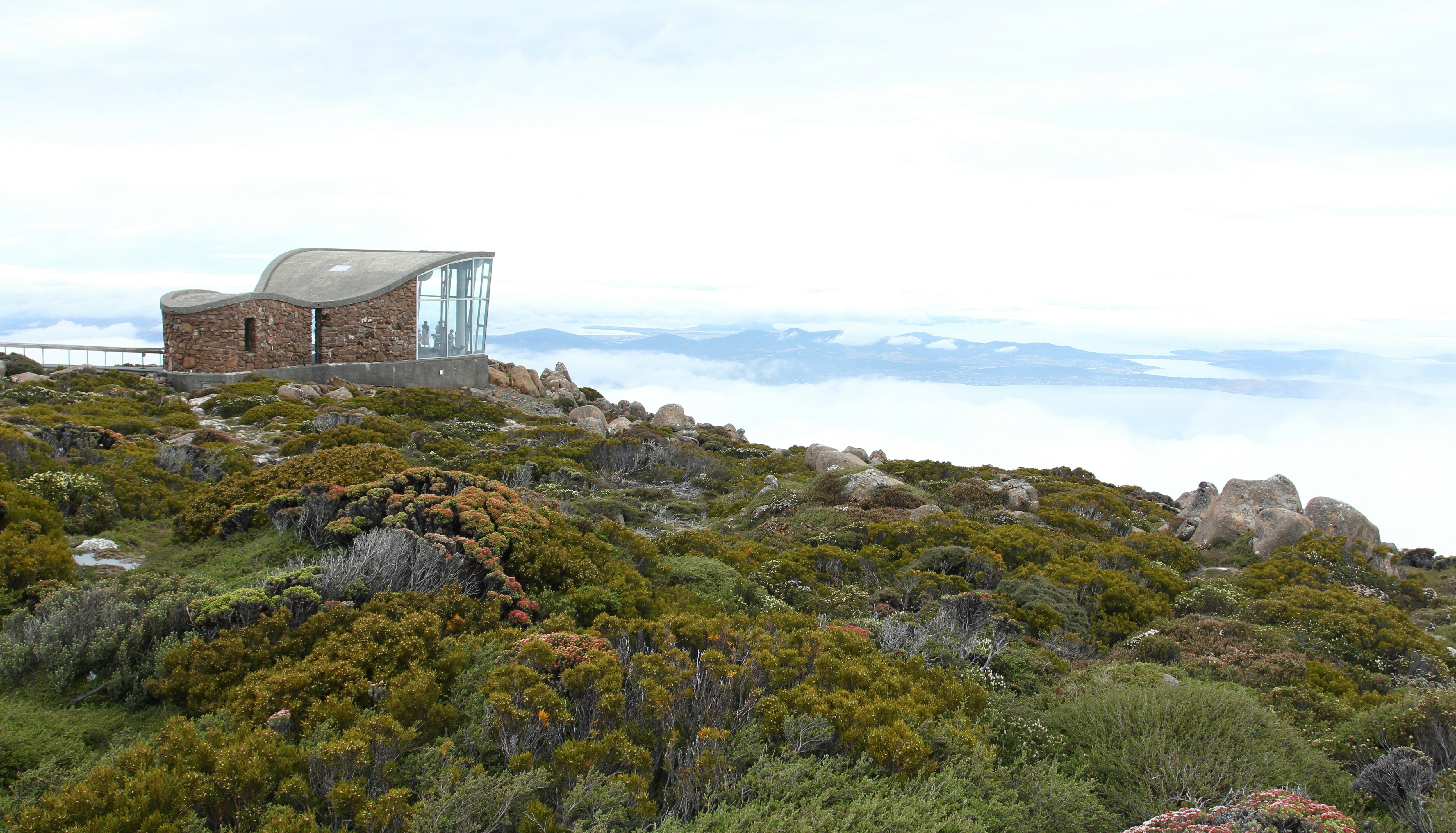
Straddling the Derwent River at the foot of Mt. Wellington's forested slopes, Hobart was founded as a penal settlement in 1803. It's the second-oldest city in the country after Sydney, and it certainly rivals its mainland counterpart as Australia's most beautiful state capital. Close-set colonial brick-and-sandstone shops and homes line the narrow, quiet streets, creating a genteel setting for this historic city of 215,000. Life revolves around the broad Derwent River port, one of the deepest harbors in the world. Here warehouses that once stored Hobart's major exports of fruit, wool, and corn and products from the city's former whaling fleet still stand alongside the wharf today.Hobart sparkles between Christmas and New Year's—summer Down Under—during the annual Sydney-to-Hobart yacht race. The event dominates conversations among Hobart's citizens, who descend on Constitution Dock to welcome the yachts and join in the boisterous festivities of the crews. The New Year also coincides with the Tastes of Tasmania Festival, when the dockside area comes alive with the best of Tasmanian food and wine on offer in numerous cafés, bars, and waterfront stalls. Otherwise, Hobart is a placid city whose nightlife is largely confined to excellent restaurants, jazz clubs, and the action at the Wrest Point Casino in Sandy Bay.The Hobart Tasmanian Travel and Information Centre hours are weekdays 8:30–5:30 and Saturday 9–5.
Further details for this day are not available.
Sydney, capital of New South Wales and one of Australia's largest cities, is best known for its harbourfront Sydney Opera House, with a distinctive sail-like design. Massive Darling Harbour and the smaller Circular Quay port are hubs of waterside life, with the arched Harbour Bridge and esteemed Royal Botanic Garden nearby. Sydney Tower’s outdoor platform, the Skywalk, offers 360-degree views of the city and suburbs.


Suite
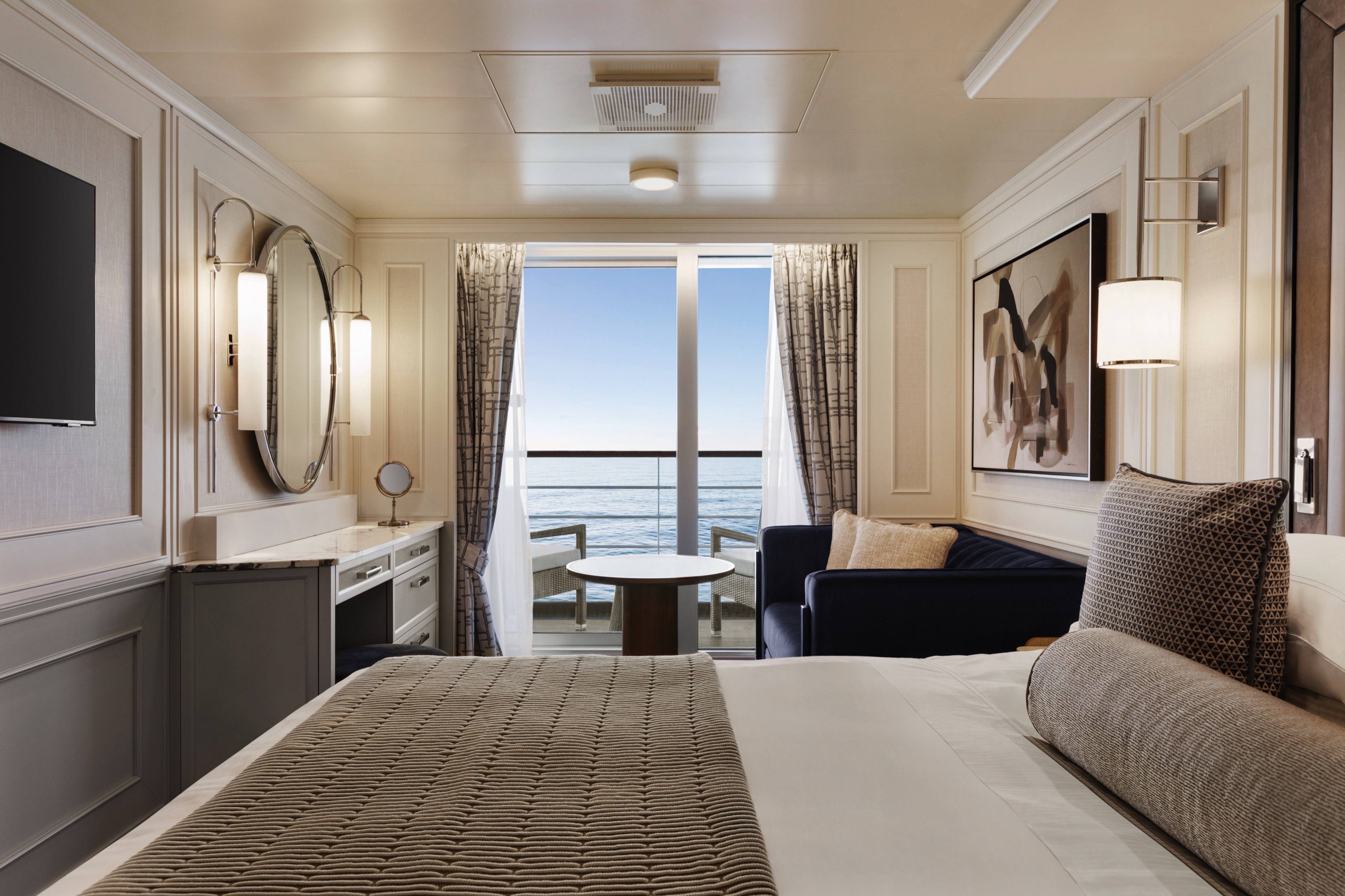
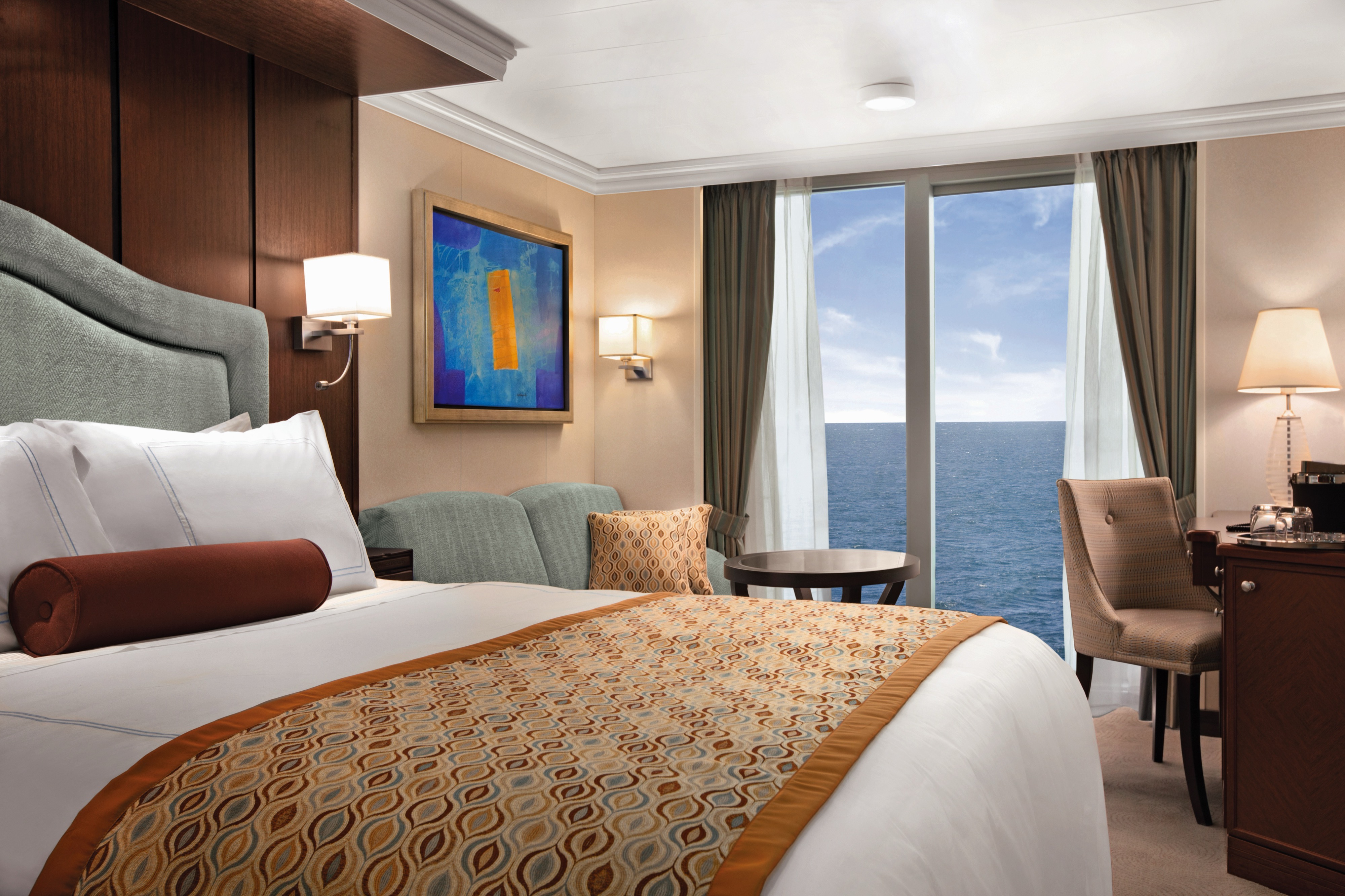
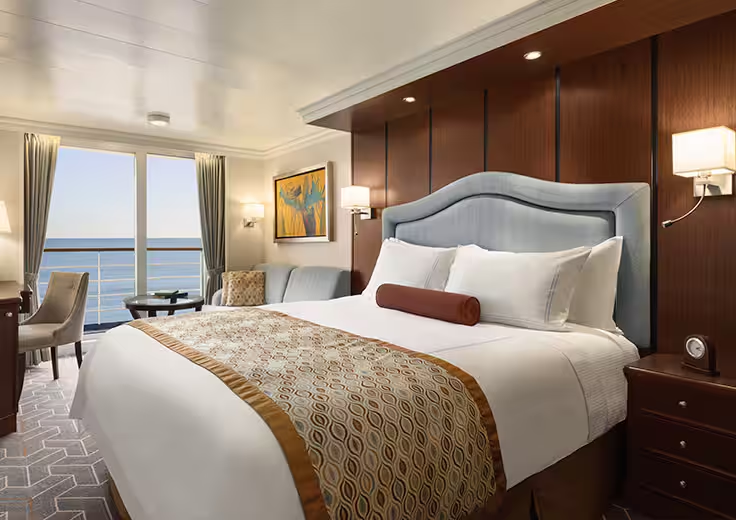
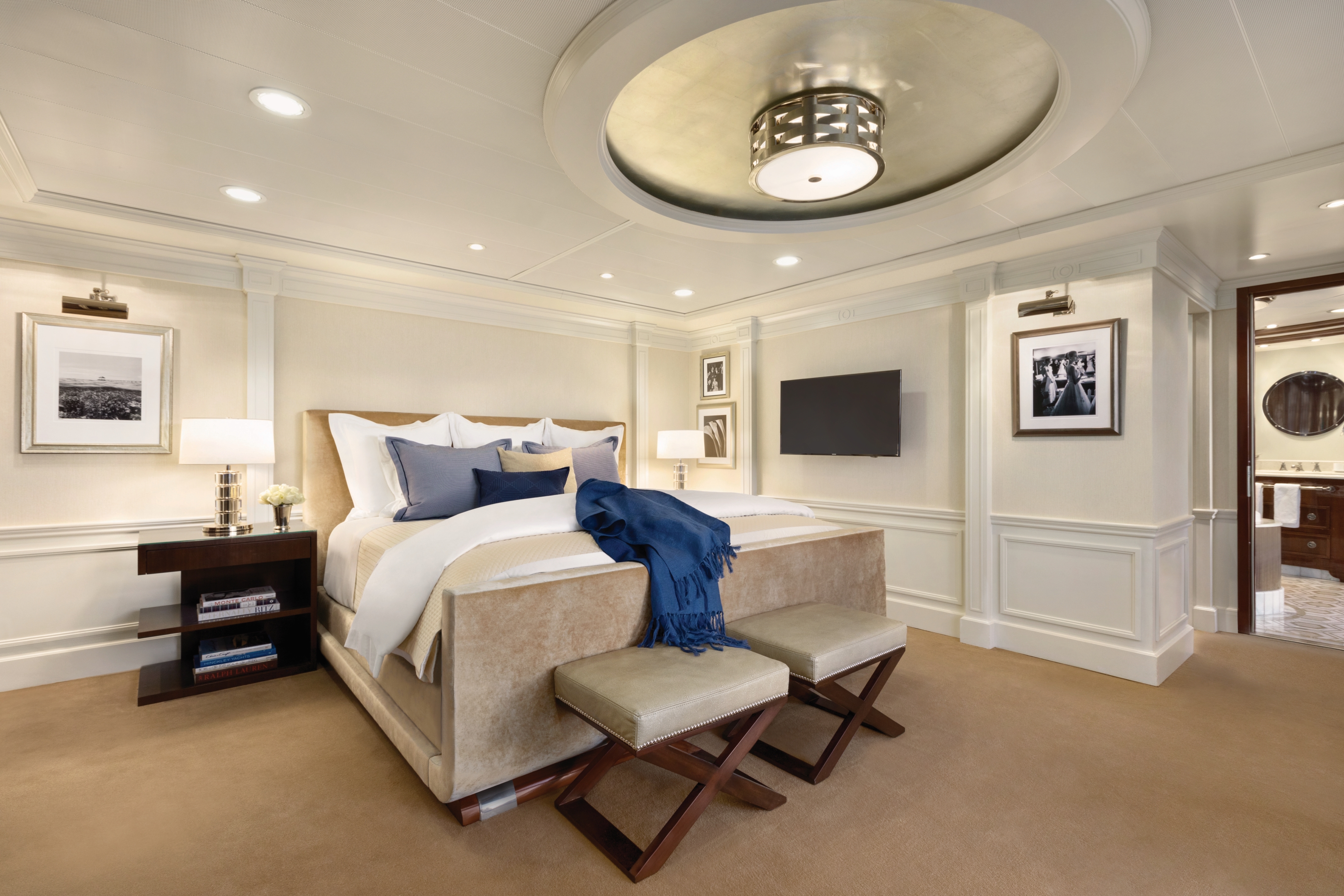
Akin to a dramatic coastal villa, the Owner’s Suites exude a sophisticated and luxurious personality. At more than 2,000 square feet, each features a living room, dining room, master bedroom and two bathrooms. These suites are adorned with designer furnishings and exquisite appointments, creating a blissful enclave at sea. There are separate terraces for the living areas and bedroom and expanses of floor-to-ceiling windows provide captivating vistas and with the stunning backdrop of the sea all around. All of our suites include exclusive 24-hour Butler service and are uncommonly spacious, further adding to the unparalleled suite experience.
Owner's Suite Privileges
+In addition to Concierge Level privileges
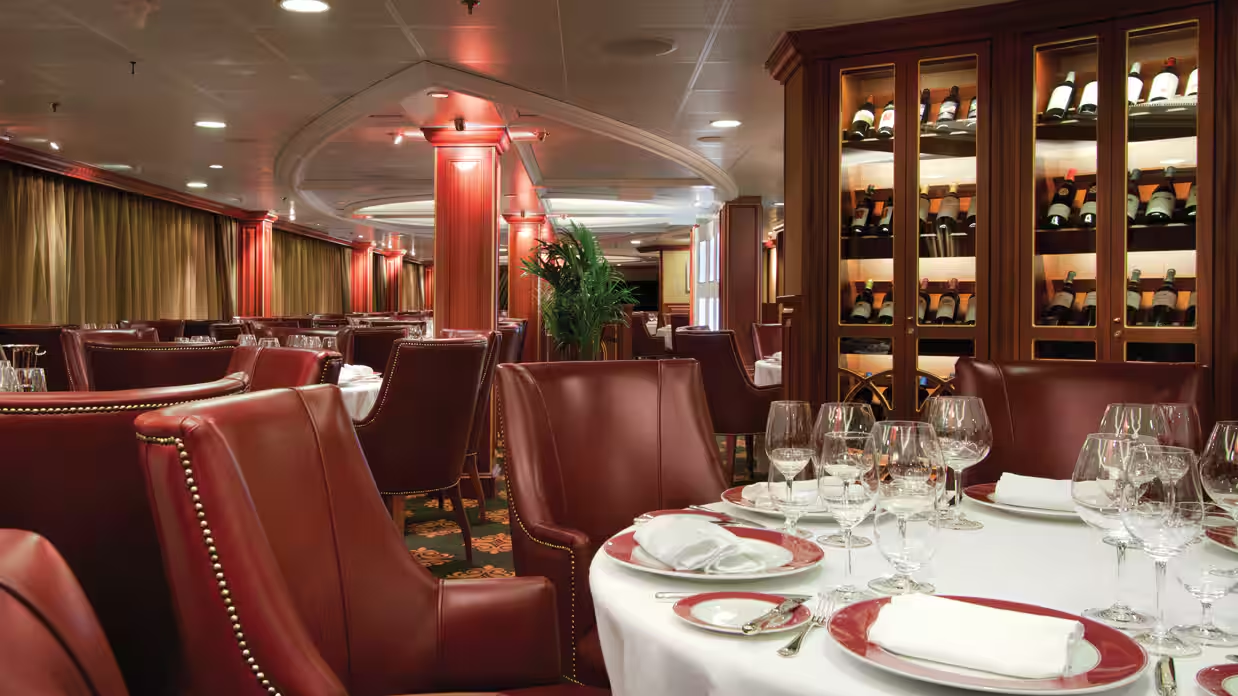
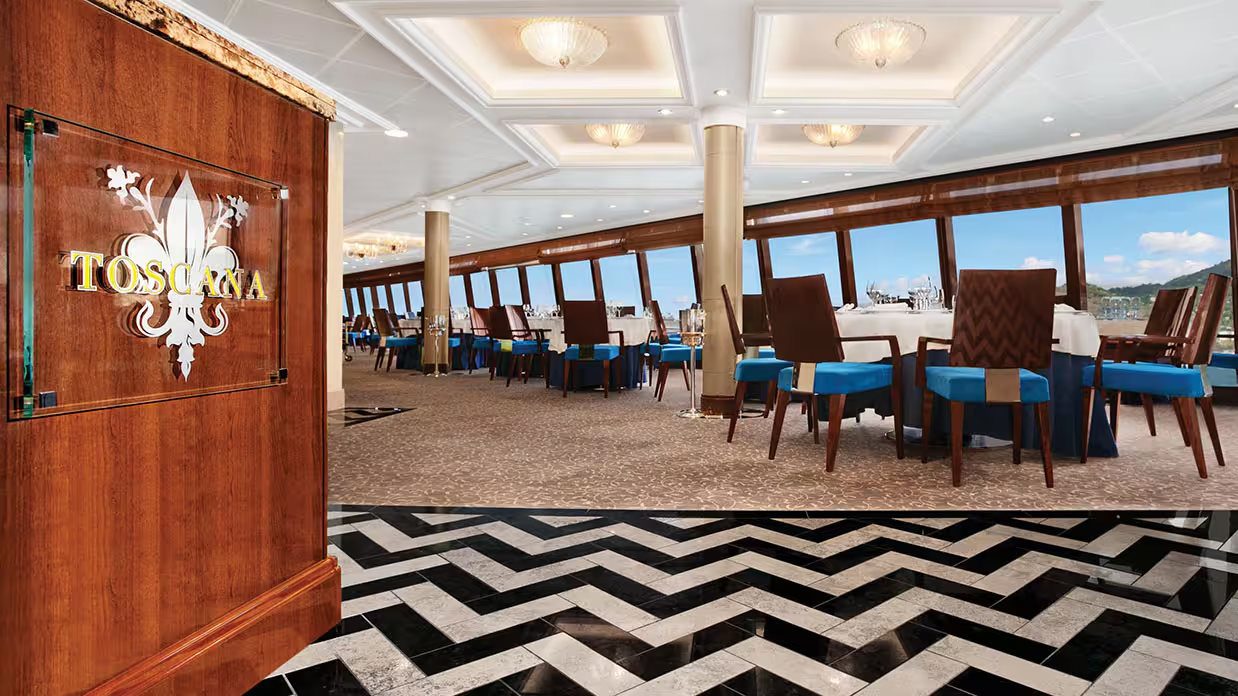
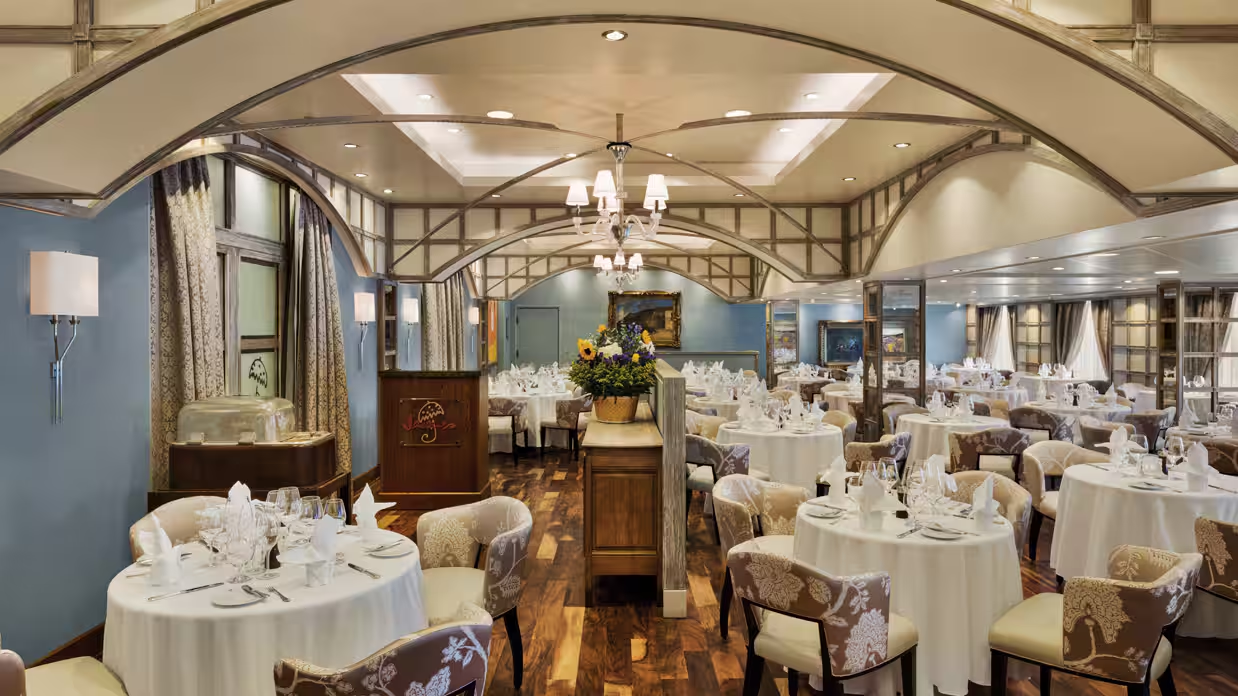
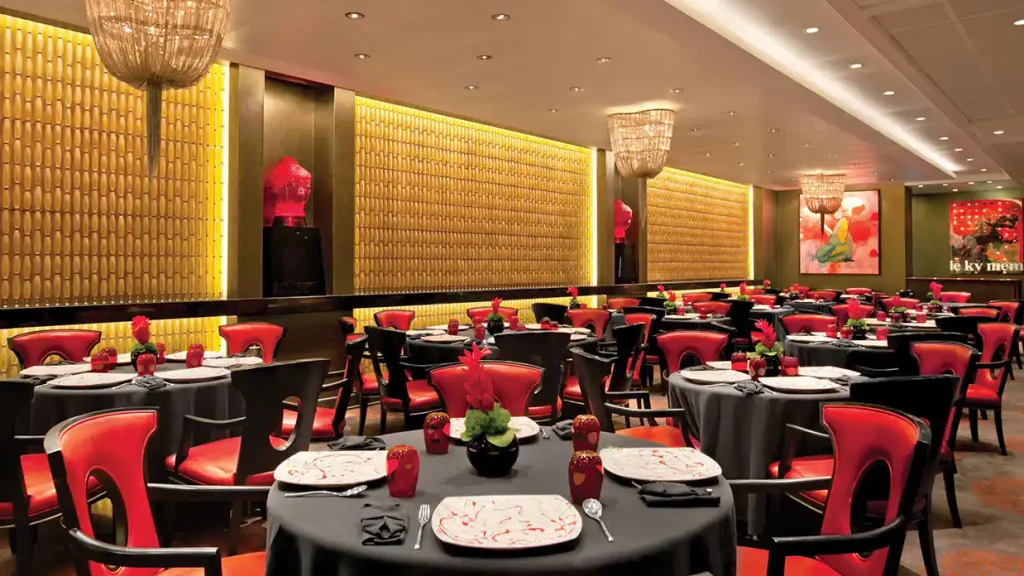
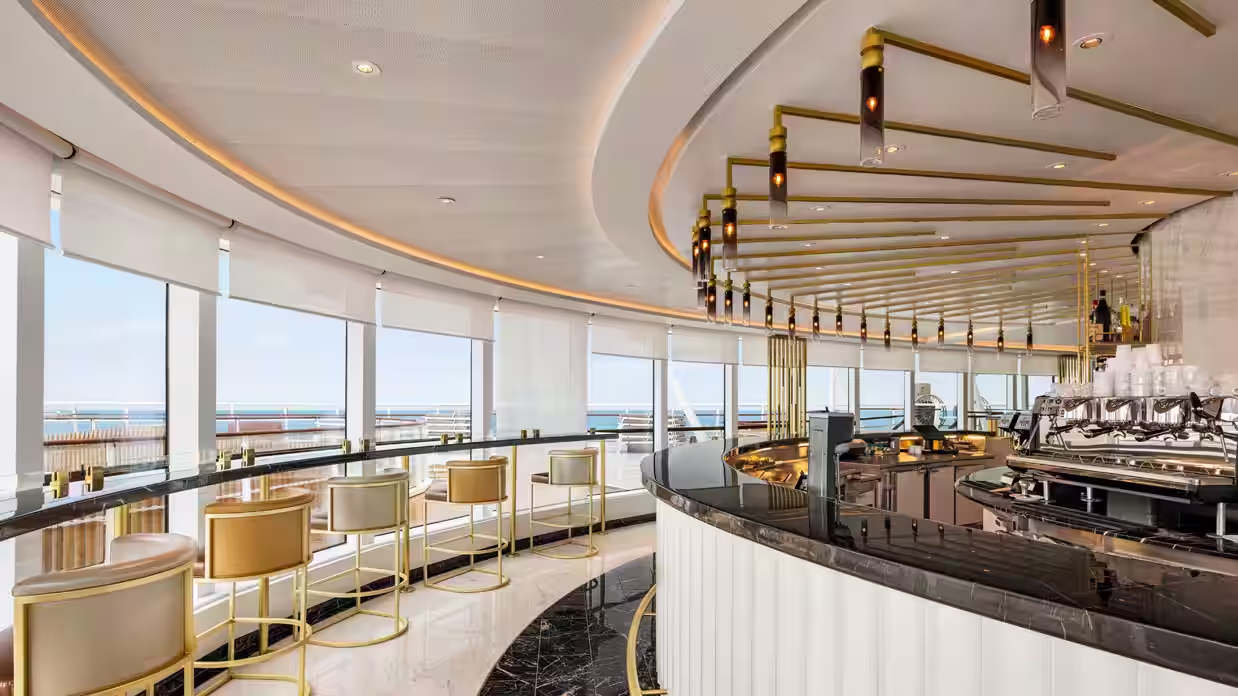
Life on board
I have worked with Lore Doick for more than 20 years, and she has booked over 30 cruises for me. Her expertise, care, and attention to every travel detail have made her an invaluable advisor and friend over the years.”
We are now in our second generation working with Cheri Ozimac at Tully Luxury Travel. From Antarctica to Greece, she has handled every detail with expertise, responsiveness, and care…
My wife and I have worked with Tully since 2007, and Kit Neil and her team went far beyond expectations while helping us navigate multiple cruise and flight cancellations. Their advocacy, care, and support during a difficult time were extraordinary.
Cheri Ozimac organized our Seabourn cruise flawlessly, from the hotel recommendation to every travel arrangement. She was responsive, attentive, and an excellent advocate throughout the process…
We discovered Tully Luxury Travel after years of booking cruises through US agents and were impressed by their competitive pricing, exceptional service, and Canadian based support. Their team is always available, offers excellent value, and makes booking the right cruise seamless.
 Average Customer Rating:
The Tully Difference