Brazilian Coastal Odyssey

Itinerary: Bridgetown, Kingstown, Saint George's, At Sea, Devil's Island, Fortaleza, Recife, Maceió, Salvador de Bahia, Rio de Janeiro See full itinerary

8 Nov 28
14 nights

Voyage Details

Duration:
14 nights
Departure:
8 Nov 2028
Embarkation:
Bridgetown, Barbados
Cruise code:
ARL281108
Voyage code:
ARL281108

Your Itinerary, Day-By-Day

Special Chapters of Your Journey

Day 1 - Bridgetown

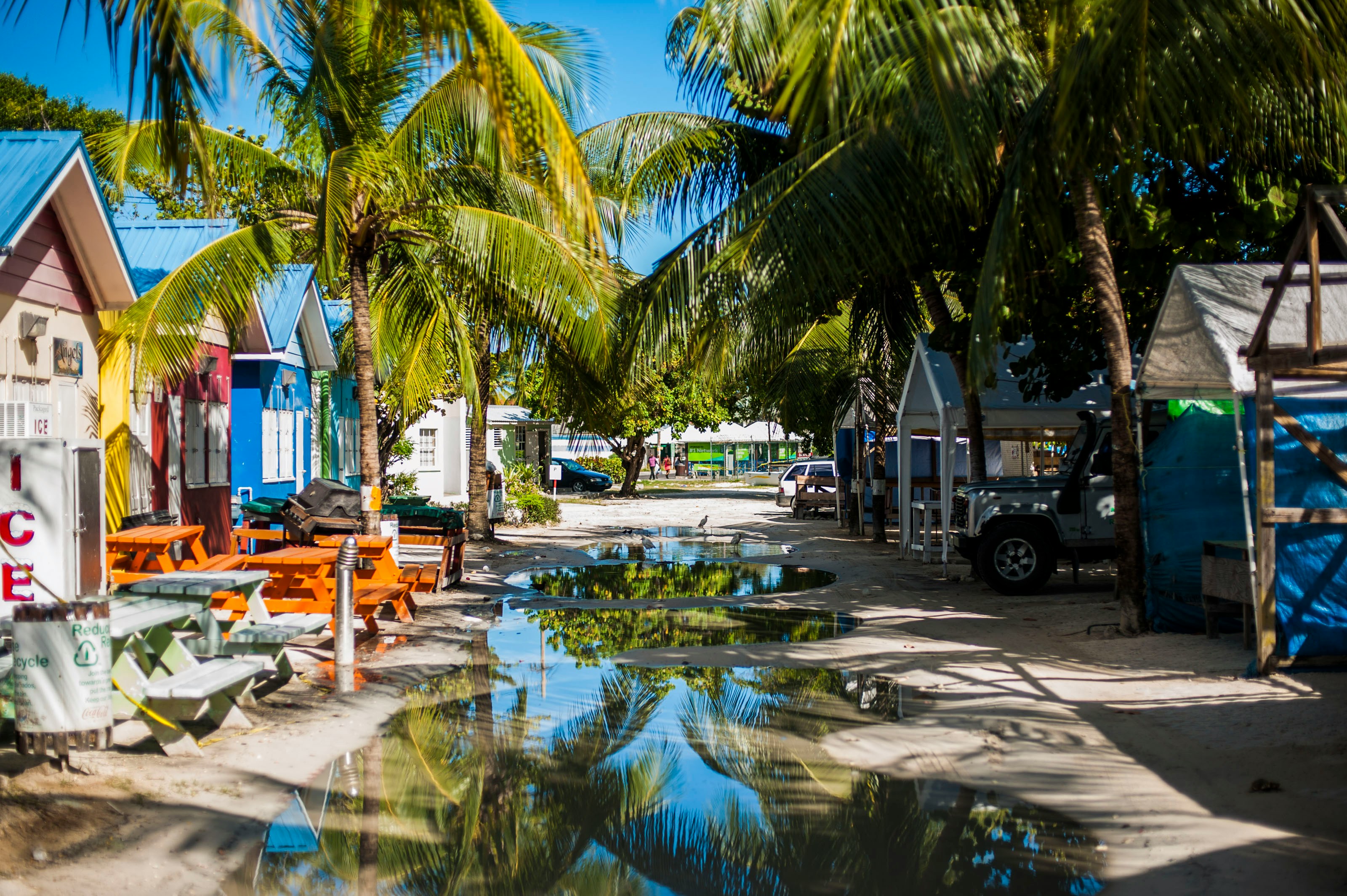
Located beside the island’s only natural harbour, the capital of Barbados combines modern and colonial architecture with glorious palm tree-lined beaches and a number of historical attractions. Experience the relaxed culture of the city renowned for its British-style parliament buildings and vibrant beach life, and seek out the Anglican church and the 19th-century Barbados Garrison. The distance between the ship and your tour vehicle may vary. This distance is not included in the excursion grades.

Bbbgi   Bridgetown   Boardwalk  © The Club Barbados, Elite Island Resorts
Bbbgi Bridgetown Boardwalk © The Club Barbados, Elite Island Resorts© The Club Barbados, Elite Island Resorts
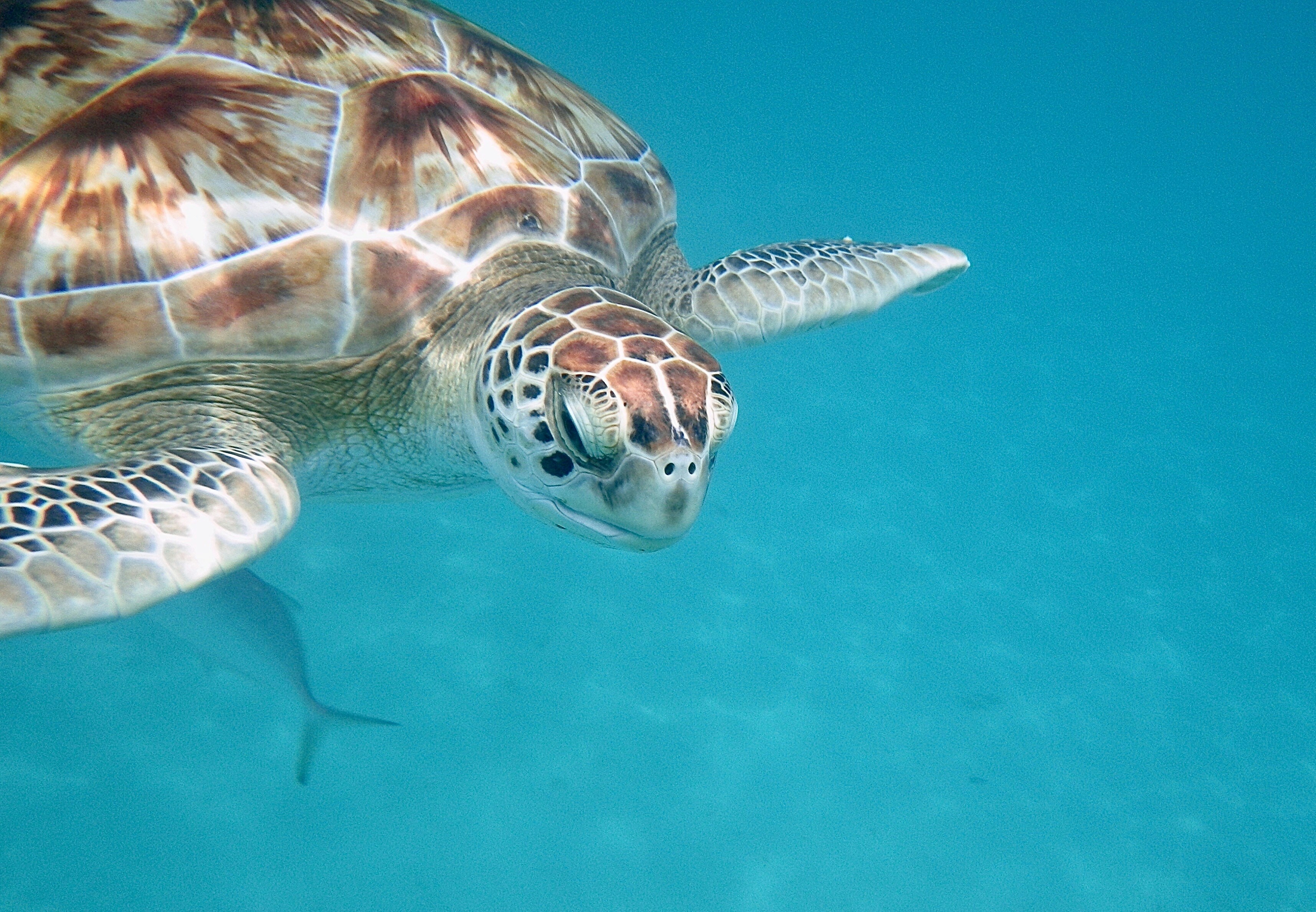
Bridgetown Turtle
Bridgetown TurtleBruce Barrow, Unsplash
Barbados Bridgetown
Barbados BridgetownTom Jur, Unsplash

Day 2 - Kingstown

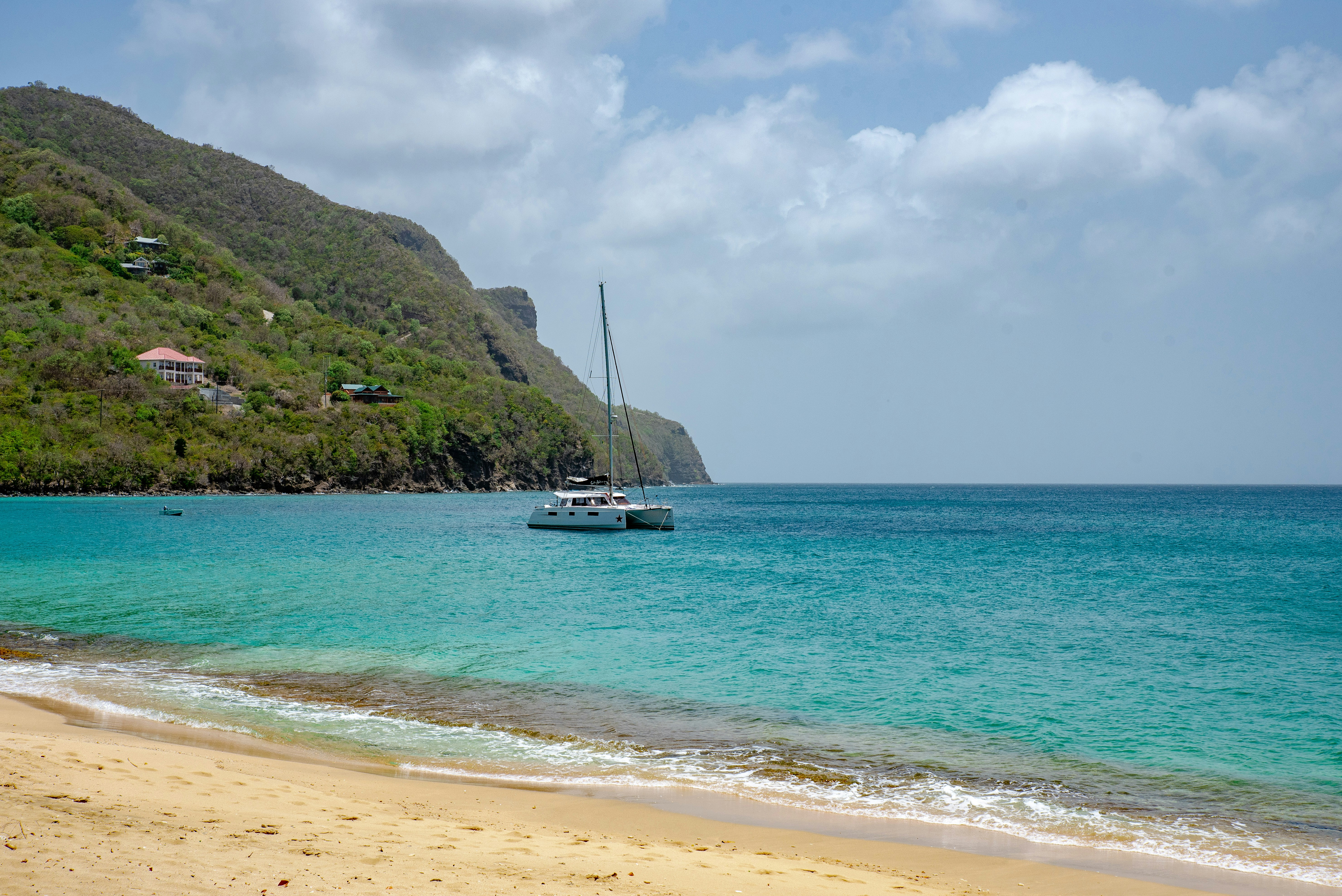
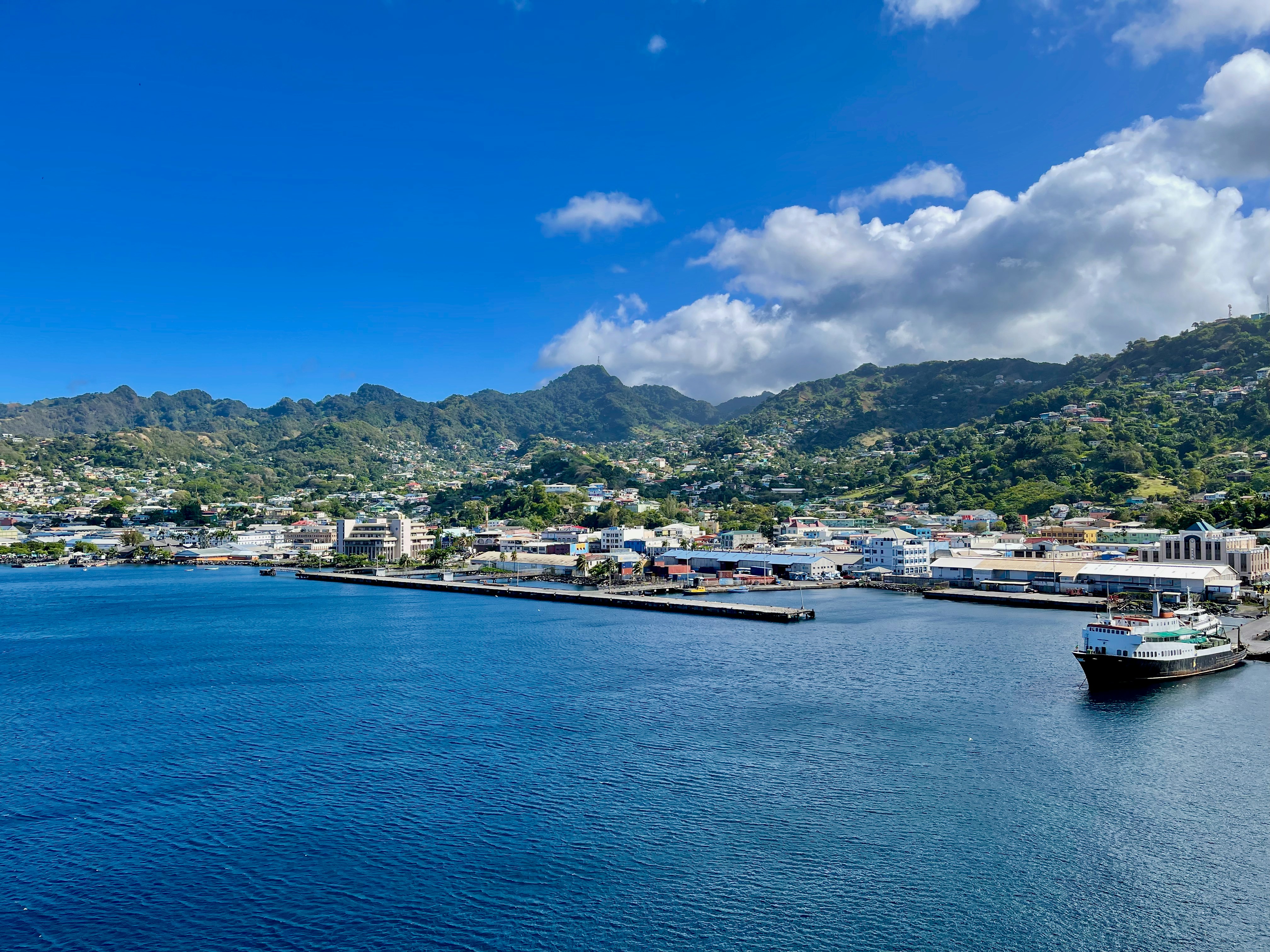
Kingstown is the capital of Saint Vincent and the Grenadines. The port city is known for its Botanical Gardens, founded in 1765 and home to tropical plants and aviaries. On a ridge above the bay, the 1806 Fort Charlotte offers panoramic views of the archipelago. The city center has 19th-century churches such as St. Mary’s Cathedral. The lively Kingstown Market sells local produce. Popular Villa Beach is nearby

St Vincent And The Grenadines
St Vincent And The GrenadinesPhoto by Ernie A. Stephens on Unsplash
St Vincent And The Grenadines
St Vincent And The GrenadinesPhoto by Ernie A. Stephens on Unsplash
St Vincent And The Grenadines
St Vincent And The GrenadinesPhoto by iSAW Company on Unsplash

Day 3 - Saint George's

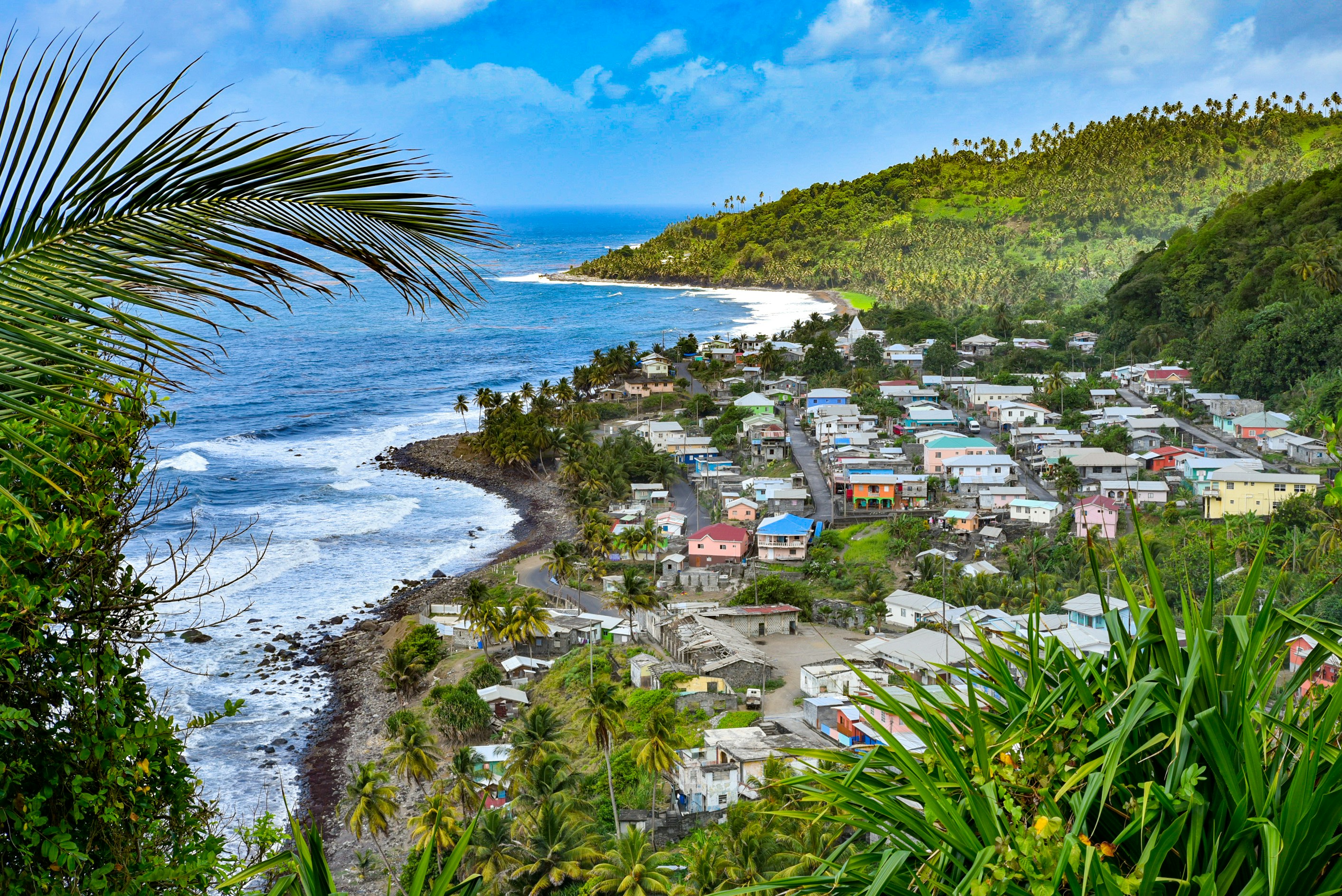
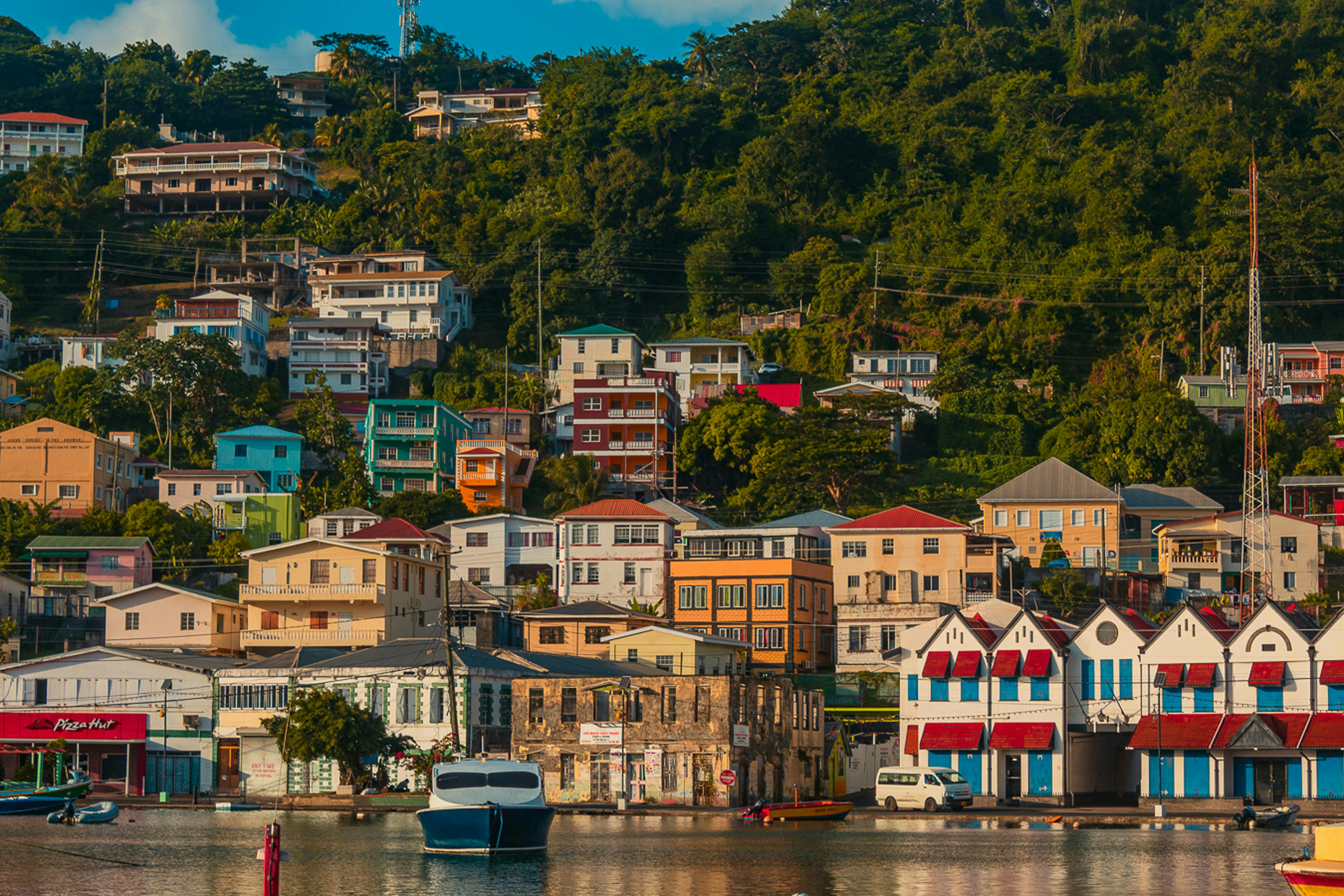
Nutmeg, cinnamon, cloves, cocoa those heady aromas fill the air in Grenada (pronounced gruh-nay-da). Only 21 miles (33½ km) long and 12 miles (19½ km) wide, the Isle of Spice is a tropical gem of lush rain forests, white-sand beaches, secluded coves, exotic flowers, and enough locally grown spices to fill anyone's kitchen cabinet. St. George's is one of the most picturesque capital cities in the Caribbean, St. George's Harbour is one of the most picturesque harbors, and Grenada's Grand Anse Beach is one of the region's finest beaches. The island has friendly, hospitable people and enough good shopping, restaurants, historic sites, and natural wonders to make it a popular port of call. About one-third of Grenada's visitors arrive by cruise ship, and that number continues to grow each year. Grenada's capital is a bustling West Indian city, much of which remains unchanged from colonial days. Narrow streets lined with shops wind up, down, and across steep hills. Brick warehouses cling to the waterfront, and pastel-painted homes rise from the waterfront and disappear into steep green hills. The horseshoe-shaped St. George's Harbour, a submerged volcanic crater, is arguably the prettiest harbor in the Caribbean. Schooners, ferries, and tour boats tie up along the seawall or at the small dinghy dock. The Carenage (pronounced car-a-nahzh), which surrounds the harbor, is the capital's center. Warehouses, shops, and restaurants line the waterfront. The Christ of the Deep statue that sits on the pedestrian plaza at the center of The Carenage was presented to Grenada by Costa Cruise Line in remembrance of its ship, Bianca C, which burned and sank in the harbor in 1961 and is now a favorite dive site. An engineering feat for its time, the 340-foot-long Sendall Tunnel was built in 1895 and named for Walter Sendall, an early governor. The narrow tunnel, used by both pedestrians and vehicles, separates the harbor side of St. George's from the Esplanade on the bay side of town, where you can find the markets (produce, meat, and fish), the Cruise Ship Terminal, the Esplanade Mall, and the public bus station.

Seaside Buildings On A Hillside In The Town Of Saint George
Seaside Buildings On A Hillside In The Town Of Saint GeorgePhoto by G.isle px

Day 4 - At Sea

Further details for this day are not available.

Day 5 - Devil's Island

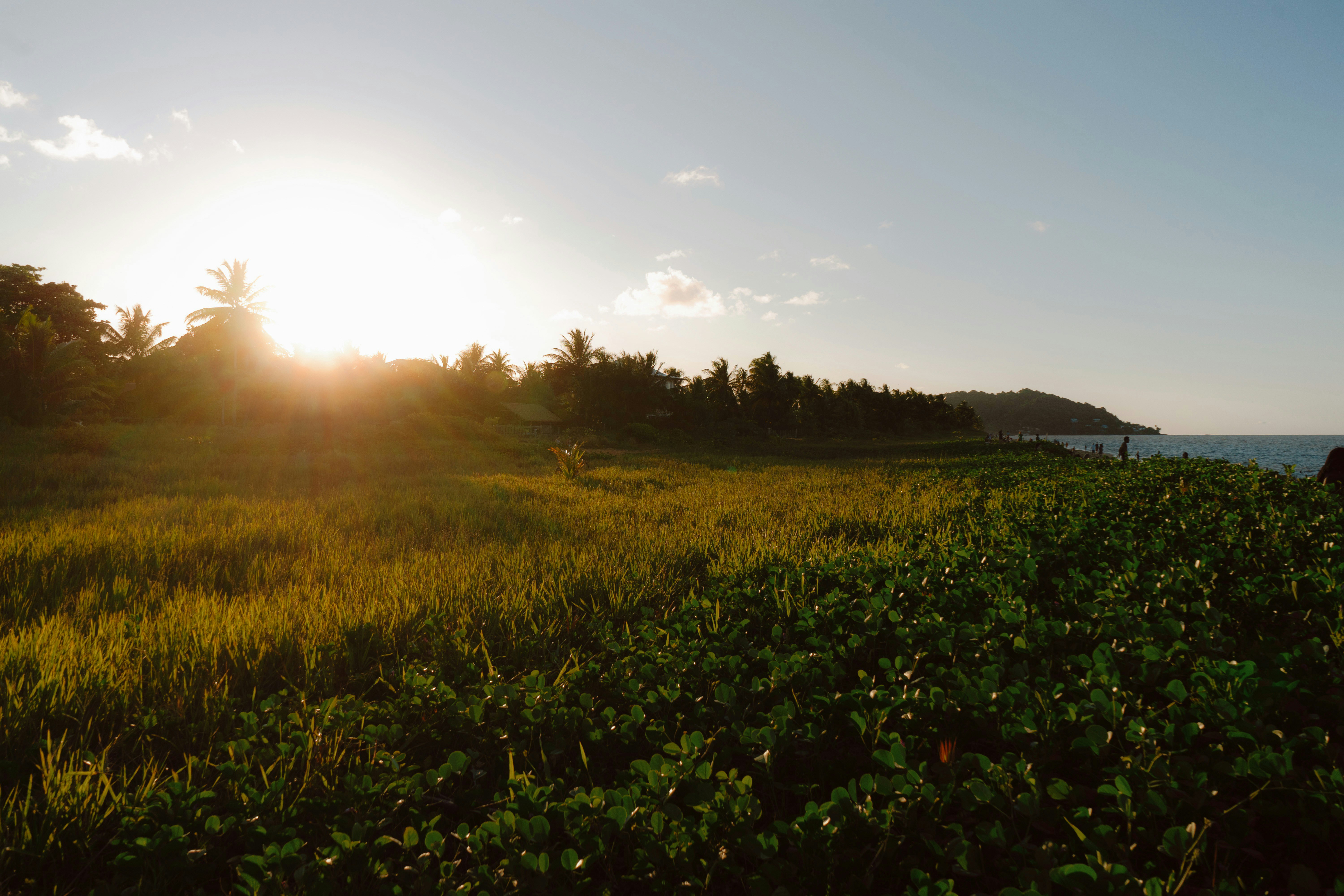
Discarded off the coast of French Guiana, lies an ominous, key-shaped island of sharp rocks and swaying palm trees - Devil's Island. As the site of one of history’s most infamous and feared prisons, the island's reputation as hell on earth was well earned, having been used to brutally imprison, torture and punish the French Empire's most notorious criminals. Closed down in 1953, it now lies in an eerie purgatory, and the sense of unease as you approach it is hard to avoid, with its laden-coconut trees duplicitously waving you ashore.

Devil's Island
Devil's IslandPhoto by Flow Flo on Unsplash

Day 6 - At Sea

Further details for this day are not available.

Day 7 - At Sea

Further details for this day are not available.

Day 8 - Fortaleza

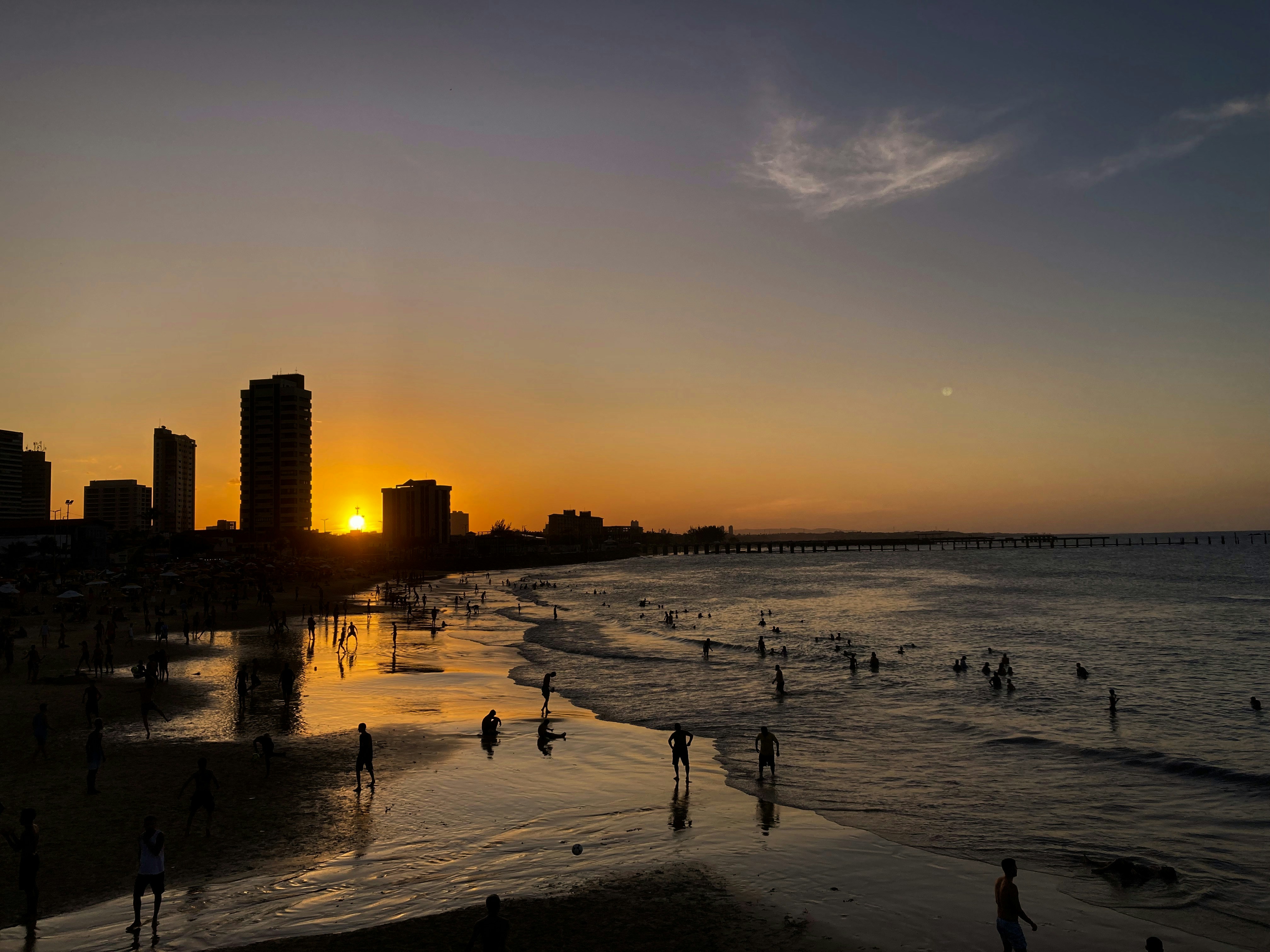
Called the "City of Light," Fortaleza claims that the sun shines on it 2,800 hours a year. And it's a good thing, too, as the coastline stretches far beyond the city. To the east, along the Litoral Leste or the Costa Sol Nascente (Sunrise Coast) are many fishing villages. To the west, along the Litoral Oeste or the Costa Sol Poente (Sunset Coast), there are pristine stretches of sand. The shores here are cooled by constant breezes and lapped by waters with an average temperature of 24°C (72°F).Today Fortaleza, a large, modern state capital with more than 2 million inhabitants, is Brazil's fifth-largest city. It's also on the move, with one of the country's newest airports, a modern convention center, a huge cultural center with a planetarium, large shopping malls, several museums and theaters, and an abundance of sophisticated restaurants. At Praia de Iracema there's a revitalized beachfront area of sidewalk cafés, bars, and dance clubs. But if you wander along the shore, you're still bound to encounter fishermen unloading their catch from traditional jangadas—just as they've done for hundreds of years.

Beira Mar, Fortaleza, Brazil
Beira Mar, Fortaleza, BrazilPhoto by Guilherme Hilton on Unsplash

Day 9 - At Sea

Further details for this day are not available.

Day 10 - Recife

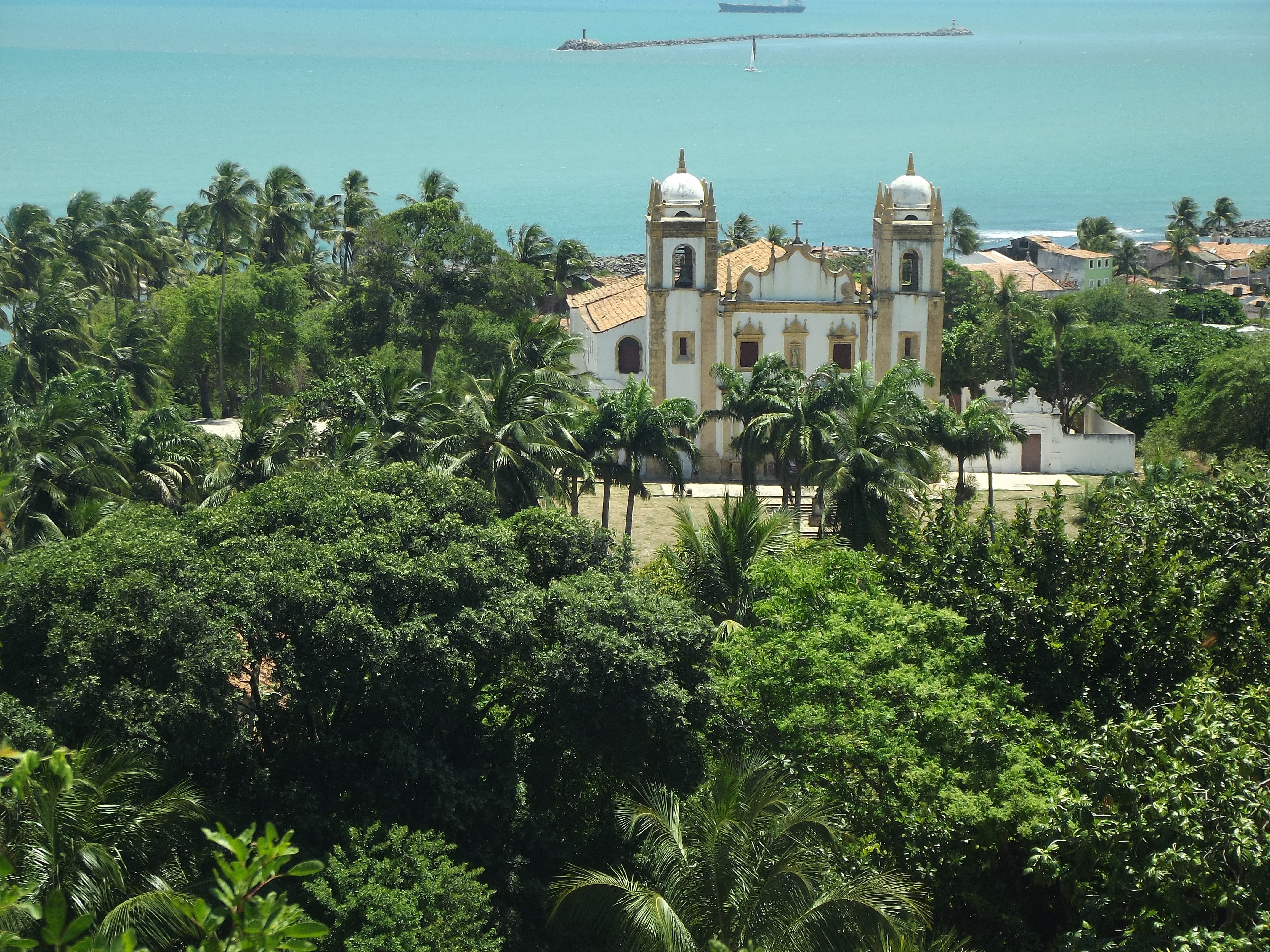
This vibrant metropolis has a spirit that's halfway between that of the modern cities of Brazil's South and of the traditional northeastern centers. It offers both insight on the past and a window to the future.It was in Pernambuco State, formerly a captaincy, that the most violent battles between the Dutch and the Portuguese took place. Under the Portuguese, the capital city was the nearby community of Olinda. But beginning in 1637 and during the Dutch turn at the reins (under the powerful count Maurício de Nassau), both Olinda and Recife were greatly developed.The city has beautiful buildings alongside the rivers that remind many visitors of Europe. Unfortunately, huge swathes of 19th-century buildings were razed to make way for modern structures. As a result, the center of the city has pockets of neocolonial splendor surrounded by gap-toothed modern giants. Today Recife is a leader in health care and has benefited from significant government investment in recent years, resulting in a boom in infrastructure and construction industries. It's also Brazil's third-largest gastronomic center—it's almost impossible to get a bad meal here.Recife is built around three rivers and connected by 49 bridges. Its name comes from the recifes (reefs) that line the coast. Because of this unique location, water and light often lend the city interesting textures. In the morning, when the tide recedes from Boa Viagem Beach, the rocks of the reefs slowly reappear. Pools of water are formed, fish flap around beachgoers, and the rock formations dry into odd colors. And if the light is just right on the Rio Capibaribe, the ancient buildings of Recife Antigo (Old Recife) are reflected off the river's surface in a watercolor display.

Recofe, Brazil
Recofe, BrazilImage by Matheus Araújo Machado de Freitas from Pixabay

Day 11 - Maceió

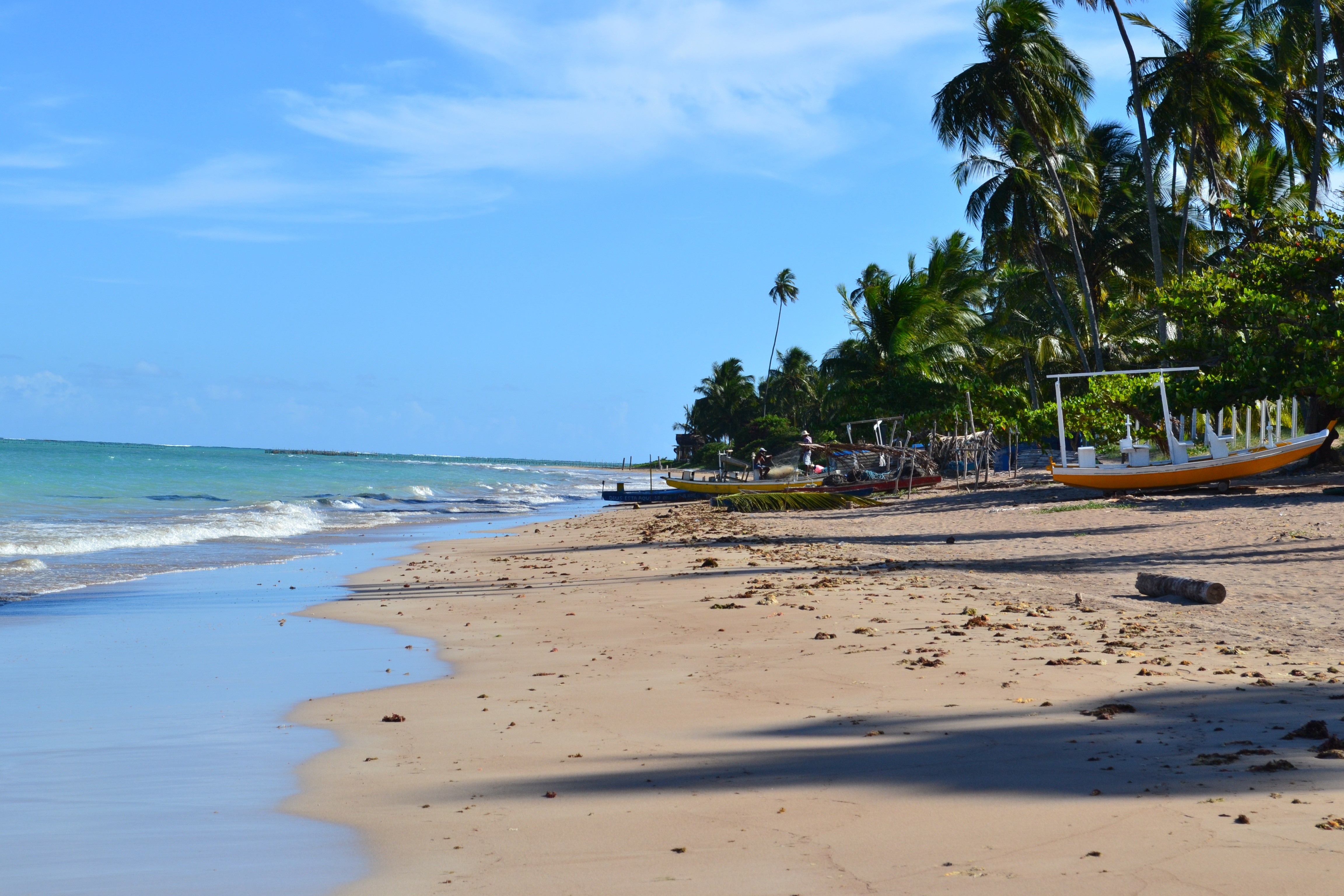
Maceió, city, capital of Alagoas estado (state), northeastern Brazil. It is situated below low bluffs on a level strip of land between the Atlantic Ocean and the Norte (or Mundaú) Lagoon, a shallow body of water extending inward for several miles. Formerly called Macayo, the city dates from 1815, when a small settlement there was made a villa. In 1839 it became capital of Alagoas (then a provincia) and was given city status.

Beach At Maceio
Beach At MaceioImage by tupesa from Pixabay

Day 12 - Salvador de Bahia

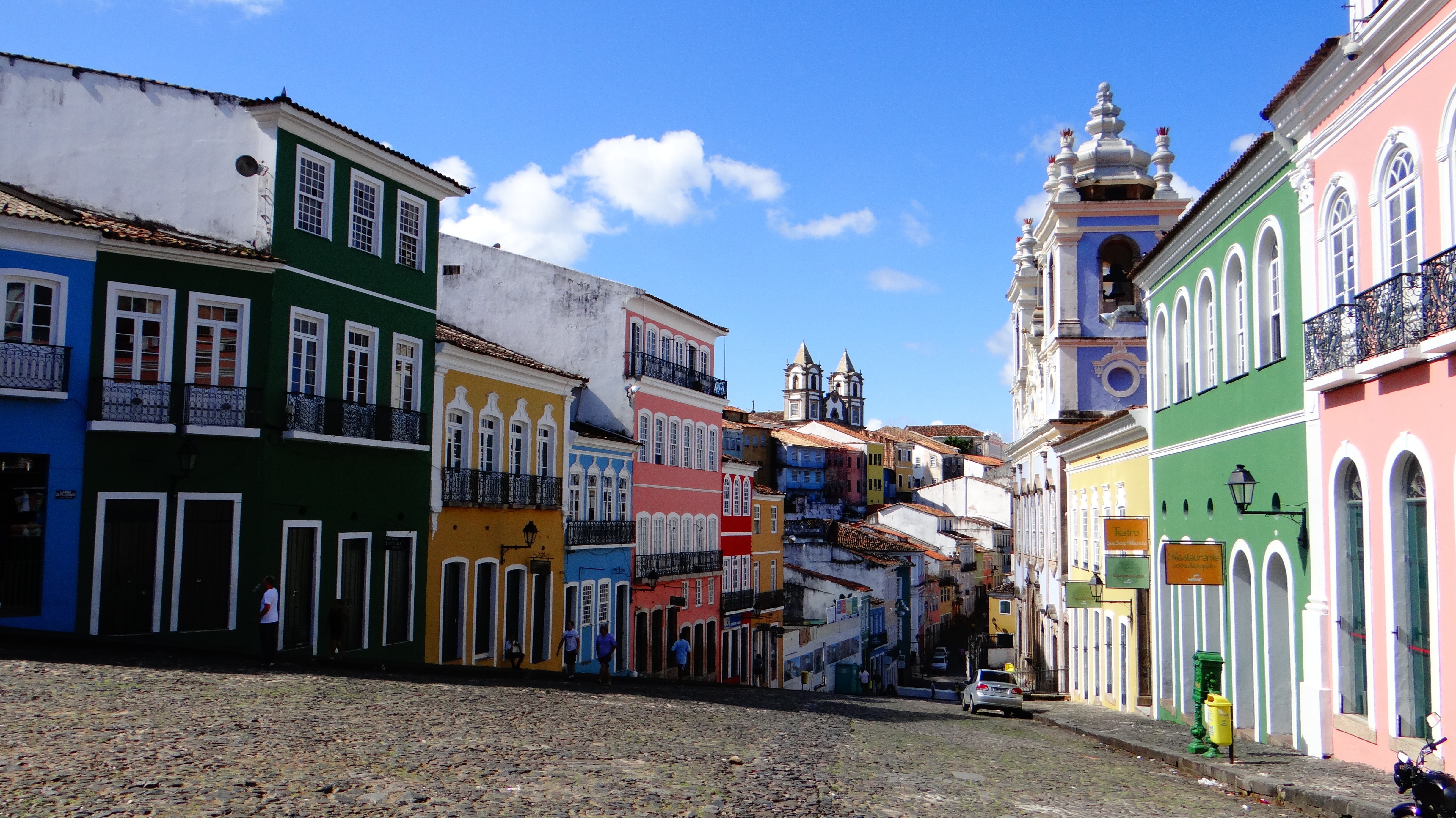
According to Salvador's adopted son Jorge Amado, "In Salvador, magic becomes part of the every-day." From the shimmering golden light of sunset over the Baía do Todos os Santos, to the rhythmic beats that race along the streets, Salvador, while no longer Brazil's capital, remains one of its most captivating cities. A large dose of its exoticism comes down to its African heritage—at least 70% of its 2,675,000 population is classified as Afro-Brazilian—and how it has blended into Brazil's different strands, from the native Indians to the Christian colonizers. Salvadorans may tell you that you can visit a different church every day of the year, which is almost true—the city has about 300. Churches whose interiors are covered with gold leaf were financed by the riches of the Portuguese colonial era, when slaves masked their traditional religious beliefs under a thin Catholic veneer. And partly thanks to modern-day acceptance of those beliefs, Salvador has become the fount of Candomblé, a religion based on personal dialogue with the orixás, a family of African deities closely linked to nature and the Catholic saints. The influence of Salvador's African heritage on Brazilian music has also turned the city into one of the musical capitals of Brazil, resulting in a myriad of venues to enjoy live music across the city, along with international acclaim for exponents like Gilberto Gil, Caetano Veloso, and Daniela Mercury. Salvador's economy today is focused on telecommunications and tourism. The still-prevalent African culture draws many tourists—this is the best place in Brazil to hear African music, learn or watch African dance, and see capoeira, a martial art developed by slaves. In the district of Pelourinho, many colorful 18th- and 19th-century houses remain, part of the reason why this is the center of the tourist trade. Salvador sprawls across a peninsula surrounded by the Baía de Todos os Santos on one side and the Atlantic Ocean on the other. The city has about 50 km (31 miles) of coastline. The original city, referred to as the Centro Histórica (Historical Center), is divided into the Cidade Alta (Upper City), also called Pelourinho, and Cidade Baixa (Lower City). The Cidade Baixa is a commercial area—known as Comércio—that runs along the port and is the site of Salvador's indoor market, Mercado Modelo. You can move between the upper and lower cities on foot, via the landmark Elevador Lacerda, behind the market, or on the Plano Inclinado, a funicular lift, which connects Rua Guindaste dos Padres on Comércio with the alley behind Cathedral Basílica. From the Cidade Histórica you can travel north along the bay to the hilltop Igreja de Nosso Senhor do Bonfim. You can also head south to the point, guarded by the Forte Santo Antônio da Barra, where the bay waters meet those of the Atlantic. This area on Salvador's southern tip is home to the trendy neighborhoods of Barra, Ondina, and Rio Vermelho, with many museums, theaters, shops, and restaurants. Beaches along the Atlantic coast and north of Forte Santo Antônio da Barra are among the city's cleanest. Many are illuminated at night and have bars and restaurants that stay open late.
Salvador De Bahia
Salvador De BahiaImage by soel84 from Pixabay
Salvador De Bahia, Brazil
Salvador De Bahia, BrazilImage by soel84 from Pixabay

Day 13 - At Sea

Further details for this day are not available.

Day 14 - At Sea

Further details for this day are not available.

Day 15 - Rio de Janeiro

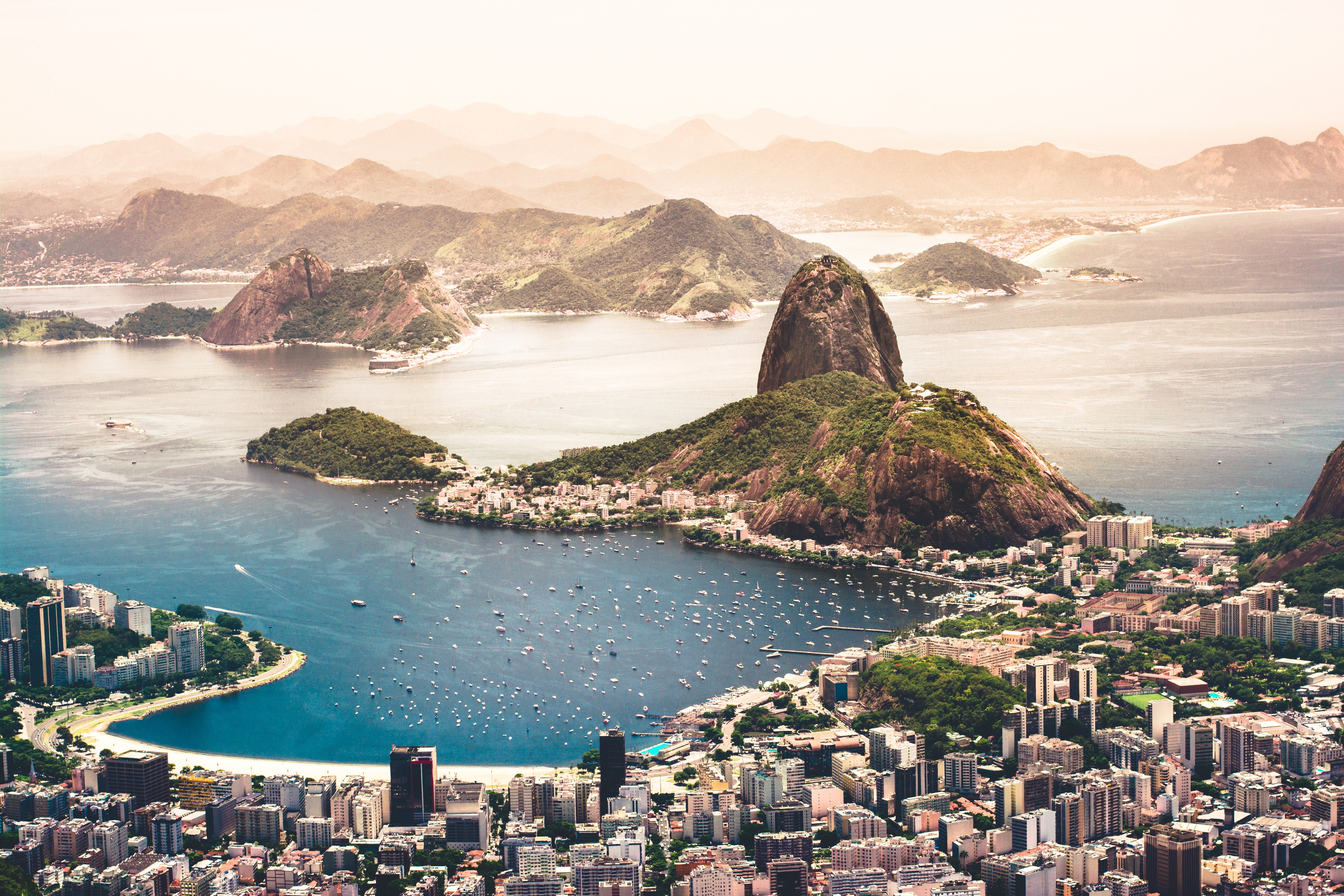
Welcome to the Cidade Maravilhosa, or the Marvelous City, as Rio is known in Brazil. Synonymous with the girl from Ipanema, the dramatic views from Christ the Redeemer atop Corcovado mountain, and fabulously flamboyant Carnival celebrations, Rio is a city of stunning architecture, abundant museums, and marvelous food. Rio is also home to 23 beaches, an almost continuous 73-km (45-mile) ribbon of sand.As you leave the airport and head to Rio's beautiful Zona Sul (the touristic South Zone), you'll drive for about 40 minutes on a highway from where you'll begin to get a sense of the dramatic contrast between beautiful landscape and devastating poverty. In this teeming metropolis of 12 million people (6.2 million of whom live in Rio proper), the very rich and the very poor live in uneasy proximity. You'll drive past seemingly endless cinder-block favela, but by the time you reach Copacabana's breezy, sunny Avenida Atlântica—flanked on one side by white beach and azure sea and on the other by condominiums and hotels—your heart will leap with expectation as you begin to recognize the postcard-famous sights. Now you're truly in Rio, where cariocas (Rio residents) and tourists live life to its fullest.Enthusiasm is contagious in Rio. Prepare to have your senses engaged and your inhibitions untied. Rio seduces with a host of images: the joyous bustle of vendors at Sunday's Feira Hippie (Hippie Fair); the tipsy babble at sidewalk cafés as patrons sip their last glass of icy beer under the stars; the blanket of lights beneath the Pão de Açúcar (Sugarloaf Mountain); the bikers, joggers, strollers, and power walkers who parade along the beach each morning. Borrow the carioca spirit for your stay; you may find yourself reluctant to give it back.

Brrio Rio De Janeiro Aerial Photography Of Cityscape Near Sea Agustin Diaz
Brrio Rio De Janeiro Aerial Photography Of Cityscape Near Sea Agustin DiazAgustin Diaz
Brrio Rio De Janeiro Group Of People Sunbathing On Beach Joao Pedro Vergara
Brrio Rio De Janeiro Group Of People Sunbathing On Beach Joao Pedro VergaraJoao Pedro Vergara
Brrio Rio De Janeiro Christ The Redemer Statue Cerqueira
Brrio Rio De Janeiro Christ The Redemer Statue Cerqueiracerqueira

Suites & Deck Plans

Suite

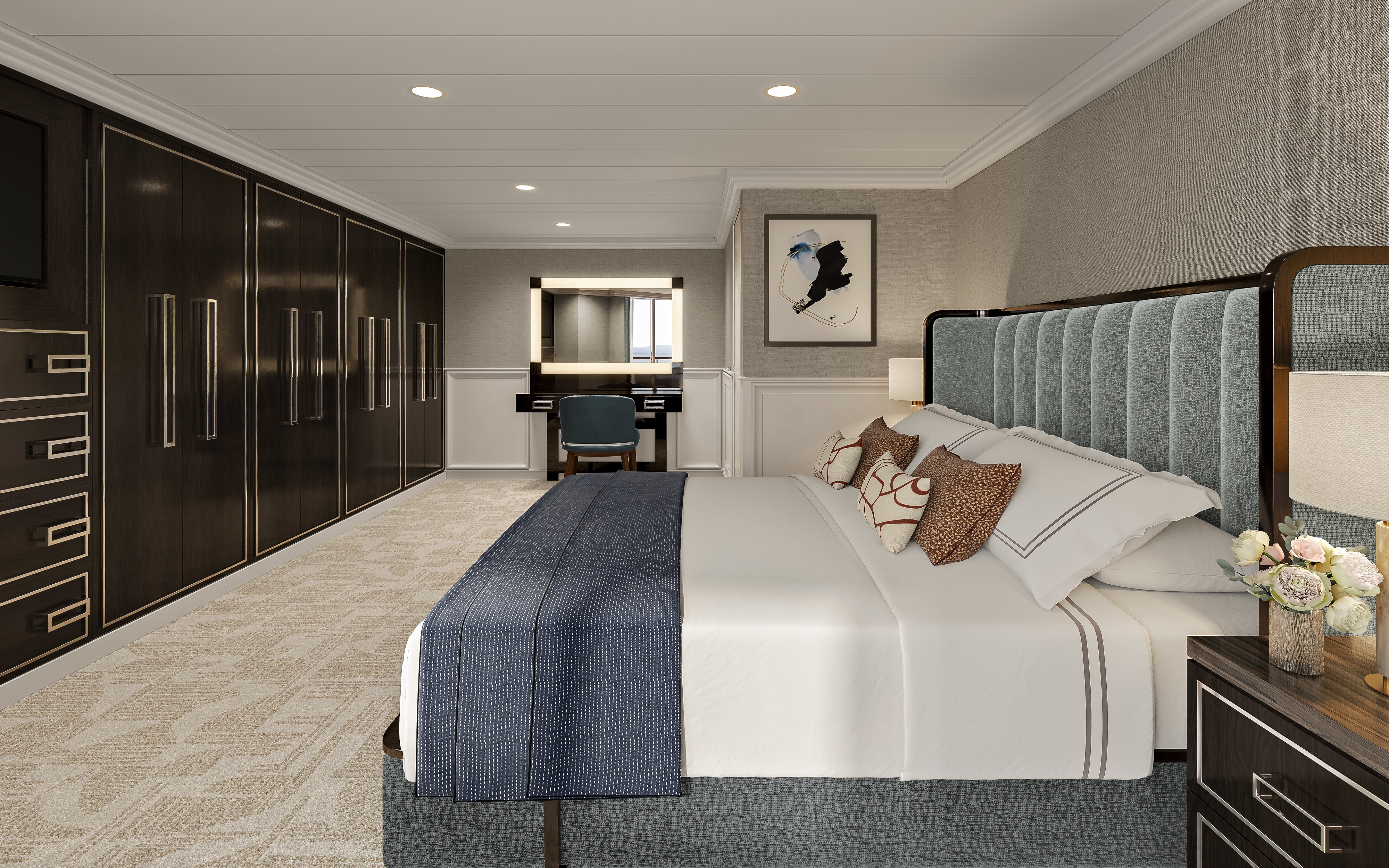
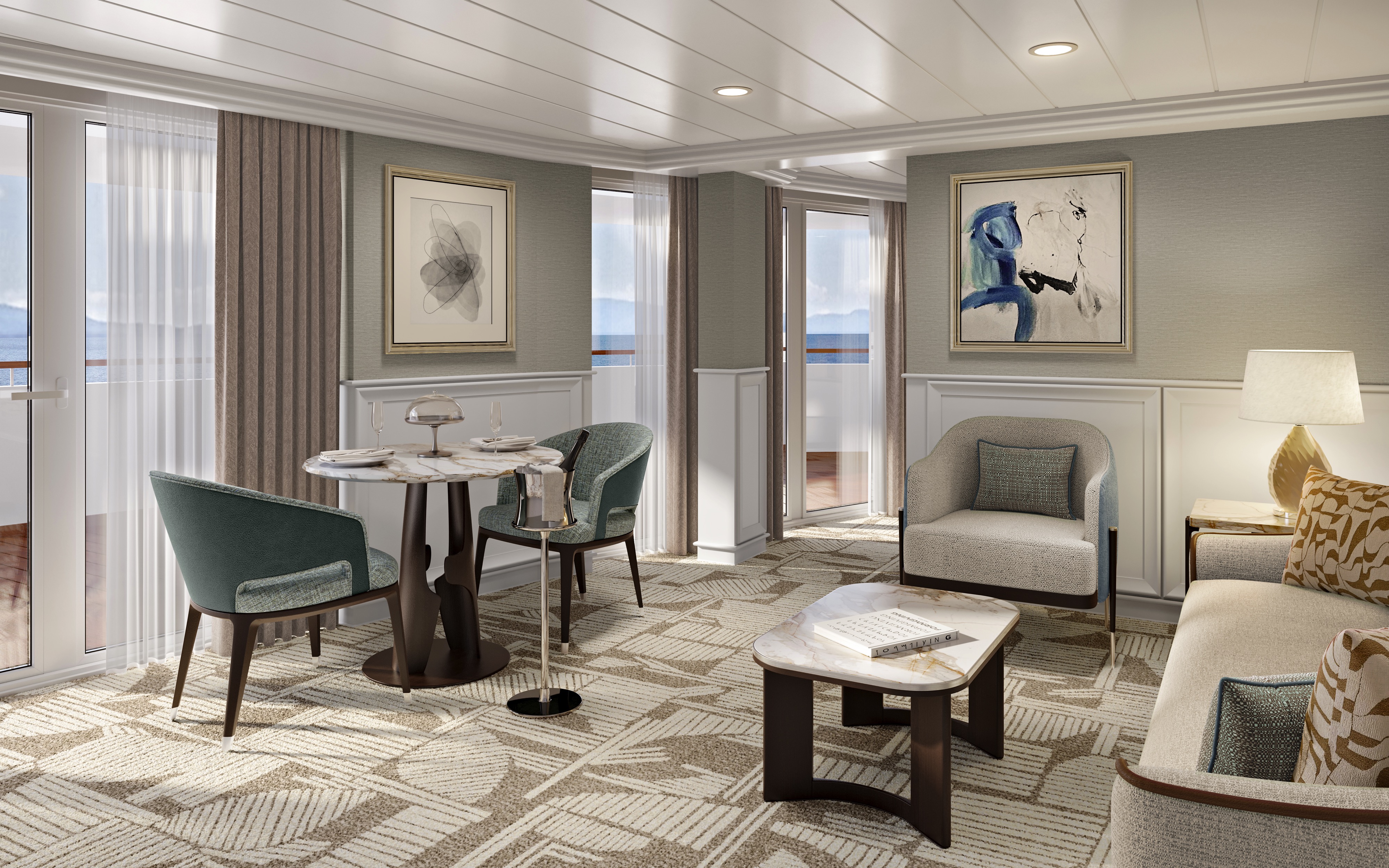
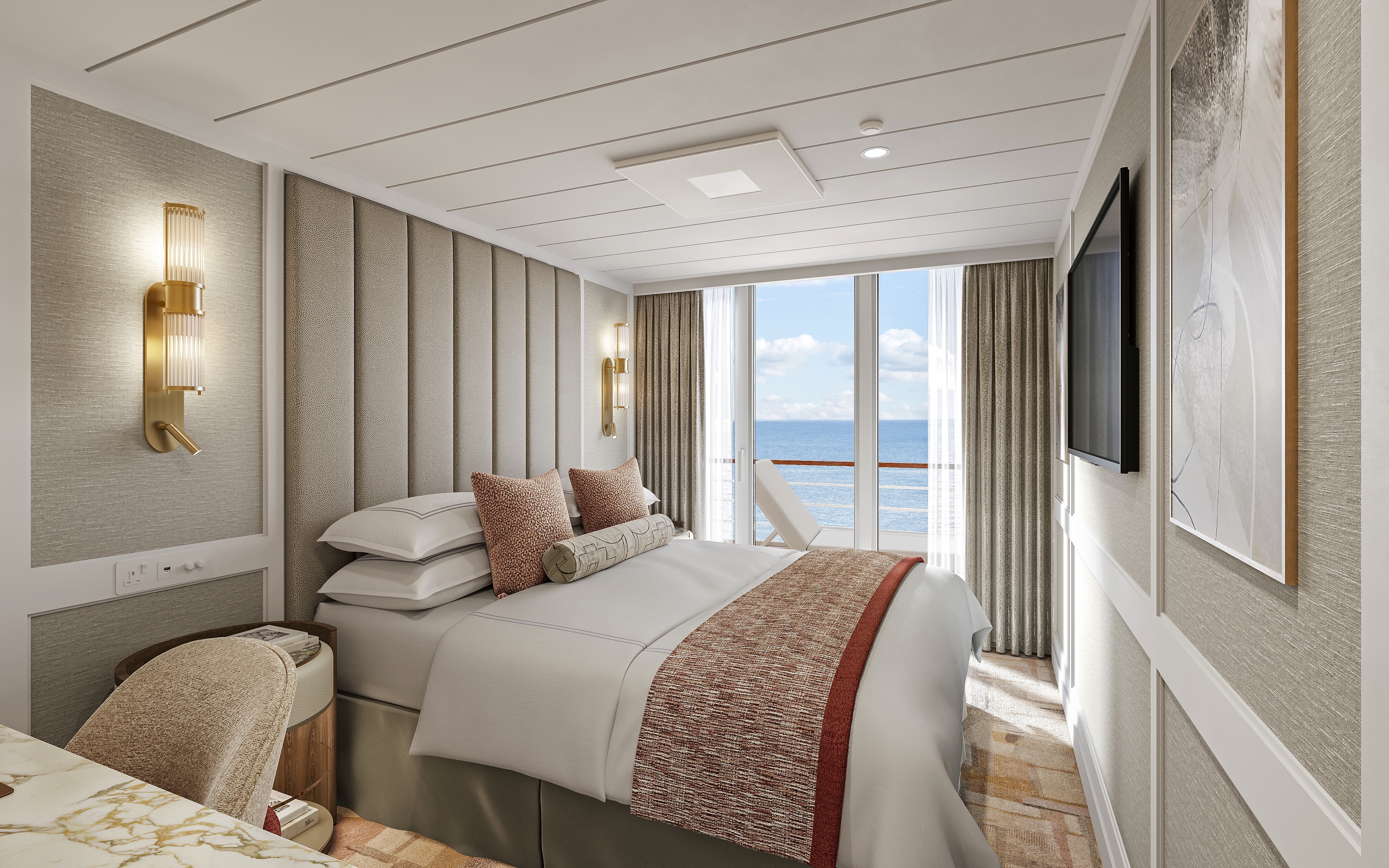
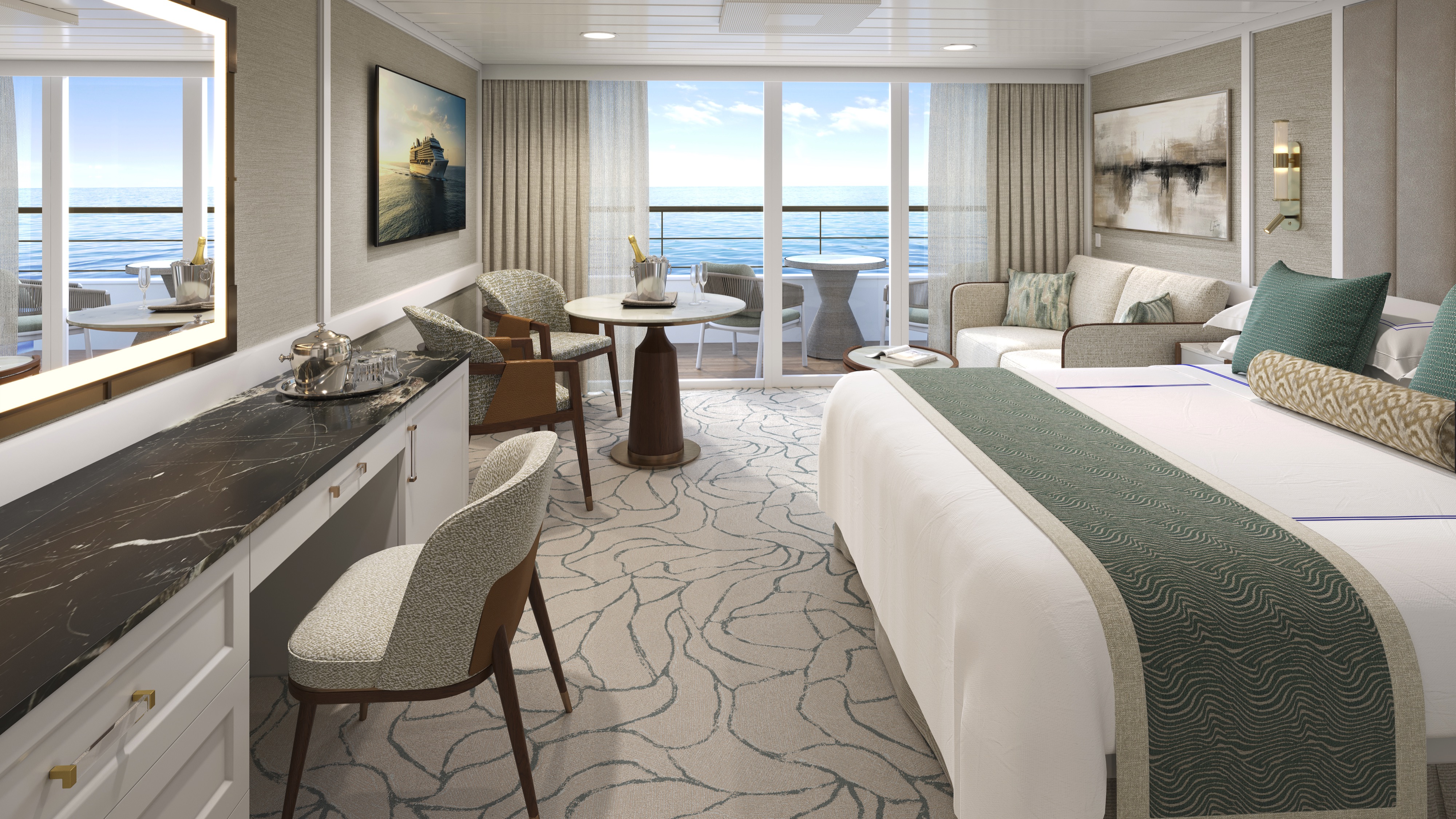
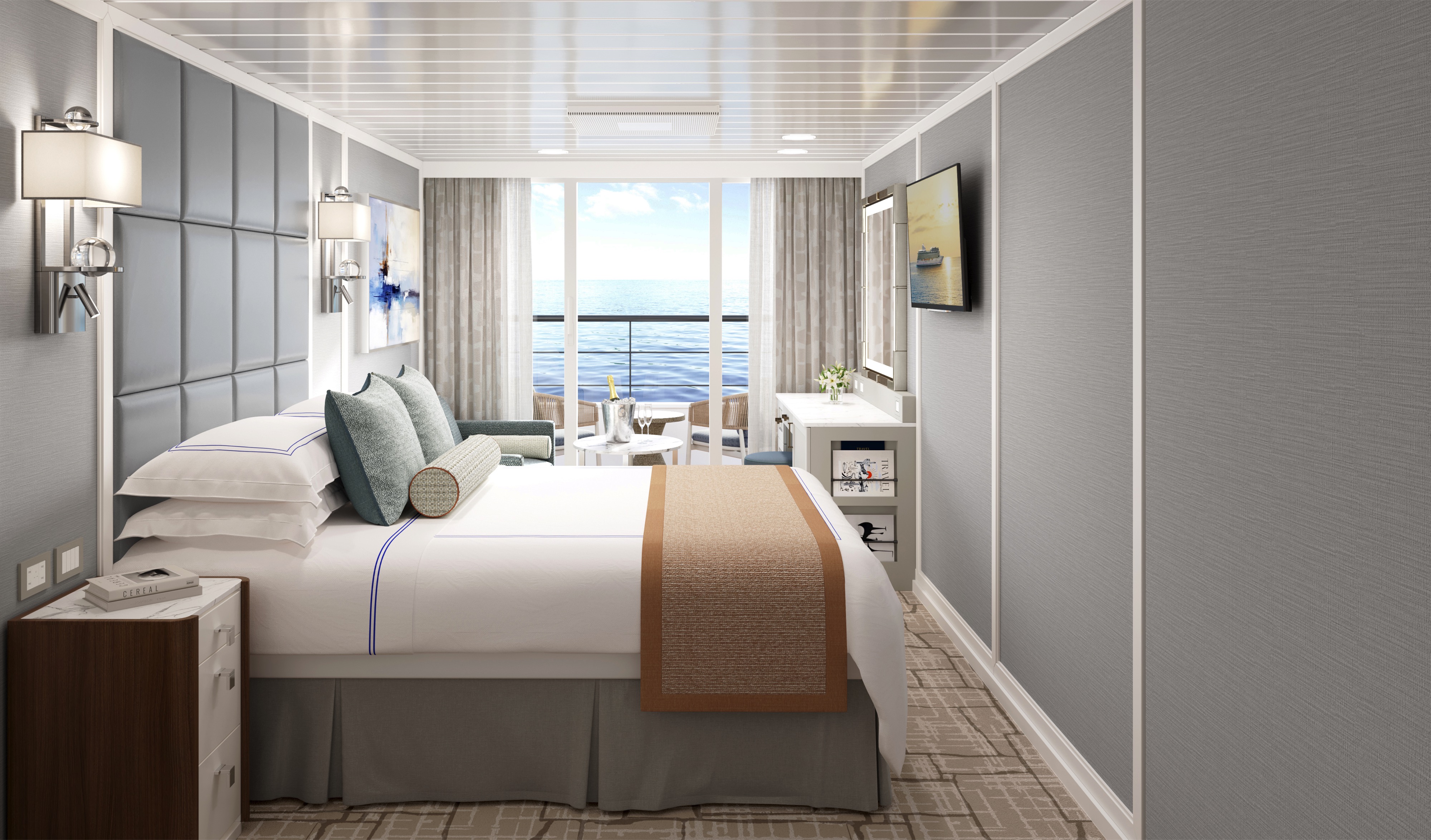
The most expansive accommodations aboard Oceania Aurelia, the six Owner’s Suites have been conceived as private residences at sea. The design brings together a gracious living and dining area, a separate primary bedroom and a broad teak veranda that extends the suite outdoors. Inside, carefully selected furnishings and a palette of natural tones inspired by sand, stone and sea create an atmosphere that feels calm and comfortably residential. The primary bedroom offers a retreat complemented by a bathroom with luxury stone finishes and an oversized shower. Dedicated Butler service completes an experience designed for exceptional comfort and personal attention.

Owner's Suite Privileges

  • Priority luggage delivery
  • Private embarkation day lunch in Toscana
  • In-suite bar setup with 6 full-size bottles of your choice of either wine or spirits from our suite beverage menu
  • In-suite illy® coffee maker and pods
  • Fresh fruit basket upon request
  • Exclusive pillow menu
  • Laundry service - up to 3 bags per stateroom
  • Butler service for the ultimate pampering and indulgences
  • Welcome bottle of Champagne
  • Priority online specialty restaurant reservations
  • Oceania Cruises logo tote bag
  • Cashmere lap blankets, perfect for relaxing or snuggling
  • Course-by-course in-suite dining from any of our specialty restaurants
  • Assistance with onboard dining reservations
  • Last-minute luggage collection
  • Packing and unpacking upon request
  • Garment pressing
  • Shoesine service
  • Gourmet afternoon canapés upon request
  • Additional personalized services upon request

+Certain limitations apply

1000 sq ft
Accommodates 2 guests
Owner's Suite

Oceania Aurelia

Oceania Aurelia

Client testimonials

I have worked with Lore Doick for more than 20 years, and she has booked over 30 cruises for me. Her expertise, care, and attention to every travel detail have made her an invaluable advisor and friend over the years.”

Tina B.

We are now in our second generation working with Cheri Ozimac at Tully Luxury Travel. From Antarctica to Greece, she has handled every detail with expertise, responsiveness, and care…

Earl M.

My wife and I have worked with Tully since 2007, and Kit Neil and her team went far beyond expectations while helping us navigate multiple cruise and flight cancellations. Their advocacy, care, and support during a difficult time were extraordinary.

Carri F.

Cheri Ozimac organized our Seabourn cruise flawlessly, from the hotel recommendation to every travel arrangement. She was responsive, attentive, and an excellent advocate throughout the process…

Cyn S.

We discovered Tully Luxury Travel after years of booking cruises through US agents and were impressed by their competitive pricing, exceptional service, and Canadian based support. Their team is always available, offers excellent value, and makes booking the right cruise seamless.

Peter C.

GoogleAverage Customer Rating:

The Tully Difference

Why travel with us


Tully Luxury Travel was built on access, discretion, and trust. For our clients, that means ease at every step, with distinctions that turn exceptional voyages into defining moments.

Recognized expertise

A renowned agency worldwide in luxury land and small-ship cruising, consistently trusted by the industry’s most prestigious brands.