British Isles: France, England & Ireland

Itinerary: Southampton, IJmuiden, Newcastle upon Tyne, Newhaven/Edinburgh, Inverness, Stornoway, Isle of Lewis, Belfast, Ringaskiddy, Dun Laoghaire See full itinerary

13 Aug 28
11 nights

Voyage Details

Duration:
11 nights
Departure:
13 Aug 2028
Embarkation:
Southampton, England
Voyage code:
STA-20280813-11-SOU-SOU

Your Itinerary, Day-By-Day

Special Chapters of Your Journey

Day 1 - Southampton

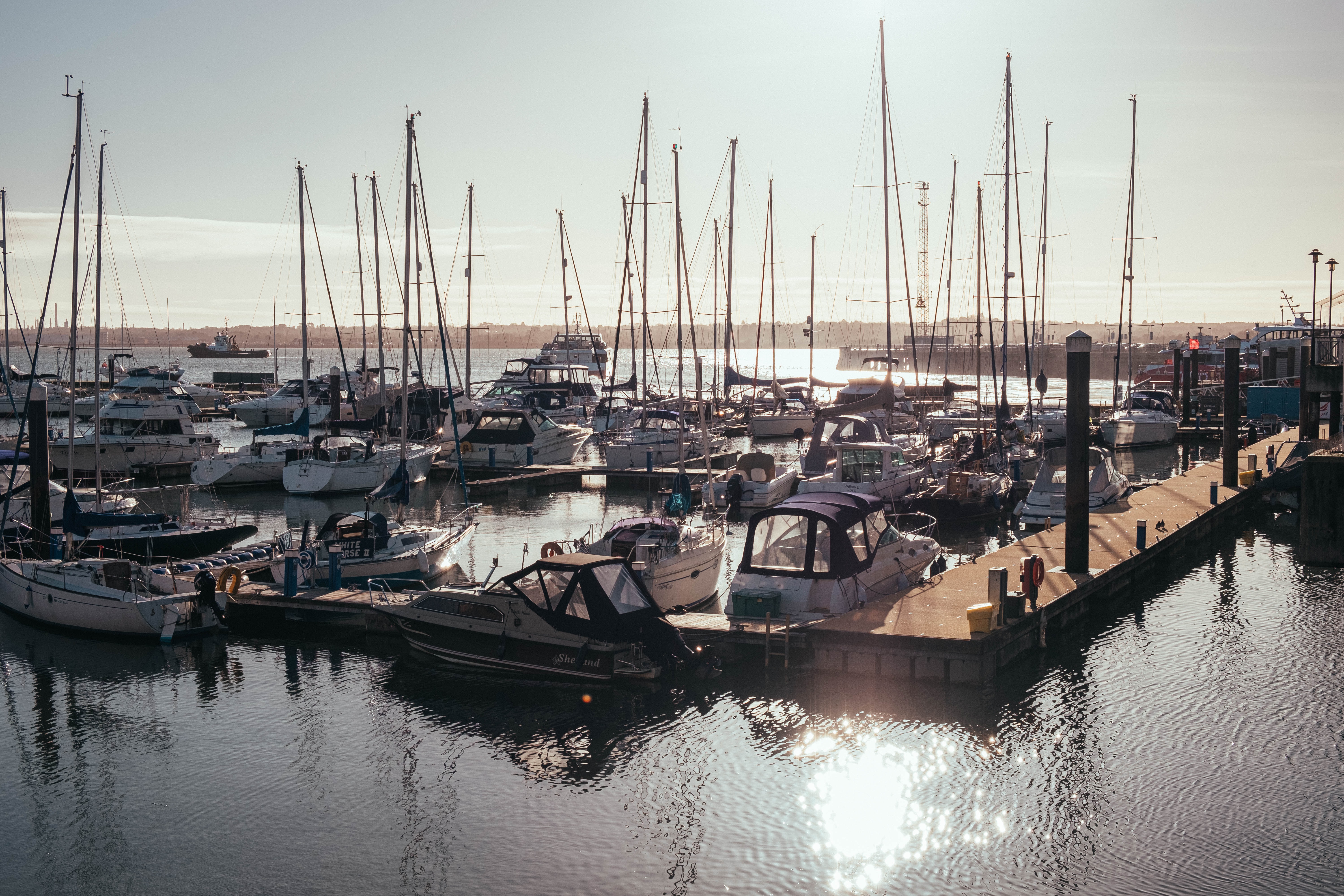
Lying near the head of Southampton Water, a peninsula between the estuaries of the Rivers Test and Itchen, Southampton is Britain’s largest cruise port. It has been one of England’s major ports since the Middle Ages, when it exported wool and hides from the hinterland and imported wine from Bordeaux. The city suffered heavy damage during World War Two and as a result the centre has been extensively rebuilt, but there are still some interesting medieval buildings including the Bargate, one of the finest city gatehouses in England.

Gbsou Southampton   Colin Osborne
Gbsou Southampton Colin OsborneColin Osborne, Unsplash
Gbsou Southampton Connor Holyday
Gbsou Southampton Connor HolydayConnor Holyday - Unsplash
Gbsou Southampton   England   Southampton Bargate
Gbsou Southampton England Southampton Bargate
Gbsou   Southampton, England. Houndwell Park Mangopear Creative
Gbsou Southampton, England. Houndwell Park Mangopear Creative

Day 3 - IJmuiden

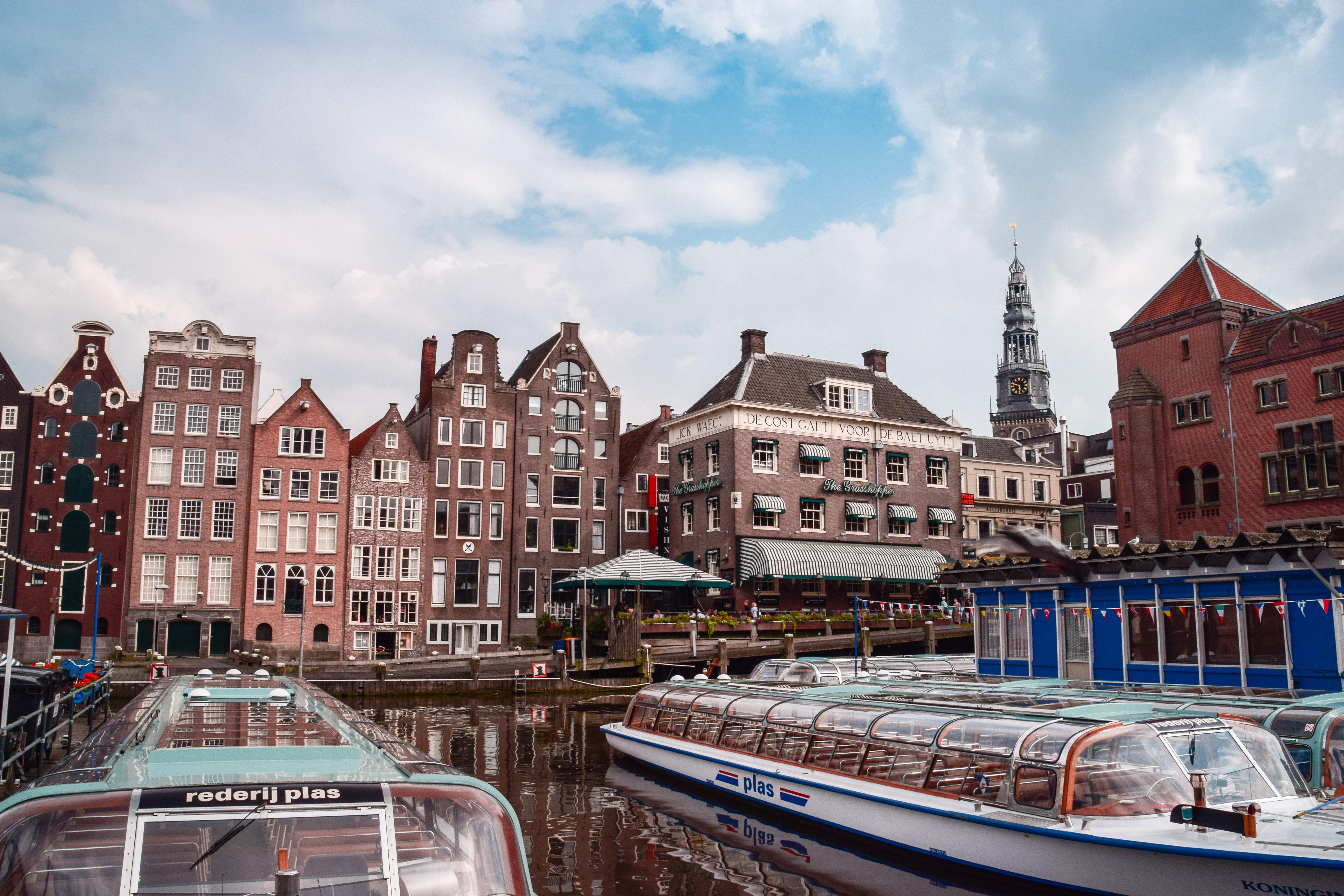
North Holland’s ‘Gate to the North Sea’, IJmuiden has four harbours: the Vissershaven, Haringhaven, IJmondhaven and the Seaport Marina - the latter used by pleasure craft. It is the largest Dutch fishing port, but is a relatively young town: it grew up in the 1870s when the North Sea Canal was opened. During World War II, the German Navy demolished much of the town and built huge fortified concrete bunkers for their torpedo boats and submarines. After 1945, the town was rebuilt by the architect Willem Marinus Dudok. He designed IJmuiden’s most impressive building, the Stadhuis van Velsen, which houses local government offices. For cruise passengers IJmuiden is the gateway to Amsterdam, the Dutch capital and one of Europe’s truly great cities, where elegant canals are lined by old brick gabled houses, and superb art galleries and museums are home to some of the world’s best-known paintings. Please note that complimentary shuttle buses operate from the port to the centre of IJmuiden, not to Amsterdam.

I Jmuiden, Gateway To The Netherlands
I Jmuiden, Gateway To The NetherlandsImage from Pixabay

Day 4 - Newcastle upon Tyne

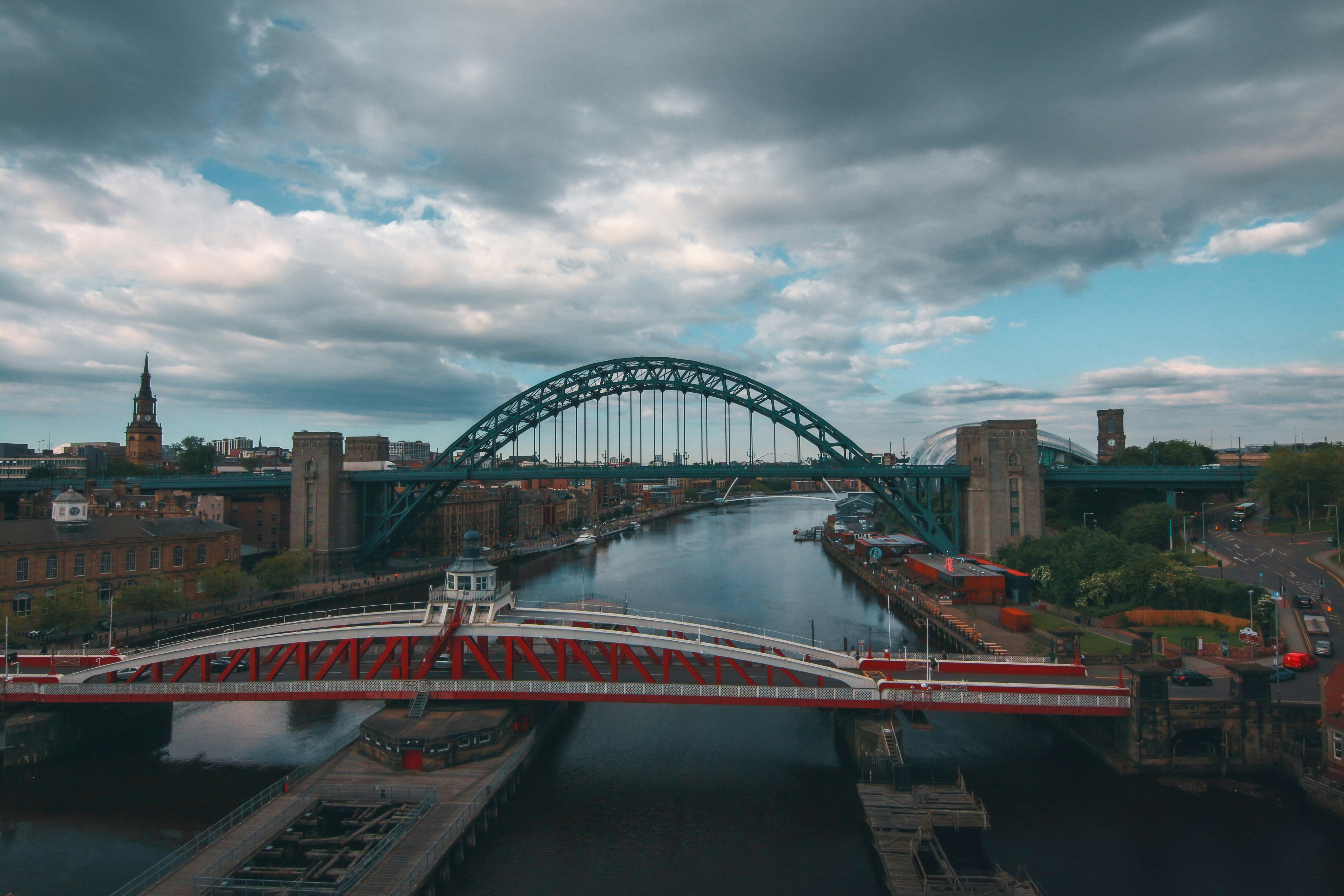
An urban city mixing culture, sophistication and heritage, Newcatle-upon-Tyne offers a range of activities and attractions. With more theatres per person than anywhere else in the UK, Newcastle has a wide range of arts and cultural attractions for visitors to enjoy, from the Theatre Royal – regional home to the Royal Shakespeare Company – to the famous Angel of the North.

Newcastle Upon Tyne, Uk
Newcastle Upon Tyne, UkPhoto by SALEH on Unsplash
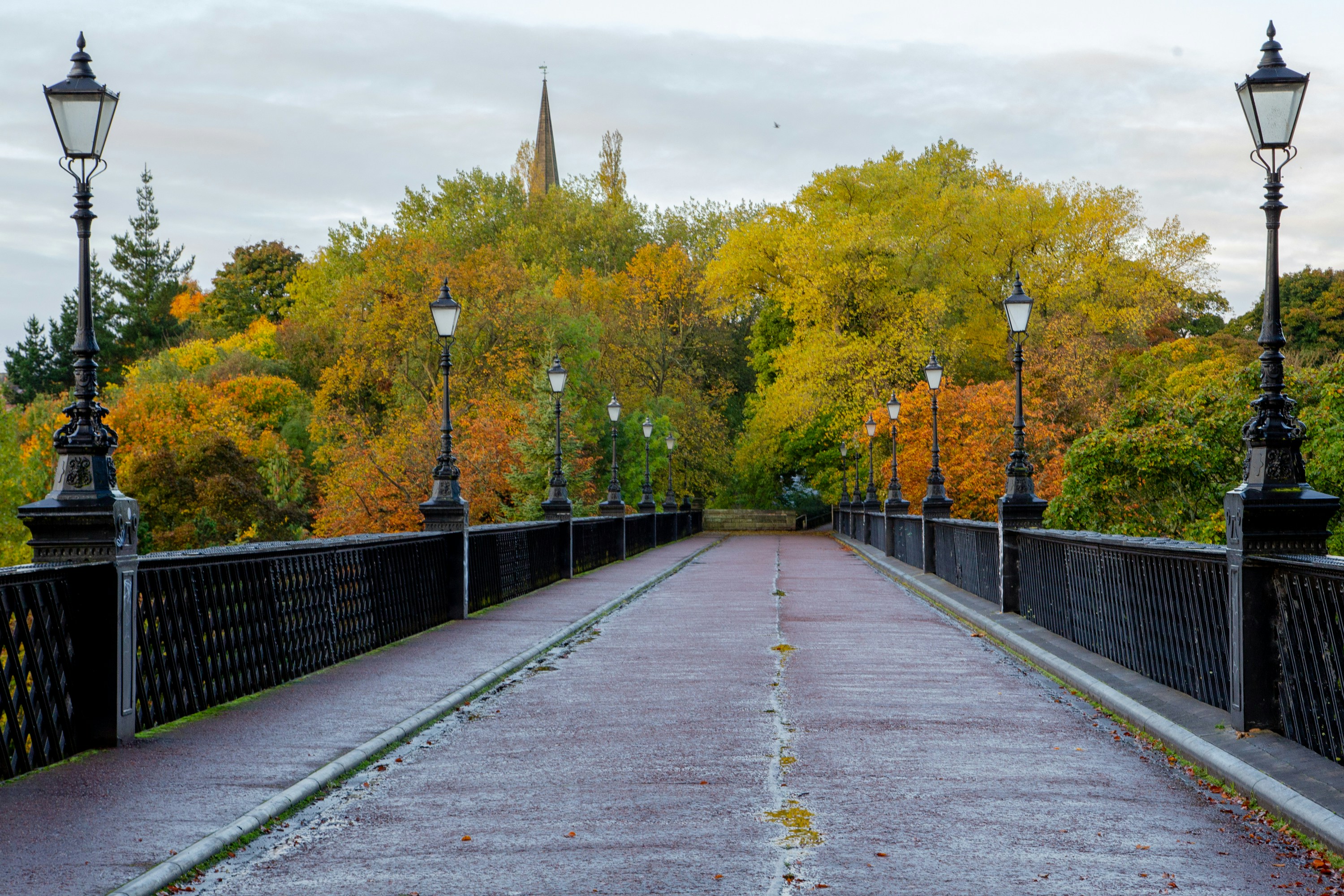
Armstrong Bridge, Newcastle Upon Tyne, Uk
Armstrong Bridge, Newcastle Upon Tyne, UkPhoto by Philip Atkinson on Unsplash

Day 5 - Newhaven/Edinburgh

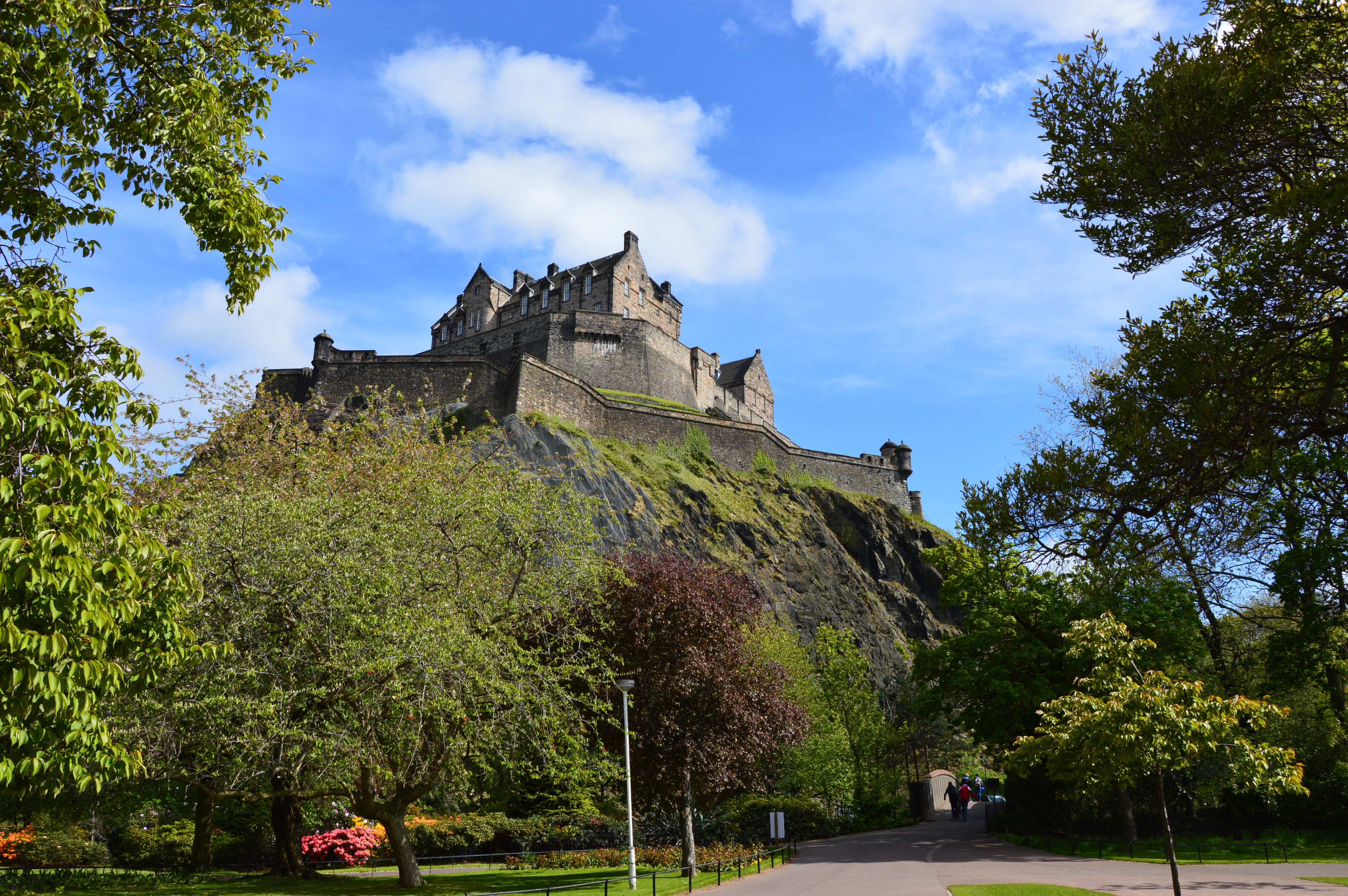
Newhaven is a district in the City of Edinburgh, Scotland, between Leith and Granton and about 2 miles north of the city centre, just north of the Victoria Park district. Formerly a village and harbour on the Firth of Forth.

Edinburgh, From Newhaven
Edinburgh, From NewhavenImage by Peggychoucair from Pixabay

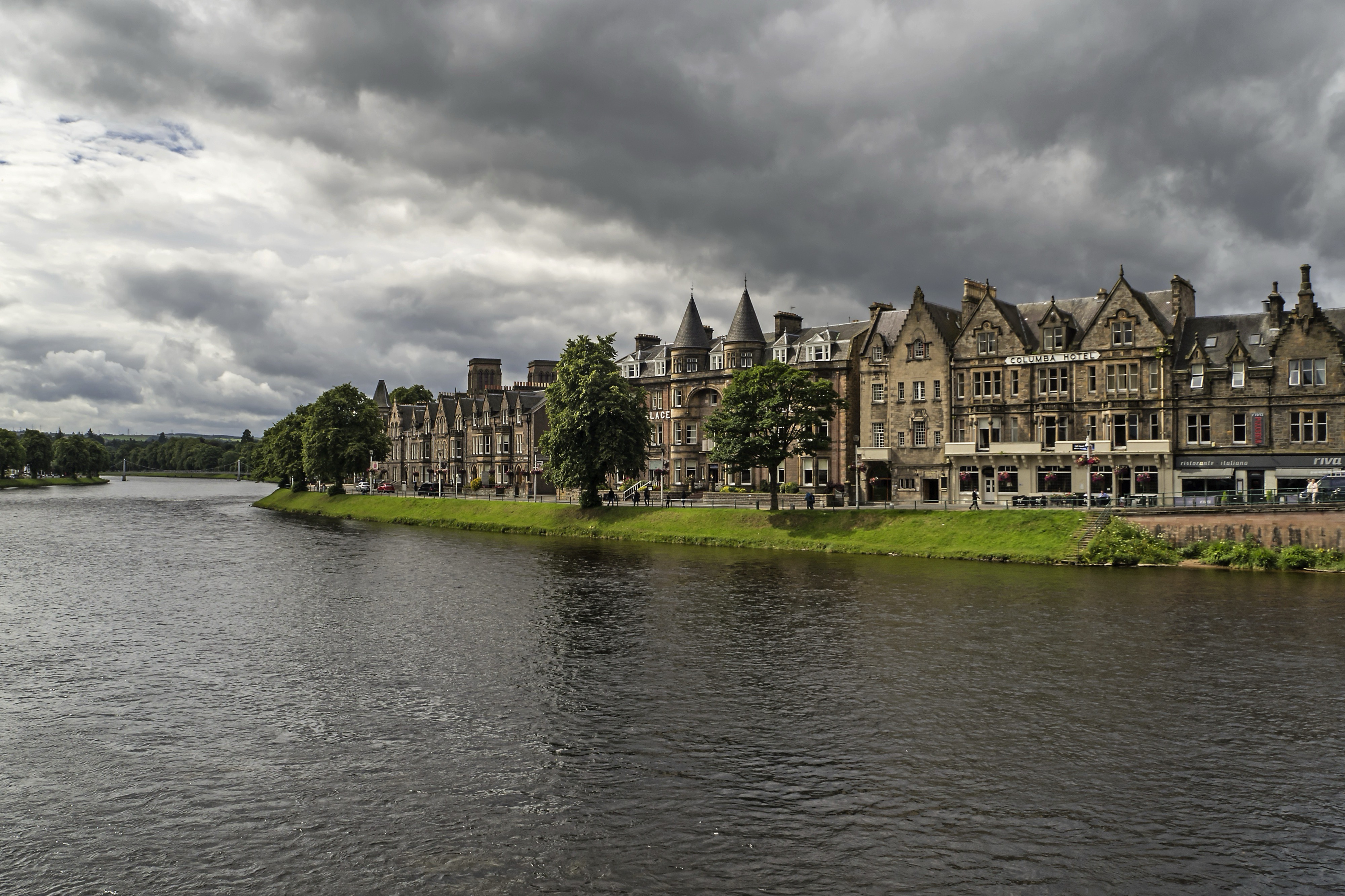
Day 6 - Inverness

Further details for this day are not available.

Inverness, Scotland
Inverness, ScotlandImage by Wolfgang Claussen from Pixabay

Day 7 - Stornoway, Isle of Lewis

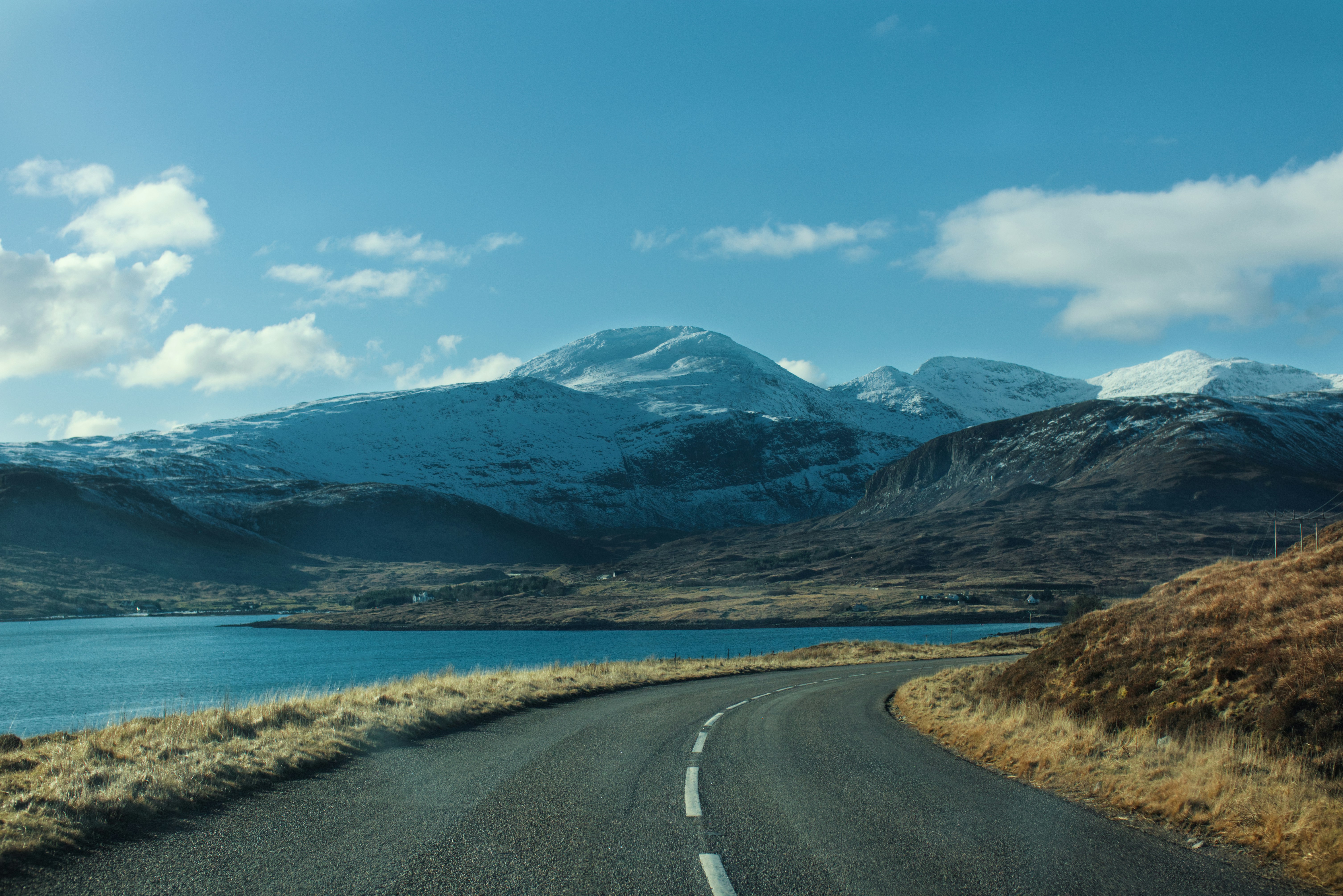
Tour description Stornoway, Scotland The Isle of Lewis and Harris is the northernmost and largest of the Outer Hebrides-the Western Isles in common parlance. The island's only major town, Stornoway, is on a nearly landlocked harbor on the east coast of Lewis. It's the port capital for the Outer Hebrides and the island's cultural center, such that it is. Stornoway has an increasing number of good restaurants. Lewis has some fine historic attractions, including the Calanais Standing Stones-a truly magical place. The Uists are known for their rare, plentiful wildlife. Stornoway. Besides being the island's main entry point for ferries, Stornoway is also Lewis's main arts center. You'll find some good restaurants in town if you want to have lunch off the ship. The town can be explored by bicycle if you are so inclined. Local rental shops can give you advice on where to ride, including a route to Tolsta that takes in five stunning beaches before reaching the edge of moorland. An Lanntair Arts Centre. The fabulous An Lanntair Arts Centre has exhibitions of contemporary and traditional art, as well as a cinema, a gift shop, and a restaurant serving international and Scottish fare. There are frequent traditional musical and theatrical events in the impressive auditorium. Kenneth St.. Black House. In the small community of Arnol, the Black House is a well-preserved example of an increasingly rare type of traditional Hebridean home. Once common throughout the islands-even into the 1950s-these dwellings were built without mortar and thatched on a timber framework without eaves. Other characteristic features include an open central peat hearth and the absence of a chimney-hence the soot and the designation black. On display inside are many of the house's original furnishings. To reach Arnol from Port of Ness, head south on the A857 and pick up the A858 at Barvas. Off A858, 21 mi southwest of Port of Ness. Admission charged. Calanais Standing Stones. These impressive stones are actually part of a cluster of several different archaeological sites in this area. Probably positioned in several stages between 3000 BC and 1500 BC, the grouping consists of an avenue of 19 monoliths extending northward from a circle of 13 stones, with other rows leading south, east, and west. Ruins of a cairn sit within the circle on the east side. Researchers believe they may have been used for astronomical observations, but you can create your own explanations. The visitor center has an exhibit on the stones, a gift shop, and a tearoom. On an unmarked road off A858. Admission charged. Dun Carloway. One of the best-preserved Iron Age brochs (circular stone towers) in Scotland, Dun Carloway dominates the scattered community of Carloway. The mysterious tower was probably built around 2,000 years ago as protection against seaborne raiders. The Dun Broch Centre explains more about the broch and its setting. Off A857. Gearrannan. Up a side road north from Carloway, Gearrannan is an old black-house village that has been brought back to life with a museum screening excellent short films on peat cutting and weaving. For a unique experience, groups can rent the restored houses. Leverburgh. At Leverburgh you can take the ferry to North Uist. Nearby Northton has several attractions; St. Clement's Church at Rodel is particularly worth a visit. MacGillivray Centre. Located in a round building overlooking the bay, the MacGillivray Centre gives insight into the life and work of William MacGillivray (1796-1852), a noted naturalist with strong links to Harris. MacGillivray authored the five-volume History of British Birds. This is a great location for a picnic (there are tables for just such a purpose). A walk to a ruined church starts at the parking lot. A859, Northton. Seallam! Visitor Centre and Co Leis Thu? Genealogical Research Centre. The center is where you can trace your Western Isles ancestry. Photographs and interpretive signs describe the history of Harris and its people. The owners organize guided walks and cultural evenings weekly between May and September. Off A859, Northton. Admission charged. St. Clement's Church. At the southernmost point of Harris is the community of Rodel, where you can find St. Clement's Church, a cruciform church standing on a hillock. This is the most impressive pre-Reformation church in the Outer Hebrides; it was built around 1500 and contains the magnificently sculptured tomb (1528) of the church's builder, Alasdair Crotach, MacLeod chief of Dunvegan Castle. Rodel is 3 mi south of Leverburgh and 21 mi south of Tarbert. A859, Rodel. Port of Ness. The stark, windswept community of Port of Ness, 30 mi north of Stornoway, cradles a small harbor squeezed in among the rocks. Butt of Lewis Lighthouse. At the northernmost point of Lewis stands the Butt of Lewis Lighthouse, designed by David and Thomas Stevenson (of the prominent engineering family whose best-known member was not an engineer at all, but the novelist Robert Louis Stevenson). The structure was first lighted in 1862. The adjacent cliffs provide a good vantage point for viewing seabirds, whales, and porpoises. The lighthouse is northwest of Port of Ness along the B8014. Shopping Harris tweed is available at many outlets on the islands, including some of the weavers' homes; keep an eye out for signs directing you to weavers' workshops. Harris Tweed Artisans Cooperative. The Harris Tweed Artisans Cooperative sells stylish and quirky hand-crafted tweed clothing, hats, accessories, all made by artists belonging to the cooperative. 40 Point St., Stornoway. Borgh Pottery. At Borgh Pottery, open from Monday to Saturday 9:30 to 6, you can buy attractive hand-thrown studio pottery made on the premises, including lamps, vases, mugs, and dishes. Fivepenny House, A857, Borve.
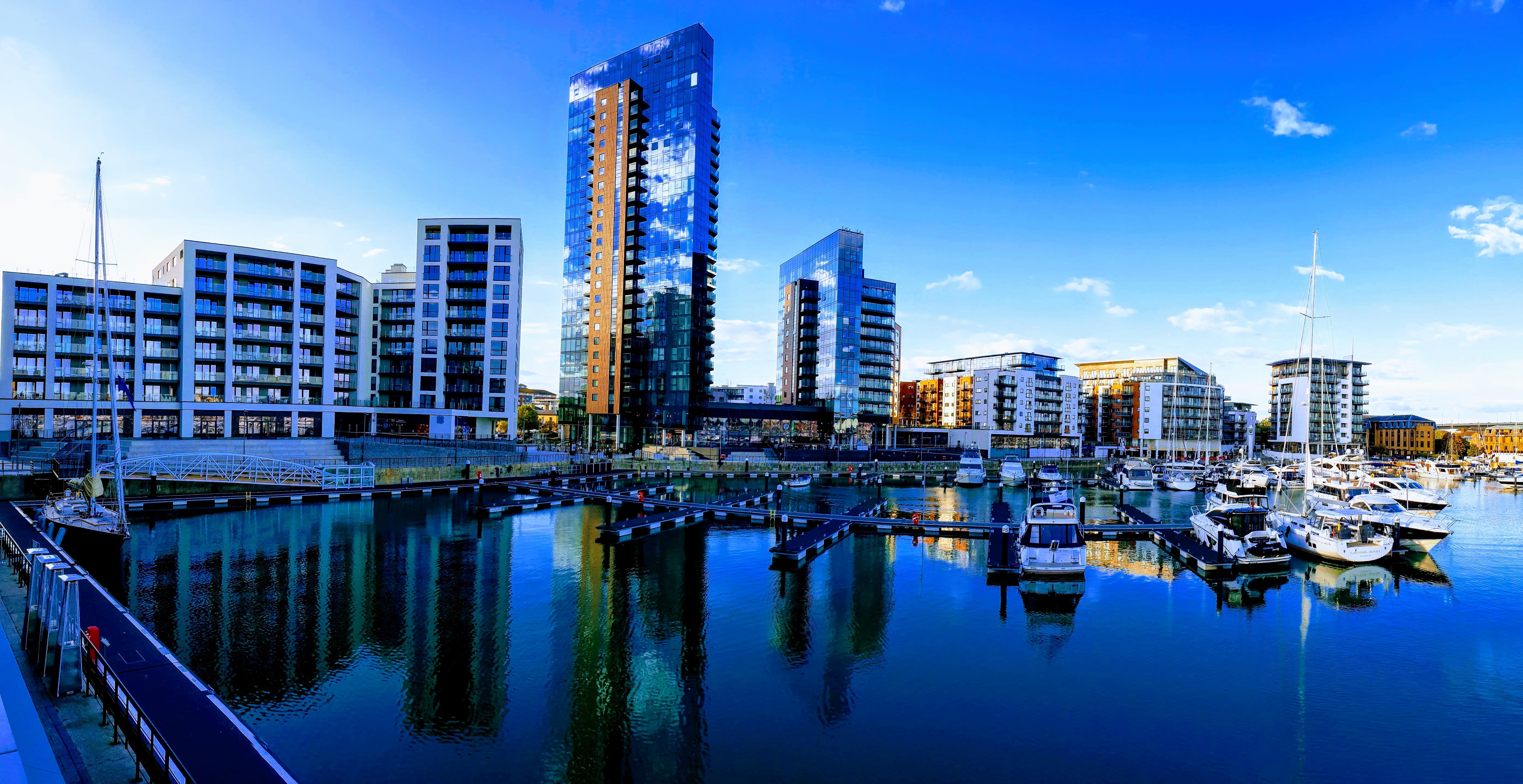
Stornoway, Isle Of Lewis, Scotland
Stornoway, Isle Of Lewis, ScotlandPhoto by Walter Frehner on Unsplash
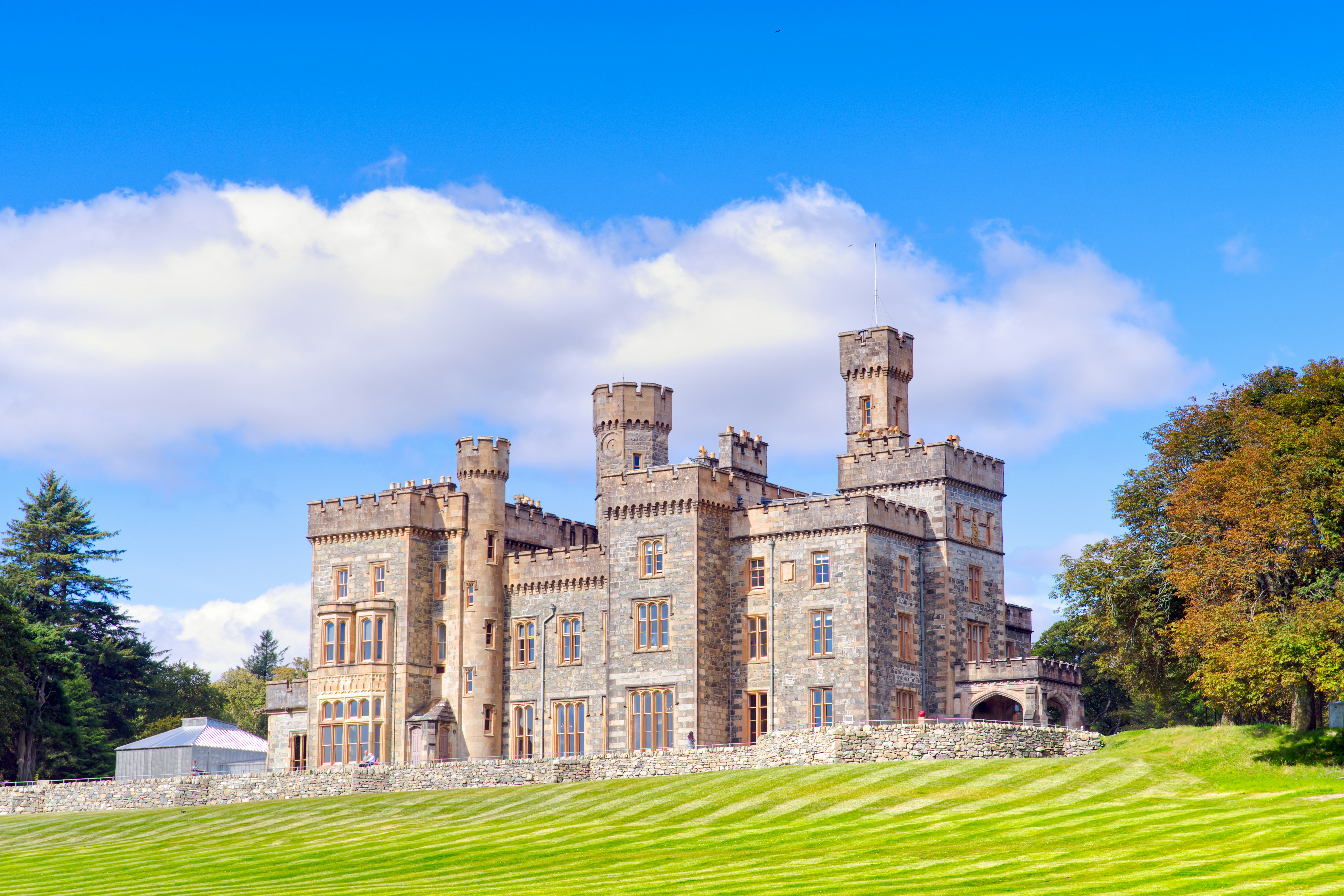
Lews Castle, Stornoway, Isle Of Lewis, Scotland
Lews Castle, Stornoway, Isle Of Lewis, ScotlandPhoto by Walter Frehner on Unsplash
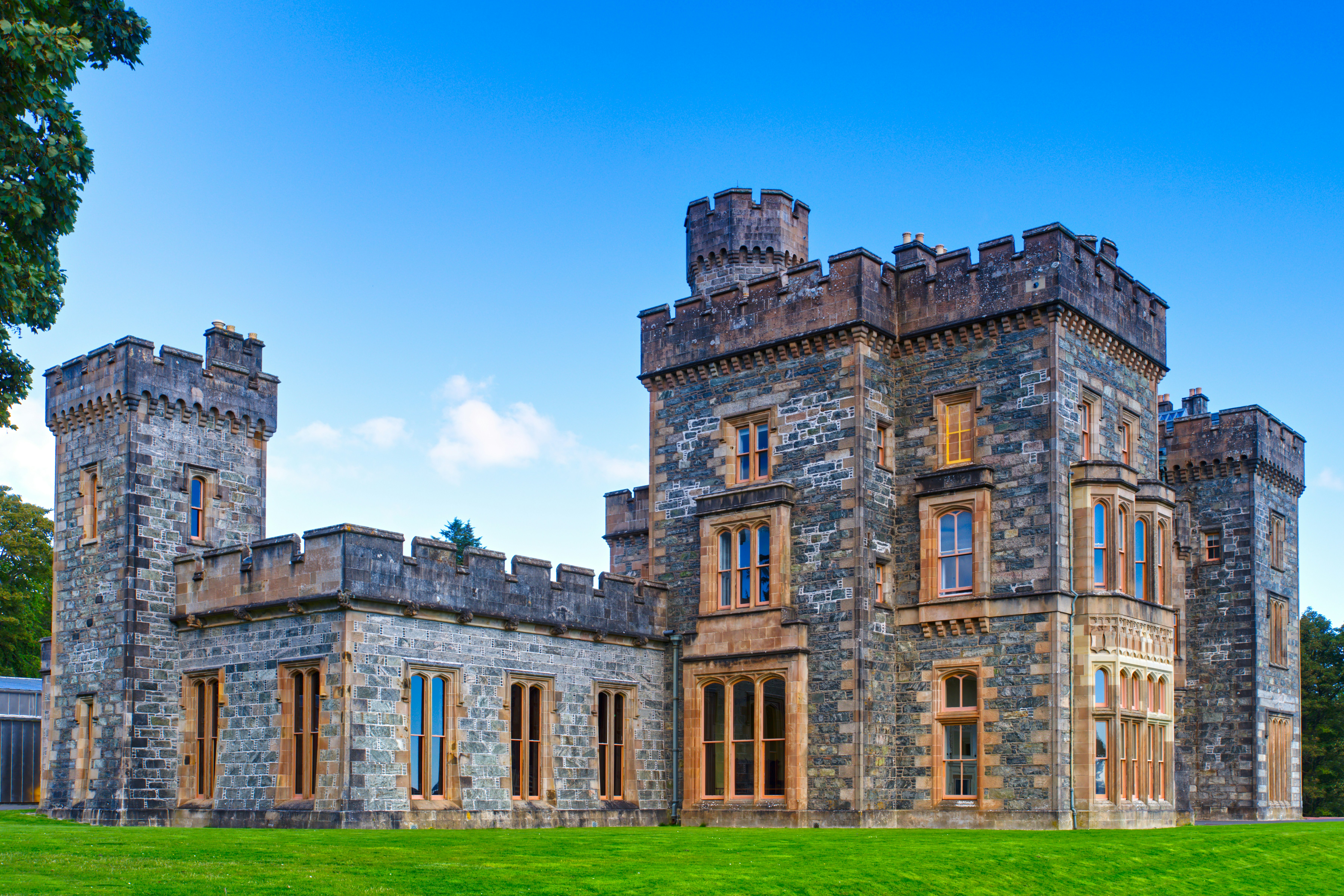
Lews Castle, Stornoway, Isle Of Lewis, Scotland
Lews Castle, Stornoway, Isle Of Lewis, ScotlandPhoto by Walter Frehner on Unsplash
Stornoway, Isle Of Lewis, Scotland
Stornoway, Isle Of Lewis, ScotlandPhoto by Pete Crockett on Unsplash

Day 8 - Belfast

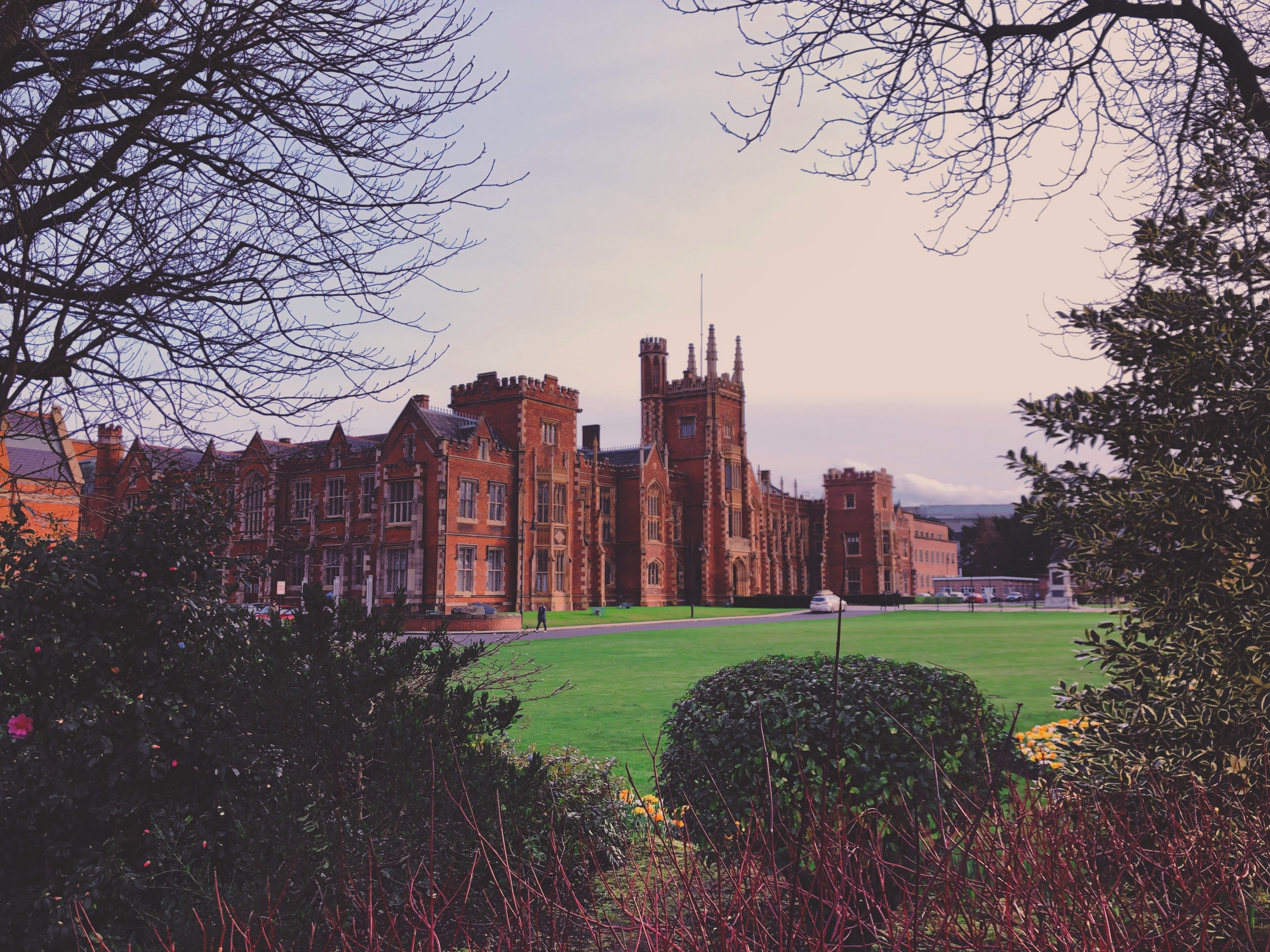
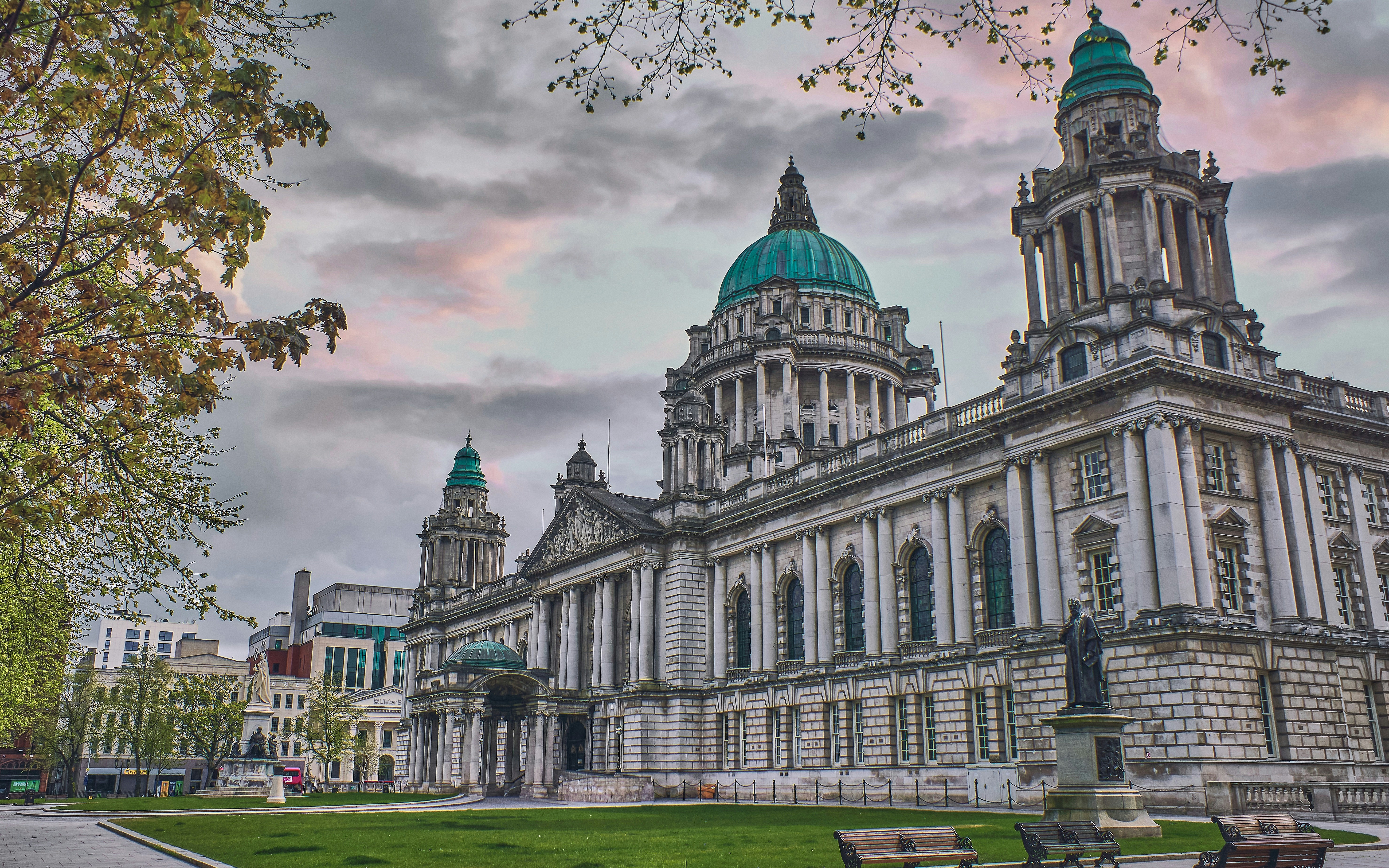
Before English and Scottish settlers arrived in the 1600s, Belfast was a tiny village called Béal Feirste ("sandbank ford") belonging to Ulster's ancient O'Neill clan. With the advent of the Plantation period (when settlers arrived in the 1600s), Sir Arthur Chichester, from Devon in southwestern England, received the city from the English Crown, and his son was made Earl of Donegall. Huguenots fleeing persecution from France settled near here, bringing their valuable linen-work skills. In the 18th century, Belfast underwent a phenomenal expansion—its population doubled every 10 years, despite an ever-present sectarian divide. Although the Anglican gentry despised the Presbyterian artisans—who, in turn, distrusted the native Catholics—Belfast's growth continued at a dizzying speed. The city was a great Victorian success story, an industrial boomtown whose prosperity was built on trade, especially linen and shipbuilding. Famously (or infamously), the Titanic was built here, giving Belfast, for a time, the nickname "Titanic Town." Having laid the foundation stone of the city's university in 1845, Queen Victoria returned to Belfast in 1849 (she is recalled in the names of buildings, streets, bars, monuments, and other places around the city), and in the same year, the university opened under the name Queen's College. Nearly 40 years later, in 1888, Victoria granted Belfast its city charter. Today its population is nearly 300,000, tourist numbers have increased, and this dramatically transformed city is enjoying an unparalleled renaissance.This is all a welcome change from the period when news about Belfast meant reports about "the Troubles." Since the 1994 ceasefire, Northern Ireland's capital city has benefited from major hotel investment, gentrified quaysides (or strands), a sophisticated new performing arts center, and major initiatives to boost tourism. Although the 1996 bombing of offices at Canary Wharf in London disrupted the 1994 peace agreement, the ceasefire was officially reestablished on July 20, 1997, and this embattled city began its quest for a newfound identity.Since 2008, the city has restored all its major public buildings such as museums, churches, theaters, City Hall, Ulster Hall—and even the glorious Crown Bar—spending millions of pounds on its built heritage. A gaol that at the height of the Troubles held some of the most notorious murderers involved in paramilitary violence is now a major visitor attraction.Belfast's city center is made up of three roughly contiguous areas that are easy to navigate on foot. From the south end to the north, it's about an hour's leisurely walk.
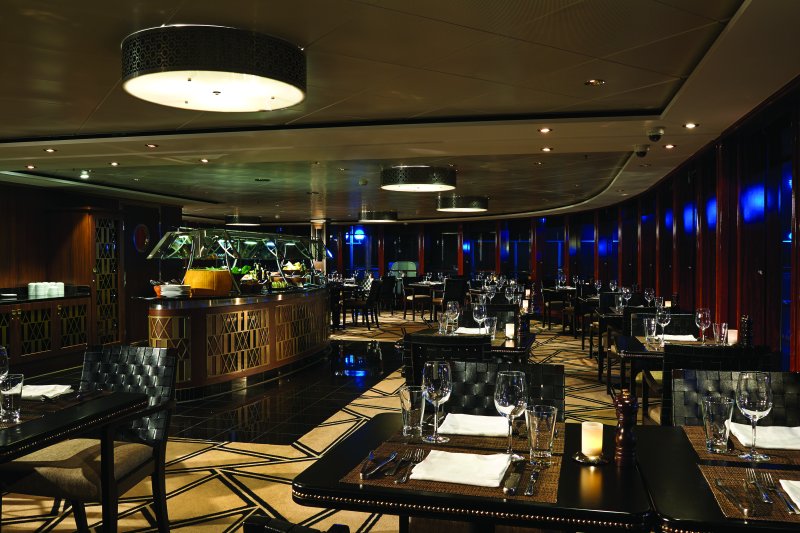

Belfast, Northern Island, Uk
Belfast, Northern Island, UkPhoto by Mert Kuzu on Unsplash
Belfast City Hall, Donegall Square North, Belfast, Northern Ireland, Uk
Belfast City Hall, Donegall Square North, Belfast, Northern Ireland, UkPhoto by K. Mitch Hodge on Unsplash

Day 9 - Ringaskiddy

Further details for this day are not available.

Day 10 - Dun Laoghaire

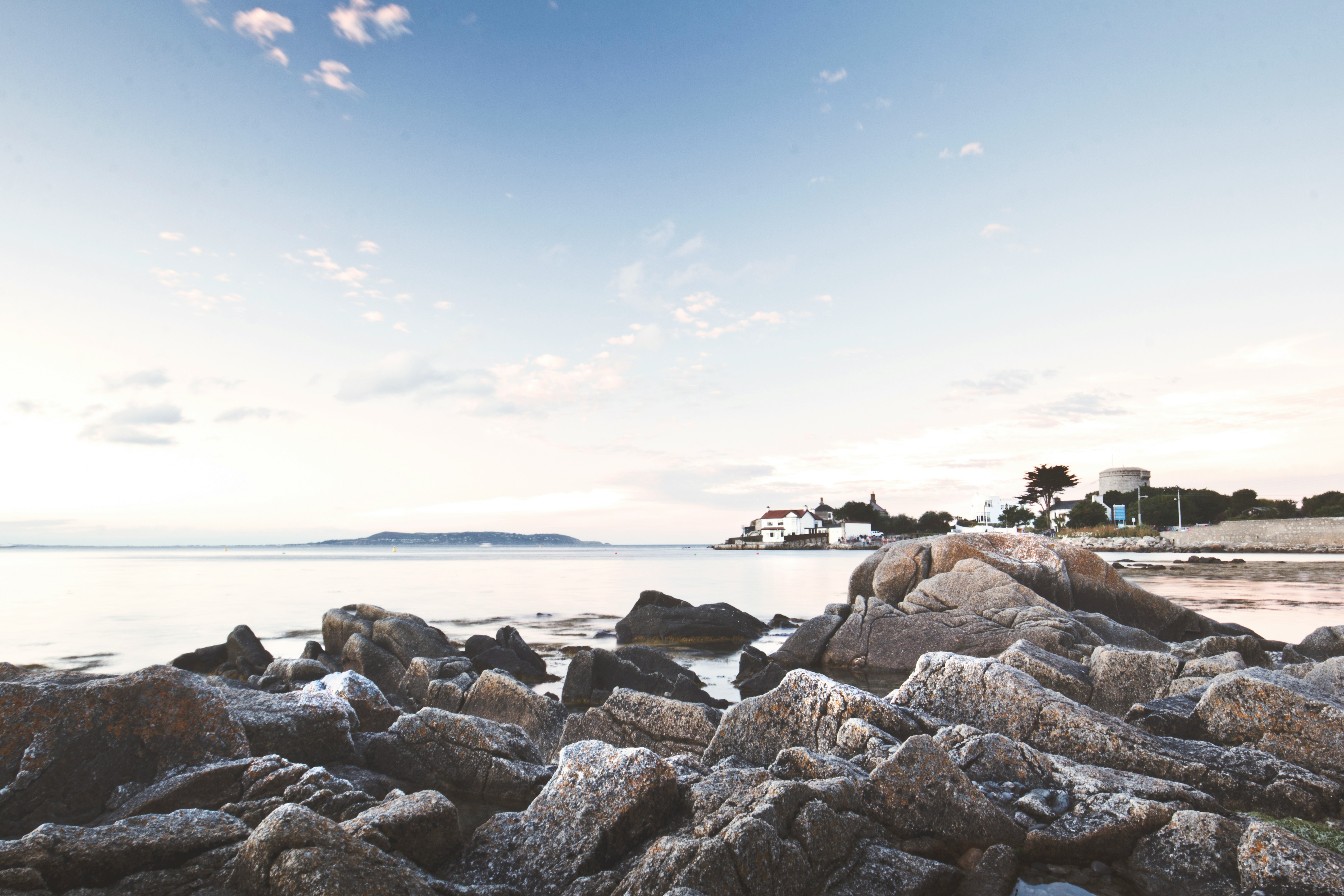
Further details for this day are not available.

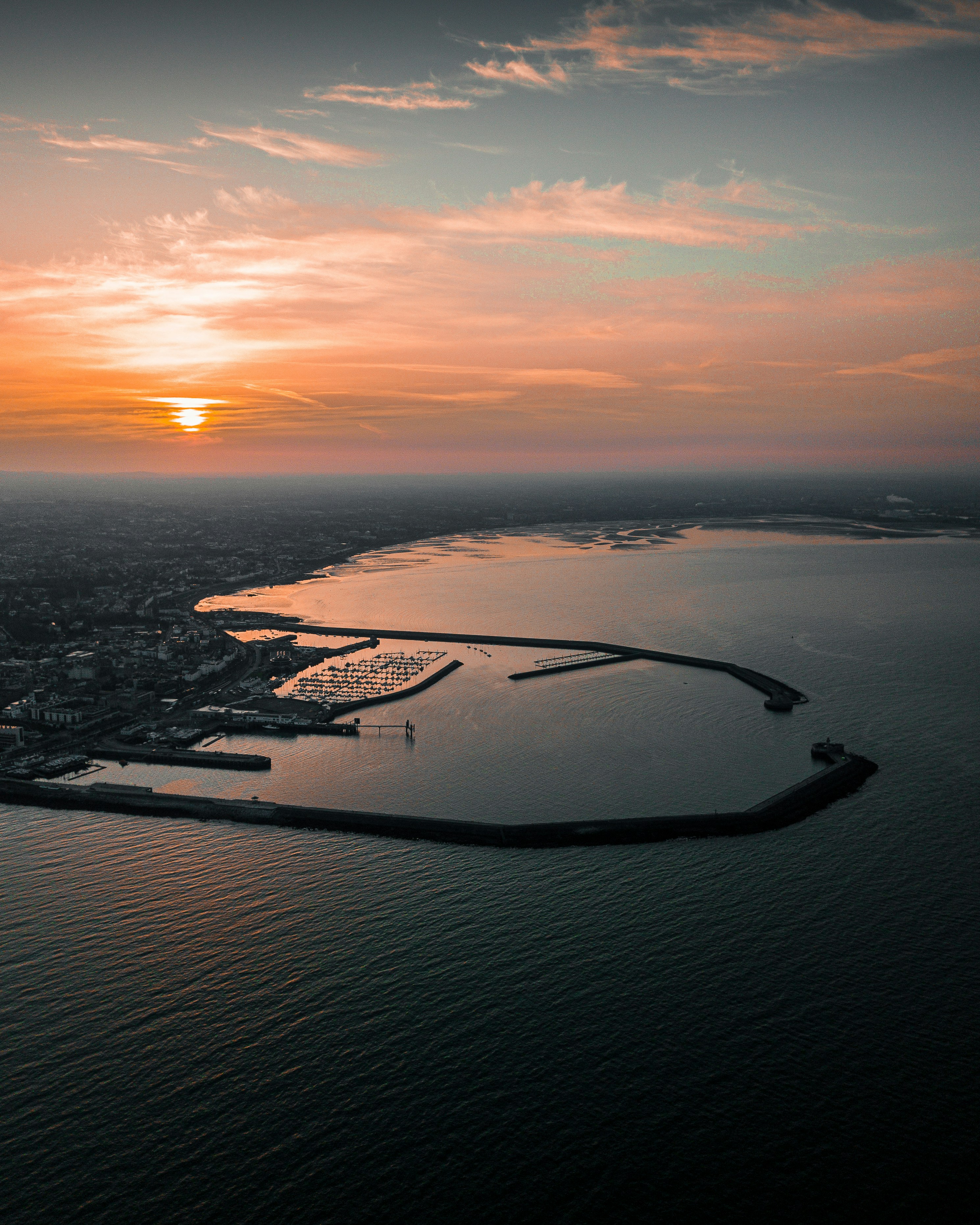
Dún Laoghaire, Dublin, Ireland
Dún Laoghaire, Dublin, IrelandPhoto by Paul Costello on Unsplash
Dún Laoghaire, Dublin, Ireland
Dún Laoghaire, Dublin, IrelandPhoto by Conor Luddy on Unsplash
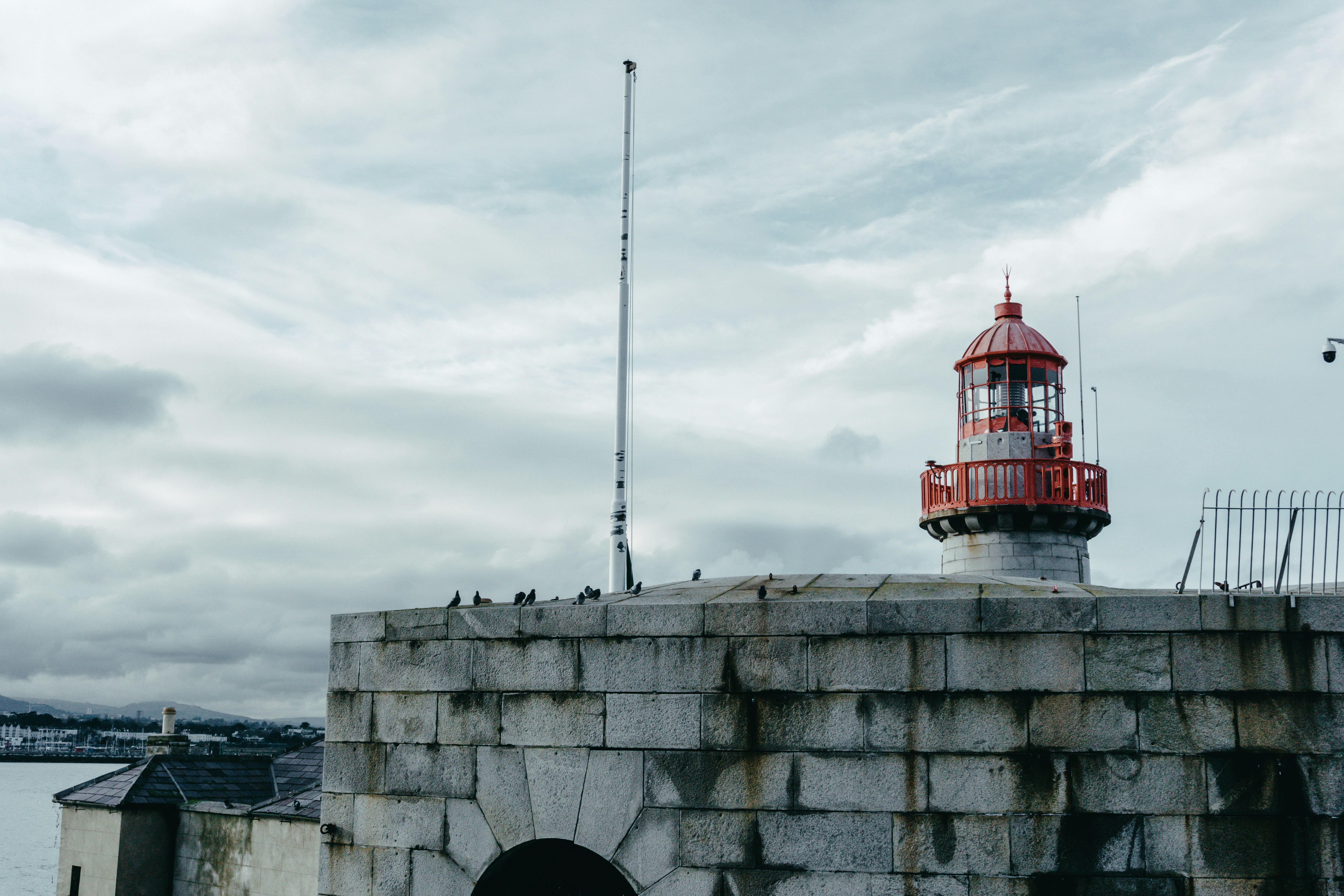
East Pier, Dún Laoghaire, County Dublin, Ireland
East Pier, Dún Laoghaire, County Dublin, IrelandPhoto by Lisa Fecker on Unsplash
Dún Laoghaire  Dublin
Dún Laoghaire Dublin Image by Leonhard Niederwimmer from Pixabay

Day 12 - Southampton

Lying near the head of Southampton Water, a peninsula between the estuaries of the Rivers Test and Itchen, Southampton is Britain’s largest cruise port. It has been one of England’s major ports since the Middle Ages, when it exported wool and hides from the hinterland and imported wine from Bordeaux. The city suffered heavy damage during World War Two and as a result the centre has been extensively rebuilt, but there are still some interesting medieval buildings including the Bargate, one of the finest city gatehouses in England.

Gbsou Southampton   Colin Osborne
Gbsou Southampton Colin OsborneColin Osborne, Unsplash
Gbsou Southampton Connor Holyday
Gbsou Southampton Connor HolydayConnor Holyday - Unsplash
Gbsou Southampton   England   Southampton Bargate
Gbsou Southampton England Southampton Bargate
Gbsou   Southampton, England. Houndwell Park Mangopear Creative
Gbsou Southampton, England. Houndwell Park Mangopear Creative

Suites & Deck Plans

Suite

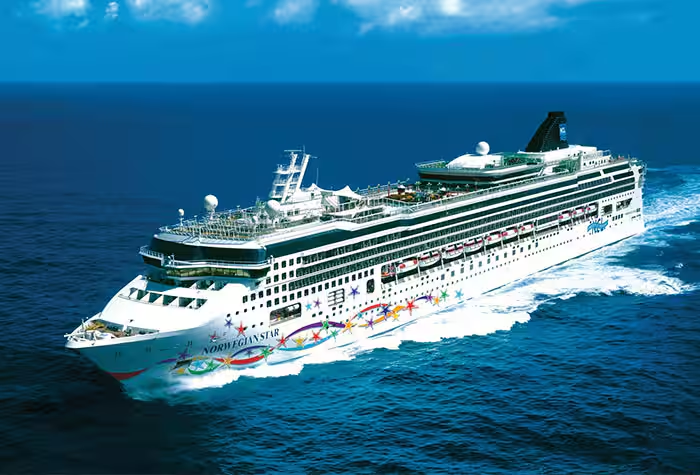
Norwegian Star Garden Villas accommodate up to seven guests. With three bedrooms, each with a king- or queen-size bed and luxury bath and shower, you have plenty of space to revel in. Also includes a living room, dining room as well as a private garden with hot tub, outdoor dining area and terrace to enjoy the beautiful view. Plus they can connect together so your group can spread out in luxury. Includes butler and concierge service.

AMENITIES

  • 24-Hour Butler
  • Concierge Service
  • Personal Escort On and Off the Ship
  • Cocktail Party with Ship's Officers
  • Fine Bed Linens & Pillow-top Mattress
  • Plush Bathrobe, Slippers & Products
  • Sparkling Wine & Fruit on Embarkation
  • Suite Room Service Available 24-hours
  • Invitations to Exclusive Breakfast/Lunch
  • Invitations to Exclusive Cocktail Parties
  • Delicious Treats Delivered Nightly
  • Priority Specialty Dining Reservations

11151 sq ft
Accommodates 7 guests
3-Bedroom Garden Villa

Norwegian Star

Norwegian Star

Life on board

The Onboard Experience

Client testimonials

I have worked with Lore Doick for more than 20 years, and she has booked over 30 cruises for me. Her expertise, care, and attention to every travel detail have made her an invaluable advisor and friend over the years.”

Tina B.

We are now in our second generation working with Cheri Ozimac at Tully Luxury Travel. From Antarctica to Greece, she has handled every detail with expertise, responsiveness, and care…

Earl M.

My wife and I have worked with Tully since 2007, and Kit Neil and her team went far beyond expectations while helping us navigate multiple cruise and flight cancellations. Their advocacy, care, and support during a difficult time were extraordinary.

Carri F.

Cheri Ozimac organized our Seabourn cruise flawlessly, from the hotel recommendation to every travel arrangement. She was responsive, attentive, and an excellent advocate throughout the process…

Cyn S.

We discovered Tully Luxury Travel after years of booking cruises through US agents and were impressed by their competitive pricing, exceptional service, and Canadian based support. Their team is always available, offers excellent value, and makes booking the right cruise seamless.

Peter C.

GoogleAverage Customer Rating:

The Tully Difference

Why travel with us


Tully Luxury Travel was built on access, discretion, and trust. For our clients, that means ease at every step, with distinctions that turn exceptional voyages into defining moments.

Recognized expertise

A renowned agency worldwide in luxury land and small-ship cruising, consistently trusted by the industry’s most prestigious brands.