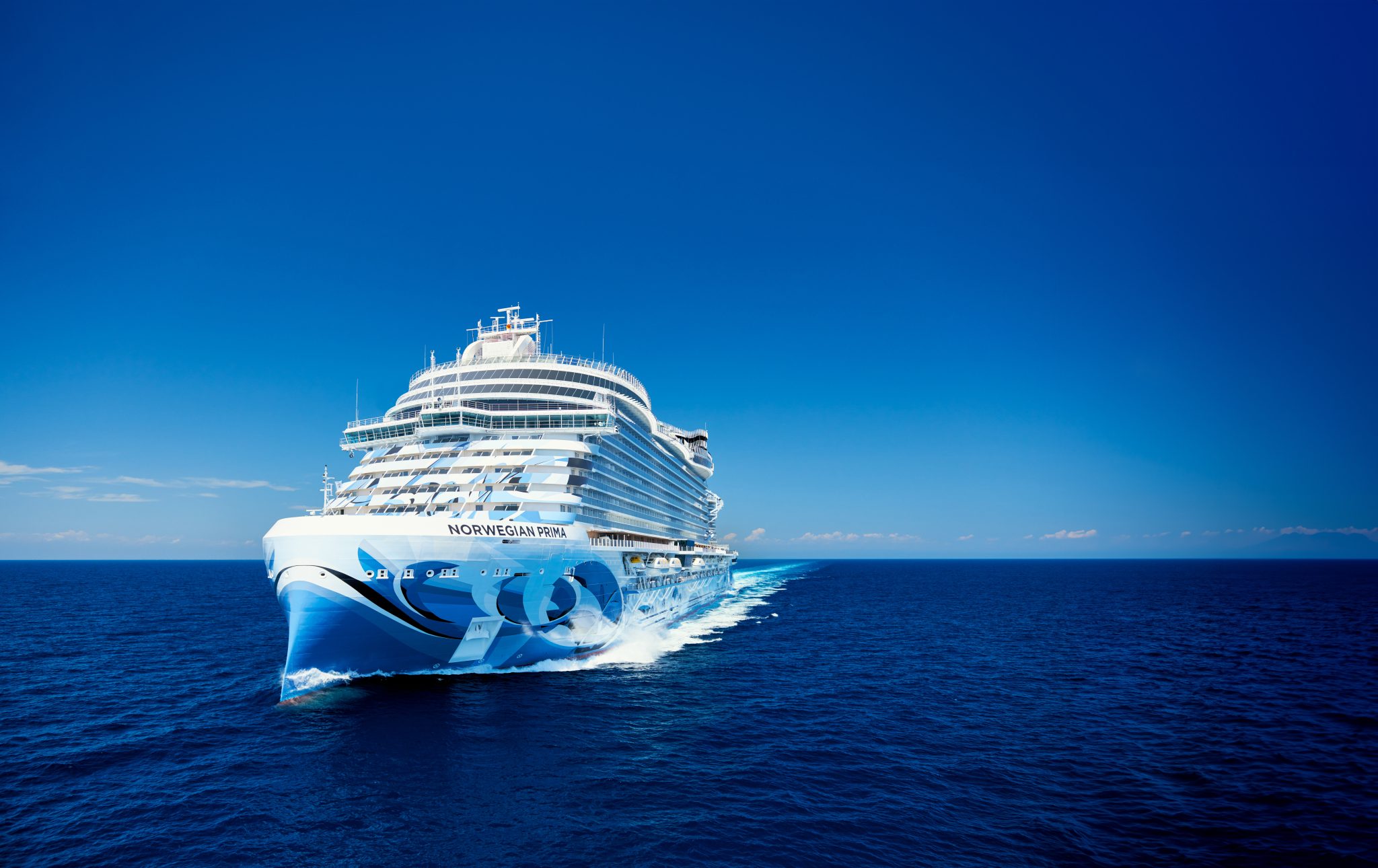
Transatlantic: Italy, France & Spain

Itinerary: San Juan (Puerto Rico), Ponta Delgada, Azores, Funchal, Madeira, Melilla, Motril, Ibiza, Palma de Mallorca, Marseille, Villefranche-sur-Mer, Livorno, Civitavecchia See full itinerary

4 Apr 27
17 nights

Voyage Details

Duration:
17 nights
Departure:
4 Apr 2027
Embarkation:
San Juan (Puerto Rico), Puerto Rico
Voyage code:
PRI-20270404-17-SJU-CIV

Your Itinerary, Day-By-Day

Special Chapters of Your Journey

Day 1 - San Juan (Puerto Rico)

If you associate Puerto Rico's capital with the colonial streets of Old San Juan, then you know only part of the picture. San Juan is a major metropolis, radiating out from the bay on the Atlantic Ocean that was discovered by Juan Ponce de León. More than a third of the island's nearly 4 million citizens proudly call themselves sanjuaneros. The city may be rooted in the past, but it has its eye on the future. Locals go about their business surrounded by colonial architecture and towering modern structures.By 1508 the explorer Juan Ponce de León had established a colony in an area now known as Caparra, southeast of present-day San Juan. He later moved the settlement north to a more hospitable peninsular location. In 1521, after he became the first colonial governor, Ponce de León switched the name of the island—which was then called San Juan Bautista in honor of St. John the Baptist—with that of the settlement of Puerto Rico ("rich port").Defended by the imposing Castillo San Felipe del Morro (El Morro) and Castillo San Cristóbal, Puerto Rico's administrative and population center remained firmly in Spain's hands until 1898, when it came under U.S. control after the Spanish-American War. Centuries of Spanish rule left an indelible imprint on the city, particularly in the walled area now known as Old San Juan. The area is filled with cobblestone streets and brightly painted, colonial-era structures, and its fortifications have been designated a UNESCO World Heritage Site.Old San Juan is a monument to the past, but most of the rest of the city is planted firmly in the 21st century and draws migrants island-wide and from farther afield to jobs in its businesses and industries. The city captivates residents and visitors alike with its vibrant lifestyle as well as its balmy beaches, pulsing nightclubs, globe-spanning restaurants, and world-class museums. Once you set foot in this city, you may never want to leave.
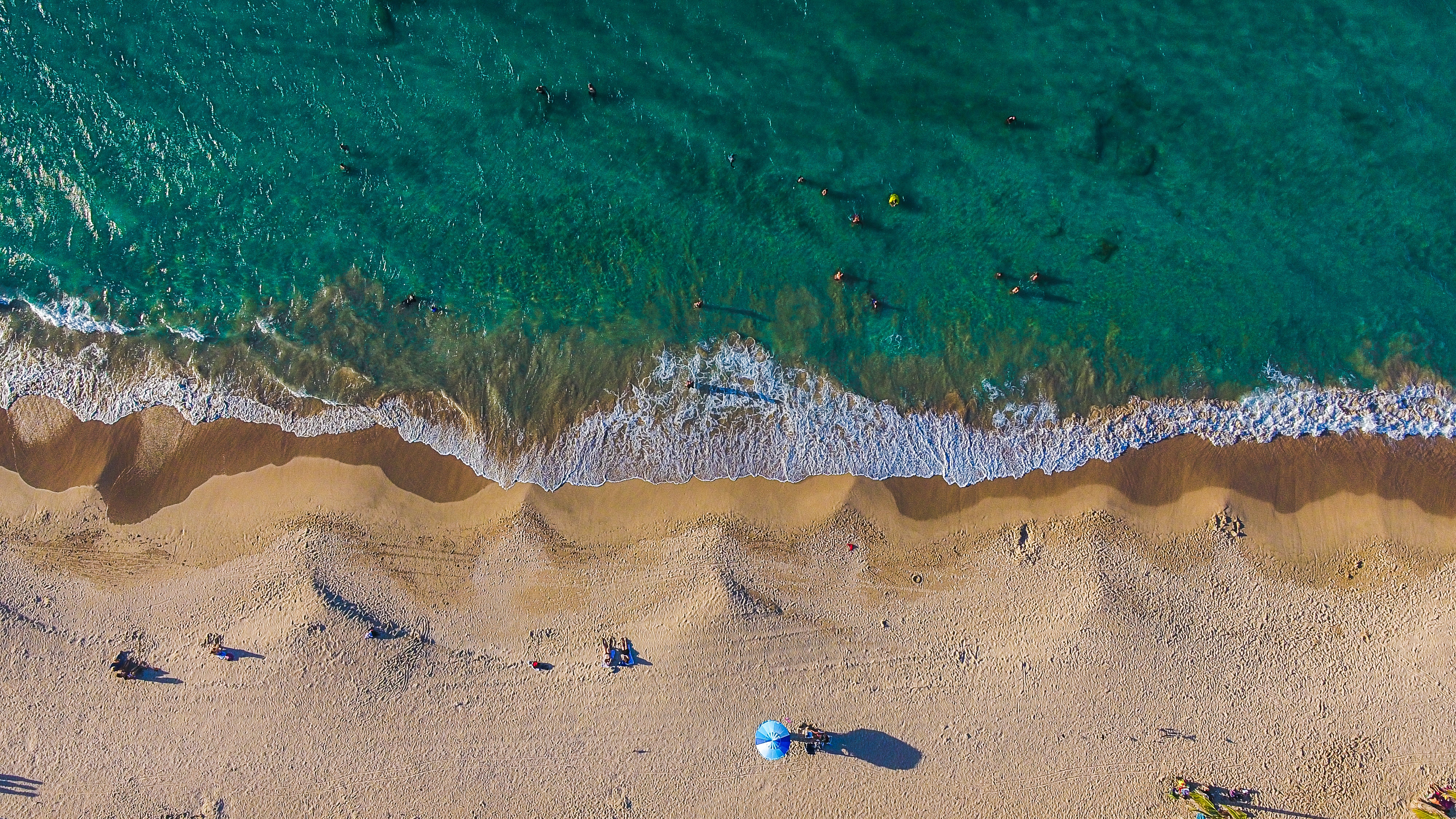
Prsju   San Juan   Condado Beach   Cristian Escobar
Prsju San Juan Condado Beach Cristian EscobarCristian Escobar
Prsju   San Juan   Old San Juan   Robert V Ruggiero
Prsju San Juan Old San Juan Robert V RuggieroRobert V Ruggiero
Prsju   San Juan   Old San Juan 2   Robert V Ruggiero
Prsju San Juan Old San Juan 2 Robert V RuggieroRobert V Ruggiero

Day 7 - Ponta Delgada, Azores

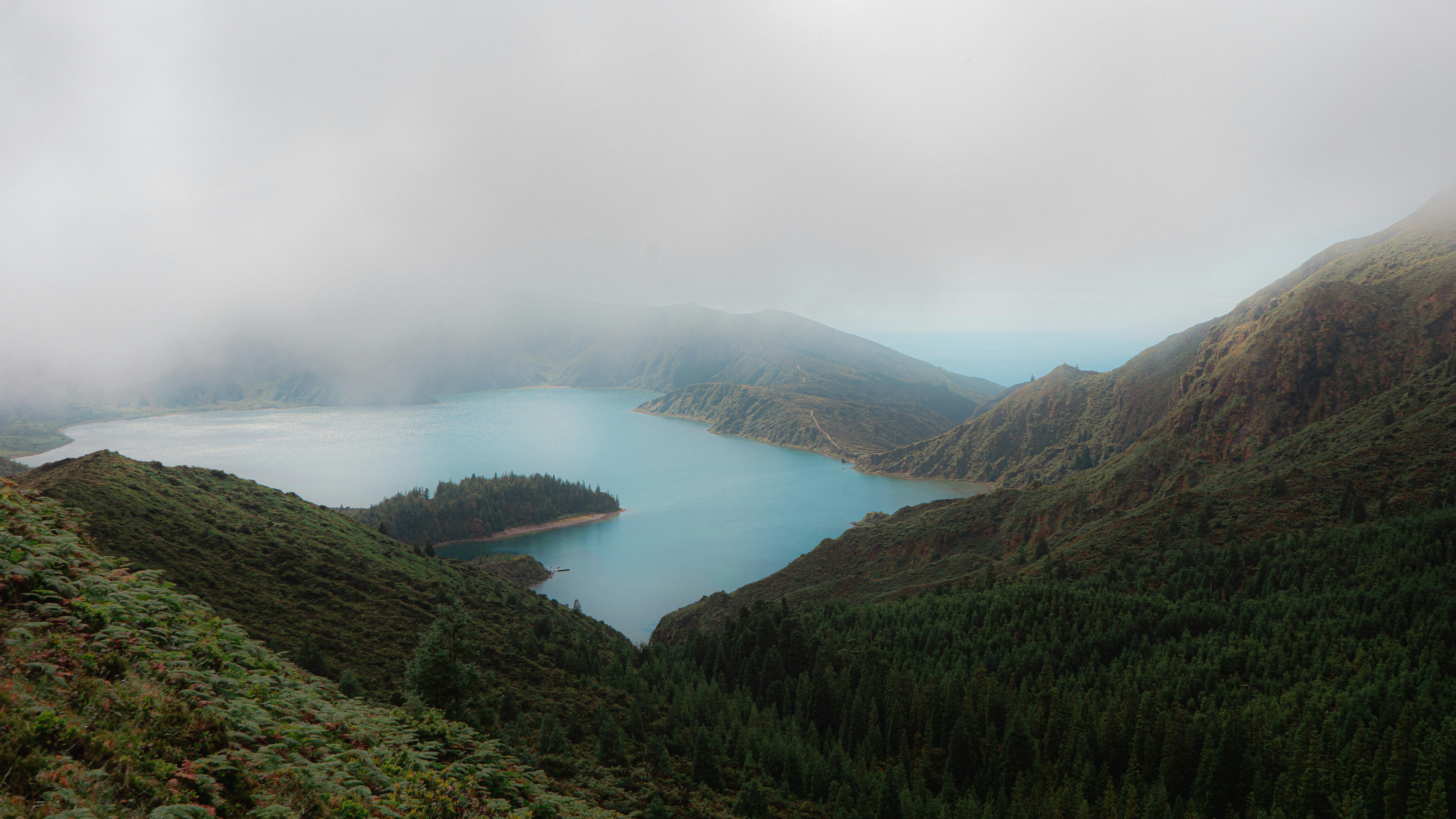
Offering solace on the long journey across the Atlantic, Ponta Delgada is the Azores Islands' largest city, and a welcome relief for any weary sailor. Located on an archipelago of Portuguese islands, some 1,100 miles from the mainland, you can explore humbling volcanic scenery, as well as Sao Miguel's verdant landscape - which glows with colour when the hydrangeas that the Azores are known for bloom into life during the summer months. The striking black and white facade of the Church of Sao Jose welcomes you to the city itself, while you can head to the markets to pick up the pineapples, tea leaves and coffee beans that add a little flavour to the island. As the largest city of the Azores, Ponta Delgada is well stocked with places to eat delicious local seafood, or pick up a little shopping, as you enjoy setting your feet on dry land, following a long journey at sea. Volcanic firepower has carved these stunning islands, and a journey up to Caldeira das Sete Cidades is a must do, where you can hike beside the water-filled crater, and admire views of steep green walls, and the uninterrupted Atlantic Ocean stretching beyond them. Lagoa de Fogo offers yet more humbling views, with the crater lake dropping off sharply to rippled ocean far below.

Ponta Delgada, Azores, Portugal

Day 9 - Funchal, Madeira

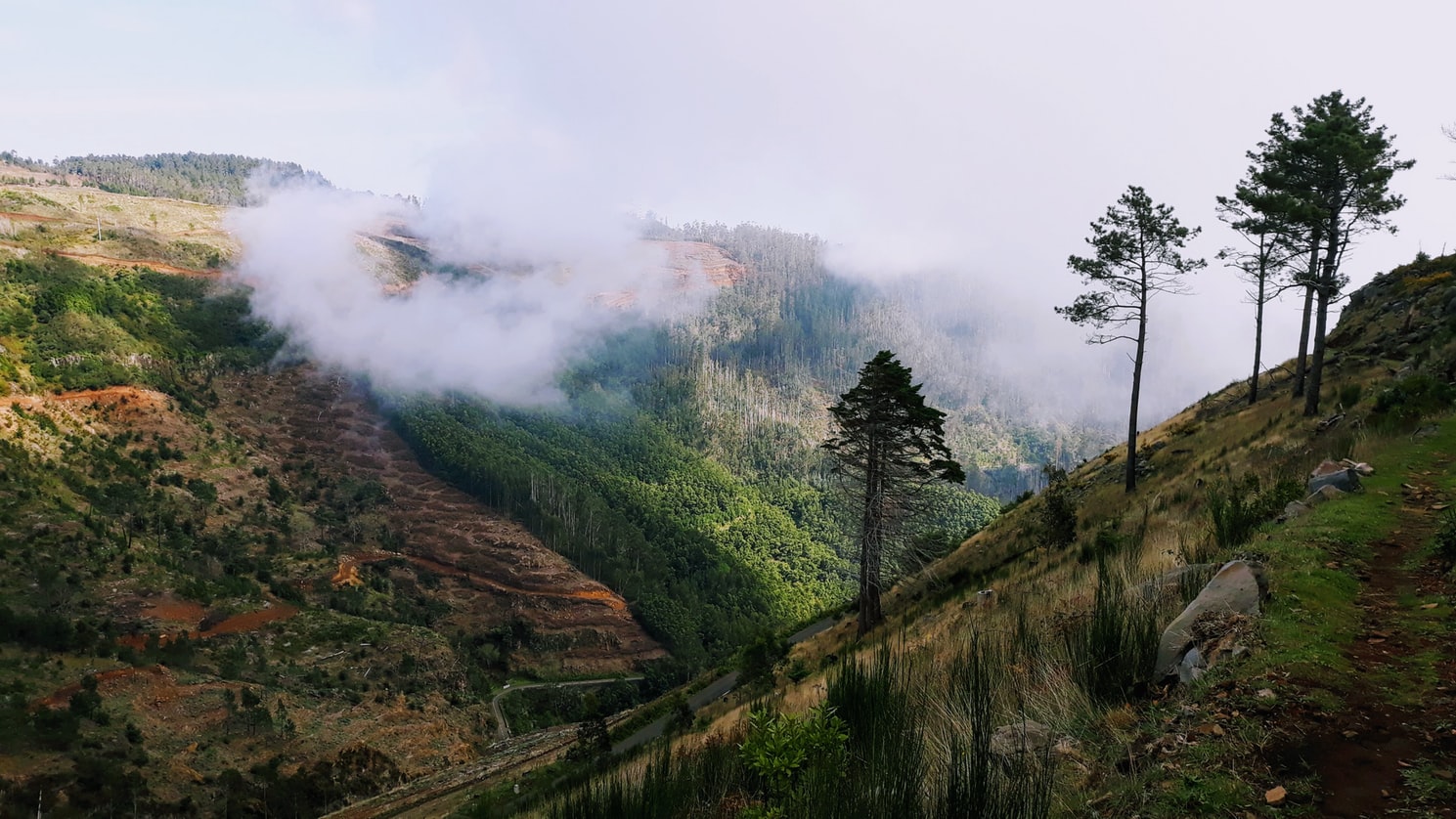
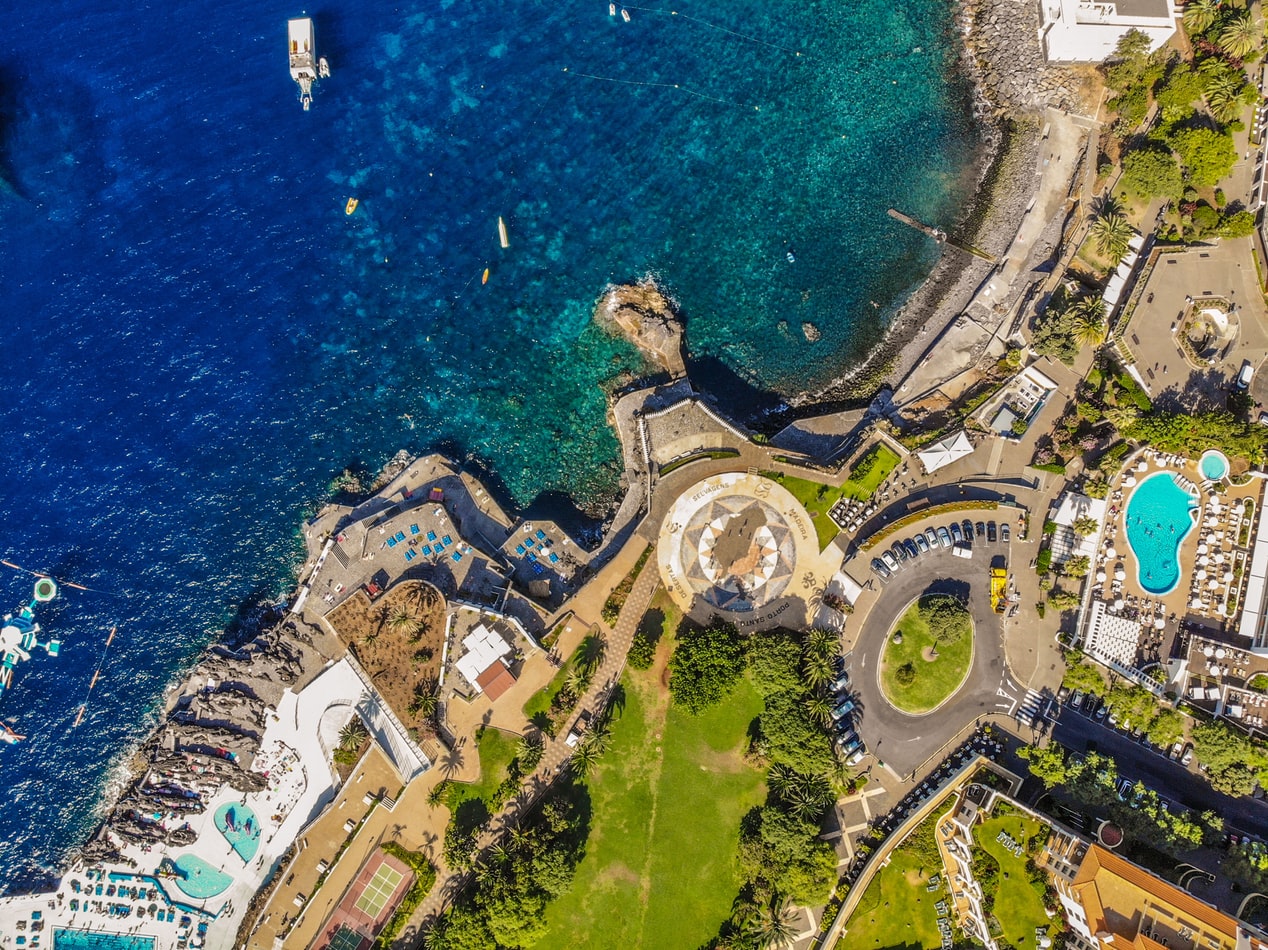
Formed by a volcanic eruption, Madeira lies in the Gulf Stream, about 500 miles due west of Casablanca. Discovered by Portuguese explorer João Gonçalves Zarco in 1419, this beautiful island became part of Portugal’s vast empire and was named for the dense forest which cloaked it - 'Madeira' means 'wood' in Portuguese. Sugar plantations first brought wealth here, and when King Charles II of England granted an exclusive franchise to sell wine to England and its colonies, many British emigrants were drawn to the capital, Funchal. Today’s travellers come to Madeira for the varied and luxuriant scenery, from mountain slopes covered with vines to picturesque villages and a profusion of wild flowers. The natural beauty of the island has earned it many pseudonyms such as ‘The Floating Garden of the Atlantic’, 'The Island of Eternal Springtime' and ‘God’s Botanical Gardens’ and our selection of excursions aim to show you why.

Ptfnc   Funchal, Madeira, Portugal   Photo Credit Alex Tudor
Ptfnc Funchal, Madeira, Portugal Photo Credit Alex TudorAlex Tudor
Ptfnc   Funchal, Madeira, Portugal   Photo Credit Reinaldo Garanito
Ptfnc Funchal, Madeira, Portugal Photo Credit Reinaldo GaranitoReinaldo Garanito

Day 11 - Melilla

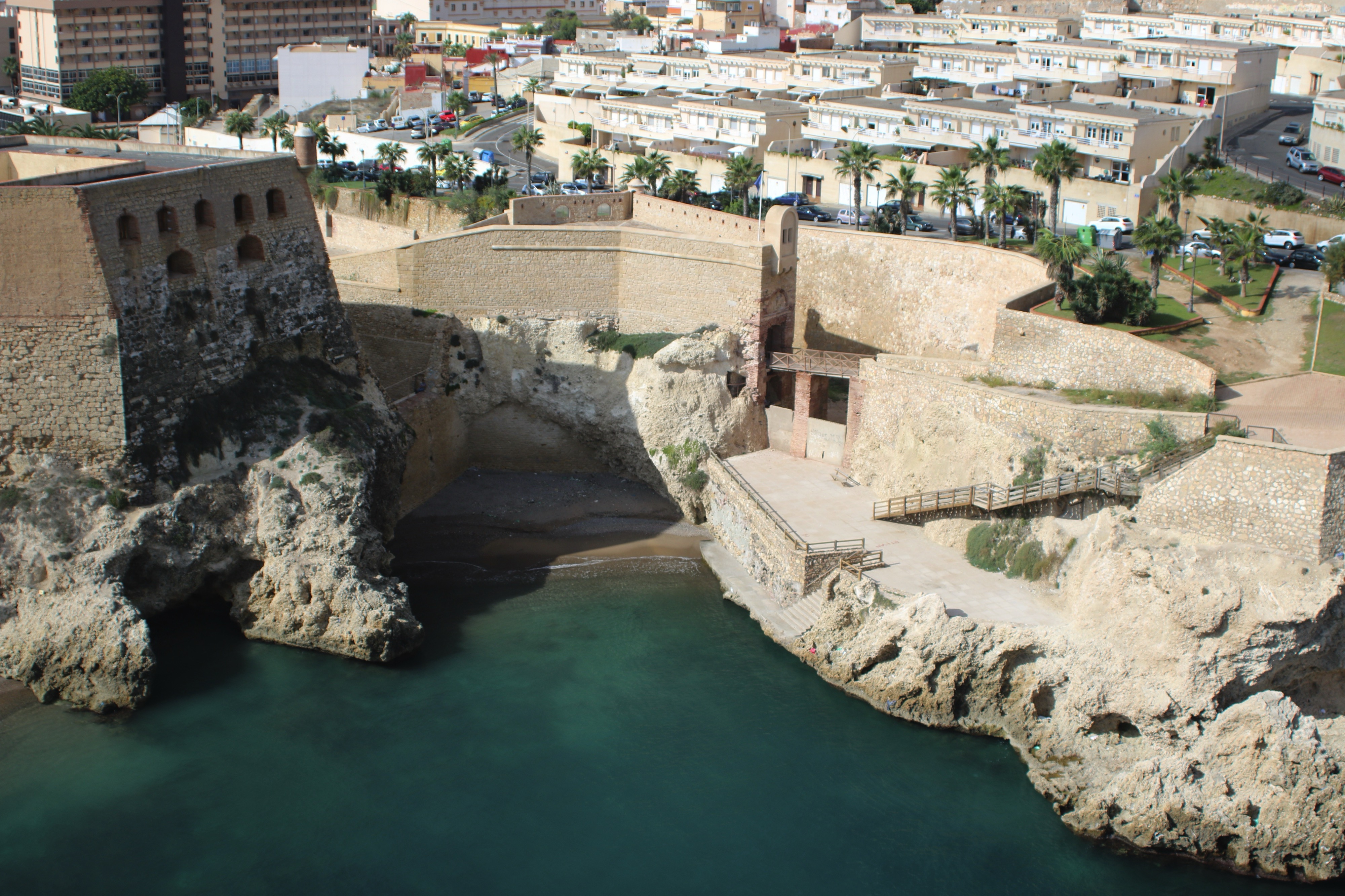
The autonomous city of Melilla is a Spanish enclave located on the Mediterranean Rif coast of North Africa, bordering Morocco. Its chequered past embraced periods of Phoenician, Punic, Roman and Byzantine rule before it was conquered by Spain in 1497. The latter part of the 19th century and the first quarter of the 20th century saw hostilities between Rif berbers and the Spanish, with the latter finally reinstating their control in 1927. The city was used by General Franco as one of the staging points for the rebellion of 1936. As part of the Spanish protectorate, Melilla developed the architectural style of 'Modernisme', the Catalan version of Art Nouveau, and boasts the second most important concentration of Modernist works in Spain, after Barcelona.

Melilla, Spain
Melilla, SpainImage by Jacek Kijewski from Pixabay

Day 12 - Motril

Motril is located in the Spanish region of Andalucia on the Costa Tropical. It is the biggest town on the Costa with a thriving commercial, fishing and leisure port. An hour and a half's drive east of Malaga and within easy reach of the magnificent Sierra Nevada mountain range, Motril makes an ideal base for exploring the many delights of the Andalucian coastline and its hinterland. Halfway between the resorts of Malaga to the west and Almeria to the east, nestling in the foothills of the Sierra Lujar mountains, Motril is at the heart of one of the most fertile and productive agricultural areas of Spain. The Costa Tropical takes its name from its sub-tropical climate which enables the cultivation of exotic fruits and crops such as sugar cane, oranges, lemons, apples, avocadoes, mangoes and bananas. One of the sights of Motril is the 17th-century church of Nuestra Señora de la Cabeza, dedicated to the town's patron saint.

Marina At Motril
Marina At MotrilImage by Van3ssa Desiré Dazzy from Pixabay

Day 13 - Ibiza

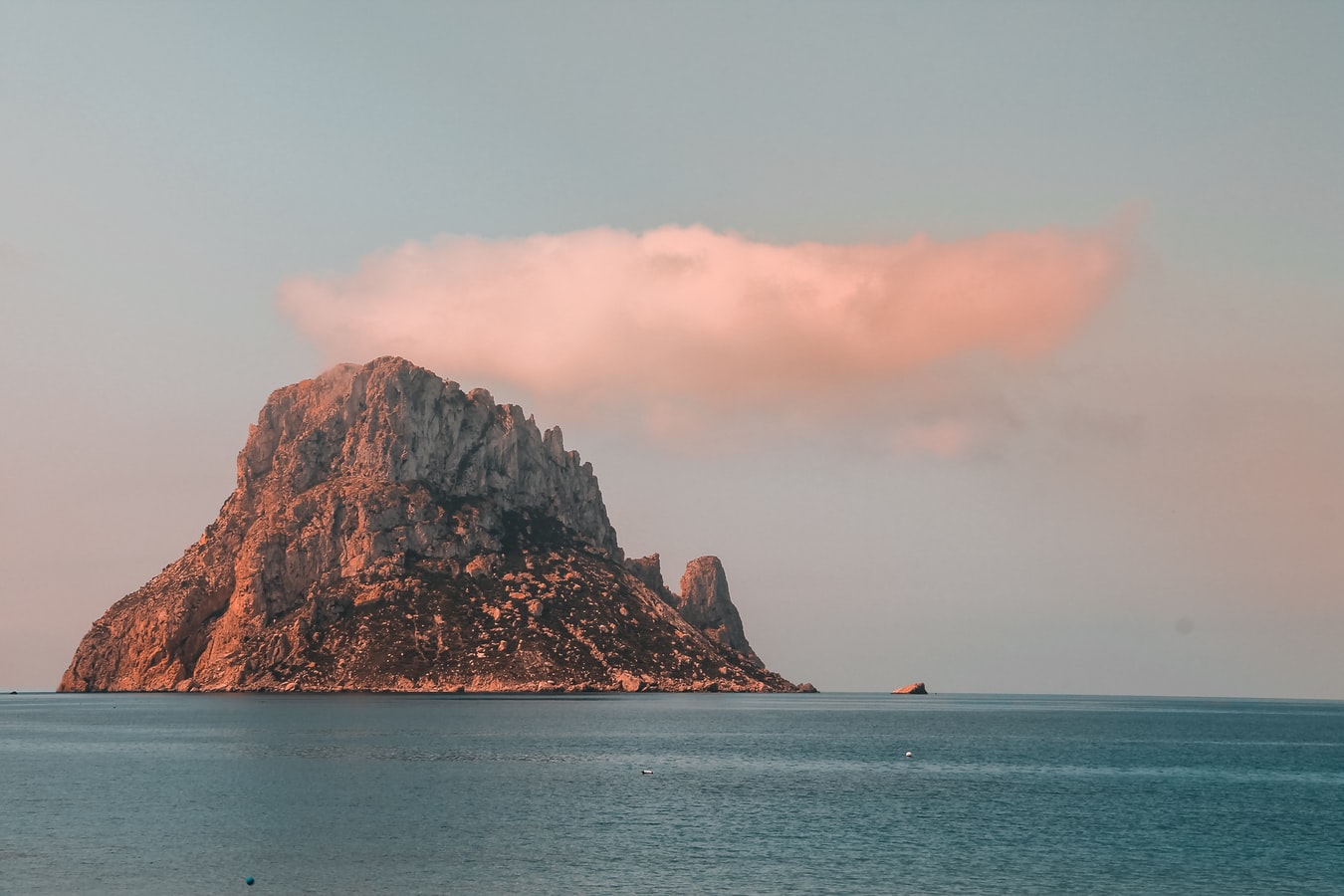
Hedonistic and historic, Eivissa (Ibiza, in Castilian) is a city jam-packed with cafés, nightspots, and trendy shops; looming over it are the massive stone walls of Dalt Vila —the medieval city declared a UNESCO World Heritage site in 1999—and its Gothic cathedral. Squeezed between the north walls of the old city and the harbor is Sa Penya, a long labyrinth of stone-paved streets that offer some of the city's best offbeat shopping, snacking, and exploring. The tourist information office on Vara de Rey has a useful map of walks through the old city.

Esibz   Ibiza, Spain   Adrien Prv
Esibz Ibiza, Spain Adrien Prv
Esibz   Ibiza, Spain   Belinda Fewings
Esibz Ibiza, Spain Belinda FewingsBelinda Fewings
Esibz   Ibiza, Spain   Jose Llamas 1
Esibz Ibiza, Spain Jose Llamas 1 Jose Llamas
Esibz   Ibiza, Spain   Jose Llamas
Esibz Ibiza, Spain Jose Llamas Jose Llamas
Esibz   Ibiza, Spain   Valentin Faivre
Esibz Ibiza, Spain Valentin FaivreValentin Faivre

Day 14 - Palma de Mallorca

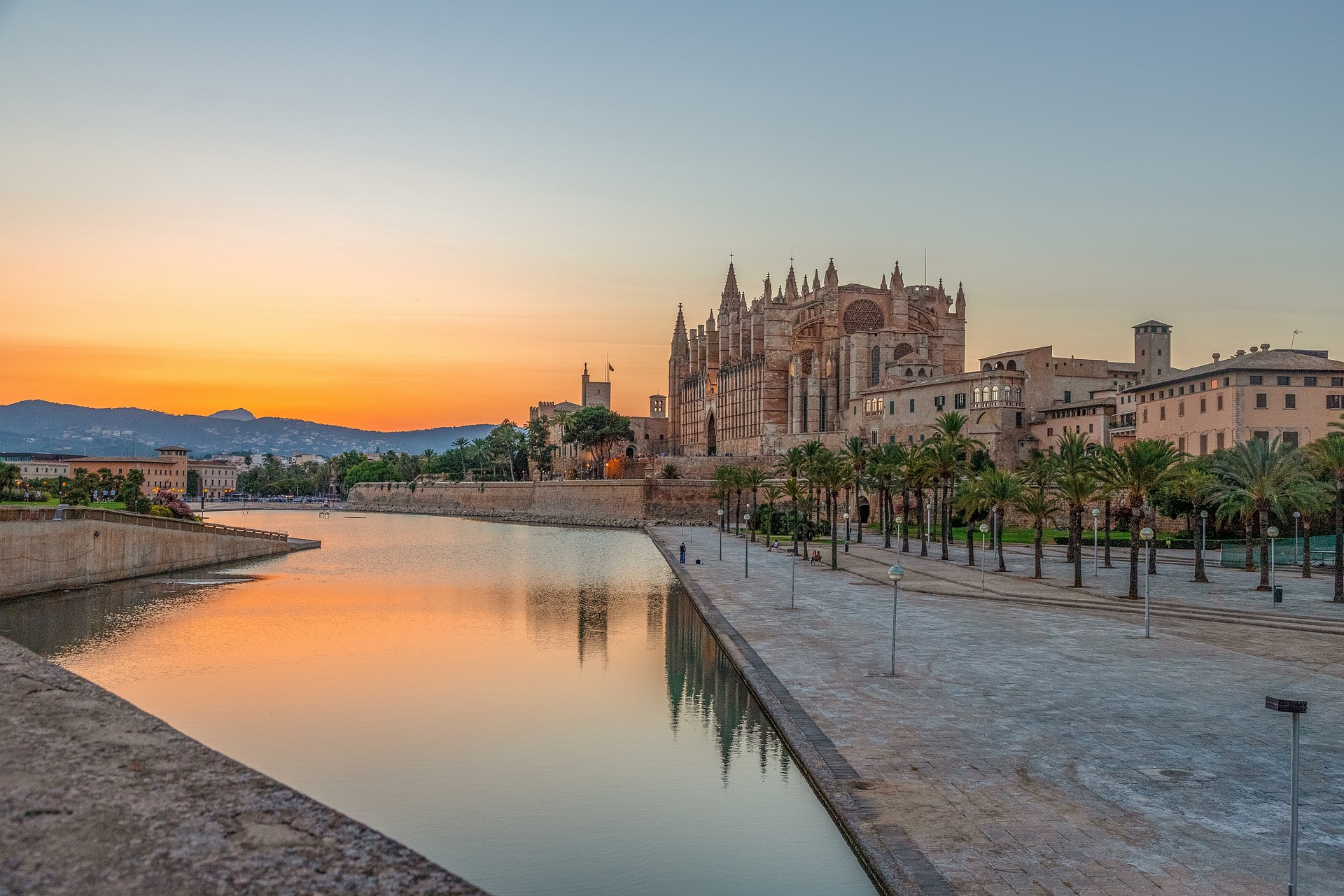
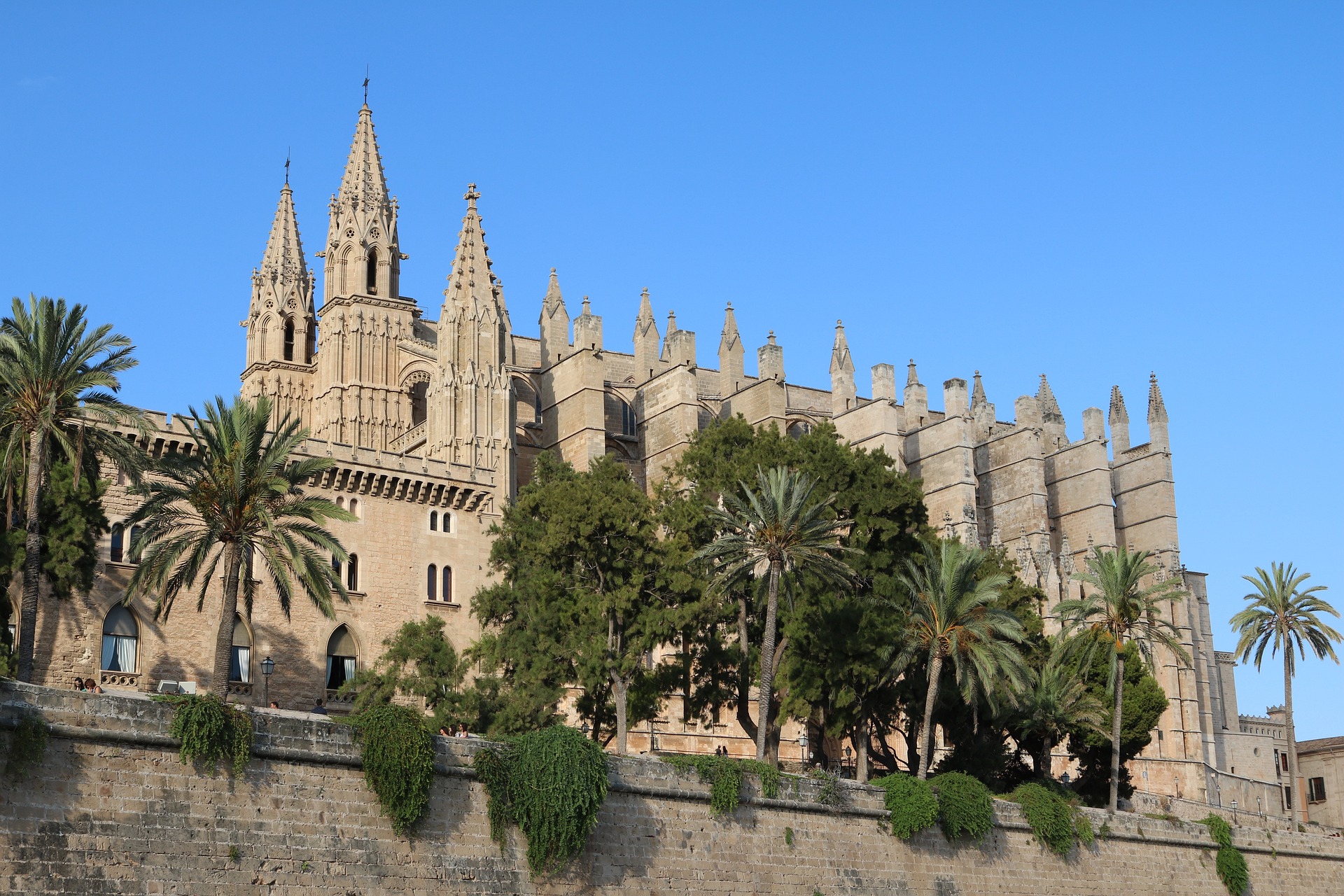
If you look north of the cathedral (La Seu, or the seat of the bishopric, to Mallorcans) on a map of the city of Palma, you can see around the Plaça Santa Eulàlia a jumble of tiny streets that made up the earliest settlement. Farther out, a ring of wide boulevards traces the fortifications built by the Moors to defend the larger city that emerged by the 12th century. The zigzags mark the bastions that jutted out at regular intervals. By the end of the 19th century, most of the walls had been demolished; the only place where you can still see the massive defenses is at Ses Voltes, along the seafront west of the cathedral.A torrent (streambed) used to run through the middle of the old city, dry for most of the year but often a raging flood in the rainy season. In the 17th century it was diverted to the east, along the moat that ran outside the city walls. Two of Palma's main arteries, La Rambla and the Passeig d'es Born, now follow the stream's natural course. The traditional evening paseo (promenade) takes place on the Born.If you come to Palma by car, park in the garage beneath the Parc de la Mar (the ramp is just off the highway from the airport, as you reach the cathedral) and stroll along the park. Beside it run the huge bastions guarding the Almudaina Palace; the cathedral, golden and massive, rises beyond. Where you exit the garage, there's a ceramic mural by the late Catalan artist and Mallorca resident Joan Miró, facing the cathedral across the pool that runs the length of the park.If you begin early enough, a walk along the ramparts at Ses Voltes from the mirador beside the cathedral is spectacular. The first rays of the sun turn the upper pinnacles of La Seu bright gold and then begin to work their way down the sandstone walls. From the Parc de la Mar, follow Avinguda Antoni Maura past the steps to the palace. Just below the Plaça de la Reina, where the Passeig d'es Born begins, turn left on Carrer de la Boteria into the Plaça de la Llotja (if the Llotja itself is open, don't miss a chance to visit—it's the Mediterranean's finest Gothic-style civic building). From there stroll through the Plaça Drassana to the Museu d'Es Baluard, at the end of Carrer Sant Pere. Retrace your steps to Avinguda Antoni Maura. Walk up the Passeig d'es Born to Plaça Joan Carles I, then right on Avenida de La Unió.

Palma De Mallorca
Palma De Mallorca
Palma De Mallorca, Calo Des Moro 2
Palma De Mallorca, Calo Des Moro
Palma De Mallorca, Cathedral
Mallorca
Mallorca
Mallorca
Mallorca
Mallorca
Mallorca
Mallorca
Mallorca
Mallorca
Mallorca

Day 15 - Marseille

Since being designated a European Capital of Culture for 2013, with an estimated €660 million of funding in the bargain, Marseille has been in the throes of an extraordinary transformation, with no fewer than five major new arts centers, a beautifully refurbished port, revitalized neighborhoods, and a slew of new shops and restaurants. Once the underdog, this time-burnished city is now welcoming an influx of weekend tourists who have colonized entire neighborhoods and transformed them into elegant pieds-à-terre (or should we say, mer). The second-largest city in France, Marseille is one of Europe's most vibrant destinations. Feisty and fond of broad gestures, it is also as complicated and as cosmopolitan now as it was when a band of Phoenician Greeks first sailed into the harbor that is today's Vieux Port in 600 BC. Legend has it that on that same day a local chieftain's daughter, Gyptis, needed to choose a husband, and her wandering eyes settled on the Greeks' handsome commander Protis. Her dowry brought land near the mouth of the Rhône, where the Greeks founded Massalia, the most important Continental shipping port in antiquity. The port flourished for some 500 years as a typical Greek city, enjoying the full flush of classical culture, its gods, its democratic political system, its sports and theater, and its naval prowess. Caesar changed all that, besieging the city in 49 BC and seizing most of its colonies. In 1214 Marseille was seized again, this time by Charles d'Anjou, and was later annexed to France by Henri IV in 1481, but it was not until Louis XIV took the throne that the biggest transformations of the port began; he pulled down the city walls in 1666 and expanded the port to the Rive Neuve (New Riverbank). The city was devastated by plague in 1720, losing more than half its population. By the time of the Revolution, Marseille was on the rebound once again, with industries of soap manufacturing and oil processing flourishing, encouraging a wave of immigration from Provence and Italy. With the opening of the Suez Canal in 1869, Marseille became the greatest boomtown in 19th-century Europe. With a large influx of immigrants from areas as exotic as Tangiers, the city quickly acquired the multicultural population it maintains to this day.

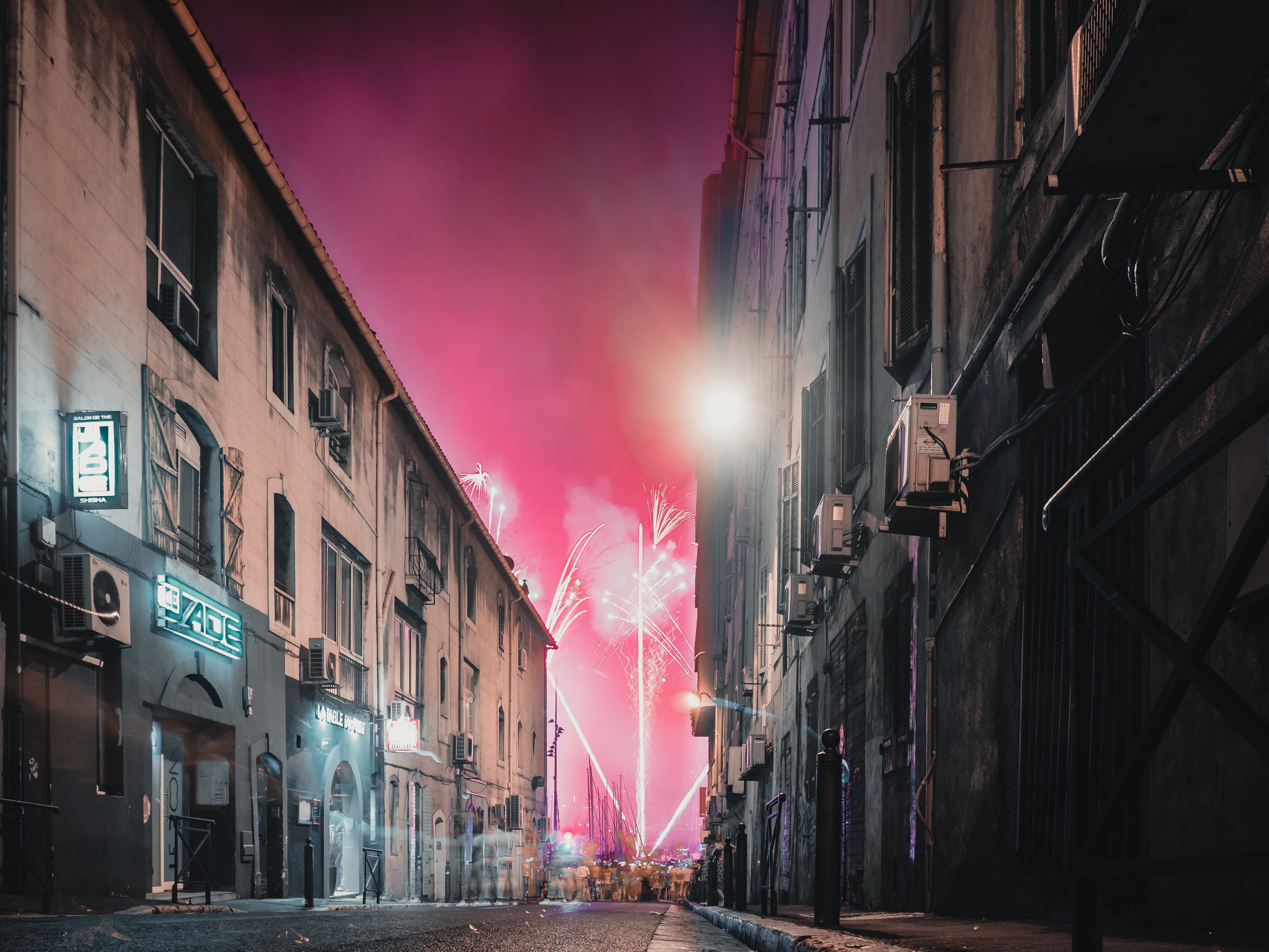
Frmrs   Marseille   Fireworks View Port   Arthur Aldyrkhanov
Frmrs Marseille Fireworks View Port Arthur AldyrkhanovPhotograph by Arthur Aldyrkhanov
Frmrs   Marseille   France   Marseille   Calanque De Morgiou   © Szs
Frmrs Marseille France Marseille Calanque De Morgiou © Szs© SZS
Frmrs   Marseille   France   Marseille   Port   © M. Raynaud
Frmrs Marseille France Marseille Port © M. Raynaud© M. Raynaud
Frmrs   Marseille   France   Marseille   Sea And Coast View   © V. Toche
Frmrs Marseille France Marseille Sea And Coast View © V. Toche© V. Toche
Frmrs   Marseille   France   Marseille   Vallon Des Auffes   © M. Raynaud
Frmrs Marseille France Marseille Vallon Des Auffes © M. Raynaud© M. Raynaud
Frmrs   Marseille   Luminy   Clement Griffet
Frmrs Marseille Luminy Clement GriffetPhotograph by Clement Griffet
Frmrs   Marseille   Old House   Matthieu Joannon
Frmrs Marseille Old House Matthieu JoannonPhotograph by Matthieu Joannon
Frmrs   Marseille   Robert Laffon Promenade   Erin Doering
Frmrs Marseille Robert Laffon Promenade Erin DoeringPhotograph by Erin Doering
Frmrs   Marseille   Swimming   Laurine Bailly
Frmrs Marseille Swimming Laurine BaillyPhotograph by Laurine Bailly

Day 16 - Villefranche-sur-Mer

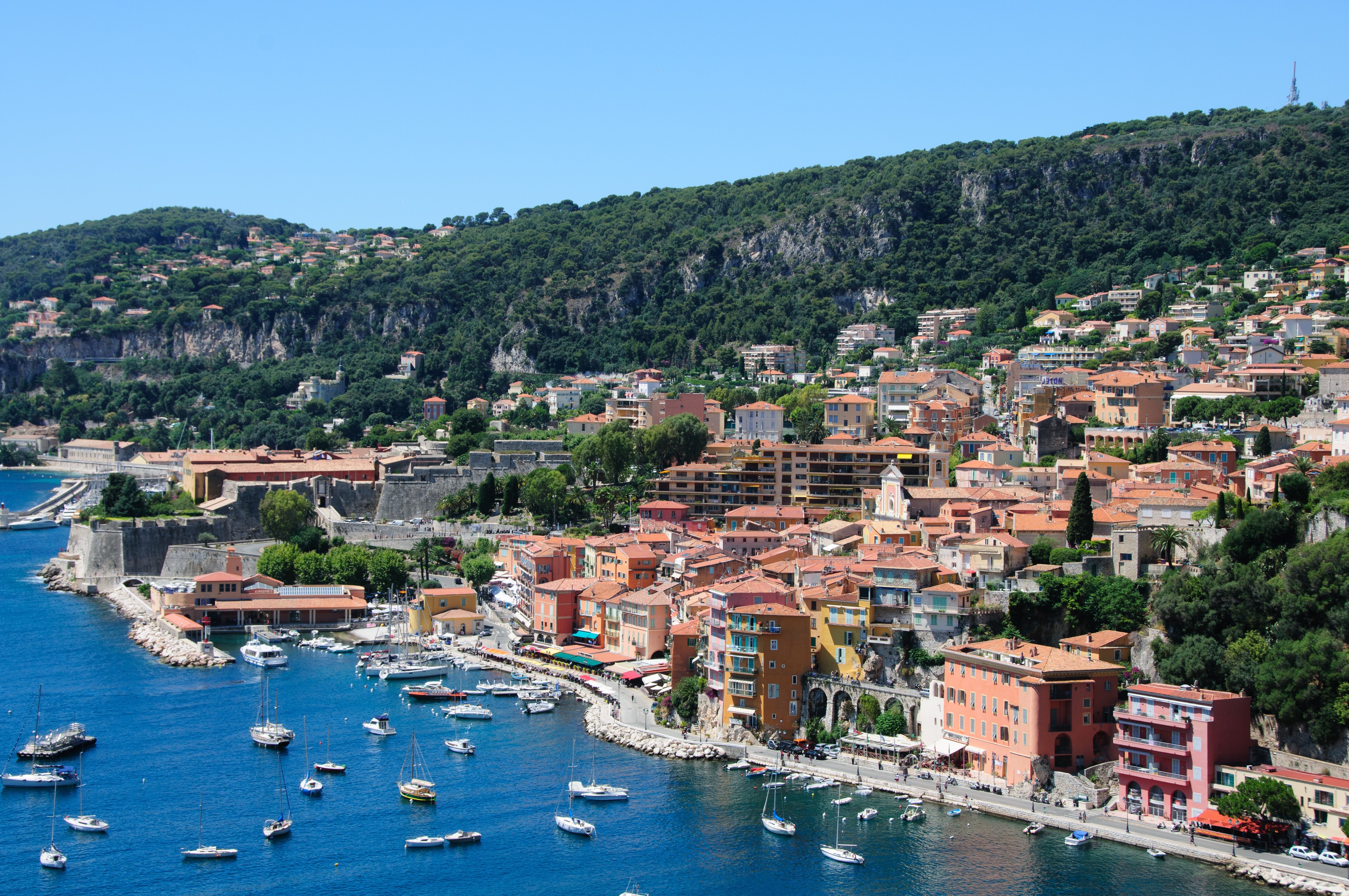
Villefranche-Sur-Mer is located on the Côte d’Azur in Provence – known for its fields of lavender and warm weather – and is highly appreciated for its 14th Century architecture.

Villefranche Sur Mer
Villefranche Sur MerImage by Gerhard Bögner from Pixabay
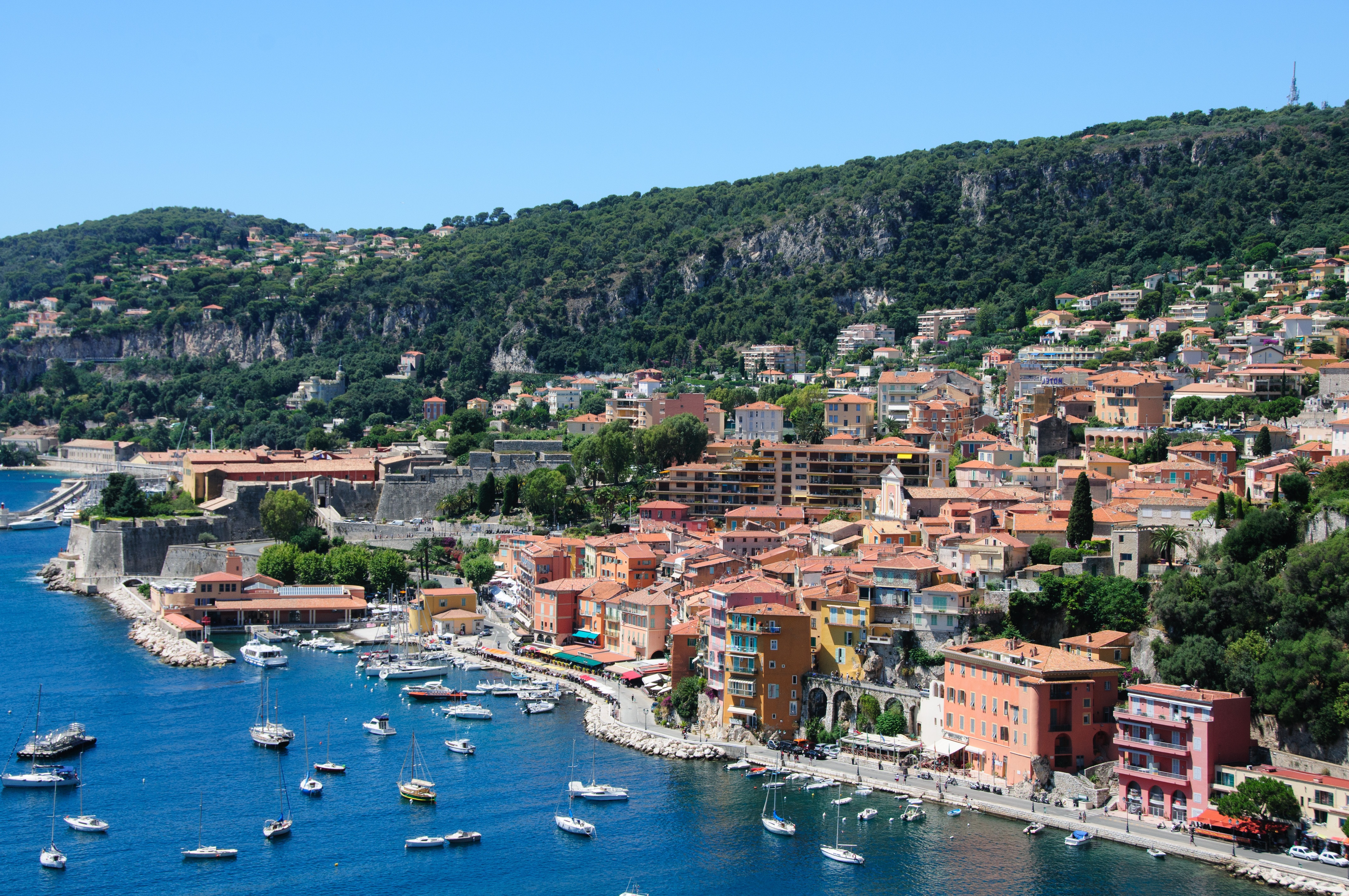
Villfranche
VillfrancheImage by Gerhard Bögner from Pixabay

Day 17 - Livorno

Livorno is a gritty city with a long and interesting history. In the early Middle Ages it alternately belonged to Pisa and Genoa. In 1421 Florence, seeking access to the sea, bought it. Cosimo I (1519–74) started construction of the harbor in 1571, putting Livorno on the map. After Ferdinando I de' Medici (1549–1609) proclaimed Livorno a free city, it became a haven for people suffering from religious persecution; Roman Catholics from England and Jews and Moors from Spain and Portugal, among others, settled here. The Quattro Mori (Four Moors), also known as the Monument to Ferdinando I, commemorates this. (The statue of Ferdinando I dates from 1595, the bronze Moors by Pietro Tacca from the 1620s.)In the following centuries, and particularly in the 18th, Livorno boomed as a port. In the 19th century the town drew a host of famous Britons passing through on their grand tours. Its prominence continued up to World War II, when it was heavily bombed. Much of the town's architecture, therefore, postdates the war, and it's somewhat difficult to imagine what it might have looked like before. Livorno has recovered from the war, however, as it's become a huge point of departure for container ships, as well as the only spot in Tuscany for cruise ships to dock for the day.Most of Livorno's artistic treasures date from the 17th century and aren't all that interesting unless you dote on obscure baroque artists. Livorno's most famous native artist, Amedeo Modigliani (1884–1920), was of much more recent vintage. Sadly, there's no notable work by him in his hometown.There may not be much in the way of art, but it's still worth strolling around the city. The Mercato Nuovo, which has been around since 1894, sells all sorts of fruits, vegetables, grains, meat, and fish. Outdoor markets nearby are also chock-full of local color. The presence of Camp Darby, an American military base just outside town, accounts for the availability of many American products.If you have time, Livorno is worth a stop for lunch or dinner at the very least.

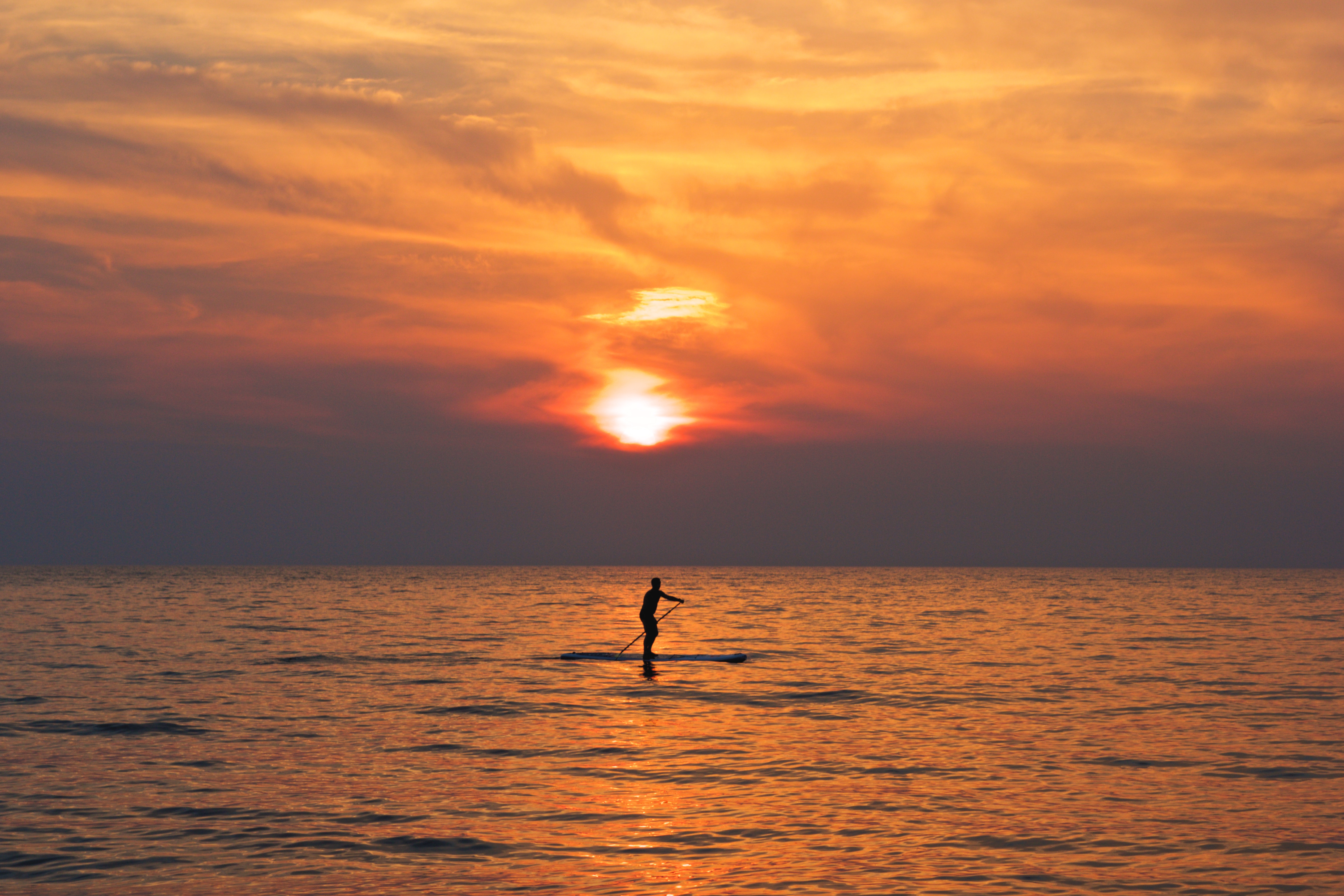
Itliv   Livorno   Paddleboat At Sunset   Tim Vanderhoydonck
Itliv Livorno Paddleboat At Sunset Tim VanderhoydonckTim Vanderhoydonck
Itliv   Livorno   Winter Sun Over The Sea   Filippo Ascione
Itliv Livorno Winter Sun Over The Sea Filippo AscioneFilippo Ascione

Day 18 - Civitavecchia

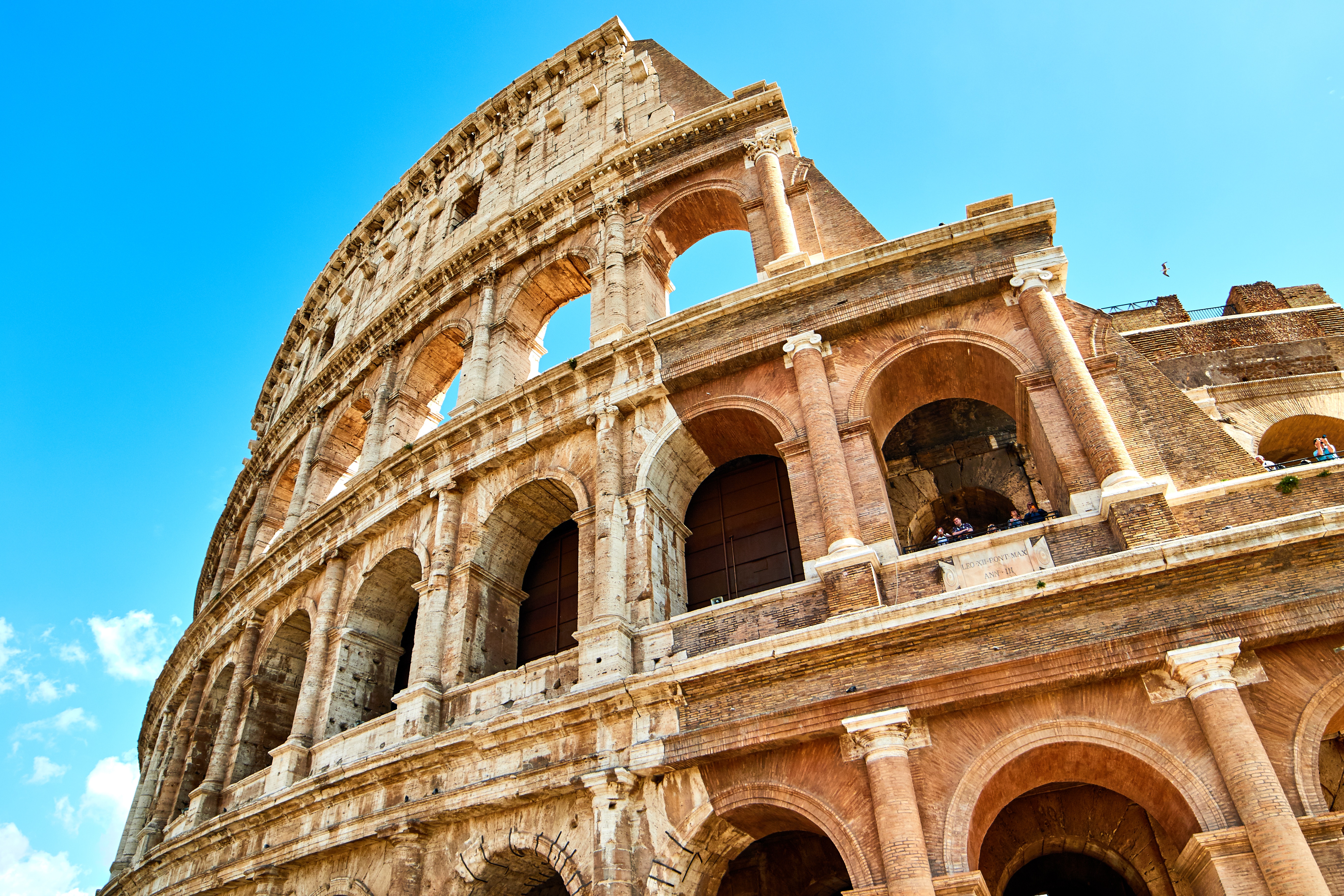
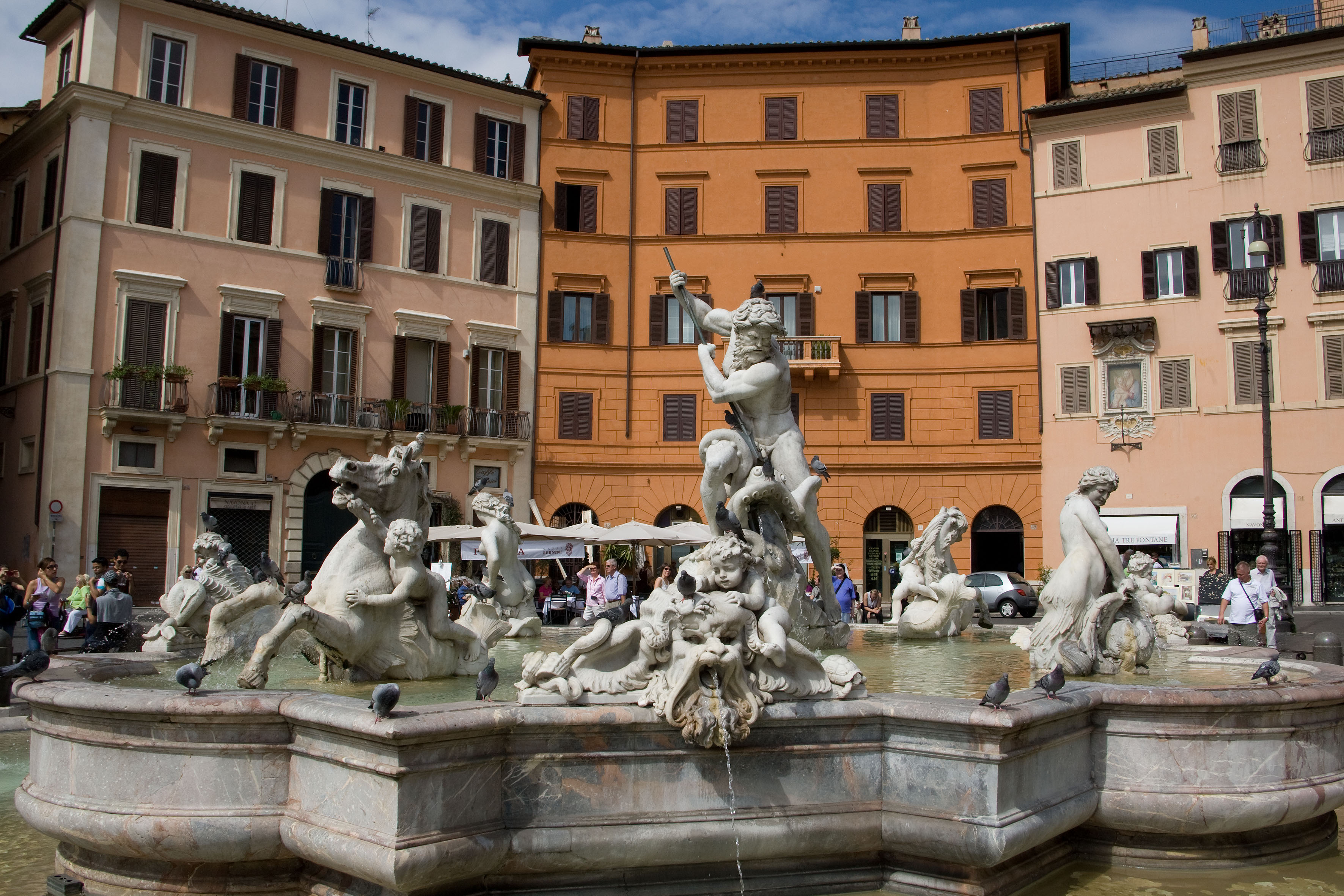
Italy's vibrant capital lives in the present, but no other city on earth evokes its past so powerfully. For over 2,500 years, emperors, popes, artists, and common citizens have left their mark here. Archaeological remains from ancient Rome, art-stuffed churches, and the treasures of Vatican City vie for your attention, but Rome is also a wonderful place to practice the Italian-perfected il dolce far niente, the sweet art of idleness. Your most memorable experiences may include sitting at a caffè in the Campo de' Fiori or strolling in a beguiling piazza.

Itrom   Rome   Colosseum   Mathew Schwartz
Itrom Rome Colosseum Mathew SchwartzPhotograph by Matthew Schwartz
Itrom   Rome   Navona Square   Fototeca Enit
Itrom Rome Navona Square Fototeca EnitFototeca ENIT
Itrom   Rome   S.Pietro & S.Angelo Bridge   Fototeca Enit
Itrom Rome S.Pietro & S.Angelo Bridge Fototeca Enit Fototeca ENIT
Itrom   Rome   Sant'angelo Bridge   Fototeca Enit
Itrom Rome Sant'angelo Bridge Fototeca EnitFototeca ENIT
Itrom   Rome   Tempio Del Divo Claudio   Nicole Reyes
Itrom Rome Tempio Del Divo Claudio Nicole ReyesPhotograph by Nicole Reyes
Itrom   Rome   Trevi Fountain   Christopher Czermak
Itrom Rome Trevi Fountain Christopher CzermakPhotograph by Christopher Czermak
Itrom   Rome   Vatican City   Caleb Miller
Itrom Rome Vatican City Caleb MillerPhotograph by Caleb Miller
Itrom   Rome   Vatican City   Christopher Czermak
Itrom Rome Vatican City Christopher CzermakPhotograph by Christopher Czermak

Suites & Deck Plans

Suite

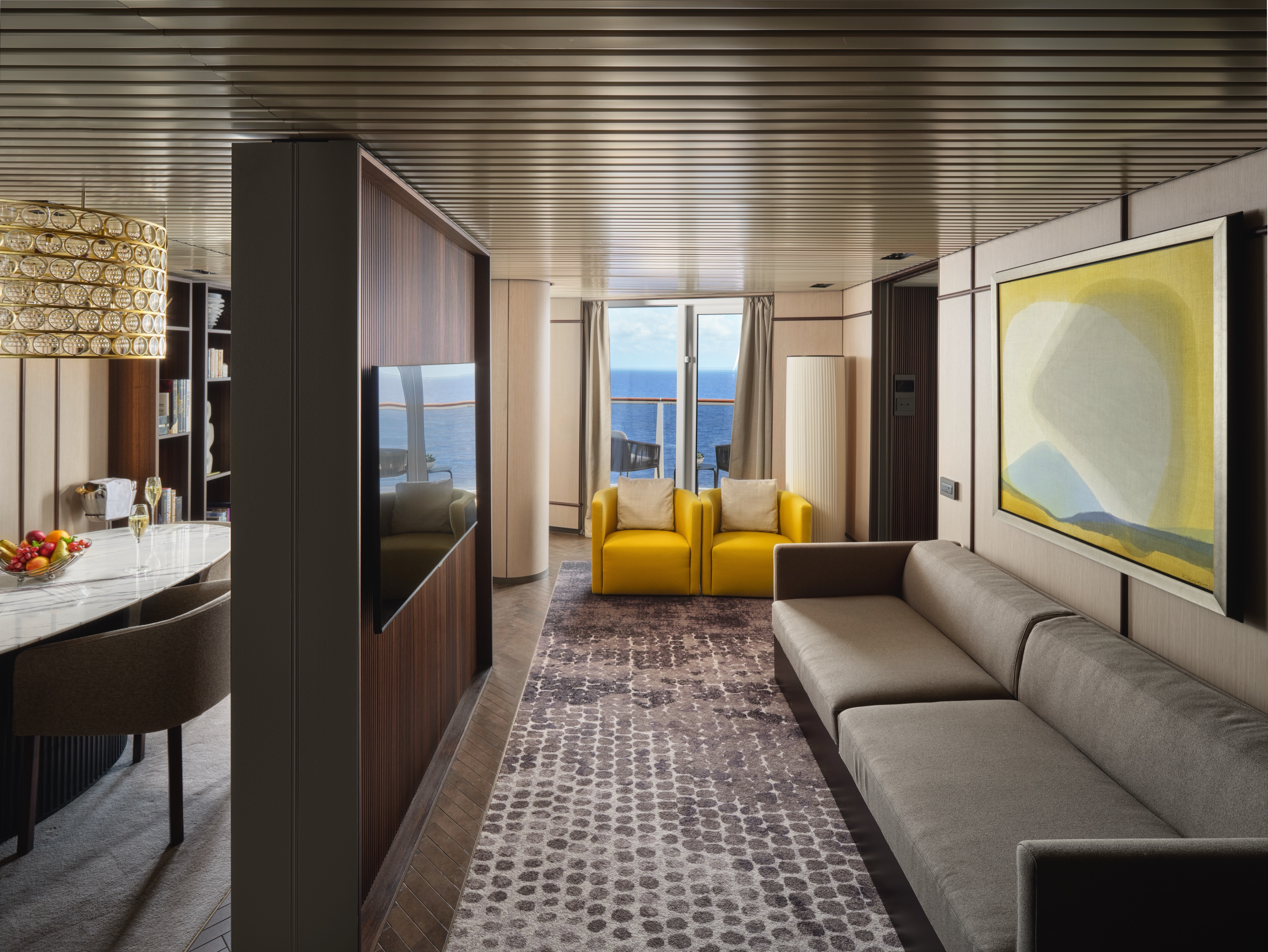
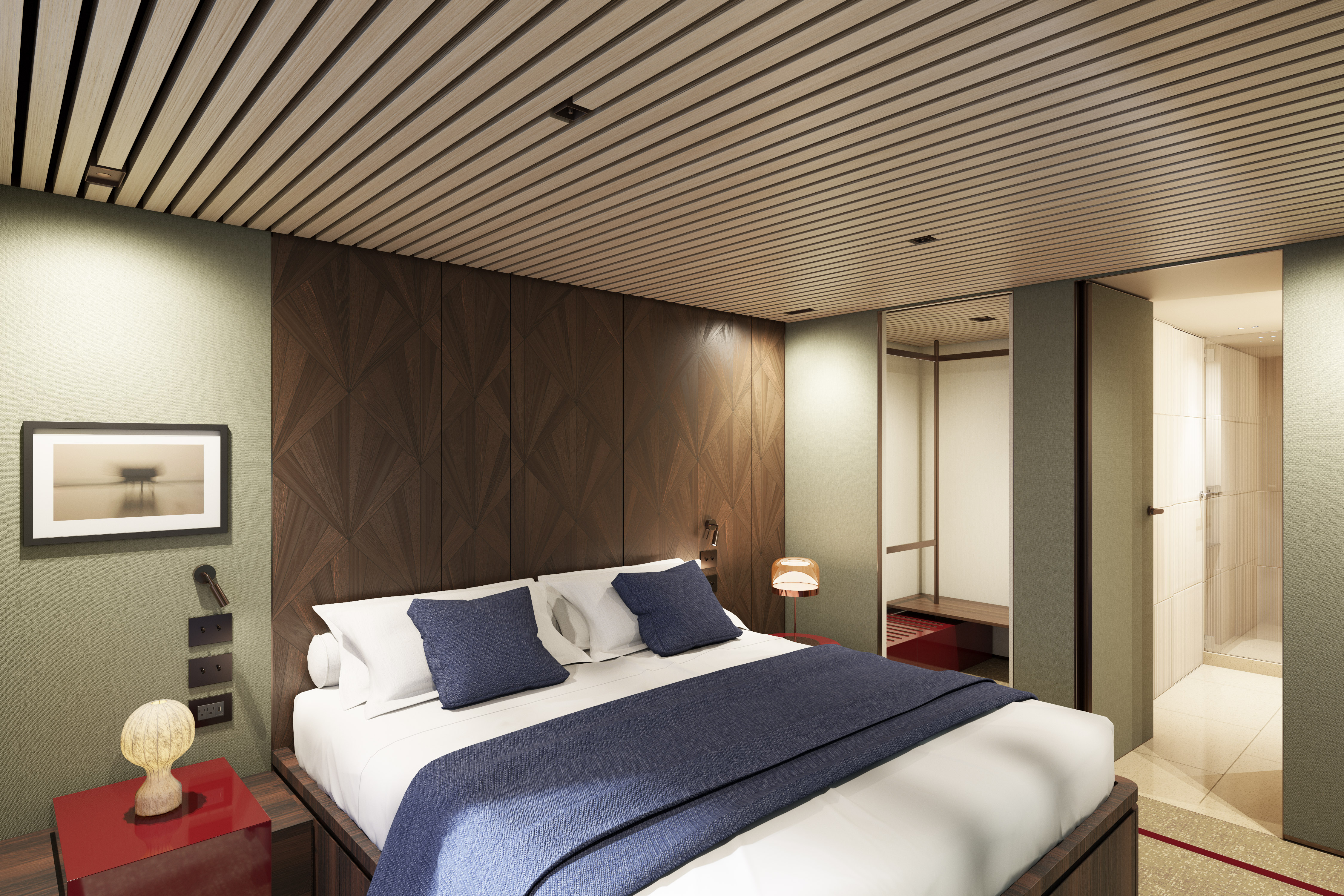
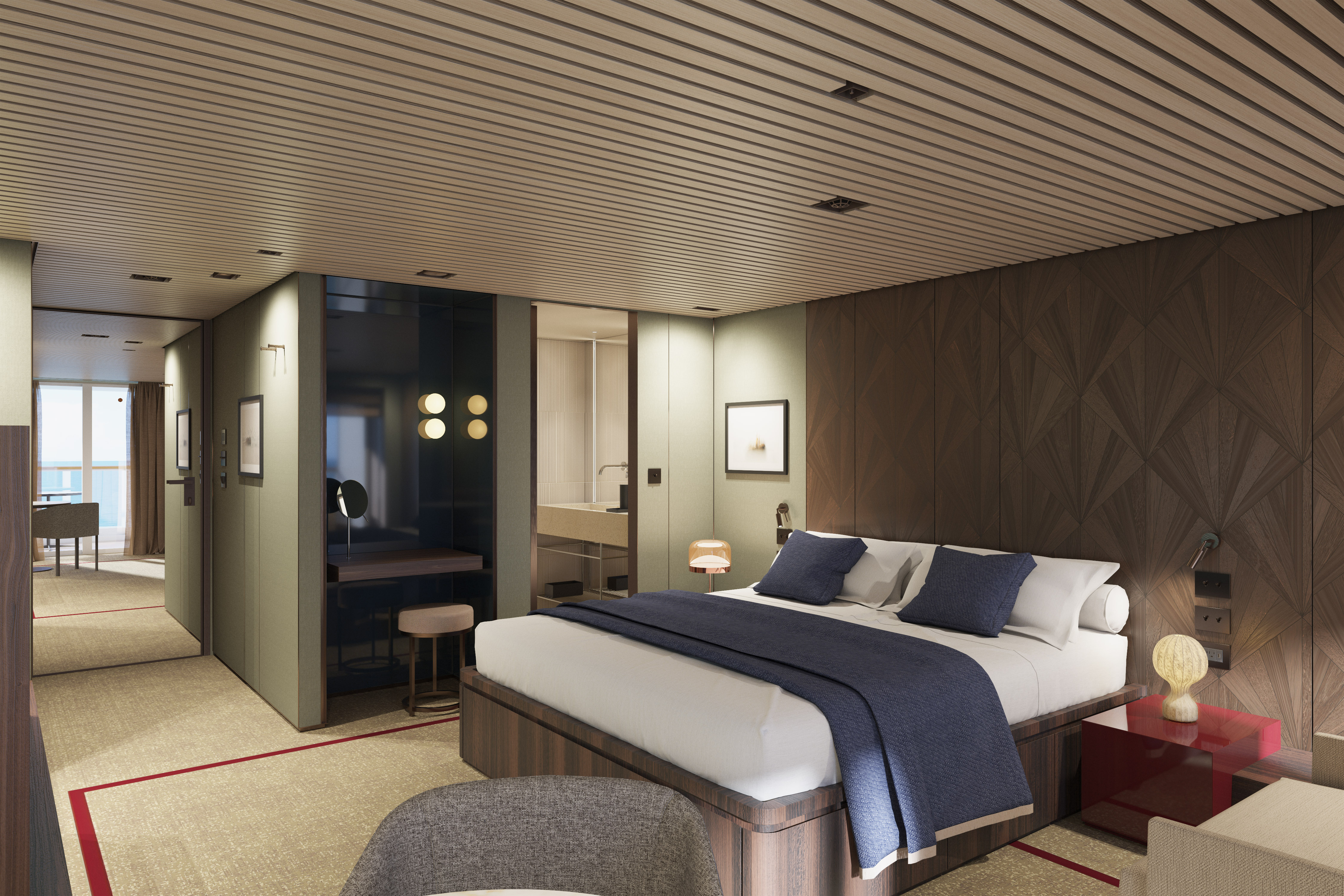
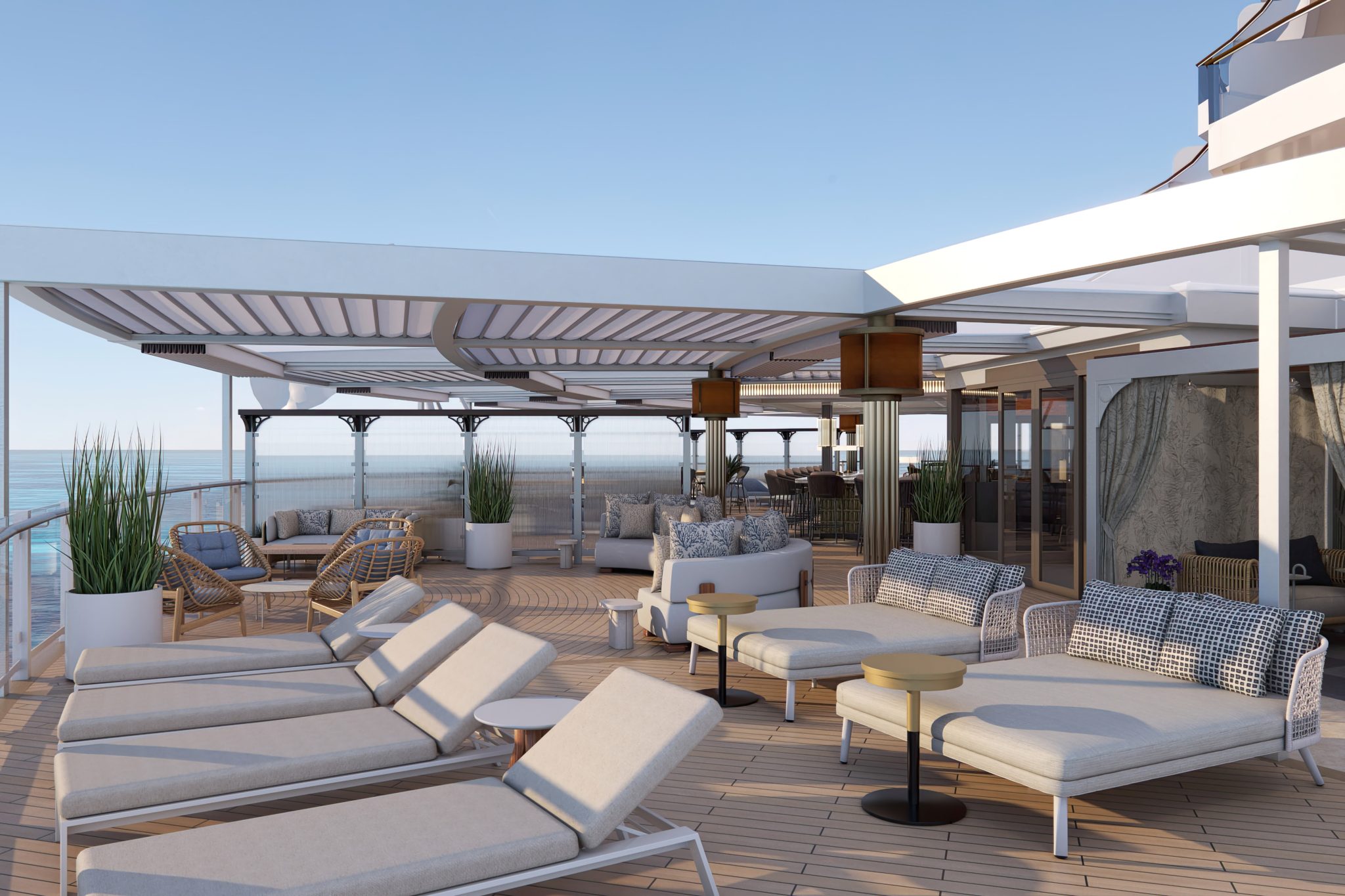
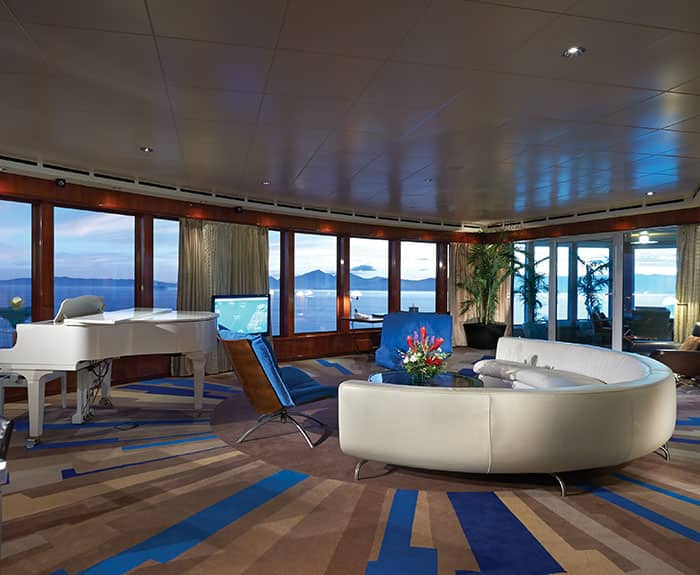
Located in The Haven, these stunning Suites offer breathtaking views from the large, aft-facing balcony. They feature spacious and luxurious accommodations that include separate living and dining areas, three bedrooms with king-size beds, a double sofa bed, three bathrooms with jetted showers, a half-bath, an outdoor hot tub and the indulgence of butler and concierge service to tend to your every want.

2098 sq ft
Accommodates 8 guests
The Haven Premier Owner's Suite with Large Balcony

Norwegian Prima

Norwegian Prima

Life on board

The Onboard Experience

Client testimonials

I have worked with Lore Doick for more than 20 years, and she has booked over 30 cruises for me. Her expertise, care, and attention to every travel detail have made her an invaluable advisor and friend over the years.”

Tina B.

We are now in our second generation working with Cheri Ozimac at Tully Luxury Travel. From Antarctica to Greece, she has handled every detail with expertise, responsiveness, and care…

Earl M.

My wife and I have worked with Tully since 2007, and Kit Neil and her team went far beyond expectations while helping us navigate multiple cruise and flight cancellations. Their advocacy, care, and support during a difficult time were extraordinary.

Carri F.

Cheri Ozimac organized our Seabourn cruise flawlessly, from the hotel recommendation to every travel arrangement. She was responsive, attentive, and an excellent advocate throughout the process…

Cyn S.

We discovered Tully Luxury Travel after years of booking cruises through US agents and were impressed by their competitive pricing, exceptional service, and Canadian based support. Their team is always available, offers excellent value, and makes booking the right cruise seamless.

Peter C.

GoogleAverage Customer Rating:

The Tully Difference

Why travel with us


Tully Luxury Travel was built on access, discretion, and trust. For our clients, that means ease at every step, with distinctions that turn exceptional voyages into defining moments.

Recognized expertise

A renowned agency worldwide in luxury land and small-ship cruising, consistently trusted by the industry’s most prestigious brands.