National Geographic - Lindblad Expeditions logo

Porto, Bordeaux and Bergen: Wonders of Western Europe 

Itinerary: Lisbon, Porto, At Sea, Bilbao, Bordeaux, Saint-Malo, Dover, Edinburgh, Shetland Islands, Bergen See full itinerary

26 Mar 27
14 nights

Voyage Details

Duration:
14 nights
Departure:
26 Mar 2027
Embarkation:
Lisbon, Portugal
Voyage code:
ED142705

Your Itinerary, Day-By-Day

Special Chapters of Your Journey

Day 1 - Lisbon

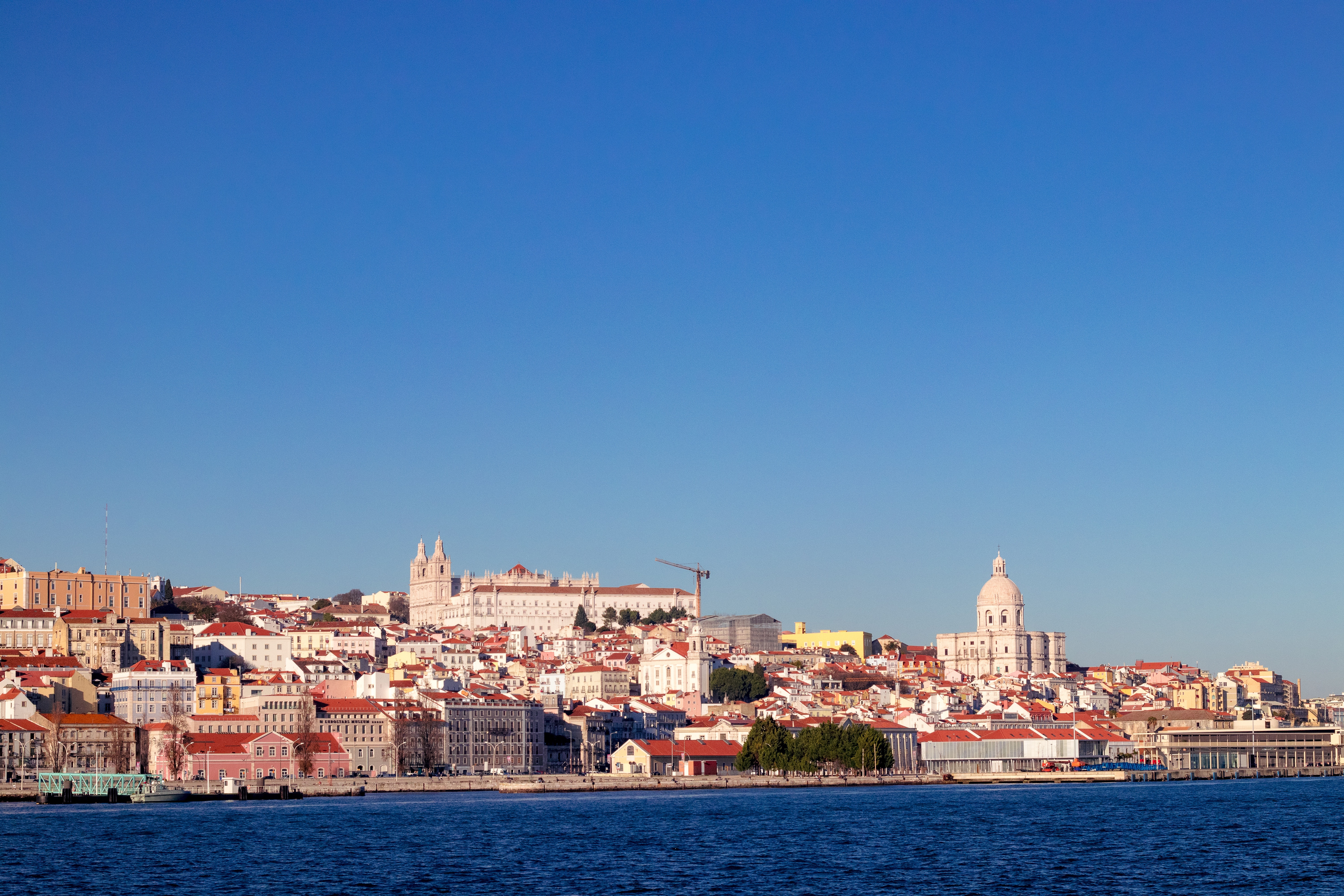
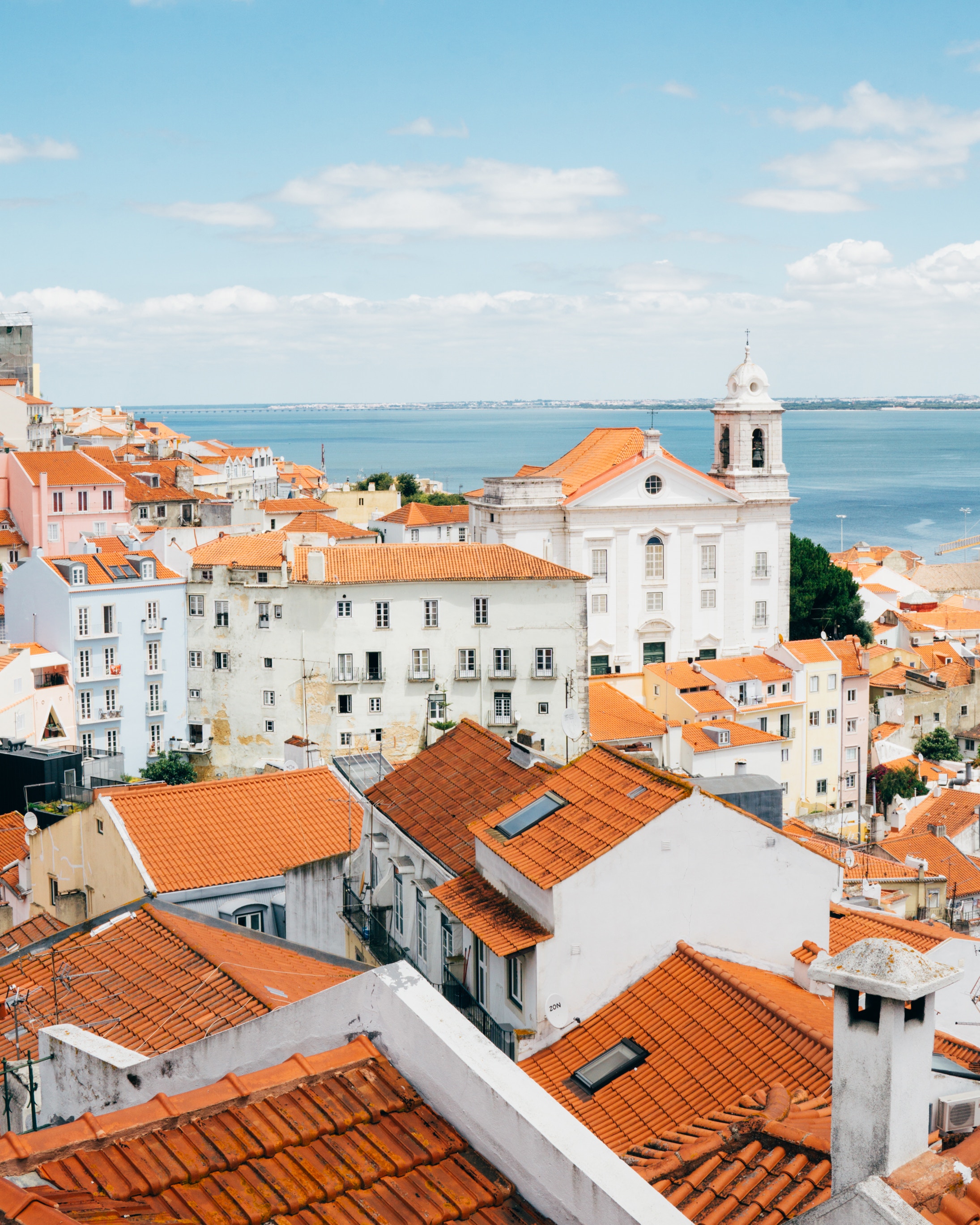
Set on seven hills on the banks of the River Tagus, Lisbon has been the capital of Portugal since the 13th century. It is a city famous for its majestic architecture, old wooden trams, Moorish features and more than twenty centuries of history. Following disastrous earthquakes in the 18th century, Lisbon was rebuilt by the Marques de Pombal who created an elegant city with wide boulevards and a great riverfront and square, Praça do Comércio. Today there are distinct modern and ancient sections, combining great shopping with culture and sightseeing in the Old Town, built on the city's terraced hillsides. The distance between the ship and your tour vehicle may vary. This distance is not included in the excursion grades.

Ptlis Lisbon Brown And White City Panorama Shot Suad Kamardeen
Ptlis Lisbon Brown And White City Panorama Shot Suad KamardeenSuad Kamardeen
Ptlis Lisbon Landscape Photography Of Orange Roof Houses Near Body Of Water Tom Byrom
Ptlis Lisbon Landscape Photography Of Orange Roof Houses Near Body Of Water Tom ByromTom Byrom
Ptlis Lisbon Thee Person Walking Near White And Orange Bus Nik Guiney
Ptlis Lisbon Thee Person Walking Near White And Orange Bus Nik GuineyNik Guiney

Day 2 - Porto

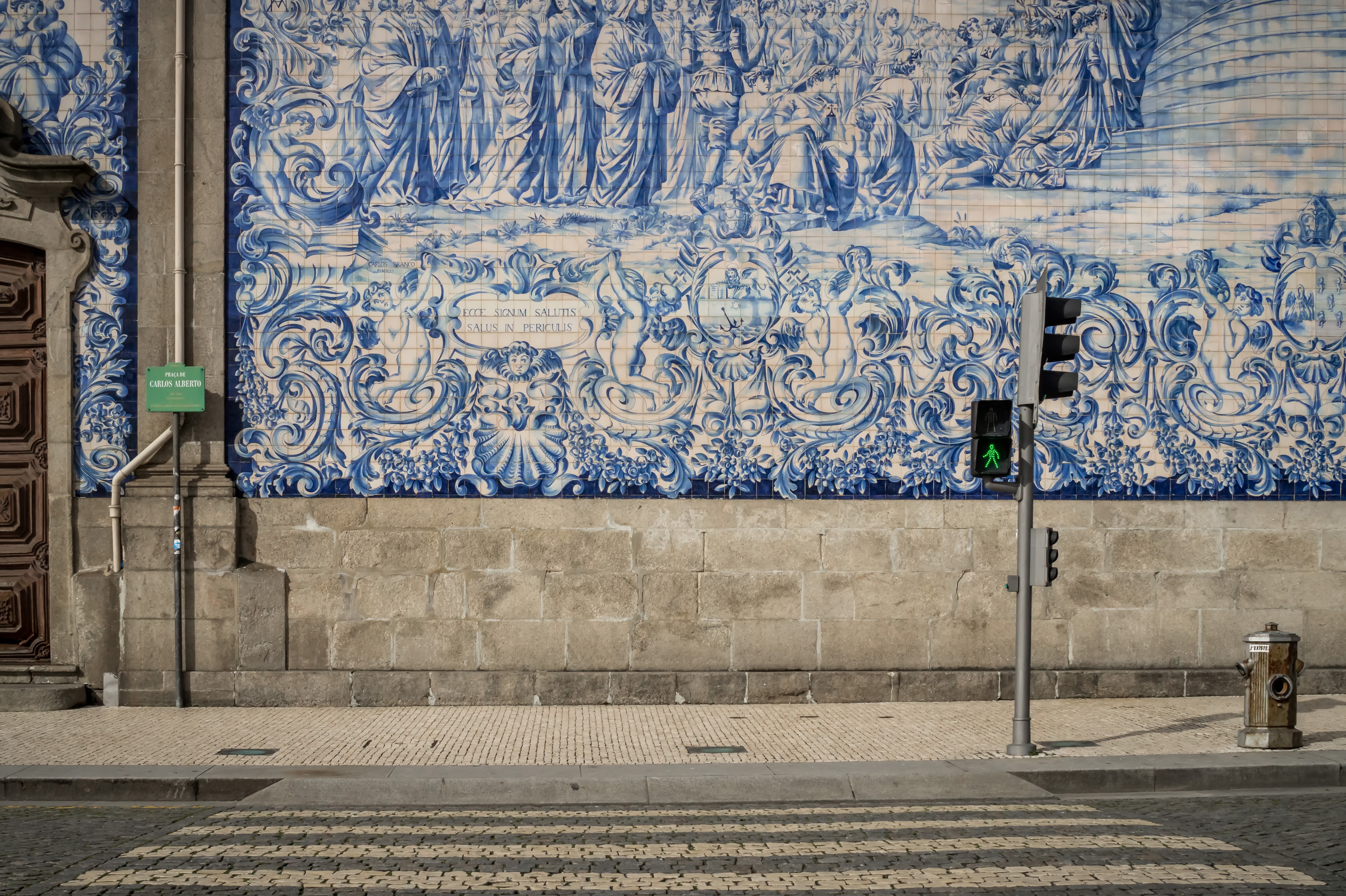
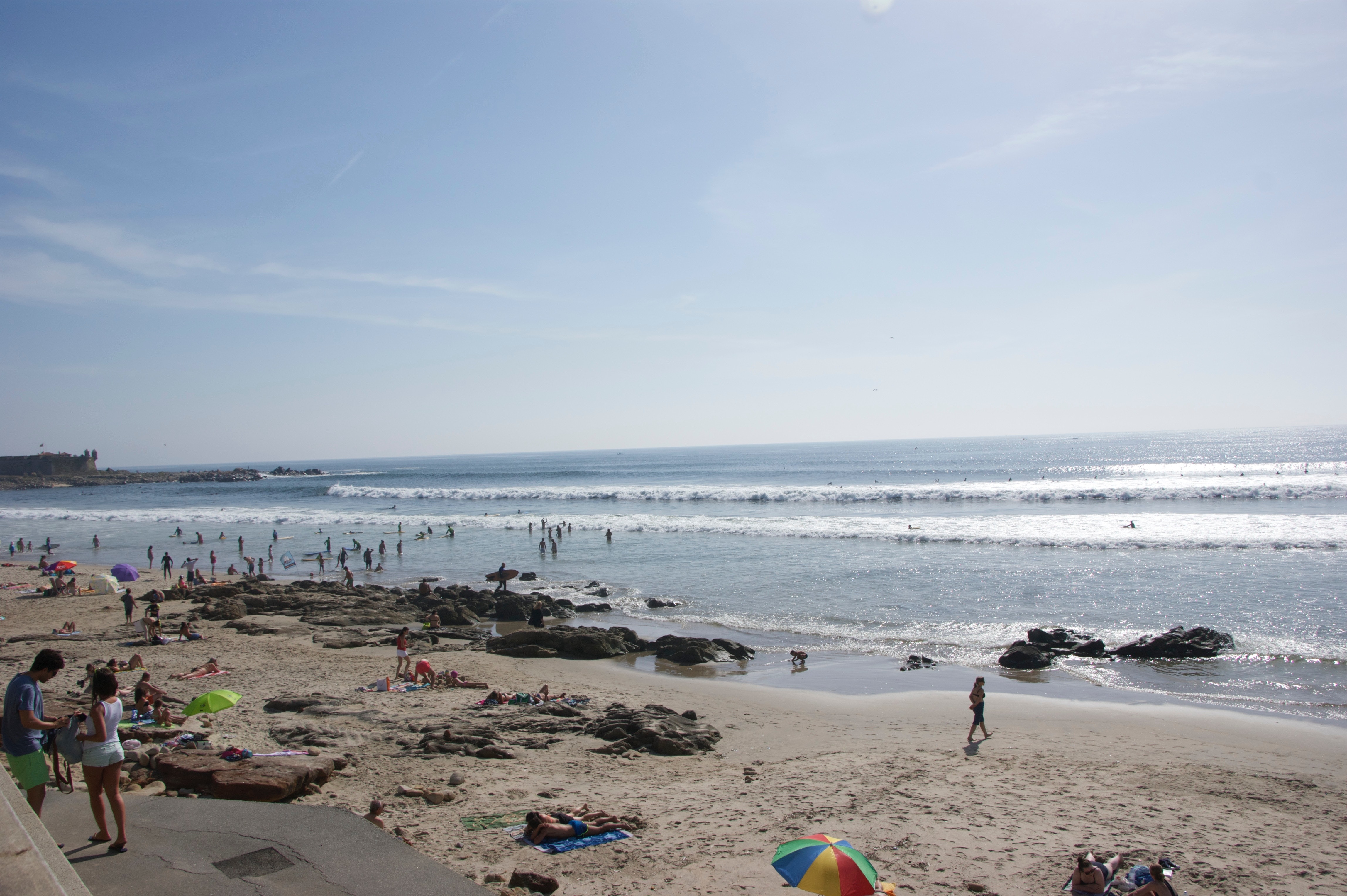
Lively, commercial Oporto is the second largest city in Portugal after Lisbon. Also called Porto for short, the word easily brings to mind the city's most famous product - port wine. Oporto's strategic location on the north bank of the Douro River has accounted for the town's importance since ancient times. The Romans built a fort here where their trading route crossed the Douro, and the Moors brought their own culture to the area. Oporto profited from provisioning crusaders en route to the Holy Land and enjoyed the riches from Portuguese maritime discoveries during the 15th and 16th centuries. Later, port wine trade with Britain compensated for the loss of the spice trade and the end of gold and gem shipments from Brazil. In the 19th century, the city went through a period of new prosperity with the rise of industries. In its wake followed the building of workers' quarters and opulent residences. Since the declaration of Oporto as a World Heritage Site by UNESCO, the city aims to build up a cultural reference that will provide it with a new image, based on deep historical roots. Among the attractions that make Oporto such an interesting place are its graceful bridges spanning the Douro River, a picturesque riverfront quarter and, most notable, its world-famous port wine lodges. Although Oporto is a bustling centre and home to many different businesses, the source of its greatest fame is the rich, sweet fortified red wine we know as port.

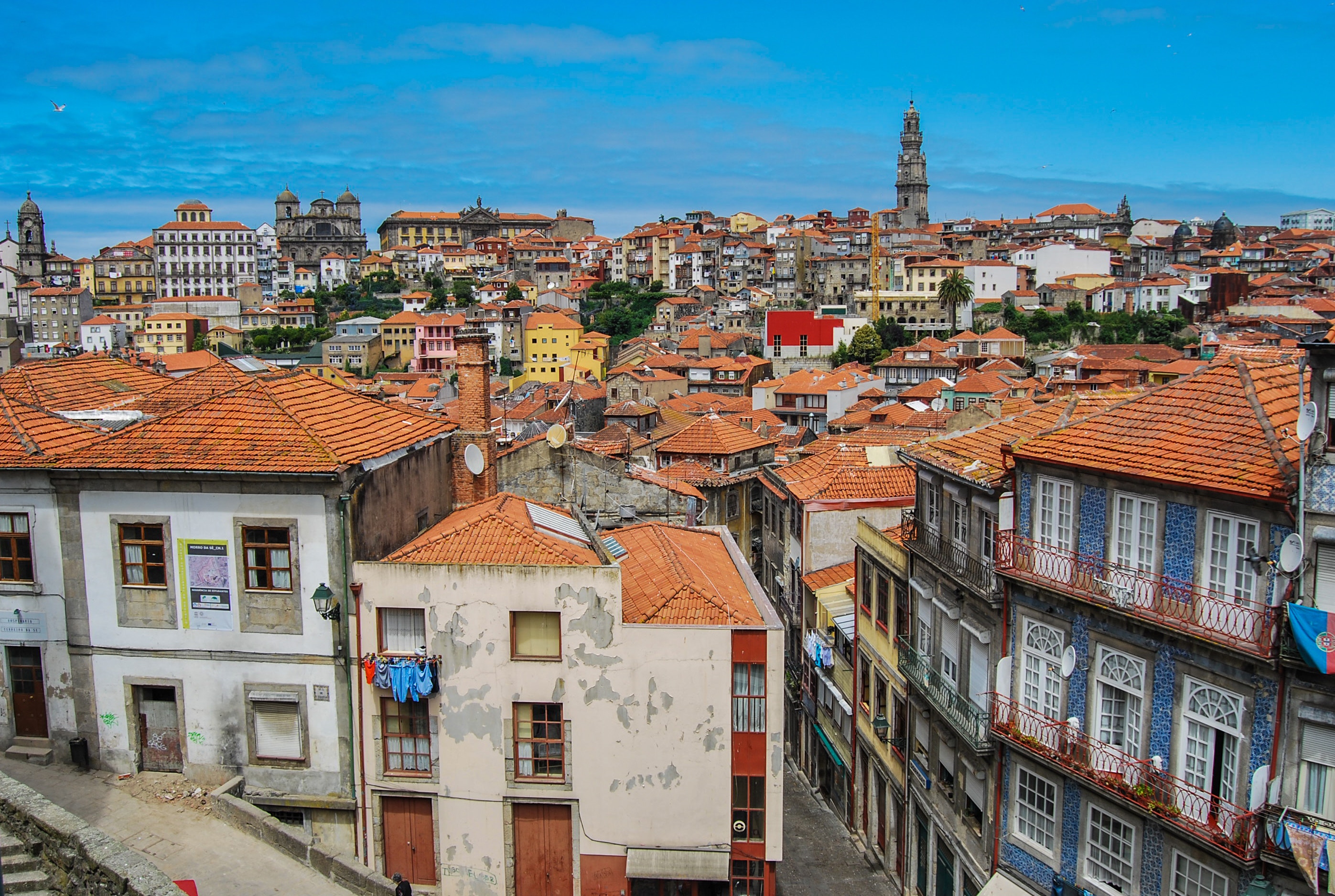
Ptopo   Porto   Azulejos Crossing   Stefan Pflaum
Ptopo Porto Azulejos Crossing Stefan PflaumStefan Pflaum
Ptopo   Porto   Beach   Tessa Agnelo
Ptopo Porto Beach Tessa AgneloTessa Agnelo
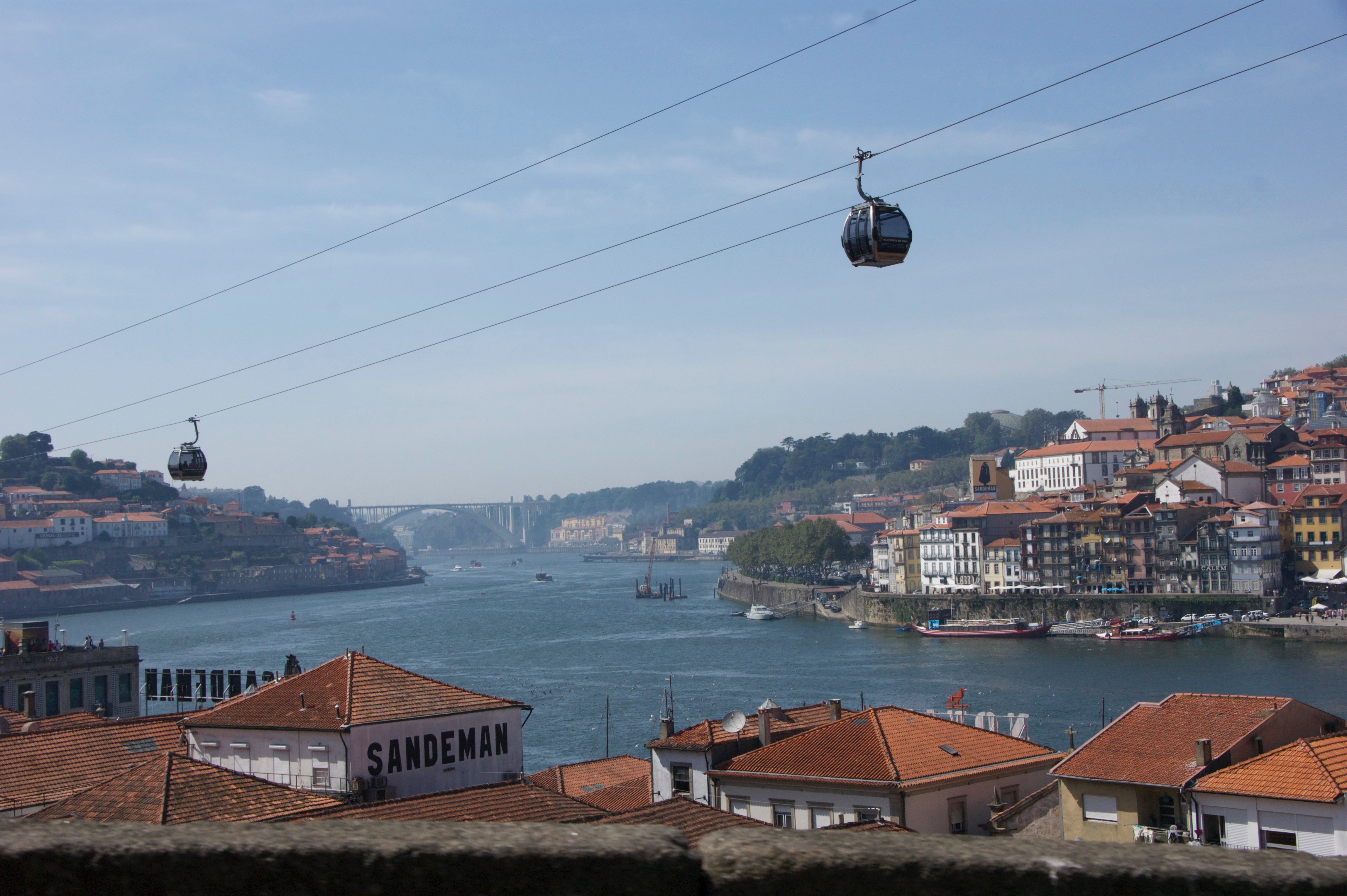
Ptopo   Porto   Cable Car   Tessa Agnelo
Ptopo Porto Cable Car Tessa AgneloTessa Agnelo
Ptopo   Porto   Lighthouse Storm   Diego Jock
Ptopo Porto Lighthouse Storm Diego JockDiego Jock
Ptopo   Porto   Skyline   Hector J Rivas
Ptopo Porto Skyline Hector J RivasHector J Rivas

Day 3 - Porto

Lively, commercial Oporto is the second largest city in Portugal after Lisbon. Also called Porto for short, the word easily brings to mind the city's most famous product - port wine. Oporto's strategic location on the north bank of the Douro River has accounted for the town's importance since ancient times. The Romans built a fort here where their trading route crossed the Douro, and the Moors brought their own culture to the area. Oporto profited from provisioning crusaders en route to the Holy Land and enjoyed the riches from Portuguese maritime discoveries during the 15th and 16th centuries. Later, port wine trade with Britain compensated for the loss of the spice trade and the end of gold and gem shipments from Brazil. In the 19th century, the city went through a period of new prosperity with the rise of industries. In its wake followed the building of workers' quarters and opulent residences. Since the declaration of Oporto as a World Heritage Site by UNESCO, the city aims to build up a cultural reference that will provide it with a new image, based on deep historical roots. Among the attractions that make Oporto such an interesting place are its graceful bridges spanning the Douro River, a picturesque riverfront quarter and, most notable, its world-famous port wine lodges. Although Oporto is a bustling centre and home to many different businesses, the source of its greatest fame is the rich, sweet fortified red wine we know as port.

Ptopo   Porto   Azulejos Crossing   Stefan Pflaum
Ptopo Porto Azulejos Crossing Stefan PflaumStefan Pflaum
Ptopo   Porto   Beach   Tessa Agnelo
Ptopo Porto Beach Tessa AgneloTessa Agnelo
Ptopo   Porto   Cable Car   Tessa Agnelo
Ptopo Porto Cable Car Tessa AgneloTessa Agnelo
Ptopo   Porto   Lighthouse Storm   Diego Jock
Ptopo Porto Lighthouse Storm Diego JockDiego Jock
Ptopo   Porto   Skyline   Hector J Rivas
Ptopo Porto Skyline Hector J RivasHector J Rivas

Day 4 - At Sea

Further details for this day are not available.

Day 5 - Bilbao

Time in Bilbao (Bilbo, in Euskera) may be recorded as BG or AG (Before Guggenheim or After Guggenheim). Never has a single monument of art and architecture so radically changed a city. Frank Gehry's stunning museum, Norman Foster's sleek subway system, the Santiago Calatrava glass footbridge and airport, the leafy César Pelli Abandoibarra park and commercial complex next to the Guggenheim, and the Philippe Starck AlhóndigaBilbao cultural center have contributed to an unprecedented cultural revolution in what was once the industry capital of the Basque Country.Greater Bilbao contains almost 1 million inhabitants, nearly half the total population of the Basque Country. Founded in 1300 by Vizcayan noble Diego López de Haro, Bilbao became an industrial center in the mid-19th century, largely because of the abundance of minerals in the surrounding hills. An affluent industrial class grew up here, as did the working class in suburbs that line the Margen Izquierda (Left Bank) of the Nervión estuary.Bilbao's new attractions get more press, but the city's old treasures still quietly line the banks of the rust-color Nervión River. The Casco Viejo (Old Quarter)—also known as Siete Calles (Seven Streets)—is a charming jumble of shops, bars, and restaurants on the river's Right Bank, near the Puente del Arenal bridge. This elegant proto-Bilbao nucleus was carefully restored after devastating floods in 1983. Throughout the Casco Viejo are ancient mansions emblazoned with family coats of arms, wooden doors, and fine ironwork balconies. The most interesting square is the 64-arch Plaza Nueva, where an outdoor market is pitched every Sunday morning.Walking the banks of the Nervión is a satisfying jaunt. After all, this was how—while out on a morning jog—Guggenheim director Thomas Krens first discovered the perfect spot for his project, nearly opposite the right bank's Deusto University. From the Palacio de Euskalduna upstream to the colossal Mercado de la Ribera, parks and green zones line the river. César Pelli's Abandoibarra project fills in the half mile between the Guggenheim and the Euskalduna bridge with a series of parks, the Deusto University library, the Meliá Bilbao Hotel, and a major shopping center.On the left bank, the wide, late-19th-century boulevards of the Ensanche neighborhood, such as Gran Vía (the main shopping artery) and Alameda de Mazarredo, are the city's more formal face. Bilbao's cultural institutions include, along with the Guggenheim, a major museum of fine arts (the Museo de Bellas Artes) and an opera society (Asociación Bilbaína de Amigos de la Ópera, or ABAO) with 7,000 members from Spain and southern France. In addition, epicureans have long ranked Bilbao's culinary offerings among the best in Spain. Don't miss a chance to ride the trolley line, the Euskotram, for a trip along the river from Atxuri Station to Basurto's San Mamés soccer stadium, reverently dubbed "la Catedral del Fútbol" (the Cathedral of Football).

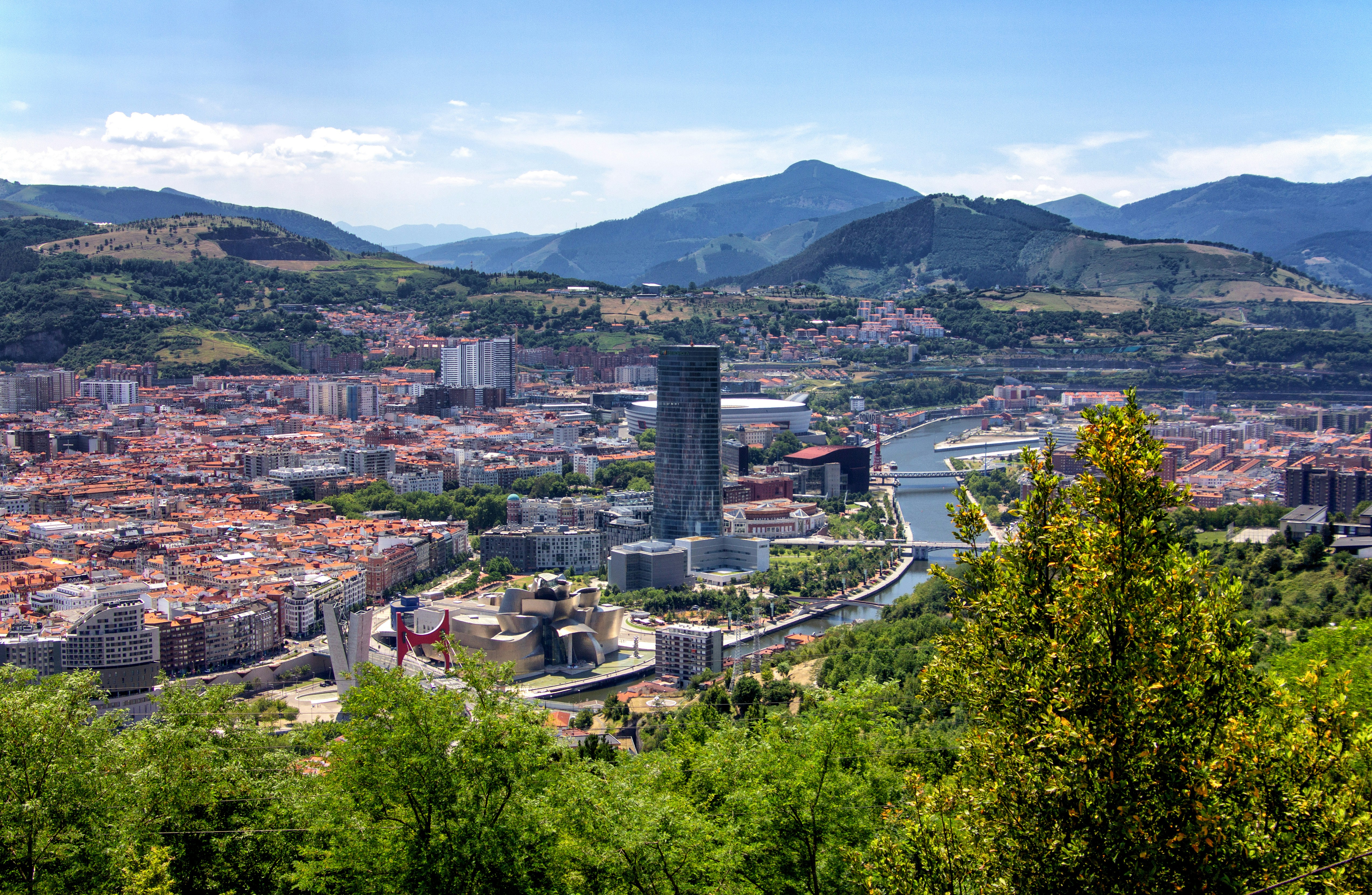
Bilbao, Spain
Bilbao, SpainPhoto by Yves Alarie on Unsplash
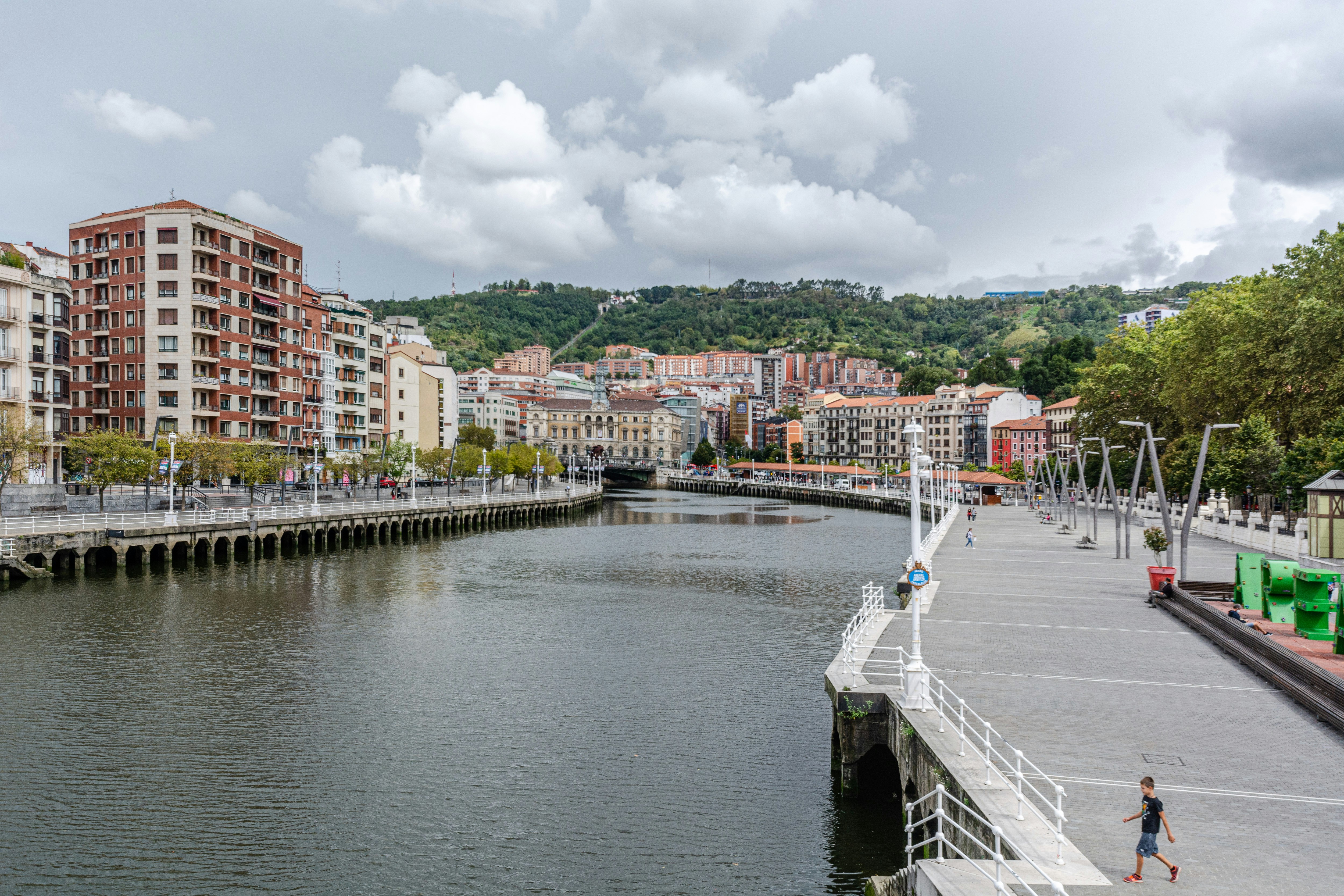
Bilbao, Spain
Bilbao, SpainPhoto by Eduardo Kenji Amorim on Unsplash

Day 6 - Bordeaux

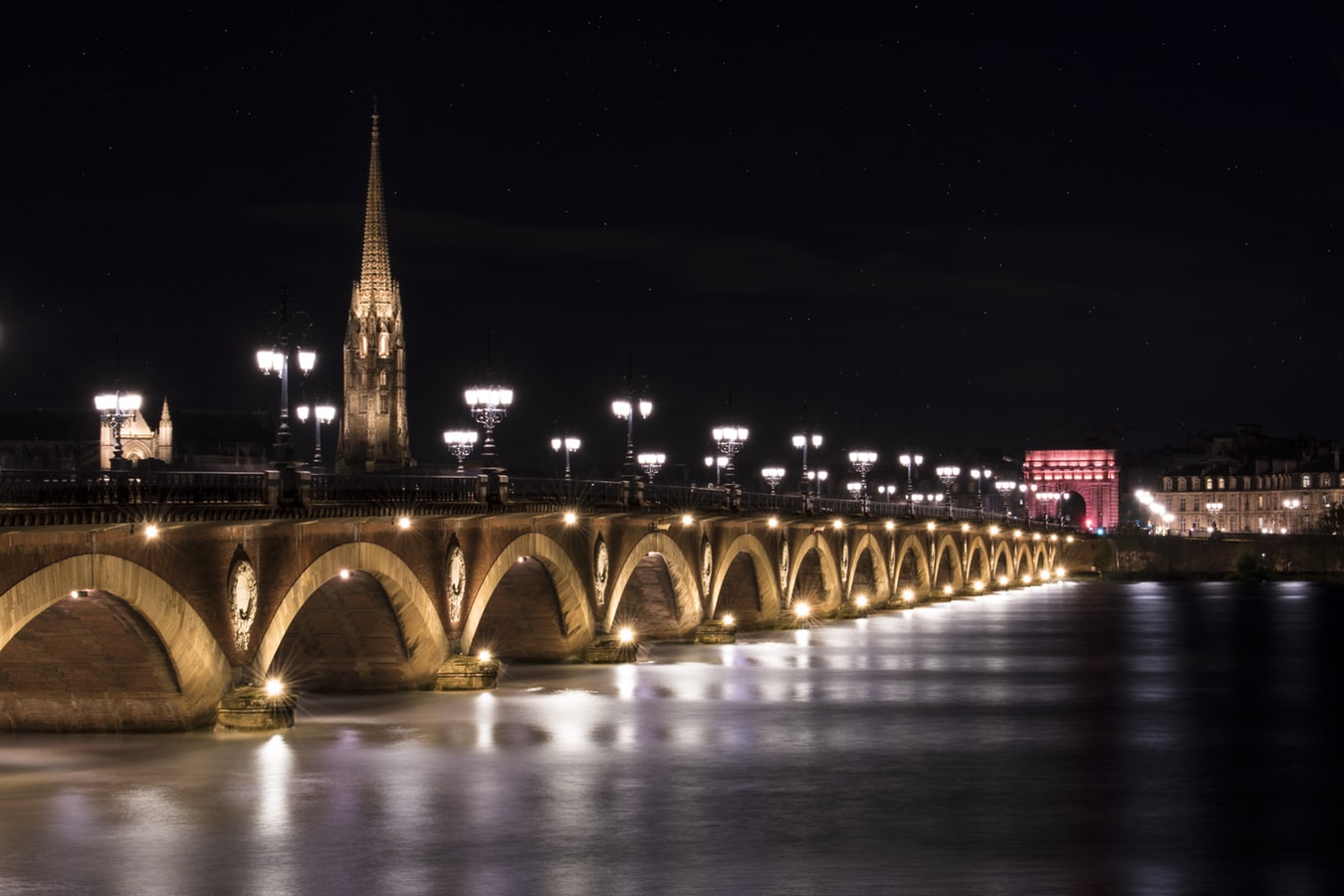
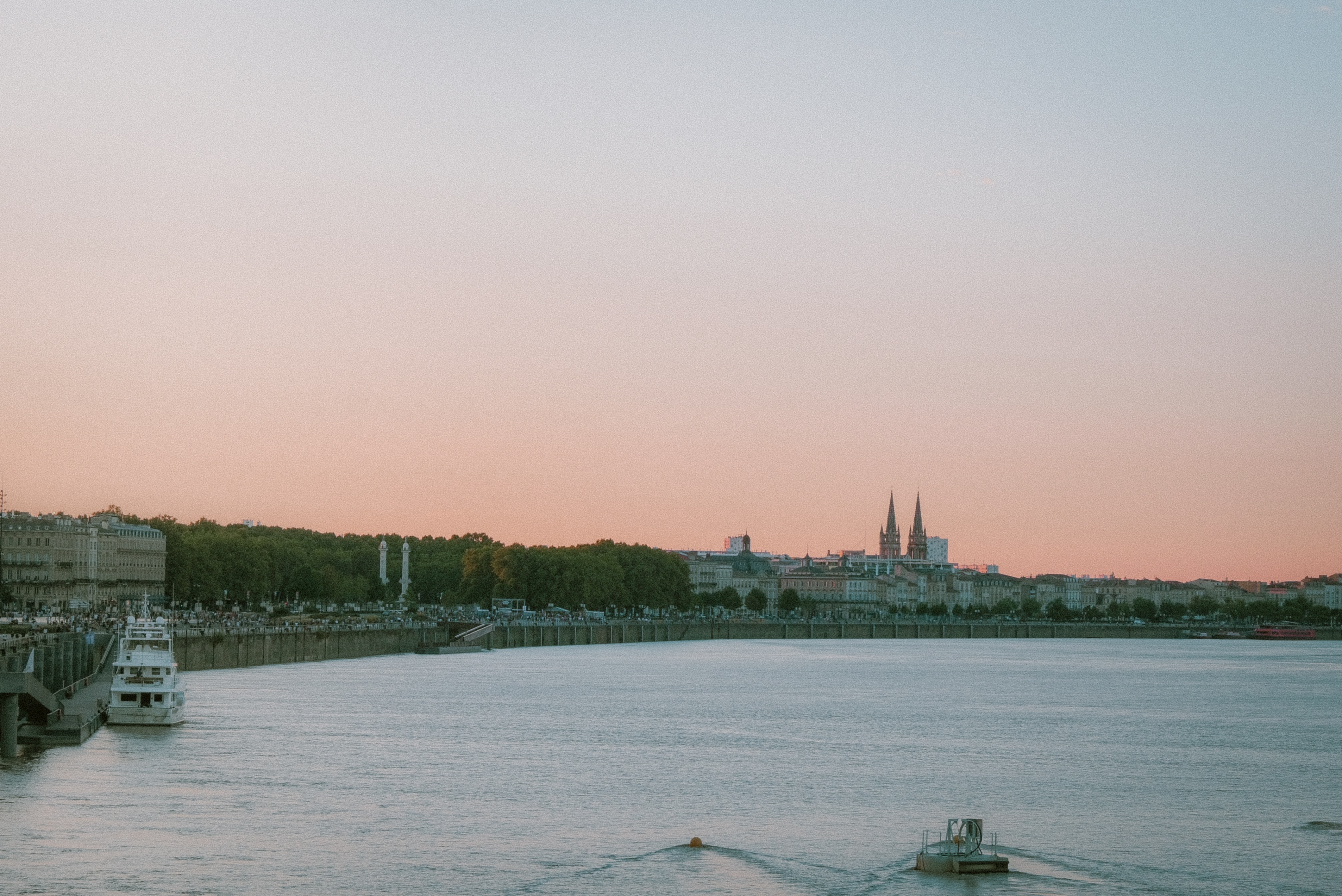
Bordeaux as a whole, rather than any particular points within it, is what you'll want to visit in order to understand why Victor Hugo described it as Versailles plus Antwerp, and why the painter Francisco de Goya, when exiled from his native Spain, chose it as his last home (he died here in 1828). The capital of southwest France and the region's largest city, Bordeaux remains synonymous with the wine trade: wine shippers have long maintained their headquarters along the banks of the Garonne, while buyers from around the world arrive for the huge biennial Vinexpo show (held in odd-number years).Bordeaux is, admittedly, a less exuberant city than many others in France, but lively and stylish elements are making a dent in its conservative veneer. The cleaned-up riverfront is said by some, after a bottle or two, to exude an elegance reminiscent of St. Petersburg, and that aura of 18th-century élan also permeates the historic downtown sector—“le vieux Bordeaux"—where fine shops invite exploration. To the south of the city center are old docklands undergoing renewal—one train station has now been transformed into a big multiplex movie theater—but the area is still a bit shady. To get a feel for the historic port of Bordeaux, take the 90-minute boat trip that leaves Quai Louis-XVIII every weekday afternoon, or the regular passenger ferry that plies the Garonne between Quai Richelieu and the Pont d'Aquitaine in summer. A nice time to stroll around the city center is the first Sunday of the month, when it's pedestrian-only and vehicles are banned.

Frbod   Bordeaux, France   Pc To Michael Baccin
Frbod Bordeaux, France Pc To Michael Baccin
Frbod   Bordeaux, France  1290 Port Visits  Photo Credit To Olga Serjantu
Frbod Bordeaux, France 1290 Port Visits Photo Credit To Olga Serjantu

Day 7 - Bordeaux

Bordeaux as a whole, rather than any particular points within it, is what you'll want to visit in order to understand why Victor Hugo described it as Versailles plus Antwerp, and why the painter Francisco de Goya, when exiled from his native Spain, chose it as his last home (he died here in 1828). The capital of southwest France and the region's largest city, Bordeaux remains synonymous with the wine trade: wine shippers have long maintained their headquarters along the banks of the Garonne, while buyers from around the world arrive for the huge biennial Vinexpo show (held in odd-number years).Bordeaux is, admittedly, a less exuberant city than many others in France, but lively and stylish elements are making a dent in its conservative veneer. The cleaned-up riverfront is said by some, after a bottle or two, to exude an elegance reminiscent of St. Petersburg, and that aura of 18th-century élan also permeates the historic downtown sector—“le vieux Bordeaux"—where fine shops invite exploration. To the south of the city center are old docklands undergoing renewal—one train station has now been transformed into a big multiplex movie theater—but the area is still a bit shady. To get a feel for the historic port of Bordeaux, take the 90-minute boat trip that leaves Quai Louis-XVIII every weekday afternoon, or the regular passenger ferry that plies the Garonne between Quai Richelieu and the Pont d'Aquitaine in summer. A nice time to stroll around the city center is the first Sunday of the month, when it's pedestrian-only and vehicles are banned.

Frbod   Bordeaux, France   Pc To Michael Baccin
Frbod Bordeaux, France Pc To Michael Baccin
Frbod   Bordeaux, France  1290 Port Visits  Photo Credit To Olga Serjantu
Frbod Bordeaux, France 1290 Port Visits Photo Credit To Olga Serjantu

Day 8 - At Sea

Further details for this day are not available.

Day 9 - Saint-Malo

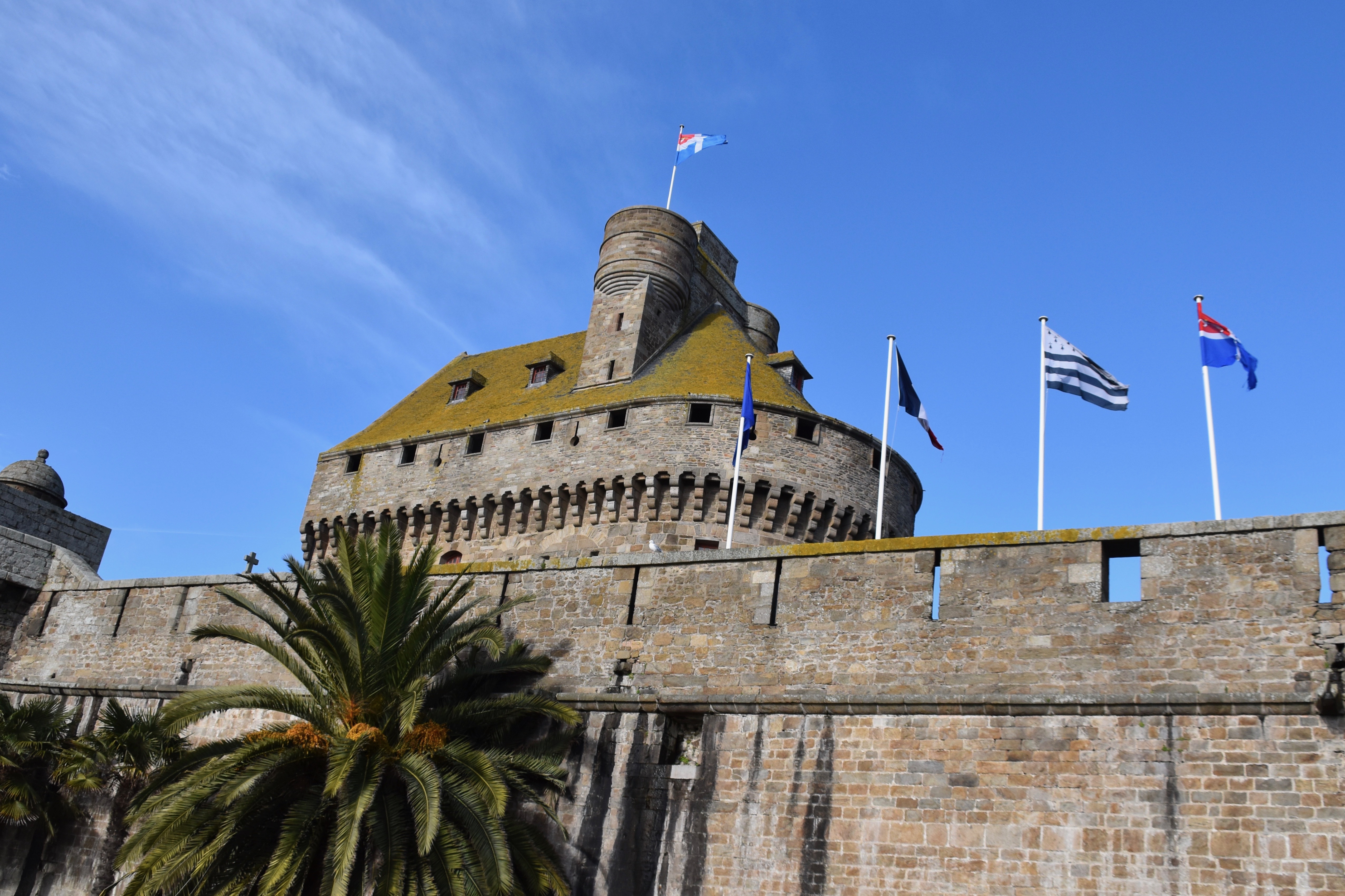
Thrust out into the sea and bound to the mainland only by tenuous man-made causeways, romantic St-Malo has built a reputation as a breeding ground for phenomenal sailors. Many were fishermen, but others—most notably Jacques Cartier, who claimed Canada for Francis I in 1534—were New World explorers. Still others were corsairs, "sea dogs" paid by the French crown to harass the Limeys across the Channel: legendary ones like Robert Surcouf and Duguay-Trouin helped make St-Malo rich through their pillaging, in the process earning it the nickname "the pirates' city." The St-Malo you see today isn’t quite the one they called home because a weeklong fire in 1944, kindled by retreating Nazis, wiped out nearly all of the old buildings. Restoration work was more painstaking than brilliant, but the narrow streets and granite houses of the Vieille Ville were satisfactorily recreated, enabling St-Malo to regain its role as a busy fishing port, seaside resort, and tourist destination. The ramparts that help define this city figuratively and literally are authentic, and the flames also spared houses along Rue de Pelicot in the Vieille Ville. Battalions of tourists invade this quaint part of town in summer, so arrive off-season if you want to avoid crowds.

Saint Malo, France
Saint Malo, FranceImage by JackieLou DL from Pixabay

Day 10 - Saint-Malo

Thrust out into the sea and bound to the mainland only by tenuous man-made causeways, romantic St-Malo has built a reputation as a breeding ground for phenomenal sailors. Many were fishermen, but others—most notably Jacques Cartier, who claimed Canada for Francis I in 1534—were New World explorers. Still others were corsairs, "sea dogs" paid by the French crown to harass the Limeys across the Channel: legendary ones like Robert Surcouf and Duguay-Trouin helped make St-Malo rich through their pillaging, in the process earning it the nickname "the pirates' city." The St-Malo you see today isn’t quite the one they called home because a weeklong fire in 1944, kindled by retreating Nazis, wiped out nearly all of the old buildings. Restoration work was more painstaking than brilliant, but the narrow streets and granite houses of the Vieille Ville were satisfactorily recreated, enabling St-Malo to regain its role as a busy fishing port, seaside resort, and tourist destination. The ramparts that help define this city figuratively and literally are authentic, and the flames also spared houses along Rue de Pelicot in the Vieille Ville. Battalions of tourists invade this quaint part of town in summer, so arrive off-season if you want to avoid crowds.

Saint Malo, France
Saint Malo, FranceImage by JackieLou DL from Pixabay

Day 11 - Dover

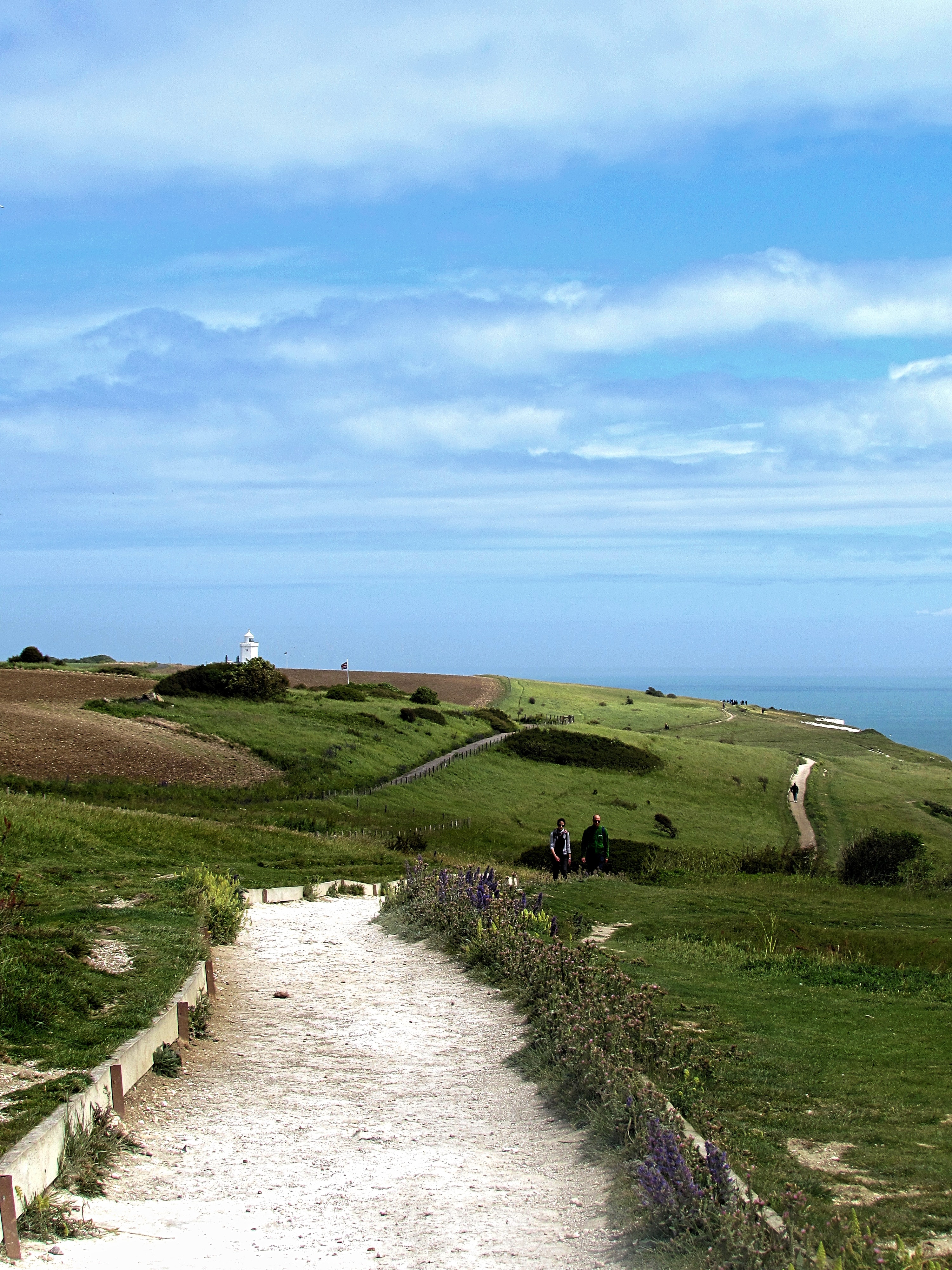
Known as the gateway of England, Dover welcomes millions of visitors from all over the globe each year in its role as the ferry capital of the world and the second busiest cruise port in the UK. The White Cliffs Country has a rich heritage. Within the walls of the town’s iconic castle, over 2,000 years of history waits to be explored, whilst the town’s museum is home to the Dover Bronze Age Boat, the world’s oldest known seagoing vessel. The town’s cliffs that are a welcome sight for today's cross-channel travellers also served as the control centre for the Dunkirk evacuation in 1940.

Gbdvr   Dover, England   Pc Magda V
Gbdvr Dover, England Pc Magda V

Day 12 - At Sea

Further details for this day are not available.

Day 13 - Edinburgh

Edinburgh is to London as poetry is to prose, as Charlotte Brontë once wrote. One of the world's stateliest cities and proudest capitals, it's built—like Rome—on seven hills, making it a striking backdrop for the ancient pageant of history. In a skyline of sheer drama, Edinburgh Castle watches over the capital city, frowning down on Princes Street’s glamour and glitz. But despite its rich past, the city’s famous festivals, excellent museums and galleries, as well as the modern Scottish Parliament, are reminders that Edinburgh has its feet firmly in the 21st century.Nearly everywhere in Edinburgh (the burgh is always pronounced burra in Scotland) there are spectacular buildings, whose Doric, Ionic, and Corinthian pillars add touches of neoclassical grandeur to the largely Presbyterian backdrop. Large gardens are a strong feature of central Edinburgh, where the city council is one of the most stridently conservationist in Europe. Arthur's Seat, a mountain of bright green and yellow furze, rears up behind the spires of the Old Town. This child-size mountain jutting 822 feet above its surroundings has steep slopes and little crags, like a miniature Highlands set down in the middle of the busy city. Appropriately, these theatrical elements match Edinburgh's character—after all, the city has been a stage that has seen its fair share of romance, violence, tragedy, and triumph.Modern Edinburgh has become a cultural capital, staging the Edinburgh International Festival and the Fringe Festival in every possible venue each August. The stunning Museum of Scotland complements the city’s wealth of galleries and artsy hangouts. Add Edinburgh’s growing reputation for food and nightlife and you have one of the world’s most beguiling cities.Today the city is the second most important financial center in the United Kingdom, and the fifth most important in Europe. The city regularly is ranked near the top in quality-of-life surveys. Accordingly, New Town apartments on fashionable streets sell for considerable sums. In some senses the city is showy and materialistic, but Edinburgh still supports learned societies, some of which have their roots in the Scottish Enlightenment. The Royal Society of Edinburgh, for example, established in 1783 "for the advancement of learning and useful knowledge," remains an important forum for interdisciplinary activities.Even as Edinburgh moves through the 21st century, its tall guardian castle remains the focal point of the city and its venerable history. Take time to explore the streets—peopled by the spirits of Mary, Queen of Scots; Sir Walter Scott; and Robert Louis Stevenson—and pay your respects to the world's best-loved terrier, Greyfriars Bobby. In the evenings you can enjoy candlelit restaurants or a folk ceilidh (pronounced kay-lee, a traditional Scottish dance with music), though you should remember that you haven't earned your porridge until you've climbed Arthur's Seat. Should you wander around a corner, say, on George Street, you might see not an endless cityscape, but blue sea and a patchwork of fields. This is the county of Fife, beyond the inlet of the North Sea called the Firth of Forth—a reminder, like the mountains to the northwest that can be glimpsed from Edinburgh's highest points, that the rest of Scotland lies within easy reach.

Edinburgh, Scotland
Edinburgh, ScotlandImage by Peggychoucair from Pixabay

Day 14 - Shetland Islands

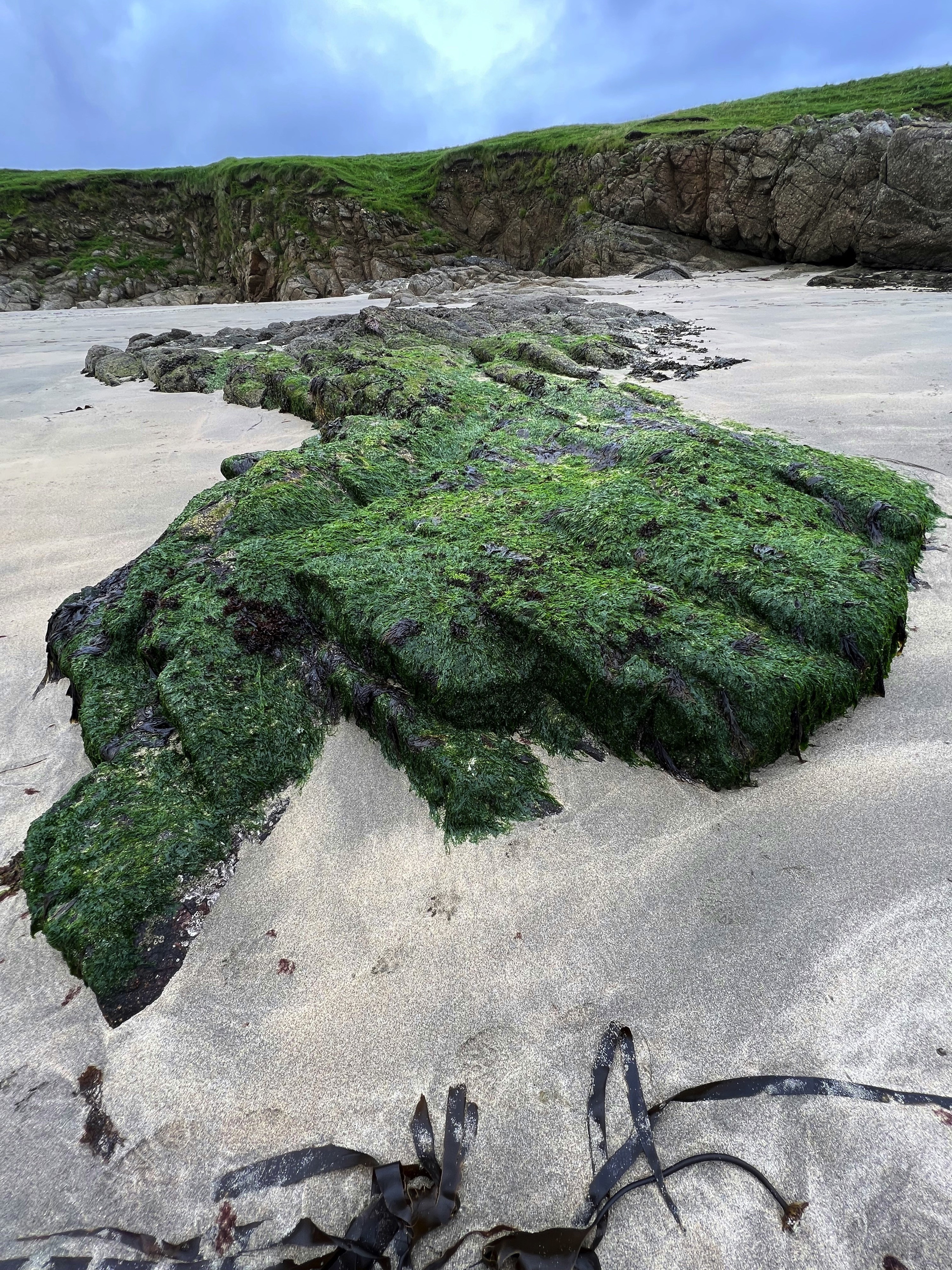
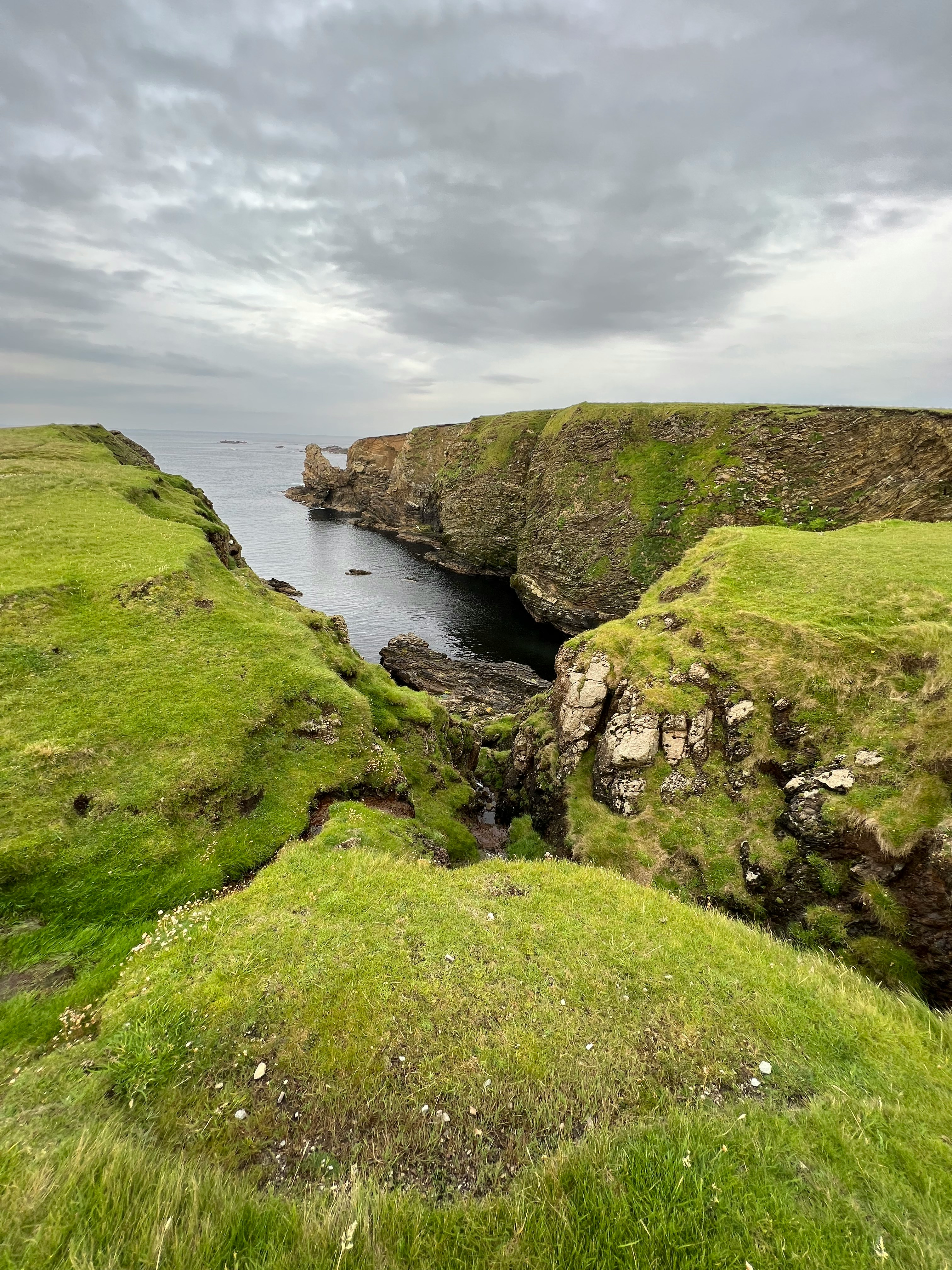
Further details for this day are not available.
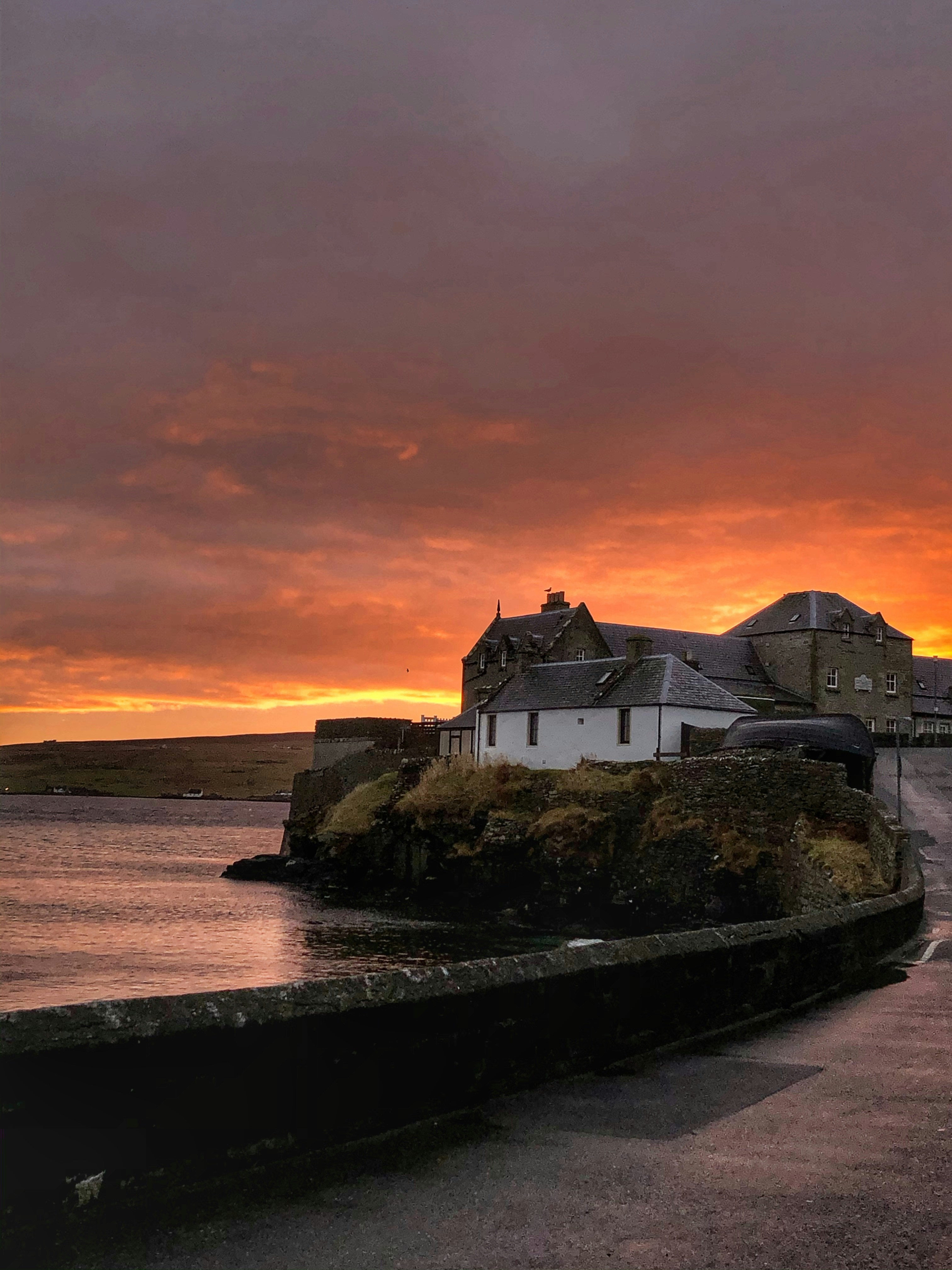
Lerwick, Shetland, United Kingdom
Lerwick, Shetland, United Kingdomella peebles
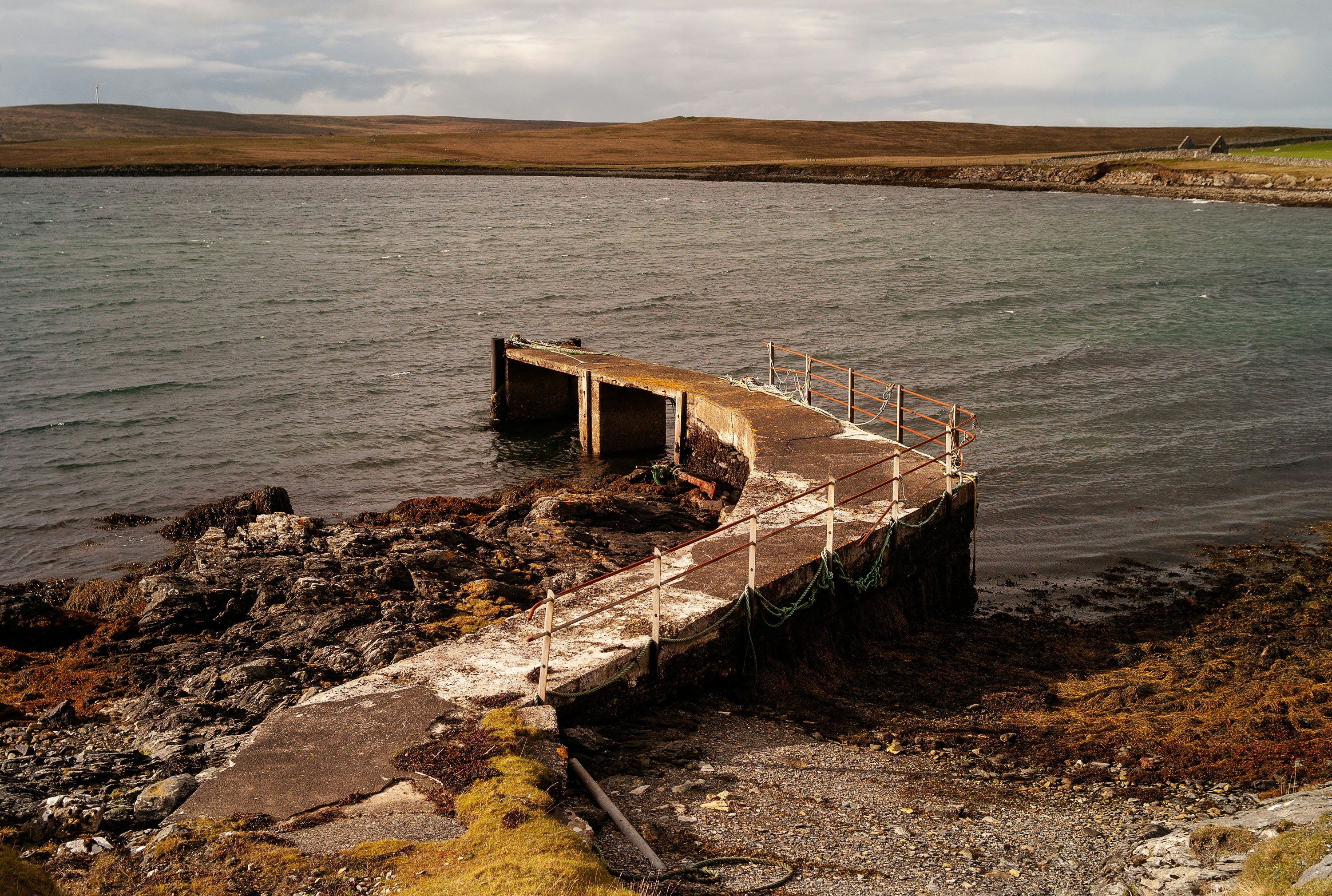
Unst, Shetland Islands
Unst, Shetland IslandsHamish Duncan
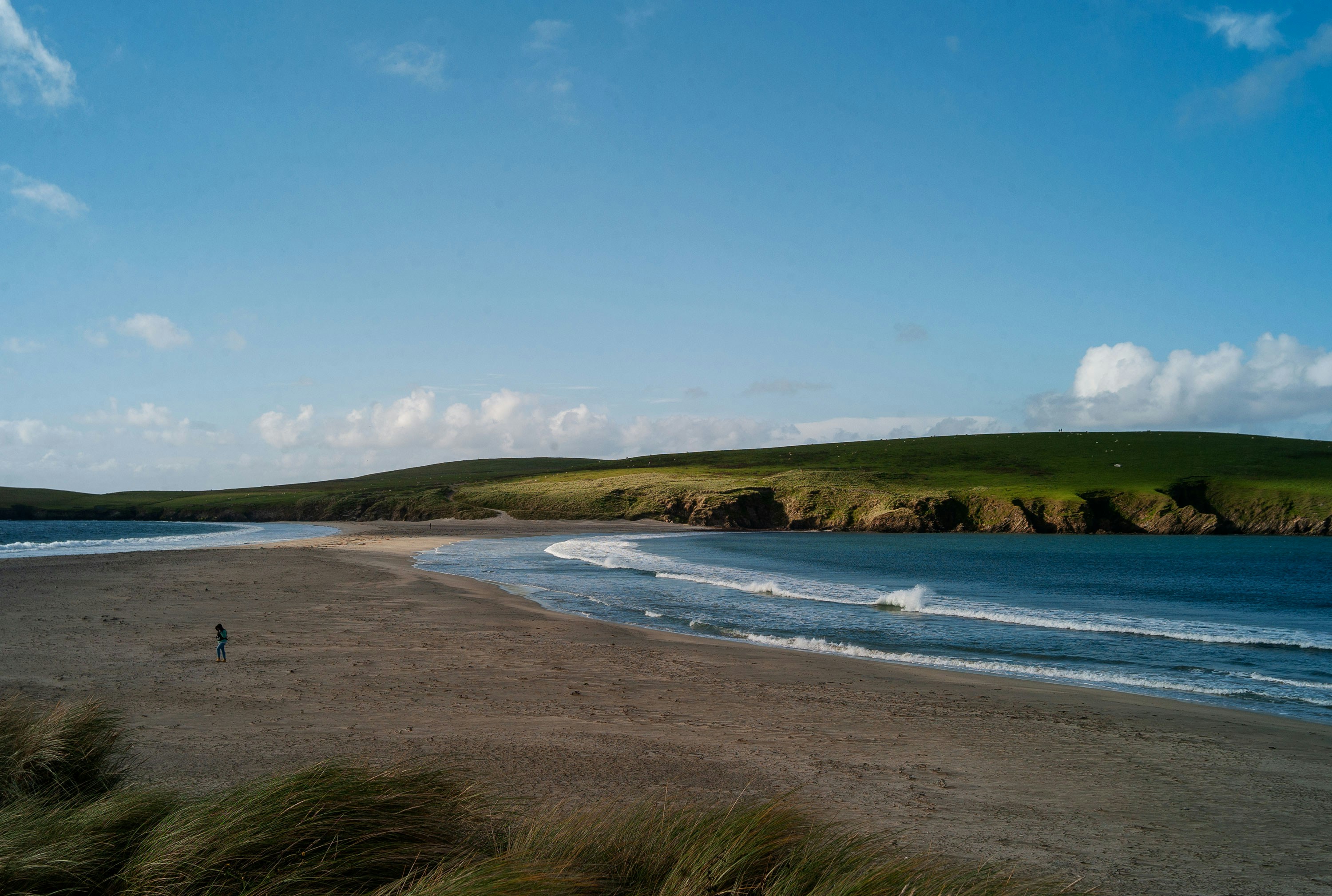
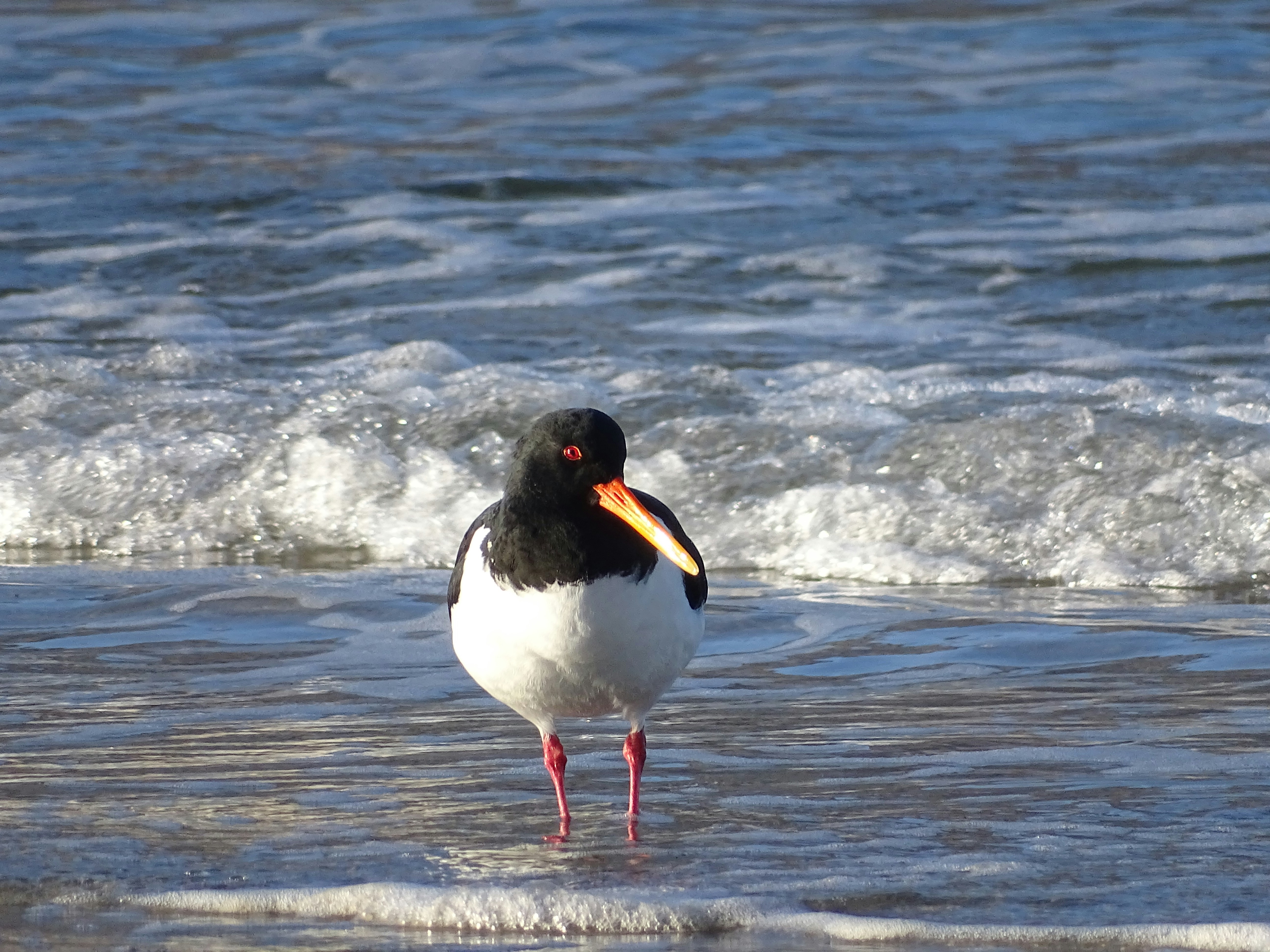
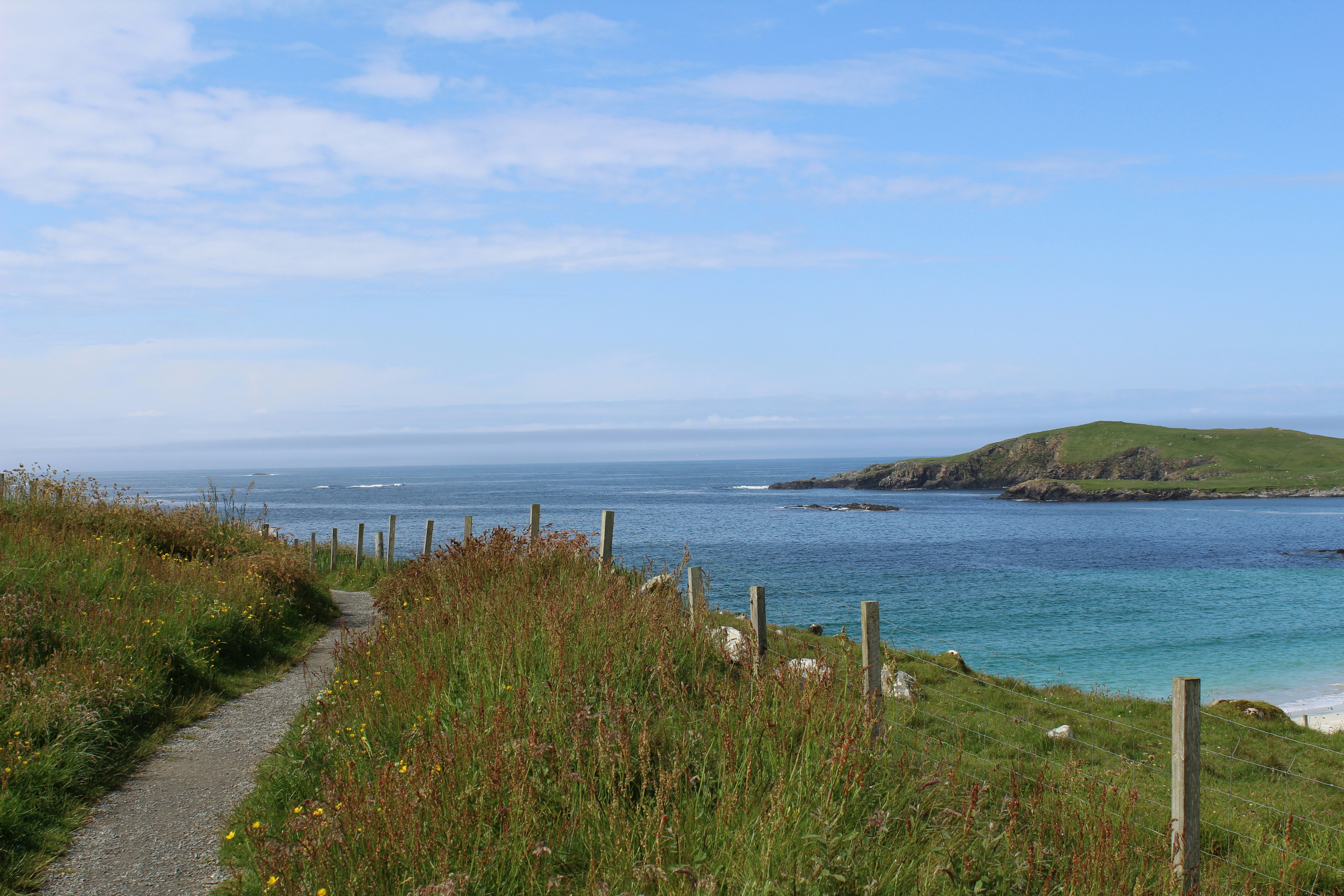
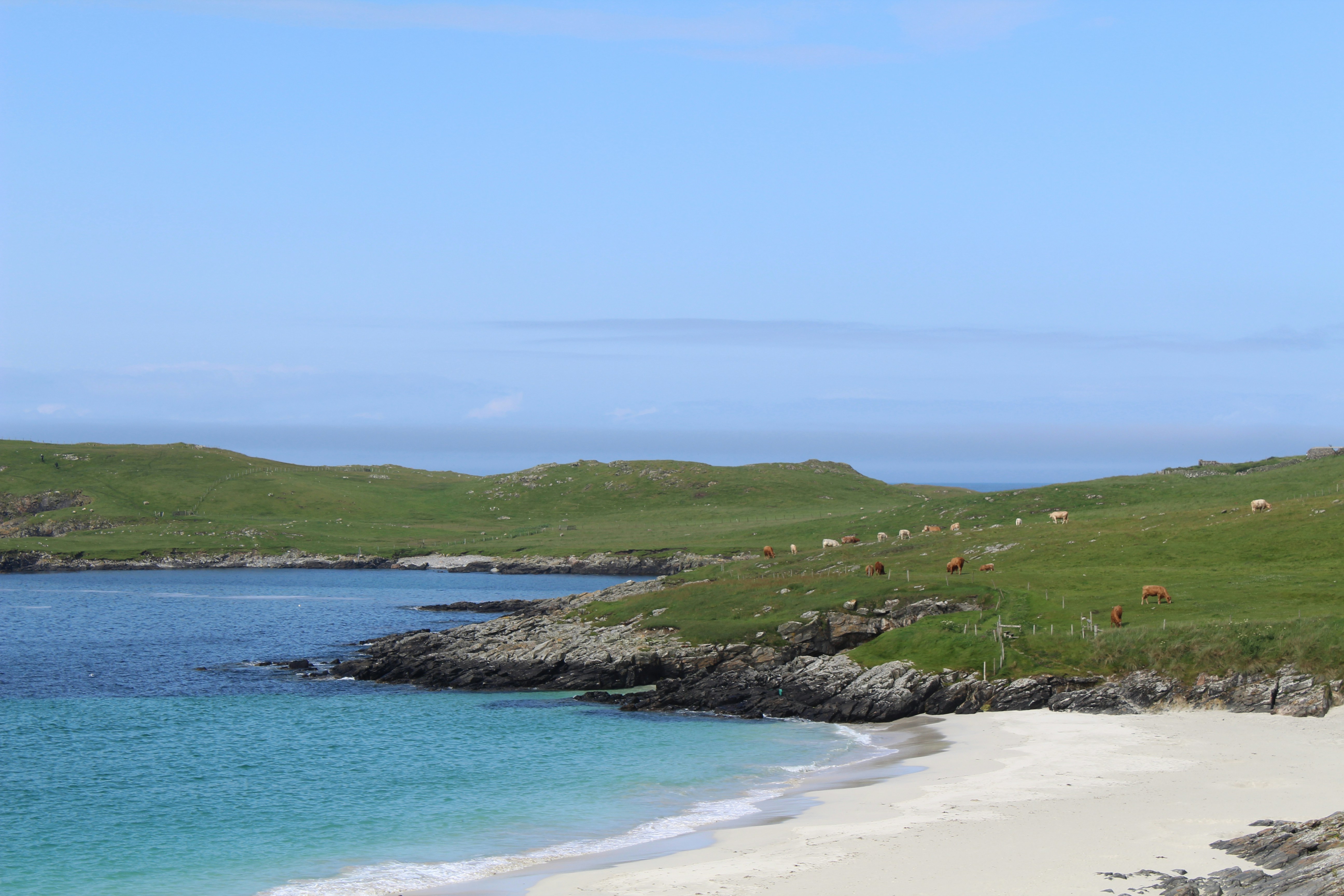
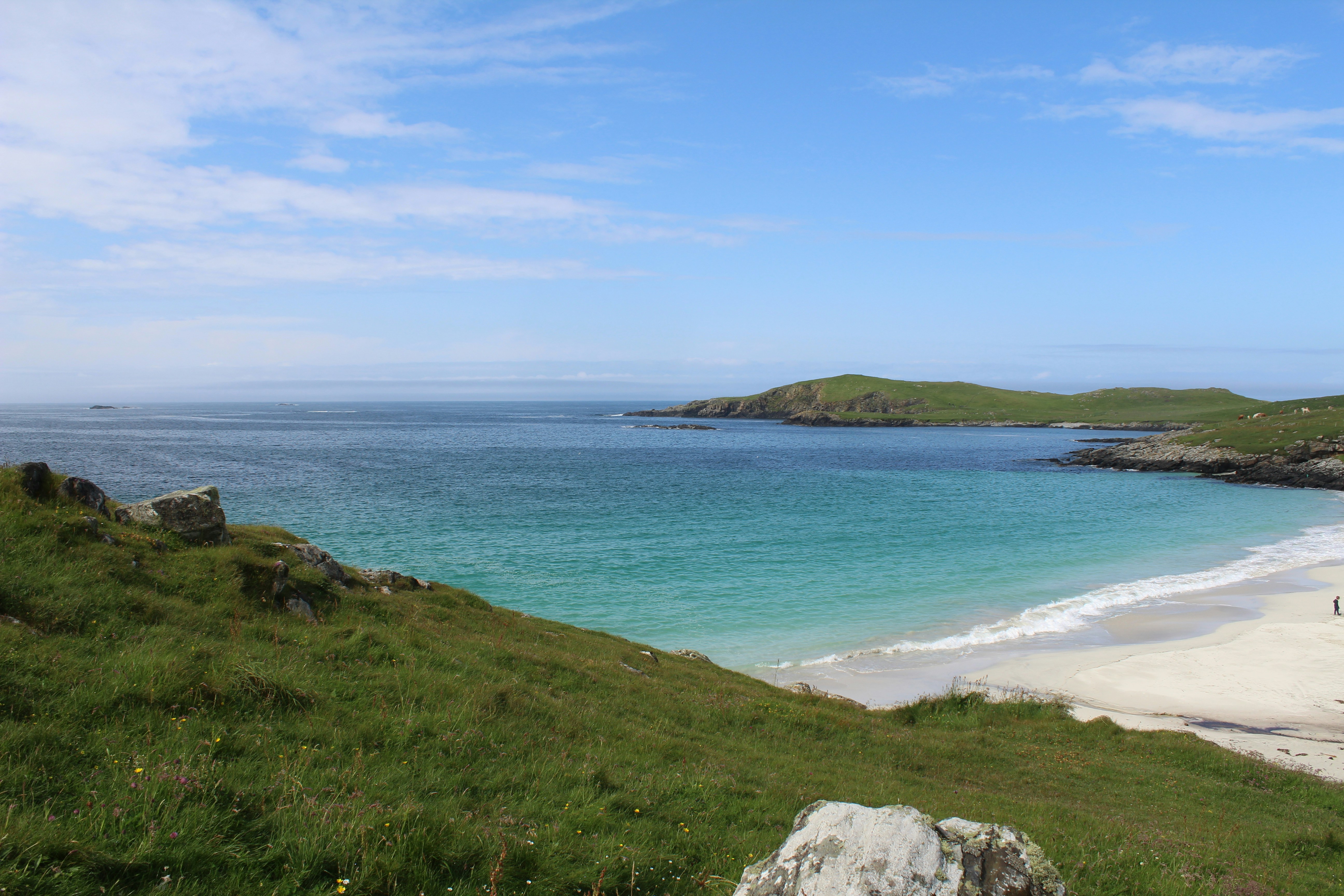
Shetland Islands, Uk
Shetland Islands, UkHamish Duncan
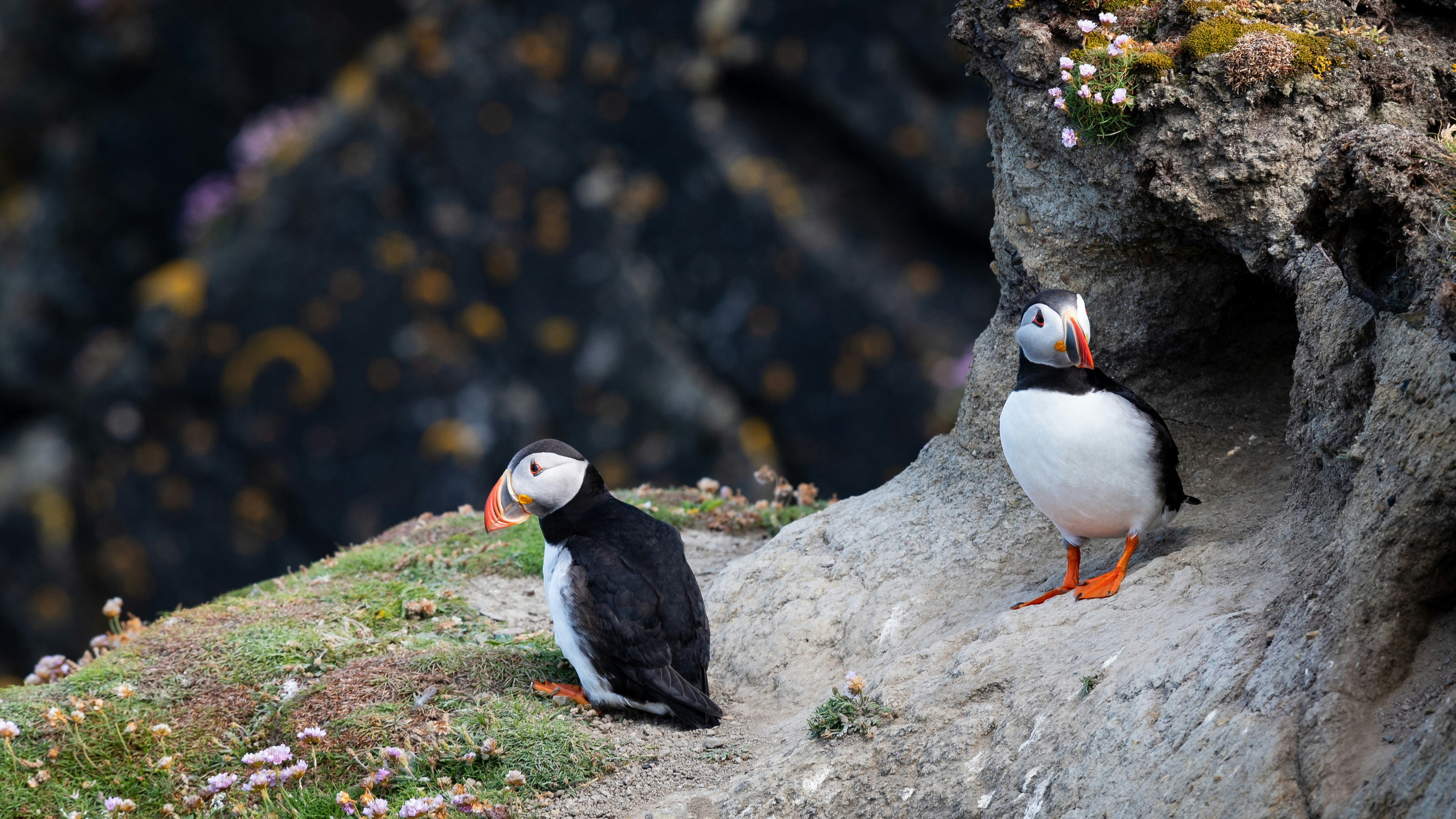
Puffins At The Sumbergh Rspb, Shetland Islands
Puffins At The Sumbergh Rspb, Shetland IslandsJoe deSousa
Shetland, Shetland, United Kingdom
Shetland, Shetland, United KingdomKarol Male
Shetland, Shetland, United Kingdom
Shetland, Shetland, United KingdomMaggie Lentz
Shetland, Shetland, United Kingdom
Shetland, Shetland, United KingdomMaggie Lentz
Shetland, Shetland, United Kingdom
Shetland, Shetland, United KingdomMaggie Lentz
Skaw, Shetland, United Kingdom
Skaw, Shetland, United KingdomPamela Hallam
Skaw, Shetland, United Kingdom
Skaw, Shetland, United KingdomPamela Hallam

Day 15 - At Sea

Further details for this day are not available.

Day 16 - Bergen

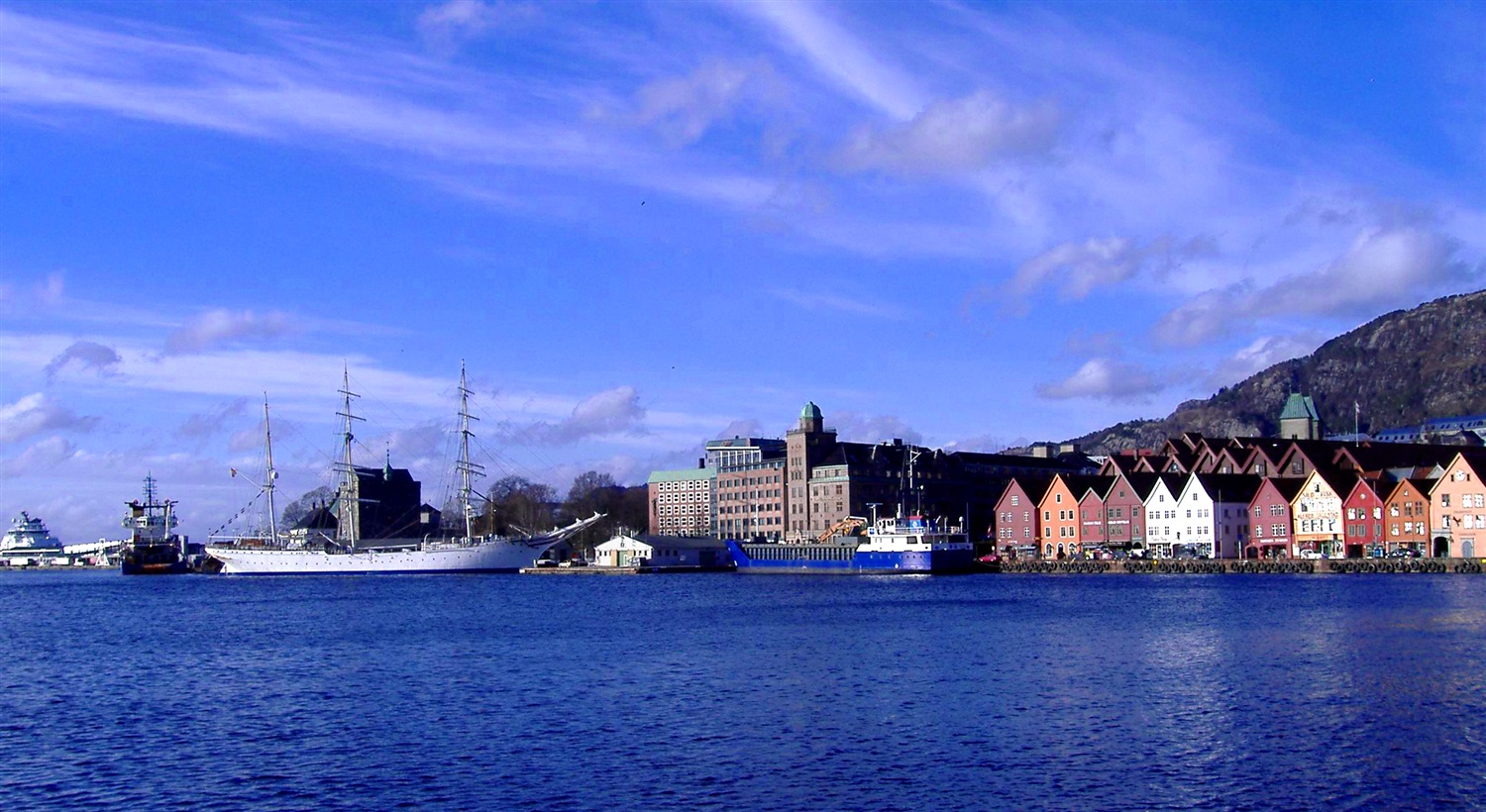
Surrounded by mountains and sparkling fjords, the waterside city of Bergen has a spectacular setting. There has been a settlement here since medieval times and the colourful waterfront buildings of the Hanseatic wharf, known as Bryggen, are testament to its fascinating history of trade. As Norway’s best known medieval settlement, the Bryggen is listed by UNESCO as a World Heritage Site. Our comprehensive selection of excursions allows you to discover the many sides of Bergen, such as the fish market and narrow cobbled streets, as well as stunning views of the city from the summit of Mt Fløyen. Alternatively, those who have visited the city previously may like to experience one of the tours that travel further afield. Just 300 yards from the main piers, you will find the Fortress Museum (Fesningsmuseum), which has an interesting collection of objects related to World War II.

Nobgo   Bergen   Andrea Giubelli, Innovation Norway
Nobgo Bergen Andrea Giubelli, Innovation NorwayAndrea Giubelli © Innovation Norway
Nobgo   Bergen   Brygenn, The Hanseatic Wharf In Bergen   Terje Rakke, Innovation Norway
Nobgo Bergen Brygenn, The Hanseatic Wharf In Bergen Terje Rakke, Innovation NorwayTerje Rakke © Innovation Norway
Nobgo   Bergen   Narrow Street   Lucija Ros
Nobgo Bergen Narrow Street Lucija RosLucija Ros
Nobgo   Bergen   Bryggen, The Old Wharf Of Bergen   Oyvind Heen, Innovation Norway
Nobgo Bergen Bryggen, The Old Wharf Of Bergen Oyvind Heen, Innovation NorwayOyvind Heen © Innovation Norway
Nobgo   Bergen   Seafront   Kaitlyin Collins
Nobgo Bergen Seafront Kaitlyin CollinsKaitlyin Collins
Nobgo   Bergen At Night   Gaby Bohle, Innovation Norway
Nobgo Bergen At Night Gaby Bohle, Innovation NorwayGaby Bohle © Innovation Norway

Suites & Deck Plans

Suite

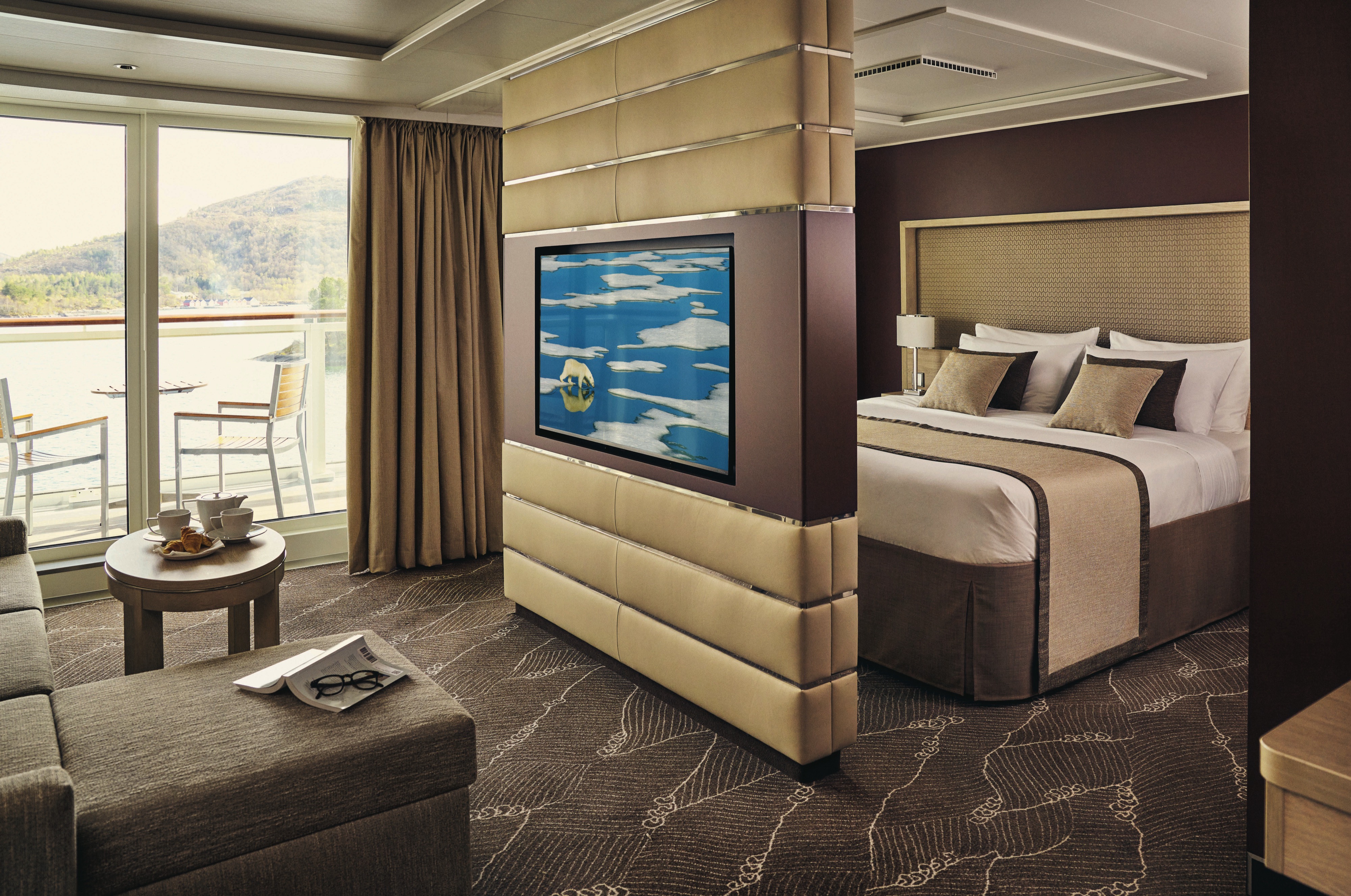
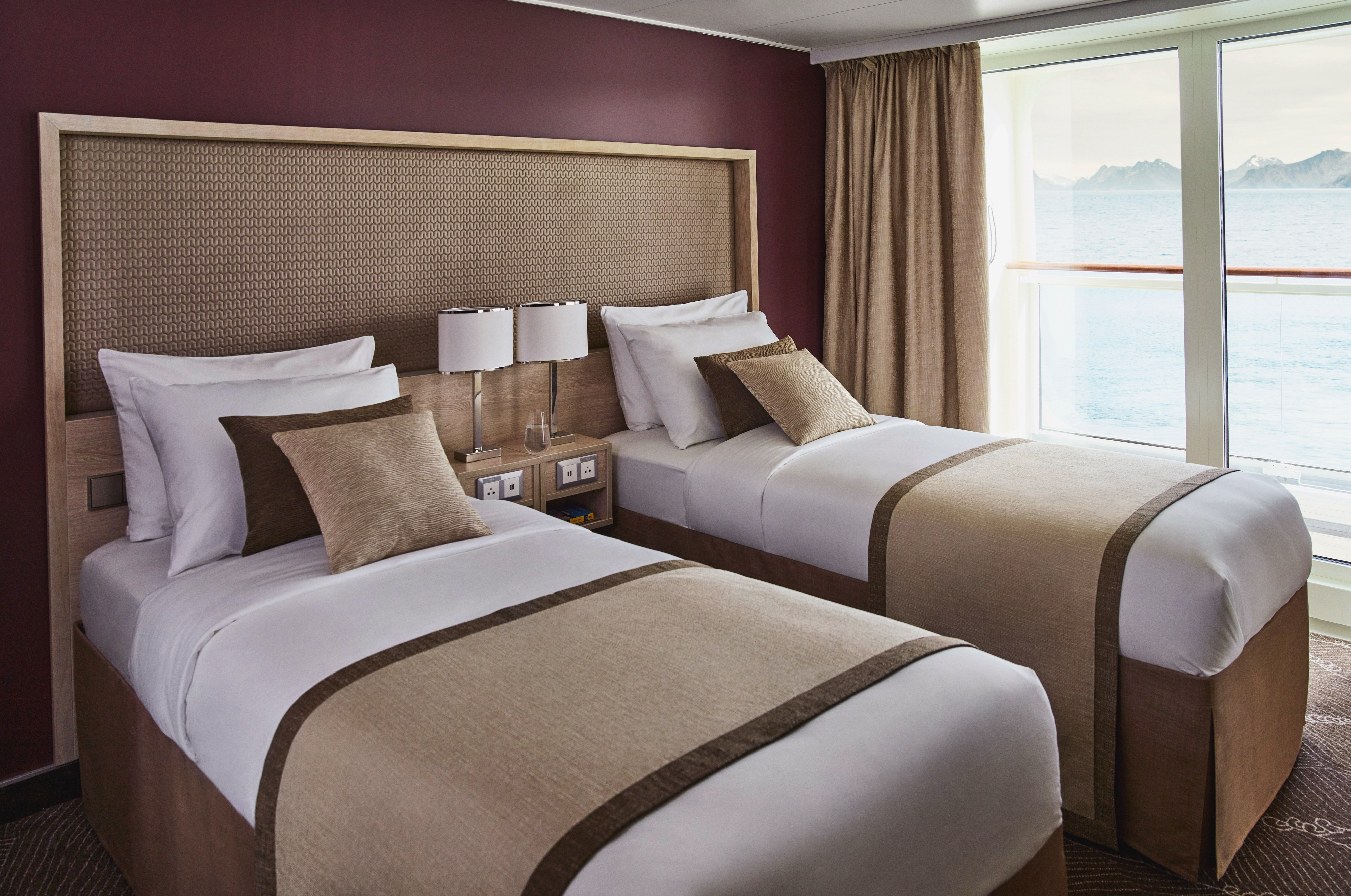
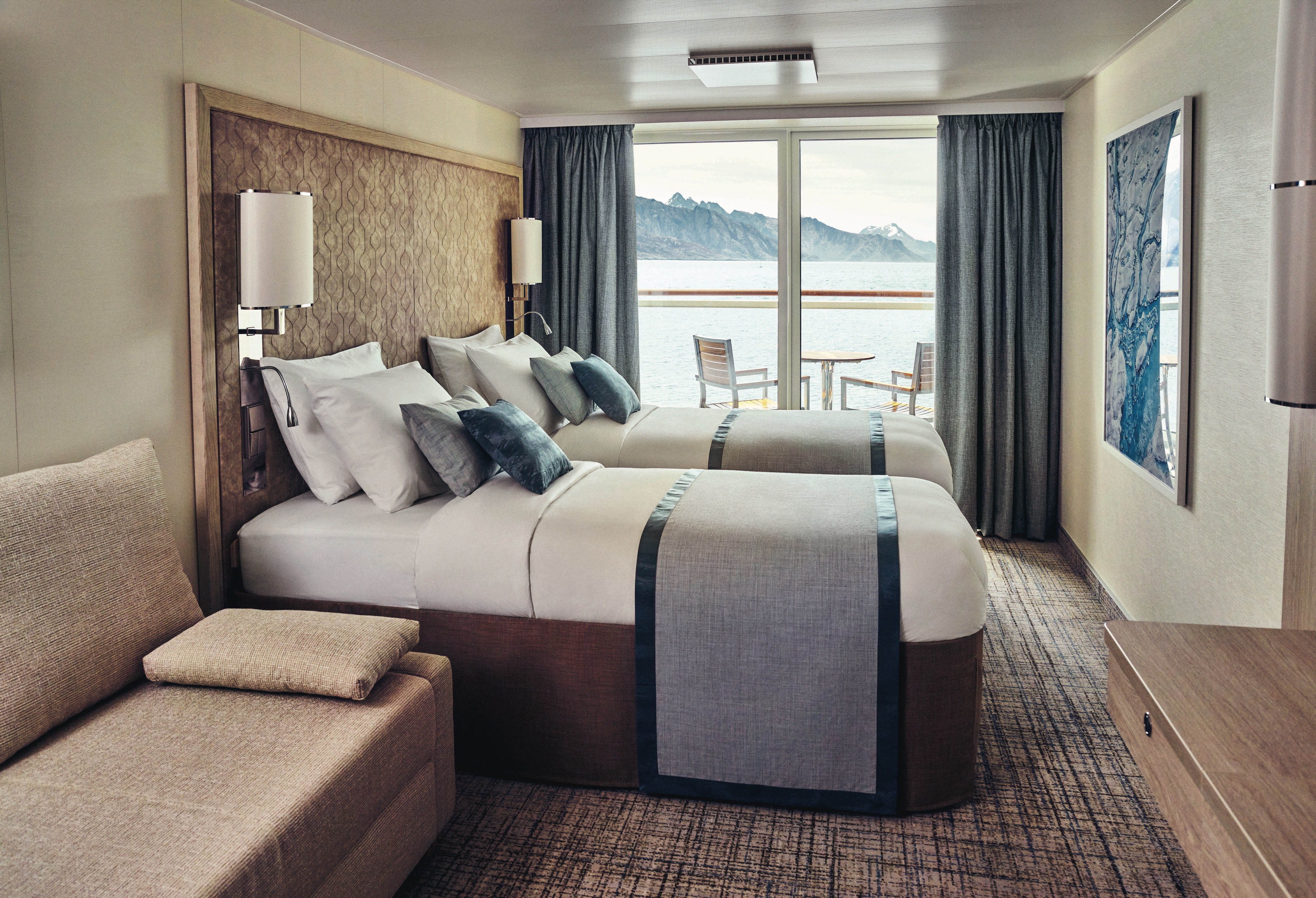
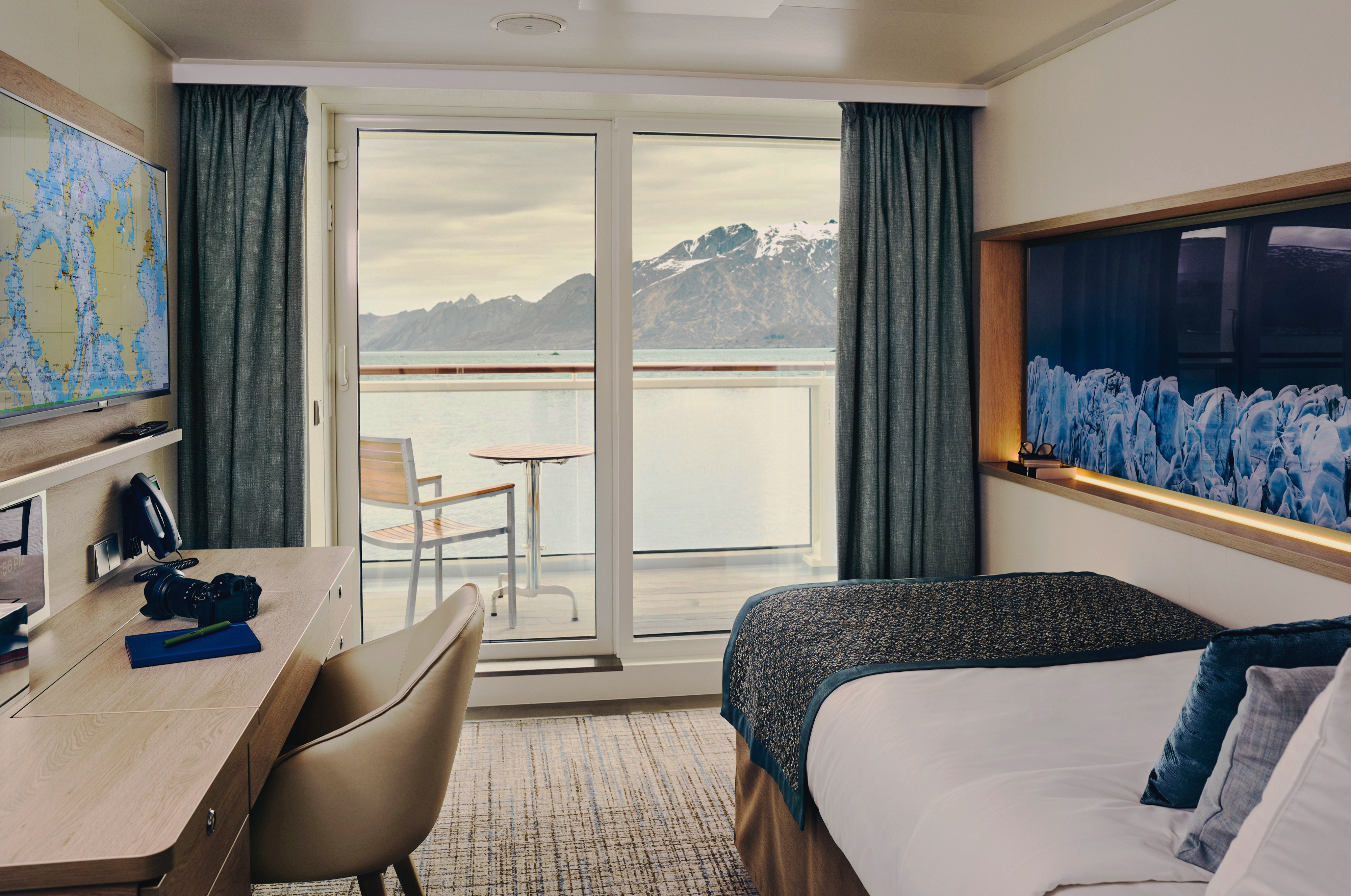
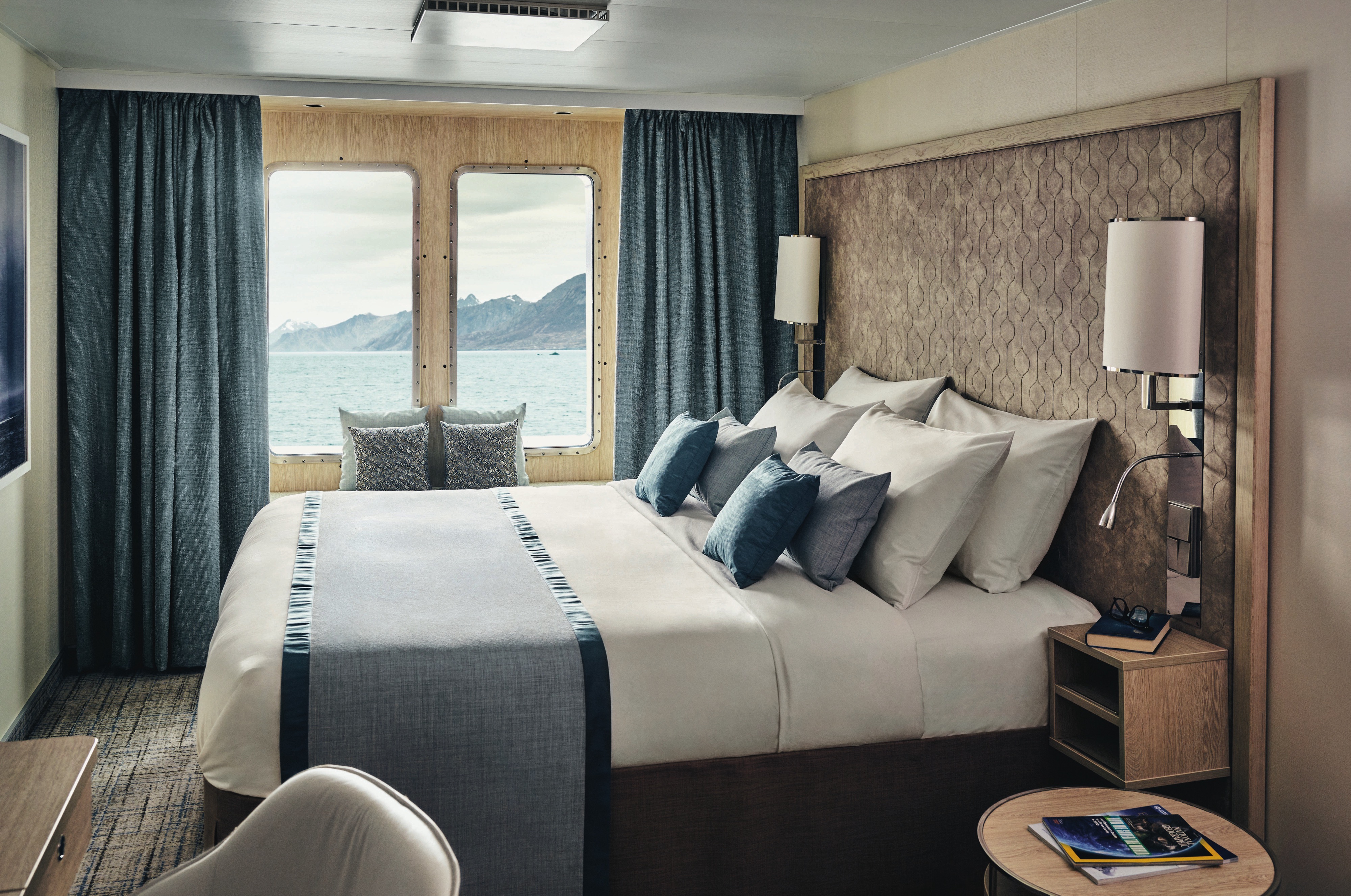
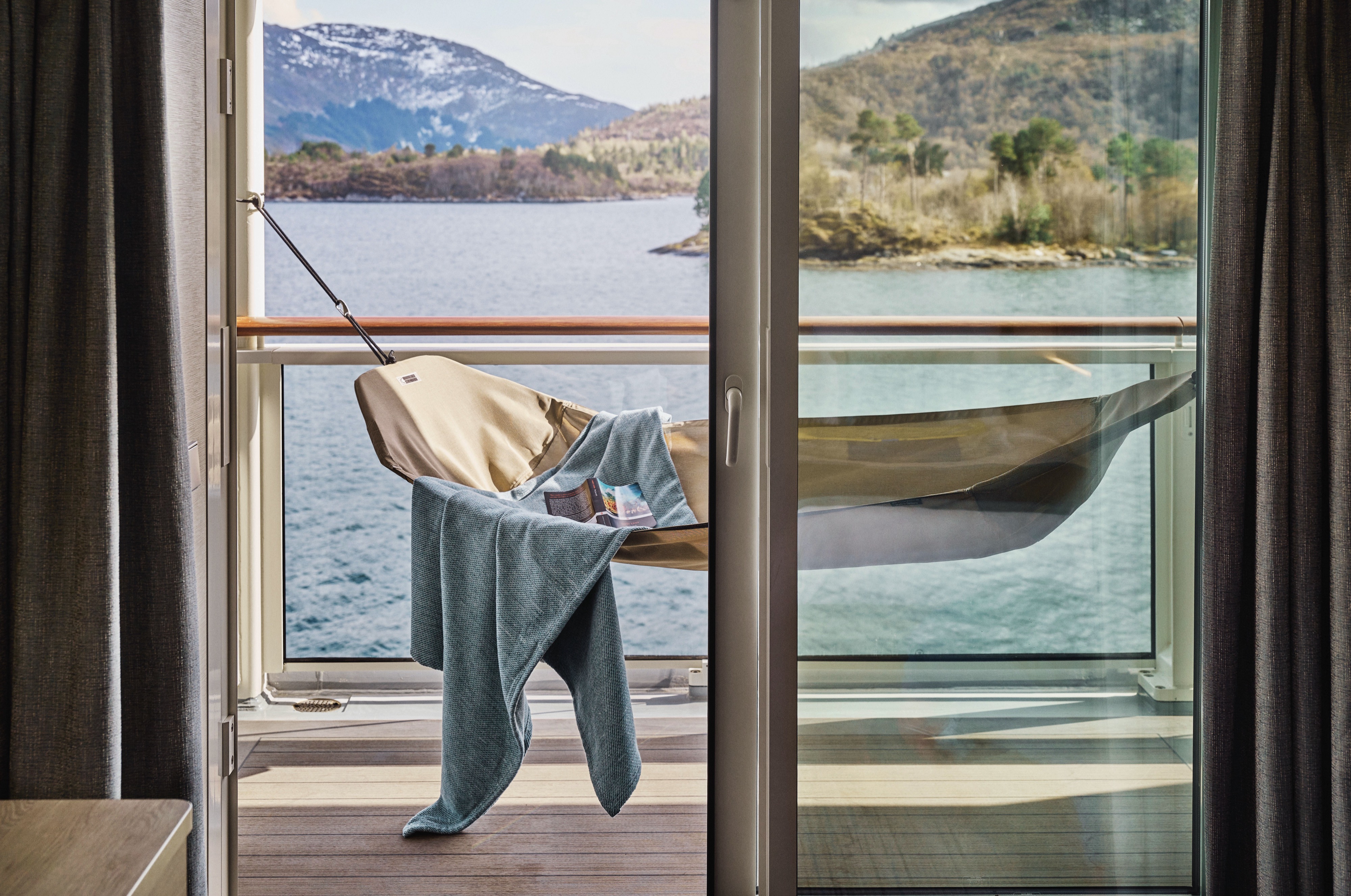
Suites feature a private balcony with two chairs, a hammock, and a table; two single beds that convert to a queen; two bedside tables; sofa that converts to a single bed; writing desk with chair; coffee table; mini fridge; espresso maker; large walk-in closet; and a spacious bathroom with a double vanity, bathtub, towel warmer and rain shower. Guests receive complimentary laundry and priority access to one spa treatment and one igloo reservation per departure.

Characteristics

  • Private balcony with 2 chairs, a hammock, and a table
  • Walk-in closet
  • 2 49" TVs
  • Bathroom with double vanity, bathtub, towel warmer, and rain shower

Furniture

  • 2 lower single beds that convert to a queen
  • 2 bedside tables
  • Sofa that converts to a single bed
  • Writing desk with drawers and chair
  • Coffee table
  • Coat hooks

Amenities

  • Mini fridge
  • Espresso maker
  • Ice bucket and glasses
  • Small safe
  • Vanity mirror
  • Small safe
  • Barometer
  • Hygrometer
  • Clock
  • iPad
  • Bose speaker
  • Telephone
  • Hair dryer

These photos are representative of the cabin category. Individual cabins may vary slightly in layout, configuration, and details.

430 sq ft
Accommodates 2 guests
Category 7 - Bridge Deck

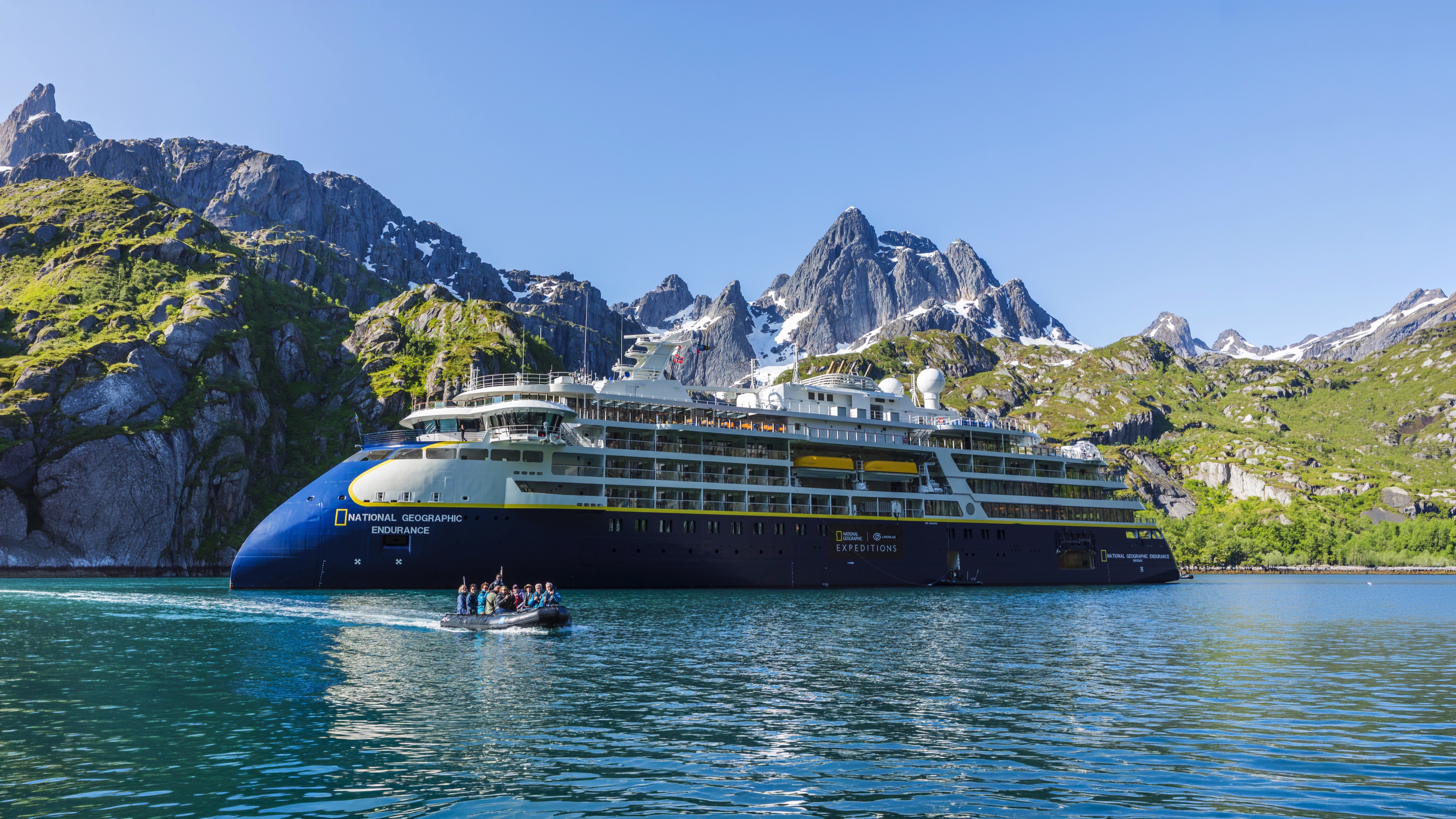
National Geographic Endurance

National Geographic Endurance

Life on board

The Onboard Experience

Client testimonials

I have worked with Lore Doick for more than 20 years, and she has booked over 30 cruises for me. Her expertise, care, and attention to every travel detail have made her an invaluable advisor and friend over the years.”

Tina B.

We are now in our second generation working with Cheri Ozimac at Tully Luxury Travel. From Antarctica to Greece, she has handled every detail with expertise, responsiveness, and care…

Earl M.

My wife and I have worked with Tully since 2007, and Kit Neil and her team went far beyond expectations while helping us navigate multiple cruise and flight cancellations. Their advocacy, care, and support during a difficult time were extraordinary.

Carri F.

Cheri Ozimac organized our Seabourn cruise flawlessly, from the hotel recommendation to every travel arrangement. She was responsive, attentive, and an excellent advocate throughout the process…

Cyn S.

We discovered Tully Luxury Travel after years of booking cruises through US agents and were impressed by their competitive pricing, exceptional service, and Canadian based support. Their team is always available, offers excellent value, and makes booking the right cruise seamless.

Peter C.

GoogleAverage Customer Rating:

The Tully Difference

Why travel with us


Tully Luxury Travel was built on access, discretion, and trust. For our clients, that means ease at every step, with distinctions that turn exceptional voyages into defining moments.

Recognized expertise

A renowned agency worldwide in luxury land and small-ship cruising, consistently trusted by the industry’s most prestigious brands.