Chile, France

Itinerary: Valparaiso, Hangaroa, Easter Island, Pitcairn Island, Papeete, Tahiti, Moorea, Aitutaki, Rarotonga, Bay of Islands, Auckland, Tauranga, Christchurch, Dunedin, Cruising Milford Sound, New Zealand, Hoba... See full itinerary

10 Feb 27
86 nights

Voyage Details

Duration:
86 nights
Departure:
10 Feb 2027
Embarkation:
Valparaiso, Chile
Voyage code:
MA20270210VAPMRS

Your Itinerary, Day-By-Day

Special Chapters of Your Journey

Day 1 - Valparaiso

Valparaíso's dramatic topography—45 cerros, or hills, overlooking the ocean—requires the use of winding pathways and wooden ascensores (funiculars) to get up many of the grades. The slopes are covered by candy-color houses—there are almost no apartments in the city—most of which have exteriors of corrugated metal peeled from shipping containers decades ago. Valparaíso has served as Santiago's port for centuries. Before the Panama Canal opened, Valparaíso was the busiest port in South America. Harsh realities—changing trade routes, industrial decline—have diminished its importance, but it remains Chile's principal port. Most shops, banks, restaurants, bars, and other businesses cluster along the handful of streets called El Plan (the flat area) that are closest to the shoreline. Porteños (which means "the residents of the port") live in the surrounding hills in an undulating array of colorful abodes. At the top of any of the dozens of stairways, the paseos (promenades) have spectacular views; many are named after prominent Yugoslavian, Basque, and German immigrants. Neighborhoods are named for the hills they cover. With the jumble of power lines overhead and the hundreds of buses that slow down—but never completely stop—to pick up agile riders, it's hard to forget you're in a city. Still, walking is the best way to experience Valparaíso. Be careful where you step, though—locals aren't very conscientious about curbing their dogs.
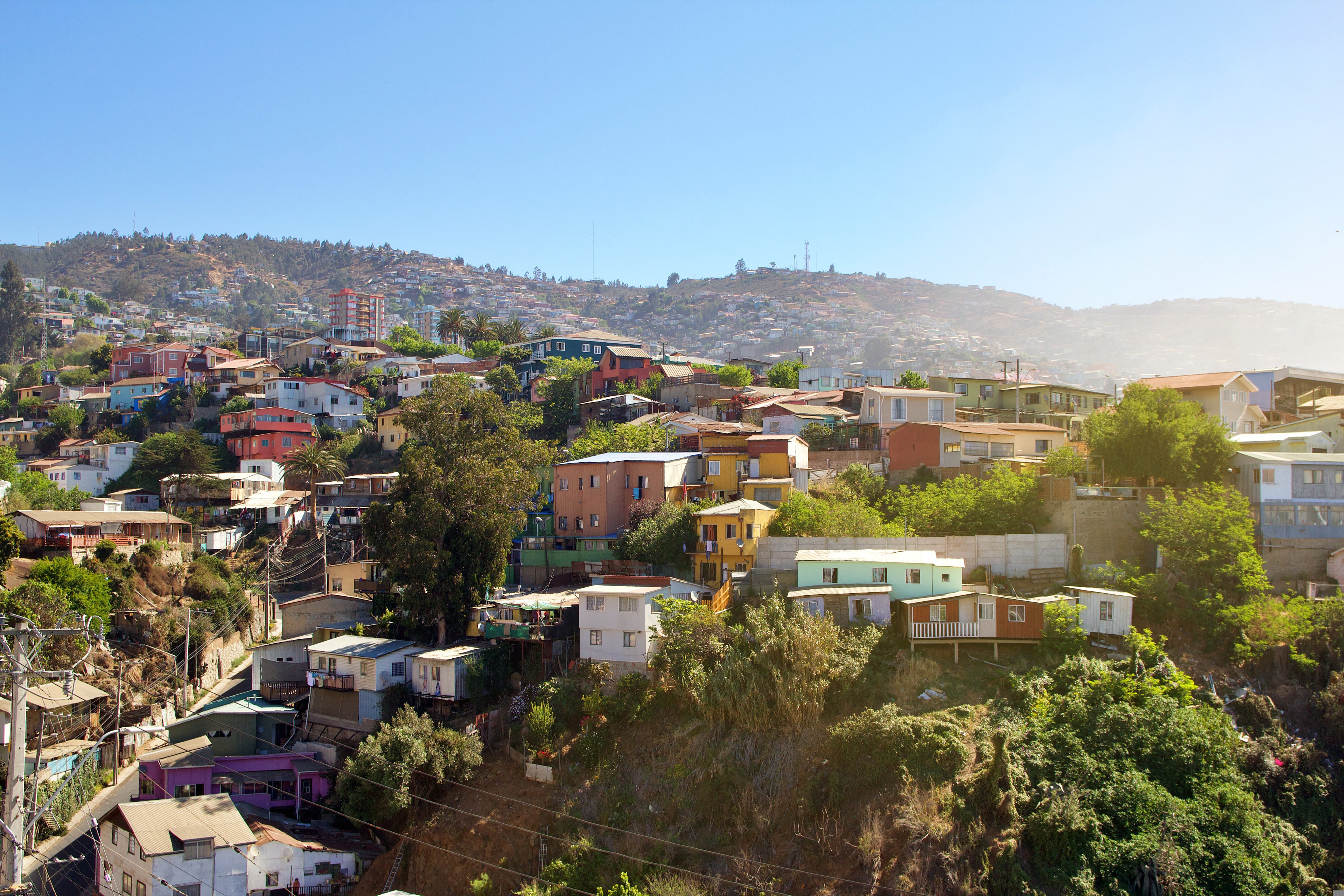
Valparaiso, Chile
Valparaiso, ChileImage by Julian Hacker from Pixabay

Day 6 - Hangaroa, Easter Island

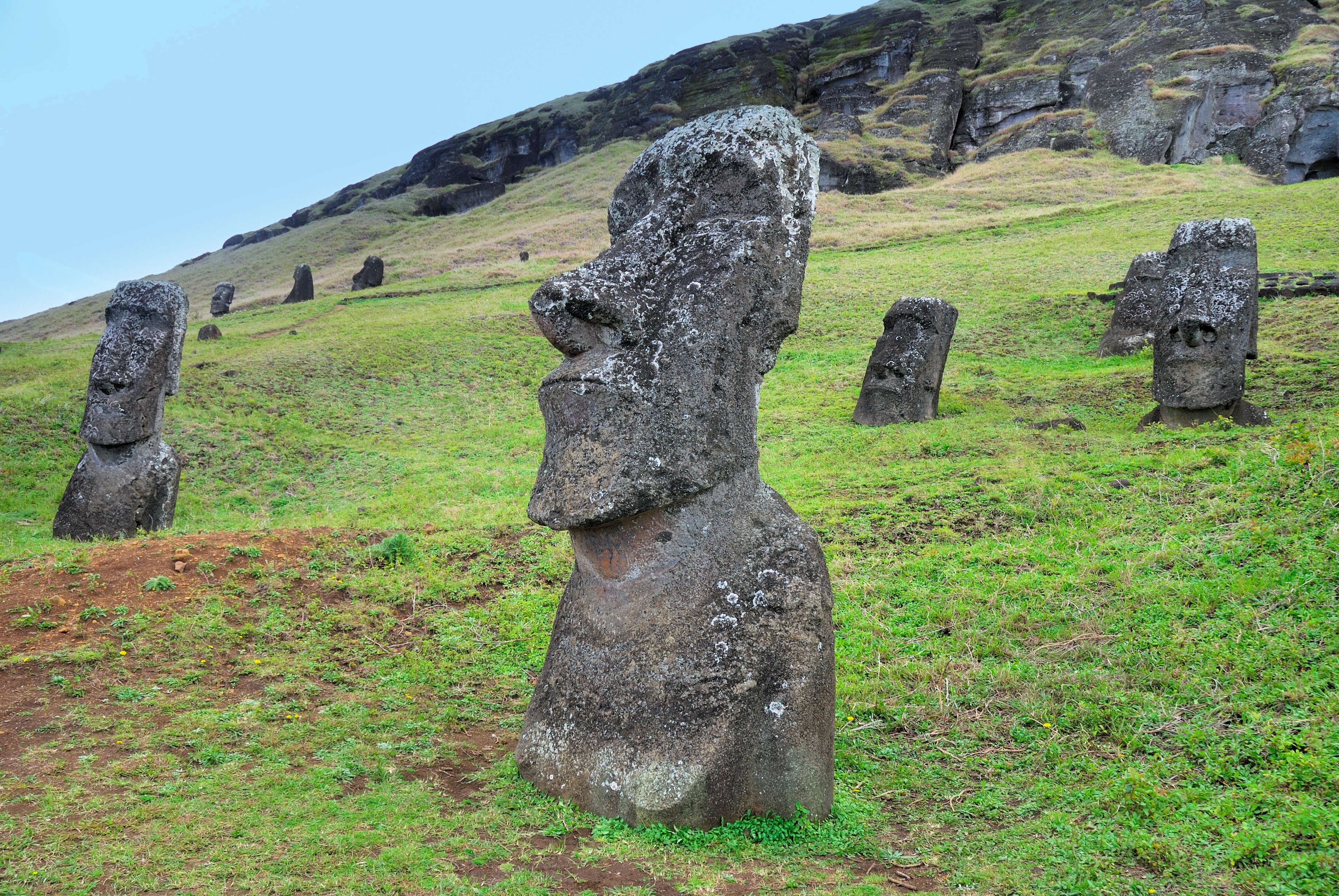
Discovered (by the Western world) on Easter Sunday, 1722, Easter Island is a UNESCO World Heritage Site and one of the most isolated places on the face of the Earth, some 2,300 miles from the Chilean mainland. Although more Polynesian than South American in character, the 64-square mile island was annexed by Chile in 1888, and is now famous as the world’s largest ‘open air museum’ on account of the Moai, or human-like stone statues, that can be found on the island. The Moai remain very much a mystery, which archaeologists are still trying to unlock by interpreting an ancient language of the Rapa Nui, which is the key to understanding this culture, and is written on the so called ‘rongo rongo tablets’. The island owes its origin to three volcanoes which erupted some three million years ago: Poike, Rano Kau and Maunga Terevaka. It is not known when or how the island was first populated, but the most credible theory suggests that the Rapa Nui people came from other Pacific islands in the 4th century AD. In addition to the cultural and archaeological interest, there are the beautiful beaches, transparent waters, and coral reefs that might be expected of a Pacific Island.

Easter Island
Easter IslandImage by Walkerssk from Pixabay
Easter Island
Easter IslandImage by LuisValiente from Pixabay

Day 9 - Pitcairn Island

With a total of 56 residents on the island, Adamstown is the capital of the Pitcairn Islands and the only populated settlement, as all of the other Pitcairn Islands are uninhabited (although were populated by Polynesians in the 11th through 15th centuries). Halfway between Peru and New Zealand, Pitcairn was the perfect hiding spot for the famed HMS Bounty mutineers and their Tahitian wives. Not only had the island been misplaced on early maps of the region, but it can also be very difficult to come ashore as large breakers tend to build up just in front of the small harbour of Bounty Bay. On shore visit the local museum that houses the HMS Bounty Bible, the historic Adamstown Church, view Fletcher Christian’s cave, or keep an eye out for the Pitcairn Reed Warbler.

Pitcairn Island
Pitcairn IslandImage by Lucy Thomas from Pixabay

Day 12 - Papeete, Tahiti

Papeete will be your gateway to the tropical paradise of French Polynesia, where islands fringed with gorgeous beaches and turquoise ocean await to soothe the soul. This spirited city is the capital of French Polynesia, and serves as a superb base for onward exploration of Tahiti – an island of breathtaking landscapes and oceanic vistas. Wonderful lagoons of crisp, clear water beg to be snorkelled, stunning black beaches and blowholes pay tribute to the island's volcanic heritage, and lush green mountains beckon you inland on adventures, as you explore extraordinary Tahiti. Visit to relax inside picturesque stilted huts, which stand out over shimmering water, as you settle into the intoxicating rhythm of life, in this Polynesian paradise.

Pfppt   Papeete, Tahiti, French Polynesia   Photo Credit Belongs To Fabe Collage
Pfppt Papeete, Tahiti, French Polynesia Photo Credit Belongs To Fabe Collage Fabe Collage

Day 13 - Papeete, Tahiti

Papeete will be your gateway to the tropical paradise of French Polynesia, where islands fringed with gorgeous beaches and turquoise ocean await to soothe the soul. This spirited city is the capital of French Polynesia, and serves as a superb base for onward exploration of Tahiti – an island of breathtaking landscapes and oceanic vistas. Wonderful lagoons of crisp, clear water beg to be snorkelled, stunning black beaches and blowholes pay tribute to the island's volcanic heritage, and lush green mountains beckon you inland on adventures, as you explore extraordinary Tahiti. Visit to relax inside picturesque stilted huts, which stand out over shimmering water, as you settle into the intoxicating rhythm of life, in this Polynesian paradise.

Pfppt   Papeete, Tahiti, French Polynesia   Photo Credit Belongs To Fabe Collage
Pfppt Papeete, Tahiti, French Polynesia Photo Credit Belongs To Fabe Collage Fabe Collage

Day 14 - Moorea

Mo’orea is one of the Society Islands of the French Polynesia. Located in the South Pacific, it is considered a magical island thanks to its majestic volcanic mountains, set against warm lagoon waters and green meadows. It is an island that attracts visitors of all abilities wanting to explore both above and below the ocean waters.

Pfmoz Moorea Island Michelle Raponi
Pfmoz Moorea Island Michelle RaponiMichelle Raponi

Day 16 - Aitutaki

Even high praise like the 'world's most beautiful island' from Lonely Planet's co-founder, Tony Wheeler, won't prepare you for the intoxicating intensity of the coal blue ocean, the glow of the pure white sand, and the soothing ripple of the palm-tree forests at incredible Aitutaki. Breathless romance hangs thick in the air here, especially when a riot of purples, reds and oranges are spreading across the sky, accompanying the sun's descent each evening. It wasn't until 1789 that Europeans discovered this island haven, with the HMS Bounty's crew arriving, just a few weeks before a mutiny tore them apart. The Europeans were beaten to the islands, however, by the streamlined wooden canoes of the Polynesian settlers, who arrived around 900AD. While Western missionaries would eventually visit to spread Christianity to the island - evidenced by the white, coral-encrusted walls of the many churches - their efforts to repress the people’s deep love of communal singing and dancing ultimately failed, and music forms a key component of the islanders' culture to this day.The beaches here are flawless, and swaying in a hammock, suspended between leaning palm trees, as the ocean gently ruffles the sand nearby, feels gloriously indulgent. Aitutaki Lagoon is a huge aquamarine pool of water, alive with a kaleidoscopic swirl of tropical fish, which lurk just below the surface. You may even be lucky enough to spot turtles padding across the sand, scraping themselves towards the open ocean.The snorkelling opportunities here, and on One Foot Island - where you'll want to acquire the badge of honour of having your passport stamped with the island's iconic huge footprint - are sublime. Don't miss the tiny island of Moturakau either, which is crammed full of exotic birds and crabs, who have dominion over the island's tangled, jungle terrain. 

Aitutaki, Islas Cook
Aitutaki, Islas CookPhoto by Gabriel Hidalgo on Unsplash

Day 17 - Rarotonga

Life is laid back on Rarotonga, the most populous of the Cook Islands, but the residents are still an active bunch. Though there are plenty of white sandy beaches on which to laze—and people do, with plenty of napping— locals love to get out and move. Join them in snorkeling, diving, riding—bikes, horses, scooters—fishing, bush walking, and playing squash and tennis. Another popular, if odd, and favorite activity is lining up along the sea wall adjacent to the airport's runway to be jetblasted.

Rarotonga, Cook Islands
Rarotonga, Cook IslandsPhoto by Gina Lemafa on Unsplash

Day 23 - Bay of Islands

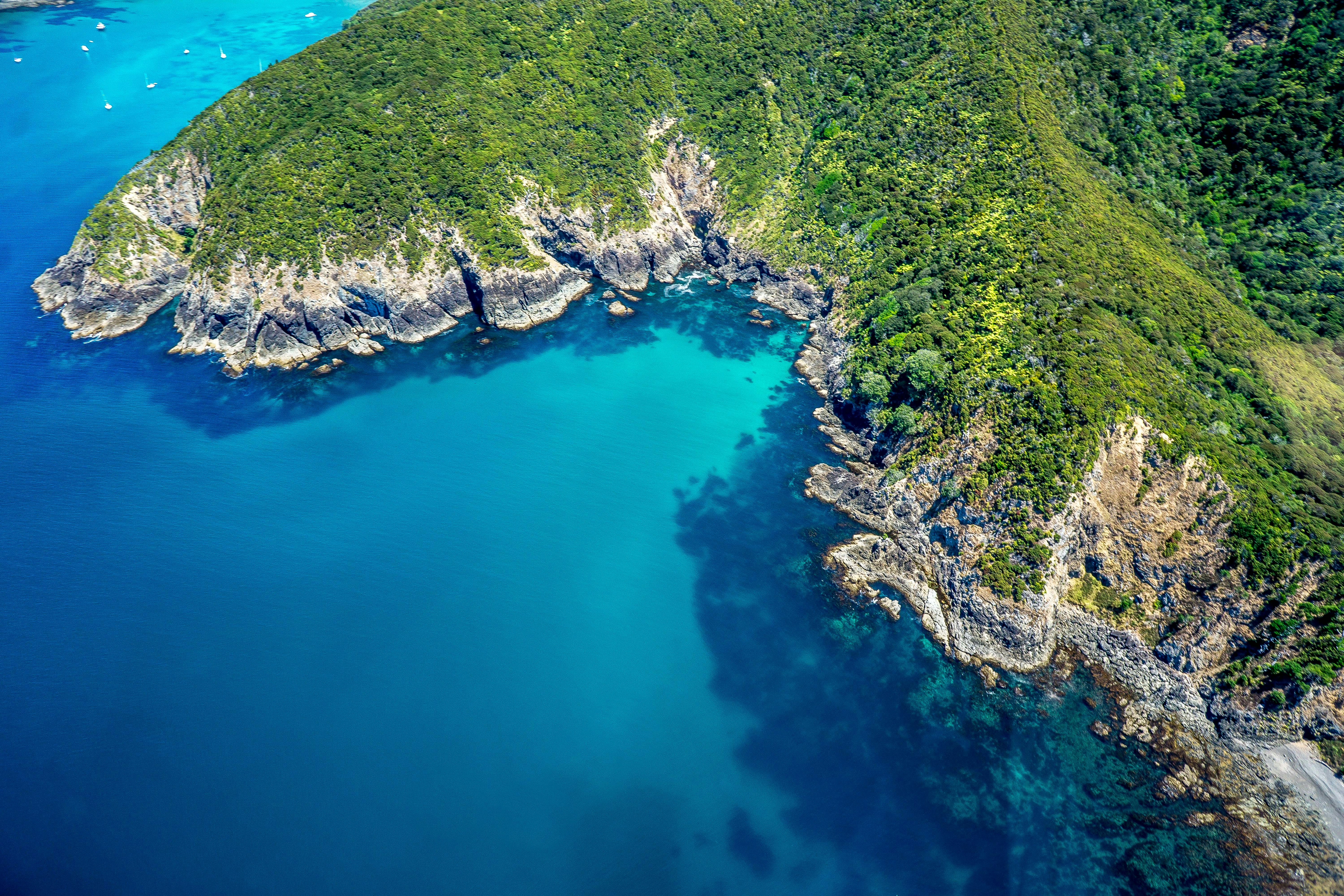
The Tasman Sea on the west and the Pacific Ocean on the east meet at thetop of North Island at Cape Reinga. No matter what route you take, you'll passfarms and forests, marvellous beaches, and great open spaces. The East Coast,up to the Bay of Islands, is Northland's most densely populated, often withrefugees from bigger cities—looking for a more relaxed life—clustered aroundbreathtaking beaches. The first decision on the drive north comes at the footof the Brynderwyn Hills. Turning left will take you up the West Coast throughareas once covered with forests and now used for either agricultural orhorticulture. Driving over "the Brynderwyns," as they are known,takes you to Whangarei, the only city in Northland. If you're in the mood for adiversion, you can slip to the beautiful coastline and take in Waipu Cove, anarea settled by Scots, and Laings Beach, where million-dollar homes sit next tosmall Kiwi beach houses.An hour's drive farther north is the Bay of Islands, known all over theworld for its beauty. There you will find lush forests, splendid beaches, andshimmering harbors. The Treaty of Waitangi was signed here in 1840 betweenMāoriand the British Crown, establishing the basis for the modern New Zealandstate. Every year on February 6, the extremely beautiful Waitangi Treaty Ground(the name means weeping waters) is the sight of a celebration of the treaty andprotests by Māori unhappy with it. Continuing north on the East Coast, theagricultural backbone of the region is even more evident and a series ofwinding loop roads off the main highway will take you to beaches that are bothbeautiful and isolated where you can swim, dive, picnic, or just laze. .The West Coast is even less populated, and the coastline is rugged andwindswept. In the Waipoua Forest, you will find some of New Zealand's oldestand largest kauri trees; the winding road will also take you past mangroveswamps. Crowning the region is the spiritually significant Cape Reinga, theheadland at the top of the vast stretch of 90 Mile Beach, where it's believedMāori souls depart after death. Today Māori make up roughly a quarter of thearea's population (compared with the national average of about 15%). The legendaryMāori navigator Kupe was said to have landed on the shores of Hokianga Harbour,where the first arrivals made their home. Many different wi (tribes) livedthroughout Northland, including Ngapuhi (the largest), Te Roroa, Ngati Wai,Ngati Kuri, Te Aupouri, Ngaitakoto, Ngati Kahu, and Te Rarawa. Many Māoriherecan trace their ancestry to the earliest inhabitants

Bay Of Islands, New Zealand
Bay Of Islands, New ZealandPhoto by Rod Long on Unsplash

Day 24 - Auckland


Nzakl Auckland Aerial Photography Of City Henry Mcintosh
Nzakl Auckland Aerial Photography Of City Henry McintoshHenry Mcintosh
Nzakl Auckland City Buildings Next To Sea Water During Night Samuel Ferrara
Nzakl Auckland City Buildings Next To Sea Water During Night Samuel FerraraSamuel Ferrara
Nzakl Auckland Cityscape Photo During Daytime Dan Freeman
Nzakl Auckland Cityscape Photo During Daytime Dan FreemanDan Freeman
Nzakl   Auckland, New Zealand Matthew Waters
Nzakl Auckland, New Zealand Matthew WatersMatthew Waters
Nzakl   Auckland, New Zealand Steven Biak Ling
Nzakl Auckland, New Zealand Steven Biak LingSteven Biak Ling

Day 25 - Tauranga

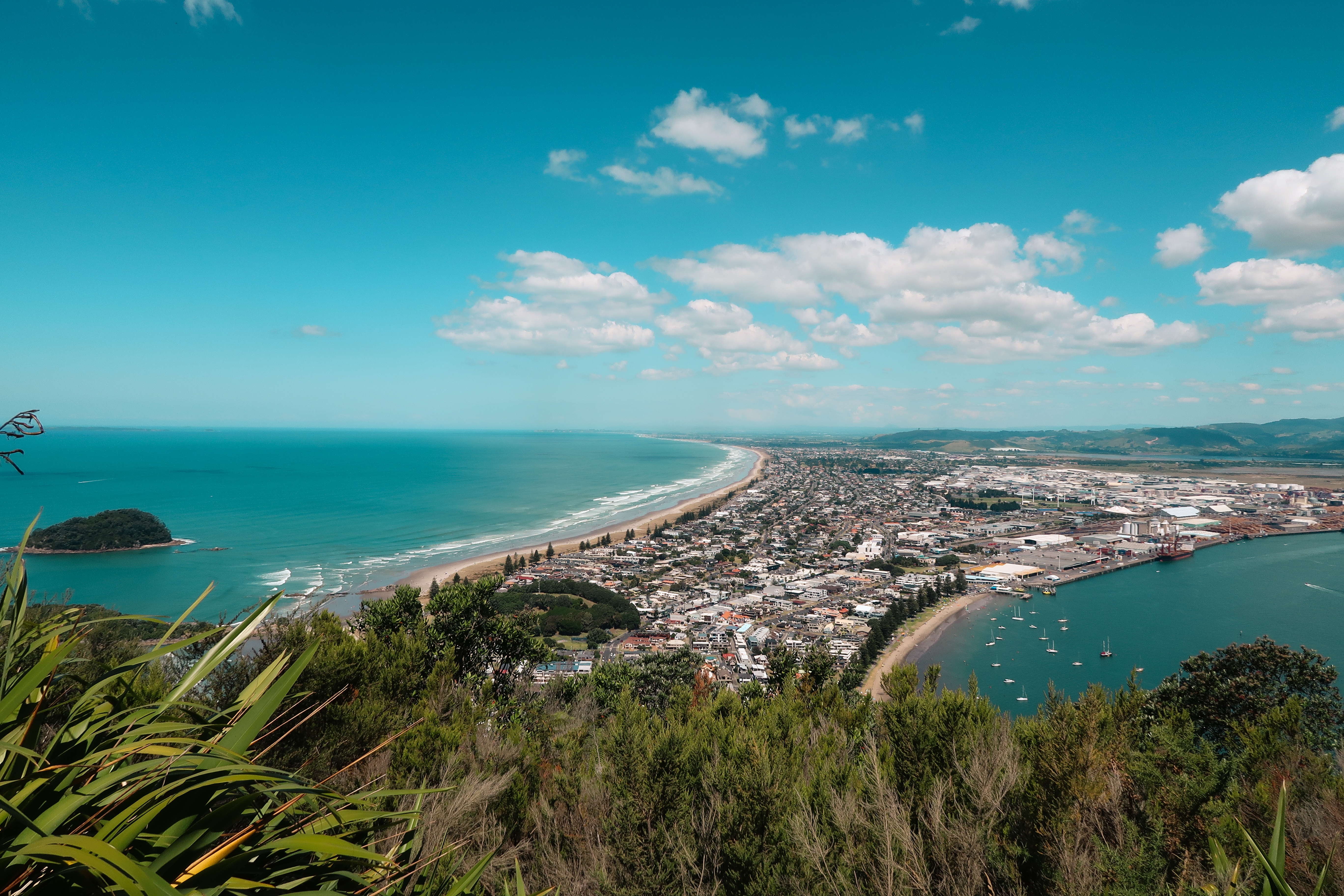
The population center of the Bay of Plenty, Tauranga is one of New Zealand's fastest-growing cities. Along with its neighbor, Whakatane, this seaside city claims to be one of the country's sunniest towns. Unlike most local towns, Tauranga doesn't grind to a halt in the off-season, because it has one of the busiest ports in the country, and the excellent waves at the neighboring beach resort of Mount Maunganui—just across Tauranga's harbor bridge—always draw surfers and holiday folk.

Mount Maunganui, Tauranga, New Zealand
Mount Maunganui, Tauranga, New ZealandImage by Sharain Liew from Pixabay

Day 27 - Christchurch

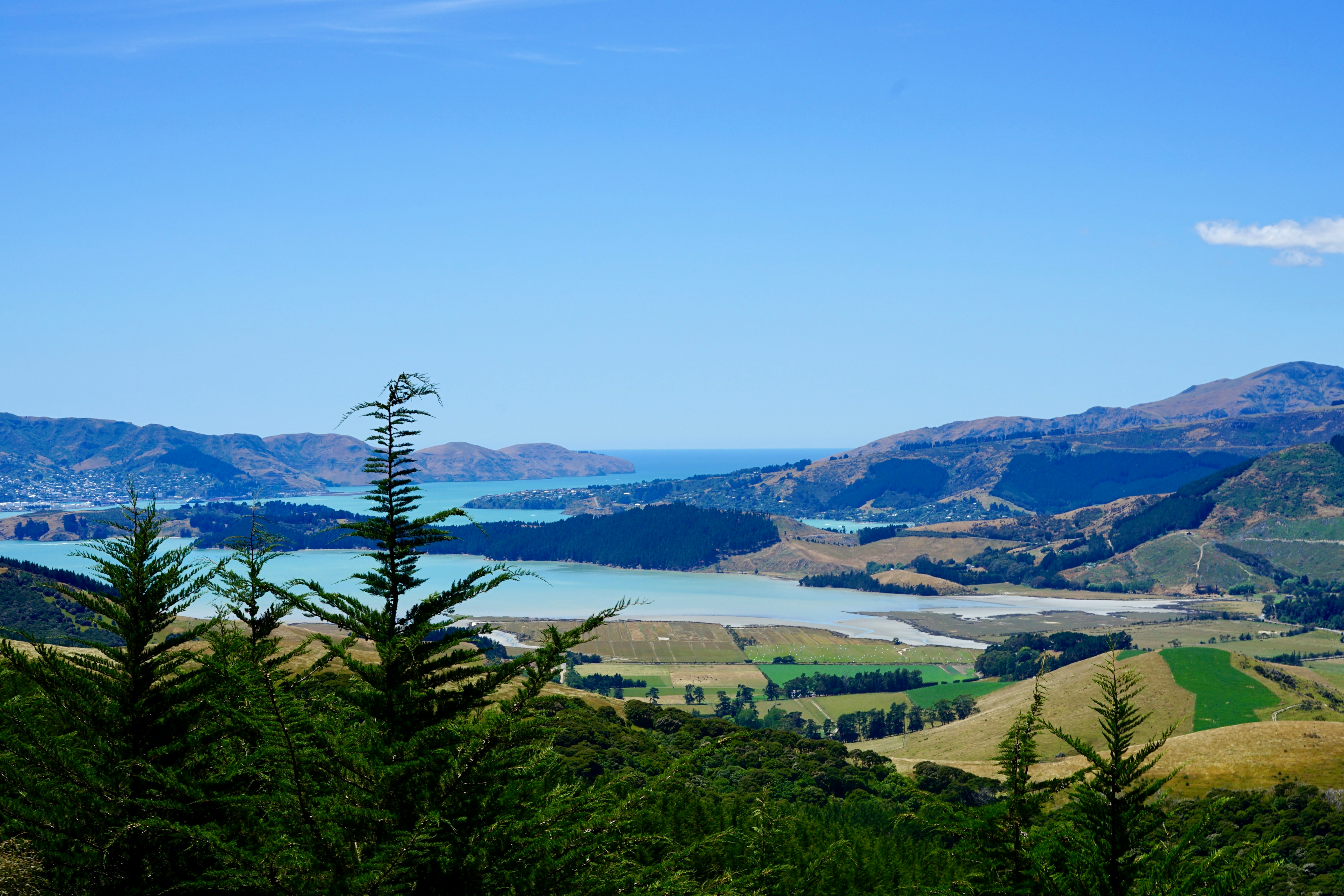
Christchurch is one of New Zealand’s most English cities. The Anglisation of the area is quickly evident throughout. The name Christchurch, is named after one of the most famous Oxford Colleges. Traditional English styled punts can be seen drifting lazily along the Avon River, and customary striped blazers are still worn by students at Christ’s College.

Christchurch, New Zealand
Christchurch, New ZealandPhoto by Phill Brown on Unsplash

Day 28 - Dunedin

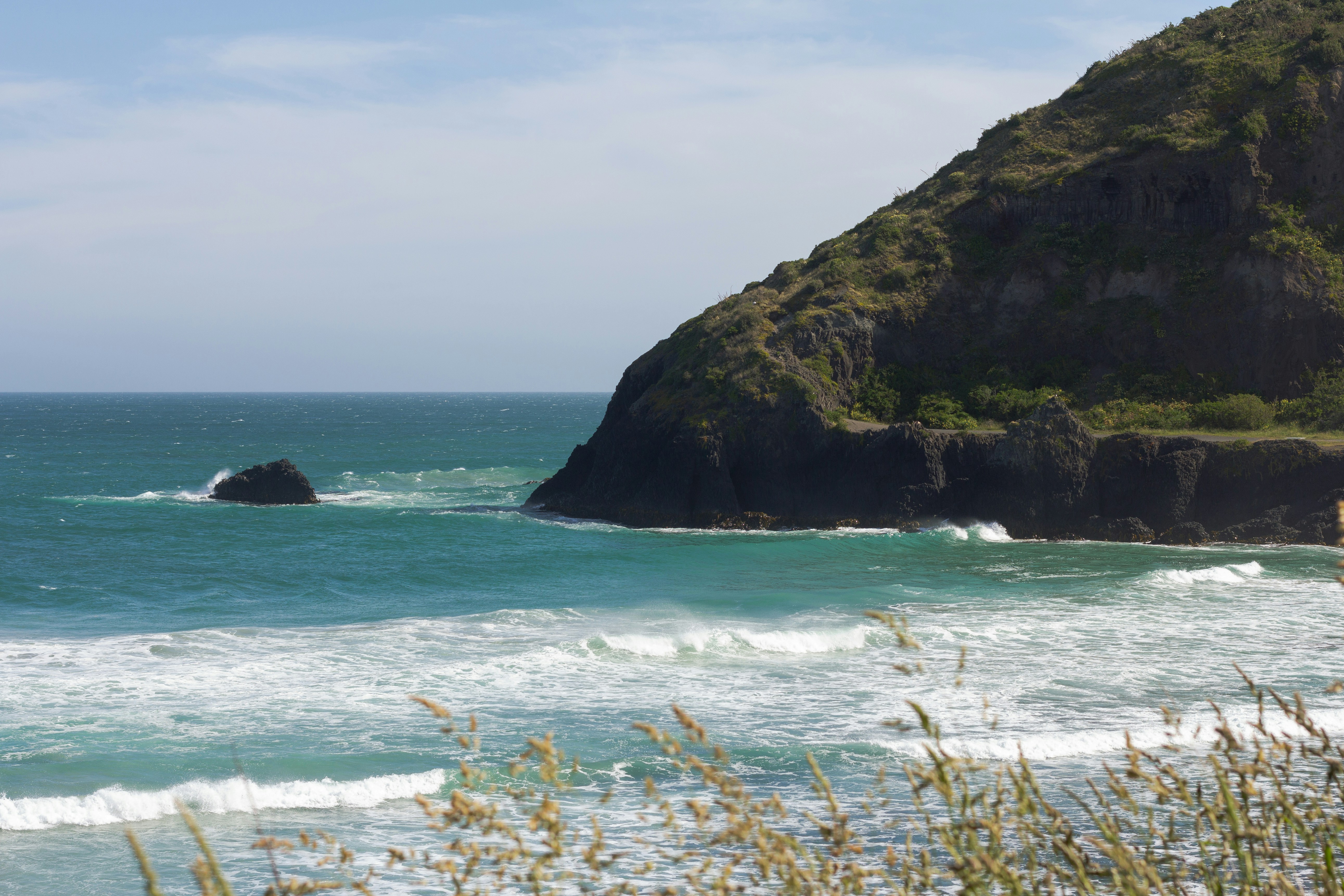
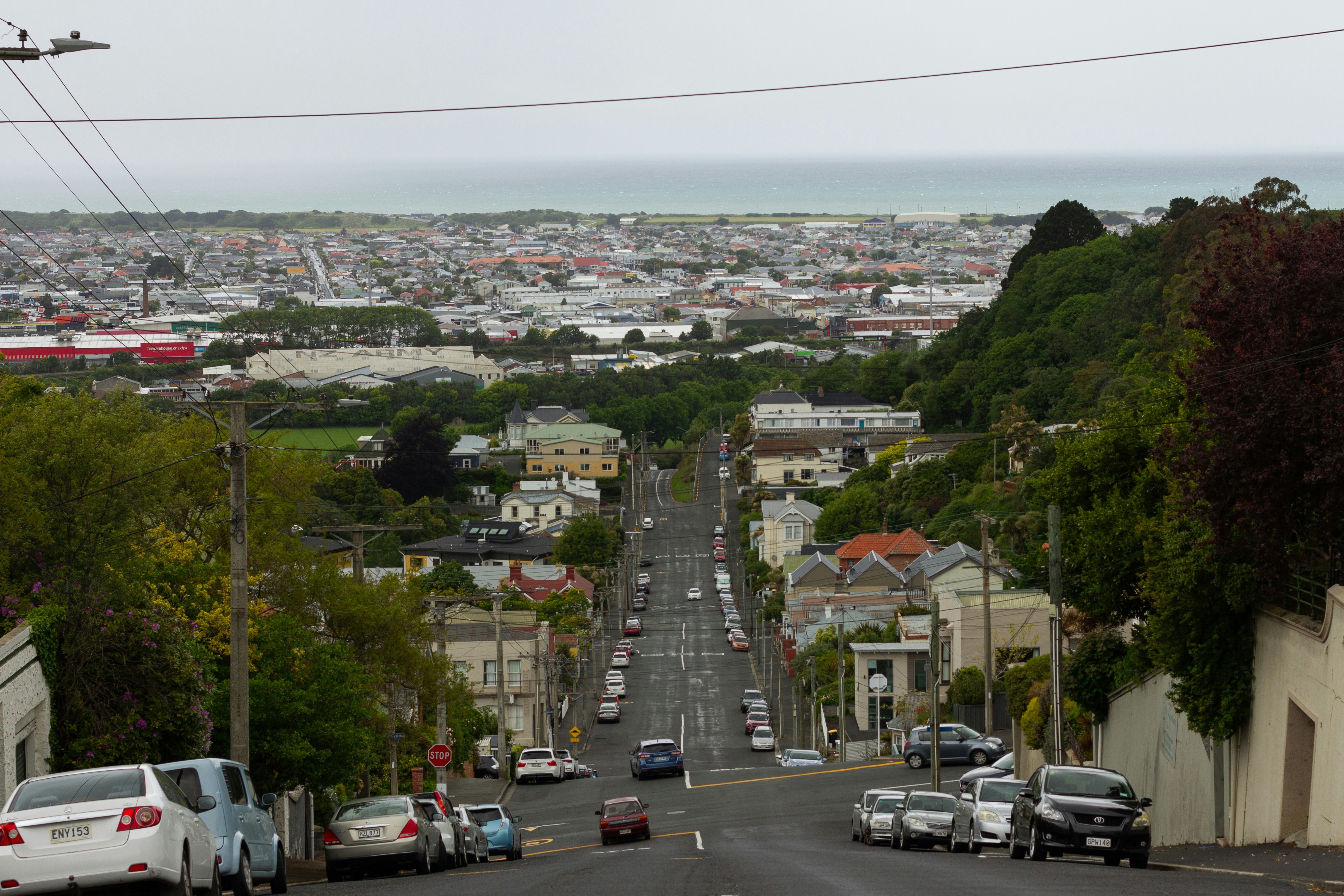
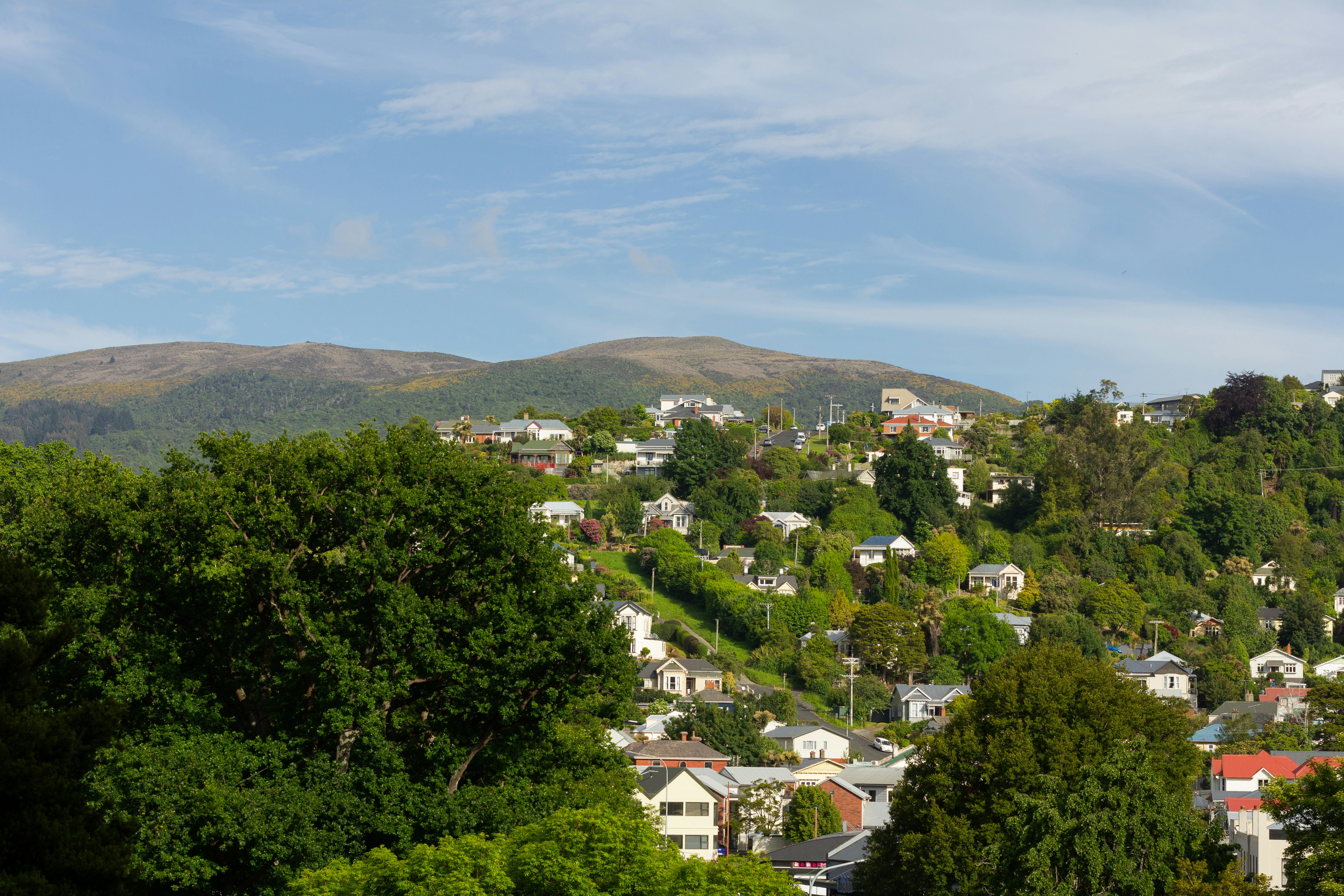
Clinging to the walls of the natural amphitheater at the west end of Otago Harbour, the South Island's second-largest city is enriched with inspiring nearby seascapes and wildlife. Because Dunedin is a university town, floods of students give the city a vitality far greater than its population of 122,000 might suggest. Its manageable size makes it easy to explore on foot—with the possible exception of Baldwin Street, the world's steepest residential street and home to the annual "gutbuster" race, in which people run up it, and the "Jaffa" race, in which people roll the namesake spherical chocolate candy down it.Dunedin, the Gaelic name for Edinburgh, was founded in 1848 by settlers of the Free Church of Scotland, a breakaway group from the Presbyterian Church. The city's Scottish roots are still visible; you'll find New Zealand's first and only (legal) whisky distillery, a statue of Scottish poet Robert Burns, and more kilts, sporrans, and gillies than you can shake a stick at! The Scottish settlers and local Māori came together in relative peace, but this wasn't true of the European whalers who were here three decades before, as places with names such as Murdering Beach illustrate.Dunedin has always had a reputation for the eccentric. Wearing no shoes and a big beard here marks a man as bohemian rather than destitute, and the residents wouldn't have it any other way. The University of Otago was the country's first university and has been drawing writers ever since its founding in 1871, most notably Janet Frame and the poet James K. Baxter. Dunedin also has a musical heritage, which blossomed into the "Dunedin Sound" of the 1970s and '80s.

Dunedin, New Zealand
Dunedin, New ZealandPhoto by K8 on Unsplash
City, Dunedin, New Zealand
City, Dunedin, New ZealandPhoto by K8 on Unsplash
Dunedin, New Zealand
Dunedin, New ZealandPhoto by K8 on Unsplash
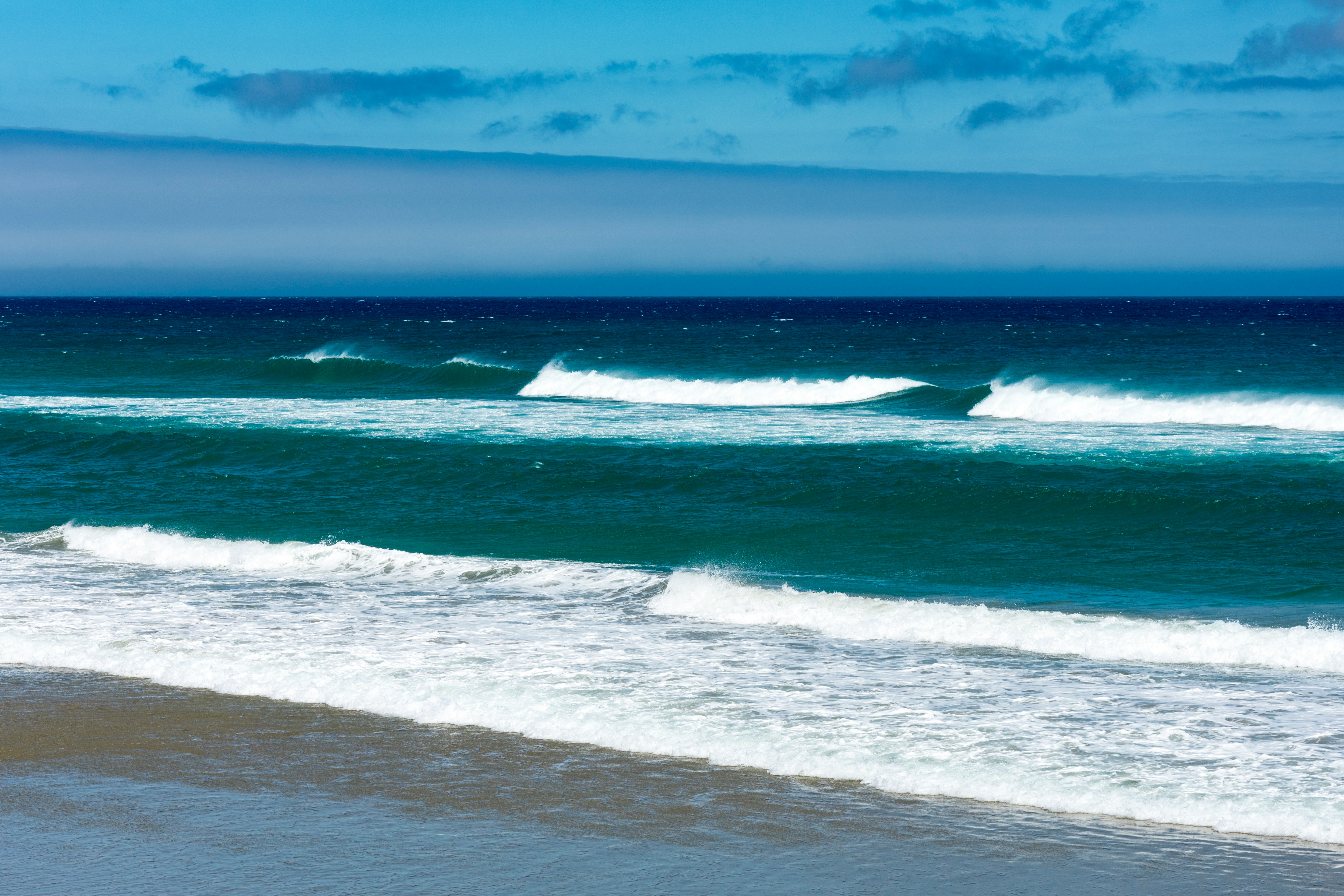
St Clair Beach, Saint Clair, Dunedin, New Zealand
St Clair Beach, Saint Clair, Dunedin, New ZealandPhoto by Duskfall Crew on Unsplash

Day 29 - Cruising Milford Sound, New Zealand

Further details for this day are not available.

Day 31 - Hobart, Tasmania

Straddling the Derwent River at the foot of Mt. Wellington's forested slopes, Hobart was founded as a penal settlement in 1803. It's the second-oldest city in the country after Sydney, and it certainly rivals its mainland counterpart as Australia's most beautiful state capital. Close-set colonial brick-and-sandstone shops and homes line the narrow, quiet streets, creating a genteel setting for this historic city of 215,000. Life revolves around the broad Derwent River port, one of the deepest harbors in the world. Here warehouses that once stored Hobart's major exports of fruit, wool, and corn and products from the city's former whaling fleet still stand alongside the wharf today.Hobart sparkles between Christmas and New Year's—summer Down Under—during the annual Sydney-to-Hobart yacht race. The event dominates conversations among Hobart's citizens, who descend on Constitution Dock to welcome the yachts and join in the boisterous festivities of the crews. The New Year also coincides with the Tastes of Tasmania Festival, when the dockside area comes alive with the best of Tasmanian food and wine on offer in numerous cafés, bars, and waterfront stalls. Otherwise, Hobart is a placid city whose nightlife is largely confined to excellent restaurants, jazz clubs, and the action at the Wrest Point Casino in Sandy Bay.The Hobart Tasmanian Travel and Information Centre hours are weekdays 8:30–5:30 and Saturday 9–5.

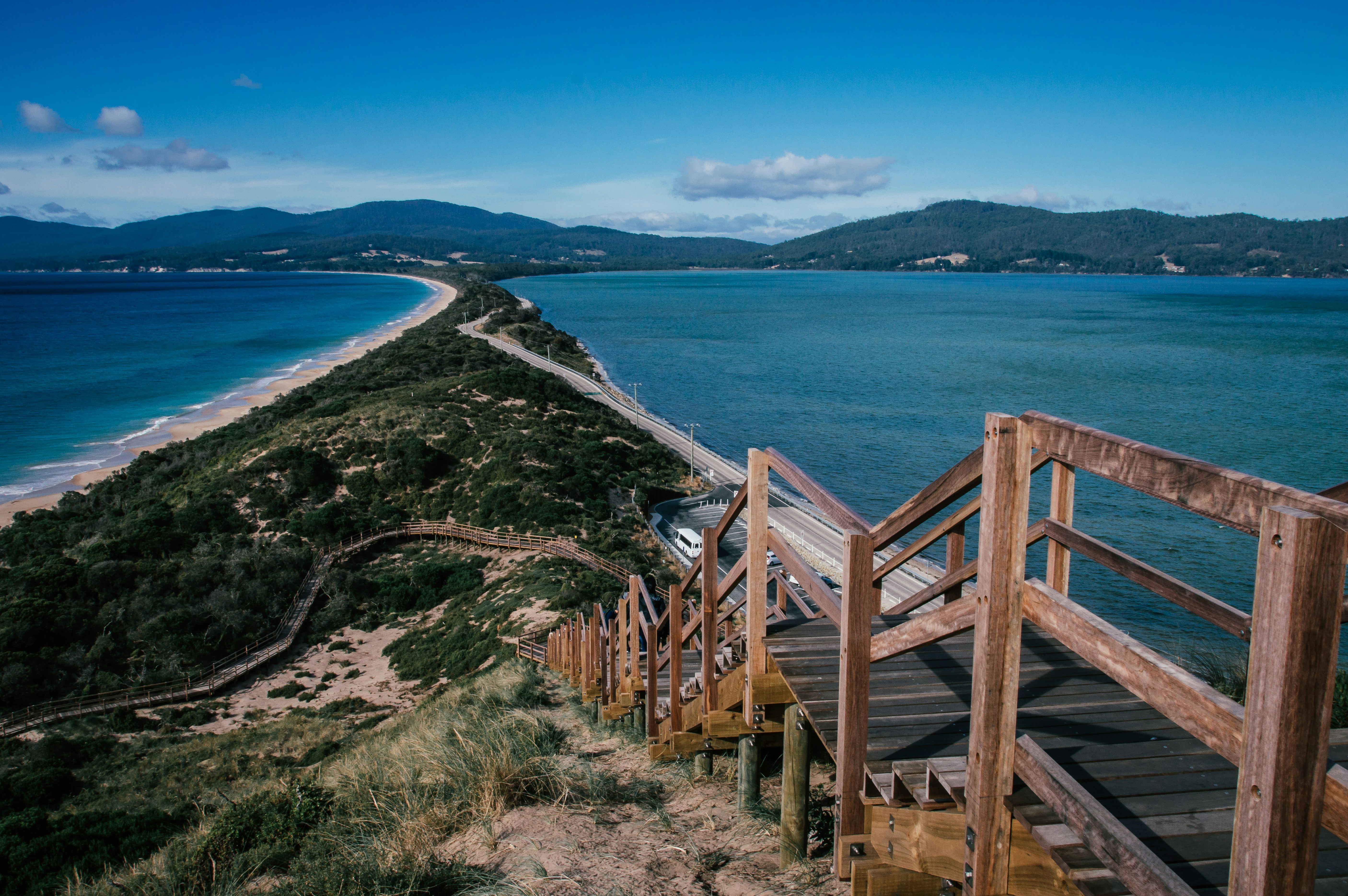
Bruny Island, Hobart, Tasmania, Australia
Bruny Island, Hobart, Tasmania, AustraliaPhoto by Tamara Thurman on Unsplash
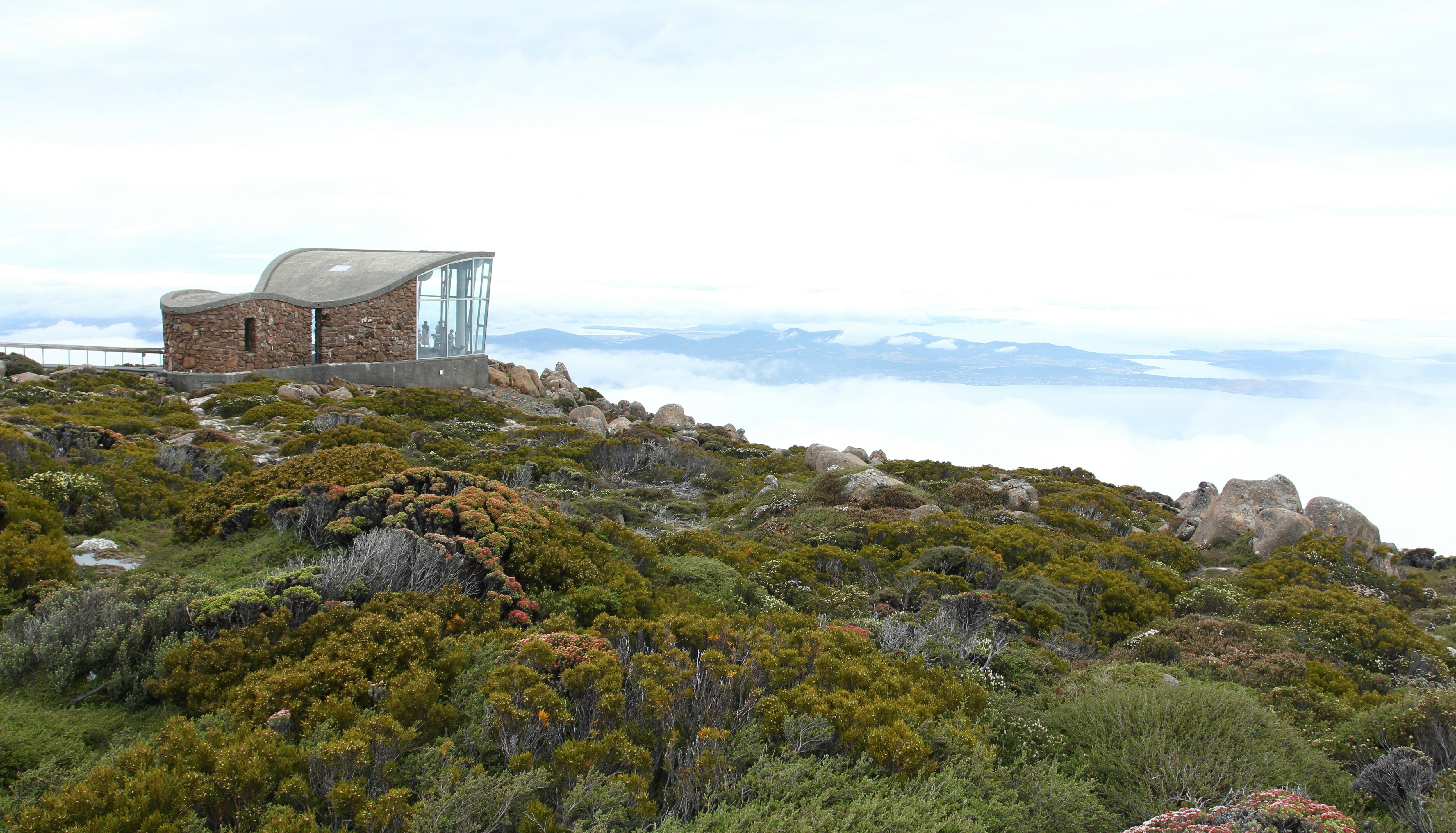
Mount Wellington, Hobart, Australia
Mount Wellington, Hobart, AustraliaPhoto by Geoff Brooks on Unsplash

Day 32 - Hobart, Tasmania

Straddling the Derwent River at the foot of Mt. Wellington's forested slopes, Hobart was founded as a penal settlement in 1803. It's the second-oldest city in the country after Sydney, and it certainly rivals its mainland counterpart as Australia's most beautiful state capital. Close-set colonial brick-and-sandstone shops and homes line the narrow, quiet streets, creating a genteel setting for this historic city of 215,000. Life revolves around the broad Derwent River port, one of the deepest harbors in the world. Here warehouses that once stored Hobart's major exports of fruit, wool, and corn and products from the city's former whaling fleet still stand alongside the wharf today.Hobart sparkles between Christmas and New Year's—summer Down Under—during the annual Sydney-to-Hobart yacht race. The event dominates conversations among Hobart's citizens, who descend on Constitution Dock to welcome the yachts and join in the boisterous festivities of the crews. The New Year also coincides with the Tastes of Tasmania Festival, when the dockside area comes alive with the best of Tasmanian food and wine on offer in numerous cafés, bars, and waterfront stalls. Otherwise, Hobart is a placid city whose nightlife is largely confined to excellent restaurants, jazz clubs, and the action at the Wrest Point Casino in Sandy Bay.The Hobart Tasmanian Travel and Information Centre hours are weekdays 8:30–5:30 and Saturday 9–5.

Bruny Island, Hobart, Tasmania, Australia
Bruny Island, Hobart, Tasmania, AustraliaPhoto by Tamara Thurman on Unsplash
Mount Wellington, Hobart, Australia
Mount Wellington, Hobart, AustraliaPhoto by Geoff Brooks on Unsplash

Day 34 - Sydney, New South Wales

Sydney, capital of New South Wales and one of Australia's largest cities, is best known for its harbourfront Sydney Opera House, with a distinctive sail-like design. Massive Darling Harbour and the smaller Circular Quay port are hubs of waterside life, with the arched Harbour Bridge and esteemed Royal Botanic Garden nearby. Sydney Tower’s outdoor platform, the Skywalk, offers 360-degree views of the city and suburbs.

Ausyd   Sydney   Aerial   Tourism Australia, Sdp Media
Ausyd Sydney Aerial Tourism Australia, Sdp MediaTourism Australia, SDP Media
Ausyd   Sydney   Bondi Beach   Image By Gbates94 On Pixabay
Ausyd Sydney Bondi Beach Image By Gbates94 On PixabayImage by Gbates94 on Pixabay
Ausyd   Sydney   Bridge Sydney Harbor And Opera House   Image By Wimkantona On Pixabay
Ausyd Sydney Bridge Sydney Harbor And Opera House Image By Wimkantona On PixabayImage by wimkantona on Pixabay
Ausyd   Sydney   Gladesville   Image By Pattyjansen On Pixabay
Ausyd Sydney Gladesville Image By Pattyjansen On PixabayImage by pattyjansen on Pixabay
Ausyd   Sydney   Sydney Harbour Bridge   Image By Skeeze On Pixabay
Ausyd Sydney Sydney Harbour Bridge Image By Skeeze On PixabayImage by skeeze on Pixabay

Day 35 - Sydney, New South Wales

Sydney, capital of New South Wales and one of Australia's largest cities, is best known for its harbourfront Sydney Opera House, with a distinctive sail-like design. Massive Darling Harbour and the smaller Circular Quay port are hubs of waterside life, with the arched Harbour Bridge and esteemed Royal Botanic Garden nearby. Sydney Tower’s outdoor platform, the Skywalk, offers 360-degree views of the city and suburbs.

Ausyd   Sydney   Aerial   Tourism Australia, Sdp Media
Ausyd Sydney Aerial Tourism Australia, Sdp MediaTourism Australia, SDP Media
Ausyd   Sydney   Bondi Beach   Image By Gbates94 On Pixabay
Ausyd Sydney Bondi Beach Image By Gbates94 On PixabayImage by Gbates94 on Pixabay
Ausyd   Sydney   Bridge Sydney Harbor And Opera House   Image By Wimkantona On Pixabay
Ausyd Sydney Bridge Sydney Harbor And Opera House Image By Wimkantona On PixabayImage by wimkantona on Pixabay
Ausyd   Sydney   Gladesville   Image By Pattyjansen On Pixabay
Ausyd Sydney Gladesville Image By Pattyjansen On PixabayImage by pattyjansen on Pixabay
Ausyd   Sydney   Sydney Harbour Bridge   Image By Skeeze On Pixabay
Ausyd Sydney Sydney Harbour Bridge Image By Skeeze On PixabayImage by skeeze on Pixabay

Day 38 - Nouméa

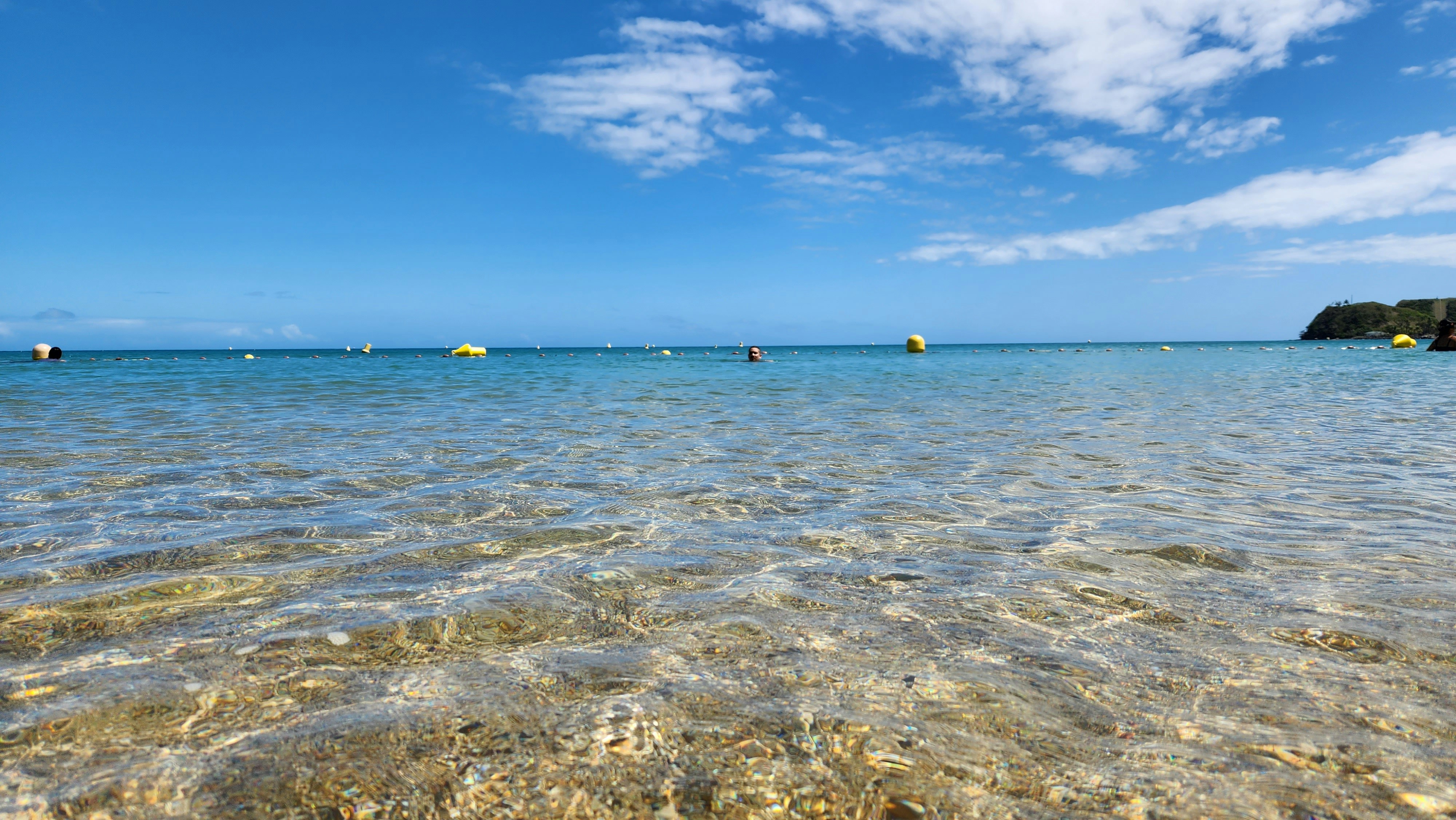
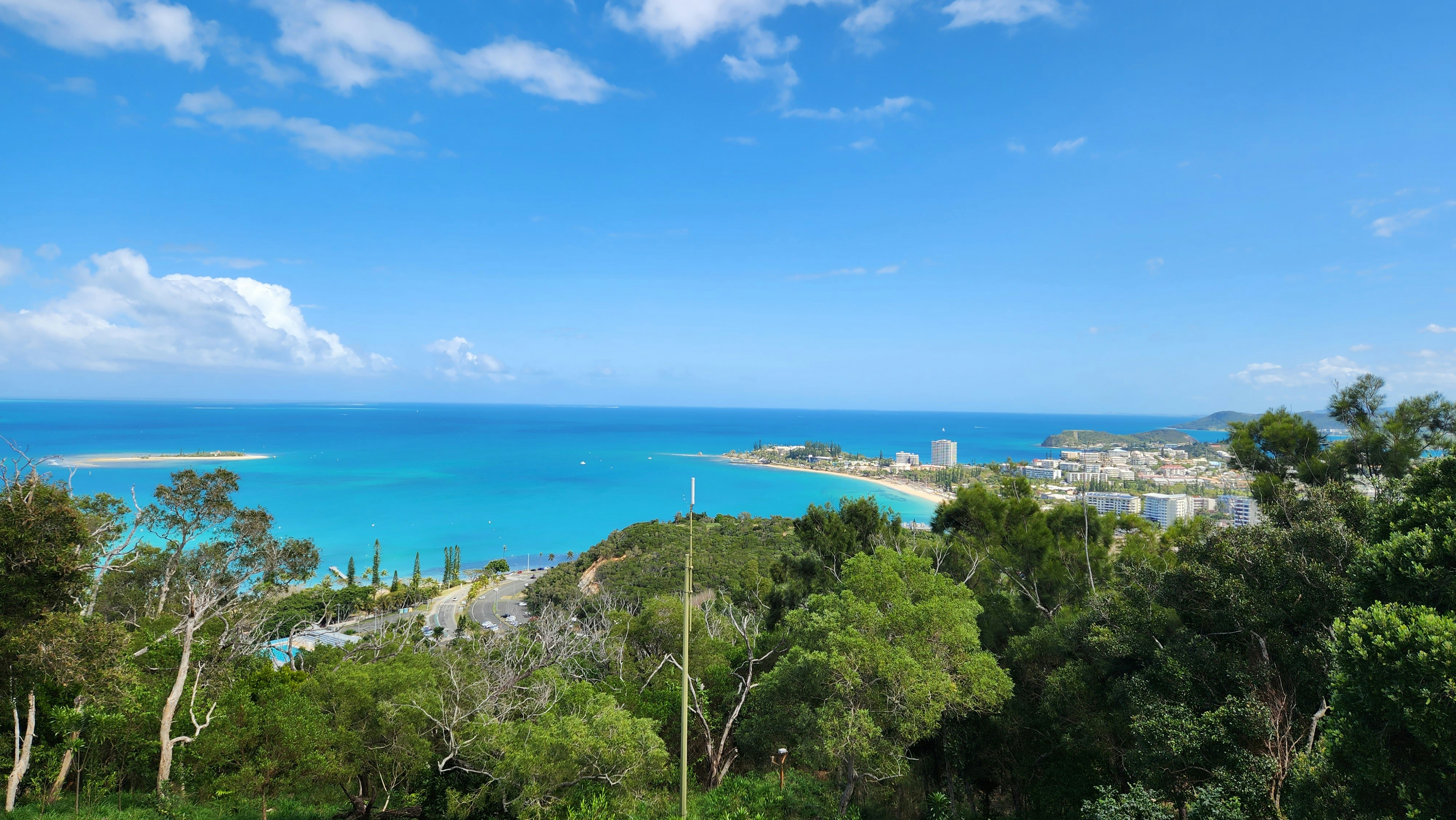
With its elegant urban infrastructure in a stunning natural setting, Noumea is a truly unique island and part of the New Caledonia archipelago. Noumea started as a penal colony, but has since evolved to a lovely metropolis and today has almost two thirds of New Caledonia’s population. While much of the archipelago of New Caledonia has a large percentage of Kanak people – the indigenous inhabitants who live in tribal areas across the country – Noumea is predominantly European with a strong French influence. The city’s center and Place de Cocotiers, the main park, are located close to the harbor and several churches date back to the late 19th century. Other attractions include a world-class aquarium at Anse Vata, several long beaches to the south, and a noteworthy collection of Kanak and South Pacific objects at the Museum of New Caledonia. The architectural gem of the city is the Tjibaou Cultural Center, the structure of which resembles sails, or the roofs of Kanak houses hidden behind mangroves.

Nouméa, New Caledonia
Nouméa, New CaledoniaPhoto by Nico Smit on Unsplash
Nouméa, New Caledonia
Nouméa, New CaledoniaPhoto by Nico Smit on Unsplash

Day 40 - Luganville

Further details for this day are not available.

Luganville, Vanuatu
Luganville, VanuatuPhoto by Slobodan Tomic on Unsplash

Day 44 - Apia

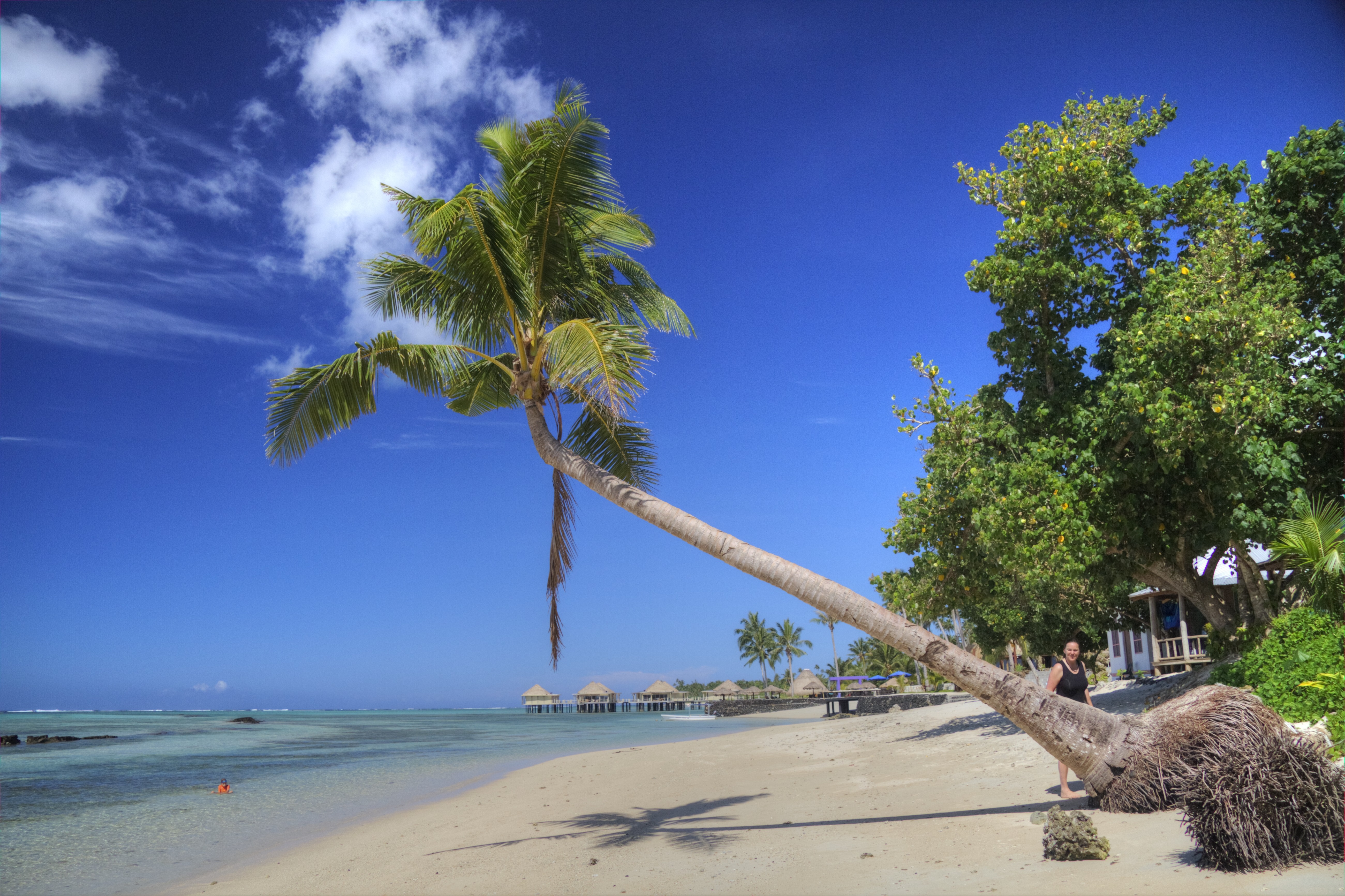
Samoa is a group of ten islands located in the South Pacific. The tropical climate and volcanic landscape create a picturesque location for visitors to explore, together with the experience of Fa'a Samoa, the three thousand year old way of life on Samoa.

Beach, Apia, Samoa
Beach, Apia, SamoaImage by Holger Detje from Pixabay

Day 44 - Pago Pago

American Samoa is a tropical paradise, located in the Pacific Ocean and home to some of the world's most unique flora and fauna. Pago Pago is the main harbour and village of Tutuila island. It is considered the capital of the territory and is the entry point for visitors exploring the picturesque volcanic islands.

Pago Pago
Pago PagoImage by Holger Detje from Pixabay

Day 50 - Honolulu, Hawaii

Capital of Hawaii, and a popular tourist destination, Honolulu is known for surfing and water sports. However, there's more to the city than surfing; with museums, the only royal palace in the country, and a mall, there's bound to be something of interest for any visitor.

Ushnl Honolulu Hawaii Small Island

Day 51 - Honolulu, Hawaii

Capital of Hawaii, and a popular tourist destination, Honolulu is known for surfing and water sports. However, there's more to the city than surfing; with museums, the only royal palace in the country, and a mall, there's bound to be something of interest for any visitor.

Ushnl Honolulu Hawaii Small Island

Day 57 - Los Angeles, California

Home of the famous Hollywood sign and Walk of Fame, Los Angeles is the place to visit for anyone interested in film and television and hoping to get a glimpse at some famous actors and artists. Stroll down the Walk and enjoy the glamorous atmosphere and famous surroundings, or take a break on the Santa Monica pier and watch the sun set on the sea.

Uslax   Los Angeles   Cityscape At Dusk   Butch Cordero
Uslax Los Angeles Cityscape At Dusk Butch CorderoButch Cordero
Uslax   Los Angeles   Downtown Skyline   John Paul Boomer Iacoangelo
Uslax Los Angeles Downtown Skyline John Paul Boomer IacoangeloJohn Paul Boomer Iacoangelo
Uslax   Los Angeles   Downtown Skyline At Night With Freeways   Michelle & Tom Grimm
Uslax Los Angeles Downtown Skyline At Night With Freeways Michelle & Tom GrimmMichelle & Tom Grimm
Uslax   Los Angeles   Malibu Cliffs   Travis Conklin
Uslax Los Angeles Malibu Cliffs Travis ConklinTravis Conklin
Uslax   Los Angeles   Malibu Pier  Long Shot    John Paul Boomer Iacoangelo
Uslax Los Angeles Malibu Pier Long Shot John Paul Boomer IacoangeloJohn Paul Boomer Iacoangelo
Uslax   Los Angeles   Paramount Studios Gate   John Paul Boomer Iacoangelo
Uslax Los Angeles Paramount Studios Gate John Paul Boomer IacoangeloJohn Paul Boomer Iacoangelo

Day 60 - Cabo San Lucas

Cabo San Lucas, a resort city on the southern tip of Mexico’s Baja California peninsula, is known for its beaches, water-based activities and nightlife. Playa El Médano is Cabo’s main beach, with outdoor restaurants and numerous bars. Past the marina is Land's End promontory, site of Playa del Amor (Lover's Beach) and El Arco, a natural archway in the seacliffs.

Mxcsl   Cabo San Lucas, Mexico   Claire Ward
Mxcsl Cabo San Lucas, Mexico Claire WardClaire Ward
Mxcsl   Cabo San Lucas, Mexico   Frankie Valentine
Mxcsl Cabo San Lucas, Mexico Frankie ValentineFrankie Valentine
Mxcsl   Cabo San Lucas, Mexico   John Cafazza
Mxcsl Cabo San Lucas, Mexico John CafazzaJohn Cafazza
Mxcsl   Cabo San Lucas, Mexico   Viktor Hughes 1
Mxcsl Cabo San Lucas, Mexico Viktor Hughes 1 Viktor Hughes
Mxcsl   Cabo San Lucas, Mexico   Viktor Hughes
Mxcsl Cabo San Lucas, Mexico Viktor HughesViktor Hughes

Day 64 - Puntarenas

This town is not on the Nicoya Peninsula, but rather on Costa Rica's mainland. It is best known as a cruise-ship port and launching pad for ferries heading southeast to the coast of the Nicoya Peninsula and for cruises sailing out on the Gulf of Nicoya. Puntarenas is also a major fishing port with a lively fish market. The town’s reputation suffers from the unimpressive parts you see from your car as you roll through town on the way to the ferry dock. But the town has a lot of character off the main drag, thanks to its illustrious past as an affluent port town and principal vacation spot for San José's wealthy, who arrived by train in the last century. Once the port was moved and roads opened to other beaches, Puntarenas's economy crashed, but it's making a comeback. Sitting on a narrow spit of sand—punta de arenas literally means "point of sand"—that protrudes into the Gulf of Nicoya, the town boasts a beautifully groomed, wide Blue Flag beach with views of the Nicoya Peninsula and spectacular sunsets, along with a public swimming pool, the San Lucas Beach Club, and a marine-life museum. Ticos arrive by bus and car to enjoy the beach and stroll the Paseo de los Turistas, a beachfront promenade lined with tree-shaded concrete benches and seafood restaurants. Crowds of locals, called porteños, cruise by on bicycles, the town’s most popular form of transport.

Puntarenas, Costa Rica
Puntarenas, Costa RicaImage by FINTAN O' BRIEN from Pixabay

Day 66 - Balboa (Panama City)

Further details for this day are not available.

Panama City From Balboa
Panama City From BalboaImage by enrique patino from Pixabay

Day 67 - Panama Canal (transit), Panama

Further details for this day are not available.

Day 67 - Panama Canal (transit), Panama

Further details for this day are not available.

Day 70 - La Romana

La Romana is a city on the Dominican Republic’s Caribbean coast and a gateway to nearby resort areas. Overlooking the Chavón River, Altos de Chavón is a re-created 16th-century Mediterranean village with artists' workshops. An obelisk painted with colorful images of local life stands in the city center. South of the city is Catalina Island, with beaches, coral reefs and the wrecked ship of pirate William Kidd.

Church At La Romana
Church At La RomanaImage by photosforyou from Pixabay

Day 71 - Road Town, Tortola

Road Town, located on Tortola, is the capital and largest town of the British Virgin Islands. It is situated on the horseshoe-shaped Road Harbour in the centre of the island's south coast

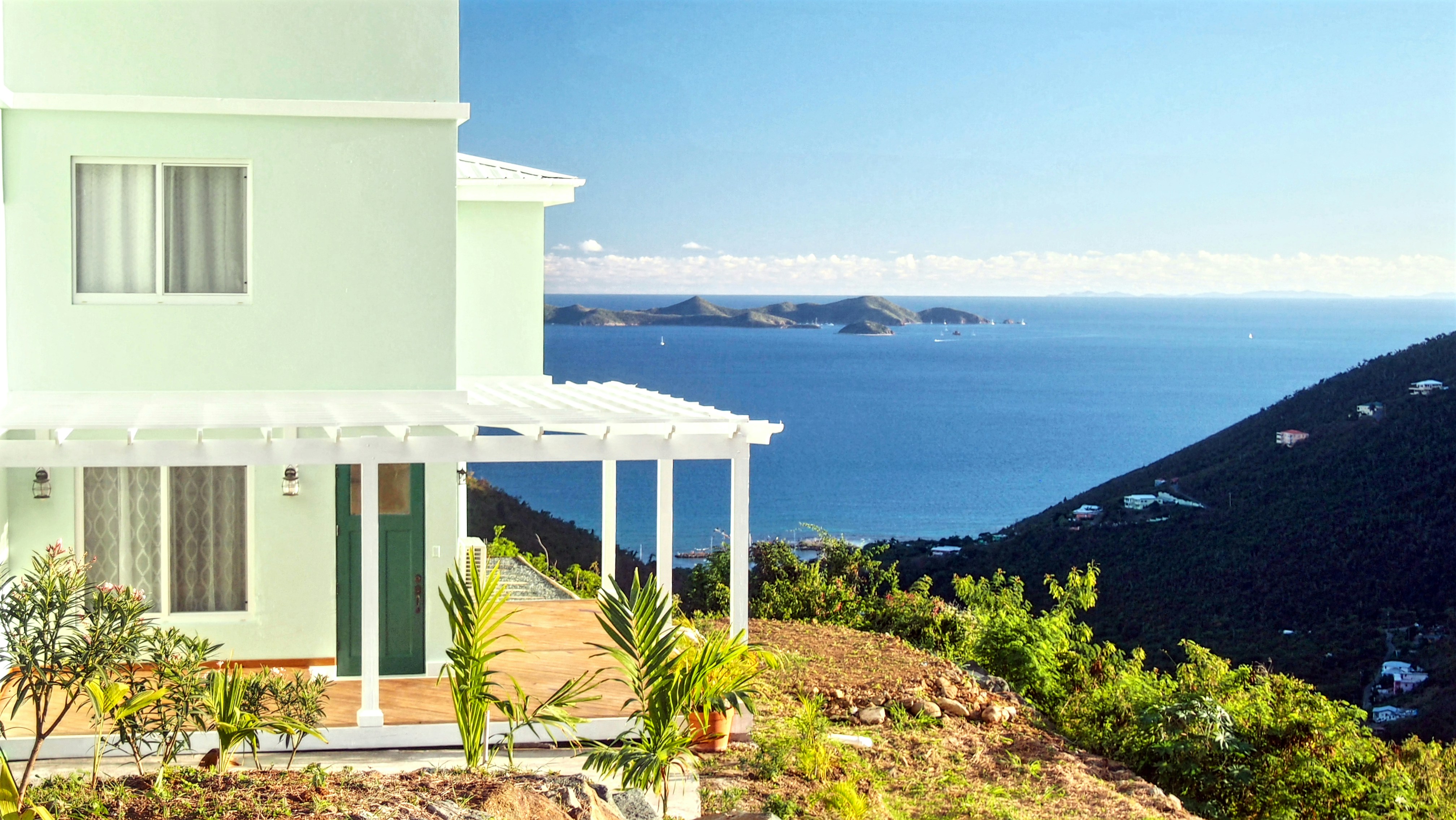
House On A Hill, Tortola
House On A Hill, TortolaPhoto by Dietmar Lichota on Unsplash
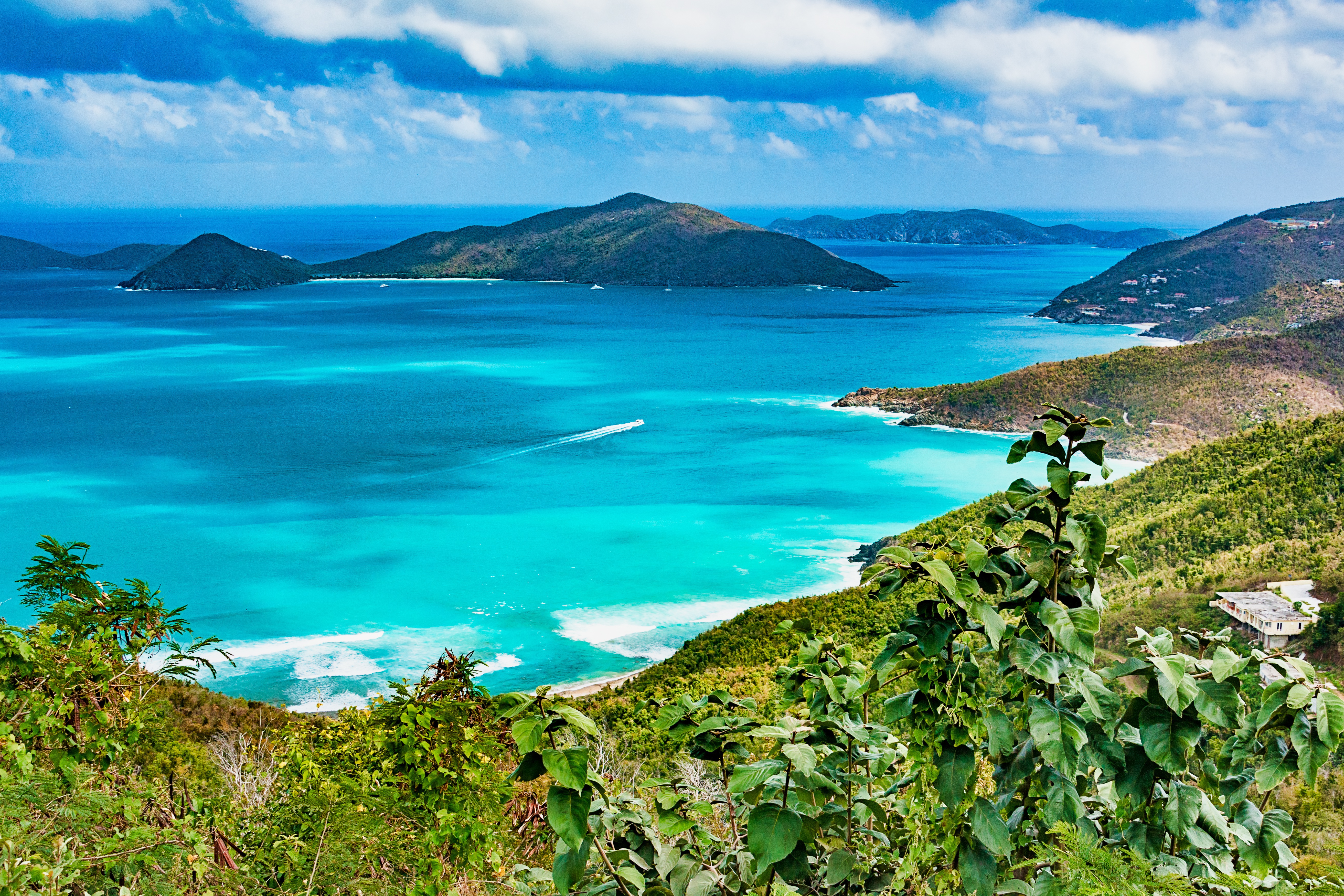
Landscape Of Tortola, British Virgin Islands
Landscape Of Tortola, British Virgin IslandsImage by Richard Todd from Pixabay

Day 72 - Philipsburg

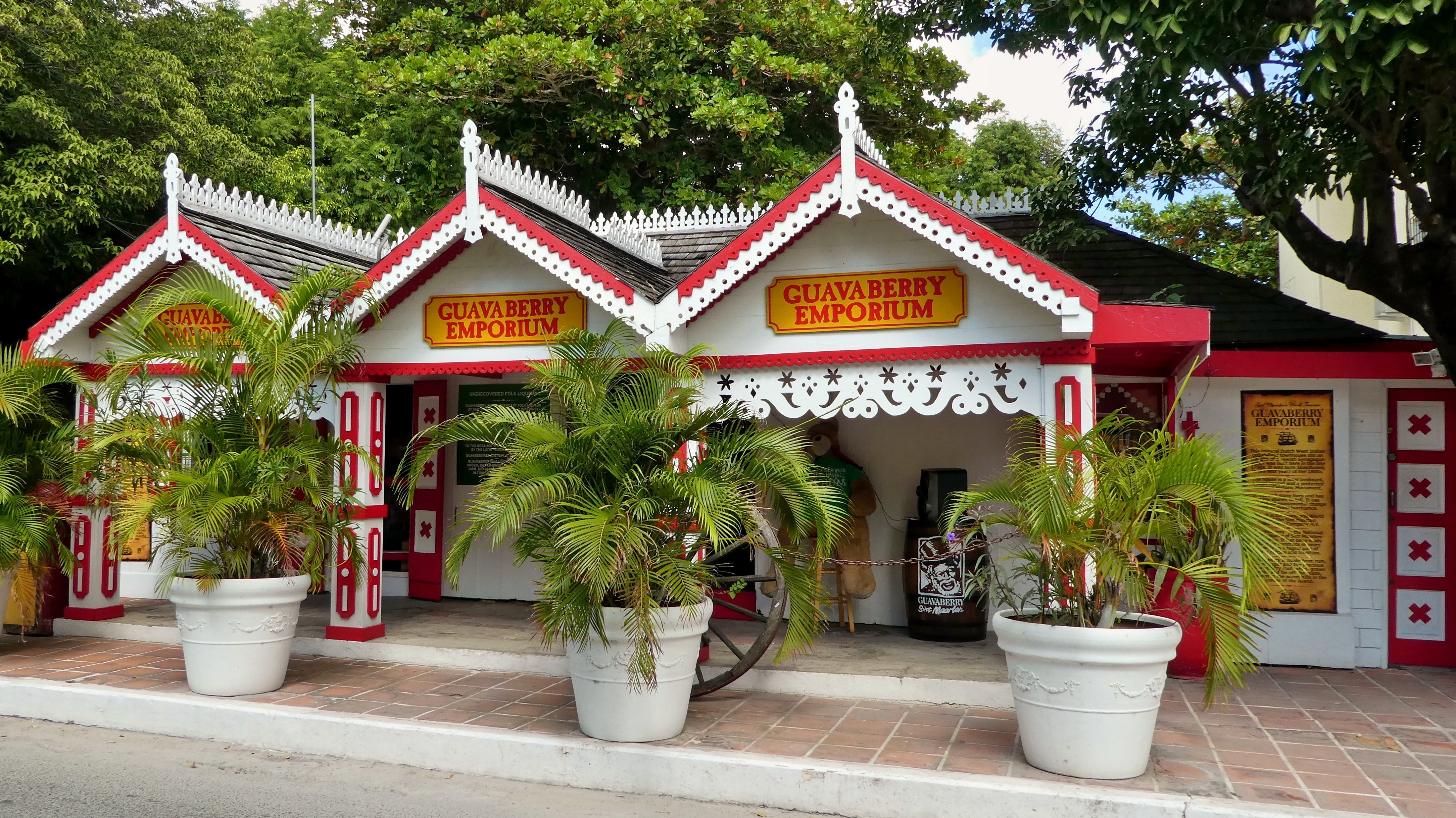
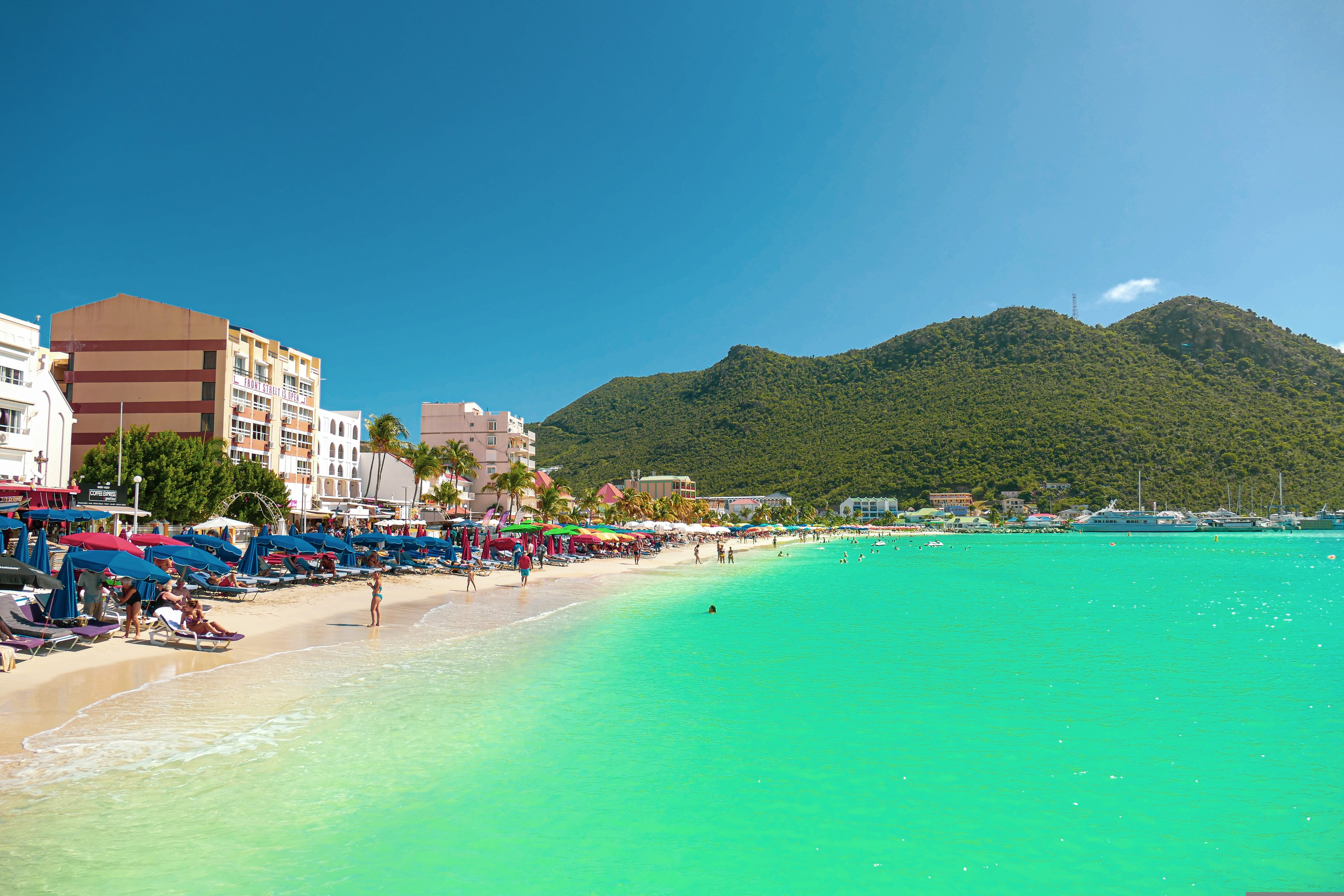
The capital of Dutch St. Maarten stretches about a mile (1½ km) along an isthmus between Great Bay and the Salt Pond and has five parallel streets. Most of the village's dozens of shops and restaurants are on Front Street, narrow and cobblestone, closest to Great Bay. It's generally congested when cruise ships are in port, because of its many duty-free shops and several casinos. Little lanes called steegjes connect Front Street with Back Street, which has fewer shops and considerably less congestion. Along the beach is a ½-mile-long (1-km-long) boardwalk with restaurants and several Wi-Fi hot spots.Wathey Square (pronounced watty) is in the heart of the village. Directly across from the square are the town hall and the courthouse, in a striking white building with cupola. The structure was built in 1793 and has served as the commander's home, a fire station, a jail, and a post office. The streets surrounding the square are lined with hotels, duty-free shops, restaurants, and cafés. The Captain Hodge Pier, just off the square, is a good spot to view Great Bay and the beach that stretches alongside.

Sxphi   Philipsburg   Beach   © St. Maarten Tourist Bureau
Sxphi Philipsburg Beach © St. Maarten Tourist Bureau©St. Maarten Tourist Bureau
Sxphi   Philipsburg   Beach, Children Running   © St. Maarten Tourist Bureau
Sxphi Philipsburg Beach, Children Running © St. Maarten Tourist Bureau©St. Maarten Tourist Bureau
Sxphi   Philipsburg   Cliff, Couple   © St. Maarten Tourist Bureau
Sxphi Philipsburg Cliff, Couple © St. Maarten Tourist Bureau©St. Maarten Tourist Bureau
Sxphi   Philipsburg   Jumping In The Sea, Dusk   © St. Maarten Tourist Bureau
Sxphi Philipsburg Jumping In The Sea, Dusk © St. Maarten Tourist Bureau©St. Maarten Tourist Bureau
Sint Maarten
Sint MaartenImage by neufal54 from Pixabay
Sint Maarten
Sint MaartenImage from Pixabay

Day 79 - Las Palmas de Gran Canaria

Perhaps the prettiest of the Canary Islands, Gran Canaria is an almost circular isle with the peak of Pozo de Las Nieves, its highest point, at the centre. With a wealth of natural beauty and all the exciting attractions of city life in the capital, the island offers the best of both worlds. You will no doubt wish to see the sights of the capital’s old quarter, which dates back to the 15th century and encompassses the Vegueta and Triana districts, and wherever you go you can enjoy the glorious subtropical climate, perfect for growing exotic palms and fruits.

Eslpa   Las Palmas De Gran Canaria, Spain   Photo Credit Belongs To Vidar Nordli Mathisen
Eslpa Las Palmas De Gran Canaria, Spain Photo Credit Belongs To Vidar Nordli Mathisen

Day 82 - Ibiza

Hedonistic and historic, Eivissa (Ibiza, in Castilian) is a city jam-packed with cafés, nightspots, and trendy shops; looming over it are the massive stone walls of Dalt Vila —the medieval city declared a UNESCO World Heritage site in 1999—and its Gothic cathedral. Squeezed between the north walls of the old city and the harbor is Sa Penya, a long labyrinth of stone-paved streets that offer some of the city's best offbeat shopping, snacking, and exploring. The tourist information office on Vara de Rey has a useful map of walks through the old city.

Esibz   Ibiza, Spain   Adrien Prv
Esibz Ibiza, Spain Adrien Prv
Esibz   Ibiza, Spain   Belinda Fewings
Esibz Ibiza, Spain Belinda FewingsBelinda Fewings
Esibz   Ibiza, Spain   Jose Llamas 1
Esibz Ibiza, Spain Jose Llamas 1 Jose Llamas
Esibz   Ibiza, Spain   Jose Llamas
Esibz Ibiza, Spain Jose Llamas Jose Llamas
Esibz   Ibiza, Spain   Valentin Faivre
Esibz Ibiza, Spain Valentin FaivreValentin Faivre

Day 84 - Naples

Naples, in the Campania region, is Italy's third largest city. Its claim to fame is the spectacular location along one of the world's most splendid bays, backed by the perfect cone of Mount Vesuvius. In addition to its beautiful setting, Naples' surprises with other outstanding attractions such as the Royal Palace, San Carlos Opera House, the impressive National Archaeological Museum and the Castel Nuovo, dating from the 13th-century. The city's central area is best explored on foot. Chaotic traffic conditions make driving around the city a very frustrating experience. Naples provides a convenient starting point for trips to such favored destinations as Pompeii, Herculaneum and Mount Vesuvius. The Isle of Capri can be reached via a 45-minute hydrofoil service. The region of Campania was home to Greeks settlers some 300 years before Rome was founded. Pompeii, too, was a Greek town before being conquered by the Romans during the 5th century BC. It was under the Romans that Pompeii flourished and grew prosperous. When Mount Vesuvius erupted in 79 AD, the population of 20,000 was wiped out, but dozens of buildings were preserved under layers of cinder more than 20 feet deep. The most important finds from Pompeii are displayed in Naples' National Archaeological Museum. A visit here will no doubt enhance a visit to ancient Pompeii.

Itnap   Naples   Castello Aragonese Ischia   Fototeca Enit
Itnap Naples Castello Aragonese Ischia Fototeca Enit©FOTOTECA ENIT
Itnap   Naples   Colourful Aerial Of Naples
Itnap Naples Colourful Aerial Of Naples
Itnap   Naples   Pompeii
Itnap Naples Pompeii
Itnap   Naples   Stacks In Capri   Fototeca Enit
Itnap Naples Stacks In Capri Fototeca Enit©FOTOTECA ENIT

Day 85 - Civitavecchia

Italy's vibrant capital lives in the present, but no other city on earth evokes its past so powerfully. For over 2,500 years, emperors, popes, artists, and common citizens have left their mark here. Archaeological remains from ancient Rome, art-stuffed churches, and the treasures of Vatican City vie for your attention, but Rome is also a wonderful place to practice the Italian-perfected il dolce far niente, the sweet art of idleness. Your most memorable experiences may include sitting at a caffè in the Campo de' Fiori or strolling in a beguiling piazza.

Itrom   Rome   Colosseum   Mathew Schwartz
Itrom Rome Colosseum Mathew SchwartzPhotograph by Matthew Schwartz
Itrom   Rome   Navona Square   Fototeca Enit
Itrom Rome Navona Square Fototeca EnitFototeca ENIT
Itrom   Rome   S.Pietro & S.Angelo Bridge   Fototeca Enit
Itrom Rome S.Pietro & S.Angelo Bridge Fototeca Enit Fototeca ENIT
Itrom   Rome   Sant'angelo Bridge   Fototeca Enit
Itrom Rome Sant'angelo Bridge Fototeca EnitFototeca ENIT
Itrom   Rome   Tempio Del Divo Claudio   Nicole Reyes
Itrom Rome Tempio Del Divo Claudio Nicole ReyesPhotograph by Nicole Reyes
Itrom   Rome   Trevi Fountain   Christopher Czermak
Itrom Rome Trevi Fountain Christopher CzermakPhotograph by Christopher Czermak
Itrom   Rome   Vatican City   Caleb Miller
Itrom Rome Vatican City Caleb MillerPhotograph by Caleb Miller
Itrom   Rome   Vatican City   Christopher Czermak
Itrom Rome Vatican City Christopher CzermakPhotograph by Christopher Czermak

Day 86 - Genoa

Genoa is a port city in the Northwest of Italy. Home to the Genoa Aquarium, famous for having the largest exposition of biodiversity in Europe, the city is also a great place to visit for anyone interested in architecture.

Itgoa   Genoa   Calata Cattaneo   Erin Doering
Itgoa Genoa Calata Cattaneo Erin DoeringPhotograph by Erin Doering
Itgoa   Genoa   Old Two Street   Julia Solonina
Itgoa Genoa Old Two Street Julia SoloninaPhotograph by Julia Solonina
Itgoa   Genoa   The Old Port Transformed   De Agostini Picture Library
Itgoa Genoa The Old Port Transformed De Agostini Picture LibraryDE AGOSTINI PICTURE LIBRARY
Itgoa   Genoa   The Salons And The Courtyard Of The Palazzo Ducale   De Agostini Picture Library
Itgoa Genoa The Salons And The Courtyard Of The Palazzo Ducale De Agostini Picture LibraryDE AGOSTINI PICTURE LIBRARY

Day 87 - Marseille

Since being designated a European Capital of Culture for 2013, with an estimated €660 million of funding in the bargain, Marseille has been in the throes of an extraordinary transformation, with no fewer than five major new arts centers, a beautifully refurbished port, revitalized neighborhoods, and a slew of new shops and restaurants. Once the underdog, this time-burnished city is now welcoming an influx of weekend tourists who have colonized entire neighborhoods and transformed them into elegant pieds-à-terre (or should we say, mer). The second-largest city in France, Marseille is one of Europe's most vibrant destinations. Feisty and fond of broad gestures, it is also as complicated and as cosmopolitan now as it was when a band of Phoenician Greeks first sailed into the harbor that is today's Vieux Port in 600 BC. Legend has it that on that same day a local chieftain's daughter, Gyptis, needed to choose a husband, and her wandering eyes settled on the Greeks' handsome commander Protis. Her dowry brought land near the mouth of the Rhône, where the Greeks founded Massalia, the most important Continental shipping port in antiquity. The port flourished for some 500 years as a typical Greek city, enjoying the full flush of classical culture, its gods, its democratic political system, its sports and theater, and its naval prowess. Caesar changed all that, besieging the city in 49 BC and seizing most of its colonies. In 1214 Marseille was seized again, this time by Charles d'Anjou, and was later annexed to France by Henri IV in 1481, but it was not until Louis XIV took the throne that the biggest transformations of the port began; he pulled down the city walls in 1666 and expanded the port to the Rive Neuve (New Riverbank). The city was devastated by plague in 1720, losing more than half its population. By the time of the Revolution, Marseille was on the rebound once again, with industries of soap manufacturing and oil processing flourishing, encouraging a wave of immigration from Provence and Italy. With the opening of the Suez Canal in 1869, Marseille became the greatest boomtown in 19th-century Europe. With a large influx of immigrants from areas as exotic as Tangiers, the city quickly acquired the multicultural population it maintains to this day.

Frmrs   Marseille   Fireworks View Port   Arthur Aldyrkhanov
Frmrs Marseille Fireworks View Port Arthur AldyrkhanovPhotograph by Arthur Aldyrkhanov
Frmrs   Marseille   France   Marseille   Calanque De Morgiou   © Szs
Frmrs Marseille France Marseille Calanque De Morgiou © Szs© SZS
Frmrs   Marseille   France   Marseille   Port   © M. Raynaud
Frmrs Marseille France Marseille Port © M. Raynaud© M. Raynaud
Frmrs   Marseille   France   Marseille   Sea And Coast View   © V. Toche
Frmrs Marseille France Marseille Sea And Coast View © V. Toche© V. Toche
Frmrs   Marseille   France   Marseille   Vallon Des Auffes   © M. Raynaud
Frmrs Marseille France Marseille Vallon Des Auffes © M. Raynaud© M. Raynaud
Frmrs   Marseille   Luminy   Clement Griffet
Frmrs Marseille Luminy Clement GriffetPhotograph by Clement Griffet
Frmrs   Marseille   Old House   Matthieu Joannon
Frmrs Marseille Old House Matthieu JoannonPhotograph by Matthieu Joannon
Frmrs   Marseille   Robert Laffon Promenade   Erin Doering
Frmrs Marseille Robert Laffon Promenade Erin DoeringPhotograph by Erin Doering
Frmrs   Marseille   Swimming   Laurine Bailly
Frmrs Marseille Swimming Laurine BaillyPhotograph by Laurine Bailly

Suites & Deck Plans

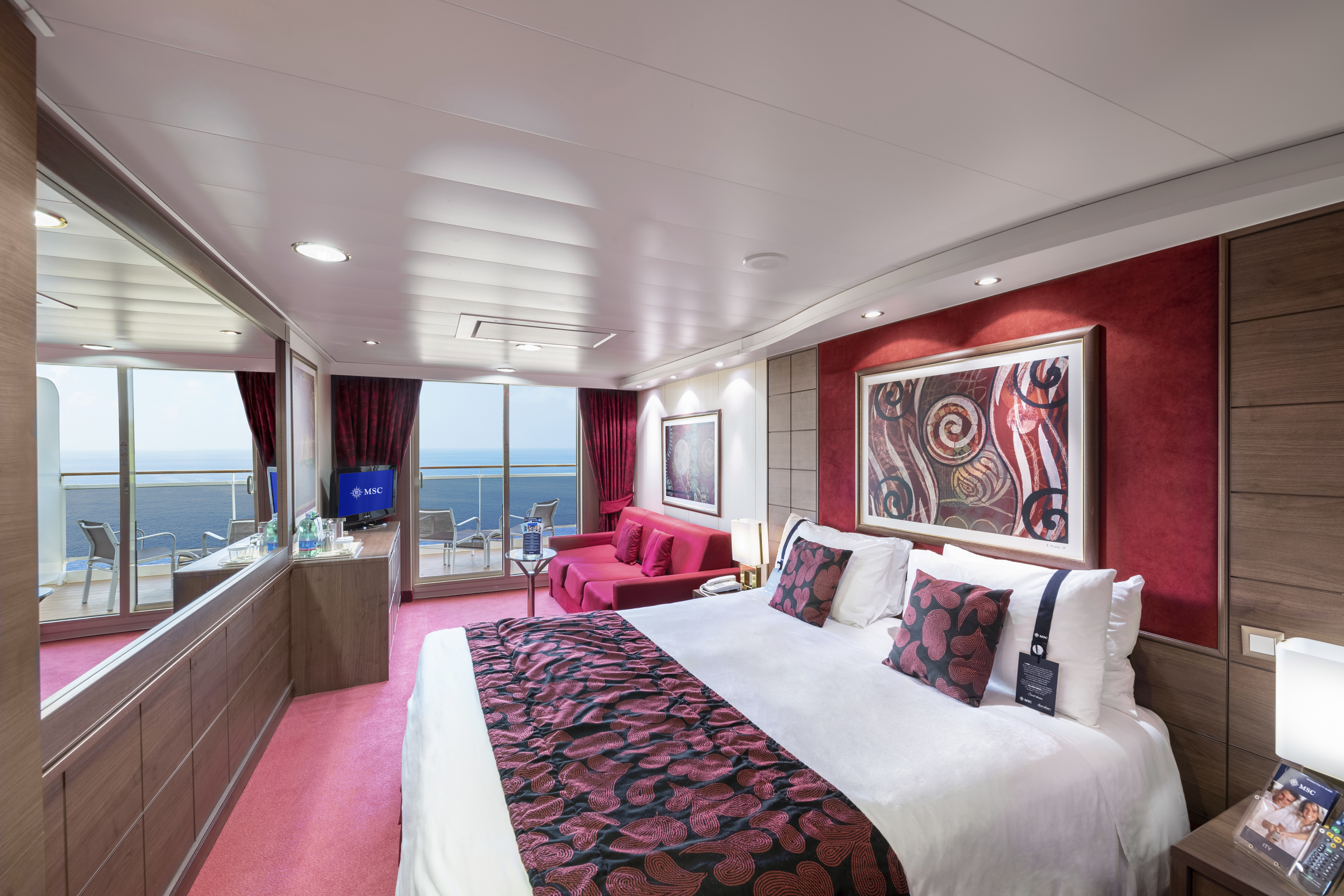
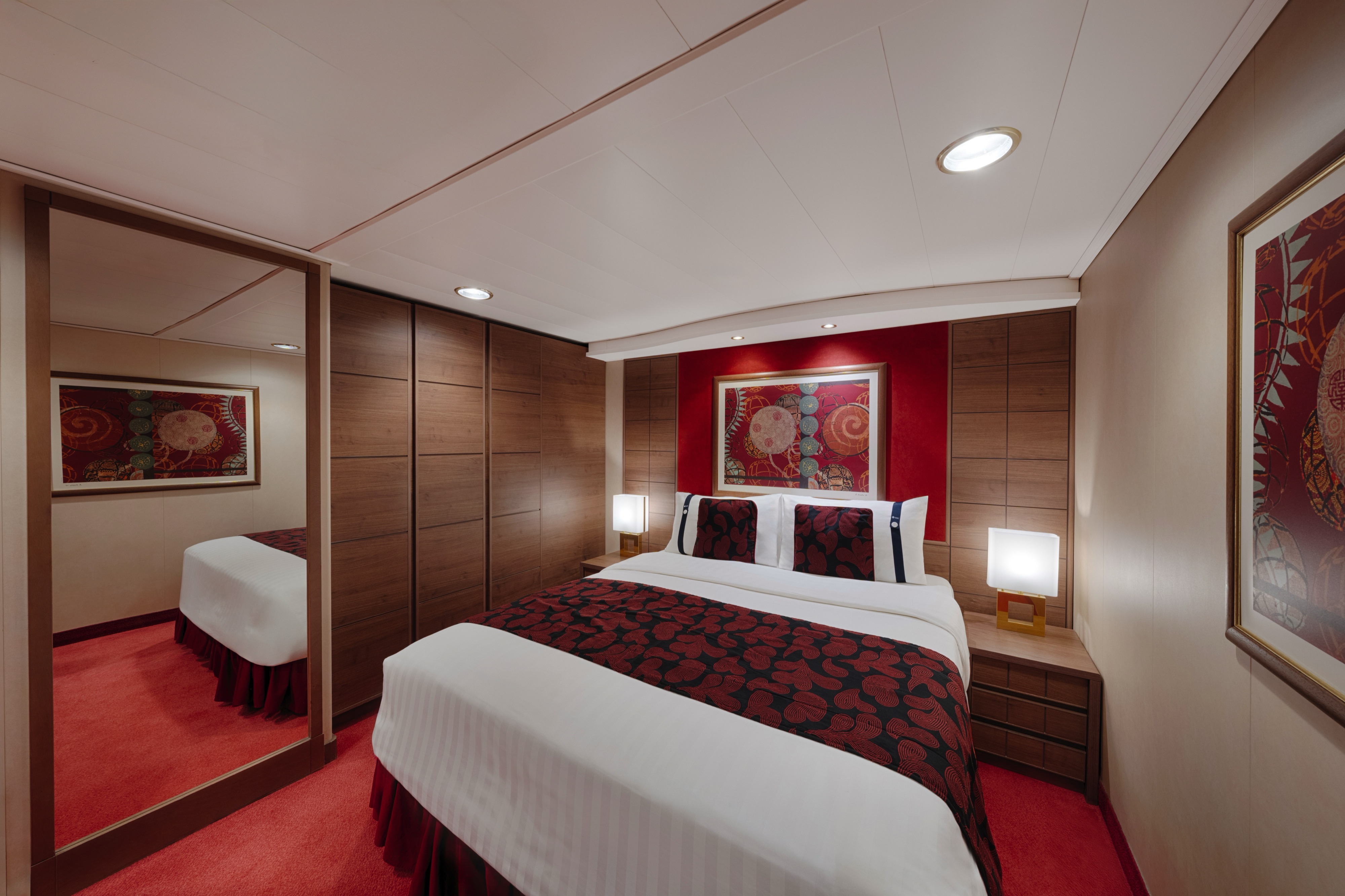
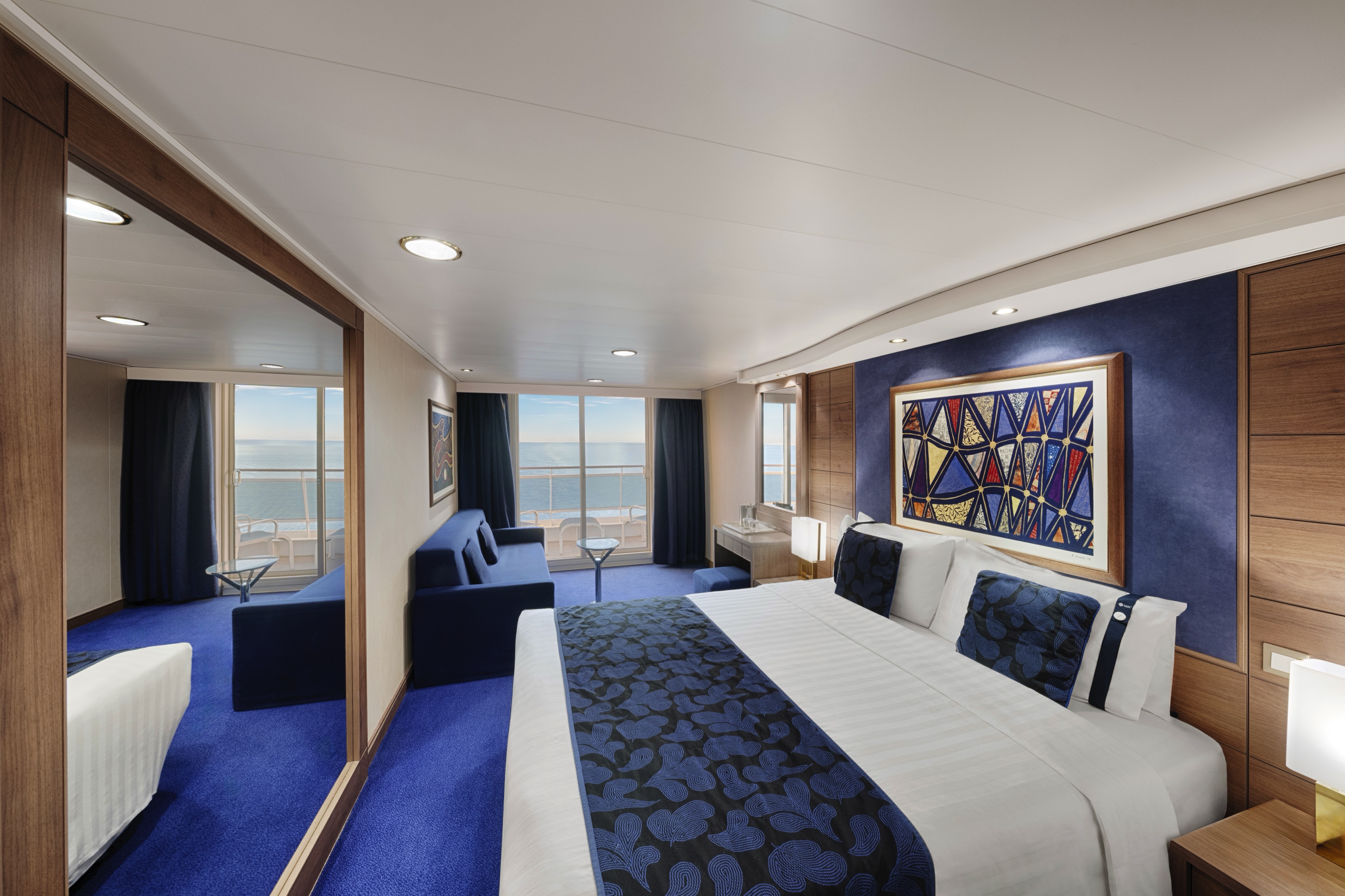
Suite

Enjoy a luxurious and unforgettable cruise with 24-Hour Butler service, dedicated concierge, Premium Extra Drink, Internet packages and a world of more privileges.

  • Surface: 50 sqm + 78 sqm balcony
  • Deck: 15

    Features
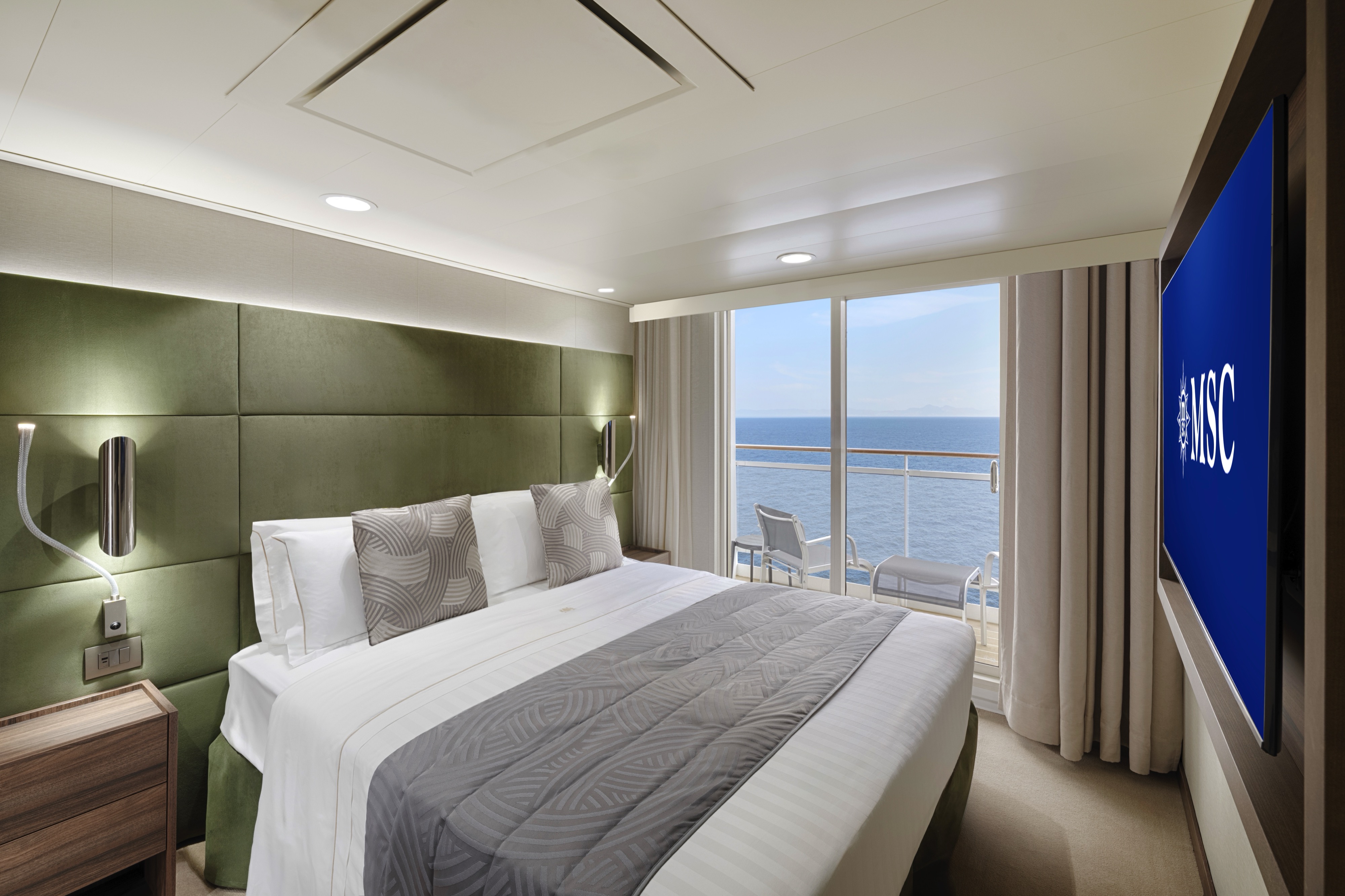
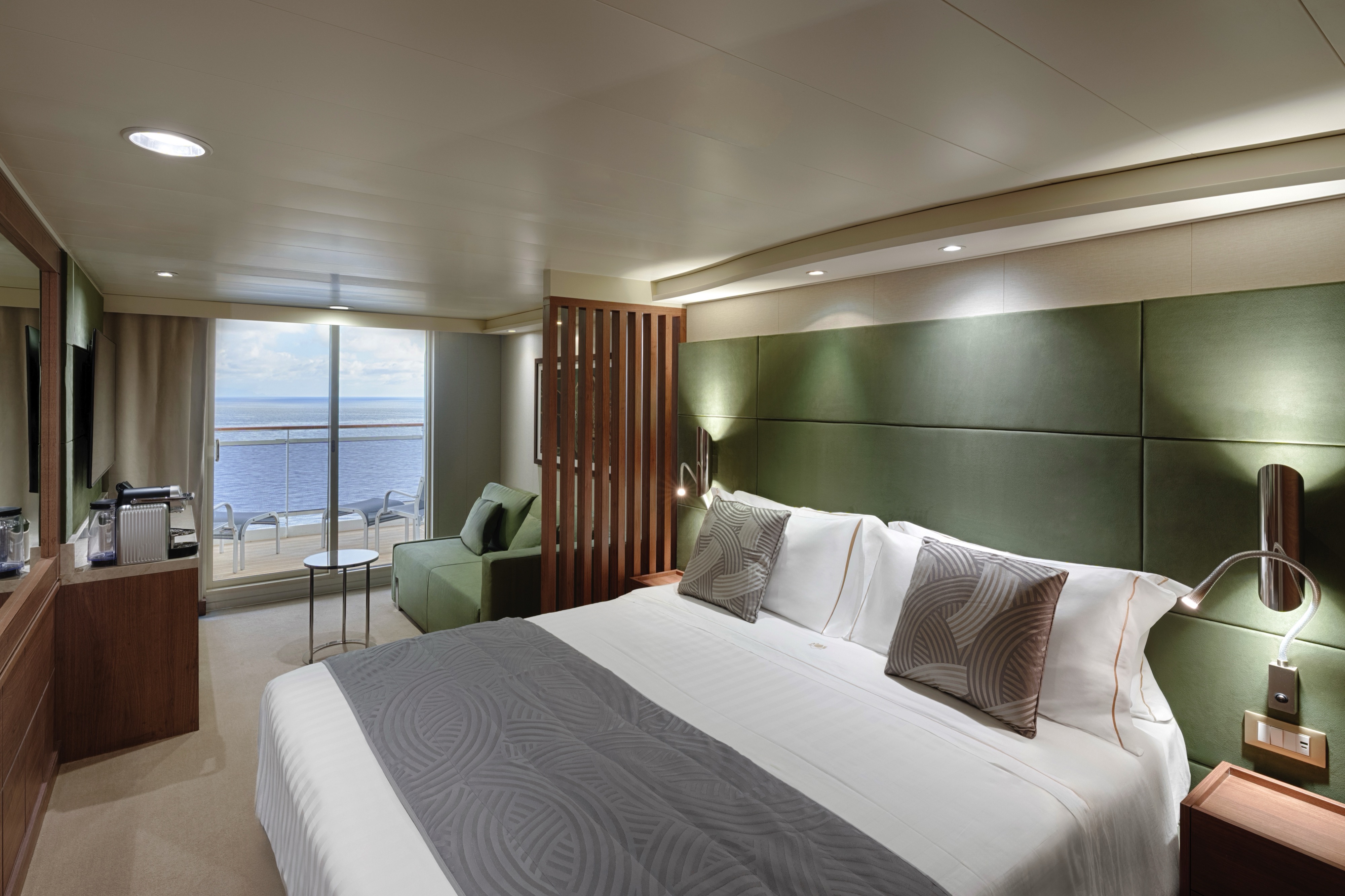
  • Master bedroom with a queen size bed which can be converted into 2 single beds (on request)
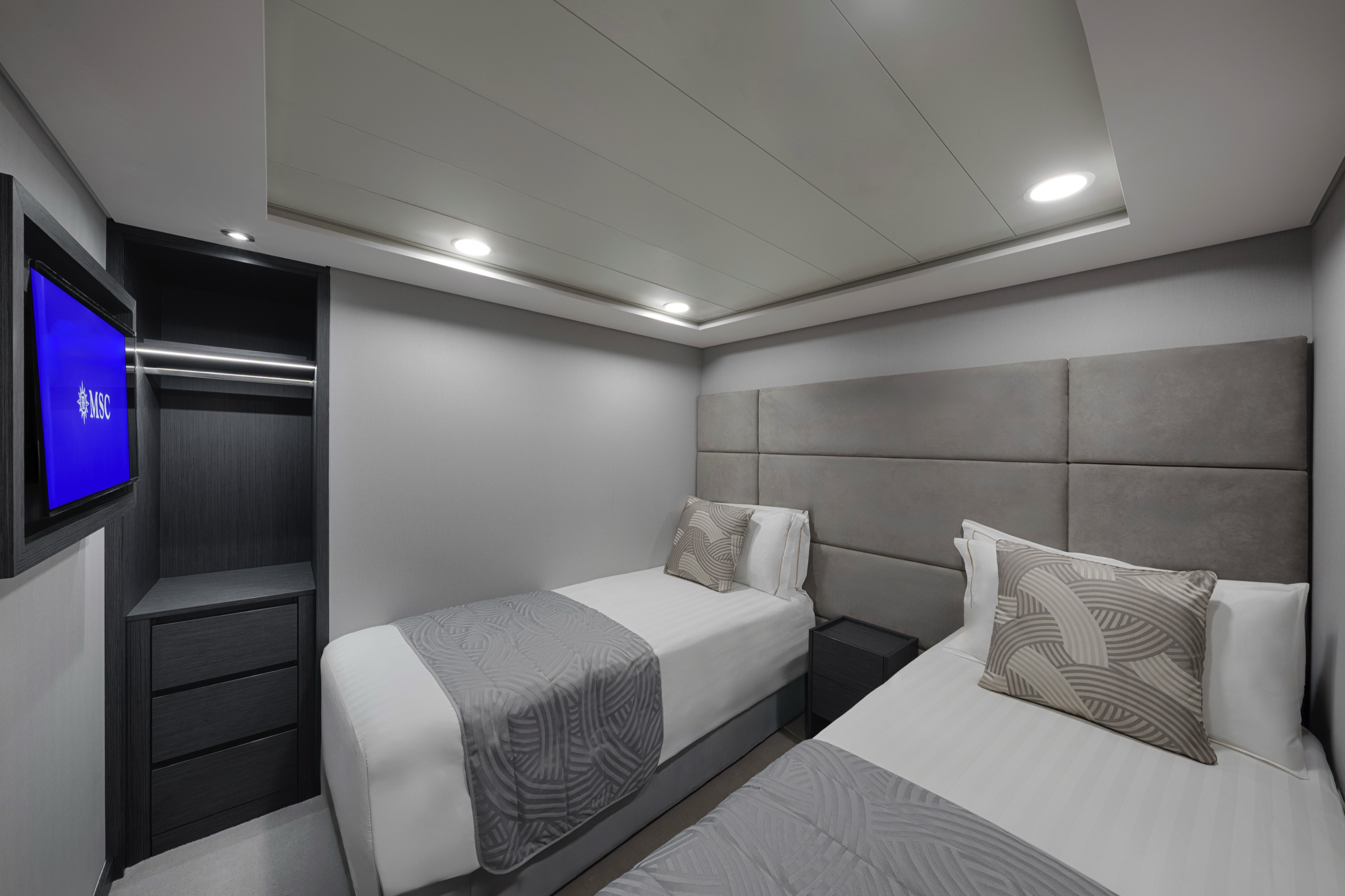
  • Separate bedroom with two single beds and wardrobe
  • Separate living room with a sofa bed which converts into a double bed and a dining table
  • Walk-in wardrobe with vanity area
  • Spacious panoramic private terrace with a whirlpool bath, dining table and chairs, sunbeds
  • Versatile bathroom with bathtub and shower
  • Marble bathroom with a bathtub and a walk-in shower and "Med" organic amenities
  • Separate toilet room
  • Premium bespoke embroidered towels & bed linens100% cotton
  • Plush slippers and 100% cotton bathrobes for onboard use
  • Minibar, Nespresso machine and Fresh fruit basket
  • Venchi daily turndown chocolates
  • Interactive TV, telephone, safe and air conditioning
Benefits

  • Dedicated butler and 24-hour exclusive concierge

  • Premium Drink and Wi-Fi packages included
  • Priority embarkation and disembarkation
  • Access to the Thermal Suite in the MSC Aurea SPA
  • Private Lounge, swimming pool and gourmet restaurant

1378 sq ft
Accommodates 5 guests
Yacht Club Royal Suite with Whirlpool Bath

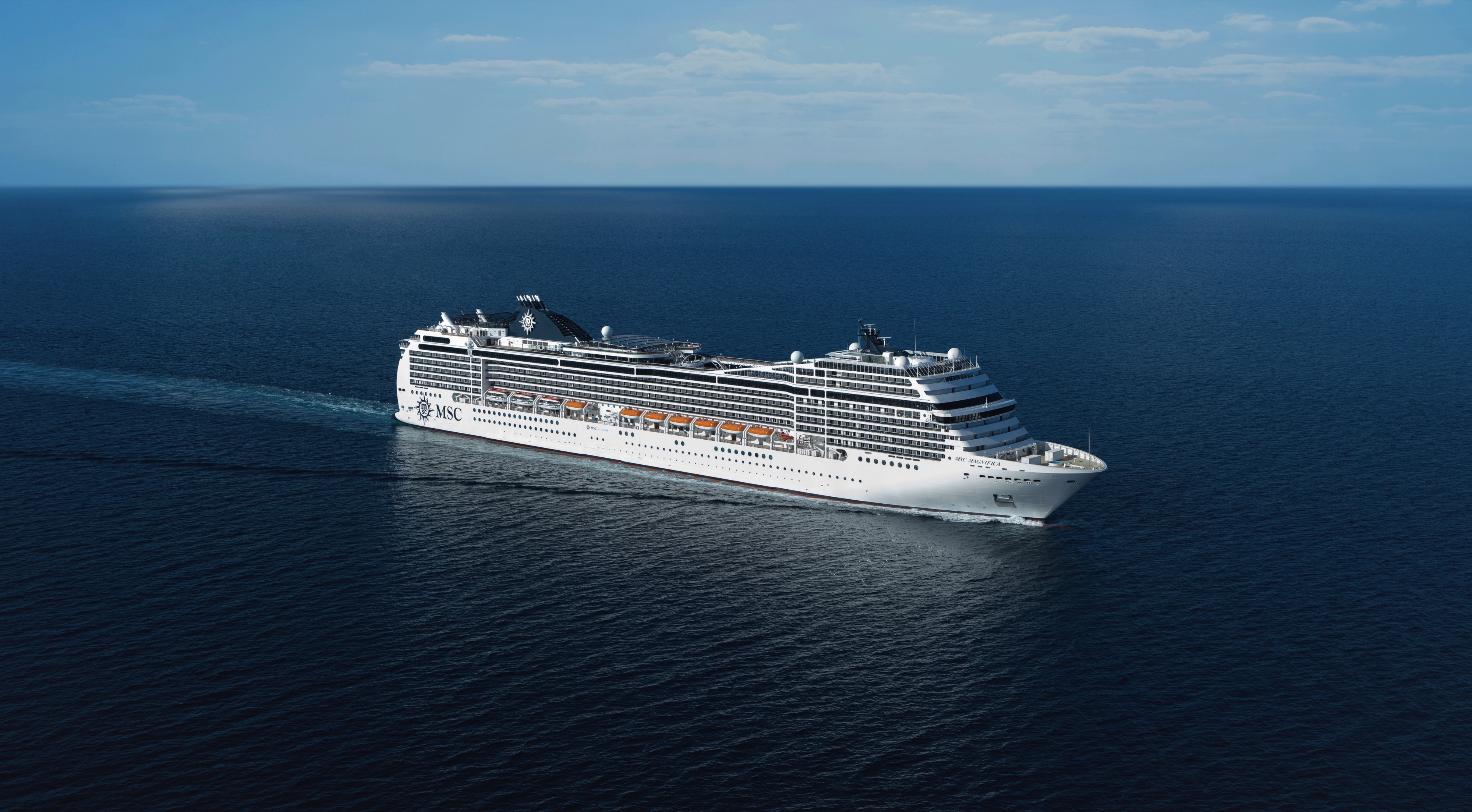
MSC Magnifica

MSC Magnifica

Client testimonials

I have worked with Lore Doick for more than 20 years, and she has booked over 30 cruises for me. Her expertise, care, and attention to every travel detail have made her an invaluable advisor and friend over the years.”

Tina B.

We are now in our second generation working with Cheri Ozimac at Tully Luxury Travel. From Antarctica to Greece, she has handled every detail with expertise, responsiveness, and care…

Earl M.

My wife and I have worked with Tully since 2007, and Kit Neil and her team went far beyond expectations while helping us navigate multiple cruise and flight cancellations. Their advocacy, care, and support during a difficult time were extraordinary.

Carri F.

Cheri Ozimac organized our Seabourn cruise flawlessly, from the hotel recommendation to every travel arrangement. She was responsive, attentive, and an excellent advocate throughout the process…

Cyn S.

We discovered Tully Luxury Travel after years of booking cruises through US agents and were impressed by their competitive pricing, exceptional service, and Canadian based support. Their team is always available, offers excellent value, and makes booking the right cruise seamless.

Peter C.

GoogleAverage Customer Rating:

The Tully Difference

Why travel with us


Tully Luxury Travel was built on access, discretion, and trust. For our clients, that means ease at every step, with distinctions that turn exceptional voyages into defining moments.

Recognized expertise

A renowned agency worldwide in luxury land and small-ship cruising, consistently trusted by the industry’s most prestigious brands.