Split, Venice-Marghera, Dubrovnik, Corfu, Kotor, Brindisi, Split

Itinerary: Split, Venice, Dubrovnik, Corfu, Kotor, Brindisi See full itinerary

28 Oct 28
7 nights

Voyage Details

Duration:
7 nights
Departure:
28 Oct 2028
Embarkation:
Split, Croatia
Voyage code:
AX20281028SPUSPU

Your Itinerary, Day-By-Day

Special Chapters of Your Journey

Day 1 - Split

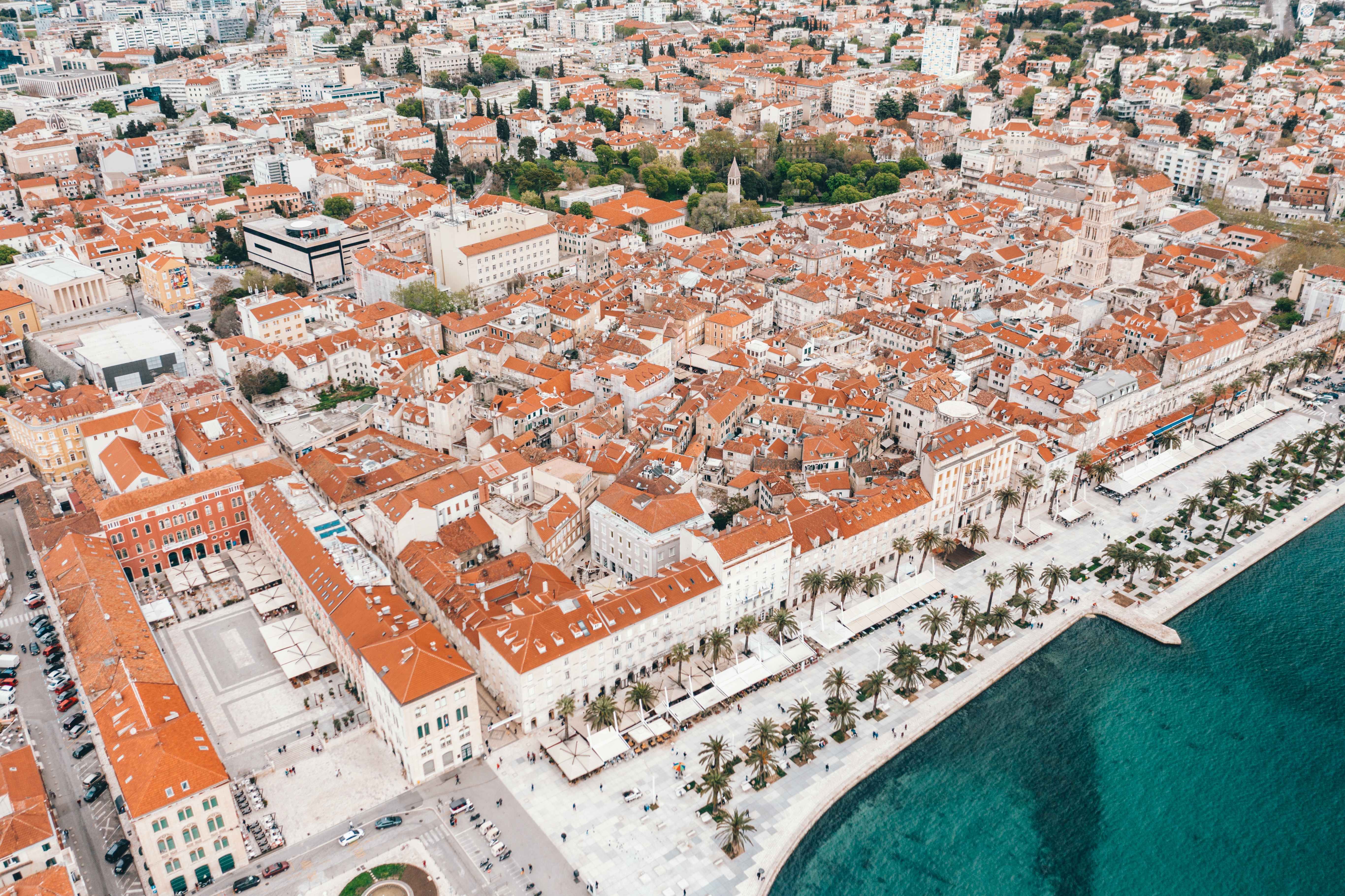
Split's ancient core is so spectacular and unusual that a visit is more than worth your time. The heart of the city lies within the walls of Roman emperor Diocletian's retirement palace, which was built in the 3rd century AD. Diocletian, born in the nearby Roman settlement of Salona in AD 245, achieved a brilliant career as a soldier and became emperor at the age of 40. In 295 he ordered this vast palace to be built in his native Dalmatia, and when it was completed he stepped down from the throne and retired to his beloved homeland. Upon his death, he was laid to rest in an octagonal mausoleum, around which Split's magnificent cathedral was built.In 615, when Salona was sacked by barbarian tribes, those fortunate enough to escape found refuge within the stout palace walls and divided up the vast imperial apartments into more modest living quarters. Thus, the palace developed into an urban center, and by the 11th century the settlement had expanded beyond the ancient walls.Under the rule of Venice (1420–1797), Split—as a gateway to the Balkan interior—became one of the Adriatic's main trading ports, and the city's splendid Renaissance palaces bear witness to the affluence of those times. When the Habsburgs took control during the 19th century, an overland connection to Central Europe was established by the construction of the Split–Zagreb–Vienna railway line.After World War II, the Tito years saw a period of rapid urban expansion: industrialization accelerated and the suburbs extended to accommodate high-rise apartment blocks. Today the historic center of Split is included on UNESCO's list of World Heritage Sites.
Hrspu Split Aerial Photography Of Concrete Buildings Spencer Davis
Hrspu Split Aerial Photography Of Concrete Buildings Spencer DavisSpencer Davis
Hrspu Split Aerial Photography Of Buildings Under Gray Sky Jonny Mckenna
Hrspu Split Aerial Photography Of Buildings Under Gray Sky Jonny MckennaJonny Mckenna
Hrspu Split People Walking On Alley Drazen Biljak
Hrspu Split People Walking On Alley Drazen BiljakDrazen Biljak

Day 2 - Venice

Venice is a city unlike any other. No matter how often you've seen it in photos and films, the real thing is more dreamlike than you could imagine. With canals where streets should be, water shimmers everywhere. The fabulous palaces and churches reflect centuries of history in what was a wealthy trading center between Europe and the Orient. Getting lost in the narrow alleyways is a quintessential part of exploring Venice, but at some point you'll almost surely end up in Piazza San Marco, where tourists and locals congregate for a coffee or an aperitif.

Itcvv   Venice   Bridge   Daniel Corneschi
Itcvv Venice Bridge Daniel CorneschiPhotograph by Daniel Corneschi
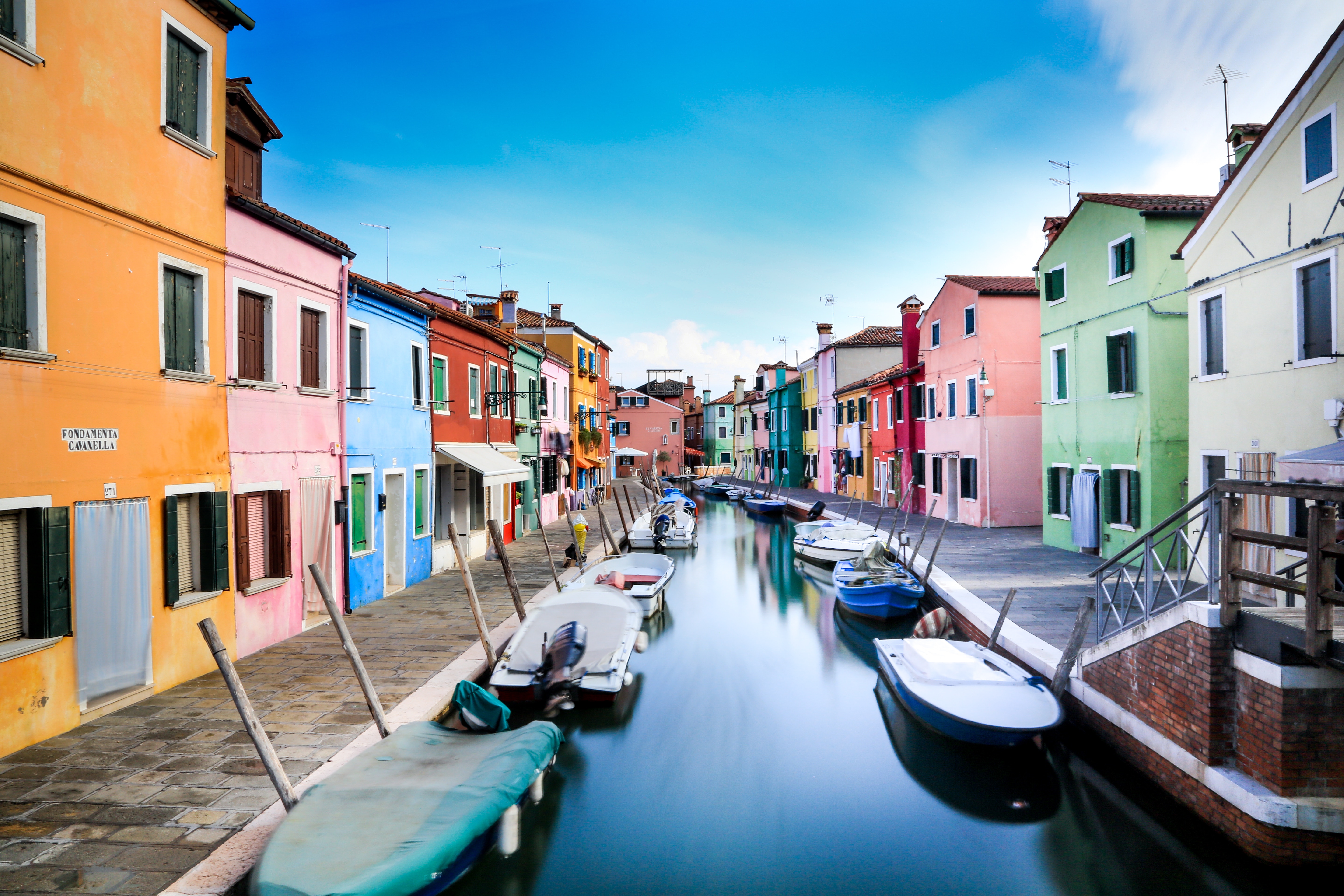
Itcvv   Venice   Burano   Lopez Robin
Itcvv Venice Burano Lopez RobinPhotograph by Lopez Robin
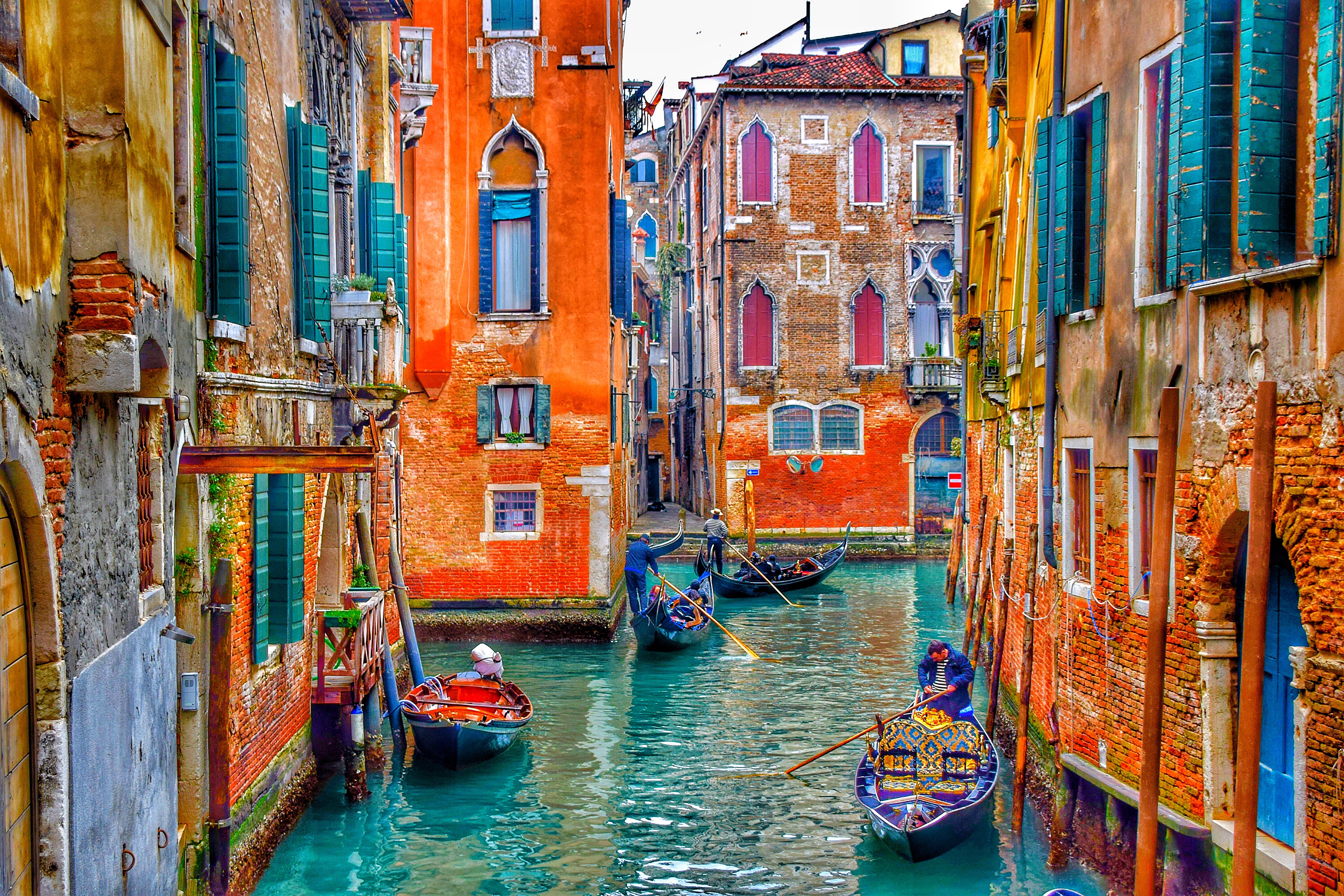
Itcvv   Venice   Colourful Gondolas   Tom Podmore
Itcvv Venice Colourful Gondolas Tom PodmorePhotograph by Tom Podmore
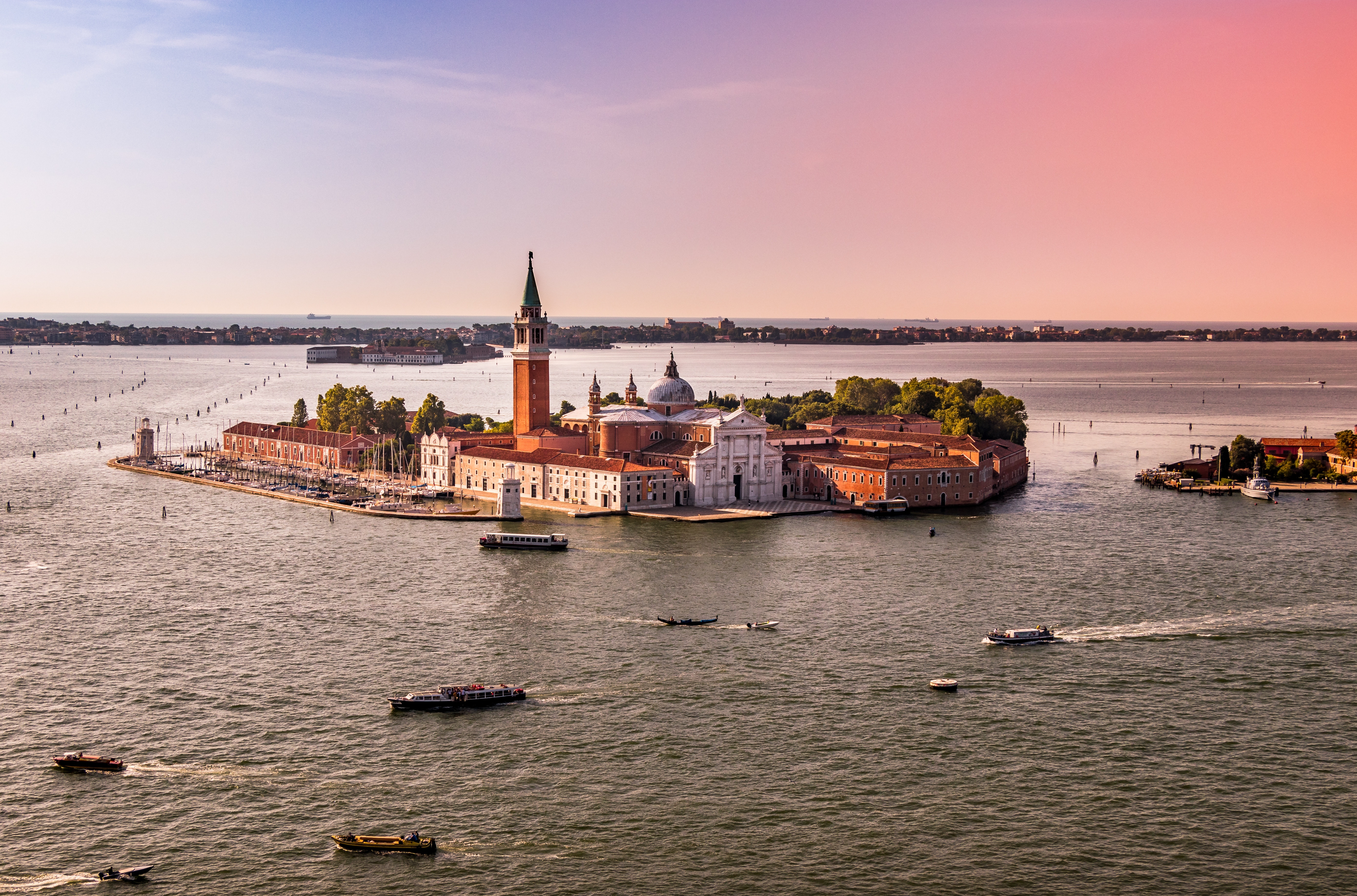
Itcvv   Venice   San Giorgio Maggiore   Andreas Nextvoyagepl
Itcvv Venice San Giorgio Maggiore Andreas NextvoyageplPhotograph by Andreas NewVoyagePL
Itcvv   Venice   Sunrise In Venice   Marco Secchi
Itcvv Venice Sunrise In Venice Marco SecchiPhotograph by Marco Secchi
Itcvv   Venice   Sunset Over Venice   Candre Mandawe
Itcvv Venice Sunset Over Venice Candre MandawePhotograph by Candre Mandawe
Itcvv   Venice   Venician Lady   Ingeborg Gartner Grein
Itcvv Venice Venician Lady Ingeborg Gartner GreinPhotograph by Ingeborg Gartner Grein

Day 4 - Dubrovnik

Nothing can prepare you for your first sight of Dubrovnik. Lying 216 km (135 miles) southeast of Split and commanding a jaw-dropping coastal location, it is one of the world's most beautiful fortified cities. Its massive stone ramparts and fortress towers curve around a tiny harbor, enclosing graduated ridges of sun-bleached orange-tiled roofs, copper domes, and elegant bell towers. Your imagination will run wild picturing what it looked like seven centuries ago when the walls were built, without any suburbs or highways around it, just this magnificent stone city rising out of the sea.In the 7th century AD, residents of the Roman city Epidaurum (now Cavtat) fled the Avars and Slavs of the north and founded a new settlement on a small rocky island, which they named Laus, and later Ragusa. On the mainland hillside opposite the island, the Slav settlement called Dubrovnik grew up. In the 12th century the narrow channel separating the two settlements was filled in (now the main street through the Old Town, called Stradun), and Ragusa and Dubrovnik became one. The city was surrounded by defensive walls during the 13th century, and these were reinforced with towers and bastions in the late 15th century.From 1358 to 1808 the city thrived as a powerful and remarkably sophisticated independent republic, reaching its golden age during the 16th century. In 1667 many of its splendid Gothic and Renaissance buildings were destroyed by an earthquake. The defensive walls survived the disaster, and the city was rebuilt in baroque style.Dubrovnik lost its independence to Napoléon in 1808, and in 1815 passed to Austria-Hungary. During the 20th century, as part of Yugoslavia, the city became a popular tourist destination, and in 1979 it was listed as a UNESCO World Heritage Site. During the war for independence, it came under heavy siege. Thanks to careful restoration, few traces of damage remain; however, there are maps inside the Pile and Ploče Gates illustrating the points around the city where damage was done. It’s only when you experience Dubrovnik yourself that you can understand what a treasure the world nearly lost

Hrdbv   Dubrovnik   Cathedral
Hrdbv Dubrovnik Cathedral
Hrdbv   Dubrovnik   Citadel
Hrdbv Dubrovnik Citadel
Hrdbv   Dubrovnik   Cliff
Hrdbv Dubrovnik Cliff
Hrdbv   Dubrovnik   Nightlife
Hrdbv Dubrovnik Nightlife
Hrdbv   Dubrovnik   Old Town Bells
Hrdbv Dubrovnik Old Town Bells
Hrdbv   Dubrovnik   Street
Hrdbv Dubrovnik Street

Day 5 - Corfu

Corfu town today is a vivid tapestry of cultures—a sophisticated weave, where charm, history, and natural beauty blend. Located about midway along the island's east coast, this spectacularly lively capital is the cultural heart of Corfu and has a remarkable historic center that UNESCO designated as a World Heritage Site in 2007. All ships and planes dock or land near Corfu town, which occupies a small peninsula jutting into the Ionian Sea.Whether arriving by ferry from mainland Greece or Italy, from another island, or directly by plane, catch your breath by first relaxing with a coffee or a gelato in Corfu town's shaded Liston Arcade, then stroll the narrow lanes of its pedestrians-only quarter. For an overview of the immediate area, and a quick tour of Mon Repos palace, hop on the little tourist train that runs from May to September. Corfu town has a different feel at night, so book a table at one of its famed tavernas to savor the island's unique cuisine.The best way to get around Corfu town is on foot. The town is small enough so that you can easily walk to every sight. There are local buses, but they do not thread their way into the streets (many now car-free) of the historic center. If you are arriving by ferry or plane, it's best to take a taxi to your hotel. Expect to pay about €10 from the airport or ferry terminal to a hotel in Corfu town. If there are no taxis waiting, you can call for one.

Grcfu   Corfu, Greece Pc To Karolis Puidokas
Grcfu Corfu, Greece Pc To Karolis Puidokas
Grcfu   Corfu, Greece Pc To Mikuláš Prokop
Grcfu Corfu, Greece Pc To Mikuláš Prokop
Grcfu   Corfu, Greece Pc To Pascal Habermann
Grcfu Corfu, Greece Pc To Pascal HabermannPascal Habermann
Grcfu   Corfu, Greece Pc To Rémi Bertogliati
Grcfu Corfu, Greece Pc To Rémi BertogliatiRémi Bertogliati

Day 6 - Kotor

Backed by imposing mountains, tiny Kotor lies hidden from the open sea, tucked into the deepest channel of the Bokor Kotorska (Kotor Bay), which is Europe's most southerly fjord. To many, this town is more charming than its sister UNESCO World Heritage Site, Dubrovnik, retaining more authenticity, but with fewer tourists and spared the war damage and subsequent rebuilding which has given Dubrovnik something of a Disney feel.Kotor's medieval Stari Grad (Old Town) is enclosed within well-preserved defensive walls built between the 9th and 18th centuries and is presided over by a proud hilltop fortress. Within the walls, a labyrinth of winding cobbled streets leads through a series of splendid paved piazzas, rimmed by centuries-old stone buildings. The squares are now haunted by strains from buskers but although many now house trendy cafés and chic boutiques, directions are still given medieval-style by reference to the town’s landmark churches.In the Middle Ages, as Serbia's chief port, Kotor was an important economic and cultural center with its own highly regarded schools of stonemasonry and iconography. From 1391 to 1420 it was an independent city-republic and later, it spent periods under Venetian, Austrian, and French rule, though it was undoubtedly the Venetians who left the strongest impression on the city's architecture. Since the breakup of Yugoslavia, some 70% of the stone buildings in the romantic Old Town have been snapped up by foreigners, mostly Brits and Russians. Porto Montenegro, a new marina designed to accommodate some of the world’s largest super yachts, opened in nearby Tivat in 2011, and along the bay are other charming seaside villages, all with better views of the bay than the vista from Kotor itself where the waterside is congested with cruise ships and yachts. Try sleepy Muo or the settlement of Prčanj in one direction around the bay, or Perast and the Roman mosaics of Risan in the other direction.

Mekot   Kotor, Montenegro Photo Credit Belongs To George Kedenburg Iii
Mekot Kotor, Montenegro Photo Credit Belongs To George Kedenburg Iii
Mekot   Kotor, Montenegro Photo Credit Belongs To Marcel Painchaud
Mekot Kotor, Montenegro Photo Credit Belongs To Marcel Painchaud
Mekot   Kotor, Montenegro Photo Credit Belongs To Marco Costa
Mekot Kotor, Montenegro Photo Credit Belongs To Marco CostaMarco Costa
Mekot   Kotor, Montenegro Photo Credit Belongs To Robin Van Holst 1
Mekot Kotor, Montenegro Photo Credit Belongs To Robin Van Holst 1Robin van Holst
Mekot   Kotor, Montenegro Photo Credit Belongs To Wladislaw Peljuchno
Mekot Kotor, Montenegro Photo Credit Belongs To Wladislaw PeljuchnoWladislaw Peljuchno

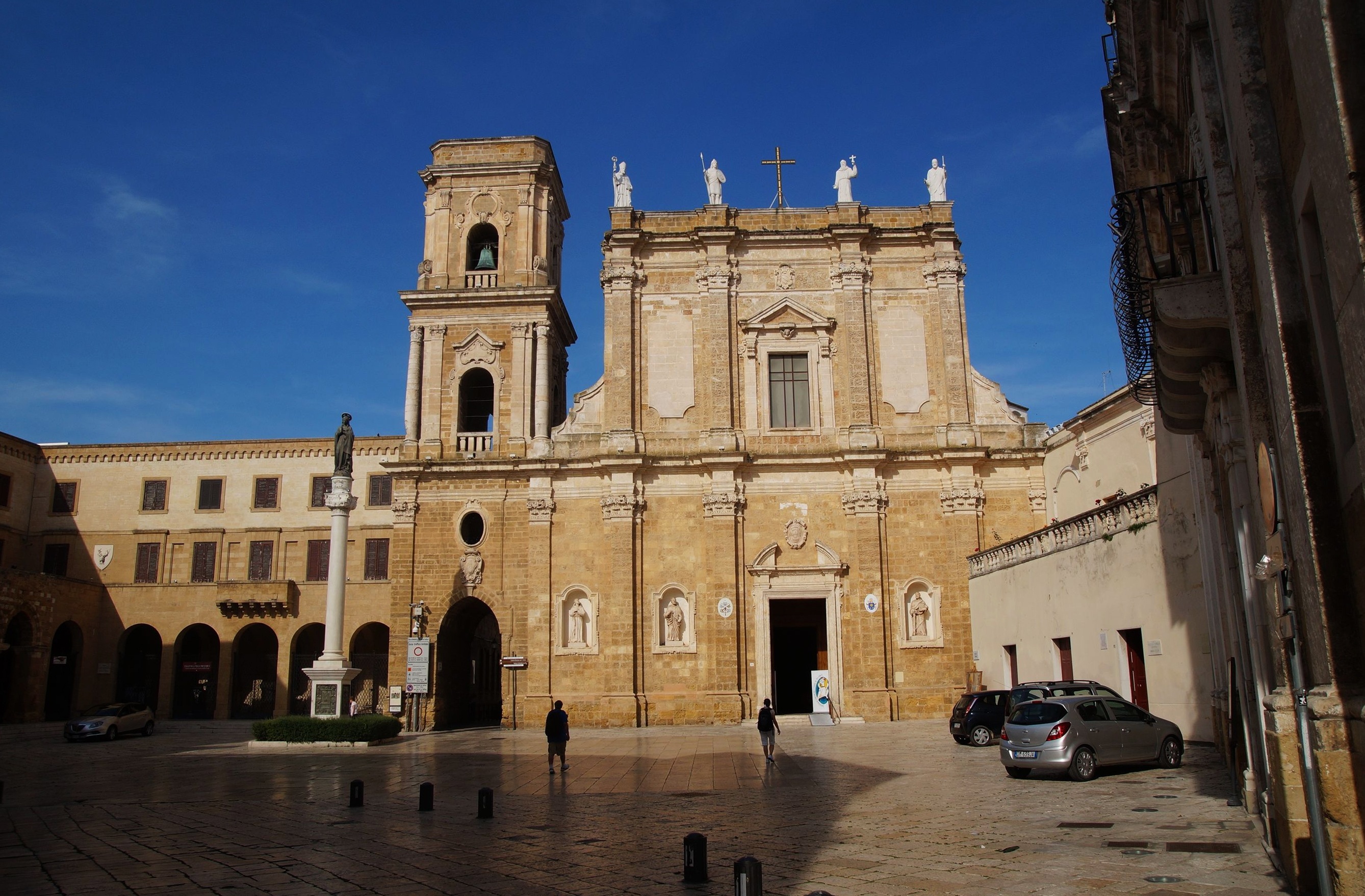
Day 7 - Brindisi

Life continues in Brindisi as if the 21st century hadn’t arrived. Visually, the landscape is as stunning as one would expect in southern Europe. Villages set on sunlit hilltops rise like islands above a rolling landscape of olive groves and vineyards. The coastline is a striking mixture of ruggedly beautiful cliffs and grottoes interspersed with a scattering of long, sandy beaches. Together with the wealth of historical artefacts and spectacular landscapes, Brindisi is one of Italy’s best kept secrets. Naturally, the cuisine is rich with its pickings from both land and sea and visitors can expect the best pasta, Caprese salad, local lemon loaf and spaghetti al vogole they have ever had!

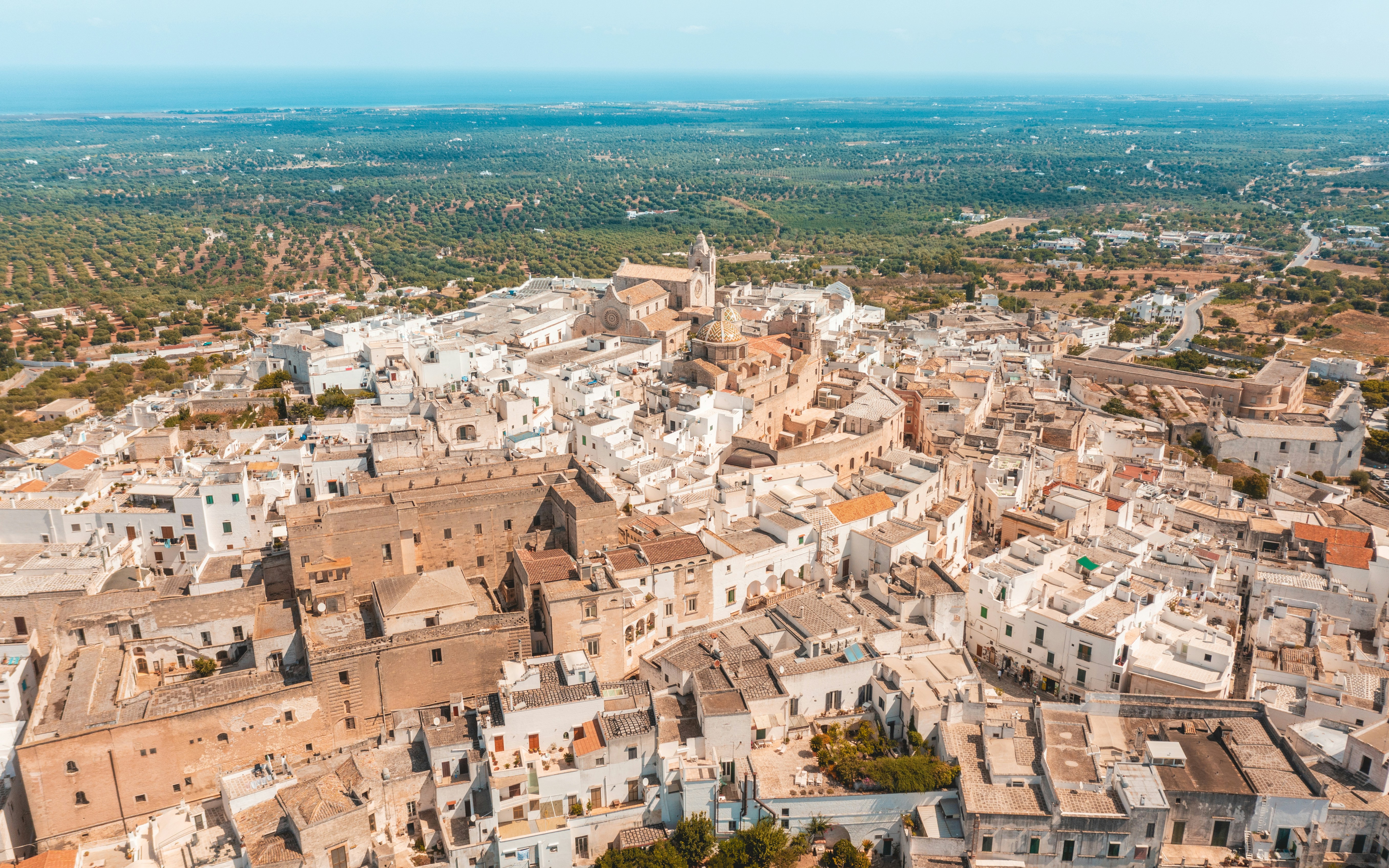
Ostuni, Olive Fields, City, Brindisi, Italy
Ostuni, Olive Fields, City, Brindisi, ItalyPhoto by Henrique Ferreira on Unsplash
Brindisi
BrindisiImage by tomek999 from Pixabay

Day 8 - Split

Split's ancient core is so spectacular and unusual that a visit is more than worth your time. The heart of the city lies within the walls of Roman emperor Diocletian's retirement palace, which was built in the 3rd century AD. Diocletian, born in the nearby Roman settlement of Salona in AD 245, achieved a brilliant career as a soldier and became emperor at the age of 40. In 295 he ordered this vast palace to be built in his native Dalmatia, and when it was completed he stepped down from the throne and retired to his beloved homeland. Upon his death, he was laid to rest in an octagonal mausoleum, around which Split's magnificent cathedral was built.In 615, when Salona was sacked by barbarian tribes, those fortunate enough to escape found refuge within the stout palace walls and divided up the vast imperial apartments into more modest living quarters. Thus, the palace developed into an urban center, and by the 11th century the settlement had expanded beyond the ancient walls.Under the rule of Venice (1420–1797), Split—as a gateway to the Balkan interior—became one of the Adriatic's main trading ports, and the city's splendid Renaissance palaces bear witness to the affluence of those times. When the Habsburgs took control during the 19th century, an overland connection to Central Europe was established by the construction of the Split–Zagreb–Vienna railway line.After World War II, the Tito years saw a period of rapid urban expansion: industrialization accelerated and the suburbs extended to accommodate high-rise apartment blocks. Today the historic center of Split is included on UNESCO's list of World Heritage Sites.

Hrspu Split Aerial Photography Of Concrete Buildings Spencer Davis
Hrspu Split Aerial Photography Of Concrete Buildings Spencer DavisSpencer Davis
Hrspu Split Aerial Photography Of Buildings Under Gray Sky Jonny Mckenna
Hrspu Split Aerial Photography Of Buildings Under Gray Sky Jonny MckennaJonny Mckenna
Hrspu Split People Walking On Alley Drazen Biljak
Hrspu Split People Walking On Alley Drazen BiljakDrazen Biljak

Suites & Deck Plans

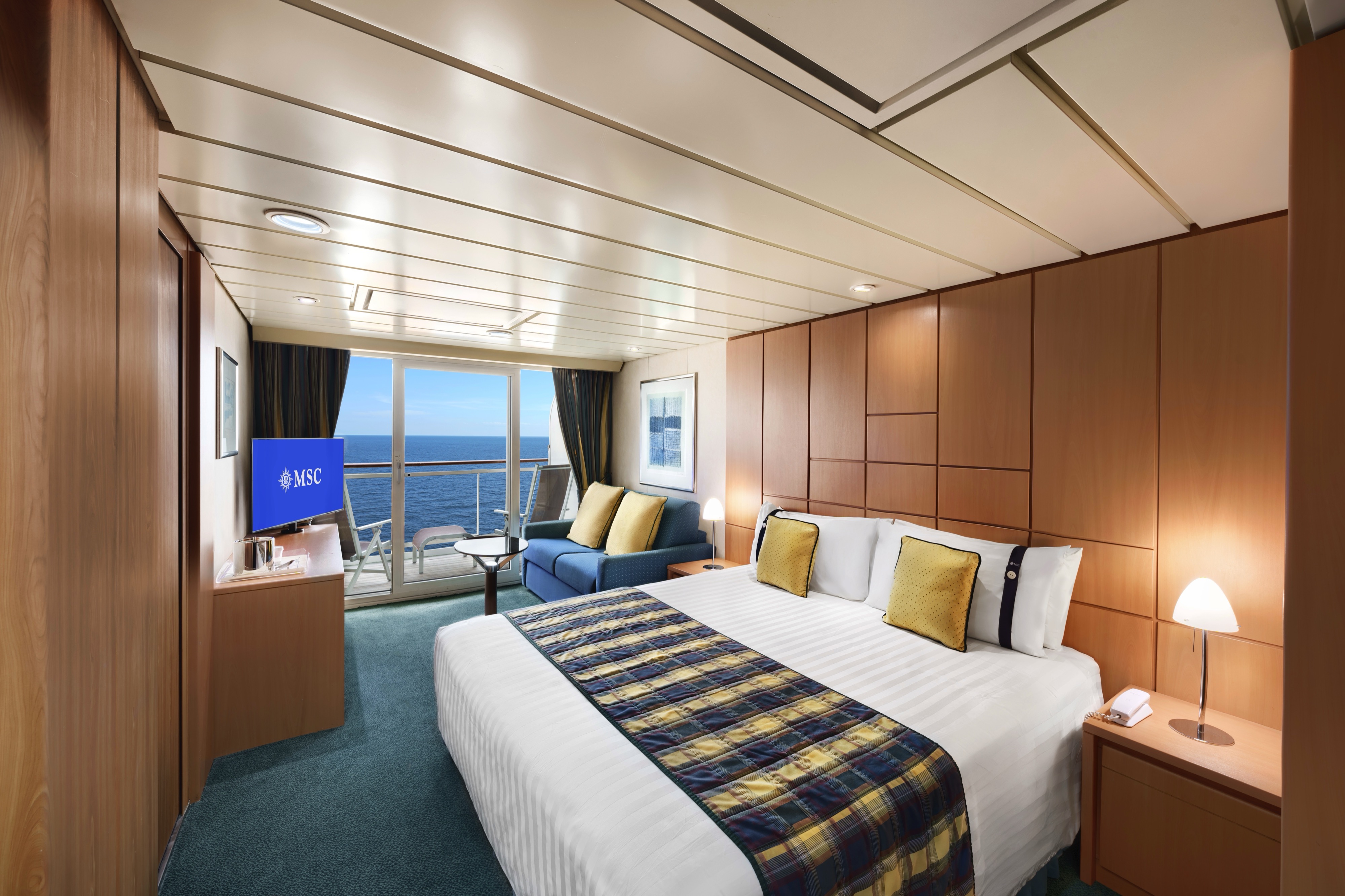
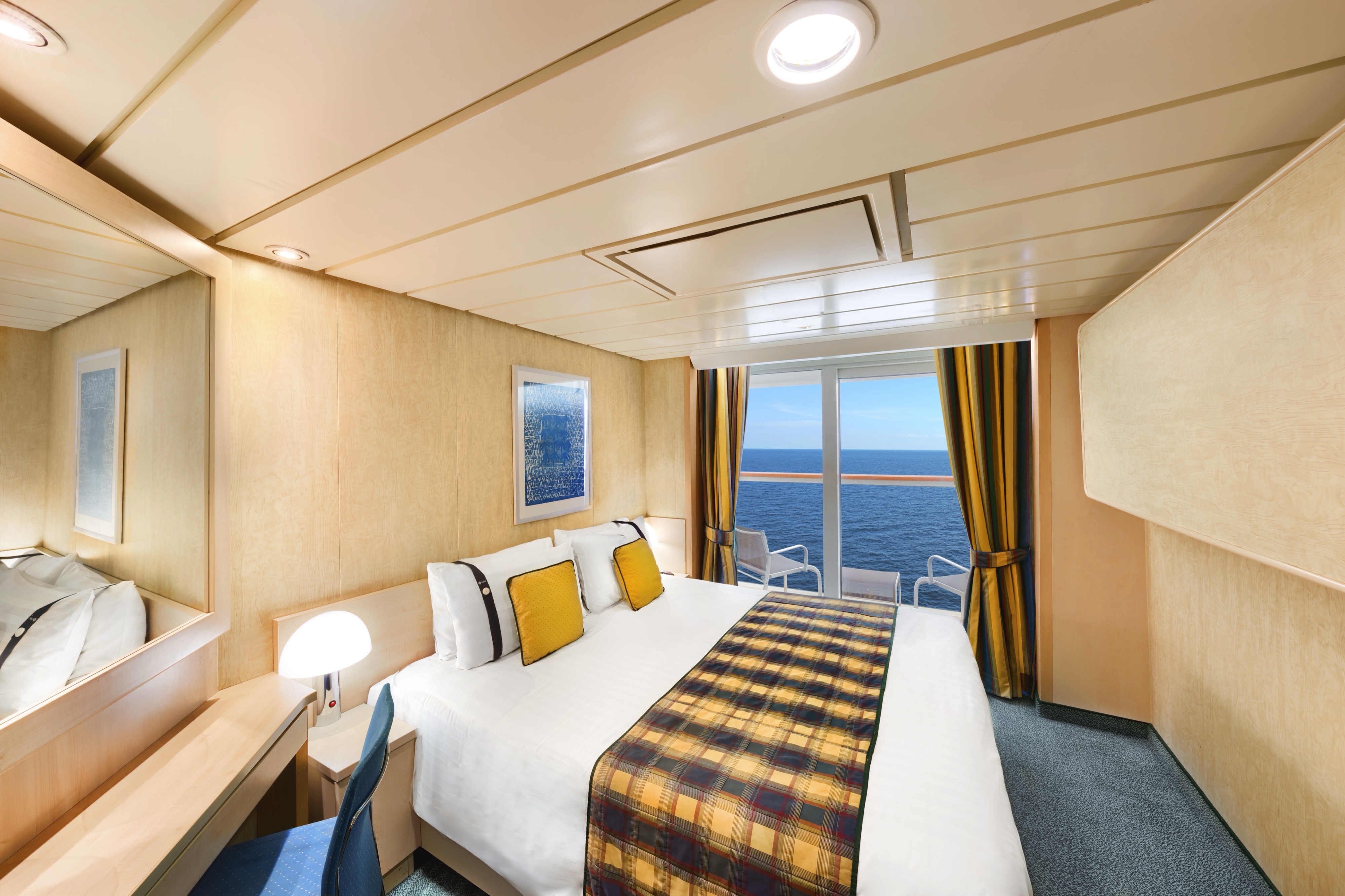
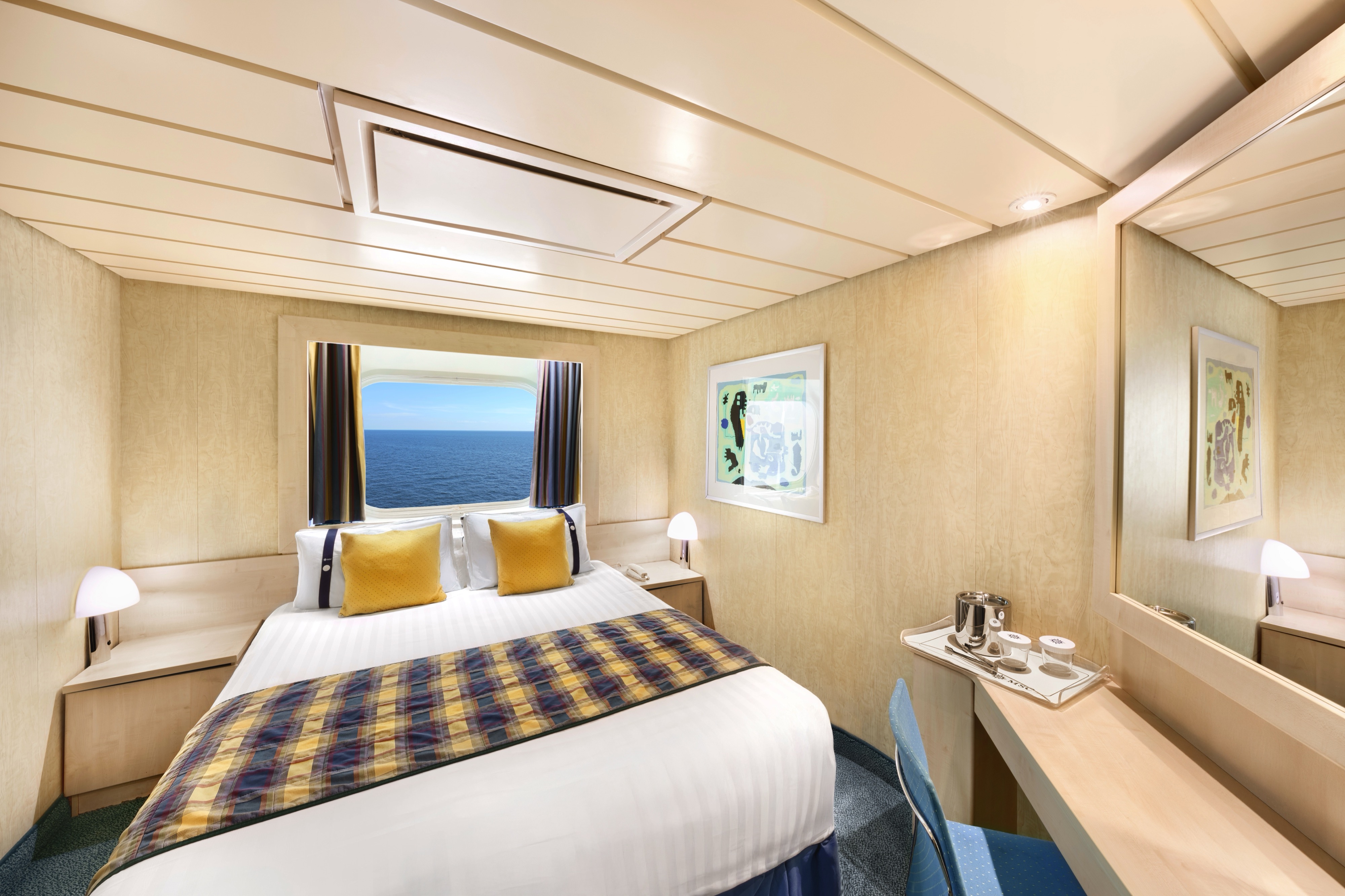
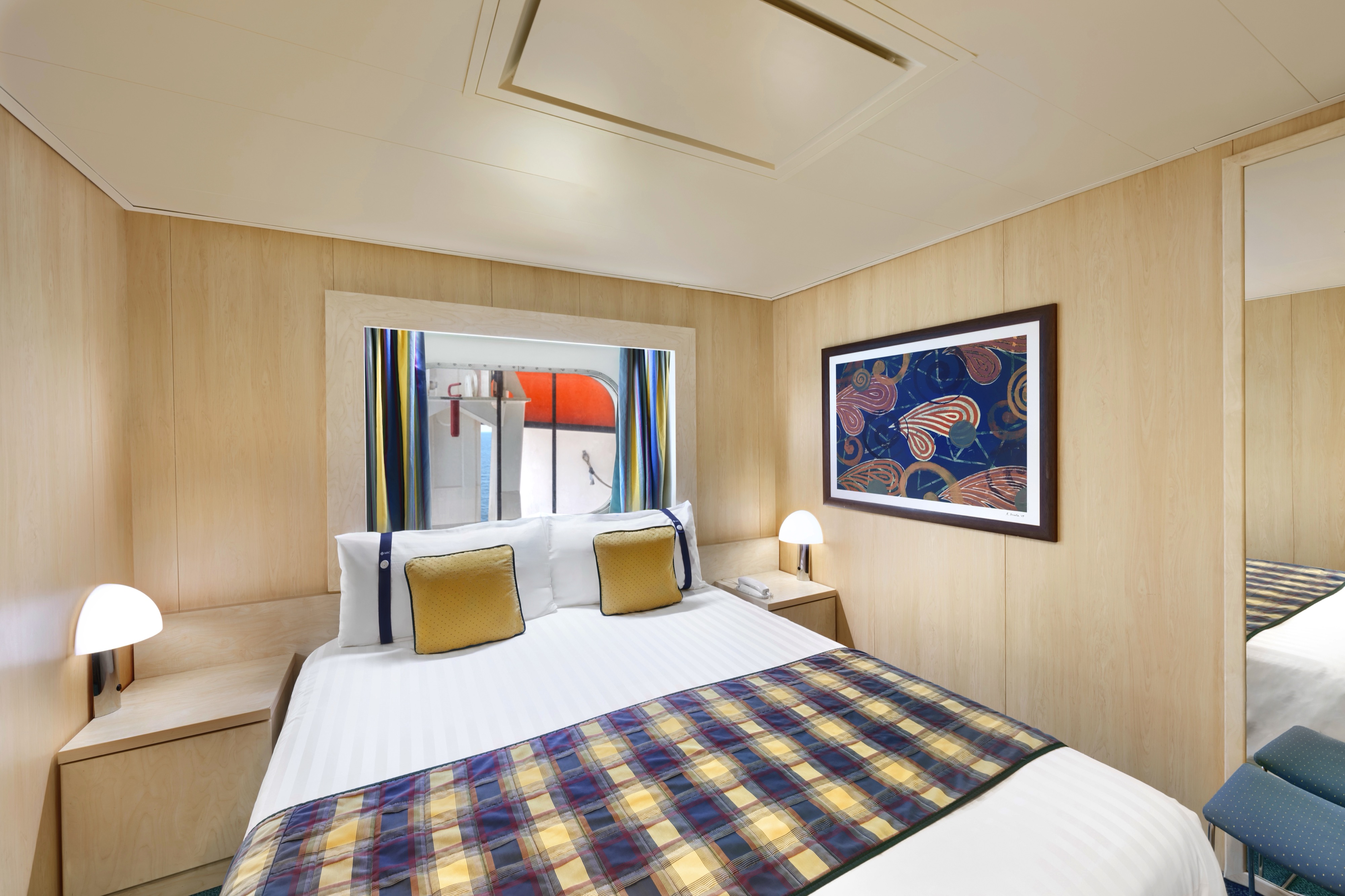
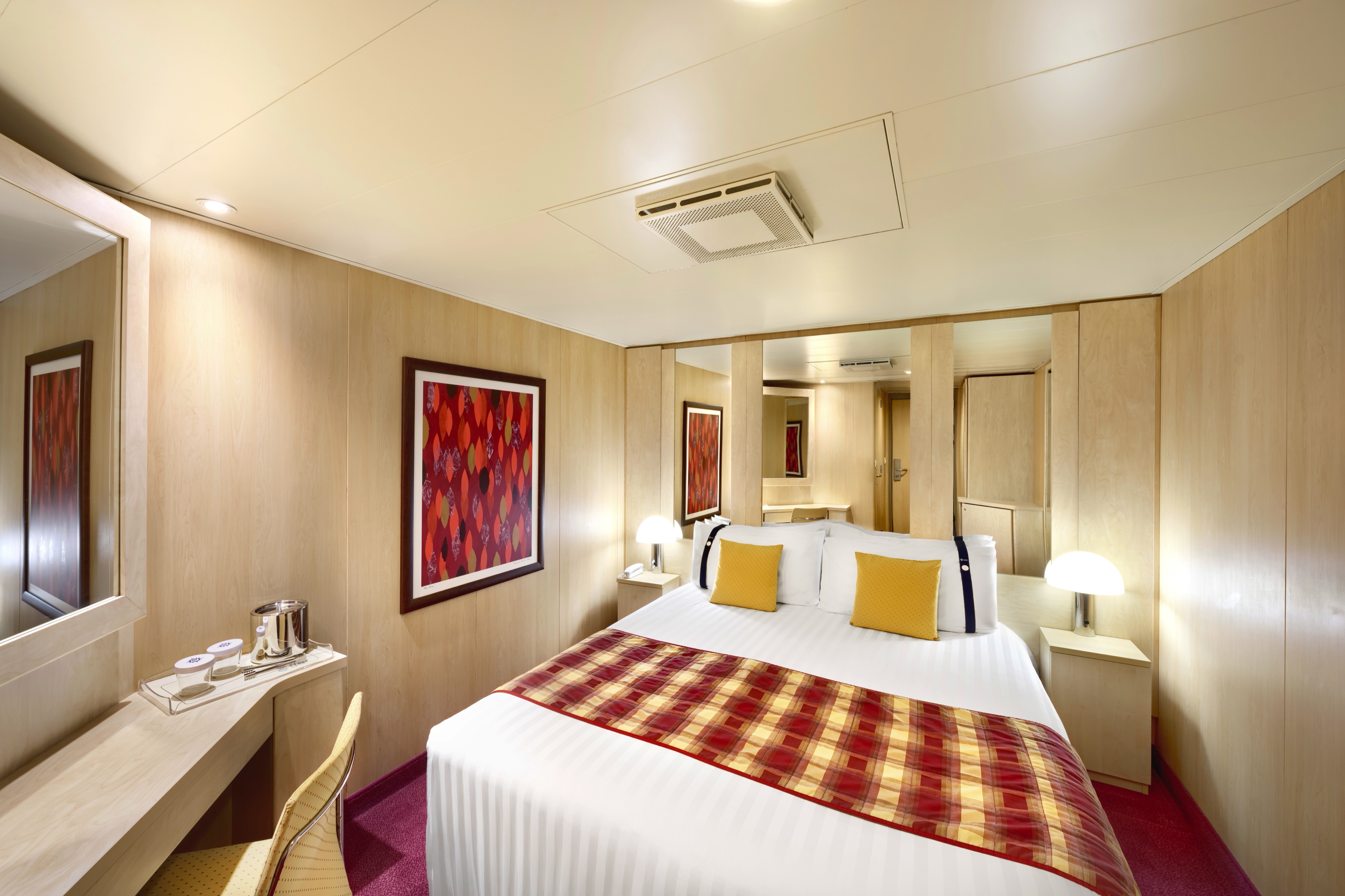
Suite

Make your cruise memorable enjoying an elegant suite with more living space, a large private balcony, and exclusive benefits.
  • Surface: 22 sqm + 5 sqm balcony
  • Deck: 12
Features
  • Balcony
  • Sitting area with sofa
  • Spacious wardrobe
  • Bathroom with bathtub, vanity area with hairdryer
  • Comfortable double or single beds (on request)
  • TV, telephone, Wifi connection available (for a fee), safe and minibar
Benefits
  • Access to thermal area (for adults only, upon reservation)
  • Welcome package (Prosecco + chocolate)
  • Dine any time you choose
  • Free access to the Top Exclusive Solarium
  • Discounted packages offer
  • 10% discount on all spa treatments purchased on board
  • Priority boarding & luggage drop off

Guests booking an Aurea Suite will receive all of the above Aurea Experience benefits, plus the following additional exclusive perks:

  • Priority tender and disembarkation
  • In-suite espresso machine amenities
  • Complimentary Ironing (2 items per suite)
  • Premium Minibar (first minibar items for free)

291 sq ft
Accommodates 2 guests
Junior Suite Aurea

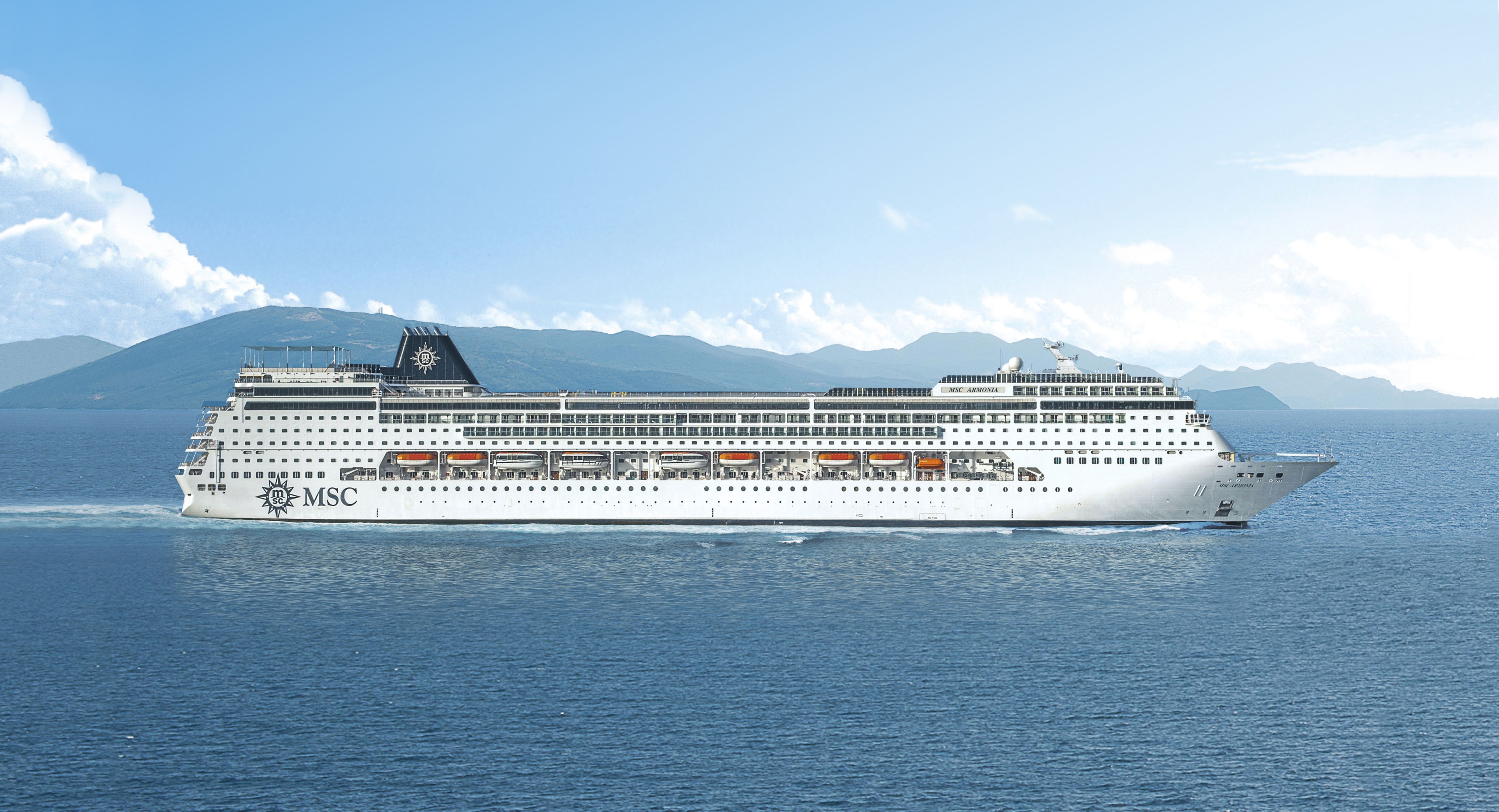
MSC Armonia

MSC Armonia

Client testimonials

I have worked with Lore Doick for more than 20 years, and she has booked over 30 cruises for me. Her expertise, care, and attention to every travel detail have made her an invaluable advisor and friend over the years.”

Tina B.

We are now in our second generation working with Cheri Ozimac at Tully Luxury Travel. From Antarctica to Greece, she has handled every detail with expertise, responsiveness, and care…

Earl M.

My wife and I have worked with Tully since 2007, and Kit Neil and her team went far beyond expectations while helping us navigate multiple cruise and flight cancellations. Their advocacy, care, and support during a difficult time were extraordinary.

Carri F.

Cheri Ozimac organized our Seabourn cruise flawlessly, from the hotel recommendation to every travel arrangement. She was responsive, attentive, and an excellent advocate throughout the process…

Cyn S.

We discovered Tully Luxury Travel after years of booking cruises through US agents and were impressed by their competitive pricing, exceptional service, and Canadian based support. Their team is always available, offers excellent value, and makes booking the right cruise seamless.

Peter C.

GoogleAverage Customer Rating:

The Tully Difference

Why travel with us


Tully Luxury Travel was built on access, discretion, and trust. For our clients, that means ease at every step, with distinctions that turn exceptional voyages into defining moments.

Recognized expertise

A renowned agency worldwide in luxury land and small-ship cruising, consistently trusted by the industry’s most prestigious brands.