Chilean Fjords – Highlights of Patagonia

Itinerary: Buenos Aires, Ushuaia, Garibaldi Glacier, Ainsworth Bay, Chilean Fjords, Puerto Natales, Patagonia Exploration, Puerto Edén, Caleta Tortel, Cruising, Castro, Niebla, Valparaiso See full itinerary

1 Apr 27
14 nights

Voyage Details

Duration:
14 nights
Departure:
1 Apr 2027
Embarkation:
Buenos Aires, Argentina
Voyage code:
RASAM01-270401

Your Itinerary, Day-By-Day

Special Chapters of Your Journey

Day 1 - Buenos Aires

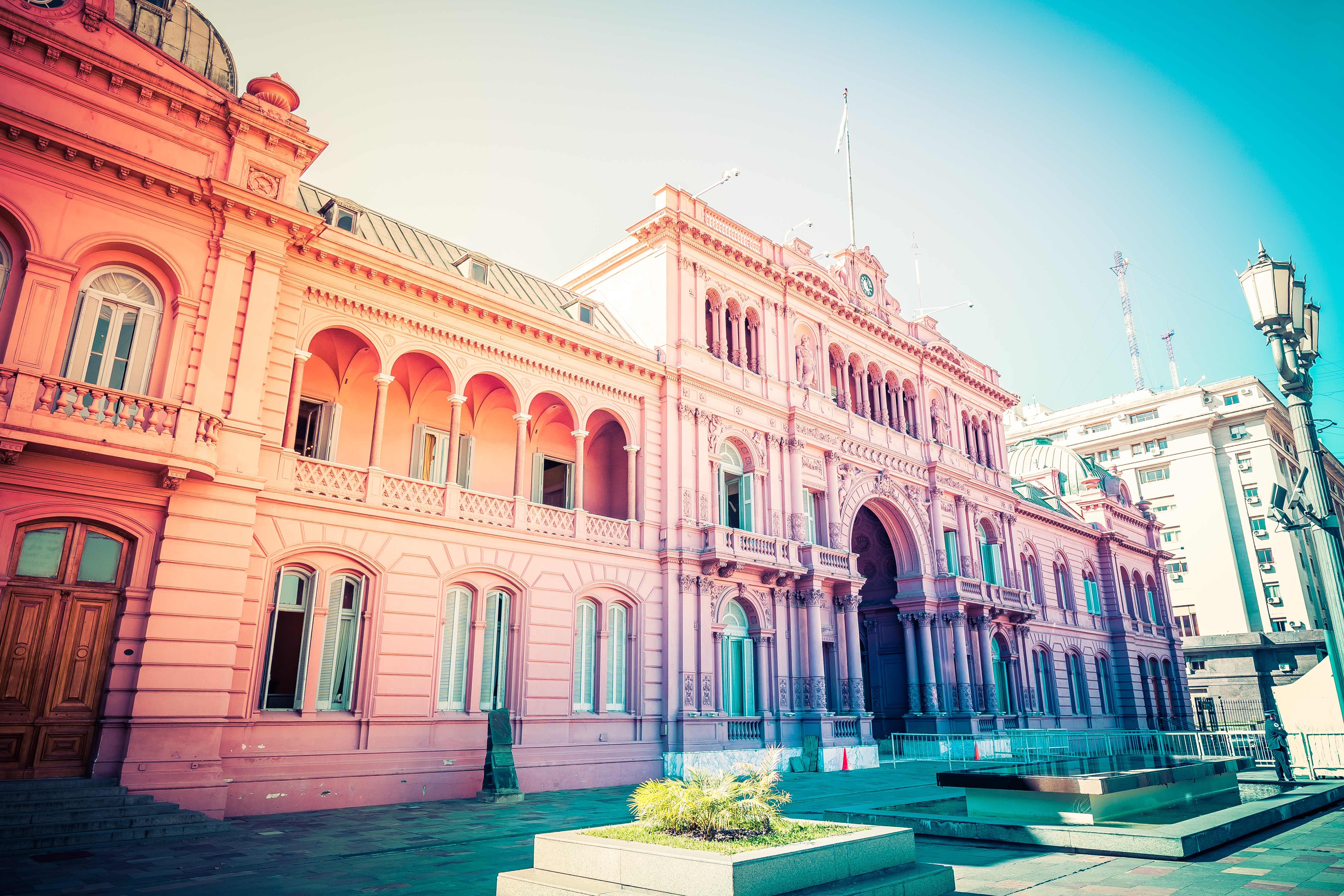
Glamorous and gritty, Buenos Aires is two cities in one. What makes Argentina's capital so fascinating is its dual heritage—part European, part Latin American. Plaza de Mayo resembles a grand square in Madrid, and the ornate Teatro Colón would not be out of place in Vienna. But you’ll know you’re in South America by the leather shoes for sale on cobbled streets and impromptu parades of triumphant soccer fans. Limited-production wines, juicy steaks, and ice cream in countless flavors are among the old-world imports the city has perfected.

Arbue   Buenos Aires, Argentina Rafael Leao
Arbue Buenos Aires, Argentina Rafael LeaoRafael Leao
Arbue   Buenos Aires, Argentina Sadie Teper
Arbue Buenos Aires, Argentina Sadie TeperSadie Teper
Arbue   Buenos Aires, Argentina Sander Crombach
Arbue Buenos Aires, Argentina Sander CrombachSander Crombach

Day 2 - Ushuaia

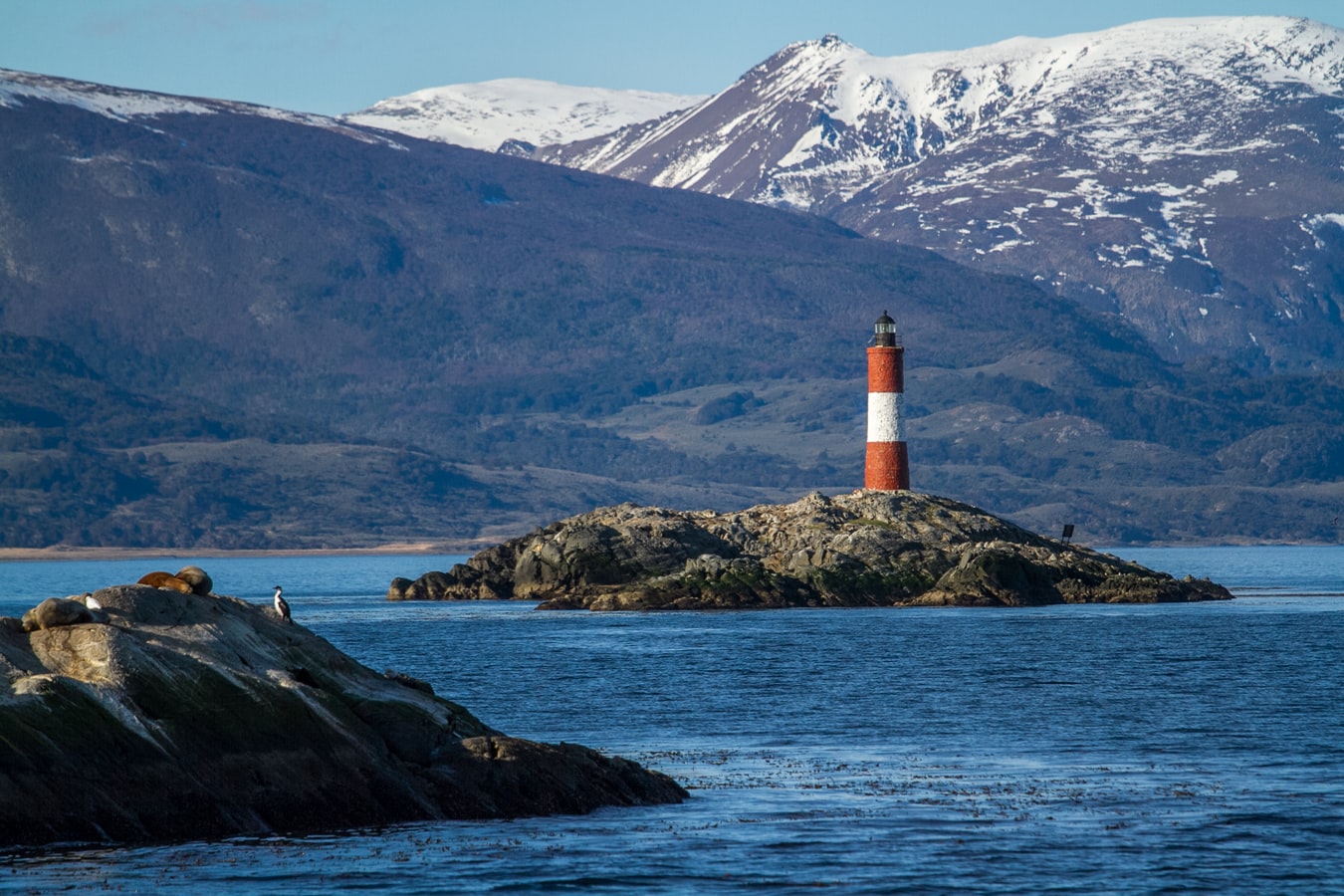
At 55 degrees latitude south, Ushuaia (pronounced oo-swy-ah) is closer to the South Pole than to Argentina's northern border with Bolivia. It is the capital and tourism base for Tierra del Fuego, the island at the southernmost tip of Argentina.Although its stark physical beauty is striking, Tierra del Fuego's historical allure is based more on its mythical past than on rugged reality. The island was inhabited for 6,000 years by Yámana, Haush, Selk'nam, and Alakaluf Indians. But in 1902 Argentina, eager to populate Patagonia to bolster its territorial claims, moved to initiate an Ushuaian penal colony, establishing the permanent settlement of its most southern territories and, by implication, everything in between.When the prison closed in 1947, Ushuaia had a population of about 3,000, made up mainly of former inmates and prison staff. Today the Indians of Darwin's "missing link" theory are long gone—wiped out by diseases brought by settlers and by indifference to their plight—and the 60,000 residents of Ushuaia are hitching their star to tourism.The city rightly (if perhaps too loudly) promotes itself as the southernmost city in the world (Puerto Williams, a few miles south on the Chilean side of the Beagle Channel, is a small town). You can make your way to the tourism office to get your clichéd, but oh-so-necessary, "Southernmost City in the World" passport stamp. Ushuaia feels like a frontier boomtown, at heart still a rugged, weather-beaten fishing village, but exhibiting the frayed edges of a city that quadrupled in size in the '70s and '80s and just keeps growing. Unpaved portions of Ruta 3, the last stretch of the Pan-American Highway, which connects Alaska to Tierra del Fuego, are finally being paved. The summer months (December through March) draw more than 120,000 visitors, and dozens of cruise ships. The city is trying to extend those visits with events like March's Marathon at the End of the World and by increasing the gamut of winter activities buoyed by the excellent snow conditions.A terrific trail winds through the town up to the Martial Glacier, where a ski lift can help cut down a steep kilometer of your journey. The chaotic and contradictory urban landscape includes a handful of luxury hotels amid the concrete of public housing projects. Scores of "sled houses" (wooden shacks) sit precariously on upright piers, ready for speedy displacement to a different site. But there are also many small, picturesque homes with tiny, carefully tended gardens. Many of the newer homes are built in a Swiss-chalet style, reinforcing the idea that this is a town into which tourism has breathed new life. At the same time, the weather-worn pastel colors that dominate the town's landscape remind you that Ushuaia was once just a tiny fishing village, snuggled at the end of the Earth.As you stand on the banks of the Canal Beagle (Beagle Channel) near Ushuaia, the spirit of the farthest corner of the world takes hold. What stands out is the light: at sundown the landscape is cast in a subdued, sensual tone; everything feels closer, softer, and more human in dimension despite the vastness of the setting. The snowcapped mountains reflect the setting sun back onto a stream rolling into the channel, as nearby peaks echo their image—on a windless day—in the still waters.Above the city rise the last mountains of the Andean Cordillera, and just south and west of Ushuaia they finally vanish into the often-stormy sea. Snow whitens the peaks well into summer. Nature is the principal attraction here, with trekking, fishing, horseback riding, wildlife spotting, and sailing among the most rewarding activities, especially in the Parque Nacional Tierra del Fuego (Tierra del Fuego National Park).
Arush   Ushuaia, Argentina   Pc To Dennis Fidalgo
Arush Ushuaia, Argentina Pc To Dennis Fidalgo
Arush   Ushuaia, Argentina   Pc To Sander Crombach
Arush Ushuaia, Argentina Pc To Sander Crombach
Arush   Ushuaia, Argentina   Pc To Seb Creativo
Arush Ushuaia, Argentina Pc To Seb Creativo

Day 3 - Garibaldi Glacier

Further details for this day are not available.

Day 4 - Ainsworth Bay

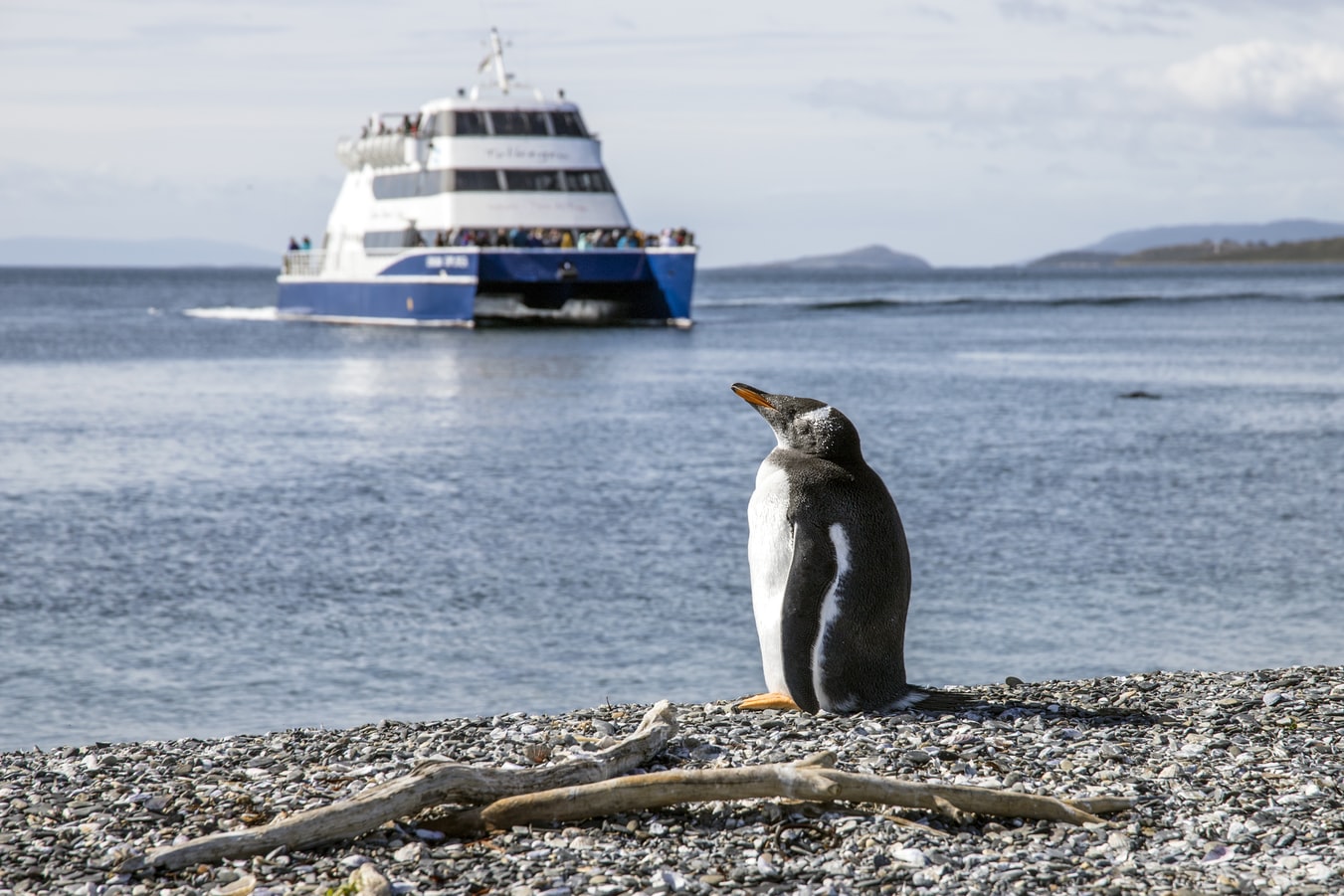
Ainsworth Bay is part of the Almirantazgo Sound, in the Tierra del Fuego region of Chile. It is inside the D Agostini National Park, within the Darwin Range and is one of the most pristine and secluded spots to visit in this part of Chilean Patagonia. The retreating Marinelli Glacier, with its 130-foot high ice walls, is nearby, there are often elephant seals hauled out on the beaches, and colonies of Magellanic Penguins nest in burrows amongst the vegetation. Other common birds are cormorants and predatory skuas.

Ainsworth Bay, Chile
Ainsworth Bay, ChilePhoto by Olga Stalska on Unsplash

Day 5 - Chilean Fjords

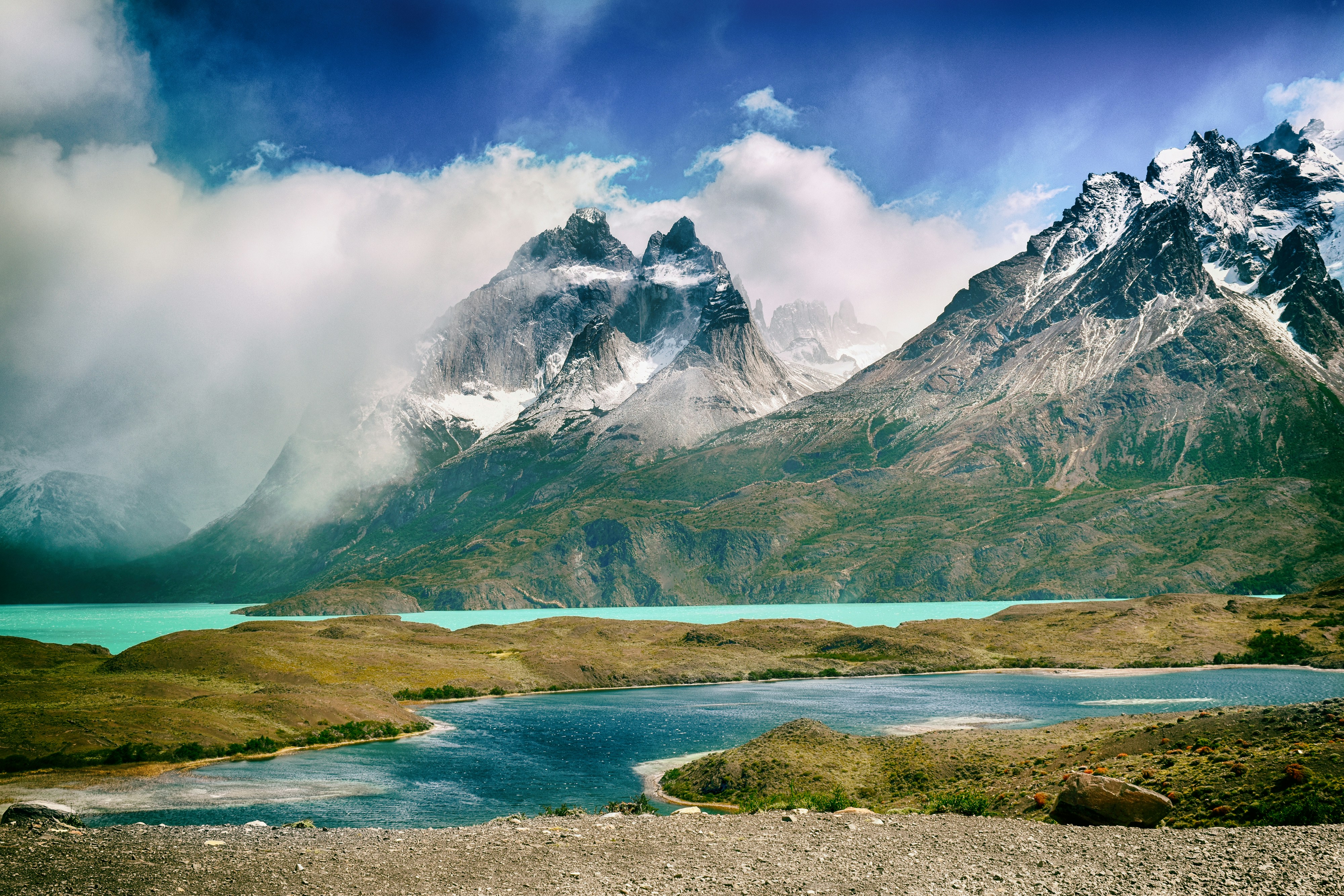
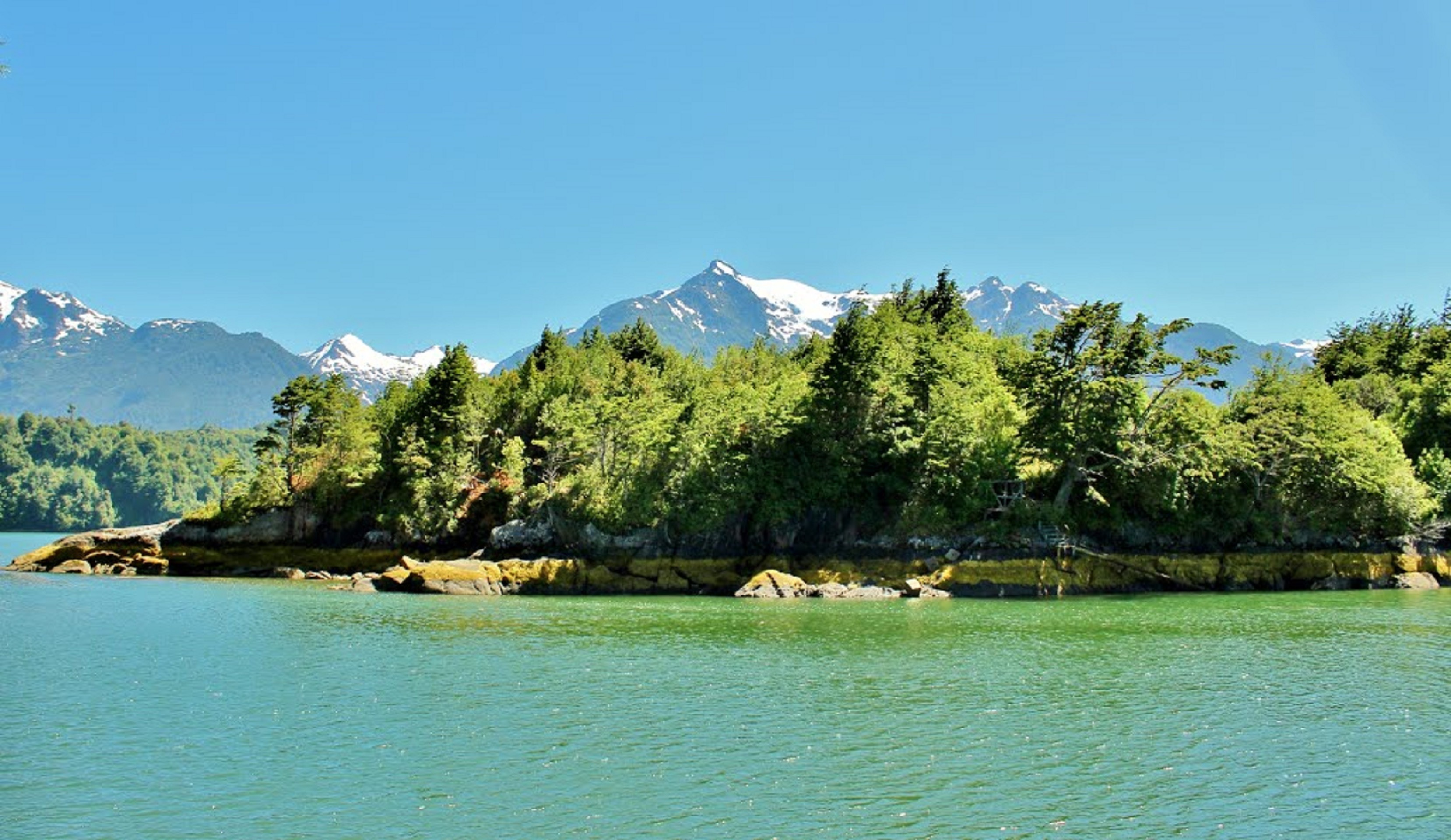
Strewn through the coast of Chile, these beautiful fjords are world renowned for being one of the most awe-inspiring places on earth. Snow-capped volcanoes nestle majestically alongside rolling valleys of ice and frosty glaciers. Rugged beauty, breathtaking scenery not to mention diverse and profuse wildlife abounds – expect to watch whales from the deck, see playful Magellan Penguins and perhaps even spot the rare Andean Condor. Affectionately named “The End of the World” by the Spaniards who discovered the region in eighteenth century in a quest to Christianise South America, these extraordinary waterways not only encompass a medley of jagged mountains and iceberg strewn bays, but feature a kaleidoscopic spectrum of unexpected colour that offers photographic opportunities like no other destination.

Chilean Fjords
Chilean FjordsPhoto from Pixabay

Day 6 - Puerto Natales

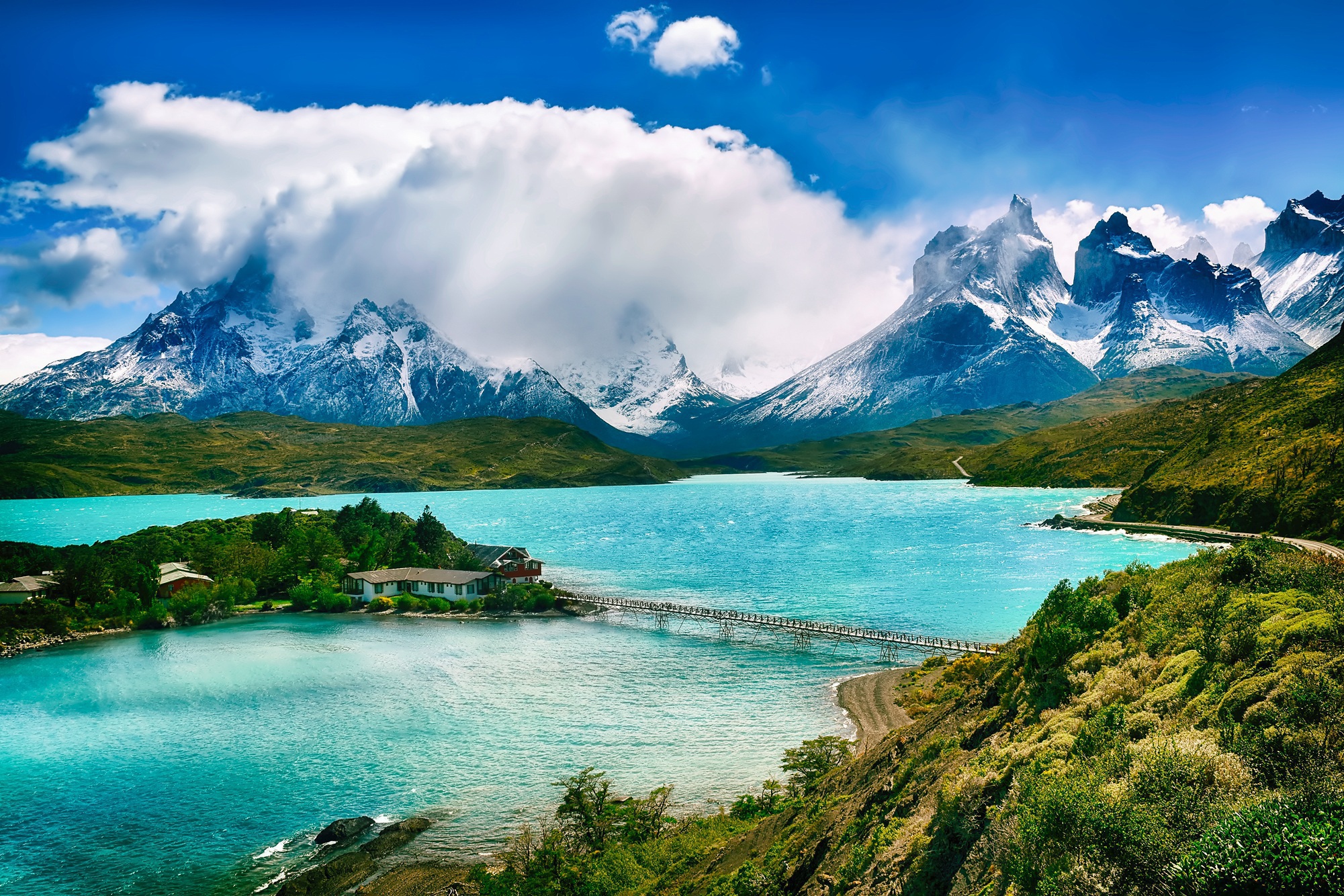
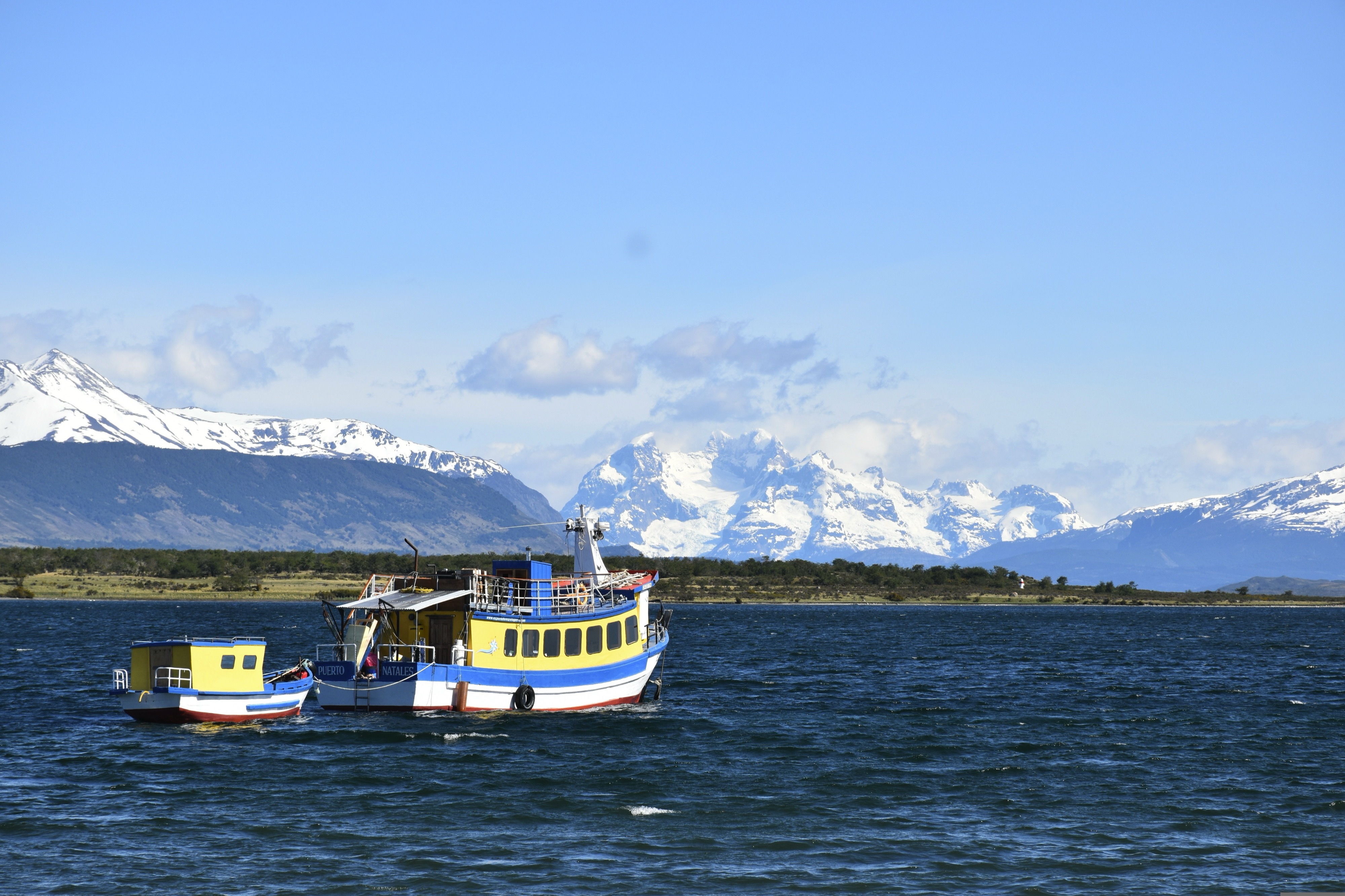
With a population of roughly 18,000, Puerto Natales is the capital of the Ultima Esperanza Province. Founded in 1911, it quickly developed into a major residential center and shipping port for the area’s products. Nestled on a gently-sloping point amid spectacular scenery, the town overlooks the Ultima Esperanza Gulf and has a nice view of the Balmaceda Mountain. It provides services for the region’s intense livestock activity. Many of its inhabitants work at the Argentinian coal mines in Rio Turbio and return home over the weekend. A growing number of tourists are using the town as a jumping-off point for visiting the spectacular Torres del Paine and Balmaceda National Parks, and the nearby fjords. In 1892 and 1897, two geographic surveyors mapped the area and ascertained its potential for livestock farming. The first expedition was led by Capt. Eberhard, while the second, a Swedish one, was led by Otto Nordenskjöld. Eberhard discovered the Milodón Cave and was one of the first settlers in the area. A German-born immigrant in transit along the Strait of Magellan, he disembarked in Punta Arenas and decided to stay in this area. His brother continued to California, their original destination, where he later founded the renowned Eberhard Faber pencil making company. When the area opened to settlement in 1893, the lands lying along the coast were occupied mostly by German and English settlers who had previously come to Punta Arenas. There still remain a few interesting buildings dating from the estancia heydays. Pier Information The ship will remain at anchor. Guests will be brought ashore by ship’s tenders to the jetty located close to the center of town, which can be reached on foot. Shopping The main shopping area is located about 11 blocks from the landing jetty. Cuisine Two of the better restaurants in town are Tranquera and Circulo Español. Other Sites Cerro DoroteaA walk up this hill rewards with superb views of the whole Ultima Esperanza Sound.Milodón Cave National MonumentAbout 15 miles out of Puerto Natales stands this monument near the cave, where in 1895 Capt. Eberhard found the nearly intact remains of a prehistoric animal called milodón, a type of ground sloth. The finding caused such a stir that Wellington Furlog, a scientiest at Cornell University, set out in 1907 to comb Patagonia in search of living specimens of this species.

Puerto Natales, Chile
Puerto Natales, ChileImage by Götz Friedrich from Pixabay

Day 7 - Puerto Natales

With a population of roughly 18,000, Puerto Natales is the capital of the Ultima Esperanza Province. Founded in 1911, it quickly developed into a major residential center and shipping port for the area’s products. Nestled on a gently-sloping point amid spectacular scenery, the town overlooks the Ultima Esperanza Gulf and has a nice view of the Balmaceda Mountain. It provides services for the region’s intense livestock activity. Many of its inhabitants work at the Argentinian coal mines in Rio Turbio and return home over the weekend. A growing number of tourists are using the town as a jumping-off point for visiting the spectacular Torres del Paine and Balmaceda National Parks, and the nearby fjords. In 1892 and 1897, two geographic surveyors mapped the area and ascertained its potential for livestock farming. The first expedition was led by Capt. Eberhard, while the second, a Swedish one, was led by Otto Nordenskjöld. Eberhard discovered the Milodón Cave and was one of the first settlers in the area. A German-born immigrant in transit along the Strait of Magellan, he disembarked in Punta Arenas and decided to stay in this area. His brother continued to California, their original destination, where he later founded the renowned Eberhard Faber pencil making company. When the area opened to settlement in 1893, the lands lying along the coast were occupied mostly by German and English settlers who had previously come to Punta Arenas. There still remain a few interesting buildings dating from the estancia heydays. Pier Information The ship will remain at anchor. Guests will be brought ashore by ship’s tenders to the jetty located close to the center of town, which can be reached on foot. Shopping The main shopping area is located about 11 blocks from the landing jetty. Cuisine Two of the better restaurants in town are Tranquera and Circulo Español. Other Sites Cerro DoroteaA walk up this hill rewards with superb views of the whole Ultima Esperanza Sound.Milodón Cave National MonumentAbout 15 miles out of Puerto Natales stands this monument near the cave, where in 1895 Capt. Eberhard found the nearly intact remains of a prehistoric animal called milodón, a type of ground sloth. The finding caused such a stir that Wellington Furlog, a scientiest at Cornell University, set out in 1907 to comb Patagonia in search of living specimens of this species.

Puerto Natales, Chile
Puerto Natales, ChileImage by Götz Friedrich from Pixabay

Day 8 - Patagonia Exploration

Further details for this day are not available.

Day 9 - Puerto Edén

Further details for this day are not available.

Puerto Eden
Puerto EdenImage by Michelle Raponi from Pixaba

Day 10 - Caleta Tortel

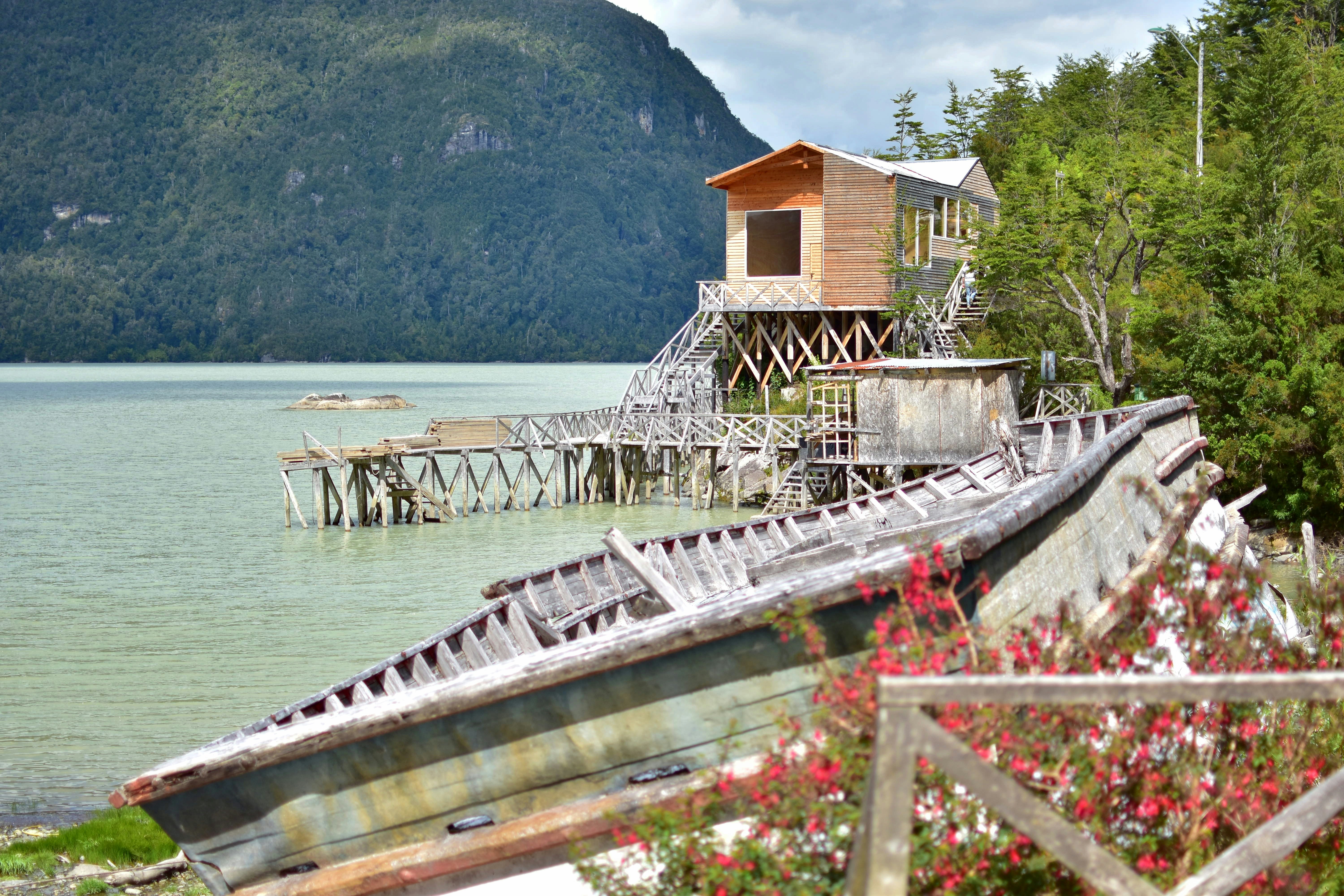
Tortel is a commune located in Southern Patagonia, a spectacular wilderness region of rugged mountains, glaciers, rivers and forests of infinite beauty. The uneven geography of Tortel shapes a unique landscape, characterized by an archipelagic area with numerous islands and channels. Tortel is known as the “footbridge city” for the unique beauty of its wooden walkways that connect the piers and houses of this quaint place through bridges and stairs, built from cypress wood, that run for four and a half miles around the cove and that respect the rich vegetation that grows under them. Even though it is the sixth largest commune in Chile, it has the lowest population of all with roughly 531 people. The history of the town dates back to 1520 when it was inhabited by nomadic Kawesqar, now extinct. Its definitive foundation was in 1955, after numerous attempts to populate the area. In 2001, it was declared by the Chilean government as a Picturesque Zone of National Heritage.

Caleta Tortel, Chile
Caleta Tortel, ChilePhoto by Marcelo Rivas on Unsplash

Day 11 - Cruising

Further details for this day are not available.

Day 12 - Castro

Bright, wooden huts teeter on stilts over Castro's estuary waterfront, inviting you into a patchwork of colour that’s sure to brighten any day. These traditional palafitos give the warmest of welcomes, as you prepare to experience Chile at its most vibrant. Castro has faced something of a tumultuous past, having been hit by a by a succession of earthquakes and fires - the most recent a devastating earthquake in 1960. But this city is incredibly resilient, and today the capital of Chiloe Island makes for a fantastic base for exploring the archipelago that surrounds it.  

Day 13 - Niebla

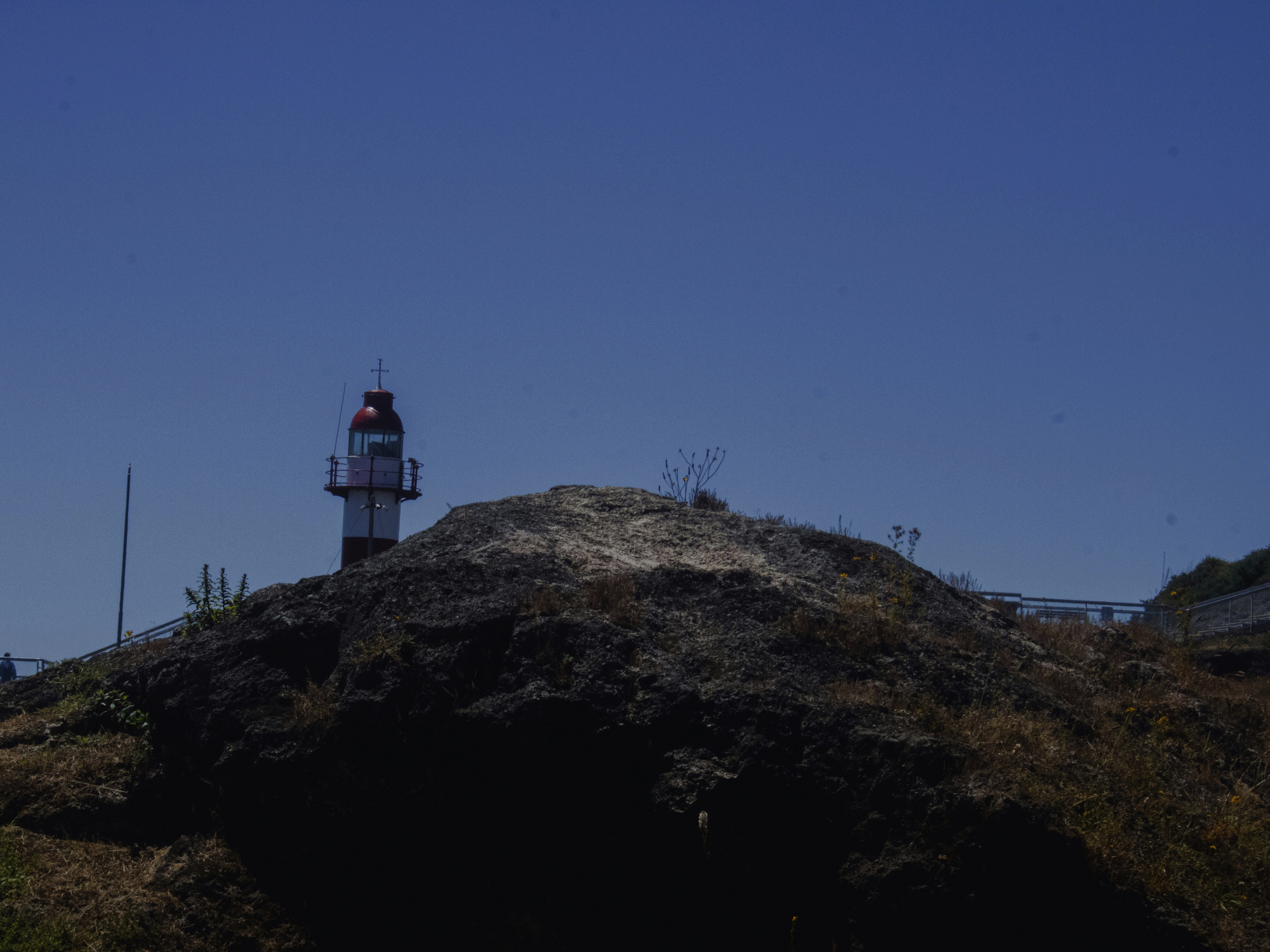
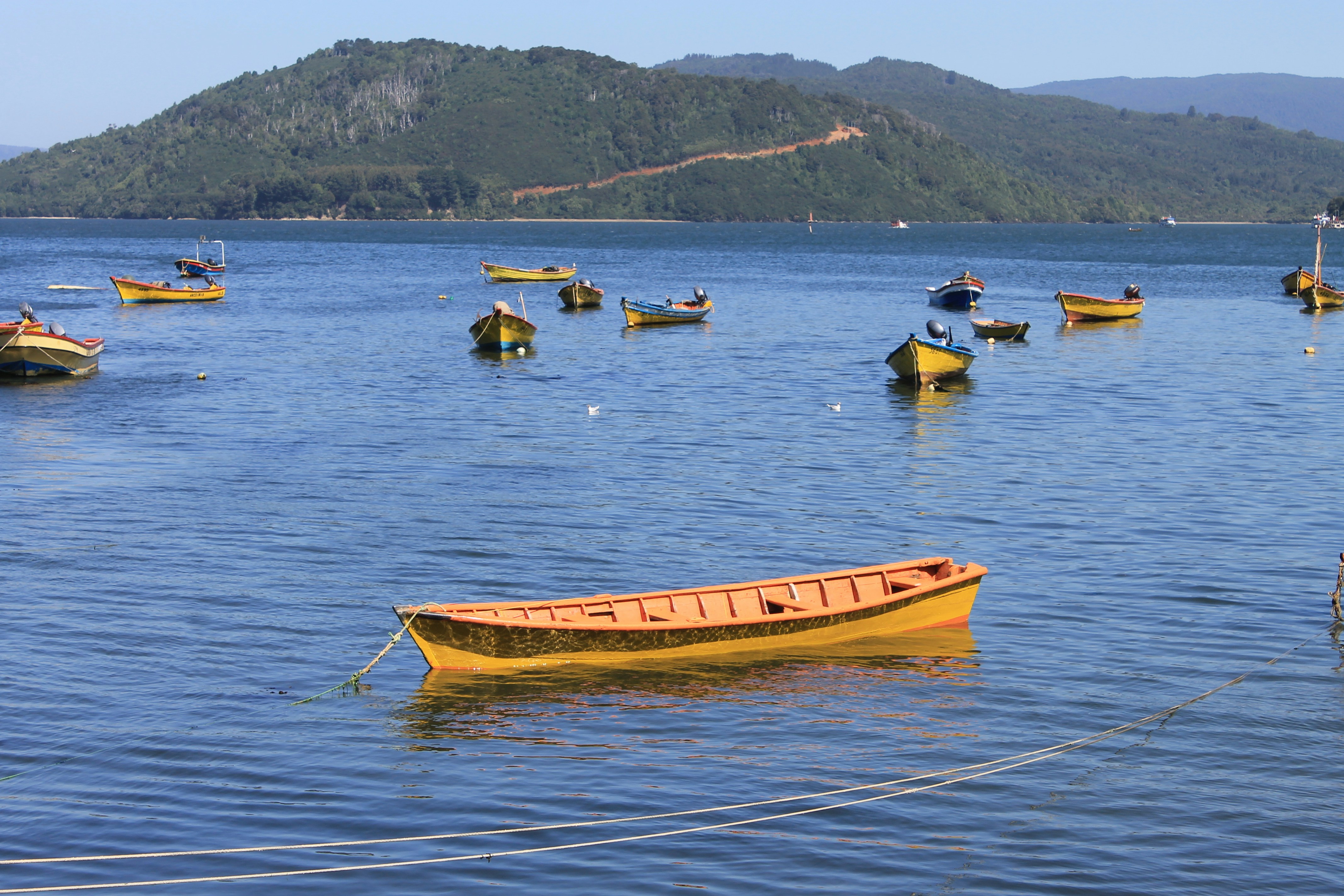
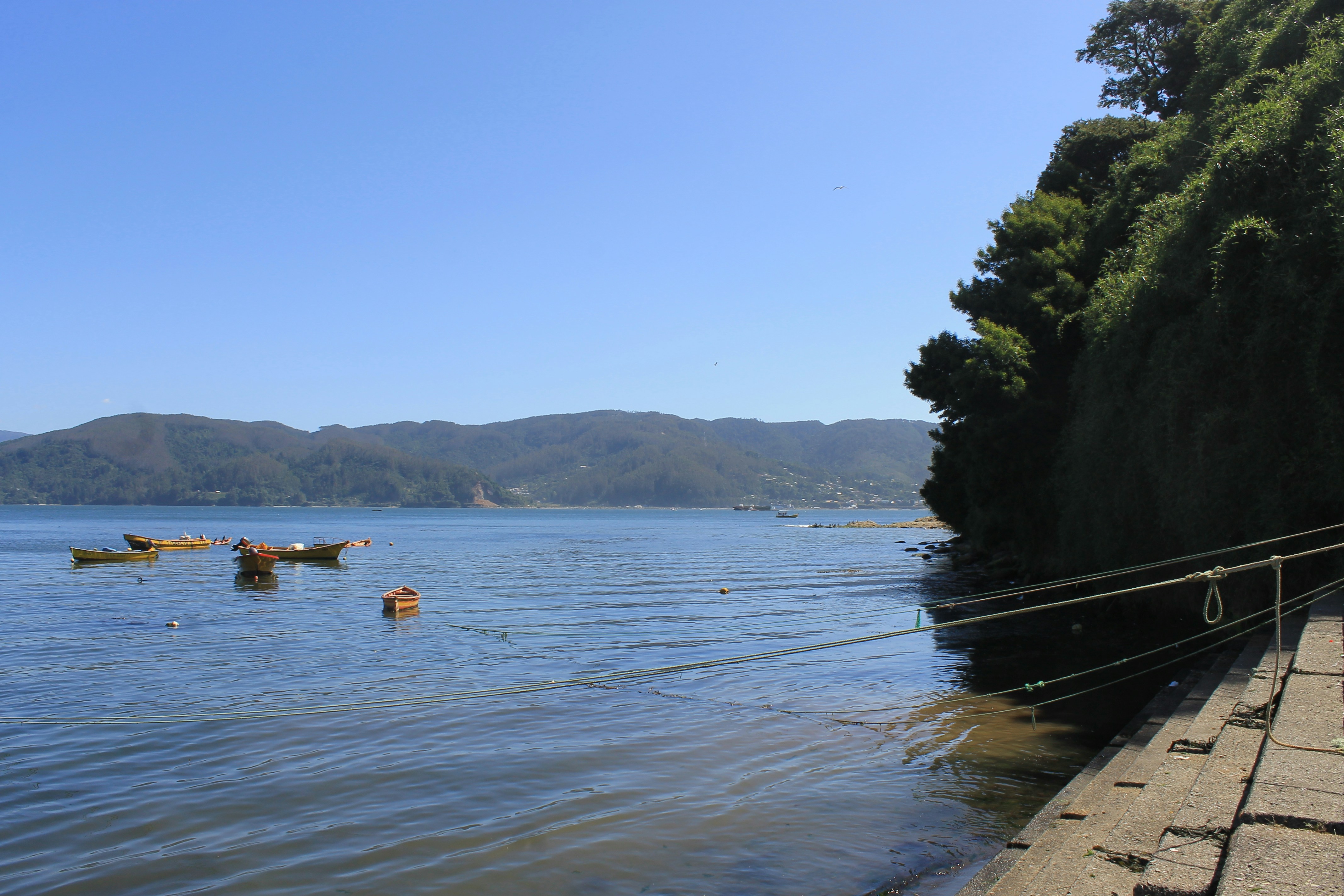
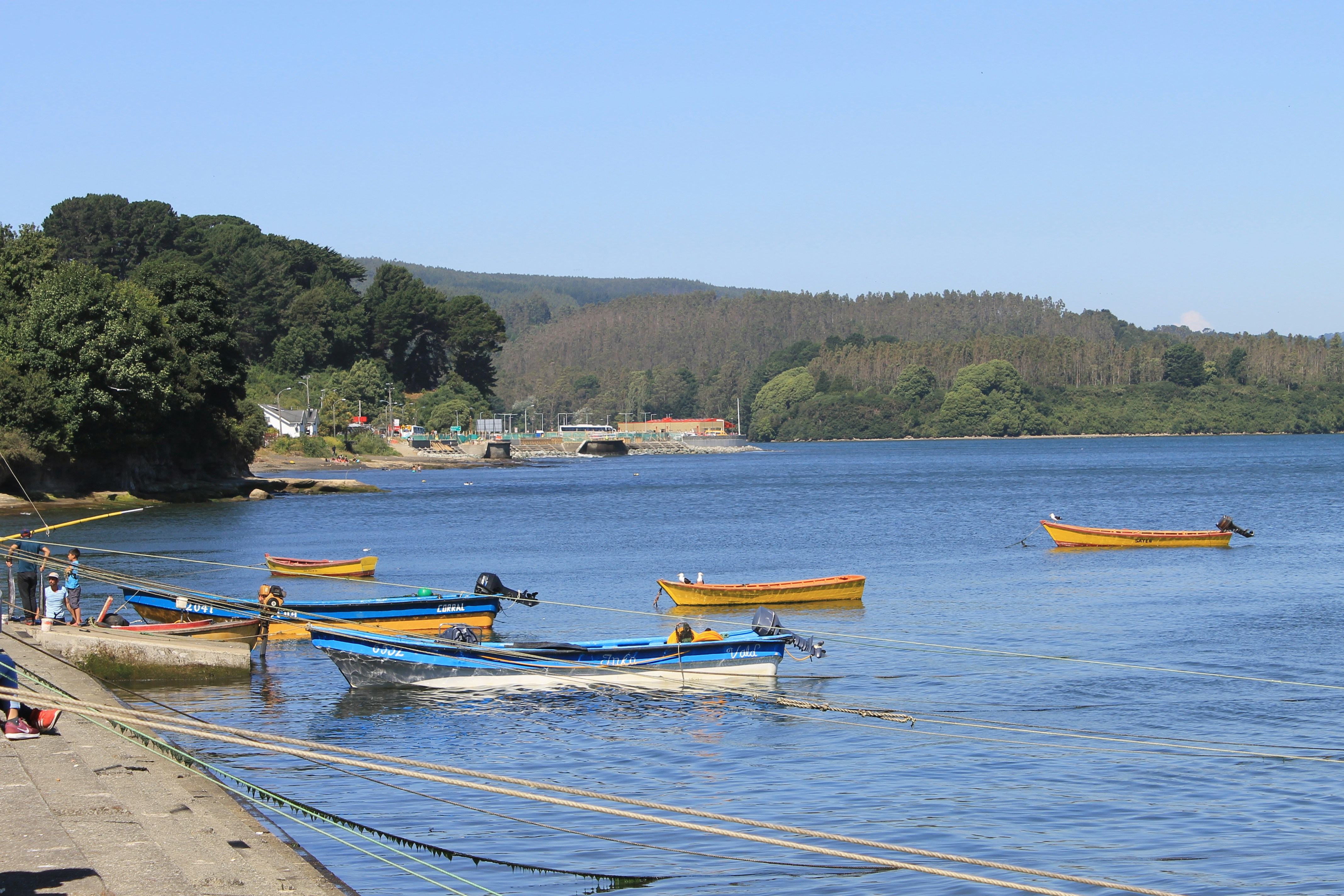
Niebla is a small village on the banks of the Rio Valdivia where Chile's Corral Bay meets the Pacific Ocean. Today Niebla is a beach resort, but in 1671 it was a defensive fortress built by the order of the Viceroy of Peru to prevent attacks against the town of Valdivia by pirates and corsairs. Niebla is well-known for its lively markets, the remains of the colonial fortress declared a National Monument in 1950 and restored in 1992, and a museum dedicated to its history. Nearby is the charming river port city of Valdivia, where cultural influences from the native Mapuche, Spanish settlers, and German immigrants have blended.

Fuerte Niebla, Valdivia   Del Castillo, Niebla, Valdivia, Chile
Fuerte Niebla, Valdivia Del Castillo, Niebla, Valdivia, ChileNoel Oviedo
Botes En La Costa De Niebla
Botes En La Costa De Nieblakuyerai Sanh
Botes En La Costa De Niebla
Botes En La Costa De Nieblakuyerai Sanh
Botes En La Costa De Niebla
Botes En La Costa De Nieblakuyerai Sanh
Botes En La Costa De Niebla
Botes En La Costa De Nieblakuyerai Sanh

Day 14 - Cruising

Further details for this day are not available.

Day 15 - Valparaiso

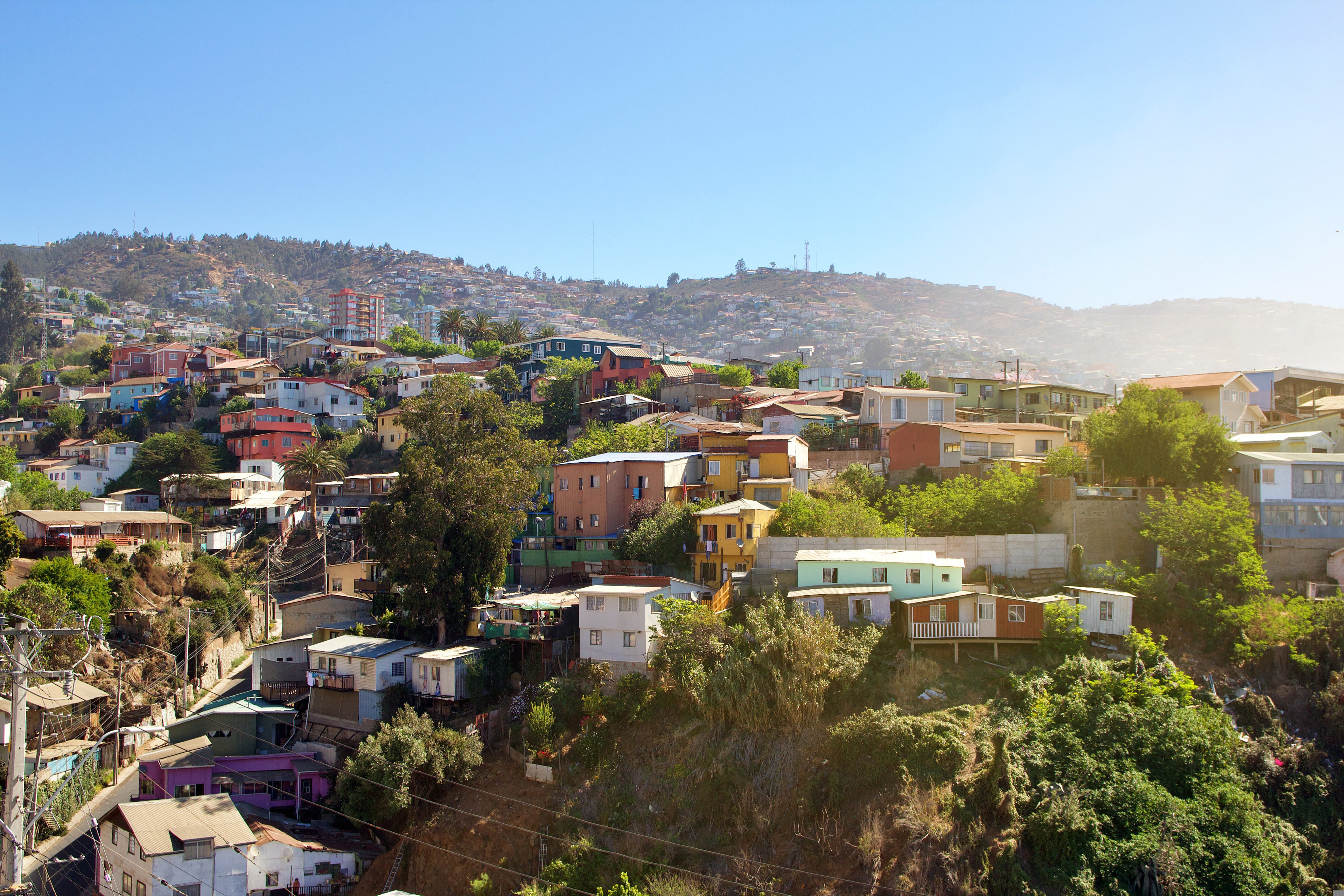
Valparaíso's dramatic topography—45 cerros, or hills, overlooking the ocean—requires the use of winding pathways and wooden ascensores (funiculars) to get up many of the grades. The slopes are covered by candy-color houses—there are almost no apartments in the city—most of which have exteriors of corrugated metal peeled from shipping containers decades ago. Valparaíso has served as Santiago's port for centuries. Before the Panama Canal opened, Valparaíso was the busiest port in South America. Harsh realities—changing trade routes, industrial decline—have diminished its importance, but it remains Chile's principal port. Most shops, banks, restaurants, bars, and other businesses cluster along the handful of streets called El Plan (the flat area) that are closest to the shoreline. Porteños (which means "the residents of the port") live in the surrounding hills in an undulating array of colorful abodes. At the top of any of the dozens of stairways, the paseos (promenades) have spectacular views; many are named after prominent Yugoslavian, Basque, and German immigrants. Neighborhoods are named for the hills they cover. With the jumble of power lines overhead and the hundreds of buses that slow down—but never completely stop—to pick up agile riders, it's hard to forget you're in a city. Still, walking is the best way to experience Valparaíso. Be careful where you step, though—locals aren't very conscientious about curbing their dogs.

Valparaiso, Chile
Valparaiso, ChileImage by Julian Hacker from Pixabay

Suites & Deck Plans

Suite

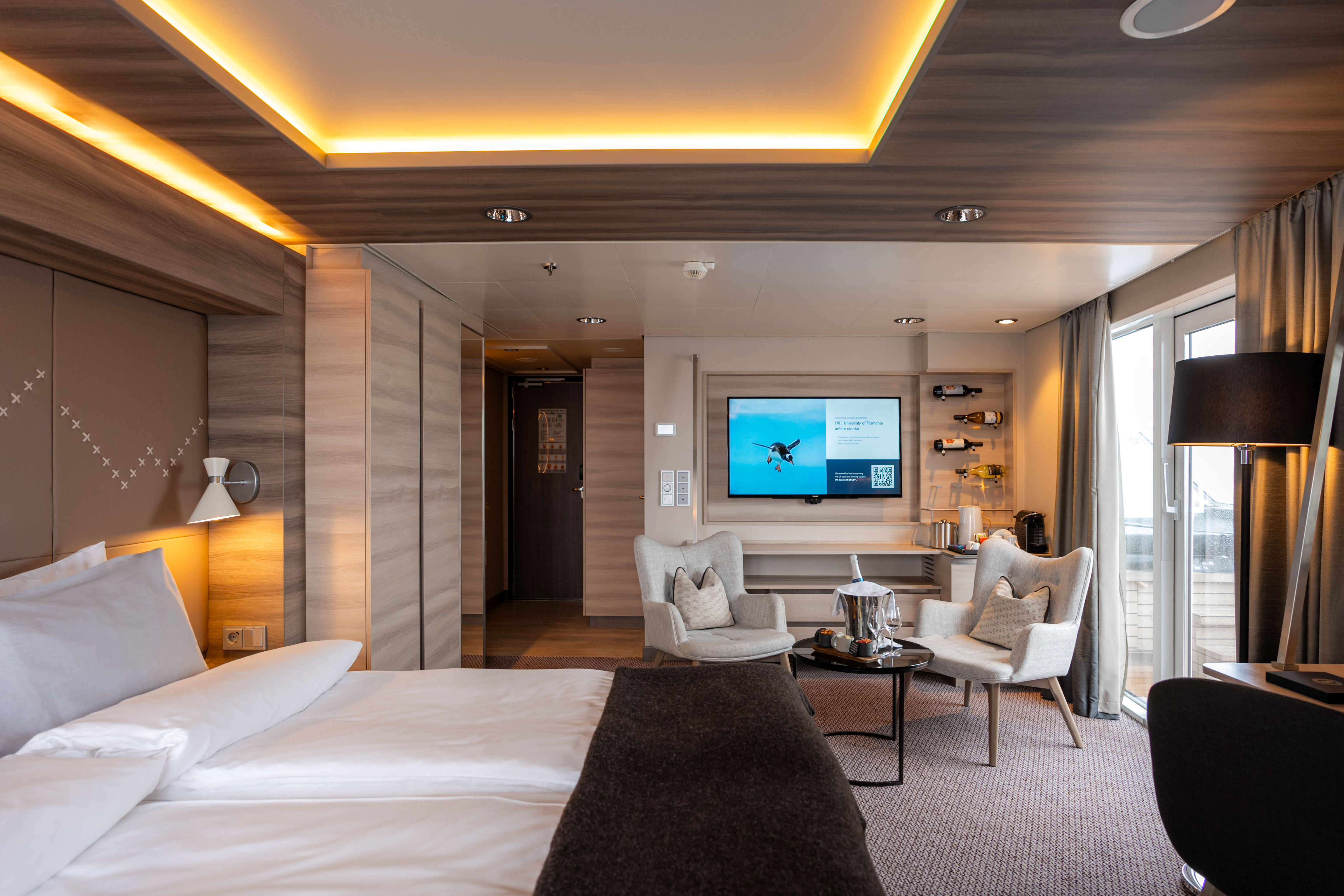
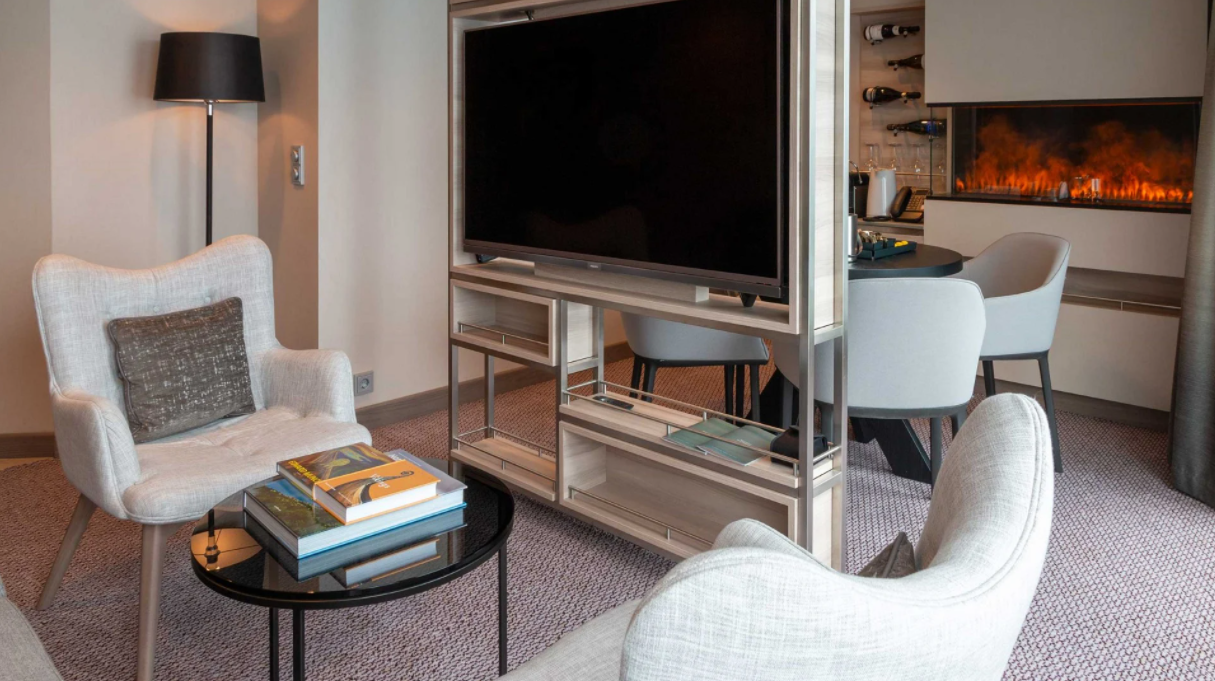
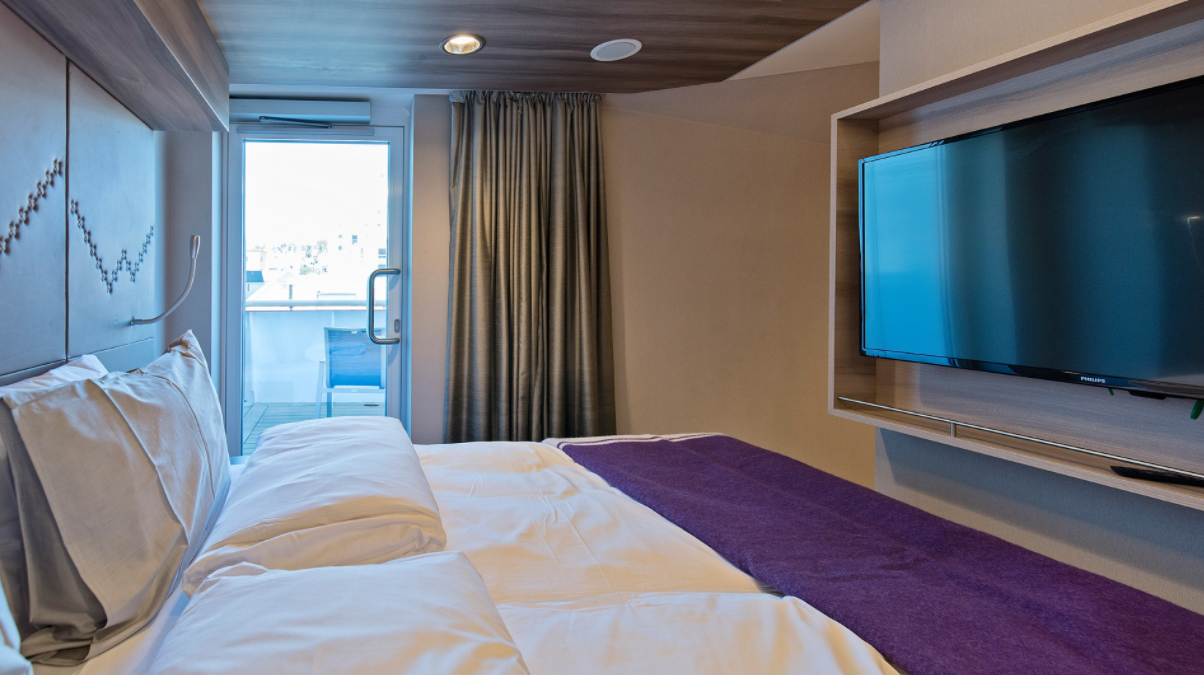
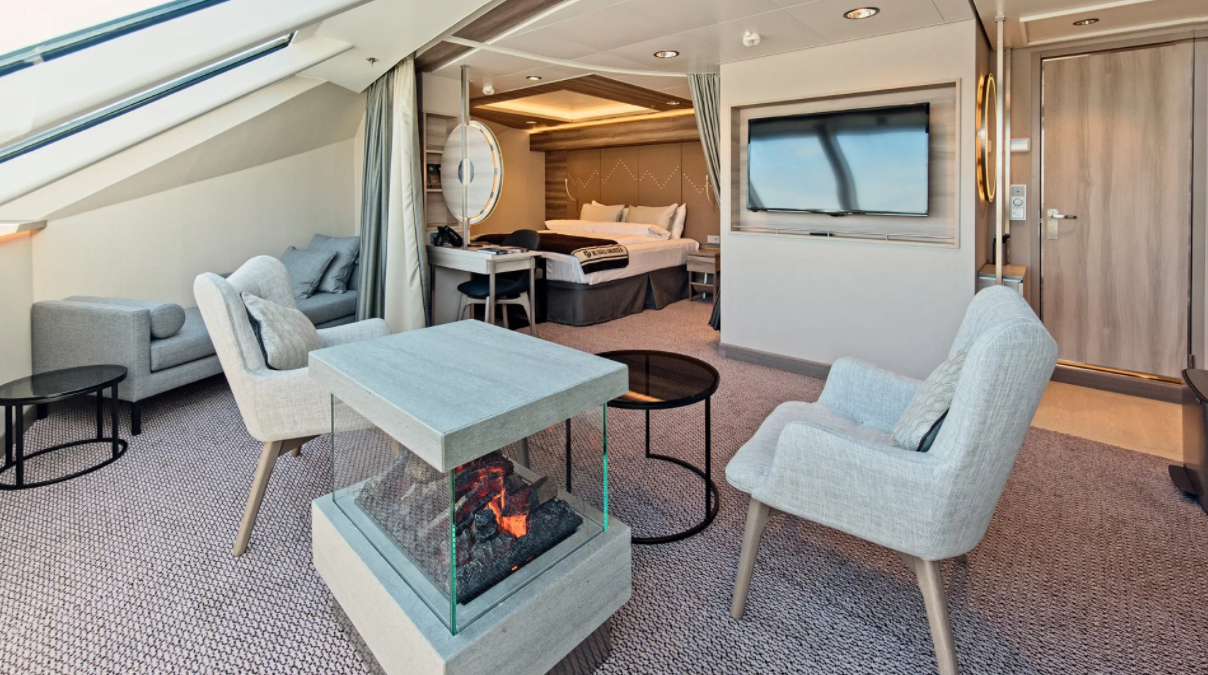
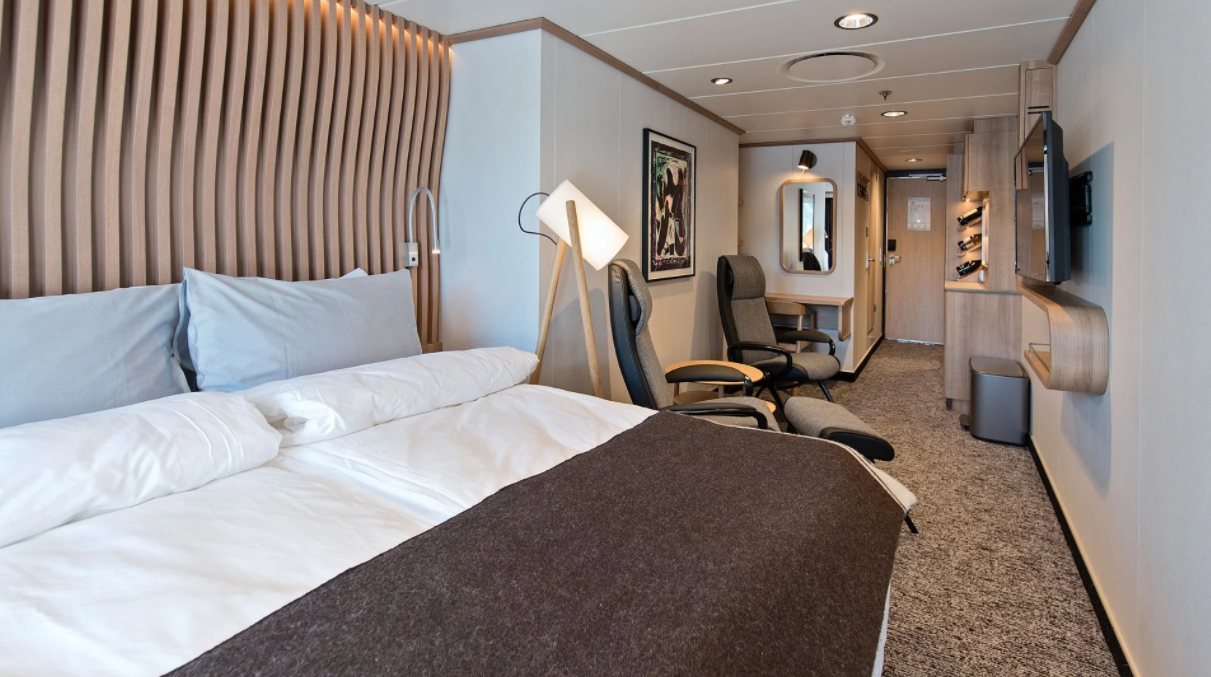
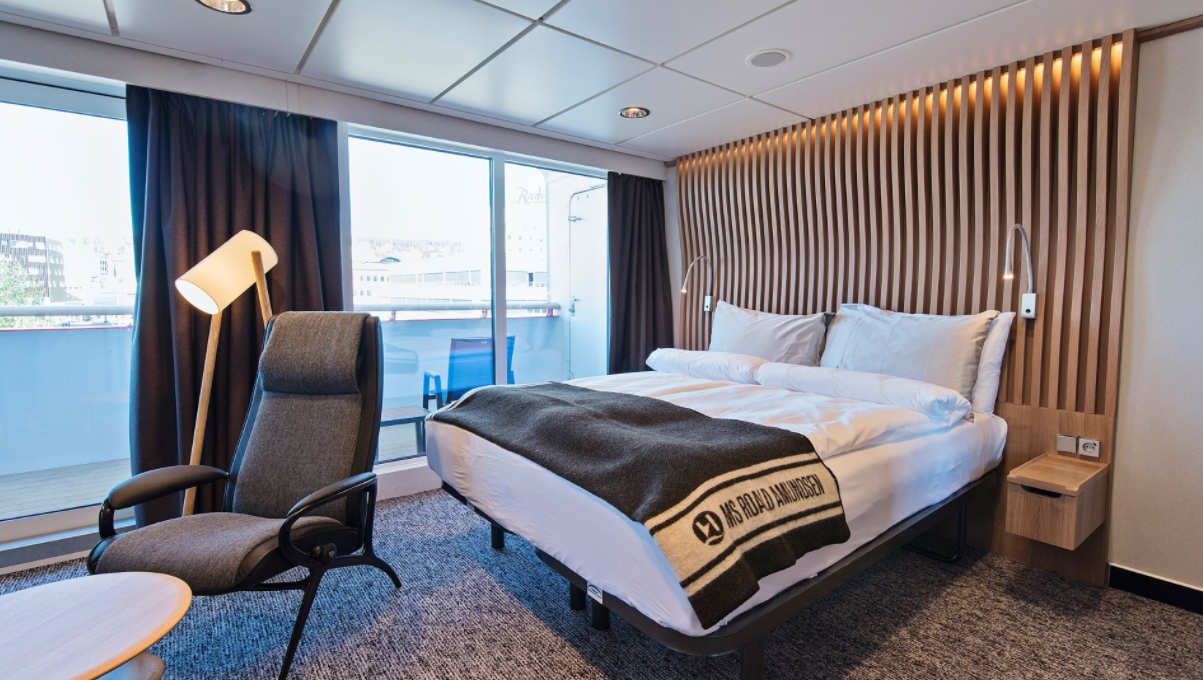
Extra Large Corner Suite with private balcony. Ship’s most spacious cabins with large windows, flexible sleeping arrangements, sofabed, TV, minibar, bathrobe, kettle, tea and coffee, espresso maker. The first minibar setup is included for each item, each replenishment is chargeable.

  • Extra-large upper-deck corner suite
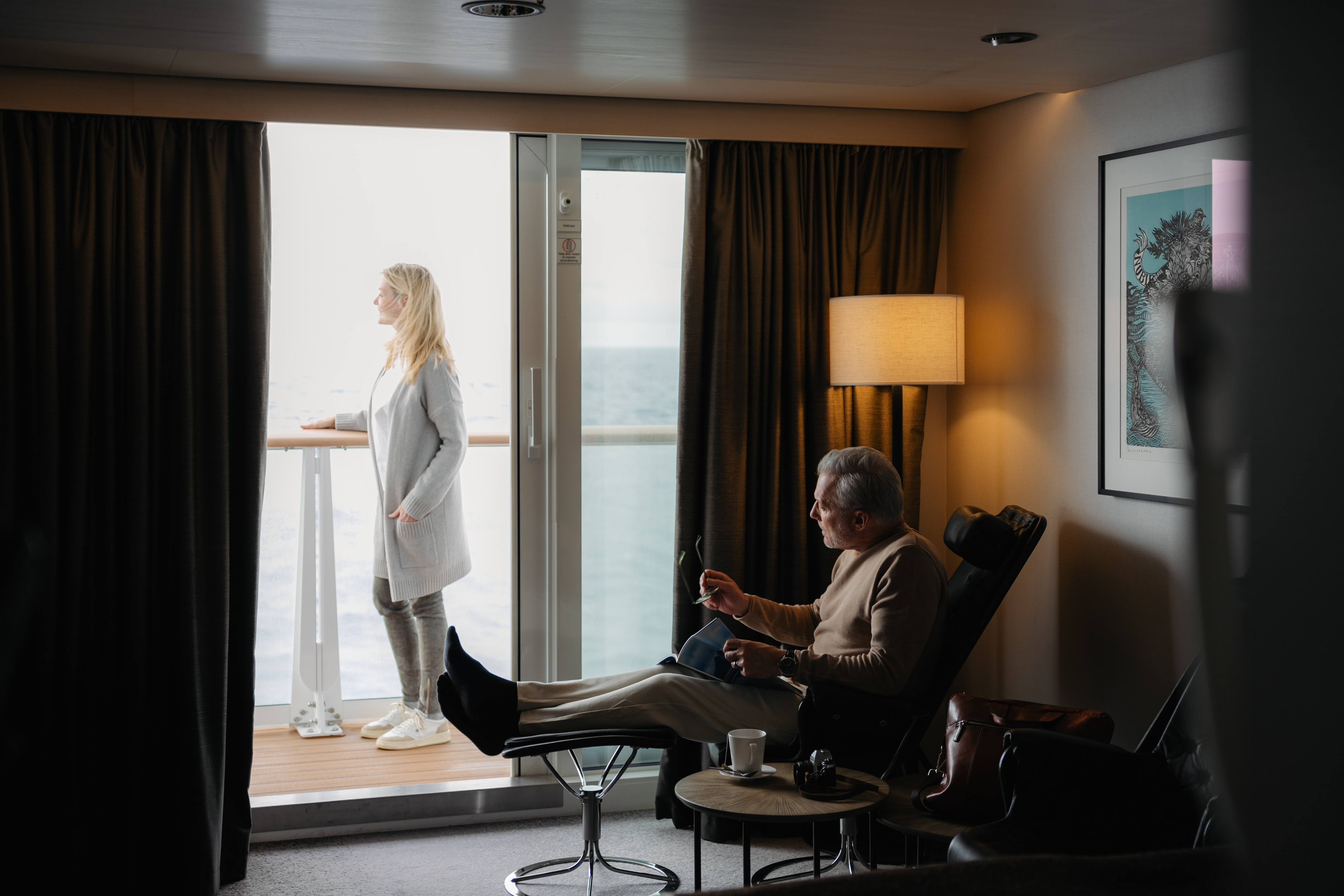
  • Private balcony
  • Large windows
  • Double bed (optional twin)
  • Sofa bed
  • Bathrobes and slippers available on request 
  • Guests: up to 4 | Size: 46-48 m2
  • Cabin Code: MA

495-517 sq ft
Accommodates 4 guests
Expedition Suite | XL Suite - With balcony

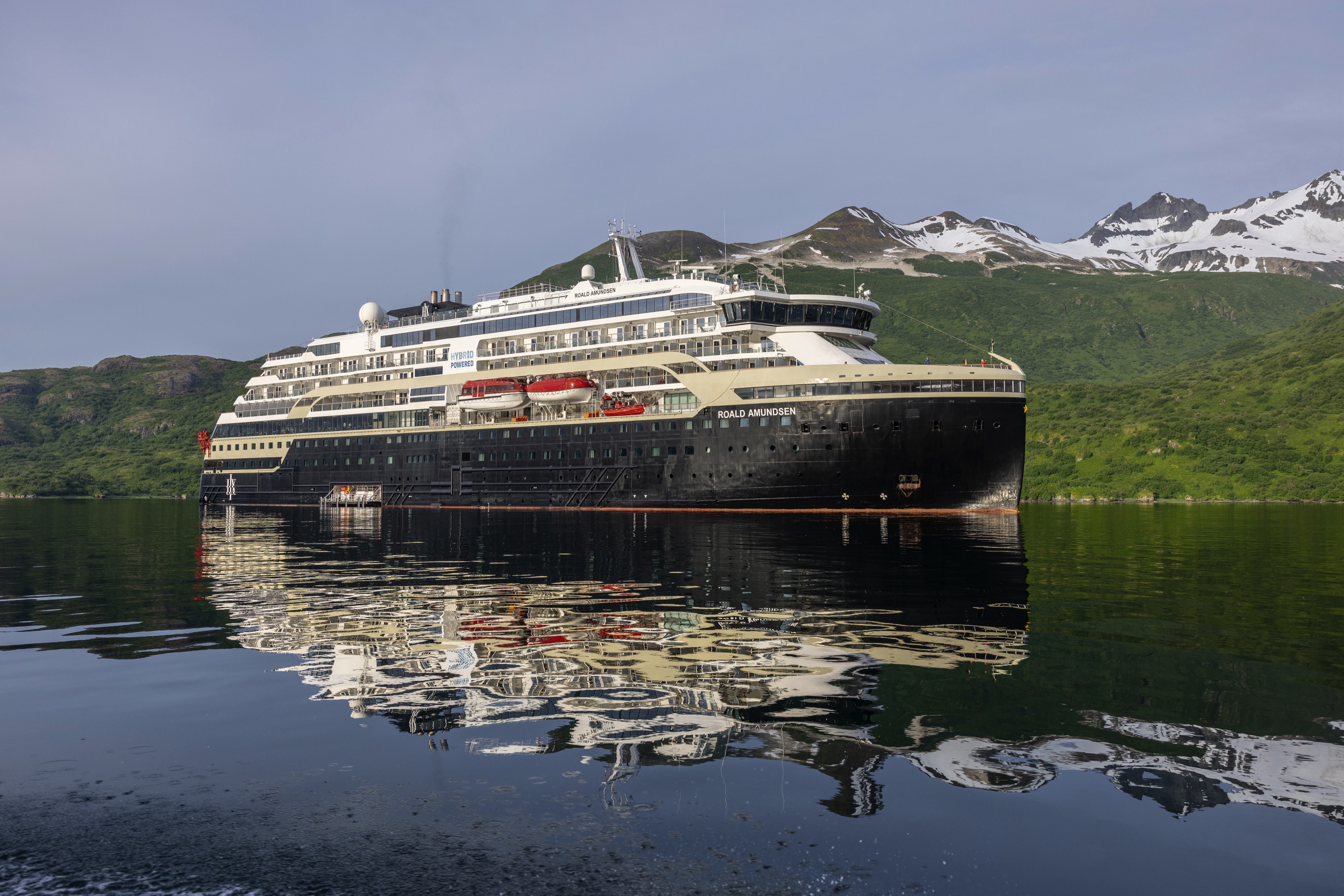
MS Roald Amundsen

MS Roald Amundsen

Client testimonials

I have worked with Lore Doick for more than 20 years, and she has booked over 30 cruises for me. Her expertise, care, and attention to every travel detail have made her an invaluable advisor and friend over the years.”

Tina B.

We are now in our second generation working with Cheri Ozimac at Tully Luxury Travel. From Antarctica to Greece, she has handled every detail with expertise, responsiveness, and care…

Earl M.

My wife and I have worked with Tully since 2007, and Kit Neil and her team went far beyond expectations while helping us navigate multiple cruise and flight cancellations. Their advocacy, care, and support during a difficult time were extraordinary.

Carri F.

Cheri Ozimac organized our Seabourn cruise flawlessly, from the hotel recommendation to every travel arrangement. She was responsive, attentive, and an excellent advocate throughout the process…

Cyn S.

We discovered Tully Luxury Travel after years of booking cruises through US agents and were impressed by their competitive pricing, exceptional service, and Canadian based support. Their team is always available, offers excellent value, and makes booking the right cruise seamless.

Peter C.

GoogleAverage Customer Rating:

The Tully Difference

Why travel with us


Tully Luxury Travel was built on access, discretion, and trust. For our clients, that means ease at every step, with distinctions that turn exceptional voyages into defining moments.

Recognized expertise

A renowned agency worldwide in luxury land and small-ship cruising, consistently trusted by the industry’s most prestigious brands.