16-Day Inca & Panama Canal Discovery: Lima Overnight

Itinerary: Fort Lauderdale, Florida, Grand Cayman, Fuerte Amador, Manta, Salaverry, Callao, General San Martin, Coquimbo, Valparaiso See full itinerary

18 Nov 26
16 nights

Voyage Details

Duration:
16 nights
Departure:
18 Nov 2026
Embarkation:
Fort Lauderdale, Florida, United States
Voyage code:
O670

Your Itinerary, Day-By-Day

Special Chapters of Your Journey

Day 1 - Fort Lauderdale, Florida

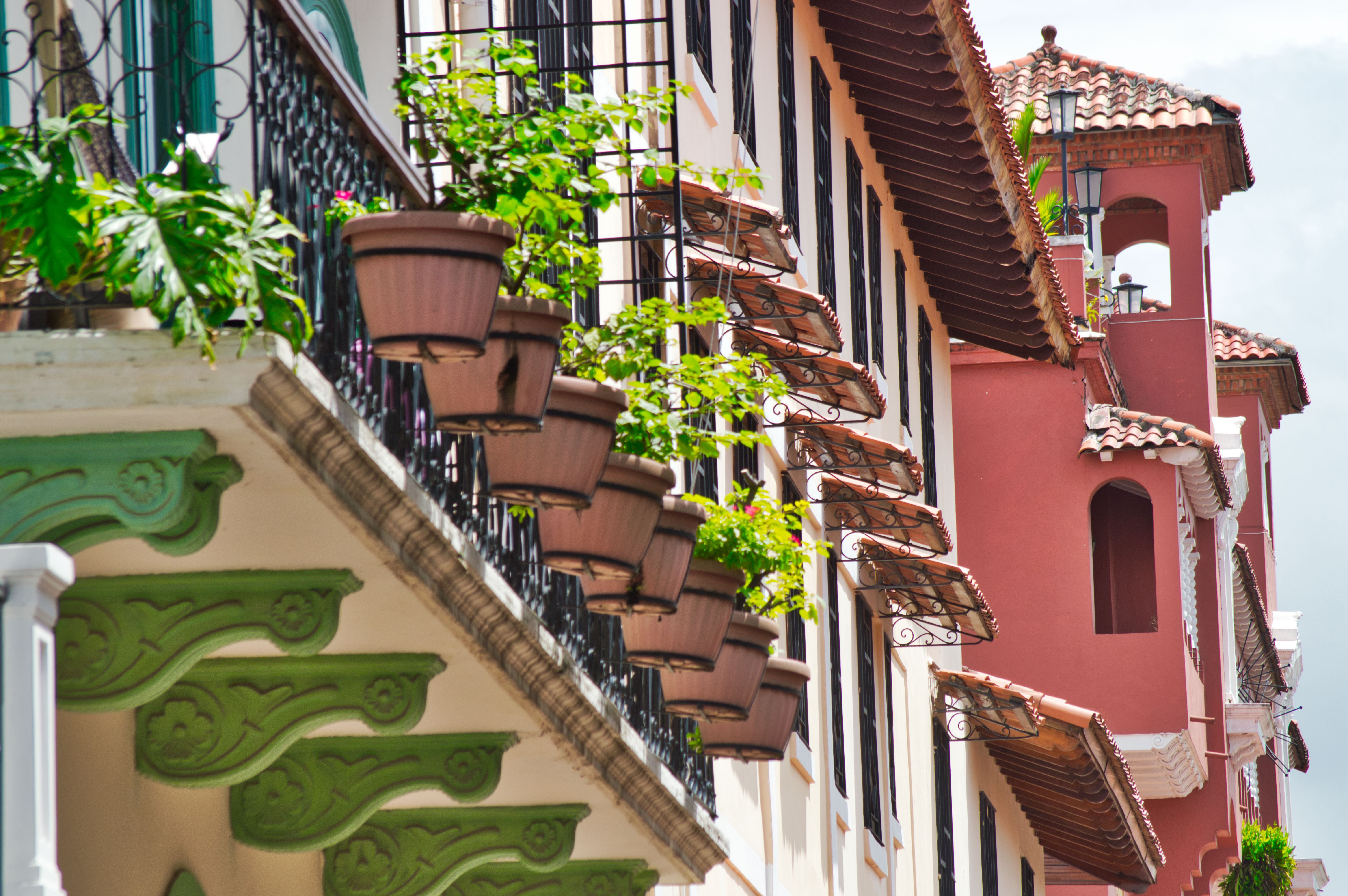
Like many southeast Florida neighbors, Fort Lauderdale has long been revitalizing. In a state where gaudy tourist zones often stand aloof from workaday downtowns, Fort Lauderdale exhibits consistency at both ends of the 2-mile Las Olas corridor. The sparkling look results from upgrades both downtown and on the beachfront. Matching the downtown's innovative arts district, cafés, and boutiques is an equally inventive beach area, with hotels, cafés, and shops facing an undeveloped shoreline, and new resort-style hotels replacing faded icons of yesteryear. Despite wariness of pretentious overdevelopment, city leaders have allowed a striking number of glittering high-rises. Nostalgic locals and frequent visitors fret over the diminishing vision of sailboats bobbing in waters near downtown; however, Fort Lauderdale remains the yachting capital of the world, and the water toys don’t seem to be going anywhere.
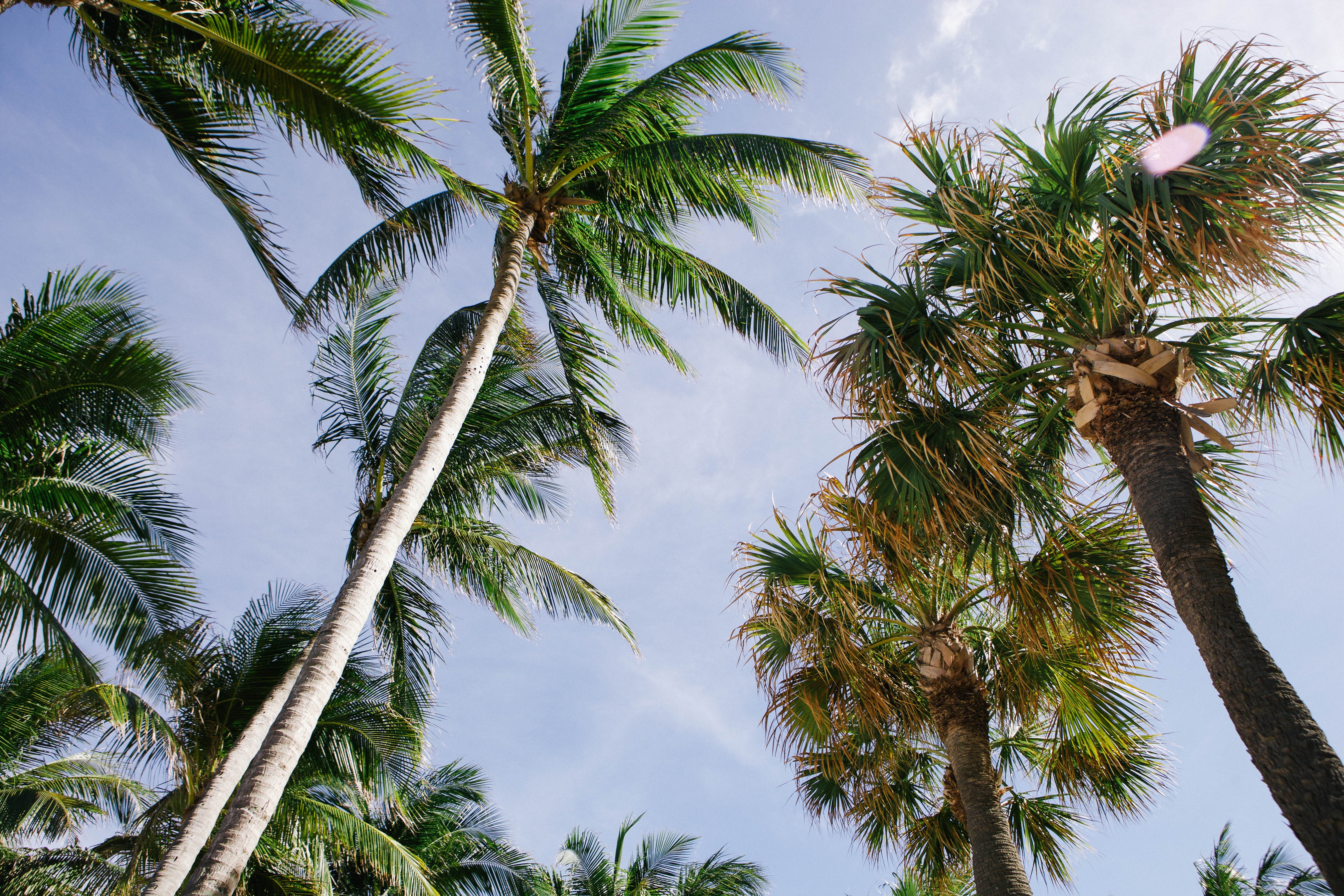
Usfll   Fort Lauderdale   Palm Trees  Karina Carvalho
Usfll Fort Lauderdale Palm Trees Karina Carvalho Photograph by Karina Carvalho
Usfll   Fort Lauderdale   Tarpoon River  Luiz Centenaro
Usfll Fort Lauderdale Tarpoon River Luiz Centenaro Photograph by Luiz Centenaro
Usmia   Miami   Art Deco South Beach   Visit Florida.Com
Usmia Miami Art Deco South Beach Visit Florida.ComVisitFlorida.com
Usmia   Miami   Beach Boardwalk   The Greater Miami Convention & Visitors Bureau
Usmia Miami Beach Boardwalk The Greater Miami Convention & Visitors BureauThe Greater Miami Convention & Visitors Bureau

Day 3 - Grand Cayman

Further details for this day are not available.

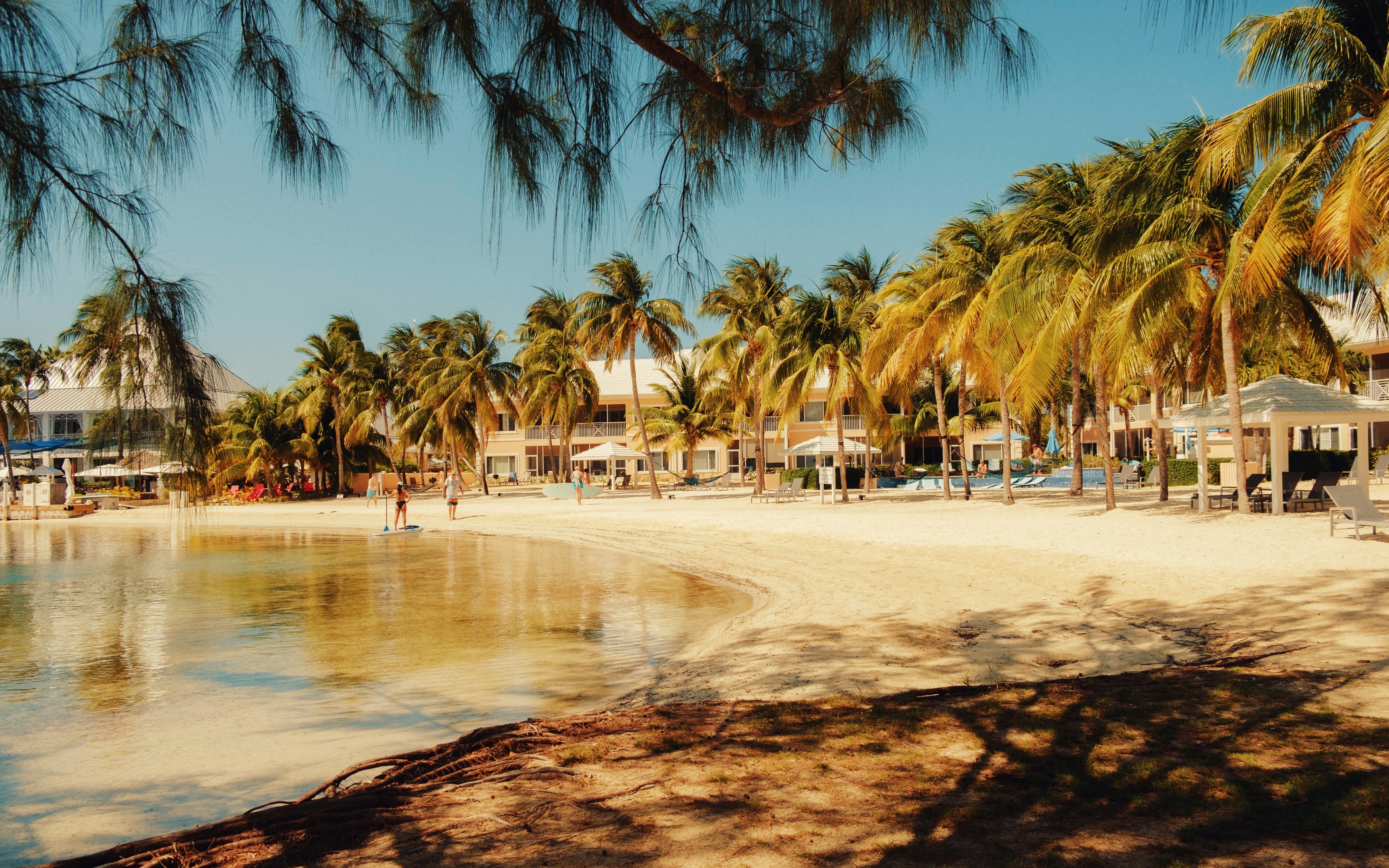
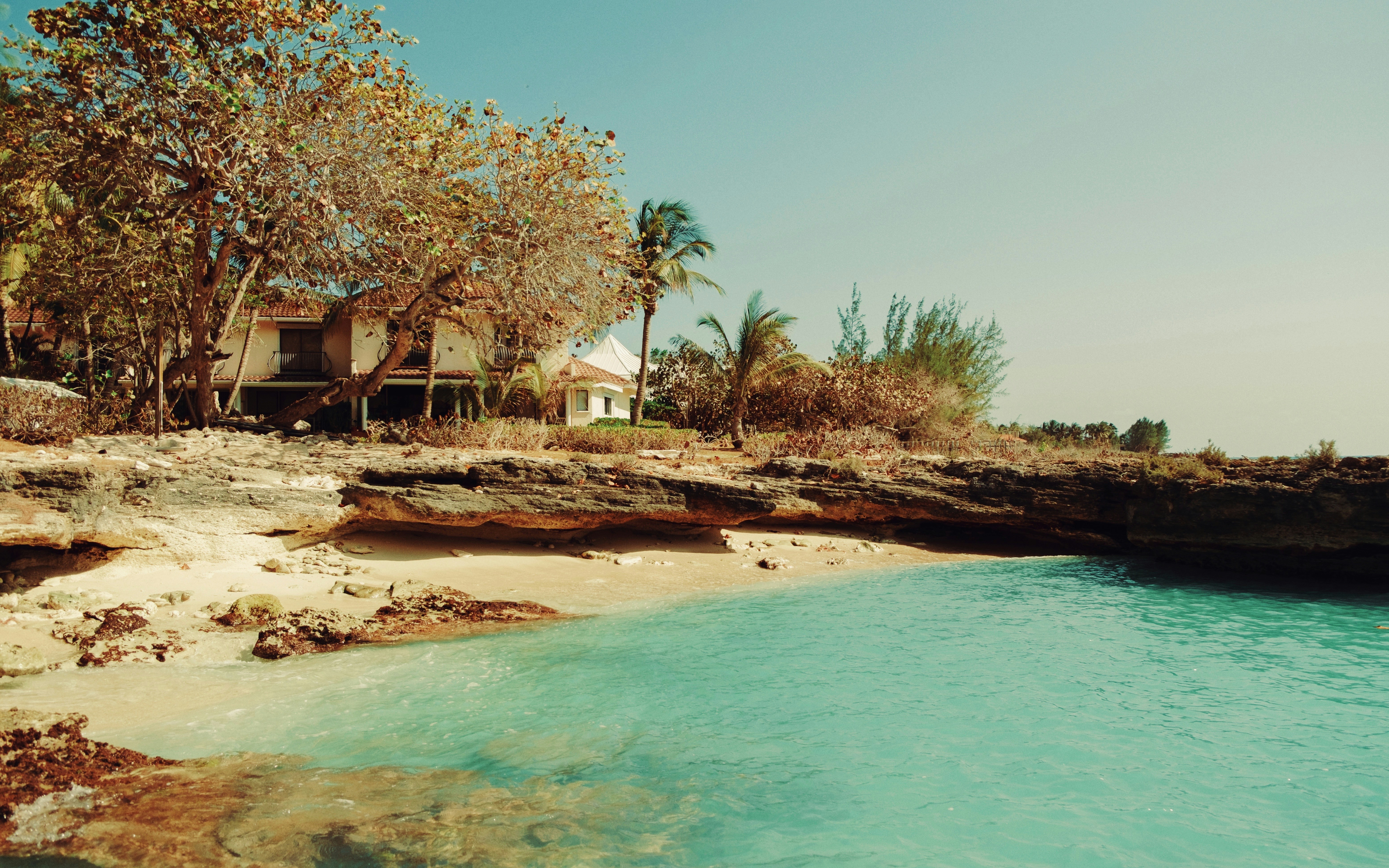
Grand Cayman
Grand CaymanPhoto by Ragét on Unsplash
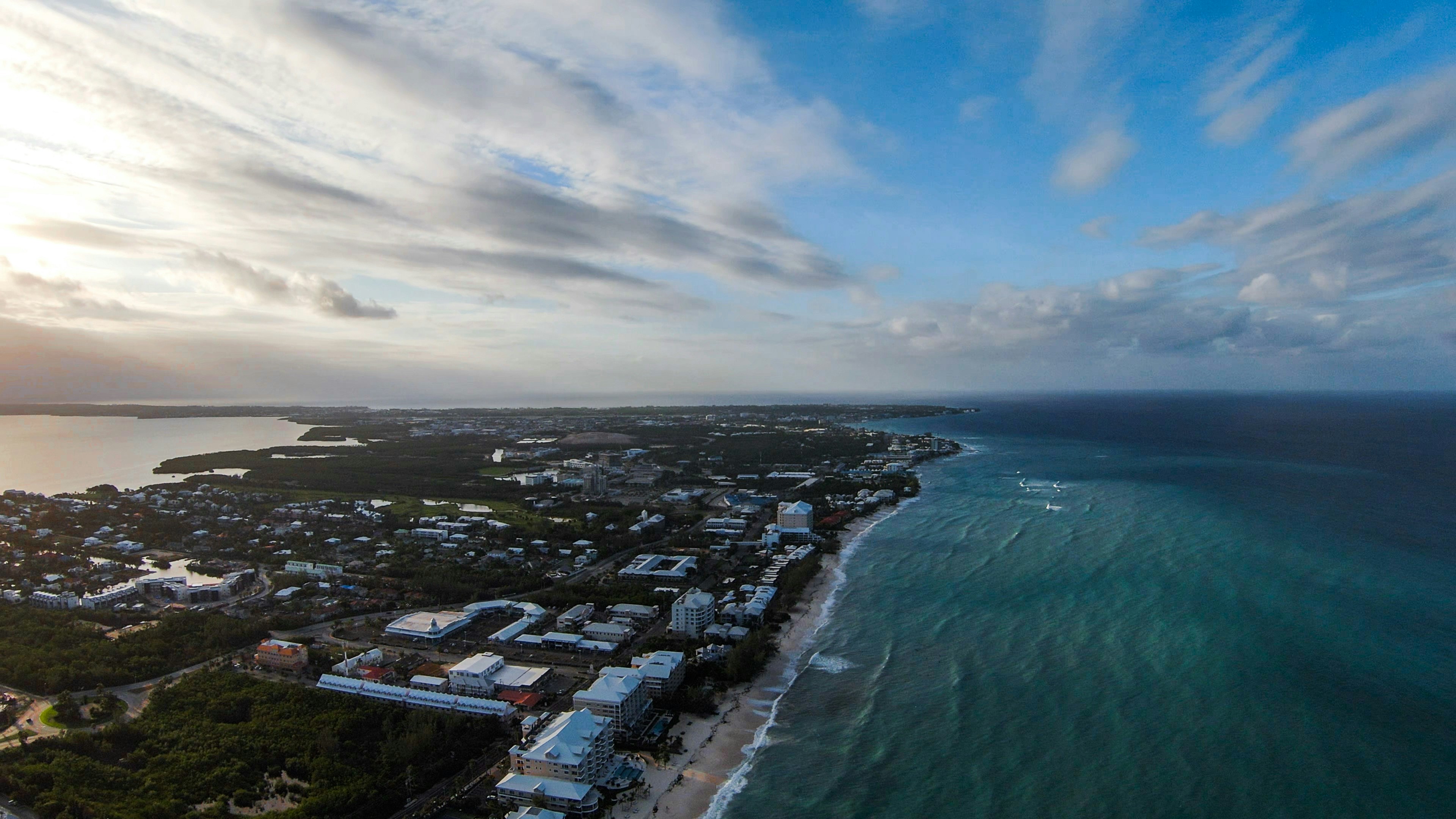
Grand Cayman
Grand CaymanPhoto by Jack Lajoie on Unsplash
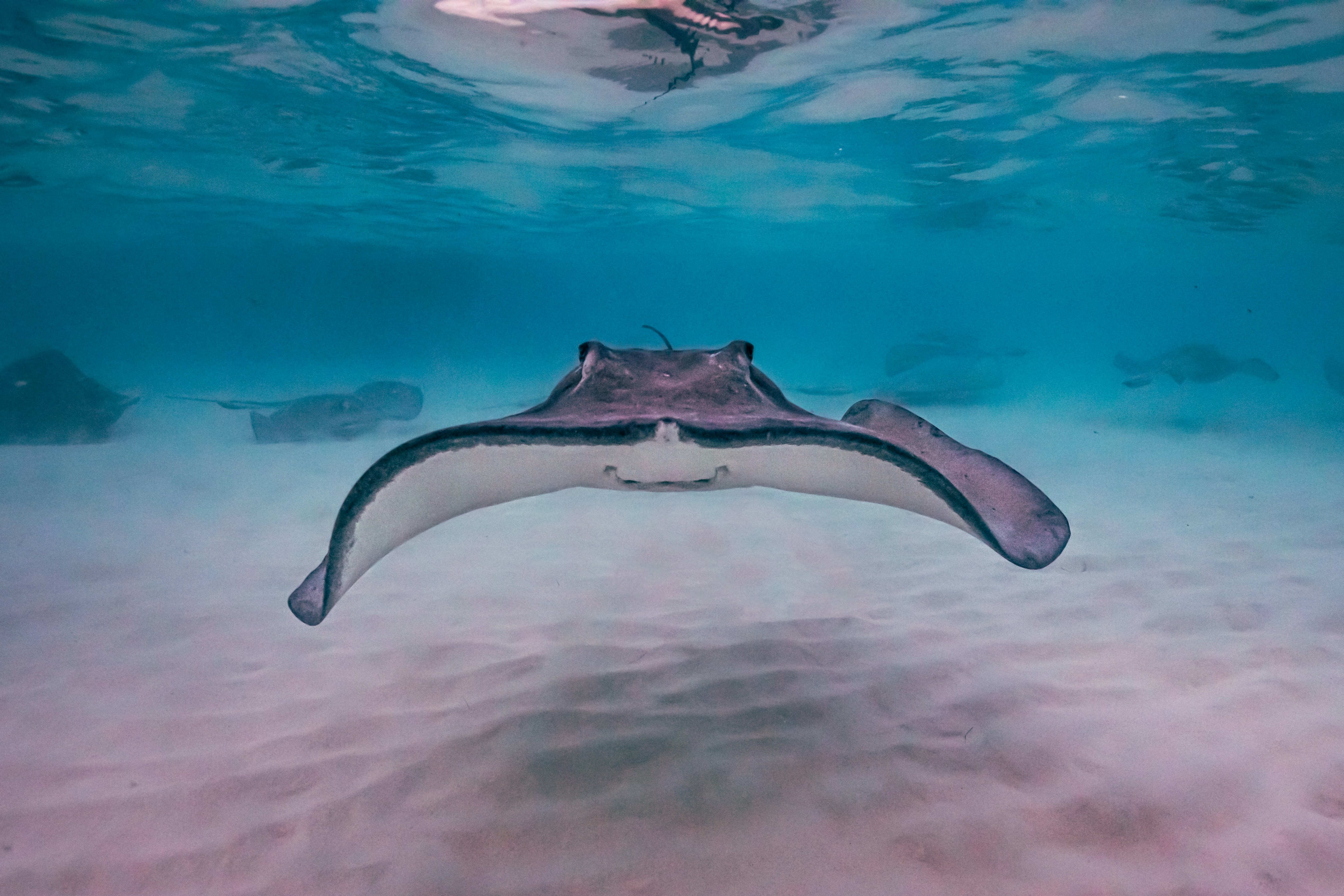
Manta Ray Swimming, Grand Cayman
Manta Ray Swimming, Grand CaymanPhoto by Kinø on Unsplash
Grand Cayman
Grand CaymanPhoto by Ragét on Unsplash

Day 5 - Fuerte Amador

Further details for this day are not available.

Fuerte Amador, Gateway To Panama City
Fuerte Amador, Gateway To Panama CityImage by Manuel de la Fuente from Pixabay

Day 6 - Fuerte Amador

Further details for this day are not available.

Fuerte Amador, Gateway To Panama City
Fuerte Amador, Gateway To Panama CityImage by Manuel de la Fuente from Pixabay

Day 8 - Manta

Further details for this day are not available.

Manta Beach
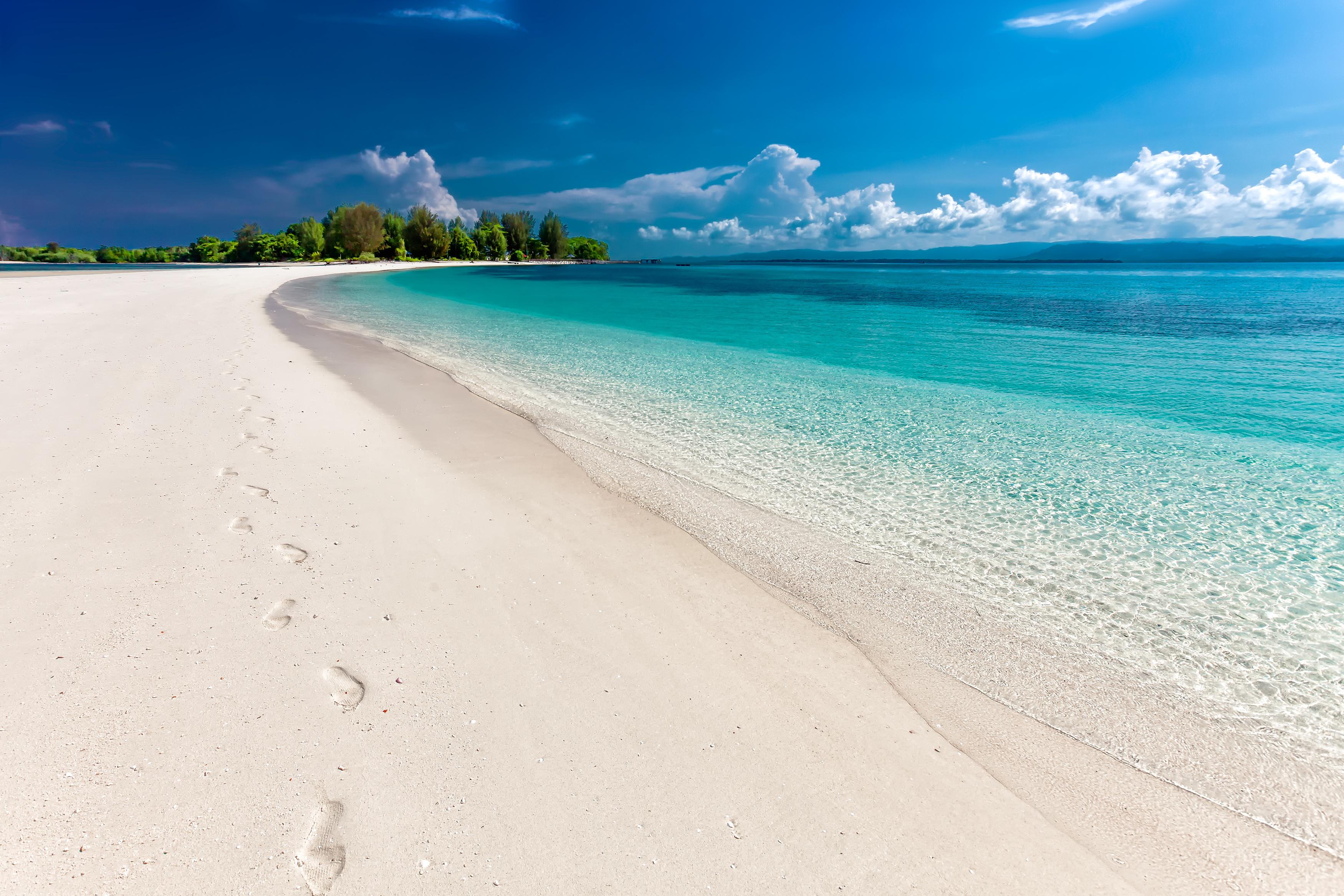
Manta BeachImage by Kanenori from Pixabay

Day 10 - Salaverry

Located about nine hours north of Lima, Trujillo was founded in 1534 by the Spanish conquistador Pizarro. The attractive, colonial city retains much of its original charm with elegant casonas, or mansions, lining the streets. Nearby is Chan Chan, the ancient capital of the Chimú, a local Indian tribe who came under the rule of the Incas. The area has several other Chimú sites, some dating back about 1500 years. The region is also famous as the home of the Peruvian Paso horses, as well as excellent beaches offering world-class surfing and other water sports.

Salaverry, Peru
Salaverry, Peru

Day 11 - Callao

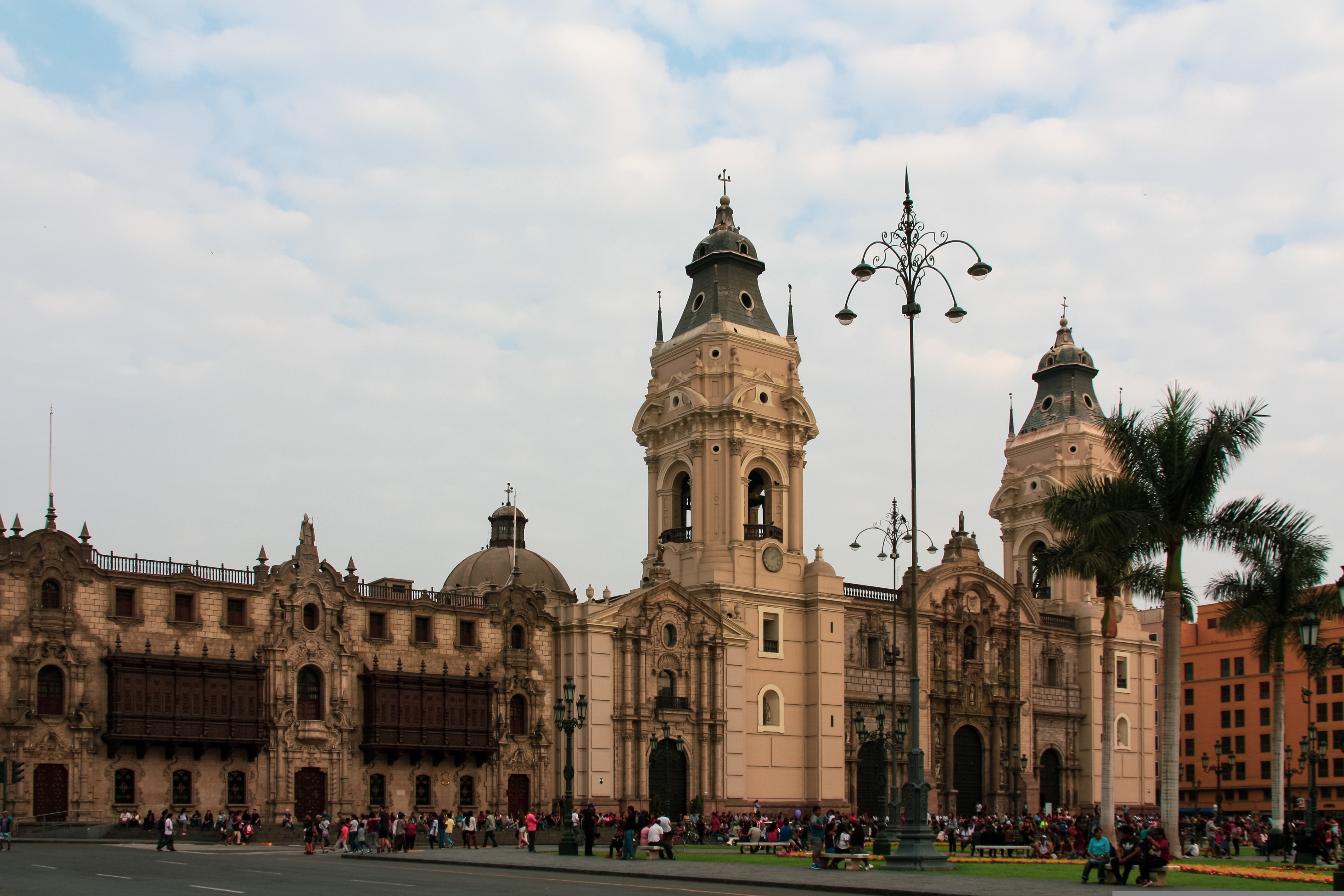
When people discuss great South American cities, Lima is often overlooked. But Peru's capital can hold its own against its neighbors. It has an oceanfront setting, colonial-era splendor, sophisticated dining, and nonstop nightlife.It's true that the city—clogged with traffic and choked with fumes—doesn't make a good first impression, especially since the airport is in an industrial neighborhood. But wander around the regal edifices surrounding the Plaza de Armas, among the gnarled olive trees of San Isidro's Parque El Olivar, or along the winding lanes in the coastal community of Barranco, and you'll find yourself charmed.In 1535 Francisco Pizarro found the perfect place for the capital of Spain's colonial empire. On a natural port, the so-called Ciudad de los Reyes (City of Kings) allowed Spain to ship home all the gold the conquistador plundered from the Inca. Lima served as the capital of Spain's South American empire for 300 years, and it's safe to say that no other colonial city enjoyed such power and prestige during this period.When Peru declared its independence from Spain in 1821, the declaration was read in the square that Pizarro had so carefully designed. Many of the colonial-era buildings around the Plaza de Armas are standing today. Walk a few blocks in any direction for churches and elegant houses that reveal just how wealthy this city once was. But the poor state of most buildings attests to the fact that the country's wealthy families have moved to neighborhoods to the south over the past century.The walls that surrounded the city were demolished in 1870, making way for unprecedented growth. A former hacienda became the graceful residential neighborhood of San Isidro. In the early 1920s the construction of tree-lined Avenida Arequipa heralded the development of neighborhoods such as bustling Miraflores and bohemian Barranco.Almost a third of the country's population of 29 million lives in the metropolitan area, many of them in relatively poor conos: newer neighborhoods on the outskirts of the city. Most residents of those neighborhoods moved there from mountain villages during the political violence and poverty that marked the 1980s and ’90s, when crime increased dramatically. During the past decade the country has enjoyed peace and steady economic growth, which have been accompanied by many improvements and refurbishment in the city. Residents who used to steer clear of the historic center now stroll along its streets. And many travelers who once would have avoided the city altogether now plan to spend a day here and end up staying two or three.

Callao, Port Of Lima
Callao, Port Of LimaImage by Patricia van den Berg from Pixabay

Day 12 - Callao

When people discuss great South American cities, Lima is often overlooked. But Peru's capital can hold its own against its neighbors. It has an oceanfront setting, colonial-era splendor, sophisticated dining, and nonstop nightlife.It's true that the city—clogged with traffic and choked with fumes—doesn't make a good first impression, especially since the airport is in an industrial neighborhood. But wander around the regal edifices surrounding the Plaza de Armas, among the gnarled olive trees of San Isidro's Parque El Olivar, or along the winding lanes in the coastal community of Barranco, and you'll find yourself charmed.In 1535 Francisco Pizarro found the perfect place for the capital of Spain's colonial empire. On a natural port, the so-called Ciudad de los Reyes (City of Kings) allowed Spain to ship home all the gold the conquistador plundered from the Inca. Lima served as the capital of Spain's South American empire for 300 years, and it's safe to say that no other colonial city enjoyed such power and prestige during this period.When Peru declared its independence from Spain in 1821, the declaration was read in the square that Pizarro had so carefully designed. Many of the colonial-era buildings around the Plaza de Armas are standing today. Walk a few blocks in any direction for churches and elegant houses that reveal just how wealthy this city once was. But the poor state of most buildings attests to the fact that the country's wealthy families have moved to neighborhoods to the south over the past century.The walls that surrounded the city were demolished in 1870, making way for unprecedented growth. A former hacienda became the graceful residential neighborhood of San Isidro. In the early 1920s the construction of tree-lined Avenida Arequipa heralded the development of neighborhoods such as bustling Miraflores and bohemian Barranco.Almost a third of the country's population of 29 million lives in the metropolitan area, many of them in relatively poor conos: newer neighborhoods on the outskirts of the city. Most residents of those neighborhoods moved there from mountain villages during the political violence and poverty that marked the 1980s and ’90s, when crime increased dramatically. During the past decade the country has enjoyed peace and steady economic growth, which have been accompanied by many improvements and refurbishment in the city. Residents who used to steer clear of the historic center now stroll along its streets. And many travelers who once would have avoided the city altogether now plan to spend a day here and end up staying two or three.

Callao, Port Of Lima
Callao, Port Of LimaImage by Patricia van den Berg from Pixabay

Day 13 - General San Martin

Further details for this day are not available.

San Martin, Peru
San Martin, PeruPhoto by gpbl on Unsplash

Day 16 - Coquimbo

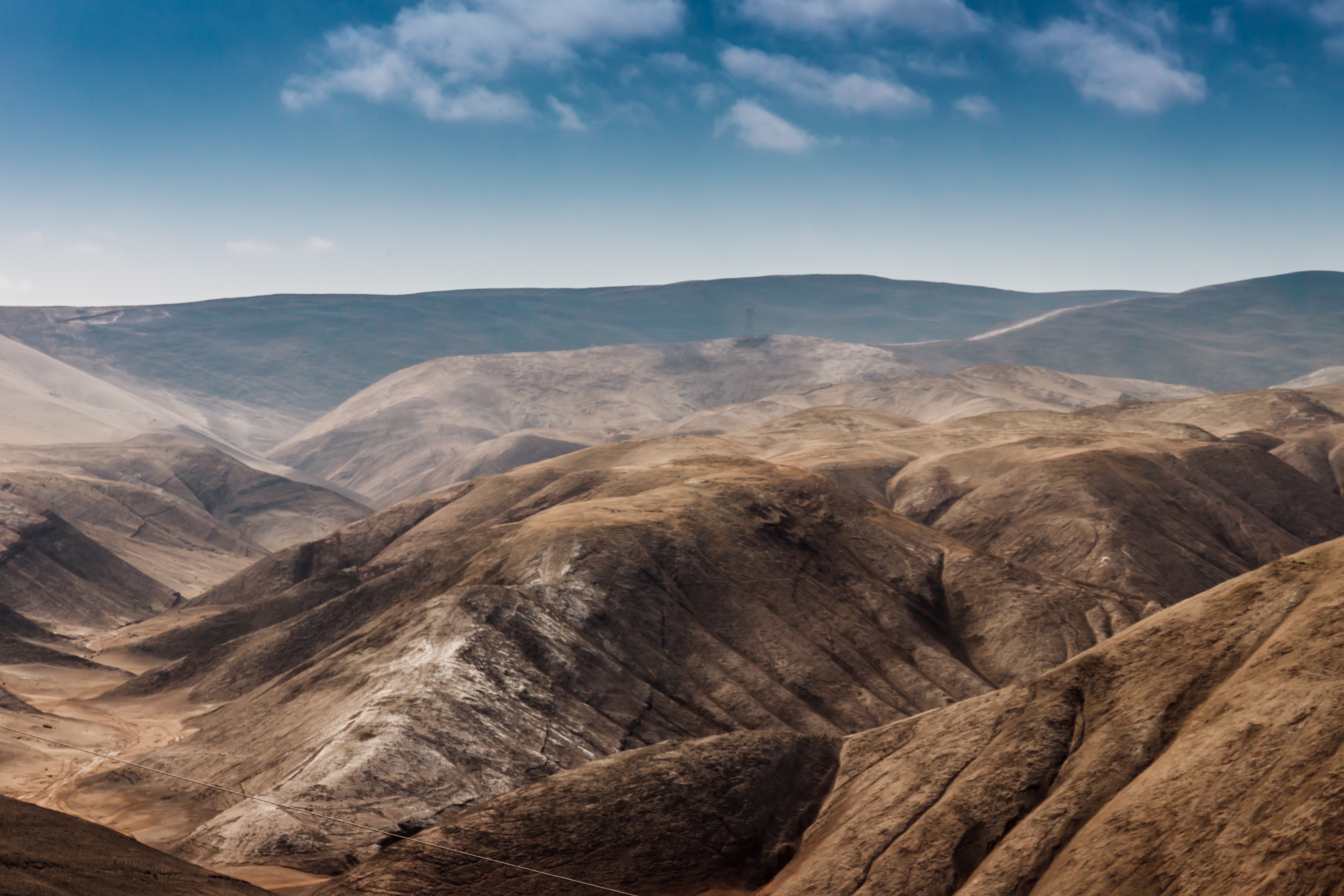
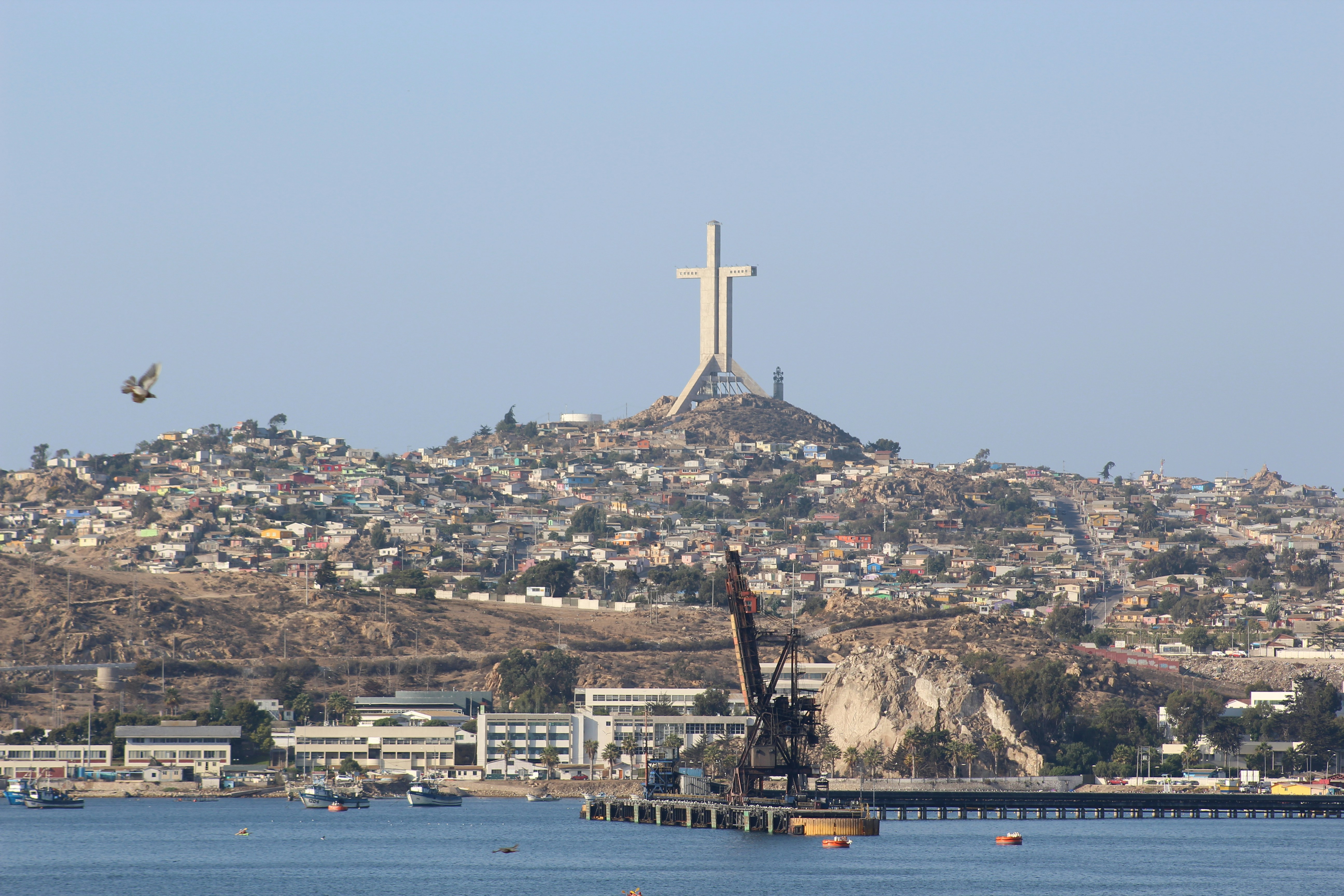
The name Coquimbo is derived from a native Diaguita word meaning 'place of calm waters'. In fact, Charles Darwin had noted that the town was 'remarkable for nothing but its extreme quietness'. Since then, Coquimbo has developed into a bustling port and the region's major commercial and industrial centre from which minerals, fish products and fruits are exported. Used during the colonial period as a port for La Serena, Coquimbo attracted attention from English pirates, including Sir Francis Drake, who visited in 1578. Visitors enjoy strolling around the town, admiring some of the elaborate woodwork handcrafted on buildings by early British and American settlers. These wooden buildings are among Chile's most interesting historical structures. Out of town, the area offers some fine beaches in a desert-like setting. Coquimbo serves as a gateway to the popular resort town of La Serena and trips farther into the Elqui Valley, known as the production centre for Chile's national drink, pisco sour. The valley is also home to several international observatories that take advantage of the region's exceptional atmospheric conditions.

Coquimbo, Chile
Coquimbo, ChilePhoto by Eduardo Rojas
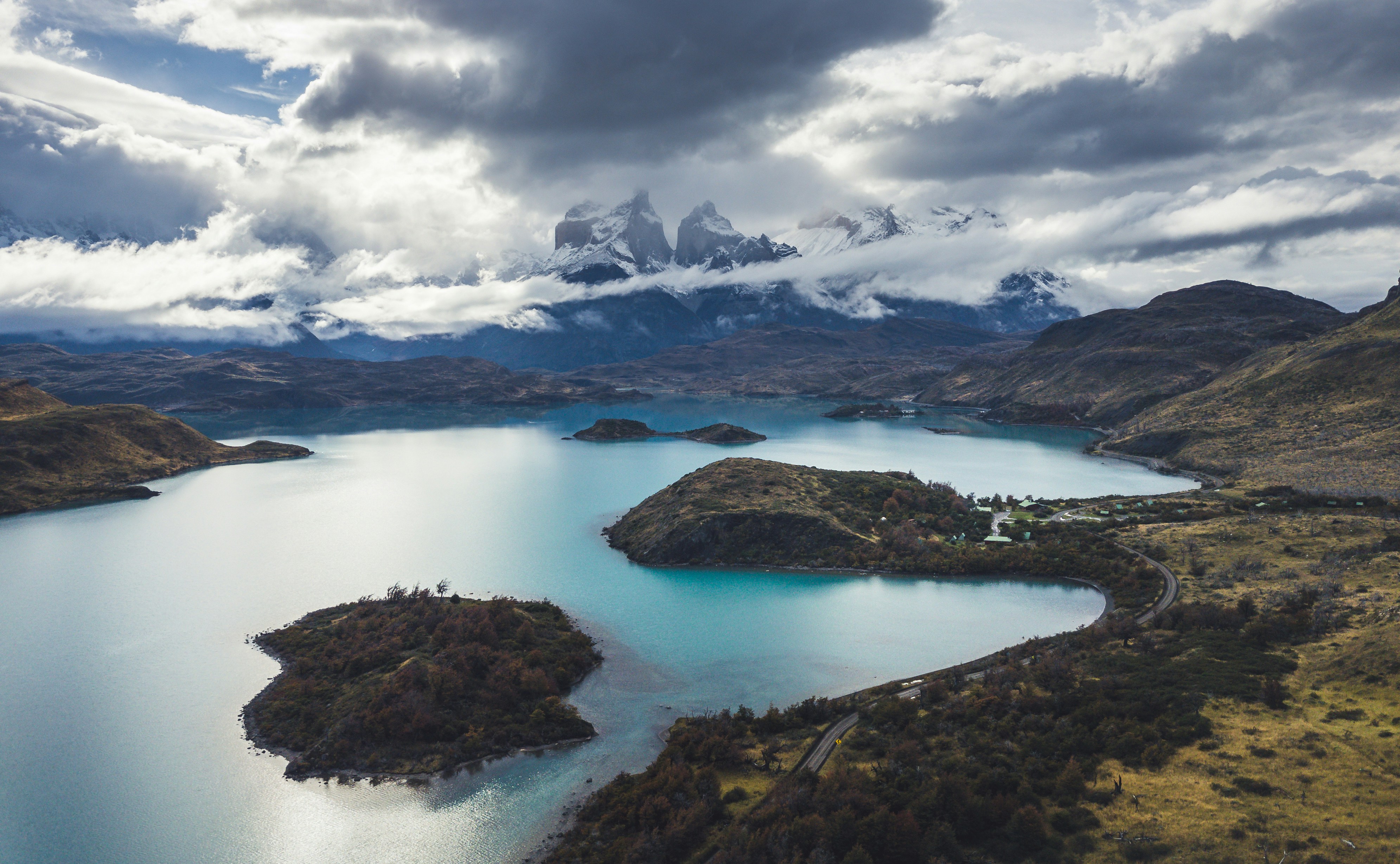
Torres Del Paine, Coquimbo, Chile
Torres Del Paine, Coquimbo, ChilePhoto by Andrew Svk
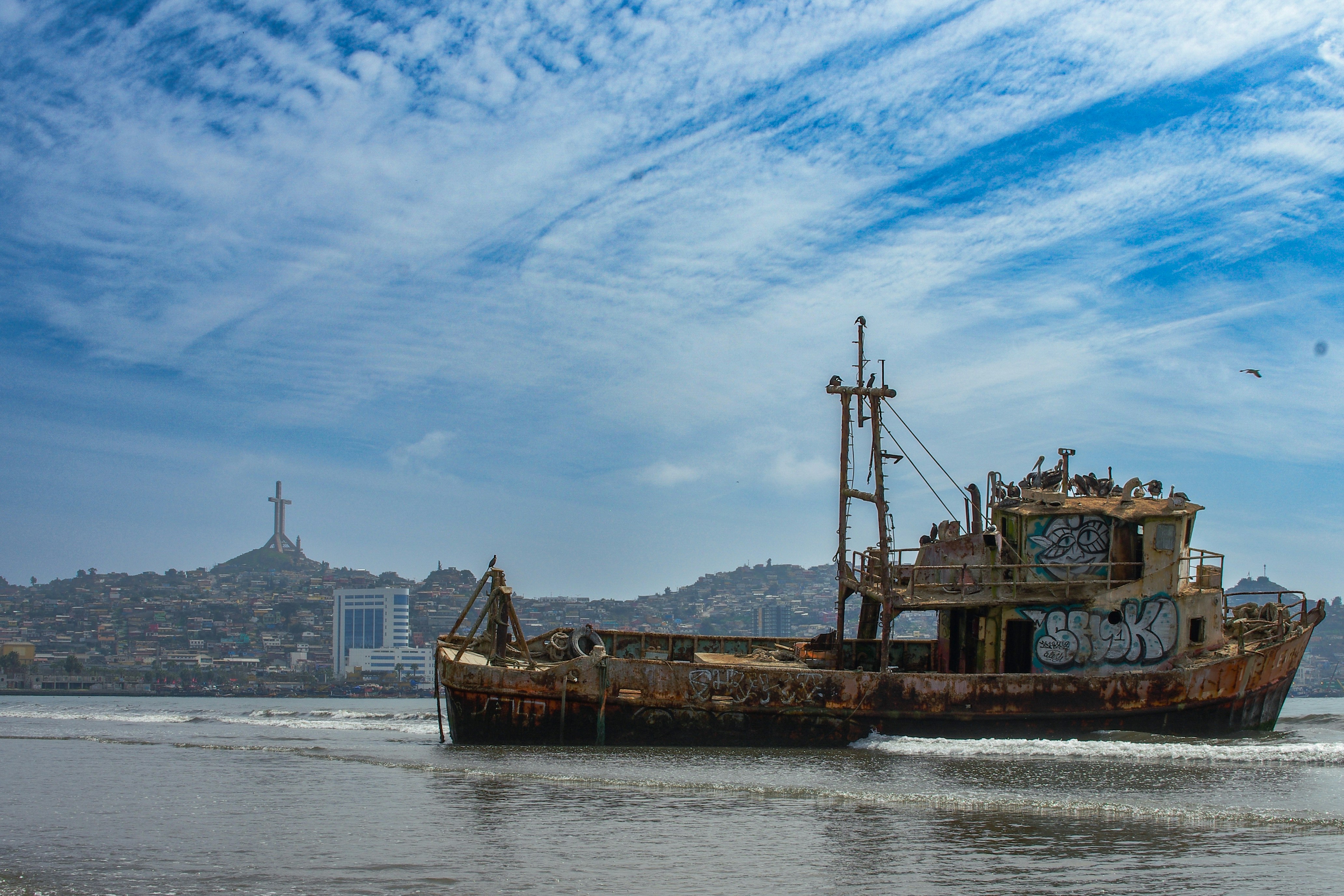
Bahía De Coquimbo, Chile
Bahía De Coquimbo, ChilePhoto by Sergio Moraga Cruz
El Culebrón, Coquimbo, Chile
El Culebrón, Coquimbo, ChilePhoto by Julio Salinas

Day 17 - Valparaiso

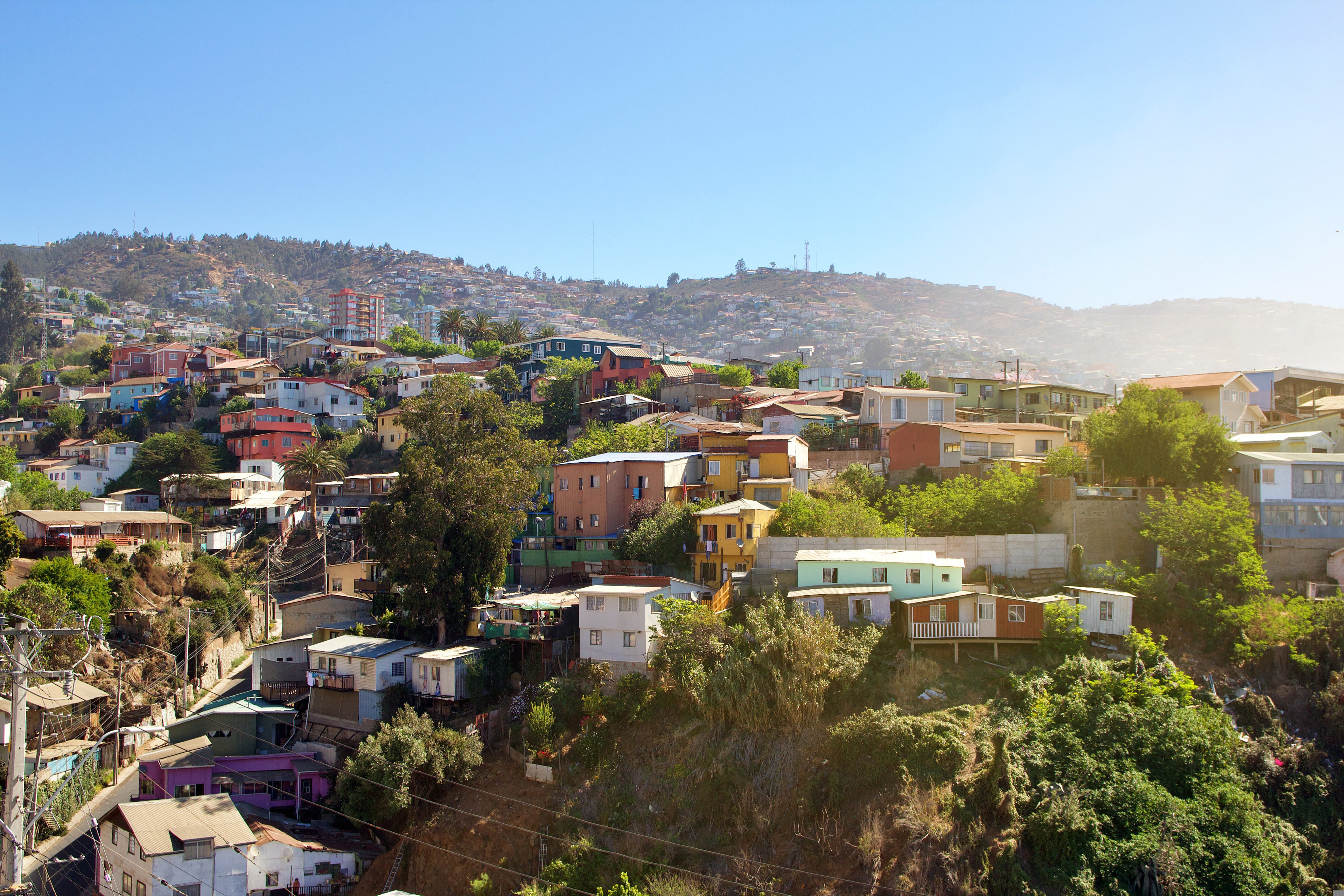
Valparaíso's dramatic topography—45 cerros, or hills, overlooking the ocean—requires the use of winding pathways and wooden ascensores (funiculars) to get up many of the grades. The slopes are covered by candy-color houses—there are almost no apartments in the city—most of which have exteriors of corrugated metal peeled from shipping containers decades ago. Valparaíso has served as Santiago's port for centuries. Before the Panama Canal opened, Valparaíso was the busiest port in South America. Harsh realities—changing trade routes, industrial decline—have diminished its importance, but it remains Chile's principal port. Most shops, banks, restaurants, bars, and other businesses cluster along the handful of streets called El Plan (the flat area) that are closest to the shoreline. Porteños (which means "the residents of the port") live in the surrounding hills in an undulating array of colorful abodes. At the top of any of the dozens of stairways, the paseos (promenades) have spectacular views; many are named after prominent Yugoslavian, Basque, and German immigrants. Neighborhoods are named for the hills they cover. With the jumble of power lines overhead and the hundreds of buses that slow down—but never completely stop—to pick up agile riders, it's hard to forget you're in a city. Still, walking is the best way to experience Valparaíso. Be careful where you step, though—locals aren't very conscientious about curbing their dogs.

Valparaiso, Chile
Valparaiso, ChileImage by Julian Hacker from Pixabay

Suites & Deck Plans

Suite

Our premier 1,290 sq. ft. Pinnacle Suite features floor-to-ceiling glass doors, a large private Whirlpool verandah, living, dining, and dressing rooms, and lush sleeping accommodations with luxurious Duxiana® king beds. These elegant suites sleep up to four guests and include a deep soaking tub and an independent, full-size shower stall, dual-sink vanities, and guest toilets.

  • 1,290 sq. ft.
  • Exclusive access to the Neptune Lounge
  • Personal concierge
  • Priority check-in
  • Complimentary laundry service, pressing, and dry cleaning

1290 sq ft
Accommodates 4 guests
Pinnacle Suite

Oosterdam

Oosterdam

Life on board

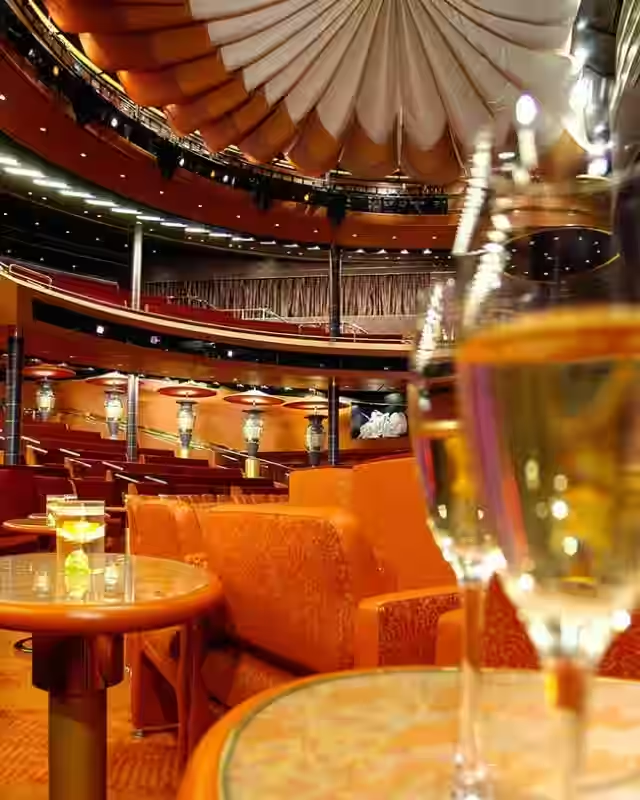
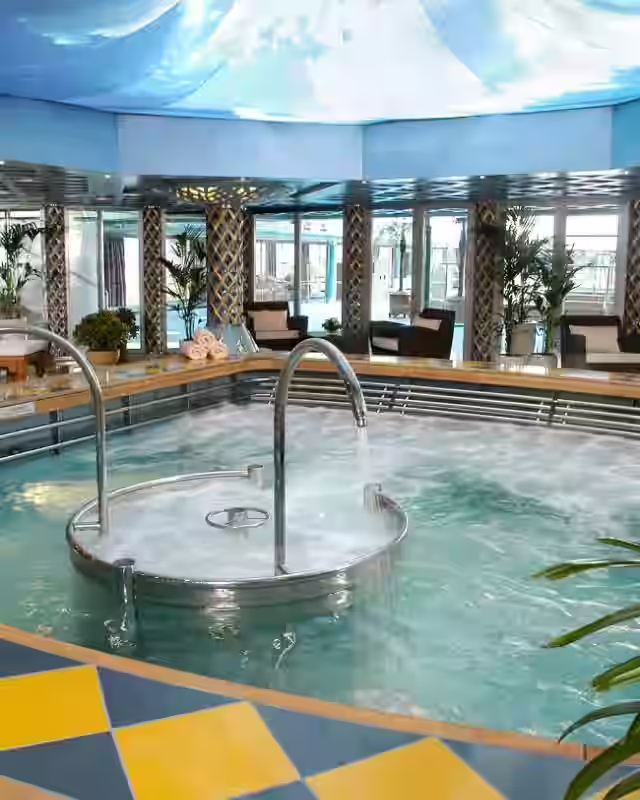
The Onboard Experience

Client testimonials

I have worked with Lore Doick for more than 20 years, and she has booked over 30 cruises for me. Her expertise, care, and attention to every travel detail have made her an invaluable advisor and friend over the years.”

Tina B.

We are now in our second generation working with Cheri Ozimac at Tully Luxury Travel. From Antarctica to Greece, she has handled every detail with expertise, responsiveness, and care…

Earl M.

My wife and I have worked with Tully since 2007, and Kit Neil and her team went far beyond expectations while helping us navigate multiple cruise and flight cancellations. Their advocacy, care, and support during a difficult time were extraordinary.

Carri F.

Cheri Ozimac organized our Seabourn cruise flawlessly, from the hotel recommendation to every travel arrangement. She was responsive, attentive, and an excellent advocate throughout the process…

Cyn S.

We discovered Tully Luxury Travel after years of booking cruises through US agents and were impressed by their competitive pricing, exceptional service, and Canadian based support. Their team is always available, offers excellent value, and makes booking the right cruise seamless.

Peter C.

GoogleAverage Customer Rating:

The Tully Difference

Why travel with us


Tully Luxury Travel was built on access, discretion, and trust. For our clients, that means ease at every step, with distinctions that turn exceptional voyages into defining moments.

Recognized expertise

A renowned agency worldwide in luxury land and small-ship cruising, consistently trusted by the industry’s most prestigious brands.