Hapag-Lloyd Cruises logo

European Rivers: Seven Rivers With Architectural History

Itinerary: Hamburg, At Sea, Cruise on the Thames to Tower Bridge, London (Greenwich), London Tower Bridge, Nice, Rouen, Saint-Malo, Loire River, France, Nantes, Île d'Yeu, Bordeaux, Cruise on the Tagus (Lisbon),... See full itinerary

5 Apr 27
19 nights

Voyage Details

Duration:
19 nights
Departure:
5 Apr 2027
Embarkation:
Hamburg, Germany
Voyage code:
NAT2707

Your Itinerary, Day-By-Day

Special Chapters of Your Journey

Day 1 - Hamburg

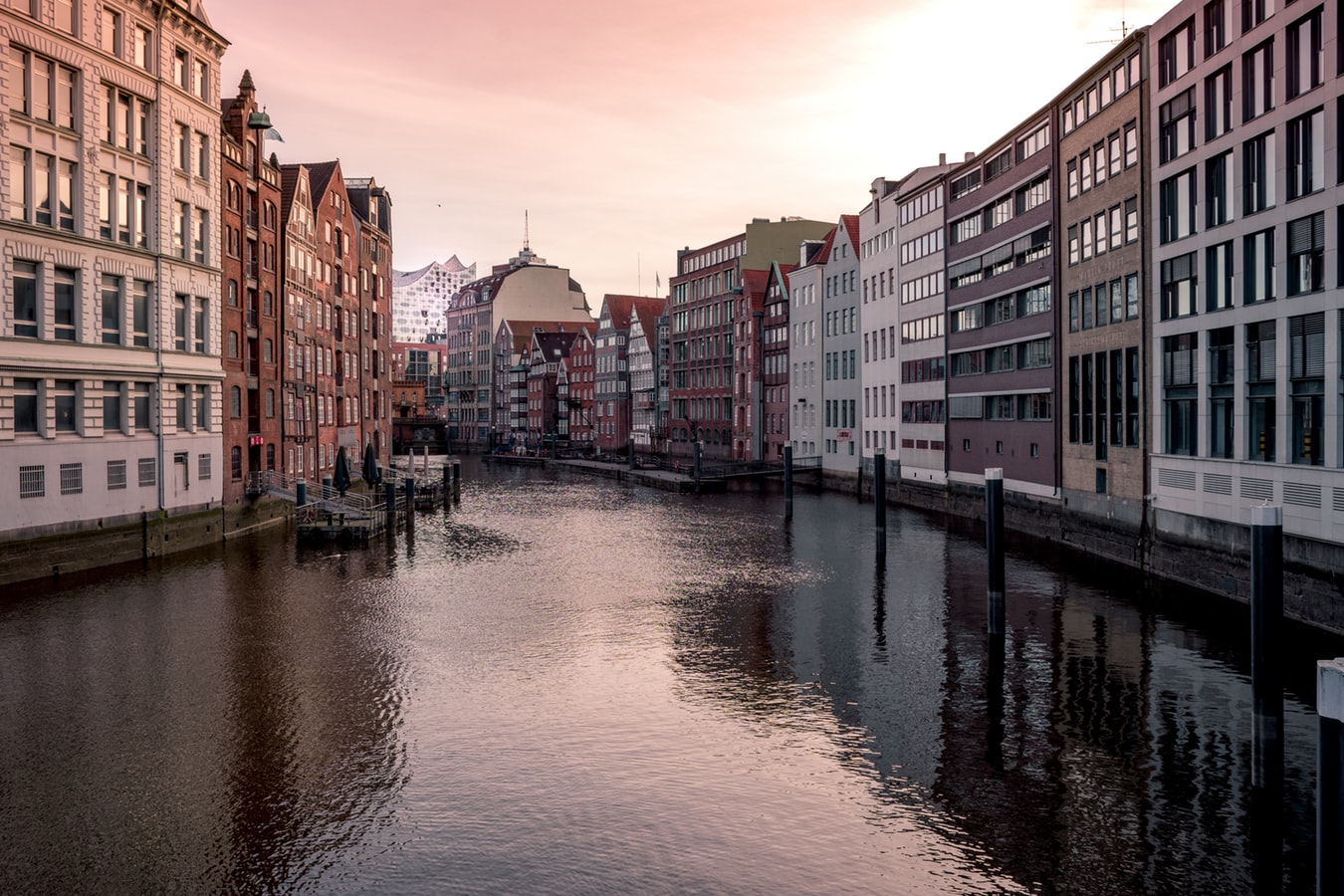
Hamburg is Germany’s second-largest city with a history dating back to Charlemagne. A major port, this vibrant city is home to art and culture, extensive shopping facilities, Baroque buildings and waterfront vistas. With its well-known fish market, art galleries and Museums together with several beautiful parks including a botanical garden, this is a city with something for everyone. British visitors who remember the Swinging Sixties may like to visit the streets around Grosse Freiheit, where an unknown pop group called The Beatles gave their first public performances in various local clubs before achieving worldwide fame.

Deham   Hamburg, Germany   Photo Credit Belongs Adrian Degner
Deham Hamburg, Germany Photo Credit Belongs Adrian DegnerAdrian Degner
Deham   Hamburg, Germany   Photo Credit Belongs Jonas Tebbe
Deham Hamburg, Germany Photo Credit Belongs Jonas TebbeJonas Tebbe
Deham   Hamburg, Germany   Photo Credit Belongs Julia Solonina 1
Deham Hamburg, Germany Photo Credit Belongs Julia Solonina 1Julia Solonina
Deham   Hamburg, Germany   Photo Credit Belongs Julia Solonina
Deham Hamburg, Germany Photo Credit Belongs Julia SoloninaJulia Solonina

Day 2 - At Sea

Further details for this day are not available.

Day 3 - Cruise on the Thames to Tower Bridge

Further details for this day are not available.

Day 3 - London (Greenwich)

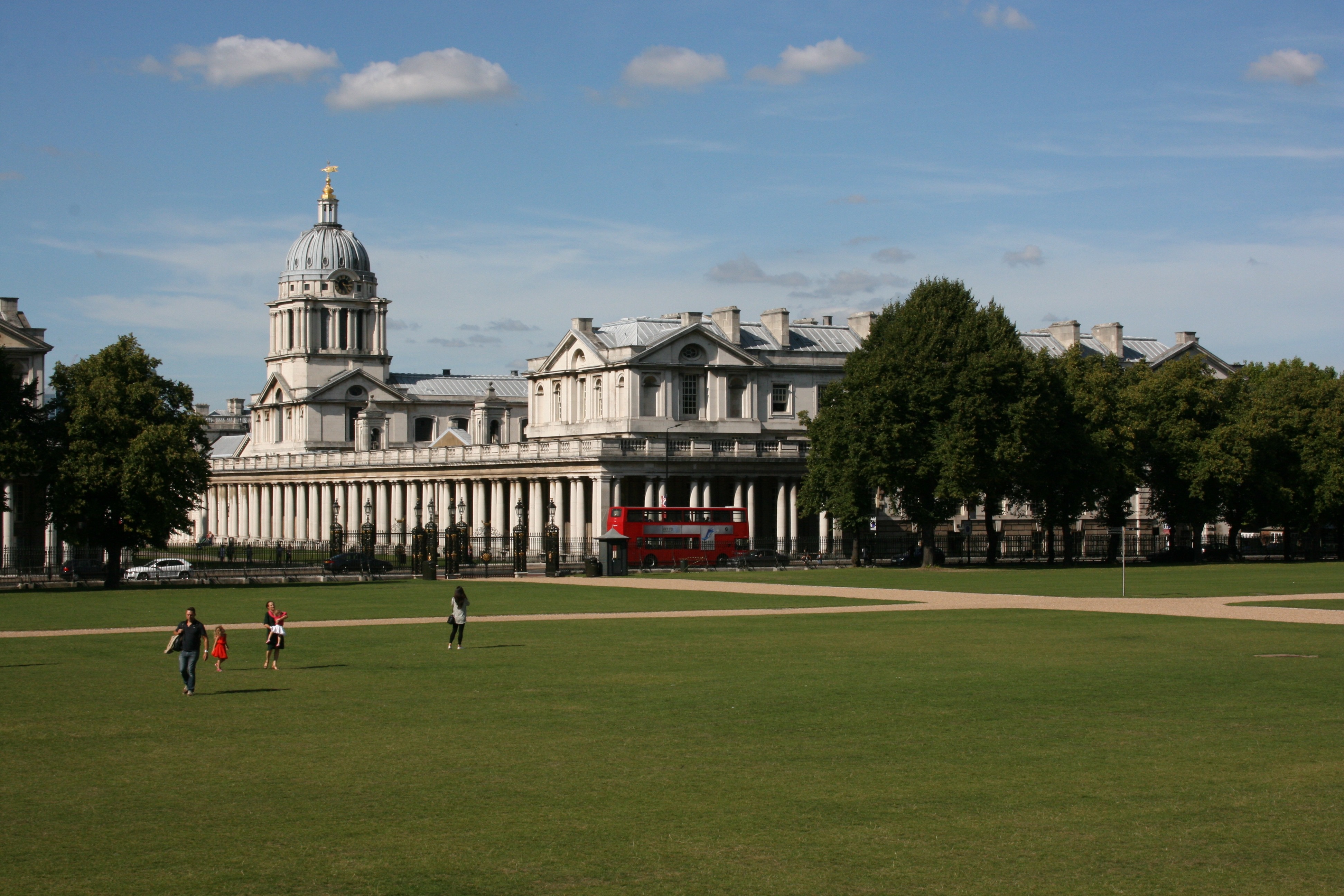
About 8 miles downstream—which means seaward, to the east—from central London, Greenwich is a small borough that looms large across the world. Once the seat of British naval power, it is not only home to the Old Royal Observatory, which measures time for our entire planet, but also the Greenwich Meridian, which divides the world into two—you can stand astride it with one foot in either hemisphere. Bear in mind that the journey to Greenwich is an event in itself. In a rush, you can take the driverless DLR train—but many opt for arriving by boat along the Thames. This way, you glide past famous sights on the London skyline (there’s a guaranteed spine chill on passing the Tower) and ever-changing docklands, and there’s usually a chirpy Cock-er-ney navigator enlivening the journey with his fun commentary. A visit to Greenwich feels like a trip to a rather elegant seaside town—albeit one with more than its fair share of historic sites. The grandiose Old Royal Naval Hospital, designed by Christopher Wren, was originally a home for veteran sailors. Today it’s a popular visitor attraction, with a more glamorous second life as one of the most widely used movie locations in Britain. Greenwich was originally home to one of England's finest Tudor palaces, and the birthplace of Henry VIII, Elizabeth I, and Mary I. Inigo Jones built what is considered the first "classical" building in England in 1616—the Queen's House, which now houses a collection of fine art. Britain was the world’s preeminent naval power for over 500 years, and the excellent National Maritime Museum> details that history in an engaging way. Its prize exhibits include the coat worn by Admiral Lord Nelson (1758–1805) in his final battle—bullet hole and all. The 19th-century tea clipper Cutty Sark was nearly destroyed by fire in 2007, but reopened in 2012 after a painstaking restoration. Now it’s more pristine than ever, complete with an impressive new visitor center. Greenwich Park, London's oldest royal park, is still home to fallow red deer, just as it has been since they were first introduced here for hunting by Henry VIII. The Ranger's House now houses a private art collection, next door to a beautifully manicured rose garden. Above it all is the Royal Observatory, where you can be in two hemispheres at once by standing along the Greenwich Meridian Line, before seeing a high-tech planetarium show. Toward north Greenwich, the hopelessly ambitious Millennium Dome has been successfully reborn as the O2 and now hosts major concerts and stand-up comedy gigs. More adventurous visitors can also go Up the O2 on a climbing expedition across the massive domed surface. Meanwhile, those who prefer excursions of a gentler kind may prefer to journey a couple of miles south of the borough, farther out into London’s southern suburbs, to the shamefully underappreciated Eltham Palace. Once a favorite of Henry VIII, parts of the mansion were transformed into an art deco masterpiece during the 1930s.

Greenwich, London
Greenwich, LondonPhoto from Pixabay

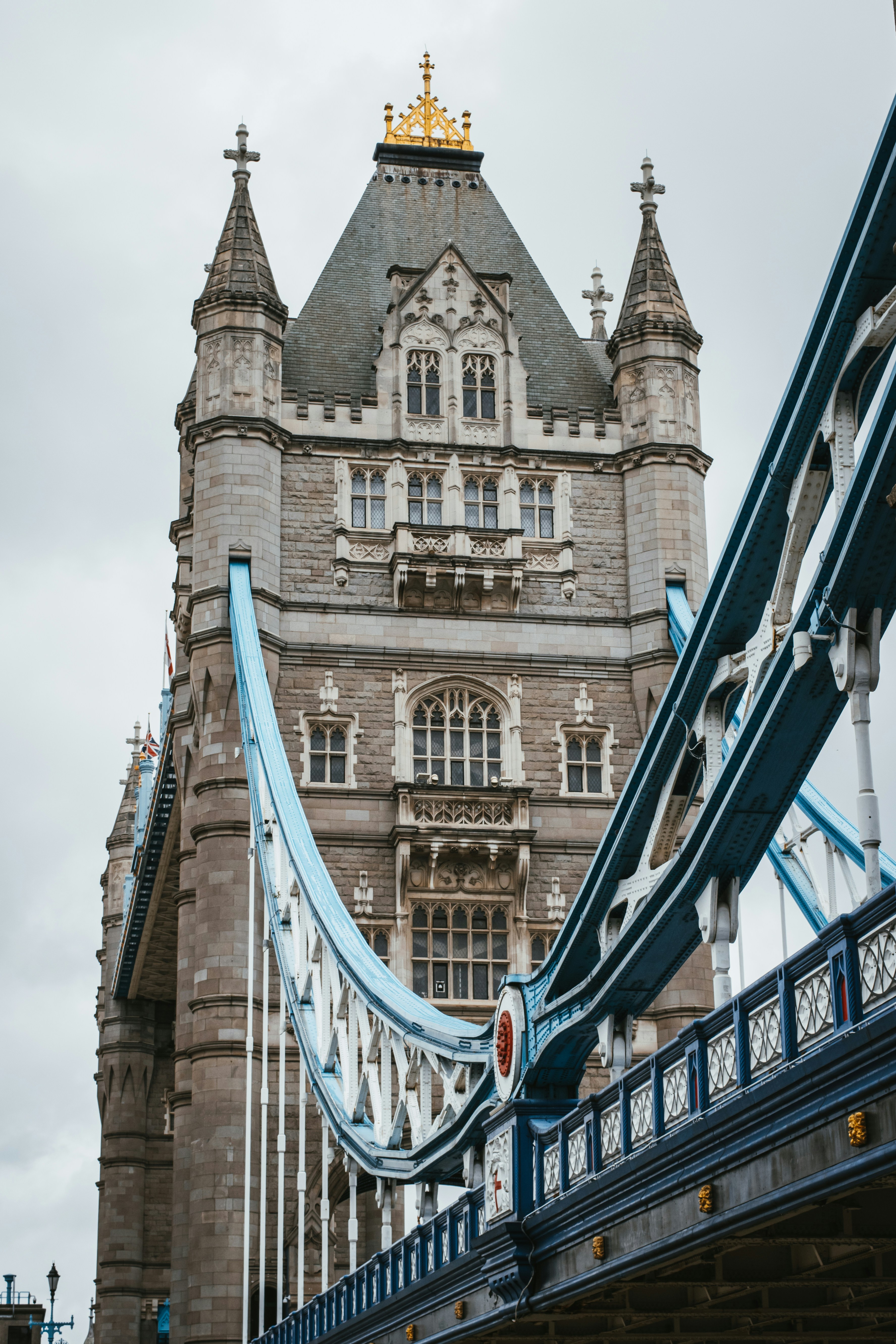
Day 4 - London Tower Bridge

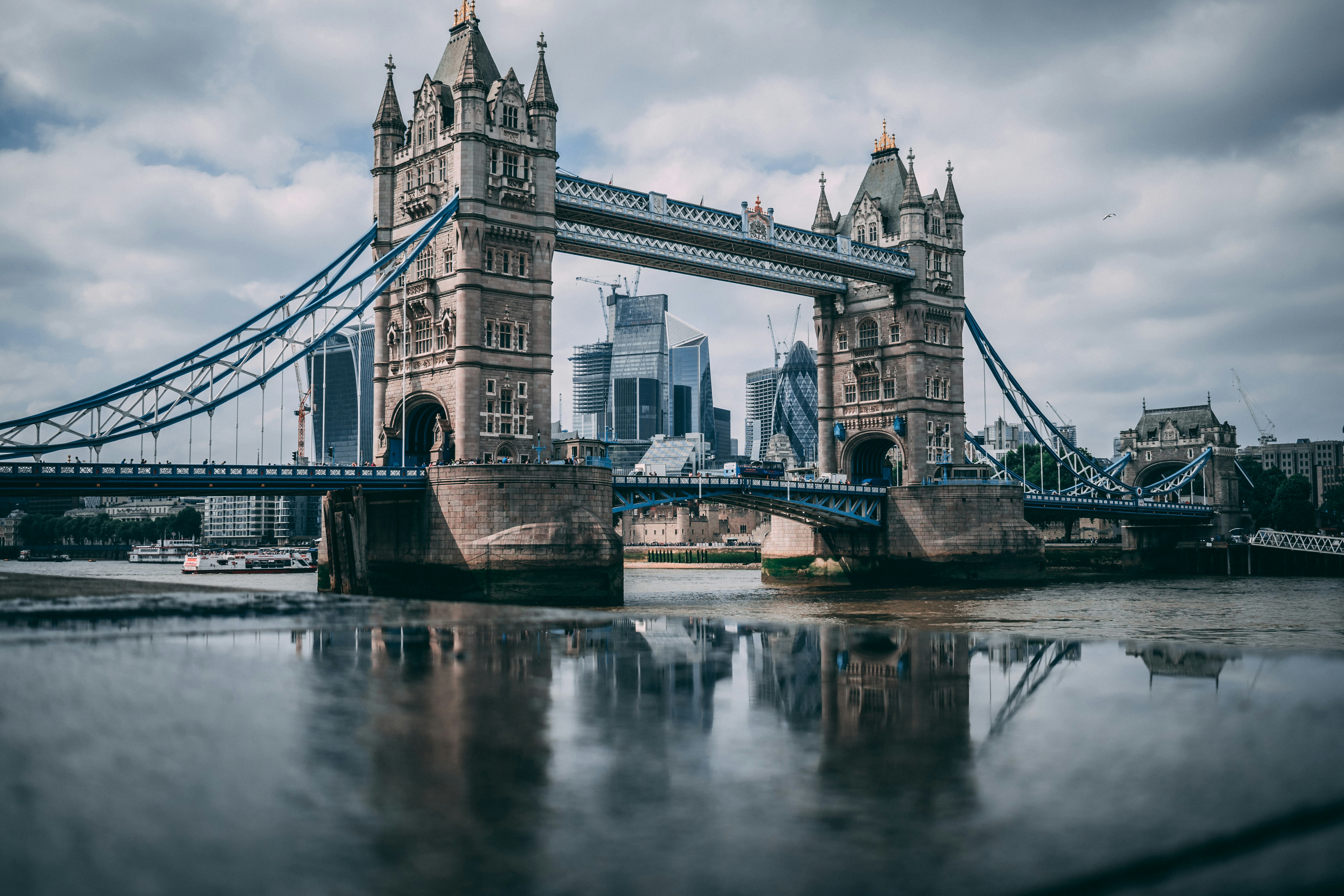
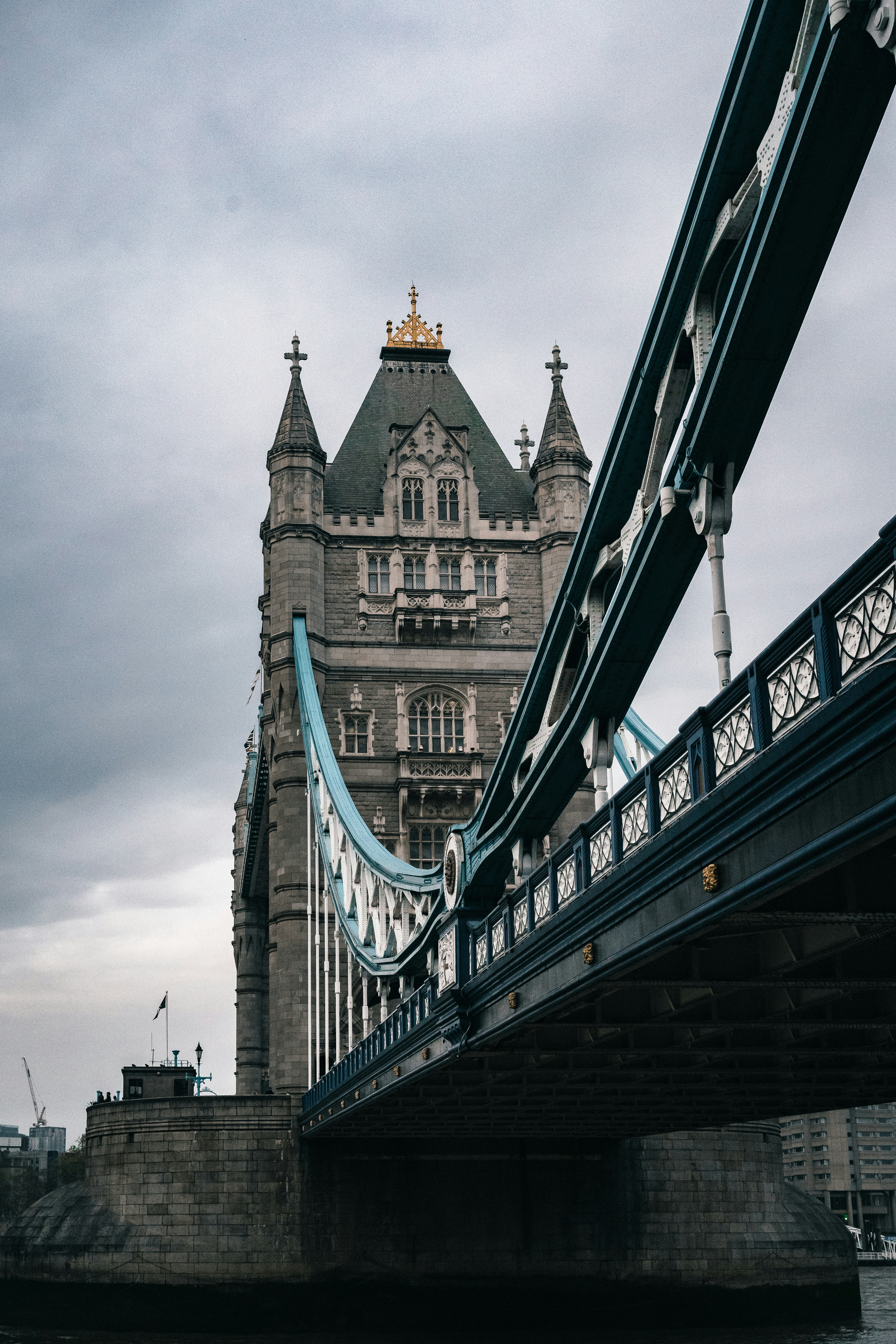
London is an ancient city whose history greets you at every turn. If the city contained only its famous landmarks—the Tower of London or Big Ben—it would still rank as one of the world's top cities. But London is so much more. The foundations of London's character and tradition endure. The British bobby is alive and well. The tall, red, double-decker buses (in an updated model) still lumber from stop to stop. Then there's that greatest living link with the past—the Royal Family with all its attendant pageantry. To ice the cake, swinging-again London is today one of the coolest cities on the planet. The city's art, style, and fashion make headlines around the world, and London's chefs have become superstars.

Butler's Wharf Pier, London, United Kingdom
Butler's Wharf Pier, London, United KingdomPhoto by Robert Tudor on Unsplash
Tower Bridge, London, United Kingdom
Tower Bridge, London, United KingdomPhoto by Adam Jang on Unsplash
Tower Bridge, London, Uk
Tower Bridge, London, UkPhoto by Max van den Oetelaar on Unsplash

Day 5 - London (Greenwich)

About 8 miles downstream—which means seaward, to the east—from central London, Greenwich is a small borough that looms large across the world. Once the seat of British naval power, it is not only home to the Old Royal Observatory, which measures time for our entire planet, but also the Greenwich Meridian, which divides the world into two—you can stand astride it with one foot in either hemisphere. Bear in mind that the journey to Greenwich is an event in itself. In a rush, you can take the driverless DLR train—but many opt for arriving by boat along the Thames. This way, you glide past famous sights on the London skyline (there’s a guaranteed spine chill on passing the Tower) and ever-changing docklands, and there’s usually a chirpy Cock-er-ney navigator enlivening the journey with his fun commentary. A visit to Greenwich feels like a trip to a rather elegant seaside town—albeit one with more than its fair share of historic sites. The grandiose Old Royal Naval Hospital, designed by Christopher Wren, was originally a home for veteran sailors. Today it’s a popular visitor attraction, with a more glamorous second life as one of the most widely used movie locations in Britain. Greenwich was originally home to one of England's finest Tudor palaces, and the birthplace of Henry VIII, Elizabeth I, and Mary I. Inigo Jones built what is considered the first "classical" building in England in 1616—the Queen's House, which now houses a collection of fine art. Britain was the world’s preeminent naval power for over 500 years, and the excellent National Maritime Museum> details that history in an engaging way. Its prize exhibits include the coat worn by Admiral Lord Nelson (1758–1805) in his final battle—bullet hole and all. The 19th-century tea clipper Cutty Sark was nearly destroyed by fire in 2007, but reopened in 2012 after a painstaking restoration. Now it’s more pristine than ever, complete with an impressive new visitor center. Greenwich Park, London's oldest royal park, is still home to fallow red deer, just as it has been since they were first introduced here for hunting by Henry VIII. The Ranger's House now houses a private art collection, next door to a beautifully manicured rose garden. Above it all is the Royal Observatory, where you can be in two hemispheres at once by standing along the Greenwich Meridian Line, before seeing a high-tech planetarium show. Toward north Greenwich, the hopelessly ambitious Millennium Dome has been successfully reborn as the O2 and now hosts major concerts and stand-up comedy gigs. More adventurous visitors can also go Up the O2 on a climbing expedition across the massive domed surface. Meanwhile, those who prefer excursions of a gentler kind may prefer to journey a couple of miles south of the borough, farther out into London’s southern suburbs, to the shamefully underappreciated Eltham Palace. Once a favorite of Henry VIII, parts of the mansion were transformed into an art deco masterpiece during the 1930s.

Greenwich, London
Greenwich, LondonPhoto from Pixabay

Day 6 - At Sea

Further details for this day are not available.

Day 6 - Nice

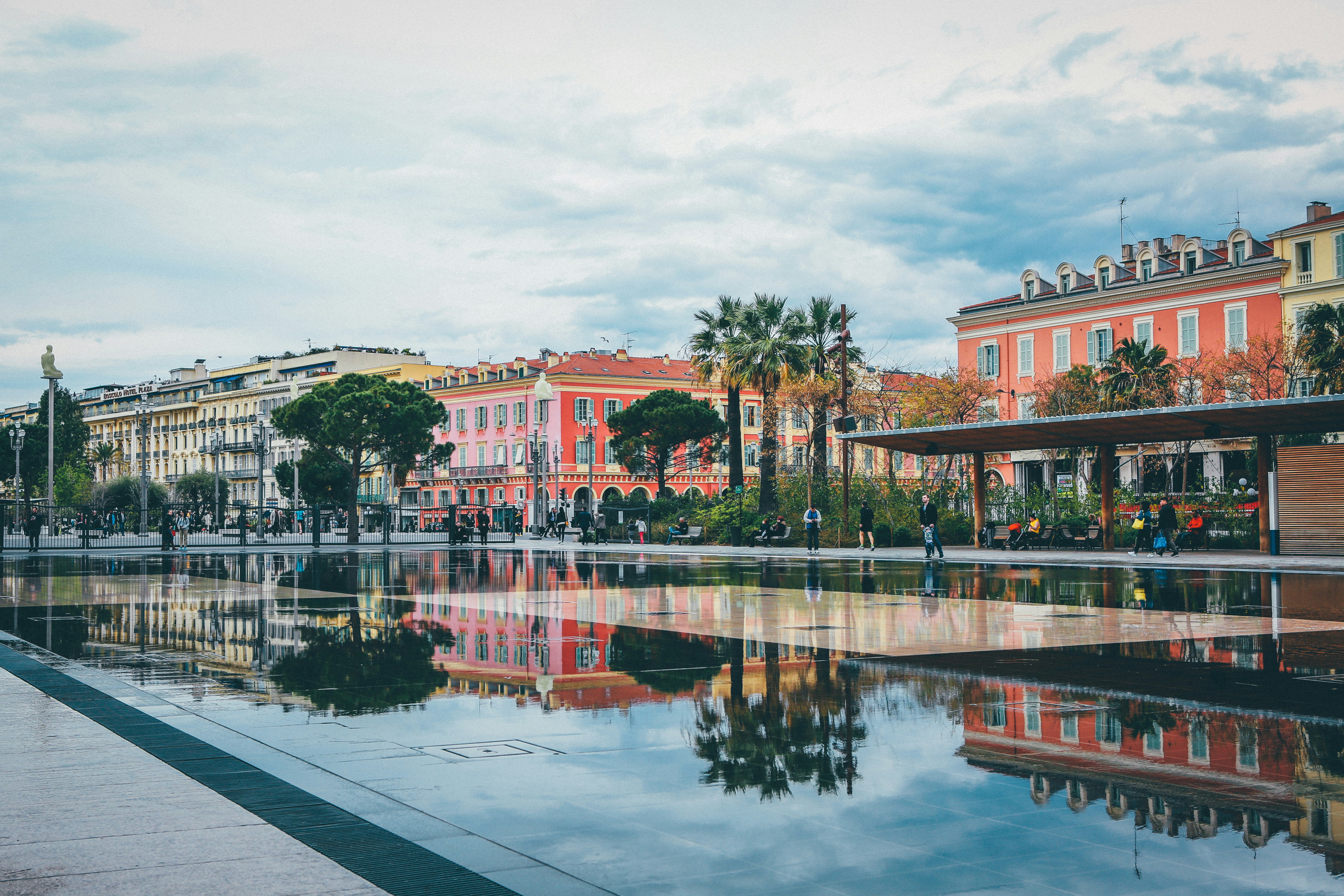
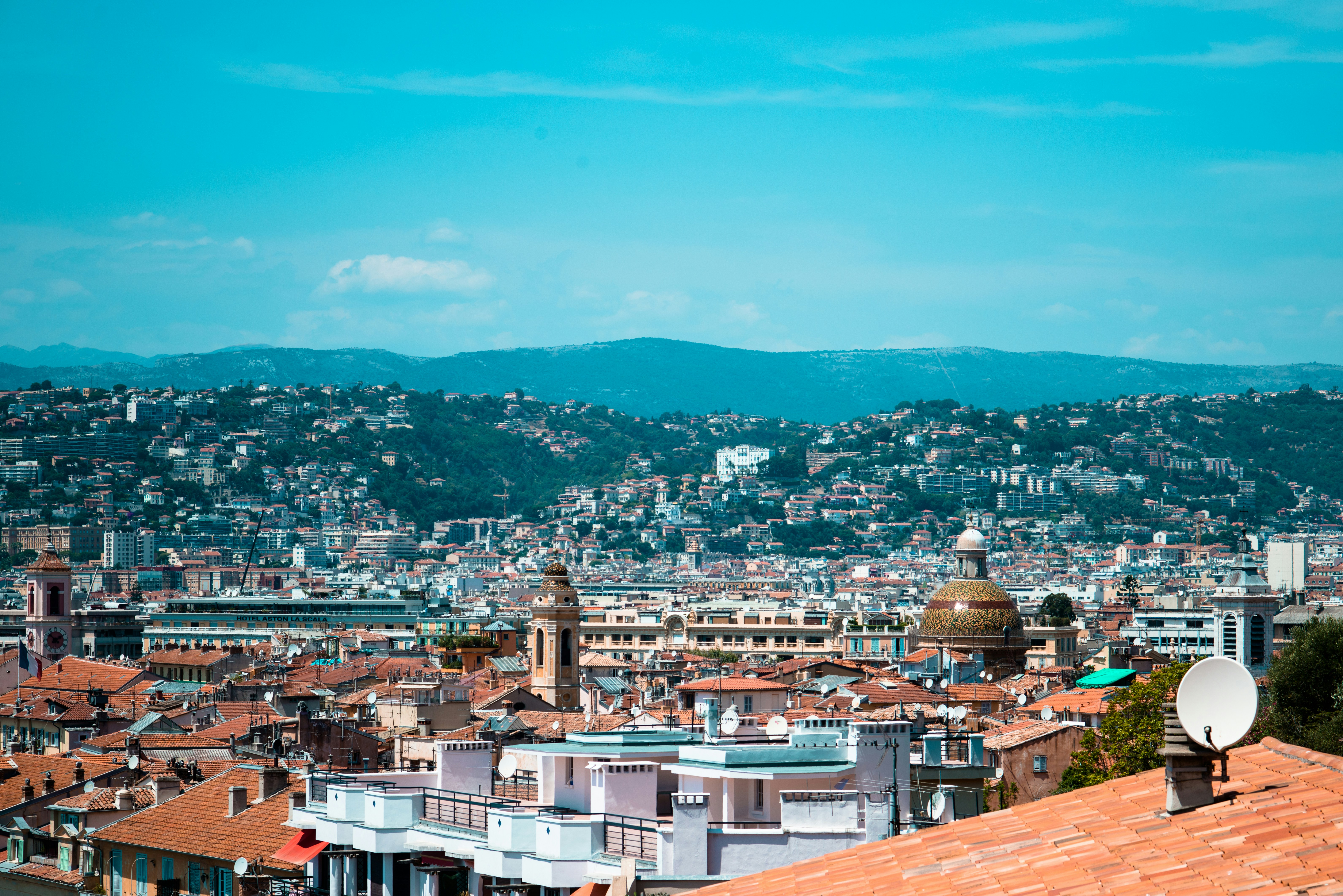
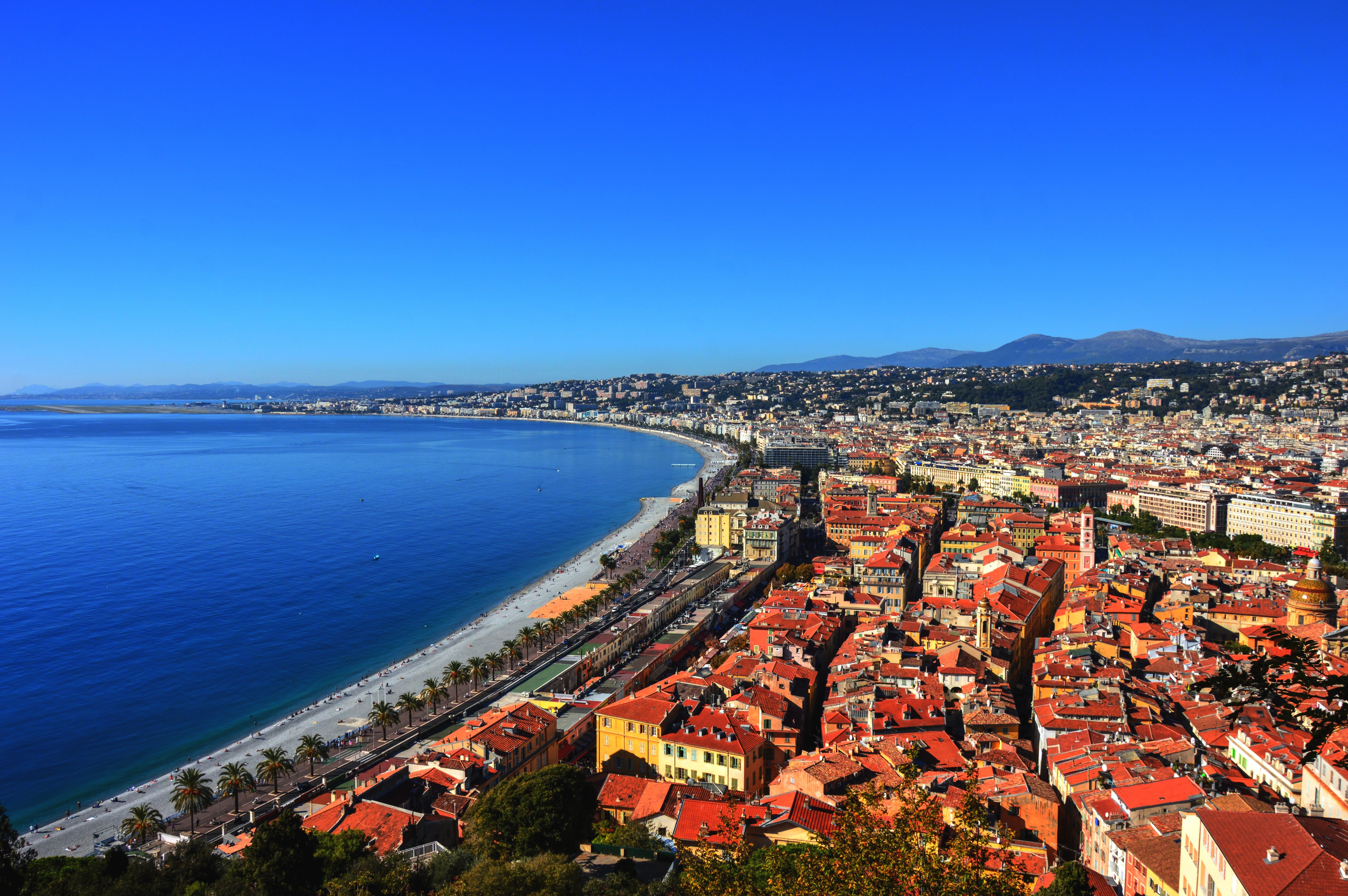
United with France only since 1860, Nice has its own history and atmosphere, which dates back 230,000 years. It was on Colline du Château (now château-less) and at the Plage des Ponchettes, in front of the Old Town, that the Greeks established a market-port in 350 BC and named it Nikaia, which would become Marseilles' chief coastal rival. The Romans established themselves a little later on the hills of Cimiez (Cemenelum), already previously occupied by Ligurians and Celts, and quickly overshadowed the waterfront port. After falling to the Saracen invasions, Nice regained power as an independent state, becoming an important port in the early Middle Ages.So cocksure did it become that in 1388, Nice, along with the hill towns behind, effectively seceded from the county of Provence, under Louis d'Anjou, and allied itself with Savoie. Thus began its liaison with the House of Savoy, and through it with Piedmont and Sardinia, it was the Comté de Nice (Nice County). This relationship lasted some 500 years, tinting the culture, architecture, and dialect in rich Italian hues.By the 19th century Nice was flourishing commercially, locked in rivalry with the neighboring shipping port of Genoa. Another source of income: the dawning of tourism, as first the English, then the Russian nobility, discovered its extraordinary climate and superb waterfront position. A parade of fine stone mansions and hotels closed into a nearly solid wall of masonry, separated from the smooth-round rocks of the beach by what was originally named Camin deis Anglés (the English Way), which of course is now the famous Promenade des Anglais. This magnificent crescent, which is seeking UNESCO recognition, is one of the noblest in France. Many of Nice's most delightful attractions—the Cours Saleya market, the Old Town streets, the Hotel Negresco, and the Palais Masséna—are on or close to this 10-km (6-mile) waterfront, making it the first stop for most visitors, while the redevelopment of Nice's port, around the other side of the Colline du Château, makes it easier for amblers who want to take in the Genoese architecture or peruse the antiques at the Puces de Nice, now part of the Promenade des 100 Antiquaires, along Quai Papacino. Nice also has the distinction of the "Family Plus" label, with free strollers, play areas, and restaurants with child-friendly activities.

Town Centre, Nice, France
Town Centre, Nice, FrancePhoto by Nick Karvounis on Unsplash
Skyline Of Nice, France
Skyline Of Nice, FrancePhoto by Jonas Smith on Unsplash
Nice, France
Nice, FranceImage by Fabien from Pixabay

Day 7 - Rouen

Further details for this day are not available.

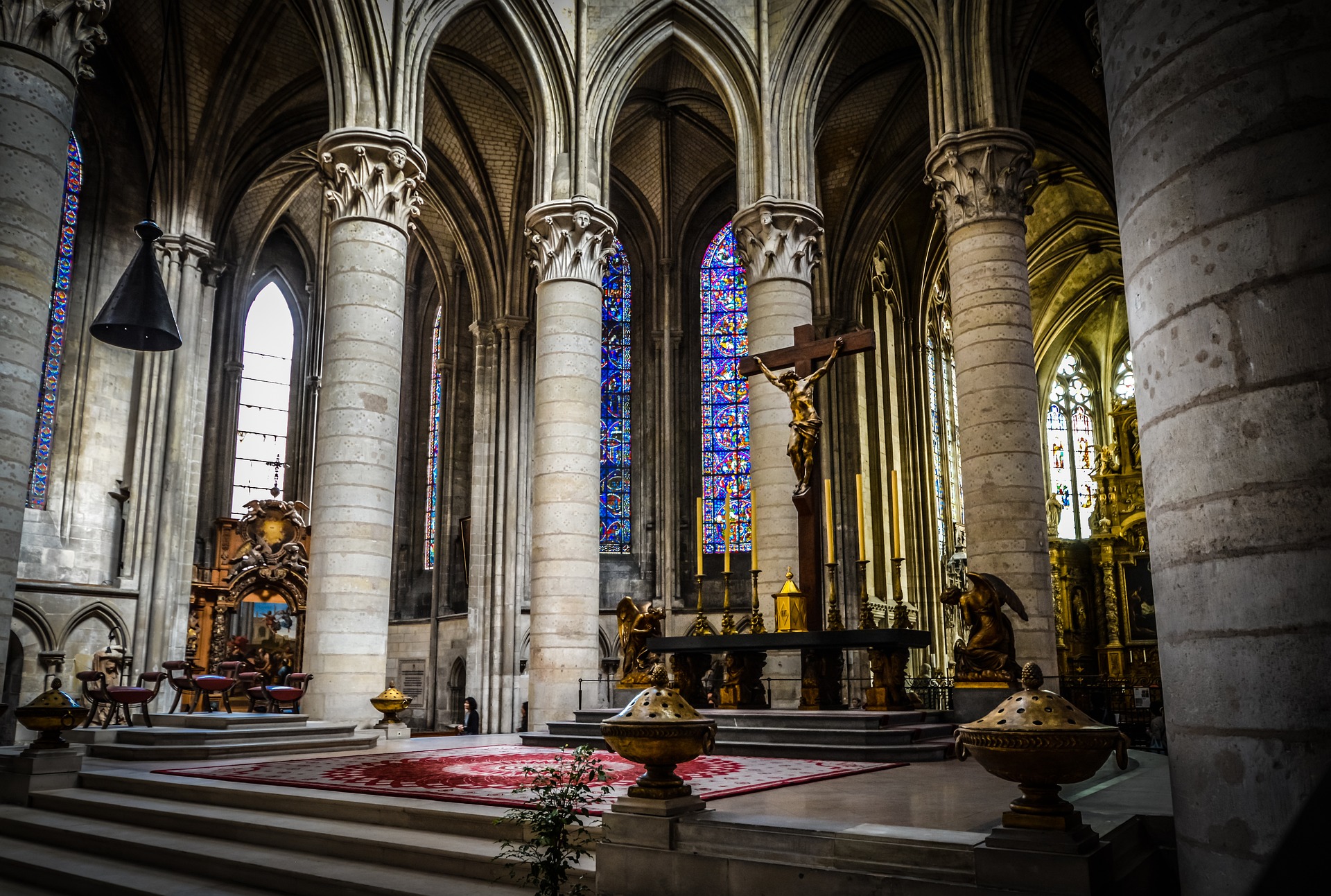
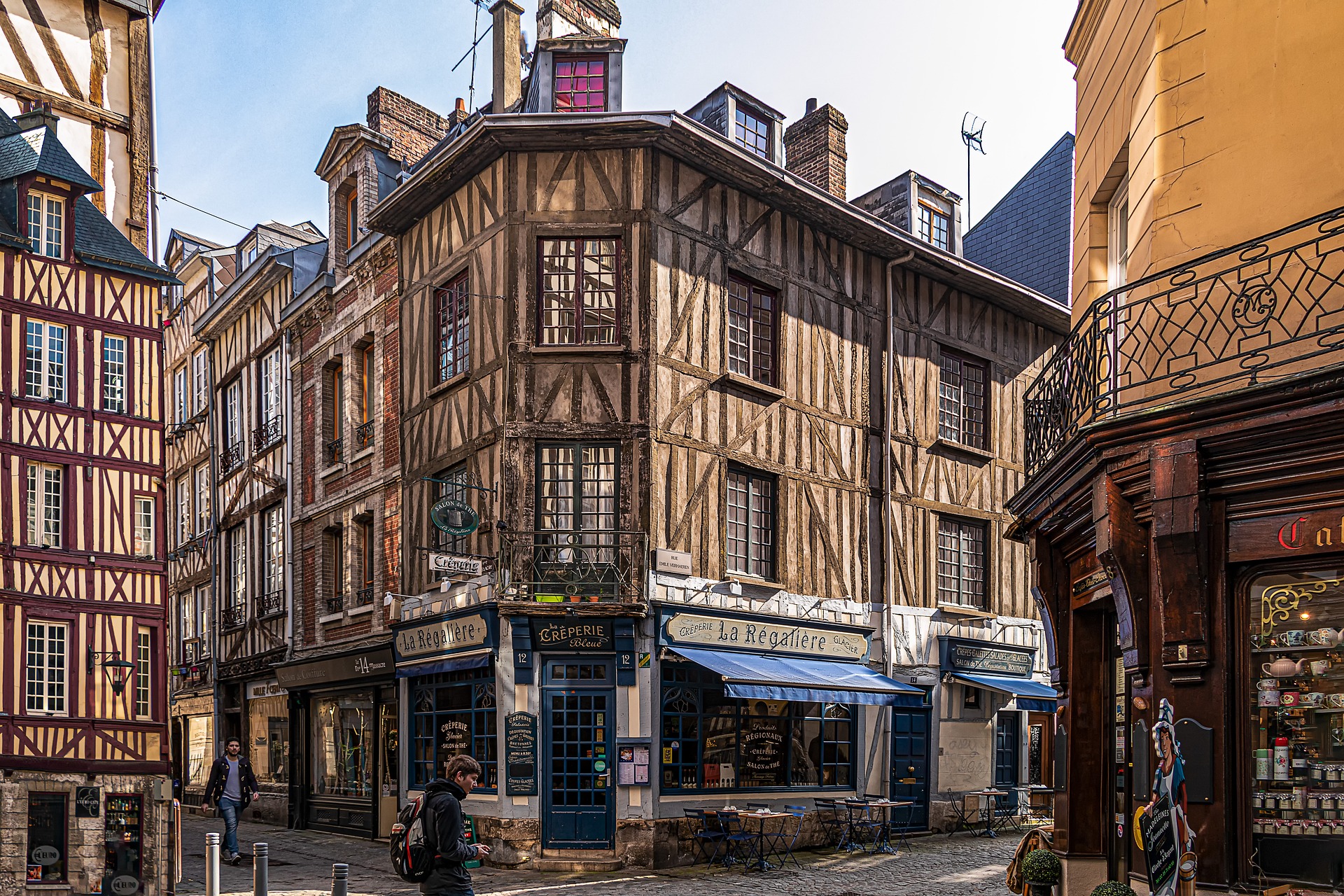
Cathedrale Notre Dame De Rouen Interior
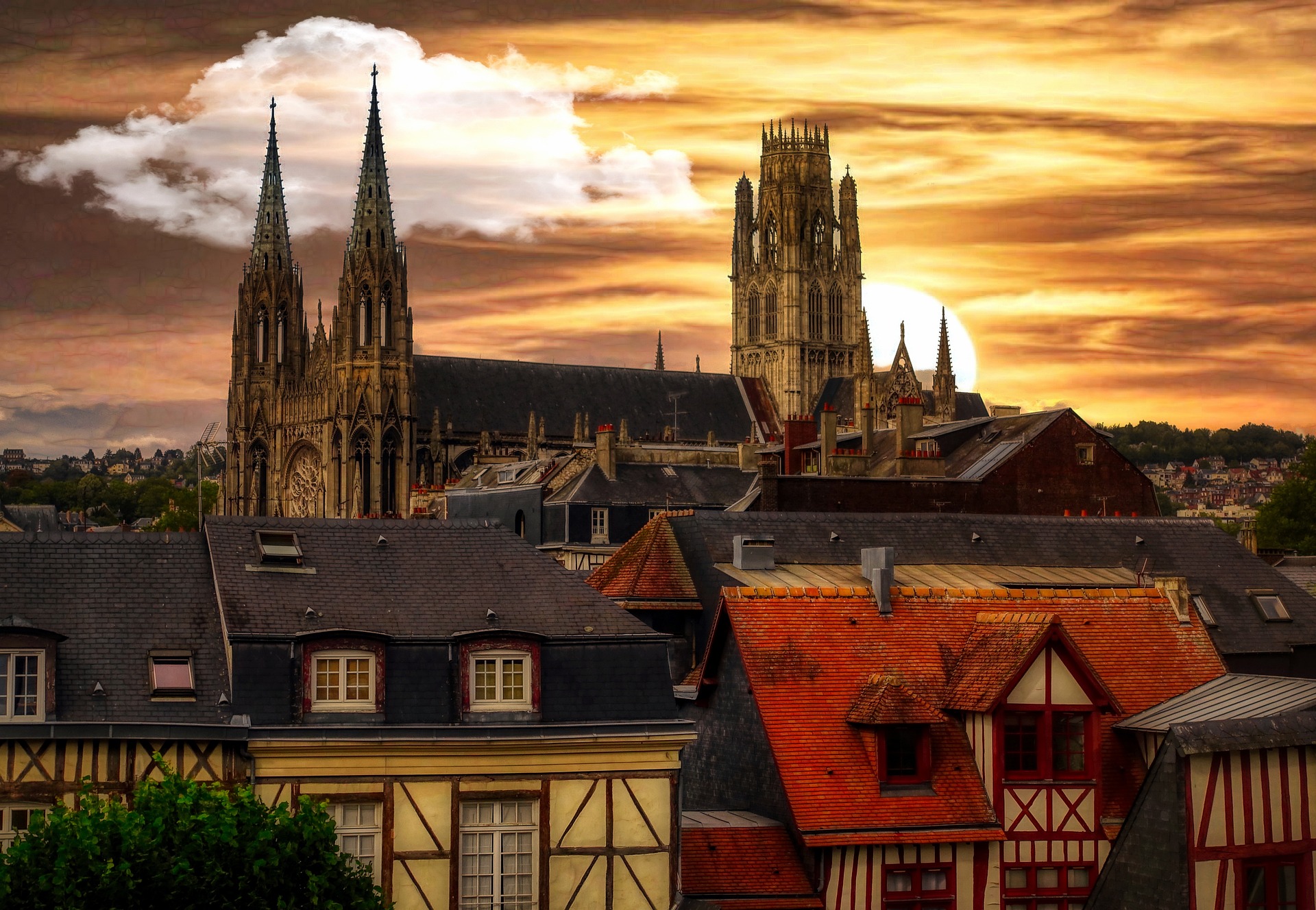
Cathedrale Notre Dame De Rouen
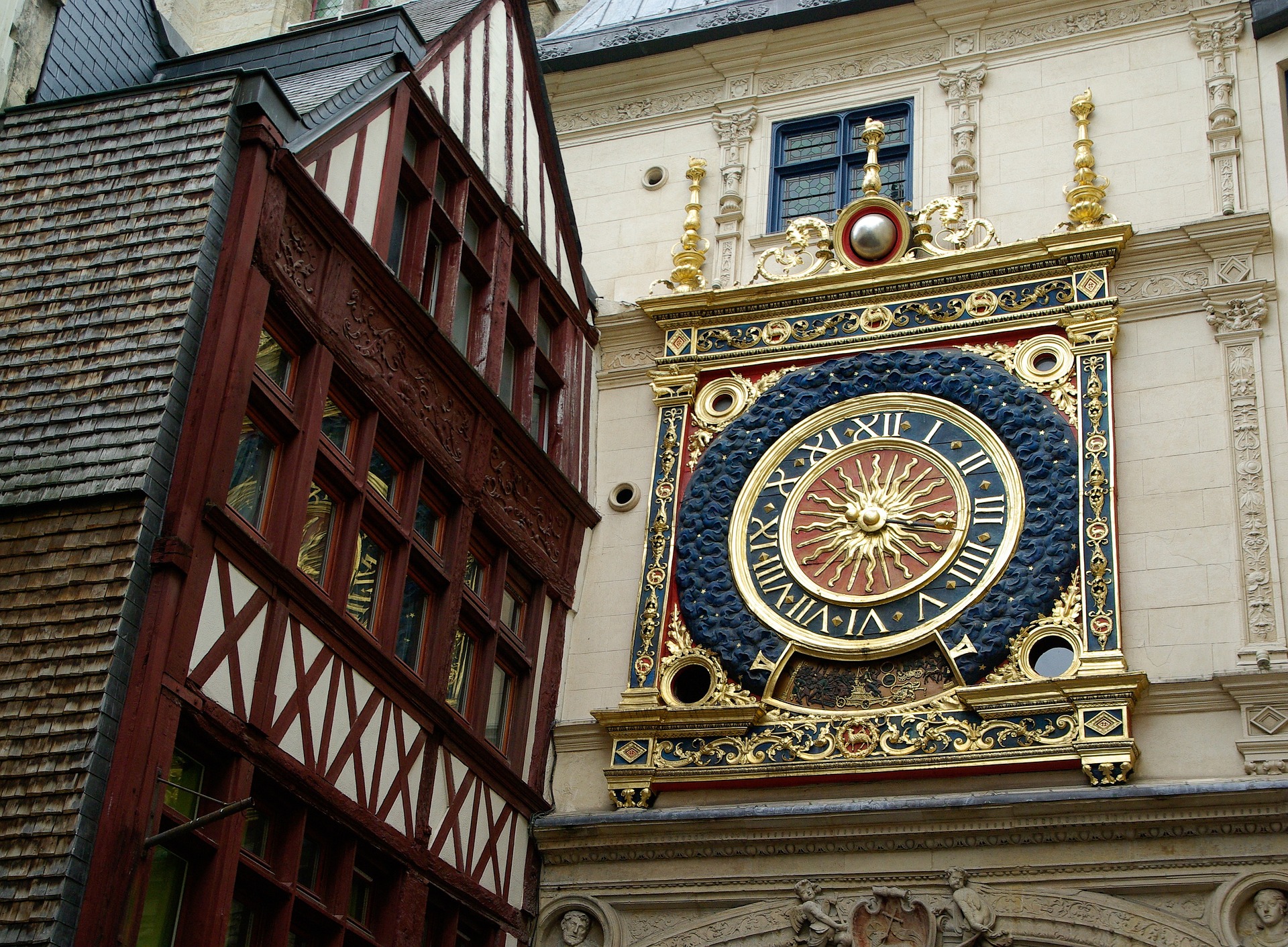
Rouen, Normandy Dial
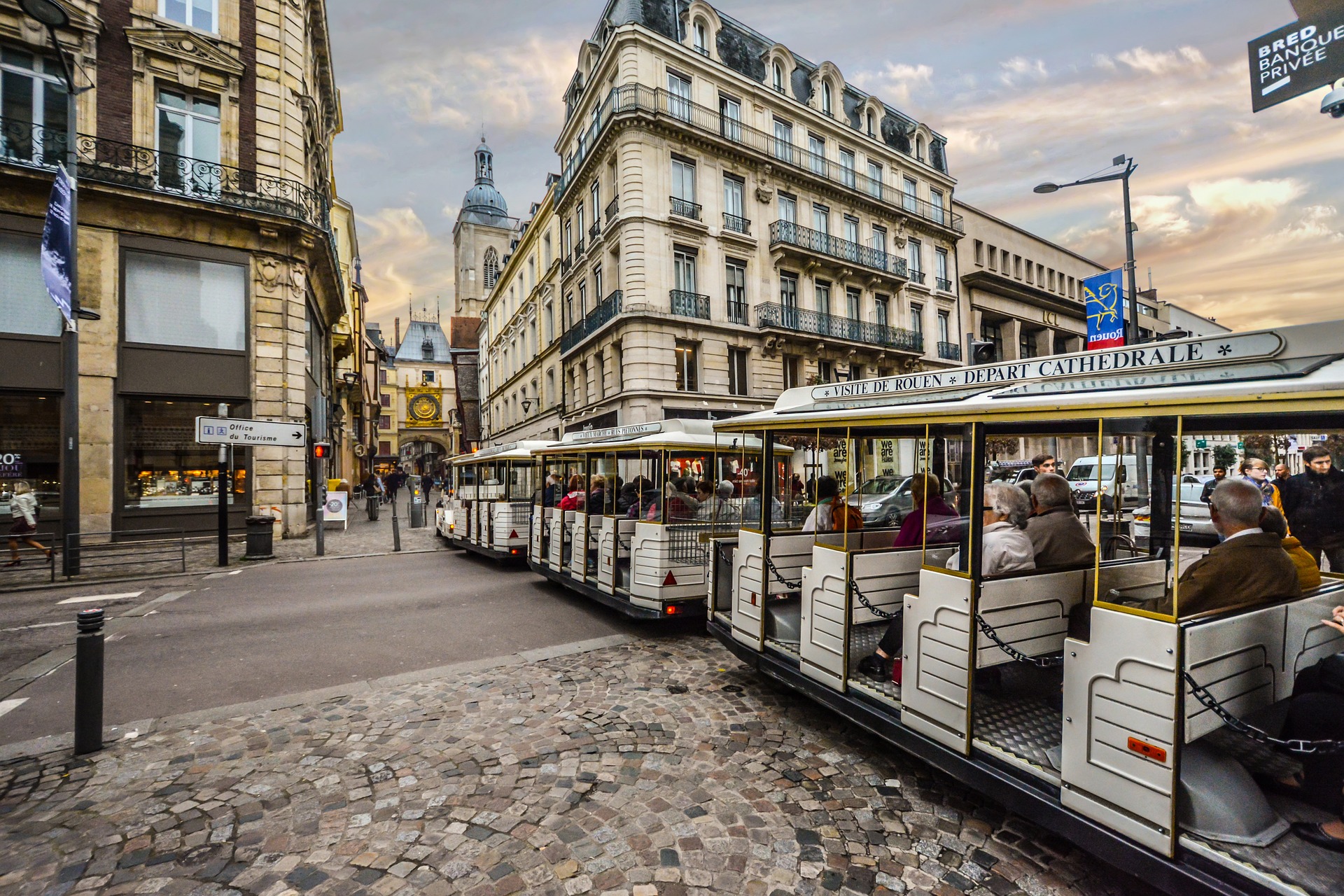
Petit Train De Rouen
Rouen, Old Town
Rouen, Old Town

Day 8 - Rouen

Further details for this day are not available.

Cathedrale Notre Dame De Rouen Interior
Cathedrale Notre Dame De Rouen
Rouen, Normandy Dial
Petit Train De Rouen
Rouen, Old Town
Rouen, Old Town

Day 9 - Saint-Malo

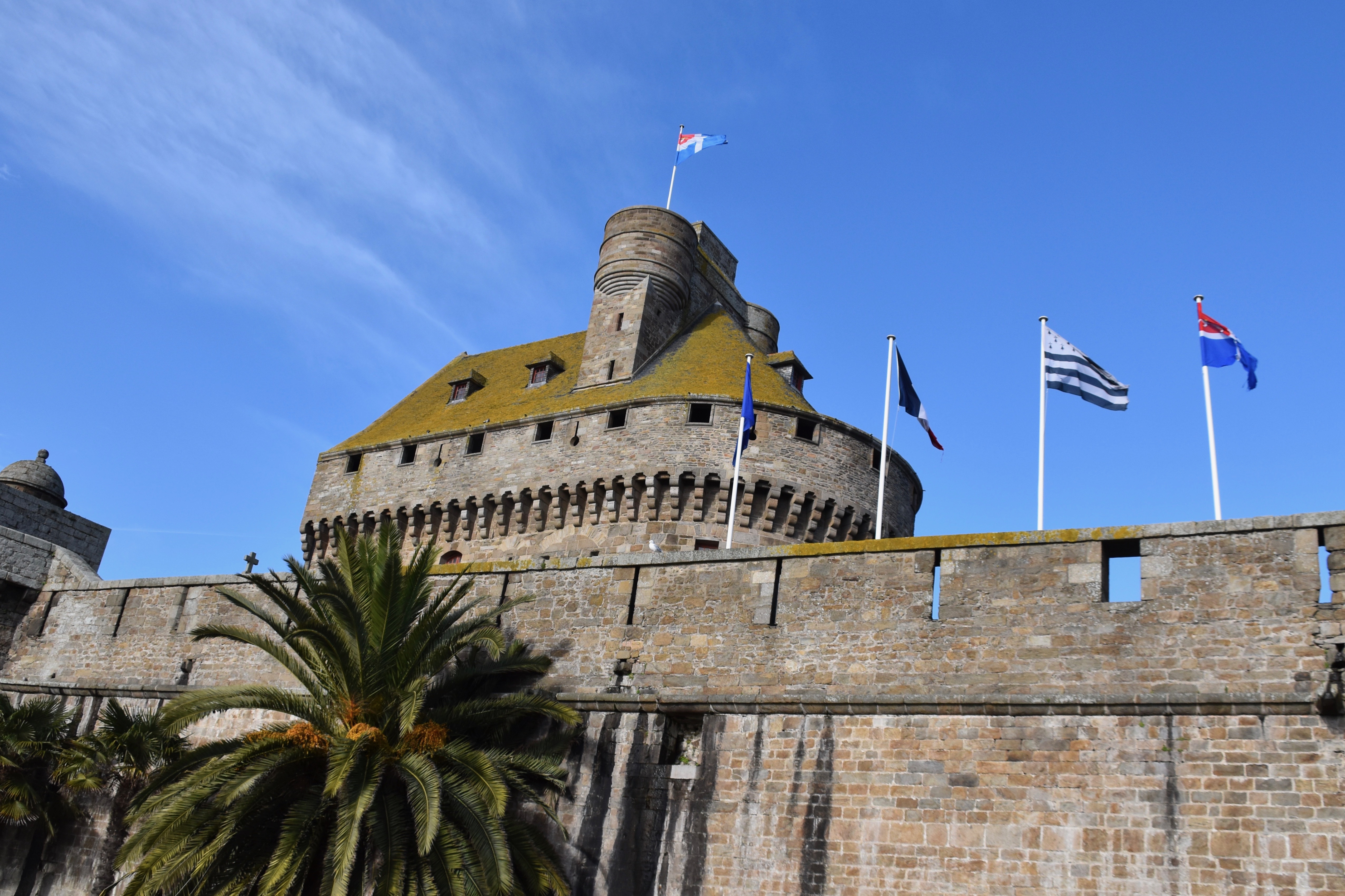
Thrust out into the sea and bound to the mainland only by tenuous man-made causeways, romantic St-Malo has built a reputation as a breeding ground for phenomenal sailors. Many were fishermen, but others—most notably Jacques Cartier, who claimed Canada for Francis I in 1534—were New World explorers. Still others were corsairs, "sea dogs" paid by the French crown to harass the Limeys across the Channel: legendary ones like Robert Surcouf and Duguay-Trouin helped make St-Malo rich through their pillaging, in the process earning it the nickname "the pirates' city." The St-Malo you see today isn’t quite the one they called home because a weeklong fire in 1944, kindled by retreating Nazis, wiped out nearly all of the old buildings. Restoration work was more painstaking than brilliant, but the narrow streets and granite houses of the Vieille Ville were satisfactorily recreated, enabling St-Malo to regain its role as a busy fishing port, seaside resort, and tourist destination. The ramparts that help define this city figuratively and literally are authentic, and the flames also spared houses along Rue de Pelicot in the Vieille Ville. Battalions of tourists invade this quaint part of town in summer, so arrive off-season if you want to avoid crowds.

Saint Malo, France
Saint Malo, FranceImage by JackieLou DL from Pixabay

Day 10 - At Sea

Further details for this day are not available.

Day 11 - Loire River, France

Further details for this day are not available.

Day 11 - Nantes

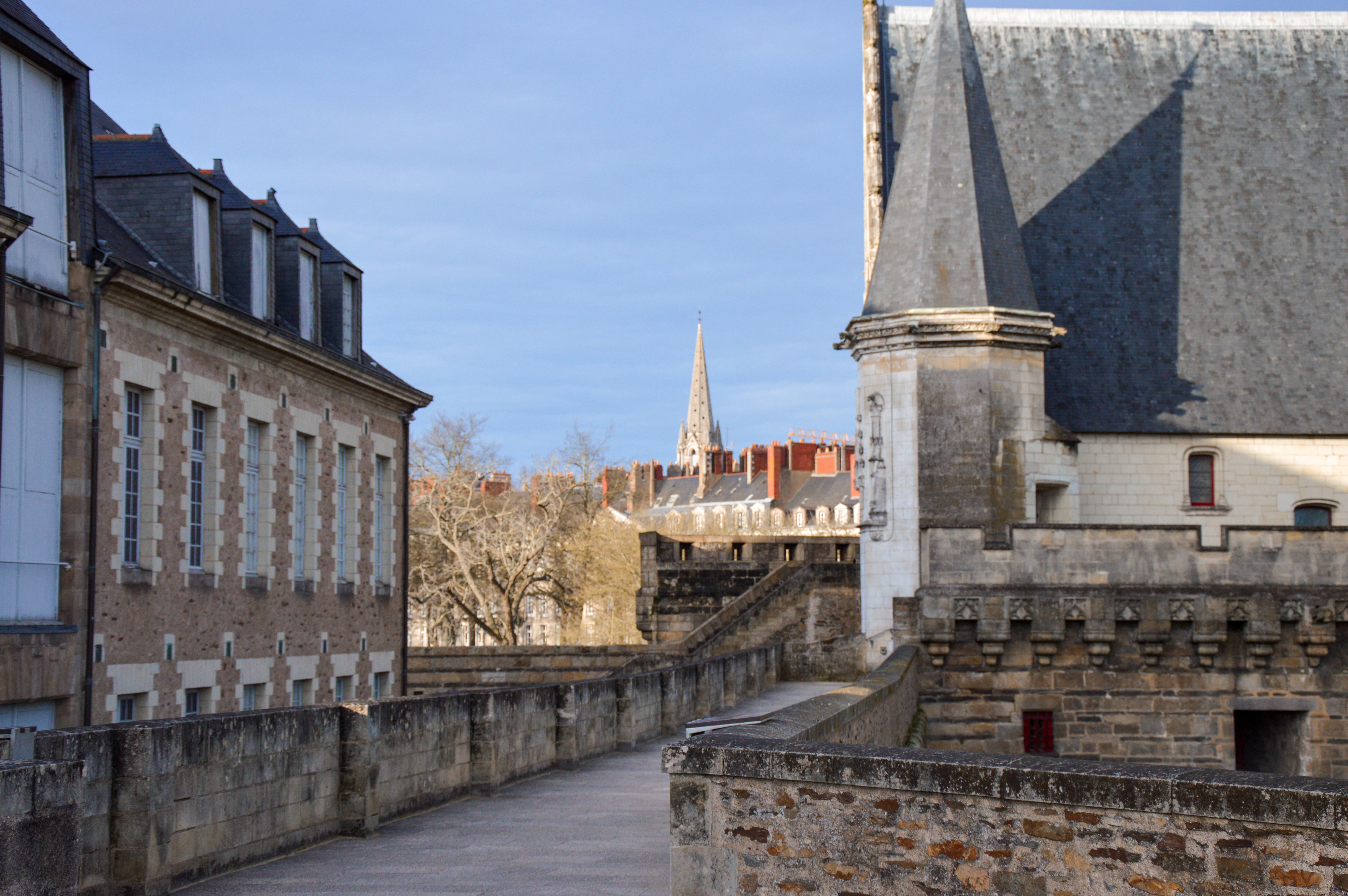
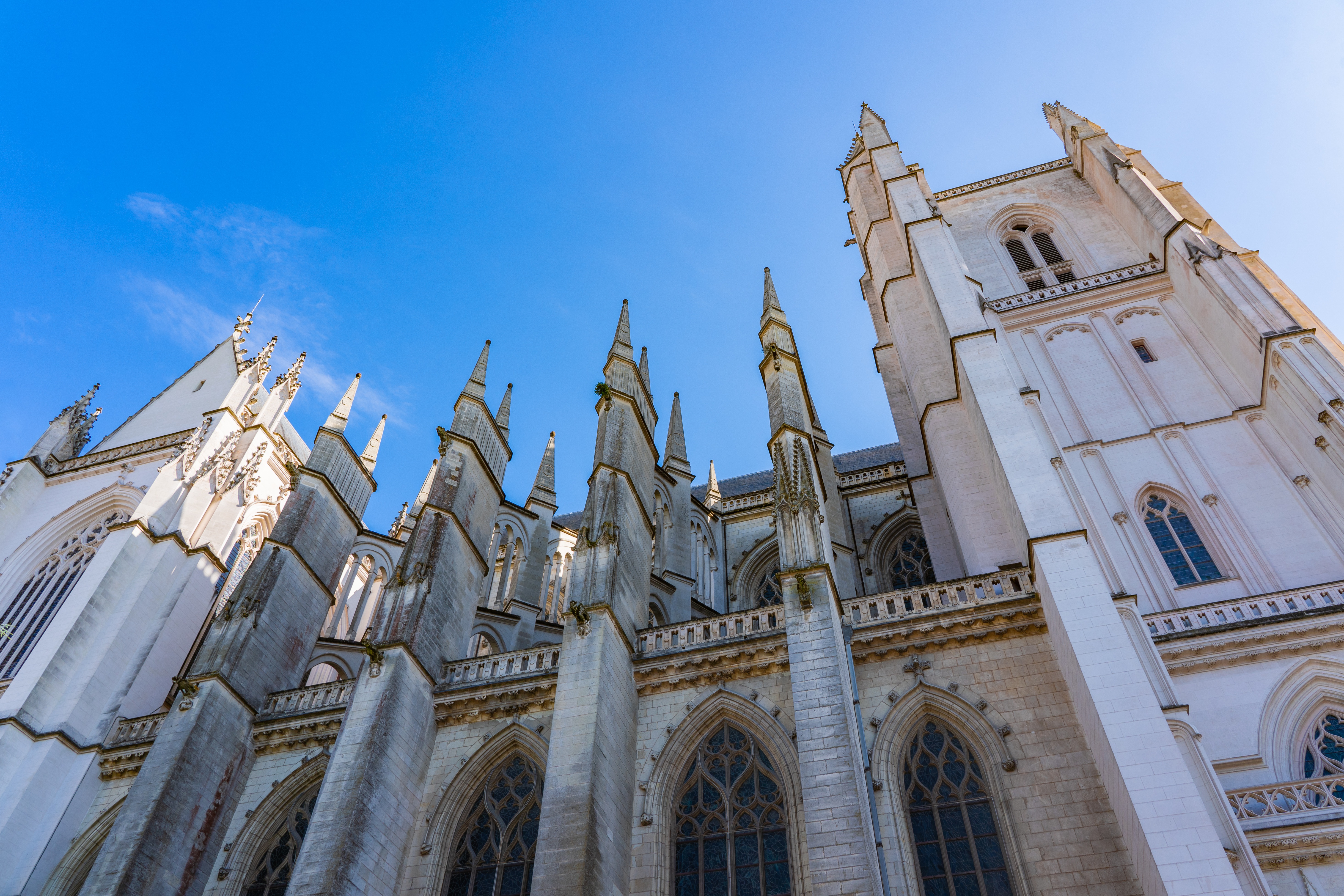
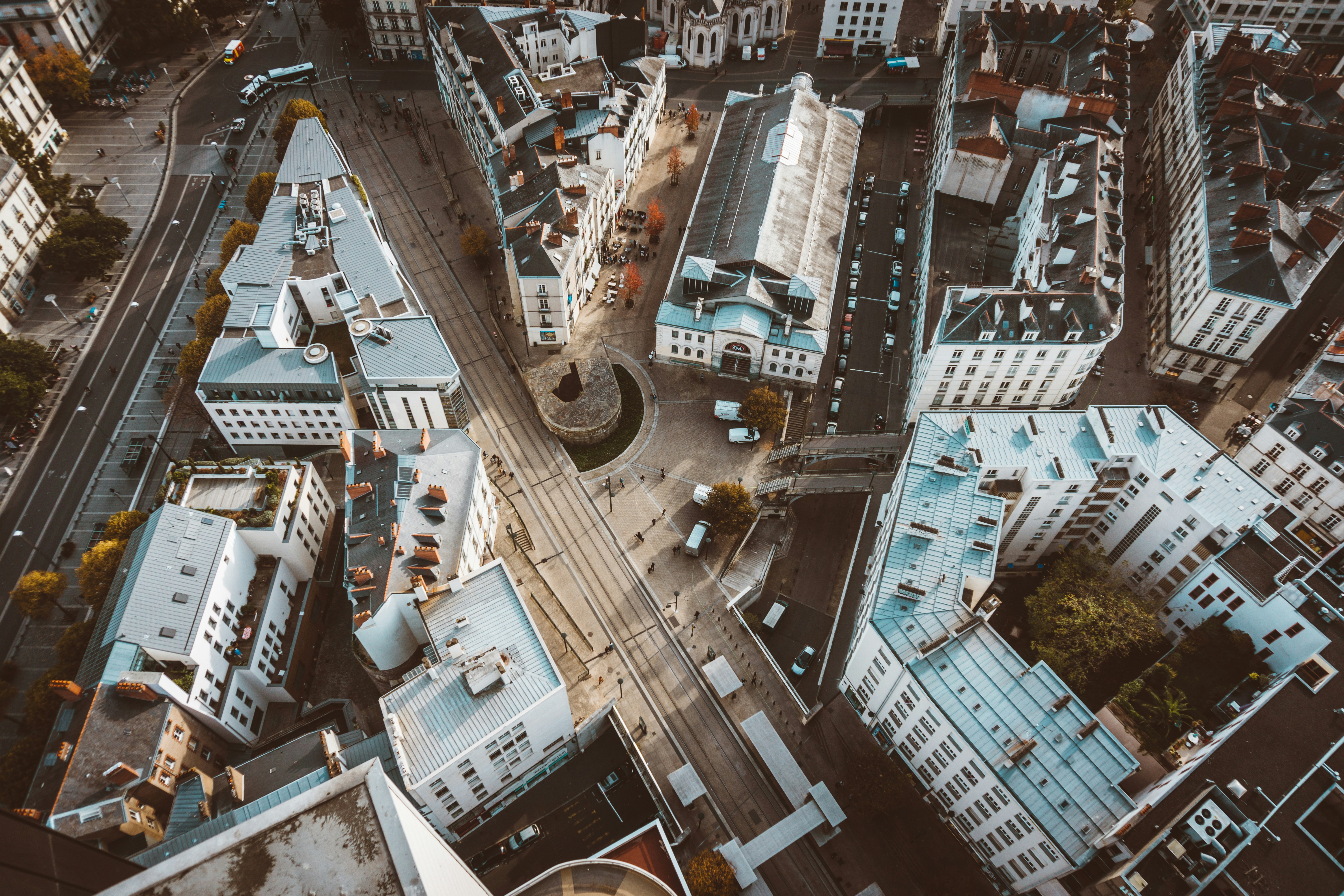
The gateway to the Atlantic Ocean and the country’s seventh largest city, Nantes is located on the north bank of the Loire River. Although officially no longer the capital of Brittany since Nantes was included in the Pays de Loire administrative region, many of the city’s inhabitants regard themselves still an integral part of Brittany. During medieval times, much of the city’s prosperity resulted from colonial expeditions and the slave trade. Today Nantes is the most important commercial and industrial centre in west-central France, and appears as a particularly well-managed city with fine museums and carefully tended parks and gardens. One of the museums is dedicated to Jules Verne, born here in 1828. The Loire, foundation of Nantes’ riches, has dwindled from the city centre. As recently as the 1930s the river crossed the city in seven separate channels. However, they were filled in after World War II but, fortunately, left the area’s 18th-century mansions intact. They once were the trademark of rich merchants who made their fortunes from the slave trade. French influence was brought to Nantes by the Loire and its trade from the end of the 18th century when the city became known as "Little Paris." The Place Royale and the Place Graslin were first laid out during that time. One of the most impressive landmarks is the Chateau des Ducs, most of which is preserved in its original form built by the last two rulers of independent Brittany, Francois II, and his daughter Duchess Anne, born here in 1477.

Chateau, Nantes, France
Chateau, Nantes, FranceImage by Gaspard Delaruelle from Pixabay
Cathedral, Nantes, France
Cathedral, Nantes, FranceImage by Christel from Pixabay
Tour Bretagne, Nantes, France
Tour Bretagne, Nantes, FrancePhoto by quentin on Unsplash

Day 12 - Île d'Yeu

Further details for this day are not available.

Day 13 - Bordeaux

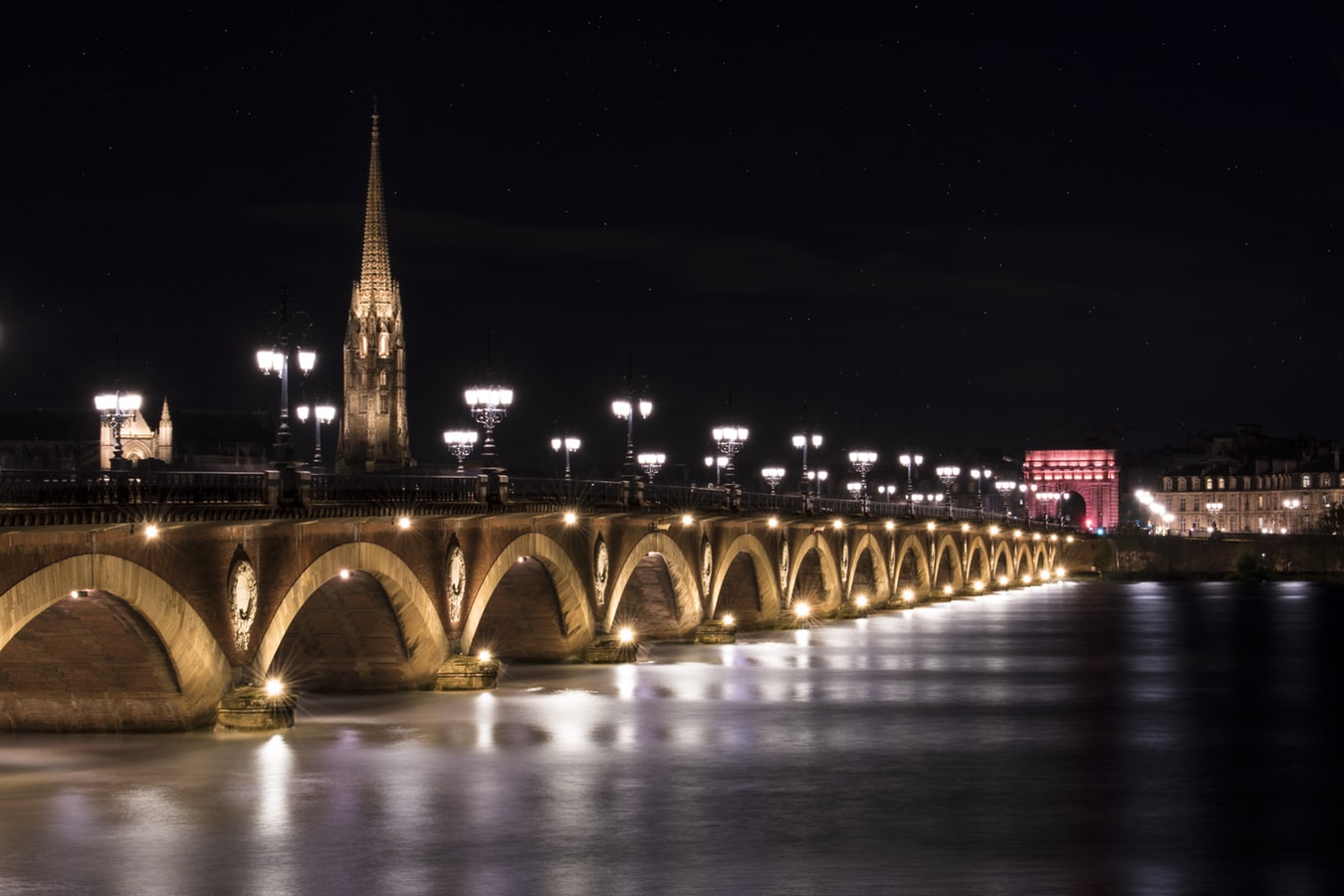
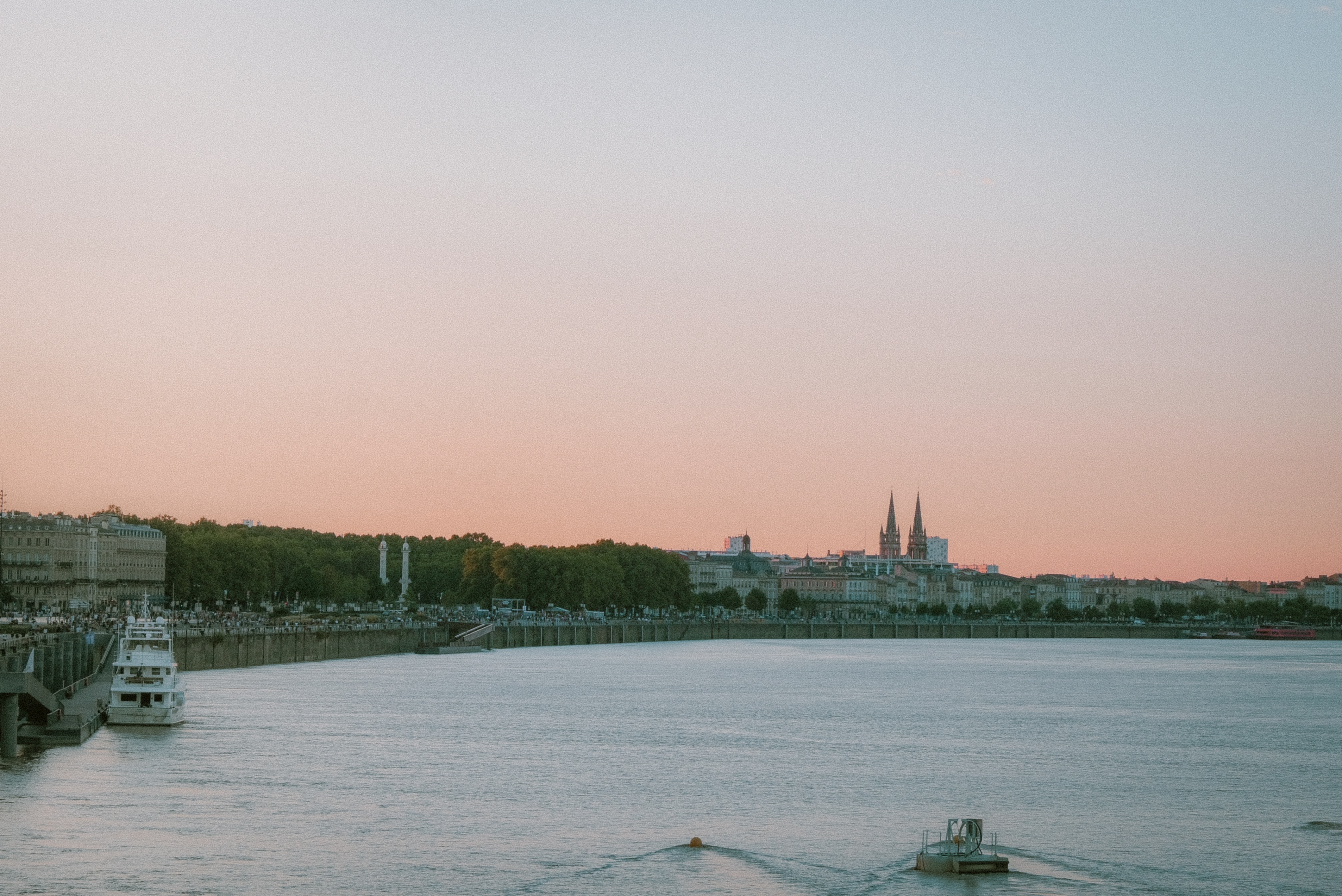
Bordeaux as a whole, rather than any particular points within it, is what you'll want to visit in order to understand why Victor Hugo described it as Versailles plus Antwerp, and why the painter Francisco de Goya, when exiled from his native Spain, chose it as his last home (he died here in 1828). The capital of southwest France and the region's largest city, Bordeaux remains synonymous with the wine trade: wine shippers have long maintained their headquarters along the banks of the Garonne, while buyers from around the world arrive for the huge biennial Vinexpo show (held in odd-number years).Bordeaux is, admittedly, a less exuberant city than many others in France, but lively and stylish elements are making a dent in its conservative veneer. The cleaned-up riverfront is said by some, after a bottle or two, to exude an elegance reminiscent of St. Petersburg, and that aura of 18th-century élan also permeates the historic downtown sector—“le vieux Bordeaux"—where fine shops invite exploration. To the south of the city center are old docklands undergoing renewal—one train station has now been transformed into a big multiplex movie theater—but the area is still a bit shady. To get a feel for the historic port of Bordeaux, take the 90-minute boat trip that leaves Quai Louis-XVIII every weekday afternoon, or the regular passenger ferry that plies the Garonne between Quai Richelieu and the Pont d'Aquitaine in summer. A nice time to stroll around the city center is the first Sunday of the month, when it's pedestrian-only and vehicles are banned.

Frbod   Bordeaux, France   Pc To Michael Baccin
Frbod Bordeaux, France Pc To Michael Baccin
Frbod   Bordeaux, France  1290 Port Visits  Photo Credit To Olga Serjantu
Frbod Bordeaux, France 1290 Port Visits Photo Credit To Olga Serjantu

Day 14 - Bordeaux

Bordeaux as a whole, rather than any particular points within it, is what you'll want to visit in order to understand why Victor Hugo described it as Versailles plus Antwerp, and why the painter Francisco de Goya, when exiled from his native Spain, chose it as his last home (he died here in 1828). The capital of southwest France and the region's largest city, Bordeaux remains synonymous with the wine trade: wine shippers have long maintained their headquarters along the banks of the Garonne, while buyers from around the world arrive for the huge biennial Vinexpo show (held in odd-number years).Bordeaux is, admittedly, a less exuberant city than many others in France, but lively and stylish elements are making a dent in its conservative veneer. The cleaned-up riverfront is said by some, after a bottle or two, to exude an elegance reminiscent of St. Petersburg, and that aura of 18th-century élan also permeates the historic downtown sector—“le vieux Bordeaux"—where fine shops invite exploration. To the south of the city center are old docklands undergoing renewal—one train station has now been transformed into a big multiplex movie theater—but the area is still a bit shady. To get a feel for the historic port of Bordeaux, take the 90-minute boat trip that leaves Quai Louis-XVIII every weekday afternoon, or the regular passenger ferry that plies the Garonne between Quai Richelieu and the Pont d'Aquitaine in summer. A nice time to stroll around the city center is the first Sunday of the month, when it's pedestrian-only and vehicles are banned.

Frbod   Bordeaux, France   Pc To Michael Baccin
Frbod Bordeaux, France Pc To Michael Baccin
Frbod   Bordeaux, France  1290 Port Visits  Photo Credit To Olga Serjantu
Frbod Bordeaux, France 1290 Port Visits Photo Credit To Olga Serjantu

Day 15 - At Sea

Further details for this day are not available.

Day 16 - Cruise on the Tagus (Lisbon)

Further details for this day are not available.

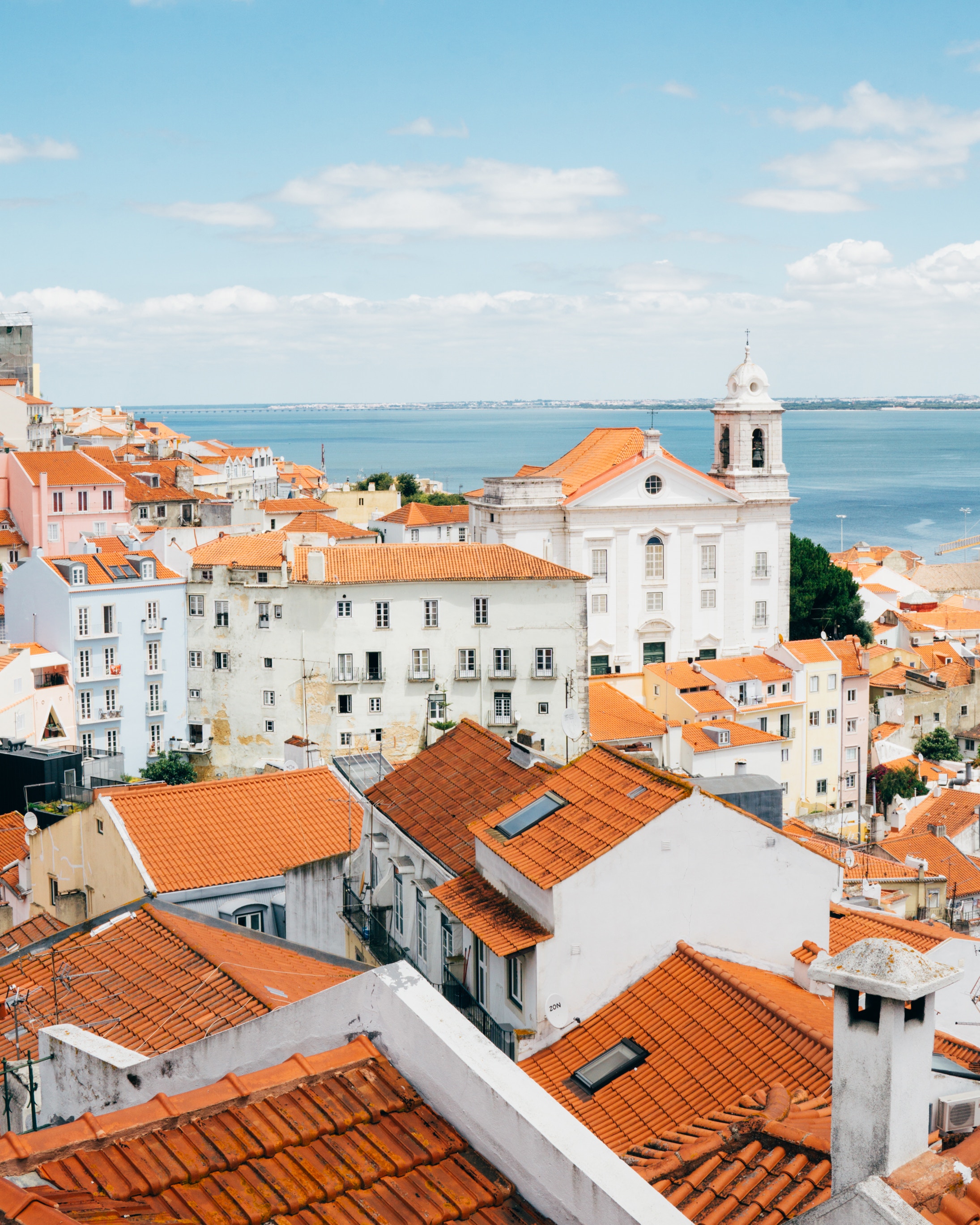
Day 16 - Lisbon

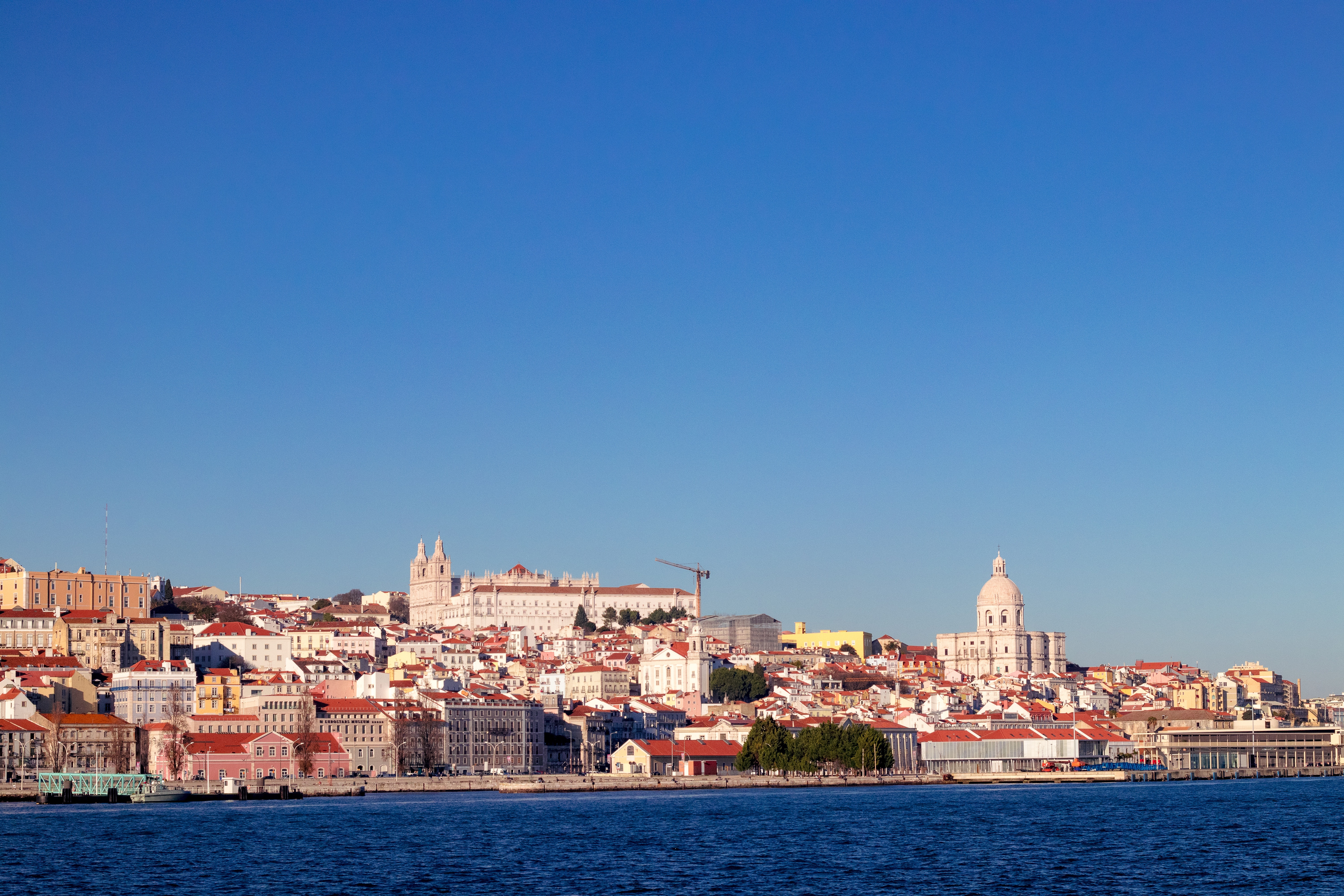
Set on seven hills on the banks of the River Tagus, Lisbon has been the capital of Portugal since the 13th century. It is a city famous for its majestic architecture, old wooden trams, Moorish features and more than twenty centuries of history. Following disastrous earthquakes in the 18th century, Lisbon was rebuilt by the Marques de Pombal who created an elegant city with wide boulevards and a great riverfront and square, Praça do Comércio. Today there are distinct modern and ancient sections, combining great shopping with culture and sightseeing in the Old Town, built on the city's terraced hillsides. The distance between the ship and your tour vehicle may vary. This distance is not included in the excursion grades.
Ptlis Lisbon Brown And White City Panorama Shot Suad Kamardeen
Ptlis Lisbon Brown And White City Panorama Shot Suad KamardeenSuad Kamardeen
Ptlis Lisbon Landscape Photography Of Orange Roof Houses Near Body Of Water Tom Byrom
Ptlis Lisbon Landscape Photography Of Orange Roof Houses Near Body Of Water Tom ByromTom Byrom
Ptlis Lisbon Thee Person Walking Near White And Orange Bus Nik Guiney
Ptlis Lisbon Thee Person Walking Near White And Orange Bus Nik GuineyNik Guiney

Day 17 - Lisbon

Set on seven hills on the banks of the River Tagus, Lisbon has been the capital of Portugal since the 13th century. It is a city famous for its majestic architecture, old wooden trams, Moorish features and more than twenty centuries of history. Following disastrous earthquakes in the 18th century, Lisbon was rebuilt by the Marques de Pombal who created an elegant city with wide boulevards and a great riverfront and square, Praça do Comércio. Today there are distinct modern and ancient sections, combining great shopping with culture and sightseeing in the Old Town, built on the city's terraced hillsides. The distance between the ship and your tour vehicle may vary. This distance is not included in the excursion grades.
Ptlis Lisbon Brown And White City Panorama Shot Suad Kamardeen
Ptlis Lisbon Brown And White City Panorama Shot Suad KamardeenSuad Kamardeen
Ptlis Lisbon Landscape Photography Of Orange Roof Houses Near Body Of Water Tom Byrom
Ptlis Lisbon Landscape Photography Of Orange Roof Houses Near Body Of Water Tom ByromTom Byrom
Ptlis Lisbon Thee Person Walking Near White And Orange Bus Nik Guiney
Ptlis Lisbon Thee Person Walking Near White And Orange Bus Nik GuineyNik Guiney

Day 18 - At Sea

Further details for this day are not available.

Day 19 - Guadalquivir River, Spain

Further details for this day are not available.

Day 19 - Seville

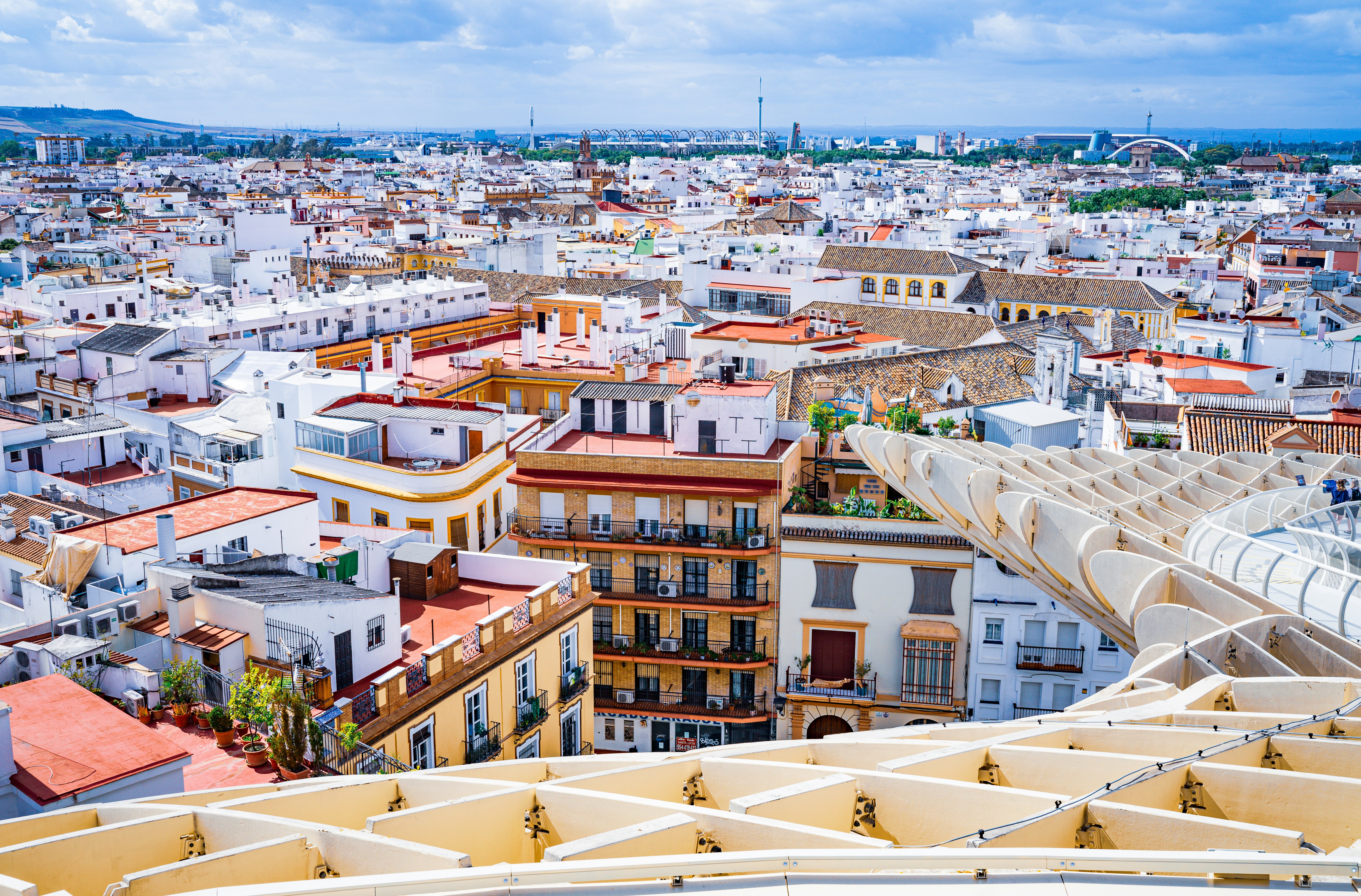
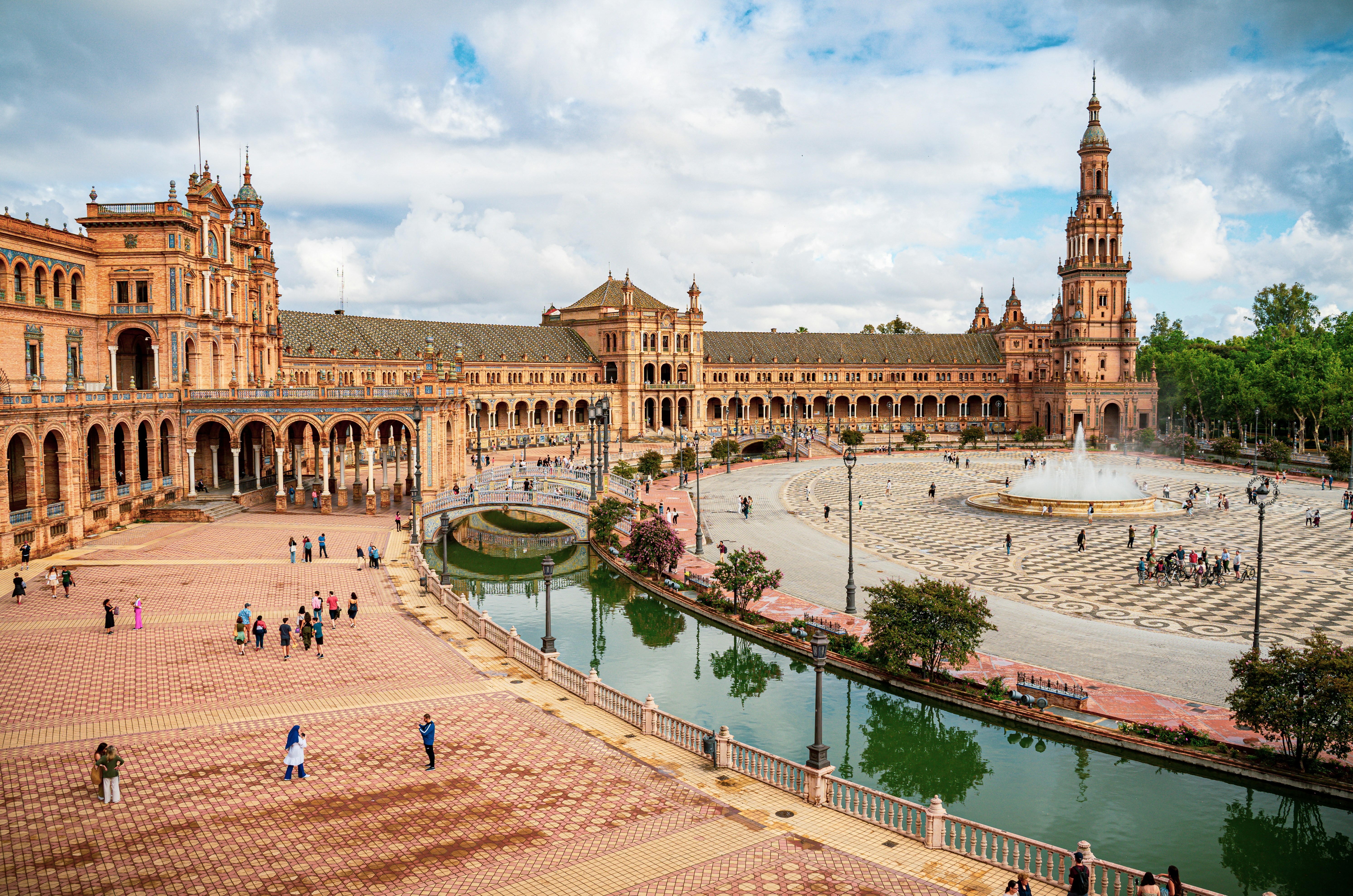
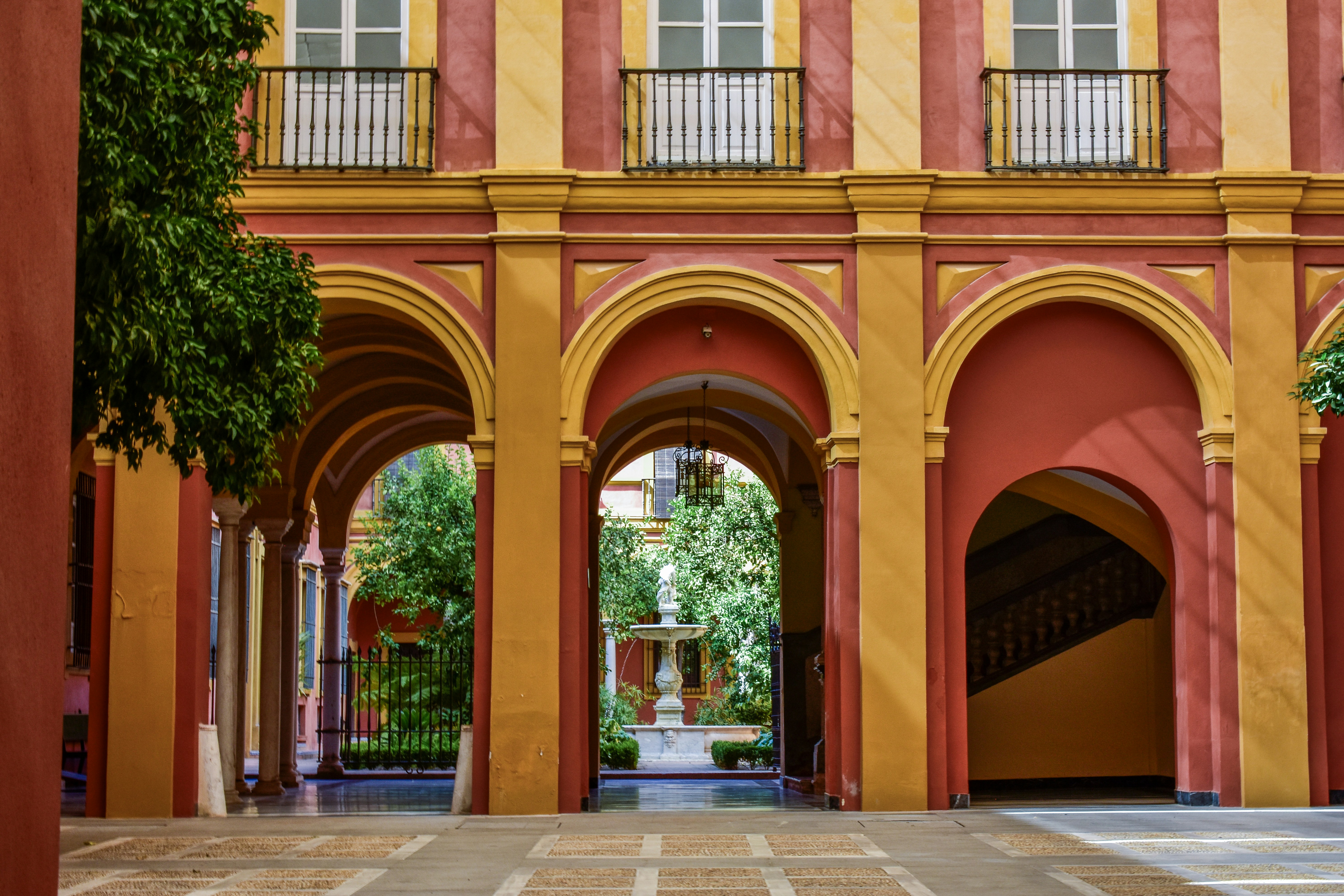
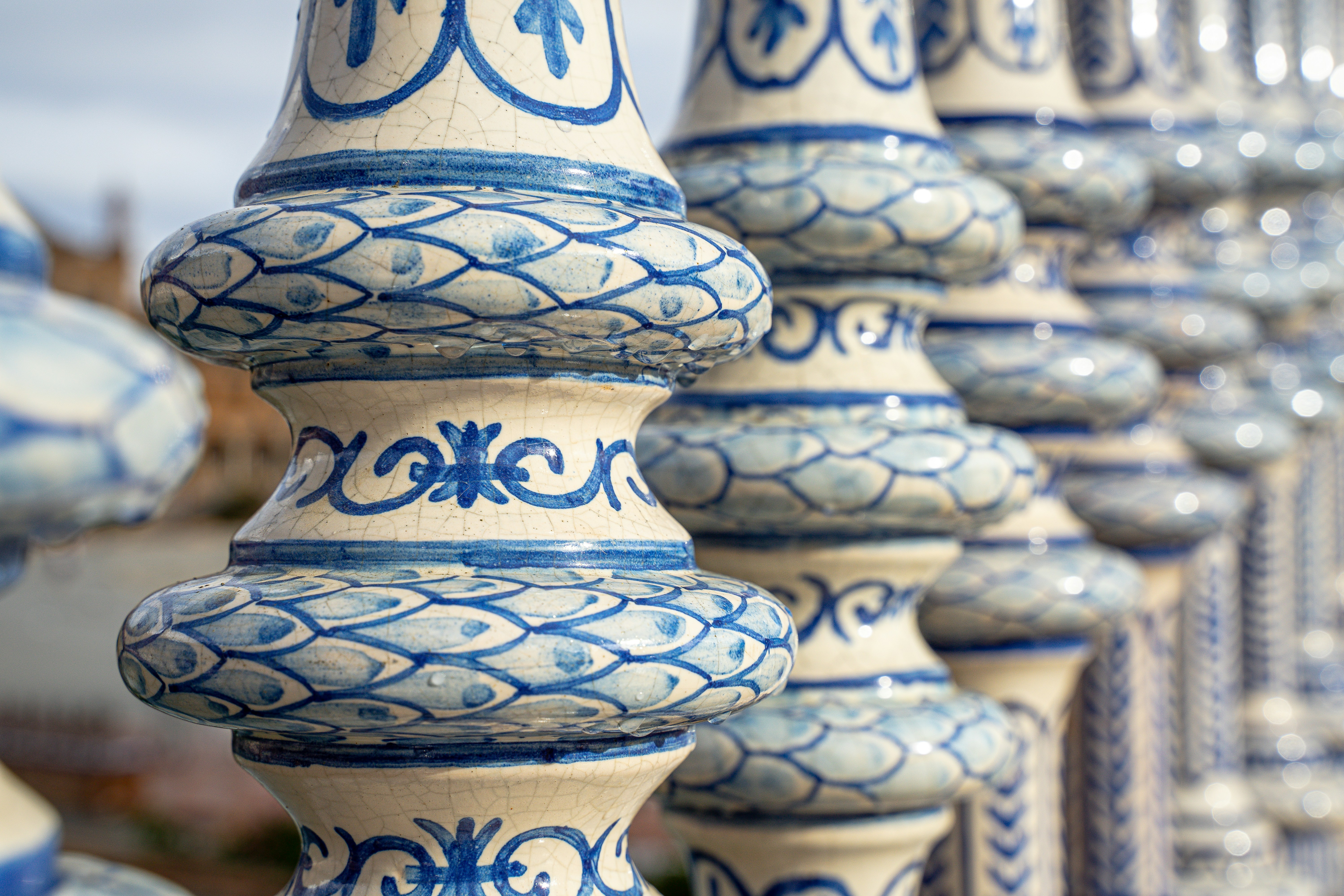
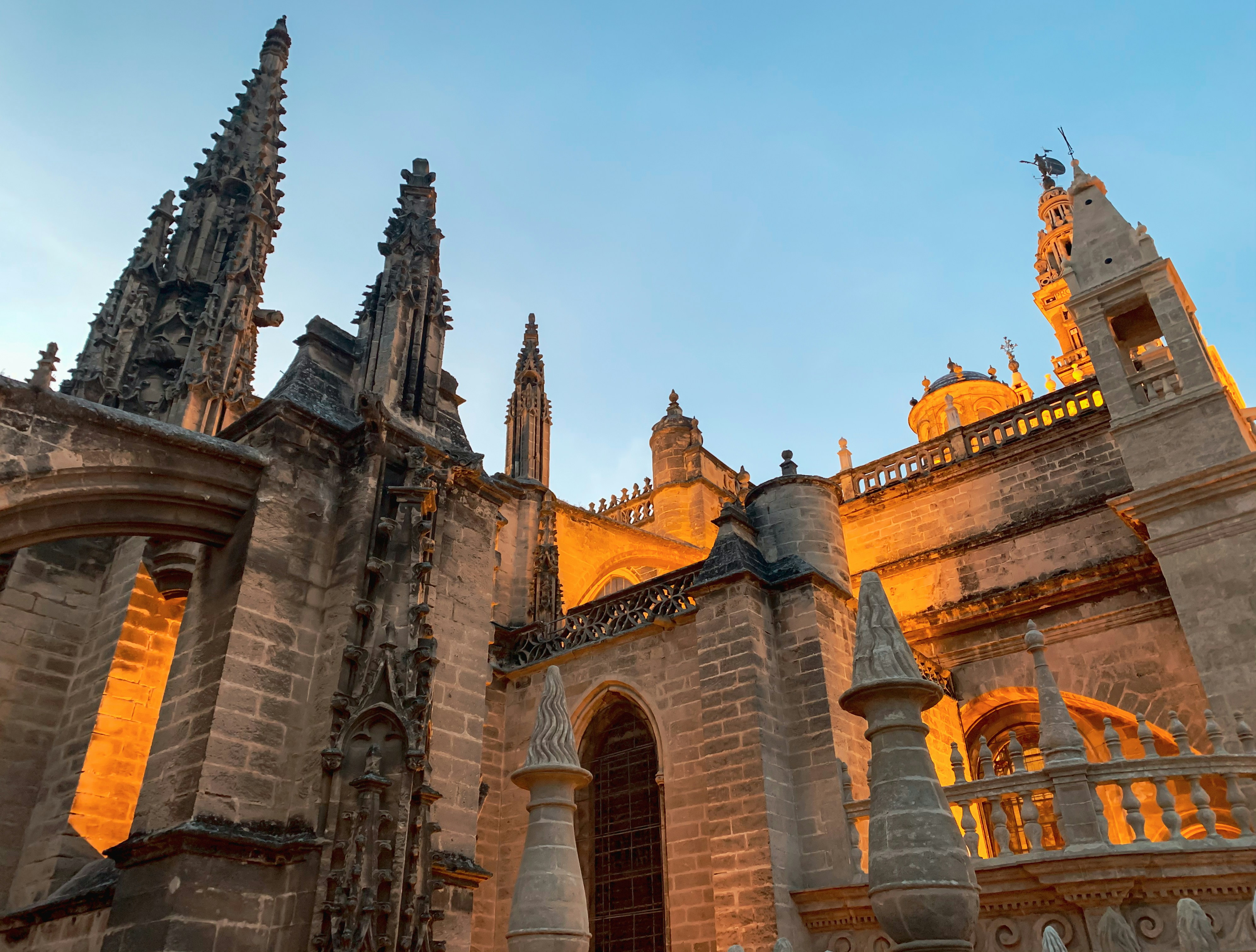
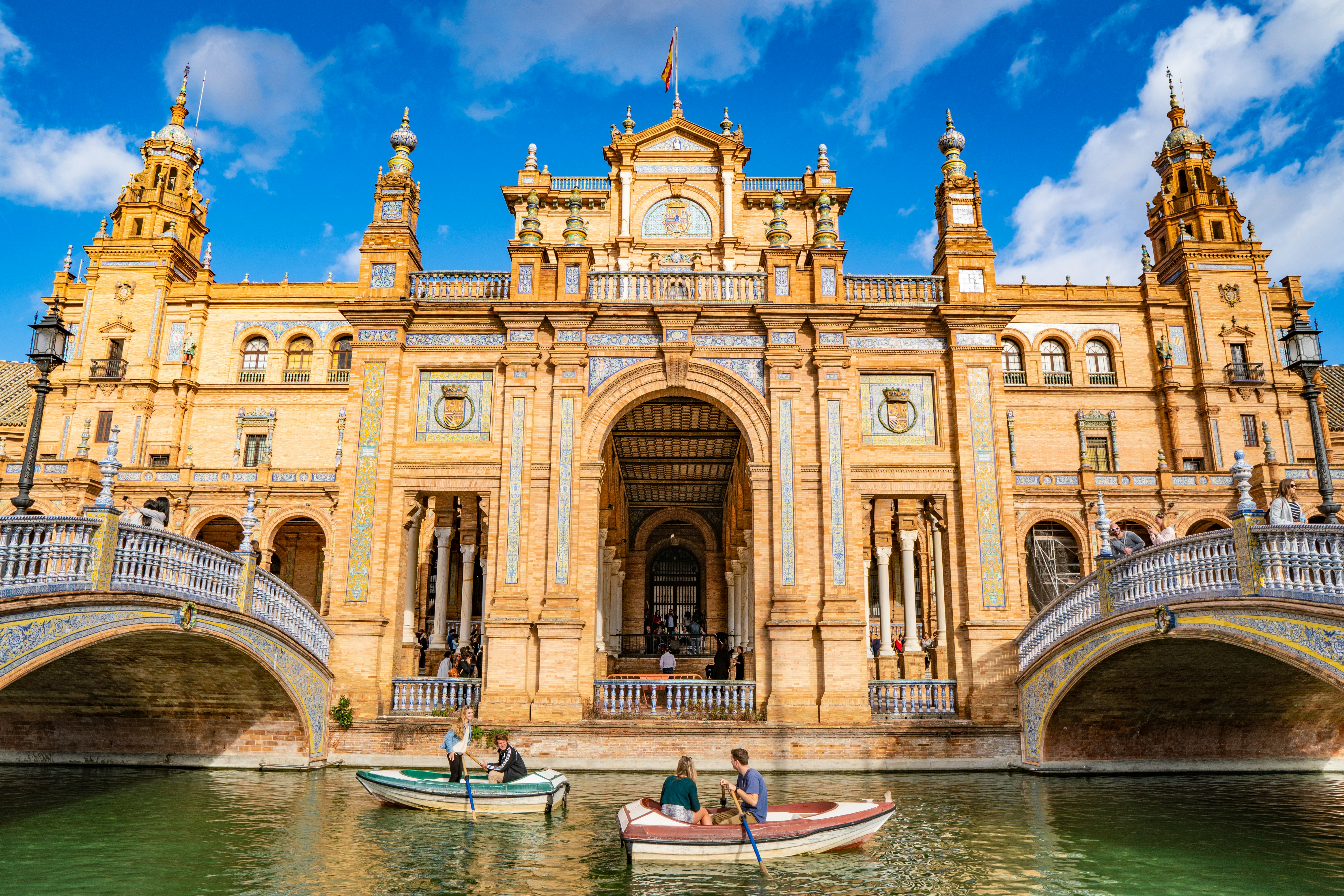
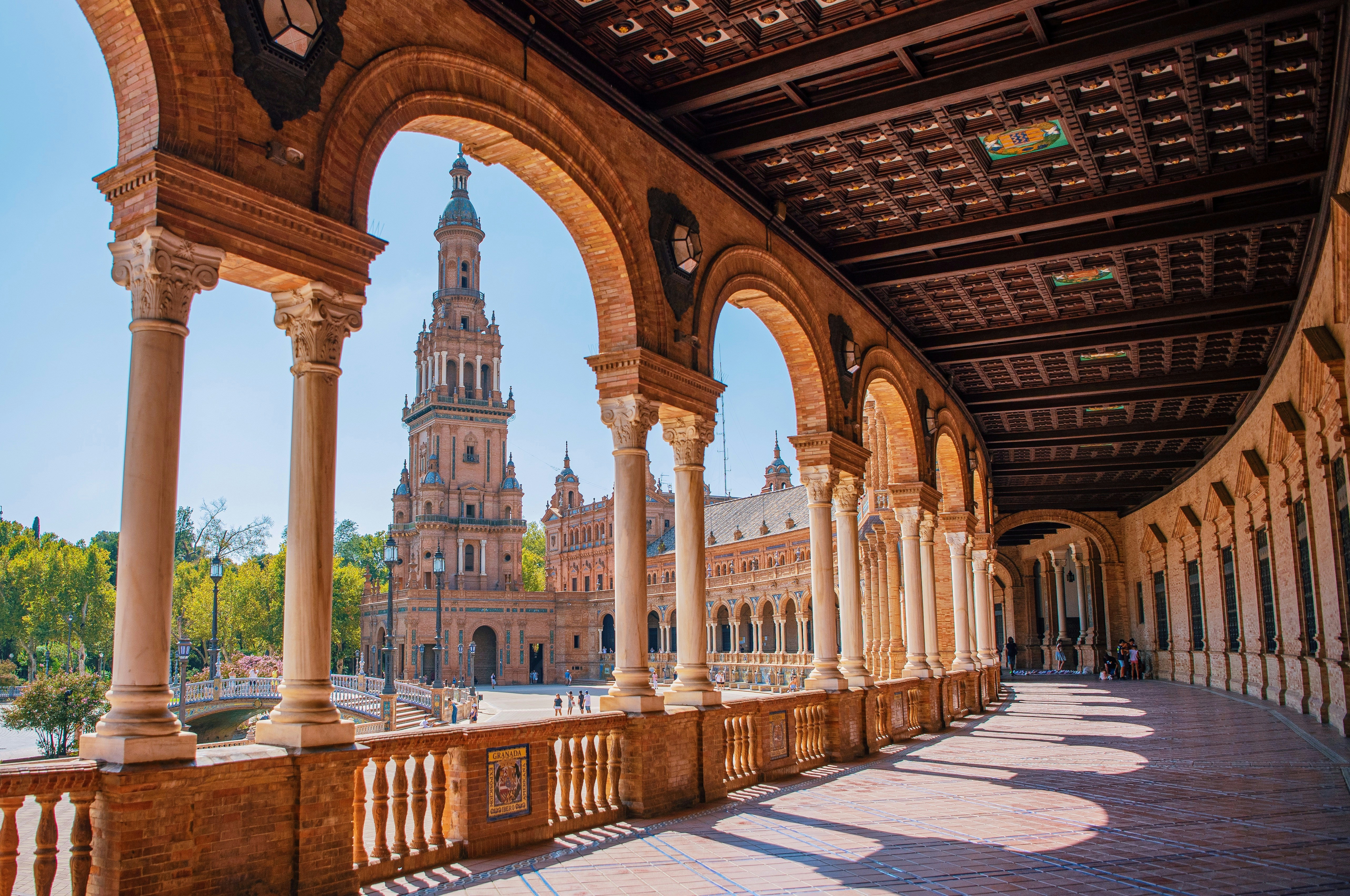
Whether you pronounce it Seville or Sevilla, this gorgeous Spanish town is most certainly the stuff of dreams. Over 2,200 years old, Seville has a mutli-layered personality; home to Flamenco, high temperatures and three UNESCO-World Heritage Sites, there is a noble ancestry to the southern Spanish town. Not forgetting that it is the birthplace of painter Diego Velazquez, the resting place of Christopher Columbus, the inspiration for Bizet’s Carmen and a location for Game of Thrones filming, Seville is truly more than just a sum of its parts. This city is a full on experience, a beguiling labyrinth of centuries old streets, tiny tapas restaurants serving possibly the best dishes you’ll taste south of Madrid and a paradise of Mudejar architecture and tranquil palm trees and fountain-filled gardens.

Aerial View Of Seville, Spain
Aerial View Of Seville, SpainPhoto by Taisia Karaseva
Plaza De España, Seville, Spain
Plaza De España, Seville, SpainPhoto by Taisia Karaseva
Seville, Spain
Seville, SpainPhoto by Alex
Laza De España, Avenida Isabel La Católica, Seville, Spain
Laza De España, Avenida Isabel La Católica, Seville, SpainPhoto by Taisia Karaseva
Seville, Spain
Seville, Spain
Seville, Spain
Seville, Spain
Placa Esapana, Seville
Placa Esapana, SevillePhoto by Shai Pal
Plaza De España, Seville, Spain
Plaza De España, Seville, SpainPhoto by Tânia Mousinho
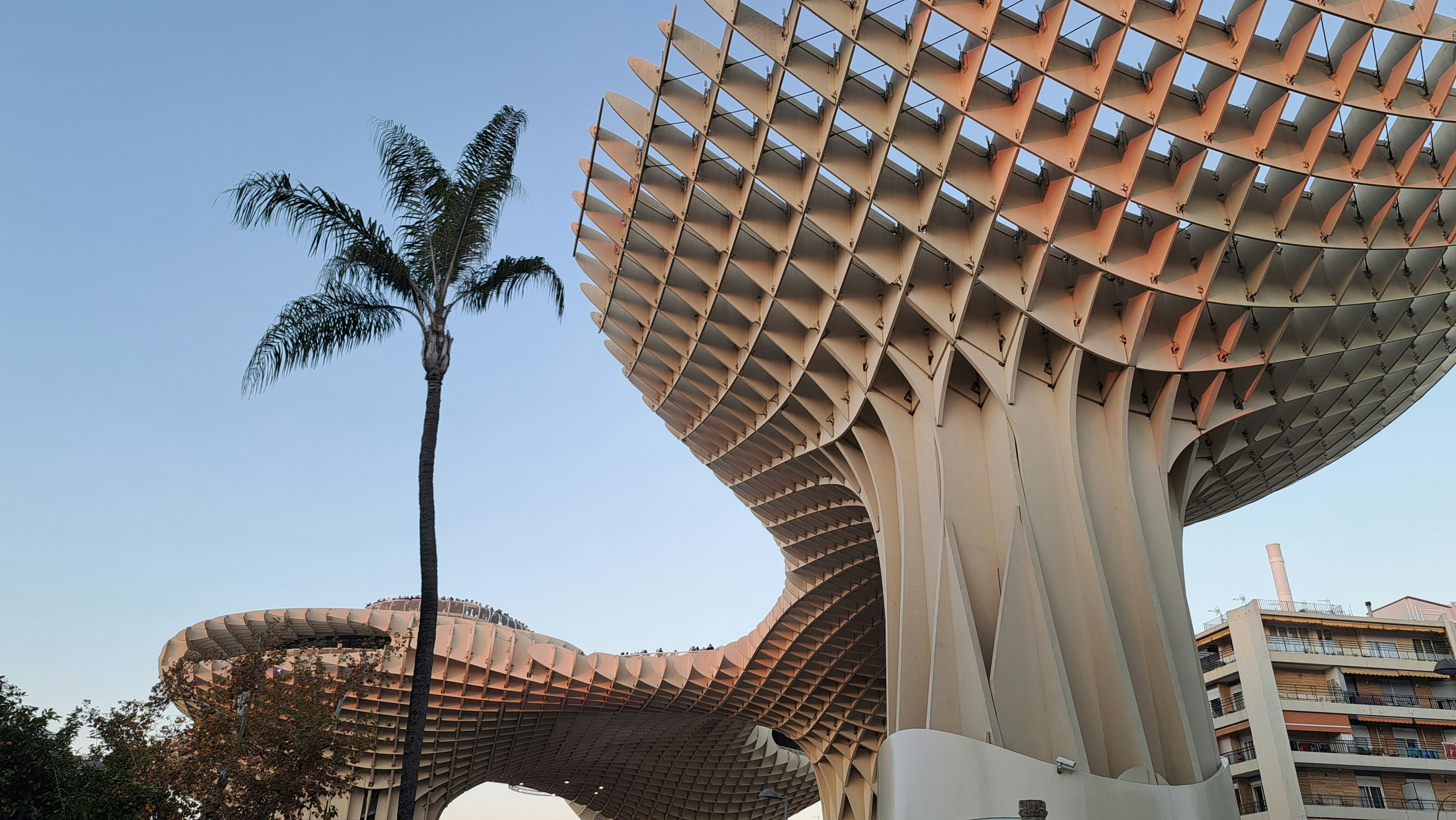
Las Setas, Sevilla
Las Setas, SevillaPhoto by Sergio Guardiola Herrador
Baths Of María Padilla In The Real Alcazar Palace In Seville
Baths Of María Padilla In The Real Alcazar Palace In SevillePhoto by Mick Haupt

Day 20 - Seville

Whether you pronounce it Seville or Sevilla, this gorgeous Spanish town is most certainly the stuff of dreams. Over 2,200 years old, Seville has a mutli-layered personality; home to Flamenco, high temperatures and three UNESCO-World Heritage Sites, there is a noble ancestry to the southern Spanish town. Not forgetting that it is the birthplace of painter Diego Velazquez, the resting place of Christopher Columbus, the inspiration for Bizet’s Carmen and a location for Game of Thrones filming, Seville is truly more than just a sum of its parts. This city is a full on experience, a beguiling labyrinth of centuries old streets, tiny tapas restaurants serving possibly the best dishes you’ll taste south of Madrid and a paradise of Mudejar architecture and tranquil palm trees and fountain-filled gardens.

Aerial View Of Seville, Spain
Aerial View Of Seville, SpainPhoto by Taisia Karaseva
Plaza De España, Seville, Spain
Plaza De España, Seville, SpainPhoto by Taisia Karaseva
Seville, Spain
Seville, SpainPhoto by Alex
Laza De España, Avenida Isabel La Católica, Seville, Spain
Laza De España, Avenida Isabel La Católica, Seville, SpainPhoto by Taisia Karaseva
Seville, Spain
Seville, Spain
Seville, Spain
Seville, Spain
Placa Esapana, Seville
Placa Esapana, SevillePhoto by Shai Pal
Plaza De España, Seville, Spain
Plaza De España, Seville, SpainPhoto by Tânia Mousinho
Las Setas, Sevilla
Las Setas, SevillaPhoto by Sergio Guardiola Herrador
Baths Of María Padilla In The Real Alcazar Palace In Seville
Baths Of María Padilla In The Real Alcazar Palace In SevillePhoto by Mick Haupt

Suites & Deck Plans

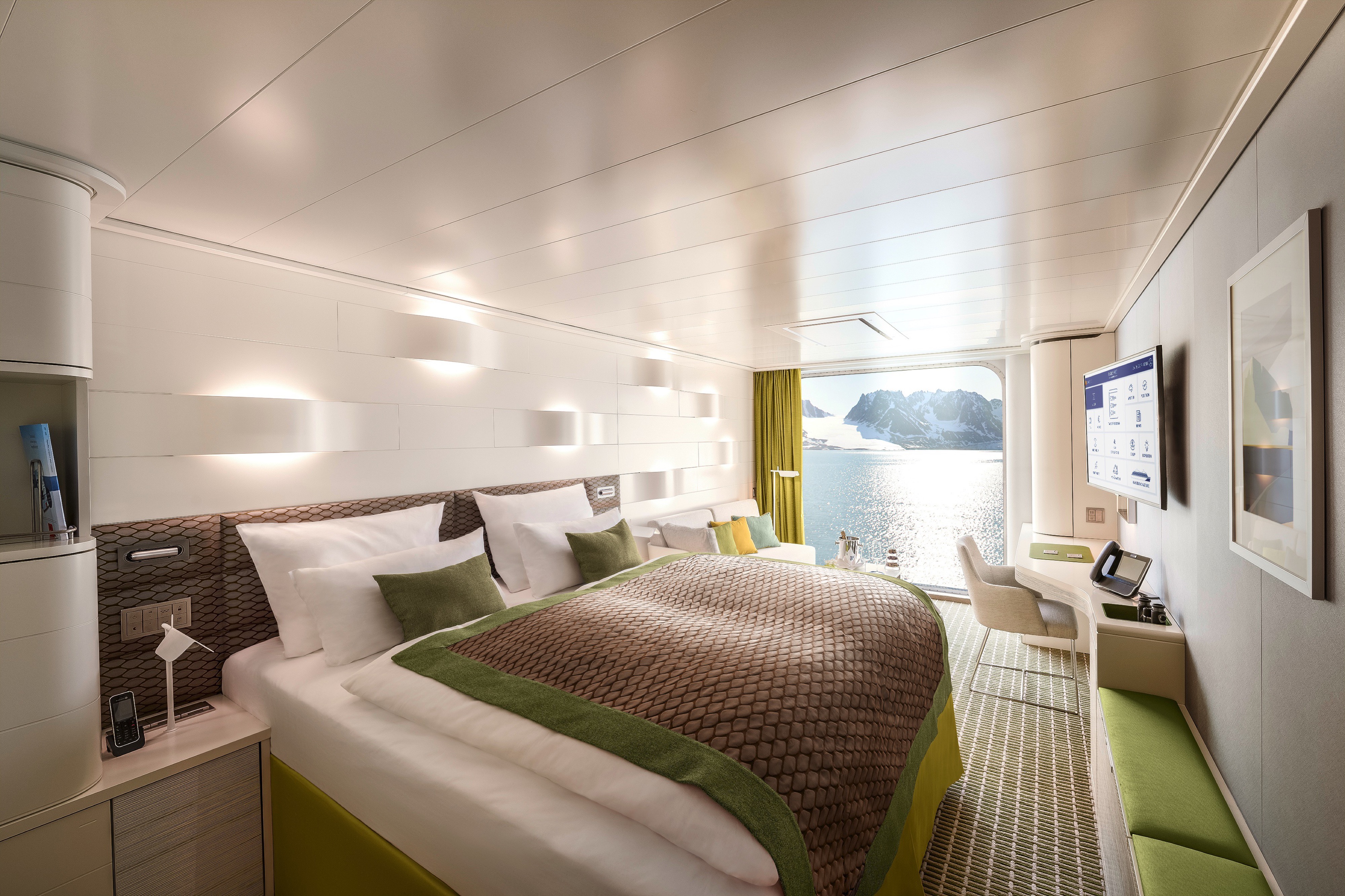
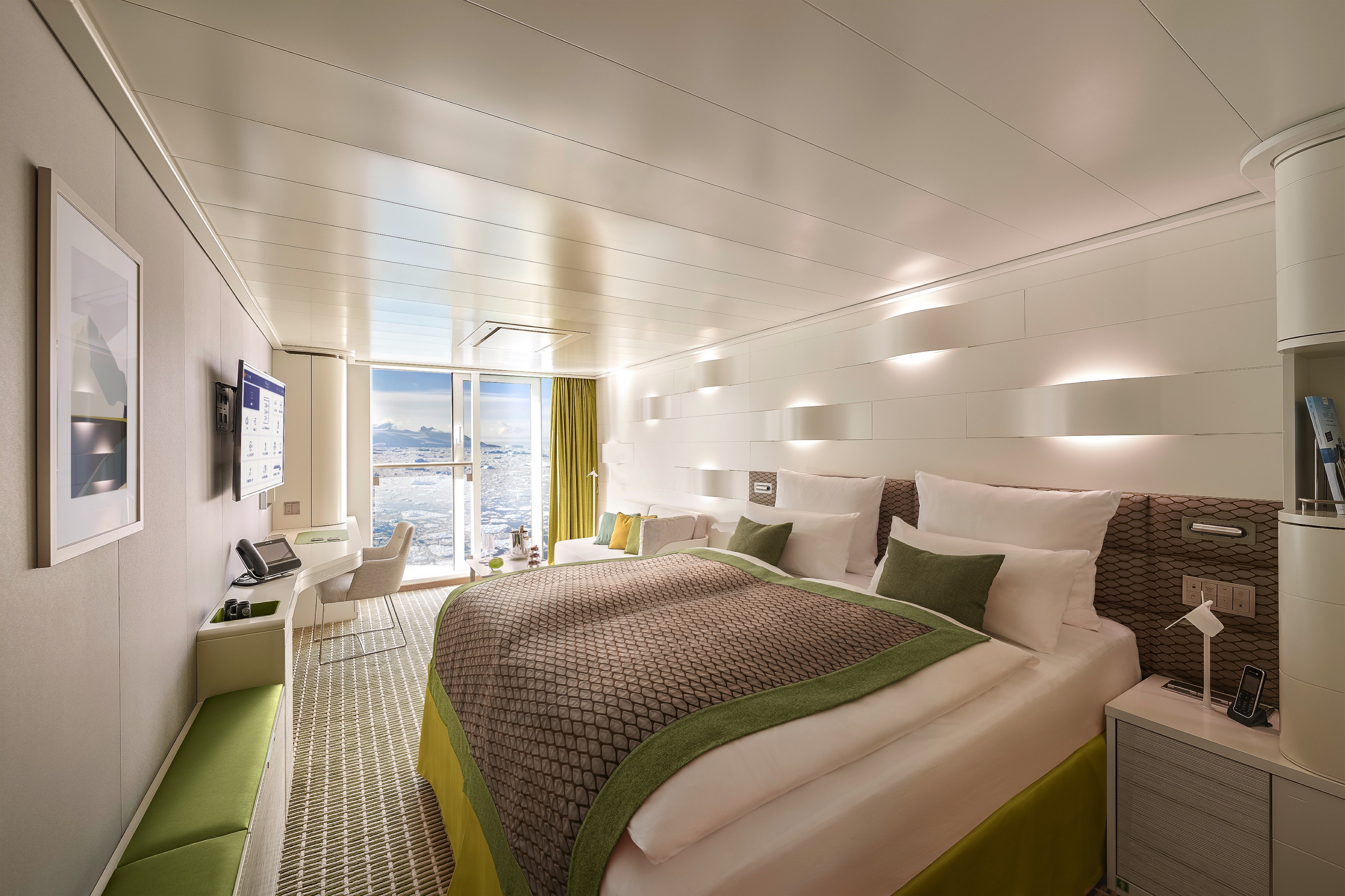
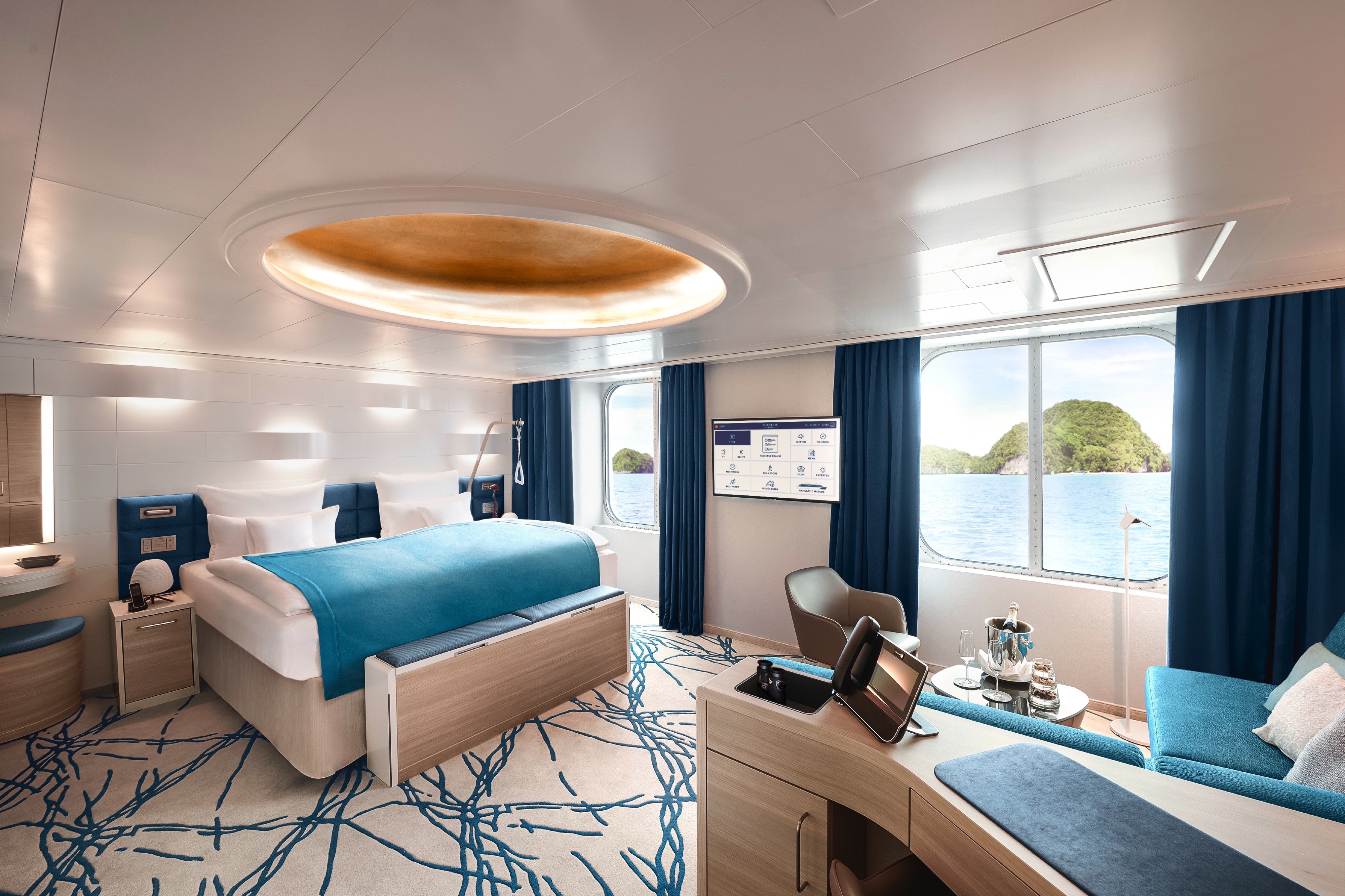
Suite

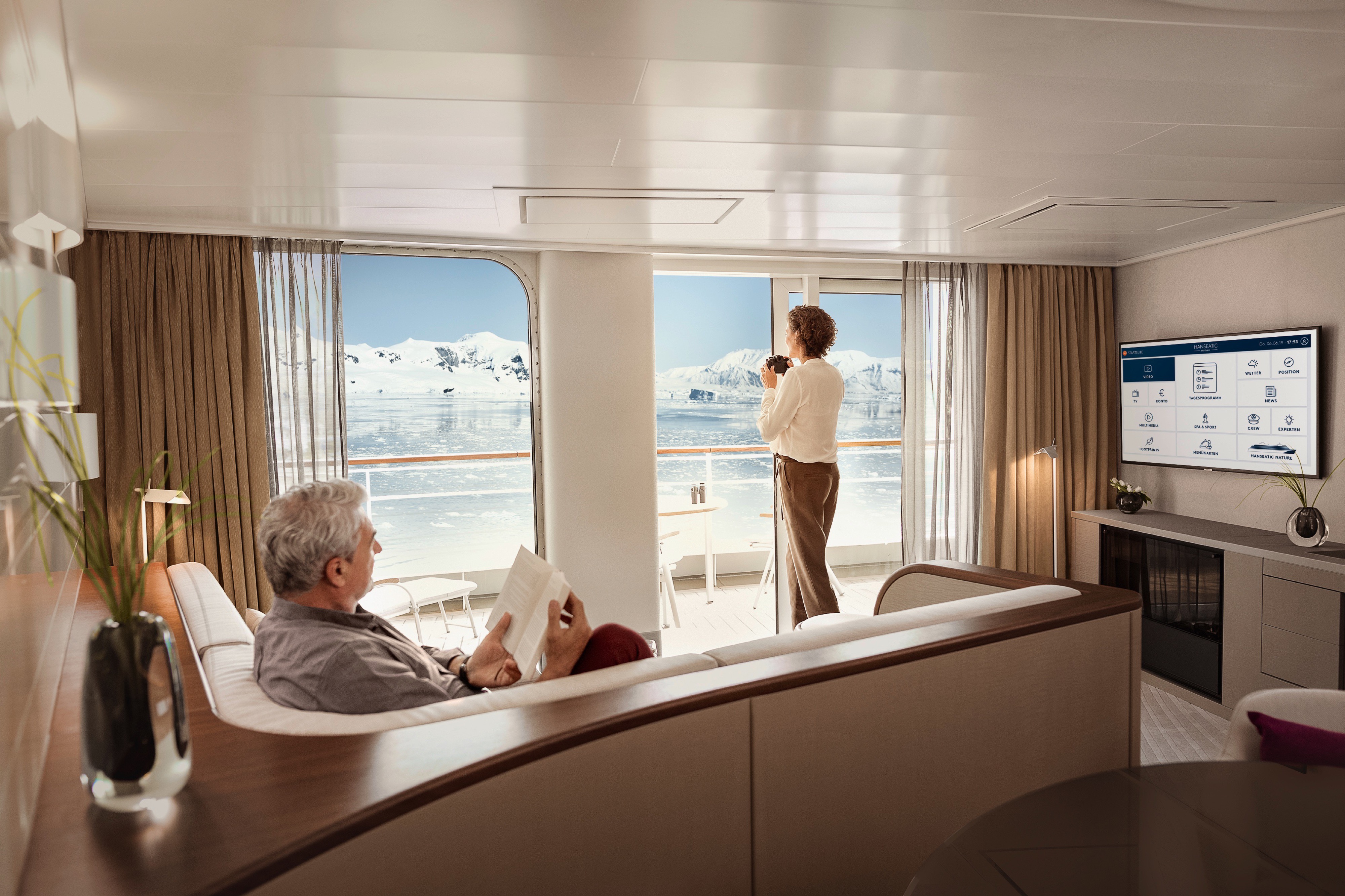
  • Separate living/sleeping area
  • Separate dining area
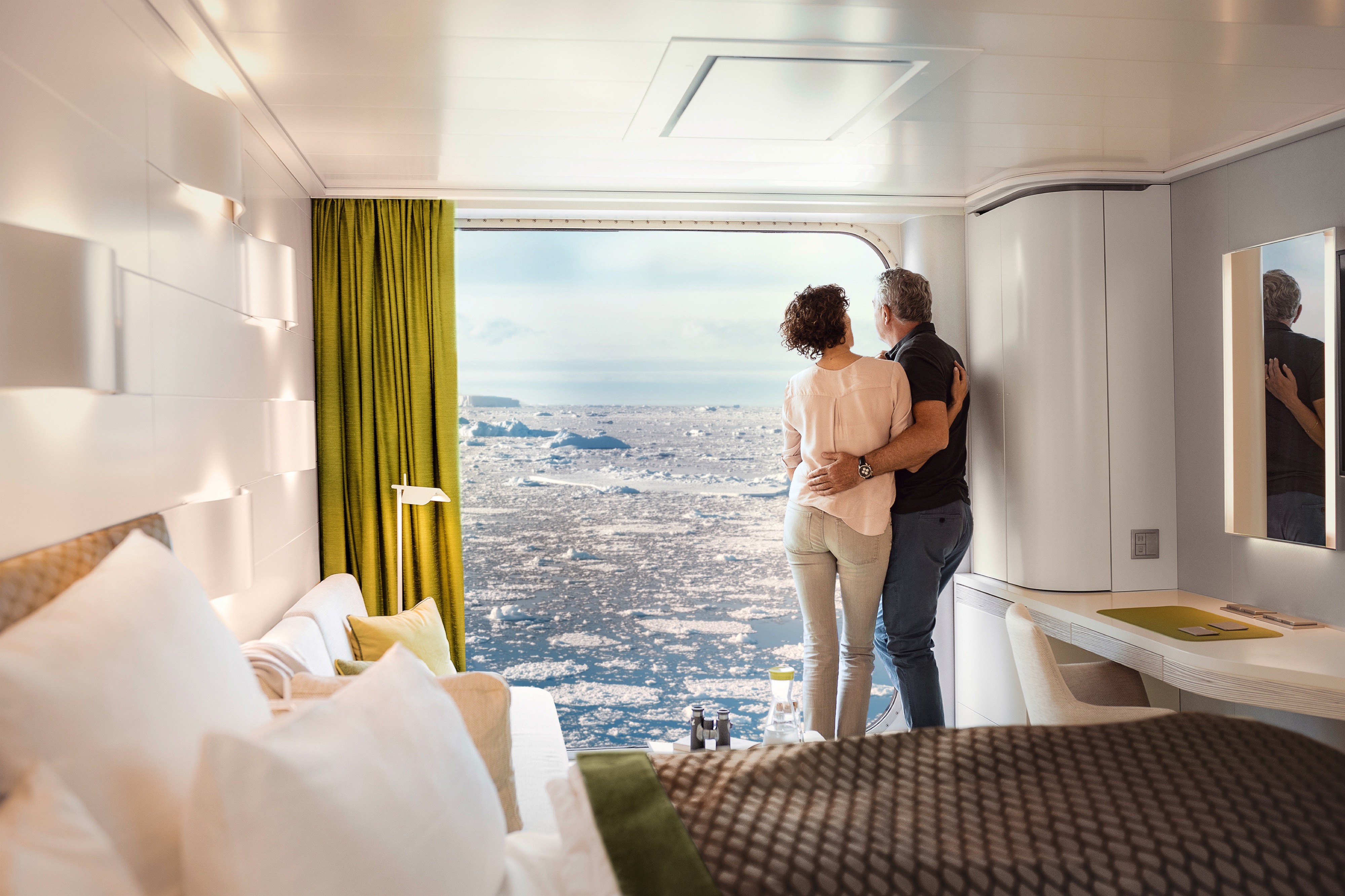
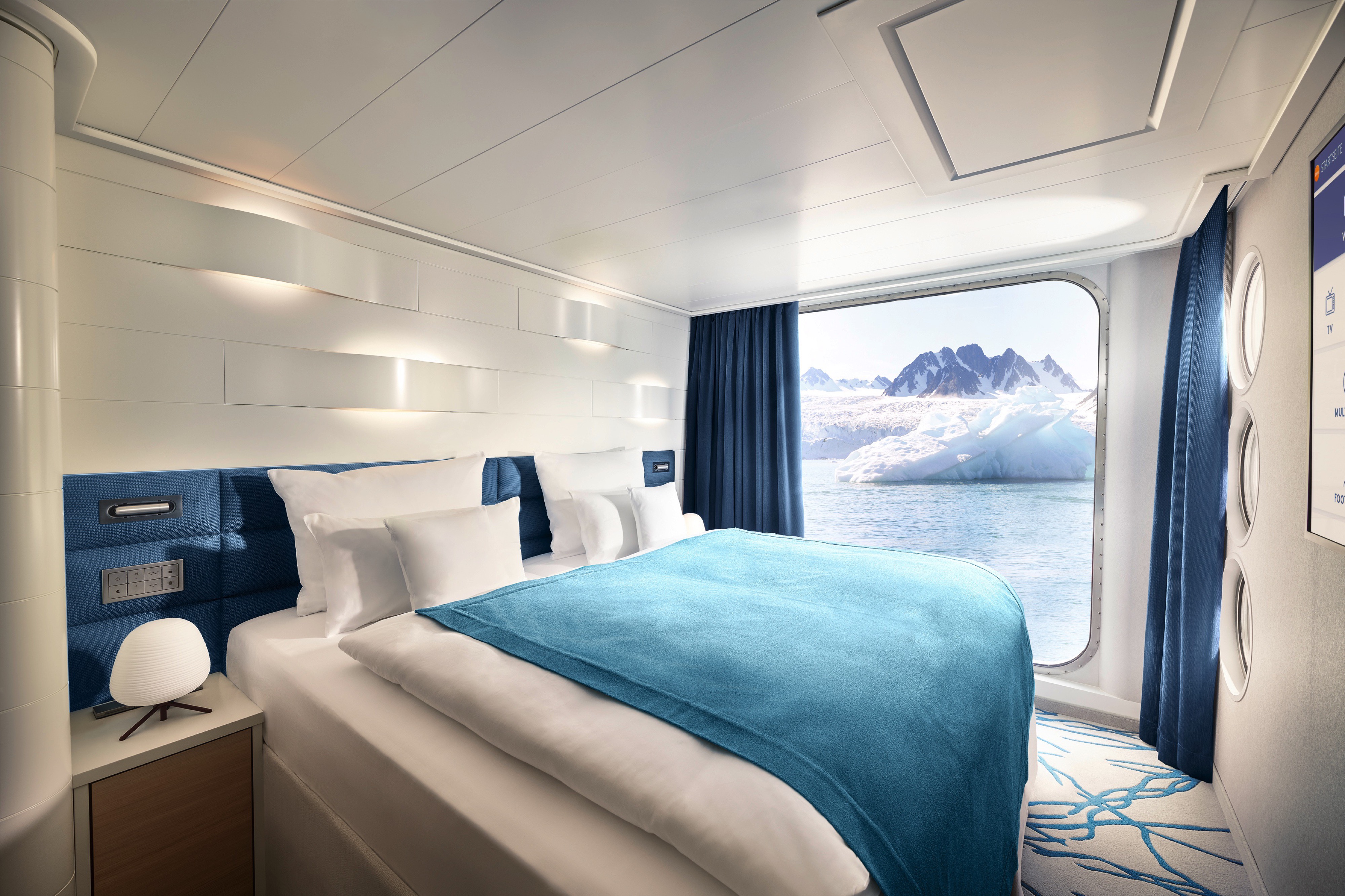
  • Sleeping area with panoramic view
  • Separable beds
  • TV in living and sleeping areas
  • Veranda with space heaters
  • Daylight bathroom with two sinks, free-standing bath, rain shower and veranda access
  • Steam sauna in shower area
  • Heated wall in bathroom (e.g. for towels and wet parkas)
  • Separate toilet
  • Free mini bar
  • Coffee machine
  • Extensive infotainment with live broadcast and recordings of expert presentations, forward-view camera, navigation chart, films and much more
  • Binoculars in the cabin
  • Nordic walking poles
  • 24-hour cabin service
  • Butler service
  • Table reservation in main restaurant
  • Free use of Wi-Fi

764 sq ft
Accommodates 3 guests
Grand Suite

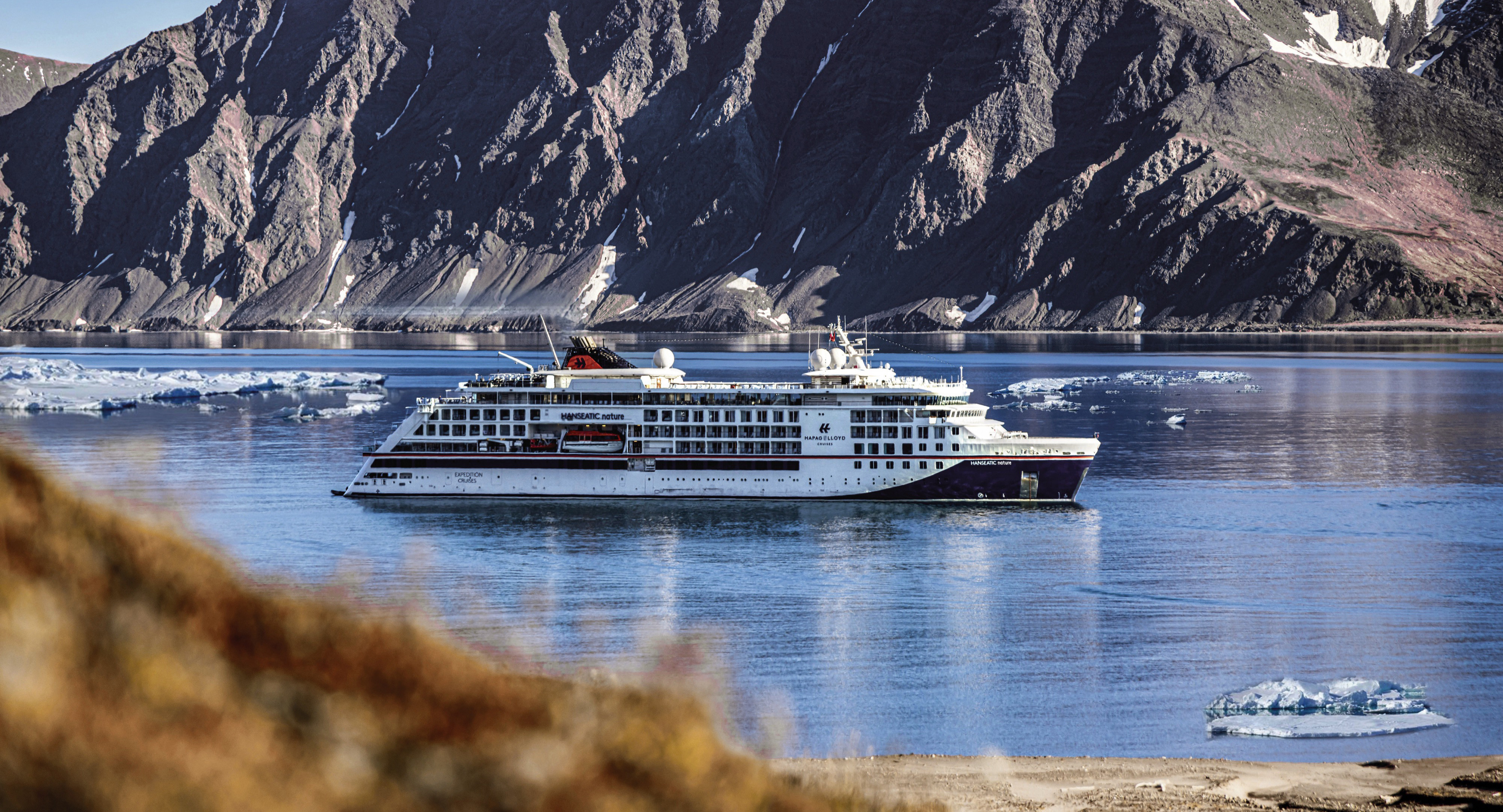
HANSEATIC nature

HANSEATIC nature

Life on board

The Onboard Experience

Client testimonials

I have worked with Lore Doick for more than 20 years, and she has booked over 30 cruises for me. Her expertise, care, and attention to every travel detail have made her an invaluable advisor and friend over the years.”

Tina B.

We are now in our second generation working with Cheri Ozimac at Tully Luxury Travel. From Antarctica to Greece, she has handled every detail with expertise, responsiveness, and care…

Earl M.

My wife and I have worked with Tully since 2007, and Kit Neil and her team went far beyond expectations while helping us navigate multiple cruise and flight cancellations. Their advocacy, care, and support during a difficult time were extraordinary.

Carri F.

Cheri Ozimac organized our Seabourn cruise flawlessly, from the hotel recommendation to every travel arrangement. She was responsive, attentive, and an excellent advocate throughout the process…

Cyn S.

We discovered Tully Luxury Travel after years of booking cruises through US agents and were impressed by their competitive pricing, exceptional service, and Canadian based support. Their team is always available, offers excellent value, and makes booking the right cruise seamless.

Peter C.

GoogleAverage Customer Rating:

The Tully Difference

Why travel with us


Tully Luxury Travel was built on access, discretion, and trust. For our clients, that means ease at every step, with distinctions that turn exceptional voyages into defining moments.

Recognized expertise

A renowned agency worldwide in luxury land and small-ship cruising, consistently trusted by the industry’s most prestigious brands.