Hapag-Lloyd Cruises logo

Expedition South America With Panama Canal: Up Close With Lush Nature

Itinerary: Colón, Panama Canal Transit, San Miguel Bay, Punta Alegre, Pearl Islands, Utría National Park, At Sea, Isla de la Plata, Paita, Callao, Paracas, Iquique, Isla Pan de Azúcar, Valparaiso See full itinerary

26 Oct 28
19 nights

Voyage Details

Duration:
19 nights
Departure:
26 Oct 2028
Embarkation:
Colón, Panama
Voyage code:
INS2819

Your Itinerary, Day-By-Day

Special Chapters of Your Journey

Day 1 - Colón

The provincial capital of Colón, beside the canal's Atlantic entrance, is named for the Spanish-language surname of Christopher Columbus, though the Americans called it Aspinwall in the 19th century.. The city was founded in 1850 by Americans working on the Panama railroad and named Aspinwall for one of the railway engineers. Following completion in 1855, Colon gained in importance, which was furthered by the plans for an isthmian canal. During the time of the French canal attempt, a fire in 1885 burned the city nearly to the ground and left thousands of people homeless. Colon was rebuilt in the architectural style then popular in France. Buildings from that era plus the ones constructed by Americans between 1904 and 1914 are still in use today, although the majority is on the verge of collapse. In addition to its importance as a port, Colon boasts the world’s second largest duty-free zone, known as Zona Libre, which is contained in a huge fortress like, walled-off area with giant international stores. However, most of the merchandise is sold in bulk to commercial businesses throughout the country.
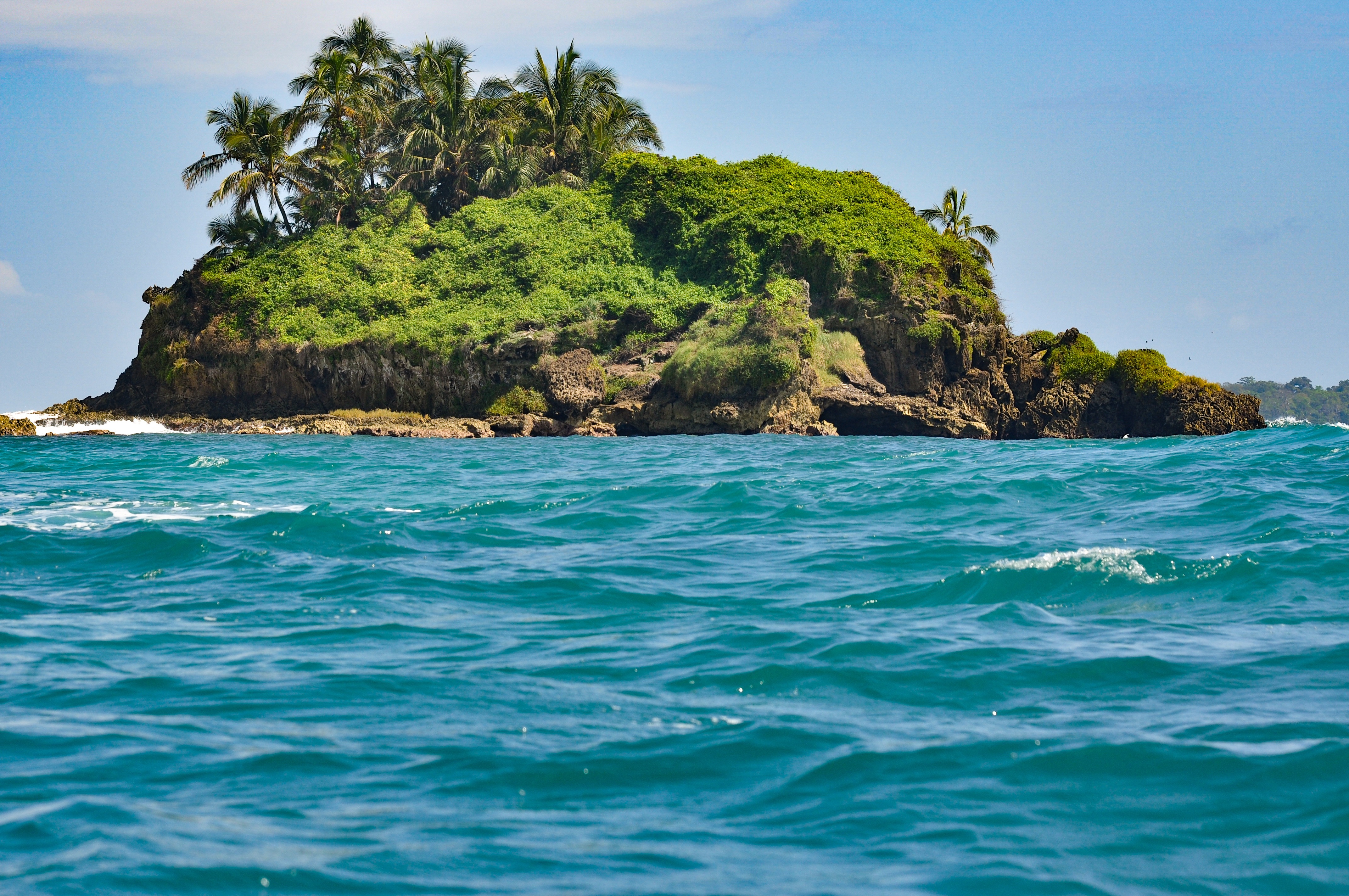
Small Island Off Colon, Panama
Small Island Off Colon, PanamaImage by Geralbe from Pixabay

Day 2 - Panama Canal Transit

Further details for this day are not available.

Day 3 - San Miguel Bay, Punta Alegre

Further details for this day are not available.

Day 4 - Pearl Islands

Further details for this day are not available.

Pearl Islands
Pearl IslandsImage by Pexels from Pixabay

Day 5 - Utría National Park

The Utria National Park, located on Colombia’s Pacific Coast, is set in one of the most beautiful and unique natural settings of the country. It is a natural landmark of Colombia with striking thick rainforest, endless beaches, lush mangroves and steep mountains. During the breeding season, humpback whales raise their new-borns in the coastal waters. The park is a biodiversity “hot spot”, with a huge diversity of wildlife including monkeys, frogs, and more than 400 species of birds.

Day 6 - At Sea

Further details for this day are not available.

Day 7 - Isla de la Plata

Isla de la Plata translates to ‘Island of Silver’, and the name was derived from the legend of swashbuckling pirate Sir Francis Drake’s buried silver treasure. The popular legend states that in the 16th century, hundreds of tons of silver and gold were never fully recovered and are still hidden on the island. The island was privately owned until 1979, when it was declared part of Ecuador’s Machalilla National Park. Best known for its fauna, which is amazingly similar to that of the Galapagos Islands, Isla de la Plata is a delightful place for birding, photography and long nature walks. Although just south of the equator, the influences of the colder Humboldt Current bring nutrient-rich water as far north as Isla de la Plata.

Day 8 - Paita

Further details for this day are not available.

Day 12 - Callao

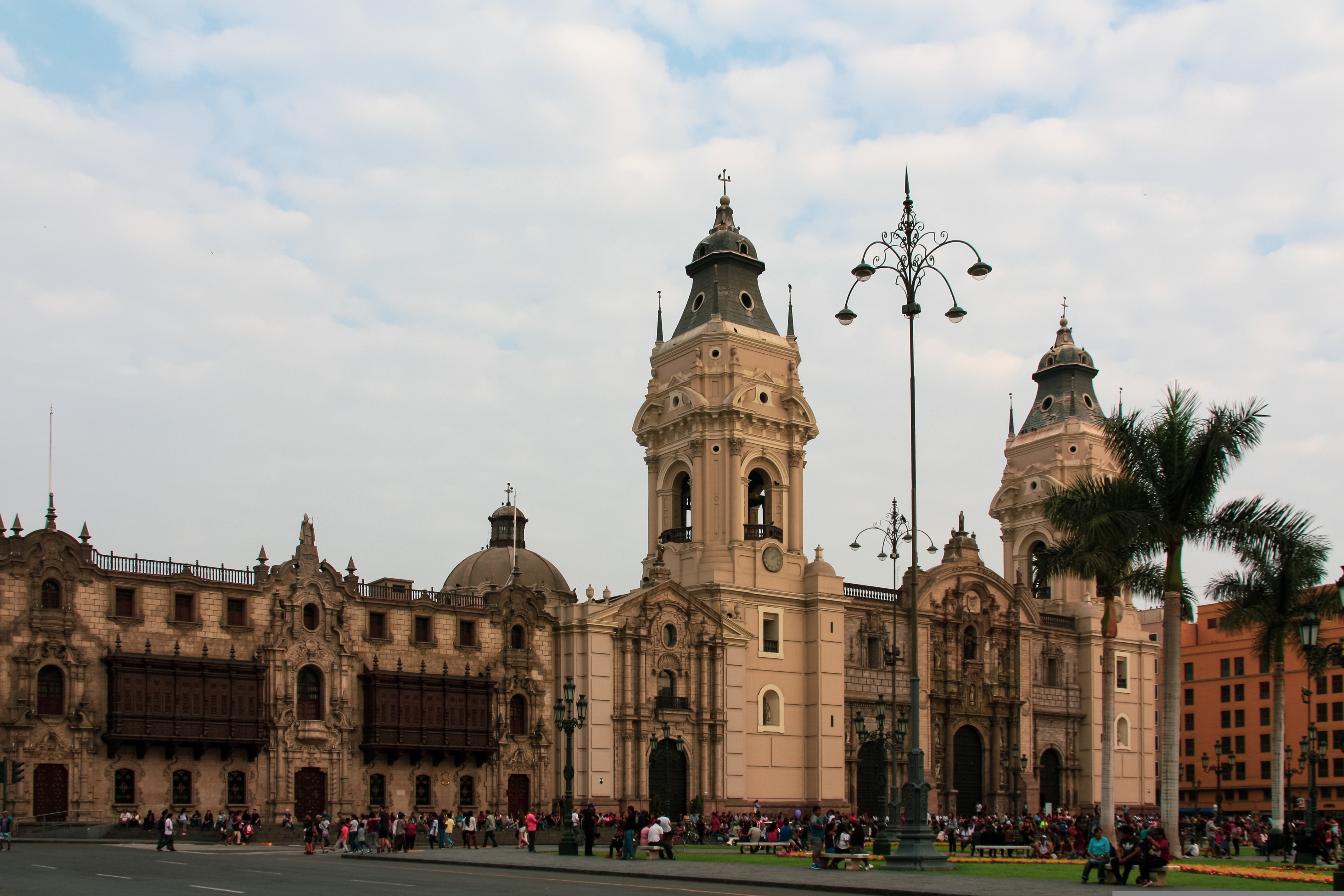
When people discuss great South American cities, Lima is often overlooked. But Peru's capital can hold its own against its neighbors. It has an oceanfront setting, colonial-era splendor, sophisticated dining, and nonstop nightlife.It's true that the city—clogged with traffic and choked with fumes—doesn't make a good first impression, especially since the airport is in an industrial neighborhood. But wander around the regal edifices surrounding the Plaza de Armas, among the gnarled olive trees of San Isidro's Parque El Olivar, or along the winding lanes in the coastal community of Barranco, and you'll find yourself charmed.In 1535 Francisco Pizarro found the perfect place for the capital of Spain's colonial empire. On a natural port, the so-called Ciudad de los Reyes (City of Kings) allowed Spain to ship home all the gold the conquistador plundered from the Inca. Lima served as the capital of Spain's South American empire for 300 years, and it's safe to say that no other colonial city enjoyed such power and prestige during this period.When Peru declared its independence from Spain in 1821, the declaration was read in the square that Pizarro had so carefully designed. Many of the colonial-era buildings around the Plaza de Armas are standing today. Walk a few blocks in any direction for churches and elegant houses that reveal just how wealthy this city once was. But the poor state of most buildings attests to the fact that the country's wealthy families have moved to neighborhoods to the south over the past century.The walls that surrounded the city were demolished in 1870, making way for unprecedented growth. A former hacienda became the graceful residential neighborhood of San Isidro. In the early 1920s the construction of tree-lined Avenida Arequipa heralded the development of neighborhoods such as bustling Miraflores and bohemian Barranco.Almost a third of the country's population of 29 million lives in the metropolitan area, many of them in relatively poor conos: newer neighborhoods on the outskirts of the city. Most residents of those neighborhoods moved there from mountain villages during the political violence and poverty that marked the 1980s and ’90s, when crime increased dramatically. During the past decade the country has enjoyed peace and steady economic growth, which have been accompanied by many improvements and refurbishment in the city. Residents who used to steer clear of the historic center now stroll along its streets. And many travelers who once would have avoided the city altogether now plan to spend a day here and end up staying two or three.

Callao, Port Of Lima
Callao, Port Of LimaImage by Patricia van den Berg from Pixabay

Day 13 - Callao

When people discuss great South American cities, Lima is often overlooked. But Peru's capital can hold its own against its neighbors. It has an oceanfront setting, colonial-era splendor, sophisticated dining, and nonstop nightlife.It's true that the city—clogged with traffic and choked with fumes—doesn't make a good first impression, especially since the airport is in an industrial neighborhood. But wander around the regal edifices surrounding the Plaza de Armas, among the gnarled olive trees of San Isidro's Parque El Olivar, or along the winding lanes in the coastal community of Barranco, and you'll find yourself charmed.In 1535 Francisco Pizarro found the perfect place for the capital of Spain's colonial empire. On a natural port, the so-called Ciudad de los Reyes (City of Kings) allowed Spain to ship home all the gold the conquistador plundered from the Inca. Lima served as the capital of Spain's South American empire for 300 years, and it's safe to say that no other colonial city enjoyed such power and prestige during this period.When Peru declared its independence from Spain in 1821, the declaration was read in the square that Pizarro had so carefully designed. Many of the colonial-era buildings around the Plaza de Armas are standing today. Walk a few blocks in any direction for churches and elegant houses that reveal just how wealthy this city once was. But the poor state of most buildings attests to the fact that the country's wealthy families have moved to neighborhoods to the south over the past century.The walls that surrounded the city were demolished in 1870, making way for unprecedented growth. A former hacienda became the graceful residential neighborhood of San Isidro. In the early 1920s the construction of tree-lined Avenida Arequipa heralded the development of neighborhoods such as bustling Miraflores and bohemian Barranco.Almost a third of the country's population of 29 million lives in the metropolitan area, many of them in relatively poor conos: newer neighborhoods on the outskirts of the city. Most residents of those neighborhoods moved there from mountain villages during the political violence and poverty that marked the 1980s and ’90s, when crime increased dramatically. During the past decade the country has enjoyed peace and steady economic growth, which have been accompanied by many improvements and refurbishment in the city. Residents who used to steer clear of the historic center now stroll along its streets. And many travelers who once would have avoided the city altogether now plan to spend a day here and end up staying two or three.

Callao, Port Of Lima
Callao, Port Of LimaImage by Patricia van den Berg from Pixabay

Day 14 - Paracas

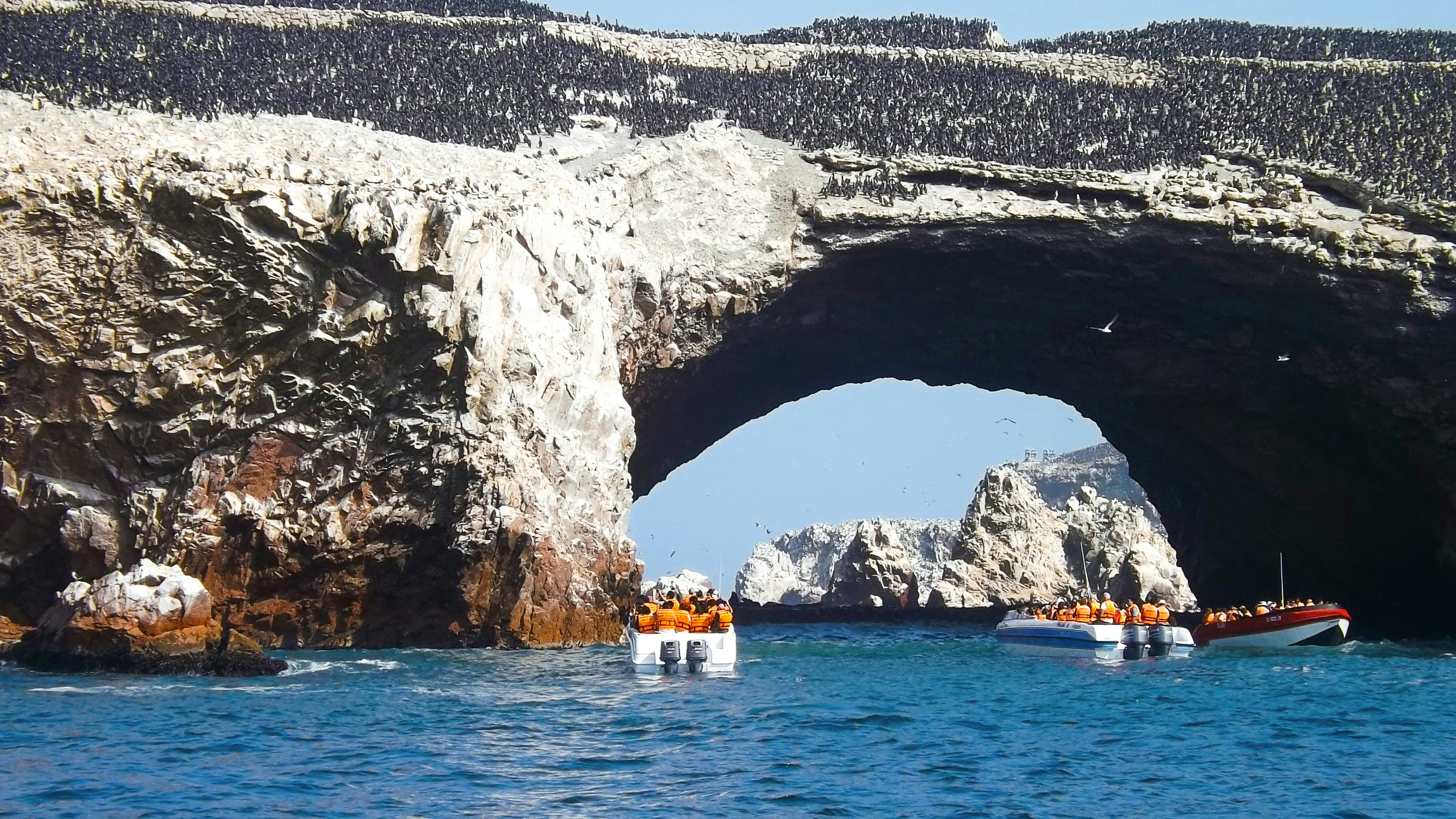
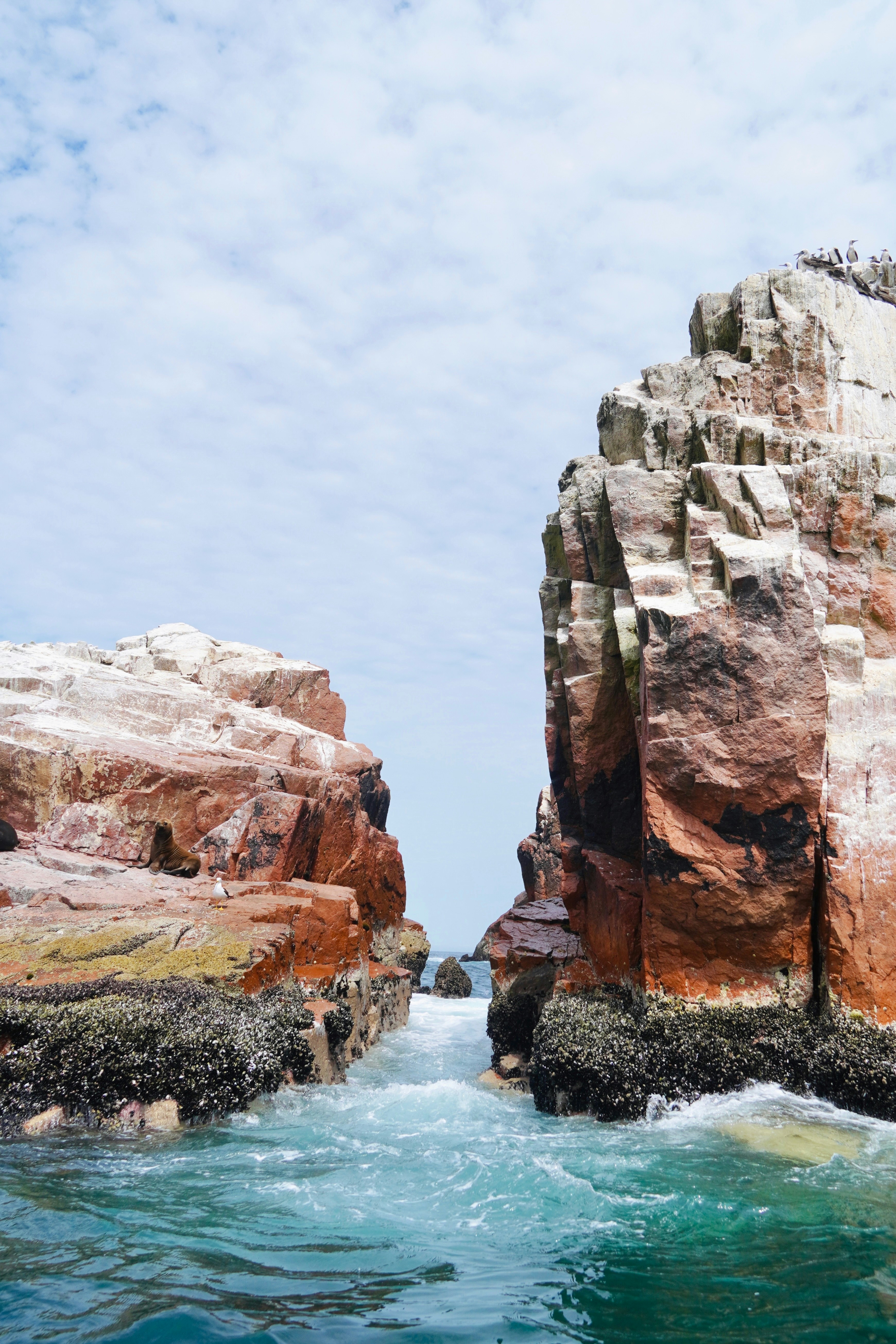
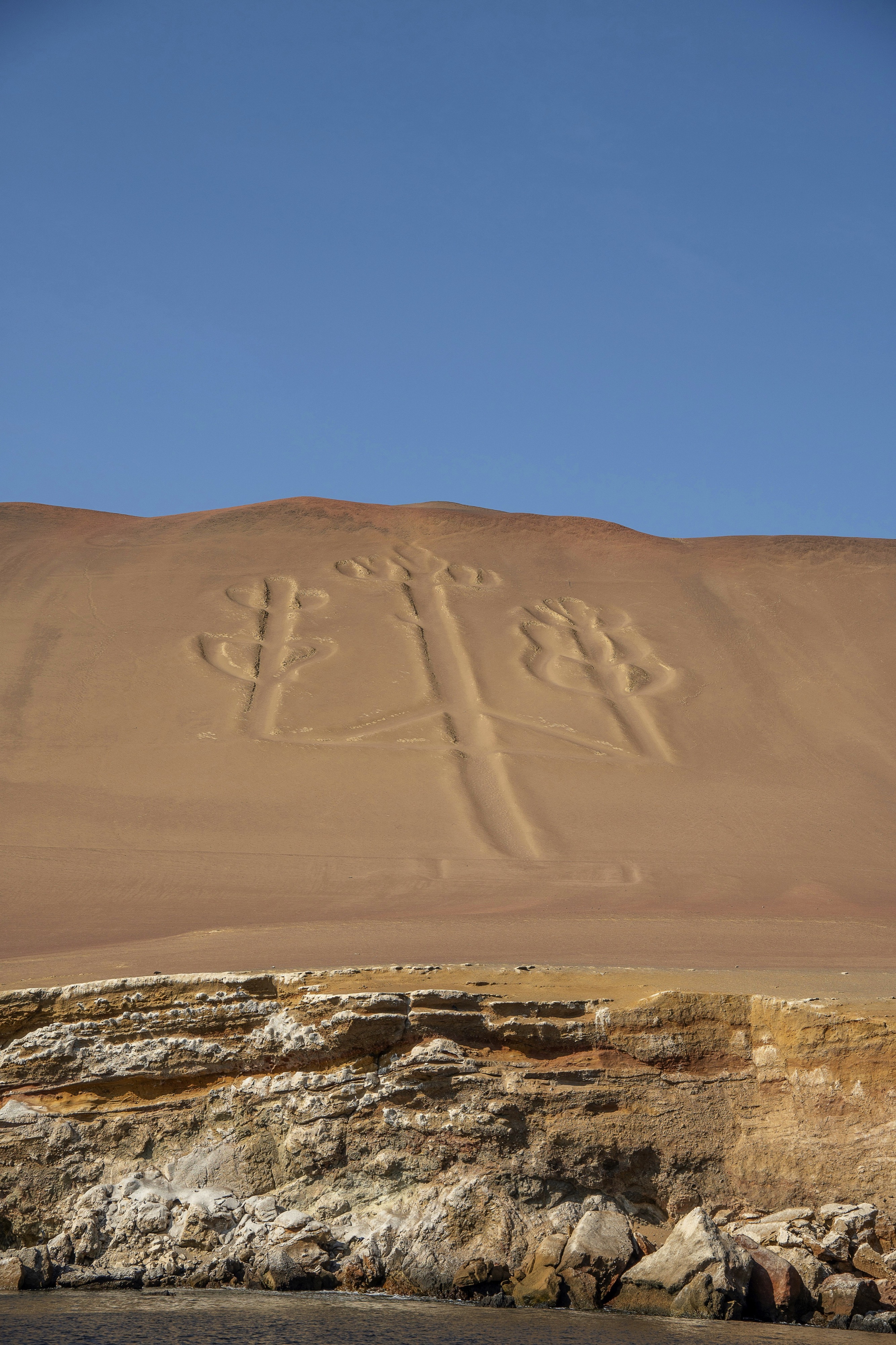
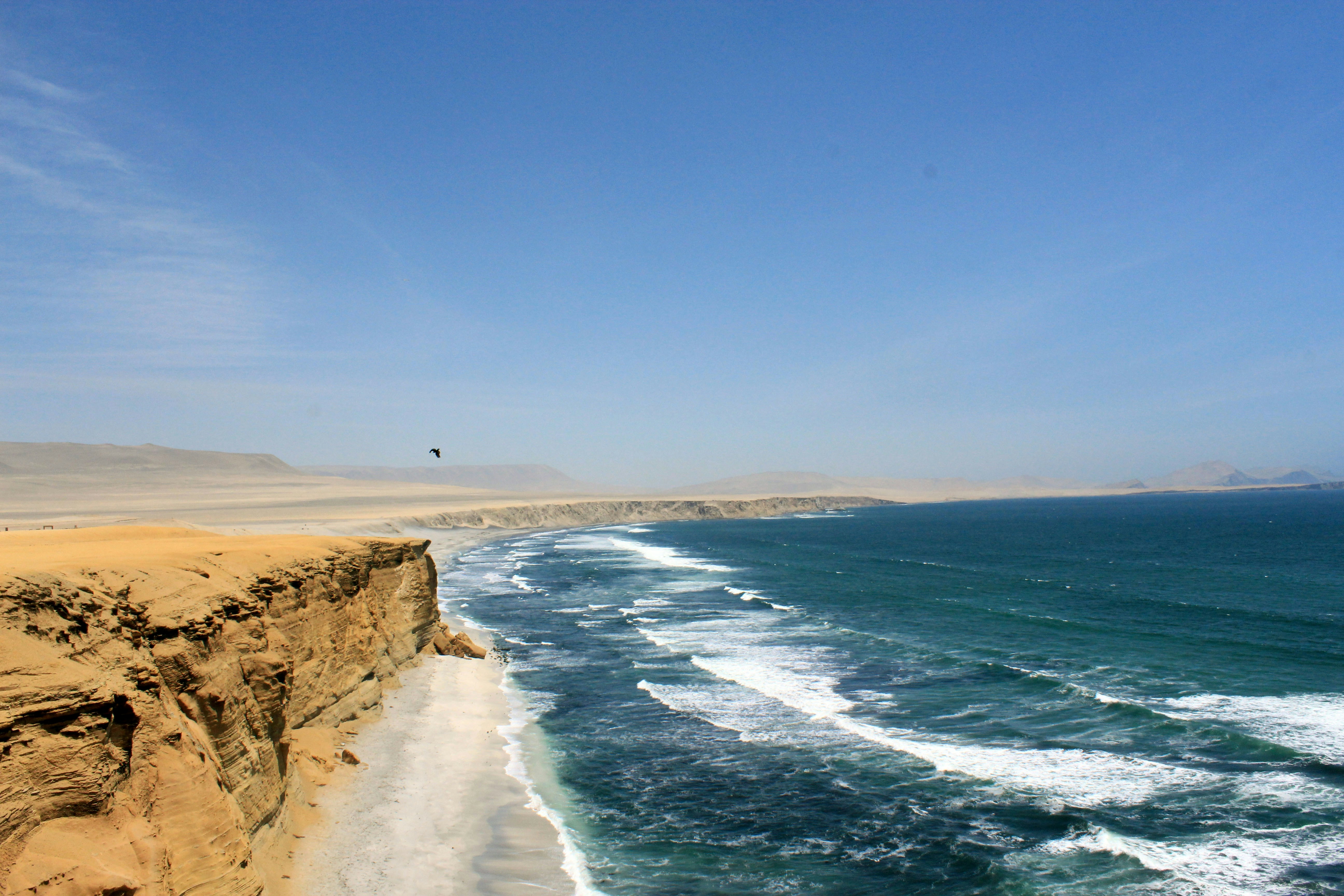
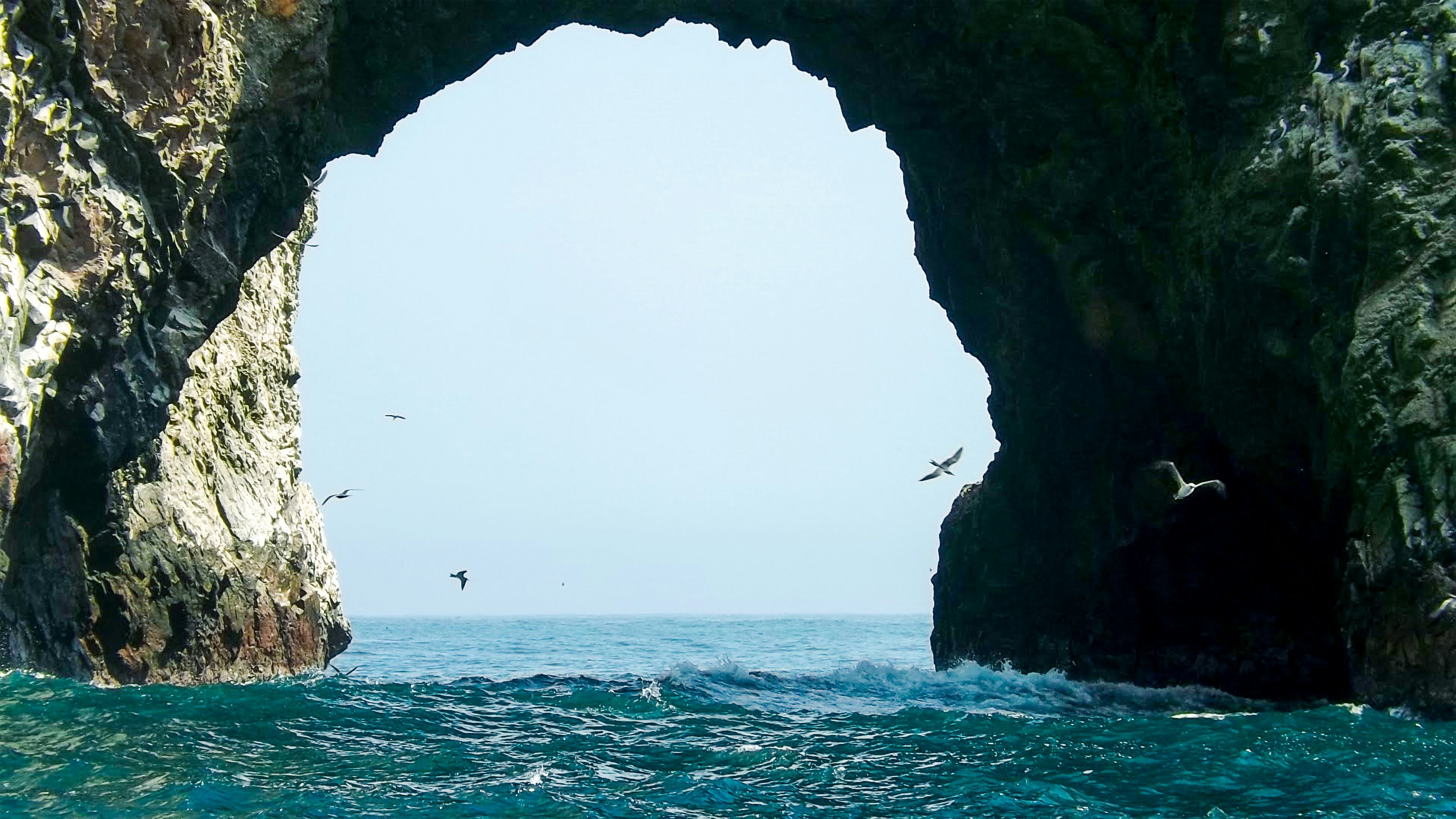
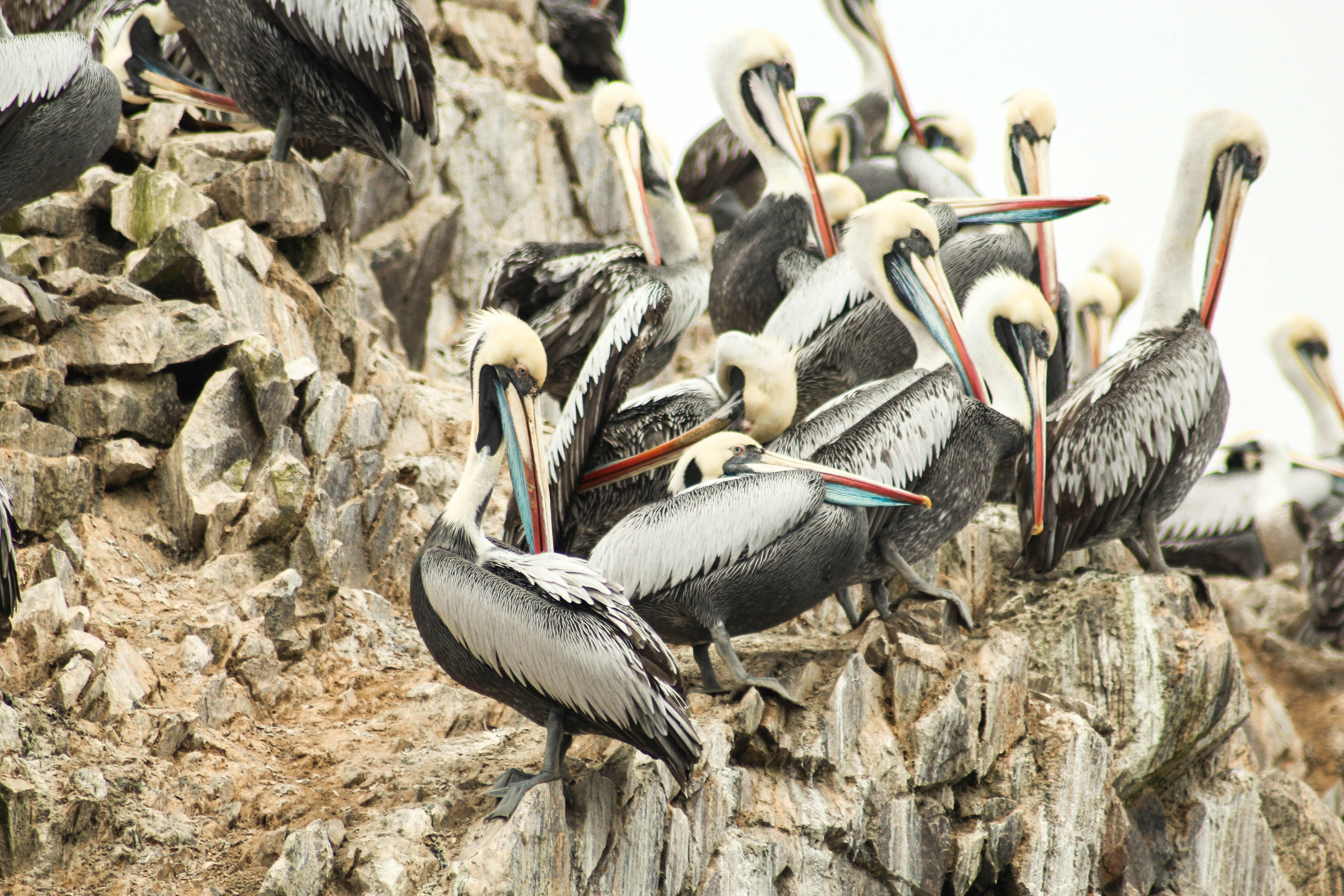
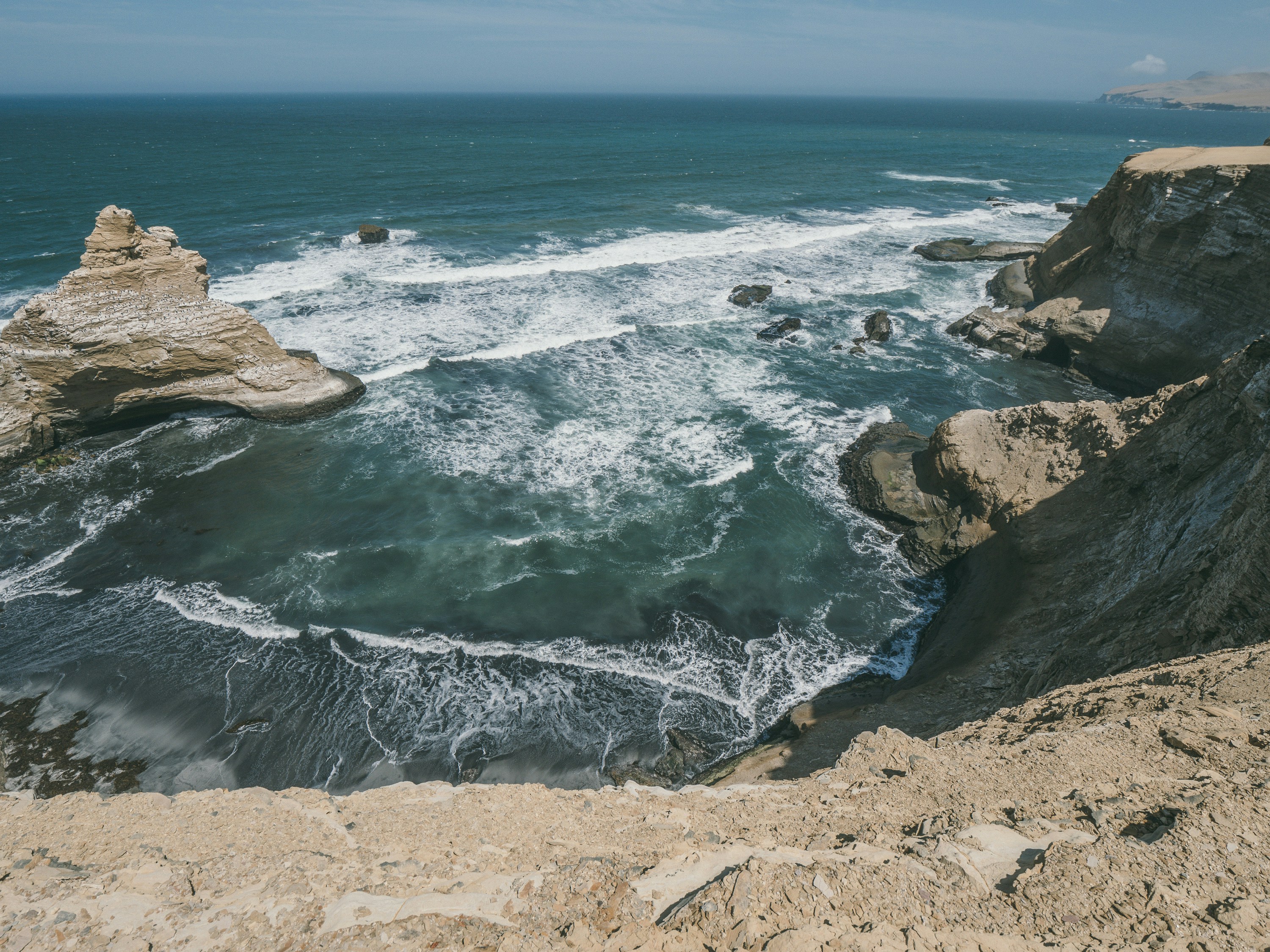
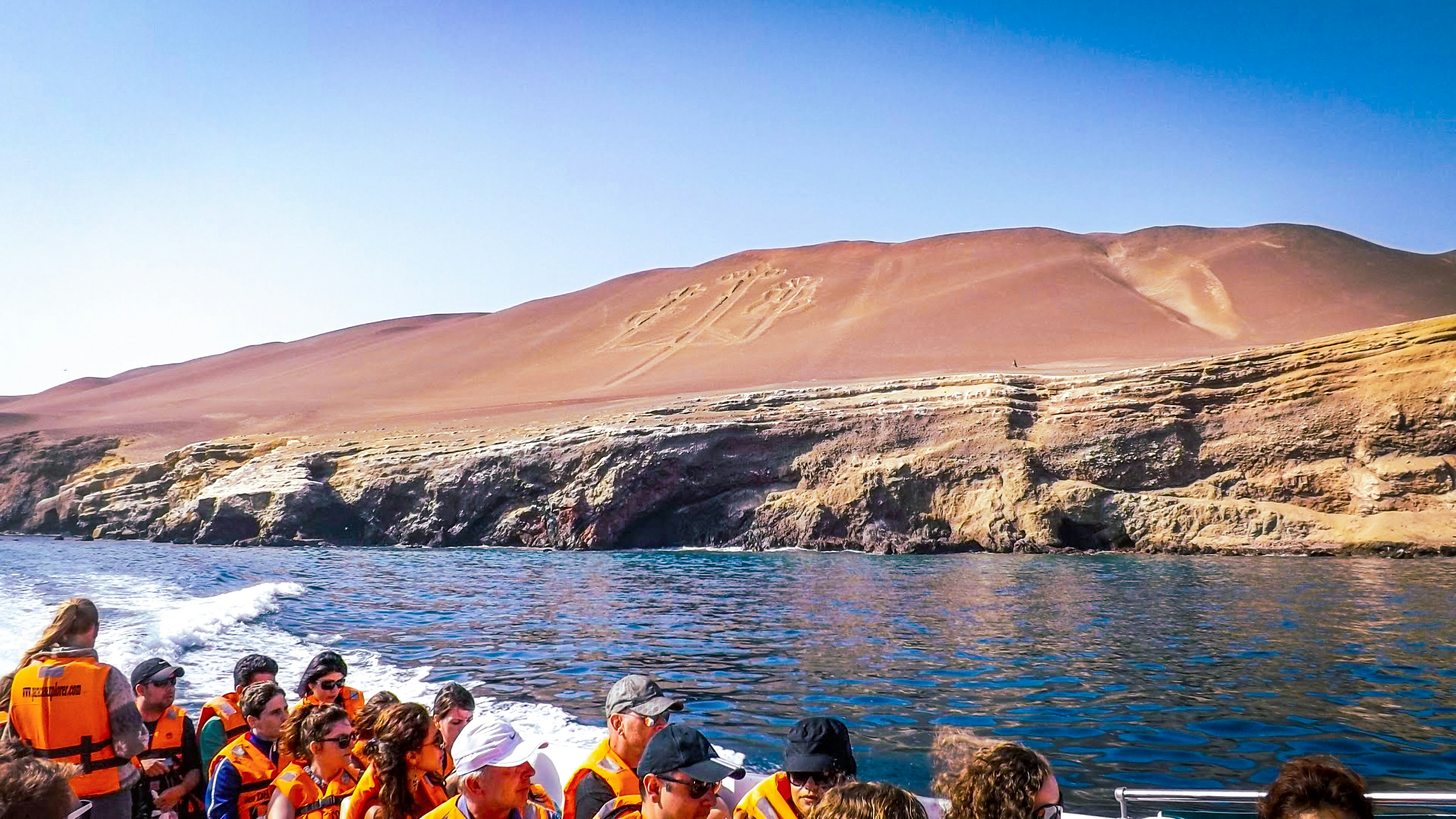
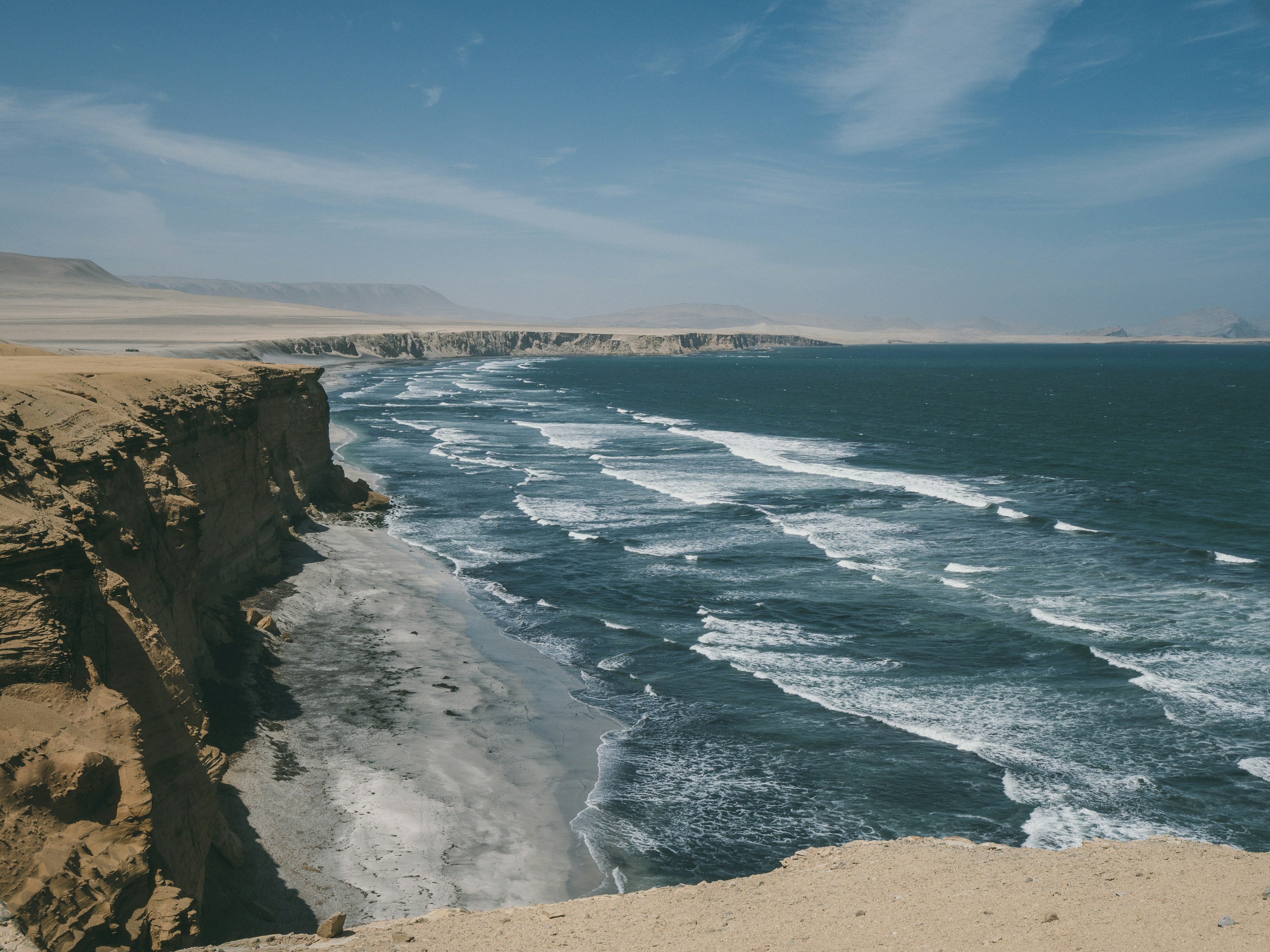
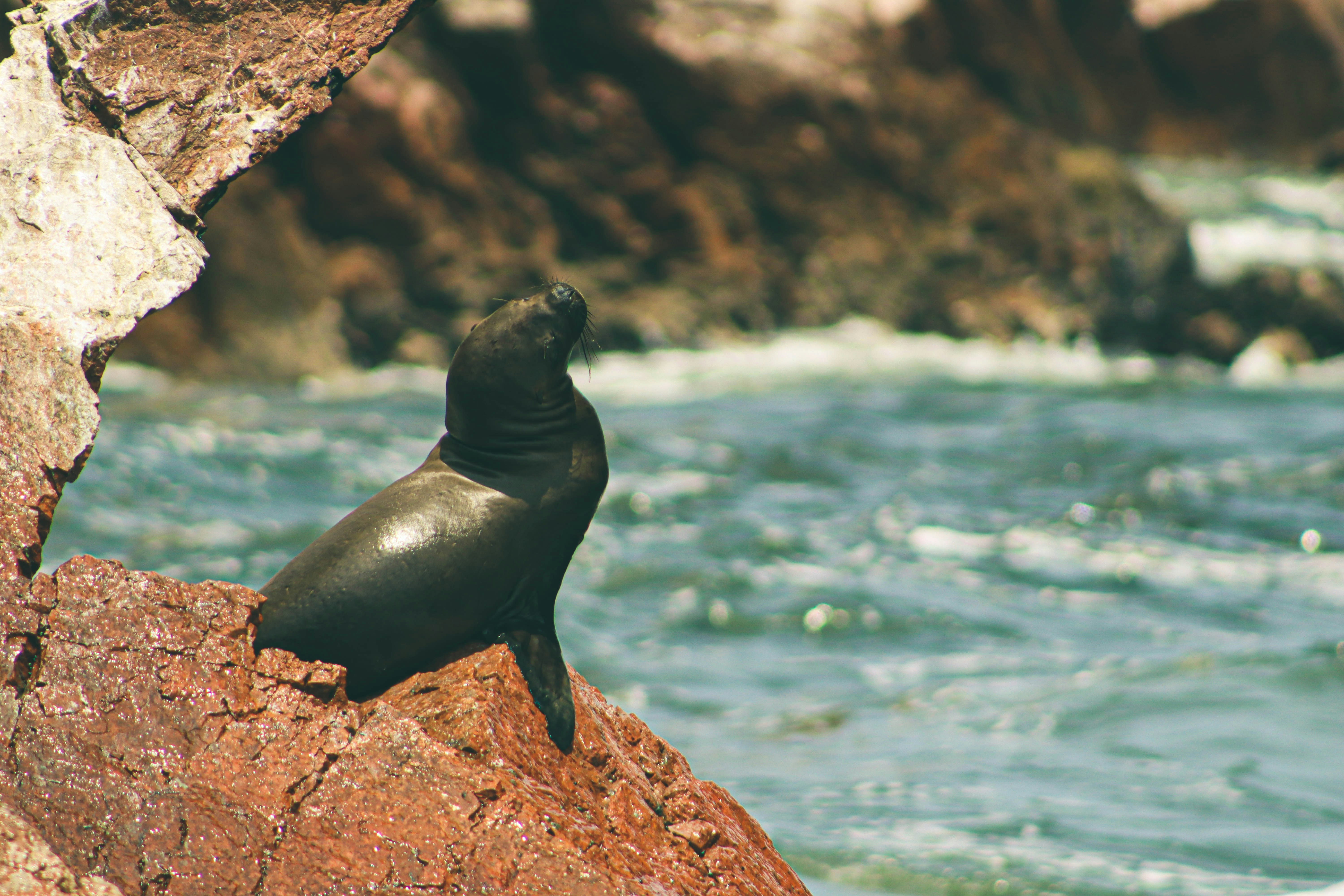
The port city of Paracas is blessed with magnificent natural beauty and rich historical importance, offerings inviting beaches, ideal weather and pleasant scenery — a combination that draws visitors throughout the year. The shores of the Paracas Peninsula and waters of the bay teem with wildlife and have been declared a national reserve. Condors frequently can be seen gliding on the sea winds or perched on the cliffs; pink flamingos often rest here on their migratory flights. The complex interaction between wind and ocean, sun and land has transformed this region into a kind of lunarscape under an equatorial sun. Another reason for travellers to come to this area is its proximity to the famous and mysterious Nazca Lines. Visible from the air, these strange markings stretch for miles on a large barren plain and have bewildered archaeologists, historians and mathematicians since their discovery over a century ago. The earliest Andean people found shelter here. The Paracas culture was known for fine weavings in geometrical designs and vibrant colours, which have been preserved for thousands of years by the dry climate. Some of the finest examples are in museums in Lima. The town of Ica is Peru’s finest wine centre, as well as home to the fiery brandy-derived beverage known as Pisco. The surrounding area features oases with springs considered to have medicinal cures. Pier Information The ship is scheduled to dock at Port of Paracas, about a 45-minute drive from Ica. There are no passenger facilities at the pier. Shopping Shopping opportunities are limited; some souvenirs can be found at the museum in Ica. A bottle of Peruvian Pisco (grape brandy) makes a nice memento. The local currency is the nuevo sol. Cuisine Seafood is highly recommended, however, we recommend you dine only in the hotel restaurants in Peru’s southern region. Be sure to sample the national drink pisco sour and the area’s excellent wines. Always drink bottled water and avoid ice cubes. Other Sites The Bay of Paracas is sheltered by the Paracas peninsula, noted as one of the best marine reserves in the world. This is also a popular resort area thanks to its beautiful bay, beaches and dependable warm weather. Facilities include swimming pools, tennis courts, miniature golf and a good restaurant. For those who are looking for a little adventure dune buggies are available. Local boat trips can be booked to the Ballestas Islands but be aware that commentary is given in Spanish. Private arrangements for independent sightseeing are limited in this port as cars have to come from Lima. Please submit your request to the Tour Office early in the cruise.

Paracas, Peru
Paracas, PeruWILLIAN REIS
Paracas, Peru
Paracas, PeruMeina Yin
Paracas, Peru
Paracas, PeruDiego Allen
Parque Reserva Nacional De Paracas, Paracas, Peru
Parque Reserva Nacional De Paracas, Paracas, PeruMatthijs Idema
Paracas, Peru
Paracas, PeruWILLIAN REIS
Paracas, Peru
Paracas, PeruLoïc Mermilliod
Paracas, Peru
Paracas, Perugonzalo iglesias
Sea, Pacific Ocean, Paracas, Peru, Nature Background, Nature Landscape, Candelabro, Nasca, Candle
Sea, Pacific Ocean, Paracas, Peru, Nature Background, Nature Landscape, Candelabro, Nasca, CandleWILLIAN REIS
Paracas, Peru
Paracas, Perugonzalo iglesias
Paracas, Peru
Paracas, PeruRyder Damen

Day 15 - At Sea

Further details for this day are not available.

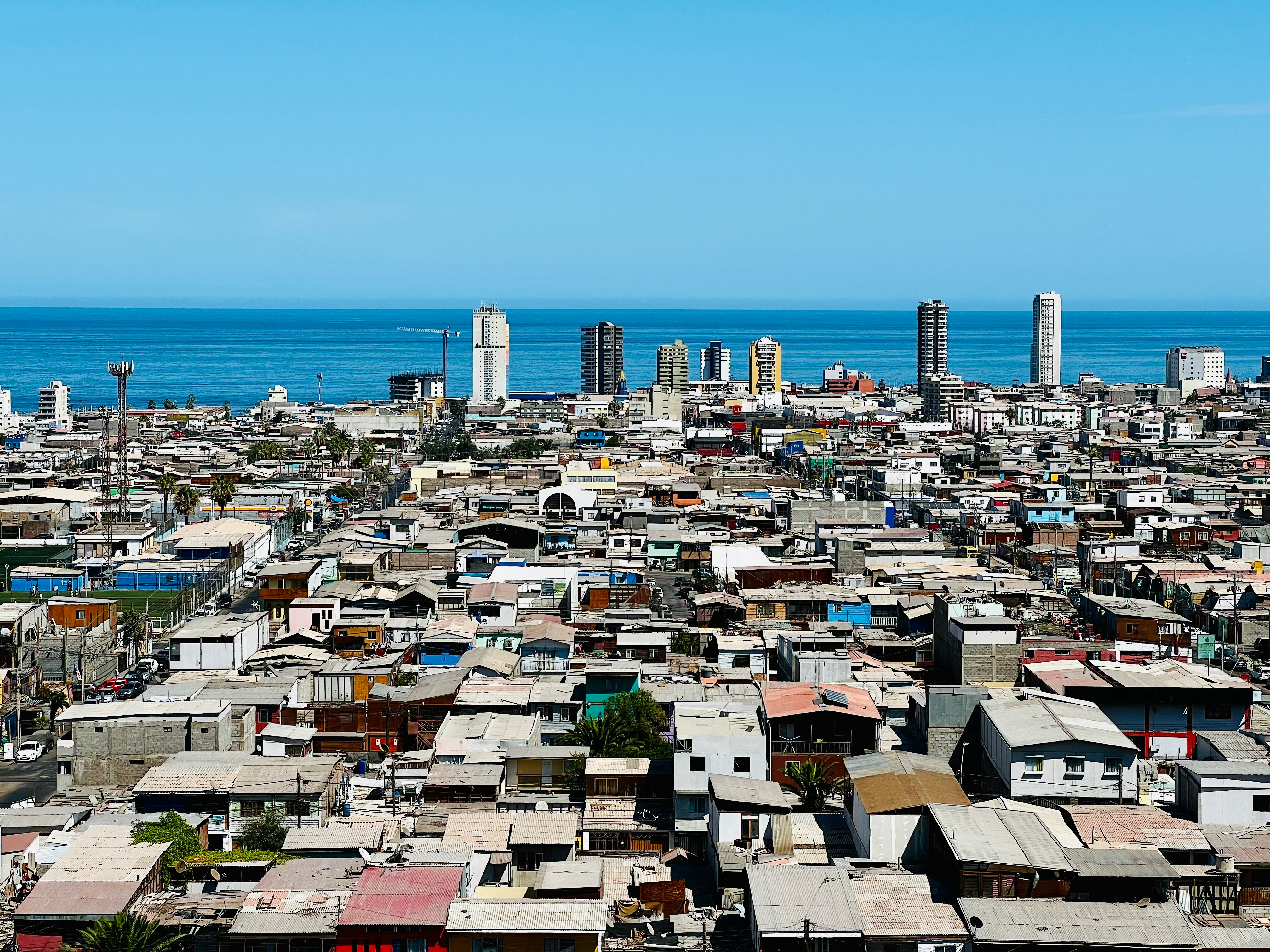
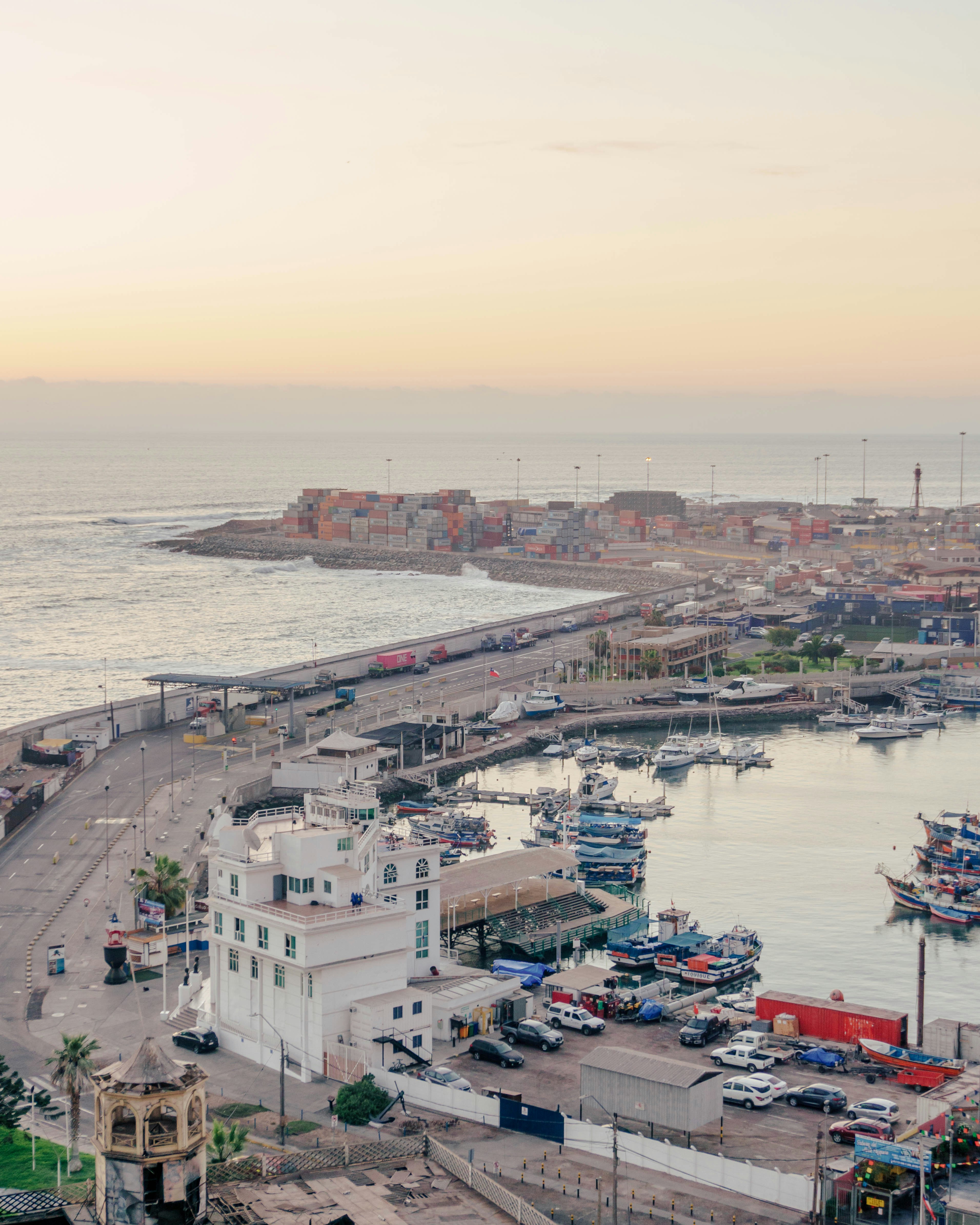
Day 16 - Iquique

Further details for this day are not available.

Iquique, Iquique, Chile
Iquique, Iquique, ChilePhoto by Cristian Paul on Unsplash
Aerial View Of Docks, Iquique, Chile
Aerial View Of Docks, Iquique, ChilePhoto by Travis Ark on Unsplash

Day 17 - At Sea

Further details for this day are not available.

Day 18 - Isla Pan de Azúcar

The rugged shores of Isla Pan de Azucar (or Sugarloaf Island) are home to thousands of Humboldt Penguins. The penguins come to this arid island to breed and spend their days fishing, swimming and diving, as do many of the other birds found here. The waters around Isla Pan de Azucar also support Kelp Gulls, Blackish Oystercatchers, Peruvian Boobies, pelicans, sea lions and the reclusive South American marine otter.

Day 19 - At Sea

Further details for this day are not available.

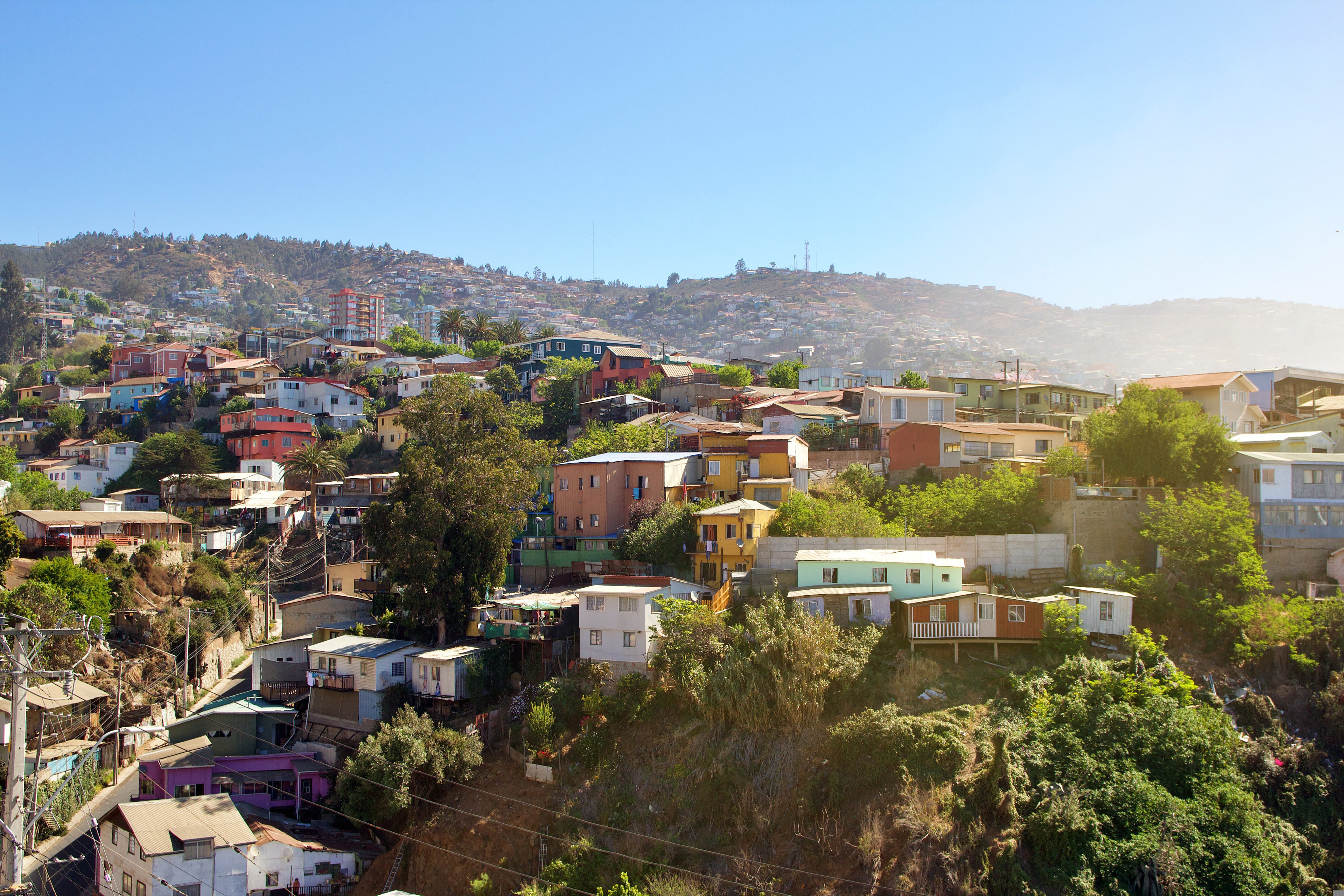
Day 20 - Valparaiso

Valparaíso's dramatic topography—45 cerros, or hills, overlooking the ocean—requires the use of winding pathways and wooden ascensores (funiculars) to get up many of the grades. The slopes are covered by candy-color houses—there are almost no apartments in the city—most of which have exteriors of corrugated metal peeled from shipping containers decades ago. Valparaíso has served as Santiago's port for centuries. Before the Panama Canal opened, Valparaíso was the busiest port in South America. Harsh realities—changing trade routes, industrial decline—have diminished its importance, but it remains Chile's principal port. Most shops, banks, restaurants, bars, and other businesses cluster along the handful of streets called El Plan (the flat area) that are closest to the shoreline. Porteños (which means "the residents of the port") live in the surrounding hills in an undulating array of colorful abodes. At the top of any of the dozens of stairways, the paseos (promenades) have spectacular views; many are named after prominent Yugoslavian, Basque, and German immigrants. Neighborhoods are named for the hills they cover. With the jumble of power lines overhead and the hundreds of buses that slow down—but never completely stop—to pick up agile riders, it's hard to forget you're in a city. Still, walking is the best way to experience Valparaíso. Be careful where you step, though—locals aren't very conscientious about curbing their dogs.

Valparaiso, Chile
Valparaiso, ChileImage by Julian Hacker from Pixabay

Suites & Deck Plans

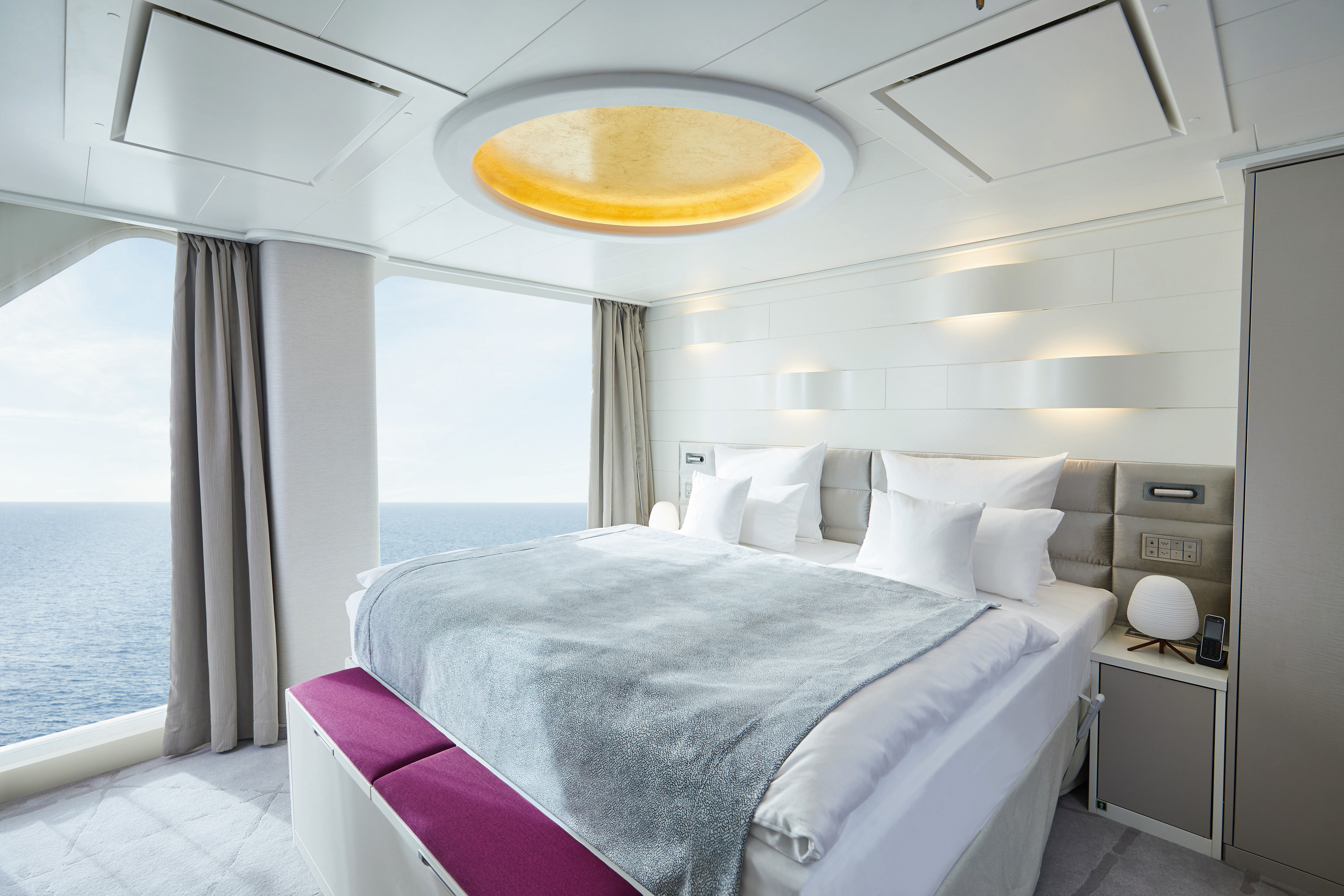
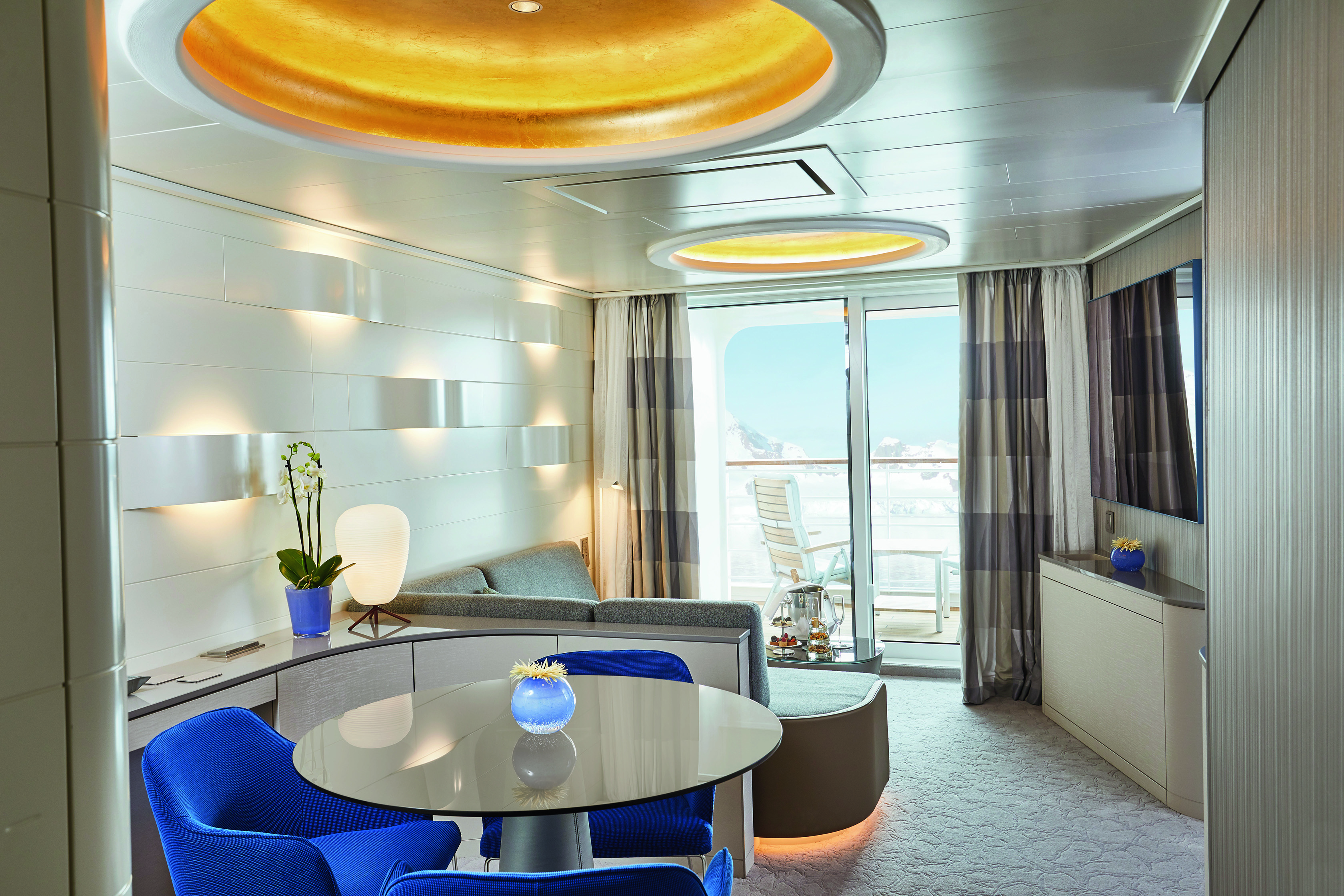
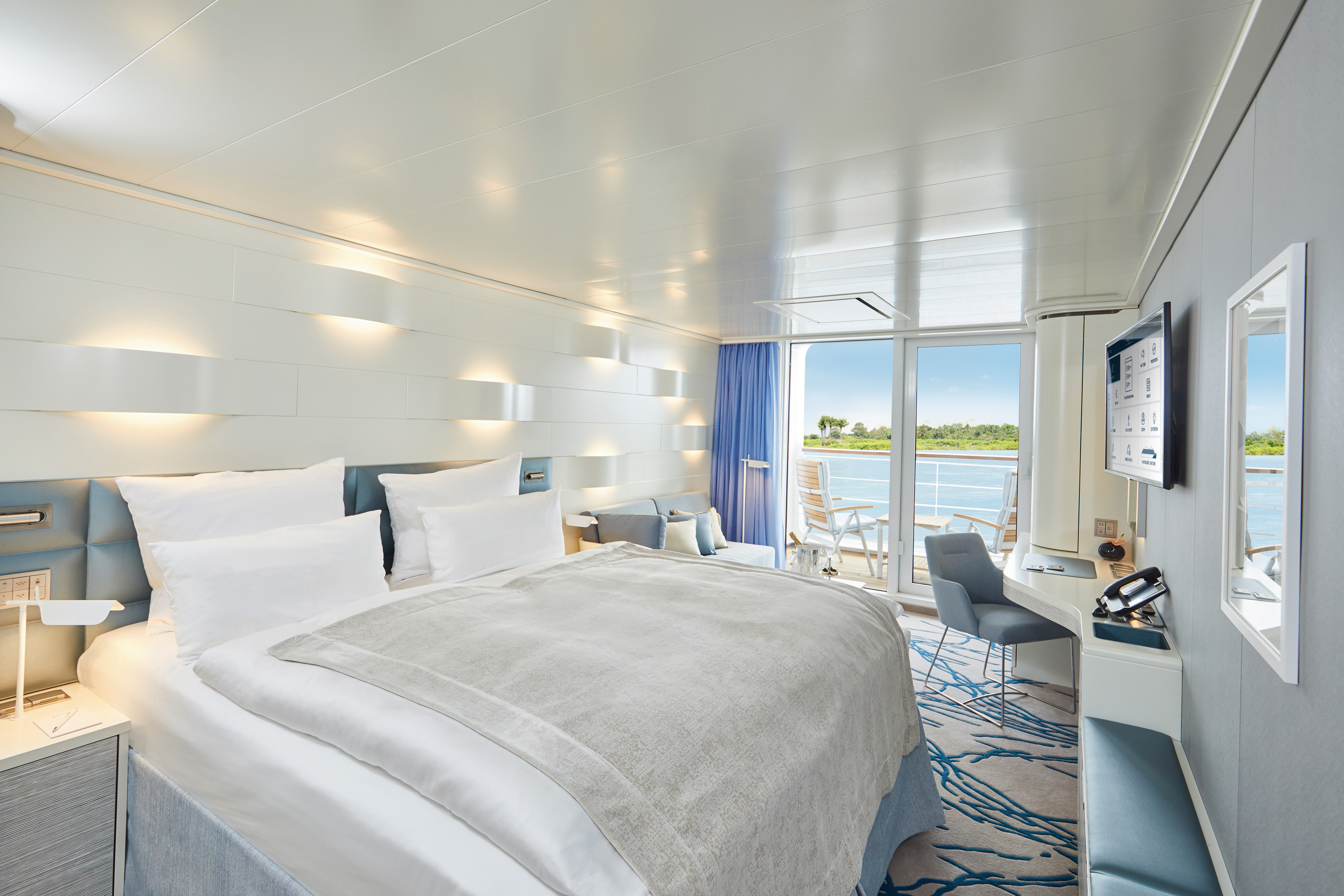
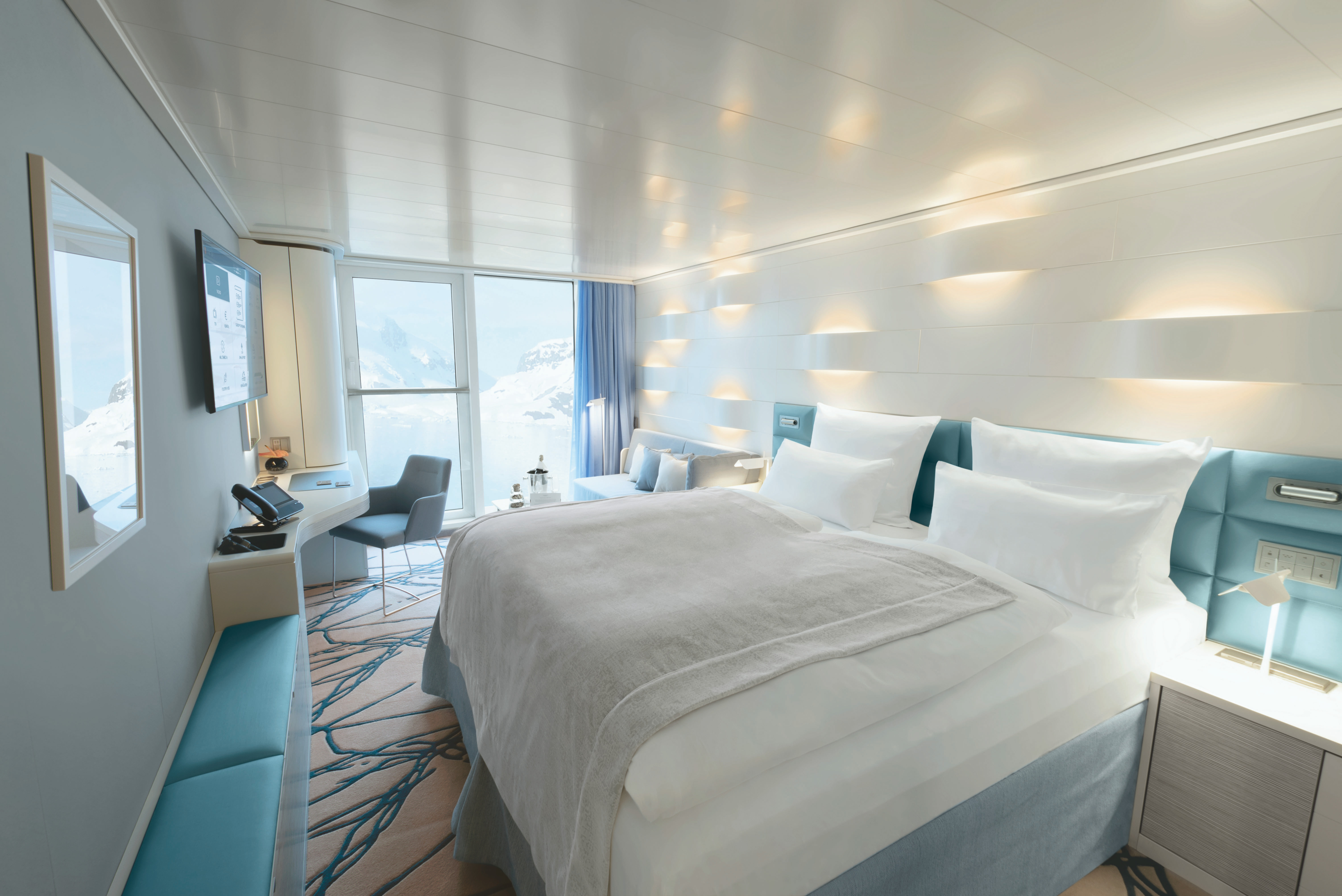
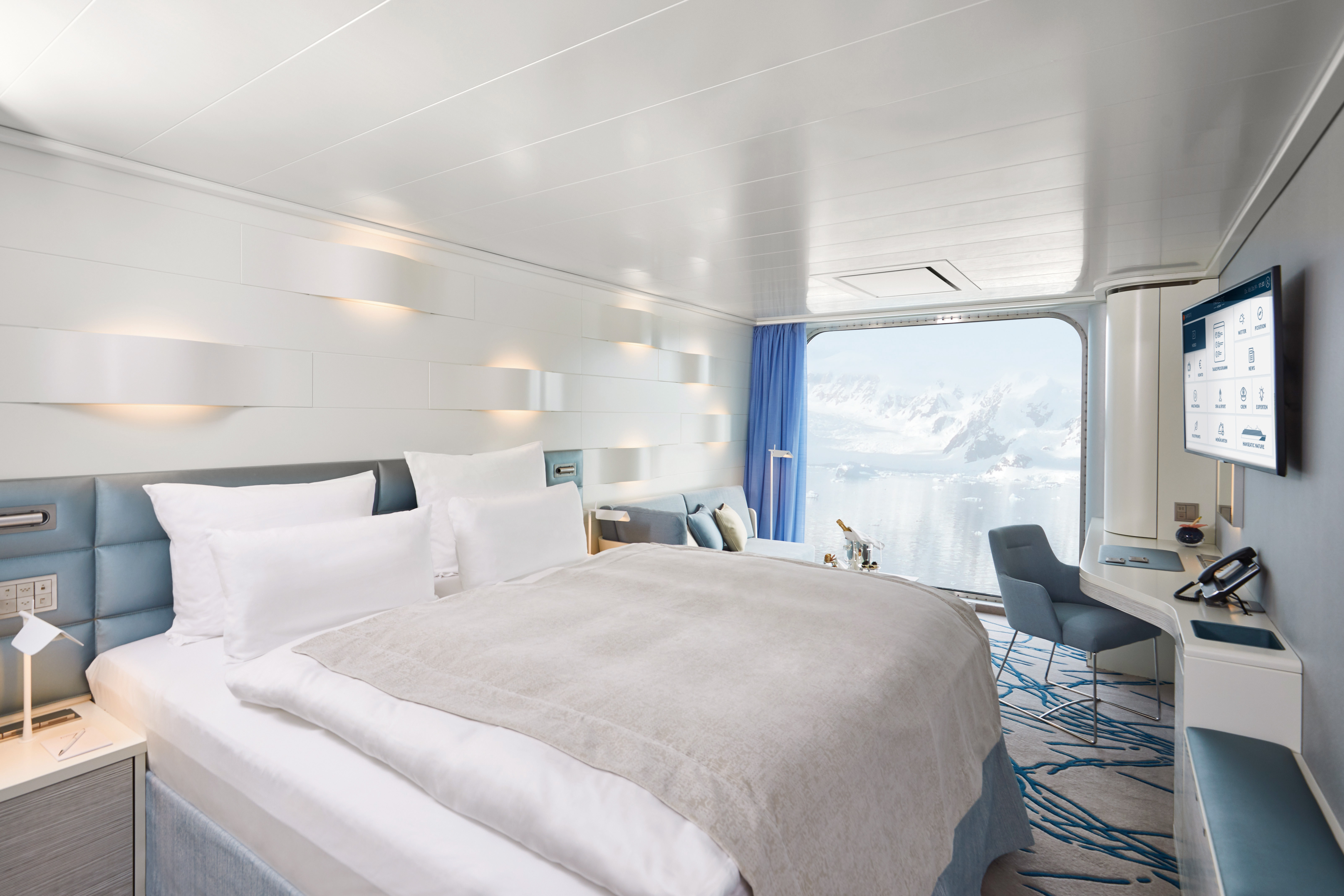
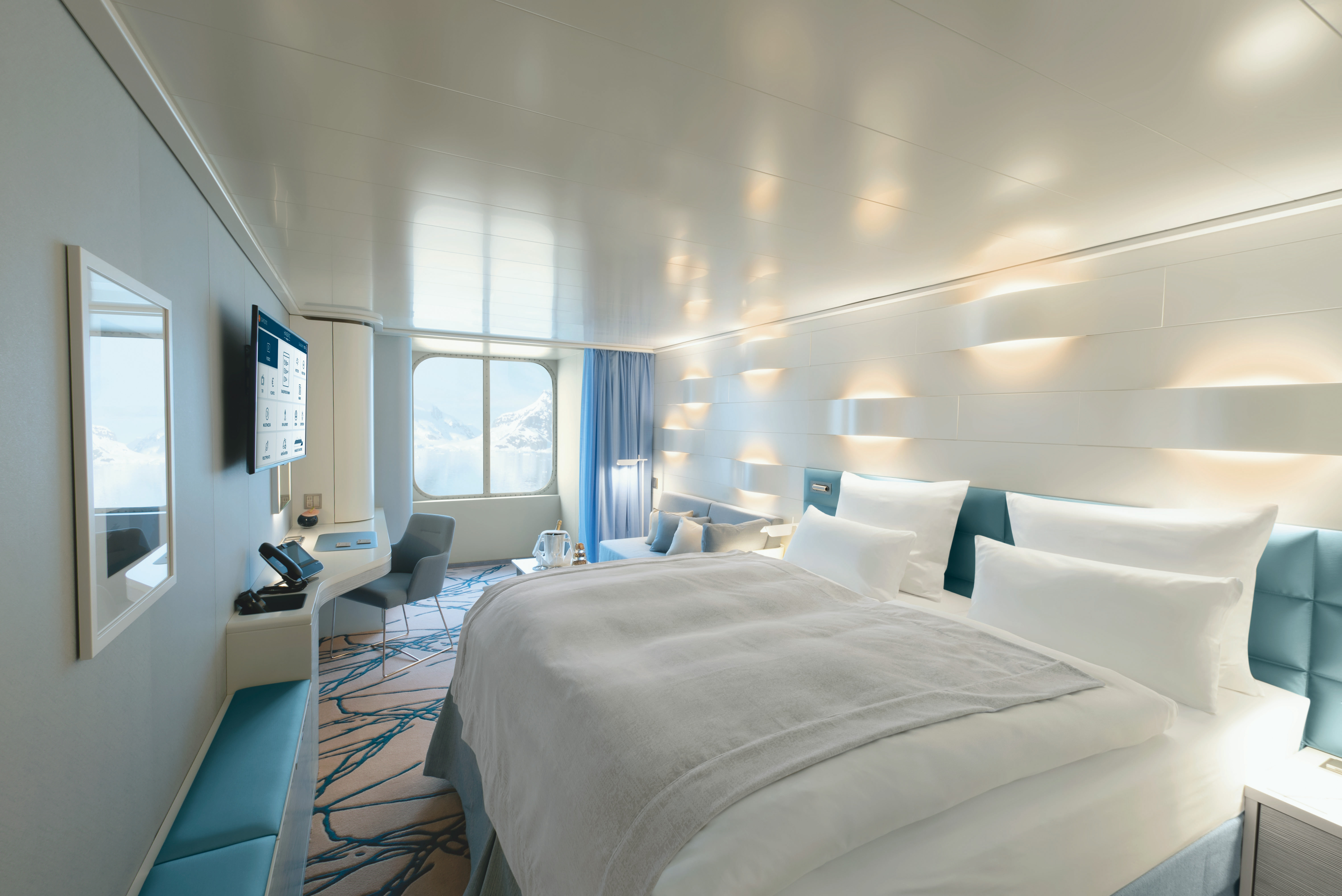
Suite

  • Separate living/sleeping area

  • Separate dining area
  • Sleeping area with panoramic view
  • Separable beds
  • TV in living and sleeping areas
  • Veranda with space heaters
  • Daylight bathroom with two sinks, free-standing bath, rain shower and veranda access
  • Steam sauna in shower area
  • Heated wall in bathroom (e.g. for towels and wet parkas)
  • Separate toilet
  • Free mini bar
  • Coffee machine
  • Extensive infotainment with live broadcast and recordings of expert presentations, forward-view camera, navigation chart, films and much more
  • Binoculars in the cabin
  • Nordic walking poles
  • 24-hour cabin service
  • Butler service
  • Table reservation in main restaurant
  • Free use of Wi-Fi

764 sq ft
Accommodates 3 guests
Grand Suite

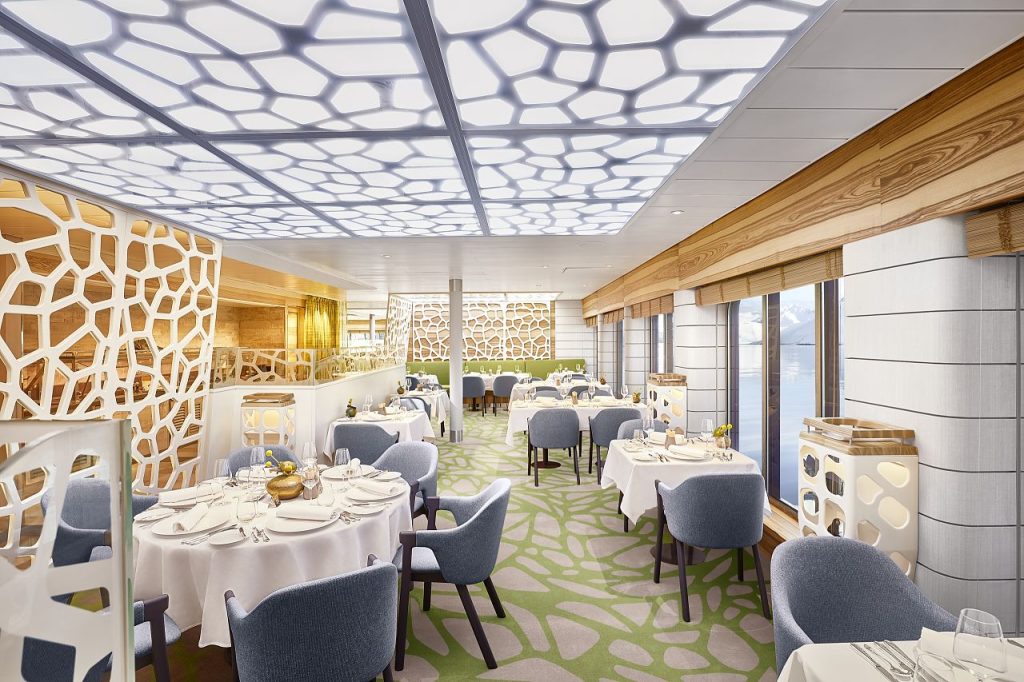
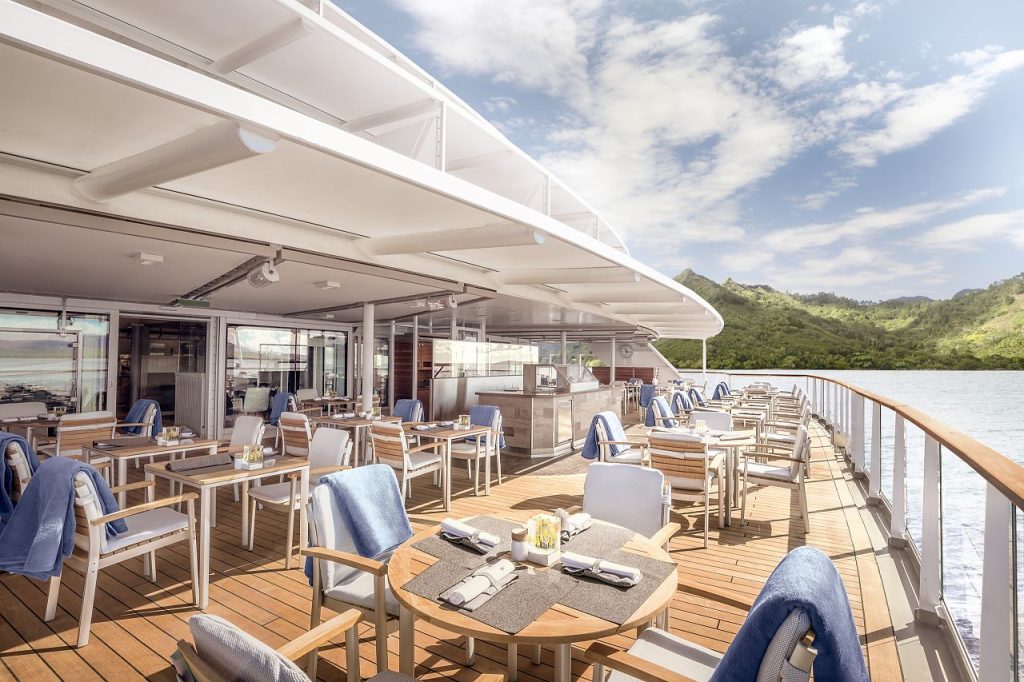
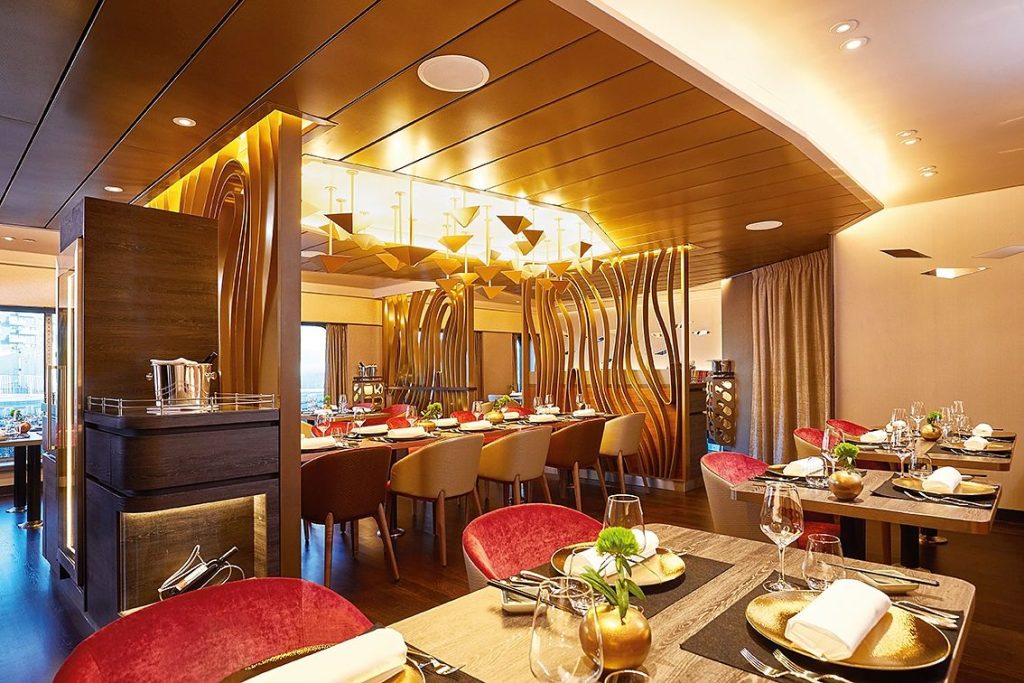
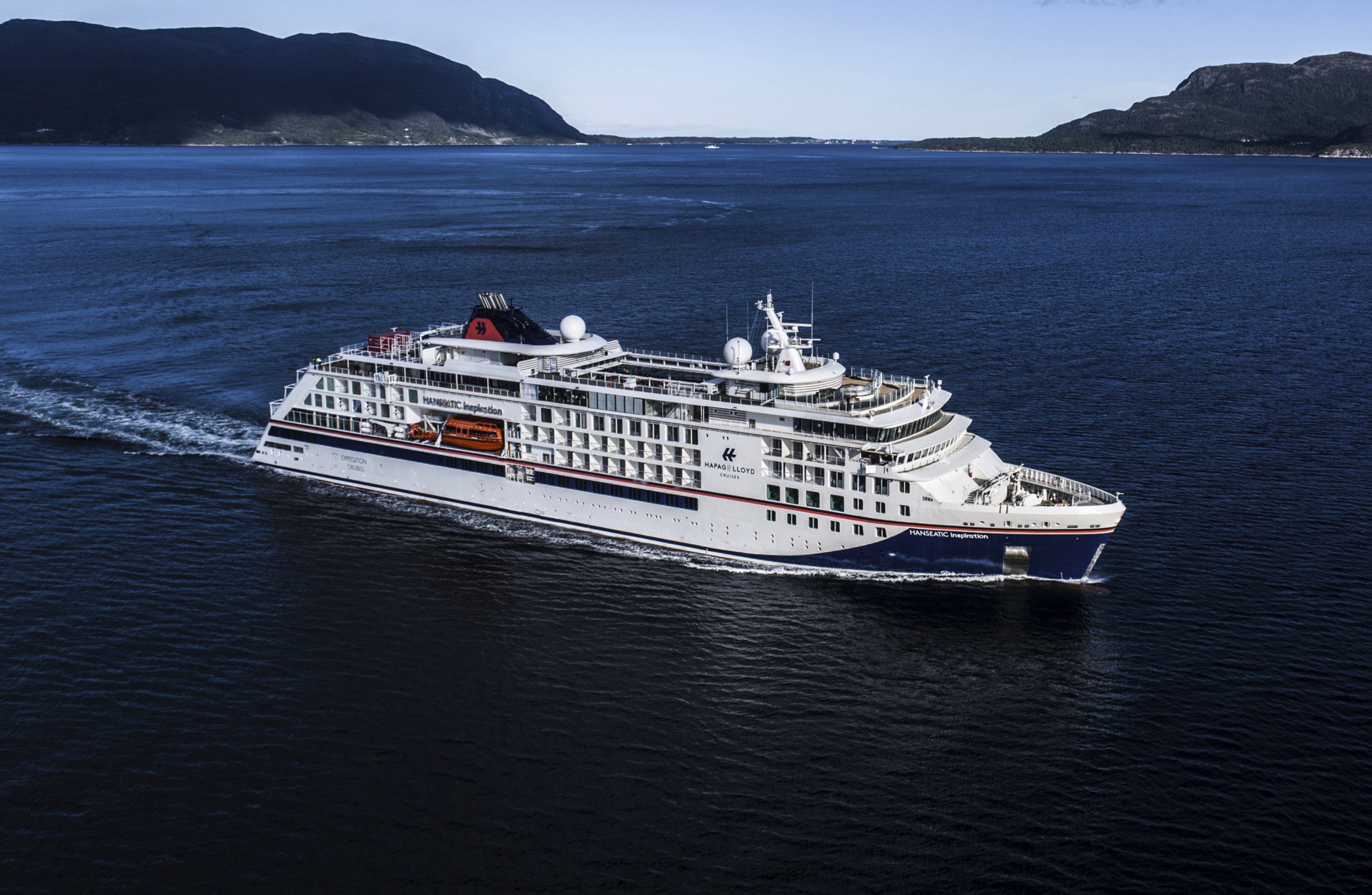
HANSEATIC inspiration

HANSEATIC inspiration

Life on board

The Onboard Experience

Client testimonials

I have worked with Lore Doick for more than 20 years, and she has booked over 30 cruises for me. Her expertise, care, and attention to every travel detail have made her an invaluable advisor and friend over the years.”

Tina B.

We are now in our second generation working with Cheri Ozimac at Tully Luxury Travel. From Antarctica to Greece, she has handled every detail with expertise, responsiveness, and care…

Earl M.

My wife and I have worked with Tully since 2007, and Kit Neil and her team went far beyond expectations while helping us navigate multiple cruise and flight cancellations. Their advocacy, care, and support during a difficult time were extraordinary.

Carri F.

Cheri Ozimac organized our Seabourn cruise flawlessly, from the hotel recommendation to every travel arrangement. She was responsive, attentive, and an excellent advocate throughout the process…

Cyn S.

We discovered Tully Luxury Travel after years of booking cruises through US agents and were impressed by their competitive pricing, exceptional service, and Canadian based support. Their team is always available, offers excellent value, and makes booking the right cruise seamless.

Peter C.

GoogleAverage Customer Rating:

The Tully Difference

Why travel with us


Tully Luxury Travel was built on access, discretion, and trust. For our clients, that means ease at every step, with distinctions that turn exceptional voyages into defining moments.

Recognized expertise

A renowned agency worldwide in luxury land and small-ship cruising, consistently trusted by the industry’s most prestigious brands.