
Hapag-Lloyd Cruises logo

Expedition South And Central America With Panama Canal: Jungle Adventures, Caribbean Magic And Equatorial Discoveries

Itinerary: Callao, At Sea, Paita, Isla de la Plata, Utría National Park, Panama Canal Transit, San Blas Islands, Cartagena, Bonaire, Port Elizabeth, Bequia, Tobago Island, Ile Royale, Salvation Islands, Belem See full itinerary

23 Mar 27
19 nights

Voyage Details

Duration:
19 nights
Departure:
23 Mar 2027
Embarkation:
Callao, Peru
Voyage code:
INS2705

Your Itinerary, Day-By-Day

Special Chapters of Your Journey

Day 1 - Callao

When people discuss great South American cities, Lima is often overlooked. But Peru's capital can hold its own against its neighbors. It has an oceanfront setting, colonial-era splendor, sophisticated dining, and nonstop nightlife.It's true that the city—clogged with traffic and choked with fumes—doesn't make a good first impression, especially since the airport is in an industrial neighborhood. But wander around the regal edifices surrounding the Plaza de Armas, among the gnarled olive trees of San Isidro's Parque El Olivar, or along the winding lanes in the coastal community of Barranco, and you'll find yourself charmed.In 1535 Francisco Pizarro found the perfect place for the capital of Spain's colonial empire. On a natural port, the so-called Ciudad de los Reyes (City of Kings) allowed Spain to ship home all the gold the conquistador plundered from the Inca. Lima served as the capital of Spain's South American empire for 300 years, and it's safe to say that no other colonial city enjoyed such power and prestige during this period.When Peru declared its independence from Spain in 1821, the declaration was read in the square that Pizarro had so carefully designed. Many of the colonial-era buildings around the Plaza de Armas are standing today. Walk a few blocks in any direction for churches and elegant houses that reveal just how wealthy this city once was. But the poor state of most buildings attests to the fact that the country's wealthy families have moved to neighborhoods to the south over the past century.The walls that surrounded the city were demolished in 1870, making way for unprecedented growth. A former hacienda became the graceful residential neighborhood of San Isidro. In the early 1920s the construction of tree-lined Avenida Arequipa heralded the development of neighborhoods such as bustling Miraflores and bohemian Barranco.Almost a third of the country's population of 29 million lives in the metropolitan area, many of them in relatively poor conos: newer neighborhoods on the outskirts of the city. Most residents of those neighborhoods moved there from mountain villages during the political violence and poverty that marked the 1980s and ’90s, when crime increased dramatically. During the past decade the country has enjoyed peace and steady economic growth, which have been accompanied by many improvements and refurbishment in the city. Residents who used to steer clear of the historic center now stroll along its streets. And many travelers who once would have avoided the city altogether now plan to spend a day here and end up staying two or three.
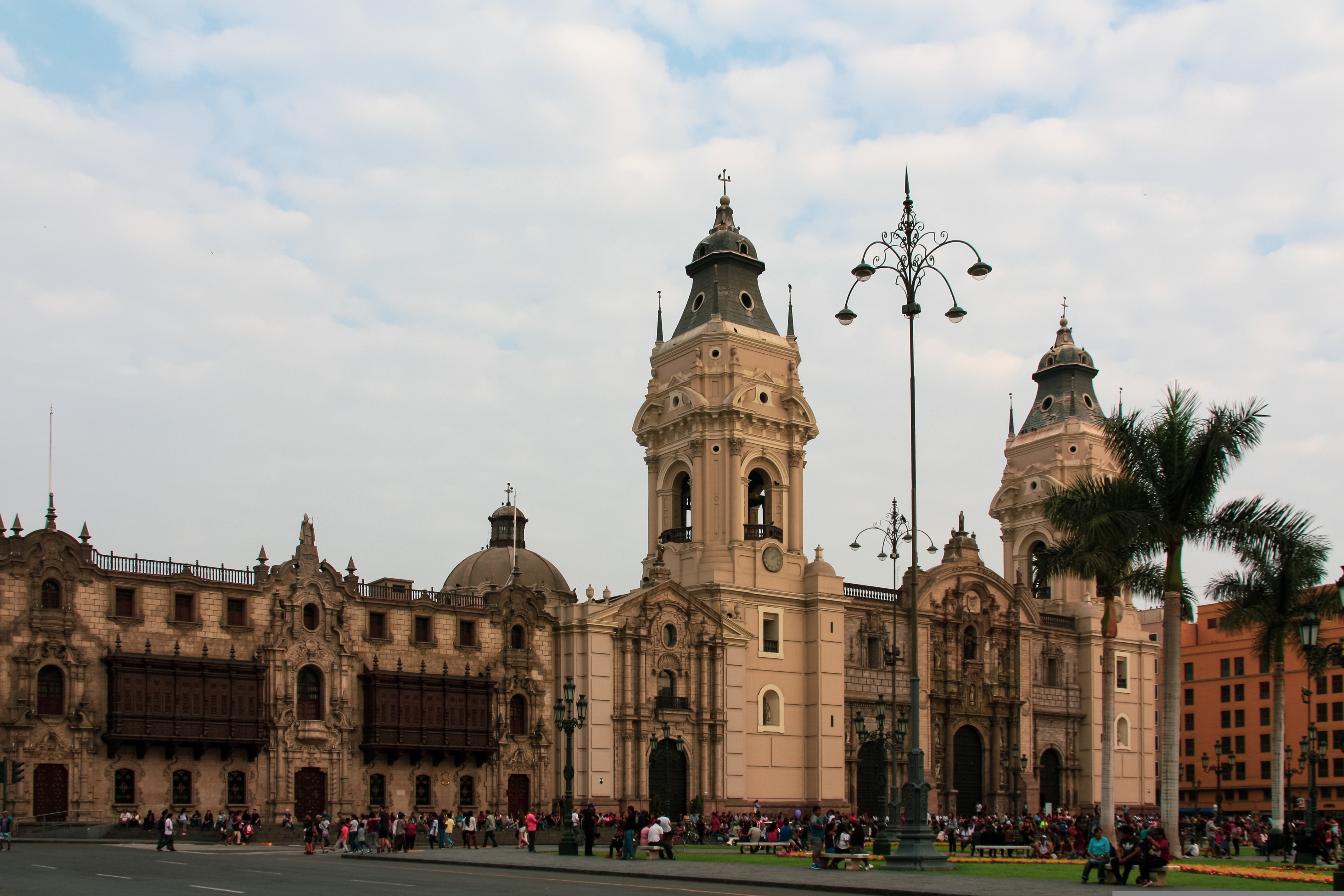
Callao, Port Of Lima
Callao, Port Of LimaImage by Patricia van den Berg from Pixabay

Day 2 - At Sea

Further details for this day are not available.

Day 3 - Paita

Further details for this day are not available.

Day 4 - Isla de la Plata

Isla de la Plata translates to ‘Island of Silver’, and the name was derived from the legend of swashbuckling pirate Sir Francis Drake’s buried silver treasure. The popular legend states that in the 16th century, hundreds of tons of silver and gold were never fully recovered and are still hidden on the island. The island was privately owned until 1979, when it was declared part of Ecuador’s Machalilla National Park. Best known for its fauna, which is amazingly similar to that of the Galapagos Islands, Isla de la Plata is a delightful place for birding, photography and long nature walks. Although just south of the equator, the influences of the colder Humboldt Current bring nutrient-rich water as far north as Isla de la Plata.

Day 6 - At Sea

Further details for this day are not available.

Day 7 - Utría National Park

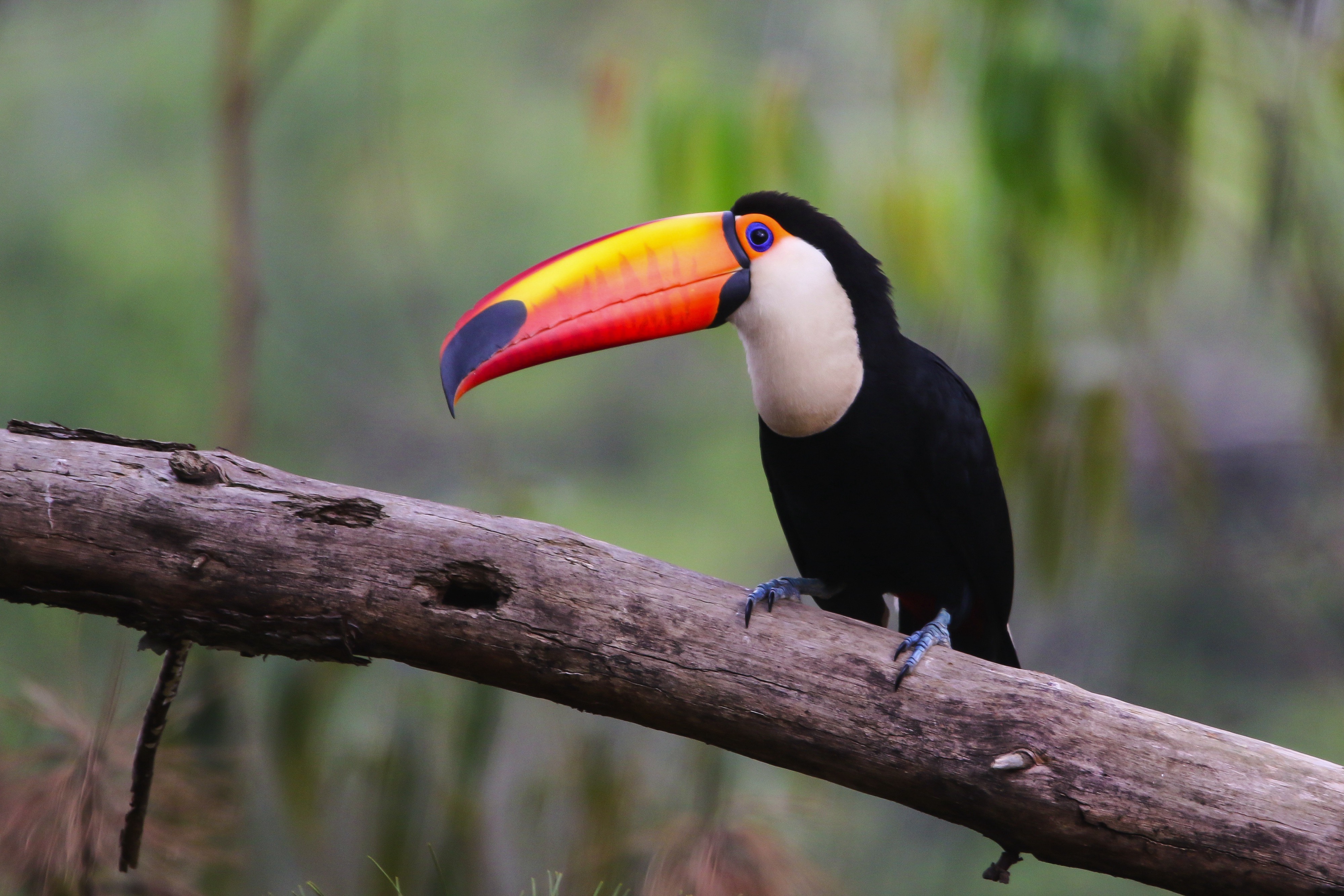
The Utria National Park, located on Colombia’s Pacific Coast, is set in one of the most beautiful and unique natural settings of the country. It is a natural landmark of Colombia with striking thick rainforest, endless beaches, lush mangroves and steep mountains. During the breeding season, humpback whales raise their new-borns in the coastal waters. The park is a biodiversity “hot spot”, with a huge diversity of wildlife including monkeys, frogs, and more than 400 species of birds.

Day 8 - Panama Canal Transit

Further details for this day are not available.

Day 9 - San Blas Islands

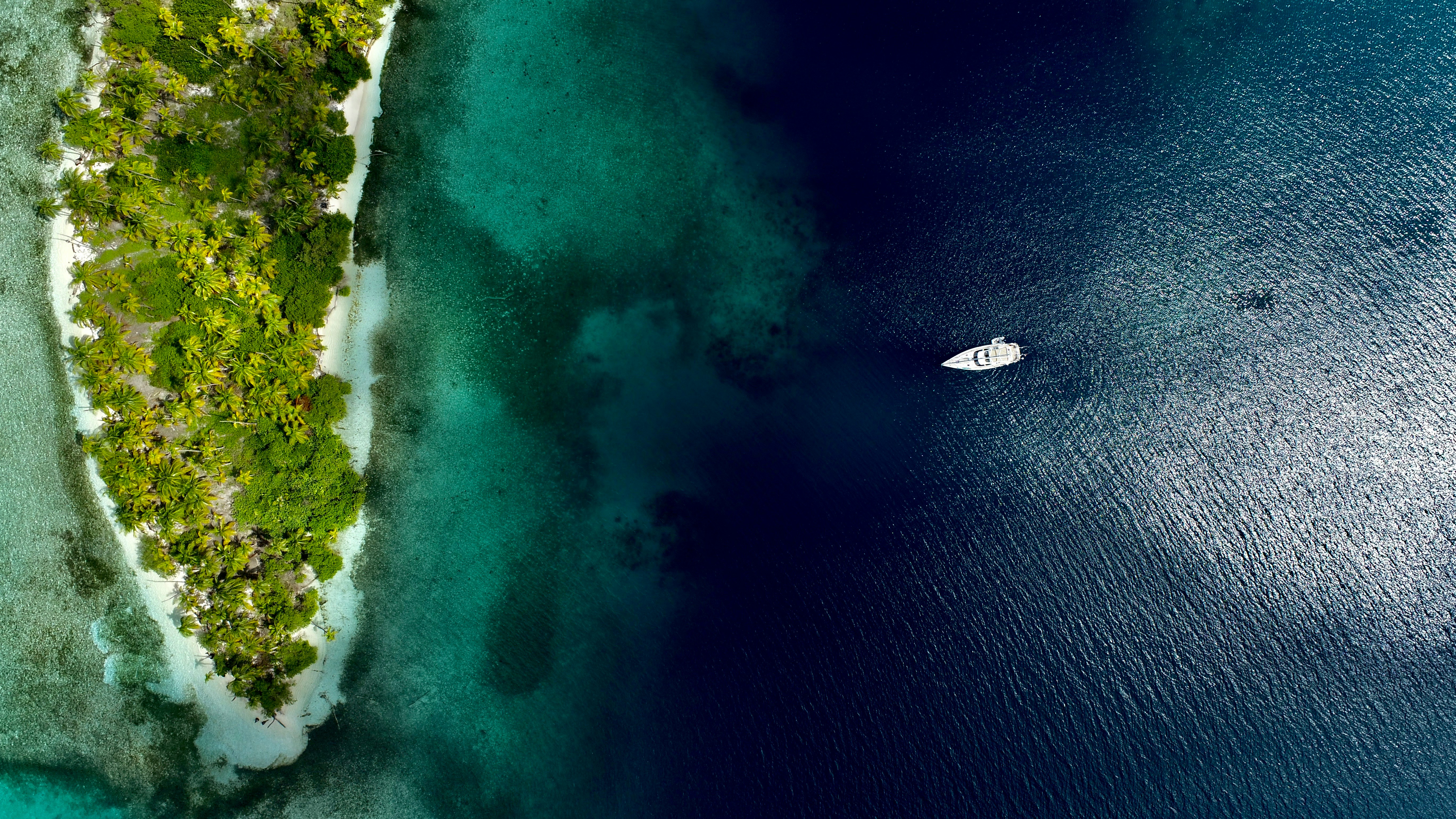
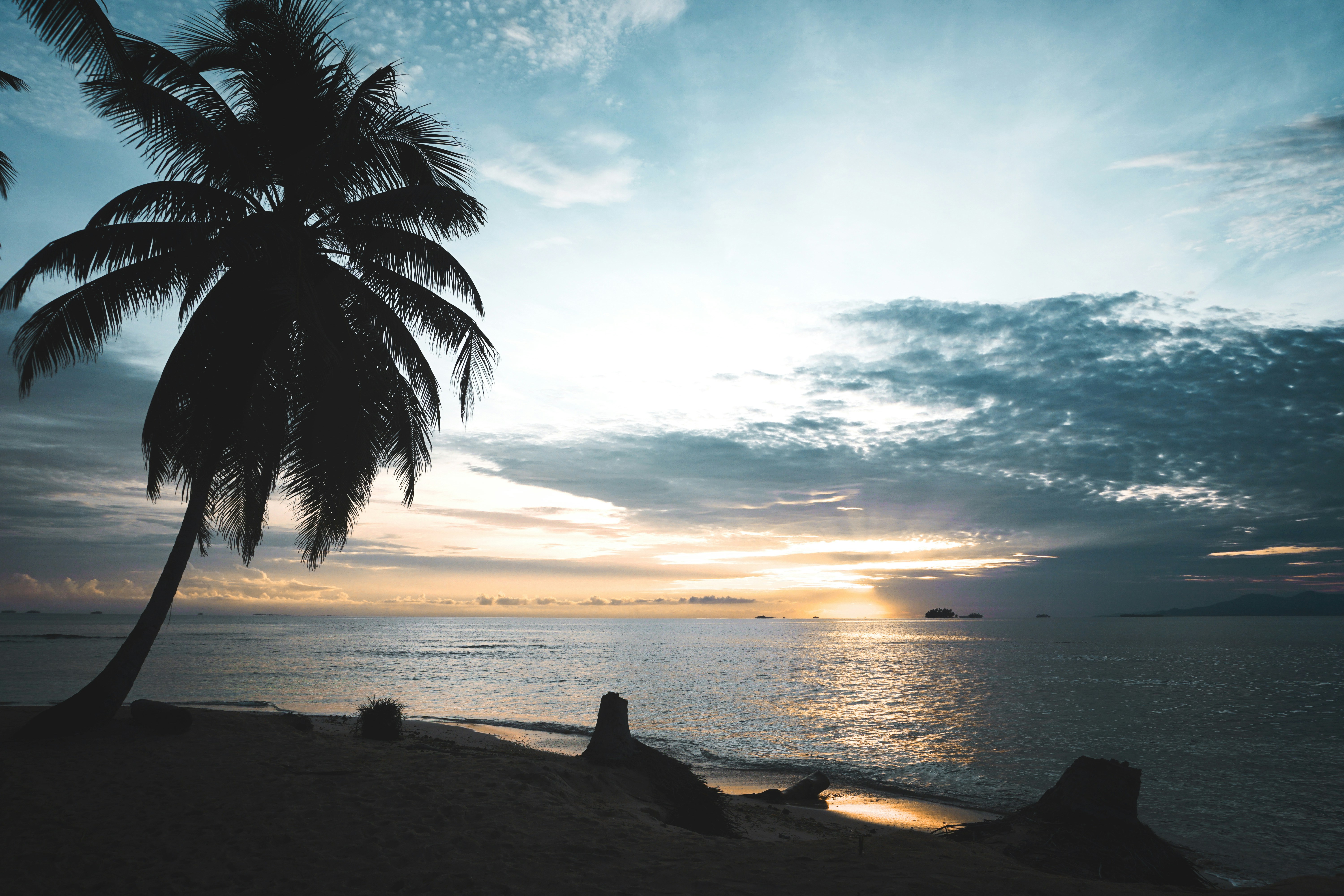
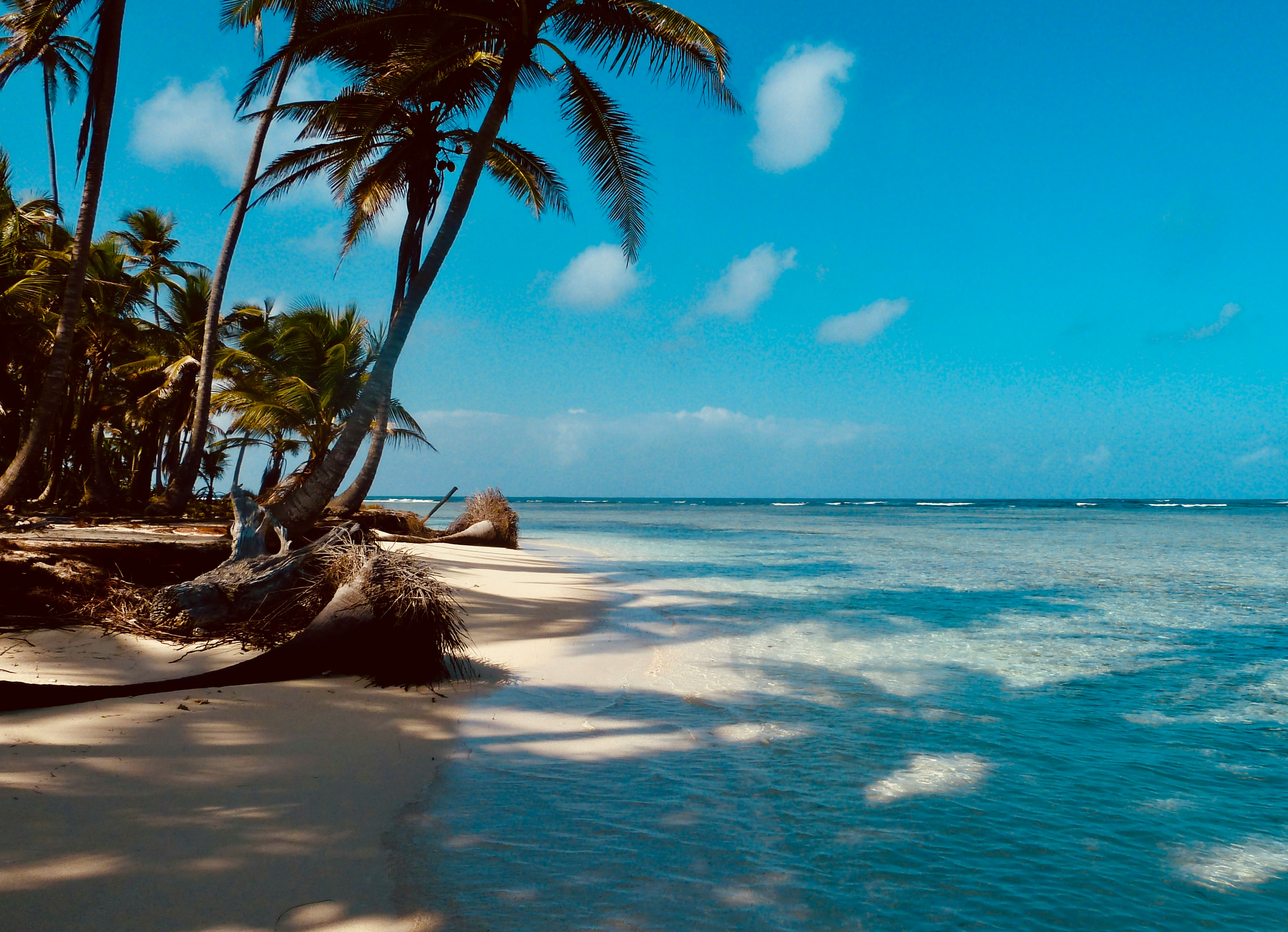
The San Blas archipelago is located off the Caribbean coast, east of Colon, and is made up of 365 islands that range in size from tiny ones with a few coconut palms to islands on which hundreds of Kuna Indians live. Only about fifty are inhabited. The Kuna rule the San Blas Territory with internal autonomy, and have tightly preserved their language and cultural traditions over the centuries despite influences from European colonies. In addition to their own language, Spanish is widely spoken and many men work on the mainland, but live on the islands. Women wear costumes with unique designs based on local themes, geometric patterns, and stylised fauna and flora. The island of El Porvenir is one of the main seats of government for the Kuna Indians. Many Kunas from the other islands came to settle on El Porvenir, bringing with them their traditional arts and crafts, including the famous molas. These intricately hand-sewn designs are made by the women of the tribes as part of their blouses and dresses. With the increased tourism, molas are now a favoured souvenir and craft item for visitors.

San Blas Islands, Panama
San Blas Islands, PanamaPhoto by Azzedine Rouichi on Unsplash
San Blas Islands, Panama
San Blas Islands, PanamaPhoto by Max Herrmann on Unsplash
San Blas Islands, Panama
San Blas Islands, PanamaPhoto by Maarten van den Heuvel on Unsplash

Day 10 - Cartagena

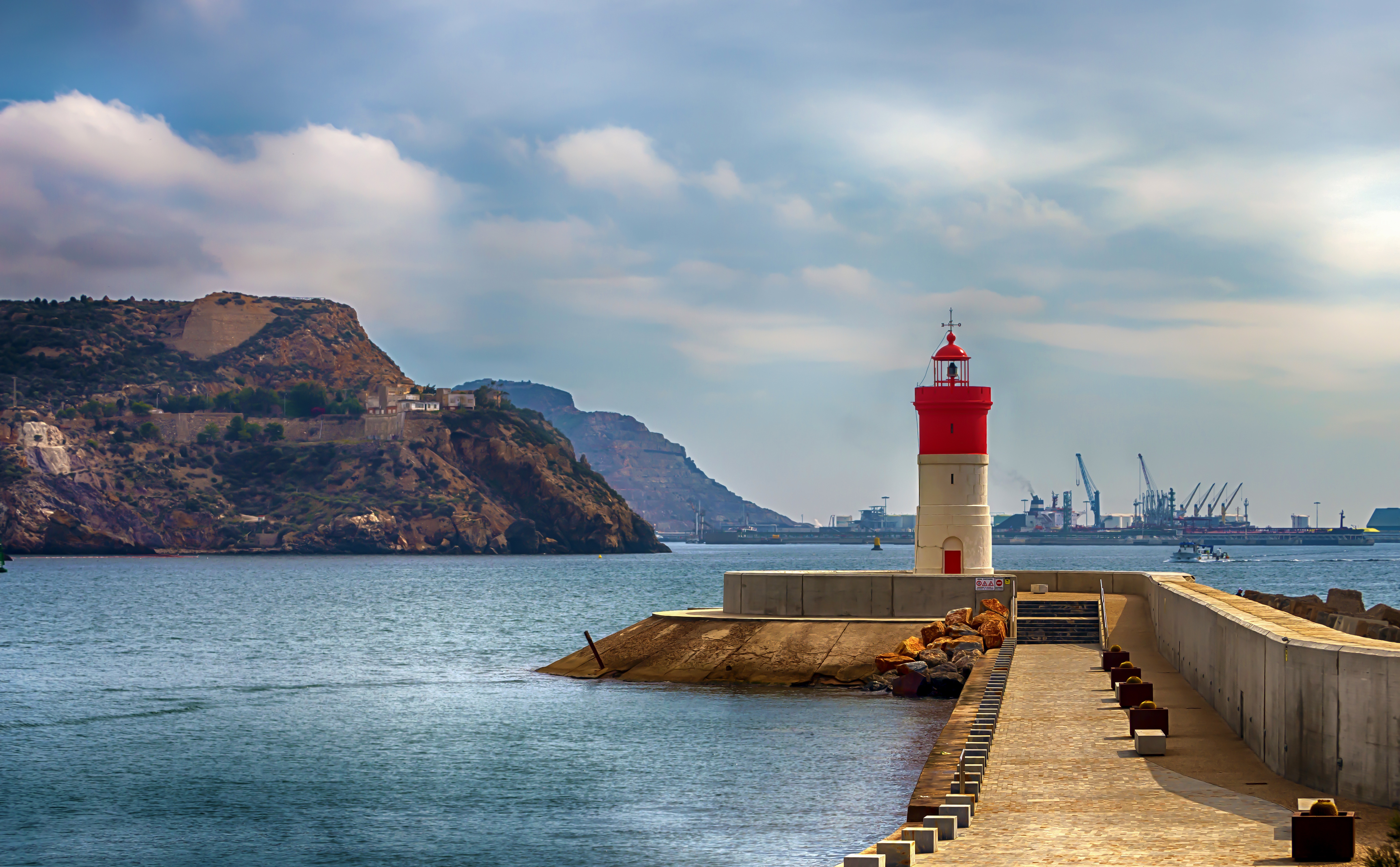
Cartagena's magnificent city walls and fortresses, now a UNESCO World Heritage Site, enclose a well-restored historic center (the Cuidad Amurallada, or walled city) with plazas, churches, museums, and shops that have made it a lively coastal vacation spot for South Americans and others. New hotels and restaurants make the walled city a desirable place to stay, and the formerly down-at-the-heels Getsemaní neighborhood attracts those seeking a bohemian buzz. The historic center is a small section of Cartagena; many hotels are in the Bocagrande district, an elongated peninsula where high-rise hotels overlook a long, gray-sand beach.When it was founded in 1533 by Spanish conquistador Pedro de Heredia, Cartagena was the only port on the South American mainland. Gold and silver looted from indigenous peoples passed through here en route to Spain and attracted pirates, including Sir Francis Drake, who in 1586 torched 200 buildings. Cartagena's walls protected the city's riches as well as the New World's most important African slave market.

Coctg   Cartagena, Colombia   Angeles Balaguer
Coctg Cartagena, Colombia Angeles Balaguer
Coctg   Cartagena, Colombia   Graphical Brain
Coctg Cartagena, Colombia Graphical Brain
Coctg   Cartagena, Colombia   Victor Castano
Coctg Cartagena, Colombia Victor Castano

Day 11 - At Sea

Further details for this day are not available.

Day 12 - Bonaire

Further details for this day are not available.

Bonaire
BonaireImage by falco from Pixabay

Day 13 - At Sea

Further details for this day are not available.

Day 14 - Port Elizabeth, Bequia

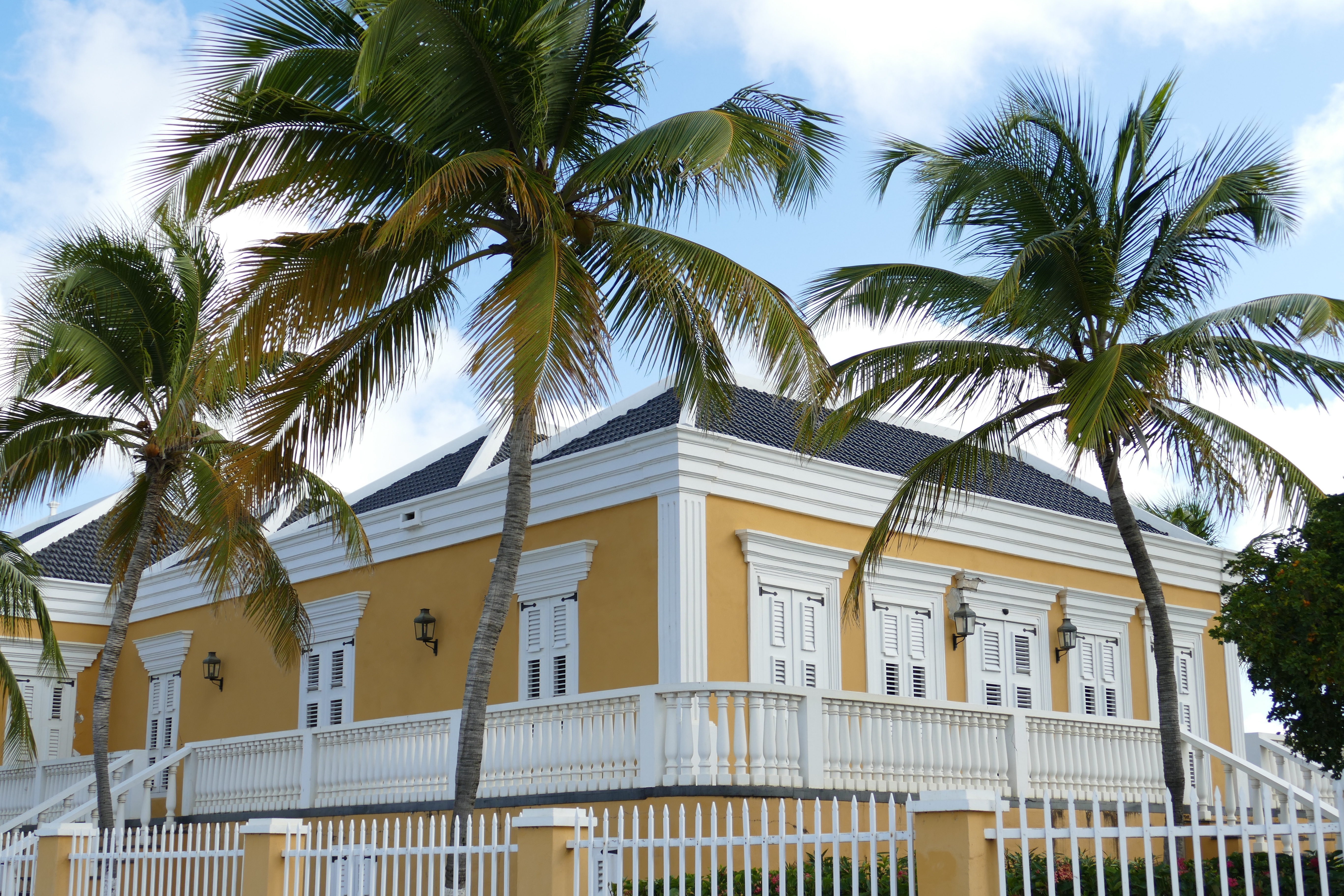
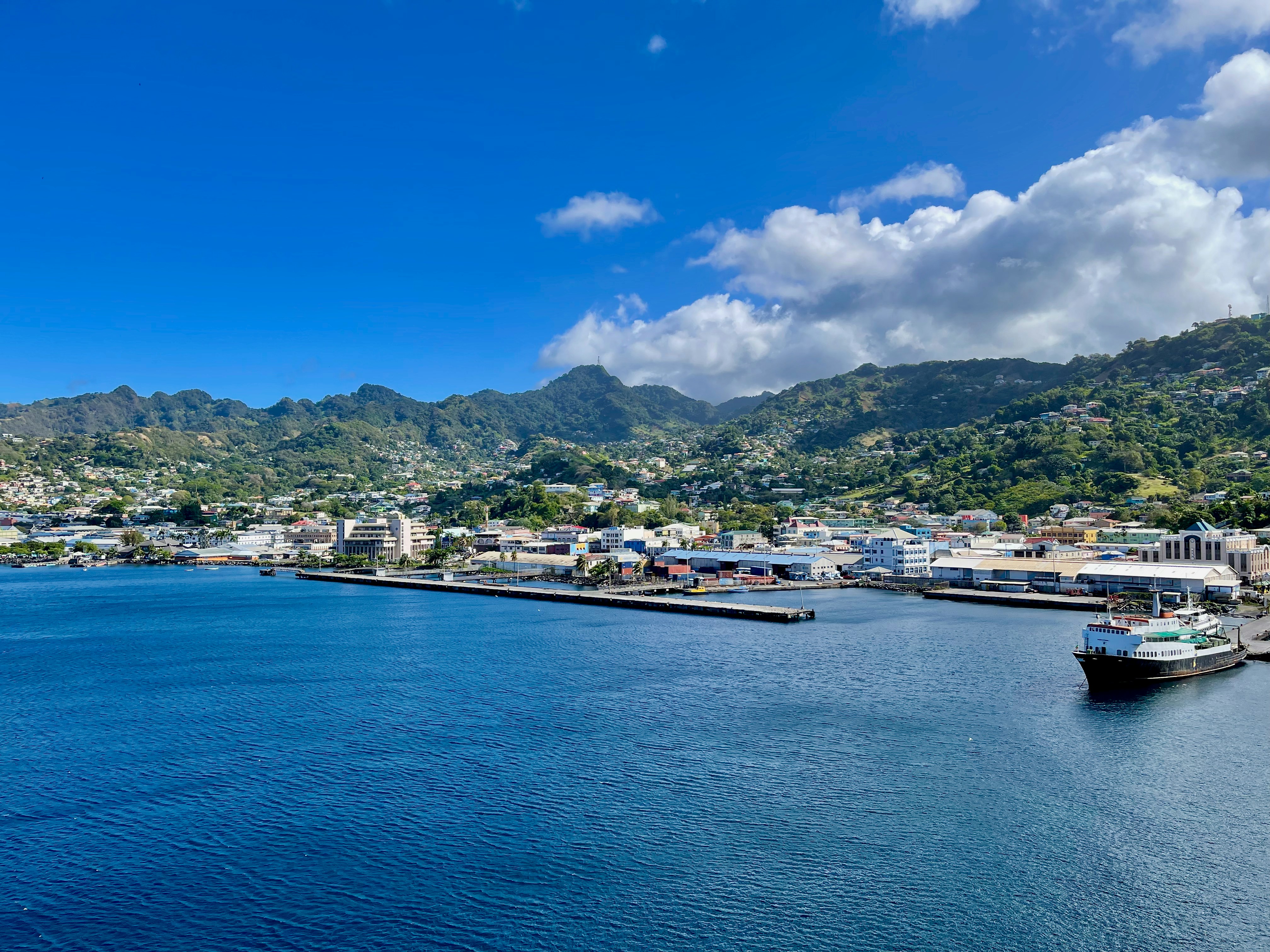
Bequia is a Carib word meaning "island of the cloud." Hilly and green with several golden-sand beaches, Bequia is 9 miles (14½ km) south of St. Vincent's southwestern shore; with a population of 5,000, it's the largest of the Grenadines. Although boatbuilding, whaling, and fishing have been the predominant industries here for generations, sailing has now become almost synonymous with Bequia. Admiralty Bay is a favored anchorage for both privately owned and chartered yachts. Lodgings range from comfortable resorts and villas to cozy West Indian—style inns. Bequia's airport and the frequent ferry service from St. Vincent make this a favorite destination for day-trippers, as well. The ferry docks in Port Elizabeth, a tiny town with waterfront bars, restaurants, and shops where you can buy handmade souvenirs—including the exquisitely detailed model sailboats that are a famous Bequia export. The Easter Regatta is held during the four-day Easter weekend, when revelers gather to watch boat races and celebrate the island's seafaring traditions with food, music, dancing, and competitive games.To see the views, villages, beaches, and boatbuilding sites around Bequia, hire a taxi at the jetty in Port Elizabeth. Several usually line up under the almond trees to meet each ferry from St. Vincent.

Port Elizabeth, St Vincent And The Grenadines
Port Elizabeth, St Vincent And The GrenadinesPhoto by iSAW Company on Unsplash

Day 15 - Tobago Island

Further details for this day are not available.

Day 16 - At Sea

Further details for this day are not available.

Day 18 - Ile Royale, Salvation Islands

Blessed with an abundance of wildlife, the first thing visitors to Ile Royale will notice will be the sea turtles feeding along the pier, the iguanas basking on rocks, and perhaps even the peacocks strolling along the road. At first glance, the island seems like paradise but scratch the surface and a much sombre past becomes clear. In fact, French Guiana was not always the tropical holiday destination it is today – far from it. During its penal colony days, being sent ‘en Guyane’ was the ultimate form of punishment, reserved primarily for the worst of France’s criminals (many will, of course, know the story of Henri Charriere aka Papillon, played by Steve McQueen in the film of the same name). Thankfully, Ile Royale – part of the three islands known as The Devil’s Islands (the smallest of which still retains the name today) has thrown off the shackles of its past and today embraces visitors in a rather more welcoming manner! If you decide to venture beyond the picture postcard long beach with swaying palm trees, historians will no doubt enjoy visiting the beautiful French colonial buildings, once home to the prison officers. Besides the officers’ quarters sits one of the highlights of Ile Royale – the prisoner-built chapel, dating from 1855. The most striking features, inside the wooden church, are the murals painted by convicted forger, Francis Lagrange. Other remains include the House of the Sisters, the military hospital and of course, the prison itself. Interestingly, in 1971 the Centre National d’Etudes Spatiales (or CNES, France’s equivalent to NASA) purchased the islands. As they sit in the flight path of most rocket launches, the islands must be evacuated on launch days.

Day 19 - At Sea

Further details for this day are not available.

Day 20 - Belem

Belém, capital of the state of Pará, is a port city and gateway to Brazil’s lower Amazon region. By Guajará Bay, the riverfront district Cidade Velha (old town) preserves Portuguese-colonial architecture, including churches, colorful azulejo-tile houses and a 17th-century fortification known as Forte do Presépio. Ver-o-Peso is a vast, open-air market on the water selling Amazonian fish, fruit and handicrafts.

Belem, Brazil
Belem, BrazilImage by Jose Eduardo Camargo from Pixaba

Suites & Deck Plans

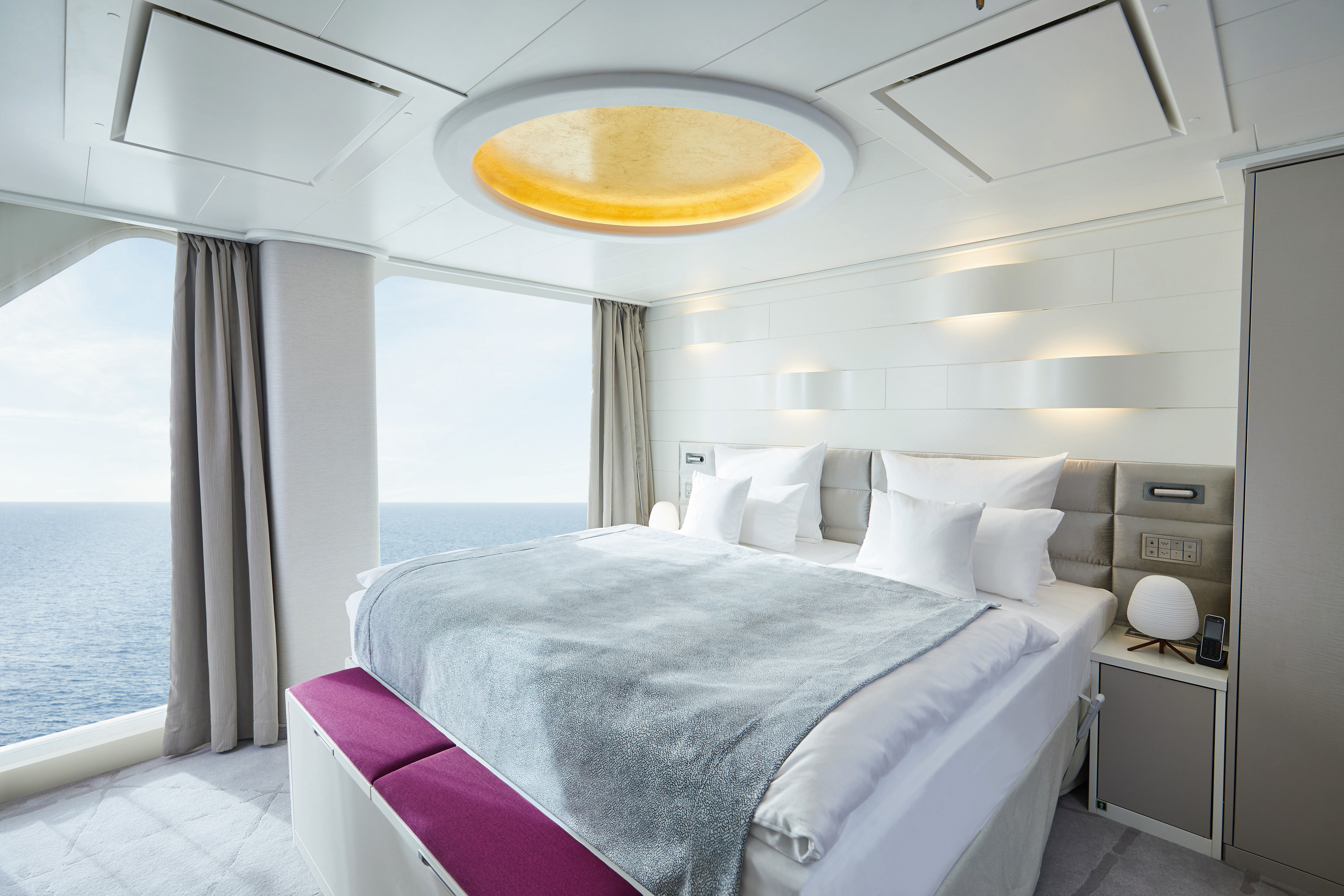
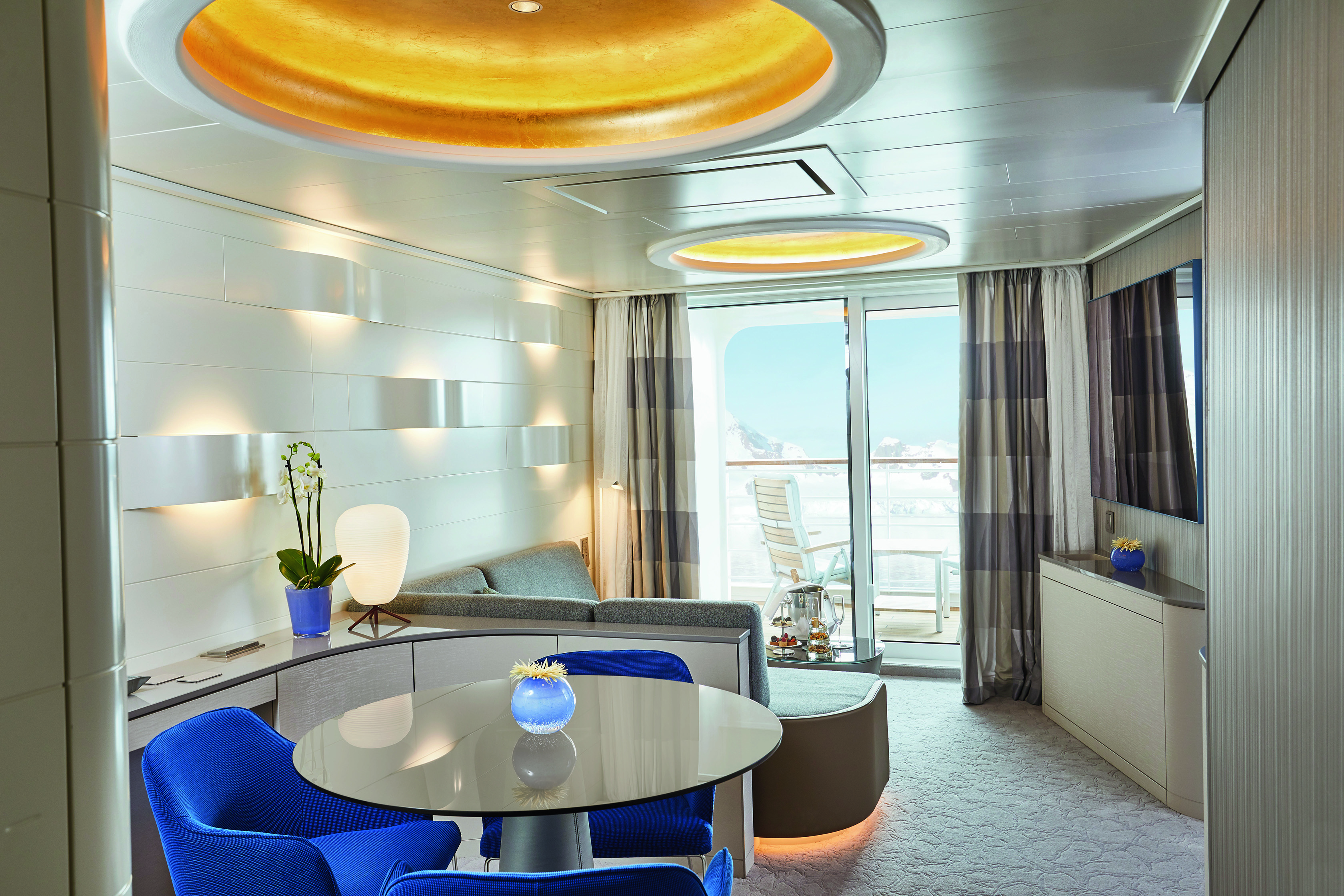
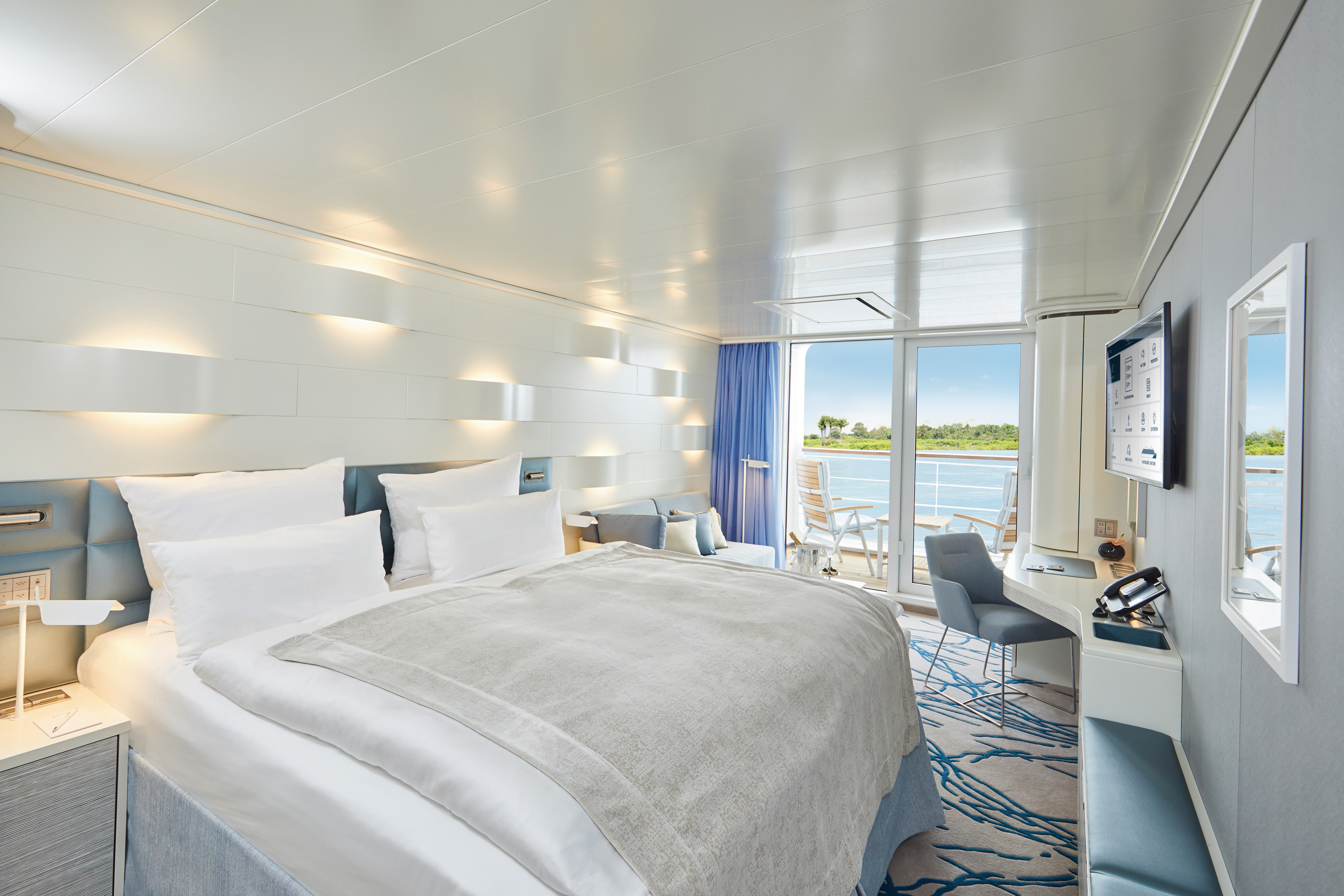
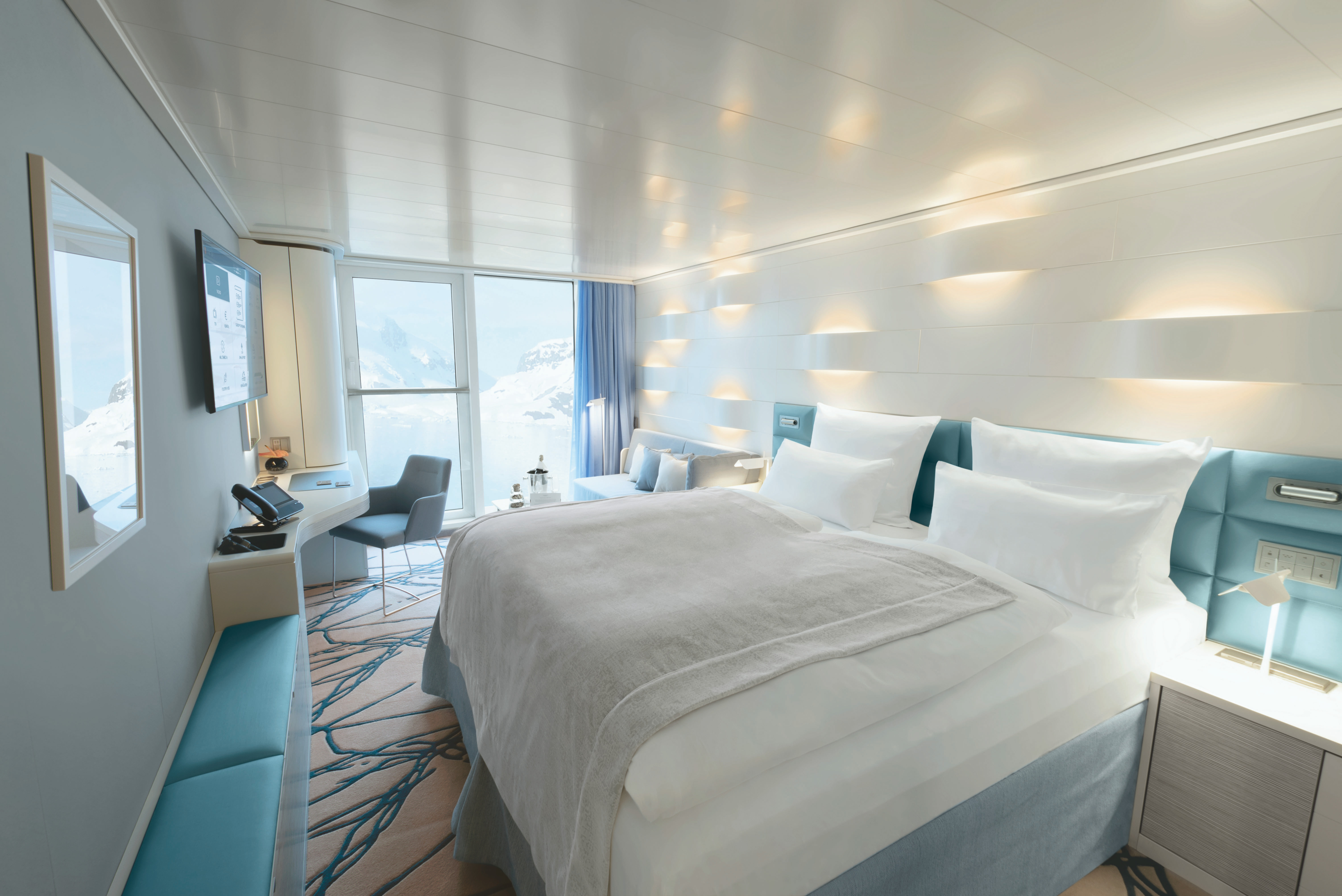
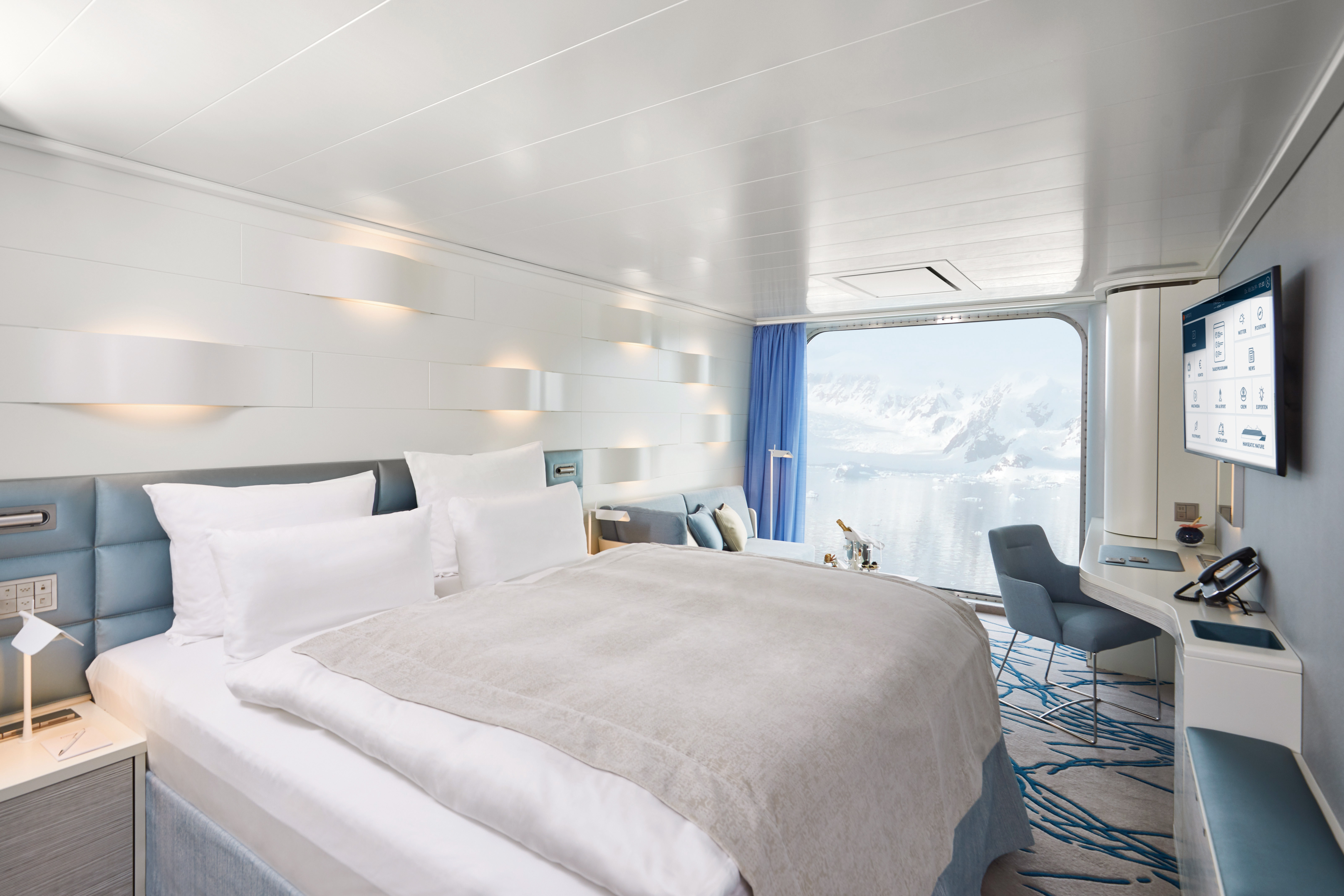
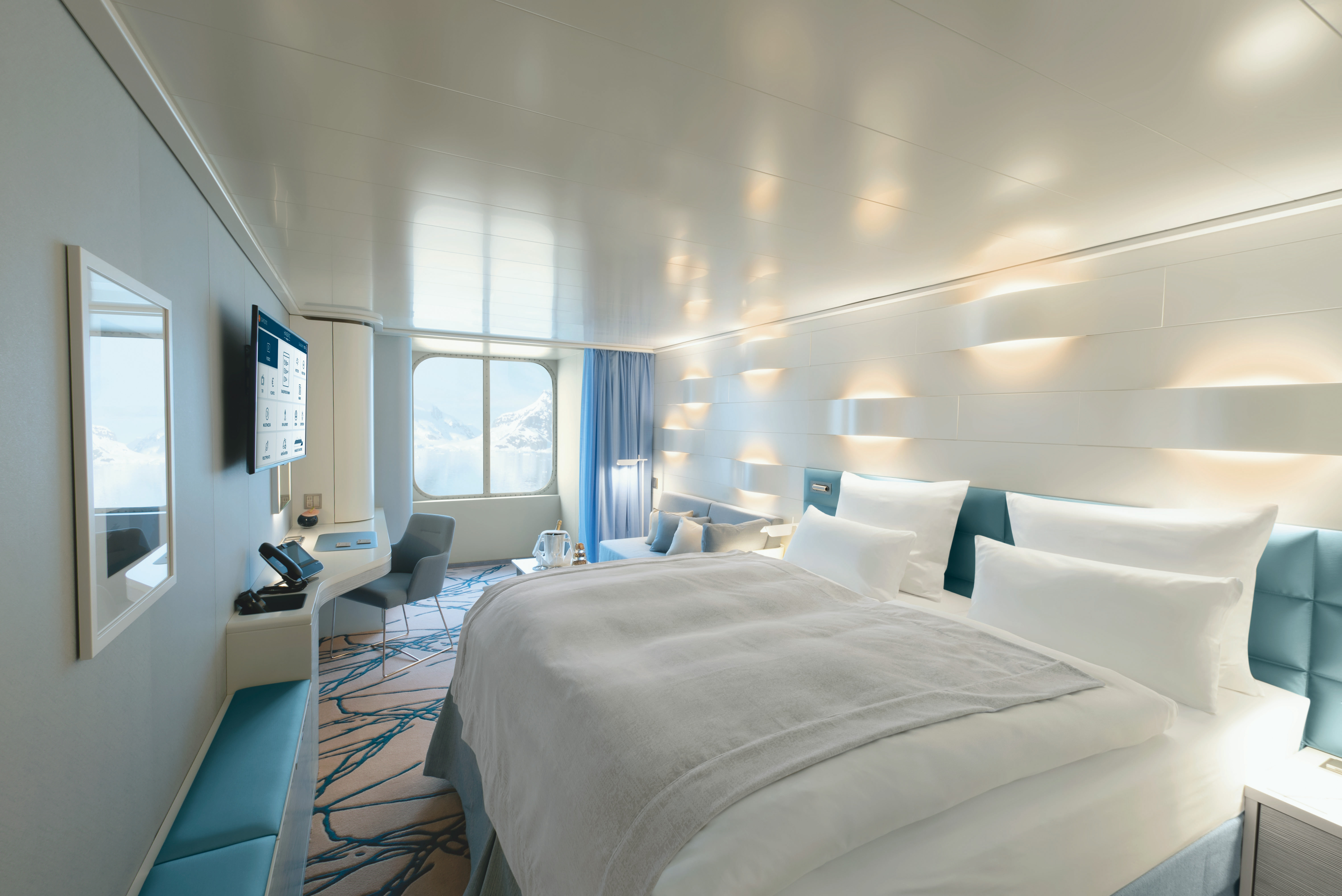
Suite

  • Separate living/sleeping area

  • Separate dining area
  • Sleeping area with panoramic view
  • Separable beds
  • TV in living and sleeping areas
  • Veranda with space heaters
  • Daylight bathroom with two sinks, free-standing bath, rain shower and veranda access
  • Steam sauna in shower area
  • Heated wall in bathroom (e.g. for towels and wet parkas)
  • Separate toilet
  • Free mini bar
  • Coffee machine
  • Extensive infotainment with live broadcast and recordings of expert presentations, forward-view camera, navigation chart, films and much more
  • Binoculars in the cabin
  • Nordic walking poles
  • 24-hour cabin service
  • Butler service
  • Table reservation in main restaurant
  • Free use of Wi-Fi

764 sq ft
Accommodates 3 guests
Grand Suite

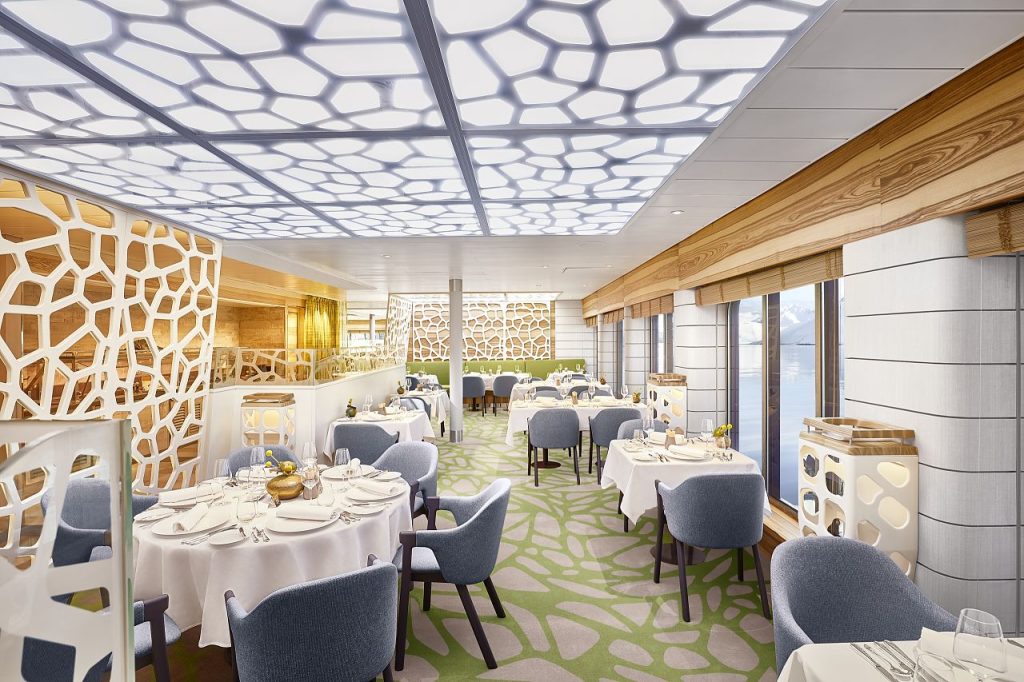
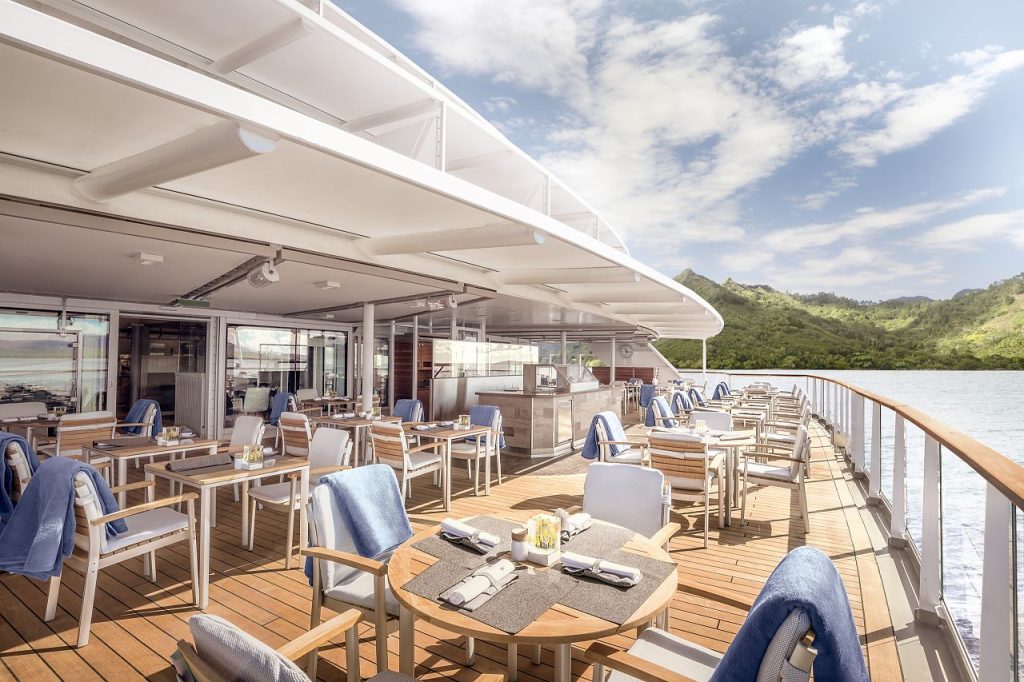
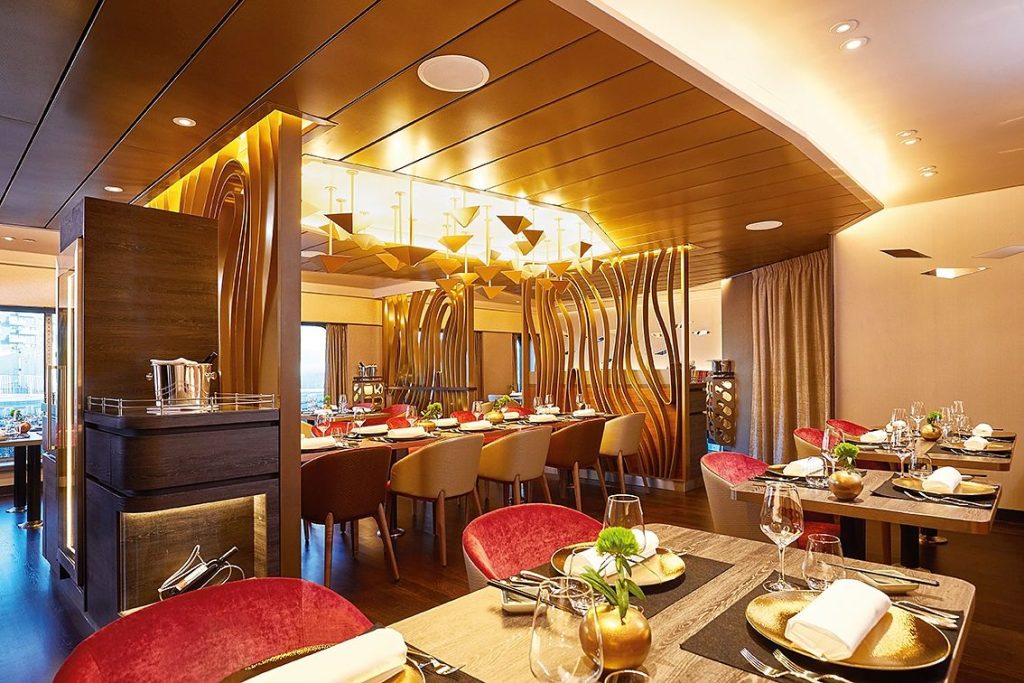
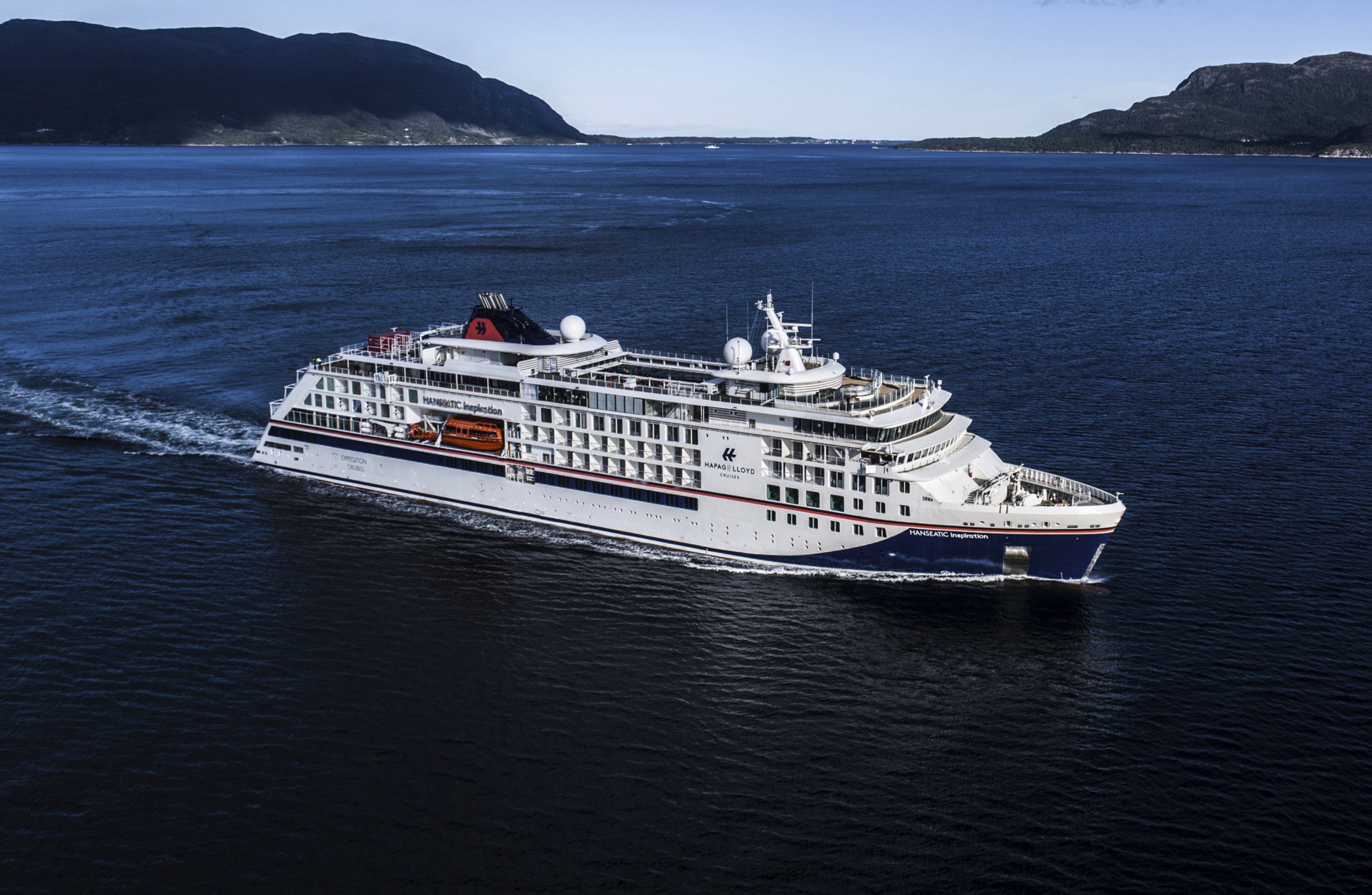
HANSEATIC inspiration

HANSEATIC inspiration

Life on board

The Onboard Experience

Client testimonials

I have worked with Lore Doick for more than 20 years, and she has booked over 30 cruises for me. Her expertise, care, and attention to every travel detail have made her an invaluable advisor and friend over the years.”

Tina B.

We are now in our second generation working with Cheri Ozimac at Tully Luxury Travel. From Antarctica to Greece, she has handled every detail with expertise, responsiveness, and care…

Earl M.

My wife and I have worked with Tully since 2007, and Kit Neil and her team went far beyond expectations while helping us navigate multiple cruise and flight cancellations. Their advocacy, care, and support during a difficult time were extraordinary.

Carri F.

Cheri Ozimac organized our Seabourn cruise flawlessly, from the hotel recommendation to every travel arrangement. She was responsive, attentive, and an excellent advocate throughout the process…

Cyn S.

We discovered Tully Luxury Travel after years of booking cruises through US agents and were impressed by their competitive pricing, exceptional service, and Canadian based support. Their team is always available, offers excellent value, and makes booking the right cruise seamless.

Peter C.

GoogleAverage Customer Rating:

The Tully Difference

Why travel with us


Tully Luxury Travel was built on access, discretion, and trust. For our clients, that means ease at every step, with distinctions that turn exceptional voyages into defining moments.

Recognized expertise

A renowned agency worldwide in luxury land and small-ship cruising, consistently trusted by the industry’s most prestigious brands.