
Hapag-Lloyd Cruises logo

Expedition Chilean Fjords: Geological Testimonies Made Of Stone And Ice

Itinerary: Ushuaia, Chilean Fjords, At Sea, Valparaiso, Chañaral Island, Iquique, Paracas, Callao See full itinerary

5 Mar 27
18 nights

Voyage Details

Duration:
18 nights
Departure:
5 Mar 2027
Embarkation:
Ushuaia, Argentina
Voyage code:
INS2704

Your Itinerary, Day-By-Day

Special Chapters of Your Journey

Day 1 - Ushuaia

At 55 degrees latitude south, Ushuaia (pronounced oo-swy-ah) is closer to the South Pole than to Argentina's northern border with Bolivia. It is the capital and tourism base for Tierra del Fuego, the island at the southernmost tip of Argentina.Although its stark physical beauty is striking, Tierra del Fuego's historical allure is based more on its mythical past than on rugged reality. The island was inhabited for 6,000 years by Yámana, Haush, Selk'nam, and Alakaluf Indians. But in 1902 Argentina, eager to populate Patagonia to bolster its territorial claims, moved to initiate an Ushuaian penal colony, establishing the permanent settlement of its most southern territories and, by implication, everything in between.When the prison closed in 1947, Ushuaia had a population of about 3,000, made up mainly of former inmates and prison staff. Today the Indians of Darwin's "missing link" theory are long gone—wiped out by diseases brought by settlers and by indifference to their plight—and the 60,000 residents of Ushuaia are hitching their star to tourism.The city rightly (if perhaps too loudly) promotes itself as the southernmost city in the world (Puerto Williams, a few miles south on the Chilean side of the Beagle Channel, is a small town). You can make your way to the tourism office to get your clichéd, but oh-so-necessary, "Southernmost City in the World" passport stamp. Ushuaia feels like a frontier boomtown, at heart still a rugged, weather-beaten fishing village, but exhibiting the frayed edges of a city that quadrupled in size in the '70s and '80s and just keeps growing. Unpaved portions of Ruta 3, the last stretch of the Pan-American Highway, which connects Alaska to Tierra del Fuego, are finally being paved. The summer months (December through March) draw more than 120,000 visitors, and dozens of cruise ships. The city is trying to extend those visits with events like March's Marathon at the End of the World and by increasing the gamut of winter activities buoyed by the excellent snow conditions.A terrific trail winds through the town up to the Martial Glacier, where a ski lift can help cut down a steep kilometer of your journey. The chaotic and contradictory urban landscape includes a handful of luxury hotels amid the concrete of public housing projects. Scores of "sled houses" (wooden shacks) sit precariously on upright piers, ready for speedy displacement to a different site. But there are also many small, picturesque homes with tiny, carefully tended gardens. Many of the newer homes are built in a Swiss-chalet style, reinforcing the idea that this is a town into which tourism has breathed new life. At the same time, the weather-worn pastel colors that dominate the town's landscape remind you that Ushuaia was once just a tiny fishing village, snuggled at the end of the Earth.As you stand on the banks of the Canal Beagle (Beagle Channel) near Ushuaia, the spirit of the farthest corner of the world takes hold. What stands out is the light: at sundown the landscape is cast in a subdued, sensual tone; everything feels closer, softer, and more human in dimension despite the vastness of the setting. The snowcapped mountains reflect the setting sun back onto a stream rolling into the channel, as nearby peaks echo their image—on a windless day—in the still waters.Above the city rise the last mountains of the Andean Cordillera, and just south and west of Ushuaia they finally vanish into the often-stormy sea. Snow whitens the peaks well into summer. Nature is the principal attraction here, with trekking, fishing, horseback riding, wildlife spotting, and sailing among the most rewarding activities, especially in the Parque Nacional Tierra del Fuego (Tierra del Fuego National Park).
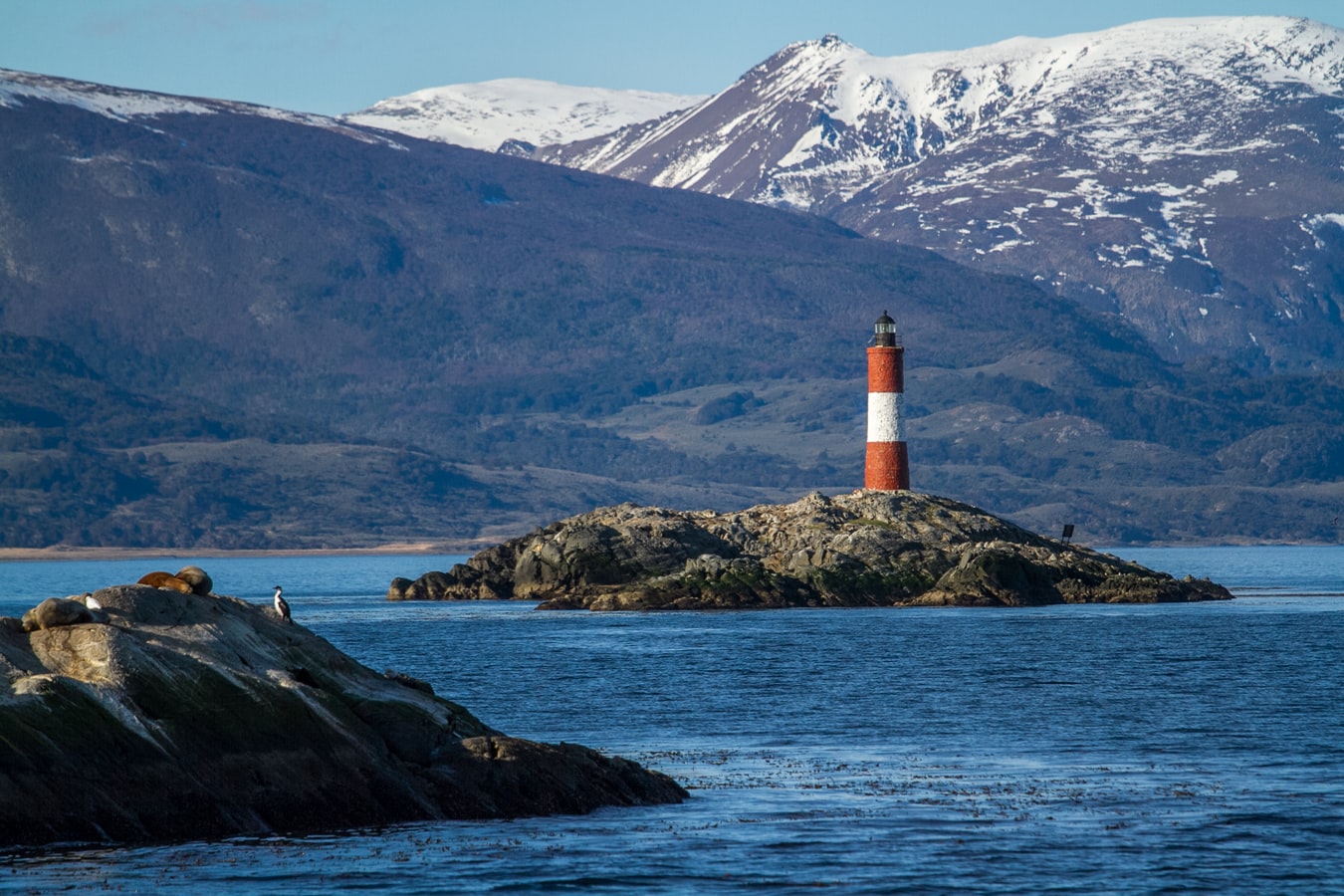
Arush   Ushuaia, Argentina   Pc To Dennis Fidalgo
Arush Ushuaia, Argentina Pc To Dennis Fidalgo
Arush   Ushuaia, Argentina   Pc To Sander Crombach
Arush Ushuaia, Argentina Pc To Sander Crombach
Arush   Ushuaia, Argentina   Pc To Seb Creativo
Arush Ushuaia, Argentina Pc To Seb Creativo

Day 2 - Chilean Fjords

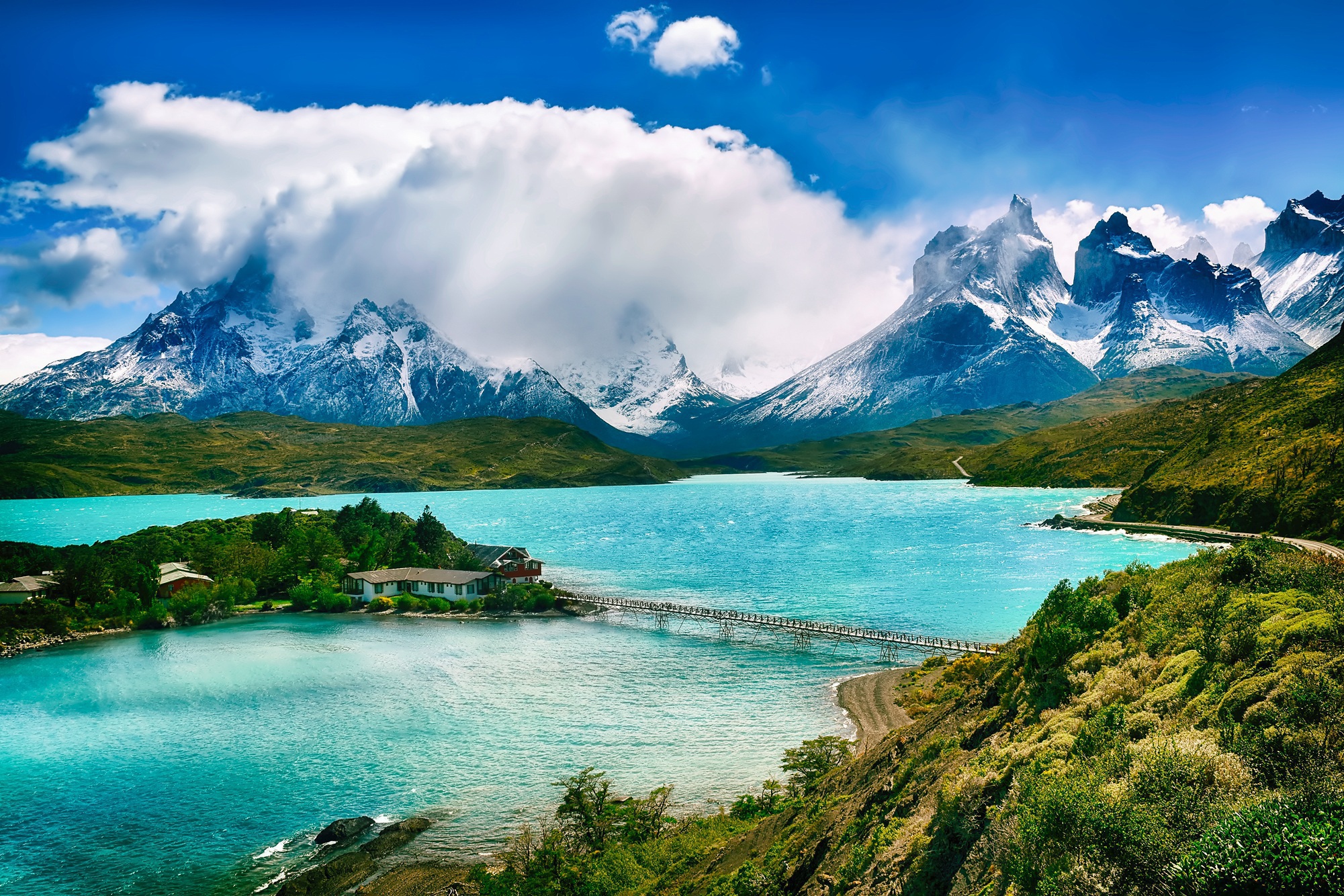
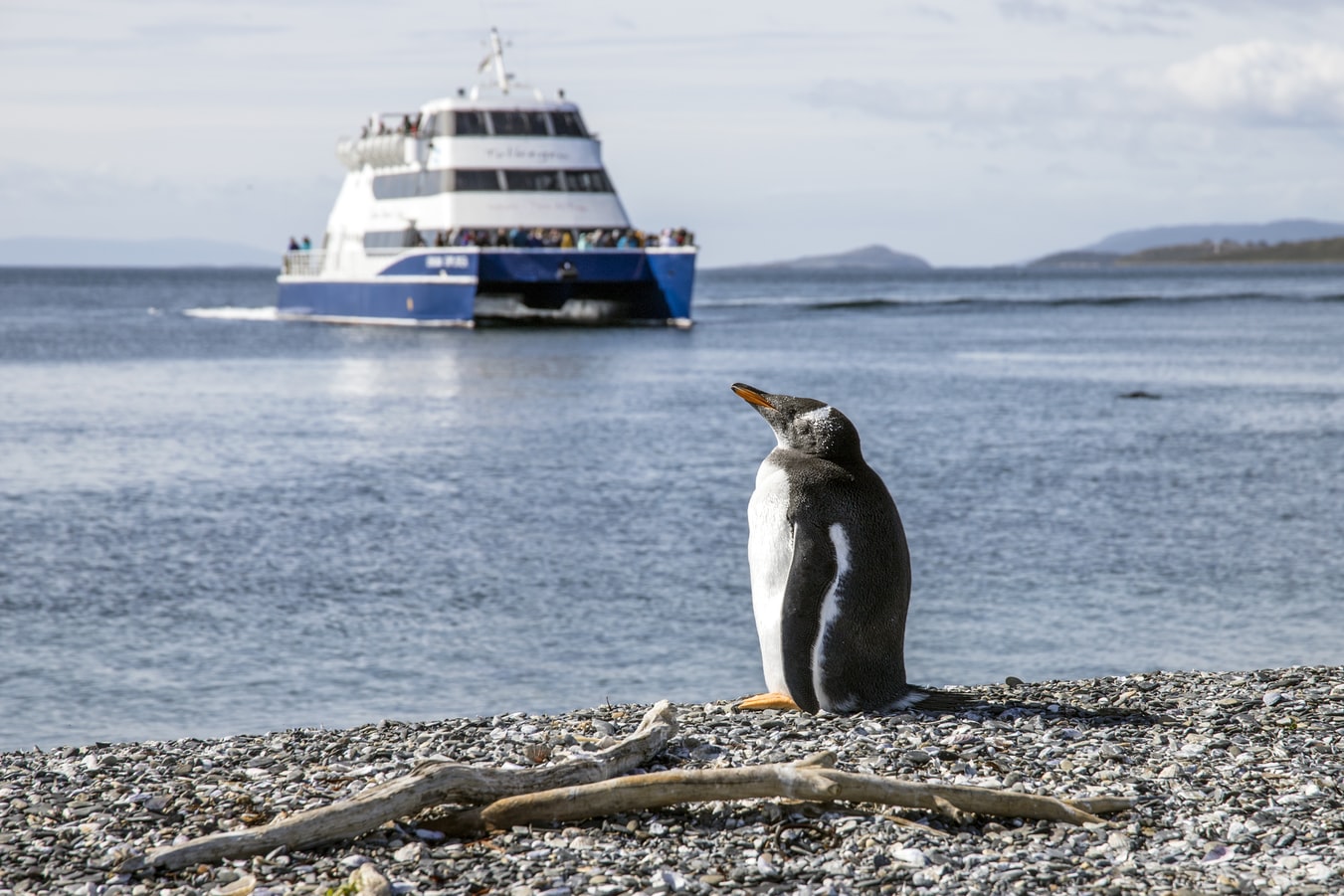
Strewn through the coast of Chile, these beautiful fjords are world renowned for being one of the most awe-inspiring places on earth. Snow-capped volcanoes nestle majestically alongside rolling valleys of ice and frosty glaciers. Rugged beauty, breathtaking scenery not to mention diverse and profuse wildlife abounds – expect to watch whales from the deck, see playful Magellan Penguins and perhaps even spot the rare Andean Condor. Affectionately named “The End of the World” by the Spaniards who discovered the region in eighteenth century in a quest to Christianise South America, these extraordinary waterways not only encompass a medley of jagged mountains and iceberg strewn bays, but feature a kaleidoscopic spectrum of unexpected colour that offers photographic opportunities like no other destination.

Chilean Fjords
Chilean FjordsPhoto from Pixabay

Day 9 - Chilean Fjords

Strewn through the coast of Chile, these beautiful fjords are world renowned for being one of the most awe-inspiring places on earth. Snow-capped volcanoes nestle majestically alongside rolling valleys of ice and frosty glaciers. Rugged beauty, breathtaking scenery not to mention diverse and profuse wildlife abounds – expect to watch whales from the deck, see playful Magellan Penguins and perhaps even spot the rare Andean Condor. Affectionately named “The End of the World” by the Spaniards who discovered the region in eighteenth century in a quest to Christianise South America, these extraordinary waterways not only encompass a medley of jagged mountains and iceberg strewn bays, but feature a kaleidoscopic spectrum of unexpected colour that offers photographic opportunities like no other destination.

Chilean Fjords
Chilean FjordsPhoto from Pixabay

Day 12 - At Sea

Further details for this day are not available.

Day 13 - Valparaiso

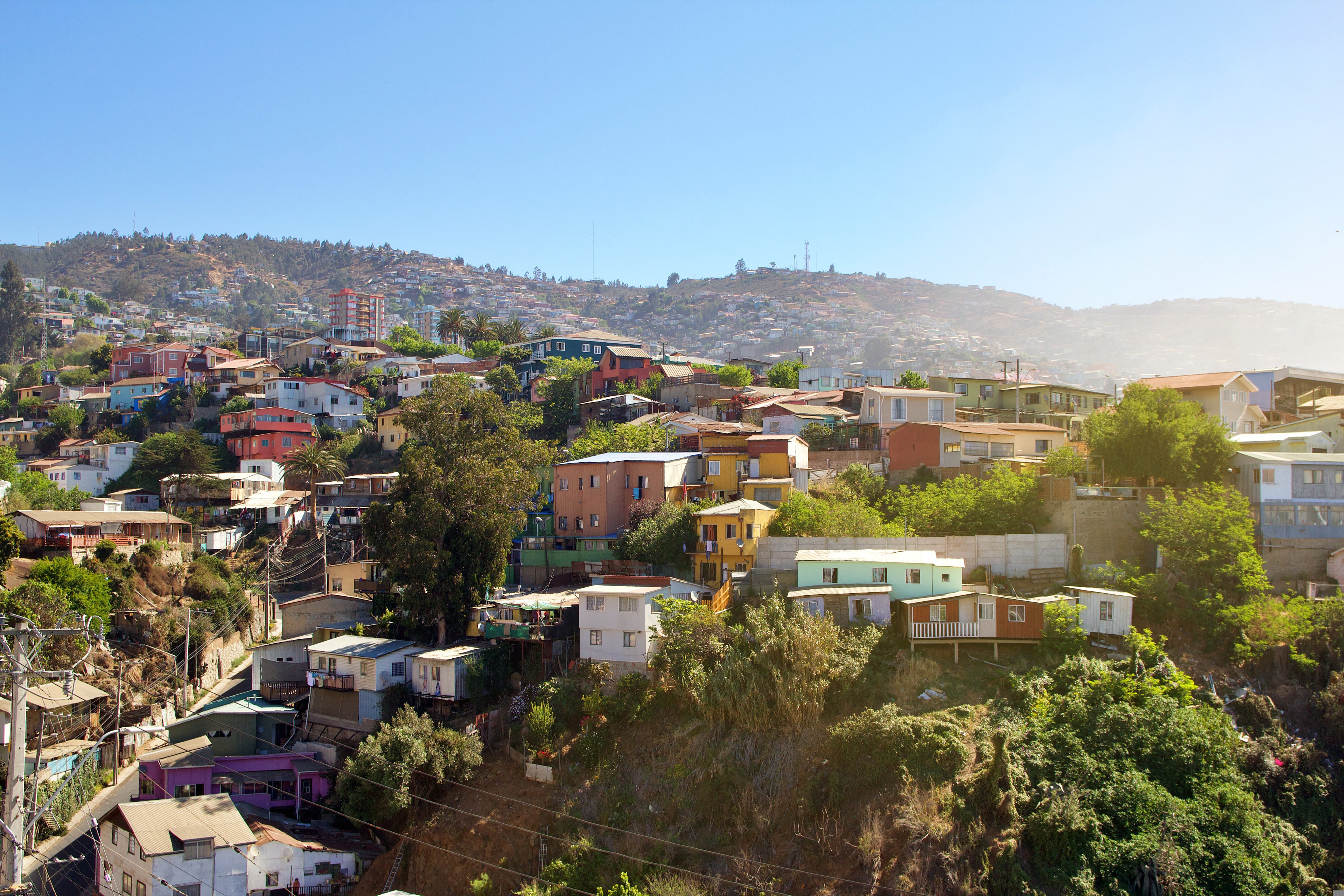
Valparaíso's dramatic topography—45 cerros, or hills, overlooking the ocean—requires the use of winding pathways and wooden ascensores (funiculars) to get up many of the grades. The slopes are covered by candy-color houses—there are almost no apartments in the city—most of which have exteriors of corrugated metal peeled from shipping containers decades ago. Valparaíso has served as Santiago's port for centuries. Before the Panama Canal opened, Valparaíso was the busiest port in South America. Harsh realities—changing trade routes, industrial decline—have diminished its importance, but it remains Chile's principal port. Most shops, banks, restaurants, bars, and other businesses cluster along the handful of streets called El Plan (the flat area) that are closest to the shoreline. Porteños (which means "the residents of the port") live in the surrounding hills in an undulating array of colorful abodes. At the top of any of the dozens of stairways, the paseos (promenades) have spectacular views; many are named after prominent Yugoslavian, Basque, and German immigrants. Neighborhoods are named for the hills they cover. With the jumble of power lines overhead and the hundreds of buses that slow down—but never completely stop—to pick up agile riders, it's hard to forget you're in a city. Still, walking is the best way to experience Valparaíso. Be careful where you step, though—locals aren't very conscientious about curbing their dogs.

Valparaiso, Chile
Valparaiso, ChileImage by Julian Hacker from Pixabay

Day 14 - Chañaral Island

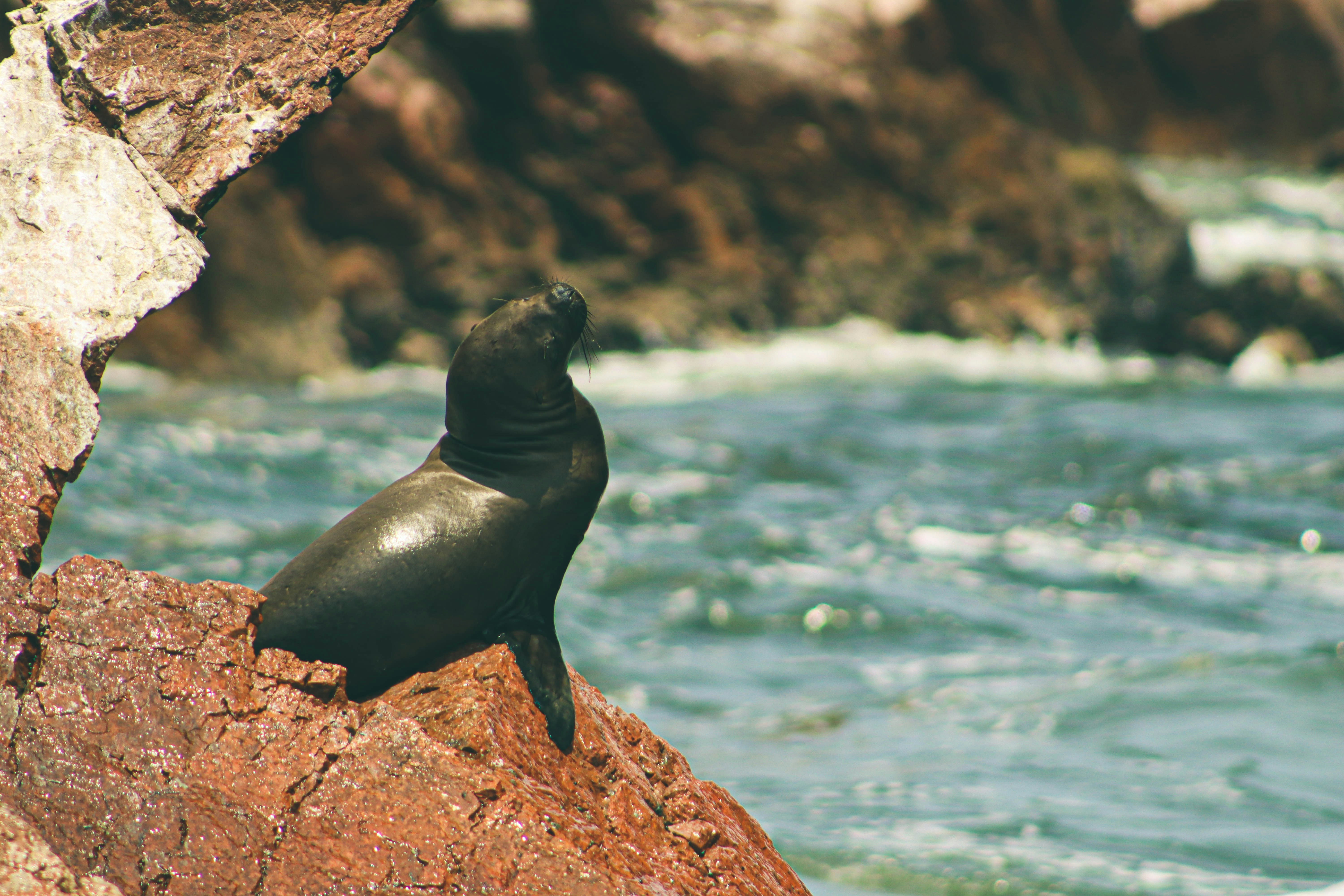
Isla Chañaral is located just off the Central Chilean coast and, along with two other smaller islands, is part of the Humboldt Penguin National Reserve. The islands are an important breeding site for Humboldt Penguins. Sea lions rest on the rocky cliff ledges, while rare South American marine otters have been known to slide in and out of the waters along the coastline, and playful bottlenose dolphins swim in the surrounding seas. The island itself consists of an upper and a lower plateau. The lower level is covered in shrubby vegetation peppered with cacti, while the high plateau appears desolate in contrast.

Day 15 - At Sea

Further details for this day are not available.

Day 16 - Iquique

Further details for this day are not available.

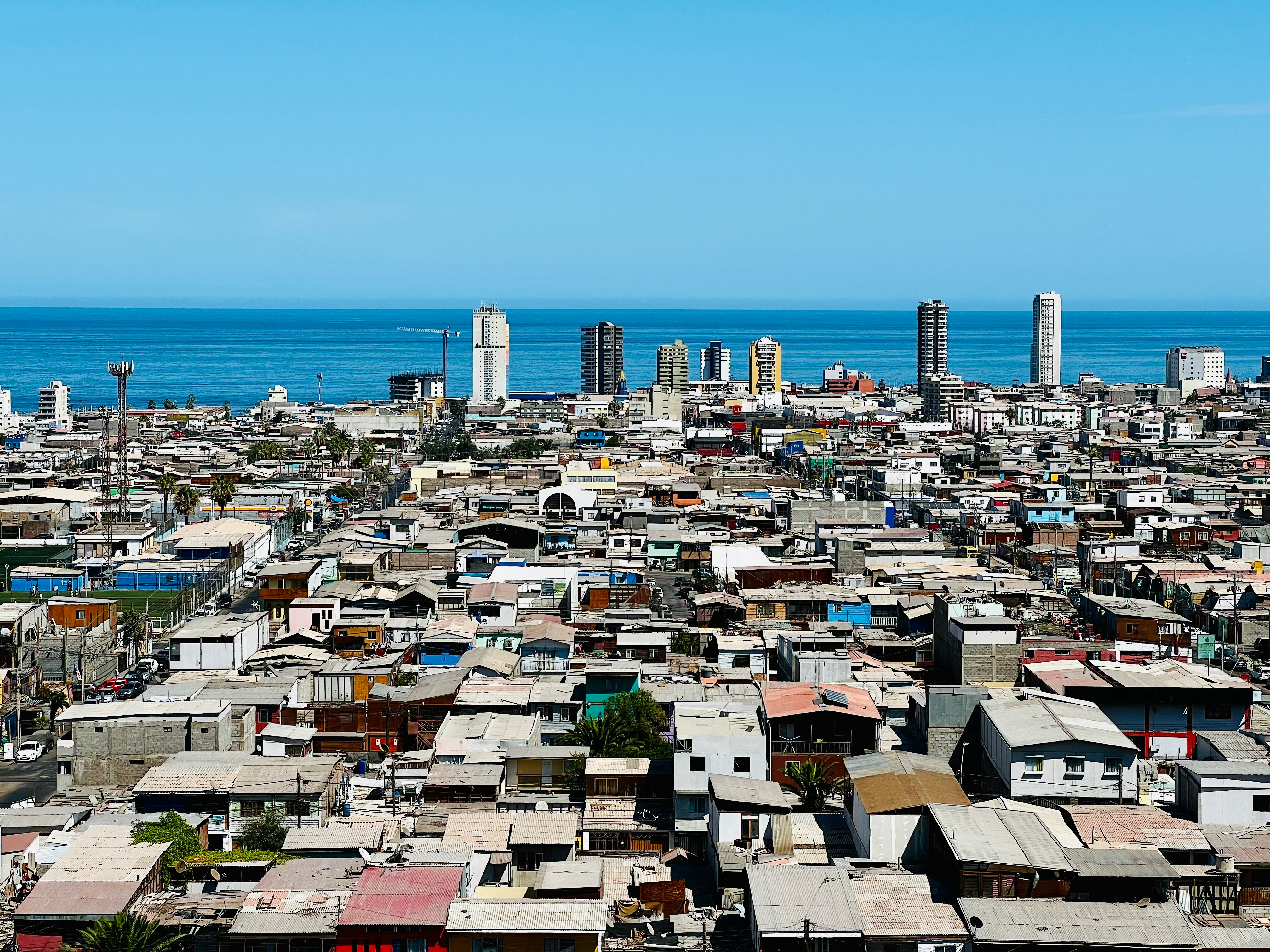
Iquique, Iquique, Chile
Iquique, Iquique, ChilePhoto by Cristian Paul on Unsplash
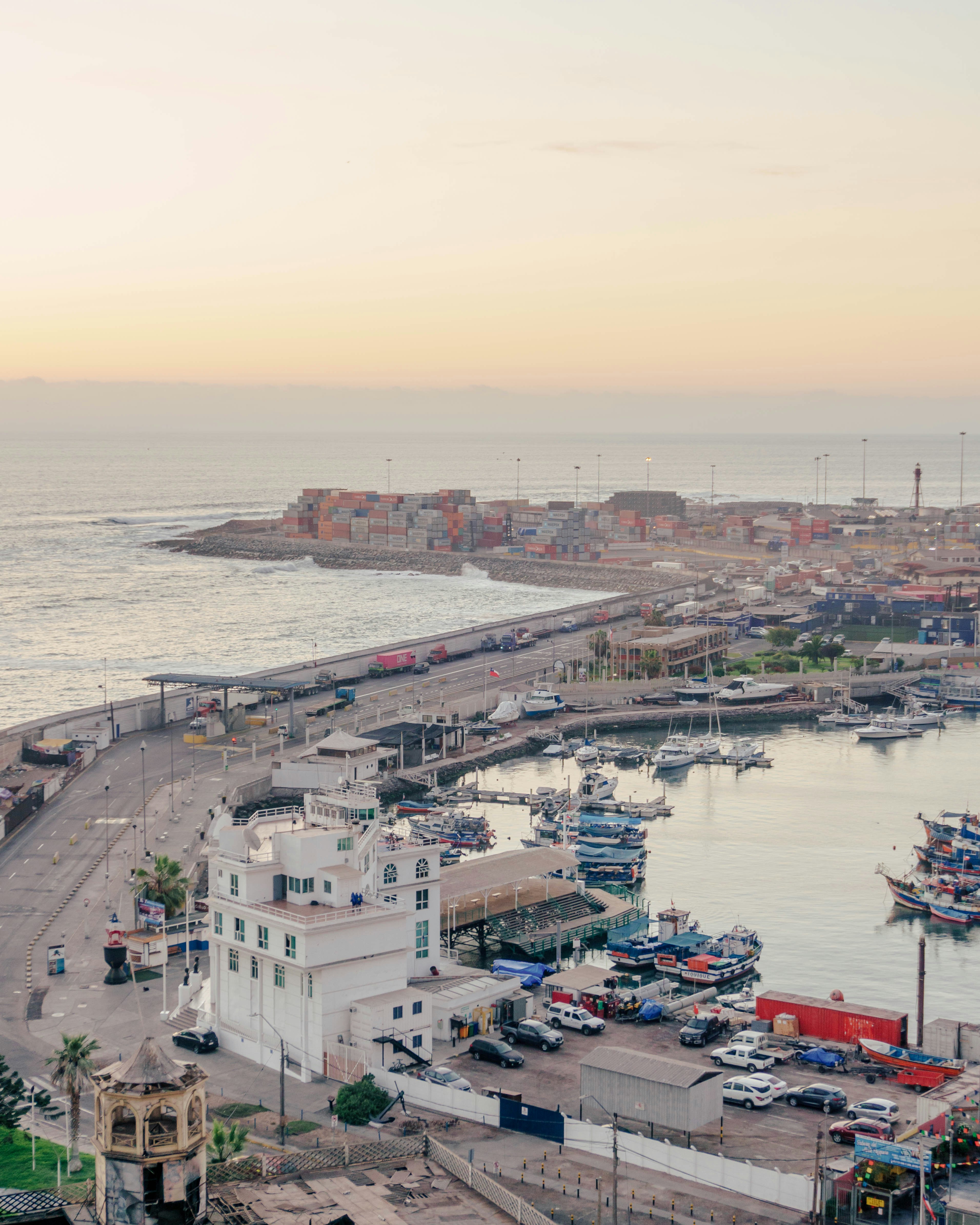
Aerial View Of Docks, Iquique, Chile
Aerial View Of Docks, Iquique, ChilePhoto by Travis Ark on Unsplash

Day 17 - At Sea

Further details for this day are not available.

Day 18 - Paracas

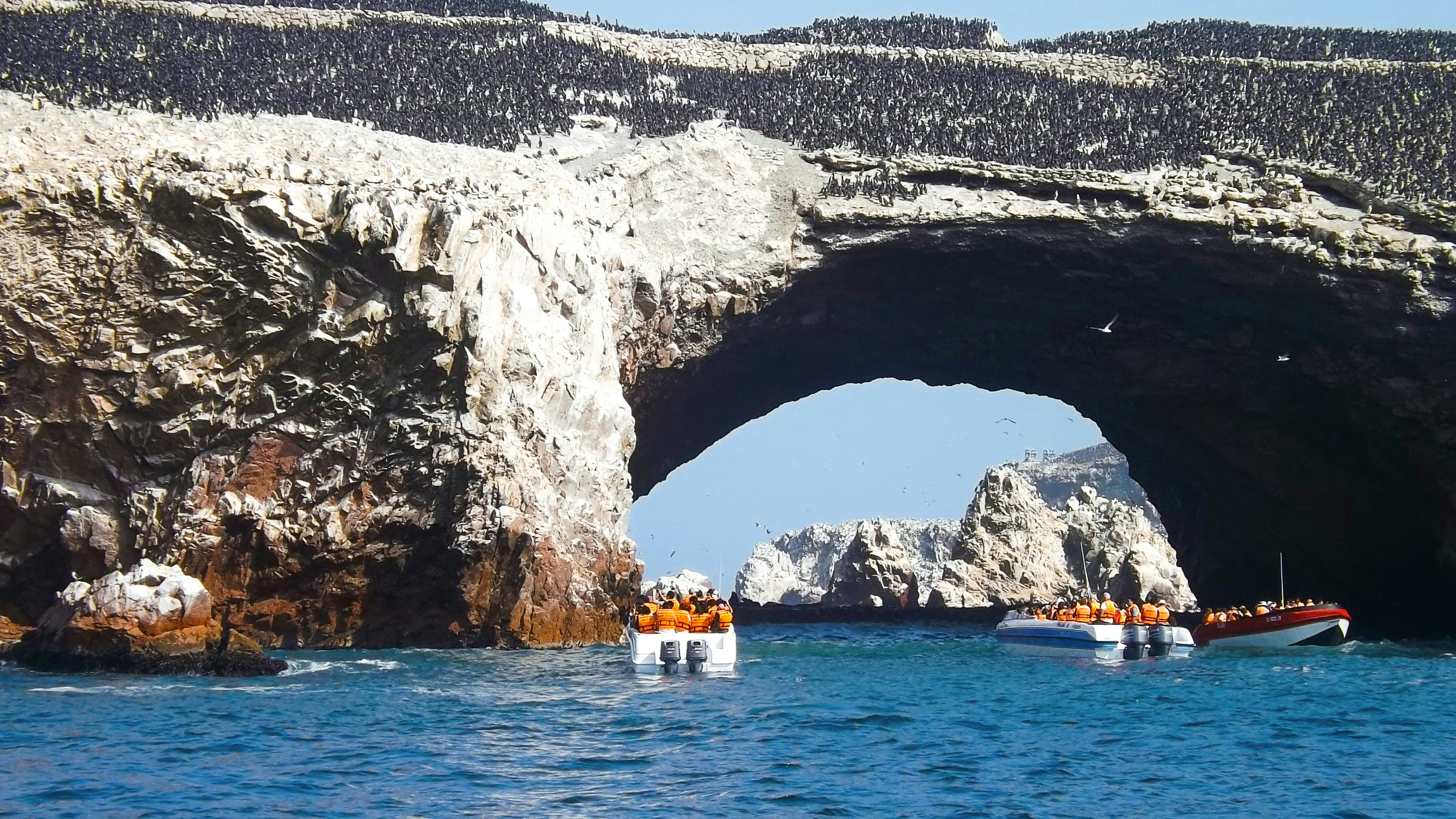
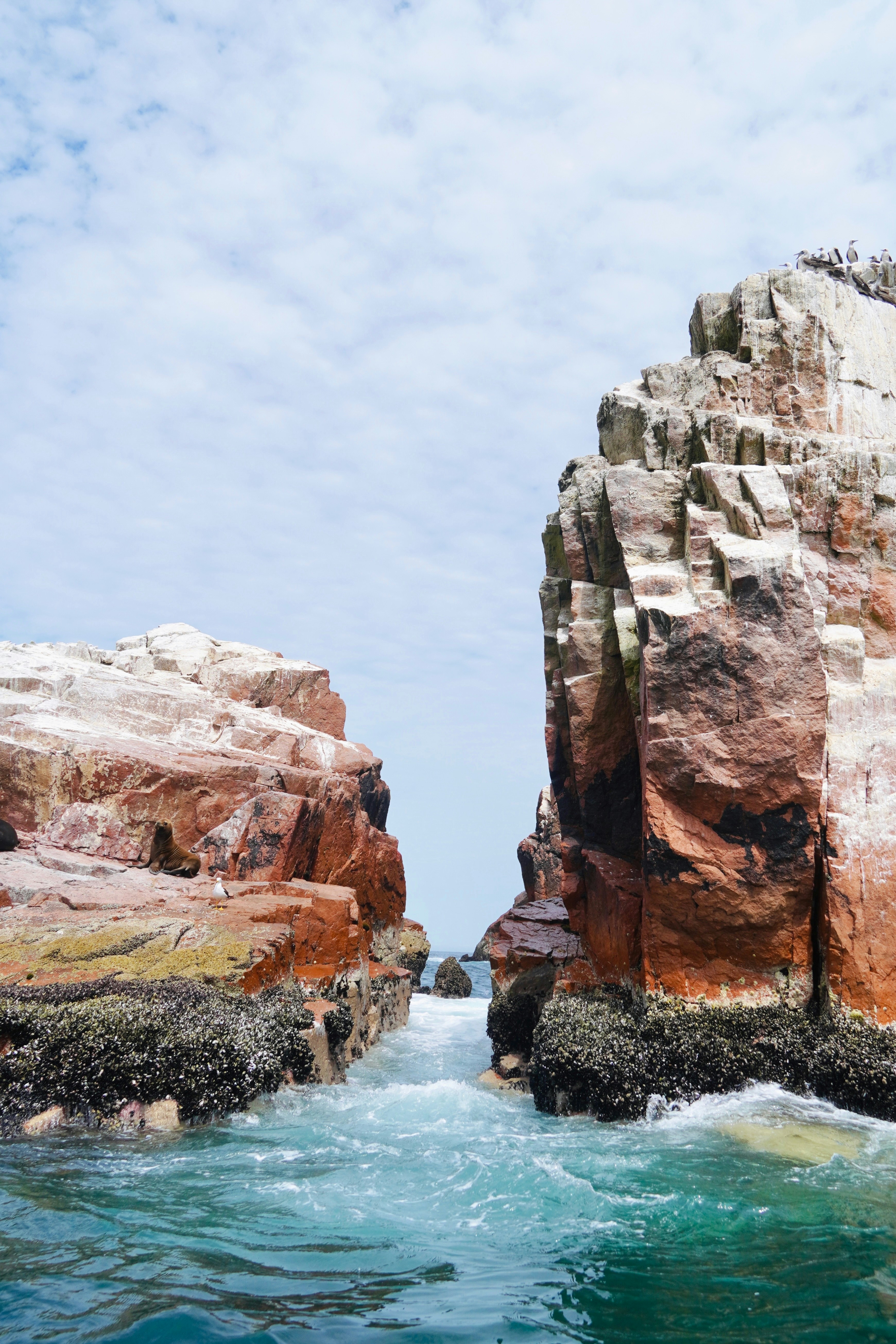
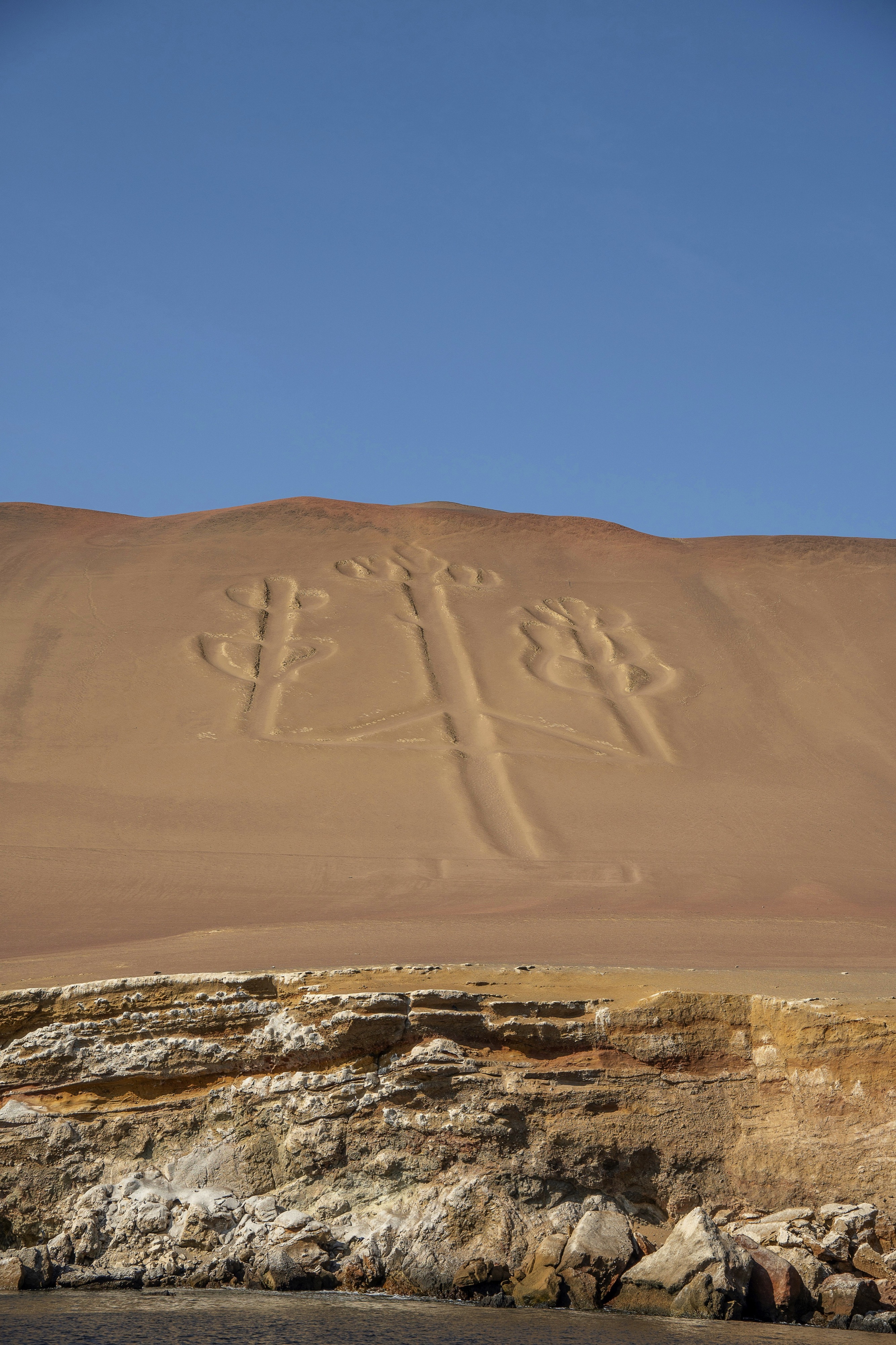
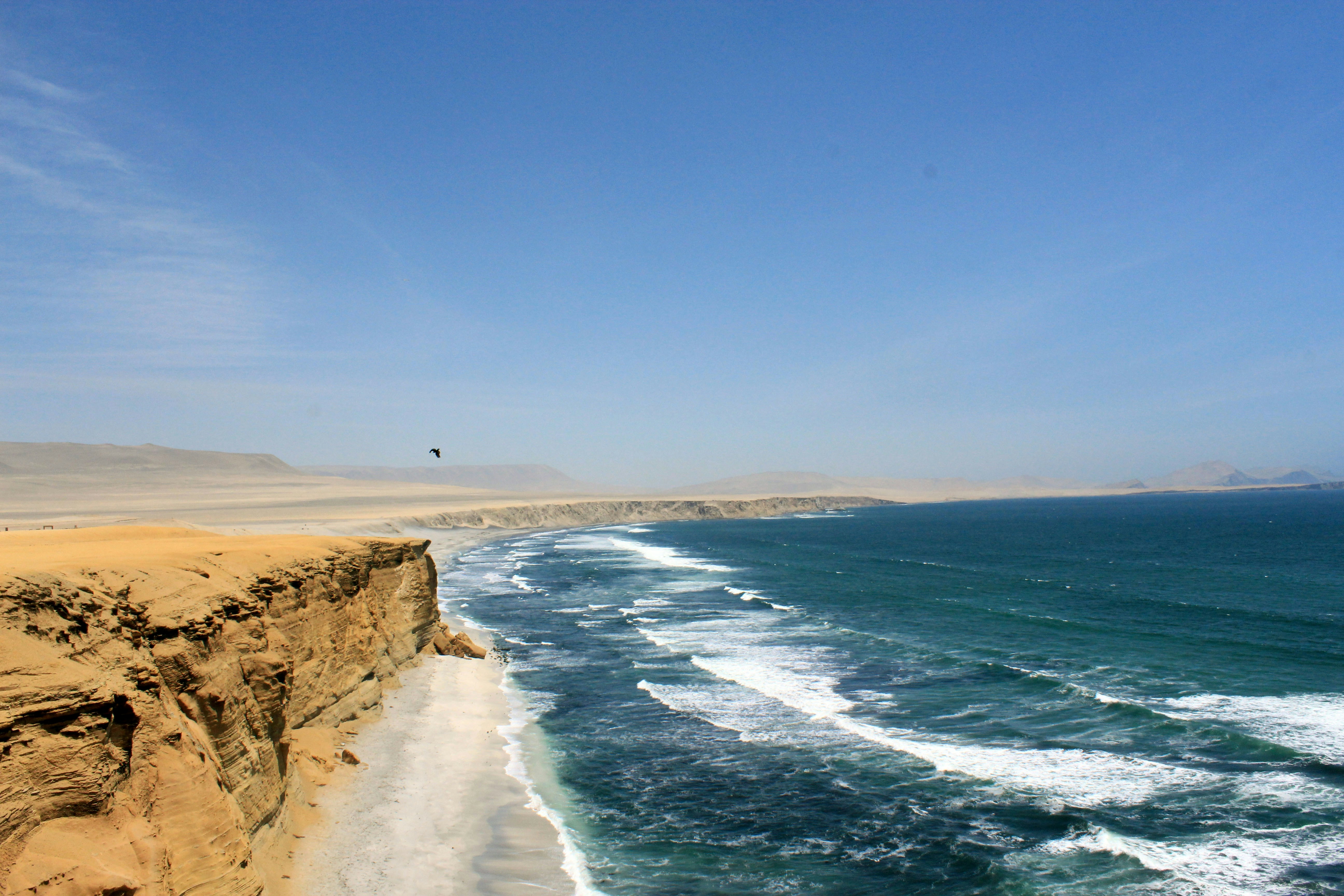
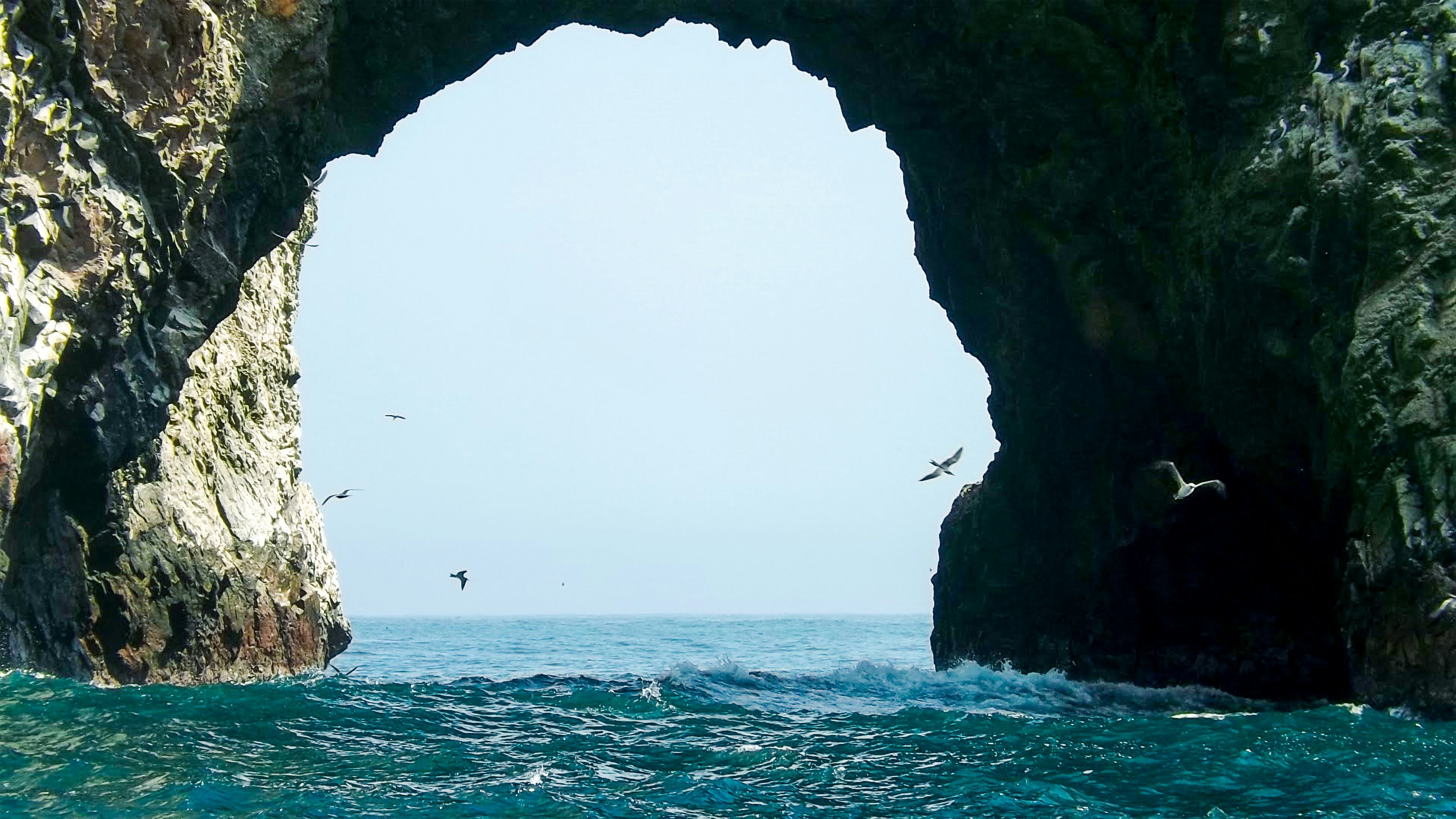
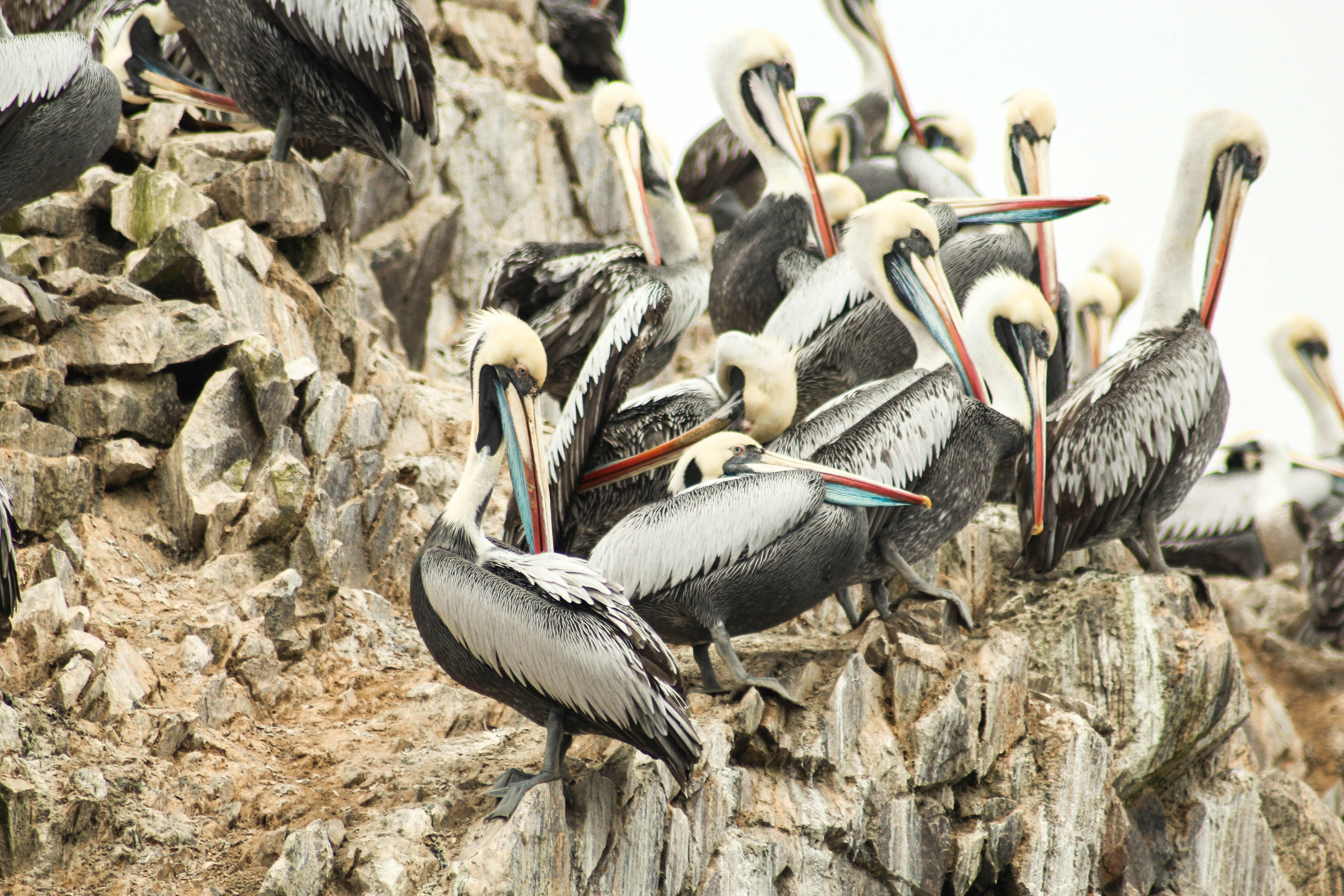
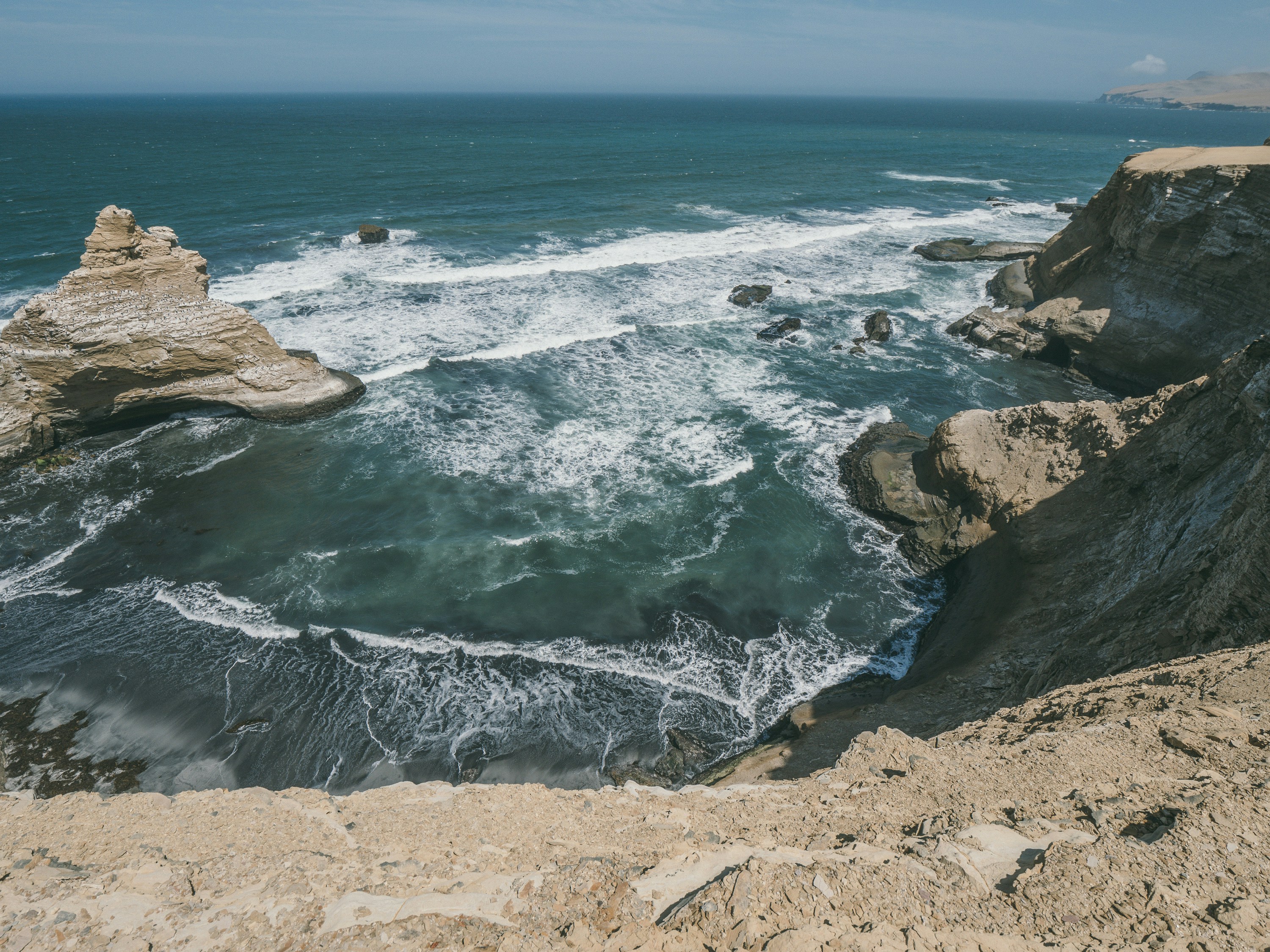
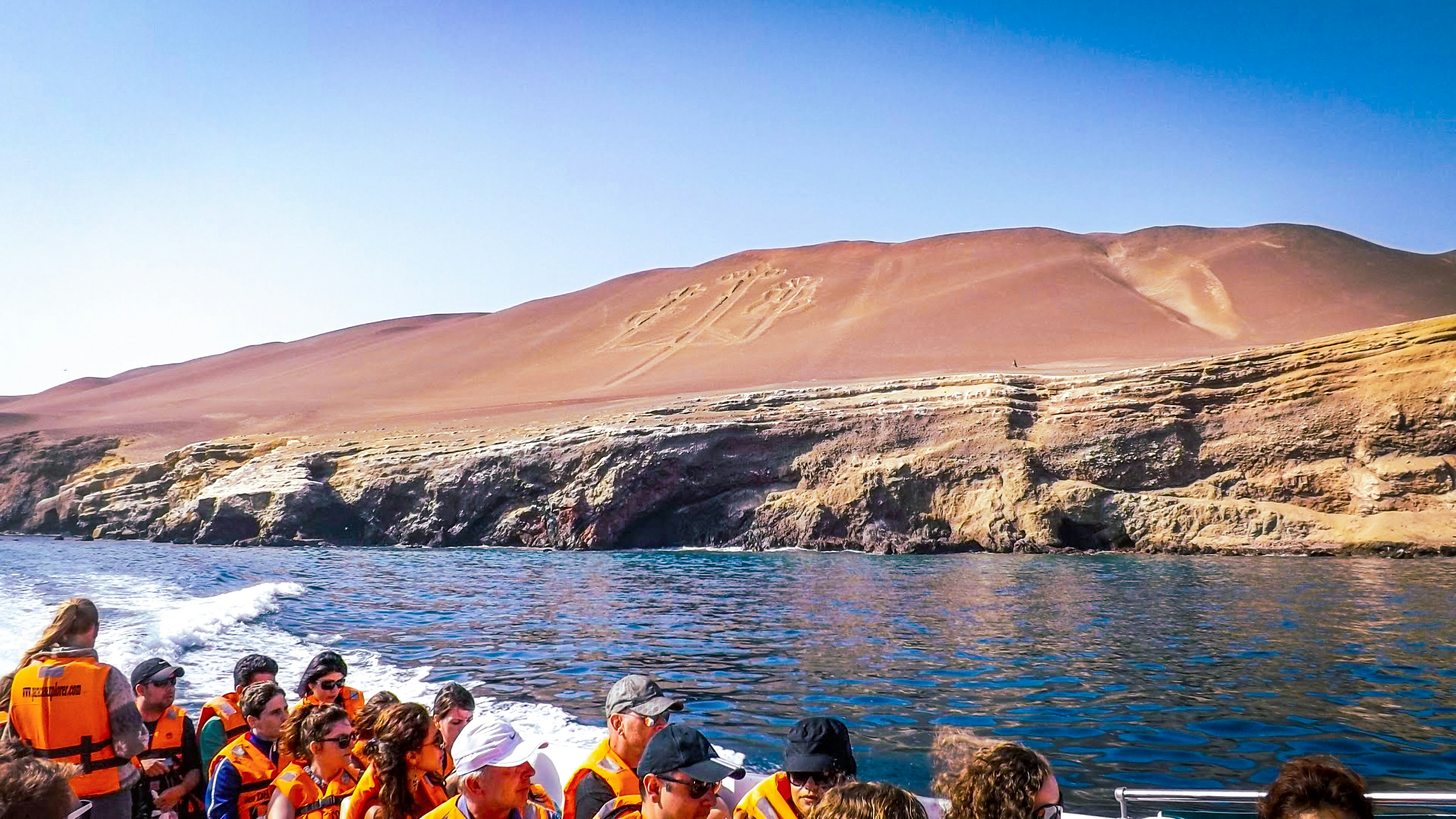
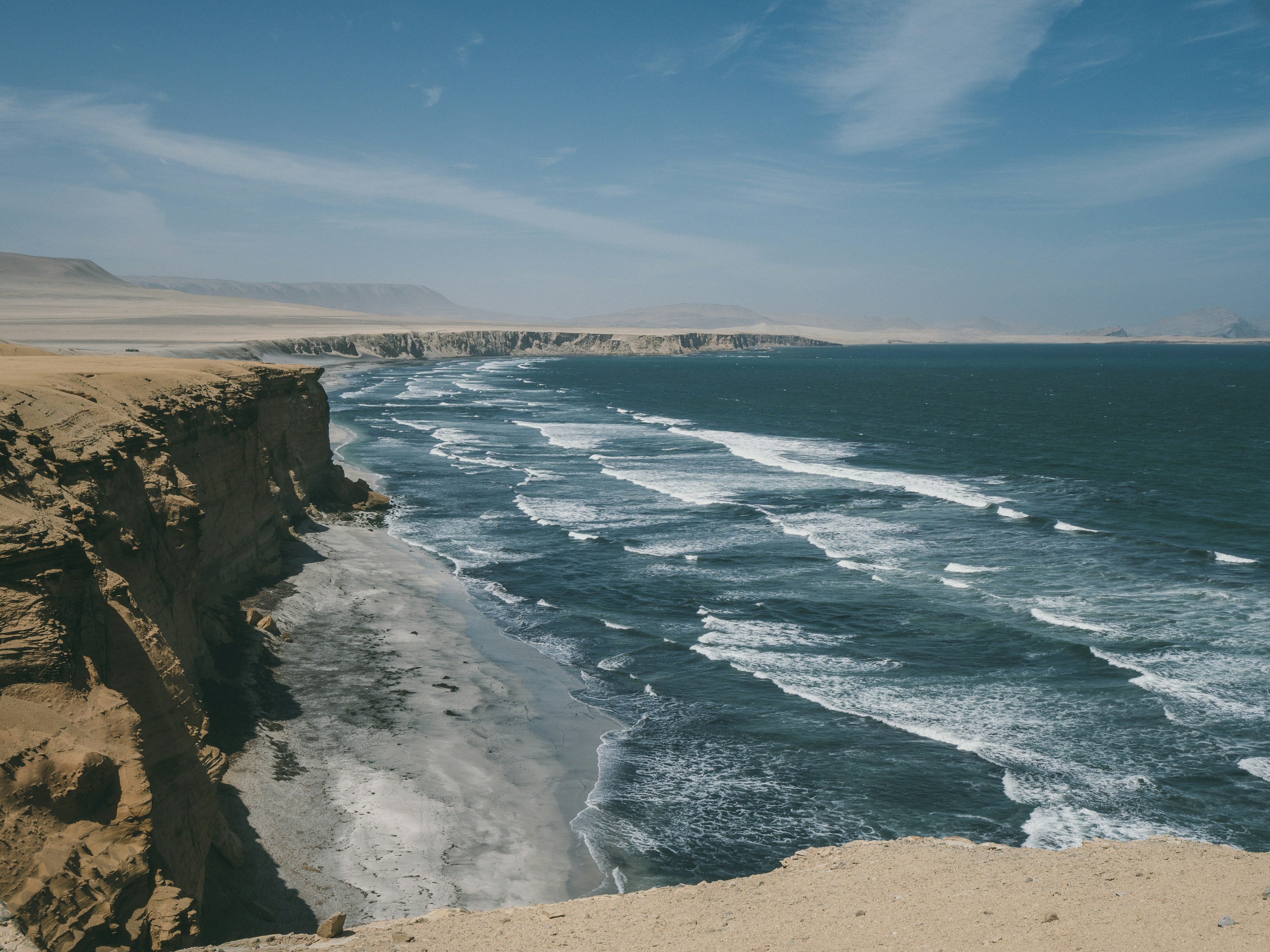
The port city of Paracas is blessed with magnificent natural beauty and rich historical importance, offerings inviting beaches, ideal weather and pleasant scenery — a combination that draws visitors throughout the year. The shores of the Paracas Peninsula and waters of the bay teem with wildlife and have been declared a national reserve. Condors frequently can be seen gliding on the sea winds or perched on the cliffs; pink flamingos often rest here on their migratory flights. The complex interaction between wind and ocean, sun and land has transformed this region into a kind of lunarscape under an equatorial sun. Another reason for travellers to come to this area is its proximity to the famous and mysterious Nazca Lines. Visible from the air, these strange markings stretch for miles on a large barren plain and have bewildered archaeologists, historians and mathematicians since their discovery over a century ago. The earliest Andean people found shelter here. The Paracas culture was known for fine weavings in geometrical designs and vibrant colours, which have been preserved for thousands of years by the dry climate. Some of the finest examples are in museums in Lima. The town of Ica is Peru’s finest wine centre, as well as home to the fiery brandy-derived beverage known as Pisco. The surrounding area features oases with springs considered to have medicinal cures. Pier Information The ship is scheduled to dock at Port of Paracas, about a 45-minute drive from Ica. There are no passenger facilities at the pier. Shopping Shopping opportunities are limited; some souvenirs can be found at the museum in Ica. A bottle of Peruvian Pisco (grape brandy) makes a nice memento. The local currency is the nuevo sol. Cuisine Seafood is highly recommended, however, we recommend you dine only in the hotel restaurants in Peru’s southern region. Be sure to sample the national drink pisco sour and the area’s excellent wines. Always drink bottled water and avoid ice cubes. Other Sites The Bay of Paracas is sheltered by the Paracas peninsula, noted as one of the best marine reserves in the world. This is also a popular resort area thanks to its beautiful bay, beaches and dependable warm weather. Facilities include swimming pools, tennis courts, miniature golf and a good restaurant. For those who are looking for a little adventure dune buggies are available. Local boat trips can be booked to the Ballestas Islands but be aware that commentary is given in Spanish. Private arrangements for independent sightseeing are limited in this port as cars have to come from Lima. Please submit your request to the Tour Office early in the cruise.

Paracas, Peru
Paracas, PeruWILLIAN REIS
Paracas, Peru
Paracas, PeruMeina Yin
Paracas, Peru
Paracas, PeruDiego Allen
Parque Reserva Nacional De Paracas, Paracas, Peru
Parque Reserva Nacional De Paracas, Paracas, PeruMatthijs Idema
Paracas, Peru
Paracas, PeruWILLIAN REIS
Paracas, Peru
Paracas, PeruLoïc Mermilliod
Paracas, Peru
Paracas, Perugonzalo iglesias
Sea, Pacific Ocean, Paracas, Peru, Nature Background, Nature Landscape, Candelabro, Nasca, Candle
Sea, Pacific Ocean, Paracas, Peru, Nature Background, Nature Landscape, Candelabro, Nasca, CandleWILLIAN REIS
Paracas, Peru
Paracas, Perugonzalo iglesias
Paracas, Peru
Paracas, PeruRyder Damen

Day 19 - Callao

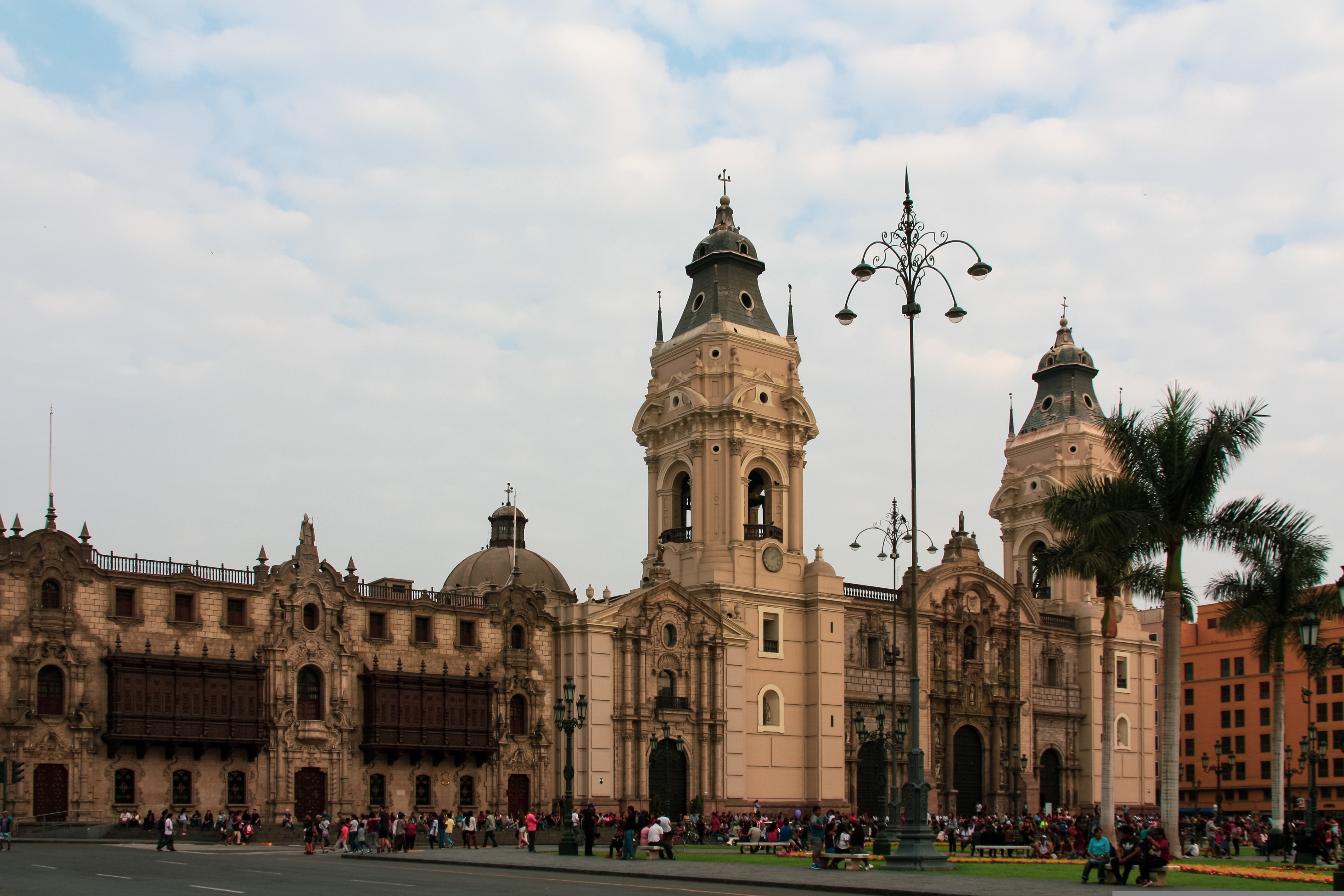
When people discuss great South American cities, Lima is often overlooked. But Peru's capital can hold its own against its neighbors. It has an oceanfront setting, colonial-era splendor, sophisticated dining, and nonstop nightlife.It's true that the city—clogged with traffic and choked with fumes—doesn't make a good first impression, especially since the airport is in an industrial neighborhood. But wander around the regal edifices surrounding the Plaza de Armas, among the gnarled olive trees of San Isidro's Parque El Olivar, or along the winding lanes in the coastal community of Barranco, and you'll find yourself charmed.In 1535 Francisco Pizarro found the perfect place for the capital of Spain's colonial empire. On a natural port, the so-called Ciudad de los Reyes (City of Kings) allowed Spain to ship home all the gold the conquistador plundered from the Inca. Lima served as the capital of Spain's South American empire for 300 years, and it's safe to say that no other colonial city enjoyed such power and prestige during this period.When Peru declared its independence from Spain in 1821, the declaration was read in the square that Pizarro had so carefully designed. Many of the colonial-era buildings around the Plaza de Armas are standing today. Walk a few blocks in any direction for churches and elegant houses that reveal just how wealthy this city once was. But the poor state of most buildings attests to the fact that the country's wealthy families have moved to neighborhoods to the south over the past century.The walls that surrounded the city were demolished in 1870, making way for unprecedented growth. A former hacienda became the graceful residential neighborhood of San Isidro. In the early 1920s the construction of tree-lined Avenida Arequipa heralded the development of neighborhoods such as bustling Miraflores and bohemian Barranco.Almost a third of the country's population of 29 million lives in the metropolitan area, many of them in relatively poor conos: newer neighborhoods on the outskirts of the city. Most residents of those neighborhoods moved there from mountain villages during the political violence and poverty that marked the 1980s and ’90s, when crime increased dramatically. During the past decade the country has enjoyed peace and steady economic growth, which have been accompanied by many improvements and refurbishment in the city. Residents who used to steer clear of the historic center now stroll along its streets. And many travelers who once would have avoided the city altogether now plan to spend a day here and end up staying two or three.

Callao, Port Of Lima
Callao, Port Of LimaImage by Patricia van den Berg from Pixabay

Suites & Deck Plans

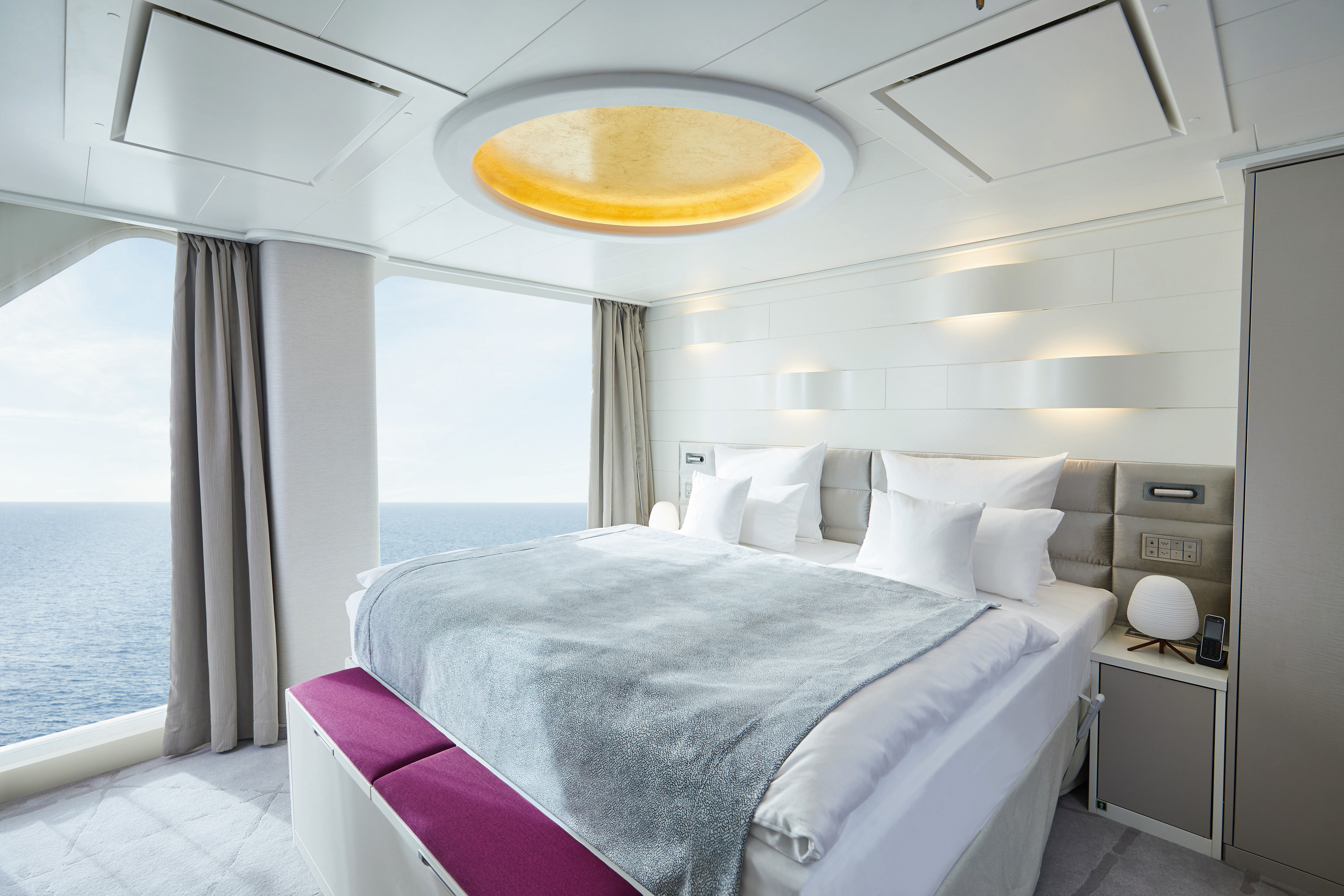
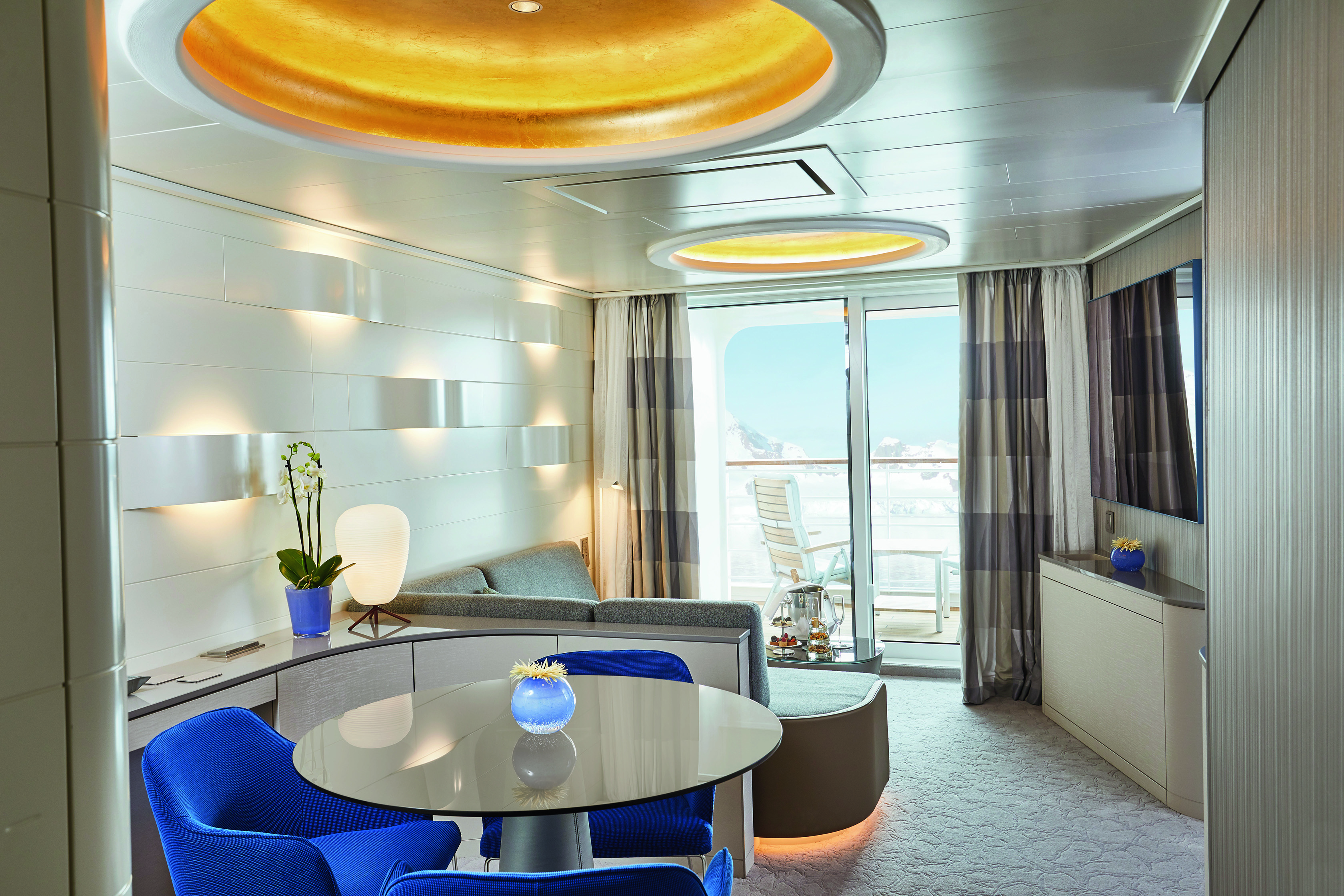
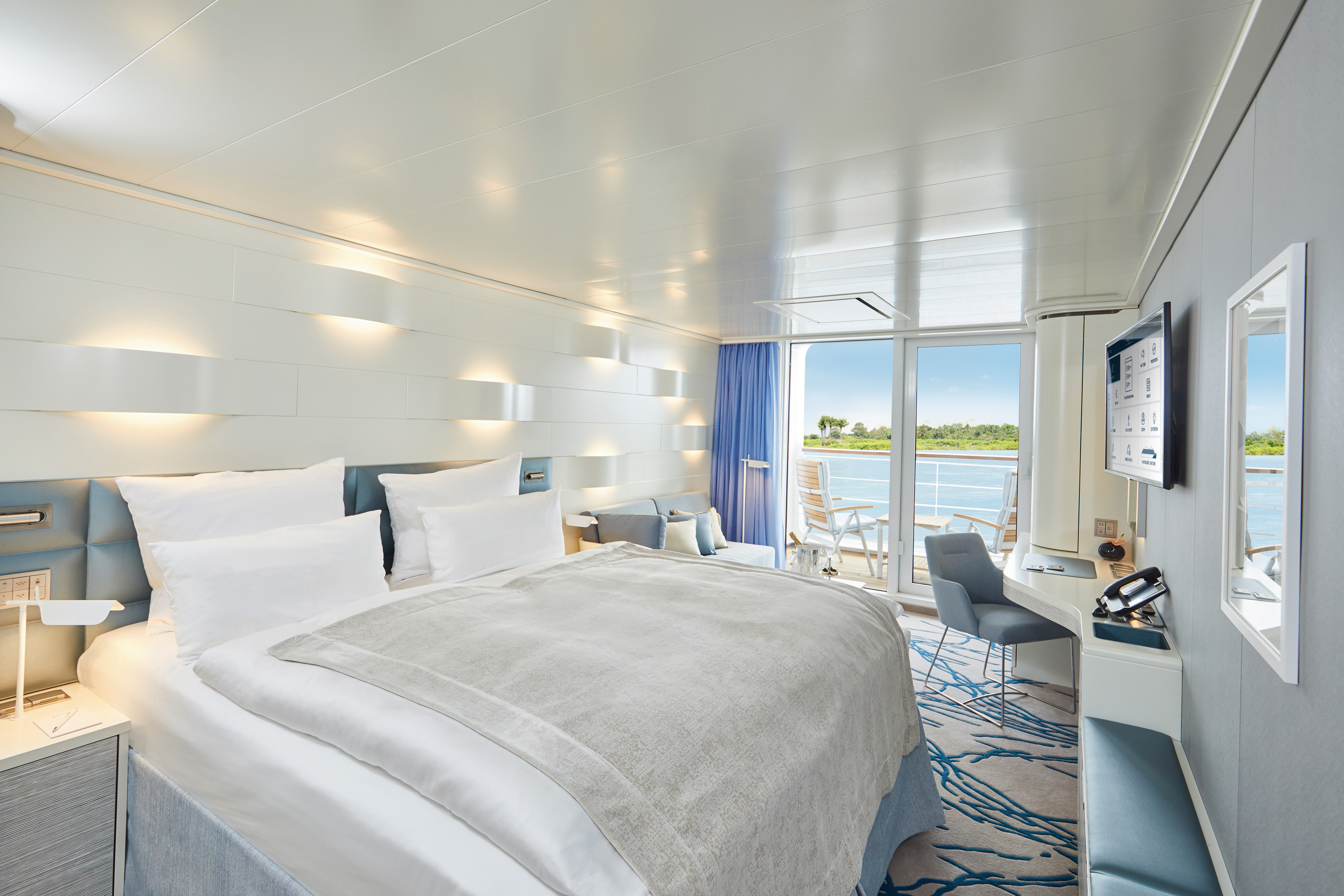
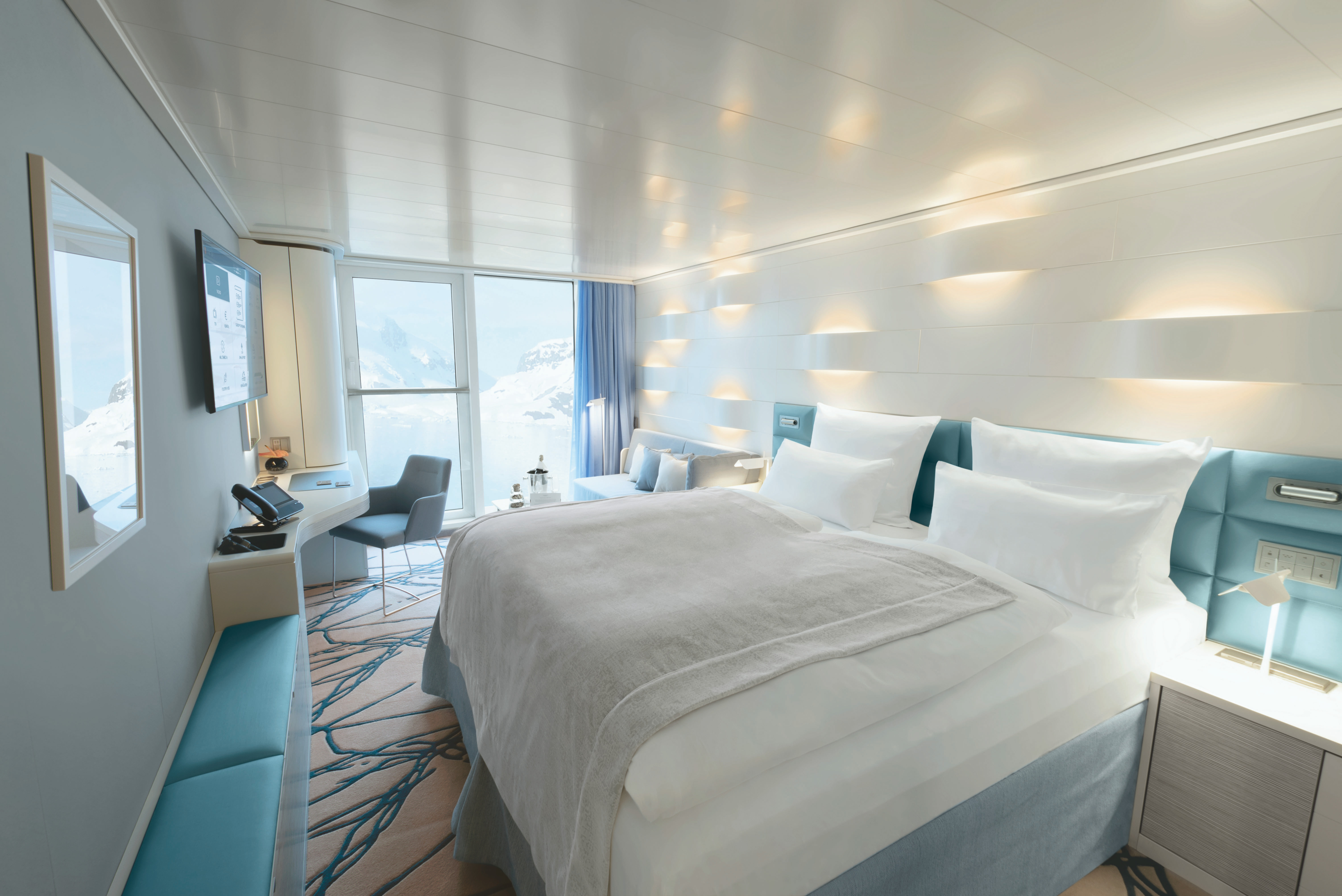
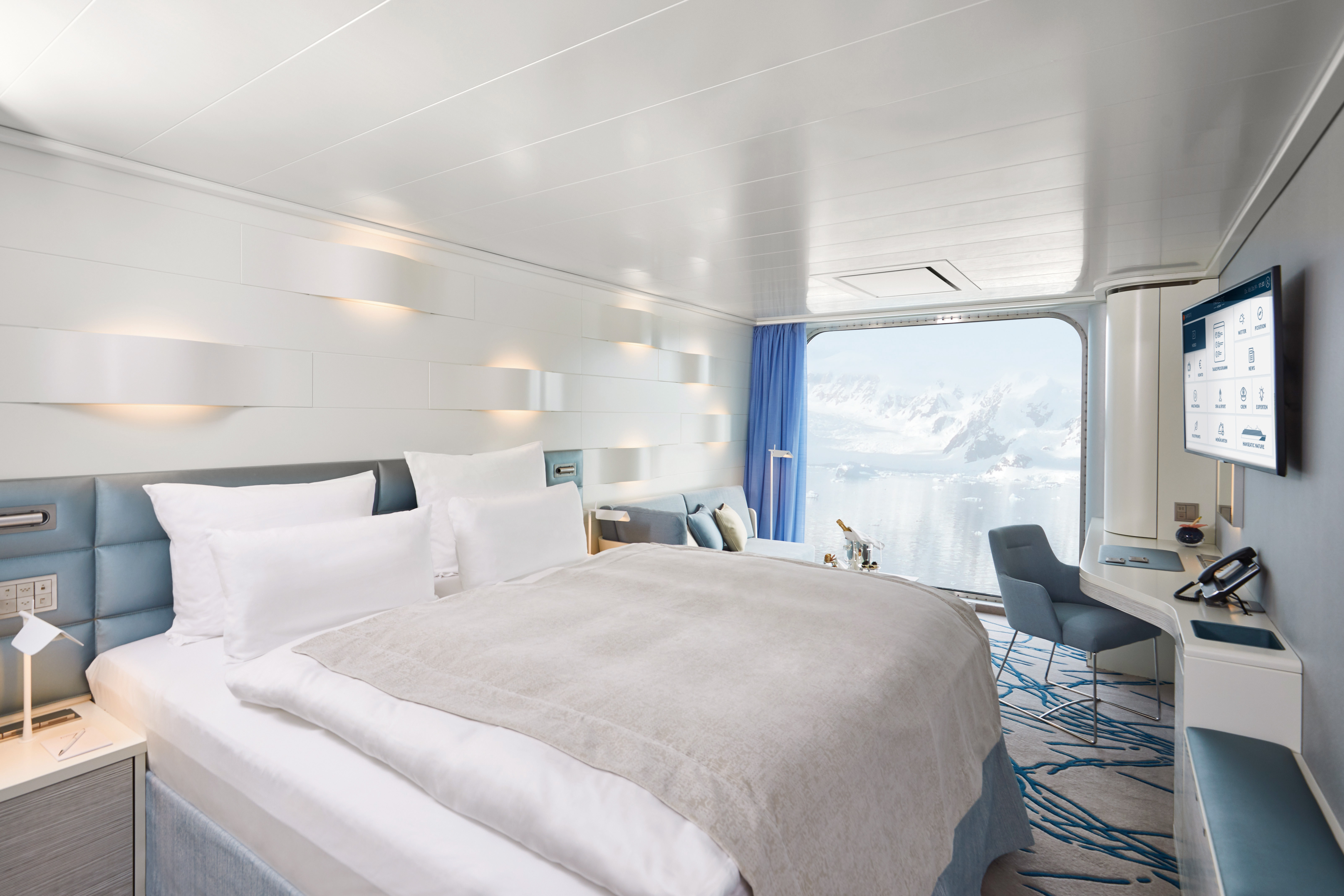
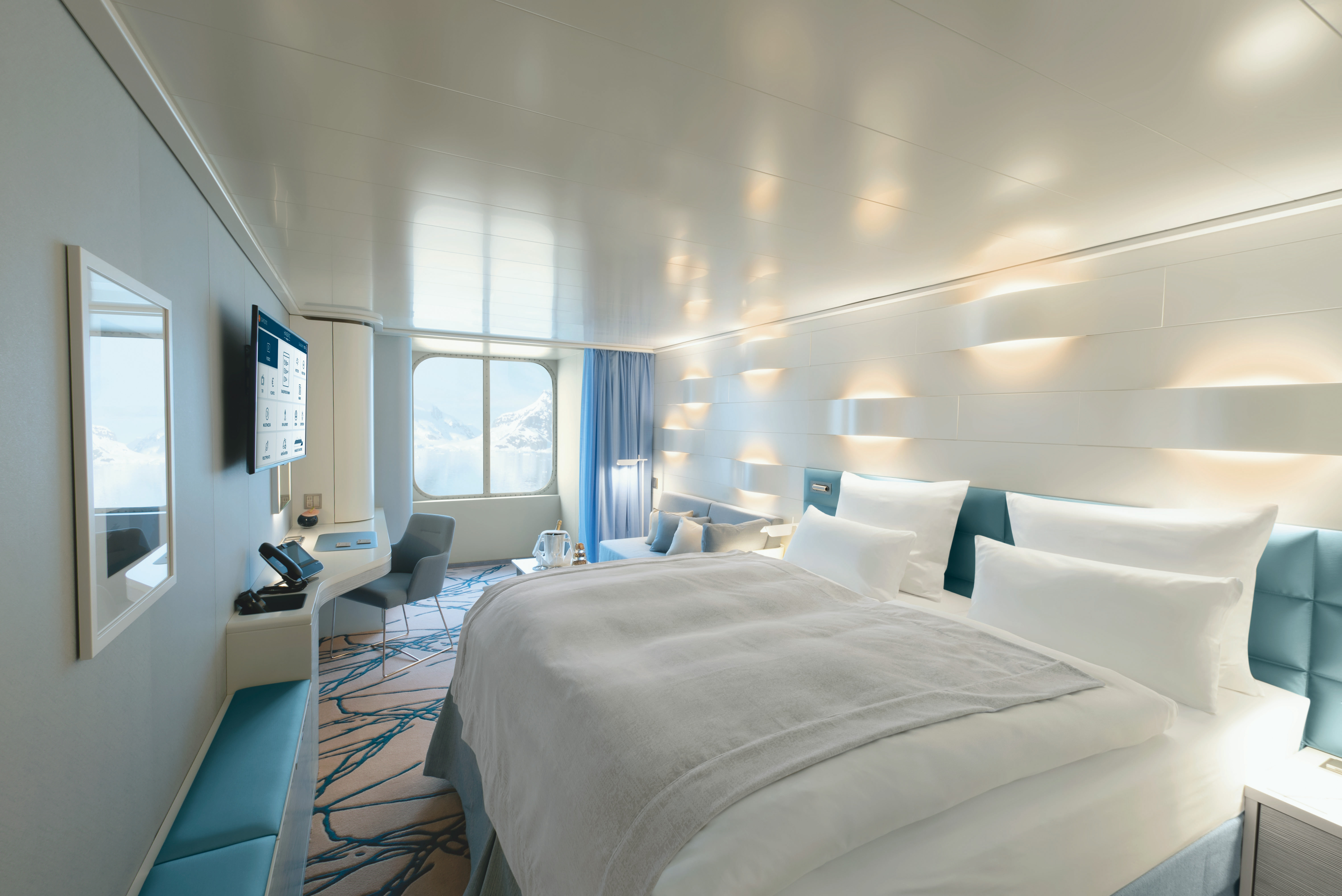
Suite

  • Separate living/sleeping area

  • Separate dining area
  • Sleeping area with panoramic view
  • Separable beds
  • TV in living and sleeping areas
  • Veranda with space heaters
  • Daylight bathroom with two sinks, free-standing bath, rain shower and veranda access
  • Steam sauna in shower area
  • Heated wall in bathroom (e.g. for towels and wet parkas)
  • Separate toilet
  • Free mini bar
  • Coffee machine
  • Extensive infotainment with live broadcast and recordings of expert presentations, forward-view camera, navigation chart, films and much more
  • Binoculars in the cabin
  • Nordic walking poles
  • 24-hour cabin service
  • Butler service
  • Table reservation in main restaurant
  • Free use of Wi-Fi

764 sq ft
Accommodates 3 guests
Grand Suite

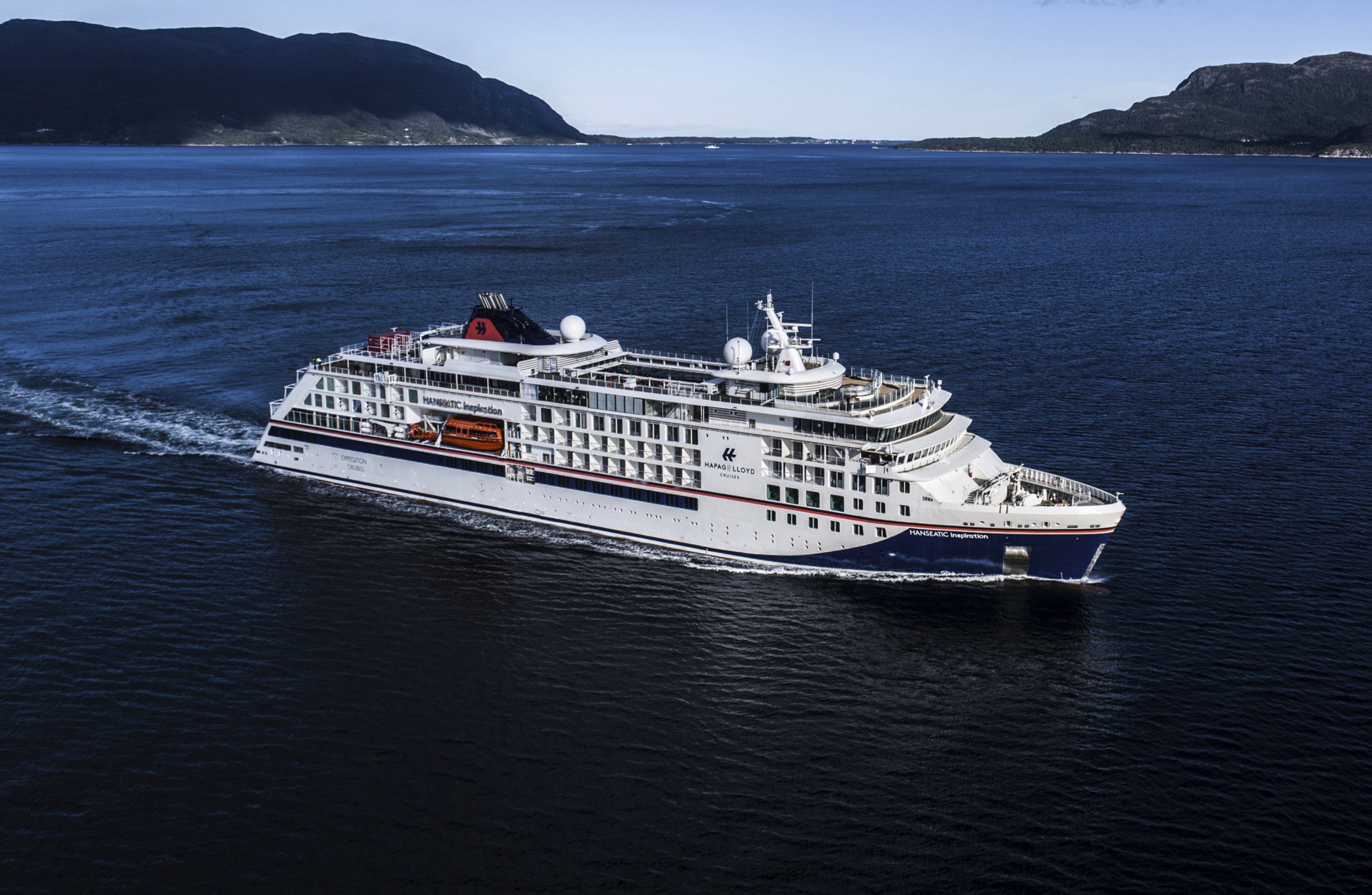
HANSEATIC inspiration

HANSEATIC inspiration

Life on board

The Onboard Experience

Client testimonials

I have worked with Lore Doick for more than 20 years, and she has booked over 30 cruises for me. Her expertise, care, and attention to every travel detail have made her an invaluable advisor and friend over the years.”

Tina B.

We are now in our second generation working with Cheri Ozimac at Tully Luxury Travel. From Antarctica to Greece, she has handled every detail with expertise, responsiveness, and care…

Earl M.

My wife and I have worked with Tully since 2007, and Kit Neil and her team went far beyond expectations while helping us navigate multiple cruise and flight cancellations. Their advocacy, care, and support during a difficult time were extraordinary.

Carri F.

Cheri Ozimac organized our Seabourn cruise flawlessly, from the hotel recommendation to every travel arrangement. She was responsive, attentive, and an excellent advocate throughout the process…

Cyn S.

We discovered Tully Luxury Travel after years of booking cruises through US agents and were impressed by their competitive pricing, exceptional service, and Canadian based support. Their team is always available, offers excellent value, and makes booking the right cruise seamless.

Peter C.

GoogleAverage Customer Rating:

The Tully Difference

Why travel with us


Tully Luxury Travel was built on access, discretion, and trust. For our clients, that means ease at every step, with distinctions that turn exceptional voyages into defining moments.

Recognized expertise

A renowned agency worldwide in luxury land and small-ship cruising, consistently trusted by the industry’s most prestigious brands.