A Journey from Alaska’s Wild Frontiers to Japan’s Northern Shores

Itinerary: Vancouver, British Columbia, At Sea, Ketchikan, Alaska, Hoonah, Cruising Tracy Arm Fjord, Endicott Arm, Alaska, Juneau, Alaska, Sitka, Alaska, Prince Rupert, British Columbia, Seward, Alaska, Dutch Ha... See full itinerary

31 Aug 28
26 nights

Voyage Details

Duration:
26 nights
Departure:
31 Aug 2028
Embarkation:
Vancouver, British Columbia, Canada
Voyage code:
EL20280831VANTYO

Your Itinerary, Day-By-Day

Special Chapters of Your Journey

Day 1 - Vancouver, British Columbia

Vancouver is a delicious juxtaposition of urban sophistication and on-your-doorstep wilderness adventure. The mountains and seascape make the city an outdoor playground for hiking, skiing, kayaking, cycling, and sailing—and so much more—while the cuisine and arts scenes are equally diverse, reflecting the makeup of Vancouver's ethnic (predominantly Asian) mosaic. Vancouver is consistently ranked as one of the world's most livable cities, and it's easy for visitors to see why. It's beautiful, it's outdoorsy, and there's a laidback West Coast vibe. On the one hand, there's easy access to a variety of outdoor activities, a fabulous variety of beaches, and amazing parks. At the same time, the city has a multicultural vitality and cosmopolitan flair. The attraction is as much in the range of food choices—the fresh seafood and local produce are some of North America's best—as it is in the museums, shopping, and nightlife.Vancouver's landscaping also adds to the city's walking appeal. In spring, flowerbeds spill over with tulips and daffodils while sea breezes scatter scented cherry blossoms throughout Downtown; in summer office workers take to the beaches, parks, and urban courtyards for picnic lunches and laptop meetings. More than 8 million visitors each year come to Vancouver, Canada's third-largest metropolitan area. Because of its peninsula location, traffic flow is a contentious issue. Thankfully, Vancouver is wonderfully walkable, especially in the downtown core. The North Shore is a scoot across the harbor, and the rapid-transit system to Richmond and the airport means that staying in the more affordable ’burbs doesn't have to be synonymous with sacrificing convenience. The mild climate, exquisite natural scenery, and relaxed outdoor lifestyle keep attracting residents, and the number of visitors is increasing for the same reasons. People often get their first glimpse of Vancouver when catching an Alaskan cruise, and many return at some point to spend more time here.
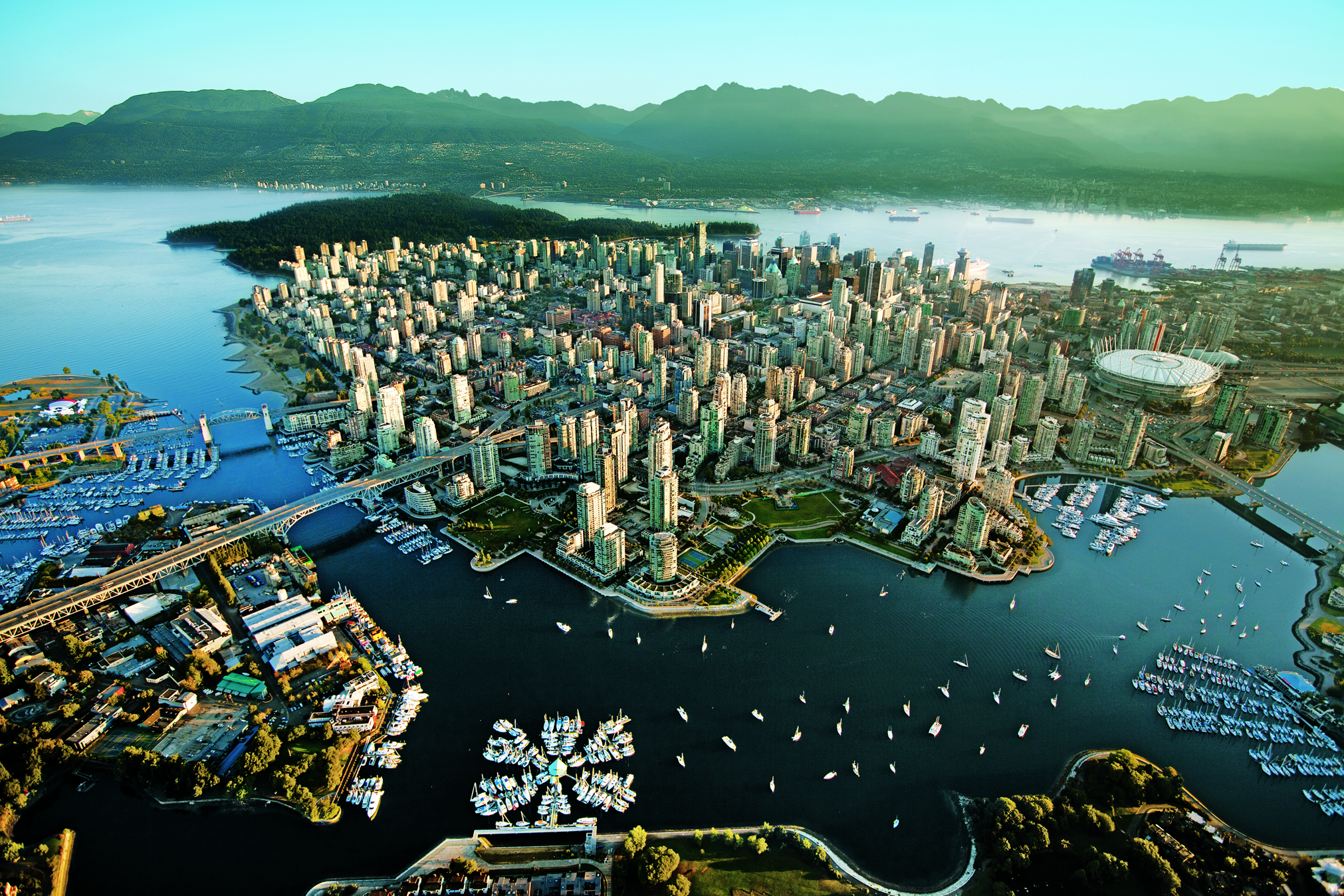
Cavan   Vancouver   City   Tourism Vancouver Albert Normandin
Cavan Vancouver City Tourism Vancouver Albert NormandinAlbert Normandin ©Tourism Vancouver
Cavan   Vancouver   Grouse Mountain   Tourism Vancouver Coast Mountain Photography
Cavan Vancouver Grouse Mountain Tourism Vancouver Coast Mountain Photography©Tourism Vancouver Coast Mountain Photography
Cavan   Vancouver   Stanley Park   Tourism Vancouver Coast Mountain Photography
Cavan Vancouver Stanley Park Tourism Vancouver Coast Mountain Photography©Tourism Vancouver Coast Mountain Photography

Day 2 - At Sea

Further details for this day are not available.

Day 3 - Ketchikan, Alaska

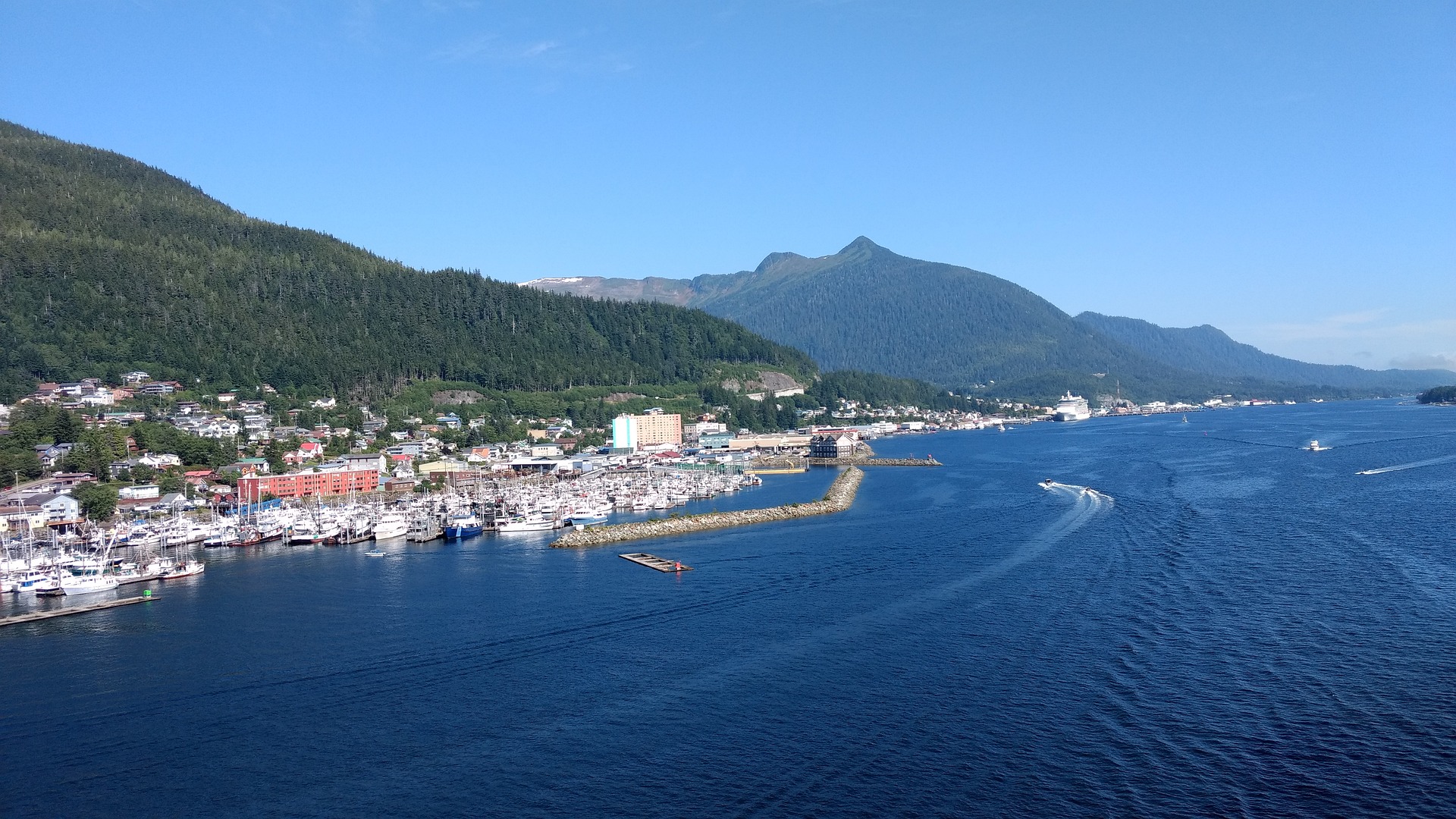
Ketchikan is famous for its colorful totem poles, rainy skies, steep–as–San Francisco streets, and lush island setting. Some 13,500 people call the town home, and, in the summer, cruise ships crowd the shoreline, floatplanes depart noisily for Misty Fiords National Monument, and salmon-laden commercial fishing boats motor through Tongass Narrows. In the last decade Ketchikan's rowdy, blue-collar heritage of logging and fishing has been softened by the loss of many timber-industry jobs and the dramatic rise of cruise-ship tourism. With some effort, though, visitors can still glimpse the rugged frontier spirit that once permeated this hardscrabble cannery town. Art lovers should make a beeline for Ketchikan: the arts community here is very active. Travelers in search of the perfect piece of Alaska art will find an incredible range of pieces to choose from.The town is at the foot of 3,000-foot Deer Mountain, near the southeastern corner of Revillagigedo (locals shorten it to Revilla) Island. Prior to the arrival of white miners and fishermen in 1885, the Tlingit used the site at the mouth of Ketchikan Creek as a summer fish camp. Gold discoveries just before the turn of the 20th century brought more immigrants, and valuable timber and commercial fishing resources spurred new industries. By the 1930s the town bragged that it was the "salmon-canning capital of the world." You will still find some of Southeast's best salmon fishing around here. Ketchikan is the first bite of Alaska that many travelers taste. Despite its imposing backdrop, hillside homes, and many staircases, the town is relatively easy to walk through. Favorite downtown stops include the Spruce Mill Development shops and Creek Street. A bit farther away you'll find the Totem Heritage Center. Out of town (but included on most bus tours) are two longtime favorites: Totem Bight State Historical Park to the north and Saxman Totem Park to the south.

Usktn   Ketchikan, Alaska, United States Photo Credit Belongs To Cody Doherty 1
Usktn Ketchikan, Alaska, United States Photo Credit Belongs To Cody Doherty 1 Cody Doherty
Usktn   Ketchikan, Alaska, United States Photo Credit Belongs To Cody Doherty 2
Usktn Ketchikan, Alaska, United States Photo Credit Belongs To Cody Doherty 2 Cody Doherty
Usktn   Ketchikan, Alaska, United States Photo Credit Belongs To Cody Doherty 4
Usktn Ketchikan, Alaska, United States Photo Credit Belongs To Cody Doherty 4 Cody Doherty
Usktn   Ketchikan, Alaska, United States Photo Credit Belongs To Cody Doherty
Usktn Ketchikan, Alaska, United States Photo Credit Belongs To Cody Doherty Cody Doherty
Usktn   Ketchikan, Alaska, United States Photo Credit Belongs To Riley
Usktn Ketchikan, Alaska, United States Photo Credit Belongs To RileyRiley

Day 4 - Hoonah

Further details for this day are not available.

Day 5 - Cruising Tracy Arm Fjord

Further details for this day are not available.

Day 5 - Endicott Arm, Alaska

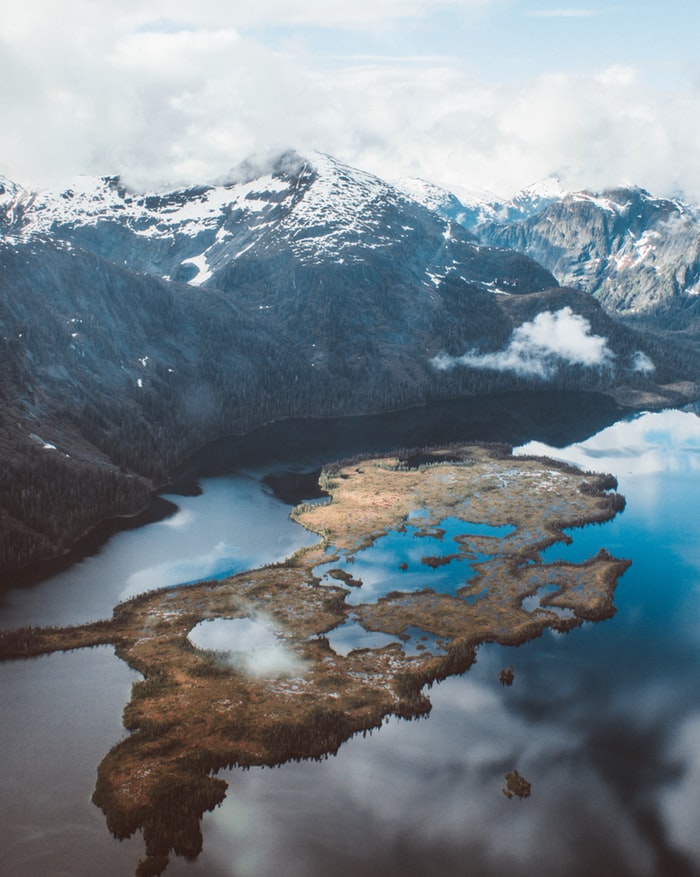
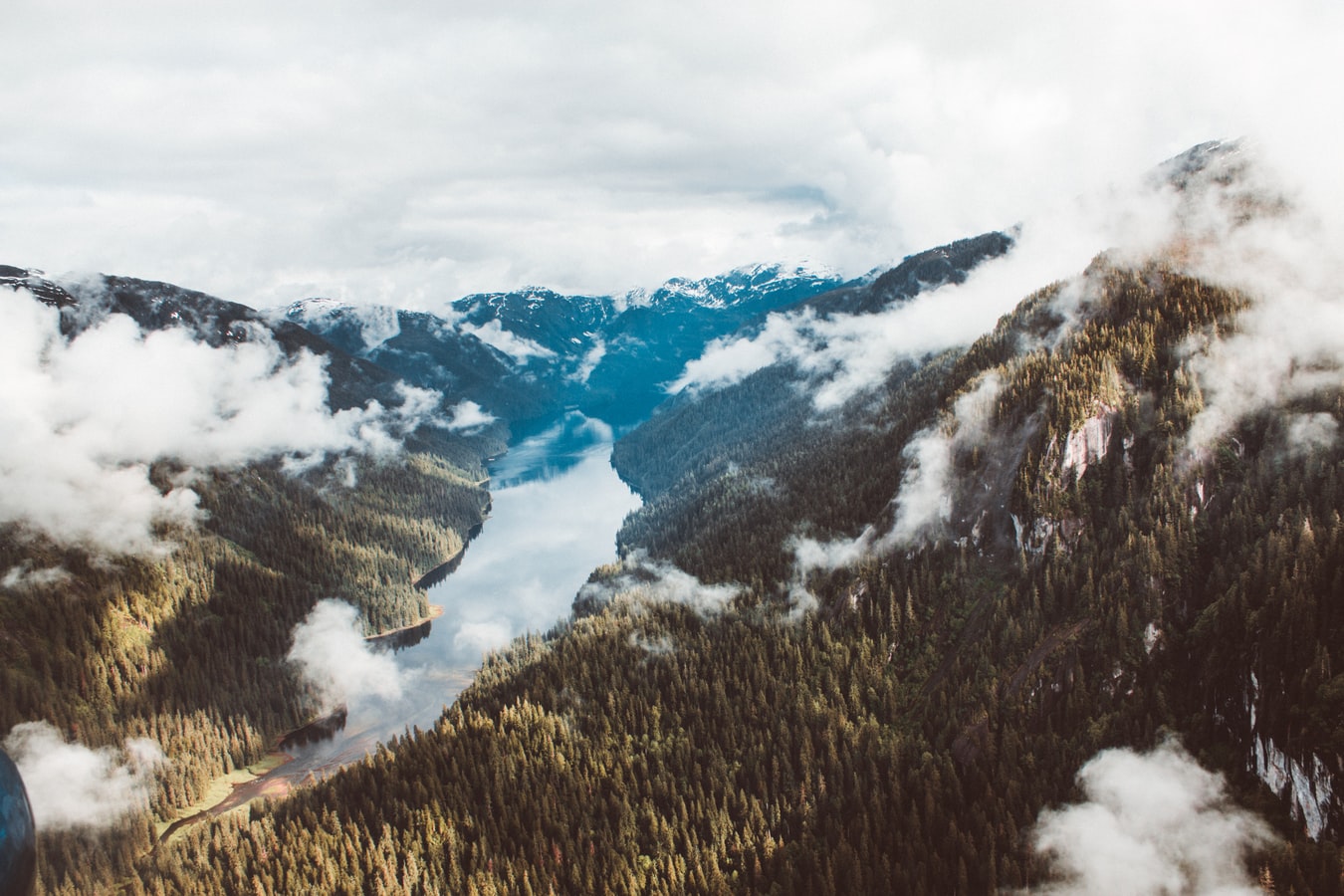
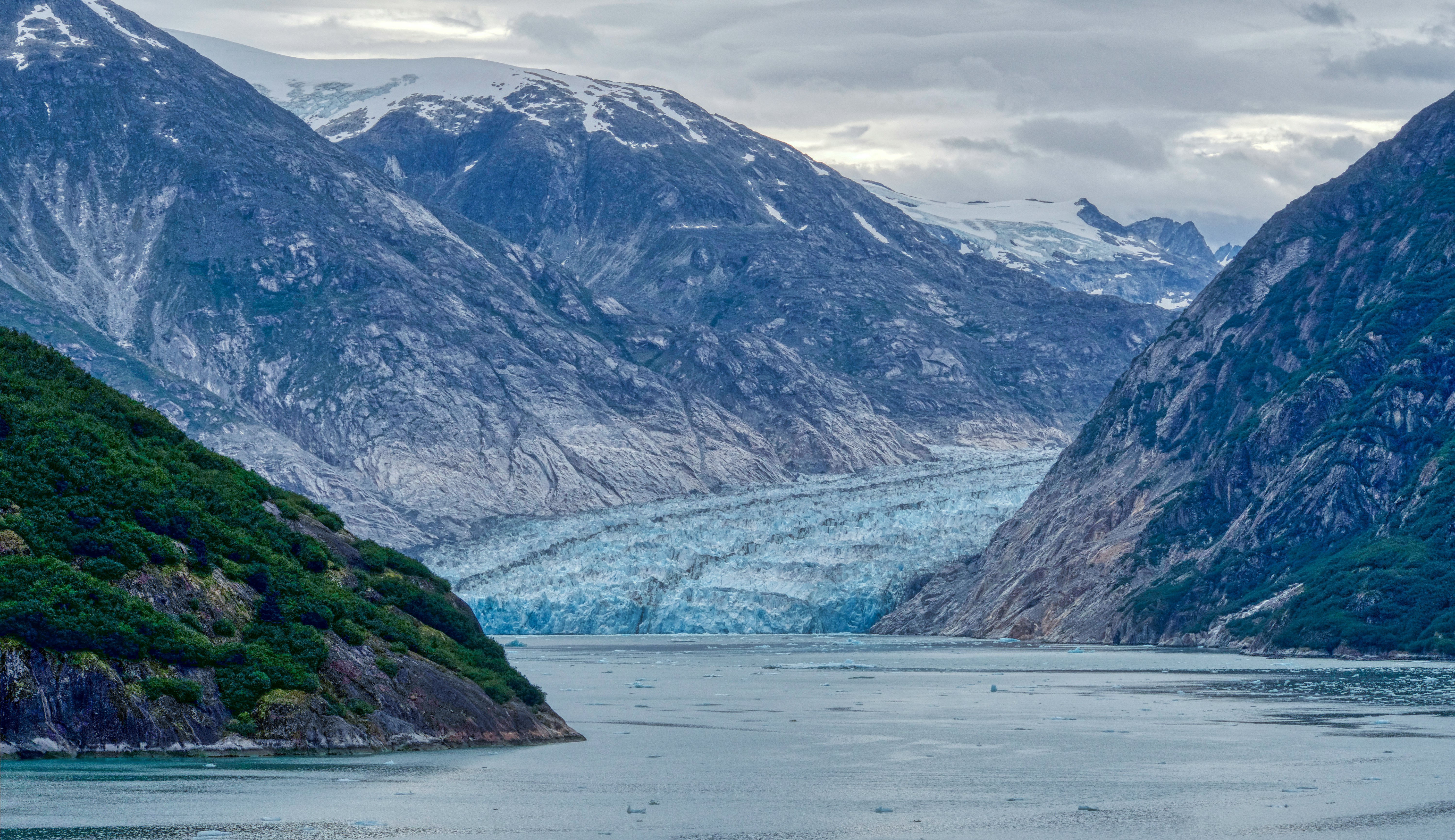
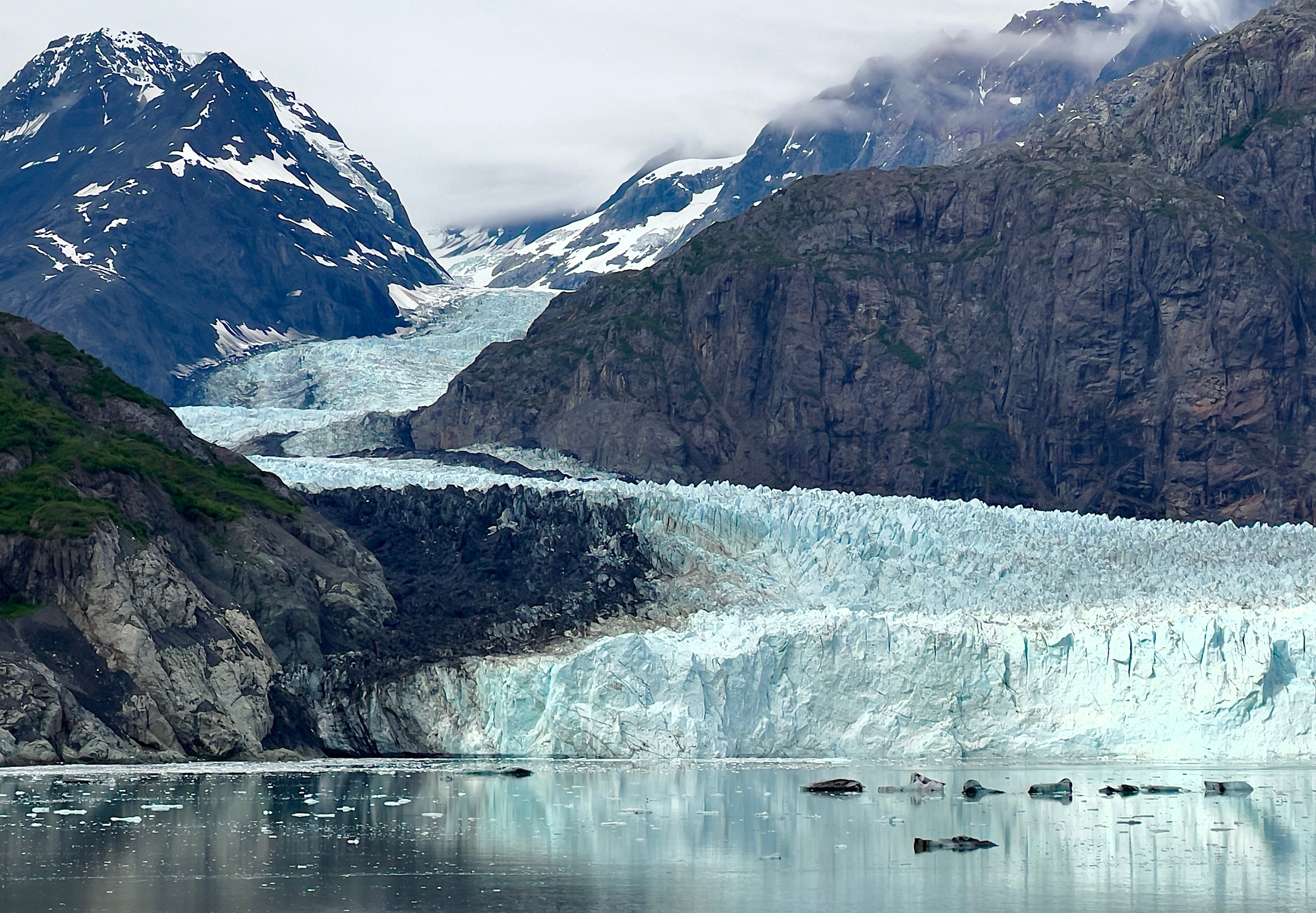
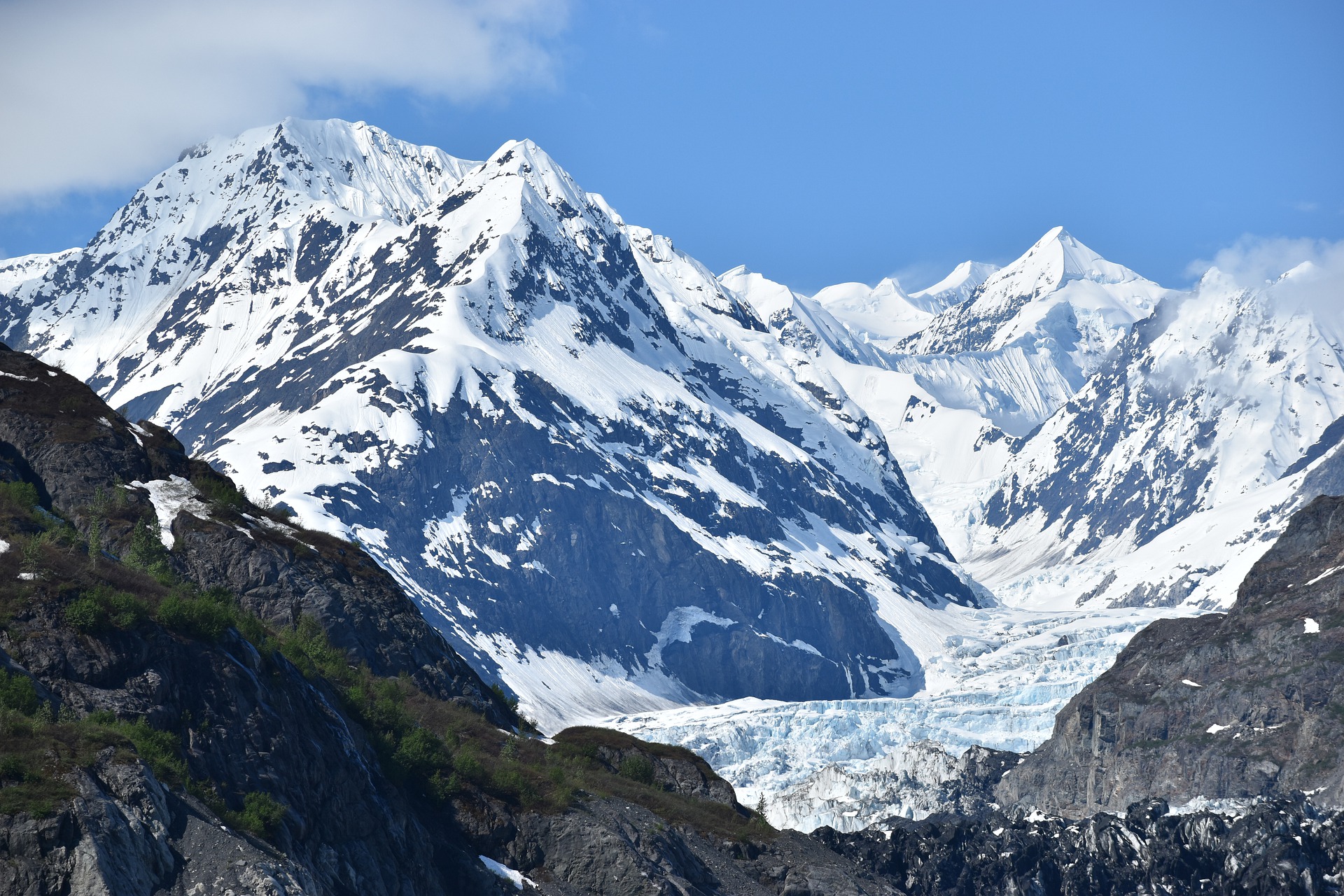
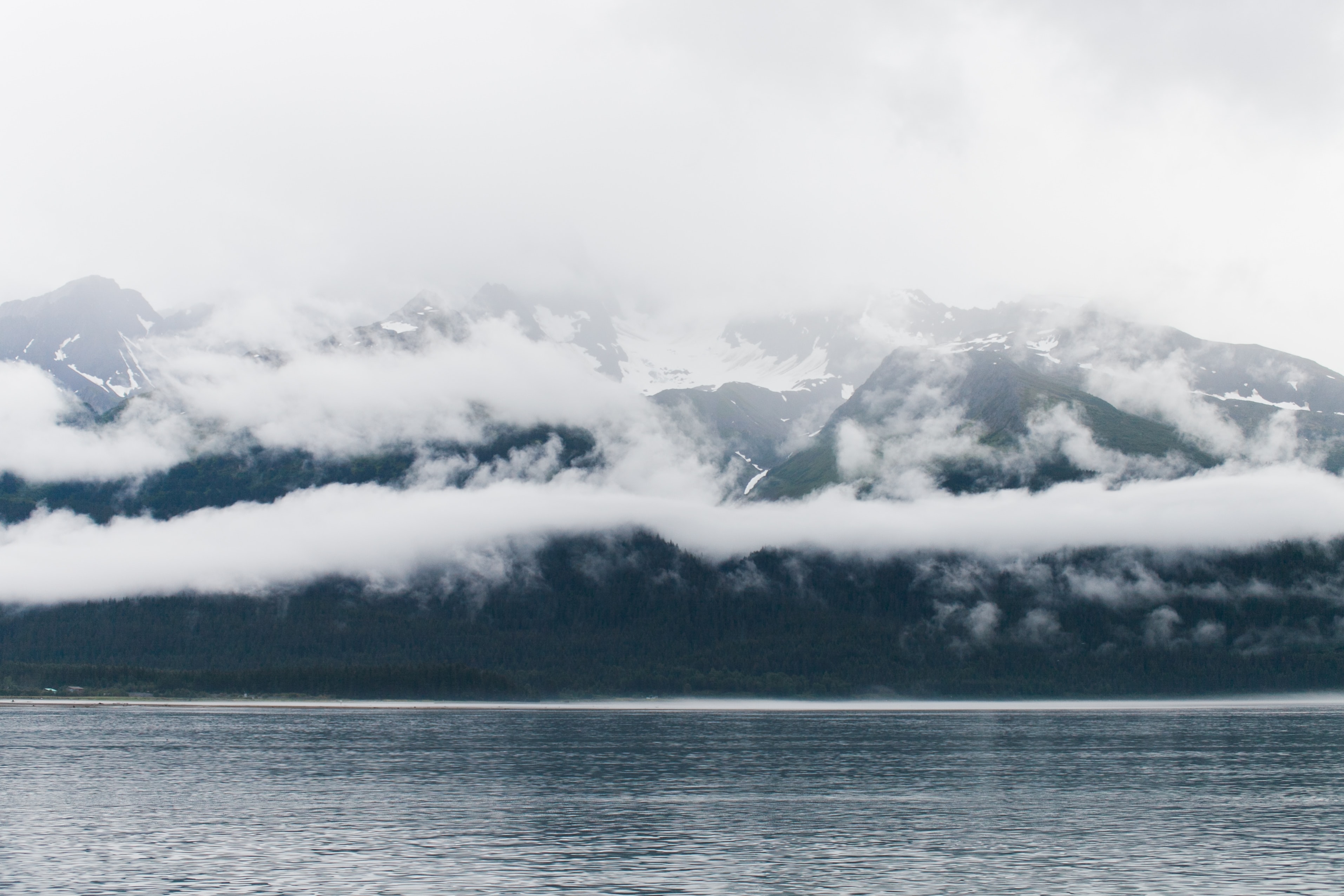
Endicott Arm is a long fjord branching off Stephen’s Passage, the major inner passage heading southeast from Juneau. The easternmost tip of Endicott Arm nearly reaches the Canadian border. Like all the fords in this region, it was carved by glaciers during the last Ice Age which ended about 11,000 years ago. One either side of the fjord the steep, nearly vertical walls, rise to a height of about 370 meters or 1,200 feet. Sitka spruce and western hemlock trees manage to cling onto the rock faces, adding to the breath-taking beauty of the landscape.

Endicott Arm, Alaska, Usa
Endicott Arm, Alaska, UsaPhoto by Marco Tjokro on Unsplash
Endicott Arm, Alaska, Usa
Endicott Arm, Alaska, UsaPhoto by Yuval Zukerman on Unsplash
Endicott Arm
Endicott ArmImage by Sabrina Eickhoff from Pixabay

Day 6 - Juneau, Alaska

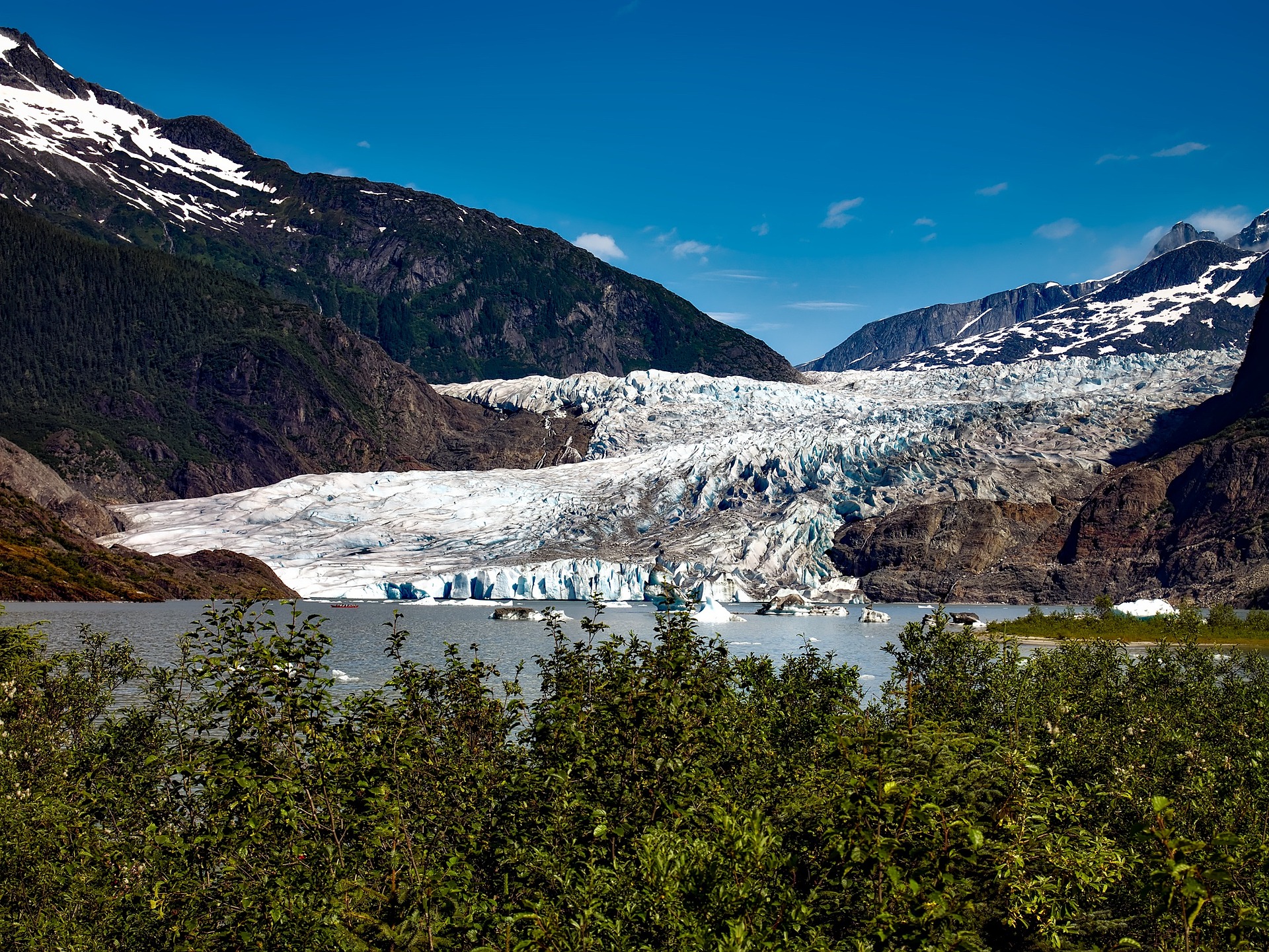
Juneau, Alaska's capital and third-largest city, is on the North American mainland but can't be reached by road. Bounded by steep mountains and water, the city’s geographic isolation and compact size make it much more akin to an island community such as Sitka than to other Alaskan urban centers, such as Fairbanks or Anchorage. Juneau is full of contrasts. Its dramatic hillside location and historic downtown buildings provide a frontier feeling, but the city's cosmopolitan nature comes through in fine museums, noteworthy restaurants, and a literate and outdoorsy populace. The finest of the museums, the Alaska State Museum, is scheduled to reopen in May 2016 on its old site as the expanded Alaska State Library, Archives, and Museum (SLAM) following several years of planning and exhibit research. Another new facility, the Walter Soboleff Center, offers visitors a chance to learn about the indigenous cultures of Southeast Alaska–-Tlingit, Haida, and Tsimshian. Other highlights include the Mt. Roberts Tramway, plenty of densely forested wilderness areas, quiet bays for sea kayaking, and even a famous drive-up glacier, Mendenhall Glacier. For goings-on, pick up the Juneau Empire (www.juneauempire.com), which keeps tabs on state politics, business, sports, and local news.

Juneau  Alaska , Mendenhall Glacier
Juneau Alaska , Mendenhall Glacier
Juneau  Alaska , Mountains
Juneau Alaska , Mountains
Juneau  Alaska , Flowers
Juneau Alaska , Flowers
Juneau  Alaska , Harbor
Juneau Alaska , Harbor
Juneau, Alaska
Juneau, Alaska
Juneau From The Sea
Juneau From The Sea
Juneau, Alaska
Juneau, Alaska

Day 7 - Sitka, Alaska

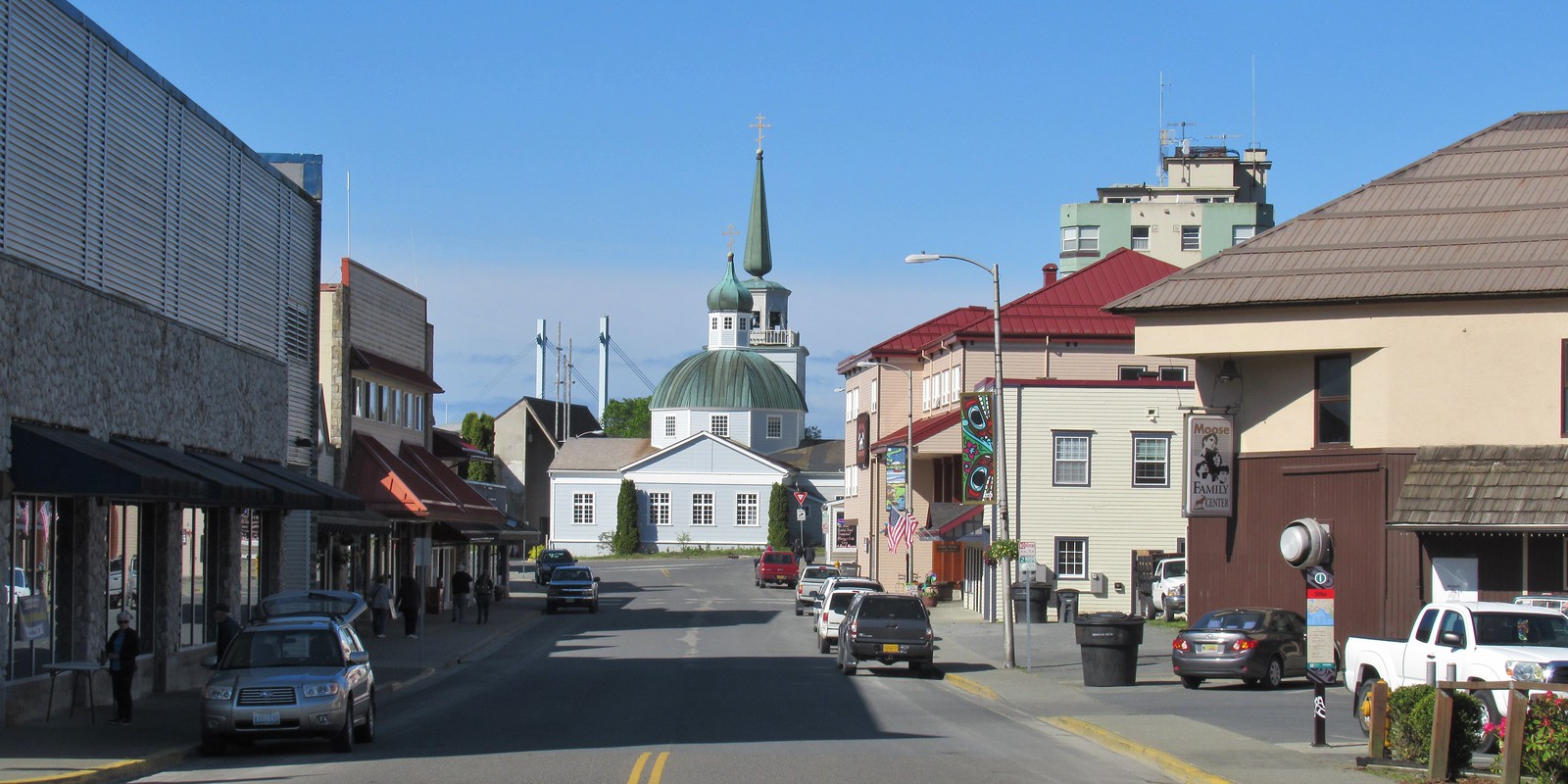
It's hard not to like Sitka, with its eclectic blend of Alaska Native, Russian, and American history and its dramatic and beautiful open-ocean setting. This is one of the best Inside Passage towns to explore on foot, with St. Michael's Cathedral, Sheldon Jackson Museum, Castle Hill, Sitka National Historical Park, and the Alaska Raptor Center topping the must-see list.Sitka was home to the Kiksádi clan of the Tlingit people for centuries prior to the 18th-century arrival of the Russians under the direction of territorial governor Alexander Baranof, who believed the region was ideal for the fur trade. The governor also coveted the Sitka site for its beauty, mild climate, and economic potential; in the island's massive timber forests he saw raw materials for shipbuilding. Its location offered trading routes as far west as Asia and as far south as California and Hawaii. In 1799 Baranof built St. Michael Archangel—a wooden fort and trading post 6 miles north of the present town.Strong disagreements arose shortly after the settlement. The Tlingits attacked the settlers and burned their buildings in 1802. Baranof, however, was away in Kodiak at the time. He returned in 1804 with a formidable force—including shipboard cannons—and attacked the Tlingits at their fort near Indian River, site of the present-day 105-acre Sitka National Historical Park, forcing many of them north to Chichagof Island.By 1821 the Tlingits had reached an accord with the Russians, who were happy to benefit from the tribe's hunting skills. Under Baranof and succeeding managers, the Russian-American Company and the town prospered, becoming known as the Paris of the Pacific. The community built a major shipbuilding and repair facility, sawmills, and forges, and even initiated an ice industry, shipping blocks of ice from nearby Swan Lake to the booming San Francisco market. The settlement that was the site of the 1802 conflict is now called Old Sitka. It is a state park and listed as a National Historic Landmark.The town declined after its 1867 transfer from Russia to the United States, but it became prosperous again during World War II, when it served as a base for the U.S. effort to drive the Japanese from the Aleutian Islands. Today its most important industries are fishing, government, and tourism.

Sitka Town
Sitka Town

Day 8 - Prince Rupert, British Columbia

Just 40 mi (66 km) south of the Alaskan border, Prince Rupert is the largest community on British Columbia's north coast. Set on Kaien Island at the mouth of the Skeena River and surrounded by deep green fjords and coastal rain forest, Prince Rupert is rich in the culture of the Tsimshian, people who have been in the area for thousands of years. As the western terminus of Canada's second transcontinental railroad and blessed with a deep natural harbor, Prince Rupert was, at the time of its incorporation in 1910, poised to rival Vancouver as a center for trans-Pacific trade. This didn't happen, partly because the main visionary behind the scheme, Grand Trunk Pacific Railroad president Charles Hays, went down with the Titanic on his way back from a financing trip to England. Prince Rupert turned instead to fishing and forestry. A port of call for both BC and Alaska ferries, but relatively new to cruise ships, this community of 15,000 retains a laid-back, small-town air.

Day 9 - At Sea

Further details for this day are not available.

Day 10 - Vancouver, British Columbia

Vancouver is a delicious juxtaposition of urban sophistication and on-your-doorstep wilderness adventure. The mountains and seascape make the city an outdoor playground for hiking, skiing, kayaking, cycling, and sailing—and so much more—while the cuisine and arts scenes are equally diverse, reflecting the makeup of Vancouver's ethnic (predominantly Asian) mosaic. Vancouver is consistently ranked as one of the world's most livable cities, and it's easy for visitors to see why. It's beautiful, it's outdoorsy, and there's a laidback West Coast vibe. On the one hand, there's easy access to a variety of outdoor activities, a fabulous variety of beaches, and amazing parks. At the same time, the city has a multicultural vitality and cosmopolitan flair. The attraction is as much in the range of food choices—the fresh seafood and local produce are some of North America's best—as it is in the museums, shopping, and nightlife.Vancouver's landscaping also adds to the city's walking appeal. In spring, flowerbeds spill over with tulips and daffodils while sea breezes scatter scented cherry blossoms throughout Downtown; in summer office workers take to the beaches, parks, and urban courtyards for picnic lunches and laptop meetings. More than 8 million visitors each year come to Vancouver, Canada's third-largest metropolitan area. Because of its peninsula location, traffic flow is a contentious issue. Thankfully, Vancouver is wonderfully walkable, especially in the downtown core. The North Shore is a scoot across the harbor, and the rapid-transit system to Richmond and the airport means that staying in the more affordable ’burbs doesn't have to be synonymous with sacrificing convenience. The mild climate, exquisite natural scenery, and relaxed outdoor lifestyle keep attracting residents, and the number of visitors is increasing for the same reasons. People often get their first glimpse of Vancouver when catching an Alaskan cruise, and many return at some point to spend more time here.

Cavan   Vancouver   City   Tourism Vancouver Albert Normandin
Cavan Vancouver City Tourism Vancouver Albert NormandinAlbert Normandin ©Tourism Vancouver
Cavan   Vancouver   Grouse Mountain   Tourism Vancouver Coast Mountain Photography
Cavan Vancouver Grouse Mountain Tourism Vancouver Coast Mountain Photography©Tourism Vancouver Coast Mountain Photography
Cavan   Vancouver   Stanley Park   Tourism Vancouver Coast Mountain Photography
Cavan Vancouver Stanley Park Tourism Vancouver Coast Mountain Photography©Tourism Vancouver Coast Mountain Photography

Day 11 - At Sea

Further details for this day are not available.

Day 12 - Ketchikan, Alaska

Ketchikan is famous for its colorful totem poles, rainy skies, steep–as–San Francisco streets, and lush island setting. Some 13,500 people call the town home, and, in the summer, cruise ships crowd the shoreline, floatplanes depart noisily for Misty Fiords National Monument, and salmon-laden commercial fishing boats motor through Tongass Narrows. In the last decade Ketchikan's rowdy, blue-collar heritage of logging and fishing has been softened by the loss of many timber-industry jobs and the dramatic rise of cruise-ship tourism. With some effort, though, visitors can still glimpse the rugged frontier spirit that once permeated this hardscrabble cannery town. Art lovers should make a beeline for Ketchikan: the arts community here is very active. Travelers in search of the perfect piece of Alaska art will find an incredible range of pieces to choose from.The town is at the foot of 3,000-foot Deer Mountain, near the southeastern corner of Revillagigedo (locals shorten it to Revilla) Island. Prior to the arrival of white miners and fishermen in 1885, the Tlingit used the site at the mouth of Ketchikan Creek as a summer fish camp. Gold discoveries just before the turn of the 20th century brought more immigrants, and valuable timber and commercial fishing resources spurred new industries. By the 1930s the town bragged that it was the "salmon-canning capital of the world." You will still find some of Southeast's best salmon fishing around here. Ketchikan is the first bite of Alaska that many travelers taste. Despite its imposing backdrop, hillside homes, and many staircases, the town is relatively easy to walk through. Favorite downtown stops include the Spruce Mill Development shops and Creek Street. A bit farther away you'll find the Totem Heritage Center. Out of town (but included on most bus tours) are two longtime favorites: Totem Bight State Historical Park to the north and Saxman Totem Park to the south.
Usktn   Ketchikan, Alaska, United States Photo Credit Belongs To Cody Doherty 1
Usktn Ketchikan, Alaska, United States Photo Credit Belongs To Cody Doherty 1 Cody Doherty
Usktn   Ketchikan, Alaska, United States Photo Credit Belongs To Cody Doherty 2
Usktn Ketchikan, Alaska, United States Photo Credit Belongs To Cody Doherty 2 Cody Doherty
Usktn   Ketchikan, Alaska, United States Photo Credit Belongs To Cody Doherty 4
Usktn Ketchikan, Alaska, United States Photo Credit Belongs To Cody Doherty 4 Cody Doherty
Usktn   Ketchikan, Alaska, United States Photo Credit Belongs To Cody Doherty
Usktn Ketchikan, Alaska, United States Photo Credit Belongs To Cody Doherty Cody Doherty
Usktn   Ketchikan, Alaska, United States Photo Credit Belongs To Riley
Usktn Ketchikan, Alaska, United States Photo Credit Belongs To RileyRiley

Day 13 - At Sea

Further details for this day are not available.

Day 14 - Seward, Alaska

It is hard to believe that a place as beautiful as Seward exists. Surrounded on all sides by Kenai Fjords National Park, Chugach National Forest, and Resurrection Bay, Seward offers all the quaint realities of a small railroad town with the bonus of jaw-dropping scenery. This little town of about 2,750 citizens was founded in 1903, when survey crews arrived at the ice-free port and began planning a railroad to the Interior. Since its inception, Seward has relied heavily on tourism and commercial fishing. It is also the launching point for excursions into Kenai Fjords National Park, where it is quite common to see marine life and calving glaciers.

Usswd   Seward, Alaska, United States   Pc Heather Mount
Usswd Seward, Alaska, United States Pc Heather MountHeather Mount
Usswd   Seward, Alaska, United States   Pc Mc Kayla Crump
Usswd Seward, Alaska, United States Pc Mc Kayla Crump

Day 15 - At Sea

Further details for this day are not available.

Day 16 - Dutch Harbor, Alaska

The crumpled peaks, and tranquil scenery, of Dutch Harbor belies its history as one of the few places on American soil to have been directly attacked by the Japanese - who bombed the significant US military base here during the Second World War. Located on a string of islands, which loops down into the Pacific from Alaska, a visit to this Aleutian Island destination offers comprehensive military history, and extraordinary ocean scenery. Hike the volcanic, gloriously green landscapes, and look out for wonderful wildlife, like bald eagles, as they survey the surroundings. You can also watch on in awe, as incredible marine mammals crash through the waves just offshore.Dutch Harbor, gives you the chance to sample some of the rich local fishing heritage. Why not book yourself onto a voyage aboard a working fishing boat, to see for yourself how richly filled the waters of the Bering Sea are, as the hard-working fishermen pull bountiful supplies of cod and pollock from the water? The fish plucked from the Bering Sea are shipped to dining tables across America, and you’ll quickly see why Dutch Harbor is one of the US's most important fishing locations

Alaska
AlaskaImage by Ed Hathaway from Pixabay

Day 17 - At Sea

Further details for this day are not available.

Day 18 - At Sea

Further details for this day are not available.

Day 20 - At Sea

Further details for this day are not available.

Day 21 - At Sea

Further details for this day are not available.

Day 22 - At Sea

Further details for this day are not available.

Day 23 - Kushiro

Kushiro, known as the "town of mist", is situated in the south eastern part of Hokkaido. With about 200,000 inhabitants, it is the largest city in the region and the base for deep-sea fishing. The marine products industry of Kushiro has flourished since the early 20 th century and many streets of this port town retain features of this era. Thanks to its strategic location on Hokkaido's Eastern Pacific seaboard and the area's only ice free port, Kushiro is experiencing steady growth as an important economic, social and cultural centre. A literary atmosphere can be attributed to the poet and novelist Takuboku Ishikawa, who lived here in the early 20th century. To the north of Kushiro lies one of its most renowned attractions, the Kushiro Shitsugen, Japan's largest marshland. Stretching out over the majority of the Kushiro Plain, it accounts for 60 percent of Japan's wetland and was designated to become the country's 28th National Park in 1987. As the marsh is considered one of the greatest treasure houses of flora and fauna in Japan, its protection, preservation and wise use are promoted by a national agreement. Equally famous is the marshland as the habitat of the Tancho (Japanese Crane). At one time, it could be seen in many places in Japan, but their numbers dwindled in the Meiji Era due to over hunting and environmental changes. In the late 19 th century, the cranes were thought to be almost extinct. Then several dozens cranes were discovered in the depths of the Kushiro Shitsugen, and after establishing special crane reserves, the birds rehabilitation has succeeded.
Kushiro, Japan
Kushiro, JapanImage by Kanenori from Pixabay

Day 24 - Aomori

Aomori's main event is its Nebuta Matsuri Festival,held August 2 to 7. People come to see illuminated floats of gigantic samurai figures paraded through the streets at night. Aomori's festival is one of Japan's largest, and is said to celebrate the euphoria of post-battle victory, and is thus encouraged to be noisier and livelier than you may have been exposed to in other Japanese festivals. Dancers, called heneto, run alongside the floats, dancing crazily, and you're encouraged to join in. Throughout the year you can enjoy delicious seafood from Aomori Bay, including Oma no Maguro (tuna of Oma), as well as delicious fruits and vegetables (particularly garlic). And come every summer, the town cuts loose to throw the decidedly wild Nebuta Matsuri festival, a frenzied, utterly unaccountable period when normal gets thrown to the wind.

Aomori, Japan
Aomori, JapanImage by veronica111886 from Pixabay

Day 25 - Hakodate

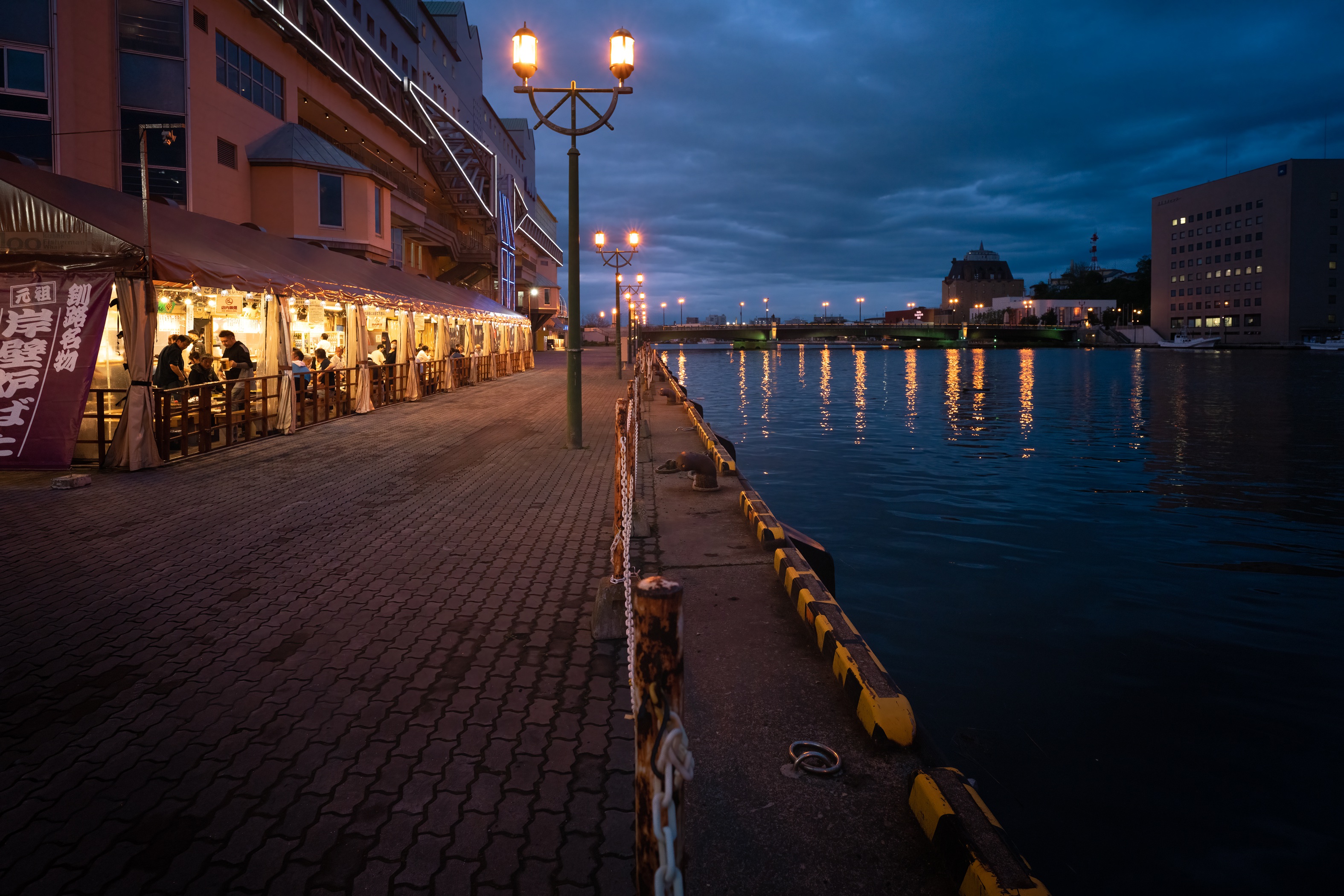
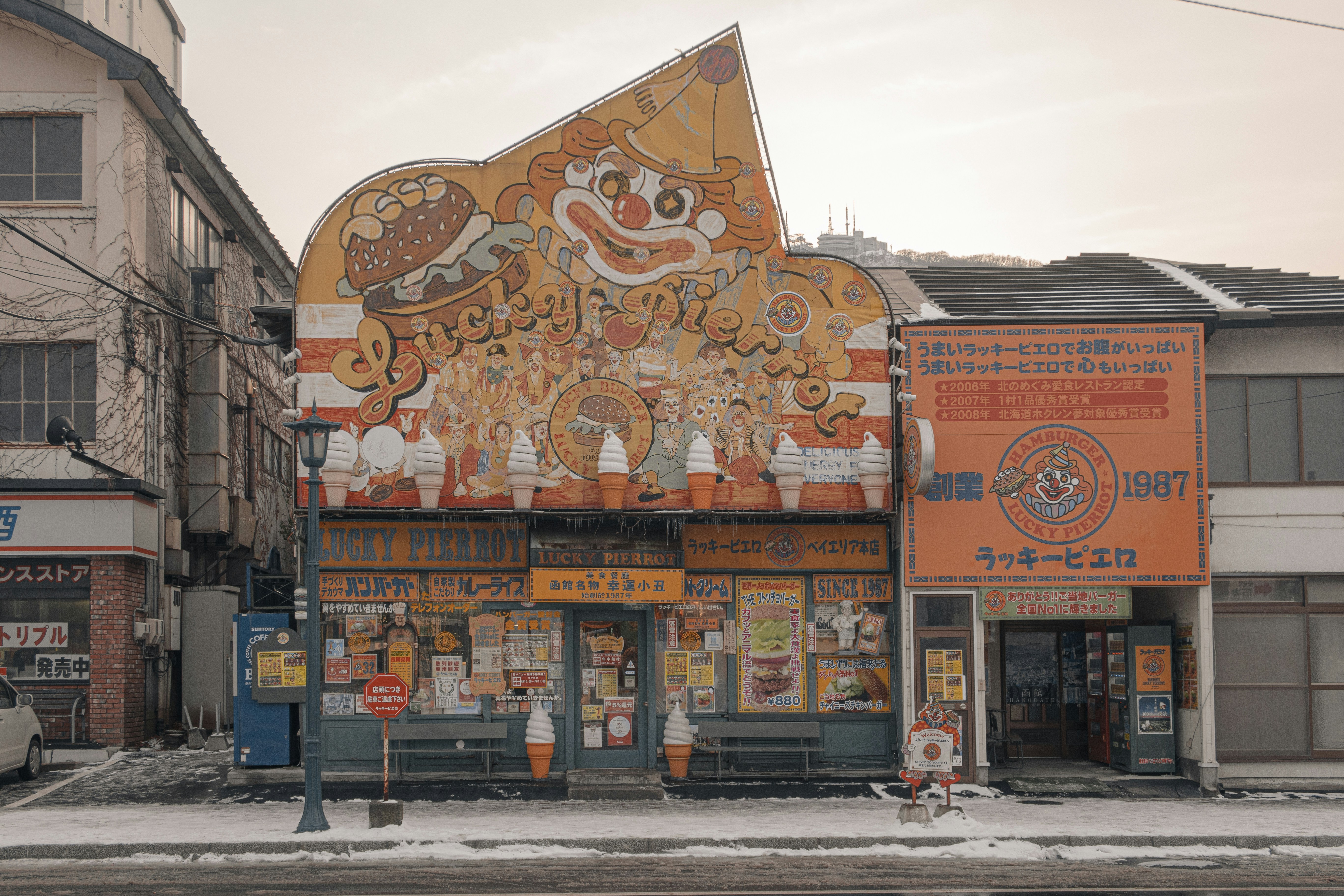
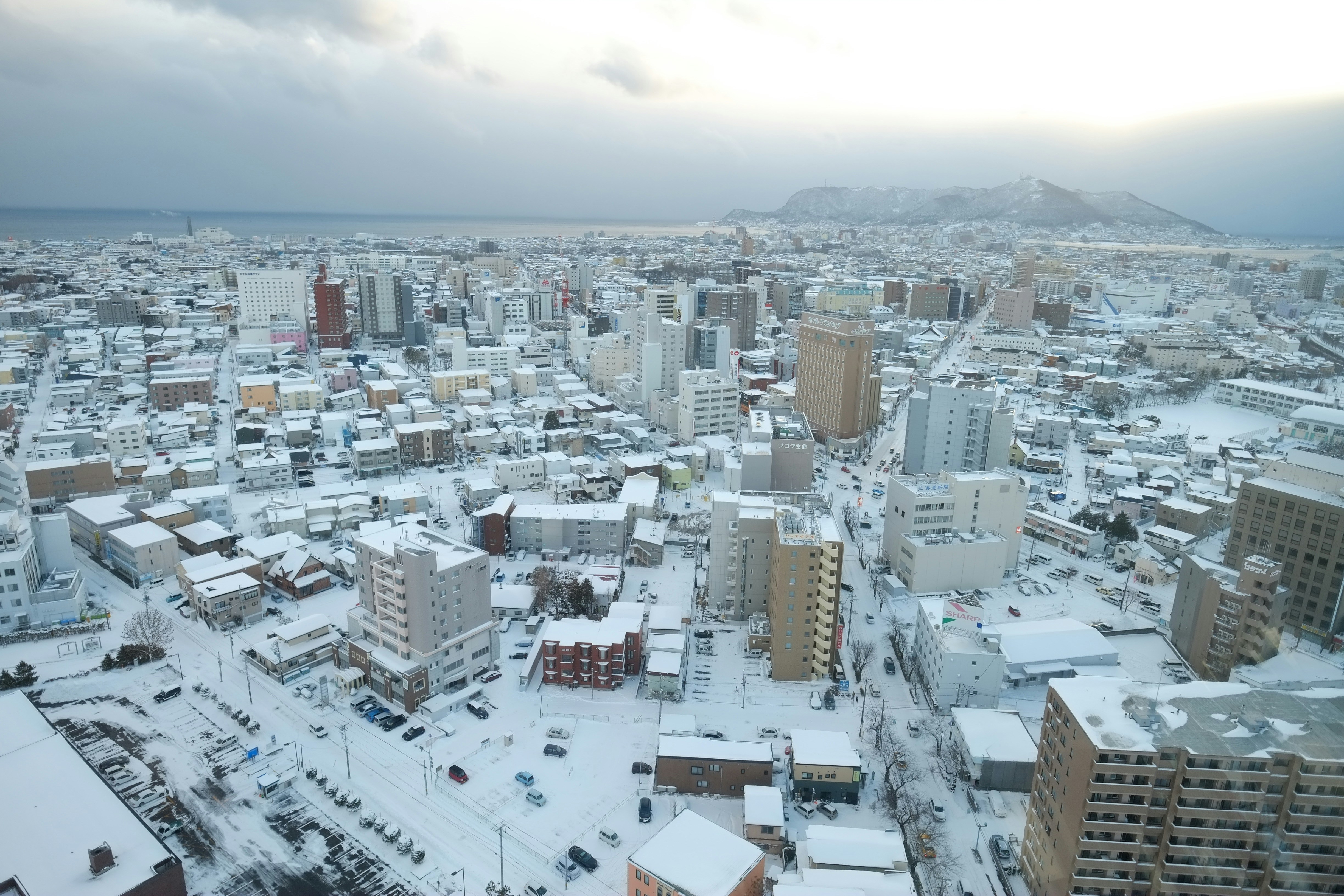
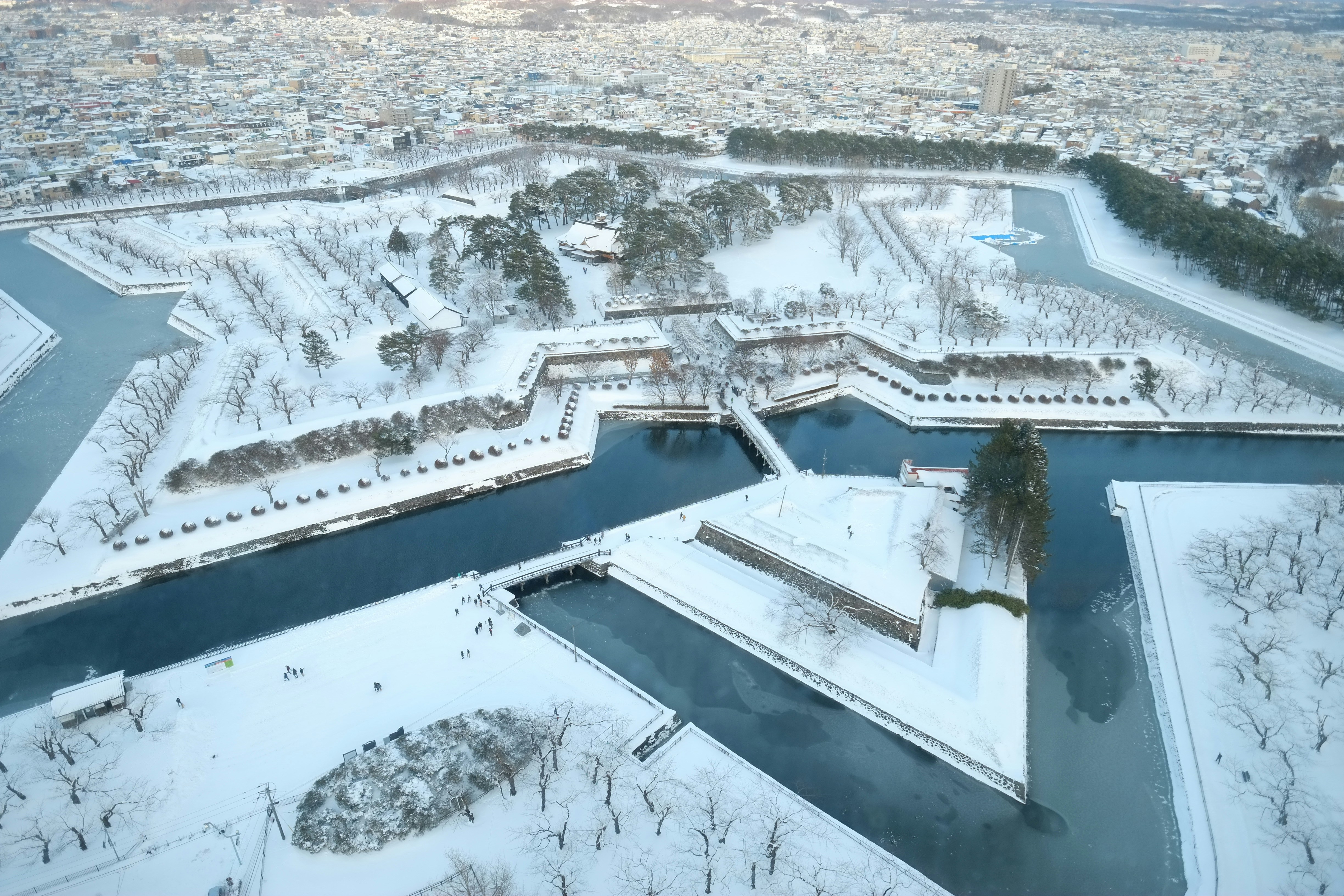
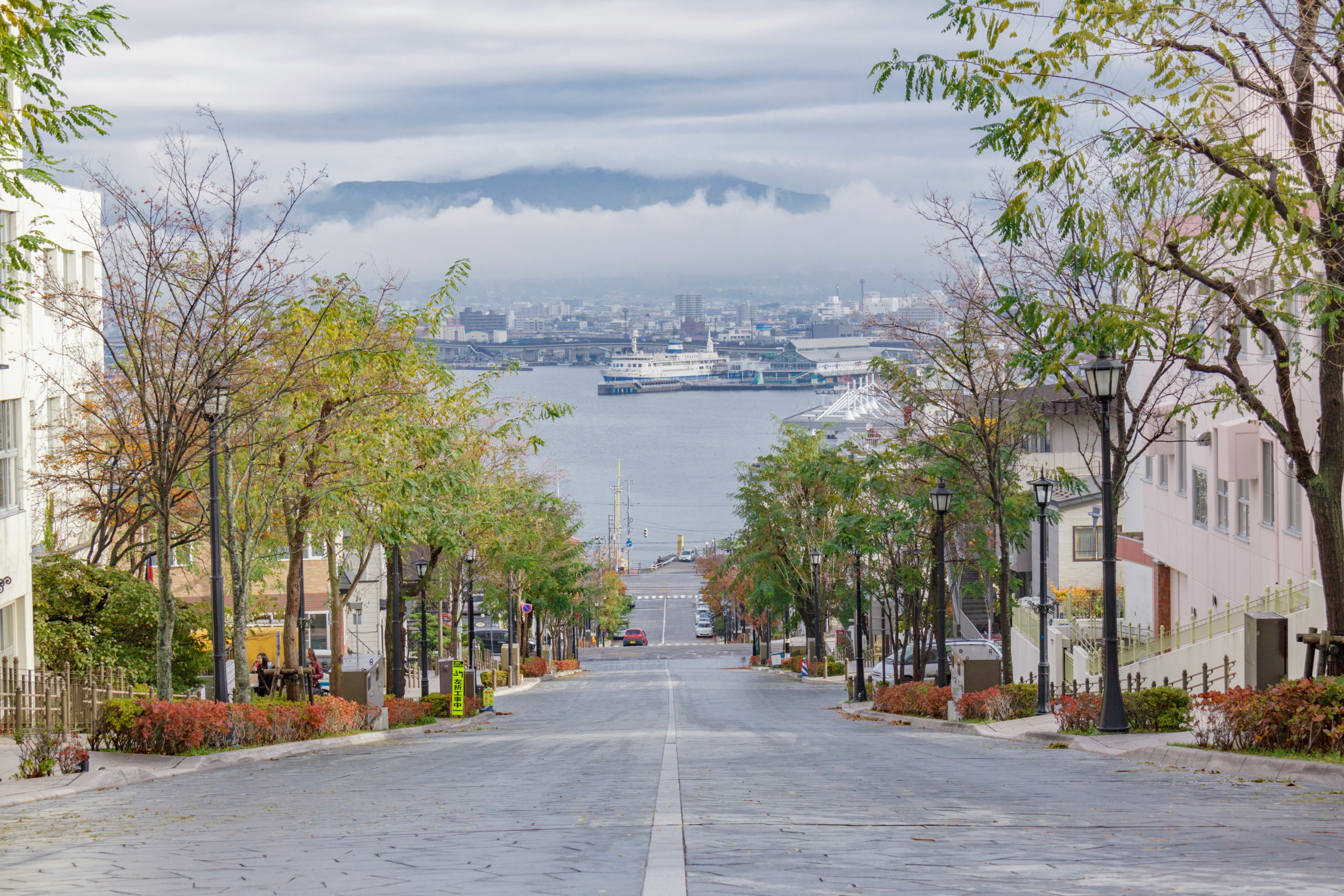
Facing out on two bays, Hakodate is a 19th-century port town, with clapboard buildings on sloping streets, a dockside tourist zone, streetcars, and fresh fish on every menu. In the downtown historic quarter, a mountain rises 1,100 feet above the city on the southern point of the narrow peninsula. Russians, Americans, Chinese, and Europeans have all left their mark; this was one of the first three Japanese ports the Meiji government opened up to international trade in 1859. The main sights around the foot of Mt. Hakodate can be done in a day, but the city is best appreciated with an overnight stay for the illumination in the historic area, the night views from either the mountain or the fort tower, and the fish market at dawn. City transport is easy to navigate and English information is readily available. Evening departure trains from Tokyo arrive here at dawn—perfect for fish-market breakfasts.
Hakodate, Hokkaido, Japan
Hakodate, Hokkaido, JapanPhoto by Jason ZZ on Unsplash
Snowy Hakodate, Hokkaido, Japan
Snowy Hakodate, Hokkaido, JapanPhoto by Natasha Jenny on Unsplash
Snowy Hakodate, Hokkaido, Japan
Snowy Hakodate, Hokkaido, JapanPhoto by Natasha Jenny on Unsplash
The Harbor View Hill, Yahatazaka In Hakodate, Japan
The Harbor View Hill, Yahatazaka In Hakodate, JapanPhoto by Mitsuo Komoriya on Unsplash

Day 26 - At Sea

Further details for this day are not available.

Day 27 - Tokyo

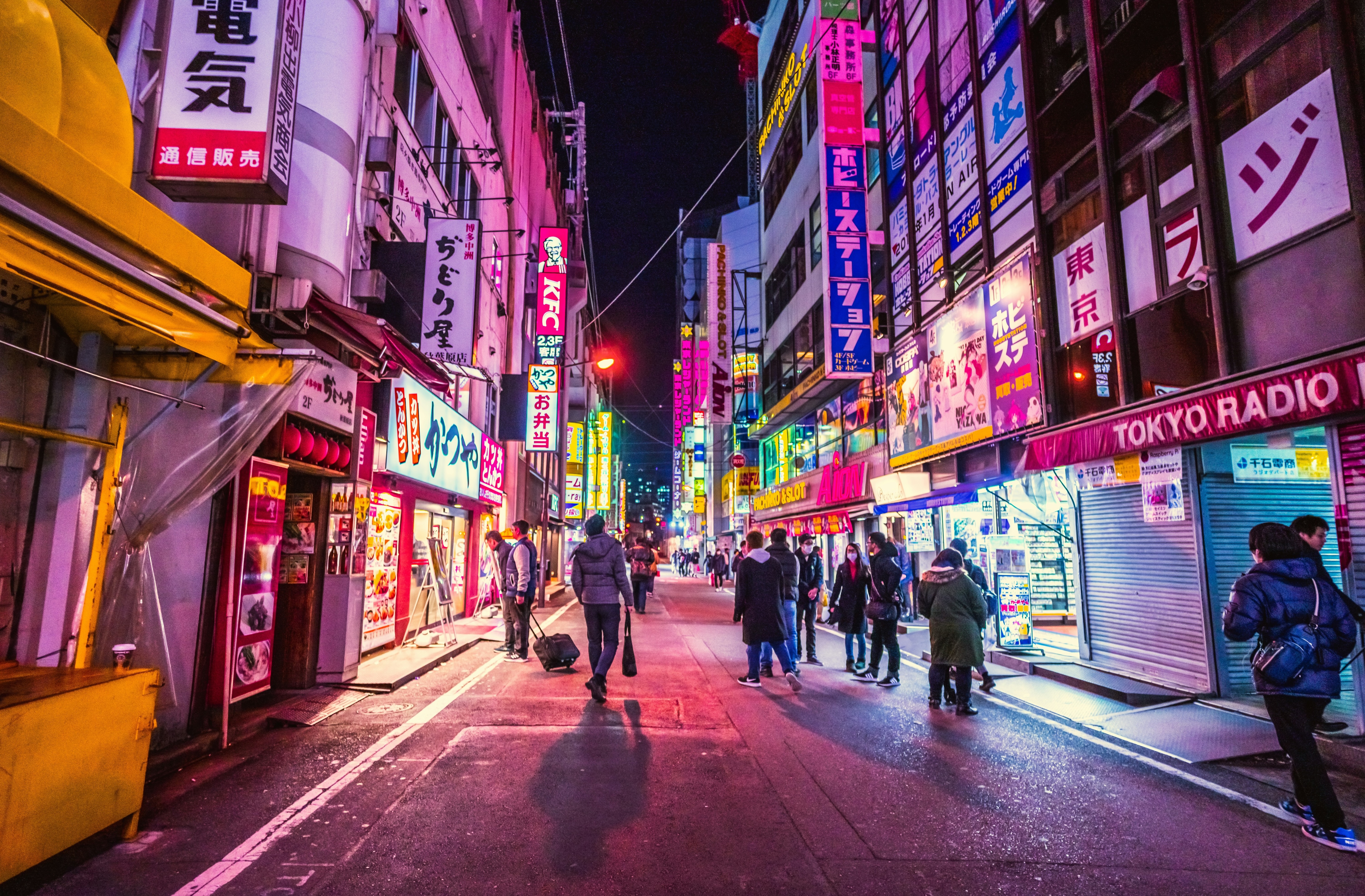
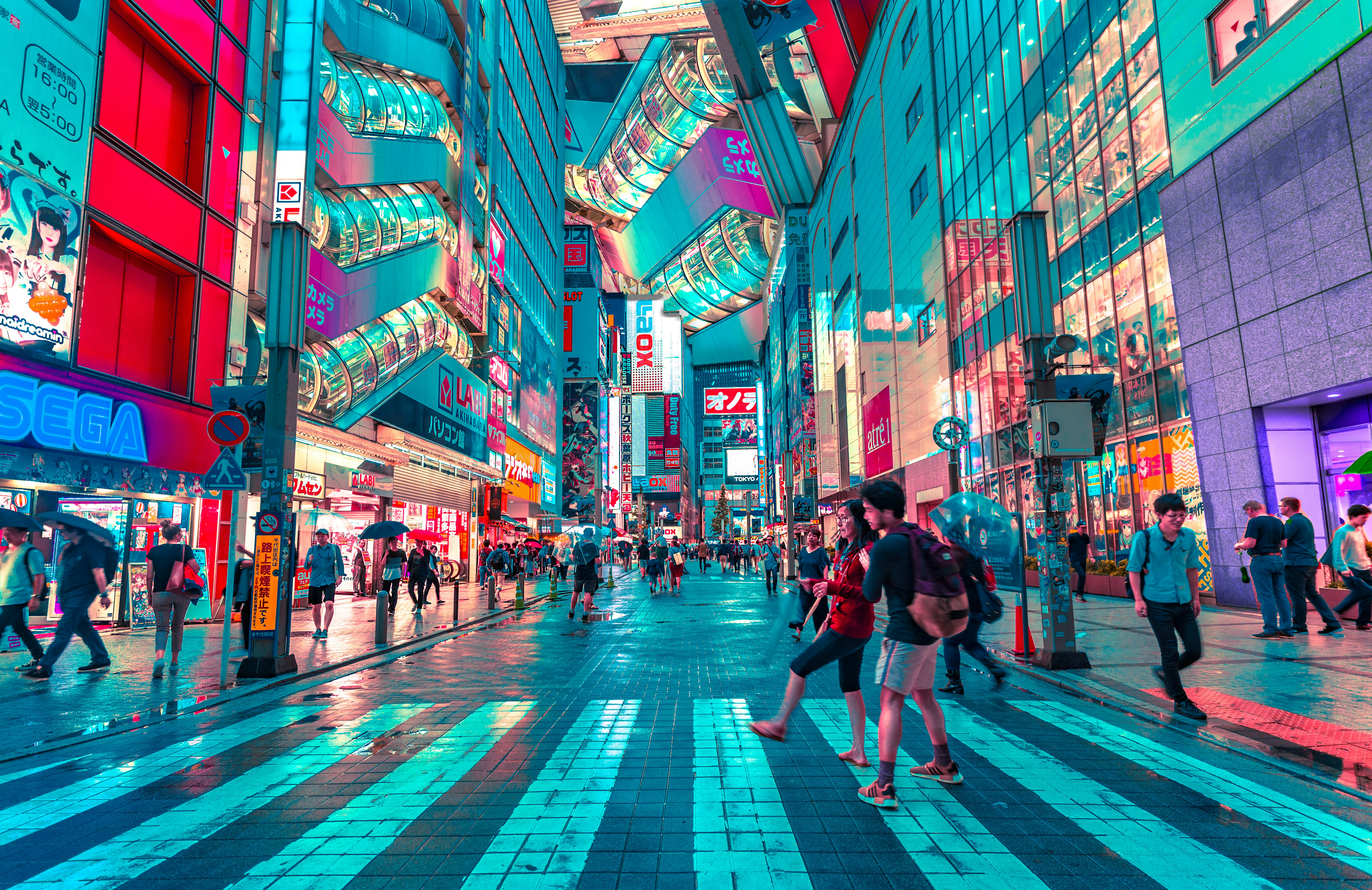
Lights, sushi, manga! Sprawling, frenetic, and endlessly fascinating, Japan’s capital is a city of contrasts. Shrines and gardens are pockets of calm between famously crowded streets and soaring office buildings. Mom-and-pop noodle houses share street space with Western-style chain restaurants and exquisite fine dining. Shopping yields lovely folk arts as well as the newest electronics. And nightlife kicks off with karaoke or sake and continues with techno clubs and more. Whether you seek the traditional or the cutting edge, Tokyo will provide it.

Tokyo At Night
Tokyo At NightJezael Melgoza, Unsplash
Tokyo Shopping
Tokyo ShoppingJezael Melgoza, Unsplash
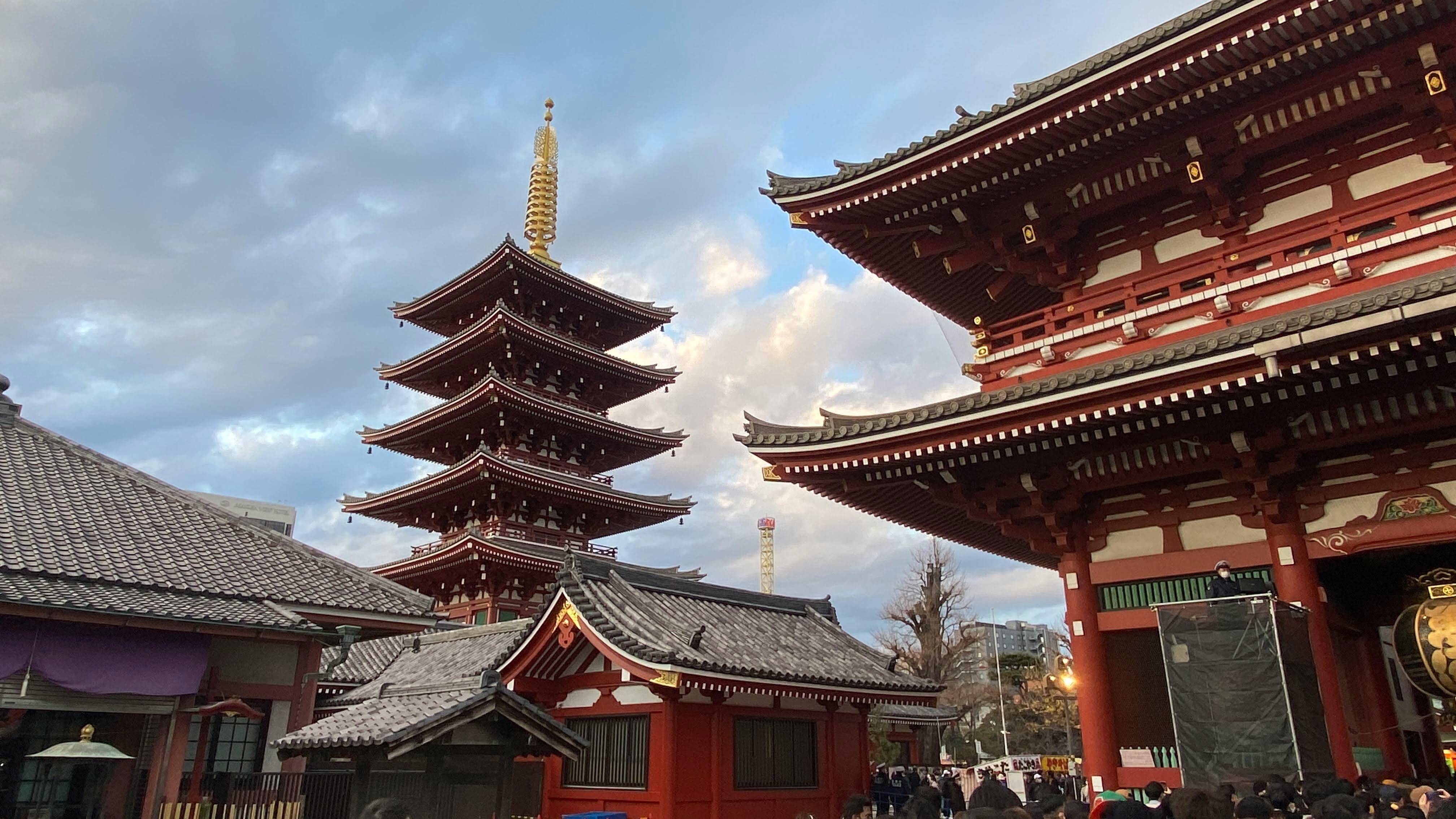
Tokyo Temple
Tokyo TempleMatt Ketchum

Suites & Deck Plans

Suite

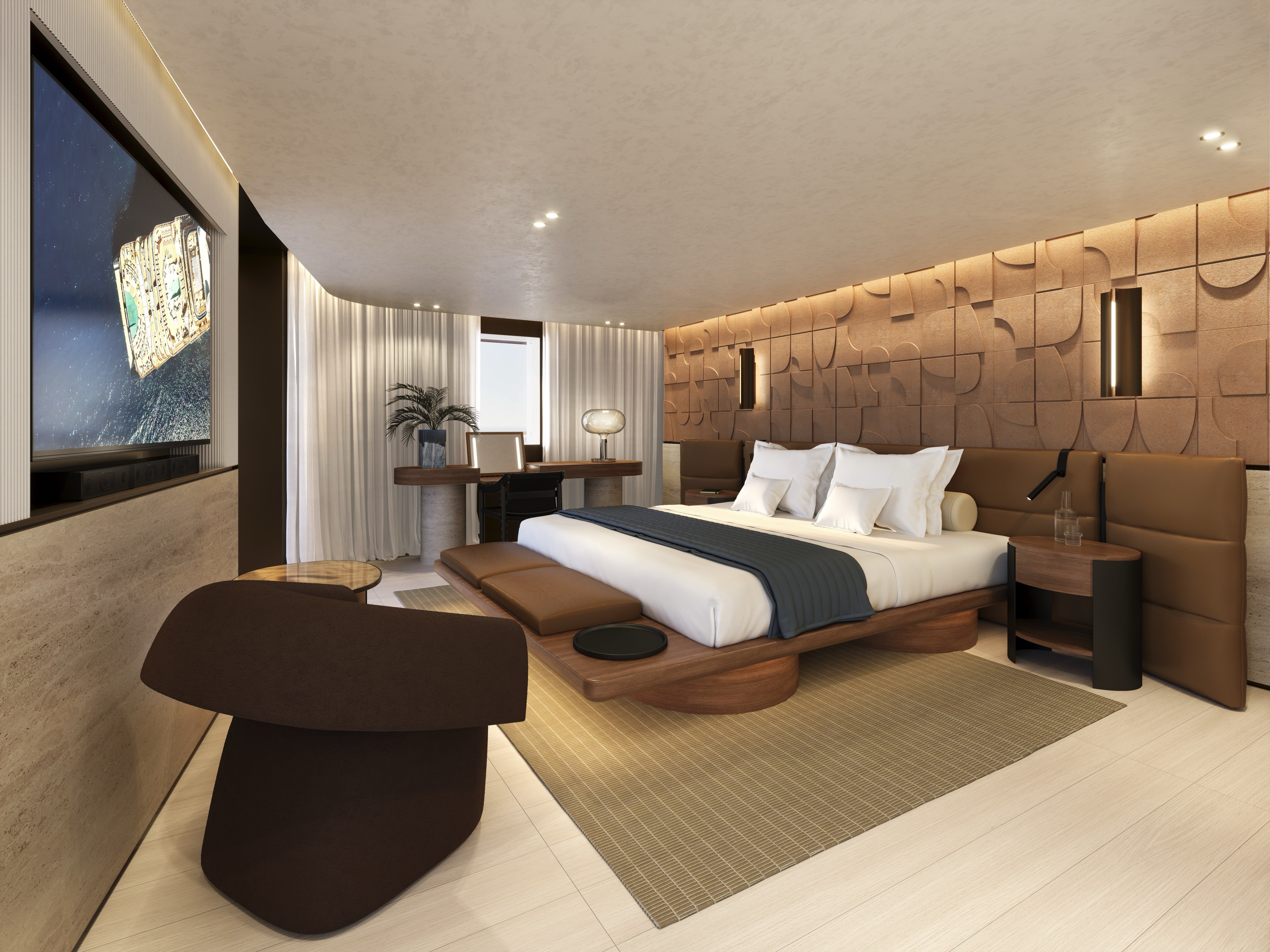
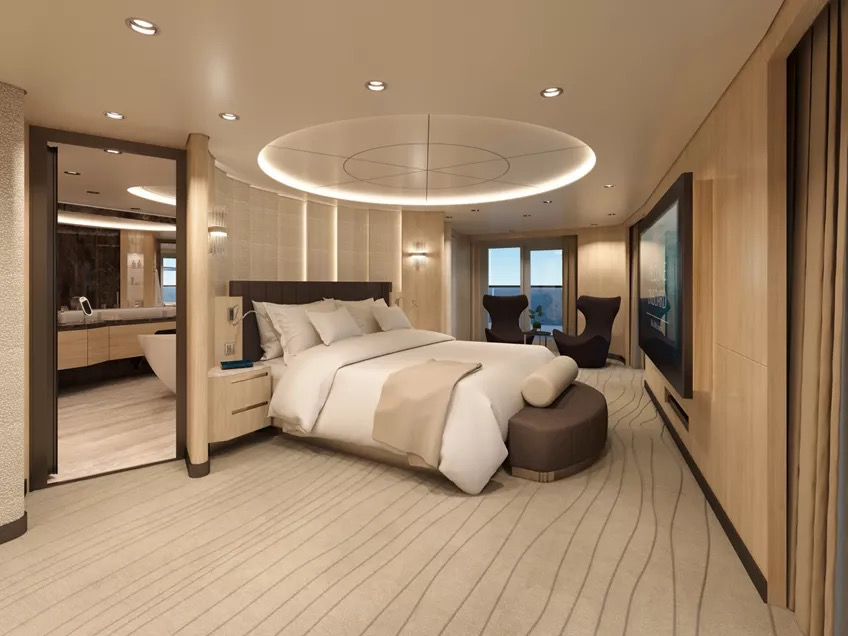
The most exclusive residence on board, the Owner’s Residence, designed by Patricia Urquiola, represents the ultimate expression of modern ocean living: an immersive emotional and sensory journey.

Every surface and detail reflects Patricia Urquiola’s distinctive approach – beauty quietly revealed through texture, proportion, and light. ​

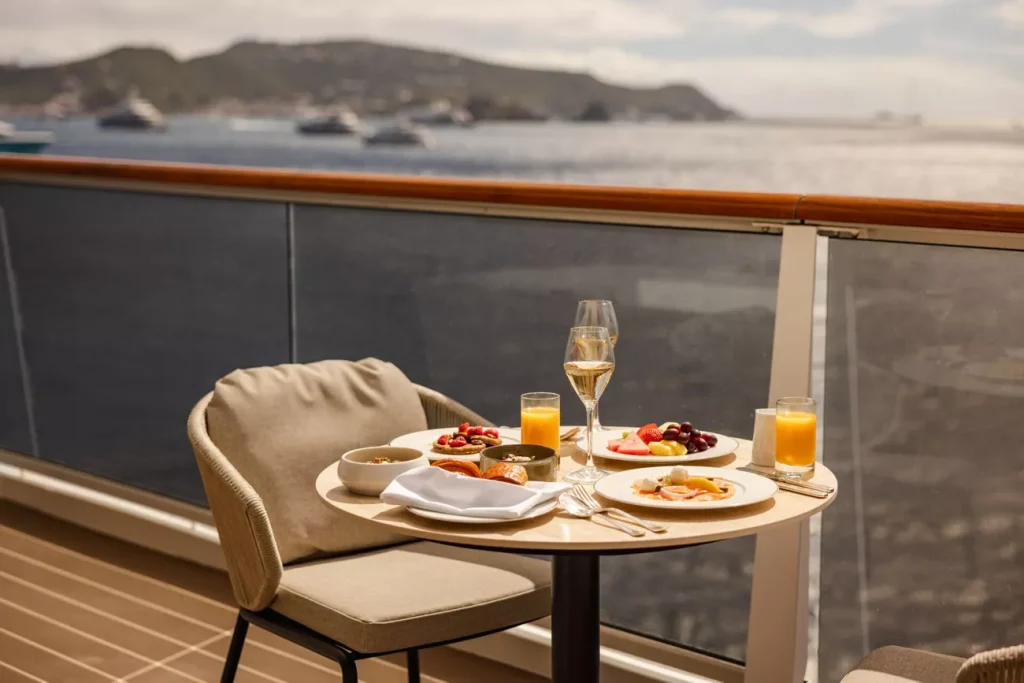
An expansive terrace stretching across the full width of the aft, invites guests to experience uninterrupted ocean views from the oversized whirlpool, gather around the alfresco dining table, or recline in beautifully appointed outdoor lounge chairs. ​

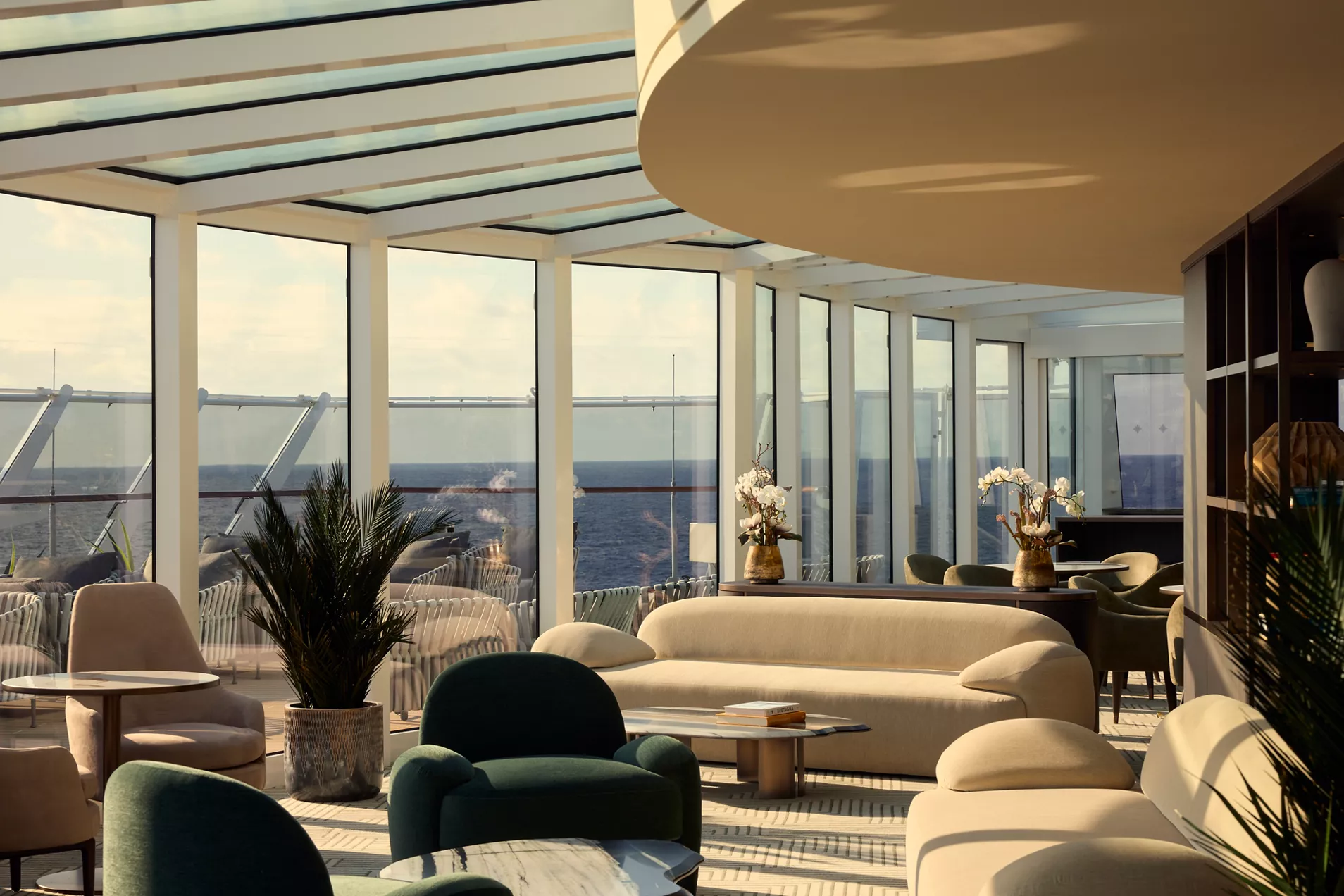
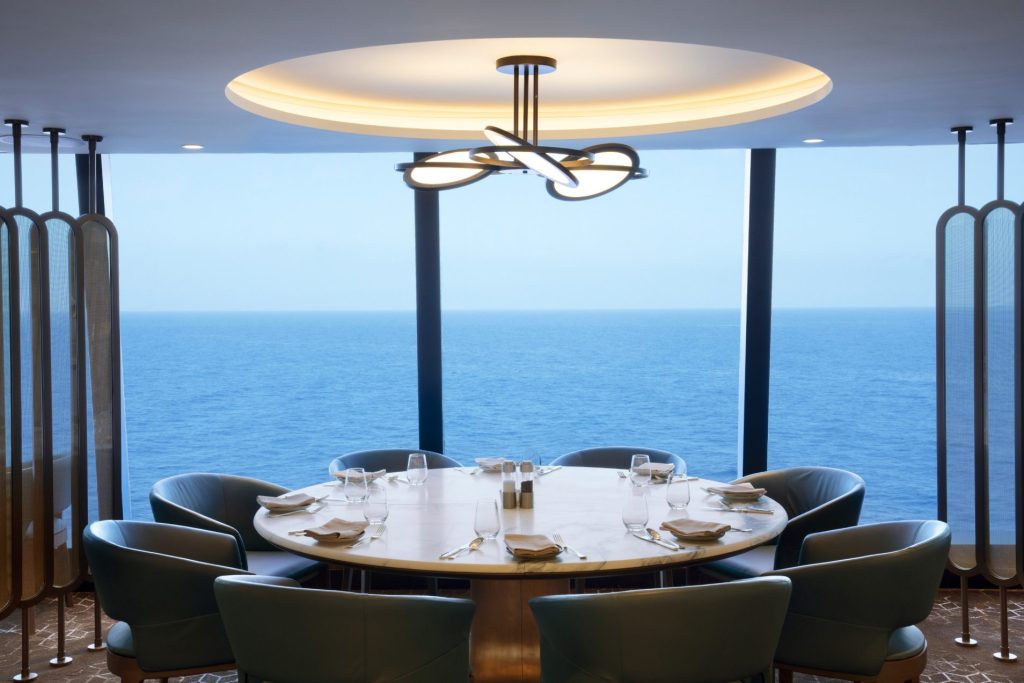
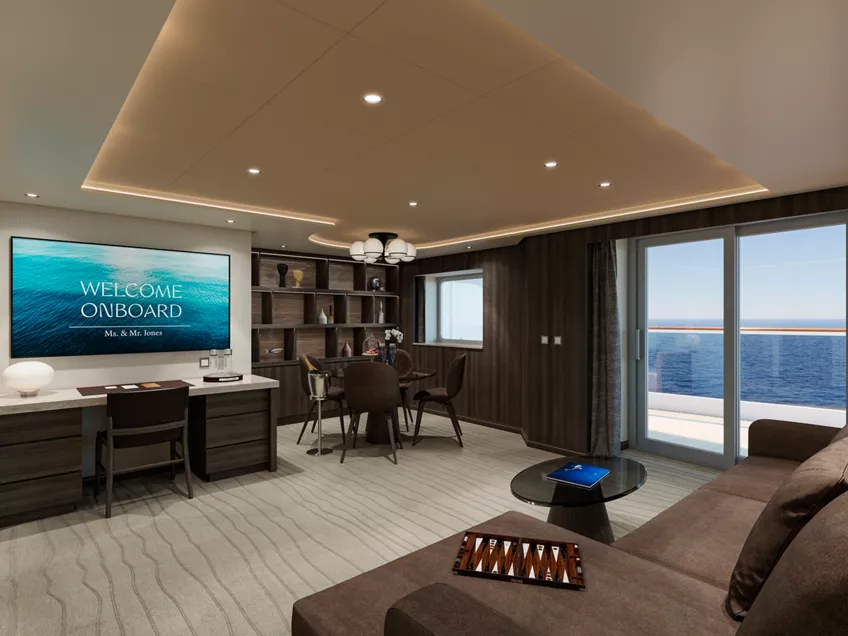
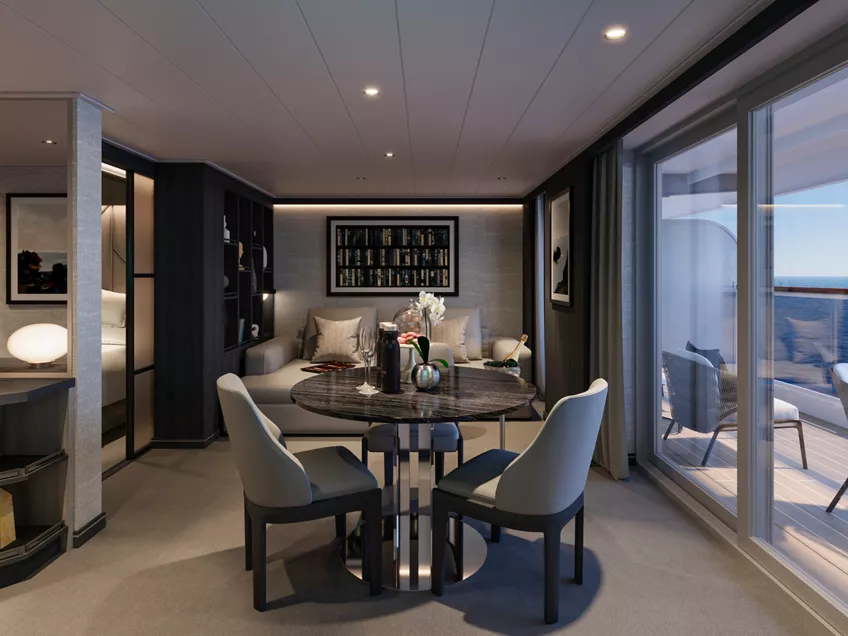
Inside, sculptural elegance shapes the atmosphere: oak parquet, refined marbles and a continuous curved boiserie create a fluid sense of movement, enriched by furnishings from Cassina, Kettal and Moroso.​ A circular dining room for eight flows naturally into the generous living area and bar counter designed for effortless entertaining.​

The private bedroom offers panoramic sea views and a peaceful sense​ of retreat, while the travertine-crafted bathroom features a bathtub, separate shower and a private steam room and a spacious walk-in wardrobe.​

Features

  • Dedicated Residence Manager overseeing every detail of your stay
  • Oversized floor-to-ceiling windows with views of the sea
  • Separate living, dining and sleeping areas
  • Abundant lounge area
  • Dining table for 8 guests
  • Spacious work desk area
  • In-suite welcome bottle of Dom Pérignon
  • Private bar, replenished according to the guests’ preferences
  • Espresso machine, kettle and teapot with a complimentary selection of coffee and teas
  • Complimentary personal refillable water bottle for each guest
  • Pair of binoculars for guests’ use during their journey
  • Technogym Bench and Technogym Case Kit for an efficient in-suite fitness experience
  • Safe accommodating most tablets and laptops
  • Service pantry area

Outdoors

  • Panoramic ocean-front terrace covering the full ship’s width, with a private spacious whirlpool, day beds, a dining table, a scenic lounge area, shower
  • Additional private terrace area for the second bedroom, which can be separated for added privacy

Bedroom

  • Two-bedroom residence
  • Master bedroom with king-sized bed, size 200 x 200 cm (79 x 79 in);
  • Second bedroom with king-sized bed, size 180 x 180 cm (71 x 79 in), or twin beds, size 2 x 90 x 200 (35 x 79 in)
  • Down duvets and pillows
  • Fine bed linens
  • Extensive pillow selection
  • Oversized dressing room adjoining the Master bedroom
  • Spacious walk-in wardrobe with a seated vanity area in the second bedroom

Bathroom

  • Master bathroom with luxurious marble double vanity, spacious bathtub, separate shower room and private steam room
  • Second bathroom with a bathtub and heated floors
  • Plush bathrobes and bath linens
  • Mandala Blue custom bath toiletries and amenities for Explora Journeys
  • Dyson Supersonic™ hairdryer and illuminated make-up/shaving mirror
  • Additional guest powder room

Dedicated Residence Manager

  • Packing and unpacking, arranged according to your preferences
  • Personal communication via your preferred messenger platform
  • Pressing, laundry and garment care assistance
  • Private In-Suite Dining arrangements for you and your guests
  • Daily itinerary and transport planning
  • Assistance with planning your personal events and celebrations
  • Assistance with onboard and ashore reservations

*All images are a combination of photography and artist renderings.
The artist representations and interior decorations, finishes, and furnishings are provided for illustrative purposes only.

3014 sq ft
Accommodates 4 guests
Owner's Residence by Patricia Urquiola

EXPLORA III

EXPLORA III

Life on board

The Onboard Experience

Client testimonials

I have worked with Lore Doick for more than 20 years, and she has booked over 30 cruises for me. Her expertise, care, and attention to every travel detail have made her an invaluable advisor and friend over the years.”

Tina B.

We are now in our second generation working with Cheri Ozimac at Tully Luxury Travel. From Antarctica to Greece, she has handled every detail with expertise, responsiveness, and care…

Earl M.

My wife and I have worked with Tully since 2007, and Kit Neil and her team went far beyond expectations while helping us navigate multiple cruise and flight cancellations. Their advocacy, care, and support during a difficult time were extraordinary.

Carri F.

Cheri Ozimac organized our Seabourn cruise flawlessly, from the hotel recommendation to every travel arrangement. She was responsive, attentive, and an excellent advocate throughout the process…

Cyn S.

We discovered Tully Luxury Travel after years of booking cruises through US agents and were impressed by their competitive pricing, exceptional service, and Canadian based support. Their team is always available, offers excellent value, and makes booking the right cruise seamless.

Peter C.

GoogleAverage Customer Rating:

The Tully Difference

Why travel with us


Tully Luxury Travel was built on access, discretion, and trust. For our clients, that means ease at every step, with distinctions that turn exceptional voyages into defining moments.

Recognized expertise

A renowned agency worldwide in luxury land and small-ship cruising, consistently trusted by the industry’s most prestigious brands.