
Emerald Cruises logo

Greek Islands & Turkish Coastlines

Itinerary: Piraeus, Delos, Mykonos, Pátmos, Kusadasi, Kos, Santorini, Páros See full itinerary

25 Oct 28
7 nights

Voyage Details

Duration:
7 nights
Departure:
25 Oct 2028
Embarkation:
Piraeus, Greece
Cruise code:
E08G
Voyage code:
E08G251028.1

Your Itinerary, Day-By-Day

Special Chapters of Your Journey

Day 1 - Piraeus

Your unforgettable voyage begins in Greece and its ancient capital, Athens. The birthplace of democracy and western civilisation, this enthralling city presents a remarkable blend of rich traditions and modern dynamism. Here, you’ll be transferred to your Emerald luxury yacht to begin an incredible odyssey along the coasts of Greece and Turkey.   

Please book your flight to arrive into Athens prior to 02:00 PM.

Docked: 19:00 

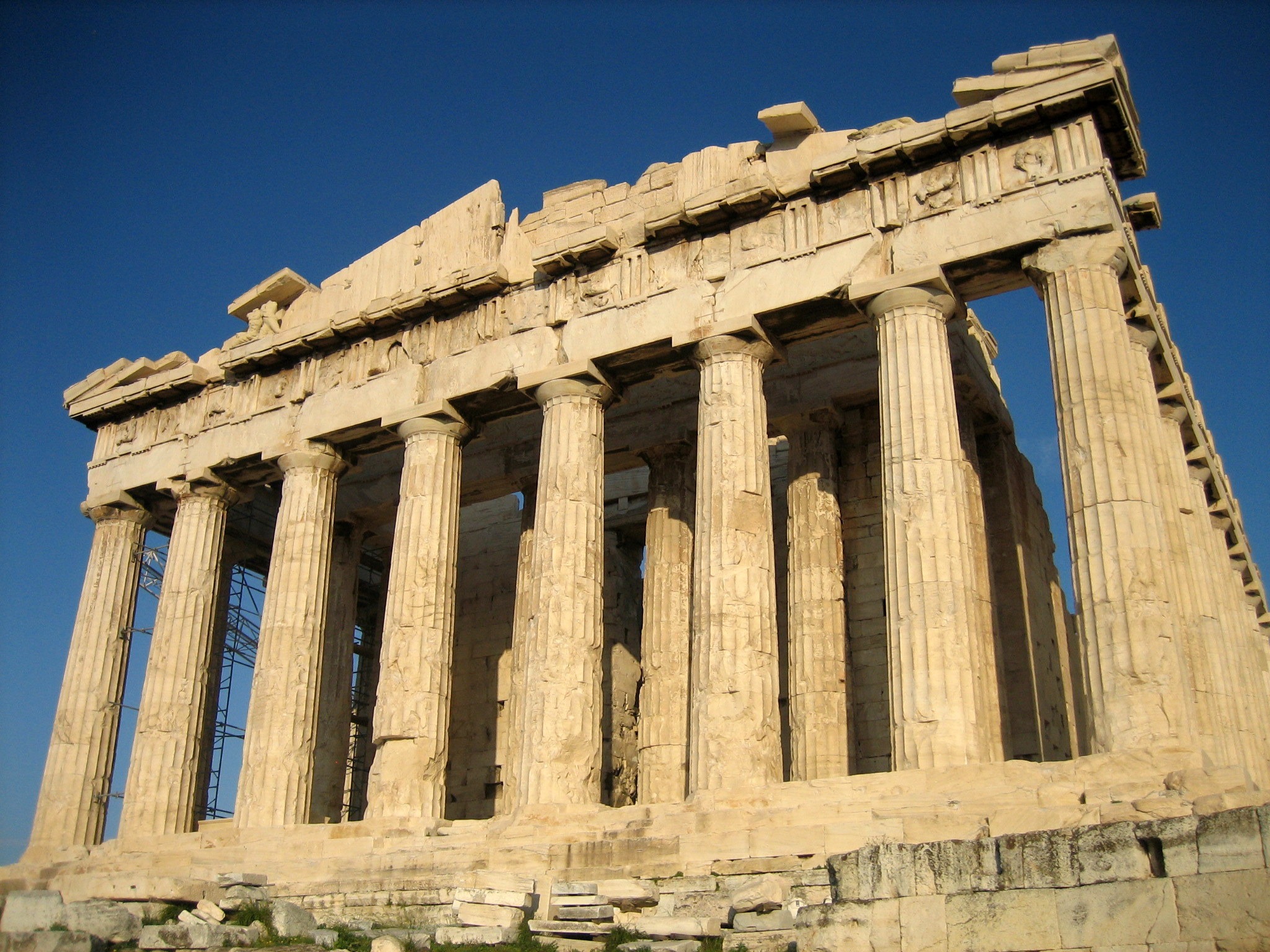
It's no wonder that all roads lead to the fascinating and maddening metropolis of Athens. Lift your eyes 200 feet above the city to the Parthenon, its honey-color marble columns rising from a massive limestone base, and you behold architectural perfection that has not been surpassed in 2,500 years. But, today, this shrine of classical form dominates a 21st-century boomtown. To experience Athens—Athína in Greek—fully is to understand the essence of Greece: ancient monuments surviving in a sea of cement, startling beauty amid the squalor, tradition juxtaposed with modernity. Locals depend on humor and flexibility to deal with the chaos; you should do the same. The rewards are immense. Although Athens covers a huge area, the major landmarks of the ancient Greek, Roman, and Byzantine periods are close to the modern city center. You can easily walk from the Acropolis to many other key sites, taking time to browse in shops and relax in cafés and tavernas along the way. From many quarters of the city you can glimpse "the glory that was Greece" in the form of the Acropolis looming above the horizon, but only by actually climbing that rocky precipice can you feel the impact of the ancient settlement. The Acropolis and Filopappou, two craggy hills sitting side by side; the ancient Agora (marketplace); and Kerameikos, the first cemetery, form the core of ancient and Roman Athens. Along the Unification of Archaeological Sites promenade, you can follow stone-paved, tree-lined walkways from site to site, undisturbed by traffic. Cars have also been banned or reduced in other streets in the historical center. In the National Archaeological Museum, vast numbers of artifacts illustrate the many millennia of Greek civilization; smaller museums such as the Goulandris Museum of Cycladic Art Museum and the Byzantine and Christian Museum illuminate the history of particular regions or periods. Athens may seem like one huge city, but it is really a conglomeration of neighborhoods with distinctive characters. The Eastern influences that prevailed during the 400-year rule of the Ottoman Empire are still evident in Monastiraki, the bazaar area near the foot of the Acropolis. On the northern slope of the Acropolis, stroll through Plaka (if possible by moonlight), an area of tranquil streets lined with renovated mansions, to get the flavor of the 19th-century's gracious lifestyle. The narrow lanes of Anafiotika, a section of Plaka, thread past tiny churches and small, color-washed houses with wooden upper stories, recalling a Cycladic island village. In this maze of winding streets, vestiges of the older city are everywhere: crumbling stairways lined with festive tavernas; dank cellars filled with wine vats; occasionally a court or diminutive garden, enclosed within high walls and filled with magnolia trees and the flaming trumpet-shaped flowers of hibiscus bushes. Formerly run-down old quarters, such as Thission, Gazi and Psirri, popular nightlife areas filled with bars and mezedopoleia (similar to tapas bars), are now in the process of gentrification, although they still retain much of their original charm, as does the colorful produce and meat market on Athinas. The area around Syntagma Square, the tourist hub, and Omonia Square, the commercial heart of the city about 1 km (½ mi) northwest, is distinctly European, having been designed by the court architects of King Otho, a Bavarian, in the 19th century. The chic shops and bistros of ritzy Kolonaki nestle at the foot of Mt. Lycabettus, Athens's highest hill (909 feet). Each of Athens's outlying suburbs has a distinctive character: in the north is wealthy, tree-lined Kifissia, once a summer resort for aristocratic Athenians, and in the south and southeast lie Glyfada, Voula, and Vouliagmeni, with their sandy beaches, seaside bars, and lively summer nightlife. Just beyond the city's southern fringes is Piraeus, a bustling port city of waterside fish tavernas and Saronic Gulf views.
Grath   Athens   Acropolis
Grath Athens Acropolis
Grath   Athens   Athens Sea
Grath Athens Athens Sea
Grath   Athens   City Overview
Grath Athens City Overview
Grath   Athens   Greek Ruins
Grath Athens Greek Ruins
Grath   Athens   Parthenon
Grath Athens Parthenon
Grath   Athens   Ruins And Architecture
Grath Athens Ruins And Architecture
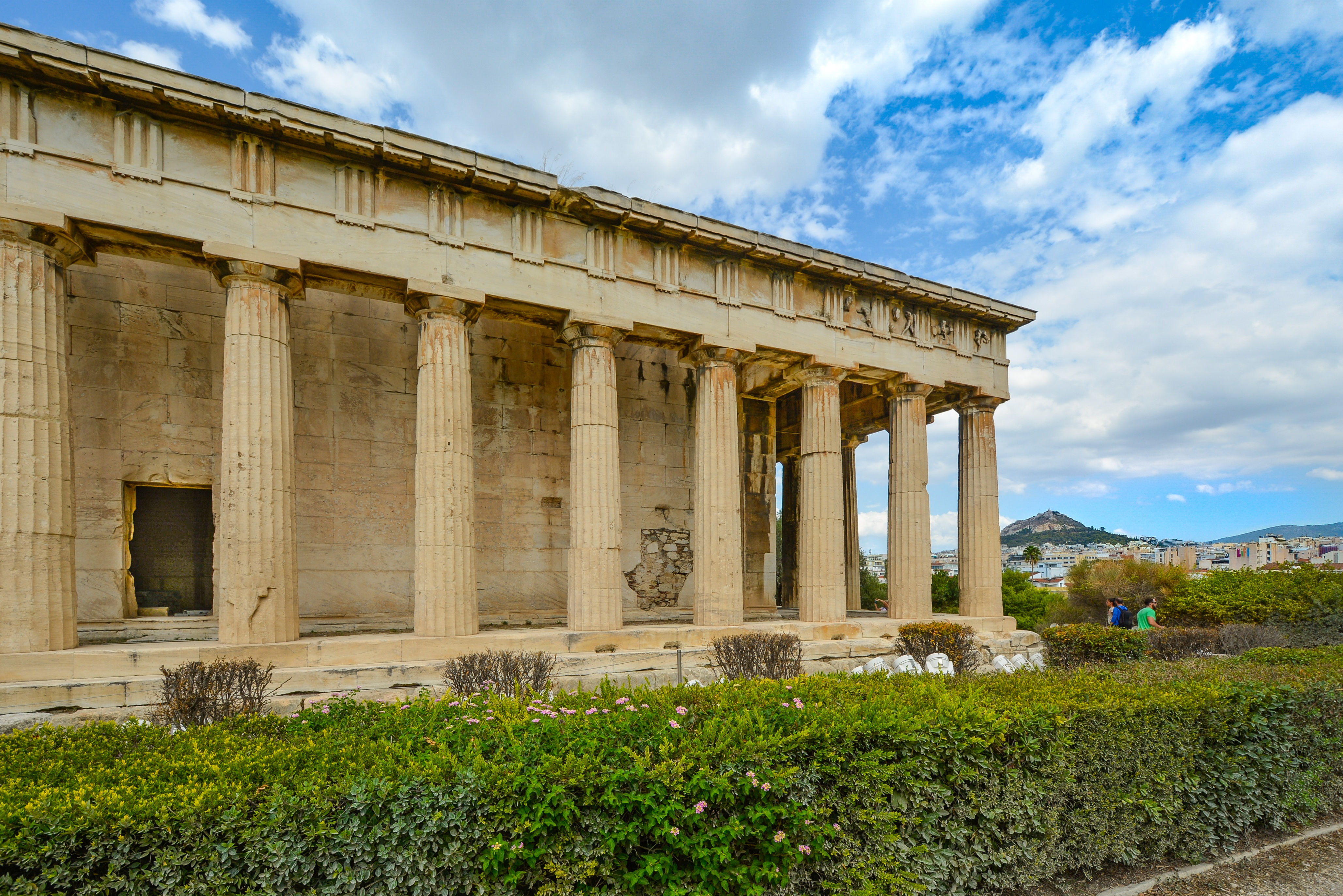
Grath   Athens   Temple Of Hephaestus
Grath Athens Temple Of Hephaestus

Day 2 - Delos

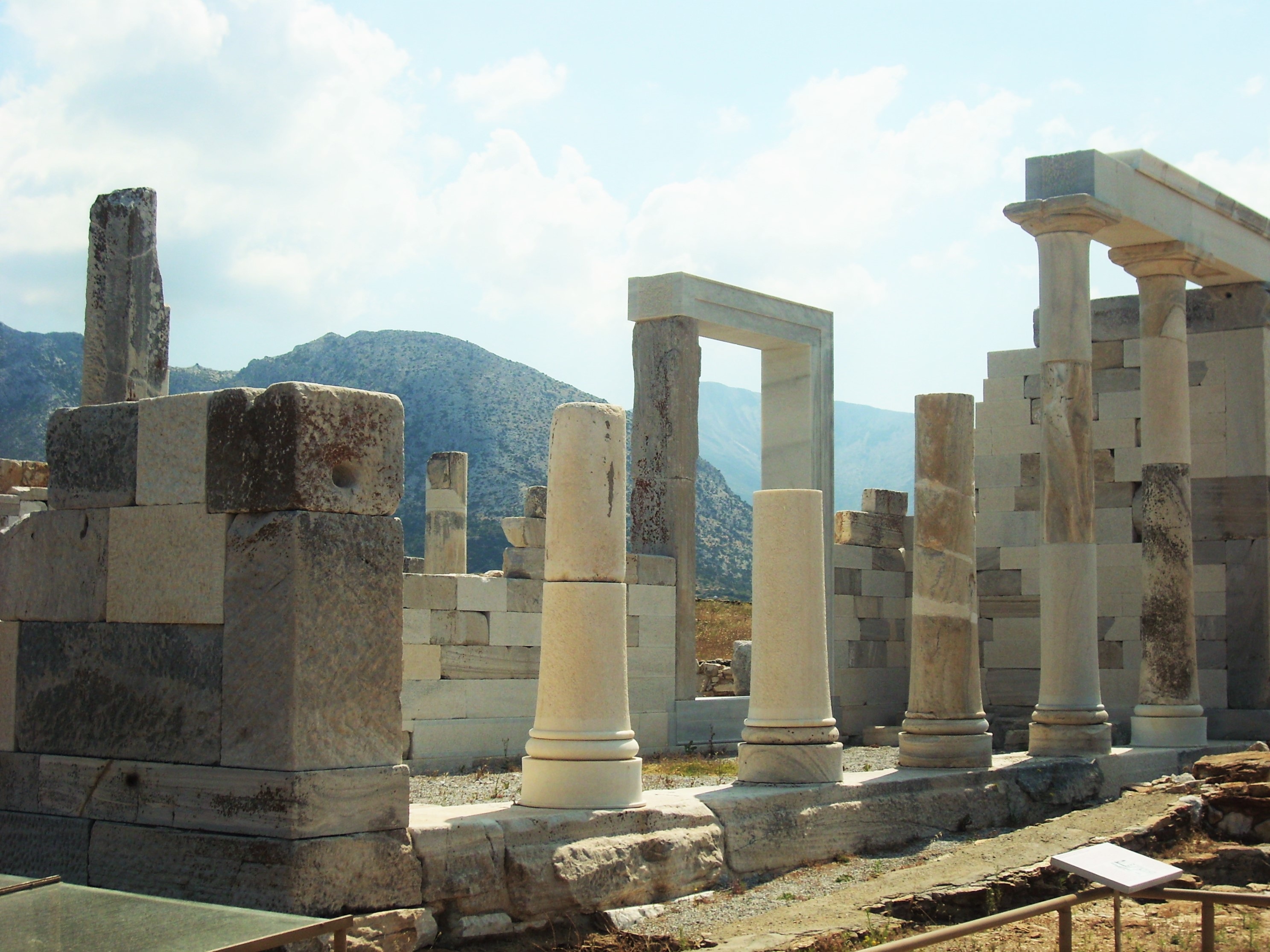
This morning, step ashore on Delos, one of Greece’s most significant mythological and archaeological treasures. According to legend, this sacred island was the birthplace of Apollo and Artemis. Wander among remarkably preserved ruins, grand mosaics and ancient temples that paint a vivid picture of classical civilisation. 

Later, sail to glamorous Mykonos, where Cycladic charm meets cosmopolitan flair. Lose yourself in the maze of narrow lanes lined with whitewashed houses and chapels. Discover chic boutiques, waterfront tavernas and the island’s iconic windmills overlooking the Aegean. As evening falls, Mykonos reveals its vibrant energy, offering the ideal blend of tradition and modern sophistication. 

DiscoverMORE
Guided Tour of Delos (extra expense, must be pre-booked)
Discover the extraordinary archaeological treasures of Delos, one of the most important sacred sites of the ancient Greek world and a UNESCO World Heritage Site. For more than a thousand years, Delos was one of the Mediterranean's most revered religious sanctuaries. According to Greek mythology, it was the birthplace of Apollo and Artemis, attracting pilgrims from across the ancient world and becoming a prosperous centre of religion, commerce, and culture. Join a guided walking tour through this remarkable open-air archaeological site, where exceptionally preserved ruins reveal the island's rich history from the 3rd millennium BC through the Hellenistic and early Christian periods. Explore ancient temples, sanctuaries, marketplaces, theatres, and elegant residences while gaining insight into the civilizations that shaped this sacred island and the wider Aegean.
Activity Level: Moderate, Duration: 2 hours 30 minutes 

DiscoverMORE
Explore Mykonos Town Highlights on Foot (extra expense, must be pre-booked)
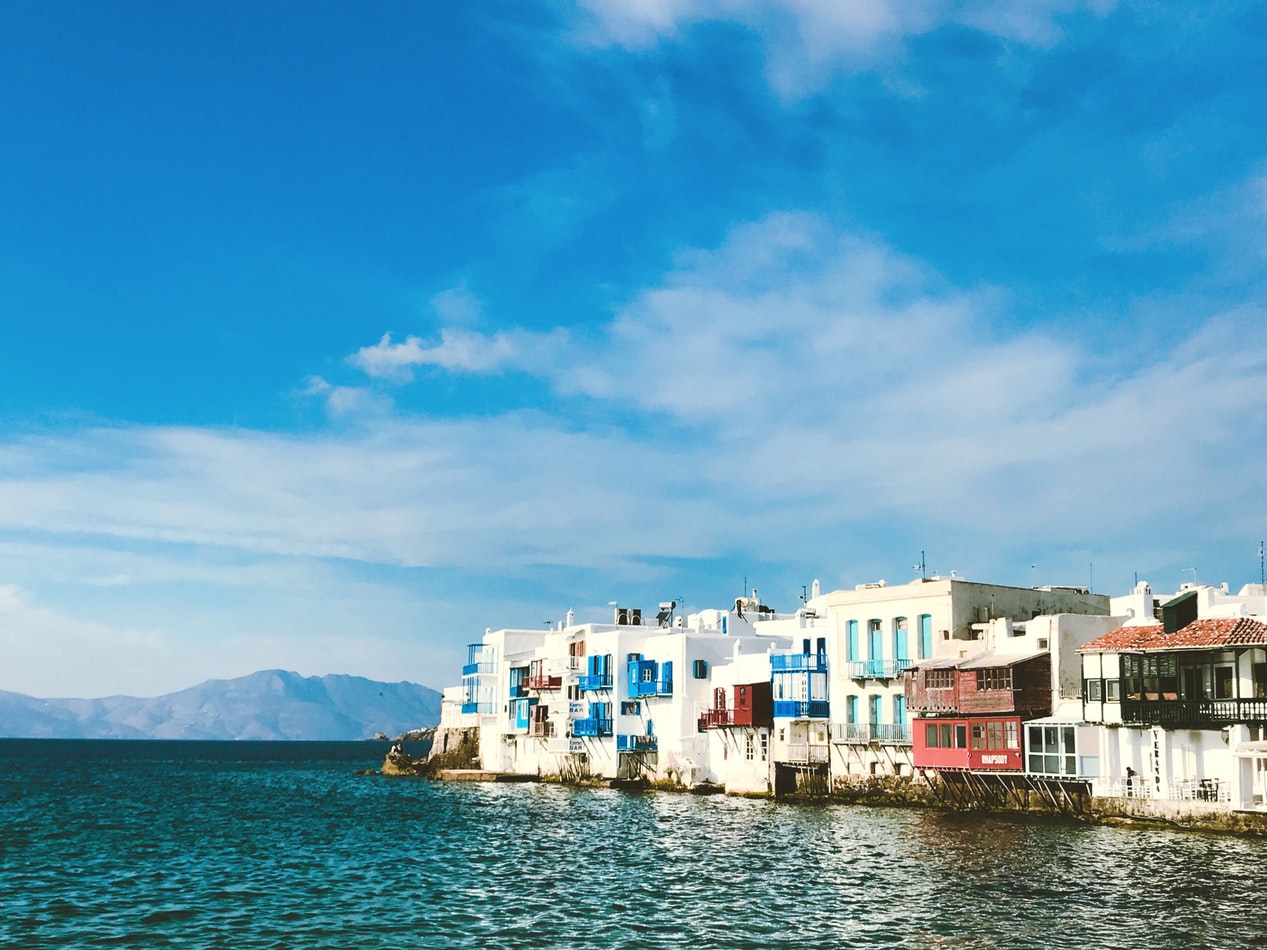
Discover the timeless charm of Mykonos on a leisurely walking tour through the island’s enchanting capital, where traditional Cycladic architecture, rich history, and stunning coastal scenery come together. Explore the maze of whitewashed streets in Mykonos Town (Chora) as your guide shares fascinating insights into the island’s culture and history. Along the way, admire the iconic Panagia Paraportiani, one of Greece’s most photographed churches, and the charming Church of St. Nicholas, overlooking the old harbour. Continue through the picturesque waterfront district of Little Venice, where elegant historic houses line the sea, before reaching the famous Mykonos Windmills, offering panoramic views across the town and the sparkling Aegean. Pause to enjoy a traditional Greek cheese pie at a local bakery and a refreshing drink before free time to browse the boutiques, relax at a café, or continue exploring Mykonos Town at your own pace.
Activity Level: Moderate, Duration: 2 hours 30 minutes 

Anchored: 07:30 – 11:00 | 12:30 –22:00 

Delos, Greece
Delos, GreeceImage from Pixabay

Day 2 - Mykonos

This morning, step ashore on Delos, one of Greece’s most significant mythological and archaeological treasures. According to legend, this sacred island was the birthplace of Apollo and Artemis. Wander among remarkably preserved ruins, grand mosaics and ancient temples that paint a vivid picture of classical civilisation. 

Later, sail to glamorous Mykonos, where Cycladic charm meets cosmopolitan flair. Lose yourself in the maze of narrow lanes lined with whitewashed houses and chapels. Discover chic boutiques, waterfront tavernas and the island’s iconic windmills overlooking the Aegean. As evening falls, Mykonos reveals its vibrant energy, offering the ideal blend of tradition and modern sophistication. 

DiscoverMORE
Guided Tour of Delos (extra expense, must be pre-booked)
Discover the extraordinary archaeological treasures of Delos, one of the most important sacred sites of the ancient Greek world and a UNESCO World Heritage Site. For more than a thousand years, Delos was one of the Mediterranean's most revered religious sanctuaries. According to Greek mythology, it was the birthplace of Apollo and Artemis, attracting pilgrims from across the ancient world and becoming a prosperous centre of religion, commerce, and culture. Join a guided walking tour through this remarkable open-air archaeological site, where exceptionally preserved ruins reveal the island's rich history from the 3rd millennium BC through the Hellenistic and early Christian periods. Explore ancient temples, sanctuaries, marketplaces, theatres, and elegant residences while gaining insight into the civilizations that shaped this sacred island and the wider Aegean.
Activity Level: Moderate, Duration: 2 hours 30 minutes 

DiscoverMORE
Explore Mykonos Town Highlights on Foot (extra expense, must be pre-booked)
Discover the timeless charm of Mykonos on a leisurely walking tour through the island’s enchanting capital, where traditional Cycladic architecture, rich history, and stunning coastal scenery come together. Explore the maze of whitewashed streets in Mykonos Town (Chora) as your guide shares fascinating insights into the island’s culture and history. Along the way, admire the iconic Panagia Paraportiani, one of Greece’s most photographed churches, and the charming Church of St. Nicholas, overlooking the old harbour. Continue through the picturesque waterfront district of Little Venice, where elegant historic houses line the sea, before reaching the famous Mykonos Windmills, offering panoramic views across the town and the sparkling Aegean. Pause to enjoy a traditional Greek cheese pie at a local bakery and a refreshing drink before free time to browse the boutiques, relax at a café, or continue exploring Mykonos Town at your own pace.
Activity Level: Moderate, Duration: 2 hours 30 minutes 

Anchored: 07:30 – 11:00 | 12:30 –22:00 

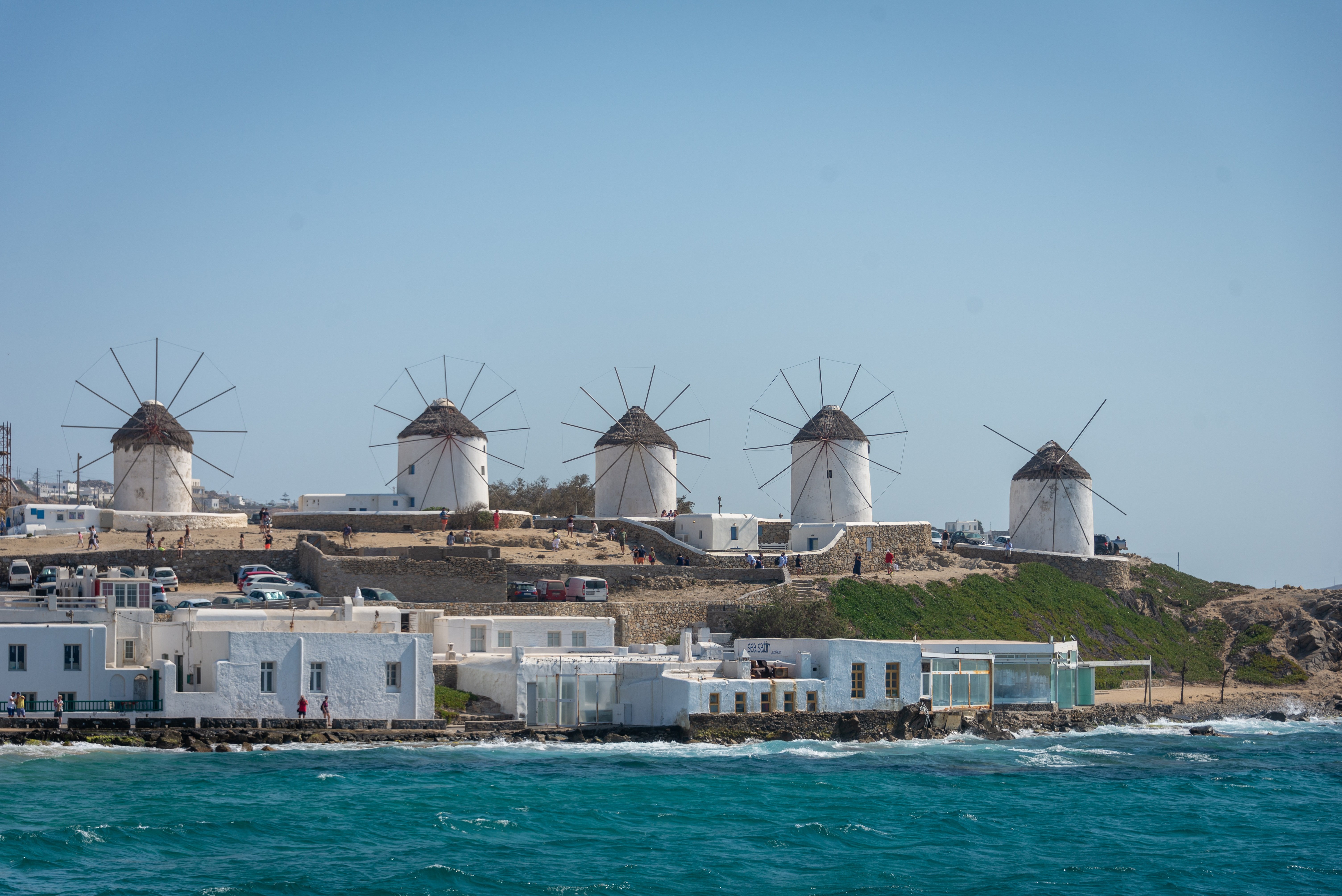
Although the fishing boats still go out in good weather, Mykonos largely makes its living from tourism these days. The summer crowds have turned one of the poorest islands in Greece into one of the richest. Old Mykonians complain that their young, who have inherited stores where their grandfathers once sold eggs or wine, get so much rent that they have lost ambition, and in summer sit around pool bars at night with their friends, and hang out in Athens in winter when island life is less scintillating. Put firmly on the map by Jackie O in the 1960s, Mykonos town—called Hora by the locals—remains the Saint-Tropez of the Greek islands. The scenery is memorable, with its whitewashed streets, Little Venice, the Kato Myli ridge of windmills, and Kastro, the town's medieval quarter. Its cubical two- or three-story houses and churches, with their red or blue doors and domes and wooden balconies, have been long celebrated as some of the best examples of classic Cycladic architecture. Luckily, the Greek Archaeological Service decided to preserve the town, even when the Mykonians would have preferred to rebuild, and so the Old Town has been impressively preserved. Pink oleander, scarlet hibiscus, and trailing green pepper trees form a contrast amid the dazzling whiteness, whose frequent renewal with whitewash is required by law. Any visitor who has the pleasure of getting lost in its narrow streets (made all the narrower by the many outdoor stone staircases, which maximize housing space in the crowded village) will appreciate how its confusing layout was designed to foil pirates—if it was designed at all. After Mykonos fell under Turkish rule in 1537, the Ottomans allowed the islanders to arm their vessels against pirates, which had a contradictory effect: many of them found that raiding other islands was more profitable than tilling arid land. At the height of Aegean piracy, Mykonos was the principal headquarters of the corsair fleets—the place where pirates met their fellows, found willing women, and filled out their crews. Eventually the illicit activity evolved into a legitimate and thriving trade network. Morning on Mykonos town's main quay is busy with deliveries, visitors for the Delos boats, lazy breakfasters, and street cleaners dealing with the previous night's mess. In late morning the cruise-boat people arrive, and the shops are all open. In early afternoon, shaded outdoor tavernas are full of diners eating salads (Mykonos's produce is mostly imported); music is absent or kept low. In mid- and late afternoon, the town feels sleepy, since so many people are at the beach, on excursions, or sleeping in their air-conditioned rooms; even some tourist shops close for siesta. By sunset, people have come back from the beach, having taken their showers and rested. At night, the atmosphere in Mykonos ramps up. The cruise-boat people are mostly gone, coughing three-wheelers make no deliveries in the narrow streets, and everyone is dressed sexy for summer and starting to shimmy with the scene. Many shops stay open past midnight, the restaurants fill up, and the bars and discos make ice cubes as fast as they can. Ready to dive in? Begin your tour of Mykonos town (Hora) by starting out at its heart: Mando Mavrogenous Square.

Grjmk   Mykonos, Greece Photo Credit Belongs To Alex Korolkoff
Grjmk Mykonos, Greece Photo Credit Belongs To Alex Korolkoff
Grjmk   Mykonos, Greece Photo Credit Belongs To Hector J.Rivas
Grjmk Mykonos, Greece Photo Credit Belongs To Hector J.Rivas
Grjmk   Mykonos, Greece Photo Credit Belongs To Jason Blackeye
Grjmk Mykonos, Greece Photo Credit Belongs To Jason Blackeye
Grjmk   Mykonos, Greece Photo Credit Belongs To Jessie Brown
Grjmk Mykonos, Greece Photo Credit Belongs To Jessie Brown
Grjmk   Mykonos, Greece Photo Credit Belongs To Sidharth Bhatia
Grjmk Mykonos, Greece Photo Credit Belongs To Sidharth Bhatia
Windmills, Mykonos
Windmills, MykonosImage by Andrea Spallanzani from Pixabay

Day 3 - Pátmos

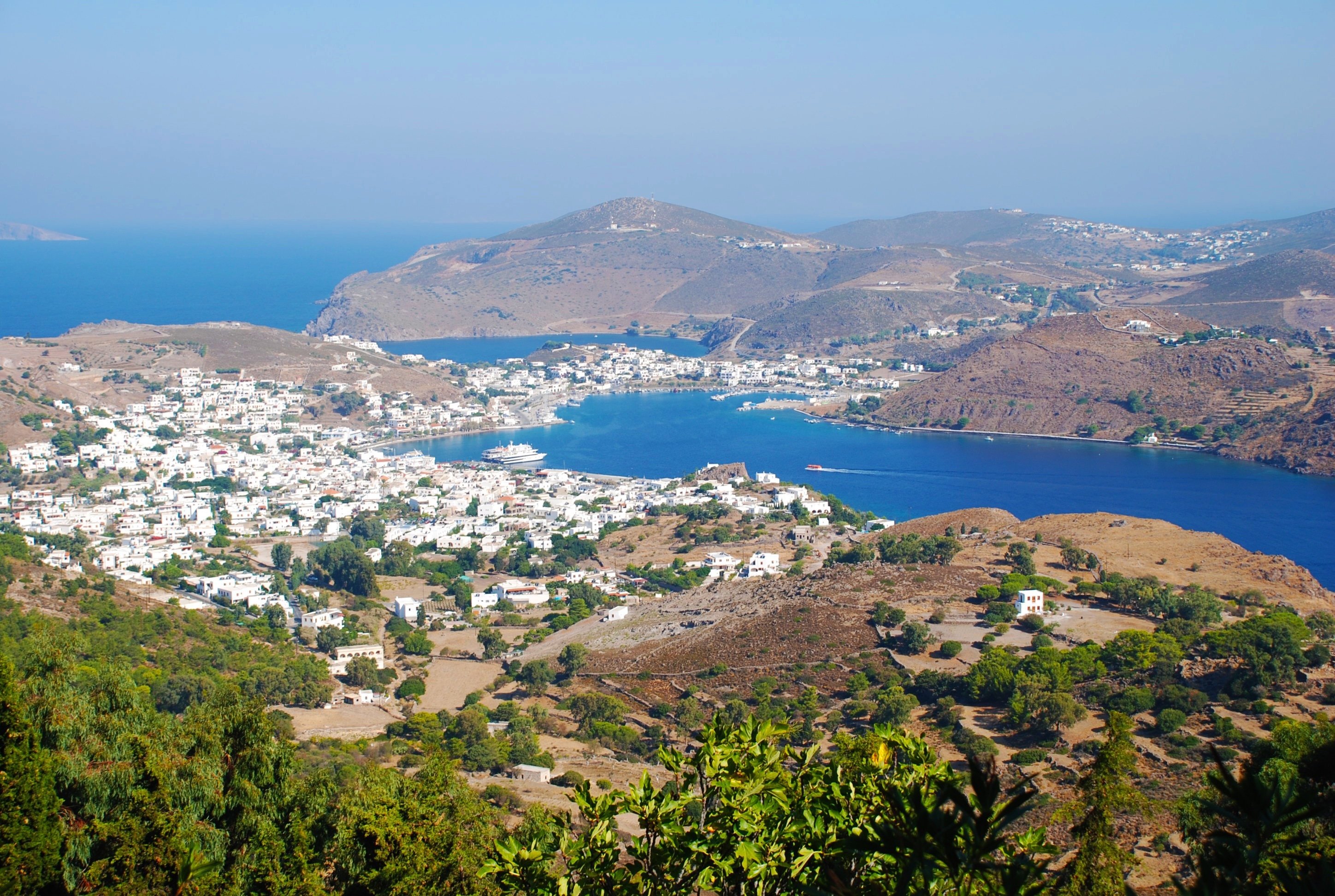
Often referred to as the ‘Island of the Apocalypse’, tranquil Patmos holds deep spiritual significance. In a cave overlooking the sea, Saint John is believed to have received the visions described in the Book of Revelation. Its historic centre, Chora, is a World Heritage Site made up of whitewashed buildings and narrow cobblestone streets lined with traditional Greek tavernas, shops and some 40 chapels. The island has a wild and rugged volcanic landscape that rolls down to deserted pebbled beaches and the sparkling Aegean Sea. Spend time soaking up the beauty, spirituality, and cultural significance of this island. Today choose between our Included Excursion or EmeraldACTIVE option. 

Included Excursion
Chora, Monastery of St John the Theologian and the Cave of the Apocalypse
Discover the spiritual and cultural heritage of Patmos, one of Greece's most sacred islands and a UNESCO World Heritage Site. Begin with a visit to the revered Cave of the Apocalypse, where, according to tradition, St. John the Theologian received the visions that inspired the Book of Revelation. Continue to the hilltop town of Chora, where a guided walk through its narrow cobbled streets reveals elegant mansions, panoramic views, and timeless island charm. Visit the impressive Monastery of St. John the Theologian, founded in the 11th century, and explore its museum housing priceless manuscripts, religious icons, and ecclesiastical treasures. Complete your experience at the beautifully preserved Simandiris Mansion, offering a fascinating glimpse into traditional Patmian life, before enjoying free time to browse Chora's boutique-lined streets.
Activity Level: Active, Duration: 3 hours 30 minutes 

EmeraldACTIVE
Downhill Hike to The Monastery of St. John and Cave
Journey through the spiritual heart of Patmos, one of Greece's most sacred islands and a UNESCO World Heritage Site, exploring its most revered religious landmarks and centuries of monastic tradition. Travel to the hilltop village of Chora, where whitewashed houses surround the imposing Monastery of St. John the Theologian, founded in 1088. Explore the monastery's peaceful courtyards and remarkable museum, home to rare manuscripts, ancient icons, religious treasures, and priceless ecclesiastical artefacts. Continue on foot through the atmospheric streets of Chora to the revered Cave of the Apocalypse, where, according to tradition, St. John received the visions recorded in the Book of Revelation. Along the way, admire the island's timeless architecture and experience the tranquil atmosphere that has drawn pilgrims for centuries.
Activity Level: Active, Duration: 2 hours 30 minutes 

EmeraldPLUS
Local folklore performance on board
Step into the vibrant world of Greek culture with a lively presentation of traditional dances from across the country. A talented dance troupe takes you on a colourful journey through rhythm, history, and island spirit. Enjoy iconic favourites such as Zorbas and Sirtaki, along with regional dances including the playful Dodecanese Sousta, the energetic Ikariotikos, the elegant Roditiko, and the popular mainland dances Kalamatianos and Syrtos. In the second part, you are invited to join the celebration as the dancers encourage everyone to learn a few simple steps. Whether experienced or new to Greek dance, this interactive finale transforms the performance into a joyful and memorable celebration of music and community.
Event duration: 1 hour 

Anchored: 08:00 – 23:00  

For better or worse, it can be difficult to reach Patmos—for many travelers, this lack of access is definitely for the better, since the island retains the air of an unspoiled retreat. Rocky and barren, the small, 34-square-km (21-square-mi) island lies beyond the islands of Kalymnos and Leros, northwest of Kos. Here on a hillside is the Monastery of the Apocalypse, which enshrines the cave where St. John received the Revelation in AD 95. Scattered evidence of Mycenaean presence remains on Patmos, and walls of the classical period indicate the existence of a town near Skala. Most of the island's approximately 2,800 people live in three villages: Skala, medieval Chora, and the small rural settlement of Kambos. The island is popular among the faithful making pilgrimages to the monastery as well as with vacationing Athenians and a newly growing community of international trendsetters—designers, artists, poets, and “taste gurus” (to quote Vogue’s July 2011 write-up of the island)—who have bought homes in Chora. These stylemeisters followed in the footsteps of Alexandrian John Stefanidis and the English artist Teddy Millington-Drake who, in the early ’60s, set about creating what eventually became hailed as one of the most gorgeous island homes in the world. The word soon spread thanks to their many guests (who included Jacqueline Kennedy Onassis) but, happily, administrators have carefully contained development, and as a result, Patmos retains its charm and natural beauty—even in the busy month of August.

Pátmos
Pátmos
Patmos, Greece
Patmos, GreeceImage by Doug from Pixabay

Day 4 - Kusadasi

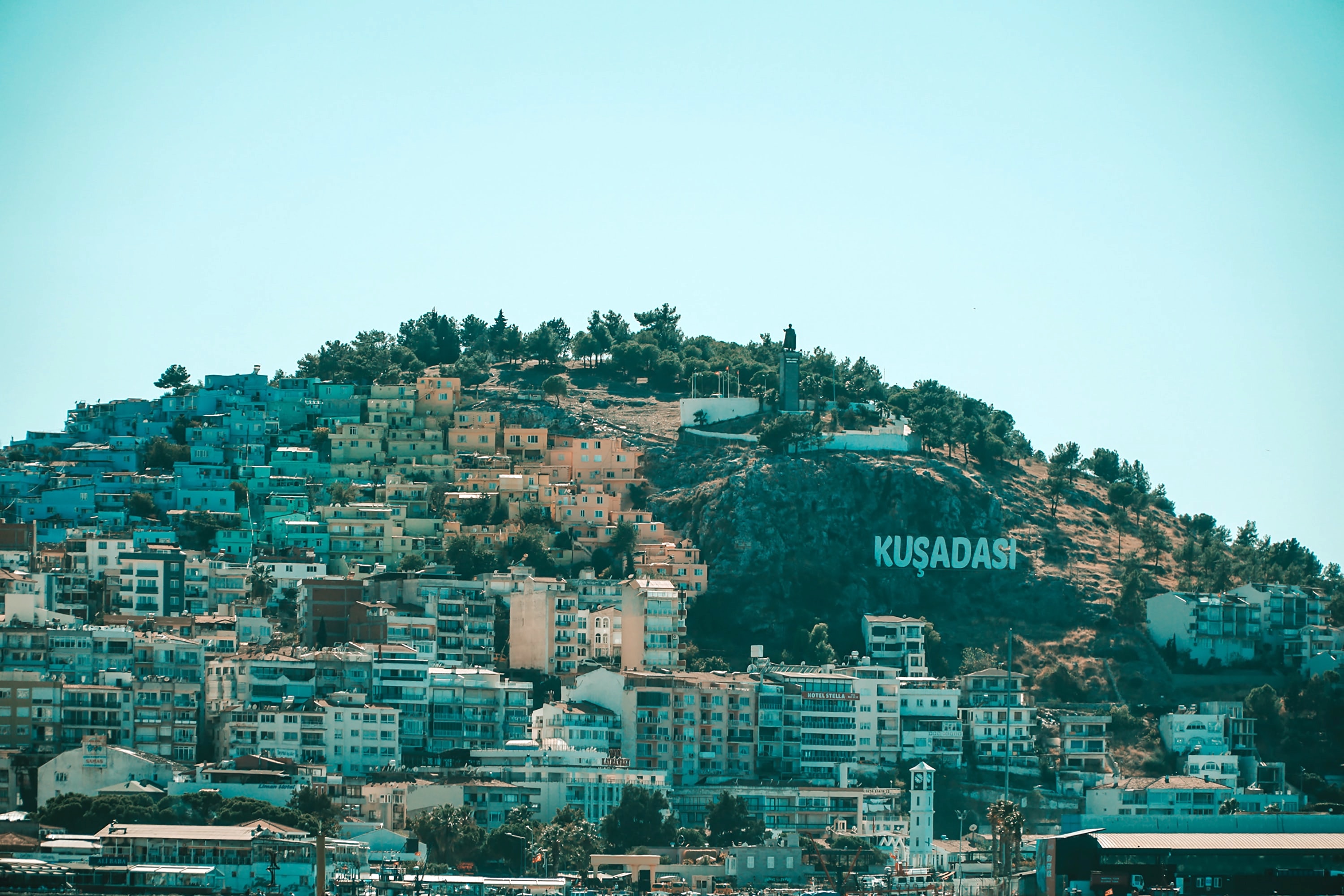
Set along Turkey’s western Aegean coast, Kusadasi is a lively Turkish coastal town rich in history and culture. Its strategic location has made it a crossroads of civilisations for thousands of years. From here, you may explore the nearby ancient city of Ephesus, one of the best-preserved classical cities in the Mediterranean. Wander along marble streets lined with grand columns, temples, and the magnificent Library of Celsus. Back in Kusadasi, vibrant bazaars and seaside promenades offer a colourful taste of Turkish hospitality. 

DiscoverMORE
Priene, Miletus and Didyma (extra expense)
Discover the Treasures of Ancient Anatolia: Priene, Miletus, and Didyma. Embark on a journey through time as you explore the captivating ancient cities of Priene, Miletus, and Didyma, each brimming with rich history and architectural marvels. Join us for an unforgettable day of discovery and exploration. Board your comfortable coach and set off on a picturesque drive through lush fields and vineyards, immersing yourself in the natural beauty of Anatolia. Relax as you journey for approximately 40 minutes to the ancient city of Priene, a true gem of Ionian civilization. Step back in time as you wander the streets of Priene, one of the first cities to be meticulously planned with a grid system. Admire the stunning mountain backdrop and panoramic views overlooking the Meander River, soaking in the ambiance of this ancient Ionian settlement. Continue your odyssey with a 45-minute drive to the ancient city of Miletus, once a thriving metropolis on the Anatolian trade routes. Explore the legacy of renowned philosophers and architects such as Thales, Anaximandros, and Hippodamos, whose brilliance shaped the city's destiny. Indulge in a delicious lunch at a local restaurant with panoramic views of the magnificent Temple of Apollo in Didyma. Marvel at the awe-inspiring scale of this sacred site, where ancient worshipers sought divine guidance and inspiration. Explore the grandeur of the temple, rebuilt with the assistance of Alexander the Great after destruction by the Persians in 494 BC.
Activity Level: Active, Duration: 6 hours 30 minutes 

DiscoverMORE
Guided tour of Ephesus with folkloric show and tasting (extra expense)
Step back in time at the extraordinary ancient city of Ephesus, one of the best-preserved classical cities in the Mediterranean and a UNESCO World Heritage Site. Travel along the scenic Aegean coastline before entering Ephesus through the historic Magnesia Gate. Follow your guide through magnificent ruins, including the grand Forum, the iconic Library of Celsus, and the impressive Great Theatre, while learning about the city's importance as one of the greatest centres of the ancient world. Continue to the remarkable Terrace Houses, where beautifully preserved mosaics, frescoes, and luxurious private residences provide a fascinating insight into the lives of Ephesus' wealthy citizens. Before returning, enjoy a visit to a local cooperative featuring a traditional Turkish folklore performance, accompanied by a selection of regional delicacies, local drinks, and wine in a relaxing garden setting.
Activity Level: Active, Duration: 5 hours 30 minutes 

Docked: 08:00 – 22:30 

Whilst the busy resort town of Kusadasi offers much in the way of shopping and dining – not to mention a flourishing beach life scene, the real jewel here is Ephesus and the stunning ruined city that really take centre stage. With only 20% of the classical ruins having been excavated, this archaeological wonder has already gained the status as Europe’s most complete classical metropolis. And a metropolis it really is; built in the 10th century BC this UNESCO World Heritage site is nothing short of spectacular. Although regrettably very little remains of the Temple of Artemis (one of the seven wonders of the ancient world), the superb Library of Celsus’ façade is practically intact and it is one of life’s great joys to attend an evening performance in the illuminated ruins once all the tourists have left. The history of the city is fascinating and multi-layered and it is well worth reading up on this beforehand if a visit is planned. Another point of interest for historians would be the house of the Virgin Mary, located on the romantically named Mount Nightingale and just nine kilometres away from Ephesus proper. Legend has it that Mary (along with St. John) spent her final years here, secluded from the rest of the population, spreading Christianity. An edifying experience, even for non-believers. For the less historical minded amongst you, Kusadasi offers plenty in the way of activities. After a stroll through the town, jump in a taxi to Ladies’ Beach (men are allowed), sample a Turkish kebap on one of the many beachfront restaurants and enjoy the clement weather. If you do want to venture further afield, then the crystal clear beaches of Guzelcamli (or the Millipark), the cave of Zeus and the white scalloped natural pools at Pamukkale, known as Cleopatra’s pools, are definitely worth a visit.

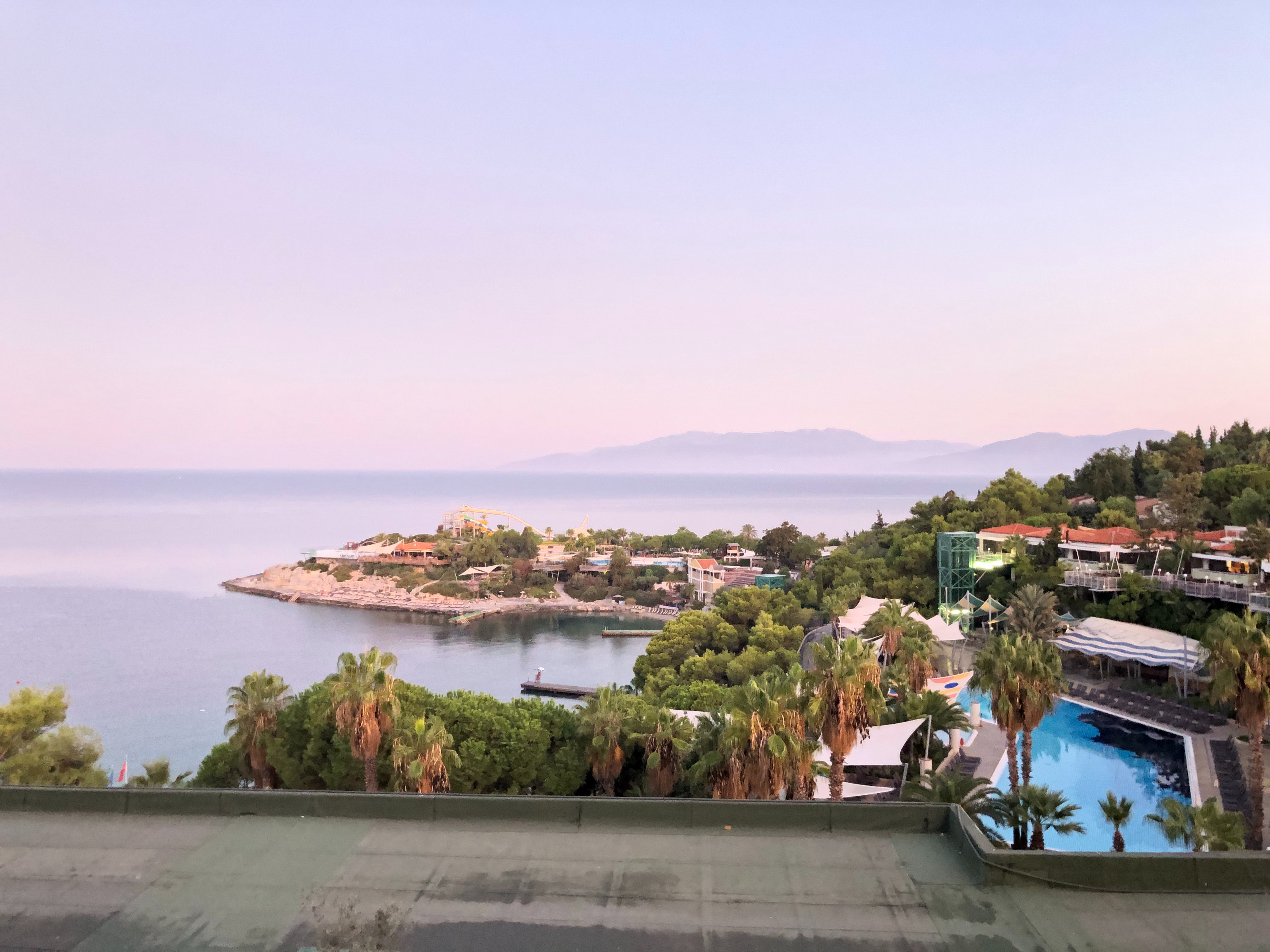
Pine Bay Holiday Resort, Kusadasi
Pine Bay Holiday Resort, KusadasiPhoto by Bhumil Chheda
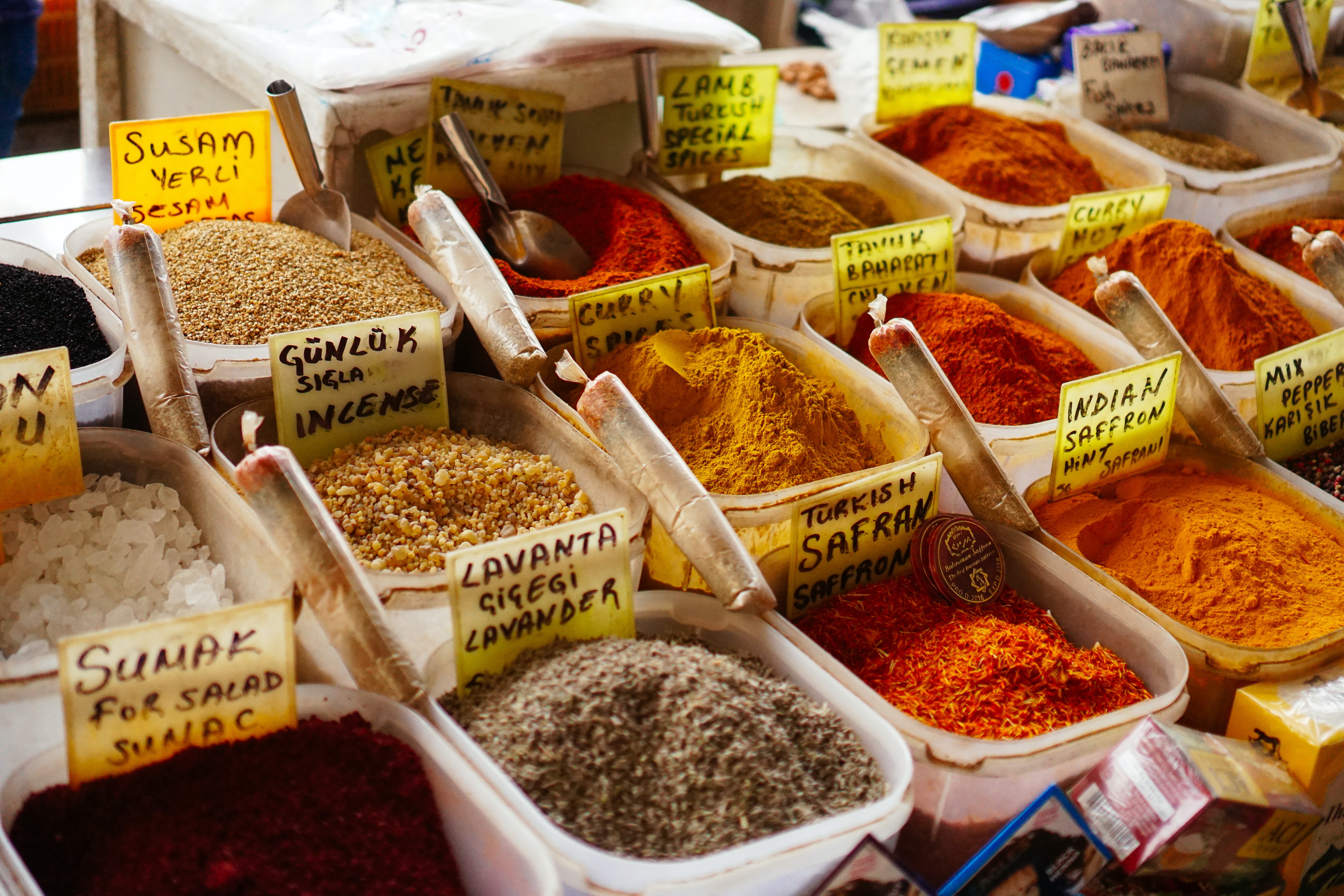
Spices
SpicesPhoto by Tom Hermans
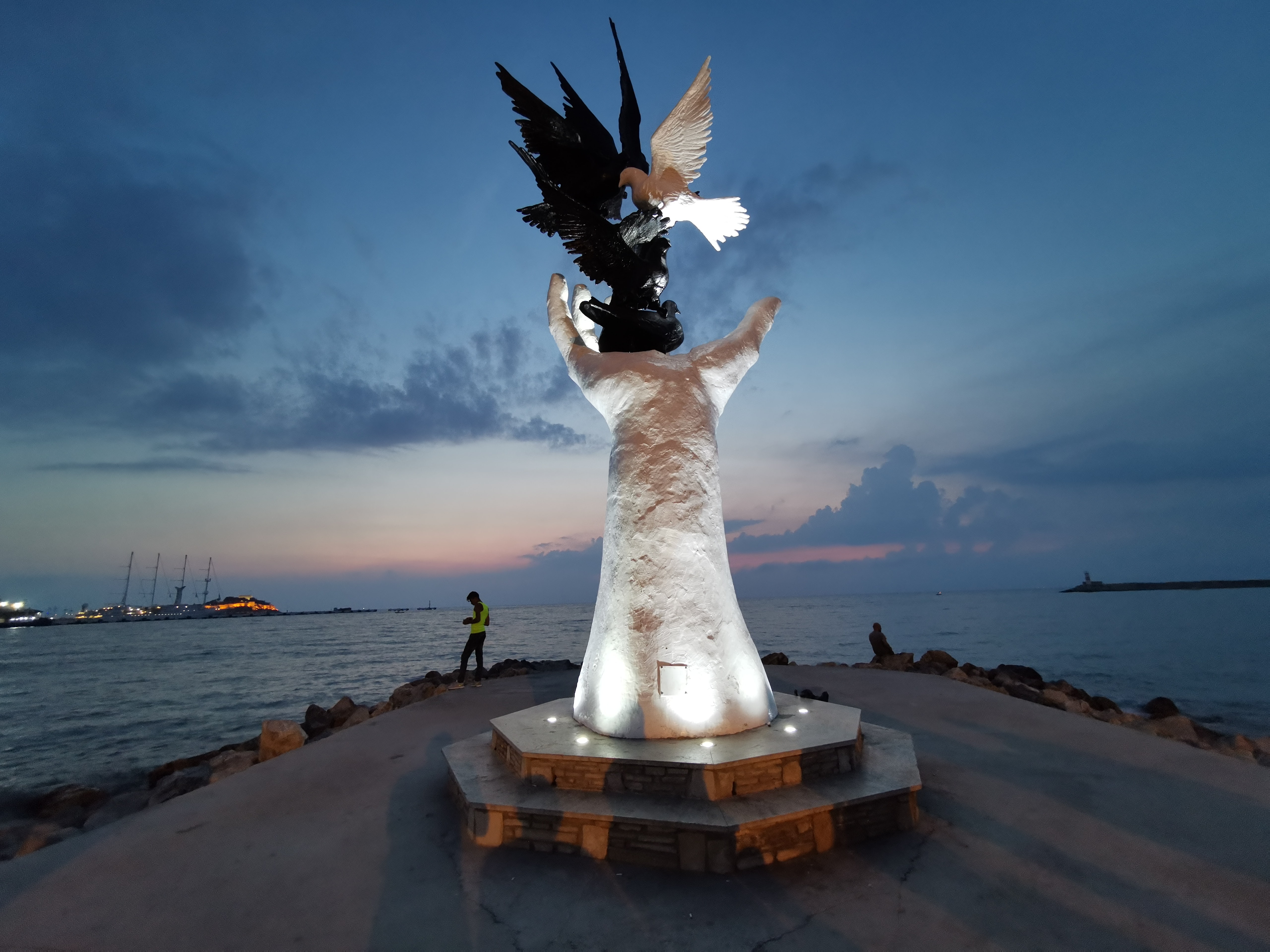
Hand Of Peace Sculpture In Kusadasi
Hand Of Peace Sculpture In KusadasiPhoto by Michal
Kusadasi
KusadasiPhoto by Mert Kahveci
Palm Tree
Palm TreePhoto by Mert Kahveci

Day 5 - Kos

Kos welcomes you with glorious landscapes and remarkable historical heritage. Known as the birthplace of Hippocrates, the father of modern medicine, the island offers a fascinating journey into the ancient world. Explore the Asklepion, once a renowned healing sanctuary, along with Roman villas, ancient agora and medieval fortifications. The main town is a mishmash of architectural styles, and you’ll find whitewashed dwellings side by side with Muslim mosques, 1930s Italian-style buildings and the medieval Neratzia Castle. Kos also boasts beautiful beaches and relaxed island charm, perfect for leisurely exploration. 

DiscoverMORE
Walking Tour of Kos (extra expense)
This walking excursion introduces you to the living history of Kos, an island shaped by antiquity, Byzantine heritage, and medieval rule. After a short walk from the ship, you arrive in Kos Town, where layers of history unfold through monuments and architecture spanning thousands of years. Stroll among the excavated ruins of the ancient town, discovering temples and public buildings that reveal Kos’ classical past. Admire the imposing Castle of the Knights, a medieval fortress guarding the harbour, and observe the elegant contrasts of mosques and Byzantine churches that reflect later chapters of the island’s story. A highlight of the walk is the legendary Tree of Hippocrates, where tradition holds that the great physician once taught his students beneath its branches. In the heart of town, pause at a local café to enjoy a refreshment before some free time to wander independently, browse small shops, or simply soak up the atmosphere of this vibrant harbour town. Afterwards, meet your guide for the return walk. 
Activity Level: Moderate, Duration: 3 hours 45 minutes

Docked: 07:30 –19:00 

Kos Beach, Greece
Kos Beach, GreeceImage from Pixabay

Day 6 - Santorini

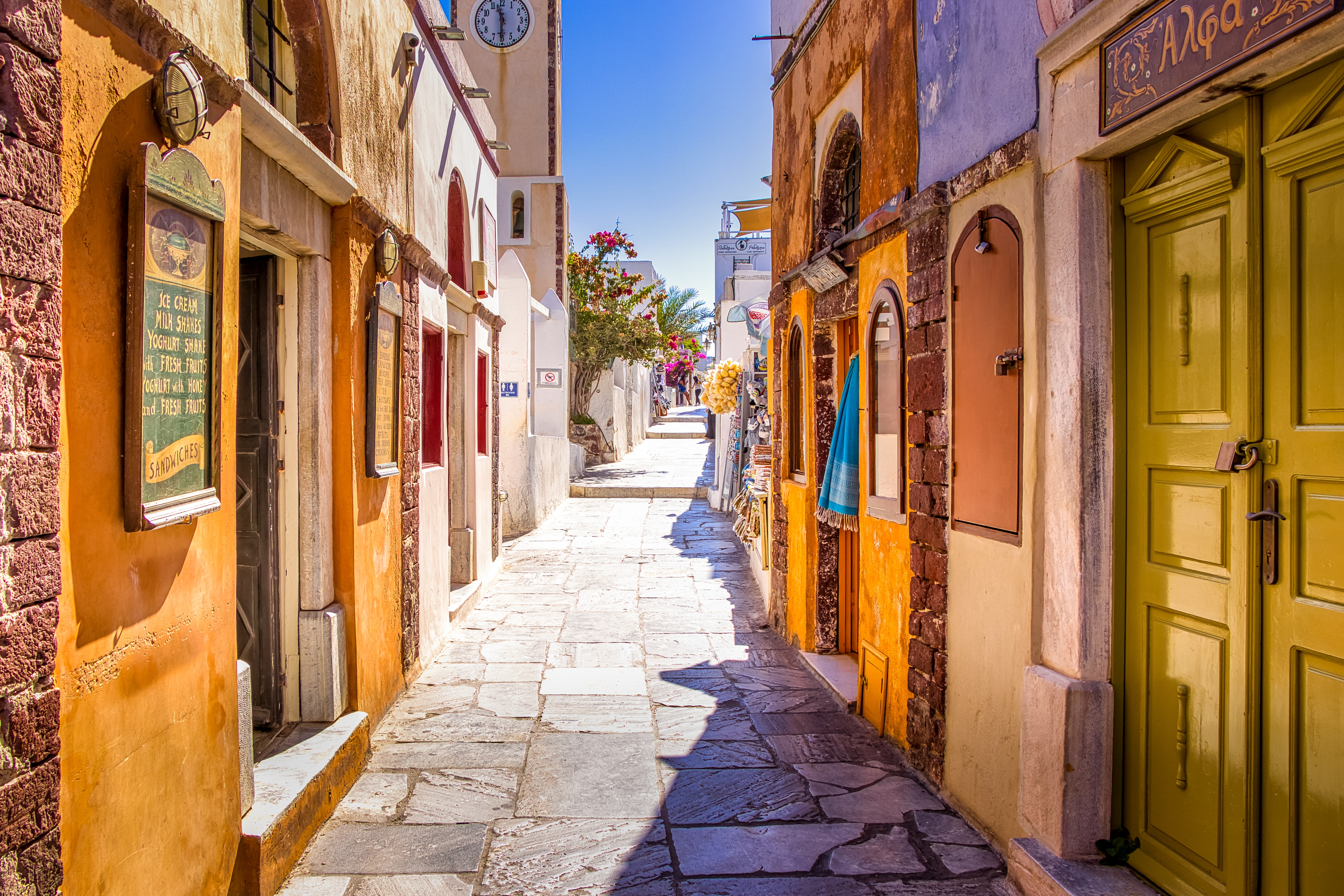
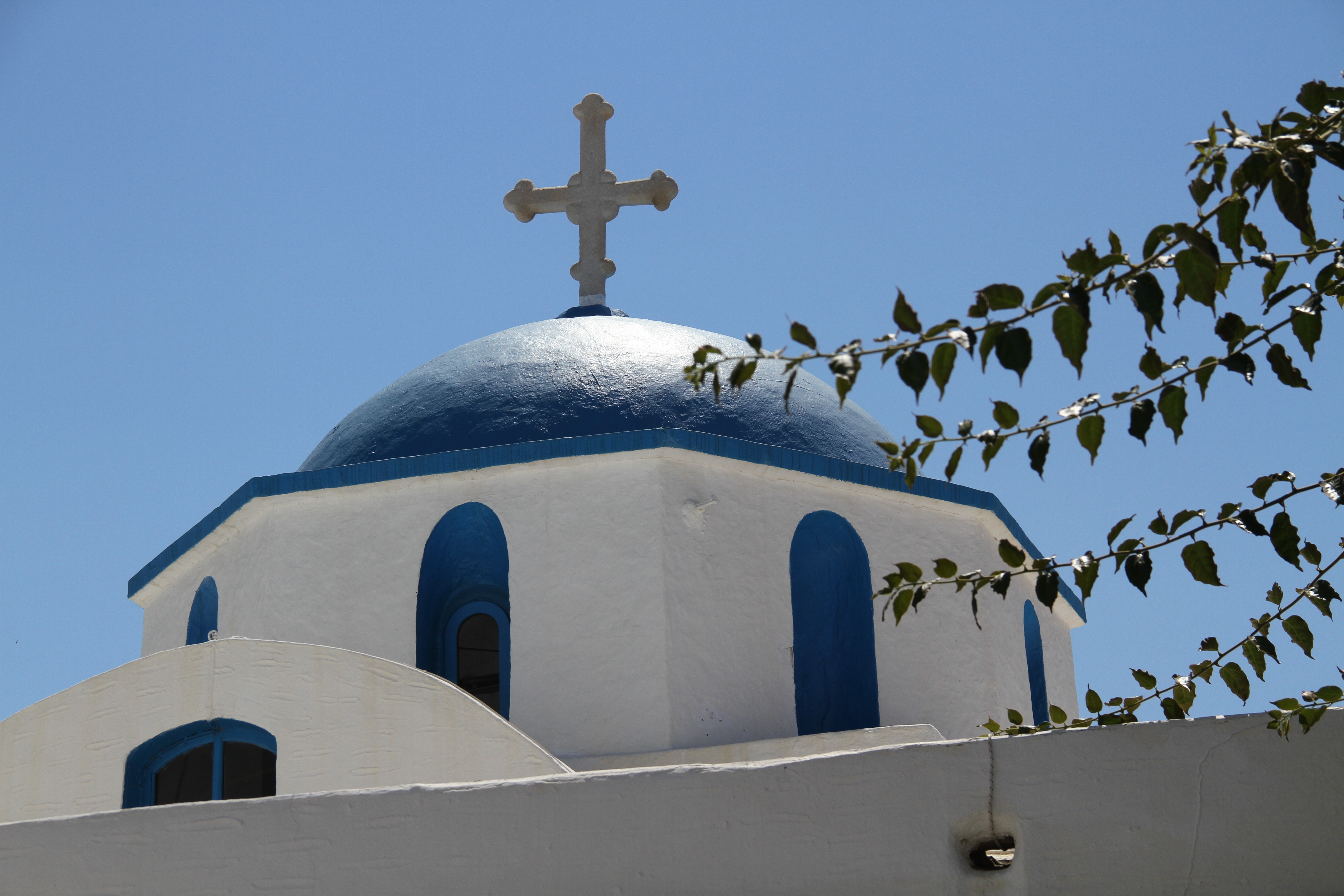
Arriving by sea at Santorini offers a breathtaking first impression, with whitewashed villages perched dramatically atop volcanic cliffs above the Aegean. Stroll through Oia’s narrow lanes, where blue-domed churches and cascading bougainvillea create postcard-worthyscenes at every turn. Relax on distinctive volcanic-sand beaches or sample crisp local wines cultivated in mineral-rich soil. As you sail away, the sun sinks into the Aegean and Santorini’s legendary sunset paints the sky in hues of gold and crimson – a moment to cherish forever. 

Included Excursion
Round Trip Cable Car Ticket to Thira
Experience one of Santorini’s most iconic journeys with a roundtrip cable car ride between the Old Port of Gialos and Fira, offering spectacular views over the island’s dramatic caldera. After tendering from the ship, proceed to the Old Port of Gialos, where the Santorini Cable Car (Teleferico) provides a quick and scenic ascent up the steep caldera cliffs, connecting the port with Fira, the island’s lively capital. As the gondola rises, enjoy sweeping views of volcanic rock faces, whitewashed villages perched high above the cliffs, and the deep blue Aegean Sea below. Upon arrival in Fira, time is available to explore independently—stroll along the caldera rim, browse local shops, enjoy panoramic viewpoints, or relax at a café overlooking the breathtaking scenery. When ready, use the return cable car ticket to descend comfortably back to the Old Port and tender back to the ship.
Activity Level: Easy, Duration: At your leisure

DiscoverMORE
Akrotiri, Winery & Oia (extra expense)
Journey through the history, flavours, and iconic landscapes of Santorini as you discover one of the Aegean's most captivating islands. Begin with a visit to the remarkable archaeological site of Akrotiri, often referred to as the "Greek Pompeii." Buried beneath volcanic ash following the island's great eruption, this exceptionally preserved Bronze Age settlement reveals sophisticated multi-storey buildings, advanced drainage systems, and fascinating insights into one of the ancient Mediterranean's most advanced civilisations. Continue to a traditional Santorini winery, where you will learn about the island's unique volcanic viticulture and enjoy a tasting of locally produced wines while overlooking the spectacular caldera. Complete your excursion in the picturesque village of Oia, famous for its whitewashed houses, blue-domed churches, and breathtaking views across the volcanic caldera and Thirassia Island. Afterwards, continue to Fira, where you may either return with the group or remain to explore the island's capital independently before taking the cable car back to the Old Port at your convenience.
Activity Level: Moderate, Duration: 5 hours 30 minutes 

Anchored: 07:30 –22:00

Undoubtedly the most extraordinary island in the Aegean, crescent-shape Santorini remains a mandatory stop on the Cycladic tourist route—even if it's necessary to enjoy the sensational sunsets from Ia, the fascinating excavations, and the dazzling white towns with a million other travelers. Called Kállisti (the "Loveliest") when first settled, the island has now reverted to its subsequent name of Thira, after the 9th-century-BC Dorian colonizer Thiras. The place is better known, however, these days as Santorini, a name derived from its patroness, St. Irene of Thessaloniki, the Byzantine empress who restored icons to Orthodoxy and died in 802. You can fly conveniently to Santorini, but to enjoy a true Santorini rite of passage, opt instead for the boat trip here, which provides a spectacular introduction. After the boat sails between Sikinos and Ios, your deck-side perch approaches two close islands with a passage between them. The bigger one on the left is Santorini, and the smaller on the right is Thirassia. Passing between them, you see the village of Ia adorning Santorini's northernmost cliff like a white geometric beehive. You are in the caldera (volcanic crater), one of the world's truly breathtaking sights: a demilune of cliffs rising 1,100 feet, with the white clusters of the towns of Fira and Ia perched along the top. The bay, once the high center of the island, is 1,300 feet in some places, so deep that when boats dock in Santorini's shabby little port of Athinios, they do not drop anchor. The encircling cliffs are the ancient rim of a still-active volcano, and you are sailing east across its flooded caldera. On your right are the Burnt isles, the White isle, and other volcanic remnants, all lined up as if some outsize display in a geology museum. Hephaestus's subterranean fires smolder still—the volcano erupted in 198 BC, about 735, and there was an earthquake in 1956. Indeed, Santorini and its four neighboring islets are the fragmentary remains of a larger landmass that exploded about 1600 BC: the volcano's core blew sky high, and the sea rushed into the abyss to create the great bay, which measures 10 km by 7 km (6 mi by 4½ mi) and is 1,292 feet deep. The other pieces of the rim, which broke off in later eruptions, are Thirassia, where a few hundred people live, and deserted little Aspronissi ("White isle"). In the center of the bay, black and uninhabited, two cones, the Burnt Isles of Palea Kameni and Nea Kameni, appeared between 1573 and 1925. There has been too much speculation about the identification of Santorini with the mythical Atlantis, mentioned in Egyptian papyri and by Plato (who says it's in the Atlantic), but myths are hard to pin down. This is not true of old arguments about whether tidal waves from Santorini's cataclysmic explosion destroyed Minoan civilization on Crete, 113 km (70 mi) away. The latest carbon-dating evidence, which points to a few years before 1600 BC for the eruption, clearly indicates that the Minoans outlasted the eruption by a couple of hundred years, but most probably in a weakened state. In fact, the island still endures hardships: since antiquity, Santorini has depended on rain collected in cisterns for drinking and irrigating—the well water is often brackish—and the serious shortage is alleviated by the importation of water. However, the volcanic soil also yields riches: small, intense tomatoes with tough skins used for tomato paste (good restaurants here serve them); the famous Santorini fava beans, which have a light, fresh taste; barley; wheat; and white-skin eggplants.

Gratn   Santorini   Street Buildings
Gratn Santorini Street Buildings
Gratn   Santorini   Cluster Of Homes
Gratn Santorini Cluster Of Homes
Gratn   Santorini   Building By The Sea
Gratn Santorini Building By The Sea
Gratn   Santorini   View Of The Sea
Gratn Santorini View Of The Sea
Gratn   Santorini   Sunset
Gratn Santorini Sunset

Day 7 - Páros

The paradise island of Paros rose to power and prosperity in the sixth century BC for its high-quality marble, Parian marble, used for the construction of many temples and public buildings. It’s home to ancient ruins, Venetian castles and traditional Greek architecture,and draws in visitors to its stunning beaches, crystal-clear azure waters and charming local villages. The main town, Parikia, is nestled on a hill overlooking the port. Its cobbled lanes are bustling with activity, lined with shops, cafés and restaurants serving delicious local Greek cuisine. It also has a historic Frankish castle built in the 1200s. The island’s other town, Naoussa, is a picturesque harbour wherewooden boats sway and waterside restaurants grill freshly caught seafood. 

DiscoverMORE
Lefkes and Naoussa with wine tasting (extra expense)
Journey through the timeless landscapes of Paros, where traditional villages, picturesque harbours, and local winemaking showcase the authentic character of the island. Begin in the charming hillside village of Lefkes, once the island's capital. Enjoy free time to wander its whitewashed alleyways, admire elegant neoclassical houses, and soak up the peaceful atmosphere of one of the Cyclades' most picturesque villages. Continue to the beautiful fishing village of Naoussa, where colourful boats, waterfront cafés, and narrow streets invite you to explore at a relaxed pace. The excursion concludes with a visit to a local winery, where you'll discover the island's long-standing winemaking traditions during a guided tour of the cellars, followed by a tasting of three locally produced wines served with fresh bread and cheese.
Activity Level: Moderate, Duration: 4 hours

Anchored: 08:00 – 18:00

Paros, Greece
Paros, GreeceImage by Stefan Domesle from Pixabay

Day 8 - Piraeus

Your luxurious yacht cruise concludes in the dynamic Greek capital, Athens. Farewell your crew and fellow guests, taking with you a lifetime of memories. You will be transferred to the airport for your return flight home or to continue your journey. 

DiscoverMORE
Athens City tour with Acropolis (extra expense, must be booked on board)
Experience the timeless wonders of Athens, where ancient history and authentic Greek flavours come together in an unforgettable journey through the city's most iconic landmarks. Begin with a guided visit to the magnificent Acropolis, ascending the sacred hill to admire the Parthenon, Erechtheion, Temple of Athena Nike, and Propylaea, while enjoying panoramic views over Athens and nearby landmarks including the Odeon of Herodes Atticus. Continue into the charming neighbourhood of Plaka, where narrow streets, neoclassical houses, and family-run shops create the perfect setting to experience traditional Athenian life. Stroll through the lively market streets while sampling a variety of authentic Greek specialities, including local cheeses, olives, savoury pies, pastries, olive oil, wine, and regional spirits, as your guide shares the story behind Greece's celebrated culinary traditions.
Activity Level: Moderate, Duration: 5 hours

Notes: This excursion is available for guests continuing on the next cruise and for disembarking guests with flights departing after 5:00 pm. After the visit to Plaka, disembarking guests will transfer directly to the airport, while in-transit guests will return to the ship by separate vehicle.

Please book your flight to depart out of Athens after 01:00 PM.

Docked: 06:00

The itinerary is a guide only and may be amended for operational reasons. As such Emerald Cruises cannot guarantee the cruise will operated unaltered from the itinerary states above.

It's no wonder that all roads lead to the fascinating and maddening metropolis of Athens. Lift your eyes 200 feet above the city to the Parthenon, its honey-color marble columns rising from a massive limestone base, and you behold architectural perfection that has not been surpassed in 2,500 years. But, today, this shrine of classical form dominates a 21st-century boomtown. To experience Athens—Athína in Greek—fully is to understand the essence of Greece: ancient monuments surviving in a sea of cement, startling beauty amid the squalor, tradition juxtaposed with modernity. Locals depend on humor and flexibility to deal with the chaos; you should do the same. The rewards are immense. Although Athens covers a huge area, the major landmarks of the ancient Greek, Roman, and Byzantine periods are close to the modern city center. You can easily walk from the Acropolis to many other key sites, taking time to browse in shops and relax in cafés and tavernas along the way. From many quarters of the city you can glimpse "the glory that was Greece" in the form of the Acropolis looming above the horizon, but only by actually climbing that rocky precipice can you feel the impact of the ancient settlement. The Acropolis and Filopappou, two craggy hills sitting side by side; the ancient Agora (marketplace); and Kerameikos, the first cemetery, form the core of ancient and Roman Athens. Along the Unification of Archaeological Sites promenade, you can follow stone-paved, tree-lined walkways from site to site, undisturbed by traffic. Cars have also been banned or reduced in other streets in the historical center. In the National Archaeological Museum, vast numbers of artifacts illustrate the many millennia of Greek civilization; smaller museums such as the Goulandris Museum of Cycladic Art Museum and the Byzantine and Christian Museum illuminate the history of particular regions or periods. Athens may seem like one huge city, but it is really a conglomeration of neighborhoods with distinctive characters. The Eastern influences that prevailed during the 400-year rule of the Ottoman Empire are still evident in Monastiraki, the bazaar area near the foot of the Acropolis. On the northern slope of the Acropolis, stroll through Plaka (if possible by moonlight), an area of tranquil streets lined with renovated mansions, to get the flavor of the 19th-century's gracious lifestyle. The narrow lanes of Anafiotika, a section of Plaka, thread past tiny churches and small, color-washed houses with wooden upper stories, recalling a Cycladic island village. In this maze of winding streets, vestiges of the older city are everywhere: crumbling stairways lined with festive tavernas; dank cellars filled with wine vats; occasionally a court or diminutive garden, enclosed within high walls and filled with magnolia trees and the flaming trumpet-shaped flowers of hibiscus bushes. Formerly run-down old quarters, such as Thission, Gazi and Psirri, popular nightlife areas filled with bars and mezedopoleia (similar to tapas bars), are now in the process of gentrification, although they still retain much of their original charm, as does the colorful produce and meat market on Athinas. The area around Syntagma Square, the tourist hub, and Omonia Square, the commercial heart of the city about 1 km (½ mi) northwest, is distinctly European, having been designed by the court architects of King Otho, a Bavarian, in the 19th century. The chic shops and bistros of ritzy Kolonaki nestle at the foot of Mt. Lycabettus, Athens's highest hill (909 feet). Each of Athens's outlying suburbs has a distinctive character: in the north is wealthy, tree-lined Kifissia, once a summer resort for aristocratic Athenians, and in the south and southeast lie Glyfada, Voula, and Vouliagmeni, with their sandy beaches, seaside bars, and lively summer nightlife. Just beyond the city's southern fringes is Piraeus, a bustling port city of waterside fish tavernas and Saronic Gulf views.

Grath   Athens   Acropolis
Grath Athens Acropolis
Grath   Athens   Athens Sea
Grath Athens Athens Sea
Grath   Athens   City Overview
Grath Athens City Overview
Grath   Athens   Greek Ruins
Grath Athens Greek Ruins
Grath   Athens   Parthenon
Grath Athens Parthenon
Grath   Athens   Ruins And Architecture
Grath Athens Ruins And Architecture
Grath   Athens   Temple Of Hephaestus
Grath Athens Temple Of Hephaestus

Suites & Deck Plans

Suite

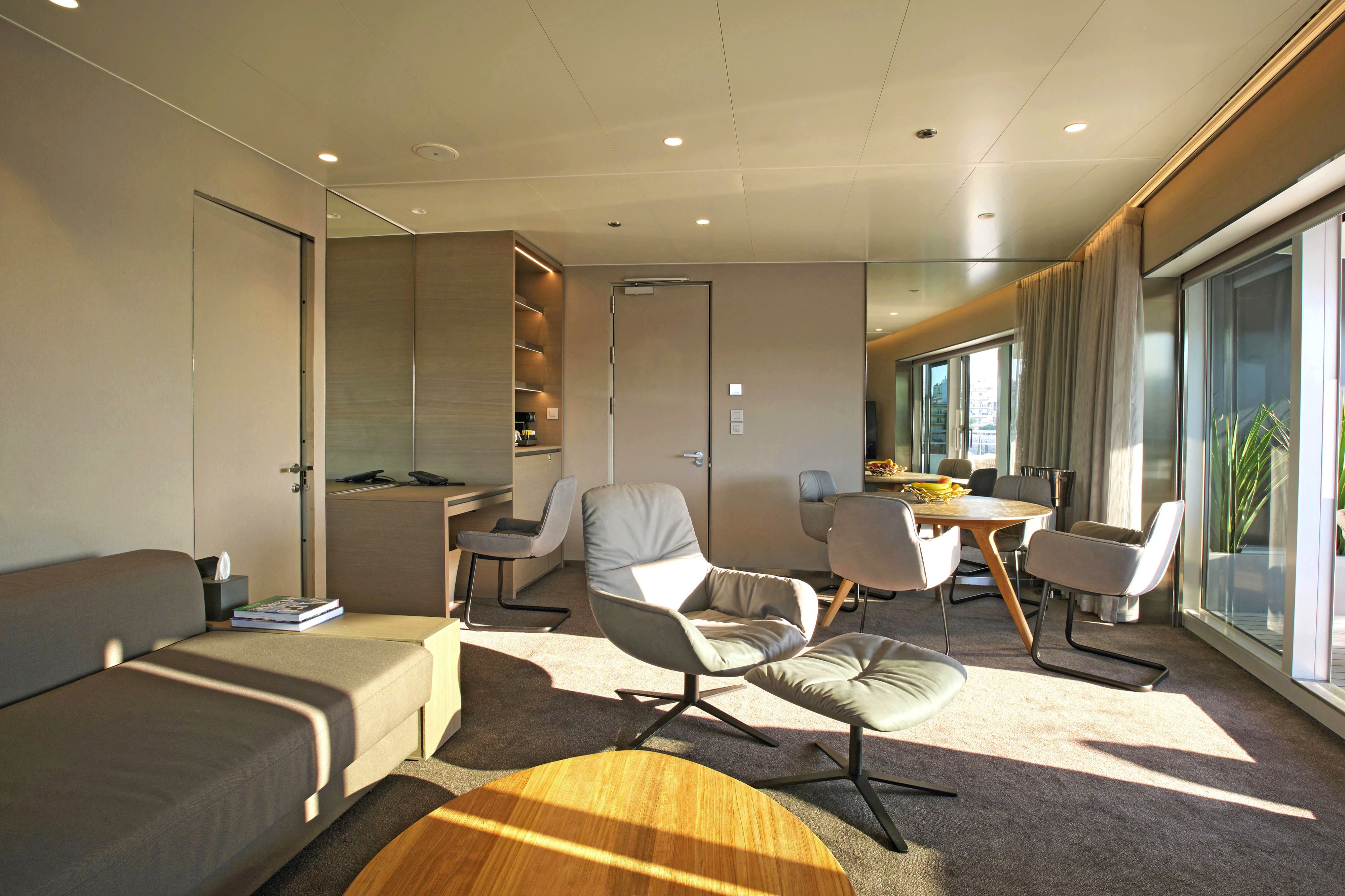
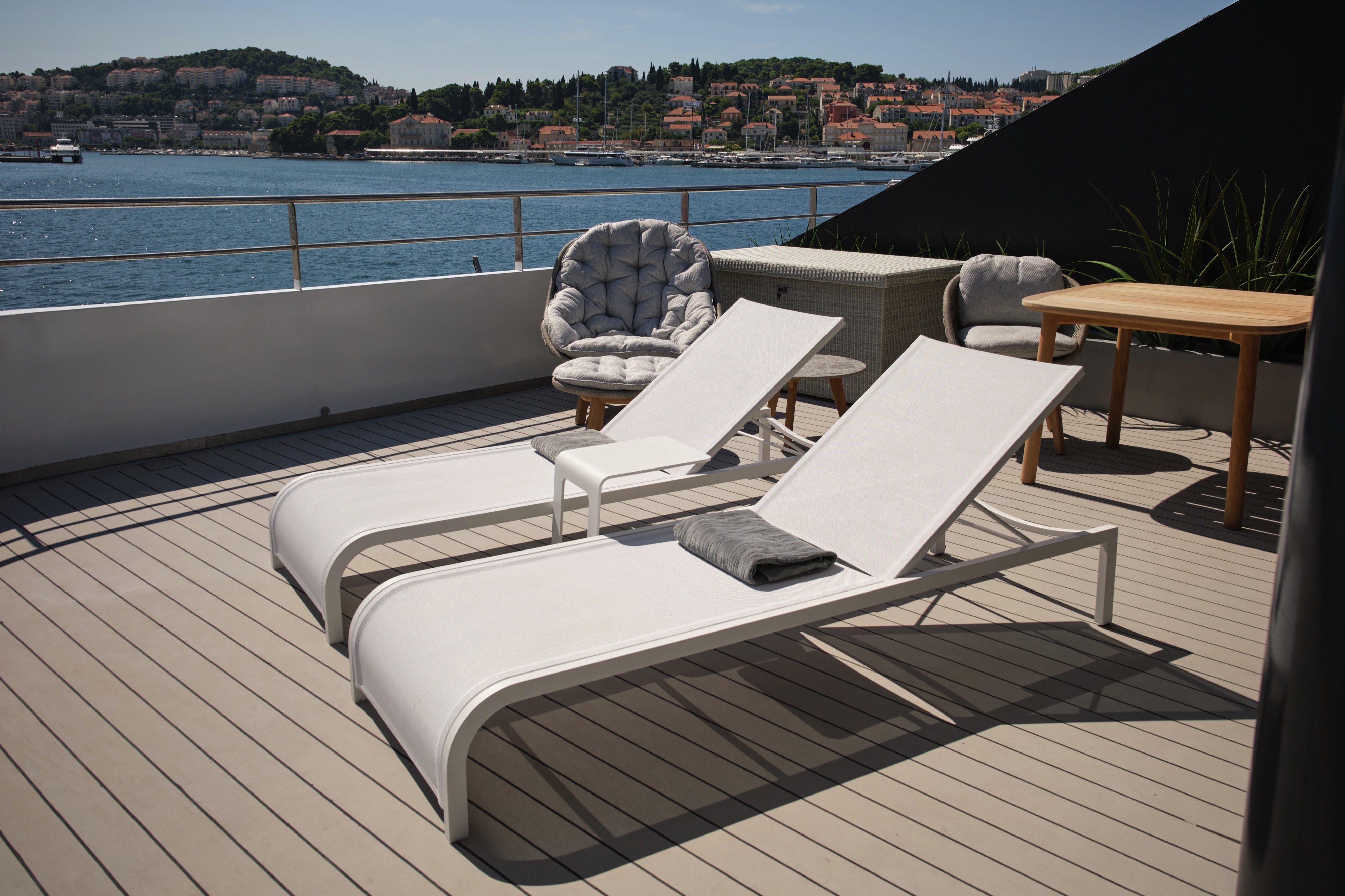
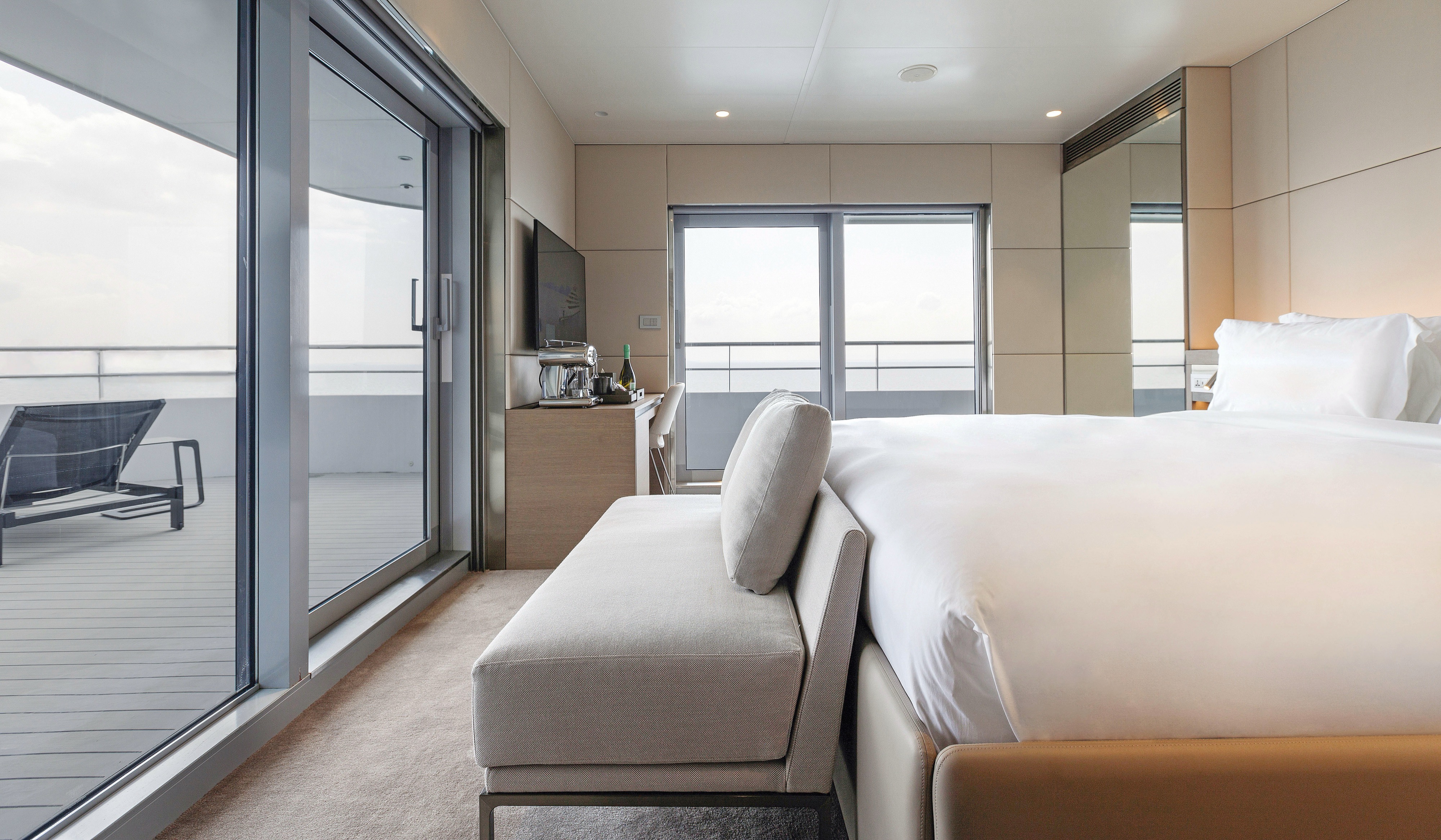
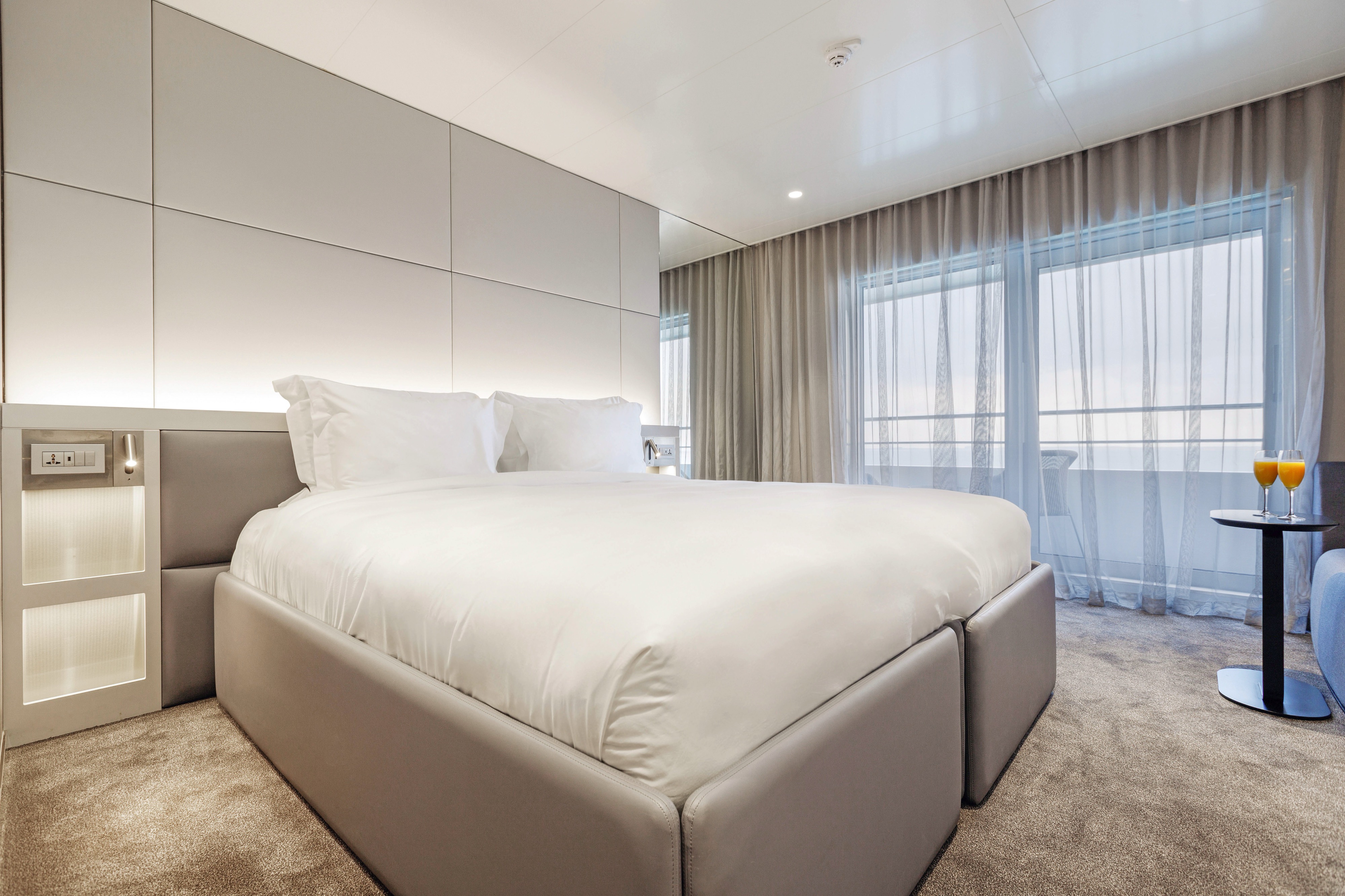
These suites are the largest on board, located on the Pool Deck. Boasting a walk-in wardrobe and separate lounge and bedroom areas, you'll benefit from pure privacy. Your large private terrace enables you to relax alfresco, admiring stunning views.
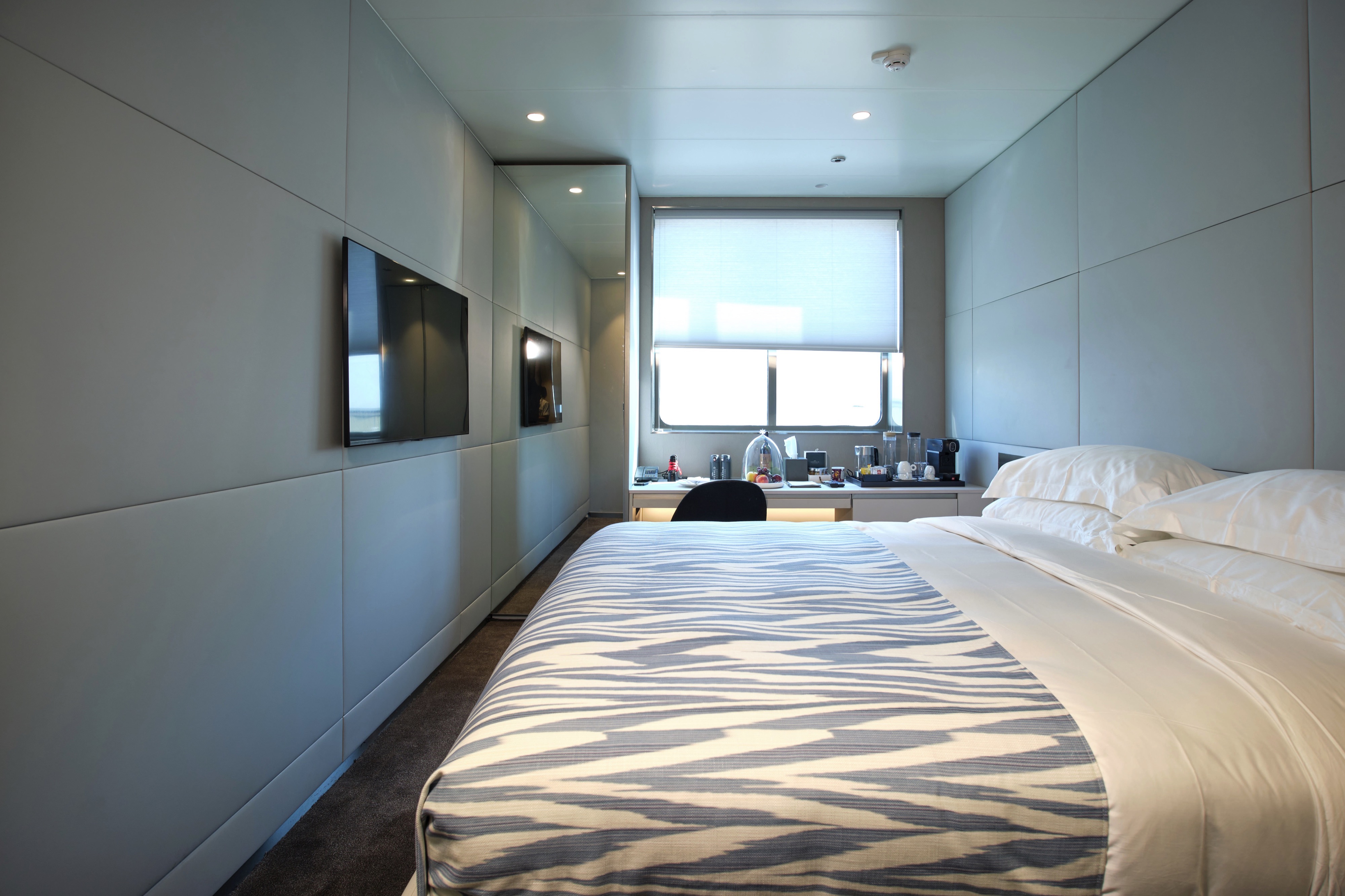
All suites & staterooms include:

  • King-size or twin hotel-style beds with the finest Egyptian cotton linen
  • En suite bathroom with luxurious ESPA toiletries
  • Complimentary bathrobes and slippers
  • Flat-screen HDTV and infotainment system
  • Complimentary mini-bar and water, restocked daily
  • Complimentary Wi-Fi
  • Individual climate control
  • Personal safe
  • Umbrella
  • Telephone
  • Room service available for breakfast
1162-1182 sq ft
Accommodates 4 guests
Owner's Suite

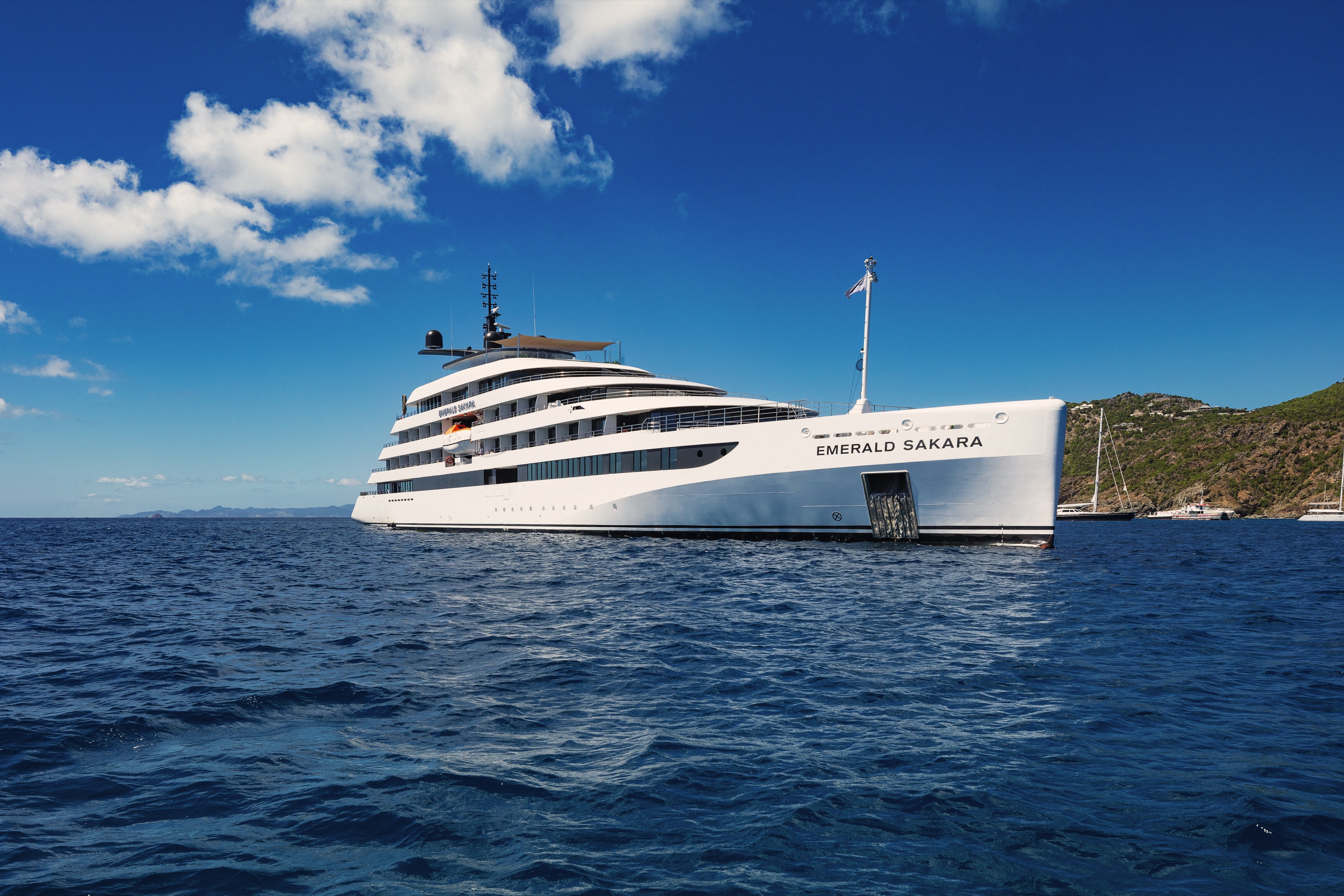
Emerald Sakara

Emerald Sakara

Client testimonials

I have worked with Lore Doick for more than 20 years, and she has booked over 30 cruises for me. Her expertise, care, and attention to every travel detail have made her an invaluable advisor and friend over the years.”

Tina B.

We are now in our second generation working with Cheri Ozimac at Tully Luxury Travel. From Antarctica to Greece, she has handled every detail with expertise, responsiveness, and care…

Earl M.

My wife and I have worked with Tully since 2007, and Kit Neil and her team went far beyond expectations while helping us navigate multiple cruise and flight cancellations. Their advocacy, care, and support during a difficult time were extraordinary.

Carri F.

Cheri Ozimac organized our Seabourn cruise flawlessly, from the hotel recommendation to every travel arrangement. She was responsive, attentive, and an excellent advocate throughout the process…

Cyn S.

We discovered Tully Luxury Travel after years of booking cruises through US agents and were impressed by their competitive pricing, exceptional service, and Canadian based support. Their team is always available, offers excellent value, and makes booking the right cruise seamless.

Peter C.

GoogleAverage Customer Rating:

The Tully Difference

Why travel with us


Tully Luxury Travel was built on access, discretion, and trust. For our clients, that means ease at every step, with distinctions that turn exceptional voyages into defining moments.

Recognized expertise

A renowned agency worldwide in luxury land and small-ship cruising, consistently trusted by the industry’s most prestigious brands.